The discipline of staying curious
Approaching unfamiliar techniques with honesty, research, and preparation became an essential part of his development.
Gerardo David Bracho Fernández
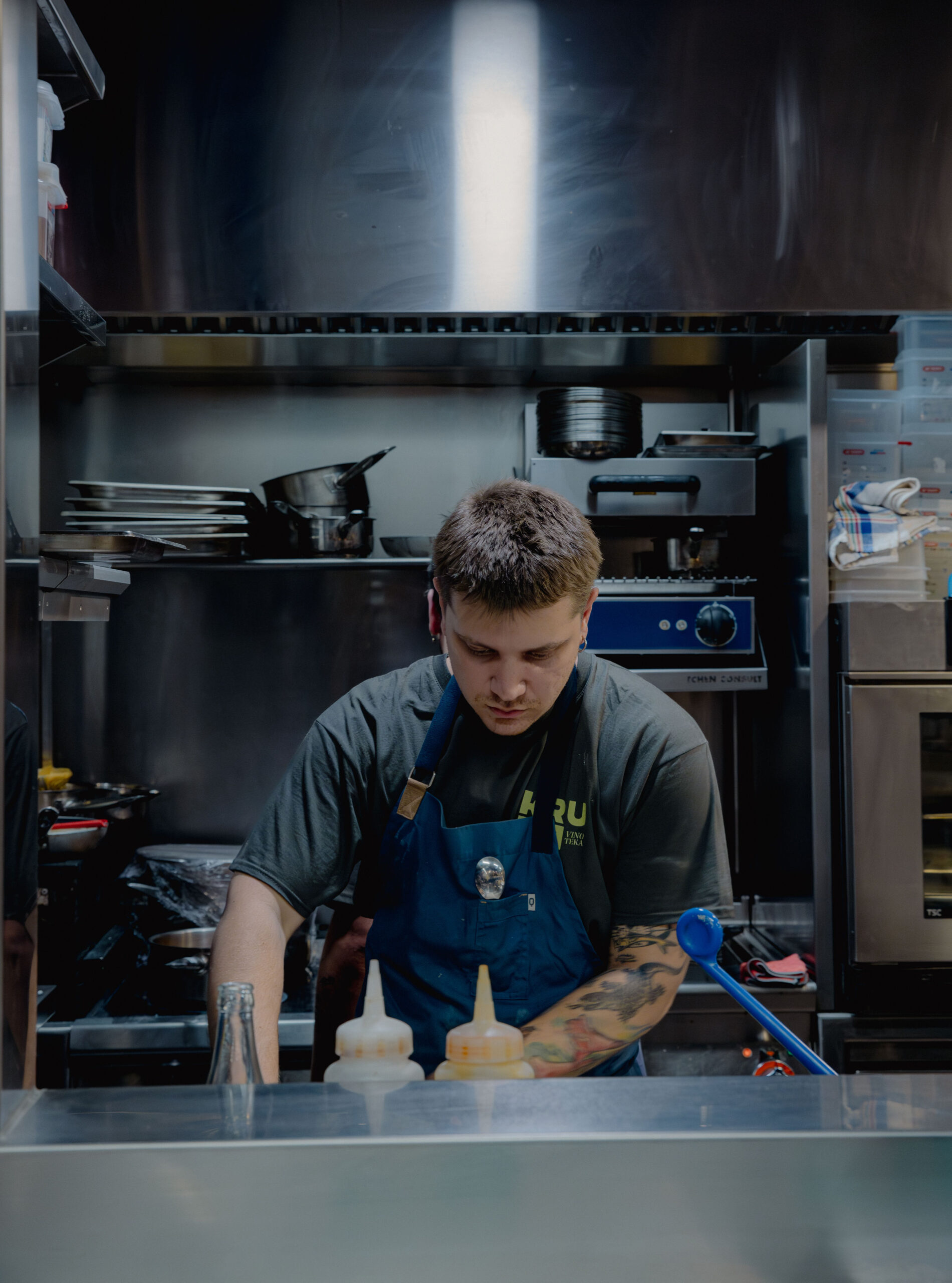
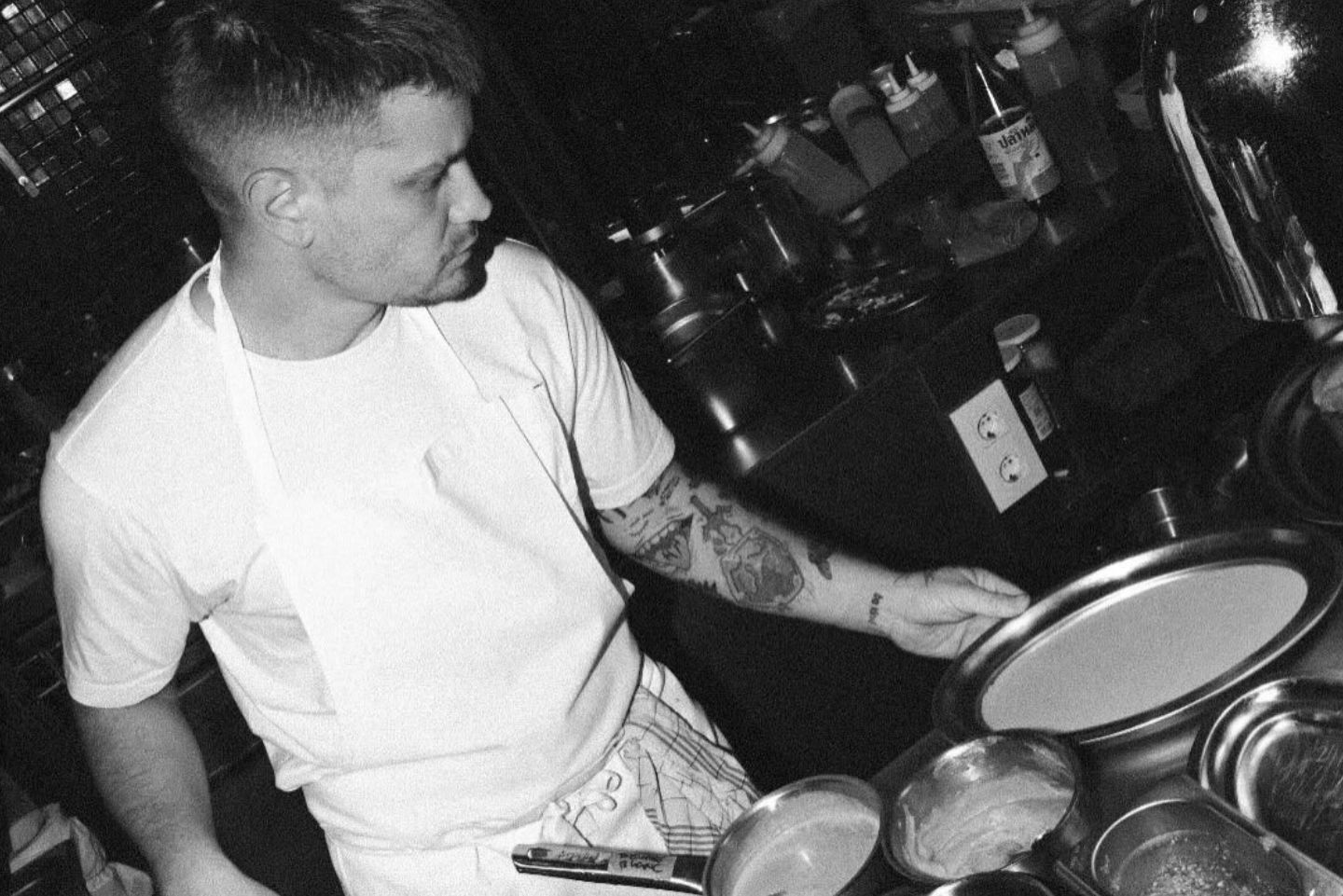
Growing up in Margarita, Venezuela, Gerardo David Bracho Fernandez found his first connection to cooking, through the simple moments in his father’s kitchen. What began with a childhood memory of steak juices and toasted bread, eventually became a career shaped by curiosity, hard work, and a deep appreciation for Venezuelan food.
His journey has taken him through kitchens in the Dominican Republic, Chile, Thailand, Singapore, and Spain, where each country added new perspectives and influences to his cooking. While his experiences have shaped his approach, Venezuelan cuisine remains at the heart of everything he does. Through pop-ups and collaborations, he continues to bring the flavors of home to new audiences, using local ingredients wherever he goes.
Beyond the food, Gerardo values the people he has met along the way and believes in building kitchens where high standards and kindness can coexist. His goal is to give Venezuelan cuisine the recognition he believes it deserves, while creating a healthier and more balanced environment for the people working behind the scenes.
In this conversation with Humans of the Kitchen, Gerardo reflects on the experiences that shaped his career, the influence of cooking across cultures, and his mission to bring Venezuelan cuisine to a bigger stage.
Share your Journey
- Looking back at your childhood, was there a specific moment or memory that sparked your interest in food or cooking?
There are a couple, but one I always go back to is when my dad cooked steaks. He would deglaze the pan with water, wait for it to reduce just enough, and soak some bread in it, maybe even toast it a bit in the pan. I would go crazy for it. Later on, when I made my first demi-glace at culinary school, it brought me back to that memory.
- Did you have another career or job before becoming a chef? How did those experiences influence your decision to pursue cooking?
I didn’t really have any other jobs before I started cooking, but I did study statistics for a little while. By the end of the second semester, I realized it wasn’t for me, but I think that experience helped me better understand the administrative side of running a restaurant and a professional kitchen.
- Did you formally study culinary arts, or are you self-taught? How has your learning journey shaped your approach to cooking?
I didn’t complete the full program. It’s something not many people know. To be fair, no one really asks. I studied at Instituto Culinario y Turístico del Caribe for one year under Sumito Estévez, and then the kitchens did the rest.
I cut my teeth at several different types of restaurants and in different countries, so I think that’s how I shaped myself as a cook.
I think studying in Venezuela, at that specific school, gave me a deep understanding of the value of Venezuelan cuisine, so ever since I started, I knew that was what I wanted to cook. Then, moving around so much (Dominican Republic, Chile, Thailand, Singapore, and Spain) gave me perspective and depth. I don’t like to call my cuisine fusion, but it definitely borrows from all those places. In the end, for me, what I ate and cooked while living in those places is what built my cuisine.
- When did you first step into a restaurant kitchen? What was that experience like, and how did it shape your journey as a chef?
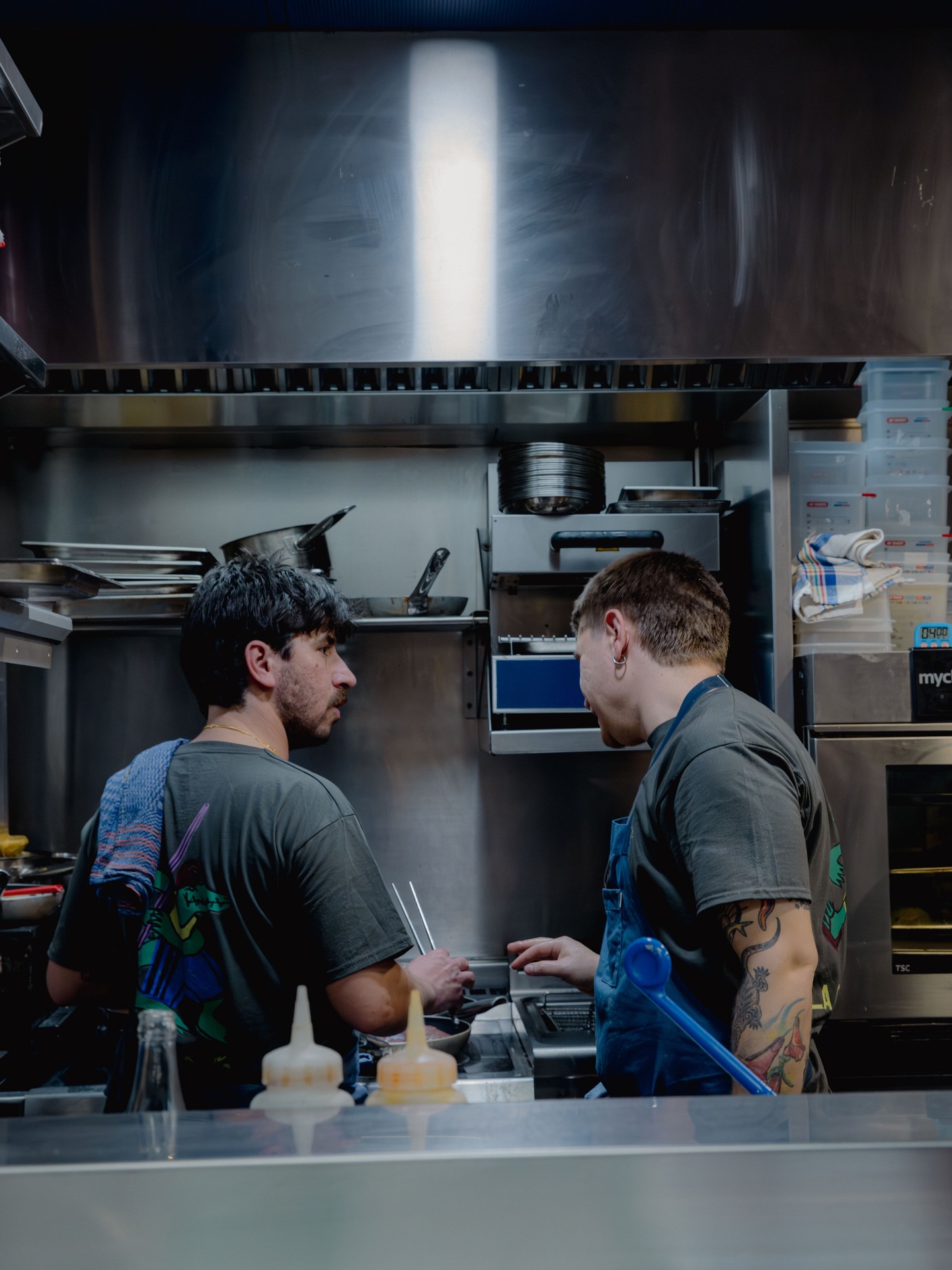
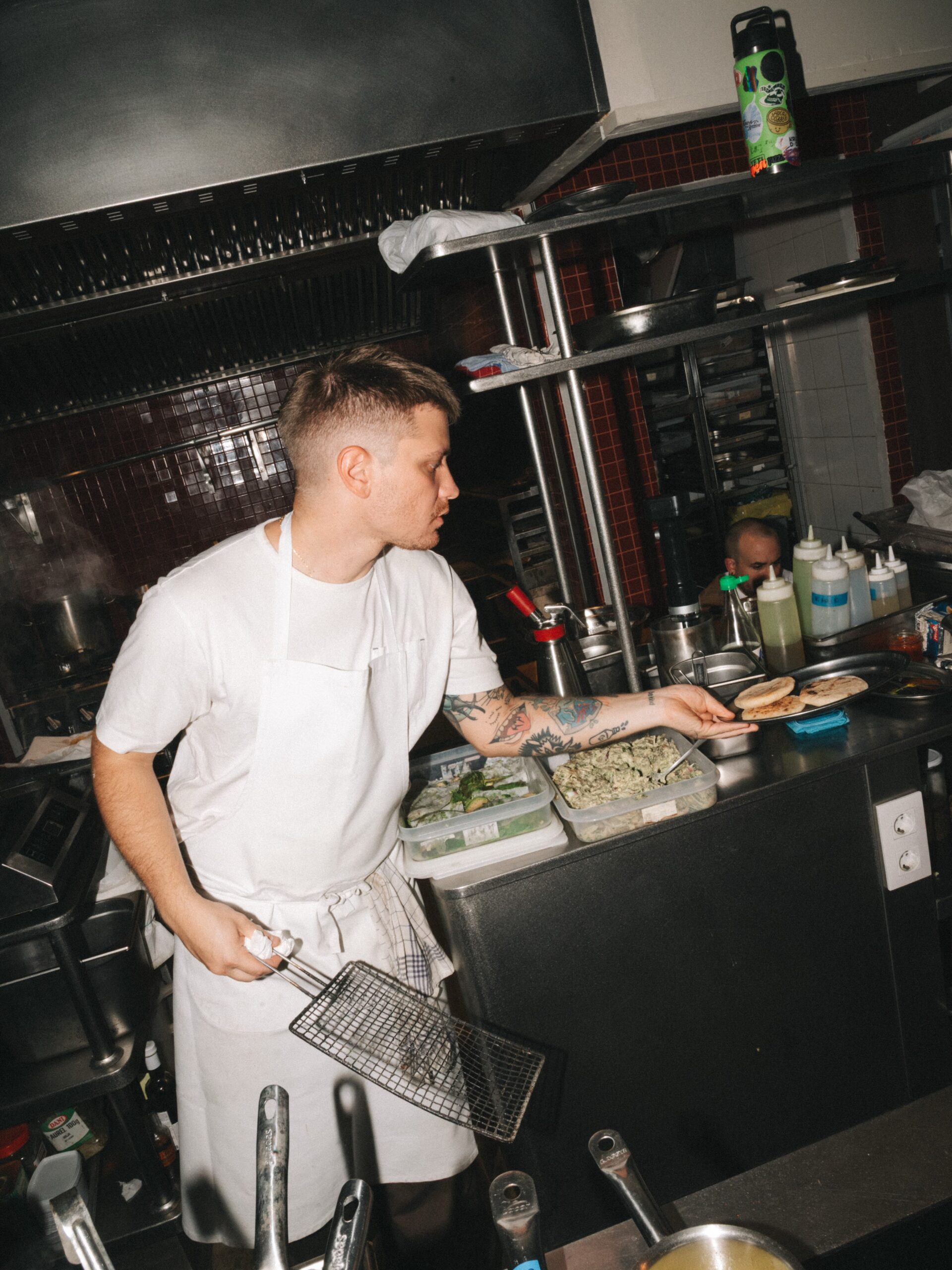
I did a couple of “stages” at a pizzeria really close to my place in Venezuela, which, in a way, helped me learn how to move around in a kitchen. But the first real restaurant kitchen I jumped into was during an event in Margarita, where two chefs from Venezuela collaborated and I went as an assistant. I just remember how I fell in love with the fire of the woks and the speed at which those people were working. I kept asking how I could help and kept moving my hands.
- What were some of the early challenges or obstacles you faced when you started in the kitchen, and how did you overcome them?
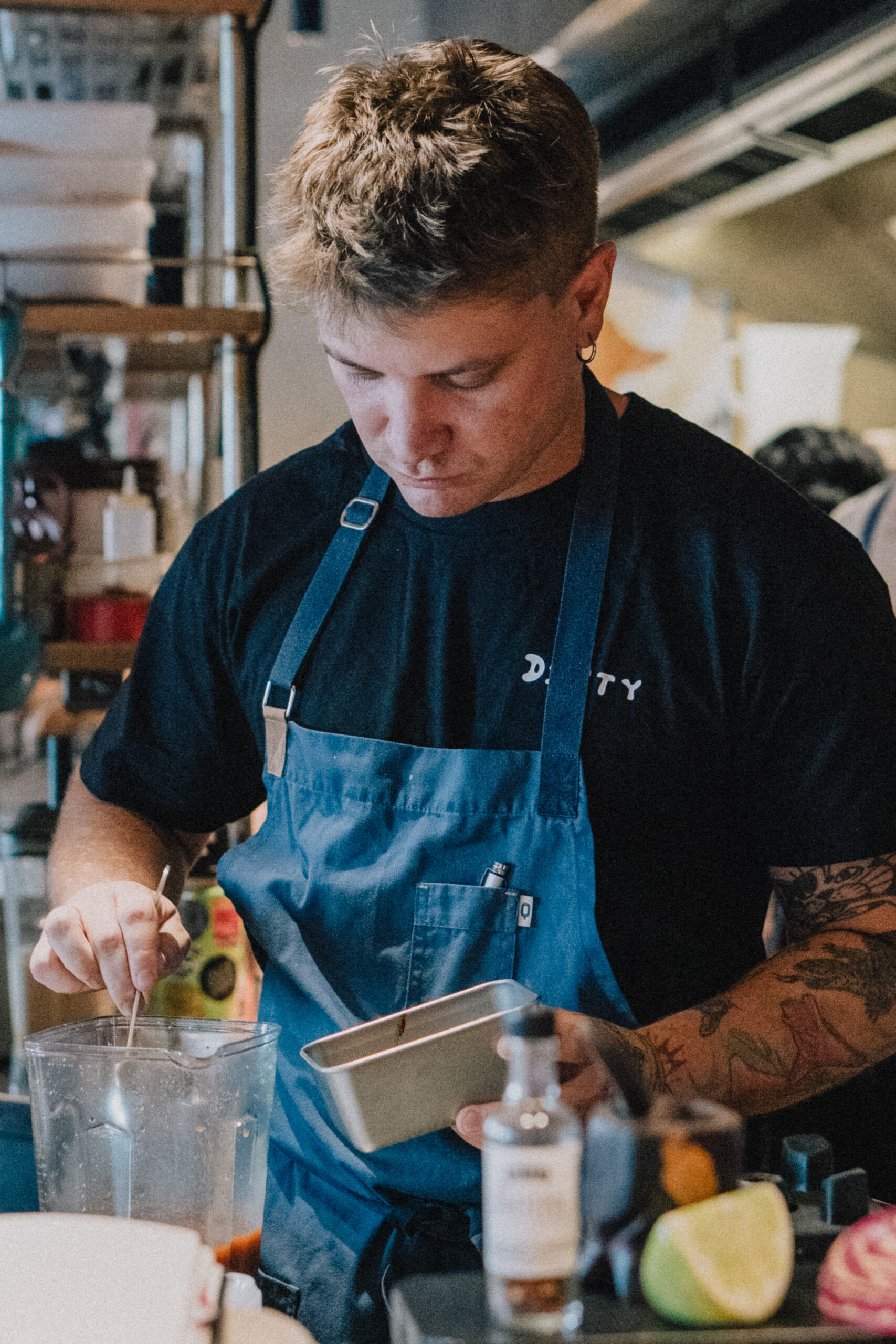
Not knowing all the correct terms. My way of facing that was simply running to the bathroom and Googling them, or, if I couldn’t, just being honest about it. But by the next day, I would 100% know. I would go home, study it properly, and come back prepared for the next shift.
- What keeps you inspired and how has that inspiration driven you throughout your professional journey? Especially during tough times in the kitchen?
What keeps me going is the idea that Venezuelan cuisine deserves a bigger stage than it gets. In every kitchen I’ve worked in, from Santo Domingo to Bangkok to Madrid, I’ve tried to sneak a bit of home onto the plate.
When things get tough, I come back to that, and to the kitchen itself: the structure, the rhythm, and the people next to you on the line. It’s always been the thing that holds me together.
- Can you recall a moment in the kitchen that marked you forever? Maybe it was an interaction with a mentor, a fellow cook, someone you fed, or a situation that challenged you in a way that shaped who you are today?
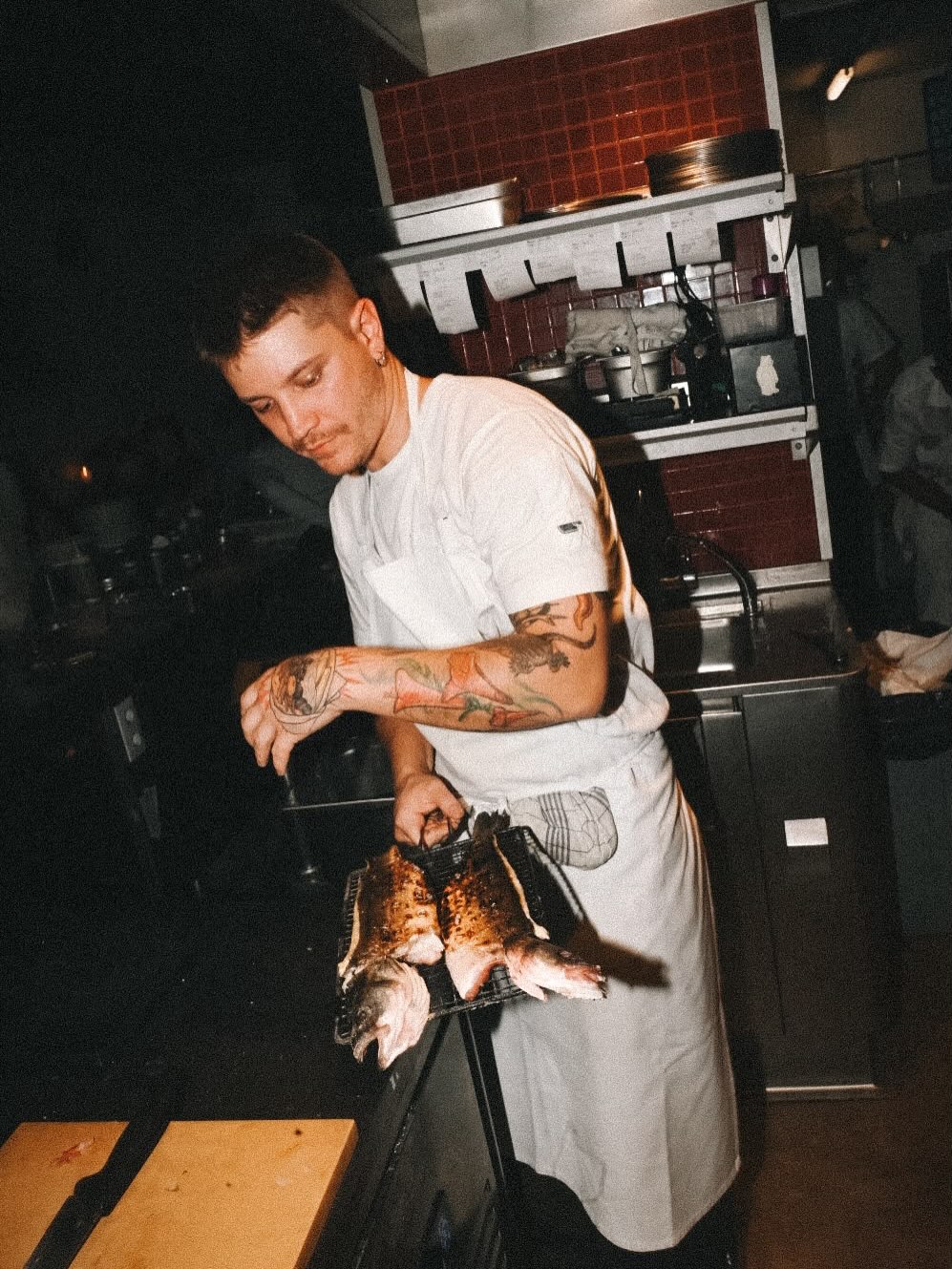
I remember working at this great restaurant where I was running the fish section, but the chef in charge of starters and desserts hadn’t shown up, so the head chef asked me to run both sections. I had to run back and forth from my station to hers, and I really gave it my all. Yet the head chef just kept pushing and pushing until I remember almost crying out of anger.
I think that since then, no one can push me more than I push myself.
- As a chef, how would you describe your philosophy in the kitchen, and how does it guide your approach to cooking and leadership?
I used to stress a lot over perfection. I’ve grown to realize that less stress means more control.
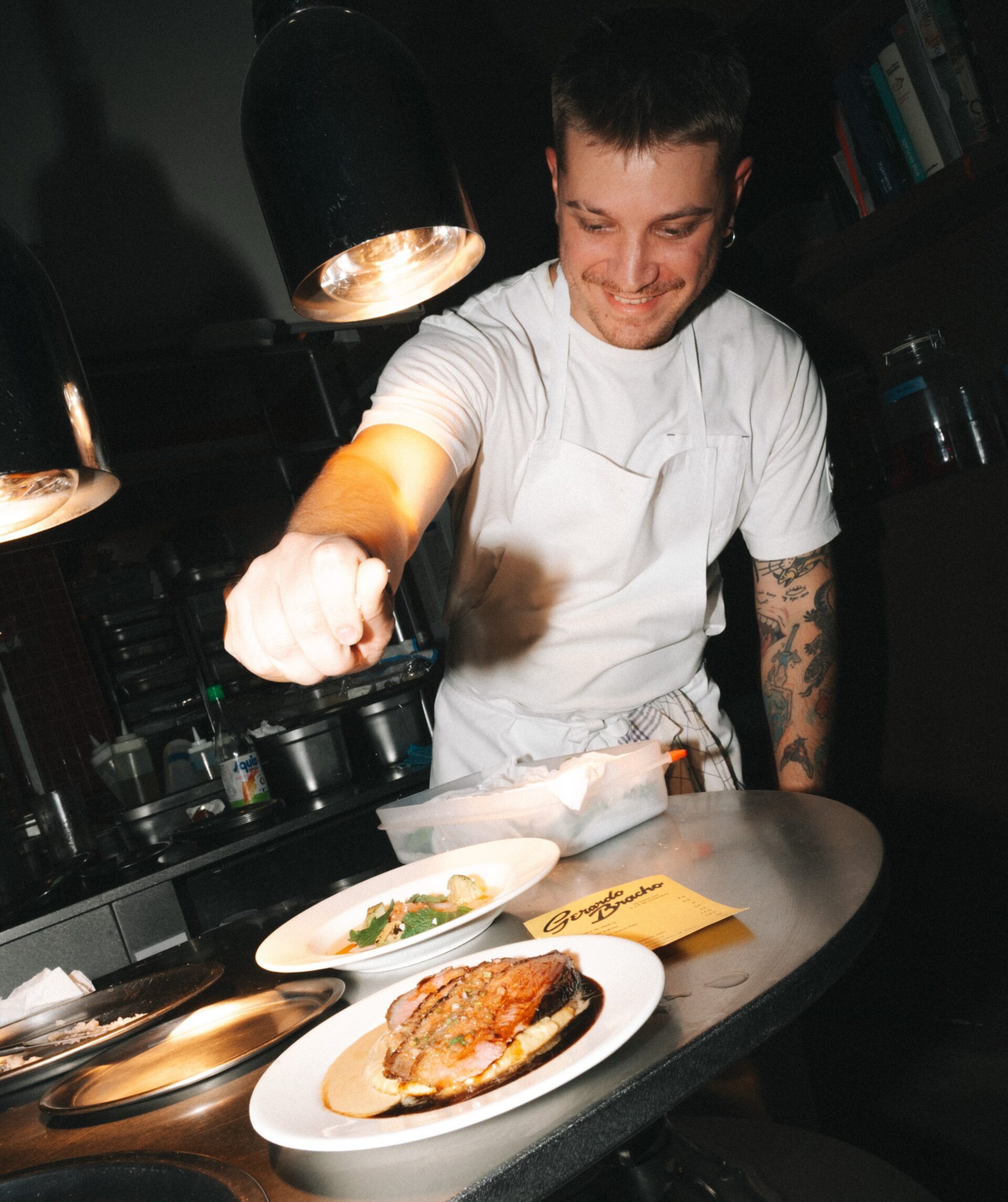
So now I trust my instincts and craft much more. I trust the process and my team. In the projects I have led, I try to teach them as much as I can, and then I just let them execute. I think being on top of them all day only makes them more stressed, and stress leads to more errors.
- Can you share a time when cooking or the camaraderie in the kitchen helped you through a tough period in your life? What made that experience meaningful?
I’ve always thrown myself into the kitchen during the rougher periods of my life. I think the structure gives me balance. When everything else feels uncertain, service still starts and ends at the same time.
I’ve also made so many friends from all over the world throughout my career, and I think that’s the most valuable part and what keeps me motivated.
- Reflecting on your career, what achievements or milestones are you most proud of, and what do they mean to you?
I would go back to my friends. I think that’s what I’m most proud of: all the great people I’ve gotten to know and work with. Seeing them do well makes me want to move forward with them.
Also, how much I’ve traveled. Getting to see the world from all those perspectives has made me who I am today, as a cook and as a human being.
- What aspects of restaurant culture do you love, and what parts do you find frustrating or problematic? Are there any changes you’re actively working toward or things you hope they change in the industry? Share the reasons behind them and how they align with your vision for a better culinary world?
I love the camaraderie and the way great restaurants take care of their staff. What I find frustrating and problematic is the number of hours you need to invest daily to operate at the highest level. It’s just not fair, but it’s also so hard to balance.
I keep trying to make things as productive as possible so that I can give my staff and myself a better work-life balance.
I also have a tattoo that says “Be Kind,” and it’s a reminder to keep the kitchen as healthy as humanly possible. A kitchen can be demanding without being cruel, and that’s the kind of kitchen I want to lead.
- What are your hopes for the future of the restaurant and food and beverage industry? What changes would you like to see, and how are you contributing to that change?
I hope to see more Venezuelan chefs bringing Venezuelan cuisine to the world, not in the format we regularly see (street food). I believe Venezuela has so much more to offer than arepas (no shade to the arepas, though).
I’m always trying to showcase our food in every place where I cook.
- If there’s anything we didn’t ask or if you feel we’re missing something about your personal and kitchen story, please share it here.
I grew up in Margarita, and I’ve been cooking my way around the world ever since: Santo Domingo, Santiago, Bangkok, Singapore, Bilbao, and Madrid. Wherever I land, I cook Venezuelan food with whatever the local pantry gives me.
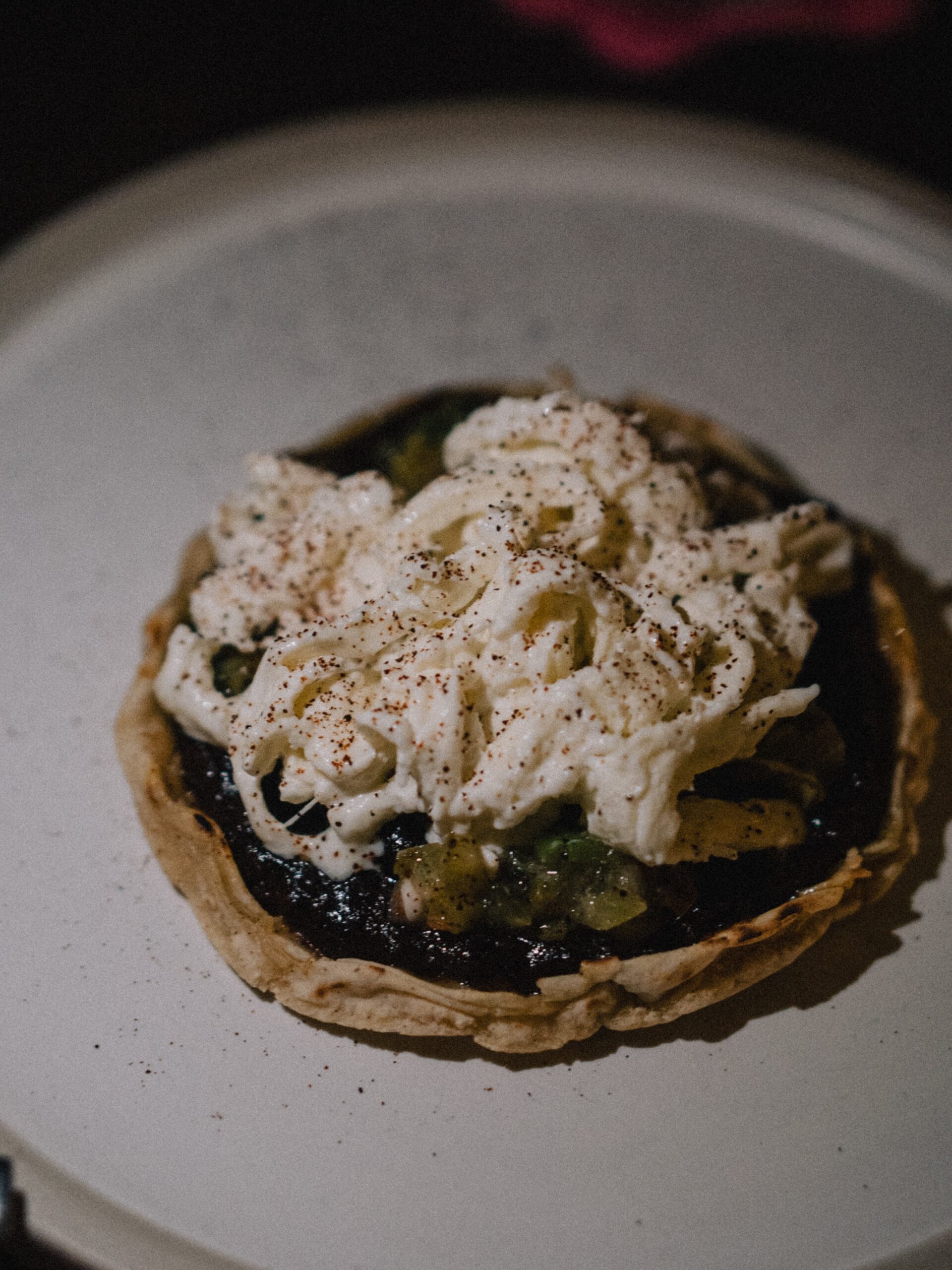
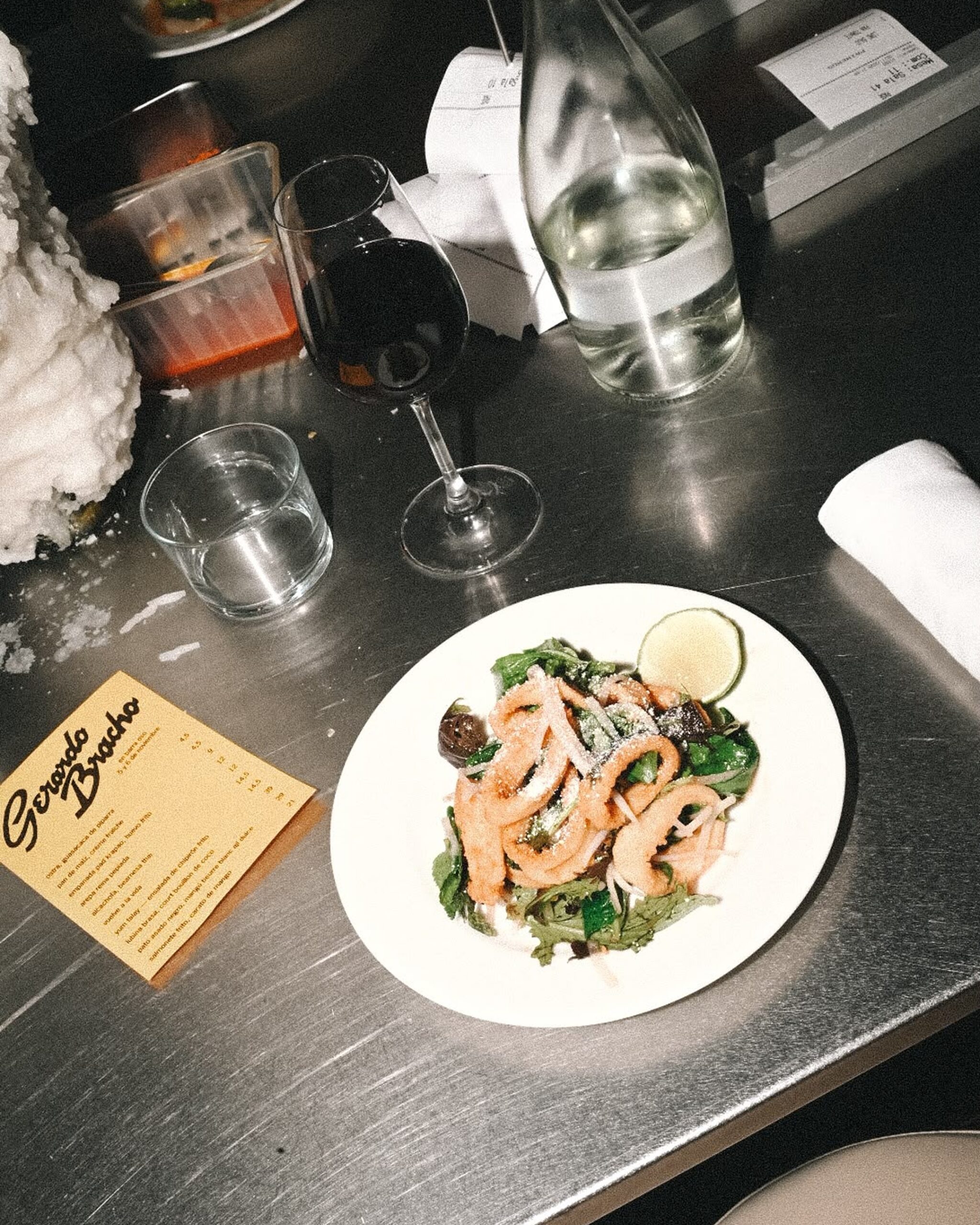
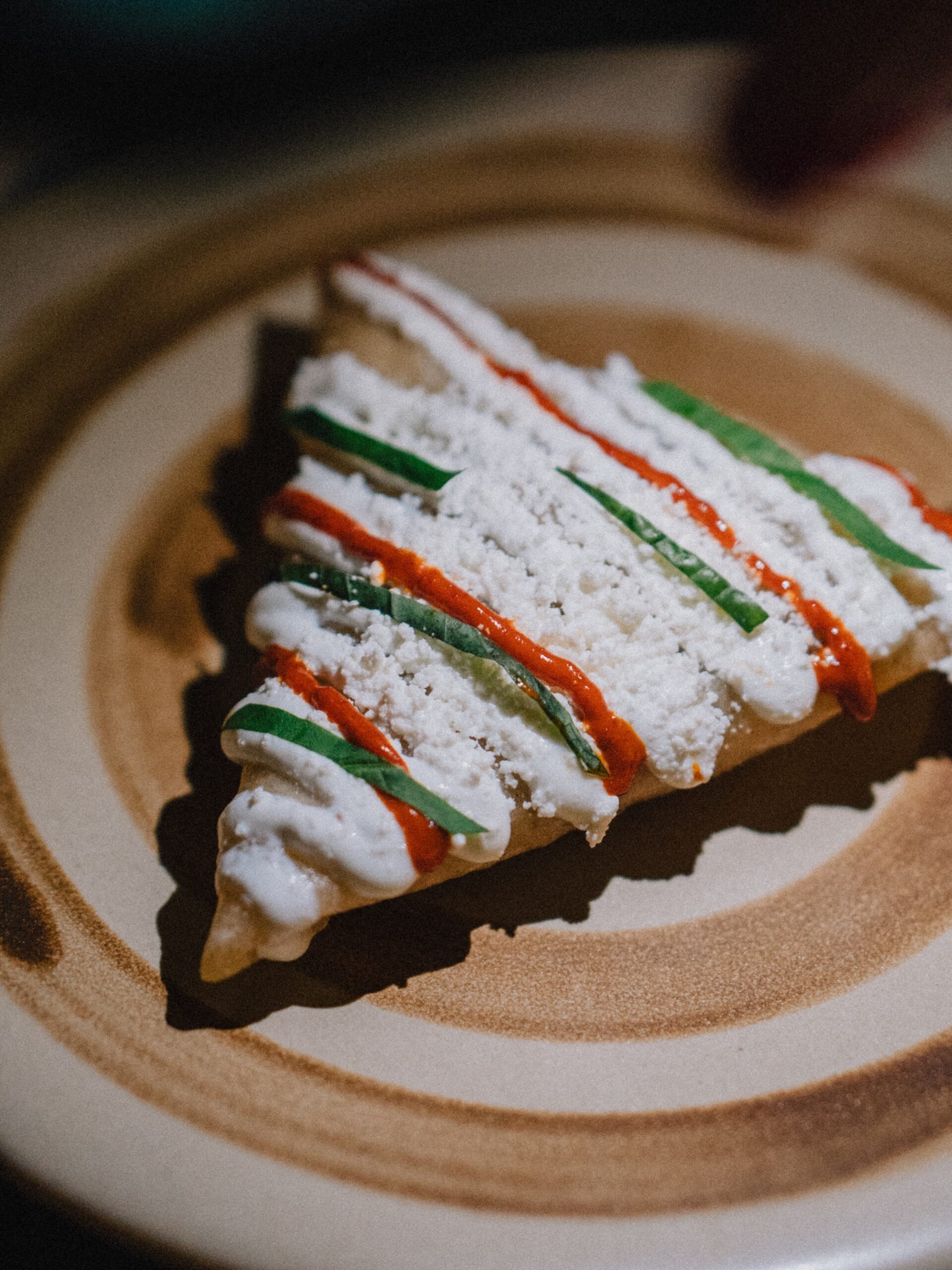
Right now, I’m focused on pop-ups and collaborations, like Latinos Got Dirty in Bangkok and La Caimanera here in Spain, because they let me experiment and cook alongside people I admire. The goal is simple: to prove that Venezuelan cuisine is way more than street food, and one day open a place of my own where it gets the stage it deserves.
Photo credits 📸
Secret Sauce
- What’s the most unexpected ingredient you’ve ever worked with, and how did it change your perspective on cooking?
I feel pretty confident cooking with unexpected ingredients, so for me, the real shift wasn’t one ingredient; it was living with and eating Thai food from the inside. What blew my mind was how differently they approach ingredients we use all the time in the West, especially produce that’s so similar to what you find in the Caribbean and Latin America.
Take green papaya: back home, we turn it into dulce de lechosa, slow-cooked and sweet. In Thailand, the same fruit becomes som tam, sharp, spicy, and fresh. That changed how I look at every ingredient: not “What is this for?” but “What else could this be?”
- What’s your “guilty pleasure” meal?
Either a 7-Eleven grilled cheese, a true Bangkok classic, or a McDonald’s cheeseburger.
- A food trend that you hate and why?
I wouldn’t use the word hate, but I guess it’s repetitive stuff? Like how Madrid is now filled with smash burgers and natural wine bars. To be fair, I love those too. What bugs me is when places copy a format without bringing anything of their own to it.
- What’s the craziest shift you’ve ever worked in the kitchen?
There are too many, and I consider myself a problem solver, so I kind of enjoy them. One that stands out was at a restaurant I had just started working at. We were doing a four-hands dinner, and for one of the courses, we were serving a bonito crudo. We thought we’d sent everything out, so we ate the rest of the bonito… and then realized we were still missing two dishes.
5. What happened, and how did you manage to get through it?
I remember the chef from the other restaurant losing it and getting ready to start yelling, while the whole staff, who were regulars in that kitchen, just froze. I ran back, grabbed a bonito we had frozen, defrosted it as fast as I could, sliced it thinly, ran it through the salamander, and we were ready to go. Then the chef just calmed down.
I guess panic is contagious, but so is calm.
- What tips would you give to other cooks and chefs to help them navigate their culinary careers and find peace amid the chaos of the kitchen?
I’d definitely encourage them to try, to make mistakes, to just do it. That’s how you learn. Not every kitchen will treat you right, but don’t let that stop you; keep practicing, and you’ll get better. And when it comes to the chaos, learn to stress less. It took me years to realize that less stress means more control. Trust your craft, trust your team, and enjoy the structure. That’s where the peace is.
- What’s an underrated ingredient and why?
I don’t think ingredients are underrated; they’re misunderstood. Papelón is a good example. Outside Venezuela, most people see it as just another sugar, but it’s the soul of asado negro: that deep, dark, almost bitter caramel note you can’t get from anything else.
8. What’s a must-try dish from your kitchen or the one you’re proudest to have prepared?
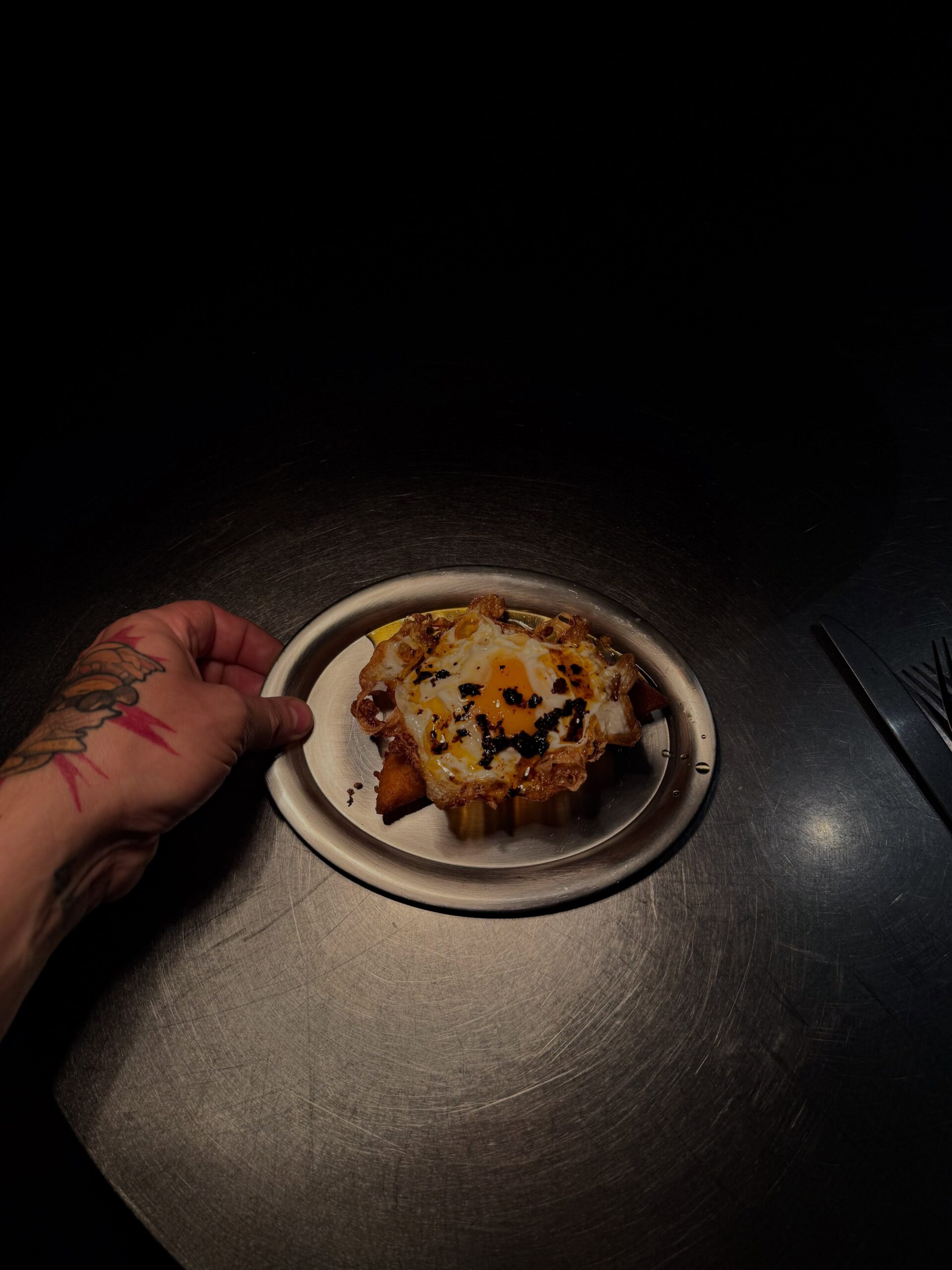
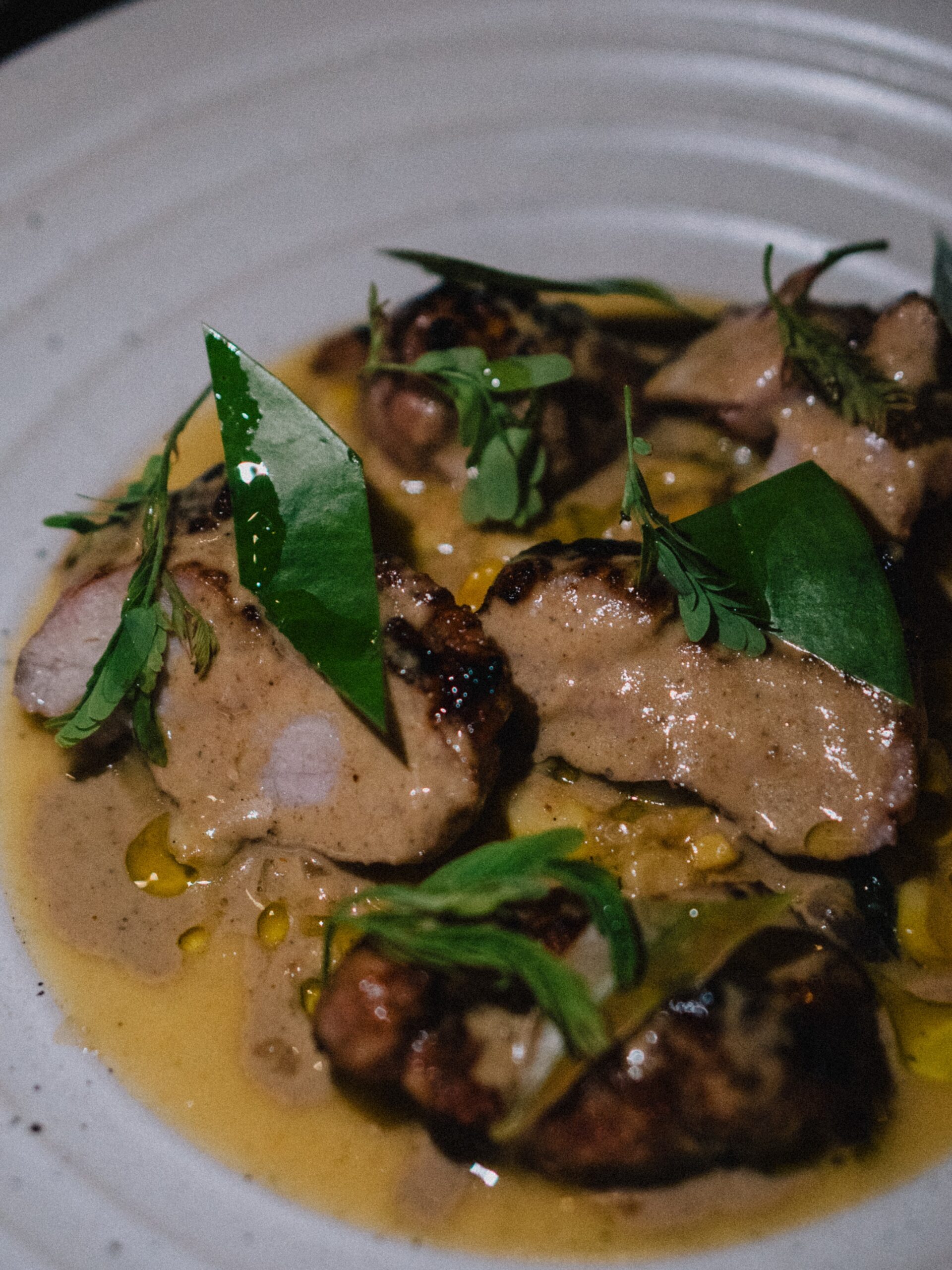
It has to be either Vuelve a la Vida or Asado Negro. Vuelve a la vida is a Venezuelan seafood cocktail, bright, acidic, and fresh, the kind of thing you eat by the beach in Margarita. Asado negro is the opposite: beef slow-cooked in a dark papelón sauce, deep and rich. Both are home to me, just from different sides.
About Your City!
Madrid, Spain
- If Anthony Bourdain or a chef came to your city, what would be the perfect tour itinerary from breakfast to dinner?
I guess I would take him for breakfast at Watts or La Maruca. Then I’d head to La Latina to visit Casa Revuelta, or maybe Casa Labra in Sol. I’d probably try to have lunch at Casa Macareno, or maybe head to Lily at Mercado de los Mostenses. Then I’d either eat at Fismuler, Batch, or, most definitely, Pizza Radical, because they’re the homies, haha.
Lastly, I’d end the day with cocktails at Savas or Marrufo.

Support our project by buying our merch!

86 HOTK Unisex t-shirt
$30.00
Anthony Bourdain T-Shirt
$35.00
Mise HOTK Unisex t-shirt
$30.00