The restaurant as a living system
A restaurant thrives when every role is valued and responsibility is shared across the team.
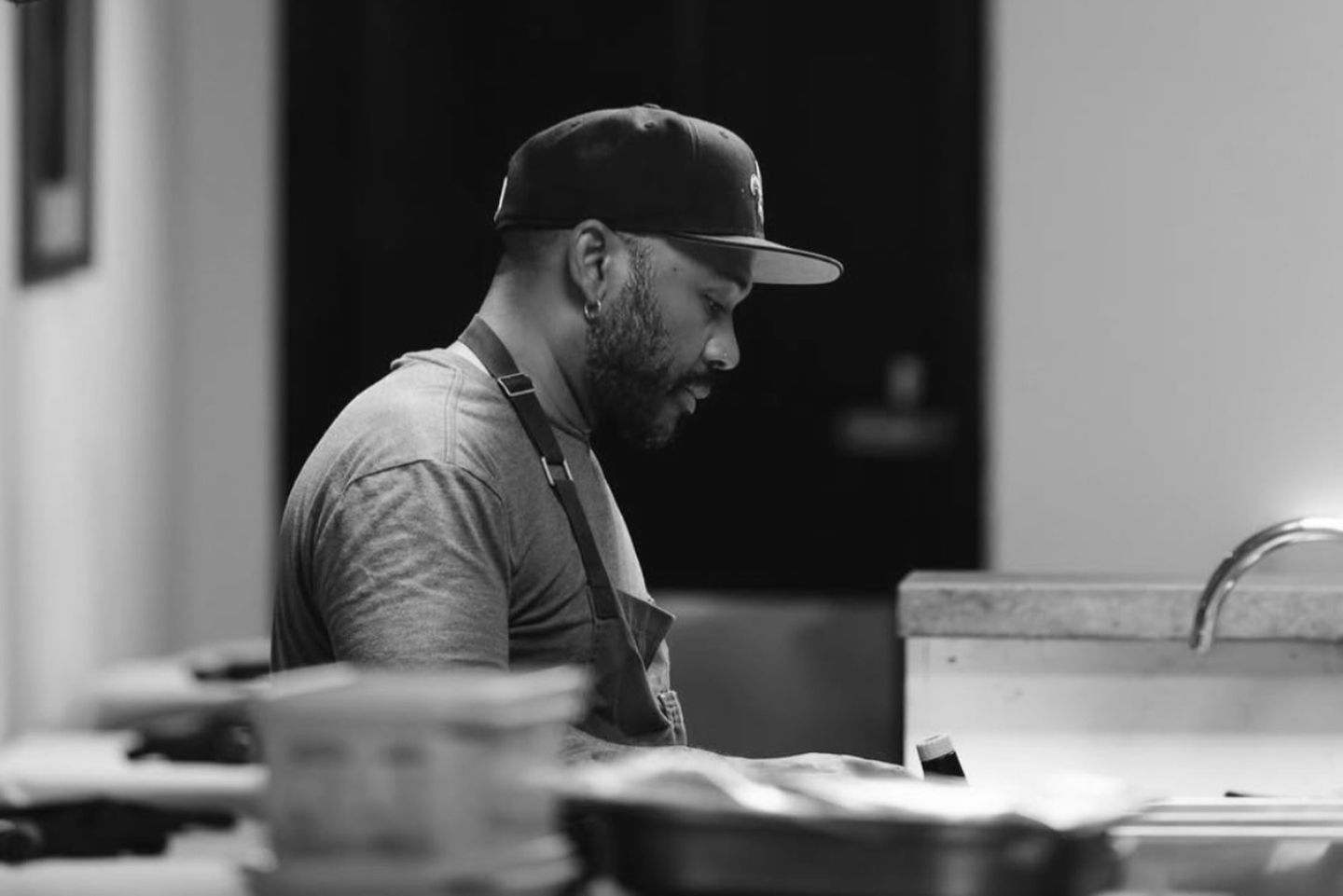
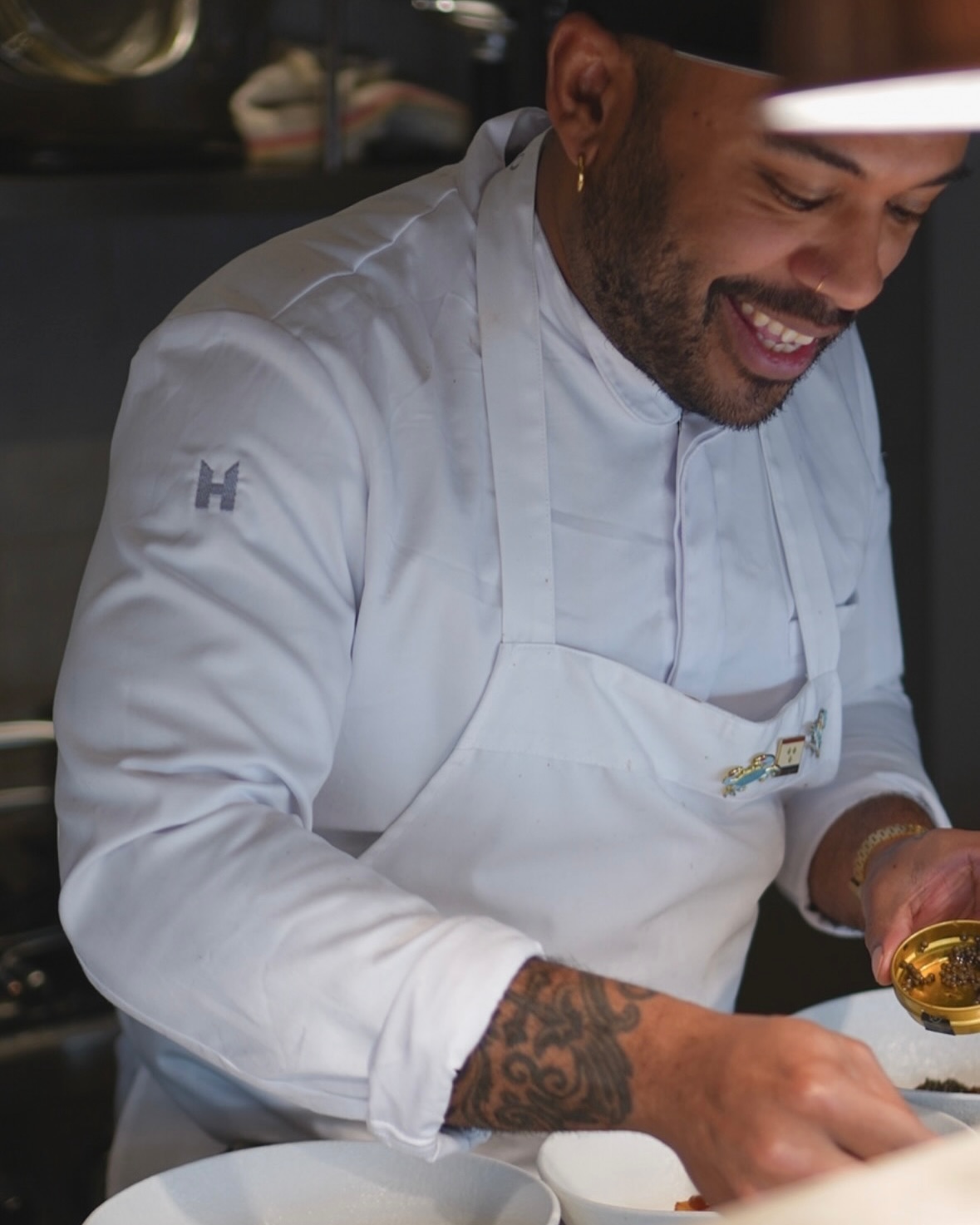
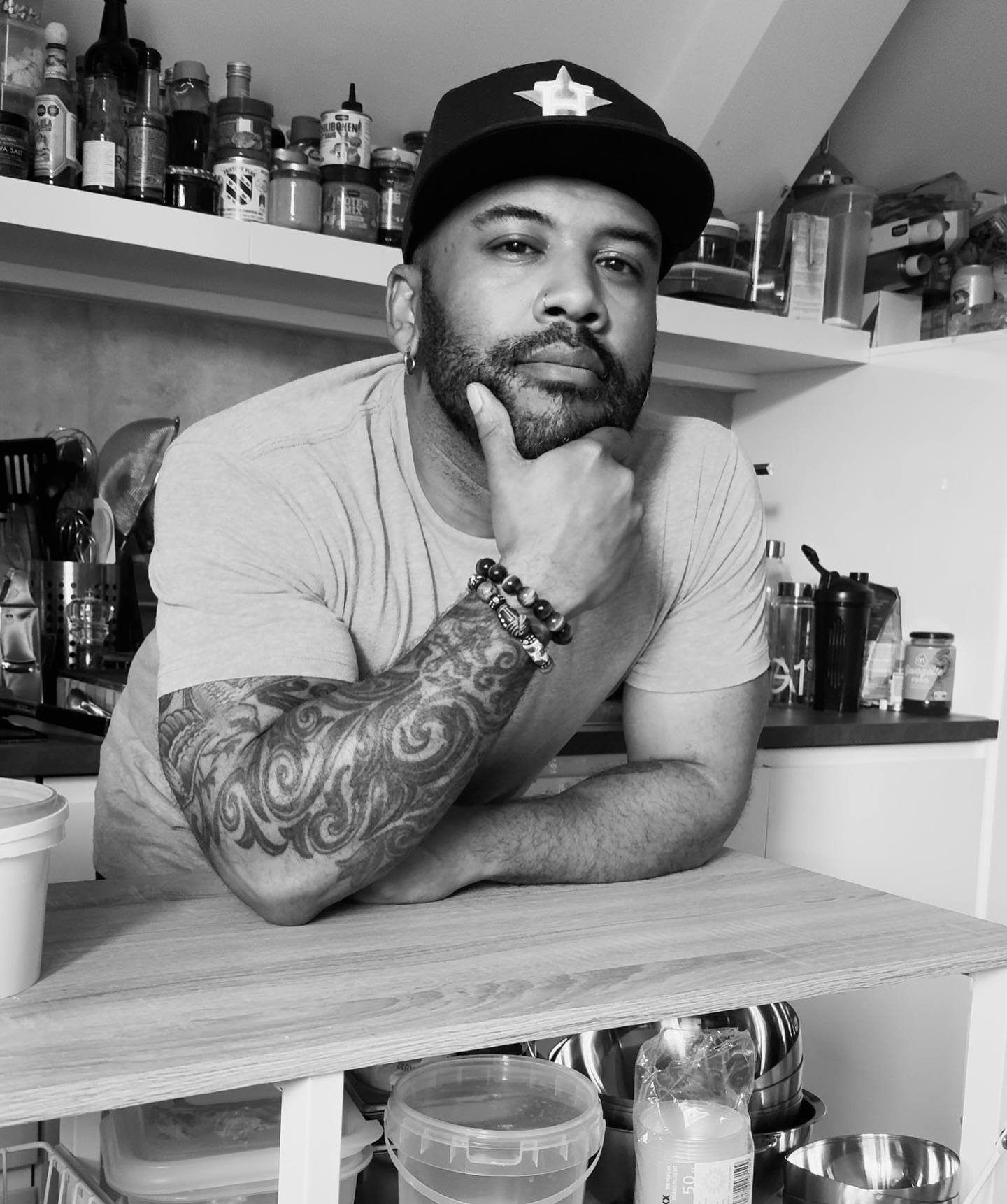
Matt Pace
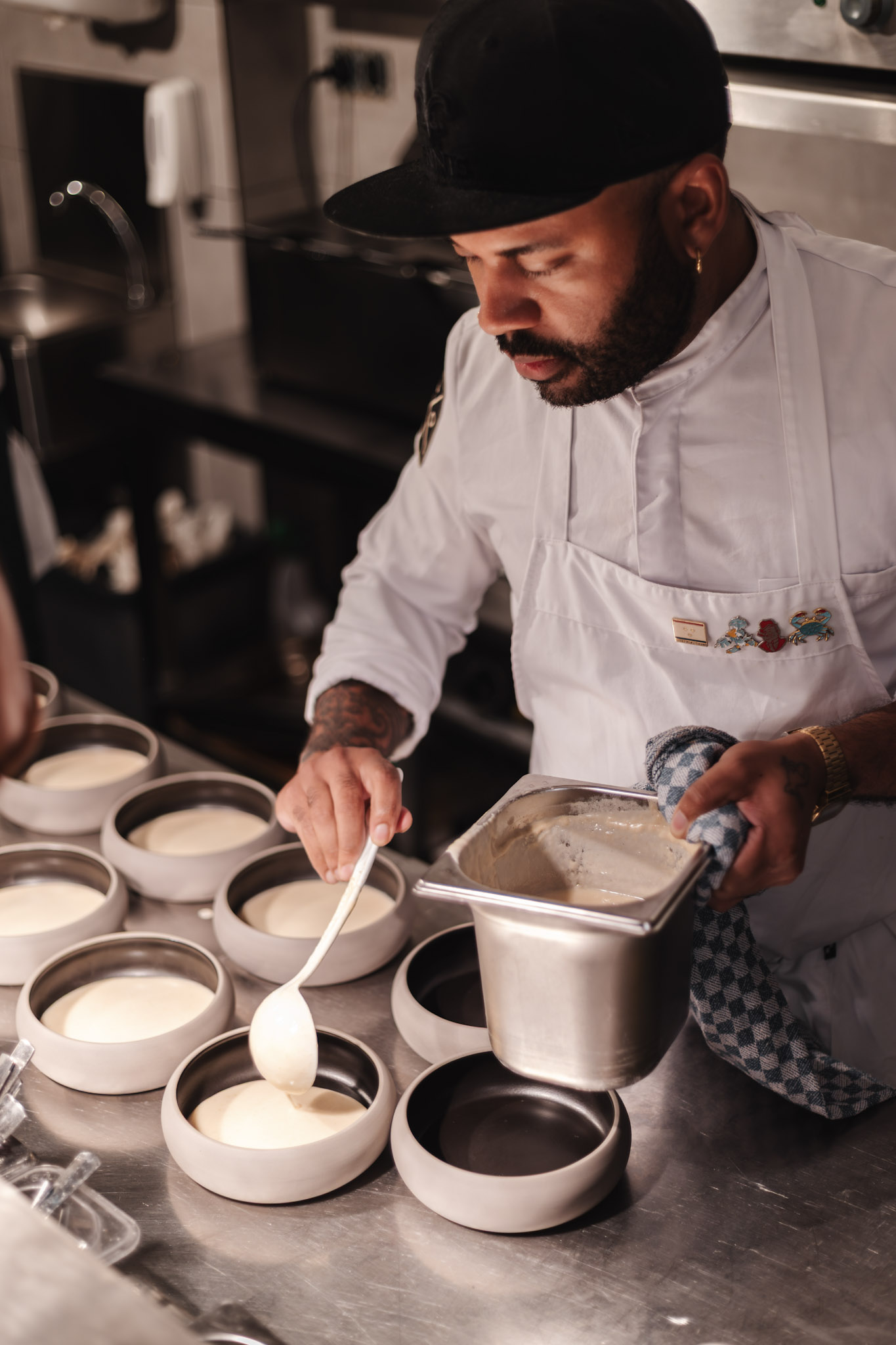
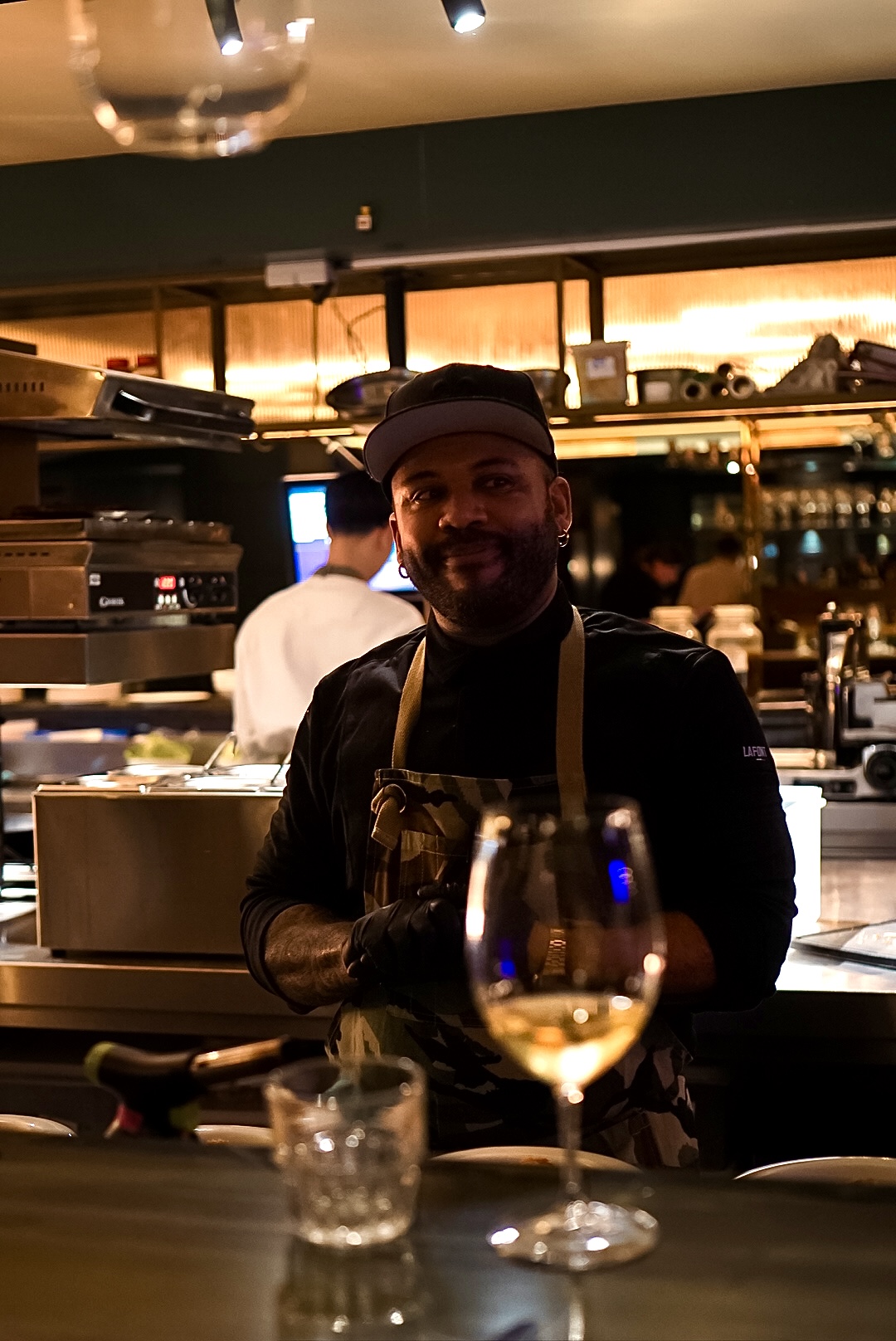
Matt Pace’s path to becoming a chef wasn’t a straight one. Before committing to the kitchen, he explored painting, sculpture, and music, looking for a way to build a life around his creativity. Over time, he discovered that cooking and fine dining offered another way to bring those interests together, turning food into an experience that reaches beyond the plate.
His journey taught him to embrace what he didn’t know and keep learning along the way. From his early days working in restaurant kitchens to opening Cafe Booqoo in Brooklyn, Matt built his confidence through experience, persistence, and the people around him. One Sunday brunch, when his team was short-staffed and he had to run the entire restaurant alone, became a defining moment—a reminder of what he could handle and what hospitality truly means.
For Matt, a restaurant is a living thing, with every person playing an essential role in keeping it going. That belief shapes how he leads and why he puts work-life balance first. Having experienced the toll of an exhausting kitchen culture himself, he wants to help create healthier spaces where people can grow, support one another, and feel welcome in the industry.
In this conversation with Humans of the Kitchen, Matt reflects on creativity, resilience, and the people who make a kitchen what it is.
Share your Journey
- Looking back at your childhood, was there a specific moment or memory that sparked your interest in food or cooking?
My first spark was being a kid and watching the cooking shows that would come on after Sesame Street and Mr. Rogers. My favorites were Yan Can Cook and Justin Wilson. I was enthralled by the ingredients, the techniques, and the personalities of the chefs, along with their stories and jokes as they taught viewers how to cook.
- Did you have another career or job before becoming a chef? How did those experiences influence your decision to pursue cooking?
I always had kitchen and hospitality jobs growing up, but I had never thought of them as a career path because I always wanted to pursue art and design, so that’s what I went to school for. After school, I tried my hand at being a full-time painter and sculptor, and I even spent a few years as a DJ producing music.
After a few years of trying to make those careers work, I realized and felt that making it in those fields took a lot of either ass-kissing, luck, selling your soul and dignity, or some combination of all of them. That’s when I started thinking about turning my interest in and experience with cooking and hospitality into a long-term career.
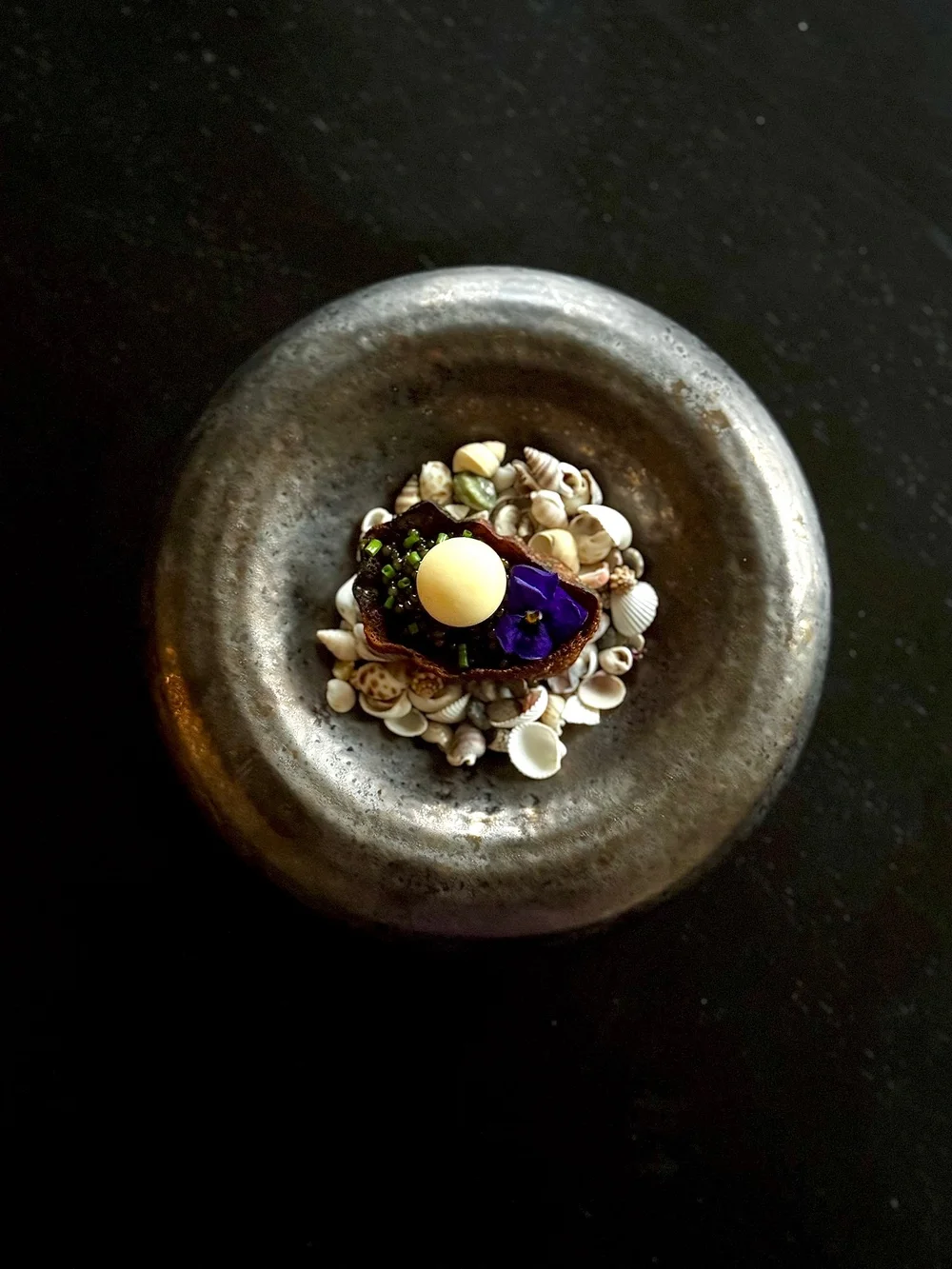
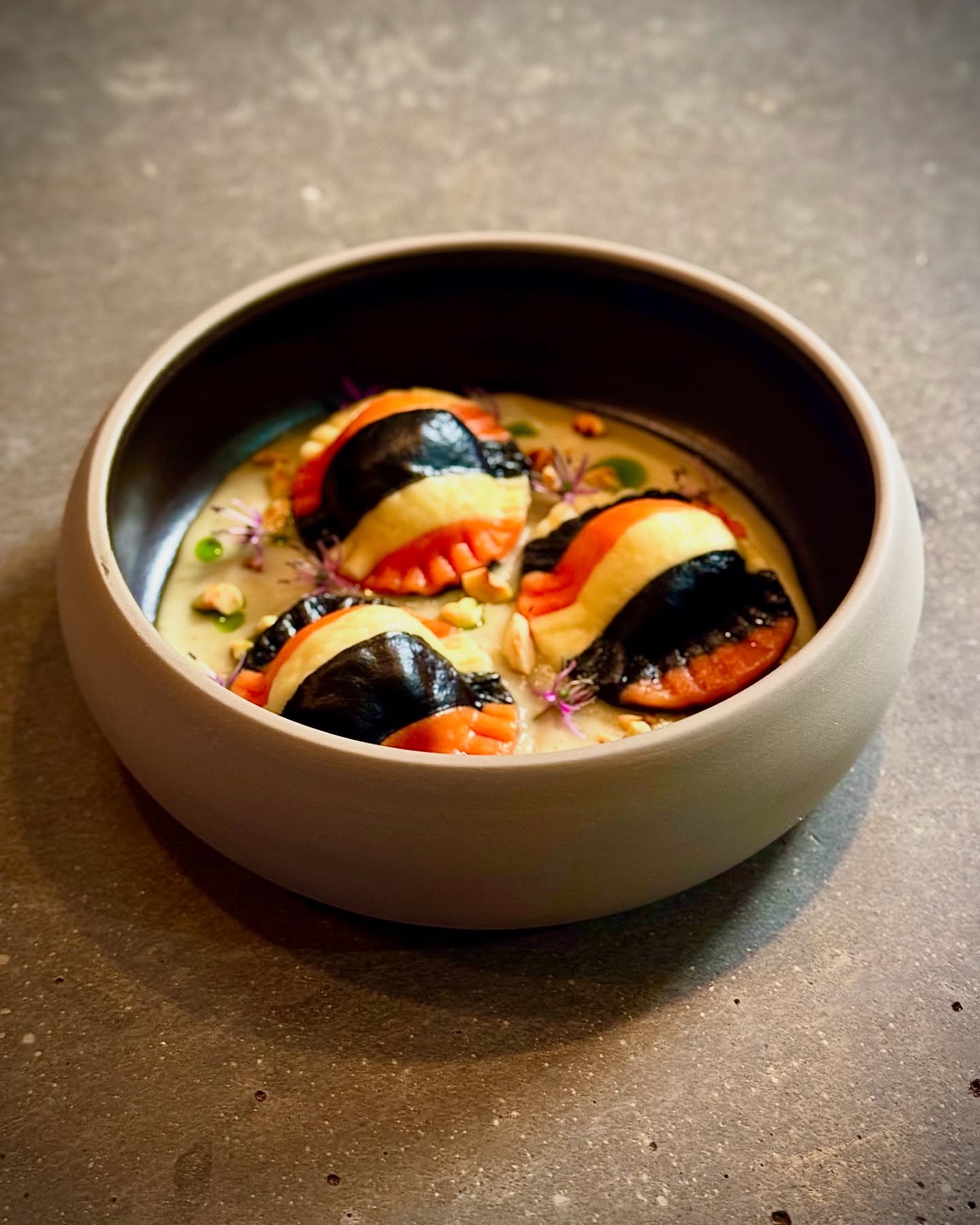
Along the way, I discovered more of the creative possibilities in food and fine dining. I found ways to combine my art and music backgrounds with the dining experience I offer my guests.
- Did you formally study culinary arts, or are you self-taught? How has your learning journey shaped your approach to cooking?
I learned a lot of the basics: knife skills, sauce-making, and basic cooking techniques. On the job, working everywhere from fast-food restaurants and sports bars to fine-dining restaurants, starting in high school. It wasn’t until I decided to pursue cooking as a career that I started teaching myself the techniques and skills I wanted to learn. I also attended specialized workshops to develop my skills.
I remember a fun workshop at a butcher shop in New Orleans where I learned how to break down a whole pig.
- When did you first step into a restaurant kitchen? What was that experience like, and how did it shape your journey as a chef?
My first kitchen job was when I was 16 years old, at a place called Crescent City Beignets just north of Houston, after we moved there shortly before I started high school. It was where I learned how to use a knife properly. Within the first couple of weeks, I was making gumbo roux and salad dressings, and eventually, I was in charge of making sure everything was prepped and ready for lunch on the weekends.
I think the combination of learning and being able to use the skills and equipment I had only seen on TV before, along with being given that level of responsibility at a young age, helped me a lot in everyday life and gave me confidence in the kitchen later on.
- What were some of the early challenges or obstacles you faced when you started in the kitchen, and how did you overcome them?
Not being classically or formally trained, it was always hard to realize and admit how far behind I felt and, in many ways, actually was compared to my peers. In conversations and in the kitchen, not knowing certain chefs, restaurants, ingredients, or techniques that seemed like basic knowledge to others was both a humbling and motivating experience.
It took a lot of reflection and recognizing the little wins to remind myself that no one knows everything, and things change and evolve so much that it’s impossible to know it all. After that, it became much easier to confidently say, “I don’t know” or “I’ve never heard of that,” and then go learn something new.
- What keeps you inspired and how has that inspiration driven you throughout your professional journey? Especially during tough times in the kitchen?
My peers inspire me the most. Being able to see and taste their ideas, innovations, and approaches to food opens my mind to new ways of using the ingredients that are important to my cuisine, sometimes in ways that may never have been explored before.
Being able to connect, share, and learn from both their triumphs and failures is important, not only because it teaches me how to troubleshoot problems or mistakes, but also because it provides solidarity and reminds me that I’m not the only one struggling.
- Can you recall a moment in the kitchen that marked you forever? Maybe it was an interaction with a mentor, a fellow cook, someone you fed, or a situation that challenged you in a way that shaped who you are today?
It was definitely a Sunday brunch at Cafe Booqoo, the restaurant I had in Brooklyn. It was a beautiful day, and we were still riding the high from a great New York Times article, so I knew it would be busy. We were already short on supplies after Saturday, so I went in early because my sous-chef had requested the day off for something with his wife or dad—I can’t recall.
About an hour before we opened, both of my front-of-house staff called in sick, and my dishwasher didn’t show up. Everyone I could have called for backup, including friends, was busy. With no other choice besides closing for the day, I manned up and took it on by myself.
I turned off the delivery system and handled the front of house, cooking, and dishes during one of the busiest brunches we ever had. The most heartwarming part was that a few regulars came in that day, and when they realized I was alone, they even helped bus some tables. After six hours, I had sold out of everything except fries, and everyone still in the restaurant clapped as I flipped the “open” sign to “closed.”
It was the moment I truly felt like I could conquer anything life threw at me, and I saw a different side of what working in hospitality really means.
- As a chef, how would you describe your philosophy in the kitchen, and how does it guide your approach to cooking and leadership?
My philosophy in the kitchen is that a restaurant is alive. Not just in terms of its vibe and energy, but because, like any living thing, every part plays a role and works with the others to keep it alive. If one part fails, the rest suffer and either have to work harder or the whole thing fails. And even though there’s a brain that runs everything, even the brain can’t function or survive without the other parts.
With that in mind, I always want everyone on my team to feel as important and responsible for the success of the project as I am, and to know that no one is above doing whatever needs to be done to keep the space alive.
- Can you share a time when cooking or the camaraderie in the kitchen helped you through a tough period in your life? What made that experience meaningful?
It was the job I had when I moved to Germany. The chef was a workaholic who never took a day off and didn’t really understand why anyone else needed one either. At a restaurant with more than 200 seats that was open for lunch and dinner seven days a week, getting maybe one day off a week was brutal, both physically and mentally.
After a year and a half of working that much and not being able to quit because my visa was tied to the job, I was in a dark place. If it hadn’t been for my closest friend there, who was the pastry chef, and the other two guys who worked the fish station with me, I honestly don’t think I would have made it through each day in that place.
That experience really intensified my belief that the people around you can give you more strength than you ever thought you could have.
- Reflecting on your career, what achievements or milestones are you most proud of, and what do they mean to you?
I would definitely say my biggest achievement was opening Cafe Booqoo in Brooklyn. Looking back at everything that went into it, from the initial idea to starting it as a pop-up, and then everything it took to make it a reality that summer—is something I’ll never forget.
Another achievement was going on TV and beating Bobby Flay. At the time, I was still struggling with a lot of imposter syndrome. I had opened a restaurant but had never gone to culinary school, and I felt that calling myself a chef was like giving myself an undeserved, cool nickname.
But after going on the show, struggling with an ingredient that’s basic for some people but that I had never worked with in my cuisine, and then beating Bobby and winning, I gained an incredible new sense of confidence. It showed me that even though I hadn’t formally learned how to be a chef, I still am one.
- What aspects of restaurant culture do you love, and what parts do you find frustrating or problematic? Are there any changes you’re actively working toward or things you hope they change in the industry? Share the reasons behind them and how they align with your vision for a better culinary world?
The part I love the most is that, if you’re in a place long enough, it really feels like family. You work together to achieve a goal, you fight and make up, and no matter what, you have each other’s backs.
In terms of problems, I strongly believe that workaholic kitchen culture needs to go. No one wants food made by people who are overworked, overtired, and angry—you can taste it.
Granted, changing this is hard, with operational costs, generational differences in ideology, and market pressures. But if kitchens trying to create nontoxic, healthy, and heartfelt environments remain in the minority, we might lose the next great chef just as they’re getting started because of burnout.
That’s why I structure everything around work-life balance first, and then find the right balance with labor, the menu, and everything else.
- What are your hopes for the future of the restaurant and food and beverage industry? What changes would you like to see, and how are you contributing to that change?
My biggest hope is that, ten years from now, the industry will still be able to attract and inspire new cooks and chefs, and that TV and toxic or purely money-driven establishments won’t scare them all away.
For me, whenever someone around me shows an interest in cooking or comes to me with a question, I always do my best to nurture that spark and make them feel welcome in this world.
Photo credits 📸
Secret Sauce
- What’s the most unexpected ingredient you’ve ever worked with, and how did it change your perspective on cooking?
I’d say the first time I worked with bottarga. Learning what it is, how it’s made and used, and how it tastes really made me think, “Man, you can somehow make something flavorful with damn near anything.”
- What’s your “guilty pleasure” meal?
Domino’s Pepperoni Feast pizza.
- A food trend that you hate and why?
Smash burgers. I really don’t get how smashing all the juice and bite out of a good burger patty is supposed to be cool and tasty.
- What’s the craziest shift you’ve ever worked in the kitchen?
Definitely the lonely brunch.
It was a shift where everyone else that was supposed to work that day didn’t show up and I had to run the entire restaurant by myself. It was memorable because it helped grow in my confidence that I can get through anything as long as I stay positive and trust myself.
5. What happened, and how did you manage to get through it?
I survived through quick thinking and the power of community.
It showed me that even though I have a lot of experience and know what I’m doing and was on my own in the kitchen, I was never really “alone” when being a business owner and part of the community, and that’s a benefit that shouldn’t be taken lightly or forgotten.
- What tips would you give to other cooks and chefs to help them navigate their culinary careers and find peace amid the chaos of the kitchen?
Don’t be afraid to ask questions, and don’t be afraid to say, “I don’t know.”
- What’s an underrated ingredient and why?
Mustard. It’s my favorite flavor enhancer, and I think it’s underutilized.
8. What’s a must-try dish from your kitchen or the one you’re proudest to have prepared?
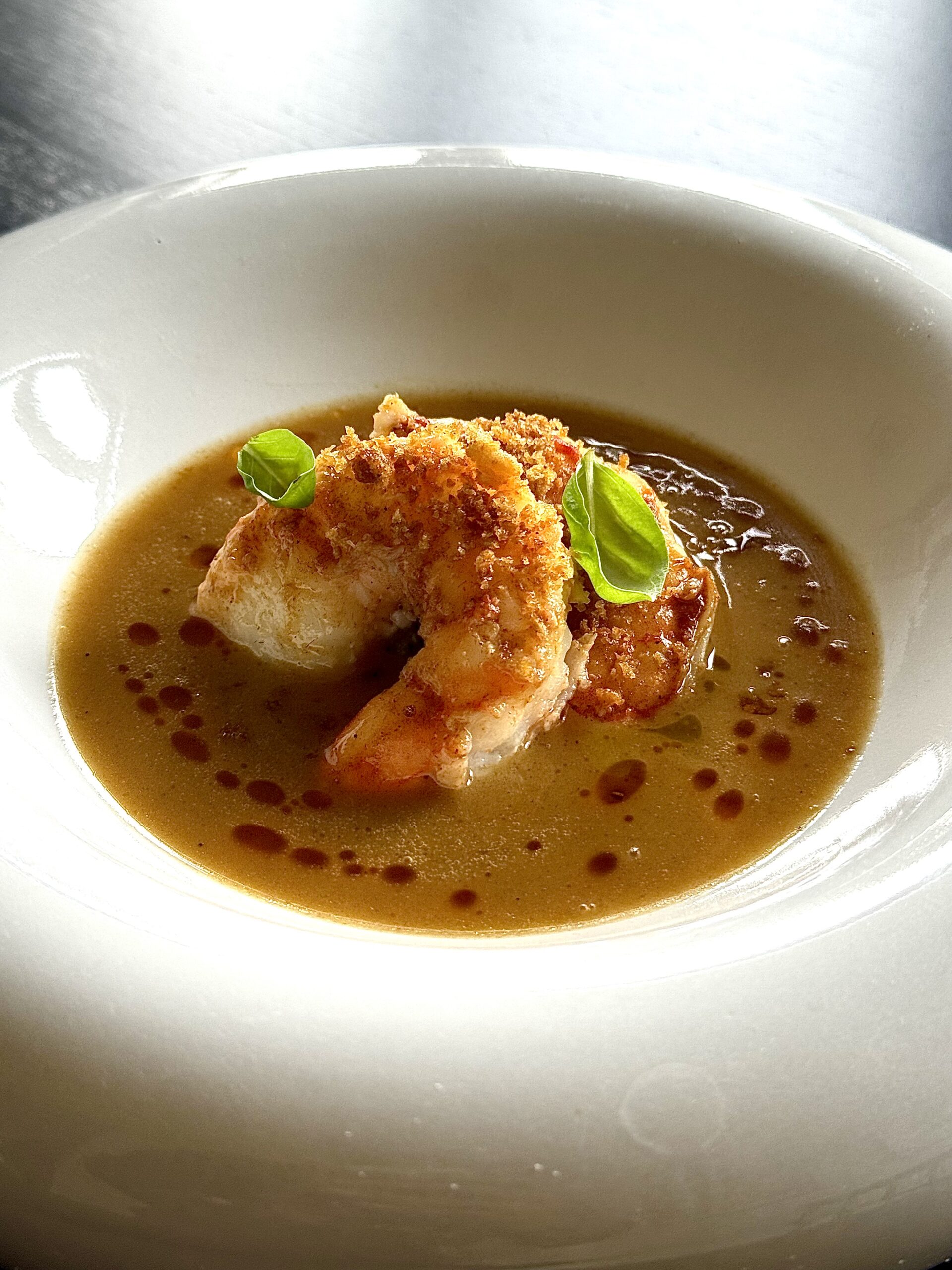
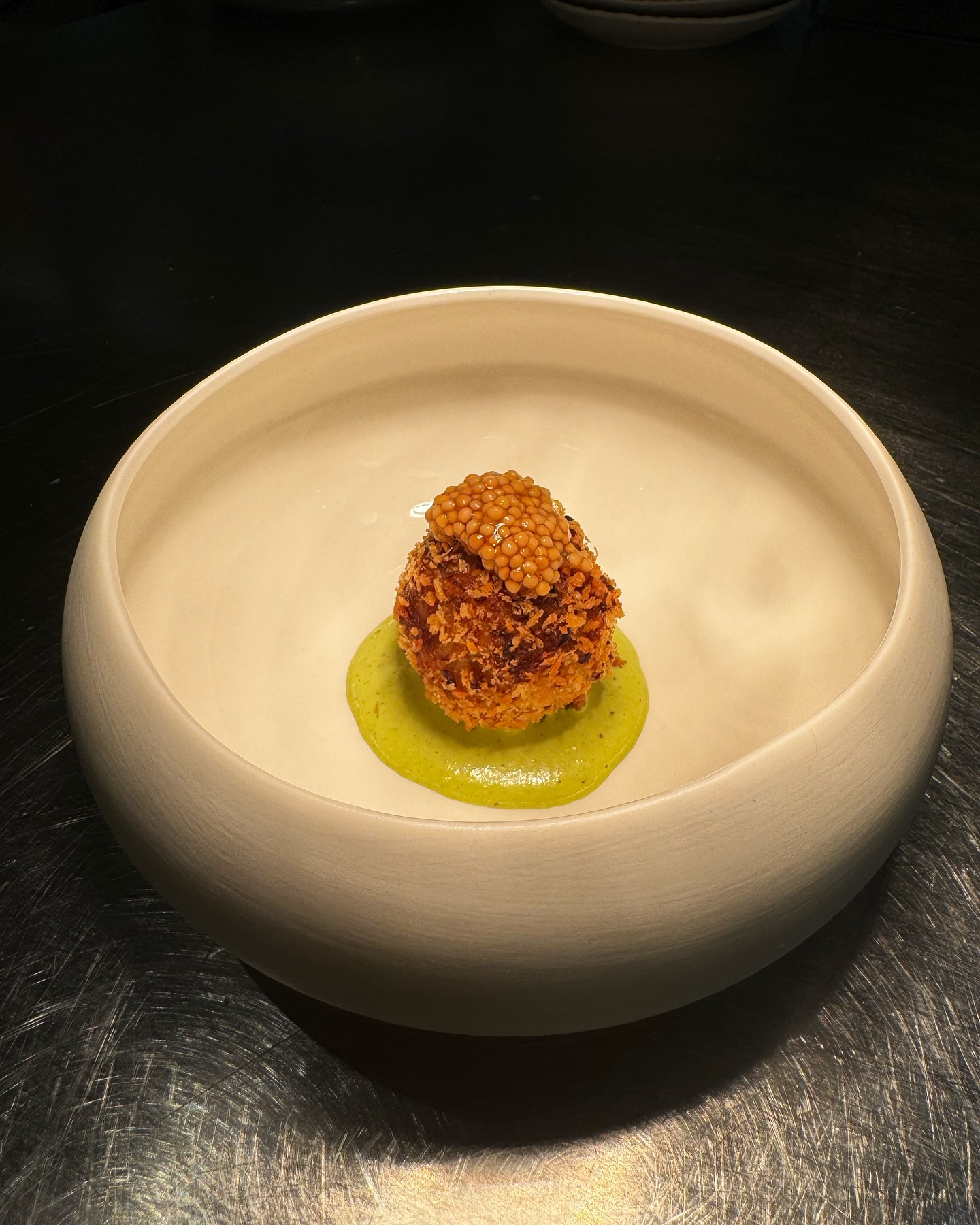
My version of Creole BBQ Shrimp.
It was one of the first Creole dishes I truly fell in love with after having it for the first time at my granddads house, and in terms of flavor really captures what I think of when I think of Creole cuisine.
In my version I lean a little into the Sicilian and Italian heritage of the dish and add a pesto and focaccia breadcrumbs, while also elevating some of the other elements of the original dish, like its signature sauce.
About Your City!
Amsterdam
- If Anthony Bourdain or a chef came to your city, what would be the perfect tour itinerary from breakfast to dinner?
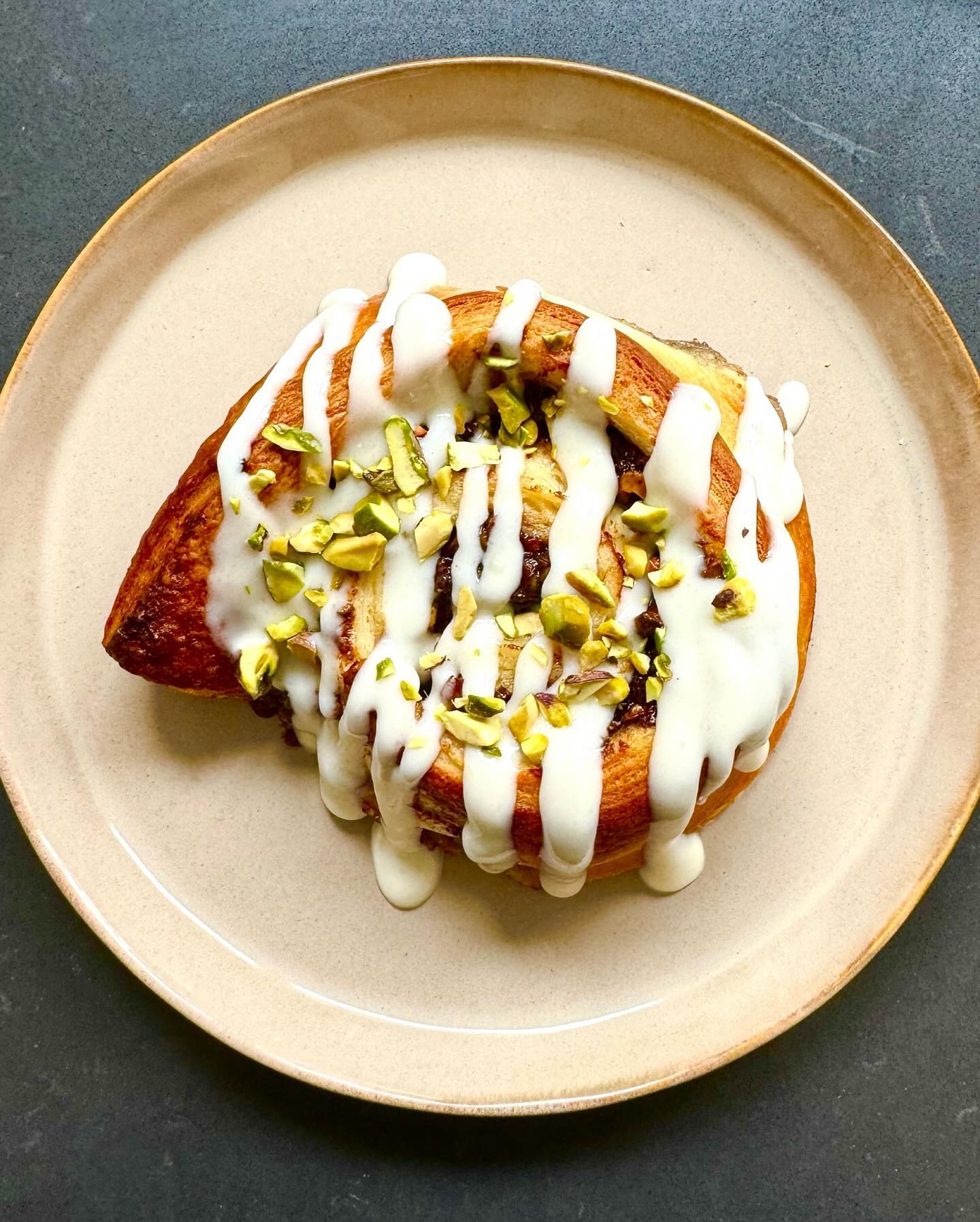
I’d take him around my neighborhood of De Pijp here in Amsterdam first, stopping for pastries and coffee at Anook Bakehouse. Then we’d walk around the Albert Cuyp Market and sample some local street food.
If we were still hungry, we’d grab a sandwich from Zero Zero. For dinner, we’d drop by to see my friends at Testamatta in a nearby neighborhood for some great Italian food, wine, and conversation.
After that, we could grab a cocktail at Bar Mokum, a glass of wine at Glou Glou, or a beer at Vice Versa.

Support our project by buying our merch!

86 HOTK Unisex t-shirt
$30.00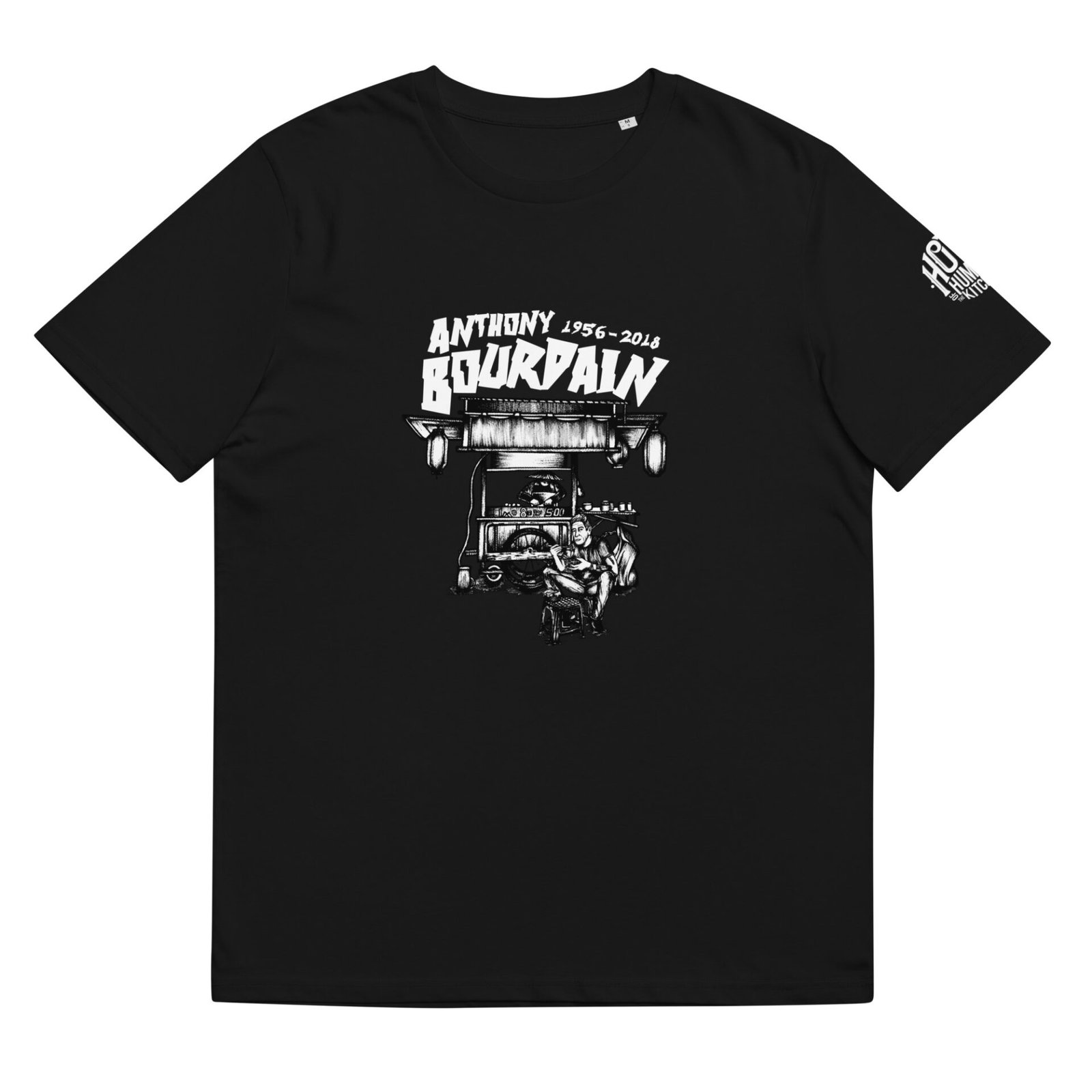
Anthony Bourdain T-Shirt
$35.00
Mise HOTK Unisex t-shirt
$30.00