Learning to begin again
A new country brought unfamiliar languages, kitchens, expectations, and another opportunity to adapt.
Kateryna Lavrynenko
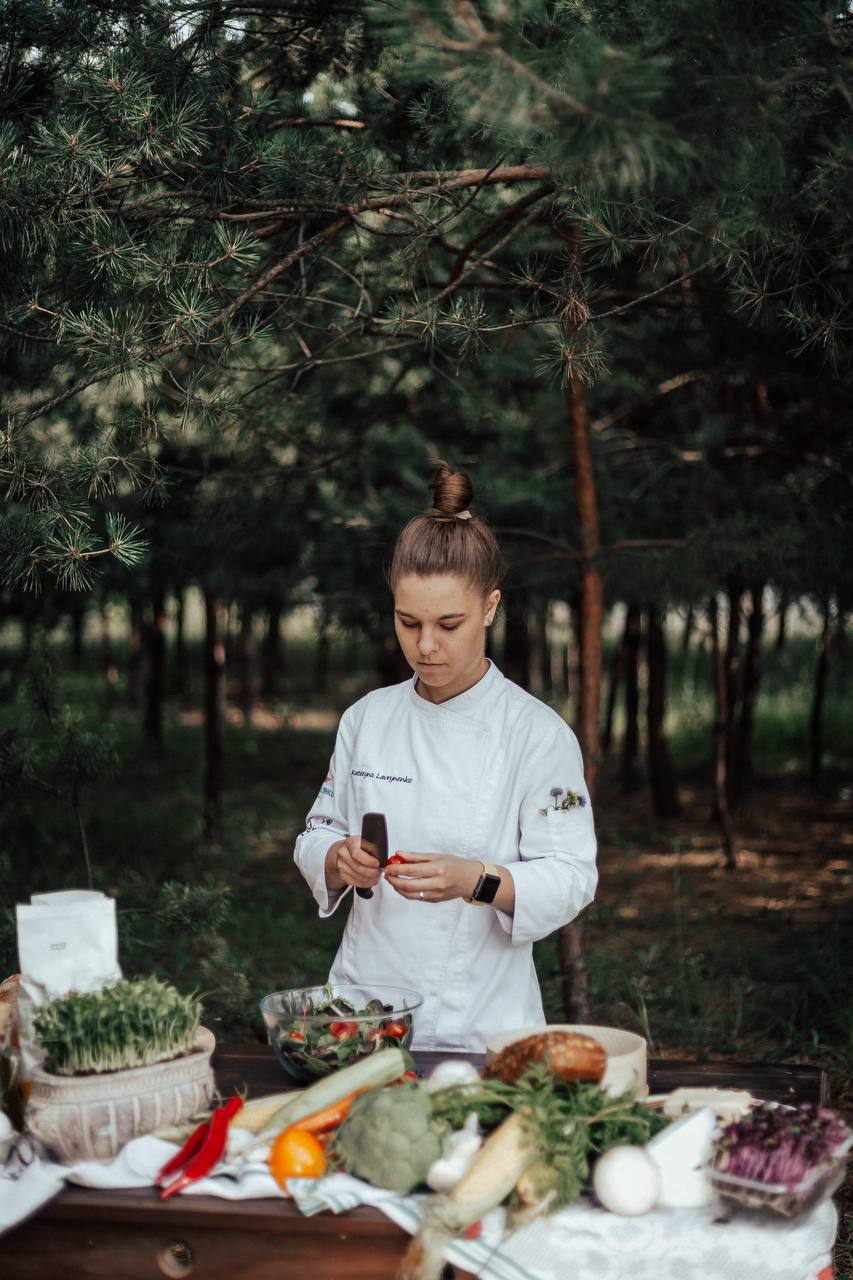
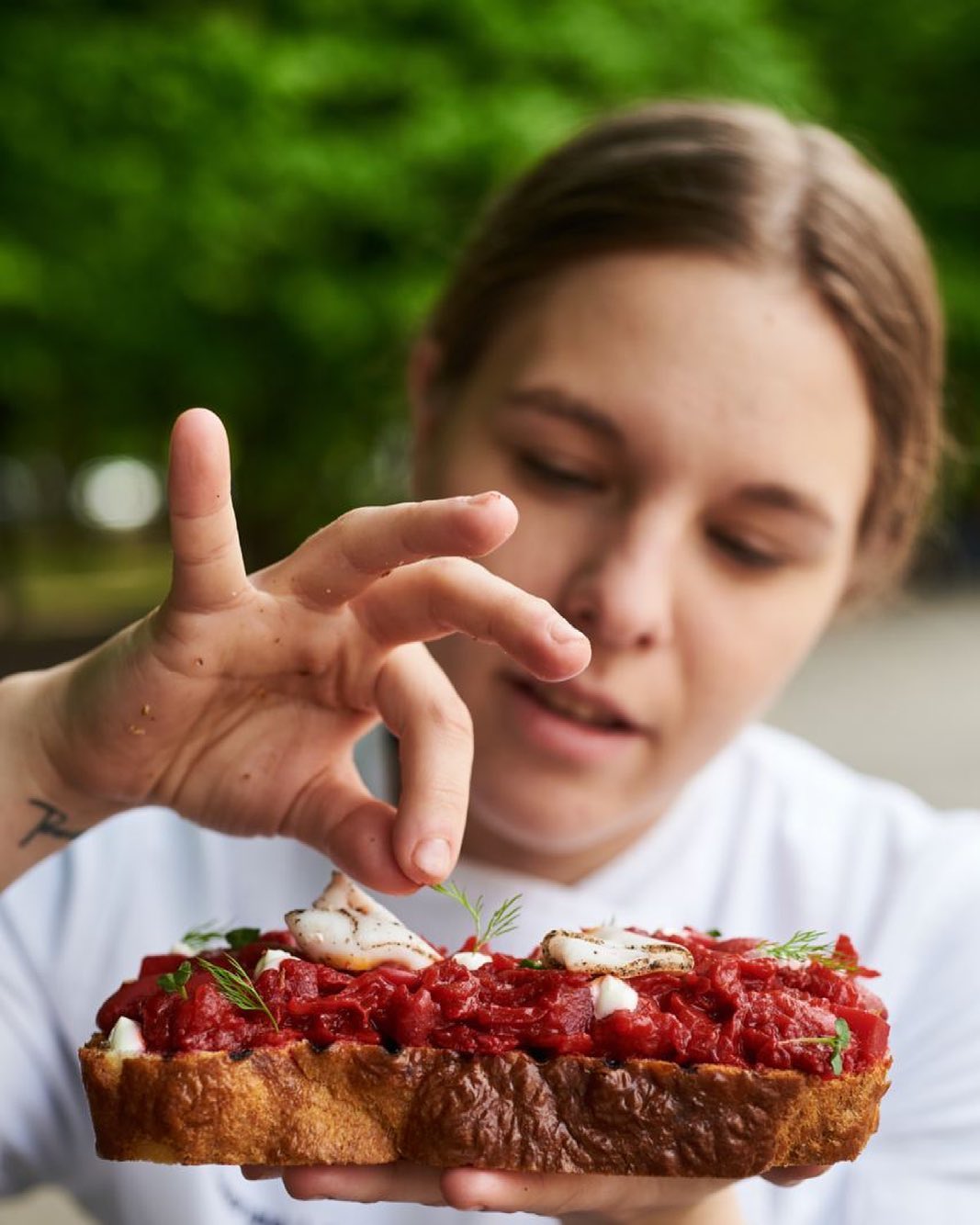
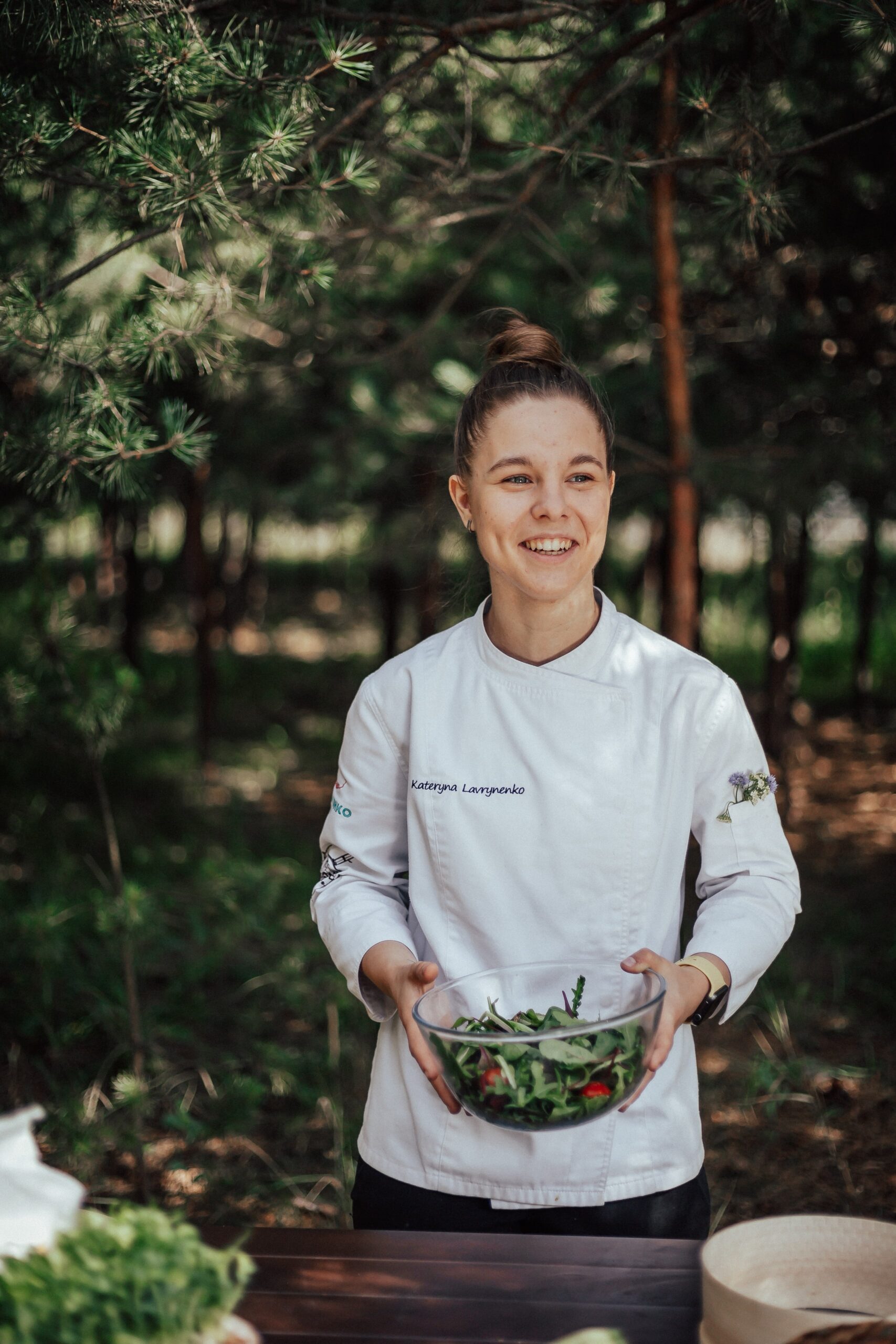
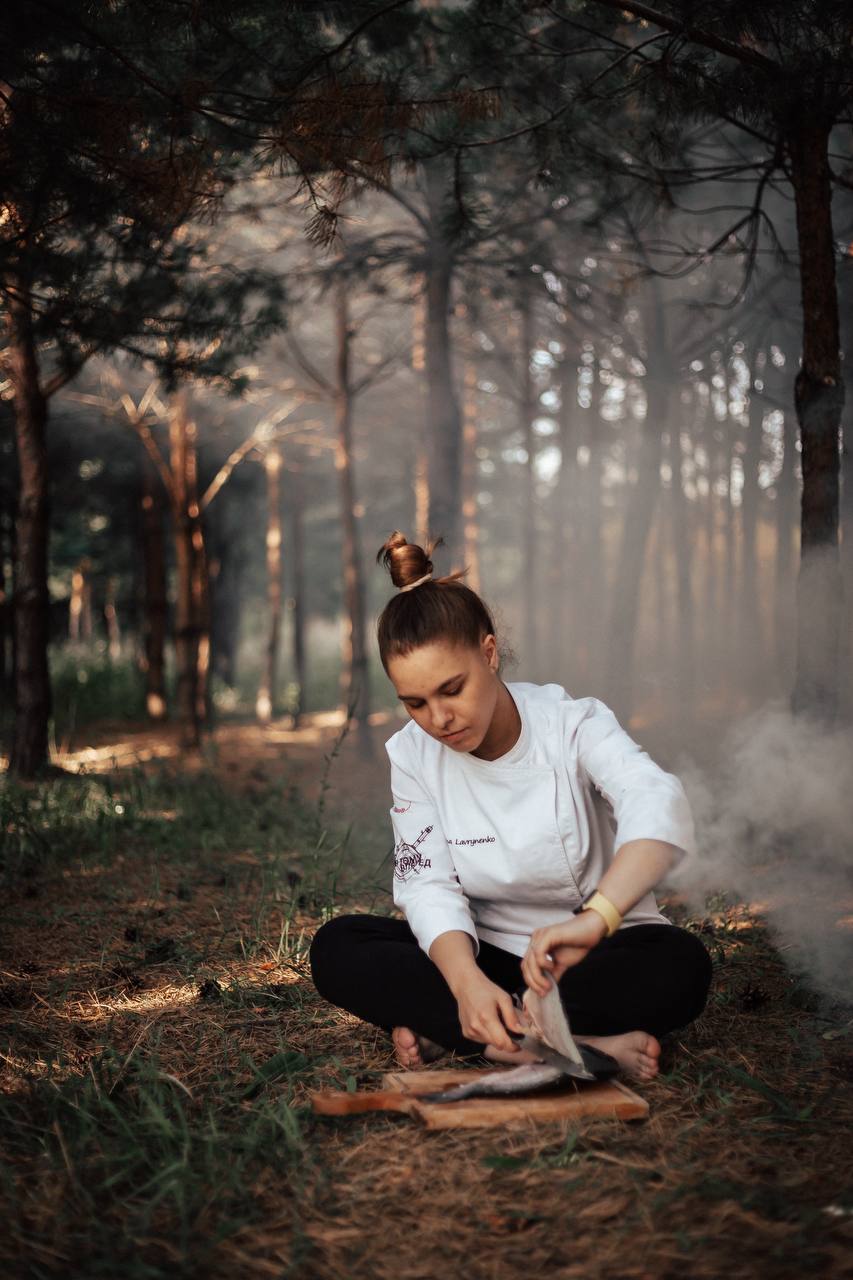
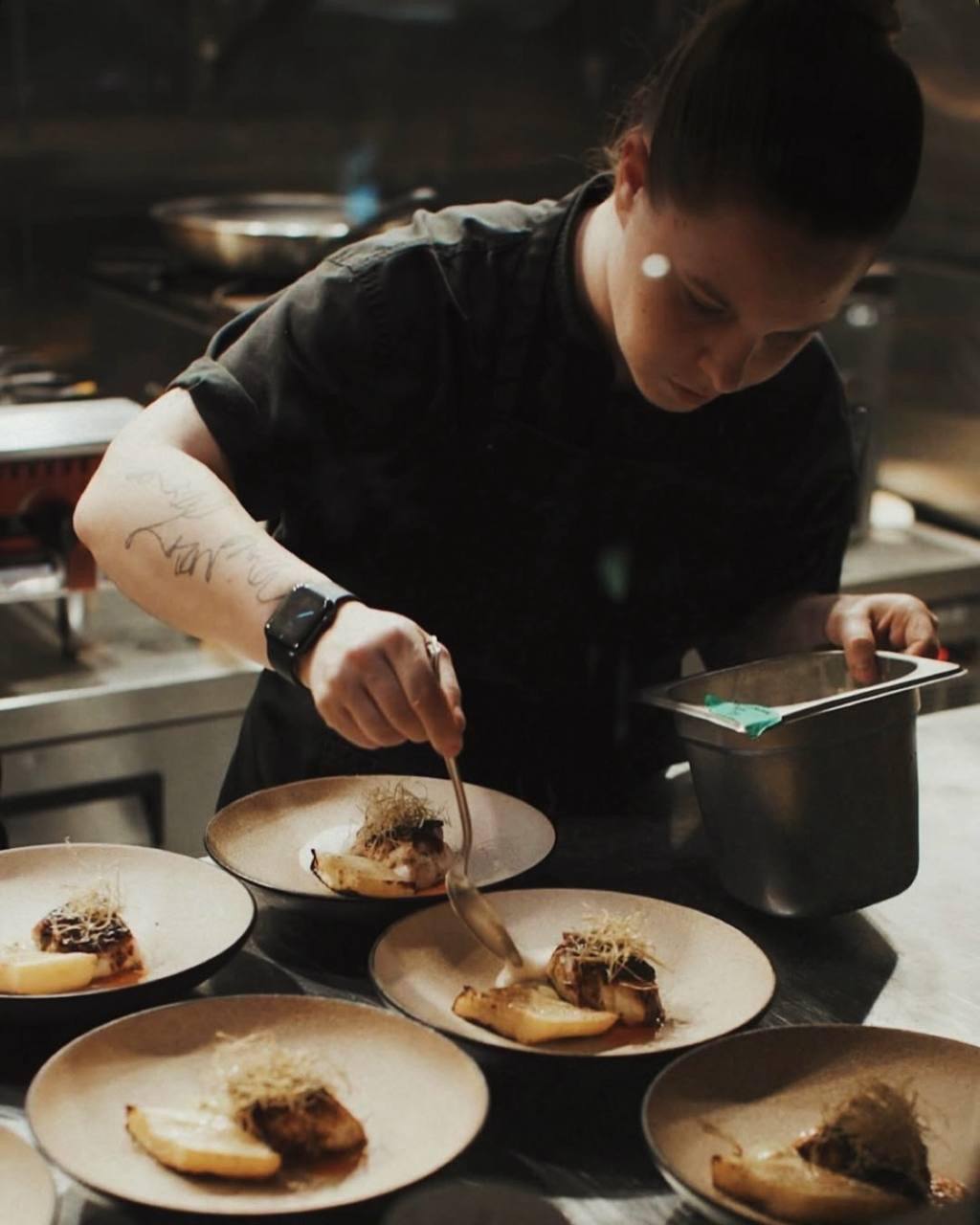
At 13, Kateryna Lavrynenko stepped into the culinary world and never really stopped moving forward. Before that, dance had been a huge part of her life, but injuries forced her to leave it behind. Cooking became her new way of expressing herself, and by 14, she was already traveling across Ukraine, collecting recipes and learning from different chefs.
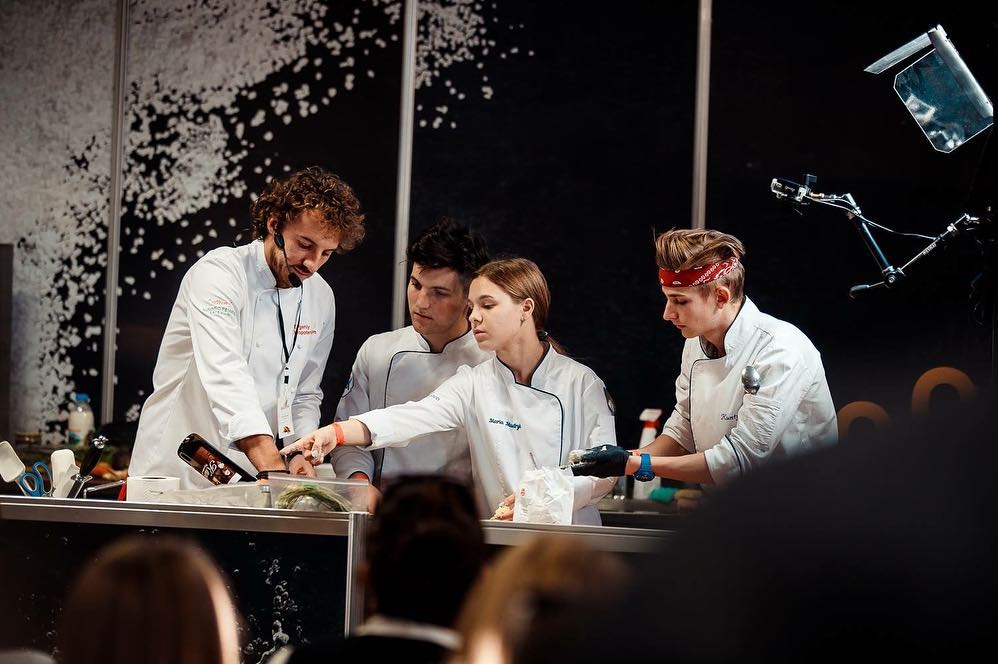
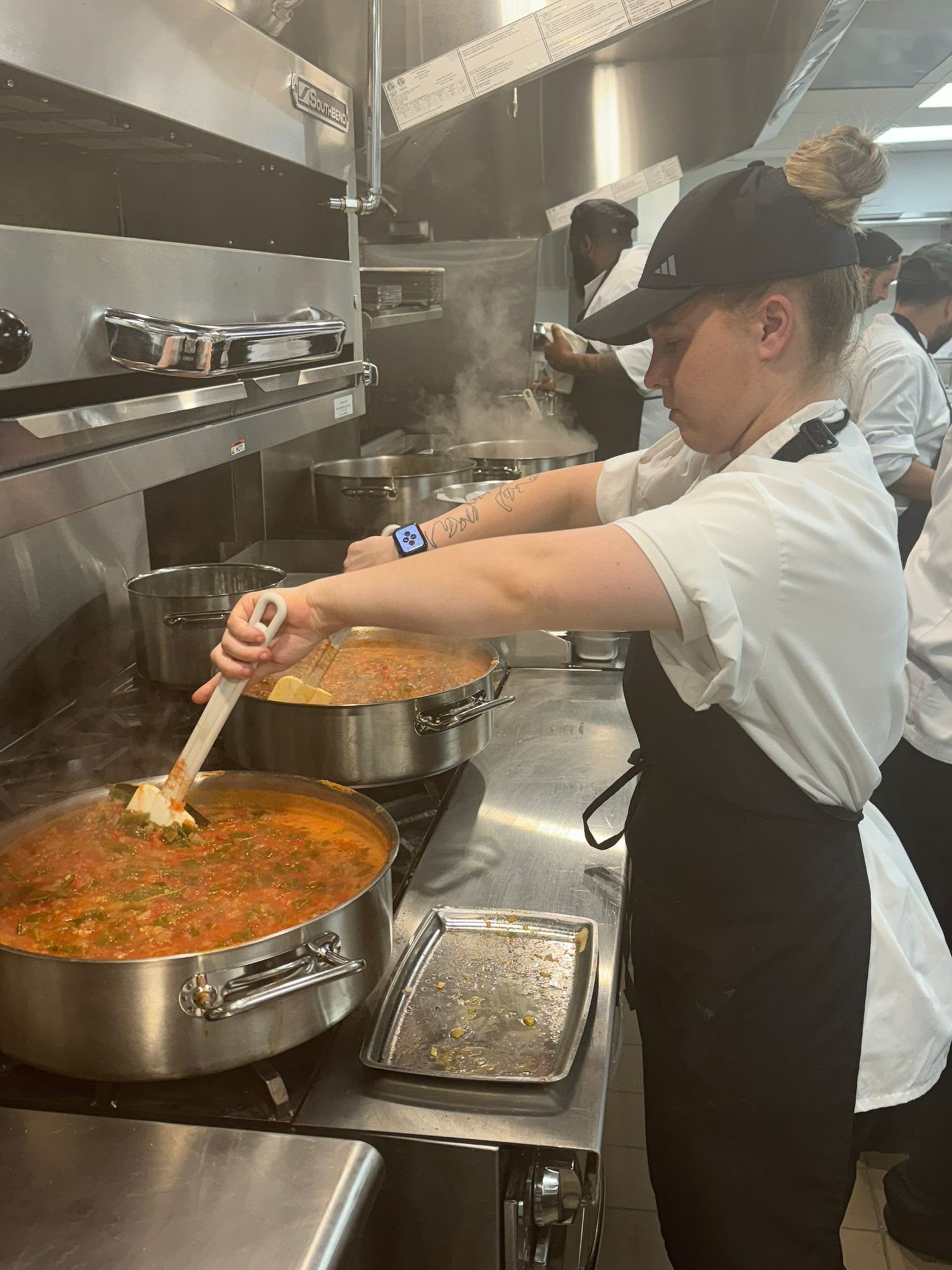
Being young was one of her biggest challenges. She often had to prove that her age did not define what she was capable of, learning to face doubt the same way she had learned to face challenges as an athlete. From becoming a Sous Chef in Ukraine to working in Michelin-starred kitchens in Miami, Kateryna kept pushing herself into new environments, new cuisines, and new ways of learning.
One of the moments that stayed with her happened when a guest tasted one of her dishes and began to cry. It was then that Kateryna understood that food could do more than taste good: it could create emotions, bring memories to the surface, and connect people. Today, at 25, she continues to build her path through leadership, creativity, and Chef’s Table experiences, carrying with her a simple philosophy: keep moving forward.
In this conversation with Humans of the Kitchen, Kateryna reflects on the experiences, challenges, and people that have shaped her journey.
Share your Journey
- Looking back at your childhood, was there a specific moment or memory that sparked your interest in food or cooking?
I started my culinary journey at 13, and by 14, I was traveling across Ukraine, collecting recipes and learning from different chefs. With a young team, we opened a restaurant where I became a Sous Chef. I continued developing at SAMNA by Meir Adoni and later appeared on Hell’s Kitchen. After moving to Miami, I joined Michelin-starred Le Jardinier, then worked at Elastika and Kaori, where I became a kitchen leader, created dishes, managed a team, and trained others. Today, I’m a Jr. Sous Chef at KLAW, while also creating high-end private Chef’s Table experiences in homes and on yachts.
I’m only 25, and I know there is still so much ahead of me to discover and accomplish. But one thing has always stayed the same: I keep moving forward.
- Did you have another career or job before becoming a chef? How did those experiences influence your decision to pursue cooking?
I never had another type of job because I started working at 13, right after finishing school. But before that, dance was a huge part of my life—I was deeply passionate about it, and it was something I truly lived for. Unfortunately, I had to give it up because of injuries.
- Did you formally study culinary arts, or are you self-taught? How has your learning journey shaped your approach to cooking?
My first chef gave me a three-month online culinary course for free, and I completed it in just one month. I learned different techniques, knife skills, and much more. After that, I continued learning on my own while working in different restaurants, as well as by reading culinary books and watching various cooking shows.
- When did you first step into a restaurant kitchen? What was that experience like, and how did it shape your journey as a chef?
My first real experience in the kitchen was when I was 14, and honestly, I was scared. I kept thinking, “What will people say? Who is going to listen to me at this age?” But I was an athlete, and I was taught never to be afraid of challenges. You have to face your fears, overcome them, and keep moving forward. That mindset shaped me and helped me become the person I am today.
- What were some of the early challenges or obstacles you faced when you started in the kitchen, and how did you overcome them?
The biggest challenge was always my age. I often heard, “How can you teach us or tell us what to do? You’re still so young.” But once people saw my experience and what I was capable of, they understood that I was worth listening to.
Even today, I still find pastry challenging. But I’m constantly working on it, learning more, and trying to perfect my skills.
- What keeps you inspired and how has that inspiration driven you throughout your professional journey? Especially during tough times in the kitchen?
My inspiration comes from within—from my soul. I always follow what I feel inside. If something doesn’t feel right or doesn’t feel like me, I find my own way to approach it and make it work.
The hardest part was adapting to life in the U.S. and working in English, but I did it. I overcame that challenge and kept moving forward.
- Can you recall a moment in the kitchen that marked you forever? Maybe it was an interaction with a mentor, a fellow cook, someone you fed, or a situation that challenged you in a way that shaped who you are today?
At the first restaurant where I worked, I had the opportunity to create a dish for the menu, and I did. We had a concept where chefs could bring their own dishes directly to the guests and interact with them. One day, I brought my dish to a woman from Vietnam. She absolutely loved it, and then she suddenly started crying in front of me. I felt a little awkward and didn’t know how to react, but she said such beautiful and encouraging words. She told me she was amazed by how young I was and by what I was able to make people feel through food—that I could actually move someone to tears with a dish.
That moment stayed with me. It made me realize that food is not just about taste; it can create emotions and connect people.
- As a chef, how would you describe your philosophy in the kitchen, and how does it guide your approach to cooking and leadership?
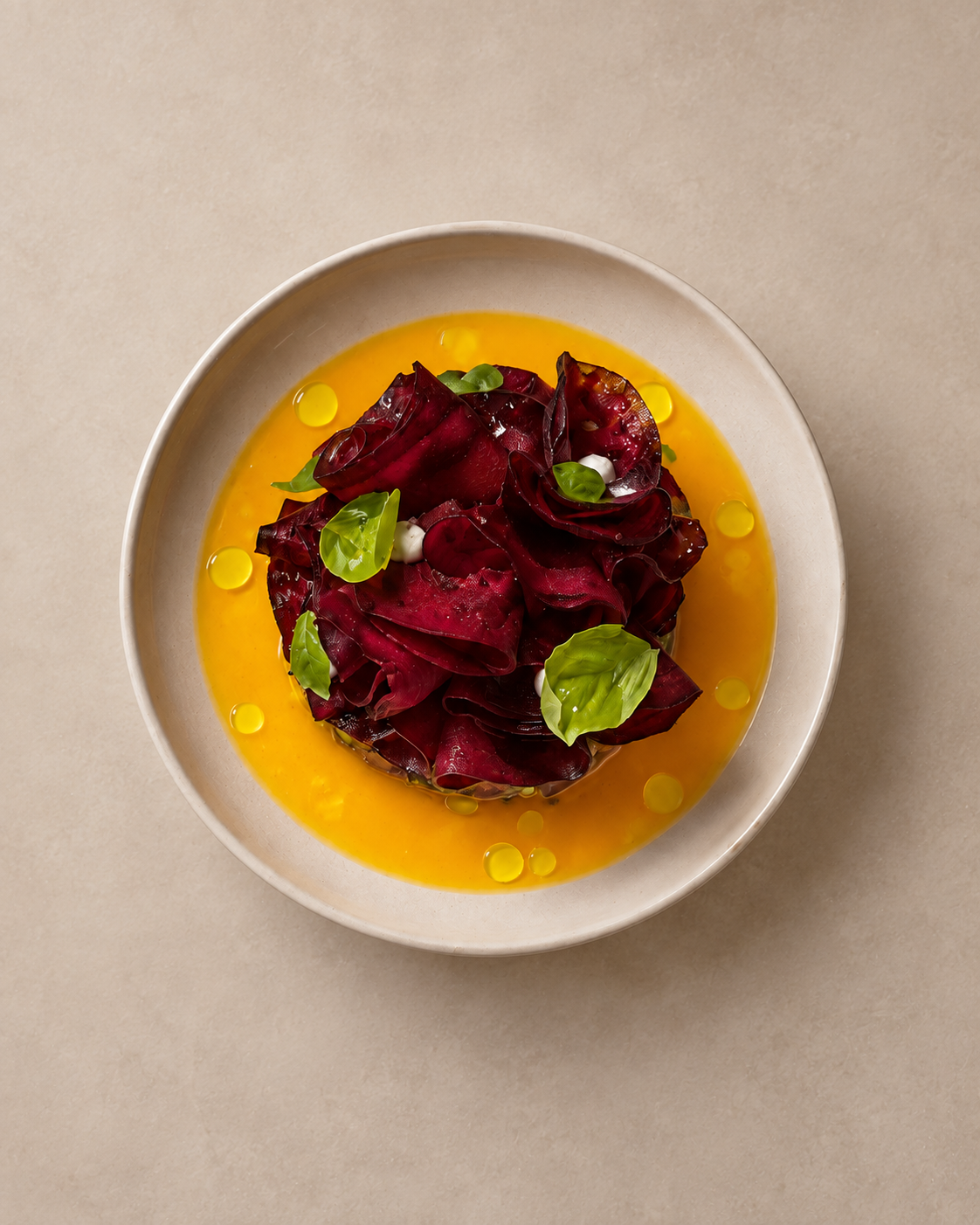
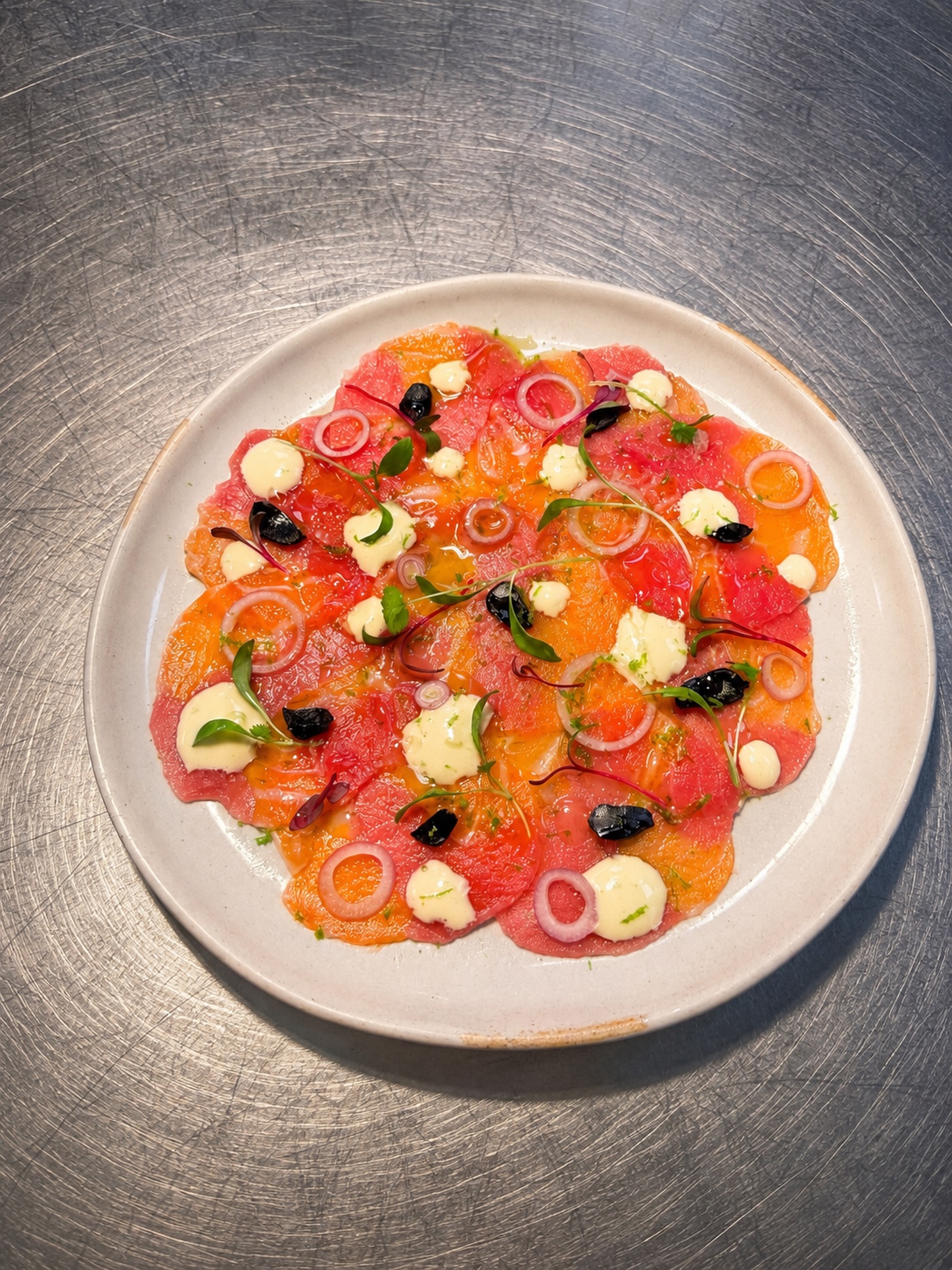
My philosophy is simple: Ingredients are your colors, the plate is your canvas, and your soul and experience are your brush. Create your masterpiece and show it to the world.
- Can you share a time when cooking or the camaraderie in the kitchen helped you through a tough period in your life? What made that experience meaningful?
I haven’t really had moments like that. It was more difficult when I had been working at the same restaurant for a long time and realized that I had grown and needed to move on.
It was hard because you become attached to the people and the place, and it starts to feel like home. But deep down, you know that you have to keep moving forward and take the next step in your journey.
- Reflecting on your career, what achievements or milestones are you most proud of, and what do they mean to you?
I’m proud that I never stay in one place and always keep growing. I’m proud of how many different cuisines I’ve studied, of having had the opportunity to work in Michelin-starred restaurants, and most of all, I’m proud that I bring new ideas and creativity into the culinary world.
- What aspects of restaurant culture do you love, and what parts do you find frustrating or problematic? Are there any changes you’re actively working toward or things you hope they change in the industry? Share the reasons behind them and how they align with your vision for a better culinary world?
What I love most about restaurant culture is the energy, creativity, teamwork, and the feeling that everyone is working toward something together. I love the connection between the kitchen and the guests, and I believe food can communicate ideas, emotions, memories, and culture in a very powerful way.
What I find frustrating is when the industry becomes driven by ego, money, fear, or unhealthy competition. I have never understood people who work only for money and lose the passion and meaning behind what they do. I also believe that long hours, burnout, disrespect, and toxic kitchen environments should not be accepted as simply “part of the industry.”
I want to contribute to creating a more respectful and inspiring culture where chefs can be demanding while still being supportive, where young cooks are taught instead of simply criticized, and where creativity is encouraged. I want my kitchen to be a place where people feel proud of what they create and understand why they are creating it. For me, a better culinary world starts with respect, curiosity, passion, and the willingness to share knowledge with others.
- What are your hopes for the future of the restaurant and food and beverage industry? What changes would you like to see, and how are you contributing to that change?
I would love to see more interaction between chefs and guests and create a different kind of experience, something that genuinely touches people. A chef can tell the story behind a dish in a completely different way. They don’t just sell you a plate; they share the idea, the emotions, and the story behind it.
- If there’s anything we didn’t ask or if you feel we’re missing something about your personal and kitchen story, please share it here.
If it weren’t for my mom, who always believed in me and supported me, I wouldn’t be the person I am today!!!
Secret Sauce
- What’s the most unexpected ingredient you’ve ever worked with, and how did it change your perspective on cooking?
Cow’s blood, we turned it into a dessert.
- What’s your “guilty pleasure” meal?
Pasta.
- A food trend that you hate and why?
Typical American food, There is no soul in this cooking; everything is deep-fried in batter and very salty.
- What’s the craziest shift you’ve ever worked in the kitchen?
When no one showed up for work, I was manning the hot line, the cold station, and the pastry section all at the same time.
This happened when I was 20, and I was stunned when, one day, no one showed up for work. However, since I’ve always been a responsible person, I couldn’t let the team down; I had to organize the workflow so I could get all the orders out on time.
That day taught me a great deal about my time management. Thanks to that experience, I’m now able to handle an incredible number of tasks simultaneously.
5. What happened, and how did you manage to get through it?
It was fun and tough, but I managed. Time management is the key
- What tips would you give to other cooks and chefs to help them navigate their culinary careers and find peace amid the chaos of the kitchen?
Listen to yourself and always learn something new.
- What’s an underrated ingredient and why?
For me, all the ingredients are equally important.
8. What’s a must-try dish from your kitchen or the one you’re proudest to have prepared?
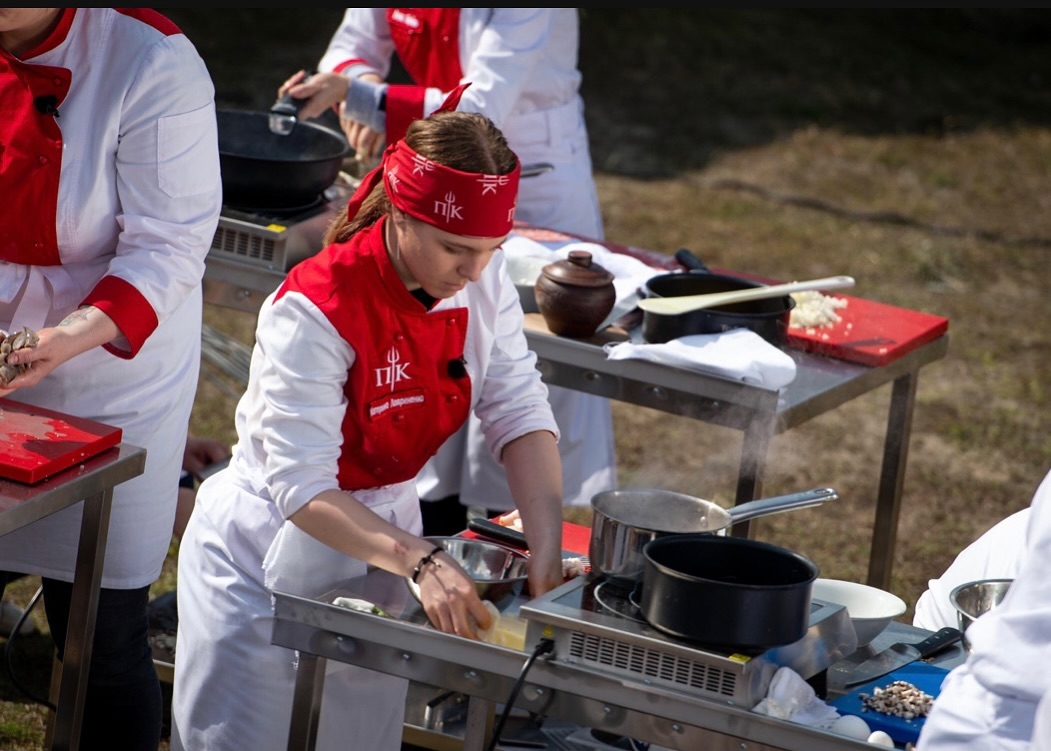
My dish for the Hell’s Kitchen project.
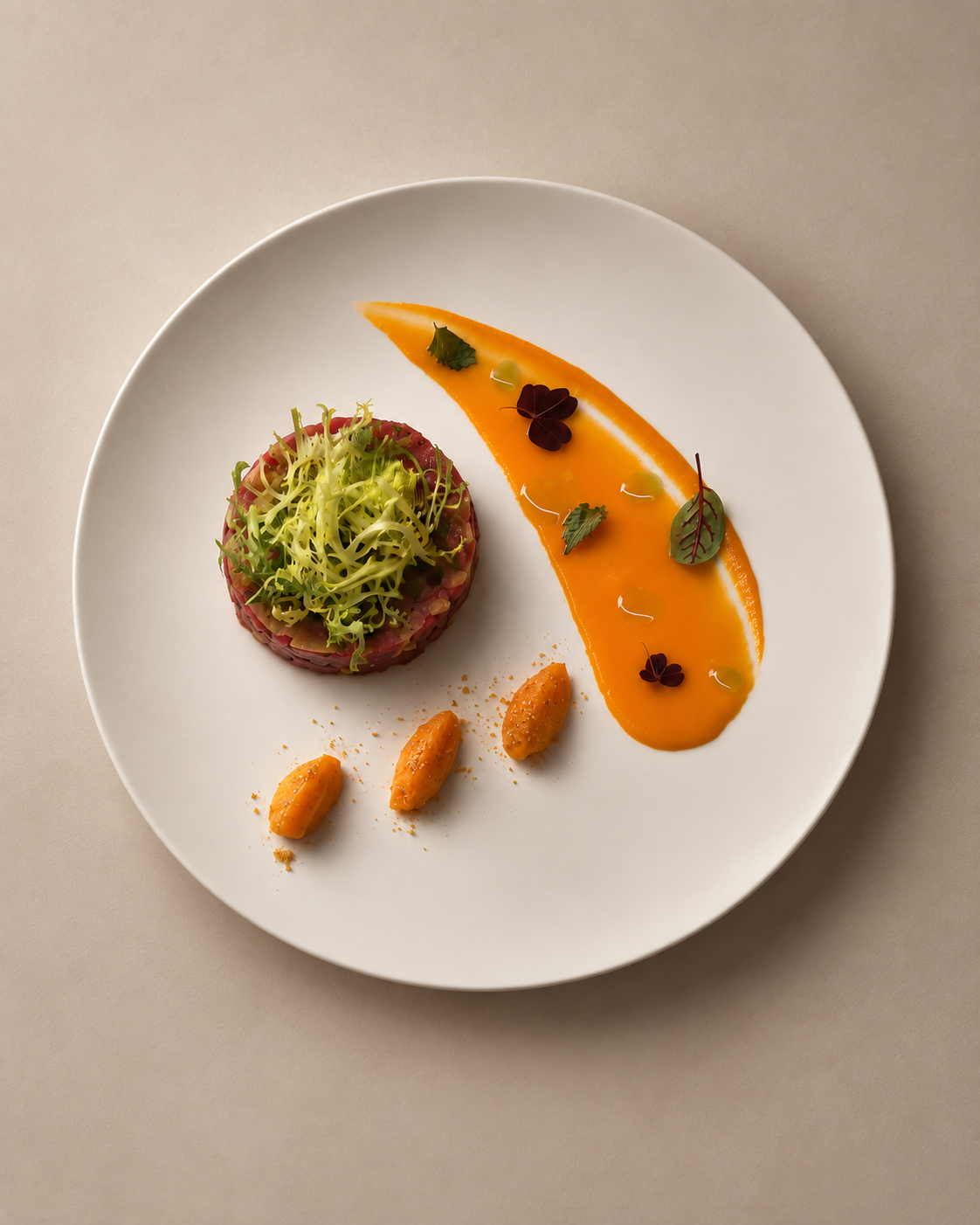
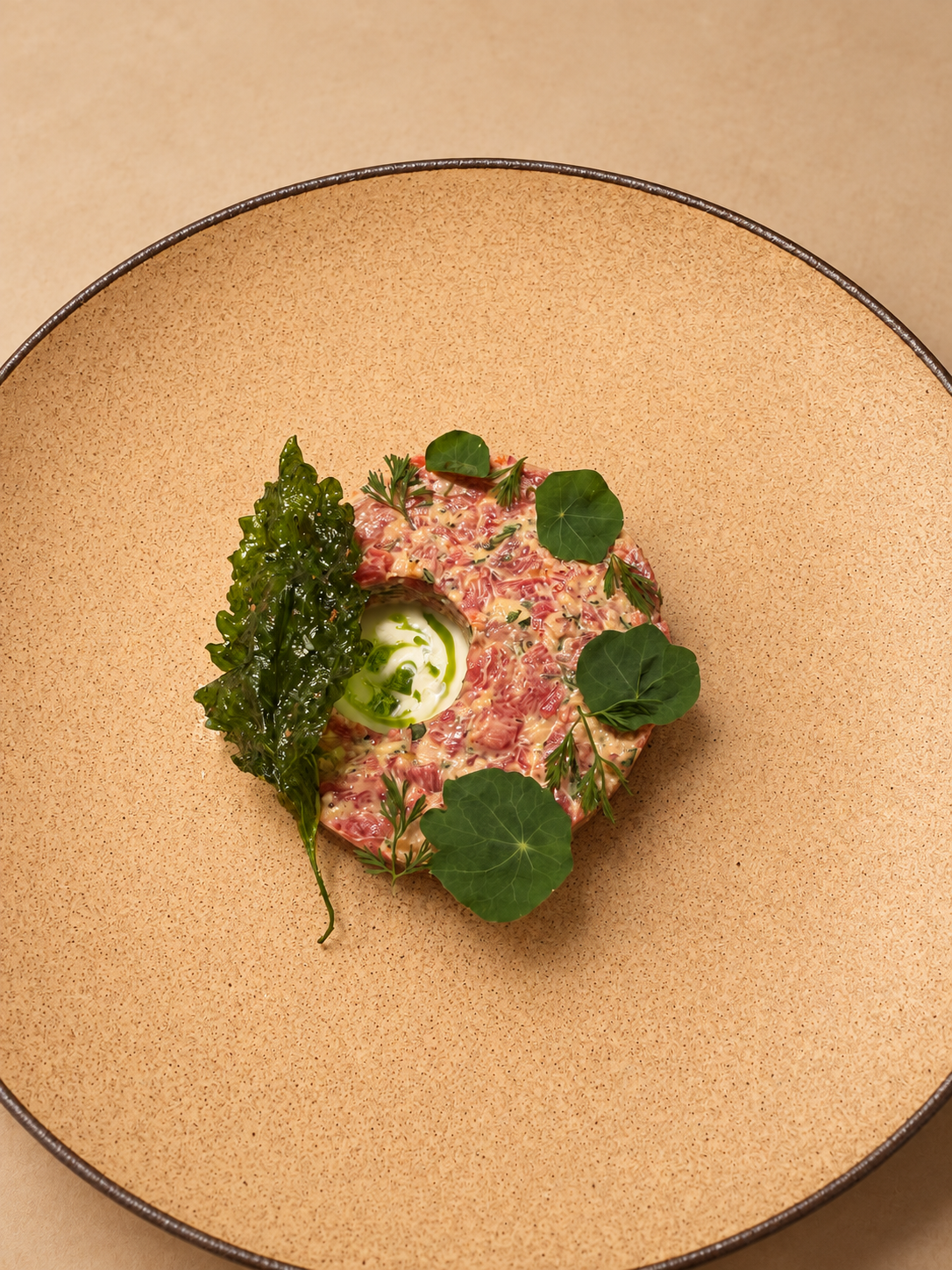
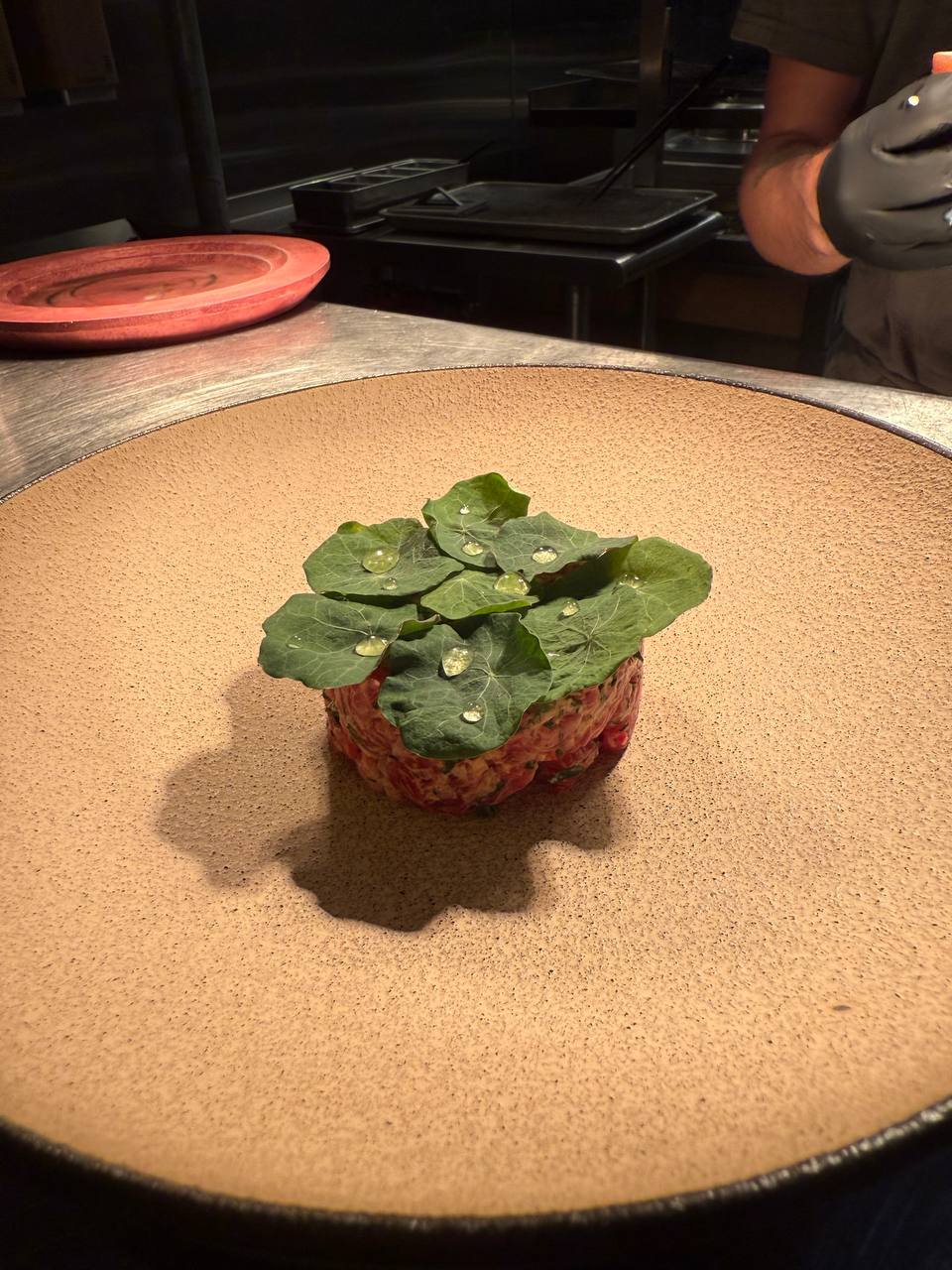
At the time, I didn’t yet fully understand all the ingredients or how to combine them, so I simply trusted my instincts and decided to create something interesting. It was a beef tartare with pine nuts and pine-infused oil. Inside, there was a very thinly rolled layer of date paste, topped with frisée dressed in pine oil. I complemented the dish with carrot purée, buckwheat praline, and a tomato coulis.
About Your City!
Miami, Florida
- If Anthony Bourdain or a chef came to your city, what would be the perfect tour itinerary from breakfast to dinner?
- Klaw restaurant in Edgewater
- Casa Tua in Wynwood
- Motek restaurant in South point

Support our project by buying our merch!

86 HOTK Unisex t-shirt
$30.00
Anthony Bourdain T-Shirt
$35.00
Mise HOTK Unisex t-shirt
$30.00