Consistency beats talent
Failed preparations, difficult first jobs, and self-doubt taught him to keep practicing until he got it right.
Juan Felipe Hincapie Castaño
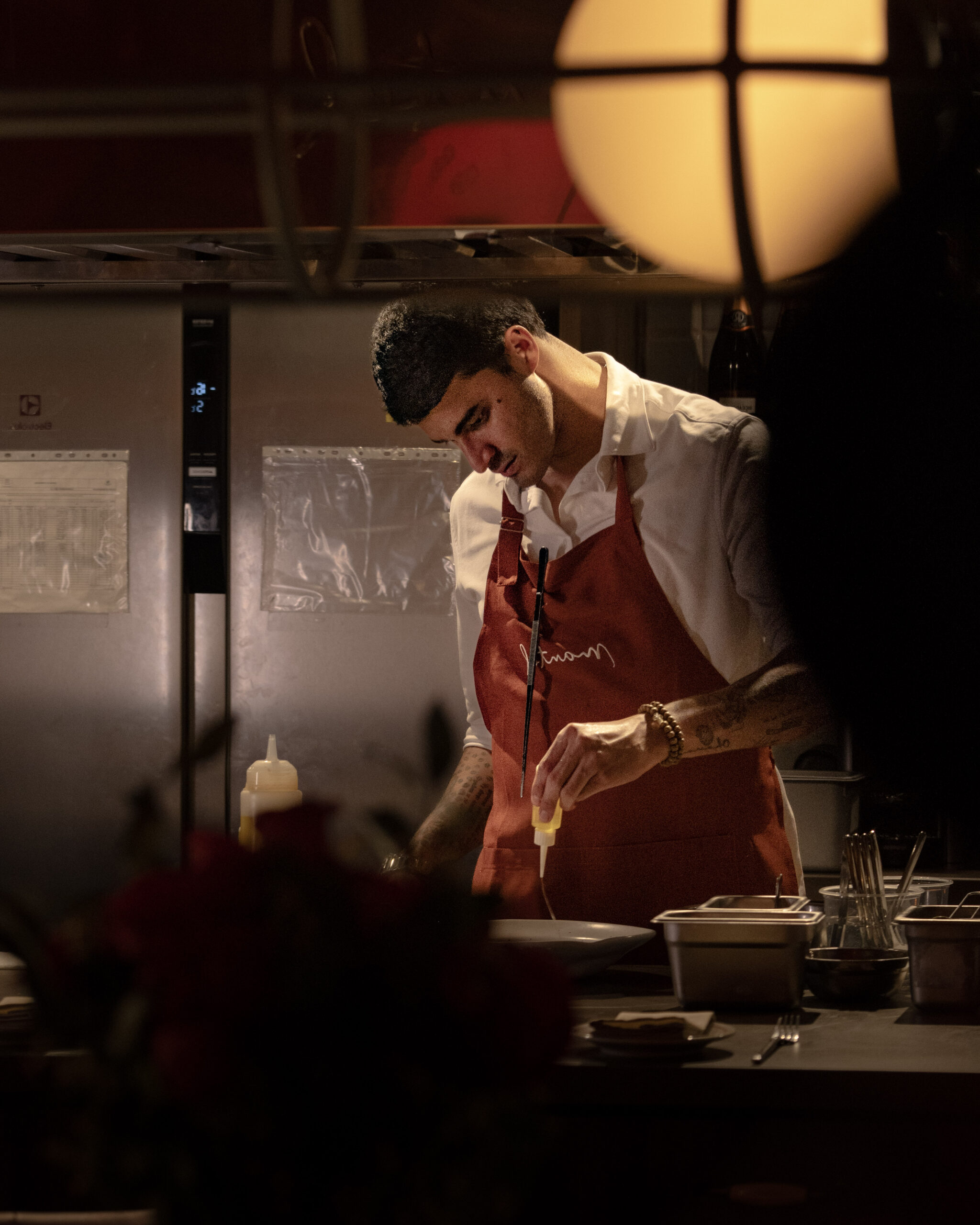
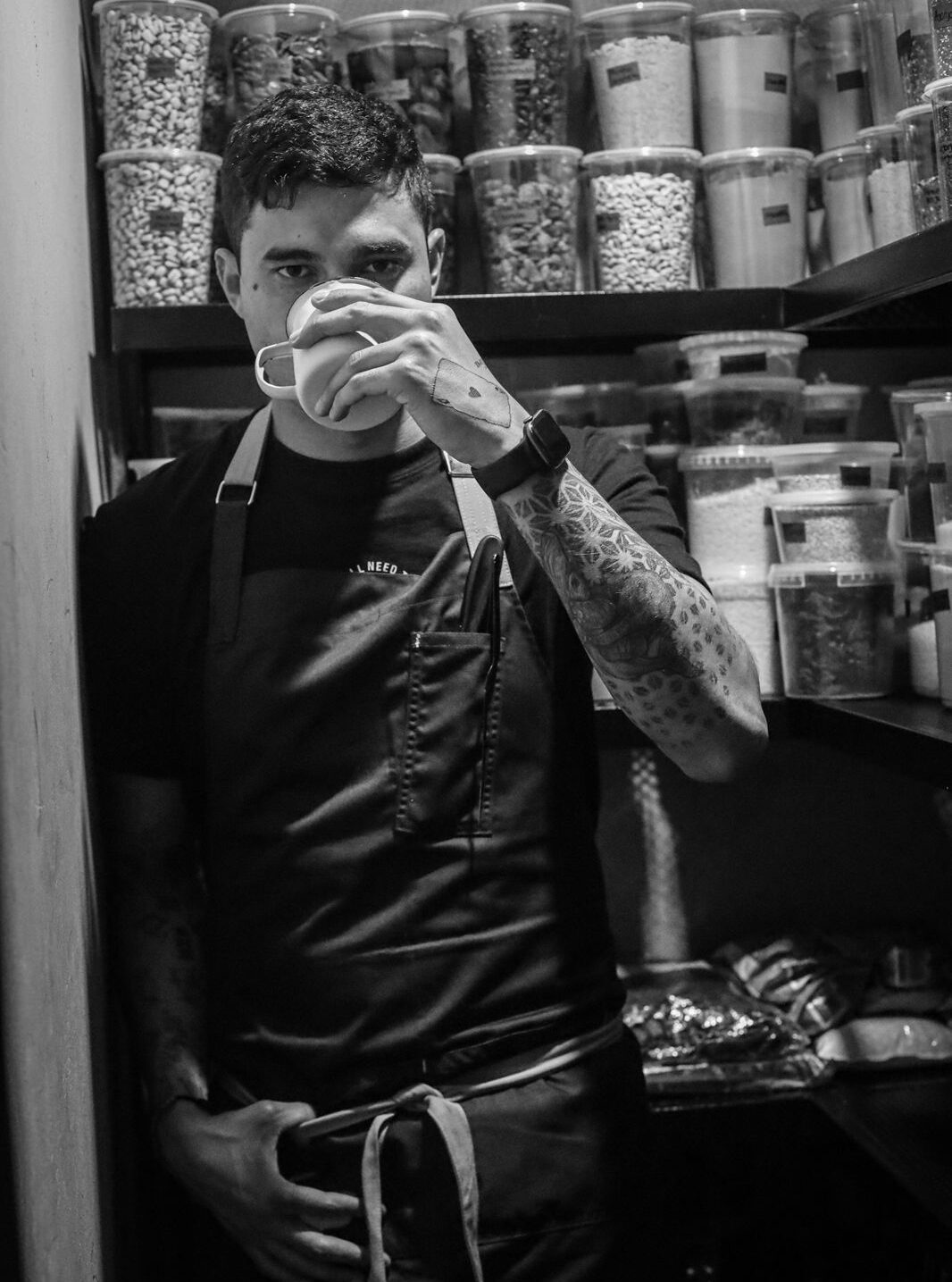
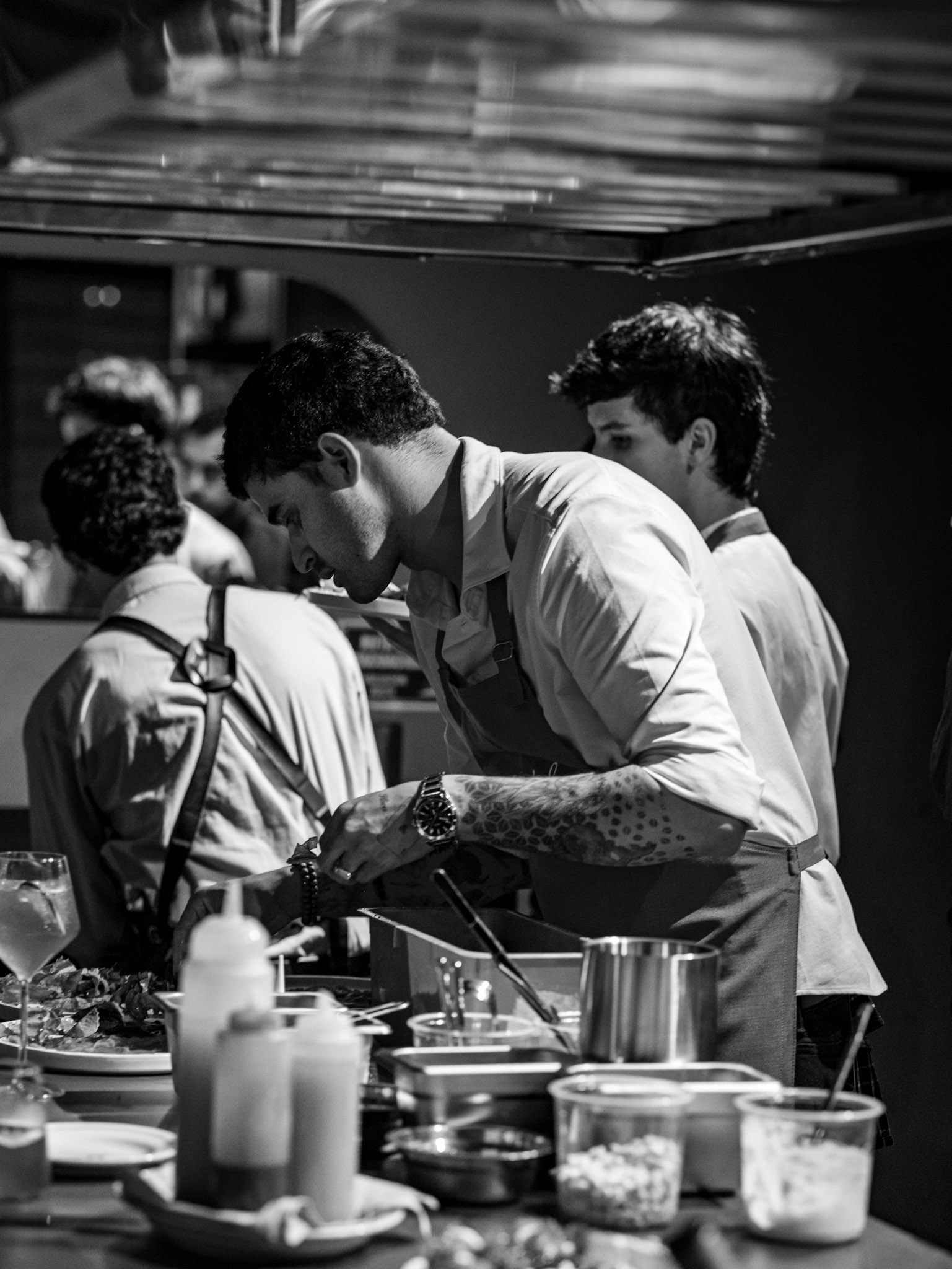
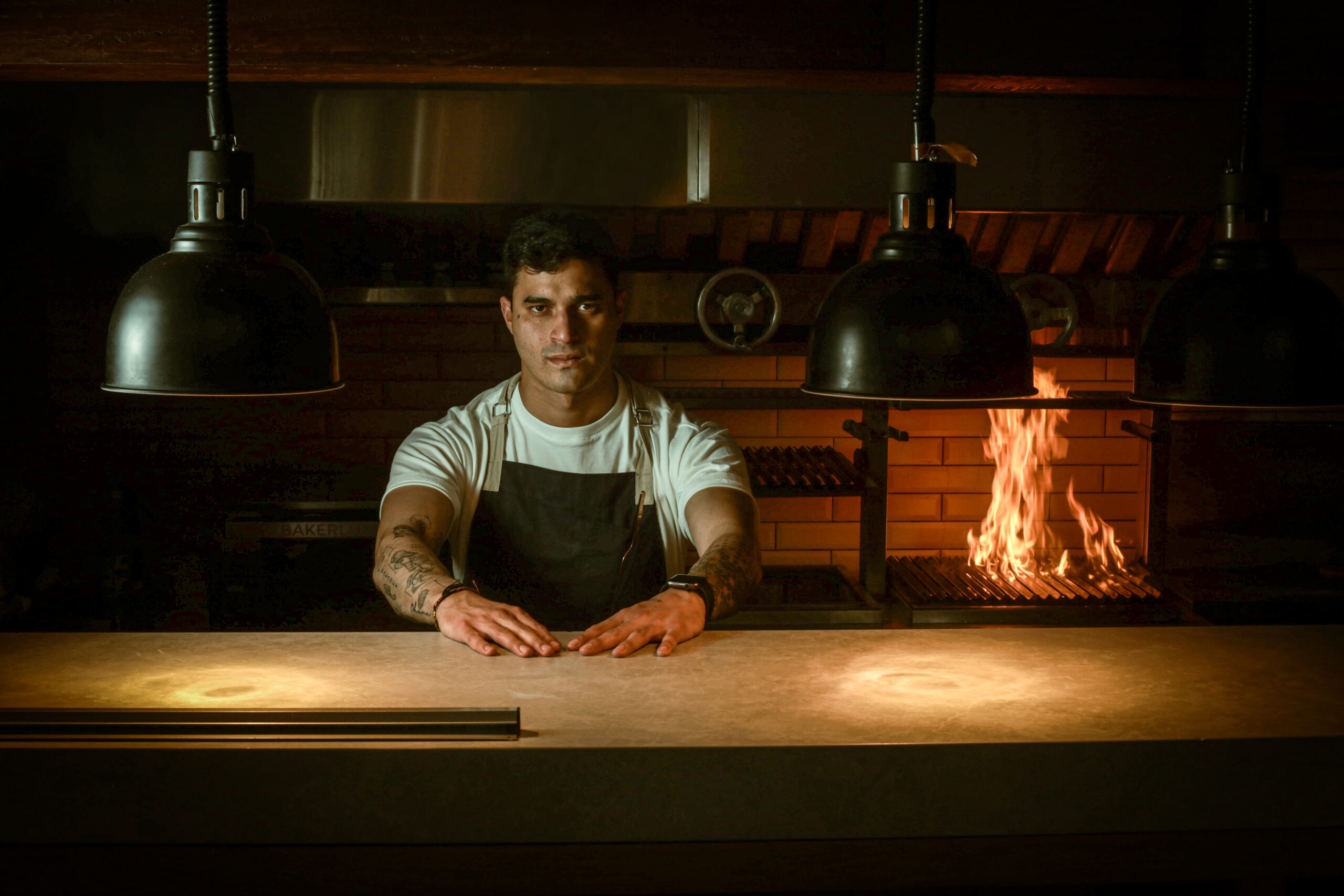
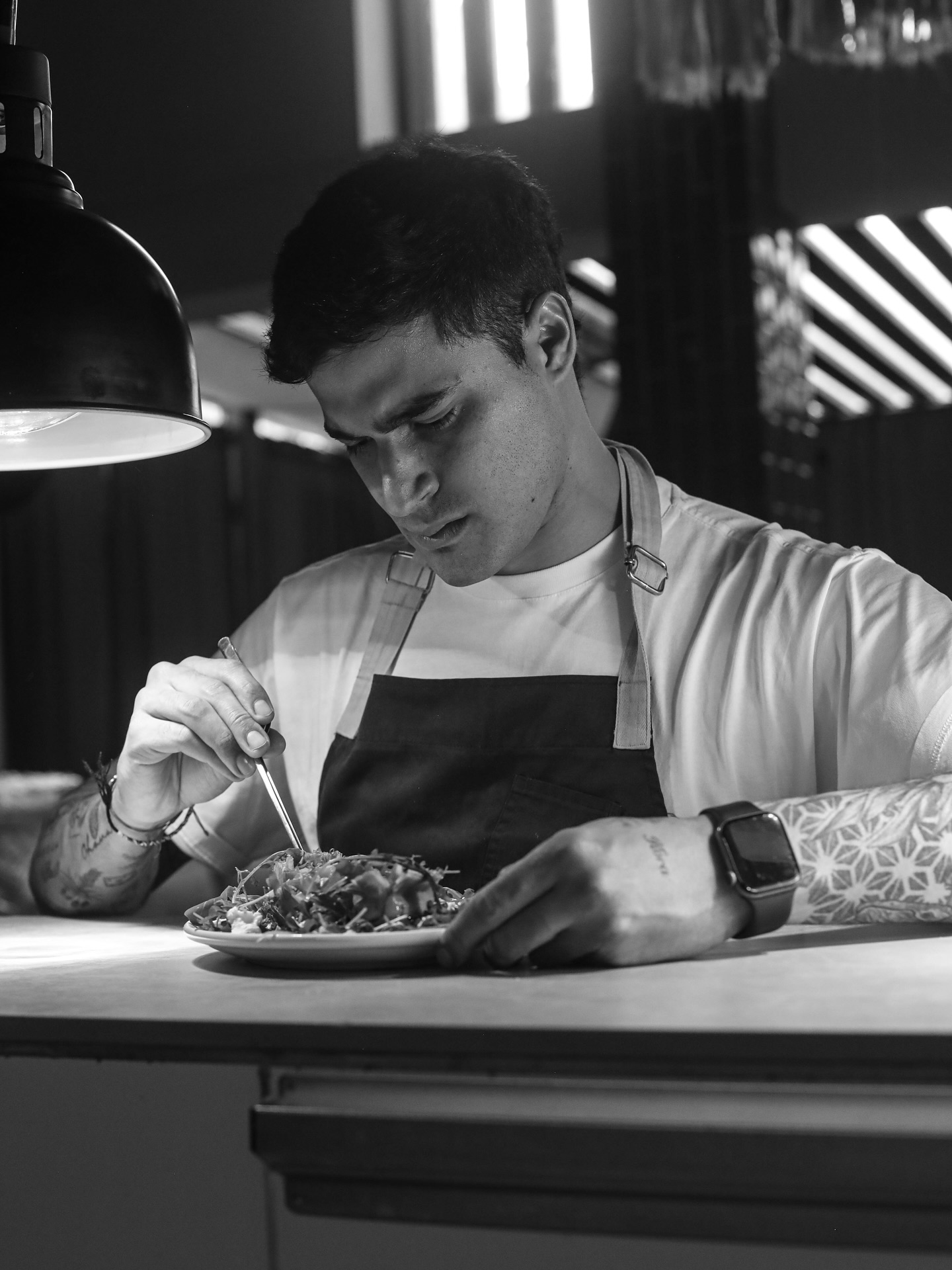
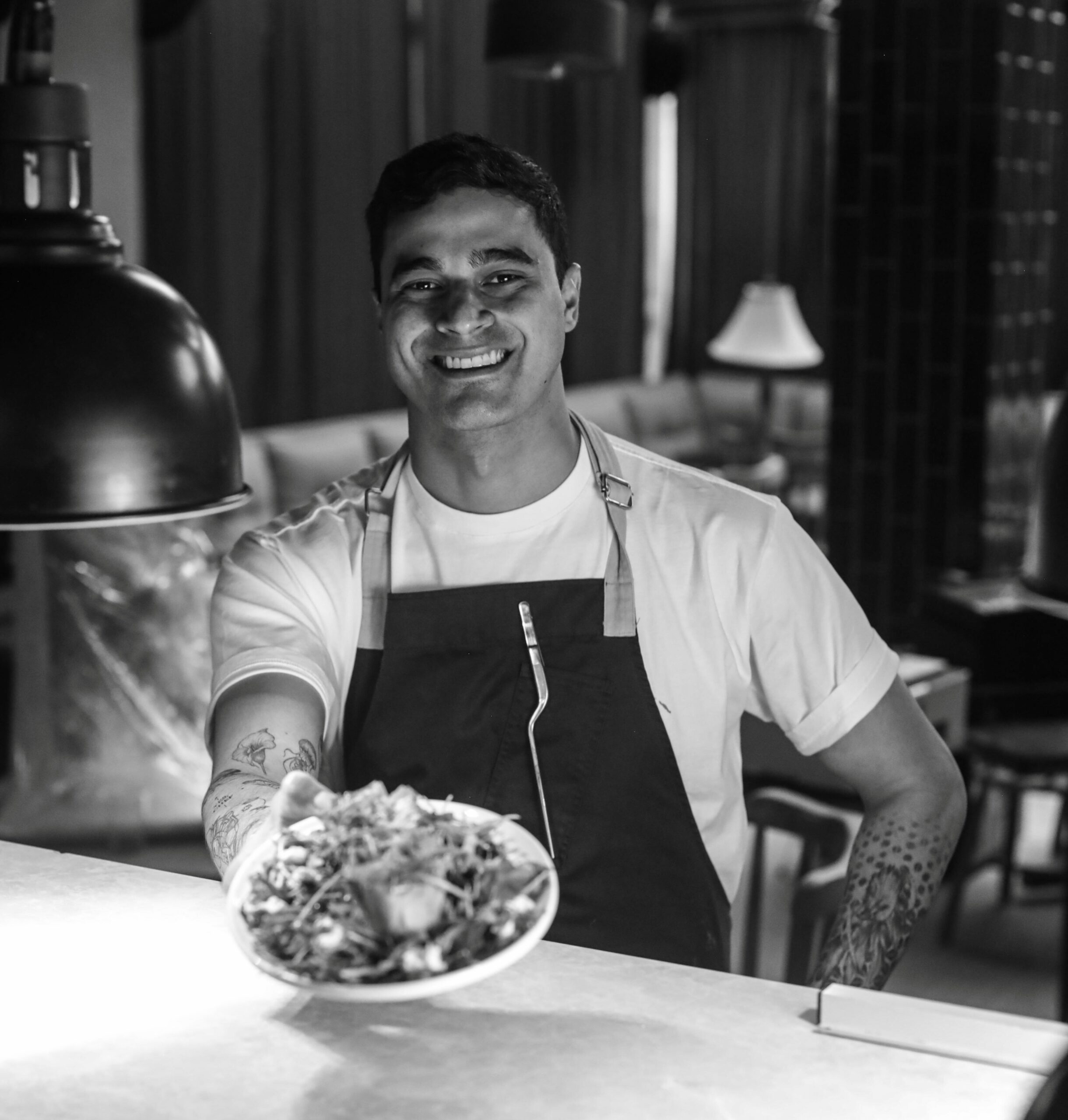
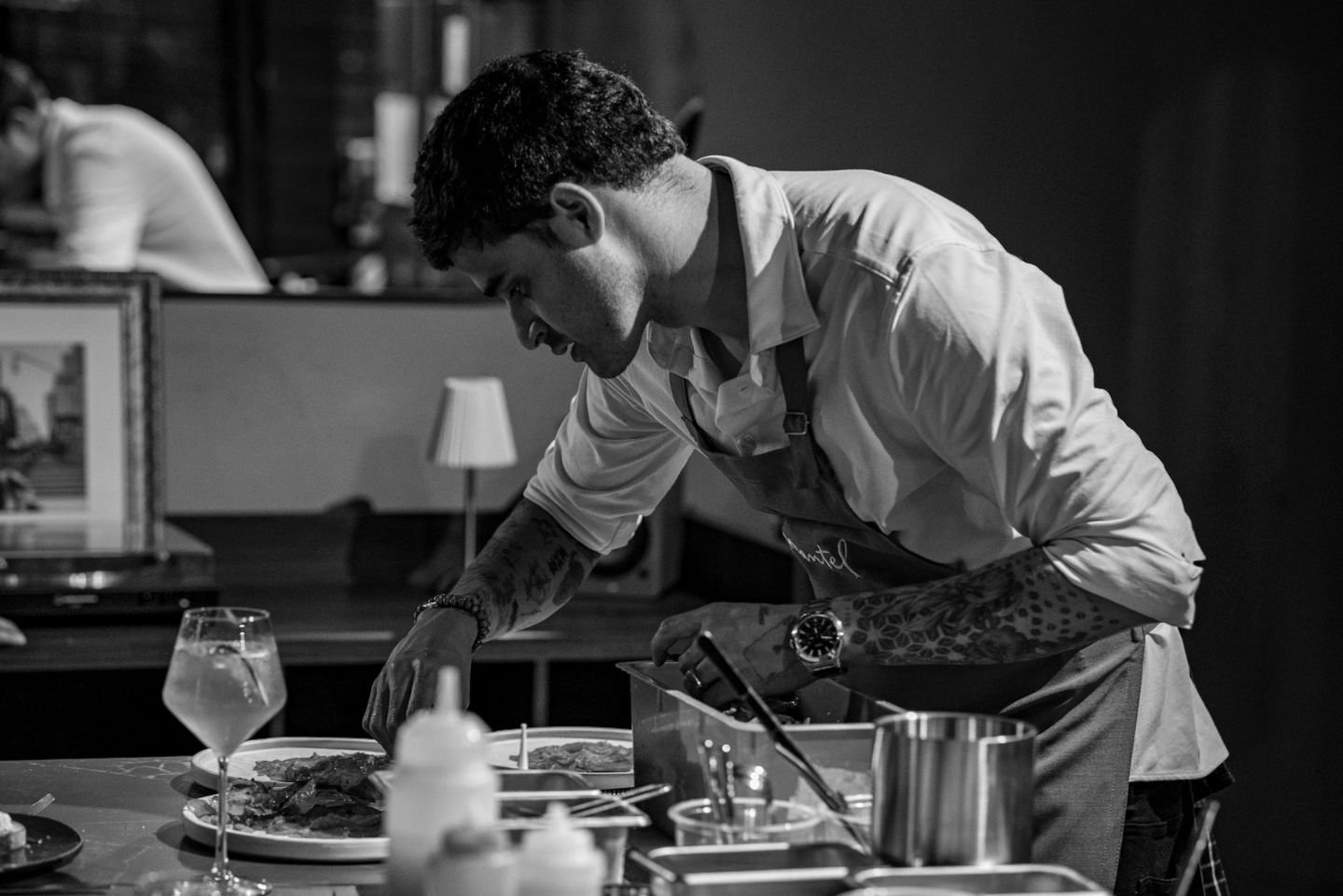
Juan Felipe Hincapié Castaño’s relationship with cooking began at home, inspired by his mother and the family meals that brought everyone together around the table. As a child, he was already experimenting with flavors, making simple dishes, and discovering the joy of combining ingredients. Although he initially studied Social Communication and Journalism, a university assignment at a restaurant changed his direction and introduced him to the energy and intensity of professional kitchens.
He went on to study gastronomy at Escuela Mariano Moreno, but much of his education came from working in different restaurants, learning through repetition, discipline, and experience. His path wasn’t always easy. Early setbacks, difficult words from other chefs, and moments of self-doubt pushed him to strengthen his mindset and keep improving. Along the way, experiences at El Cielo in Washington and Andrés Carne de Res helped shape his understanding of pressure, teamwork, and large-scale operations.
Today, Juan Felipe sees cooking as a way to tell stories and bring his territory to the table through its products, traditions, and memories. His approach to leadership is grounded in discipline, respect, patience, and the belief that no chef succeeds alone. Through his book and upcoming project, Initium, he continues to develop his vision of gastronomy: One where high standards don’t require mistreatment, and where the people behind the food are valued.
In this conversation with Humans of the Kitchen, Juan Felipe reflects on the experiences that shaped him, the importance of teamwork, and the kind of culinary industry he hopes to help build.
Share your Journey
- Looking back at your childhood, was there a specific moment or memory that sparked your interest in food or cooking?
Yes. My story with cooking really begins at home. My first encounters with fire, smoke, and flavor came from my mom. I grew up understanding, almost without realizing it, that food had tremendous power: bringing people together around the same table. My mom’s flavors, family meals, and those simple moments shaped my relationship with food and gastronomy. Long before I understood that I wanted to become a chef, I was already discovering that cooking could be a way to connect, care for others, and tell stories.
- Did you have another career or job before becoming a chef? How did those experiences influence your decision to pursue cooking?
Before becoming a chef, I studied Social Communication and Journalism. During a university field assignment, I had to conduct an interview at a restaurant. I walked in thinking I was simply going to do my job, but I walked out a completely different person. I fell in love with the fire, the service, the pace, the rush, and the energy that exists behind a kitchen. But above all, I discovered something about myself: I realized I wanted to cook, stay active, learn, and live in that world. It felt like finding a new passion while also discovering a part of myself I hadn’t known before.
- Did you formally study culinary arts, or are you self-taught? How has your learning journey shaped your approach to cooking?
I formally studied gastronomy at Escuela Mariano Moreno, where I acquired an important foundation. However, I feel that my real education happened mainly out in the field, through work. Moving through different restaurants, kitchens, teams, and styles of service taught me things that no classroom could fully teach. I also learned by reading, practicing, and repeating a preparation as many times as necessary. School gave me the tools; working in a real kitchen taught me how to use them. That combination helped me develop an approach to cooking based on technique, but also on experience, observation, discipline, and constant curiosity.
- When did you first step into a restaurant kitchen? What was that experience like, and how did it shape your journey as a chef?
My first experiences were in small kitchens: bakeries, pizzerias, and restaurants where I had to learn everything from the very basics. Stepping into a professional kitchen wasn’t what I had imagined while studying. Culinary school can show you a very appealing version of gastronomy, but the real kitchen is raw, intense, and demanding. There were moments when I thought about quitting and wondered whether I really belonged in that world. But I understood that if I wanted to go far, I couldn’t give up. Those first kitchens taught me discipline, consistency, and perseverance. I learned something I still carry with me today: consistency can overcome talent.
- What were some of the early challenges or obstacles you faced when you started in the kitchen, and how did you overcome them?
One of my first major obstacles was my own mind. When you’re starting out, many people don’t believe in you, some won’t open doors for you, and others make you feel like you don’t have what it takes. I doubted myself, too. That’s why I had to learn to strengthen my mindset before anything else. I kept telling myself I could do it, and whenever something didn’t turn out right, I tried again. If a preparation failed, I would make it six, eight, or even twenty more times until I understood it and achieved the result I was looking for. I learned that confidence is also built through hard work.
- What keeps you inspired and how has that inspiration driven you throughout your professional journey? Especially during tough times in the kitchen?
My family and my partner are two of my greatest sources of inspiration. I also find inspiration outside the kitchen: drawing, reading, visiting and observing works of art, going out to eat, discovering restaurants, and talking with other chefs. I’m inspired by learning from other people, seeing their dishes, and understanding how they think. My own story also inspires me: the setbacks, difficult moments, mistakes, and everything I’ve had to go through to get where I am today. Many of those experiences are part of my book. When things get difficult in the kitchen, I return to those reasons and remind myself why I started.
- Can you recall a moment in the kitchen that marked you forever? Maybe it was an interaction with a mentor, a fellow cook, someone you fed, or a situation that challenged you in a way that shaped who you are today?
Yes. When I was starting out in fine-dining restaurants, I felt I was giving everything I had. One day, a chef approached me and said, “Get out of here. You’re not cut out for this.” It hit me hard because it completely shattered my ego. Until that moment, I thought everything I had achieved was enough. Those words made me realize I still had so much to learn. I went through a very difficult personal period, but I decided to get back up and work even harder. From then on, I understood that when the ego disappears, what remains is what really matters: the desire to learn and to prove to yourself what you’re capable of.
- As a chef, how would you describe your philosophy in the kitchen, and how does it guide your approach to cooking and leadership?
My way of working combines discipline and strong character with patience, respect, and love for people. To me, leadership isn’t simply about giving orders. A true leader is present, supports the team, teaches, and leads through experience and good judgment. I want the people who work with me to understand why we do things, rather than simply obeying instructions. My territory also plays a major role in defining me as a chef. I’m interested in cooking what we are, drawing from memories of my grandmother’s home as well as the products, knowledge, and traditions of our communities. I like a dish to have a story behind it and to bring something from our territory to the table.
- Can you share a time when cooking or the camaraderie in the kitchen helped you through a tough period in your life? What made that experience meaningful?
Yes. I remember a huge event that took place during a time when I wasn’t doing well. I was sick and also going through a difficult period in my life, while we had to serve hundreds of people. I wasn’t at 100 percent, but my sous chef and my team basically said, “We’re going to help this guy get through it.” They called out the orders, organized themselves, and stayed by my side while I did what I could. That day, I truly understood the meaning of the word team. Many chefs speak from an “I” perspective, but no chef gets far alone. My team and I are one, and if I give everything I have for them, I know they will do the same for me.
- Reflecting on your career, what achievements or milestones are you most proud of, and what do they mean to you?
There are several moments that mean a great deal to me. One of them is my book, because it represents my story, what I’ve learned, my mistakes, and the way I understand gastronomy. There’s also my upcoming project, Initium, as well as the experiences I’ve had in the restaurants that have shaped me. Working at El Cielo in Washington taught me that pressure can be a privilege. Working at Andrés Carne de Res taught me to understand large-scale operations and manage enormous volumes. But perhaps the most important thing all those places have taught me is something much simpler: that it can be done. As long as you keep learning and putting in the effort, you can build the path you want for yourself.
- What aspects of restaurant culture do you love, and what parts do you find frustrating or problematic? Are there any changes you’re actively working toward or things you hope they change in the industry? Share the reasons behind them and how they align with your vision for a better culinary world?
I love that gastronomy is a form of art. I love knowing that cooks have the ability to transform ingredients into experiences, tell stories, create wonderful dishes, and also work toward a more conscious and sustainable food industry. But there are also aspects I believe we need to change. Ego within the industry can be enormous, as can rivalry, mistreatment, and a lack of support among colleagues. It’s hard for me to understand how people who don’t even know each other can feel such contempt for one another in an industry where no one can work alone. I also believe we need to leave behind the idea that psychologically or physically mistreating someone is part of training a good cook. High standards and discipline can exist without destroying people.
- What are your hopes for the future of the restaurant and food and beverage industry? What changes would you like to see, and how are you contributing to that change?
I hope gastronomy continues to grow and that the people who work in the industry are valued much more. In Colombia, many kitchen professionals are still undervalued financially: cooks, kitchen assistants, chefs de partie, sous chefs, and head chefs. I believe we need to recognize the knowledge, effort, and time this profession requires. I also want to help build teams where high standards go hand in hand with respect, and where learning doesn’t mean enduring mistreatment. To me, changing the industry starts in our own kitchens, with the way we treat people and the responsibility we have as leaders.
- If there’s anything we didn’t ask or if you feel we’re missing something about your personal and kitchen story, please share it here.
There’s something I feel defines a lot of who I am. Chef Juan Felipe Hincapié started cooking as a child, long before he knew he would one day become a chef. When I made rice with eggs at home, or those tuna sandwiches with absurd amounts of ketchup because I loved it so much, I was already playing with flavors and trying to understand what might happen if I mixed one thing with another. The person who today receives recognition, works in major kitchens, and writes a book was once simply a child who wanted to cook. And I don’t think that part of me ever went away. I still have that curiosity and that desire to play with food. Deep down, my soul still belongs to that child.
Photo credits 📸
Secret Sauce
- What’s the most unexpected ingredient you’ve ever worked with, and how did it change your perspective on cooking?
Copoazú. I discovered it a few years ago, and it completely blew my mind. I love its combination of acidity, sweetness, and that distinctive, almost earthy quality it has. It’s a product with so many possibilities. Working with it taught me to think more about flavor balance, emulsions, and how an ingredient I had never worked with before could open up so many creative possibilities. To me, copoazú represents exactly what I love about gastronomy: discovering something new and allowing that ingredient to teach you something.
- What’s your “guilty pleasure” meal?
Rice with eggs. Without a second thought. I love it in all its variations: freshly cooked rice, a good egg, and different sides or preparations. It’s one of those meals that doesn’t need any pretension to be incredible. It also means something very personal to me because it connects directly to my childhood and those early moments when I started experimenting with food without knowing that I would one day become a chef.
- A food trend that you hate and why?
Liquid nitrogen in absolutely everything. There are times when a technique makes sense and can bring a lot to a dish, but when it becomes simply a way to make the plate look more spectacular, I find it exhausting. Sometimes a dish can speak for itself without all the theatrics. I also find it difficult to see food coloring used indiscriminately, especially in pastry. To me, color should have a purpose rather than become a form of culinary makeup.
- What’s the craziest shift you’ve ever worked in the kitchen?
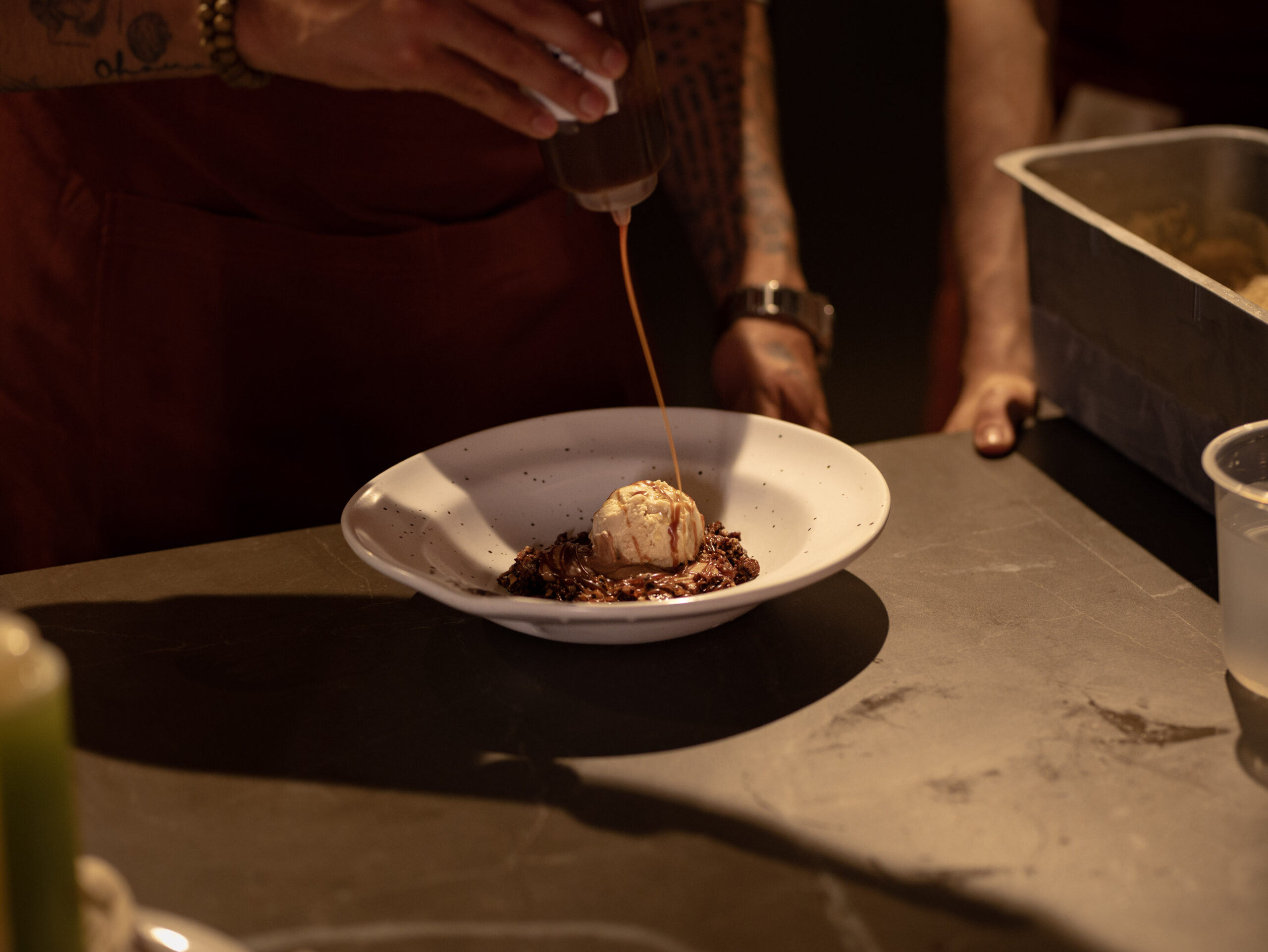
Without a doubt, Mother’s Day at Andrés Carne de Res. It was absolute madness. We were serving several thousand people, and it felt as if eight hours of work had been crammed into a single hour. I was in charge of getting the desserts out, and practically everything started going wrong at the same time. A freezer broke down, the ice cream started melting, and we had to cross the entire operation to find product in another freezer. Plates broke, some preparations weren’t turning out as they should, and even the chocolate lava cakes gave us trouble. It was one of those services where you simply have to keep moving forward.
5. What happened, and how did you manage to get through it?
We got through it thanks to something that remains fundamental to me: people. The servers helped, other cooks stepped in, and the entire team started pitching in wherever they were needed. We were completely overwhelmed, but nobody just stood around watching. That day confirmed something I had already begun to understand throughout my career: a kitchen isn’t one person. It’s a team. You can have the best technique, the best dish, or the best chef, but without people, communication, and human support, you can’t accomplish anything.
- What tips would you give to other cooks and chefs to help them navigate their culinary careers and find peace amid the chaos of the kitchen?
Focus on yourselves. So much energy is wasted thinking about who said what, who copied a dish, who didn’t invite you, who didn’t support you, or who wants to see you fail. It doesn’t matter. Build your career, learn, work, and keep moving forward. Don’t expect everyone you consider a friend to be there to support you. Sometimes the people closest to you can be the first to disappoint you. What’s important is not to lose focus. Work toward what you want to build, and make sure your career also serves as a way to inspire and help those coming up behind you.
- What’s an underrated ingredient and why?
Beans. I think they’re an amazing product, and I feel there’s still so much more we can explore with them. Not just in the traditional ways we know, but also by working with different textures, creams, emulsions, and preparations. They have flavor, identity, history, and enormous potential. I believe that if more cooks took the time to truly understand this ingredient, they could discover incredible possibilities.
8. What’s a must-try dish from your kitchen or the one you’re proudest to have prepared?
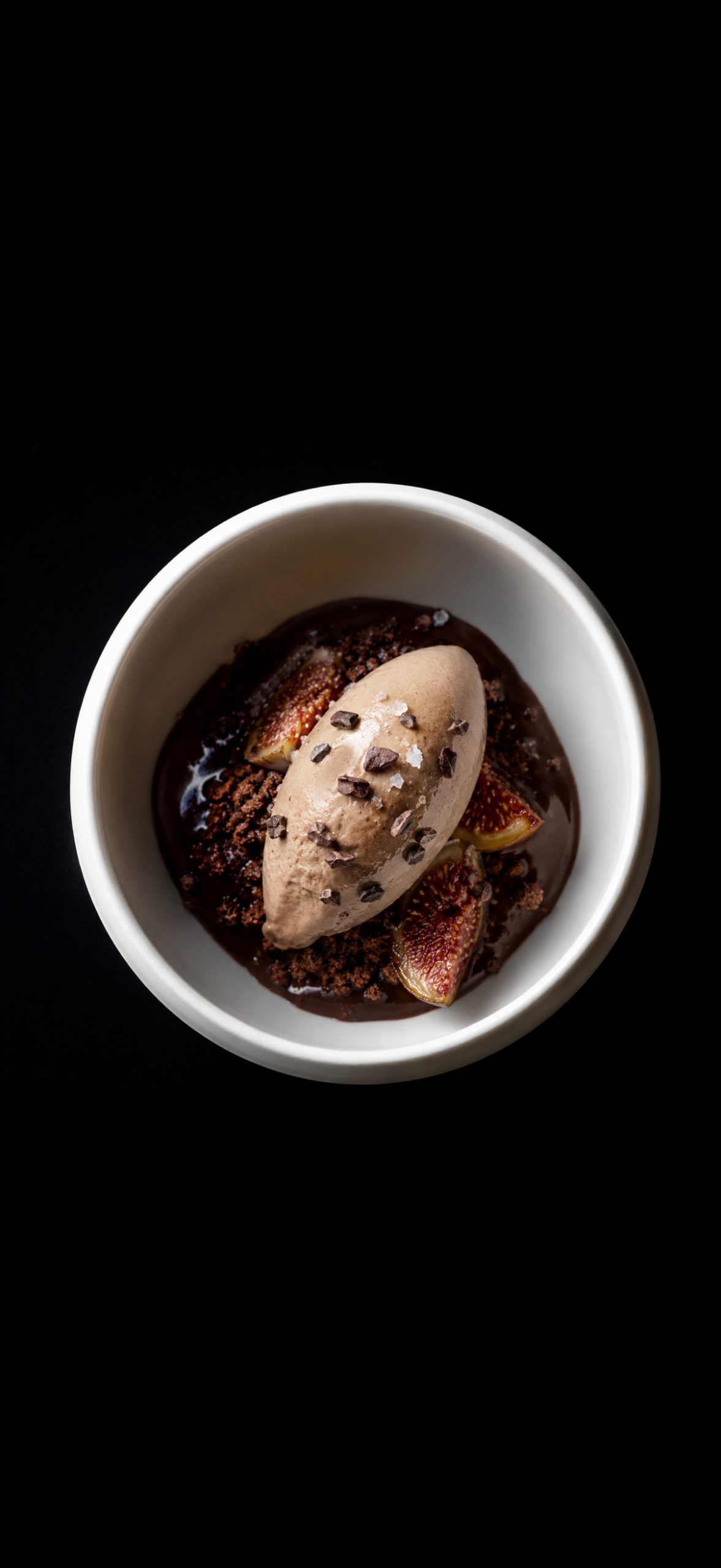
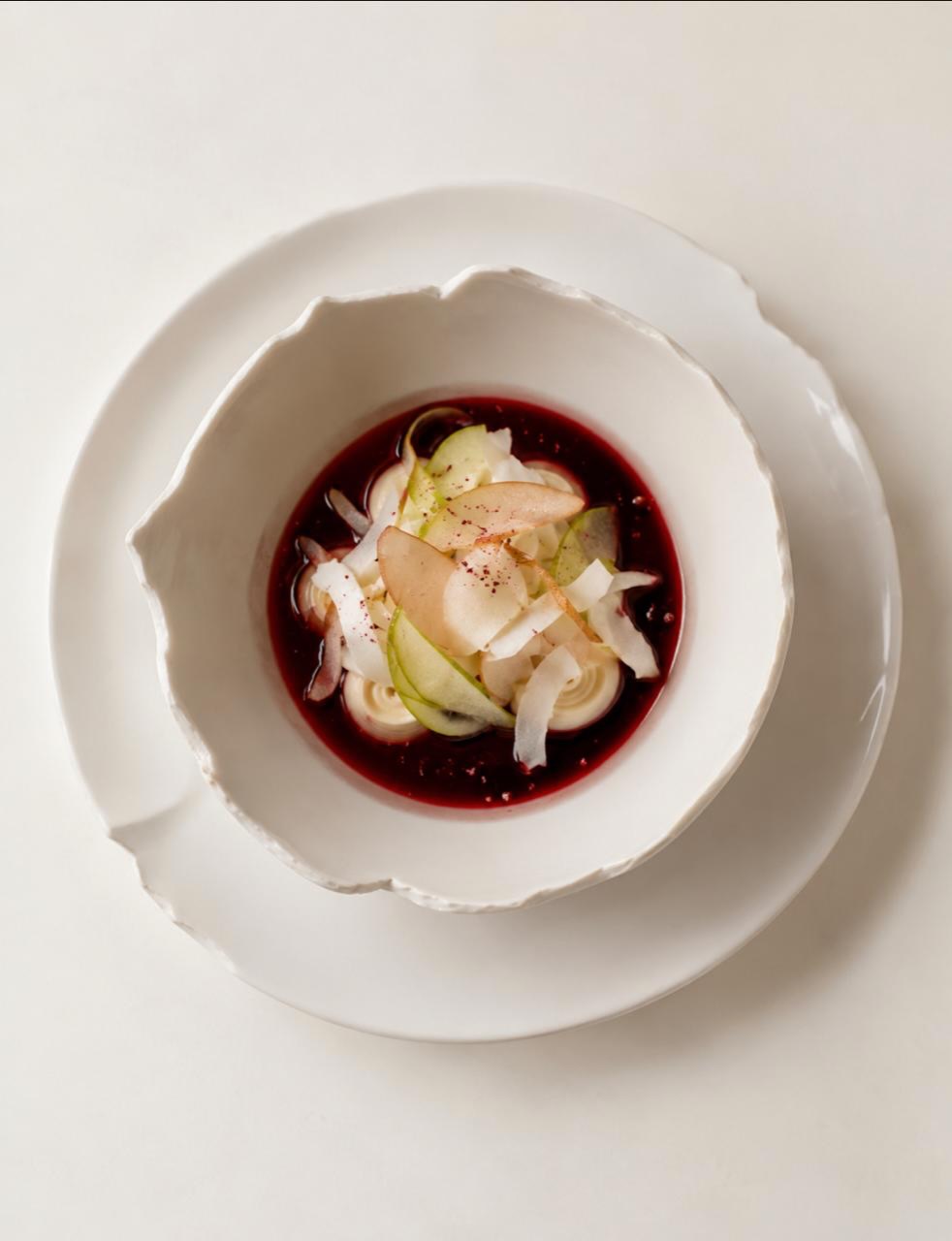
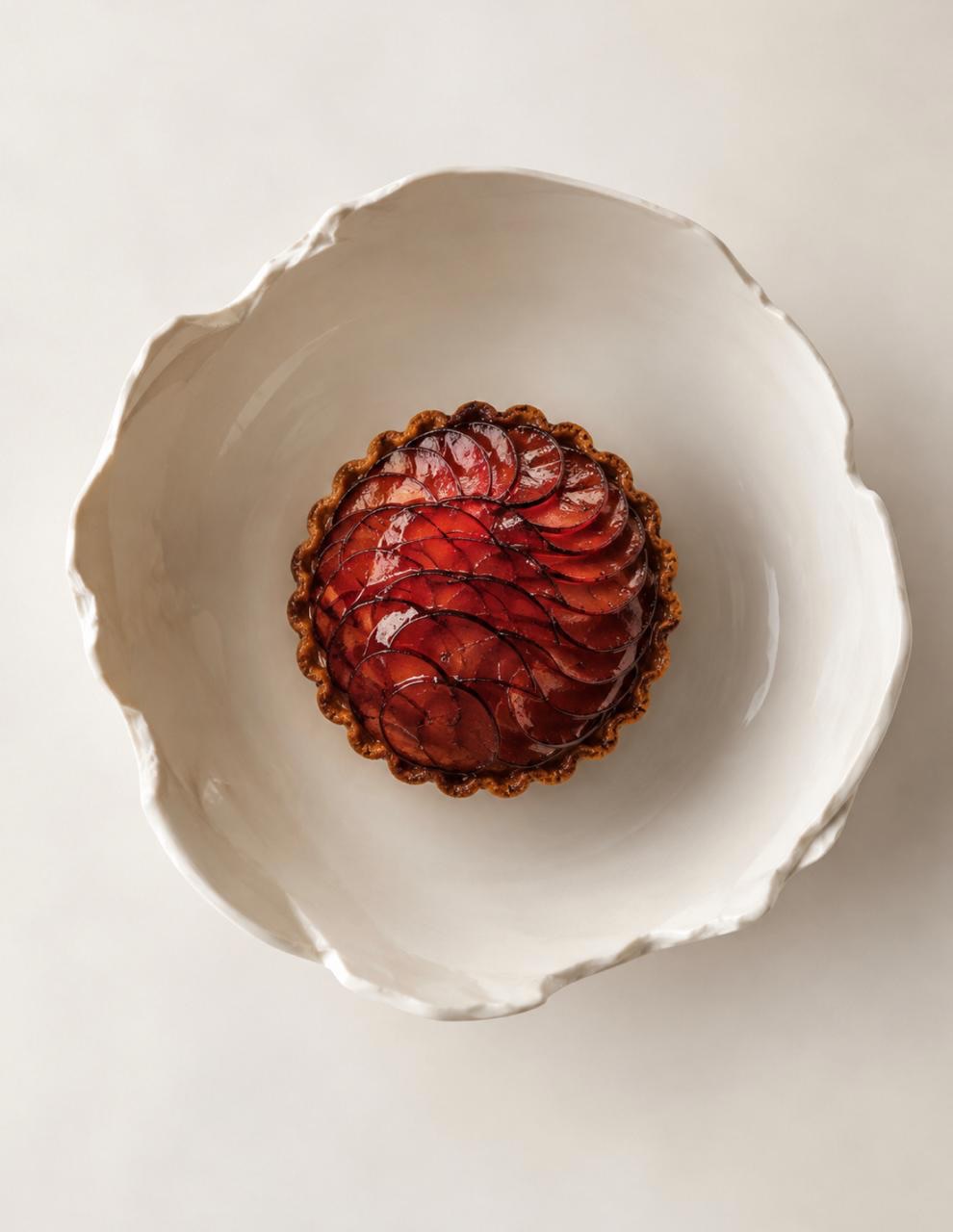
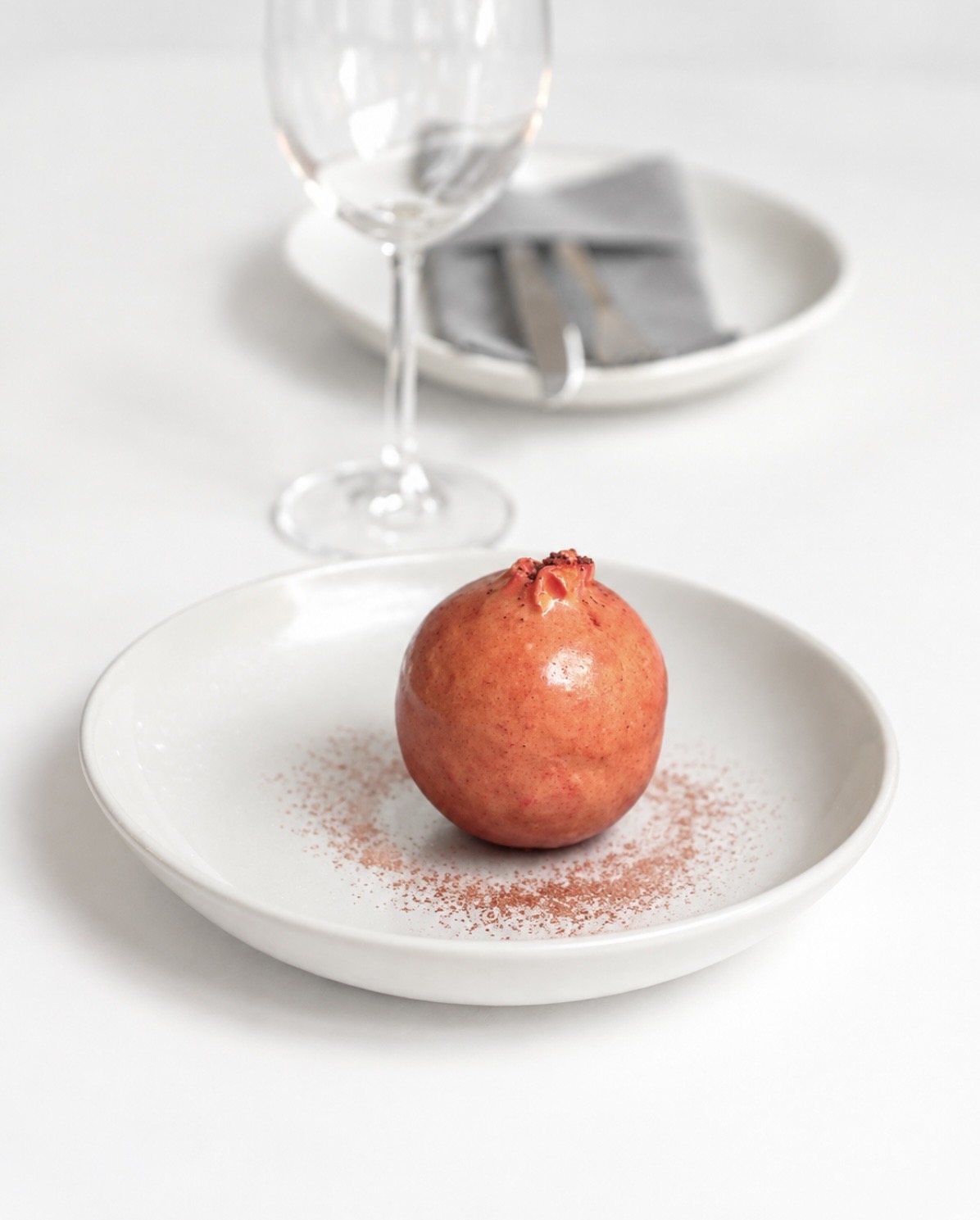
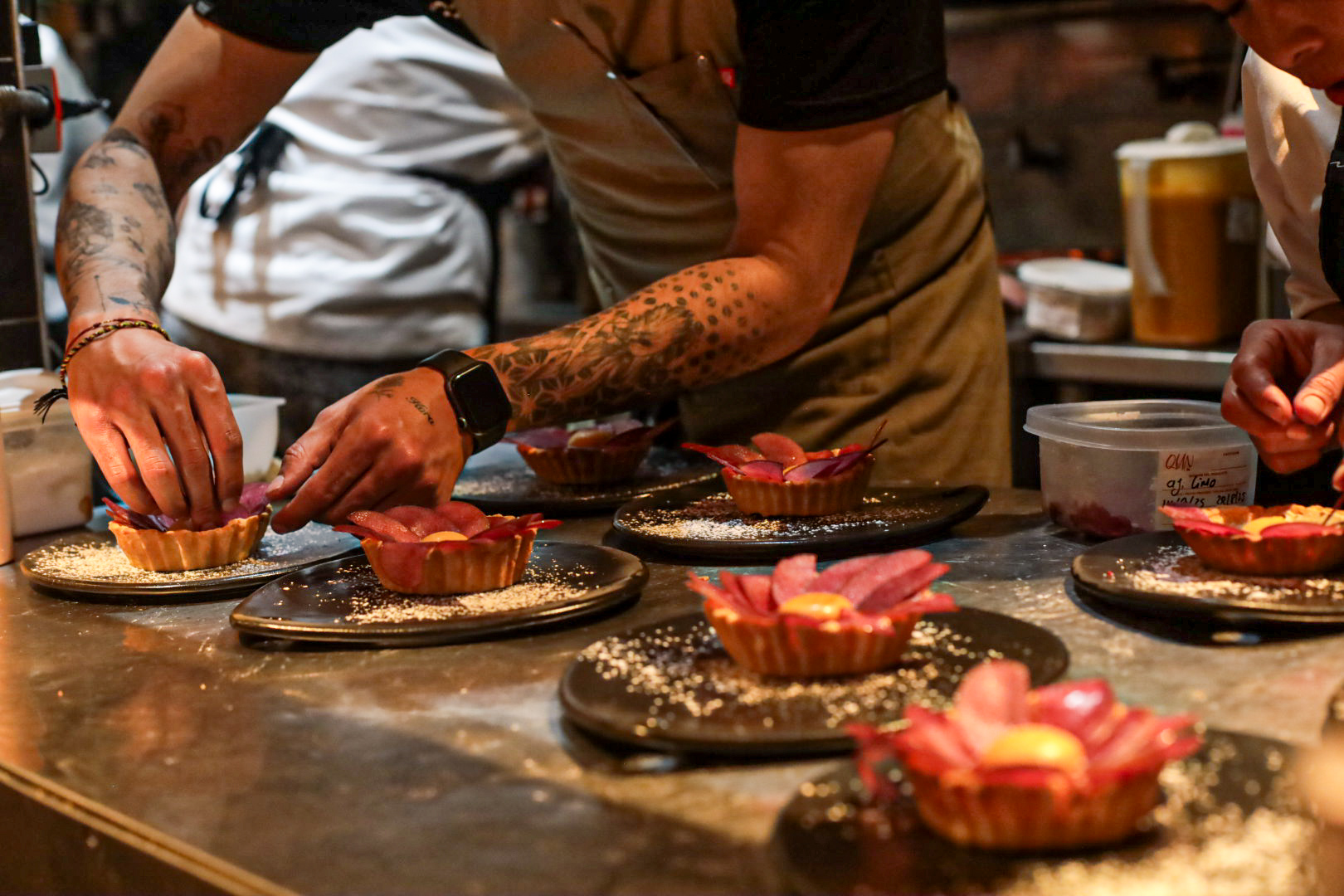
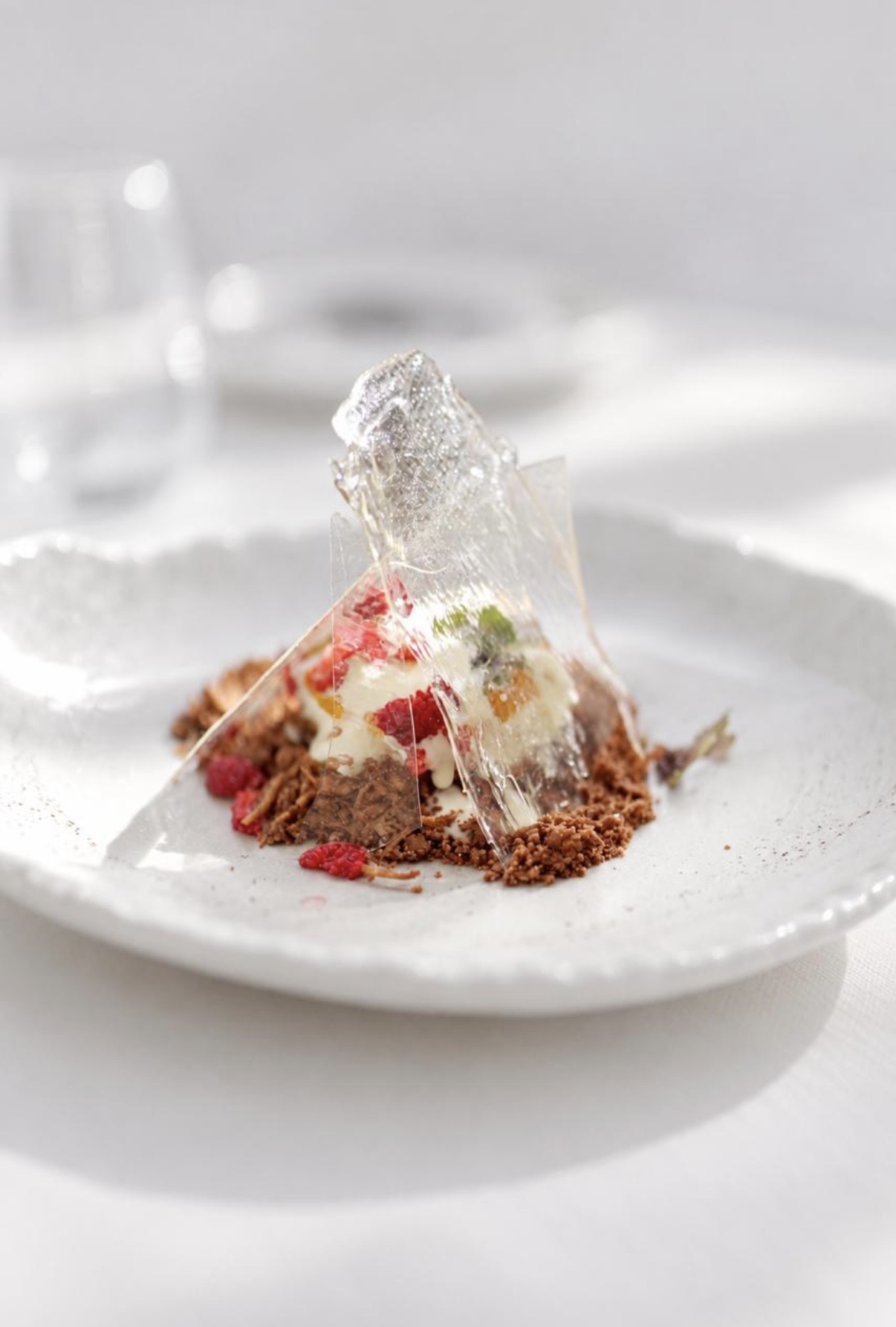
There are several. The chocolate cake at Andrés Carne de Res is one of them, and I’m especially proud of it because I had the opportunity to work on its creation and development. There’s also my pomegranate dessert, which represents a lot of how I currently understand pastry. And there’s a meat dish with a cocoa and coffee glaze, accompanied by a torrija preparation featuring those same flavor profiles, which I also consider a very special creation. They’re very different dishes, but they all share something that represents me: ingredients, technique, contrast, and a story behind them.
About Your City!
Bogotá, Colombia
- If Anthony Bourdain or a chef came to your city, what would be the perfect tour itinerary from breakfast to dinner?
I would start the day at a neighborhood bakery, with a good coffee, freshly baked bread, and something simple for breakfast. I believe that to truly understand Bogotá’s food scene, you don’t always have to start with the most famous restaurants. You can begin with the places where people experience the city in their everyday lives.
For lunch, I would take them around La Candelaria to try some of our local flavors, especially a good ajiaco. After that, I would want to show them another side of Bogotá through some of the restaurants and chefs who are creating new ways of understanding Colombian cuisine, such as Río de Todos, QUN, Selma, or Beluga.
In the afternoon, I would stop at a good coffee shop or bakery. Bogotá has many places where simply sitting down, having something to eat, drinking coffee, and talking is already part of the experience.
To end the day, I would look for a restaurant with a different kind of energy and finish with a good cocktail at places like Jardín or Huerta La Brasserie.
But if I had to sum up my perfect tour of Bogotá, it wouldn’t just be a list of restaurants. It would be about exploring different neighborhoods, eating well, meeting people, and understanding that within this city there are so many different ways to tell the story of Colombia through food.

Support our project by buying our merch!

86 HOTK Unisex t-shirt
$30.00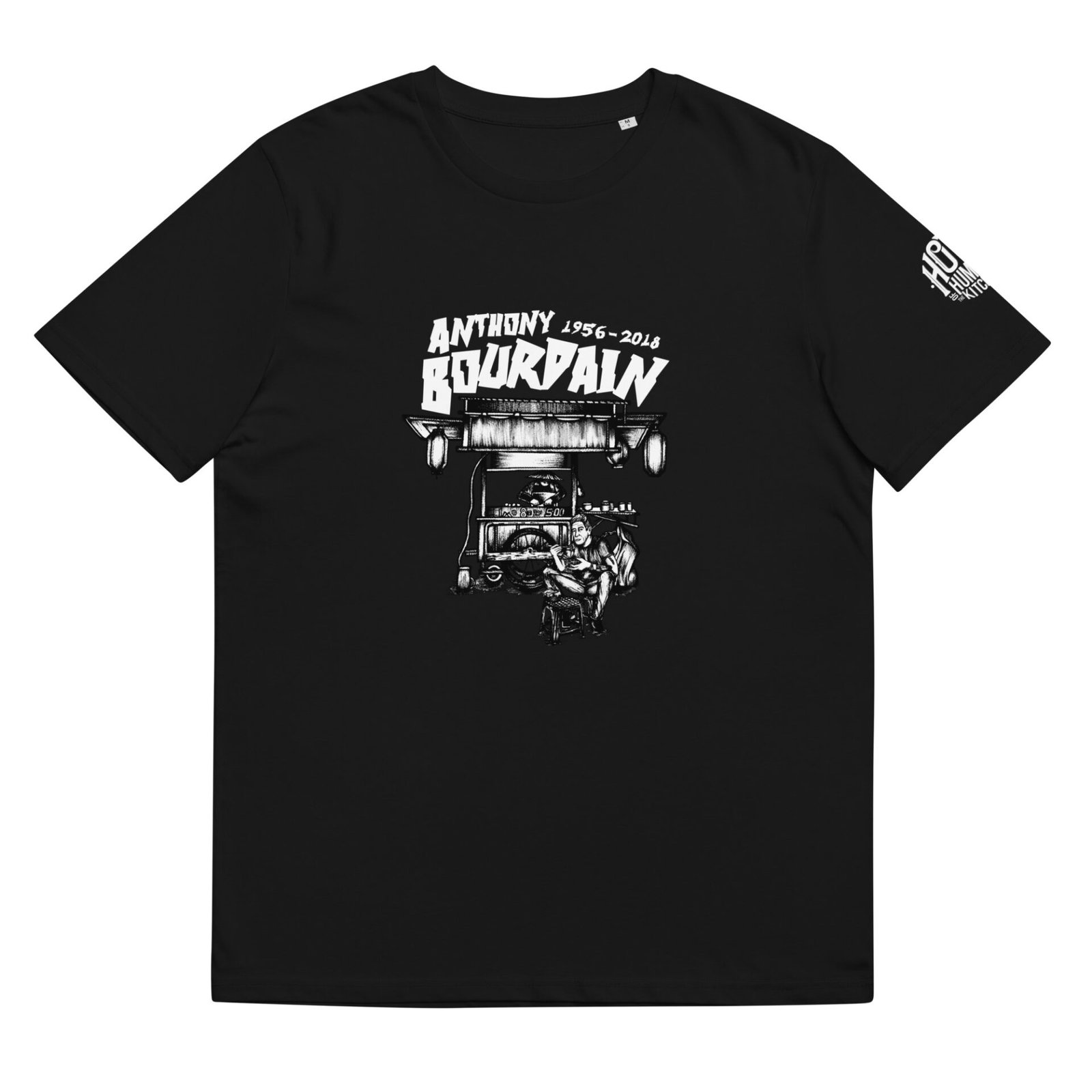
Anthony Bourdain T-Shirt
$35.00
Mise HOTK Unisex t-shirt
$30.00