Skills beyond the kitchen
A career in marketing and business came first, eventually becoming part of the culinary journey.
Mylla Rosario
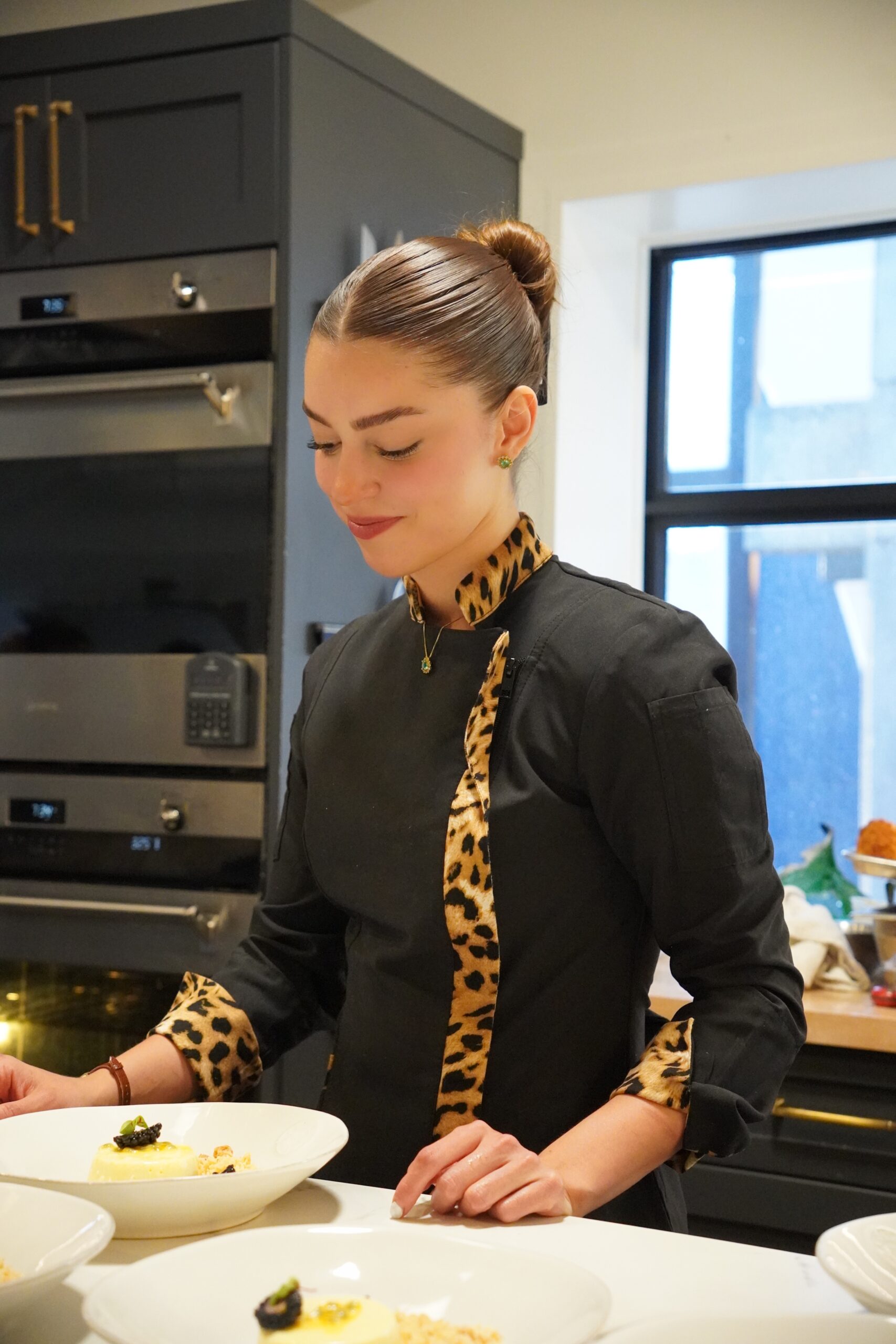
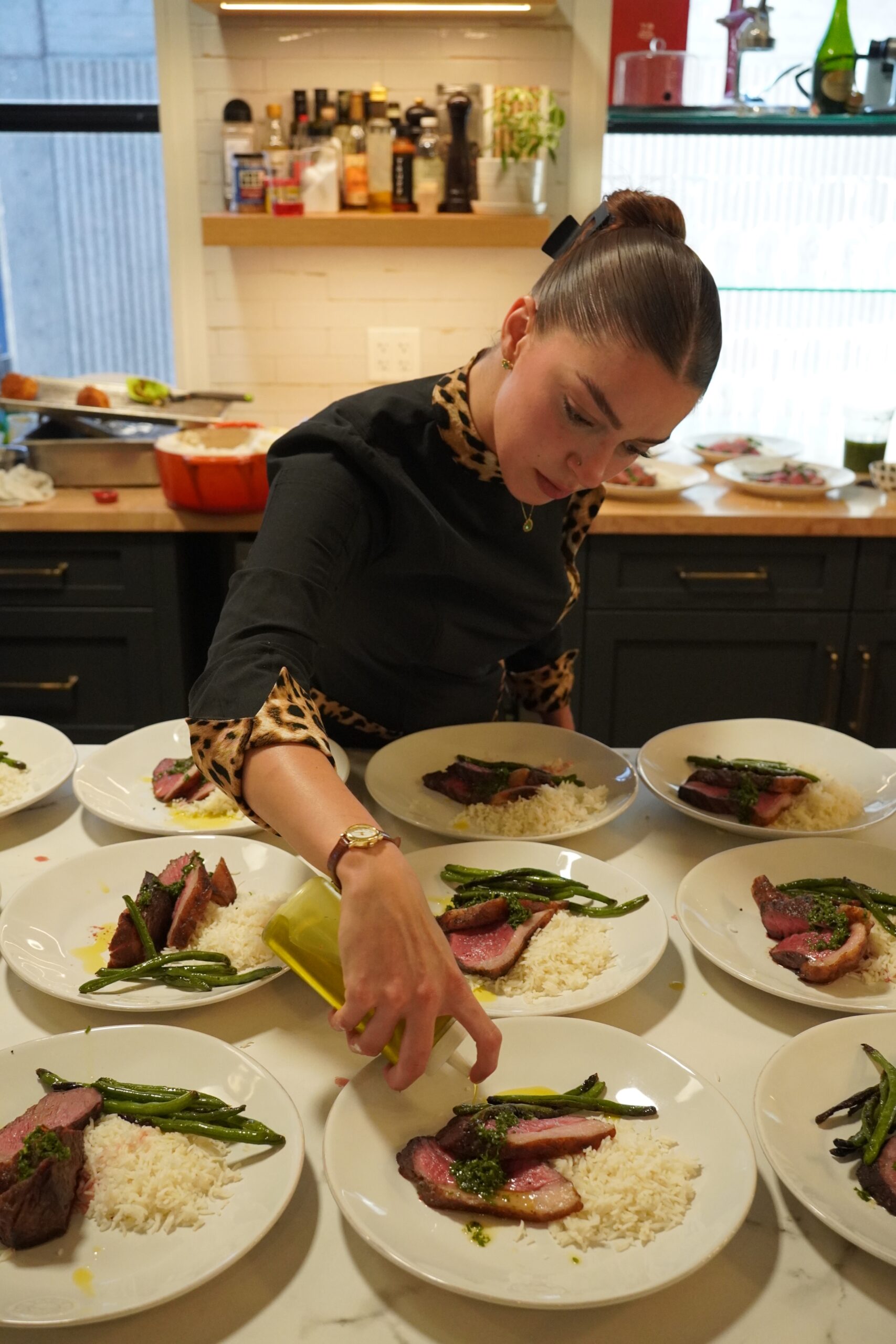
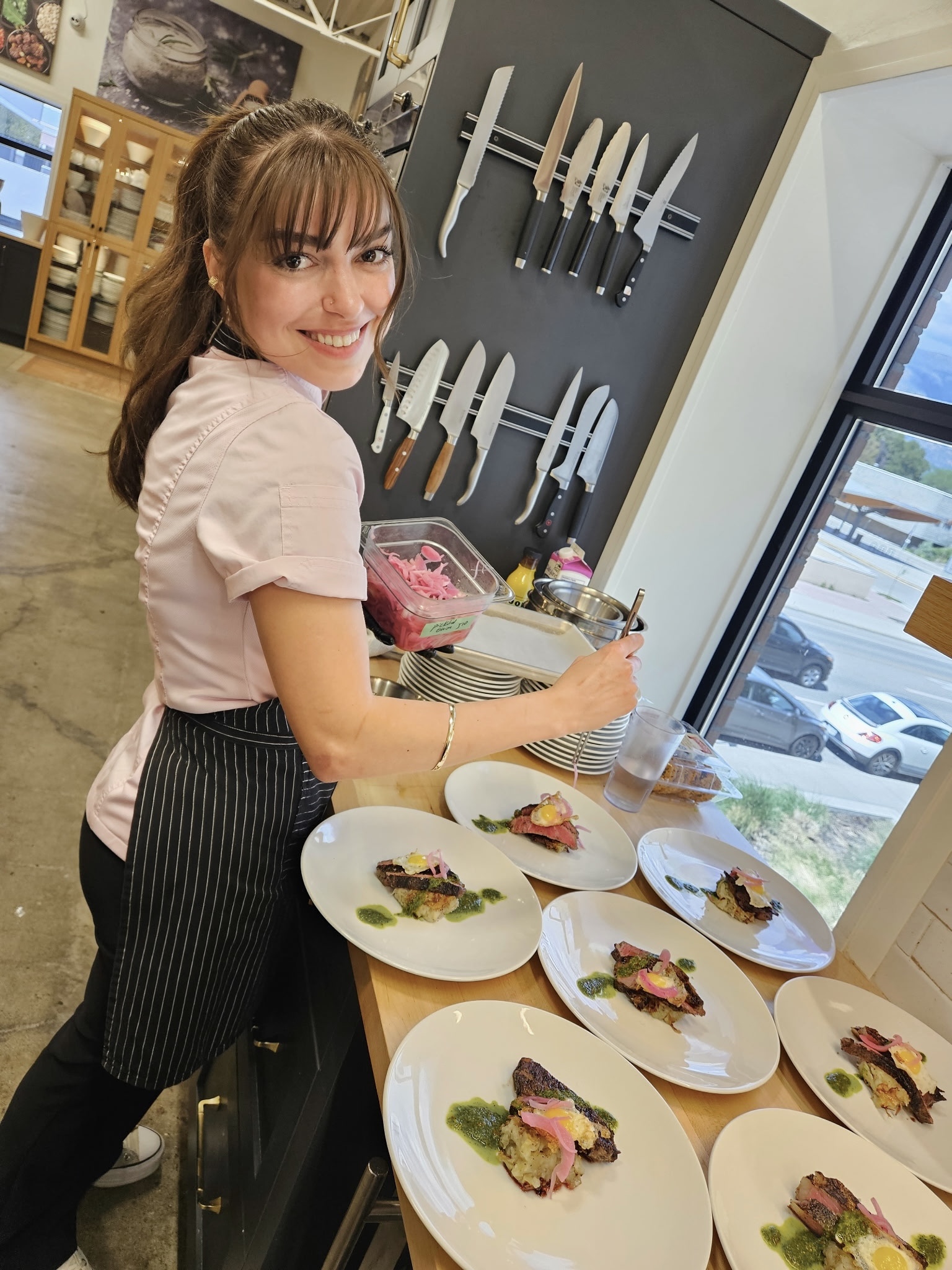
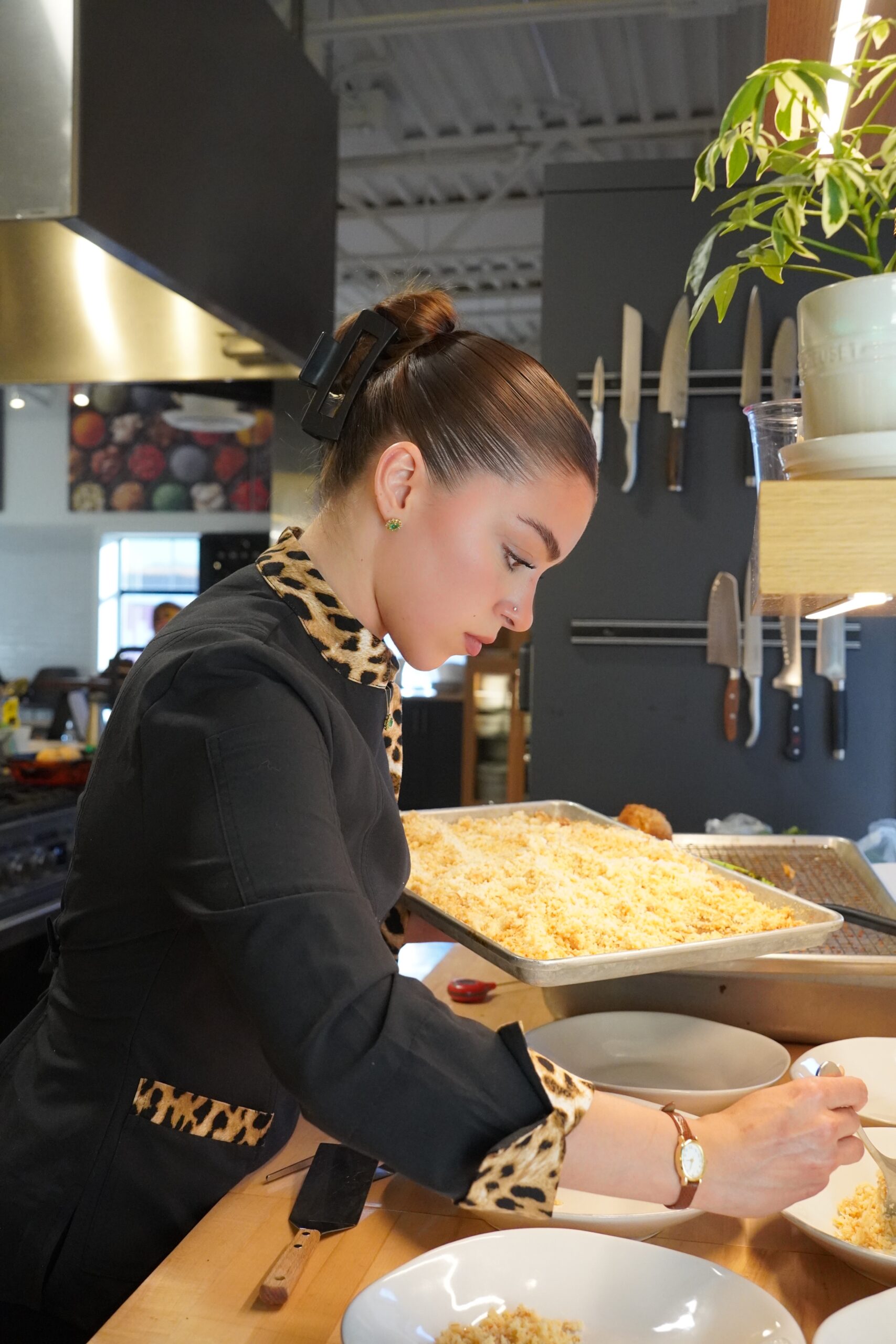
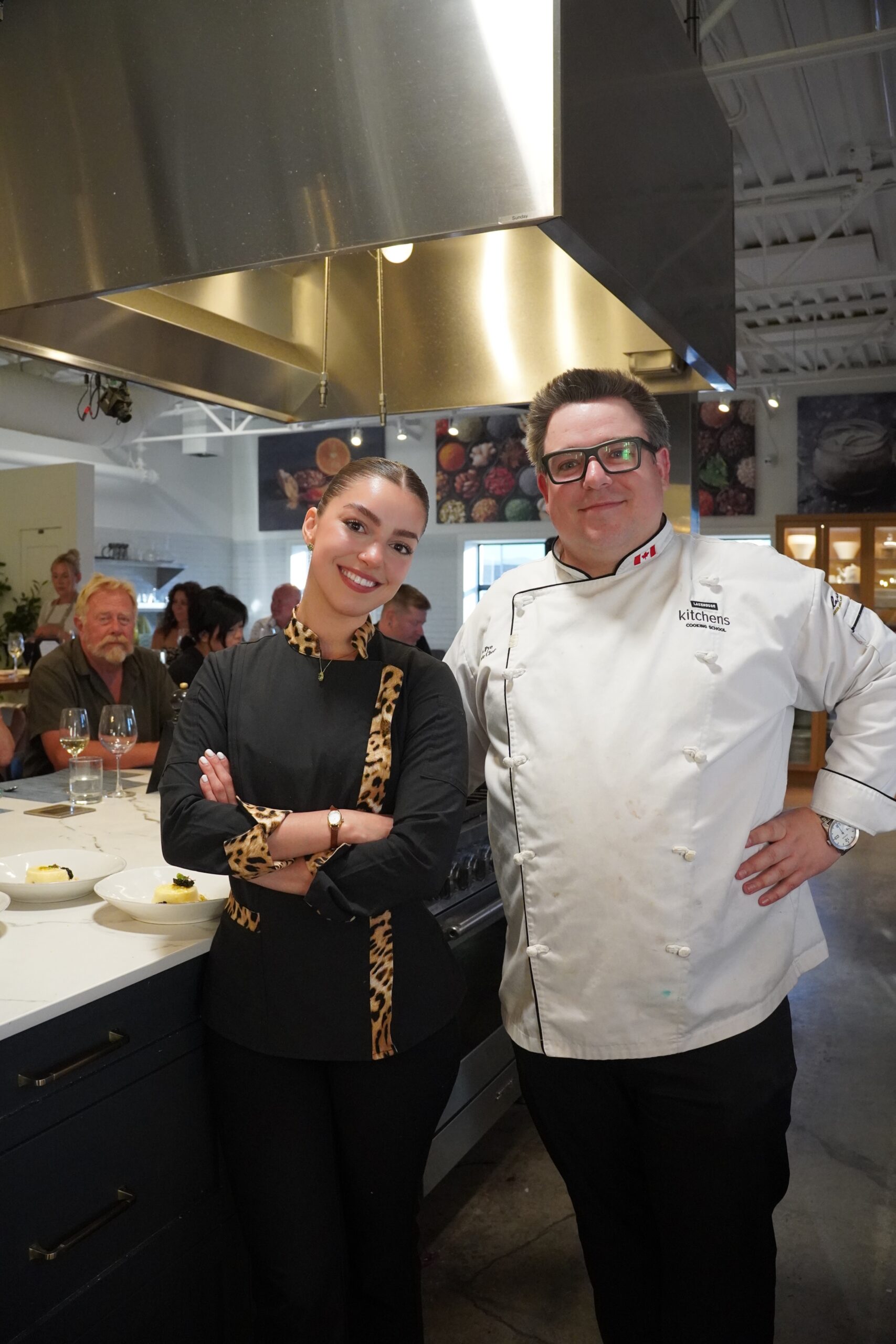
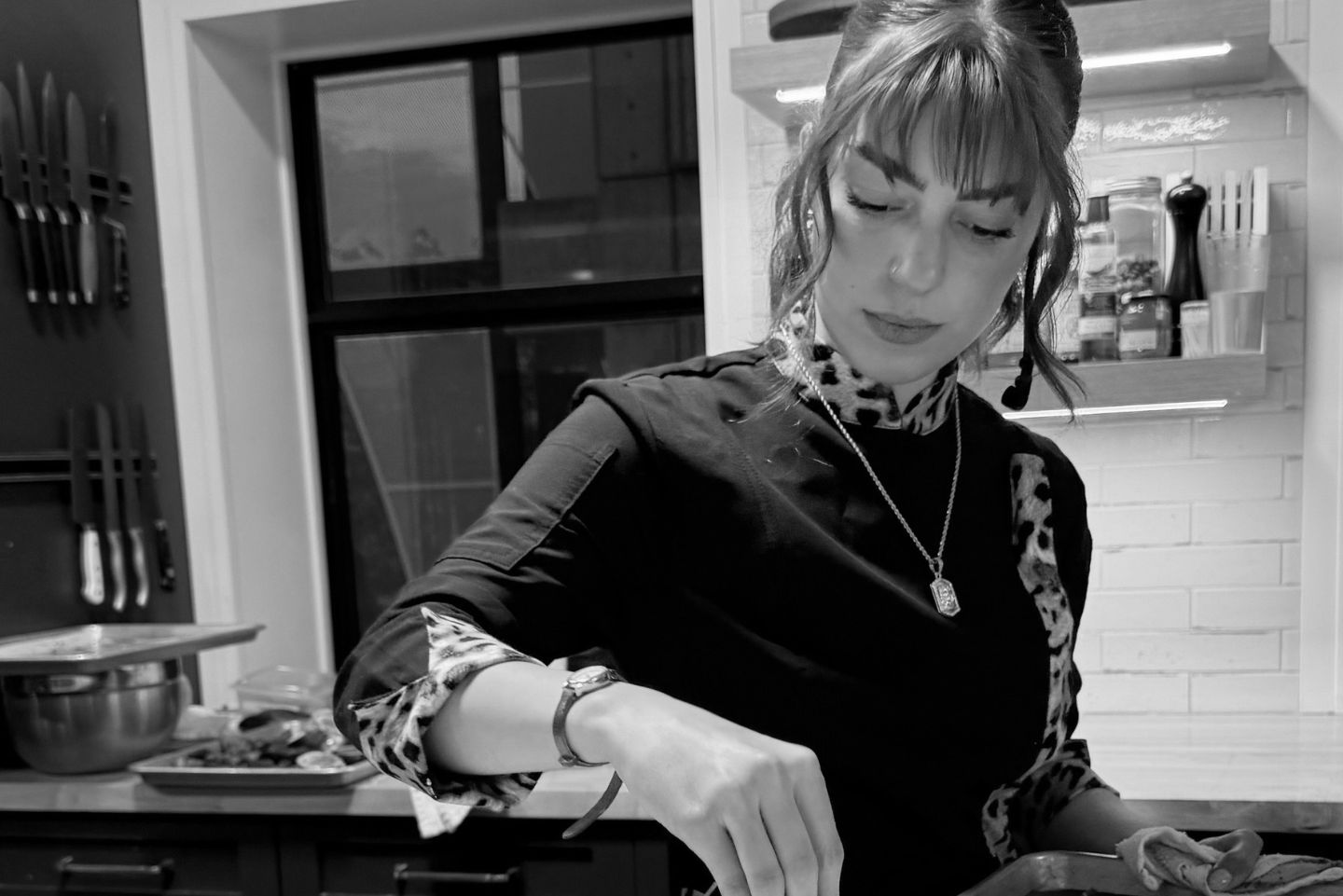
For Mylla Rosario, cooking has always been connected to family. Her grandmother’s table, an old French stove, and the gatherings that brought everyone together shaped her earliest understanding of food. At the same time, growing up in her father’s hotel meant that the kitchen was part of everyday life, and by 13, she was already working inside it.
Her journey took her from Brazil to Canada at 18, where she had to rebuild her career in an unfamiliar kitchen, adapt to a new style of cooking, and navigate a language barrier. Along the way, she learned to rely on experience, resilience, and the belief that there is always more to learn.
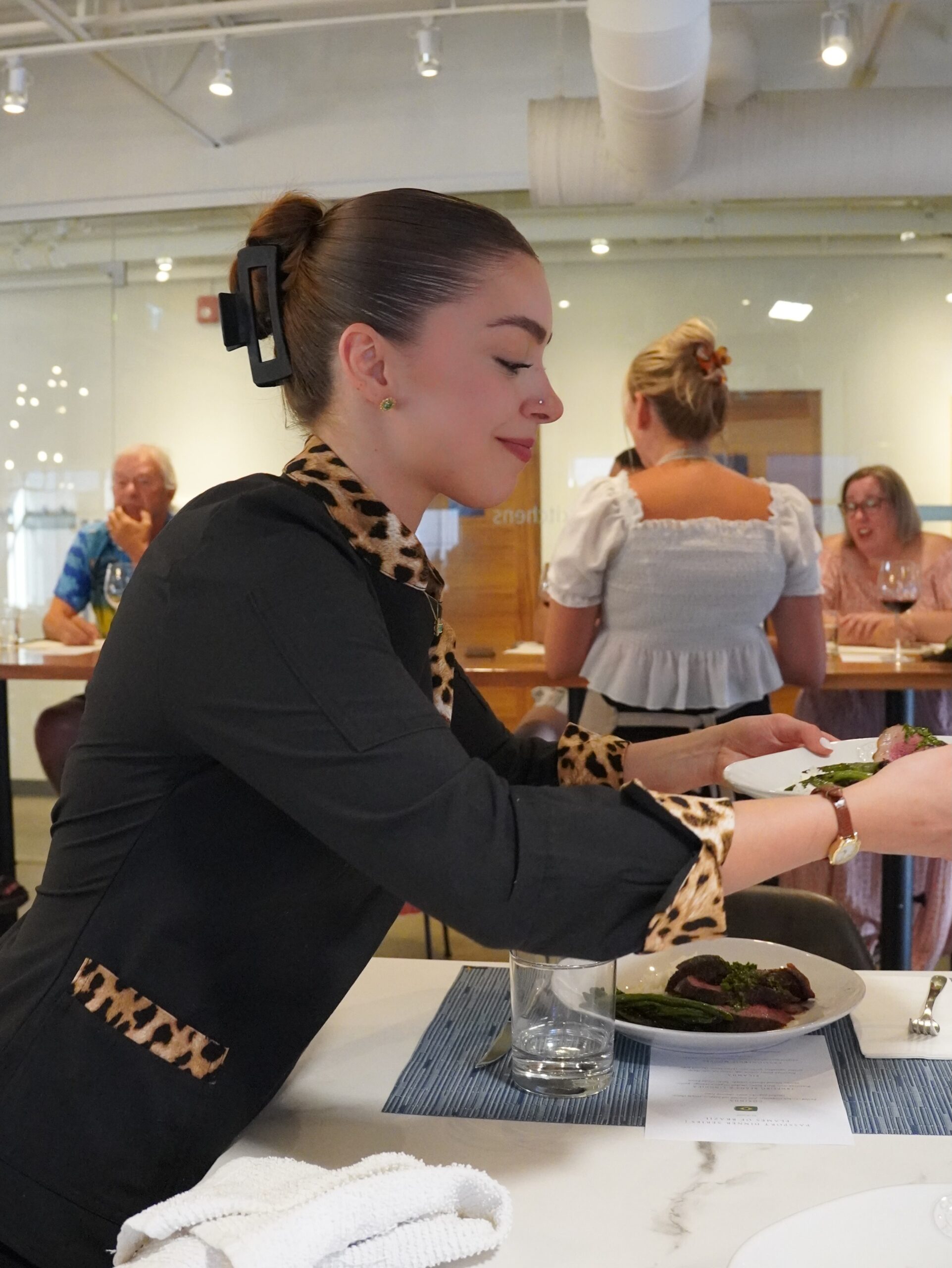
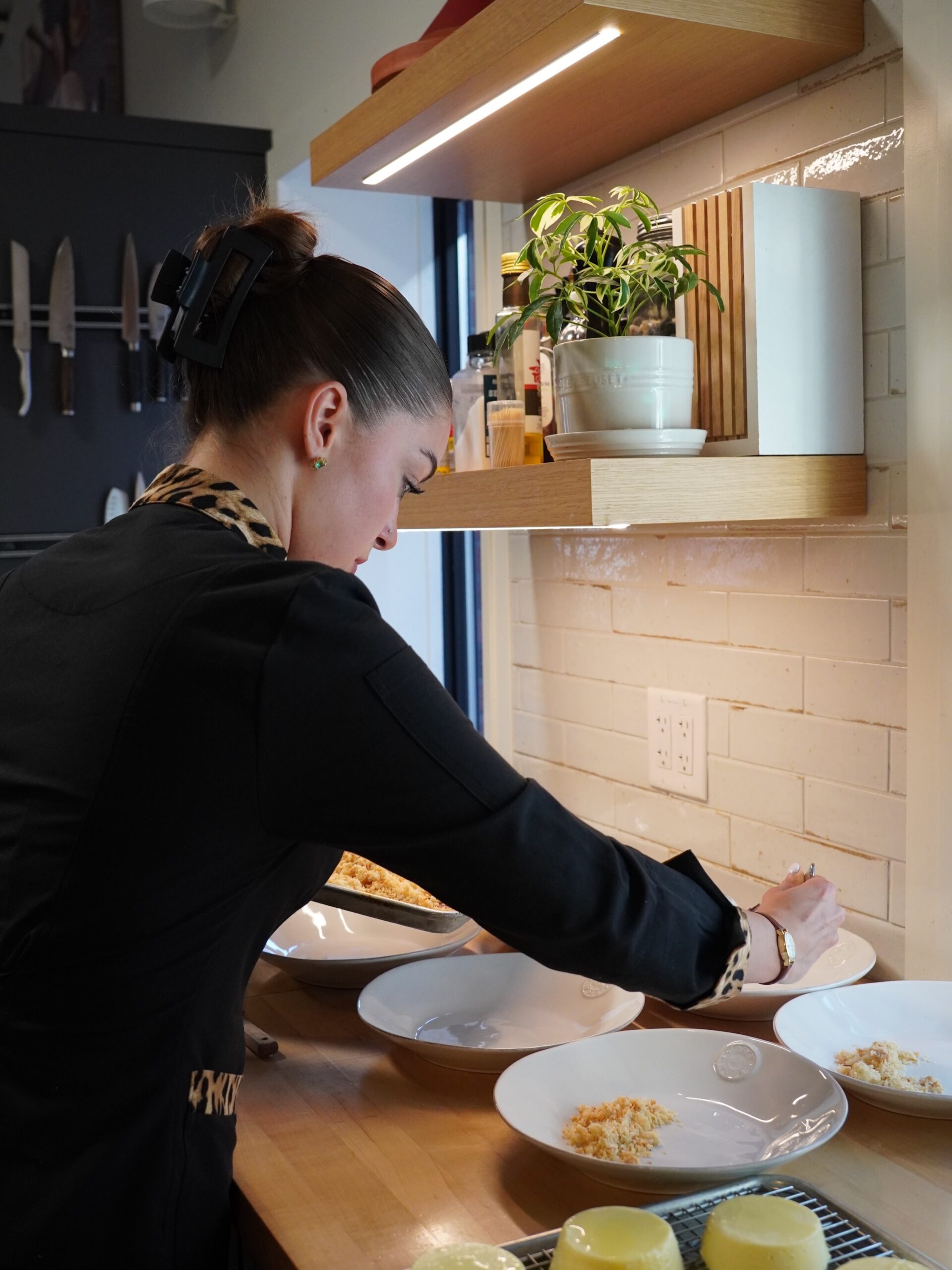
Today, Mylla has found a different way to build her career through private cheffing, creating the kind of working environment she believes the industry needs: one built on fair hours, boundaries, respect, and wellbeing. Her story is also about standing up for herself, supporting others, and carrying her grandmother’s influence into every dish she creates.
In this conversation with Humans of the Kitchen, Mylla reflects on her journey from her grandmother’s kitchen to building a career on her own terms.
Share your Journey
- Looking back at your childhood, was there a specific moment or memory that sparked your interest in food or cooking?
My biggest inspiration was my grandmother. My mom grew up with ten siblings, all from the same mom and dad. That was just how it was in rural Brazil back then. My grandmother was the most loving, kind woman I’ve ever known, and of course, an incredible baker and cook. She had this old French stove she used religiously, every single day, and every family gathering happened around her table. Food was never just food in our family; it was how we came together. On top of that, I had the privilege of growing up in a hotel my dad owned, and I started working in the kitchen at 13. Between my grandmother’s table and that hotel kitchen, cooking was never really a choice for me; it was just always there.
- Did you have another career or job before becoming a chef? How did those experiences influence your decision to pursue cooking?
Before fully stepping into this, I worked in offices, a lot of it in social media and marketing. Cooking was always my real passion underneath it all, but I don’t think I’d be where I am now without that business and marketing background. It taught me how to think about branding, storytelling, and building something with intention, skills I use just as much in my culinary career today as I did back then. Looking back, that detour wasn’t a distraction from cooking; it was preparation for it.
- Did you formally study culinary arts, or are you self-taught? How has your learning journey shaped your approach to cooking?
I went to school for both culinary arts and business, so I do have that formal foundation. But if I’m honest, the things that shaped me most as a chef came from real experience, not the classroom. Growing up in my dad’s hotel kitchen, learning at my grandmother’s side, and later working through real service, real clients, and real pressure taught me things no textbook could. School gave me the structure and the language for what I do, but experience is what actually built my approach to cooking.
- When did you first step into a restaurant kitchen? What was that experience like, and how did it shape your journey as a chef?
I was 13 when I started working in my dad’s resort kitchen. There were definitely stressful moments, long hours, not many breaks, and high expectations that came with being the owner’s daughter. People expected more from me, not less, because of who my dad was. But looking back, it was also so much fun, and it’s a part of my story I carry with a lot of love and respect. That kitchen is where I first understood what real service felt like, and it planted the seed for everything that came after.
- What were some of the early challenges or obstacles you faced when you started in the kitchen, and how did you overcome them?
One of the biggest turning points was moving to Canada at 18 and starting work in a restaurant where I didn’t know a single person. It was a completely different style of cooking than what I grew up with in Brazil: different techniques, different pace, different expectations, on top of a language barrier that made even simple communication a challenge. I had to relearn a lot of what I thought I knew and prove myself all over again from scratch. It was humbling, but it taught me how to adapt fast and never stop learning.
- What keeps you inspired and how has that inspiration driven you throughout your professional journey? Especially during tough times in the kitchen?
My biggest source of inspiration is my grandmother. I want to make her proud, and honestly, I believe she’s still looking over me, guiding me toward the success I’m building. There’s no plan B for me; this has to work, because I’ve never let myself think of it any other way. That mindset is what’s carried me through the hardest days in this industry, the belief that I owe it to her, and to myself, to keep going no matter what.
- Can you recall a moment in the kitchen that marked you forever? Maybe it was an interaction with a mentor, a fellow cook, someone you fed, or a situation that challenged you in a way that shaped who you are today?
Honestly, it’s less about one single moment and more about two lessons that shaped me. The first is staying kind to people even in the hardest moments. I’ve driven home crying after 14-hour shifts with no breaks, and I still chose to treat people with respect the next day. The second is learning to stand up for myself. There were times I had to set firm boundaries with my head chef when I felt disrespected, and I didn’t back down until he did.
Being sweet, and being a woman in this industry, can be used against you if you let it, so I learned I had to protect my own boundaries just as fiercely as I show up with kindness.
- As a chef, how would you describe your philosophy in the kitchen, and how does it guide your approach to cooking and leadership?
For me, it all comes down to understanding people. Everyone approaches things differently, and real growth doesn’t come from breaking someone down; it comes from teaching with patience. Yes, there are hard moments and long hours, that’s just the nature of this industry, but I’ve always believed in treating the kitchen like family and taking care of everyone in it, from the dishwasher to the server to the cook to the chef.
When people feel respected and supported, they show up better, and that’s the kind of leadership I try to bring to every kitchen I’m in.
- Can you share a time when cooking or the camaraderie in the kitchen helped you through a tough period in your life? What made that experience meaningful?
One that still sticks with me was in culinary school. I burnt my braised ribs during a practical exam, and my friend Gary quietly gave me half of his portion so I wouldn’t fail. It was such a small gesture, but it taught me what real camaraderie in a kitchen looks like: people showing up for each other when it actually matters, no ego involved. That same spirit carried into my career later on. When I was 20, my best friend and I ended up running an entire kitchen ourselves one night after the person who was supposed to be head chef showed up drunk and got fired on the spot. We just stepped up, no hesitation, and got through service together.
Moments like that are what taught me that this industry is built on the people who have your back when things fall apart.
- Reflecting on your career, what achievements or milestones are you most proud of, and what do they mean to you?
One of my proudest milestones is making over five figures a month by the age of 22, while also holding Red Seal certification. Reaching that level that early meant a lot to me; it was proof that all the sacrifice, the long hours, the hard lessons, actually led somewhere. But just as meaningful to me has been inspiring other people along the way, especially other women in this industry. Success was never just about the number for me; it’s also about showing others what’s possible.
- What aspects of restaurant culture do you love, and what parts do you find frustrating or problematic? Are there any changes you’re actively working toward or things you hope they change in the industry? Share the reasons behind them and how they align with your vision for a better culinary world?
What I love most about restaurant culture is the community and the family you build inside it. There’s nothing quite like the bond you form with people who’ve survived a brutal service with you. But I also know firsthand how toxic this industry can be. I’ve been offered drugs multiple times, and heavy drinking is treated as completely normal, sometimes even encouraged, rather than something to be concerned about.
I hate the narrative that chefs are just supposed to be broke and grateful for it, and how much this industry can wear you down emotionally without anyone checking in. I also experienced sexual harassment more than once while working the line, comments made about me that should have never been acceptable in a professional kitchen. That was actually one of the main reasons I left line cooking and moved into private cheffing; I wanted an environment where I had more control over my safety, my boundaries, and how I was treated.
I hope the industry keeps moving toward accountability, better mental health support, and real consequences for that kind of behavior, because talented people shouldn’t have to choose between their career and their wellbeing.
- What are your hopes for the future of the restaurant and food and beverage industry? What changes would you like to see, and how are you contributing to that change?
My biggest hope for this industry is that chefs can actually be happy, have a real life outside of work, and still make good money, without constantly sacrificing their mental health to get there. For so long, suffering has been treated as part of the job, like burnout and misery are just the price of being good at this.
I don’t believe that has to be true, and I try to prove it every day through how I run my own private chef business: fair hours, real boundaries, and proof that you can be successful without breaking yourself in the process.
- If there’s anything we didn’t ask or if you feel we’re missing something about your personal and kitchen story, please share it here.
I think what people don’t always see is that becoming a private chef wasn’t just a career move for me; it was reclaiming my relationship with this industry on my own terms. I came up through hard restaurant kitchens, immigrated to a new country at 18 and had to rebuild everything from scratch, and dealt with things no one should have to deal with just to earn respect in a kitchen.
Private cheffing gave me back the parts of this career I actually love, the food, the creativity, the connection with people, without the parts that nearly broke me. My grandmother is still the reason I do any of this, and every dish I create carries a piece of that table she raised our whole family around.
Secret Sauce
- What’s the most unexpected ingredient you’ve ever worked with, and how did it change your perspective on cooking?
Foie gras, without question. It’s not something commonly used in Brazil, and honestly, the ethics around it are controversial, so I went into working with it feeling pretty unsure. But the first time I actually prepared and tasted it properly, I fell completely in love. It has this rich, silky texture and depth of flavor that’s unlike anything else, and it genuinely changed how I thought about ingredients I’d normally dismiss or feel hesitant about. It taught me to stay curious instead of judging an ingredient before I actually understood it, and that openness has carried into how I approach every unfamiliar ingredient since.
- What’s your “guilty pleasure” meal?
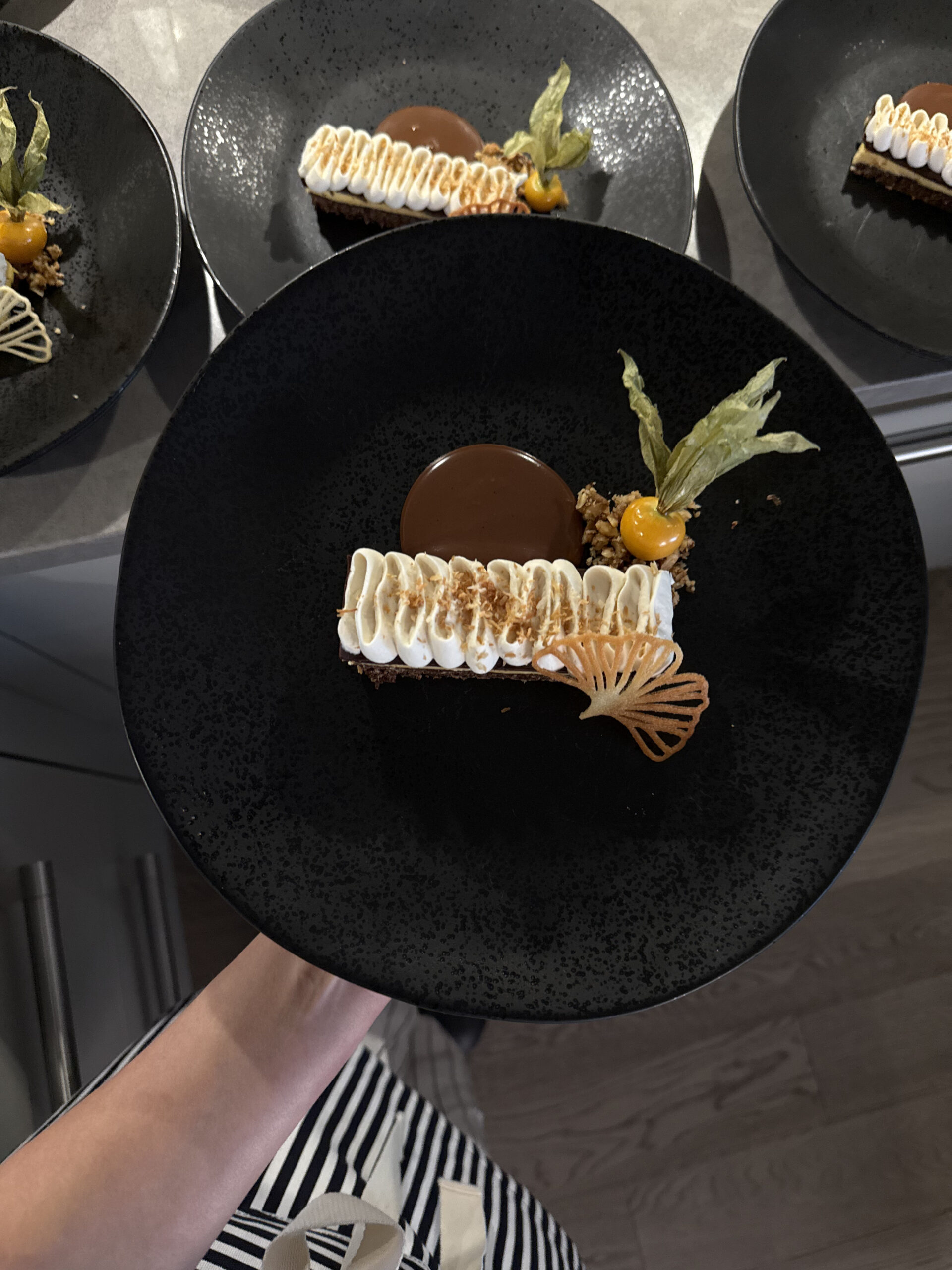
Dirty fries loaded with chopped pickles, cheese curds, and a little braised lamb on top. It sounds like an unlikely combination, but after a 12-hour shift on your feet, it’s exactly what your body wants. There’s nothing elegant about it; it’s messy, indulgent comfort food, and I love it precisely because it’s the opposite of the refined plating I do for work.
- A food trend that you hate and why?
Oysters, and honestly, any kind of clam. I really wish I loved them. They’re beautiful, elegant, and probably one of the most sophisticated things you can put on a plate, but the texture just gets me every time. I’ve tried them prepared every which way, hoping something would finally click, and it just hasn’t. It might be the one ingredient I’ve never been able to talk myself into loving, no matter how much I respect it on paper.
- What’s the craziest shift you’ve ever worked in the kitchen?
The craziest stretch for me wasn’t even one single shift; it was 12 days straight of 11-hour days with no days off. By the end of it, I was running on pure adrenaline and muscle memory more than anything else.
5. What happened, and how did you manage to get through it?
No staff. That was pretty much it, and you have no choice but to show up because you want approval.
- What tips would you give to other cooks and chefs to help them navigate their culinary careers and find peace amid the chaos of the kitchen?
Honestly, if you don’t truly love cooking, don’t do it. It’s not worth it. This industry will chew you up if passion isn’t the thing driving you. The hours are long and the pressure is too high to survive on anything less. But if you do love it, my advice is to protect your peace fiercely: set boundaries early, surround yourself with people who lift you up instead of tearing you down, and remember that being kind and being strong aren’t opposites. The chaos of the kitchen will always be there, but how you carry yourself through it is entirely up to you.
- What’s an underrated ingredient and why?
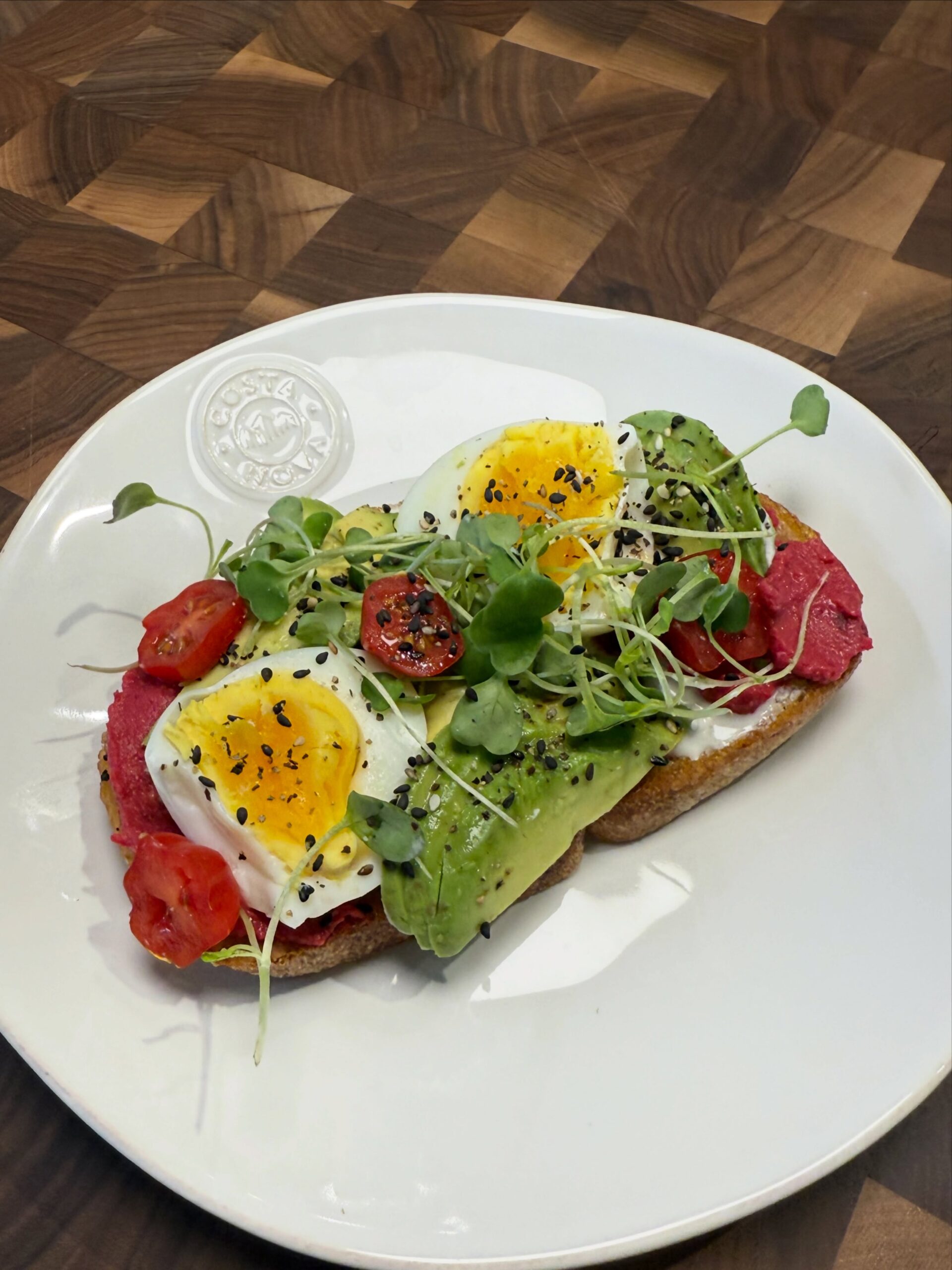
Beets, without a doubt. People tend to write them off as boring or old-fashioned, but they’re incredibly versatile, earthy, naturally sweet, and they bring this gorgeous color to a plate that nothing else really replicates. I love using them roasted, pickled, shaved raw into salads, even in desserts. They deserve so much more credit than they get.
8. What’s a must-try dish from your kitchen or the one you’re proudest to have prepared?
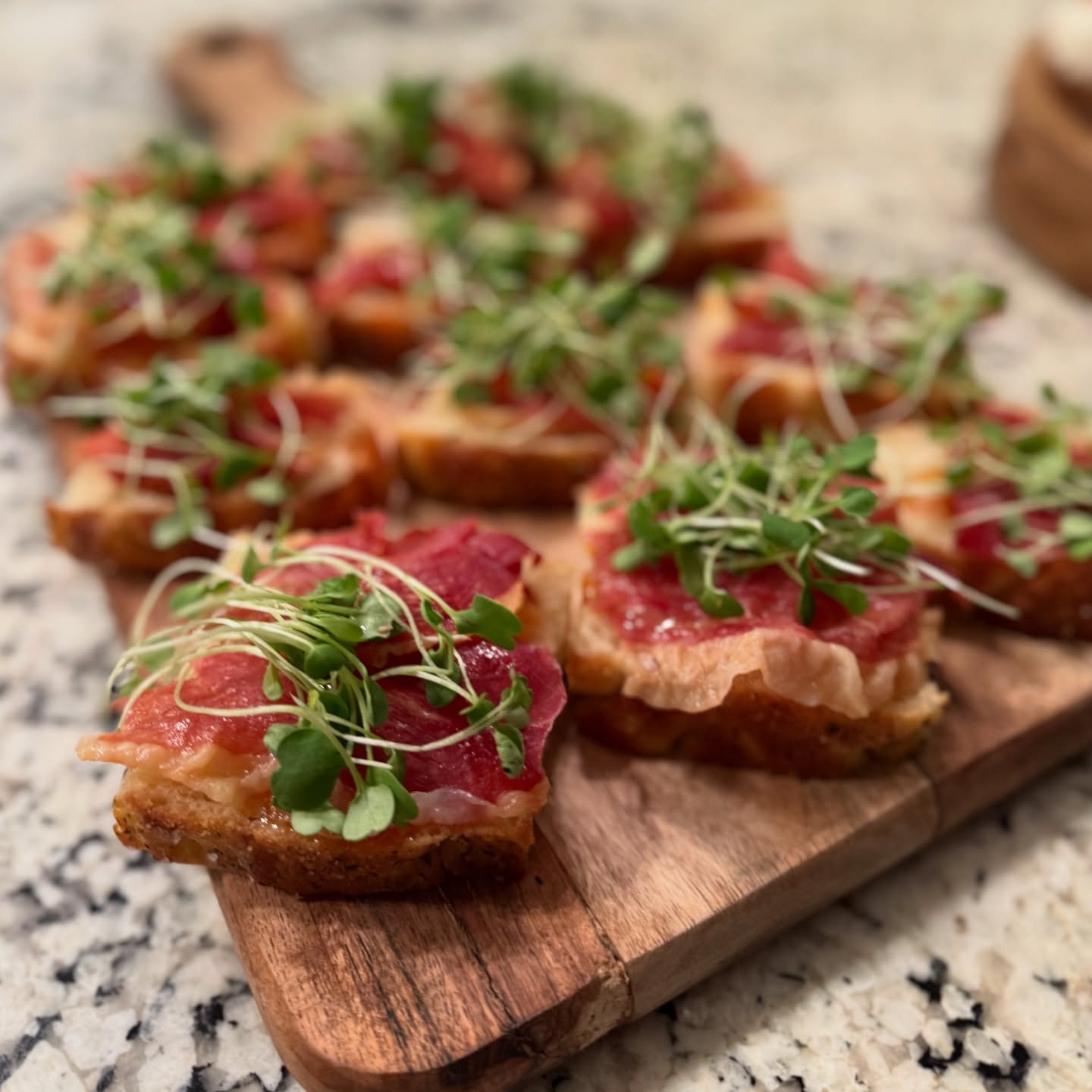
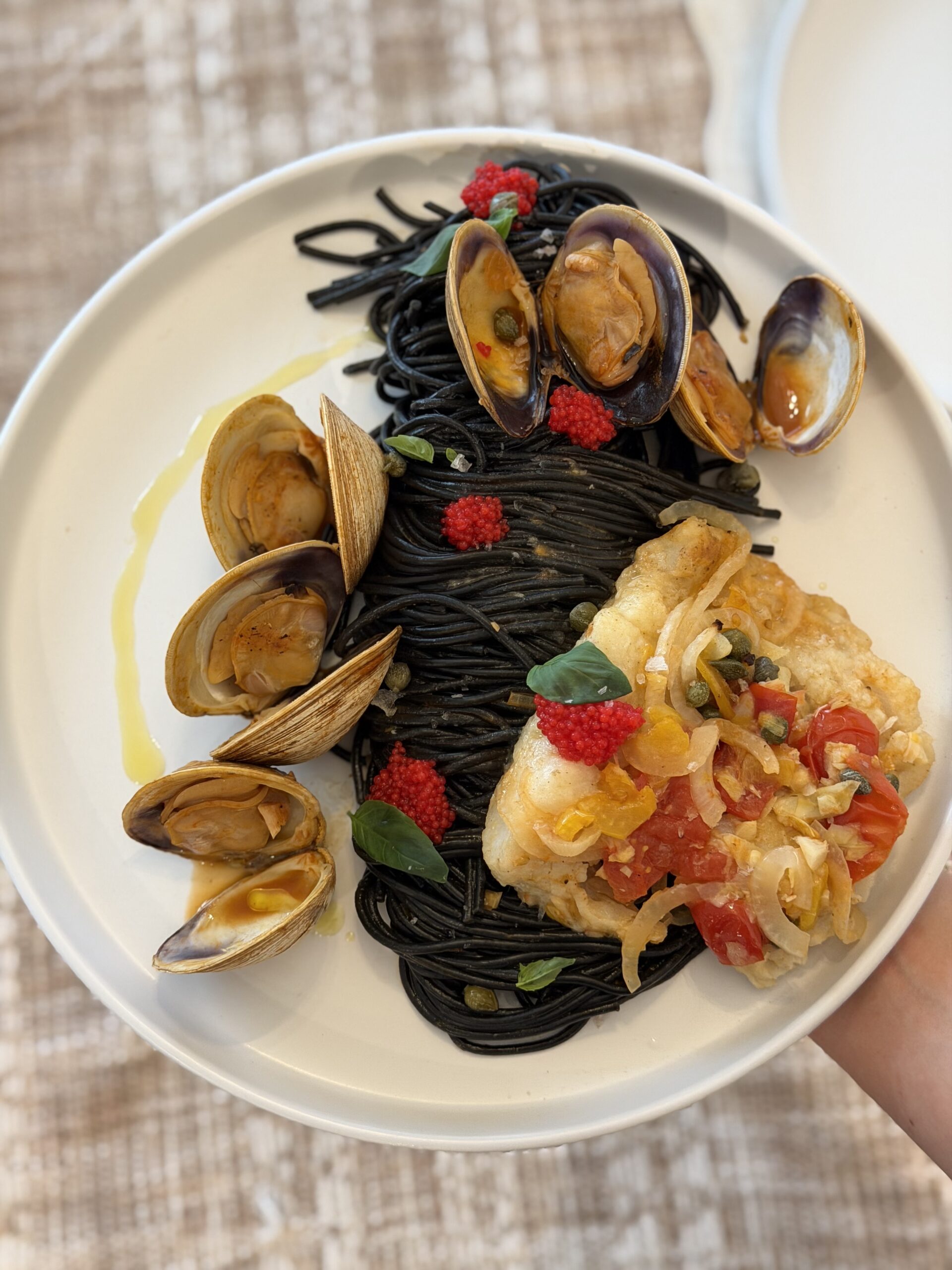
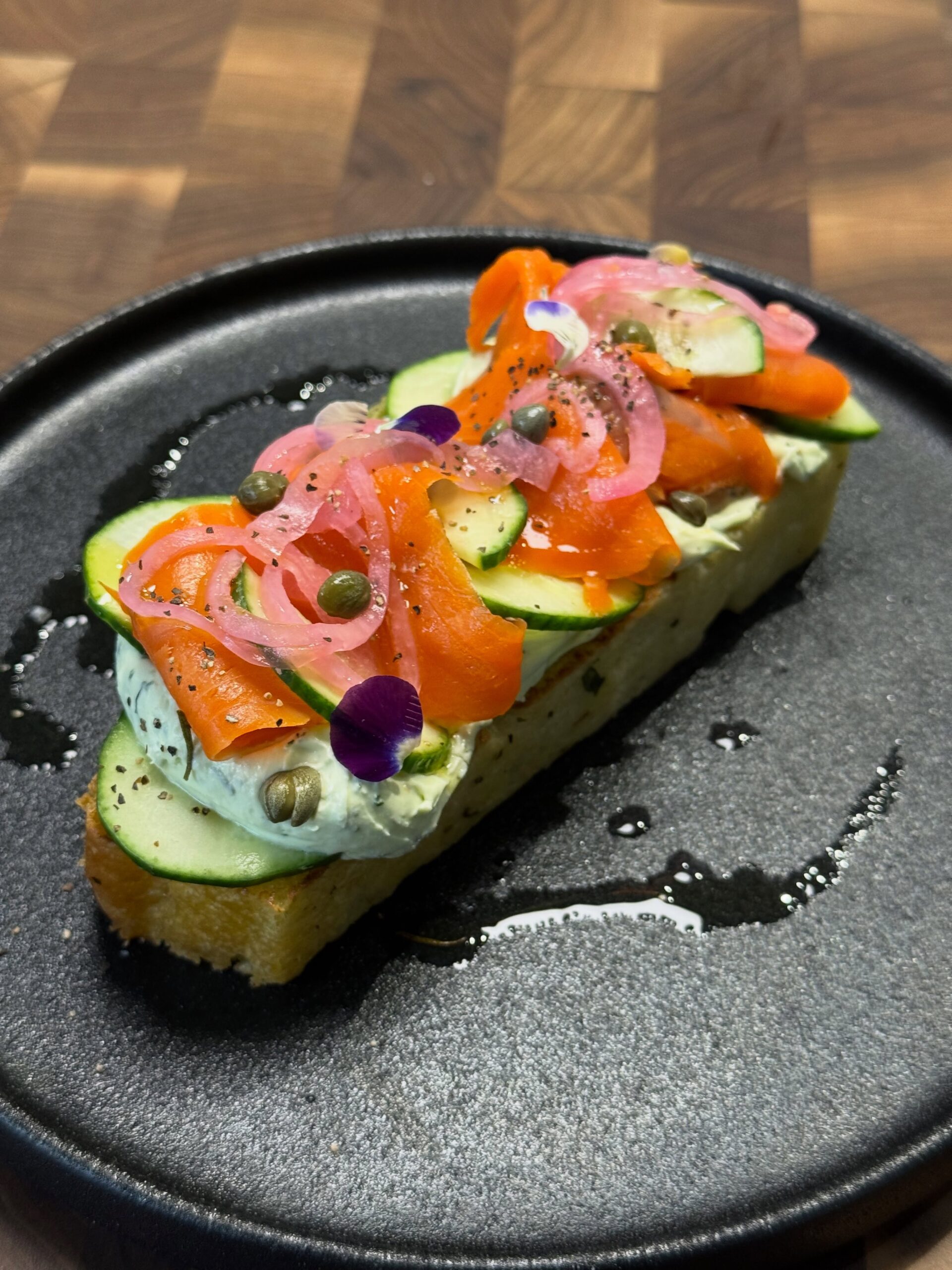
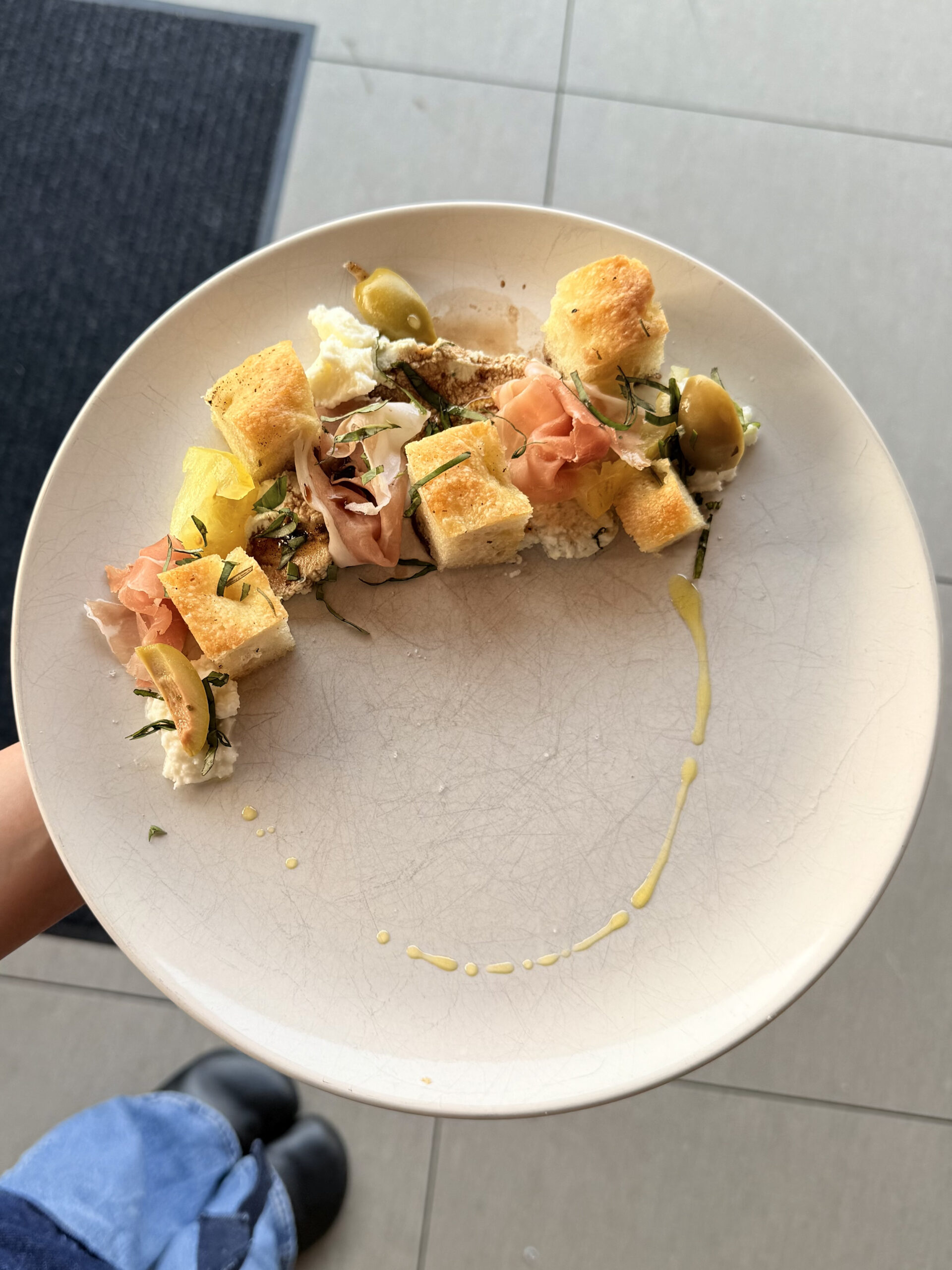
One dish I’m especially proud of is my seared lingcod with a pepper and caper beurre blanc, served over homemade squid ink pasta and caviar.
About Your City!
Kelowna, Canada
- If Anthony Bourdain or a chef came to your city, what would be the perfect tour itinerary from breakfast to dinner?
If a chef came to Kelowna, I’d start their morning at the farmers’ market for fresh pastries and local coffee, followed by breakfast at Sunny’s with a view of Okanagan Lake.
Midday, I’d take them wine tasting through West Kelowna, just on the other side of the bridge, stopping at a few boutique wineries for lunch paired with local vintages.
Later in the afternoon, we’d head downtown to a rooftop bar with lake views for golden-hour drinks.
Dinner would be at Bernie’s. I’d have them stay in the Kelowna waterfront district so they could walk everywhere and soak in the lake views the whole trip.

Support our project by buying our merch!

86 HOTK Unisex t-shirt
$30.00
Anthony Bourdain T-Shirt
$35.00
Mise HOTK Unisex t-shirt
$30.00