Between the land and the plate
Early memories of foraging, hunting, and cooking made food a lesson in connection and possibility.
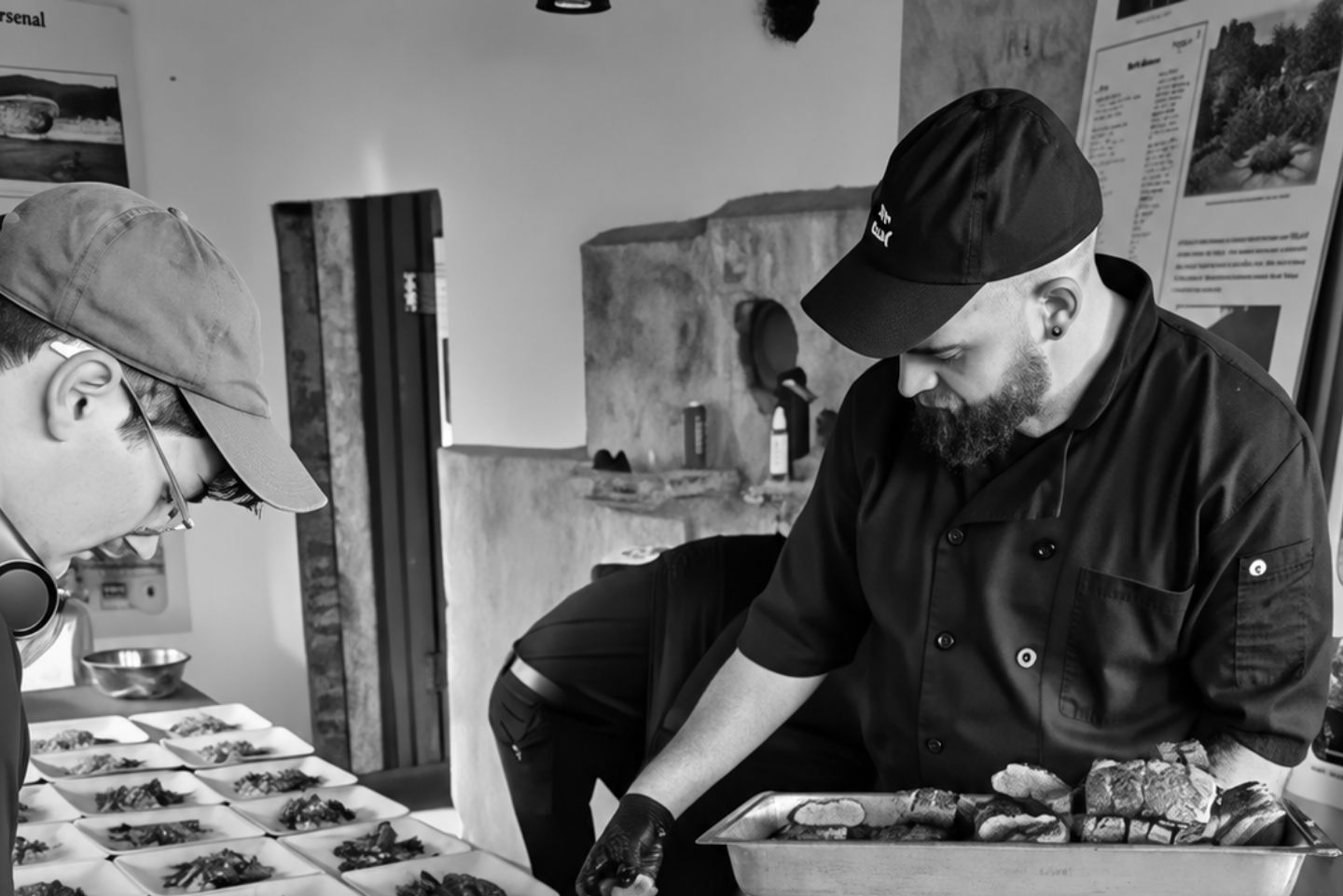
Scout Metzler
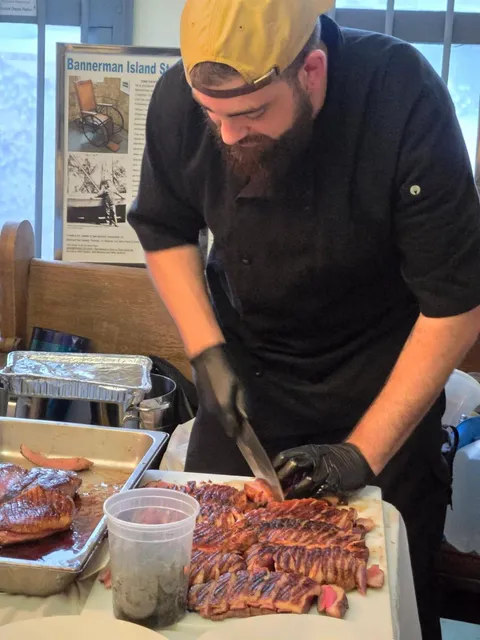
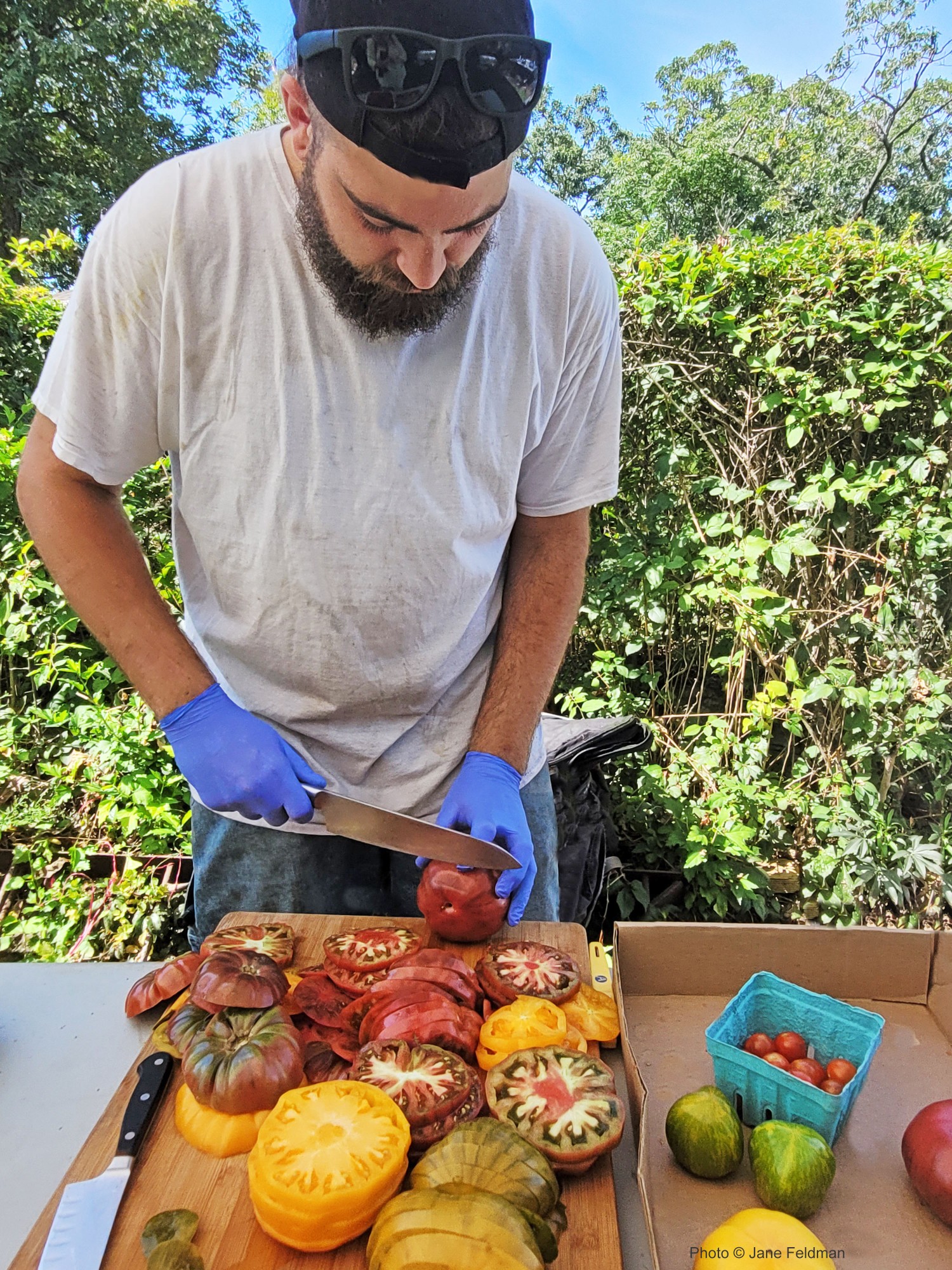
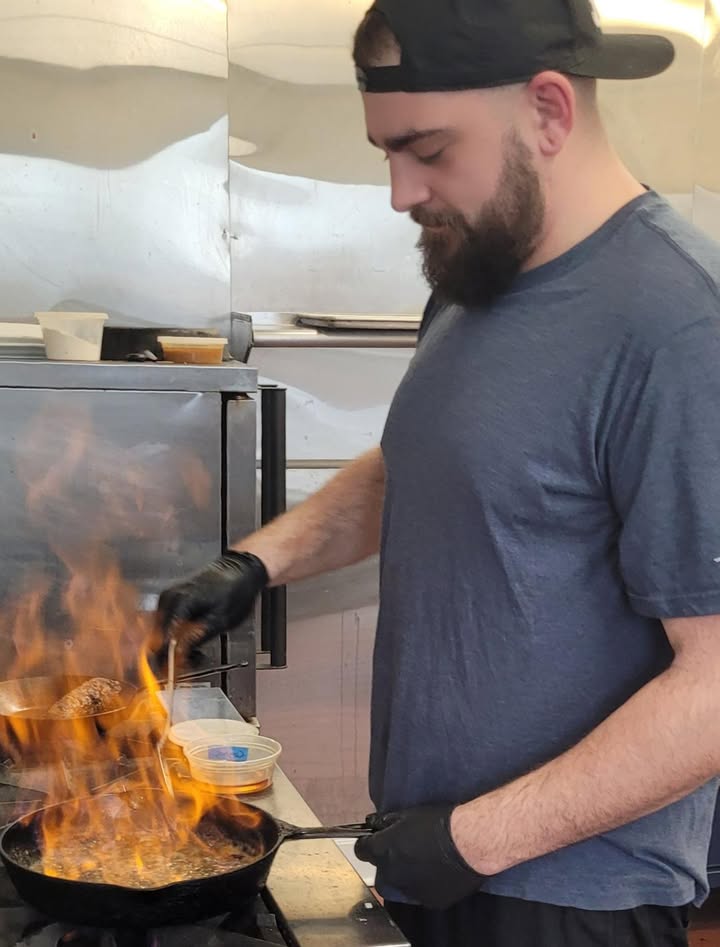
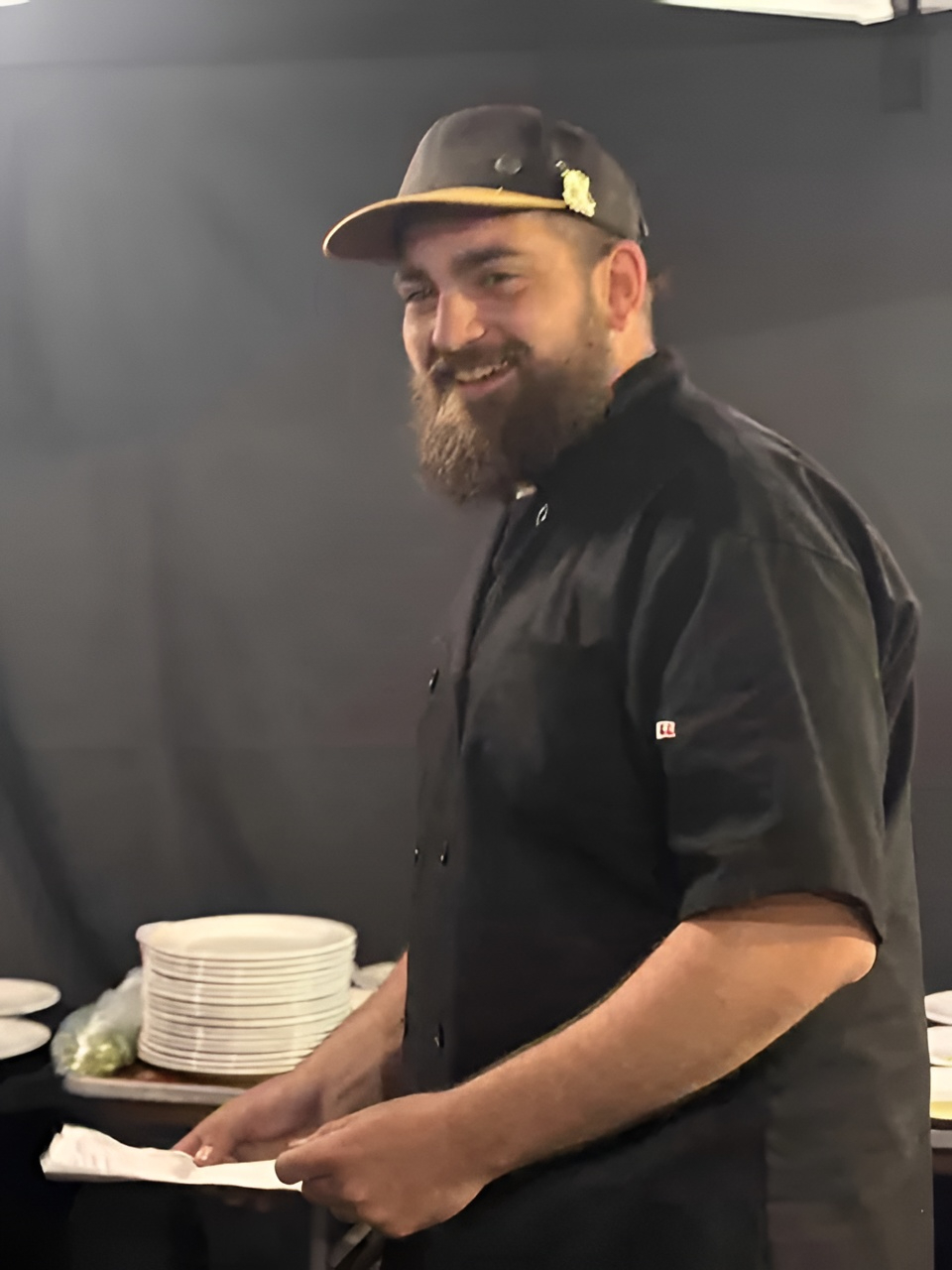
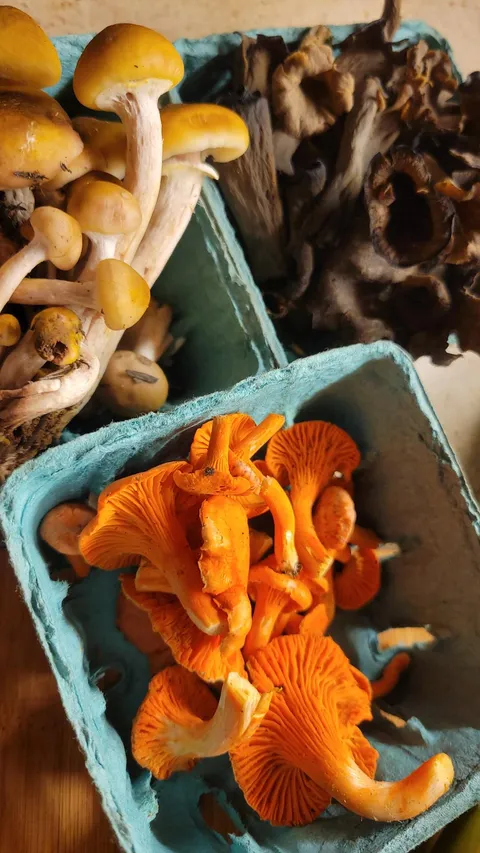
Scout Metzler grew up close to the land, where food wasn’t just something you ate, it was something you understood.
Raised in upstate New York, surrounded by hunting, foraging, and kitchens that valued the process as much as the plate, his connection to cooking started early. Washing dishes, prepping, doing whatever he could just to stay close to it.
Over time, that turned into years spent working in every position, learning from different kitchens, and building a deeper connection to the ingredients and the processes behind them.
Now, that experience shapes how he sees the industry. Not just as a place to cook, but as a space that needs more honesty, more support, and more care for the people in it.
In this conversation, Scout talks about the path that got him here and the kind of kitchens he believes are worth building.
Share your Journey
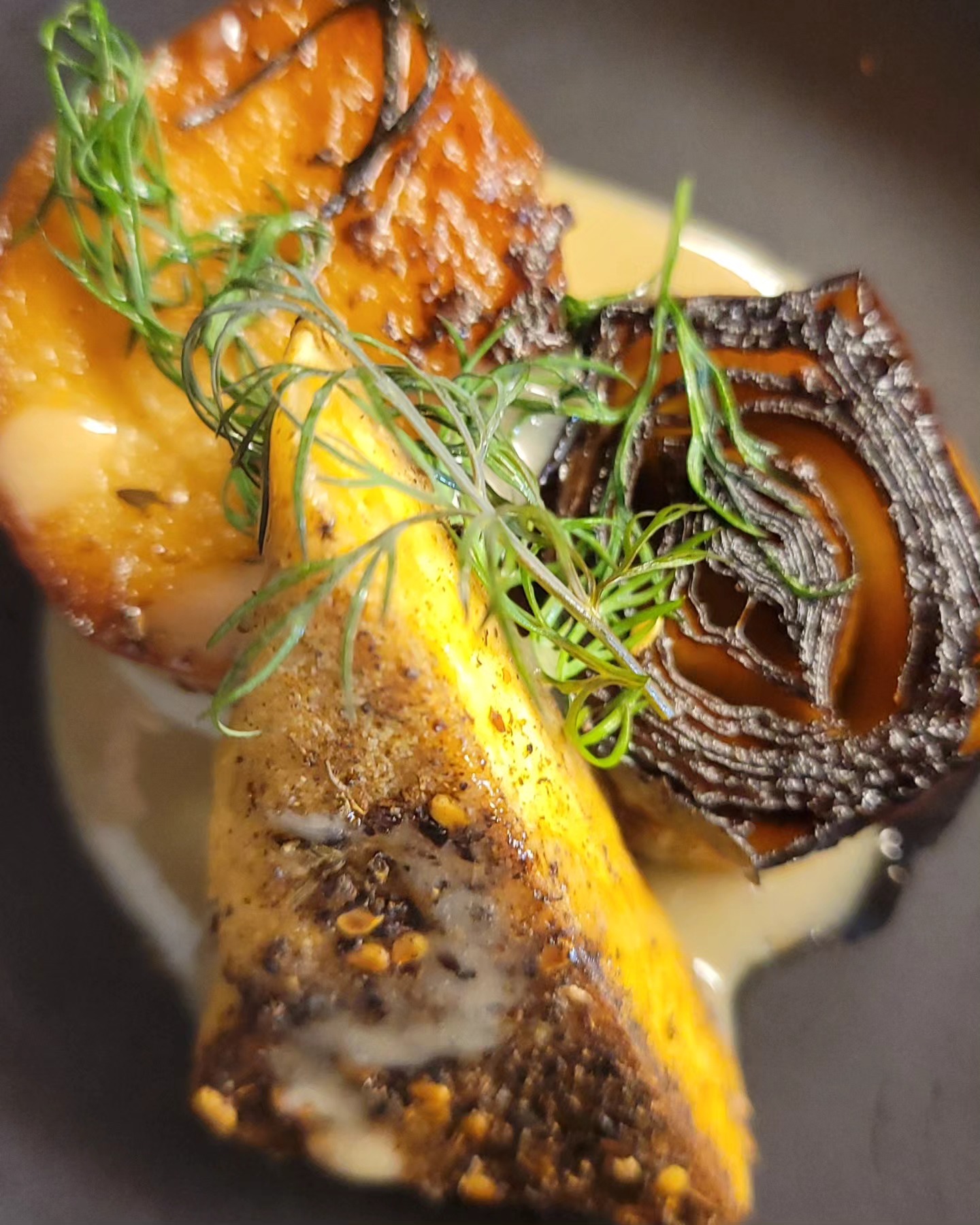
I’m a chef born and raised in upstate NY, where I can remember kids fighting on the school bus over who stole whose popover recipe. Food is a big part of life in many ways, but for me, growing up around hunting, butchering, and foraging, I was taught early how much time and knowledge are required between the farm or forest and the plate. I remember as a kid in school, I couldn’t wait to work in a restaurant kitchen. At 13, I was working in a local cafe doing dishes, prepping, cooking, anything I could do to learn the trade.
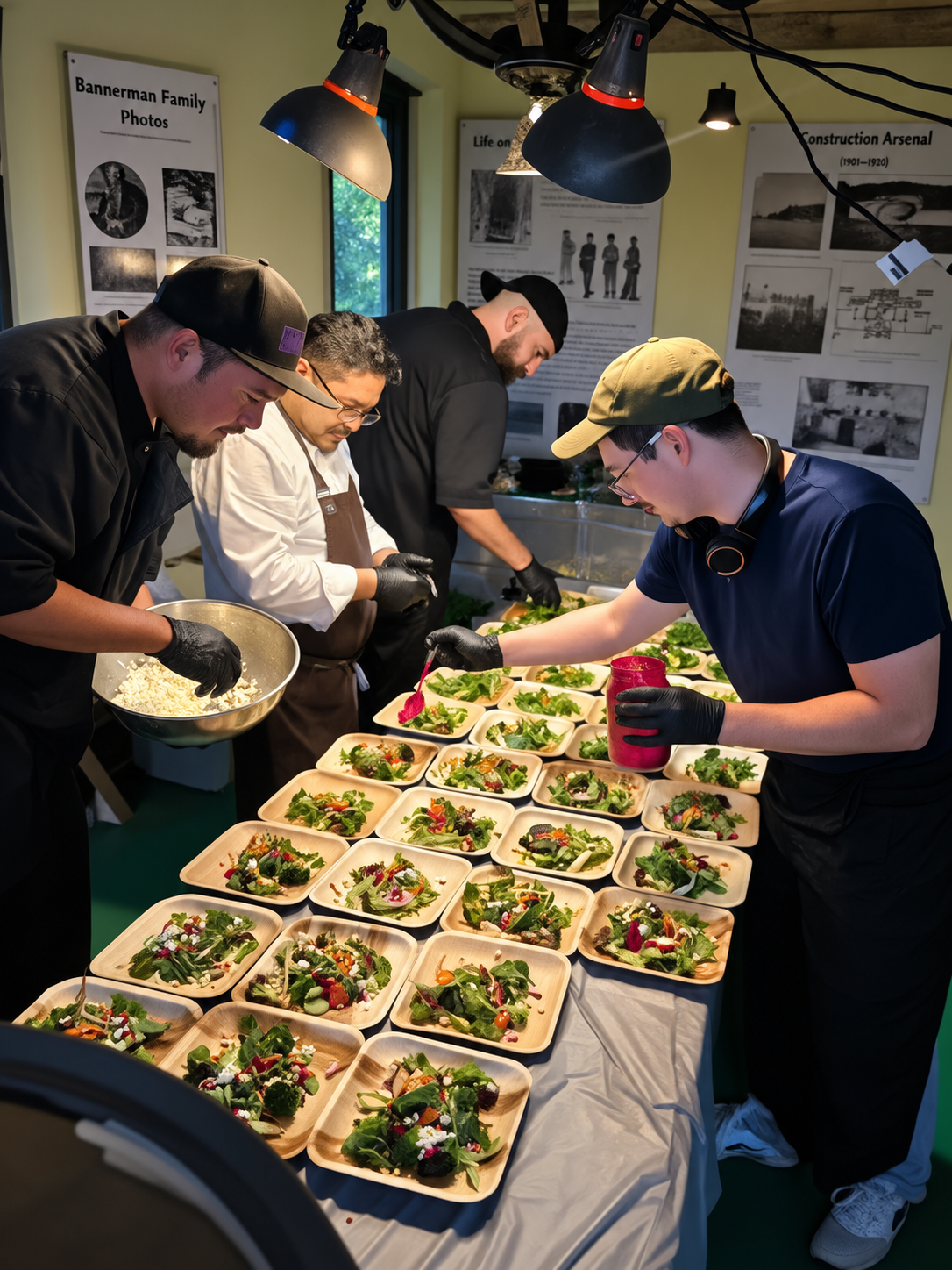
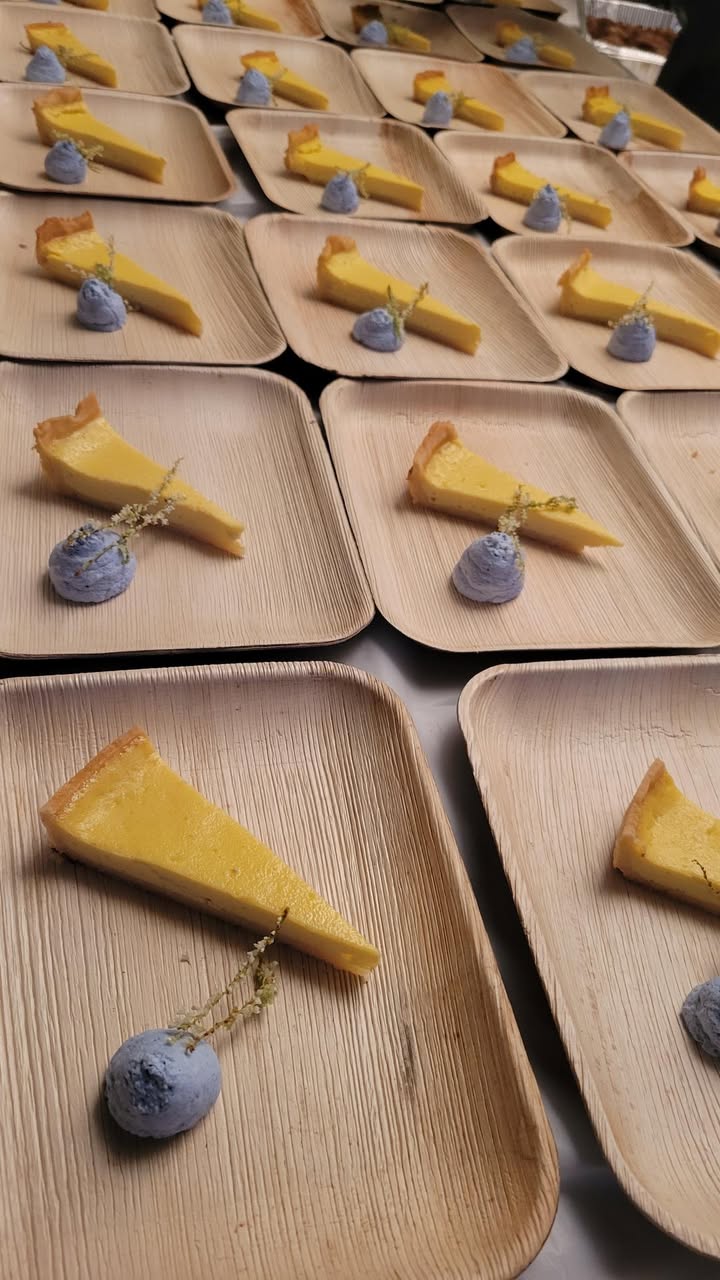
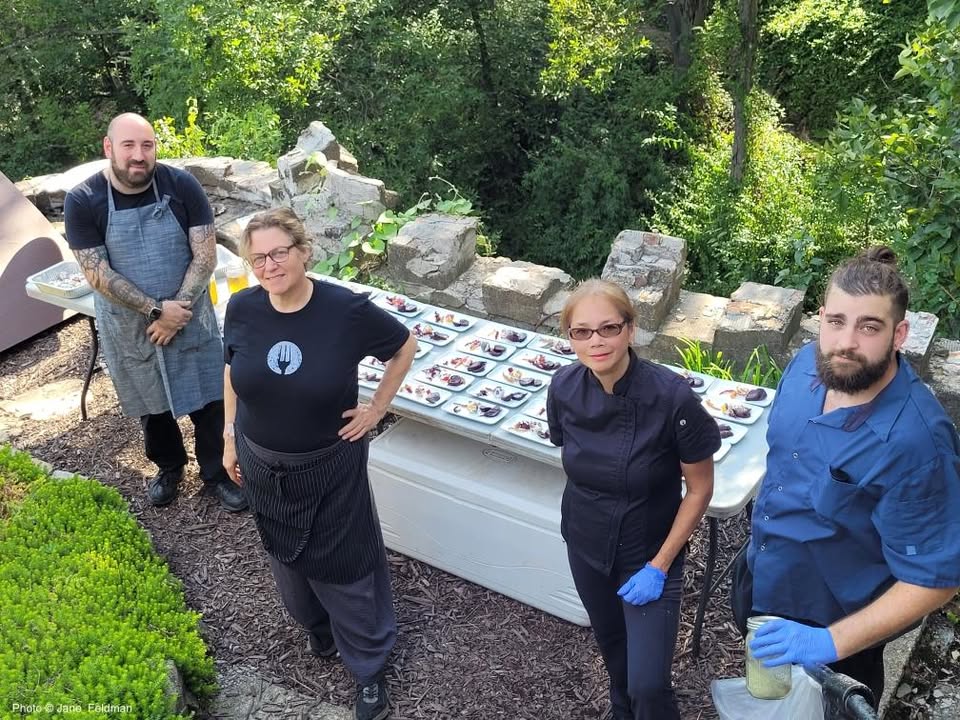
By 15, I was working in a corporate-run boarding school kitchen where I met the Chefs Consortium. That’s when I started to take a culinary career more seriously. While the school went on summer vacation, I continued working in local restaurants and catering fundraiser events with Chefs Consortium to keep honing my skills. Since then worked every position from prep to expo in kitchens across New York and the Berkshires.
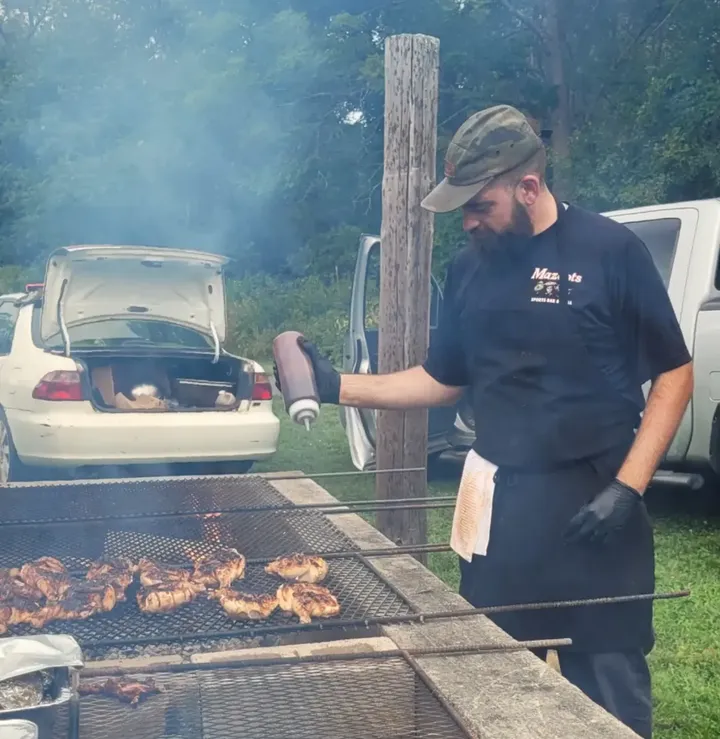
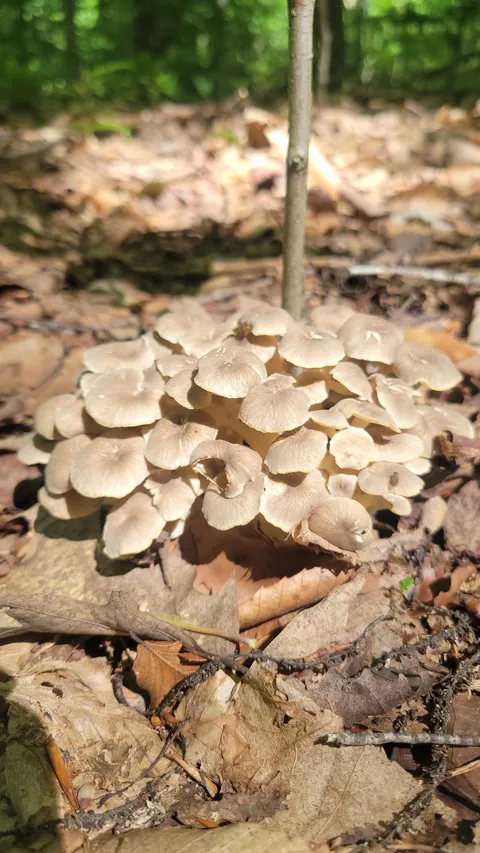
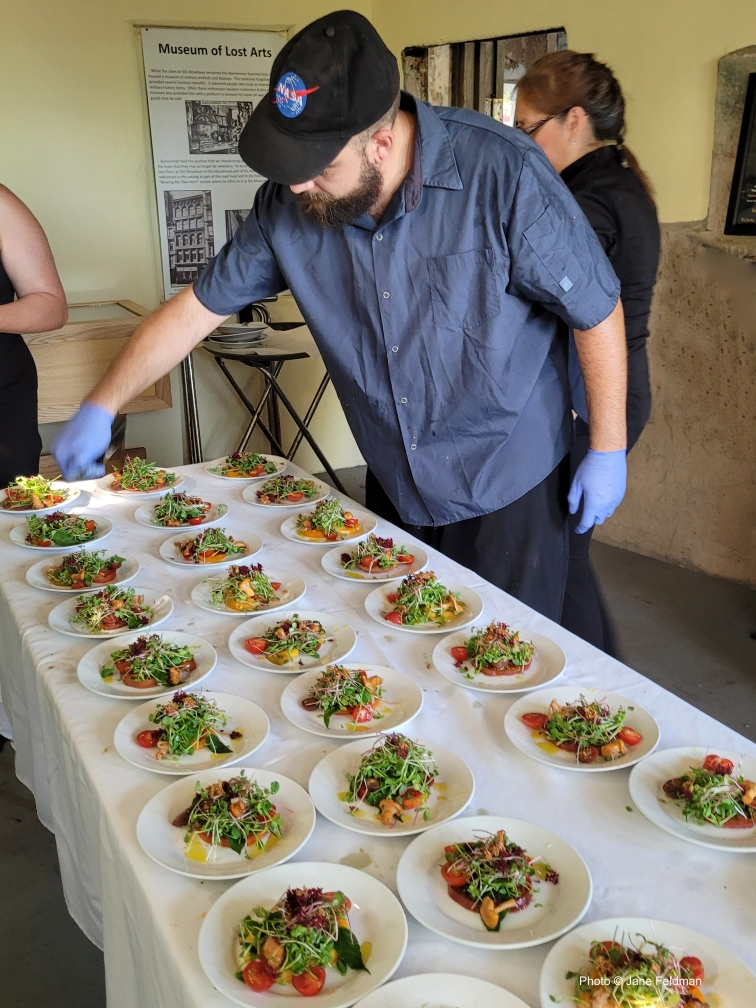
I worked all 7 stations at a classic family-owned Italian restaurant. I learned about all dietary restrictions while working in schools and a nursing home. I’ve cooked over wood fire in fields and on islands. I’ve apprenticed and studied foraging for the last 11 years. I worked as an apprentice baker at Le Perche in Hudson before the pandemic, making baguettes and sourdough in a wood-fired oven, as well as a variety of viennoiseries. Greg at the Down the Road Butcher taught me the true art and particulars of butchering.
I have a connection to the ingredients I use, from where and how they were grown and harvested to how they are presented in a dish and on the plate. I’ve most recently helped manage a few culinary businesses in hopes of creating an environment where others can succeed and fall in love with this industry, as I have.
- How long have you been in this industry?
17 years.
- Was there a moment in the kitchen that marked you forever or caused a shift in your life? If so, could you share it?
Being exposed to very talented chefs at a young age who taught not just ingredients and technique, but also insight into why a dish is made a certain way or where it originated, showed me there was a lot more to food than survival, presentation, or flavor. It connects us all. I was taught things like “when times get tough stay close to the fire” “push like a lion every day” “when you get comfortable its time to change” “the energy you put into the food, the customer gets out” “we can’t predict the waves but we can learn to surf” “respect for food is a respect for life, for who we are and what we do.”
- What was your first connection with food? Please share with us the moment that marked you forever.
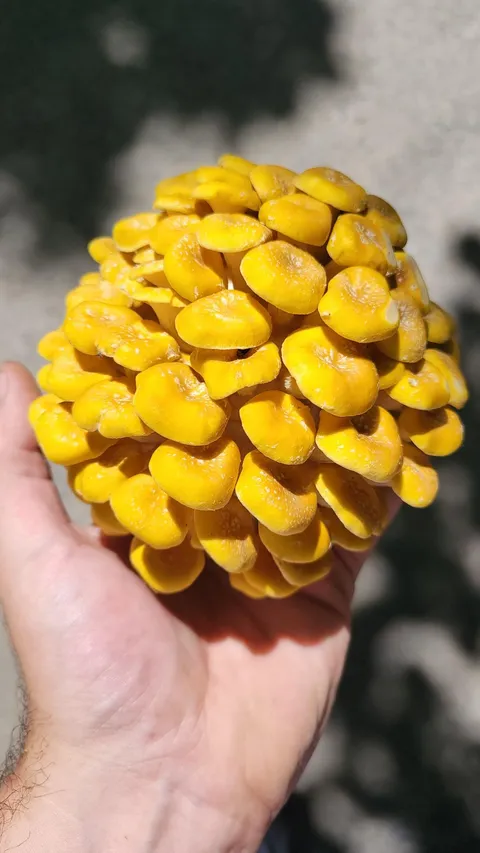
Eating sour wild wood sorrel on the edge of the woods, seeing my father harvest deer to feed our family, are some of the earliest memories, but my older brother learning to make an omelet at school and coming home to make them for us all around the age of 7 showed me that anyone can learn to cook.
- In your experience as a chef, what are some specific aspects of the culinary industry culture that you believe need improvement or transformation? Are there particular challenges that you think should be addressed to enhance the industry as a whole?
The status quo, across the culinary industry, hasn’t been good enough for a long time. Age discrimination in both directions. Always feeling like I’m the only one who has my own back has been scary. Chefs’ Consortium helped me realize we can have camaraderie and boost each other up rather than try to beat each other all the time.
The self-destructive lifestyle spreads easily through kitchens. I’ve experienced it firsthand, losing friends due to mental health and substance abuse, because no one wants to confront it. HOTK has helped me realize we aren’t alone, even on the backside of society.
- Did you study something else or work in another industry before culinary? What was it, and what made you change your mind and pursue a career in culinary?
I’ve always been interested in culinary arts, but I went to college for criminal justice, where I studied for 4 years. The more I studied, the more apparent the corruption of our system became. I also realized kitchens are the last free place in the world.
- Is there anything specific you hope will change or evolve in the industry?
I think honesty and open communication should be essential throughout the industry. Less cutting each other’s throats and more helping each other accomplish goals, uplifting and improving everyone together.
- If you owned a restaurant, what would you do differently from others? If you currently have one, what changes are you working on?
I would make sure everyone is constantly learning and pushing each other to improve our techniques, communication skills, and respect for ourselves, each other, the ingredients, the producers, and the kitchens we work in. If everyone goes home feeling like they have put their energy into a kitchen where their investment of self has not only been utilized to the fullest but also respected, cared for, and returned in some aspect, with more value than I have done my job.
- What tips would you give to other cooks and chefs to help them navigate their culinary careers and find peace amid the chaos of the kitchen?
My advice to other cooks would be: don’t falter on your own standards. If you don’t represent yourself, who will? Meditation and routine help when life seems chaotic. Always be open to learning something new. Take a second to breathe, drink more water, and push like a lion every day.
Photo credits:
Jane Feldman: @Janefeldmanphotography
Katie-Lee Bunn: @latie_kee
Ashley Palma: @smashingly.ashley
Aly Philips

Support our project by buying our merch!

86 HOTK Unisex t-shirt
$30.00
Anthony Bourdain T-Shirt
$35.00
Mise HOTK Unisex t-shirt
$30.00