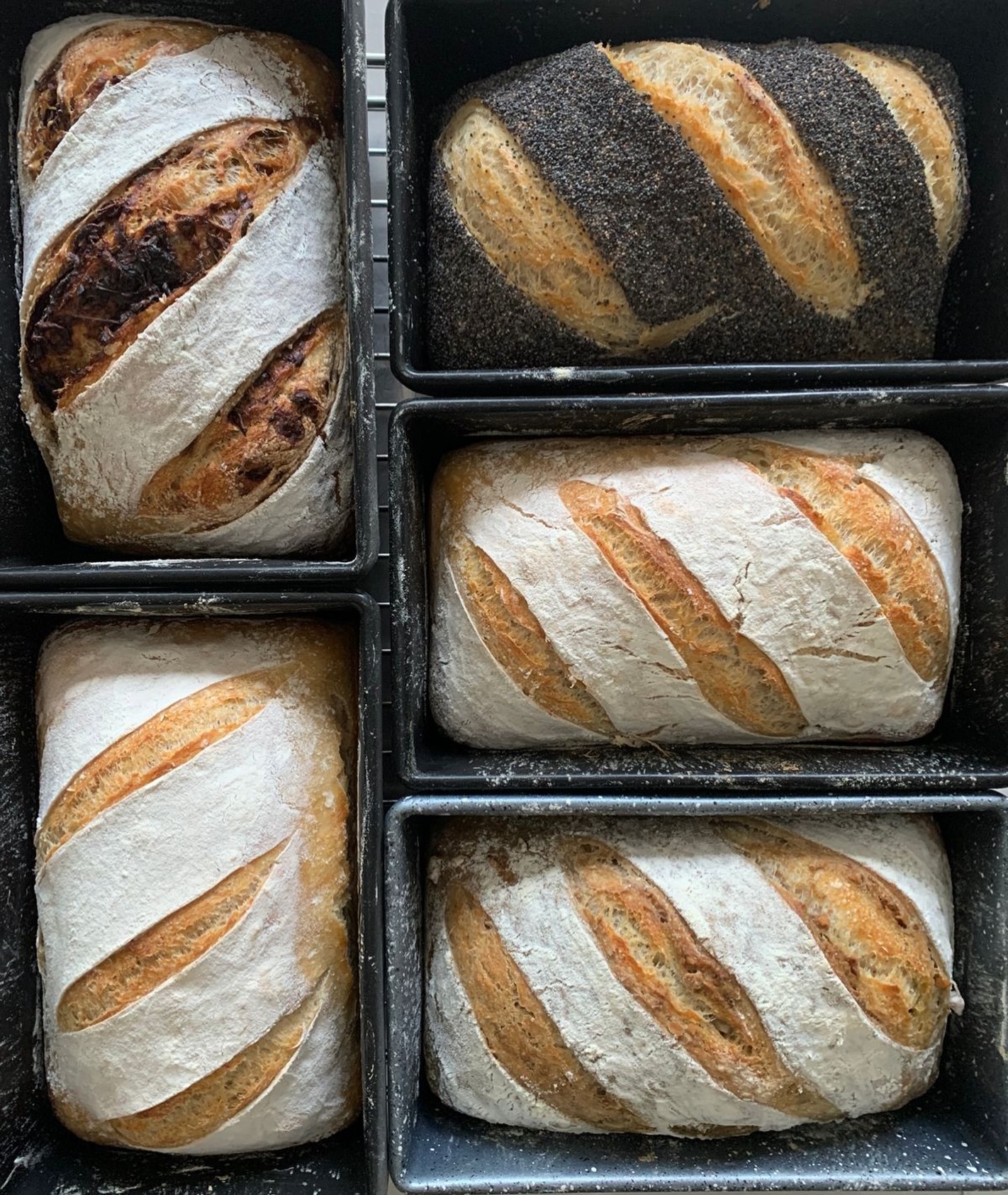
Sourdough doesn’t follow a schedule
Working with living cultures taught her patience, consistency, and the importance of adapting to every change.
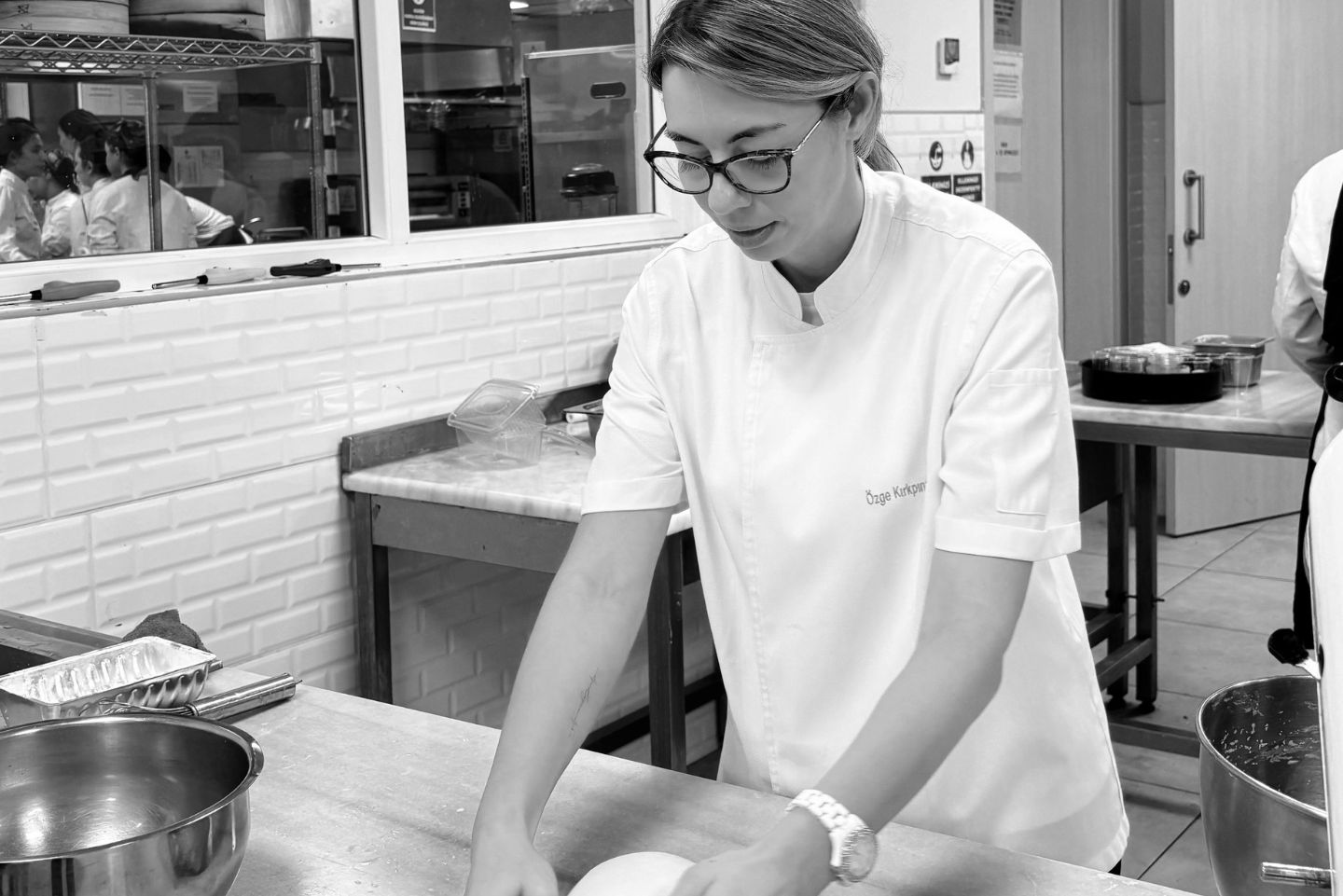
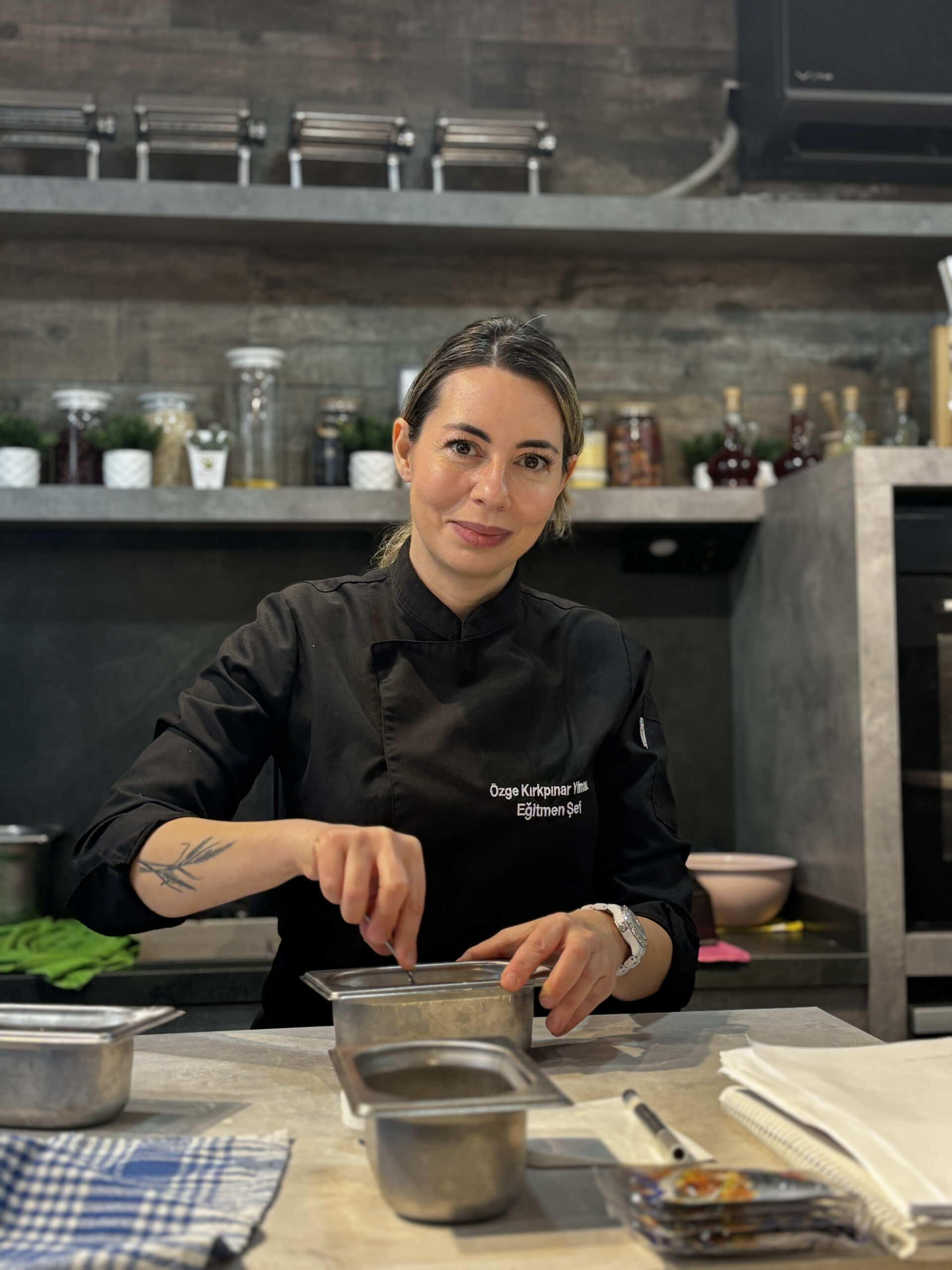
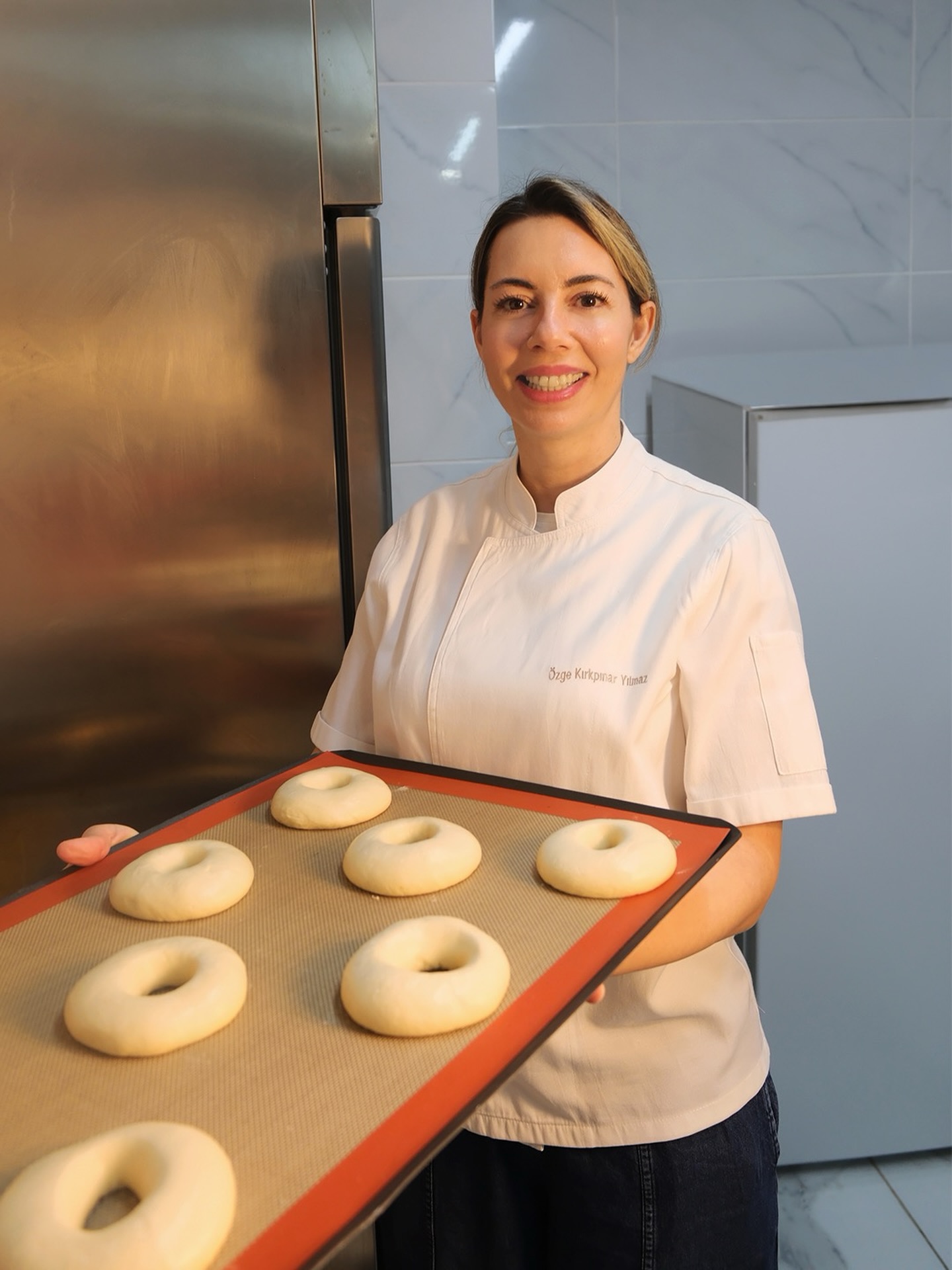
Özge Kırkpınar Yılmaz
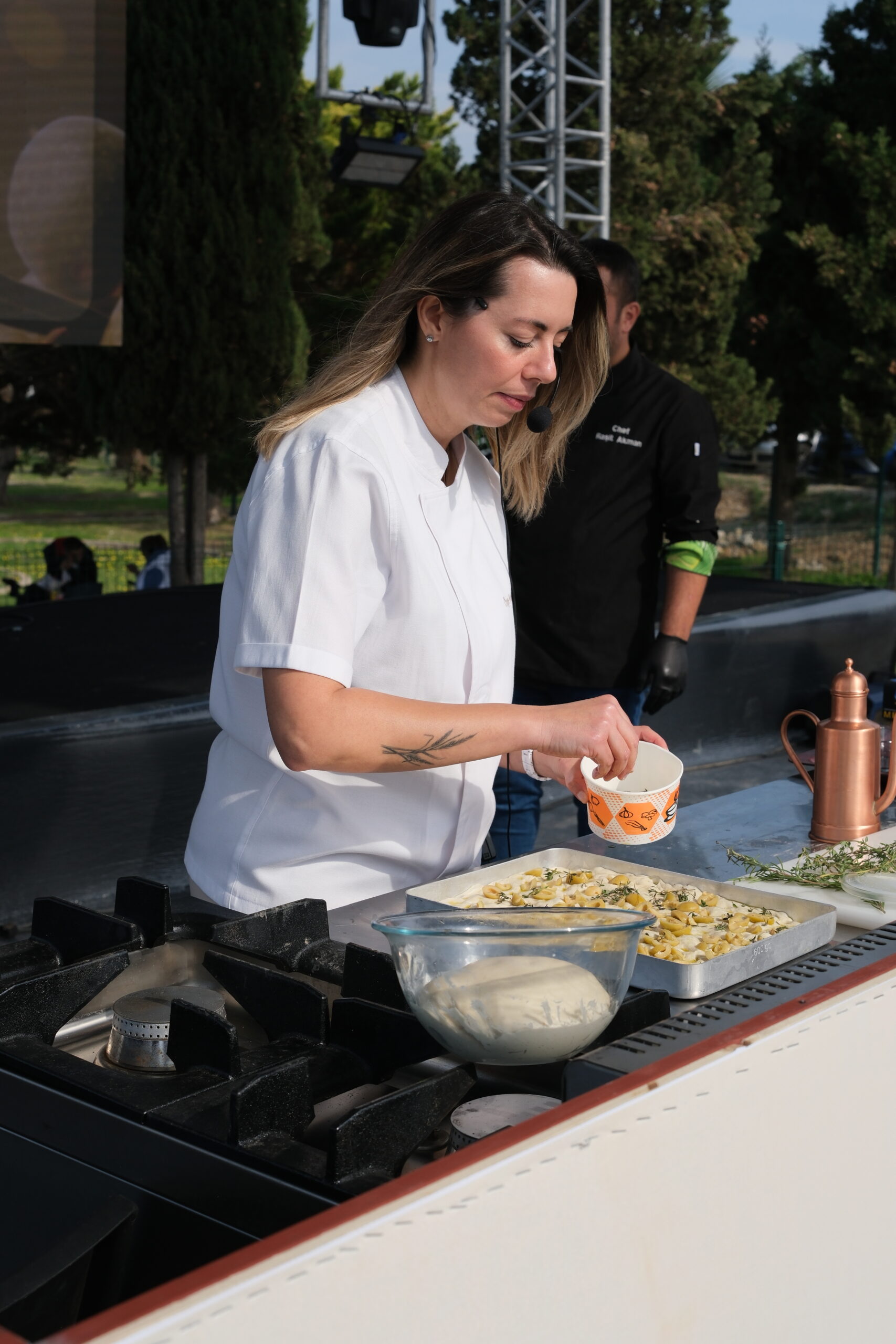
Özge Kırkpınar Yılmaz’s relationship with food began in her mother’s kitchen, surrounded by the aromas of freshly baked pastries, family meals, and the curiosity to understand how everything was made. Although she initially built a successful career in communications and media, including thirteen years working with food publications, brands, restaurants, and chefs, her passion for cooking eventually led her to pursue a new professional path.
After studying Tourism and Hotel Management and Business Administration, Özge completed her professional culinary education at MSA (Mutfak Sanatları Akademisi), specializing in pastry, bakery, and advanced bread baking. Over time, sourdough became one of her greatest discoveries. Its changing nature and need for patience, observation, and consistency reflect much of what she values about cooking and craftsmanship.
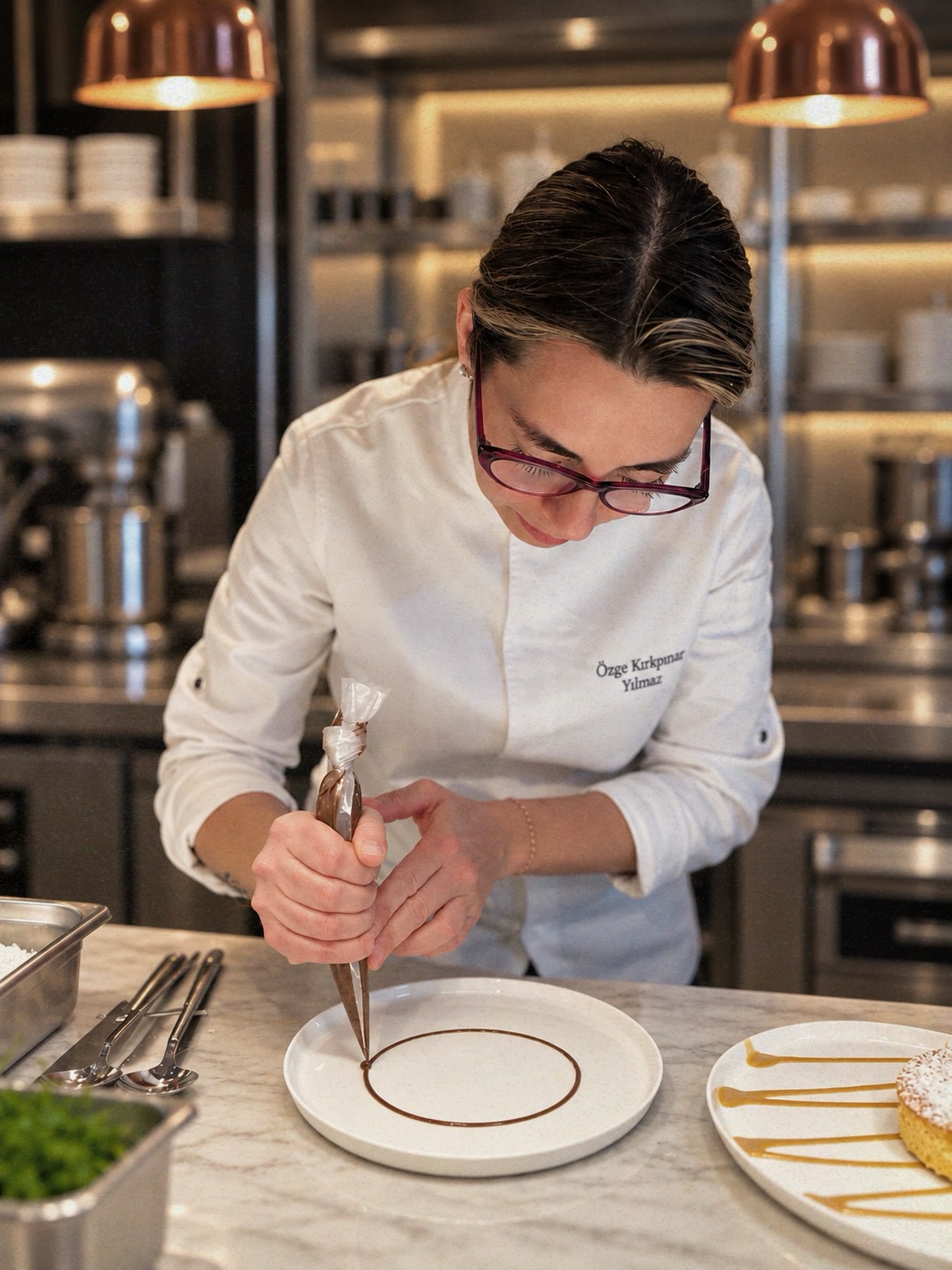
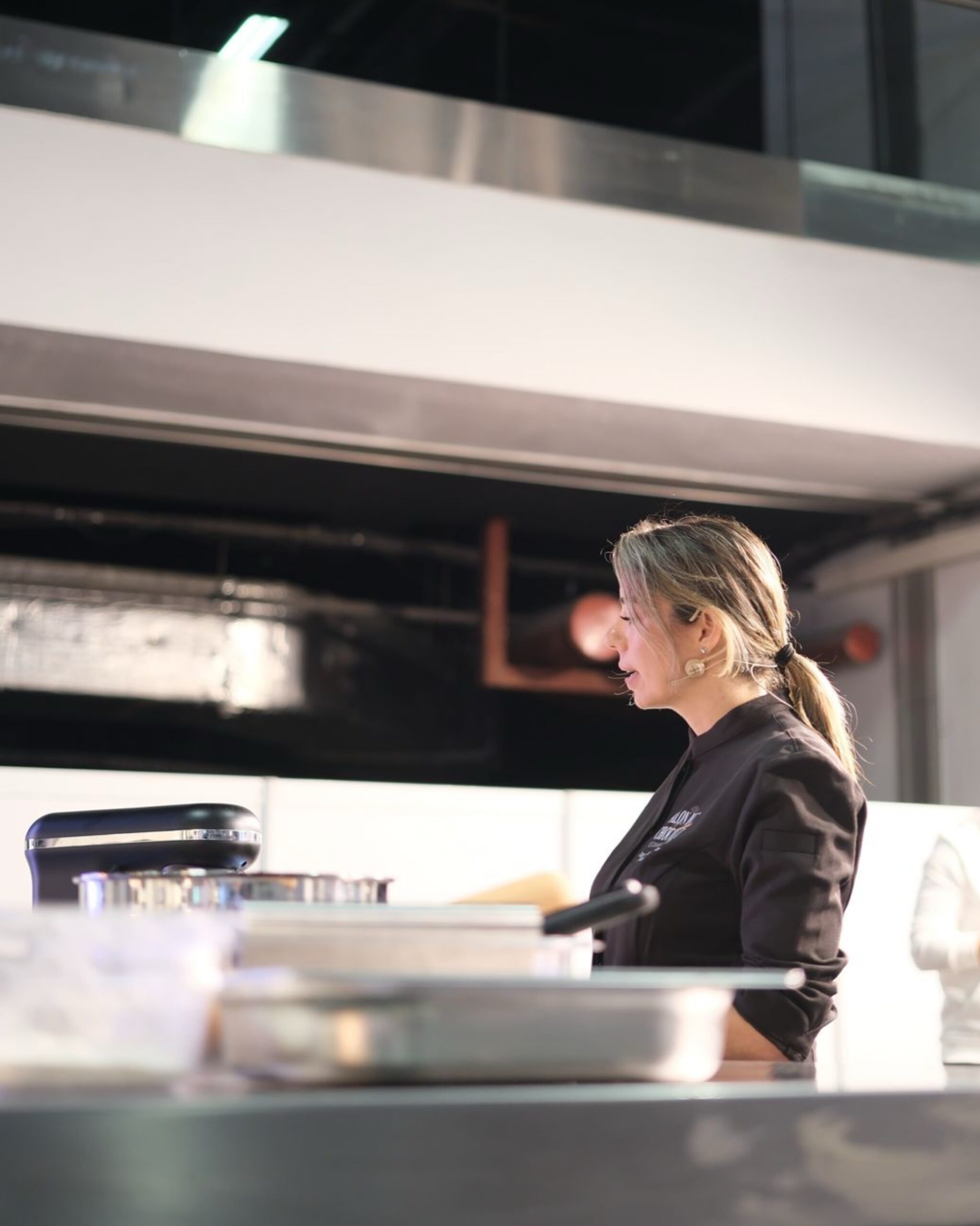
Today, Özge works as an Executive Chef, consultant, and educator, combining her culinary knowledge with her background in communications, management, and team development. Through her work, she focuses on building efficient production systems, reducing waste, preserving traditional techniques, and creating kitchen environments where people can learn and grow. For her, great food and strong teams go hand in hand.
In this conversation with Humans of the Kitchen, Özge reflects on her journey from media to professional kitchens, her passion for sourdough, and the importance of building a more conscious and supportive industry.
Share your Journey
- Looking back at your childhood, was there a specific moment or memory that sparked your interest in food or cooking?
The very first scent I remember comes from my mother’s kitchen. When my sister and I came home from school, we were welcomed by the aroma of freshly baked cakes, pastries, cookies, and savory pies. Sneaking the last spoonful of pastry cream from the pot or tearing off little pieces of phyllo dough before anyone noticed are some of my happiest childhood memories.
I was always the curious child watching my mother from the corner of the kitchen, wondering, “How does she do that?”
At home, the dining table was always set with care. Whether we had guests or not, meals were fresh, varied, and prepared with love. Once or twice a week, we would go out to discover new flavors, and whenever the weather allowed, we gathered around the barbecue—which, just like the kitchen, was always my mother’s domain.
During high school and university, my interest in cooking grew even stronger. I watched cooking shows obsessively, read culinary magazines, and experimented with recipes whenever I had the chance.
The real turning point came after I became a mother. Wanting to cook healthier meals with clean, natural ingredients and no refined sugar transformed my relationship with food. What began in my own home kitchen gradually evolved into a passion for creating, an endless curiosity for learning, and eventually, a professional career.
For me, the kitchen is an extension of those warm childhood memories. What started with aromas has become a lifelong journey of learning, creating, and discovering every single day. My greatest wish is that one day this passion, which I inherited from my mother, will inspire my son as well.
- Did you have another career or job before becoming a chef? How did those experiences influence your decision to pursue cooking?
Before entering professional kitchens, I spent thirteen years working in communications and media. I collaborated with PR agencies, magazines, local and international brands, hotels, restaurants, and chefs.
Looking back, even my very first job wasn’t a coincidence. My heart had always belonged to both writing and cooking, so I began my career as a reporter and editor for a food magazine.
Those years taught me brand management, event planning, crisis communication, PR and marketing, as well as product, service, and team management. Today, I still carry that experience into everything I do in the kitchen.
To me, food is no longer just about technical execution; it is also a way of telling stories, creating emotions, and building connections.
- Did you formally study culinary arts, or are you self-taught? How has your learning journey shaped your approach to cooking?
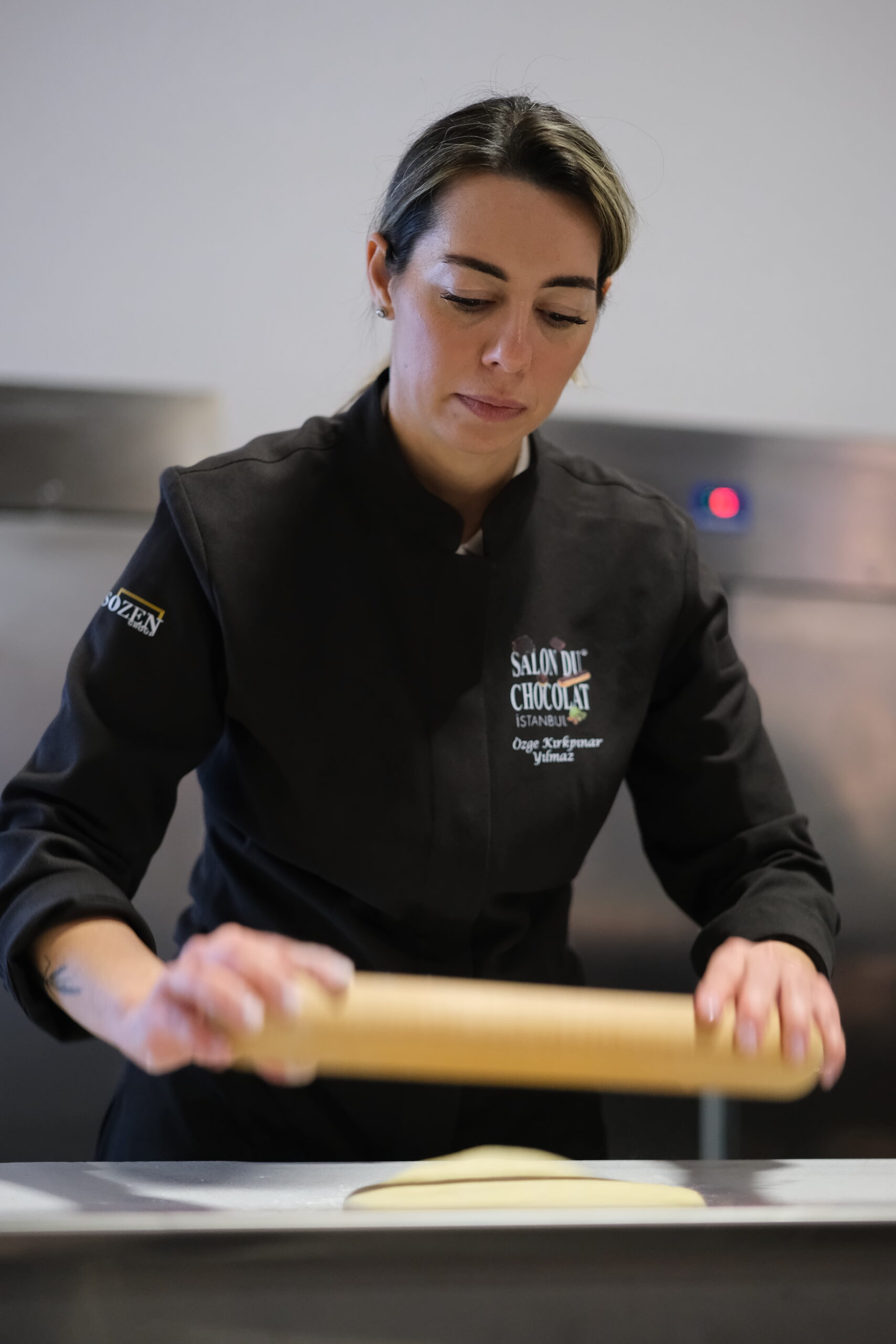
I studied Tourism and Hotel Management as well as Business Administration before pursuing professional culinary education at MSA (Mutfak Sanatları Akademisi), where I completed both the Professional Pastry & Bakery and Advanced Bread Baking programs, followed by my internship.
Since then, I have continued learning from both Turkish and international chefs across different culinary disciplines. Learning has become a lifelong commitment. Reading, researching, exploring new techniques, and asking myself, “What can I learn today?” have become essential parts of my profession.
My greatest discovery throughout this journey has been bread—and especially sourdough.
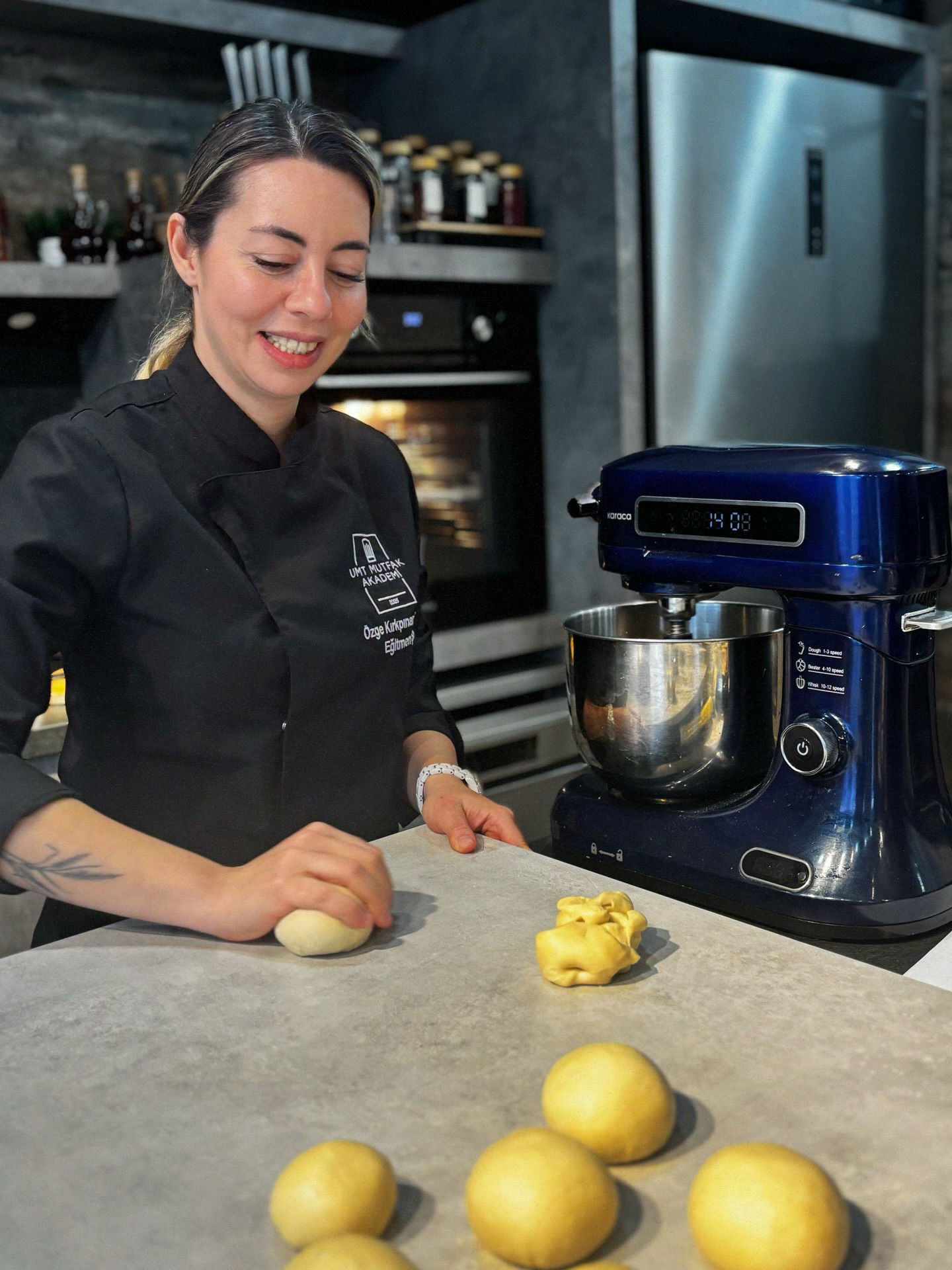
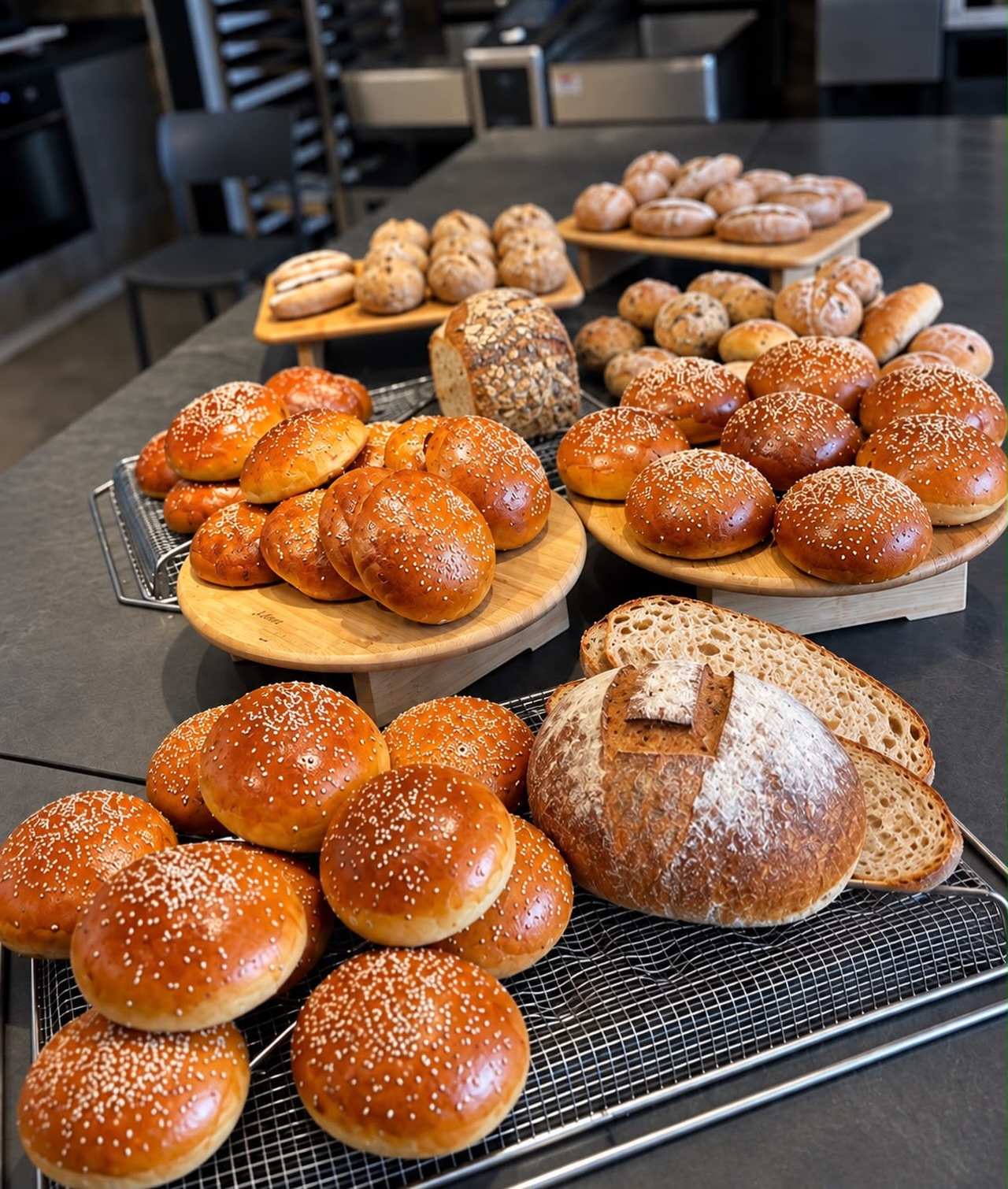
Sourdough is a living culture. It constantly teaches you to observe, be patient, and adapt to changing conditions. In return, it rewards you with a beautiful loaf while reminding you that discipline, consistency, and craftsmanship always matter.
- When did you first step into a restaurant kitchen? What was that experience like, and how did it shape your journey as a chef?
What I remember most about entering a professional kitchen for the first time was the excitement of becoming a student again.
The first kitchen I worked in was calm, organized, and highly system-oriented, which gave me an incredibly solid foundation. Later, I experienced the intensity of busy service, large teams, and the relentless pace of professional kitchens.
Every kitchen taught me something different, but perhaps the most valuable lesson was realizing that discipline, systems, and consistent quality never happen by chance. Behind every successful service lies an extraordinary amount of hard work, dedication, and teamwork.
- What were some of the early challenges or obstacles you faced when you started in the kitchen, and how did you overcome them?
One of the biggest challenges in professional kitchens is sustaining high performance—not only physically, but mentally as well.
Building a strong team, helping that team grow, maintaining standards, and delivering the same level of quality every single day all require discipline and consistency.
To me, a great chef is more than someone who cooks well. A great chef is a leader who solves problems, puts people first, builds systems, and continues learning alongside their team.
- What keeps you inspired and how has that inspiration driven you throughout your professional journey? Especially during tough times in the kitchen?
What inspires me most is the act of creating itself.
The aromas, textures, and flavors; the transformation of dough; the living nature of fermentation; and the excitement of developing something new and constantly striving to make it better—all of it amazes me. Watching a few simple ingredients evolve into something extraordinary through the right technique never ceases to amaze me.
Working with sourdough is a new adventure every single time. The weather changes, the starter changes, the dough changes. No two loaves are ever exactly the same.
Perhaps that’s why I love this profession so much. I’ve never been someone who chooses the easy path. Difficult challenges motivate me the most. Even when they intimidate me, I don’t stop trying. I never work without a plan, but I’m always willing to step outside my comfort zone if it means learning and growing.
- Can you recall a moment in the kitchen that marked you forever? Maybe it was an interaction with a mentor, a fellow cook, someone you fed, or a situation that challenged you in a way that shaped who you are today?
I’ve experienced many unforgettable moments throughout my career, but the ones that have stayed with me the most weren’t about a particular dish or loaf of bread. They were about realizing the impact food can have on people.
One moment I often think about happened after one of my workshops, when a student told me, “This course completely changed the way I see cooking.”
That was when I realized we weren’t just making bread or pastries; we were sharing knowledge, confidence, and inspiration.
Of course, I wouldn’t be where I am today without the remarkable chefs and mentors who generously shared their knowledge and guided my journey. They taught me far more than technique; they shaped the way I think about craftsmanship, dedication, and the responsibility that comes with this profession.
Since then, my perspective has evolved. I believe being a great chef isn’t only about creating exceptional food. It’s also about sharing knowledge, mentoring others, and helping people grow.
Today, what motivates me most is passing on the inspiration that others once gave me.
- As a chef, how would you describe your philosophy in the kitchen, and how does it guide your approach to cooking and leadership?
My culinary philosophy is built on simplicity, artisan craftsmanship, high-quality natural ingredients, and sustainability.
Less, but better. Fewer ingredients, the right techniques, and consistently high standards. Those have always been my priorities.
Transparency is equally important to me. I believe the strongest teams are the ones that learn, grow, and share knowledge together.
And I have two non-negotiables in my kitchen: fondant… and dishonesty.
In my opinion, they both ruin the final result.
- Can you share a time when cooking or the camaraderie in the kitchen helped you through a tough period in your life? What made that experience meaningful?
The kitchen has always been my safe place during difficult times. Creating something, staying focused, and seeing a tangible result at the end of the day have always helped me reset. Working with dough, making something with my hands, and immersing myself in the process have been some of the best ways to clear my mind.
One of the hardest periods of my life was during my mother’s cancer treatment. The uncertainty, worry, and emotional weight were overwhelming. The kitchen became my therapy. Cooking, creating, and preparing food for the people I love gave me strength again.
The same was true during the pandemic. While everything around us felt uncertain, the kitchen remained a place where I could continue creating, learning, and holding on to hope.
- Reflecting on your career, what achievements or milestones are you most proud of, and what do they mean to you?
Leaving behind a successful career to build a completely new profession, creating my own brand, serving as an Executive Chef in corporate kitchens, and working as both a consultant and an educator have all been significant milestones in my journey.
However, what makes me proudest is seeing the systems I built continue to thrive and watching the people I have trained, just as I was once mentored, continue to grow and create long after we’ve worked together.
- What aspects of restaurant culture do you love, and what parts do you find frustrating or problematic? Are there any changes you’re actively working toward or things you hope they change in the industry? Share the reasons behind them and how they align with your vision for a better culinary world?
What I love most about restaurant culture is the endless energy of creating and the sense of being part of a team. In a well-functioning kitchen, everyone works toward the same goal. Without trust, communication, and collaboration, true success is impossible.
Being part of the journey that takes an idea from concept to a guest’s table is incredibly rewarding.
At the same time, I believe our industry still has room to improve. I hope to see more humane working hours, less acceptance of excessive stress as a management style, and a move away from outdated hierarchical cultures. Great kitchens should be led with respect, not fear.
I also believe that a chef’s responsibility extends far beyond creating great food. It includes mentoring people, inspiring teams, and building a safe environment where others can grow.
This is something I focus on in every consulting project and training program I lead. Strong systems, open communication, and a culture of continuous learning are the foundations of long-term success.
My vision is a culinary world where happy teams create exceptional food, where people work with purpose, and where the industry becomes healthier, more collaborative, and more sustainable.
- What are your hopes for the future of the restaurant and food and beverage industry? What changes would you like to see, and how are you contributing to that change?
The change I hope to see most is a more conscious approach to production.
I believe there is still tremendous potential for improvement in areas such as ingredient planning, production efficiency, and waste management. Every step we take to reduce waste has not only economic value but also ethical and environmental significance.
Through my consulting and educational work, I help businesses build more efficient production systems, standardize their processes, and reduce waste.
I believe that sharing knowledge and applying the right techniques are among the most valuable investments we can make in the future of our industry.
- If there’s anything we didn’t ask or if you feel we’re missing something about your personal and kitchen story, please share it here.
One thing I would like to add is that a significant part of my culinary journey has been dedicated to understanding traditional production methods and bringing them into today’s kitchens.
Sourdough, chickpea starter, long fermentation techniques, and recipes passed down through generations represent much more than nostalgia to me. They are part of our culinary heritage.
Gastronomy is evolving rapidly, and while innovation and new techniques are exciting, I believe the kitchens of the future should also preserve the knowledge of the past.
Through my workshops, consulting projects, and daily production, I strive to demonstrate why these traditional methods still matter and to help ensure they continue to inspire future generations.
Secret Sauce
- What’s the most unexpected ingredient you’ve ever worked with, and how did it change your perspective on cooking?
Sourdough starter.
It taught me that the most enjoyable part is often the process itself. Something that begins with just flour and water can live for years, evolve over time, and behave differently every day.
It changed the way I look at the kitchen. Since then, whether I’m cooking, making pastry, or working with dough, I’ve tried to understand the process rather than simply control it.
I believe good craftsmanship is also about being able to work in harmony with the rhythms of nature.
- What’s your “guilty pleasure” meal?
The first slice of freshly baked bread. I always tell people that bread should be allowed to cool completely before cutting into it. But when the aroma of a loaf fresh from the oven fills the kitchen, I can never resist breaking off a small piece of that crisp crust.
- A food trend that you hate and why?
When something becomes trendy and suddenly everyone starts making that one product as if nothing else exists. Dubai Chocolate is a good example. To be honest, I saw it so often that I eventually got tired of it and never really felt like making it myself. Trends can be inspiring, but I don’t think they should replace creativity and originality.
- What’s the craziest shift you’ve ever worked in the kitchen?
Some of the most intense periods of my career were during the setup and launch of several different food brands. There were times when I worked for days in what was practically a construction site rather than a kitchen—I’m not exaggerating.
At the same time, I was managing kitchen planning, equipment placement, demonstrations and trial production, recipe development, costing, purchasing, team building and training, operational planning, management meetings, and opening preparations.
By the end of the day, the whole team was physically exhausted. Yet every morning, we came back and started at the same pace, energized by the excitement of being one step closer to opening.
It was exhausting, but looking back, I believe those periods were incredible opportunities for growth, both for me and for the teams I worked with.
5. What happened, and how did you manage to get through it?
I learned that I couldn’t do everything on my own.
Planning, delegating, and trusting my team were among the biggest lessons I took away from those intense periods.
- What tips would you give to other cooks and chefs to help them navigate their culinary careers and find peace amid the chaos of the kitchen?
Be patient.
We live in a world where everything is consumed so quickly, but true craftsmanship still takes time.
Focus less on memorizing recipes and more on understanding why they work.
Techniques can be taught. Curiosity cannot.
So never lose your curiosity. Build your career not just through social media, but through the hours you spend in the kitchen, through research, and through new experiences.
- What’s an underrated ingredient and why?
Anything fermented. Fermentation is one of the oldest transformation techniques used by humanity. It deepens flavor, extends shelf life, and often brings out the very best qualities of an ingredient. It also connects us to different cultures and their culinary traditions. I believe traditional fermentation methods will have a much more important place in the future of gastronomy.
8. What’s a must-try dish from your kitchen or the one you’re proudest to have prepared?
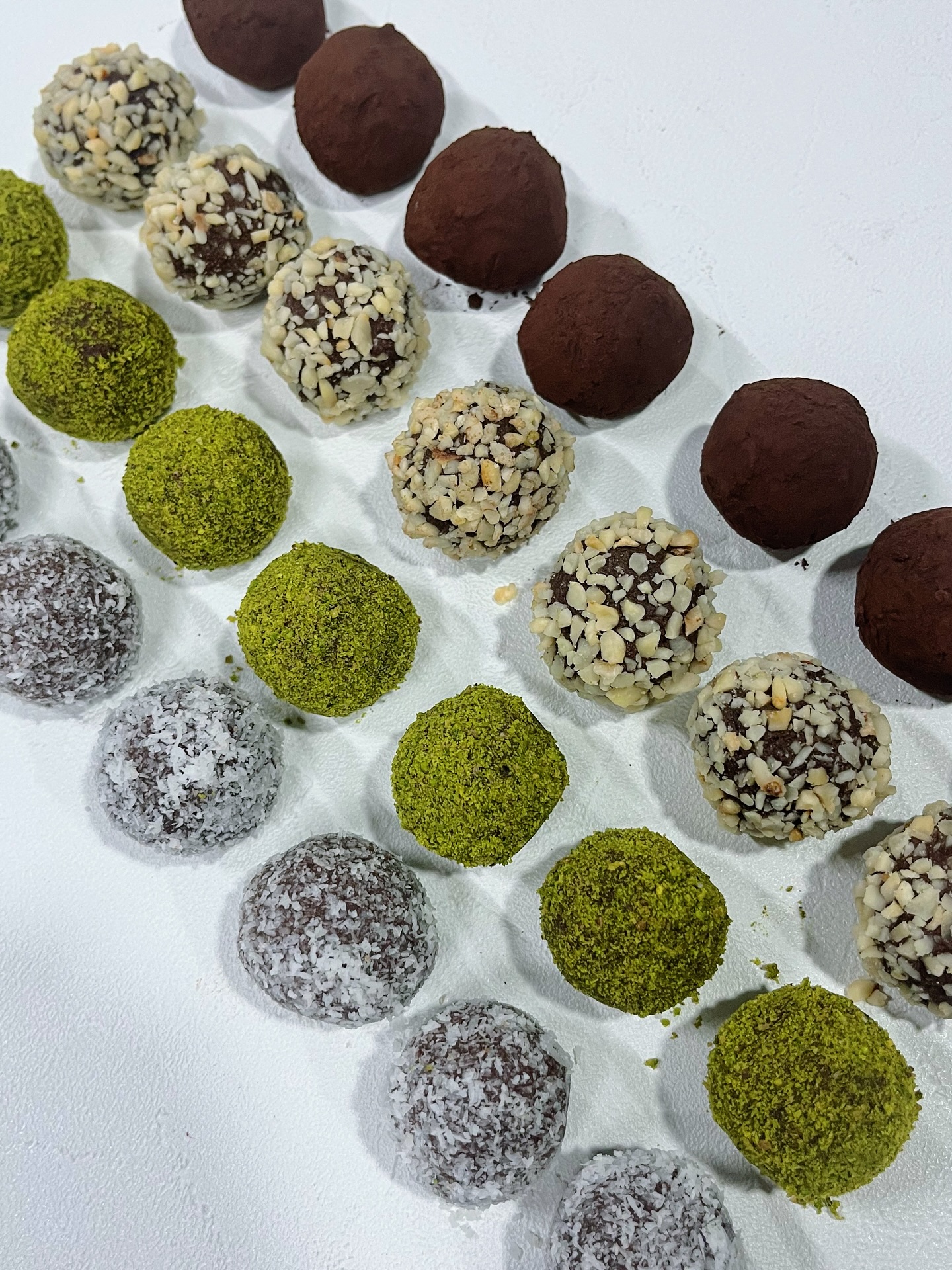
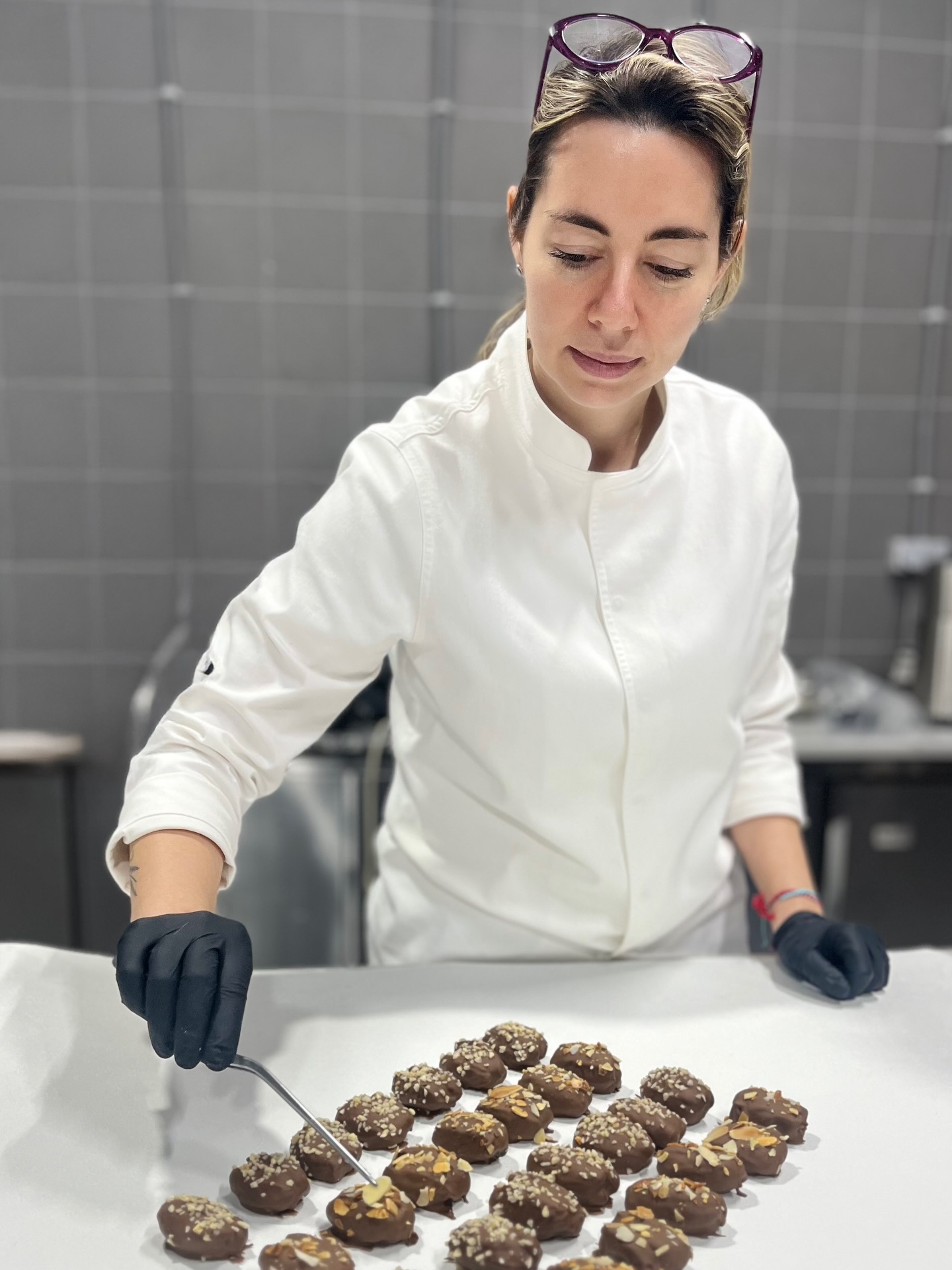
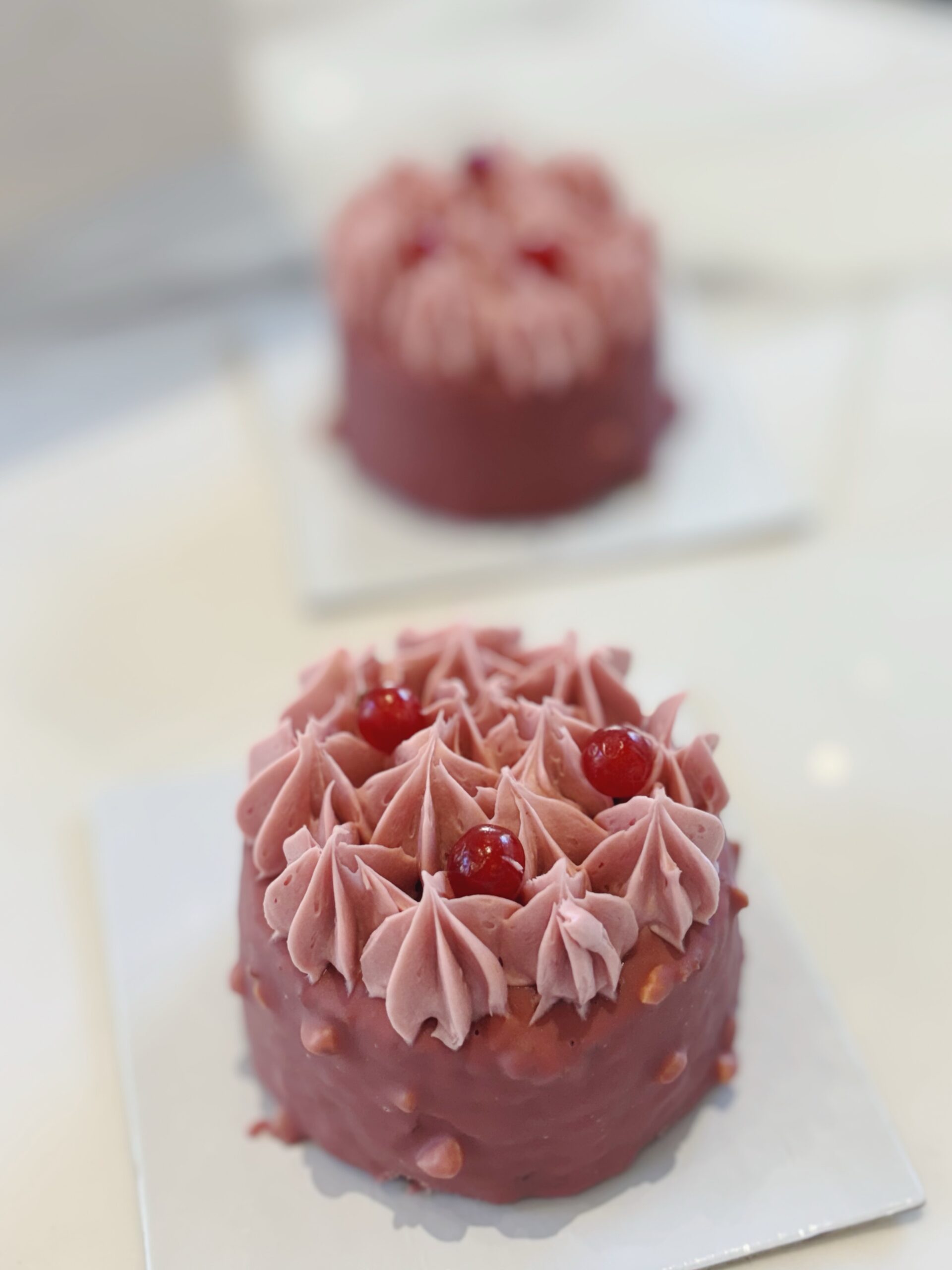
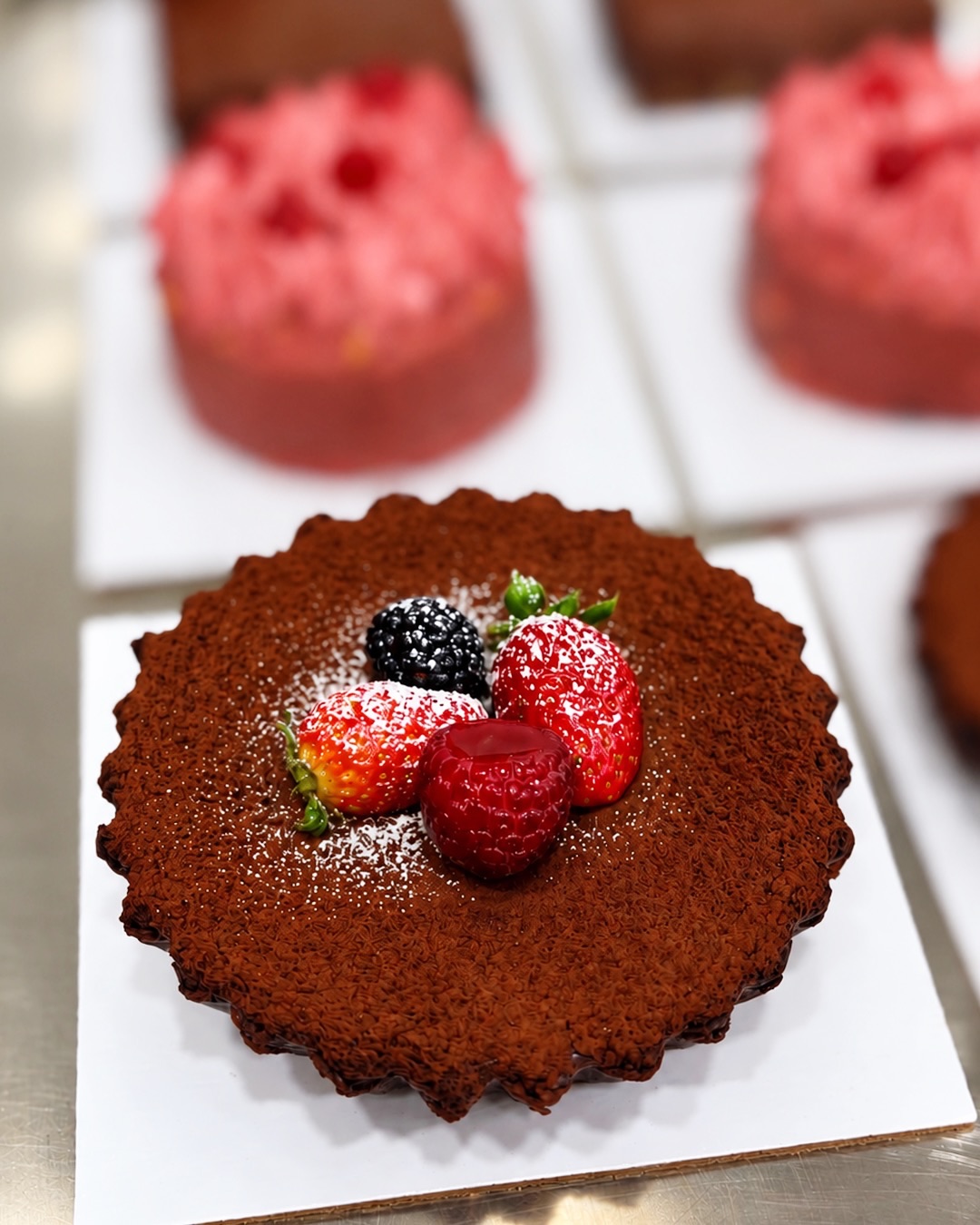
I have a deep appreciation for traditional Turkish desserts and the rich culinary heritage behind them. Preserving this heritage is important to me. I love exploring how familiar flavors, local ingredients, and traditional techniques can be reinterpreted through a contemporary pastry approach. I also enjoy experimenting with techniques from different culinary traditions, bringing together the flavors of different countries and discovering the unexpected results these combinations can create.
One of the things I enjoy most is bringing together the elegance of French pastry techniques with the distinctive ingredients of Turkish and Anatolian cuisine. I believe there is so much to discover within our culinary heritage, and creating new expressions of these flavors without losing their identity is what excites me.
I particularly enjoy working with local ingredients such as quince, pumpkin, mastic, tahini, olive oil, pistachios from Gaziantep, hazelnuts, regional spices, different types of flour, and local dairy products, among many others. Türkiye offers an incredible diversity of ingredients, each with its own character, flavor, and story. Combining these ingredients with contemporary pastry techniques allows me to create desserts that feel both familiar and surprising.
One dessert that reflects this approach is a creation I recently prepared in Ayvalık: an olive oil and almond cake topped with a lor cheese and clotted cream crémeux, hibiscus-poached quince, a crispy almond tuile, and black mulberry coulis.
For me, the most exciting part of pastry is creating something new while staying connected to our culinary roots. I want people to experience desserts that tell a story about our ingredients, traditions, and culture while offering a contemporary perspective.
About Your City!
Istanbul, Türkiye
- If Anthony Bourdain or a chef came to your city, what would be the perfect tour itinerary from breakfast to dinner?
It’s impossible to define Istanbul through a single cuisine. The city is a living gastronomic mosaic where history, culture, and countless culinary traditions come together.
If I had the opportunity to host Anthony Bourdain in Istanbul, I wouldn’t just take him to great restaurants. I’d want him to experience the streets, markets, and tables that truly capture the soul of the city.
We would begin the day in Kuzguncuk with Turkish tea and a freshly baked simit, then take the ferry across the Bosphorus. From there, we’d explore Balat, Galata, Eminönü, and the Spice Bazaar, surrounded by the aromas of spices, dried fruits, nuts, and local delicacies. I believe one of the best ways to understand Istanbul is through its markets and streets.
For lunch, I would choose somewhere that celebrates regional Turkish cuisine, such as Karaköy Lokantası, Fasuli in Tophane, Hünkar, Çiya Sofrası, or the iconic Pandeli.
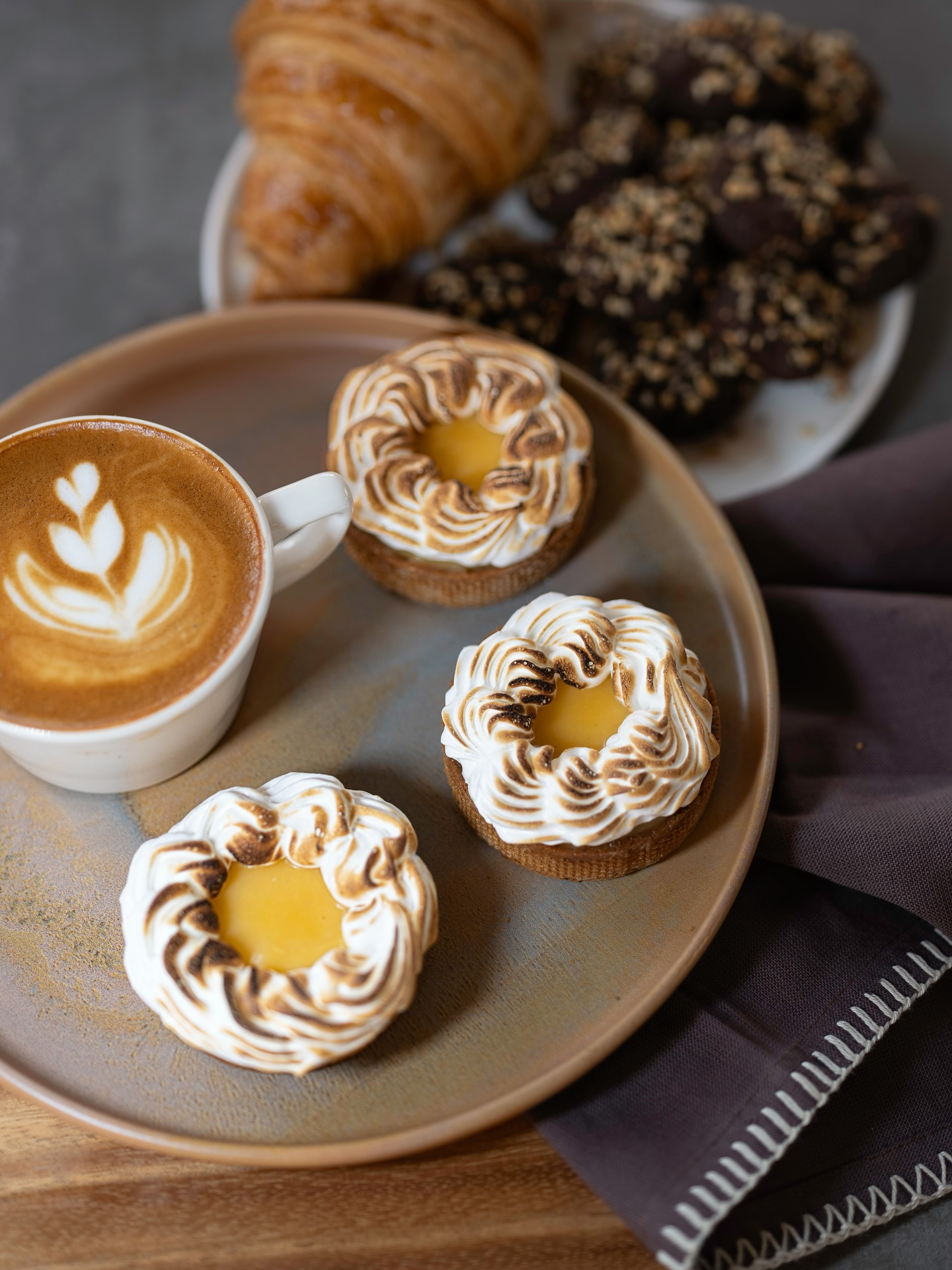
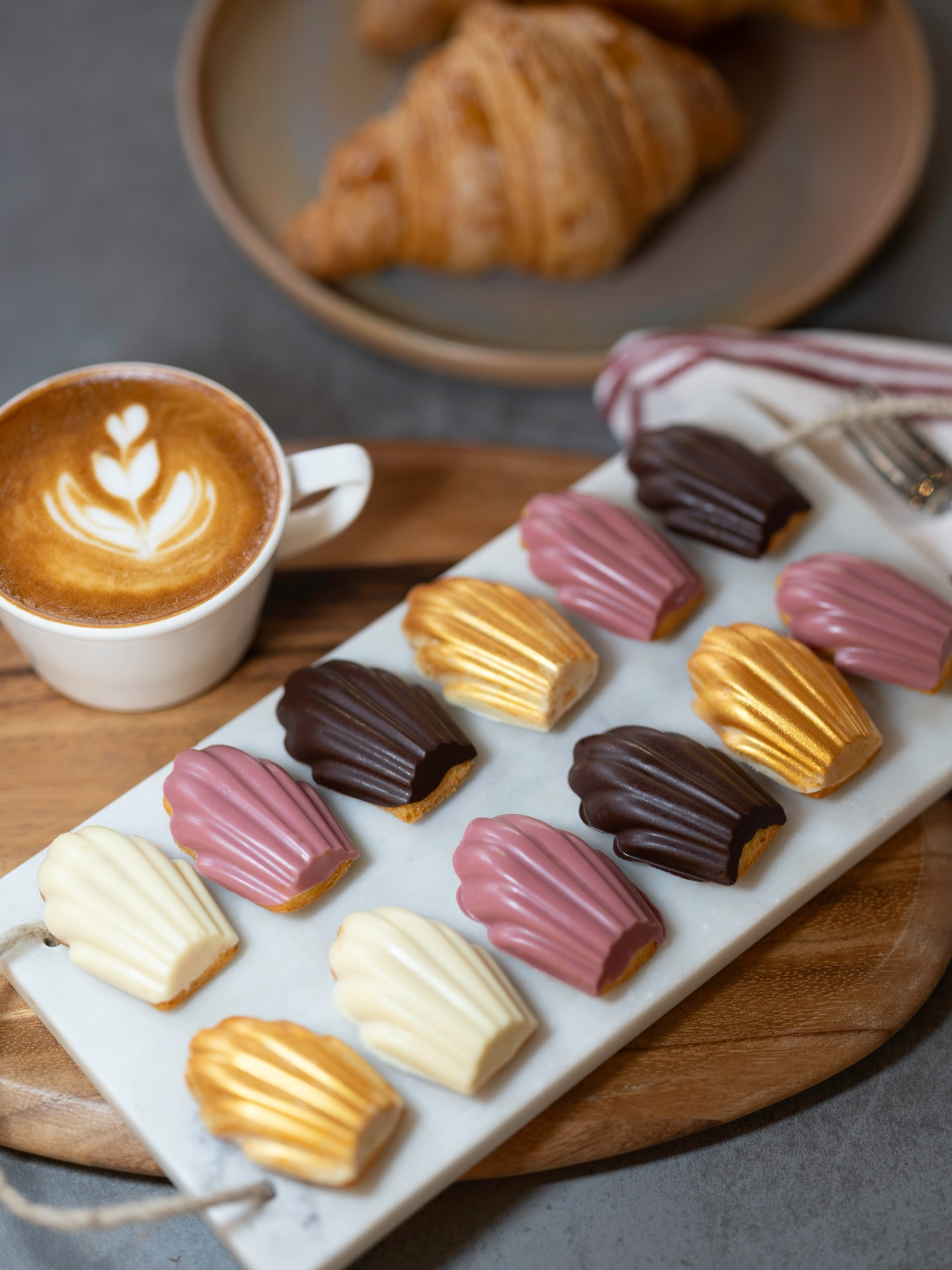
Dessert would take us to places like Day Day Patisserie, Pera Palace, or Baylan, followed by a visit to an artisan bakery and a specialty coffee shop. Istanbul’s growing artisan baking, specialty coffee, and modern pastry culture have become exciting parts of the city’s food scene. A stop at Brekkie for its croissants would definitely be on my list.
If possible, I would also visit the MSA Restaurant, where the next generation of chefs showcases its talent.
To end the day, I would choose a restaurant overlooking the Bosphorus, where local ingredients meet contemporary techniques. Neolokal and Mürver are among my personal favorites for both their cuisine and atmosphere.

Support our project by buying our merch!

86 HOTK Unisex t-shirt
$30.00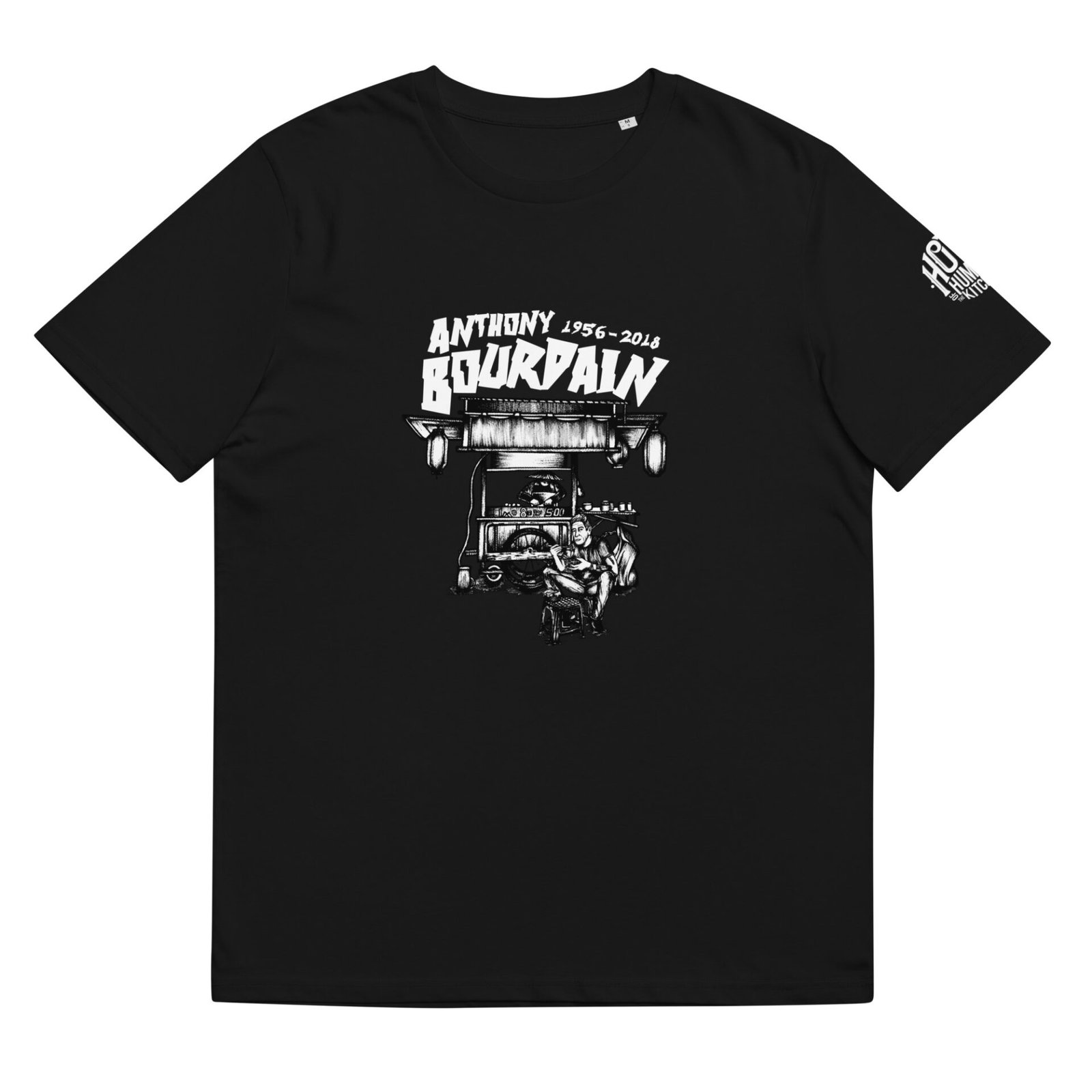
Anthony Bourdain T-Shirt
$35.00
Mise HOTK Unisex t-shirt
$30.00