The value of starting over
Working from the bottom offered a deeper understanding of discipline, progression, and the craft itself.
Randy Siles
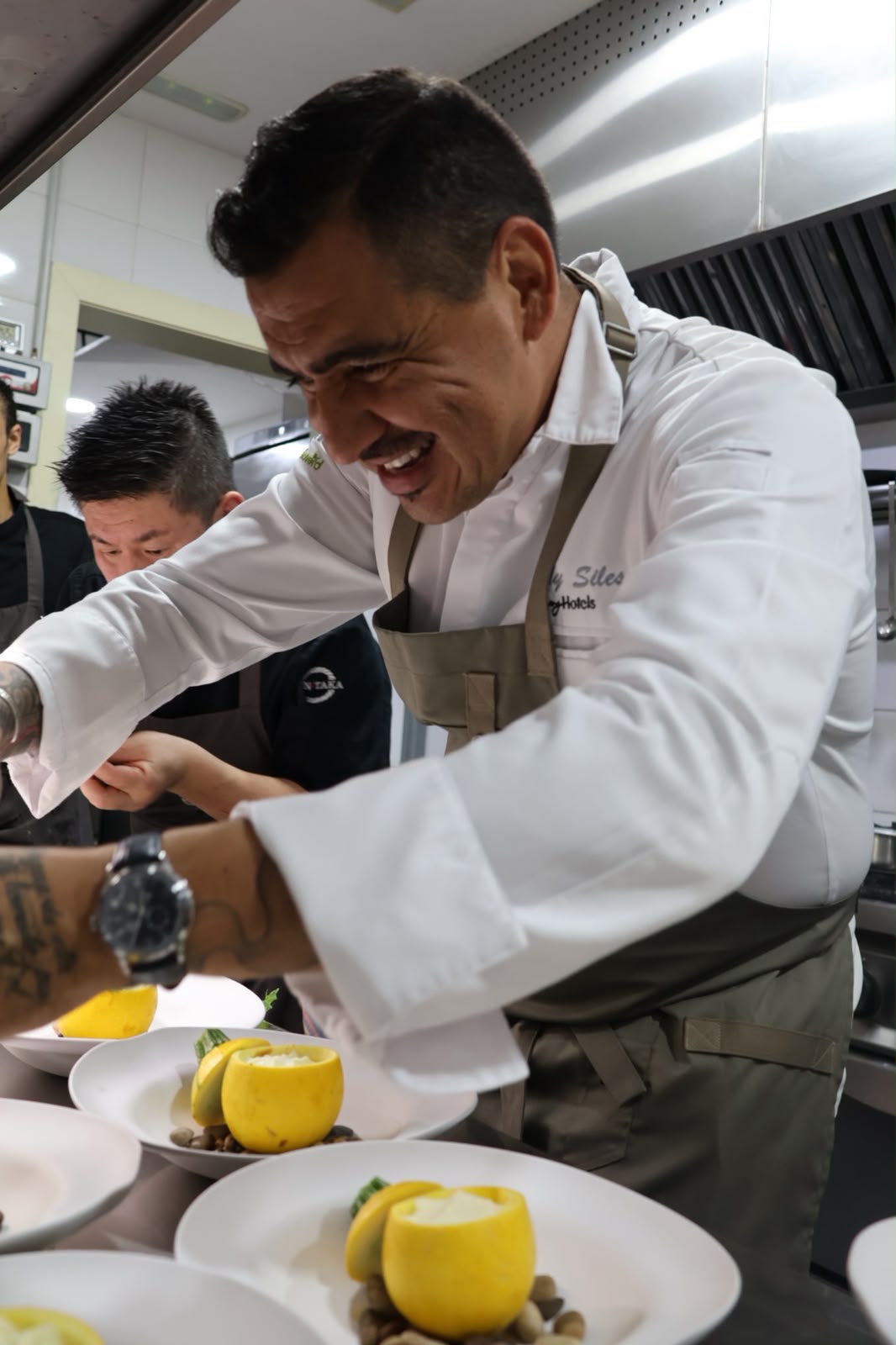
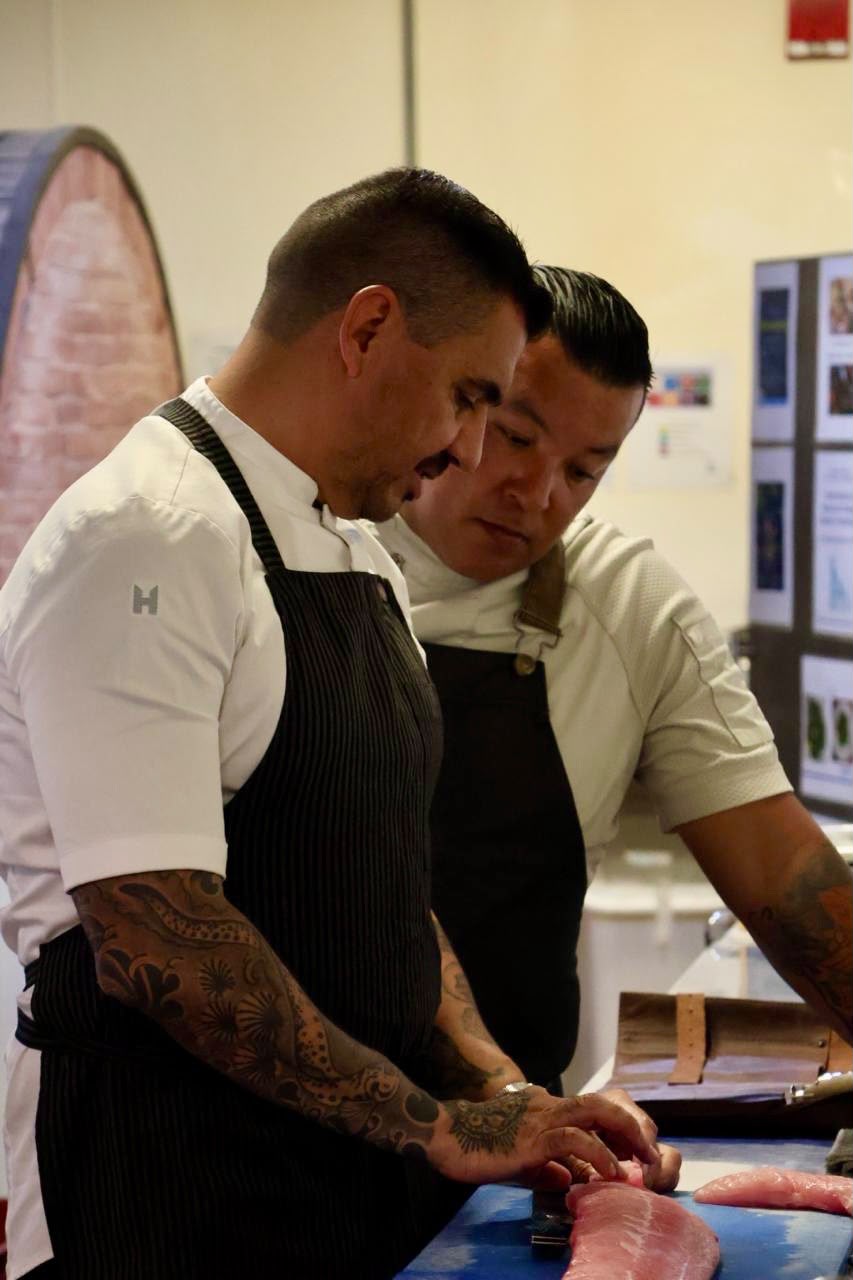
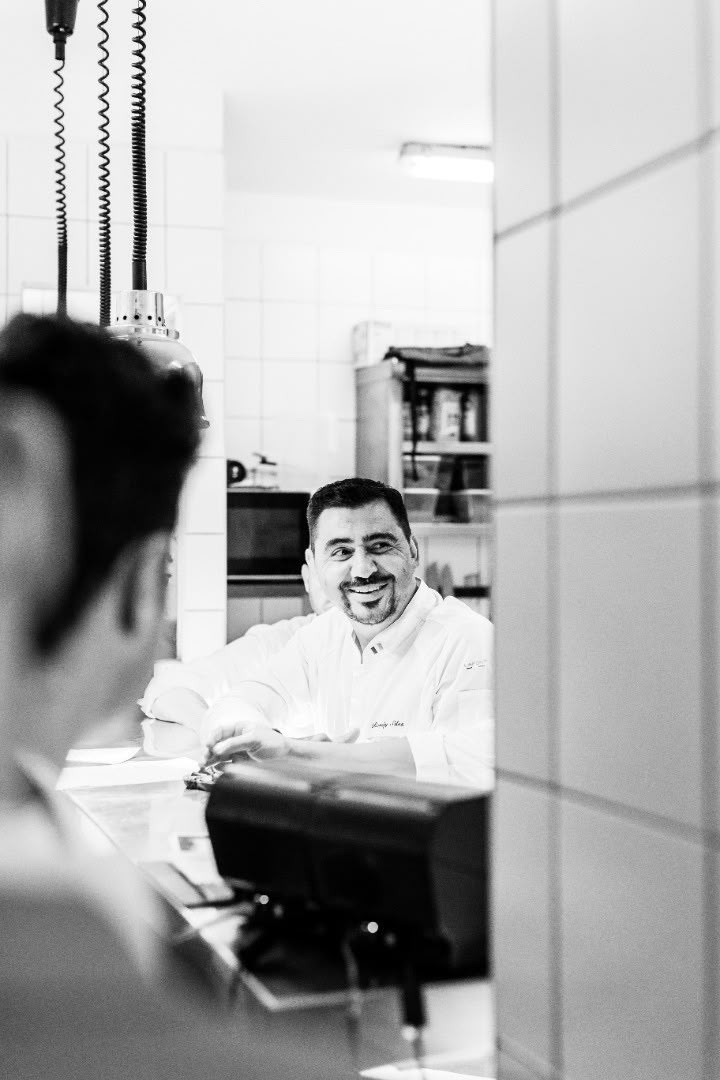
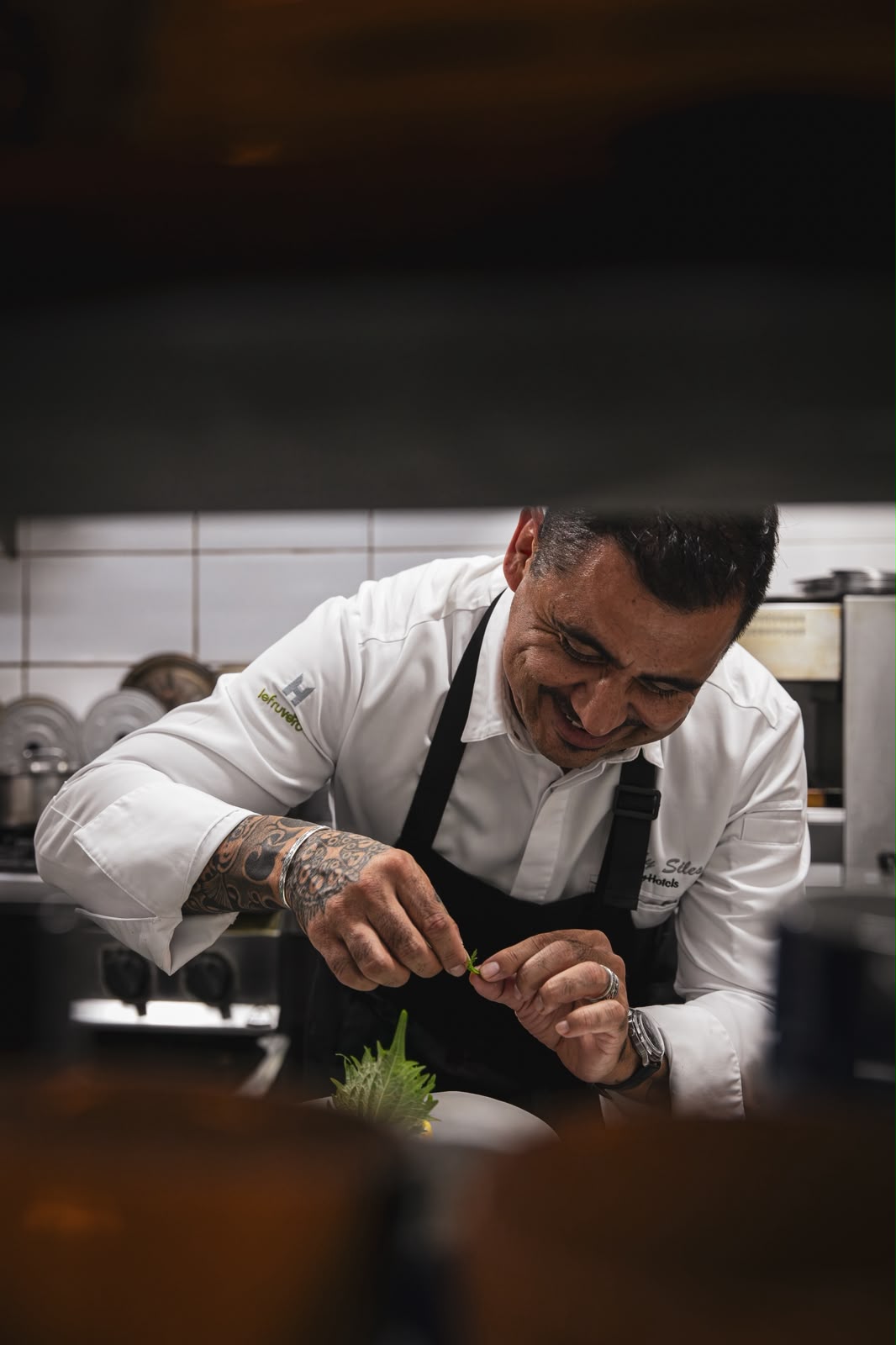
From cooking classes with his mother at eight to working on a farm with his uncle at twelve, Randy Siles’ connection to food began with both cooking and a deep respect for where ingredients come from. Years later, a job at a bank became a stepping stone toward culinary school and the career he truly wanted.
His first professional kitchen was an intense reality check, but also where he discovered his love for precision, ingredients, and the discipline of haute cuisine. Early in his career, he took a bold step by building a restaurant around sustainability, an idea few believed in at the time. Even after that first venture closed, he continued to trust in that philosophy, allowing sustainability and regeneration to shape his work.
Over the years, Randy’s passion has taken him across more than 30 cities, from collaborations in France to being named Costa Rica’s first ambassador for sustainable gastronomy. His work continues to connect cooking with sustainability, local communities, producers, and a deeper understanding of the land and cultures behind the food.
In this conversation with Humans of the Kitchen, Randy reflects on the experiences that shaped his career, his philosophy, and his vision for a more conscious culinary industry.
Share your Journey
- Looking back at your childhood, was there a specific moment or memory that sparked your interest in food or cooking?
Of course. Starting when I was 8, I began attending cooking classes with my mother during my school vacations. I remember I couldn’t even reach the table, so they’d lift me onto a chair. I always helped with baking, and as a reward, they’d give me the mixer beaters so I could eat the meringues from the cakes. When I was 12, my parents sent me to work on the farm with my uncle Pancho, who’s a farmer. We planted potatoes and carrots, and that’s where my respect for produce began.
- Did you have another career or job before becoming a chef? How did those experiences influence your decision to pursue cooking?
I did work at a bank—it had a big impact on my life. It was a lesson in patience and resilience. It was a job I never liked, but it did teach me how to work with numbers. That job was my stepping stone to paying for my culinary studies.
- Did you formally study culinary arts, or are you self-taught? How has your learning journey shaped your approach to cooking?
I studied culinary arts. I think school gives us a solid foundation in cooking, but it doesn’t determine who you’ll become. In my case, I was the worst student in the classroom, but when I stepped into the kitchen, I produced good results.
My reality has been to travel and work during my vacations; I haven’t taken a vacation in practically 12 years. During my “vacations,” I’m hosting dinners with friends at their restaurants in different parts of the world, giving lectures, or participating in activities that always revolve around gastronomy. I truly love what I do and try to immerse myself in it as much as possible. The world and its diverse cuisines have been my greatest teacher.
- When did you first step into a restaurant kitchen? What was that experience like, and how did it shape your journey as a chef?
My first kitchen experience was an internship at a restaurant called Park Café, where I worked for a highly demanding and perfectionist chef named Richard Nead, who had one Michelin star.
Honestly, those first few days, I felt completely lost. A kitchen is nothing like being in college; it’s an extreme reality check, especially with such a radically perfectionist chef. However, I can assure you it was the best thing that could have happened to me. I fell in love with this style of cooking, which prioritizes the ingredients, and with haute cuisine’s exacting standards for a result that filled us with a sense of peace.
- What were some of the early challenges or obstacles you faced when you started in the kitchen, and how did you overcome them?
When you start out in the culinary world right after graduating, you have this absurd idea that you’re ready, without realizing that the journey has only just begun. When I first started working in kitchens, I had to work as a kitchen assistant, of course—when you first step into a kitchen, you have to learn even how to walk around in it. I spent weeks peeling pistachios, washing vegetables, peeling shrimp, and stuffing dates with almonds, that was the only thing I was allowed to do in that kitchen, and that’s when the question popped into my head… “Is this what I studied culinary arts for???” Without a doubt, on my way home, all I wanted was to never go back.
Those were certainly tough days. As time went on, I managed to work my way up in that kitchen, and eventually I decided to open my own restaurant with a partner who, more than a restaurant, envisioned a social gathering place for his friends. For my part, I already believed in sustainability and built my kitchen around that philosophy. No one believed in this (19 years ago). Everyone told me I was crazy for focusing on sustainability and that it would drive me into bankruptcy, and they were absolutely right.
Caught between a partner who wanted a gathering place for his friends and my own philosophy, I soon found myself closing the restaurant’s doors for good. Bouncing back from that so early in my career was really tough, but I believed so strongly in my concept that I’ve continued to trust in it to this day. Sustainability and regeneration are what have shaped me into the professional and chef I am today.
- What keeps you inspired and how has that inspiration driven you throughout your professional journey? Especially during tough times in the kitchen?
My love and passion for cooking have remained the same since day one. I haven’t needed any help or inspiration to keep loving my work; it still fills me with the same excitement and makes me feel fulfilled. There have been difficult moments, but I’ve never stopped believing in my talent and my passion.
- Can you recall a moment in the kitchen that marked you forever? Maybe it was an interaction with a mentor, a fellow cook, someone you fed, or a situation that challenged you in a way that shaped who you are today?
I certainly have many fond memories—celebrities I’ve served—and it’s always exciting, but I remember with gratitude the day I received a call, on a Sunday, telling me that I would be named Costa Rica’s first ambassador for sustainable gastronomy, 11 years ago.
- As a chef, how would you describe your philosophy in the kitchen, and how does it guide your approach to cooking and leadership?
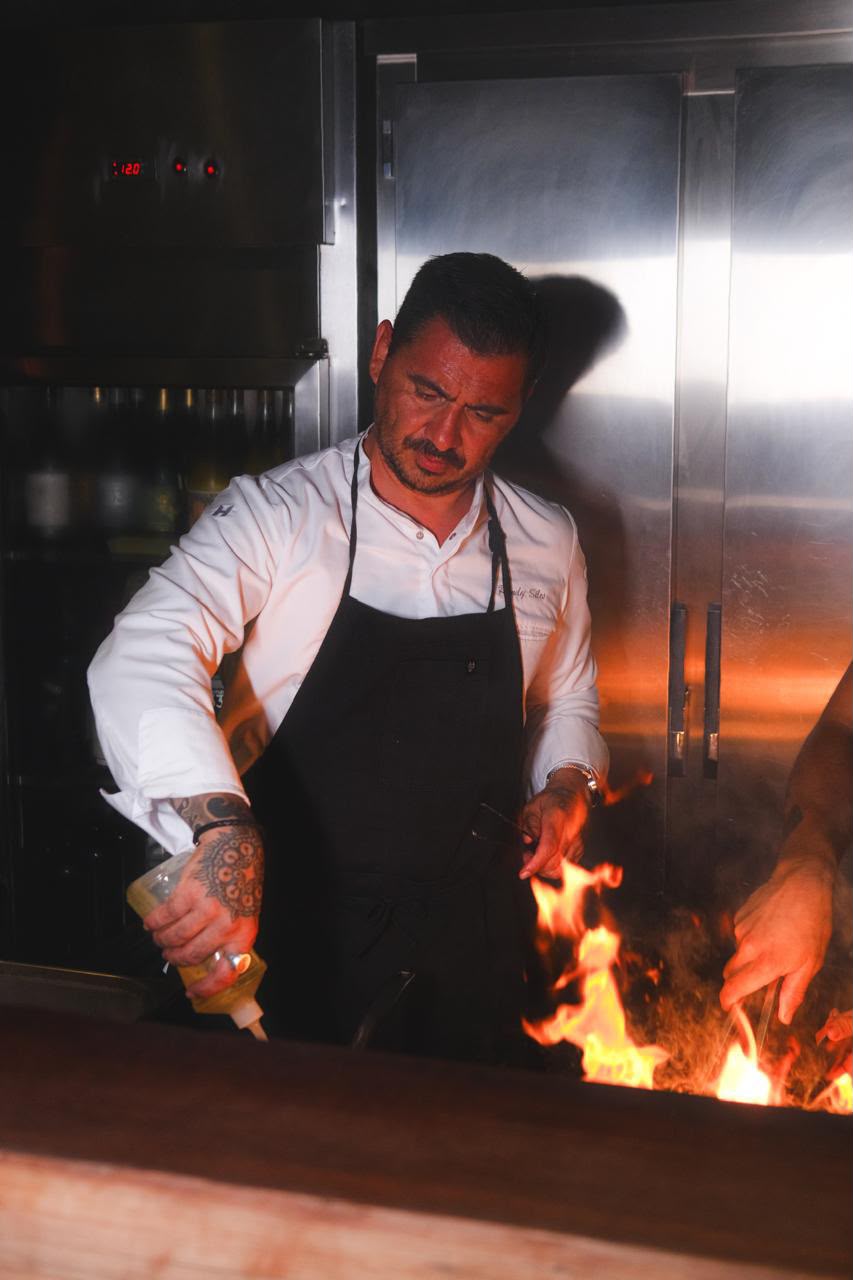
My approach to cooking has always been based on discipline, non-negotiables, respect for the ingredients, minimizing waste, and a standard I always strive for: having a kitchen staff that loves and is passionate about cooking.
- Can you share a time when cooking or the camaraderie in the kitchen helped you through a tough period in your life? What made that experience meaningful?
More than just a moment, cooking has always served as therapy for me to work through difficult times in my life. Cooking always distracts us, and the most exciting part is serving customers when the restaurant is packed, it’s impossible to think about anything other than cooking, cooking, and cooking. The adrenaline rush and the intense focus really help me let go of bad times.
- Reflecting on your career, what achievements or milestones are you most proud of, and what do they mean to you?
Well, achievements are relative to me, but my time in France certainly had a profound impact on me. I grew up hearing about French films and chefs, so it was always a big challenge. My first invitations and collaborations were in that country, not that I wanted to put pressure on myself…
Starting with my first event in Provence, which became my regular venue, I’ve worked in over 30 cities. From day one, my cuisine was very well received, and I quickly earned the respect of the French, who initially viewed me with skepticism as a chef from tiny Costa Rica but with an immense desire to take on the world.
In the first year, the French club Les Toques Blanches inducted me as a member; in the second year, they appointed me president of the club’s Americas division, and that same year, Les Disciples d’Escoffier also inducted me. I hosted many dinners, enjoyed plenty of wine, and most importantly, made great friends.
I also remember with great emotion the year 2018, when FORBES called to tell me I had been selected as one of the five most creative figures in Latin America and the Caribbean in their annual edition.
- What aspects of restaurant culture do you love, and what parts do you find frustrating or problematic? Are there any changes you’re actively working toward or things you hope they change in the industry? Share the reasons behind them and how they align with your vision for a better culinary world?
I really love cultures, exploring the world, being able to travel and work in other countries, and seeing that chefs are one and the same: that within this group, we’re people who come from similar backgrounds, with similar ways of thinking and behaving. That’s why I think we’re one kind of people: we love fatigue, stress, and pressure, and I find that amazing. Being able to express our feelings through food, to give love in this way, fascinates me.
The problem with kitchens today is that many chefs are in it just because it’s a trend, or at least that’s how many people see it, and they don’t realize that kitchens are places of great sacrifice. If you’re not passionate about it, you’ll never feel at home there. The work environment today is very different from what it was in our day; we used to cook out of love and passion.
- What are your hopes for the future of the restaurant and food and beverage industry? What changes would you like to see, and how are you contributing to that change?
I’d like to see chefs who are more socially conscious, who work to support and promote their communities and local producers, thereby helping to boost local economies. I’d like to see cuisines and recipes that take a healthier approach and have a clearer purpose, along with more research. Chefs shouldn’t just cook well; they should have a deep understanding of the land, the sea, and different cultures; they should foster a sense of identity; and, of course, they should ensure fair trade for producers and fishermen.
📸 Photo credits to @lea.lmp10 & @gal.danon
Secret Sauce
- What’s the most unexpected ingredient you’ve ever worked with, and how did it change your perspective on cooking?
Without a doubt, I always thought of vegetables as a boring ingredient. Of course, at home, we had no choice but to cook them until they were all gone, and they lost all their qualities. But once I started working with vegetables and seeing their versatility, and I’m not just talking about vegetables that come from the ground; seafood is even more interesting; it completely changed my cooking style.
- What’s your “guilty pleasure” meal?
Seafood, absolutely everything… Oh, and French fries, which I fight over with my daughter Tamara every time we sit down to eat together.
- A food trend that you hate and why?
I don’t really hate any of them; I have great respect for trends. I believe that they’re all important, since each trend ultimately has a significant impact and contributes to our kitchens.
- What’s the craziest shift you’ve ever worked in the kitchen?
On December 27, 2015, I lost about nine chefs due to circumstances unrelated to the kitchen. I had to run a restaurant service for the 127 guests we had booked for that night, and I only had my sous chef, Thomas, and one chef de partie. That night was unforgettable.
5. What happened, and how did you manage to get through it?
Well, it wasn’t an easy shift to get through; we had some very frustrating and tough moments. I remember just asking everyone to stay really focused. The shift lasted nearly five hours—tears and burns were part of that night—but there’s no doubt that my chefs deserve all the credit. We pulled through from the moment we decided not to give up that night.
- What tips would you give to other cooks and chefs to help them navigate their culinary careers and find peace amid the chaos of the kitchen?
My simple advice is passion. If you have it, you’re welcome here, and you’ll find peace in it even in the worst of times. But without passion, you’ll find yourself asking every day, “What am I doing here?”
- What’s an underrated ingredient and why?
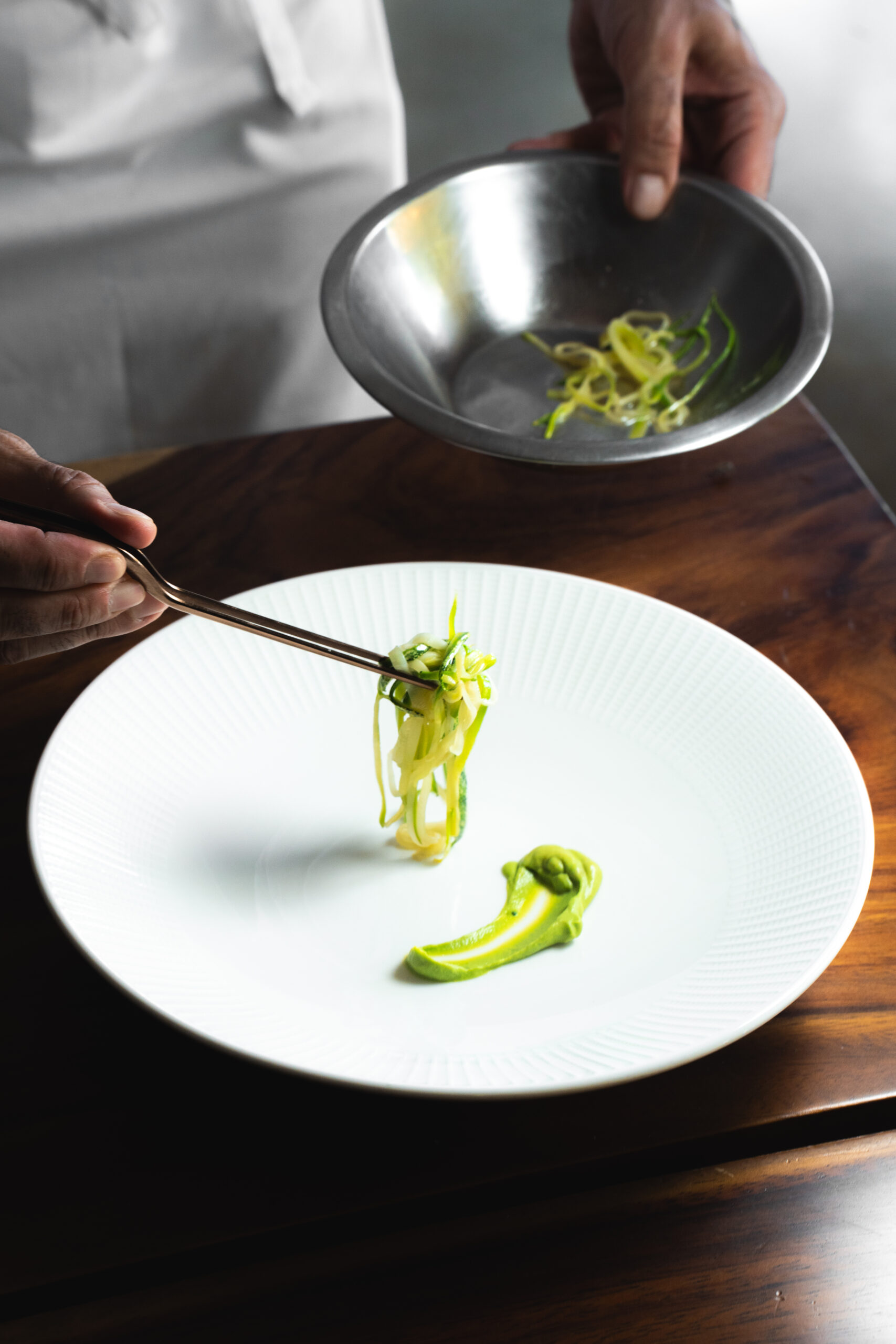
The most underrated ingredient is everything that’s usually discarded: stems, leaves, peels, small roots, or “imperfect” parts of the vegetable. For a long time, we were taught to value only the most attractive part of the produce, but that’s where the flavor, texture, memories, and a huge creative opportunity lie.
For me, working with these elements is a form of respect: respect for the producer, the land, and the effort behind each ingredient. It also forces the chef to think differently, to explore, and to cook with greater awareness. Often, what seems like waste ends up being the most interesting part of a dish.
8. What’s a must-try dish from your kitchen or the one you’re proudest to have prepared?
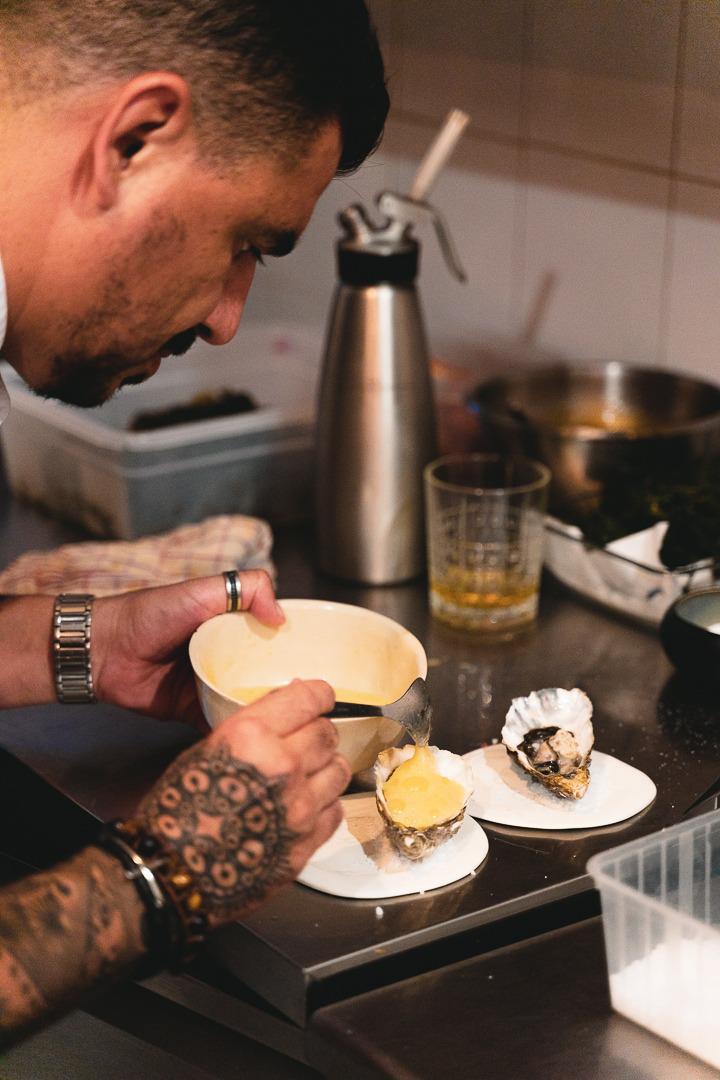
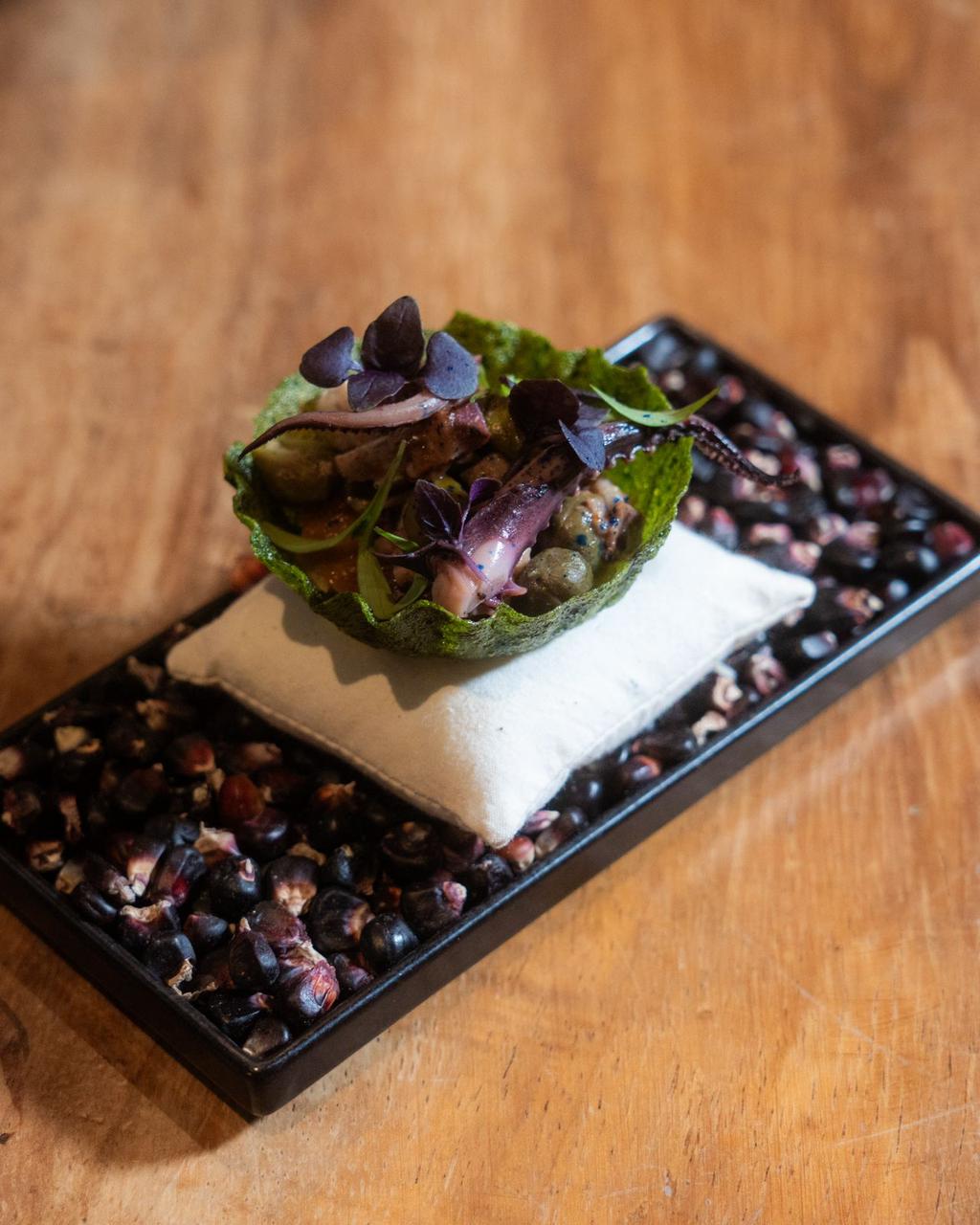
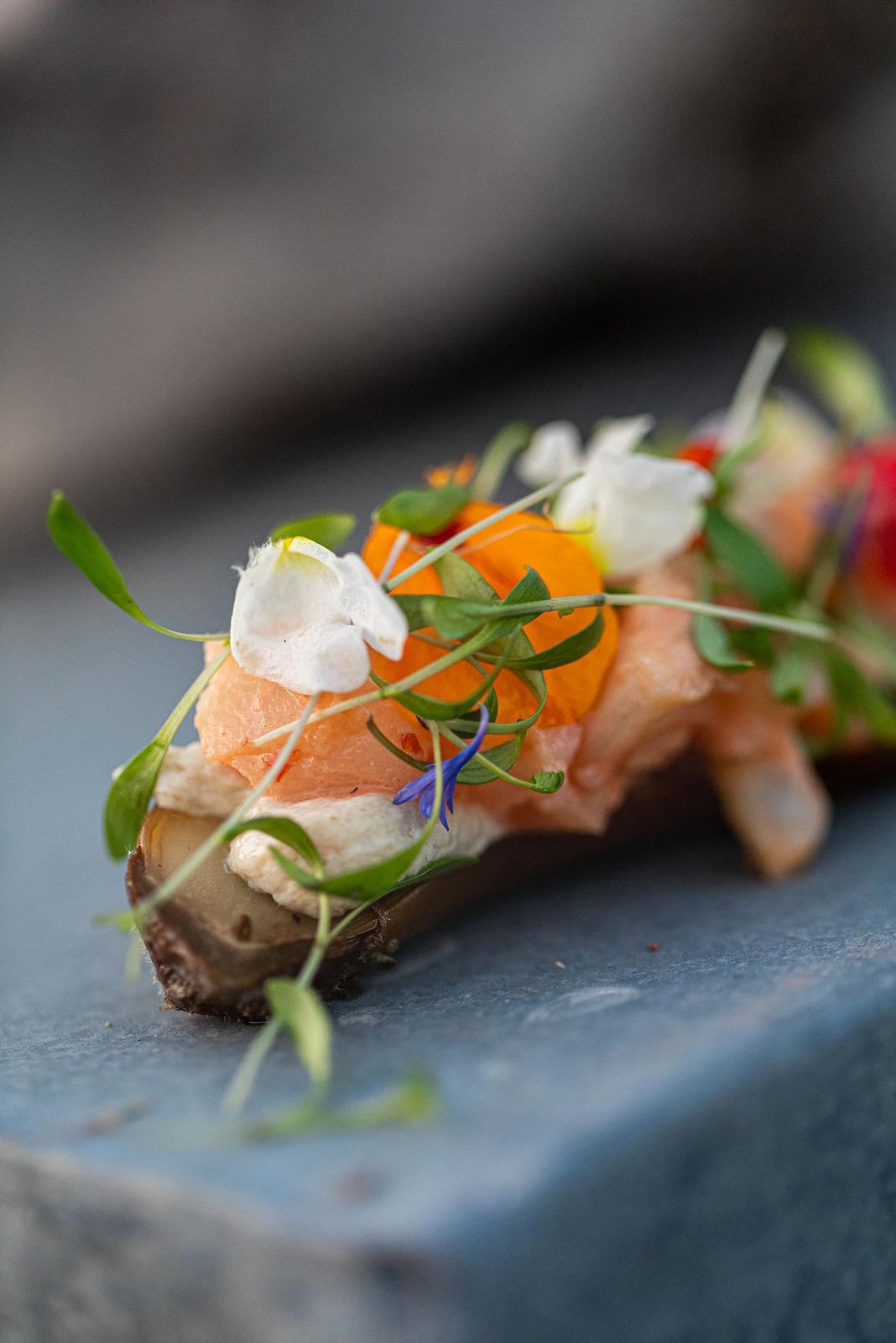
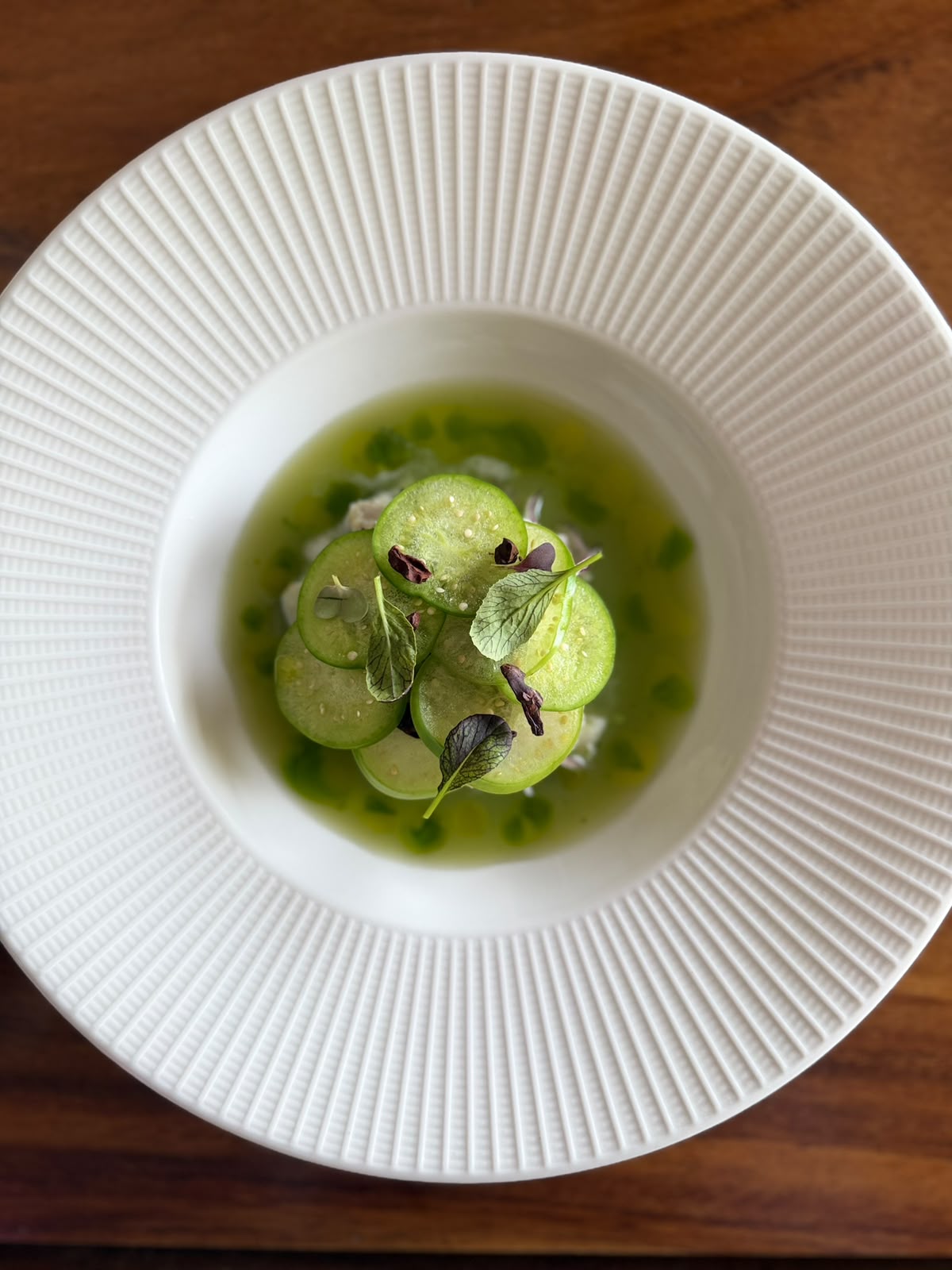
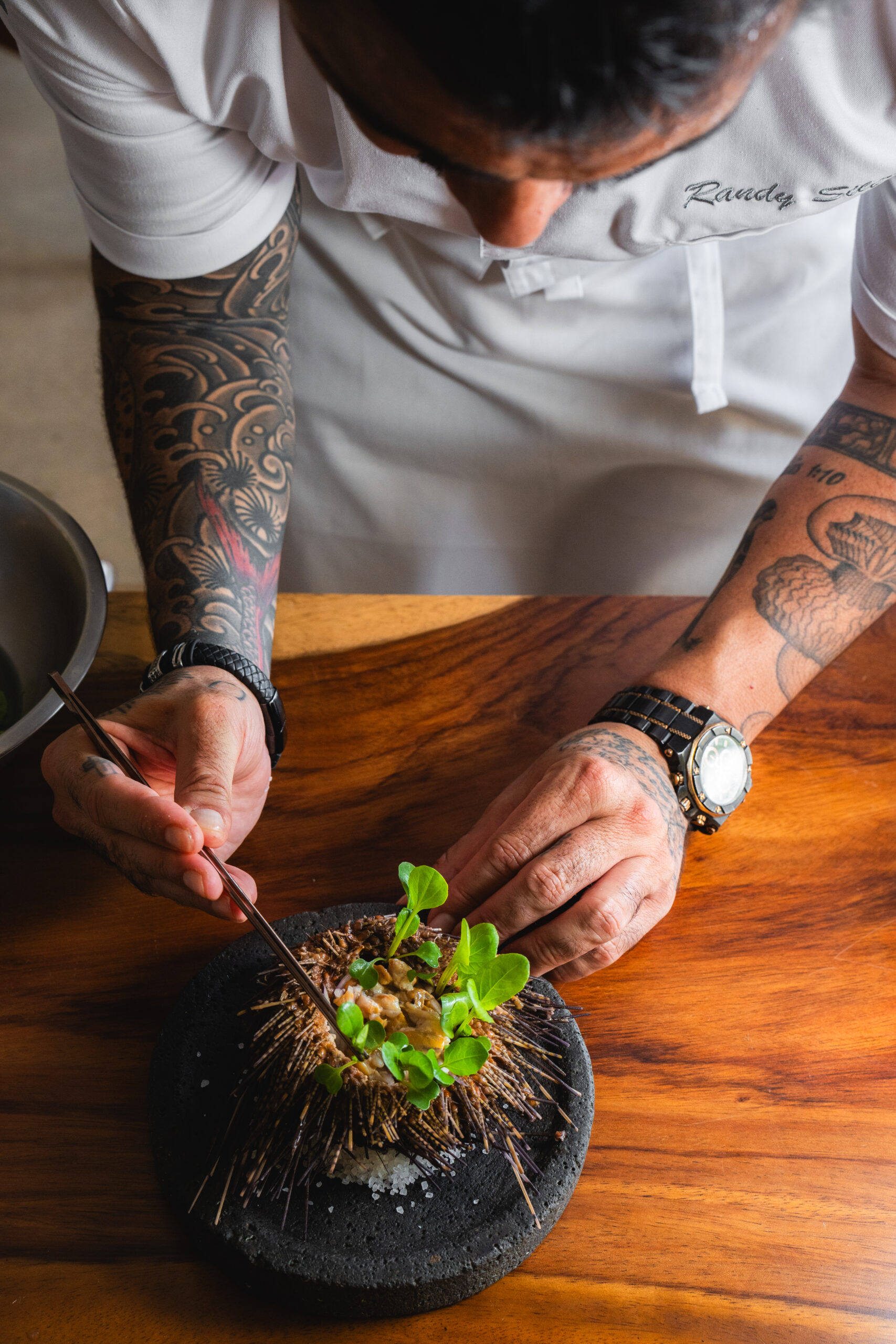
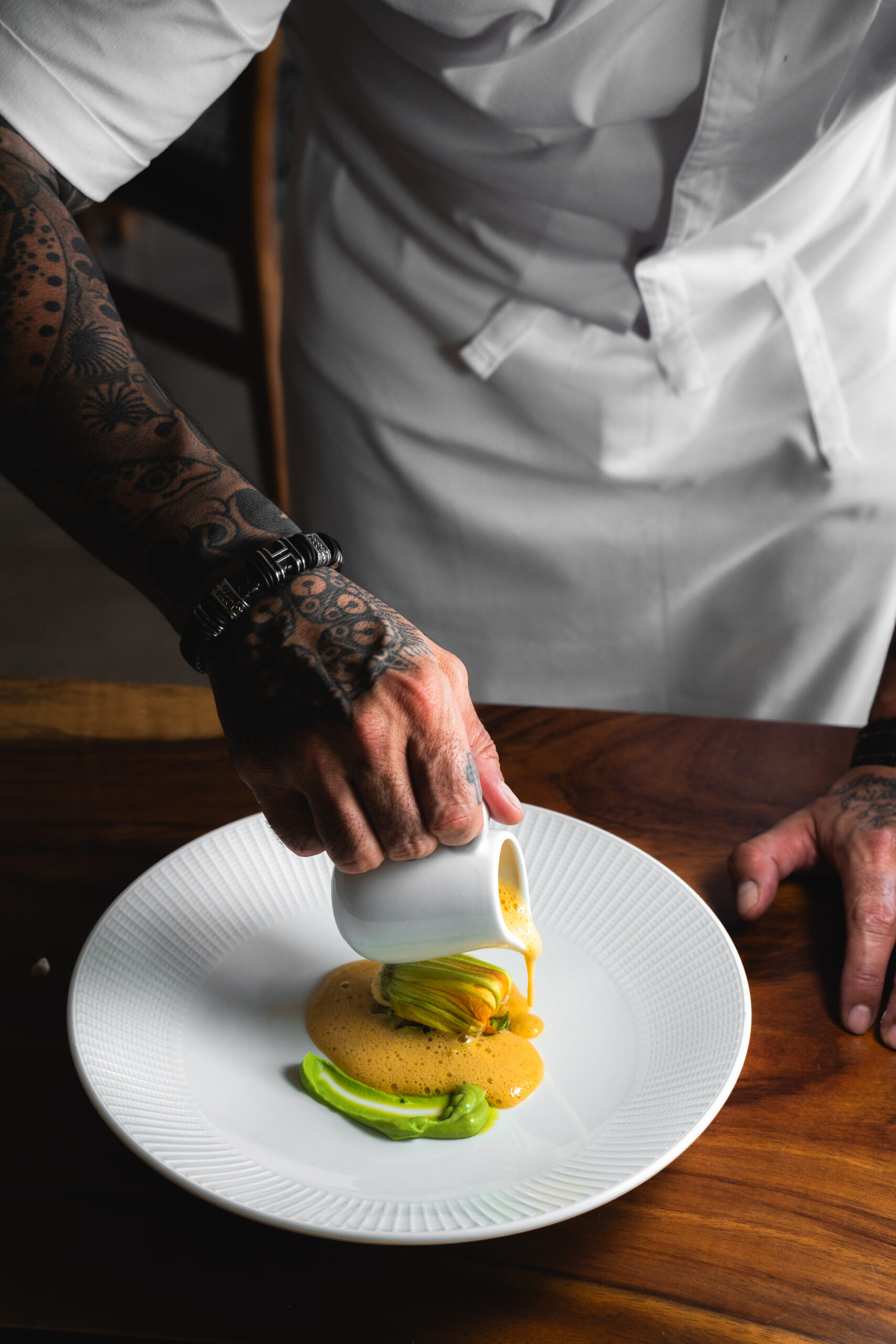
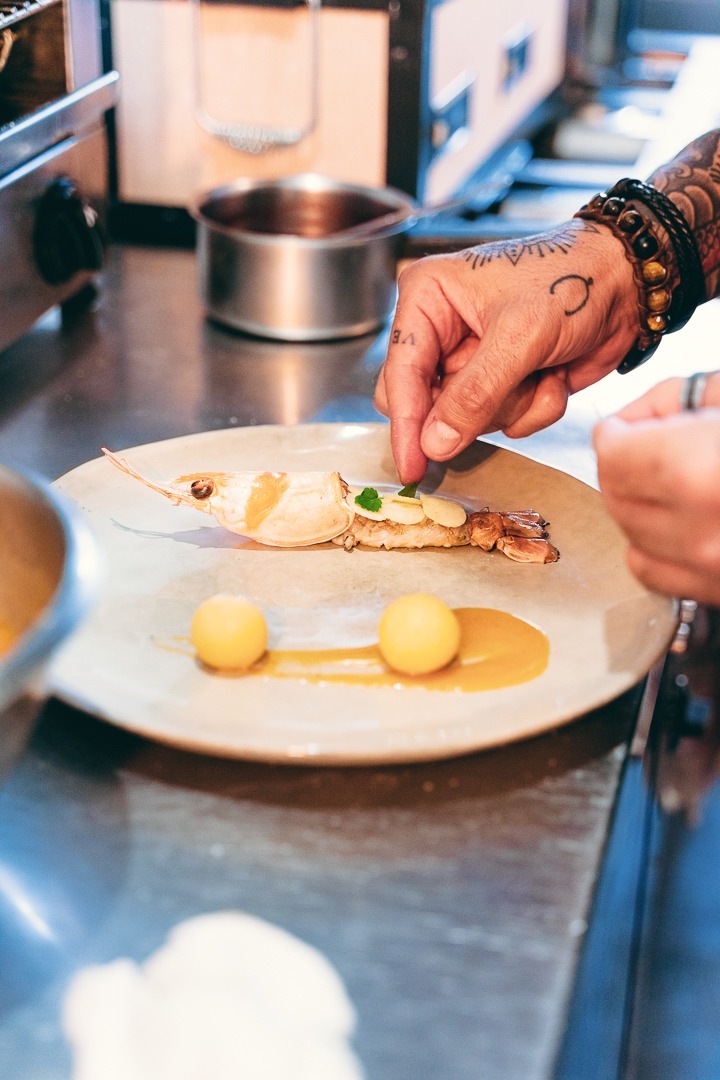
Actually, I feel extremely proud of our country’s seafood. We’re blessed to have so much ocean and such short shipping distances, which guarantees fresh produce. If I had to name one dish, it would be roasted eggplant with oyster-based sauce and potato foam.
About Your City!
Guanacaste, Costa Rica
- If Anthony Bourdain or a chef came to your city, what would be the perfect tour itinerary from breakfast to dinner?
Actually, it’s not just him. I like to take all the great chefs who visit me fishing first thing in the morning, with a good cup of coffee, to show them our islands and their people, our unique character, and to go diving in search of ingredients.
Then, I like to take them to meet our producers, prepare a good lunch at one of their homes, and, in this way, share our identity as a country and our people.

Support our project by buying our merch!

86 HOTK Unisex t-shirt
$30.00
Anthony Bourdain T-Shirt
$35.00
Mise HOTK Unisex t-shirt
$30.00