Developing a culinary language
Humans of the Kitchen Admin
Textures, flavors, technique, and experimentation became ways of expressing a distinct point of view.
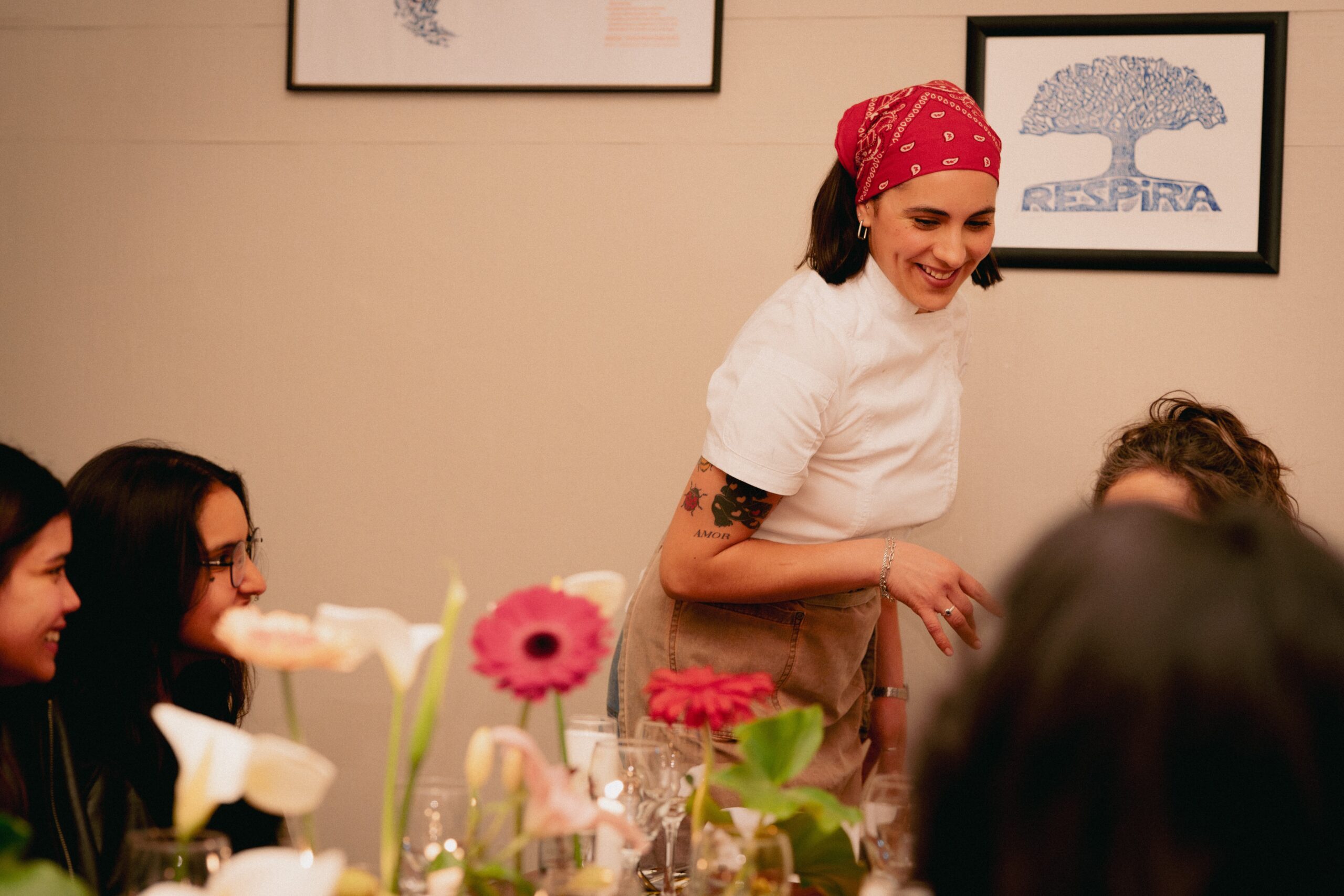
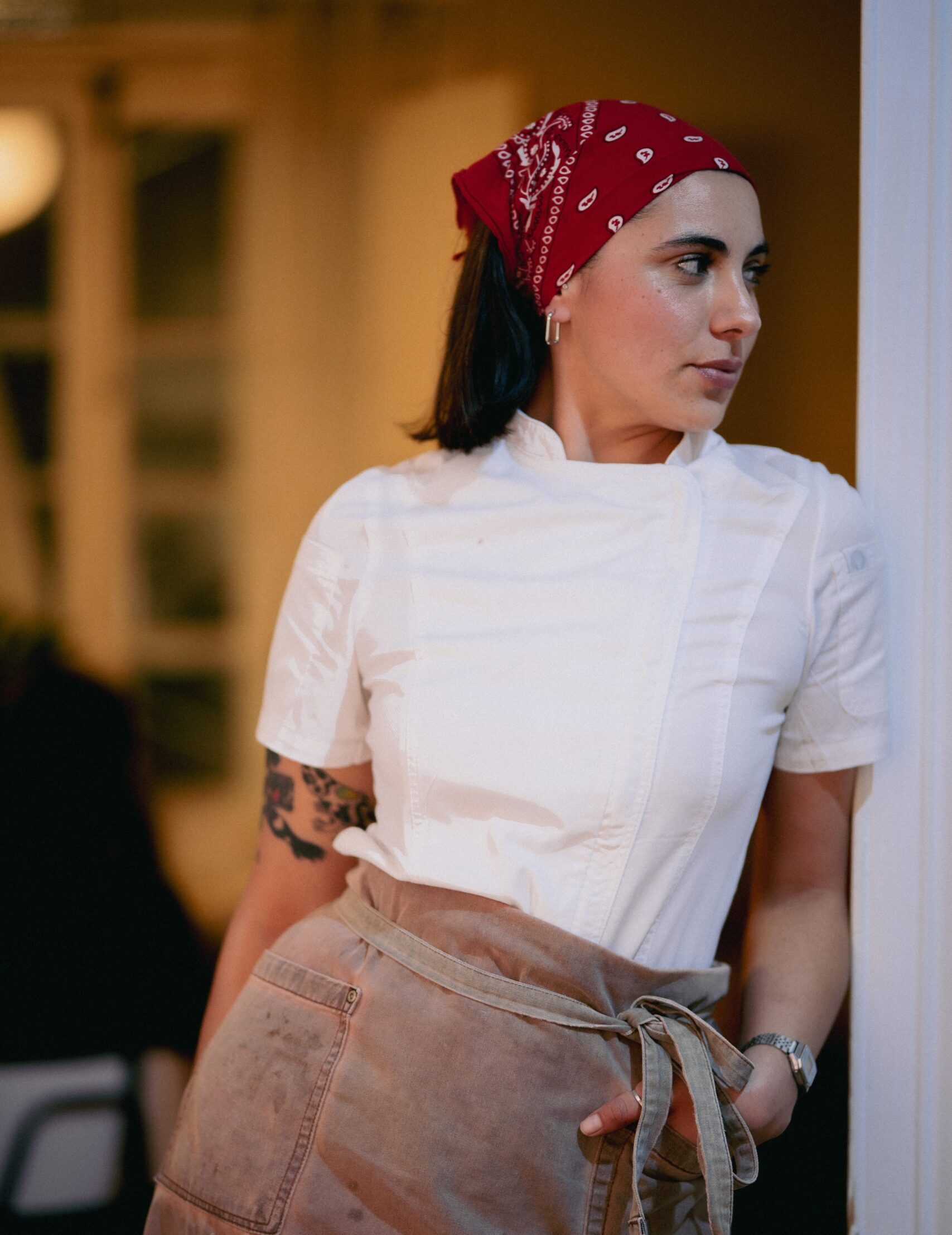
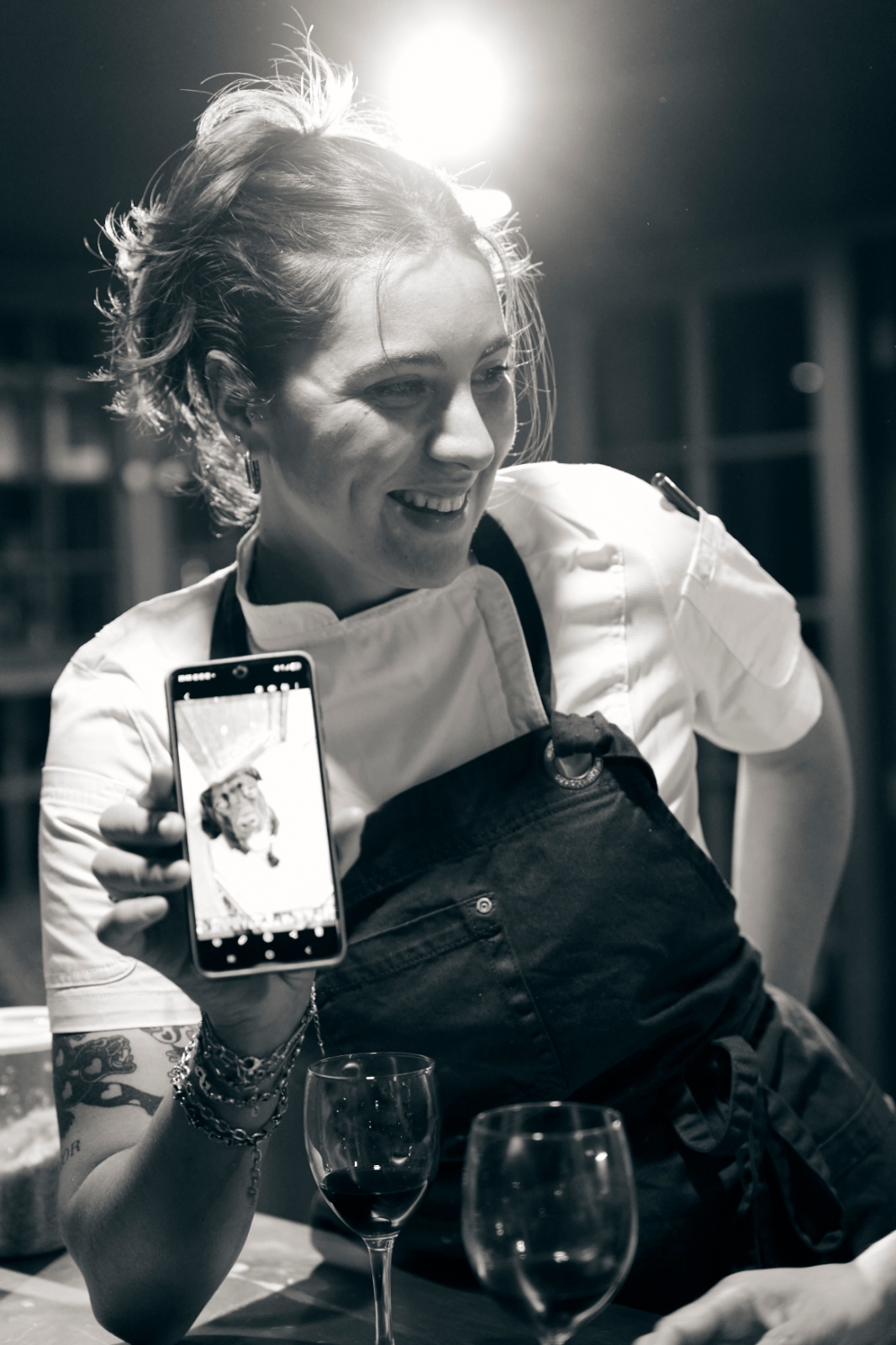
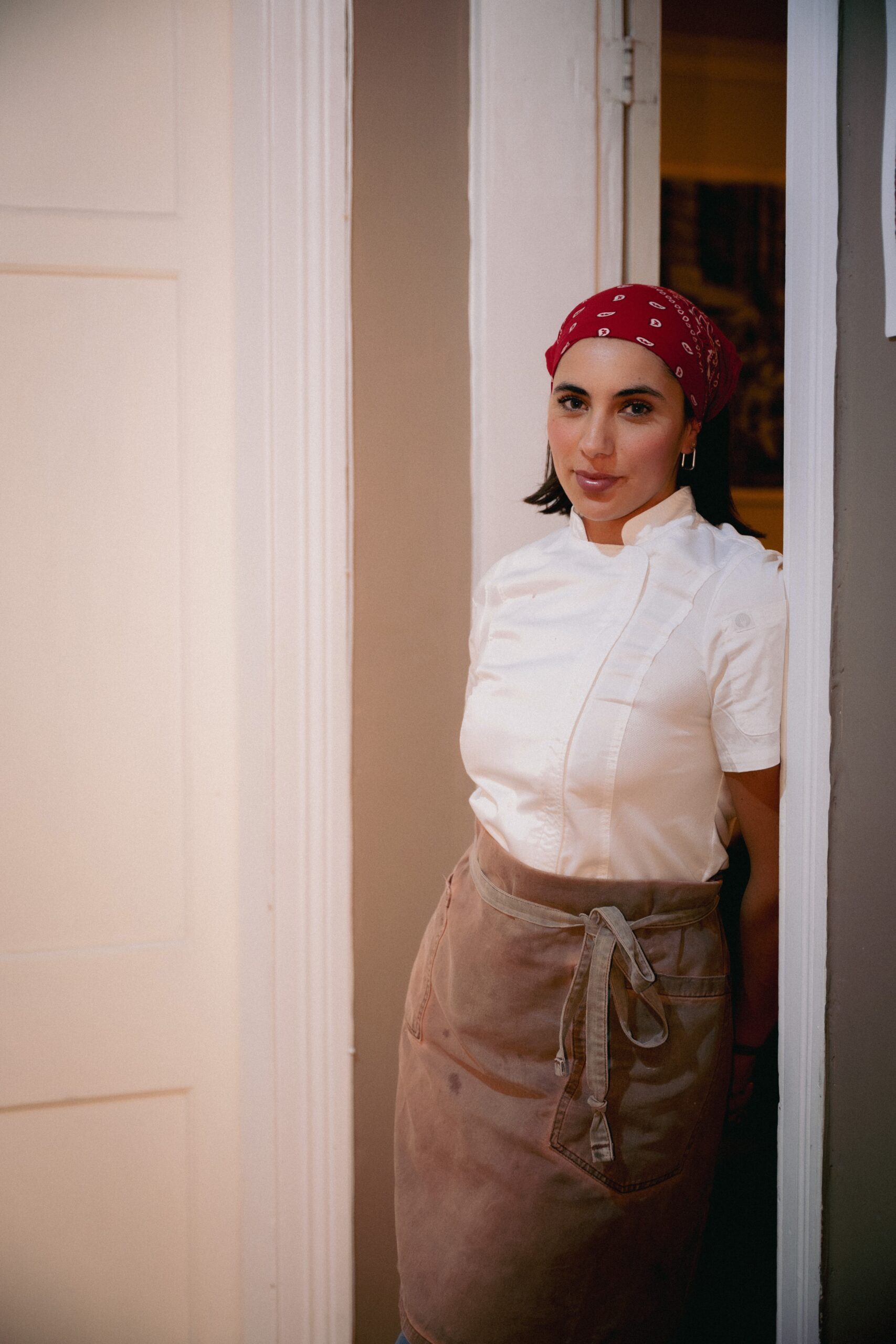
Annaiss Díaz Gómez
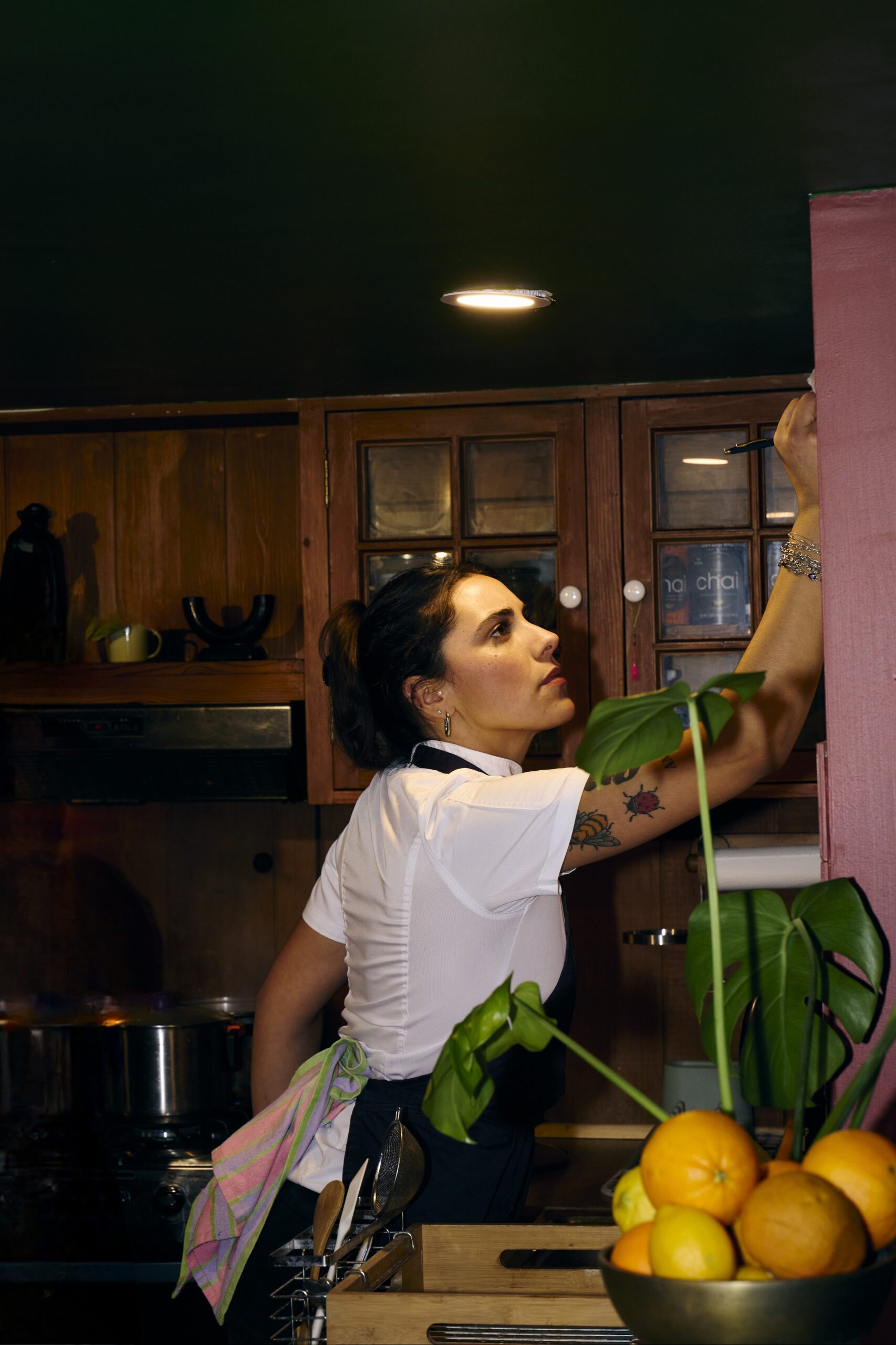
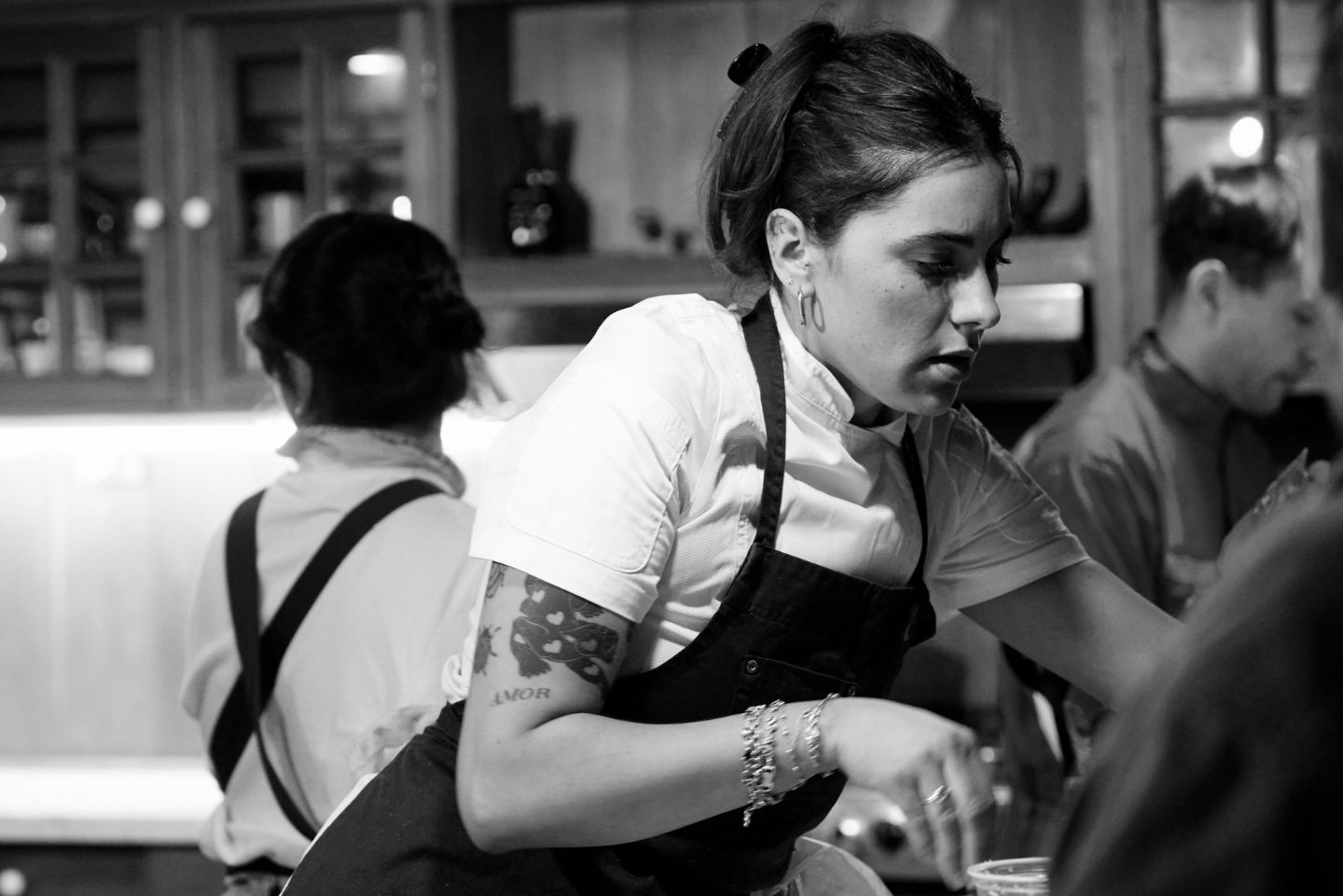
Growing up surrounded by her grandmother, mother, and siblings, Annaiss Diaz found some of her earliest connections to food in the family kitchen. Those afternoons preparing something delicious and sharing it together became memories that stayed with her. Before fully choosing cooking, she explored different roles in hospitality, from working as a hotel hostess to promoting and modeling at events, experiences that eventually made her want to become part of what happens behind the kitchen doors.
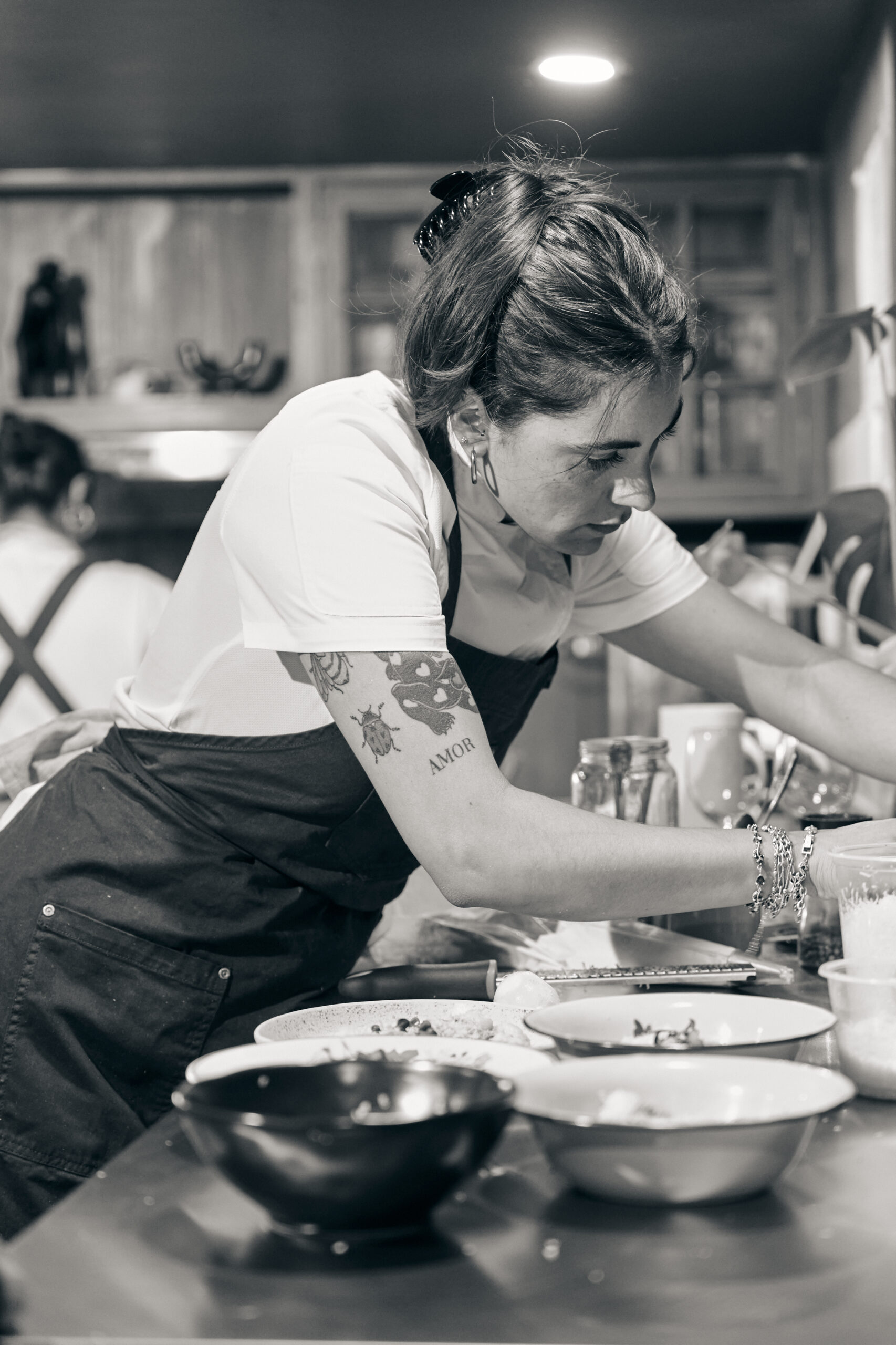
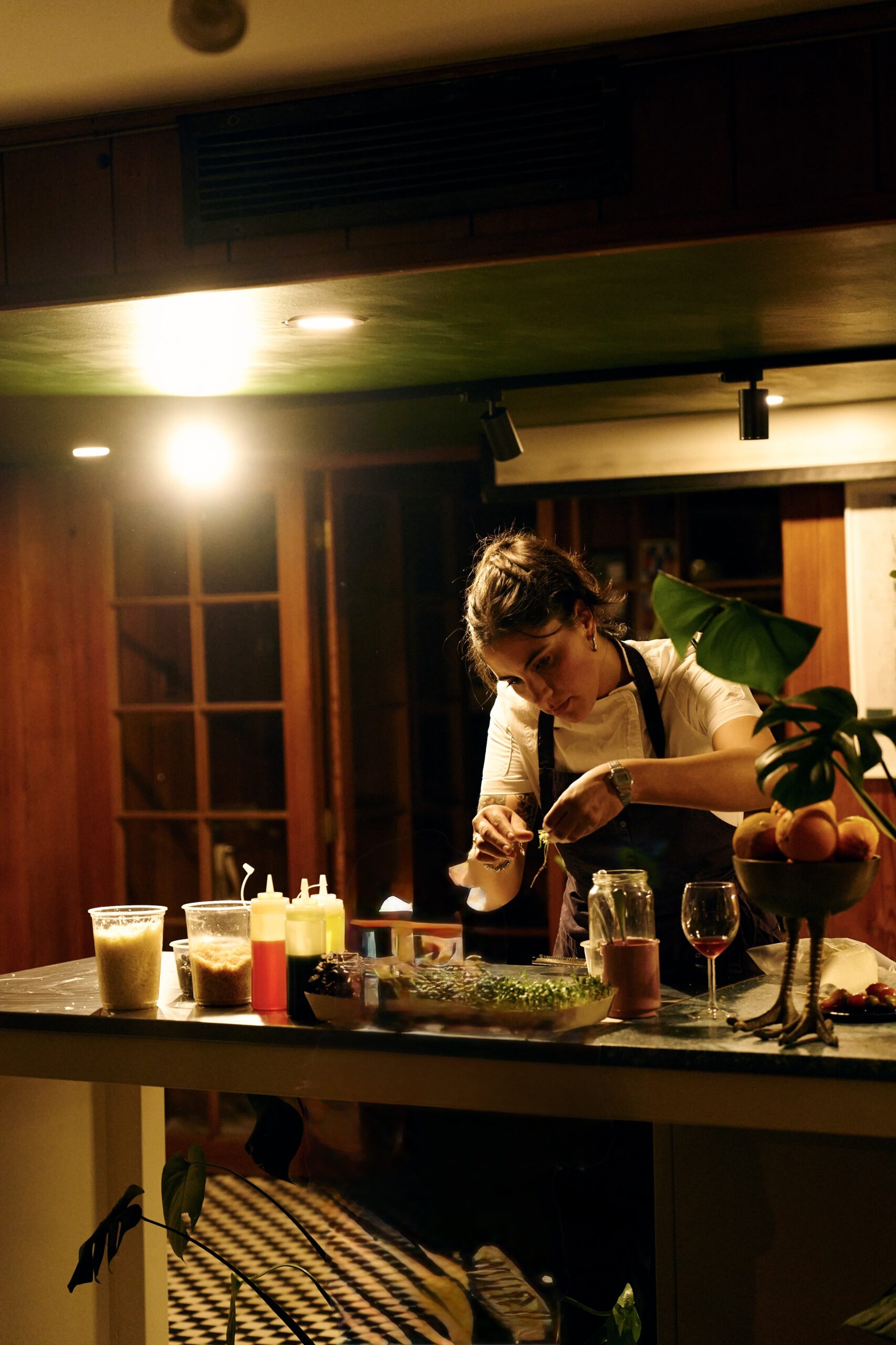
Annaiss began her culinary journey by learning from other cooks and later decided to study formally with the support of her older sister. Working across different kitchens helped her develop her technique, explore textures, flavors, and fusion ideas, and gradually build confidence in her own voice. Along the way, she also faced anxiety during demanding services, learning to manage her emotions, trust her team, and understand that asking for help is part of growing.
Today, Annaiss approaches cooking through respect: for ingredients, for the craft, and for the people around her. She is proud of the kitchens she has worked in, the menus she has created, and the underground dinner project she is now developing. Her vision goes beyond the plate, advocating for more empathy, equality, local producers, and a more conscious industry: while keeping the flavors, lessons, and love of her family close to everything she does.
In this conversation with Humans of the Kitchen, Annaiss reflects on her journey, the lessons that shaped her in the kitchen, and the values she hopes to carry forward.
Share your Journey
- Looking back at your childhood, was there a specific moment or memory that sparked your interest in food or cooking?
One of the strongest memories from my childhood is spending afternoons with my family, my grandmother, and my mother, preparing something delicious to enjoy together. My siblings and I were little, but we spent a lot of time in the kitchen, and I think that is something I still enjoy to this day.
- Did you have another career or job before becoming a chef? How did those experiences influence your decision to pursue cooking?
Before dedicating myself to cooking, I was part of a family business with my older brother, where I learned everything related to preparing sushi. Over time, I tried other kinds of jobs, such as working as a restaurant hostess in hotels, as a promoter, and as a model at events. I think that although these experiences were very different, they were always connected to the food and hospitality world. They allowed me to see this world from the outside and made me want to be part of the magic that happens inside it. That’s when I decided that cooking was what I wanted to do.
- Did you formally study culinary arts, or are you self-taught? How has your learning journey shaped your approach to cooking?
At first, I started cooking on my own, learning from other cooks. However, there came a point when I needed to improve my technique to keep moving forward in the kitchen, and that was when, with the support of my older sister, I decided to start studying formally. Thanks to those years of studying and working, I have improved the way I see cooking in terms of textures, flavors, and fusion ideas.
I think that over time, I have become more precise in my preparations and more willing to try new things.
- When did you first step into a restaurant kitchen? What was that experience like, and how did it shape your journey as a chef?
The first time I worked in a kitchen was in a family environment, as it was my brother’s business. When I first faced an experienced kitchen team, I felt nervous because I didn’t have much experience. However, I always tried to be confident in myself and eager to learn. That helped me a lot in connecting with different people, learning from their experiences, and little by little, building confidence in myself and in the work I was developing.
- What were some of the early challenges or obstacles you faced when you started in the kitchen, and how did you overcome them?
One of the first obstacles I faced was having anxiety attacks during service. I think the way I gradually overcame them was by learning to have more control over my emotions during stressful moments.
- What keeps you inspired and how has that inspiration driven you throughout your professional journey? Especially during tough times in the kitchen?
One of the things that has kept me inspired during this time is taking a moment to look at the Annaiss I was a few years ago and seeing how much I have progressed. When I feel like I am losing my creativity, I go back, look at my dishes, remember the flavors and how I felt, and try to find my center again and motivate myself through what I love.
- Can you recall a moment in the kitchen that marked you forever? Maybe it was an interaction with a mentor, a fellow cook, someone you fed, or a situation that challenged you in a way that shaped who you are today?
Throughout my work, I have had difficult moments and other beautiful ones that I remember from the kitchen, but I think one of the moments that has marked me the most recently was a conversation I had with a Mapuche cook, Epulef Panguilef, during a traditional festival in Curarrehue. She made me see the importance of cooking with love and dedication for every guest, explaining to me that when you cook calmly and with love, everything tastes better.
That conversation stayed with me, and throughout this year I have tried to follow her advice by creating dinners for small groups of people, where we have all enjoyed the experience.
- As a chef, how would you describe your philosophy in the kitchen, and how does it guide your approach to cooking and leadership?
My philosophy in the kitchen is based on respect: respect for the ingredients, the craft, and the people I work with. I try to cook with dedication, make the most of every product, and stay curious and open to learning. When leading, I try to listen, teach with patience, and create an environment where everyone can contribute and grow.
- Can you share a time when cooking or the camaraderie in the kitchen helped you through a tough period in your life? What made that experience meaningful?
During the most demanding services, when we are under a lot of pressure, I have understood that every member of the team is essential. Sometimes I have experienced anxiety attacks, and my colleagues have supported me so I could keep going. Those experiences were meaningful because they taught me to trust others, ask for help, and delegate when necessary.
- Reflecting on your career, what achievements or milestones are you most proud of, and what do they mean to you?
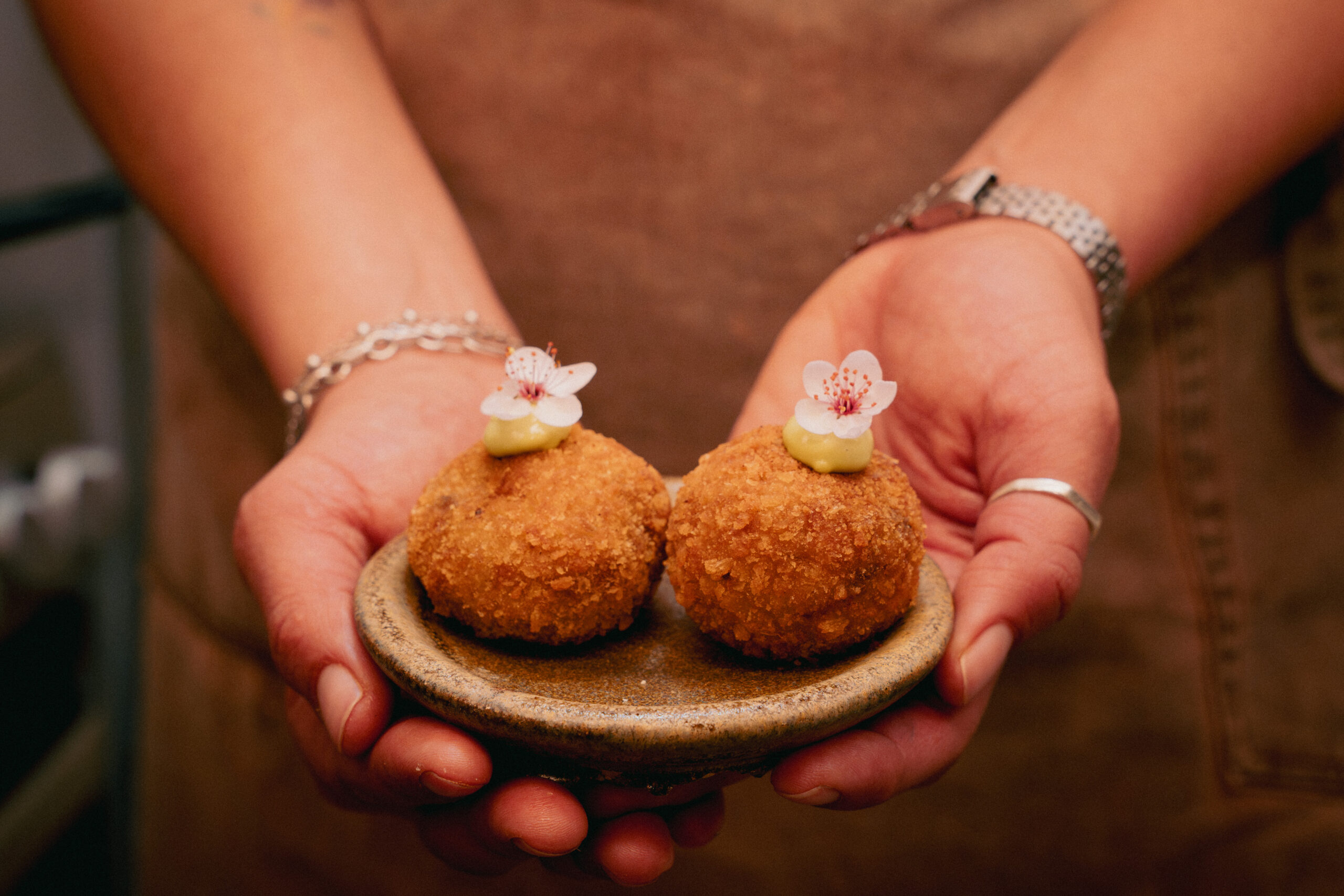
I am proud to have continued moving forward, working in different kitchens and sharing services with international chefs who challenged me and allowed me to learn. I have also created exclusive menus that renewed the offerings of several places, and today I am developing my own underground dinner project. These achievements represent growth, courage, and confidence in my creativity.
- What aspects of restaurant culture do you love, and what parts do you find frustrating or problematic? Are there any changes you’re actively working toward or things you hope they change in the industry? Share the reasons behind them and how they align with your vision for a better culinary world?
I love the camaraderie and the good atmosphere that allow a kitchen to function naturally. What frustrates me are sexism and attitudes that minimize women’s work or confuse the professional with the personal. Through my work, I want to show that talent has no gender and contribute to an industry based on respect, equality, and learning.
- What are your hopes for the future of the restaurant and food and beverage industry? What changes would you like to see, and how are you contributing to that change?
I hope the industry moves toward a more conscious approach to gastronomy, one that respects the quality of ingredients, values local producers, and strengthens the circular economy. I contribute by working with farmers and entrepreneurs from different regions of Chile, both young people and adults who have reinvented themselves through growing tomatoes and producing ginger and wine.
Photo credits
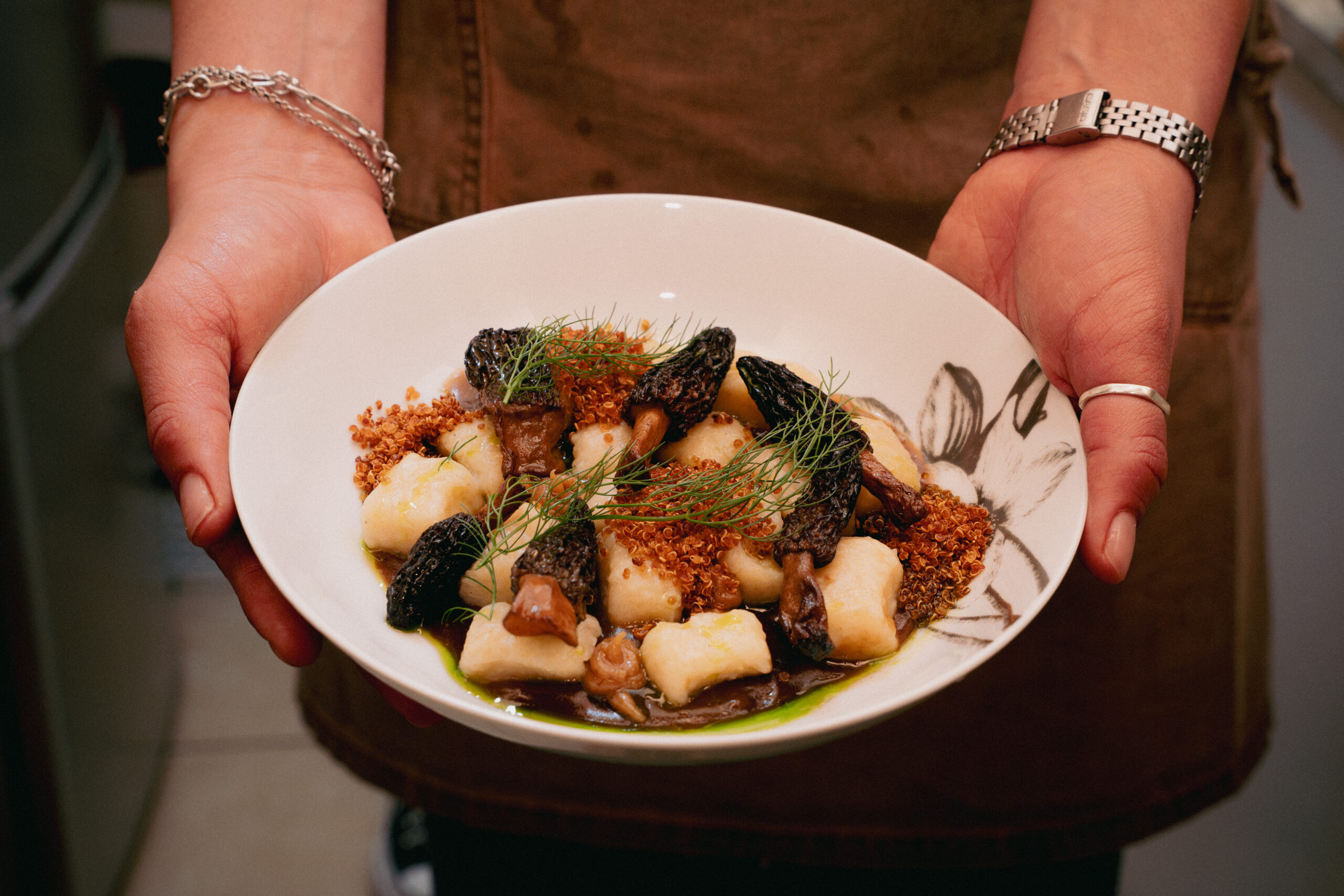
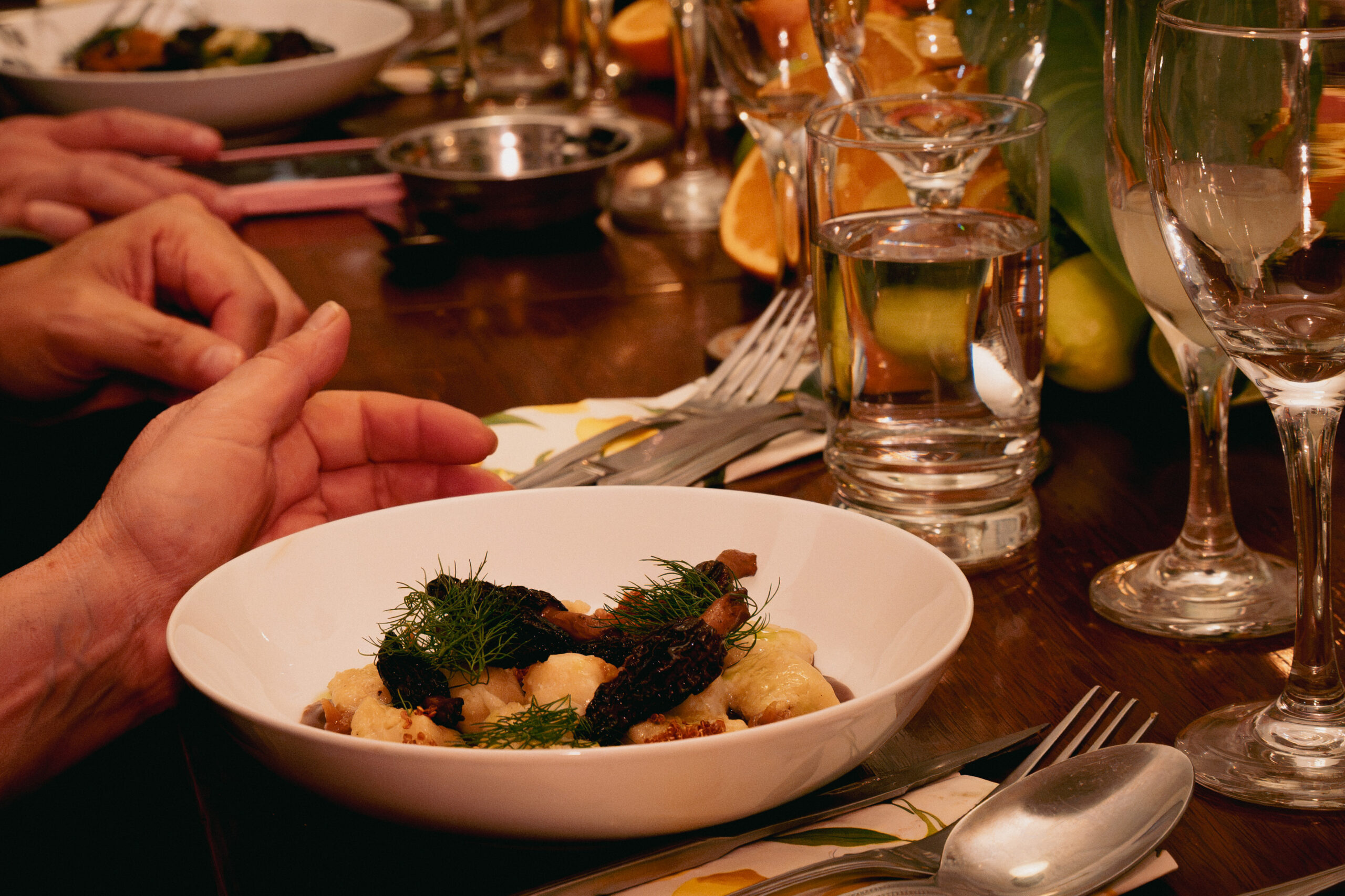
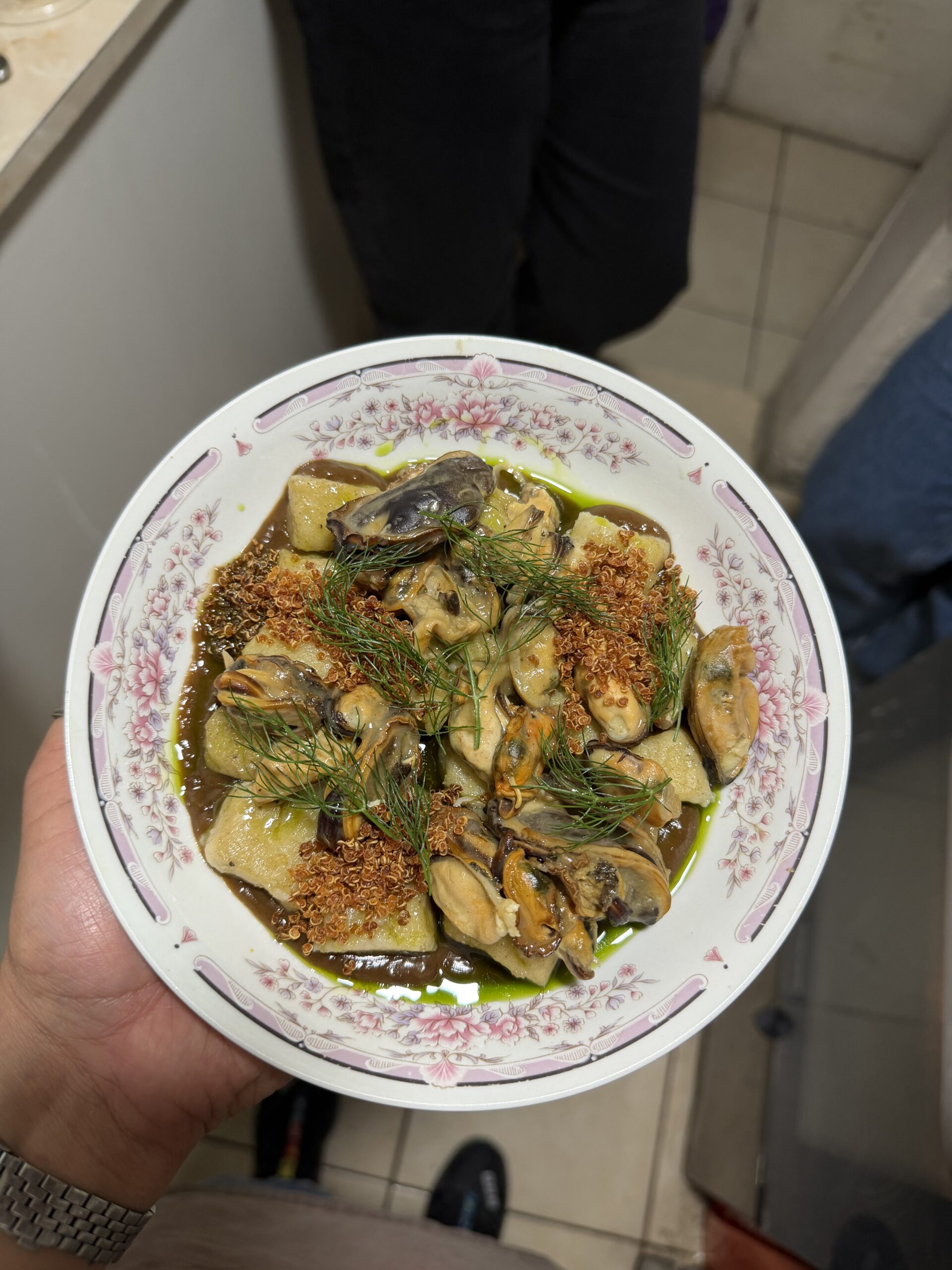
Food and portrait shots 3, 7 & 13 by @nachooortega
Photo cover & shots 1, 5, 9, 11 by @feliz__dia.
Secret Sauce
- What’s the most unexpected ingredient you’ve ever worked with, and how did it change your perspective on cooking?
One of the most unexpected ingredients I have ever worked with was monk fruit. A friend recommended it to me for preparing a vegetable demi-glace. I had never worked with it before, and I was surprised by its particular aroma, which reminded me of cocoa. This experience sparked my curiosity and encouraged me to incorporate it into new preparations.
- What’s your “guilty pleasure” meal?
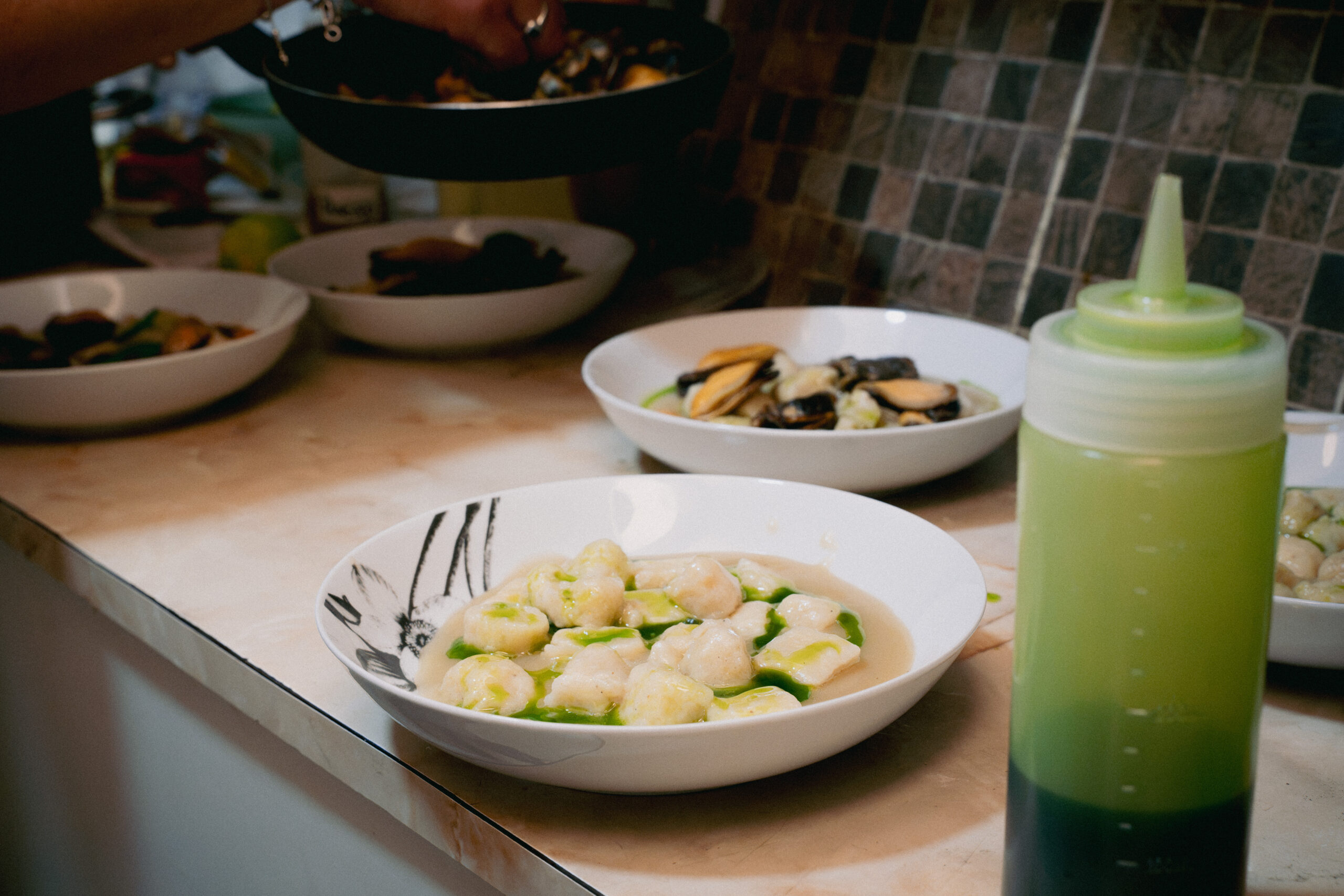
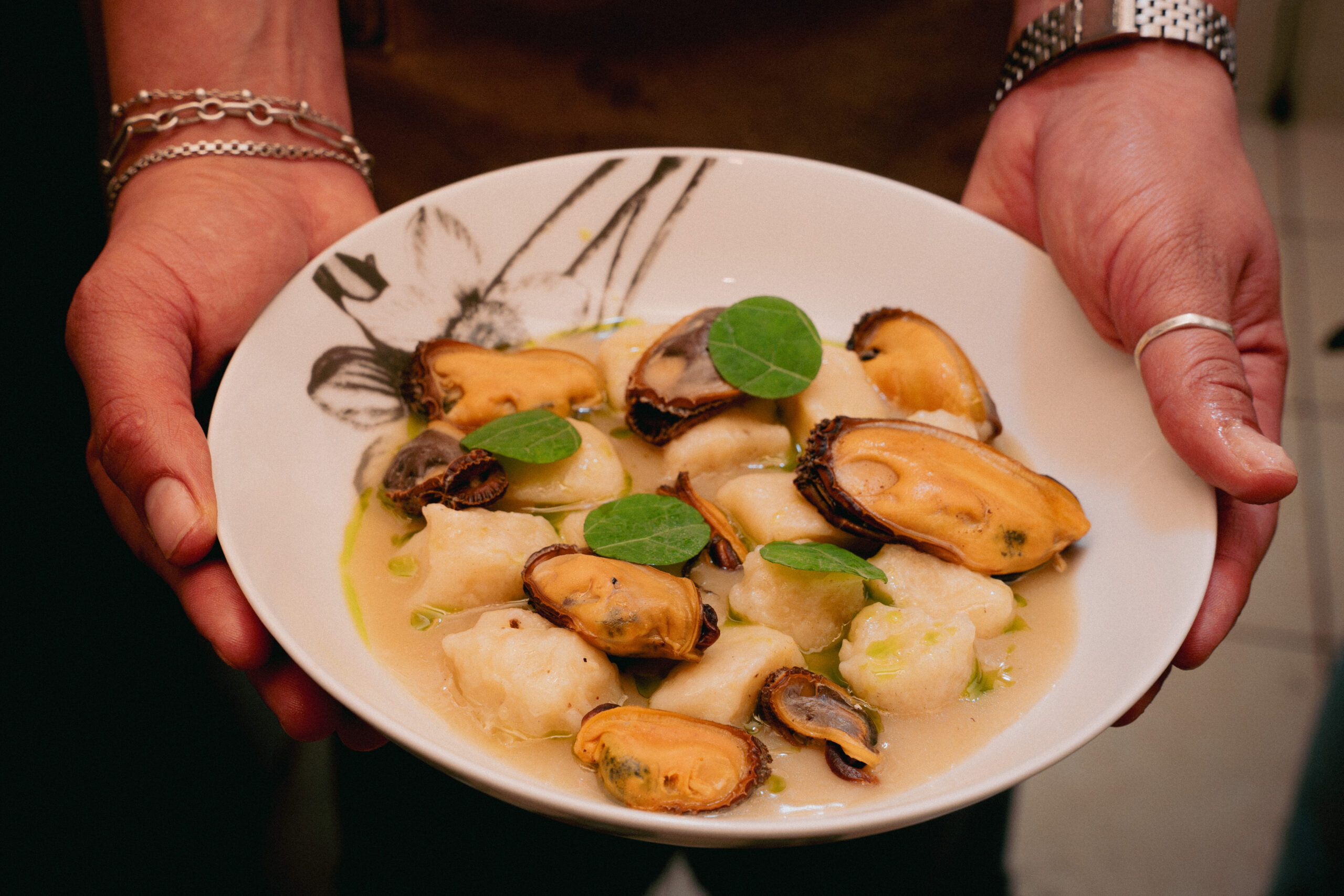
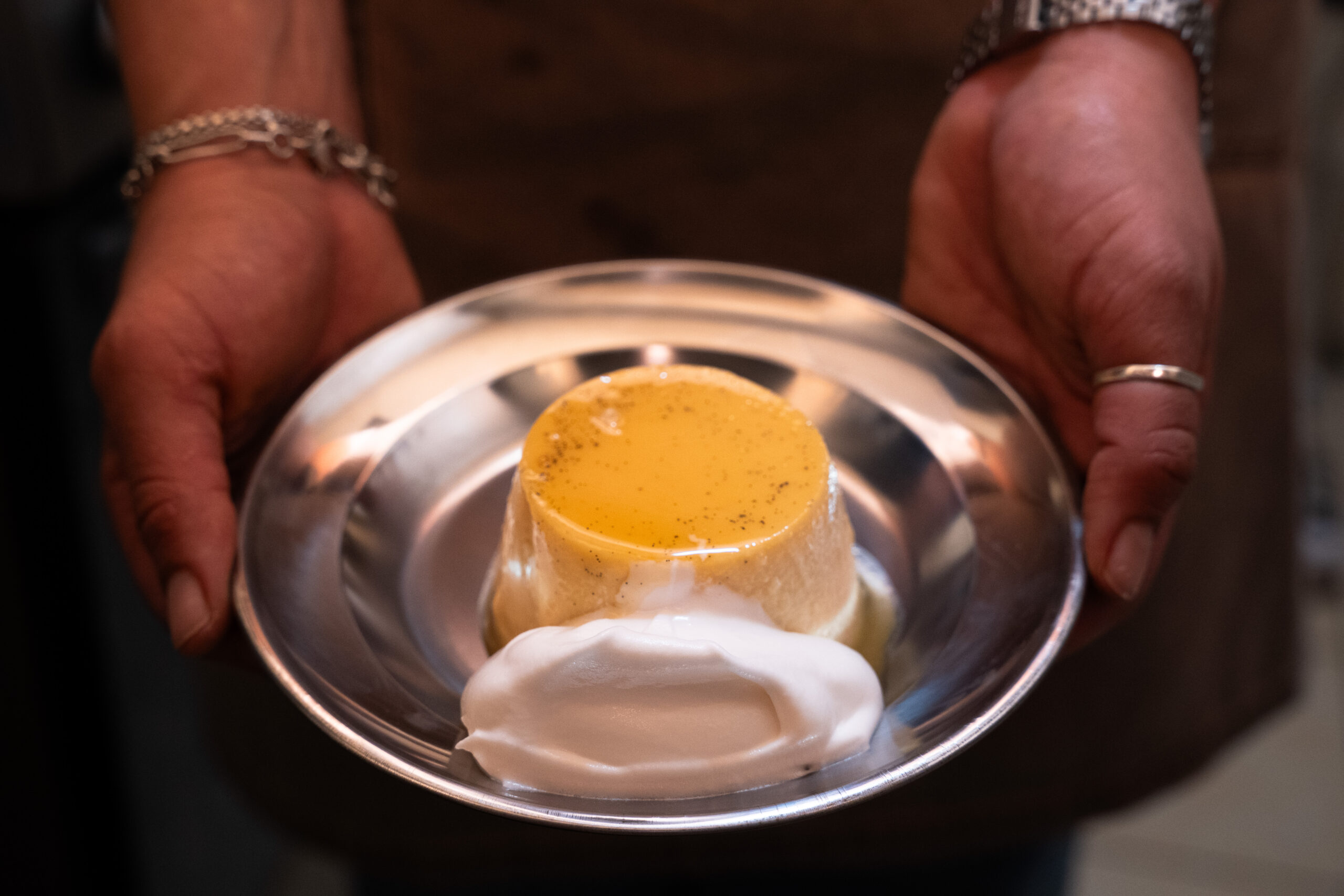
The truth is, I love eating and enjoying new flavors. Although I have to admit that I really like pasta, seafood, and desserts.
- A food trend that you hate and why?
More than a food trend, what bothers me is the lack of empathy and camaraderie that still exists in the industry. I believe that celebrating other people’s success does not take away from our own achievements. On the contrary, it can become a source of admiration, learning, and motivation.
- What’s the craziest shift you’ve ever worked in the kitchen?
I remember one particular shift I worked in a hotel kitchen a few years ago. The service was very intense that day, and I saw the way the chef in charge treated my coworkers, including me, verbally. That was when I realized that I would never be like that person, because when there is a problem in the kitchen, you have to look for solutions with the team, not create more problems or make your team feel less valued.
5. What happened, and how did you manage to get through it?
I don’t remember exactly how everything happened that day because, as I mentioned, it was years ago. But I do remember him coming up to me and yelling in my face because I wasn’t cutting a slice of bread perfectly the way he wanted it, instead of teaching me patiently, especially since he was the chef.
- What tips would you give to other cooks and chefs to help them navigate their culinary careers and find peace amid the chaos of the kitchen?
I would advise them to stay curious, work with humility, and understand that every kitchen offers an opportunity to learn. In the middle of the chaos, it is essential to stay organized, breathe, trust the team, and not lose sight of the purpose that brought you to cooking in the first place. It is also important to take care of your physical and mental health, because a sustainable career requires balance.
- What’s an underrated ingredient and why?
Cochayuyo is an underrated ingredient. Many times, it is limited to traditional preparations, but its flavor, texture, and versatility allow it to be used in stews, sauces, salads, and even more contemporary dishes. It is also a Chilean, nutritious, and sustainable product that deserves a greater presence in our gastronomy.
8. What’s a must-try dish from your kitchen or the one you’re proudest to have prepared?
The must-try dish in my kitchen is beef cazuela, which I learned to prepare by following my mom’s advice. Every time I make it, I try to get as close as possible to her seasoning and bring back the flavors I grew up with. It makes me emotional and fills me with pride because, more than a recipe, it is a way of keeping her teachings, her love, and our family history present.
About Your City!
Quilpué, Chile
- If Anthony Bourdain or a chef came to your city, what would be the perfect tour itinerary from breakfast to dinner?
One of the places I would definitely take someone for breakfast would be Fábrica María María in Valparaíso, where they have the most delicious and fluffy Berliners to enjoy with a coffee.
Then I would continue with brunch at La Unión Valpo, where I have recently tried some of the most delicious pastries. They have amazing fillings and sourdough breads that are a must!
To continue the route, we would head closer to the sea and arrive at Caleta Portales, where you can find fresh seafood brought directly from the ocean by the fishermen themselves. They sell it and even fillet it right there. After that, we would have a curanto, one of those meals you never forget.
And to finish, the cherry on top would be taking them to one of the most sacred and precious places for me: my mother Brenda’s cooking. She is one of the best cooks I know, and I am lucky enough to always be able to enjoy her food. I would share that experience with them.

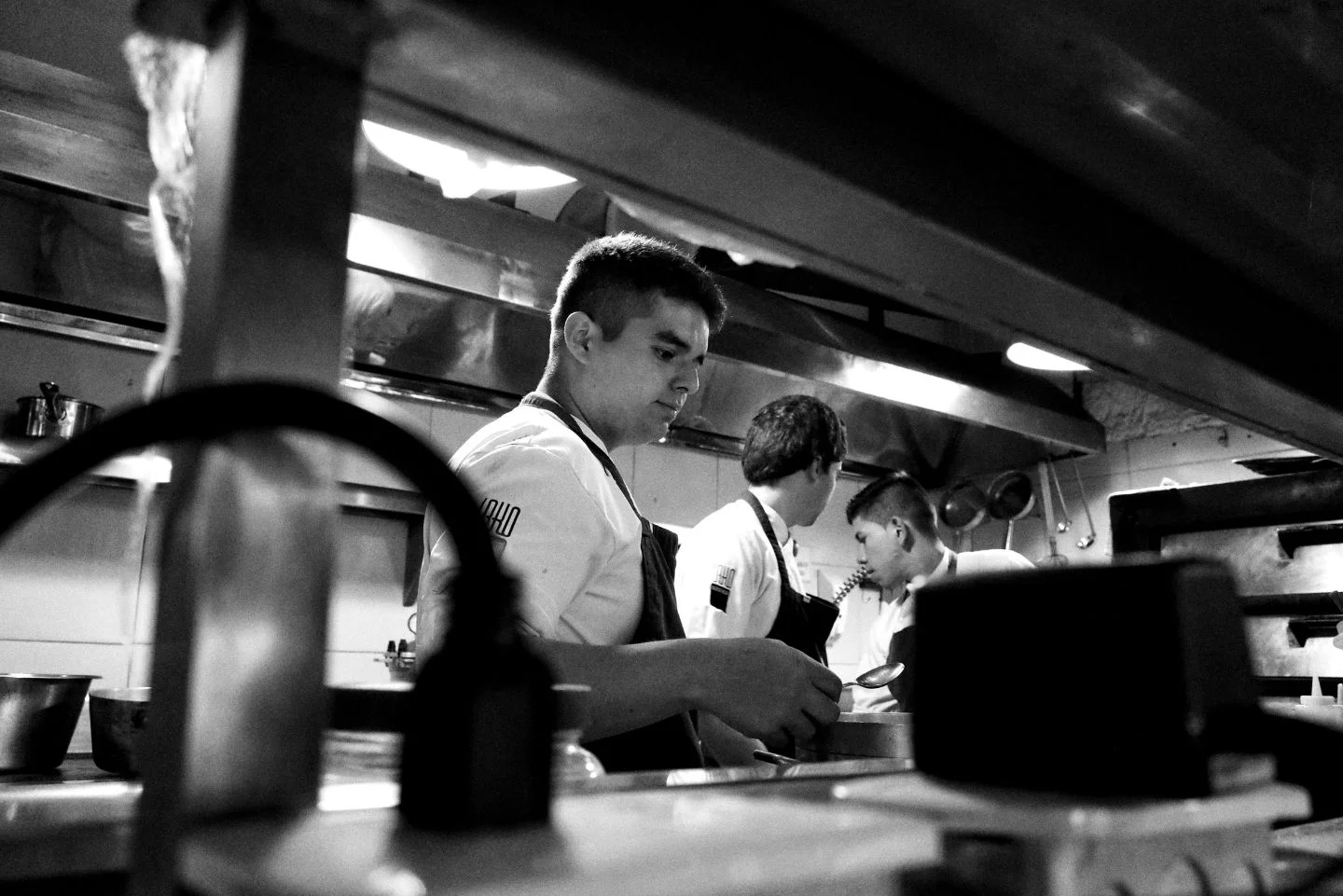
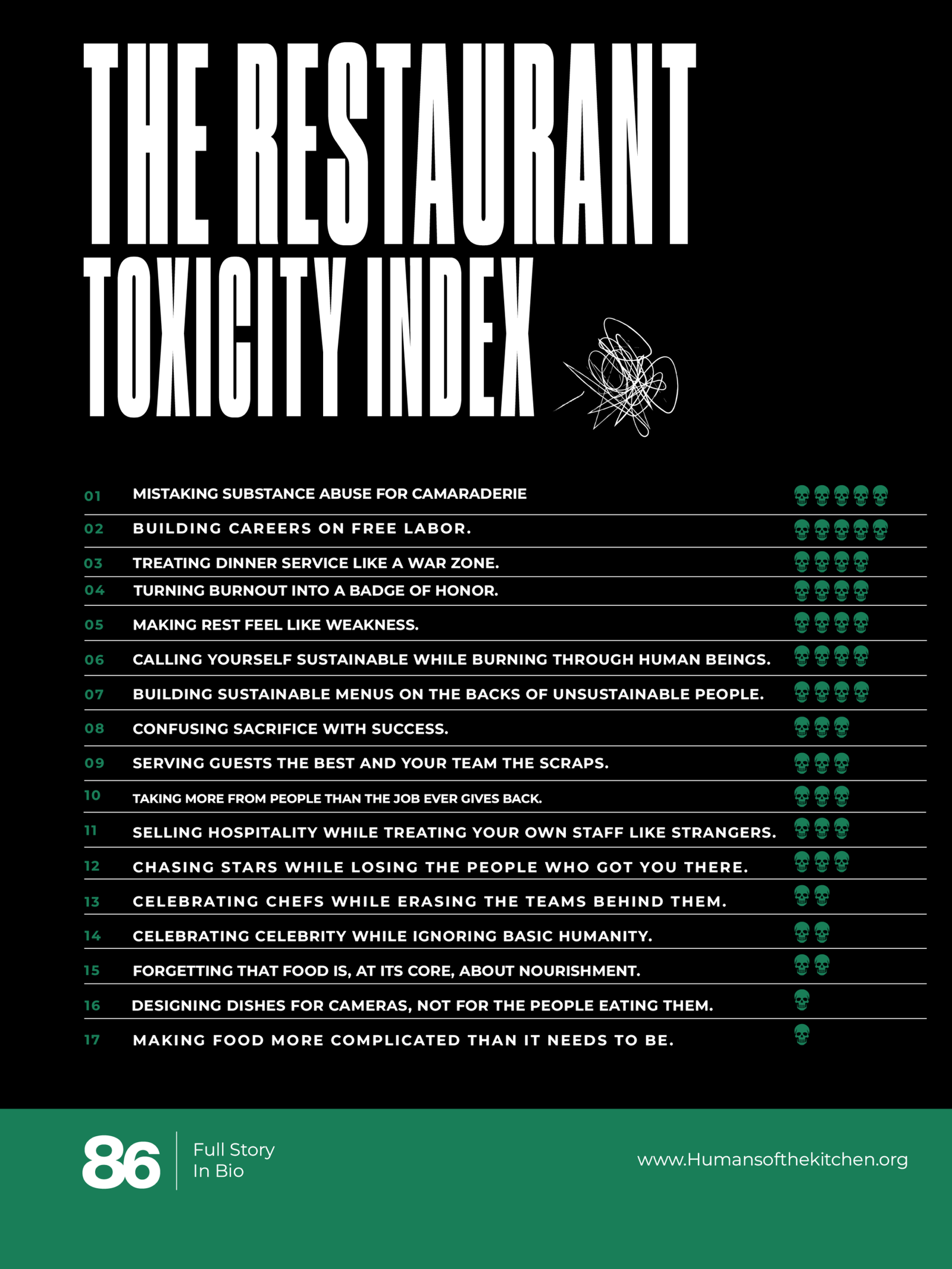
The Restaurant Toxicity Rankings Are Here.
Are You On It?
Before we show dive into the list, let’s back up for a second and ask:
How the fuck did we get here?
The restaurant industry is finally confronting problems it ignored for decades.
Cooks are speaking openly about burnout, addiction, abusive leadership and toxic kitchen culture. Stories that once circulated quietly after service are now public conversations. Workers who for years were expected to accept silence as part of the job are questioning the culture they inherited and have replicated intentionally or not.
That shift is necessary. For a long time, many of the hardest realities of restaurant work were hidden behind the romance of the kitchen.
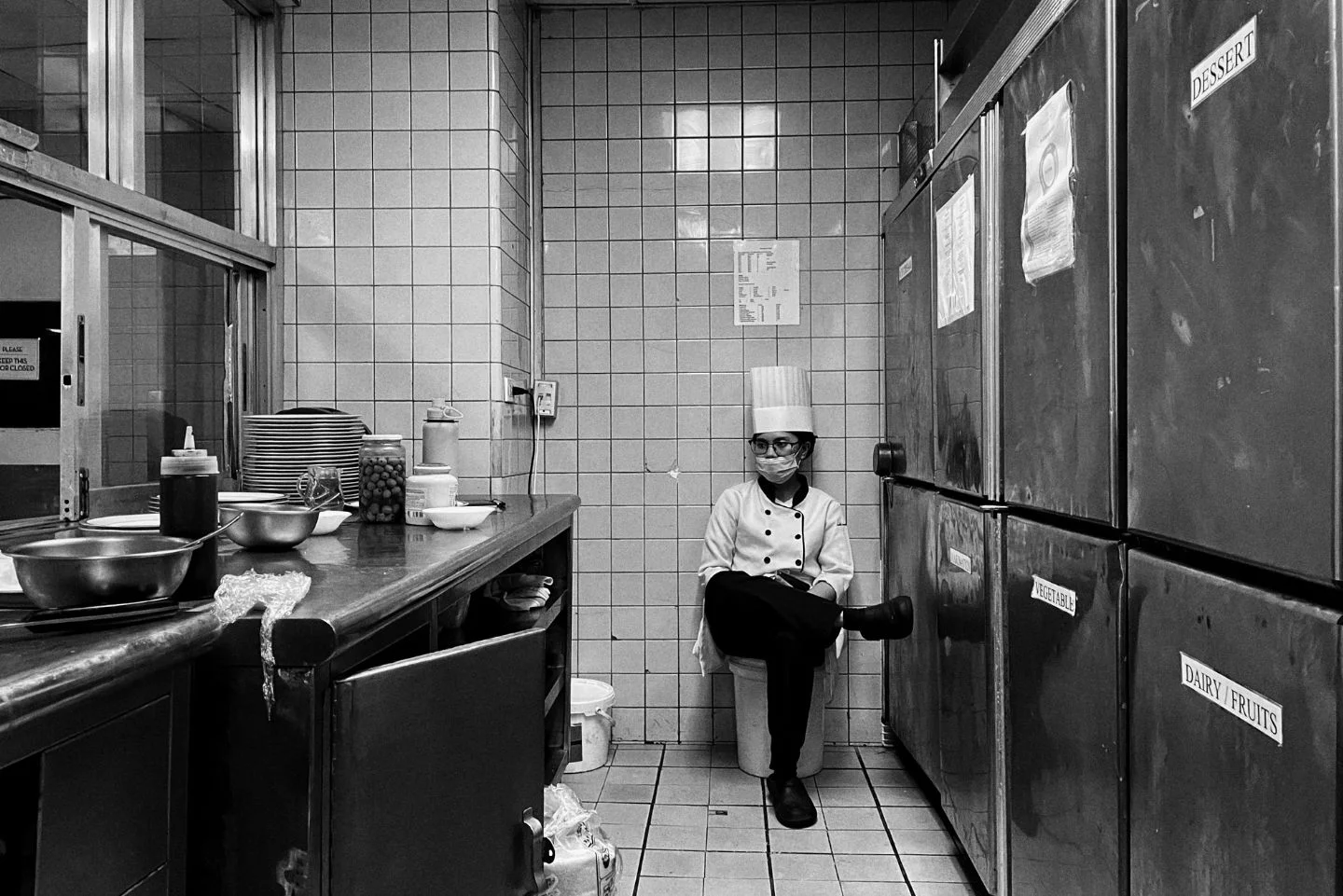
Something complicated is happening inside that reckoning.
In many corners of the conversation, the language used to condemn toxic kitchens has begun to resemble the culture people say they want to leave behind. Comment sections are filled with insults, and with social media fueling complex situations into public trials, criticism often arrives not as dialogue, but as humiliation.
Ego plays a big part as well..
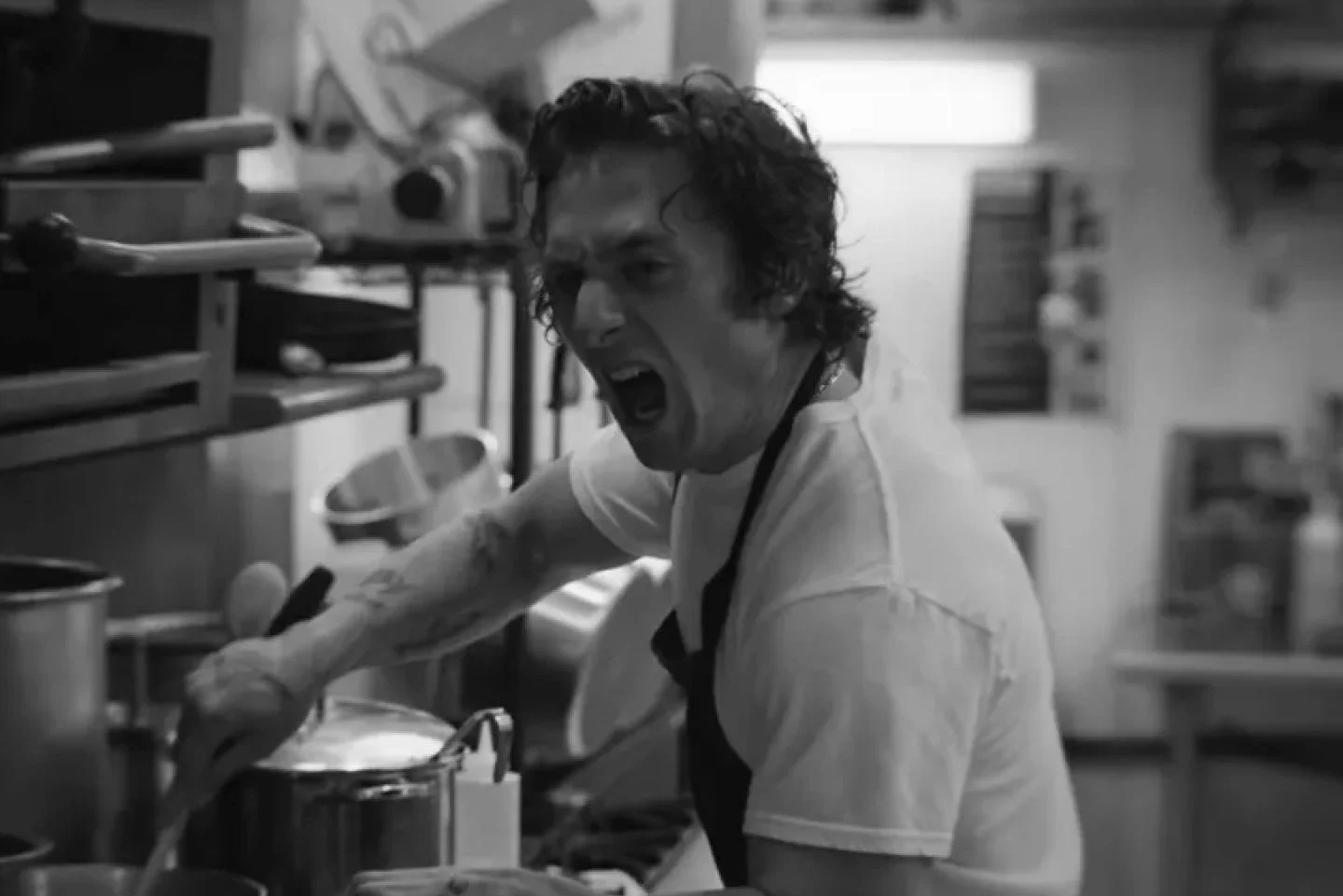
In a digital environment driven by attention, the exposure of wrongdoing can quickly become a form of currency. Posts that shame, mock or dismantle others travel faster than careful conversations. Memes replace nuance. The person who breaks the story, delivers the harshest criticism or crafts the most viral takedown can gain recognition and influence overnight, discarding critical dialogue in lieu of finger pointing
For years, cooks were humiliated on the line.Now humiliation sometimes unfolds online,rewarded with likes, shares and applause.
Speaking loudly about injustice can be necessary. In many cases, public pressure has been the only way workers could challenge powerful institutions. Without that pressure, many of the current conversations about kitchen culture might never have happened.
But if the goal is to move away from a culture of humiliation, domination and silence, the way the industry talks about change may matter as much as the change itself.
Understanding how kitchen culture developed in the first place helps explain why the present moment feels so complex.
Professional kitchens did not begin as places of creativity or celebrity. Their origins were tied to systems of labor and hierarchy rooted in servitude and slavery.
Long before modern restaurants existed, large kitchens in aristocratic households and royal courts were staffed by enslaved people and servants who cooked for those in power while holding little power themselves. Highly skilled cooks prepared elaborate meals but remained part of rigid social orders built on obedience and repetition.
Cooking as a profession began as labor.
In the late nineteenth century, the French chef Auguste Escoffier reorganized restaurant kitchens into what became known as the brigade system — a structure inspired by military discipline. Each station had a defined role, authority flowed downward and efficiency depended on strict hierarchy and repetition.
The brigade system brought order and professionalism to kitchens around the world. But it also reinforced a culture where obedience, endurance and repetition became central to the identity of the cook.
Within that structure another tradition developed: the stage.
Staging — working temporarily in a restaurant kitchen to gain experience — became one of the most common pathways into the profession. Young cooks traveled across cities and continents to spend time inside celebrated restaurants, hoping to learn techniques and absorb knowledge from chefs whose reputations had spread internationally.
In theory, staging offered education.
In practice, it often meant unpaid labor.
Many stagiaires spent long days performing narrow repetitive tasks: picking herbs, cleaning vegetables or plating the same garnish hundreds of times. The work placed them close to excellence, but not always close to understanding the full ecosystem of a restaurant.
Instead of learning how a kitchen truly functions — sourcing ingredients, building menus, managing teams, balancing costs and sustaining a business — many cooks learned a single motion repeated endlessly.
The system served the efficiency of the kitchen. It did not always serve the education of the cook.
Yet for decades the arrangement was rarely questioned.
For much of the twentieth century, access to the highest levels of culinary craft was limited. A relatively small number of restaurants in cities like Paris, Lyon, Tokyo or Copenhagen defined the global standard of fine dining. Techniques developed inside those kitchens circulated slowly and were often passed directly from mentor to apprentice.
Traveling across the world to spend time inside one of those restaurants was sometimes the only way to encounter that level of craft.
In that context, sacrifice was framed as opportunity.
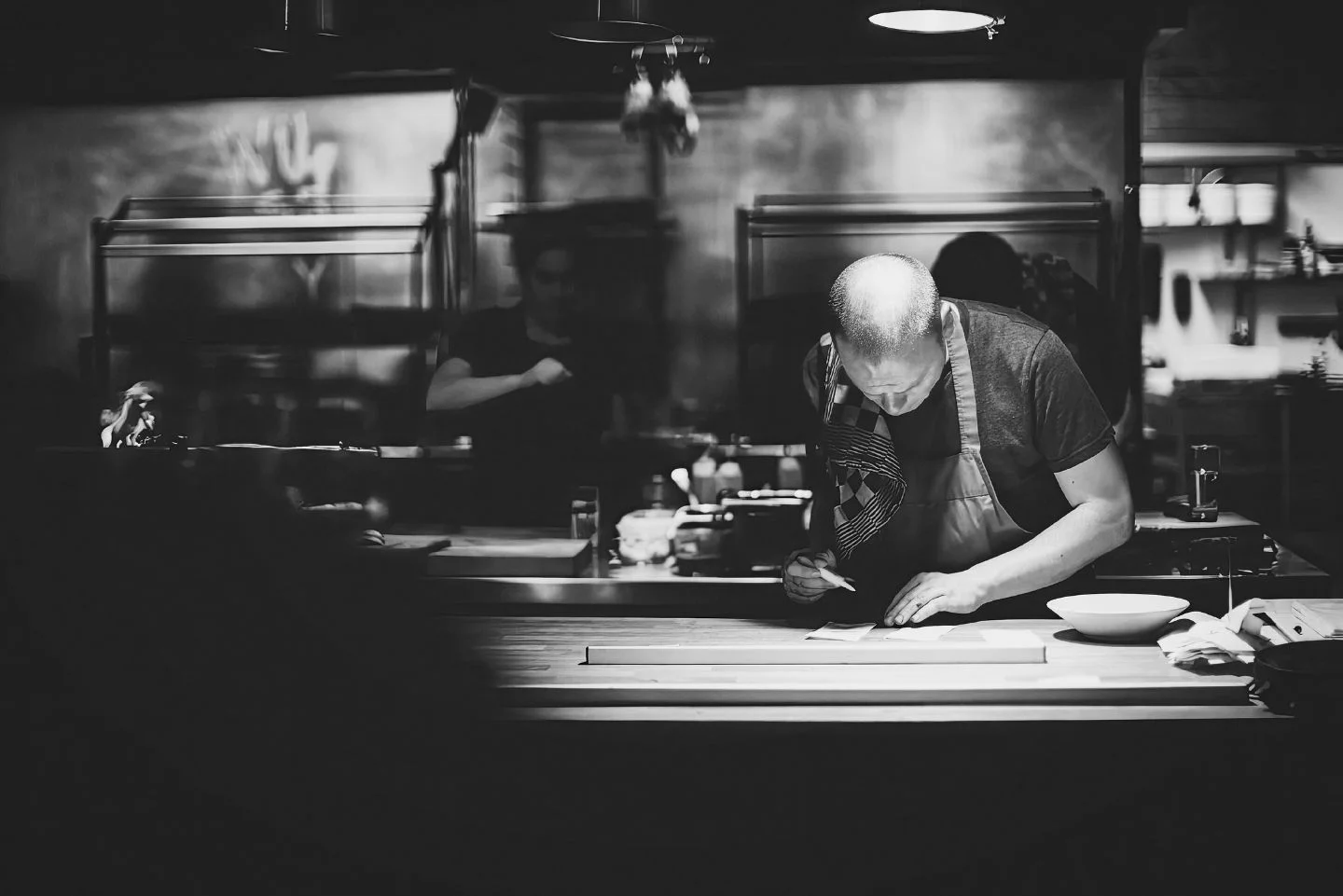
At the same time, another force began shaping kitchen culture: recognition.
When the Michelin guide introduced its star system in the early twentieth century, restaurants began to be measured against one another in new ways. Over time, Michelin stars became the most powerful symbol of prestige in fine dining.
Later, international competitions like the Bocuse d’Or and global rankings such as The World’s 50 Best Restaurants intensified the competitive nature of the profession.
Cooking was no longer only a craft. It became a global contest.
Kitchens began chasing perfection not only for the guest at the table, but also for inspectors, judges and rankings that could elevate a restaurant’s reputation overnight.
That pursuit pushed culinary creativity to extraordinary heights. Chefs experimented with science, fermentation, technique and precision in ways that expanded what food could be. Restaurants became laboratories where beauty, innovation and artistry defined the plate.
But between the lines of that pursuit, something else was often lost: human sustainability.
Many restaurants demanded levels of labor, precision and intensity that were difficult to sustain within the economic realities of running a restaurant. The pursuit of perfection often required more hours, more bodies and more sacrifice than the business itself could realistically support.
Around that pressure, a subculture formed.
Drugs, alcohol, cigarettes and erratic eating habits became normalized in many kitchens. Dealing with stress through self-destruction was often romanticized as part of the profession. The image of the obsessive, exhausted cook became part of the mythology of the industry.
The plate grew more beautiful.
The work behind it often became harder to sustain.
Today the culinary world looks very different.
Techniques once confined to a handful of elite kitchens circulate widely through culinary schools, books, digital media and a far more interconnected restaurant industry. Restaurants practicing sophisticated techniques can now be found in cities and neighborhoods that once had little access to that tradition.
What was once rare has become far more accessible.
As that accessibility has grown, the assumptions that once justified unpaid stages and extreme sacrifice are increasingly being questioned.
One of the most visible moments in that debate came when the influential Copenhagen restaurant Noma announced it would close in its current form after growing criticism of the unpaid intern model that had supported parts of its kitchen.
Moments like the reckoning around Noma may have been necessary to force the industry to confront practices that had long been normalized. In many ways, those conversations marked an important turning point.
But as the debate spreads across social media and public platforms, the tone of the conversation has also shifted. The exposure of problems has increasingly become part of an ecosystem driven by attention — where outrage travels faster than reflection, and where criticism can quickly turn into memes, insults and public shaming rewarded with likes, follows and applause.
The question the industry now faces is not whether these conversations should happen. They should.
But now that the headlines have faded, the articles have been read and the social media posts are no longer trending, a different question emerges:
Have we already forgotten?
Because culture is not changed in moments of attention. It is changed by what remains after the attention is gone.
Anyone who has spent enough years inside kitchens understands an uncomfortable truth: many people in the industry have, at some point, participated in the culture they now criticize. Many cooks worked under leaders who bullied them. Some later found themselves repeating behaviors they once resented.
Is the culture emerging from these conversations building something healthier—or simply creating a new form of temporary toxicity that’s waiting for the next chef to fall?
The culture reproduced itself because that was how the system functioned.
If the same microscope were placed on every kitchen that has existed over the past forty years, the industry might discover that the difference between those being exposed today and many others is not moral purity.
It is visibility.
That does not excuse harm. But it complicates the story.
In many ways, confronting kitchen culture has also required a process of unlearning.
Seven years ago, when we started Humans of the Kitchen, we did it because we believed something in the industry needed to change. We wanted to create a space where the voices of cooks and restaurant workers — often invisible outside the kitchen — could be seen and heard.
But even with that intention, our understanding of what toxicity truly meant was still limited.
Like many people who grew up inside professional kitchens, we were shaped by the same culture we were beginning to question. Some of the humor we shared early on reflected the language of that environment — sarcasm, hard jokes about the new cook, and at times even the glorification of chefs and behaviors that were part of the old kitchen mythology.
It took time for us to recognize how deeply those patterns were embedded.
Unlearning them was not immediate. It was gradual.
Over the past few years, we have changed the way we approach the work. The storytelling evolved. The tone shifted. Even the visual identity of the project changed as we tried to move away from glorifying parts of kitchen culture that, in reality, were harming the people inside it.
Some of the content that once generated easy laughs or more attention was left behind. It may not always bring the same number of likes or viral moments, but it reflects a conscious decision not to amplify the behaviors the industry is now trying to leave behind.
That shift has been part of the same process the restaurant world is experiencing today: learning to see the culture more clearly.
Breaking a generational culture sometimes resembles confronting difficult patterns within a family. It requires honesty about what went wrong, but also the recognition that the people who carried those traditions were part of the same story that produced the craft itself.
The restaurant industry is clearly evolving.
Long-standing assumptions about leadership, labor and professionalism are being reevaluated. The myths that once defined kitchen life — the screaming chef, the glorification of suffering, the idea that greatness must come at the expense of well-being — are losing their hold.
But if the industry truly hopes to change, the way the conversation unfolds will matter as much as the issues themselves.
Accountability is necessary. Transparency is necessary.
Yet replacing one culture of humiliation with another will not build healthier kitchens.
Transforming an industry built over centuries requires new models of leadership, mentorship and sustainability. It requires criticism that exposes problems without reproducing the same patterns of domination and shame that shaped the culture in the first place.
The future of kitchens may depend not only on what the industry chooses to reject, but on how it chooses to rebuild.
You May Also Like
A Japanese cookie disguised as a Chinese cookie
Humans of the Kitchen Admin
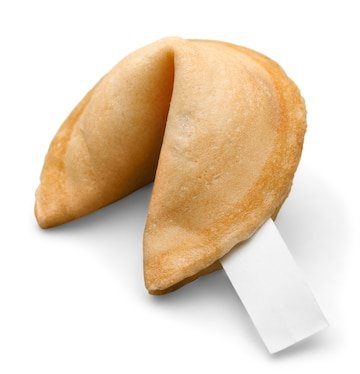
Walk into any Chinese restaurant in the United States and the ritual is the same: laminated menu, fried rice, sweet and sour chicken… and at the end, a brittle cookie with a slip of paper inside. It looks ancient, it looks “Chinese.” It isn’t.
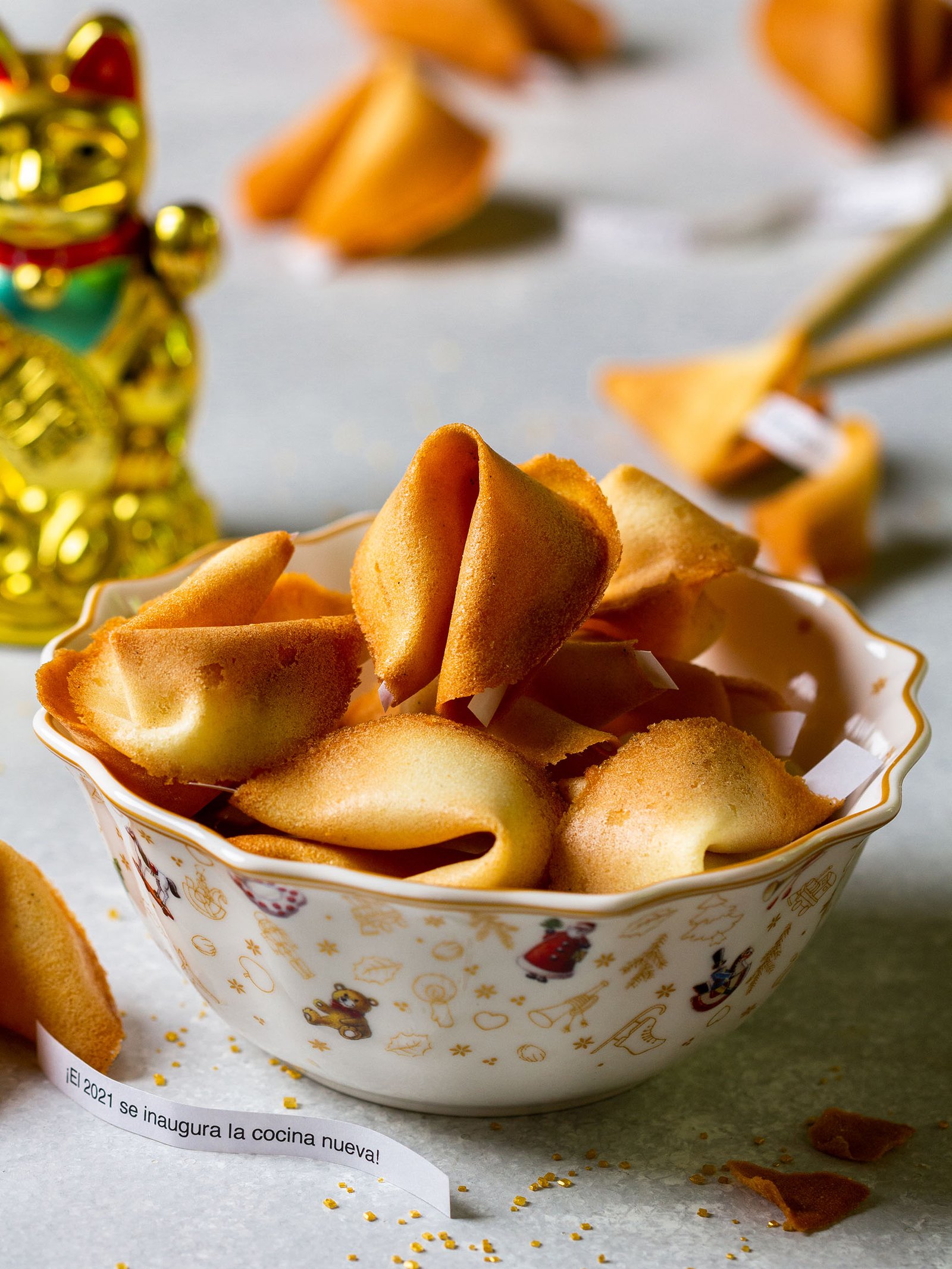
The fortune cookie doesn’t come from China. It comes from Japan. In Japan, there were tsujiura senbei larger, darker cookies made with sesame and miso, where the fortune was placed on the Immigrants brought the idea to California, and by the early 20th century they were being produced in San Francisco and Los Angeles.
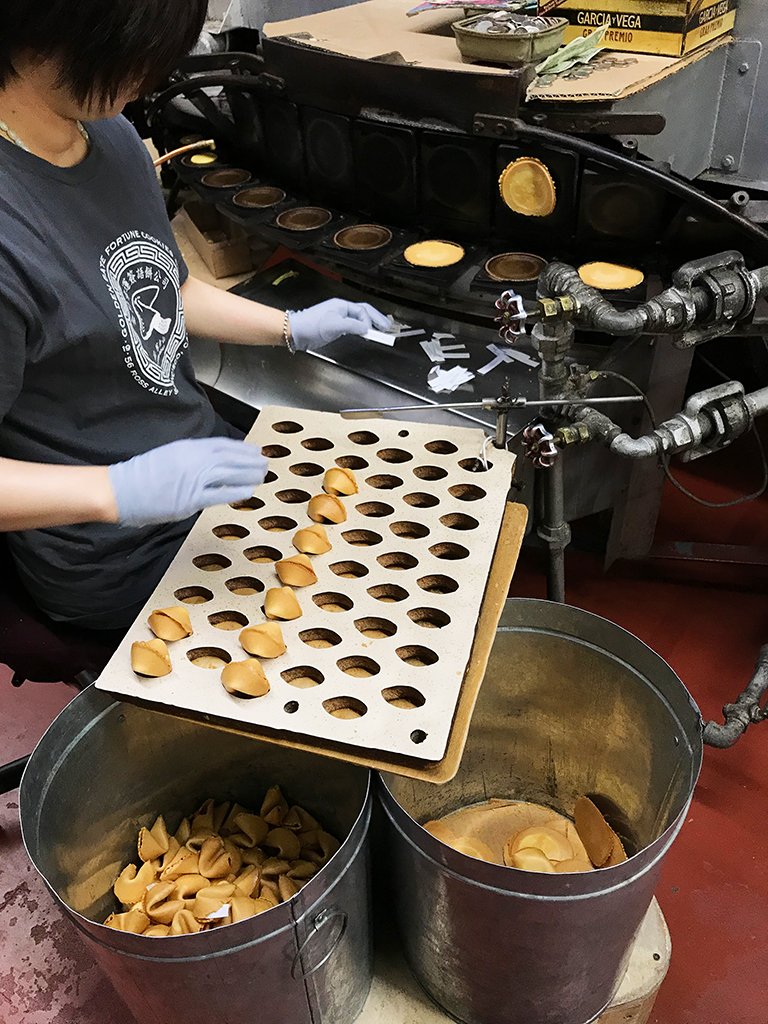
Then came the war. Japanese Americans were sent to internment camps, their bakeries shut down. Chinese restaurateurs saw an opportunity. They took the cookie, removed the sesame and miso, sweetened it, lightened it, and hid the paper inside. They didn’t inherit a tradition; they repackaged it. The cookie was no longer Japanese. Not Chinese either. It was American a bite sized marketing invention.
Not culture, but commerce
The fortune cookie was never tradition. It was strategy. Restaurants needed a hook to make “Chinese food” appealing to white American diners. The cookie became that hook: cheap, easy to mass produce, and built on a fake but effective ritual.
You May Also Like
The Irony
In China, the fortune cookie barely exists. The supposed “Chinese tradition” is an American invention, a culinary trick. And yet it works. Millions of cookies are cracked open every night, millions of fortunes read, lottery numbers played.
It isn’t pure culture. It’s adaptation, appropriation, reinvention. It’s the immigrant survival instinct, baked into sugar and flour.
The Final Bite
The fortune cookie isn’t a window into Chinese wisdom. It isn’t heritage; it’s branding. And like all branding, it reveals more about the consumer than the consumed.
Next time you break one open, don’t read the paper. Listen to the cookie: This is America. Sweet, hollow, and pretending to be something it’s not.

Echoes of the Diaspora
Humans of the Kitchen Admin
From the distant rush of a McDonald’s line to the depth of ancestral flavors—one chef’s journey back to his roots.
Rob Carter III
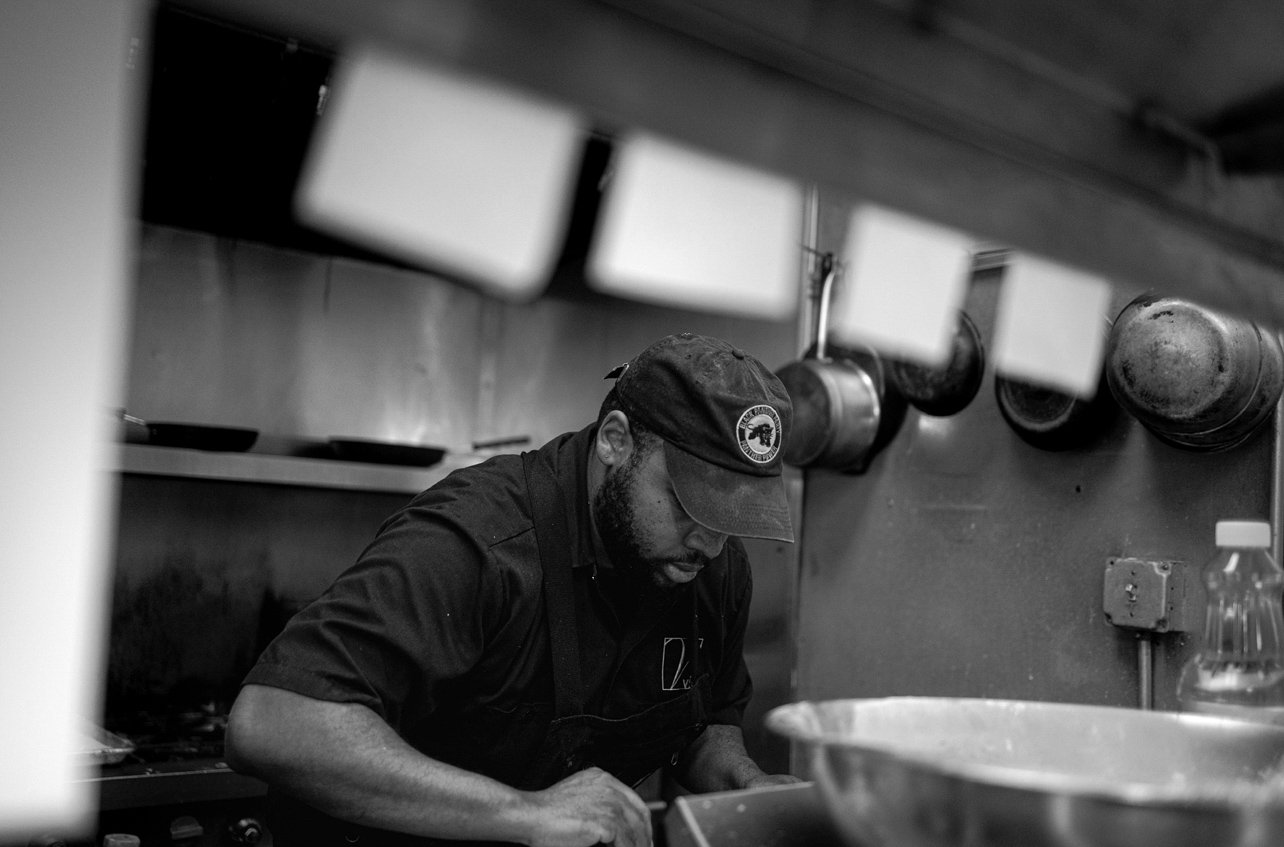
When I think about what first pulled me into the kitchen, it goes all the way back to my grandmother. When she wasn’t cooking for family, she cooked for her church and community. There was something very powerful about the way her food brought everyone together. Then, when I was a teenager, my mom spent time in India training staff for United Airlines, and my dad worked long hours. There wasn’t always a meal waiting for us. After a while, I got tired of ramen noodles and fried bologna sandwiches (though they’re a guilty pleasure now), so I paid attention when I visited my grandparents. My grandmother’s food wasn’t just something you ate. It was an experience. And without even realizing it, I started building the foundation that would shape my life.
Officially, I studied Culinary Arts at Joliet Junior College under Certified Master Chef Tim Bucci. He’s one of the quiet legends who shaped so many of Chicago’s top chefs. That program gave me structure. It taught me the science, technique, and precision. But my second education came inside the walls of Vie, Paul Virant’s old flagship. Vie was all about Midwestern farm-to-table cooking, fermentation, pickling, and preserving flavors from the land—everything from scratch.
I first stepped into a real kitchen about a decade ago. No orientation, no warm-up. During a Saturday night rush, they threw me on sauté at a high-volume restaurant. And somehow, I killed it. Didn’t miss a beat. Maybe it’s because I’d hang out at my dad’s McDonald’s on Roosevelt and Kedzie as a kid. He managed it for my uncle, who owned five on the West Side, so I grew up seeing what a dinner rush looked like. I didn’t know it then, but I was already learning the rhythm of a kitchen long before it became my career.
What keeps me inspired today is my current concept, @diaspora_chicago. The cooking style primarily consists of progressive takes on Southern, Caribbean, and West African food, which is represented by the interconnected faces in Diaspora’s logo, a nod toward those cultures interconnected by the motherland. This work is not just about me. It’s about the journey of our ancestors—people who had their language, culture, and family trees stripped from them through colonization, yet still carried seeds, roots, and memories in their hands. Ingredients became the thread that connected them to each other and to the motherland. Through these native ingredients—often the only tangible links to where we come from—we honor their resilience. Adding gastronomic value to these often-underestimated cuisines gives meaning to the long hours, because Diaspora’s journey is not only theirs—it’s ours. And in their spirit, I remain resilient, knowing that every flavor, every dish, carries both our history and our future.
A moment in the kitchen that marked me forever was when my former culinary instructor, Chef Tim Bucci, asked our class if anyone was interested in a cooking competition. I didn’t raise my hand because I already had a lot on my plate between school, work, and staging, but he pulled me aside and insisted that I sign up for it, so I did.
So yeah, it hasn’t been all smooth. Some of the earliest challenges were just the reality of the grind. Balancing school, work, staging, and life outside the kitchen wasn’t easy. Sacrifices had to be made. Relationships strained under the weight of it all. But you either commit fully, or you don’t make it.


Secret Sauce
- What’s your “guilty pleasure” meal?
A fried bologna sandwich with either light Mayo or Dijonnaise and Doritos on the sandwich.
- A food trend that you hate and why?
It’s not exactly a food trend but something related to service: preparing food tableside, especially salads (usually Caesar). Maybe it’s because I understand how emulsifications work, but they’ve always felt extremely gimmicky, and people love it for some reason. Tossing a salad really isn’t that interesting.
- What’s the craziest shift you’ve ever worked in the kitchen?
Our first day back from COVID while working at Vie, was pretty insane.
- What happened, and how did you manage to get through it?
Our staff on the savory side of the kitchen were out with COVID. Our CDC, Dan Compton, was running the expo, and my fellow line cook, Drew, was my only help on the line. This was during the time when restaurants were doing takeout, so the pick-ups weren’t very hard, but the volume of orders was insane. We had to do defensive slides like you’d do on a basketball court, up and down the line to cover multiple stations at a time. I lost about five pounds in sweat by the time the shift ended.
About Your City!
Chicago, IL
- If Anthony Bourdain or a chef came to your city (It could be your birthplace city or the one you are currently living in), what would be the perfect tour itinerary from breakfast to dinner? Consider food markets, pop-ups/food trucks, restaurants, bars, cultural events, and neighborhoods to stay at. – 50 words
It’s tough to narrow a food tour down to one day, considering how great Chicago’s food scene is, so I’m going to cheat this question a bit. For breakfast, let’s not go too crazy and just grab a pastry or two at either Kasama or Publican Quality Bread, then slide over to Drip Collective to hang out over coffee.
For lunch, JP Graziano Subs would be an easy move to make since from Drip Collective since they’re both in West Loop, Carnitas Uruapan in Pilsen is always a good look, Harold’s Chicken but all locations aren’t the same when it comes to quality so you’d wanna go to either location on 87th, and it’s Chicago so pizza should always be considered. You wanna go to Vito & Nicks for THIN CRUST pizza.
For a casual dinner, Au Cheval diner is the move. People travel from all across the country to try it, just be aware of the insane wait times. For something a bit more rustic I’d say Avec (West Loop location) is always a good option, and Oriole if we’re considering something in the realm of fine dining/Michelin Stars
In the USA restaurant industry, “86” means removing an item from the menu.
- What bad habit will you 86?
Putting dishes on a menu before R&D’ing them. It hasn’t backfired yet, but it’s not a good practice to have.
- What restaurant culture aspect should be 86’d?
Unpaid stages. Experience doesn’t pay the bills, and the economy isn’t improving.
- What customer behavior should be 86’d?
I get a lot of people who fail to disclose their allergies until we’re all there at the dinner table. I can’t accommodate allergies if I don’t know that I need certain ingredients..
- What ingredient would you 86?
This might be a hot take, but morel mushrooms. Maybe there’s something wrong with my palate, but they lack flavor compared to other mushrooms, in my opinion.
- What question do customers ask too often that you would 86?
“What’s your signature dish?”