Built Through Resistance
Difficult moments in the kitchen became a turning point toward growth and consistency.
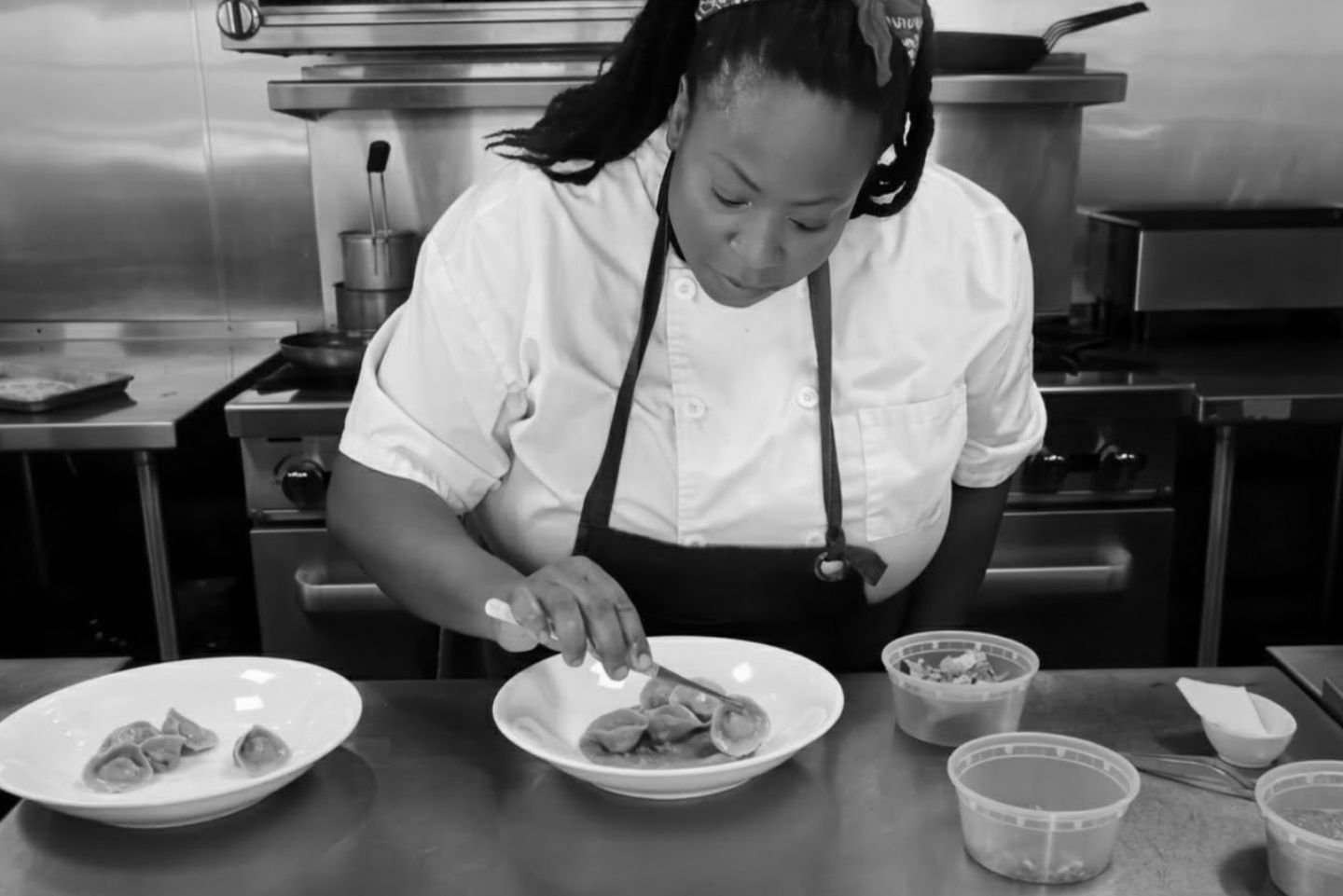
Meagan Stout
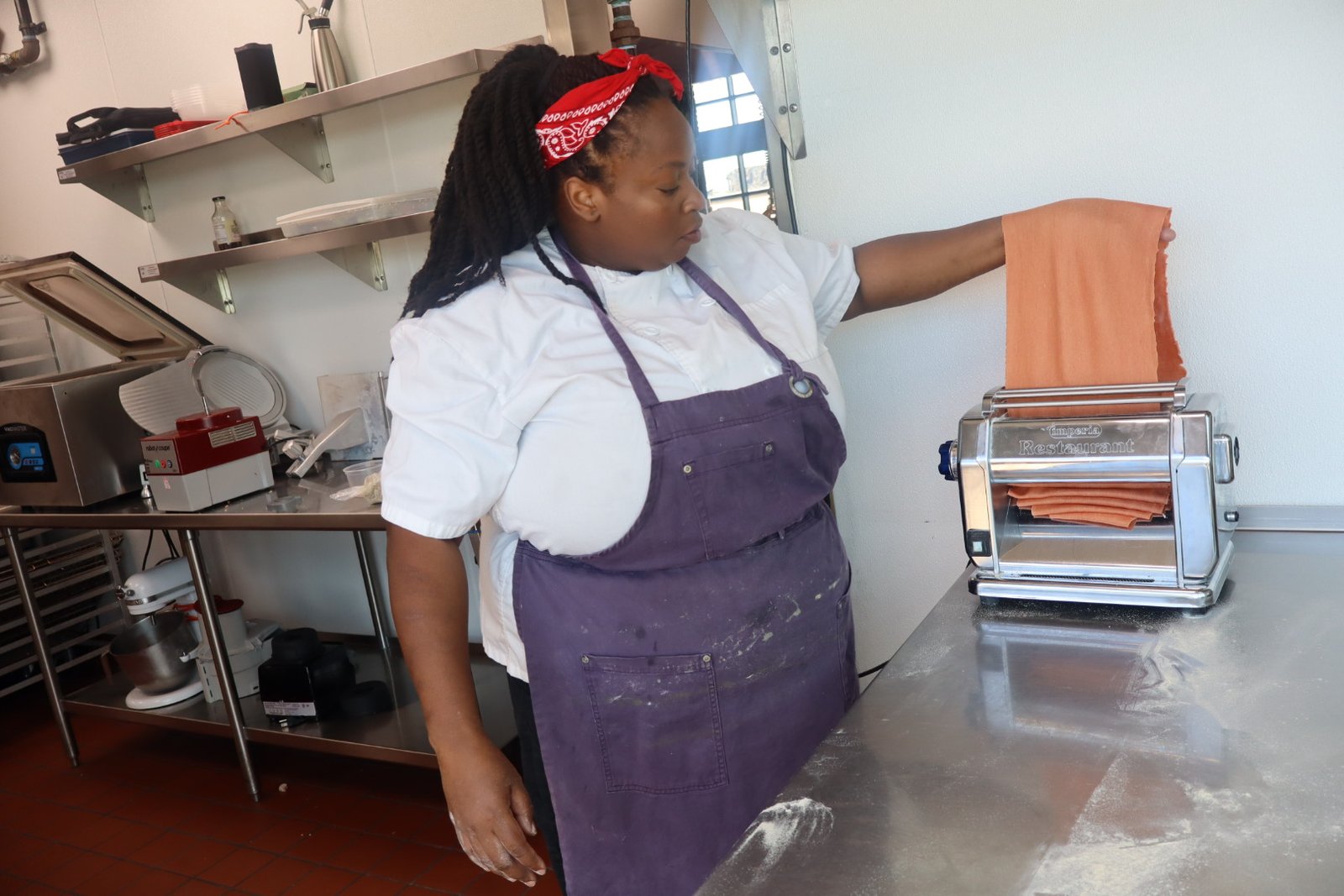
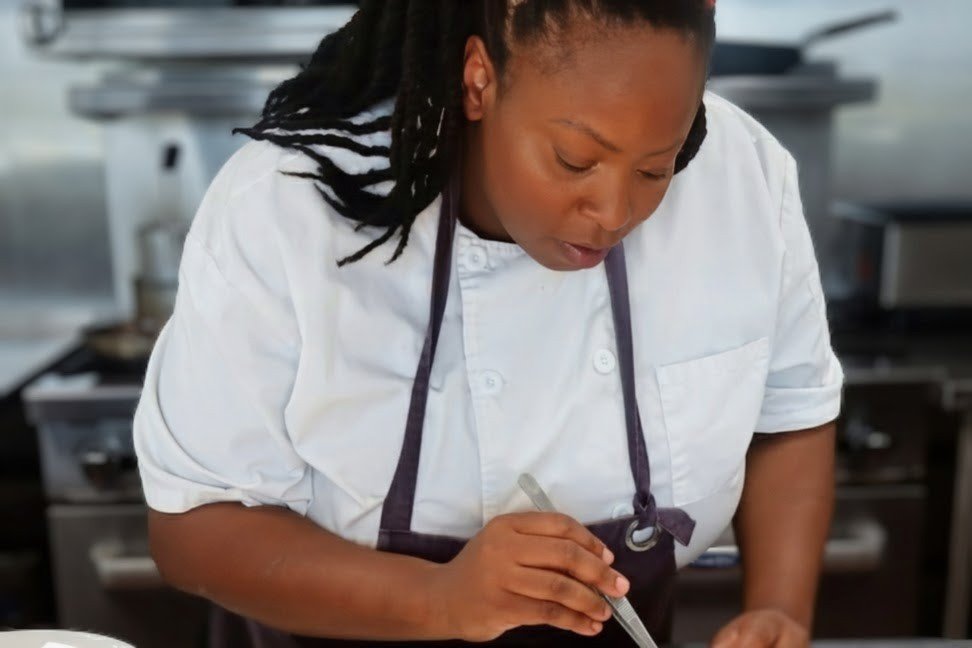
Meagan Stout didn’t grow up with much, but food was always at the center.
One of nine kids, in a small kitchen in Houston. They didn’t travel, but they experienced the world, different cultures, and flavors through what they cooked. That’s where it started, not as a career, but as a way to understand the world.
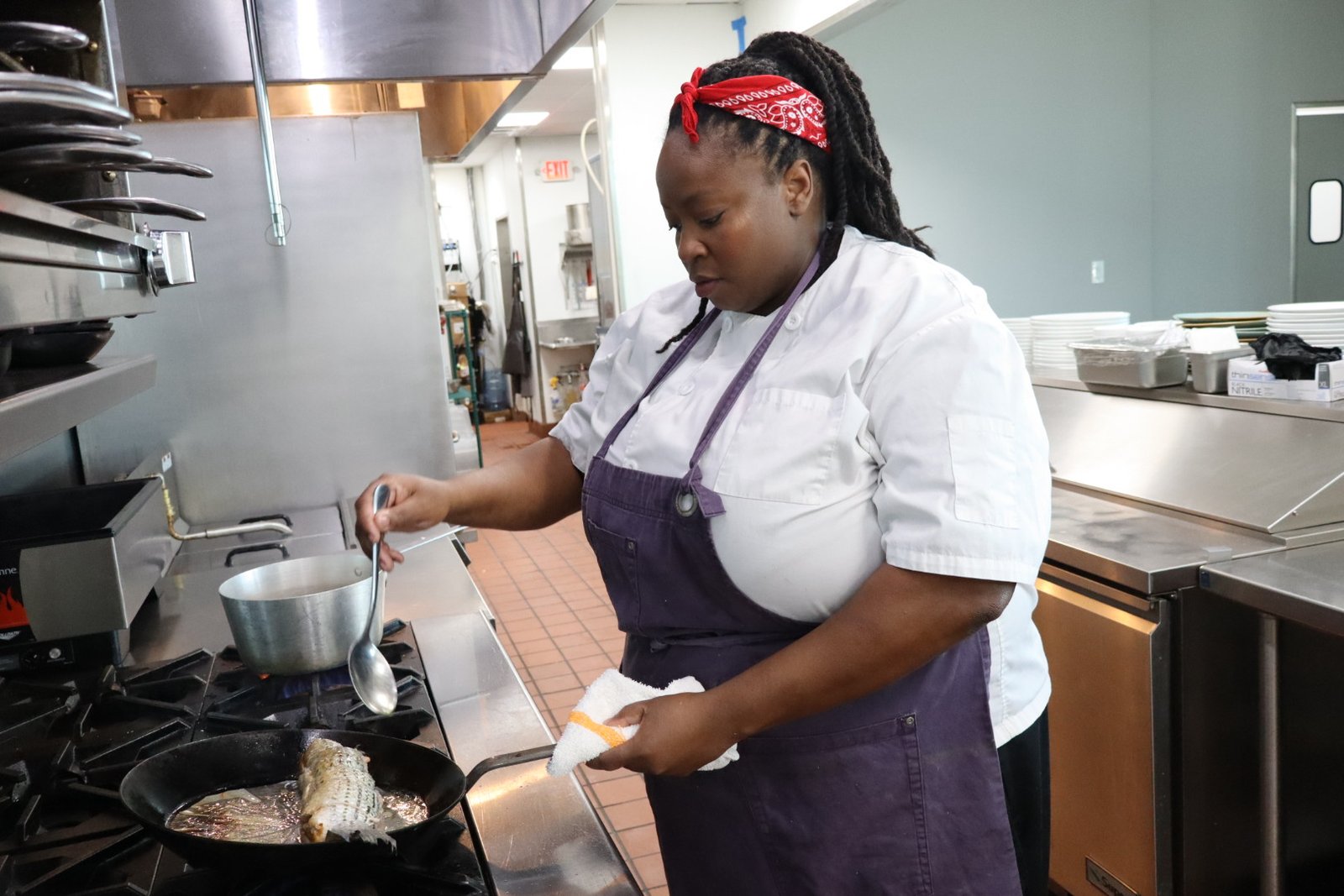
She’s been in kitchens ever since. Years of pressure, long hours, and environments that weren’t always built for her. Spaces where she had to fight to stay, and chose to anyway.
Over time, that shaped how she leads now.
Less about ego, more about people. Less about surviving the kitchen, more about changing it.
In this conversation, Meagan reflects on her journey, the realities behind the industry, and the kind of kitchens she believes should exist.
Share your Journey
- Looking back at your childhood, was there a specific moment or memory that sparked your interest in food or cooking?
Growing up in a food desert and as one of nine children, I found food scarce and sacred. We learned about the world through food from Martin Yan, Jacques Pepin, and PBS’s Best Chefs in the World. My mother dove into Emeril’s world nightly and Julie Child’s world as our travel guide.
On weekends, we had Peckin Duck, roast geese, chicken Kyiv, Vietnamese fare, and Moroccan grub in our tiny kitchen in the inner city of Houston, TX. This taught me empathy, cultural connection, and the importance of cooking as exploration and adventure. As I got older, my parents began to take my teaching for granted. I moved away to college and missed those weekend trips to my childhood home. I craved it while fumbling along my path in engineering until I realized I could do the same in any space to rediscover home.
- Did you have another career or job before becoming a chef? How did those experiences influence your decision to pursue cooking?
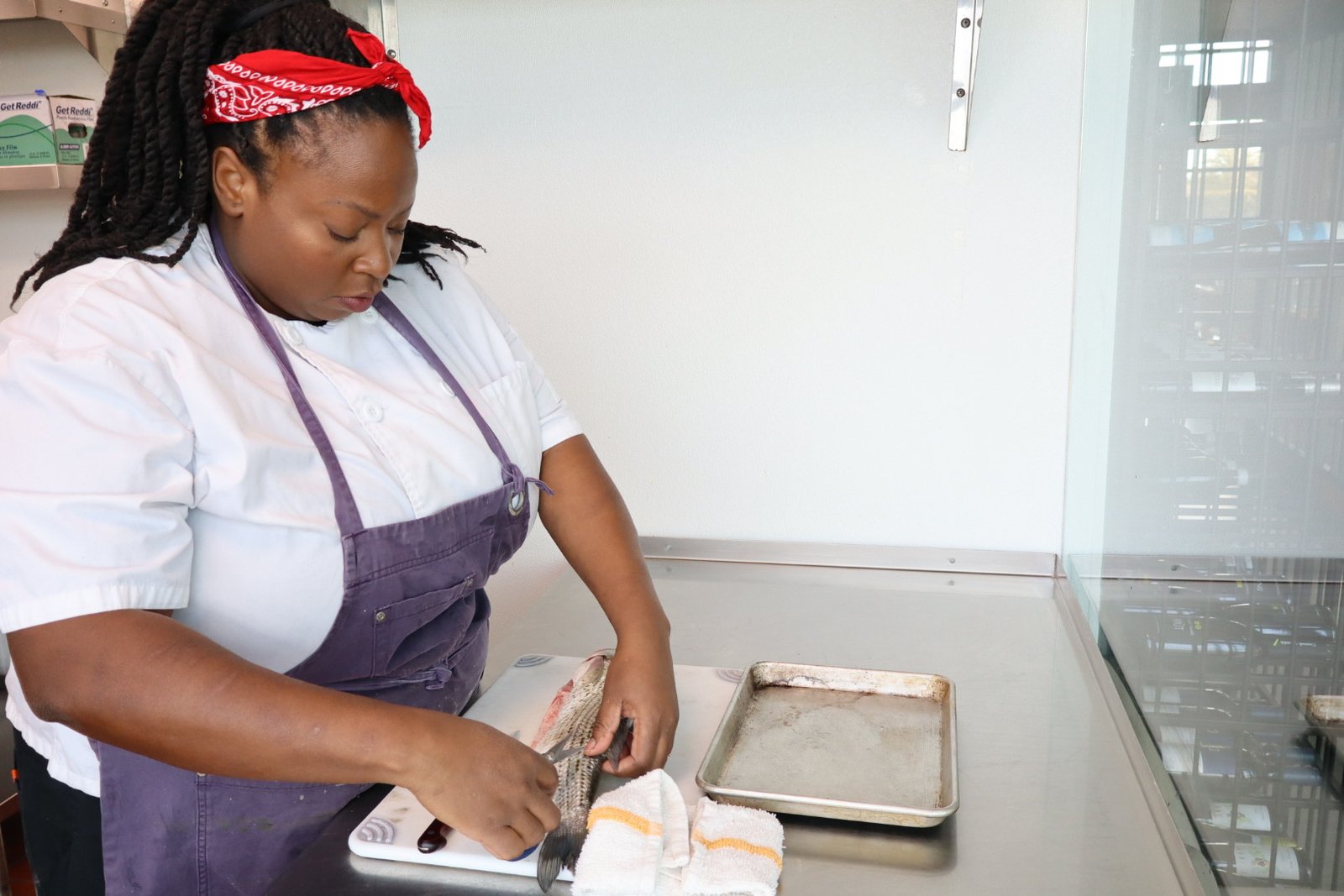
I’ve been a cook since I was 16. I haven’t done anything else in 20 years.
- Did you formally study culinary arts, or are you self-taught? How has your learning journey shaped your approach to cooking?
I was formally trained for a short time in culinary school, but I learned the most in high caliber and Michelin starred kitchens. I taught ACF culinary arts later in life, mentoring people who chose that route, but I also teach in kitchens because culinary school isn’t the only path.
- When did you first step into a restaurant kitchen? What was that experience like, and how did it shape your journey as a chef?
My first restaurant kitchen outside food-service production kitchens was the French Room at the Adolphus Hotel in Dallas, TX. It made me feel like I met my soulmate. I had to learn more and challenge myself to know my mate. I still have an insatiable appetite for learning and growth.
- What were some of the early challenges or obstacles you faced when you started in the kitchen, and how did you overcome them?
Some people feel kitchens aren’t made for people like me: female, black, and bold. I’ve weathered bullying, racism, sexism, assault, and corporate corruption to cover these things up. It has empowered me to stand steady and open doors for people like me. The world needs to see a broader perspective beyond French and Italian food.
- What keeps you inspired, and how has that inspiration driven you throughout your professional journey? Especially during tough times in the kitchen?
My passion. It’s annoying most of the time. I could have had so many missed moments, holidays, birthdays, and times. More time with my kid and spouse. More time for myself, my health, and other joys. But my passion to cook, learn, and evolve as a chef lingers loud. I think I was just born this way.
- Can you recall a moment in the kitchen that marked you forever? Maybe it was an interaction with a mentor, a fellow cook, someone you fed, or a situation that challenged you in a way that shaped who you are today?
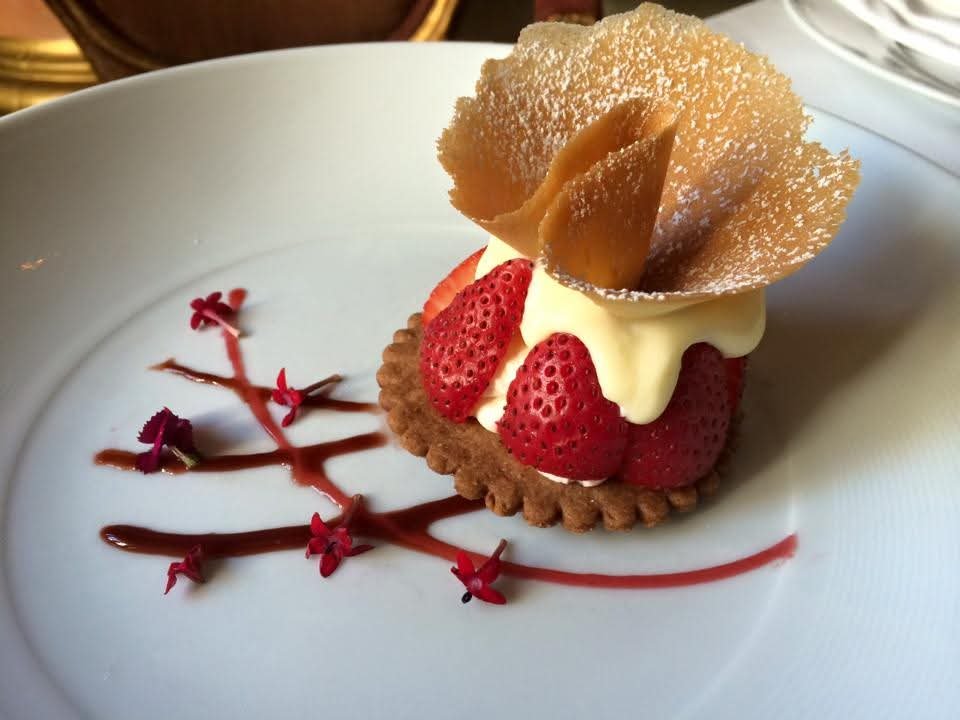
The first time I got a shot to put a dish on the menu. I was a pastry cook at the time. It was a large rose-scented macaron with strawberry. I overcooked the macarons and didn’t let them mature. The first order went out and came back in seconds. Everything was trashed in seconds. I laugh now, and you bet, I will never screw up a macaron again.
- As a chef, how would you describe your philosophy in the kitchen, and how does it guide your approach to cooking and leadership?
I always ask my cooks, “Are you truly in it or just visiting?” When people are dedicated to the craft and not just the job, excellence can be achieved. I’m also huge into empathy and working as a unit. The world needs to be more empathetic for us all to thrive as a unit and society.
- Can you share a time when cooking or the camaraderie in the kitchen helped you through a tough period in your life? What made that experience meaningful?
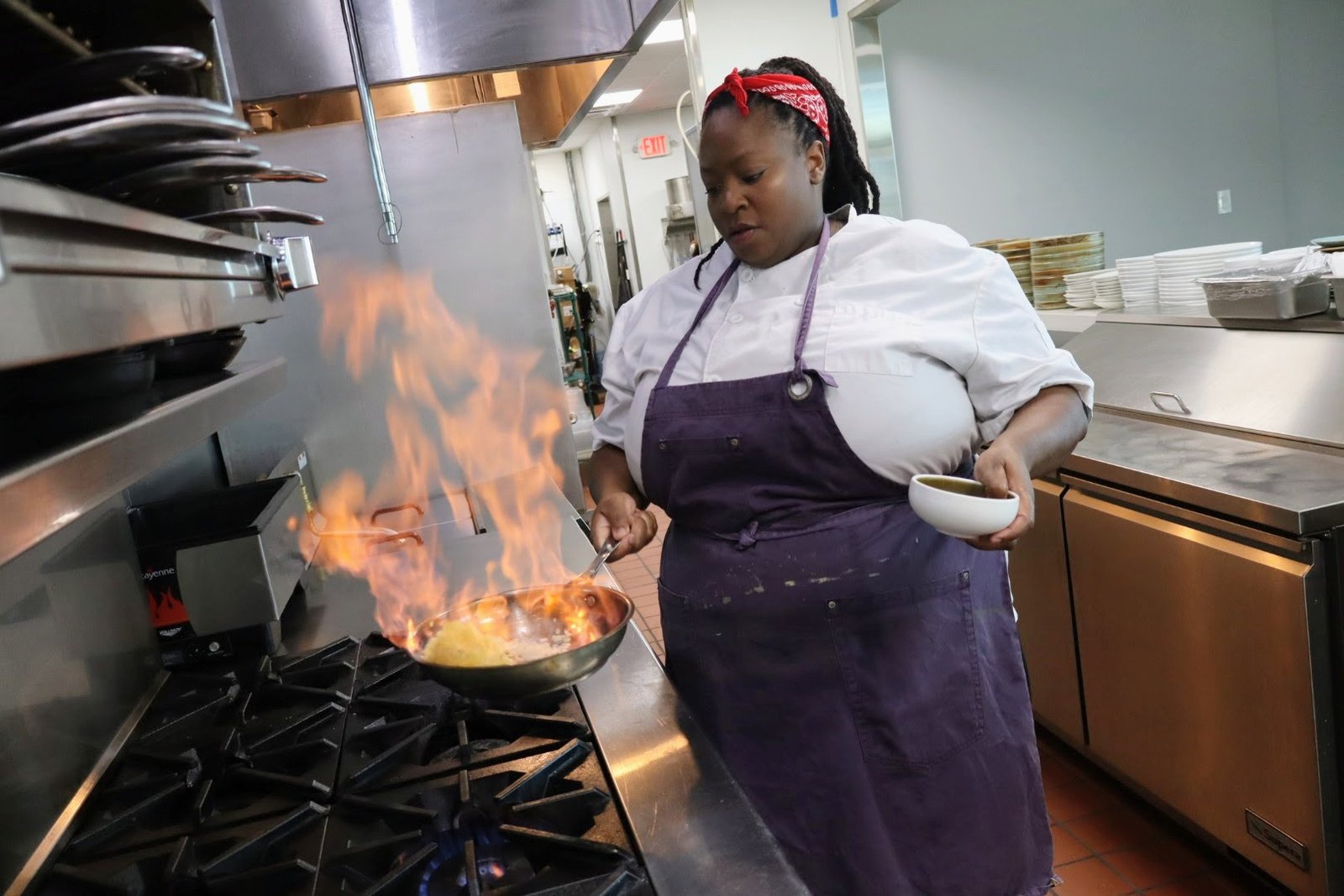
Working in Michelin kitchens is tough. There was one rough day at a particular Michelin restaurant when the brunch shift almost became my demise. Ticking flying, working with a new station mate, and just not being set up enough. I was considered the lead cook, so the chef was on me like white on rice. So many choice words and phrases were yelled at me. It began to diminish my confidence. We had a second to get water, and my whole team hugged me and told me how badass I am. That was my fuel to keep going.
- Reflecting on your career, what achievements or milestones are you most proud of, and what do they mean to you?
I was named Rising Chef in Dallas in 2018. I was promoted to sous chef at a Michelin-starred restaurant. I was granted a James Beard Fellowship early in my career. The most rewarding is teaching cooks who are hungry and want to grow and learn. It reinvigorates me and allows me to outpour all the knowledge I have to help them succeed.
- What aspects of restaurant culture do you love, and what parts do you find frustrating or problematic? Are there any changes you’re actively working toward or things you hope they change in the industry? Share the reasons behind them and how they align with your vision for a better culinary world.
What I love most about restaurant culture is the sense of craft and shared purpose. A kitchen can feel like a small world built around discipline, creativity, and trust. There is something beautiful about a group of people from different backgrounds moving in rhythm toward the same goal, feeding others. Restaurants are also one of the few places where culture, memory, and identity show up on a plate. I love the constant learning, the humility ingredients demand, and the way food can connect people who might otherwise never meet.
At the same time, parts of the industry can be deeply frustrating. The culture often glorifies burnout, long hours, and unhealthy work environments. Too many kitchens still tolerate toxic leadership, inequity, and the idea that suffering is the price of excellence. As someone who values mentorship and empathy, I want kitchens to remain places of high standards without sacrificing humanity. I believe great food does not require broken people to produce it.
The changes I hope to see, and actively try to model, center around respect, sustainability, and curiosity. That means building kitchens where younger cooks are taught rather than humiliated, where diverse voices and culinary traditions are valued, and where technique is paired with care for the people doing the work. My vision for a better culinary world is one where craft and compassion exist side by side, where the pursuit of excellence also honors the well-being of the people who make it possible.
- What are your hopes for the future of the restaurant and food and beverage industry? What changes would you like to see, and how are you contributing to that change?
I hope the glorification of ultra-fine dining is limited. The state of affairs without the US is tough right now. The glorify elitism is troubling, as most of the country struggles. Also, I hope there is less gatekeeping of who sits at the top of the industry. It’s very much who-knows-who, but not necessarily the people working in the background.
Secret Sauce
- What’s the most unexpected ingredient you’ve ever worked with, and how did it change your perspective on cooking?
Bottarga. It’s cured fish roe. It opened up the world of traditional preservation techniques like curing, drying, and fermenting.
- What’s your “guilty pleasure” meal?
Smoked Chicken Wings.
- A food trend that you hate and why?
Trends exist for a reason. I don’t hate any of them if people love them.
- What’s the craziest shift you’ve ever worked in the kitchen?
Any mother’s day brunch.
5. What happened, and how did you manage to get through it?
Over caffeinated, pumped up my team, and didn’t stop flipping eggs until the doors closed.
- What tips would you give to other cooks and chefs to help them navigate their culinary careers and find peace amid the chaos of the kitchen?
Get a “glam team” that includes a therapist, a primary care physician, a nutritionist, and a group of grounded people who uplift you. Find those first before thinking about buddies.
- What’s an underrated ingredient and why?
Nigella seeds.
8. What’s a must-try dish from your kitchen or the one you’re proudest to have prepared?
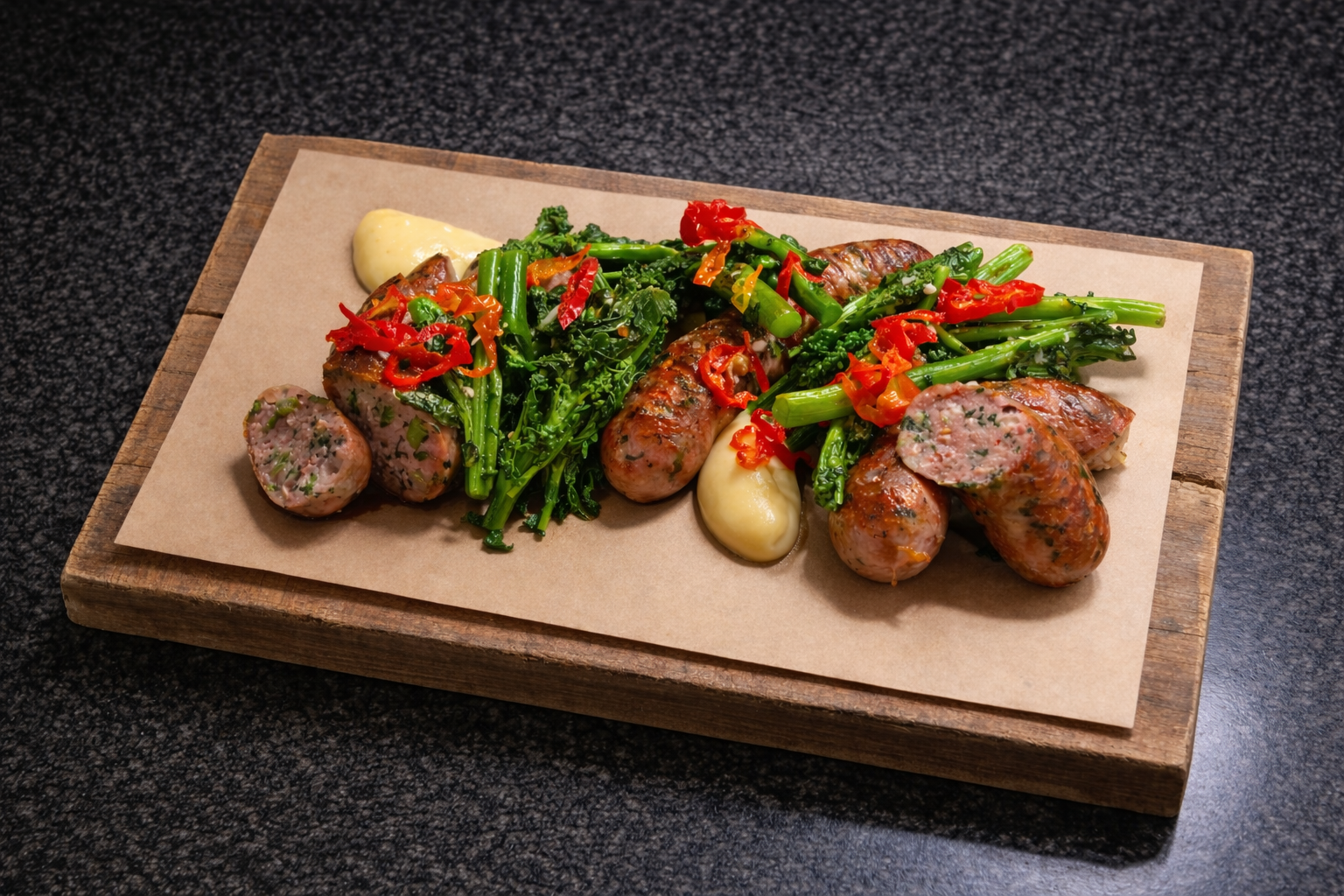
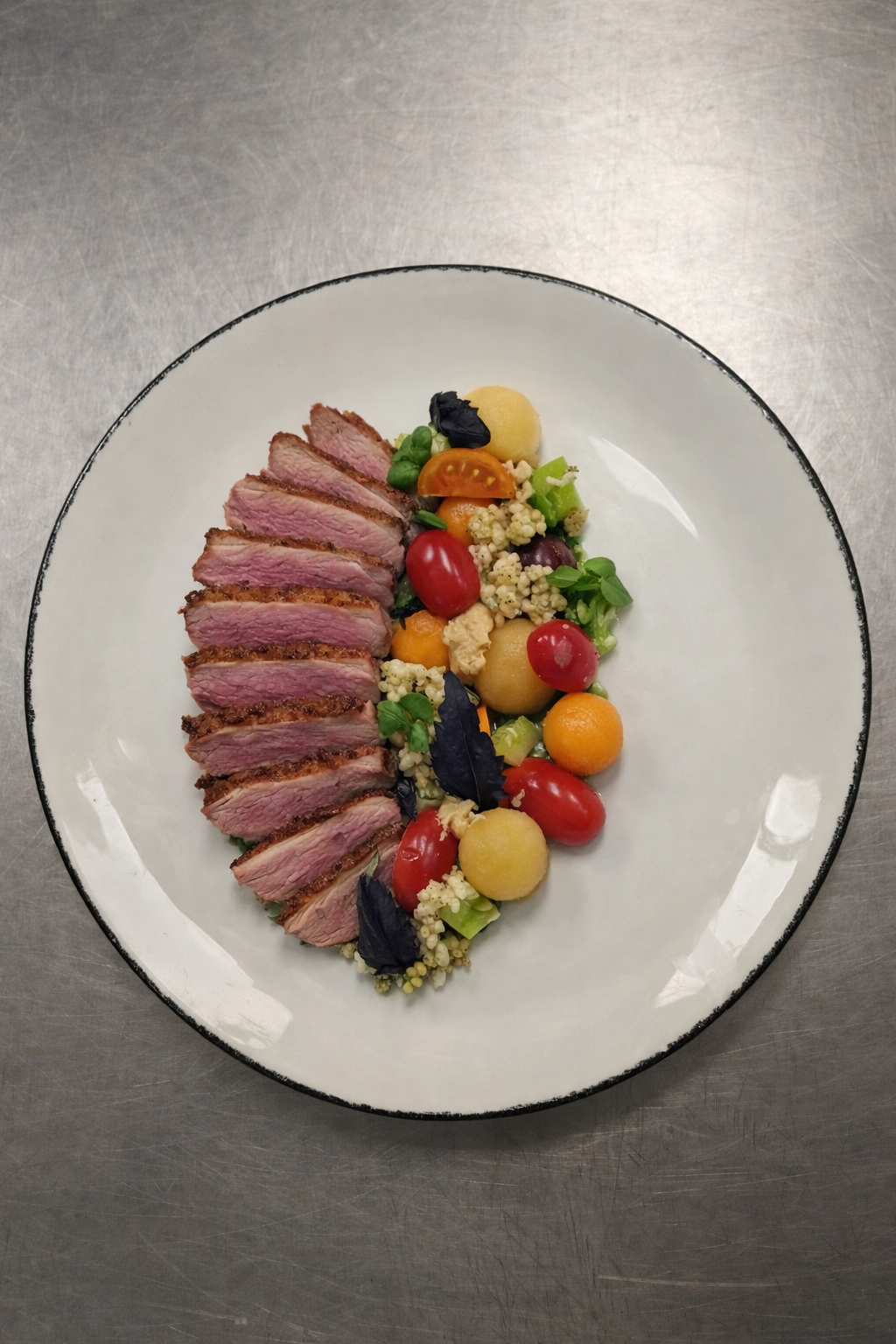
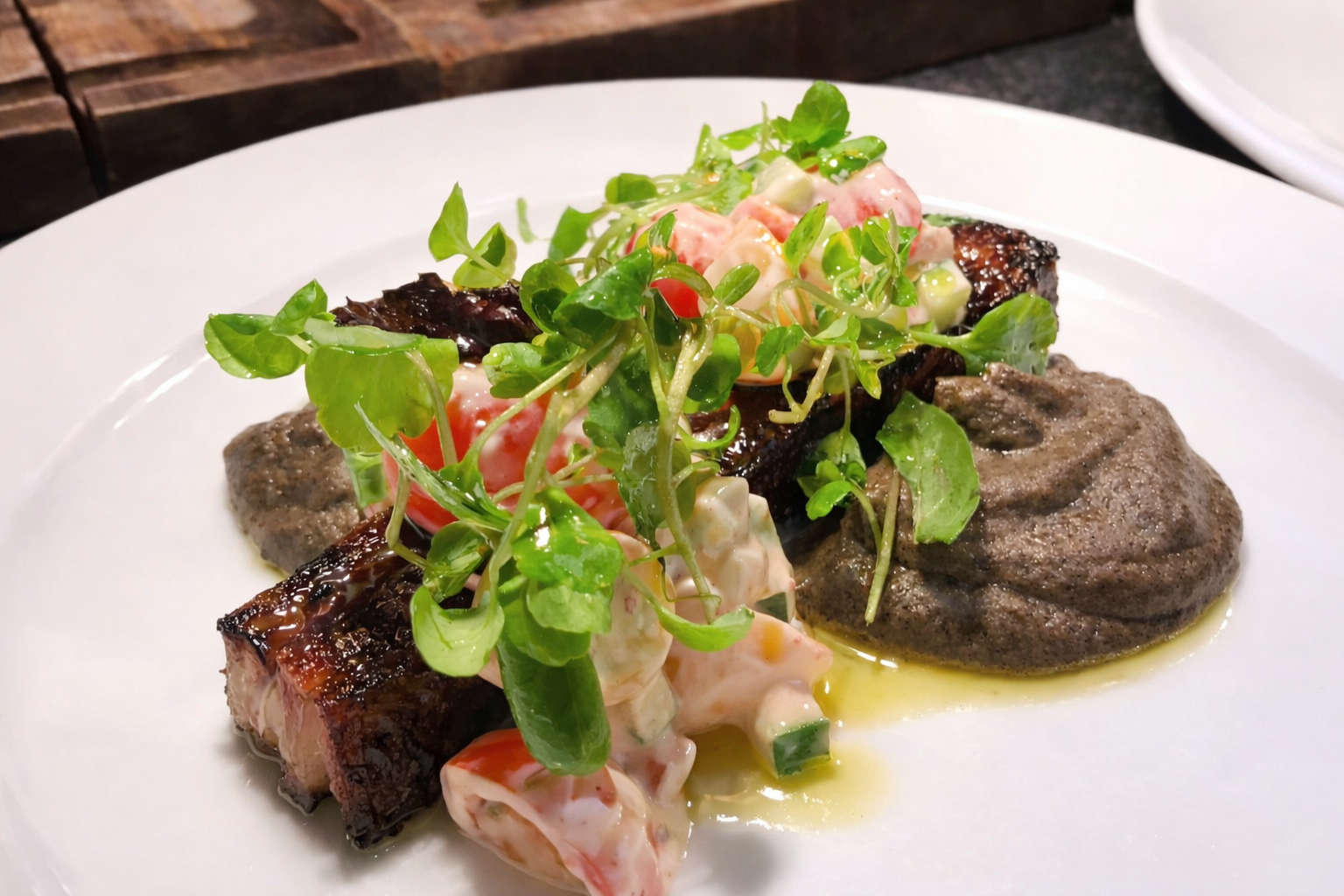
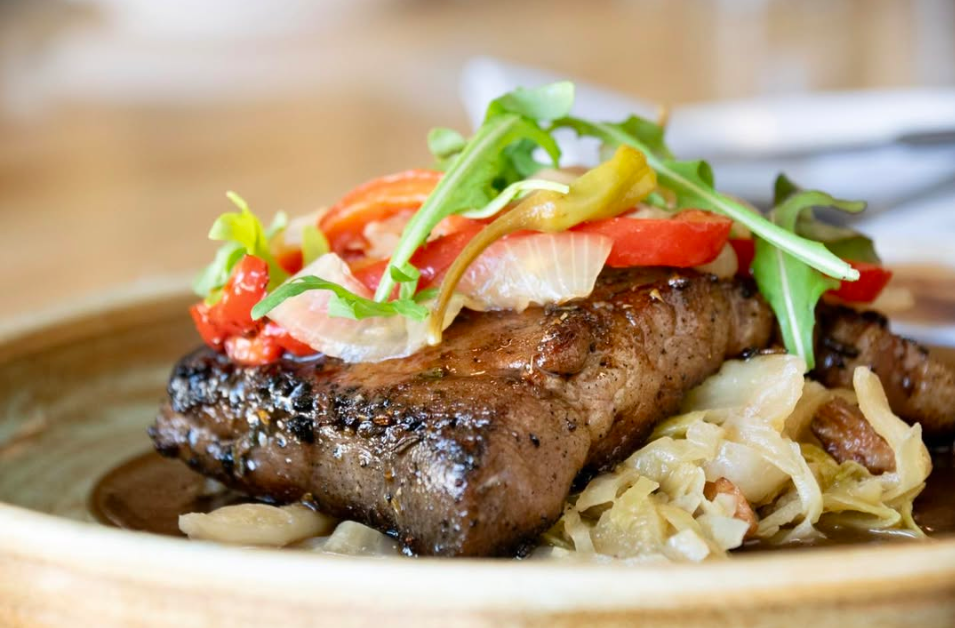
Anything I make with pork shoulder.
About Your City!
Arlington, TX
- If Anthony Bourdain or a chef came to your city, what would be the perfect tour itinerary from breakfast to dinner?
In the DFW Starship bagels while you wait in line at Goldee’s BBQ IN Kennedelle. The Modern Museum of Art in Fort Worth. Dinner at Radici in Grand Prairie, a nightcap at Midnight Rambler at the Houle Hotel. Visit glow on the Dark Park in Farmers Branch with a little one.

Support our project by buying our merch!

86 HOTK Unisex t-shirt
$30.00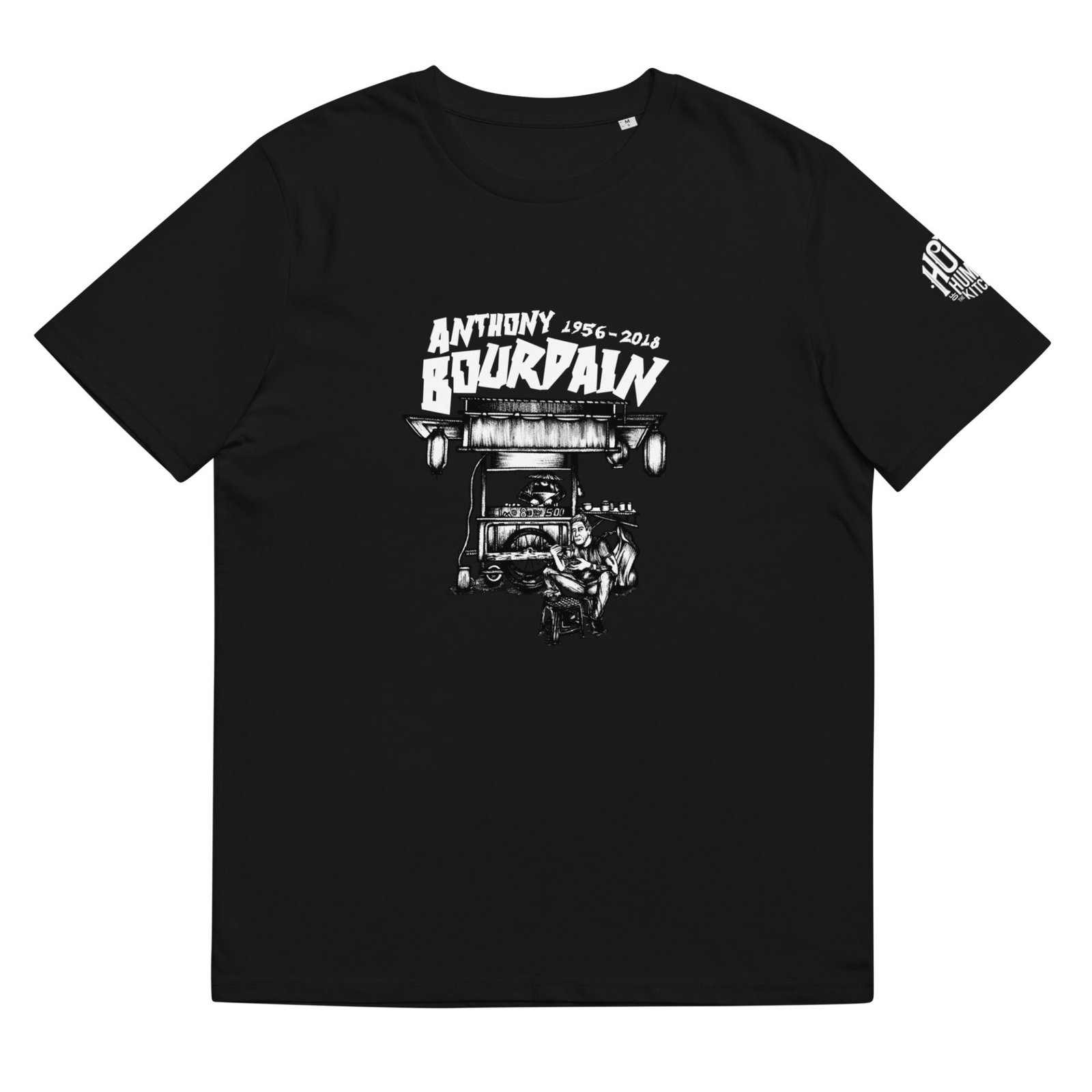
Anthony Bourdain T-Shirt
$35.00
Mise HOTK Unisex t-shirt
$30.00