Flavors From the Black Sea
Childhood memories of simple meals became the foundation of his cooking philosophy.
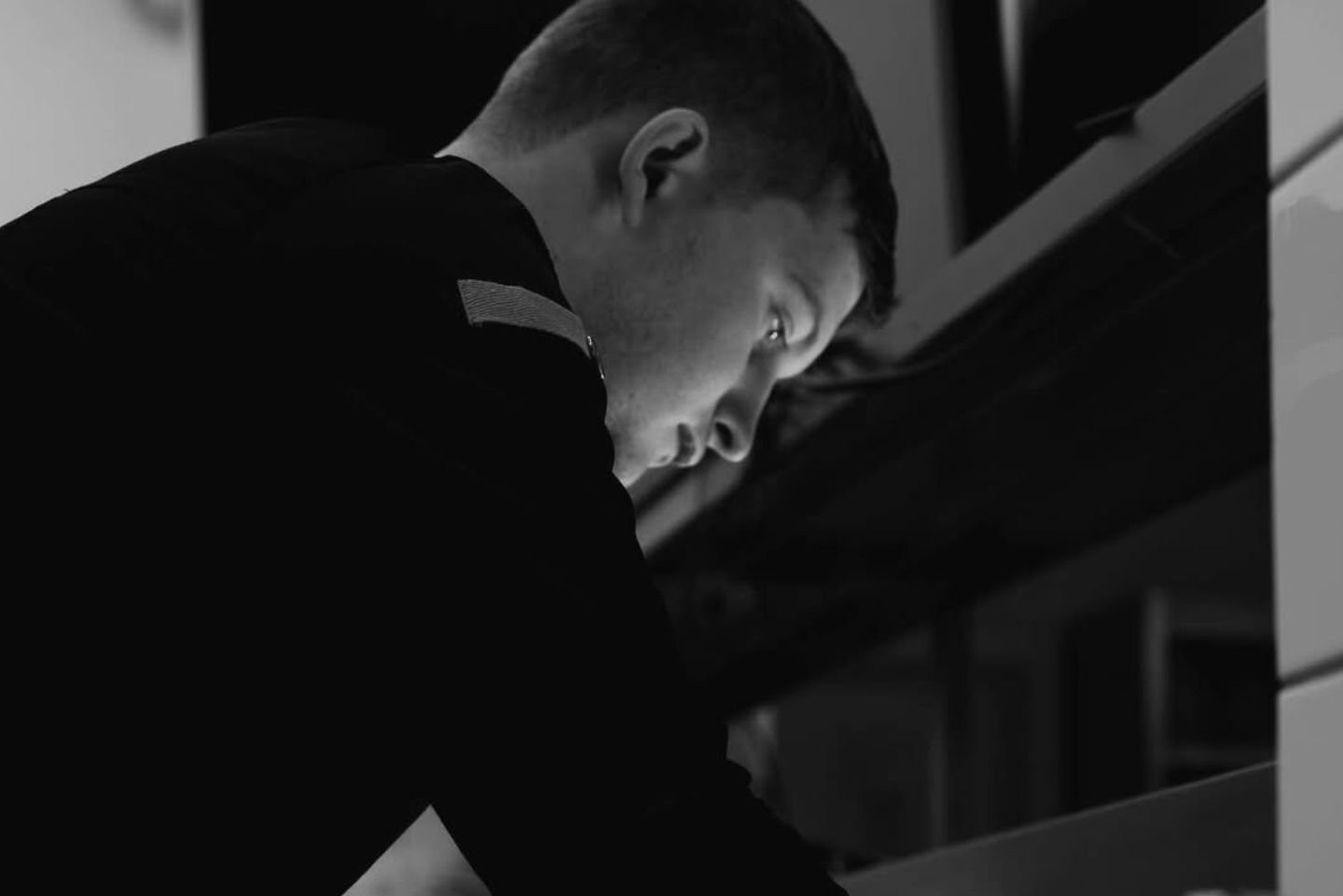
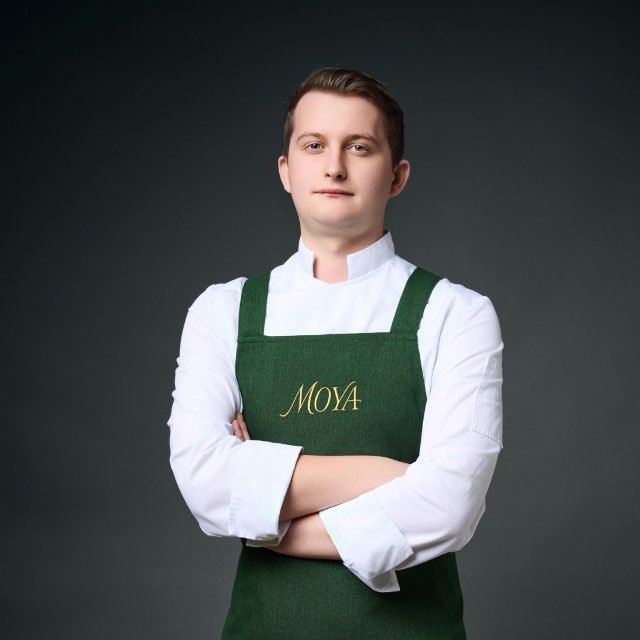
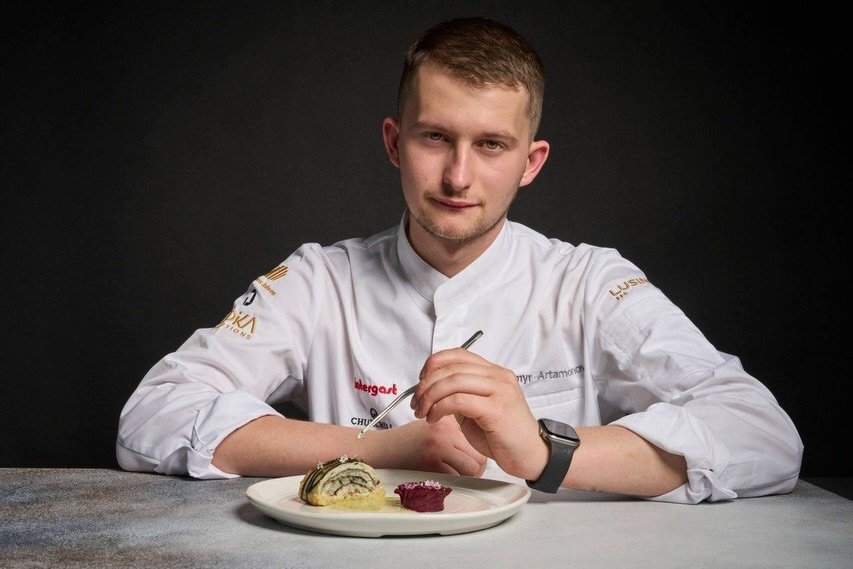
Volodymyr Artamonov
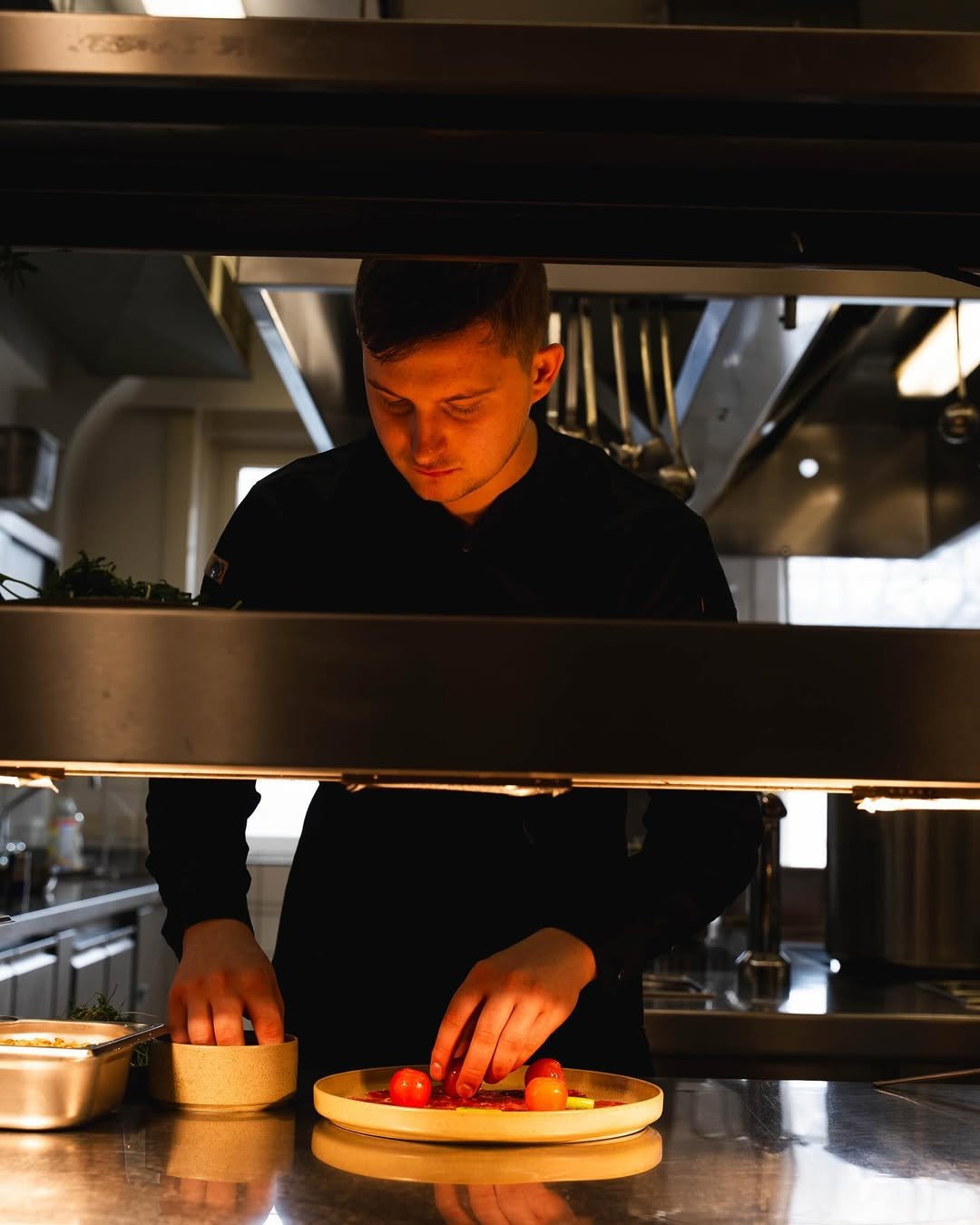
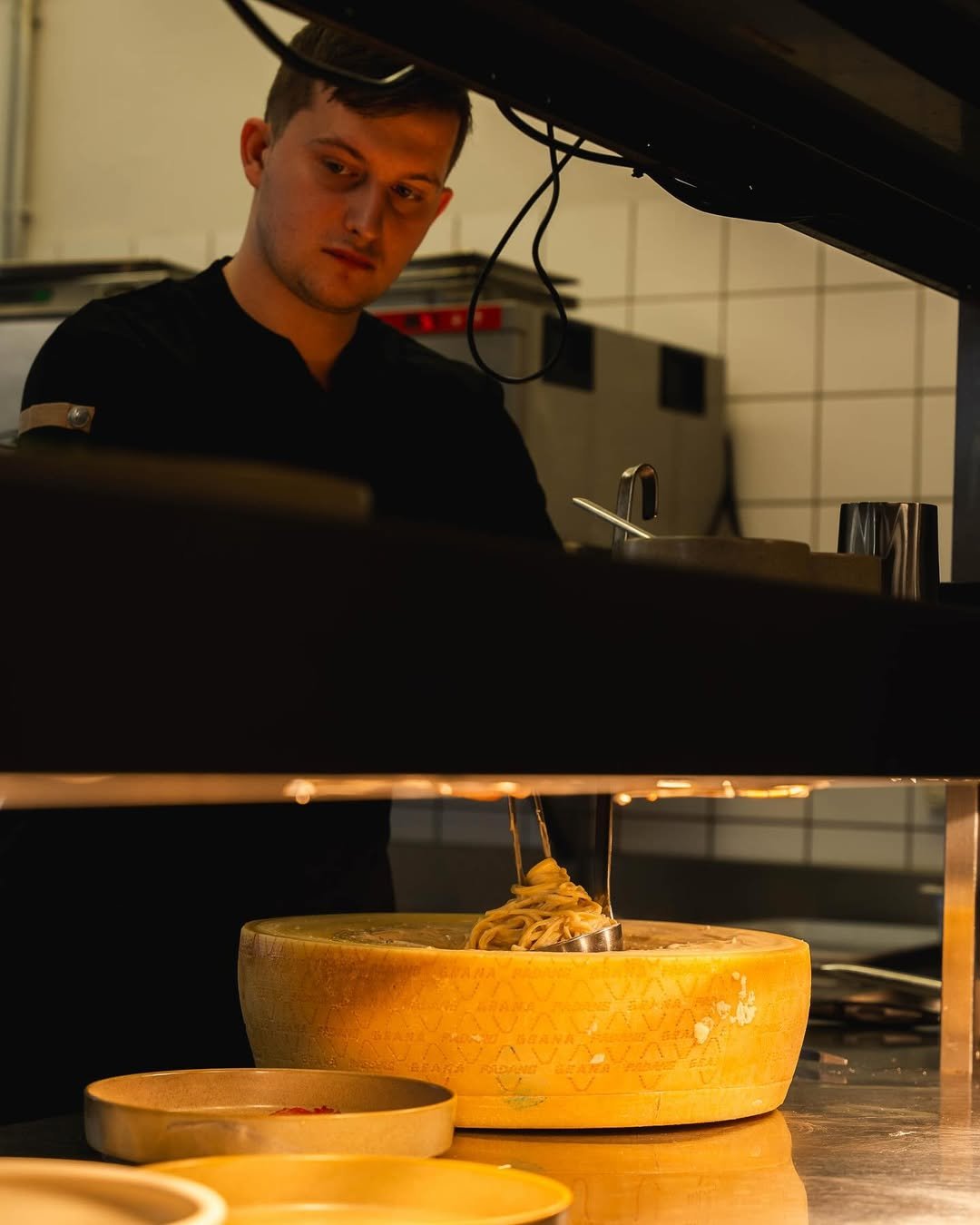
Volodymyr Artamonov’s cooking starts with memory. The sound of oil in a pan, fresh fish from the sea, meals that didn’t need much to mean everything.
He’s been in kitchens since he was 14, shaped by pressure, discipline, and environments that demand more than just talent. Moving from Odessa to Germany forced another kind of growth with a new language, a new culture, and starting over. Through it all, he held onto the same idea that cooking isn’t about complexity, it’s about honesty. Let the product speak, do the work, and keep improving.
His path has been built on consistency, not shortcuts. From early lessons in humility to working under chefs who pushed him to be better, every step has reinforced the same belief that this craft takes time, sacrifice, and intention.
In this conversation, Volodymyr shares how those early memories continue to shape his cooking, the discipline behind his growth, and what it takes to build something honest in an industry that doesn’t wait for anyone.
Share your Journey
- Looking back at your childhood, was there a specific moment or memory that sparked your interest in food or cooking?
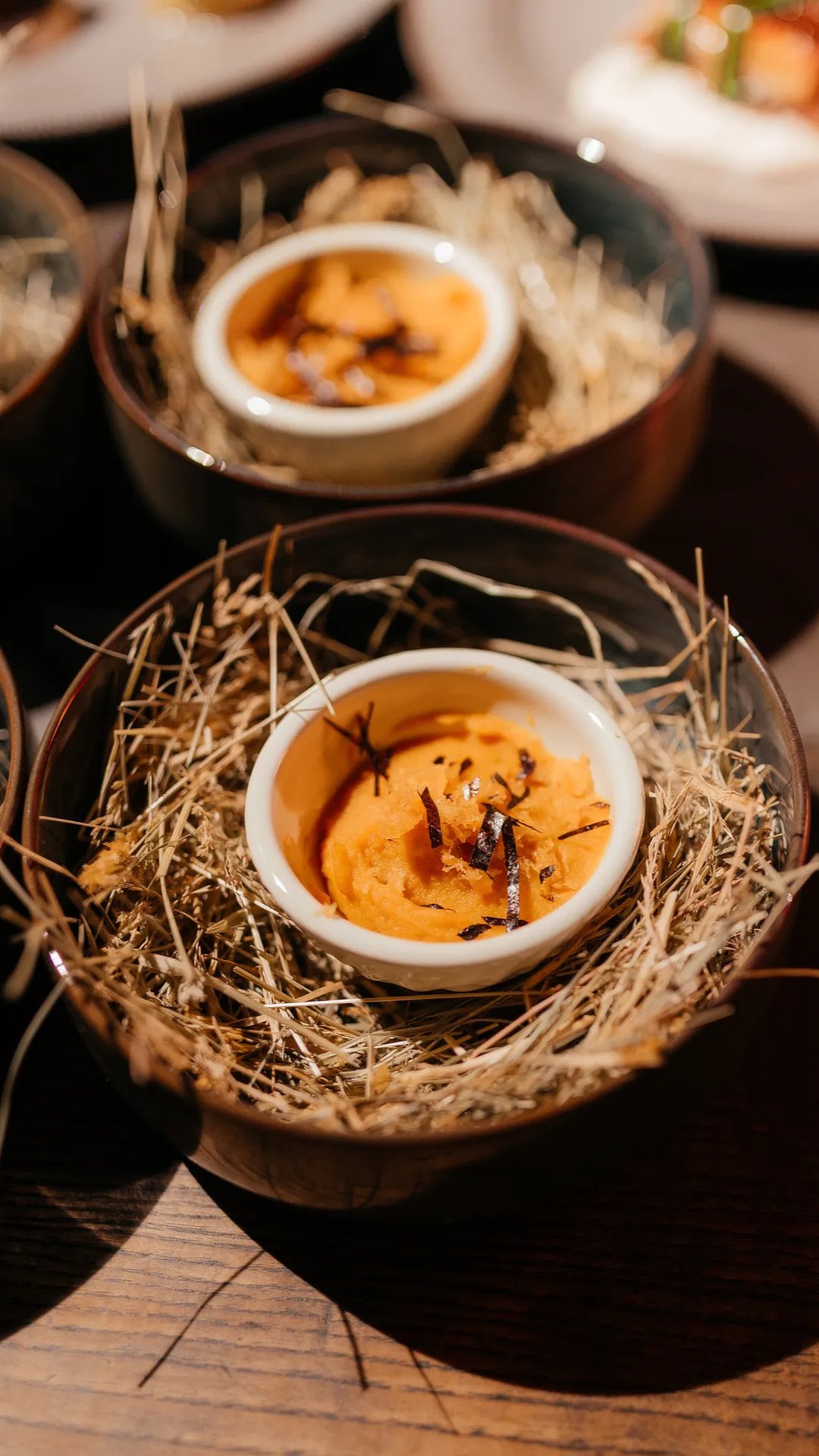
I grew up in Odesa, by the sea. One of my strongest childhood memories is watching flounder being fried at home, just flour, a pan, and fresh fish. I still remember the sound of the oil, the smell of the kitchen, and how such a simple meal could bring the whole family together. My father also used to bring home game after hunting, pheasant and quail, and we cooked it very simply: fire, salt, and time.
That was when I understood that food is not just something you eat. Behind every dish there is a story, a memory, and an emotion. Later, when I started working in kitchens, I wanted to connect those childhood memories with professional technique and precision. Even today, my dishes come from that same place: simple, honest flavors from my childhood, expressed through modern gastronomy.
- Did you have another career or job before becoming a chef? How did those experiences influence your decision to pursue cooking?
No, cooking has always been my first and only profession. From a young age, I knew I wanted to work in kitchens. I started early, and the more time I spent in this world, the more certain I became that this was where I belonged.
What kept me in this profession was not only the food itself, but also the discipline, the pressure, and the feeling of creating something meaningful every day. Working in kitchens taught me precision, patience, and how much can be achieved through hard work. Even when it is difficult, I cannot imagine doing anything else.
- Did you formally study culinary arts, or are you self-taught? How has your learning journey shaped your approach to cooking?
I did receive a formal culinary education, but I learned much more by working than by sitting in a classroom. While many other students spent most of their time behind a desk, I was always trying to be in the kitchen, watching, practicing, and learning through real service.
For me, the most important lessons did not come from books, but from the people I worked with, the pressure of service, and the mistakes I made along the way. That experience shaped my approach to cooking: practical, disciplined, and always focused on improving every day.
- When did you first step into a restaurant kitchen? What was that experience like, and how did it shape your journey as a chef?
I first stepped into a professional kitchen when I was 14 years old. I was very young, and at the beginning, I mostly watched, cleaned, and helped with small tasks. But even then, I was fascinated by the energy of the kitchen, the speed, the discipline, and the teamwork.
Very quickly, I realized that this was the place where I wanted to be. The pressure did not scare me; it motivated me. From that moment on, I tried to spend as much time as possible in kitchens, learning from every chef and every service. That first experience shaped the way I work today and confirmed that cooking was not only my profession, but my path.
- What were some of the early challenges or obstacles you faced when you started in the kitchen, and how did you overcome them?
One of the biggest challenges at the beginning was that I was very young. I had to prove that I was serious and that I belonged in the kitchen, even though I was younger than almost everyone around me. The work was physically difficult, the hours were long, and there was a lot of pressure.
Later, another challenge was moving to Germany and adapting to a new language, a new culture, and a different way of working. At first, it was not easy. But I overcame those difficulties by working harder, listening more, and never being afraid to ask questions. I learned that if you are willing to work and keep improving, obstacles eventually become part of your strength.
- What keeps you inspired and how has that inspiration driven you throughout your professional journey? Especially during tough times in the kitchen?
What inspires me most is the idea that cooking can tell a story. I am inspired by my childhood memories, the sea in Odesa, simple dishes, and the people I have met in kitchens. I am also inspired by chefs who show that discipline, hard work, and creativity can exist together.
In difficult moments, what keeps me going is the feeling that every challenge can make me stronger. I remind myself why I started: because I love this profession and because I want to become better every day. I want to build something meaningful, make my family proud, and one day become a chef known not only for technique, but also for having something real to say through food.
- Can you recall a moment in the kitchen that marked you forever? Maybe it was an interaction with a mentor, a fellow cook, someone you fed, or a situation that challenged you in a way that shaped who you are today?
One of the moments that left the biggest mark on me was the moment I joined Moya by Daniel Wallenstein. Daniel had just become Chef of the Year 2025, and for me, it was the first time I was working so closely with someone who had reached a level I had dreamed about myself.
What impressed me most was not only his technique, but his discipline, his standards, and the way he pushed everyone around him to become better. Working in that environment taught me that talent alone is not enough. You need consistency, sacrifice, and the courage to keep going even when you are tired or doubt yourself.
Today, I am a semifinalist for Koch des Jahres myself, and I often think back to those moments. They showed me that the distance between a dream and reality is smaller than it seems if you are ready to work for it every day.
- As a chef, how would you describe your philosophy in the kitchen, and how does it guide your approach to cooking and leadership?
One of the philosophies that influenced me the most came from Daniel Wallenstein. He taught me that the best cooking begins with respecting what nature gives us. The product should always come first. Instead of trying to hide it behind too many techniques or ingredients, we should bring out its true character.
Today, I believe the same. My approach is based on simplicity, precision, and honesty. I want every ingredient to taste like itself, fish should taste like fish, and vegetables like vegetables. Technique is important, but only if it helps express the natural flavor more clearly. Even though I am still learning and growing, this is the philosophy that guides me every day in the kitchen.
- Can you share a time when cooking or the camaraderie in the kitchen helped you through a tough period in your life? What made that experience meaningful?
Moving to Germany was one of the hardest periods of my life. I had to leave behind my home, my country, and everything familiar. I arrived in a new place, with a new language and a different culture, and there were moments when I felt alone and unsure of myself.
What helped me most during that time were the kitchen and my wife. In the kitchen, I felt that I still had a place and a purpose. No matter how difficult life felt outside, once I was working, I knew who I was. At the same time, my wife was always there for me. She believed in me even in moments when I doubted myself. Together, those two things gave me the strength to keep moving forward.
- Reflecting on your career, what achievements or milestones are you most proud of, and what do they mean to you?
The achievement I am most proud of is becoming a semifinalist in Koch des Jahres. For me, it means much more than just taking part in a competition. It is proof that all the years of hard work, long hours, sacrifices, and difficult moments were worth it.
As someone who came to Germany from another country, had to build a new life, learn a new language, and prove himself in a new environment, I find this moment especially meaningful. It shows me that I am moving in the right direction. At the same time, I know that this is only the beginning and that I still have much more to achieve.
- What aspects of restaurant culture do you love, and what parts do you find frustrating or problematic? Are there any changes you’re actively working toward or things you hope they change in the industry? Share the reasons behind them and how they align with your vision for a better culinary world?
What I love most about restaurant culture is the discipline, the teamwork, and the feeling that everyone is working for the same goal. A great kitchen can teach you respect, responsibility, and how much you are capable of when you push yourself.
At the same time, one thing that disappoints me today is that many young cooks, not all, but many, want quick success without being ready for the work that stands behind it. I often see people who are 18 years old and already think mostly about limits, fixed hours, and comfort. When I was 18, I remember working 16-hour days under pressure, being exhausted, but also learning more every week than I thought possible.
Of course, I do not believe that the old culture of fear, shouting, or unhealthy pressure should continue. That is not the answer. I think the industry needs both discipline and respect. Young cooks should be treated better, but they should also understand that becoming truly good at this profession takes time, sacrifice, and patience. I hope the future of the industry will combine high standards with a healthier environment, where people still work hard, but also support and teach each other.
- What are your hopes for the future of the restaurant and food and beverage industry? What changes would you like to see, and how are you contributing to that change?
My hope for the future of the restaurant industry is that it becomes a place where people can build a real, long-term career without losing their passion for cooking. I believe one of the best changes would be a 4-day-on, 3-day-off schedule. For me, that is the most realistic and healthy balance. It gives cooks time to rest, recover, and continue growing without burning out.
I also believe that salaries in our industry need to improve. Too many talented people leave kitchens because the work is hard and the pay does not match the effort.
At the same time, I hope that real competition between cooks returns. I think many people today want fast results, but fewer are willing to push themselves to become the best. Competition, when it is healthy, makes us stronger. It pushes people to learn more, work harder, and take pride in their profession. I want to contribute to that by continuing to improve myself and by showing younger cooks that passion and hard work still matter.
- If there’s anything we didn’t ask or if you feel we’re missing something about your personal and kitchen story, please share it here.
Cooking has given me much more than a profession. It gave me a place in a new country, people who became like family, and a reason to keep moving forward even in difficult moments. Sometimes I think that if I had not become a cook, I would have become a completely different person. The kitchen taught me discipline, patience, and how to keep going when things are difficult. It also taught me that behind every dish there is always a person and a story. That is why, no matter how far I go in this profession, I never want to lose the honesty and passion that made me start.
Secret Sauce
- What’s the most unexpected ingredient you’ve ever worked with, and how did it change your perspective on cooking?
One of the most unexpected ingredients I have ever used was young spruce cones. At first, I could not imagine using something from the forest in fine dining so directly. But when I worked with them, I discovered a flavor that was fresh, resinous, slightly citrusy, and unlike anything else.
They changed the way I think about cooking because they showed me that inspiration does not only come from expensive or rare products. Sometimes the most interesting flavors come from nature and from ingredients that people usually overlook. Since then, I have tried to look at ingredients differently and to be more curious about what is around me.
- What’s your “guilty pleasure” meal?
Honestly, my favorite dish is anything my wife cooks. No matter how many restaurants I visit or how many complicated dishes I make, there is something special about food made by someone who loves you. It always feels comforting, familiar, and real.
- A food trend that you hate and why?
I do not like the trend of making food only for social media. Too often, dishes are created to look impressive in photos or videos, but they do not actually taste good or have any real thought behind them. I believe that food should first make you feel something when you eat it, not only when you look at it.
- What’s the craziest shift you’ve ever worked in the kitchen?
The craziest shift I ever worked was in Belgium. During that period, we worked almost every day for about 18 hours. We started early in the morning and often finished late at night, then came back a few hours later and did it all again.
It was exhausting, both physically and mentally, but it also taught me a lot. I learned how much pressure I can handle, how important discipline and teamwork are, and how far I can push myself when everyone around me is giving everything as well.
5. What happened, and how did you manage to get through it?
It was not one specific thing that happened, but rather the constant pressure, the lack of sleep, and the feeling that every day demanded everything from you. There were moments when I was exhausted and thought that I had nothing left.
What helped me get through it was the people around me. I was lucky to work with others who were going through the same thing. We worked together, pushed each other, joked, laughed, and found energy even in the hardest moments. That experience taught me that no matter how difficult the kitchen becomes, the right team can make you strong enough to keep going.
- What tips would you give to other cooks and chefs to help them navigate their culinary careers and find peace amid the chaos of the kitchen?
My advice would be: do not try to become great overnight. Learn to be patient. Focus on the basics, work harder than others, and never think that any task is beneath you. The cooks who become the best are usually the ones who stay curious, listen, and keep learning even after many years.
To stay calm in the chaos of the kitchen, you need discipline and routine. If your station is organized and you are prepared, your mind becomes calmer too. And when things go wrong, do not panic. Breathe, focus on the next step, and trust your team. No one survives this profession alone.
- What’s an underrated ingredient and why?
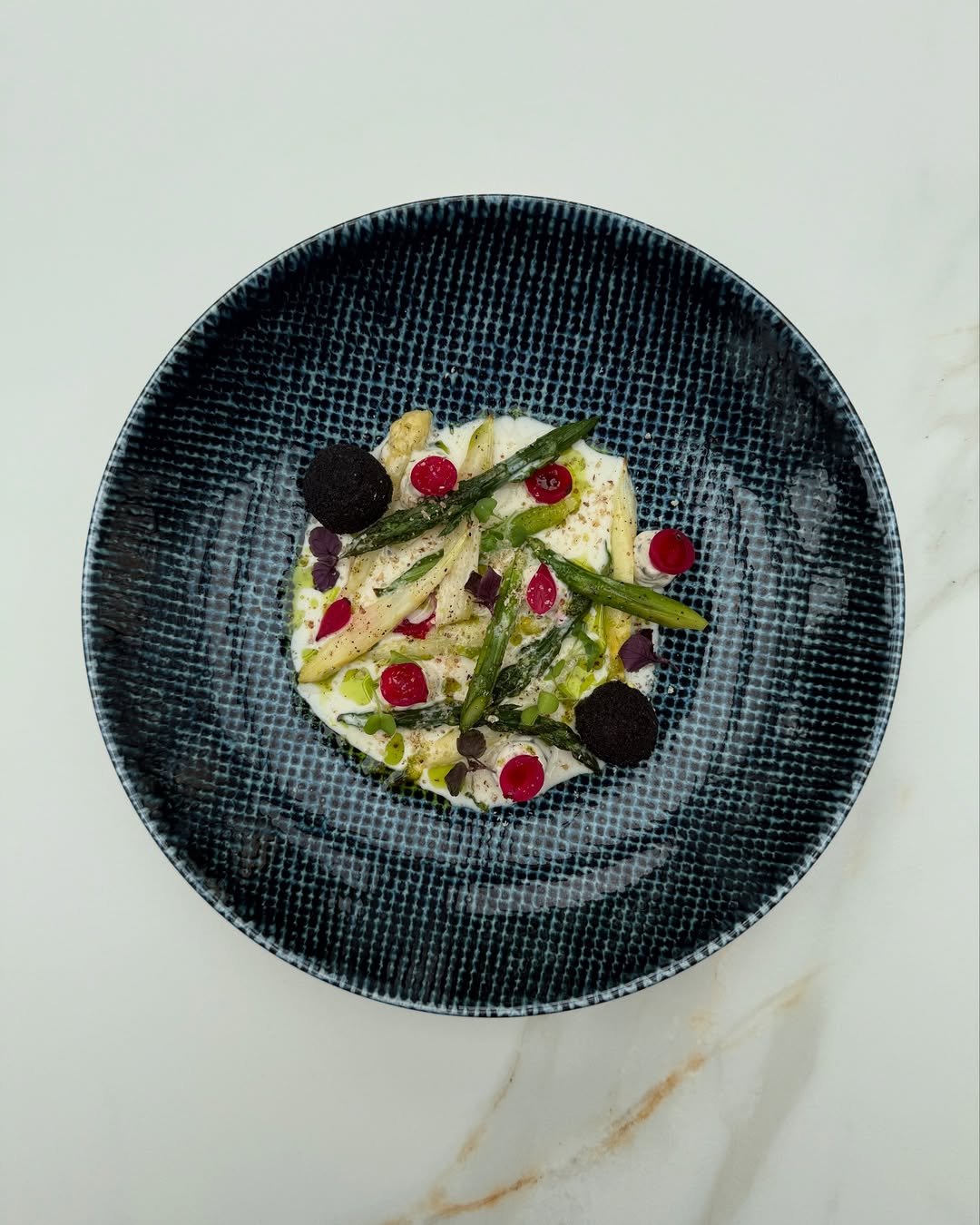
Potatoes are one of the most underrated ingredients. People often think of them as something simple, but in reality, they can be incredibly elegant and complex. A potato can become a purée, a crisp, a foam, a croquette, or something completely unexpected. I think the best ingredients are often the simplest ones, if you know how to treat them with enough respect.
8. What’s a must-try dish from your kitchen or the one you’re proudest to have prepared?
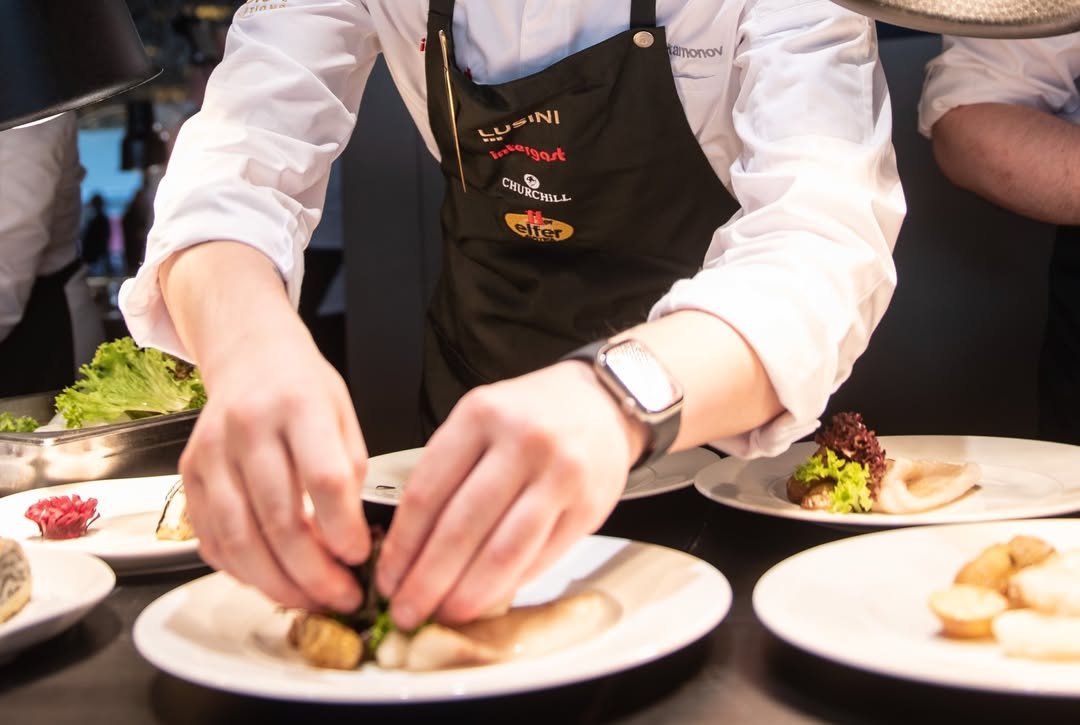
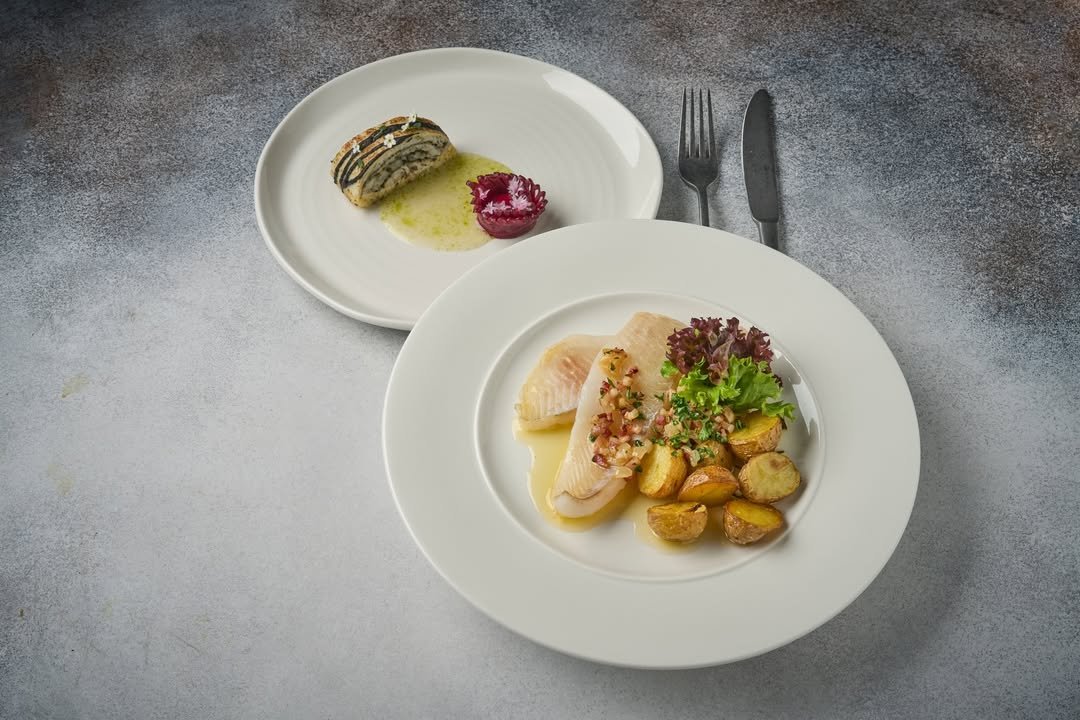
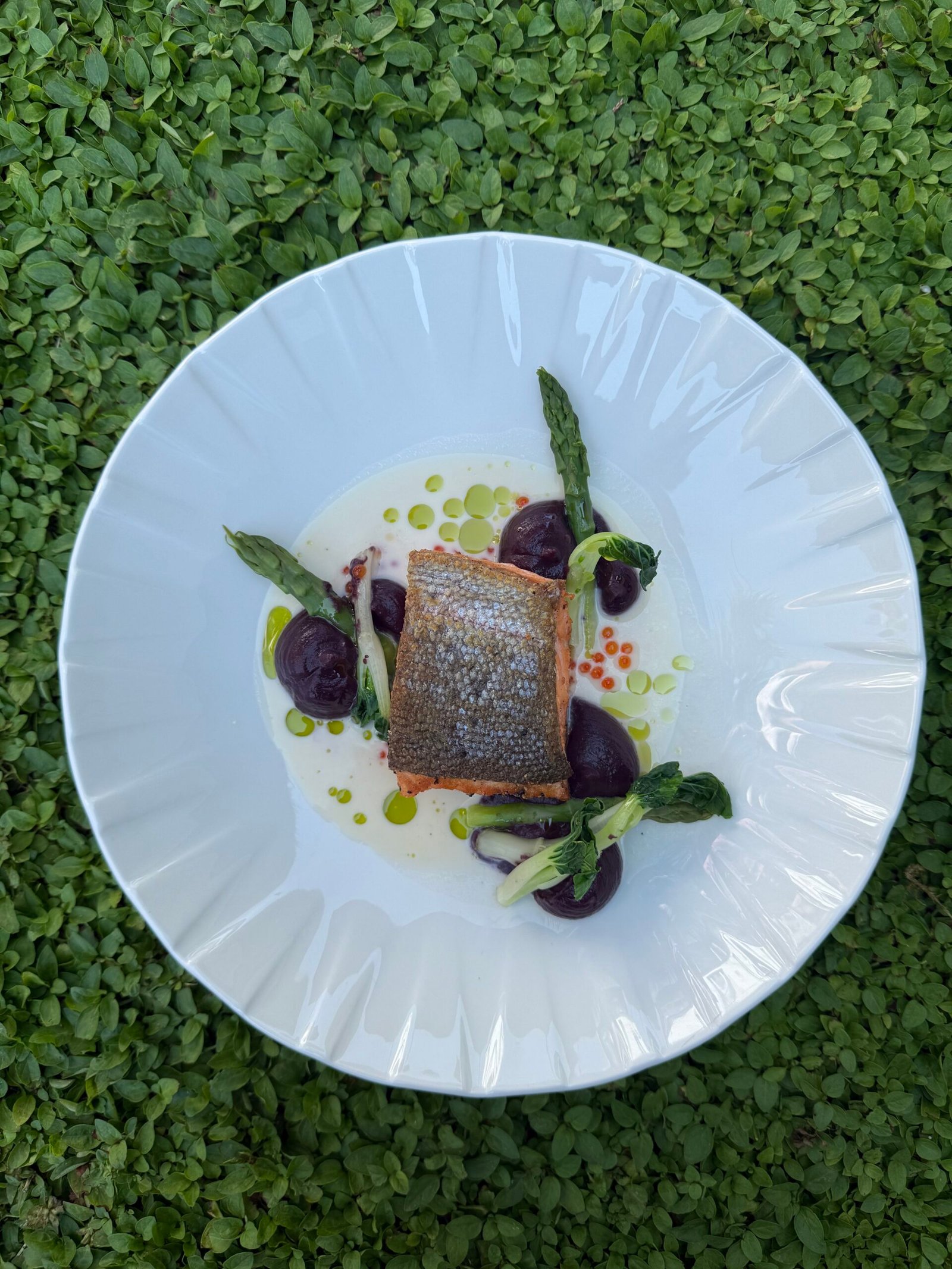
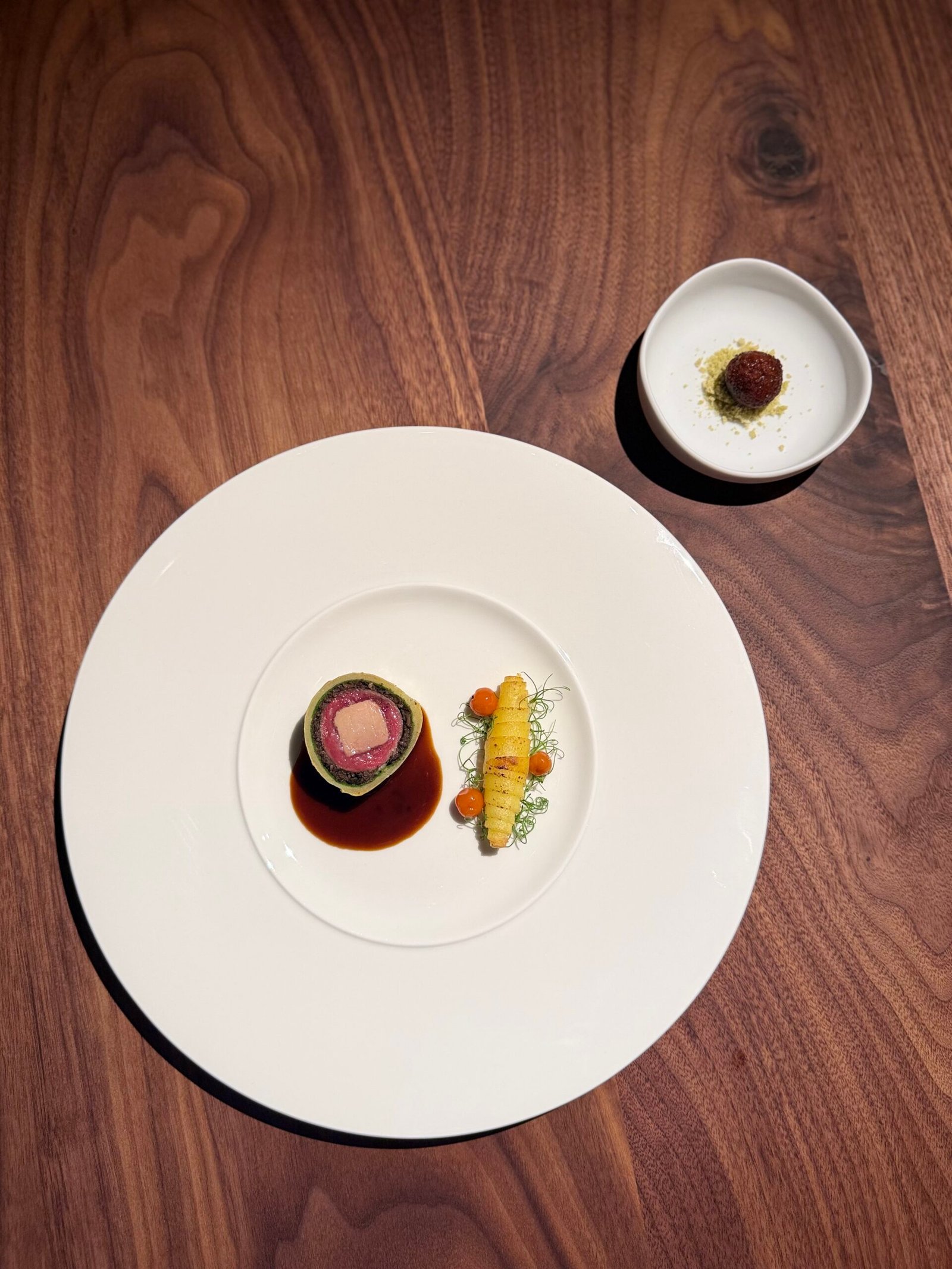
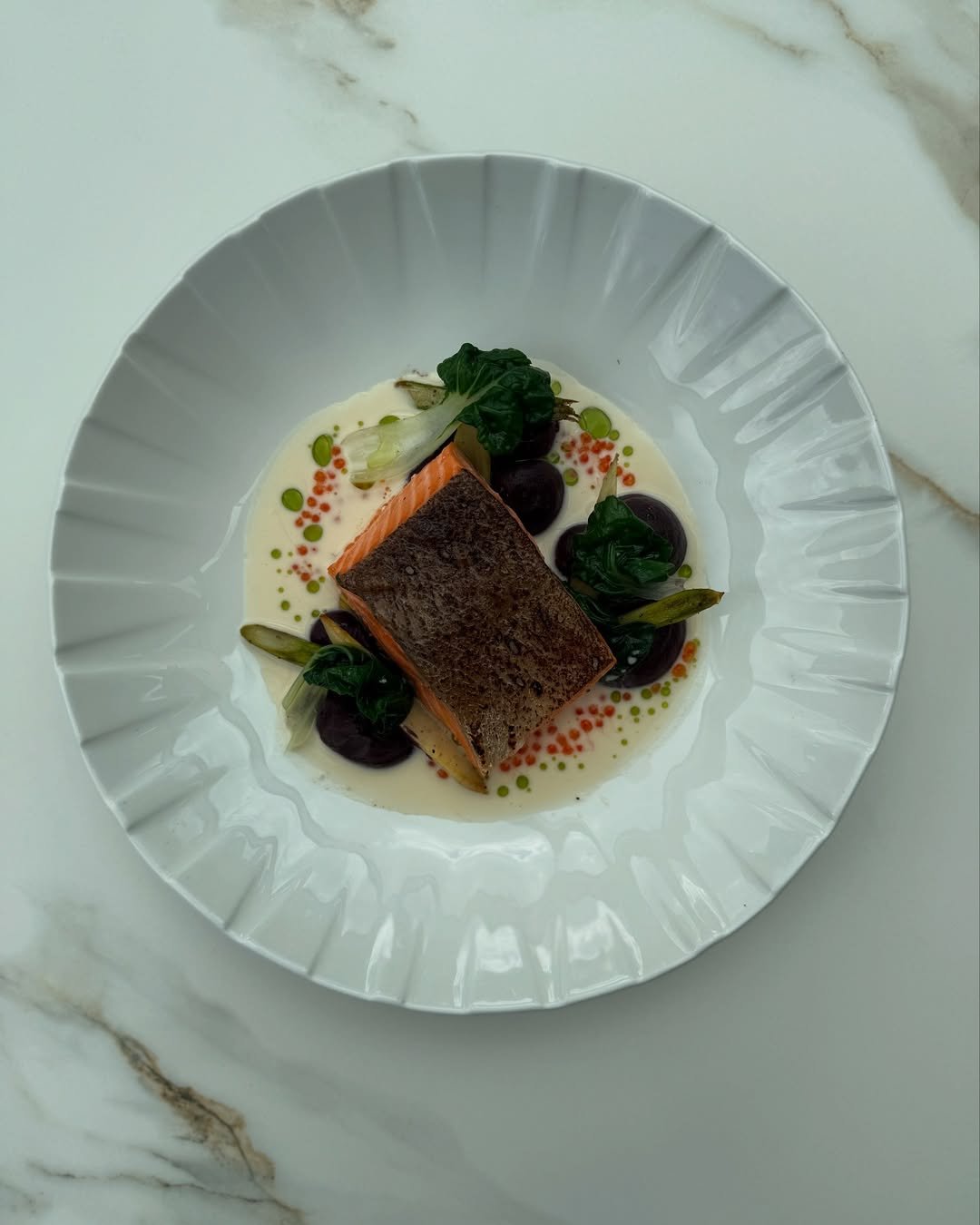
The dish I am most proud of is probably my flounder dish, because it tells the story of where I come from. It is inspired by a very simple memory from my childhood in Odesa: flounder, flour, and a pan. I took that memory and tried to express it through the technique and precision that I have learned over the years.
For me, this dish is more than just food. It is the connection between my childhood, my family, and the cook I have become today. I think that is why it is the dish that best represents me.
About Your City!
Gengenbach, Germany
- If Anthony Bourdain or a chef came to your city, what would be the perfect tour itinerary from breakfast to dinner?
If Anthony Bourdain came to my city, I would take him to Gengenbach. We would start the morning with breakfast and coffee at Hotel die Reichsstadt, the heart of the town, where you can really feel the atmosphere of the Black Forest.
After that, we would walk through the old streets of Gengenbach and visit the local market to see seasonal products from the region. For lunch, I would take him to a small traditional restaurant to eat something simple and local, like trout, Black Forest ham, or spätzle.
In the afternoon, we would drive through the vineyards and small villages around Gengenbach, stop at a local winery, and end the day back at Hotel die Reichsstadt with dinner in Restaurant Moya. I think that would show both the region’s tradition and the modern side of my kitchen.

Support our project by buying our merch!

86 HOTK Unisex t-shirt
$30.00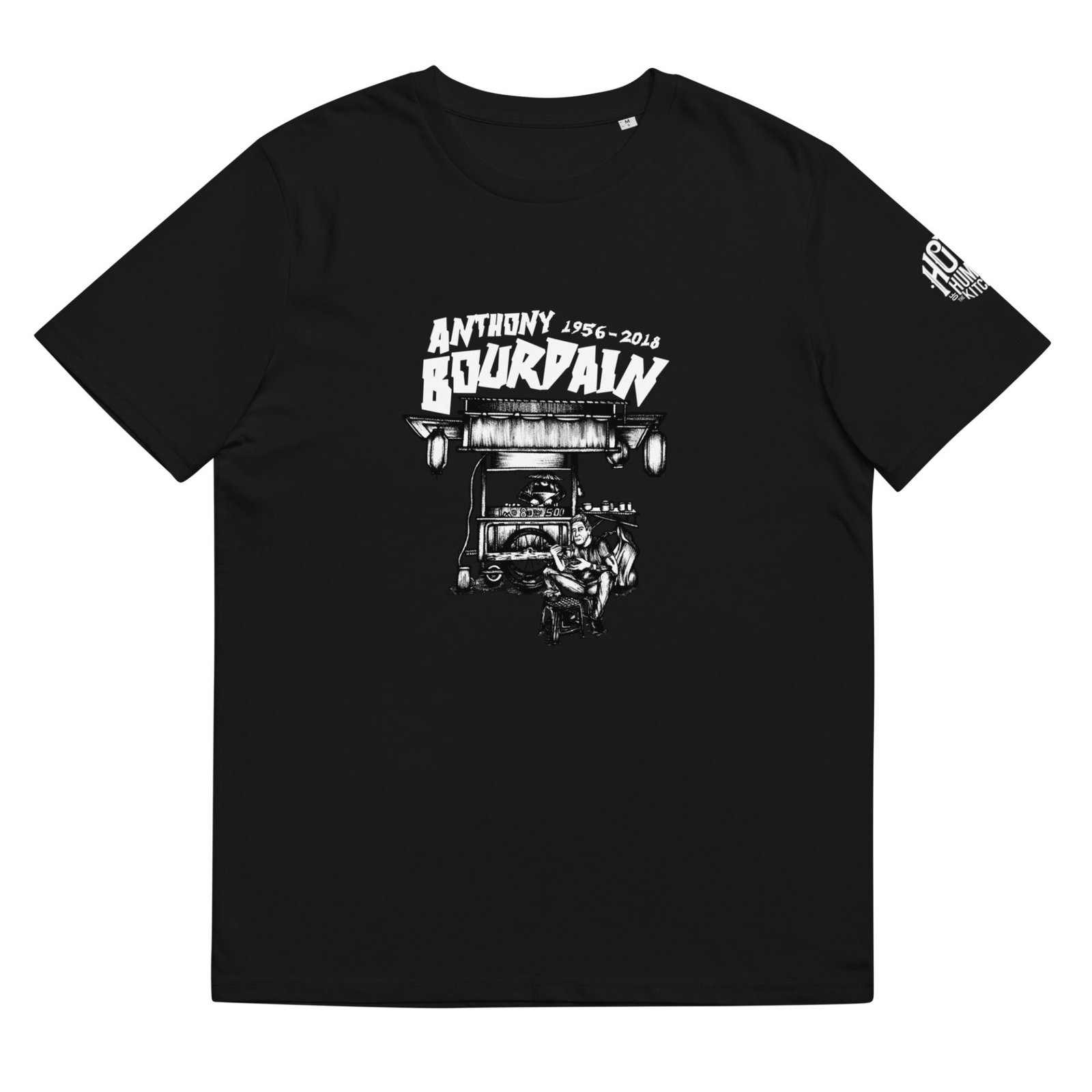
Anthony Bourdain T-Shirt
$35.00
Mise HOTK Unisex t-shirt
$30.00