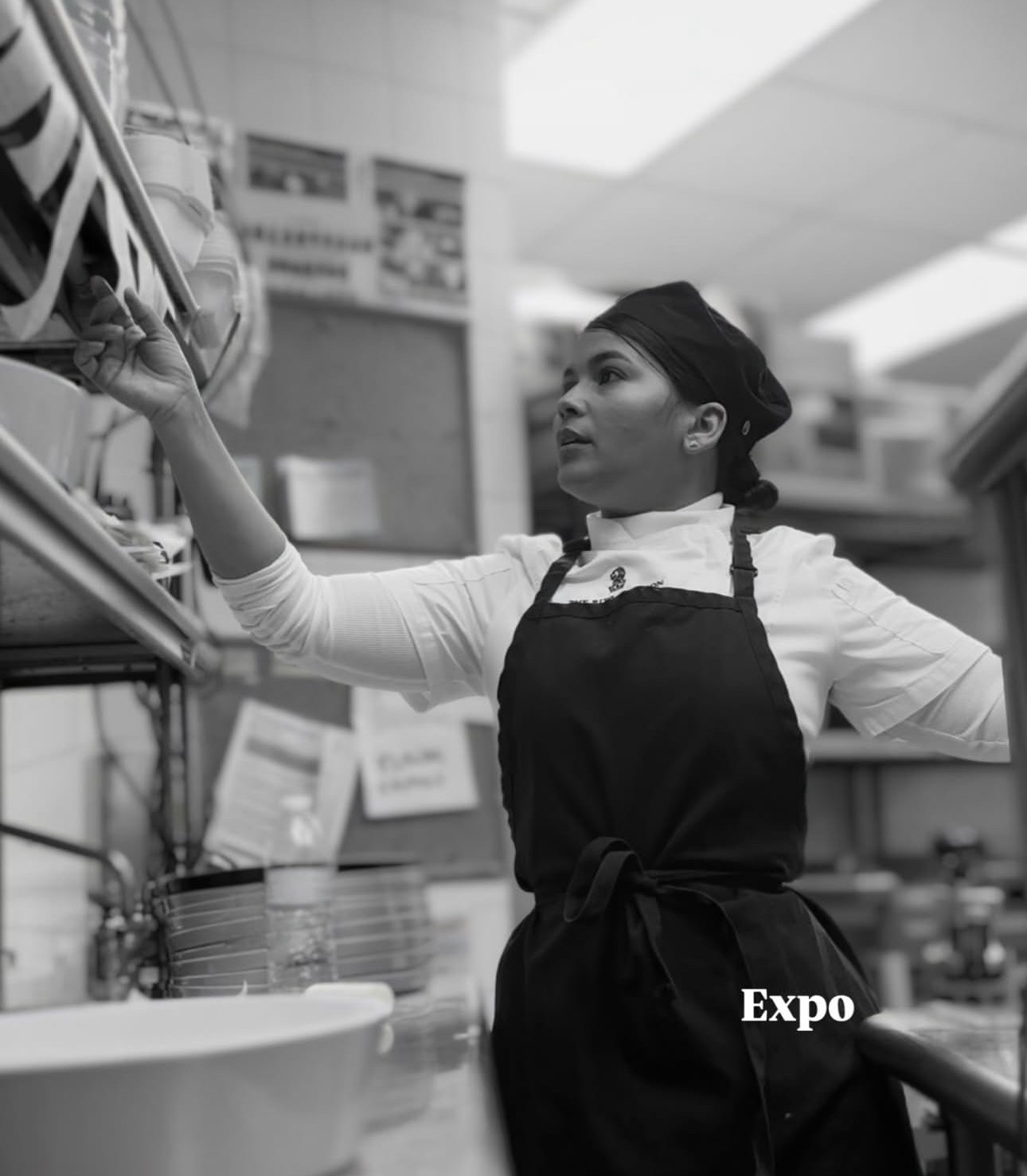
Starting Over, Without a Map
Building a career in a new country through persistence, learning, and quiet strength.
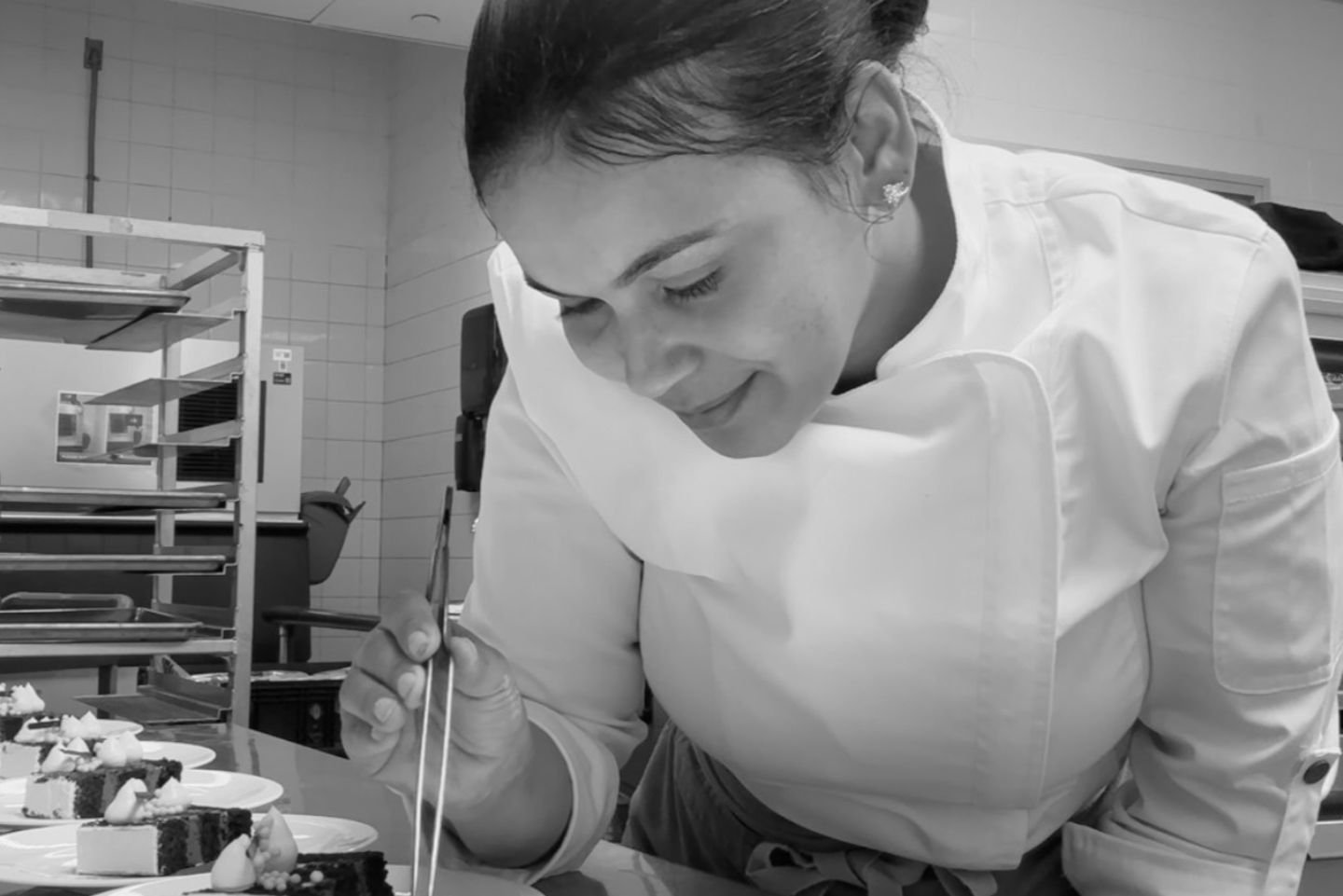
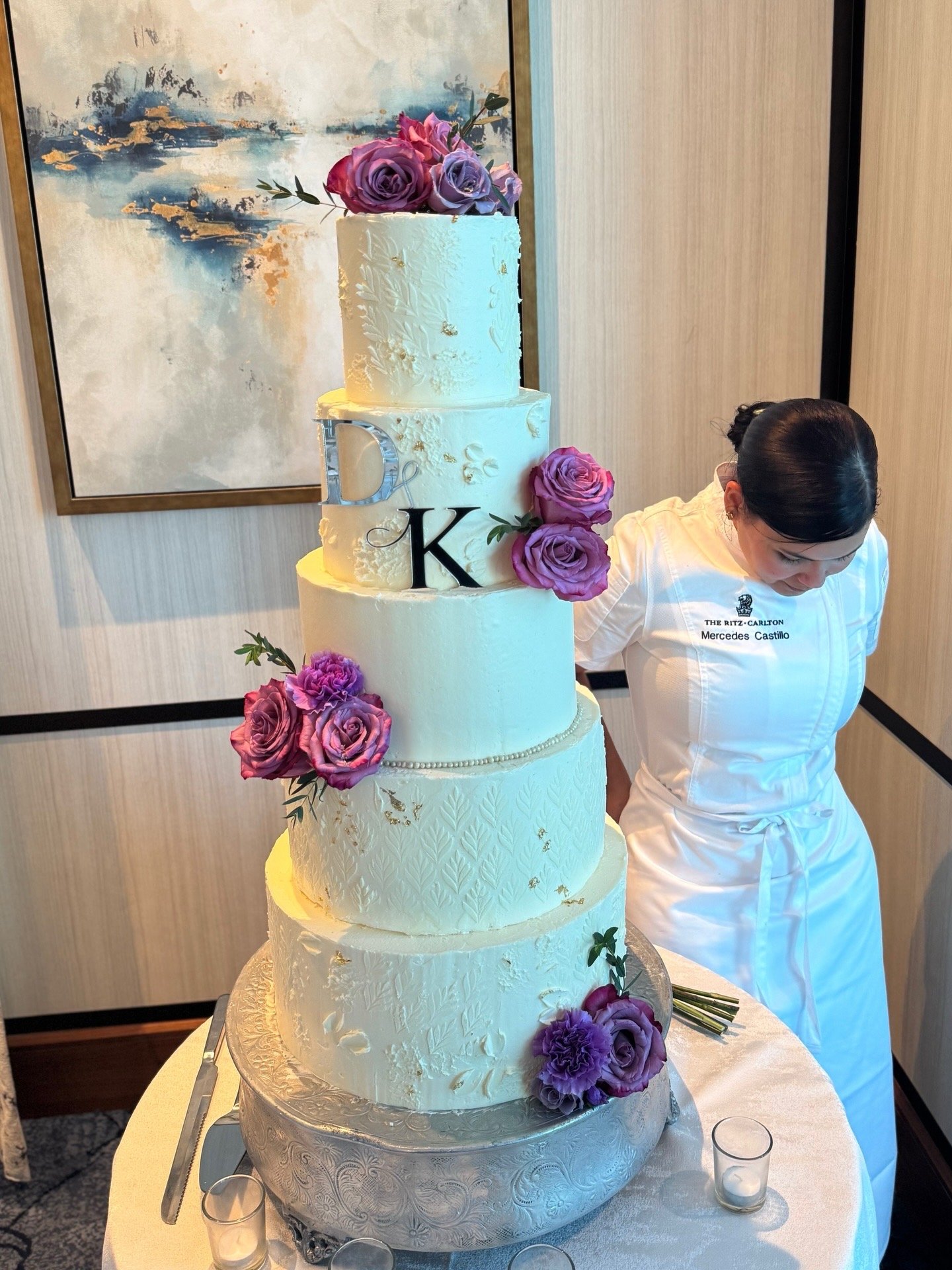
Mercedes Castillo
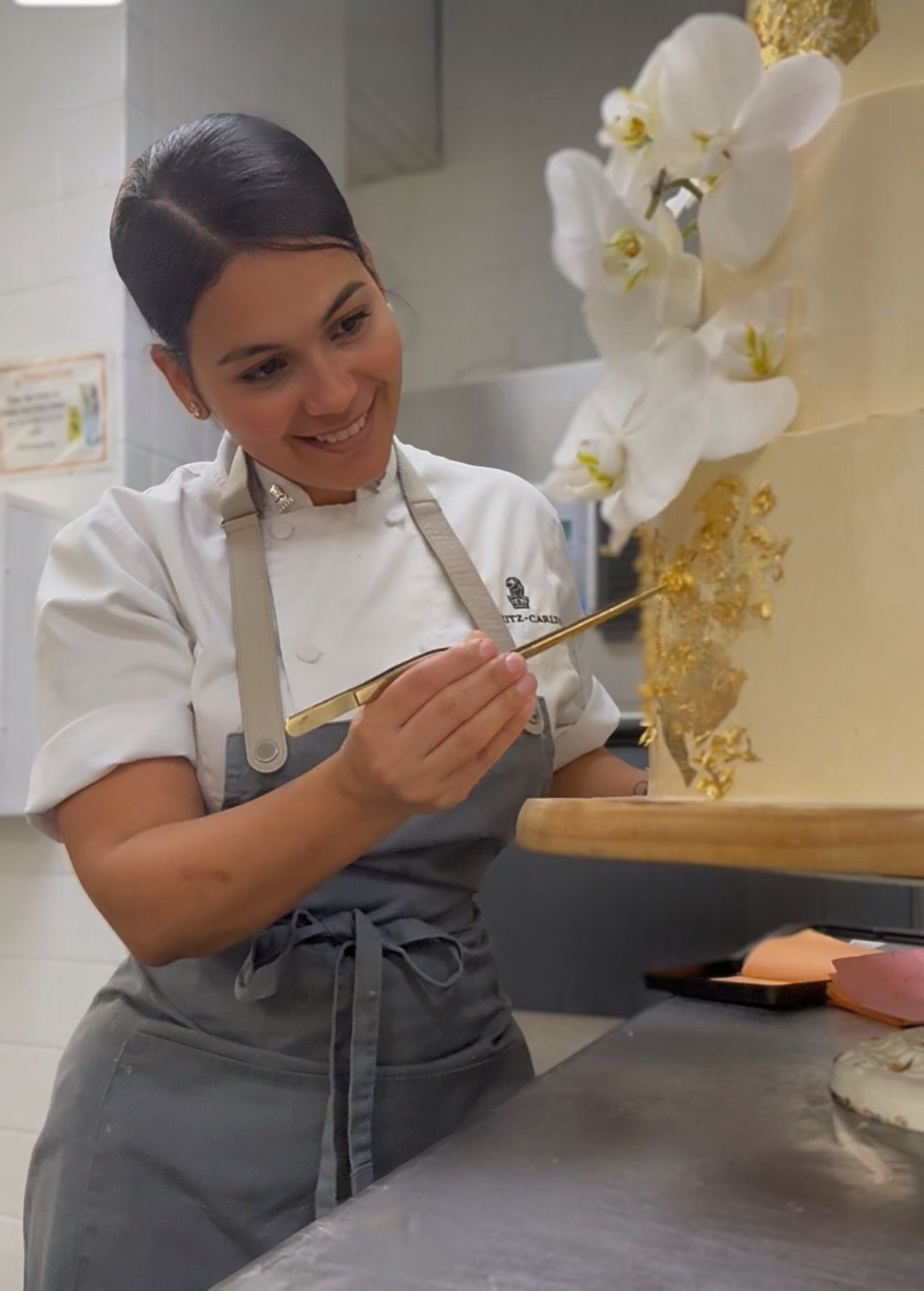
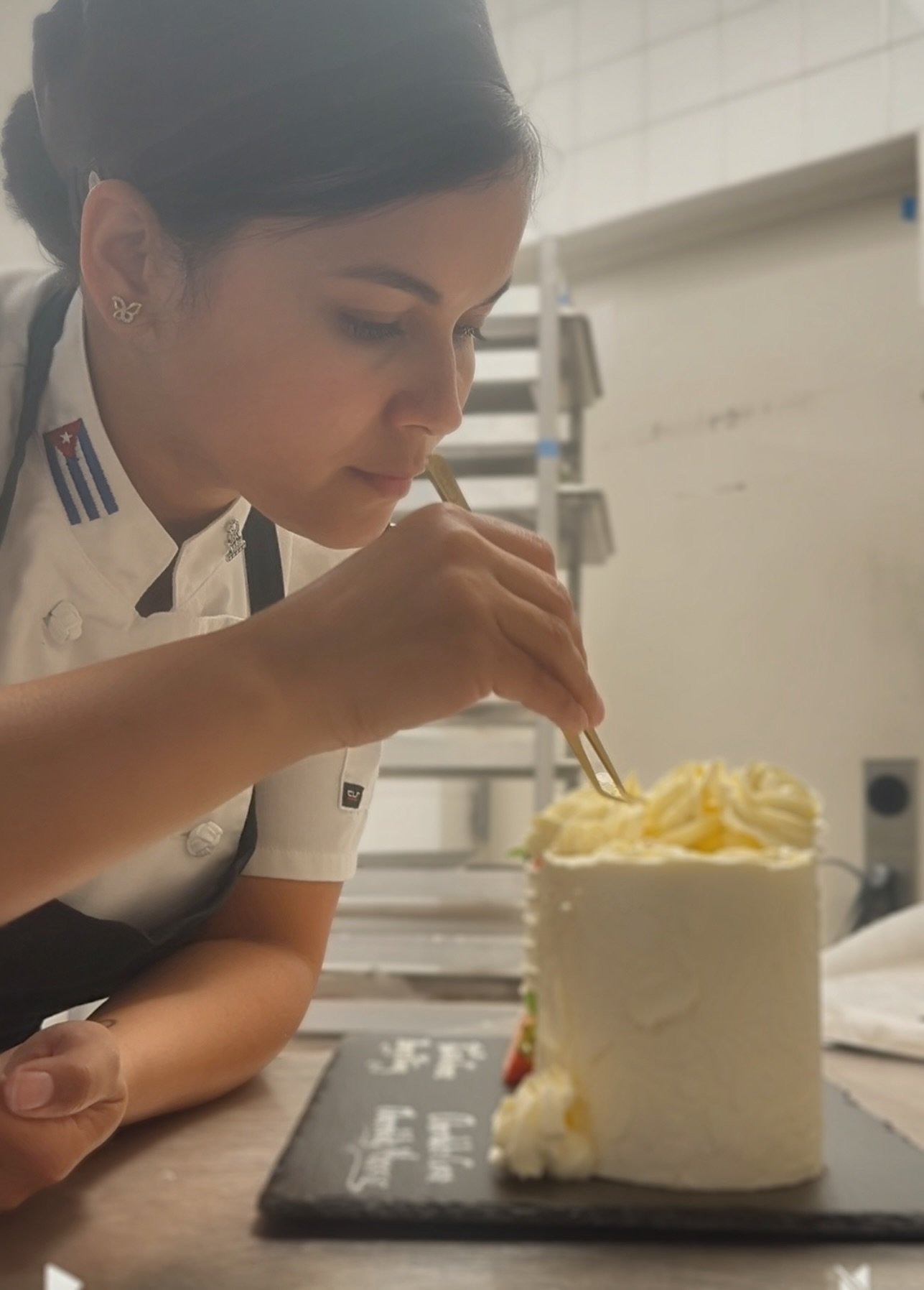
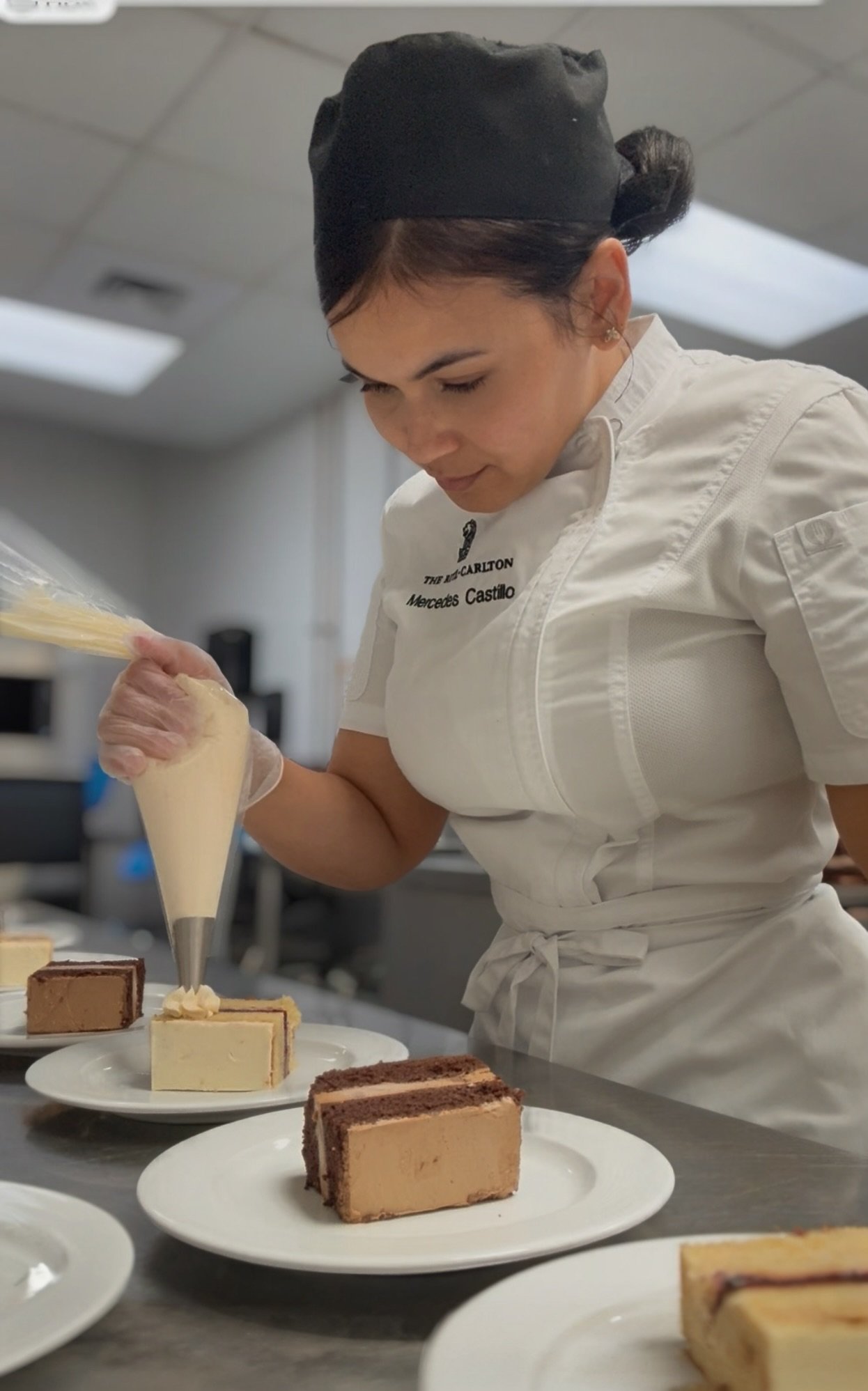
Mercedes Castillo learned to cook by watching her mother make something out of almost nothing.
Her story is rooted in resilience, shaped long before she entered a professional kitchen. Growing up in Cuba, she learned early that food wasn’t about abundance, but about intention, creativity, and care.
Before stepping into the kitchen, she worked in hospitality, learning about service, wine, and the dining experience. Over time, that shifted. She didn’t just want to serve it; she wanted to build it.
Her path hasn’t been easy. Moving to a new country, learning a new language, proving herself in spaces that didn’t always make room for her. But she stayed with it, learning, adjusting, and growing.
In this conversation, Mercedes shares what that process looked like and the kind of kitchen she believes in now.
Share your Journey
- Looking back at your childhood, was there a specific moment or memory that sparked your interest in food or cooking?
Looking back on my childhood, my interest in cooking was sparked by watching my mother create meals with almost nothing. Amid absolute scarcity, she would take one or two simple ingredients and turn them into countless dishes.
I watched her cook with creativity, resilience, and intention, not just to feed us, but to make something meaningful out of very little. That taught me that cooking is not about abundance, but about resourcefulness, heart, and care. Long before I saw food as a career, I understood it as survival, love, and strength.
- Did you have another career or job before becoming a chef? How did those experiences influence your decision to pursue cooking?
I worked in hospitality as a server and bartender, and later deepened my knowledge of enology and wine, cigar, and food pairings. Those roles taught me how flavors interact, how experiences are built beyond the plate, and how service, timing, and atmosphere shape the way people remember a meal.
Understanding wine, pairings, and guest experience helped me develop a more holistic view of food. Over time, I realized I wanted to be on the creative side of that experience, not only serving it, but building it with my hands. Cooking became the place where all those elements came together.
- Did you formally study culinary arts, or are you self-taught? How has your learning journey shaped your approach to cooking?
My culinary journey began with a basic cooking program that lasted a little over a year, which gave me foundational knowledge and structure. However, what truly refined my skills was practice, working consistently, experimenting, and failing many times.
I learned the most from recipes that didn’t work, because they forced me to study, question techniques, and understand why something went wrong. Through repetition, trial and error, and hands-on experience in professional kitchens, I developed resilience and discipline. That process shaped my approach to cooking: intentional, curious, and constantly evolving.
- When did you first step into a restaurant kitchen? What was that experience like, and how did it shape your journey as a chef?
The first time I stepped into a professional kitchen, I was overwhelmed with the pace, the pressure, and the intensity. It was demanding, physical, and mentally exhausting, but it also felt right. That environment taught me accountability and teamwork very quickly. I learned that consistency matters as much as talent. That first experience shaped my journey by showing me that passion alone isn’t enough; discipline and perseverance are what truly define a chef.
- What were some of the early challenges or obstacles you faced when you started in the kitchen, and how did you overcome them?
One of my earliest challenges was proving myself in environments where pastry was often underestimated and where I had to work twice as hard to be taken seriously. Long hours, self-doubt, and the need to balance personal life were constant obstacles. I overcame them by staying focused, asking questions, and trusting the process. Instead of giving up, I used every challenge as fuel to grow stronger and more confident in my craft.
- What keeps you inspired and how has that inspiration driven you throughout your professional journey? Especially during tough times in the kitchen?
What keeps me inspired is knowing that my work has meaning beyond the plate. My children and my family are at the center of everything I do. I want them to see resilience, discipline, and consistency lived out every day, not just talked about.
During tough moments, I remind myself that I am setting an example, showing them what perseverance looks like when things are not easy. Inspiration comes from progress, from learning, and from understanding that every difficult season is shaping not only the chef and leader I am becoming, but also the legacy I am building for them.
- Can you recall a moment in the kitchen that marked you forever? Maybe it was an interaction with a mentor, a fellow cook, someone you fed, or a situation that challenged you in a way that shaped who you are today?
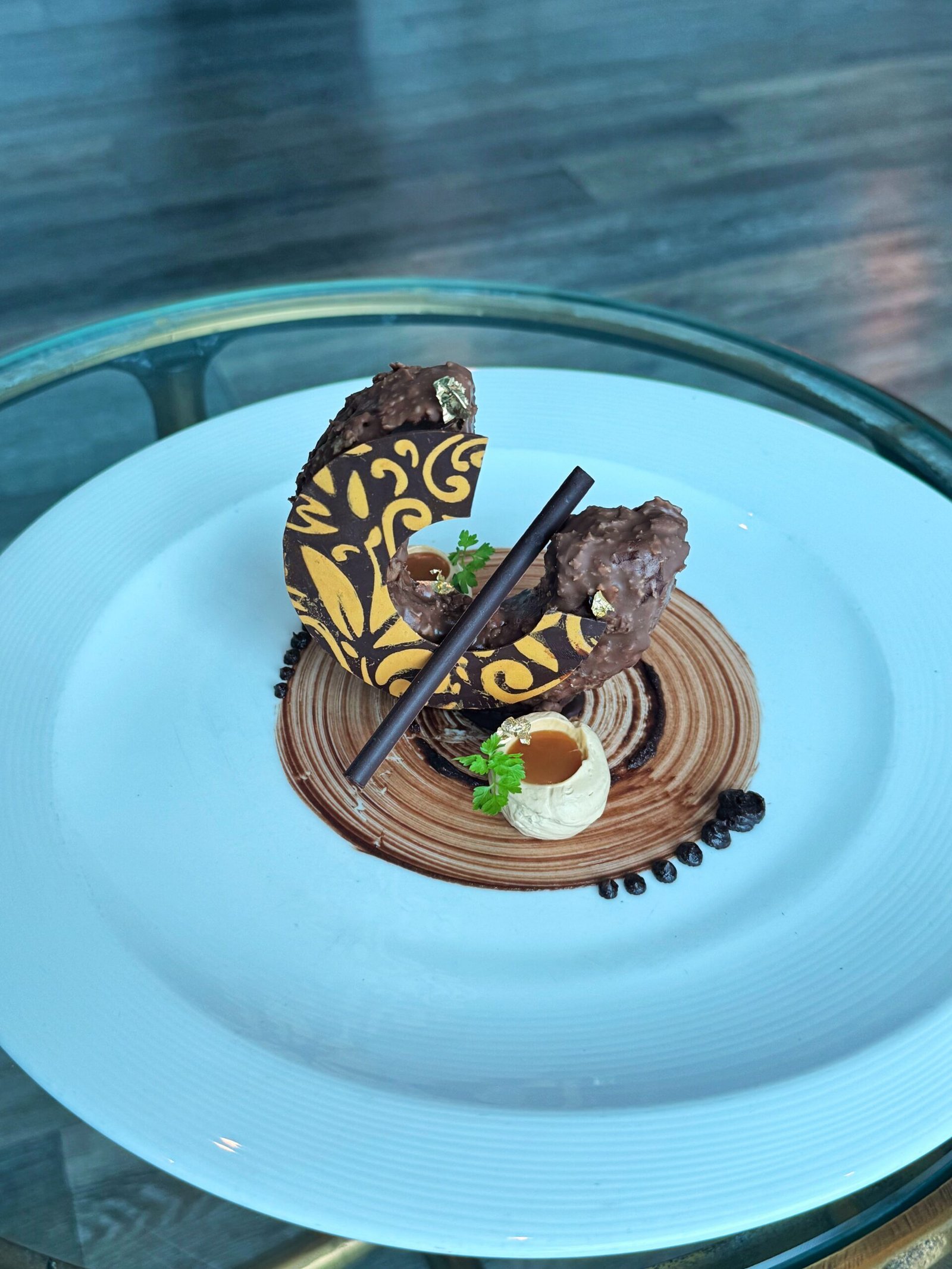
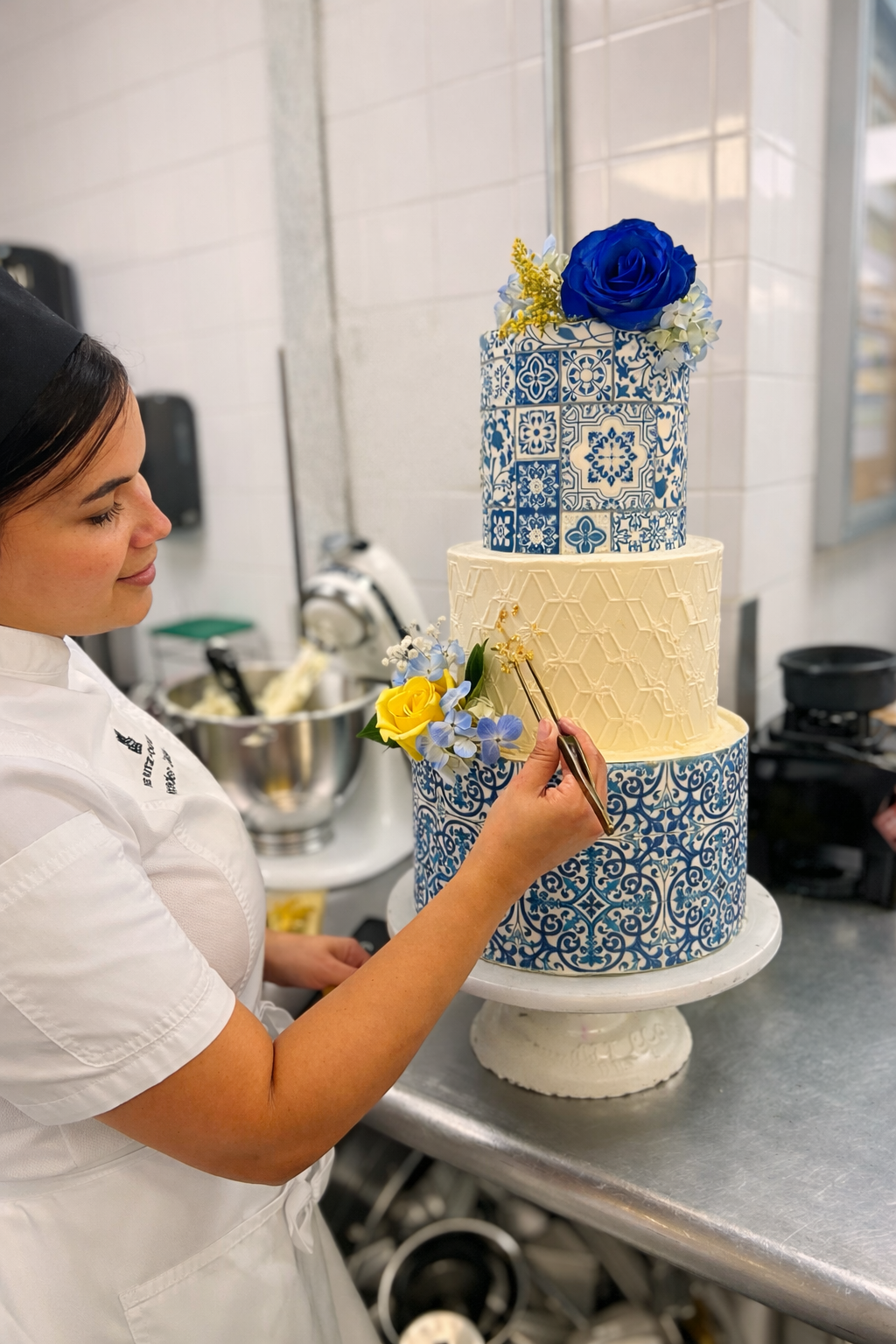
There was a moment when I created a personalized dessert box for a close friend who is a veterinarian. The box was designed with edible images of her dogs and moments from her wedding. When I gave it to her, she couldn’t believe that everything was edible, and even more so that it tasted as good as it looked.
Watching her reaction, the surprise, and then the emotion, reached me deeply. In that moment, I understood the true power of what we do. Food is not just technique or presentation; it is connection, memory, and emotion. That experience reminded me why I chose this path: to create moments that stay with people long after the last bite.
- As a chef, how would you describe your philosophy in the kitchen, and how does it guide your approach to cooking and leadership?
My philosophy in the kitchen is rooted in respect, discipline, and consistency. I believe great food starts with strong fundamentals and a healthy team environment. As a leader, I focus on accountability while creating space for growth. I lead by example, knowing that how you show up every day sets the tone. Cooking is about precision, but leadership is about people.
- Can you share a time when cooking or the camaraderie in the kitchen helped you through a tough period in your life? What made that experience meaningful?
During some of the most stressful periods of my life, pastry became my form of therapy. Baking quiets my mind, and decorating absorbs all my stress. When everything feels heavy, I turn to recipe development, measuring, testing, and refining brings me clarity and calm. In the kitchen, I find balance, focus, and a sense of peace that grounds me. Pastry is more than my craft; it is my Zen zone.
- Reflecting on your career, what achievements or milestones are you most proud of, and what do they mean to you?
One of the achievements I’m most proud of is building my career after arriving in a new country, where I didn’t fully speak the language and everything felt unfamiliar. I had to learn not only techniques and systems, but also how to communicate, adapt, and trust myself when words failed me.
During moments of deep stress and uncertainty, the kitchen, especially pastry, became my refuge. Baking grounded me, recipe development calmed my mind, and repetition gave me confidence. Earning leadership roles and mentoring others in that context represents resilience, sacrifice, and quiet strength. These milestones are not just professional achievements; they are proof that growth can happen even when fear, doubt, and distance are present.
- What aspects of restaurant culture do you love, and what parts do you find frustrating or problematic? Are there any changes you’re actively working toward or things you hope they change in the industry? Share the reasons behind them and how they align with your vision for a better culinary world?
What I love most about restaurant culture is the sense of purpose and teamwork. There is something powerful about a group of people working under pressure to create something meaningful for others. I also value the discipline, standards, and pride that come with doing things the right way. What I find frustrating is the normalization of burnout, long hours without balance, and the idea that suffering is part of success.
I believe we can maintain high standards while also protecting mental health and fostering respect. I actively work toward creating healthier team environments through mentorship, communication, and leading by example. My vision for a better culinary world is one where excellence and humanity coexist.
- What are your hopes for the future of the restaurant and food and beverage industry? What changes would you like to see, and how are you contributing to that change?
I hope the future of the food and beverage industry moves toward sustainability, balance, and intentional leadership. I would like to see more investment in education, mentorship, and work environments that support long-term growth rather than short-term results. I try to contribute to that change by mentoring younger cooks, promoting consistency over ego, and encouraging a culture of respect. Even in small ways, I believe how we lead today shapes the kitchens of tomorrow.
- If there’s anything we didn’t ask or if you feel we’re missing something about your personal and kitchen story, please share it here.
One thing that often goes unseen is how much personal sacrifice this career requires. Behind every service is discipline, missed moments, and constant self-reflection. I want people to know that growth in this industry is not always loud or glamorous. Sometimes it’s quiet, repetitive, and deeply personal. But those quiet moments are where resilience, confidence, and true passion are built.
Secret Sauce
- What’s the most unexpected ingredient you’ve ever worked with, and how did it change your perspective on cooking?
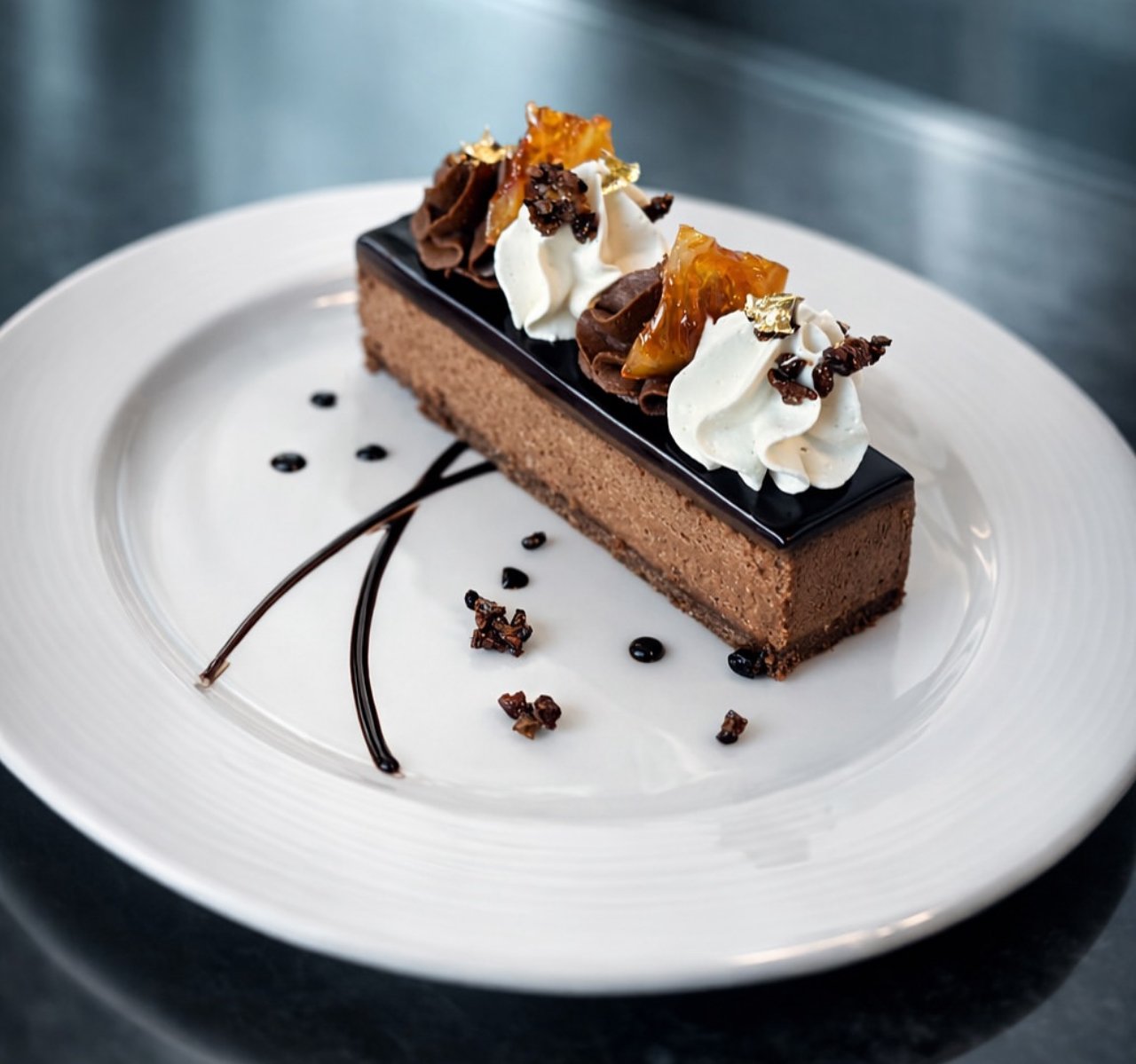
An unexpected ingredient I’ve used in pastry is dried chiles, such as ancho and guajillo. Their warmth and subtle sweetness add depth and complexity, especially with chocolate and fruit, teaching me balance and restraint in dessert flavors.
- What’s your “guilty pleasure” meal?
A good pizza, a creamy risotto, or anything with melted cheese. Comfort food always wins.
- A food trend that you hate and why?
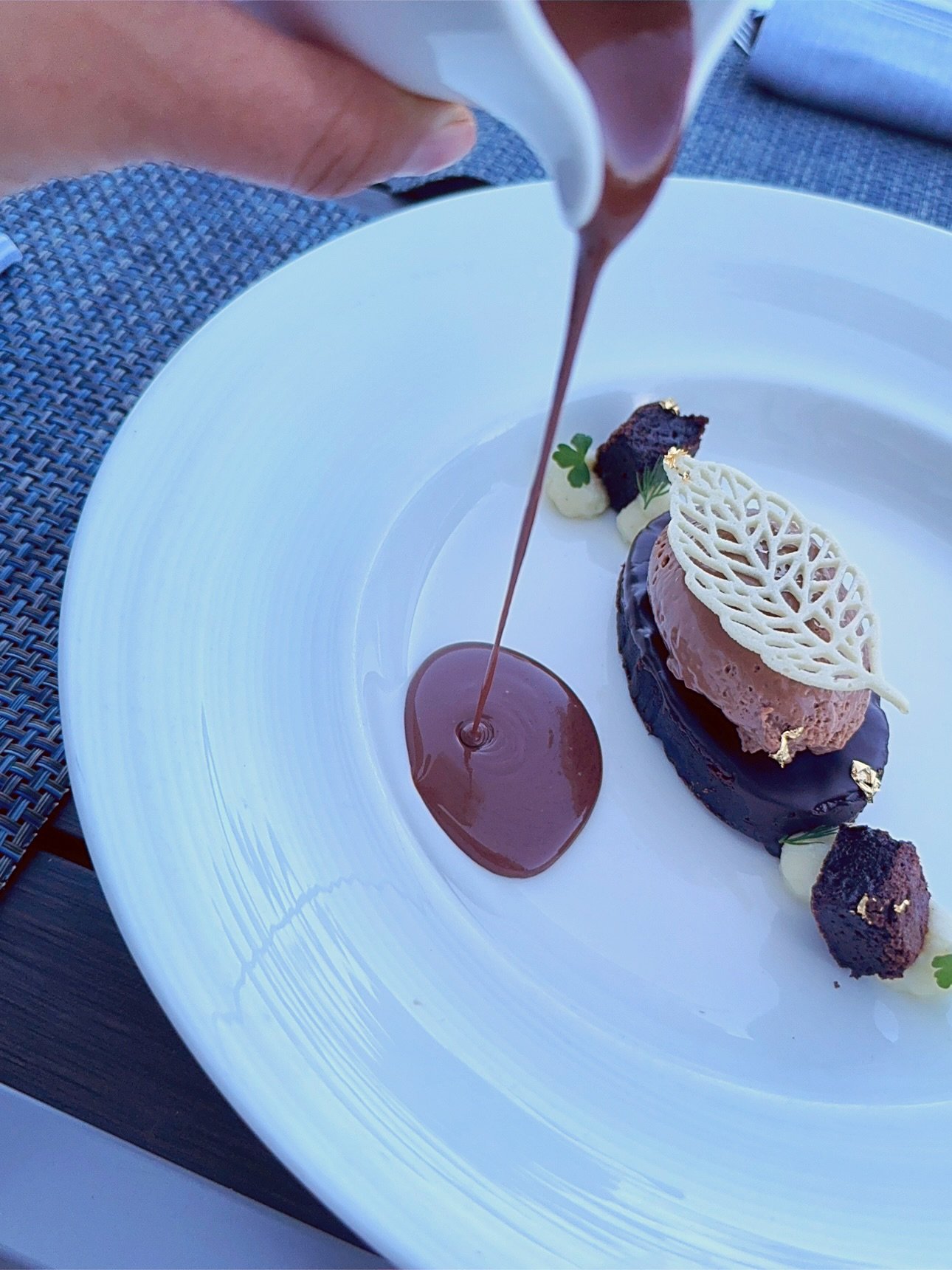
Trends that prioritize appearance over flavor. Food should first taste incredible. Aesthetics should support it, not replace it.
- What’s the craziest shift you’ve ever worked in the kitchen?
One of the craziest shifts I’ve worked was running the entire pool kitchen by myself, managing two lines at once —the full hot line with oven, grill, fryer, and more—while also handling the Garden Manager station. Service was nonstop, and expectations were high. After completing an eight-hour shift there, I went straight upstairs to the banquet kitchen to continue the day. It was physically demanding and mentally exhausting.
5. What happened, and how did you manage to get through it?
I got through it by staying calm, focusing on what was immediately in front of me, and moving one ticket at a time. In moments like that, chaos becomes manageable when you narrow your attention, trust your training, and keep going with discipline and clarity.
- What tips would you give to other cooks and chefs to help them navigate their culinary careers and find peace amid the chaos of the kitchen?
Protect your passion, learn constantly, and don’t confuse burnout with dedication. Growth takes time.
- What’s an underrated ingredient and why?
Salt. When used properly, it transforms everything
8. What’s a must-try dish from your kitchen or the one you’re proudest to have prepared?
I don’t have a single dish I’m most proud of. What I value most is the process of refinement. I find pride in developing recipes, adjusting techniques, and seeing how small changes improve flavor, texture, and balance. For me, growth lives in repetition and evolution, not in one finished dish.
About Your City!
Miami, USA
- If Anthony Bourdain or a chef came to your city, what would be the perfect tour itinerary from breakfast to dinner?
If Anthony Bourdain came to my city, I would show him Miami through the lens of someone who arrived from Cuba. We would start the day with a strong Cuban coffee and pastelitos, sitting in an unpretentious place where conversation matters more than aesthetics. We’d walk through neighborhoods shaped by immigration, stopping at local markets and small kitchens that carry history in their flavors. Lunch would be simple but soulful, food rooted in memory and survival. As the day moves on, I’d introduce him to the contrast Miami offers: cultures colliding, evolving, and creating something new. Dinner would be elevated but honest, reflecting how far we’ve come without forgetting where we started.
Miami is not just a city; it’s resilience, nostalgia, and reinvention on a plate.

Support our project by buying our merch!

86 HOTK Unisex t-shirt
$30.00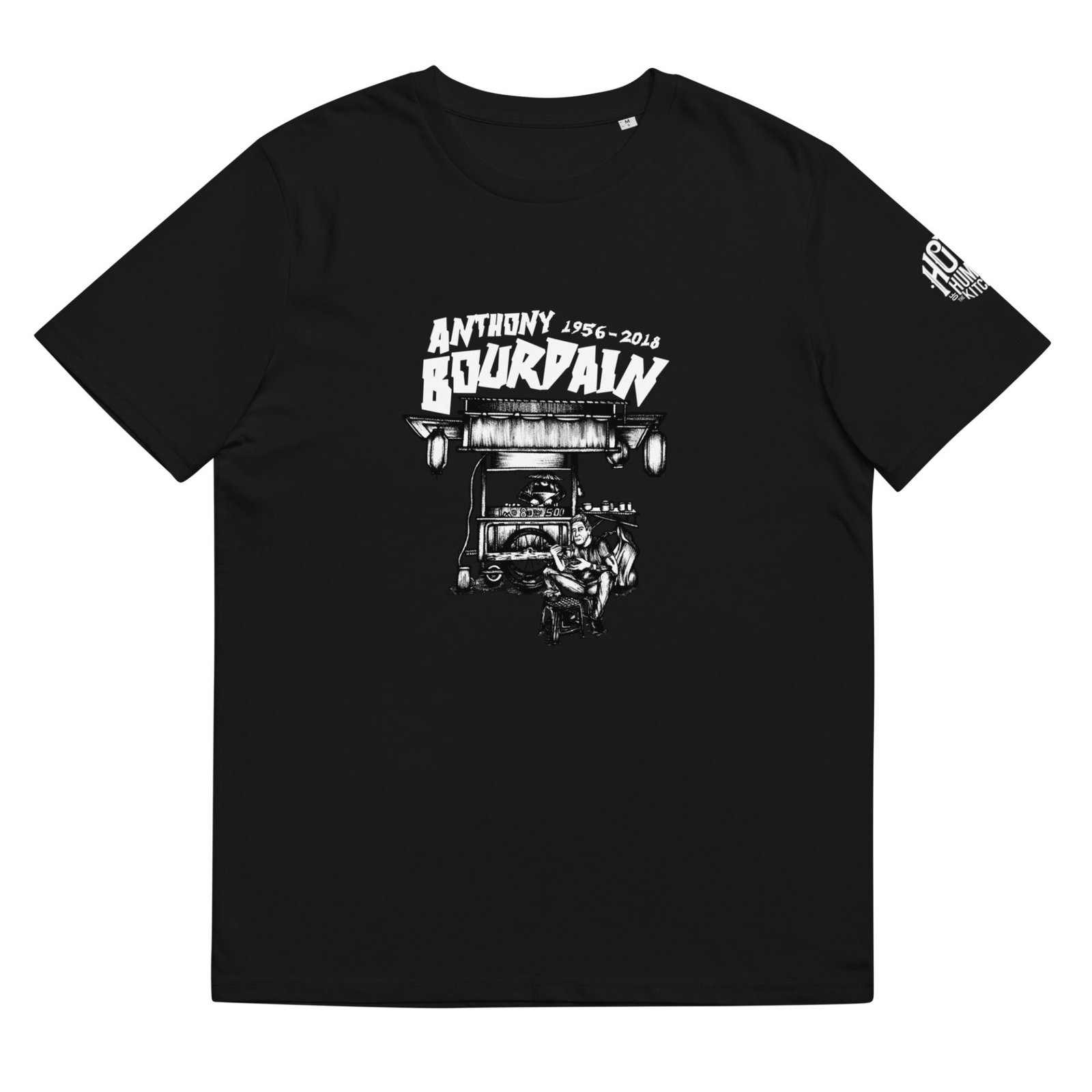
Anthony Bourdain T-Shirt
$35.00
Mise HOTK Unisex t-shirt
$30.00