The restaurant as a living system
Humans Of The Kitchen
A restaurant thrives when every role is valued and responsibility is shared across the team.
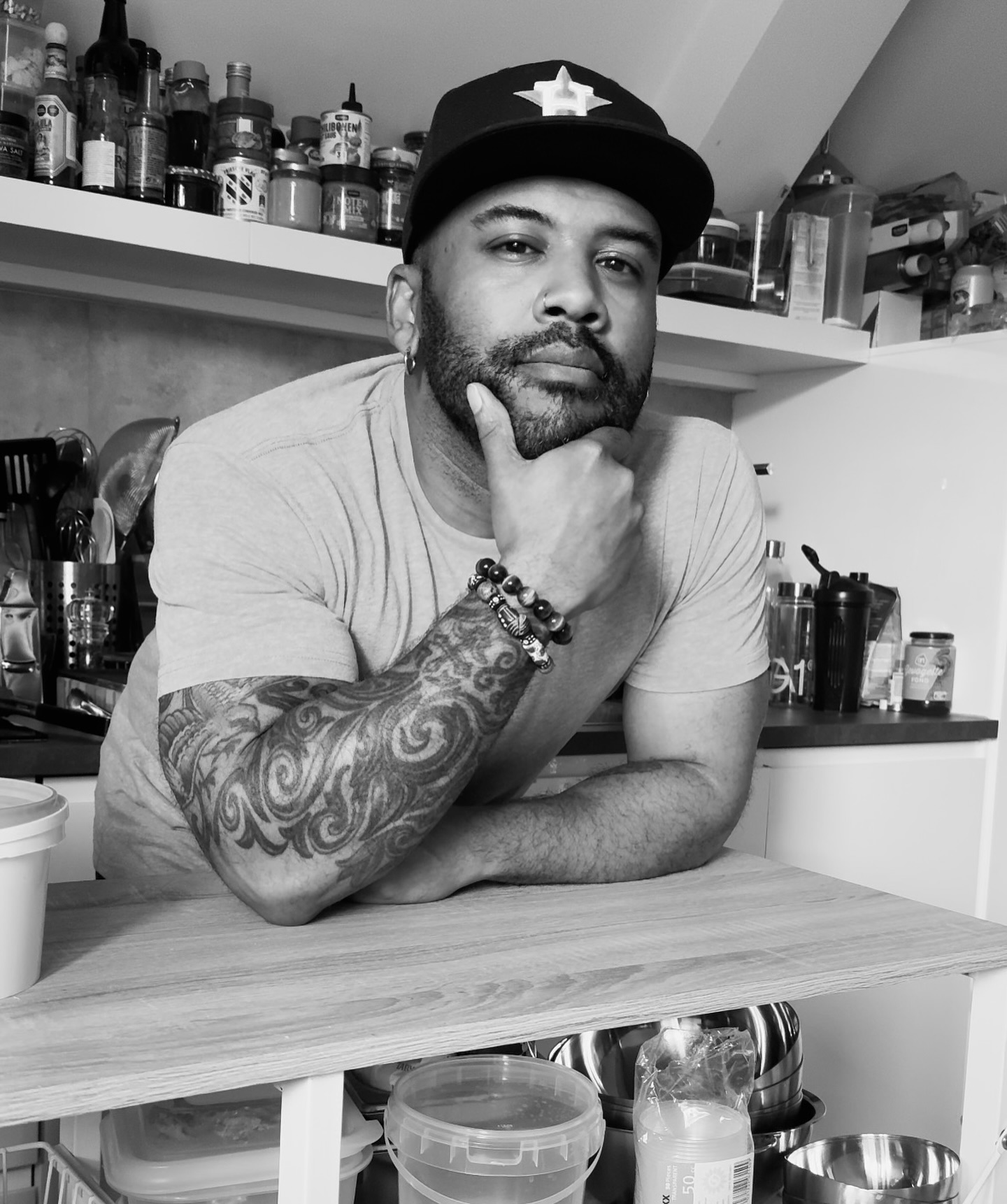
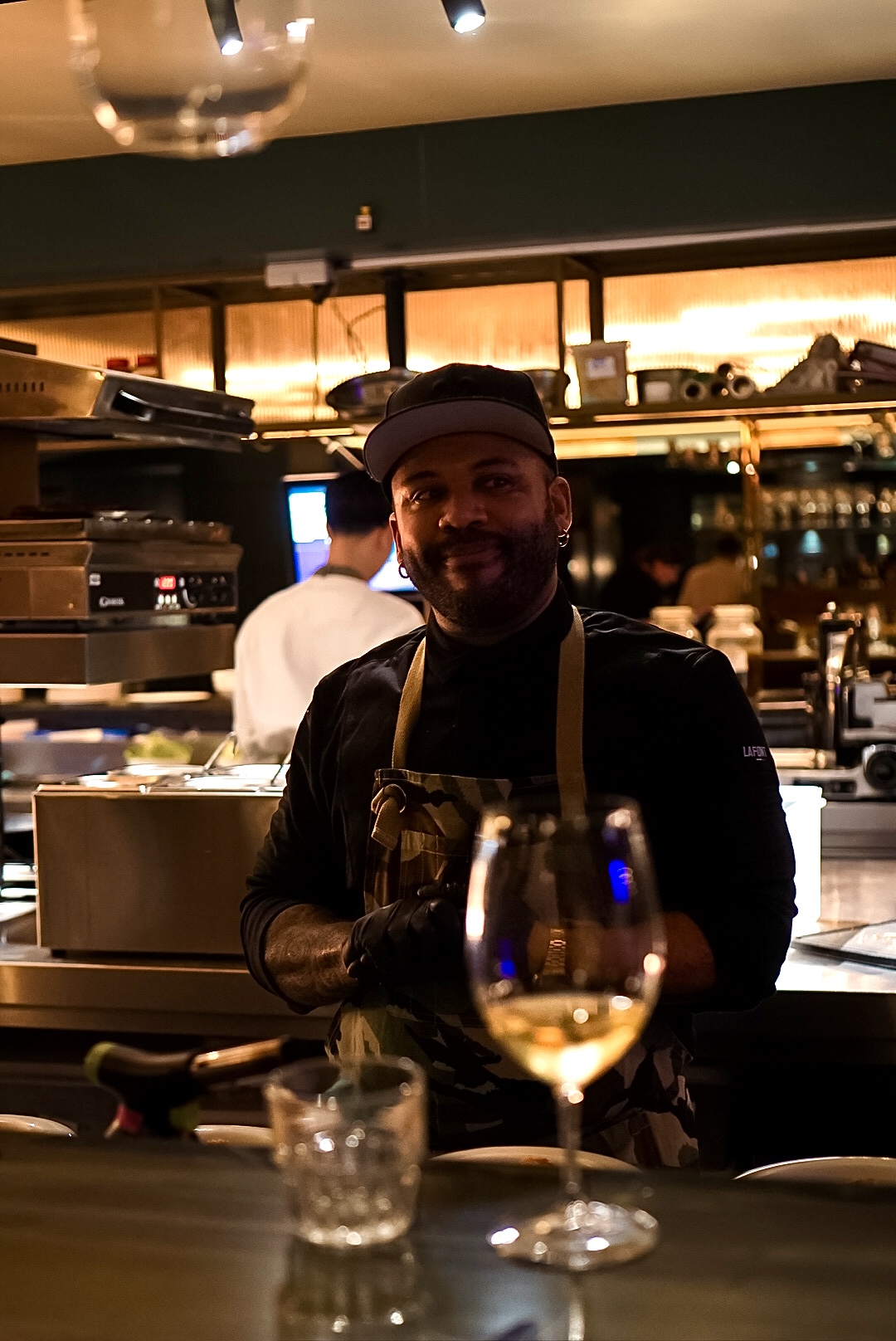
Matt Pace
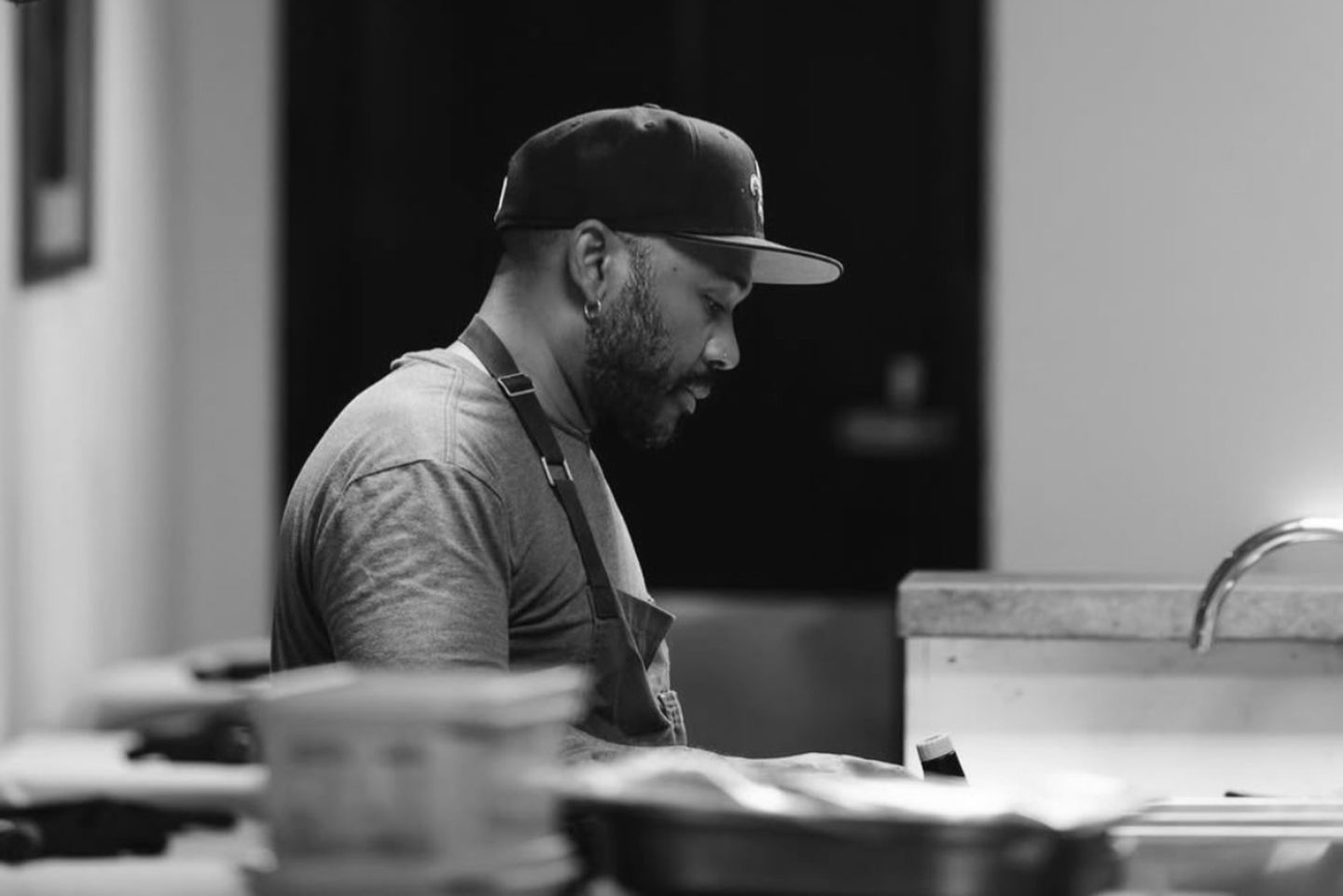
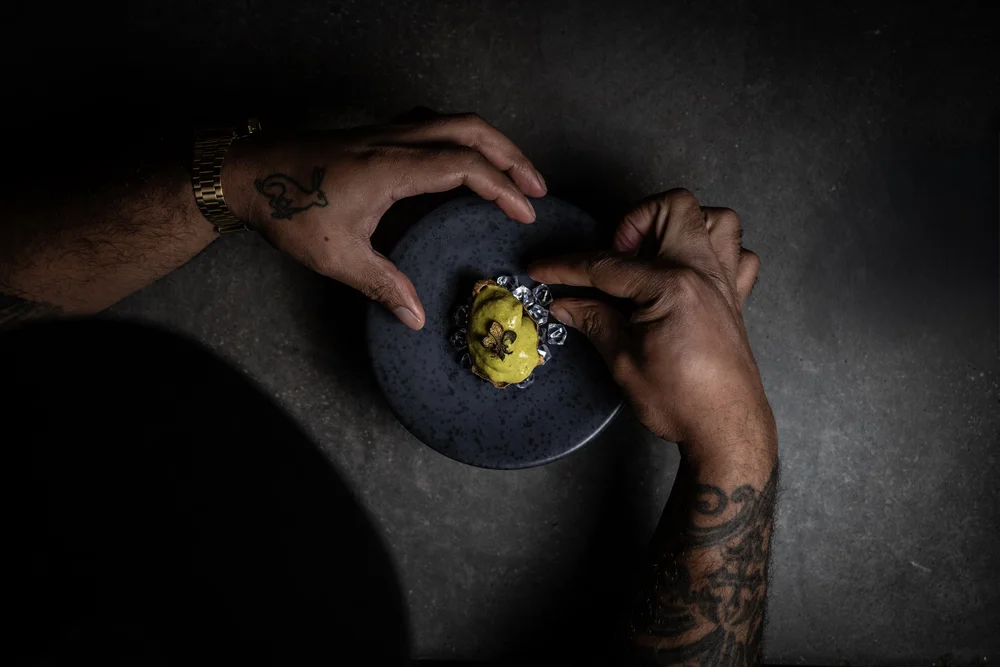
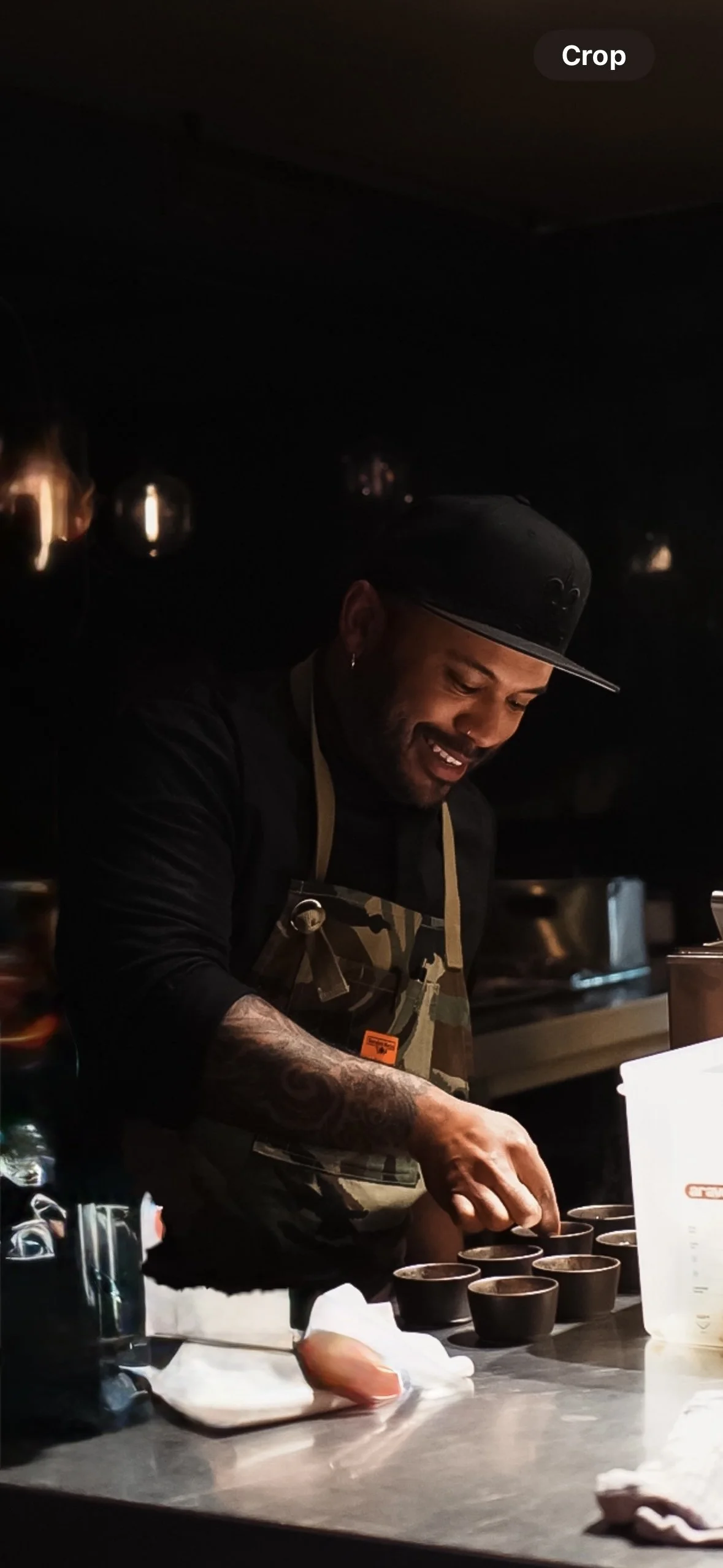
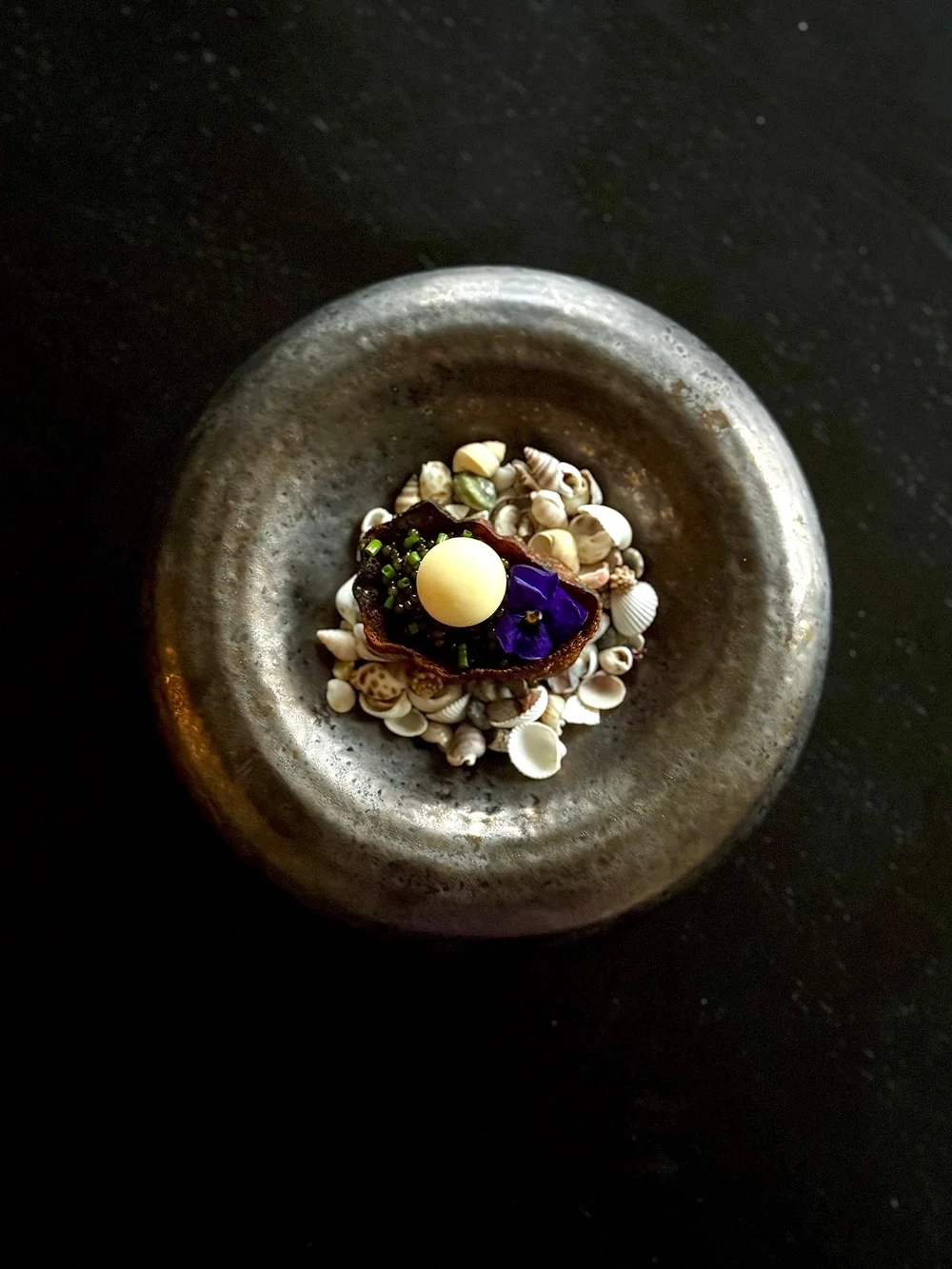
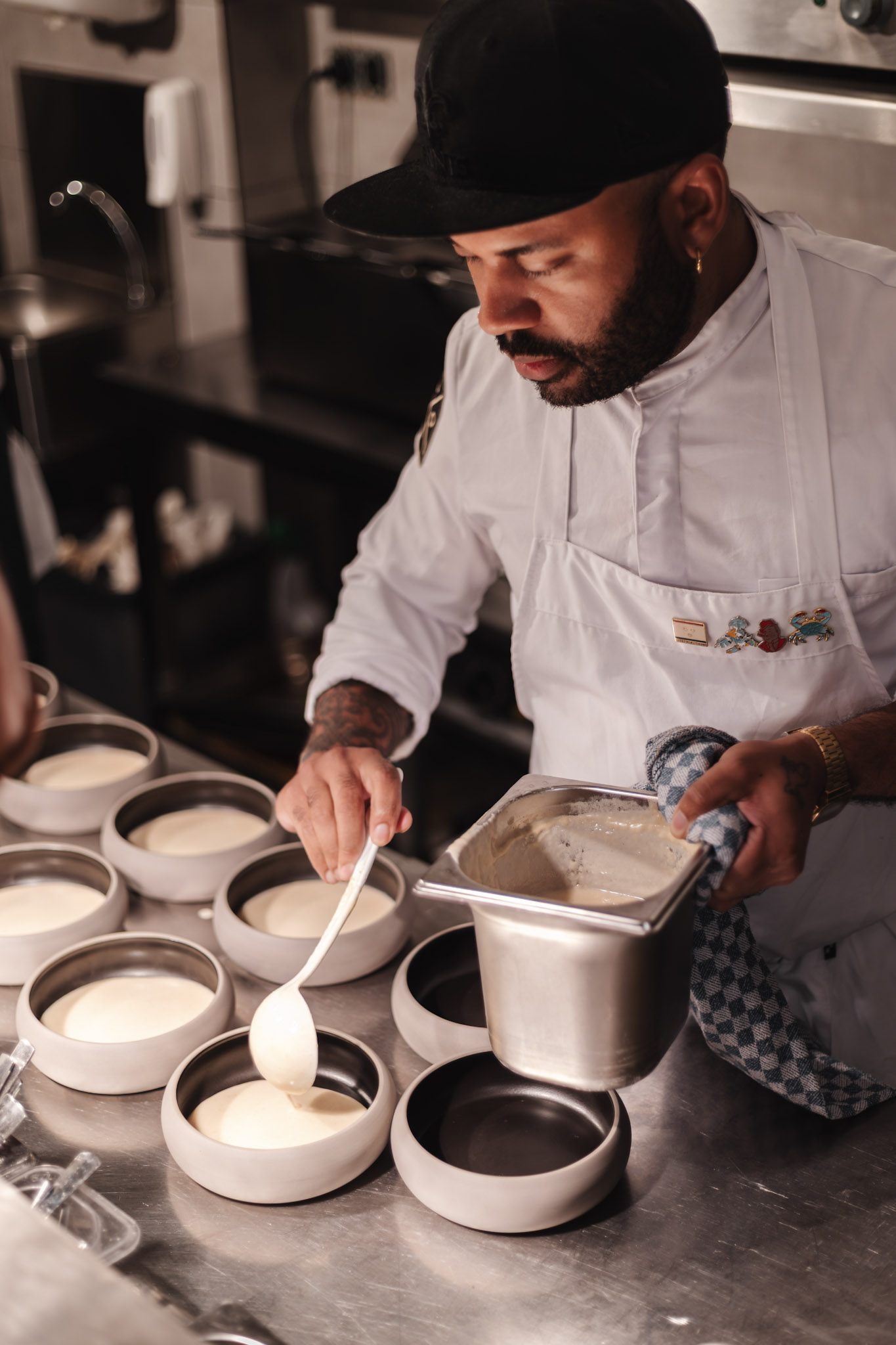
Matt Pace’s path to becoming a chef wasn’t a straight one. Before committing to the kitchen, he explored painting, sculpture, and music, looking for a way to build a life around his creativity. Over time, he discovered that cooking and fine dining offered another way to bring those interests together, turning food into an experience that reaches beyond the plate.
His journey taught him to embrace what he didn’t know and keep learning along the way. From his early days working in restaurant kitchens to opening Cafe Booqoo in Brooklyn, Matt built his confidence through experience, persistence, and the people around him. One Sunday brunch, when his team was short-staffed and he had to run the entire restaurant alone, became a defining moment—a reminder of what he could handle and what hospitality truly means.
For Matt, a restaurant is a living thing, with every person playing an essential role in keeping it going. That belief shapes how he leads and why he puts work-life balance first. Having experienced the toll of an exhausting kitchen culture himself, he wants to help create healthier spaces where people can grow, support one another, and feel welcome in the industry.
In this conversation with Humans of the Kitchen, Matt reflects on creativity, resilience, and the people who make a kitchen what it is.
Share your Journey
- Looking back at your childhood, was there a specific moment or memory that sparked your interest in food or cooking?
My first spark was being a kid and watching the cooking shows that would come on after Sesame Street and Mr. Rogers. My favorites were Yan Can Cook and Justin Wilson. I was enthralled by the ingredients, the techniques, and the personalities of the chefs, along with their stories and jokes as they taught viewers how to cook.
- Did you have another career or job before becoming a chef? How did those experiences influence your decision to pursue cooking?
I always had kitchen and hospitality jobs growing up, but I had never thought of them as a career path because I always wanted to pursue art and design, so that’s what I went to school for. After school, I tried my hand at being a full-time painter and sculptor, and I even spent a few years as a DJ producing music.
After a few years of trying to make those careers work, I realized and felt that making it in those fields took a lot of either ass-kissing, luck, selling your soul and dignity, or some combination of all of them. That’s when I started thinking about turning my interest in and experience with cooking and hospitality into a long-term career.
Along the way, I discovered more of the creative possibilities in food and fine dining. I found ways to combine my art and music backgrounds with the dining experience I offer my guests.
- Did you formally study culinary arts, or are you self-taught? How has your learning journey shaped your approach to cooking?
I learned a lot of the basics: knife skills, sauce-making, and basic cooking techniques. On the job, working everywhere from fast-food restaurants and sports bars to fine-dining restaurants, starting in high school. It wasn’t until I decided to pursue cooking as a career that I started teaching myself the techniques and skills I wanted to learn. I also attended specialized workshops to develop my skills.
I remember a fun workshop at a butcher shop in New Orleans where I learned how to break down a whole pig.
- When did you first step into a restaurant kitchen? What was that experience like, and how did it shape your journey as a chef?
My first kitchen job was when I was 16 years old, at a place called Crescent City Beignets just north of Houston, after we moved there shortly before I started high school. It was where I learned how to use a knife properly. Within the first couple of weeks, I was making gumbo roux and salad dressings, and eventually, I was in charge of making sure everything was prepped and ready for lunch on the weekends.
I think the combination of learning and being able to use the skills and equipment I had only seen on TV before, along with being given that level of responsibility at a young age, helped me a lot in everyday life and gave me confidence in the kitchen later on.
- What were some of the early challenges or obstacles you faced when you started in the kitchen, and how did you overcome them?
Not being classically or formally trained, it was always hard to realize and admit how far behind I felt and, in many ways, actually was compared to my peers. In conversations and in the kitchen, not knowing certain chefs, restaurants, ingredients, or techniques that seemed like basic knowledge to others was both a humbling and motivating experience.
It took a lot of reflection and recognizing the little wins to remind myself that no one knows everything, and things change and evolve so much that it’s impossible to know it all. After that, it became much easier to confidently say, “I don’t know” or “I’ve never heard of that,” and then go learn something new.
- What keeps you inspired and how has that inspiration driven you throughout your professional journey? Especially during tough times in the kitchen?
My peers inspire me the most. Being able to see and taste their ideas, innovations, and approaches to food opens my mind to new ways of using the ingredients that are important to my cuisine, sometimes in ways that may never have been explored before.
Being able to connect, share, and learn from both their triumphs and failures is important, not only because it teaches me how to troubleshoot problems or mistakes, but also because it provides solidarity and reminds me that I’m not the only one struggling.
- Can you recall a moment in the kitchen that marked you forever? Maybe it was an interaction with a mentor, a fellow cook, someone you fed, or a situation that challenged you in a way that shaped who you are today?
It was definitely a Sunday brunch at Cafe Booqoo, the restaurant I had in Brooklyn. It was a beautiful day, and we were still riding the high from a great New York Times article, so I knew it would be busy. We were already short on supplies after Saturday, so I went in early because my sous-chef had requested the day off for something with his wife or dad—I can’t recall.
About an hour before we opened, both of my front-of-house staff called in sick, and my dishwasher didn’t show up. Everyone I could have called for backup, including friends, was busy. With no other choice besides closing for the day, I manned up and took it on by myself.
I turned off the delivery system and handled the front of house, cooking, and dishes during one of the busiest brunches we ever had. The most heartwarming part was that a few regulars came in that day, and when they realized I was alone, they even helped bus some tables. After six hours, I had sold out of everything except fries, and everyone still in the restaurant clapped as I flipped the “open” sign to “closed.”
It was the moment I truly felt like I could conquer anything life threw at me, and I saw a different side of what working in hospitality really means.
- As a chef, how would you describe your philosophy in the kitchen, and how does it guide your approach to cooking and leadership?
My philosophy in the kitchen is that a restaurant is alive. Not just in terms of its vibe and energy, but because, like any living thing, every part plays a role and works with the others to keep it alive. If one part fails, the rest suffer and either have to work harder or the whole thing fails. And even though there’s a brain that runs everything, even the brain can’t function or survive without the other parts.
With that in mind, I always want everyone on my team to feel as important and responsible for the success of the project as I am, and to know that no one is above doing whatever needs to be done to keep the space alive.
- Can you share a time when cooking or the camaraderie in the kitchen helped you through a tough period in your life? What made that experience meaningful?
It was the job I had when I moved to Germany. The chef was a workaholic who never took a day off and didn’t really understand why anyone else needed one either. At a restaurant with more than 200 seats that was open for lunch and dinner seven days a week, getting maybe one day off a week was brutal, both physically and mentally.
After a year and a half of working that much and not being able to quit because my visa was tied to the job, I was in a dark place. If it hadn’t been for my closest friend there, who was the pastry chef, and the other two guys who worked the fish station with me, I honestly don’t think I would have made it through each day in that place.
That experience really intensified my belief that the people around you can give you more strength than you ever thought you could have.
- Reflecting on your career, what achievements or milestones are you most proud of, and what do they mean to you?
I would definitely say my biggest achievement was opening Cafe Booqoo in Brooklyn. Looking back at everything that went into it, from the initial idea to starting it as a pop-up, and then everything it took to make it a reality that summer—is something I’ll never forget.
Another achievement was going on TV and beating Bobby Flay. At the time, I was still struggling with a lot of imposter syndrome. I had opened a restaurant but had never gone to culinary school, and I felt that calling myself a chef was like giving myself an undeserved, cool nickname.
But after going on the show, struggling with an ingredient that’s basic for some people but that I had never worked with in my cuisine, and then beating Bobby and winning, I gained an incredible new sense of confidence. It showed me that even though I hadn’t formally learned how to be a chef, I still am one.
- What aspects of restaurant culture do you love, and what parts do you find frustrating or problematic? Are there any changes you’re actively working toward or things you hope they change in the industry? Share the reasons behind them and how they align with your vision for a better culinary world?
The part I love the most is that, if you’re in a place long enough, it really feels like family. You work together to achieve a goal, you fight and make up, and no matter what, you have each other’s backs.
In terms of problems, I strongly believe that workaholic kitchen culture needs to go. No one wants food made by people who are overworked, overtired, and angry—you can taste it.
Granted, changing this is hard, with operational costs, generational differences in ideology, and market pressures. But if kitchens trying to create nontoxic, healthy, and heartfelt environments remain in the minority, we might lose the next great chef just as they’re getting started because of burnout.
That’s why I structure everything around work-life balance first, and then find the right balance with labor, the menu, and everything else.
- What are your hopes for the future of the restaurant and food and beverage industry? What changes would you like to see, and how are you contributing to that change?
My biggest hope is that, ten years from now, the industry will still be able to attract and inspire new cooks and chefs, and that TV and toxic or purely money-driven establishments won’t scare them all away.
For me, whenever someone around me shows an interest in cooking or comes to me with a question, I always do my best to nurture that spark and make them feel welcome in this world.
Photo credits 📸
Secret Sauce
- What’s the most unexpected ingredient you’ve ever worked with, and how did it change your perspective on cooking?
I’d say the first time I worked with bottarga. Learning what it is, how it’s made and used, and how it tastes really made me think, “Man, you can somehow make something flavorful with damn near anything.”
- What’s your “guilty pleasure” meal?
Domino’s Pepperoni Feast pizza.
- A food trend that you hate and why?
Smash burgers. I really don’t get how smashing all the juice and bite out of a good burger patty is supposed to be cool and tasty.
- What’s the craziest shift you’ve ever worked in the kitchen?
Definitely the lonely brunch.
It was a shift where everyone else that was supposed to work that day didn’t show up and I had to run the entire restaurant by myself. It was memorable because it helped grow in my confidence that I can get through anything as long as I stay positive and trust myself.
5. What happened, and how did you manage to get through it?
I survived through quick thinking and the power of community.
It showed me that even though I have a lot of experience and know what I’m doing and was on my own in the kitchen, I was never really “alone” when being a business owner and part of the community, and that’s a benefit that shouldn’t be taken lightly or forgotten.
- What tips would you give to other cooks and chefs to help them navigate their culinary careers and find peace amid the chaos of the kitchen?
Don’t be afraid to ask questions, and don’t be afraid to say, “I don’t know.”
- What’s an underrated ingredient and why?
Mustard. It’s my favorite flavor enhancer, and I think it’s underutilized.
8. What’s a must-try dish from your kitchen or the one you’re proudest to have prepared?
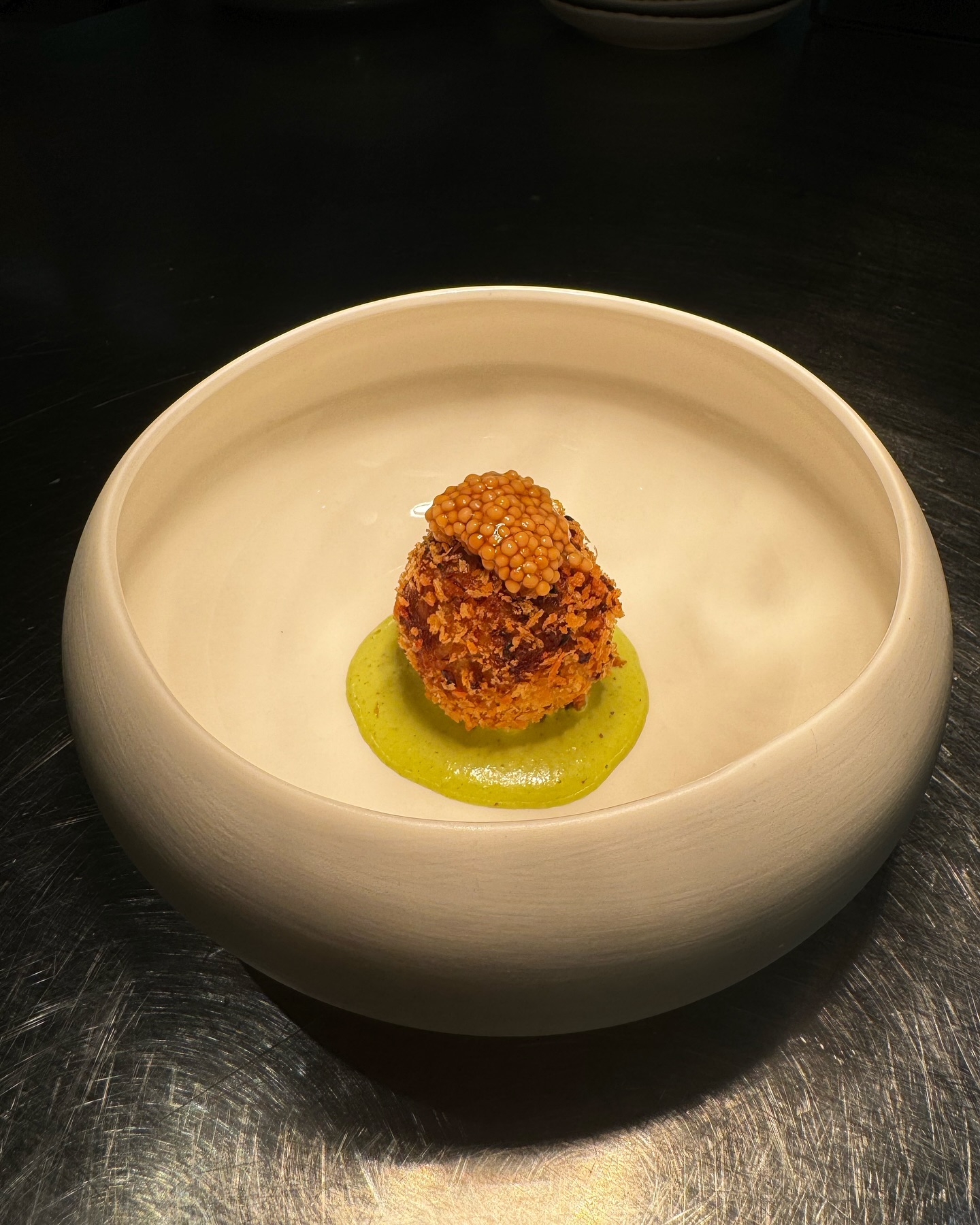
My version of Creole BBQ Shrimp.
It was one of the first Creole dishes I truly fell in love with after having it for the first time at my granddads house, and in terms of flavor really captures what I think of when I think of Creole cuisine.
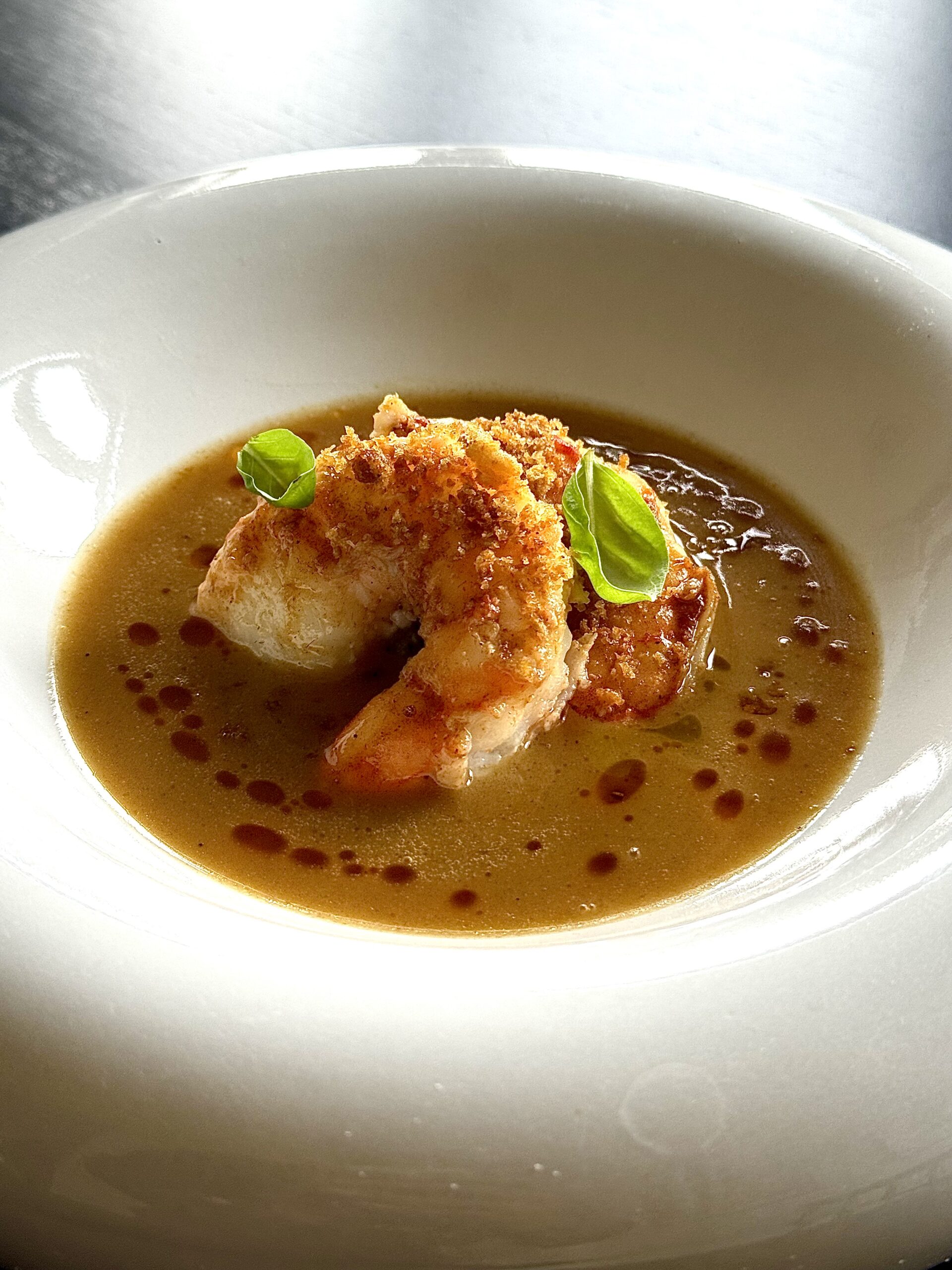
In my version I lean a little into the Sicilian and Italian heritage of the dish and add a pesto and focaccia breadcrumbs, while also elevating some of the other elements of the original dish, like its signature sauce.
About Your City!
Amsterdam
- If Anthony Bourdain or a chef came to your city, what would be the perfect tour itinerary from breakfast to dinner?
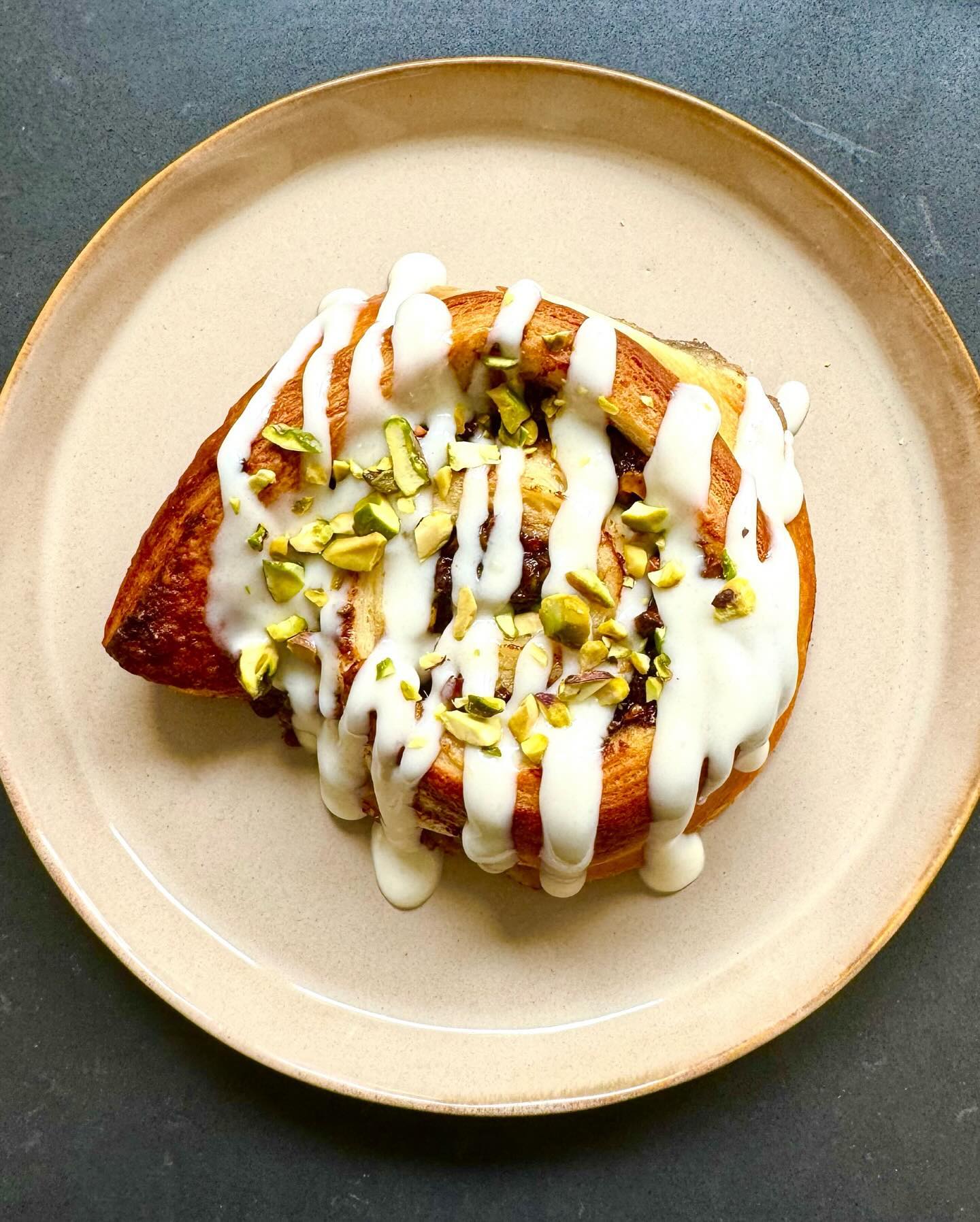
I’d take him around my neighborhood of De Pijp here in Amsterdam first, stopping for pastries and coffee at Anook Bakehouse. Then we’d walk around the Albert Cuyp Market and sample some local street food.
If we were still hungry, we’d grab a sandwich from Zero Zero. For dinner, we’d drop by to see my friends at Testamatta in a nearby neighborhood for some great Italian food, wine, and conversation.
After that, we could grab a cocktail at Bar Mokum, a glass of wine at Glou Glou, or a beer at Vice Versa.

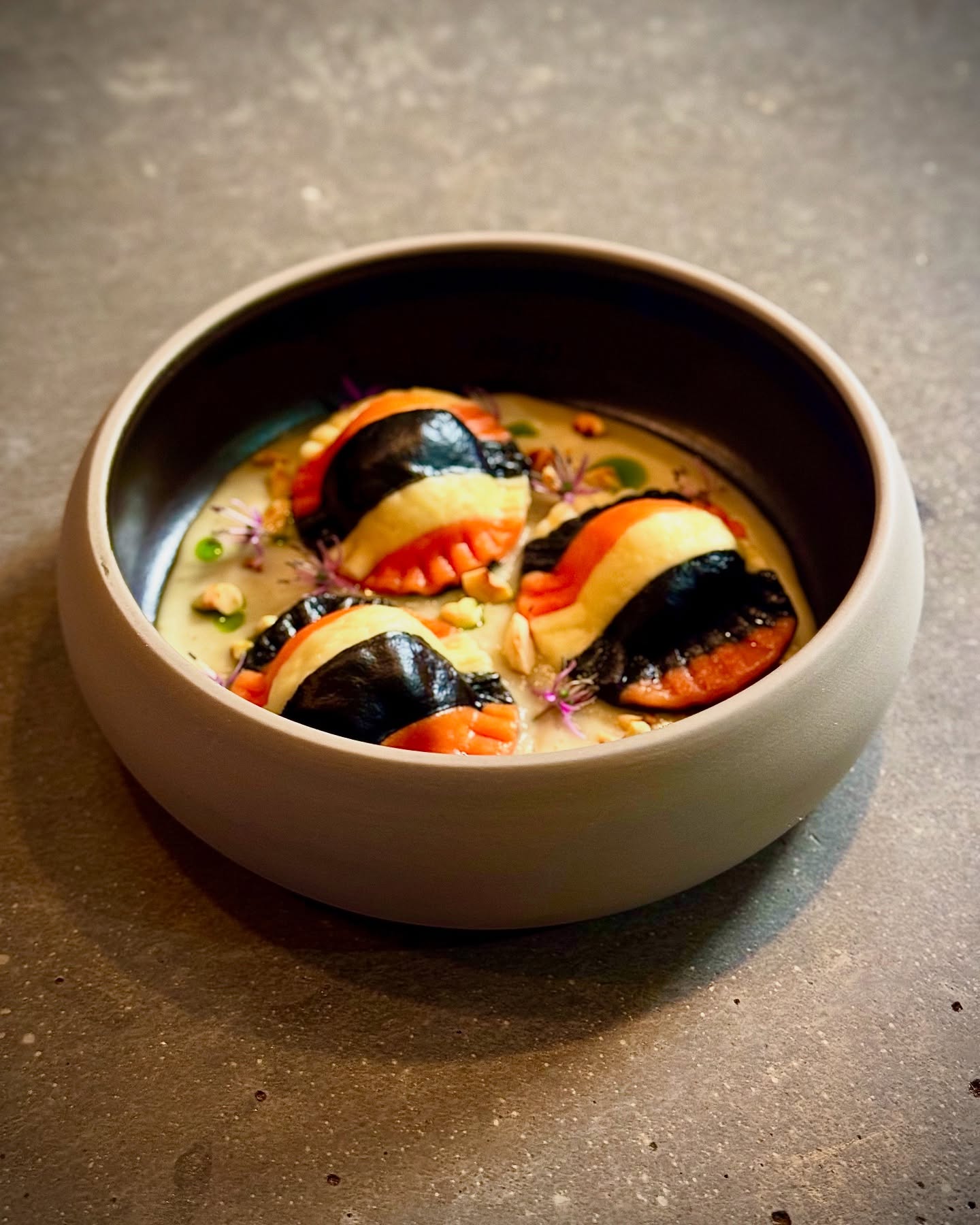
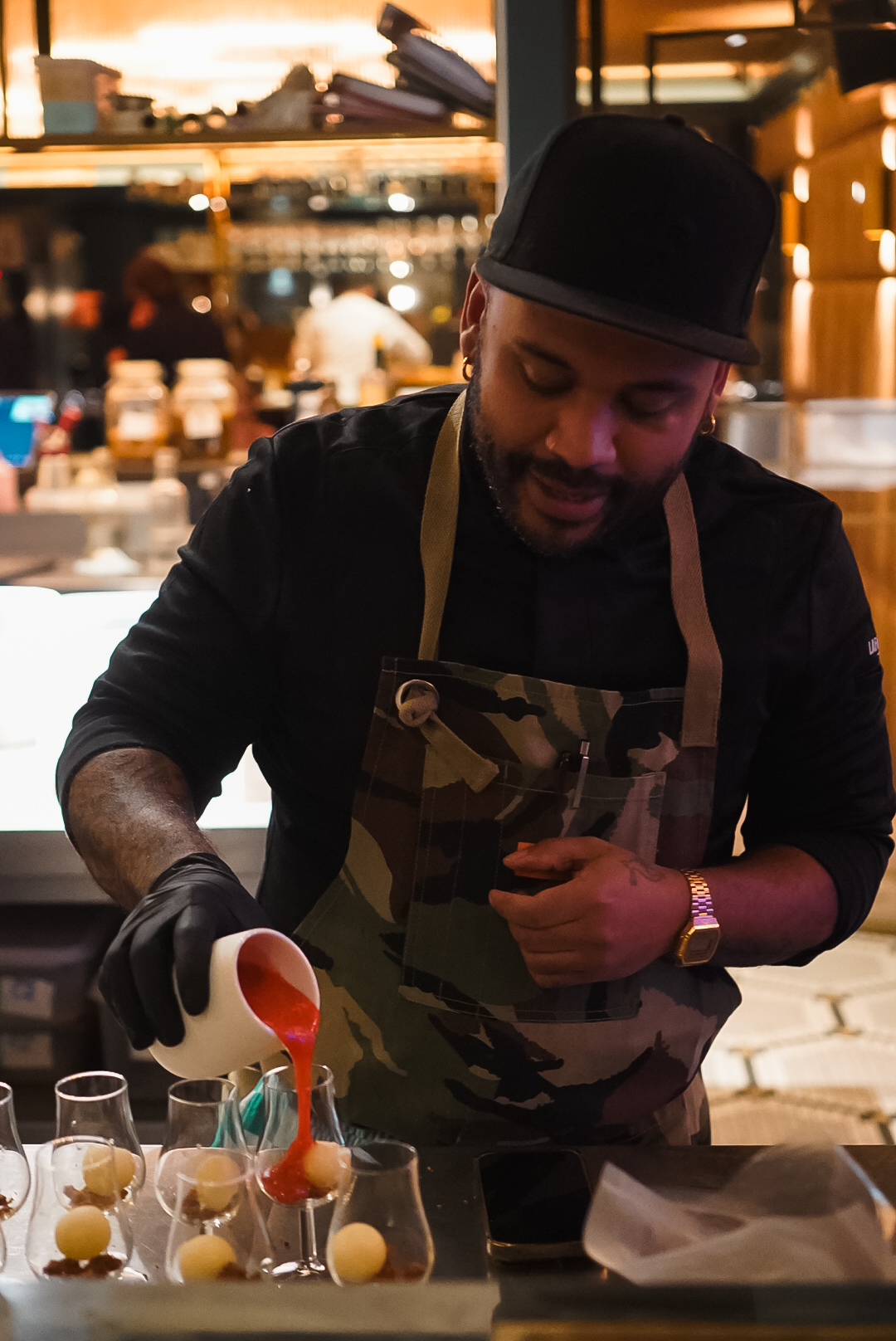
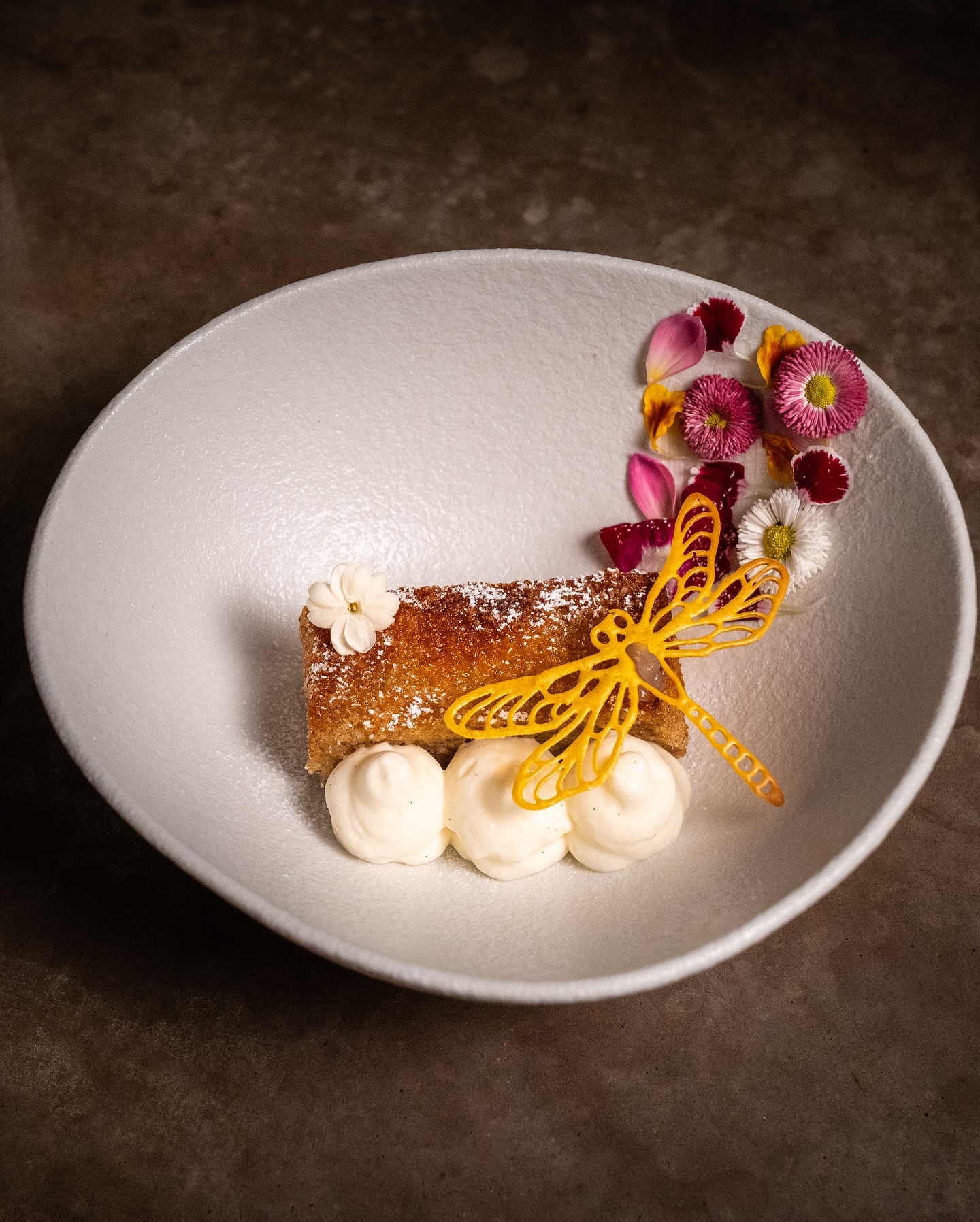
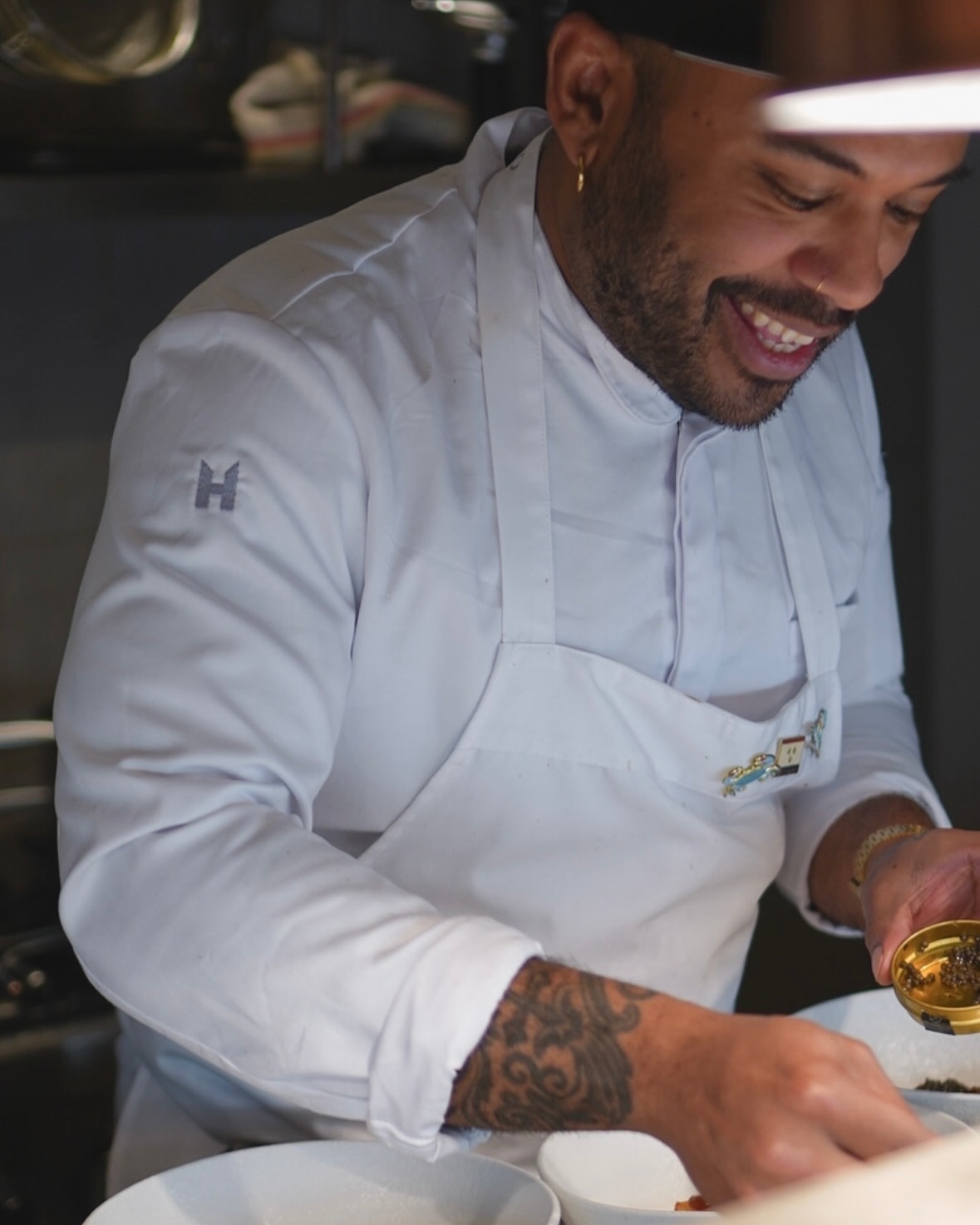
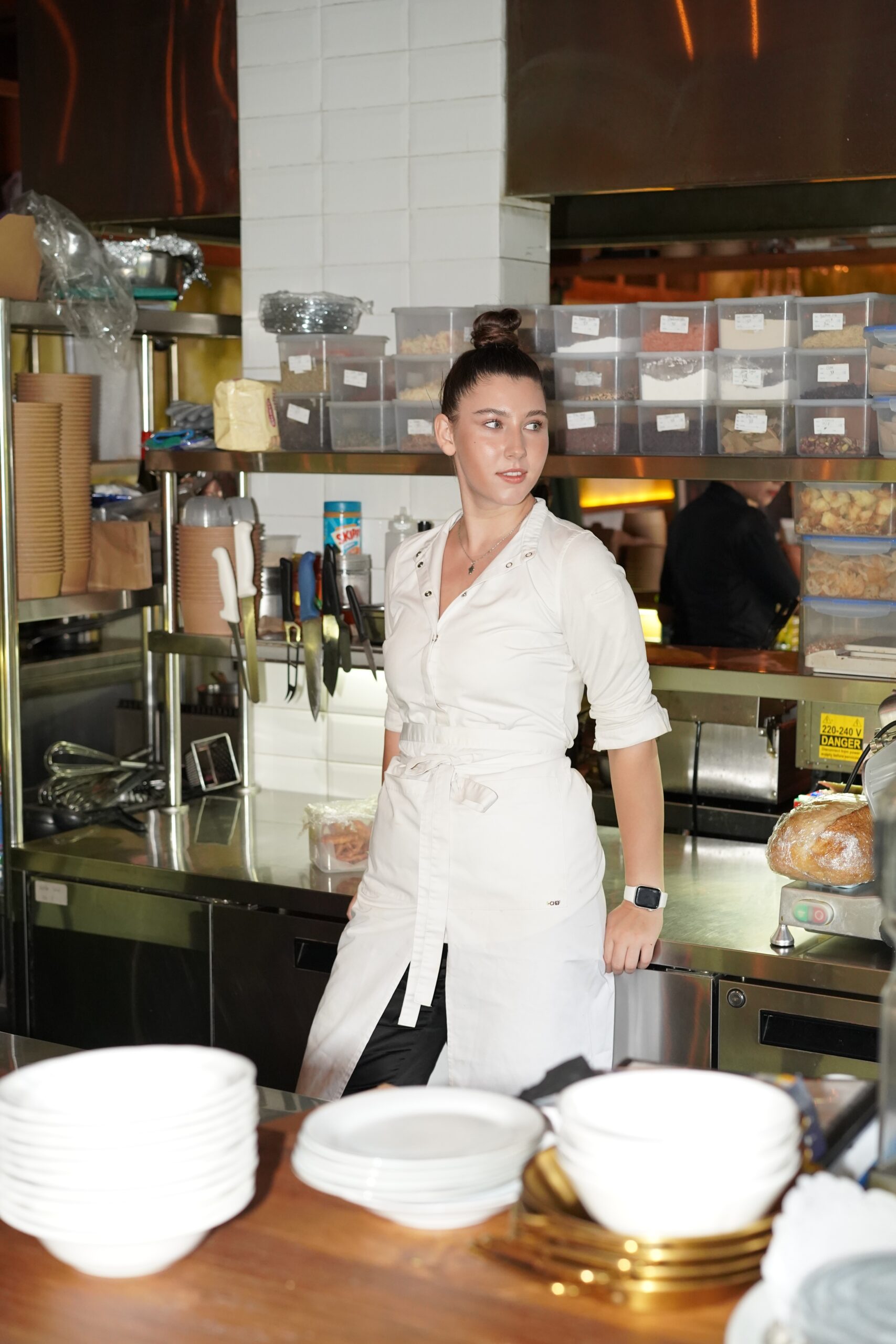
Far from home, not alone
Humans Of The Kitchen
While worrying about her family in Ukraine, her Paris kitchen became a second family.
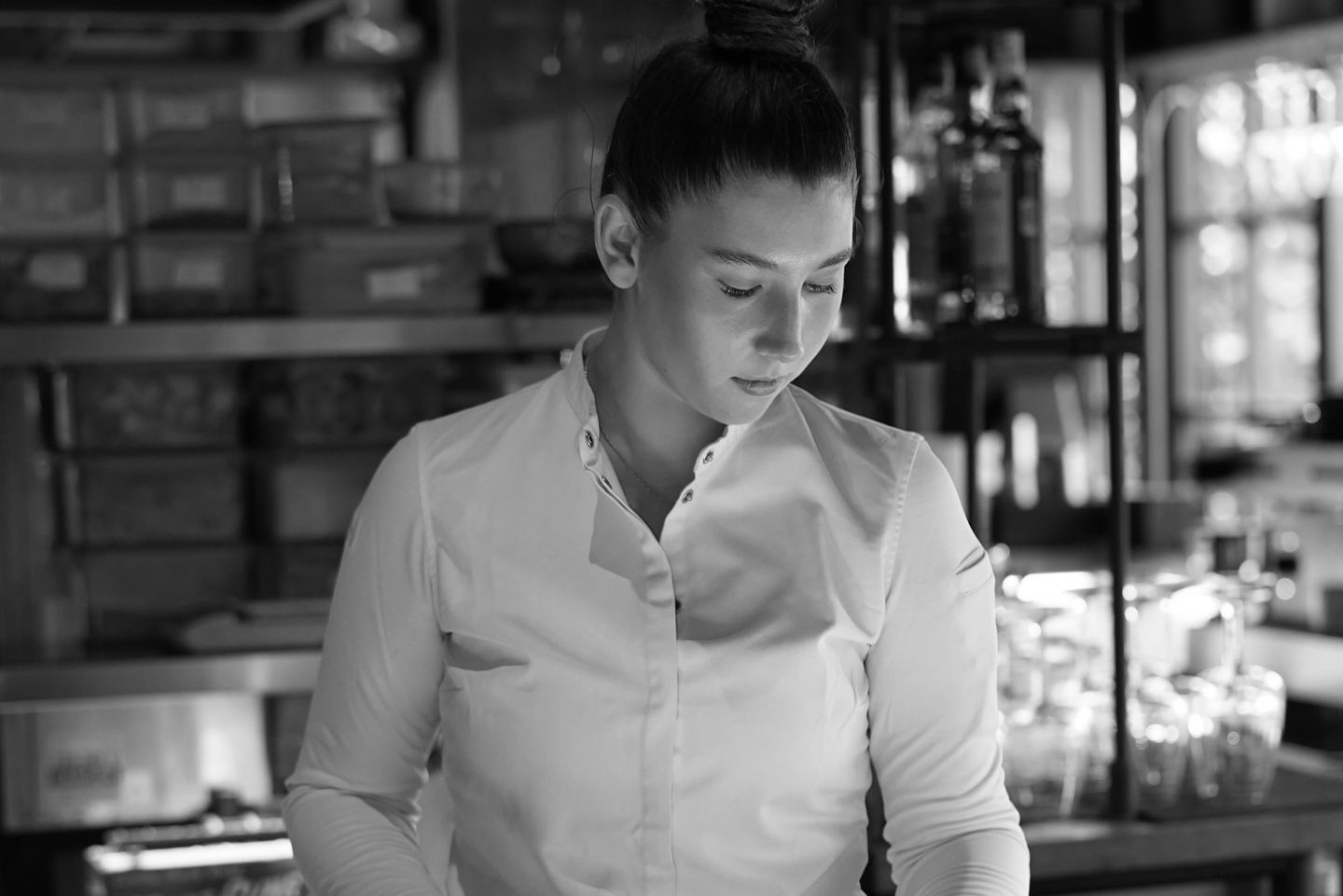
Mariia Khrystych
Mariia Khrystych knew from childhood that she wanted to become a chef. Growing up in a family where food was always important, she spent hours playing with toy kitchens before turning that early fascination into a serious commitment. She began her culinary education at fifteen and spent nearly nine years studying, training, and working to build the skills that would shape her career.
One of the defining steps in her journey came when she moved to Paris on her own and earned a place in a Michelin-starred kitchen, despite not speaking French. She soon became responsible for the hot section, proving to herself that dedication and a willingness to learn could open doors she had once only dreamed of. But her journey also brought difficult moments, from the physical demands of professional kitchens to living abroad while worrying about her family in Ukraine during the war.
For Mariia, the kitchen has always been more than a workplace. It has been a place to grow, find support, and build connections that last beyond service. Today, as opportunities take her around the world, she leads by example and believes that knowledge should be shared, young cooks should be inspired, and Ukrainian chefs deserve greater recognition.
In this conversation with Humans of the Kitchen, Mariia reflects on the people, challenges, and experiences that shaped her, and why she believes in passing what she has learned on to the next generation.
Share your Journey
- Looking back at your childhood, was there a specific moment or memory that sparked your interest in food or cooking?
Yes, absolutely. Even though no one in my family was a professional chef, everyone loved cooking, and good food was always an important part of our home. Since I was a child, my favorite “toys” were toy kitchens, dishes, and food. I could spend hours pretending to cook and serve meals instead of playing with dolls. As I grew older, that childhood curiosity turned into a real passion. I watched every cooking show I could find, followed interviews with famous chefs, and dreamed about working in a professional kitchen one day. Looking back now, I realize cooking has always been a part of who I am.
- Did you have another career or job before becoming a chef? How did those experiences influence your decision to pursue cooking?
No, I didn’t. Cooking has been my only career, and it has been my dream for as long as I can remember. I started working in professional kitchens when I was fifteen, while also studying culinary arts in Ukraine. My education lasted more than eight years, all the way to earning a master’s degree. Every stage of my adult life has been dedicated to learning, improving, and growing as a chef. I have never imagined myself doing anything else because the kitchen has always felt like the place where I truly belong. It has shaped not only my career but also my personality, discipline, and way of thinking.
- Did you formally study culinary arts, or are you self-taught? How has your learning journey shaped your approach to cooking?
I am definitely not self-taught. I started my culinary education when I was fifteen, right after finishing secondary school. I first attended culinary college to become a chef, then continued studying pastry, later transferred to another college, completed my bachelor’s degree, and finally earned a master’s degree in culinary arts. In total, my education lasted almost nine years.
At the same time, I always believed that education doesn’t end in the classroom. I started working in professional kitchens at a young age and spent nearly every day off attending chef summits, masterclasses, internships, and training sessions with some of the best chefs in Ukraine. Combining formal education with hands-on experience taught me that there is always something new to learn, and that mindset still guides me every day.
- When did you first step into a restaurant kitchen? What was that experience like, and how did it shape your journey as a chef?
I stepped into my first professional kitchen when I was around sixteen years old, and from the very beginning, I knew I had found the right place for me. I always aimed to work with the best chefs and in the best restaurants and hotels I could find. Sometimes I was even willing to work for free because gaining experience and learning from great professionals meant far more to me than earning money.
I was curious about everything. I wanted to understand every station in the kitchen—from cold appetizers and hot dishes to pastry. Every new challenge was exciting, and I never wanted to stop learning. Looking back, I feel incredibly grateful for those early experiences because they built the foundation of the chef I am today. They taught me discipline, respect for the profession, and the importance of constantly pushing myself to improve.
- What were some of the early challenges or obstacles you faced when you started in the kitchen, and how did you overcome them?
Honestly, I was very lucky with the chefs, managers, and teams I worked with throughout my career. Unlike many women in the industry, I never experienced sexism or felt that I had to prove myself because of my gender. I was always treated with respect, and I tried to give the same respect back to everyone around me.
The biggest challenge was the physical side of the profession. There were periods when I worked up to twenty hours a day, seven days a week, with almost no time to recover. Eventually, my body started reminding me that even passion has its limits, and I experienced health issues because of the workload. Learning to take better care of myself became just as important as becoming a better chef.
Despite the exhaustion, I never lost my love for the kitchen. Mentally, I was always excited to go to work because cooking has never stopped inspiring me.
- What keeps you inspired and how has that inspiration driven you throughout your professional journey? Especially during tough times in the kitchen?
Inspiration is everywhere if you stay curious. I find it in people, in travel, in nature, and, of course, in food itself. Meeting talented chefs, listening to their stories, and seeing the different paths they have taken reminds me that every chef has a unique journey. It motivates me to keep building my own.
I also find inspiration in beautiful ingredients and the idea that something simple can be transformed into something unforgettable. Traveling and eating in different restaurants constantly open my mind to new techniques, flavors, and cultures.
Most importantly, I am inspired by my team. A chef is never successful alone. The best kitchens are built on trust, respect, and people who support each other every day. Even during difficult moments, that sense of teamwork and the opportunity to keep learning have always given me the motivation to move forward.
- Can you recall a moment in the kitchen that marked you forever? Maybe it was an interaction with a mentor, a fellow cook, someone you fed, or a situation that challenged you in a way that shaped who you are today?
It is difficult to choose just one moment because every kitchen I have worked in and every chef I have met has shaped me in some way. I still remember advice, encouragement, and lessons from my mentors, and I carry them with me every day.
If I had to choose one milestone, it would be the day I started working in a Michelin-starred restaurant in Paris. Coming from Ukraine, it had always been my dream to work abroad at that level. Even without speaking French, the chef believed in me and gave me the opportunity. Not long after, I was promoted to the hot section and trusted to run it on my own. That experience gave me confidence and proved that hard work, dedication, and a willingness to learn can open doors that once seemed impossible.
At the same time, I will never forget working through COVID and later during the war in Ukraine. Those experiences taught me resilience, adaptability, and gratitude. Every day in the kitchen has left its mark on me.
- As a chef, how would you describe your philosophy in the kitchen, and how does it guide your approach to cooking and leadership?
For me, leadership is about leading by example. I don’t believe a chef has the right to demand something from the team if they are not willing to do it themselves. Respect is earned through actions, not through a title.
Trust is at the heart of every successful kitchen. My team needs to trust me just as much as I trust them because we cannot succeed without each other. I try to understand every person individually. Sometimes I joke with them, sometimes I am strict, and sometimes I push them to do better, but I always want them to know that I appreciate their work.
I never want people to follow me out of fear. I want them to feel motivated, supported, and proud of what we create together. Cooking is not just about feeding people, it is about creating emotions and memories. That is the mindset I try to share with every member of my team.
- Can you share a time when cooking or the camaraderie in the kitchen helped you through a tough period in your life? What made that experience meaningful?
The kitchen has been part of my life since I was a teenager, so almost every important moment in my life has happened alongside it. My happiest memories, biggest achievements, fears, and most difficult periods have all happened while I was working in kitchens. Cooking has always been my safe place. Whenever I am at work, I become completely focused on creating something beautiful, and for a while, everything else disappears.
The hardest period of my life was moving abroad alone while my family remained in Ukraine, especially after the war began. Every day, I worried about their safety while trying to build a new life in another country. During that time, my Michelin-starred kitchen became my second family. My chef and colleagues supported me in every possible way and showed incredible kindness toward both me and Ukraine.
Even now, years later, whenever I return to Paris, they still ask me to visit them. That reminds me that the strongest part of this profession is not only the food we create but also the people we meet along the way.
- Reflecting on your career, what achievements or milestones are you most proud of, and what do they mean to you?
Honestly, I am proud of every stage of my journey because each achievement opened the door to the next one. As a teenager, I was proud to win culinary competitions in Ukraine. Later, I was proud to work in some of the country’s best restaurants. Then I achieved another dream by moving to Paris completely on my own and earning a position in a Michelin-starred restaurant without speaking French. Being trusted to lead the hot section there remains one of the most meaningful moments of my career.
Today, however, my greatest achievement is something different. I no longer spend my time searching for opportunities: opportunities find me. I receive invitations to join projects in different parts of the world, from Europe and Asia to the United States. That tells me that years of hard work, dedication, and continuous learning have earned the trust of people in this industry. Having the freedom to choose projects that truly inspire me is something I value more than any title.
- What aspects of restaurant culture do you love, and what parts do you find frustrating or problematic? Are there any changes you’re actively working toward or things you hope they change in the industry? Share the reasons behind them and how they align with your vision for a better culinary world?
What I love most about restaurant culture is that no two days are ever the same. Every service is different, every team is different, and there is always something new to learn. The kitchen brings together people from different cultures, backgrounds, and experiences, all working toward the same goal. That energy is something I truly love.
At the same time, I think one of the biggest challenges our industry faces today is finding motivated people. I see this not only in one country but all over the world. Today’s chefs and cooks often have healthier schedules, regular days off, and much better working conditions than previous generations, yet many still lack the curiosity and passion to keep learning and growing.
When I was younger, I accepted every opportunity I could find. I attended unpaid internships, worked long hours, and spent my free time at culinary summits, masterclasses, and training sessions simply because I wanted to learn from the best. That mindset shaped my career, and I believe we need to inspire more young chefs to see this profession not just as a job but as a lifelong craft.
I also hope we continue raising the status of our profession. Being a chef is not just about cooking: it is about creativity, leadership, culture, and creating unforgettable experiences for people. I especially hope the world continues to discover Ukrainian chefs and Ukrainian hospitality. There is so much talent in my country, and I believe it deserves far more international recognition.
- What are your hopes for the future of the restaurant and food and beverage industry? What changes would you like to see, and how are you contributing to that change?
I am still young—I’m only twenty-four—and I know I still have a lot to learn. Every day I continue learning from chefs around the world, and I hope I never lose that curiosity.
I am still young—I’m only twenty-four—and I know I still have a lot to learn. Every day, I continue learning from chefs around the world, and I hope I never lose that curiosity.
What I try to pass on to my own team is that being a chef is something to be proud of. I want young cooks to see this profession differently than it was often seen in the past. A chef is not simply someone who spends endless hours in the kitchen with no personal life. This profession can open doors to the world. It allows you to travel, meet incredible people, experience different cultures, and build a meaningful career while still having balance in your life.
Most importantly, I believe chefs create emotions. We transform simple ingredients into memories that people share with family and friends. That is a privilege and a responsibility. I hope the future of our industry is one where chefs are respected not only for their technical skills but also for the positive impact they have on people and on culture. If I can help inspire even a few young cooks to believe in this profession and keep learning, I will feel that I have contributed to a better future for our industry.
- If there’s anything we didn’t ask or if you feel we’re missing something about your personal and kitchen story, please share it here.
If there is one more thing I would like people to know about me, it is that I truly believe knowledge should be shared. That is one of the reasons I started creating content about life in professional kitchens. I want people to see what being a chef really looks like—the hard work, the discipline, the creativity, and the incredible opportunities this profession can offer. If even one young person decides to follow their dream because they watched my journey, then everything I share is worth it. I believe the more we inspire each other, the stronger our culinary community becomes.
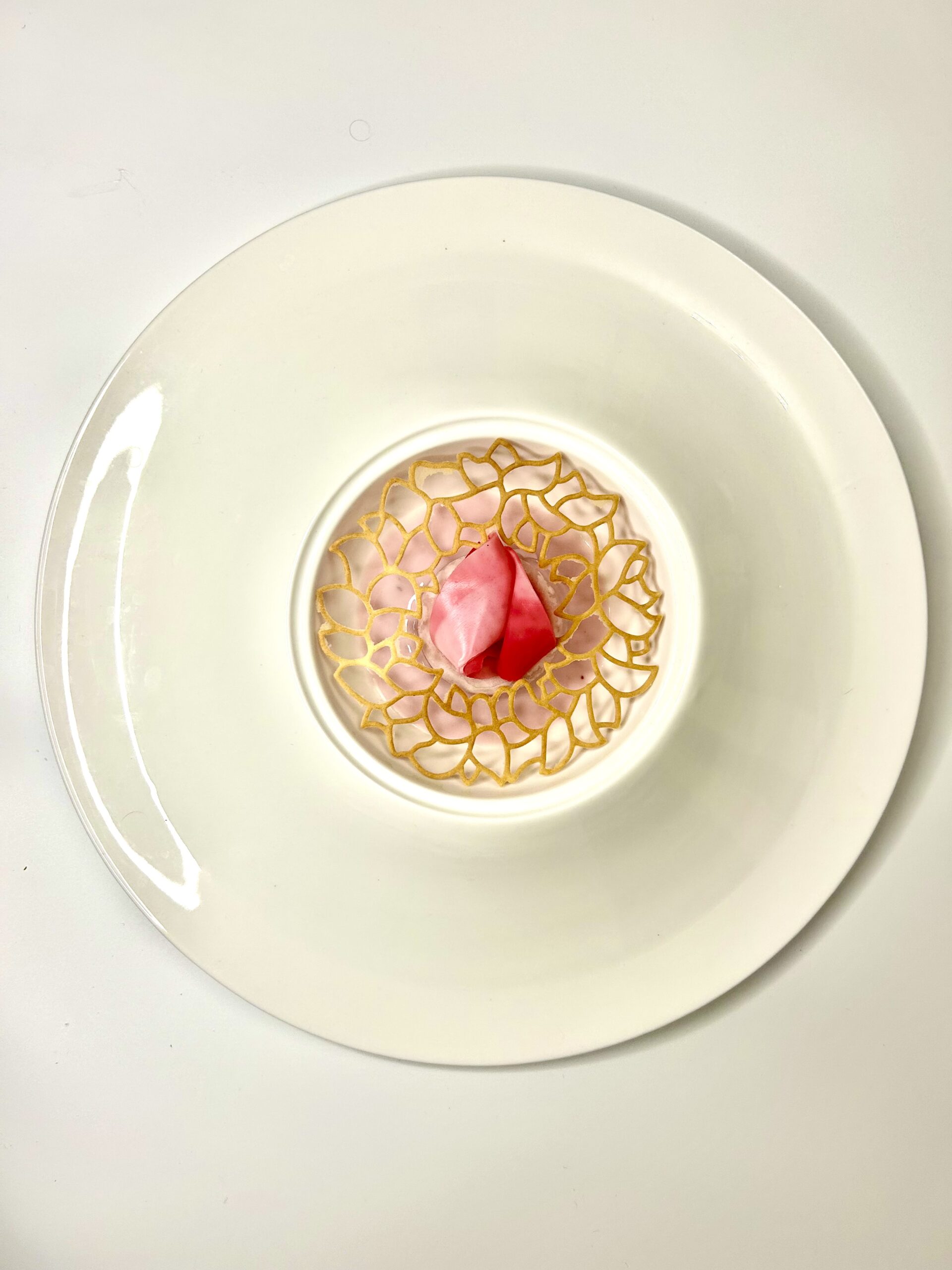
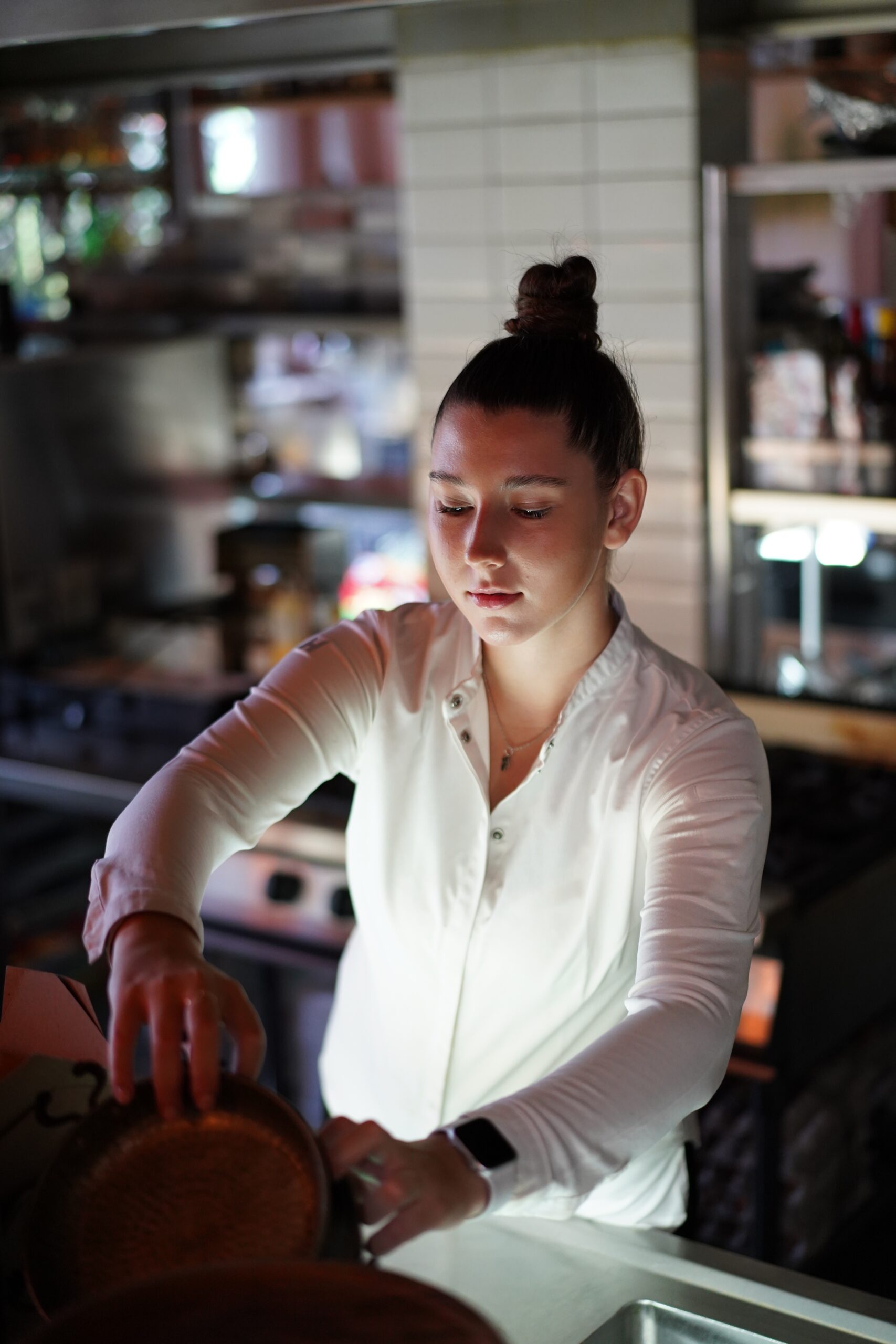
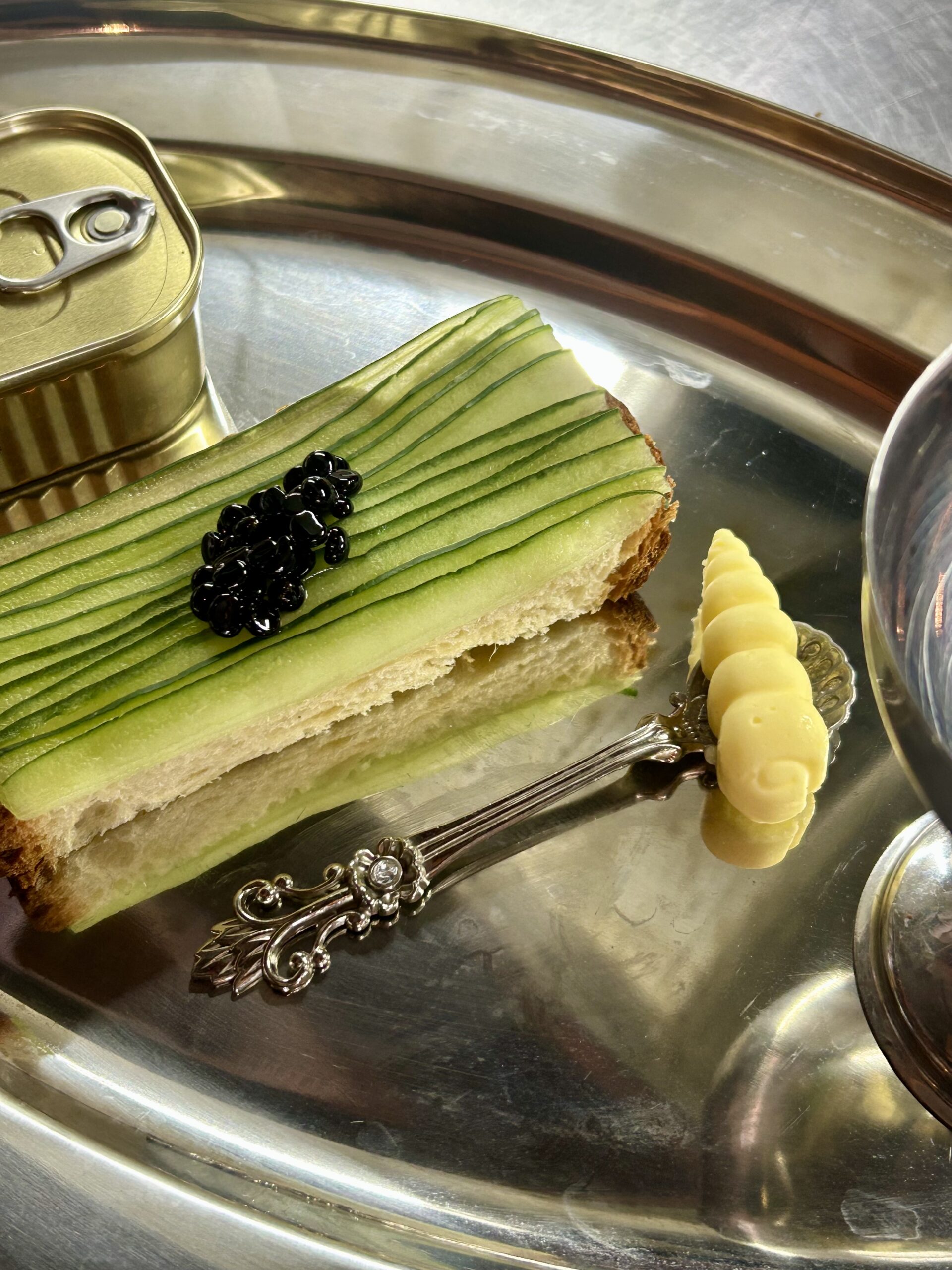
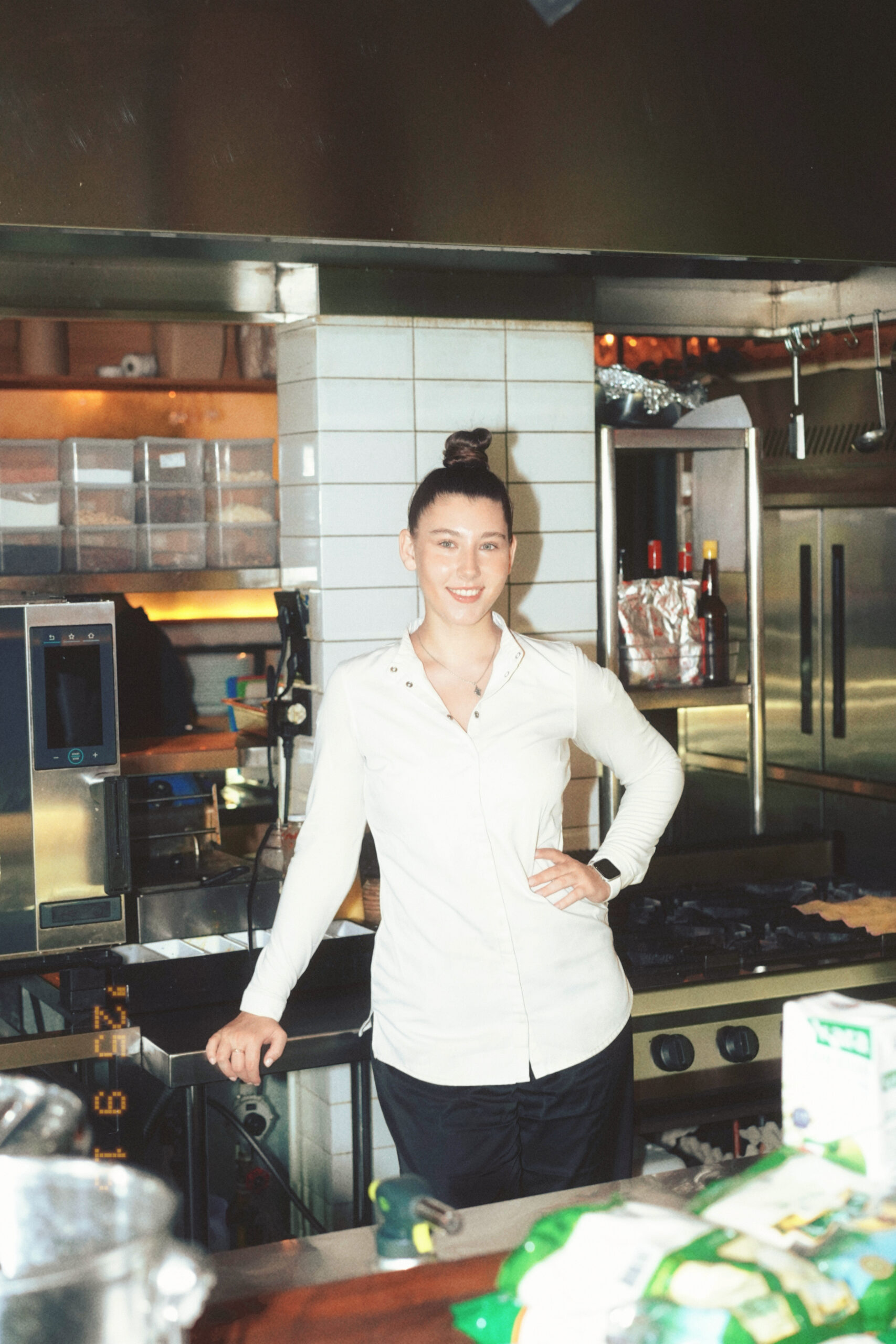
Secret Sauce
- What’s the most unexpected ingredient you’ve ever worked with, and how did it change your perspective on cooking?
I don’t think there is one “most unexpected” ingredient. I’ve had the opportunity to work with many unique products throughout my career, but what has changed my perspective the most is realizing that extraordinary dishes don’t necessarily come from extraordinary ingredients.
The real challenge is taking something simple and familiar and transforming it into something memorable. Anyone can impress with a rare ingredient, but it takes creativity, technique, and respect for the product to make everyday ingredients tell a completely new story. That’s the part of cooking I find most exciting.
- What’s your “guilty pleasure” meal?
My guilty pleasure? Definitely McDonald’s after a 16-hour shift. It’s funny because people expect Michelin chefs to eat elegant fine dining meals all the time, but the reality is often the opposite. After spending the whole day cooking complex dishes, all you want is a burger, fries, and maybe a Coke. Sometimes the simplest comfort food tastes like the greatest luxury after service.
- A food trend that you hate and why?
I don’t think I hate any food trend because every trend teaches us something. However, I don’t like it when appearance becomes more important than flavor. Social media has made some dishes incredibly beautiful but not always enjoyable to eat. For me, great food should always start with taste. If a dish looks amazing but doesn’t create a memorable flavor, then it has missed its purpose.
- What’s the craziest shift you’ve ever worked in the kitchen?
One of the craziest shifts I ever worked lasted almost twenty hours. It wasn’t just one busy service—it was an entire day of preparation, lunch, dinner, cleaning, and getting ready for the next day. By the end, everyone was exhausted, but somehow the team kept laughing, supporting each other, and pushing through. Looking back, I don’t think I could or should work like that forever, but those experiences taught me resilience and showed me what a strong team can achieve together.
5. What happened, and how did you manage to get through it?
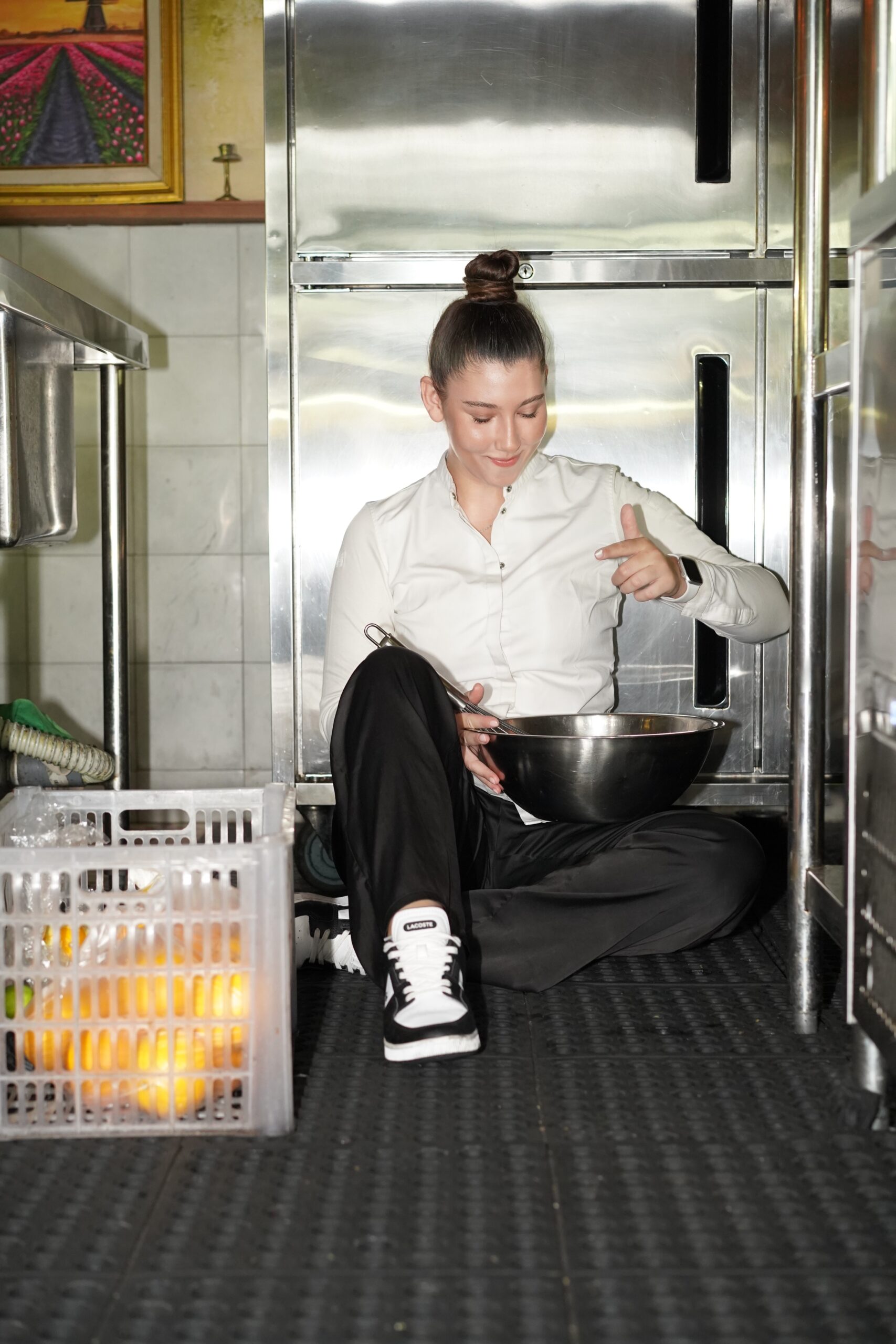
Looking back, I definitely didn’t get through it alone. My teammates made all the difference. One of my funniest memories is that we always had a refrigerator full of Snickers bars and Coca-Cola. We barely had time to eat proper meals, so chocolate and Coke became our fuel during those endless days.
It usually happened when we were developing a new seasonal menu. After finishing a normal sixteen-hour shift, we would stay through the night testing new dishes, adjusting recipes, tasting everything, and preparing for the next menu launch. Then, after maybe forty minutes of sleep on a chair or somewhere in the restaurant, we would start another full workday.
Looking back now, it sounds crazy, and I wouldn’t recommend that lifestyle forever. But we were young, passionate, and completely obsessed with what we were creating. We laughed, supported each other, celebrated every successful dish, and somehow always found the energy to keep going. Those moments taught me that the strongest ingredient in any kitchen isn’t found in the fridge, it’s the people standing beside you.
- What tips would you give to other cooks and chefs to help them navigate their culinary careers and find peace amid the chaos of the kitchen?
Stay curious and never think you know everything. The best chefs I have met are also the ones who never stop learning. Don’t choose your first job because it pays the most: choose it because it will teach you the most. Find mentors, ask questions, travel whenever you can, and don’t be afraid to start from the bottom. Most importantly, take care of your health. I learned that passion alone isn’t enough.
To build a long career, you need balance, good people around you, and a genuine love for what you do. If you truly enjoy the journey, success will follow.
- What’s an underrated ingredient and why?
Butter. It sounds simple, but I think good butter is one of the most underrated ingredients in the kitchen. It has the power to transform a dish by adding richness, aroma, and balance without stealing the spotlight. After working in France, I gained an even deeper appreciation for how such a simple ingredient, when used with care and respect, can completely change the final result. The same is true for ingredients like salt or garlic—sometimes the simplest things make the biggest difference.
8. What’s a must-try dish from your kitchen or the one you’re proudest to have prepared?
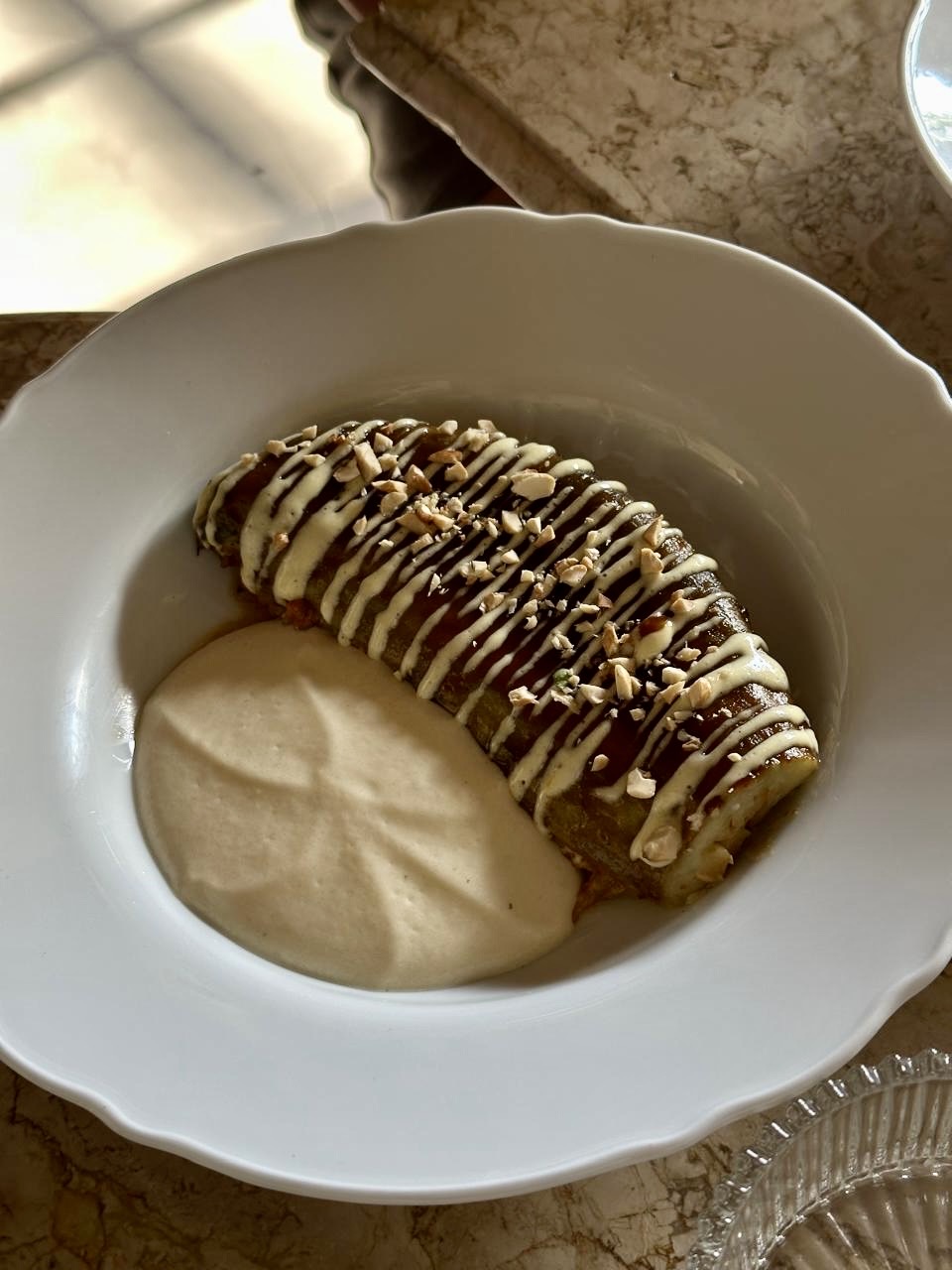
It’s difficult to choose just one dish because every restaurant and every project has taught me something different. The dishes I am proudest of are not necessarily the most complex ones. They are the ones that bring people back to their childhood, remind them of home, or make them smile after the very first bite. I believe the best food creates emotions and memories, not just beautiful plates. My philosophy has always been to respect simple ingredients and let them speak for themselves while adding technique, creativity, and care. When someone tells me, “This tastes like my childhood,” I know I’ve done my job as a chef.
About Your City!
Ukraine
- If Anthony Bourdain or a chef came to your city, what would be the perfect tour itinerary from breakfast to dinner?
If Anthony Bourdain came to Ukraine, I honestly wouldn’t worry about planning the perfect restaurant itinerary because almost any city would offer an incredible culinary experience. I’ve traveled and worked in many countries, and I truly believe Ukraine has one of the highest standards of food and hospitality. We would spend the day exploring local markets, bakeries, family-owned restaurants, and modern Ukrainian kitchens that celebrate our traditions in new ways.
More than anything, I would want him to meet Ukrainian chefs and hear their stories. The food is exceptional, but it’s the resilience, passion, and warmth of the people behind it that make Ukrainian hospitality so unforgettable.
What remains after the awards
Humans Of The Kitchen
Professional milestones matter, but the people who grow through his guidance define a lasting legacy.
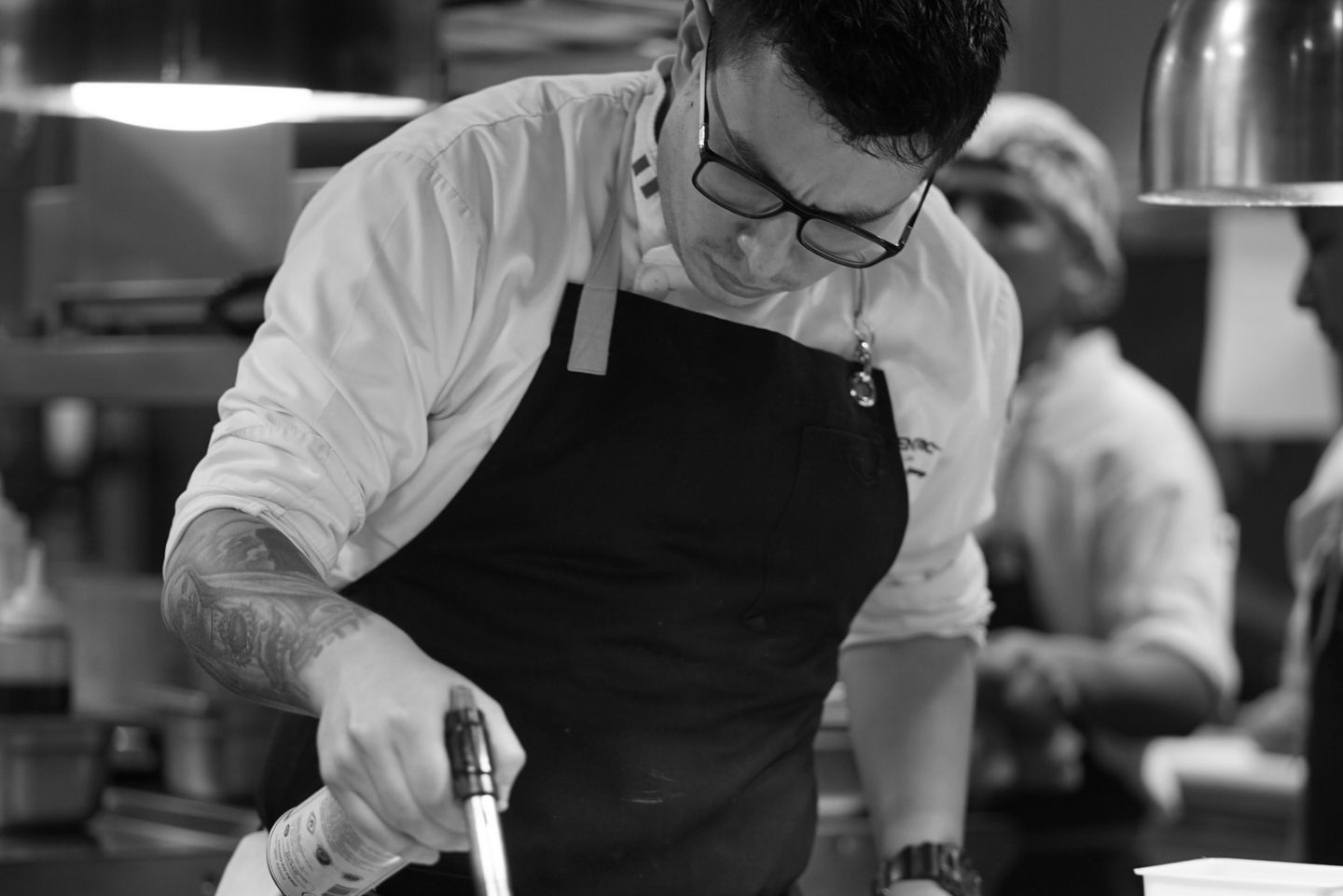
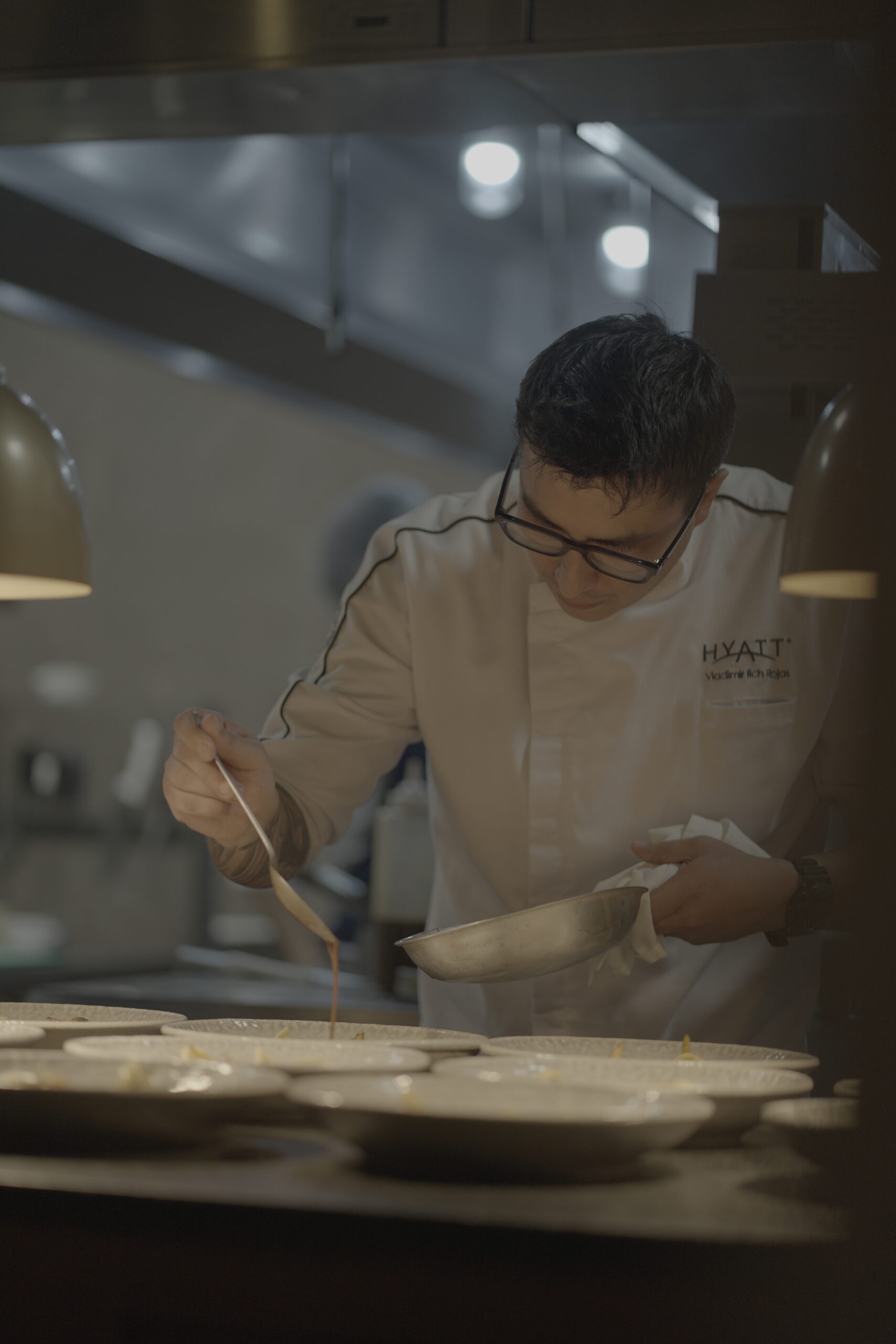
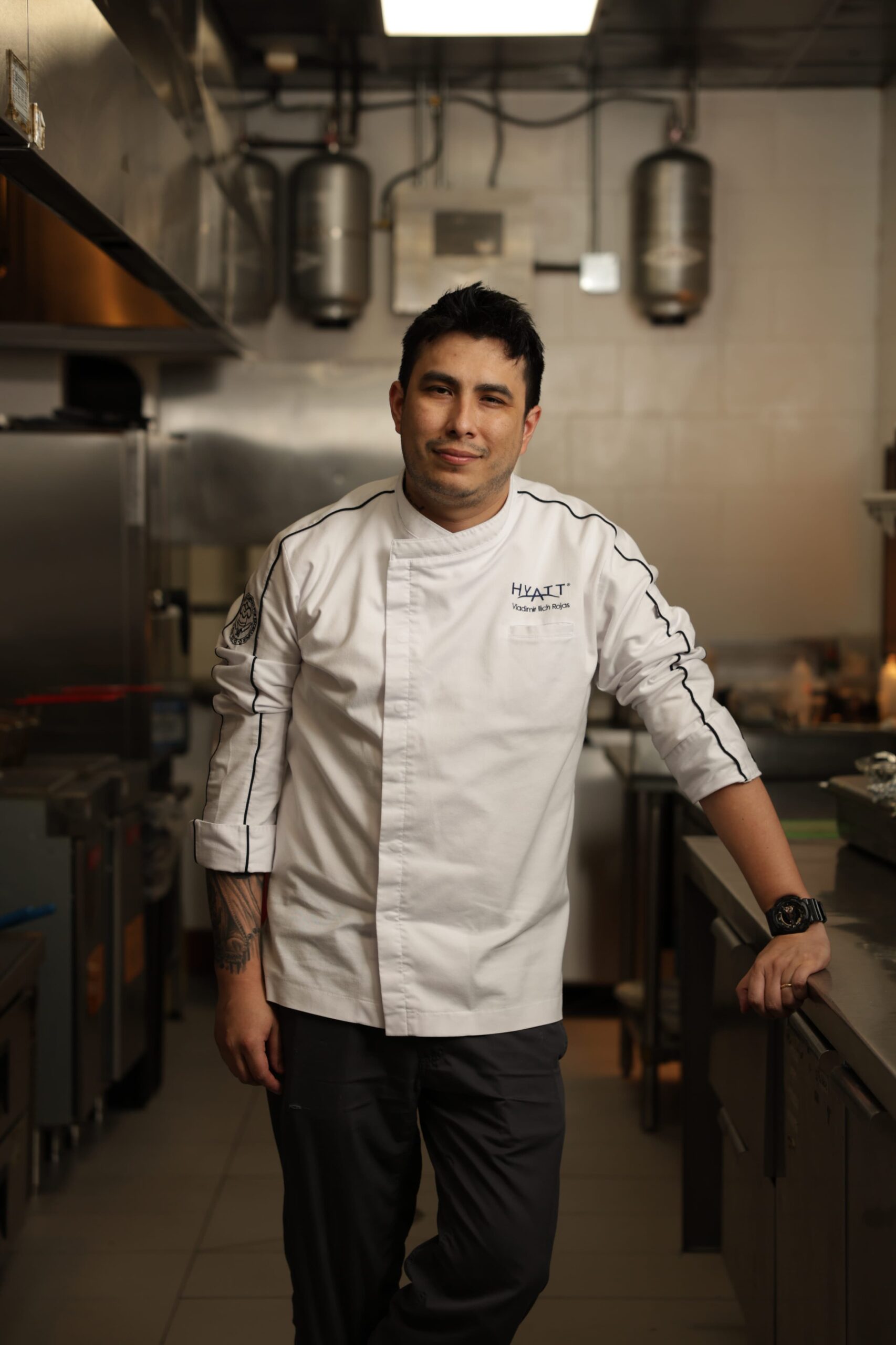
Vladimir Rojas Company
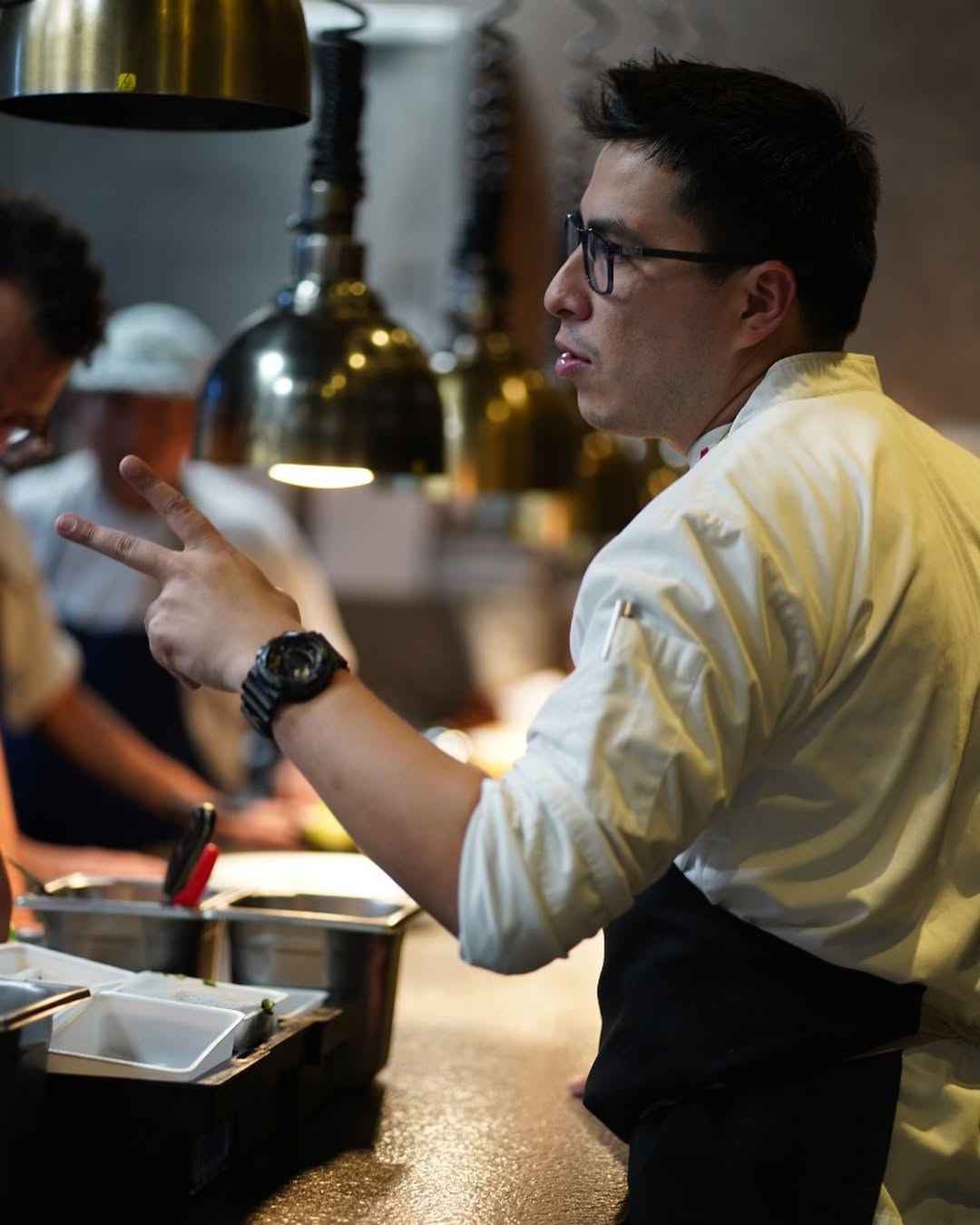
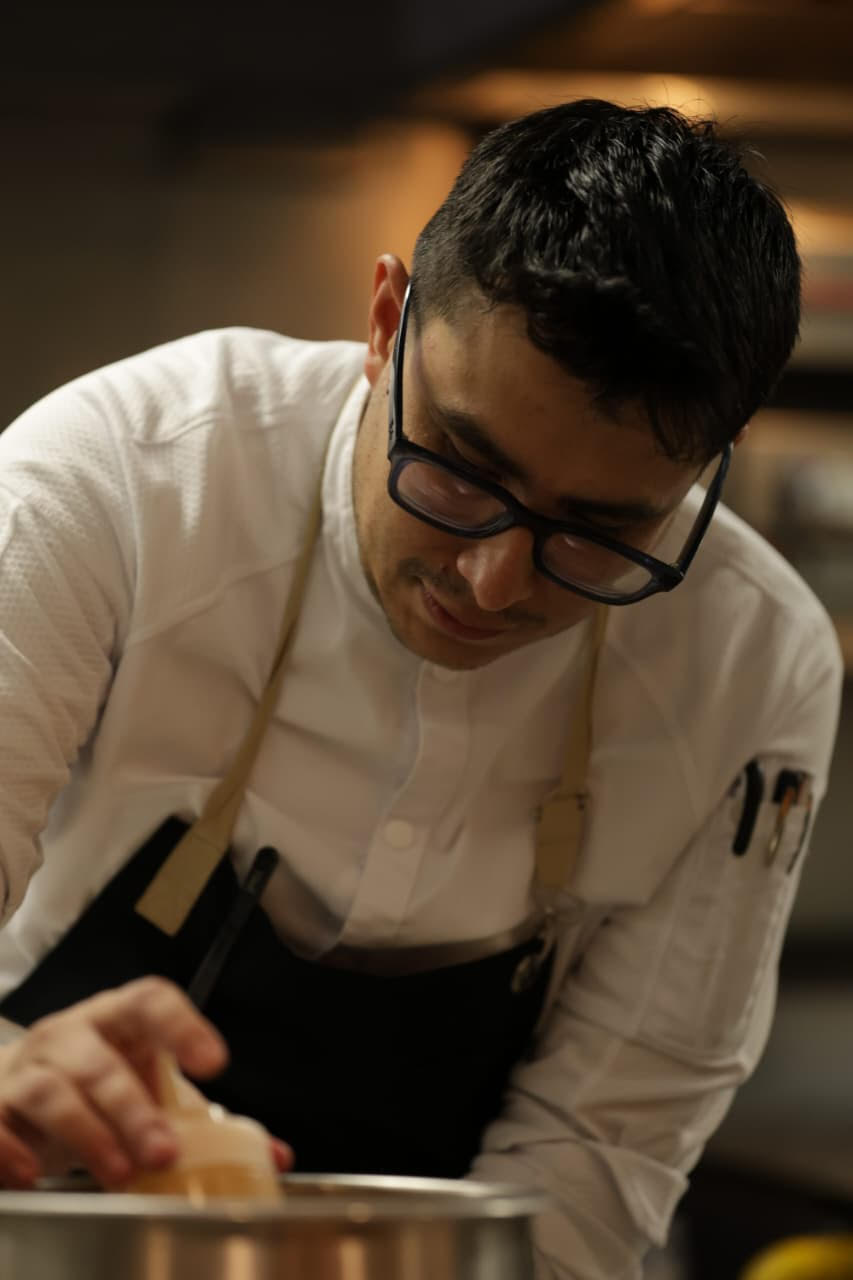
Vladimir Rojas Company’s connection to food began with the sea. Growing up with a grandfather who was an artisanal fisherman, he was surrounded by fresh fish and seafood, while his grandmother transformed them into traditional dishes. Watching her cook sparked an early passion that eventually became a clear goal: to become a chef.
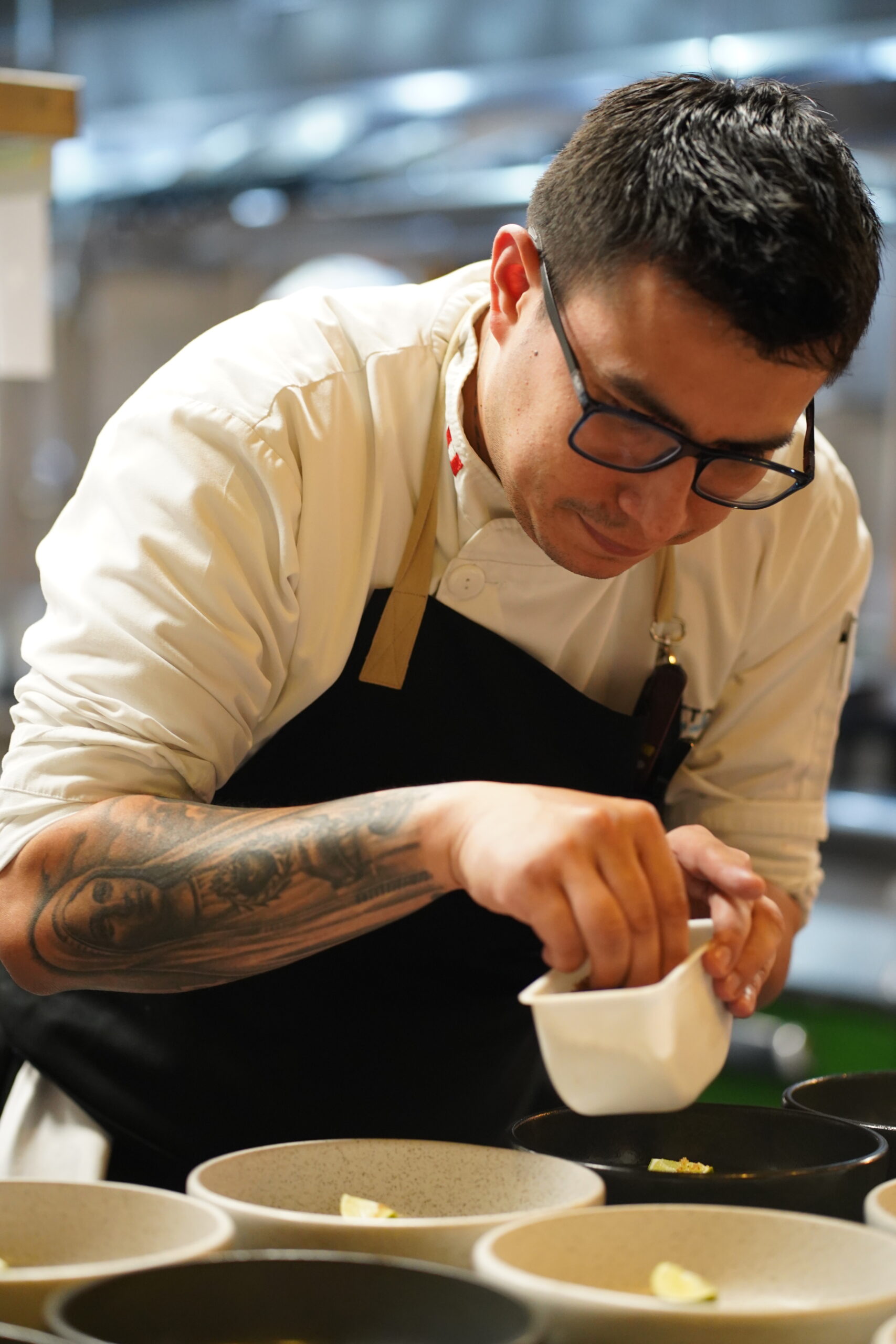
His culinary path began professionally at 18, when he entered a Japanese restaurant kitchen and discovered the discipline, consistency, and respect for ingredients that would shape his career. From learning to professionally cut 100 kilograms of fish to working through the challenges of high-level kitchens, Vladimir built his approach through observation, experience, and a commitment to keep learning.
Today, his philosophy is grounded in discipline, resilience, sound judgment, and respect for the product, while his vision extends beyond the kitchen. Through collaborations, gastronomic pop-ups, competitions, and international projects, he believes chefs need to keep evolving while also understanding the business behind gastronomy. For him, the most meaningful achievement is not an award, but the legacy left in the people he has helped grow.
In this conversation with Humans of the Kitchen, Vladimir reflects on his journey, his philosophy, and the lessons that continue to shape his work.
Share your Journey
- Looking back at your childhood, was there a specific moment or memory that sparked your interest in food or cooking?
My grandfather was an artisanal fisherman who regularly brought home fresh fish and seafood. My grandmother would prepare them in different traditional dishes, and watching her cook inspired my passion for food. Those experiences sparked my interest in cooking from an early age.
- Did you have another career or job before becoming a chef? How did those experiences influence your decision to pursue cooking?
No, I always wanted to become a chef. However, I started working as a waiter to gain experience and better understand the hospitality industry. That role allowed me to learn about service, teamwork, and restaurant operations, strengthening my passion for pursuing a career in the culinary world.
- Did you formally study culinary arts, or are you self-taught? How has your learning journey shaped your approach to cooking?
I formally studied Culinary Arts, which gave me a strong foundation in cooking techniques, food safety, and kitchen management. Combined with hands-on experience, my education helped shape a disciplined and professional approach to cooking while encouraging continuous learning and creativity.
- When did you first step into a restaurant kitchen? What was that experience like, and how did it shape your journey as a chef?
I first entered a restaurant kitchen when I was 18 years old and started working in a Japanese restaurant. From that moment, I learned the value of hard work, consistency, discipline, and determination to do things the right way. Japanese culture taught me to respect ingredients and maintain discipline in my daily work, lessons that continue to guide me throughout my career as a chef.
- What were some of the early challenges or obstacles you faced when you started in the kitchen, and how did you overcome them?
One of the biggest challenges in the kitchen was learning how to cut 100 kg of fish professionally and with great care. How did I overcome it? By watching other, more experienced people do it from start to finish. For me, it’s important to observe, listen, and keep learning.
- What keeps you inspired and how has that inspiration driven you throughout your professional journey? Especially during tough times in the kitchen?
Every day I wake up trying to be the best, and to do that, you have to stay motivated every day, inspired by your family, by what you want to become as a person and a professional. I believe that as a chef, what inspires me most is trying to contribute to the culinary world and the people involved in this industry.
- Can you recall a moment in the kitchen that marked you forever? Maybe it was an interaction with a mentor, a fellow cook, someone you fed, or a situation that challenged you in a way that shaped who you are today?
Yes, I was once told a phrase that has stayed with me for life: Sometimes the path is not linear, but every step, every mistake, and every small victory have a story in the past.
- As a chef, how would you describe your philosophy in the kitchen, and how does it guide your approach to cooking and leadership?
My philosophy is based on discipline, consistency, resilience, sound judgment, and respect for the product. My leadership is defined by having effective and decisive communication with the team, listening to them, and always being able to help in any way I can.
- Can you share a time when cooking or the camaraderie in the kitchen helped you through a tough period in your life? What made that experience meaningful?
I think it’s important to remember that every restaurant service is different, and you can arrive in a good or bad mood, and that’s normal. But the most important thing is that you have a great time during that service, and sometimes that changes your mood.
- Reflecting on your career, what achievements or milestones are you most proud of, and what do they mean to you?
Beyond competitions, dinners with different chefs, participating in the openings of important projects, and awards, the most important milestone is the legacy you leave in each person, whether personally or professionally, and that you’ve been able to contribute to their growth.
For me, that’s what it’s all about.
- What aspects of restaurant culture do you love, and what parts do you find frustrating or problematic? Are there any changes you’re actively working toward or things you hope they change in the industry? Share the reasons behind them and how they align with your vision for a better culinary world?
I believe a chef needs to be in the flow, to create, to evolve, to travel, to understand, to develop, and to value.
I feel that sometimes restaurants or companies fall into a rut, and for some chefs, this ends up distancing them from their true philosophy.
That’s why I think it’s always important to hold takeovers or gastronomic pop-ups with other chefs; this helps break the monotony that cooking can sometimes become.
- What are your hopes for the future of the restaurant and food and beverage industry? What changes would you like to see, and how are you contributing to that change?
I believe in the development of new trends, in the development of new ideas, in the development of gastronomy and art.
But to keep moving forward, we have to learn that this is also a business, and we must learn that the business is about profitability. For that, we must be prepared to do more than just create a beautiful and tasty dish.
For this, one has to prepare beyond simply cooking; it’s about learning the management and administration aspects. This is the most fundamental part of this field because if one doesn’t know how to manage these aspects, the business can end up failing.
- If there’s anything we didn’t ask or if you feel we’re missing something about your personal and kitchen story, please share it here.
Selected as the only chef from the Latin American region to participate in a global Hyatt event in 2023.
Participant in the 2019 GoodTasteSeries Regional Finals.
Collaborations with the 50 Best Chefs list and the Michelin Guide.
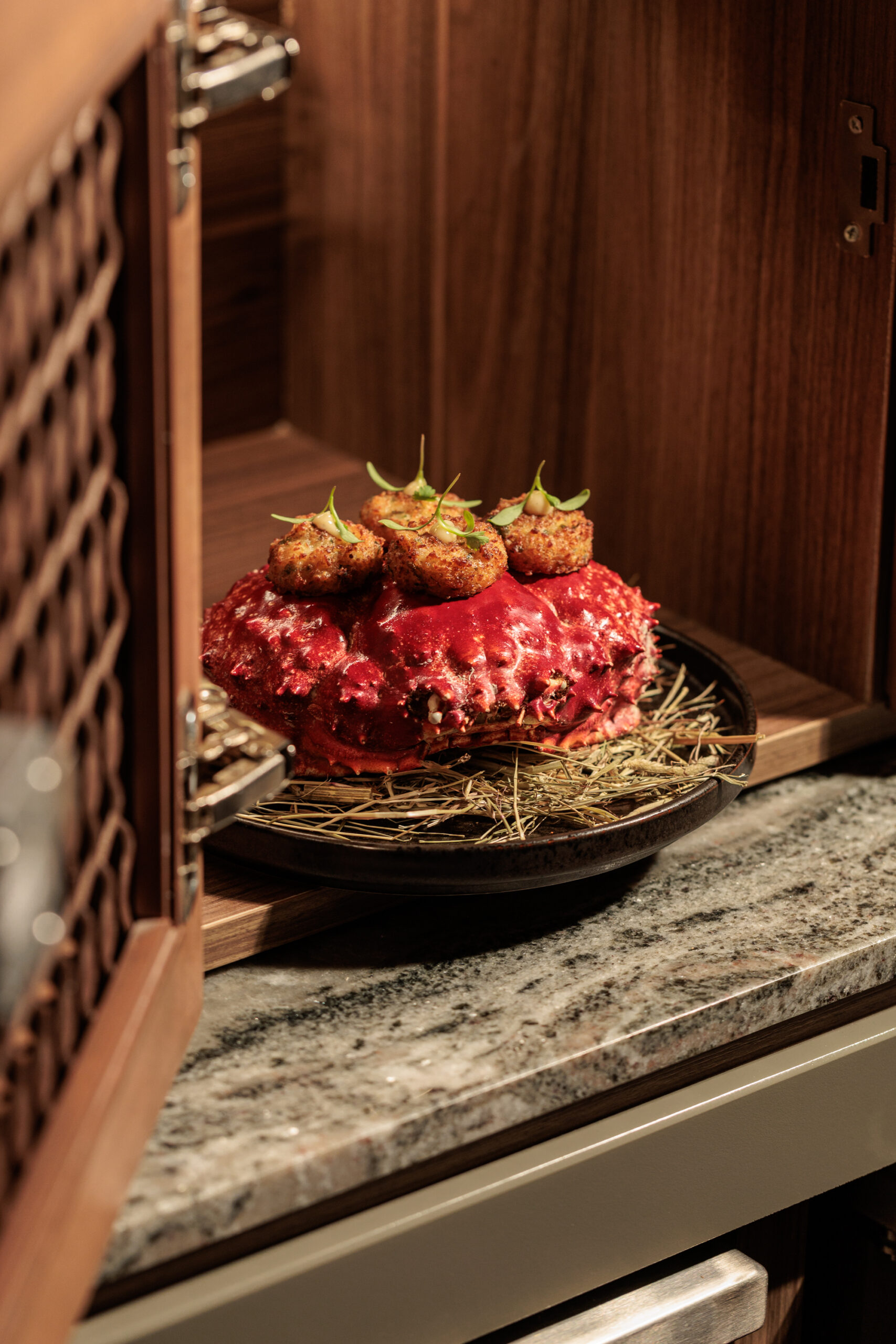
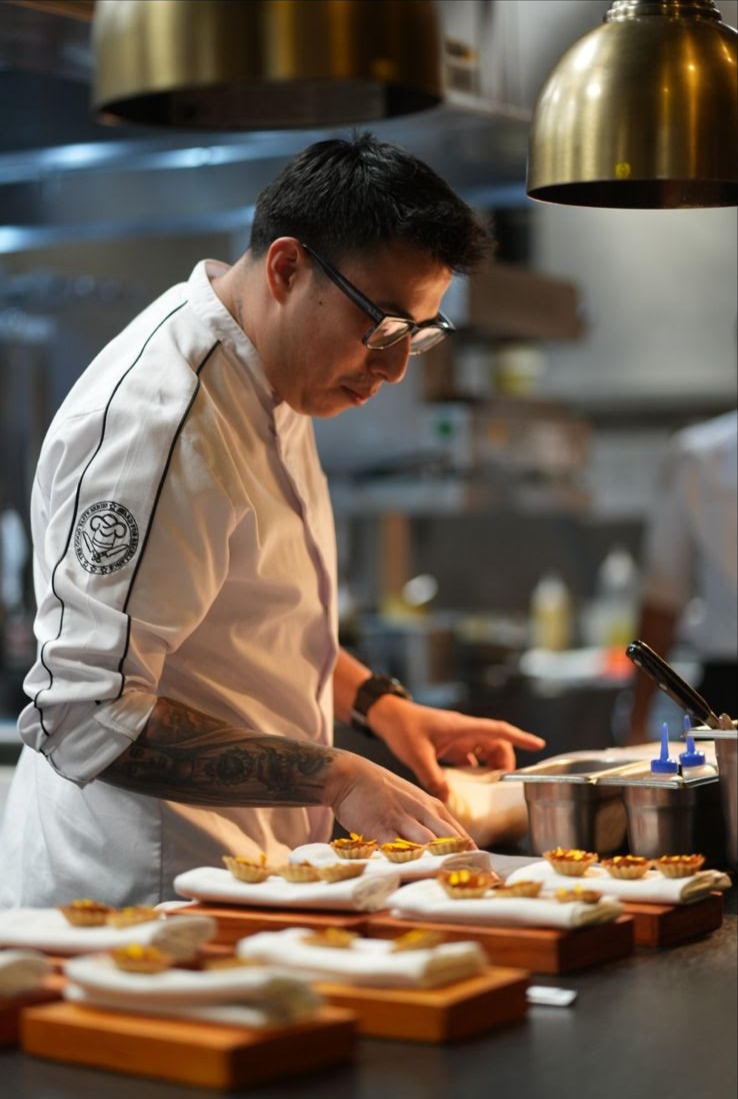
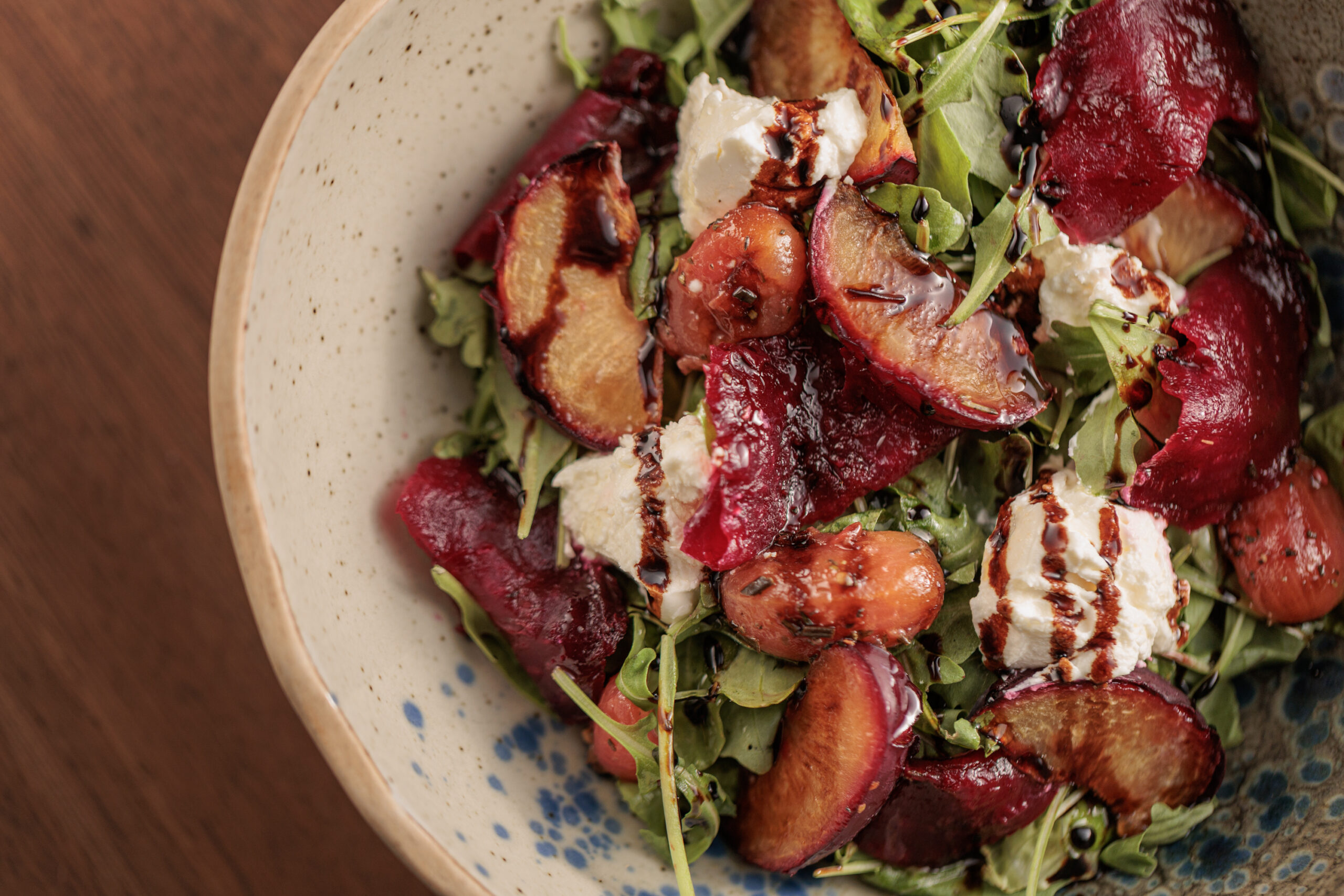
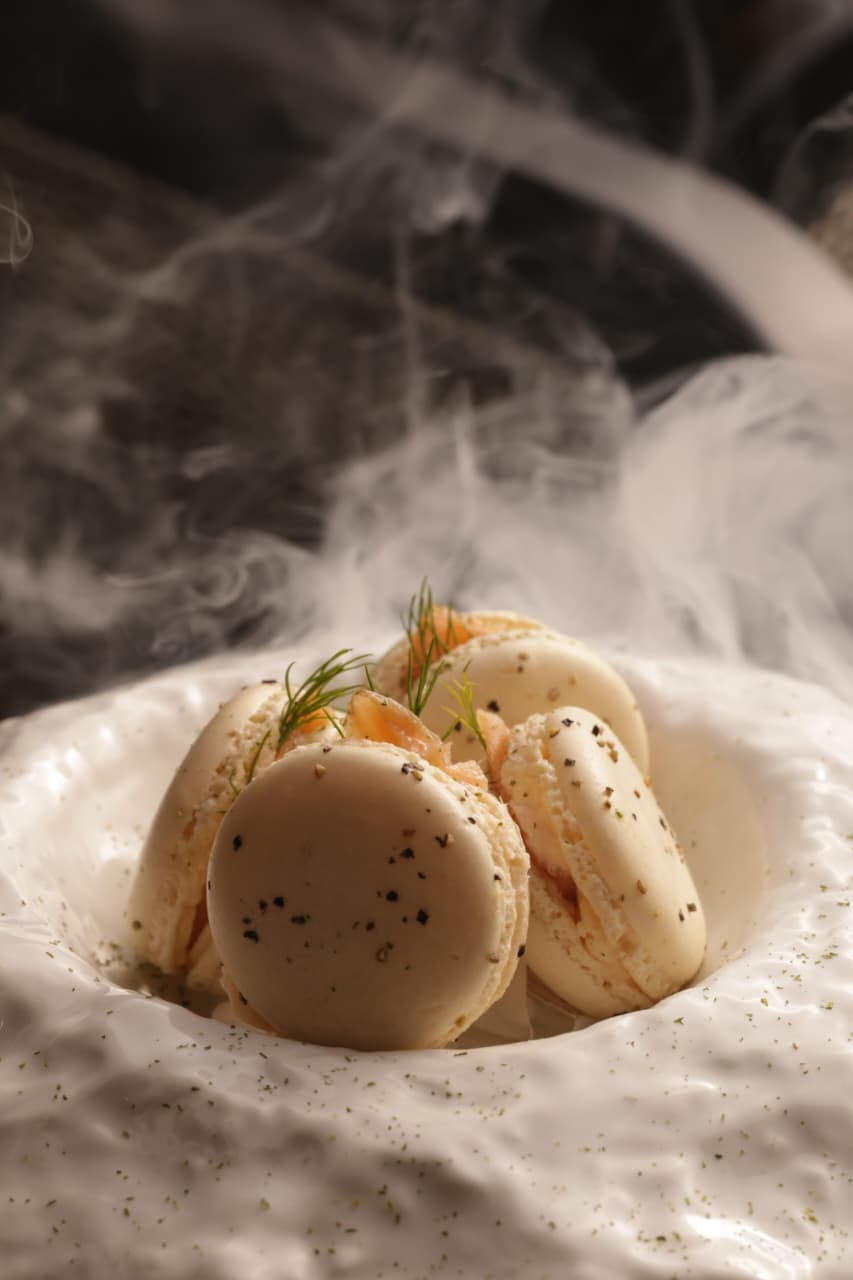
📸 Photo credits to
@foodlust.studio & @contentlima
Secret Sauce
- What’s the most unexpected ingredient you’ve ever worked with, and how did it change your perspective on cooking?
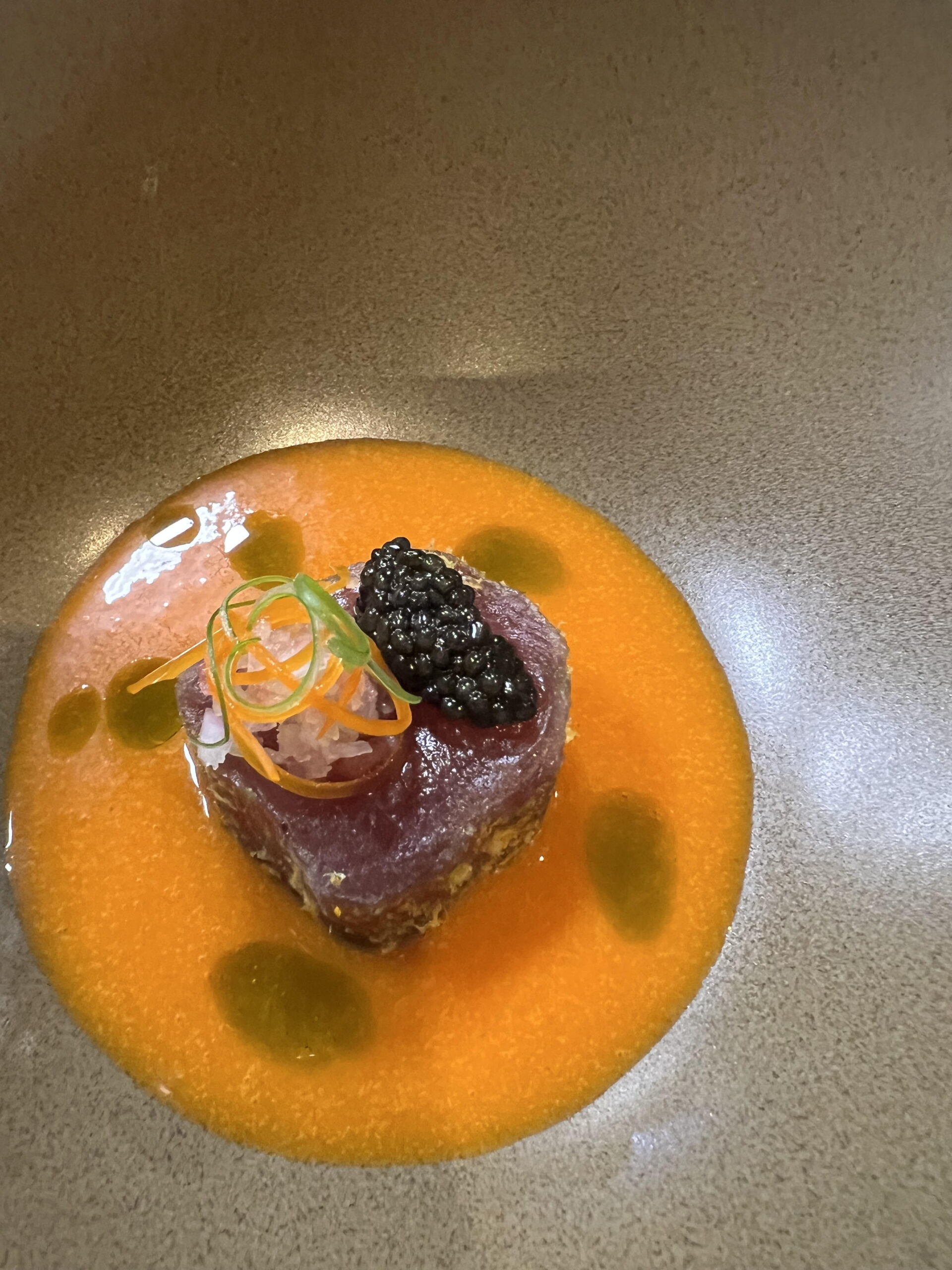
One of the most unexpected ingredients I’ve ever encountered is ALMAS caviar. I wouldn’t say it changed my perspective, but I can say I’ll never forget the flavor.
- What’s your “guilty pleasure” meal?
Salchipapa.
- A food trend that you hate and why?
I don’t have one; everyone is free to choose the path they want to follow. I believe there’s something or someone for everyone.
- What’s the craziest shift you’ve ever worked in the kitchen?
I once worked 17 hours in a single day. That day, the restaurant was packed with customers.
5. What happened, and how did you manage to get through it?
The next day, we did a checklist of all our productions. We held a meeting with the whole team to find out what we could improve and move forward with the other days.
- What tips would you give to other cooks and chefs to help them navigate their culinary careers and find peace amid the chaos of the kitchen?
Have patience, discipline, respect, and resilience.
It’s important to know how to listen, observe, and respect others so they can share their knowledge with you, and you can learn from them. That’s the most important thing.
- What’s an underrated ingredient and why?
Truffle oil. Why it’s overrated: It provides an intense flavor, but it’s almost always artificial. The vast majority of these oils are made with a base of olive or seed oil to which a chemical compound synthesized in a laboratory is added to mimic the aroma of truffles.
8. What’s a must-try dish from your kitchen or the one you’re proudest to have prepared?
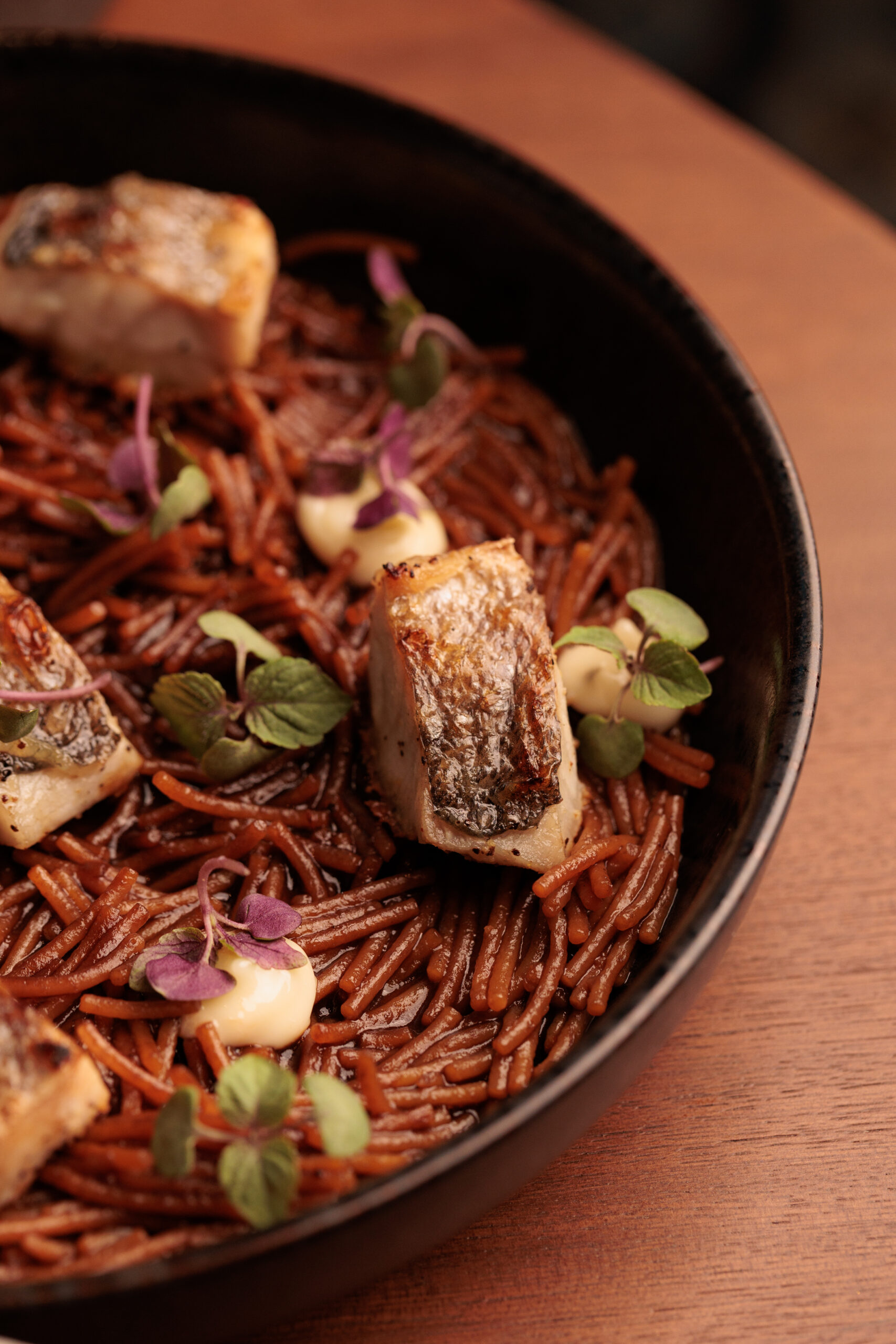
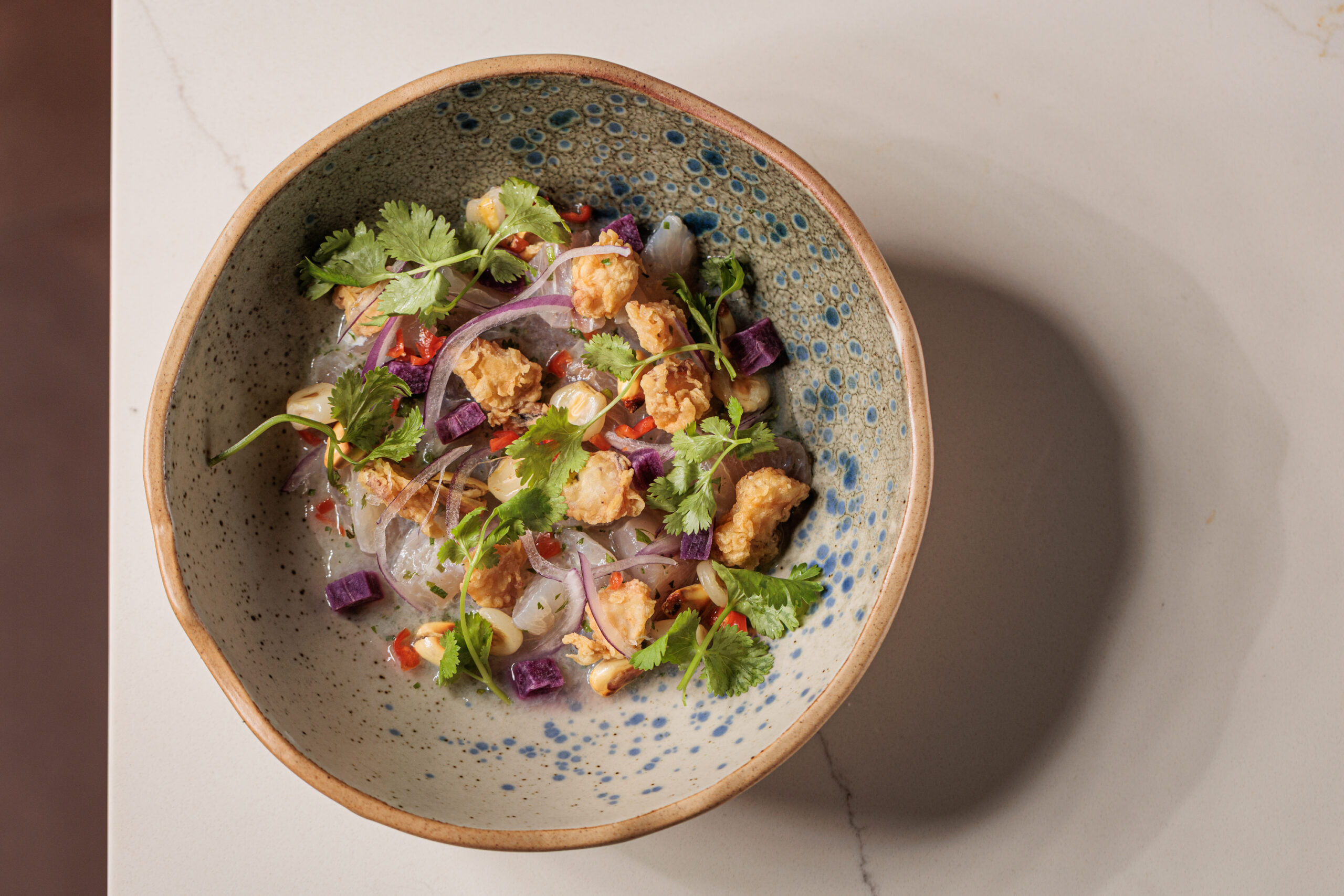
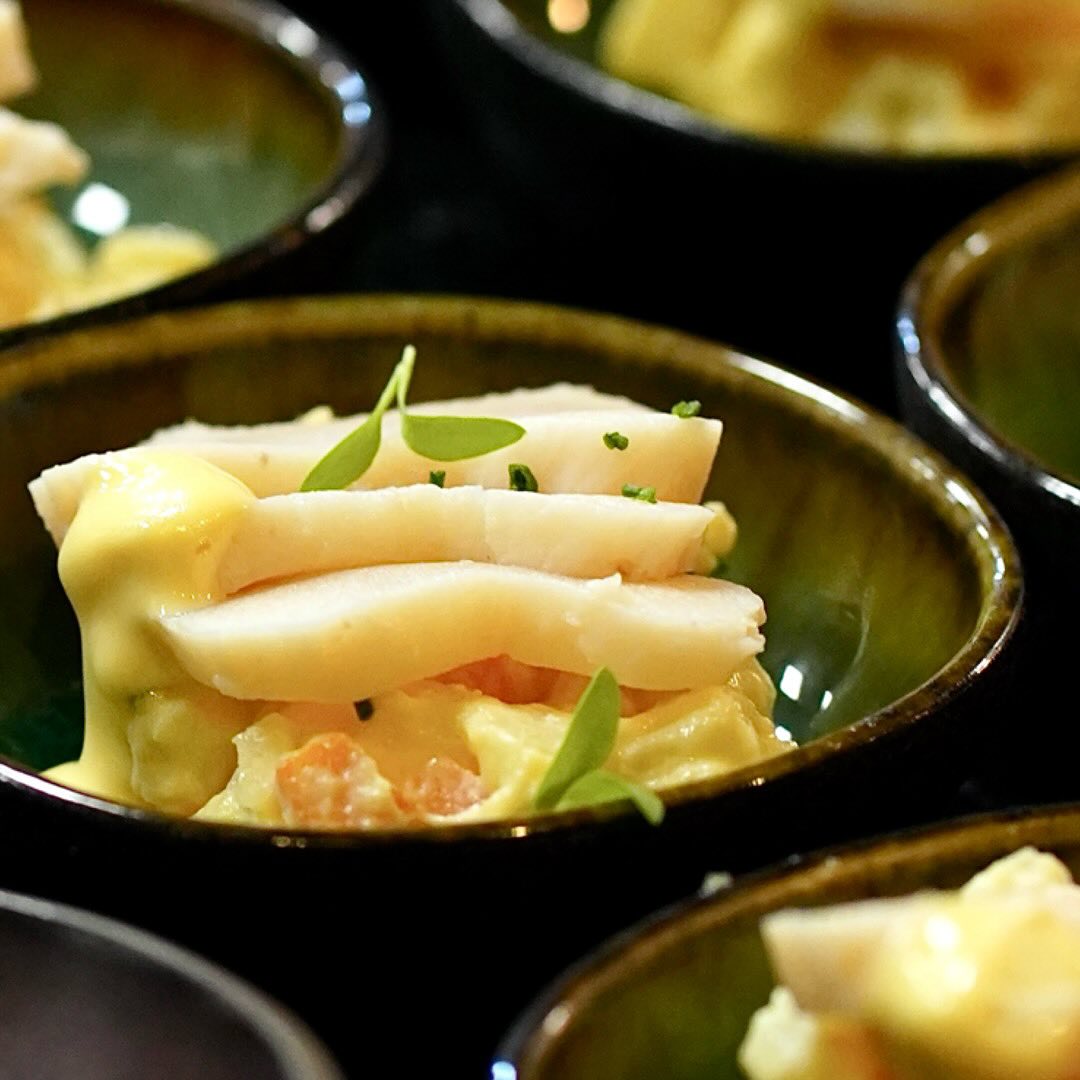
Ceviche is one of the most complete dishes. It has spicy, sweet, salty, and sour flavors. It’s a complete meal.
About Your City!
Lima, Peru
- If Anthony Bourdain or a chef came to your city, what would be the perfect tour itinerary from breakfast to dinner?
In Lima:
For breakfast, you have two options:
Eat a pork crackling sandwich at the Callao Market, or a fish sandwich at the Chorrillos port next to the fishermen.
Have lunch at a traditional Peruvian restaurant on a street in Surquillo (Lima’s gastronomic district). There’s a wide variety, from ceviche restaurants to traditional eateries.
And in the evening, go for a drink at a bar in downtown Lima that serves the best pisco sour.
Learning to begin again
Humans Of The Kitchen
A new country brought unfamiliar languages, kitchens, expectations, and another opportunity to adapt.
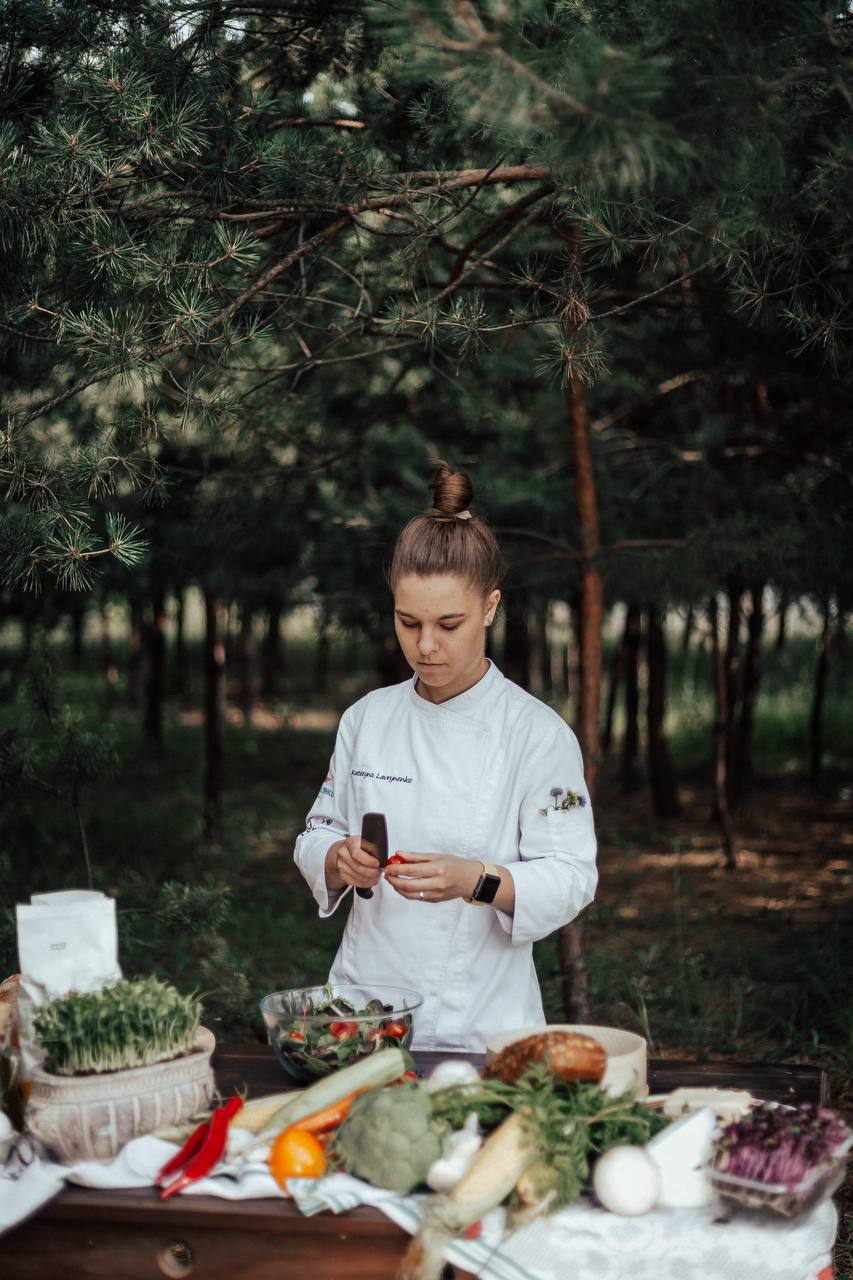
Kateryna Lavrynenko
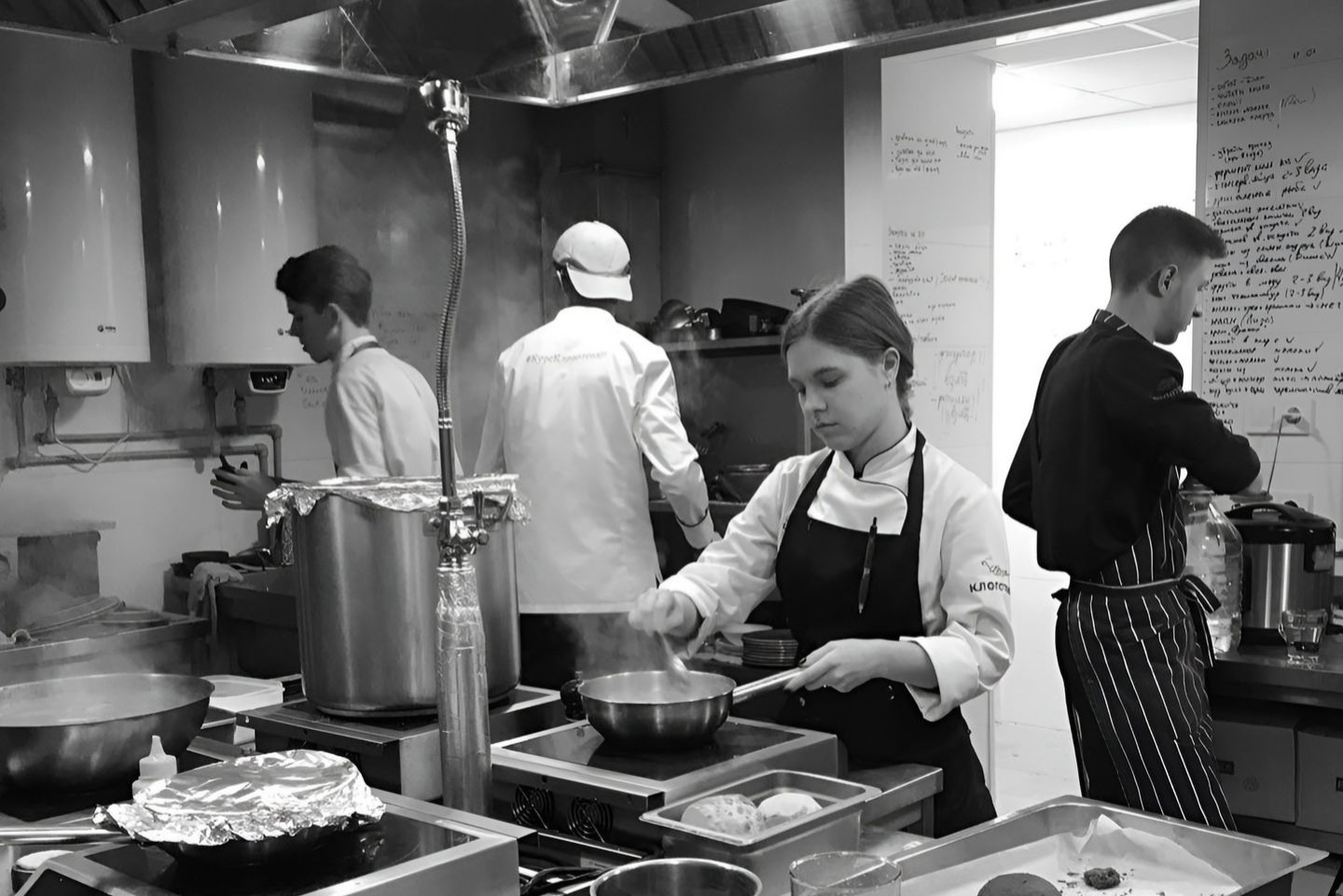
At 13, Kateryna Lavrynenko stepped into the culinary world and never really stopped moving forward. Before that, dance had been a huge part of her life, but injuries forced her to leave it behind. Cooking became her new way of expressing herself, and by 14, she was already traveling across Ukraine, collecting recipes and learning from different chefs.
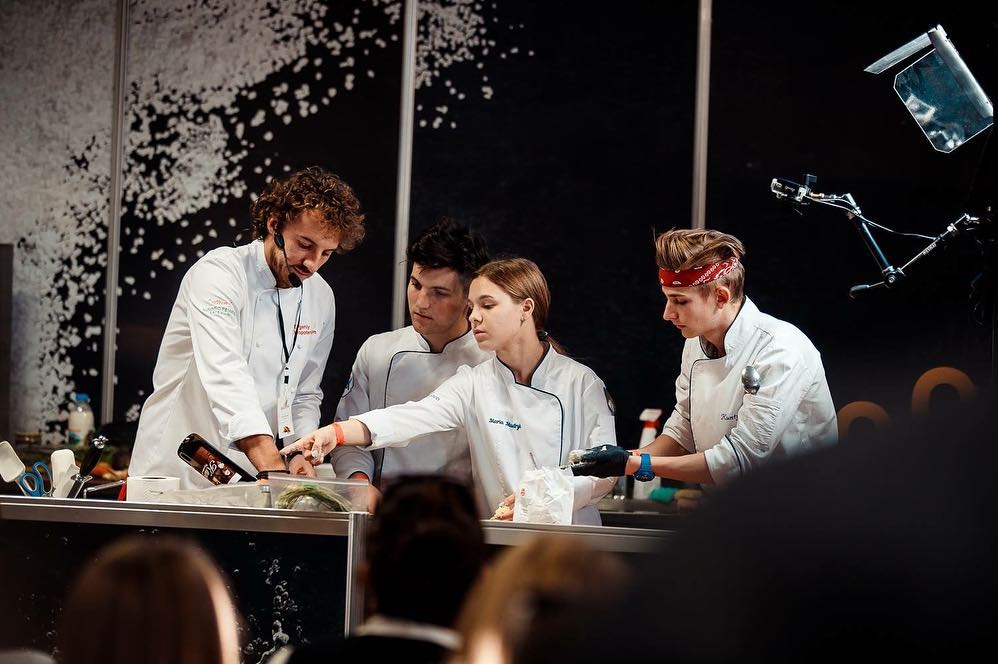
Being young was one of her biggest challenges. She often had to prove that her age did not define what she was capable of, learning to face doubt the same way she had learned to face challenges as an athlete. From becoming a Sous Chef in Ukraine to working in Michelin-starred kitchens in Miami, Kateryna kept pushing herself into new environments, new cuisines, and new ways of learning.
One of the moments that stayed with her happened when a guest tasted one of her dishes and began to cry. It was then that Kateryna understood that food could do more than taste good: it could create emotions, bring memories to the surface, and connect people. Today, at 25, she continues to build her path through leadership, creativity, and Chef’s Table experiences, carrying with her a simple philosophy: keep moving forward.
In this conversation with Humans of the Kitchen, Kateryna reflects on the experiences, challenges, and people that have shaped her journey.
Share your Journey
- Looking back at your childhood, was there a specific moment or memory that sparked your interest in food or cooking?
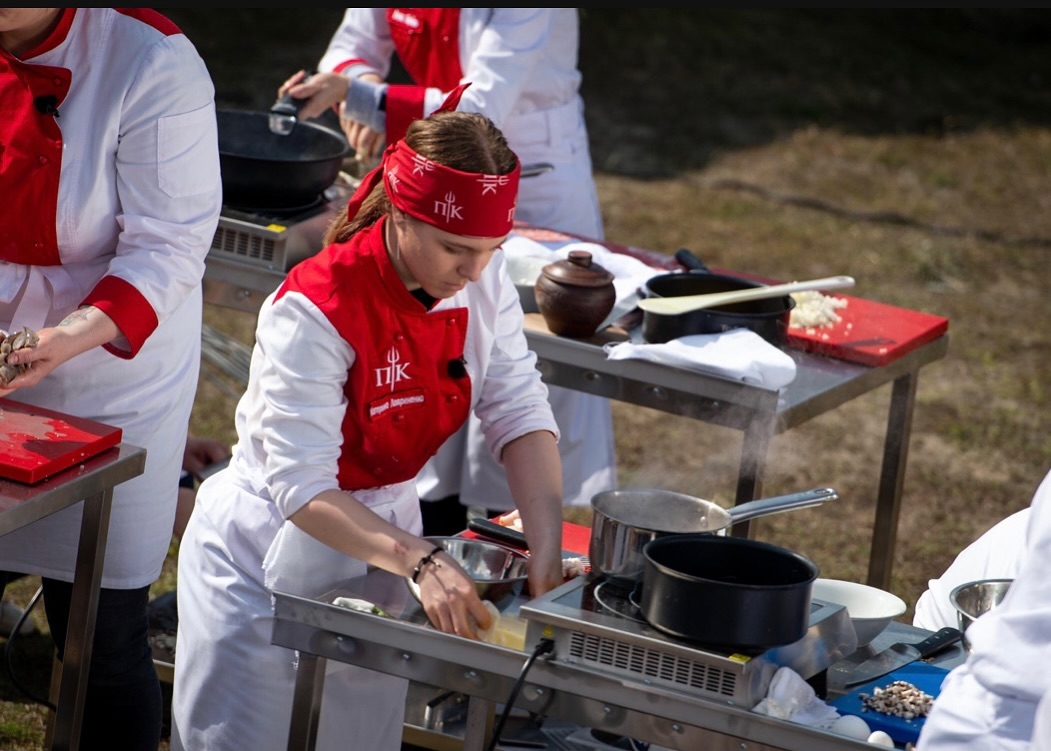
I started my culinary journey at 13, and by 14, I was traveling across Ukraine, collecting recipes and learning from different chefs. With a young team, we opened a restaurant where I became a Sous Chef. I continued developing at SAMNA by Meir Adoni and later appeared on Hell’s Kitchen. After moving to Miami, I joined Michelin-starred Le Jardinier, then worked at Elastika and Kaori, where I became a kitchen leader, created dishes, managed a team, and trained others. Today, I’m a Jr. Sous Chef at KLAW, while also creating high-end private Chef’s Table experiences in homes and on yachts.
I’m only 25, and I know there is still so much ahead of me to discover and accomplish. But one thing has always stayed the same: I keep moving forward.
- Did you have another career or job before becoming a chef? How did those experiences influence your decision to pursue cooking?
I never had another type of job because I started working at 13, right after finishing school. But before that, dance was a huge part of my life—I was deeply passionate about it, and it was something I truly lived for. Unfortunately, I had to give it up because of injuries.
- Did you formally study culinary arts, or are you self-taught? How has your learning journey shaped your approach to cooking?
My first chef gave me a three-month online culinary course for free, and I completed it in just one month. I learned different techniques, knife skills, and much more. After that, I continued learning on my own while working in different restaurants, as well as by reading culinary books and watching various cooking shows.
- When did you first step into a restaurant kitchen? What was that experience like, and how did it shape your journey as a chef?
My first real experience in the kitchen was when I was 14, and honestly, I was scared. I kept thinking, “What will people say? Who is going to listen to me at this age?” But I was an athlete, and I was taught never to be afraid of challenges. You have to face your fears, overcome them, and keep moving forward. That mindset shaped me and helped me become the person I am today.
- What were some of the early challenges or obstacles you faced when you started in the kitchen, and how did you overcome them?
The biggest challenge was always my age. I often heard, “How can you teach us or tell us what to do? You’re still so young.” But once people saw my experience and what I was capable of, they understood that I was worth listening to.
Even today, I still find pastry challenging. But I’m constantly working on it, learning more, and trying to perfect my skills.
- What keeps you inspired and how has that inspiration driven you throughout your professional journey? Especially during tough times in the kitchen?
My inspiration comes from within—from my soul. I always follow what I feel inside. If something doesn’t feel right or doesn’t feel like me, I find my own way to approach it and make it work.
The hardest part was adapting to life in the U.S. and working in English, but I did it. I overcame that challenge and kept moving forward.
- Can you recall a moment in the kitchen that marked you forever? Maybe it was an interaction with a mentor, a fellow cook, someone you fed, or a situation that challenged you in a way that shaped who you are today?
At the first restaurant where I worked, I had the opportunity to create a dish for the menu, and I did. We had a concept where chefs could bring their own dishes directly to the guests and interact with them. One day, I brought my dish to a woman from Vietnam. She absolutely loved it, and then she suddenly started crying in front of me. I felt a little awkward and didn’t know how to react, but she said such beautiful and encouraging words. She told me she was amazed by how young I was and by what I was able to make people feel through food—that I could actually move someone to tears with a dish.
That moment stayed with me. It made me realize that food is not just about taste; it can create emotions and connect people.
- As a chef, how would you describe your philosophy in the kitchen, and how does it guide your approach to cooking and leadership?
My philosophy is simple: Ingredients are your colors, the plate is your canvas, and your soul and experience are your brush. Create your masterpiece and show it to the world.
- Can you share a time when cooking or the camaraderie in the kitchen helped you through a tough period in your life? What made that experience meaningful?
I haven’t really had moments like that. It was more difficult when I had been working at the same restaurant for a long time and realized that I had grown and needed to move on.
It was hard because you become attached to the people and the place, and it starts to feel like home. But deep down, you know that you have to keep moving forward and take the next step in your journey.
- Reflecting on your career, what achievements or milestones are you most proud of, and what do they mean to you?
I’m proud that I never stay in one place and always keep growing. I’m proud of how many different cuisines I’ve studied, of having had the opportunity to work in Michelin-starred restaurants, and most of all, I’m proud that I bring new ideas and creativity into the culinary world.
- What aspects of restaurant culture do you love, and what parts do you find frustrating or problematic? Are there any changes you’re actively working toward or things you hope they change in the industry? Share the reasons behind them and how they align with your vision for a better culinary world?
What I love most about restaurant culture is the energy, creativity, teamwork, and the feeling that everyone is working toward something together. I love the connection between the kitchen and the guests, and I believe food can communicate ideas, emotions, memories, and culture in a very powerful way.
What I find frustrating is when the industry becomes driven by ego, money, fear, or unhealthy competition. I have never understood people who work only for money and lose the passion and meaning behind what they do. I also believe that long hours, burnout, disrespect, and toxic kitchen environments should not be accepted as simply “part of the industry.”
I want to contribute to creating a more respectful and inspiring culture where chefs can be demanding while still being supportive, where young cooks are taught instead of simply criticized, and where creativity is encouraged. I want my kitchen to be a place where people feel proud of what they create and understand why they are creating it. For me, a better culinary world starts with respect, curiosity, passion, and the willingness to share knowledge with others.
- What are your hopes for the future of the restaurant and food and beverage industry? What changes would you like to see, and how are you contributing to that change?
I would love to see more interaction between chefs and guests and create a different kind of experience, something that genuinely touches people. A chef can tell the story behind a dish in a completely different way. They don’t just sell you a plate; they share the idea, the emotions, and the story behind it.
- If there’s anything we didn’t ask or if you feel we’re missing something about your personal and kitchen story, please share it here.
If it weren’t for my mom, who always believed in me and supported me, I wouldn’t be the person I am today!!!
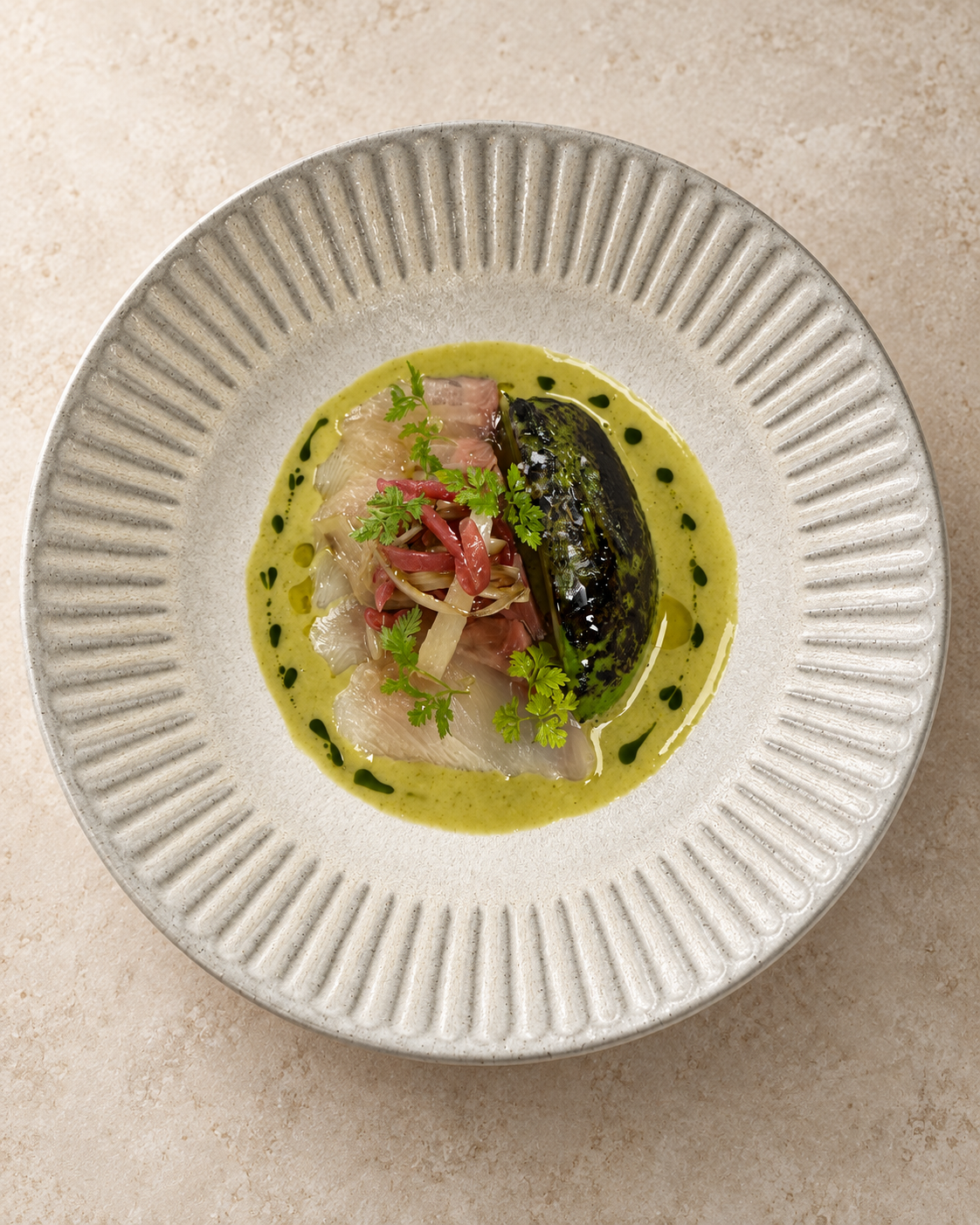
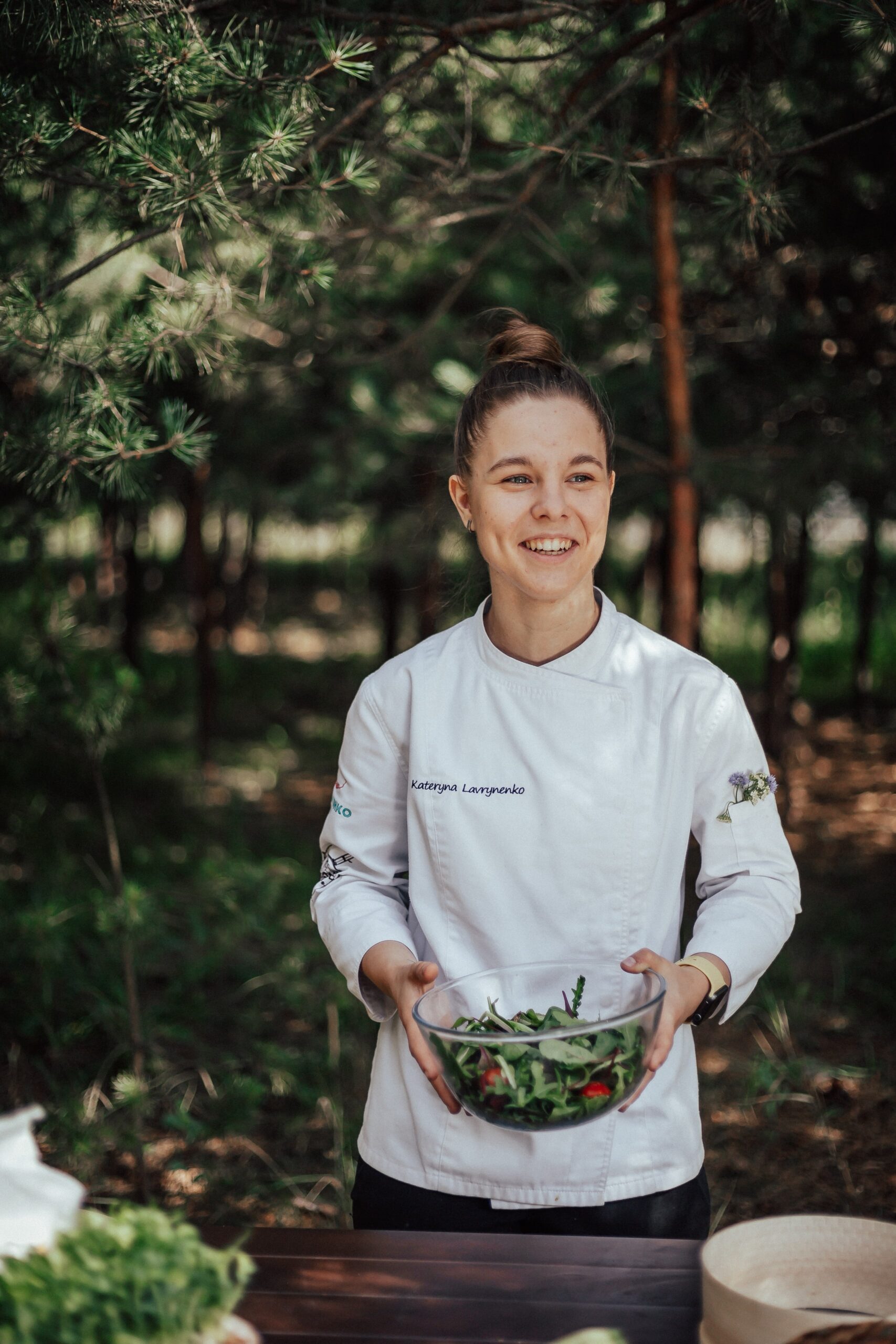
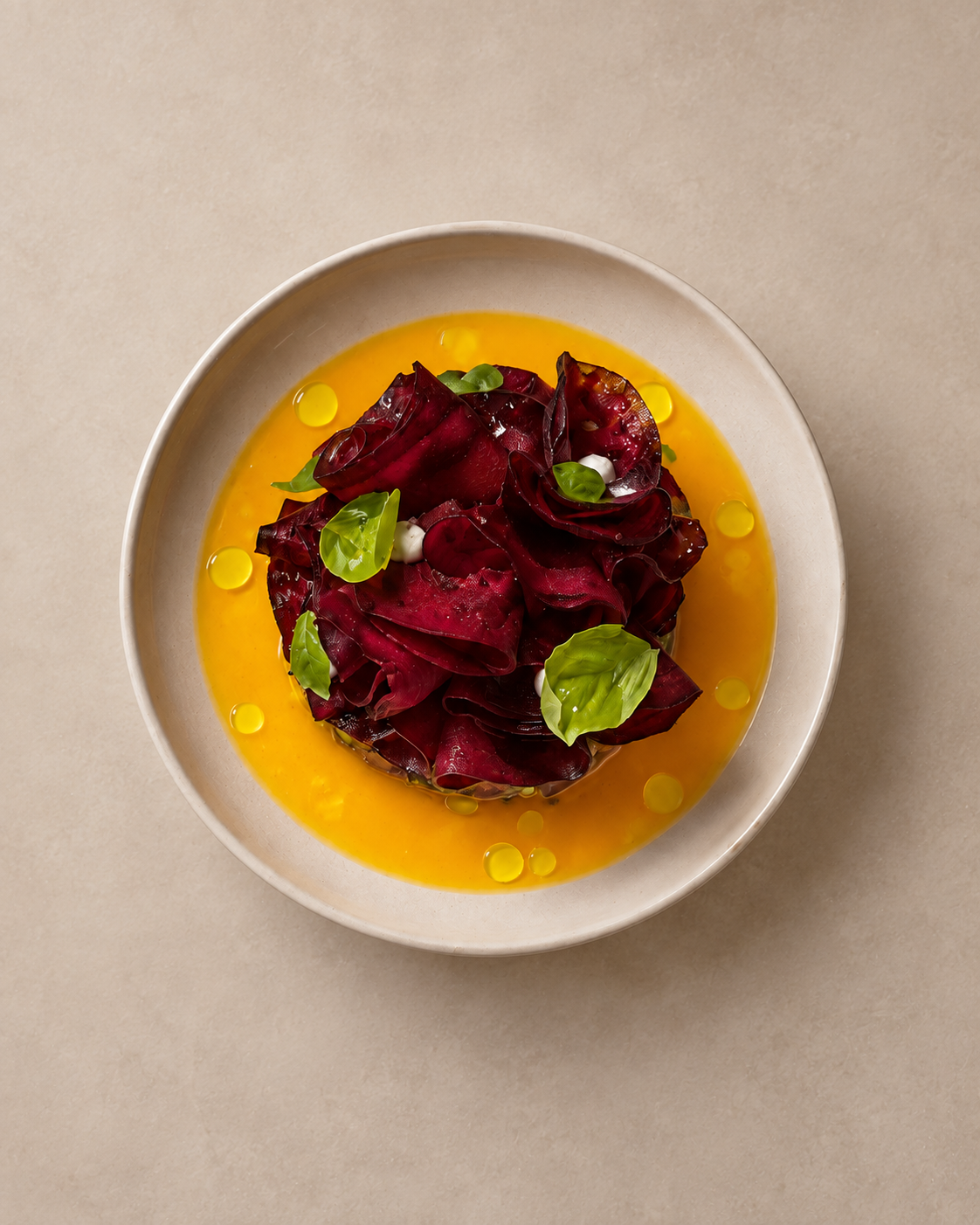
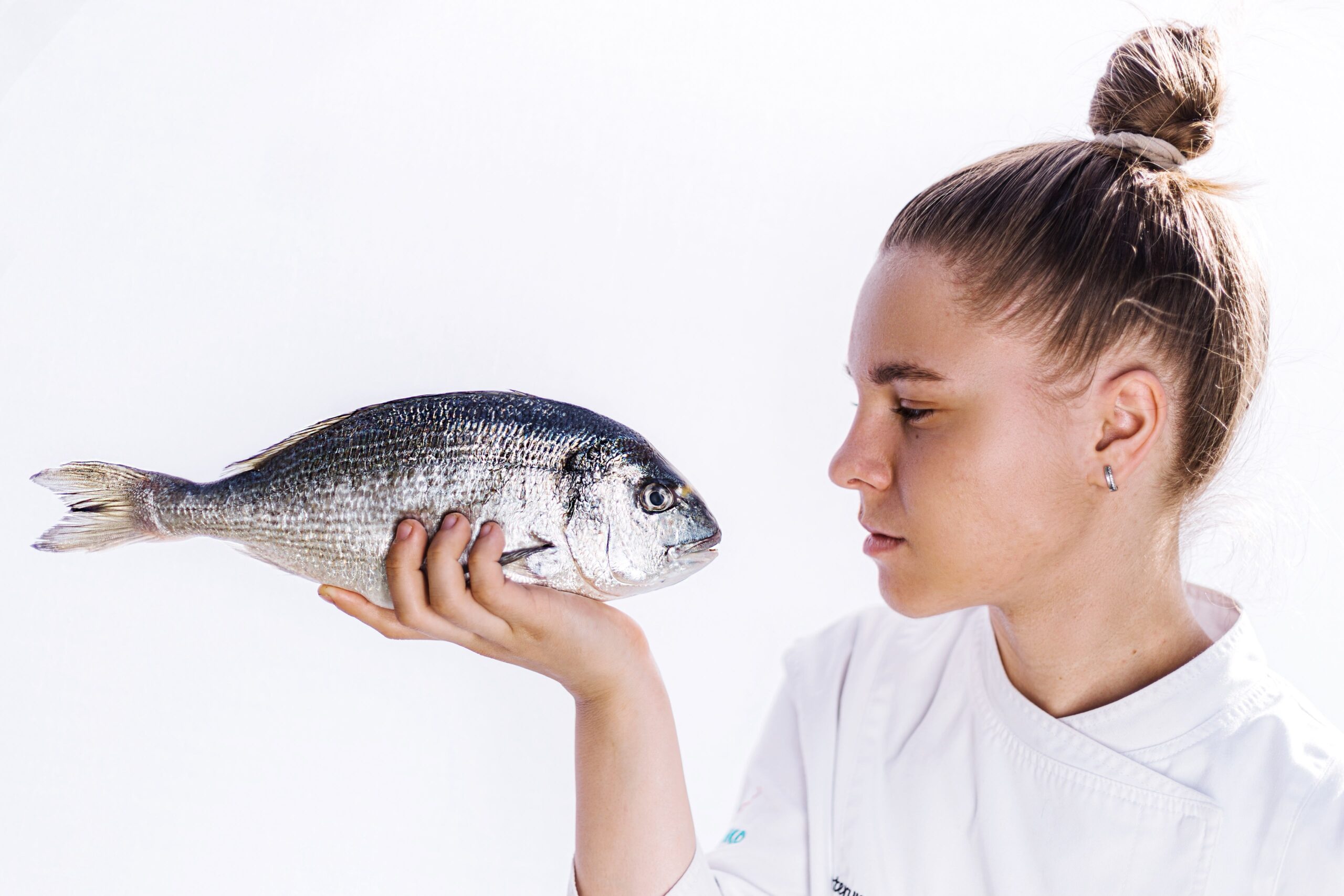
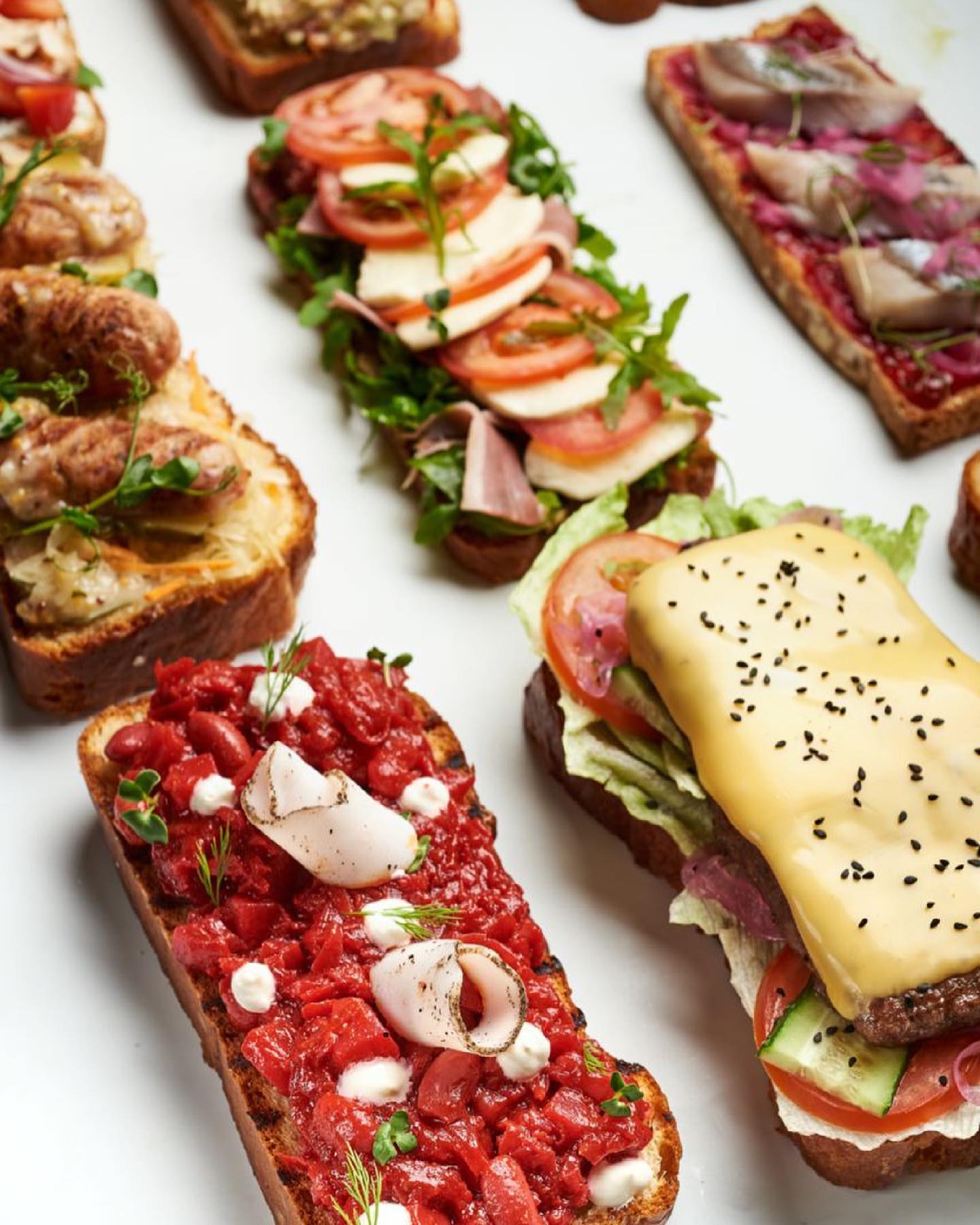
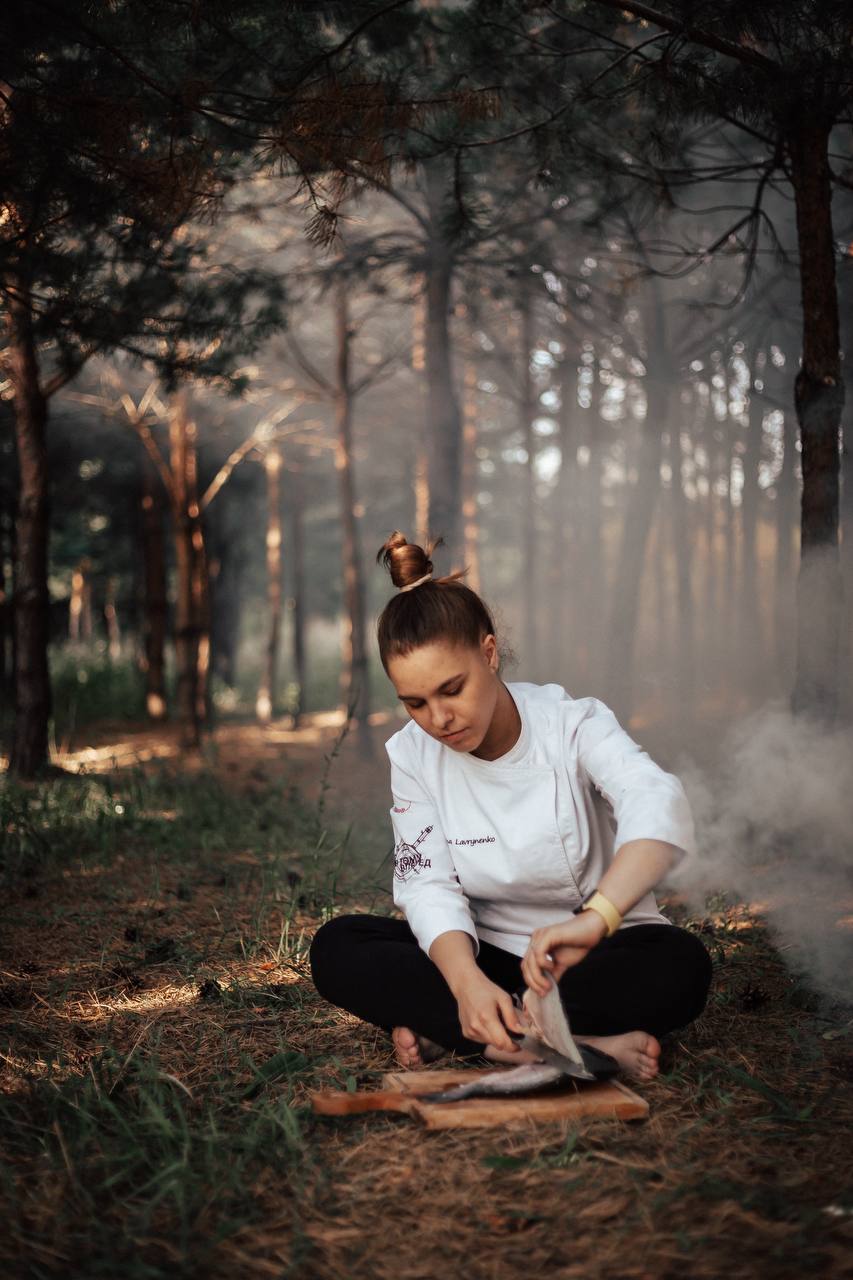
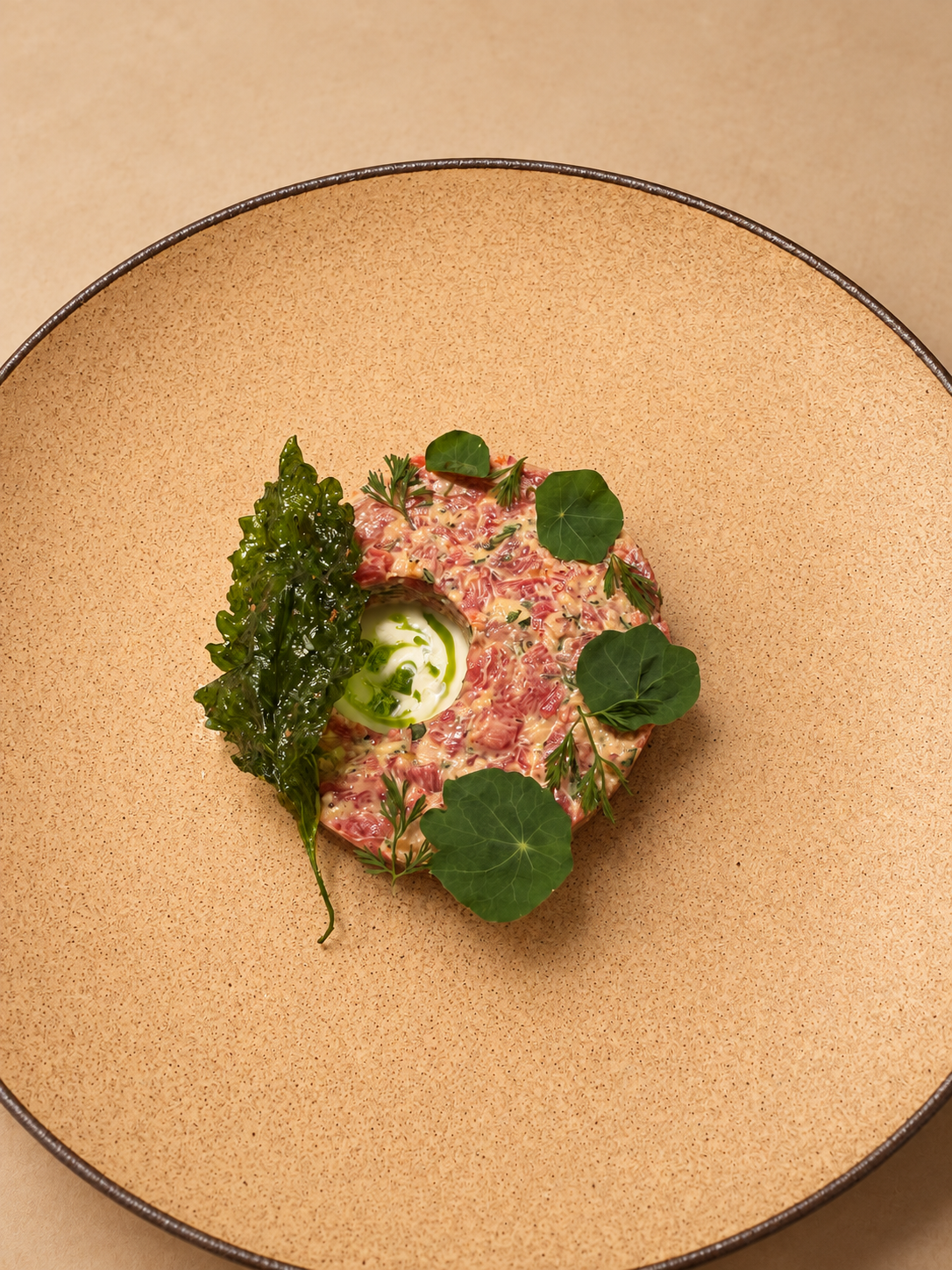
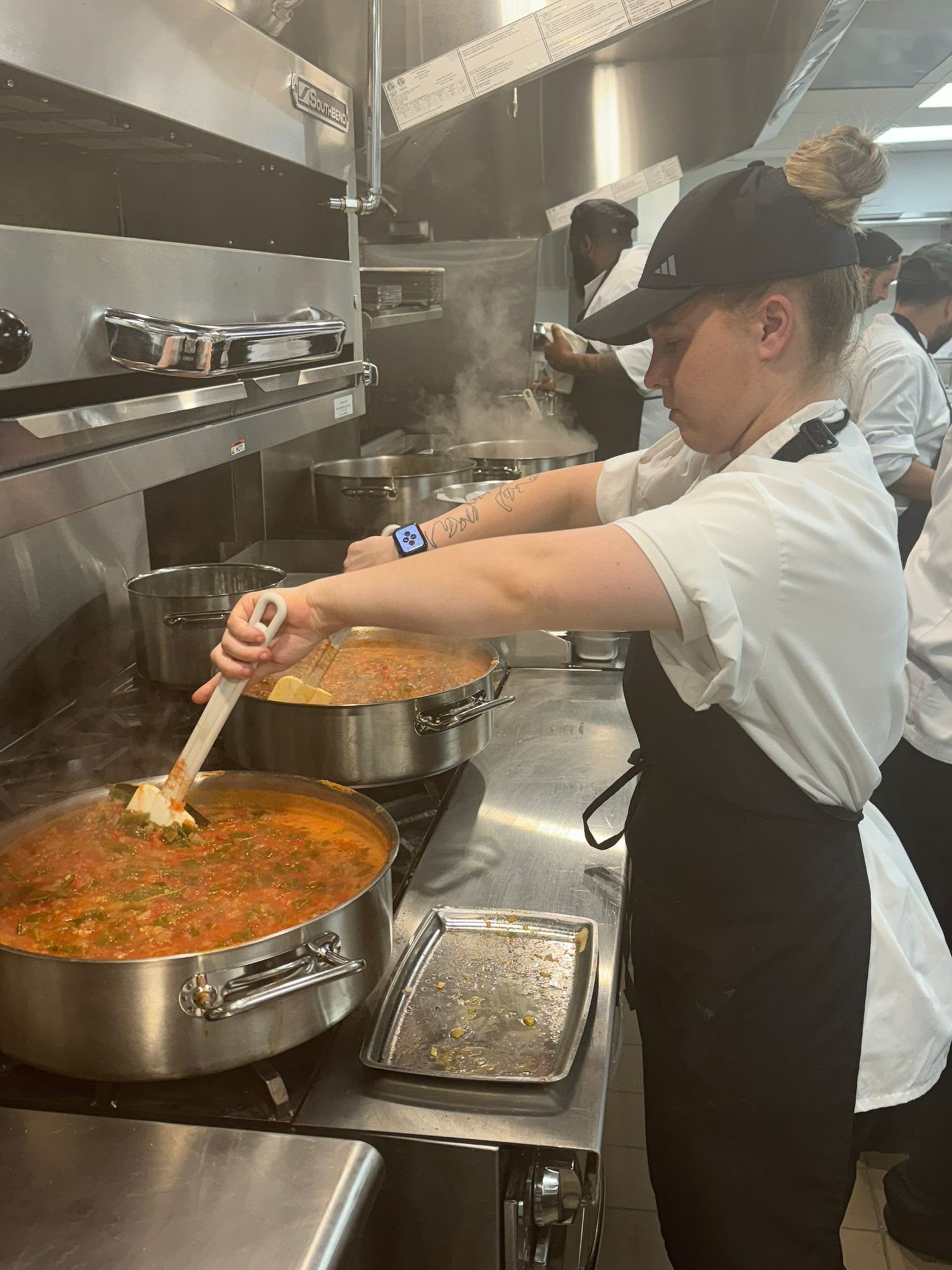
Secret Sauce
- What’s the most unexpected ingredient you’ve ever worked with, and how did it change your perspective on cooking?
Cow’s blood, we turned it into a dessert.
- What’s your “guilty pleasure” meal?
Pasta.
- A food trend that you hate and why?
Typical American food, There is no soul in this cooking; everything is deep-fried in batter and very salty.
- What’s the craziest shift you’ve ever worked in the kitchen?
When no one showed up for work, I was manning the hot line, the cold station, and the pastry section all at the same time.
This happened when I was 20, and I was stunned when, one day, no one showed up for work. However, since I’ve always been a responsible person, I couldn’t let the team down; I had to organize the workflow so I could get all the orders out on time.
That day taught me a great deal about my time management. Thanks to that experience, I’m now able to handle an incredible number of tasks simultaneously.
5. What happened, and how did you manage to get through it?
It was fun and tough, but I managed. Time management is the key
- What tips would you give to other cooks and chefs to help them navigate their culinary careers and find peace amid the chaos of the kitchen?
Listen to yourself and always learn something new.
- What’s an underrated ingredient and why?
For me, all the ingredients are equally important.
8. What’s a must-try dish from your kitchen or the one you’re proudest to have prepared?
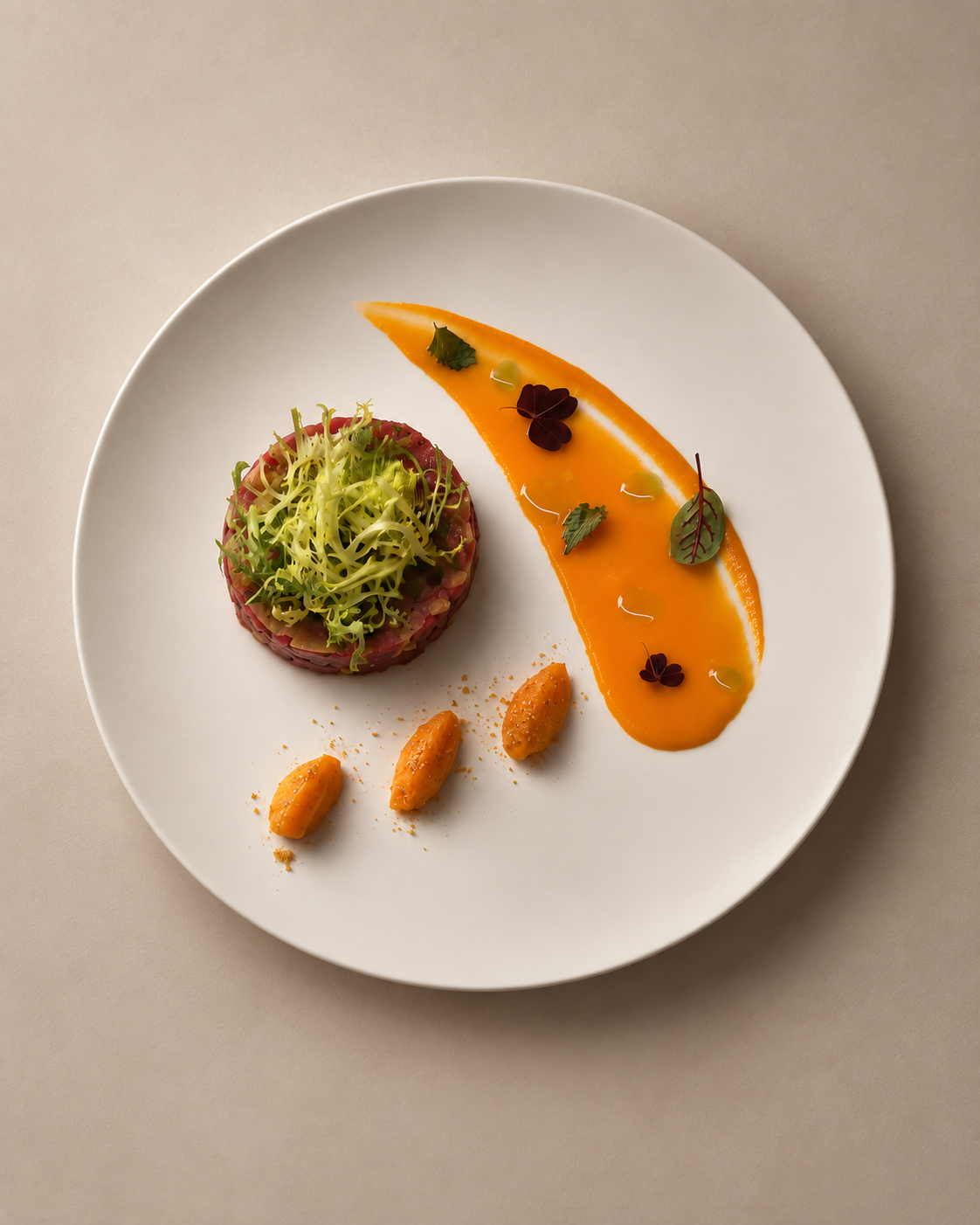
My dish for the Hell’s Kitchen project.
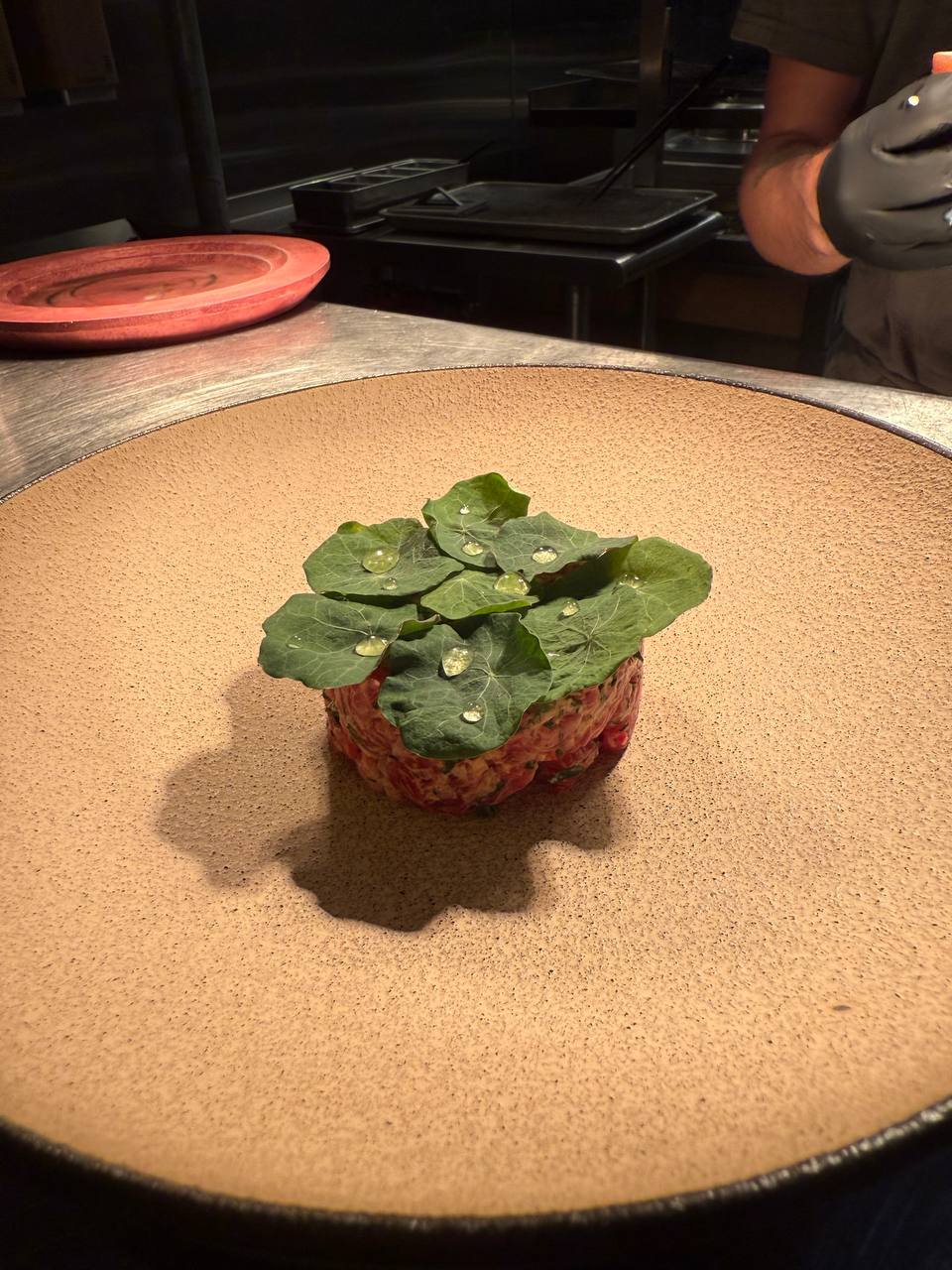
At the time, I didn’t yet fully understand all the ingredients or how to combine them, so I simply trusted my instincts and decided to create something interesting. It was a beef tartare with pine nuts and pine-infused oil. Inside, there was a very thinly rolled layer of date paste, topped with frisée dressed in pine oil. I complemented the dish with carrot purée, buckwheat praline, and a tomato coulis.
About Your City!
Miami, Florida
- If Anthony Bourdain or a chef came to your city, what would be the perfect tour itinerary from breakfast to dinner?
- Klaw restaurant in Edgewater
- Casa Tua in Wynwood
- Motek restaurant in South point
The value of starting over
Humans Of The Kitchen
Working from the bottom offered a deeper understanding of discipline, progression, and the craft itself.
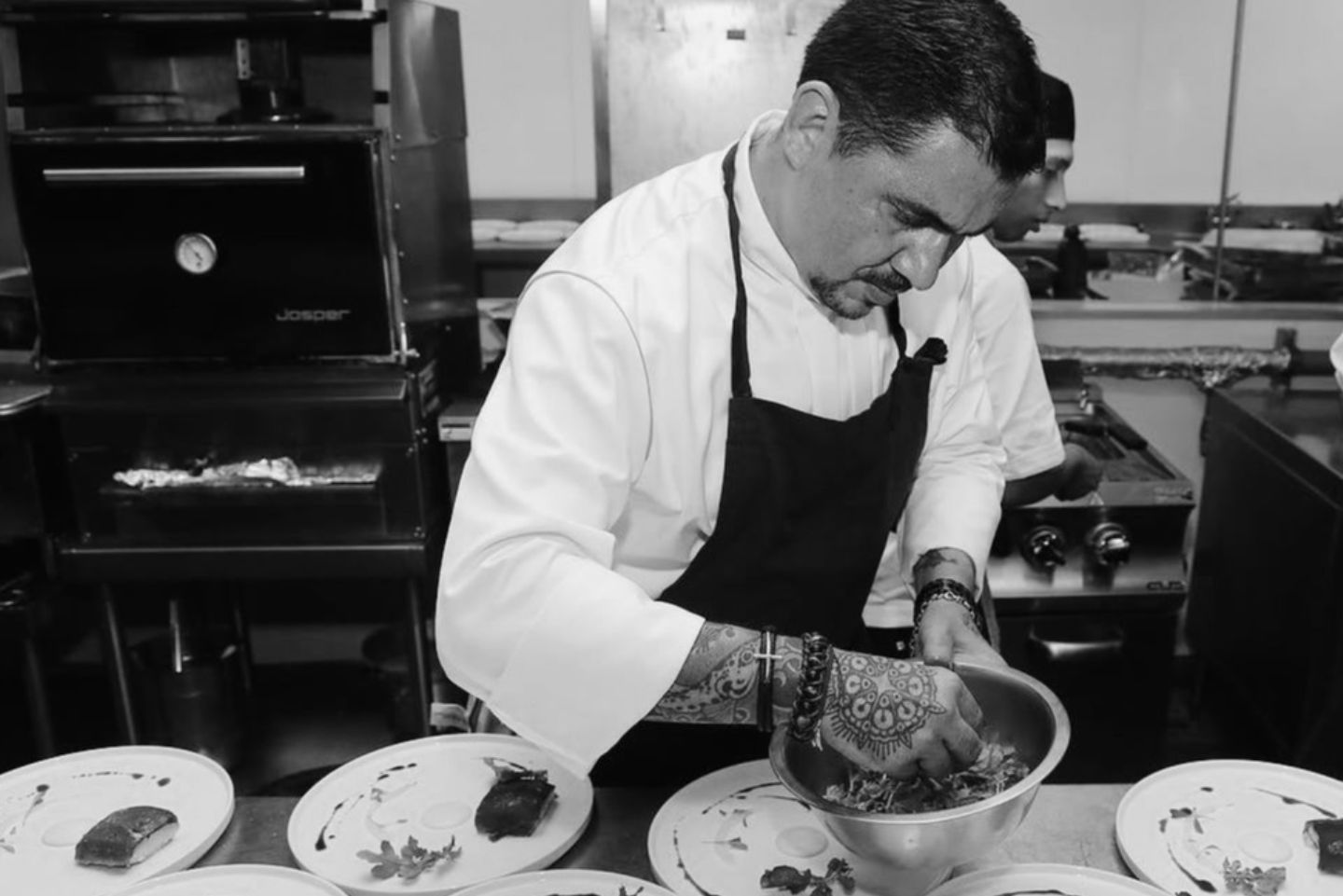
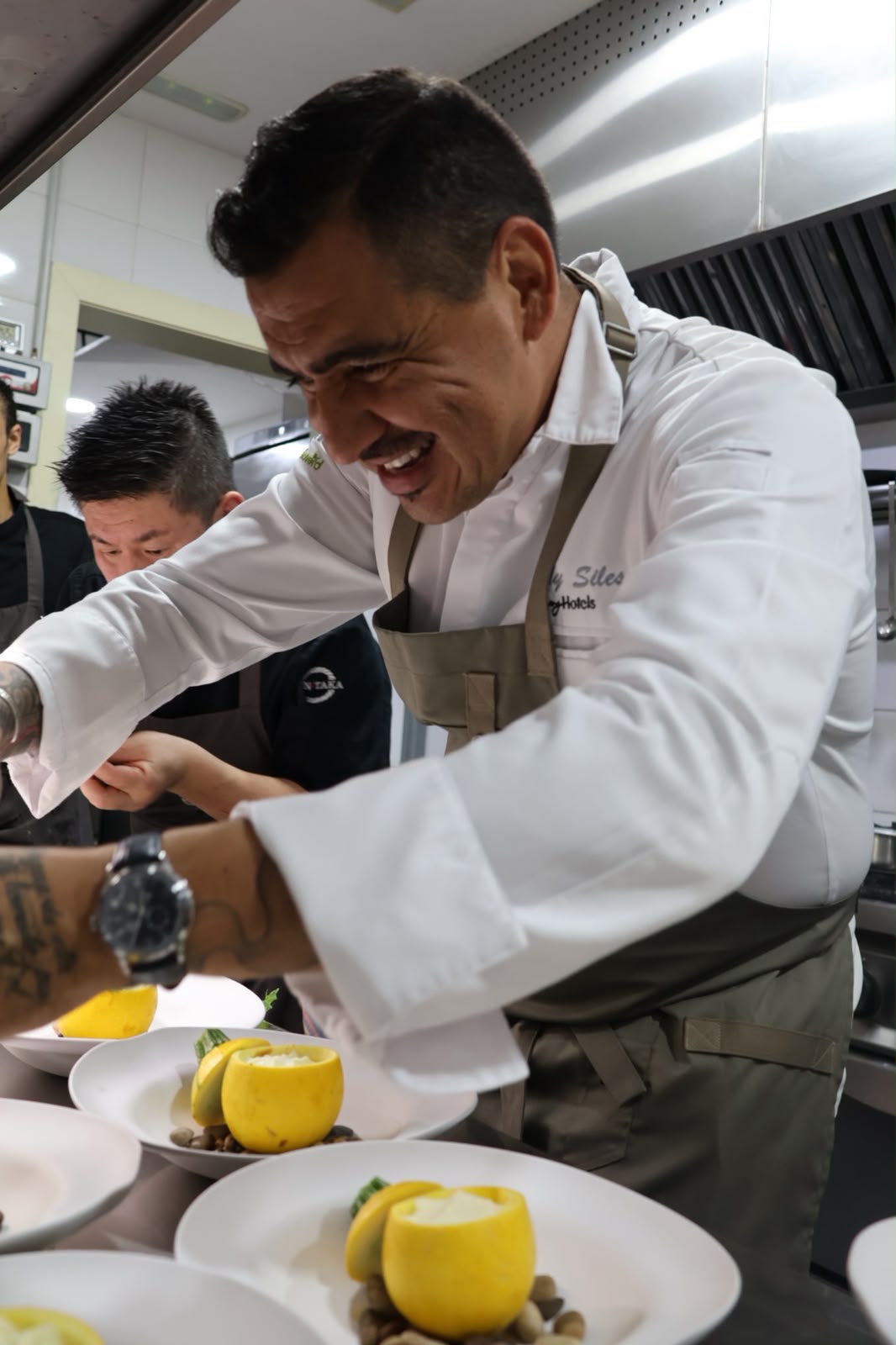
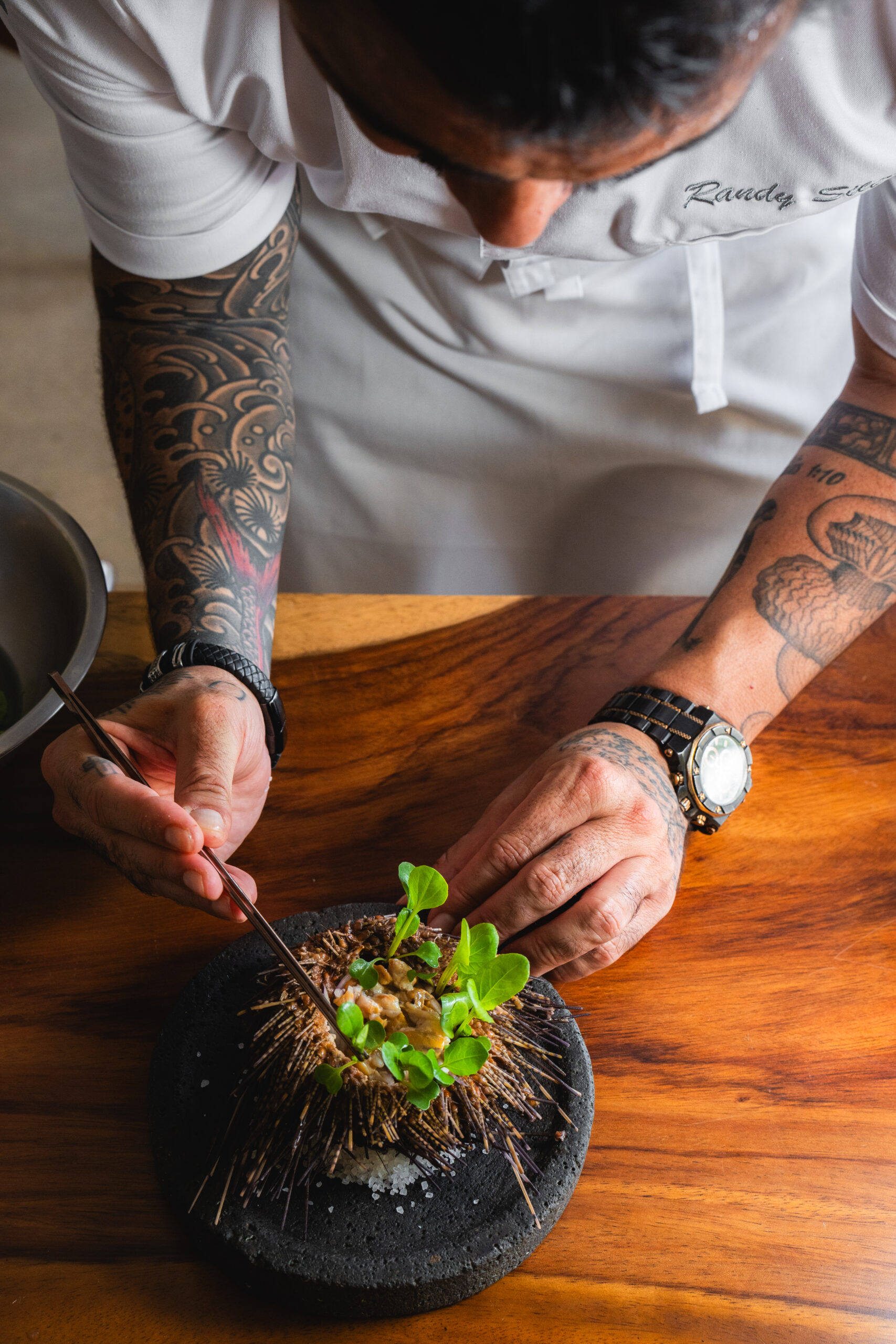
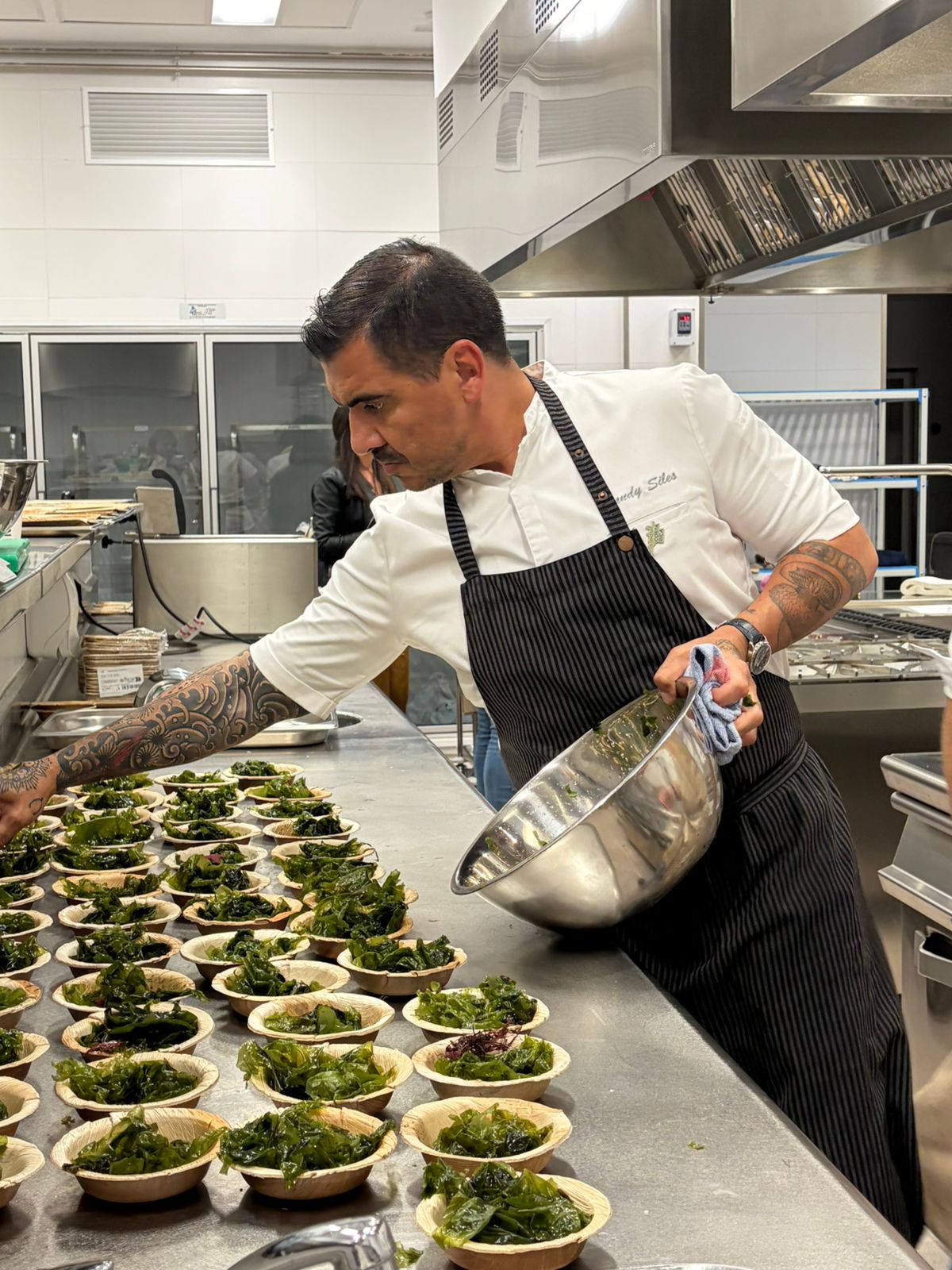
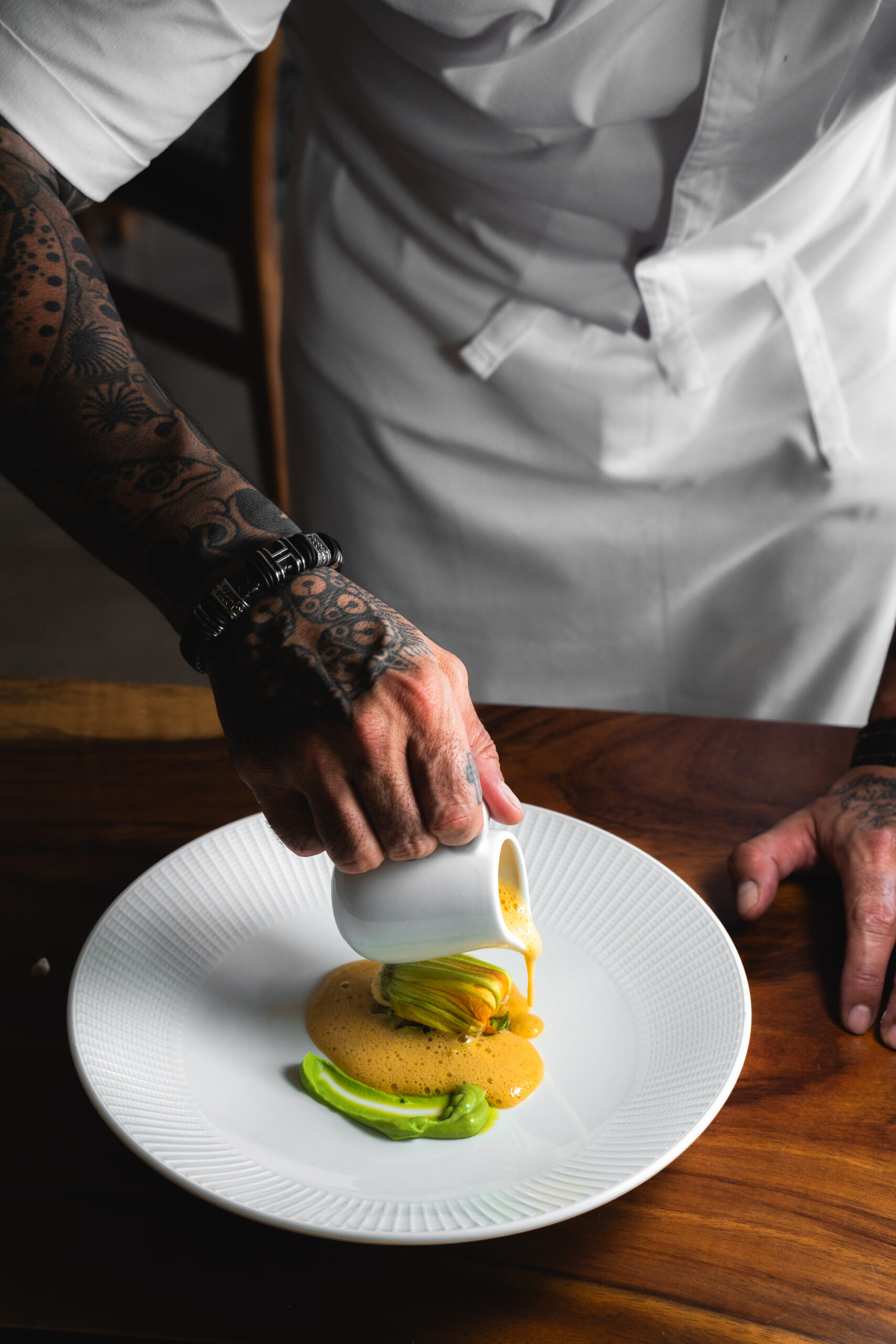
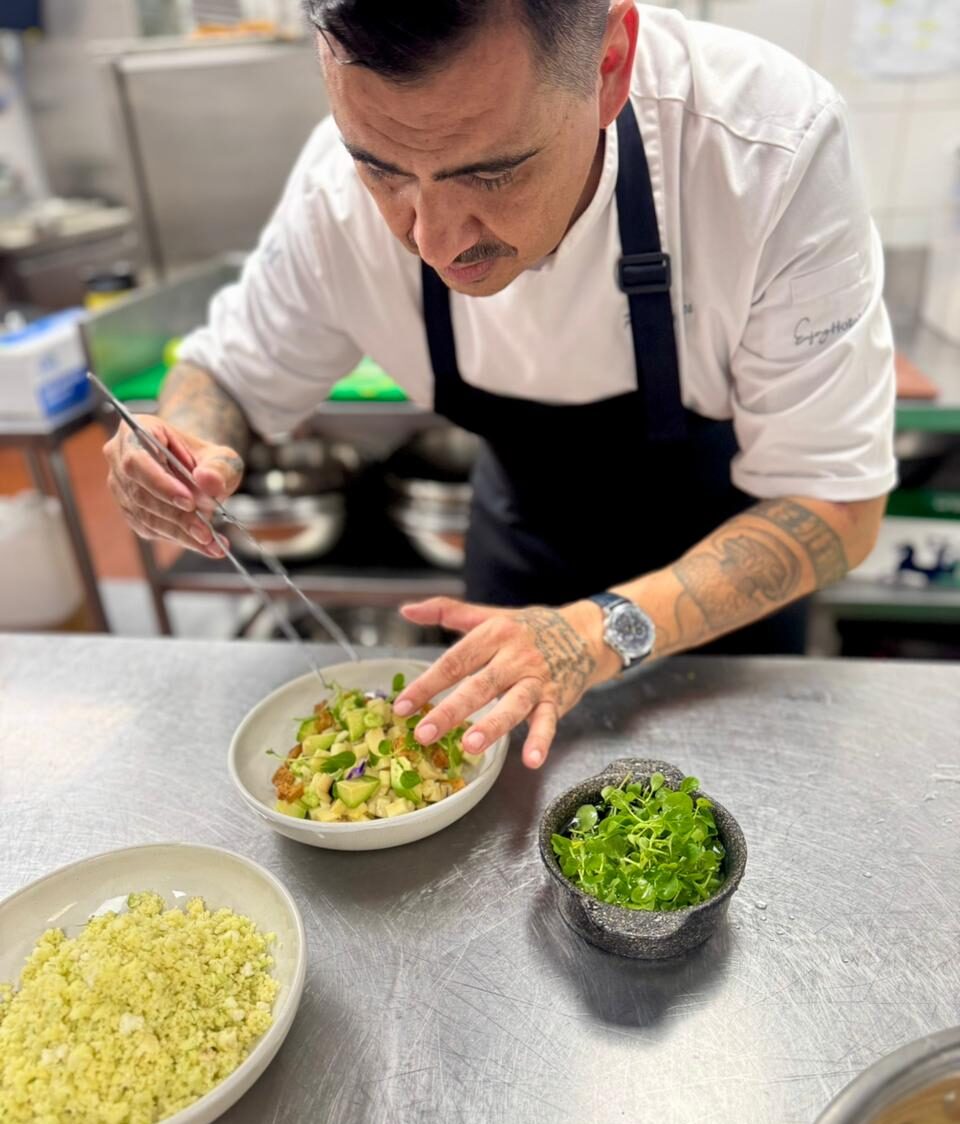
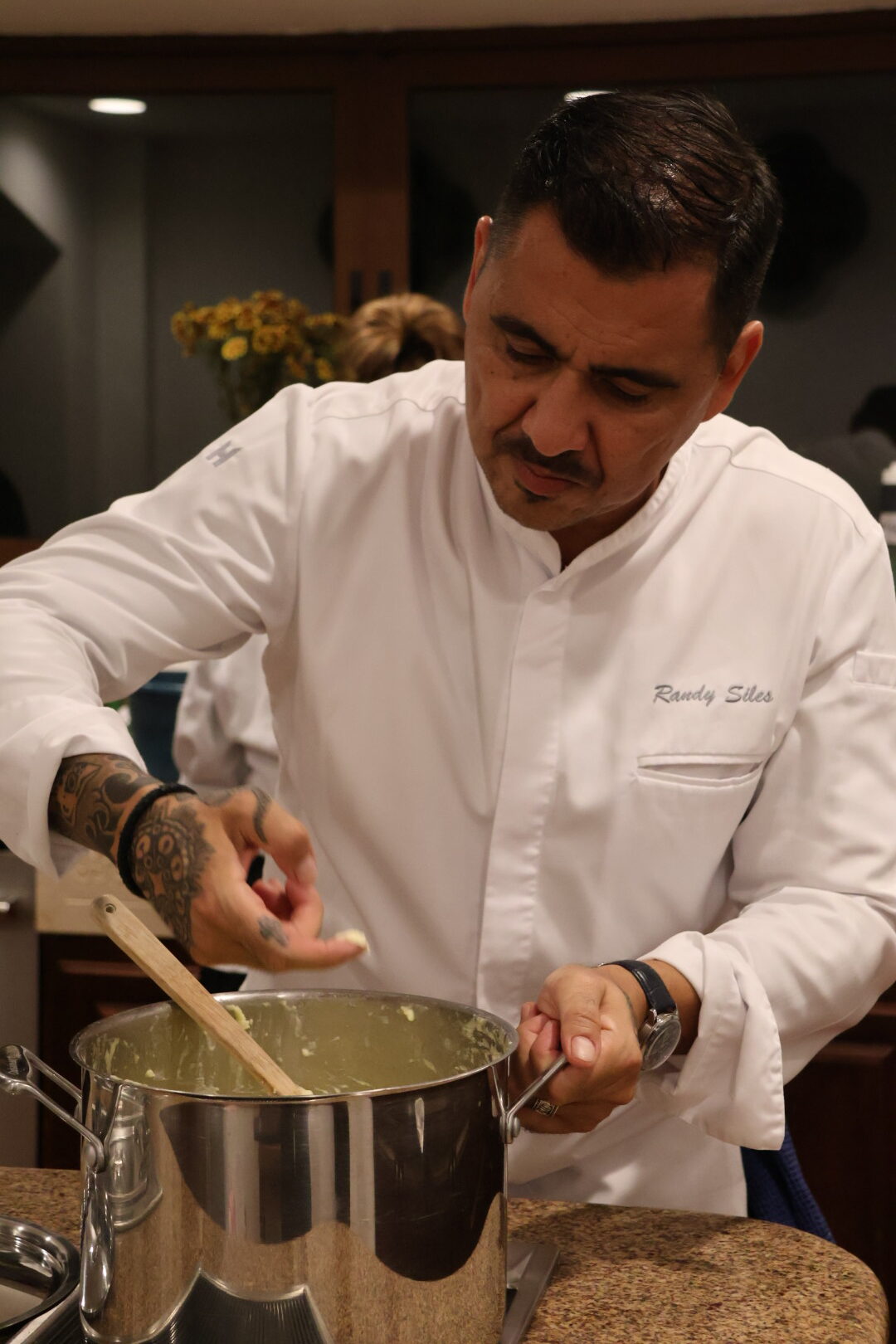
Randy Siles
From cooking classes with his mother at eight to working on a farm with his uncle at twelve, Randy Siles’ connection to food began with both cooking and a deep respect for where ingredients come from. Years later, a job at a bank became a stepping stone toward culinary school and the career he truly wanted.
His first professional kitchen was an intense reality check, but also where he discovered his love for precision, ingredients, and the discipline of haute cuisine. Early in his career, he took a bold step by building a restaurant around sustainability, an idea few believed in at the time. Even after that first venture closed, he continued to trust in that philosophy, allowing sustainability and regeneration to shape his work.
Over the years, Randy’s passion has taken him across more than 30 cities, from collaborations in France to being named Costa Rica’s first ambassador for sustainable gastronomy. His work continues to connect cooking with sustainability, local communities, producers, and a deeper understanding of the land and cultures behind the food.
In this conversation with Humans of the Kitchen, Randy reflects on the experiences that shaped his career, his philosophy, and his vision for a more conscious culinary industry.
Share your Journey
- Looking back at your childhood, was there a specific moment or memory that sparked your interest in food or cooking?
Of course. Starting when I was 8, I began attending cooking classes with my mother during my school vacations. I remember I couldn’t even reach the table, so they’d lift me onto a chair. I always helped with baking, and as a reward, they’d give me the mixer beaters so I could eat the meringues from the cakes. When I was 12, my parents sent me to work on the farm with my uncle Pancho, who’s a farmer. We planted potatoes and carrots, and that’s where my respect for produce began.
- Did you have another career or job before becoming a chef? How did those experiences influence your decision to pursue cooking?
I did work at a bank—it had a big impact on my life. It was a lesson in patience and resilience. It was a job I never liked, but it did teach me how to work with numbers. That job was my stepping stone to paying for my culinary studies.
- Did you formally study culinary arts, or are you self-taught? How has your learning journey shaped your approach to cooking?
I studied culinary arts. I think school gives us a solid foundation in cooking, but it doesn’t determine who you’ll become. In my case, I was the worst student in the classroom, but when I stepped into the kitchen, I produced good results.
My reality has been to travel and work during my vacations; I haven’t taken a vacation in practically 12 years. During my “vacations,” I’m hosting dinners with friends at their restaurants in different parts of the world, giving lectures, or participating in activities that always revolve around gastronomy. I truly love what I do and try to immerse myself in it as much as possible. The world and its diverse cuisines have been my greatest teacher.
- When did you first step into a restaurant kitchen? What was that experience like, and how did it shape your journey as a chef?
My first kitchen experience was an internship at a restaurant called Park Café, where I worked for a highly demanding and perfectionist chef named Richard Nead, who had one Michelin star.
Honestly, those first few days, I felt completely lost. A kitchen is nothing like being in college; it’s an extreme reality check, especially with such a radically perfectionist chef. However, I can assure you it was the best thing that could have happened to me. I fell in love with this style of cooking, which prioritizes the ingredients, and with haute cuisine’s exacting standards for a result that filled us with a sense of peace.
- What were some of the early challenges or obstacles you faced when you started in the kitchen, and how did you overcome them?
When you start out in the culinary world right after graduating, you have this absurd idea that you’re ready, without realizing that the journey has only just begun. When I first started working in kitchens, I had to work as a kitchen assistant, of course—when you first step into a kitchen, you have to learn even how to walk around in it. I spent weeks peeling pistachios, washing vegetables, peeling shrimp, and stuffing dates with almonds, that was the only thing I was allowed to do in that kitchen, and that’s when the question popped into my head… “Is this what I studied culinary arts for???” Without a doubt, on my way home, all I wanted was to never go back.
Those were certainly tough days. As time went on, I managed to work my way up in that kitchen, and eventually I decided to open my own restaurant with a partner who, more than a restaurant, envisioned a social gathering place for his friends. For my part, I already believed in sustainability and built my kitchen around that philosophy. No one believed in this (19 years ago). Everyone told me I was crazy for focusing on sustainability and that it would drive me into bankruptcy, and they were absolutely right.
Caught between a partner who wanted a gathering place for his friends and my own philosophy, I soon found myself closing the restaurant’s doors for good. Bouncing back from that so early in my career was really tough, but I believed so strongly in my concept that I’ve continued to trust in it to this day. Sustainability and regeneration are what have shaped me into the professional and chef I am today.
- What keeps you inspired and how has that inspiration driven you throughout your professional journey? Especially during tough times in the kitchen?
My love and passion for cooking have remained the same since day one. I haven’t needed any help or inspiration to keep loving my work; it still fills me with the same excitement and makes me feel fulfilled. There have been difficult moments, but I’ve never stopped believing in my talent and my passion.
- Can you recall a moment in the kitchen that marked you forever? Maybe it was an interaction with a mentor, a fellow cook, someone you fed, or a situation that challenged you in a way that shaped who you are today?
I certainly have many fond memories—celebrities I’ve served—and it’s always exciting, but I remember with gratitude the day I received a call, on a Sunday, telling me that I would be named Costa Rica’s first ambassador for sustainable gastronomy, 11 years ago.
- As a chef, how would you describe your philosophy in the kitchen, and how does it guide your approach to cooking and leadership?
My approach to cooking has always been based on discipline, non-negotiables, respect for the ingredients, minimizing waste, and a standard I always strive for: having a kitchen staff that loves and is passionate about cooking.
- Can you share a time when cooking or the camaraderie in the kitchen helped you through a tough period in your life? What made that experience meaningful?
More than just a moment, cooking has always served as therapy for me to work through difficult times in my life. Cooking always distracts us, and the most exciting part is serving customers when the restaurant is packed, it’s impossible to think about anything other than cooking, cooking, and cooking. The adrenaline rush and the intense focus really help me let go of bad times.
- Reflecting on your career, what achievements or milestones are you most proud of, and what do they mean to you?
Well, achievements are relative to me, but my time in France certainly had a profound impact on me. I grew up hearing about French films and chefs, so it was always a big challenge. My first invitations and collaborations were in that country, not that I wanted to put pressure on myself…
Starting with my first event in Provence, which became my regular venue, I’ve worked in over 30 cities. From day one, my cuisine was very well received, and I quickly earned the respect of the French, who initially viewed me with skepticism as a chef from tiny Costa Rica but with an immense desire to take on the world.
In the first year, the French club Les Toques Blanches inducted me as a member; in the second year, they appointed me president of the club’s Americas division, and that same year, Les Disciples d’Escoffier also inducted me. I hosted many dinners, enjoyed plenty of wine, and most importantly, made great friends.
I also remember with great emotion the year 2018, when FORBES called to tell me I had been selected as one of the five most creative figures in Latin America and the Caribbean in their annual edition.
- What aspects of restaurant culture do you love, and what parts do you find frustrating or problematic? Are there any changes you’re actively working toward or things you hope they change in the industry? Share the reasons behind them and how they align with your vision for a better culinary world?
I really love cultures, exploring the world, being able to travel and work in other countries, and seeing that chefs are one and the same: that within this group, we’re people who come from similar backgrounds, with similar ways of thinking and behaving. That’s why I think we’re one kind of people: we love fatigue, stress, and pressure, and I find that amazing. Being able to express our feelings through food, to give love in this way, fascinates me.
The problem with kitchens today is that many chefs are in it just because it’s a trend, or at least that’s how many people see it, and they don’t realize that kitchens are places of great sacrifice. If you’re not passionate about it, you’ll never feel at home there. The work environment today is very different from what it was in our day; we used to cook out of love and passion.
- What are your hopes for the future of the restaurant and food and beverage industry? What changes would you like to see, and how are you contributing to that change?
I’d like to see chefs who are more socially conscious, who work to support and promote their communities and local producers, thereby helping to boost local economies. I’d like to see cuisines and recipes that take a healthier approach and have a clearer purpose, along with more research. Chefs shouldn’t just cook well; they should have a deep understanding of the land, the sea, and different cultures; they should foster a sense of identity; and, of course, they should ensure fair trade for producers and fishermen.
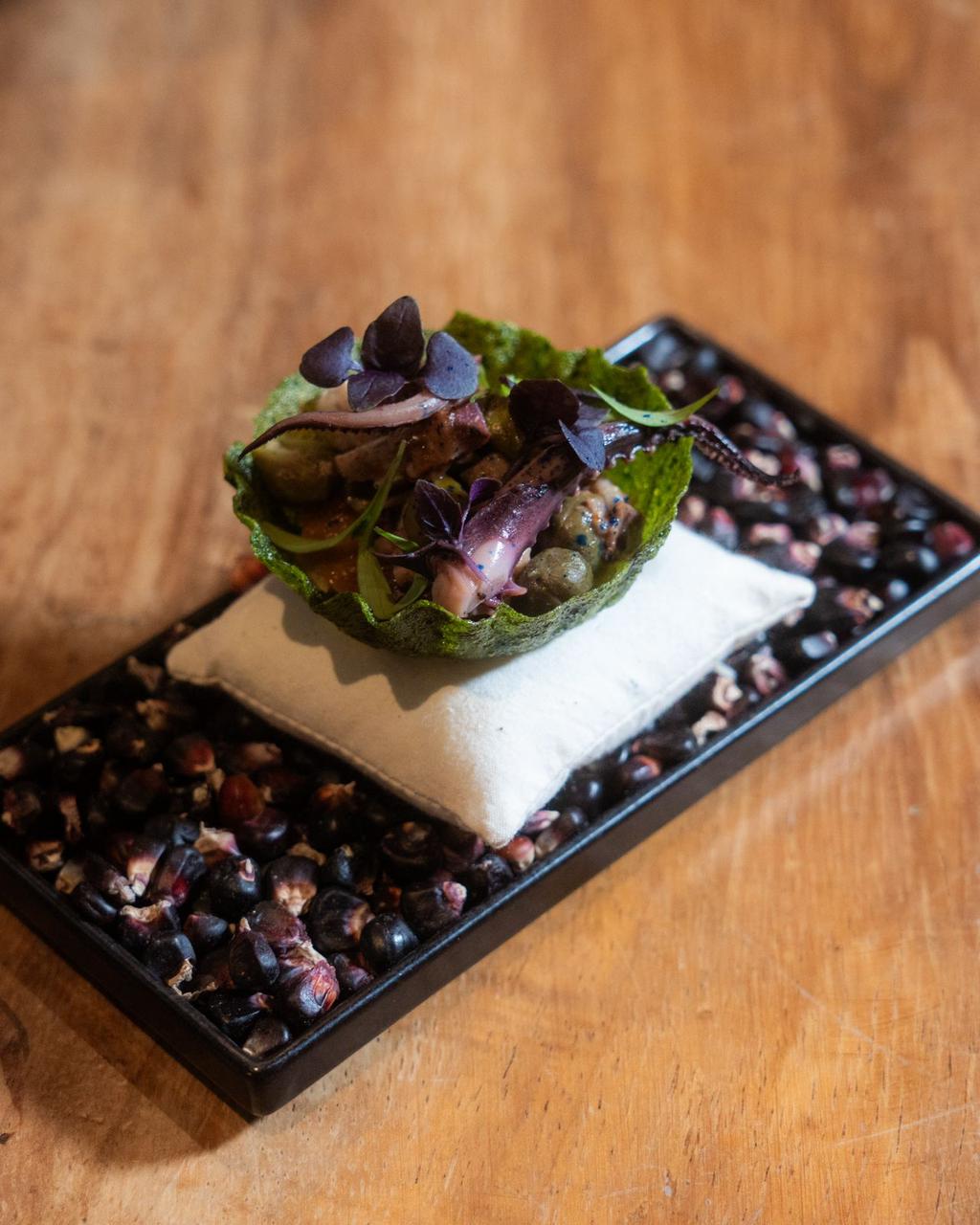
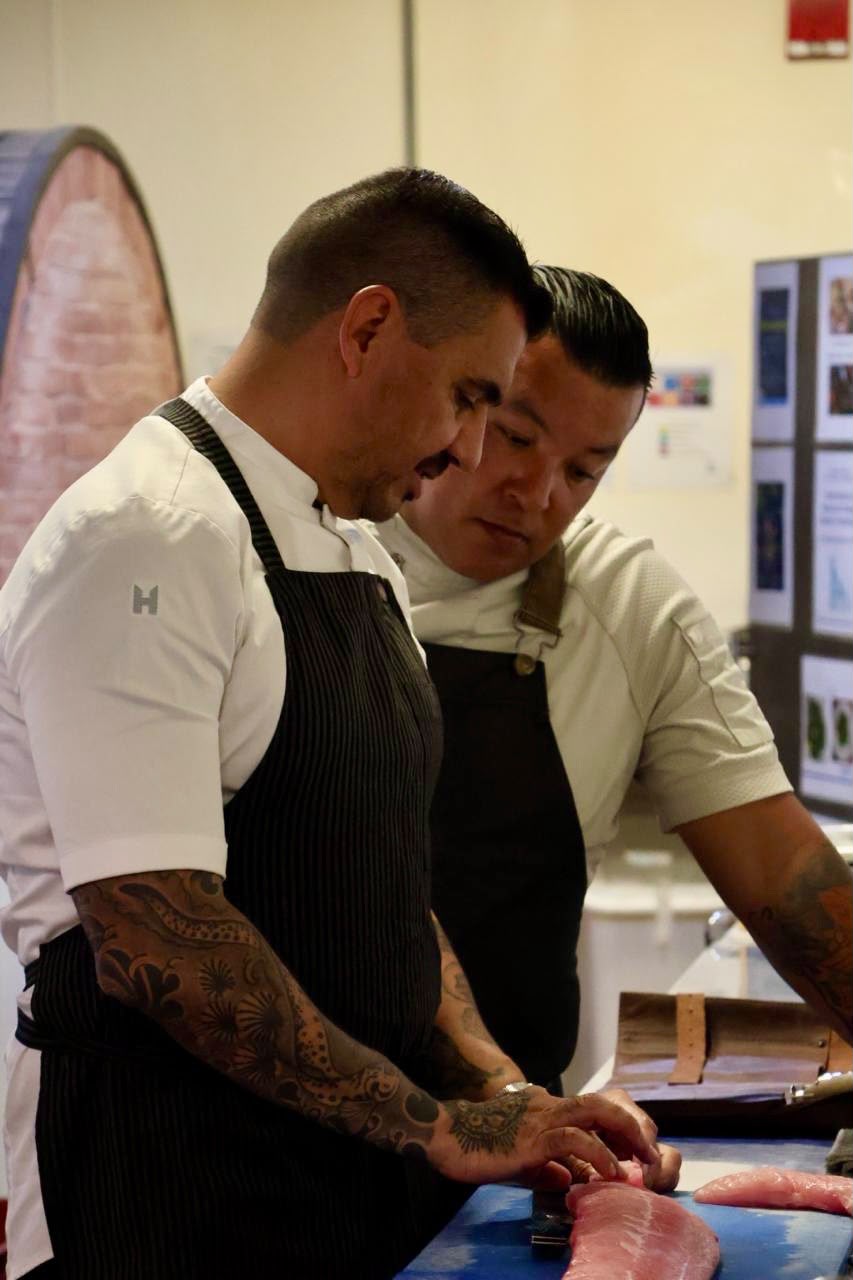
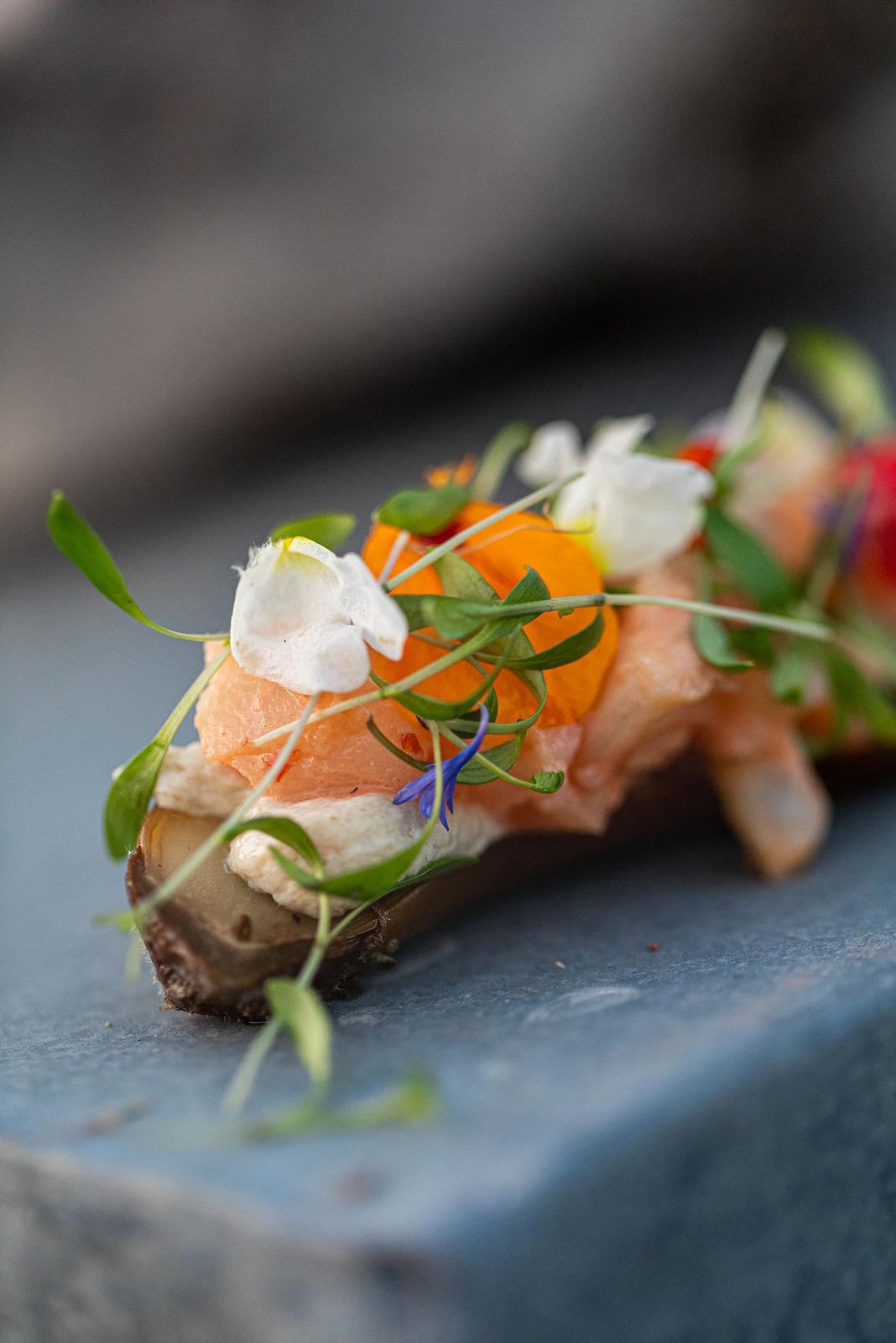
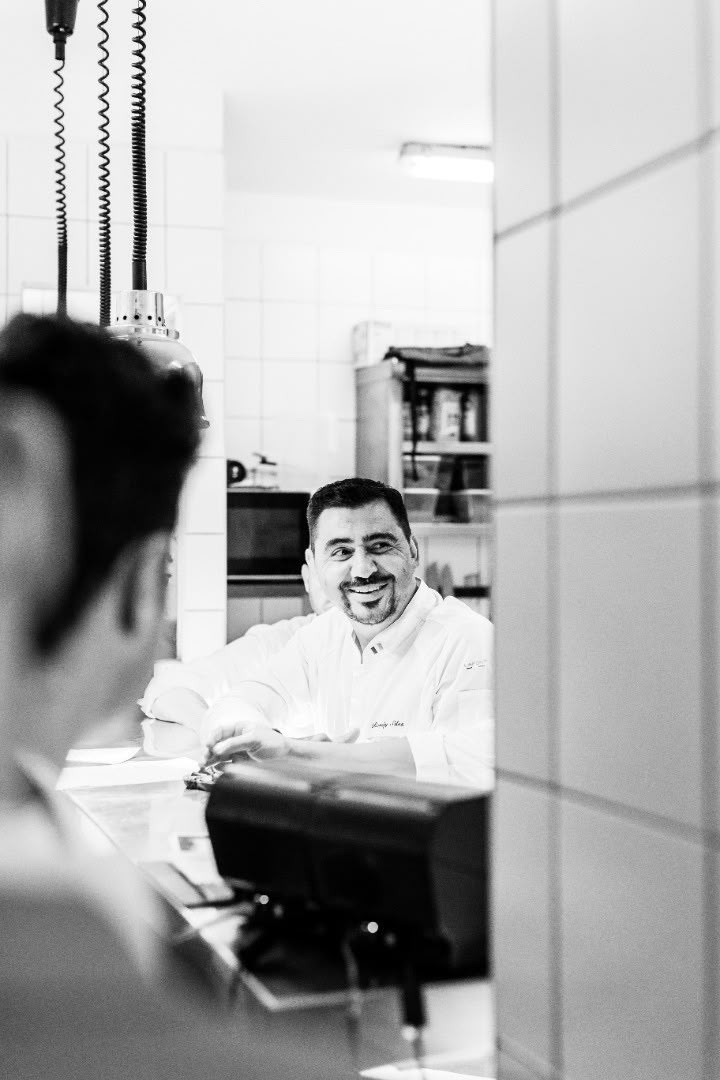
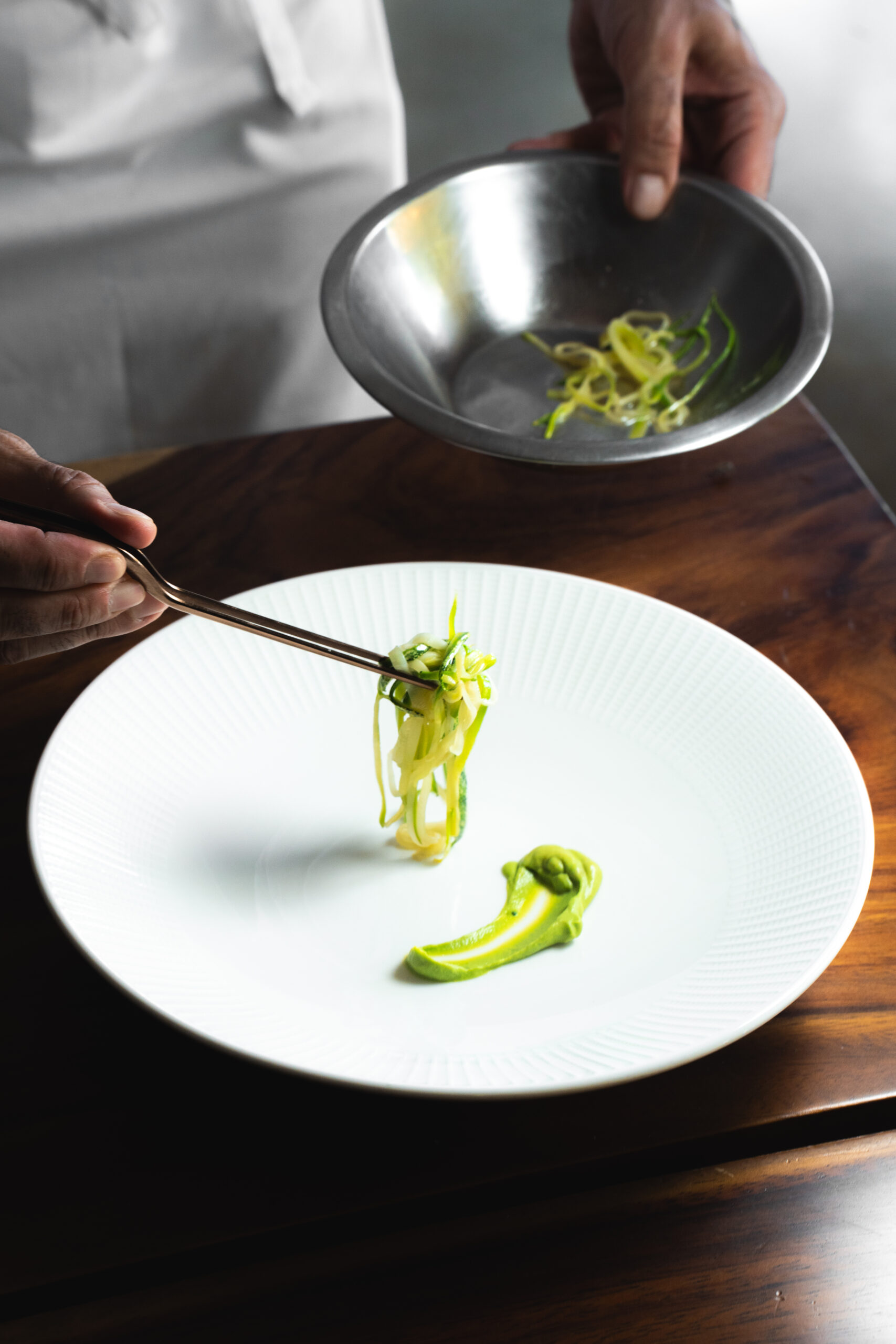
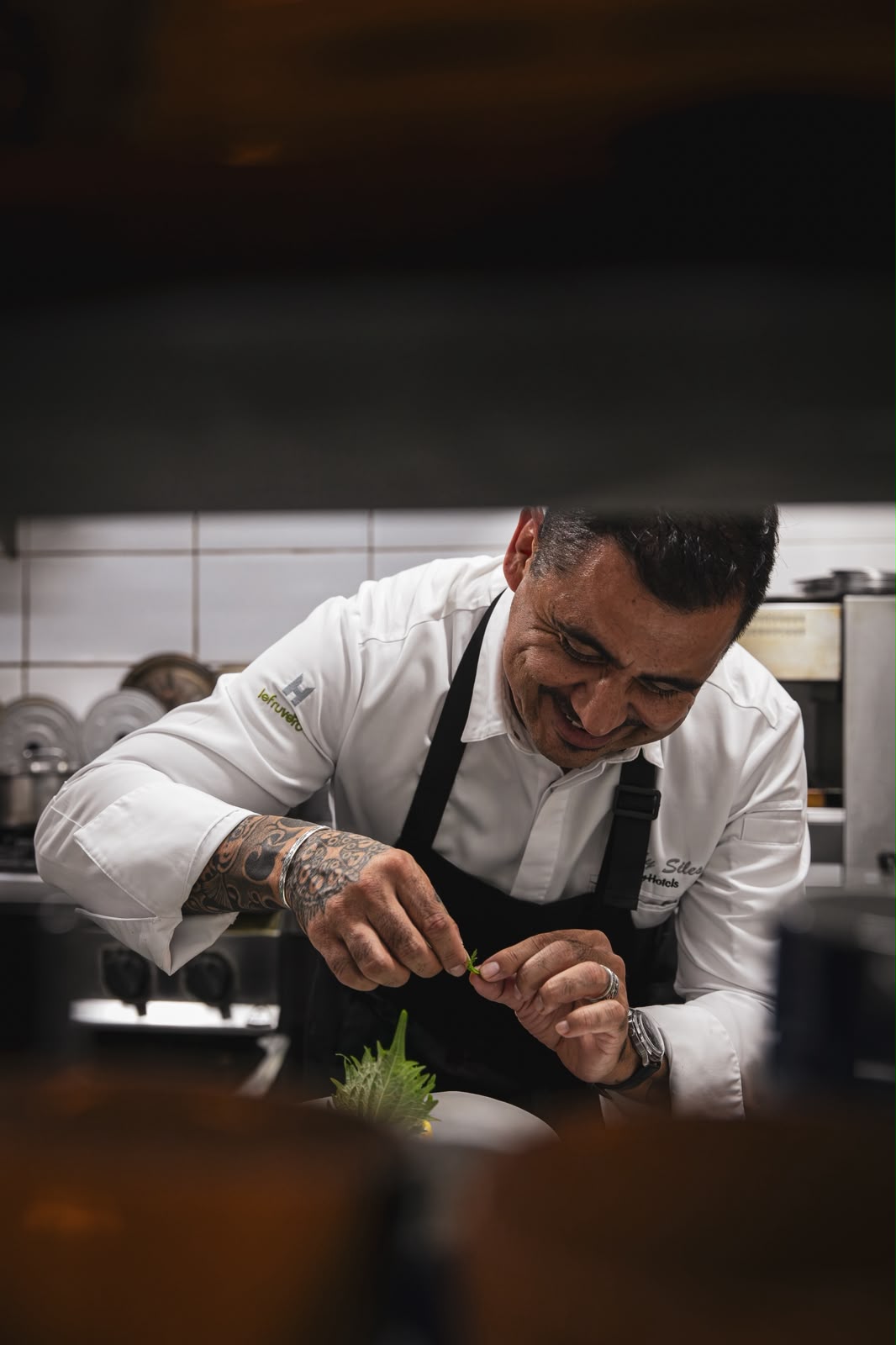
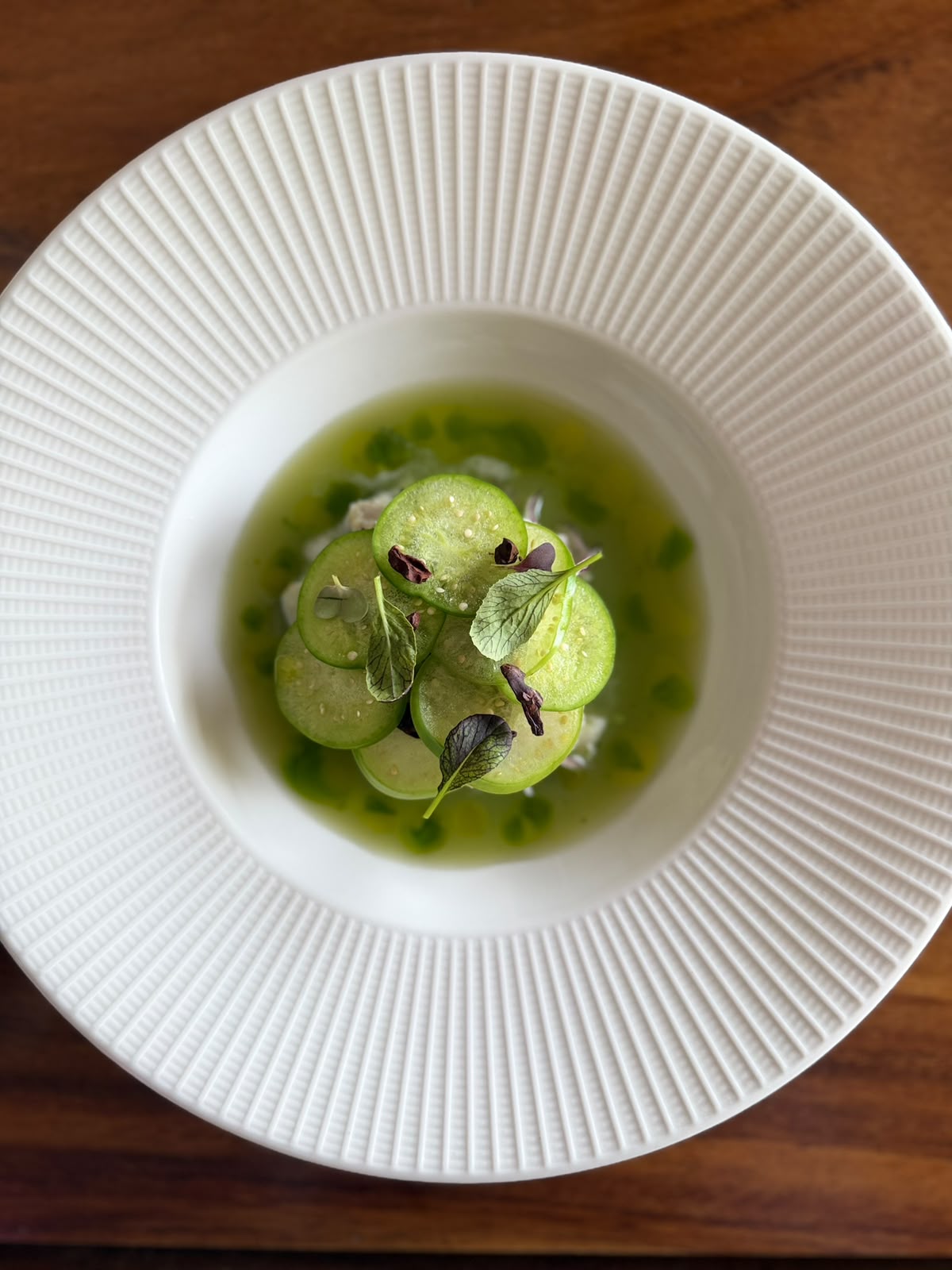
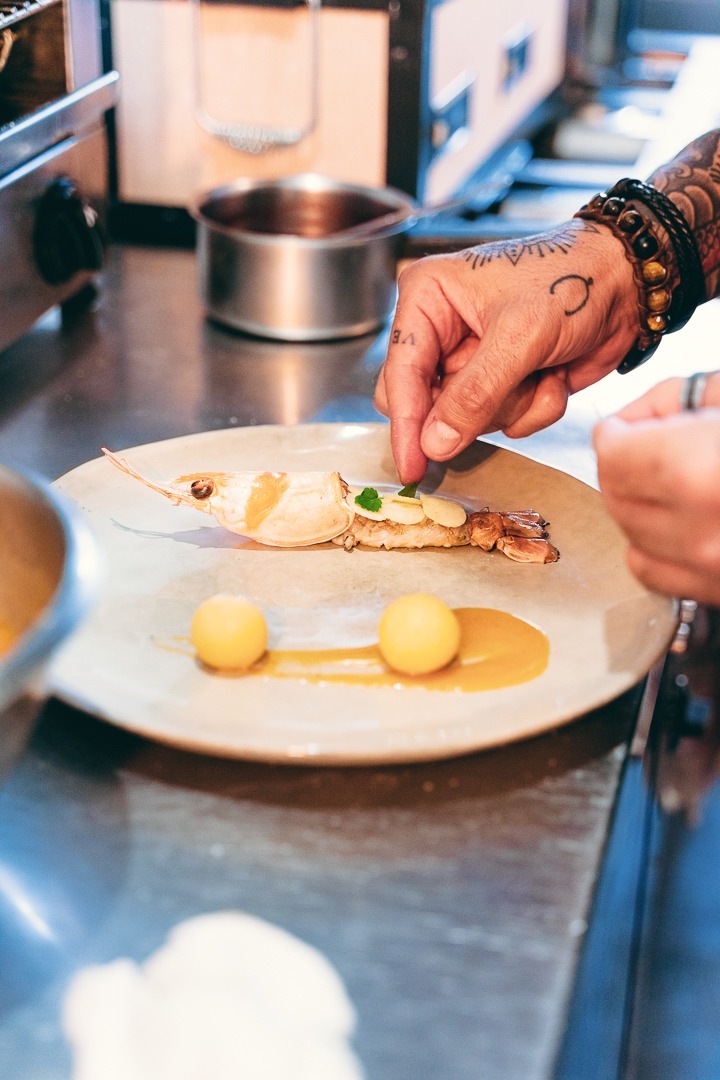
📸 Photo credits to @lea.lmp10 & @gal.danon
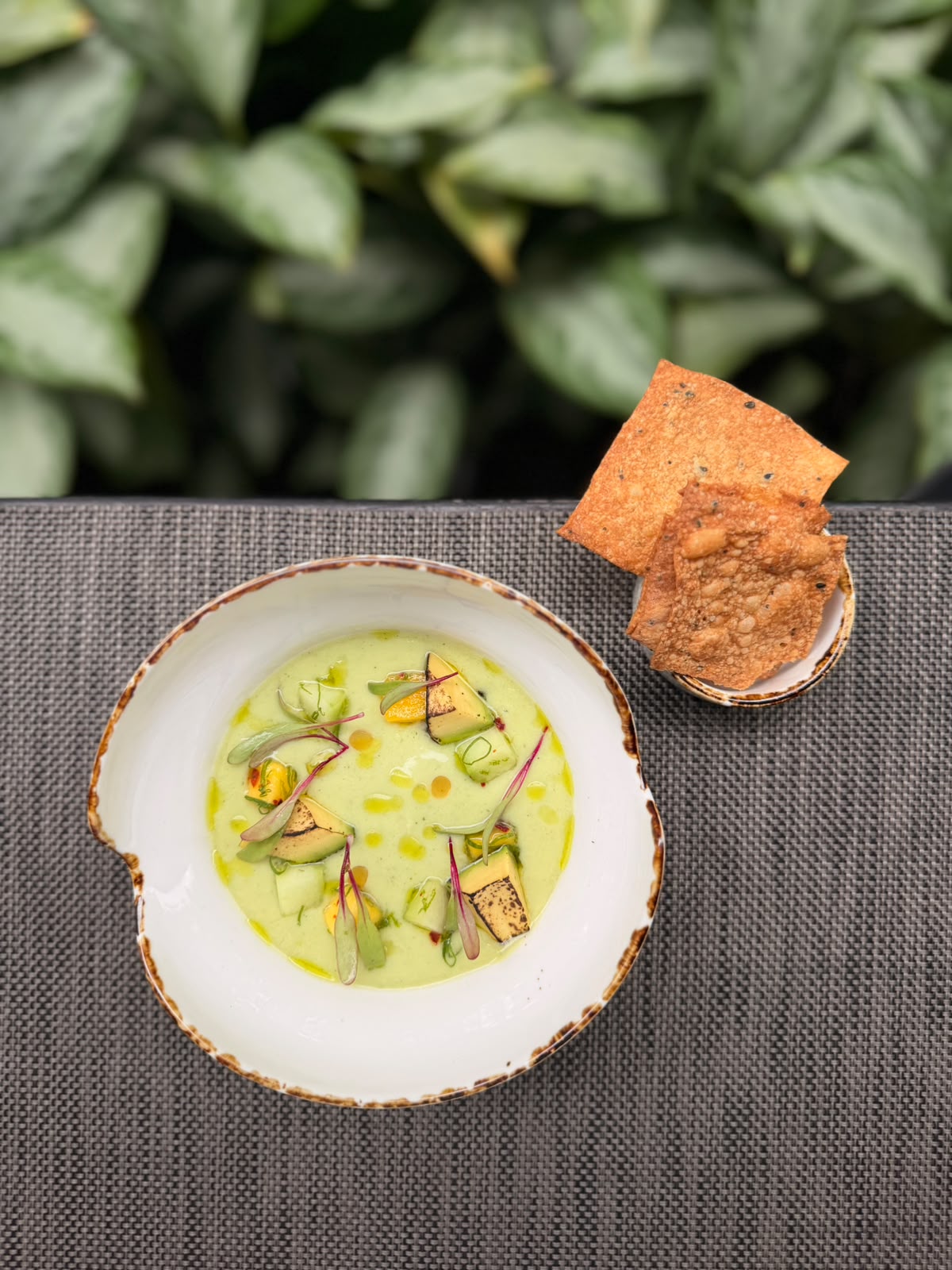
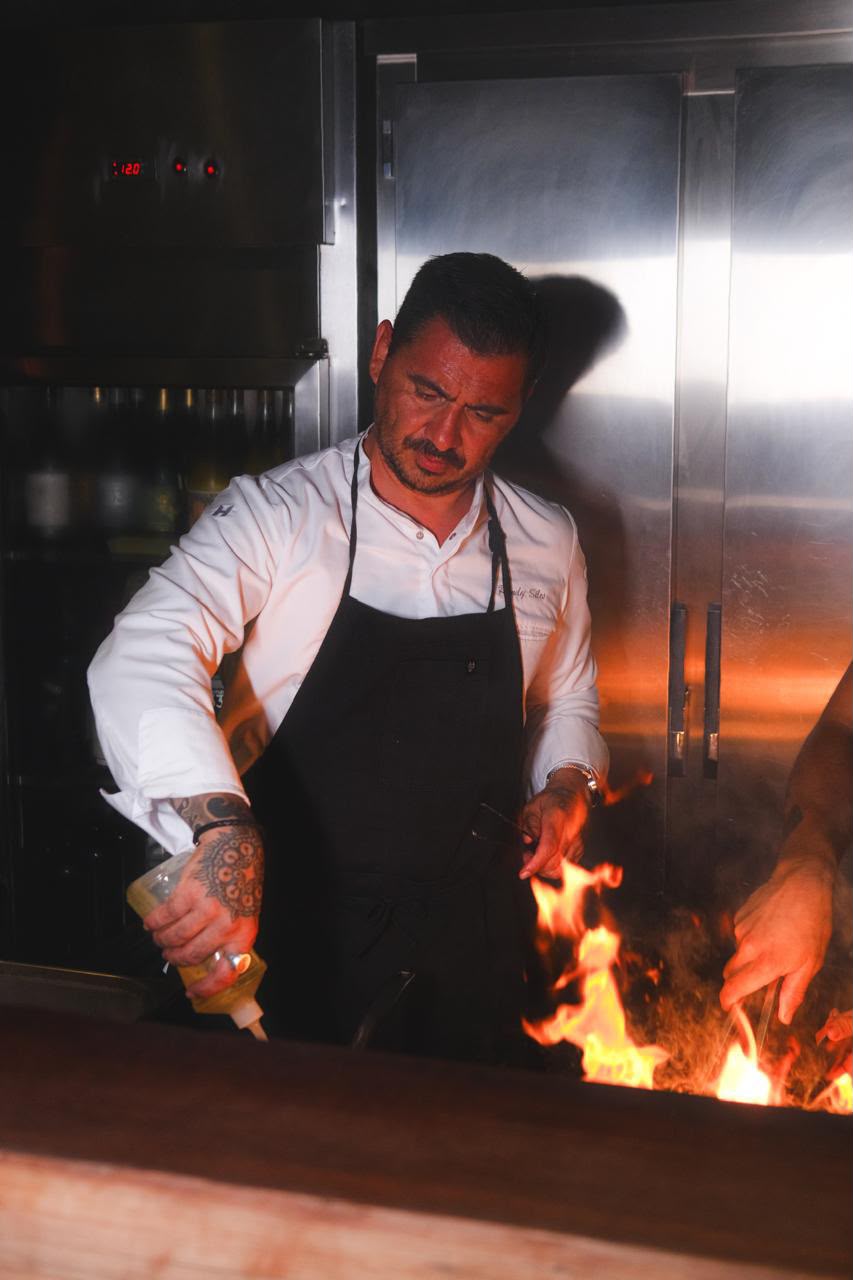
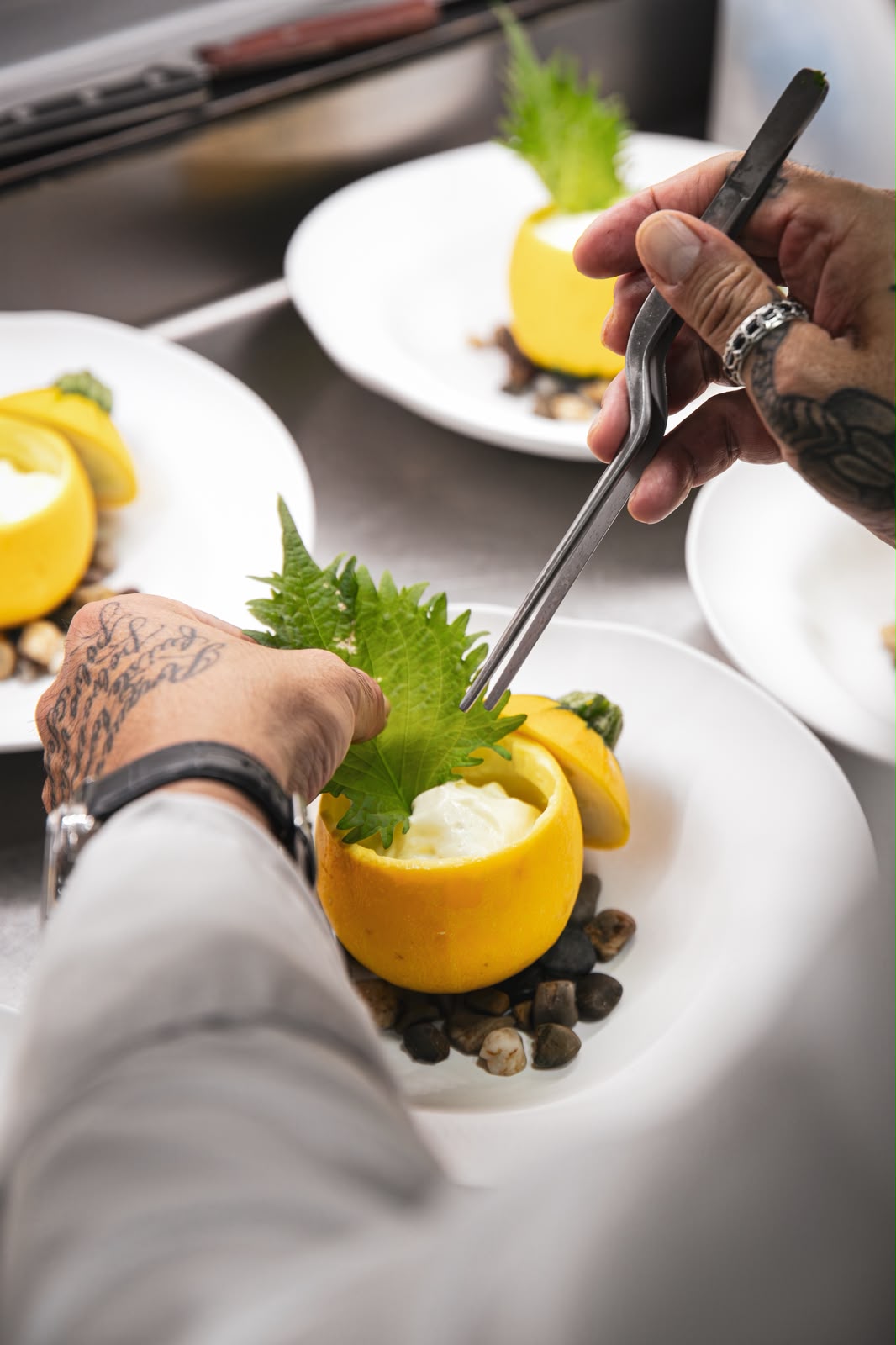
Secret Sauce
- What’s the most unexpected ingredient you’ve ever worked with, and how did it change your perspective on cooking?
Without a doubt, I always thought of vegetables as a boring ingredient. Of course, at home, we had no choice but to cook them until they were all gone, and they lost all their qualities. But once I started working with vegetables and seeing their versatility, and I’m not just talking about vegetables that come from the ground; seafood is even more interesting; it completely changed my cooking style.
- What’s your “guilty pleasure” meal?
Seafood, absolutely everything… Oh, and French fries, which I fight over with my daughter Tamara every time we sit down to eat together.
- A food trend that you hate and why?
I don’t really hate any of them; I have great respect for trends. I believe that they’re all important, since each trend ultimately has a significant impact and contributes to our kitchens.
- What’s the craziest shift you’ve ever worked in the kitchen?
On December 27, 2015, I lost about nine chefs due to circumstances unrelated to the kitchen. I had to run a restaurant service for the 127 guests we had booked for that night, and I only had my sous chef, Thomas, and one chef de partie. That night was unforgettable.
5. What happened, and how did you manage to get through it?
Well, it wasn’t an easy shift to get through; we had some very frustrating and tough moments. I remember just asking everyone to stay really focused. The shift lasted nearly five hours—tears and burns were part of that night—but there’s no doubt that my chefs deserve all the credit. We pulled through from the moment we decided not to give up that night.
- What tips would you give to other cooks and chefs to help them navigate their culinary careers and find peace amid the chaos of the kitchen?
My simple advice is passion. If you have it, you’re welcome here, and you’ll find peace in it even in the worst of times. But without passion, you’ll find yourself asking every day, “What am I doing here?”
- What’s an underrated ingredient and why?
The most underrated ingredient is everything that’s usually discarded: stems, leaves, peels, small roots, or “imperfect” parts of the vegetable. For a long time, we were taught to value only the most attractive part of the produce, but that’s where the flavor, texture, memories, and a huge creative opportunity lie.
For me, working with these elements is a form of respect: respect for the producer, the land, and the effort behind each ingredient. It also forces the chef to think differently, to explore, and to cook with greater awareness. Often, what seems like waste ends up being the most interesting part of a dish.
8. What’s a must-try dish from your kitchen or the one you’re proudest to have prepared?
Actually, I feel extremely proud of our country’s seafood. We’re blessed to have so much ocean and such short shipping distances, which guarantees fresh produce. If I had to name one dish, it would be roasted eggplant with oyster-based sauce and potato foam.
About Your City!
Guanacaste, Costa Rica
- If Anthony Bourdain or a chef came to your city, what would be the perfect tour itinerary from breakfast to dinner?
Actually, it’s not just him. I like to take all the great chefs who visit me fishing first thing in the morning, with a good cup of coffee, to show them our islands and their people, our unique character, and to go diving in search of ingredients.
Then, I like to take them to meet our producers, prepare a good lunch at one of their homes, and, in this way, share our identity as a country and our people.
Skills beyond the kitchen
Humans Of The Kitchen
A career in marketing and business came first, eventually becoming part of the culinary journey.
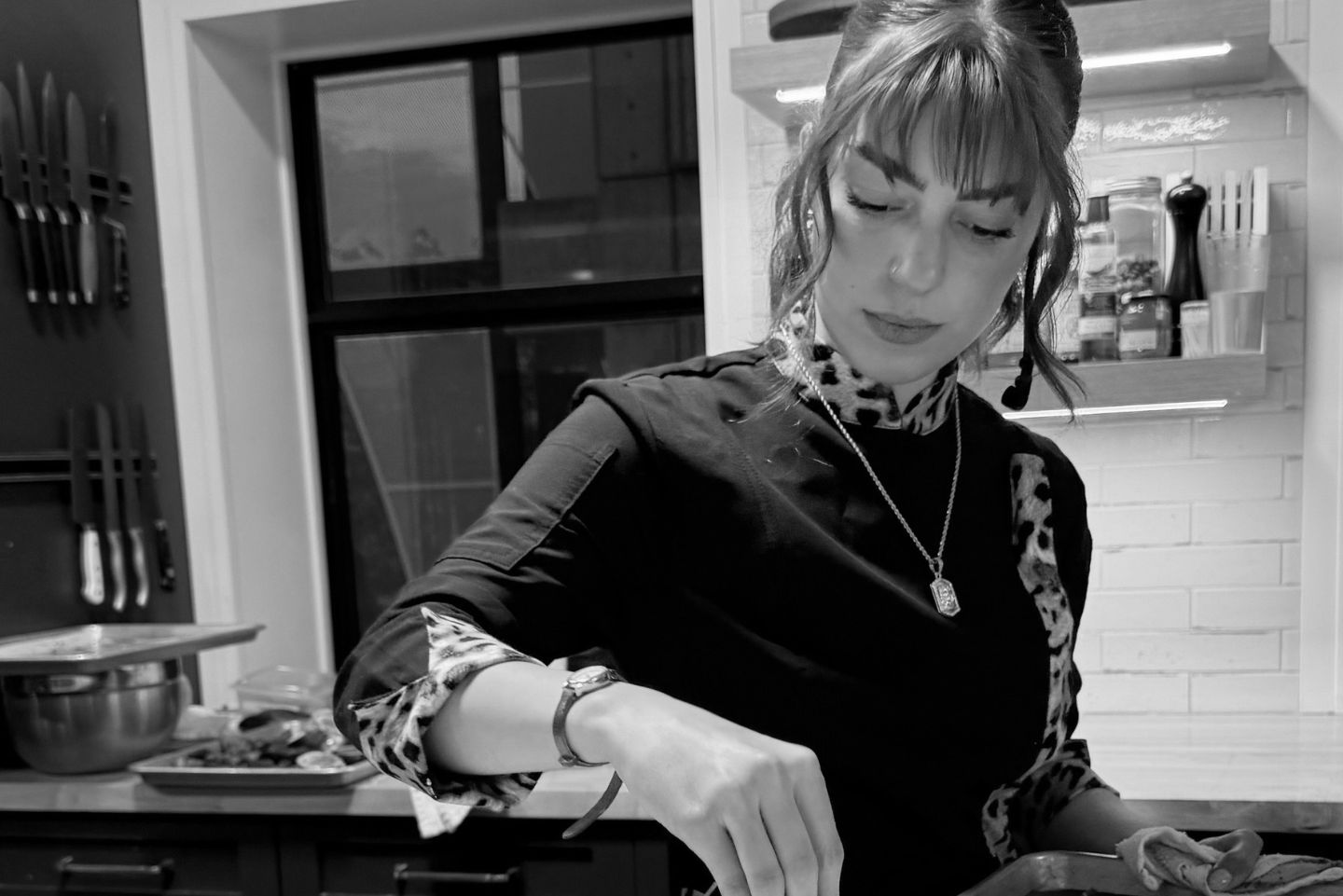
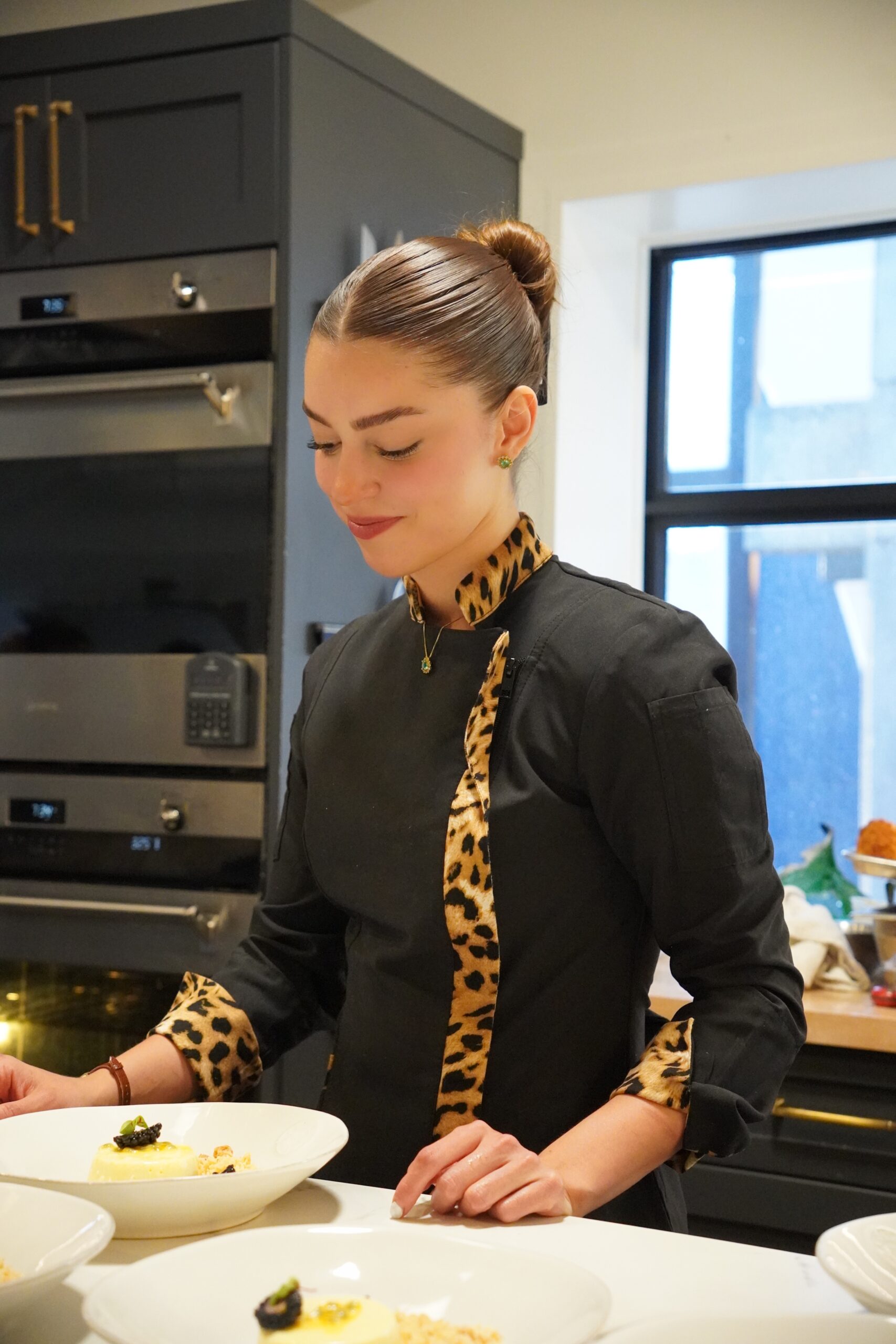
Mylla Rosario
For Mylla Rosario, cooking has always been connected to family. Her grandmother’s table, an old French stove, and the gatherings that brought everyone together shaped her earliest understanding of food. At the same time, growing up in her father’s hotel meant that the kitchen was part of everyday life, and by 13, she was already working inside it.
Her journey took her from Brazil to Canada at 18, where she had to rebuild her career in an unfamiliar kitchen, adapt to a new style of cooking, and navigate a language barrier. Along the way, she learned to rely on experience, resilience, and the belief that there is always more to learn.
Today, Mylla has found a different way to build her career through private cheffing, creating the kind of working environment she believes the industry needs: one built on fair hours, boundaries, respect, and wellbeing. Her story is also about standing up for herself, supporting others, and carrying her grandmother’s influence into every dish she creates.
In this conversation with Humans of the Kitchen, Mylla reflects on her journey from her grandmother’s kitchen to building a career on her own terms.
Share your Journey
- Looking back at your childhood, was there a specific moment or memory that sparked your interest in food or cooking?
My biggest inspiration was my grandmother. My mom grew up with ten siblings, all from the same mom and dad. That was just how it was in rural Brazil back then. My grandmother was the most loving, kind woman I’ve ever known, and of course, an incredible baker and cook. She had this old French stove she used religiously, every single day, and every family gathering happened around her table. Food was never just food in our family; it was how we came together. On top of that, I had the privilege of growing up in a hotel my dad owned, and I started working in the kitchen at 13. Between my grandmother’s table and that hotel kitchen, cooking was never really a choice for me; it was just always there.
- Did you have another career or job before becoming a chef? How did those experiences influence your decision to pursue cooking?
Before fully stepping into this, I worked in offices, a lot of it in social media and marketing. Cooking was always my real passion underneath it all, but I don’t think I’d be where I am now without that business and marketing background. It taught me how to think about branding, storytelling, and building something with intention, skills I use just as much in my culinary career today as I did back then. Looking back, that detour wasn’t a distraction from cooking; it was preparation for it.
- Did you formally study culinary arts, or are you self-taught? How has your learning journey shaped your approach to cooking?
I went to school for both culinary arts and business, so I do have that formal foundation. But if I’m honest, the things that shaped me most as a chef came from real experience, not the classroom. Growing up in my dad’s hotel kitchen, learning at my grandmother’s side, and later working through real service, real clients, and real pressure taught me things no textbook could. School gave me the structure and the language for what I do, but experience is what actually built my approach to cooking.
- When did you first step into a restaurant kitchen? What was that experience like, and how did it shape your journey as a chef?
I was 13 when I started working in my dad’s resort kitchen. There were definitely stressful moments, long hours, not many breaks, and high expectations that came with being the owner’s daughter. People expected more from me, not less, because of who my dad was. But looking back, it was also so much fun, and it’s a part of my story I carry with a lot of love and respect. That kitchen is where I first understood what real service felt like, and it planted the seed for everything that came after.
- What were some of the early challenges or obstacles you faced when you started in the kitchen, and how did you overcome them?
One of the biggest turning points was moving to Canada at 18 and starting work in a restaurant where I didn’t know a single person. It was a completely different style of cooking than what I grew up with in Brazil: different techniques, different pace, different expectations, on top of a language barrier that made even simple communication a challenge. I had to relearn a lot of what I thought I knew and prove myself all over again from scratch. It was humbling, but it taught me how to adapt fast and never stop learning.
- What keeps you inspired and how has that inspiration driven you throughout your professional journey? Especially during tough times in the kitchen?
My biggest source of inspiration is my grandmother. I want to make her proud, and honestly, I believe she’s still looking over me, guiding me toward the success I’m building. There’s no plan B for me; this has to work, because I’ve never let myself think of it any other way. That mindset is what’s carried me through the hardest days in this industry, the belief that I owe it to her, and to myself, to keep going no matter what.
- Can you recall a moment in the kitchen that marked you forever? Maybe it was an interaction with a mentor, a fellow cook, someone you fed, or a situation that challenged you in a way that shaped who you are today?
Honestly, it’s less about one single moment and more about two lessons that shaped me. The first is staying kind to people even in the hardest moments. I’ve driven home crying after 14-hour shifts with no breaks, and I still chose to treat people with respect the next day. The second is learning to stand up for myself. There were times I had to set firm boundaries with my head chef when I felt disrespected, and I didn’t back down until he did.
Being sweet, and being a woman in this industry, can be used against you if you let it, so I learned I had to protect my own boundaries just as fiercely as I show up with kindness.
- As a chef, how would you describe your philosophy in the kitchen, and how does it guide your approach to cooking and leadership?
For me, it all comes down to understanding people. Everyone approaches things differently, and real growth doesn’t come from breaking someone down; it comes from teaching with patience. Yes, there are hard moments and long hours, that’s just the nature of this industry, but I’ve always believed in treating the kitchen like family and taking care of everyone in it, from the dishwasher to the server to the cook to the chef.
When people feel respected and supported, they show up better, and that’s the kind of leadership I try to bring to every kitchen I’m in.
- Can you share a time when cooking or the camaraderie in the kitchen helped you through a tough period in your life? What made that experience meaningful?
One that still sticks with me was in culinary school. I burnt my braised ribs during a practical exam, and my friend Gary quietly gave me half of his portion so I wouldn’t fail. It was such a small gesture, but it taught me what real camaraderie in a kitchen looks like: people showing up for each other when it actually matters, no ego involved. That same spirit carried into my career later on. When I was 20, my best friend and I ended up running an entire kitchen ourselves one night after the person who was supposed to be head chef showed up drunk and got fired on the spot. We just stepped up, no hesitation, and got through service together.
Moments like that are what taught me that this industry is built on the people who have your back when things fall apart.
- Reflecting on your career, what achievements or milestones are you most proud of, and what do they mean to you?
One of my proudest milestones is making over five figures a month by the age of 22, while also holding Red Seal certification. Reaching that level that early meant a lot to me; it was proof that all the sacrifice, the long hours, the hard lessons, actually led somewhere. But just as meaningful to me has been inspiring other people along the way, especially other women in this industry. Success was never just about the number for me; it’s also about showing others what’s possible.
- What aspects of restaurant culture do you love, and what parts do you find frustrating or problematic? Are there any changes you’re actively working toward or things you hope they change in the industry? Share the reasons behind them and how they align with your vision for a better culinary world?
What I love most about restaurant culture is the community and the family you build inside it. There’s nothing quite like the bond you form with people who’ve survived a brutal service with you. But I also know firsthand how toxic this industry can be. I’ve been offered drugs multiple times, and heavy drinking is treated as completely normal, sometimes even encouraged, rather than something to be concerned about.
I hate the narrative that chefs are just supposed to be broke and grateful for it, and how much this industry can wear you down emotionally without anyone checking in. I also experienced sexual harassment more than once while working the line, comments made about me that should have never been acceptable in a professional kitchen. That was actually one of the main reasons I left line cooking and moved into private cheffing; I wanted an environment where I had more control over my safety, my boundaries, and how I was treated.
I hope the industry keeps moving toward accountability, better mental health support, and real consequences for that kind of behavior, because talented people shouldn’t have to choose between their career and their wellbeing.
- What are your hopes for the future of the restaurant and food and beverage industry? What changes would you like to see, and how are you contributing to that change?
My biggest hope for this industry is that chefs can actually be happy, have a real life outside of work, and still make good money, without constantly sacrificing their mental health to get there. For so long, suffering has been treated as part of the job, like burnout and misery are just the price of being good at this.
I don’t believe that has to be true, and I try to prove it every day through how I run my own private chef business: fair hours, real boundaries, and proof that you can be successful without breaking yourself in the process.
- If there’s anything we didn’t ask or if you feel we’re missing something about your personal and kitchen story, please share it here.
I think what people don’t always see is that becoming a private chef wasn’t just a career move for me; it was reclaiming my relationship with this industry on my own terms. I came up through hard restaurant kitchens, immigrated to a new country at 18 and had to rebuild everything from scratch, and dealt with things no one should have to deal with just to earn respect in a kitchen.
Private cheffing gave me back the parts of this career I actually love, the food, the creativity, the connection with people, without the parts that nearly broke me. My grandmother is still the reason I do any of this, and every dish I create carries a piece of that table she raised our whole family around.
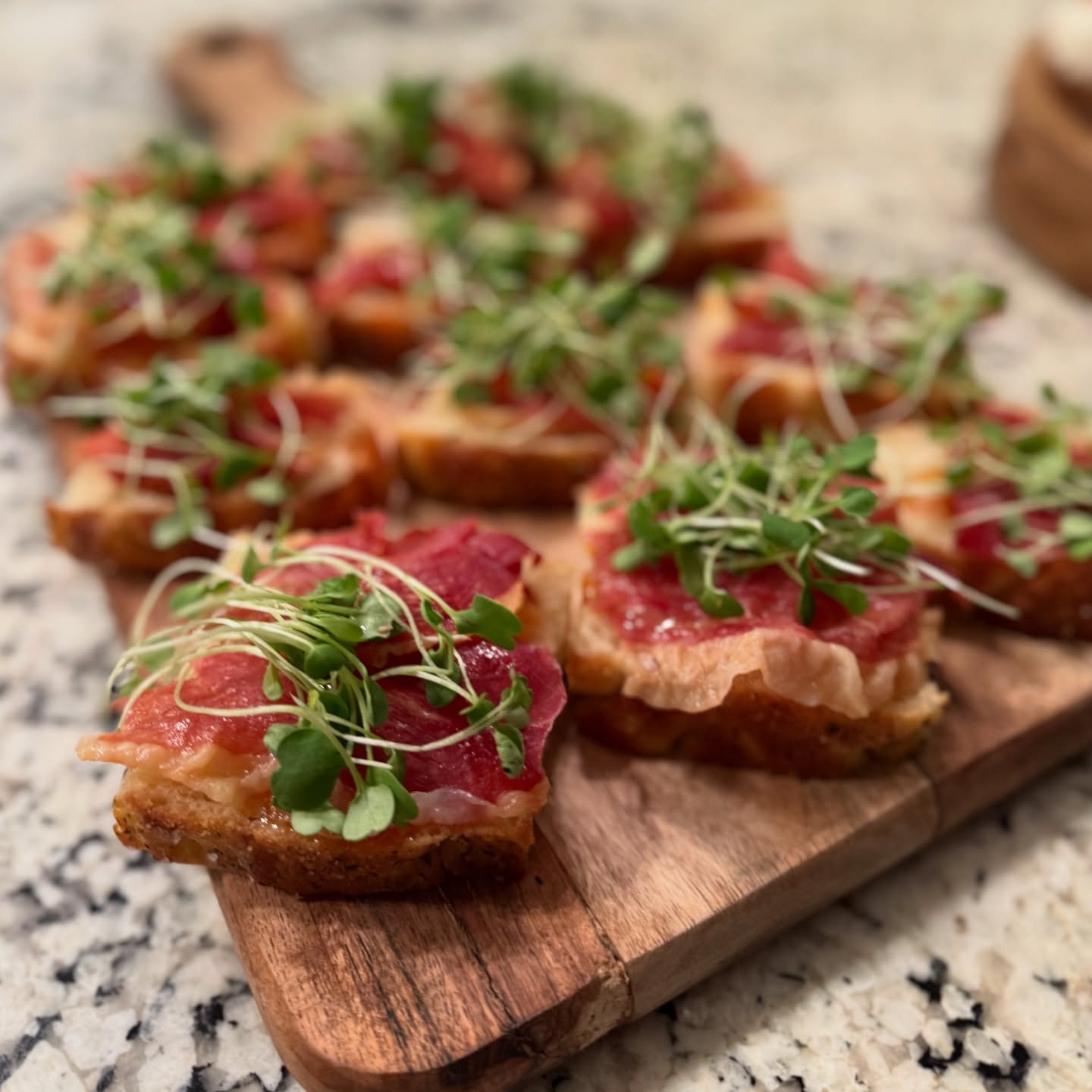
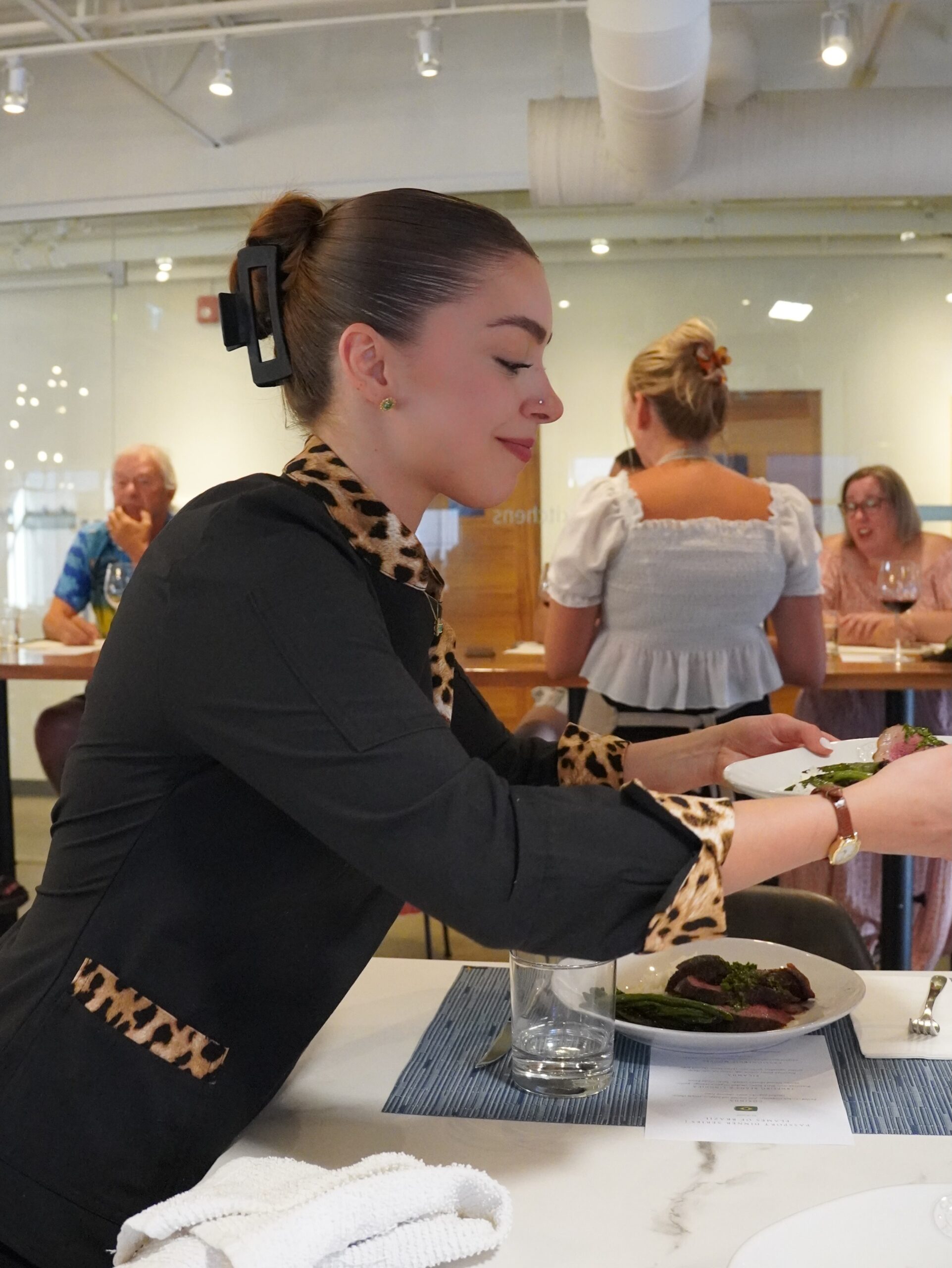
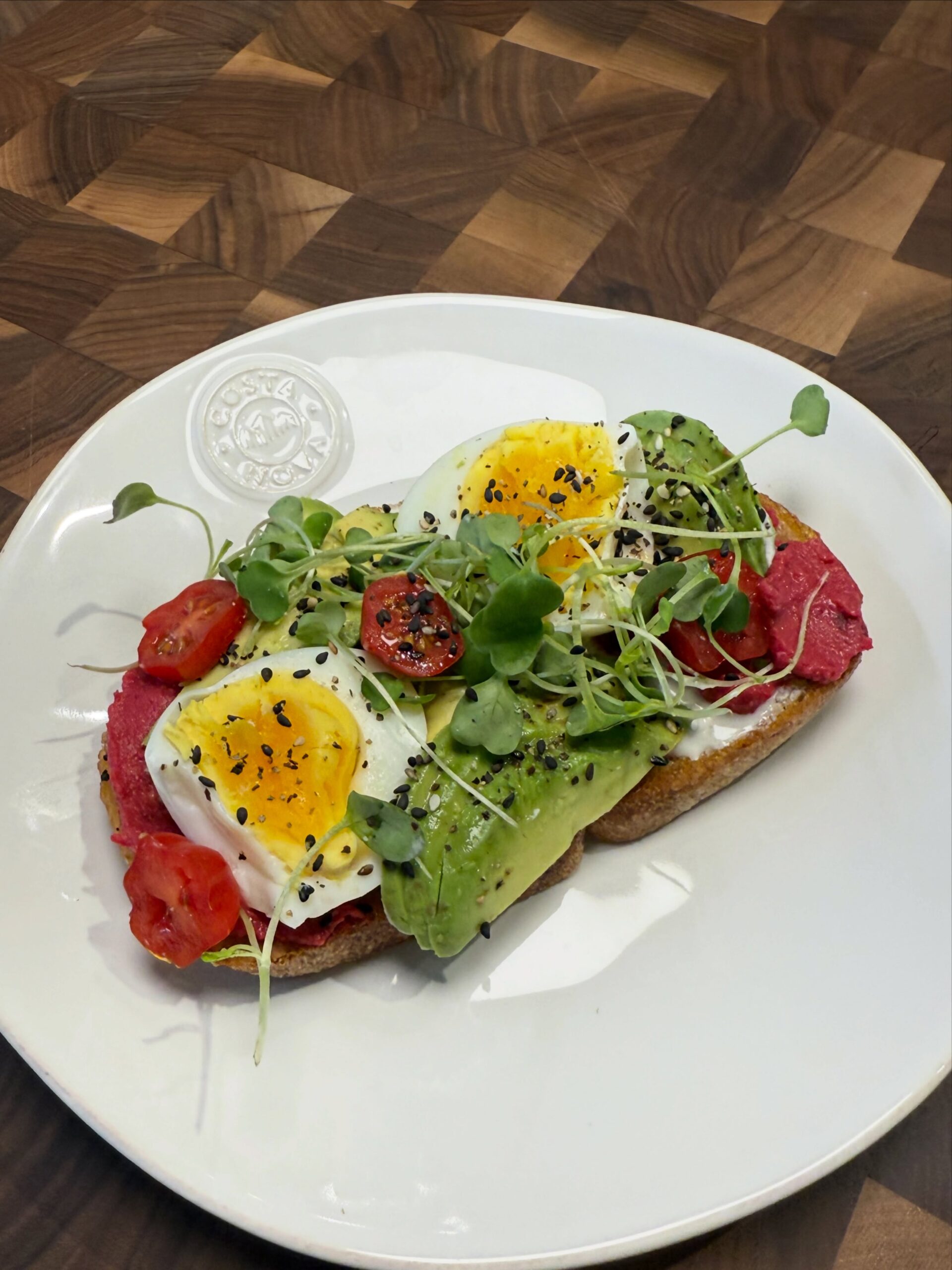
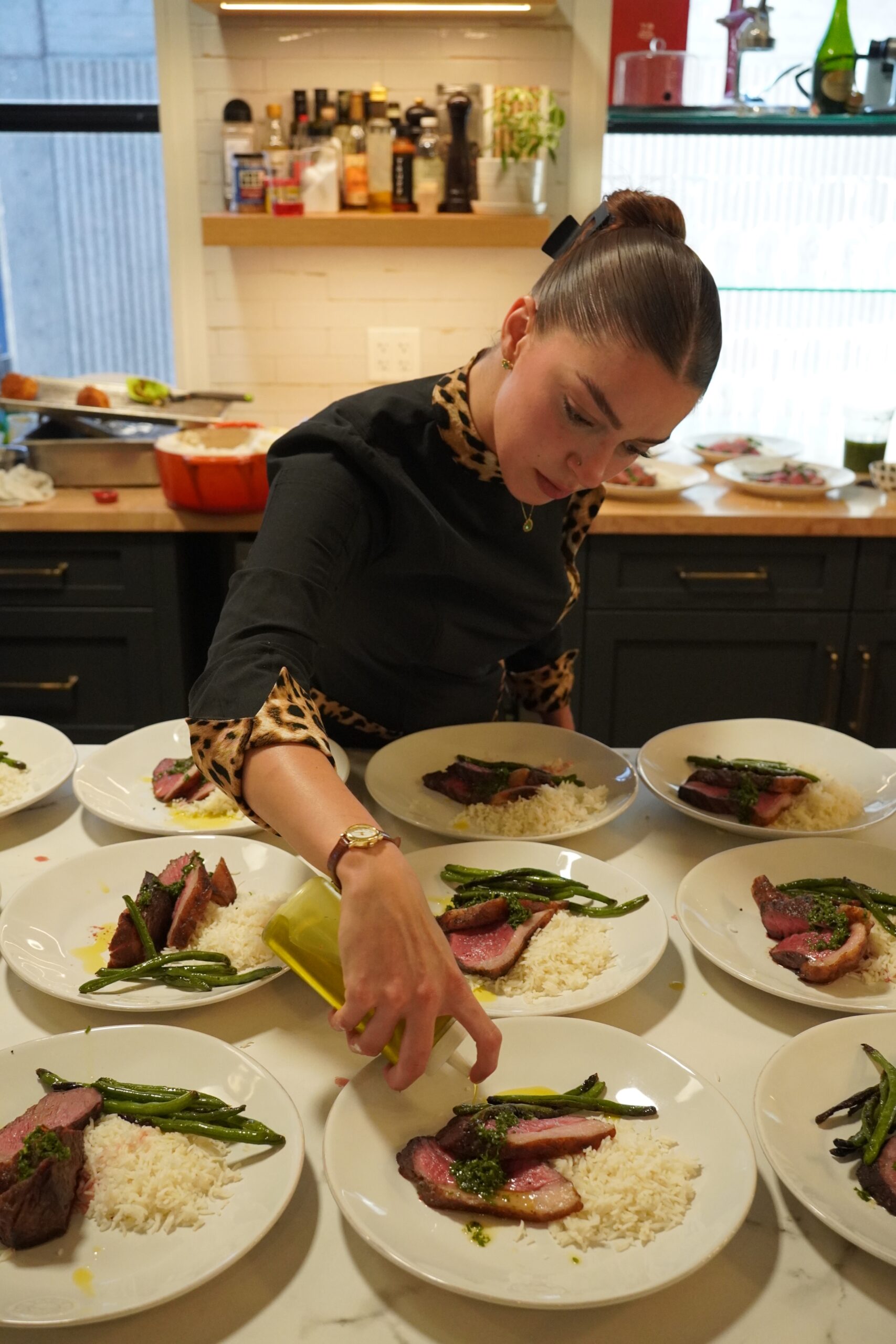
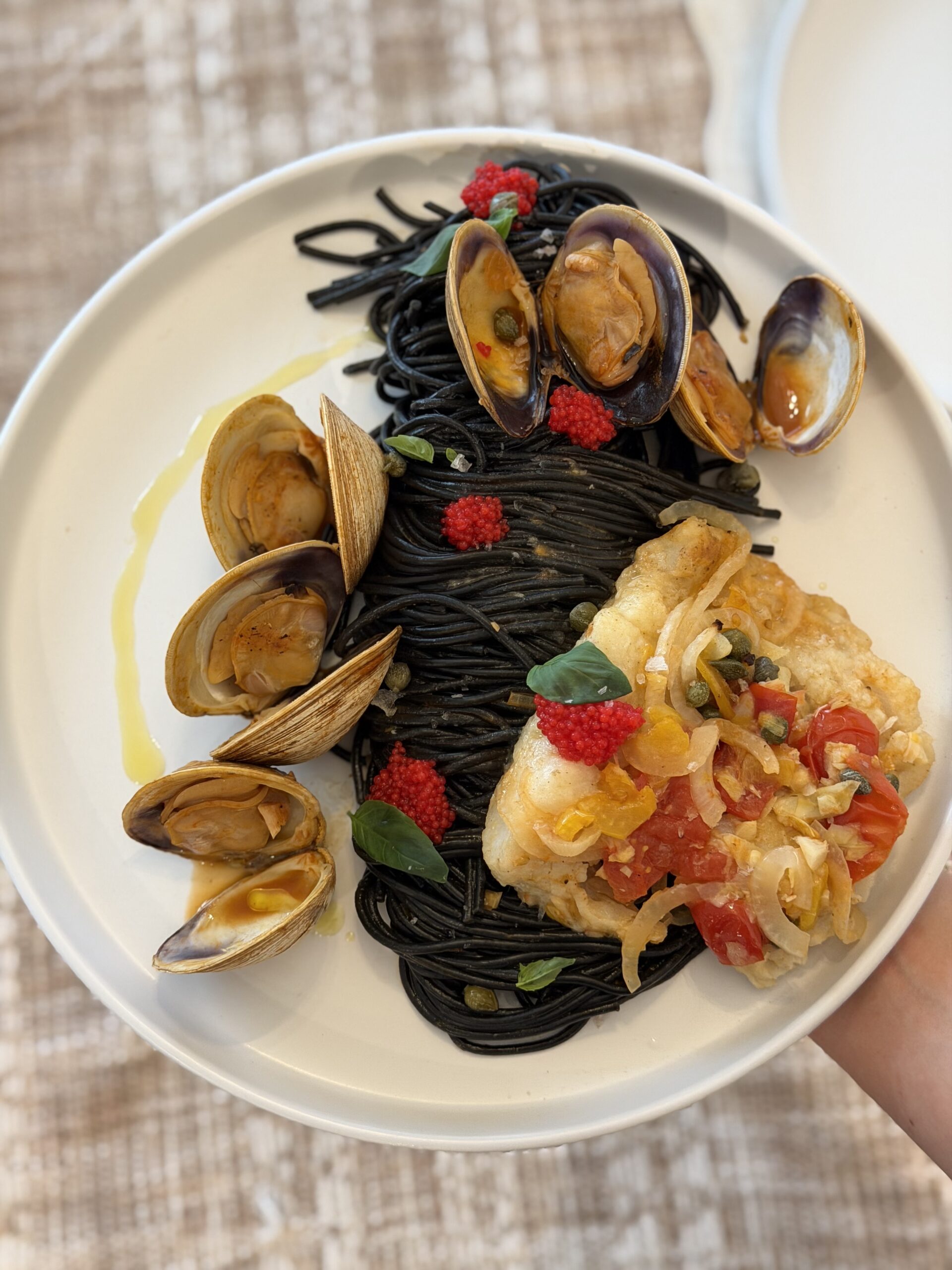
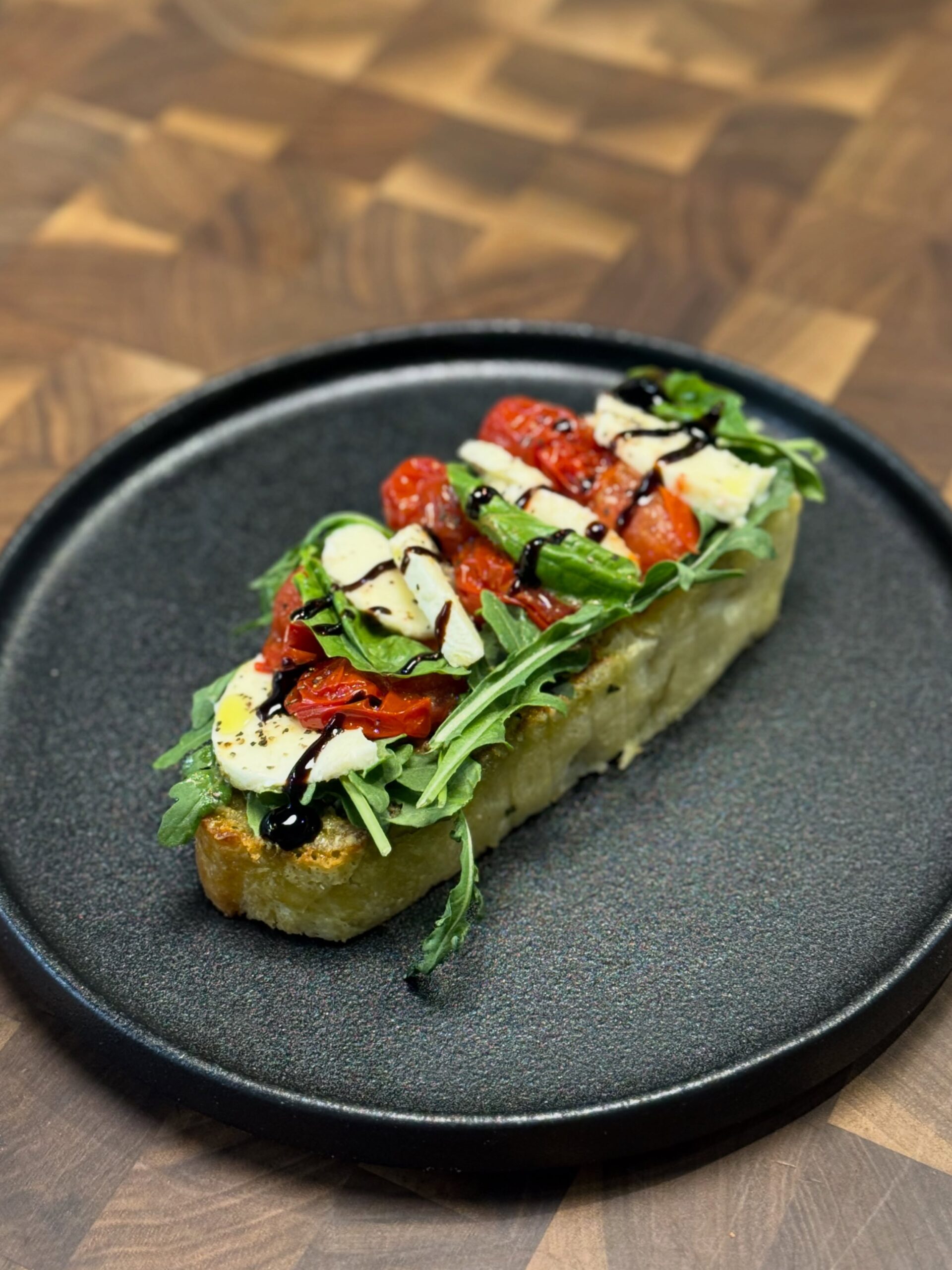
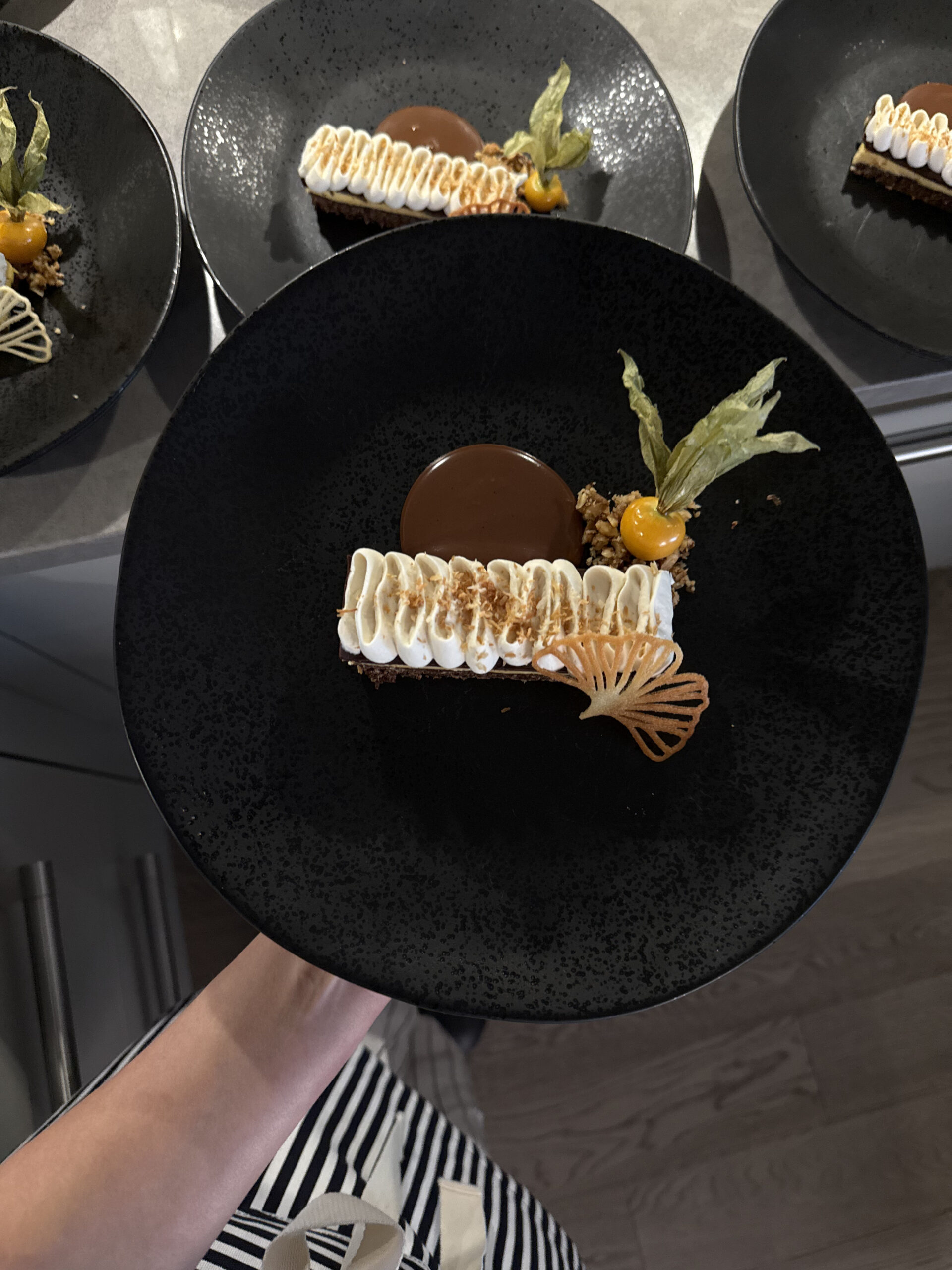
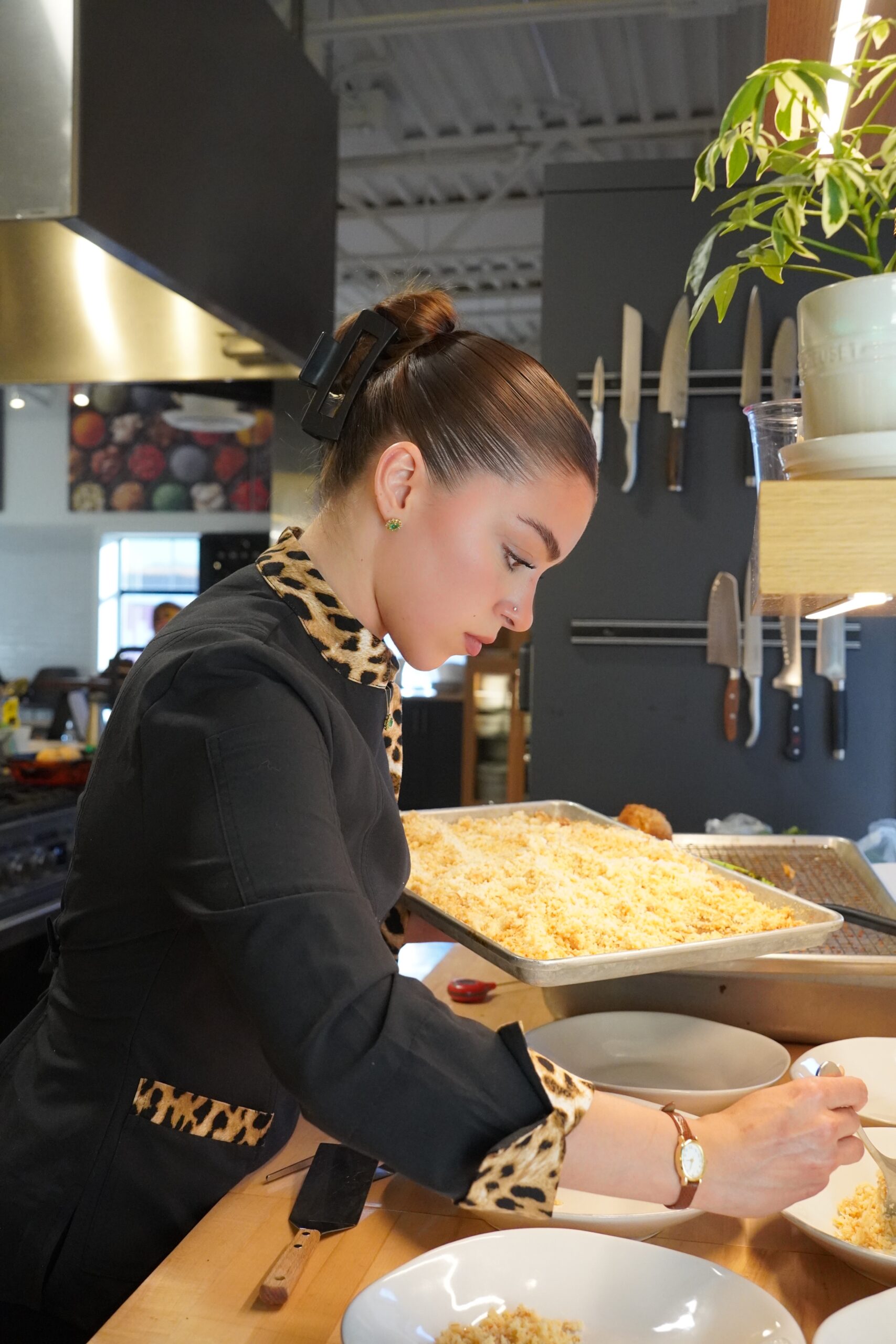
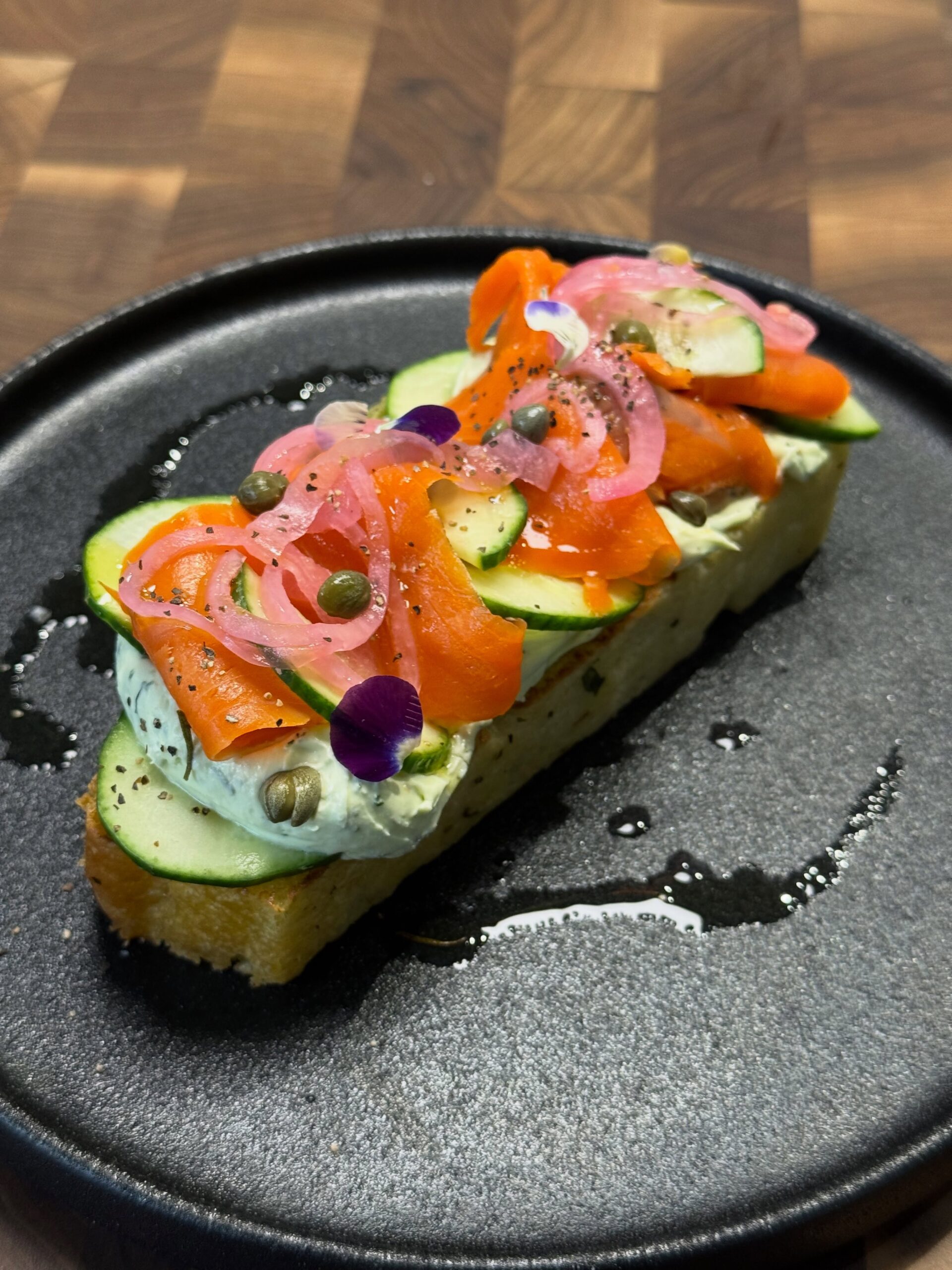
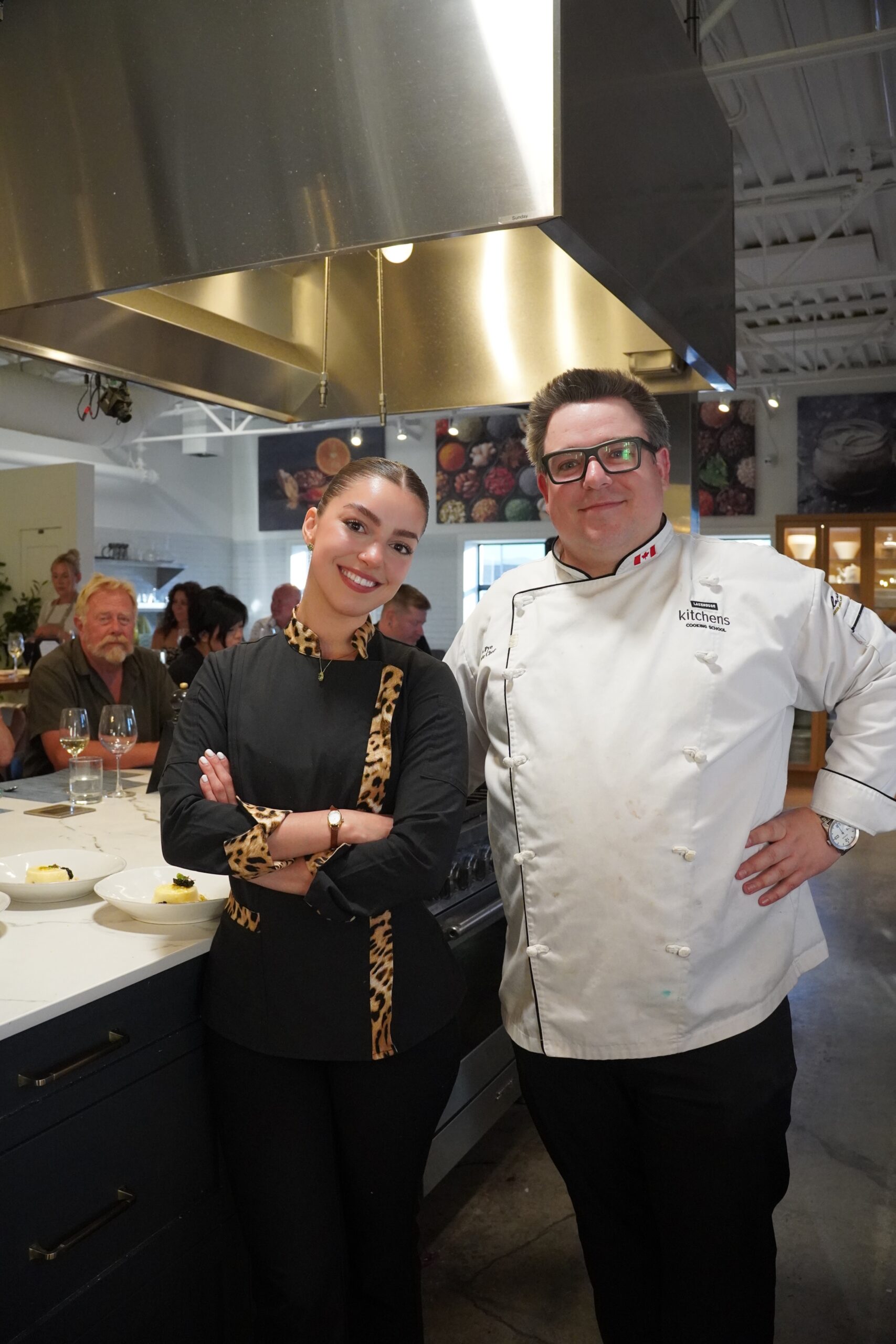
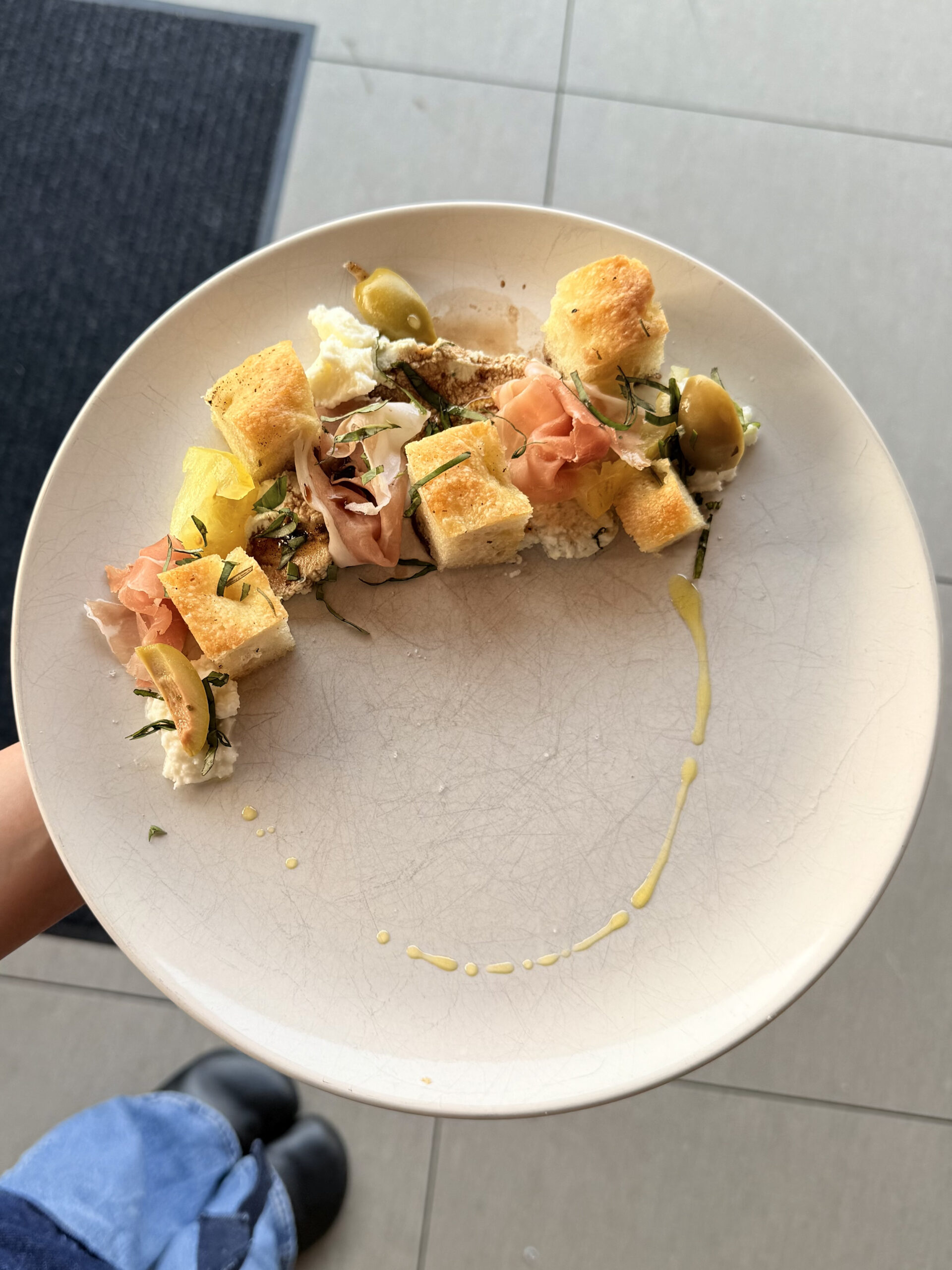
Secret Sauce
- What’s the most unexpected ingredient you’ve ever worked with, and how did it change your perspective on cooking?
Foie gras, without question. It’s not something commonly used in Brazil, and honestly, the ethics around it are controversial, so I went into working with it feeling pretty unsure. But the first time I actually prepared and tasted it properly, I fell completely in love. It has this rich, silky texture and depth of flavor that’s unlike anything else, and it genuinely changed how I thought about ingredients I’d normally dismiss or feel hesitant about. It taught me to stay curious instead of judging an ingredient before I actually understood it, and that openness has carried into how I approach every unfamiliar ingredient since.
- What’s your “guilty pleasure” meal?
Dirty fries loaded with chopped pickles, cheese curds, and a little braised lamb on top. It sounds like an unlikely combination, but after a 12-hour shift on your feet, it’s exactly what your body wants. There’s nothing elegant about it; it’s messy, indulgent comfort food, and I love it precisely because it’s the opposite of the refined plating I do for work.
- A food trend that you hate and why?
Oysters, and honestly, any kind of clam. I really wish I loved them. They’re beautiful, elegant, and probably one of the most sophisticated things you can put on a plate, but the texture just gets me every time. I’ve tried them prepared every which way, hoping something would finally click, and it just hasn’t. It might be the one ingredient I’ve never been able to talk myself into loving, no matter how much I respect it on paper.
- What’s the craziest shift you’ve ever worked in the kitchen?
The craziest stretch for me wasn’t even one single shift; it was 12 days straight of 11-hour days with no days off. By the end of it, I was running on pure adrenaline and muscle memory more than anything else.
5. What happened, and how did you manage to get through it?
No staff. That was pretty much it, and you have no choice but to show up because you want approval.
- What tips would you give to other cooks and chefs to help them navigate their culinary careers and find peace amid the chaos of the kitchen?
Honestly, if you don’t truly love cooking, don’t do it. It’s not worth it. This industry will chew you up if passion isn’t the thing driving you. The hours are long and the pressure is too high to survive on anything less. But if you do love it, my advice is to protect your peace fiercely: set boundaries early, surround yourself with people who lift you up instead of tearing you down, and remember that being kind and being strong aren’t opposites. The chaos of the kitchen will always be there, but how you carry yourself through it is entirely up to you.
- What’s an underrated ingredient and why?
Beets, without a doubt. People tend to write them off as boring or old-fashioned, but they’re incredibly versatile, earthy, naturally sweet, and they bring this gorgeous color to a plate that nothing else really replicates. I love using them roasted, pickled, shaved raw into salads, even in desserts. They deserve so much more credit than they get.
8. What’s a must-try dish from your kitchen or the one you’re proudest to have prepared?
One dish I’m especially proud of is my seared lingcod with a pepper and caper beurre blanc, served over homemade squid ink pasta and caviar.
About Your City!
Kelowna, Canada
- If Anthony Bourdain or a chef came to your city, what would be the perfect tour itinerary from breakfast to dinner?
If a chef came to Kelowna, I’d start their morning at the farmers’ market for fresh pastries and local coffee, followed by breakfast at Sunny’s with a view of Okanagan Lake.
Midday, I’d take them wine tasting through West Kelowna, just on the other side of the bridge, stopping at a few boutique wineries for lunch paired with local vintages.
Later in the afternoon, we’d head downtown to a rooftop bar with lake views for golden-hour drinks.
Dinner would be at Bernie’s. I’d have them stay in the Kelowna waterfront district so they could walk everywhere and soak in the lake views the whole trip.
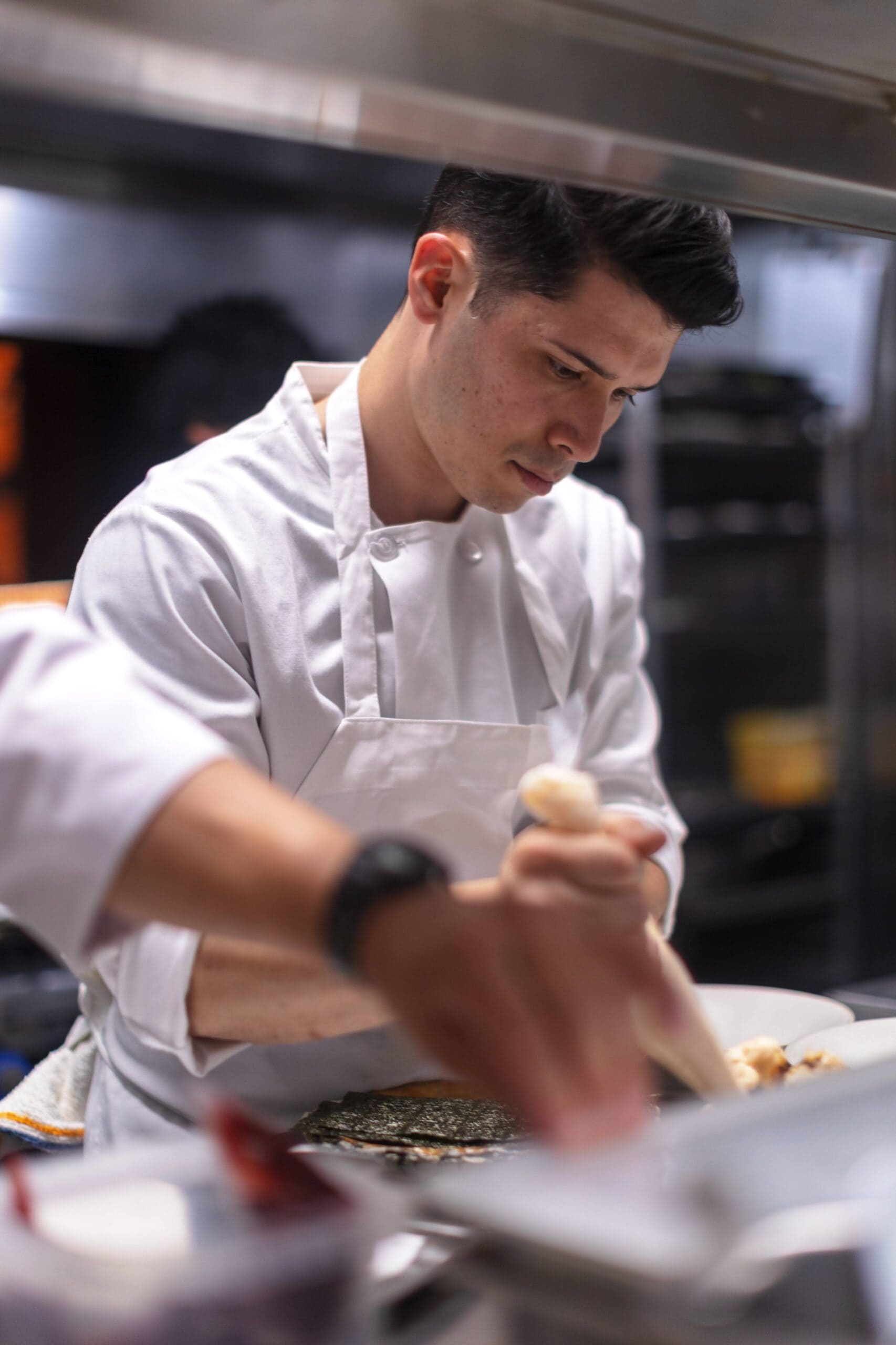
Finding inspiration beyond dining
Humans Of The Kitchen
Nostalgia, casual meets, and street food continue to bring new energy to the kitchen.
David Yoshimura
David Yoshimura’s relationship with food began at home, where meals became both a reward and a source of curiosity. Encouraged by his mother’s cooking, he began experimenting in the kitchen at a young age, trying to recreate dishes he had seen on television. By 15, he was already working in restaurants, starting as a dishwasher and gradually discovering that cooking was more than just a job: it was something he wanted to dedicate his life to.
After studying at the Culinary Institute of America and spending time in Houston’s hospitality program, David quickly learned that education was only the beginning. A humbling experience in a busy Houston steakhouse pushed him to seek deeper hands-on experience, eventually leading him to Tokyo, where he worked at Nihon Ryori Ryugin. From there, years of demanding kitchens, mentors, and relentless perseverance shaped his approach to cooking and taught him the value of experience, grit, and continuous learning.
Today, David’s cooking is grounded in balance, seasonality, and umami, with the goal of bringing out the best in every ingredient. Opening his own restaurant and earning a Michelin star in its first year marked a major milestone, but for David, success has only reinforced how much there is still to learn. His focus now extends beyond the plate, from building meaningful industry relationships to creating a more sustainable restaurant through local sourcing and reducing food waste.
In this conversation with Humans of the Kitchen, David reflects on his journey, the lessons that shaped him, and his vision for a more sustainable hospitality industry.
Share your Journey
- Looking back at your childhood, was there a specific moment or memory that sparked your interest in food or cooking?
I always enjoyed food growing up. My mother would cleverly cook certain dishes if I performed well in school or achieved a goal. If I got straight A’s, we could have a steak dinner at Outback, that sort of thing. The incentives turned into a real interest, and my curiosity for food grew. Eventually, I realized I could start making my own food, so I began to experiment in the kitchen at a young age, trying to replicate dishes I had seen on T.V.
- Did you have another career or job before becoming a chef? How did those experiences influence your decision to pursue cooking?
I’ve only worked in restaurants my entire life. In fact, my first job was as a dishwasher when I was 15. Working in restaurants at a young age deepened my interest in cooking. Eventually, my interests at work overflowed into my personal life, and I found myself trying out recipes at home, trying to feed my friends.
- Did you formally study culinary arts, or are you self-taught? How has your learning journey shaped your approach to cooking?
I attended the Culinary Institute of America in Hyde Park and graduated with an associate degree. After I graduated, I returned to Houston and attended the University of Houston’s Hospitality program. My education at CIA provided a strong basis in French and other cuisines, while my short time at U of H gave me a general look at hospitality systems. Both were able to open some doors for me and provide a base of knowledge, but later it made me realize that education is nothing without experience.
- When did you first step into a restaurant kitchen? What was that experience like, and how did it shape your journey as a chef?
When I attended college in Houston, I worked at a turn-and-burn steakhouse and quickly realized my culinary degree from CIA meant nothing without intense hands-on experience. The experience was extremely humbling and made me realize I needed to dive deeper into cooking. So I dropped out of U of H and flew to Tokyo, Japan, to work at the most acclaimed restaurant at that time, Nihon Ryori Ryugin. I was completely out of my depth, but I learned an extreme amount in a short amount of time.
- What were some of the early challenges or obstacles you faced when you started in the kitchen, and how did you overcome them?
Similar to other young cooks, I struggled with an eye for high-level detail and working efficiently. It took years of relentless berating from my superiors to instill valuable lessons that remain with me to this day. Honestly, I overcame them through grit and tenacity. Throughout my career, I’ve had many chefs tell me I would not make it.
- What keeps you inspired and how has that inspiration driven you throughout your professional journey? Especially during tough times in the kitchen?
When I’m at home with loved ones, cooking a nostalgic dish keeps me engaged and helps me work through things. It’s usually when I’m cooking with relaxed ease that my best food comes out. Also, dining out at all restaurants, casual or fine dining, keeps me inspired. I could be eating Korean BBQ in L.A. or street food in Asia, and these experiences will reignite my love for food.
- Can you recall a moment in the kitchen that marked you forever? Maybe it was an interaction with a mentor, a fellow cook, someone you fed, or a situation that challenged you in a way that shaped who you are today?
There was one sous chef in New York who challenged me immensely when I was a young chef. There wasn’t one interaction, but rather a sum total of my experience working with him. It was equally the most challenging and rewarding time of my life. I learned an incredible amount of cooking knowledge in a short amount of time.
- As a chef, how would you describe your philosophy in the kitchen, and how does it guide your approach to cooking and leadership?
A lot of my cooking style revolves around balance, seasonality, and umami. I try to draw out the best flavor from each ingredient while still maintaining a balance of flavor for the overall dish. I hope my leadership style can be perceived as balanced, with an emphasis on focus as well.
- Can you share a time when cooking or the camaraderie in the kitchen helped you through a tough period in your life? What made that experience meaningful?
Cooking has always been present in my life, and my relationship with cooking ebbs and flows, similar to a relationship with a life partner. When I was younger, sometimes I was in love with cooking; other times, I would disdain it. Eventually, I learned that regardless of my feelings towards cooking, it was always there, and I eventually accepted cooking as a part of my life. At this point, I can use cooking as an outlet for my personal feelings and push my tough periods of life out through my craft.
- Reflecting on your career, what achievements or milestones are you most proud of, and what do they mean to you?
Opening my restaurant and achieving a Michelin star within the first year was a huge milestone for me. The same year, I received the Young Chef Award, which was a nice cherry on top. This was a very nice milestone for me, but reflecting on it makes me humbled. Once you achieve any degree of success, you realize there are many more talented professionals around you, and there is still so much to learn.
- What aspects of restaurant culture do you love, and what parts do you find frustrating or problematic? Are there any changes you’re actively working toward or things you hope they change in the industry? Share the reasons behind them and how they align with your vision for a better culinary world?
I enjoy the relationships and connections made through restaurants. The longer one stays in the industry, the more acquainted you eventually become with so many interesting people. These relationships are precious, and I’ve found that all industry people lean on each other for support.
Food waste is one of the most frustrating parts of this industry. We’ve been actively working towards a greener, more sustainable restaurant each year. I hope in the future more green initiatives will become commonplace in all restaurants.
- What are your hopes for the future of the restaurant and food and beverage industry? What changes would you like to see, and how are you contributing to that change?
I hope the future of hospitality looks inward towards a more sustainable path. Working with the farms that surround each restaurant is the first step, while taking steps to eliminate food waste is the next. At Nisei, we source as much local product as possible and practice sustainable cooking. It benefits the local community and reduces food costs; it’s a win-win scenario if we put in the effort.
Photo credits:
Jason Leung @Xninjason &
Adahlia Cole @hungryhungryhooker
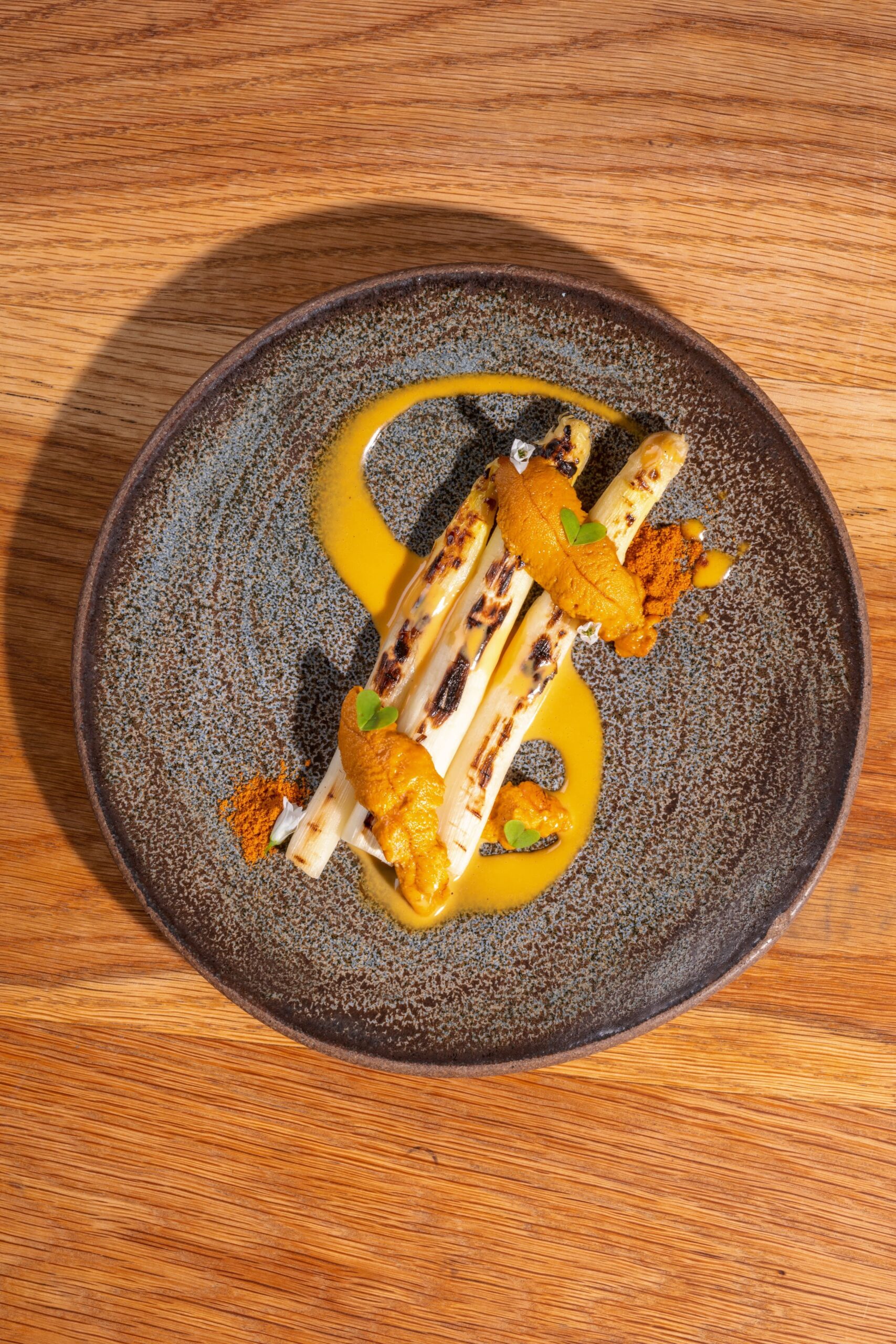
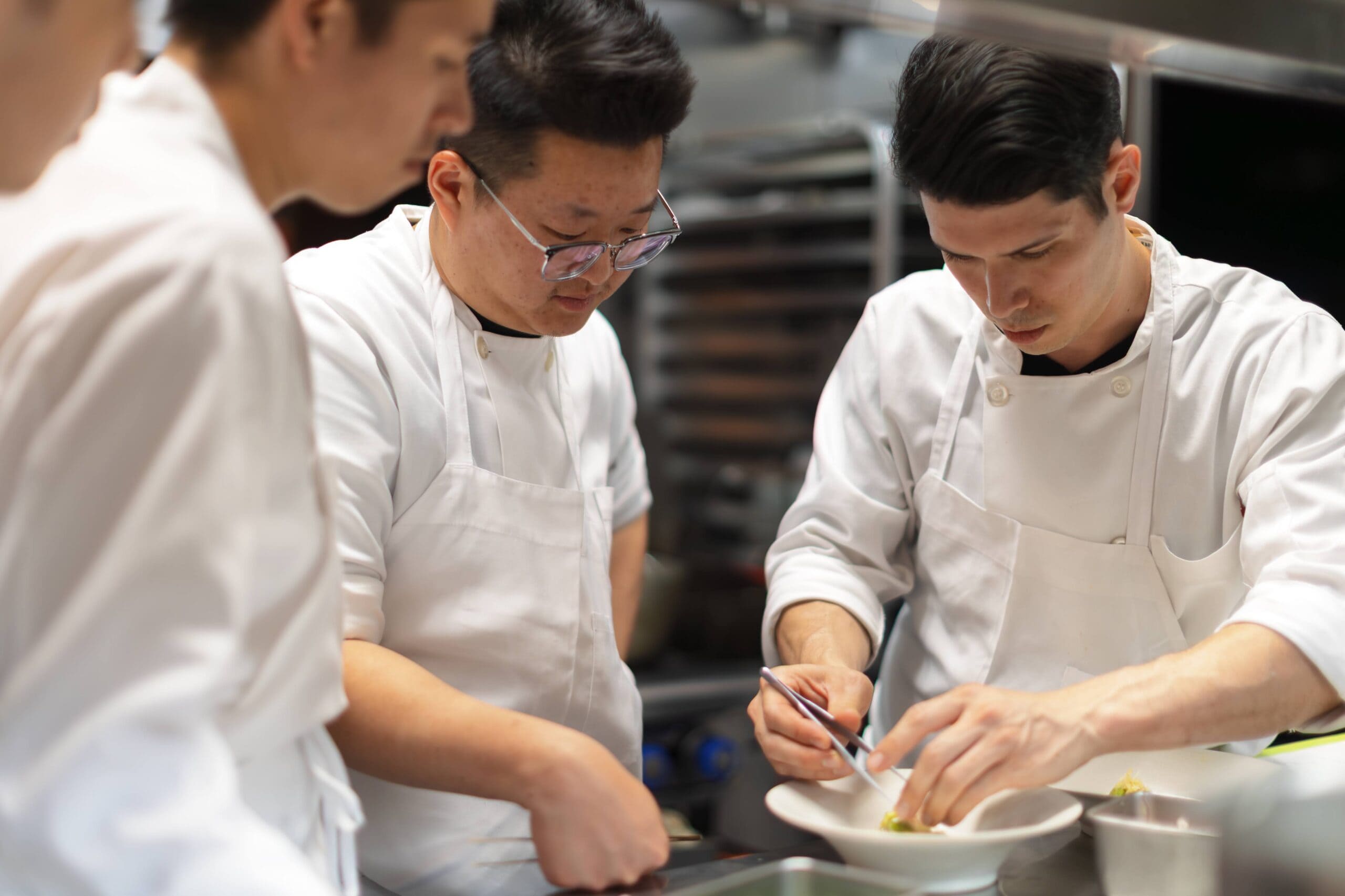
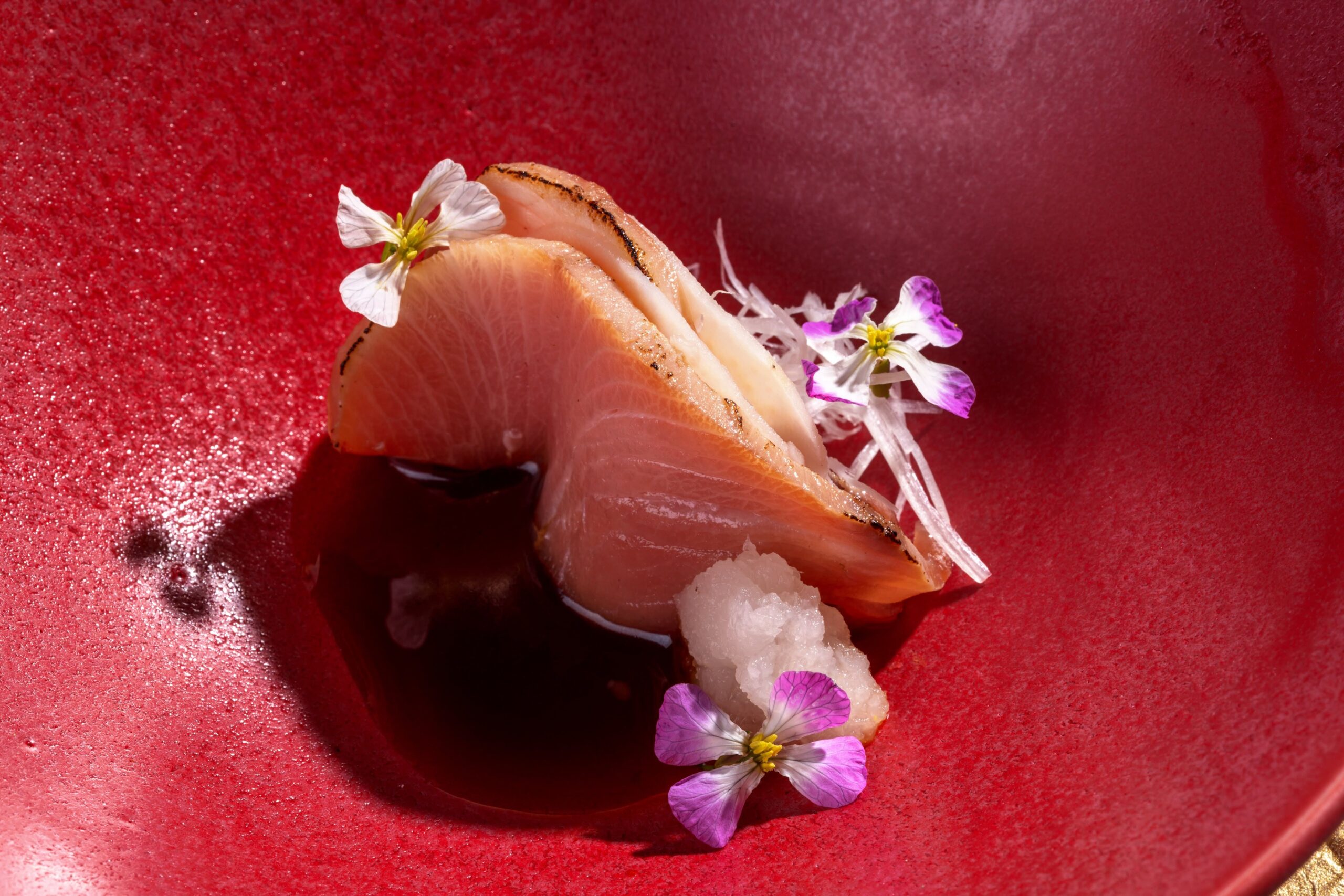
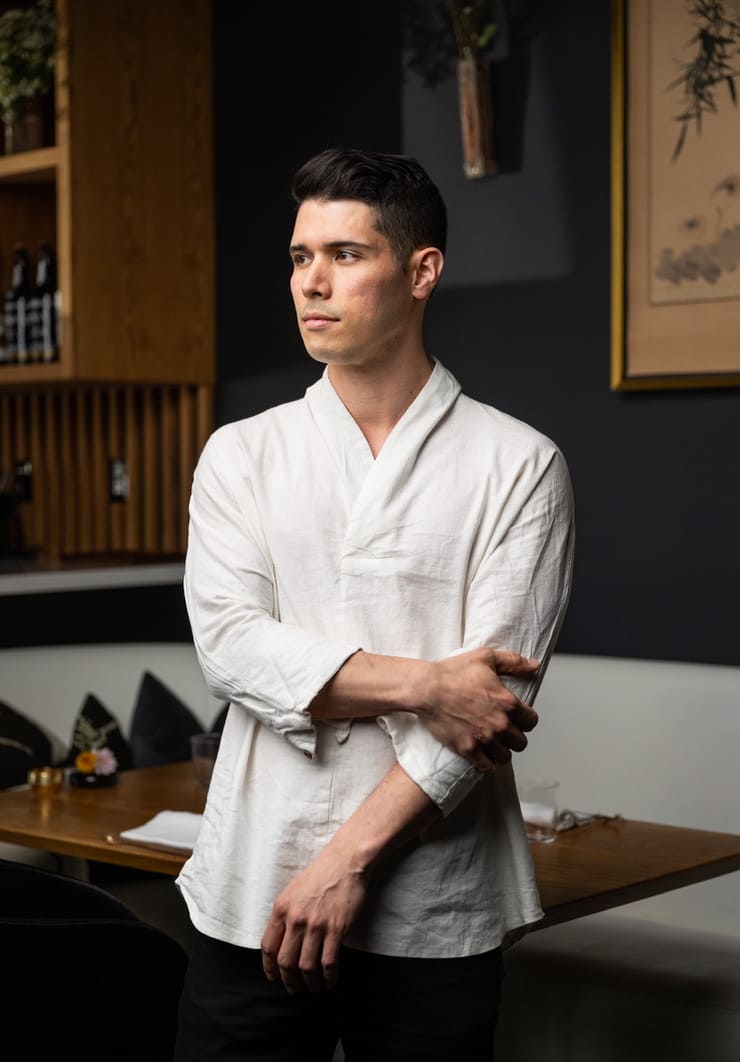
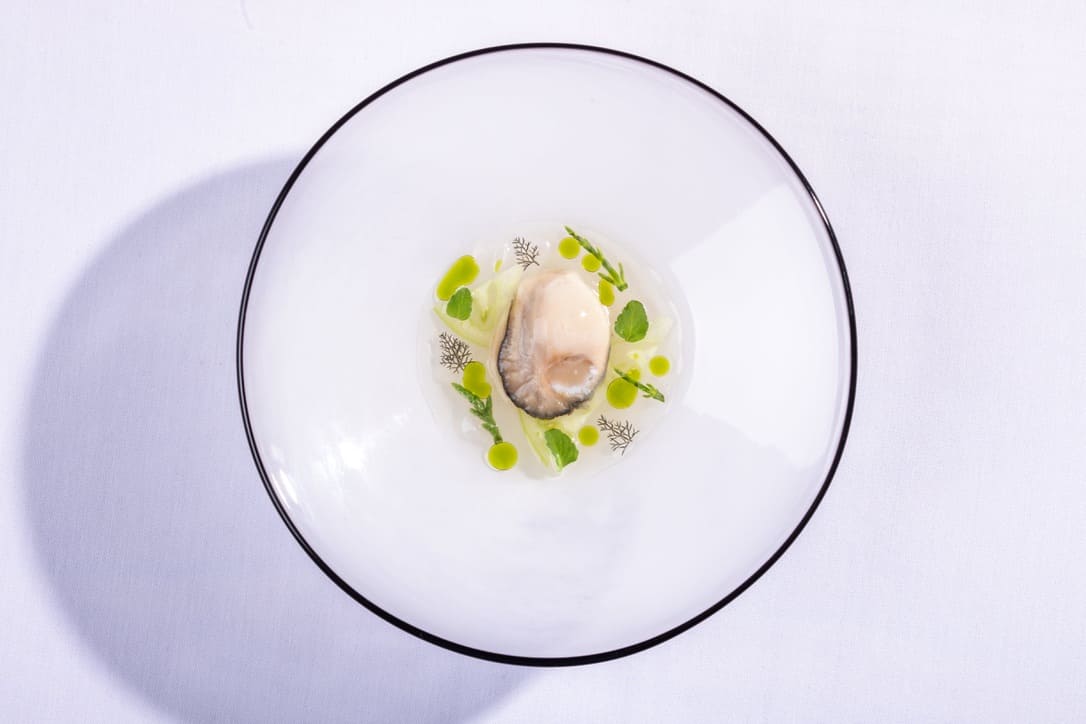
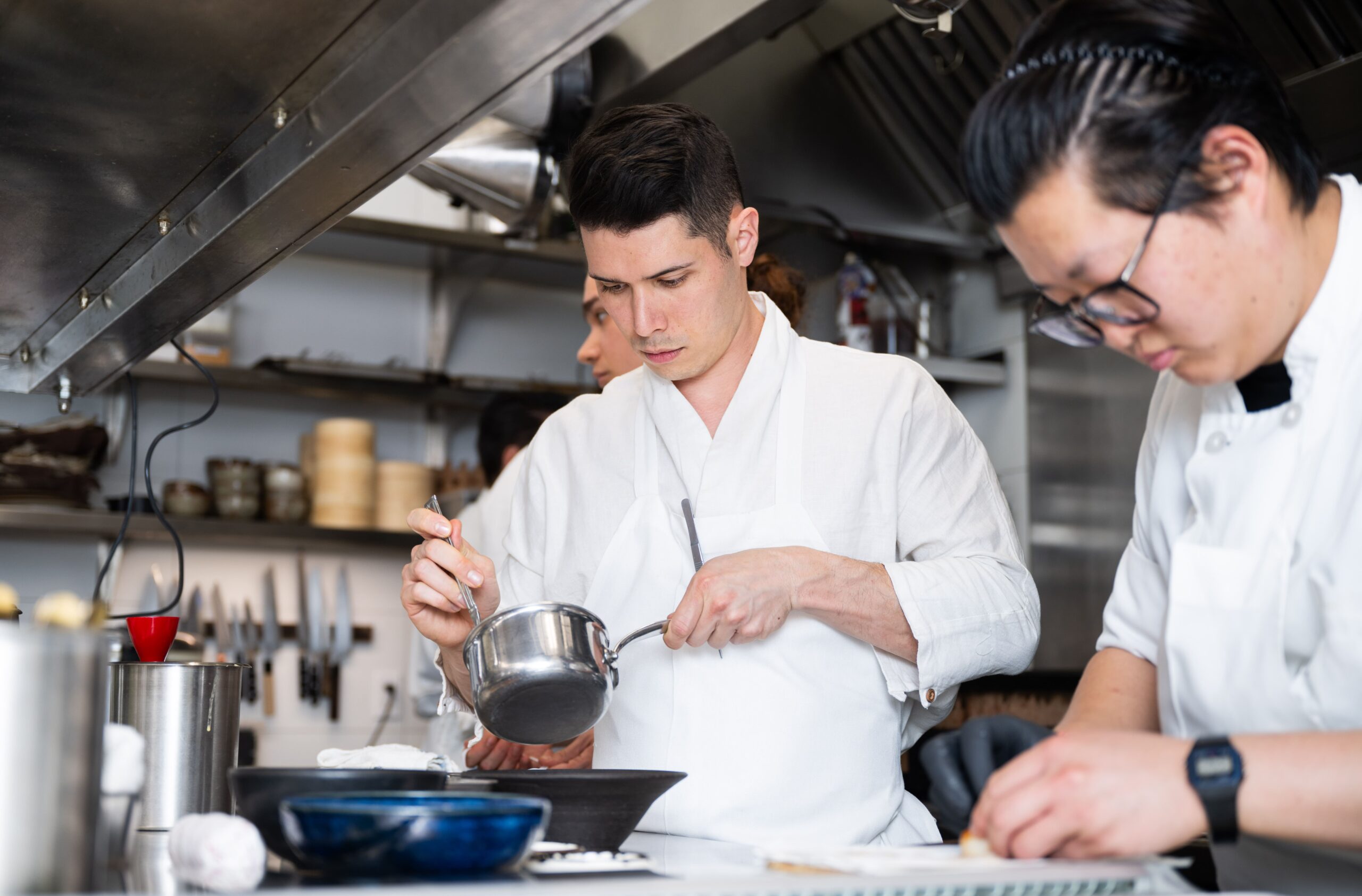
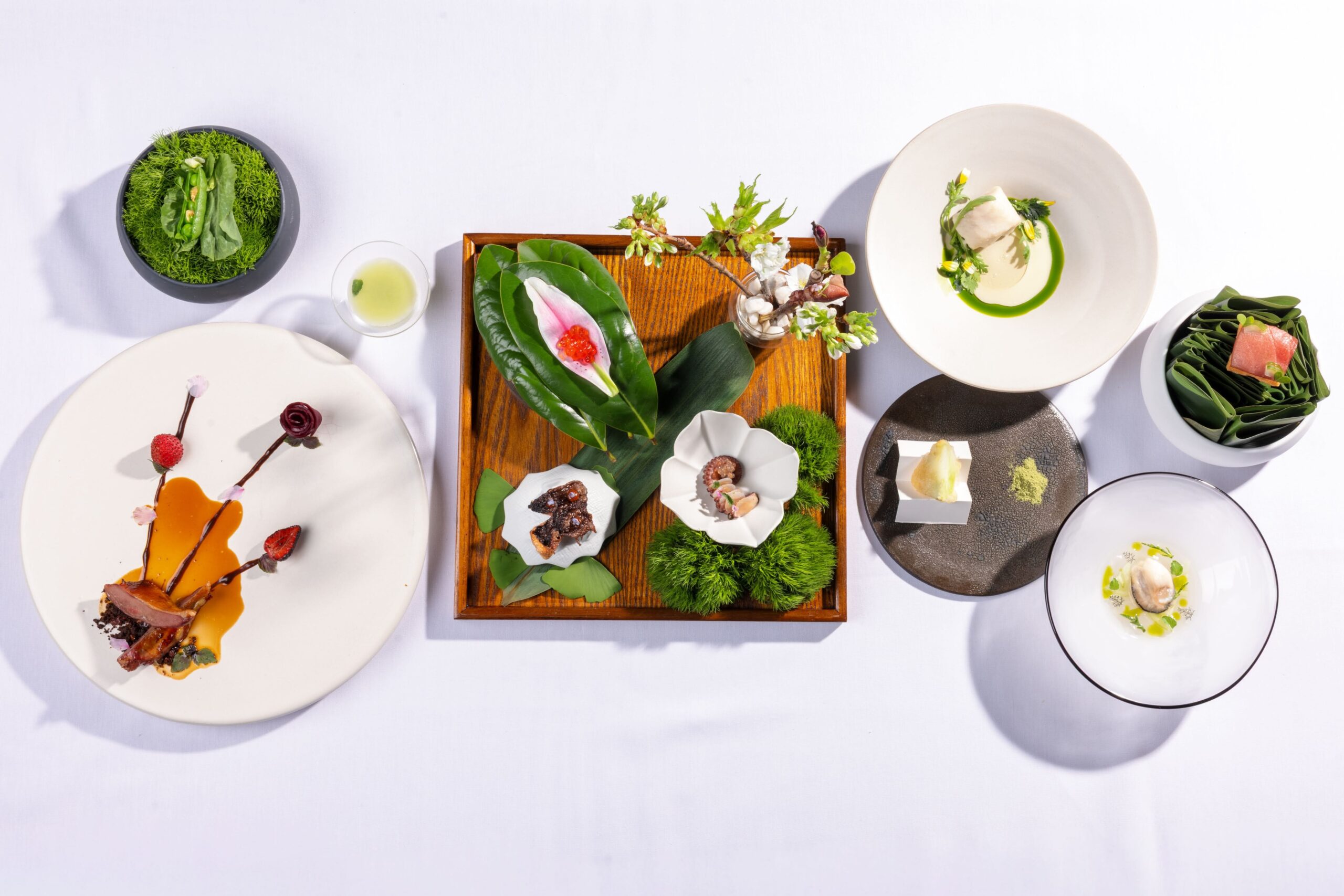
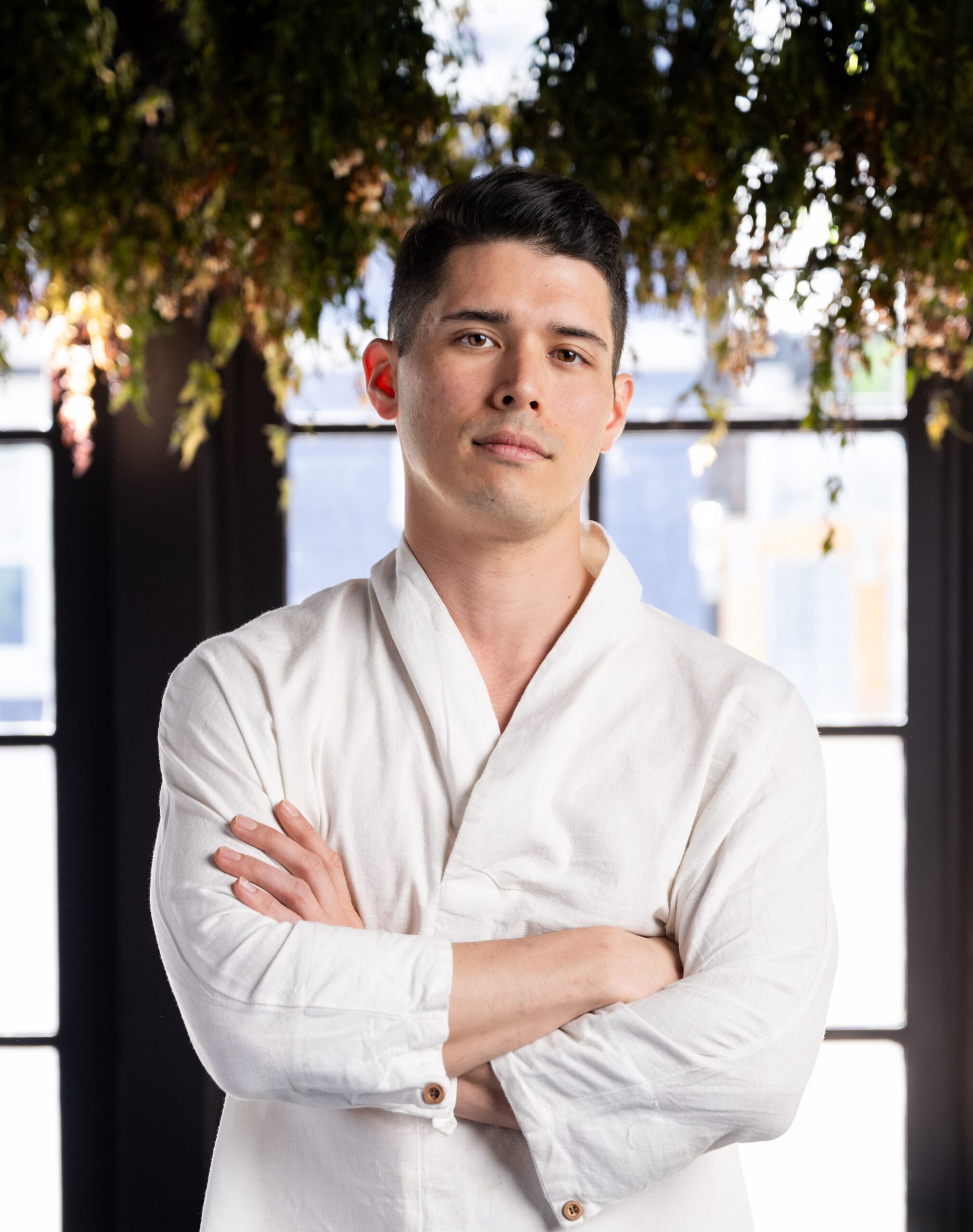
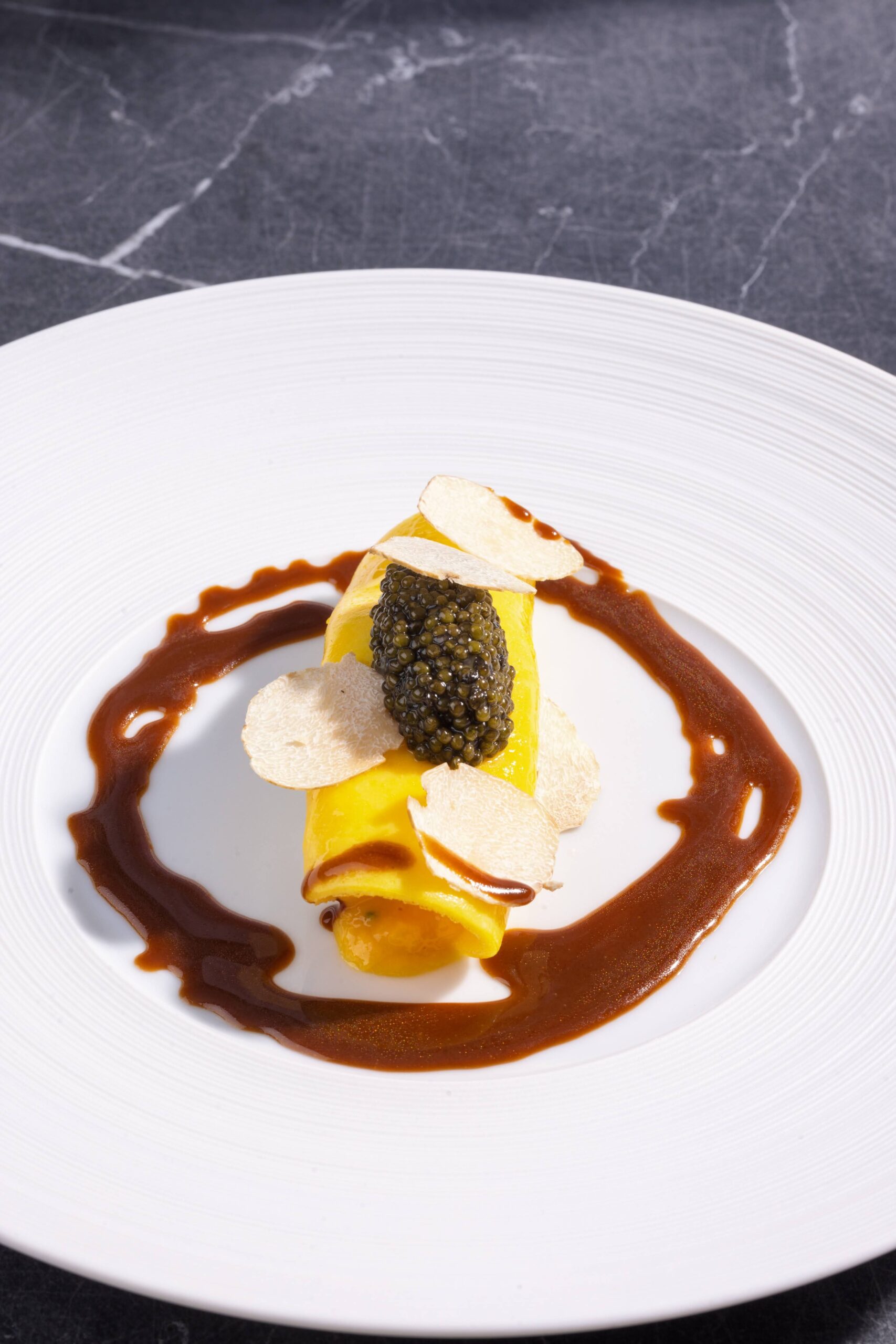
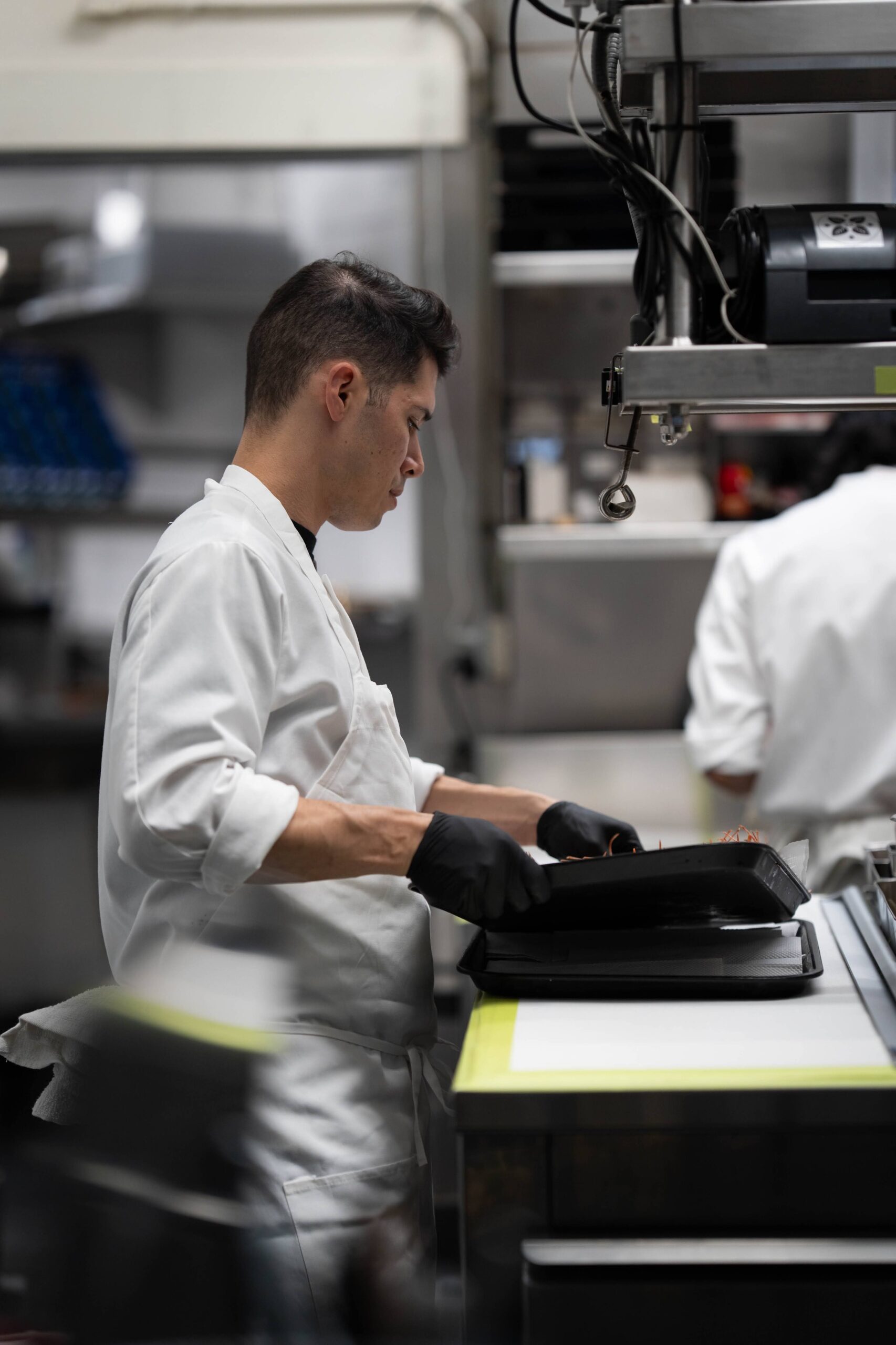
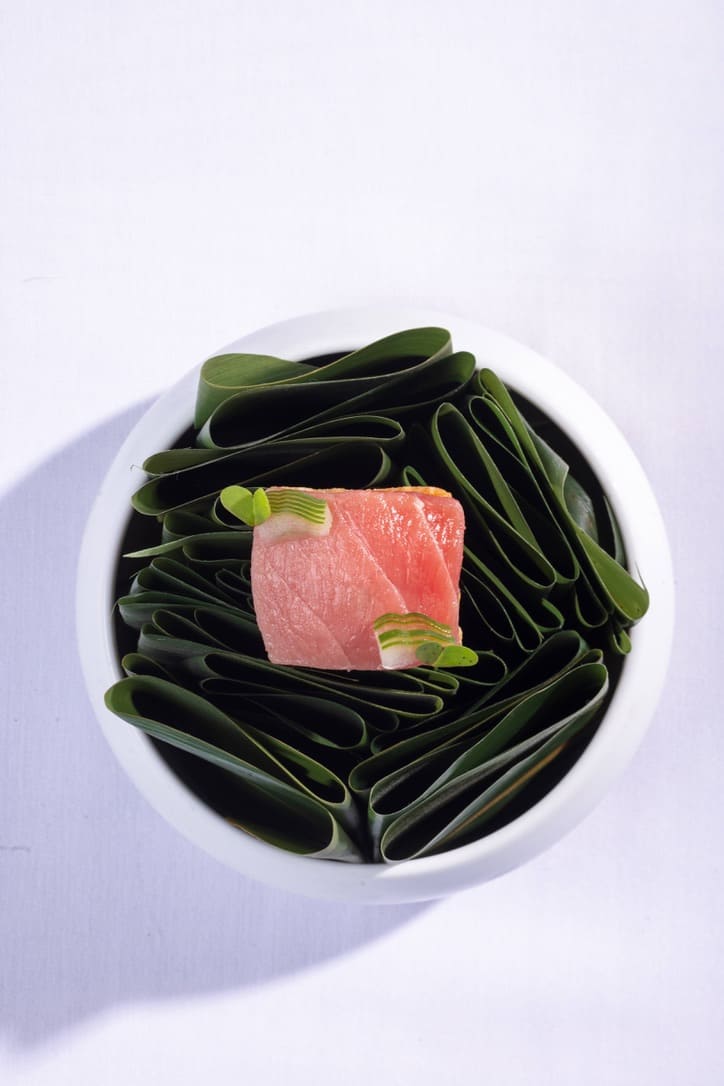
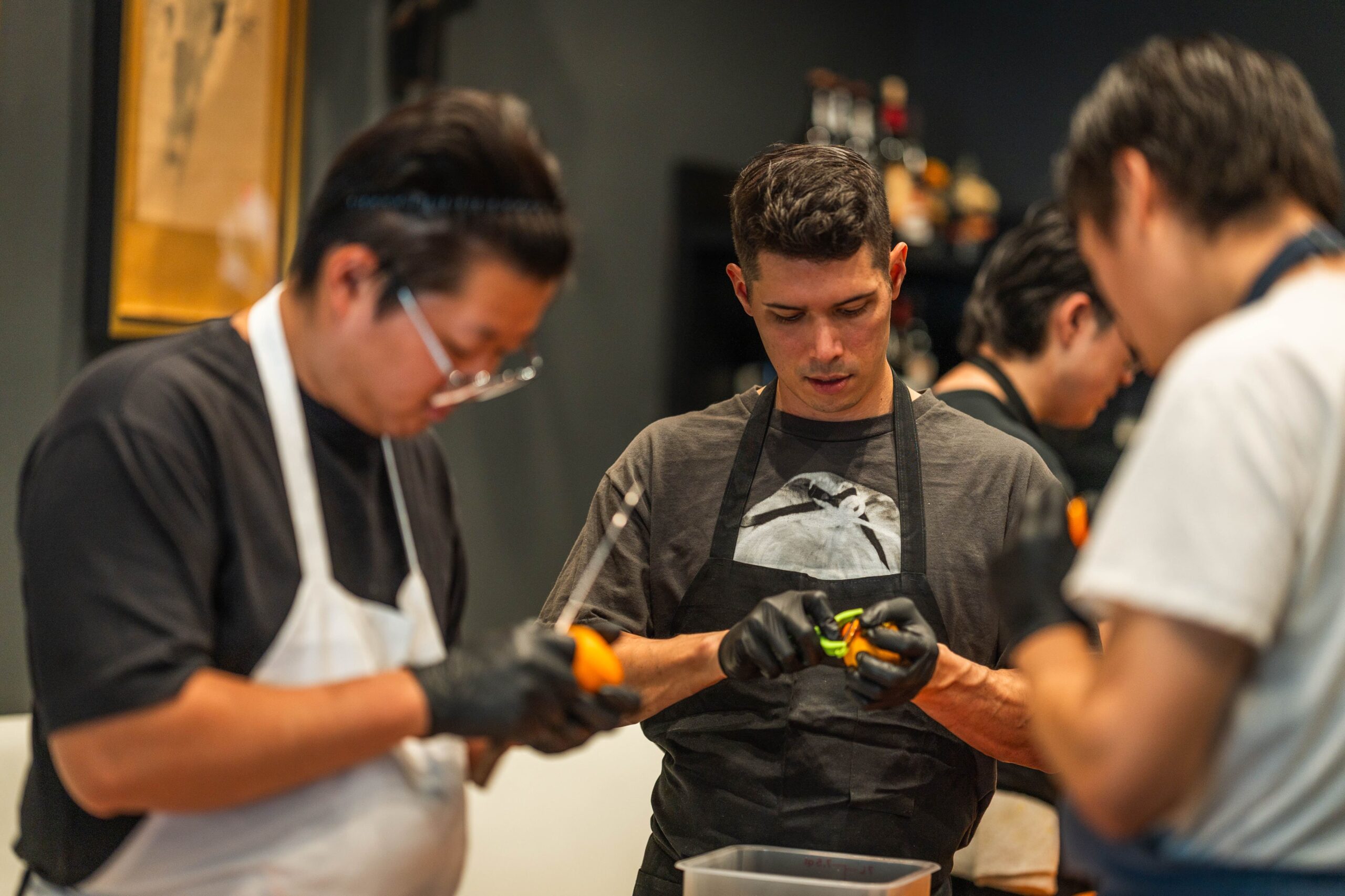
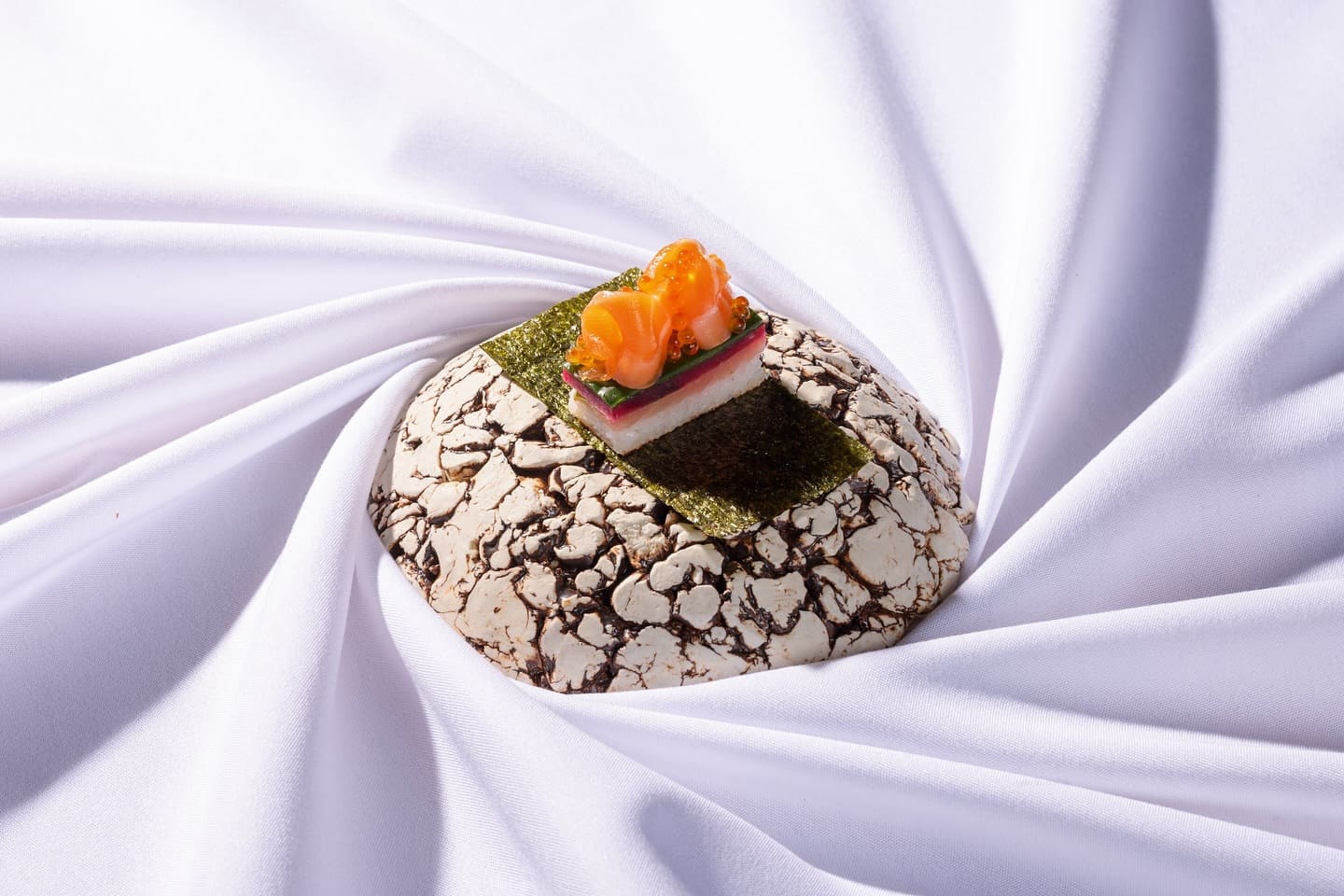
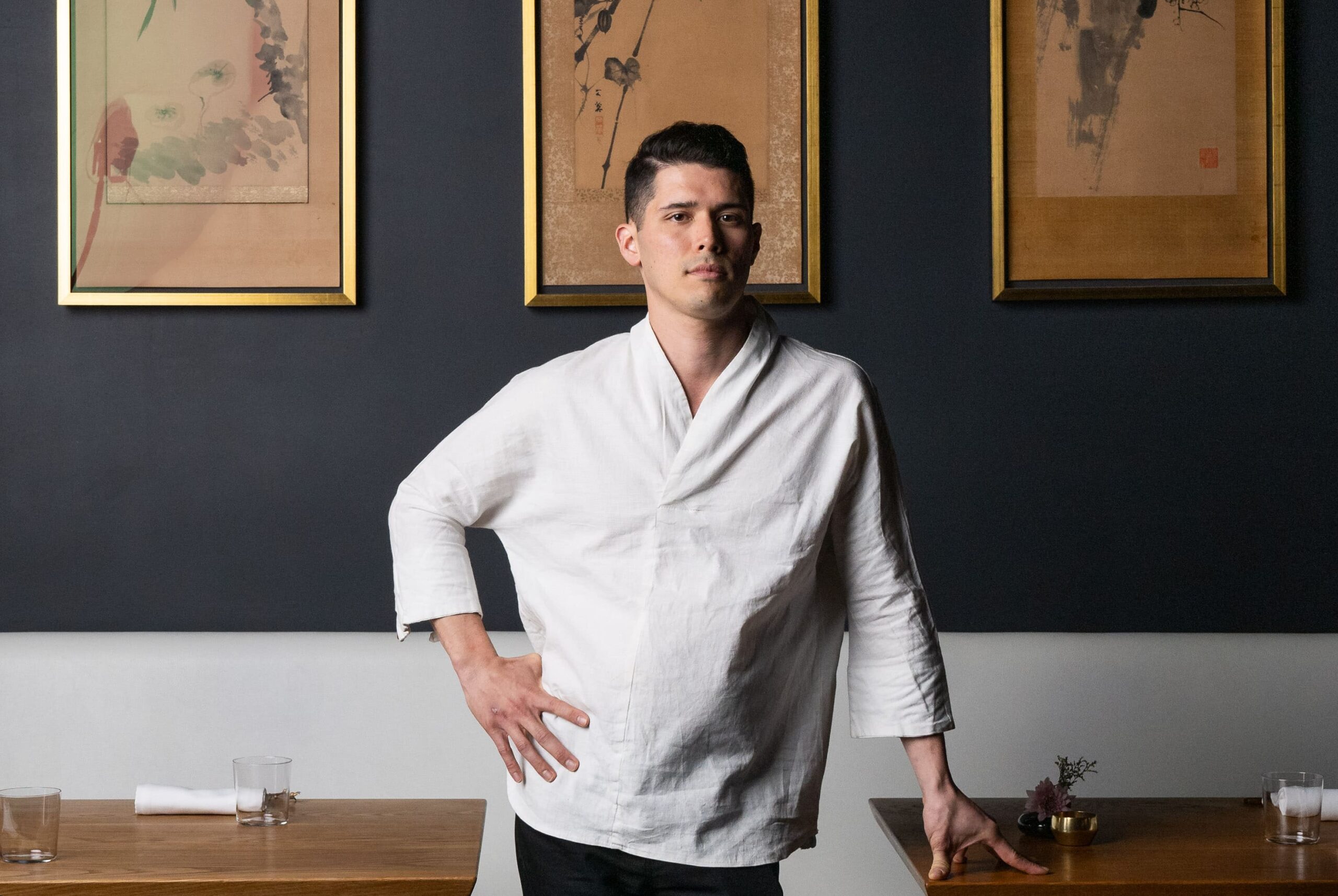
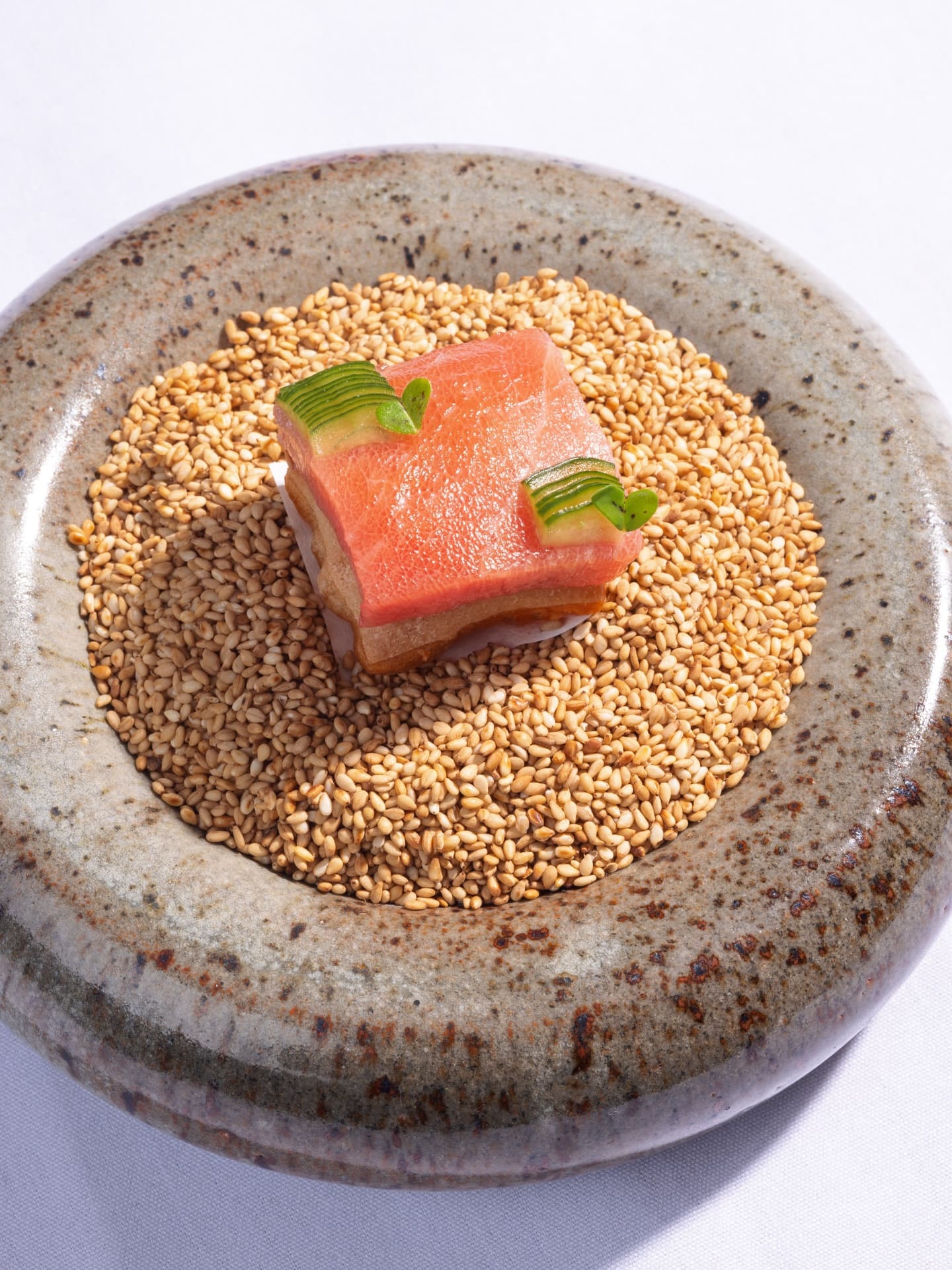
Secret Sauce
- What’s the most unexpected ingredient you’ve ever worked with, and how did it change your perspective on cooking?
Nagaiimo is a fun ingredient to work with, Japanese mountain yam. It’s a long, tubular starch that, when peeled or grated, becomes a viscous slime. It’s delicious on soba, rice, or incorporated into okonomiyaki. Most Americans hate slimy vegetables, while in Japan, the texture is enjoyed in various ways. Each culture has their preferences, but depending on how you utilize the ingredient, you can find a medium that works for everyone.
- What’s your “guilty pleasure” meal?
Ribeye steak, Caesar salad, and a dry martini.
- A food trend that you hate and why?
Plating on people’s hands. It’s just unhygienic.
- What’s the craziest shift you’ve ever worked in the kitchen?
I once got into a bike accident the night before and chipped my tooth, but the next day we had an event serving 400 people. I was the point person as the Chef de Cuisine. This was for the James Beard Gala in San Francisco.
5. What happened, and how did you manage to get through it?
I woke up, Gorilla Glued my tooth in place, and went to work. Painfully, I pushed through the entire event with a lot of adrenaline and painkillers. My body was so physically exhausted that I’ve never slept better in my life. And I found a great dentist the next day.
- What tips would you give to other cooks and chefs to help them navigate their culinary careers and find peace amid the chaos of the kitchen?
During chaotic moments in the kitchen, keep a calm mind. Become solution-oriented rather than problem-focused. Turn on a positive attitude and execute to the best of your ability.
- What’s an underrated ingredient and why?
Rice. It is one of the most versatile ingredients, and every culture appreciates it.
8. What’s a must-try dish from your kitchen or the one you’re proudest to have prepared?
Uni, nori ice cream, konbu tsukudani, candied almonds, and almond milk sea foam.
About Your City!
San Francisco, California
- If Anthony Bourdain or a chef came to your city, what would be the perfect tour itinerary from breakfast to dinner?
Begin with breakfast at Swan Oyster Depot.
Next, Irish coffee at Buena Vista.
Walk to the Ferry Building Farmers’ Market for a tour.
Lunch in Chinatown—Hon’s Wonton, or somehow convince Four Kings to open for lunch for us.
Day drink at Zeitgeist.
Dinner at Californios or House of Prime Rib.
Late-night drinks at Bar Iris.
Neighborhood for them to stay in: Japantown.
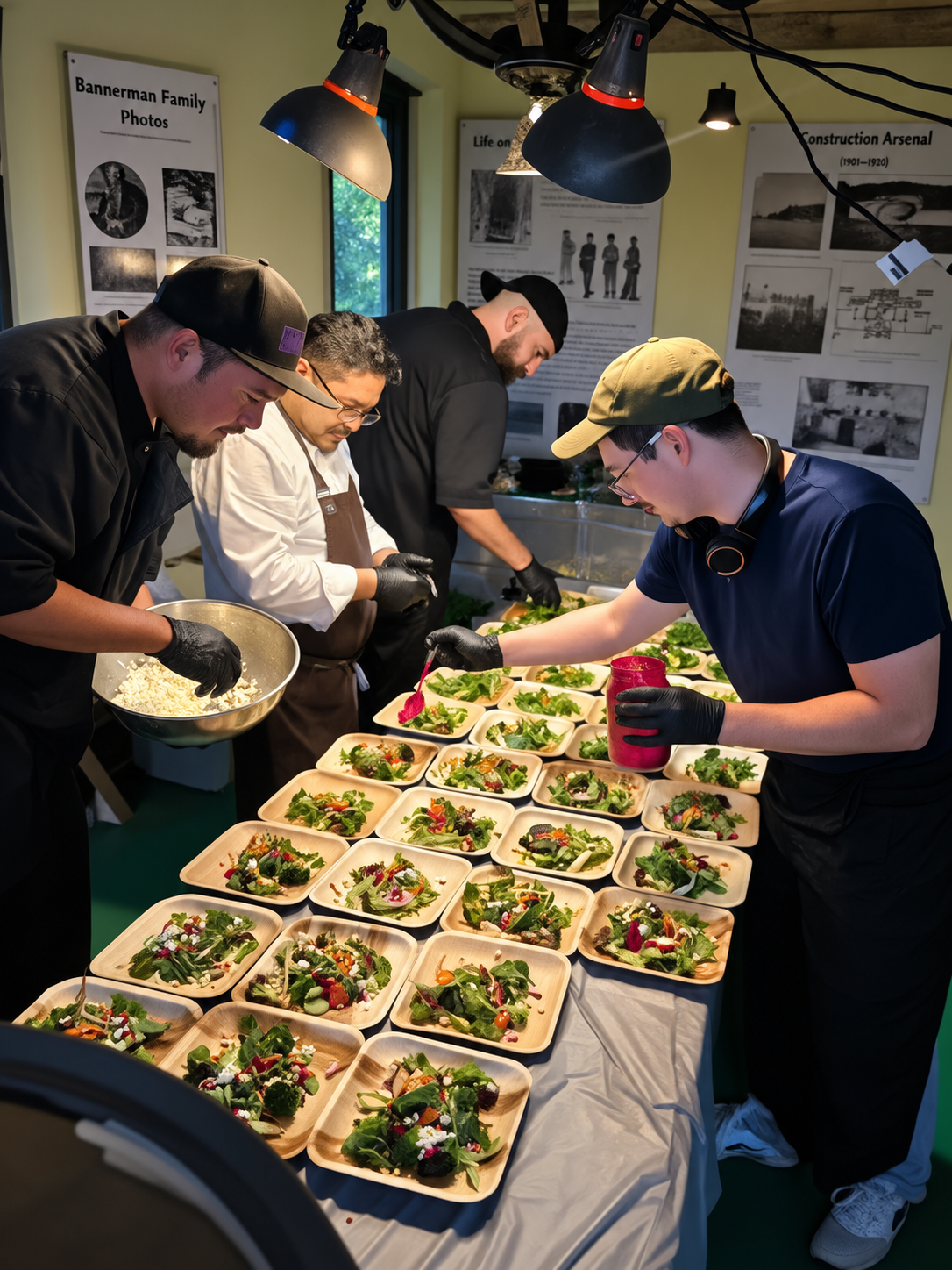
Between the land and the plate
Humans Of The Kitchen
Early memories of foraging, hunting, and cooking made food a lesson in connection and possibility.
Scout Metzler
Scout Metzler grew up close to the land, where food wasn’t just something you ate, it was something you understood.
Raised in upstate New York, surrounded by hunting, foraging, and kitchens that valued the process as much as the plate, his connection to cooking started early. Washing dishes, prepping, doing whatever he could just to stay close to it.
Over time, that turned into years spent working in every position, learning from different kitchens, and building a deeper connection to the ingredients and the processes behind them.
Now, that experience shapes how he sees the industry. Not just as a place to cook, but as a space that needs more honesty, more support, and more care for the people in it.
In this conversation, Scout talks about the path that got him here and the kind of kitchens he believes are worth building.
Share your Journey
I’m a chef born and raised in upstate NY, where I can remember kids fighting on the school bus over who stole whose popover recipe. Food is a big part of life in many ways, but for me, growing up around hunting, butchering, and foraging, I was taught early how much time and knowledge are required between the farm or forest and the plate. I remember as a kid in school, I couldn’t wait to work in a restaurant kitchen. At 13, I was working in a local cafe doing dishes, prepping, cooking, anything I could do to learn the trade.
By 15, I was working in a corporate-run boarding school kitchen where I met the Chefs Consortium. That’s when I started to take a culinary career more seriously. While the school went on summer vacation, I continued working in local restaurants and catering fundraiser events with Chefs Consortium to keep honing my skills. Since then worked every position from prep to expo in kitchens across New York and the Berkshires.
I worked all 7 stations at a classic family-owned Italian restaurant. I learned about all dietary restrictions while working in schools and a nursing home. I’ve cooked over wood fire in fields and on islands. I’ve apprenticed and studied foraging for the last 11 years. I worked as an apprentice baker at Le Perche in Hudson before the pandemic, making baguettes and sourdough in a wood-fired oven, as well as a variety of viennoiseries. Greg at the Down the Road Butcher taught me the true art and particulars of butchering.
I have a connection to the ingredients I use, from where and how they were grown and harvested to how they are presented in a dish and on the plate. I’ve most recently helped manage a few culinary businesses in hopes of creating an environment where others can succeed and fall in love with this industry, as I have.
- How long have you been in this industry?
17 years.
- Was there a moment in the kitchen that marked you forever or caused a shift in your life? If so, could you share it?
Being exposed to very talented chefs at a young age who taught not just ingredients and technique, but also insight into why a dish is made a certain way or where it originated, showed me there was a lot more to food than survival, presentation, or flavor. It connects us all. I was taught things like “when times get tough stay close to the fire” “push like a lion every day” “when you get comfortable its time to change” “the energy you put into the food, the customer gets out” “we can’t predict the waves but we can learn to surf” “respect for food is a respect for life, for who we are and what we do.”
- What was your first connection with food? Please share with us the moment that marked you forever.
Eating sour wild wood sorrel on the edge of the woods, seeing my father harvest deer to feed our family, are some of the earliest memories, but my older brother learning to make an omelet at school and coming home to make them for us all around the age of 7 showed me that anyone can learn to cook.
- In your experience as a chef, what are some specific aspects of the culinary industry culture that you believe need improvement or transformation? Are there particular challenges that you think should be addressed to enhance the industry as a whole?
The status quo, across the culinary industry, hasn’t been good enough for a long time. Age discrimination in both directions. Always feeling like I’m the only one who has my own back has been scary. Chefs’ Consortium helped me realize we can have camaraderie and boost each other up rather than try to beat each other all the time.
The self-destructive lifestyle spreads easily through kitchens. I’ve experienced it firsthand, losing friends due to mental health and substance abuse, because no one wants to confront it. HOTK has helped me realize we aren’t alone, even on the backside of society.
- Did you study something else or work in another industry before culinary? What was it, and what made you change your mind and pursue a career in culinary?
I’ve always been interested in culinary arts, but I went to college for criminal justice, where I studied for 4 years. The more I studied, the more apparent the corruption of our system became. I also realized kitchens are the last free place in the world.
- Is there anything specific you hope will change or evolve in the industry?
I think honesty and open communication should be essential throughout the industry. Less cutting each other’s throats and more helping each other accomplish goals, uplifting and improving everyone together.
- If you owned a restaurant, what would you do differently from others? If you currently have one, what changes are you working on?
I would make sure everyone is constantly learning and pushing each other to improve our techniques, communication skills, and respect for ourselves, each other, the ingredients, the producers, and the kitchens we work in. If everyone goes home feeling like they have put their energy into a kitchen where their investment of self has not only been utilized to the fullest but also respected, cared for, and returned in some aspect, with more value than I have done my job.
- What tips would you give to other cooks and chefs to help them navigate their culinary careers and find peace amid the chaos of the kitchen?
My advice to other cooks would be: don’t falter on your own standards. If you don’t represent yourself, who will? Meditation and routine help when life seems chaotic. Always be open to learning something new. Take a second to breathe, drink more water, and push like a lion every day.
Photo credits:
Jane Feldman: @Janefeldmanphotography
Katie-Lee Bunn: @latie_kee
Ashley Palma: @smashingly.ashley
Aly Philips
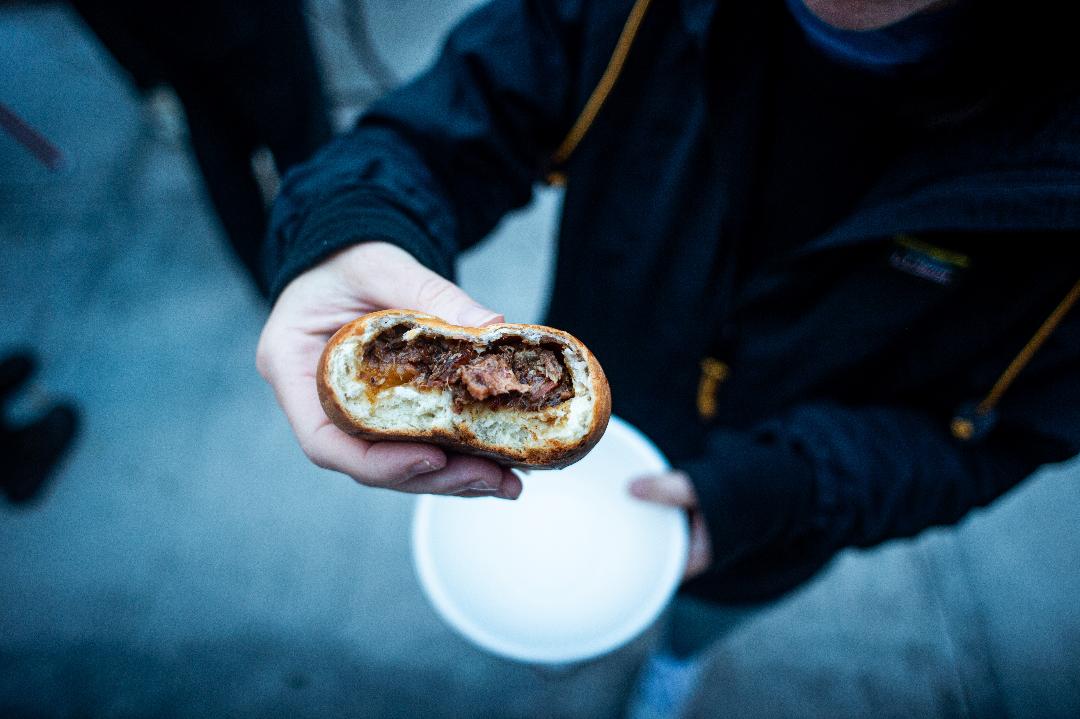
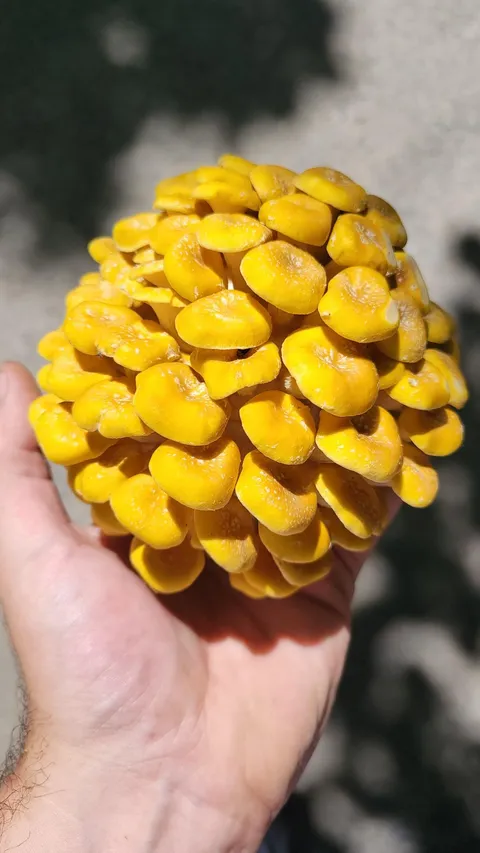
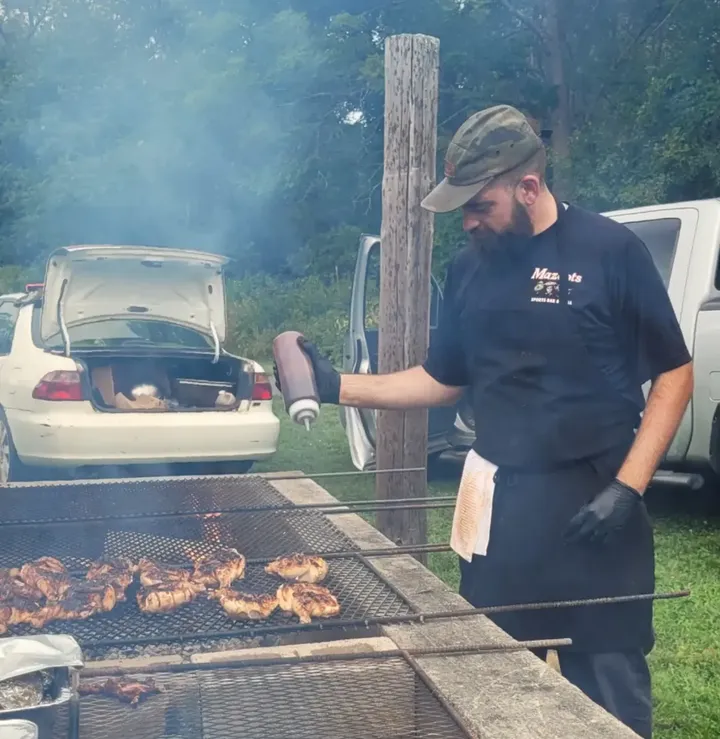
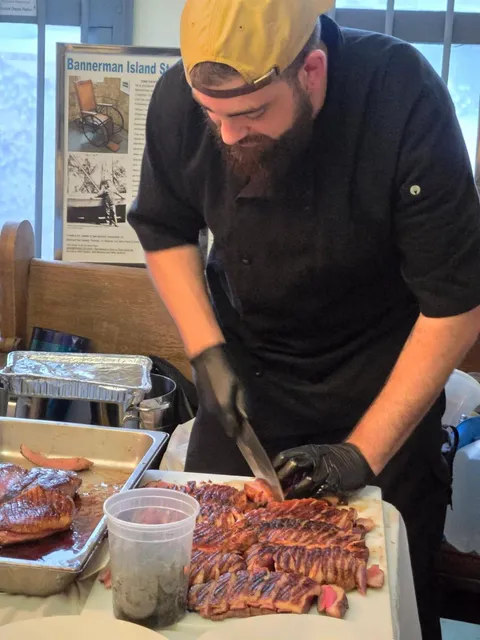
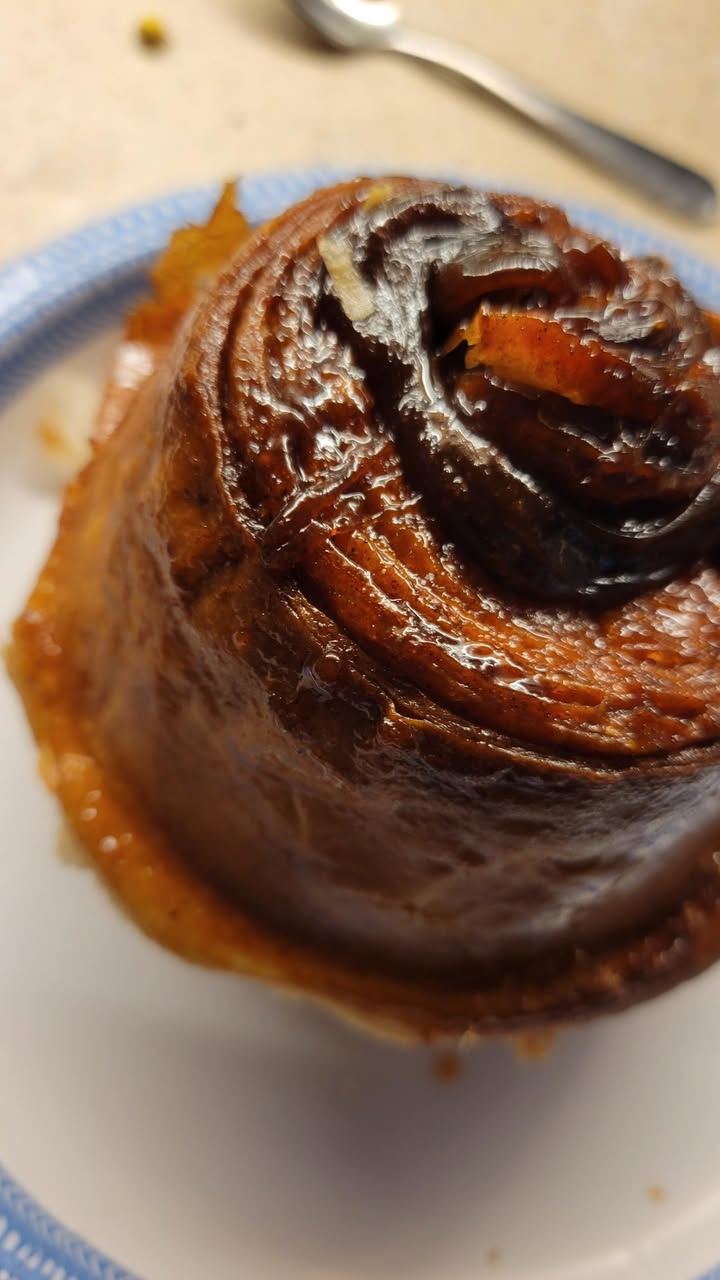
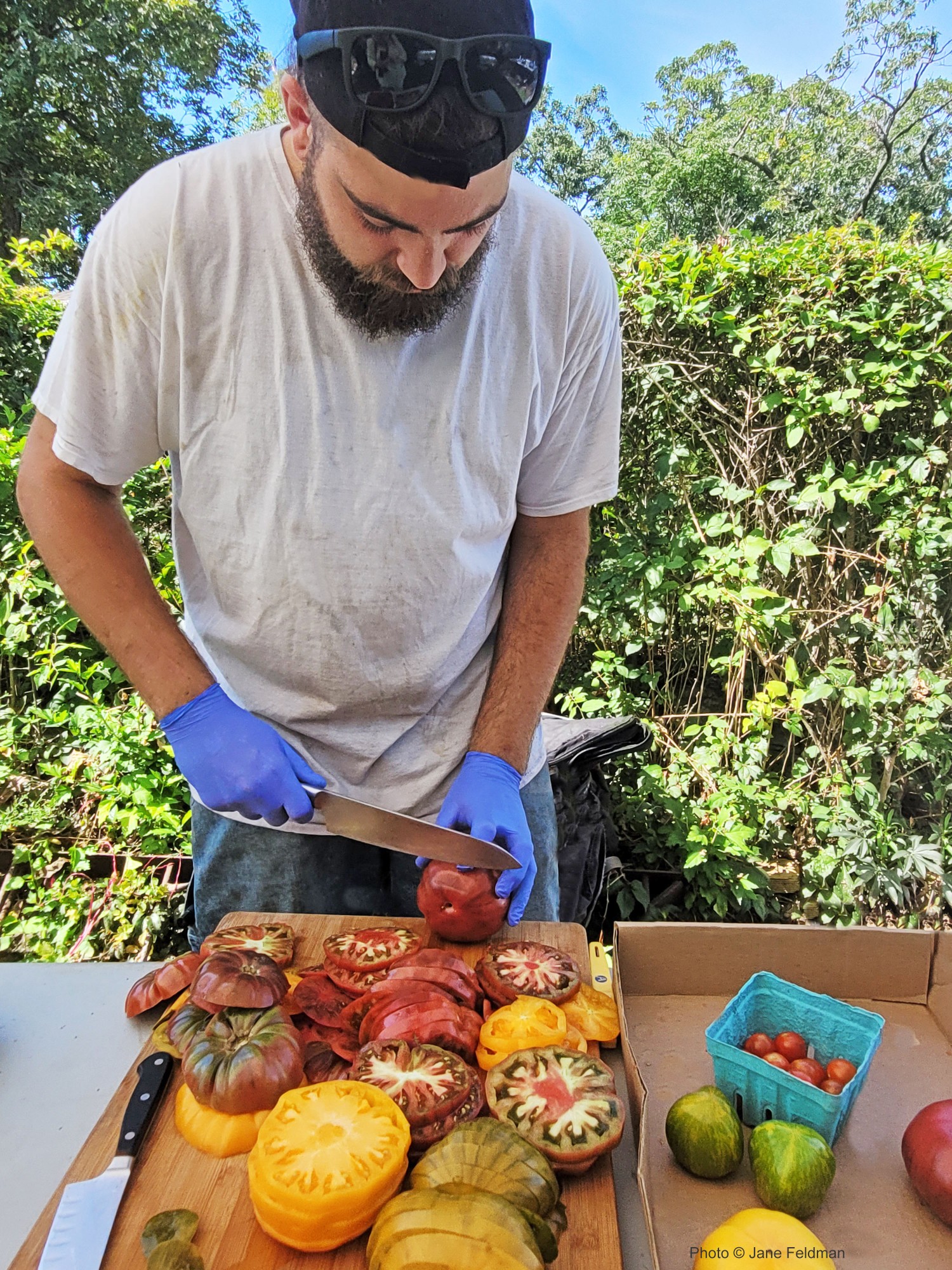
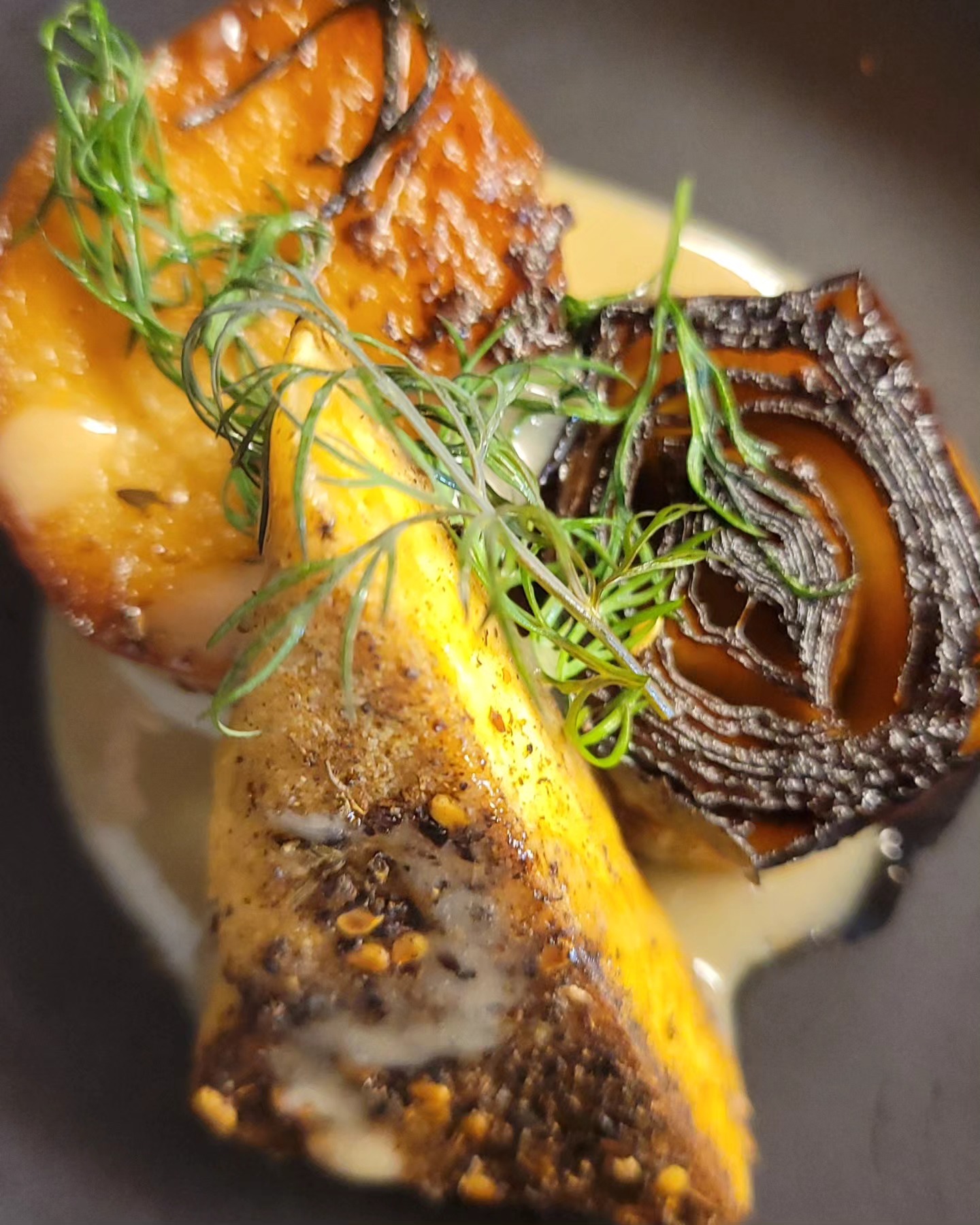
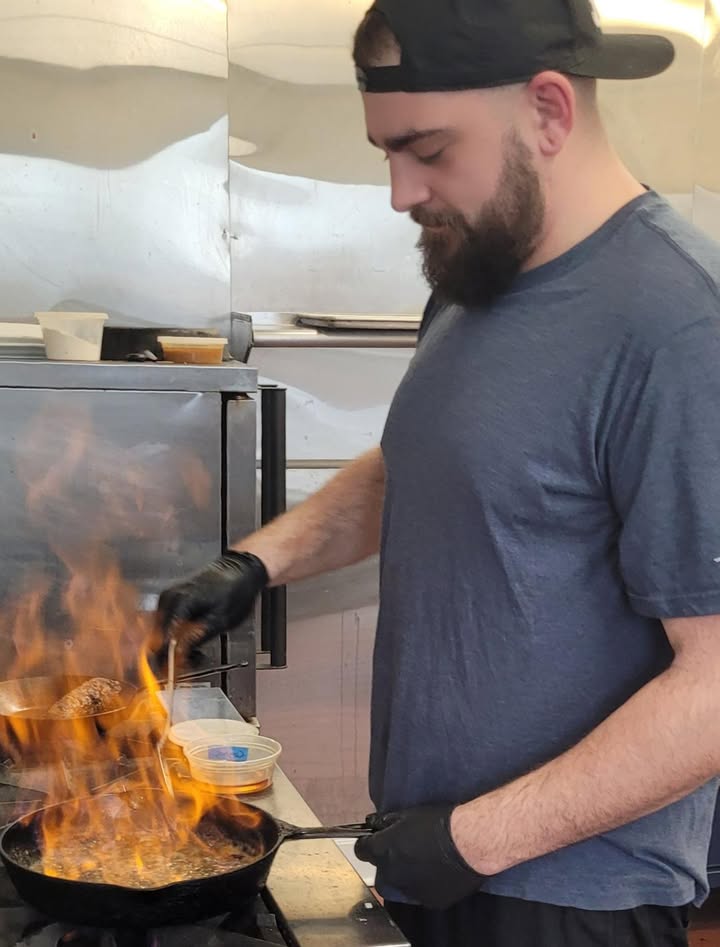
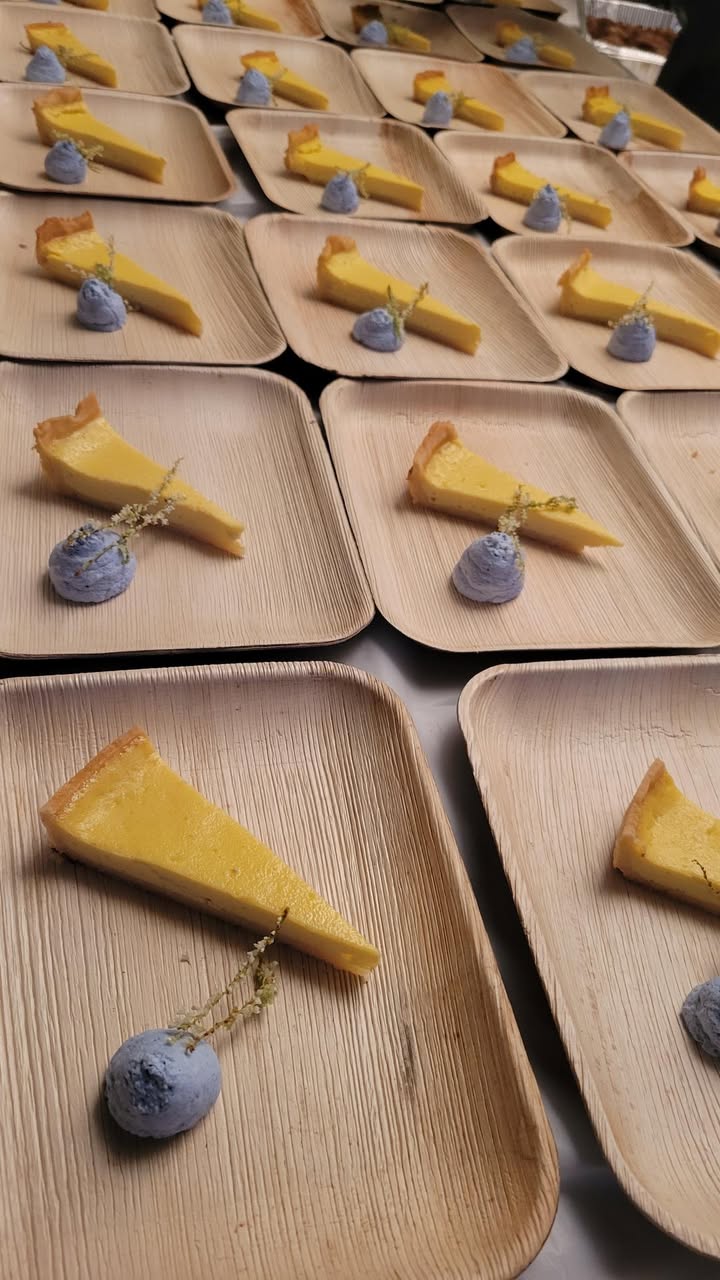
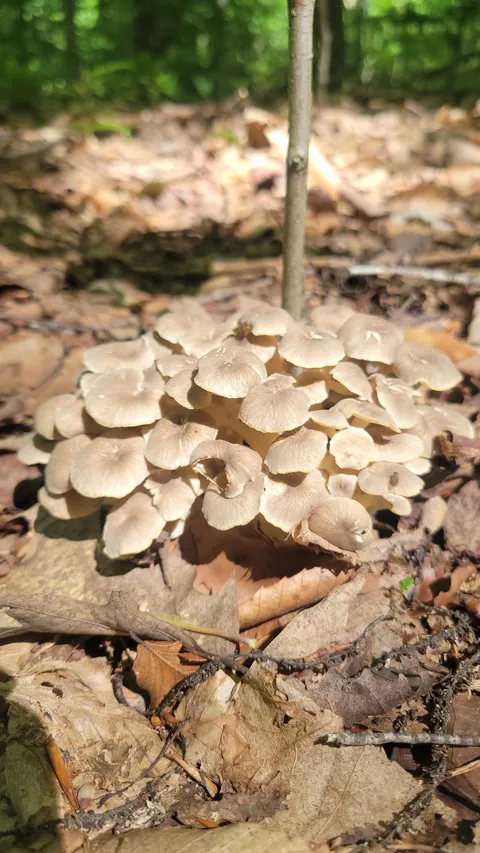
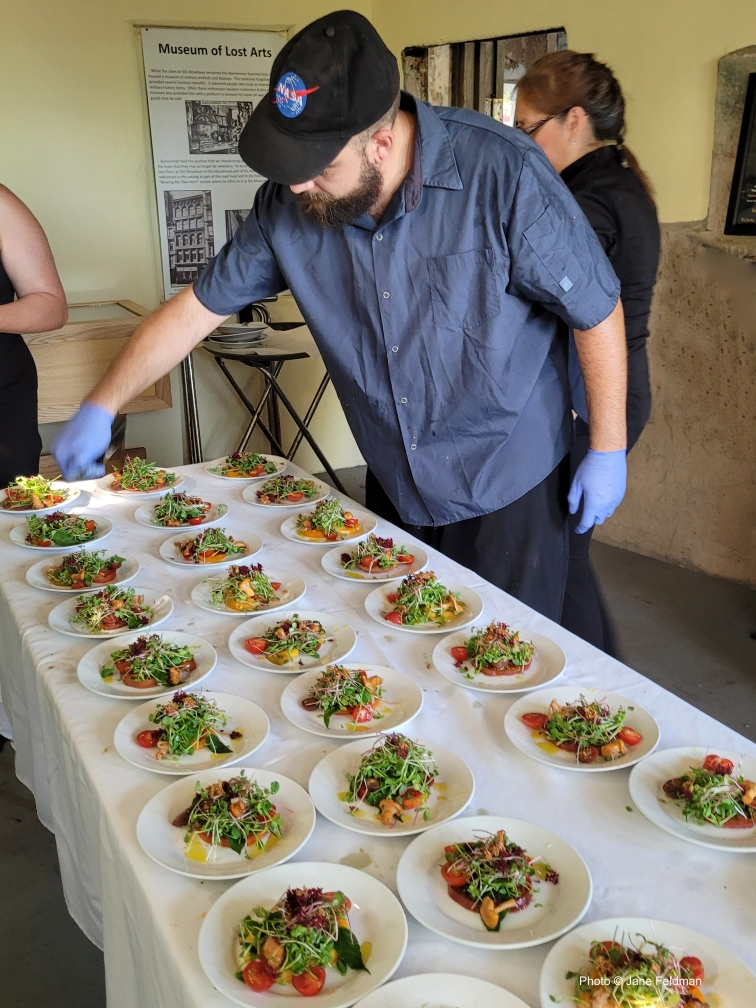
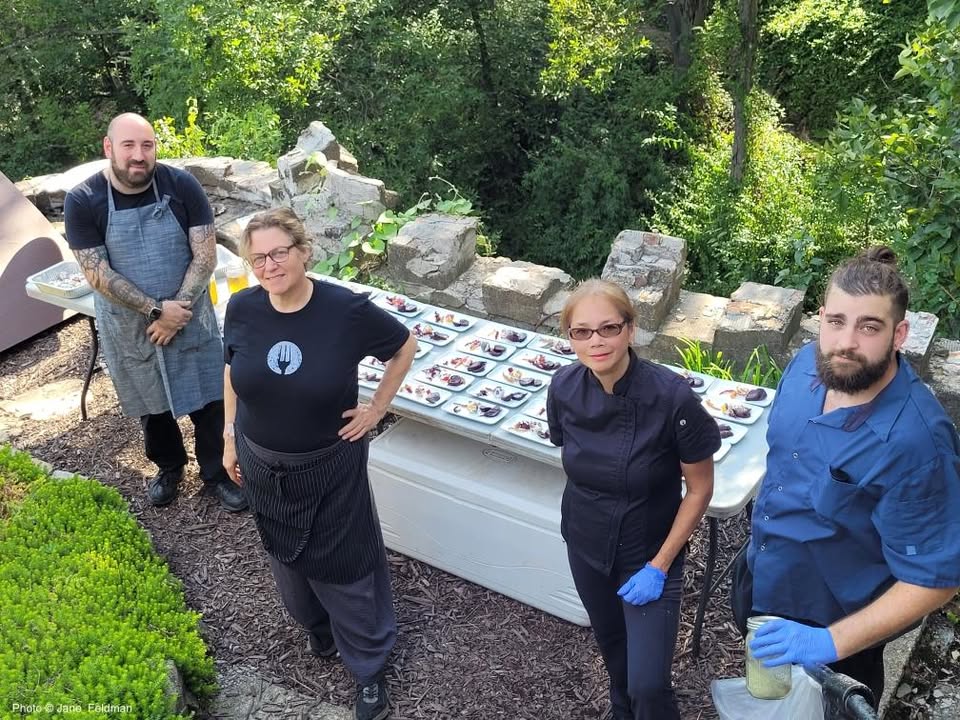
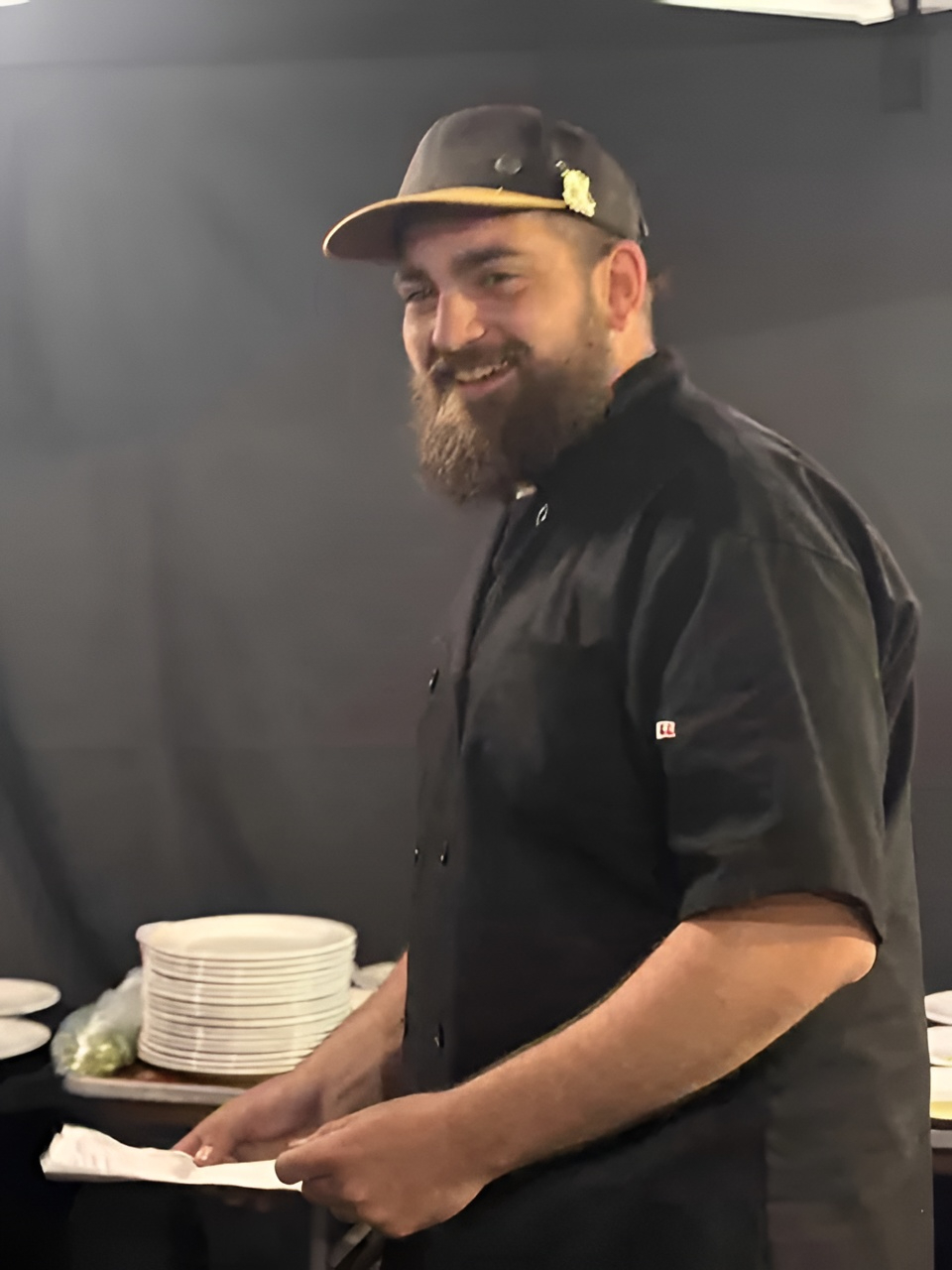
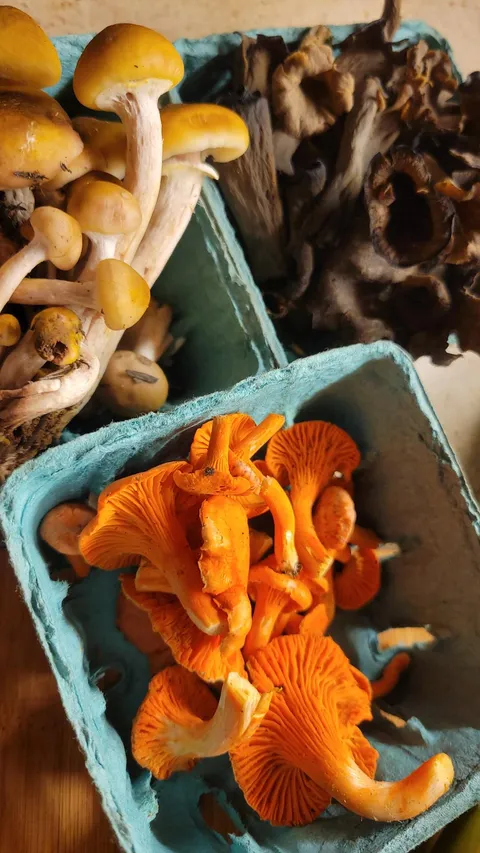
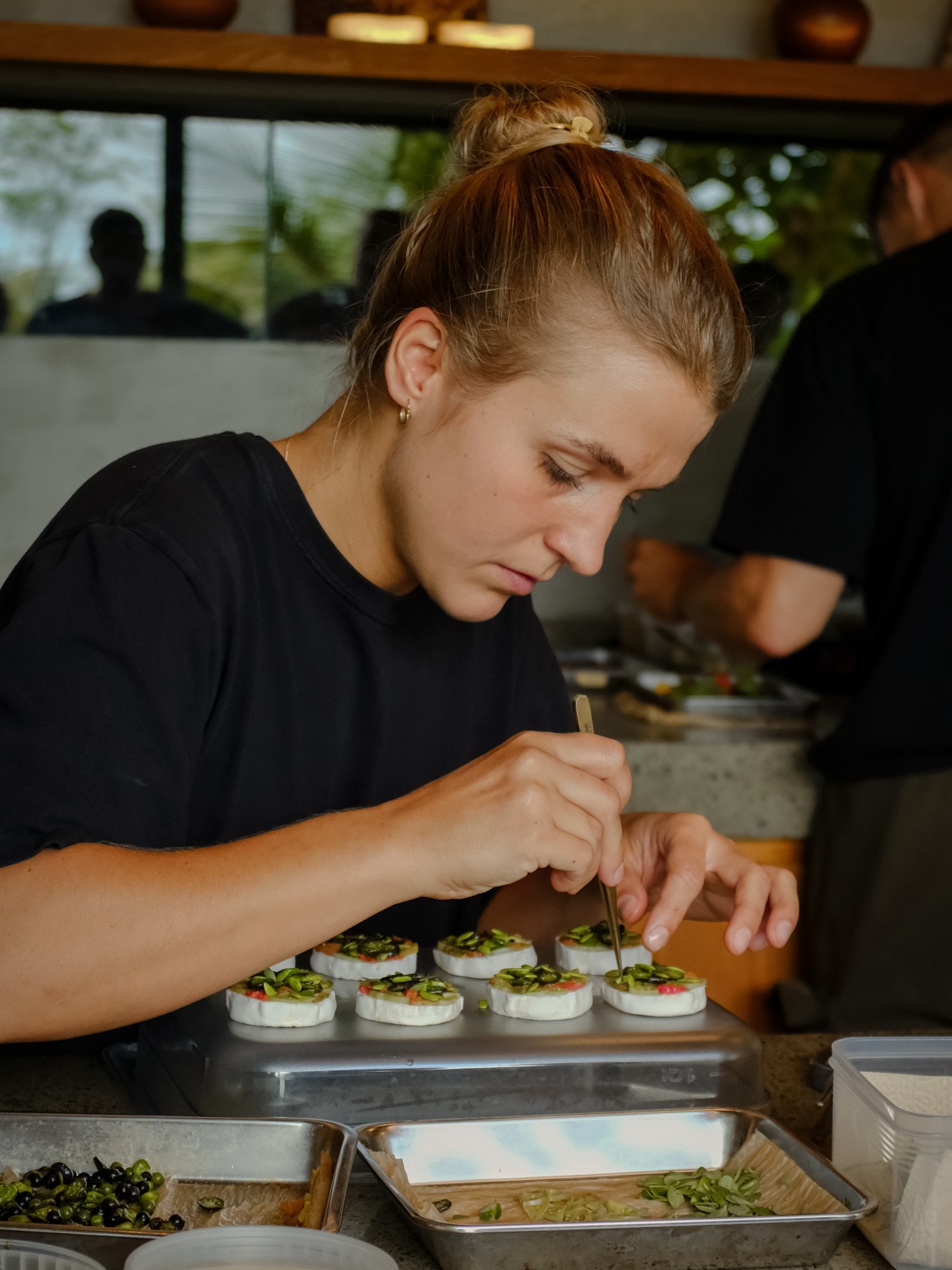
Elzelinde van Doleweerd
Humans Of The Kitchen
From food waste to the future
Elzelinde van Doleweerd
Elzelinde van Doleweerd’s journey into the world of food began around a family table, helping her father in the kitchen and discovering from an early age how food could bring people together. But her path to the restaurant world was not a traditional one. With a background in Industrial Design and Food Technology, she found her way into gastronomy through research, experimentation, and an early fascination with what could be created from ingredients often considered waste.
Her work sits at the intersection of design, science, creativity, and sustainability. From developing 3D-printed food from restaurant waste streams to leading the R&D kitchen at Locavore NXT, Elzelinde has built a career around questioning what ingredients can become. She is responsible for developing new menus and testing new techniques, ferments, ingredients, and ideas, as well as overseeing the dedicated fermentation lab. For her, cooking is not only about creating something delicious, but about understanding, experimenting, learning, and finding new possibilities.
At the heart of her approach is an open-minded philosophy: everyone has something to teach us. Whether working with chefs, interns, or collaborators from different backgrounds, she believes creativity grows when people work together and remain curious. Sustainability is also deeply integrated into her work at NXT, from using local ingredients and minimal animal protein to separating waste streams, reusing and recycling wherever possible, and transforming food waste into compost for the garden. Through R&D, fermentation, plant-based cooking, and circular approaches to waste, she is helping demonstrate what is possible when sustainability becomes an integral part of the way a kitchen works.
In this conversation with Humans of the Kitchen, Elzelinde reflects on her journey, her approach to R&D, sustainability, and the importance of staying curious.
Share your Journey
- Looking back at your childhood, was there a specific moment or memory that sparked your interest in food or cooking?
Food has always been important in my family. The food my dad cooked was always tasty, and we ate all together around a big table. I started helping my dad in the kitchen from a young age and enjoyed that a lot.
- Did you have another career or job before becoming a chef? How did those experiences influence your decision to pursue cooking?
I had a start-up focused on 3D printing food from waste. I collaborated with restaurants to develop recipes from their waste streams and 3D-print them in designs suitable for their menus. After printing, they were baked and dried, resulting in long-lasting cracker- or cookie-like textures. Mostly, here I realized that what I actually enjoyed was talking with chefs and thinking with them about how to make interesting recipes and dishes.
- Did you formally study culinary arts, or are you self-taught? How has your learning journey shaped your approach to cooking?
I studied Industrial Design at the Technical University, where I pursued a bachelor’s and master’s degree. I combined my bachelor’s with Food Technology and continued my master’s, focusing on my own start-up and collaborating with restaurants. I finalized my master’s within the R&D department of restaurant Alchemist in Copenhagen.
My background in Industrial Design shaped my way of thinking about developing new dishes. It enables me to think outside the box, understand how to set up research to explore the potential of new ingredients, and develop new techniques.
- When did you first step into a restaurant kitchen? What was that experience like, and how did it shape your journey as a chef?
This was during my studies. I started working in a restaurant on campus. The chef asked me to develop the vegetarian dishes and put some trust in me from the first moment. It was fun, I really enjoyed it, and it motivated me to continue this journey within the restaurant industry.
- What were some of the early challenges or obstacles you faced when you started in the kitchen, and how did you overcome them?
I am quite a small person, and people had some prejudices. I learned that often I just had to get started and show my work to prove myself and gain respect. Also, my mum always told me, “Treat people the way you like to be treated,” which helped me a lot to feel grounded in high-end kitchens.
- What keeps you inspired and how has that inspiration driven you throughout your professional journey? Especially during tough times in the kitchen?
Eating, reading, cooking. My drive is to keep on learning. It motivates me to search for new ingredients, taste new flavors, learn about new techniques, and develop new textures. I want to understand what I am doing, to be able to apply my knowledge in a new context, to thoughtfully play around with ingredients and recipes. I love to get inspired when dining out. It does not have to be fancy; sometimes the most traditional kitchens surprise me even more with their cooking techniques and local ingredients.
- Can you recall a moment in the kitchen that marked you forever? Maybe it was an interaction with a mentor, a fellow cook, someone you fed, or a situation that challenged you in a way that shaped who you are today?
Not in the kitchen, but already before. My mentor in Industrial Design always challenged me to take an extra step. I was happy with the result, already being a perfectionist, and put in a lot of effort, but he always challenged me to do something even better, to put more effort into my work, improve it, or do something else. He was right; it was better in the end, and I learned more.
Sometimes with R&D, I do many tests for one simple component, and even then, although the result is acceptable, I learned to be critical and see what can still be improved to make it even better.
- As a chef, how would you describe your philosophy in the kitchen, and how does it guide your approach to cooking and leadership?
My philosophy is to keep on learning and be open-minded. We can all help each other to grow and learn. I can learn a lot from an intern with a different background, growing up in a different country and sharing the food he or she used to eat at home. Being open-minded and realizing this helps me a lot in my work.
Right now at Locavore NXT, we launched the new program to rotate all the CDPs in the lab. Everyone joins for two weeks, and we work on one or two dishes together for the next menu. It is great to work together like this, so they all can contribute to the creative process.
- Can you share a time when cooking or the camaraderie in the kitchen helped you through a tough period in your life? What made that experience meaningful?
In the restaurant, we work a lot, and so we spend a lot of time together. I have had many good colleagues and friends with whom I still love to catch up because we got to know each other very well. I learned that it is good to be open with colleagues and to ask your colleagues about their wellbeing. I worked in places where we could talk openly and help each other when needed.
- Reflecting on your career, what achievements or milestones are you most proud of, and what do they mean to you?
I am proud to help restaurants understand more about the R&D process, how to set up testing, build their own database of recipes, understand proper fermentation practices, and value waste streams by transforming them into something tasty.
Mostly, it helps restaurants to think outside the box and become more creative with ingredients they do not value in the first place, which can result in less waste and more vegetables and fruit on the menu.
- What aspects of restaurant culture do you love, and what parts do you find frustrating or problematic? Are there any changes you’re actively working toward or things you hope they change in the industry? Share the reasons behind them and how they align with your vision for a better culinary world?
I love the way we physically work together. Together we can get things done, which is great to see! There are no options to change deadlines; guests are coming anyway.
Also, we spend so much time together that it feels like a family. We eat together: breakfast, dinner, and often see each other outside work as well.
I think physical work for too many hours a day can be exhausting, even more so in the long term. This is something I hope is going to change. Longer weekends to recover, four-day work weeks, and fewer hours a day.
- What are your hopes for the future of the restaurant and food and beverage industry? What changes would you like to see, and how are you contributing to that change?
Beyond the changes in workload for chefs, I think our industry can play a big role in showcasing how to make more sustainable choices for our planet. For example, by cooking more vegetarian dishes and reducing our reliance on animal protein, making full use of the ingredients we work with, and being creative with waste streams by transforming them into something valuable. We can also take greater responsibility for sorting waste and working with partners who can reuse or recycle it. In this way, the hospitality industry can not only reduce its own environmental impact, but also inspire guests and other businesses to make more sustainable choices.
I believe NXT is a great showcase of how these ideas can be put into practice and demonstrate what is possible when sustainability becomes an integral part of the way we work.
- Sustainability is already deeply integrated into the way you work at NXT, from using local ingredients to composting food waste for the garden. How do you see these practices shaping the future of the kitchen and the wider industry?
Sustainability is already deeply integrated into the way we work. We only use local ingredients, no dairy or gluten, and a minimal amount of animal protein. We also have our own circular waste center, which I think is an amazing example and source of inspiration for the industry.
We separate our waste streams, look for ways to reuse and recycle wherever possible, and transform our food waste into compost for the garden. I believe NXT is a great showcase of how these ideas can be put into practice and demonstrate what is possible when sustainability becomes an integral part of the way we work.
Photo credits:
Food: @ron_greve | Portrait: @adiwiradharma | The 2 pictures in the top left: @ninaslagmolen
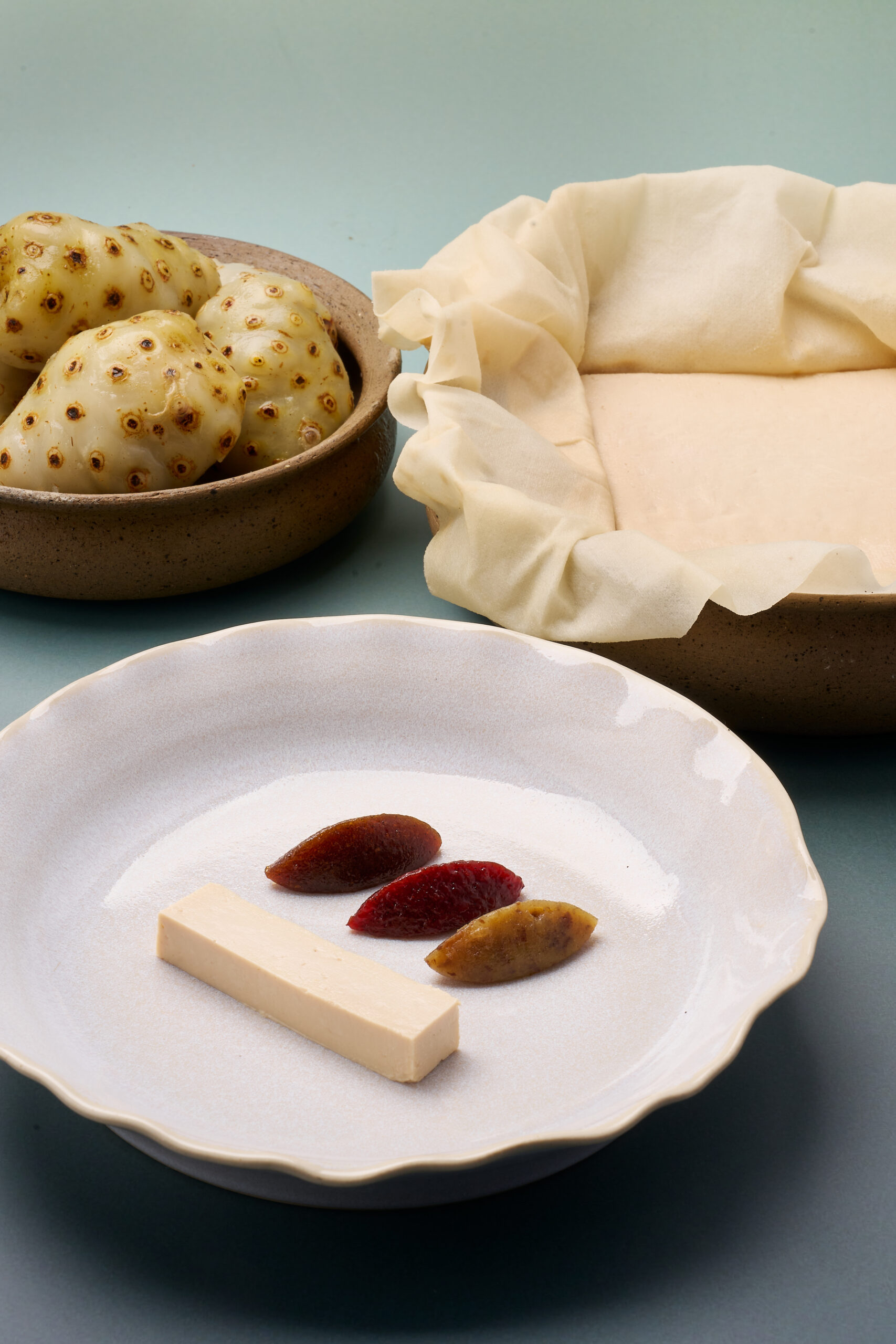
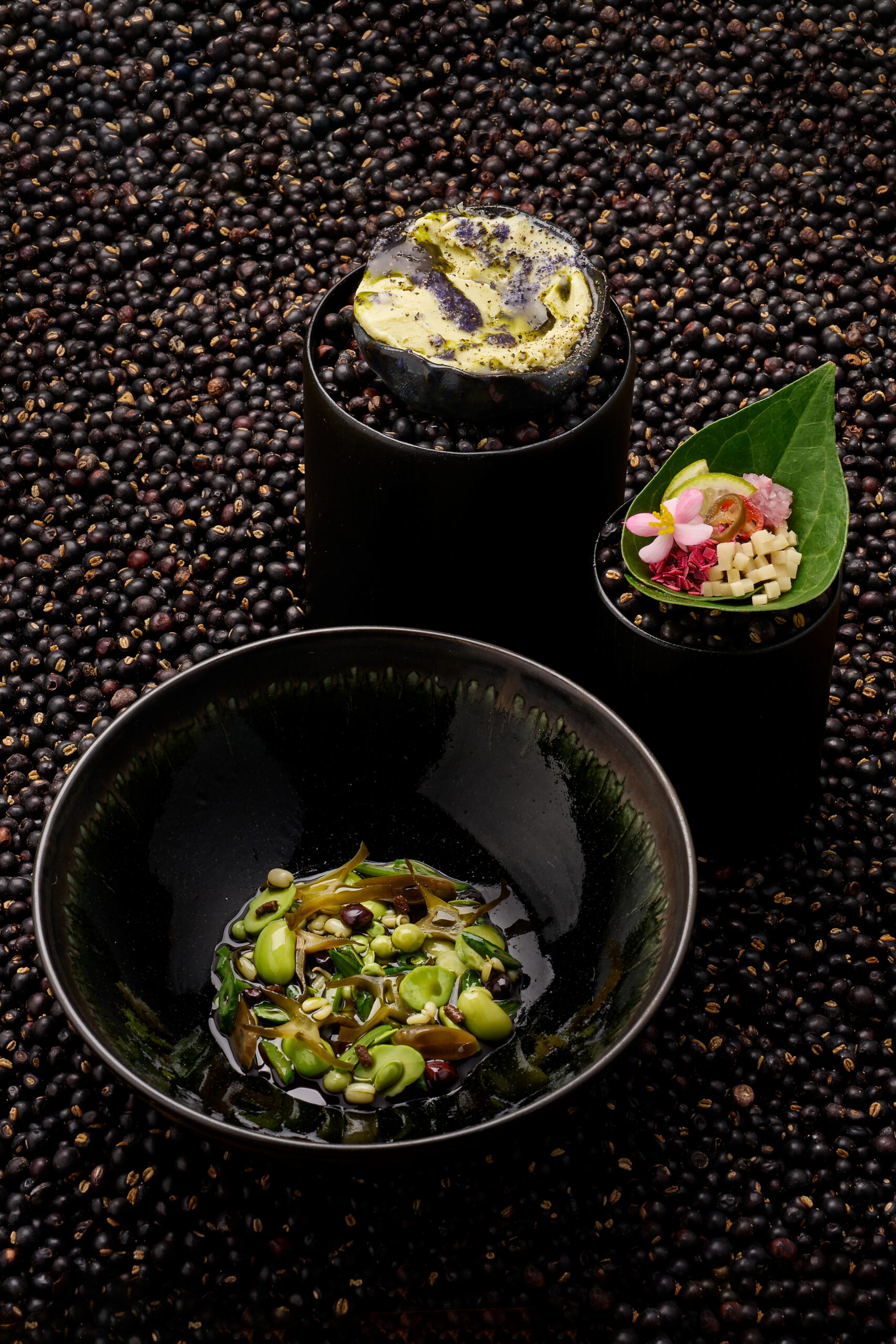
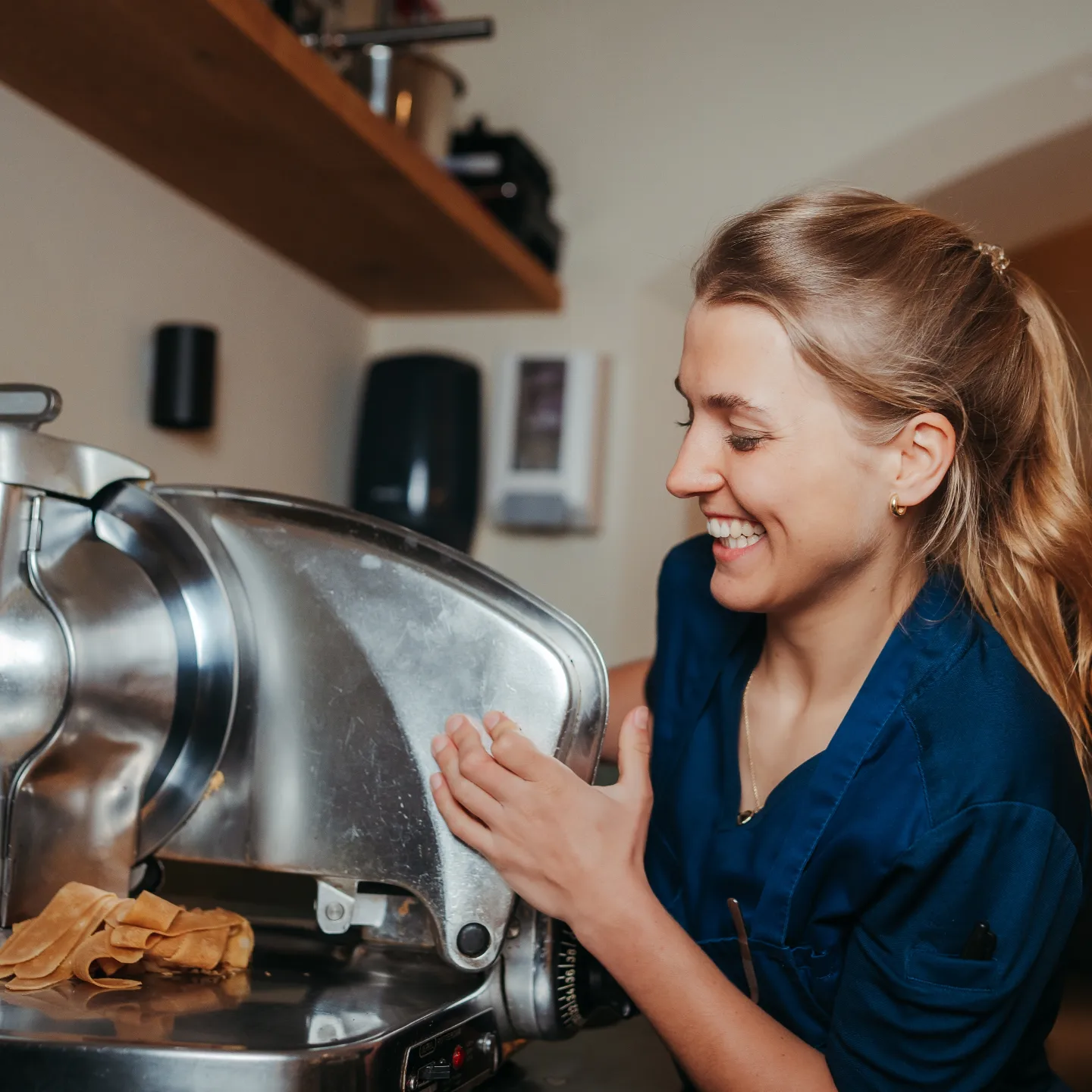
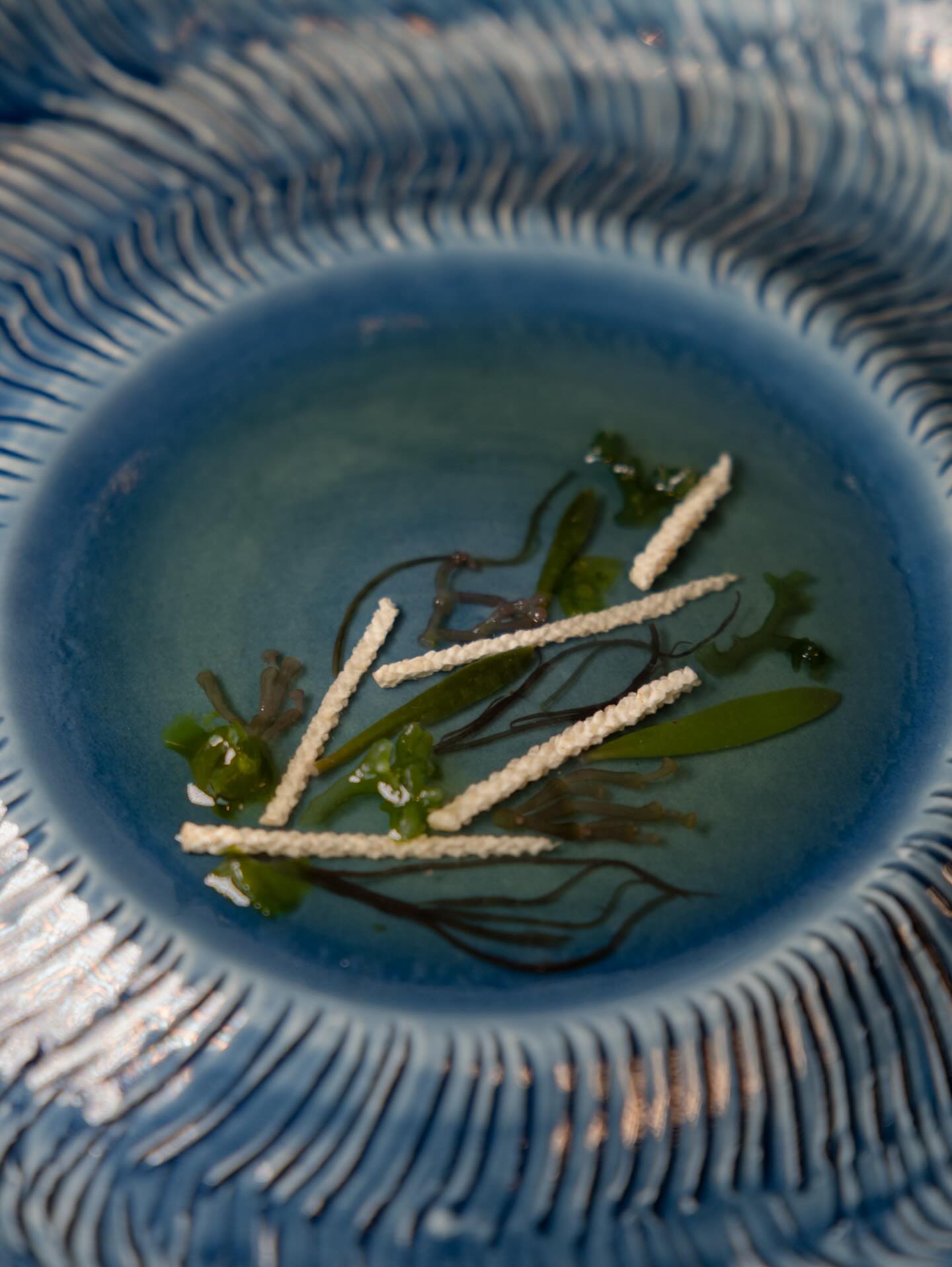
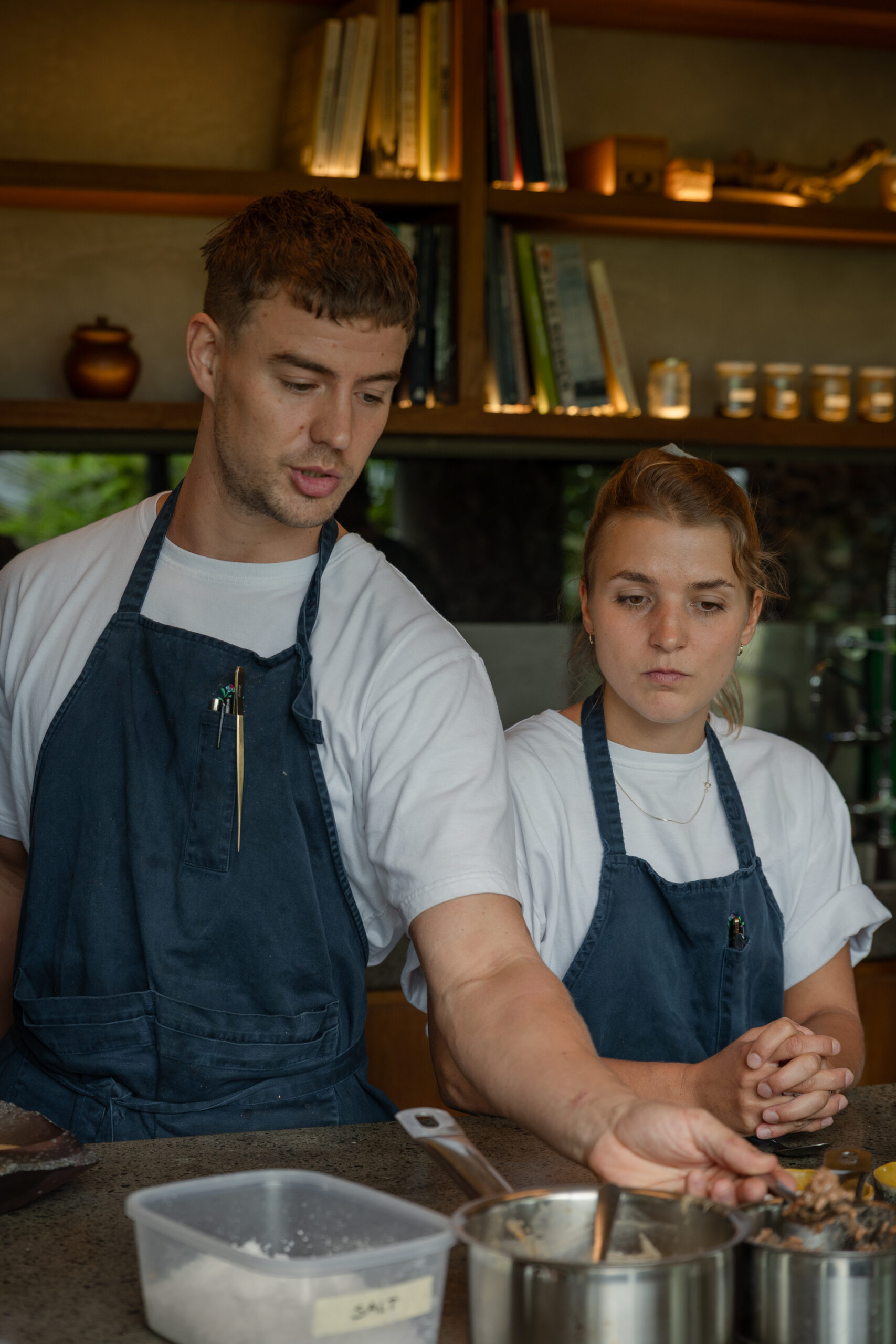
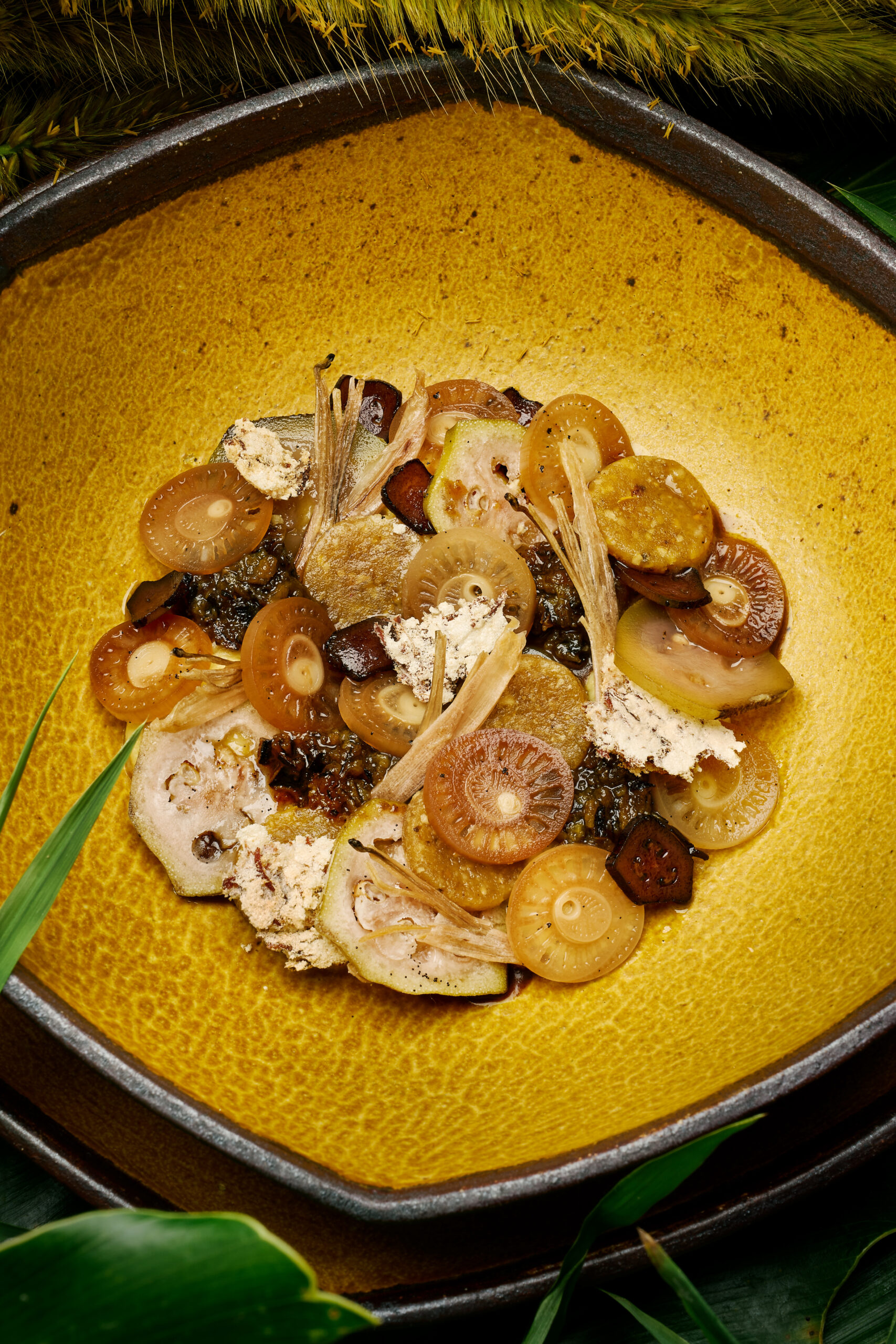
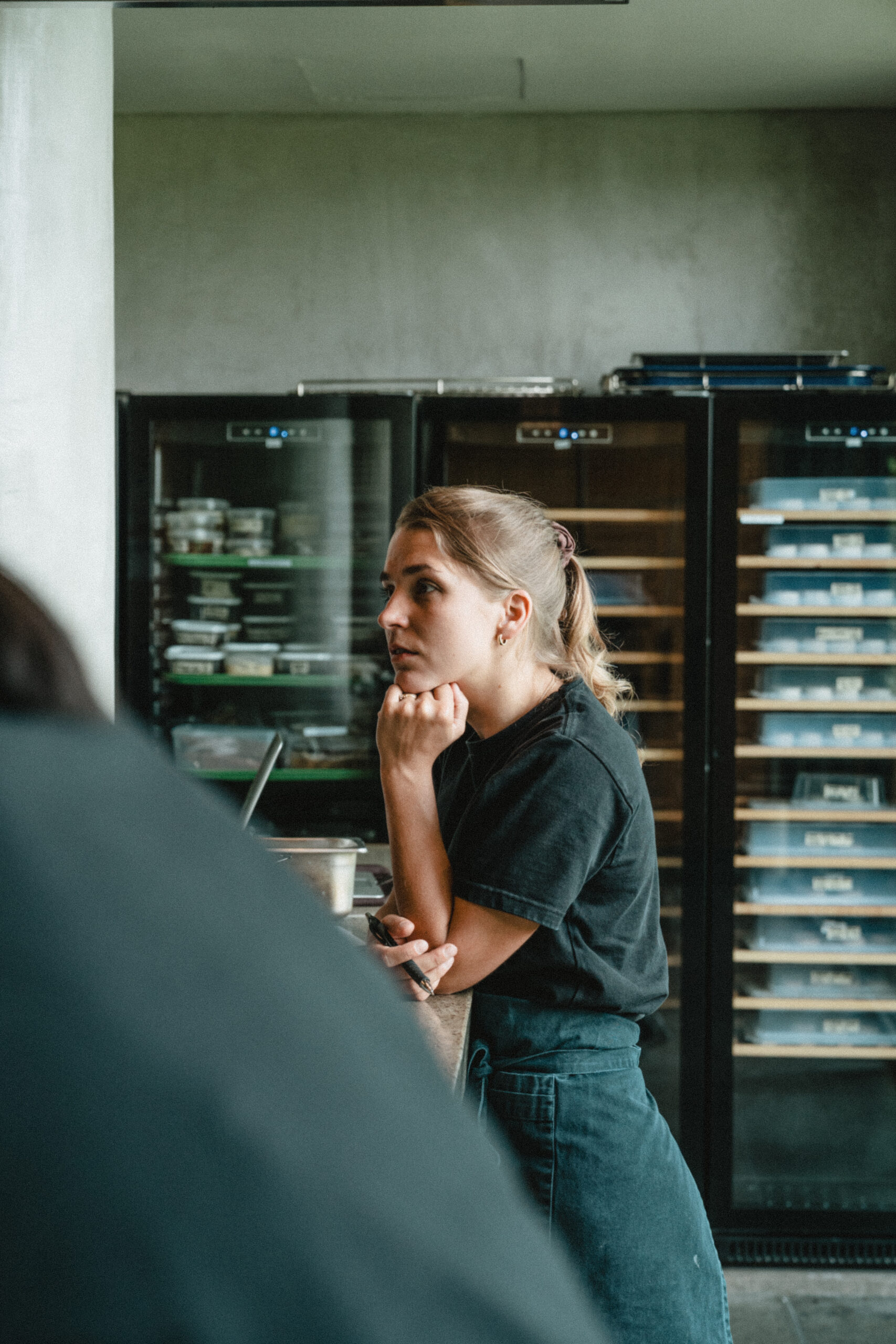
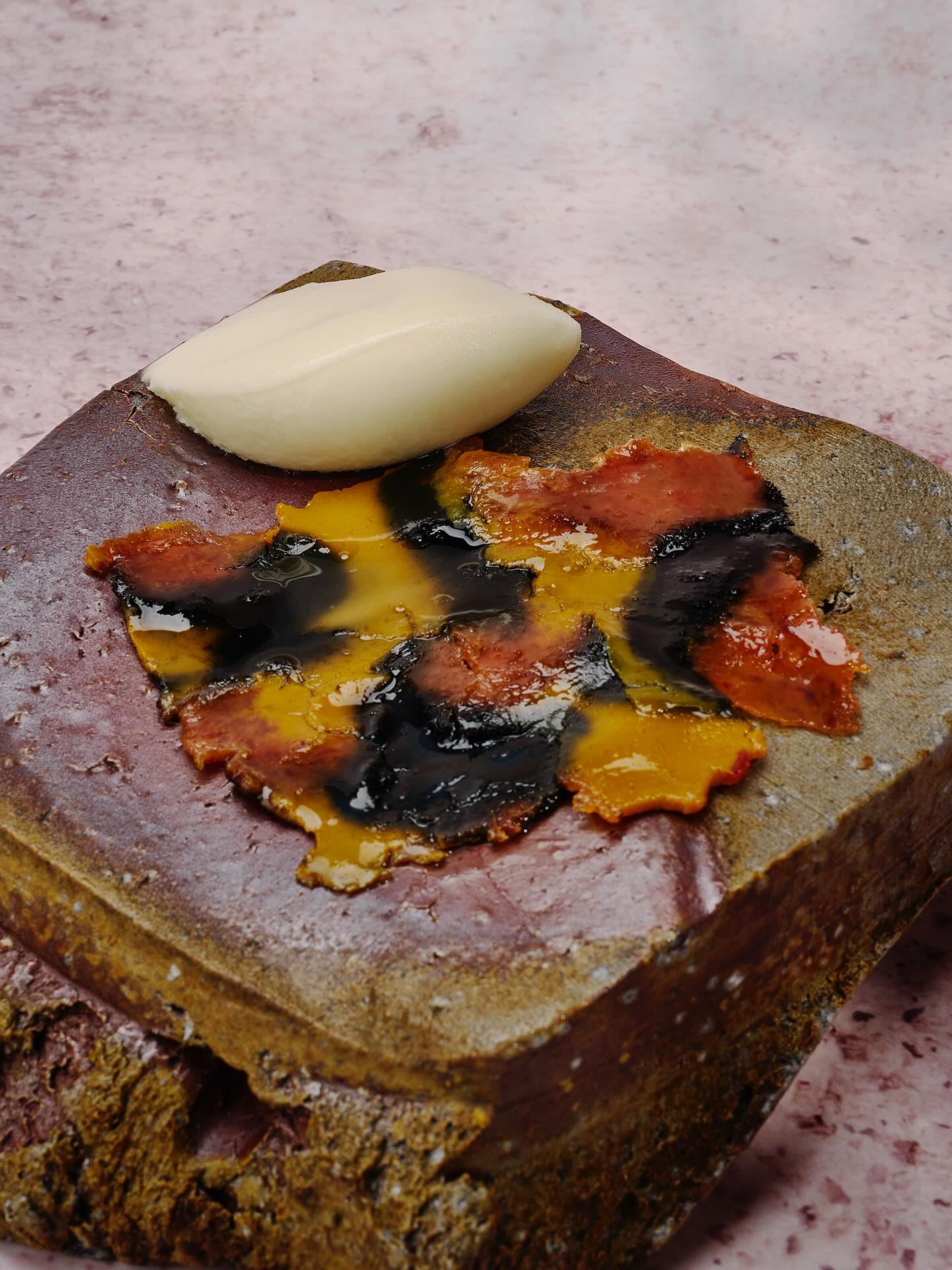
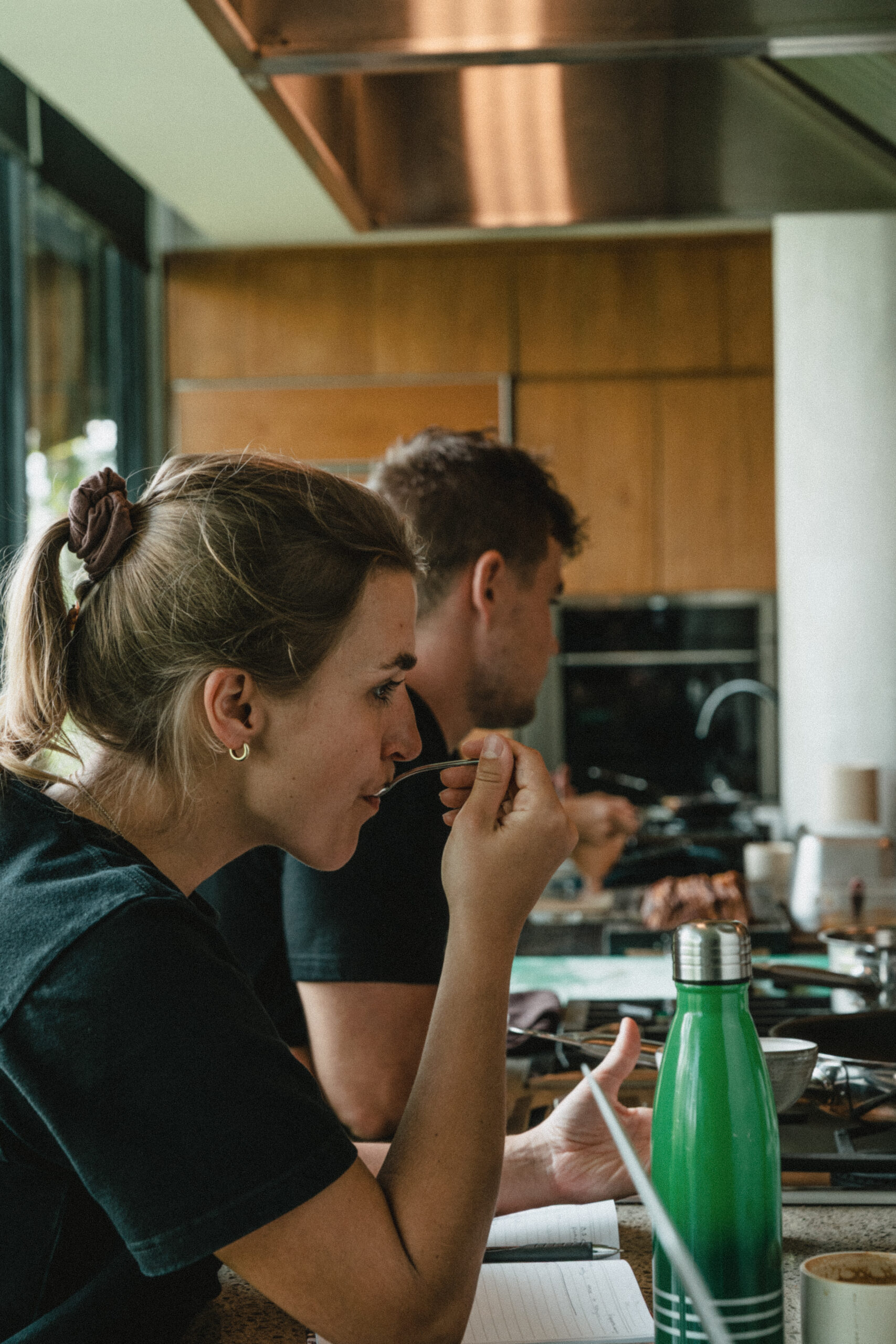
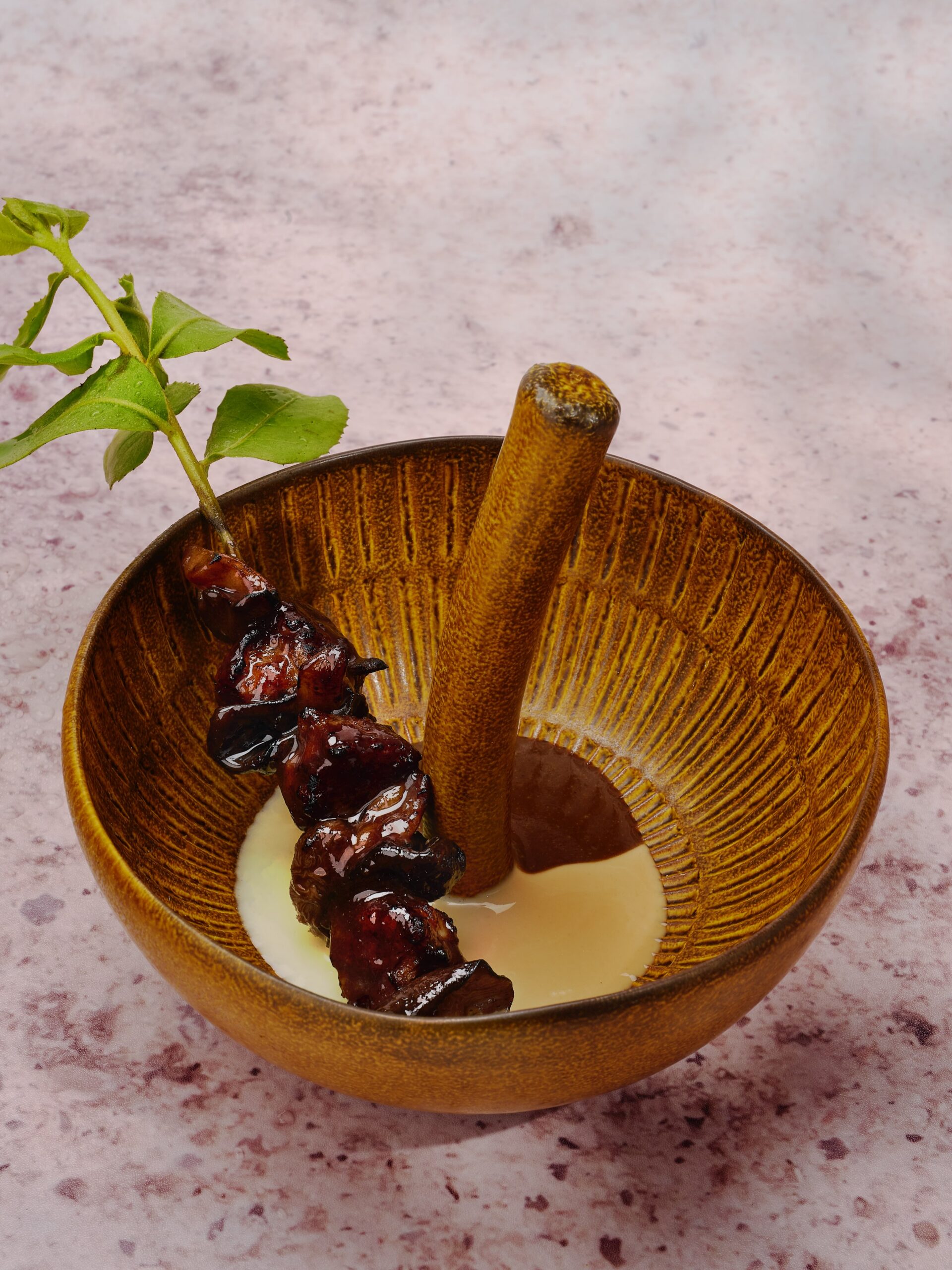
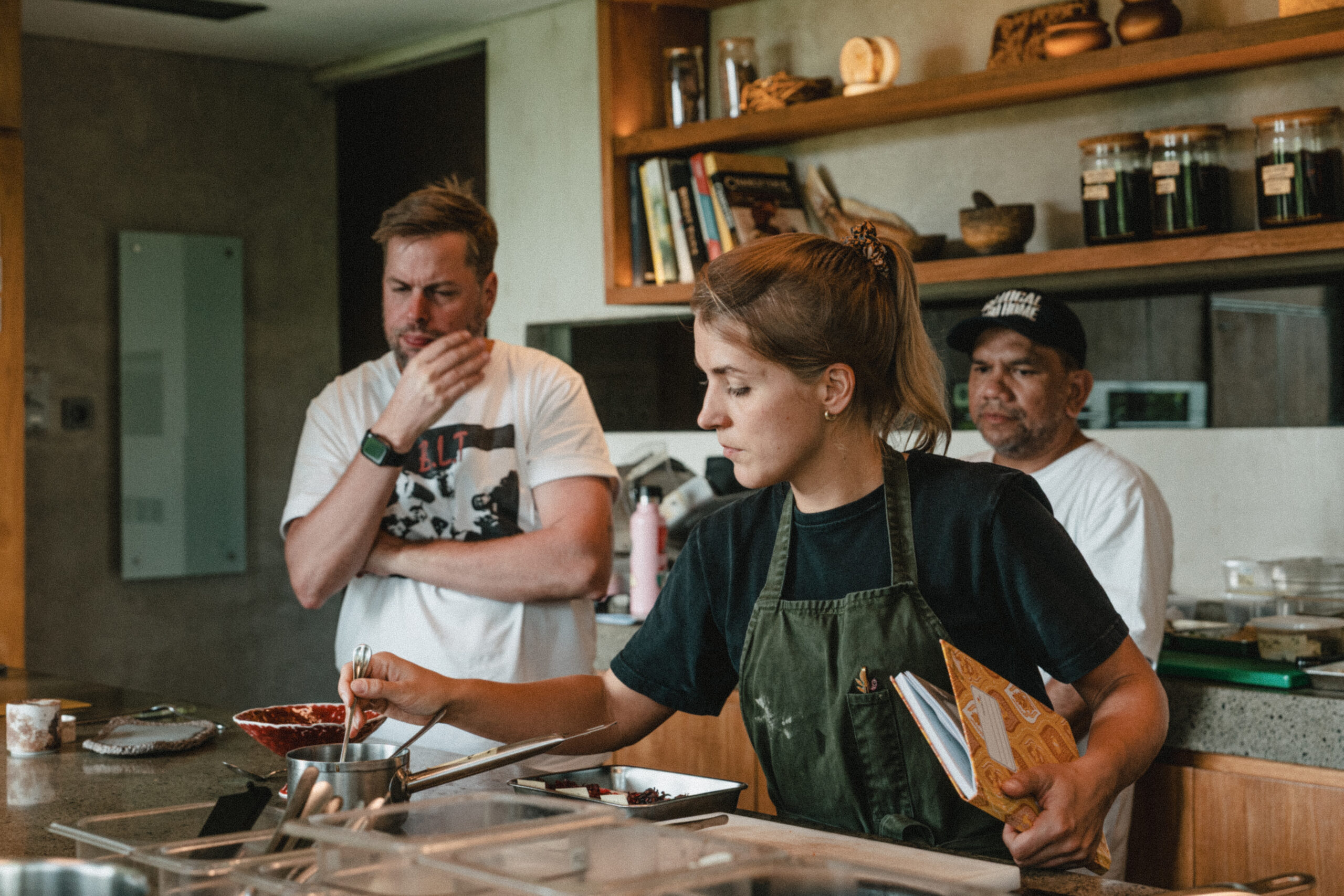
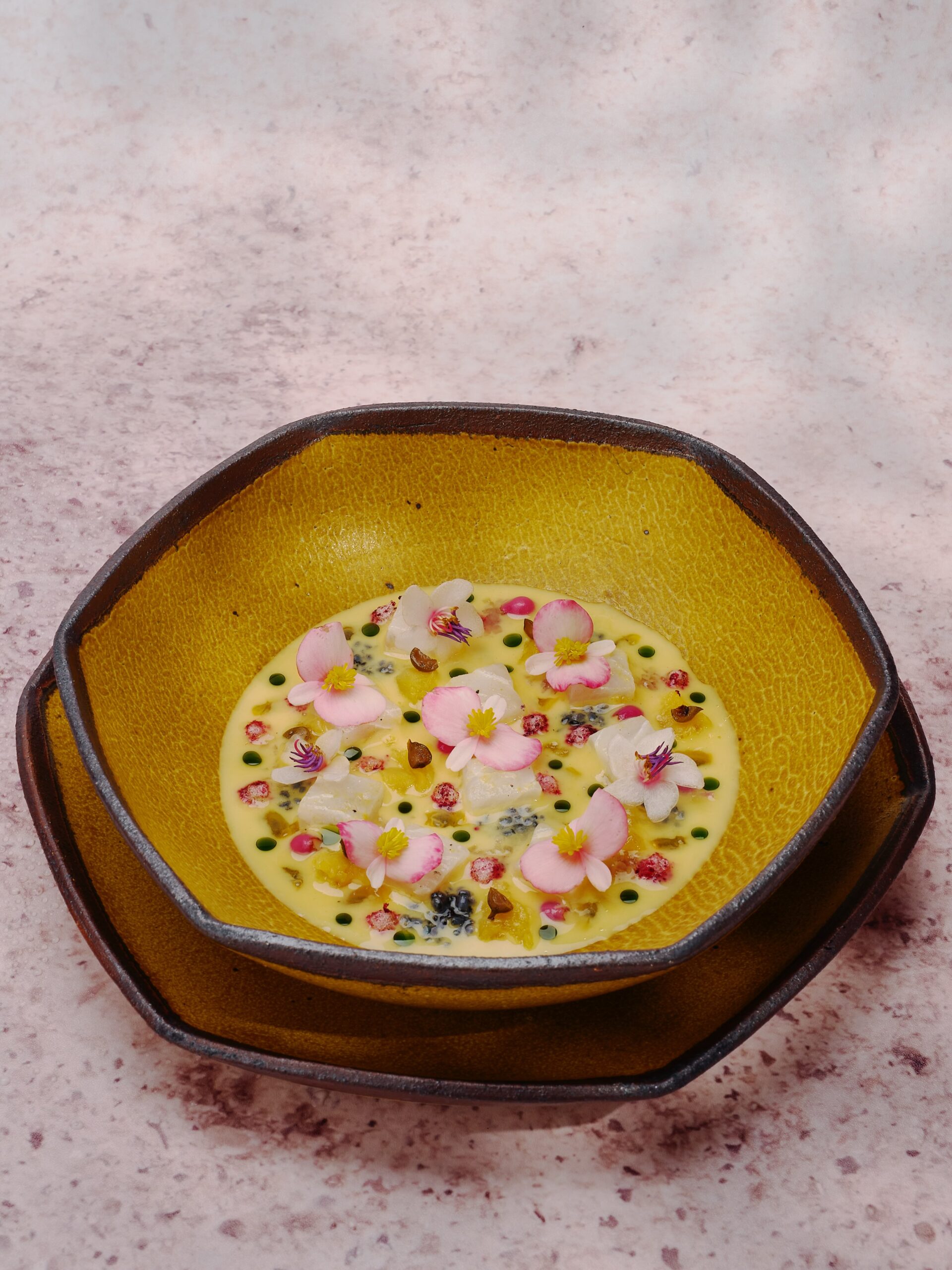
Secret Sauce
- What’s the most unexpected ingredient you’ve ever worked with, and how did it change your perspective on cooking?
Maybe noni! Crazy blue cheese smell from a fruit! It inspired me to think about how we can actually make something like plant-based cheese without imitating traditional cheese processes. I think we did a great job with the tofu cheese, which is currently on our menu.
- What’s your “guilty pleasure” meal?
Hmm, desserts! Chocolate, cheesecake, ice cream, etc… Is this a meal?
- A food trend that you hate and why?
I don’t really follow food trends, but I hate the marketing of unhealthy artificial food, with lots of flavor enhancers and “unnatural” ingredients. No real cooking involved…
- What tips would you give to other cooks and chefs to help them navigate their culinary careers and find peace amid the chaos of the kitchen?
Always plan your way forward. What do you want to learn? Where can you learn this? For me, a plan helps to shape my path, take the right directions at the right moment, and make me prepared when getting in contact with the right people who can help me along the way.
5. What’s an underrated ingredient and why?
Soybeans, super versatile! Amazing for making homemade soy milk, tofu, miso, tempeh, soy sauce, emulsions, etc .
- What’s a must-try dish from your kitchen or the one you’re proudest to have prepared?
Noni cheese! Please try it. I think it is a new, interesting approach to plant-based cheese—actually healthy, very natural: hard-pressed tofu, good fresh miso, and noni.
Also, I love our new bean dish: fresh beans with stinky bean miso, served with a pea-pod ice cream and a betel leaf with bean XO.
About Your City!
Bali, Indonesia
- If Anthony Bourdain or a chef came to your city, what would be the perfect tour itinerary from breakfast to dinner?
In the morning, go to the Sayan Market. It is the same place as the Sayan Night Market (also nice to go!), but in the morning they sell ingredients. Buy fresh fruit, vegetables, tempeh, etc. Good for ingredients to cook at home. On the right side, they sell some snacks as well. Try some of the sweet ones wrapped in banana leaves. I love the sumping waluh (with pumpkin and coconut).
For a good coffee, go to Rusters, a Danish spot with a great Danish breakfast and perfect pour-over (V60) coffee. Try the Balinese or Javanese coffee beans. If you want a more authentic breakfast, check along the road for the bubur ayam, a very nice rice porridge with chicken stock, peanuts, and some toppings. Mostly, you only find this in the morning at small stalls along the road.
For lunch, try Warung Betawi Emak Yayah in the center. Best gado-gado, ketoprak, lontong sayur, and soto ayam (try all!).
For dinner, obviously go to Locavore NXT! Enjoy the dining experience, book the Woodrooms, stay overnight, enjoy the Indonesian breakfast the next day, and plan the foraging trip. During the trip, you will learn a lot about the wild ingredients we use on the menu. Maybe skip lunch that day, so you have enough space for a fulfilling dinner at Nusantara—amazing food from all over the Indonesia. Try the coconut soup with the beluntas leaves. I can eat that every day!
Night Rooster is a great place to enjoy afterward. Get a special cocktail in a unique atmosphere.
Next to that:
Ubud is a great place if you love ceramics. Mateh, Gaya, and Rusters all make and sell beautiful bowls, plates, and cups, and most of them also offer pottery classes.
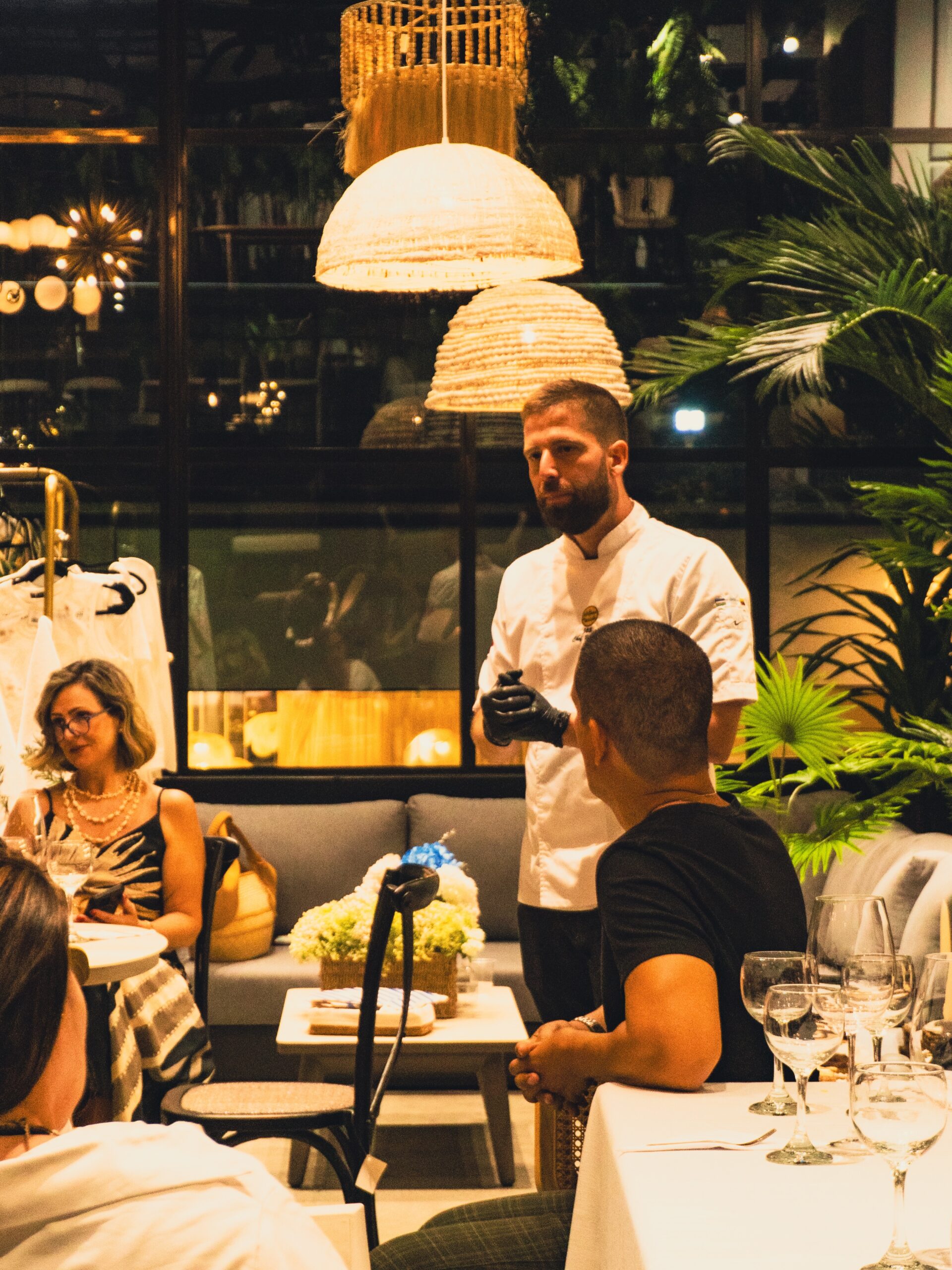
Chef Jose Luis Rojas
Humans Of The Kitchen
Rebuilding through food, community, and hope in Colombia.
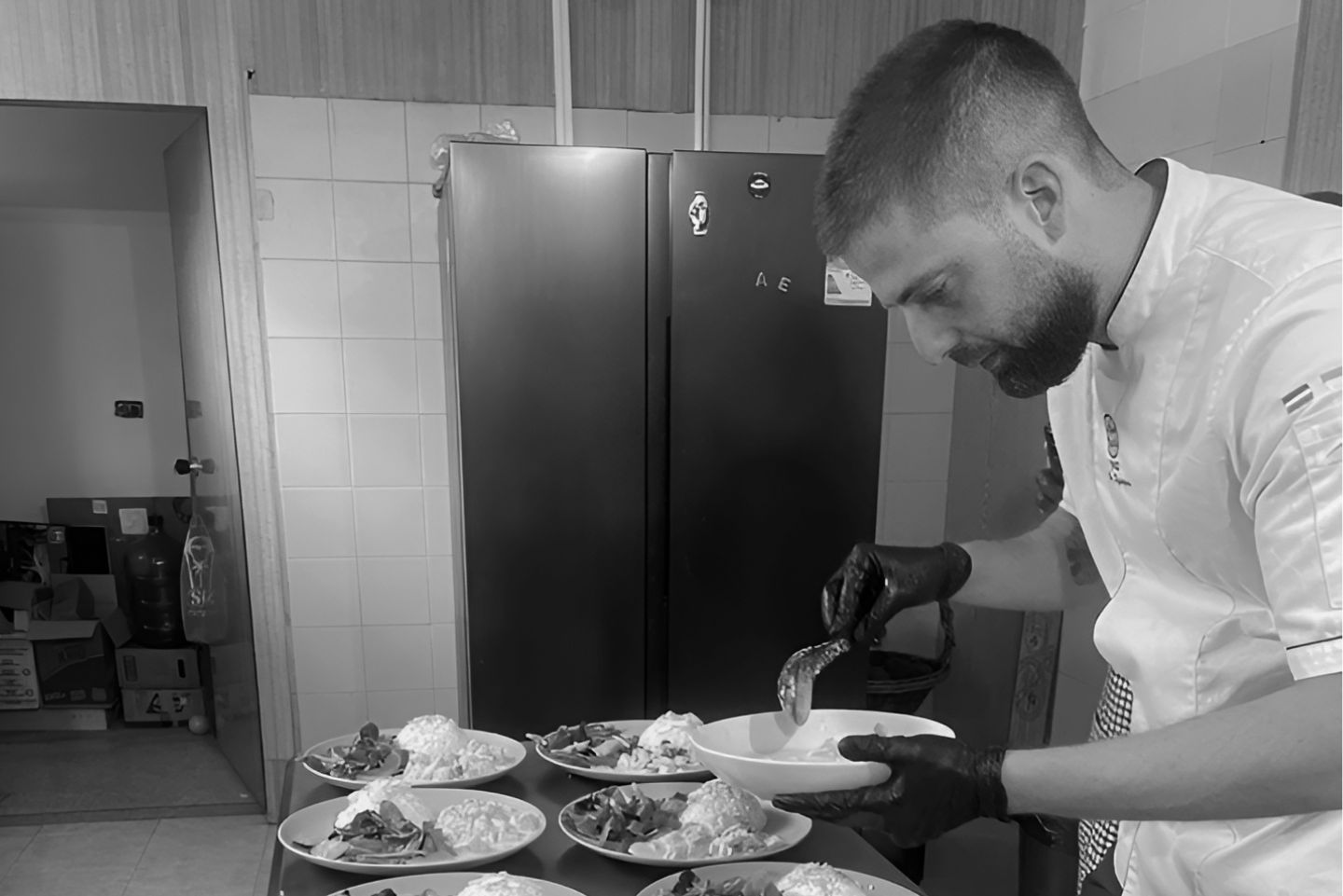
Jose Luis Rojas
Originally from Cali, Colombia, Chef Jose Luis Rojas has spent years building Historias en Bicicleta, a restaurant born from dedication, hard work, and the support of the community around him. But his journey has also been marked by moments that tested his ability to keep moving forward. Just four months ago, in April, Jose Luis lost his restaurant completely after a gas leak caused an explosion. Fortunately, no one was injured, but the experience gave him a deeply personal understanding of what it means to suddenly lose what you have built.
Then, on August 10, a powerful 7.4-magnitude earthquake struck western Colombia, affecting several cities, including Cali. In the aftermath, Jose Luis joined forces with people from his community to prepare meals for those who were affected and had lost everything. Since the first day, they have been using what they know best—not only as chefs, but as human beings—to serve, cook, and help. Together, they continue putting their grain of sand toward the recovery of their city, one meal at a time.
For Jose Luis, this response is deeply connected to his own experience of starting over. He understands that behind every loss there is a person trying to rebuild, and he believes in the power of coming together during difficult times.
In this conversation with Humans of the Kitchen, Jose Luis reflects on adversity, service, and the responsibility of hospitality to show up when communities need it most, and on how food can become a simple but powerful way to offer support, dignity, and hope.
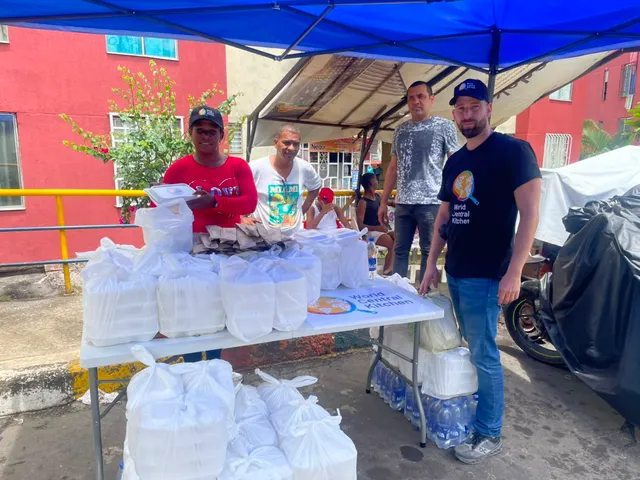
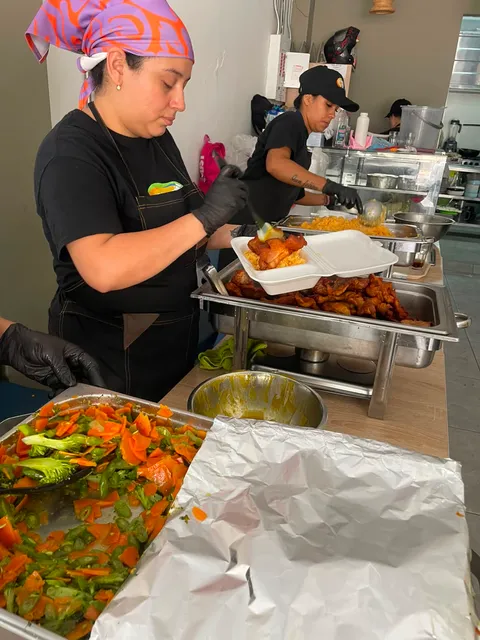
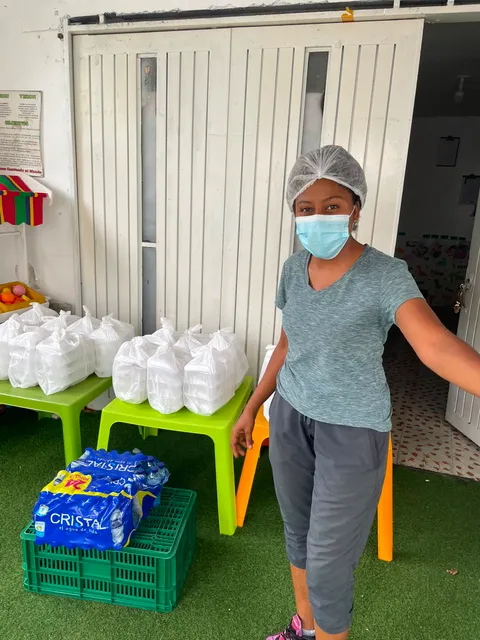
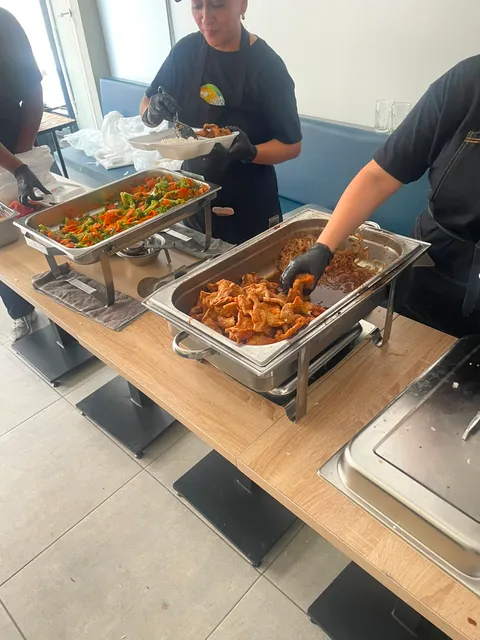
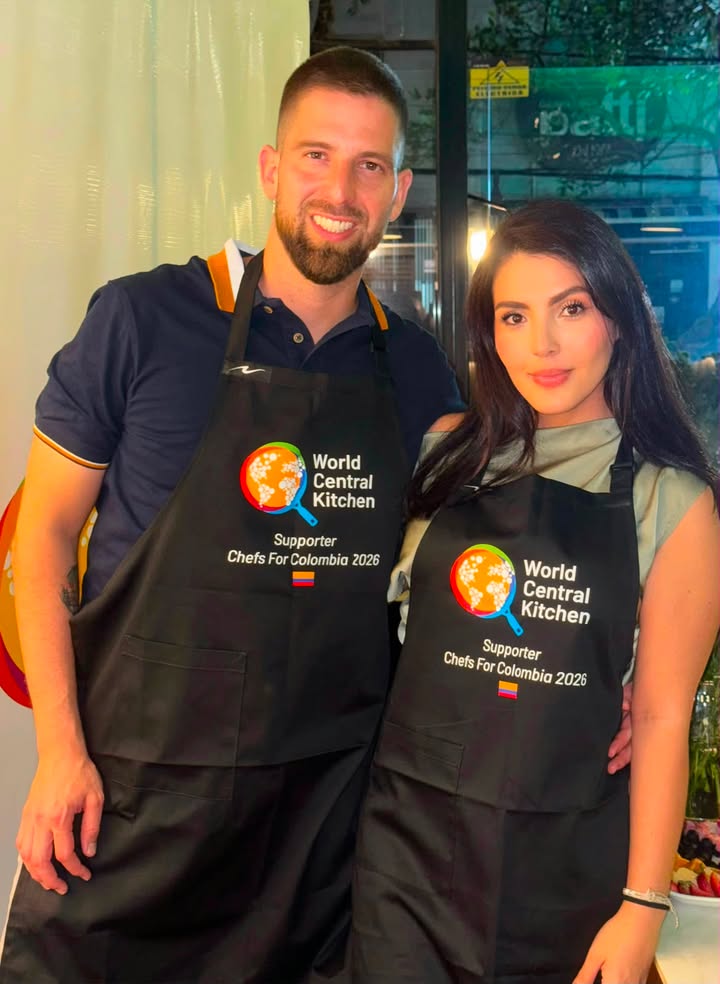
- How has it been for you to live through this situation, and how are you helping through the kitchen?
From day one, we started a campaign to prepare meals for the people who need them most. Four months ago, I lost my restaurant completely after a gas leak caused an explosion. That experience makes me understand that today, there are many people who have lost everything and need us.
- What do you think we can do as chefs and as a hospitality community to support people after a disaster?
Serve, take action, have faith, and maintain a positive mindset at all times. There are people out there who need us.
- For those outside Colombia who want to help, what initiatives, organizations, or donation links would you recommend?
World Central Kitchen is centralizing aid. Another option is to reach out directly to people who are doing honest and transparent work on the ground.
About Your City!
Cali, Colombia
Beyond the Kitchen
Jose Luis’s story is a reminder that hospitality is ultimately about people. In moments of crisis, chefs, cooks, and communities can come together to do what they know best: cook, serve, and care for those who need it most.
After experiencing loss himself, José Luis chose to turn that understanding into action, joining others in Cali to prepare meals for people who lost everything after the earthquake. His story shows that even in the hardest moments, a plate of food can carry something much bigger: solidarity, dignity, comfort, and hope. And sometimes, rebuilding begins with simply showing up for one another.
Here’s how you can continue supporting Colombia:
- World Central Kitchen: @wckitchen
- Asociación de Bancos de Alimentos de Colombia: @abacocolombia / www.donahoy.abaco.org.co
- Comida Para Todos: www.donaciones.comidaparatodos.org
- Fundación Gastronomía Social Colombia: @gastronomiasocial.colombia