Where Bread Became a Beginning
Humans Of The Kitchen
A grandmother's bakery quietly introduced him to the rhythms that would define his entire career.
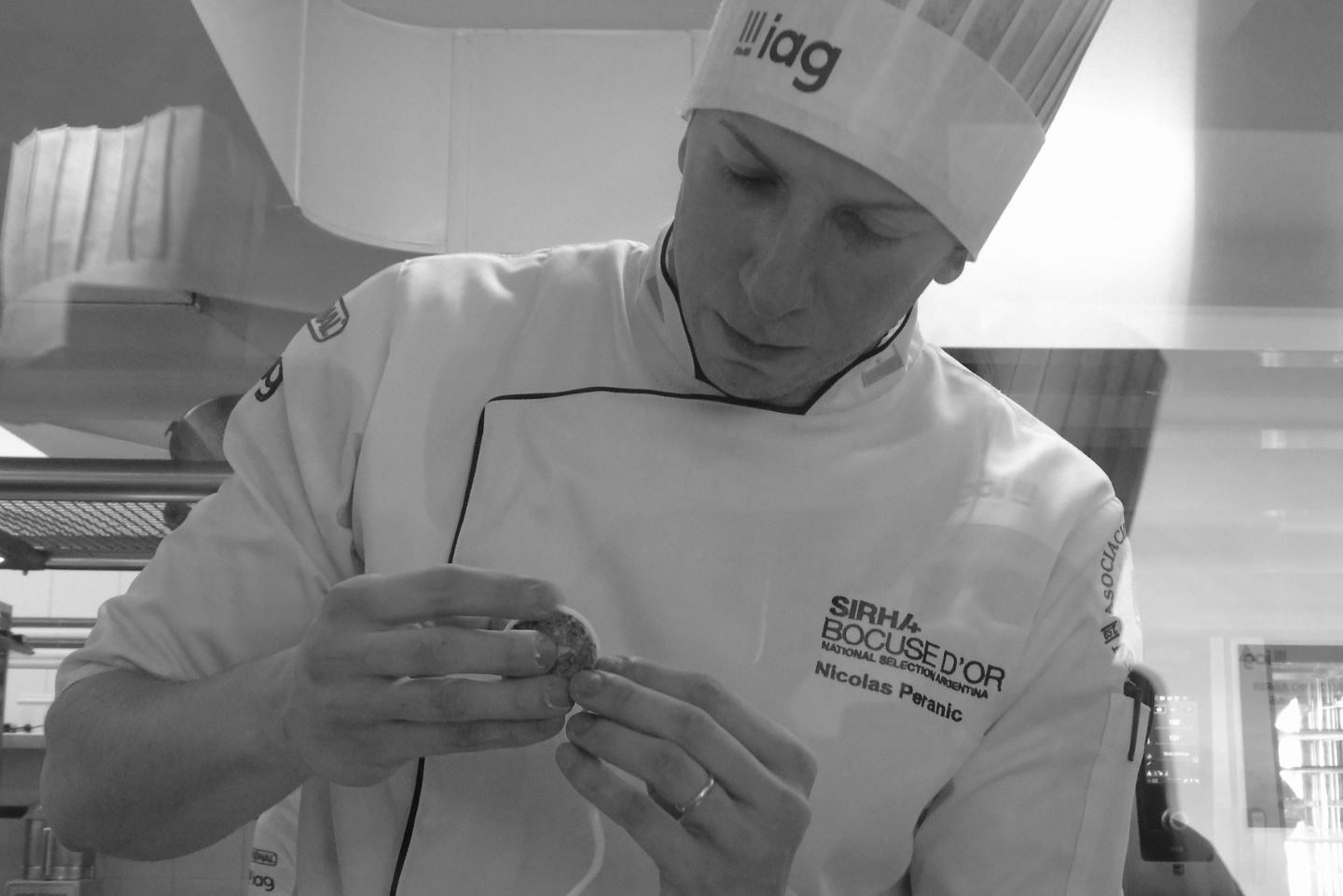
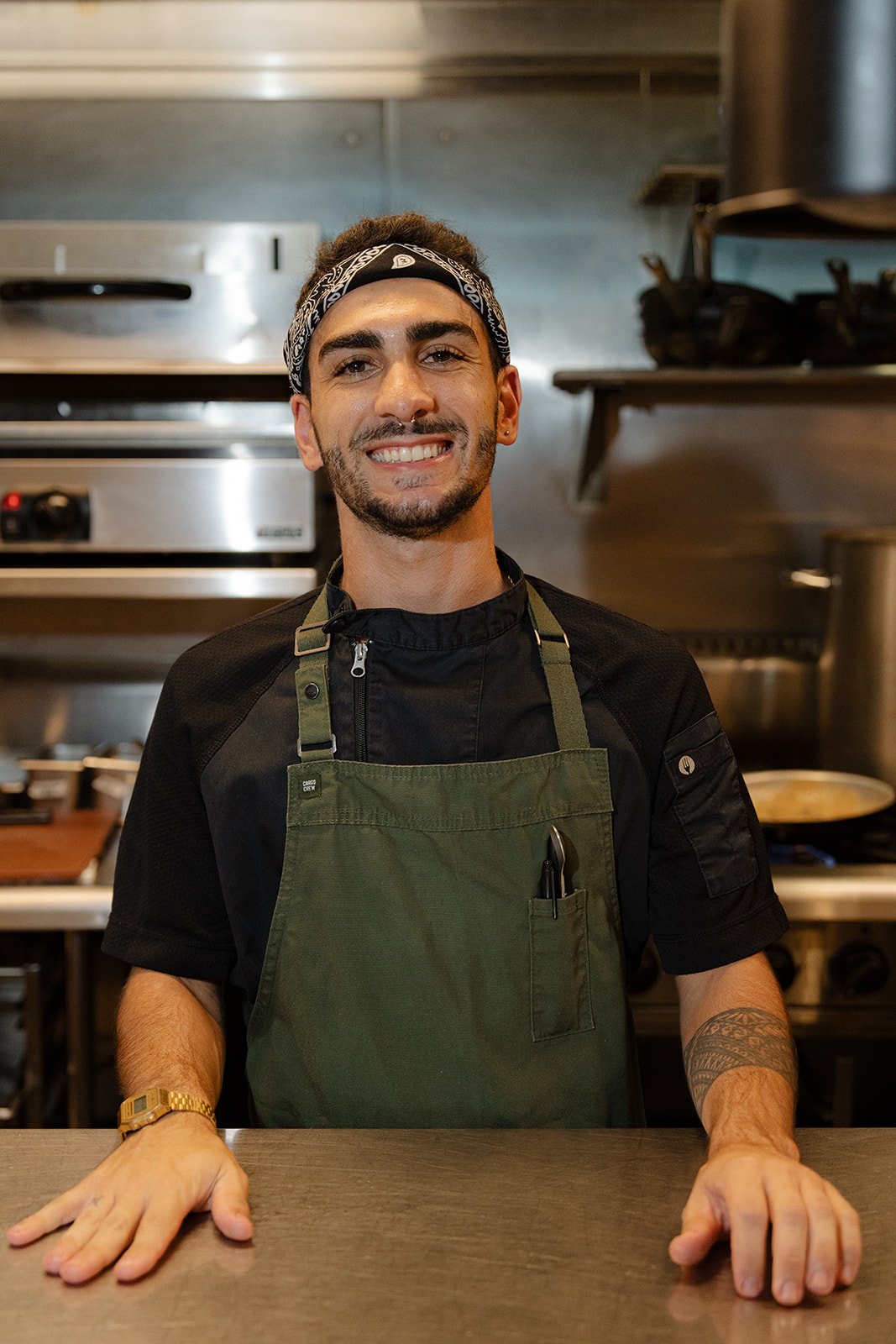
Nicolas Peranic Landaburu
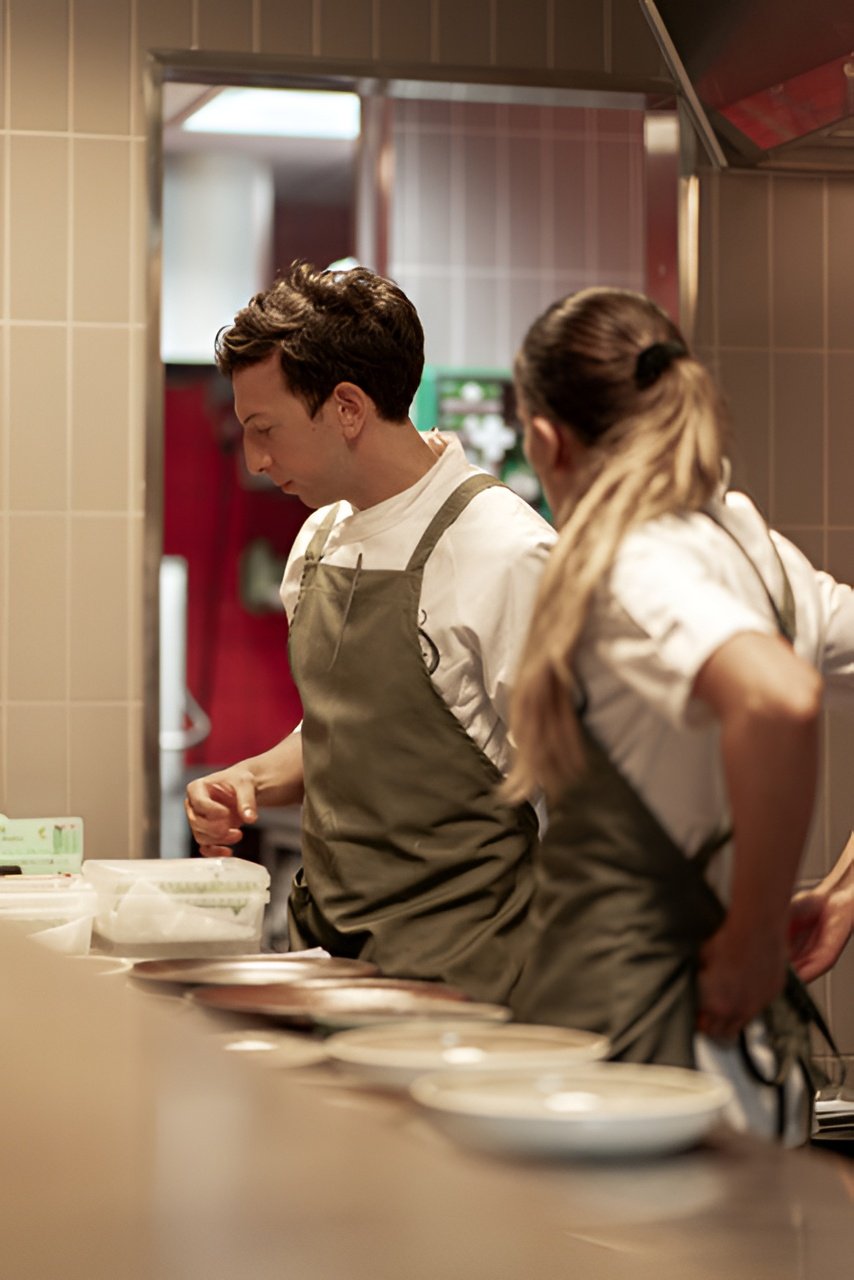
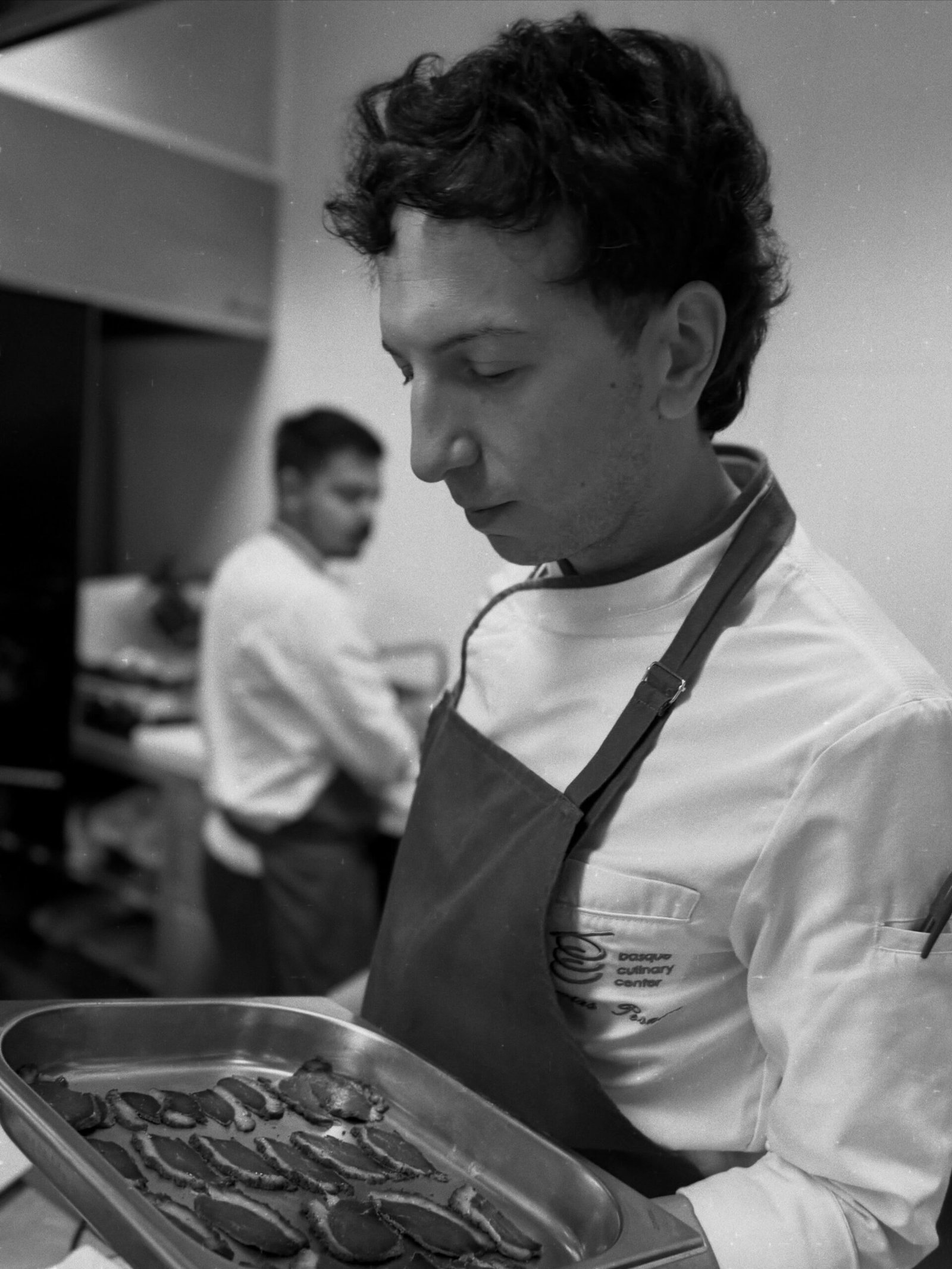
Argentinian chef Nicolás Peranic Landaburu discovered his love for cooking long before he understood it could become a career. Some of his earliest memories take him back to his grandmother’s small bakery in Buenos Aires, where, standing on a wooden step, he baked tiny loaves of bread and pizzas beside her. What began as childhood play slowly became the foundation of a lifelong passion.
Although he dreamed of becoming a chef from an early age, Nicolás’s relationship with the profession wasn’t always easy. Self-doubt, the pressure of professional kitchens, and moments when he questioned whether he truly belonged became part of his journey. But with every service, every lesson, and every challenge, he gradually found confidence—not only in his cooking, but also in himself.
Today, after years of learning, traveling, and opening his own restaurant alongside his wife, Nicolás believes that great leadership begins with empathy. His approach to hospitality is rooted in people first, proving that while restaurants are built through technique and discipline, they’re sustained by trust, respect, and the relationships formed along the way.
In this conversation, Nicolás reflects on the childhood memories that first sparked his passion for food, the lessons that shaped his career, the importance of leading with empathy, and why he believes the future of hospitality must always put people before ego.
Share your Journey
- Looking back at your childhood, was there a specific moment or memory that sparked your interest in food or cooking?
I remember that when I was a boy, my grandmother had a small bakery behind her house where she baked and sold bread to the neighbors. There, at just a few years old, I took my first steps in the kitchen. She would set up a separate station for me where, standing on a step stool to reach the table, I would bake my own bread and pizzas.
- Did you have another career or job before becoming a chef? How did those experiences influence your decision to pursue cooking?
Ever since I finished high school, I knew I wanted to be a chef. Before that, to earn some money, I helped a cousin at his catering company, but I worked in the dining room, not the kitchen. That’s when I realized that my favorite part wasn’t setting up the dining room, but the food itself.
- Did you formally study culinary arts, or are you self-taught? How has your learning journey shaped your approach to cooking?
I began studying culinary arts at 18 at the Argentine Institute of Gastronomy. That’s where I took my first steps, but I never stopped learning—not only in restaurants, but also through books. I’ve always been a self-taught, avid reader and a very curious person, which has led me to continually study on my own.
- When did you first step into a restaurant kitchen? What was that experience like, and how did it shape your journey as a chef?
My first time working in a restaurant was relatively difficult. I believed I would never be good enough to be like the others on the team or those I admired. My first experience was as an intern at a pasta restaurant in Buenos Aires. The recipes were simple, but the service was extremely busy. Everything seemed very chaotic, but over time I learned to love that chaos.
- What were some of the early challenges or obstacles you faced when you started in the kitchen, and how did you overcome them?
The hardest part was that I had no prior professional cooking experience before I started studying. I felt completely lost in the kitchen; I didn’t really understand what it was all about. I was also an insecure young man and didn’t know if this was truly what I wanted to dedicate my life to. My interest in cooking began while I was studying, but my true love for the profession developed slowly and gradually.
- What keeps you inspired and how has that inspiration driven you throughout your professional journey? Especially during tough times in the kitchen?
At one point in my career, I thought about leaving the profession. I felt like it would hold me back forever. But every time I had a bad day, I would tell myself, “Give it one more day.” Over the years, experience gave me confidence, and then everything changed.
- Can you recall a moment in the kitchen that marked you forever? Maybe it was an interaction with a mentor, a fellow cook, someone you fed, or a situation that challenged you in a way that shaped who you are today?
The moment that changed my life was when I traveled abroad for the first time for an internship. One of my lifelong dreams was to see the world and experience different cultures and cuisines. That’s why, when I traveled to Mexico at 21, I felt like this profession had made one of my dreams come true.
- As a chef, how would you describe your philosophy in the kitchen, and how does it guide your approach to cooking and leadership?
For me, leadership is about nurturing both individual and collective dreams. Meeting different chefs has taught me how I want—and don’t want—to lead. I always try to put myself in other people’s shoes, understand their struggles, their problems, and what causes them pain, so I can help them grow.
- Can you share a time when cooking or the camaraderie in the kitchen helped you through a tough period in your life? What made that experience meaningful?
The kitchen gave me some of the best friends I have today. Sharing a drink after service always helped ease the stress and make even the toughest shifts more enjoyable. I wouldn’t be the chef I am today if it weren’t for the people I’ve worked with. That’s the greatest asset a restaurant can have.
- Reflecting on your career, what achievements or milestones are you most proud of, and what do they mean to you?
The day my wife and I opened our restaurant was one of the most rewarding moments of my career. I felt that, after years of waiting, I was finally fulfilling one of my dreams. It made me realize that all the effort and the entire journey had been worth it.
- What aspects of restaurant culture do you love, and what parts do you find frustrating or problematic? Are there any changes you’re actively working toward or things you hope they change in the industry? Share the reasons behind them and how they align with your vision for a better culinary world?
I personally feel that this profession, like so many others, has great things and some not-so-great ones. We also have to learn to differentiate between the different branches of this profession.
On the positive side, people are the most important part of it. The friendships you build on a personal level are incredible. Furthermore, feeding people is something incredibly beautiful and symbolic. Great moments and stories are written around restaurant tables, and being able to be part of that story is wonderful.
On the other hand, in gastronomy, we’ve forgotten about human evolution and continue to operate under systems of exploitation. As I said at the beginning, we have to know how to differentiate. Working at the highest level comes at a price, just like in any other profession.
- What are your hopes for the future of the restaurant and food and beverage industry? What changes would you like to see, and how are you contributing to that change?
I truly hope that in the near future, with the new generations, we will put aside personal egos and begin to prioritize people over our own dreams. As a former restaurant owner, I believe we must understand that our team deserves a normal life just like everyone else.
- If there’s anything we didn’t ask or if you feel we’re missing something about your personal and kitchen story, please share it here.
The industry is changing, and we have to be part of that change.
Secret Sauce
- What’s the most unexpected ingredient you’ve ever worked with, and how did it change your perspective on cooking?
Personally, I enjoy working with seafood products that are not very common in countries like mine, Argentina.
- What’s your “guilty pleasure” meal?
Tiramisu and pizza.
- A food trend that you hate and why?
Pistachio everywhere.
- What’s the craziest shift you’ve ever worked in the kitchen?
An 18-hour shift, sleeping on the restaurant floor just to wake up again at 7:00 a.m. Never again.
5. What happened, and how did you manage to get through it?
We were extremely busy during the high season.
- What tips would you give to other cooks and chefs to help them navigate their culinary careers and find peace amid the chaos of the kitchen?
Learn to manage your emotions. Don’t absorb absolutely everything—especially the negative things—because it can become incredibly frustrating.
- What’s an underrated ingredient and why?
Chicken. It’s an incredible ingredient if you become friends with it.
8. What’s a must-try dish from your kitchen or the one you’re proudest to have prepared?
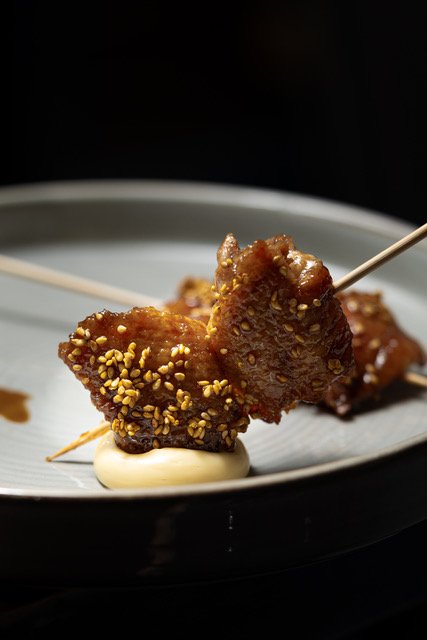
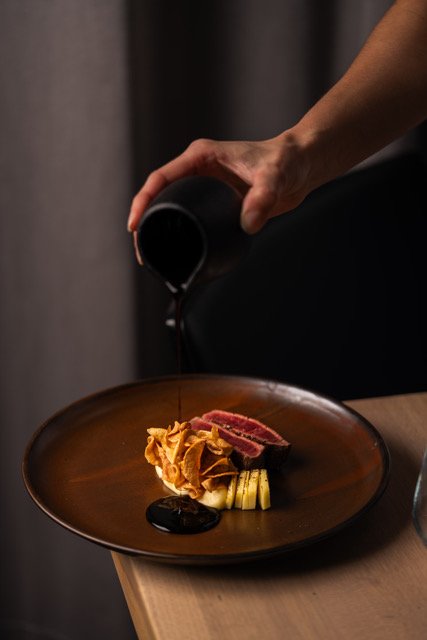
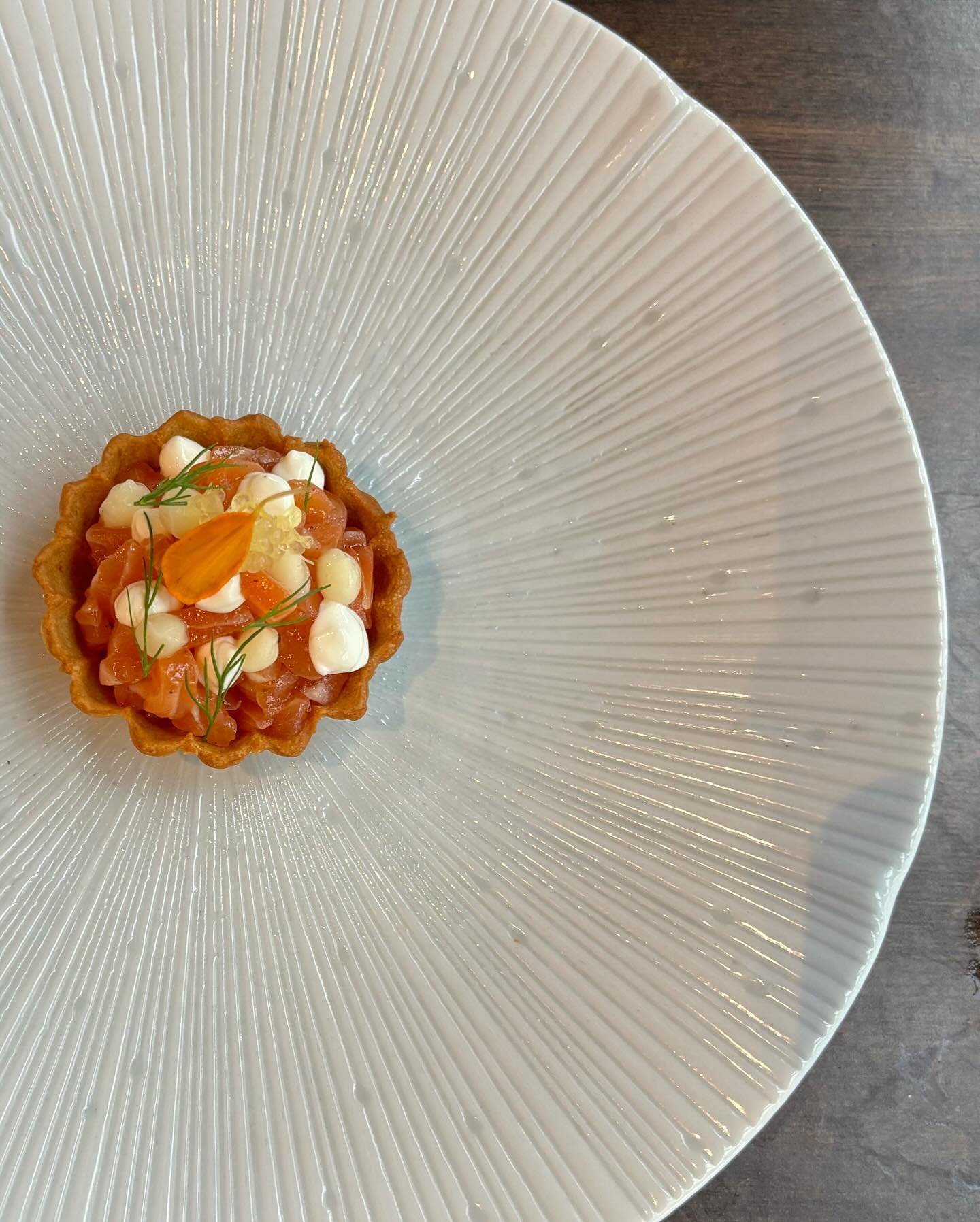
Rabbit terrine with pistachio, celeriac, and Dijon mustard purée.
About Your City!
Buenos Aires, Argentina
- If Anthony Bourdain or a chef came to your city, what would be the perfect tour itinerary from breakfast to dinner?
I would start with breakfast at Betular for coffee and pastries. Then I’d head to Elena at the Four Seasons for lunch. In the evening, I’d have dinner at Trescha and finish the day with ice cream at El Preferido.

Food Is About People
Humans Of The Kitchen
Great hospitality starts long before the first bite and stays long after the meal ends.
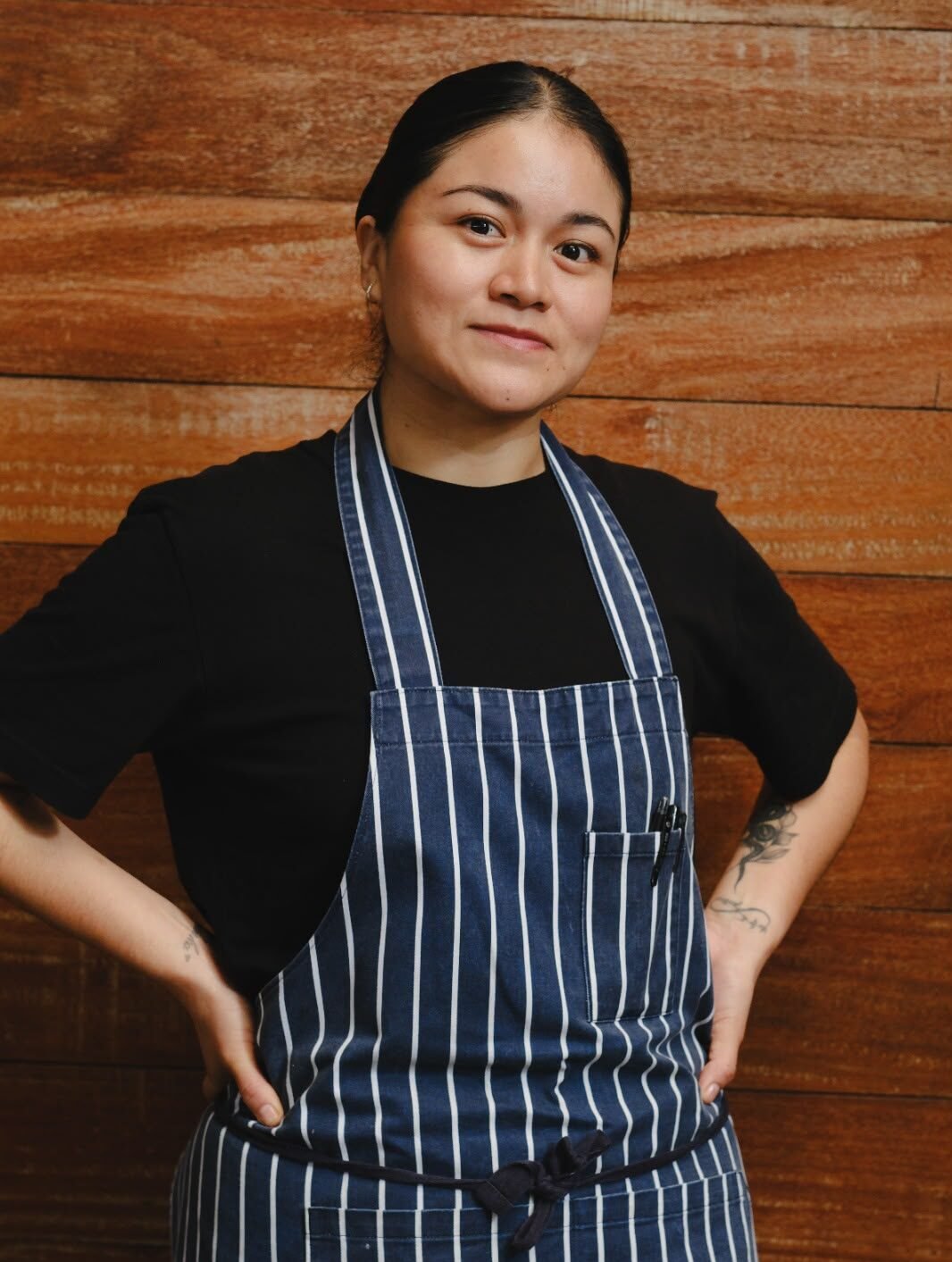
Melyssa Pardo Baltazar
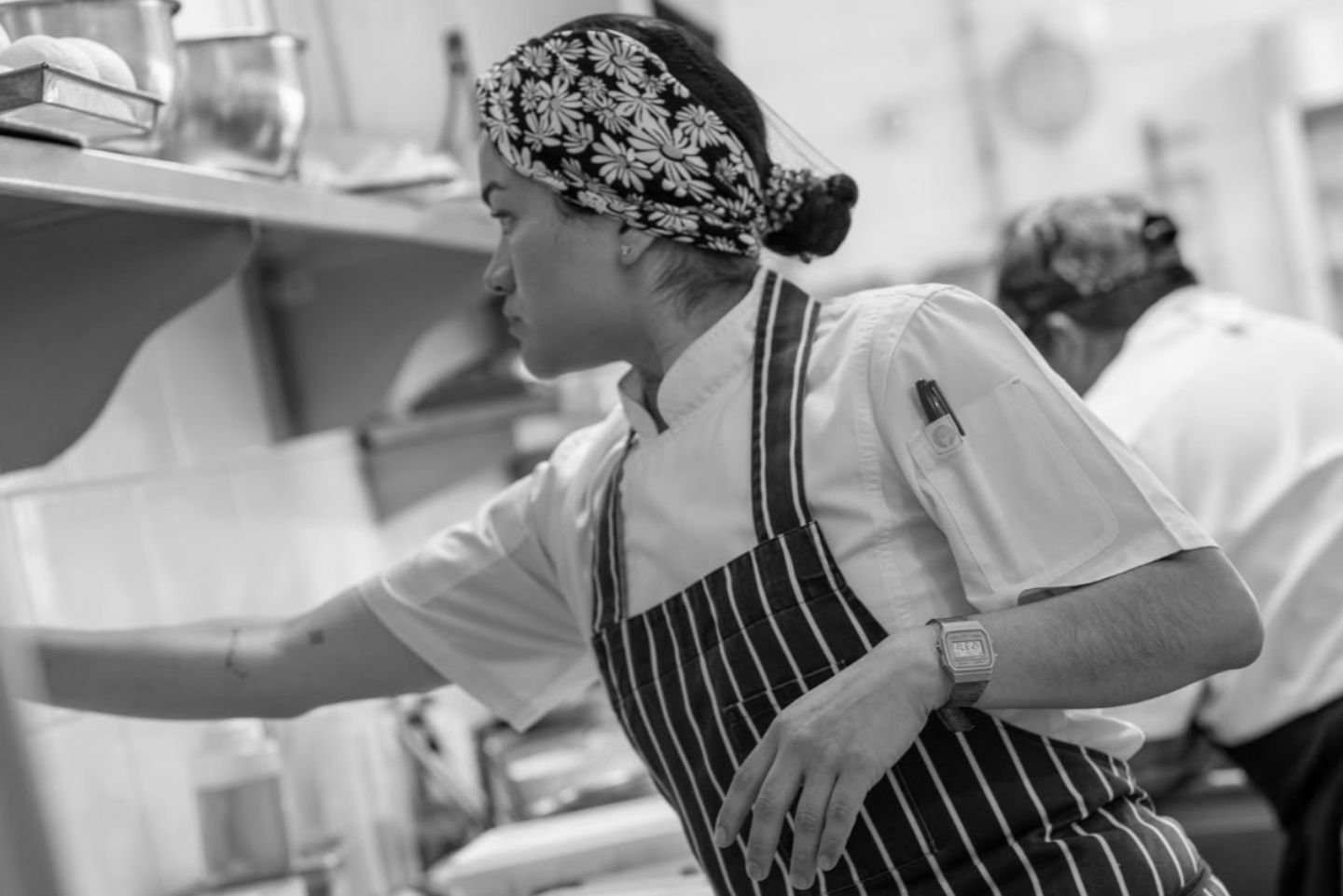
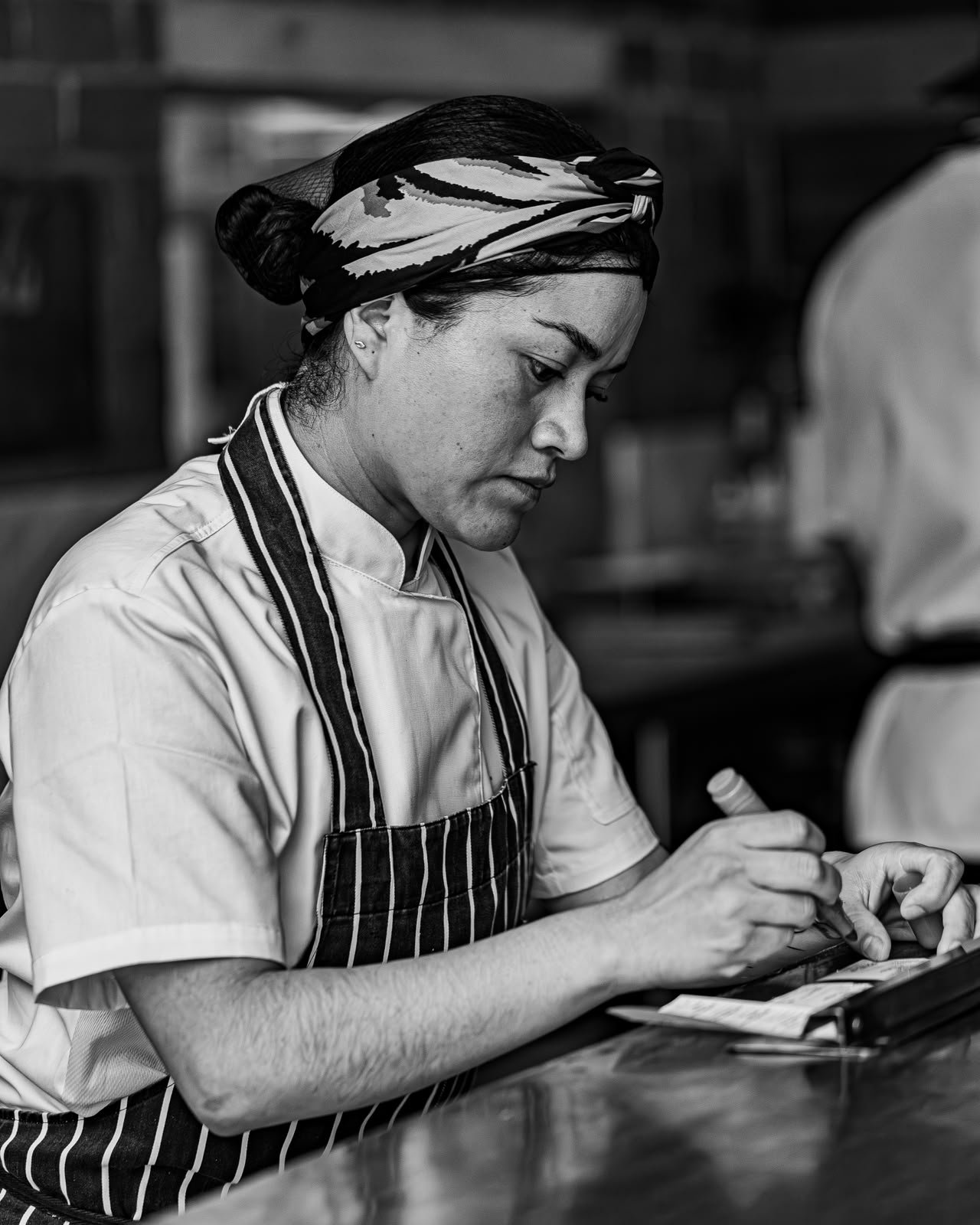
Peruvian chef Melyssa Pardo Baltazar discovered her calling long before she understood it had a name. Growing up beside her mother in the kitchen, she learned that cooking wasn’t simply about preparing meals; it was a way of showing love, bringing people together, and creating lasting memories. What began with peeling peas and helping with simple tasks slowly became the passion that would shape her life.
At just 17 years old, Melyssa stepped into her first professional kitchen, where discipline, sacrifice, and perseverance quickly became part of her daily routine. Throughout her journey, she has faced demanding kitchens, overcome gender stereotypes, and transformed every challenge into an opportunity to grow; not only as a cook, but as a leader.
Today, her philosophy is rooted in respect: respect for ingredients, for technique, and above all, for people. Having experienced both the inspiring and difficult sides of professional kitchens, she strives to build environments where excellence and empathy coexist, proving that great leadership doesn’t require fear, it requires humanity.
In this conversation, Melyssa reflects on the childhood memories that shaped her love for cooking, the lessons she learned in demanding professional kitchens, the importance of leading with empathy instead of fear, and why she believes the best chefs never stop being students.
Share your Journey
- Looking back at your childhood, was there a specific moment or memory that sparked your interest in food or cooking?
Ever since I can remember, the kitchen has been part of my life. I grew up beside my mother, watching and helping with every meal she prepared. I started with simple tasks, like shelling peas or helping with small details, but little by little I realized that the kitchen awakened something special in me. Without noticing it, it stopped being just another household responsibility and became a place where I felt happy and could express myself.
The moment that truly marked my life happened when I was nine years old. My mother had to travel, and I stayed home with my father. I saw how hard he worked every day, and I wanted to do something that would make him feel loved when he came home. I decided to cook him a simple pasta with grated carrots and tomatoes. It was made with all the love I could give at that age.
- Did you have another career or job before becoming a chef? How did those experiences influence your decision to pursue cooking?
I finished high school when I was 16 years old. I clearly remember having only two months of vacation before my mother enrolled me in culinary school. She had always believed in my passion for cooking and encouraged me to follow this path.
Because everything happened so quickly, I never had the opportunity to pursue another career or even apply for a different job. My mother always said that too much time resting could easily turn into complacency, so she encouraged me to keep moving forward and start building my future right away.
- Did you formally study culinary arts, or are you self-taught? How has your learning journey shaped your approach to cooking?
My culinary journey began with formal training at culinary school, where I built a strong technical foundation. However, I believe a large part of my growth has been self-taught. Cooking requires constant study, research, learning from every mistake, and learning from every person you meet. I truly believe a chef never stops being a student.
That continuous learning has shaped the way I understand cooking today. I no longer see the kitchen simply as a place to create dishes, but as a space where people are shaped, values are passed on, and strong teams are built. Respecting the ingredients, embracing discipline, and combining technical skill with the desire to always improve remain at the heart of everything I do.
- When did you first step into a restaurant kitchen? What was that experience like, and how did it shape your journey as a chef?
I first stepped into a professional kitchen at the age of 17 as an intern at a Mediterranean restaurant called La Eñe. It was there that I truly confirmed cooking was the path I wanted to follow.
As an intern, the only financial support I received was enough to cover my transportation. I decided to save that money for an entire month so I could buy my first pair of kitchen clogs and my first cookbook. That experience taught me that hard work always brings rewards and that every tool I earned represented another step toward my dream.
From that moment on, I understood that passion must always be accompanied by discipline, sacrifice, and perseverance. That philosophy continues to guide my career today.
- What were some of the early challenges or obstacles you faced when you started in the kitchen, and how did you overcome them?
The beginning of my career wasn’t easy. I found myself working alongside chefs who were very protective of their recipes, techniques, and ways of doing things. Many belonged to a generation with a very traditional, and sometimes even sexist mindset, so earning their trust and respect as a woman became one of my greatest challenges.
Many of them didn’t have the patience to teach, but I chose to respond through hard work, discipline, and a constant willingness to learn.
Little by little, I proved my commitment, my ability to handle pressure, and my determination to keep growing. Over time, I realized that respect is never demanded; it is earned through perseverance, humility, and consistent results.
- What keeps you inspired and how has that inspiration driven you throughout your professional journey? Especially during tough times in the kitchen?
What inspires me most is remembering where I come from and the journey I’ve taken to get where I am today. Cooking has taught me that every challenge is an opportunity to grow, and that belief motivates me to keep learning and improving every single day.
During difficult moments—when fatigue, pressure, or mistakes appear—I find strength in my passion for cooking, my commitment to my team, and my desire to continue creating memorable experiences for everyone who enjoys our food.
I’m also inspired by knowing that through hard work, discipline, and perseverance, I’ve been able to build my place in such a demanding profession. That reminds me that moving forward is always worth it.
- Can you recall a moment in the kitchen that marked you forever? Maybe it was an interaction with a mentor, a fellow cook, someone you fed, or a situation that challenged you in a way that shaped who you are today?
Yes. One of the moments that marked my career the most was when I joined a kitchen with a completely different level of discipline and expectations than anything I had experienced before.
At first, it wasn’t easy. I had to earn my place and received many corrections about organization, cleanliness, and execution. At the time, those lessons felt harsh, but eventually I understood they had a purpose.
I also experienced one of the most difficult aspects of professional kitchens: ego. I worked alongside people who believed that having more experience gave them the right to look down on those who were just starting. That experience taught me exactly the kind of leader I never wanted to become.
Later, when I had the opportunity to lead my own station, I made a promise to myself that interns and young cooks would find guidance in me—not someone who made them feel less than they were. My station became a place where people could learn with respect.
Throughout my career, I also learned by observing every chef and every colleague I worked with. From each one, I adopted techniques, habits, and different ways of solving problems. Over time, I built my own style of cooking and leadership by taking the best from every experience and turning it into my own identity.
Today, I look back with gratitude. Even the most difficult moments helped shape the cook and the leader I have become today.
- As a chef, how would you describe your philosophy in the kitchen, and how does it guide your approach to cooking and leadership?
My philosophy in the kitchen is built on the belief that excellence comes from discipline, consistency, and respect. I believe that a great kitchen isn’t built solely on strong technique or exceptional ingredients, but also on people who feel valued and committed to a shared purpose. I’ve learned that high standards are essential for growth, but they can—and should—go hand in hand with empathy.
Having worked in kitchens where ego and mistreatment were part of everyday life taught me exactly the kind of leader I never wanted to become.
I also believe deeply in continuous learning. I observe, I listen, and I never stop learning from the people around me. Every service, every mistake, and every challenge is an opportunity to improve. My goal isn’t only to create great dishes, but to build strong teams where people develop confidence, good judgment, and a genuine passion for this profession.
- Can you share a time when cooking or the camaraderie in the kitchen helped you through a tough period in your life? What made that experience meaningful?
Yes. Throughout my life, I’ve gone through several difficult personal moments, and during many of them, the kitchen became my refuge.
Whenever I stepped into service, all my attention shifted to cooking, solving problems, and making sure every dish left the kitchen at its best. That focus helped me set my worries aside and keep moving forward.
I’ve also made only a few close friends in the kitchen, but the ones life gave me are still part of my life today. During my most difficult moments, they offered sincere support, the kind that doesn’t always require words to make you feel you’re not alone.
That experience was incredibly meaningful because it taught me that the kitchen doesn’t just shape professionals; it creates lasting bonds. Sharing long, demanding days, learning together, and overcoming challenges side by side builds a level of trust that’s hard to find anywhere else.
- Reflecting on your career, what achievements or milestones are you most proud of, and what do they mean to you?
Looking back on my career, I realize that my greatest achievement hasn’t simply been reaching positions with greater responsibility, but building a career founded on hard work, discipline, and consistency. Every kitchen I’ve worked in has taught me something valuable and helped me grow both professionally and personally.
I’m proud of having earned the trust of the teams I’ve worked with and having had the opportunity to lead them. Knowing that I was able to contribute to the development of young cooks who were just beginning their careers, share what I’ve learned, and create an environment based on respect and continuous learning is one of the accomplishments I value the most.
I’m also proud of overcoming the moments when I doubted my own abilities. Every challenge, every mistake, and every demanding experience strengthened my character and reminded me that I was always capable of going one step further. Today, more than titles or recognition, I value having built my own identity as a chef—a way of cooking and leading rooted in discipline, continuous learning, and respect for people. That is the achievement that means the most to me because it reflects not only what I do, but also who I am.
- What aspects of restaurant culture do you love, and what parts do you find frustrating or problematic? Are there any changes you’re actively working toward or things you hope they change in the industry? Share the reasons behind them and how they align with your vision for a better culinary world?
What I love most about restaurant culture is that it teaches people how to work as a team, develop discipline, and understand that excellence is built through consistency.
The kitchen has the power to bring together people from very different backgrounds under one shared purpose, and that’s something I’ve always admired about this profession.
At the same time, there are still aspects of the industry that I believe need to change. Although hospitality has evolved, there are still traces of sexism, egos that make teamwork more difficult, and environments where high expectations are sometimes confused with mistreatment.
I also believe we need to strengthen values like respect, empathy, and commitment because they are just as important as technical skills when it comes to building great teams. Another challenge I see is the generational shift. Today, we have an incredible amount of talent and creativity, but sometimes we also see less tolerance for frustration and less commitment to the learning process. I believe it’s the responsibility of those of us in leadership positions to find the balance between maintaining high standards while also helping people grow, not just as cooks, but as individuals.
From my position, I try to contribute to that change by leading through example. I work hard to create an environment where discipline and respect coexist, where people can be corrected without being humiliated, and where excellence never comes at the expense of humanity.
My vision for gastronomy is an industry that remains passionate and demanding while also developing better professionals and better human beings. I’m convinced that a great kitchen is measured not only by the dishes that leave the pass, but by the team that makes them possible.
- What are your hopes for the future of the restaurant and food and beverage industry? What changes would you like to see, and how are you contributing to that change?
My greatest hope for the future of our industry is that it continues to grow without losing its human side. I’d love to see kitchens where excellence remains the standard, but where respect, empathy, and opportunities to develop people are just as important as creating great chefs.
I dream of a culinary world where leadership is built through example rather than fear, where talent isn’t measured by ego but by the ability to work as a team, teach others, and continue learning.
I also hope to see more opportunities for women to grow and lead without constantly having to prove that they are just as capable. From my position, I try to contribute to that change every day by building teams with discipline and respect, sharing what I’ve learned, supporting those who are just starting, and promoting a culture where learning is more important than pride.
I believe every chef has the responsibility to leave behind a better kitchen than the one they found—not only through recipes, but through the people they help shape. If one day someone remembers working with me, I hope it won’t only be because of the dishes we cooked together, but because they found a leader who believed in their potential, helped them grow, and showed them that excellence and humanity can always go hand in hand.
- If there’s anything we didn’t ask or if you feel we’re missing something about your personal and kitchen story, please share it here.
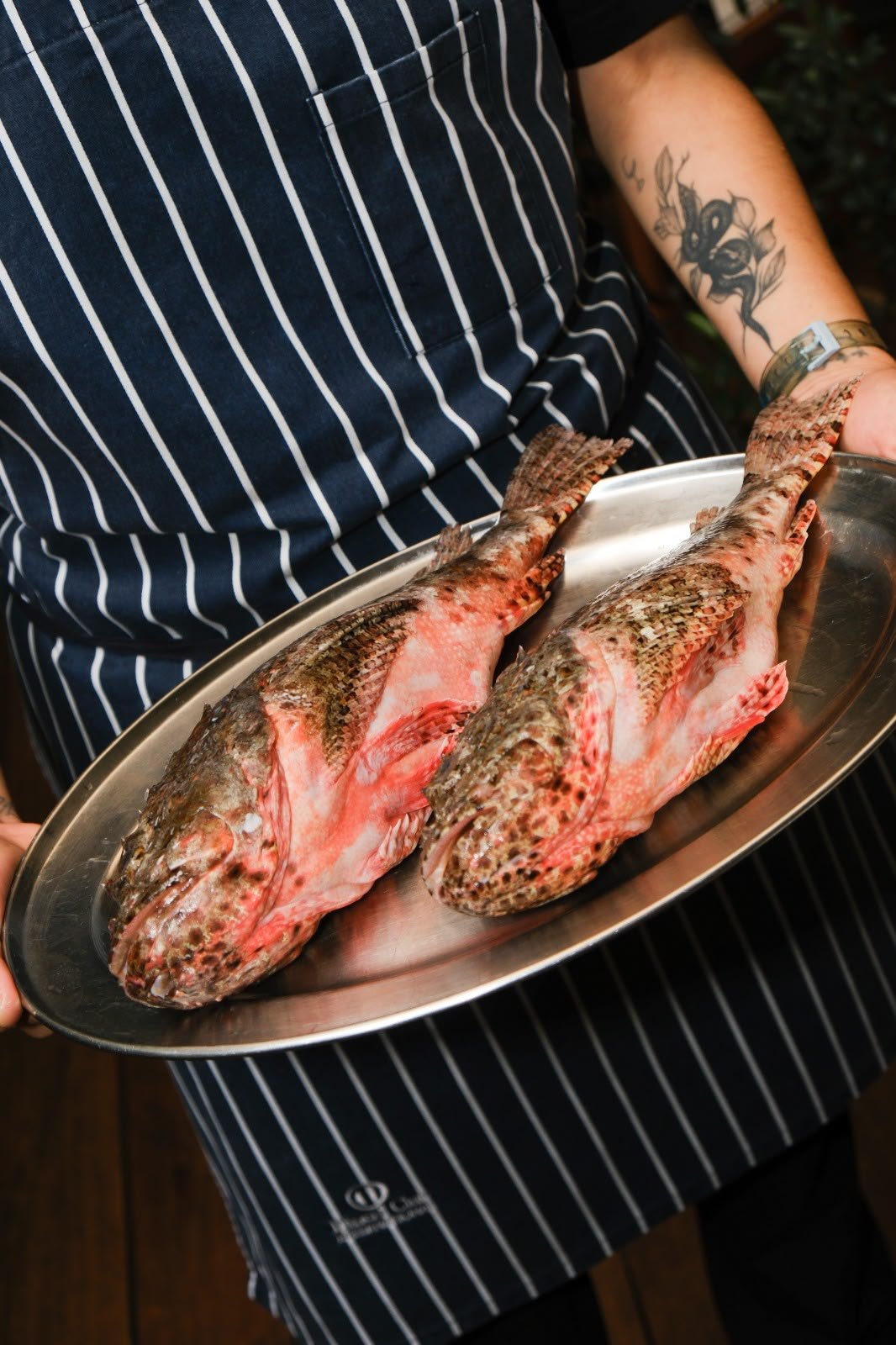
I remember one day when my chef kicked me out of the kitchen because I had overcooked two fish during the middle of a busy rush. I sat on the stairs behind the kitchen because, deep down, I knew he was going to call me back.
Sure enough, about ten minutes later he shouted, “Melyssa! What are you waiting for? Get back down here!”
I knew I wasn’t supposed to leave. I understood it was simply the heat of the moment—it wasn’t personal. After service, we finished the shift together, and he invited me for a beer. Maybe that was his way of apologizing… who knows.
Several photos captured by @j_o_v_s_. 📸
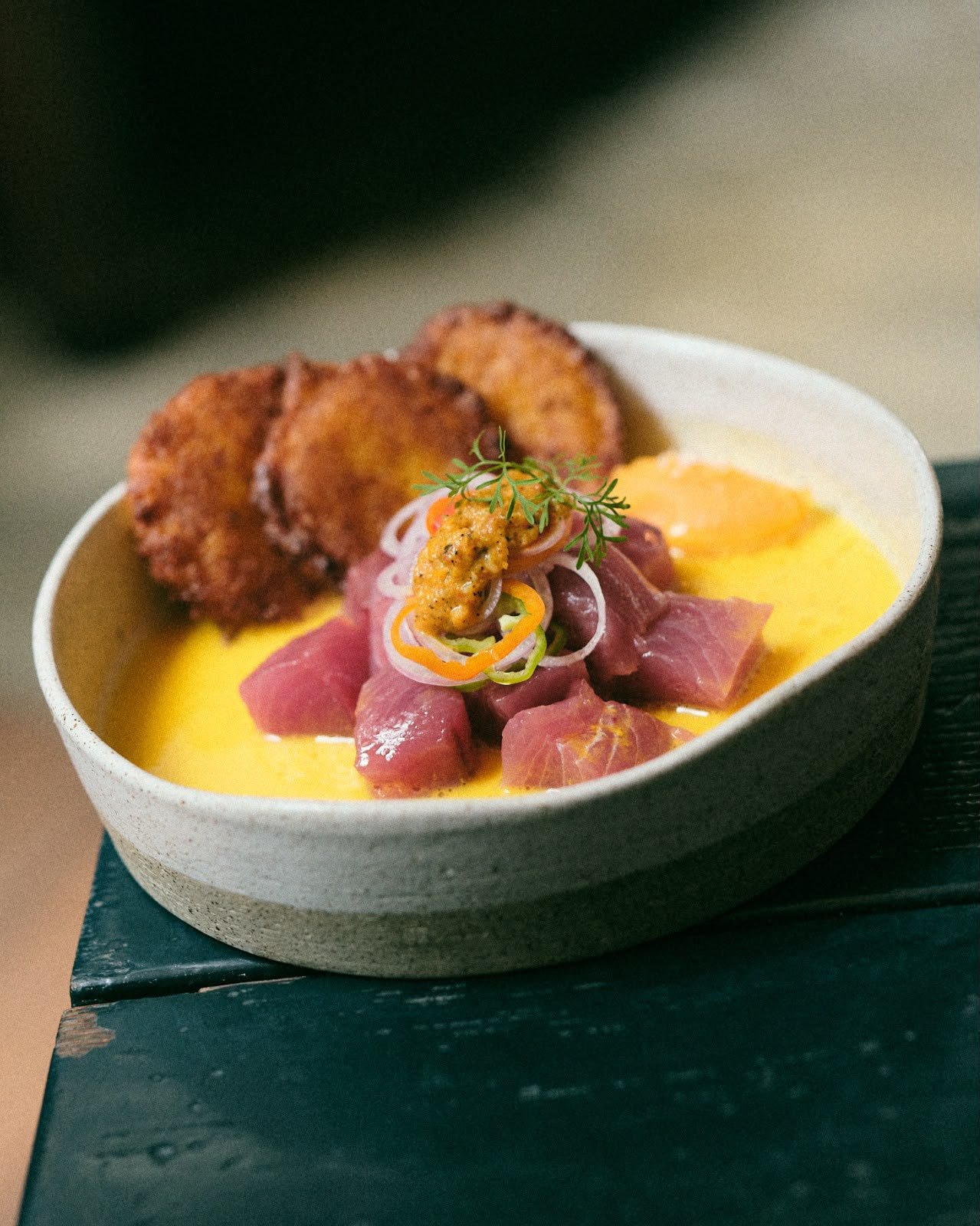
Secret Sauce
- What’s the most unexpected ingredient you’ve ever worked with, and how did it change your perspective on cooking?
One of the most unexpected ingredients I’ve ever worked with was tucupí. More than the ingredient itself, what truly fascinated me was the process behind making it.
Learning about the ancestral techniques required to transform poisonous cassava into a safe, flavorful ingredient gave me an even greater appreciation for the work behind every product. That experience changed my perspective because I realized that cooking isn’t only about preparing food—it’s also about respecting the origins of ingredients, traditional knowledge, and the people who have preserved those techniques for generations.
- What’s your “guilty pleasure” meal?
Corn on the cob with cheese.
- A food trend that you hate and why?
The growing obsession with making food look beautiful while sacrificing flavor, technique, and the true identity of the dish.
- What’s the craziest shift you’ve ever worked in the kitchen?
I’ve experienced many intense services, but the ones that marked me the most were split shifts with events in between and an incredibly high workload.
Those were the days when I’d leave the restaurant completely exhausted, get home, and still have my mind in the kitchen. Even while trying to sleep, I’d mentally go over the 86 list, planning where I needed to start production the next morning so everything would be ready on time.
5. What happened, and how did you manage to get through it?
Those experiences taught me that a successful service doesn’t depend only on cooking well. It also depends on organization, anticipating problems, and making quick decisions under pressure.
I learned to develop what we call “mañas” in the kitchen: those habits, instincts, and ways of working that only come with experience.
They were incredibly demanding shifts, but they also strengthened my ability to stay calm and develop resilience under pressure.
- What tips would you give to other cooks and chefs to help them navigate their culinary careers and find peace amid the chaos of the kitchen?
I would tell them to never stop learning and never be afraid to start from the bottom. We all go through difficult moments, make mistakes, and doubt ourselves, but every experience has something to teach us if we’re willing to learn.
I’d also tell them not to let ego get in the way. There will always be someone who knows more than you and someone who is just beginning. Sharing knowledge and respecting others will always build a stronger team than competing against one another.
Most importantly, find your own way of doing things. It’s wonderful to learn from many chefs, but eventually each of us must build our own identity, our own judgment, and our own style of leadership.
The kitchen will always be a place of pressure and chaos, but I’ve learned that peace doesn’t come from having a perfect service. It comes from being prepared, trusting your team, and remembering why you chose this profession in the first place.
When you cook with passion, discipline, and respect, even the hardest days leave you with something valuable.
- What’s an underrated ingredient and why?
For me, onions are one of the most underrated ingredients. They’re present in almost every kitchen and often go unnoticed, yet they have the power to completely transform a dish.
8. What’s a must-try dish from your kitchen or the one you’re proudest to have prepared?
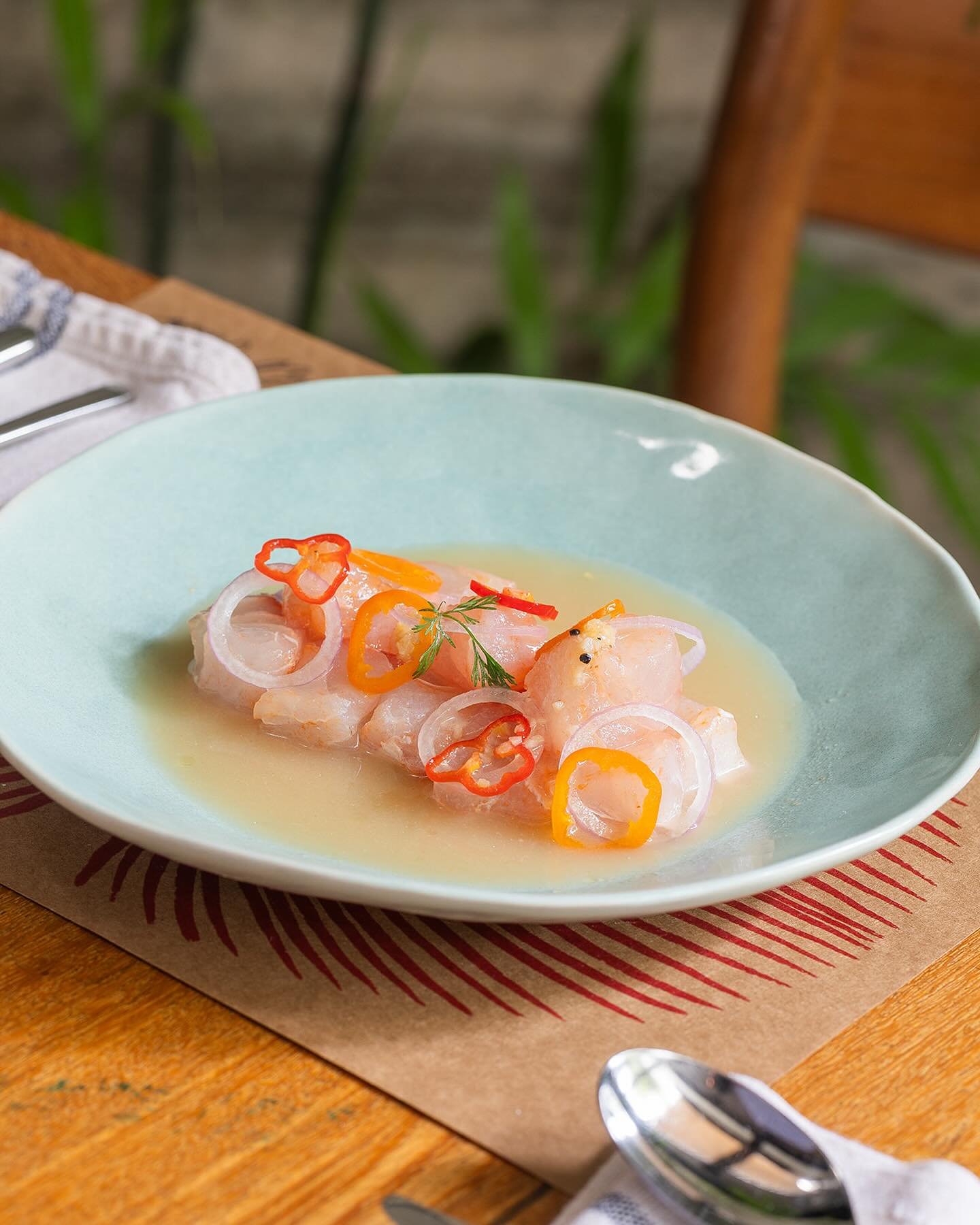
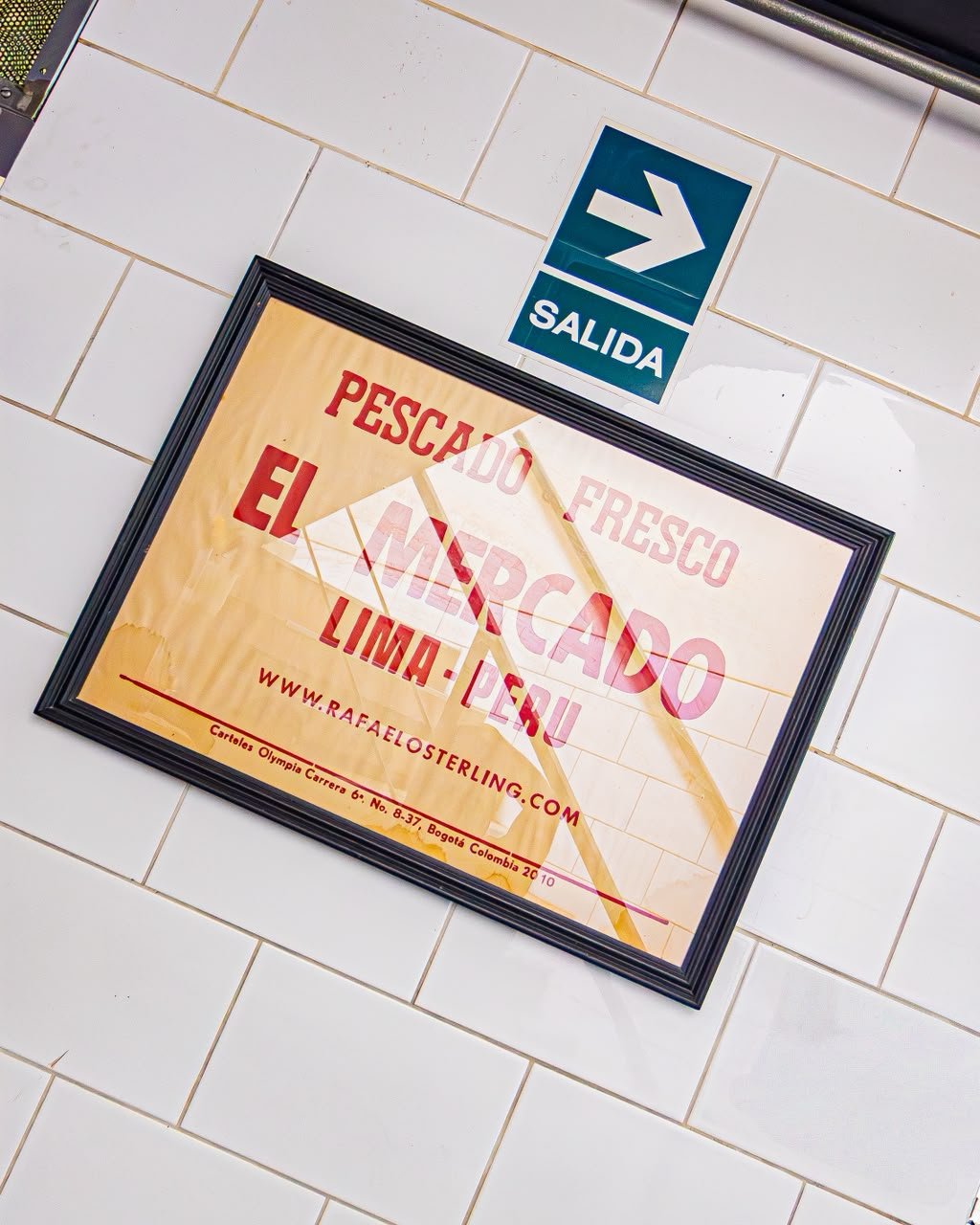
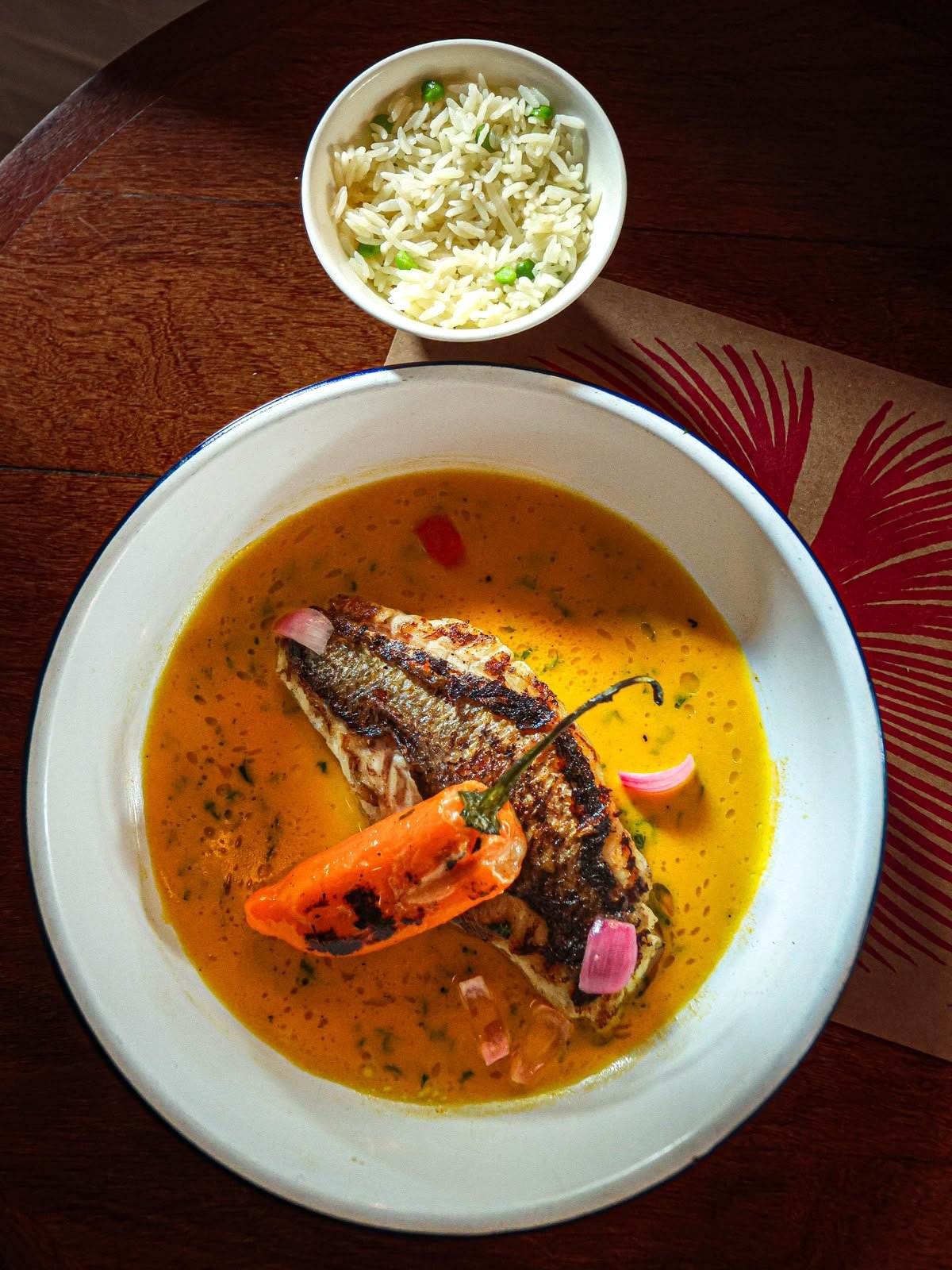
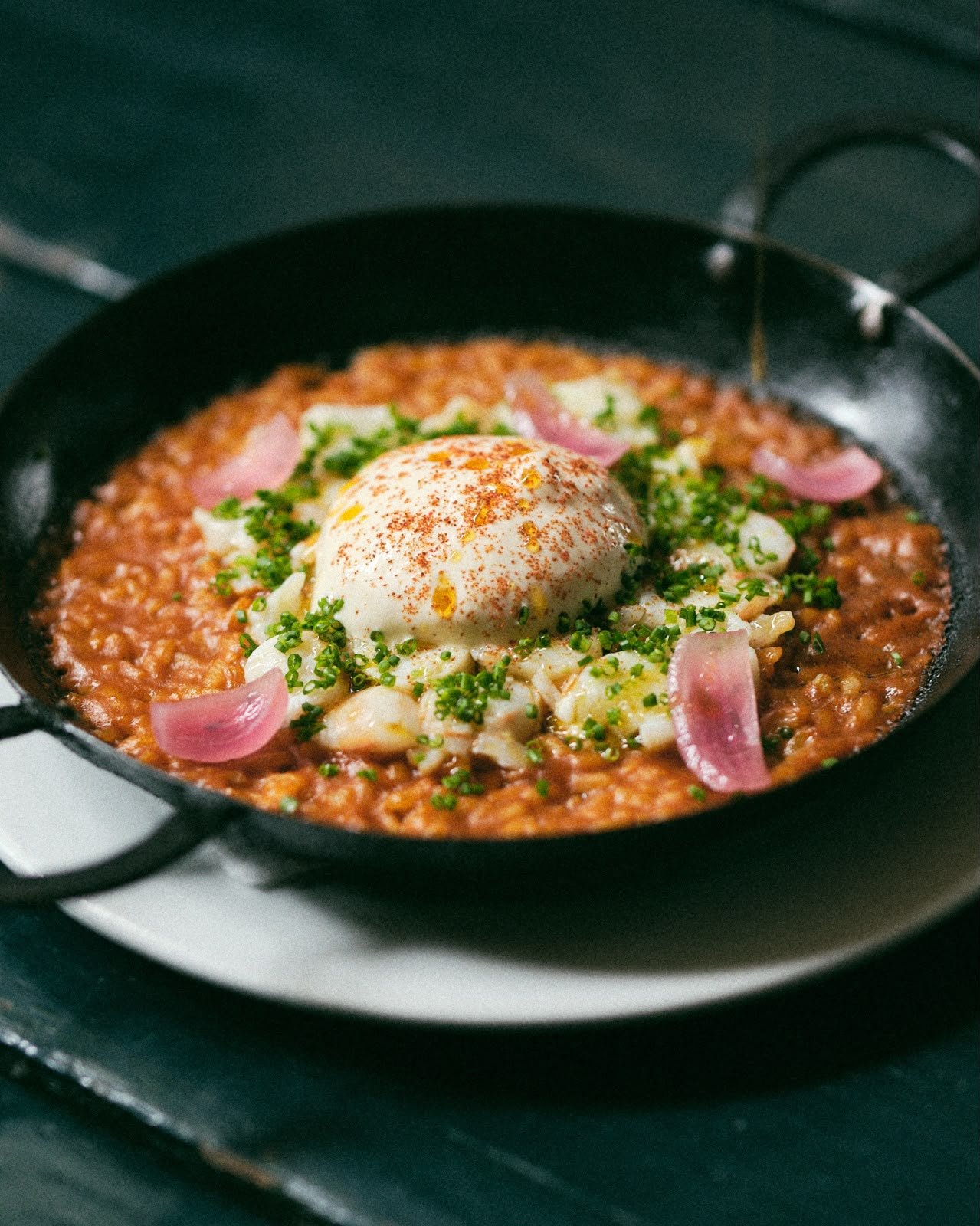
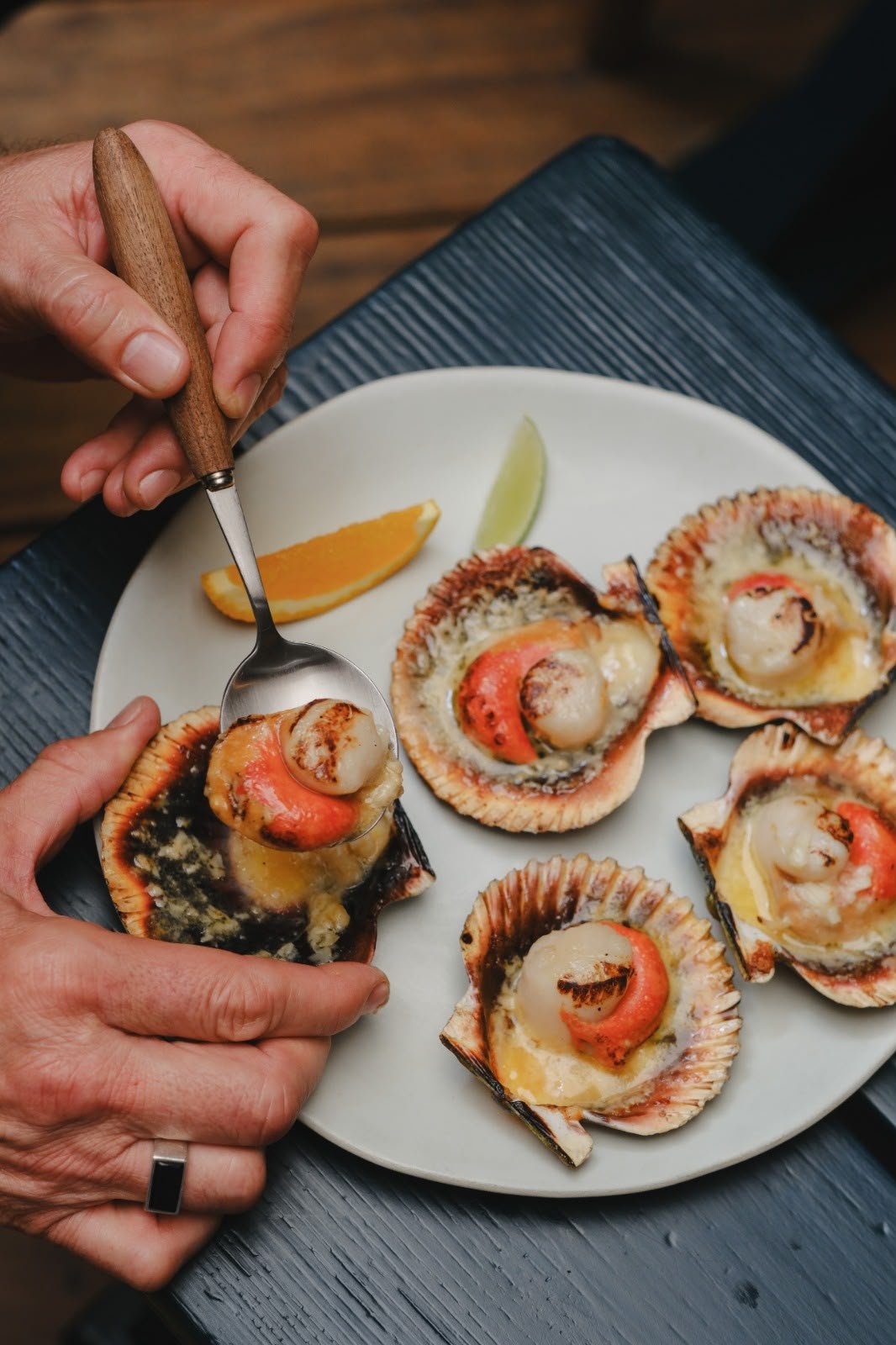
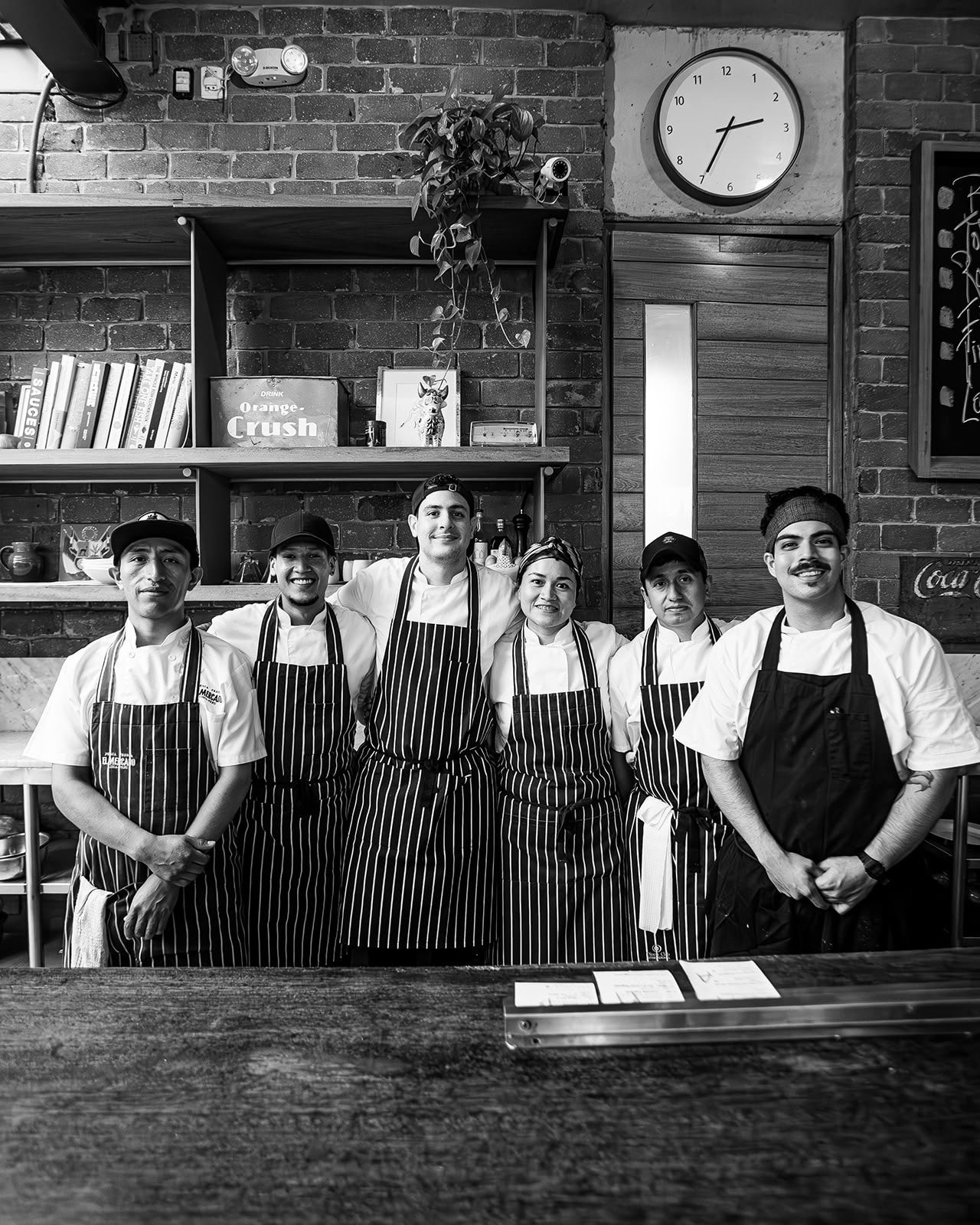
You can’t leave El Mercado without trying our ceviches in all their different versions, all prepared by our incredible ceviche master, “Pichón.”
About Your City!
Peru
- If Anthony Bourdain or a chef came to your city, what would be the perfect tour itinerary from breakfast to dinner?
We’d start the day with a great coffee at Punto Café.
For breakfast and pastries, we’d visit Pan de la Chola or Panadería Cultivo.
For brunch, I’d take them to Demo.
Lunch would definitely include El Mercado Restaurante, Canta Rana in Barranco, and La Perlita.
For dinner, I’d recommend Rafael, Siete, and Clon & Mérito.
For cocktails and wine, we’d finish the evening at Lady Bee and Cordial.
And if they were staying in Lima, I’d recommend Miraflores for its peaceful atmosphere, with Belmond Miraflores Park as an excellent place to stay.
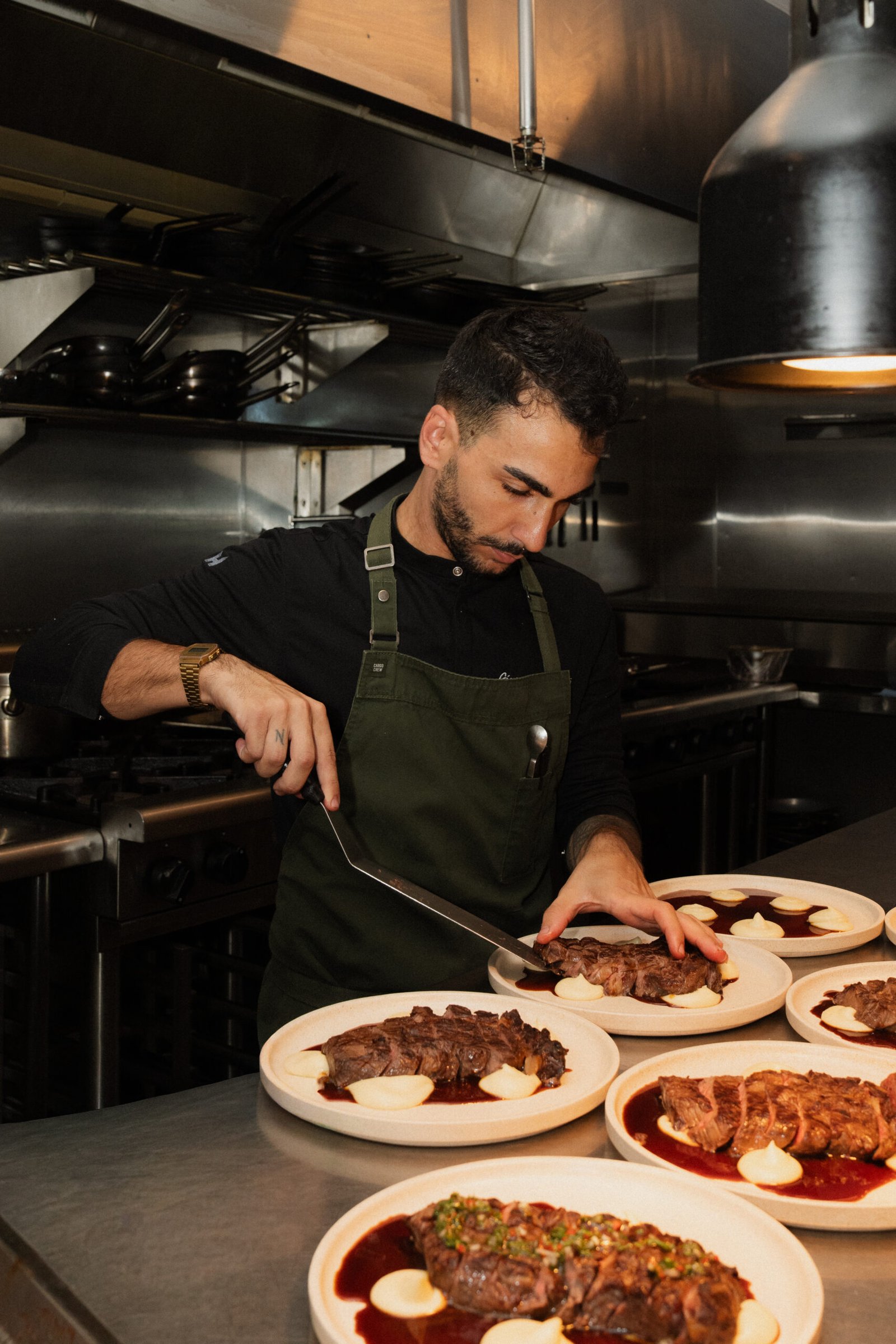
Success Looks Different Now
Humans Of The Kitchen
Awards matter, but helping young chefs grow has become the achievement that means the most.
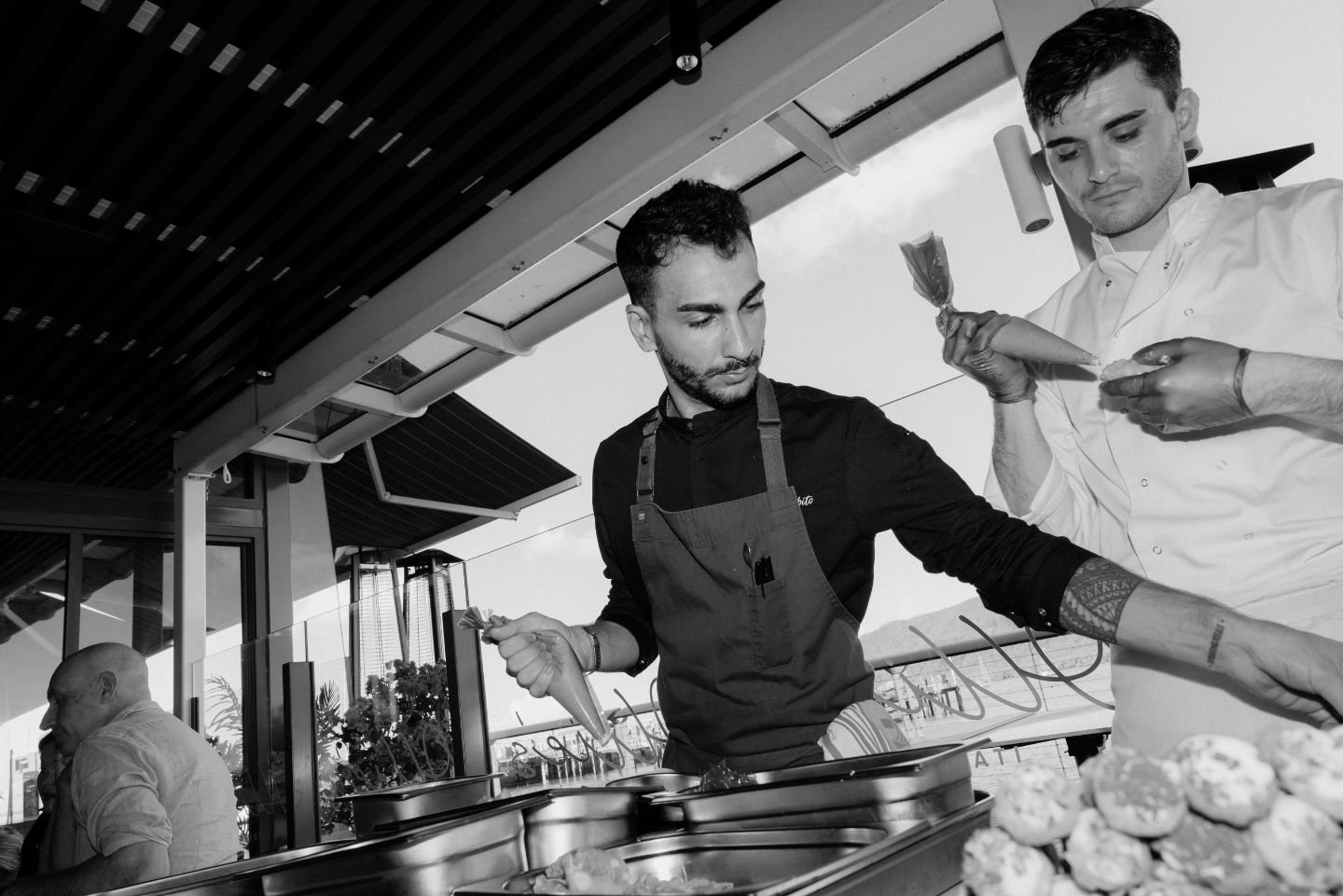
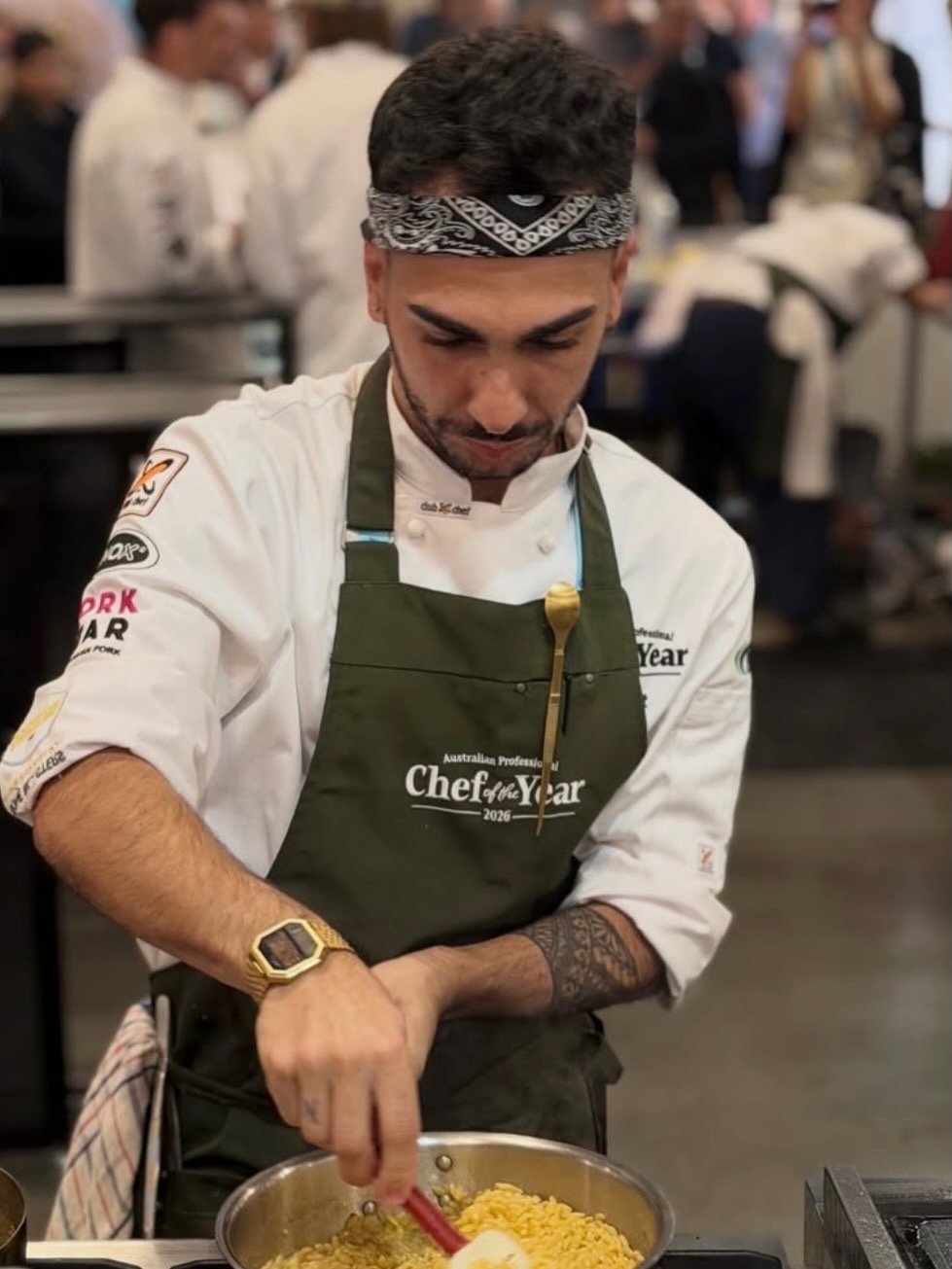
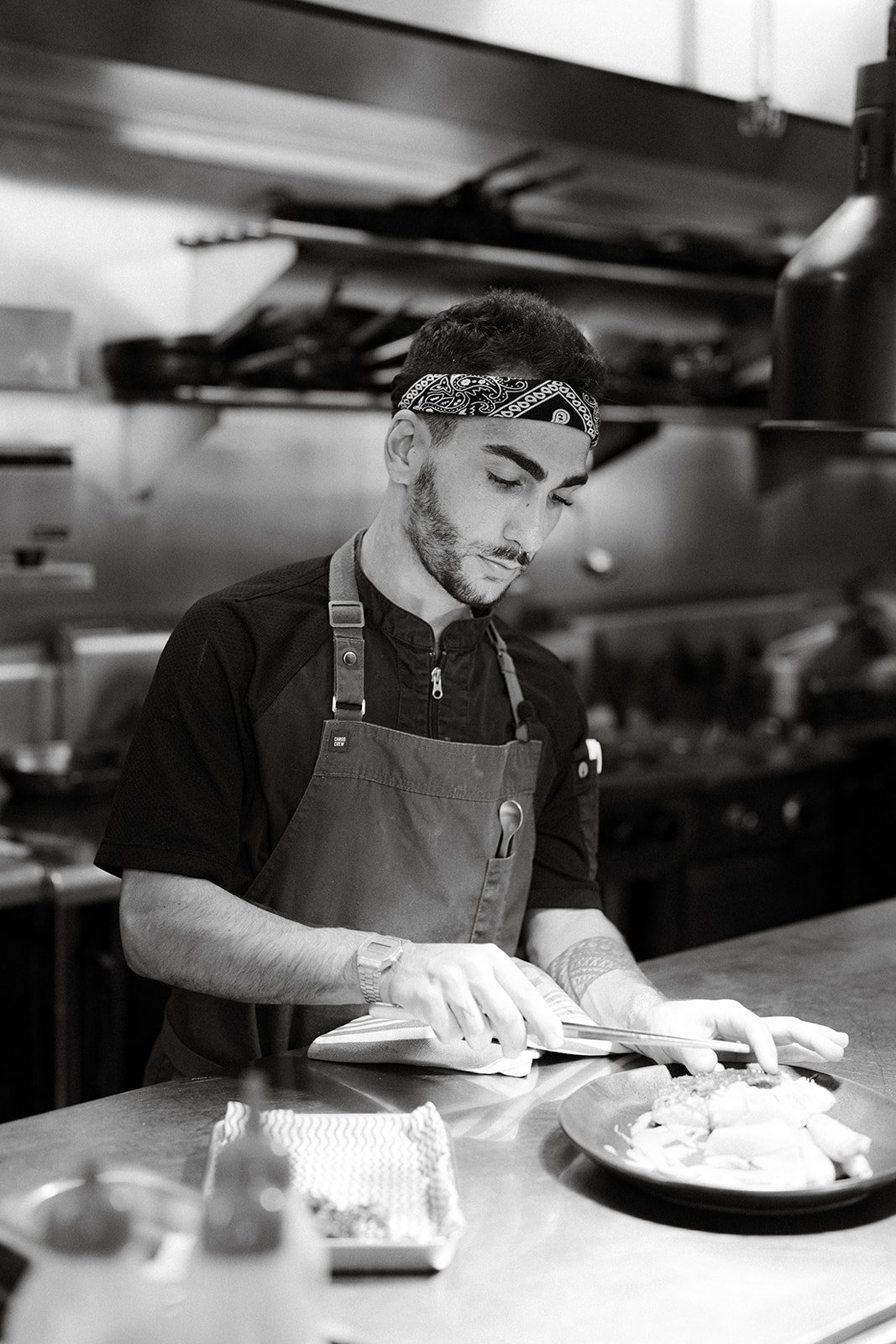
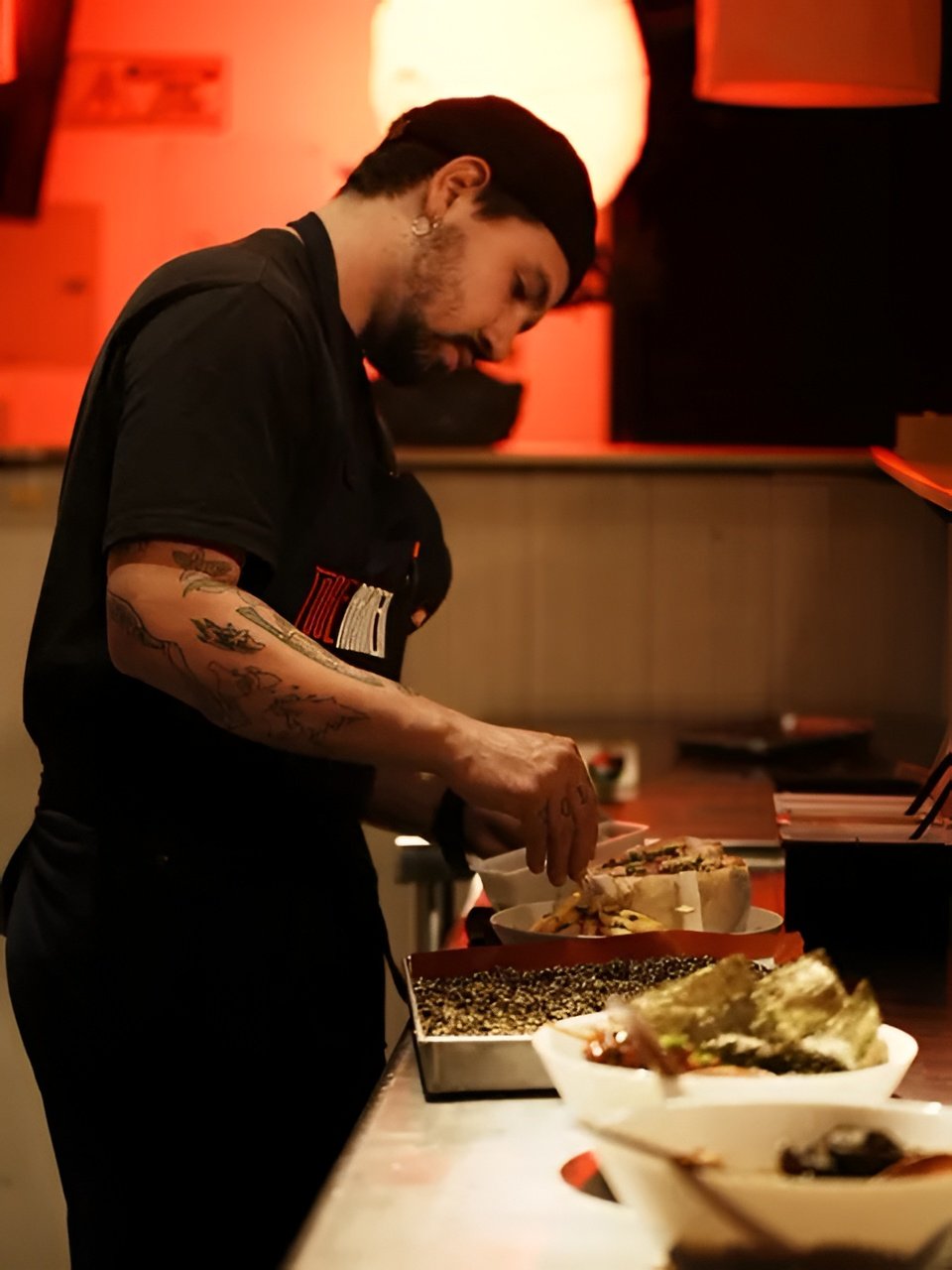
Giuseppe Morabito
Giuseppe Morabito’s story began in Reggio Calabria, in the south of Italy, where food wasn’t something extraordinary—it was simply a way of life. Surrounded by homemade salumi, preserved vegetables, fresh eggs, citrus trees, and long family meals, he grew up learning that great food begins with respect for ingredients, tradition, and the people who gather around the table.
Although he didn’t dream of becoming a chef as a child, the kitchens of his uncle’s trattoria quietly shaped his future. Over the years, his journey took him far beyond Italy, building a career across Germany, Australia, and New Zealand. Each move challenged him to start over, adapt to new cultures, and discover that growth often comes from embracing the unfamiliar.
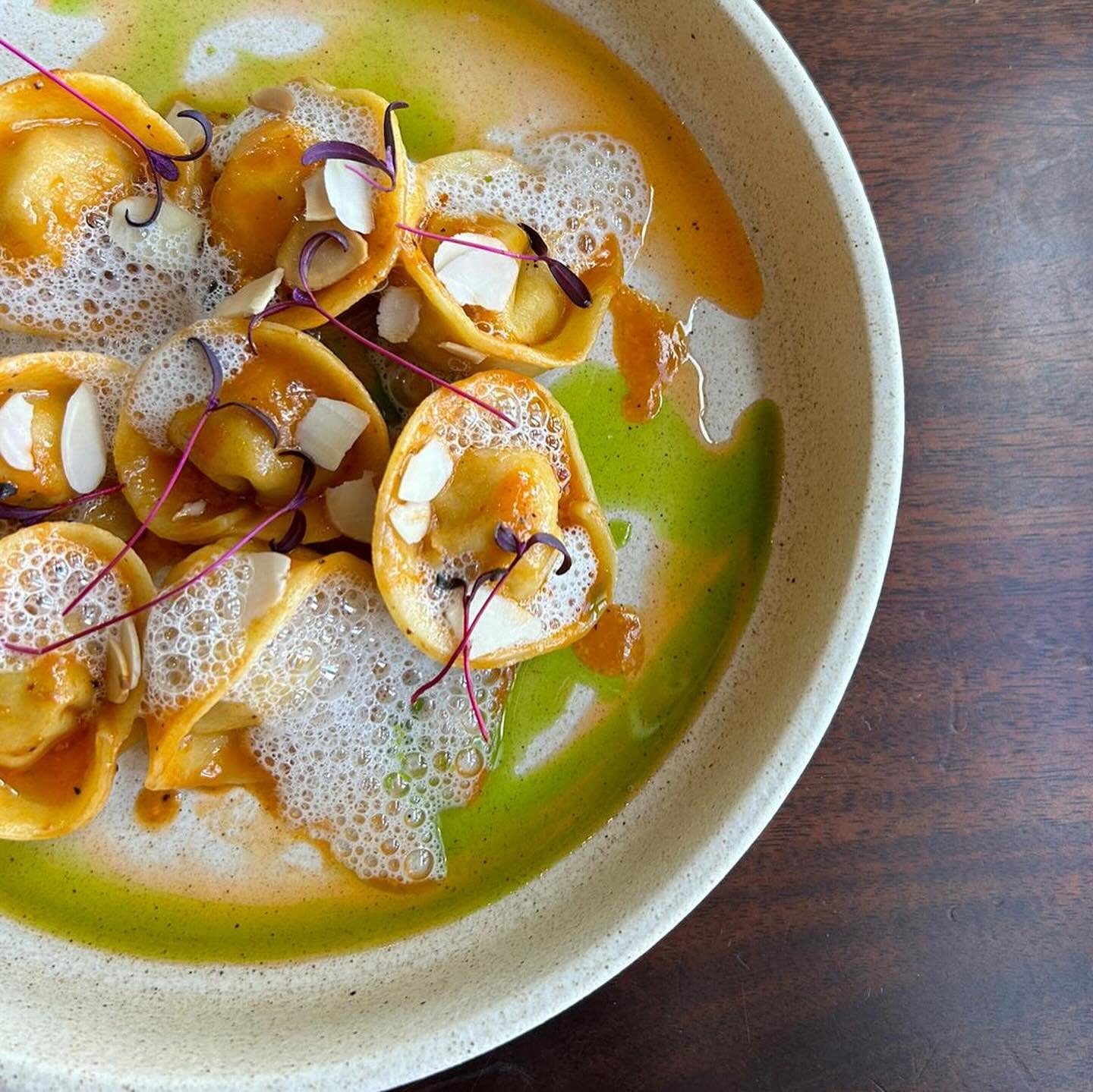
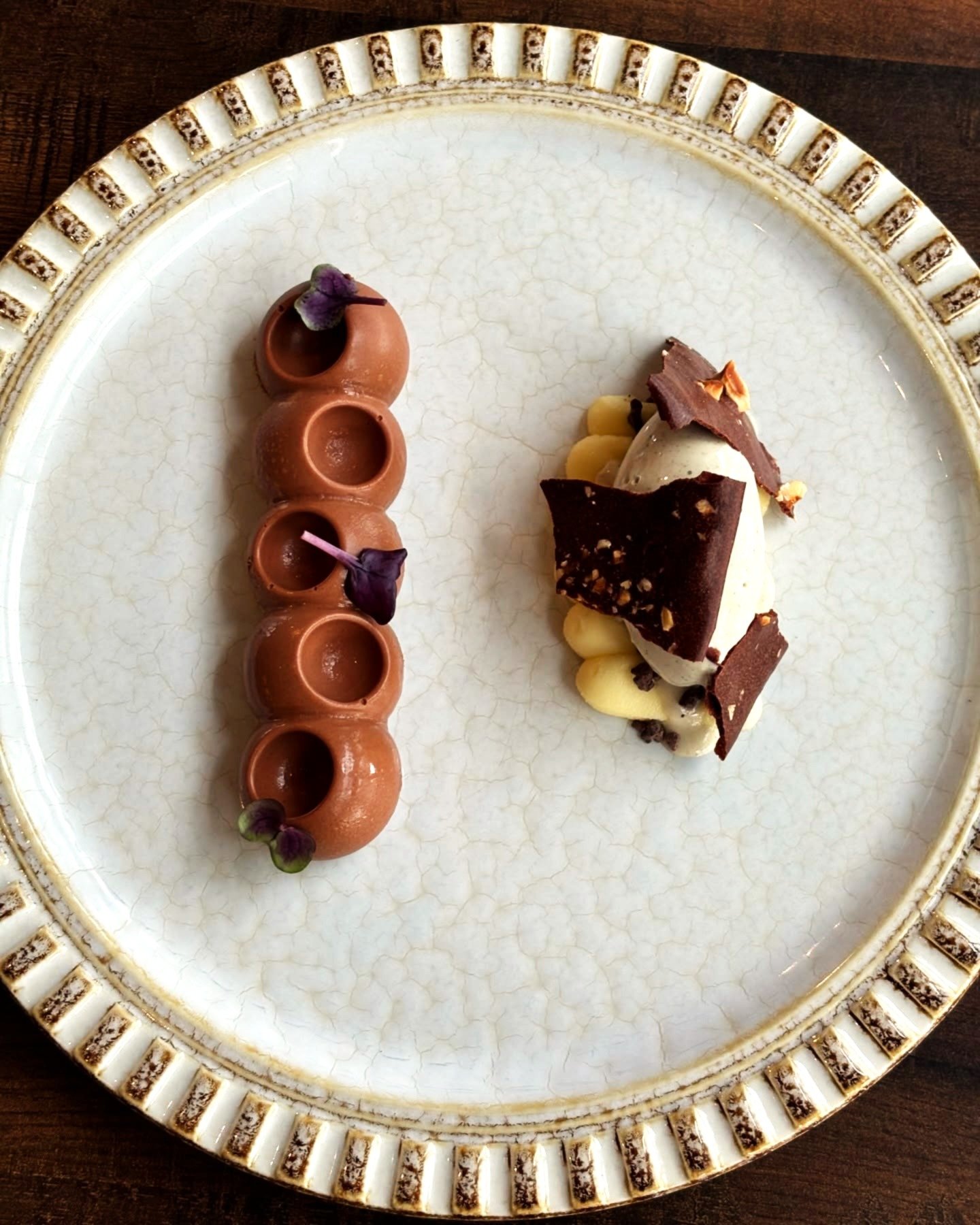
Today, Giuseppe combines his Italian roots with the knowledge gained from years of working around the world. His philosophy is built on purpose, simplicity, and respect, not only for every ingredient on the plate, but also for every person in the kitchen. For him, great leadership is measured as much by the people you help grow as by the dishes you create.
In this conversation, Giuseppe reflects on the experiences that shaped his career, the lessons learned from constantly starting over, and why curiosity, humility, and respect remain the most important ingredients in every kitchen.
Share your Journey
- Looking back at your childhood, was there a specific moment or memory that sparked your interest in food or cooking?
The truth is, I didn’t grow up dreaming of becoming a chef.
I grew up in Reggio Calabria, where food was simply part of everyday life. My father made his own salumi, my mother spent days preserving vegetables in oil and vinegar, and our garden was full of oranges and lemons. We collected fresh eggs from our chickens, and when I was very young, fresh milk often came directly from local farmers.
During school holidays, I would often spend time in my uncle’s trattoria. At first, I was just helping out and spending time around the restaurant, but I became fascinated by the smells coming from the kitchen—the slowly simmering ragù, fresh bread, homemade pasta, and the energy of a busy service.
At the time, none of it felt unusual. It wasn’t until I left Italy and started living and working in different countries that I realized how special those experiences were. Looking back, I don’t think my passion for cooking came from a single moment. It grew naturally from the environment I was surrounded by and the people who taught me to respect food from an early age.
- Did you have another career or job before becoming a chef? How did those experiences influence your decision to pursue cooking?
I never really had another career, but I also wasn’t one of those kids who grew up knowing they wanted to be a chef.
During school holidays, I used to help in my uncle’s trattoria in Reggio Calabria. Some days I washed dishes, some days I helped in the kitchen, and sometimes I simply did whatever needed to be done. At that age, I wasn’t thinking about building a career—I was just helping out.
What I remember most was discovering how much work happened behind the scenes. Guests would arrive, enjoy their meal, and leave, but I could see everything that went into creating that experience: the preparation, the organization, the long hours, and the commitment from everyone involved.
Looking back, I think those experiences planted the seed. I didn’t realize it at the time, but I was slowly finding where I belonged.
- Did you formally study culinary arts, or are you self-taught? How has your learning journey shaped your approach to cooking?
I attended culinary school in Italy, which gave me a solid foundation, but most of my education happened in professional kitchens. Over the years, I’ve worked in different countries, cultures, and restaurants, and every experience has taught me something different.
The biggest lesson I’ve learned is that there’s always more to discover. Every chef, every kitchen, and every place offers a different perspective. Traveling and working abroad taught me to stay curious, keep an open mind, and never assume there’s only one right way of doing things.
That mindset continues to shape both my cooking and my career today.
- When did you first step into a restaurant kitchen? What was that experience like, and how did it shape your journey as a chef?
When I first stepped into a restaurant kitchen, what struck me most wasn’t the pressure or the pace—it was the food itself.
The smell of ragù slowly cooking, fresh bread coming out of the oven, pasta being prepared, and ingredients moving through the kitchen all day long.
As a young kid, that world felt completely different from anything else. There was always something happening, something cooking, something to taste. I became fascinated by the aromas, the ingredients, and the transformation that happened every single day.
Looking back, I think that experience shaped my journey because it made me realize that food could create emotions and memories long before it ever reached the table. Even today, some of my strongest memories are connected to those smells and flavors from my earliest days in the kitchen.
- What were some of the early challenges or obstacles you faced when you started in the kitchen, and how did you overcome them?
One of the biggest challenges wasn’t learning how to cook. It was learning how to start over.
I left home at a young age and throughout my career I’ve worked in different countries, cultures, and kitchens. Every time I moved, I had to prove myself again. It didn’t matter what I had done before or where I had worked. I was the new guy, and I had to earn people’s trust from the beginning.
At times it was frustrating, but it taught me resilience and humility. It forced me to adapt, listen more, and keep learning. Looking back, those experiences helped shape who I am far more than any recipe or technique ever could. They taught me that growth usually happens when you’re uncomfortable.
- What keeps you inspired and how has that inspiration driven you throughout your professional journey? Especially during tough times in the kitchen?
What keeps me inspired is knowing there’s always something more to learn. The more experience I gain, the more I realize how much I still don’t know.
Throughout my career, I’ve worked in different countries, kitchens, and cultures, and every experience has changed the way I see food and hospitality. Every time I thought I had things figured out, I discovered another challenge waiting for me.
During difficult periods, that mindset helped me keep moving forward. Instead of focusing on setbacks, I tried to focus on what they could teach me. Some of the biggest lessons in my career came from mistakes, failures, and uncomfortable situations.
Looking back, those moments often taught me more than the successes ever did.
- Can you recall a moment in the kitchen that marked you forever? Maybe it was an interaction with a mentor, a fellow cook, someone you fed, or a situation that challenged you in a way that shaped who you are today?
One moment that has always stayed with me happened shortly after I moved to Germany. I had just started working in a new kitchen under an Italian chef. One day, I arrived at work without shaving, thinking it wasn’t a big deal.
The chef took one look at me and told me to go home, shave, and come back before continuing my shift.
At the time, I was embarrassed and probably a little annoyed. But looking back, I realize it was never about the beard. It was about standards. It was his way of teaching me that professionalism is built on small details, and that if you want to work at a high level, you can’t choose which standards matter and which don’t.
I’ve never forgotten that lesson. It taught me that excellence isn’t only about cooking well—it’s about discipline, consistency, and respect for the profession every single day.
- As a chef, how would you describe your philosophy in the kitchen, and how does it guide your approach to cooking and leadership?
My philosophy is simple: every ingredient should have a purpose.
I don’t like adding elements to a dish just because they’re fashionable or visually appealing. I believe good cooking is about balance, flavour, texture, and knowing when to stop rather than when to add more.
The same principle applies to leadership. I don’t believe people should come to work afraid of their chef. Respect lasts much longer than fear. I want the people I work with to feel motivated, challenged, and proud of what they do. A kitchen will always be demanding, but I believe people perform at their best when they enjoy coming to work, keep learning, and feel part of something bigger than themselves.
For me, building a strong team is just as important as creating a great dish.
- Can you share a time when cooking or the camaraderie in the kitchen helped you through a tough period in your life? What made that experience meaningful?
Moving overseas was exciting, but it could also be lonely. Every time I arrived in a new country, I had to build a life from scratch. The kitchen became my anchor.
No matter where I was, kitchens had a familiar rhythm. They gave me structure, purpose, and a community. Some of my closest friendships were built during those years. During difficult periods, being part of a team working toward the same goal reminded me that I wasn’t alone.
- Reflecting on your career, what achievements or milestones are you most proud of, and what do they mean to you?
I’m proud of building a career that has taken me from a small city in southern Italy to professional kitchens across Europe, Australia, and New Zealand.
Becoming a Head Chef and reaching the final of Australian Professional Chef of the Year are achievements I’m very proud of, but what they really represent is years of hard work, sacrifice, and continuous learning.
More than any title or competition, I’m proud of the people I’ve worked with and helped develop throughout my career. Seeing others grow is one of the most rewarding parts of this profession.
- What aspects of restaurant culture do you love, and what parts do you find frustrating or problematic? Are there any changes you’re actively working toward or things you hope they change in the industry? Share the reasons behind them and how they align with your vision for a better culinary world?
What I love most about restaurant culture is the sense of belonging. Kitchens bring together people from different backgrounds and create a unique bond through shared experiences, challenges, and goals.
What frustrates me is the belief that success must come at the expense of wellbeing. Long hours and hard work will always be part of hospitality, but I don’t believe burnout should be celebrated. Some of the best chefs I’ve worked with were calm, organised, and respectful.
I hope the industry continues moving toward healthier workplaces where high standards and personal wellbeing can exist together. Developing people is just as important as developing dishes.
- What are your hopes for the future of the restaurant and food and beverage industry? What changes would you like to see, and how are you contributing to that change?
I hope the industry continues becoming a place where young people can build long and rewarding careers. Hospitality has given me incredible opportunities, but attracting and retaining talented people remains one of its biggest challenges.
I’d like to see more focus on mentorship, education, sustainability, and creating positive work environments. As a chef, I try to contribute by sharing knowledge, supporting younger cooks, and creating kitchens where people can learn, grow, and enjoy what they do.
- If there’s anything we didn’t ask or if you feel we’re missing something about your personal and kitchen story, please share it here.
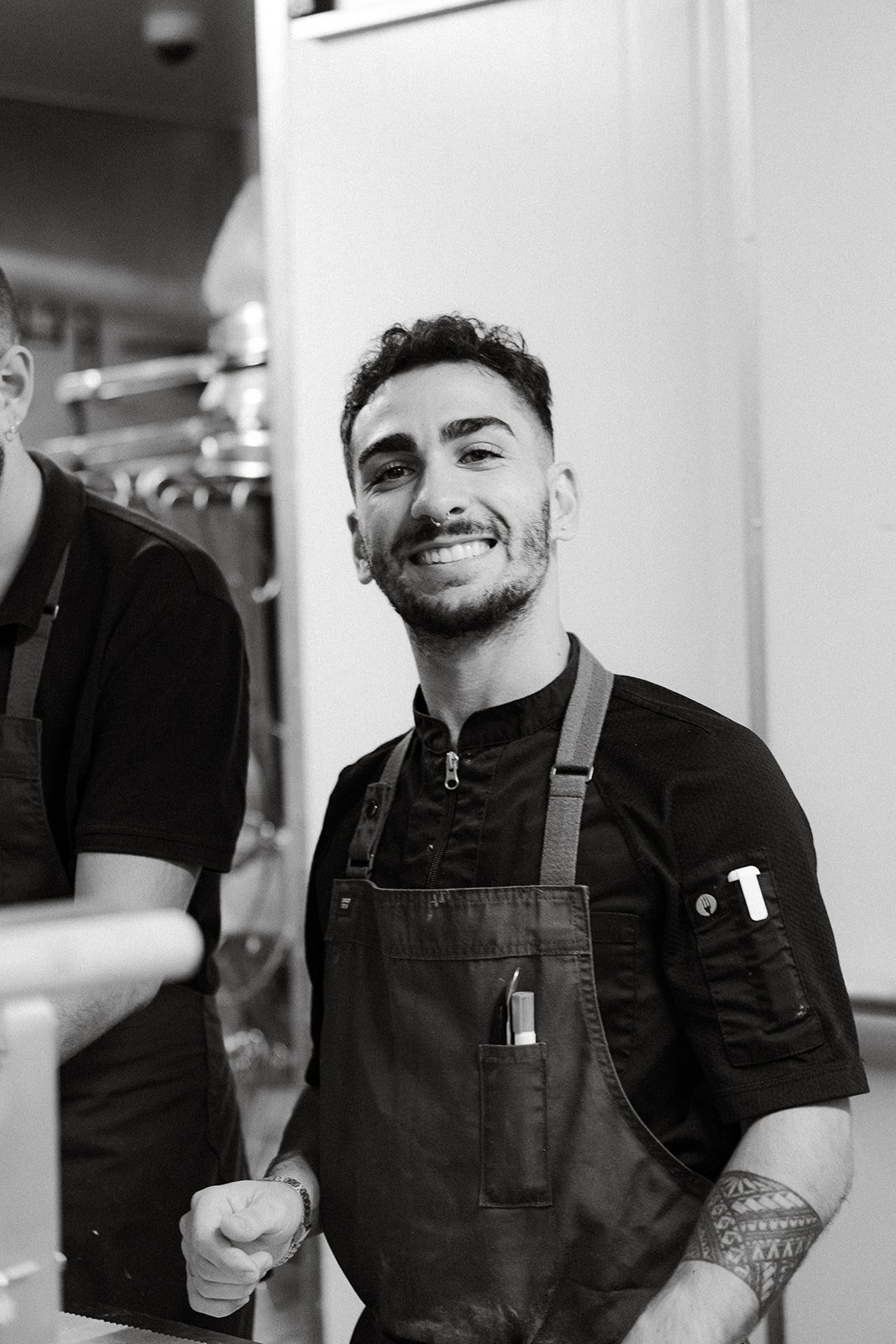
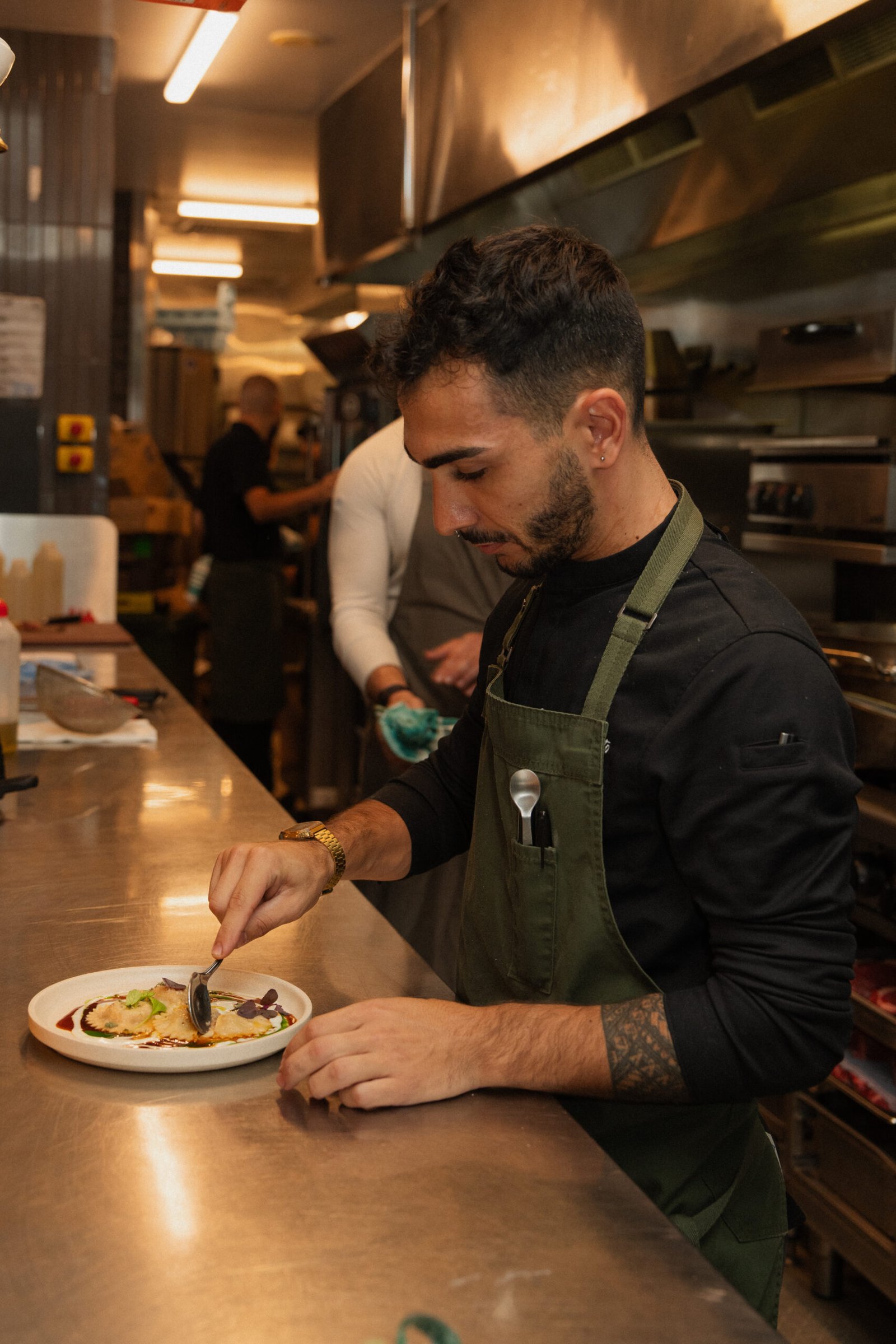
If there’s one thing that defines my journey, it’s probably my willingness to start over. From Calabria to Germany, Australia, and New Zealand, I’ve never been afraid to leave my comfort zone and challenge myself. Every move taught me something different—not only about food, but also about people and myself.
The further I’ve travelled, the more I’ve appreciated where I come from. Today, I cook with influences from many places, but my roots remain at the centre of everything I do. I think that’s something that will always stay with me.
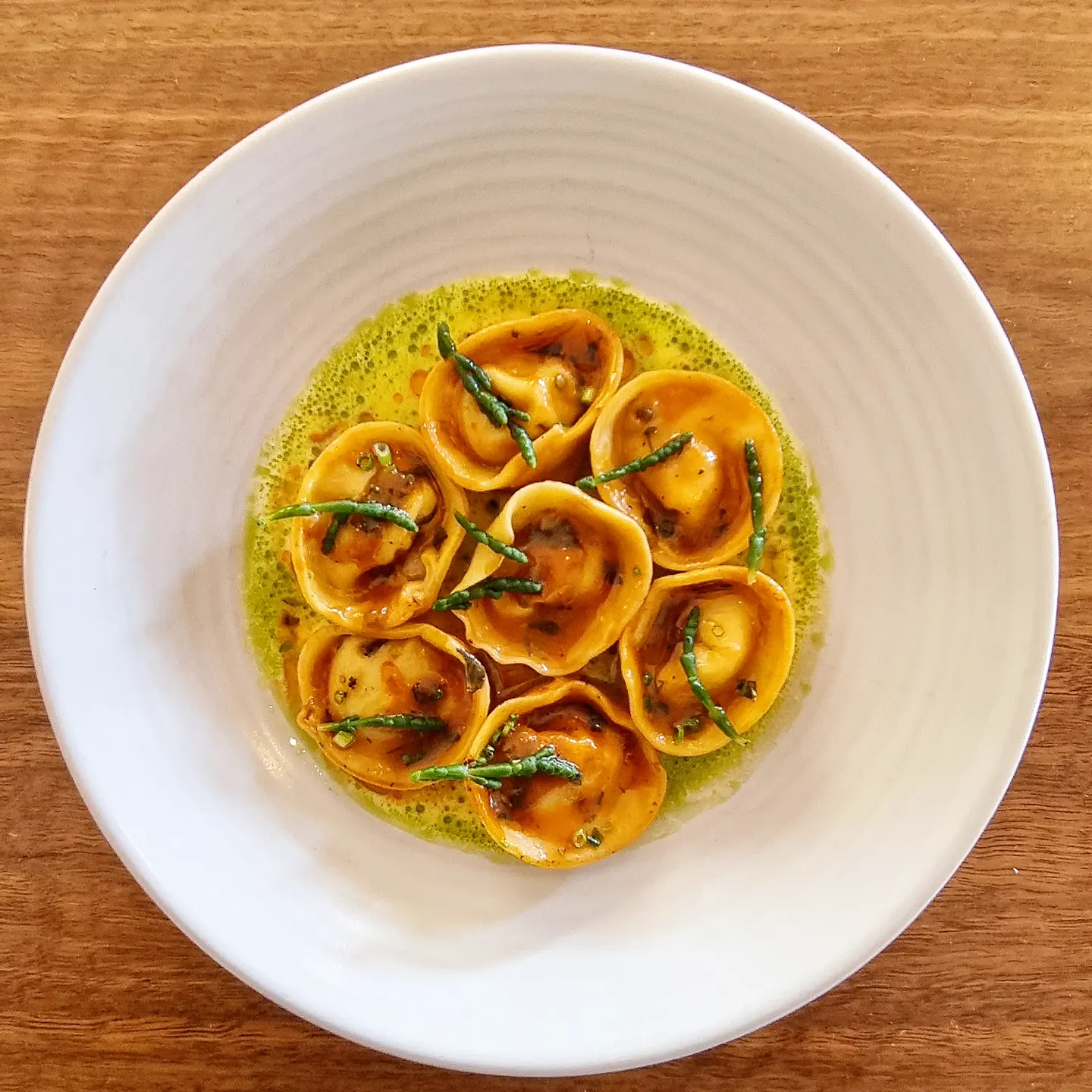
Secret Sauce
- What’s the most unexpected ingredient you’ve ever worked with, and how did it change your perspective on cooking?
Moving to Australia introduced me to ingredients I had never encountered before, particularly karkalla, saltbush, and crocodile fat. Coming from southern Italy, where my cooking was deeply rooted in Mediterranean flavours, these ingredients completely challenged the way I thought about food.
What fascinated me was how strongly they reflected the landscape they came from. Karkalla brought freshness and natural salinity, saltbush added a unique savoury character, and crocodile fat offered a completely different way of thinking about richness and flavour.
Working with native Australian ingredients taught me the importance of understanding the environment you’re cooking in. It reminded me that great cooking isn’t about forcing your own traditions onto a place, but about learning from the ingredients and culture around you.
- What’s your “guilty pleasure” meal?
A Mortadella sandwich on fresh bread with a cold beer.
- A food trend that you hate and why?
Gold leaf.
I’ve never understood the point of putting something on a plate that adds no flavour, texture, or real value to the dish.
- What’s the craziest shift you’ve ever worked in the kitchen?
Head Chef at Ollie’s, with a full restaurant, functions running at the same time, and unexpected challenges appearing every hour.
5. What happened, and how did you manage to get through it?
You stop focusing on the whole service and concentrate on the next task in front of you. Good communication and a strong team solve most problems.
- What tips would you give to other cooks and chefs to help them navigate their culinary careers and find peace amid the chaos of the kitchen?
Don’t rush your career. Learn as much as you can, travel if you have the opportunity, ask questions, and stay humble. Some of the best lessons come from the people around you.
One thing I was taught early on is that you have to steal the trade with your eyes. Pay attention, observe, and learn from everyone around you. Not every lesson comes from a chef explaining something to you. Sometimes the most valuable lessons come from watching how experienced people work, organise themselves, solve problems, and carry themselves under pressure.
Most importantly, stay curious. The day you think you know everything is probably the day you stop growing.
- What’s an underrated ingredient and why?
Lemon.
It can completely transform a dish and often makes the difference between something good and something memorable.
8. What’s a must-try dish from your kitchen or the one you’re proudest to have prepared?
That’s always a difficult question because it changes constantly.
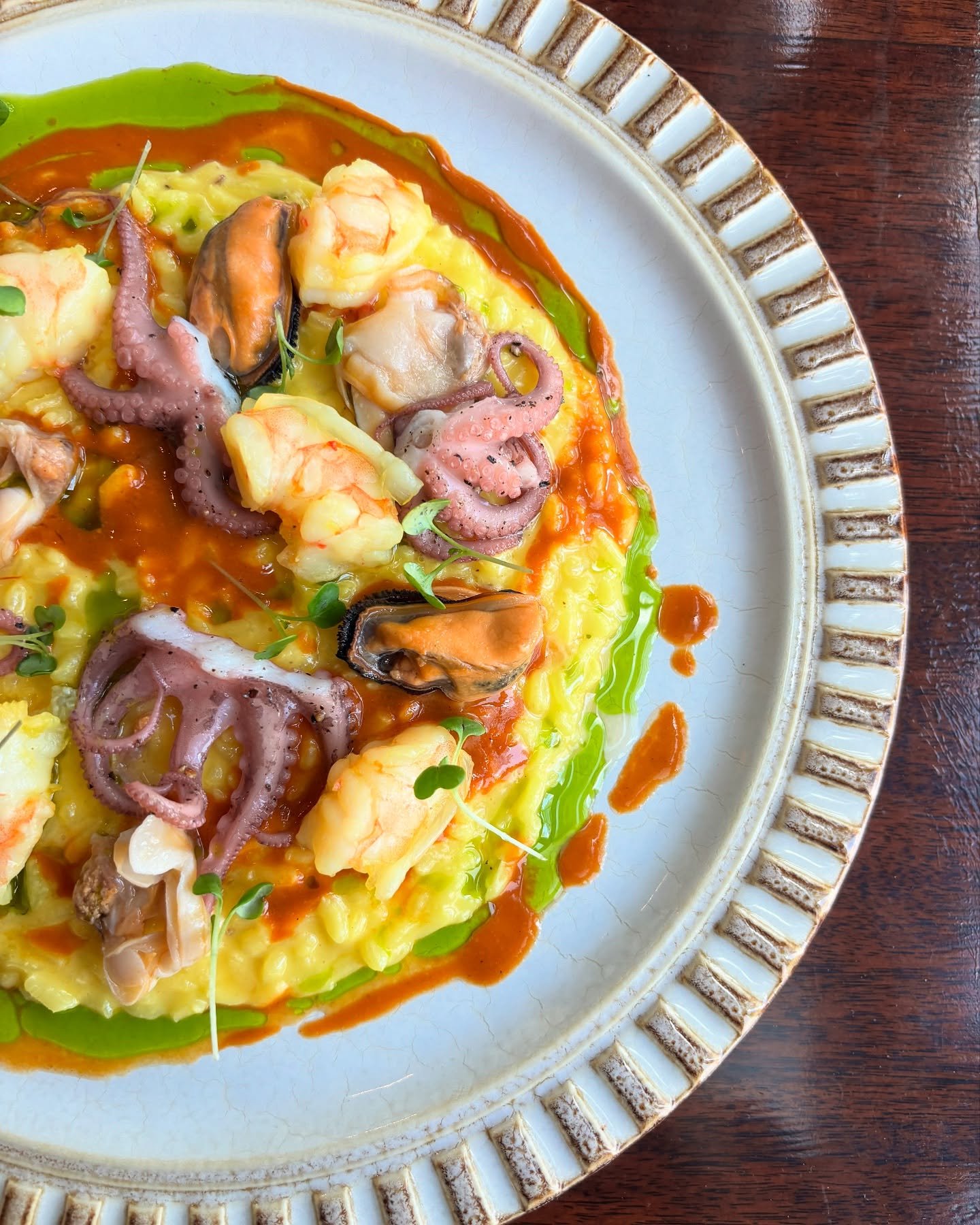
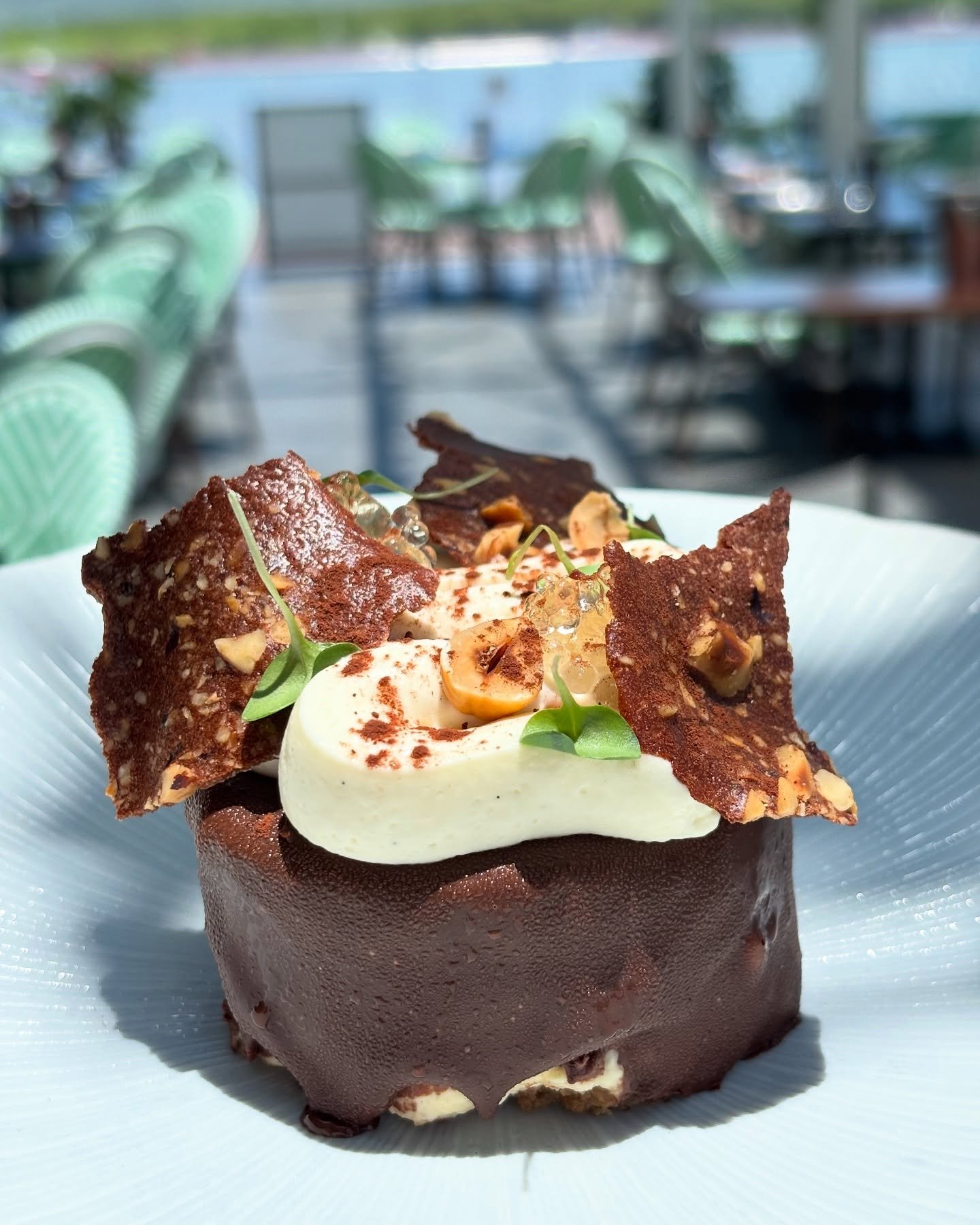
But I’m particularly proud of dishes that combine my Italian background with Australian ingredients and produce.
About Your City!
Reggio, Calabria
- If Anthony Bourdain or a chef came to your city, what would be the perfect tour itinerary from breakfast to dinner?
I would take him to Reggio Calabria.
We’d start the day with an espresso and breakfast overlooking the Strait of Messina, then visit the local fish market to experience the morning catch.
Lunch would be simple: swordfish, seasonal vegetables, and local wine.
In the afternoon, we’d walk through the historic centre, visit local producers, and stop for gelato by the waterfront.
Dinner would be a long table shared with friends and family, featuring homemade pasta, salumi, local cheeses, seafood, and plenty of stories.
Calabria is best understood through its people, and food is usually the excuse that brings everyone together.
A Different Kind of Brigade
Humans Of The Kitchen
Respect creates stronger teams than fear ever could, both inside and beyond the kitchen.
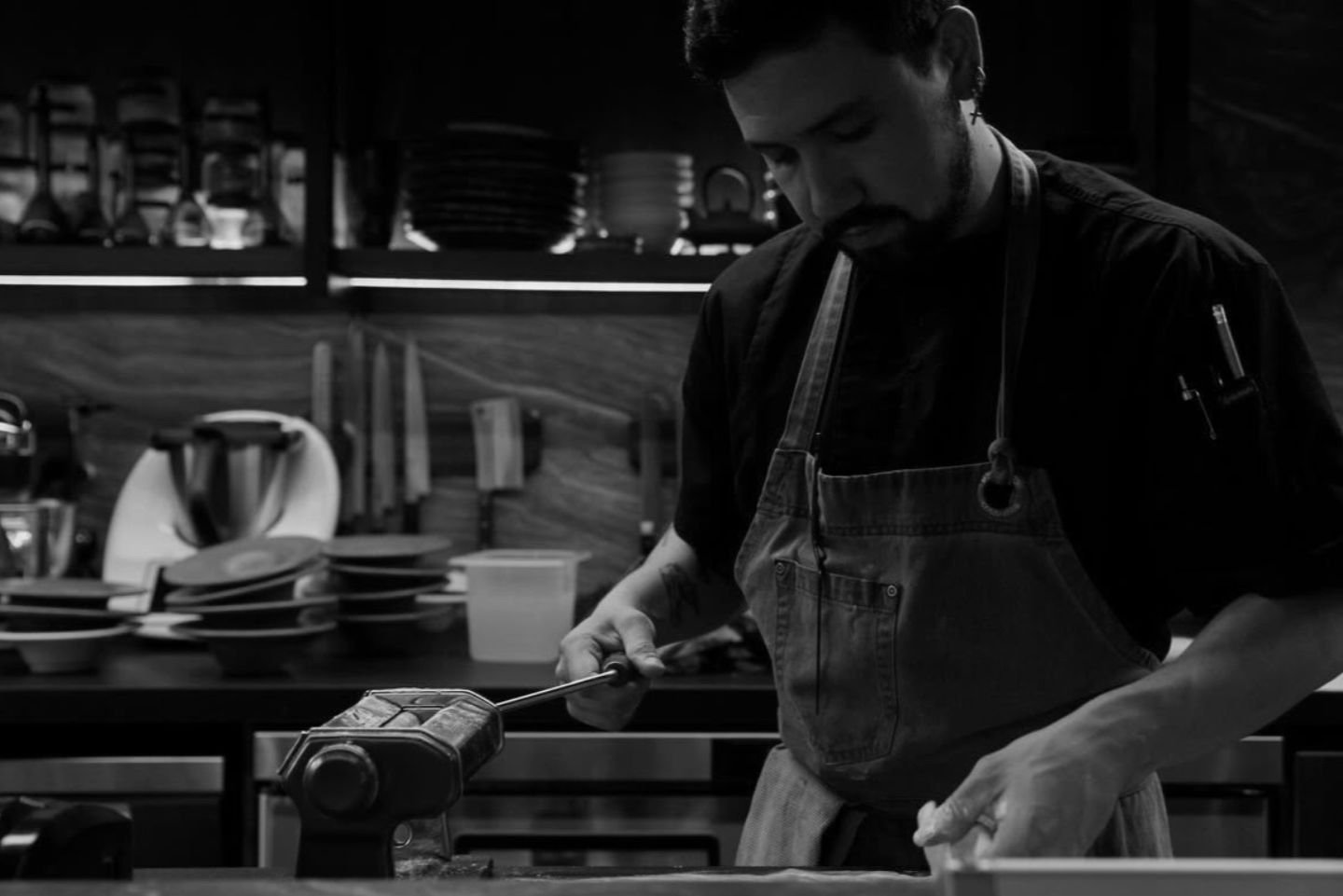
Juan Camilo Diaz Velez
Juan Camilo Díaz Vélez’s story began in Colombia, where the kitchen was never just a place to cook; it was where his family gathered, celebrated, and expressed love. Surrounded by parents, siblings, and grandparents who cherished sharing meals, he discovered at an early age that food had the power to bring people together. At just twelve years old, he asked for an oven as a birthday gift, determined to create something different from the traditional dishes served at family gatherings.
Before becoming a chef, Juan Camilo studied statistics, but he soon realized that if he was going to sacrifice weekends, holidays, and countless hours for a career, it had to be one that truly made him happy. That decision led him into professional kitchens at just fifteen years old, where hard work, discipline, and an unwavering determination quickly earned him leadership roles at an age when most cooks were only beginning their journey.
Today, his philosophy extends far beyond technique. After years leading teams in Colombia and the United States, Juan Camilo believes great kitchens are built on respect, mentorship, and balance, not fear. Passion, humility, and genuine care for people have become the values that guide both his cooking and his leadership, proving that great food starts with great people.
In this conversation, Juan Camilo reflects on the moments that shaped his career, the lessons he learned through leadership, and why creating better kitchens begins with treating every cook as a person first.
Share your Journey
- Looking back at your childhood, was there a specific moment or memory that sparked your interest in food or cooking?
My entire family has always loved cooking, not professionally, but as a space for gathering, enjoying one another’s company, and, above all, expressing love. From my grandmothers to my parents and siblings, food was always at the center of our family life.
When I was just 12 years old, I asked for an oven as a birthday present because I wanted to cook something different from what everyone in my family usually prepared for our family meals. Looking back, I think that was the moment I realized cooking could become much more than a hobby.
- Did you have another career or job before becoming a chef? How did those experiences influence your decision to pursue cooking?
Before entering the culinary world, I was studying statistics. It was a very demanding career, and at one point I realized that if I was going to spend the rest of my life doing one thing, and sacrificing birthdays, sleepless nights, holidays, and special occasions. It had to be something that truly made me happy, no matter what.
- Did you formally study culinary arts, or are you self-taught? How has your learning journey shaped your approach to cooking?
I began by studying to become a kitchen assistant at SENA because it was a free program that didn’t take long to complete, giving me the chance to find out whether cooking was truly my calling.
From the very first day, I knew it was. I started working while I was still studying, and as soon as I finished that program, I immediately continued my education to earn my professional degree in gastronomy.
- When did you first step into a restaurant kitchen? What was that experience like, and how did it shape your journey as a chef?
My first experience was in the kitchen of an oil company located outside the city. It was an incredibly demanding environment. We were a team of seven cooks preparing meals for approximately 30 to 40 people every day.
At first, it was overwhelming, but I decided to work harder than anyone else. I arrived earlier, stayed later, and constantly took on extra hours. That commitment eventually led me to become the head chef in that same kitchen, proving to myself that dedication always pays off.
- What were some of the early challenges or obstacles you faced when you started in the kitchen, and how did you overcome them?
I was very young in a world surrounded by people who were much older and had far more experience than I did. I was only 16 years old, and because I began leading kitchens at such a young age, I had to develop character quickly.
I became more disciplined, more serious, and worked every day to improve so that people would understand why I had earned the responsibility of leading the team.
- What keeps you inspired, and how has that inspiration driven you throughout your professional journey, especially during tough times in the kitchen?
I find inspiration by going out to eat and trying every kind of food imaginable, from street food to Michelin-starred and World’s 50 Best restaurants.
I believe chefs need to have a very intimate connection with food if they truly want to understand it beyond what the eye can see. That curiosity, without pretension, is what continues to inspire me and keeps me learning every day.
- Can you recall a moment in the kitchen that marked you forever? Maybe it was an interaction with a mentor, a fellow cook, someone you fed, or a situation that challenged you in a way that shaped who you are today?
When I was managing a restaurant in my early twenties, I had a group of interns. At the time, I thought they were too slow and believed it wasn’t worth spending so much energy teaching them.
One day, I had a discussion with the restaurant manager, and he told me something that completely changed my perspective. He said they weren’t failing to improve because of them, they weren’t improving because of me. My job wasn’t just to send food out of the kitchen. My responsibility was to guide every person there and help them become better every day.
- As a chef, how would you describe your philosophy in the kitchen, and how does it guide your approach to cooking and leadership?
First of all, I believe the culture of fear and yelling in professional kitchens has to come to an end. The new generations are more emotionally aware, and everyone deserves to be treated with dignity and respect.
Second, we’re all human beings with lives outside the kitchen. Finding a healthy balance between work and personal life is essential.
Inside the kitchen, however, I believe the two most important qualities are conviction and dedication. If you have those two things, you can learn any technique and achieve anything you set your mind to.
- Can you share a time when cooking or the camaraderie in the kitchen helped you through a tough period in your life? What made that experience meaningful?
When I arrived in the United States, I struggled to fit into the culture. Eventually, I met a group of Colombian chefs, and we began spending most of our time together, both inside and outside the restaurant.
They became much more than coworkers. They made that period one of the happiest times of my life and reminded me how powerful friendship and community can be in this profession.
- Reflecting on your career, what achievements or milestones are you most proud of, and what do they mean to you?
When I was 21 years old, I was nominated as Best New Chef in Colombia. I didn’t win, but simply being recognized at such a young age and having so many people paying attention to my work motivated me tremendously to keep pushing myself and working even harder.
That nomination reminded me that dedication and perseverance are always worth it, and it fueled my desire to continue growing and reaching new goals throughout my career.
- What aspects of restaurant culture do you love, and what parts do you find frustrating or problematic? Are there any changes you’re actively working toward or things you hope change in the industry? Share the reasons behind them and how they align with your vision for a better culinary world.
This answer actually applies to both.
We spend so much time inside kitchens and restaurants. We share our days with the same people far more than we do with our friends, families, or partners. Because of that, those people can become your new family—or, if the environment isn’t healthy, they can also become the reason you lose your emotional stability.
I truly hope the culinary industry continues becoming a more dignified profession, where cooks are seen as people rather than machines. I want kitchens where we can have a better quality of life, where our personal lives are respected.
- What are your hopes for the future of the restaurant and food & beverage industry? What changes would you like to see, and how are you contributing to that change?
My hope is that the people working in restaurants are genuinely happy and can pass that joy on to our guests. We are part of a service industry, and that should always be our greatest priority.
I also hope that those who choose cooking as their profession truly become passionate about it and always give their very best, helping take this industry even further.
- If there’s anything we didn’t ask or if you feel we’re missing something about your personal and kitchen story, please share it here.
I’m 27 years old, and I’ve been working professionally in kitchens since I was 15. I became the head chef of my first kitchen at 16, and by the time I was 20, I had already worked in some of the best restaurants in Colombia.
Those experiences only fueled my desire to keep improving, learning, and pushing myself to reach even greater goals.
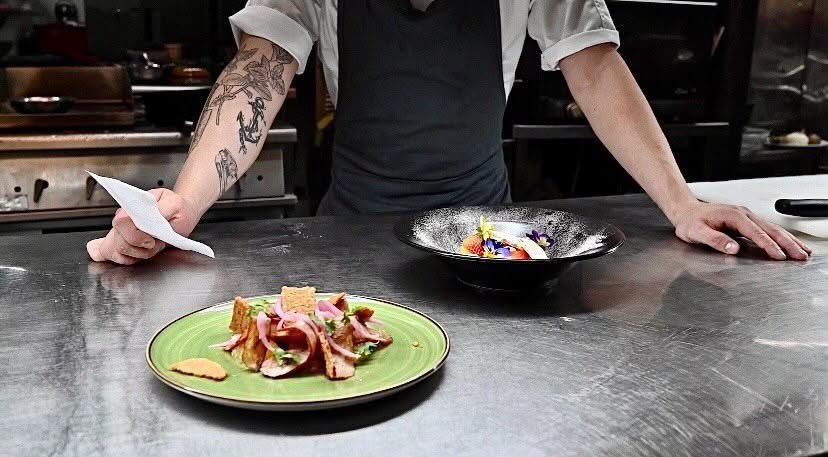
Secret Sauce
- What’s the most unexpected ingredient you’ve ever worked with, and how did it change your perspective on cooking?
Koji.
Once I immersed myself in Asian cuisine and discovered how a single fungus could produce everything from beverages to natural meat tenderizers while creating incredible amounts of umami almost like magic, it completely blew my mind.
- What’s your “guilty pleasure” meal?
Fried rice with eggs and cheese.
- A food trend that you hate and why?
Truffle burgers or burgers topped with gold.
I believe a burger should be an easy, accessible meal that anyone can enjoy anytime. Instead, people often use ingredients like truffles or edible gold simply to justify charging outrageous prices for something that doesn’t need them.
- What’s the craziest shift you’ve ever worked in the kitchen?
The busiest shift I ever worked was on Mother’s Day, when we served more than 6,000 guests during a single lunch service.
The longest shift was during an event for a multinational company, where we spent more than 48 hours without going home to sleep.
5. What happened, and how did you manage to get through it?
Honestly, with a lot of energy drinks, and the determination to make sure every single service came out perfectly.
- What tips would you give to other cooks and chefs to help them navigate their culinary careers and find peace amid the chaos of the kitchen?
Stop chasing recognition and money.
If you find a kitchen or a restaurant whose values and ideals align with your own, and where you’re genuinely happy, success will come on its own.
- What’s an underrated ingredient and why?
Fish cheeks, or the fish collar.
In many kitchens, they’re simply thrown into stock with the head or discarded because each fish only has two small pieces. But they’re incredibly tender, beautifully textured, and have the perfect balance of fat. They’re one of the most overlooked cuts of the fish.
8. What’s a must-try dish from your kitchen or the one you’re proudest to have prepared?
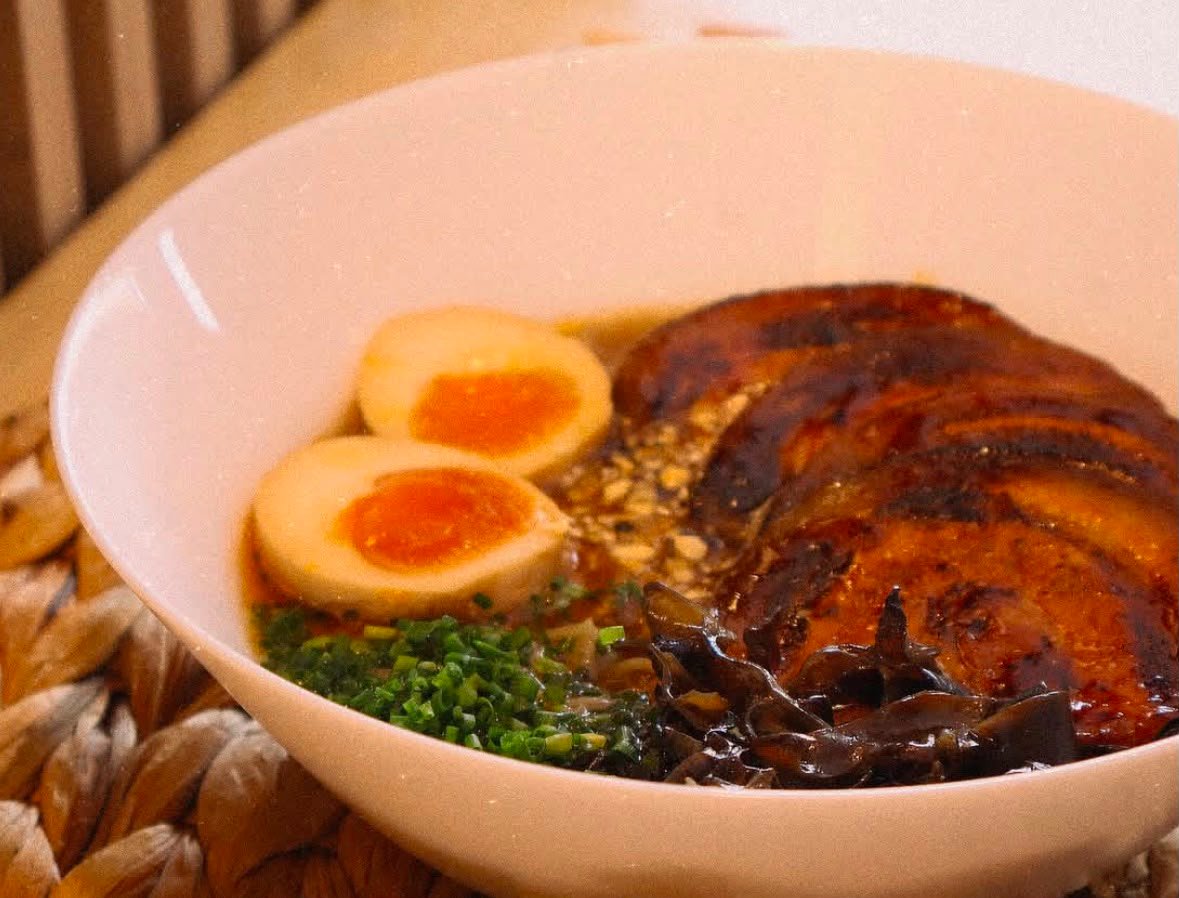
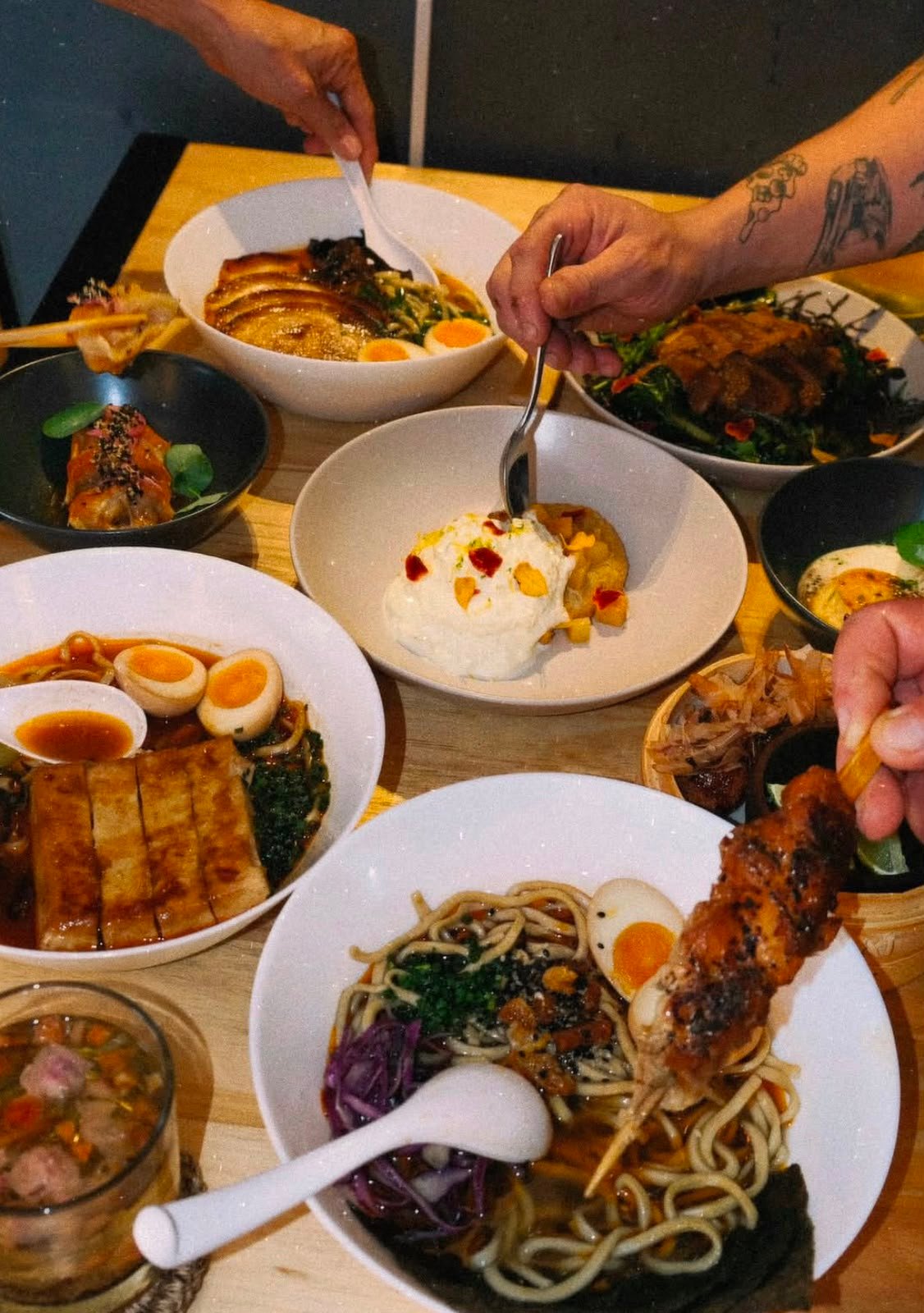
Tonkotsu ramen.
About Your City!
Bogotá, Colombia
- If Anthony Bourdain or a chef came to your city, what would be the perfect tour itinerary from breakfast to dinner?
I’d start the day at La Puerta Falsa with a traditional Bogotá breakfast.
For lunch, I’d take him to Plaza La Perseverancia to try some of the incredible dishes from Colombia’s Caribbean region.
Later in the afternoon, we’d stop at Jardín Tragos y Pasteles for coffee and dessert.
For dinner, we’d go to Chato, Chef Álvaro Clavijo’s restaurant, currently considered one of the best restaurants in Latin America.
Finally, we’d end the night with cocktails at Decadente, an intimate bar with a very personal atmosphere.
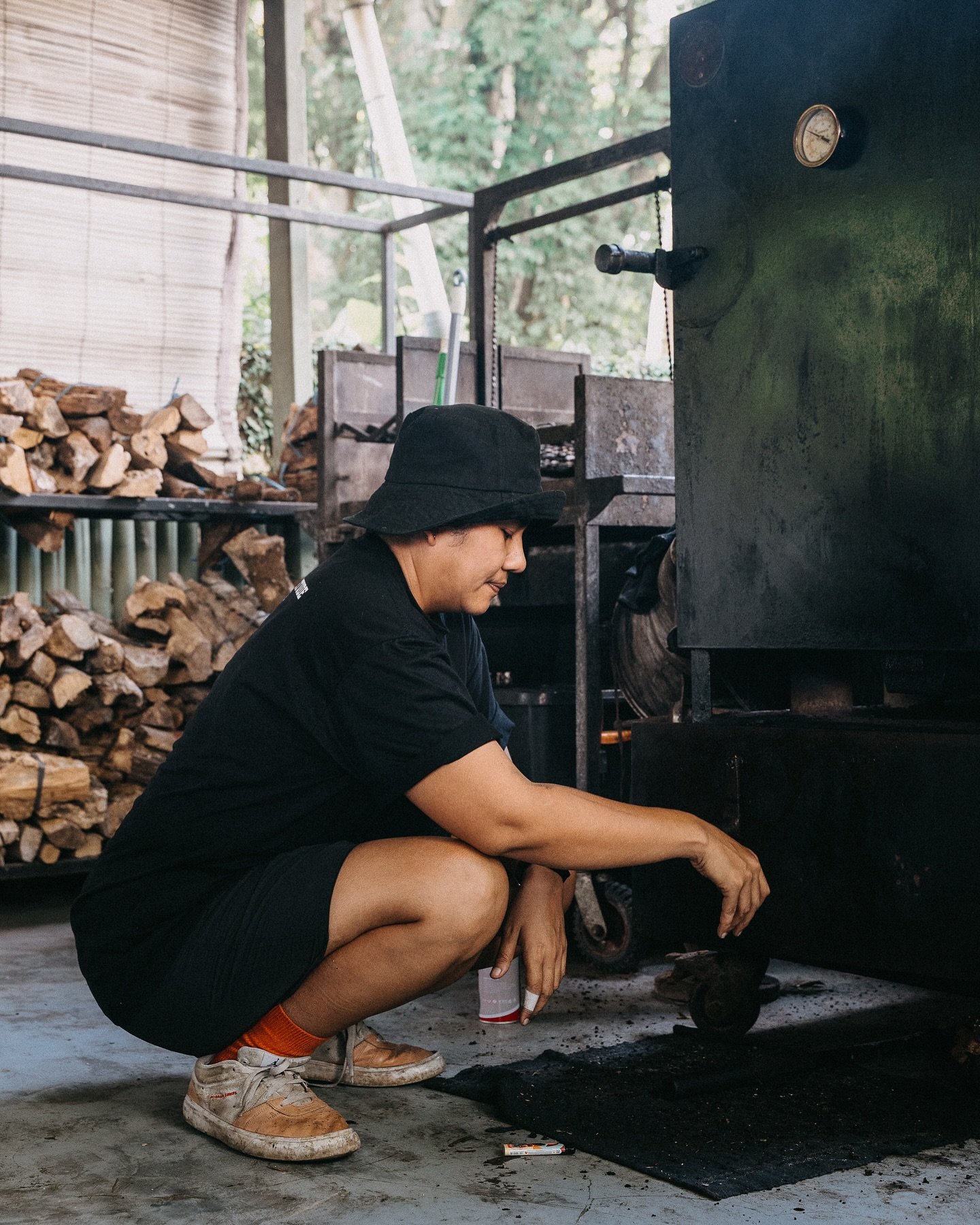
Walking Away from Corporate Life
Humans Of The Kitchen
Discovering cooking later in life rather than following a traditional culinary path.
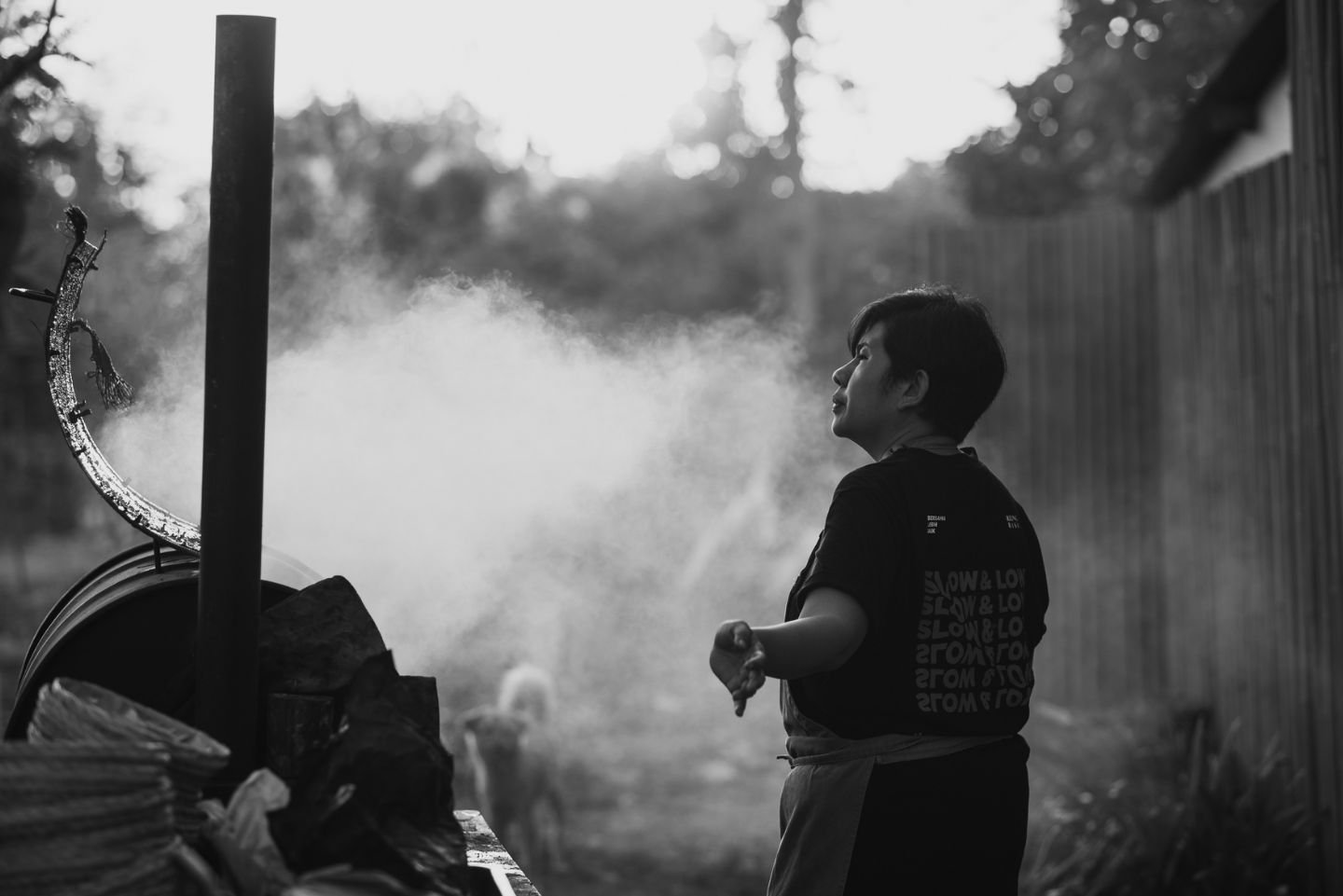
Vivilya Millian
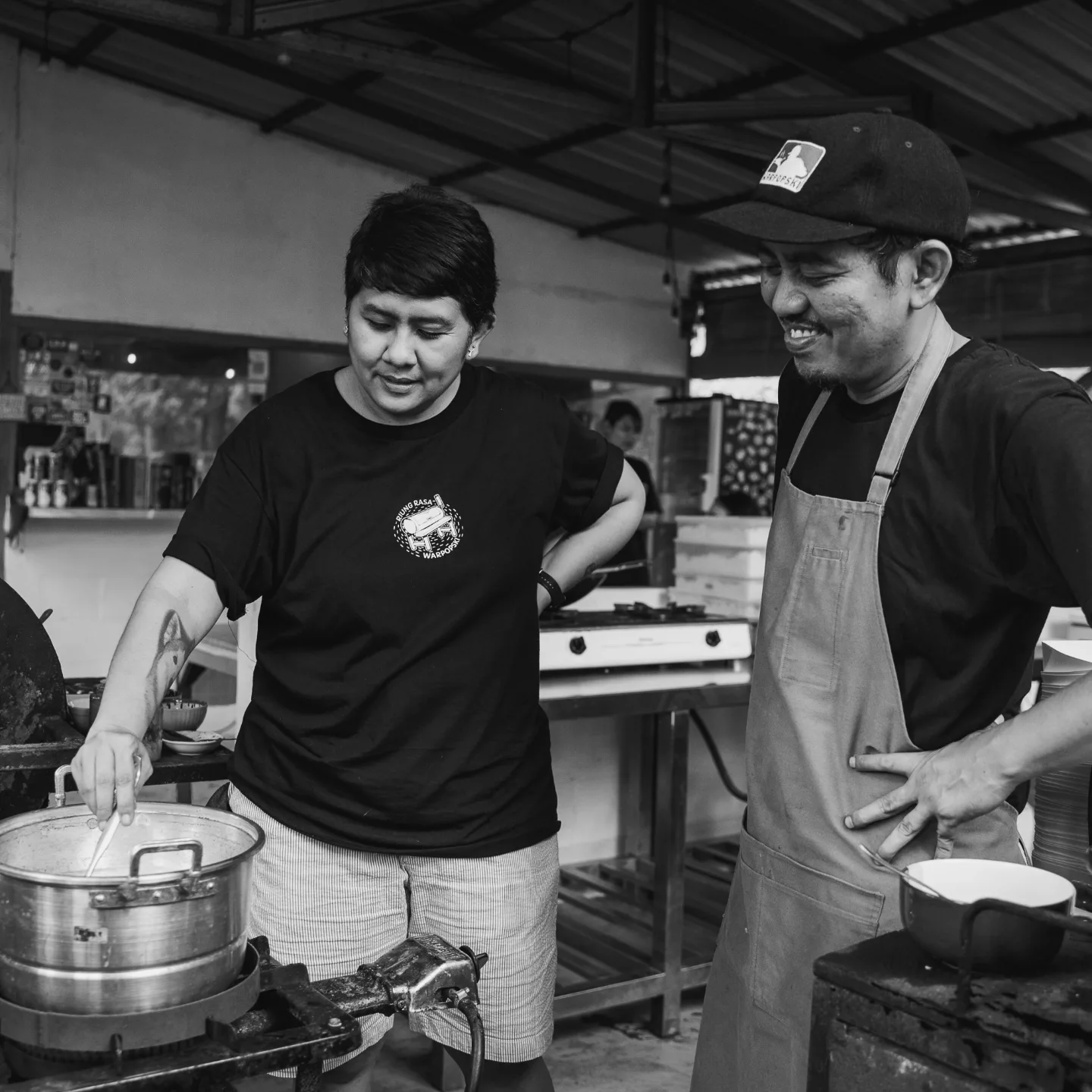
Born and raised in Indonesia, Chef Vivilya Millian never imagined that barbecue would become the path that transformed her life. After spending years building a career in the corporate world across Indonesia and Dubai, she eventually found herself drawn to the slow rhythm of wood and fire: a passion that led her to leave everything behind and embrace a completely new profession in Bali, where she now calls home.
Entirely self-taught, one of Indonesia’s pioneering female pitmasters in Texas-inspired craft barbecue, having started long before it became a nationwide trend. Her philosophy is simple: trust the process, respect the craft, and never take shortcuts. Whether she’s cooking for family-style gatherings, leading pop-ups across the country, or helping remote communities build traditional smokers, her work is driven by generosity, patience, and a genuine love for sharing food.
For Vivi, barbecue is about much more than perfectly smoked meat. It’s about building community, creating opportunities for others, and proving that it’s never too late to start over. Inspired by legendary pitmaster Tootsie Tomanetz and fueled by the friendships she’s built through hospitality, she believes consistency, curiosity, and humility are the ingredients that matter most.
In this conversation, Vivi reflects on discovering her passion later in life, the lessons she’s learned cooking with wood and fire, the importance of community, and why believing in yourself can change everything.
Share your Journey
- Looking back at your childhood, was there a specific moment or memory that sparked your interest in food or cooking?
I always enjoyed my mom’s cooking because, back then, she didn’t allow my brother and me to eat outside food. She always cooked everything for us, even snacks and desserts. Christmas is my favorite childhood memory.
- Did you have another career or job before becoming a chef? How did those experiences influence your decision to pursue cooking?
My cooking journey only started around 15 years ago, but it became much more intense over the past six years. I don’t have a culinary background. I spent most of my career in the corporate world, working in Indonesia and Dubai before following my passion for cooking.
- Did you formally study culinary arts, or are you self-taught? How has your learning journey shaped your approach to cooking?
I am one of Indonesia’s pioneering female pitmasters in Texas-inspired craft barbecue, having started long before it became a trend. While smoked meat has long existed in Indonesia in many traditional forms, Texas-style barbecue only gained widespread popularity in Indonesia over the past two years.
- When did you first step into a restaurant kitchen? What was that experience like, and how did it shape your journey as a chef?
Although I started cooking earlier, I first stepped into a restaurant kitchen six years ago.
I’ve been fortunate to do many pop-ups across the country and experience different kitchens. Those experiences shaped my knowledge and helped me grow, especially since I don’t have a formal culinary background.
- What were some of the early challenges or obstacles you faced when you started in the kitchen, and how did you overcome them?
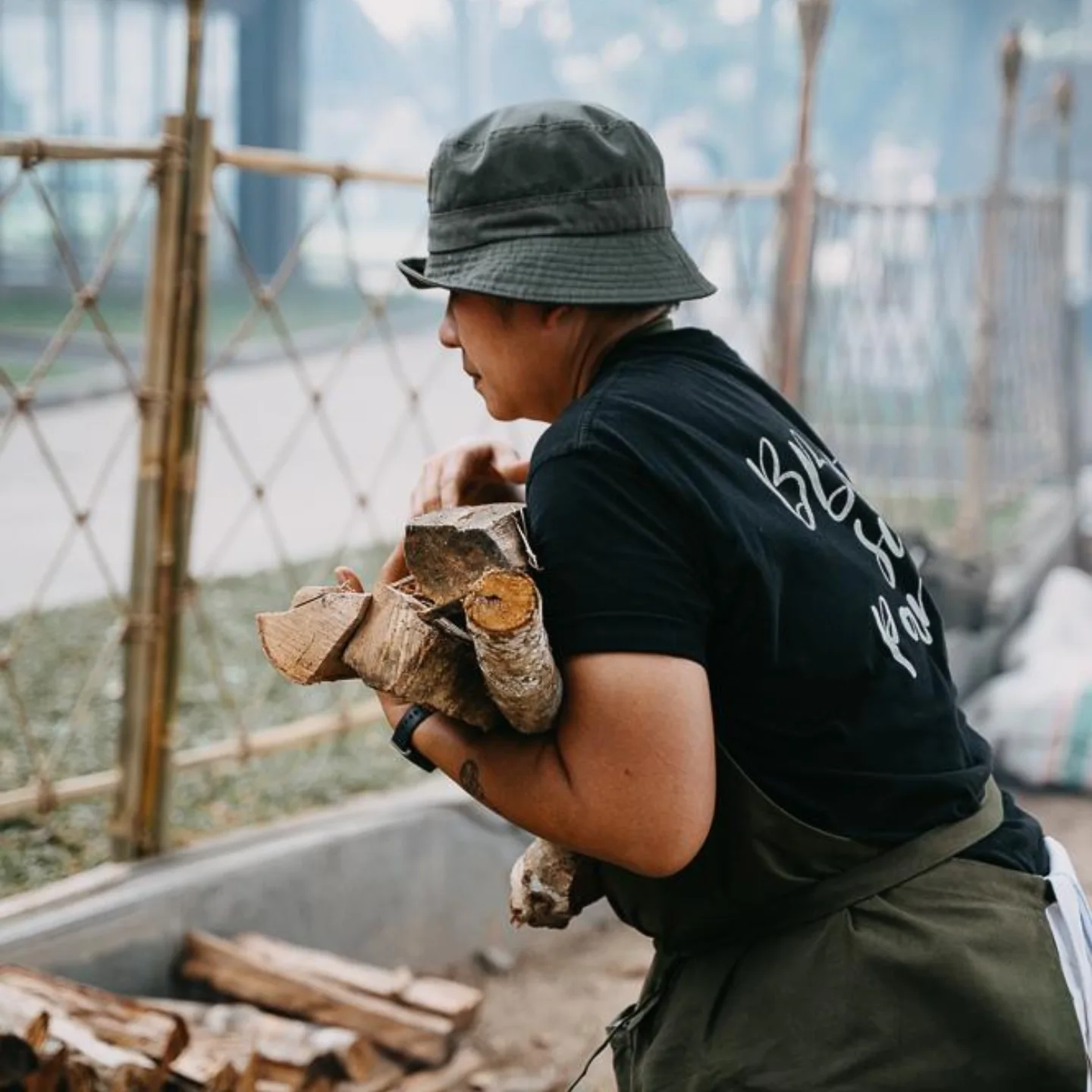
Working with wood and fire is never easy, even today. There are moments when it feels incredibly hard to spend more than 12 hours working around the fire.
But I know this is something I’m truly passionate about, and that’s what keeps me going.
- What keeps you inspired and how has that inspiration driven you throughout your professional journey? Especially during tough times in the kitchen?
Happy guests. Guests who eventually become friends or even family.
My biggest inspiration is Ms. Tootsie from Snow’s BBQ. I’m not young anymore, but when I look at Tootsie, a true legend, I know that nothing can stop you if you believe in yourself.
- Can you recall a moment in the kitchen that marked you forever? Maybe it was an interaction with a mentor, a fellow cook, someone you fed, or a situation that challenged you in a way that shaped who you are today?
I was lucky enough to connect with Big Don’s BBQ in Perth after one of my guests shared my story with him.
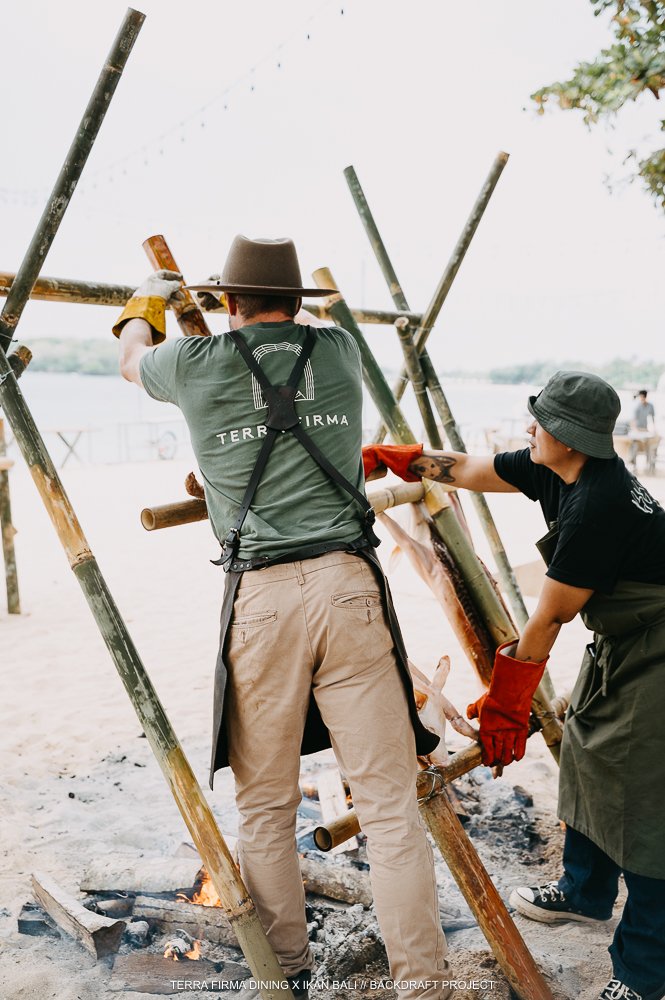
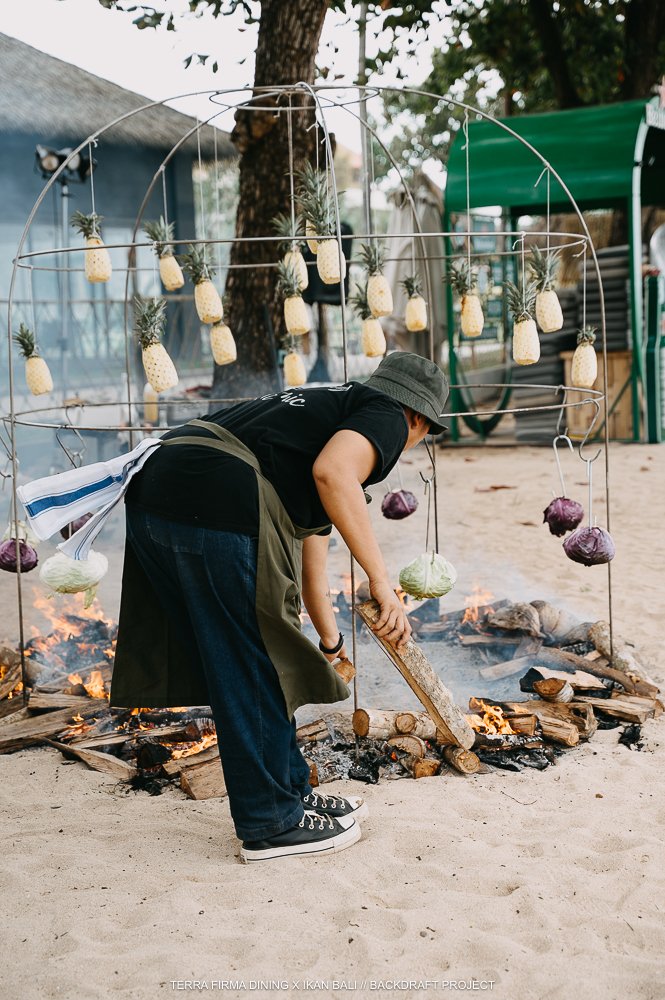
I also had the opportunity to help Terra Firma Dining during a one-week event in Bali. I had been following them on social media for a long time, so being able to work alongside them was a very meaningful experience.
- As a chef, how would you describe your philosophy in the kitchen, and how does it guide your approach to cooking and leadership?
In my BBQ world, I always trust the process. No shortcuts, just low and slow cooking.
I always remind my team to be an empty cup and keep learning, whether it’s from other chefs, books, videos, or any other source, because that’s exactly what I do myself.
I believe that if you truly want something, you’ll achieve it.
- Can you share a time when cooking or the camaraderie in the kitchen helped you through a tough period in your life? What made that experience meaningful?
It was during COVID, when Bali was basically a ghost town. No international guests were allowed to travel.
During that difficult time, I discovered my passion for BBQ and realized that I wanted to continue no matter what.
Fast forward to today, I’m so glad I never gave up.
- Reflecting on your career, what achievements or milestones are you most proud of, and what do they mean to you?
Taking my team with me to different cities for pop-ups is something very special. I want them to experience different kitchens and different cities.
I’m also proud of traveling to a remote area in Papua to help with a government project to build a smoker for the local village community.
- What aspects of restaurant culture do you love, and what parts do you find frustrating or problematic? Are there any changes you’re actively working toward or things you hope they change in the industry? Share the reasons behind them and how they align with your vision for a better culinary world?
Here in Bali, our community is strong and supportive. We build meaningful connections and help each other whenever we can.
In business, of course, you aim for profit, but for us, that comes second. It’s not because money isn’t important, but because we believe that by building strong roots and a strong community, good business will naturally follow.
At the same time, it’s important to respect different visions and opinions.
I think we all want to inspire others by sharing knowledge and experience with young people and the next generation.
- What are your hopes for the future of the restaurant and food and beverage industry? What changes would you like to see, and how are you contributing to that change?
The restaurant business moves incredibly fast. New restaurants open every month, sometimes even every week, so it’s important to stay true to your roots instead of simply following trends.
I would love to see more support from the government to help Indonesian restaurants become better known around the world. That process has already started, and I hope it continues. Indonesia has so many talented chefs with incredibly creative minds.
- If there’s anything we didn’t ask or if you feel we’re missing something about your personal and kitchen story, please share it here.
If you want something, start now.
Great results come from consistency in what you do. Never be afraid to change careers if you truly know it’s what you want. It’s one of the best feelings in the world.
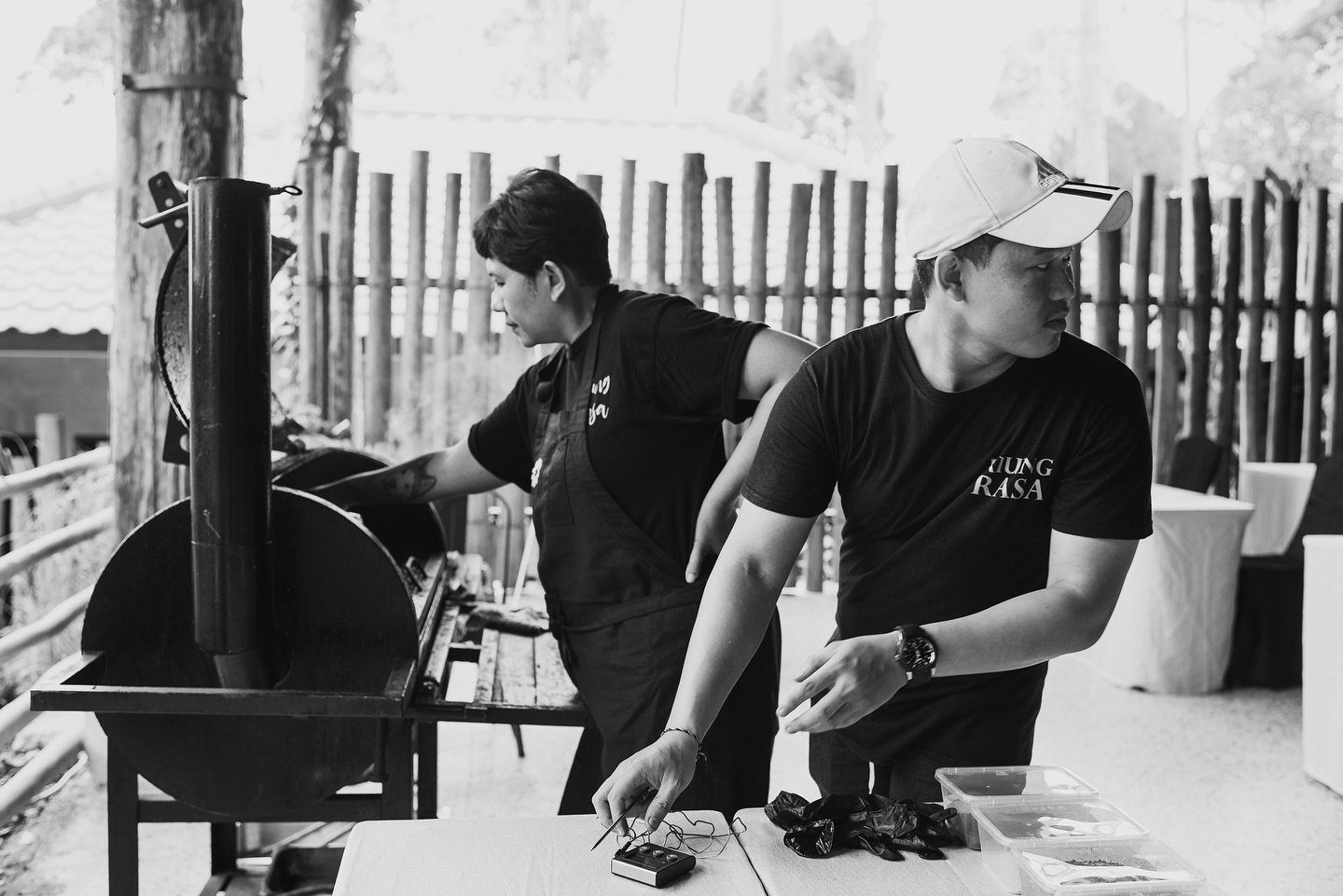
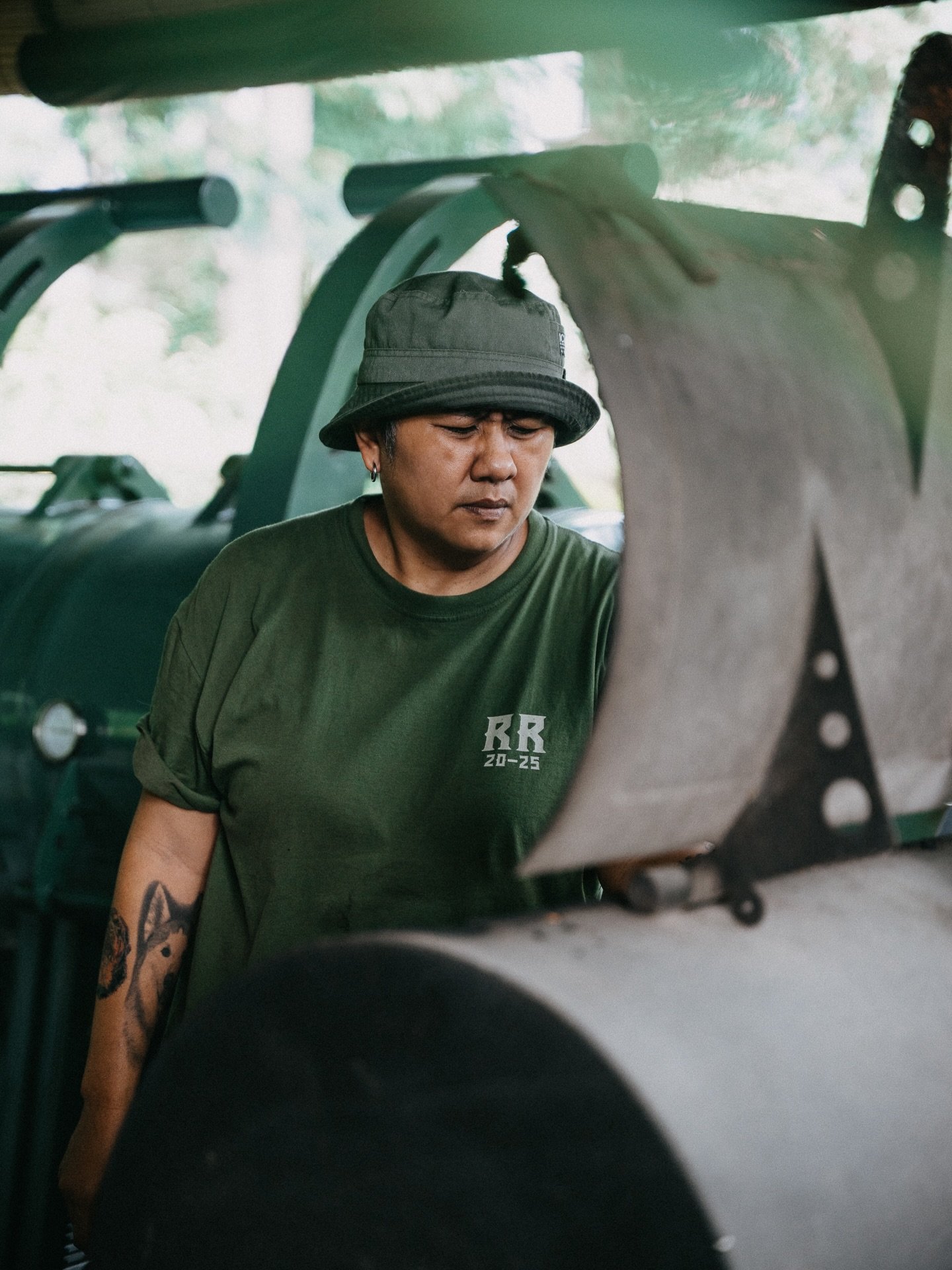
Photos 1, 3, 5, 7, 9, 11, 13 & 18 by @backdraft_project.
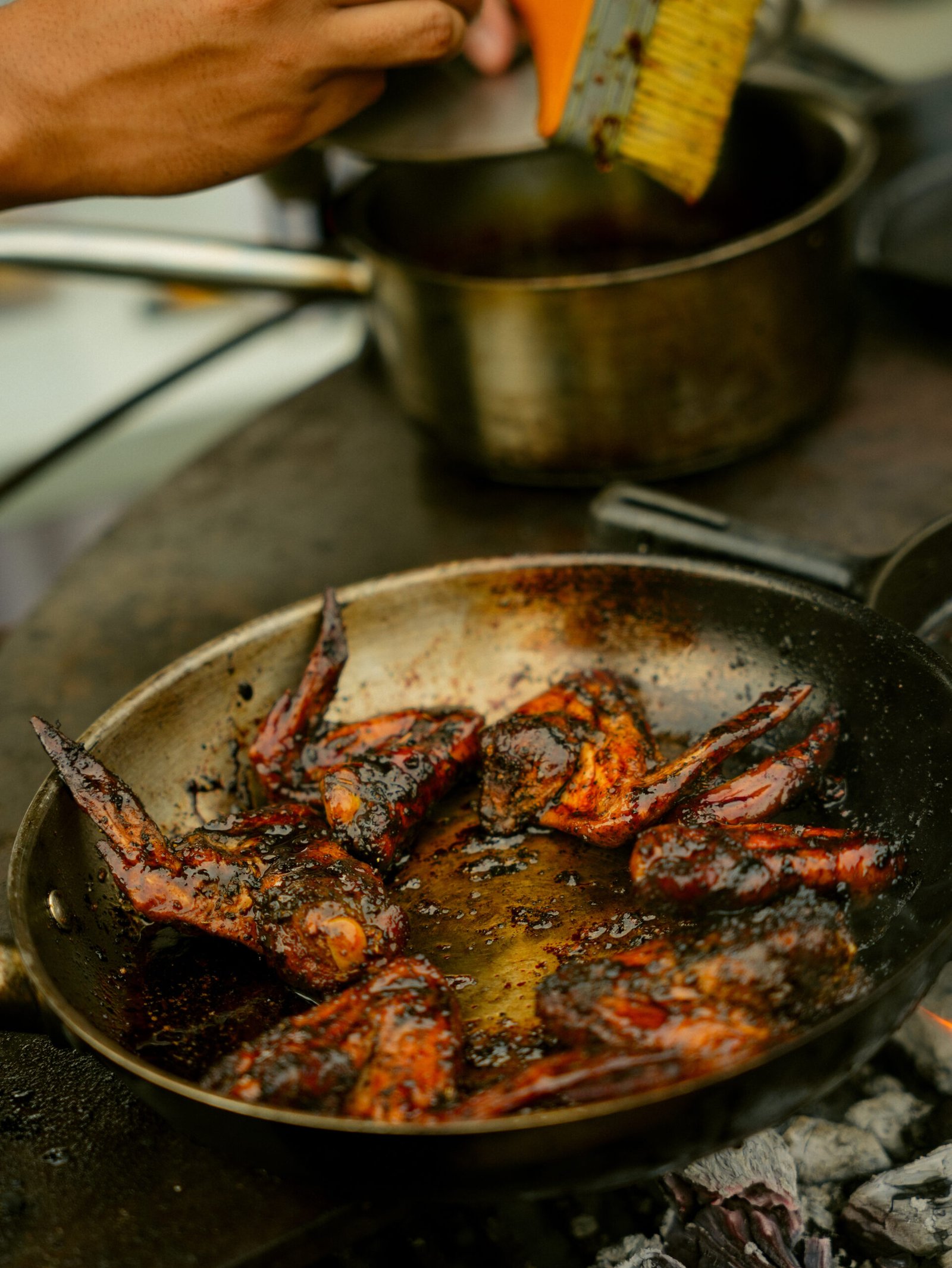
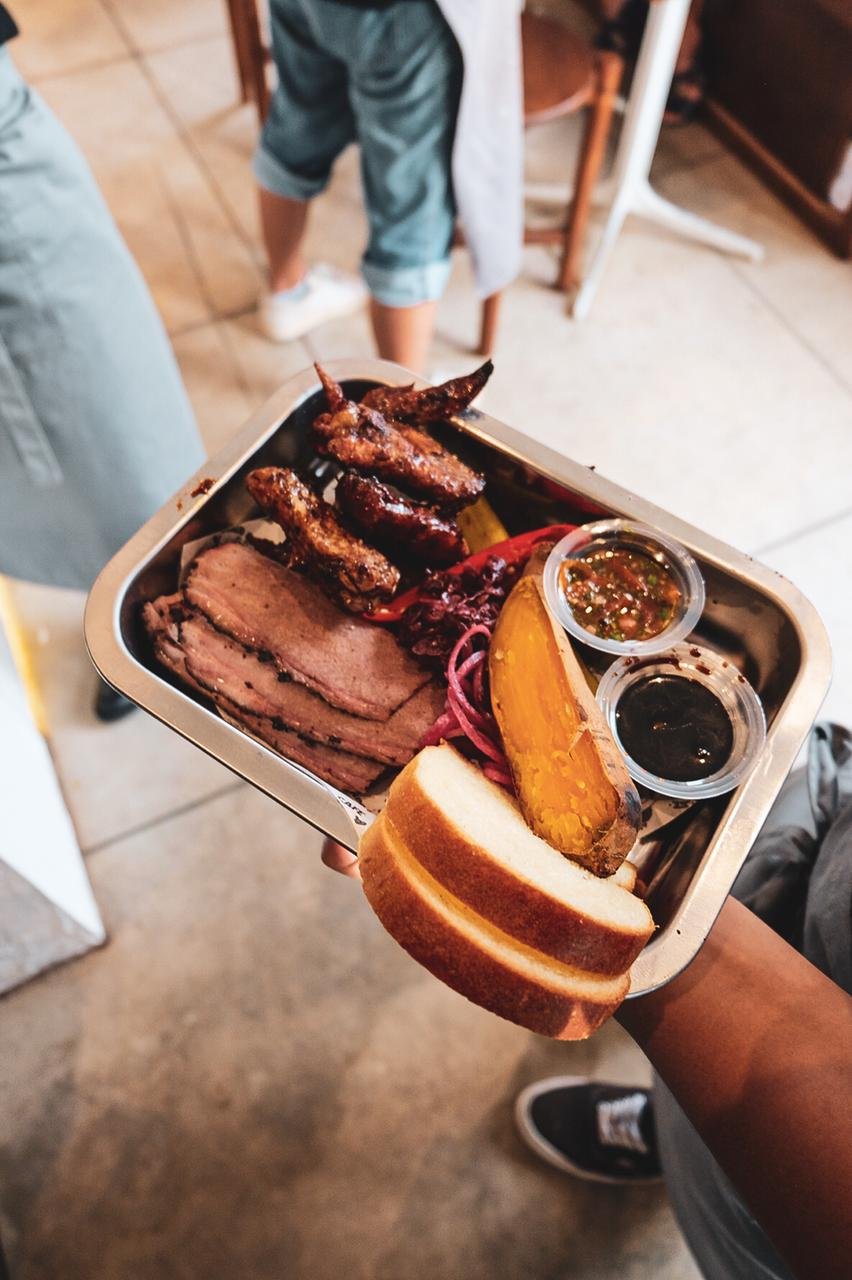
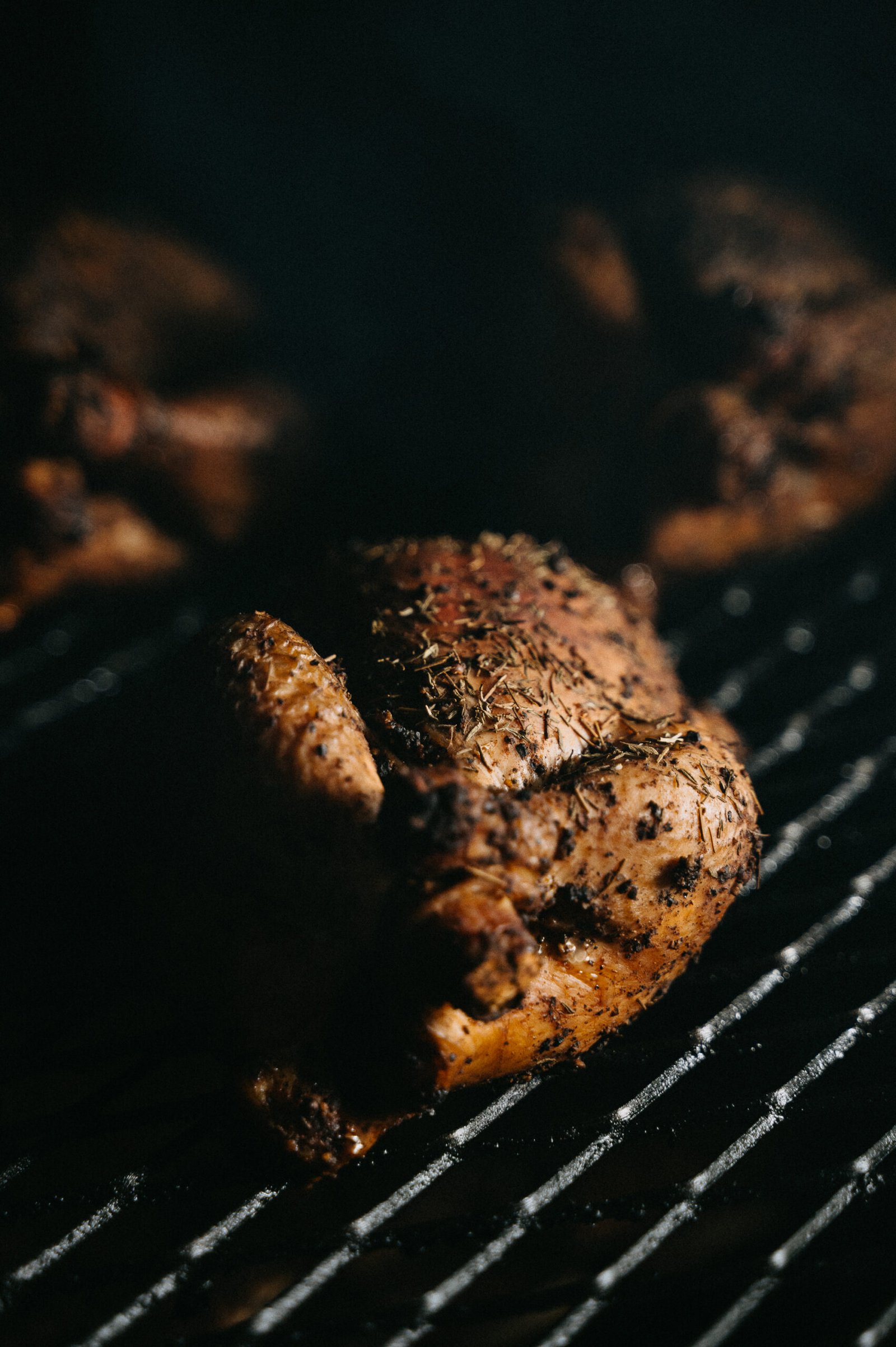
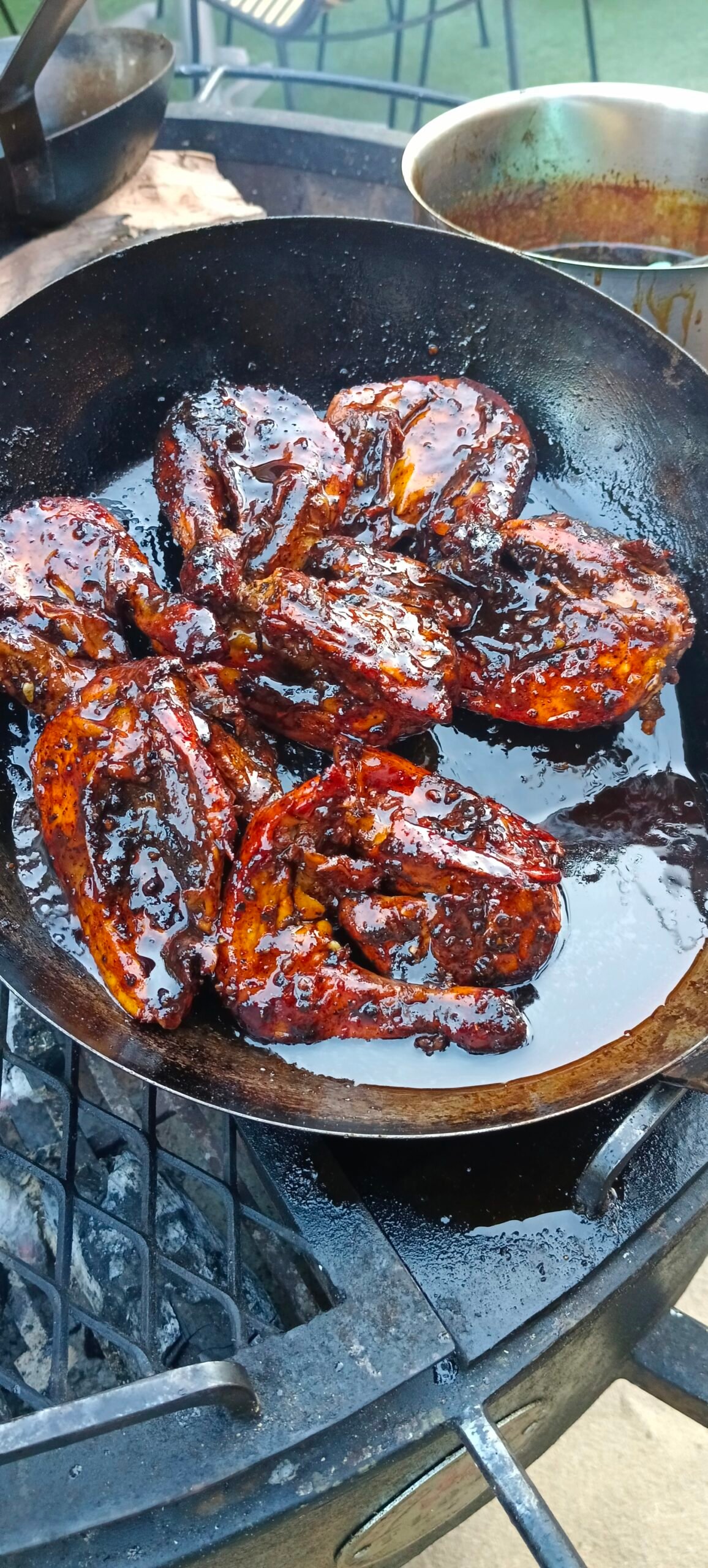
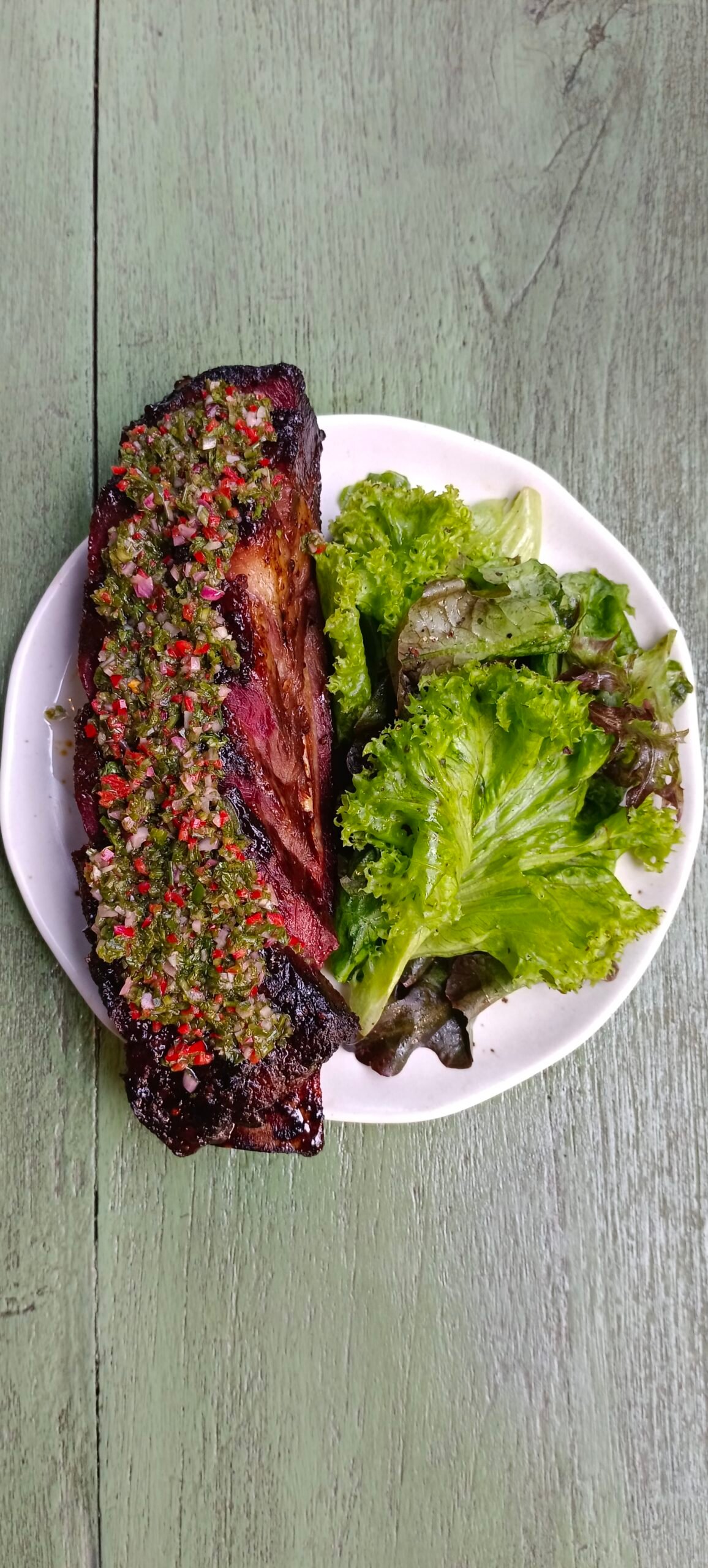
Food photography by Chef Vivi.
Secret Sauce
- What’s the most unexpected ingredient you’ve ever worked with, and how did it change your perspective on cooking?
Smoked vegetables.
I eat vegetables, but I’m not really a fan. Still, smoking them turned out to be absolutely delicious.
- What’s your “guilty pleasure” meal?
Dessert, always!
- A food trend that you hate and why?
Matcha… haha, I’m sorry!
Right now there’s a trend of putting matcha into everything, even foods where I don’t think it belongs.
- What’s the craziest shift you’ve ever worked in the kitchen?
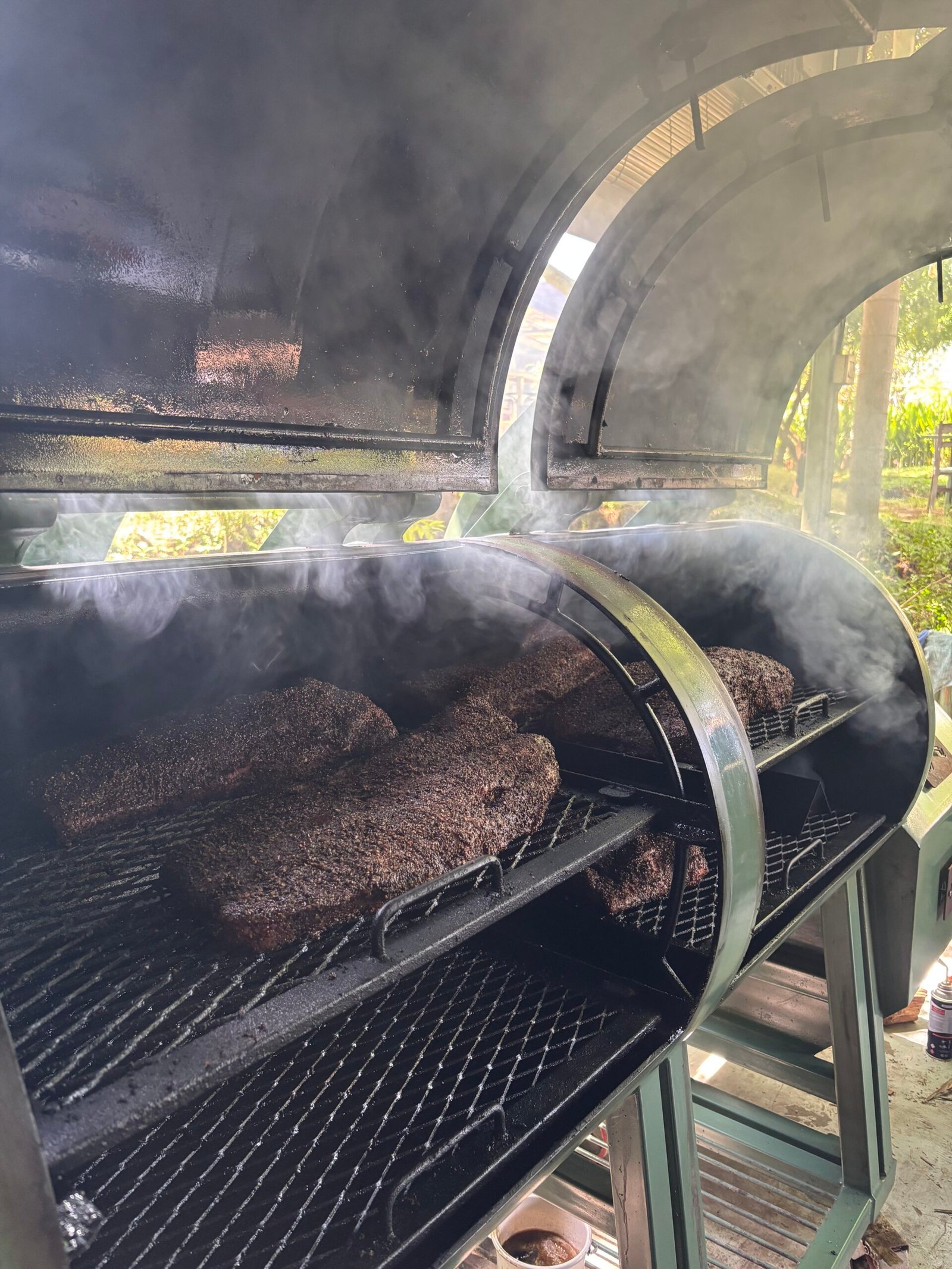
Honestly, with smoked meat, working 12 to 16 hours is pretty normal.
It’s just another day around the pit.
5. What happened, and how did you manage to get through it?
When the brisket turns out that good…
Hours of smoking, hours of resting, and then finally serving it.
Every single hour is worth the wait.
- What tips would you give to other cooks and chefs to help them navigate their culinary careers and find peace amid the chaos of the kitchen?
Keep learning, stay consistent, and be an empty vessel.
Fill your cup and absorb knowledge like a sponge.
- What’s an underrated ingredient and why?
Andaliman pepper is very underrated and unique because it only grows on the island of Sumatra.
It has beautiful citrus and floral notes.
8. What’s a must-try dish from your kitchen or the one you’re proudest to have prepared?
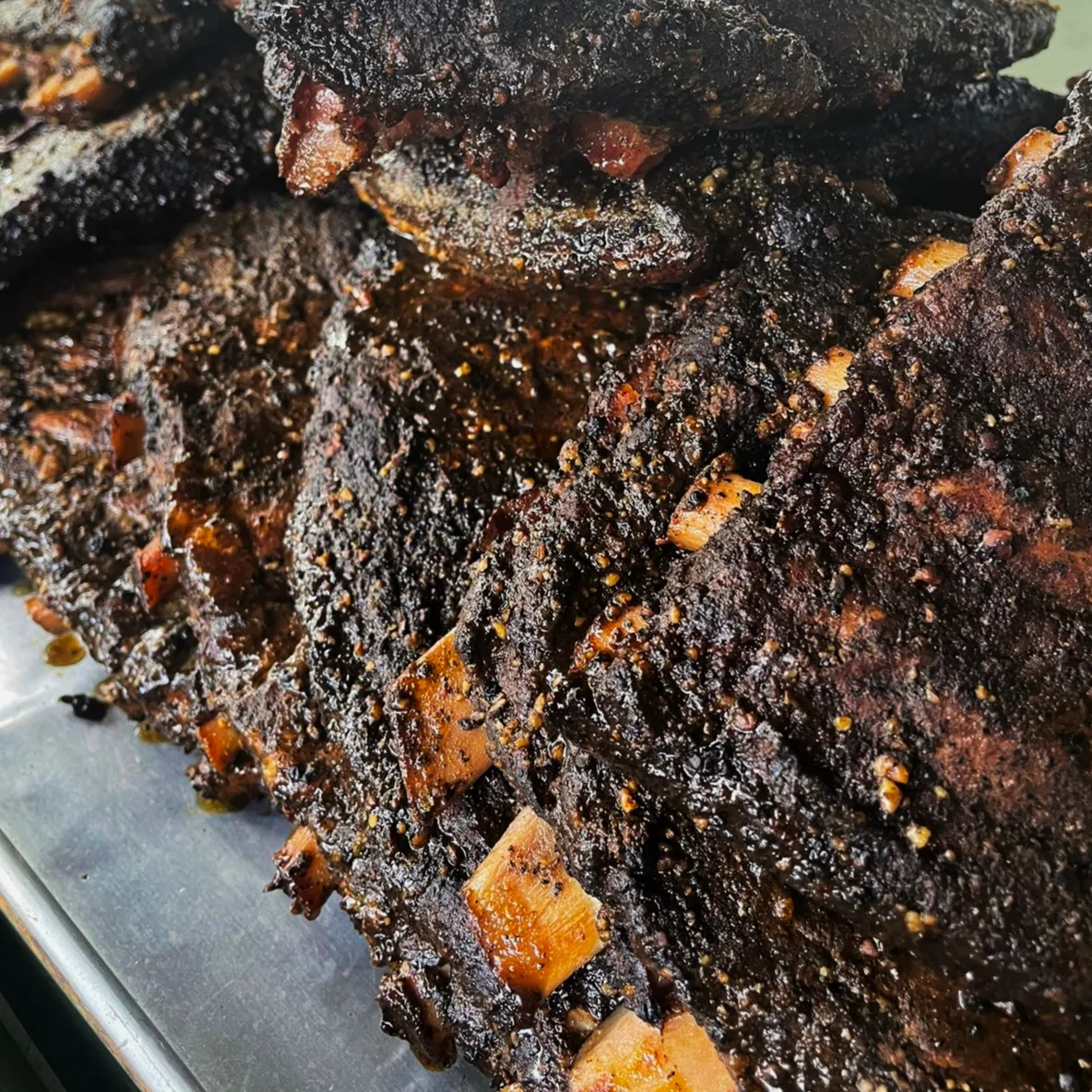
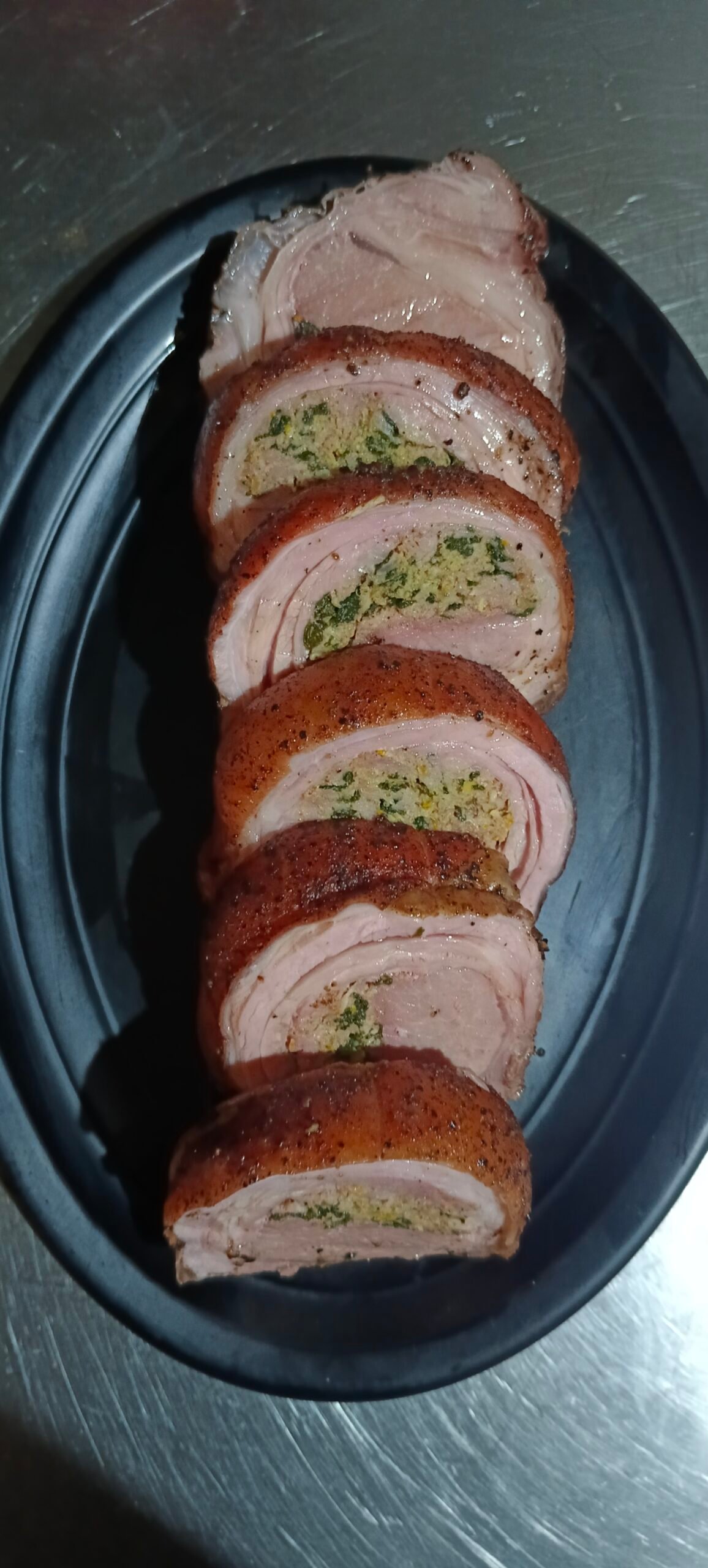
Smoked meat—brisket, chicken, and pork.
I can’t choose just one because I’m proud of all of my dishes.
About Your City!
Bali
- If Anthony Bourdain or a chef came to your city, what would be the perfect tour itinerary from breakfast to dinner?
I can’t really recommend specific restaurants because I don’t eat out very often.
But I can definitely recommend the dishes people should try if they visit Bali.
Start the day with bakmi (noodles) for breakfast, enjoy babi guling (Balinese suckling pig) for lunch, and finish with satay for dinner.
Those are my go-to foods on the island.
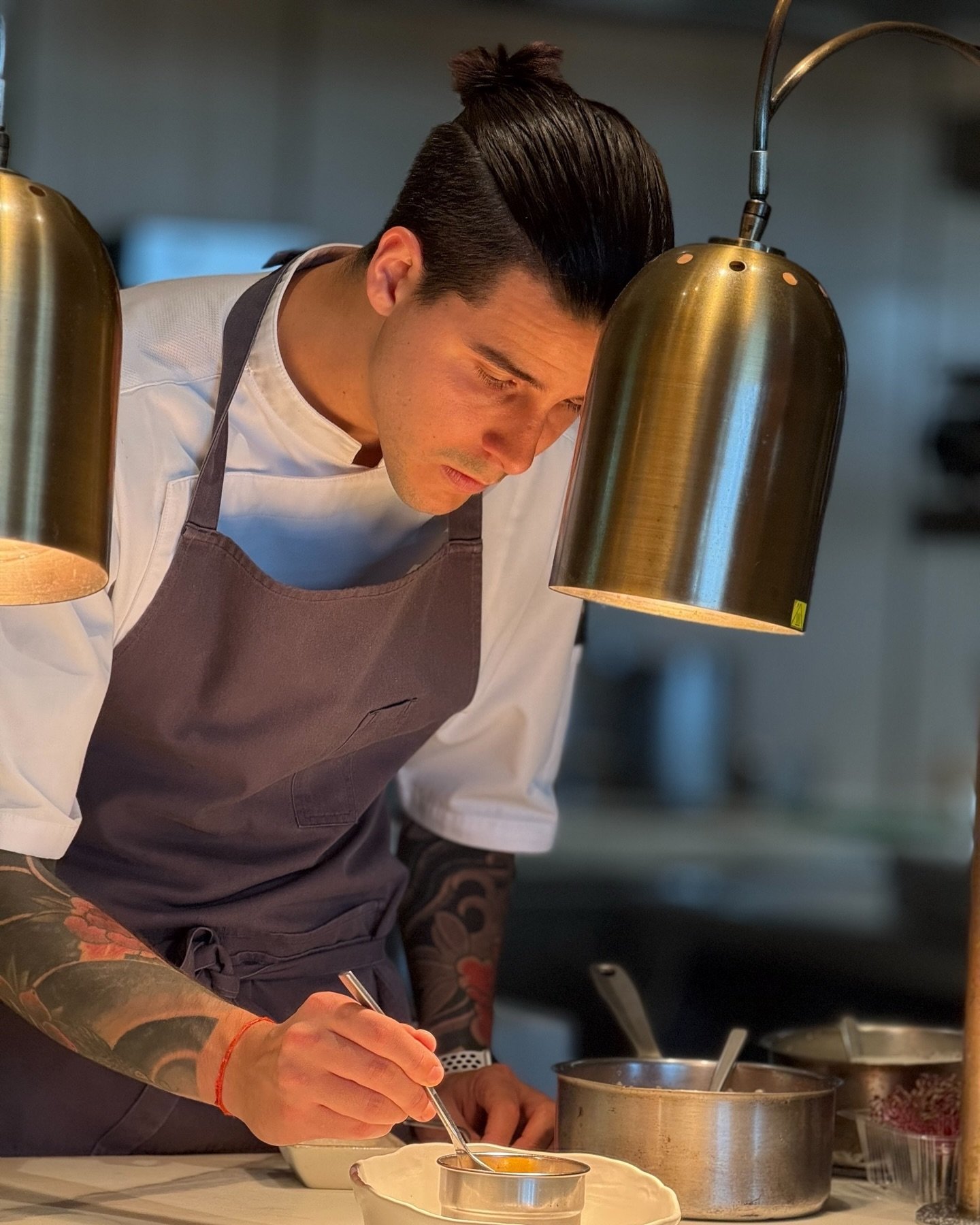
The Meal That Wasn't for Guests
Humans Of The Kitchen
A simple staff lunch revealed the true meaning of responsibility and leadership.
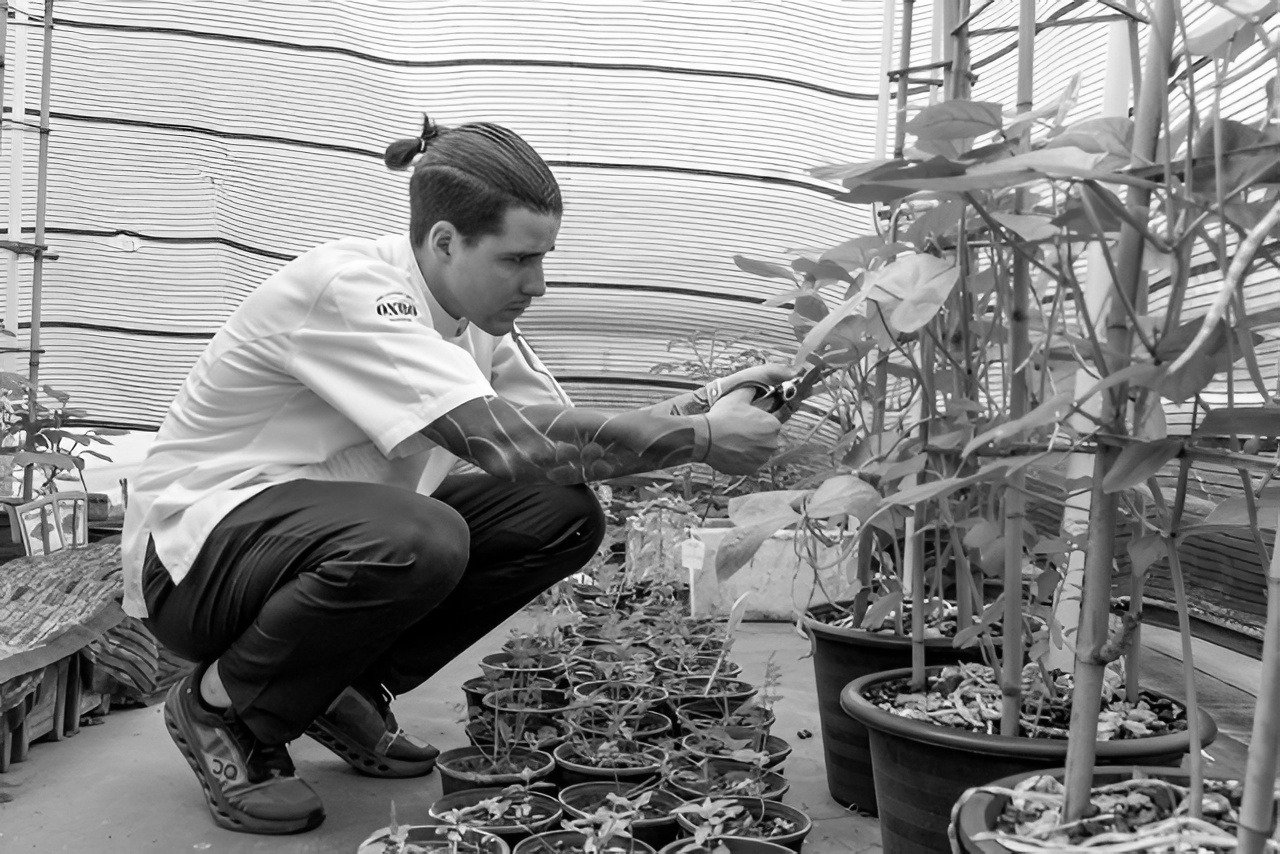
Oliver Afonso Gonzalez
Born in Venezuela and raised in Spain, Chef Oliver Afonso González discovered his passion for food at an early age, inspired by family meals and a memorable afternoon cooking alongside his grandmother. That curiosity soon evolved into a professional calling, leading him to study culinary arts while simultaneously learning the realities of restaurant life through hands-on experience in professional kitchens.
His journey has taken him from Michelin-starred kitchens in Barcelona to the vibrant culinary landscape of Bangkok, where he now leads the team at OXBO Bangkok. Along the way, Oliver has embraced different cultures, techniques, and philosophies, blending Spanish roots, Japanese precision, and Southeast Asian influences into a cooking style built on respect for ingredients, honest flavors, and meaningful hospitality.
For Oliver, cooking goes far beyond technique. It’s about creating memories, building strong teams, and constantly learning through travel, curiosity, and human connection. Whether mentoring young chefs, sourcing local ingredients, or sharing a meal after a demanding service, he believes the true heart of hospitality lies in the people who make it possible.
In this conversation, Oliver reflects on the lessons that shaped his career, the people who inspired him, the realities of kitchen life, and the philosophy that continues to guide him every day as both a chef and a leader.
Share your Journey
- Looking back at your childhood, was there a specific moment or memory that sparked your interest in food or cooking?
Well, thanks to my family, I’ve always loved food and trying new things since I was a child. But when it comes to cooking, there was one moment that really stayed with me. I was around 16 years old, helping my grandmother in the kitchen for the first time. To be honest, she was the one doing the cooking while I was just trying to help her, but I truly enjoyed that moment with her.
- Did you have another career or job before becoming a chef? How did those experiences influence your decision to pursue cooking?
No, I didn’t really have another career before becoming a chef. While I was studying culinary arts, I was already working part-time in restaurants.
Honestly, being in a real kitchen while I was still studying made me fall even more in love with cooking. It was intense and tiring at times, but I enjoyed the atmosphere, the teamwork, and the feeling of service. I loved how every day was different and how there was always something to learn.
- Did you formally study culinary arts, or are you self-taught? How has your learning journey shaped your approach to cooking?
I formally studied culinary arts, but I think a big part of my learning also came from working in real kitchens at the same time. School gave me the technical foundation and helped me understand the basics properly, but the restaurant environment taught me the reality of the industry.
Working during my studies shaped the way I approach cooking today. It taught me discipline, consistency, teamwork, and how important it is to stay calm under pressure. At the same time, it also made me understand that cooking is not only about technique, but about creating an experience and making people feel something through food.
- When did you first step into a restaurant kitchen? What was that experience like, and how did it shape your journey as a chef?
When I first stepped into a restaurant kitchen as a part-time employee, I was honestly just eager to learn. I was nervous and excited at the same time because I didn’t know much yet, but I wanted to help with anything I could.
Later on, after finishing my culinary studies and stepping into a professional kitchen full-time, even with a bit of experience already, I still felt completely overwhelmed. There were so many emotions happening at once: pressure, excitement, stress, adrenaline, and everything moved so fast.
I was around 19 years old when I started working as a commis chef at Koy Shunka, a one-Michelin-star Japanese restaurant in Barcelona. Imagine a young kid entering that kind of environment for the first time—the silence, the discipline, the strict systems, the level of focus, and the respect in the kitchen. It was intense, but those moments shaped me deeply.
I think that experience taught me not only how to cook, but also how to observe, stay humble, respect the craft, and constantly push myself to improve. Looking back now, those early experiences truly shaped me both as a chef and as a person.
- What were some of the early challenges or obstacles you faced when you started in the kitchen, and how did you overcome them?
One of the biggest challenges for me was understanding that every kitchen has its own world, its own rules, systems, timing, and way of doing things. You have to learn how to adapt quickly and understand which piece of the puzzle you are within the team.
I doubted myself many times. In the beginning, I had very little experience and honestly felt like a small fish surrounded by sharks. Everyone around me seemed faster, more skilled, and more confident. The head chef was intimidating at times, but at the same time, it pushed me to work harder and learn more every single day.
Over time, I understood that growth in this industry comes with patience, consistency, and humility. Those early challenges helped shape my mentality and taught me the importance of discipline, respect, and never becoming too comfortable.
- What keeps you inspired and how has that inspiration driven you throughout your professional journey? Especially during tough times in the kitchen?
What keeps me inspired the most is traveling, discovering new places, and always looking for new restaurants and food to try. I think every trip, every city, and every meal teaches you something different.
Living in Bangkok also plays a big part in that inspiration. It’s a city full of energy and an incredible food culture, where you can find inspiration everywhere—from street food stalls to Michelin-starred restaurants.
I’ve always been curious when it comes to food. I enjoy tasting new flavors, understanding different cultures through their cuisine, and seeing how other chefs and restaurants express themselves. For me, inspiration comes from those experiences and memories you collect along the way.
The chefs I’ve worked with throughout my journey have also inspired me greatly, each in their own way. Some taught me discipline, others creativity, resilience, or simply how to keep pushing forward. Even during moments when things felt like they were falling apart, those experiences and the people around me gave me the motivation to keep cooking and believing in the path I chose.
- Can you recall a moment in the kitchen that marked you forever? Maybe it was an interaction with a mentor, a fellow cook, someone you fed, or a situation that challenged you in a way that shaped who you are today?
I remember one moment from my first professional kitchen that honestly stayed with me forever.
At that time, I really wanted to learn how to fillet fish properly. I was young and hungry to learn, so I spent the whole day focused on finishing my mise en place and running around trying to get everything done as quickly as possible, just so I could have the opportunity to practice filleting fish.
But that same day, I was also responsible for cooking the staff meal. I got so caught up trying to do everything else and helping around that I completely lost track of my main responsibility. In the end, I didn’t manage to cook for the team.
I remember feeling terrible about it. I felt ashamed because, to me, it was a big failure. But my head chef taught me something that day that stayed with me far more than learning how to fillet a fish. He made me understand the importance of cooking for the team and the value behind it. Feeding the staff wasn’t just another task; it was about respect, responsibility, and taking care of the people working beside you every day.
Looking back now, that lesson shaped me immensely, both as a chef and as a person.
- As a chef, how would you describe your philosophy in the kitchen, and how does it guide your approach to cooking and leadership?
My cooking philosophy is actually quite simple. I believe in respecting the ingredients, respecting the people around you, and cooking food that people truly enjoy eating.
Growing up in Spain, working in Japanese kitchens, and later moving to Thailand allowed me to experience very different food cultures and ways of thinking about food. Every place, every chef, and every kitchen taught me something, and I think my cooking today is naturally a mix of all those experiences.
I’m not someone who likes to overcomplicate dishes just to make them look impressive. For me, it always starts with great ingredients and understanding how to get the best out of them. Sometimes the simplest dishes are the ones people remember the most.
More than anything, I want my food to make people feel something. Of course, I want guests to enjoy the flavors and remember the dishes, but I also want them to remember the feeling around the experience. Maybe it’s a dish inspired by my travels, a perfectly grilled steak, or simply a flavor that brings back a memory from home—those are the things I love creating through food.
At the end of the day, cooking, for me, is about connection, emotion, and sharing something honest with people.
- Can you share a time when cooking or the camaraderie in the kitchen helped you through a tough period in your life? What made that experience meaningful?
I don’t know if this is politically correct, but one of the best feelings for me is honestly sitting down with the team after a rough service, opening a beer, talking about basketball, music, life… and just laughing together as if nothing had happened.
Sometimes service can be chaos. Things go wrong, tensions run high, people argue, and everyone is stressed and exhausted. In those moments, it can feel like the world is falling apart inside the kitchen. But then service ends, everybody sits together, and somehow everything resets.
I think those moments are a huge part of kitchen life and something people outside the industry don’t always see. Behind all the pressure and intensity, there’s also a strong sense of connection and camaraderie. Going through difficult services together creates bonds that are hard to explain unless you’ve lived it yourself.
- Reflecting on your career, what achievements or milestones are you most proud of, and what do they mean to you?
I don’t really measure achievements only through awards or titles. Of course, being able to work in Michelin-starred restaurants, moving across different countries, and becoming Head Chef at OXBO Bangkok are things I’m very proud of.
But honestly, the things that mean the most to me are usually the small moments people don’t really see. Building a strong team, watching young chefs grow, earning the trust of the people around you, or seeing guests return because they genuinely enjoyed the experience, those things feel very rewarding to me.
Moving from Spain to Thailand was also a major milestone in my journey. It pushed me far outside my comfort zone, both personally and professionally, and helped me grow a lot not only as a chef but also as a person.
And of course, receiving awards feels amazing too. It’s always nice to see your hard work recognized. But the funny thing about this industry is that the next day you’re back in the kitchen as if nothing happened. Service starts, the pressure returns, and you still have to perform, stay consistent, and keep improving every single day. That’s something I learned very early in my career: you can never become too comfortable.
At the end of the day, I think my greatest achievement is simply being able to do what I love, continue learning, and share that passion with the people around me every day.
- What aspects of restaurant culture do you love, and what parts do you find frustrating or problematic? Are there any changes you’re actively working toward or things you hope they change in the industry? Share the reasons behind them and how they align with your vision for a better culinary world?
What I love most about restaurant culture is the sense of connection and teamwork that comes with it. There’s something special about going through intense services together, dealing with pressure as a team, and then sitting down afterward to share food, a beer, and conversations like a small family.
I think people outside the industry don’t always see those moments, but for me, they’re one of the most beautiful parts of kitchen life. Especially living in Bangkok, with my family far away in Spain, the team and friends I have here have truly become another family to me. When you spend so many hours together, going through stressful and emotional moments almost every day, those relationships become incredibly strong.
At the same time, there are definitely parts of the industry that can be frustrating. Kitchens can sometimes become toxic environments where pressure, stress, and ego take over. Long hours, poor work-life balance, and unhealthy ways of communicating were normalized in professional kitchens for many years.
I believe that mentality needs to continue changing with the new generation entering the industry. Of course, performance and results will always matter, but I also believe people are the heart of everything we do. Without the team behind it, none of this is possible. That’s why I believe it’s important to build kitchens where people feel respected, motivated, and able to grow while still maintaining high standards and discipline every day.
- What are your hopes for the future of the restaurant and food and beverage industry? What changes would you like to see, and how are you contributing to that change?
My hope for the future of the restaurant and food & beverage industry is to see kitchens become healthier and more human environments. I think pressure and discipline will always be part of this profession, but respect, balance, and good communication should be part of it as well.
I’d also love to see more support for local producers, greater respect for ingredients, and a more conscious way of running restaurants. At OXBO, one of our main pillars is sourcing ingredients locally whenever possible. That has allowed me to build close relationships with producers, better understand their work, and contribute, in a small way, to sustainability and the local community.
In my own way, I try to contribute through the way I lead my team every day. Creating a positive environment in the kitchen is very important to me because, at the end of the day, without the people behind it, none of this works.
- If there’s anything we didn’t ask or if you feel we’re missing something about your personal and kitchen story, please share it here.
I’ve been lucky enough to travel and work in different places throughout my journey, and honestly, I would recommend it to any young chef who wants to grow. Traveling and experiencing different kitchens, cultures, and ways of thinking can teach you so much, both professionally and personally.
I moved to Thailand when I was 24 years old and had the opportunity to work in several well-known restaurants. That experience completely opened my mind. It allowed me to discover new cultures, ingredients, techniques, and ways of understanding hospitality that I probably would never have experienced if I had stayed in the same place.
I truly believe that stepping outside your comfort zone is one of the best things a chef can do. It helps you grow, adapt, and understand food from a much broader perspective.
Photo credits to @teenshotmedia 📸
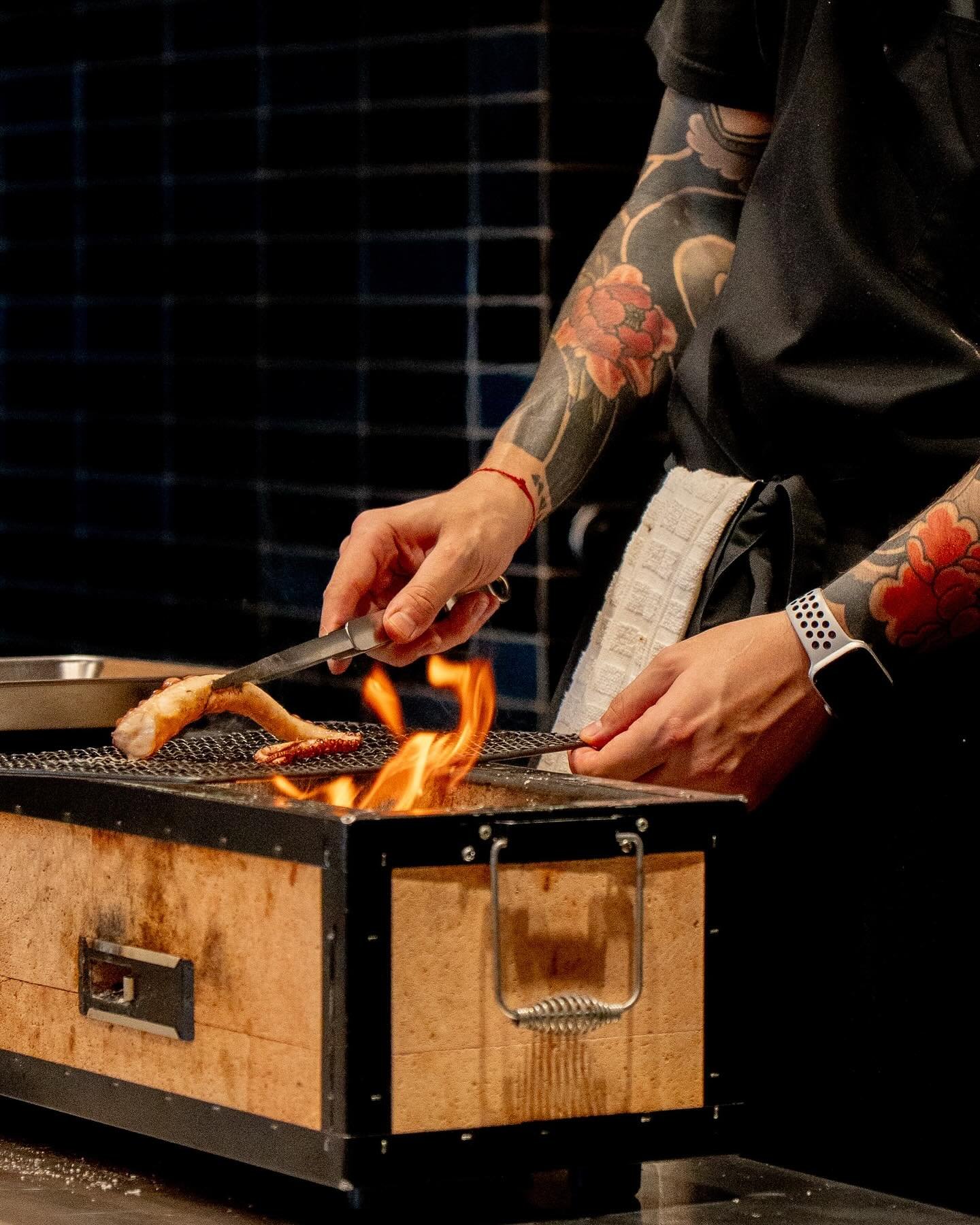
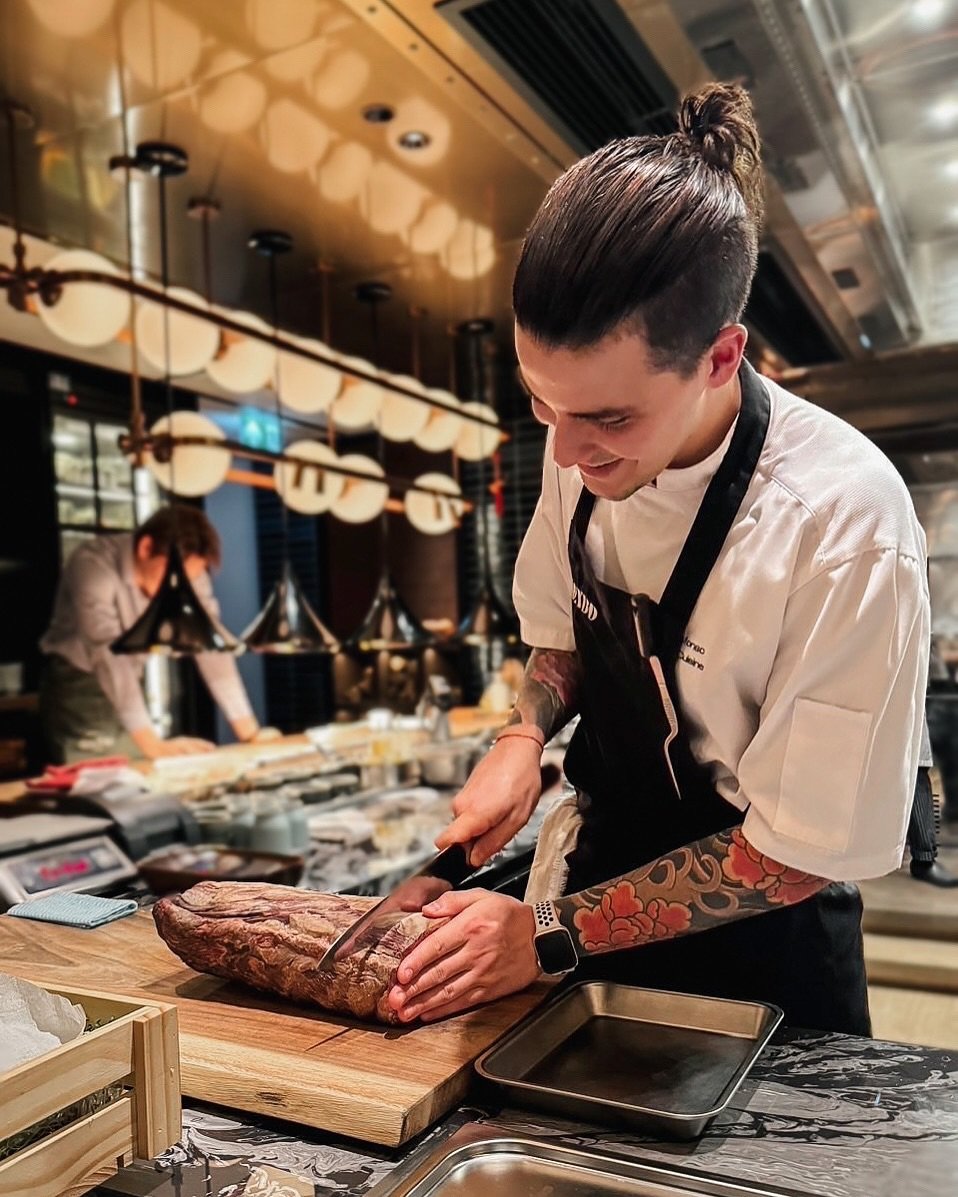
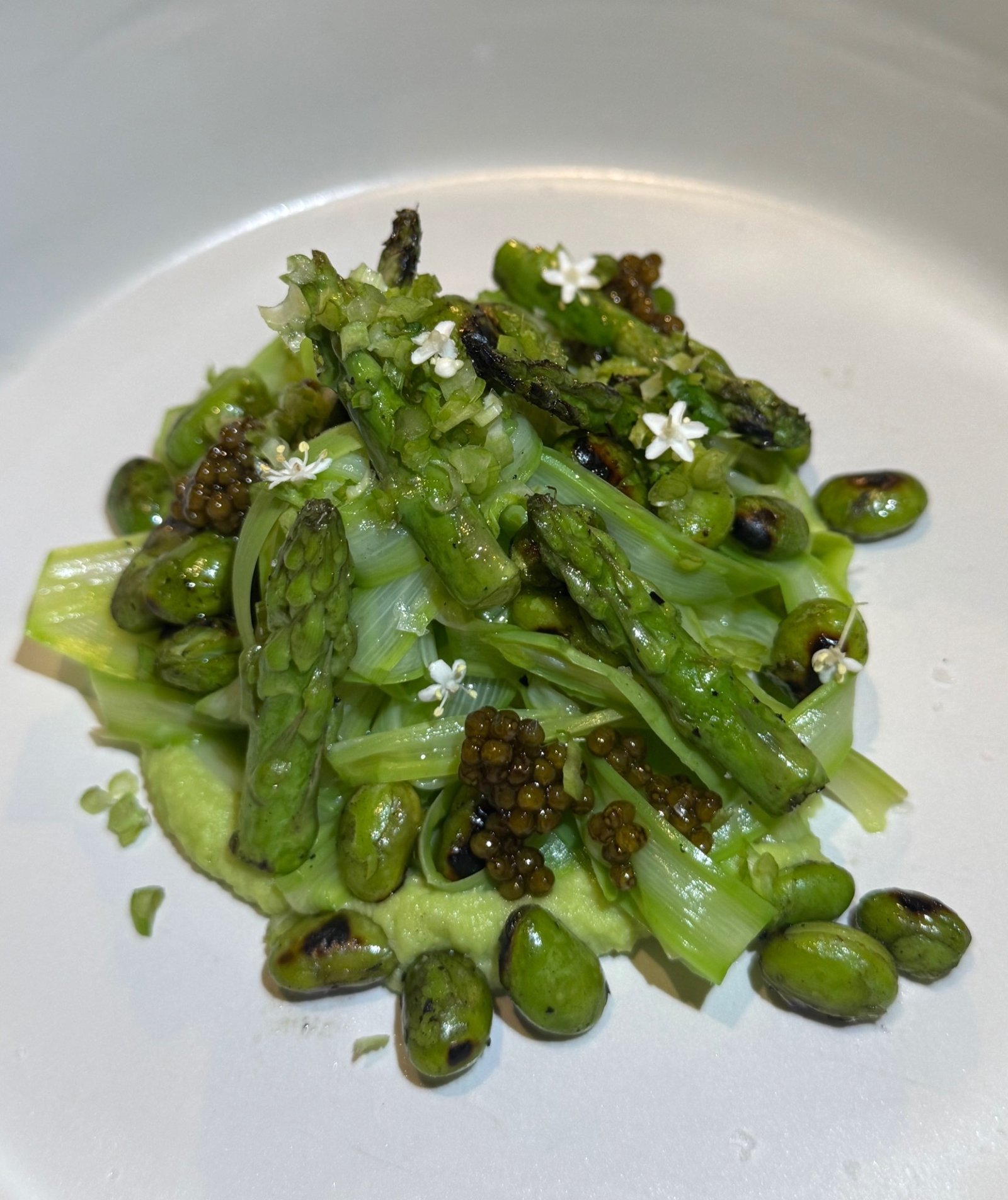
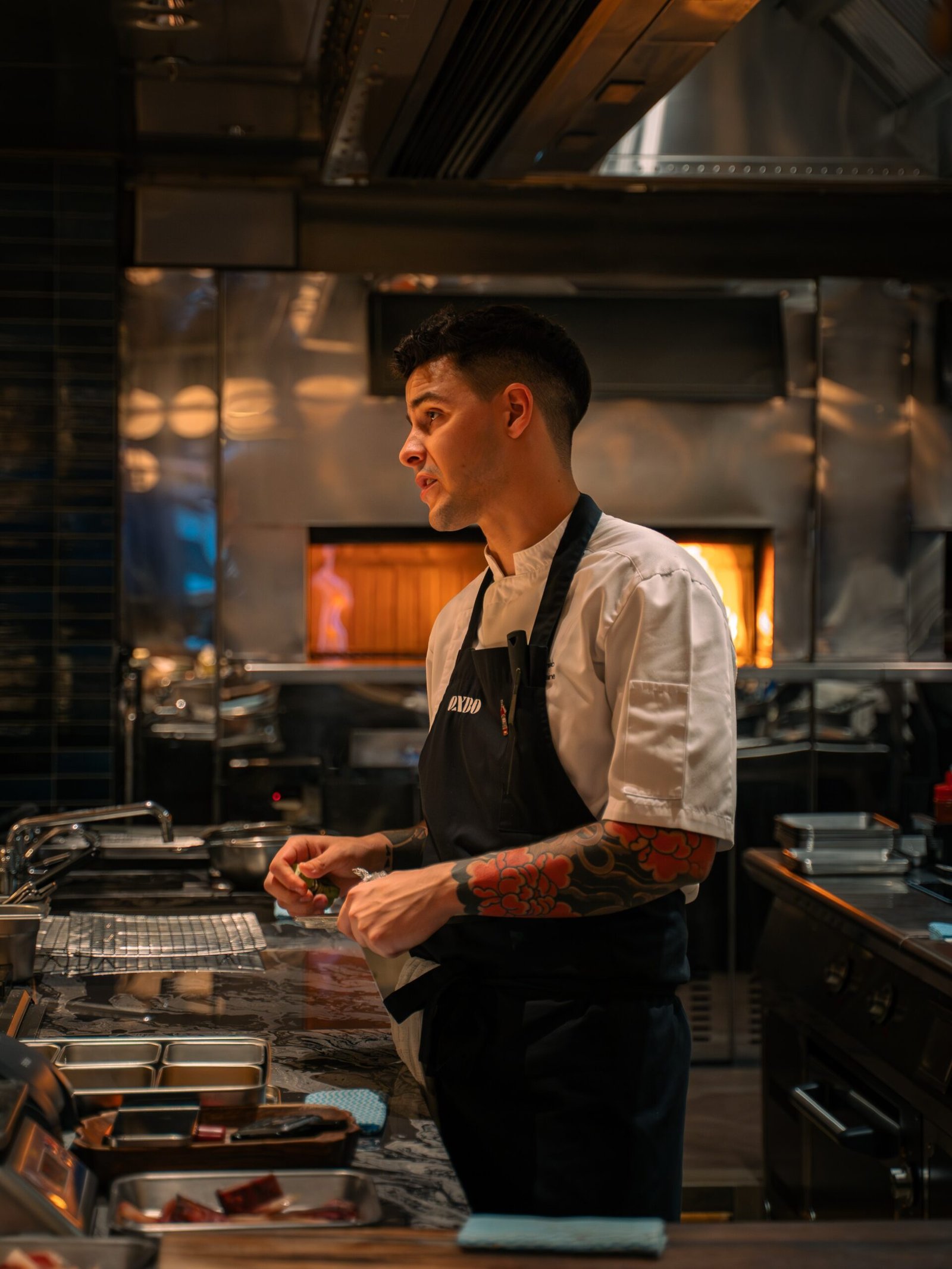
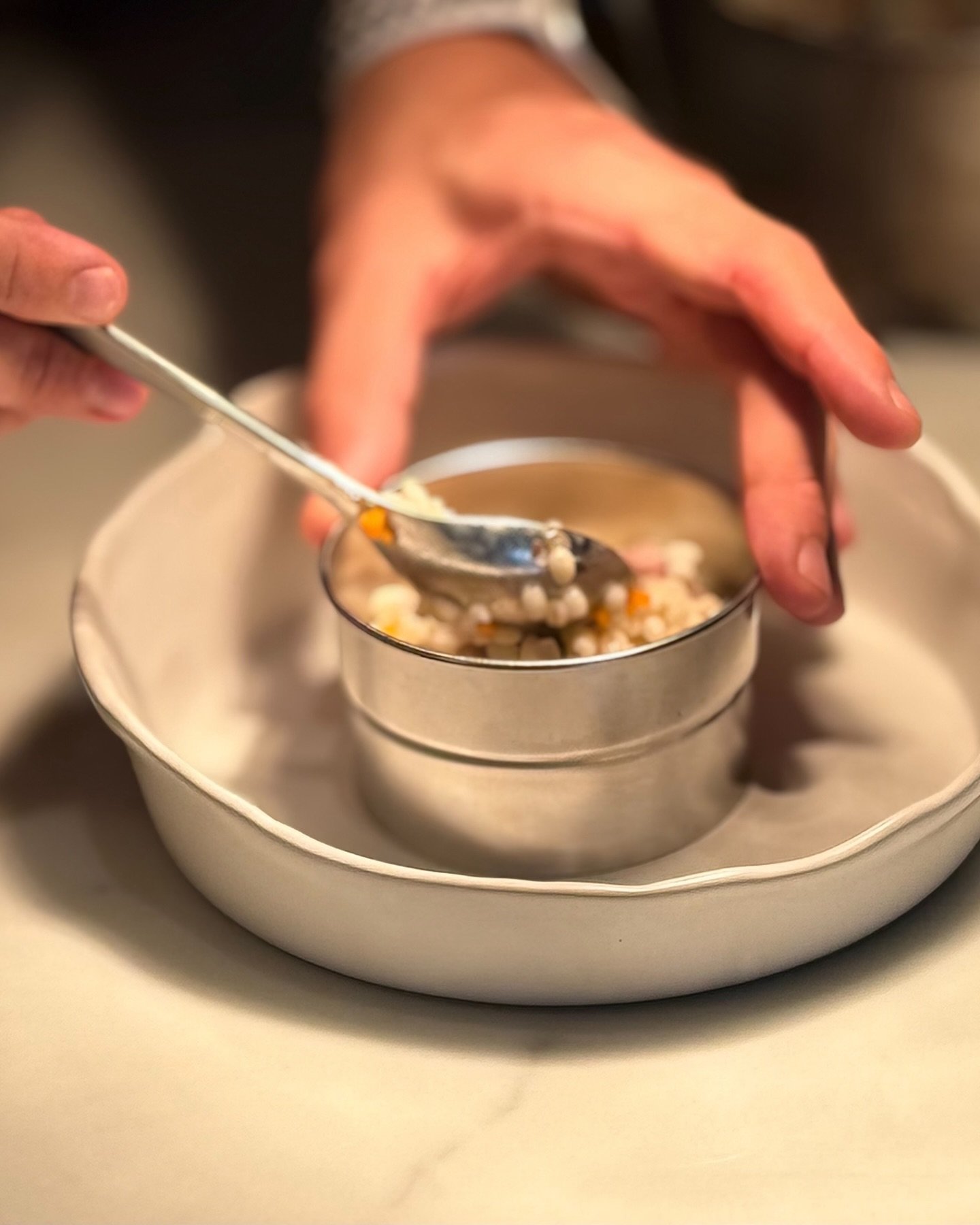
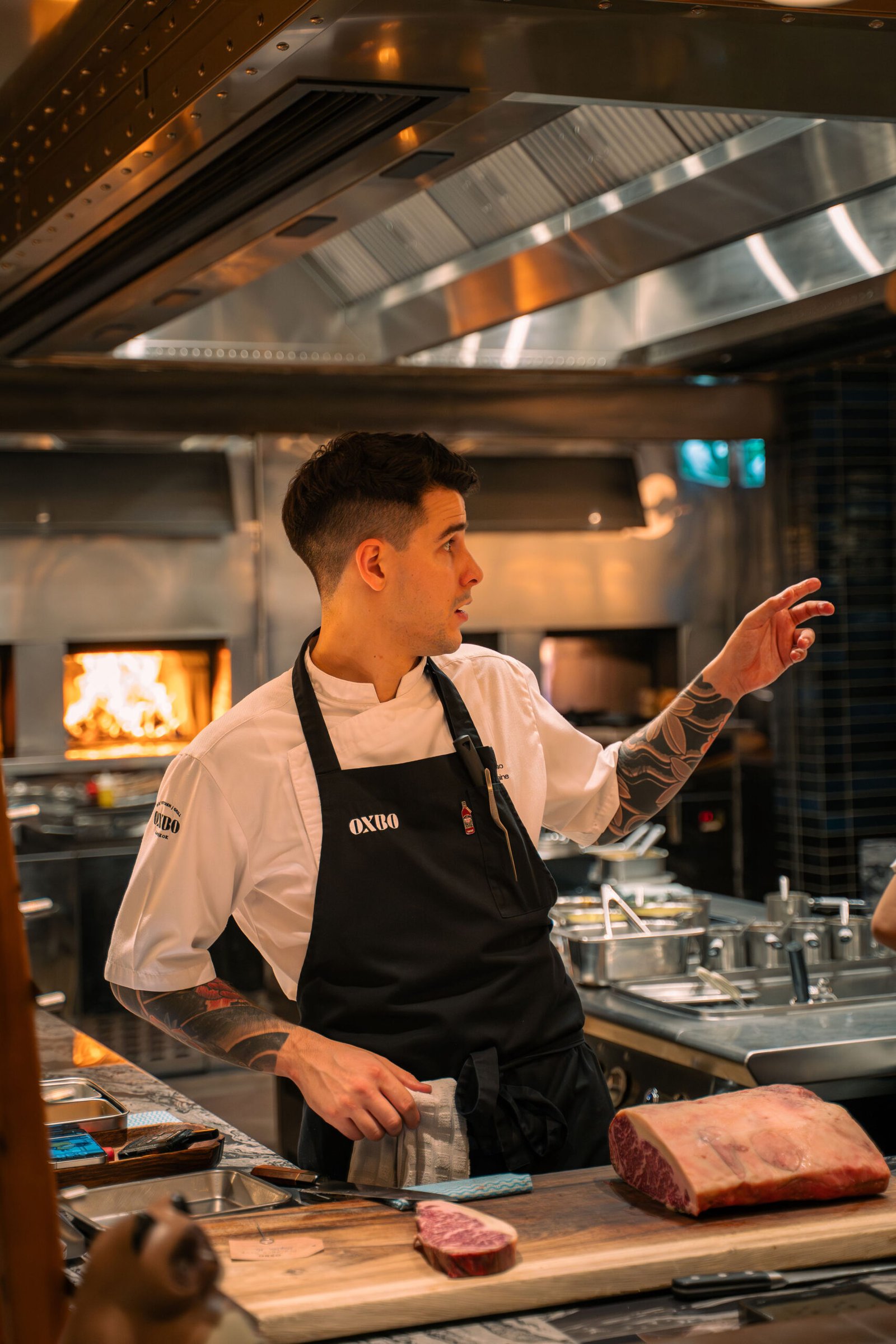
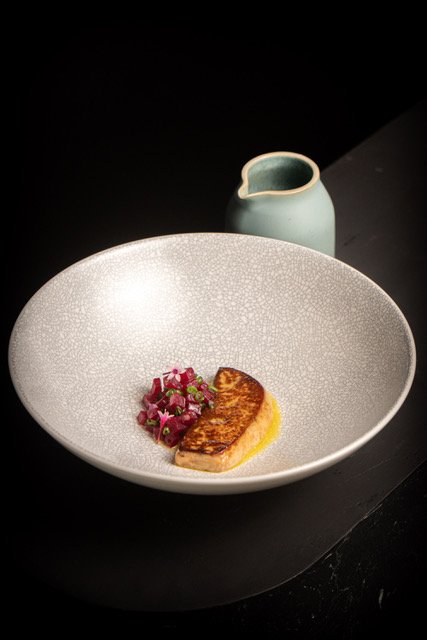
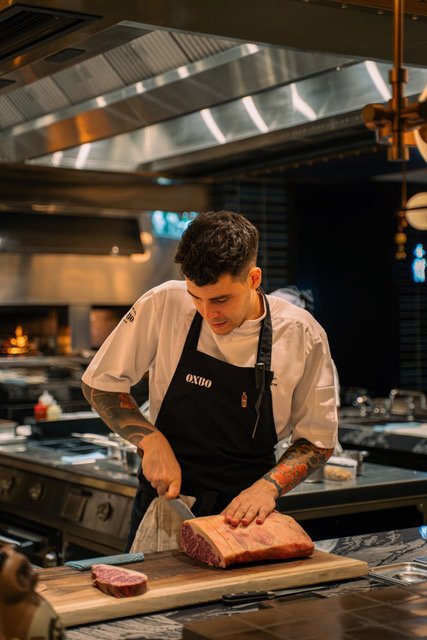
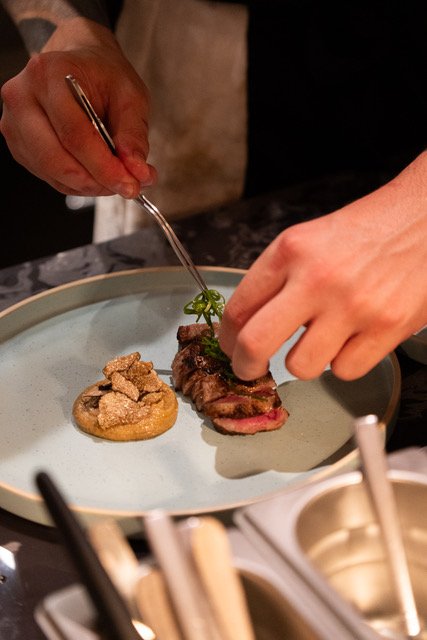
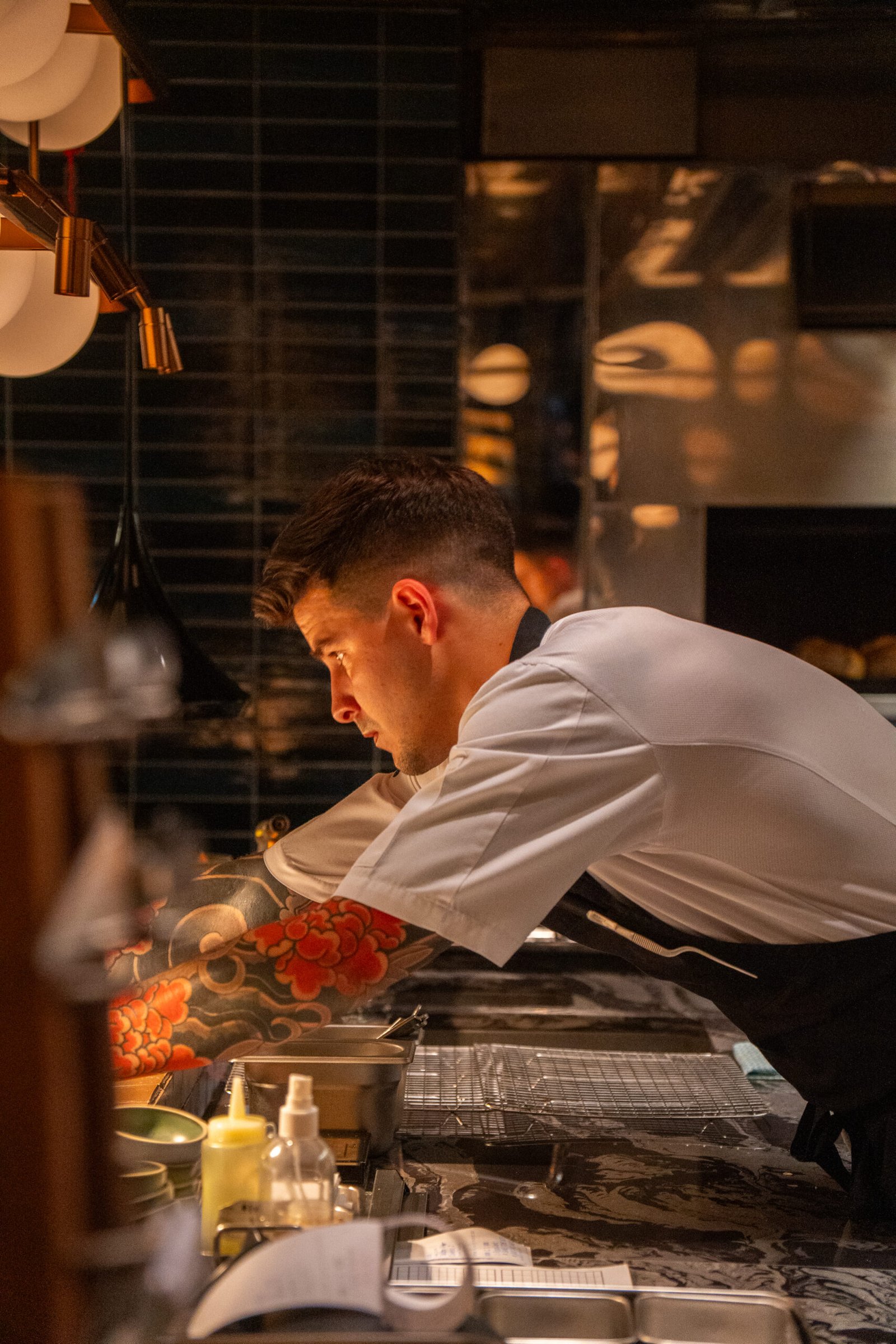
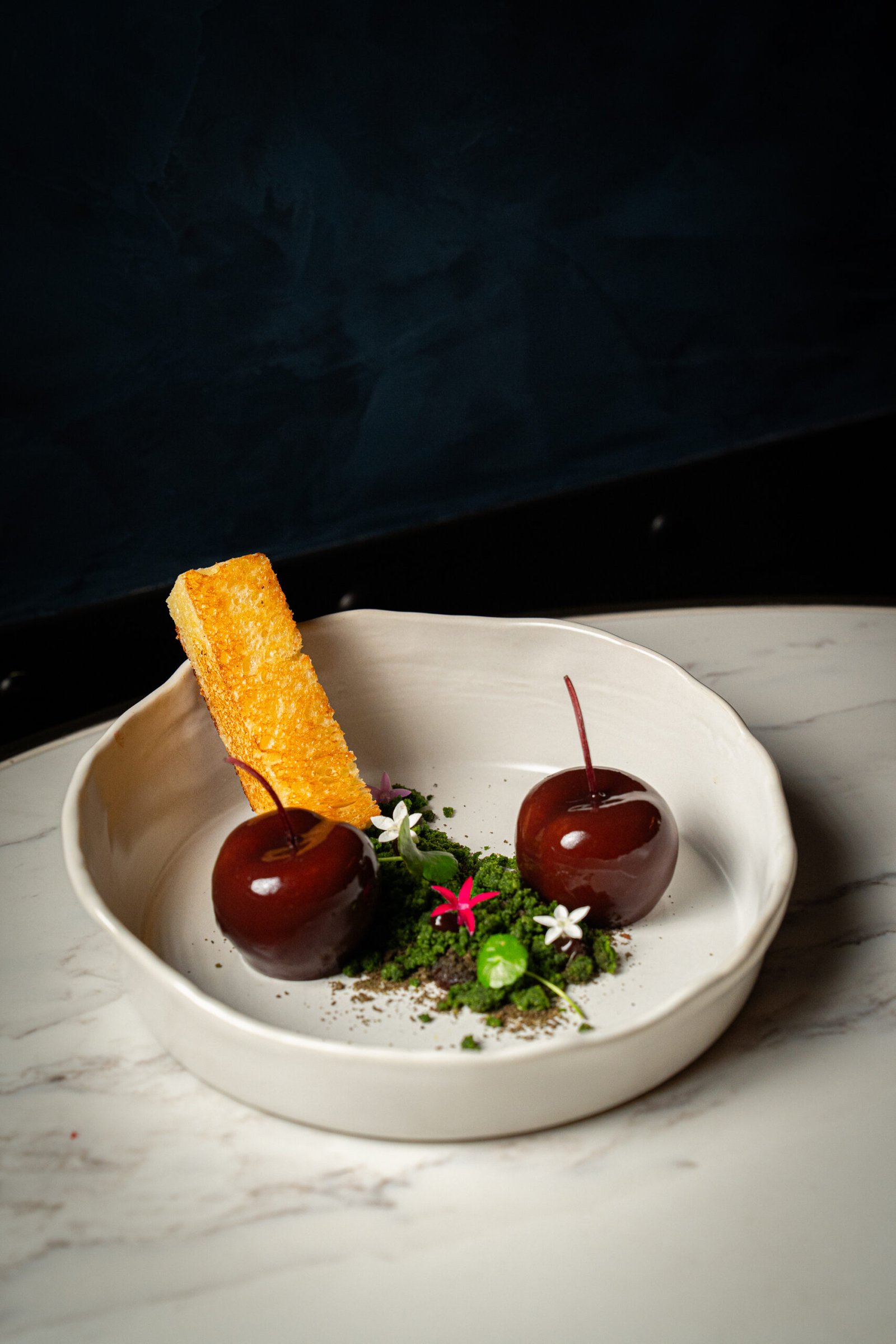
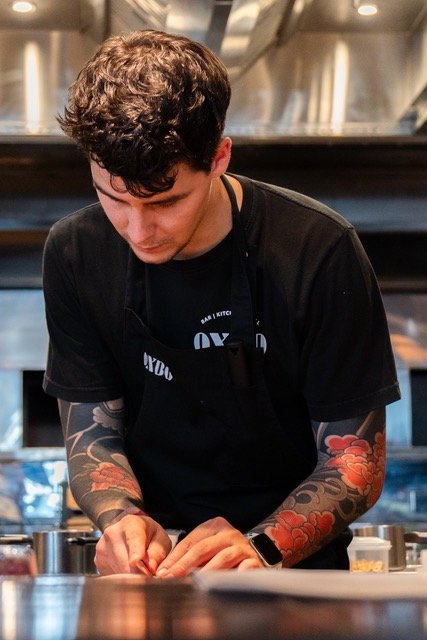
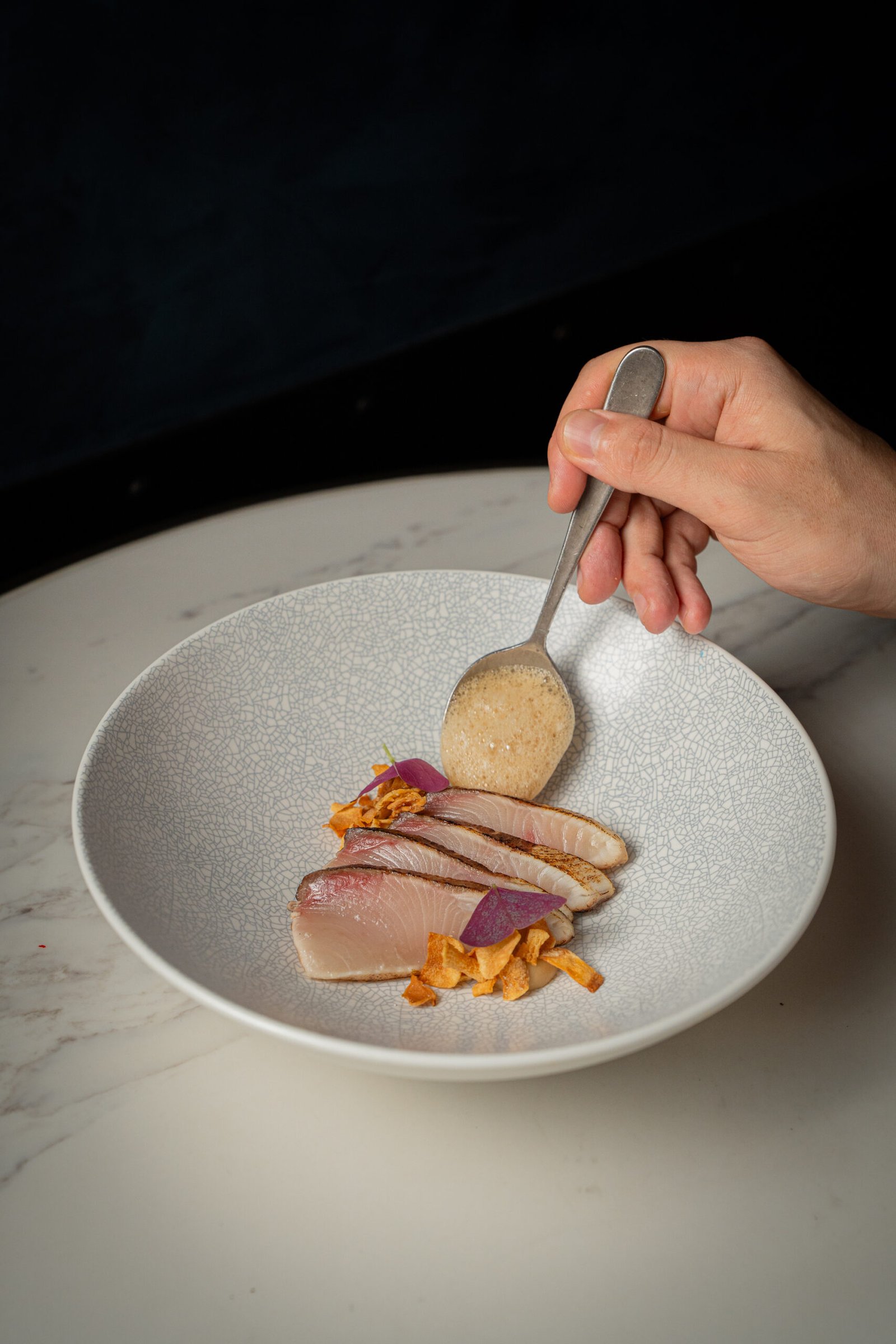
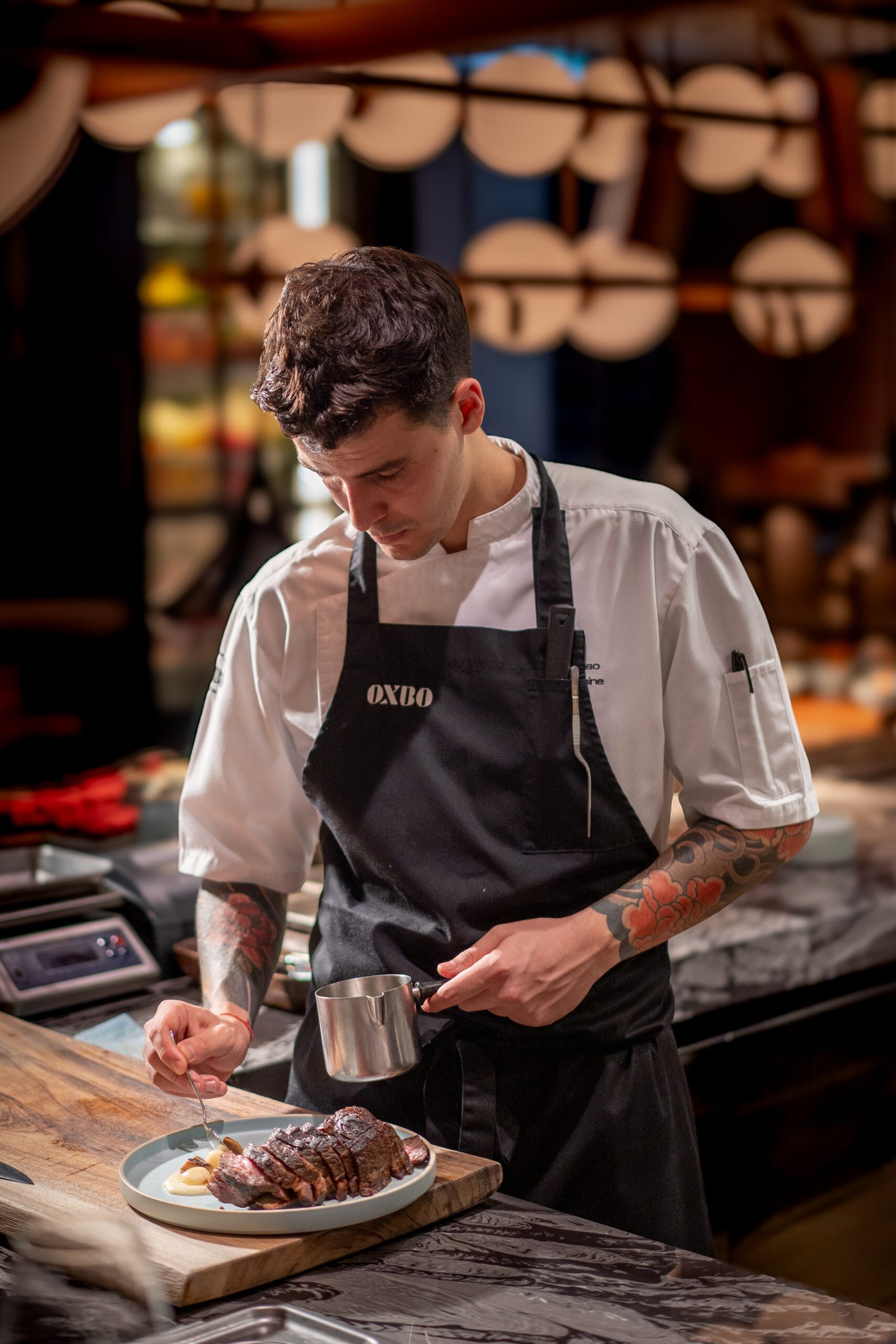
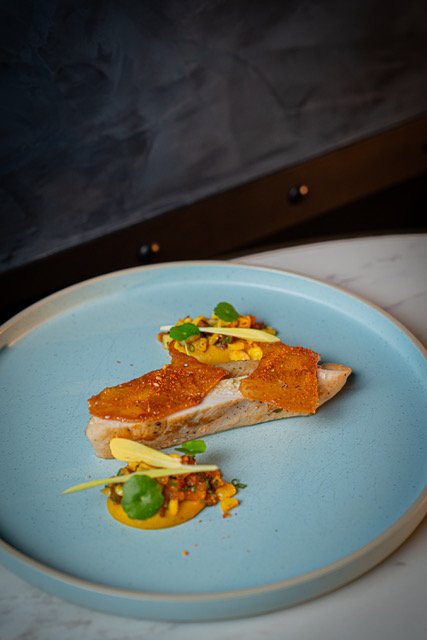
Secret Sauce
- What’s the most unexpected ingredient you’ve ever worked with, and how did it change your perspective on cooking?
One of the most unexpected ingredients I’ve ever worked with was sea cucumber. It was one of the first luxury ingredients I ever cooked with while I was still a junior chef at my first job.
At first, I honestly didn’t really understand it. It was completely new to me, both in texture and preparation, and I remember being surprised by how delicate and complex it actually was. But when it’s cooked properly, it becomes an incredible delicacy.
That experience taught me a very important lesson early in my career. Sometimes the role of the chef is not to overcomplicate things, but simply to understand the ingredient, respect it, and allow it to shine on its own. I think that moment shaped much of the way I approach cooking today.
- What’s your “guilty pleasure” meal?
Beef chili cheese fries with loads of cheese and a nice beer.
- A food trend that you hate and why?
Honestly, one trend I’ve never really liked is overcomplicated food. Sometimes there’s just too much happening on the plate, and it feels like people forget that food is supposed to be enjoyed, not overanalyzed.
For me, some of the best dishes are actually the simplest ones. If you have a beautiful ingredient and cook it properly, you don’t need to do too much to it. I’ve always preferred food that feels honest and natural rather than dishes filled with unnecessary elements just to look impressive.
At the end of the day, people usually remember how the food made them feel, not how many components were on the plate.
- What’s the craziest shift you’ve ever worked in the kitchen?
Honestly, there have been many crazy shifts over the last ten years. From surviving services with almost no sleep and massive hangovers when I was younger to pushing through 16-hour shifts during special events, festivals, and busy seasons.
5. What happened, and how did you manage to get through it?
As usual in kitchen life, there’s always something unexpected happening: being understaffed, dealing with last-minute problems, equipment failures, or crazy rushes.
I honestly got through many of those moments with a lot of caffeine and energy drinks, somehow trying to unlock the 25th hour of the day. There were times during those long shifts when I was so tired that I started feeling delirious, almost like I could see sounds and hear colors.
But somehow, you keep going because that’s the reality of kitchen life sometimes. You adapt, push through service, laugh about it with the team afterward, and come back the next day ready to do it all over again.
- What tips would you give to other cooks and chefs to help them navigate their culinary careers and find peace amid the chaos of the kitchen?
One thing I would say to young cooks and chefs is to be patient with yourselves. This industry can be beautiful, but it’s also incredibly intense, and everyone grows at their own pace. Don’t rush to become the best overnight or chase titles too much. Focus on learning, staying consistent, and improving little by little every day.
I’d also say: travel if you can, work in different kitchens, experience different cultures, stay curious, and eat as many new things as possible. Some of the biggest lessons in my career came from stepping outside my comfort zone and placing myself in completely new environments.
And honestly, learn to enjoy the small moments too. Kitchens will always have chaos, pressure, stress, long hours, and difficult services. But they also have friendship, laughter, late-night staff meals, beers after service, music, and moments that become memories for life.
At the end of the day, I think finding peace in this industry comes from remembering why you started cooking in the first place and surrounding yourself with good people who make even the hardest services worthwhile.
- What’s an underrated ingredient and why?
I think Jerusalem artichoke is a very underrated ingredient. It’s not the prettiest product, and a lot of people overlook it, but it has so much personality. I really enjoy its earthy flavor and natural sweetness.
Something as simple as roasting it properly can make it absolutely amazing. It’s one of those ingredients that reminds me that great cooking doesn’t always require luxury products or complicated techniques.
8. What’s a must-try dish from your kitchen or the one you’re proudest to have prepared?
If I had to recommend one dish at OXBO Bangkok, it would be the pork belly. It’s probably one of the dishes that best represents our style of cooking.
We slow-cook the pork belly with black pepper, then finish it on the grill to give it a smoky flavor and crispy texture. It’s served with chicharrón and pickled onions to create the perfect balance.
About Your City!
Bangkok
- If Anthony Bourdain or a chef came to your city, what would be the perfect tour itinerary from breakfast to dinner?
For breakfast, or maybe brunch, I would take them to Larder. After that, we’d head to Saew Noodle in Sukhumvit 49 for lunch, a small local noodle shop that I really enjoy.
Later in the afternoon, we’d grab a coffee at Local Boys Coffee before finishing the day with dinner at Charmgang.
I think that’s one of the best things about Bangkok: you can spend the entire day eating at places that are completely different in style, yet every stop has its own personality and character. It’s a city where every meal tells a different story, and that’s exactly what makes it so exciting.
The Beauty of Restraint
Humans Of The Kitchen
Respecting great ingredients means knowing when simplicity says enough.
Joe Holness
Joe Holness grew up in Whitstable, a coastal town where great ingredients were simply a part of everyday life. Surrounded by fresh seafood, local produce, family BBQs, Sunday roasts, and conversations about food through his butcher uncle, he developed an appreciation for ingredients long before he realized cooking would become his career.
His journey into hospitality began at sixteen, when he walked into a local Italian restaurant with a CV and was offered a job on the spot. What started as a kitchen porter role quickly became something much bigger. The pace, pressure, camaraderie, and energy of professional kitchens gave him a sense of purpose that has stayed with him ever since.
Over the years, Joe built his career through experience rather than formal culinary education, learning from talented chefs, demanding kitchens, and the challenges that come with pursuing excellence. From fine dining restaurants to Michelin-starred teams and now leading his own brigade as Head Chef at 75 at Liberty, his path has been shaped by resilience, curiosity, and a deep respect for great produce.
In this conversation, Joe reflects on the lessons that shaped him, the mentors and kitchens that influenced his career, his philosophy of simplicity and respect, and the dream that continues to drive him: creating something of his own, rooted in the place he calls home.
Share your Journey
- Looking back at your childhood, was there a specific moment or memory that sparked your interest in food or cooking?
I started in kitchens part-time as a kitchen porter when I was a teenager.
Looking back now, I think food was always around me long before that.
Growing up in Whitstable meant being surrounded by good produce without really realizing it at the time. Fish straight from the sea, fruit and vegetables grown locally, and summers built around BBQs in the garden.
My parents always cooked properly. Dinner felt important in our house. Sunday roasts were more of a ritual than a meal, and my Nan’s apple pie was the sort of thing everyone somehow always found room for, no matter how full they were.
My uncle was a butcher, so conversations about food, ingredients, and where things came from were normal to me from a young age.
I don’t think I fell into hospitality by accident.
The kitchen porter job was simply the first moment I realized I loved the atmosphere of kitchens as much as the food itself. The noise, the pressure, the camaraderie, and the feeling that everyone was working toward the same thing.
Years later, that feeling still hasn’t left.
- Did you have another career or job before becoming a chef? How did those experiences influence your decision to pursue cooking?
Not really.
Like a lot of people when they’re young, I wasn’t completely sure what I wanted to do. I applied for different jobs and apprenticeships and explored a few options, but nothing ever felt quite right.
The one constant was that I always seemed to find myself back in hospitality. Whether it was working in my uncle’s butcher shop or later in restaurants, food was always there in the background.
Looking back now, I think I was searching for a career while already working in it. I just hadn’t realized it yet.
Once I committed to becoming a chef, I never really looked back.
- Did you formally study culinary arts, or are you self-taught? How has your learning journey shaped your approach to cooking?
I’ve never really liked the phrase “self-taught” because no chef truly learns on their own. I didn’t go to culinary school, but I’ve been lucky enough to work alongside many talented people over the years who have taught me a huge amount.
Most of what I’ve learned has come from working in kitchens, watching the people around me, making mistakes, asking questions, and repeating things over and over until they became second nature.
I think learning that way has made me naturally curious. I’ve always wanted to understand why things work, not just follow instructions.
Working in different kitchens also showed me that there’s no single “right” way to cook. You pick up little things from everywhere. Sometimes it’s a technique, sometimes it’s organization, and sometimes it’s simply the way someone treats ingredients or runs a service.
My approach to cooking now is probably shaped as much by the environment I grew up in as by the kitchens I’ve worked in. I’m drawn to food that feels generous, seasonal, and rooted in something familiar, while still being refined and considered.
I still feel like I’m learning all the time, which is part of what keeps cooking interesting to me.
- When did you first step into a restaurant kitchen? What was that experience like, and how did it shape your journey as a chef?
I was 16 when I first started working in a professional kitchen. Before that, I’d been a Saturday boy in my uncle’s butcher shop, cleaning equipment, scrubbing fridges, and doing all the jobs nobody else wanted to do. But even then, I knew I wanted to be around food in some way.
One day, I walked into a local Italian restaurant with a CV in my hand and asked if they had any jobs available. They said, “Can you start tomorrow?”
Suddenly, I was thrown into a fast-paced, busy kitchen that felt completely different from anything I’d experienced before. At first, it was intimidating. The chefs seemed like larger-than-life characters who moved with confidence and speed while I was simply trying to keep up.
One of my jobs was working the pizza oven, putting pizzas in and turning them throughout service. I loved it straight away. There was something addictive about the rhythm of it all: The heat, the noise, the pressure, and the atmosphere of the kitchen during a busy service.
Looking back now, that was probably the moment I realized this was what I wanted to do, even before I fully knew it.
- What were some of the early challenges or obstacles you faced when you started in the kitchen, and how did you overcome them?
I think one of the biggest challenges I faced early on was when I joined my first fine dining kitchen as a commis chef at 20 years old.
It was a classical French restaurant with a lot of accolades and, at the time, probably the best restaurant in the area. The standards were incredibly high, and the hours were unlike anything I’d experienced before. Suddenly, I was working long days, barely seeing friends or family, completely immersed in kitchen life.
I think not having a traditional culinary school background made it even harder in the beginning. There were gaps in my knowledge, and I felt that pretty quickly. The sous chef and head chef pushed me hard every single day and, honestly, for the first six months I thought about walking out constantly.
But there was also a part of me that was determined to prove that I could do it. I didn’t want to give up.
Then one day, something just clicked. Service flowed, everything felt calmer, and for the first time I was told I’d done a good job. It sounds small, but at the time it felt like a huge moment for me.
I ended up staying there for three years, and looking back now, a lot of the resilience and standards I carry with me today were built during that period.
- What keeps you inspired and how has that inspiration driven you throughout your professional journey? Especially during tough times in the kitchen?
What has always kept me going is having a clear picture in my head of where I want to end up.
For as long as I can remember, I’ve had this idea of one day having my own restaurant back in Whitstable, close to where I grew up. Somewhere that reflects my roots, the produce, the sea, the kind of food I grew up around, and a relaxed, down-to-earth atmosphere.
That idea has probably carried me through many of the tougher moments in kitchens over the years. The long hours, difficult services, pressure, and sacrifices feel easier to process when you feel like you’re building toward your own future.
I think everyone in hospitality has moments when they question whether it’s worth it. But I’ve always believed the difficult periods are part of the journey. Every kitchen, every chef, and every experience teaches you something, even when it doesn’t feel like it at the time.
I still feel incredibly driven by the idea of creating something of my own one day, something that feels personal and honest to where I came from.
- Can you recall a moment in the kitchen that marked you forever? Maybe it was an interaction with a mentor, a fellow cook, someone you fed, or a situation that challenged you in a way that shaped who you are today?
At 17, I was working as a kitchen porter with no idea what I wanted to do. I was speaking to the head chef about my future, and he told me, “It’s more about the journey than the destination.”
That really stuck with me.
Kitchens can be intense, and it’s easy to focus on the next role or where you think you should be. But over time, I’ve learned to enjoy the process more—the long services, the mistakes, the pressure, the people, and the small wins along the way.
- As a chef, how would you describe your philosophy in the kitchen, and how does it guide your approach to cooking and leadership?
I’d describe my kitchen philosophy as “less is more” and treating everything with respect.
With great produce, there’s no need to overcomplicate things. I try to let ingredients speak for themselves and know when to stop adding more.
Respect is also essential—for the ingredients, the suppliers and farmers, and the team around you.
I’ve learned that good leadership isn’t about fear or shouting. The best kitchens maintain high standards while still making people feel supported and valued.
Discipline and attention to detail still matter to me, but so does creating an environment where people can learn and enjoy what they do.
- Can you share a time when cooking or the camaraderie in the kitchen helped you through a tough period in your life? What made that experience meaningful?
There have been tough periods in my life when the kitchen gave me structure and purpose when I needed it most.
No matter what’s happening outside of work, you still have to turn up and get through service together. That creates a strong sense of camaraderie, and a big part of that for me was never wanting to let the other chefs down.
Some of my closest friendships have come from kitchens because you go through so much together every day. Over time, the kitchen became more than just a workplace to me.
- Reflecting on your career, what achievements or milestones are you most proud of, and what do they mean to you?
Being part of three opening teams has probably been some of the most rewarding experiences of my career. One of those restaurants went on to achieve two Michelin stars within two years, and being part of a team all pushing toward the same goal was incredibly special.
Now, as Head Chef at 75 at Liberty, one of the best parts of the job is teaching younger chefs and watching them improve over time. I see a lot of myself in them sometimes.
I also work in an open kitchen, so hearing guests tell us in person that they loved the food never really gets old. After all the pressure and hard work that goes into service, those moments make it all worthwhile.
- What aspects of restaurant culture do you love, and what parts do you find frustrating or problematic? Are there any changes you’re actively working toward or things you hope they change in the industry? Share the reasons behind them and how they align with your vision for a better culinary world?
I love how every restaurant can feel completely different, with its own identity, atmosphere, and style of cooking, but at the heart of it all, the fundamentals are still the same. It’s always about people gathering around a table to share food and spend time together.
That’s what I’ve always loved about hospitality, alongside the creativity that comes with it. No two days are ever really the same, and there’s always room to learn, improve, and create something new.
I think social media can be a great tool for the industry, but it can also make it easy for people to copy each other instead of finding their own style or ideas. Some of the best restaurants feel personal and unique, and I think that’s important to protect.
And after all these years in kitchens, one thing still hasn’t changed… I still hate working Sundays.
- What are your hopes for the future of the restaurant and food and beverage industry? What changes would you like to see, and how are you contributing to that change?
I hope great food becomes more accessible to everyone in the future. One thing I’ve always struggled with in this industry is the idea that chefs spend their lives cooking incredible food that often only a certain number of people can afford, while many of us working in hospitality wouldn’t even be able to afford to eat there ourselves regularly.
I don’t think amazing food and genuine hospitality should feel exclusive. Some of the best meals I’ve ever had weren’t necessarily the most expensive; they were simply thoughtful, honest, and made people feel looked after.
At the end of the day, good food has always been about bringing people together, and I think everyone should be able to experience that.
Photo credits to @xlucywilson
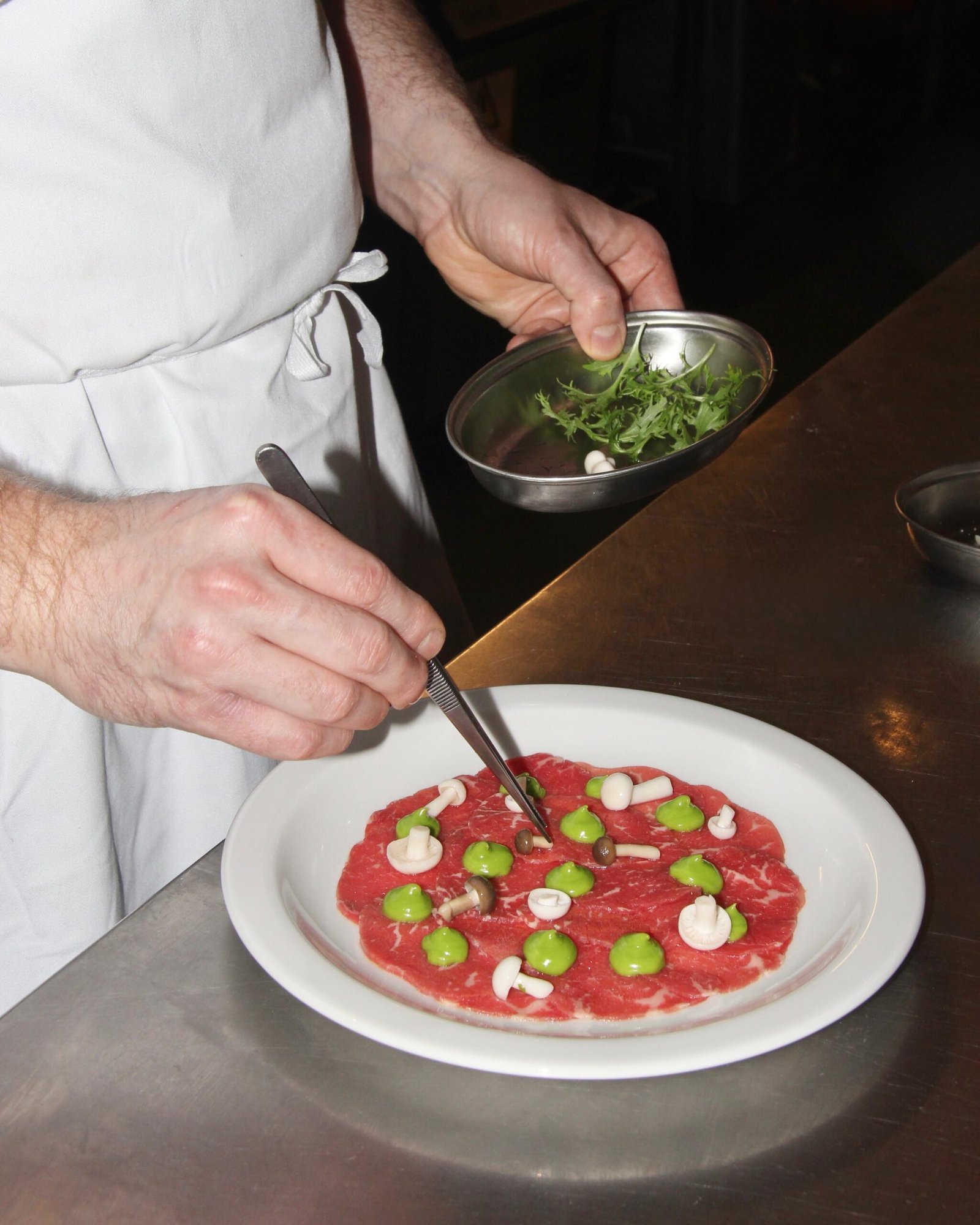
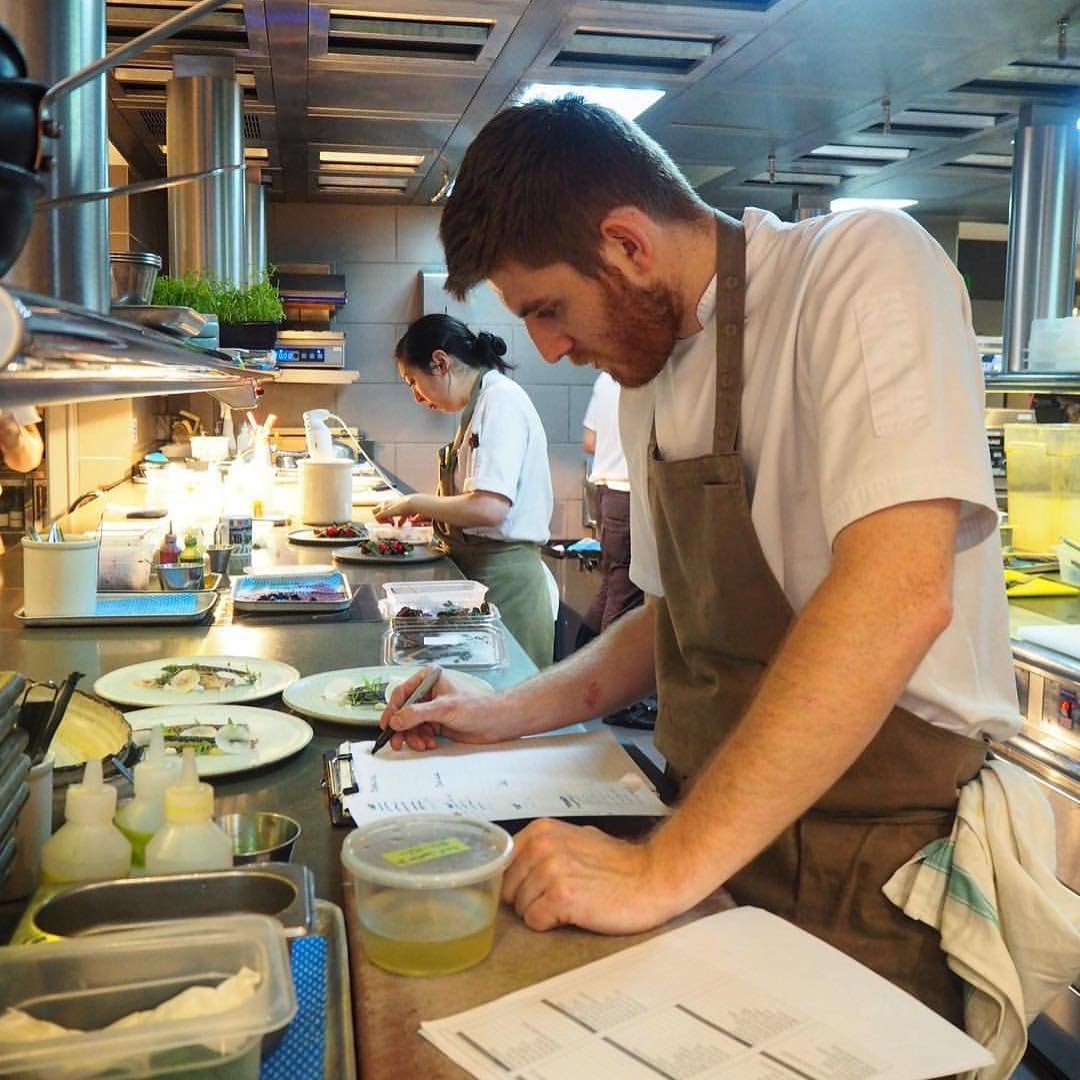
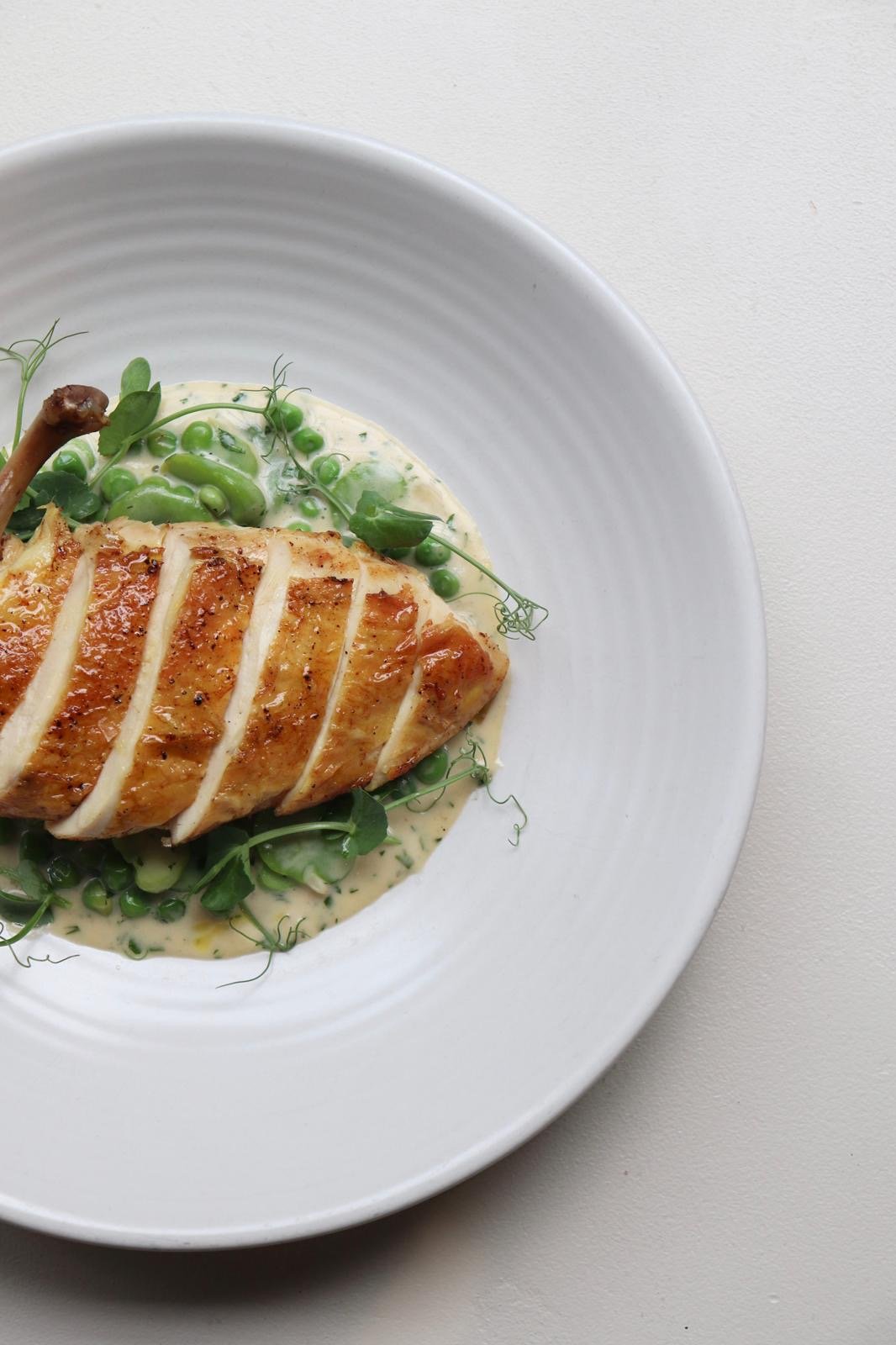
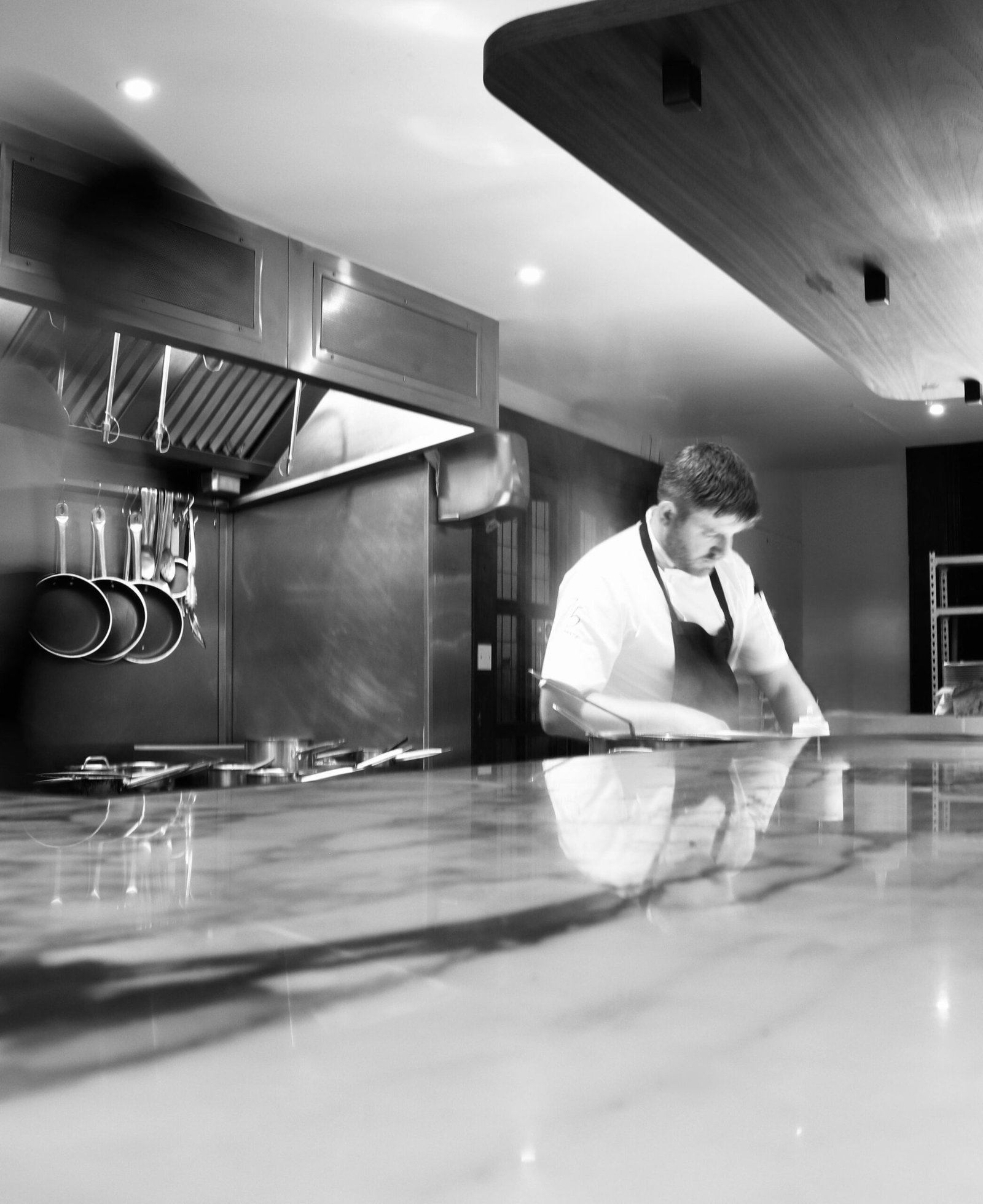
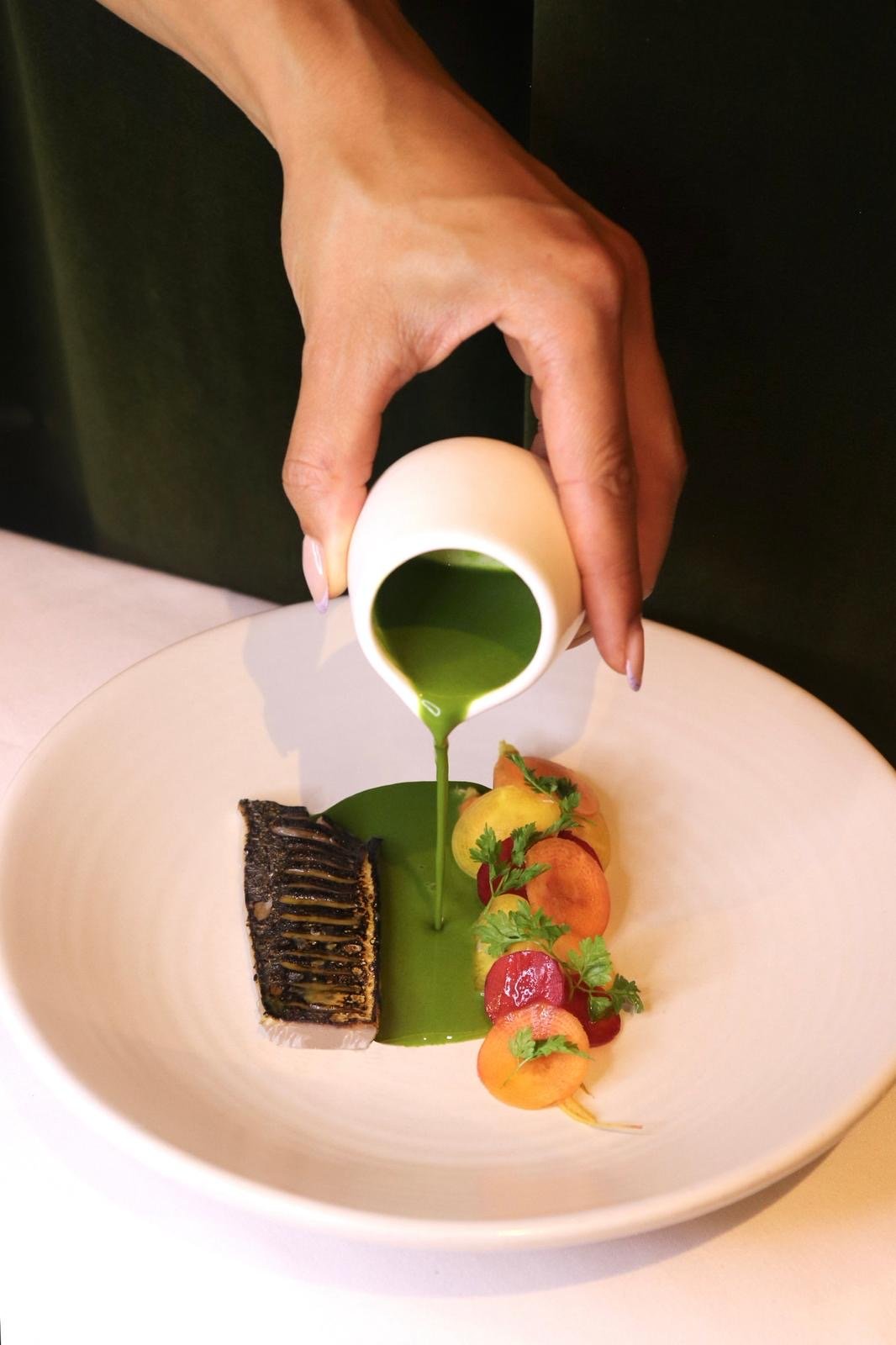
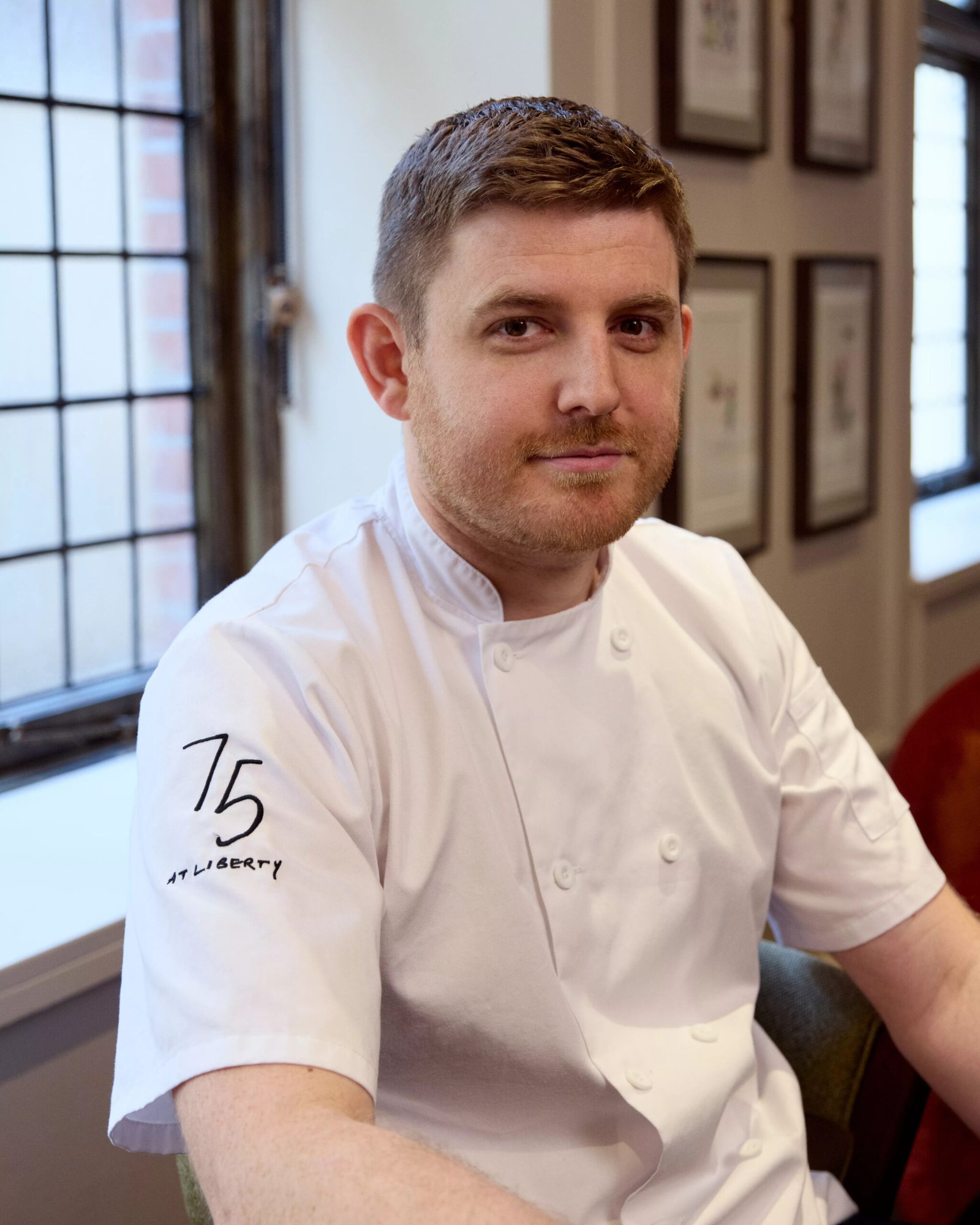
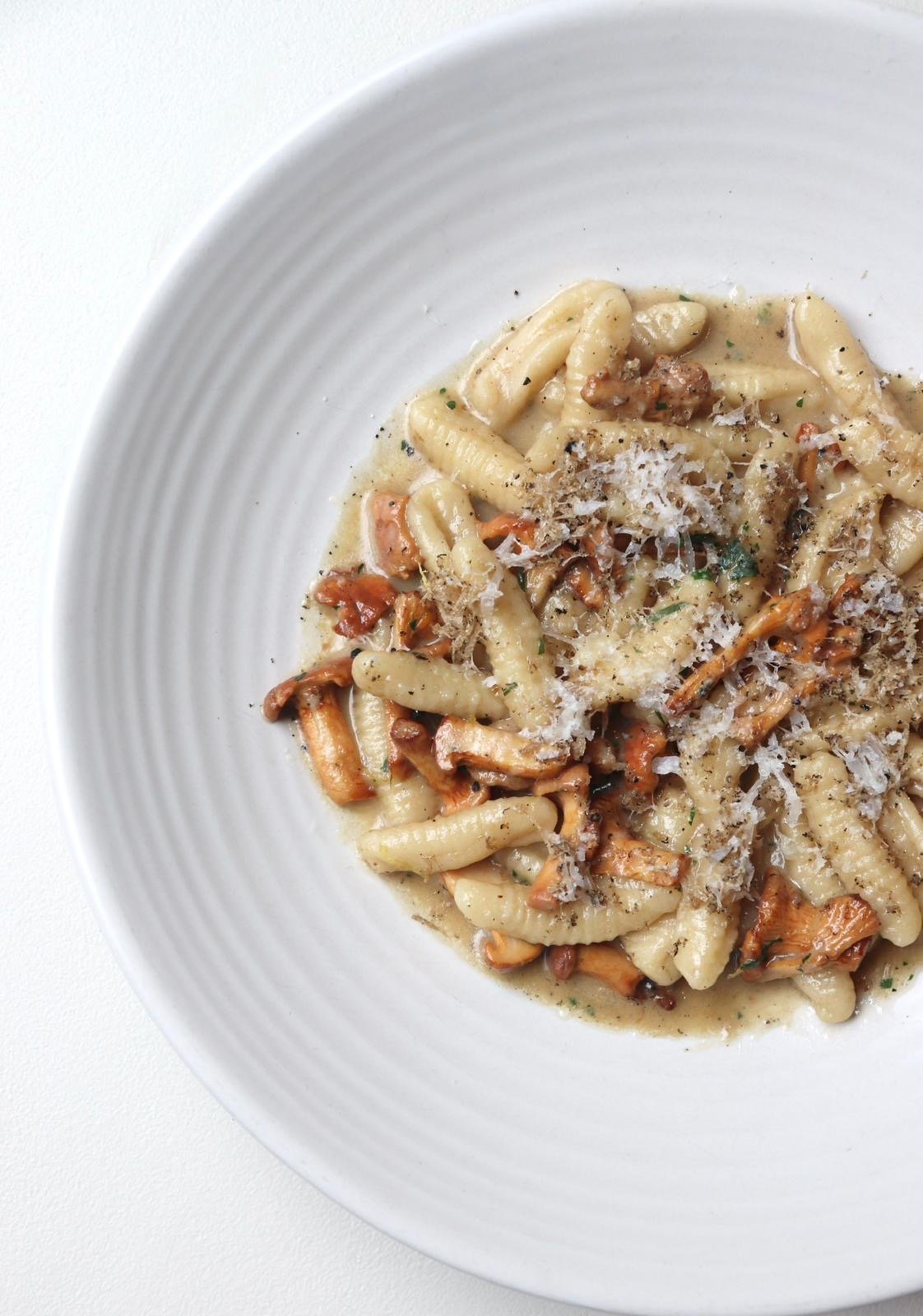
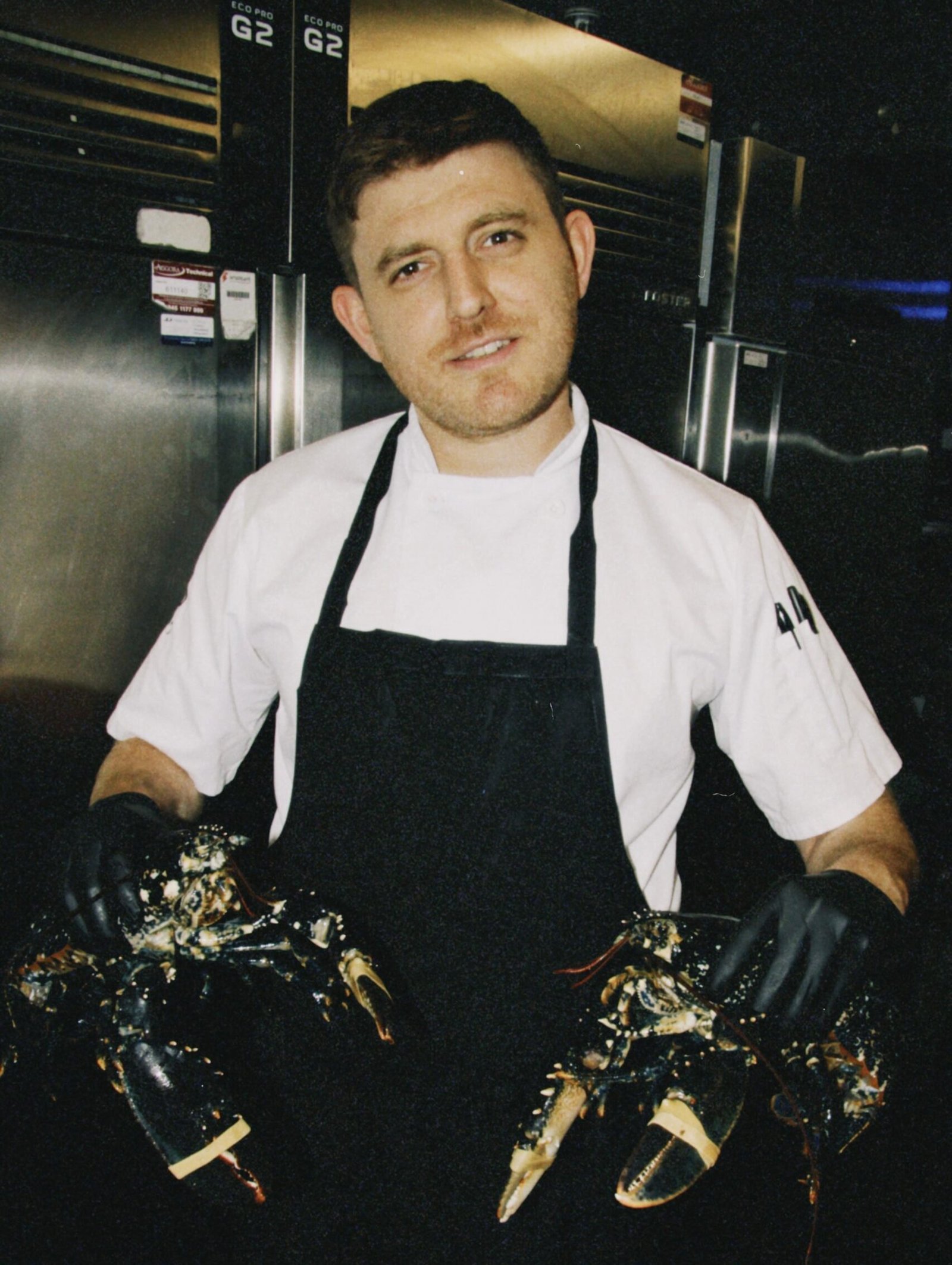
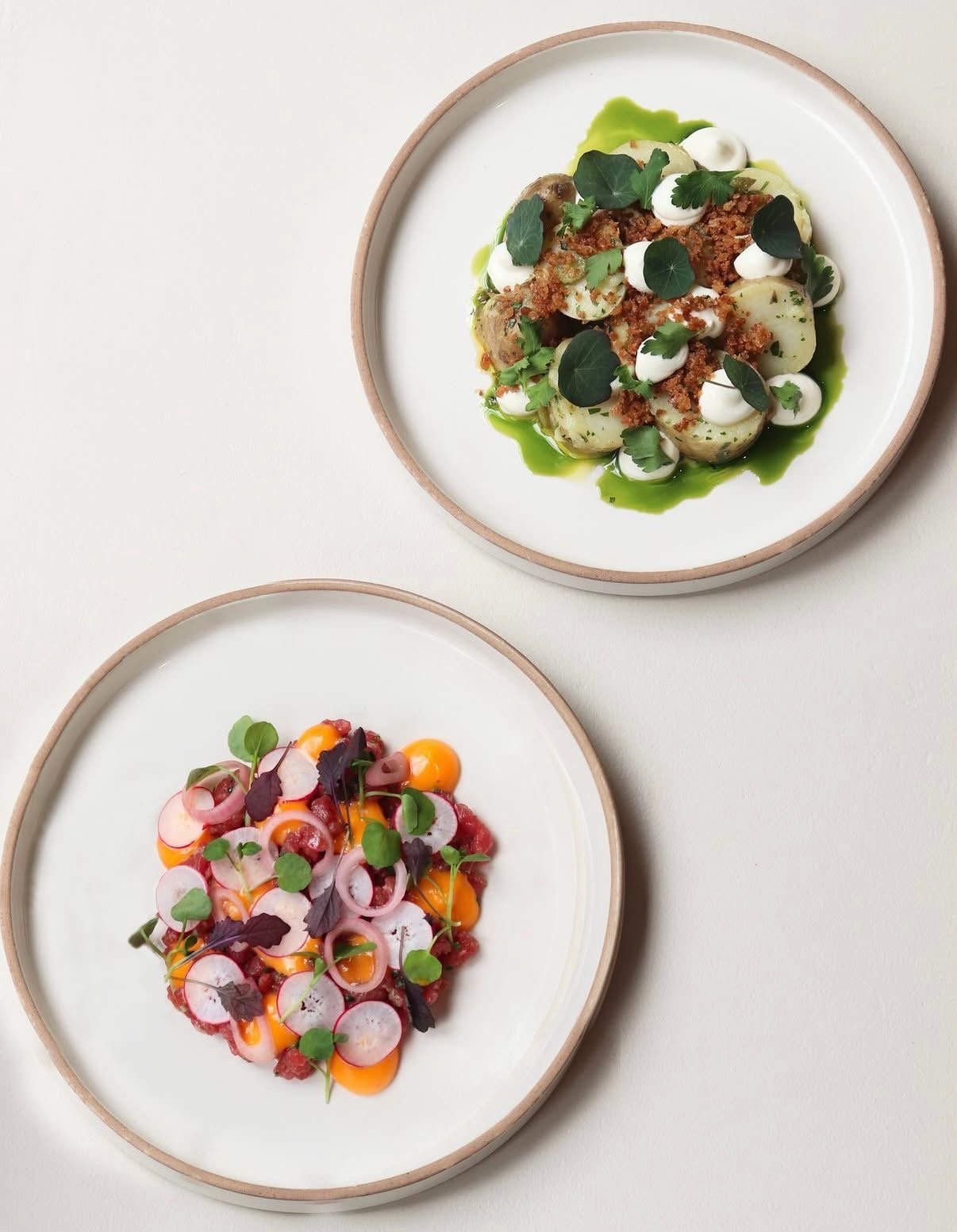
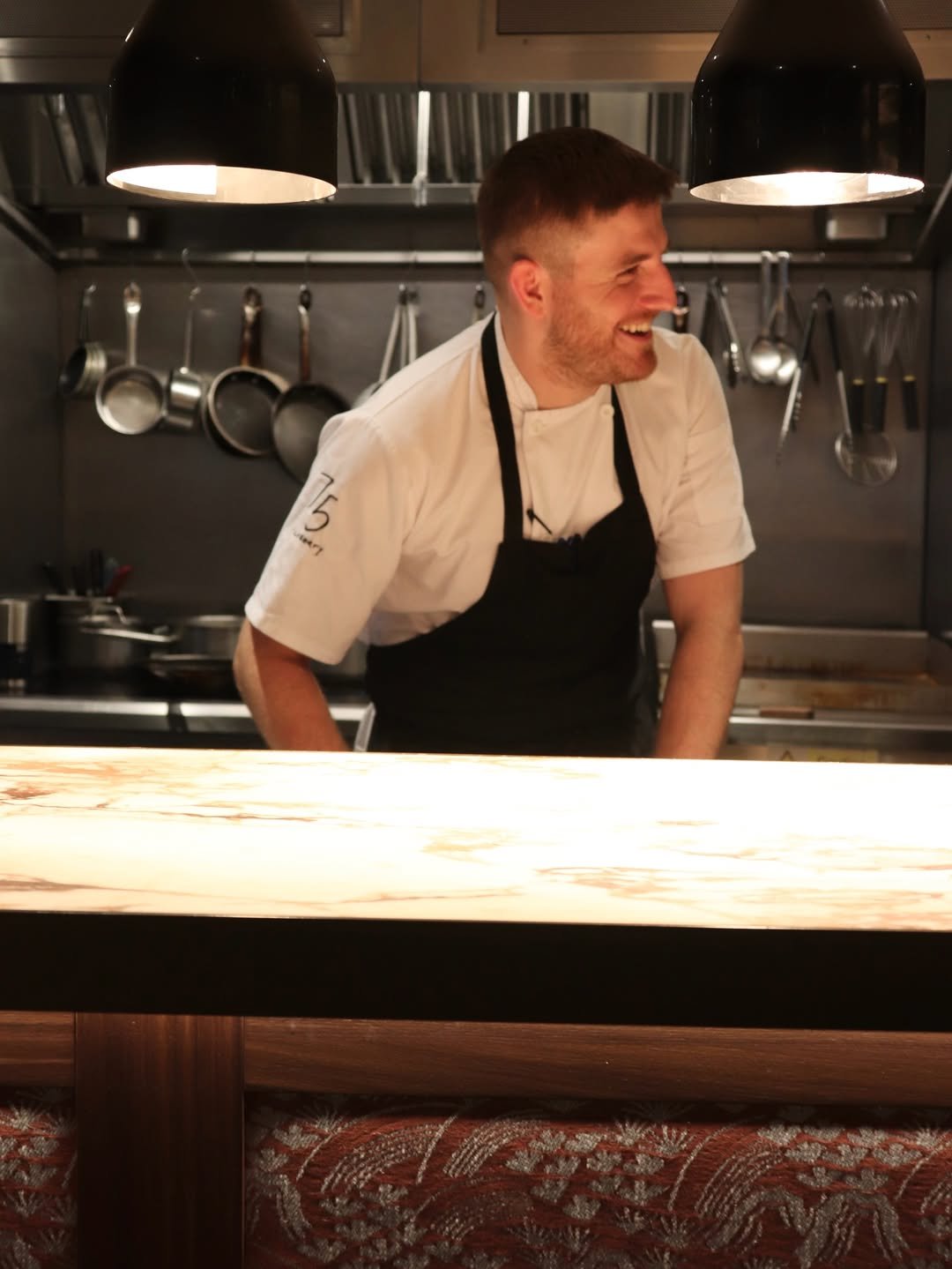
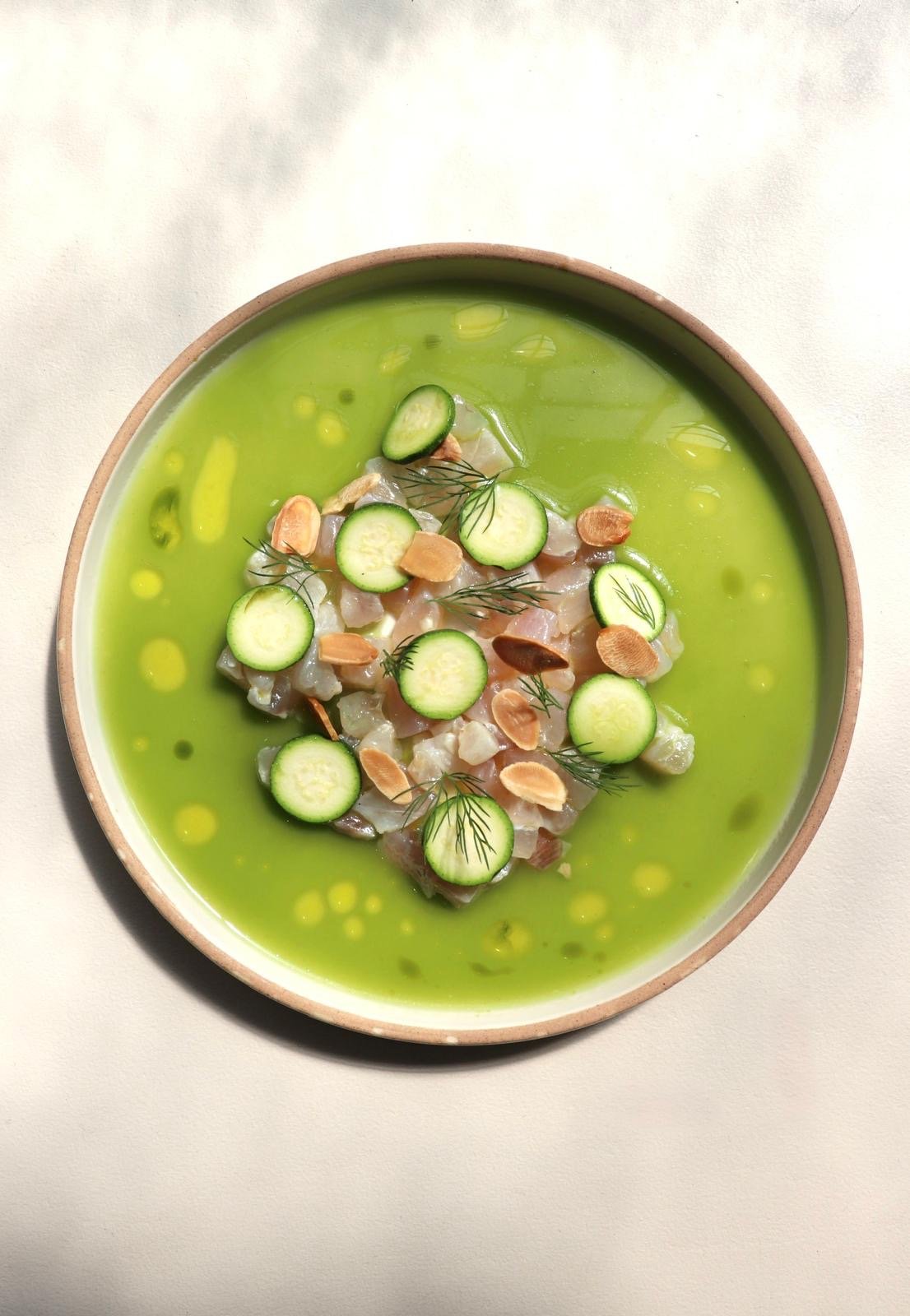
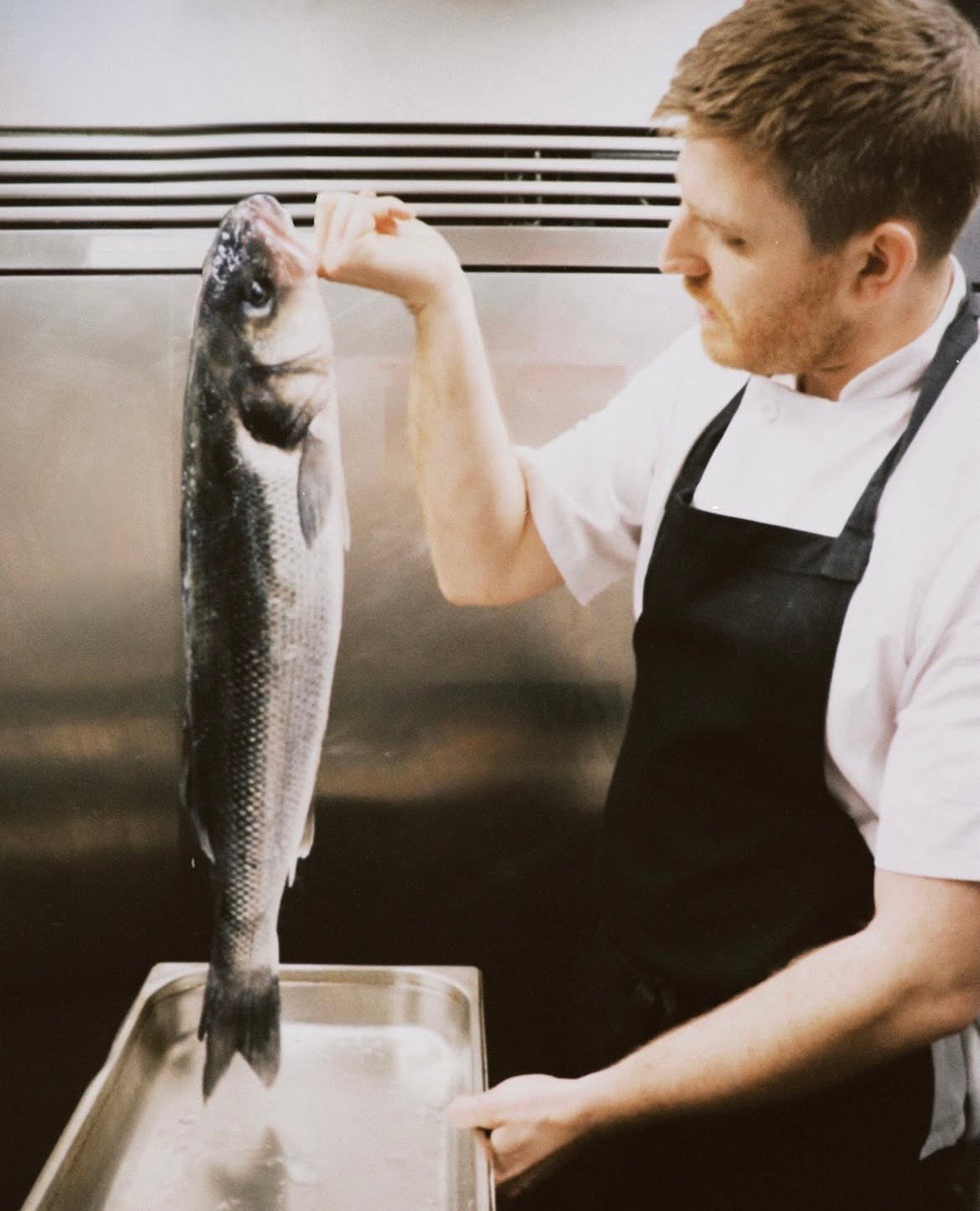
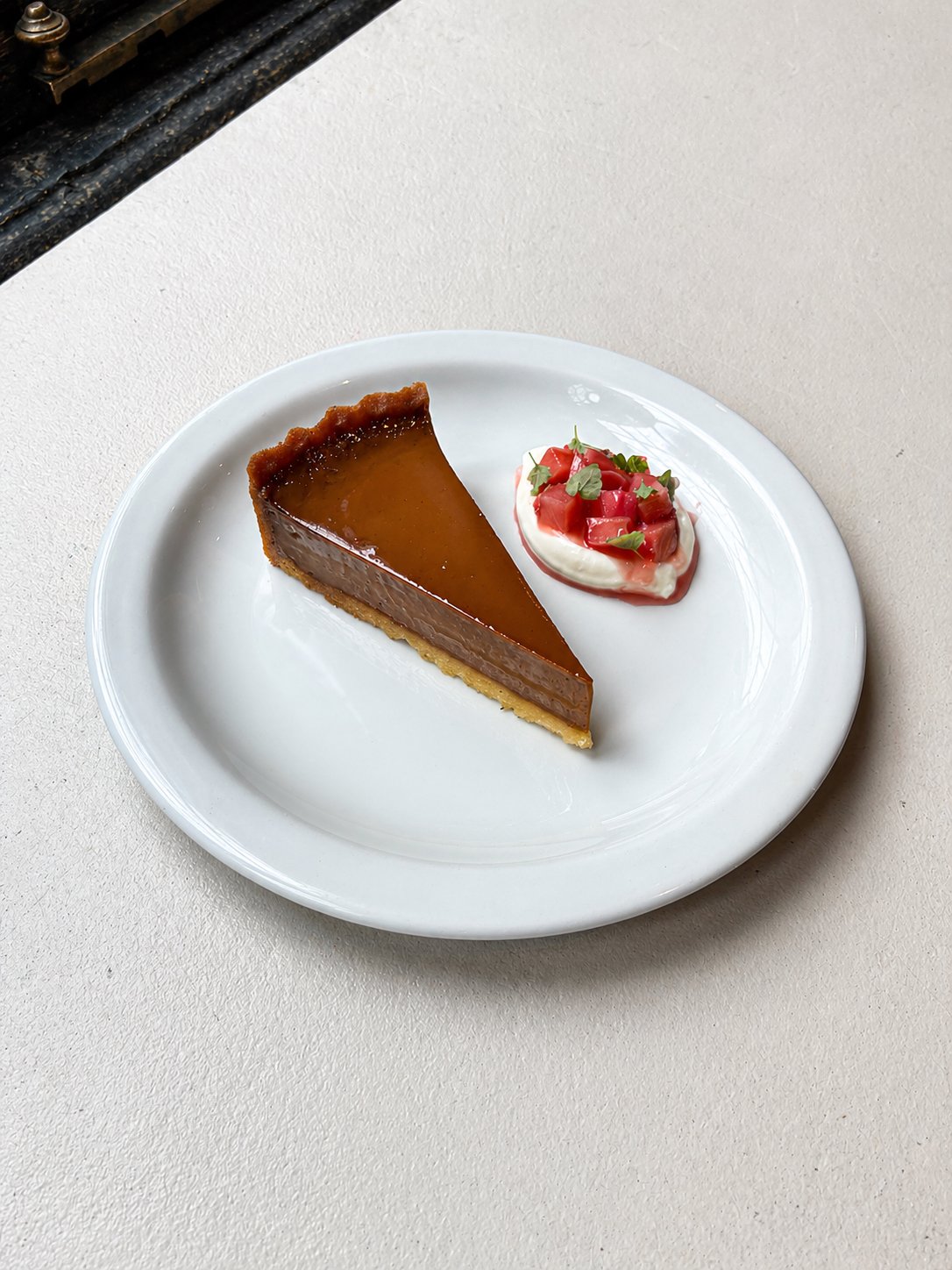
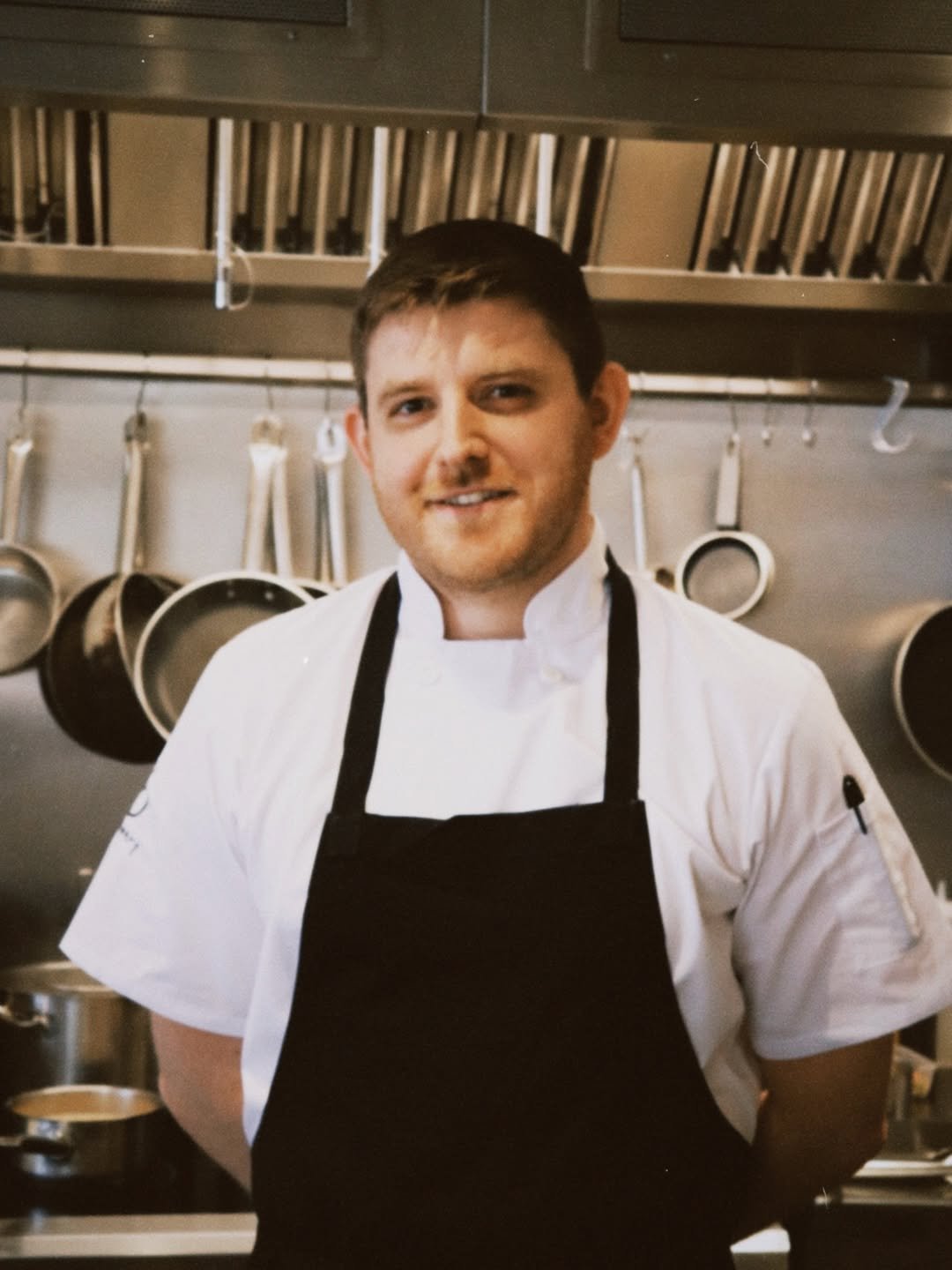
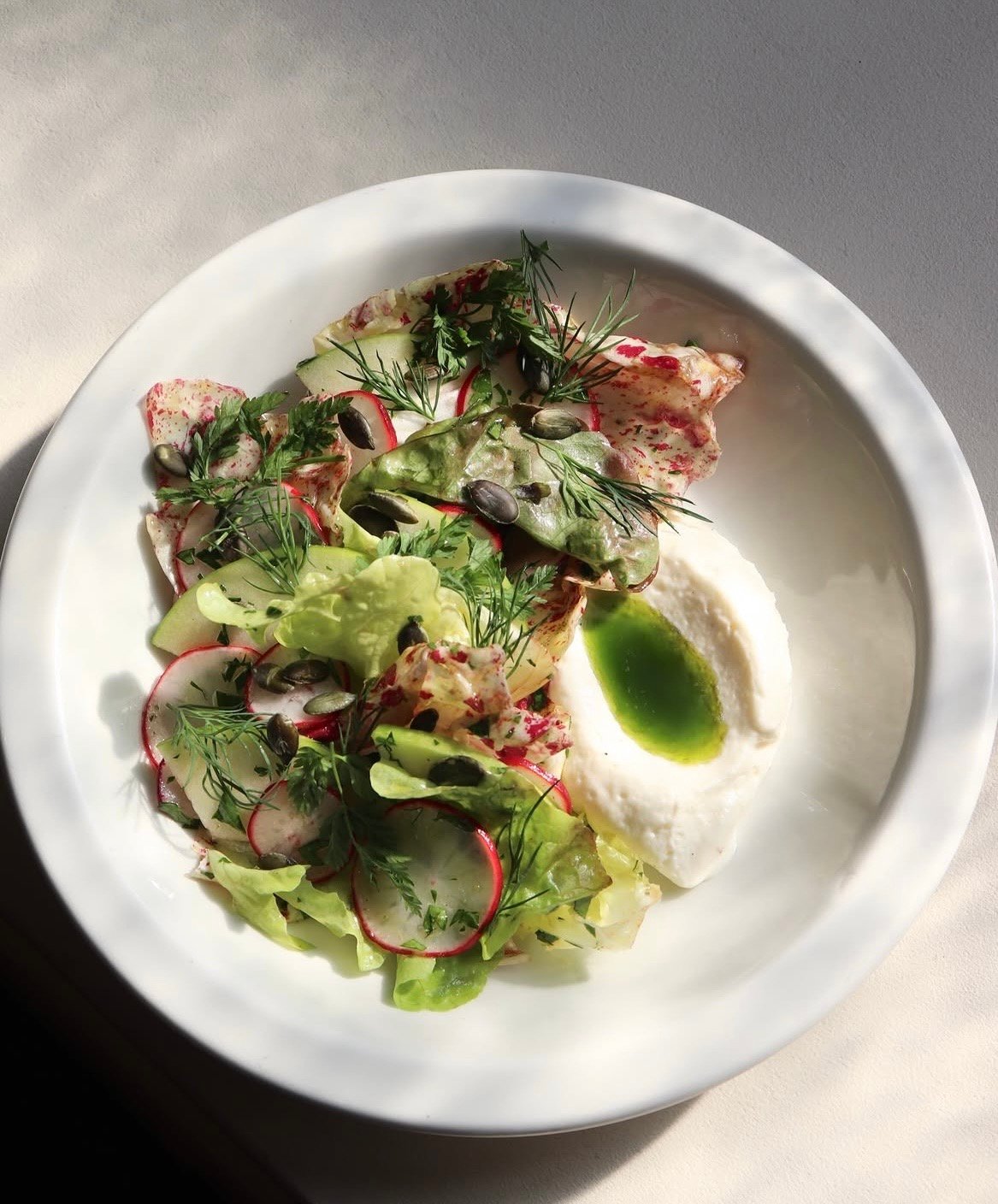
Secret Sauce
- What’s the most unexpected ingredient you’ve ever worked with, and how did it change your perspective on cooking?
When I worked at Fera, we used a lot of foraged ingredients. Once I learned what they were, I started seeing them everywhere whenever I went back to Whitstable, and it really opened my eyes.
- What’s your “guilty pleasure” meal?
A full English breakfast.
- A food trend that you hate and why?
Sous vide steaks.
- What’s the craziest shift you’ve ever worked in the kitchen?
I cooked for a president once.
5. What happened, and how did you manage to get through it?
They had four security guards in the kitchen watching every chef preparing the food. It was a pretty odd service.
- What tips would you give to other cooks and chefs to help them navigate their culinary careers and find peace amid the chaos of the kitchen?
Don’t take things too personally or too seriously. Write everything down.
- What’s an underrated ingredient and why?
Samphire. It’s delicious and grows freely along the coast in Whitstable.
8. What’s a must-try dish from your kitchen or the one you’re proudest to have prepared?
Sea bass and apple marigold crudo.
About Your City!
Camberwell, London
- If Anthony Bourdain or a chef came to your city, what would be the perfect tour itinerary from breakfast to dinner?
We would start the day at the Beach Café in Whitstable and have a full English breakfast. After that, we’d walk along the beach to Wheeler’s Oyster Bar, eat a dozen oysters, and then go for a swim in the sea.
Later, we’d walk down to the Old Neptune Pub, enjoy a few pints of Guinness, and watch the sunset on the beach.
Perfect.
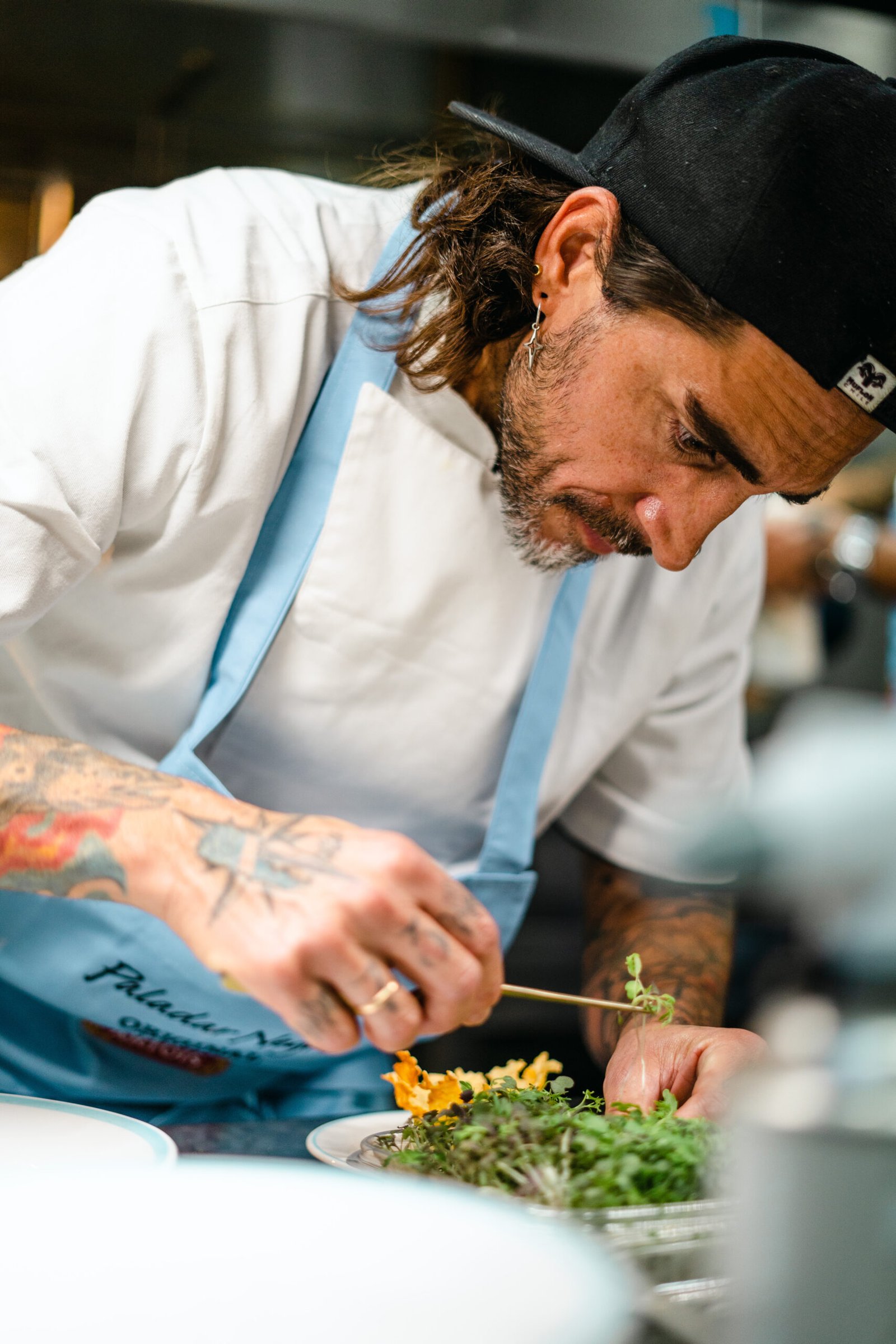
Rebuilding From Ashes
Humans Of The Kitchen
Losing everything led to a more meaningful beginning.
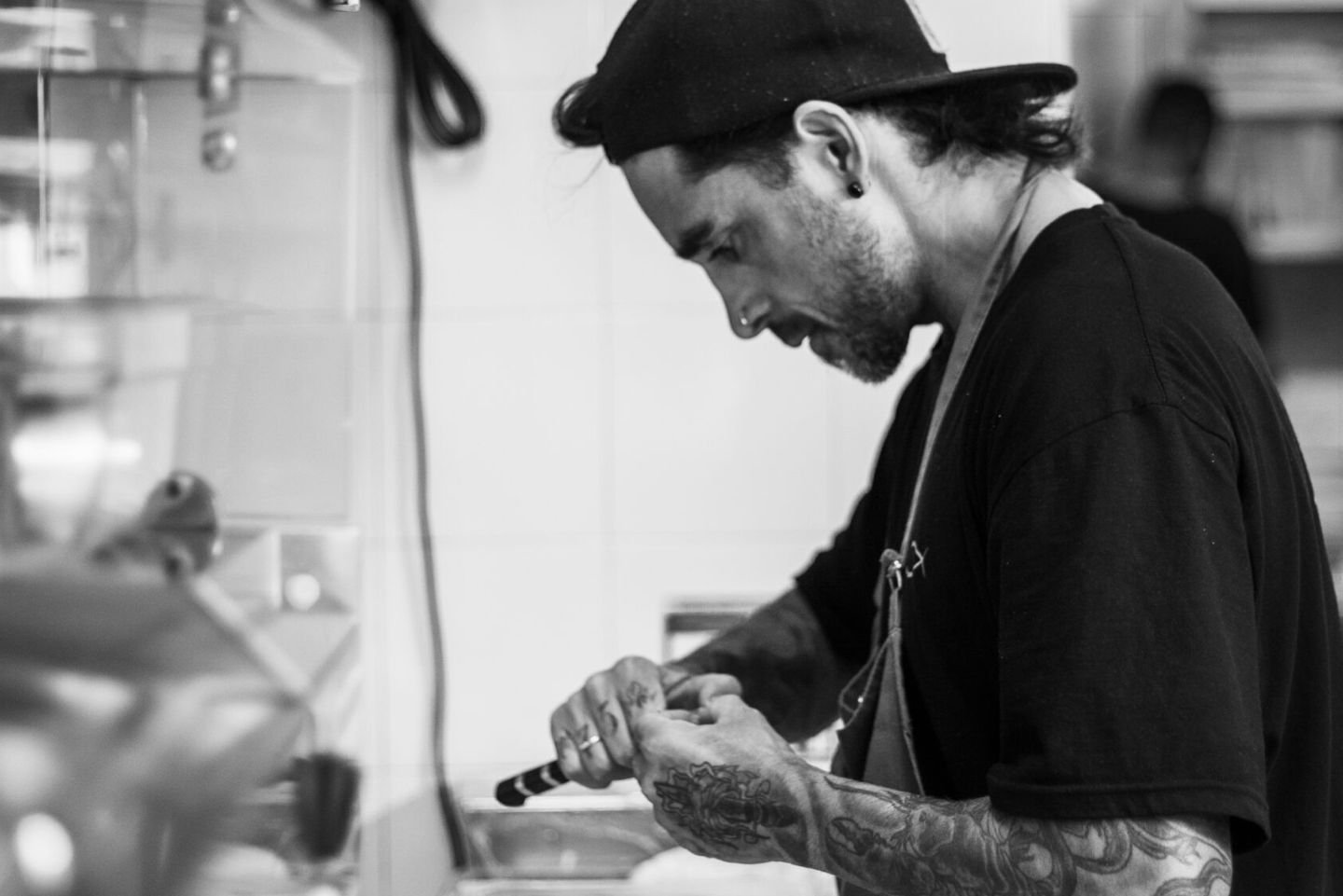
Lucas Gaston Escobar
Lucas Gastón Escobar’s story begins in Concordia, Entre Ríos – Argentina, where he was born and raised in the home of his maternal grandparents, descendants of Italian and German immigrants. Growing up in their small hotel and restaurant, he was immersed in the world of hospitality from an early age, watching his Nonna prepare everything from homemade breads and pasta to preserves, cheeses, and desserts. It was there, surrounded by tradition, family, and the aromas of a working kitchen, that his love for cooking first took root.
Over the last two decades, Lucas has built a culinary career deeply rooted in fire cooking, ancestral techniques, and respect for both ingredients and producers. From opening his own restaurants in Argentina to teaching, traveling across Latin America, and eventually relocating to Italy with his family, his journey has been guided by curiosity, conviction, and an unwavering commitment to authenticity.
His philosophy is grounded in patience, balance, and connection—to nature, to tradition, and to the people who gather around the table. Through wood-fired cooking and a deep respect for craftsmanship, Lucas continues to explore what it means to cook with honesty, purpose, and soul.
In this conversation, Lucas reflects on the lessons learned from a lifetime around the fire, the importance of balance in the culinary profession, the challenges facing modern hospitality, and the values that continue to guide his journey today.
Share your Journey
- Looking back at your childhood, was there a specific moment or memory that sparked your interest in food or cooking?
I was born, raised, and grew up in Concordia, Entre Ríos – Argentina, in the home of my maternal grandparents, descendants of Italian and German immigrants: Celia Lidia Lea Kirschenbilder (my Nonna, my Iaia) and Dante Antonio Carmassi (my Nonno, my Tata).
They owned a small residential hotel with nine rooms and a small restaurant where they provided hospitality services for tourists, travelers, and small groups visiting the city. My Nonna was entirely responsible for the kitchen, where she prepared everything from antipasti to dolci. She made breakfasts, appetizers, preserves, fermented foods, yogurt, cheese, ice cream, bread, homemade pasta, jams, and countless other delicious homemade creations.
It was there where I fell in love with food, where I learned, and where I took my first steps as a kitchen helper.
- Did you have another career or job before becoming a chef? How did those experiences influence your decision to pursue cooking?
When I finished high school at 17, I began studying gastronomy at an institute that offered programs in culinary arts, hospitality, and tourism in Santa Fe, where I was living at the time.
While studying professional cooking and baking, I also worked for a travel agency for financial reasons. Through that job, I traveled as a coordinator to different countries throughout the Americas, including the United States, Brazil, and Uruguay.
Those experiences gave me valuable knowledge and allowed me to understand hospitality from a broader perspective. They provided tools, ideas, and inspiration that would later help me build what eventually became my first restaurant.
- Did you formally study culinary arts, or are you self-taught? How has your learning journey shaped your approach to cooking?
I formally studied culinary arts and completed my education at Gato Dumas Culinary School in Rosario, Santa Fe. However, my earliest experiences in cooking were largely self-taught, guided by a great friend, mentor, and brother of the fire, Chef Javier Mates.
I believe it is essential to have a strong foundation in cooking techniques, methods of preparation, discipline, organization, and respect within a kitchen brigade. But I also believe that real-life experiences are just as important—working in real kitchens, under real pressure, in every season of the year.
Real gastronomy is not what we often see on social media or television. It is far more intense, demanding, and authentic. It is in those moments that you discover whether this profession truly belongs to you.
Personally, I believe that cooking chooses us, not the other way around. That is how my career began—without illusions or shortcuts—and how I developed this lifestyle and philosophy that I embrace with love, respect, honesty, and passion.
- When did you first step into a restaurant kitchen? What was that experience like, and how did it shape your journey as a chef?
The first time I stepped into a professional kitchen was right in the middle of service, during the busiest and most chaotic moment imaginable. Every table was occupied, and the restaurant was operating at full capacity.
For me, it was absolute madness—and absolutely beautiful.
There was a whirlwind of emotions: excitement, nervousness, adrenaline, and fascination. The shouting, the clatter of pans, the flames, the heat, the sounds of food cooking, the aromas floating through the air, the service bell ringing, and the printer constantly spitting out orders all created a spectacle unlike anything I had ever experienced.
That day awakened something powerful inside me. I felt an immediate connection to the kitchen and knew without a doubt that this was what I wanted to do for the rest of my life.
Even now, more than 20 years later, I still feel those same nerves and emotions before every service, whether it’s at a restaurant, a catering event, or a special gathering. Those feelings continue to make me fall in love with this profession every single day.
- What were some of the early challenges or obstacles you faced when you started in the kitchen, and how did you overcome them?
As I said before, I believe the kitchen chooses you. It tests your potential, your resilience, your ability to learn, grow, teach, share, and care for the craft.
Every day, it challenges you physically, emotionally, mentally, and spiritually to see how much you truly love what you do and how long you can sustain yourself in this profession.
I also believe that one of the most important keys to longevity in this industry is finding balance in life. Making time for yourself, your health, your mind, your family, your friends, and your spiritual well-being is essential.
Extremes are never healthy.
Balance.
Write down your goals.
Clear goals lead to meaningful achievements.
- What keeps you inspired and how has that inspiration driven you throughout your professional journey? Especially during tough times in the kitchen?
What inspires me is knowing that after all these years in kitchens, all the travel, the cultures I’ve experienced, and the friendships I’ve built, there is still so much left to learn, develop, offer, and share.
During difficult times, what has always sustained me—and continues to sustain me—is my conviction, my enthusiasm, and above all, my faith. I have always believed that behind every challenge, no matter how small or large, there is an equal reward waiting in the form of happiness and growth.
Most importantly, the greatest source of strength in my life has always been my beautiful family, who have supported me unconditionally from day one.
- Can you recall a moment in the kitchen that marked you forever? Maybe it was an interaction with a mentor, a fellow cook, someone you fed, or a situation that challenged you in a way that shaped who you are today?
Honestly, there have been countless moments throughout these years. Some were wonderful, while others were incredibly difficult.
Each experience has helped shape my path, my character, and my resilience. They have reinforced my values, strengthened my essence, and clarified my vision for both my professional and personal life.
There is no single defining moment because every experience contributes to your growth. Together, they provide the lessons and tools that I now use to advocate for a more balanced, respectful, and fair culinary industry.
- As a chef, how would you describe your philosophy in the kitchen, and how does it guide your approach to cooking and leadership?
My cooking is built on strong values, authenticity, honesty, and respect. It is deeply connected to my roots, my origins, traditional techniques, and the products themselves.
I have a profound respect for ancestral cooking methods, particularly wood and charcoal fire cooking. Through these techniques, I prepare everything from wild and traditional meats to fish, fruits, vegetables, bread, fermented products, and preserves.
I define my cooking as a cuisine of patience, love, and respect—not only for the ingredients but also for the producers who play a vital role in creating a more sustainable and balanced food system.
Throughout my career, I have explored many modern techniques and technologies, but my vision has always remained clear and non-negotiable: every cook should, at some point, reconnect with the essence of cooking through fire.
Cooking with wood teaches patience. It teaches us to engage all of our senses. It offers unforgettable moments and reconnects us with something deeply human. It awakens the same feeling we had as children when throwing sticks onto a fire—only now with much more flavor and meaning.
- Can you share a time when cooking or the camaraderie in the kitchen helped you through a tough period in your life? What made that experience meaningful?
I experienced both.
One of the most difficult periods of my life was during and after the pandemic. Like many people, I found myself alone with uncertainty, questions, and doubt. The situation forced me to close my restaurant and start over from scratch.
At the same time, it was during that period that true friends, colleagues, and family members stood by me. Their support inspired me to reinvent myself and create Refugio del Asador, a space where I could share wood-fired culinary experiences with family and friends.
That camaraderie brought everything back into focus.
Cooking gives my life meaning. It provides balance and supports everything around me. It allows me to be with my family, live where I want, and continue pursuing both present and future projects. Cooking is what makes this incredible journey called life worth living.
- Reflecting on your career, what achievements or milestones are you most proud of, and what do they mean to you?
Personally, I’m someone who believes that achieving meaningful things and feeling truly proud of what you’ve accomplished is a journey that is never built alone.
First, you have to be smart enough to surround yourself with positive people—people who genuinely and sincerely feel happy when good things happen to you, when your dreams, projects, and aspirations begin to take shape. People who don’t steal your time, and for whom you remain deeply grateful when they choose to share theirs with you.
Second, I believe it’s a long road if you truly want to create real, meaningful, and lasting change that improves what happens around you. At the beginning, it will be difficult, turbulent, and painful. In the middle, things will slowly start falling into place. And in the end, it becomes something beautiful.
Surrounded by the right people, with strong conviction and enthusiasm, anything can be achieved. Everything arrives when it’s meant to arrive.
For those who believe, everything is possible.
When I think about milestones, I remember opening my first restaurant, Fratello Panini Café, in 2011. It allowed me to bring my entire family back together in the same city—my mother, father, and siblings—and we shared many wonderful years together.
In 2016, we opened our second restaurant, Fratello al Natural, where I was able to develop an ancestral fire-based cuisine and create large banquets that eventually took me across much of Latin America and throughout my beautiful country, sharing knowledge through culinary workshops, competitions, classes, and television programs.
At the end of 2023, together with my family—Luisi, Juanita, and León—I made the decision that it was time to keep growing and bring our next project to life. Once again, it meant breaking through limiting structures and fears, stepping outside our comfort zone. That was when I first moved alone to Italy in search of what I’m fortunate enough to enjoy today alongside them—my family.
Now, I have the opportunity to share my values, roots, and essence in different kitchens while continuing to learn, improve, and grow—not only as a professional, but even more importantly, as a person.
- What aspects of restaurant culture do you love, and what parts do you find frustrating or problematic? Are there any changes you’re actively working toward or things you hope they change in the industry? Share the reasons behind them and how they align with your vision for a better culinary world?
I believe this is one of the most sensitive and important issues still affecting gastronomy around the world.
What I enjoy most is the cultural exchange that happens inside kitchens. The ability to blend and fuse different culinary traditions through techniques, knowledge, products, and stories creates experiences that no longer belong to just one place.
These traveling souls—people who leave their homelands and carry their traditions with them—allow guests who walk into a Michelin-starred restaurant or a humble home where food is prepared with respect, honesty, and love to reconnect with a place where they were once truly happy.
A single bite can awaken emotional memories. It can bring back the sounds of a grandmother’s kitchen, the warmth of a family home, gatherings with friends, childhood neighborhoods, schools, clubs, cities, and entire countries. Food has the power to reconnect us with what is essential.
As for the less beautiful side of our industry—and this includes everything from Michelin-starred restaurants to the simplest neighborhood diner—I believe we are still fighting against outdated structures.
Long working hours without proper rest, low wages, gender violence, verbal, psychological, and physical abuse, racism, lack of empathy, and difficult working conditions continue to exist.
In many kitchens, and I say this from personal experience and with great sadness, people are still subjected to forms of exploitation that take advantage of vulnerability, loneliness, and the dedication of hardworking professionals. Experience and years of commitment are often undervalued or dismissed.
That is why I have spent years actively working and speaking out against these situations. Without fear, I continue to denounce these practices so that such abuses do not continue. I hope to contribute, even in a small way, to a healthier future for our profession.
I also encourage anyone experiencing or witnessing these situations not to normalize them, but to raise their voices with respect and dignity so that conditions continue improving—from the dishwasher to the last link in the chain.
Because behind every position, every title, and every uniform, we are all people.
- What are your hopes for the future of the restaurant and food and beverage industry? What changes would you like to see, and how are you contributing to that change?
I’m a positive person who enjoys building and creating, and I firmly believe that everything can always be improved.
Over the last few years, global gastronomy and consumer culture have experienced extraordinary growth and visibility. The industry has become increasingly globalized, offering a wider variety of culinary options than ever before. However, this growth has also increased the demand for products and resources on a massive scale.
What still concerns me is that even in 2026, despite all the advances in technology, innovation, and infrastructure, we continue to misuse resources.
We generate enormous amounts of organic and non-organic waste, and we continue to waste drinking water through unnecessary consumption. Water is one of the most valuable resources we have, and we know it is becoming increasingly scarce.
I believe the best way to address these challenges is through education. We need to train the people working directly within the industry, establish responsible consumption practices, monitor resource usage, and optimize how we use ingredients while minimizing waste.
📸 Photography by @giovanno_
— Giovanni Bianchi
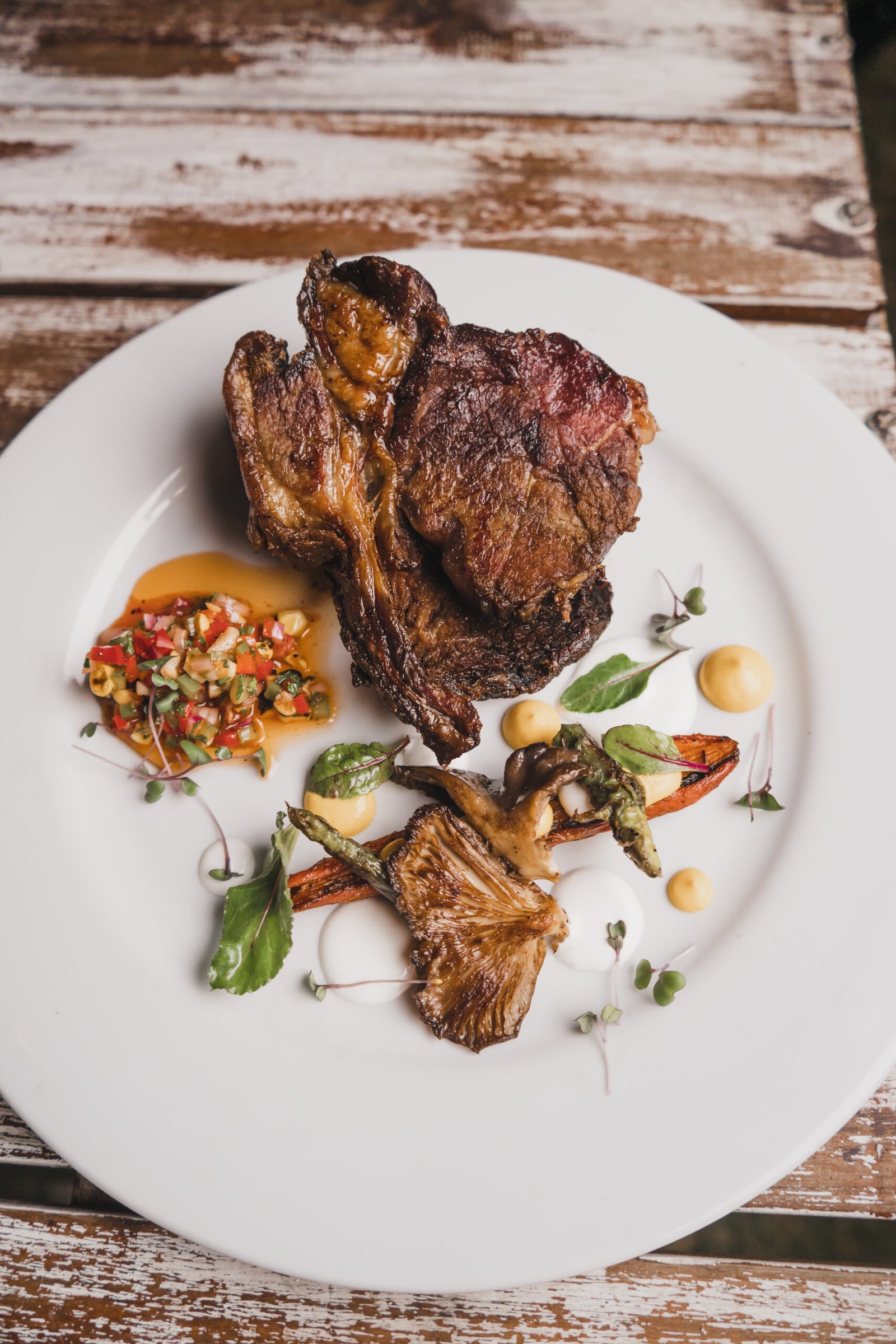
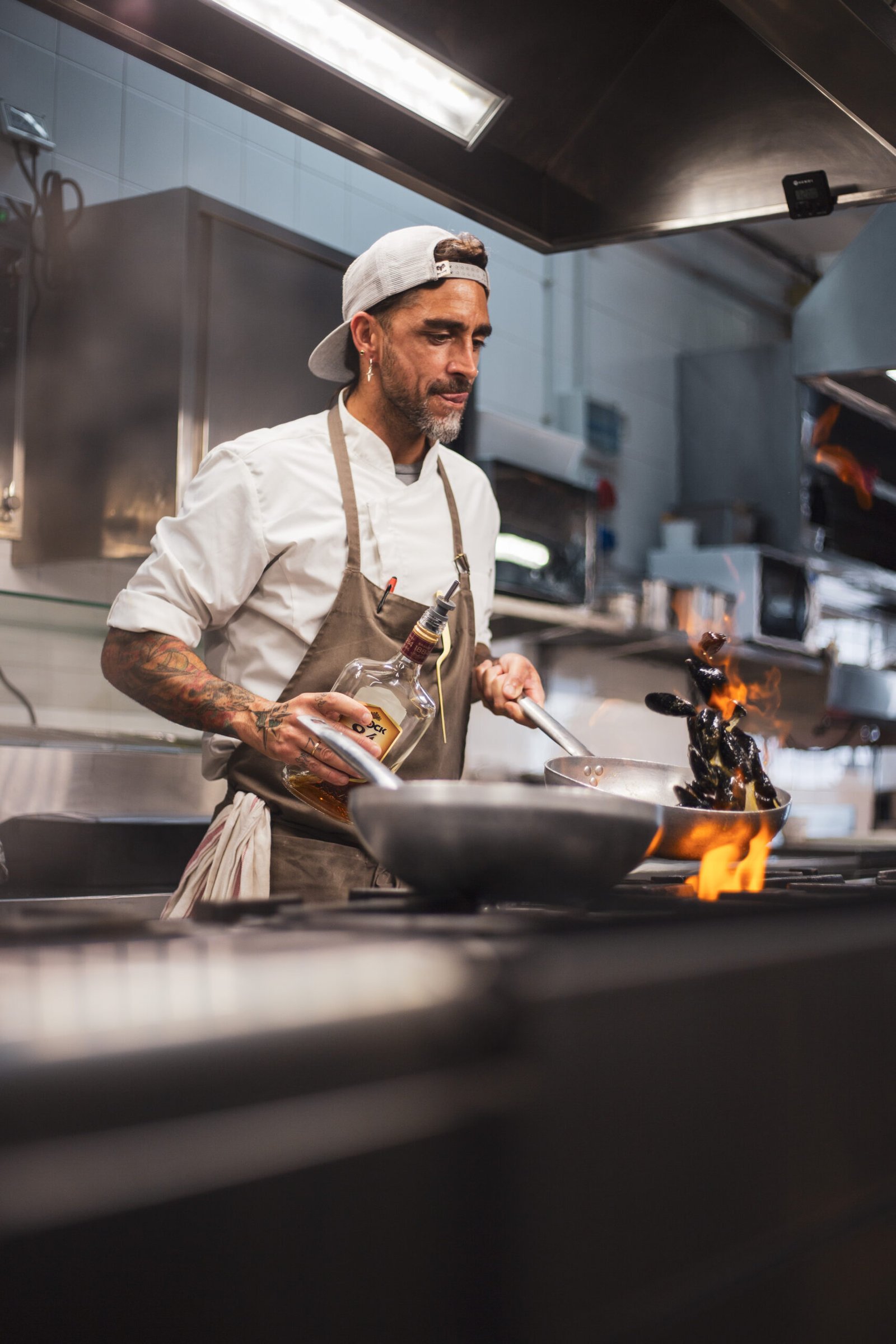
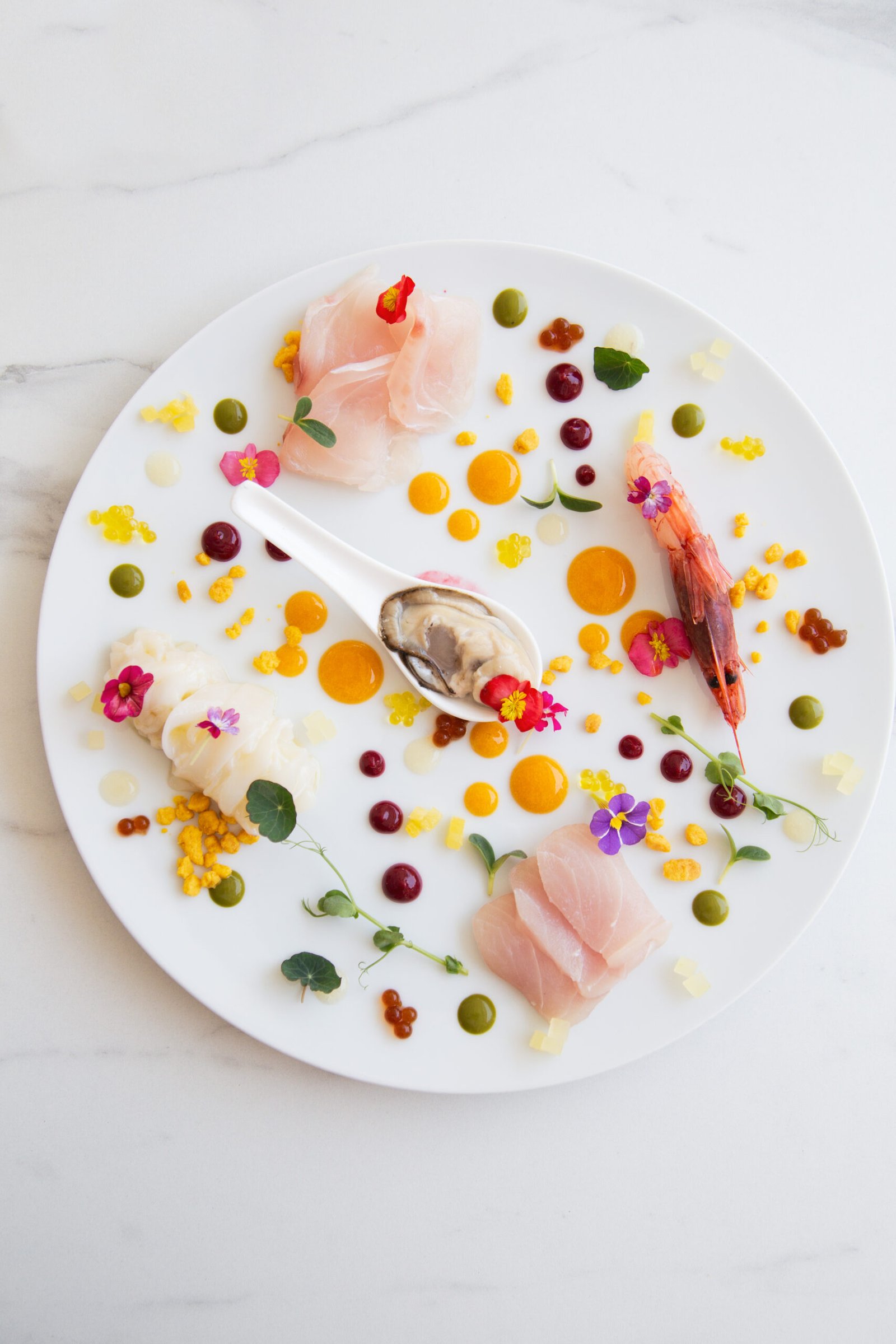
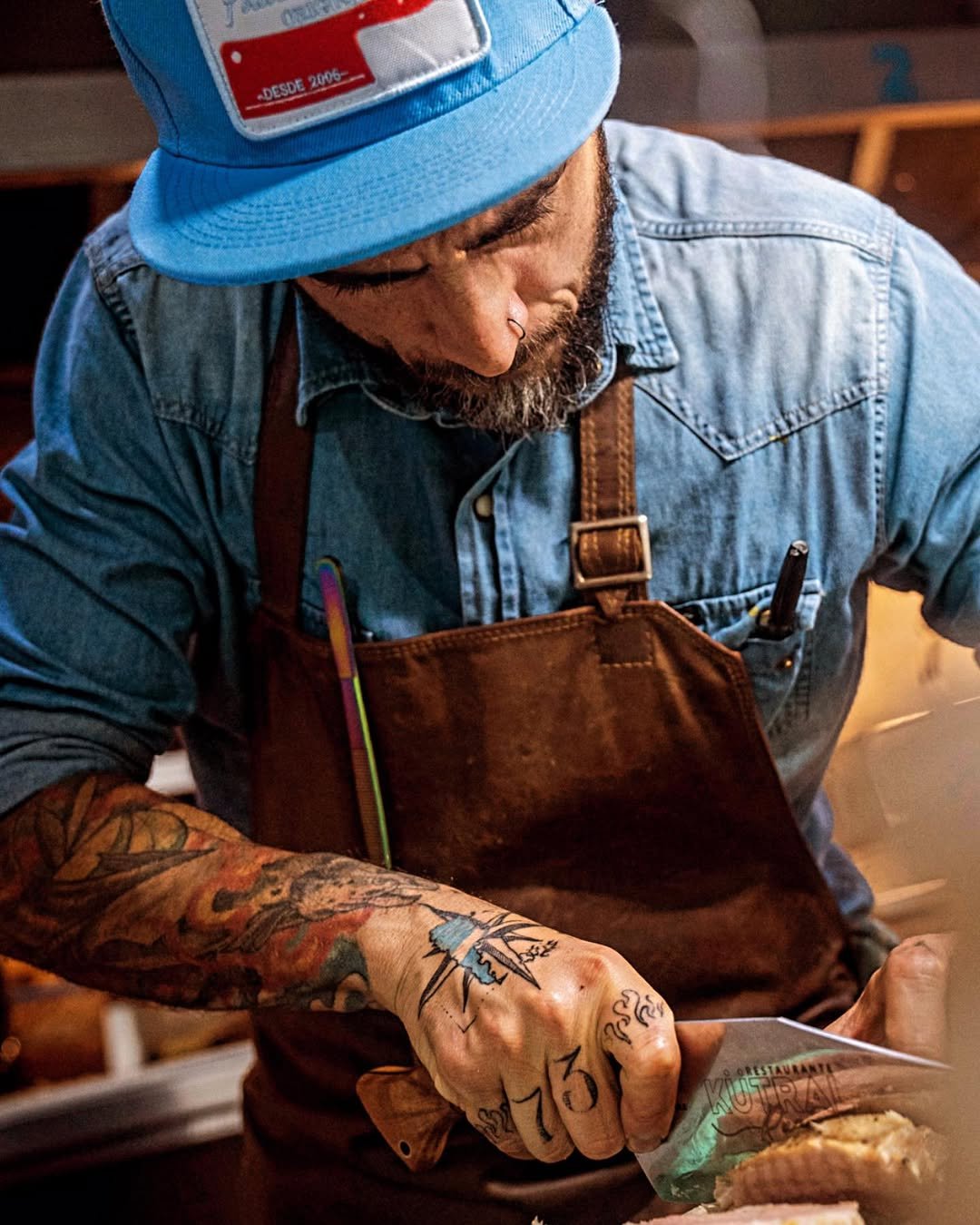
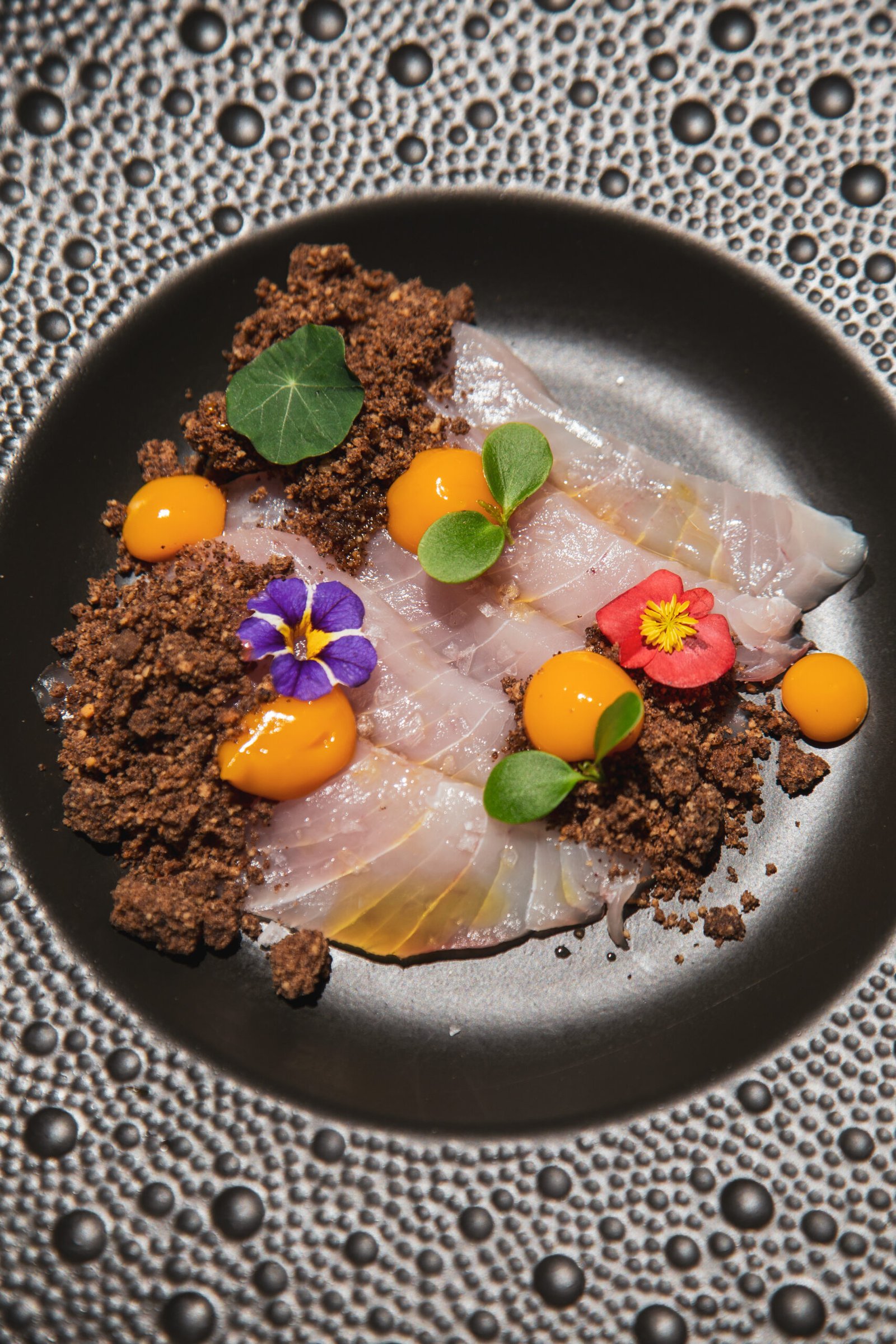
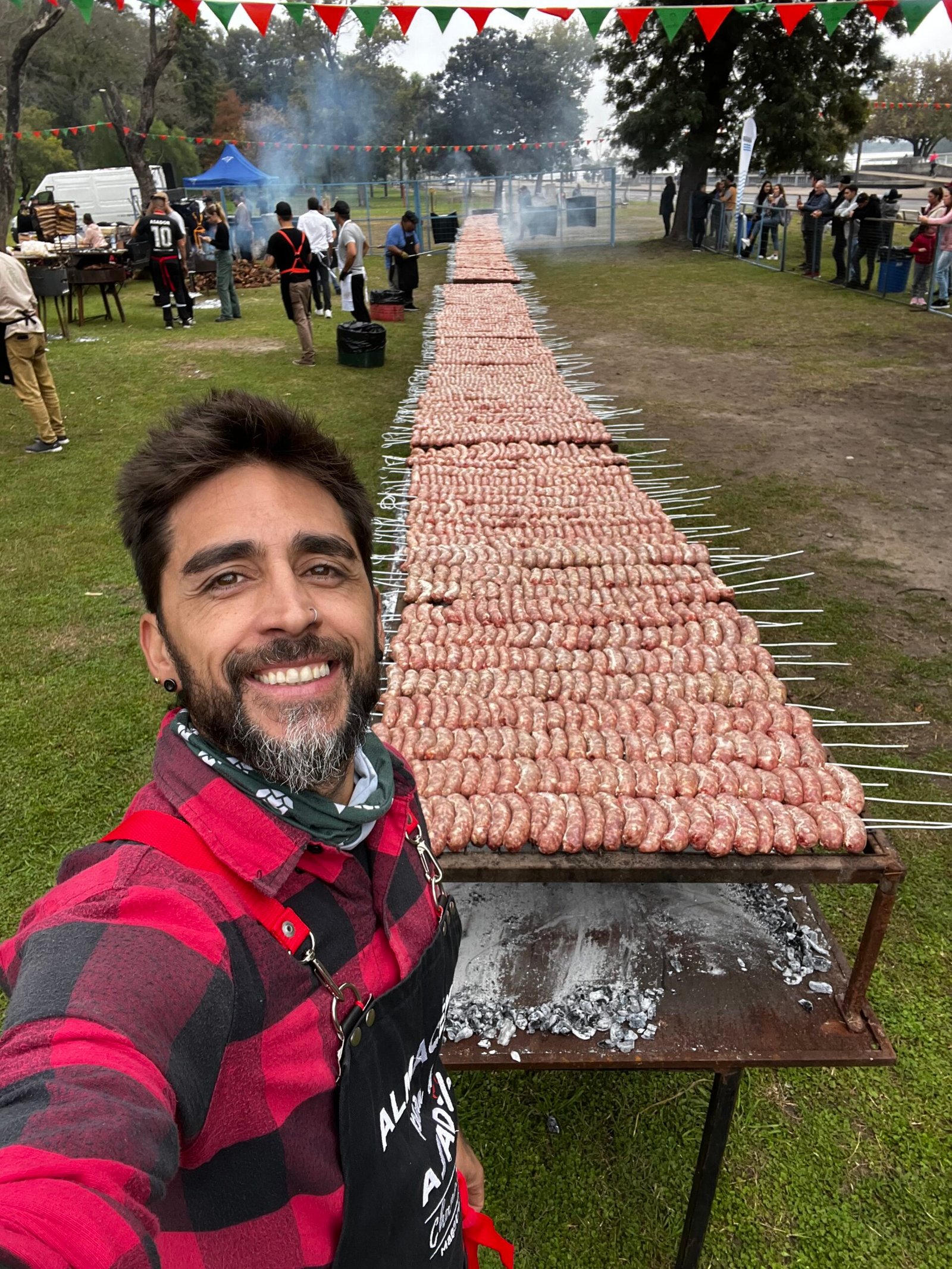
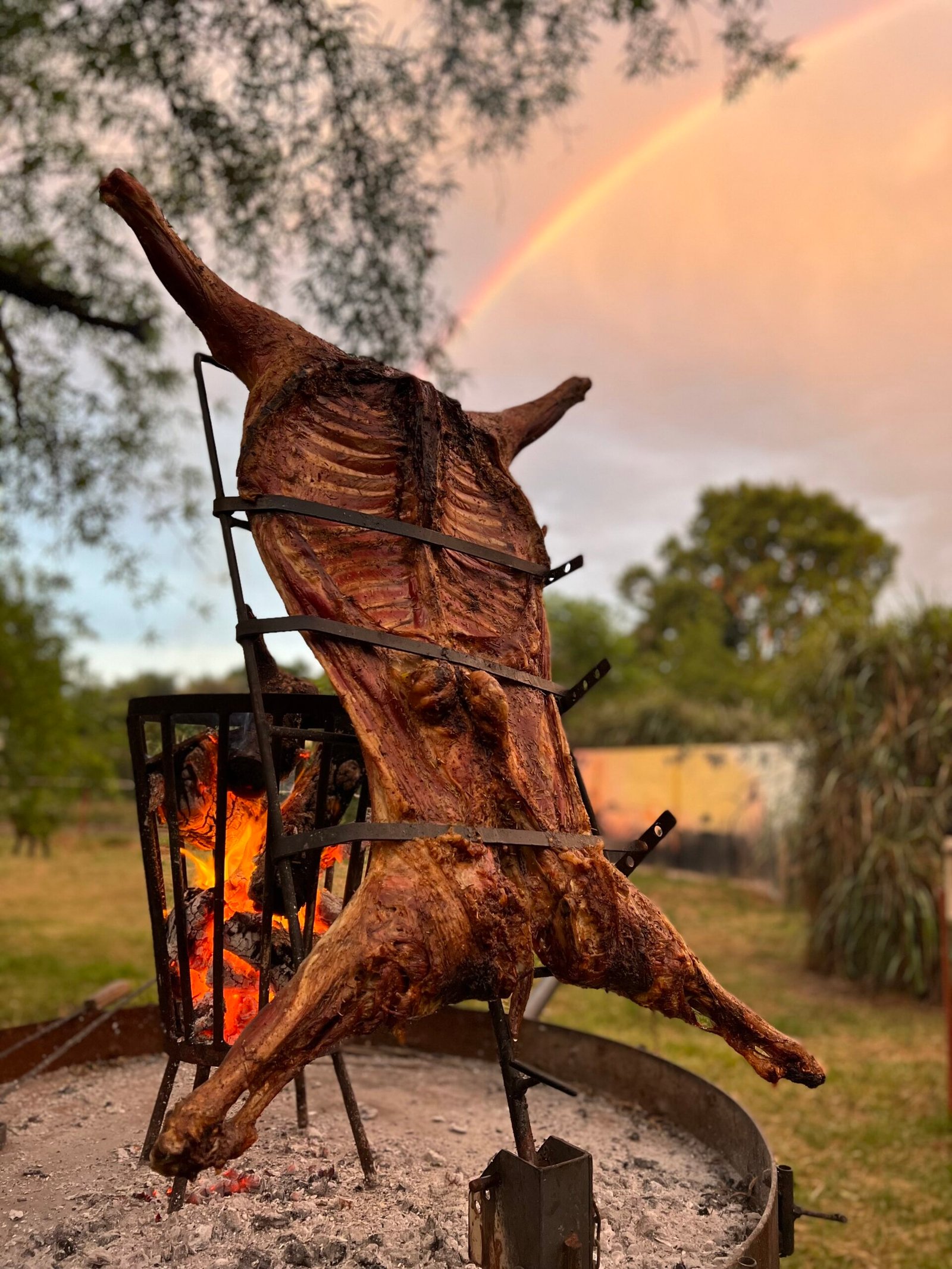
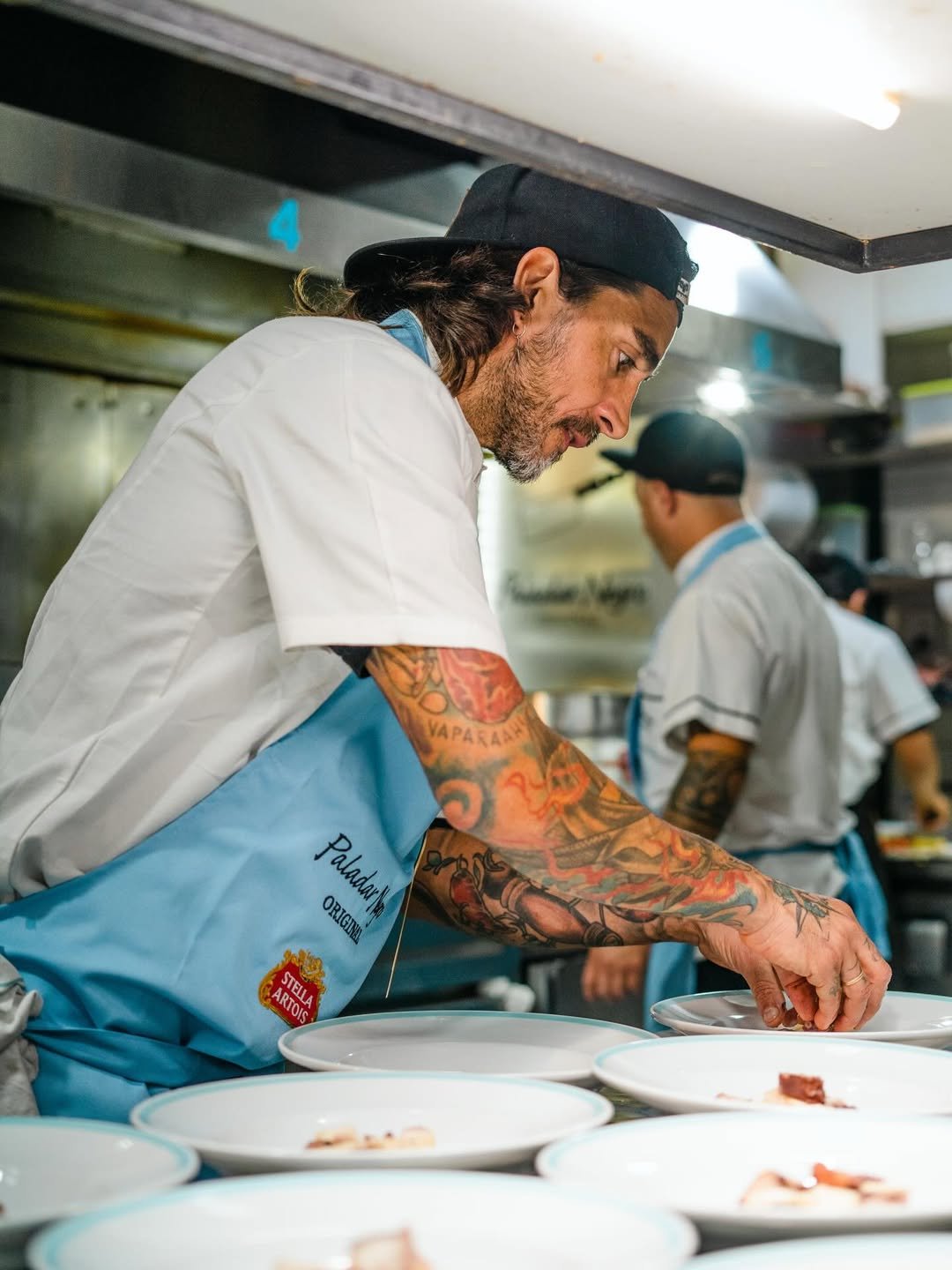
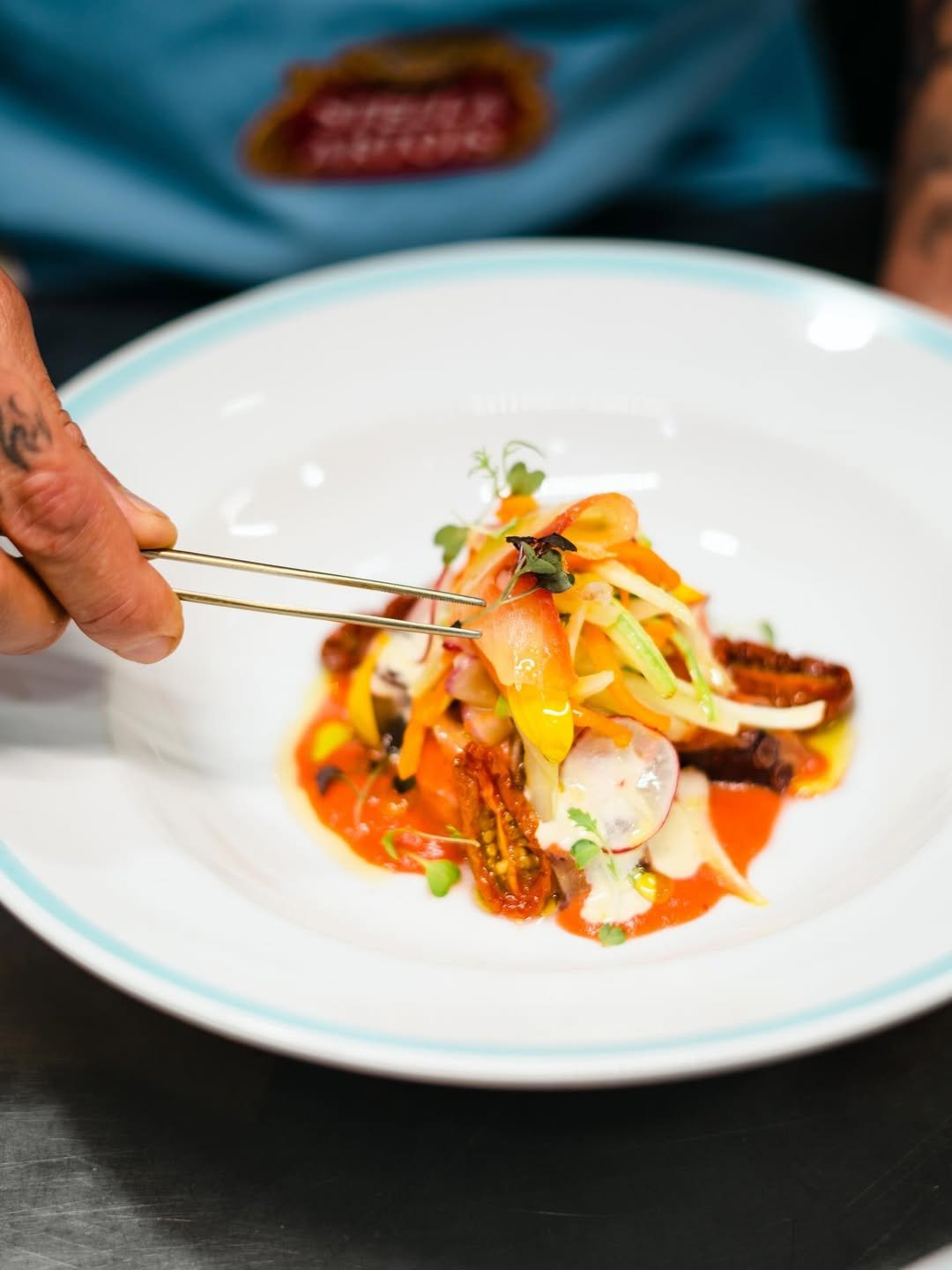
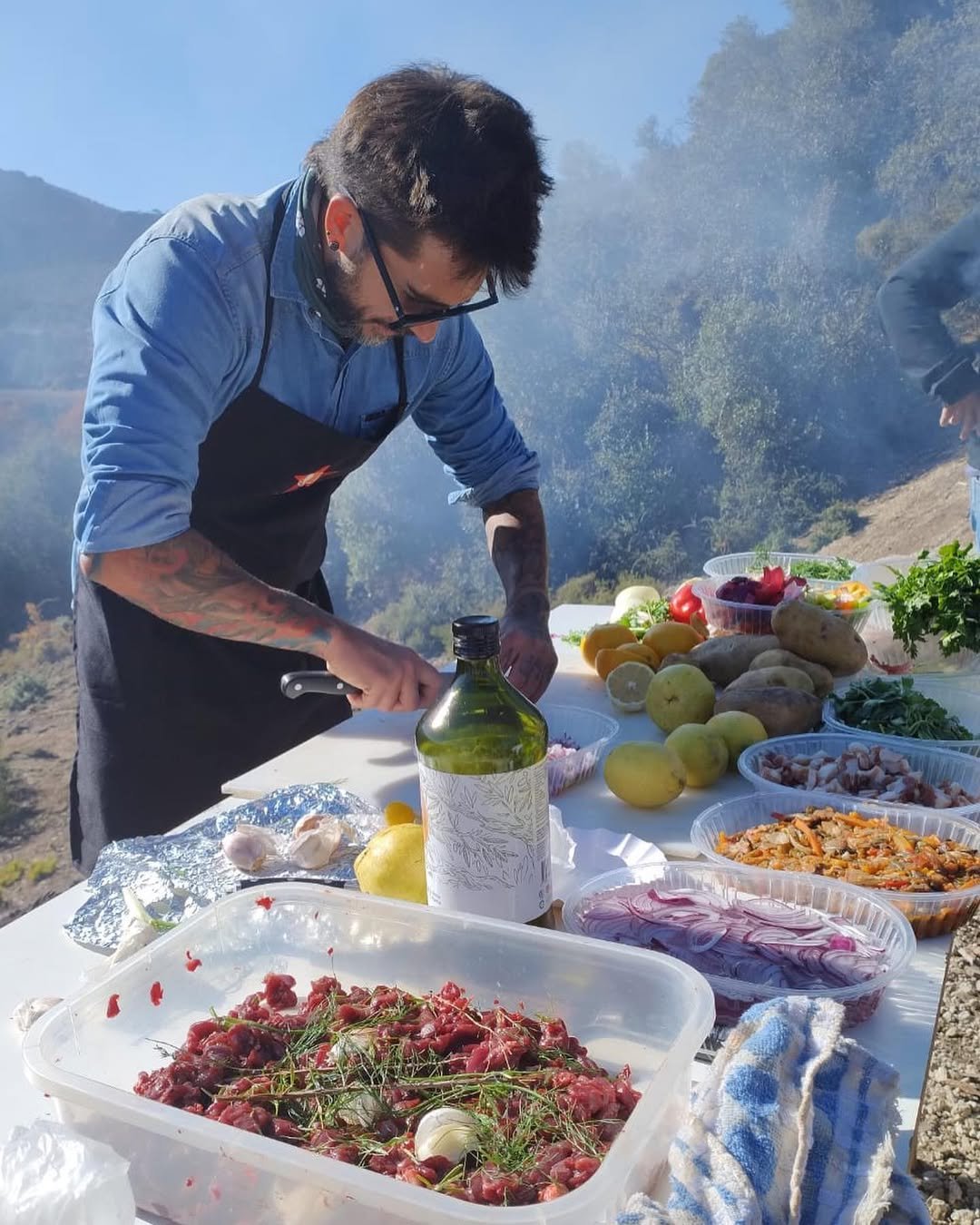
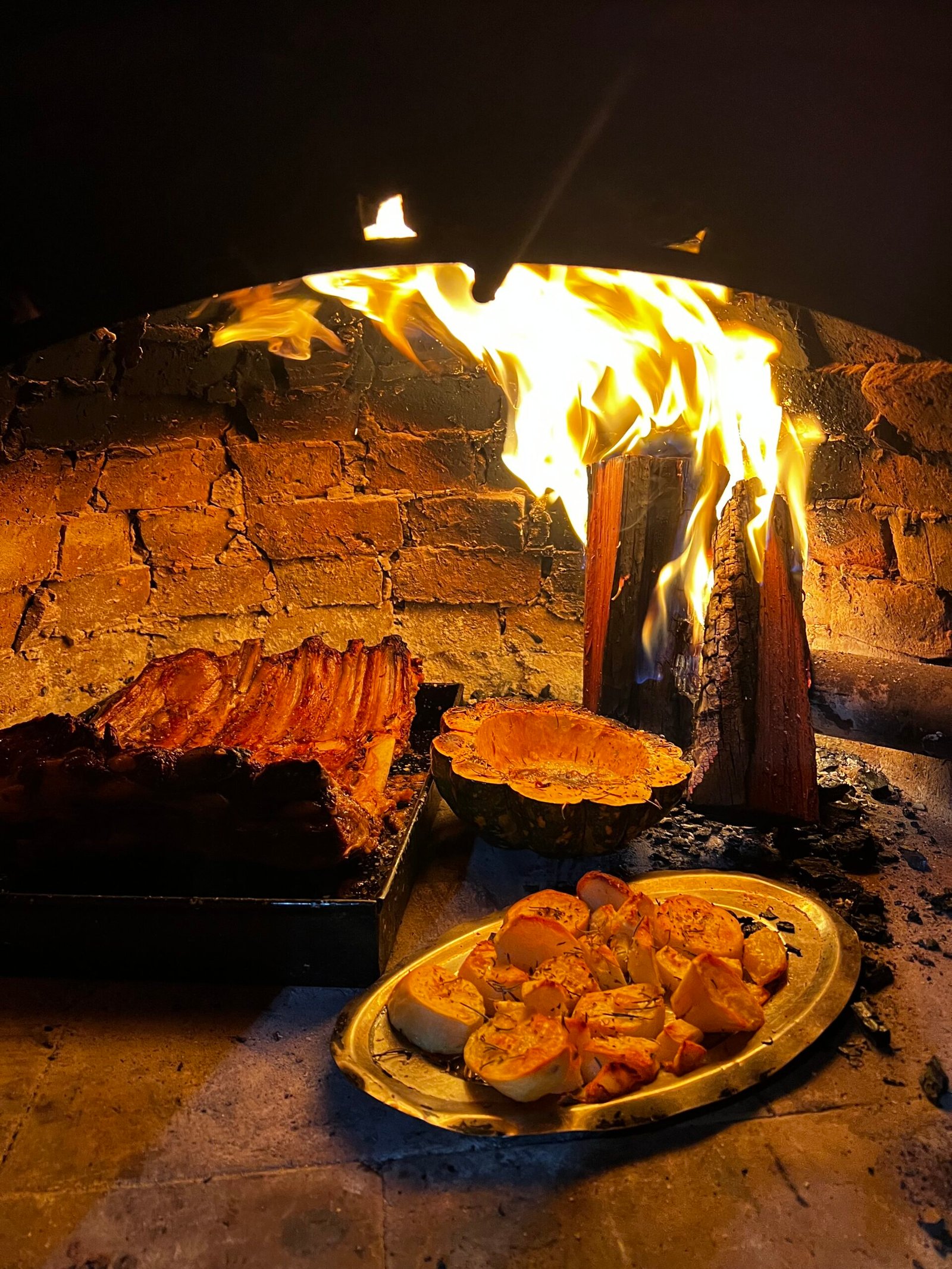
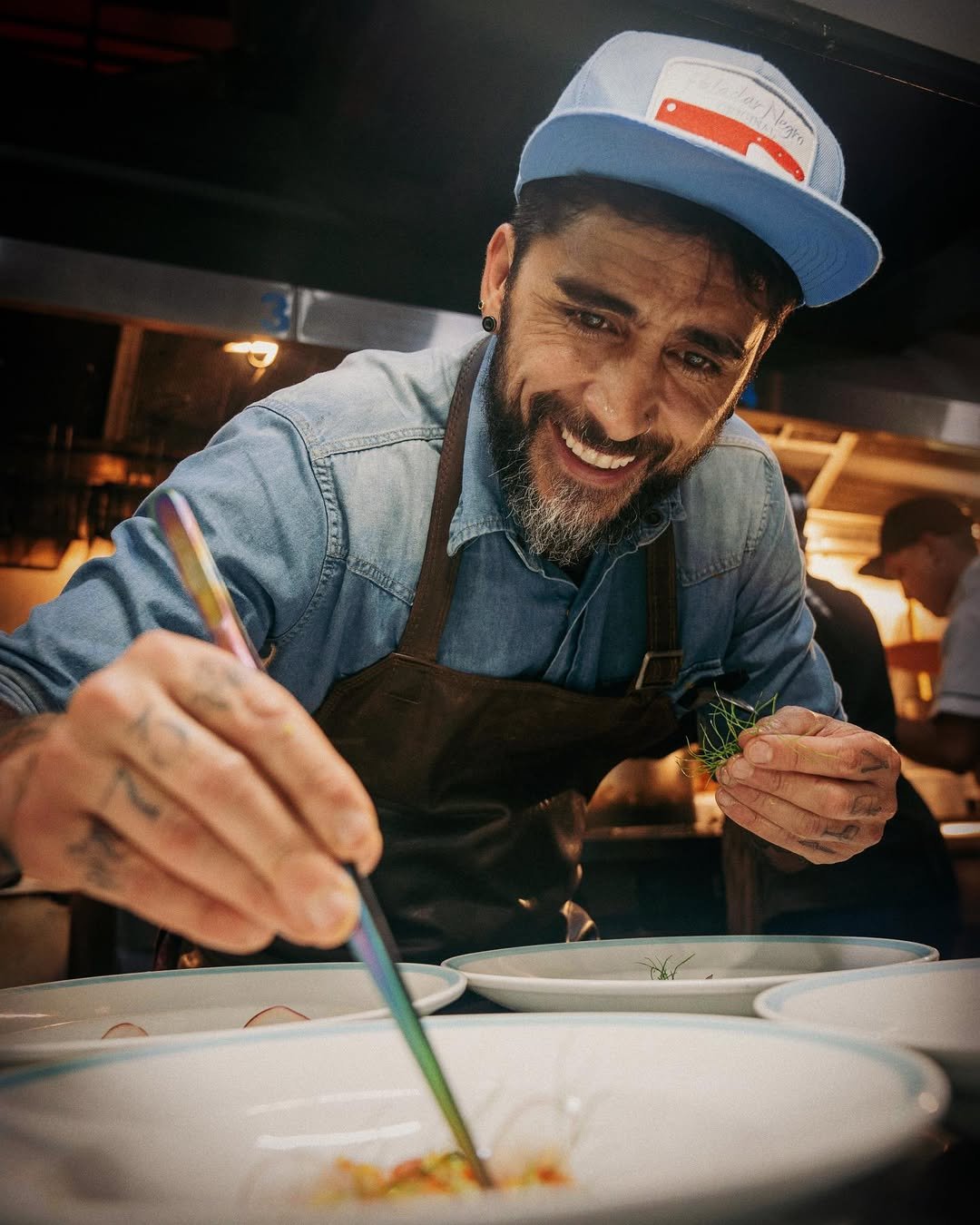
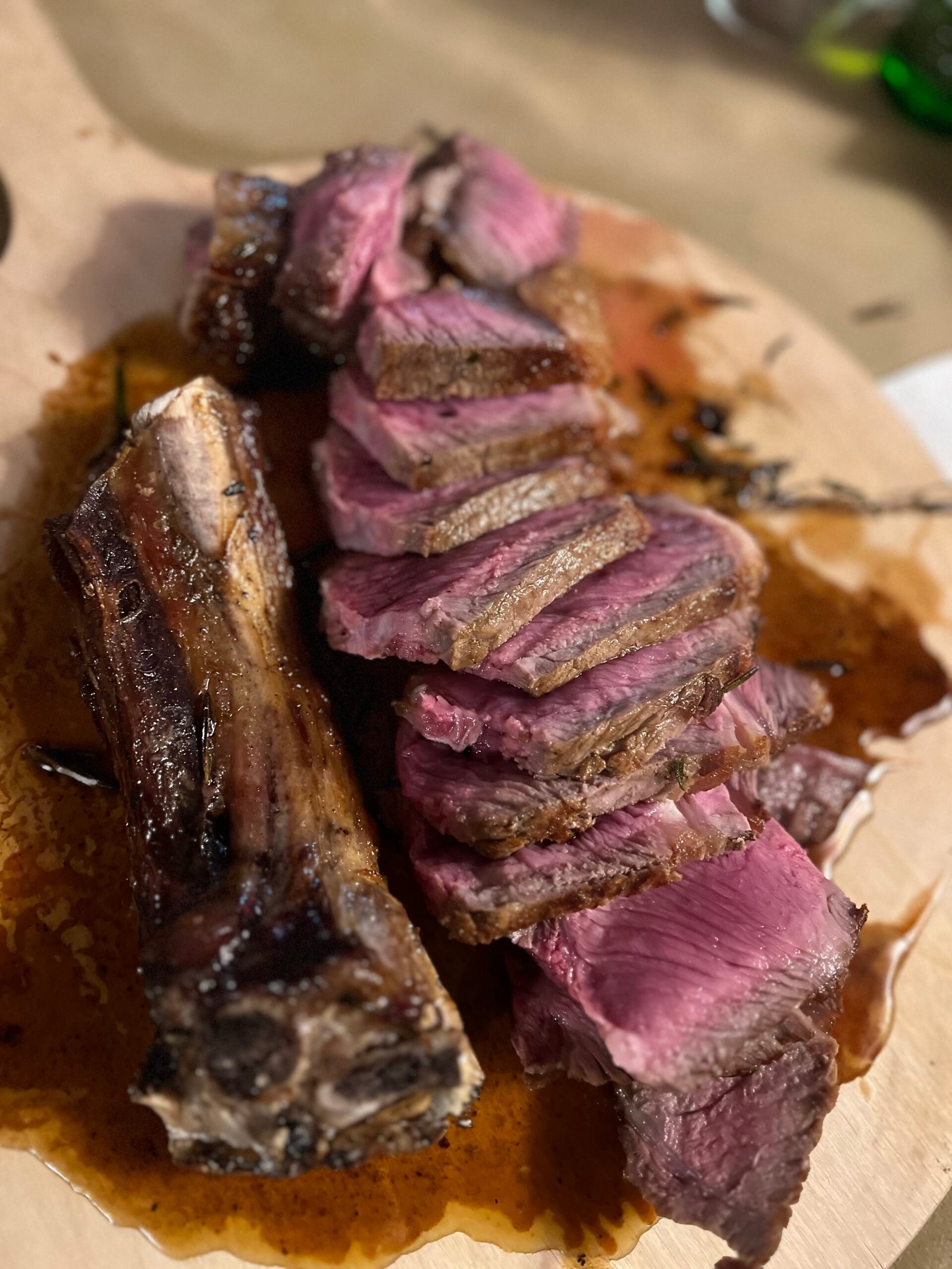
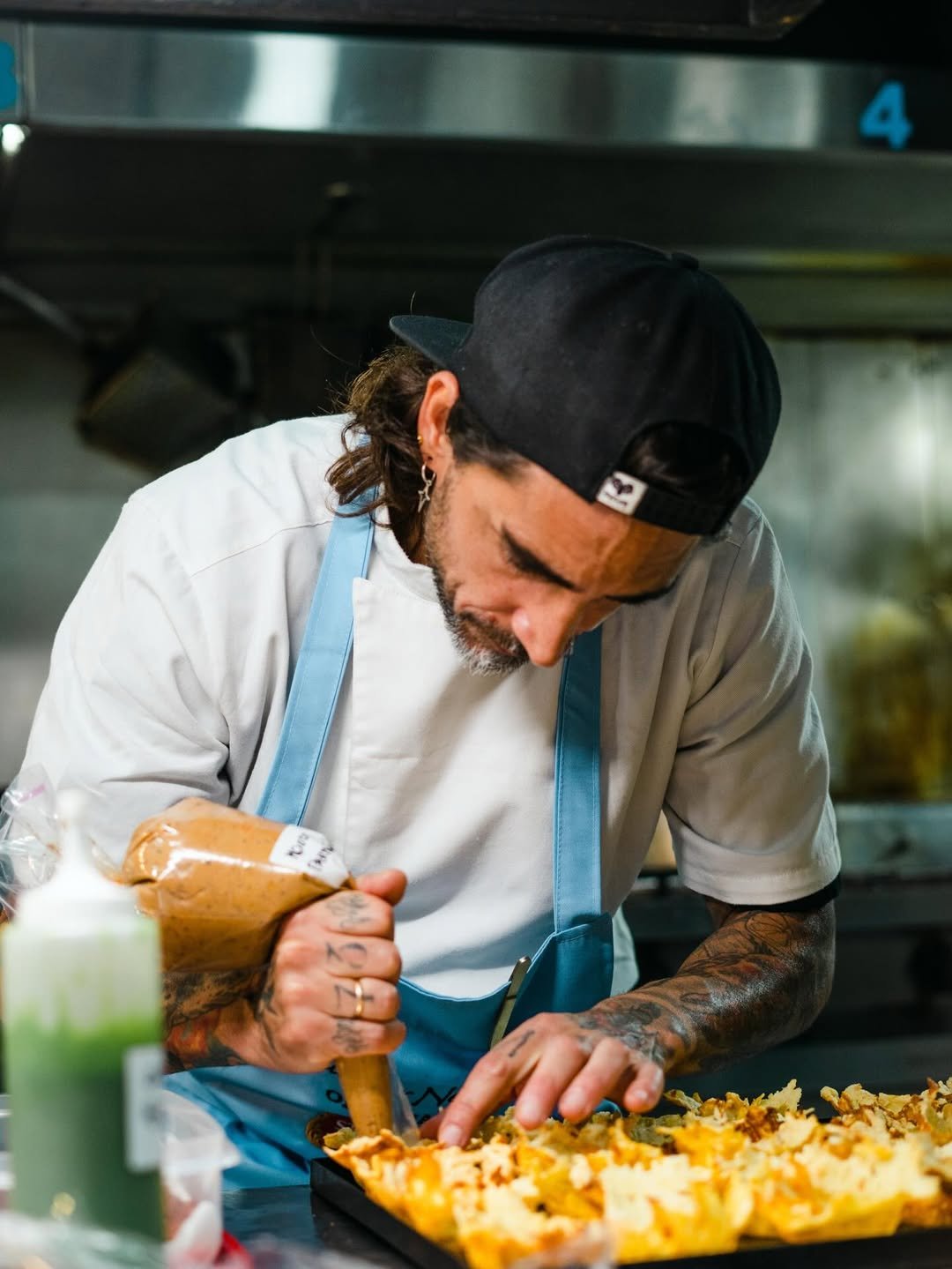
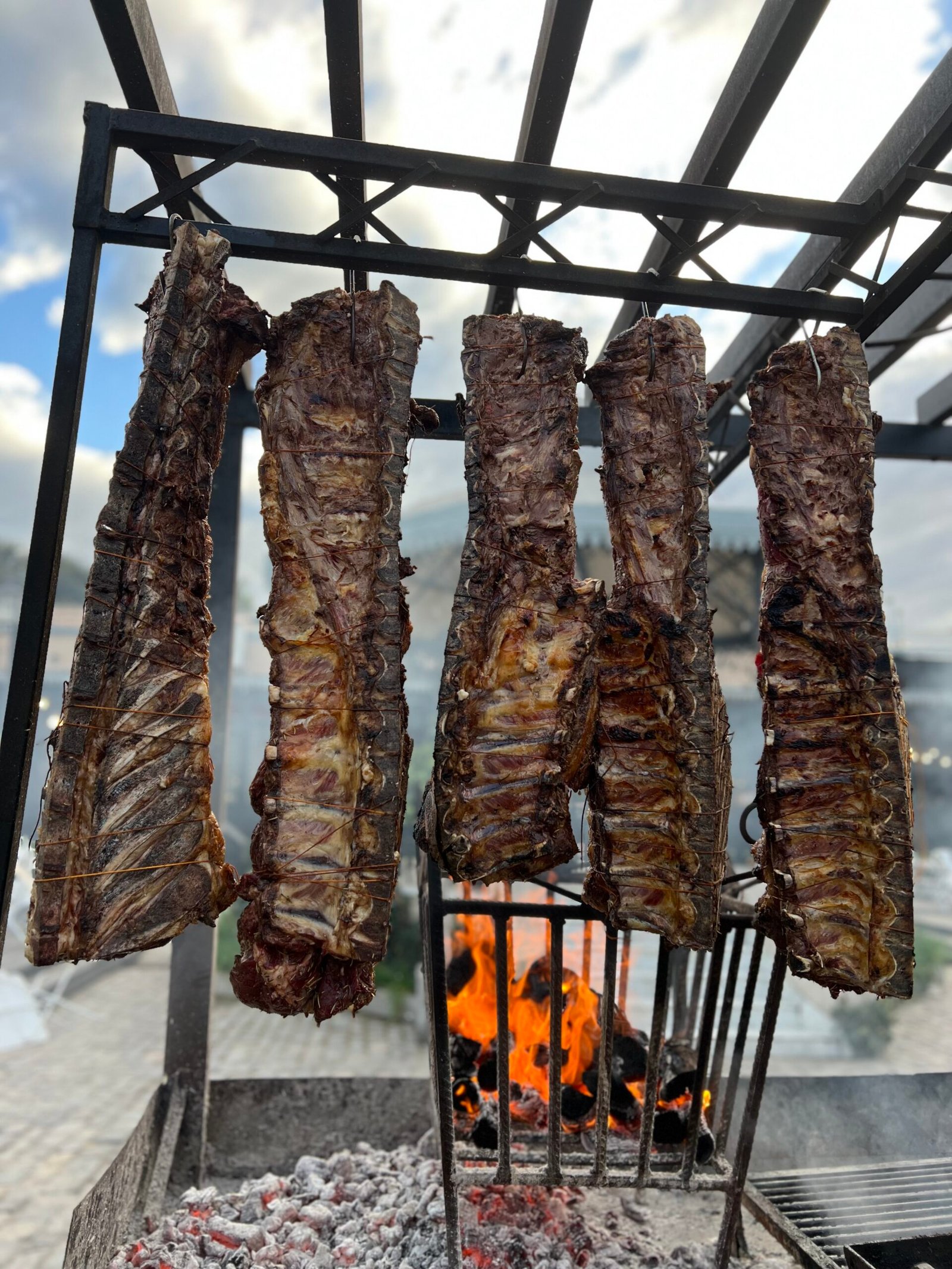
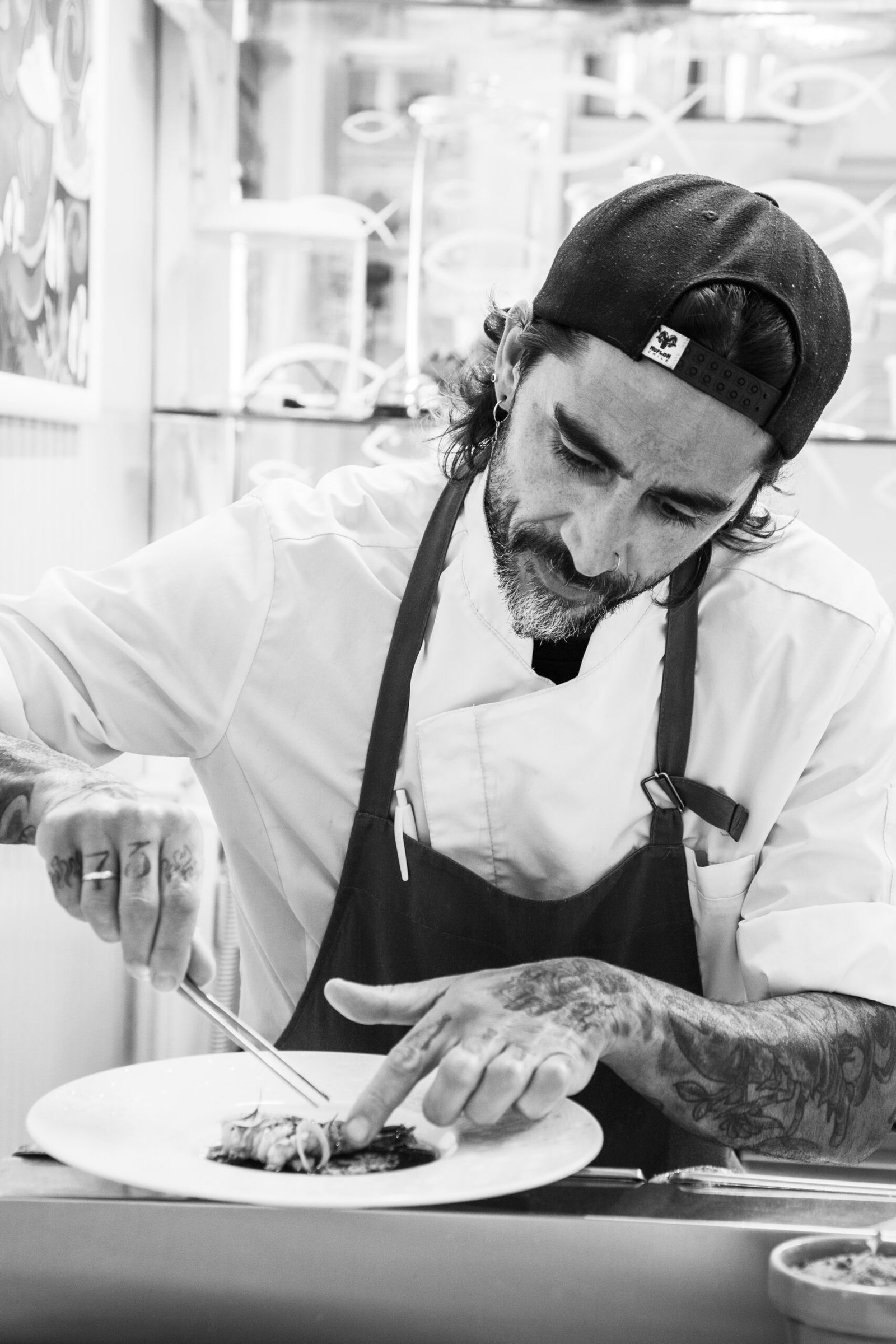
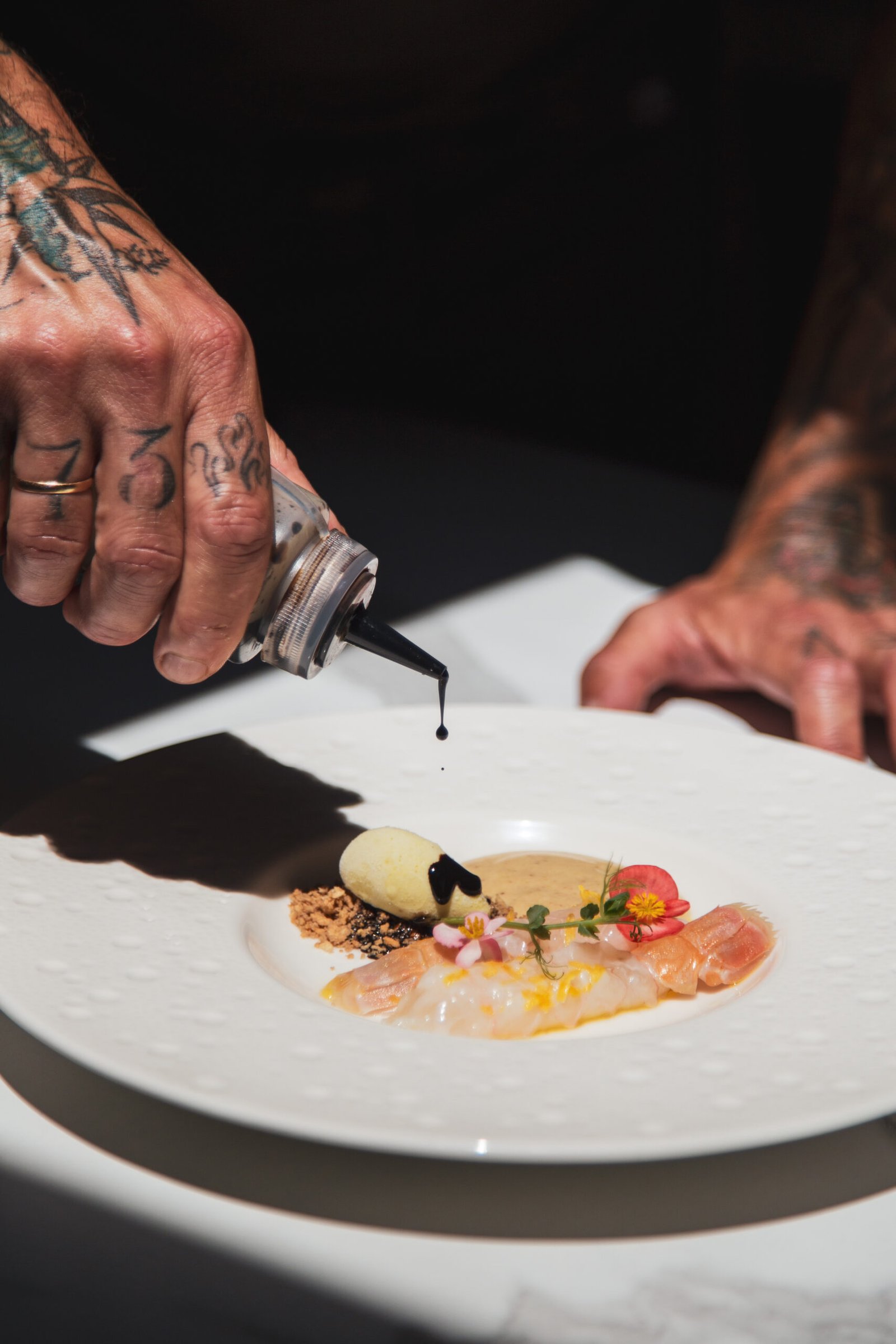
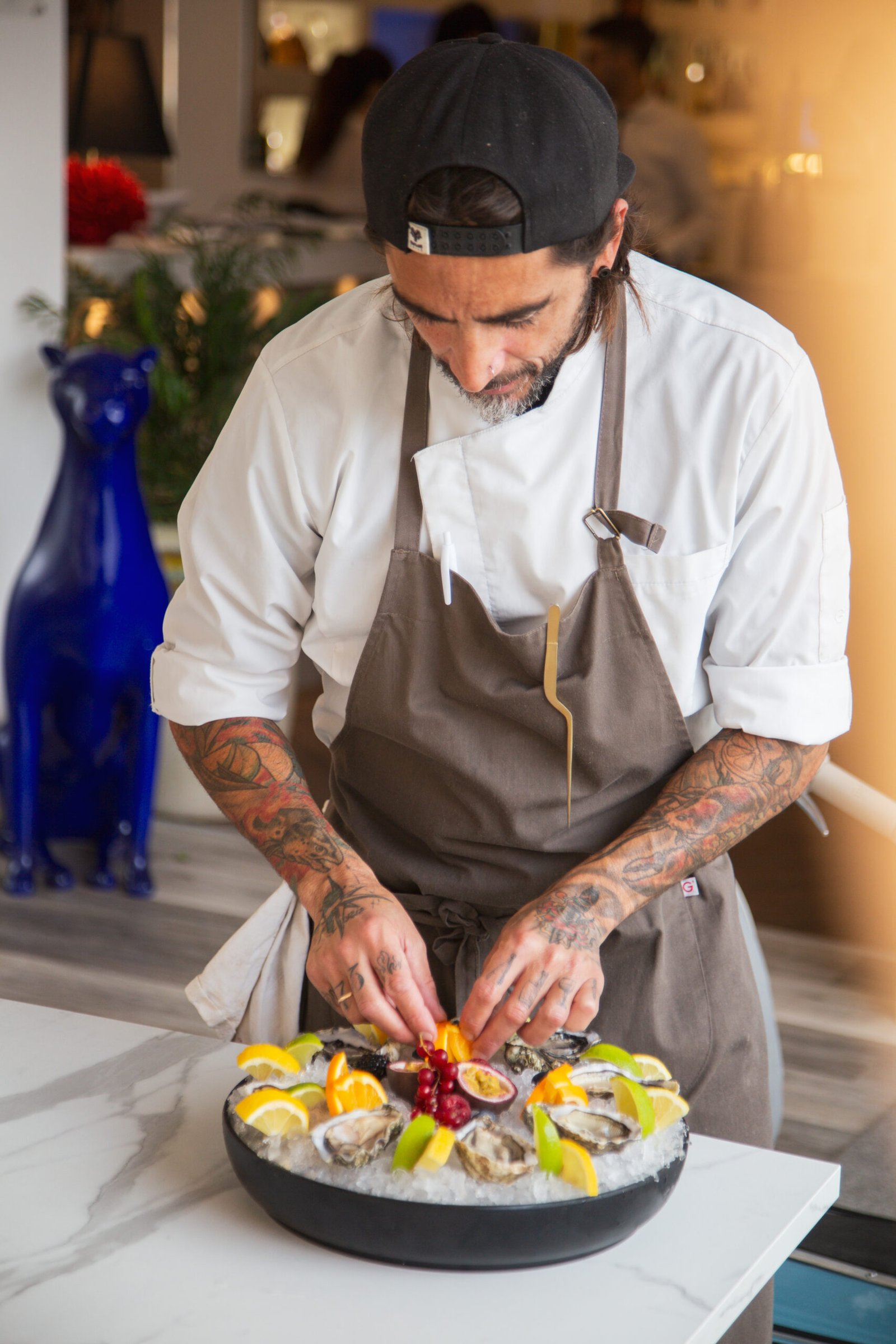
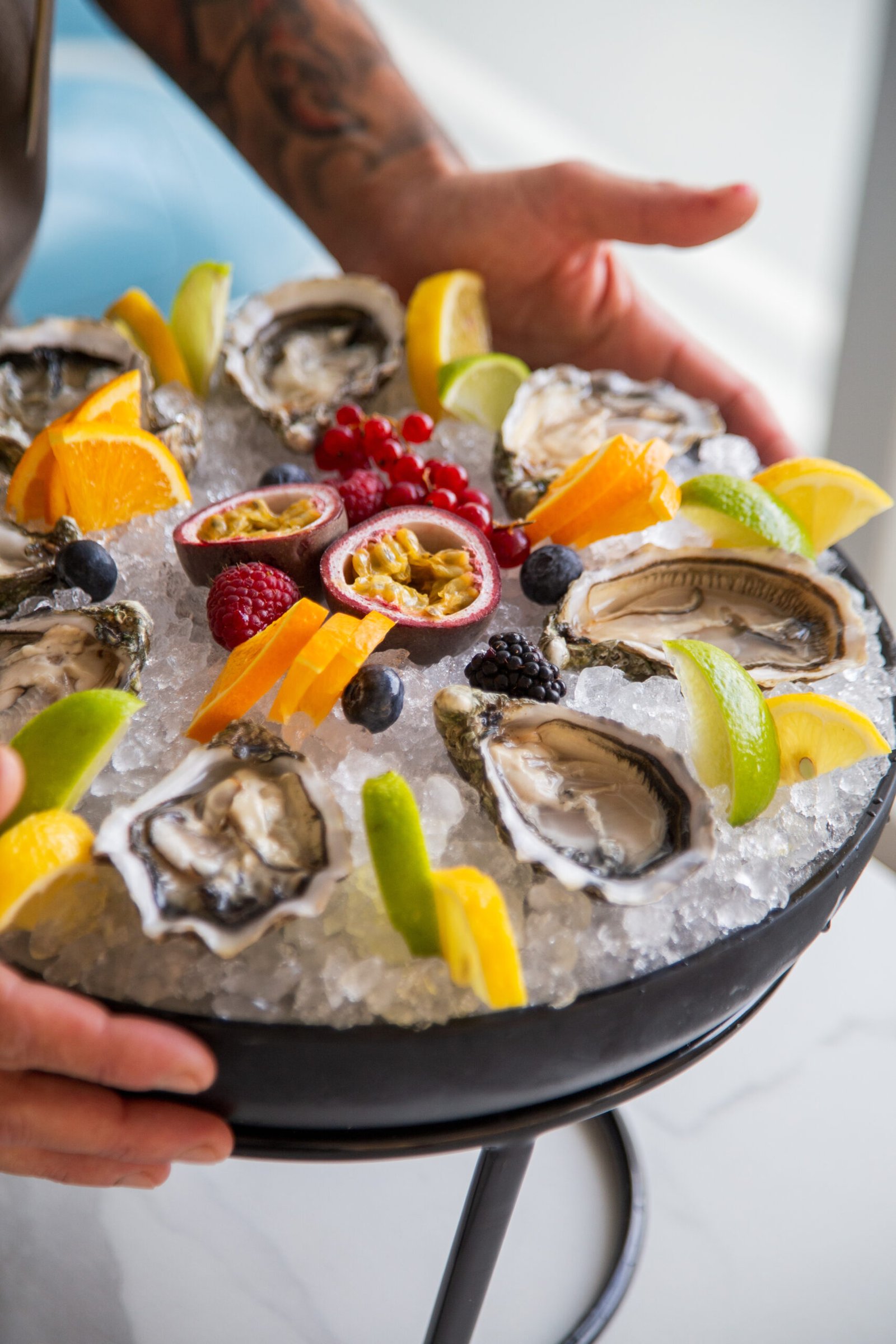
Secret Sauce
- What’s the most unexpected ingredient you’ve ever worked with, and how did it change your perspective on cooking?
The most unexpected ingredient I’ve worked with is the Nalca leaf—a giant green leaf that can grow large enough to cover a person. It grows in southern Argentina, in Patagonia, and is used to cover food in an ancestral cooking technique called Curanto.
During the underground cooking process, the leaf releases its properties into the food, creating unique flavors.
- What’s your “guilty pleasure” meal?
Anything that contains sugar.
- A food trend that you hate and why?
Honestly, when there’s something I don’t like, I don’t even waste energy thinking about it.
- What’s the craziest shift you’ve ever worked in the kitchen?
At my first restaurant in Argentina, I spent two full 24-hour days cooking.
I worked both lunch and dinner services, and when service ended, I stayed alone throughout the afternoon and all night cooking pig’s trotters because I was saving money for a trip I had dreamed about for a very long time—a trip to London and France.
It was the journey where, for the first time, I crossed the Atlantic Ocean and discovered the Old Continent.
5. What happened, and how did you manage to get through it?
When you are pursuing your dreams with enthusiasm and conviction, nothing can stop you.
- What tips would you give to other cooks and chefs to help them navigate their culinary careers and find peace amid the chaos of the kitchen?
I would share this:
When we understand that the most valuable thing we have in life is not material, we are one step closer to happiness and peace.
We can spend thousands and thousands of hours working, accumulating money, awards, applause, social media likes, and surrounding ourselves with “important” people, all while trading away the most valuable thing we possess—and often without realizing how quickly it disappears.
That thing is TIME.
“Time teaches us to value life, and life teaches us to value time.”
Enjoy the process. Appreciate every day of your life. Surround yourself with people who value your time, and don’t give it away to those who don’t deserve it.
Cook with love, honesty, and care. Don’t rush the process. Every stage teaches us something and tells us when we’re ready for the next step.
Respect and hierarchy are earned over time. They cannot be bought or imposed.
One day, when you least expect it, someone will call you Chef, and you’ll feel comfortable hearing that word. On that day, you’ll realize it was all worth it.
And it will become a beautiful responsibility that you’ll carry for the rest of your life.
- What’s an underrated ingredient and why?
I don’t believe there are underrated ingredients.
There are simply ingredients.
8. What’s a must-try dish from your kitchen or the one you’re proudest to have prepared?
Slow-cooked beef ribs and flank steak cooked “a la estaca” for eight hours over Aromito and Ñandubay wood—native woods from my province.
About Your City!
Concordia - Entre Rios - Argentina
- If Anthony Bourdain or a chef came to your city, what would be the perfect tour itinerary from breakfast to dinner?
If Anthony were still alive and came to visit me, that would have been another dream come true.
So let’s make it happen.
We would start early, around 5:30 in the morning, with a good round of traditional bitter mate and, most likely, a coffee for Anthony. We’d enjoy homemade breads for toast, medialunas de grasa, butter, honey, dulce de leche, homemade jams, scrambled farm eggs, and local cheeses.
After breakfast, we’d head to the river, where a boat would already be waiting for us. We’d spend the entire morning exploring different fishing spots and waterways.
Around midday, we’d stop on an island, light a fire, and enjoy a proper Argentine feast: grilled meat, fried fish, fish empanadas, and, as tradition demands, a few good glasses of wine.
Later in the afternoon, we’d return to the city and visit some local bars owned by friends, enjoying cocktails made with regional ingredients such as fresh citrus fruits.
I’d also take him to see the largest brewery complex in South America, located right in the city.
To finish the evening, we’d head to a beer garden and enjoy traditional local dishes paired with a few ice-cold lisos—the classic 250 ml glasses of beer that are part of Santa Fe’s culture.
We’d end the night walking along the waterfront, visiting the iconic Suspension Bridge, and stopping by the Colón Stadium.
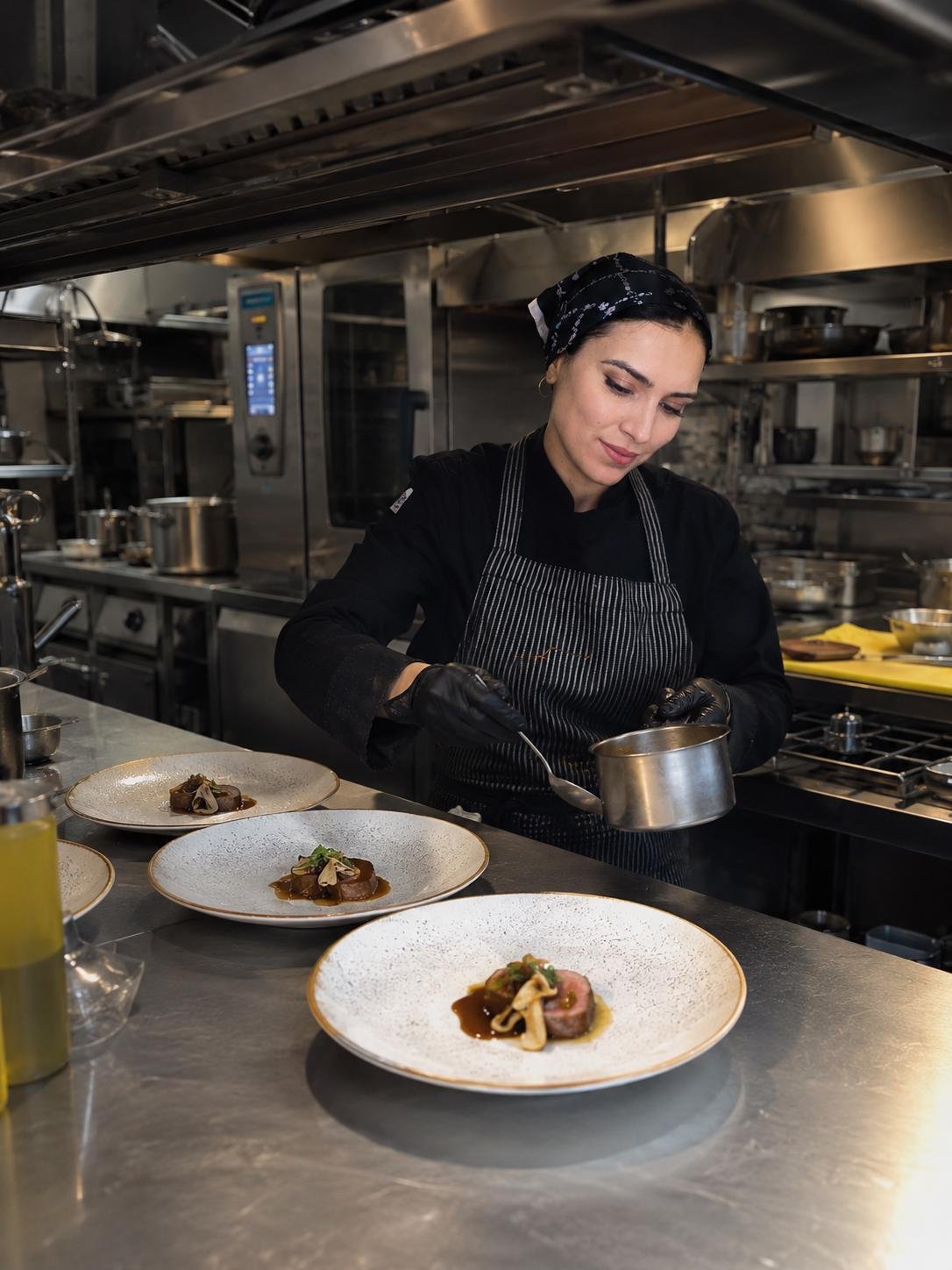
Respect Is The Real Skill
Humans Of The Kitchen
Ingredients, teammates, and guests deserve the same attention.
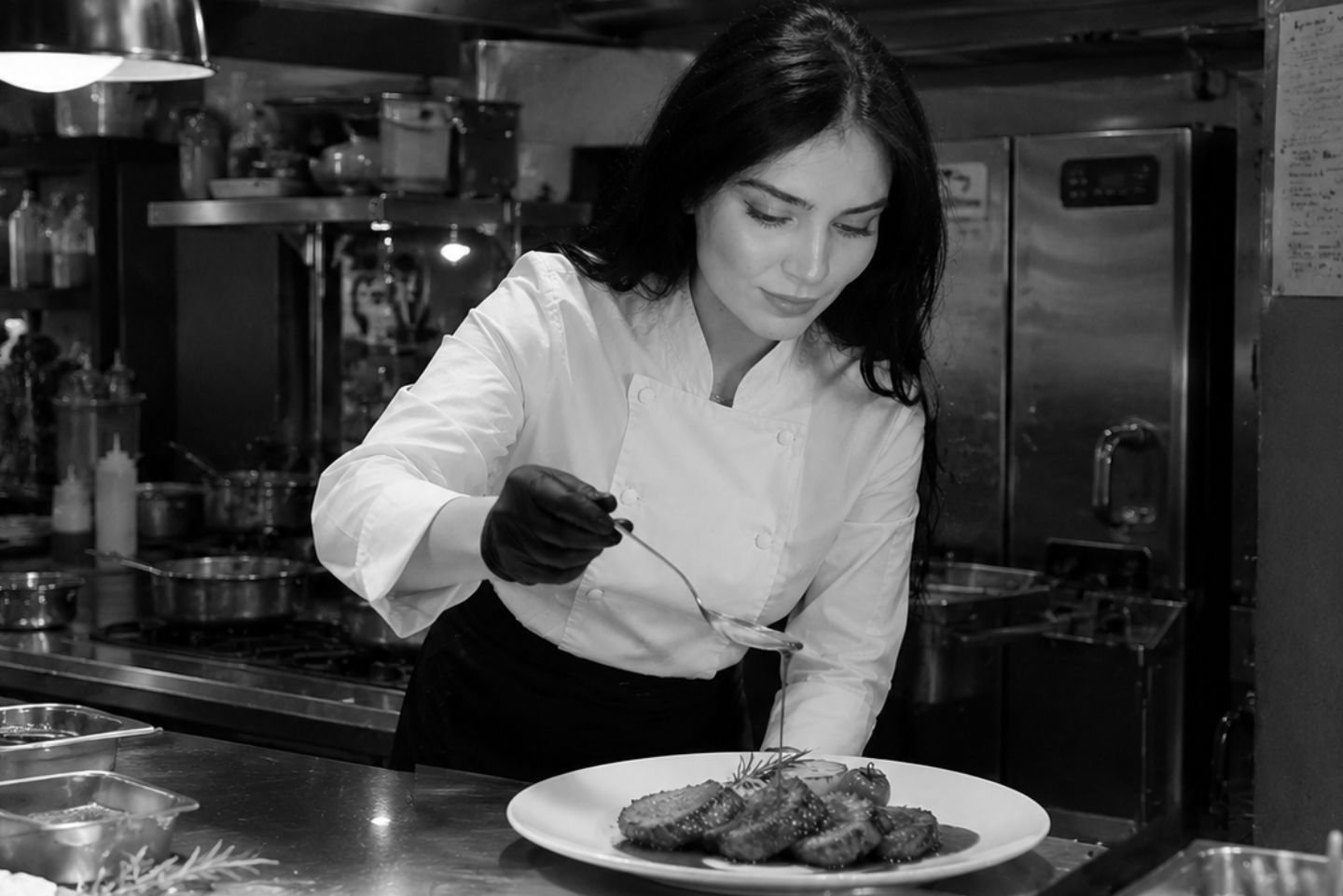
Sibel
For Chef Sibel, cooking began long before professional kitchens, culinary trends, or career ambitions. As a child, she often prepared meals for herself and her younger sibling while her parents were at work. What started as a simple responsibility gradually evolved into a lifelong passion rooted in curiosity, creativity, and care for others.
Over the past six years, that passion has grown into a professional culinary journey shaped by hands-on experience, continuous learning, and a desire to explore the world through food. From mastering the demands of busy kitchens to discovering international cuisines and techniques, Sibel has embraced every opportunity to grow both personally and professionally.
Beyond the kitchen, she is fascinated by technology, innovation, and the ways modern tools can enhance creativity. Combining culinary arts with a forward-thinking mindset, she believes that learning never stops and that the future of gastronomy belongs to those who remain curious, adaptable, and open to new ideas.
In this conversation, Sibel reflects on her early beginnings in the kitchen, the lessons learned through professional cooking, the importance of teamwork and resilience, and how curiosity, technology, and creativity continue to shape her culinary journey.
Share your Journey
- Looking back at your childhood, was there a specific moment or memory that sparked your interest in food or cooking?
Looking back at my childhood, my passion for cooking started at a very young age. While my parents were at work, I often prepared meals for my younger sibling and myself. I was still in primary school when I first began spending time in the kitchen, learning through curiosity and practice. What started as a responsibility soon became a passion.
Over the years, that passion grew into a professional career. Today, I have six years of experience working in professional kitchens, constantly learning new techniques and cuisines. I am also fascinated by technology and artificial intelligence, and I enjoy combining creativity, culinary arts, and innovation. My goal is to continue learning about international cuisines, different food cultures, and modern culinary techniques while sharing my journey with people around the world. For me, cooking is more than a profession—it is a lifelong journey of learning, creativity, and connection.
- Did you have another career or job before becoming a chef? How did those experiences influence your decision to pursue cooking?
Before becoming a chef, I did not have another long-term career. Cooking became a part of my life at a very young age. While my parents were working, I often prepared meals for my younger sibling and myself. What started as a responsibility gradually turned into a passion.
As I grew older, I realized that cooking allowed me to express creativity, care for others, and continuously learn new skills. This early experience influenced my decision to pursue a professional culinary career. Today, after six years of working in professional kitchens, I continue to grow as a chef while exploring international cuisines, new techniques, and innovative technologies that inspire my culinary journey.
- Did you formally study culinary arts, or are you self-taught? How has your learning journey shaped your approach to cooking?
I learned most of my culinary skills through hands-on experience in professional kitchens. Over the past six years, I have worked in different kitchen environments, learning from chefs, daily service, and continuous practice.
I believe that learning never stops in this profession. In addition to traditional culinary techniques, I also use technology and artificial intelligence as tools to explore new ideas, improve creativity, and expand my knowledge of international cuisines. This combination of experience, curiosity, and innovation has shaped my approach to cooking.
- When did you first step into a restaurant kitchen? What was that experience like, and how did it shape your journey as a chef?
I first stepped into a professional restaurant kitchen at a young age, and I immediately realized how different it was from cooking at home. The fast pace, teamwork, discipline, and pressure of service were both challenging and exciting.
Every day taught me something new, from knife skills to communication and time management. That first experience showed me that cooking was more than a hobby—it was the career I wanted to dedicate myself to. It became the foundation of my journey as a chef.
- What were some of the early challenges or obstacles you faced when you started in the kitchen, and how did you overcome them?
One of the biggest challenges when I started working in professional kitchens was adapting to the fast pace and pressure of service. Long hours, standing for extended periods, and managing multiple tasks at once were difficult at first.
As a young cook, I also had to build confidence and prove myself through hard work and consistency. I overcame these challenges by staying patient, learning from experienced chefs, practicing every day, and never giving up when mistakes happened. Over time, those challenges helped me become more disciplined, resilient, and passionate about my profession.
- What keeps you inspired and how has that inspiration driven you throughout your professional journey? Especially during tough times in the kitchen?
What inspires me most is the idea that there is always something new to learn in the culinary world. Different cultures, ingredients, techniques, and traditions motivate me to keep improving myself.
I am also inspired by the happiness that good food can bring to people. During difficult times in the kitchen, I remind myself why I started this journey: my passion for cooking and my desire to grow as a chef. In recent years, I have also become interested in technology and artificial intelligence, which help me explore new creative ideas and broaden my perspective on gastronomy.
- Can you recall a moment in the kitchen that marked you forever? Maybe it was an interaction with a mentor, a fellow cook, someone you fed, or a situation that challenged you in a way that shaped who you are today?
One of the moments that marked me forever was realizing that I could successfully handle a busy service under pressure. Early in my career, I often felt nervous and overwhelmed during intense service hours.
However, after working through difficult shifts, coordinating with my team, and seeing satisfied guests enjoy the food we prepared, I gained confidence in myself. That experience taught me the importance of teamwork, discipline, and staying calm under pressure. It shaped me not only as a chef but also as a person.
- As a chef, how would you describe your philosophy in the kitchen, and how does it guide your approach to cooking and leadership?
My philosophy in the kitchen is based on respect, discipline, continuous learning, and teamwork. I believe great food starts with respecting ingredients, the people you work with, and the guests you serve.
I try to lead by example, staying calm under pressure and supporting my team during busy services. I also believe that no matter how much experience a chef has, there is always something new to learn. This mindset helps me grow both as a cook and as a leader.
- Can you share a time when cooking or the camaraderie in the kitchen helped you through a tough period in your life? What made that experience meaningful?
There have been difficult periods in my life when I felt exhausted both physically and emotionally. During those times, the kitchen became more than a workplace; it became a place where I could focus, learn, and keep moving forward.
The support of my teammates, the shared challenges during service, and the satisfaction of creating something meaningful helped me stay motivated. Cooking taught me resilience and reminded me that even during difficult moments, growth is possible through dedication and teamwork.
- Reflecting on your career, what achievements or milestones are you most proud of, and what do they mean to you?
One of the achievements I am most proud of is turning a childhood passion into a professional career. Starting to cook at a young age and later building six years of experience in professional kitchens has been an important journey for me.
I am proud of the skills I have developed, the challenges I have overcome, and the trust I have earned from chefs and colleagues. These milestones remind me that dedication, patience, and hard work can transform a simple passion into a meaningful career.
- What aspects of restaurant culture do you love, and what parts do you find frustrating or problematic? Are there any changes you’re actively working toward or things you hope they change in the industry? Share the reasons behind them and how they align with your vision for a better culinary world?
What I love most about restaurant culture is the teamwork, creativity, and passion that bring people together. A successful service requires trust, communication, and dedication from everyone in the kitchen. I also love how food connects different cultures and creates memorable experiences for guests.
One of the challenges in the industry is the long working hours and the physical and mental pressure that many kitchen professionals face. While these demands are often part of the profession, I believe the industry should continue working toward better work-life balance, more opportunities for professional development, and stronger support for mental well-being.
As a chef, I try to contribute by promoting teamwork, respect, and continuous learning. My vision for a better culinary world is one where chefs can develop their careers while maintaining their health, creativity, and passion for cooking.
- What are your hopes for the future of the restaurant and food and beverage industry? What changes would you like to see, and how are you contributing to that change?
My hope for the future of the food and beverage industry is to see a balance between tradition and innovation. I believe technology, sustainability, and global knowledge-sharing will play an important role in shaping the next generation of culinary professionals. I would also like to see more opportunities for young chefs to learn, grow, and explore international cuisines.
I am contributing to this change by continuously improving my skills, learning about different food cultures, and embracing new technologies, including artificial intelligence, as tools to support creativity, education, and professional development. I believe the future of gastronomy belongs to chefs who are open to learning, adapting, and sharing knowledge with others.
- If there’s anything we didn’t ask or if you feel we’re missing something about your personal and kitchen story, please share it here.
One important part of my story is that I have never stopped being curious. My journey began with simple meals prepared for my family, but over time it grew into a lifelong passion. Beyond working in professional kitchens, I am interested in storytelling, technology, and creativity.
I enjoy sharing my culinary journey through social media and exploring how modern tools, including artificial intelligence, can inspire new ideas in gastronomy. I believe that being a chef today means being both a lifelong student and a creator—always open to learning from different cultures, people, and experiences.
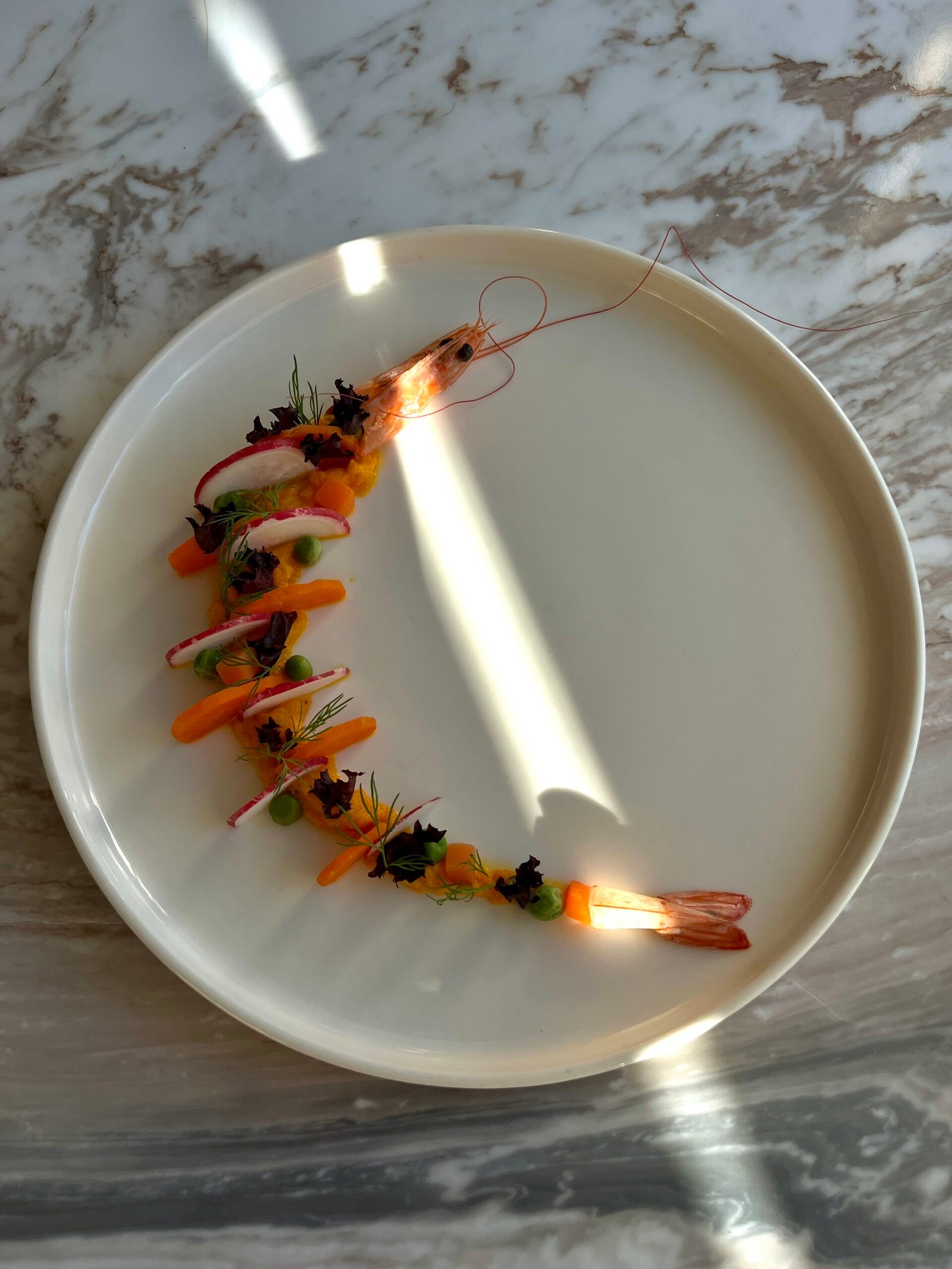
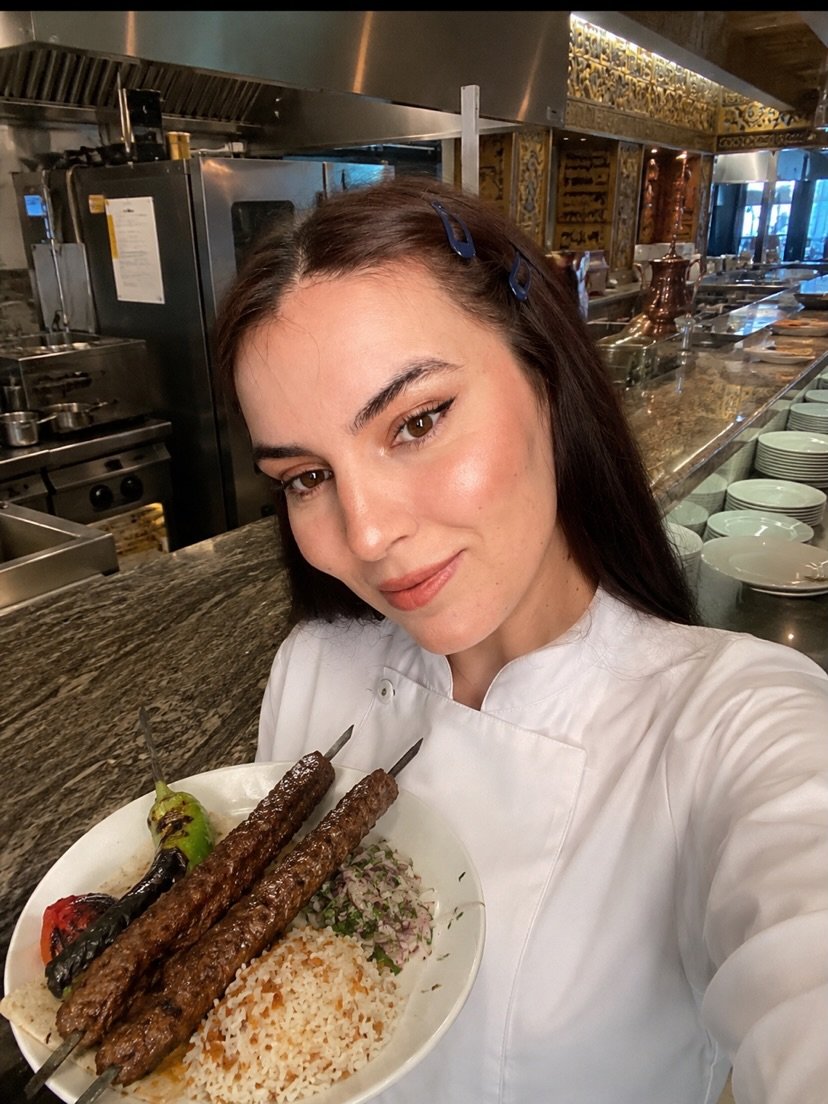
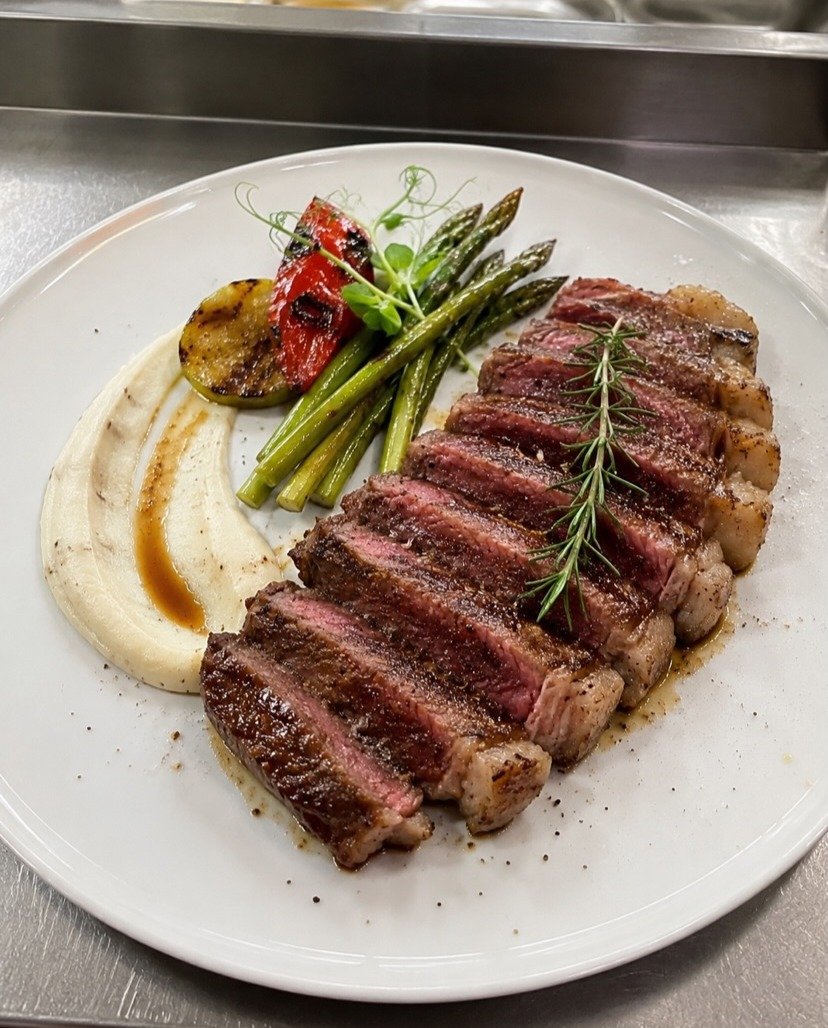
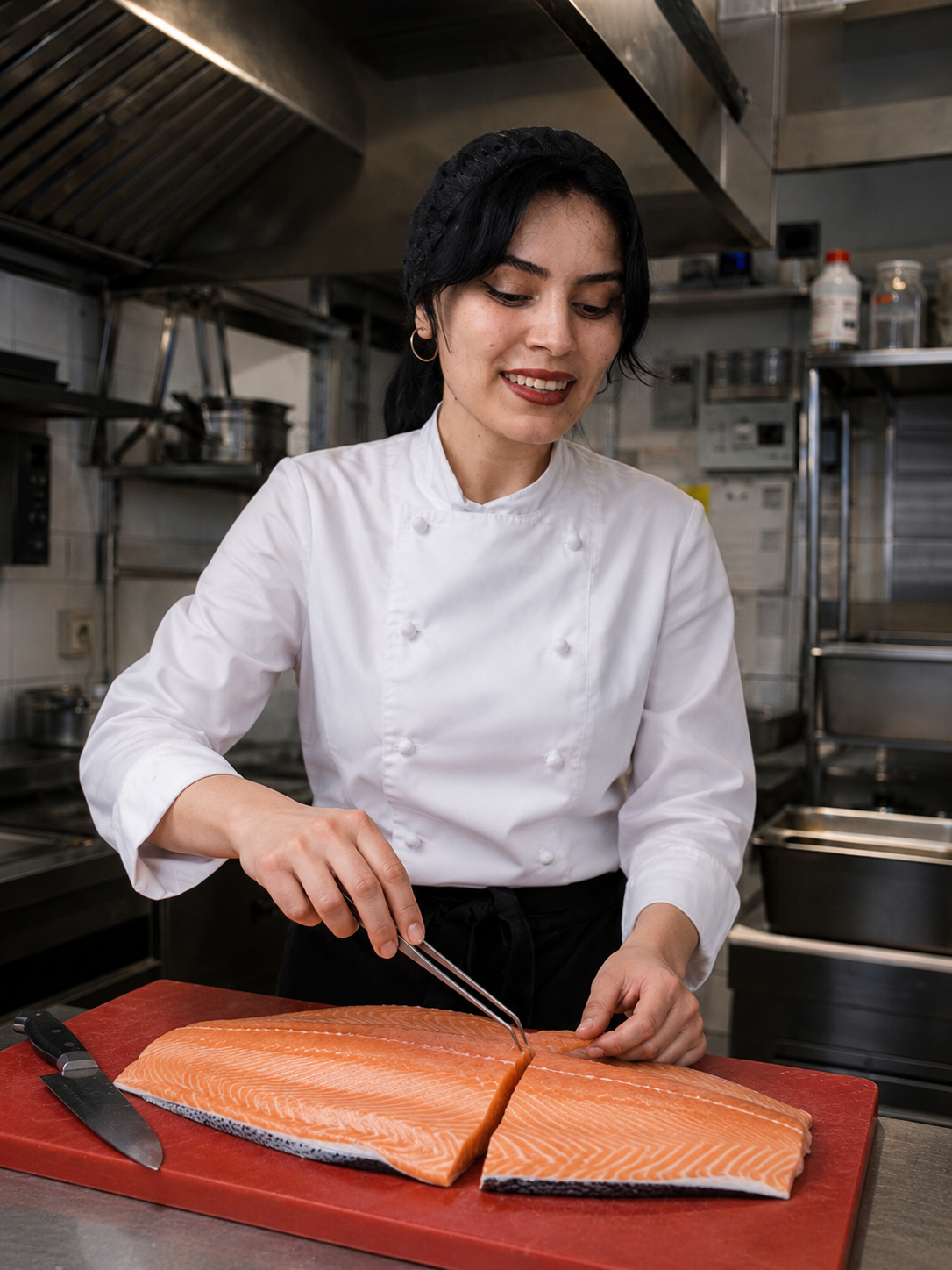
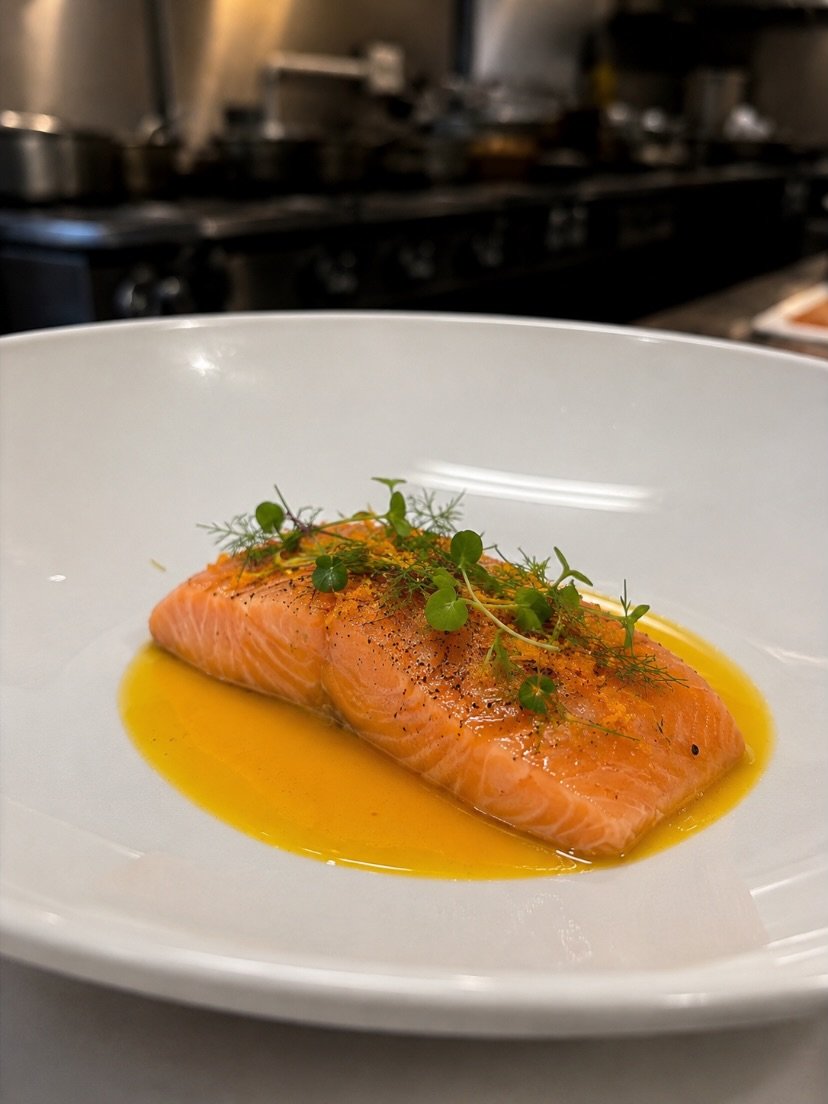
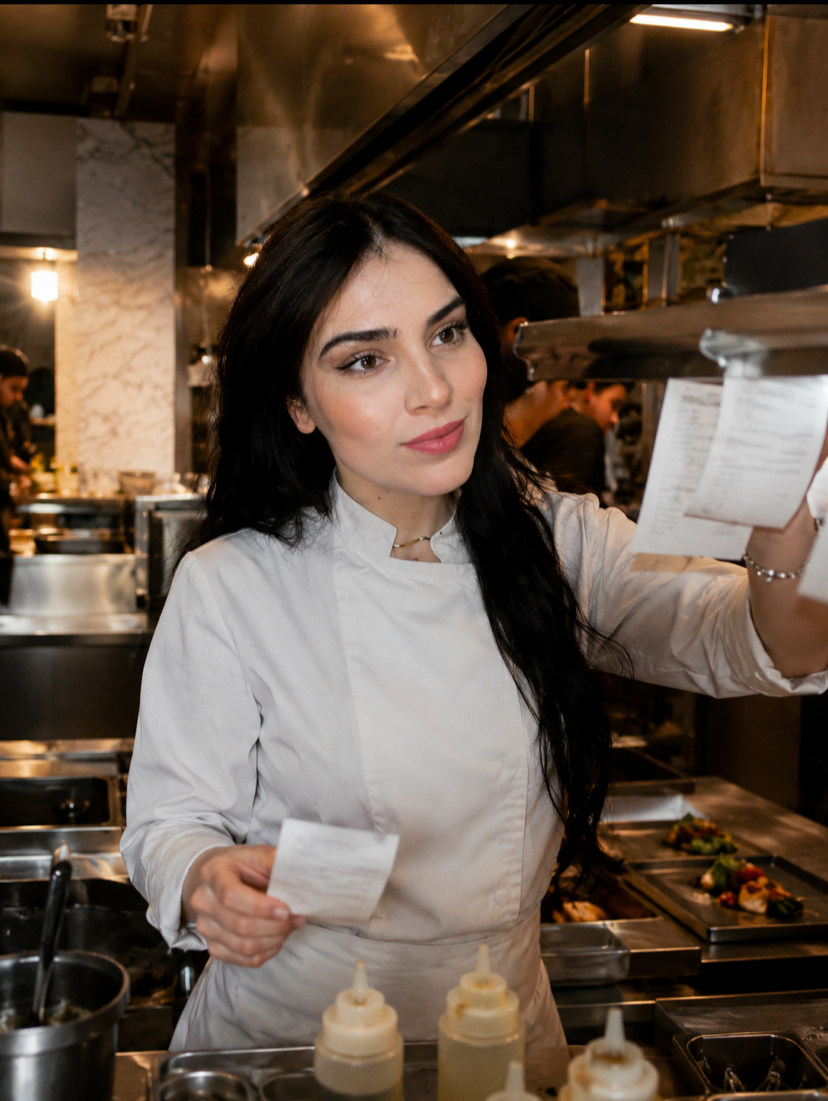
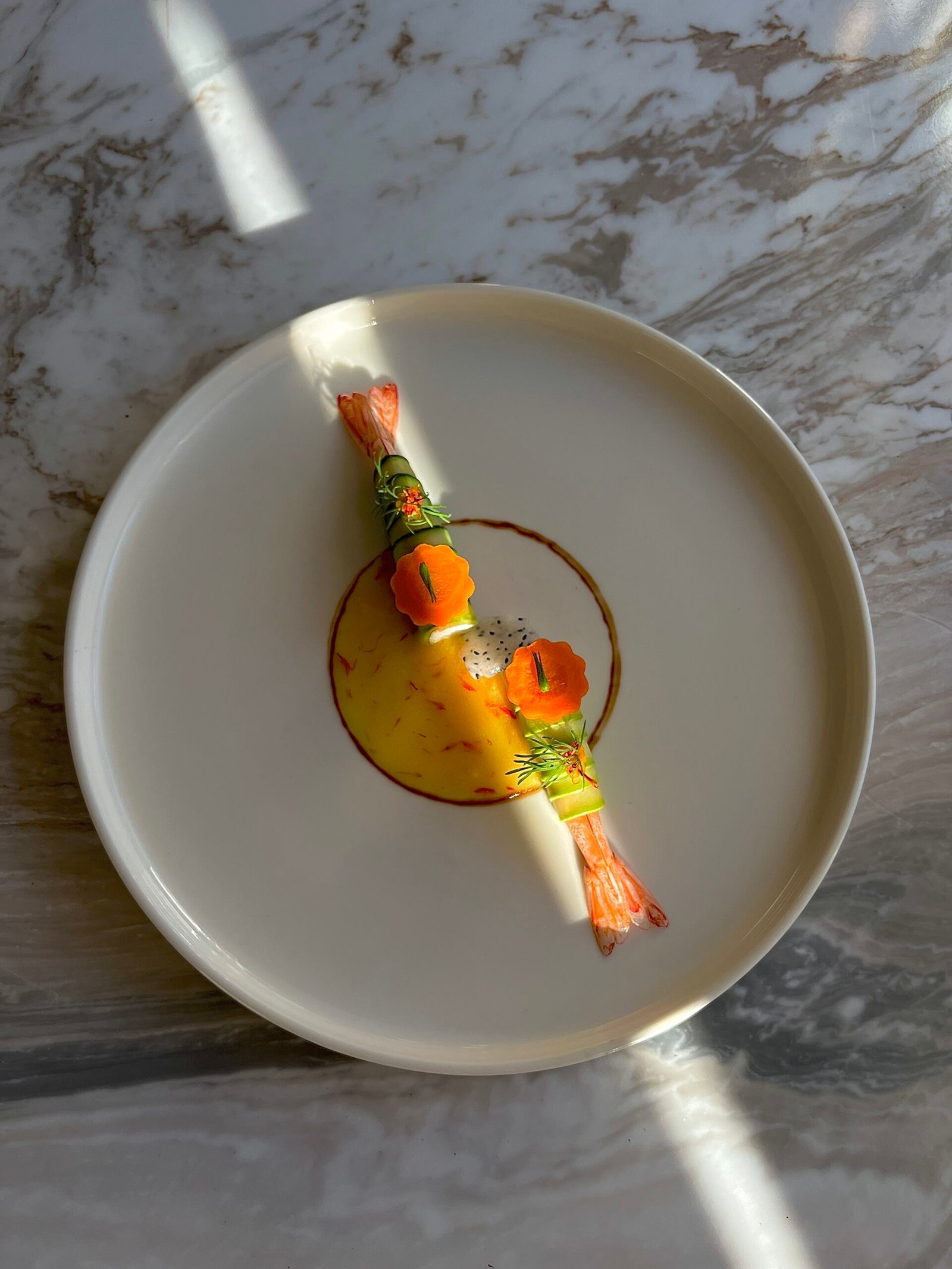
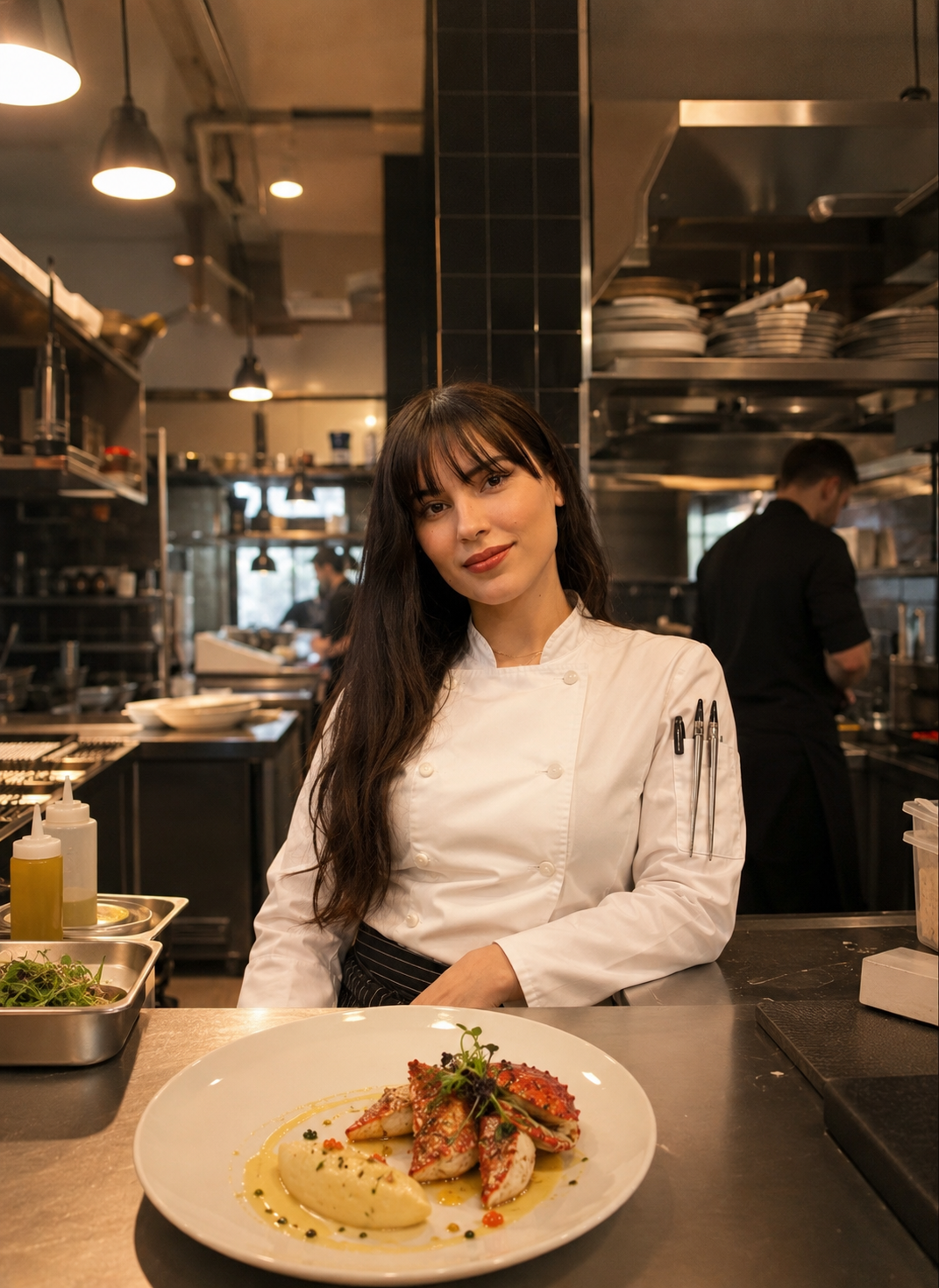
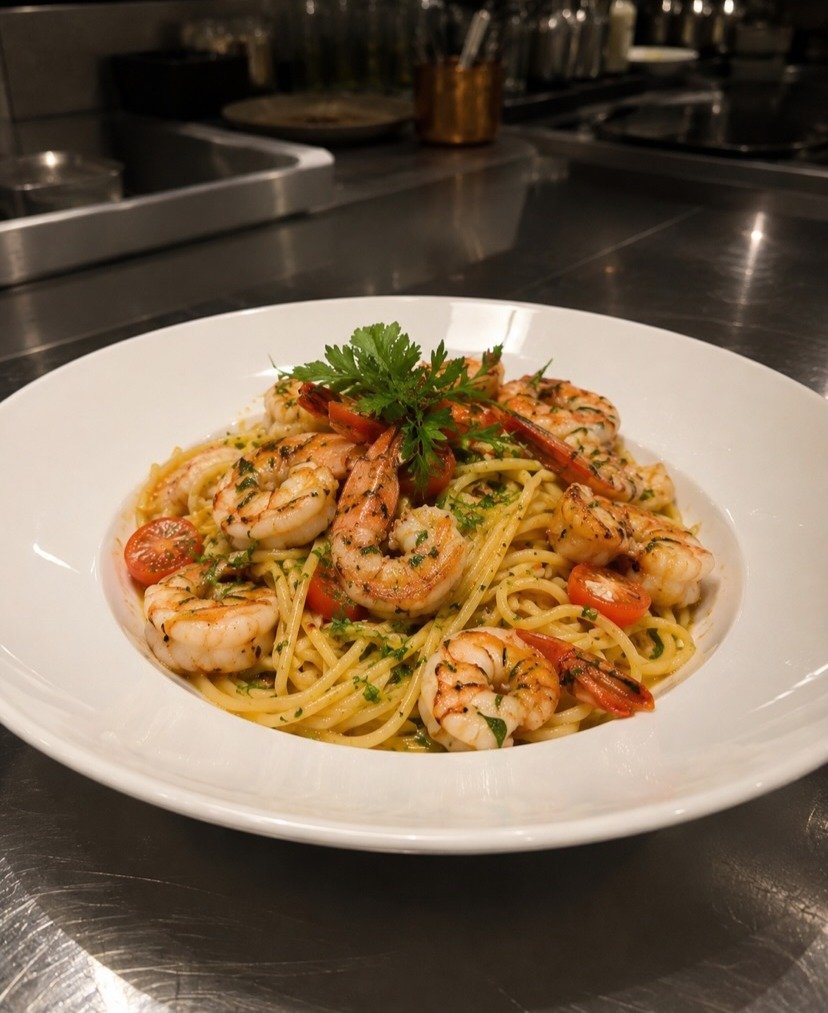
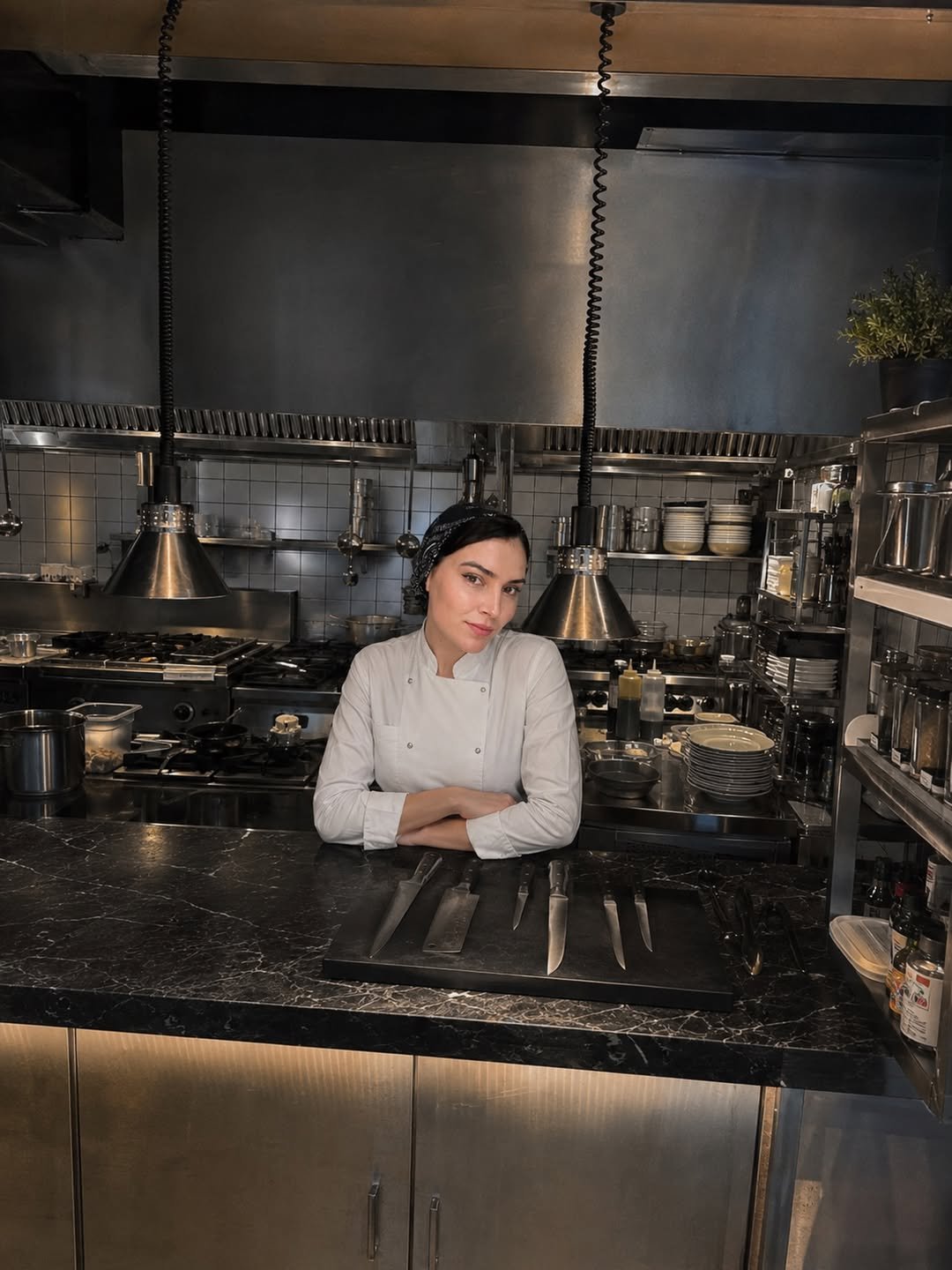
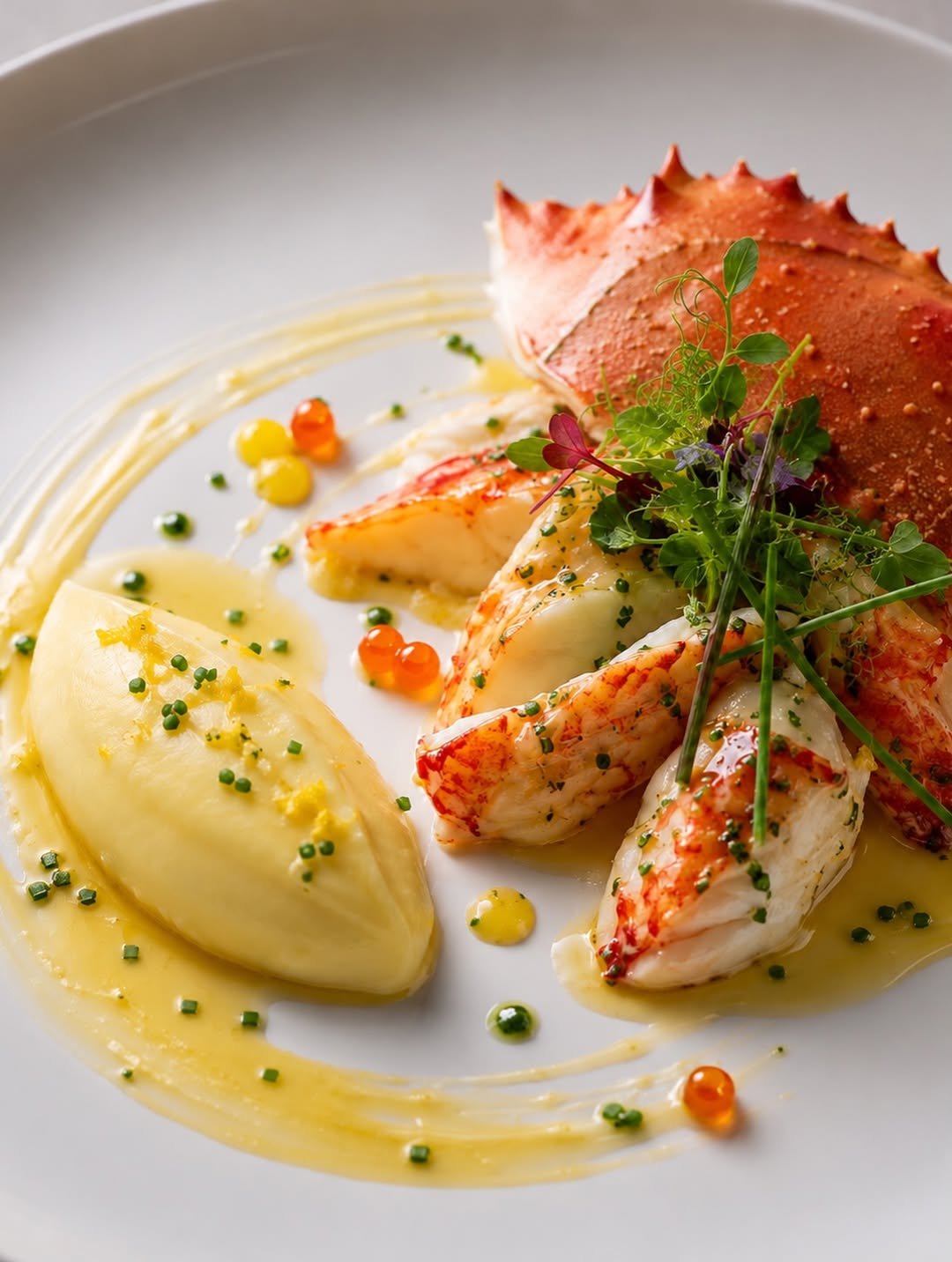
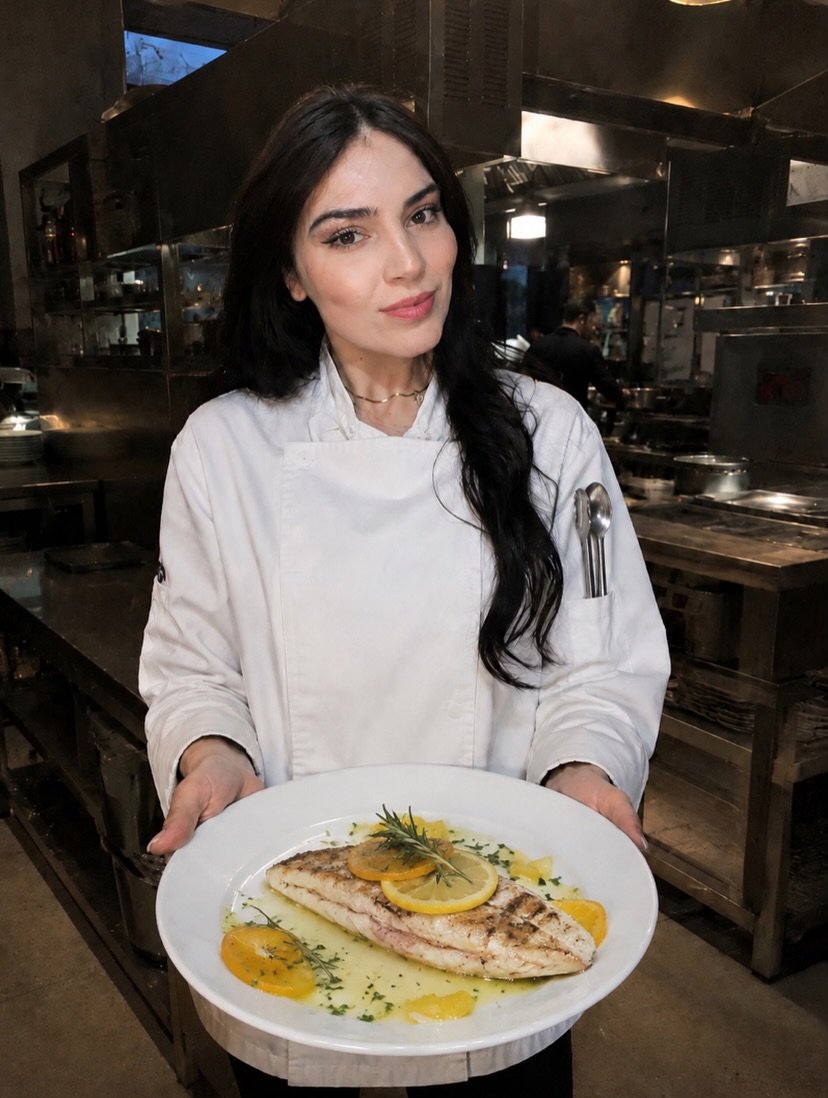
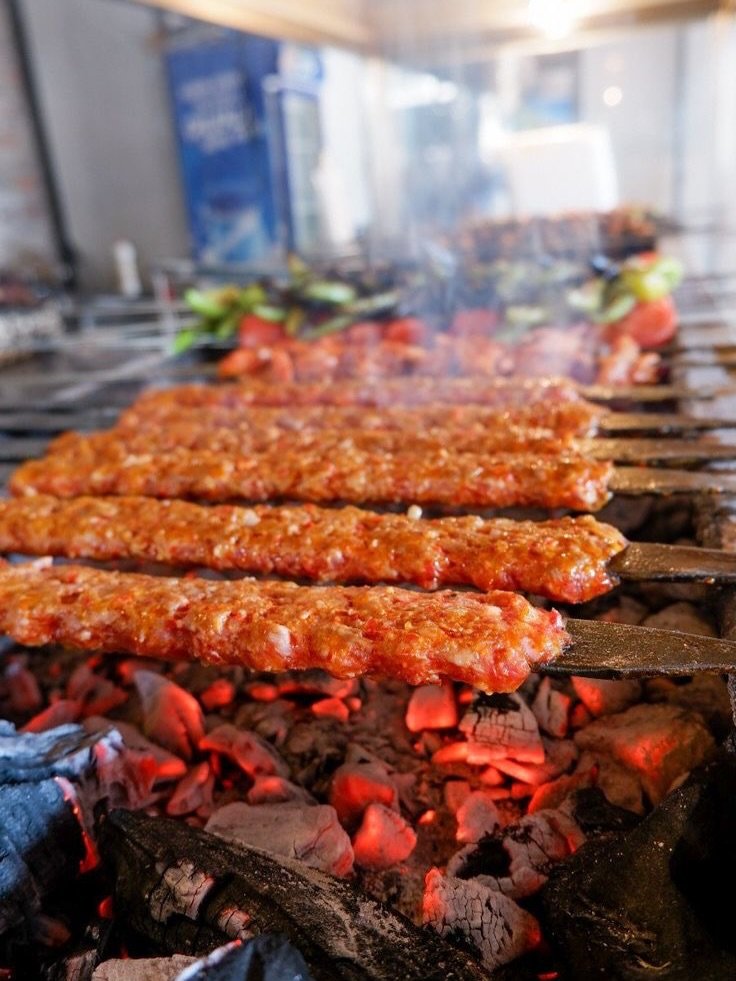
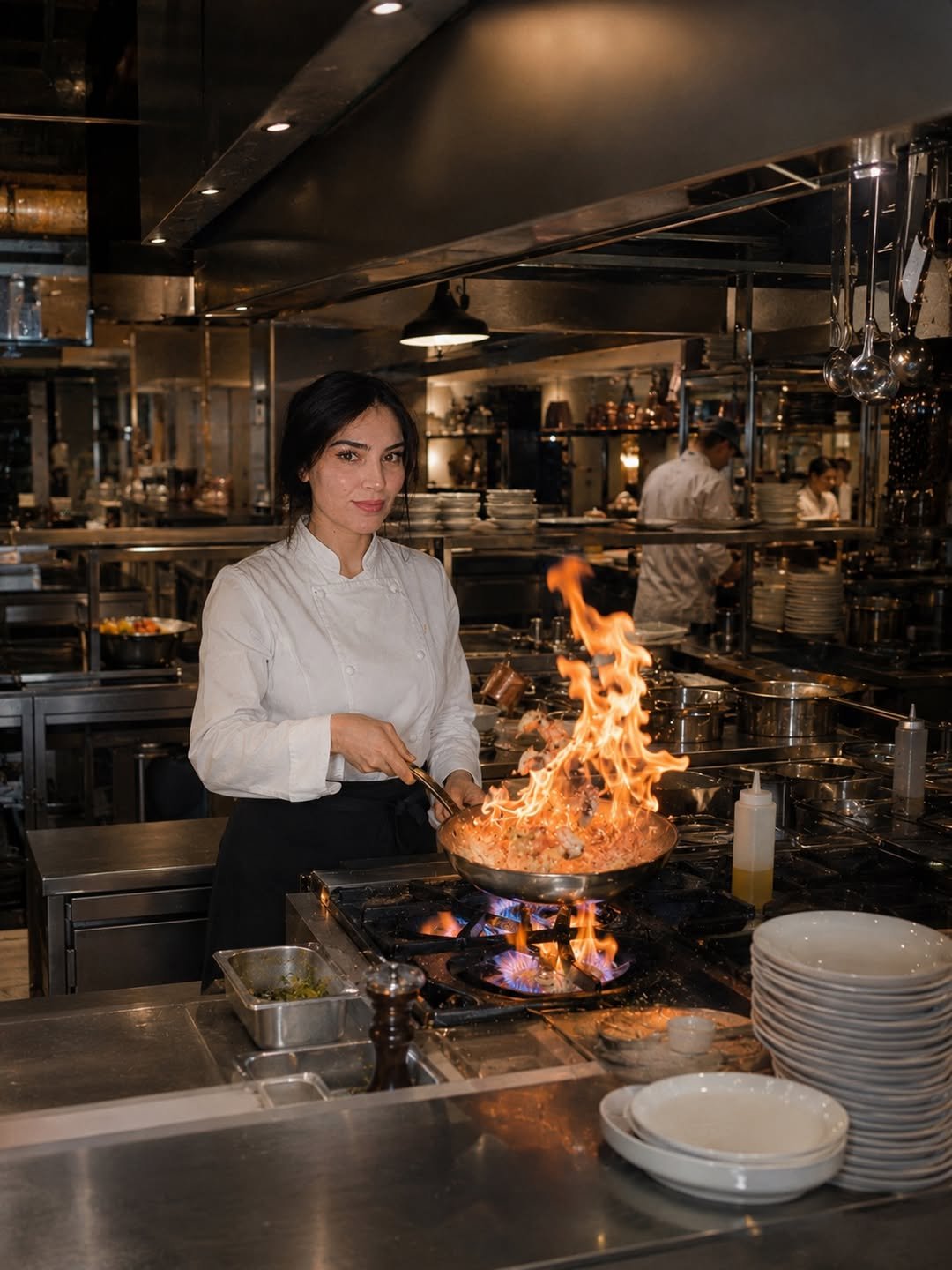
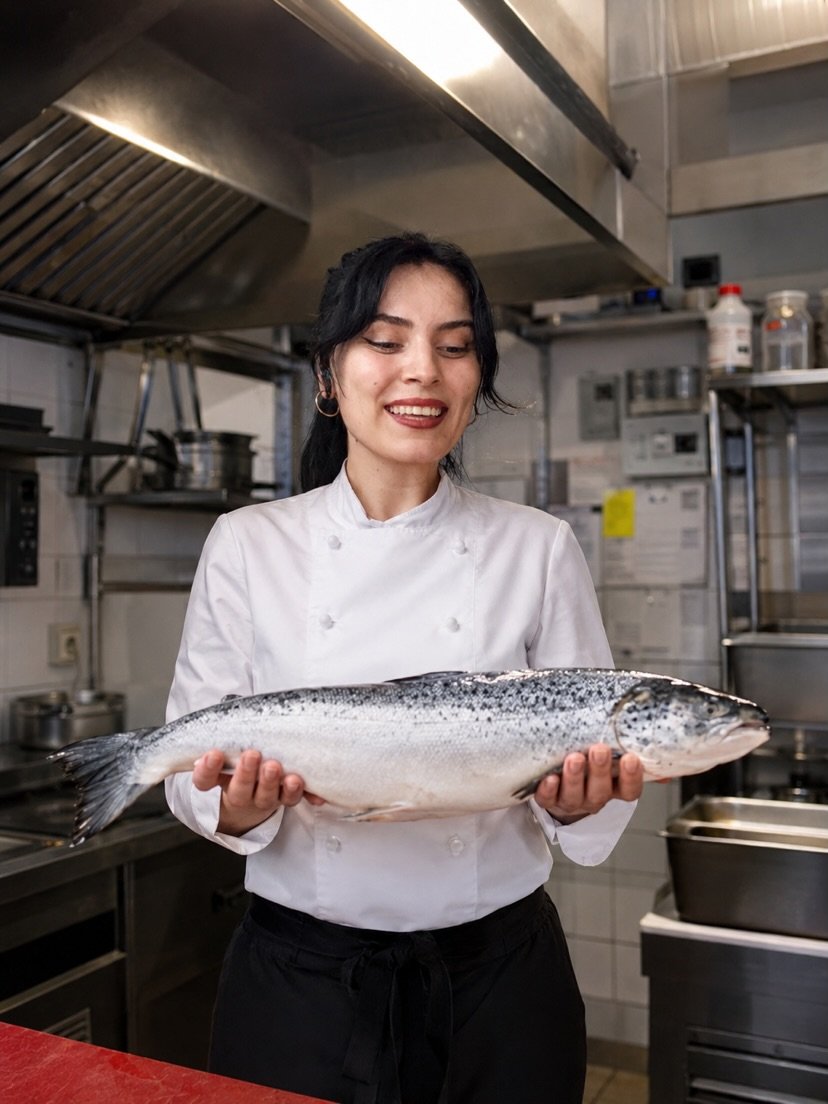
Secret Sauce
- What’s the most unexpected ingredient you’ve ever worked with, and how did it change your perspective on cooking?
One of the most unexpected ingredients I have worked with was octopus. At first, it seemed difficult and intimidating because of its unique texture and preparation process.
Learning how to handle it properly taught me patience, precision, and respect for ingredients. It changed my perspective by showing me that great cooking often begins outside of your comfort zone and that every ingredient has its own story and potential.
- What’s your “guilty pleasure” meal?
My guilty pleasure meal is a simple homemade pasta with plenty of Parmesan cheese and freshly baked bread.
- A food trend that you hate and why?
One food trend I dislike is when presentation becomes more important than flavor. While creativity and visual appeal are important, I believe food should always taste as good as it looks.
Sometimes, trends focus too much on creating social media content rather than delivering a memorable dining experience. For me, the balance between appearance, technique, and flavor is what makes great food truly meaningful.
- What’s the craziest shift you’ve ever worked in the kitchen?
One of the craziest shifts I ever worked was during an extremely busy service when orders kept coming in nonstop for hours. The kitchen was under intense pressure, every station was operating at full speed, and there was no time to slow down. Despite the chaos, everyone stayed focused and supported one another. It was exhausting, but also one of the most rewarding experiences of my career because it showed me how much can be achieved through teamwork, discipline, and determination.
5. What happened, and how did you manage to get through it?
The service became increasingly busy, and the number of orders exceeded our expectations. There were moments when it felt overwhelming, but I focused on staying calm, communicating clearly with my teammates, and prioritizing tasks. Instead of thinking about the pressure, I concentrated on one order at a time. By trusting the team and maintaining discipline, we successfully completed the service. That experience taught me that staying calm under pressure is one of the most important skills a chef can develop.
- What tips would you give to other cooks and chefs to help them navigate their culinary careers and find peace amid the chaos of the kitchen?
My advice to other cooks and chefs is to be patient with themselves and never stop learning. The kitchen can be stressful and demanding, but every challenge is an opportunity to grow. Focus on discipline, teamwork, and consistency rather than perfection. Respect your colleagues, take care of your physical and mental health, and remember why you started cooking in the first place. Success in the culinary world is not only about talent; it is also about resilience, passion, and the willingness to keep moving forward.
- What’s an underrated ingredient and why?
I believe onions are one of the most underrated ingredients in cooking. They are simple and inexpensive, yet they form the foundation of countless dishes around the world. Depending on how they are prepared, onions can add sweetness, depth, richness, or complexity. They remind me that great cooking is often about understanding and respecting simple ingredients rather than relying solely on expensive products.
8. What’s a must-try dish from your kitchen or the one you’re proudest to have prepared?
One of the dishes I am most proud of is a perfectly cooked salmon served with a fresh citrus-based sauce and carefully selected seasonal ingredients. I enjoy preparing seafood because it requires precision, respect for the ingredient, and attention to detail. This dish represents my cooking style: simple, elegant, balanced, and focused on highlighting the natural flavors of the ingredients rather than overwhelming them.
About Your City!
Istanbul, Turkey
- If Anthony Bourdain or a chef came to your city, what would be the perfect tour itinerary from breakfast to dinner?
If Anthony Bourdain visited Istanbul, I would start the day with a traditional Turkish breakfast overlooking the Bosphorus, featuring fresh bread, cheeses, olives, tomatoes, honey, and tea. After breakfast, I would take him through the historic streets of Eminönü and the Spice Bazaar to experience the aromas and flavors that define the city.
For lunch, I would introduce him to authentic Turkish kebabs and grilled meats, followed by a walk through Karaköy and Galata, where Istanbul’s history and modern culture meet. In the afternoon, we would stop for Turkish coffee and traditional desserts.
For dinner, I would choose a restaurant that combines Turkish culinary traditions with modern gastronomy. The day would end with a view of the Bosphorus, highlighting how Istanbul connects cultures, histories, and flavors from around the world.
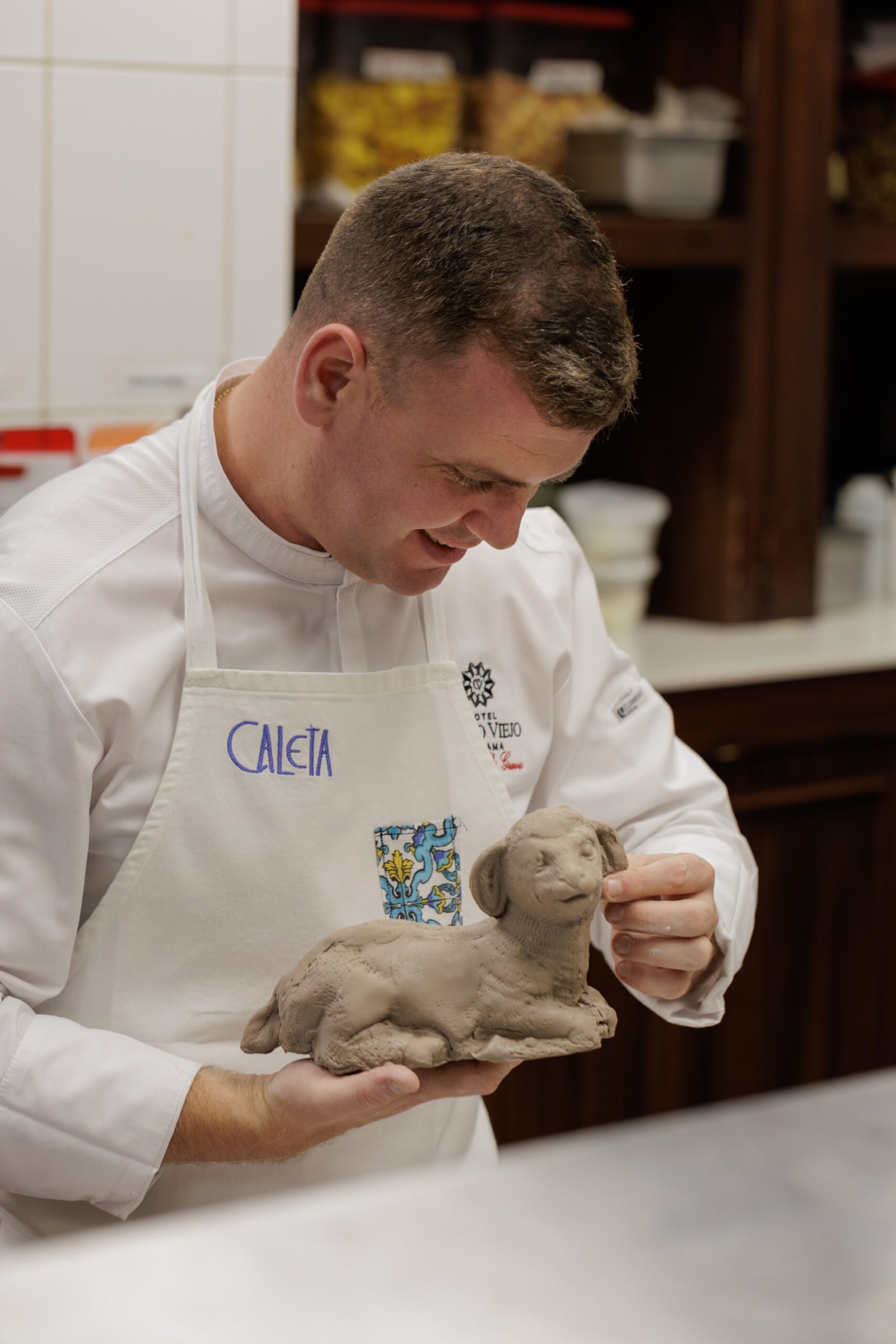
Discipline Isn't the Opposite of Creativity
Humans Of The Kitchen
Structure creates the freedom needed for innovation.
Lorenzo Di Gravio
Born in Italy and shaped by experiences that range from military service to Michelin-starred kitchens, Chef Lorenzo Di Gravio has built his career through discipline, curiosity, and an unwavering commitment to growth. What began with childhood afternoons baking traditional cakes alongside his mother and grandmother eventually evolved into a lifelong pursuit of gastronomy.
His journey has taken him from the kitchens of Capri to some of the most respected culinary environments in the world. Along the way, he learned that excellence is not only about technical skill, but also about organization, teamwork, and the ability to adapt under pressure. Mentorship, hard work, and a relentless drive to improve have become defining elements of his professional identity.
Today, as Executive Chef at Sofitel Legend Casco Viejo Panama, Lorenzo combines Italian culinary roots with the vibrant flavors and traditions of Latin America. His philosophy—what he calls “disciplined art”—balances creativity, precision, and deep respect for ingredients, people, and culture.
In this conversation, he reflects on military discipline, Michelin-starred kitchens, mentorship, leadership, restaurant culture, and the values that continue to shape his approach to cooking and life.
Share your Journey
- Looking back at your childhood, was there a specific moment or memory that sparked your interest in food or cooking?
I was a very energetic child, and to keep me occupied, my mother and grandmother would often invite me into the kitchen to help bake traditional cakes. Those early experiences sparked a lifelong curiosity about food and laid the foundation for my passion for gastronomy.
- Did you have another career or job before becoming a chef? How did those experiences influence your decision to pursue cooking?
I served in the Italian Army for four years, and after two years I joined the Paratroopers. This experience had a profound impact on my personal development, teaching me discipline, resilience, and the ability to push beyond my perceived limits.
It shaped the mindset I carry with me today: a strong commitment to discipline, focus, and continuous self-improvement, always striving to become better every day.
- Did you formally study culinary arts, or are you self-taught? How has your learning journey shaped your approach to cooking?
I attended a scientific high school, and only after my experience in the military did I decide to pursue a career in gastronomy.
I completed two private culinary courses, which provided me with the fundamental knowledge needed to enter the industry. However, I strongly believe that true growth comes from hands-on experience and hard work.
Continuous learning, staying informed, and reading are essential, but it is through daily practice that skills are truly developed and refined.
- When did you first step into a restaurant kitchen? What was that experience like, and how did it shape your journey as a chef?
My first experience in a professional kitchen was at a seafood trattoria. I still remember my very first day.
It was a great experience and an important stepping stone in my career. It allowed me to take my first steps in the industry, understand the pace and dynamics of a professional kitchen, and gain valuable hands-on experience.
- What were some of the early challenges or obstacles you faced when you started in the kitchen, and how did you overcome them?
My first major challenge came at Il Riccio, a Michelin-starred restaurant in Capri. I was working as a commis chef in charge of the pasta station, where everything was prepared à la minute and the volume of covers was very high.
At the beginning, it was incredibly demanding to keep track of 15 pasta boilers and 6 timers entirely from memory.
After a few weeks, however, I developed an alphanumeric organization system that allowed me to manage the station much more efficiently. It completely changed the way I worked—and, quite amusingly, nearly fifteen years later, that system is still being used today.
That experience taught me an important lesson: when faced with a challenge, organization and creativity can be just as valuable as technical skills.
- What keeps you inspired and how has that inspiration driven you throughout your professional journey? Especially during tough times in the kitchen?
Art and history are, today, a fundamental part of my approach to cuisine. I greatly enjoy visiting museums, especially those dedicated to history and natural sciences, as they are a constant source of inspiration.
They always help me broaden my perspective, encourage me to keep studying, and push me to create more diverse and meaningful dining experiences.
- Can you recall a moment in the kitchen that marked you forever? Maybe it was an interaction with a mentor, a fellow cook, someone you fed, or a situation that challenged you in a way that shaped who you are today?
My mentor, Andrea Migliaccio, with whom I worked for almost seven years, had a profound influence on my professional growth. As Culinary Director at Jumeirah in Capri, he shaped me through his strong discipline and exacting standards.
From him, I learned the importance of immaculate plating, deep respect for the product, absolute order and cleanliness in the kitchen, and the value of focus and silence during service. He is a highly charismatic figure with a strong human presence, and his way of working left a lasting impact on me both professionally and personally.
I still remember an episode during ILTM Cannes when we were under tremendous pressure with production and struggling to keep up. In that moment, Andrea stepped in and worked alongside me, personally filleting fish and preparing tartares. We even turned it into a challenge, betting on who would produce more by the end of the service.
It was a defining moment for me. Beyond the pressure and intensity, it taught me something essential: you always help, regardless of your role or position. In a kitchen, what matters most is the team and the willingness to step in wherever needed.
- As a chef, how would you describe your philosophy in the kitchen, and how does it guide your approach to cooking and leadership?
I call my philosophy “disciplined art.”
It is the constant pursuit of artistic innovation in plating and presentation, while maintaining a meticulous respect for the product and upholding the highest standards of discipline in both the kitchen and the dining room.
For me, creativity and precision are not opposites, but two elements that must coexist in perfect balance.
I strongly believe that discipline is the foundation for achieving, maintaining, and continuously improving results.
- Can you share a time when cooking or the camaraderie in the kitchen helped you through a tough period in your life? What made that experience meaningful?
A few years ago, after coming out of a nine-year relationship, I went through a very challenging personal period.
During that time, the kitchen played a fundamental role in helping me move forward. The intense rhythms and demanding days gave me focus and structure, allowing me to channel my energy into something constructive.
Being constantly surrounded by a team, working in an environment I am passionate about, and staying fully engaged in my craft helped me overcome that moment and look ahead with clarity and purpose.
- Reflecting on your career, what achievements or milestones are you most proud of, and what do they mean to you?
Earning a Michelin star in Italy and being included in Latin America’s 50 Best Restaurants are two immense milestones in my career.
They represent two completely different worlds, with distinct cultures, ingredients, and culinary identities.
If I had to choose, I would say that being part of the 50 Best list is perhaps my greatest achievement to date because it represents openness and acceptance. It reflects the fact that, as a foreign chef, I was first welcomed into a different culinary culture and then recognized within it at a high level.
- What aspects of restaurant culture do you love, and what parts do you find frustrating or problematic? Are there any changes you’re actively working toward or things you hope they change in the industry? Share the reasons behind them and how they align with your vision for a better culinary world?
The most beautiful aspects of the restaurant industry are its conviviality and sense of sharing—the ability to build a strong community within the gastronomic world, and the opportunity to travel, discover new cultures, ingredients, and flavors.
For me, cooking is above all an act of sharing.
At the same time, there are darker aspects of the industry that I strongly reject, such as labor exploitation, unpaid overtime, and the lack of proper meals provided for staff.
I have personally experienced these situations, and today, in my role as Executive Chef at Sofitel Legend Casco Viejo Panama, I actively fight to protect and improve the rights of Food & Beverage employees.
We ensure that all overtime is paid, provide proper lunch and dinner options for staff, share tips equally between the kitchen and service teams (50/50), and maintain a strong proportion of properly contracted trainees.
Today, people often say that young professionals no longer want to join this industry, but I strongly believe that everything depends on the working environment and the opportunities that are offered to them.
- What are your hopes for the future of the restaurant and food and beverage industry? What changes would you like to see, and how are you contributing to that change?
As I mentioned earlier, I remain very optimistic.
The restaurant world is a wonderful industry—sometimes demanding and intense—but when it is truly driven by passion, it can transform your life and contribute greatly to personal growth.
Today, it is much easier to travel and stay connected with family, and this profession can offer the opportunity to explore the world and experience different cultures firsthand.
We should never forget that historically, across all cultures, the first encounters between people often took place around food and drink. Food has always been a symbol of sharing and unity.
For this reason, I see a very bright future for gastronomy. Ultimately, everything depends on how the profession is practiced and the values behind it.
- If there’s anything we didn’t ask or if you feel we’re missing something about your personal and kitchen story, please share it here.
Dream it, achieve it, dance… repeat.
Photo credits
Dish photography by @gonzalopicon.
Portraits by @foodlust.studio.
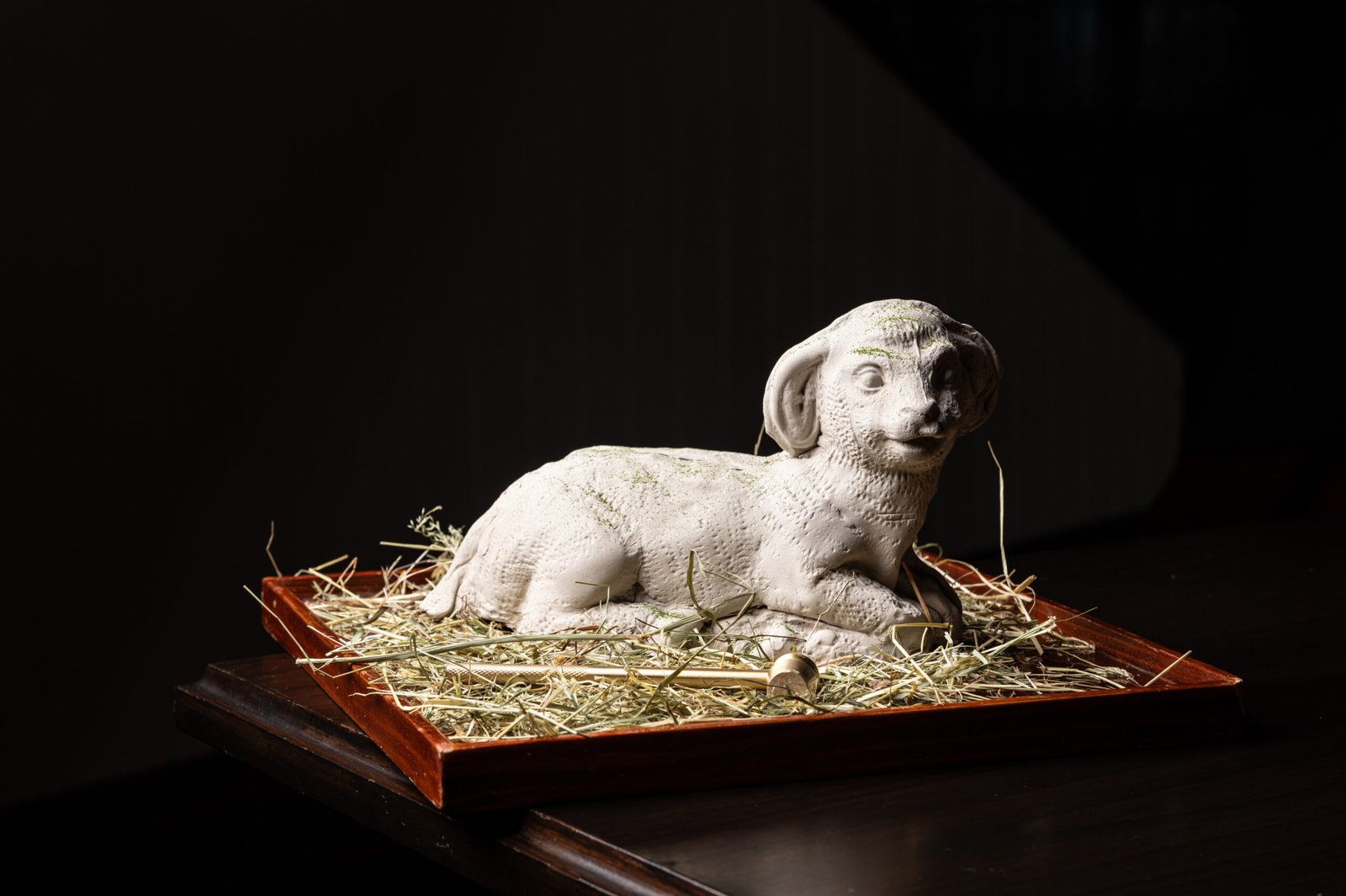
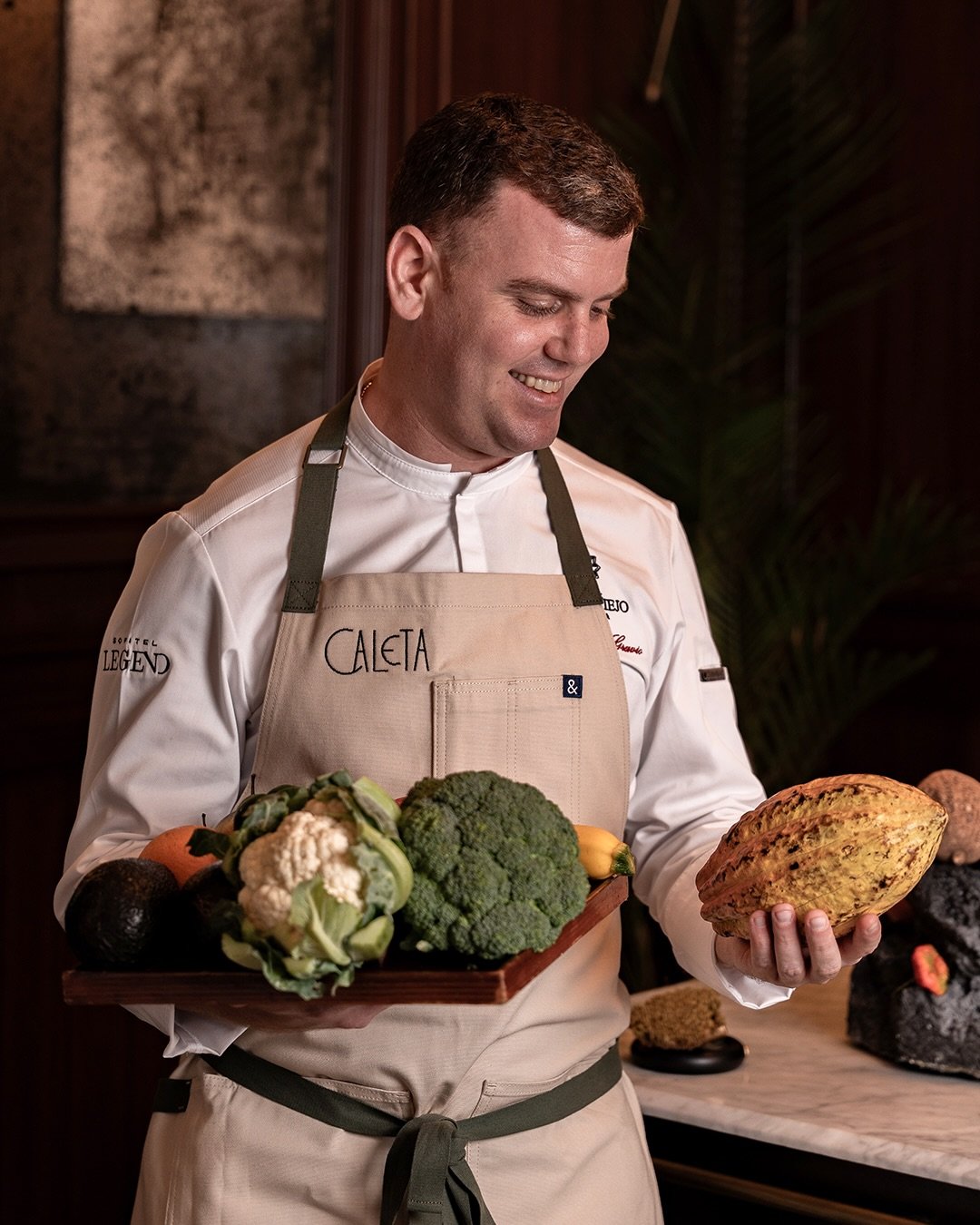
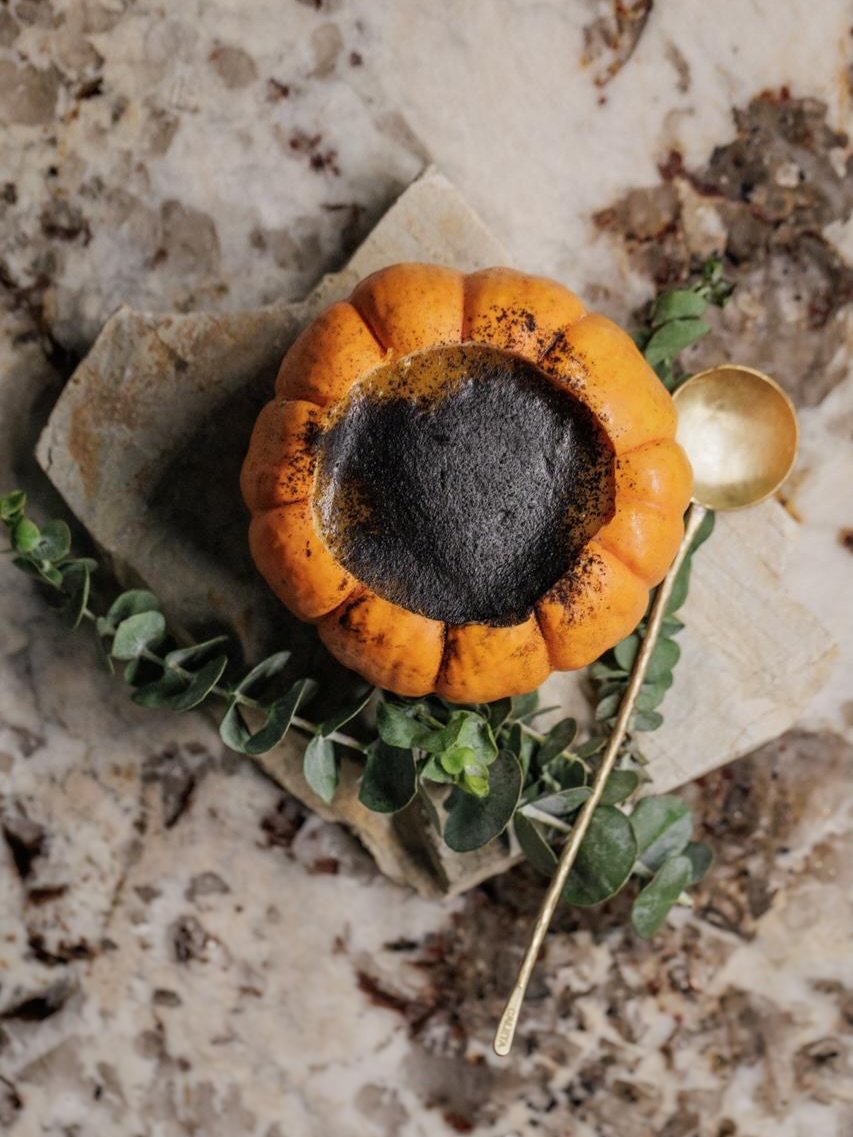
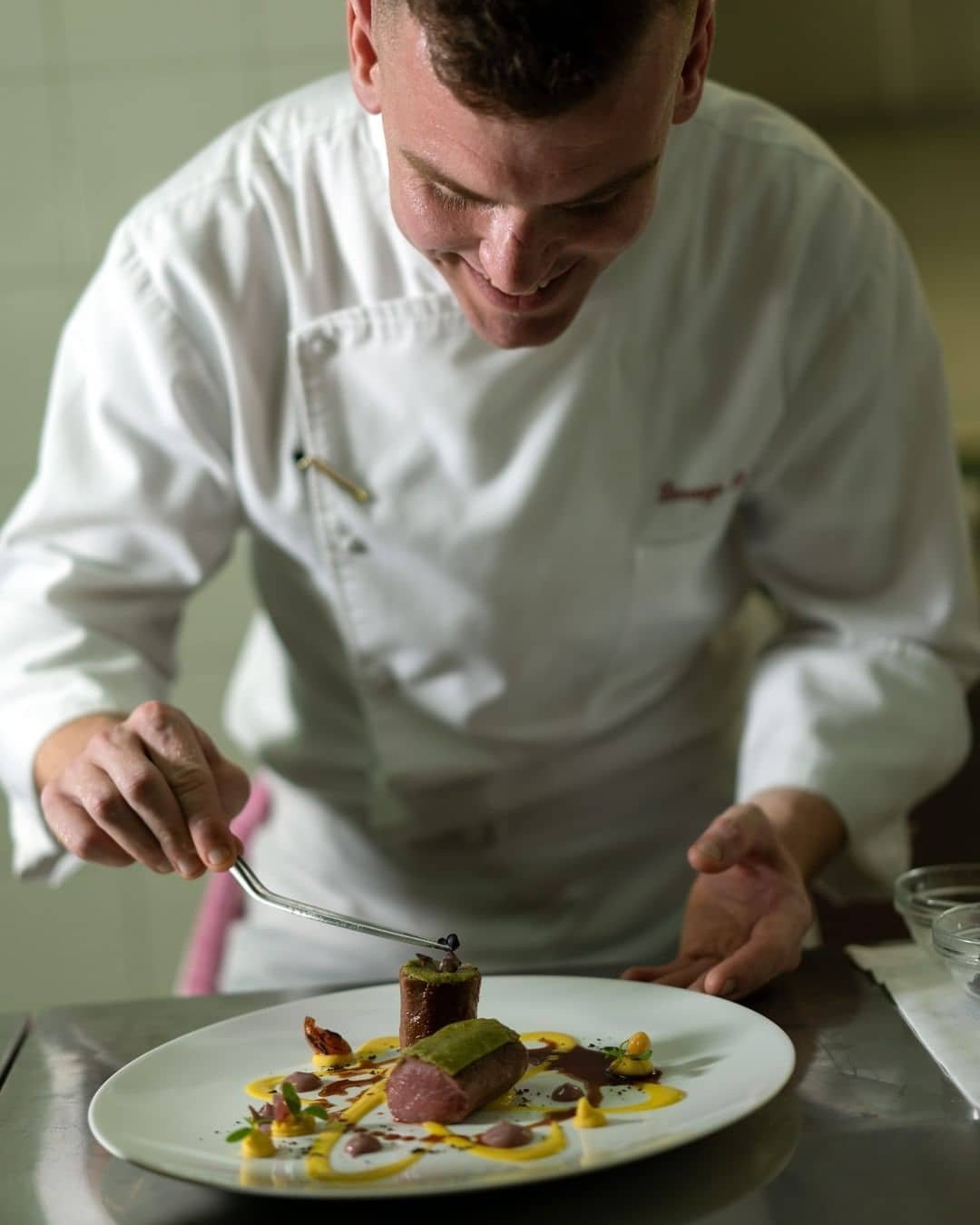
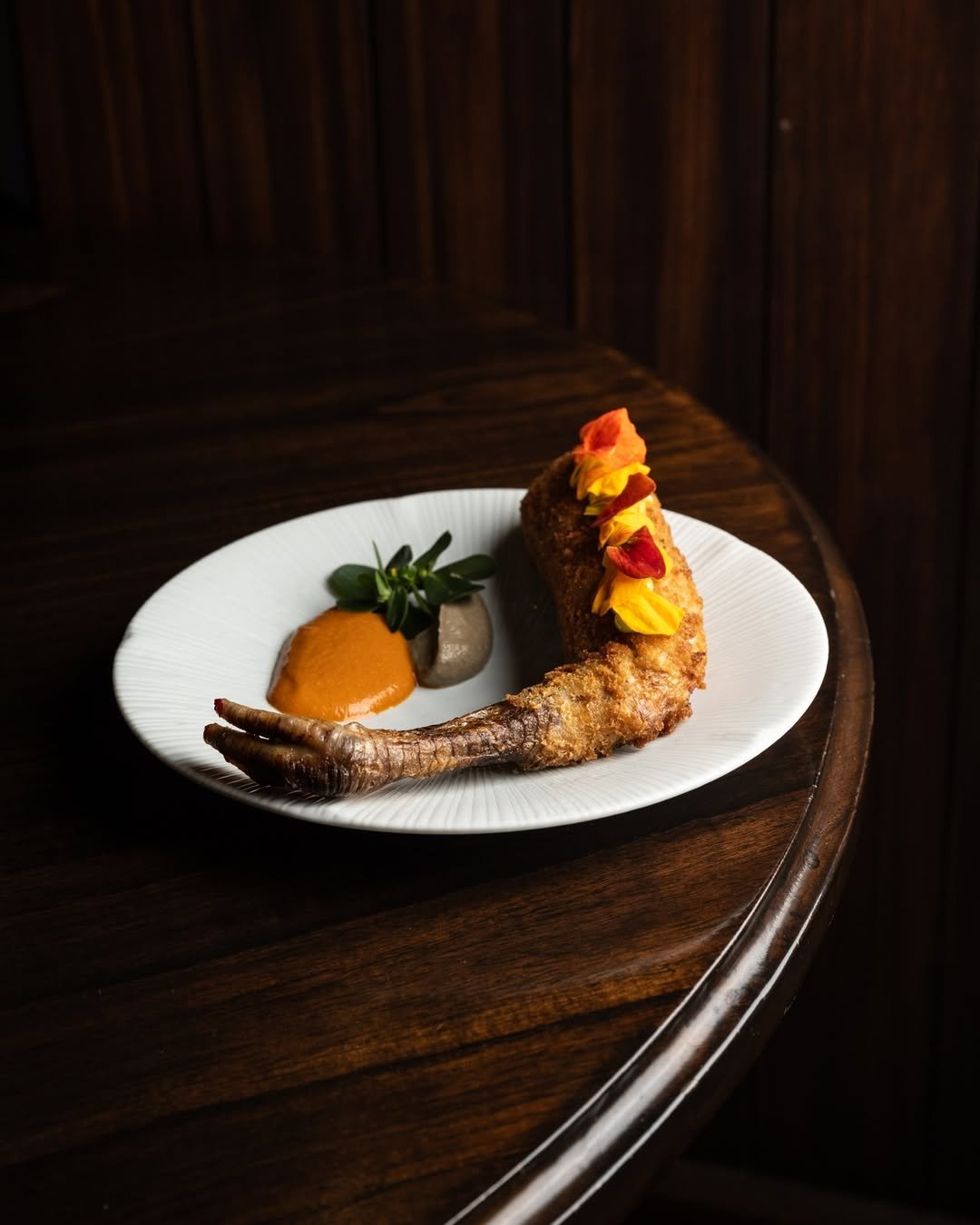
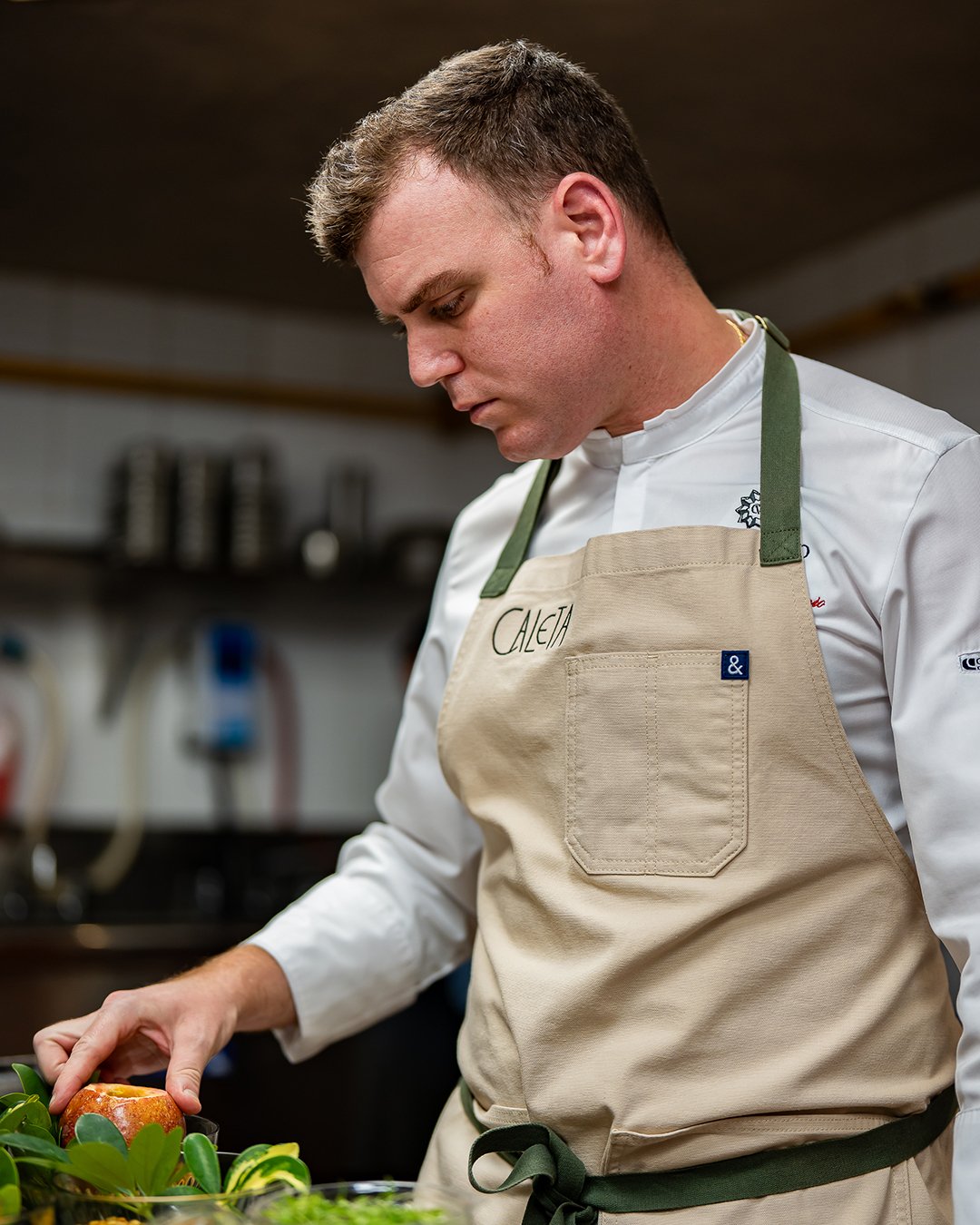
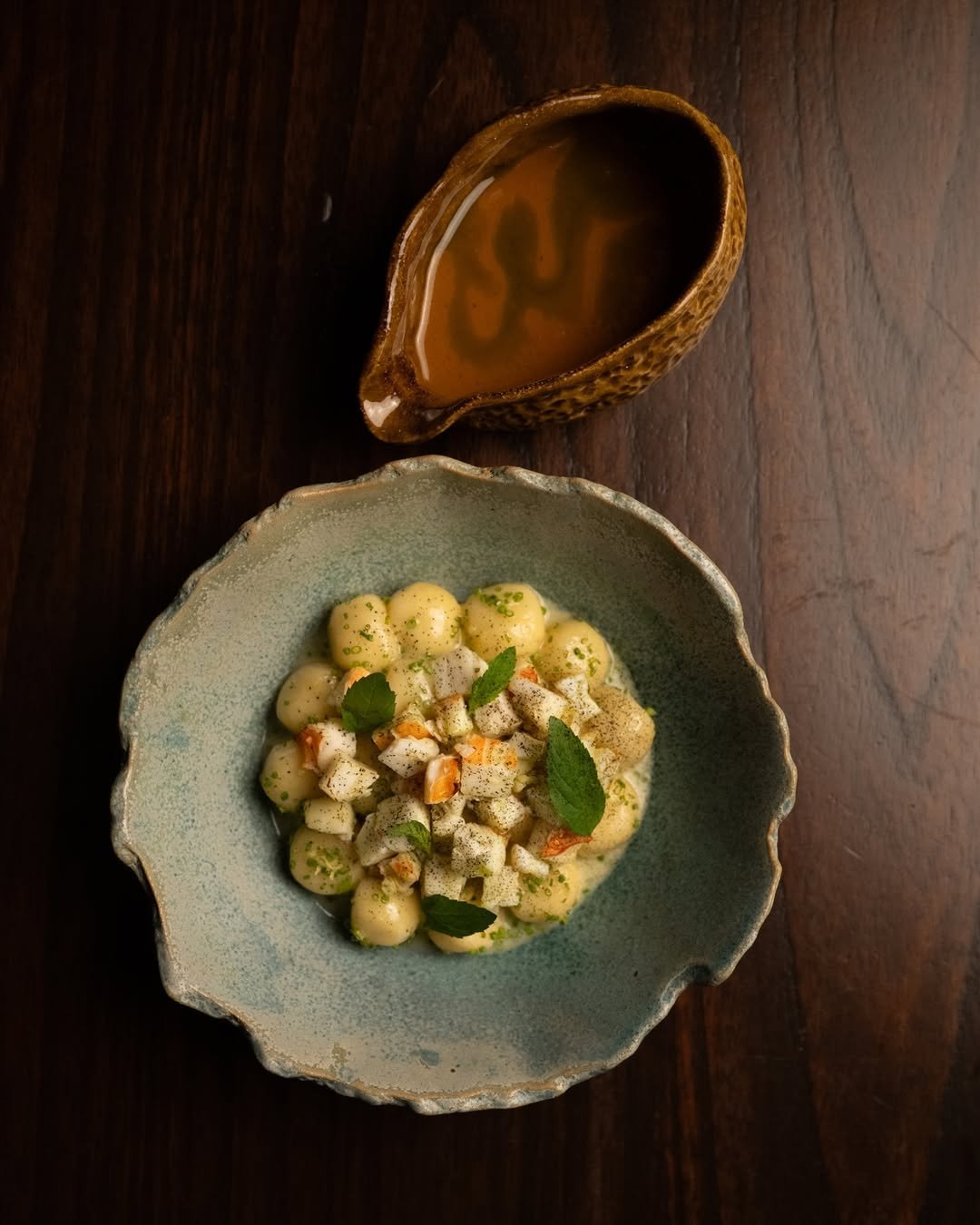
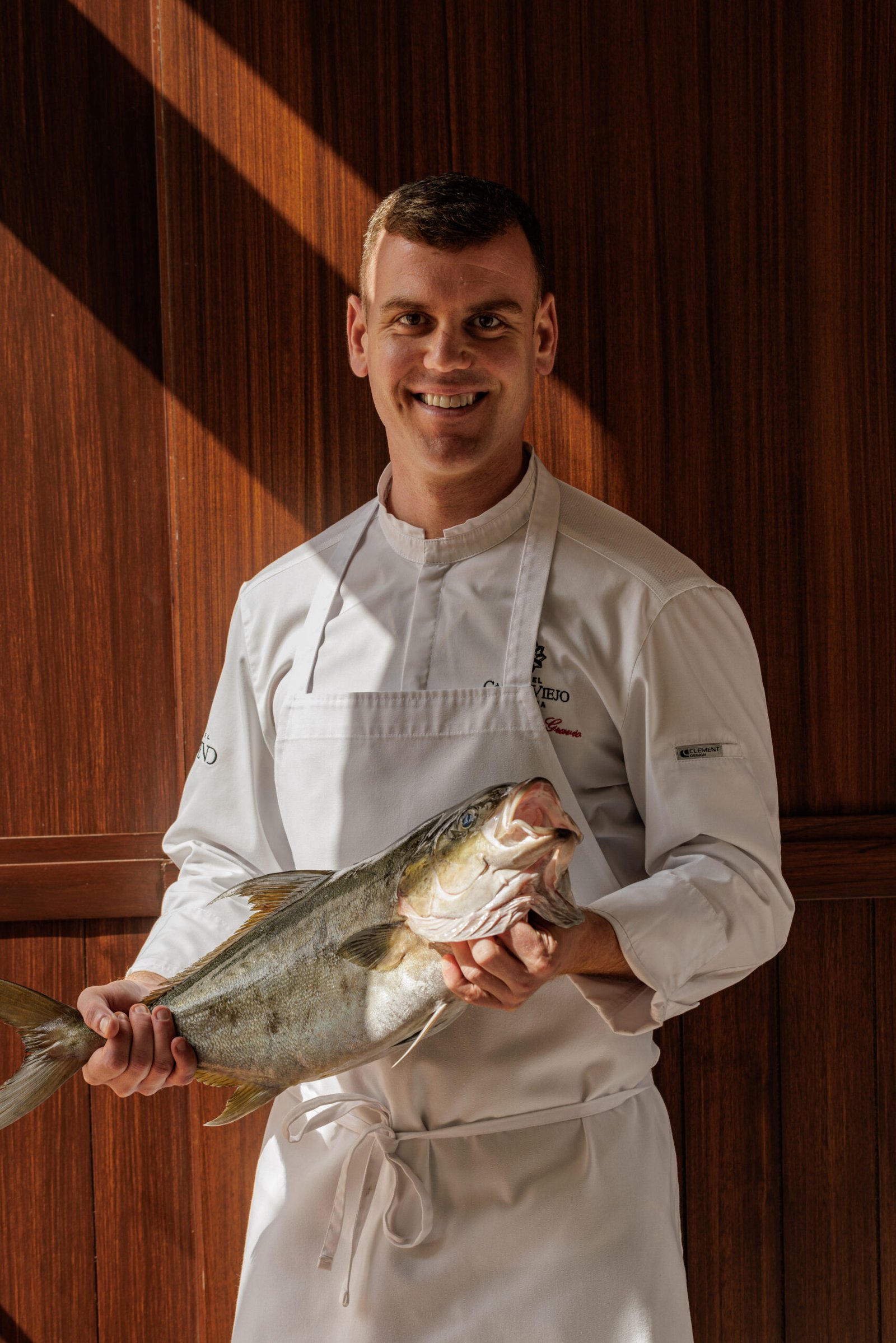
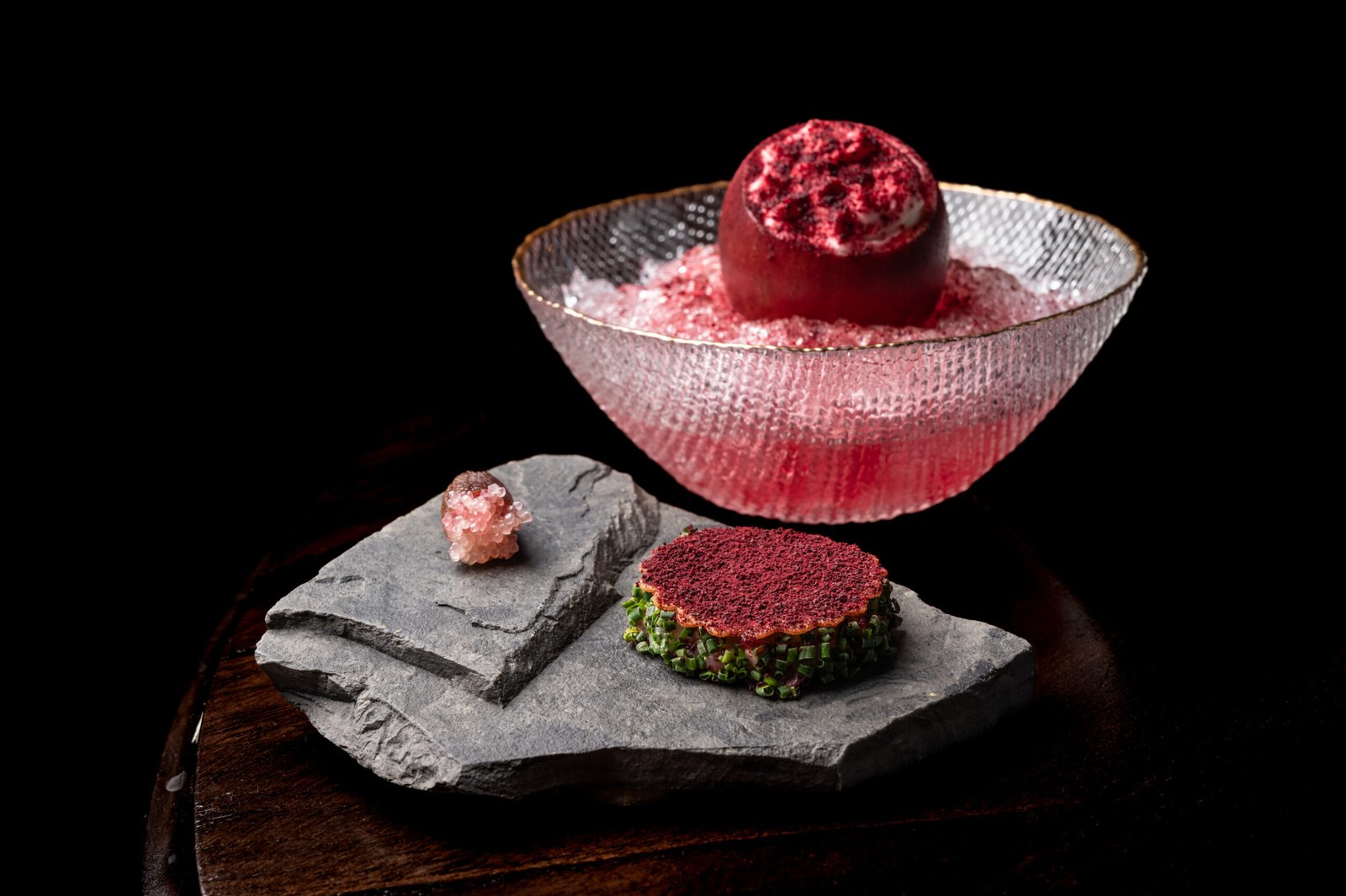
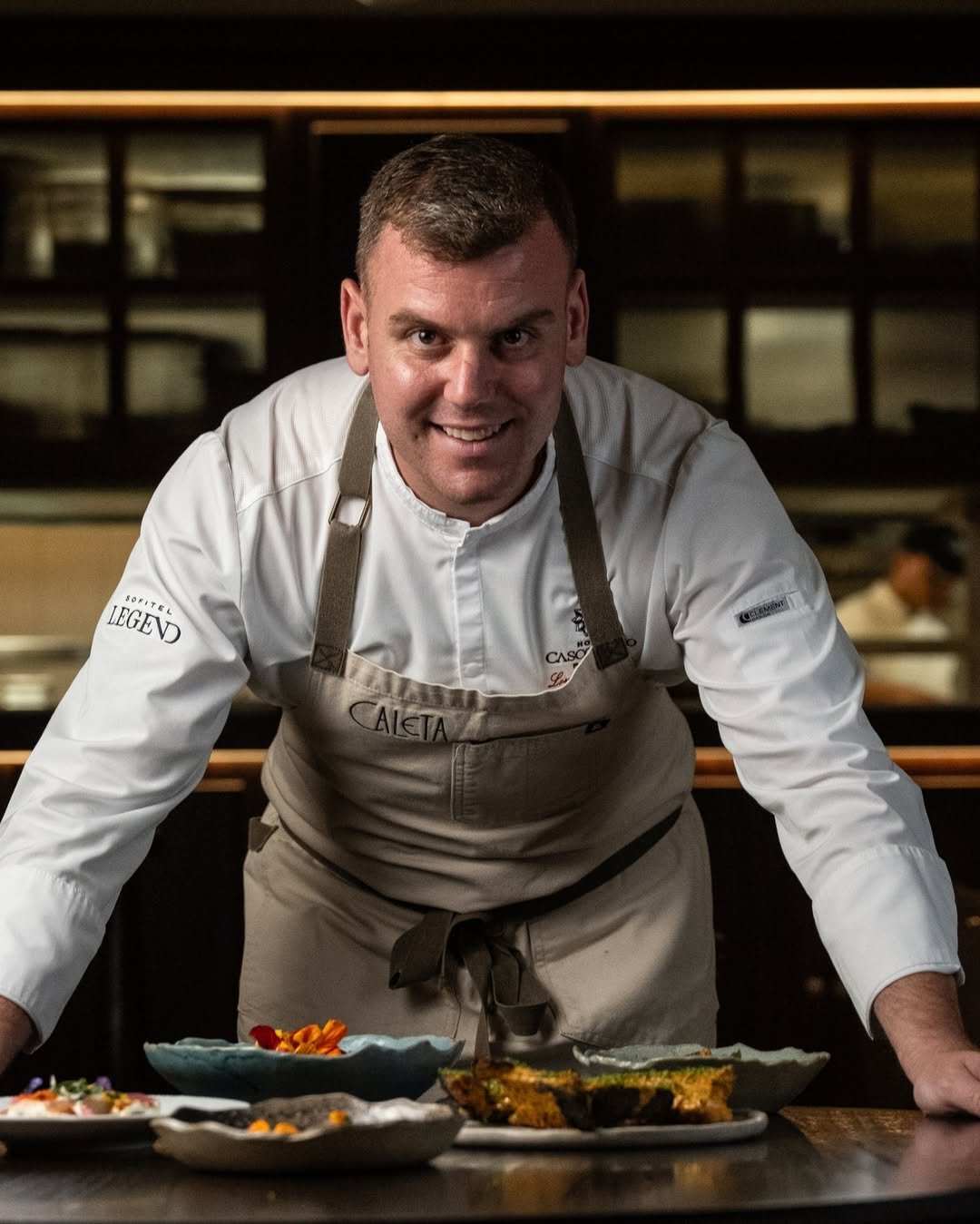
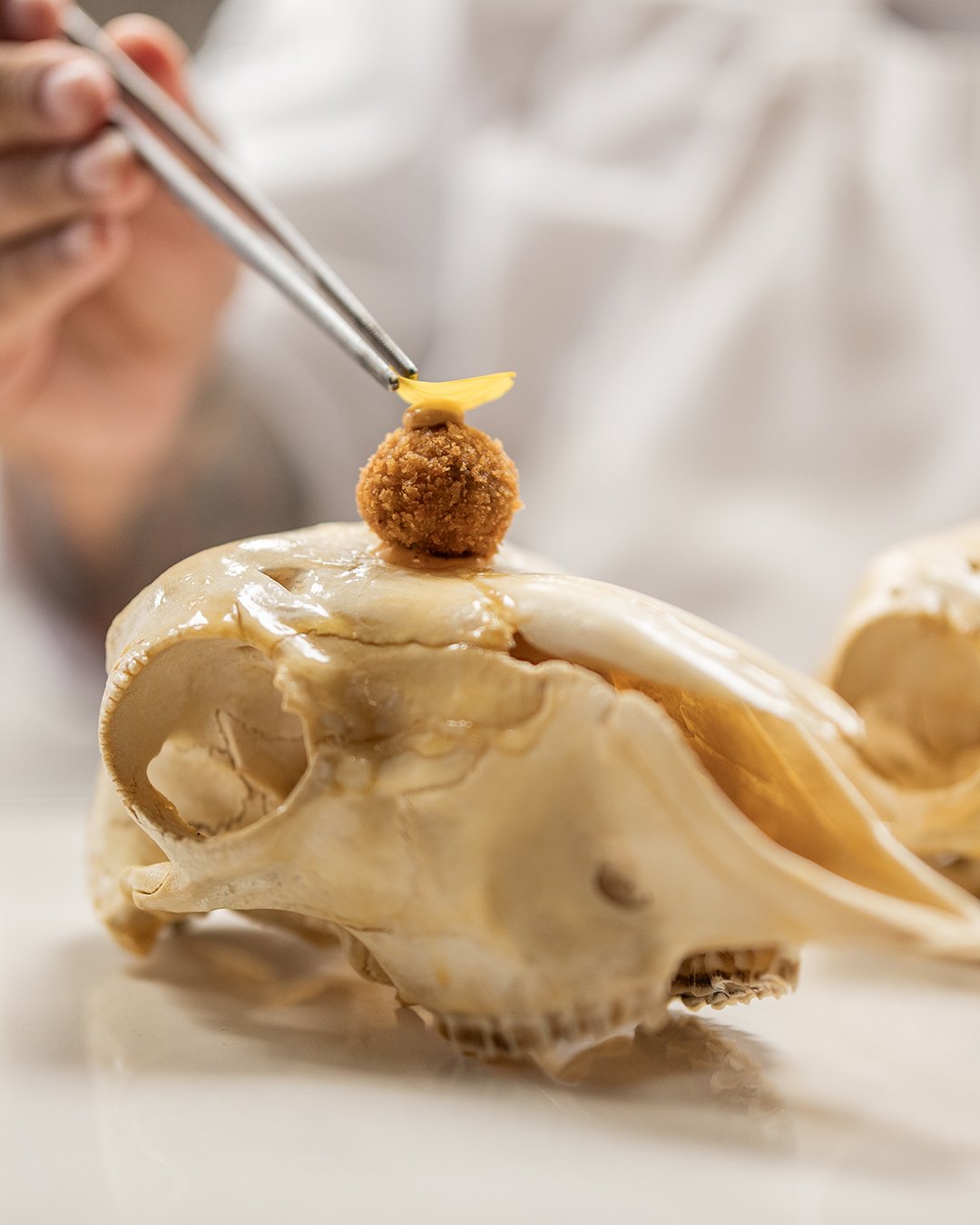
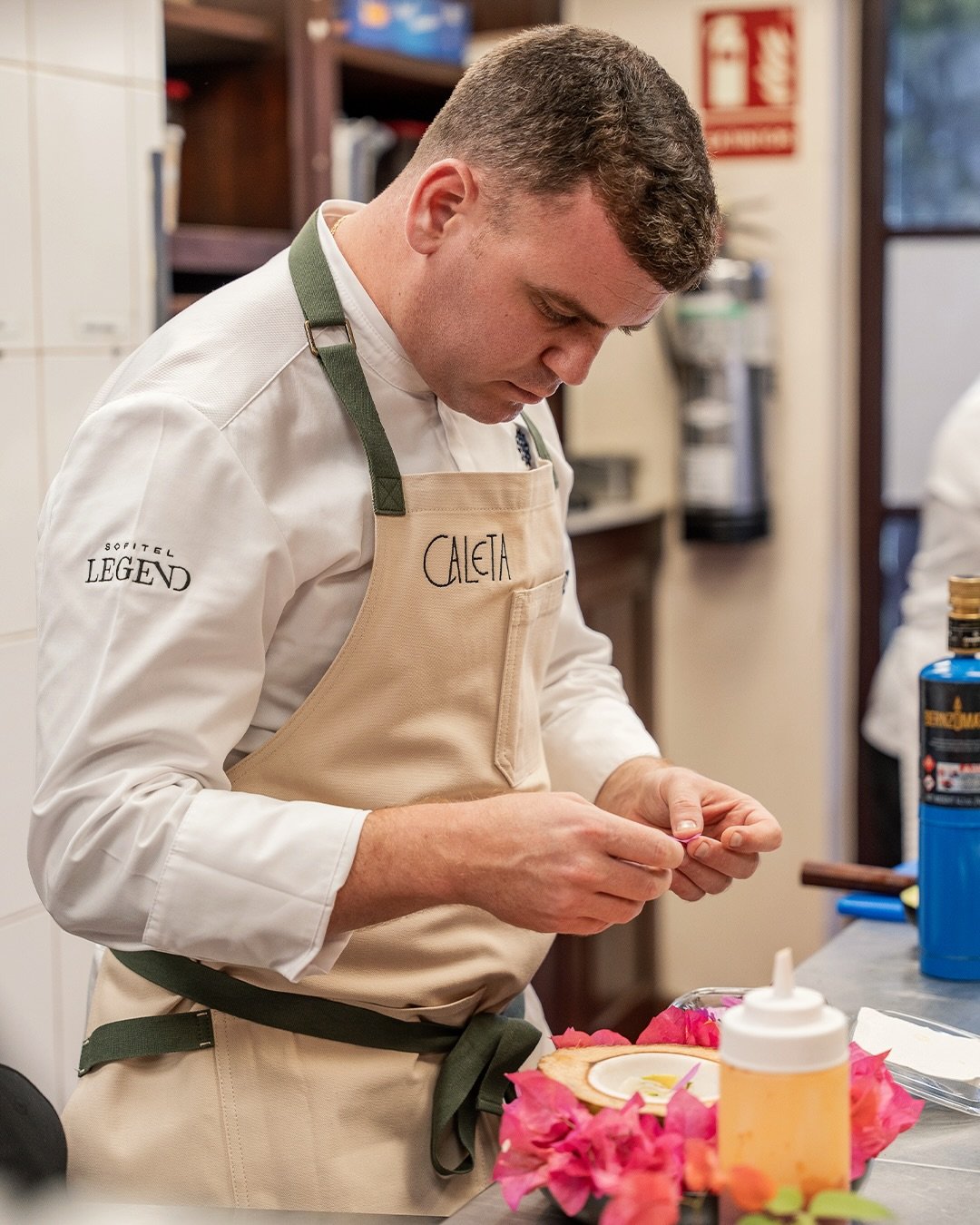
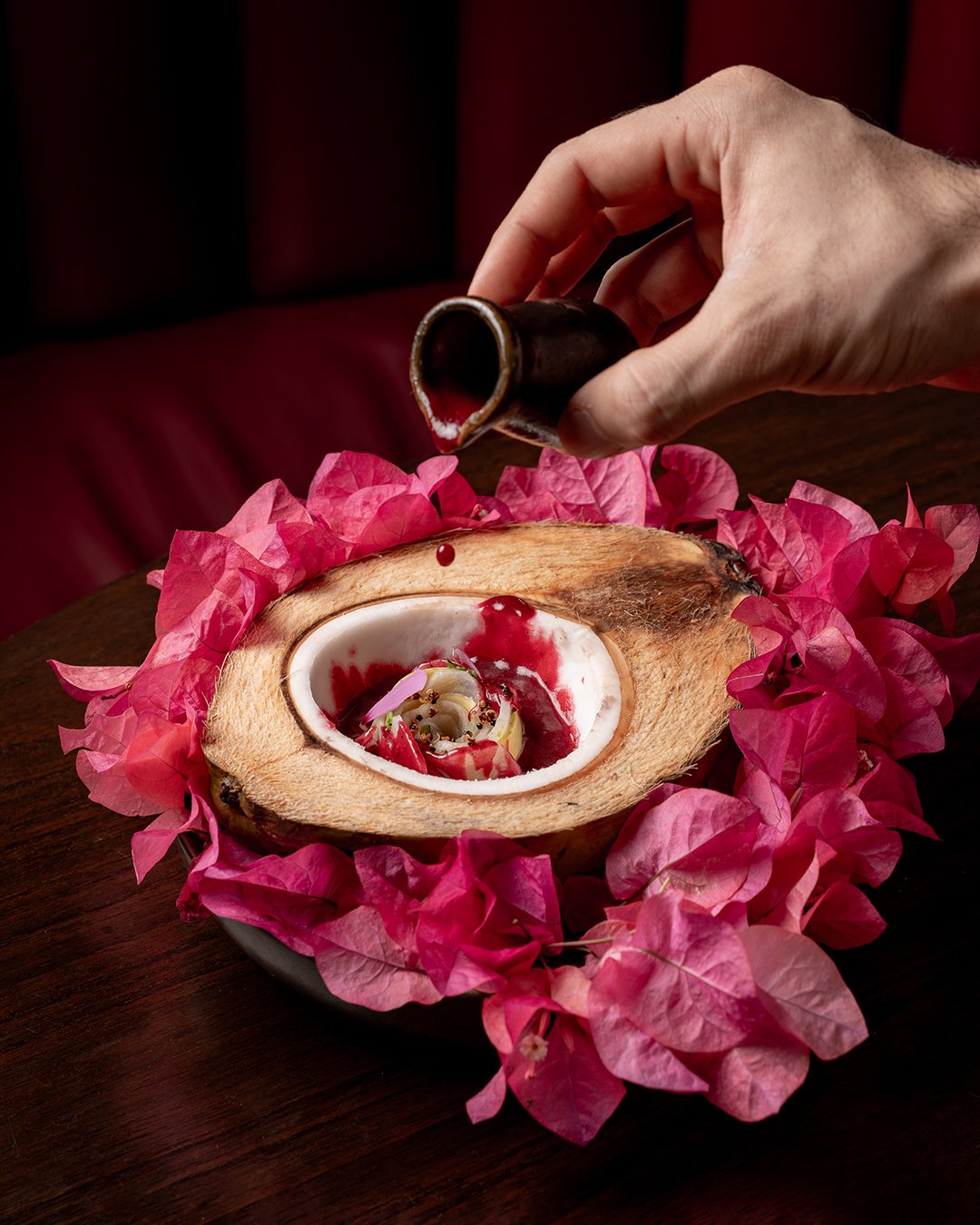
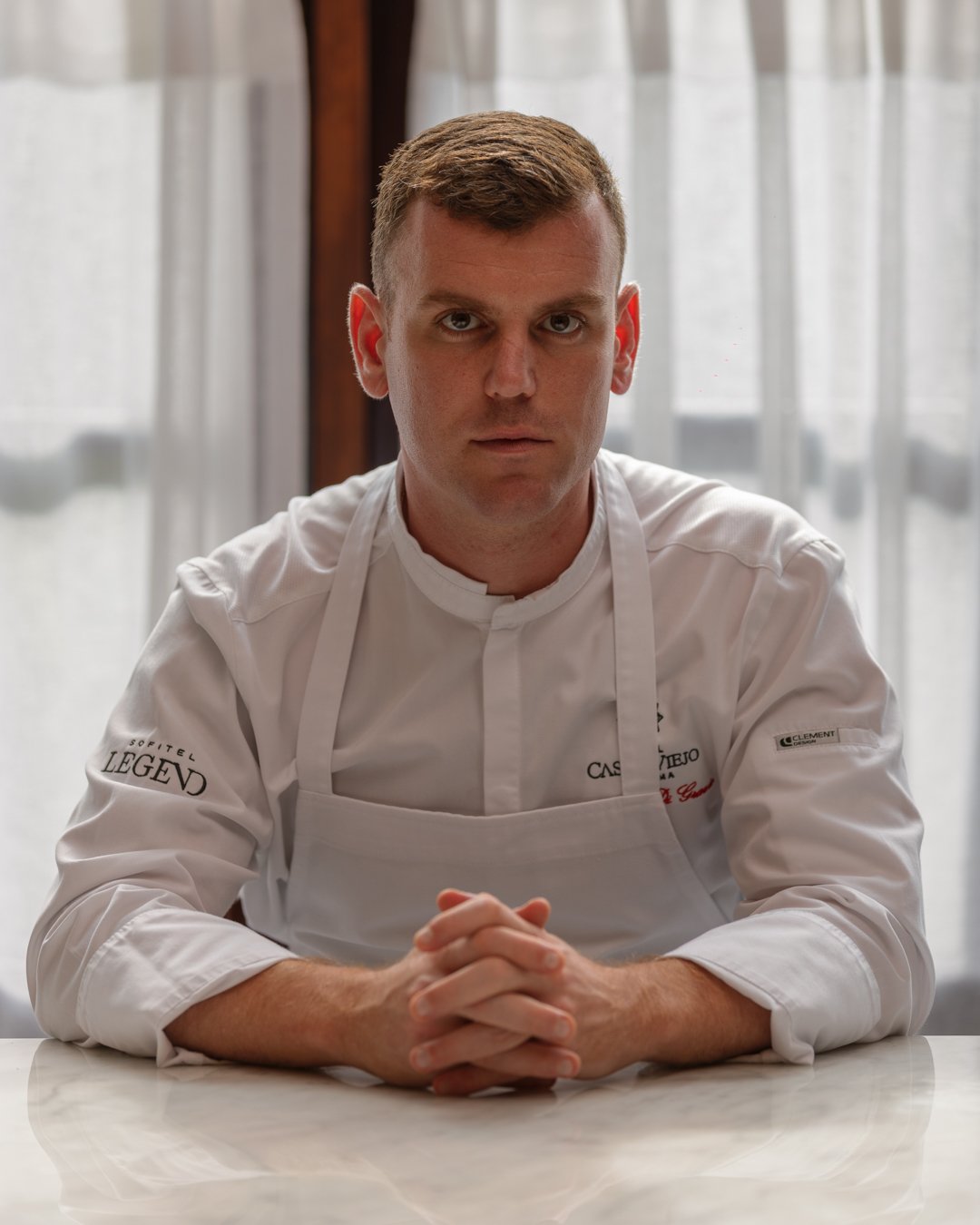
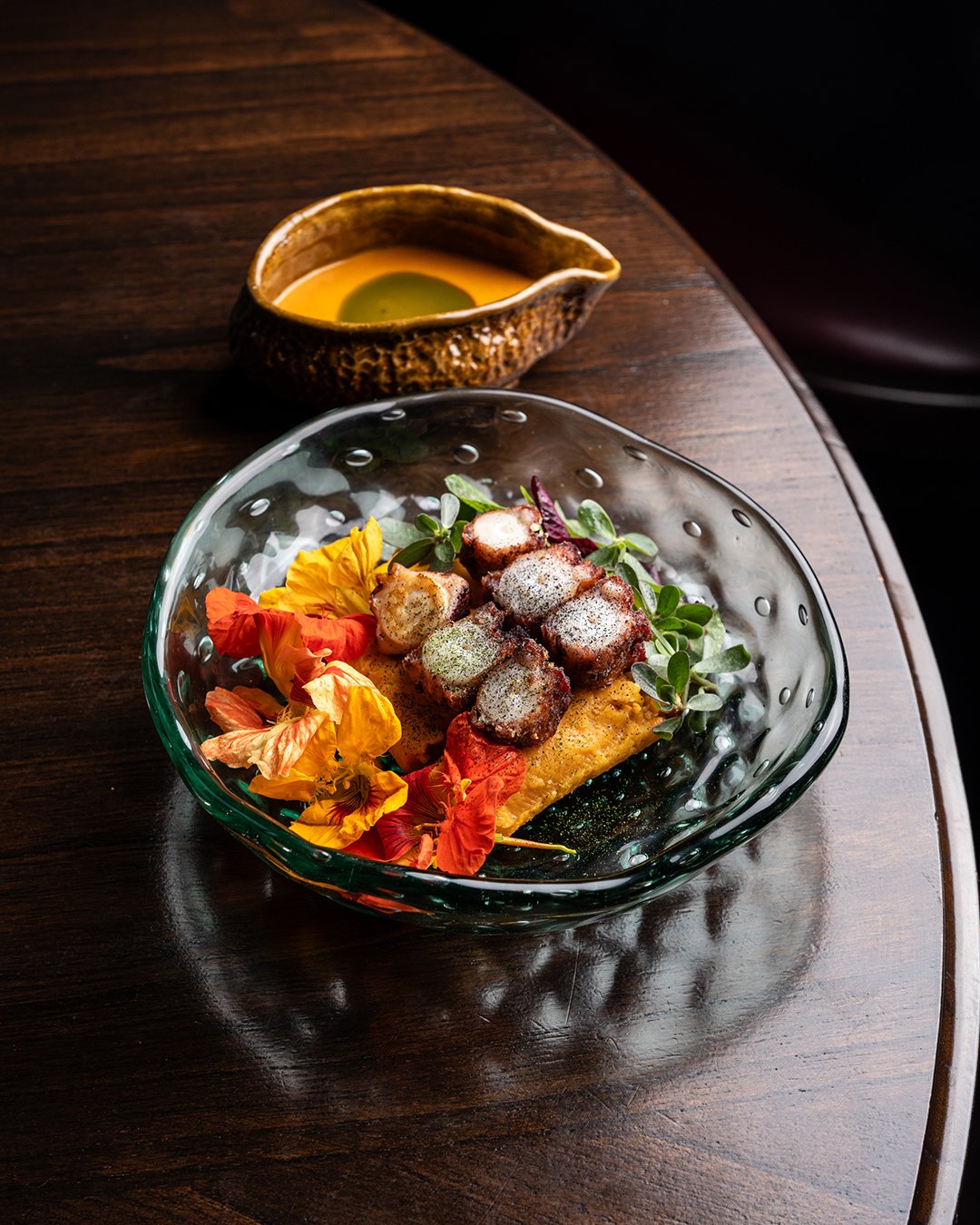
Secret Sauce
- What’s the most unexpected ingredient you’ve ever worked with, and how did it change your perspective on cooking?
Aji Chombo is something I absolutely love. It’s an extremely spicy chili from Panama, but what makes it special is its aromatic profile, which I find incredibly appealing both in food and drinks.
It’s versatile, bold, and full of character—I genuinely love it.
- What’s your “guilty pleasure” meal?
Pizza.
- A food trend that you hate and why?
Matcha. Everyone wants it, but when you serve it without added sugar, it often doesn’t appeal to the same people.
- What’s the craziest shift you’ve ever worked in the kitchen?
6:00 a.m. – 1:00 a.m.
5. What happened, and how did you manage to get through it?
I don’t have issues with working hours, and no one imposes them on me.
If I need to work 18 hours, I do it without any problem. Sometimes the days are very long, sometimes they are shorter—it depends on the rhythm of the service and the needs of the moment.
- What tips would you give to other cooks and chefs to help them navigate their culinary careers and find peace amid the chaos of the kitchen?
We must always remember who we work for: the guests. They should leave the restaurant satisfied and happy.
In many high-level kitchens, there is often an excessive focus on details that 99.9% of guests will never notice.
The key is to be intelligent enough to understand when to push for perfection and when to step back in order to maintain a healthy internal and external balance.
- What’s an underrated ingredient and why?
I don’t believe there are such things as “underrated ingredients.”
8. What’s a must-try dish from your kitchen or the one you’re proudest to have prepared?
Clay-Baked Corvina: a dish that brings together art, history, and product.
Inspired by salt-crusted fish techniques, this creation reinterprets ancestral cooking methods through a more artistic form, using clay as a natural vessel.
The corvina fillet is wrapped in bijao leaves, enhancing its aroma and protecting its natural juiciness during cooking.
The concept is rooted in two ancient traditions: the earliest clay ovens and the use of bijao leaves for cooking and wrapping.
The result is a dish that blends heritage techniques with a modern artistic presentation, where history and creativity come together on the plate.
About Your City!
Panama City
- If Anthony Bourdain or a chef came to your city, what would be the perfect tour itinerary from breakfast to dinner?
I am originally from Rome, Italy, but I have been living and working in Panama for the past four years, so I will speak about Panama.
Breakfast in the Chinese Quarter reflects the strong Chinese influence on the country, especially during festive occasions, when traditional Chinese-style breakfasts are widely enjoyed.
For lunch, a must is Fonda Lo Que Hay, where you can’t miss the tuna tostada and the fried chicken—simple, honest, and full of flavor.
For dinner, I like to go to Ricominciare to reconnect with Italy, enjoying what I consider the best pizza in the city, along with a great selection of cured meats—my weakness.
To end the night, I head to a collectivo-style spot, enjoying a couple of cocktails while listening to good music on vinyl—the perfect way to close the day.