The Difference Between Cooking and Leading
Earning the title was easy, understanding how to lead took time and intention.
Doug Settle
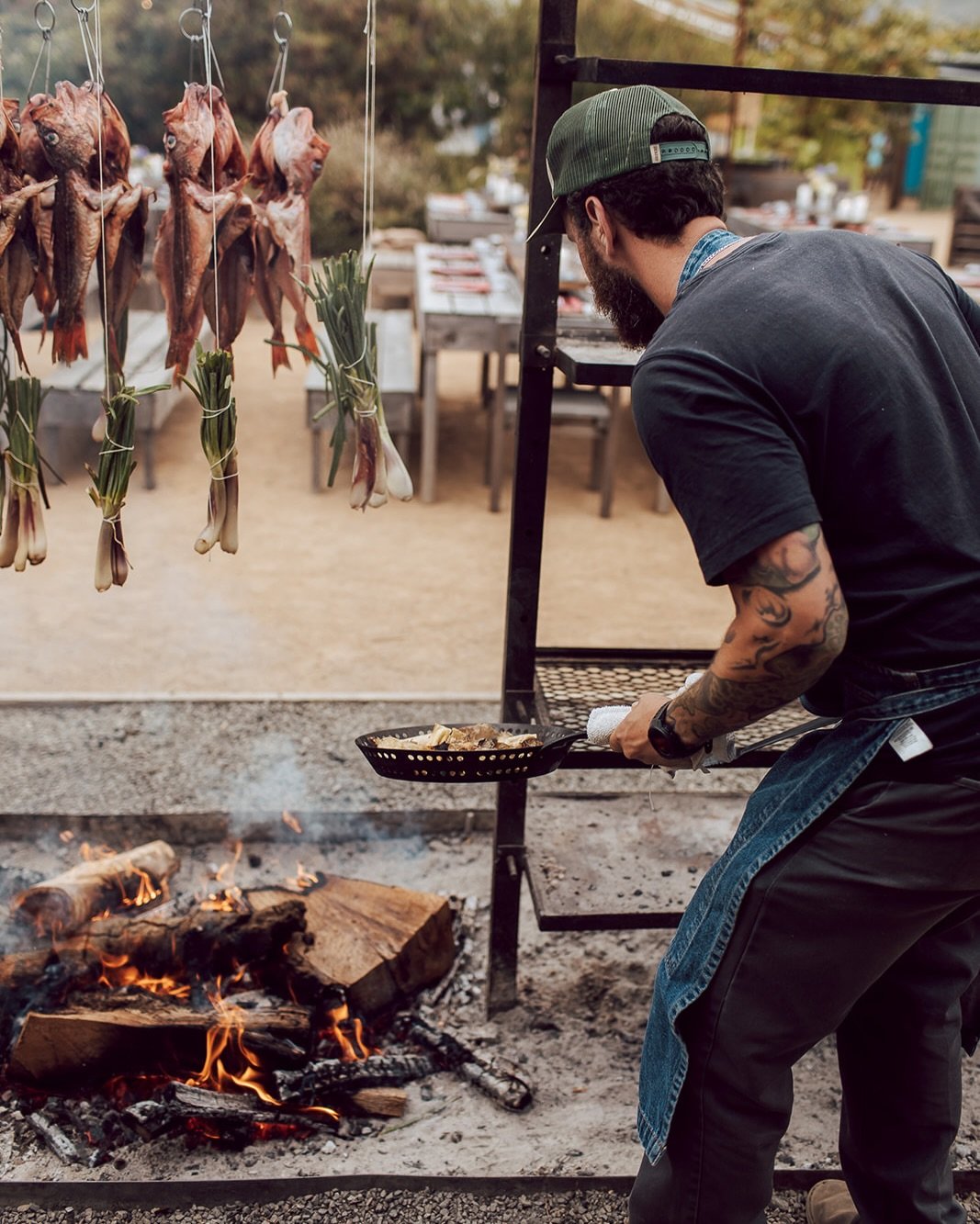
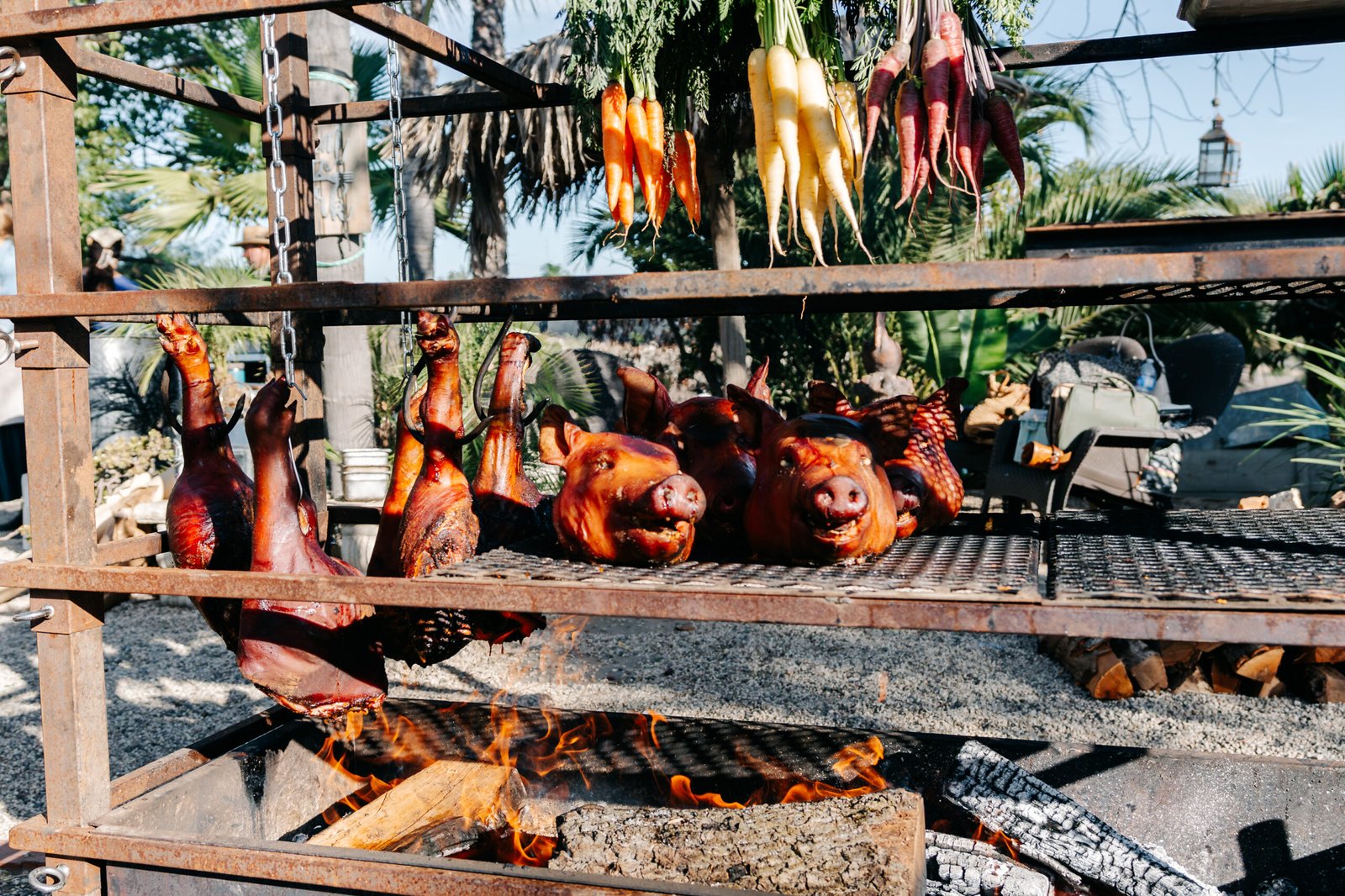
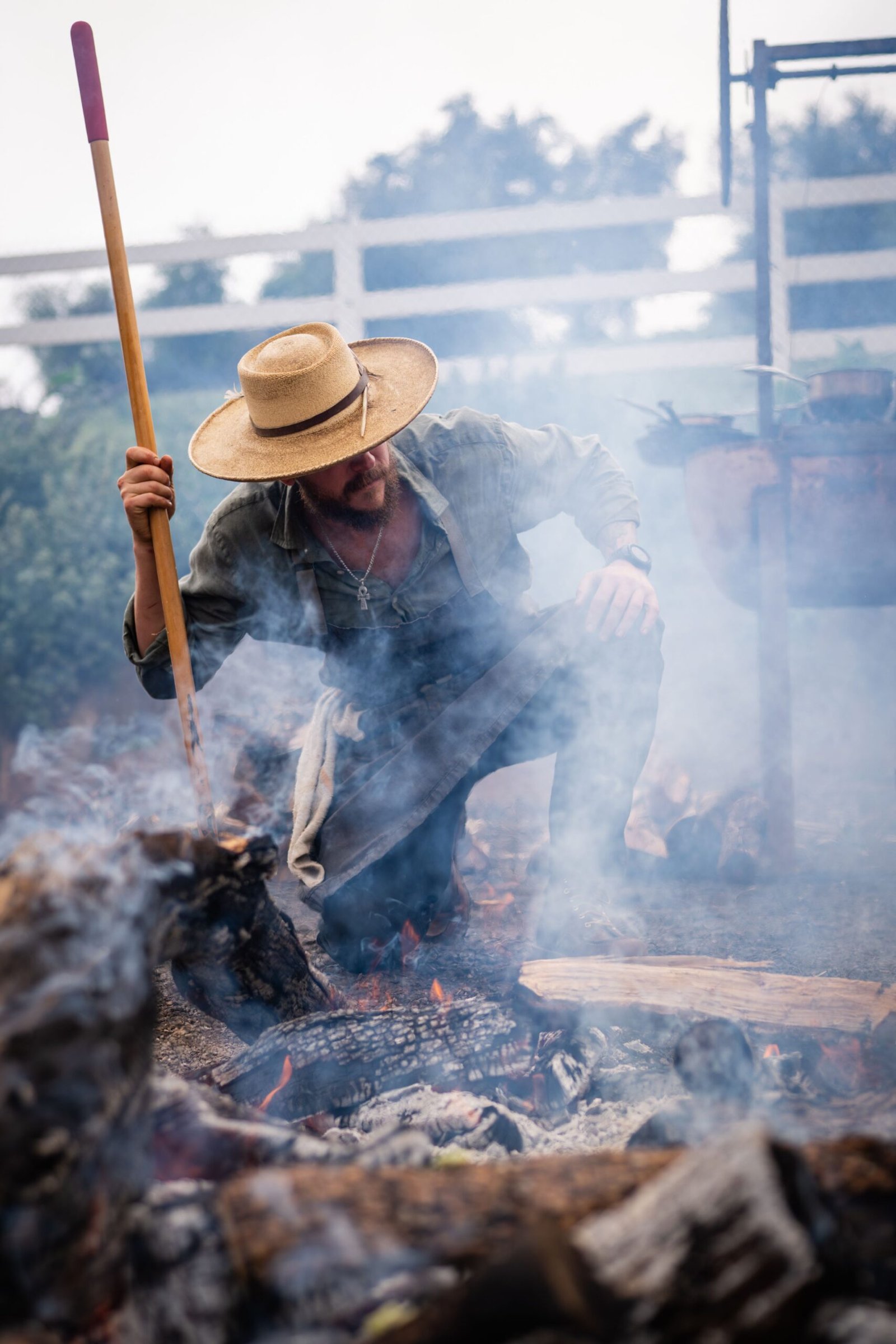
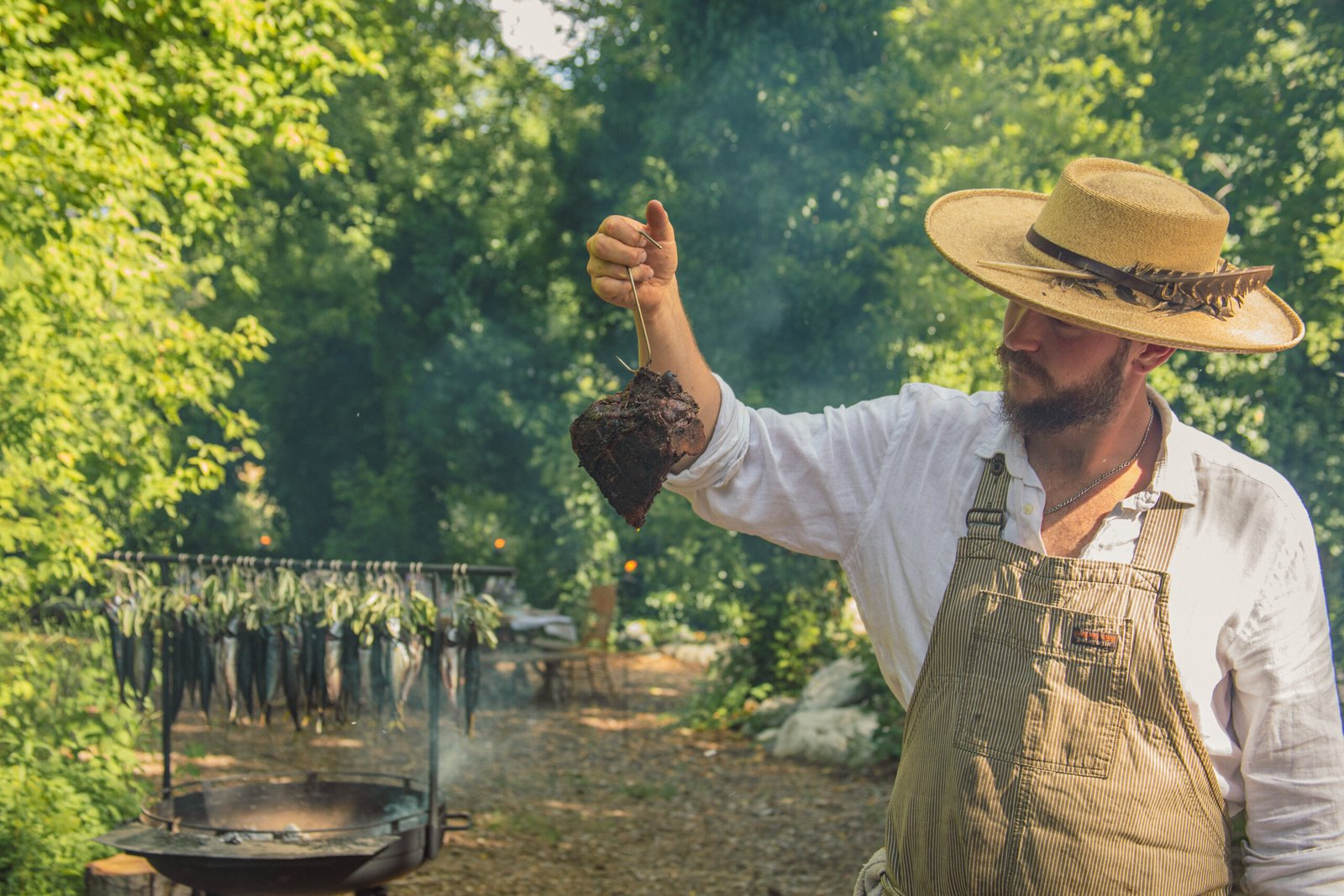
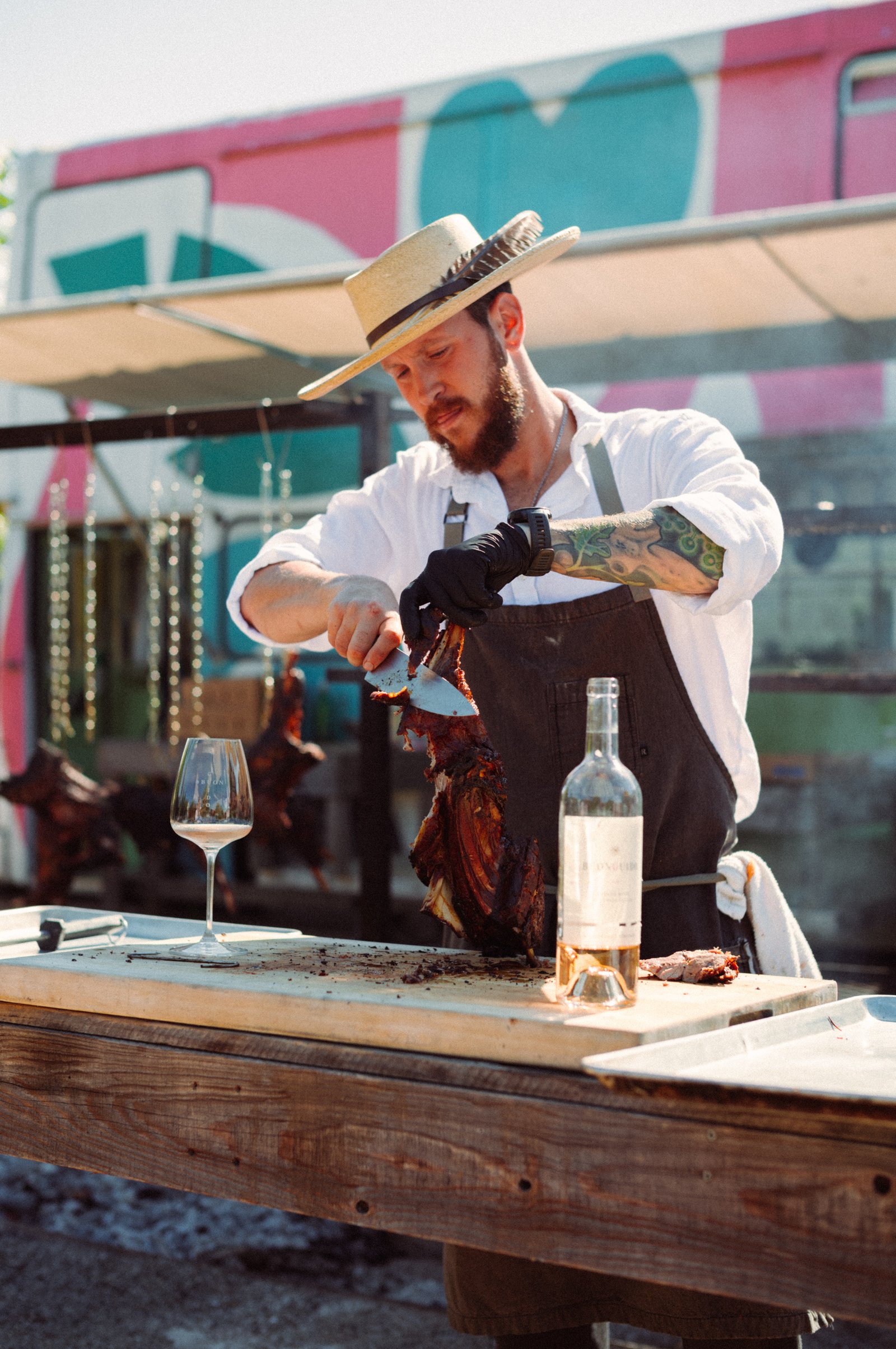
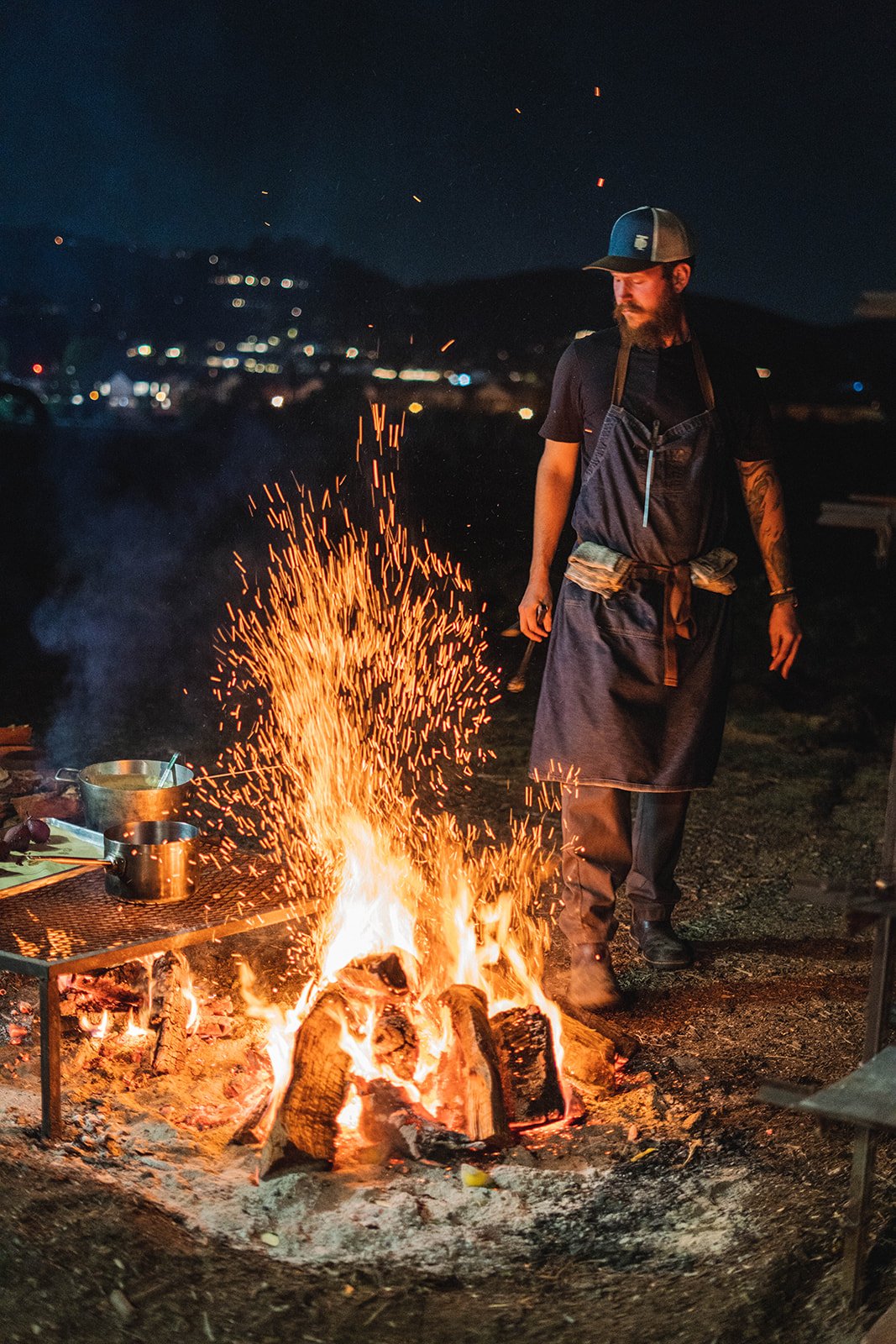
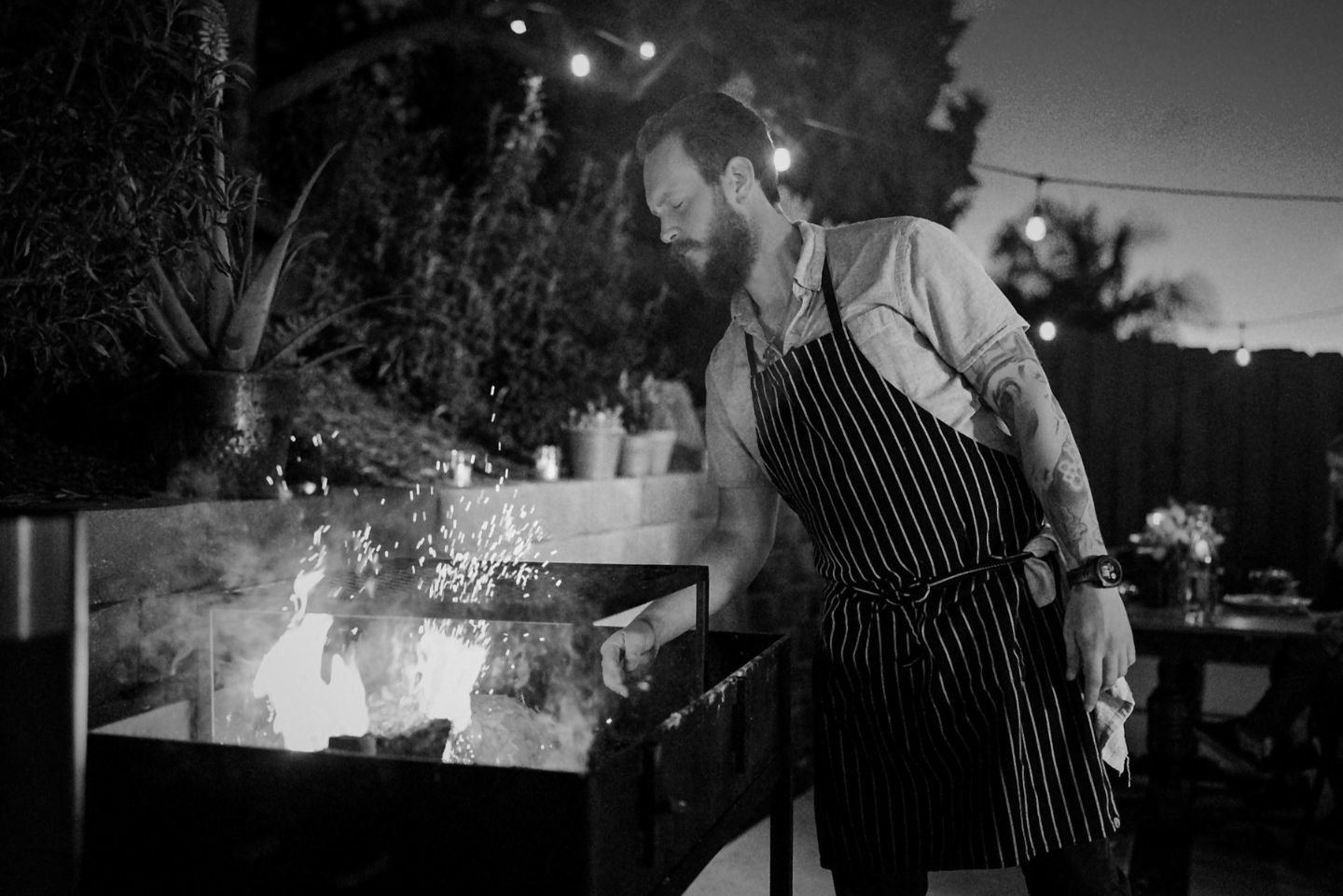
Doug Settle cooks with fire, but the real shift came from what he left behind.
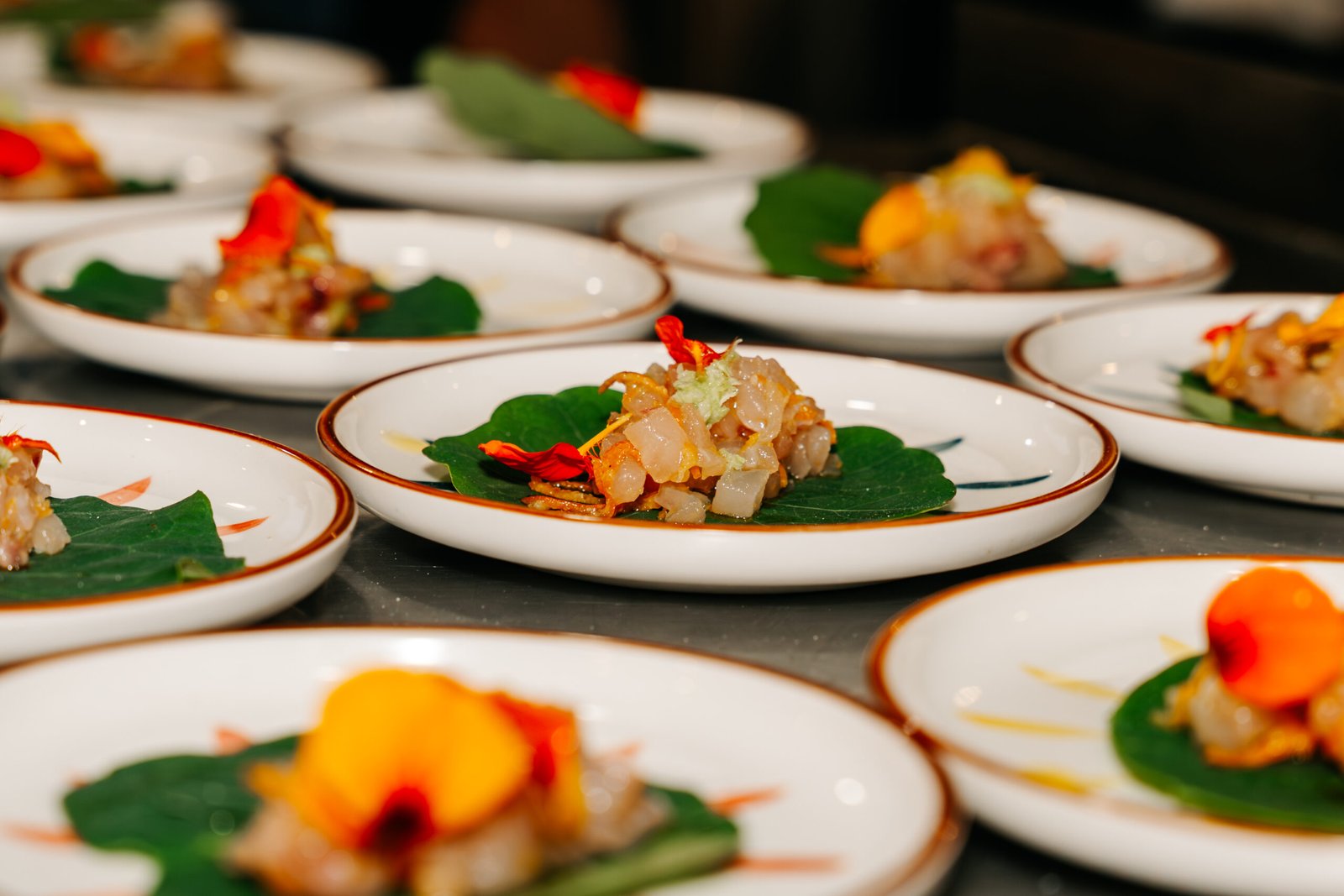
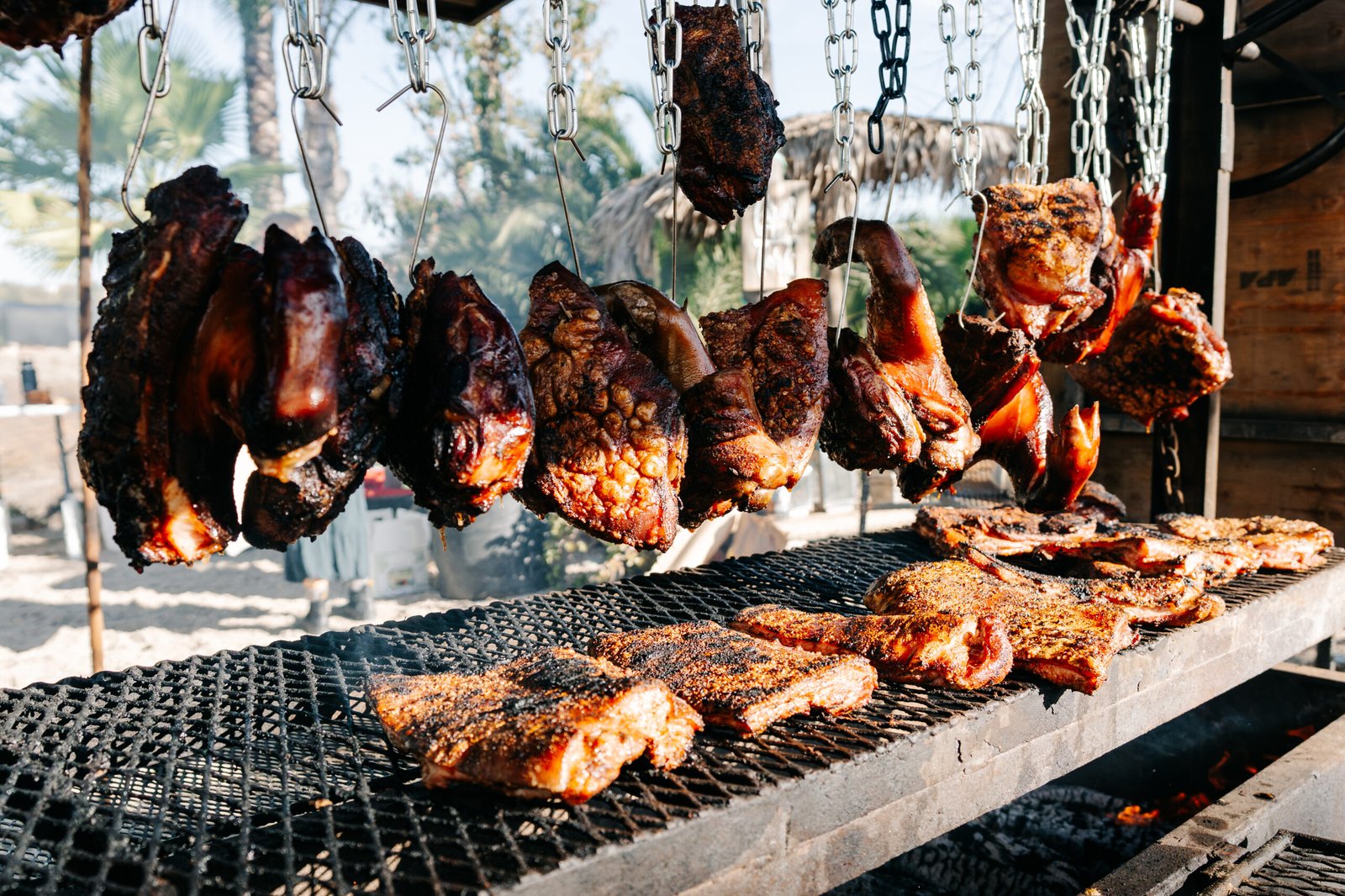
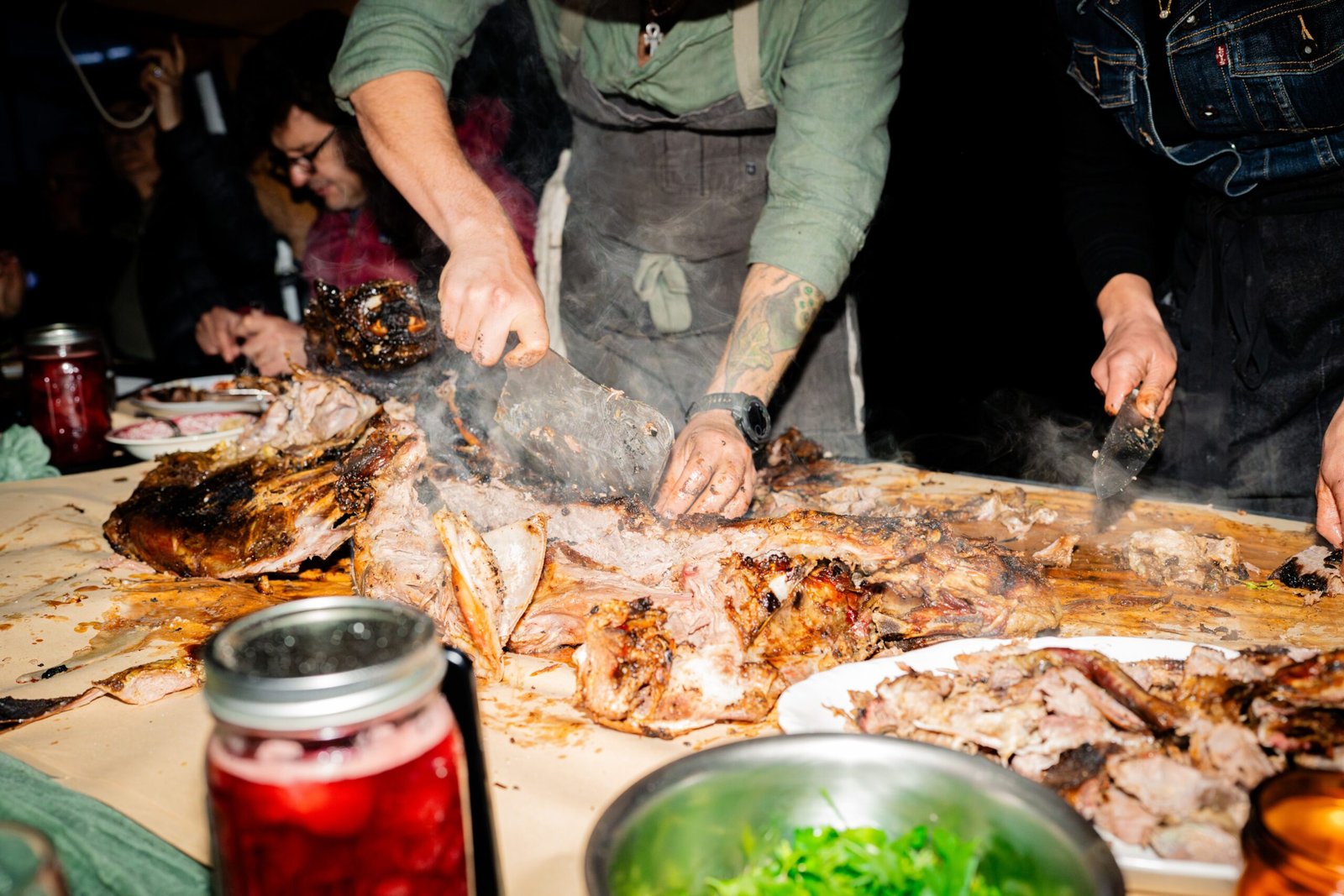
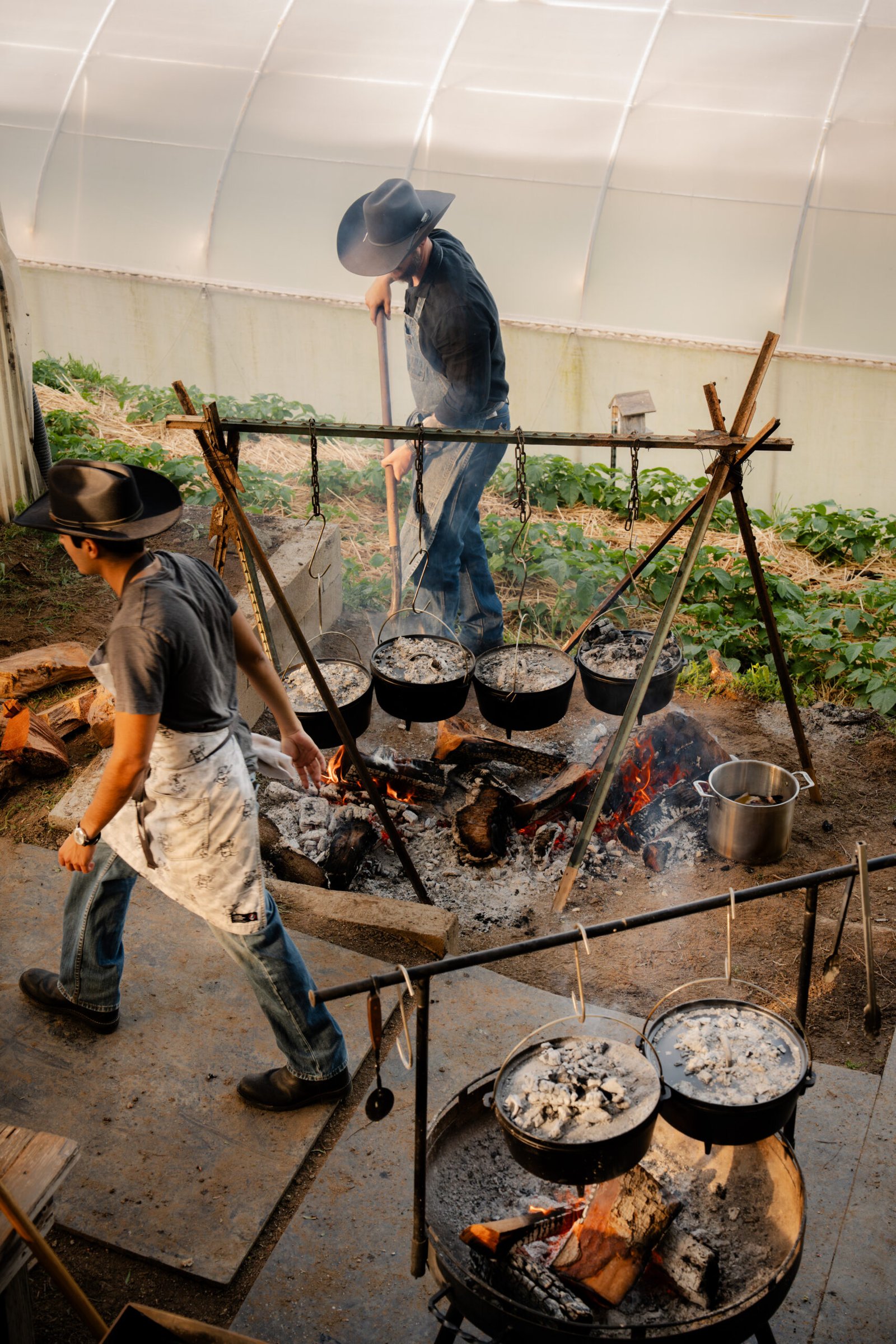
After years in traditional kitchens, he stepped outside. Less walls, more elements. Through Hearth & Harvest in San Diego, his cooking leans into the basics: flame, product, people. Meals meant to be shared, not staged.
His path has been shaped by people more than plates. Mentors who pushed him, teams that felt like family, farmers and producers who changed the way he sees food. Somewhere along the way, he realized cooking isn’t just about control or technique. It’s about taking care of others without losing yourself in the process.
In this conversation, Doug talks about stepping away from the kitchen he knew, and the kind of industry he still believes in.
Share your Journey
- Looking back at your childhood, was there a specific moment or memory that sparked your interest in food or cooking?
I’ve only ever cooked as a career, and honestly, for the better part of the first decade, I hated it. I finally stumbled into a kitchen with a chef who cared a lot about the people and the food. That’s when I realized I could do something with the skills I’d been attaining. I thought I was good at this and that, in the right environments, I could help people, support sustainable agriculture, and make people really happy. I don’t think he knows it, but that one chef changed my life path, just because he cared. That’s what I’ve been striving to be ever since.
- Did you have another career or job before becoming a chef? How did those experiences influence your decision to pursue cooking?
I’ve only ever cooked as a career, and honestly, for the better part of the first decade, I hated it. I finally stumbled into a kitchen with a chef who cared a lot about the people and the food. That’s when I realized I could do something with the skills I’d been attaining. I thought I was good at this and that, in the right environments, I could help people, support sustainable agriculture, and make people really happy. I don’t think he knows it, but that one chef changed my life path, just because he cared. That’s what I’ve been striving to be ever since.
- Did you formally study culinary arts, or are you self-taught? How has your learning journey shaped your approach to cooking?
I had been cooking for about 6-7 years by the time I went to culinary school. One restaurant in particular was breaking volume records nationally for the brand in our small East TN town. I didn’t love working there, but boy, did it make me fast! By the time I enrolled in school, I already had a good baseline of real-world industry understanding and solid speed. I was able to absorb more nuance and gain more attention from my chefs by not having to focus on the baby steps as much. All in all, school helped me excel and fall deeper in love with food, but only because I was in a great position to receive.
- When did you first step into a restaurant kitchen? What was that experience like, and how did it shape your journey as a chef?
My first job was at a local fast food dig. There are only a couple of dozen locations. The food’s nothing crazy, just burgers and hot dogs, but they held insanely high standards of cleanliness and organization. We’re talking cleaning the baseboards with a toothbrush and bleaching the dumpsters, weekly. I carried this with me my entire career as a standard. No matter what the standard was around me, I kept my stations to that high watermark, and it didn’t go unnoticed, allowing me to stand out among my peers.
- What were some of the early challenges or obstacles you faced when you started in the kitchen, and how did you overcome them?
I wouldn’t say I’ve faced any new challenges in our industry. We’ve all struggled through various versions of the same issues. Starting out as a big fish in a small pond, only to move and realize the pond is much larger than you could have imagined. Rampant substance abuse is a cure-all for the mental and physical health issues that come along with our work at times. Bootstrapping a start-up and giving it everything you have in you. There’s nothing new under the sun, and sometimes it’s nice to know we’re all plagued with the same battles because if somebody’s making it happen, then we all can.
- What keeps you inspired and how has that inspiration driven you throughout your professional journey? Especially during tough times in the kitchen?
Newness. New ingredients are an obvious one, right? But taking that further, a new way of growing, raising, or harvesting an ingredient that improves its quality and environmental impact. Maybe it’s a new cook who becomes a new student, and I get to pass along more knowledge. A new teacher or mentor, no matter how long you’ve been cooking, is out there. For me, it’s having the opportunity to cook in new places and discovering new bioregional food or cultures. Taking that a step further, new stories about food memories from new people. There are obviously certain staples I love to cook again and again, but when someone asks me what my favorite thing to cook is, I always say something new.
- Can you recall a moment in the kitchen that marked you forever? Maybe it was an interaction with a mentor, a fellow cook, someone you fed, or a situation that challenged you in a way that shaped who you are today?
I had recently finished culinary school and been promoted to sous chef at the restaurant where I had been working. The original chef I worked for had left but just returned. I was so eager to impress my reinstated mentor as I ran the pass that night. Long story short, the night didn’t go as I had envisioned. Man, did he tear me up, and man, did I deserve it! I was essentially told, in no uncertain terms, that I was being a shit leader. He was right. Since that day, I’ve made it my mission to study leadership with the same passion I bring to studying food. Just as cooking is a skill that takes constant honing, being a leader is a journey that requires consistent effort.
- As a chef, how would you describe your philosophy in the kitchen, and how does it guide your approach to cooking and leadership?
Fire. I let the fire drive my every move. You can’t control it, but you can definitely harness its power. I obviously cook over fire as a standard, but there’s more to it than that. Fire is chaotic, but it is also methodical. Steadily inching forward towards its goal. Relentless on its path, influencing everything it encounters just by being near it. Being a chef and a leader is similar. The staff looks to your steadfastness every day. If you’re burning wildly and rampantly, exhausting your fuel too quickly, and burning out, or if your fire is dwindling and dying, people notice and look to you as the example. I try to harness the fire, burning bright but strong, steady, and controlled. They see that as well, and my fire might light theirs.
- Can you share a time when cooking or the camaraderie in the kitchen helped you through a tough period in your life? What made that experience meaningful?
During the COVID shutdowns, we were all struggling. Like most of us, I had spent more time out of the kitchen than I ever had since starting this journey. I was just coming to terms with the idea that I’m not just a chef, but I’m a person first. At the time, I was having a bit of an identity crisis, not being able to practice what I thought made me, me. The only thing that I knew how to do. I found a job at a restaurant that was just reopening, one I loved eating at. When I got in, the job was crazy demanding and very difficult. But the team that was there was like nothing I had ever seen. It was like being on a professional sports team; everyone wanted to win, but not at the expense of leaving anyone behind. We pushed each other hard, and the head chef pushed us even harder, and we all rallied around the energy he gave off. I didn’t end up working there for too long, as another shutdown rolled through, and I kept trying to work instead of collecting unemployment. But I still have very supportive relationships with the chefs I worked with there.
- Reflecting on your career, what achievements or milestones are you most proud of, and what do they mean to you?
This may be a bit of a shocking response, as most of the chefs here still work in kitchens. But stepping out of traditional kitchens, taking a job on a farm, and segueing into starting my own business with my fiancé has to be my proudest moment. I miss the kitchen, but I get to consult with some restaurants, and now I get to cook over fire outside with my person every day. Cooking and sourcing exactly how we want to, nobody telling us how to run the business or what to serve. We travel and cook in new places. We make deep, meaningful memories for people in an approachable and relatively affordable way. Nothing pretentious, just good food, good stories, and good people around a fire.
- What aspects of restaurant culture do you love, and what parts do you find frustrating or problematic? Are there any changes you’re actively working toward or things you hope they change in the industry? Share the reasons behind them and how they align with your vision for a better culinary world?
I love the camaraderie. The friendships that form out of struggling together day after day, month after month, with the same people. I keep tabs on people I worked with years ago because of the bond we built spending so much time together. There are a lot of things to be frustrated about, abusive leadership is an obvious one that’s top of my mind right now with everything going on at Noma. A big one for me is sustainability. I know that’s a big buzzword in the industry right now, but it’s a lifestyle for me, for our company, and our employees. It’s how we live our day-to-day lives, where we choose to spend our money. Not just a fad. It’s part of why I decided to be a chef and why we started the company that we did. We buy local not because it’s cool, but because it supports someone else out here just trying to live their dream like we are. I get to help someone I know and oftentimes form relationships with, rather than some huge company. I also know exactly what their farming, ranching, or fishing practices are like, not to mention cutting down on carbon footprint by not having ingredients trucked in from god knows where. Plus, this food usually tastes the best and is the best for you.
- What are your hopes for the future of the restaurant and food and beverage industry? What changes would you like to see, and how are you contributing to that change?
I’d love to see us all move toward a more sustainable, bioregional approach. I do realize that’s not always possible for everyone everywhere. Some places are food deserts in terms of what can be produced there. But in the United States, we can do so much better overall. The era of bringing in the best ingredients from all over the world, with Europe predominantly glorified, is over. Sure, white truffles are incredible in the Piedmont region in fall, and branzini brought in right off the Mediterranean is beautiful, and syrah from the Rhone Valley is lovely. But what makes your bioregion unique? One hundred years from now, when the world thinks of where you’re from, will they think, wow! They brought in the best cheeses from Italy! Or will they think of how a particular viticulturist found the specific non-noble grape that grows best in the Temecula Valley, or how that particular cheese is best made in the hills of Vermont?
Secret Sauce
- What’s the most unexpected ingredient you’ve ever worked with, and how did it change your perspective on cooking?
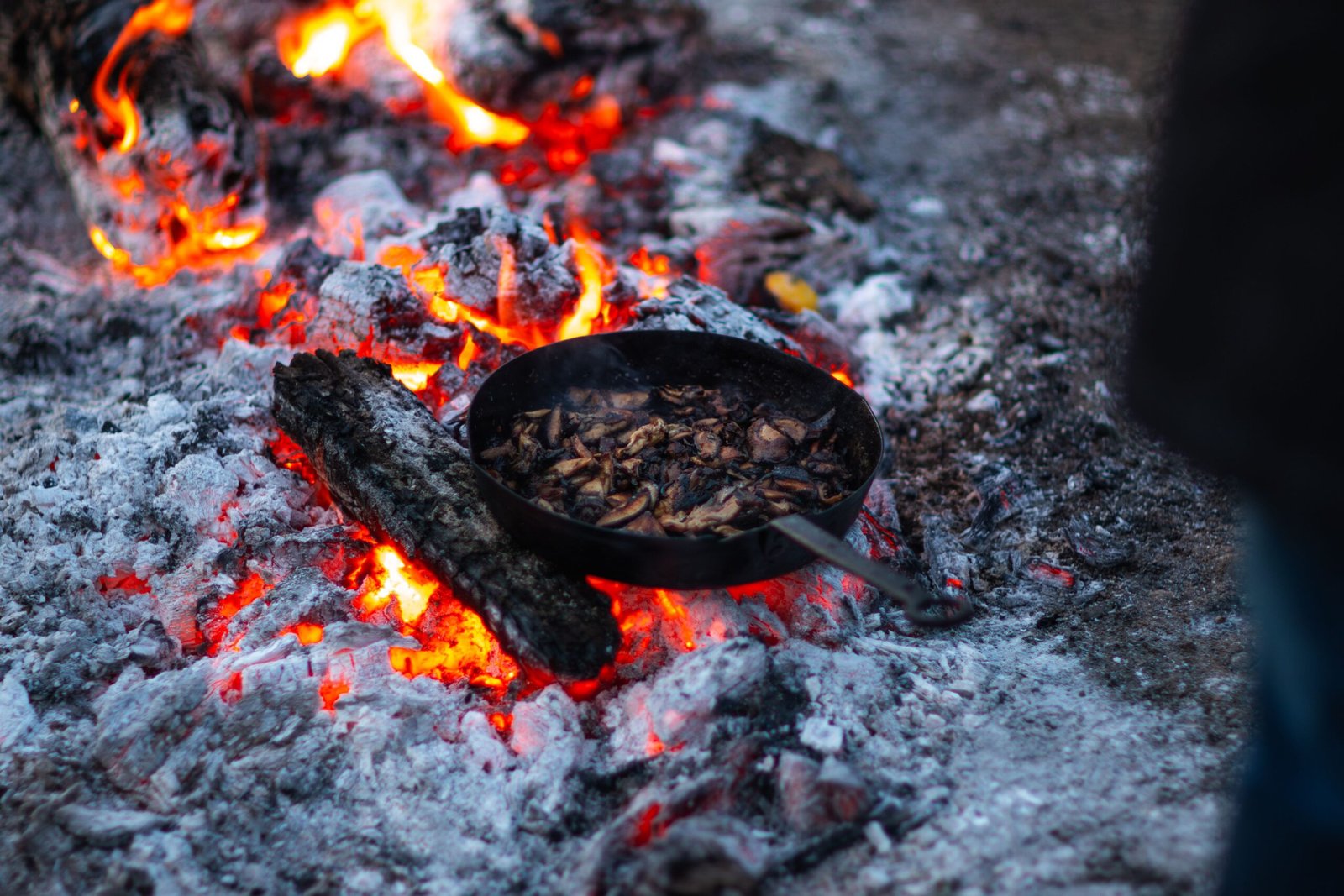
The most unique ingredient I’ve ever come across is fire. I know, I know, I’ve played up the fire thing enough. But I really think that if you learn to use and trust open flames enough, they can truly be the best ingredient in any dish. The right amount of smoke, more or less char, sometimes even a little burnt! It can take something incredibly simple and add so many layers of complexity.
- What’s your “guilty pleasure” meal?
California burrito. Everytime. I don’t eat them as much as I did when I was a line cook, staying out until 2 am. But they’re nostalgic about cutting my teeth in the Gaslamp of San Diego years ago. You can’t find a burrito like this anywhere else in the world.
- A food trend that you hate and why?
Chef’s Blend microgreens. If the ingredient doesn’t intentionally add something to the dish, get it out of there. Micros for the sake of something pretty on a dish, without a second thought, drive me nuts.
- What’s the craziest shift you’ve ever worked in the kitchen?
It was New Year’s Eve in that same kitchen where my mentor chewed me out for not acting like a leader. It wasn’t too long after that, actually. We had way overbooked for whatever reason and were obviously running a special prefix menu, so everything was new to the line cooks. I was on expo and had never seen so many tickets in my life. The rail was full, the ticket chain was on the ground, and they just kept coming. The whole restaurant was backed up, the hosts were being yelled at, and apparently, it was up to me to dig us out. Crazy night.
5. What happened, and how did you manage to get through it?
The team was one of the strongest I’ve ever worked with, so even though I wasn’t the best expo yet, that group of gnarly pirates dug deep, and we all pulled it out. We’ve all been there.
6. What tips would you give to other cooks and chefs to help them navigate their culinary careers and find peace amid the chaos of the kitchen?
Exercise your body. You’ll find health through that journey. Not just physically being stronger, but you’ll start focusing on your diet, your joints, longevity, etc. I found that physical exercise also clears the clutter and stress from the mind. Exercise before your shifts, kids.
7. What’s an underrated ingredient and why?
Cabbage is one of the most underrated ingredients to me. It’s really cheap and so versatile to cook with. Sear or roast wedges of it, slice and caramelize it, braise it. Cabbage can be very flavorful and surprisingly sweet when treated right!
8. What’s a must-try dish from your kitchen or the one you’re proudest to have prepared?
Finding a must-have dish of ours because we rarely cook the same menu items. We recycle ingredients, sauces, and experiences, but it’s not often that an entire dish will be repeated. I’d say one that comes up pretty often is our grilled-and-chilled oyster table.
This is something we pull out for happy hour, passed/stationed apps. We basically have some chefs pulling oysters fresh off the grill with a pickled compound butter and garnishing the chilled ones with a seasonal mignonette right in front of guests. They land on a large table filled with foliage, herbs, leaves, flowers, etc from whatever venue we’re at, nestled between the foliage to hold them up. It creates a fun, very organic-looking way to serve the oysters.
About Your City!
San Diego, CA
- If Anthony Bourdain or a chef came to your city, what would be the perfect tour itinerary from breakfast to dinner?
San Diego definitely has a lot to experience, and it’s pretty spread out. I’m partial to North County these days, but I’ll try to get you across the whole city.
I’d start with a pour-over coffee at Steady State in Carlsbad, there’s a few places that serve their coffee, but you can’t beat getting it straight from the source. Their pour-overs are life-changing. For breakfast, walk 10 yards down the street and hit Wildland. They have some great bread baked in-house. It’s run by a multi-Michelin-starred group, but this concept is no fuss, casual all-day food.
Next, we’re going to head south to North Park for lunch. There’s nobody doing what the boss at Bica is doing. It’s an awesome little cafe where you can get that second coffee, but you’ll want to indulge in anything from the kitchen. They focus on tartines, fish plates, and sandwiches using sustainable catches such as sardines and anchovies. Really unbelievable.
Dinner is a hard choice. There are several awesome chefs doing incredible work around. You could head back up to Oceanside for Pizza at Allmine, or near Balboa and hit Hillcrest for Cellar Hand. Callie in the East Village is always a win! But if you had to choose one, I’d say you’d want to grab sushi in Oceanside from Wrench and Rodent. Davin has been a San Diego legend and a leader in sustainability for the better part of two decades, and it’d be a shame to miss his passion.

Support our project by buying our merch!

86 HOTK Unisex t-shirt
$30.00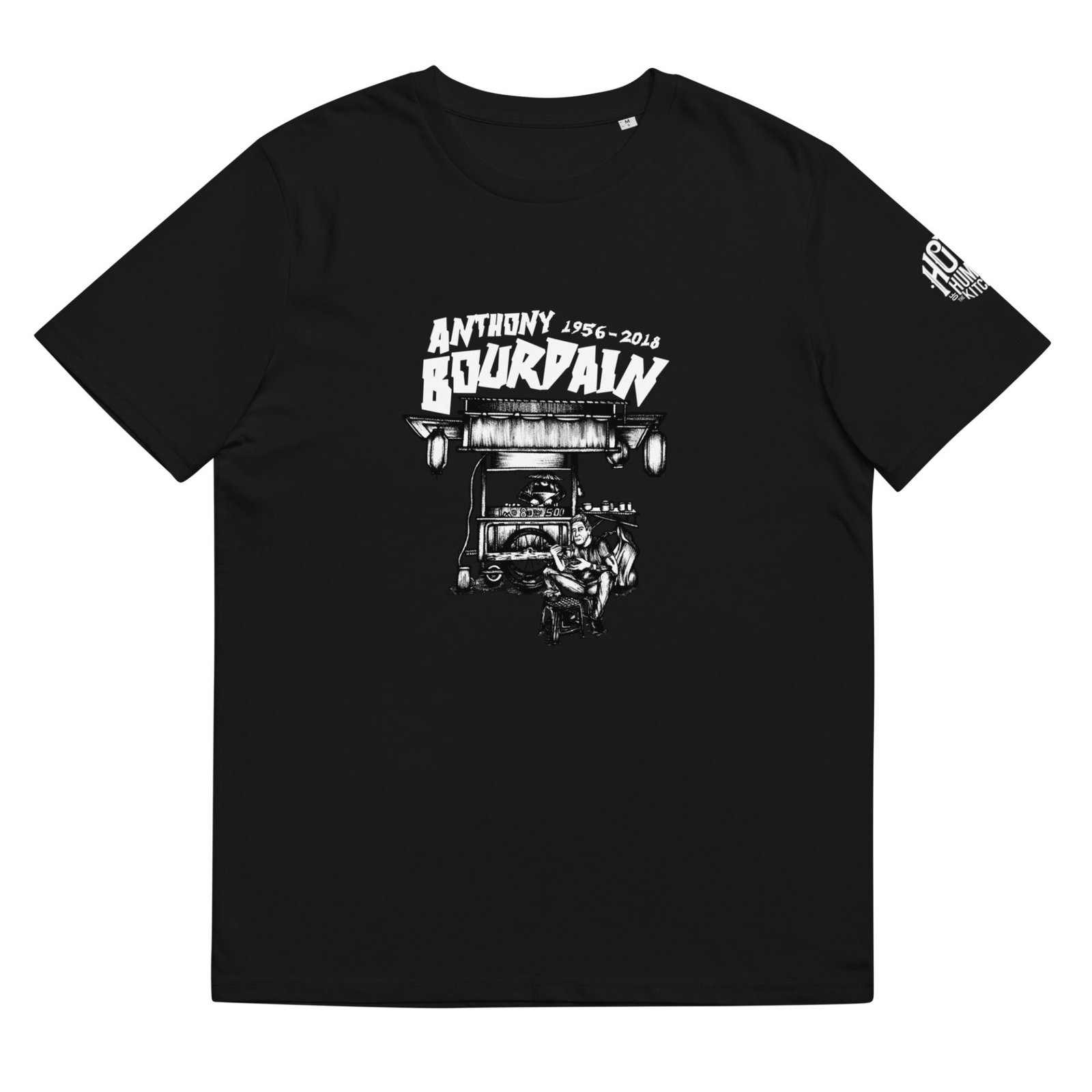
Anthony Bourdain T-Shirt
$35.00
Mise HOTK Unisex t-shirt
$30.00