Chasing Freedom Through Food
Inspired by independence, he built a path that allowed him to create on his own terms.
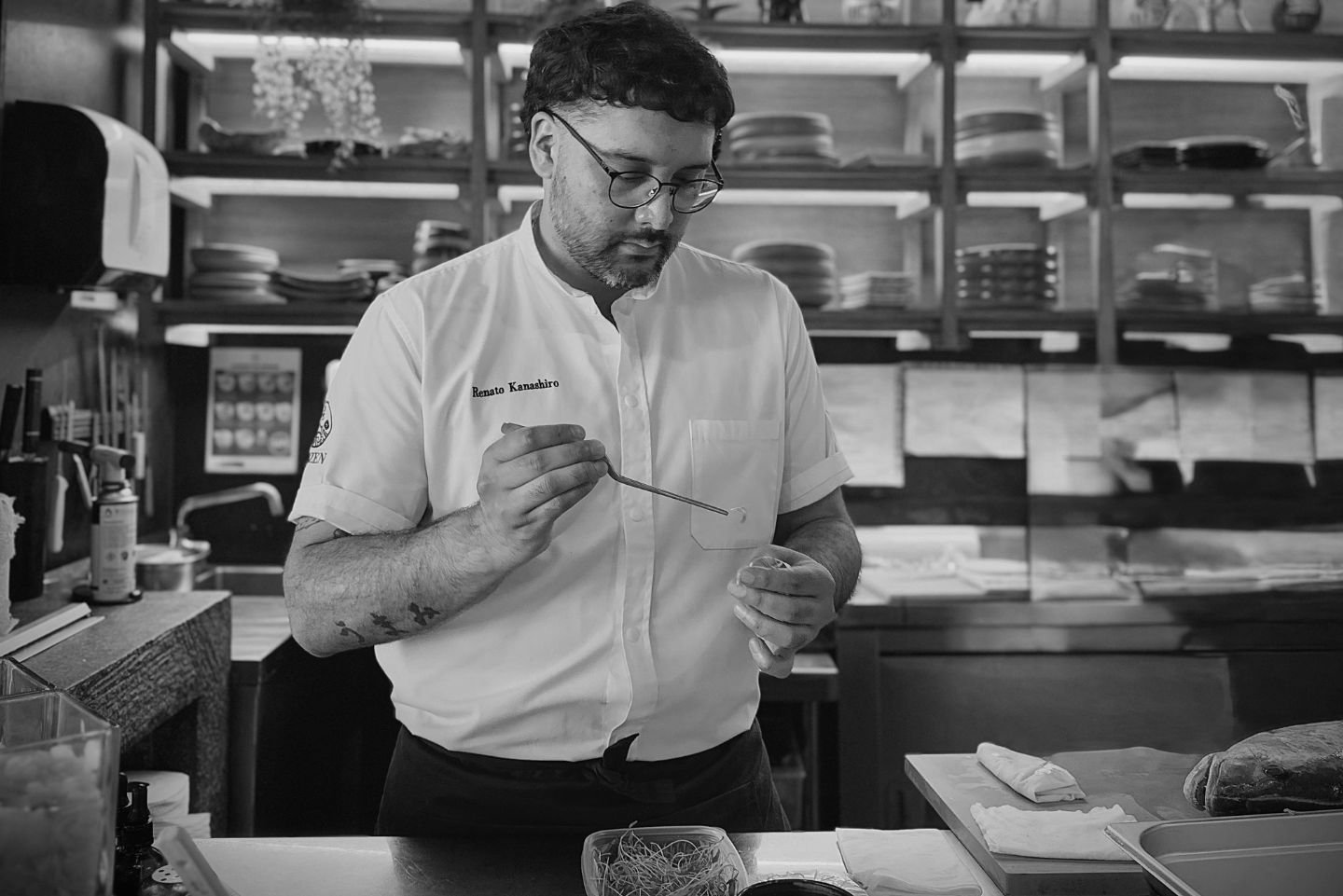
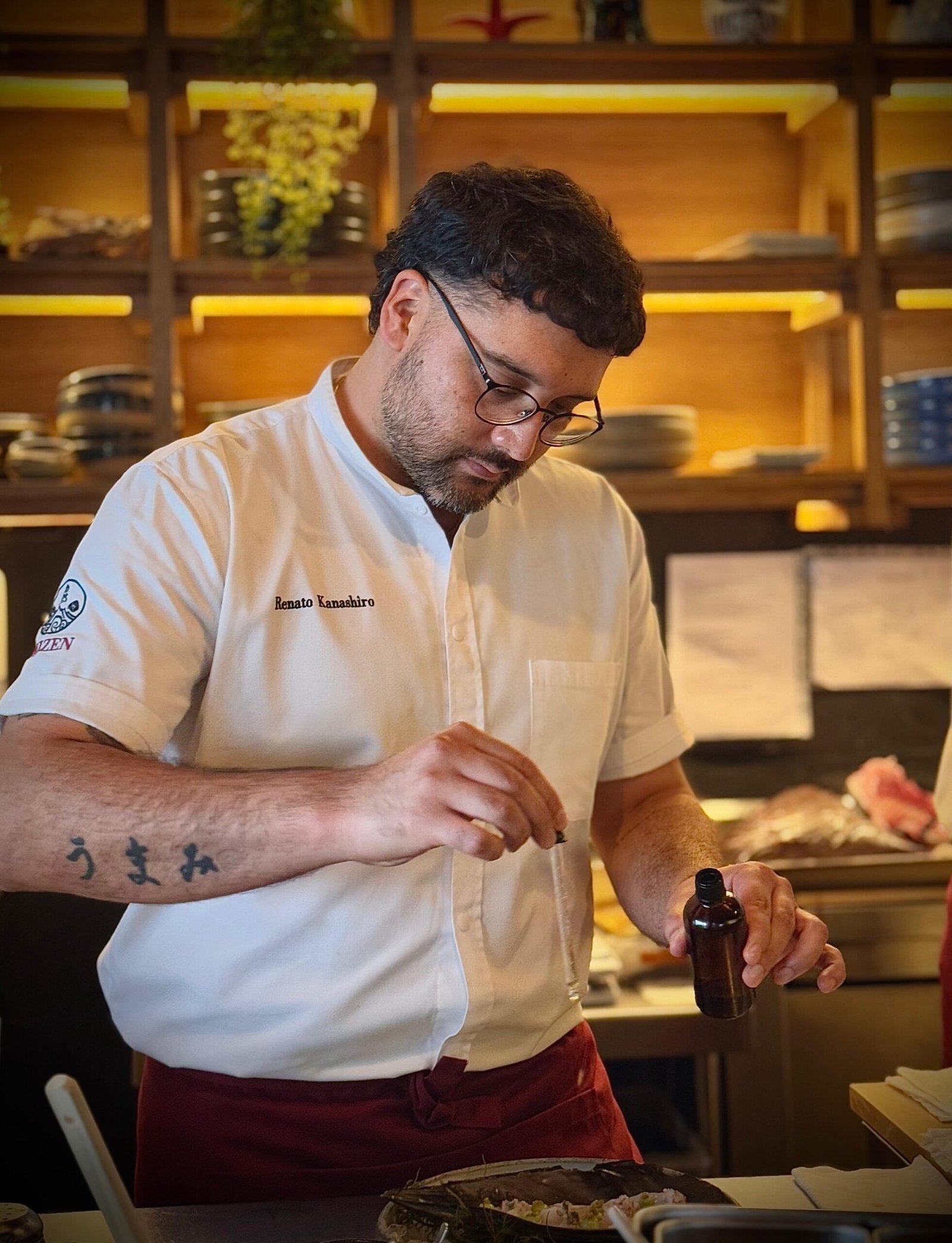
Renato Kanashiro Pacheco
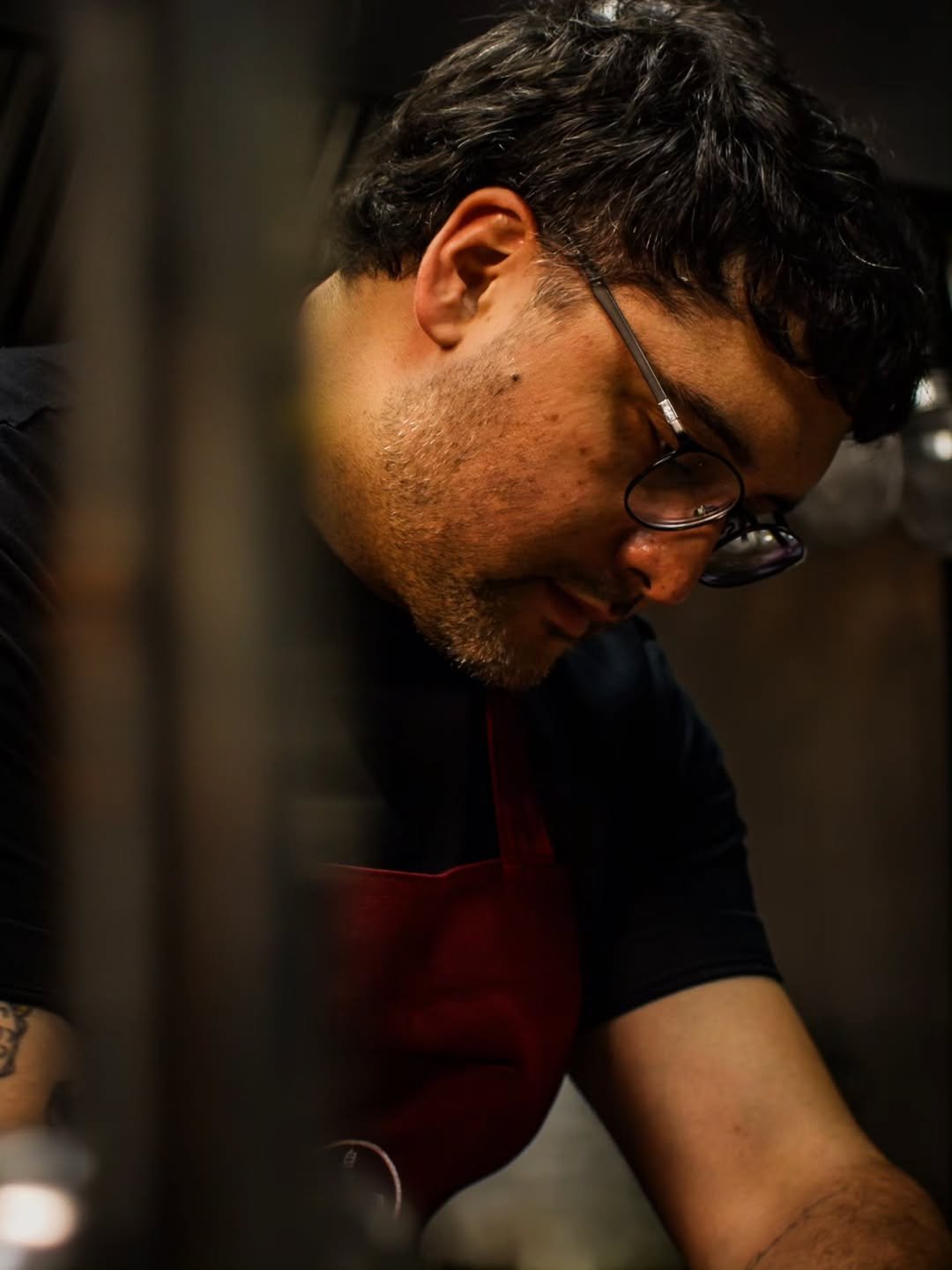
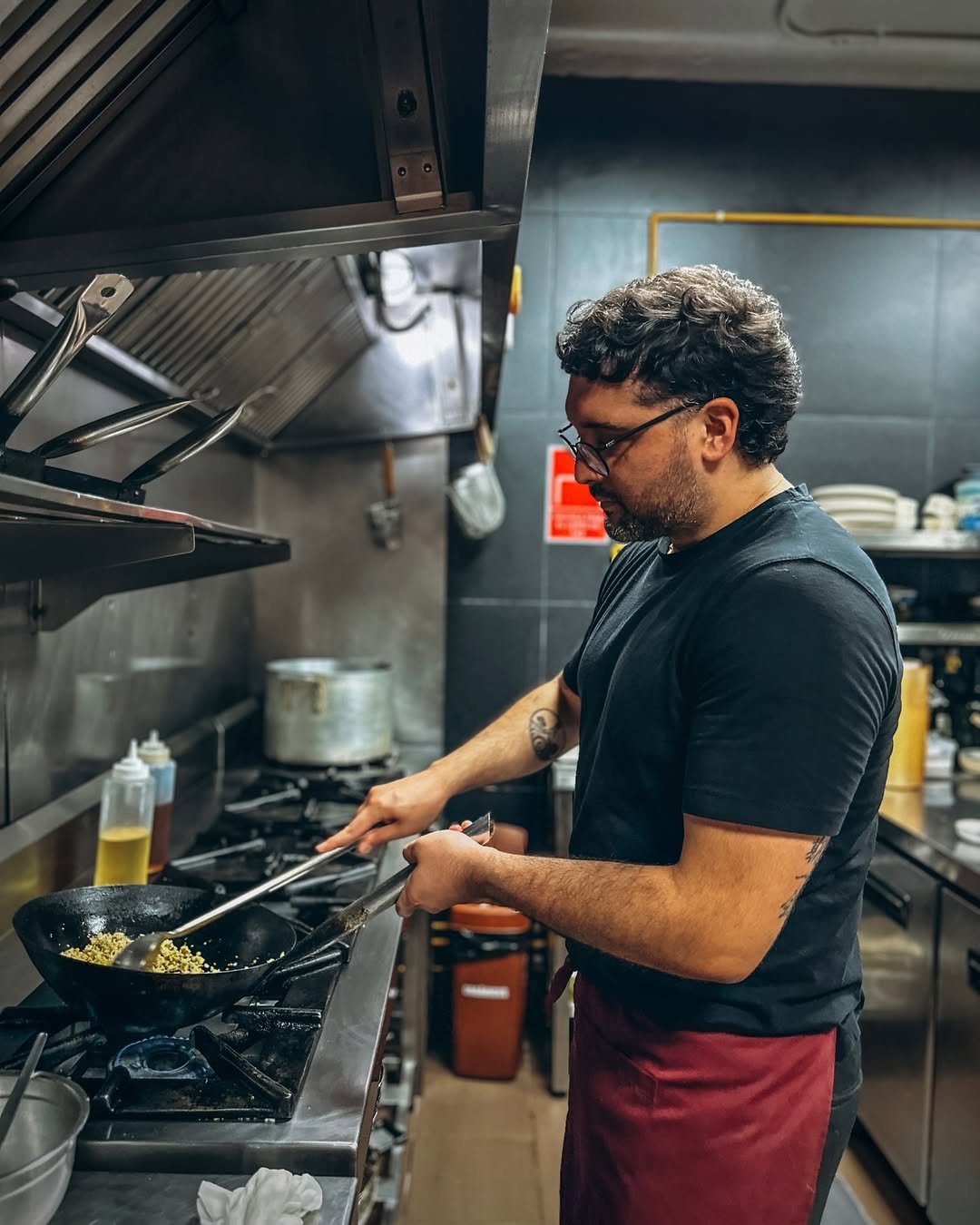
Renato Kanashiro Pacheco didn’t plan on becoming a chef. In fact, the first time he stepped into a kitchen, he was sure it wasn’t for him.
What started out of necessity slowly turned into something else. Between long hours, early responsibilities, and learning on the go, cooking became more than a job; it became a way forward. Over time, that path led him to build something of his own, rooted in both his Japanese-Peruvian heritage and a desire to do things differently.
His journey hasn’t been defined by perfection, but by persistence, learning through pressure, growing through mistakes, and choosing to build a kitchen grounded in respect, balance, and real connection.
In this conversation, Renato reflects on responsibility, freedom, and what it means to create not just food, but a life on his own terms.
Share your Journey
- Looking back at your childhood, was there a specific moment or memory that sparked your interest in food or cooking?
When I was a child, I had very fond memories of the food my grandmother and my mother used to make. I also remember shared tables on special occasions, where you would find a mix of Japanese and Peruvian food at the same time, since I have Japanese heritage. However, I wasn’t really interested in cooking until I was around 18 or 19, when I had to get into it out of necessity after becoming a father at a very young age.
- Did you have another career or job before becoming a chef? How did those experiences influence your decision to pursue cooking?
Yes, I first studied Hotel and Restaurant Management, and it was during some basic cooking courses that I started to connect with cooking a bit. At the same time, I was already working in a restaurant.
- Did you formally study culinary arts, or are you self-taught? How has your learning journey shaped your approach to cooking?
Yes, after finishing my degree in management and having gained some experience in the kitchen, I decided to study gastronomy. That’s what ultimately convinced me to fully enter this world, as I realized I could be good at it.
- When did you first step into a restaurant kitchen? What was that experience like, and how did it shape your journey as a chef?
The first time I stepped into a kitchen was at my first job, but when I spoke with the manager, I was very clear that I wanted to be placed in any position except the kitchen. I started as a dishwasher and also prepared coffees and juices, and I remember watching the chaos in the kitchen and telling myself, “There’s no way I could ever do that. I would never work in a kitchen.”
- What were some of the early challenges or obstacles you faced when you started in the kitchen, and how did you overcome them?
My lack of experience, and above all, confidence, since I never imagined I could be good in the kitchen, made it very difficult for me to take on new challenges without going through intense anxiety and stress. On top of that, there was an imbalance in my life. I was studying and working at the same time, and I also had to find a way to see my son during the little free time I had, since he didn’t live with me.
- What keeps you inspired, and how has that inspiration driven you throughout your professional journey? Especially during tough times in the kitchen?
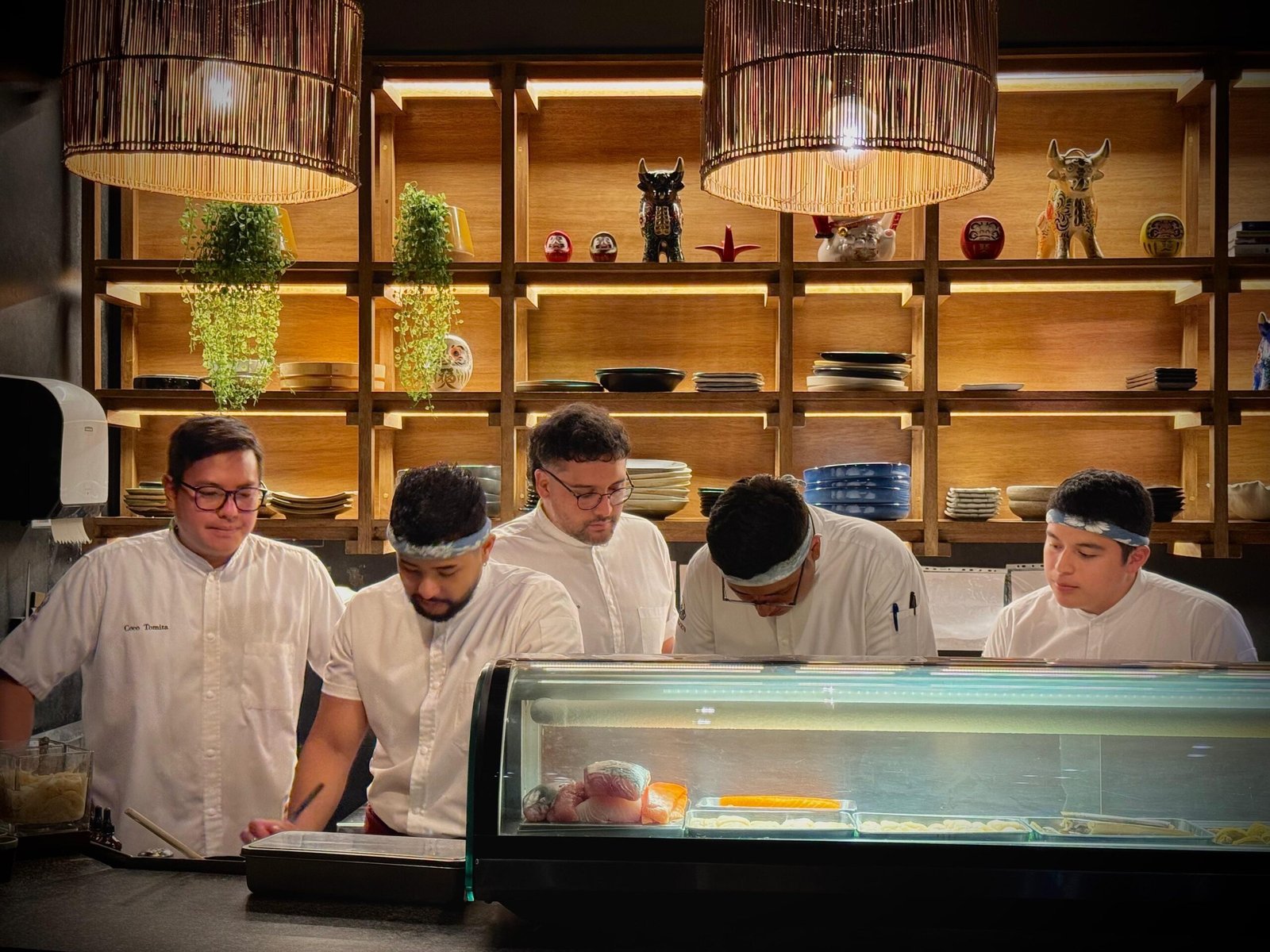
What keeps me inspired is my team. Today, we have an incredible team, and seeing them grow, create, and achieve balance in their lives because we chose to do things differently is what motivates me the most. And of course, traveling and experiencing other interesting proposals, both local and international, also play a big role.
Something that kept me motivated when I was just starting to build my path, and helped me keep going no matter what, was wanting to give my son the best I could at that moment. At the same time, I was deeply driven by seeing chef-owners who had the freedom to do what they wanted; I’ve always sought to be free in every aspect of my life.
- Can you recall a moment in the kitchen that marked you forever? Maybe it was an interaction with a mentor, a fellow cook, someone you fed, or a situation that challenged you in a way that shaped who you are today?
It wasn’t exactly in the kitchen, but I clearly remember a moment when my current partner, Coco, told me, when we were barely 22, “When we’re 26, we’re going to open Shizen. Remember what I’m telling you.” I don’t recall the exact context, but years went by, and it actually happened, we opened our first small location when we turned 26.
Another key moment was when I was working at what is currently the best restaurant in the world, according to the 50 Best list. I remember wanting to quit just a week after starting, but my wife and partner, Mayra, encouraged me and helped me push through. I ended up staying for a few years, and it became a place that would shape my career and professional life forever.
- As a chef, how would you describe your philosophy in the kitchen, and how does it guide your approach to cooking and leadership?
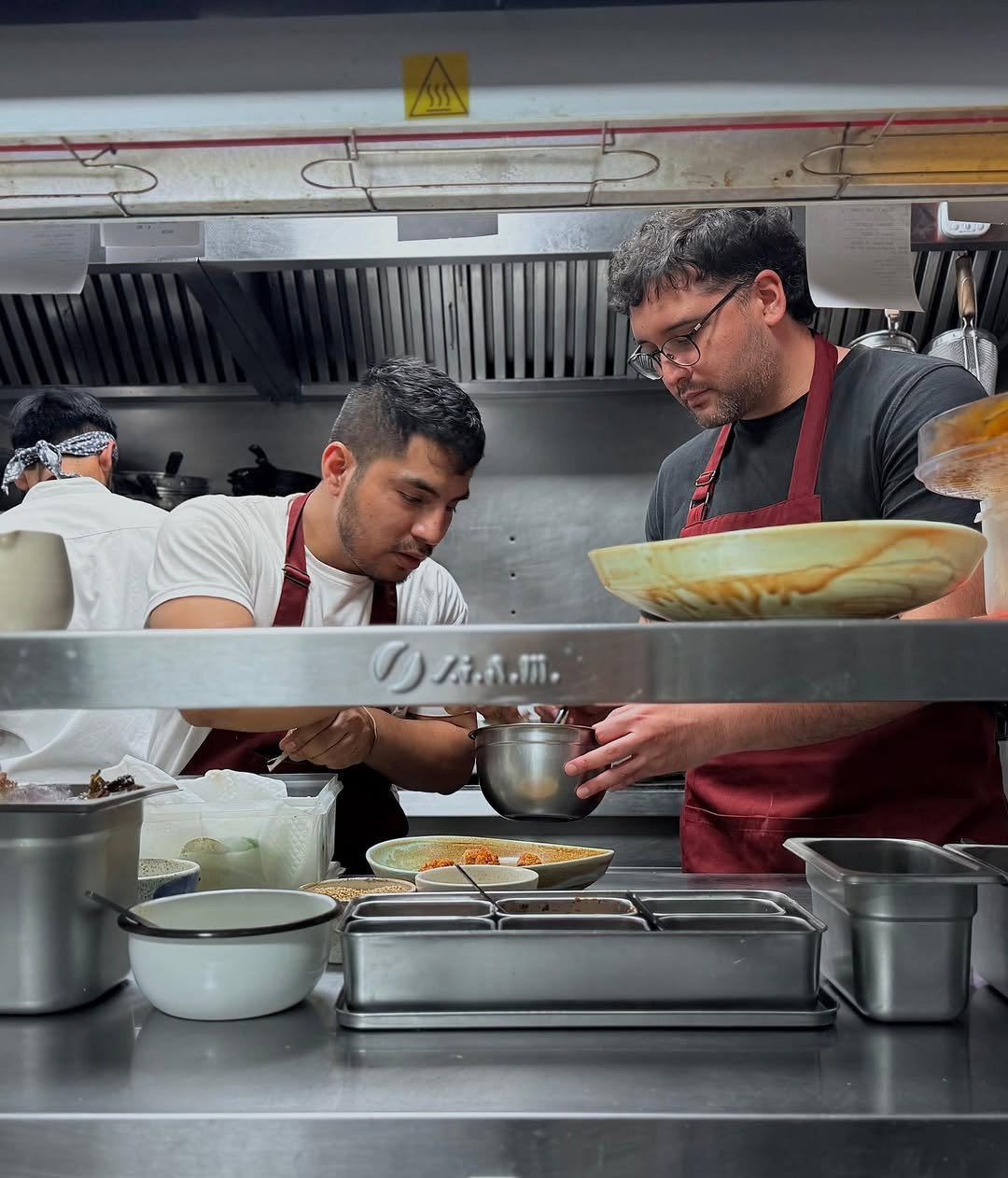
The philosophy we have at Shizen is, I believe, quite unique. It’s something Mayra, Coco, and I were very clear about when we decided to start this journey. We didn’t want to be treated the way we once were. We wanted to build a kitchen based on respect, without humiliation. We wanted a close, human connection with our team, and to give our people the opportunity to have balanced lives, where coming to work doesn’t feel like a burden.
At the end of the day, we are human beings, and we need to live and enjoy life. I truly believe that anything that destroys you physically and psychologically is never worth it. Living under constant, unsustainable pressure and stress will always come at a cost, and by the time you’ve built everything, you may not even be able to enjoy it.
- Can you share a time when cooking or the camaraderie in the kitchen helped you through a tough period in your life? What made that experience meaningful?
Two years ago, we were victims of a scam. It was an incredibly hard blow for us, so much so that we almost ended up closing Shizen after six years of growth. And I’m not trying to play the victim here, because in large part it was our fault for blindly trusting someone outside the three of us.
But some colleagues and chefs we’ve always admired supported us a lot by sharing knowledge and methods that helped us start climbing out of that hole. In the end, that experience became a powerful lesson. We took back control of our business the way we should have from the beginning, learned a great deal about management, and ultimately became stronger and more united as business partners. It’s also a mistake, I think many cooks make when opening a business. We eventually realize we can’t just be cooks; we have to learn how to be entrepreneurs as well.
- Reflecting on your career, what achievements or milestones are you most proud of, and what do they mean to you?
Something we feel truly happy and proud of, first and foremost, is having sustained and grown a business for nearly 12 years, starting with nothing, no money, no connections, and no experience running a business. We began cooking at Coco’s house, doing catering, then opened a small location, and eventually moved to our current, much larger space.
When we opened our first location in 2018, we didn’t really have a clear goal; we simply wanted to cook. Life has taken us down a path that’s been tough, but also incredibly beautiful. And eventually, last year, we entered the extended list of Latin America’s 50 Best Restaurants for the first time, at #62. We’ve also been recognized for several years as one of the best Nikkei restaurants in Peru.
Today, all I feel is gratitude, because I’m living the life I once dreamed of.
- What aspects of restaurant culture do you love, and what parts do you find frustrating or problematic? Are there any changes you’re actively working toward or things you hope they change in the industry? Share the reasons behind them and how they align with your vision for a better culinary world?
Something I really value about the gastronomic culture, at least here in Peru, is the sense of camaraderie. We’re a large community, and while there are smaller circles within it, we support each other and work together to move the industry forward. At least on our end, we always try to maintain good relationships with everyone.
From the very beginning, we’ve focused on creating an environment where our team can have balance in their lives and, above all, grow as good people, as I mentioned before.
And if there’s something we’ve consistently tried to change, it’s the idea that the customer can do whatever they want. Guests come into our house, and the rules of our house must be respected. We have zero tolerance for disrespect toward our team; we’ve even asked some guests to leave because of it.
We strongly believe that the mindset of “the customer is always right” has long been outdated.
- What are your hopes for the future of the restaurant and food and beverage industry? What changes would you like to see, and how are you contributing to that change?
I hope the industry stays united, because that’s the only way to build something truly meaningful.
I’d also like to see the new generations keep that curiosity for returning to their roots. Many young people are eager to pursue innovation and avant-garde approaches, but they often forget that without tradition, there is no innovation. We always have to start from what’s ours, by understanding the origin, because that’s the only way to move forward.
That’s something we strongly believe in at Shizen: we can’t pretend to mix flavors or ingredients if we don’t first understand where they come from.
- If there’s anything we didn’t ask or if you feel we’re missing something about your personal and kitchen story, please share it here.
We’re planning to develop three additional projects, smaller, more casual, and designed to be scalable and replicable. And with Shizen, we’ll continue to grow and evolve, going wherever the journey takes us.
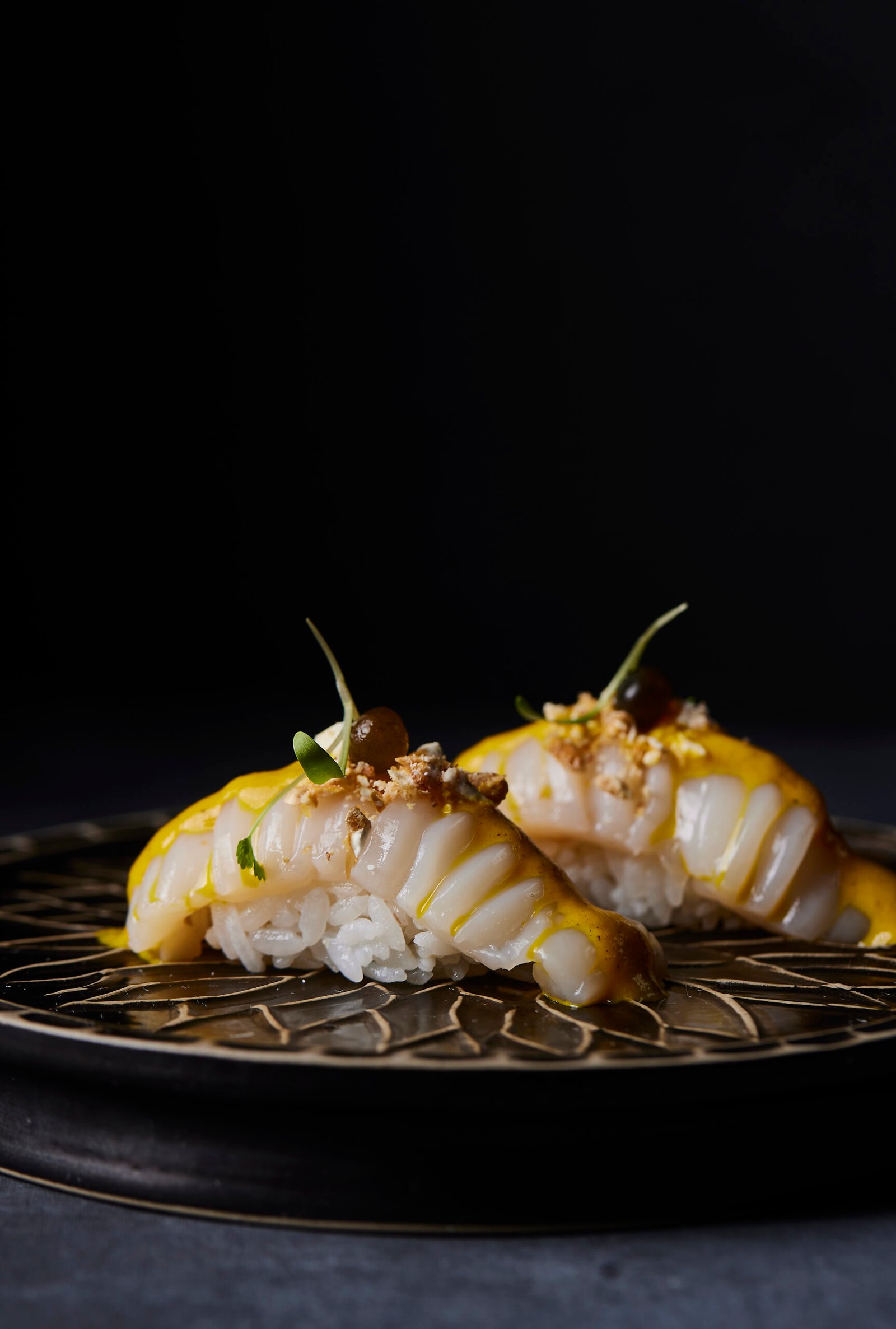
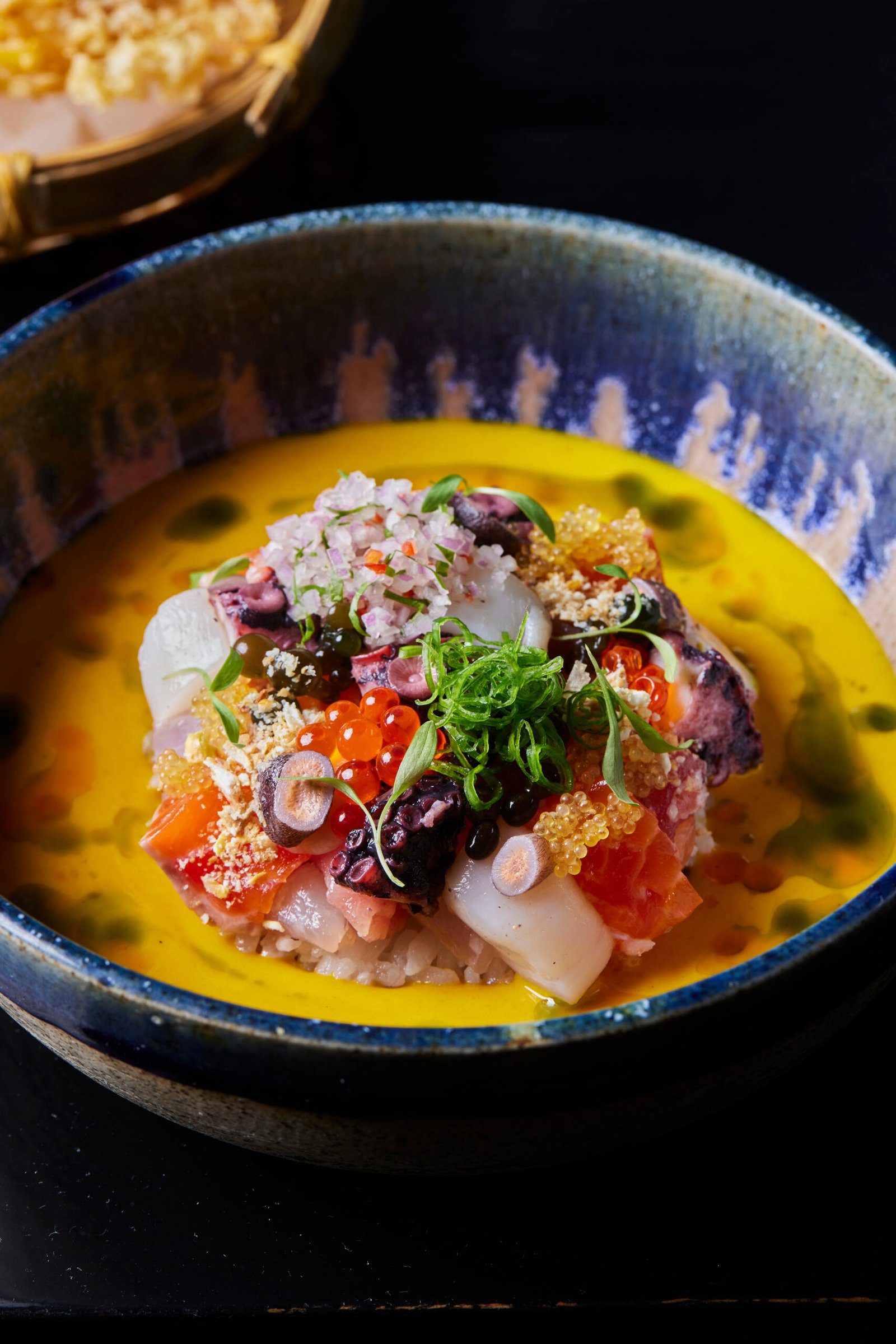
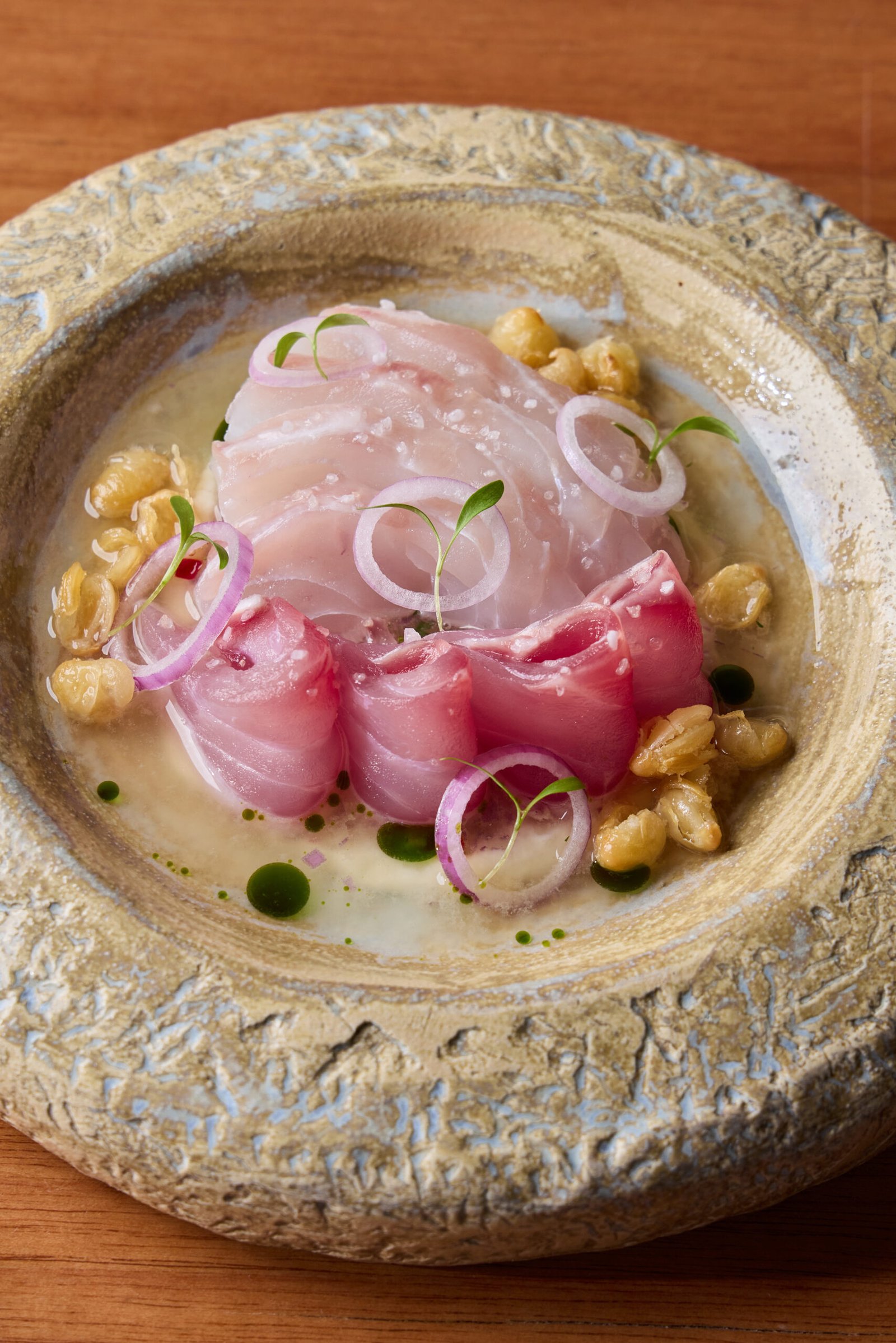
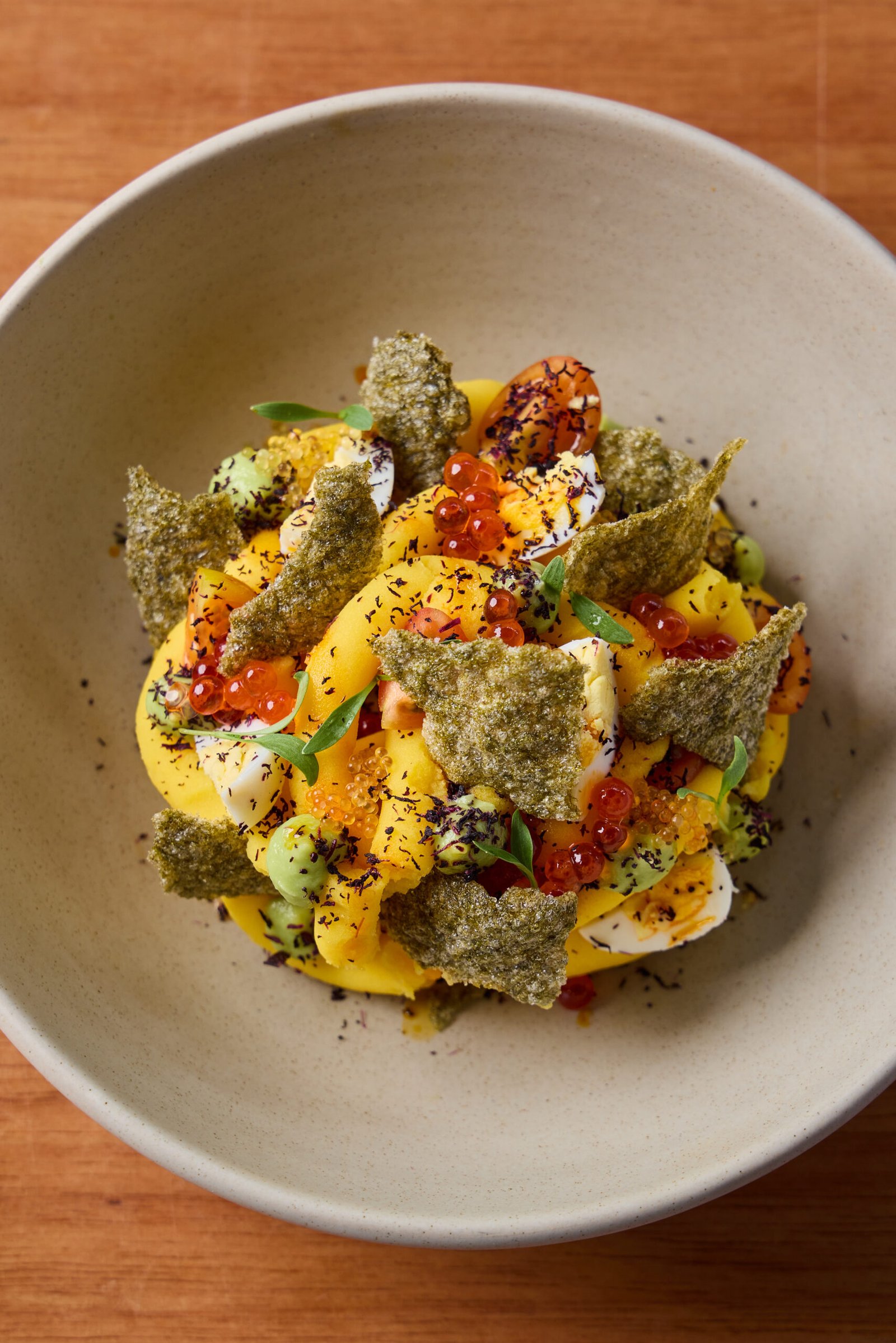
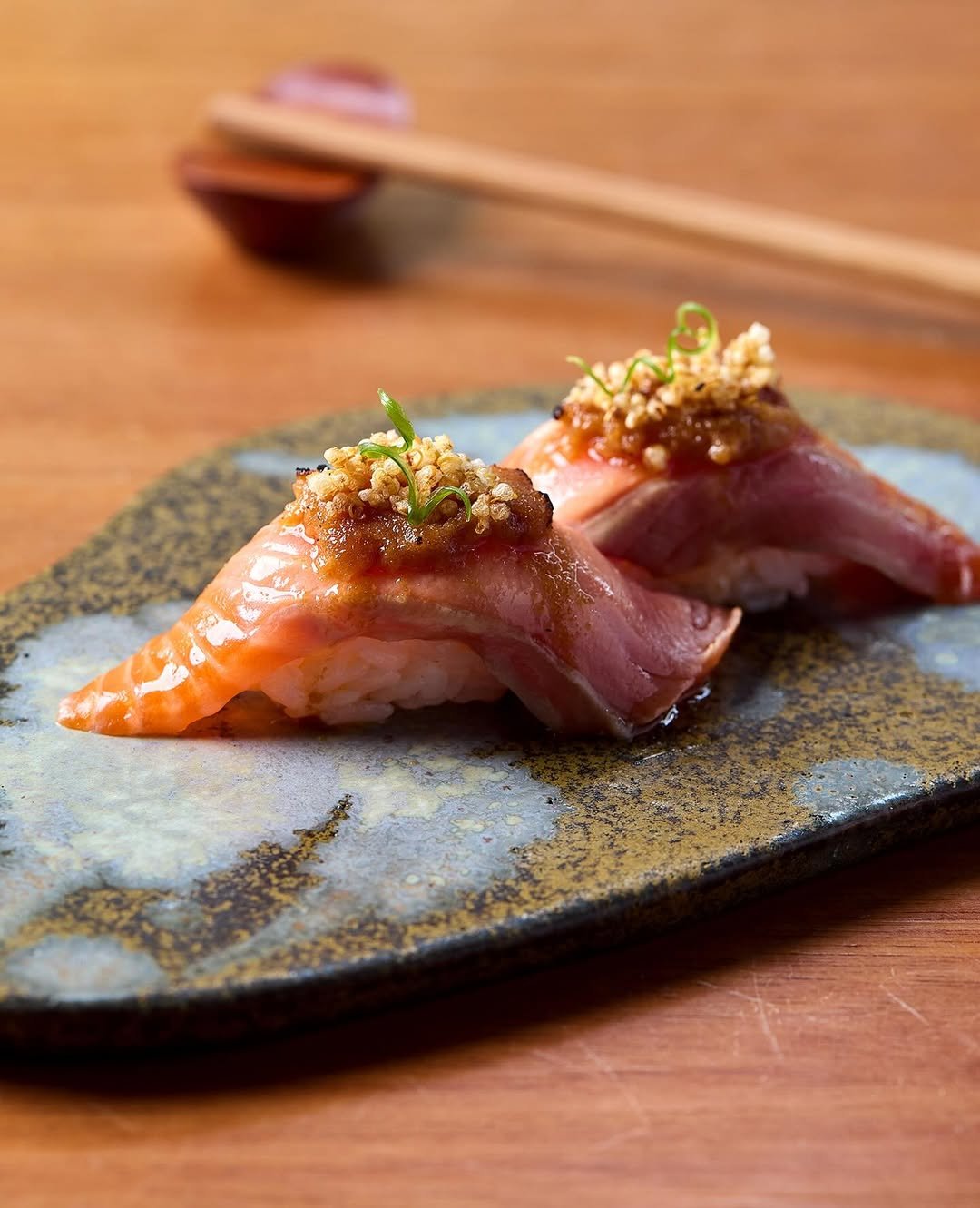
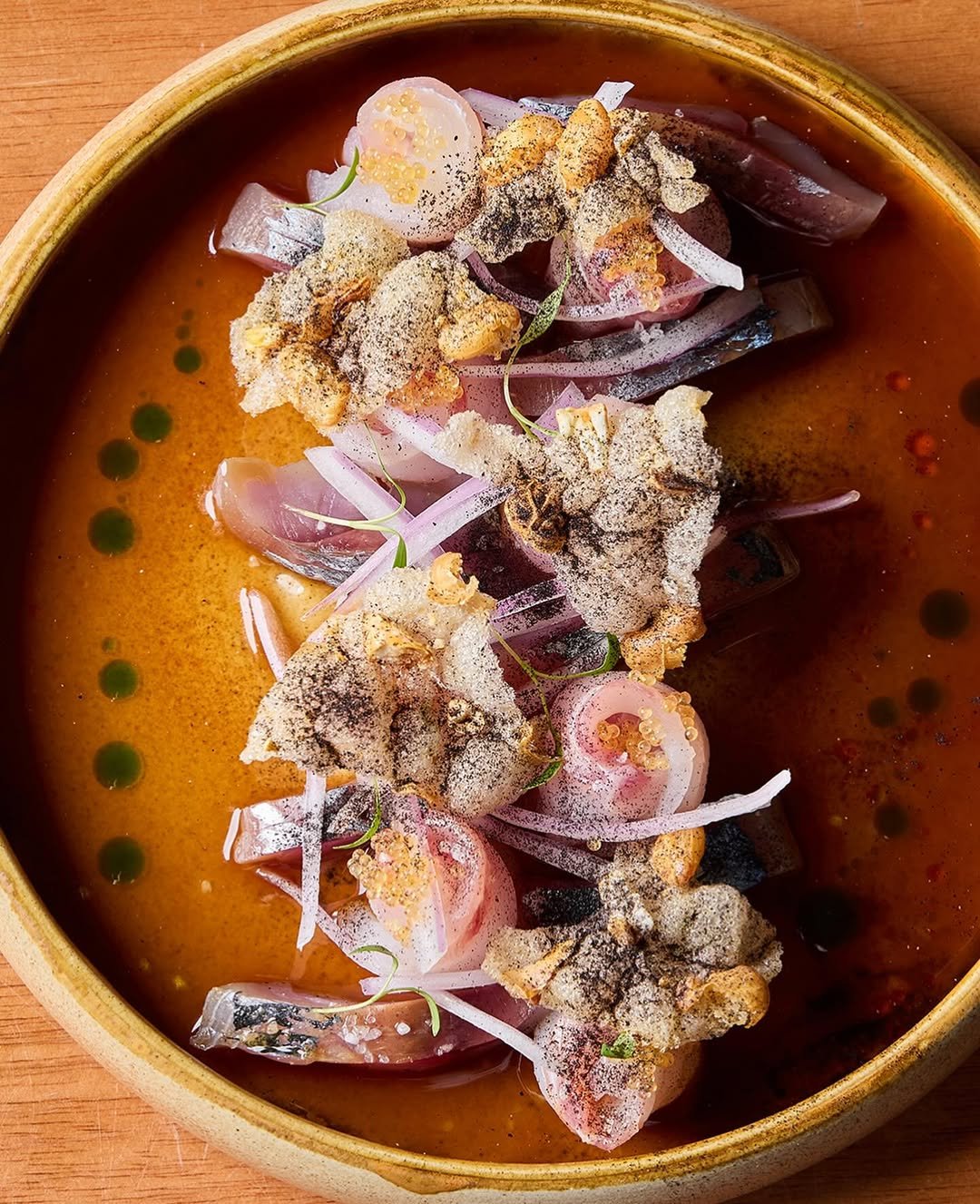
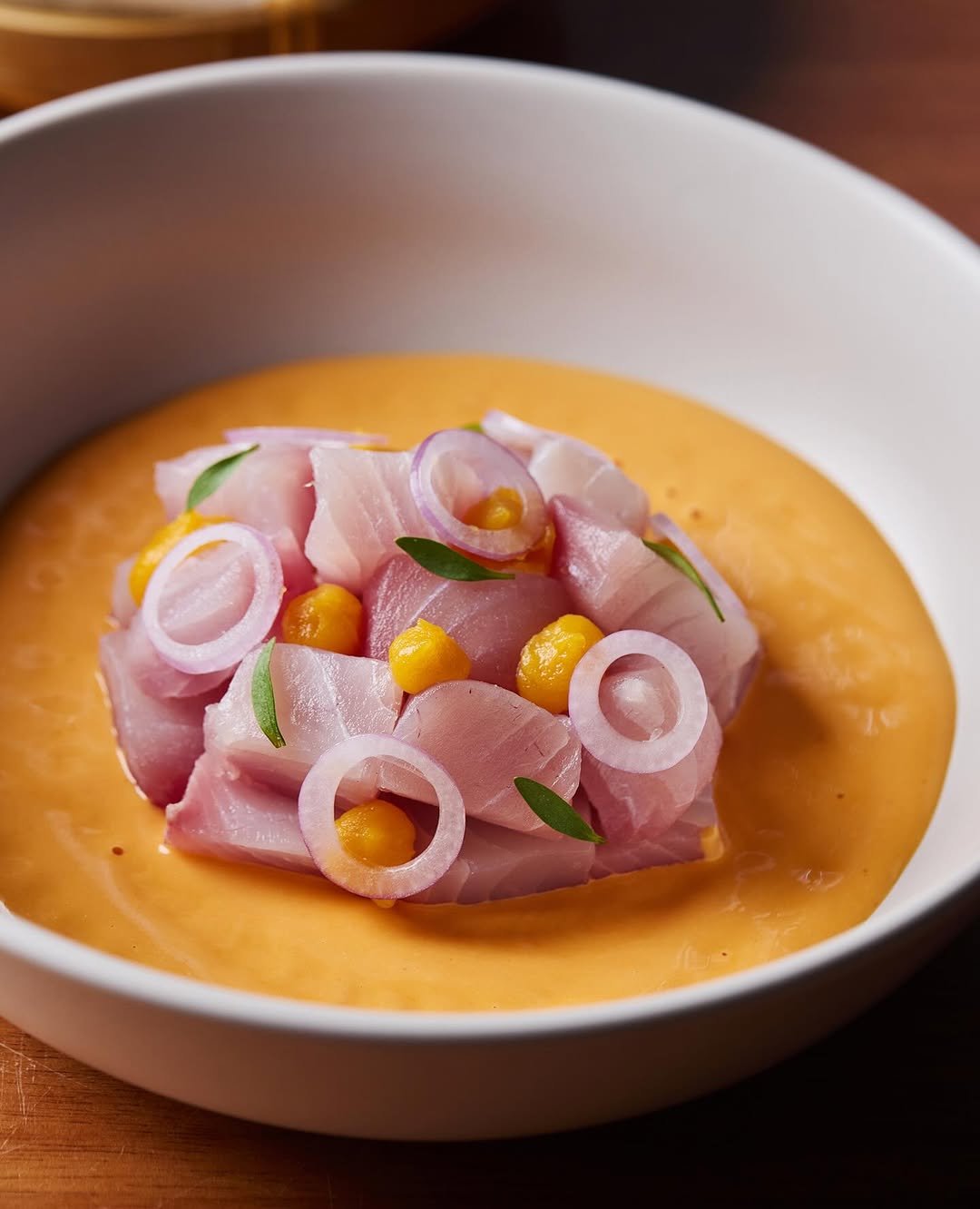
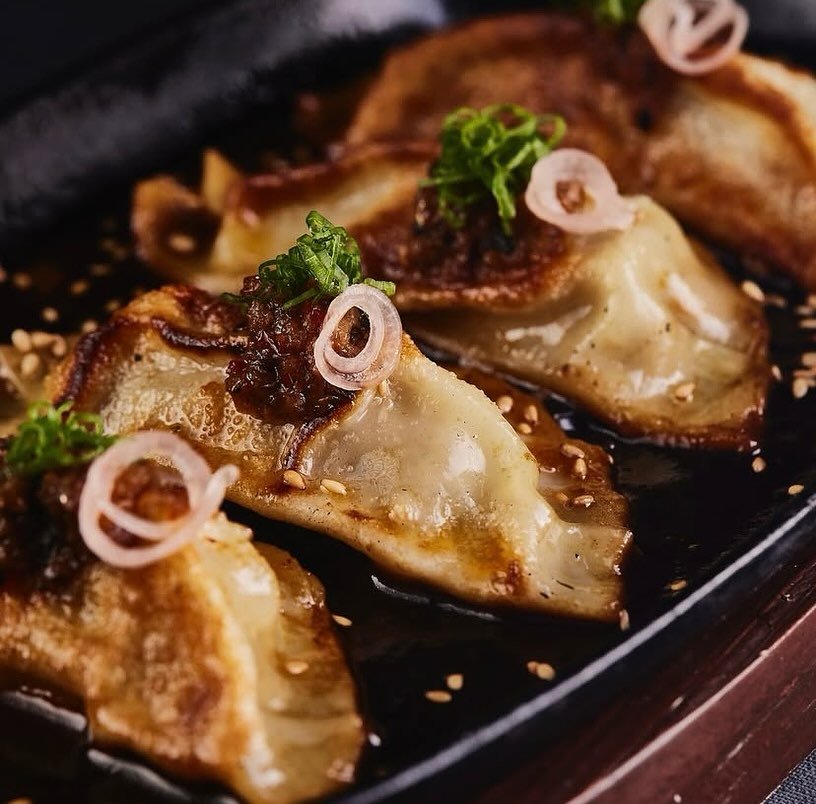
Photos of the dishes by @jimena.agois.
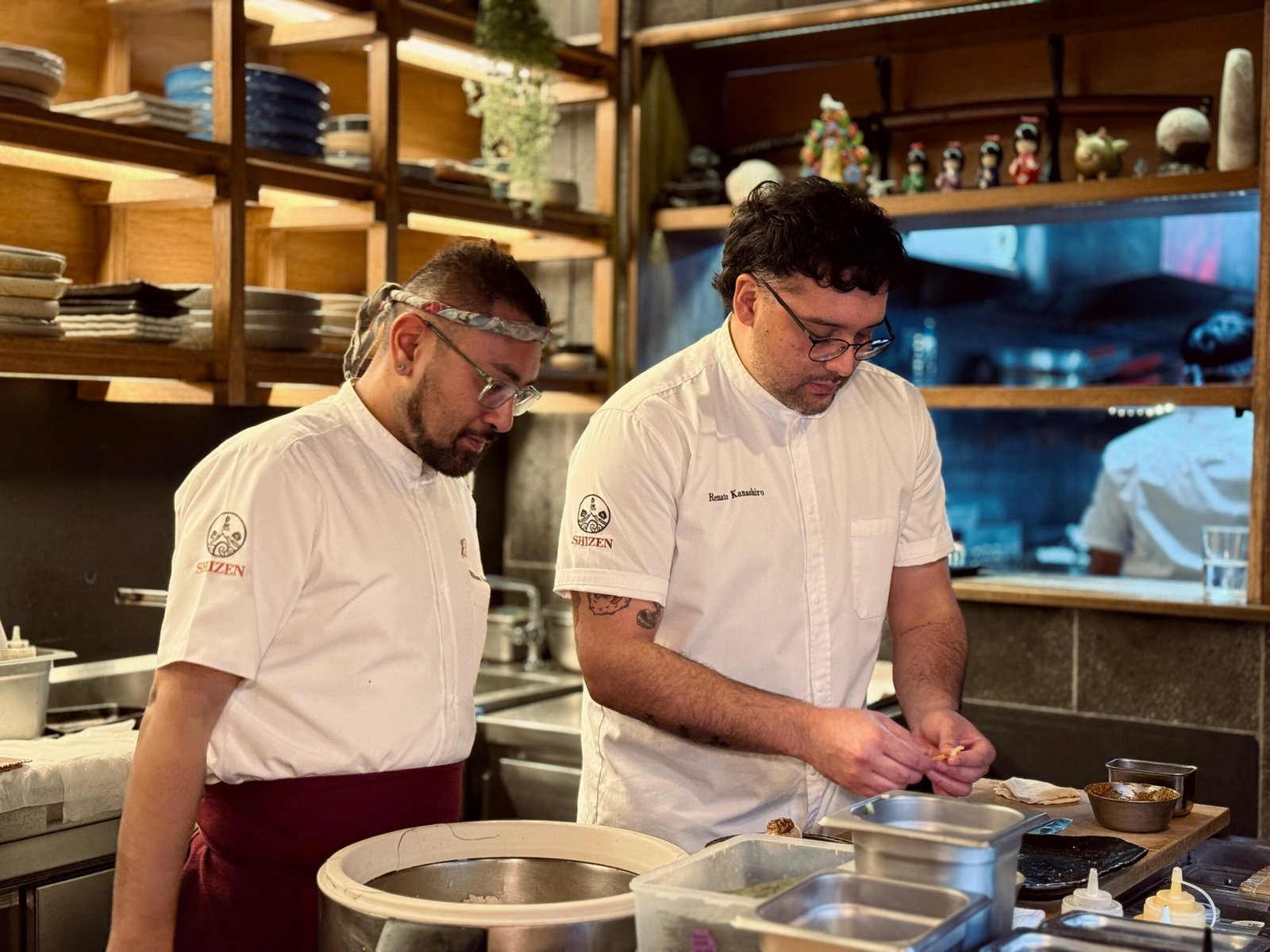
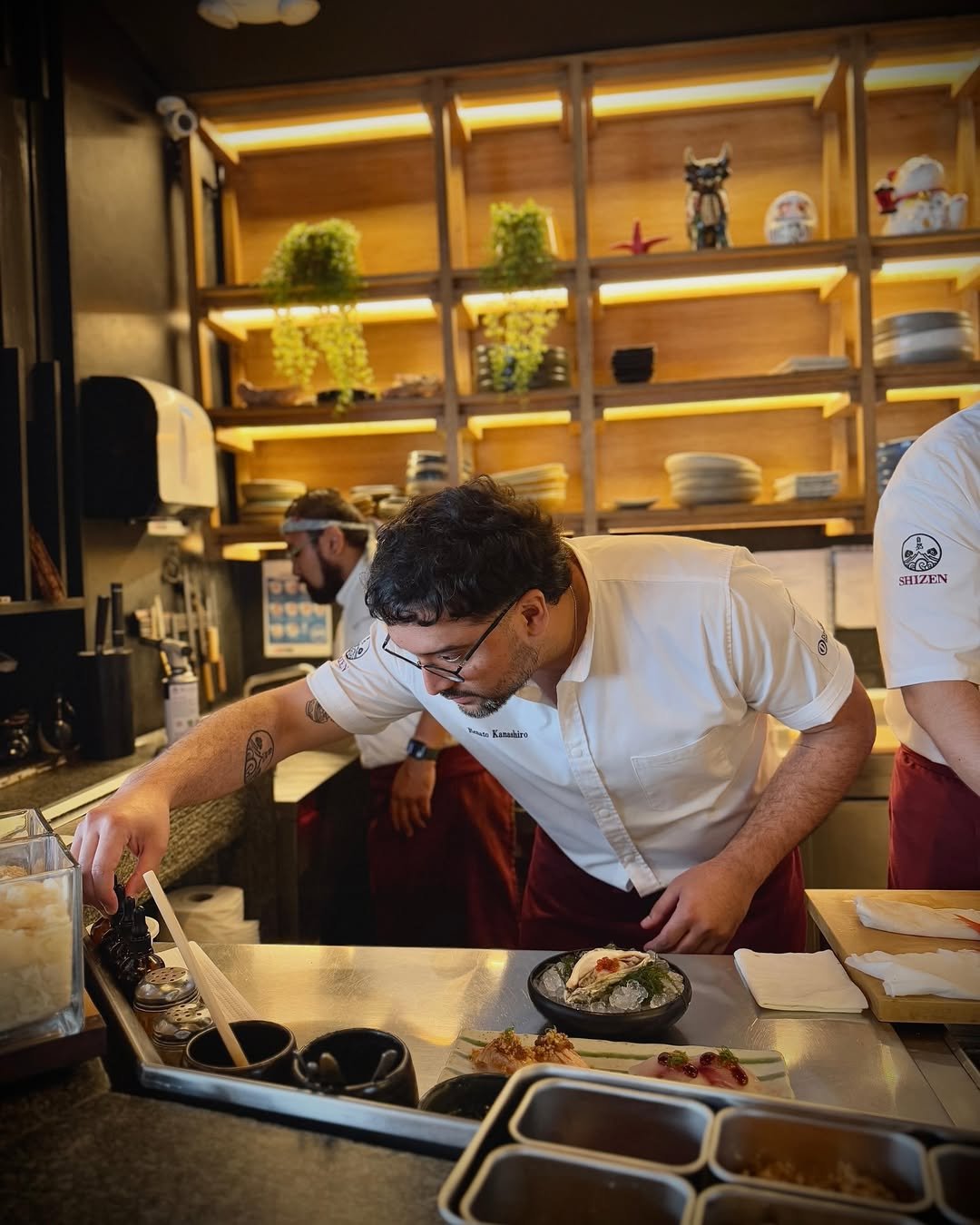
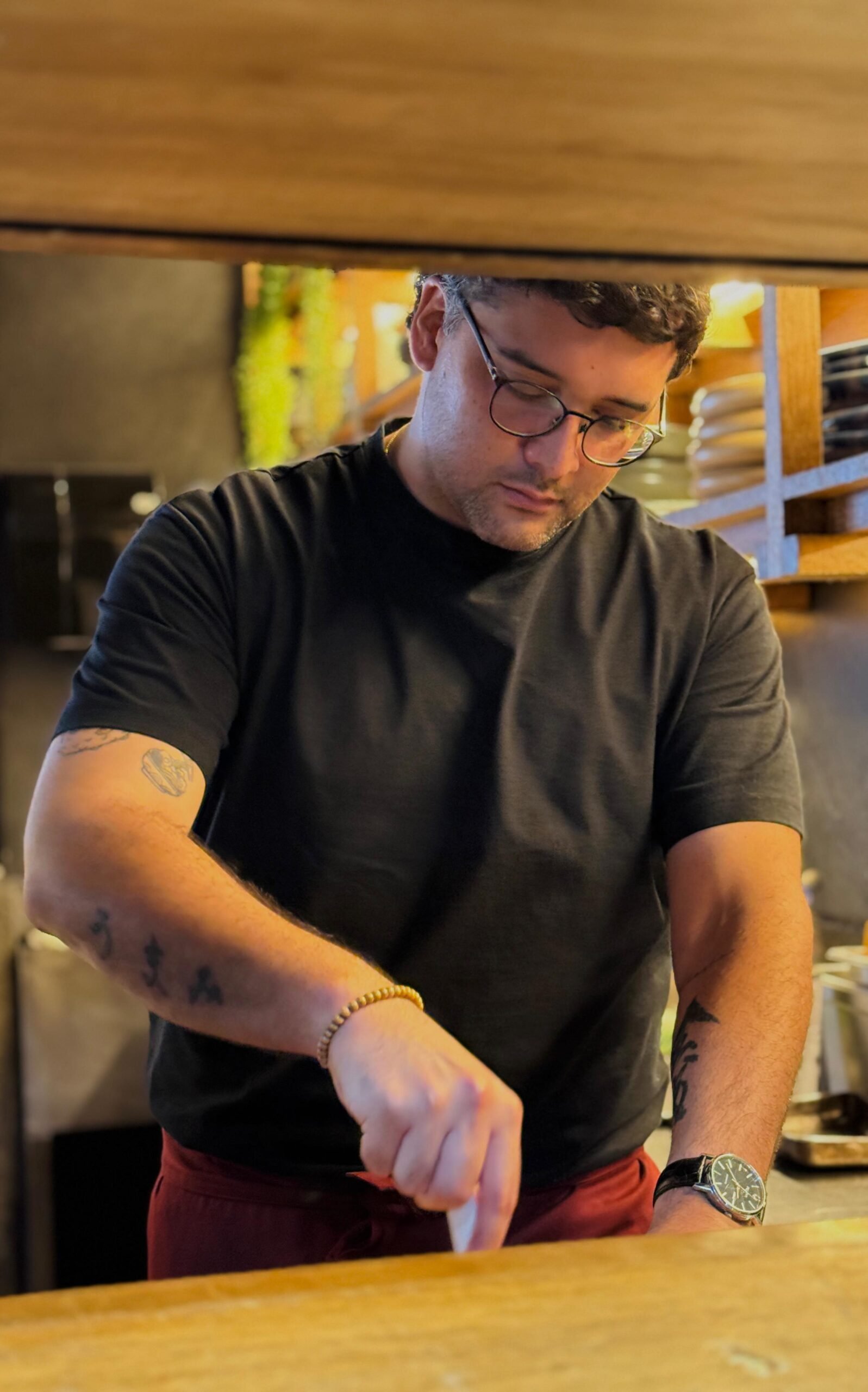
Kitchen moments captured by @catchofthedey.
Secret Sauce
- What’s the most unexpected ingredient you’ve ever worked with, and how did it change your perspective on cooking?
The first time we got piure, I remember trying it and thinking it was terrible. I didn’t want to use it ever again. Clearly, I had no idea how to work with it and just assumed it was a bad ingredient. Later, when I traveled to Chile and tried piure in different, delicious preparations, I understood that an ingredient isn’t defined as good or bad by itself, but by how it’s treated.
- What’s your “guilty pleasure” meal?
There’s a Peruvian burger chain called Bembos that I really like. You could put a Bembos burger next to one made with A5 wagyu, and I’d still choose the Bembos one. it has a unique, unmistakable industrialized flavor.
- A food trend that you hate and why?
None.
- What’s the craziest shift you’ve ever worked in the kitchen? What happened, and how did you manage to get through it?
We had the honor of cooking alongside Micha Tsumura at Shizen. We created a collaborative dinner together. It was the moment in my career when I felt the most pressure, nerves, and stress so far.
5. What happened, and how did you manage to get through it?
It turned out incredible, but with so many friends and familiar faces in the dining room, and with a live band that night, which made some guests uncomfortable sitting too close, people started switching seats and joining tables.
That completely disrupted the reservation map and made the tasting menu flow lose all structure. At some point, despite our efforts to stay in control, we no longer knew which course belonged to which table or where each table was in the sequence.
It became absolute chaos, and it was the only time my partners and I genuinely felt like going to the bathroom to cry and just let everything collapse. Of course, we didn’t. In the end, we had to figure out how to regain control and push through.
At first, it felt like a curse, but it actually helped us. The music was so good that some members of the band started dancing with the guests, which made the delays and the exhaustion happening behind the scenes almost unnoticeable. From the guests’ perspective, everything felt great, but behind the curtain, everything was falling apart.
- What tips would you give to other cooks and chefs to help them navigate their culinary careers and find peace amid the chaos of the kitchen?
If you have the chance to travel, do it. And if you don’t, invest your money in dining out.
If you’re thinking about starting a business, understand that you won’t just be a cook anymore; you’ll have to learn to do a bit of everything, especially on the administrative side. At some point, you need to stop being so romantic about it and start becoming more objective, even a bit cold when necessary.
And I know it’s hard, but finding the time and balance to work on yourself should be a priority. Training, going to therapy, eating well, and spending time with your family are goals we should all be pursuing alongside our work.
- What’s an underrated ingredient and why?
For me, it’s the egg, but fried. It’s something I personally love. I put it on stews, pastas, soups, just with rice, with meat… I always say, everything tastes better with a fried egg.
8. What’s a must-try dish from your kitchen or the one you’re proudest to have prepared?
I’d say you absolutely have to try our Chirashi Ceviche. It’s our best-selling dish and a good selection of nigiris that perfectly reflect the DNA of our cuisine.
About Your City!
Lima, Peru
- If Anthony Bourdain or a chef came to your city, what would be the perfect tour itinerary from breakfast to dinner?
If Anthony Bourdain were to visit Lima, I’d take him through a full day that really shows the city’s contrasts. Something honest, a bit chaotic, but deeply rooted in flavor and identity.
I’d start early with a traditional breakfast, something simple like a pan con chicharrón and a strong Peruvian coffee, maybe from a spot like El Chinito. No luxury, just pure, unapologetic flavor to wake up the palate.
Then I’d take him to Mercado de Surquillo. Walk through the market, look at the fish, taste some exotic fruits, and maybe have a quick ceviche at a stall. For me, that’s essential, understanding the product and the people behind it.
For lunch, I’d go with something that represents Lima’s seafood culture at a high level but still feels connected to tradition, either La Mar or La Picantería. Both have a strong sense of identity and respect for ingredients, just expressed differently.
In the afternoon, I’d slow things down in Barranco. Grab a coffee, walk around, maybe some street sweets like picarones. It’s important to feel the rhythm of the city, not just eat through it.
As the sun goes down, we go straight to the streets. Anticuchos, rachi, grilled everything. That’s non-negotiable. That’s where the real soul of Lima lives.
For dinner, I’d bring him to Shizen. Not just to eat, but to show where we’re taking things, how Nikkei cuisine can evolve while still respecting its roots. I’d have him try our Chirashi Ceviche and a progression of nigiris that really reflect our DNA.
And to close the night, I’d take him to Lady Bee; they have a truly unique beverage program, and the food is excellent. It’s the kind of place where the night naturally extends, with great drinks, great energy, and the kind of conversations that stay with you.

Support our project by buying our merch!

86 HOTK Unisex t-shirt
$30.00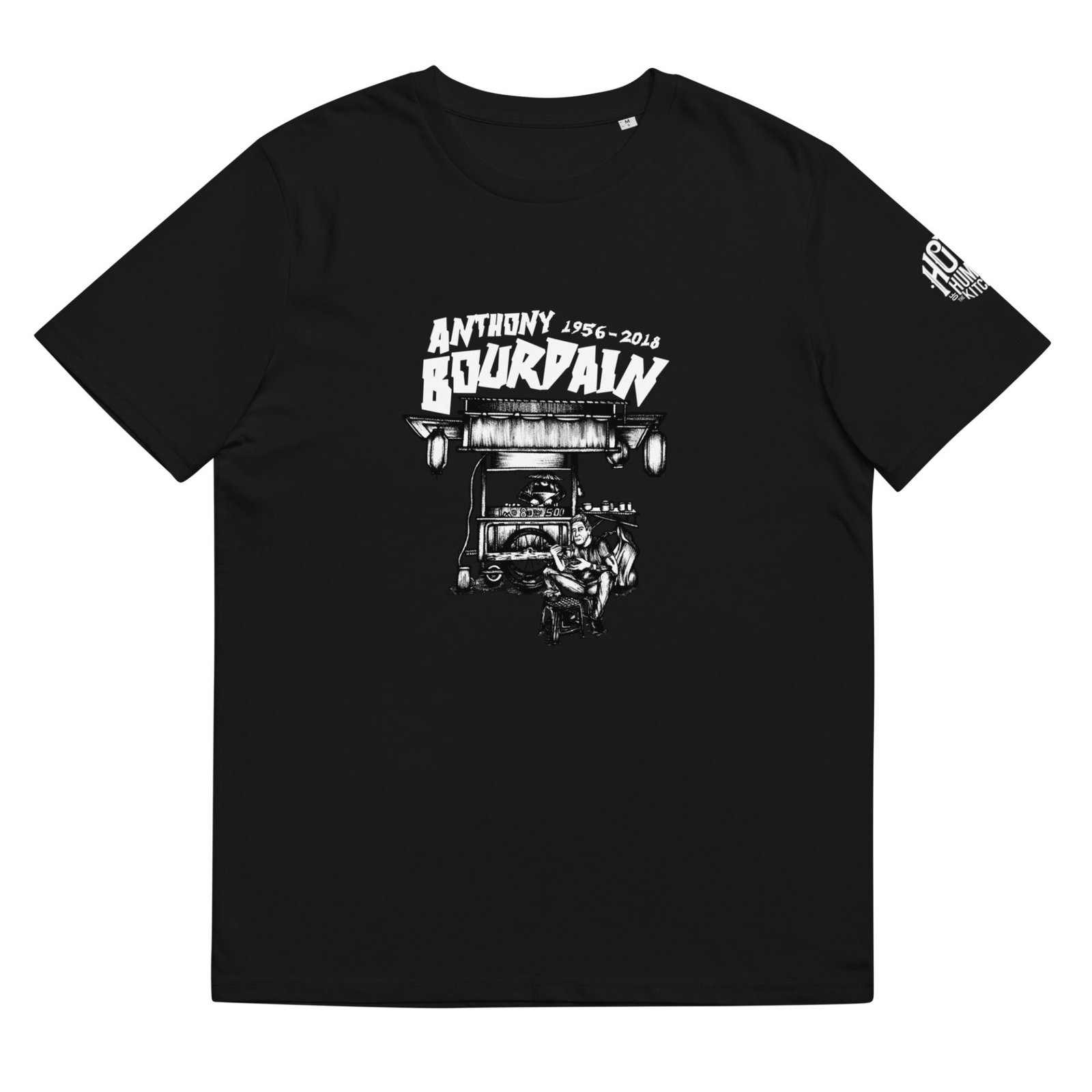
Anthony Bourdain T-Shirt
$35.00
Mise HOTK Unisex t-shirt
$30.00