The energy in the kitchen ends up on the plate
Maria believes mindful cooking and kinder kitchens give cooks a better chance of making people happy.
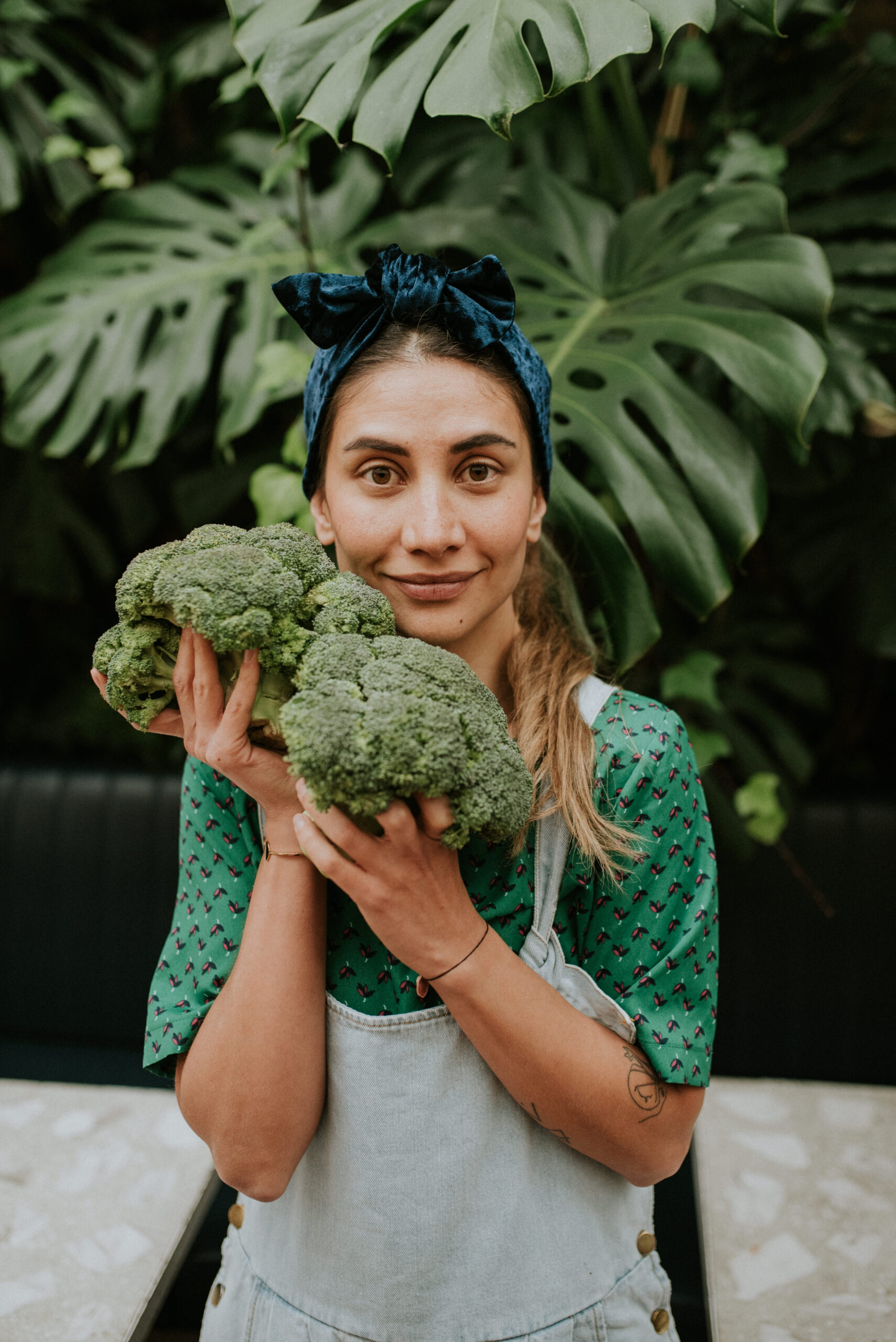
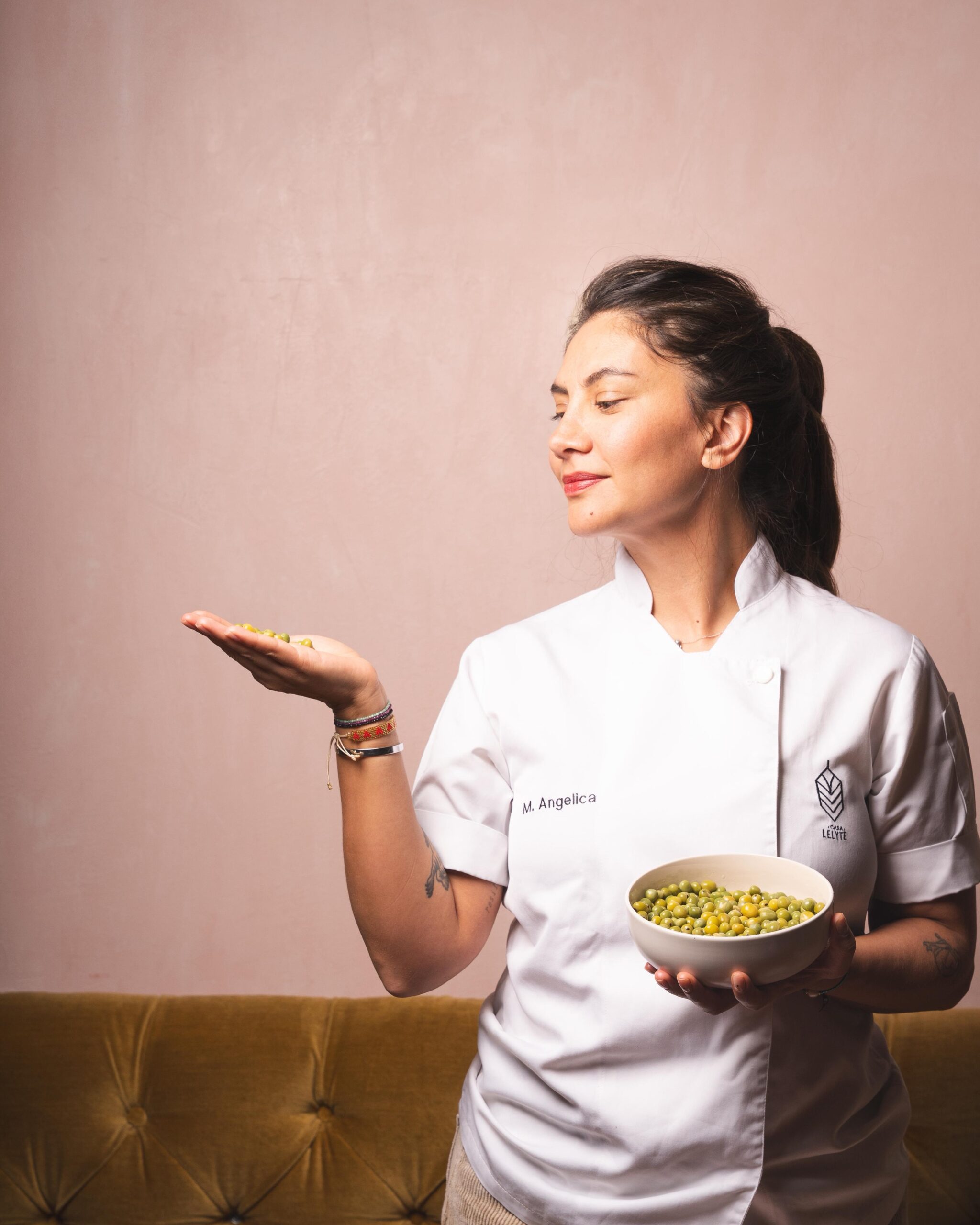
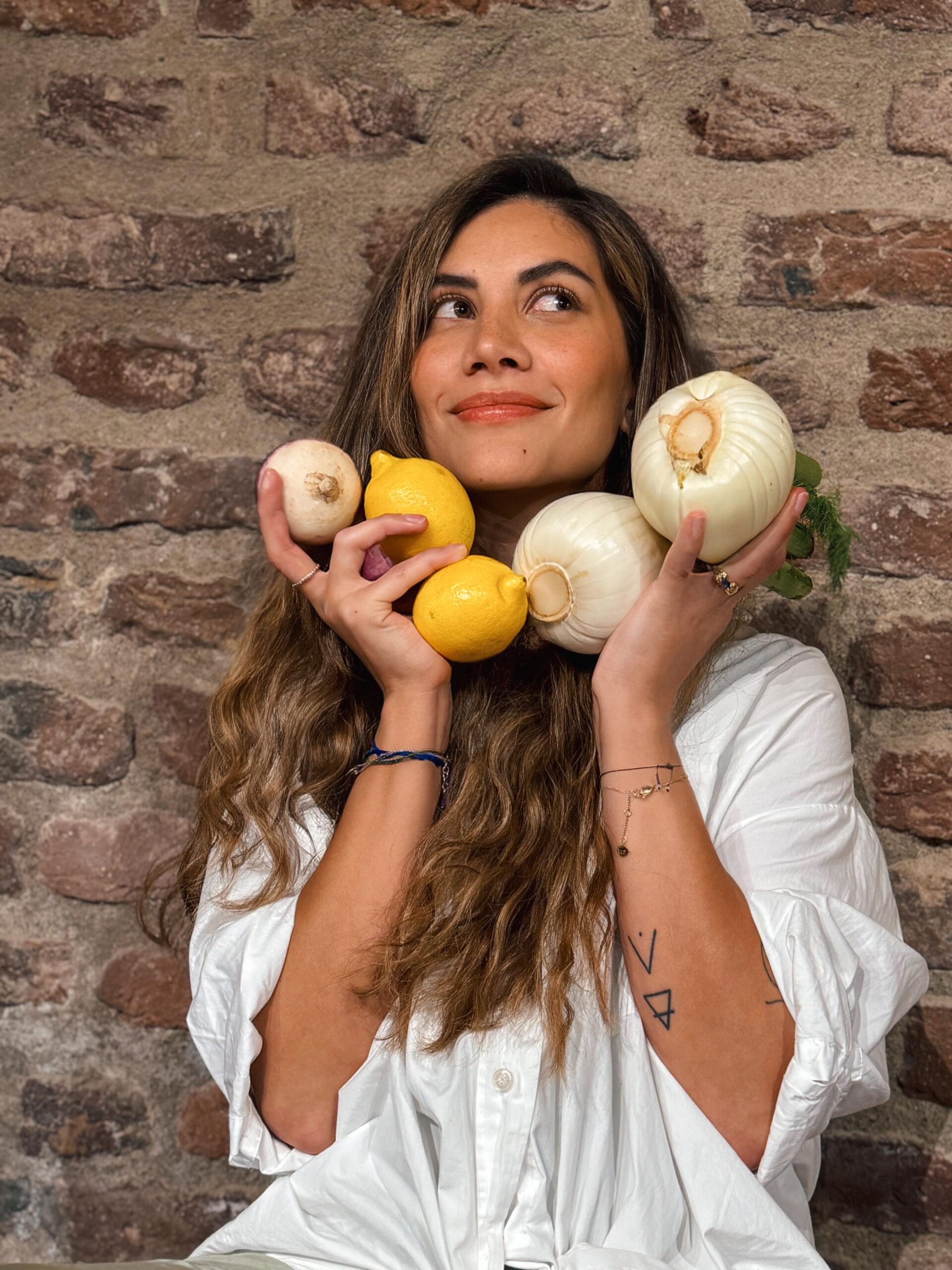
Maria Angelica Bernal Vera
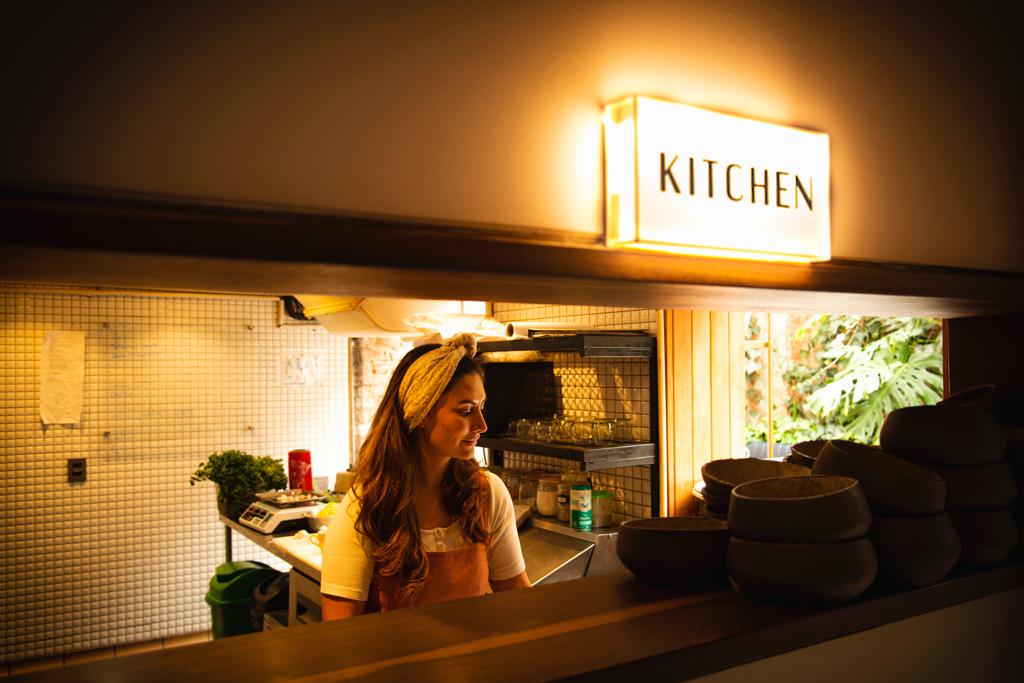
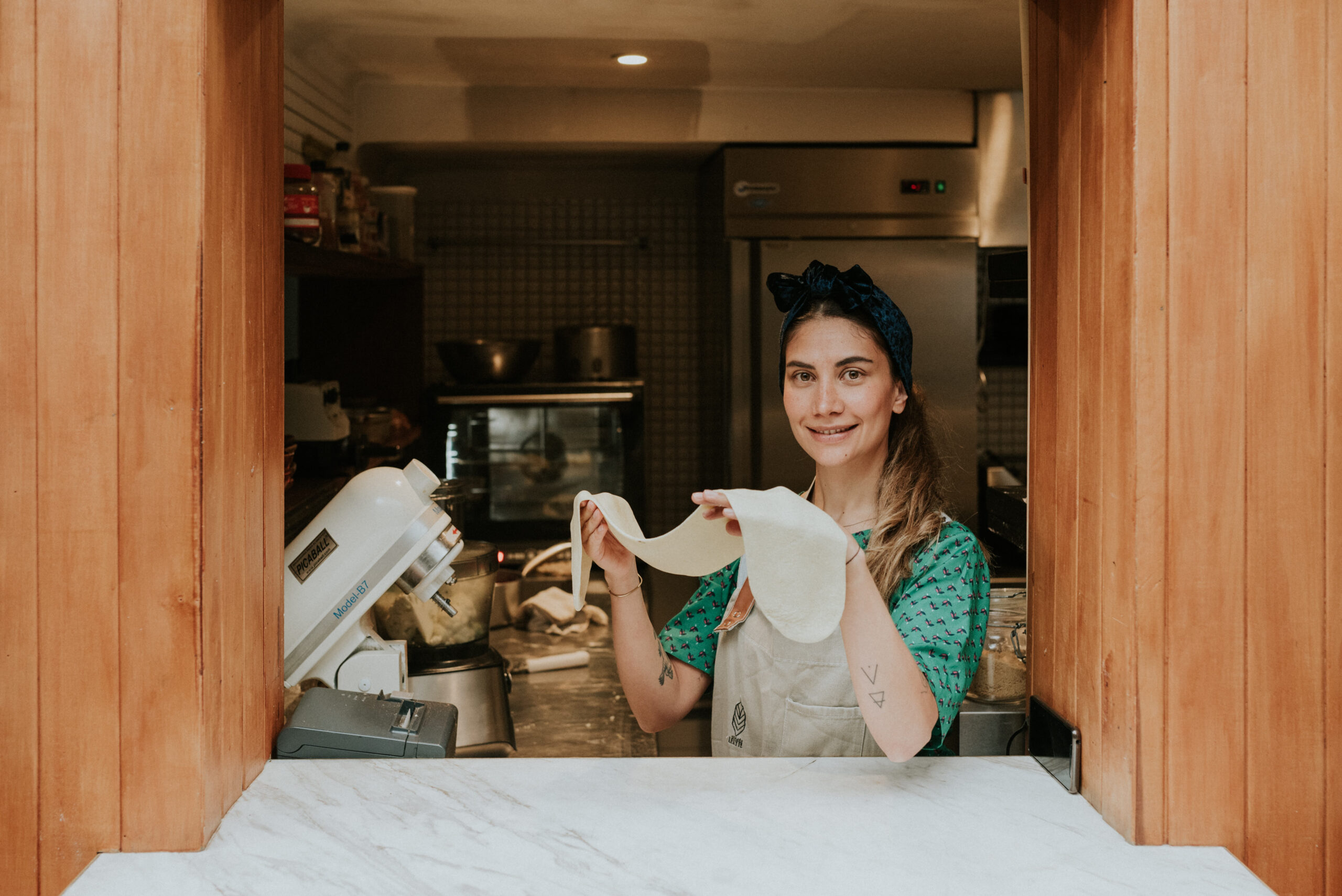
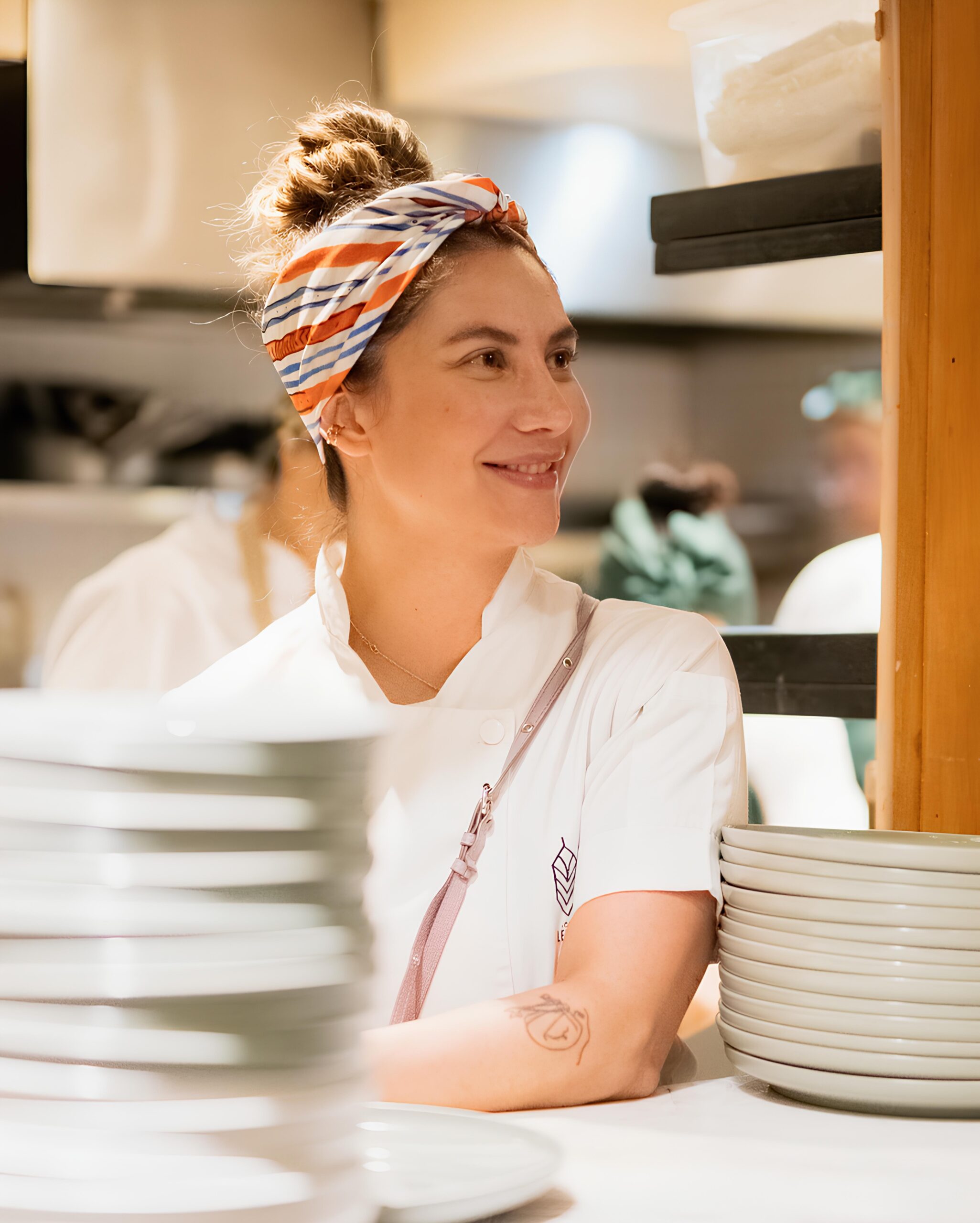
Maria Angelica Bernal Vera’s relationship with food began in childhood, in her grandparents’ kitchen, making arepas with her grandmother and learning from Glorita, the woman who helped care for her at home. Becoming vegetarian at an early age deepened her curiosity about food and eventually helped shape the direction of her career.
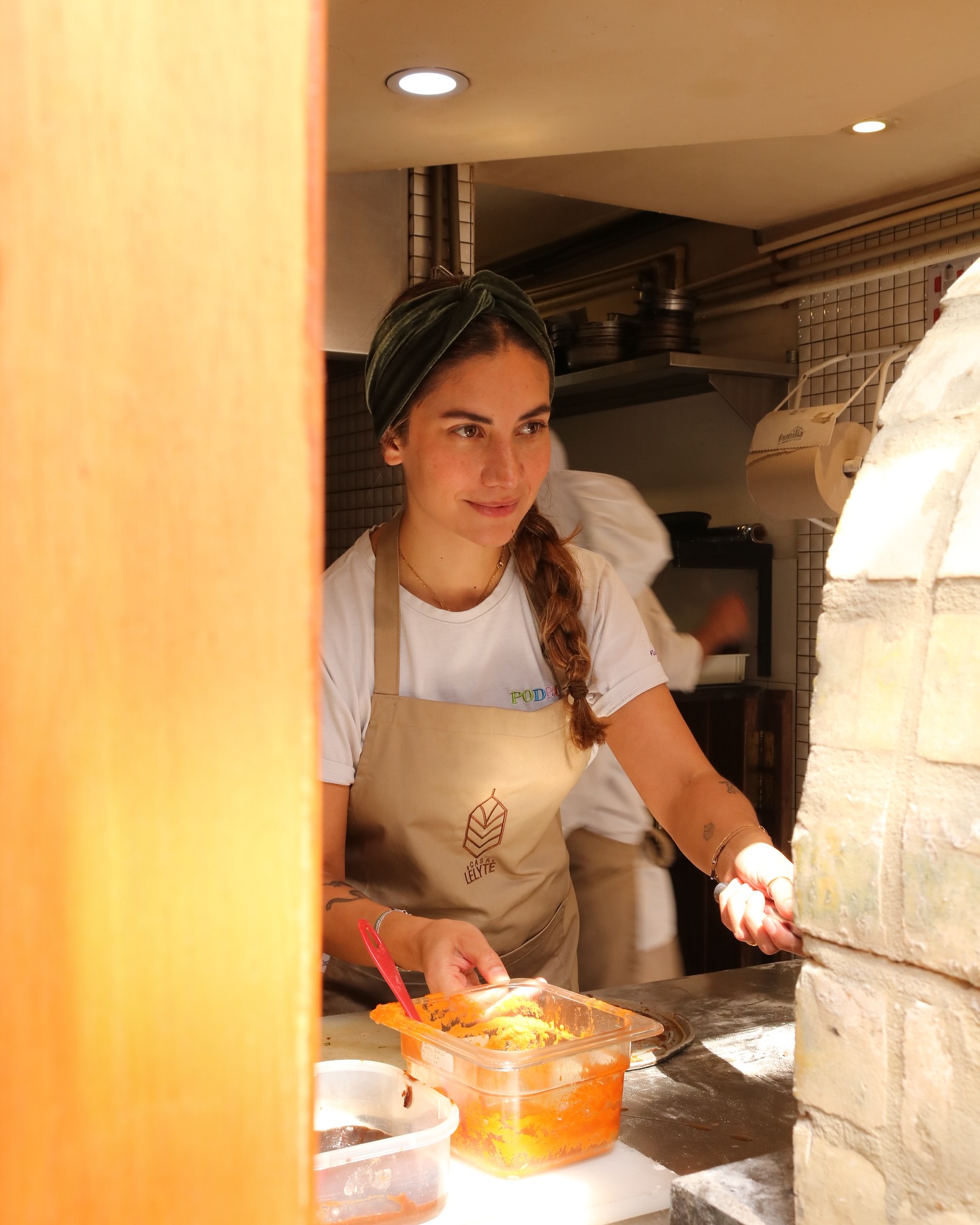
Before entering the culinary world professionally, Maria studied advertising and marketing and worked in digital marketing and event management. At 26, she decided to change careers and start again, combining her professional experience with her passion for cooking. That decision led her to create CASA LĖLYTĖ, a project that has now reached ten years and established her as a pioneer of plant-based cuisine in Colombia.
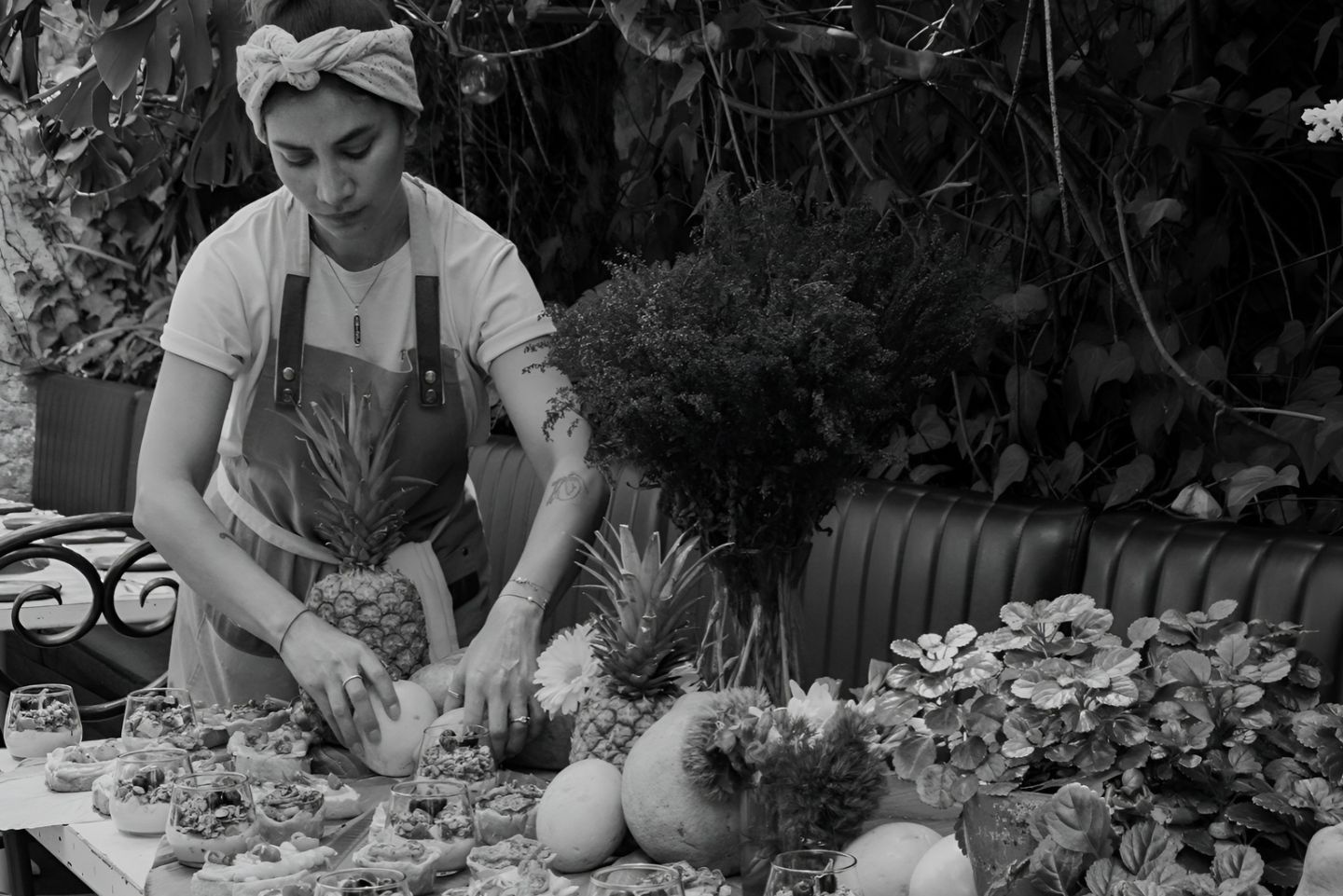
For Maria, cooking is about more than ingredients or presentation. She believes that the state of mind we bring into the kitchen influences the food we create and the people we serve. Through plant-based gastronomy, culinary events, and the experiences she creates for her clients, she continues to explore new possibilities while advocating for a more considerate industry—one with less ego, more kindness, and a stronger focus on cooking.
In this conversation with Humans of the Kitchen, Maria reflects on changing careers, building CASA LĖLYTĖ, and her vision for the future of plant-based cuisine.
Share your Journey
- Looking back at your childhood, was there a specific moment or memory that sparked your interest in food or cooking?
Yes, of course! Well, perhaps the first moment was when I was a baby and already fascinated by eating. Later, I used to spend time in my grandparents’ kitchen, making arepas with my grandma or learning from Glorita, the woman who helped us at home and took care of me. After that, becoming vegetarian at a really early age gave me the motivation to learn even more.
- Did you have another career or job before becoming a chef? How did those experiences influence your decision to pursue cooking?
Yes, I did. I studied advertising and marketing and worked in different fields, such as digital marketing and event management. I combined all my experiences and knowledge with my passion for cooking and developed CASA LĖLYTĖ.
- Did you formally study culinary arts, or are you self-taught? How has your learning journey shaped your approach to cooking?
Yes, I studied culinary arts. Along with my long standing love for cooking, my travels have played an important role in shaping my culinary journey.
I’ve lived in Madrid, Spain; New York City; and Cologne, Germany, and I’ve had the opportunity to travel around the world, although there are still many countries I’d love to visit. I couldn’t point to just one trip that influenced me the most. Instead, each experience has contributed to my perspective, and my cooking reflects strong Asian and Mediterranean influences, along with Colombian flavors.
- When did you first step into a restaurant kitchen? What was that experience like, and how did it shape your journey as a chef?
When I was a university student, I worked as a waitress. Back then, I was fascinated by the rush and adrenaline of the kitchen. Then came culinary school events, followed by my first jobs, which were really tough but, at the same time, amazing.
- What were some of the early challenges or obstacles you faced when you started in the kitchen, and how did you overcome them?
The first challenge was making the decision to change careers and start more or less from scratch at 26. After that, everything else was tough, as it usually is in the kitchen world.
- What keeps you inspired and how has that inspiration driven you throughout your professional journey? Especially during tough times in the kitchen?
My motivation comes from teaching and learning about the many possibilities of the plant-based world. I enjoy exploring how to make our clients happy through our culinary journey and gastronomy events, creating amazing, edible experiences.
- Can you recall a moment in the kitchen that marked you forever? Maybe it was an interaction with a mentor, a fellow cook, someone you fed, or a situation that challenged you in a way that shaped who you are today?
Yes, one of the sous chefs at a restaurant where I worked in NYC made a lasting impression on me. I don’t remember her name, but I do remember that she made our lives in the kitchen really hard. However, at the end of my last service, she told me, “I’m so sorry for the tough times. I hope you have a better understanding of what lies ahead for you in this world of gastronomy as a woman.”
- As a chef, how would you describe your philosophy in the kitchen, and how does it guide your approach to cooking and leadership?
My philosophy is that we are what we eat, and we eat what we are in the moment we cook. It is so important to be present and conscious of the state of mind we are in when we cook. A gentle kitchen will make gentle cooks, which creates a much better chance of having happy customers.
- Can you share a time when cooking or the camaraderie in the kitchen helped you through a tough period in your life? What made that experience meaningful?
There have been several moments in my life when cooking has helped me get through tough times. When I was going through a difficult period, creating the menu for CASA LĖLYTĖ helped me, even though I didn’t have a team yet. There were several key people who advised and supported me during that process.
During COVID, cooking became my mantra for keeping my mind occupied. The people around me also played an important role in helping the business keep going. Some delivered orders using their motorcycles or bicycles, while others walked to make deliveries. We also created a different, very complete menu almost every day for nearly six months, always looking for ways to offer something new to our customers. Their commitment and support made that period meaningful and helped us keep moving forward.
- Reflecting on your career, what achievements or milestones are you most proud of, and what do they mean to you?
Turning my second career into my life philosophy, reaching ten years with my project CASA LĖLYTĖ, and being considered a pioneer in plant-based cuisine in Colombia are the achievements I am most proud of.
- What aspects of restaurant culture do you love, and what parts do you find frustrating or problematic? Are there any changes you’re actively working toward or things you hope they change in the industry? Share the reasons behind them and how they align with your vision for a better culinary world?
I love that eating and enjoying a good meal will never be replaced by AI. People find ways to celebrate and get together with friends or family through restaurants and food.
What I don’t understand, and strongly dislike, is the way clients sometimes judge our culinary world. I think they sometimes forget that we are people who choose to serve others and make them happy, but we can still make mistakes or have bad days. I really dislike the Google review system. I don’t think it’s fair.
- What are your hopes for the future of the restaurant and food and beverage industry? What changes would you like to see, and how are you contributing to that change?
My hope is that those of us who are part of this world can find ways to be more polite to one another. Less ego, fewer awards, and more cooking. We need to understand that our industry is all about making a bad day better and making others happy.
- How do you think plant-based gastronomy can contribute to animal welfare and help combat climate change?
Simply by choosing not to consume animals, we already contribute to animal welfare by respecting their lives. Plant-based gastronomy can also help combat climate change, as we know that livestock farming is one of the major causes of deforestation. However, this impact can only be reduced when we are also conscious of sustainable consumption, choosing local and seasonal ingredients.
- If there’s anything we didn’t ask or if you feel we’re missing something about your personal and kitchen story, please share it here.
One of my biggest goals is to make plant-based food an important part of the gastronomy industry and to continue exploring amazing, edible experiences.
Secret Sauce
- What’s the most unexpected ingredient you’ve ever worked with, and how did it change your perspective on cooking?
Fruits in main courses and vegetables in desserts.
- What’s your “guilty pleasure” meal?
Pizza and arequipe.
- A food trend that you hate and why?
The trend where the cook brings out a fresh, whole fish and cuts it in the middle of a restaurant or at a party.
- What’s the craziest shift you’ve ever worked in the kitchen?
Surrealist dinners with performances. I was part of the performance, and some people drank tea containing psilocybin, which took them far away from reality.
5. What happened, and how did you manage to get through it?
We had to wait, give them plenty of liquids, and be patient.
- What tips would you give to other cooks and chefs to help them navigate their culinary careers and find peace amid the chaos of the kitchen?
Be consistent, patient, and disciplined. Let creativity be your tool, supported by a solid understanding of the financial side of things.
- What’s an underrated ingredient and why?
Tomatoes. It’s such a common, everyday ingredient in the kitchen, but it’s actually very important in my preparations.
8. What’s a must-try dish from your kitchen or the one you’re proudest to have prepared?
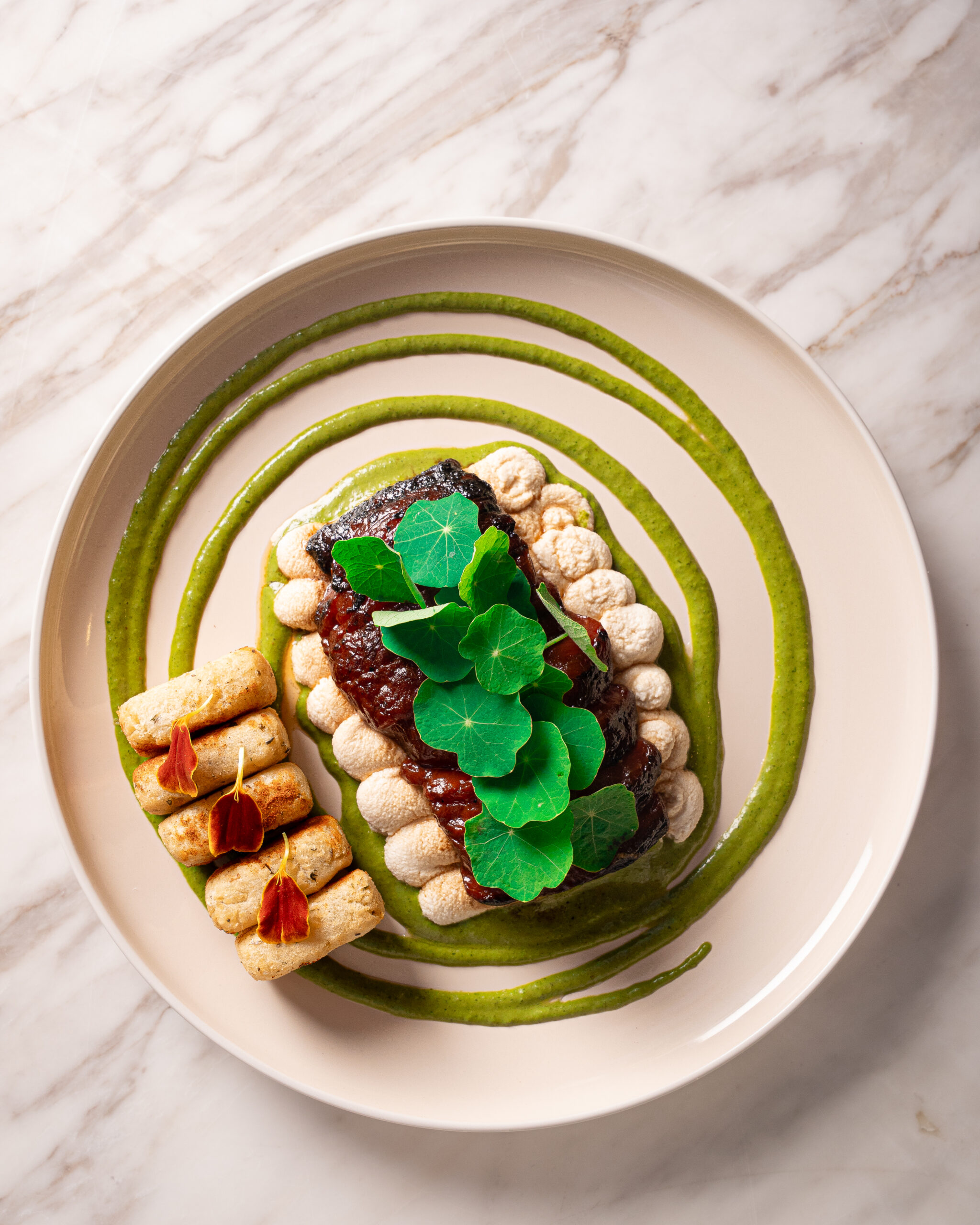
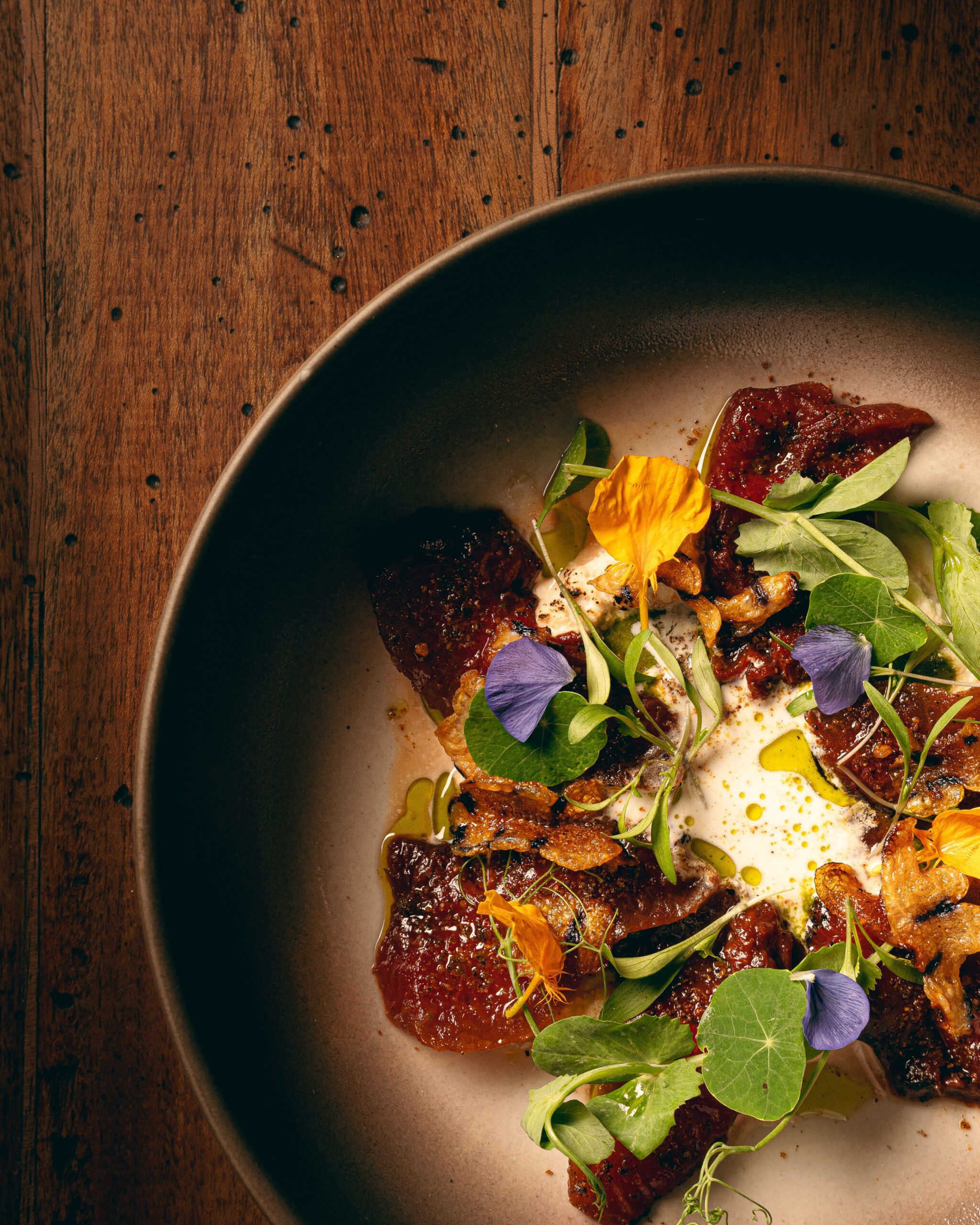
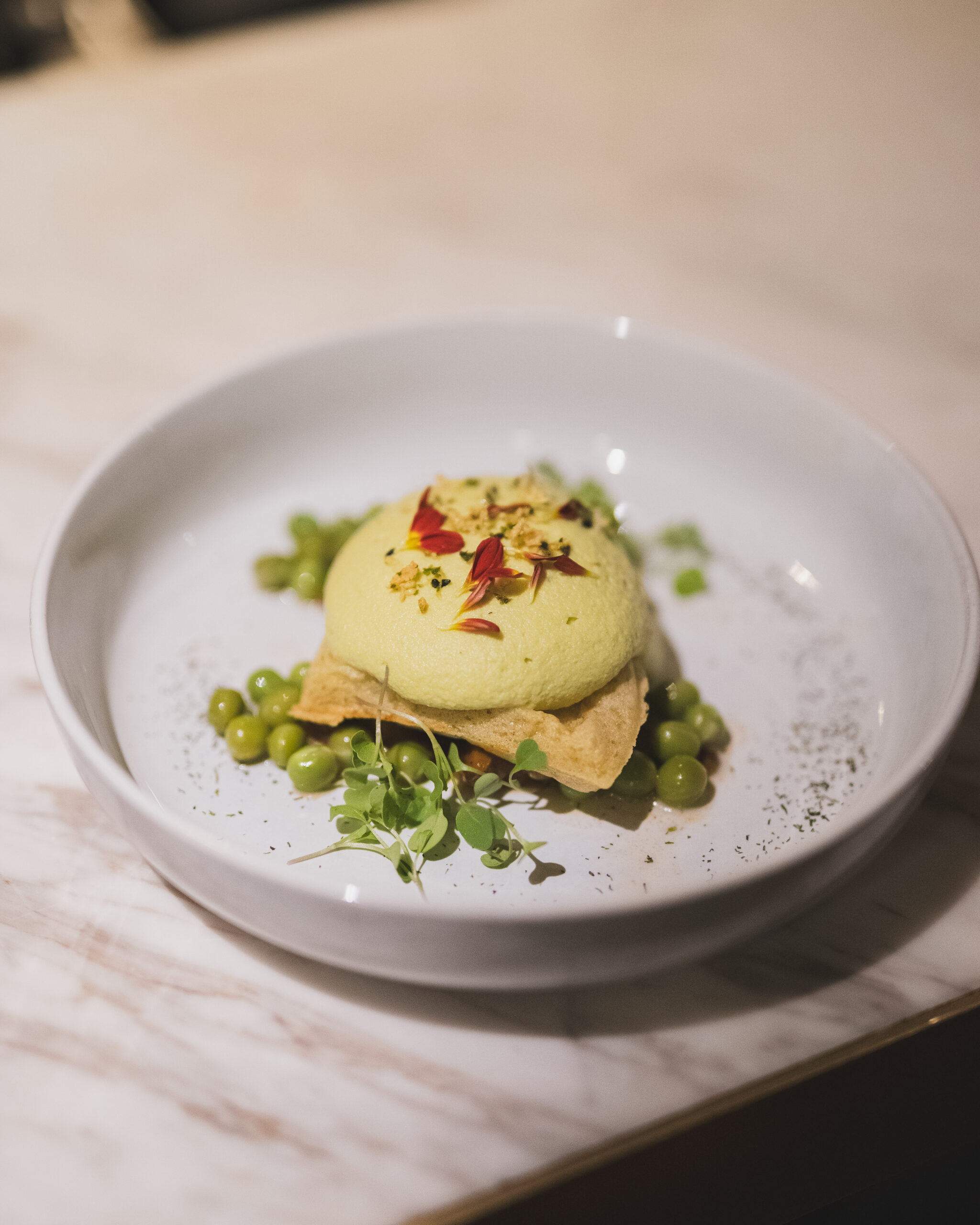
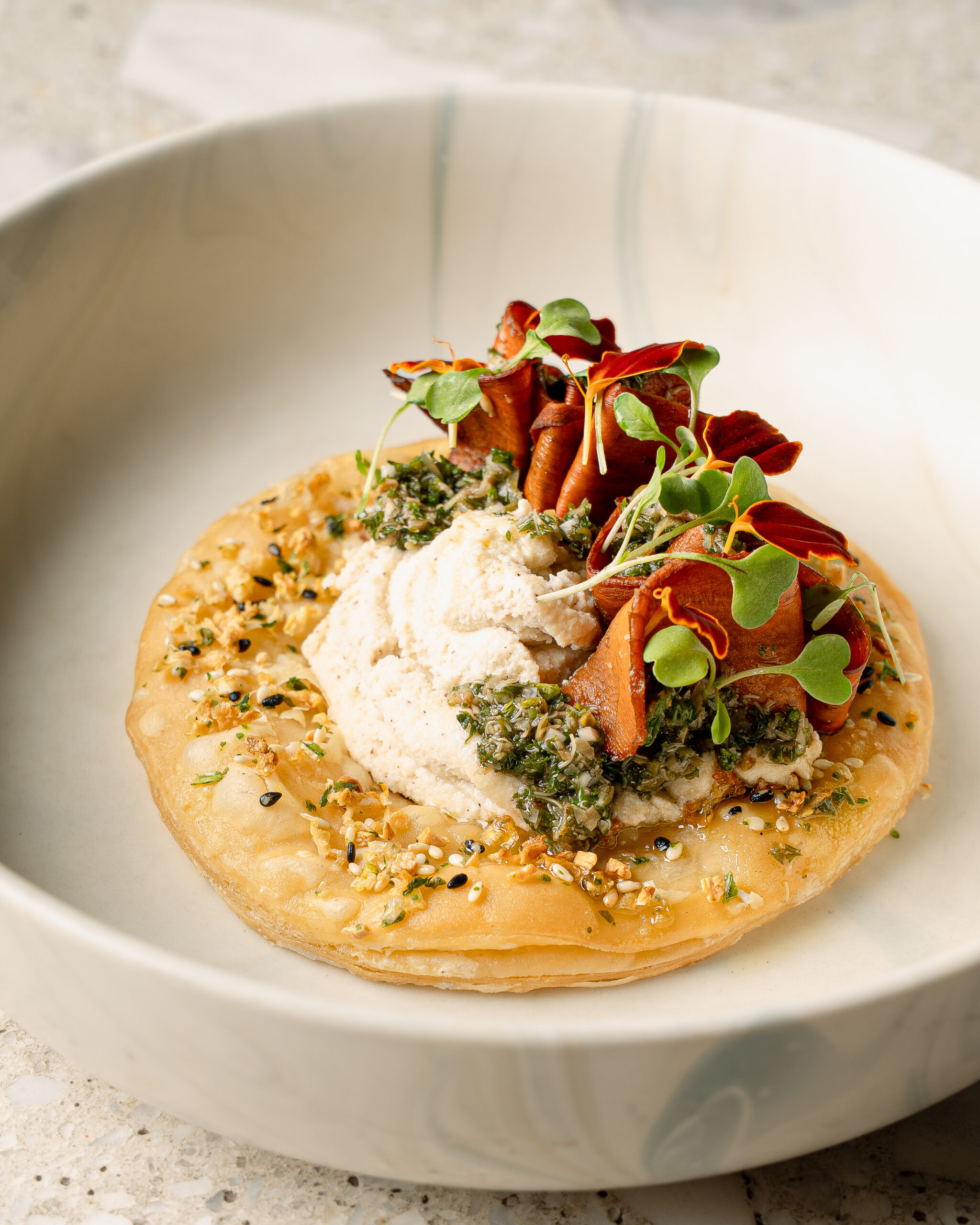
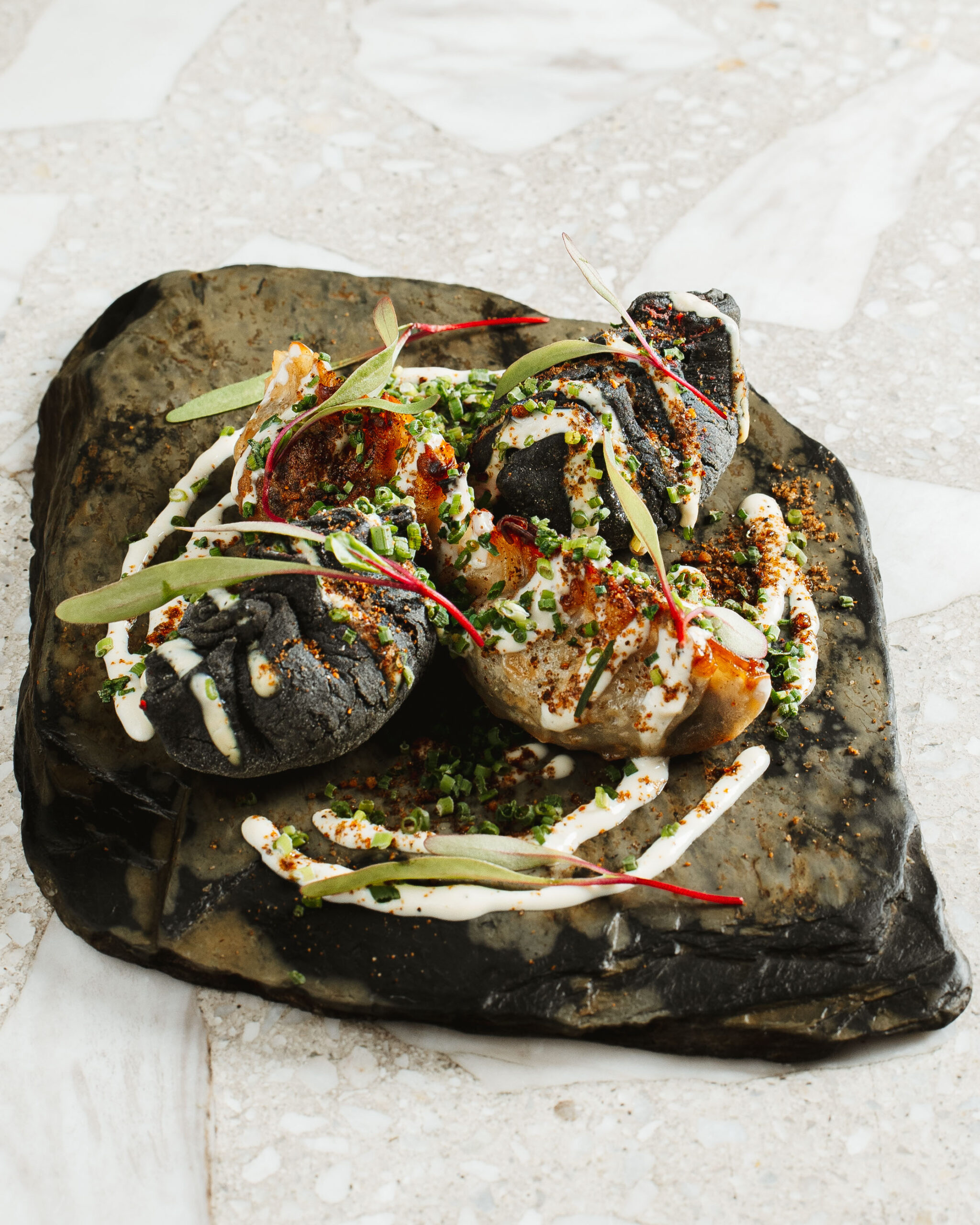
The smoked watermelon tiradito. We were already selling this dish in 2018, before it became a trend, and we’re proud of it.
About Your City!
Bogotá, Colombia
- If Anthony Bourdain or a chef came to your city, what would be the perfect tour itinerary from breakfast to dinner?
I’d start with breakfast at Paloquemao Market, trying pan de bono with avena, tasting different fruits, and walking through the flower section.
Then, I’d stop for a taquito at Tacaloa, a very good taqueria. For lunch, I’d choose Antonia, a Colombian fine-dining restaurant by Chef Jacobo Bonilla.
After that, we’d walk around Chapinero Alto, which was ranked among the world’s coolest districts on Time Out’s list. For dinner, we’d go to the CASA LĖLYTĖ bistro.
To finish the evening, we’d enjoy a nice cocktail at Enzo Bar or Petit Comité, followed by some great music at Cosmico.

Support our project by buying our merch!

86 HOTK Unisex t-shirt
$30.00
Anthony Bourdain T-Shirt
$35.00
Mise HOTK Unisex t-shirt
$30.00