Developing a culinary language
Textures, flavors, technique, and experimentation became ways of expressing a distinct point of view.
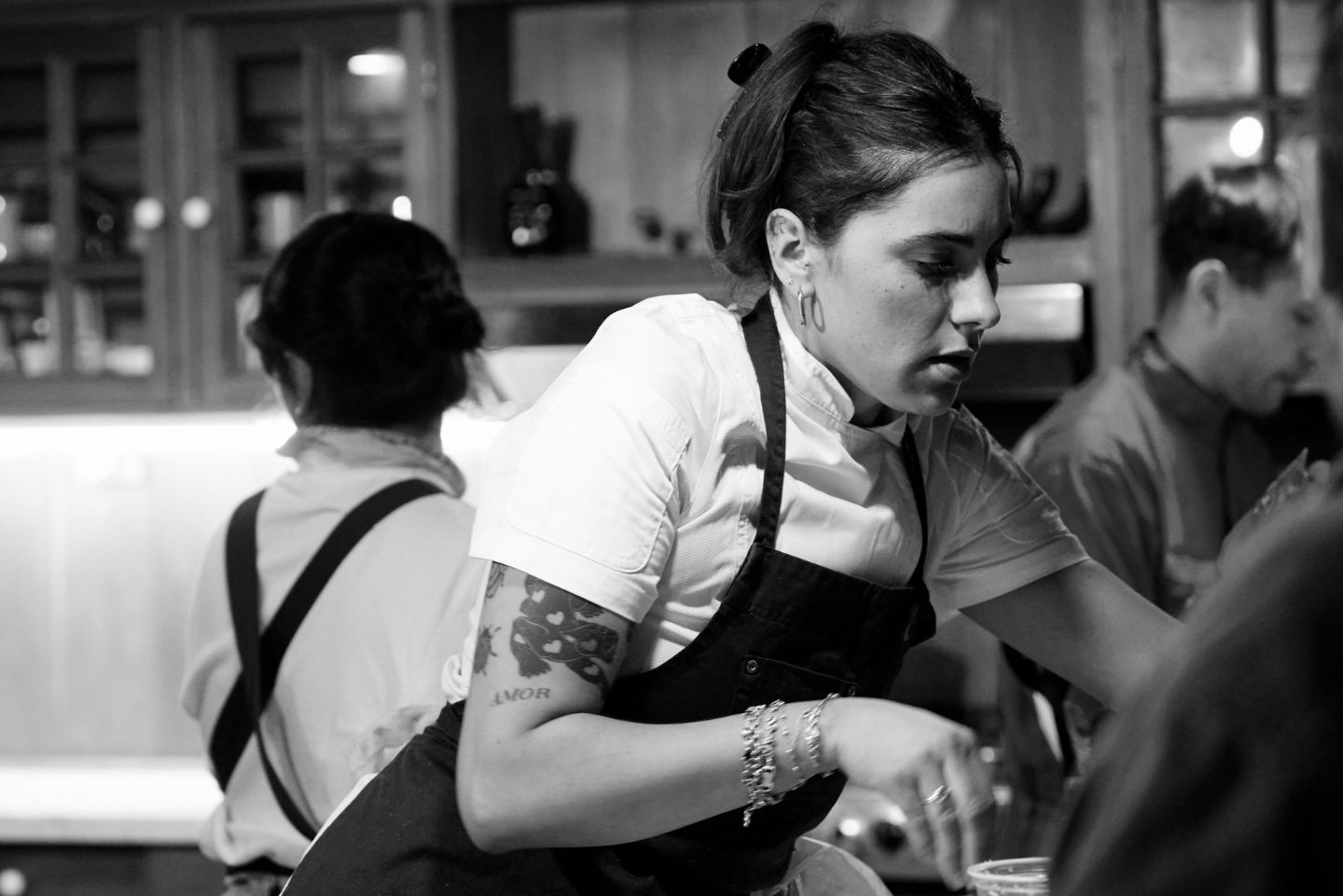
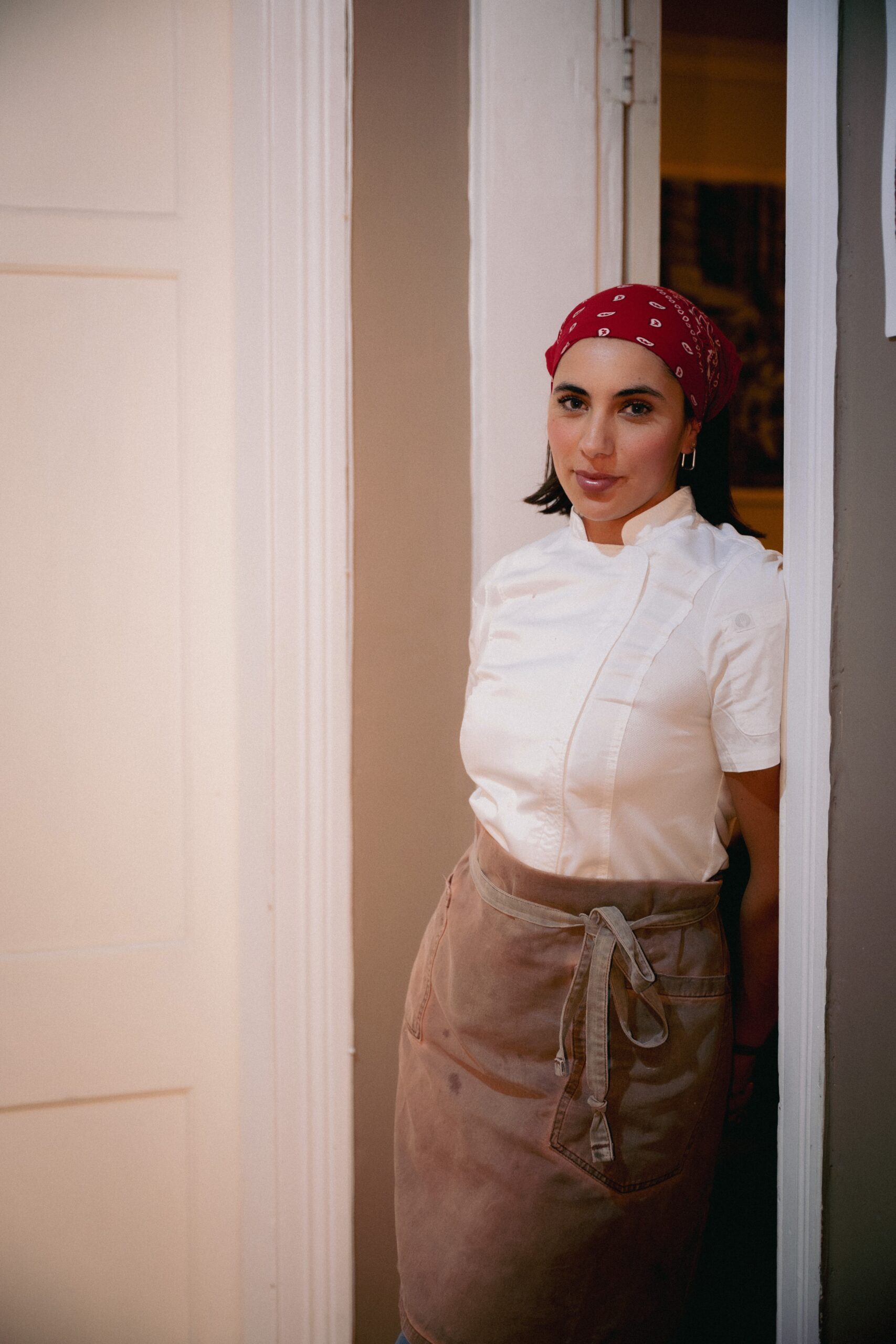
Annaiss Díaz Gómez
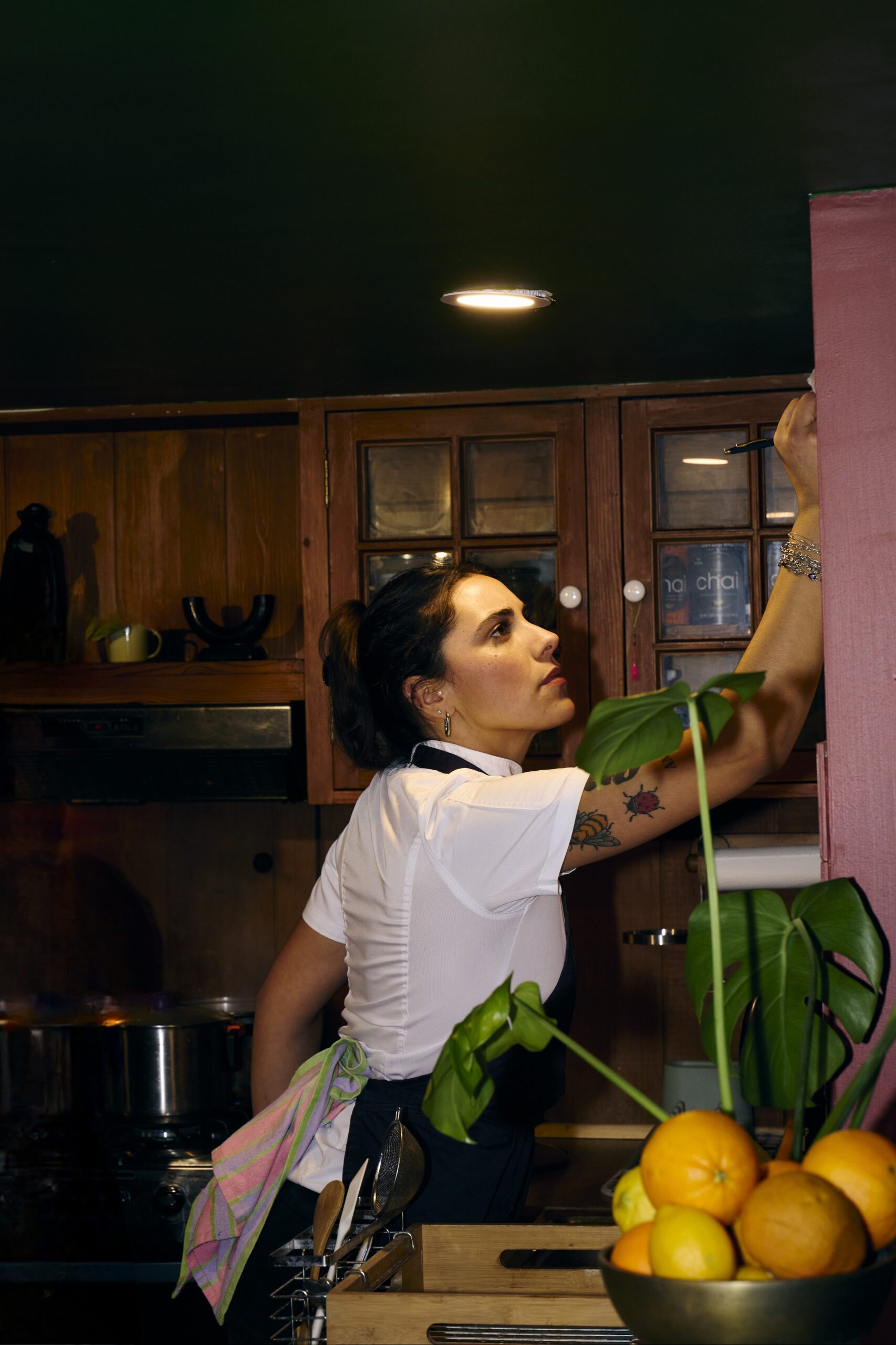
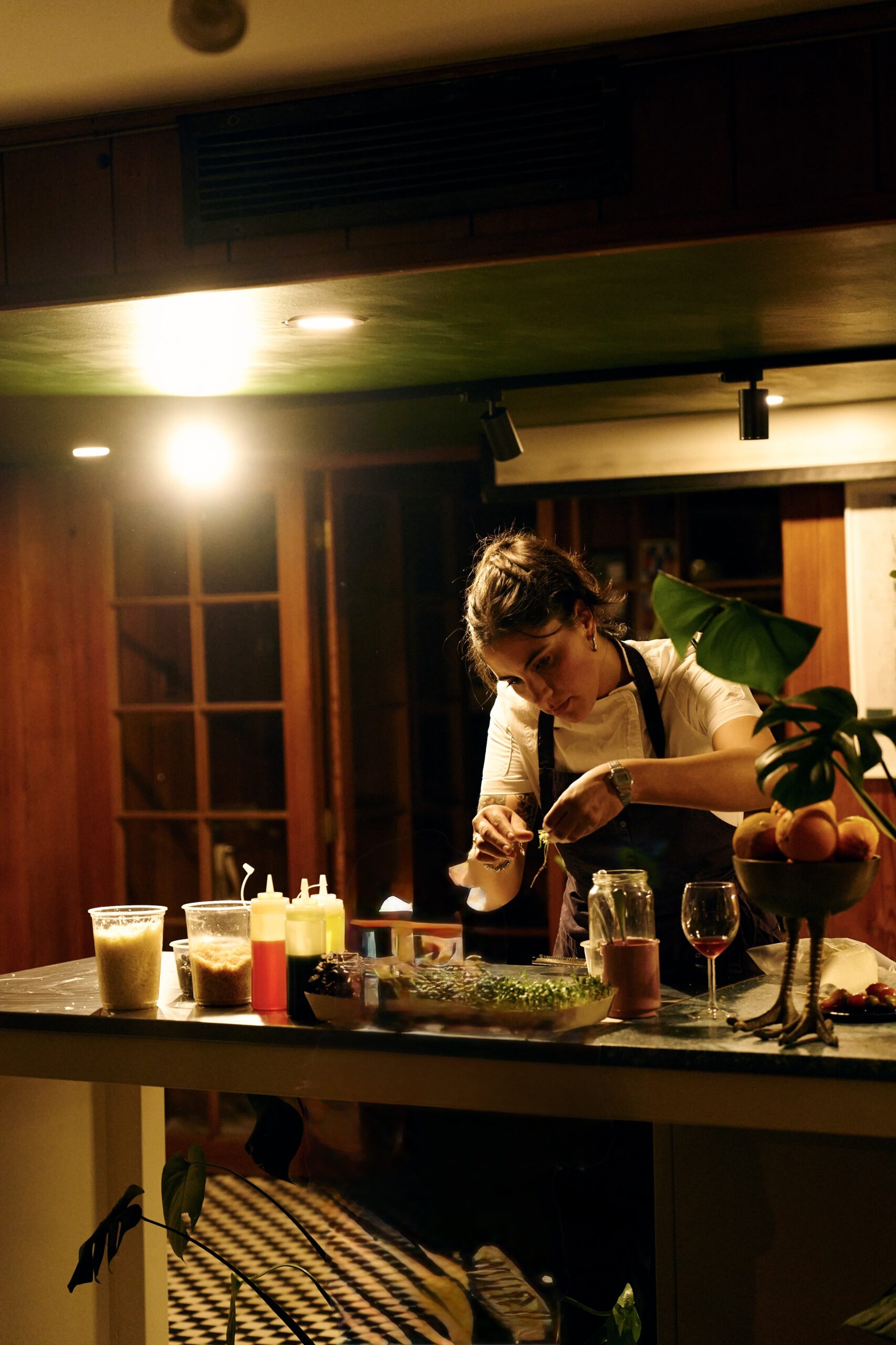
Growing up surrounded by her grandmother, mother, and siblings, Annaiss Diaz found some of her earliest connections to food in the family kitchen. Those afternoons preparing something delicious and sharing it together became memories that stayed with her. Before fully choosing cooking, she explored different roles in hospitality, from working as a hotel hostess to promoting and modeling at events, experiences that eventually made her want to become part of what happens behind the kitchen doors.
Annaiss began her culinary journey by learning from other cooks and later decided to study formally with the support of her older sister. Working across different kitchens helped her develop her technique, explore textures, flavors, and fusion ideas, and gradually build confidence in her own voice. Along the way, she also faced anxiety during demanding services, learning to manage her emotions, trust her team, and understand that asking for help is part of growing.
Today, Annaiss approaches cooking through respect: for ingredients, for the craft, and for the people around her. She is proud of the kitchens she has worked in, the menus she has created, and the underground dinner project she is now developing. Her vision goes beyond the plate, advocating for more empathy, equality, local producers, and a more conscious industry: while keeping the flavors, lessons, and love of her family close to everything she does.
In this conversation with Humans of the Kitchen, Annaiss reflects on her journey, the lessons that shaped her in the kitchen, and the values she hopes to carry forward.
Share your Journey
- Looking back at your childhood, was there a specific moment or memory that sparked your interest in food or cooking?
One of the strongest memories from my childhood is spending afternoons with my family, my grandmother, and my mother, preparing something delicious to enjoy together. My siblings and I were little, but we spent a lot of time in the kitchen, and I think that is something I still enjoy to this day.
- Did you have another career or job before becoming a chef? How did those experiences influence your decision to pursue cooking?
Before dedicating myself to cooking, I was part of a family business with my older brother, where I learned everything related to preparing sushi. Over time, I tried other kinds of jobs, such as working as a restaurant hostess in hotels, as a promoter, and as a model at events. I think that although these experiences were very different, they were always connected to the food and hospitality world. They allowed me to see this world from the outside and made me want to be part of the magic that happens inside it. That’s when I decided that cooking was what I wanted to do.
- Did you formally study culinary arts, or are you self-taught? How has your learning journey shaped your approach to cooking?
At first, I started cooking on my own, learning from other cooks. However, there came a point when I needed to improve my technique to keep moving forward in the kitchen, and that was when, with the support of my older sister, I decided to start studying formally. Thanks to those years of studying and working, I have improved the way I see cooking in terms of textures, flavors, and fusion ideas.
I think that over time, I have become more precise in my preparations and more willing to try new things.
- When did you first step into a restaurant kitchen? What was that experience like, and how did it shape your journey as a chef?
The first time I worked in a kitchen was in a family environment, as it was my brother’s business. When I first faced an experienced kitchen team, I felt nervous because I didn’t have much experience. However, I always tried to be confident in myself and eager to learn. That helped me a lot in connecting with different people, learning from their experiences, and little by little, building confidence in myself and in the work I was developing.
- What were some of the early challenges or obstacles you faced when you started in the kitchen, and how did you overcome them?
One of the first obstacles I faced was having anxiety attacks during service. I think the way I gradually overcame them was by learning to have more control over my emotions during stressful moments.
- What keeps you inspired and how has that inspiration driven you throughout your professional journey? Especially during tough times in the kitchen?
One of the things that has kept me inspired during this time is taking a moment to look at the Annaiss I was a few years ago and seeing how much I have progressed. When I feel like I am losing my creativity, I go back, look at my dishes, remember the flavors and how I felt, and try to find my center again and motivate myself through what I love.
- Can you recall a moment in the kitchen that marked you forever? Maybe it was an interaction with a mentor, a fellow cook, someone you fed, or a situation that challenged you in a way that shaped who you are today?
Throughout my work, I have had difficult moments and other beautiful ones that I remember from the kitchen, but I think one of the moments that has marked me the most recently was a conversation I had with a Mapuche cook, Epulef Panguilef, during a traditional festival in Curarrehue. She made me see the importance of cooking with love and dedication for every guest, explaining to me that when you cook calmly and with love, everything tastes better.
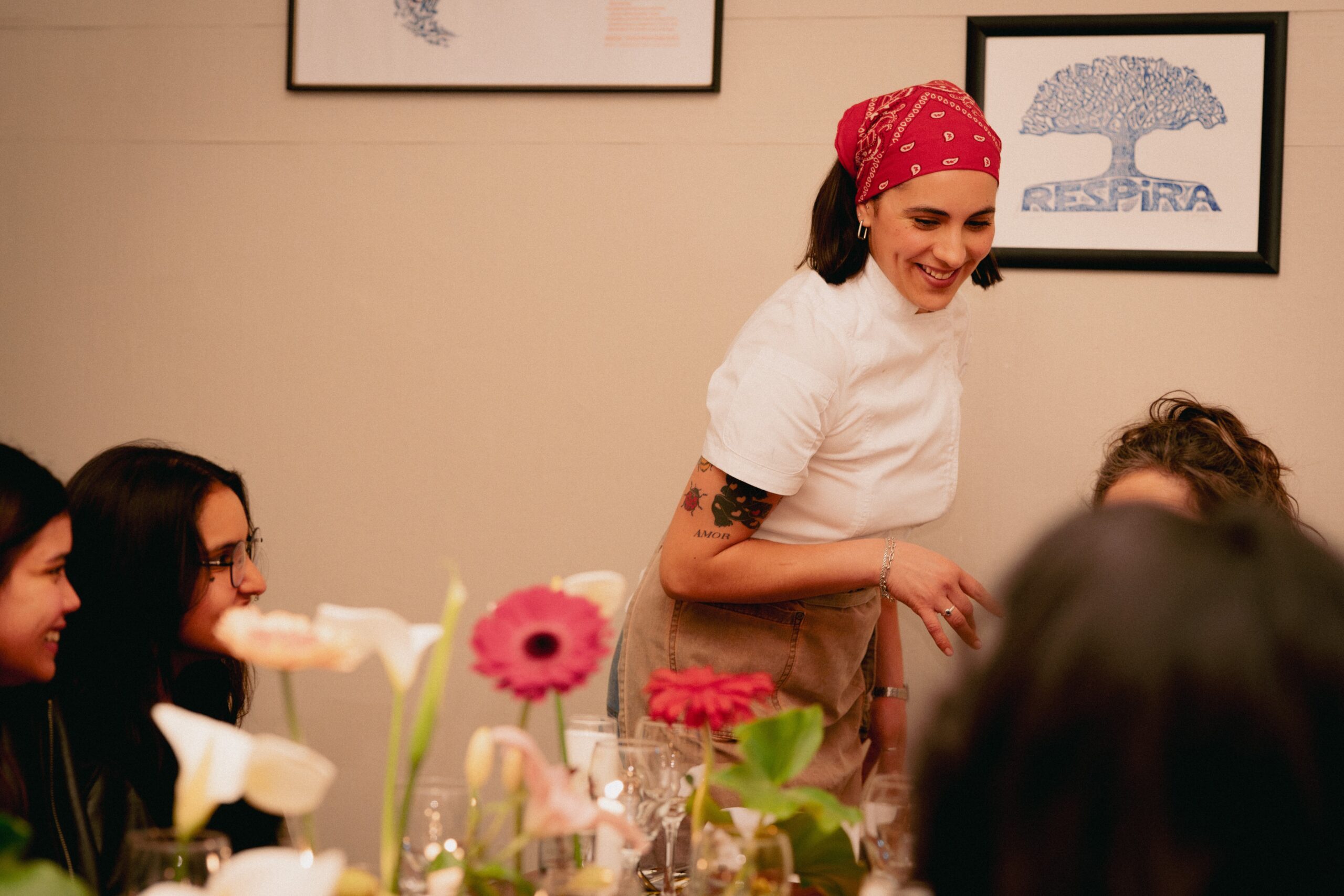
That conversation stayed with me, and throughout this year I have tried to follow her advice by creating dinners for small groups of people, where we have all enjoyed the experience.
- As a chef, how would you describe your philosophy in the kitchen, and how does it guide your approach to cooking and leadership?
My philosophy in the kitchen is based on respect: respect for the ingredients, the craft, and the people I work with. I try to cook with dedication, make the most of every product, and stay curious and open to learning. When leading, I try to listen, teach with patience, and create an environment where everyone can contribute and grow.
- Can you share a time when cooking or the camaraderie in the kitchen helped you through a tough period in your life? What made that experience meaningful?
During the most demanding services, when we are under a lot of pressure, I have understood that every member of the team is essential. Sometimes I have experienced anxiety attacks, and my colleagues have supported me so I could keep going. Those experiences were meaningful because they taught me to trust others, ask for help, and delegate when necessary.
- Reflecting on your career, what achievements or milestones are you most proud of, and what do they mean to you?
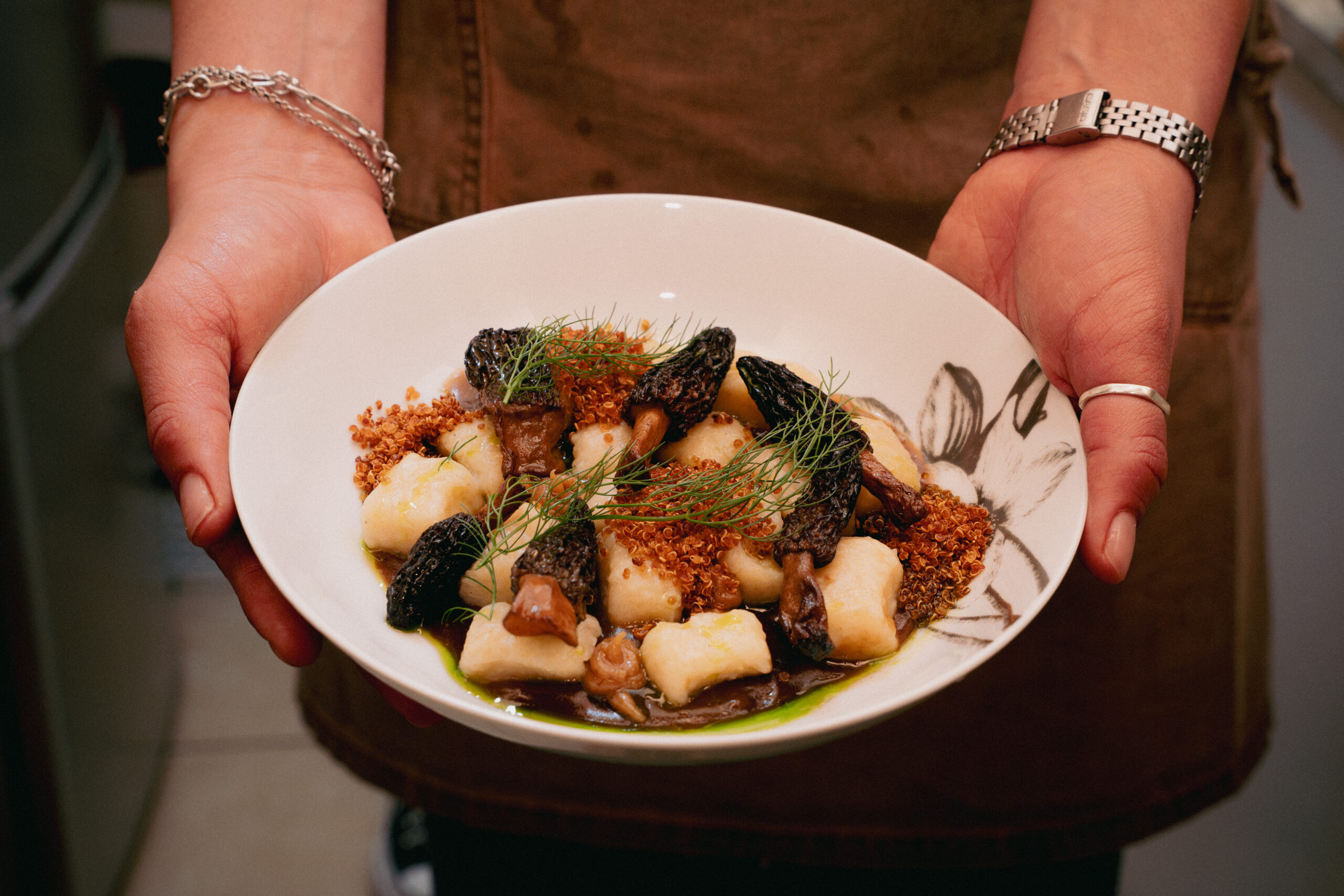
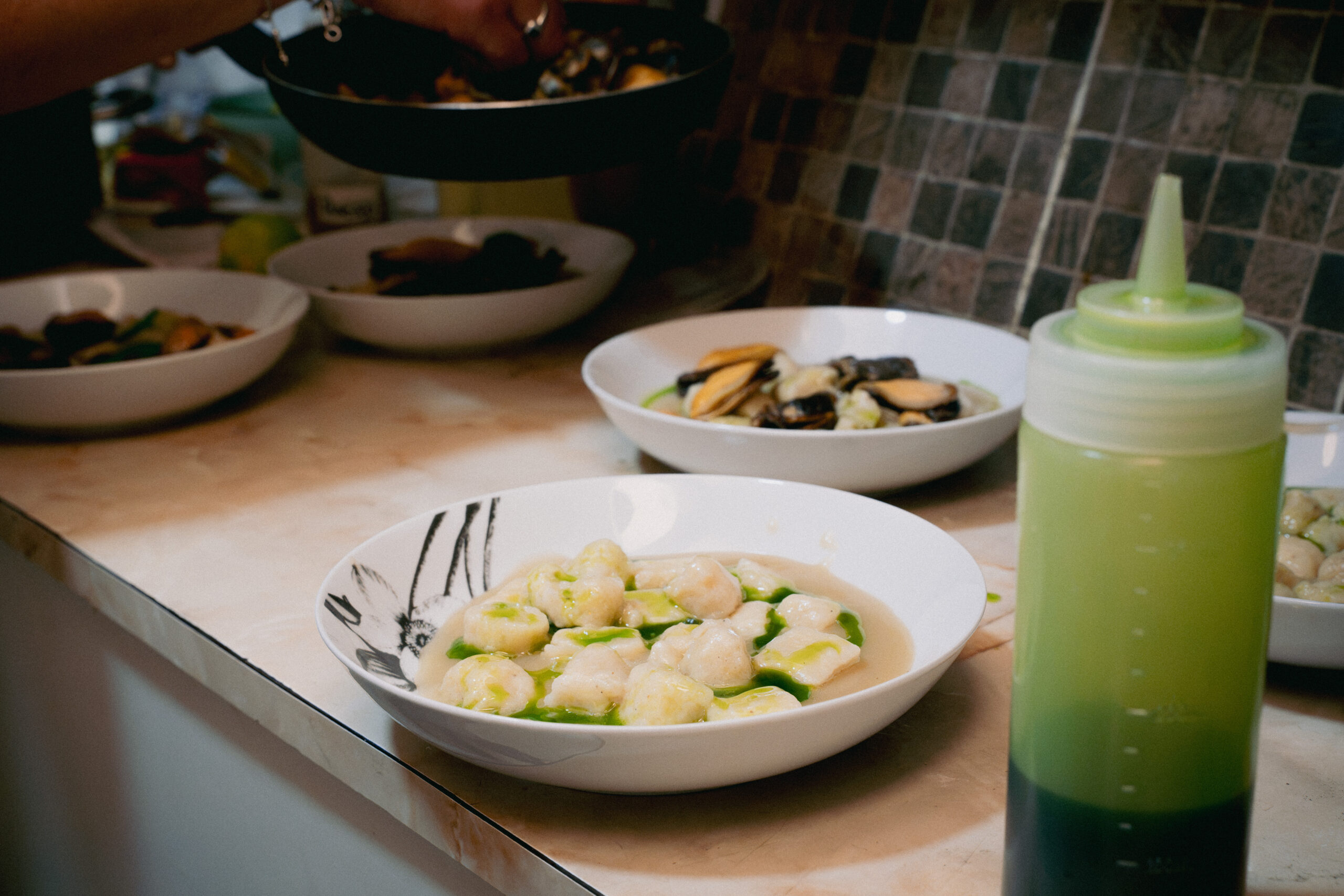
I am proud to have continued moving forward, working in different kitchens and sharing services with international chefs who challenged me and allowed me to learn. I have also created exclusive menus that renewed the offerings of several places, and today I am developing my own underground dinner project. These achievements represent growth, courage, and confidence in my creativity.
- What aspects of restaurant culture do you love, and what parts do you find frustrating or problematic? Are there any changes you’re actively working toward or things you hope they change in the industry? Share the reasons behind them and how they align with your vision for a better culinary world?
I love the camaraderie and the good atmosphere that allow a kitchen to function naturally. What frustrates me are sexism and attitudes that minimize women’s work or confuse the professional with the personal. Through my work, I want to show that talent has no gender and contribute to an industry based on respect, equality, and learning.
- What are your hopes for the future of the restaurant and food and beverage industry? What changes would you like to see, and how are you contributing to that change?
I hope the industry moves toward a more conscious approach to gastronomy, one that respects the quality of ingredients, values local producers, and strengthens the circular economy. I contribute by working with farmers and entrepreneurs from different regions of Chile, both young people and adults who have reinvented themselves through growing tomatoes and producing ginger and wine.
Photo credits
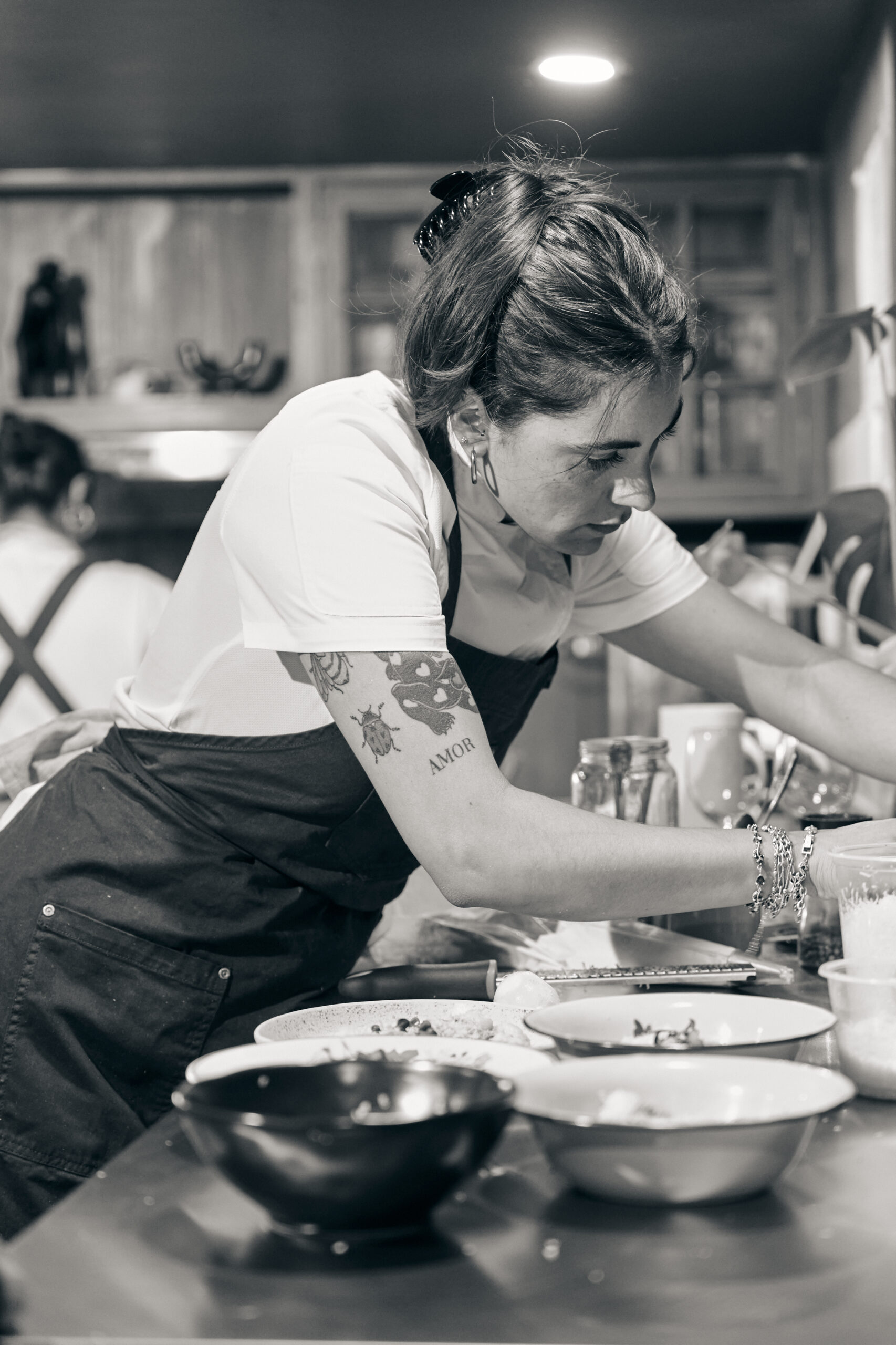
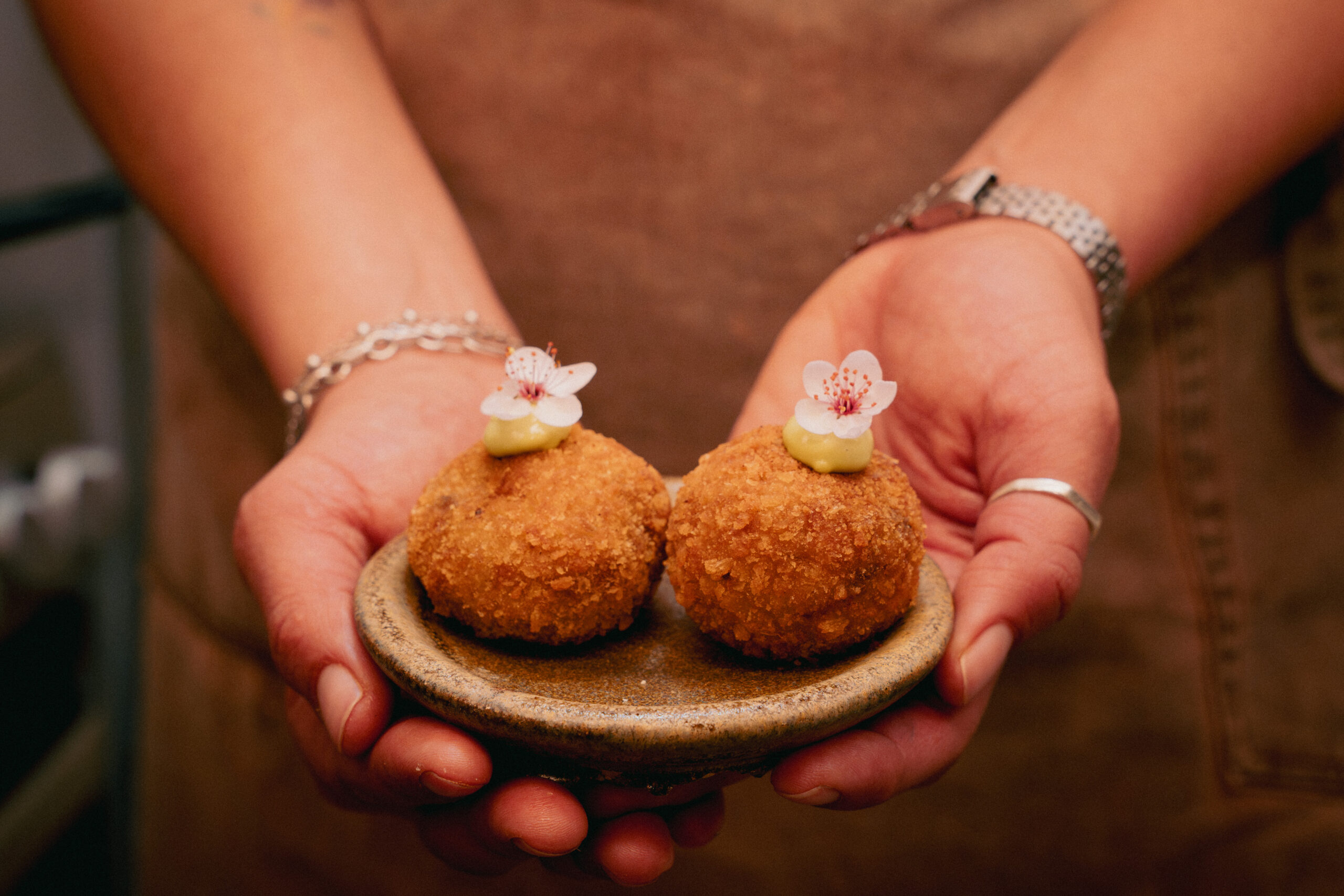
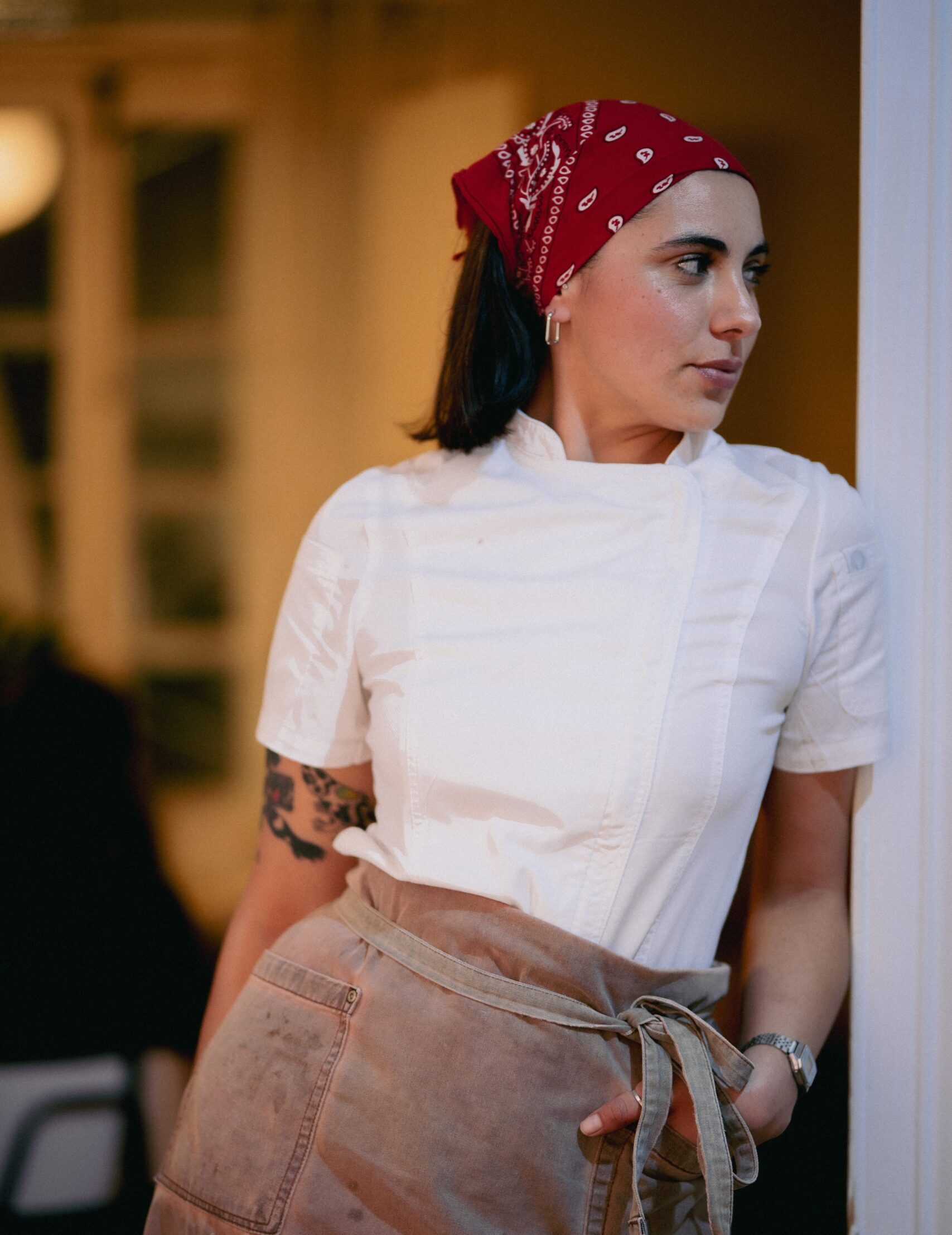
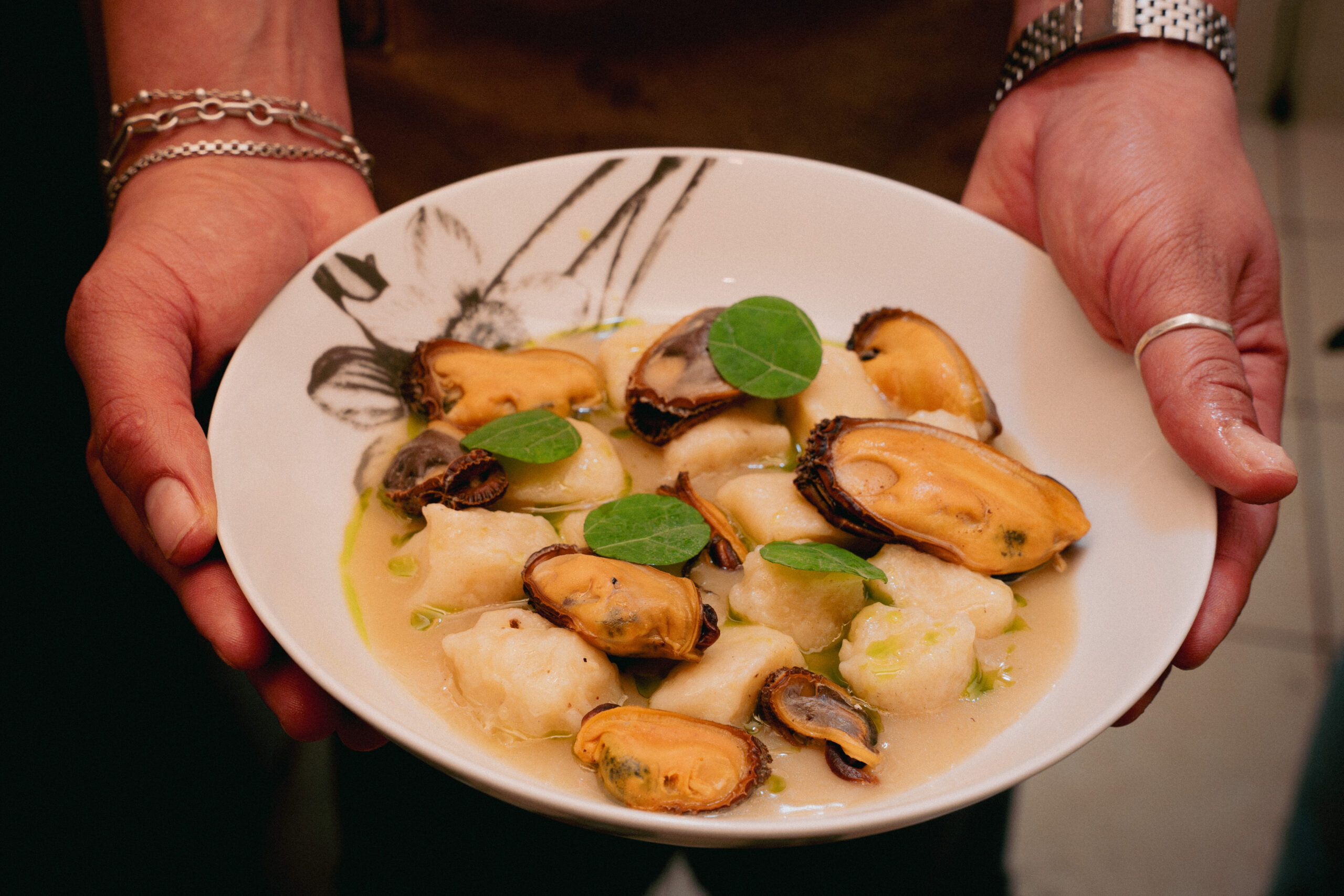
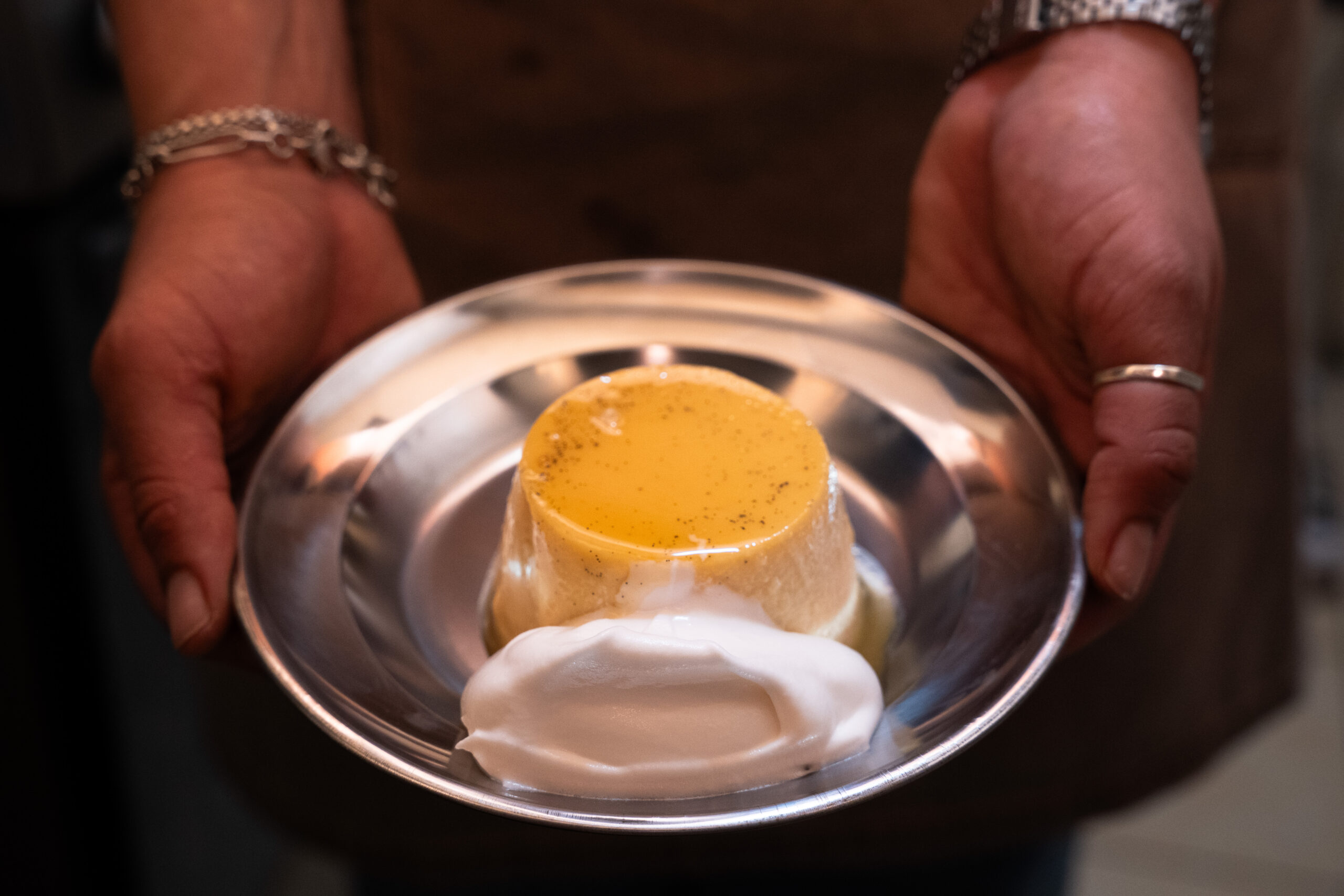
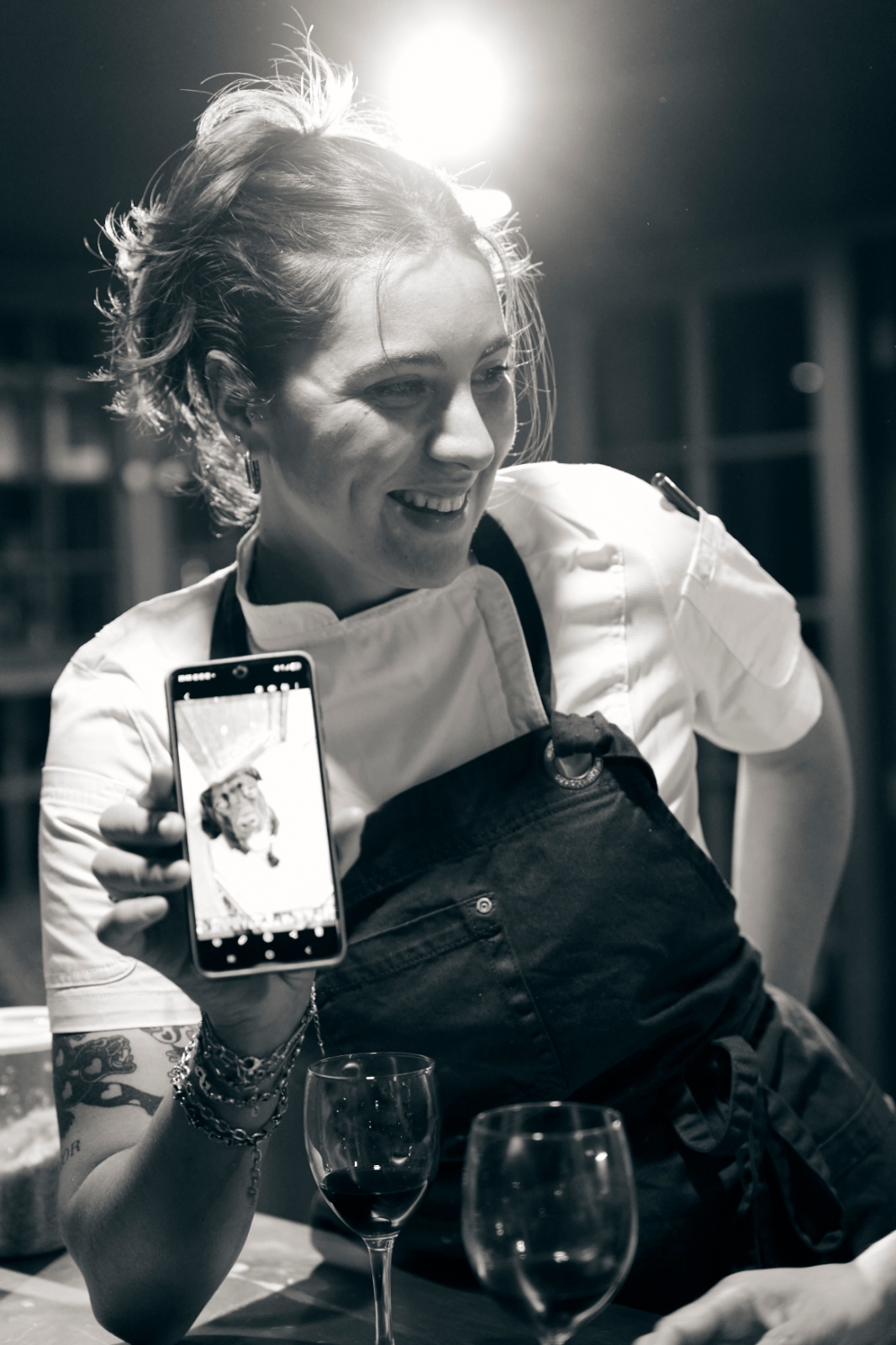
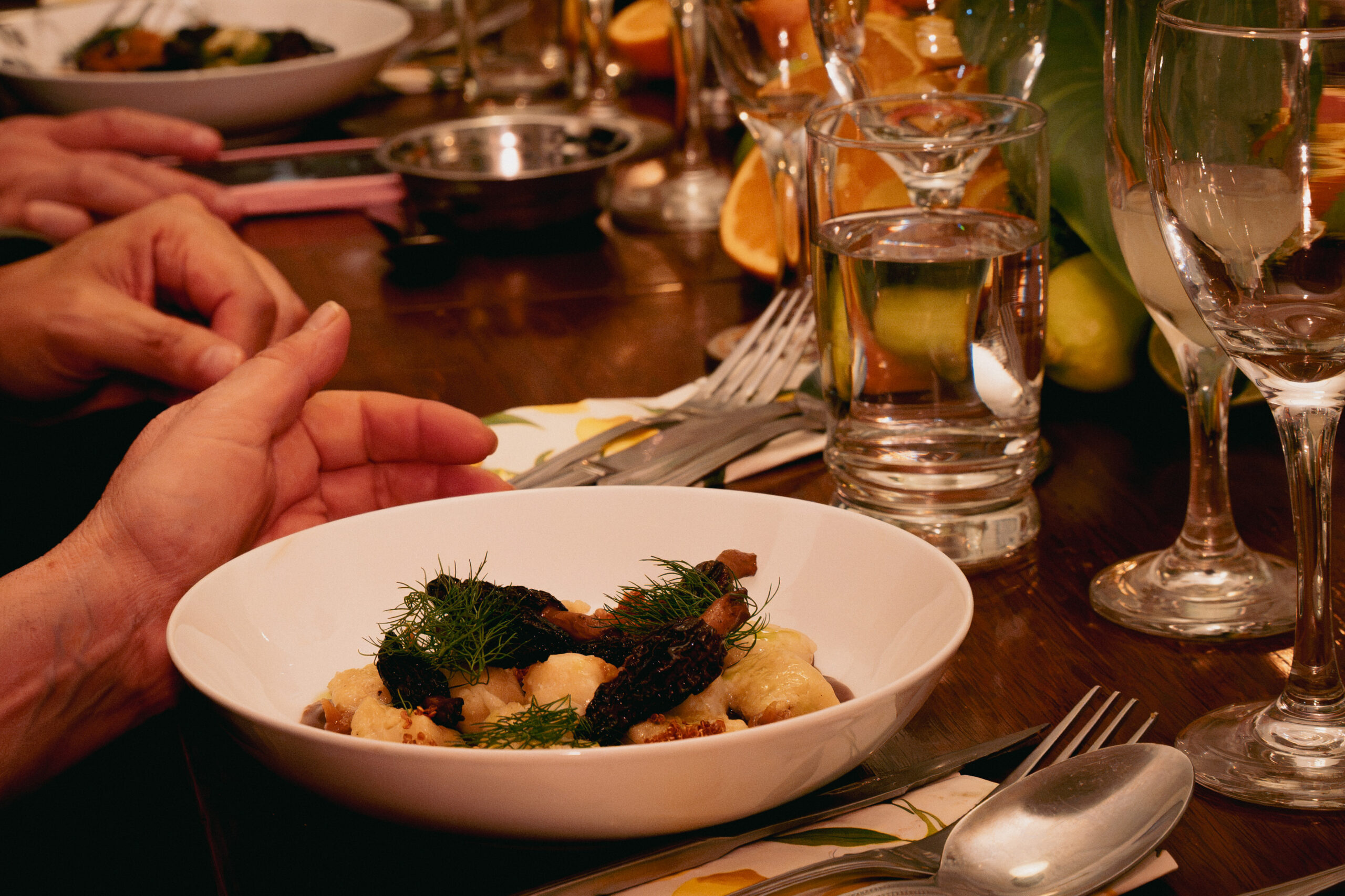
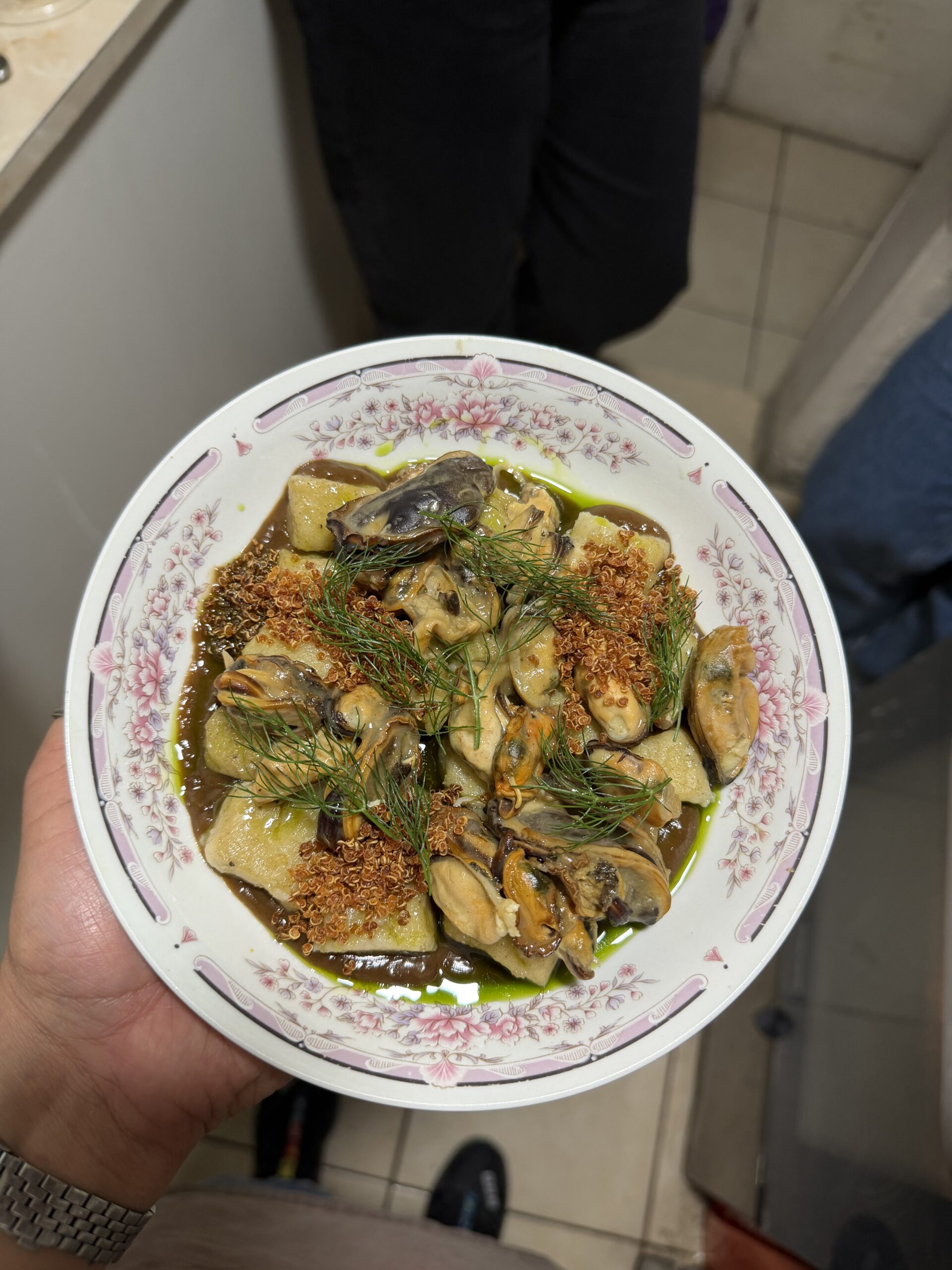
Food and portrait shots 3, 7 & 13 by @nachooortega
Photo cover & shots 1, 5, 9, 11 by @feliz__dia.
Secret Sauce
- What’s the most unexpected ingredient you’ve ever worked with, and how did it change your perspective on cooking?
One of the most unexpected ingredients I have ever worked with was monk fruit. A friend recommended it to me for preparing a vegetable demi-glace. I had never worked with it before, and I was surprised by its particular aroma, which reminded me of cocoa. This experience sparked my curiosity and encouraged me to incorporate it into new preparations.
- What’s your “guilty pleasure” meal?
The truth is, I love eating and enjoying new flavors. Although I have to admit that I really like pasta, seafood, and desserts.
- A food trend that you hate and why?
More than a food trend, what bothers me is the lack of empathy and camaraderie that still exists in the industry. I believe that celebrating other people’s success does not take away from our own achievements. On the contrary, it can become a source of admiration, learning, and motivation.
- What’s the craziest shift you’ve ever worked in the kitchen?
I remember one particular shift I worked in a hotel kitchen a few years ago. The service was very intense that day, and I saw the way the chef in charge treated my coworkers, including me, verbally. That was when I realized that I would never be like that person, because when there is a problem in the kitchen, you have to look for solutions with the team, not create more problems or make your team feel less valued.
5. What happened, and how did you manage to get through it?
I don’t remember exactly how everything happened that day because, as I mentioned, it was years ago. But I do remember him coming up to me and yelling in my face because I wasn’t cutting a slice of bread perfectly the way he wanted it, instead of teaching me patiently, especially since he was the chef.
- What tips would you give to other cooks and chefs to help them navigate their culinary careers and find peace amid the chaos of the kitchen?
I would advise them to stay curious, work with humility, and understand that every kitchen offers an opportunity to learn. In the middle of the chaos, it is essential to stay organized, breathe, trust the team, and not lose sight of the purpose that brought you to cooking in the first place. It is also important to take care of your physical and mental health, because a sustainable career requires balance.
- What’s an underrated ingredient and why?
Cochayuyo is an underrated ingredient. Many times, it is limited to traditional preparations, but its flavor, texture, and versatility allow it to be used in stews, sauces, salads, and even more contemporary dishes. It is also a Chilean, nutritious, and sustainable product that deserves a greater presence in our gastronomy.
8. What’s a must-try dish from your kitchen or the one you’re proudest to have prepared?
The must-try dish in my kitchen is beef cazuela, which I learned to prepare by following my mom’s advice. Every time I make it, I try to get as close as possible to her seasoning and bring back the flavors I grew up with. It makes me emotional and fills me with pride because, more than a recipe, it is a way of keeping her teachings, her love, and our family history present.
About Your City!
Quilpué, Chile
- If Anthony Bourdain or a chef came to your city, what would be the perfect tour itinerary from breakfast to dinner?
One of the places I would definitely take someone for breakfast would be Fábrica María María in Valparaíso, where they have the most delicious and fluffy Berliners to enjoy with a coffee.
Then I would continue with brunch at La Unión Valpo, where I have recently tried some of the most delicious pastries. They have amazing fillings and sourdough breads that are a must!
To continue the route, we would head closer to the sea and arrive at Caleta Portales, where you can find fresh seafood brought directly from the ocean by the fishermen themselves. They sell it and even fillet it right there. After that, we would have a curanto, one of those meals you never forget.
And to finish, the cherry on top would be taking them to one of the most sacred and precious places for me: my mother Brenda’s cooking. She is one of the best cooks I know, and I am lucky enough to always be able to enjoy her food. I would share that experience with them.

Support our project by buying our merch!

86 HOTK Unisex t-shirt
$30.00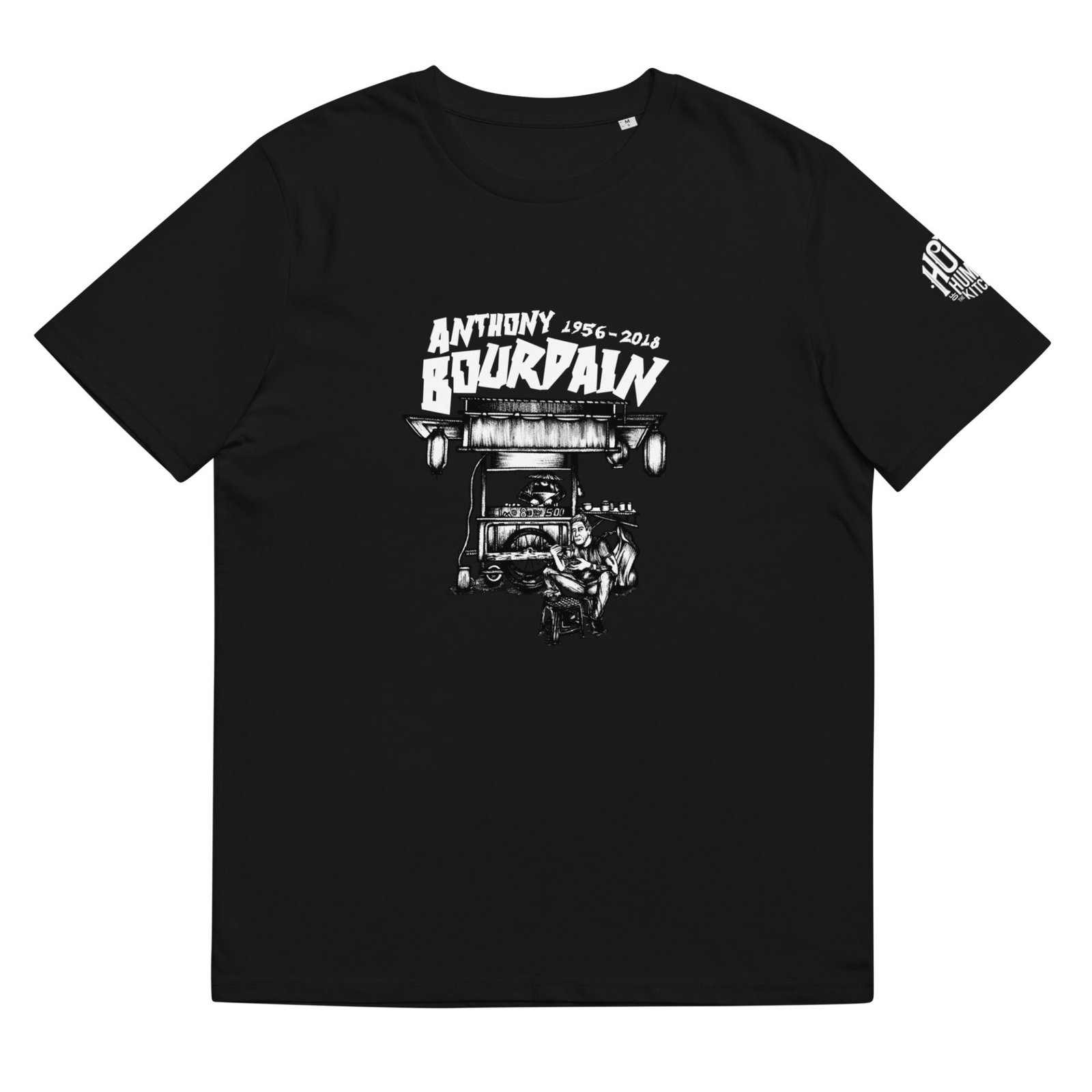
Anthony Bourdain T-Shirt
$35.00
Mise HOTK Unisex t-shirt
$30.00