A broader future for Filipino cuisine
Greater recognition for regional ingredients and stronger connections with local producers can open new possibilities.
Aaron Isip
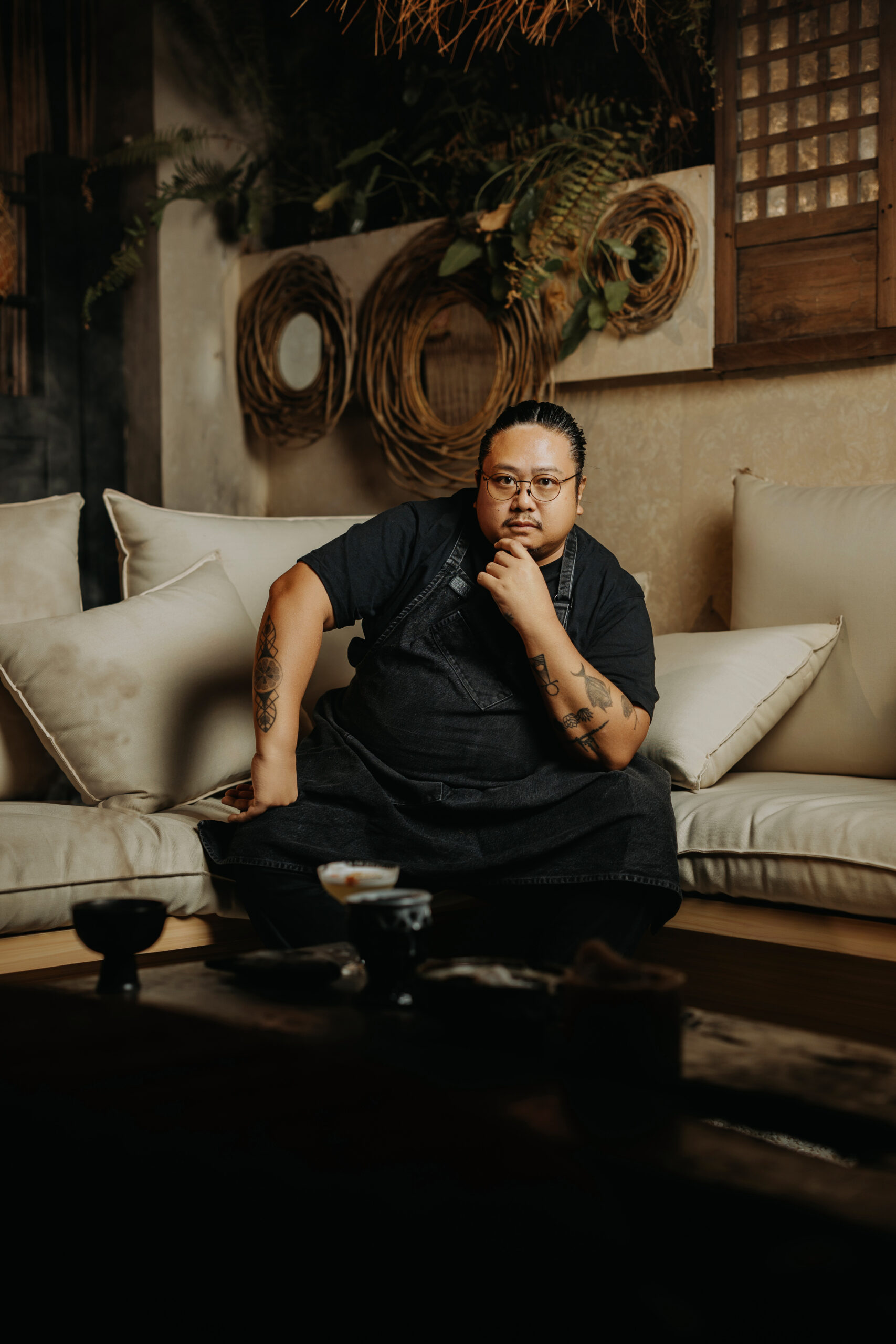
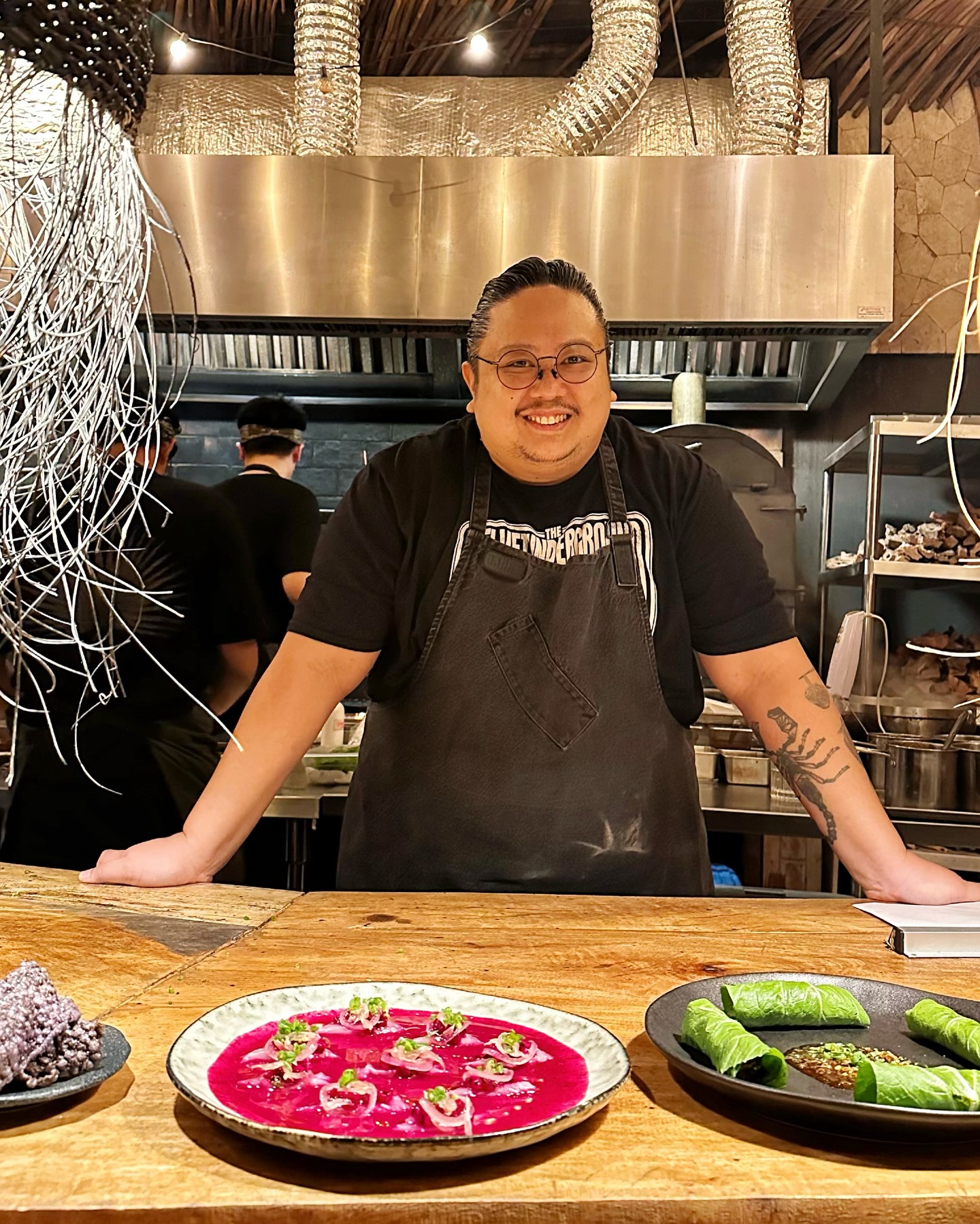
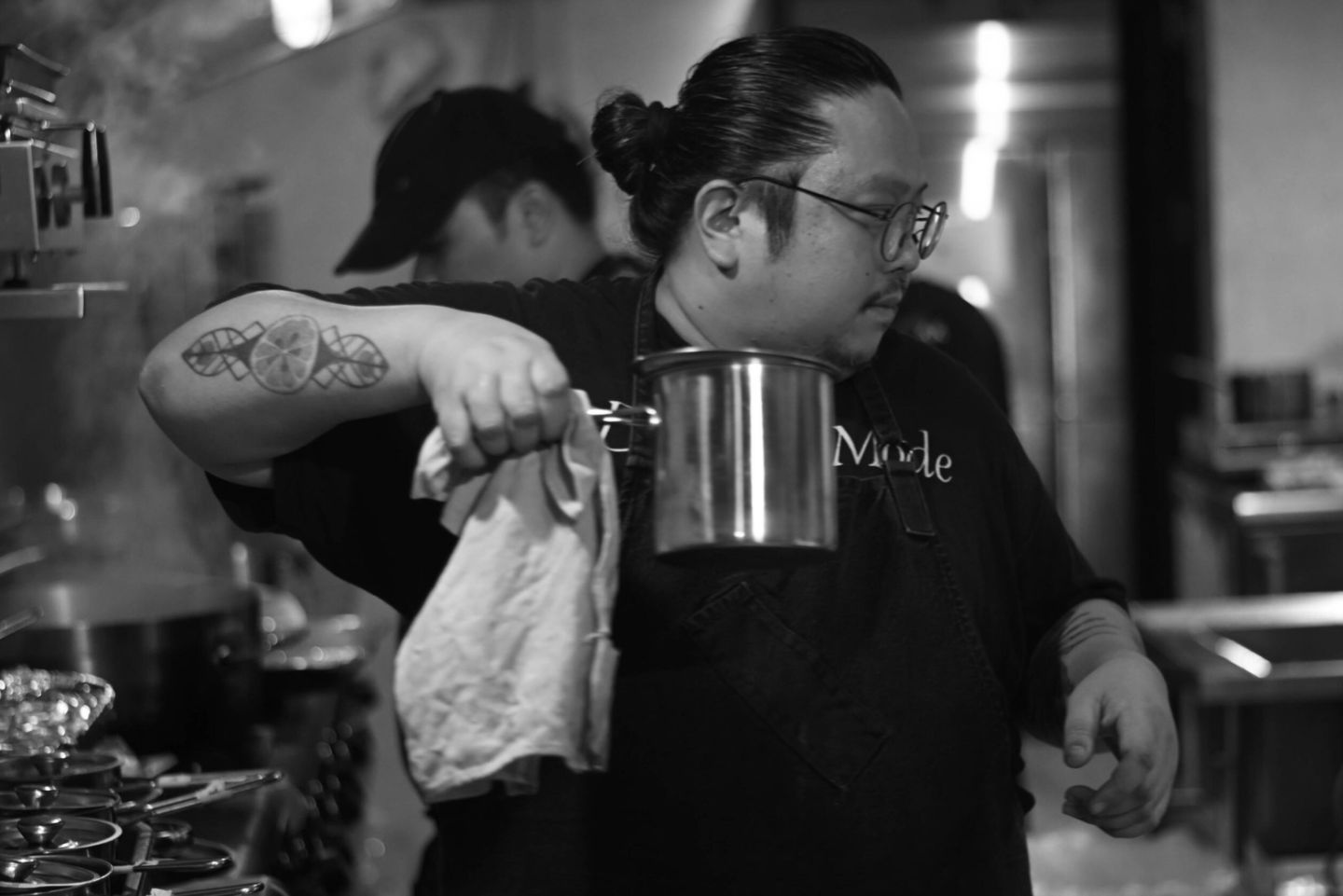
Aaron Isip’s journey into the culinary world began with high school cooking classes and a Filipino upbringing where food brought family and community together. After studying Marketing Management and exploring Manila’s electronic music scene, he followed his passion for cooking to Paris, where he trained at Le Cordon Bleu and developed his craft in respected kitchens including Apicius, Drouant, Senderens, and Ze Kitchen Galerie.
In 2005, Aaron began his professional kitchen journey in Paris, building a foundation rooted in French technique, discipline, and precision. Years later, his father’s illness brought him back to the Philippines, a turning point that changed the course of his life. What began as an unexpected homecoming became an opportunity to reconnect with his roots, first through Balai Palma and eventually through Kása Palma.
Today, Aaron brings together his French training and Filipino identity, placing Philippine fish, seafood, and native ingredients at the heart of his cooking. Beyond the food, Kása Palma reflects his creative background in music, art, architecture, and design, bringing all these elements together to create a personal dining experience. His work also reflects his commitment to developing his team and giving Filipino cuisine greater recognition.
In this conversation with Humans of the Kitchen, Aaron reflects on his journey from Paris back to the Philippines, the experiences that shaped his cooking, and the vision behind Kása Palma.
Share your Journey
- Looking back at your childhood, was there a specific moment or memory that sparked your interest in food or cooking?
One of the earliest sparks came from my cooking classes in high school. Those classes helped me discover the pleasure of creating something with my own hands and sharing it with others. I also grew up in a Filipino family with roots in Pampanga and Iloilo, where food was central to family gatherings and celebrations. Cooking became a way to express myself and connect with people. Looking back, those early experiences planted the seed for my journey to France and, eventually, back home to create Kása Palma.
- Did you have another career or job before becoming a chef? How did those experiences influence your decision to pursue cooking?
Before committing to cooking, I studied Marketing Management and was briefly involved in producing electronic music events in Manila. I loved being involved in bringing people together and creating an atmosphere through music, space, and energy. That experience still influences me today. At Kása Palma, I think about the whole evening: the food, music, lighting, and how the experience unfolds. Cooking gave me a way to bring those creative interests together while developing a craft I could dedicate my life to.
- Did you formally study culinary arts, or are you self-taught? How has your learning journey shaped your approach to cooking?
I formally trained at Le Cordon Bleu in Paris, but my education continued through years of working in professional kitchens, including Apicius, Drouant, Senderens, and Ze Kitchen Galerie. School gave me a foundation, while restaurant work taught me how to apply it under pressure, consistently, and as part of a team. That combination shaped my approach: respect the fundamentals, remain curious, and keep questioning how to improve. Today, I use my French training to express my own perspective through Philippine ingredients and flavours.
- When did you first step into a restaurant kitchen? What was that experience like, and how did it shape your journey as a chef?
My early professional kitchen experience dates back to 2005 at Apicius in Paris. Entering that environment meant confronting the level of discipline, precision, and commitment that professional cooking demands. Enjoying food was only the beginning; I had to learn how to work efficiently and contribute to a brigade. That experience gave me a clearer understanding of the profession I was choosing. It also established habits that stayed with me throughout my career: preparation, attention to detail, and respect for everyone’s role in the kitchen.
- What were some of the early challenges or obstacles you faced when you started in the kitchen, and how did you overcome them?
One of the biggest challenges was closing the gap between what I wanted to achieve and what I could actually execute. In demanding kitchens, enthusiasm has to be matched by skill, speed, and consistency. I had to accept being a beginner, take correction, and repeat tasks until they became more natural.
I progressed by observing carefully, asking questions, and staying persistent. Those years taught me patience with the learning process. They also remind me, as a chef today, that developing people takes time and clear guidance.
- What keeps you inspired and how has that inspiration driven you throughout your professional journey? Especially during tough times in the kitchen?
Travel is at the top of the list. Also, the ingredients of the Philippines keep me curious, especially the diversity of our fish, seafood, and native produce. There is still so much to discover and express through them. Music, cinema, art, architecture, design, and conversations with other chefs also feed my creativity.
During difficult periods, I return to that curiosity and to the responsibility I have toward my team. Seeing someone grow in confidence or watching a dish finally come together gives me energy. It reminds me why I chose this work and why there is always something worth learning.
- Can you recall a moment in the kitchen that marked you forever? Maybe it was an interaction with a mentor, a fellow cook, someone you fed, or a situation that challenged you in a way that shaped who you are today?
Cooking for guests in my own home at Balai Palma was a defining experience. After years in French restaurant kitchens, I was working in a much more personal setting, with just eight seats and a direct connection to the people eating my food. It made me think carefully about what I wanted to say as a chef. Philippine fish and seafood became central to that expression. Balai Palma gave me the space to develop my own voice, and that experience became the foundation for Kása Palma.
- As a chef, how would you describe your philosophy in the kitchen, and how does it guide your approach to cooking and leadership?
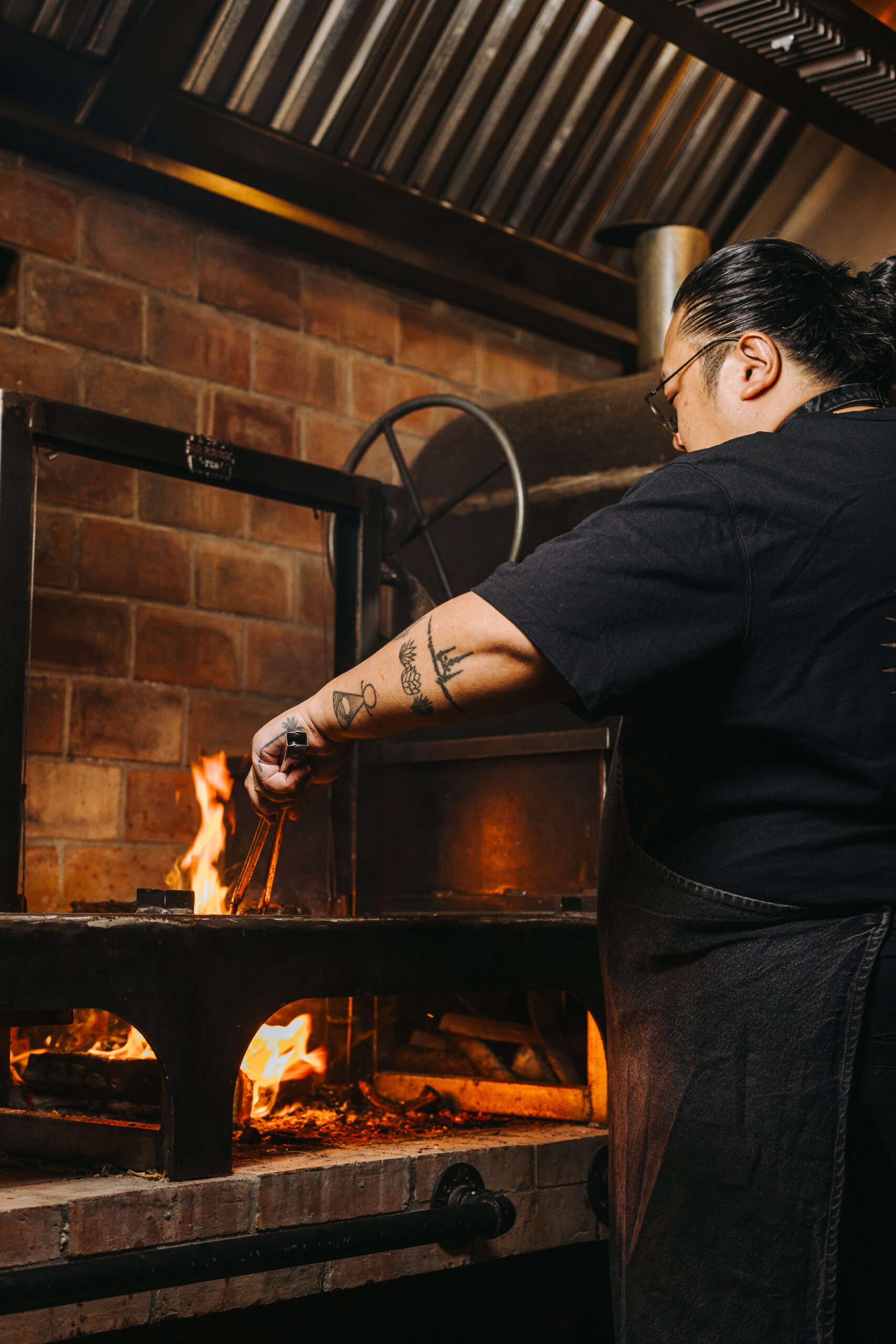
My cooking is grounded in French technique and Filipino identity, with a particular focus on the bounty of our seas. I want a technique to bring out an ingredient’s character and make the dish more delicious. In leadership, I value discipline, consistency, and the willingness to keep learning.
I hold high expectations, including for myself, and I want my team to understand the reasoning behind our work. My responsibility is to give people direction and help them develop the confidence and judgment to grow as cooks.
- Can you share a time when cooking or the camaraderie in the kitchen helped you through a tough period in your life? What made that experience meaningful?
My father’s illness brought me back to the Philippines from Paris, and losing him changed the direction of my life. I had not planned for that return to become permanent. Cooking gave me something familiar to hold on to while I worked out what came next. Eventually, building Balai Palma and then Kása Palma gave that new chapter a sense of purpose.
What makes it meaningful is that a difficult homecoming gradually became an opportunity to reconnect with my country and build something deeply personal here.
- Reflecting on your career, what achievements or milestones are you most proud of, and what do they mean to you?
Being named Gault & Millau’s Chef Espoir Île-de-France in 2015 was an important milestone during my years in France. Later, creating Balai Palma, growing it into Kása Palma, and earning a Michelin star here in the Philippines carried a different, very personal meaning. It brought together the training I received abroad and the identity I wanted to express at home. I am also proud of the team behind the restaurant. These achievements represent years of work, shared commitment, and the courage to begin again.
- What aspects of restaurant culture do you love, and what parts do you find frustrating or problematic? Are there any changes you’re actively working toward or things you hope they change in the industry? Share the reasons behind them and how they align with your vision for a better culinary world?
I love the camaraderie of a kitchen: people with different backgrounds learning to move together, trust one another, and deliver something they could never accomplish alone. There is a particular satisfaction in a service where everyone is focused and connected.
What frustrates me is the tendency to romanticize exhaustion and treat harsh behaviour as proof of seriousness. Our work requires discipline and resilience, but people also need respect, clear communication, and room to learn from mistakes. I believe we have a responsibility to examine the habits we inherit from the kitchens where we trained.
At Kása Palma, I want to keep improving how we teach, communicate, and develop our team. I also want greater recognition for the people across the restaurant, from preparation and dishwashing to service. A better industry gives people a reason to build a lasting career in hospitality.
- What are your hopes for the future of the restaurant and food and beverage industry? What changes would you like to see, and how are you contributing to that change?
I hope Filipino cuisine continues to grow in confidence and that more of our regional ingredients and culinary perspectives receive recognition. I would like to see stronger relationships between restaurants and the people who fish, farm, and produce our food, alongside better opportunities for young hospitality professionals. At Kása Palma, my contribution begins with giving Philippine seafood and native produce a central place on the menu, developing our team, and sharing our work through collaborations. I want our growth to create opportunities for others, too.
- If there’s anything we didn’t ask or if you feel we’re missing something about your personal and kitchen story, please share it here.
My journey has taken several turns: from studying other subjects and producing music events to building a career in Paris, then returning home and starting again. Each chapter has influenced how I cook and how I imagine a restaurant. At Kása Palma, that comes together through the food, music, objects, lighting, and hospitality.
I think of it as creating a world that people can enter for an evening. Ultimately, I want that world to feel personal, generous, and connected to the Philippines.
Secret Sauce
- What’s the most unexpected ingredient you’ve ever worked with, and how did it change your perspective on cooking?
Stonefish from Palawan. It’s one of the most venomous fish in the world, so working with it demands knowledge, precision, and respect. What fascinated me was discovering its culinary potential beyond that intimidating reputation. It reminded me how much there is still to explore in Philippine waters. As chefs, we have to stay curious and understand our ingredients deeply. That experience encouraged me to look more closely at unfamiliar local species and think about how to give them a place at the table.
- What’s your “guilty pleasure” meal?
Fried chicken, without hesitation. That combination of crisp, well-seasoned skin and juicy meat is hard to beat. There’s something deeply satisfying about eating it with your hands and enjoying every bite. For all the thought and precision that go into what I cook professionally, fried chicken will always be pure comfort for me.
- A food trend that you hate and why?
Truffle oil, especially when it’s poured over everything to make a dish seem luxurious. I find its aroma overpowering, and it can flatten all the work that went into balancing the other ingredients. Everything starts tasting and smelling the same. I want to taste the actual food and understand what the chef is trying to express. Every ingredient should earn its place on the plate.
- What’s the craziest shift you’ve ever worked in the kitchen?
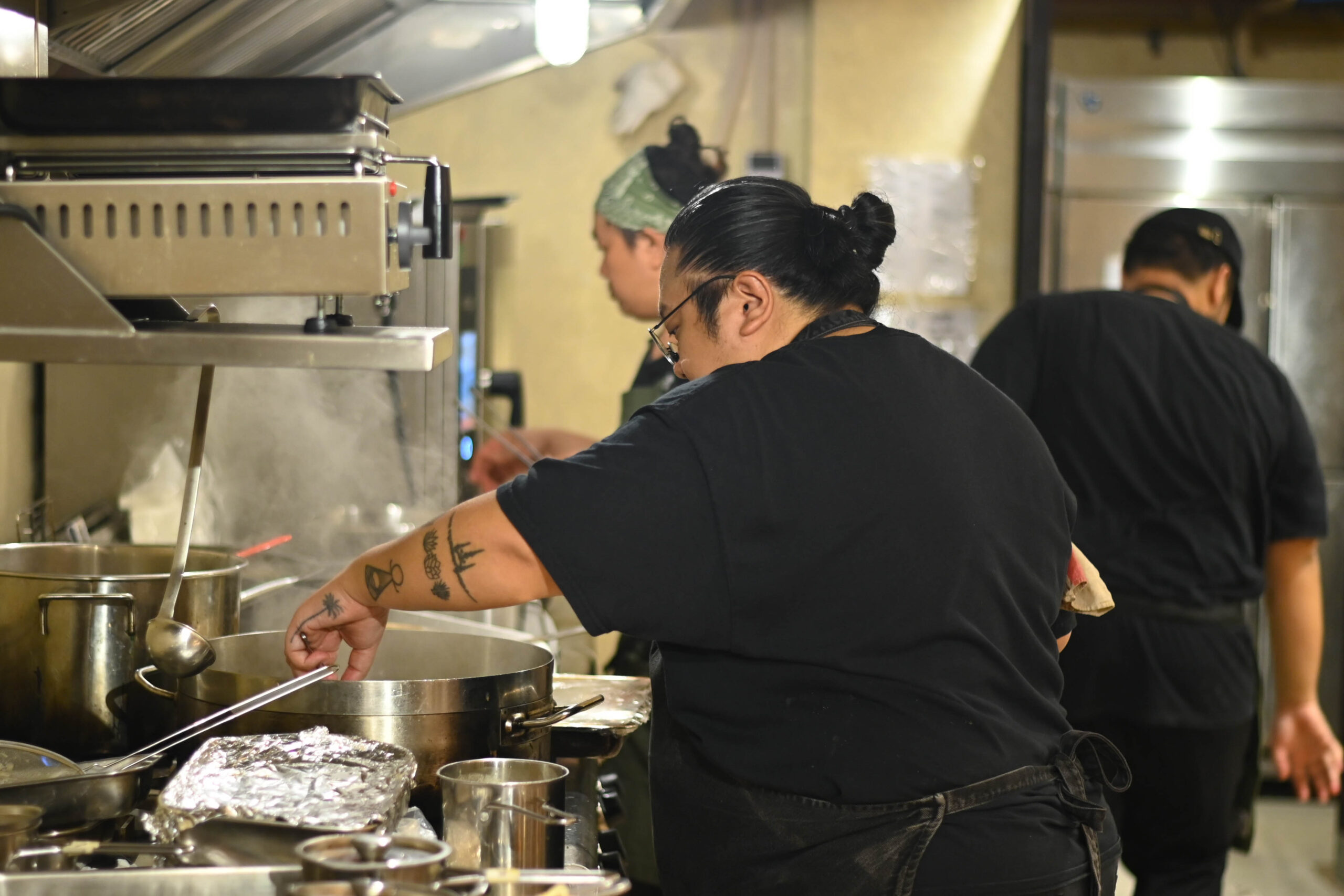
A dinner service at Dix Huit in Paris, where I was the head chef. We served 98 covers with only three of us in the kitchen because two team members were absent, including the dishwasher. I was expediting the pass, cooking the proteins, and plating dishes all at the same time. I had to keep track of the entire service while physically cooking through it. There were zero breaks throughout dinner. It was an intense, adrenaline-fueled evening that demanded every bit of concentration and stamina I had.
5. What happened, and how did you manage to get through it?
The order tickets kept coming in nonstop, and there was barely a moment to catch up before another wave arrived. I had to work like a machine, constantly switching between calling orders, checking timings, cooking proteins, and finishing plates.
We made it through with good communication, speed, and precision. With only three people, everyone needed to know exactly what was happening and what had to come next. We had to listen carefully, anticipate each other’s movements, and trust one another. That evening showed me how much a small team can accomplish when everyone stays focused and works together.
- What tips would you give to other cooks and chefs to help them navigate their culinary careers and find peace amid the chaos of the kitchen?
Be patient with your development. Learn your fundamentals, stay curious, and build good habits in organisation and communication. Those habits help you keep a clear head when service gets difficult.
And please, protect your work-life balance. Make time for rest, the people you love, and interests outside the kitchen. It’s easy to give this profession everything until you have nothing left for yourself. Eventually, that catches up with you. Looking after yourself helps preserve the energy, creativity, and enthusiasm you need for a long career. You should have room to enjoy the life you’re working so hard to build.
- What’s an underrated ingredient and why?
I would choose a whole category of ingredients: fish and seafood from the Philippines. We’re in the heart of the Coral Triangle, a region with extraordinary marine biodiversity. There is so much here for chefs to discover, understand, and celebrate. Our fish and seafood deserve world-class recognition. I want to see more restaurants here serving local species, naming where they come from, and giving them the attention they deserve. That starts with careful sourcing and handling, followed by cooking that brings out their qualities.
There’s a tremendous opportunity to express our identity through the seas surrounding us.
8. What’s a must-try dish from your kitchen or the one you’re proudest to have prepared?
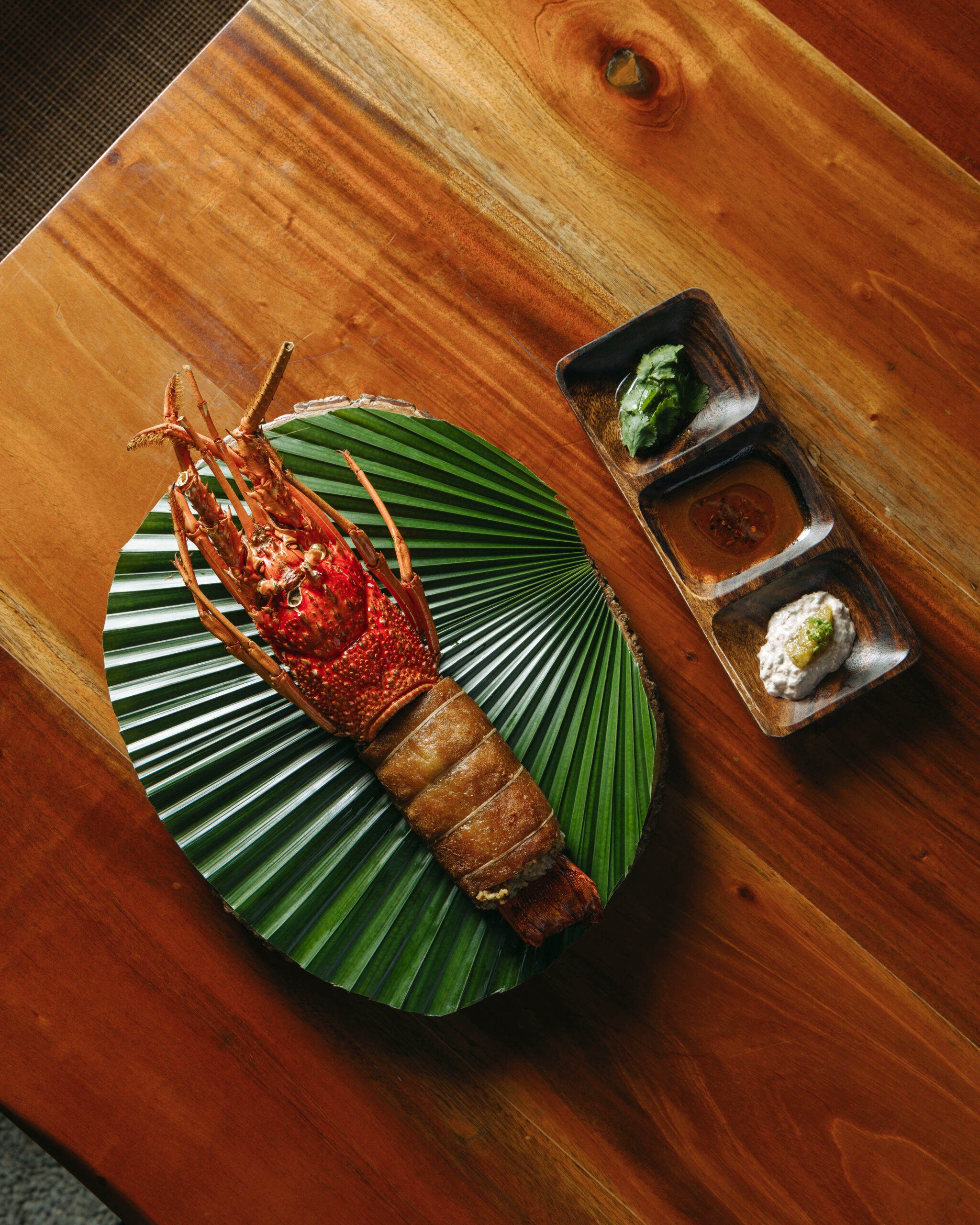
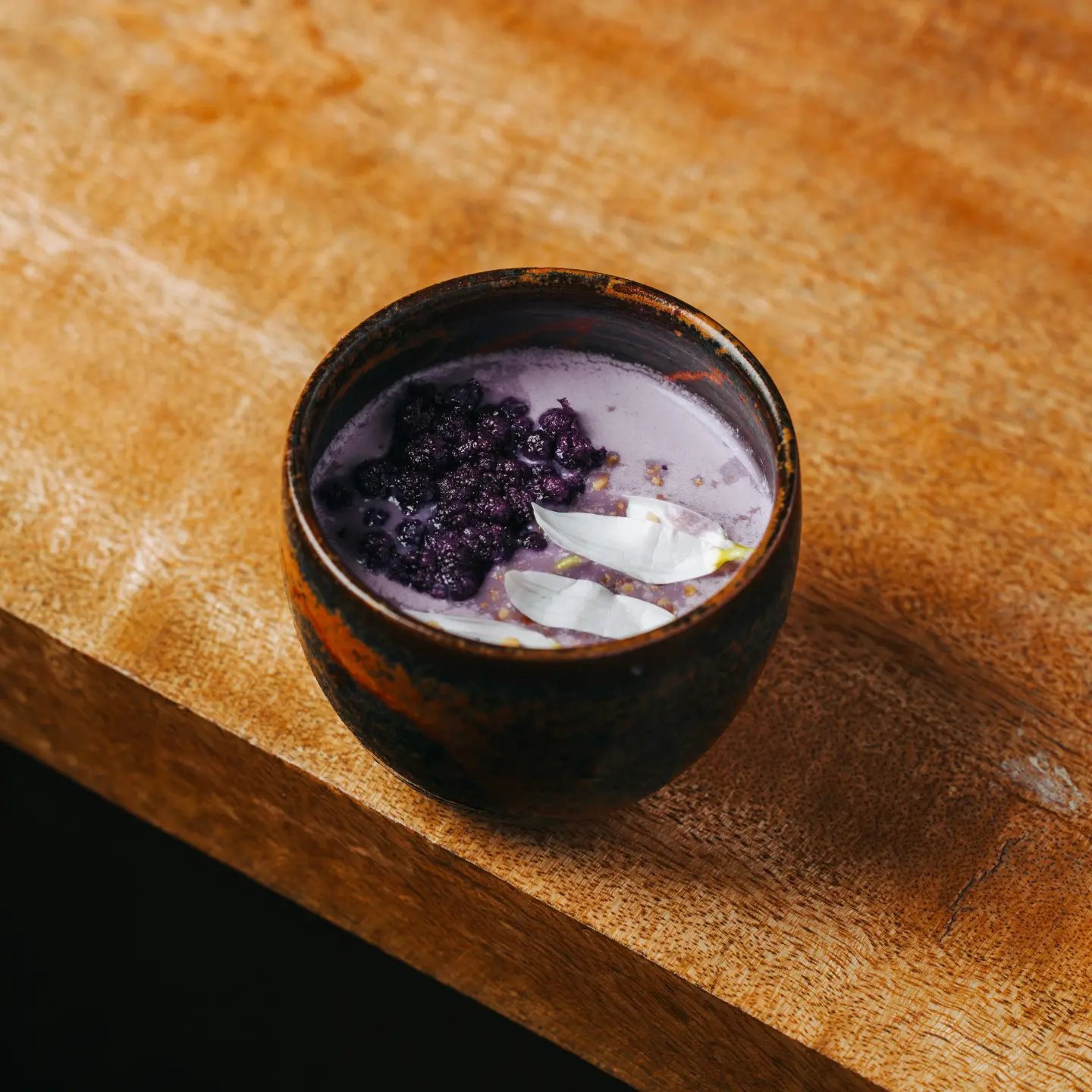
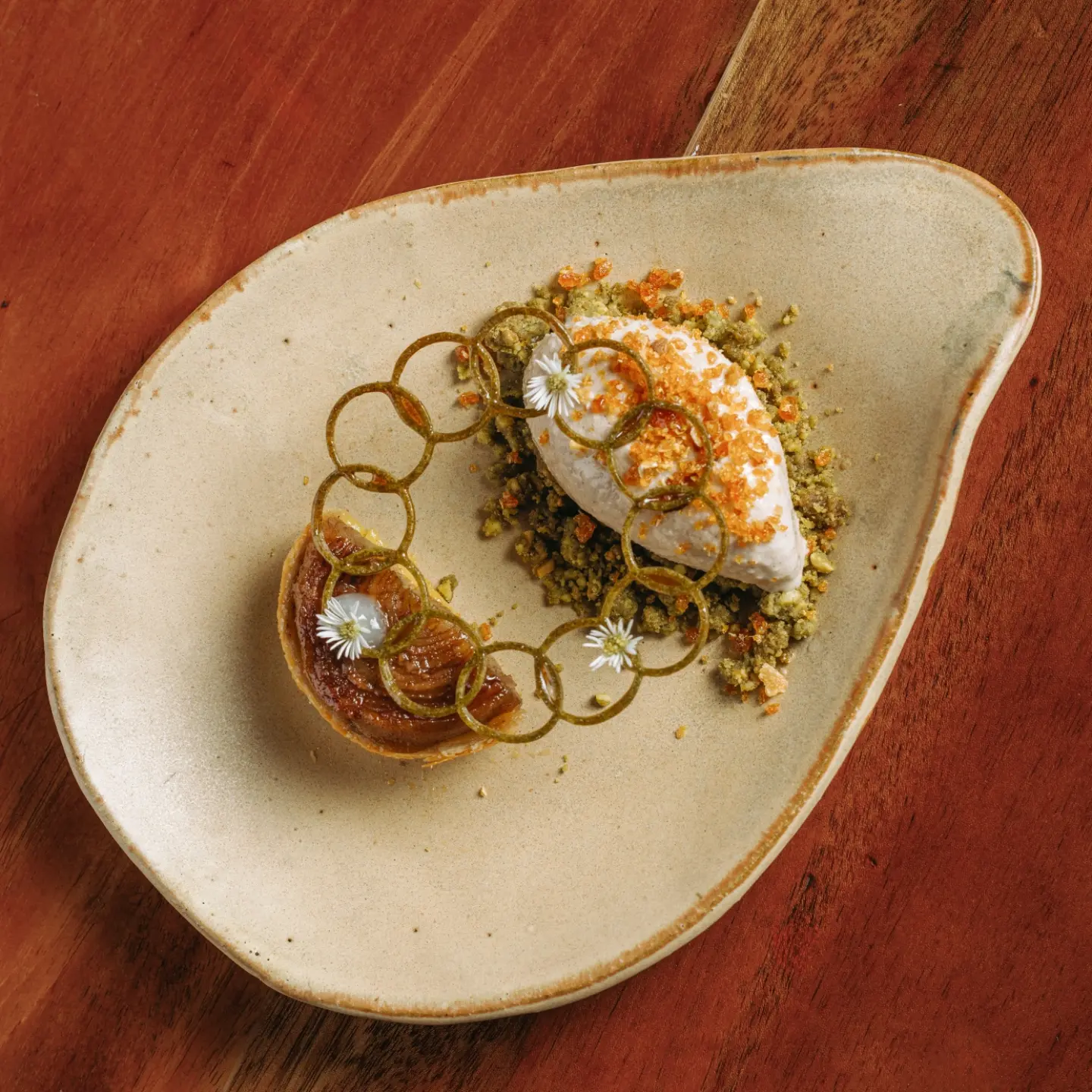
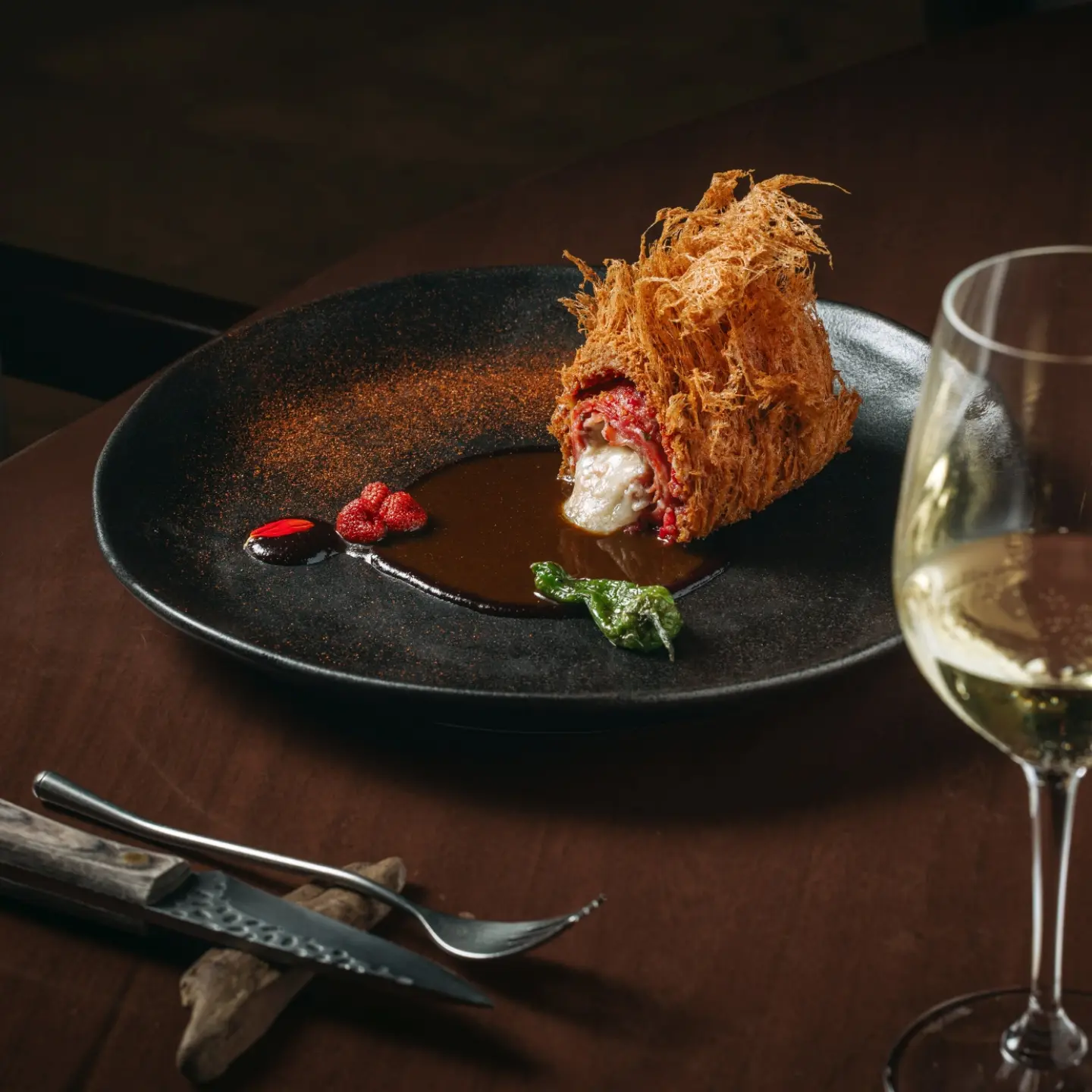
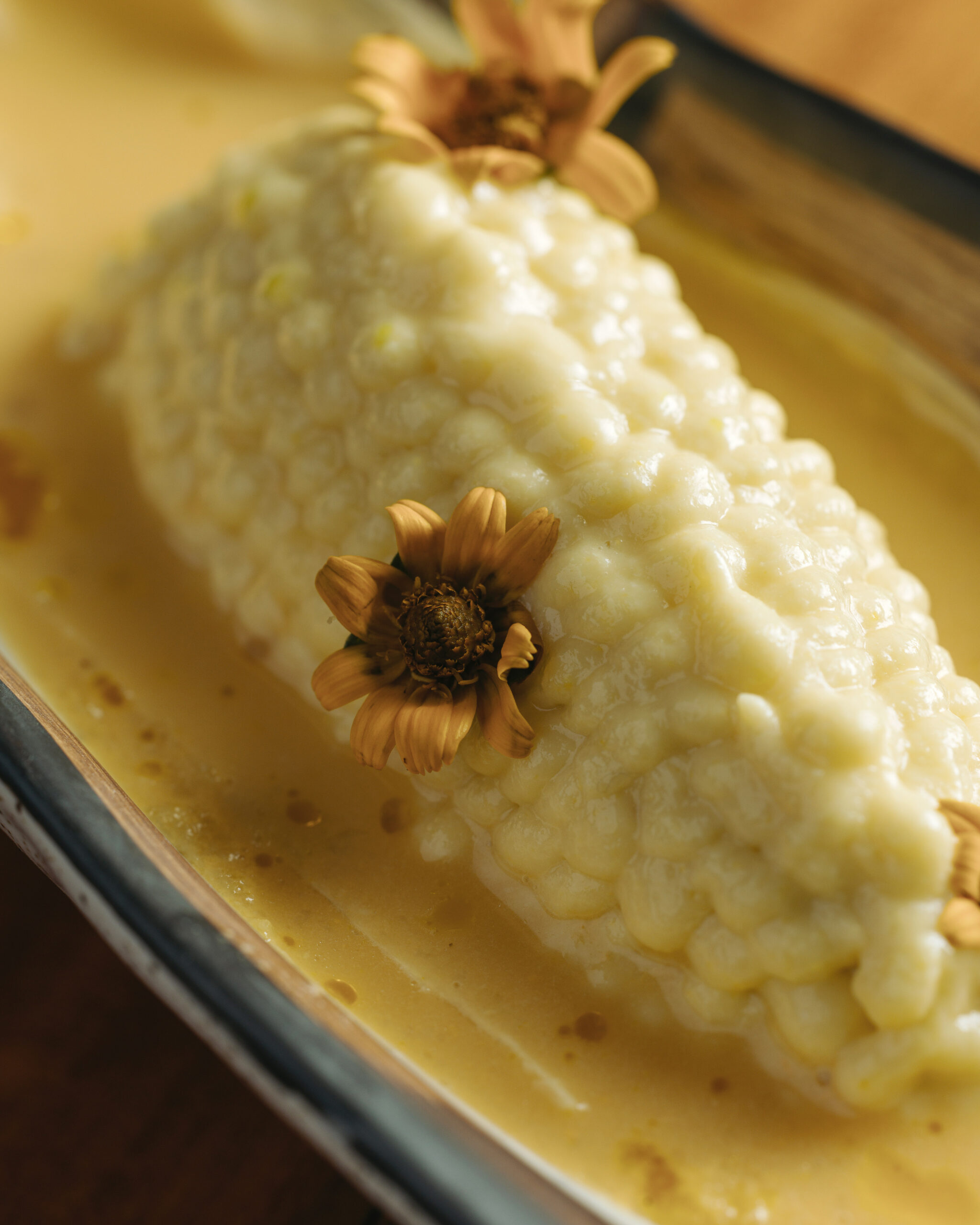
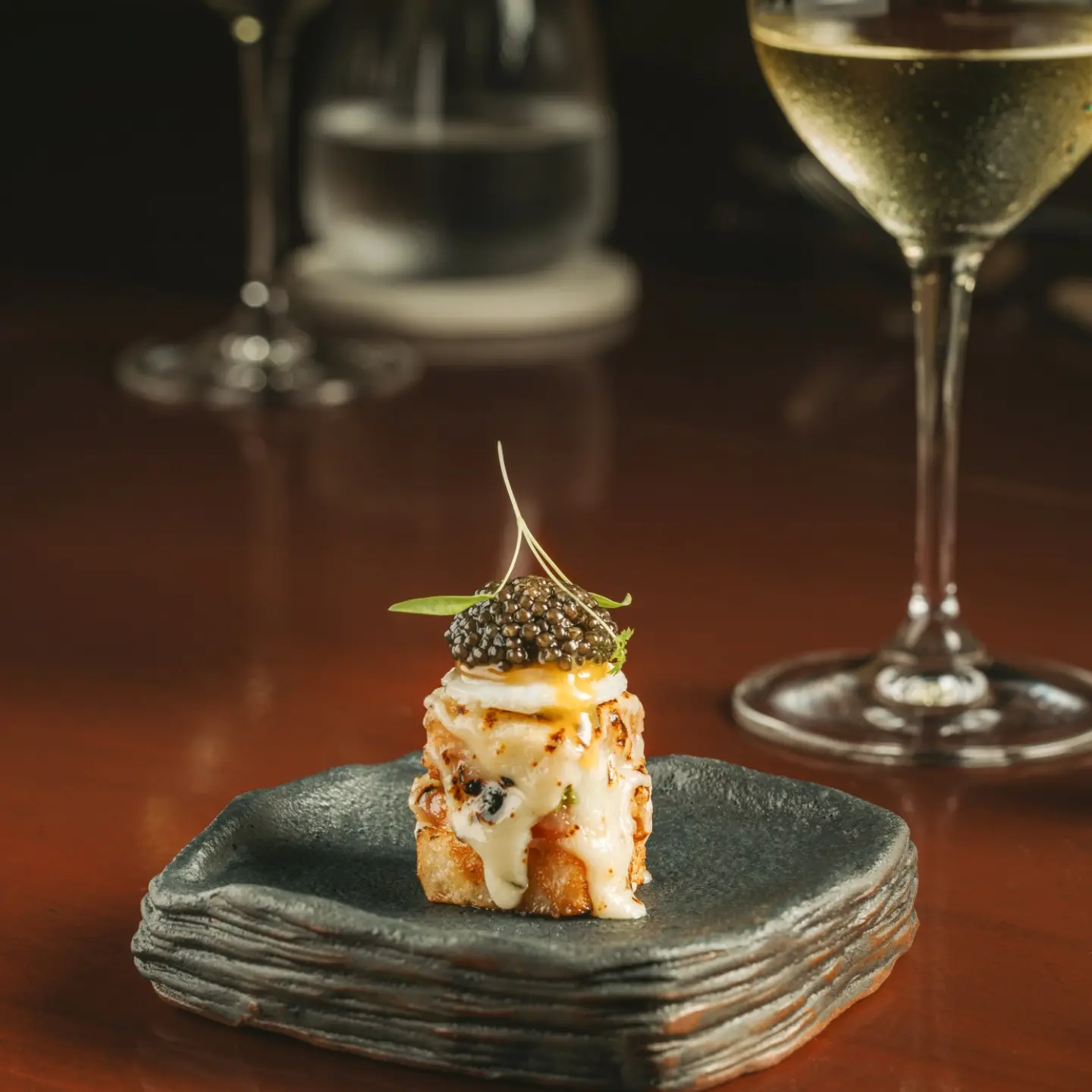
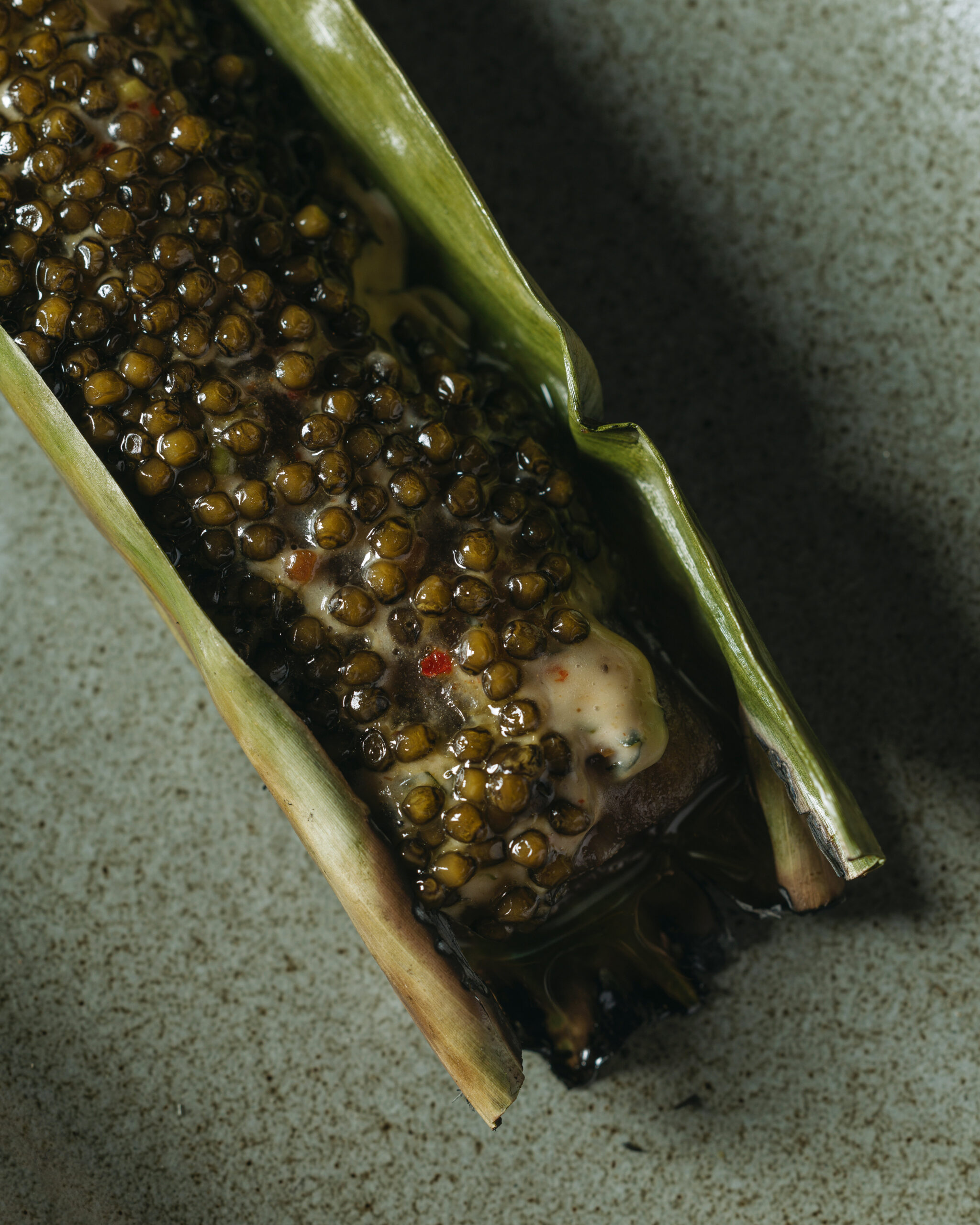
I would choose three dishes at Kása Palma: Ube in Three Textures, Lobster Lechon, and our version of Grilled Tupig.
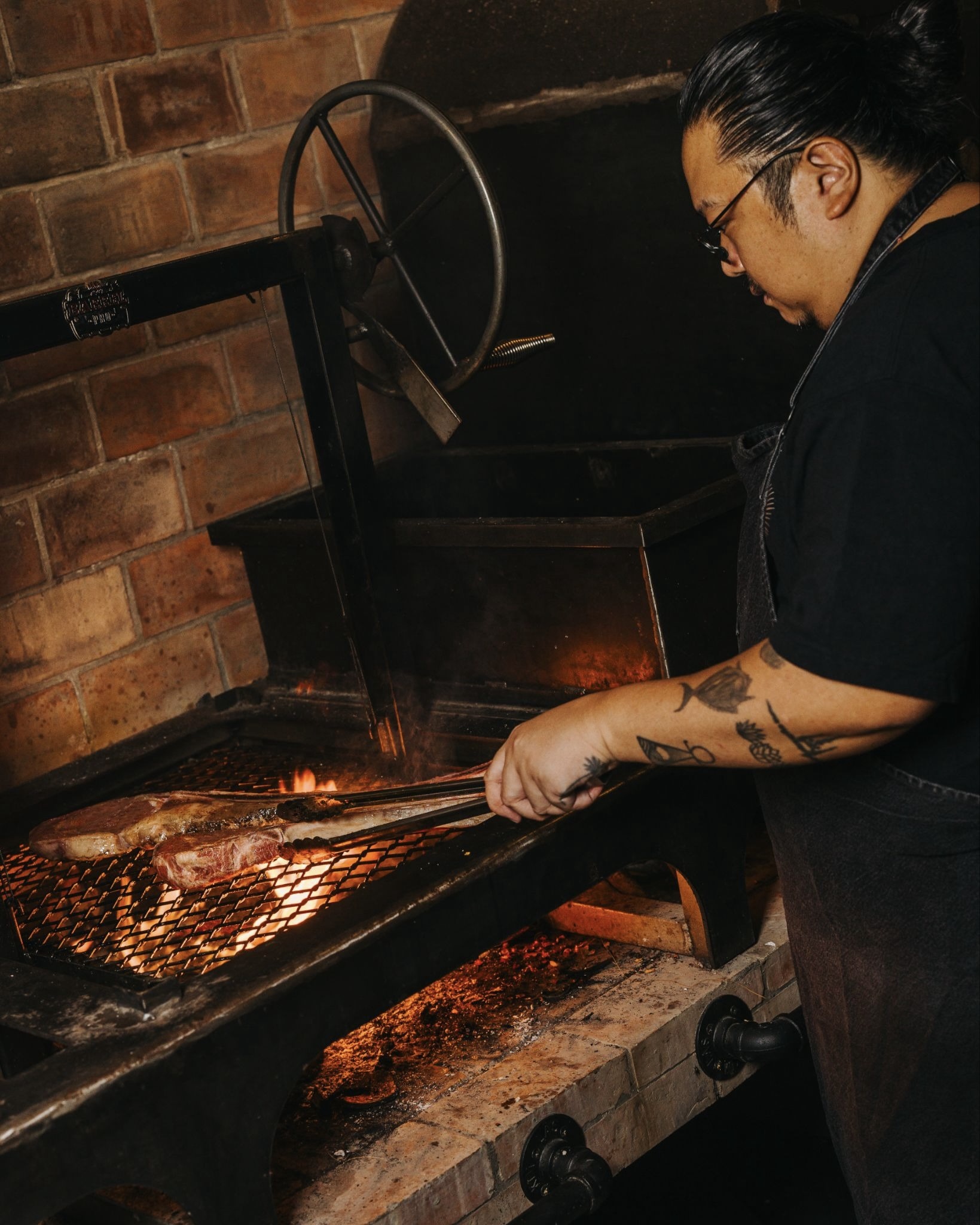
Ube in Three Textures explores the savoury possibilities of an ingredient we so often associate with sweets. Lobster Lechon brings together exceptional seafood and the generous, celebratory spirit of a Filipino feast. Our Grilled Tupig takes a familiar Filipino preparation and gives it a savoury expression through smoke, texture, and flavour.
Together, they say a lot about how I cook: drawing on my French training, my Filipino roots, and the ingredients that inspire me here.
About Your City!
Manila, Philippines
- If Anthony Bourdain or a chef came to your city, what would be the perfect tour itinerary from breakfast to dinner?
I’d make it a Saturday and suggest staying in Poblacion, Makati, for its neighbourhood restaurants, bars, and energy. We’d start at Salcedo Market, grazing on Filipino breakfast dishes and kakanin, talking to vendors, and seeing what catches our attention.
Then we’d head to old Manila, explore Intramuros, and have lunch at Cabel in San Miguel for a taste of Filipino regional cooking. Afterwards, we’d wander through Binondo, stopping for dumplings and hopia. Understanding Manila means understanding the different communities that have shaped its food.
For dinner, I’d welcome them to Kása Palma and cook the Philippine fish and seafood that excite me most. I’d like to share how my years in French kitchens connect with the ingredients and flavours of home, and introduce them to species they might never have tasted before.
We’d finish with cocktails at The Spirits Library in Poblacion, good conversation, and perhaps more music afterwards. I used to produce raves, so the soundtrack would definitely matter! Ideally, we’d leave enough room in the day for an unexpected discovery—that’s often where the best stories come from.

Support our project by buying our merch!

86 HOTK Unisex t-shirt
$30.00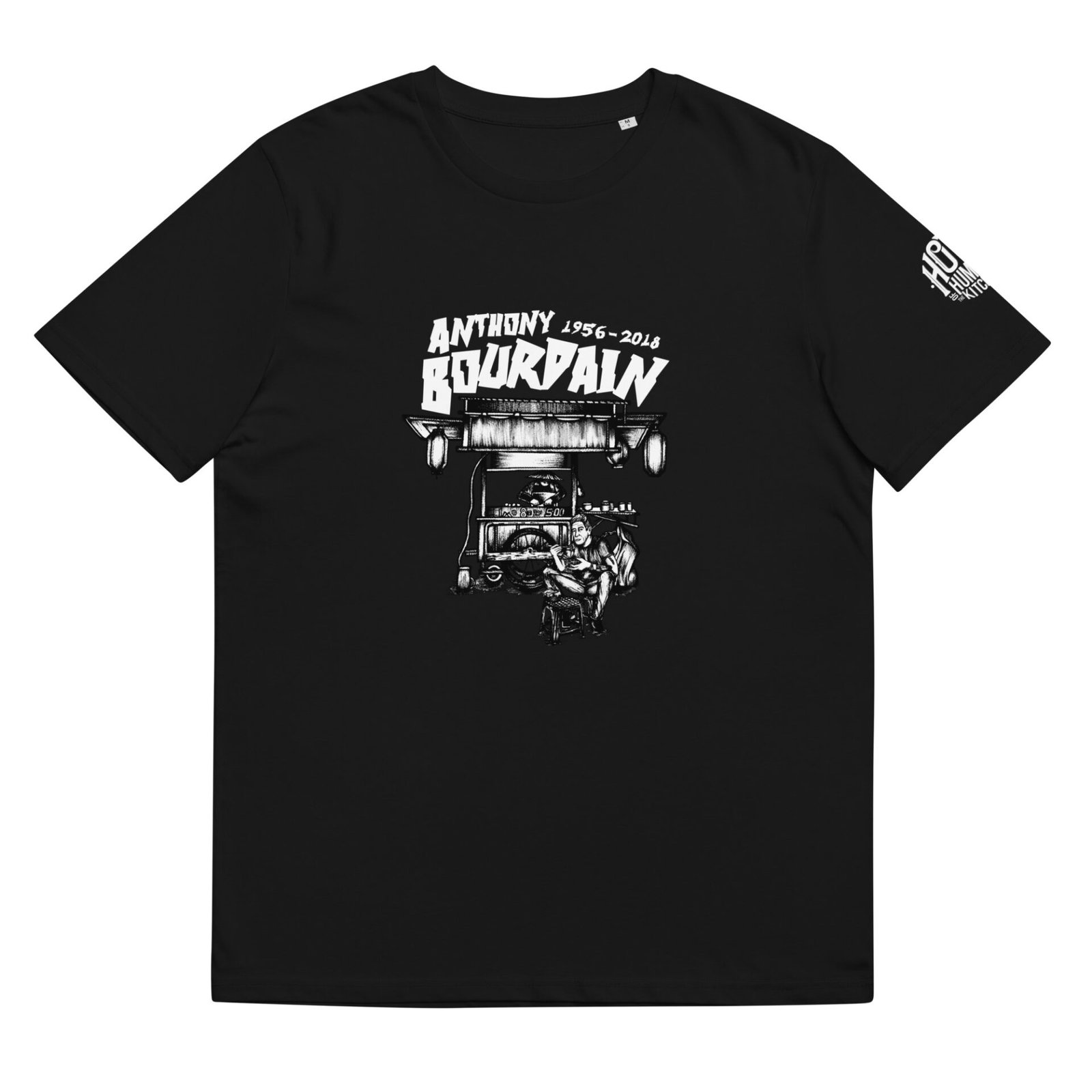
Anthony Bourdain T-Shirt
$35.00
Mise HOTK Unisex t-shirt
$30.00