Food Is About People
Great hospitality starts long before the first bite and stays long after the meal ends.
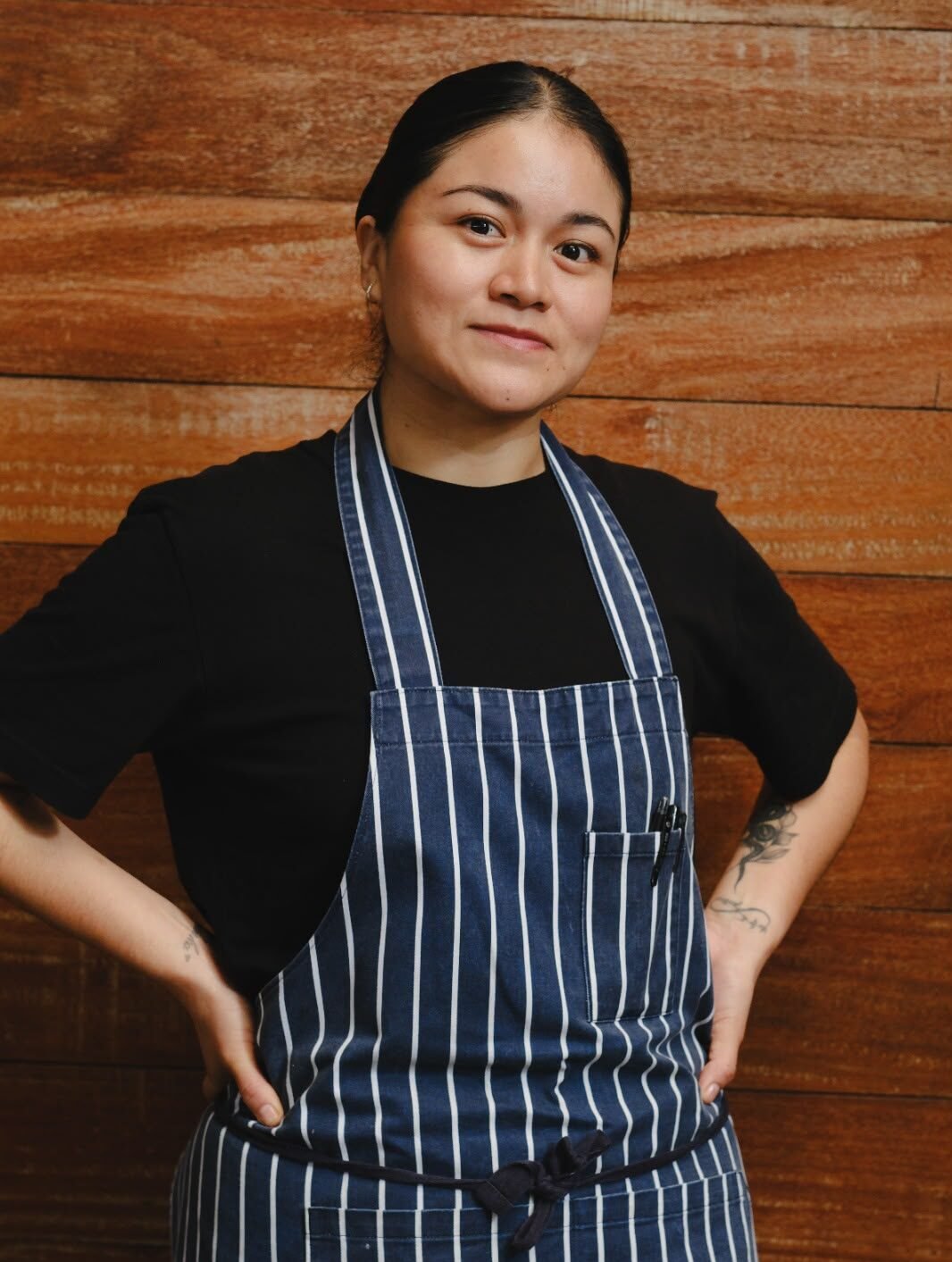
Melyssa Pardo Baltazar
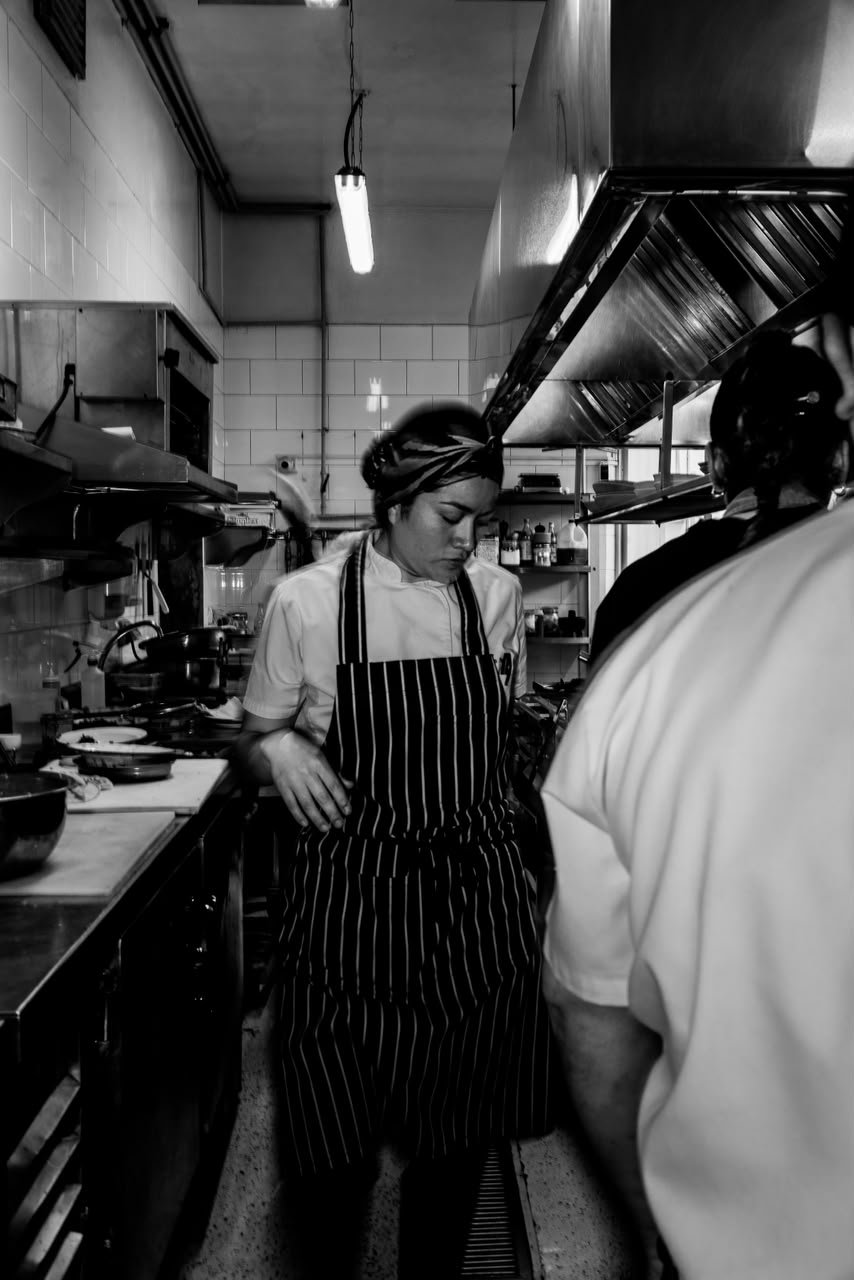
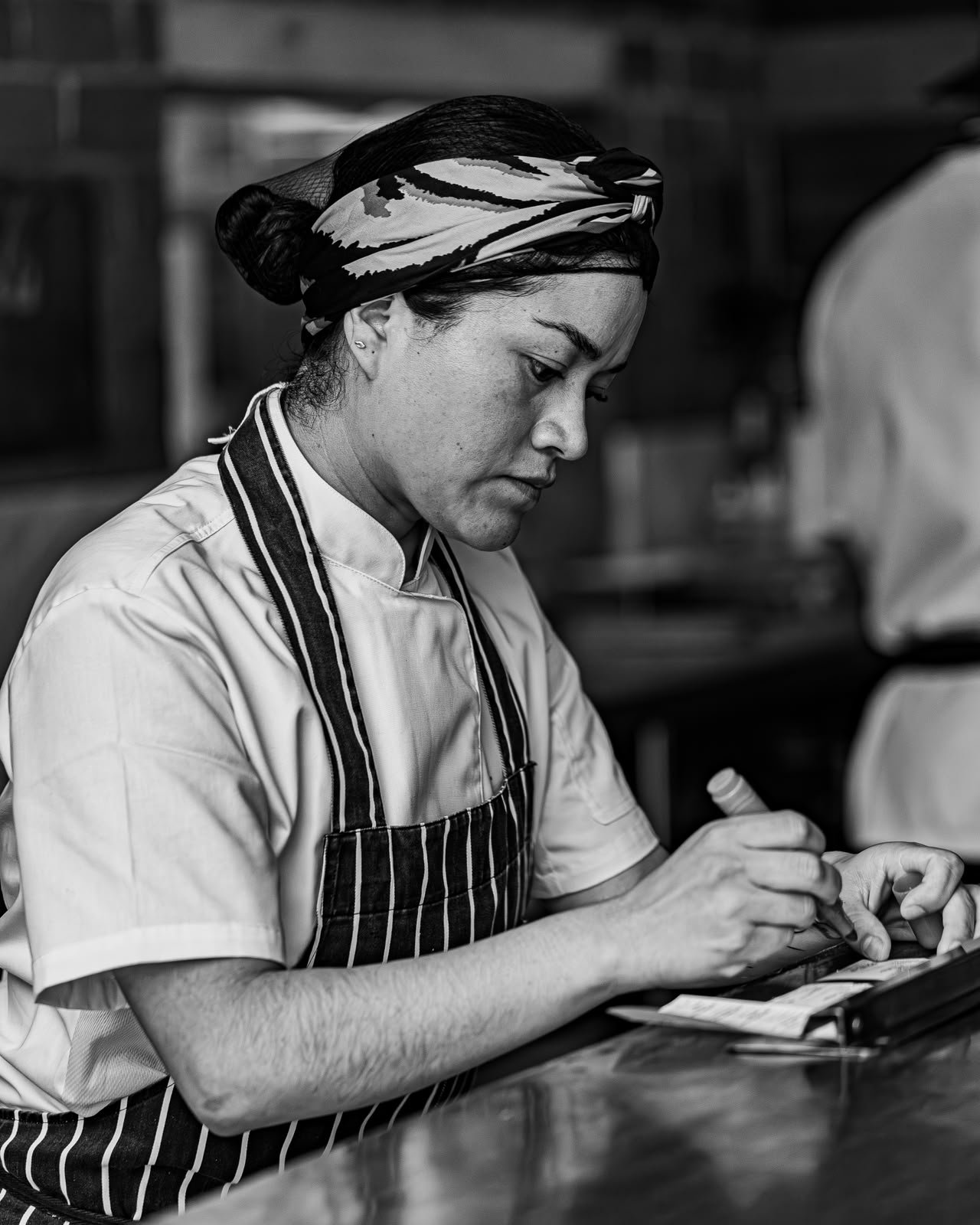
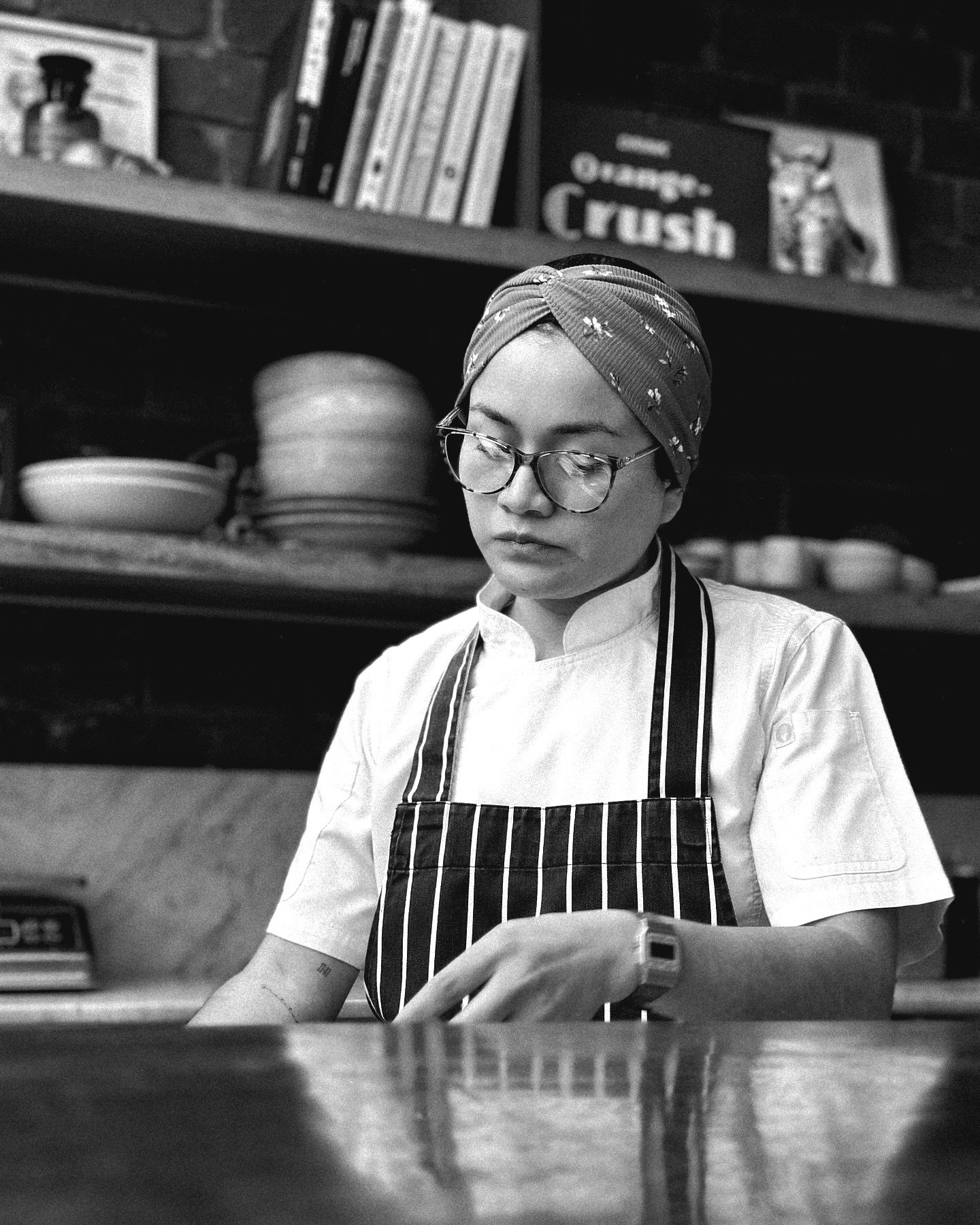
Peruvian chef Melyssa Pardo Baltazar discovered her calling long before she understood it had a name. Growing up beside her mother in the kitchen, she learned that cooking wasn’t simply about preparing meals; it was a way of showing love, bringing people together, and creating lasting memories. What began with peeling peas and helping with simple tasks slowly became the passion that would shape her life.
At just 17 years old, Melyssa stepped into her first professional kitchen, where discipline, sacrifice, and perseverance quickly became part of her daily routine. Throughout her journey, she has faced demanding kitchens, overcome gender stereotypes, and transformed every challenge into an opportunity to grow; not only as a cook, but as a leader.
Today, her philosophy is rooted in respect: respect for ingredients, for technique, and above all, for people. Having experienced both the inspiring and difficult sides of professional kitchens, she strives to build environments where excellence and empathy coexist, proving that great leadership doesn’t require fear, it requires humanity.
In this conversation, Melyssa reflects on the childhood memories that shaped her love for cooking, the lessons she learned in demanding professional kitchens, the importance of leading with empathy instead of fear, and why she believes the best chefs never stop being students.
Share your Journey
- Looking back at your childhood, was there a specific moment or memory that sparked your interest in food or cooking?
Ever since I can remember, the kitchen has been part of my life. I grew up beside my mother, watching and helping with every meal she prepared. I started with simple tasks, like shelling peas or helping with small details, but little by little I realized that the kitchen awakened something special in me. Without noticing it, it stopped being just another household responsibility and became a place where I felt happy and could express myself.
The moment that truly marked my life happened when I was nine years old. My mother had to travel, and I stayed home with my father. I saw how hard he worked every day, and I wanted to do something that would make him feel loved when he came home. I decided to cook him a simple pasta with grated carrots and tomatoes. It was made with all the love I could give at that age.
- Did you have another career or job before becoming a chef? How did those experiences influence your decision to pursue cooking?
I finished high school when I was 16 years old. I clearly remember having only two months of vacation before my mother enrolled me in culinary school. She had always believed in my passion for cooking and encouraged me to follow this path.
Because everything happened so quickly, I never had the opportunity to pursue another career or even apply for a different job. My mother always said that too much time resting could easily turn into complacency, so she encouraged me to keep moving forward and start building my future right away.
- Did you formally study culinary arts, or are you self-taught? How has your learning journey shaped your approach to cooking?
My culinary journey began with formal training at culinary school, where I built a strong technical foundation. However, I believe a large part of my growth has been self-taught. Cooking requires constant study, research, learning from every mistake, and learning from every person you meet. I truly believe a chef never stops being a student.
That continuous learning has shaped the way I understand cooking today. I no longer see the kitchen simply as a place to create dishes, but as a space where people are shaped, values are passed on, and strong teams are built. Respecting the ingredients, embracing discipline, and combining technical skill with the desire to always improve remain at the heart of everything I do.
- When did you first step into a restaurant kitchen? What was that experience like, and how did it shape your journey as a chef?
I first stepped into a professional kitchen at the age of 17 as an intern at a Mediterranean restaurant called La Eñe. It was there that I truly confirmed cooking was the path I wanted to follow.
As an intern, the only financial support I received was enough to cover my transportation. I decided to save that money for an entire month so I could buy my first pair of kitchen clogs and my first cookbook. That experience taught me that hard work always brings rewards and that every tool I earned represented another step toward my dream.
From that moment on, I understood that passion must always be accompanied by discipline, sacrifice, and perseverance. That philosophy continues to guide my career today.
- What were some of the early challenges or obstacles you faced when you started in the kitchen, and how did you overcome them?
The beginning of my career wasn’t easy. I found myself working alongside chefs who were very protective of their recipes, techniques, and ways of doing things. Many belonged to a generation with a very traditional, and sometimes even sexist mindset, so earning their trust and respect as a woman became one of my greatest challenges.
Many of them didn’t have the patience to teach, but I chose to respond through hard work, discipline, and a constant willingness to learn.
Little by little, I proved my commitment, my ability to handle pressure, and my determination to keep growing. Over time, I realized that respect is never demanded; it is earned through perseverance, humility, and consistent results.
- What keeps you inspired and how has that inspiration driven you throughout your professional journey? Especially during tough times in the kitchen?
What inspires me most is remembering where I come from and the journey I’ve taken to get where I am today. Cooking has taught me that every challenge is an opportunity to grow, and that belief motivates me to keep learning and improving every single day.
During difficult moments—when fatigue, pressure, or mistakes appear—I find strength in my passion for cooking, my commitment to my team, and my desire to continue creating memorable experiences for everyone who enjoys our food.
I’m also inspired by knowing that through hard work, discipline, and perseverance, I’ve been able to build my place in such a demanding profession. That reminds me that moving forward is always worth it.
- Can you recall a moment in the kitchen that marked you forever? Maybe it was an interaction with a mentor, a fellow cook, someone you fed, or a situation that challenged you in a way that shaped who you are today?
Yes. One of the moments that marked my career the most was when I joined a kitchen with a completely different level of discipline and expectations than anything I had experienced before.
At first, it wasn’t easy. I had to earn my place and received many corrections about organization, cleanliness, and execution. At the time, those lessons felt harsh, but eventually I understood they had a purpose.
I also experienced one of the most difficult aspects of professional kitchens: ego. I worked alongside people who believed that having more experience gave them the right to look down on those who were just starting. That experience taught me exactly the kind of leader I never wanted to become.
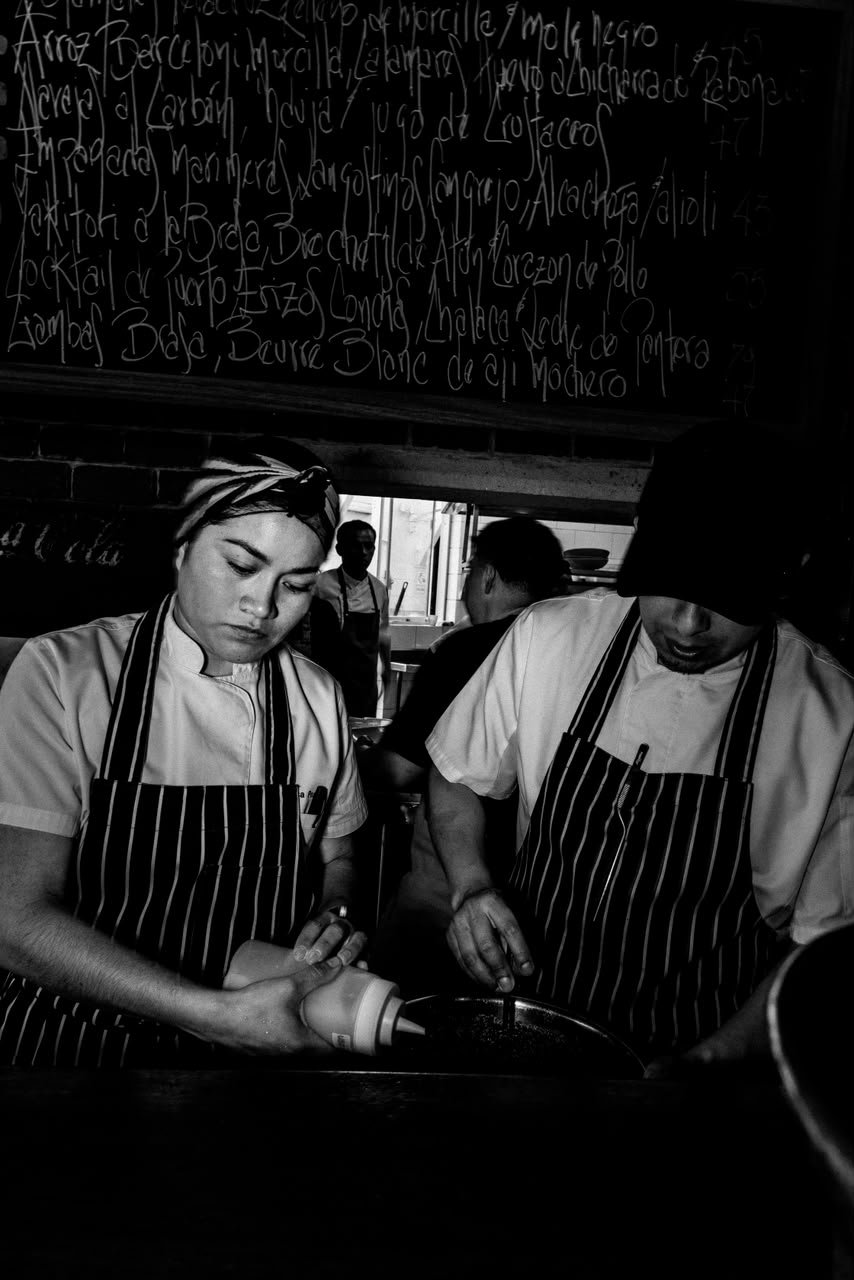
Later, when I had the opportunity to lead my own station, I made a promise to myself that interns and young cooks would find guidance in me—not someone who made them feel less than they were. My station became a place where people could learn with respect.
Throughout my career, I also learned by observing every chef and every colleague I worked with. From each one, I adopted techniques, habits, and different ways of solving problems. Over time, I built my own style of cooking and leadership by taking the best from every experience and turning it into my own identity.
Today, I look back with gratitude. Even the most difficult moments helped shape the cook and the leader I have become today.
- As a chef, how would you describe your philosophy in the kitchen, and how does it guide your approach to cooking and leadership?
My philosophy in the kitchen is built on the belief that excellence comes from discipline, consistency, and respect. I believe that a great kitchen isn’t built solely on strong technique or exceptional ingredients, but also on people who feel valued and committed to a shared purpose. I’ve learned that high standards are essential for growth, but they can—and should—go hand in hand with empathy.
Having worked in kitchens where ego and mistreatment were part of everyday life taught me exactly the kind of leader I never wanted to become.
I also believe deeply in continuous learning. I observe, I listen, and I never stop learning from the people around me. Every service, every mistake, and every challenge is an opportunity to improve. My goal isn’t only to create great dishes, but to build strong teams where people develop confidence, good judgment, and a genuine passion for this profession.
- Can you share a time when cooking or the camaraderie in the kitchen helped you through a tough period in your life? What made that experience meaningful?
Yes. Throughout my life, I’ve gone through several difficult personal moments, and during many of them, the kitchen became my refuge.
Whenever I stepped into service, all my attention shifted to cooking, solving problems, and making sure every dish left the kitchen at its best. That focus helped me set my worries aside and keep moving forward.
I’ve also made only a few close friends in the kitchen, but the ones life gave me are still part of my life today. During my most difficult moments, they offered sincere support, the kind that doesn’t always require words to make you feel you’re not alone.
That experience was incredibly meaningful because it taught me that the kitchen doesn’t just shape professionals; it creates lasting bonds. Sharing long, demanding days, learning together, and overcoming challenges side by side builds a level of trust that’s hard to find anywhere else.
- Reflecting on your career, what achievements or milestones are you most proud of, and what do they mean to you?
Looking back on my career, I realize that my greatest achievement hasn’t simply been reaching positions with greater responsibility, but building a career founded on hard work, discipline, and consistency. Every kitchen I’ve worked in has taught me something valuable and helped me grow both professionally and personally.
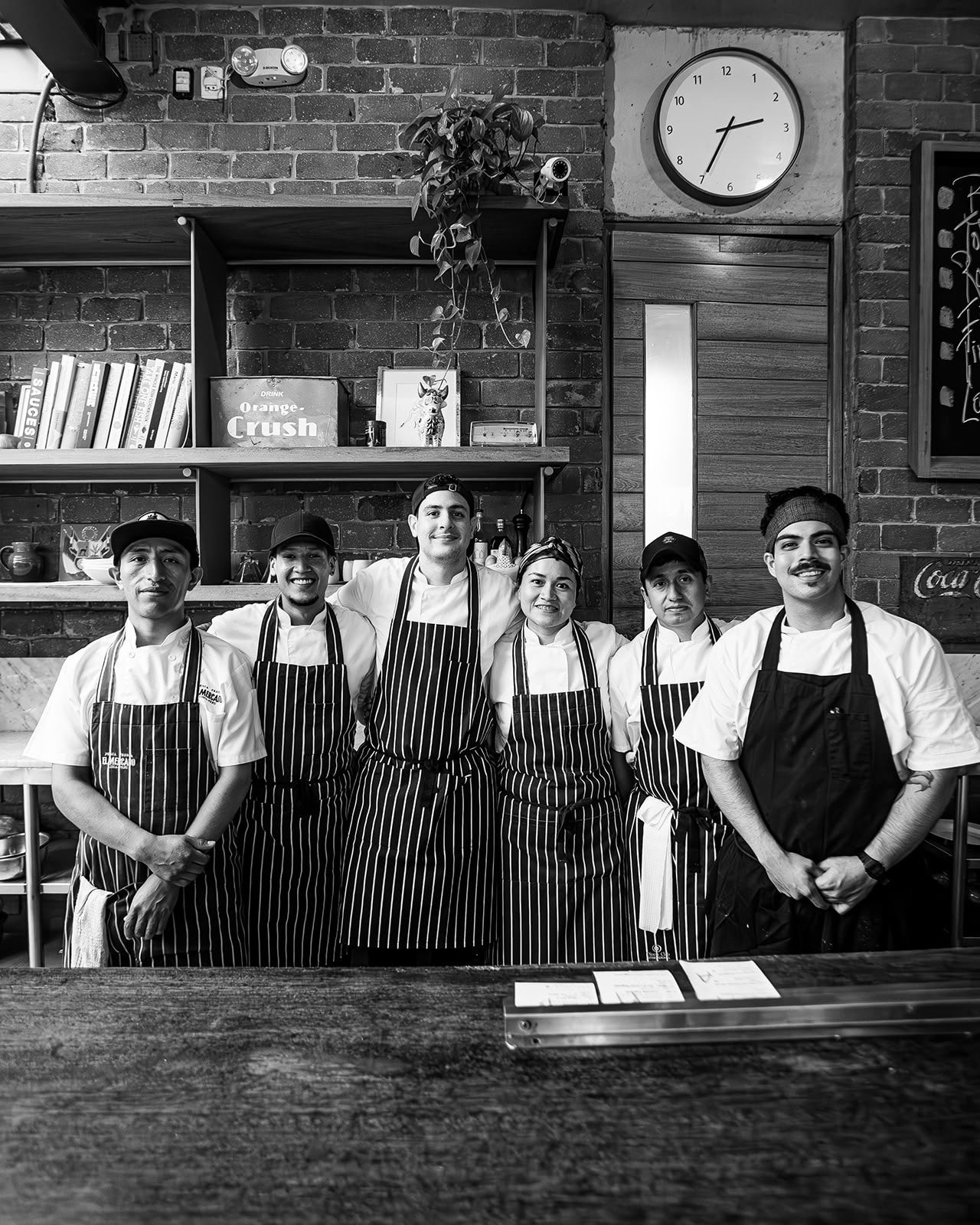
I’m proud of having earned the trust of the teams I’ve worked with and having had the opportunity to lead them. Knowing that I was able to contribute to the development of young cooks who were just beginning their careers, share what I’ve learned, and create an environment based on respect and continuous learning is one of the accomplishments I value the most.
I’m also proud of overcoming the moments when I doubted my own abilities. Every challenge, every mistake, and every demanding experience strengthened my character and reminded me that I was always capable of going one step further. Today, more than titles or recognition, I value having built my own identity as a chef—a way of cooking and leading rooted in discipline, continuous learning, and respect for people. That is the achievement that means the most to me because it reflects not only what I do, but also who I am.
- What aspects of restaurant culture do you love, and what parts do you find frustrating or problematic? Are there any changes you’re actively working toward or things you hope they change in the industry? Share the reasons behind them and how they align with your vision for a better culinary world?
What I love most about restaurant culture is that it teaches people how to work as a team, develop discipline, and understand that excellence is built through consistency.
The kitchen has the power to bring together people from very different backgrounds under one shared purpose, and that’s something I’ve always admired about this profession.
At the same time, there are still aspects of the industry that I believe need to change. Although hospitality has evolved, there are still traces of sexism, egos that make teamwork more difficult, and environments where high expectations are sometimes confused with mistreatment.
I also believe we need to strengthen values like respect, empathy, and commitment because they are just as important as technical skills when it comes to building great teams. Another challenge I see is the generational shift. Today, we have an incredible amount of talent and creativity, but sometimes we also see less tolerance for frustration and less commitment to the learning process. I believe it’s the responsibility of those of us in leadership positions to find the balance between maintaining high standards while also helping people grow, not just as cooks, but as individuals.
From my position, I try to contribute to that change by leading through example. I work hard to create an environment where discipline and respect coexist, where people can be corrected without being humiliated, and where excellence never comes at the expense of humanity.
My vision for gastronomy is an industry that remains passionate and demanding while also developing better professionals and better human beings. I’m convinced that a great kitchen is measured not only by the dishes that leave the pass, but by the team that makes them possible.
- What are your hopes for the future of the restaurant and food and beverage industry? What changes would you like to see, and how are you contributing to that change?
My greatest hope for the future of our industry is that it continues to grow without losing its human side. I’d love to see kitchens where excellence remains the standard, but where respect, empathy, and opportunities to develop people are just as important as creating great chefs.
I dream of a culinary world where leadership is built through example rather than fear, where talent isn’t measured by ego but by the ability to work as a team, teach others, and continue learning.
I also hope to see more opportunities for women to grow and lead without constantly having to prove that they are just as capable. From my position, I try to contribute to that change every day by building teams with discipline and respect, sharing what I’ve learned, supporting those who are just starting, and promoting a culture where learning is more important than pride.
I believe every chef has the responsibility to leave behind a better kitchen than the one they found—not only through recipes, but through the people they help shape. If one day someone remembers working with me, I hope it won’t only be because of the dishes we cooked together, but because they found a leader who believed in their potential, helped them grow, and showed them that excellence and humanity can always go hand in hand.
- If there’s anything we didn’t ask or if you feel we’re missing something about your personal and kitchen story, please share it here.
I remember one day when my chef kicked me out of the kitchen because I had overcooked two fish during the middle of a busy rush. I sat on the stairs behind the kitchen because, deep down, I knew he was going to call me back.
Sure enough, about ten minutes later he shouted, “Melyssa! What are you waiting for? Get back down here!”
I knew I wasn’t supposed to leave. I understood it was simply the heat of the moment—it wasn’t personal. After service, we finished the shift together, and he invited me for a beer. Maybe that was his way of apologizing… who knows.
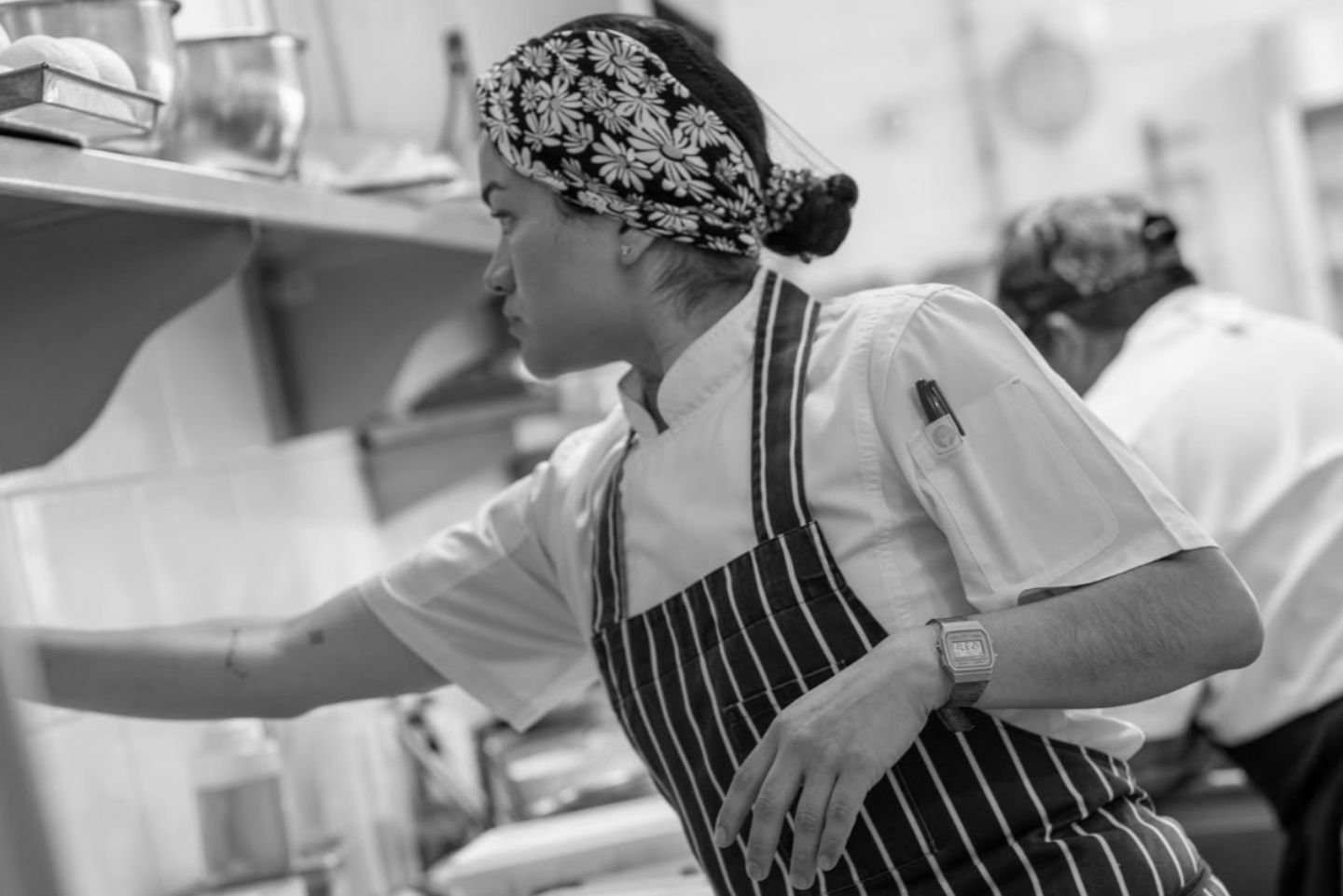
Several photos captured by @j_o_v_s_. 📸
Secret Sauce
- What’s the most unexpected ingredient you’ve ever worked with, and how did it change your perspective on cooking?
One of the most unexpected ingredients I’ve ever worked with was tucupí. More than the ingredient itself, what truly fascinated me was the process behind making it.
Learning about the ancestral techniques required to transform poisonous cassava into a safe, flavorful ingredient gave me an even greater appreciation for the work behind every product. That experience changed my perspective because I realized that cooking isn’t only about preparing food—it’s also about respecting the origins of ingredients, traditional knowledge, and the people who have preserved those techniques for generations.
- What’s your “guilty pleasure” meal?
Corn on the cob with cheese.
- A food trend that you hate and why?
The growing obsession with making food look beautiful while sacrificing flavor, technique, and the true identity of the dish.
- What’s the craziest shift you’ve ever worked in the kitchen?
I’ve experienced many intense services, but the ones that marked me the most were split shifts with events in between and an incredibly high workload.
Those were the days when I’d leave the restaurant completely exhausted, get home, and still have my mind in the kitchen. Even while trying to sleep, I’d mentally go over the 86 list, planning where I needed to start production the next morning so everything would be ready on time.
5. What happened, and how did you manage to get through it?
Those experiences taught me that a successful service doesn’t depend only on cooking well. It also depends on organization, anticipating problems, and making quick decisions under pressure.
I learned to develop what we call “mañas” in the kitchen: those habits, instincts, and ways of working that only come with experience.
They were incredibly demanding shifts, but they also strengthened my ability to stay calm and develop resilience under pressure.
- What tips would you give to other cooks and chefs to help them navigate their culinary careers and find peace amid the chaos of the kitchen?
I would tell them to never stop learning and never be afraid to start from the bottom. We all go through difficult moments, make mistakes, and doubt ourselves, but every experience has something to teach us if we’re willing to learn.
I’d also tell them not to let ego get in the way. There will always be someone who knows more than you and someone who is just beginning. Sharing knowledge and respecting others will always build a stronger team than competing against one another.
Most importantly, find your own way of doing things. It’s wonderful to learn from many chefs, but eventually each of us must build our own identity, our own judgment, and our own style of leadership.
The kitchen will always be a place of pressure and chaos, but I’ve learned that peace doesn’t come from having a perfect service. It comes from being prepared, trusting your team, and remembering why you chose this profession in the first place.
When you cook with passion, discipline, and respect, even the hardest days leave you with something valuable.
- What’s an underrated ingredient and why?
For me, onions are one of the most underrated ingredients. They’re present in almost every kitchen and often go unnoticed, yet they have the power to completely transform a dish.
8. What’s a must-try dish from your kitchen or the one you’re proudest to have prepared?
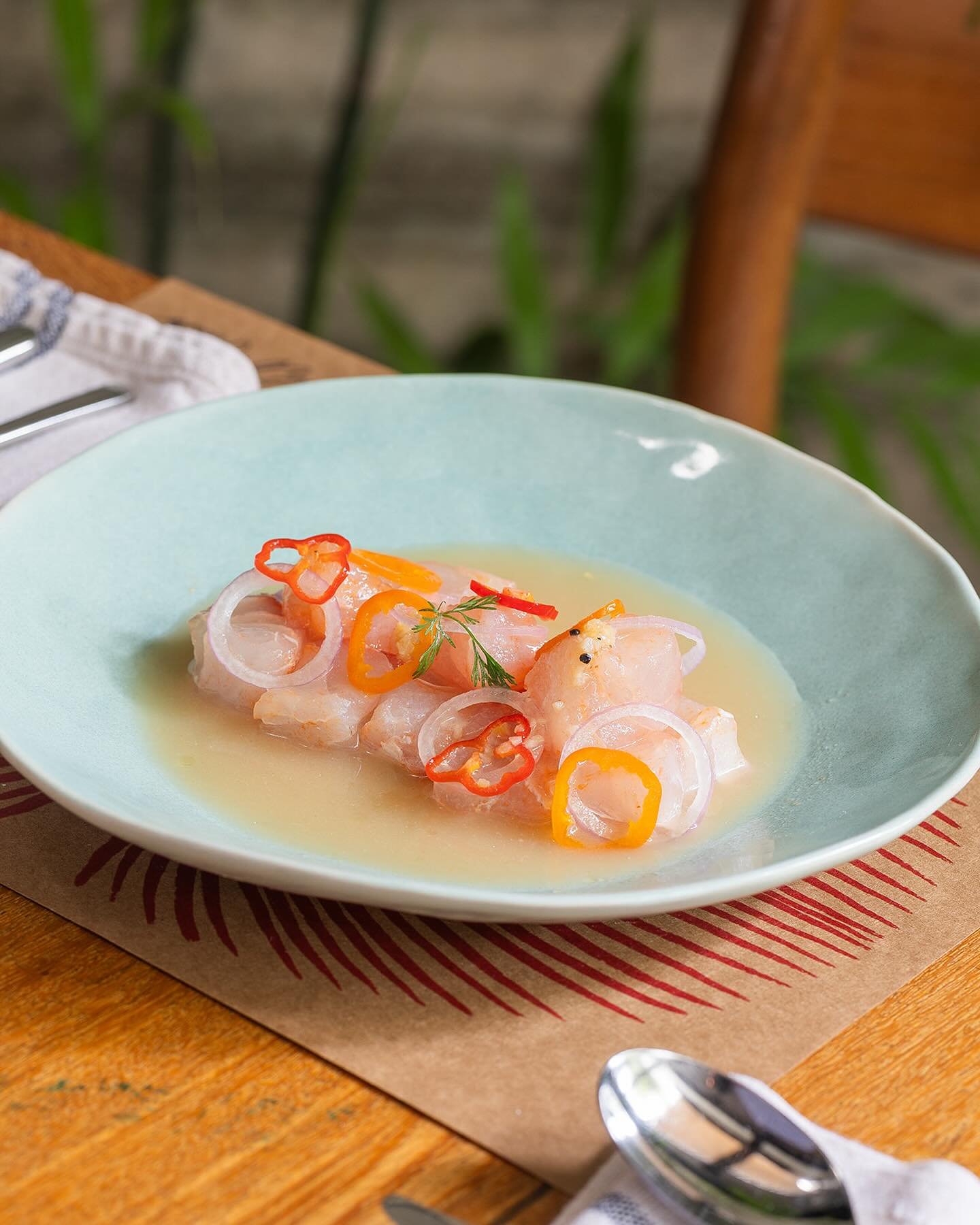
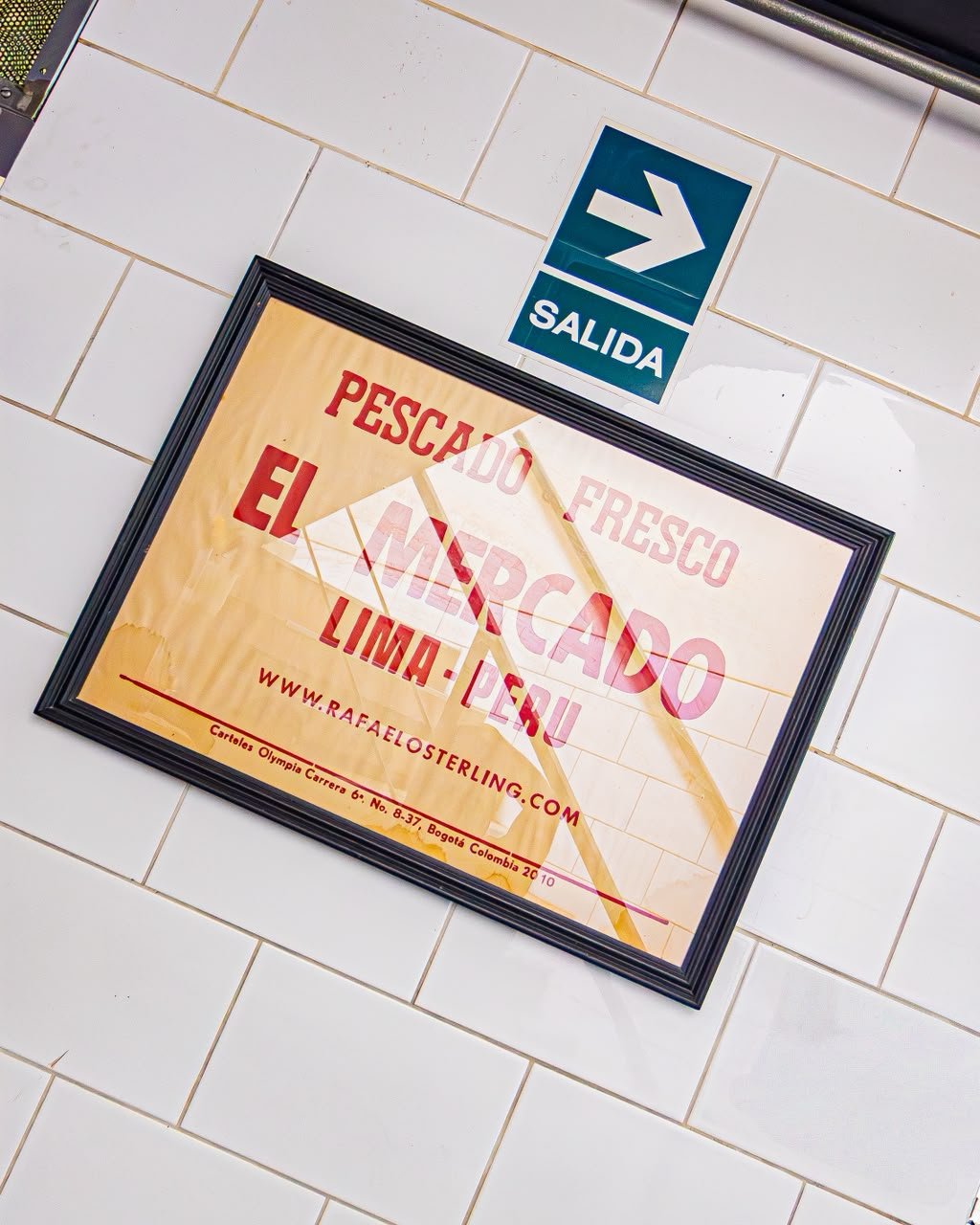
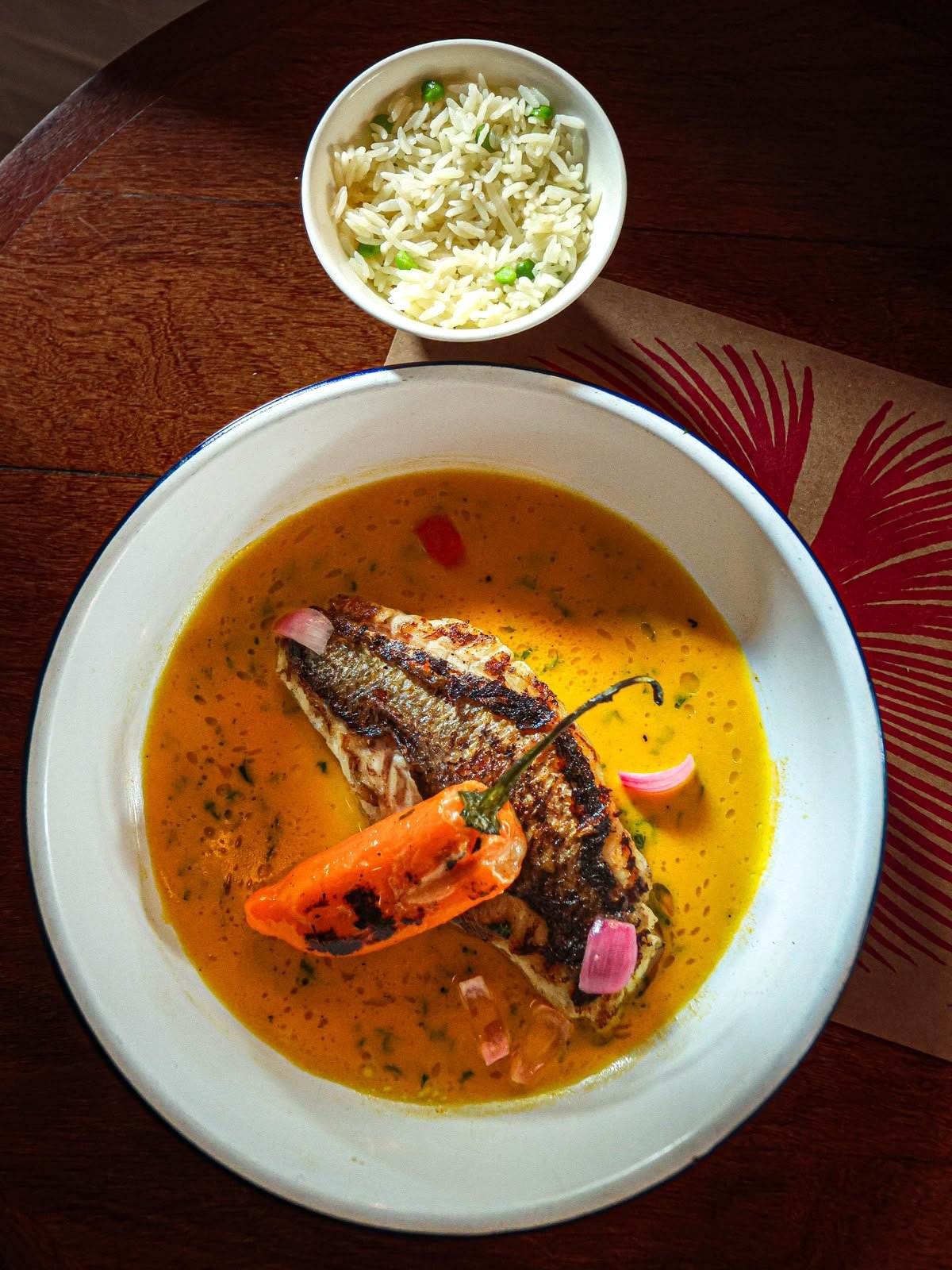
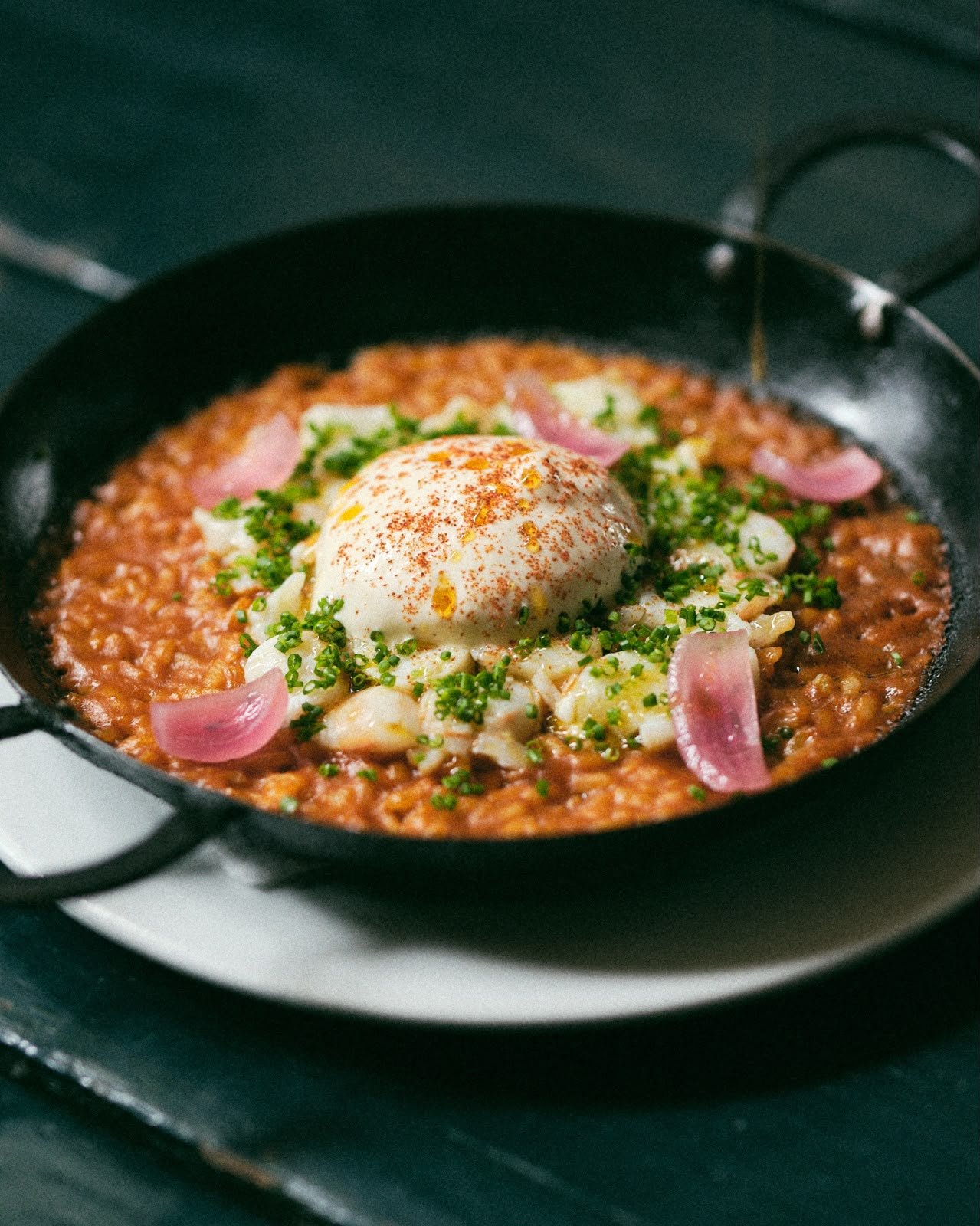
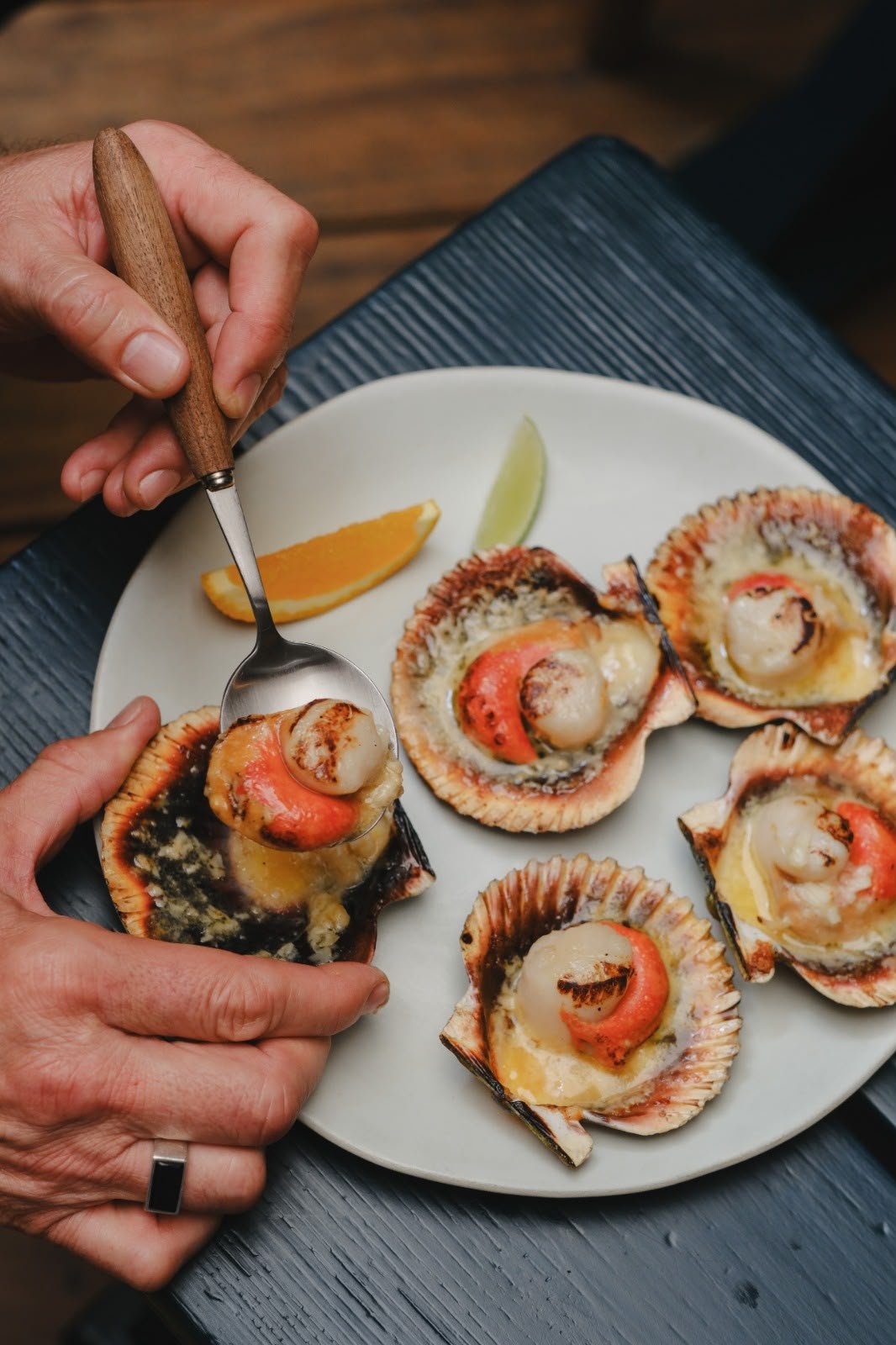
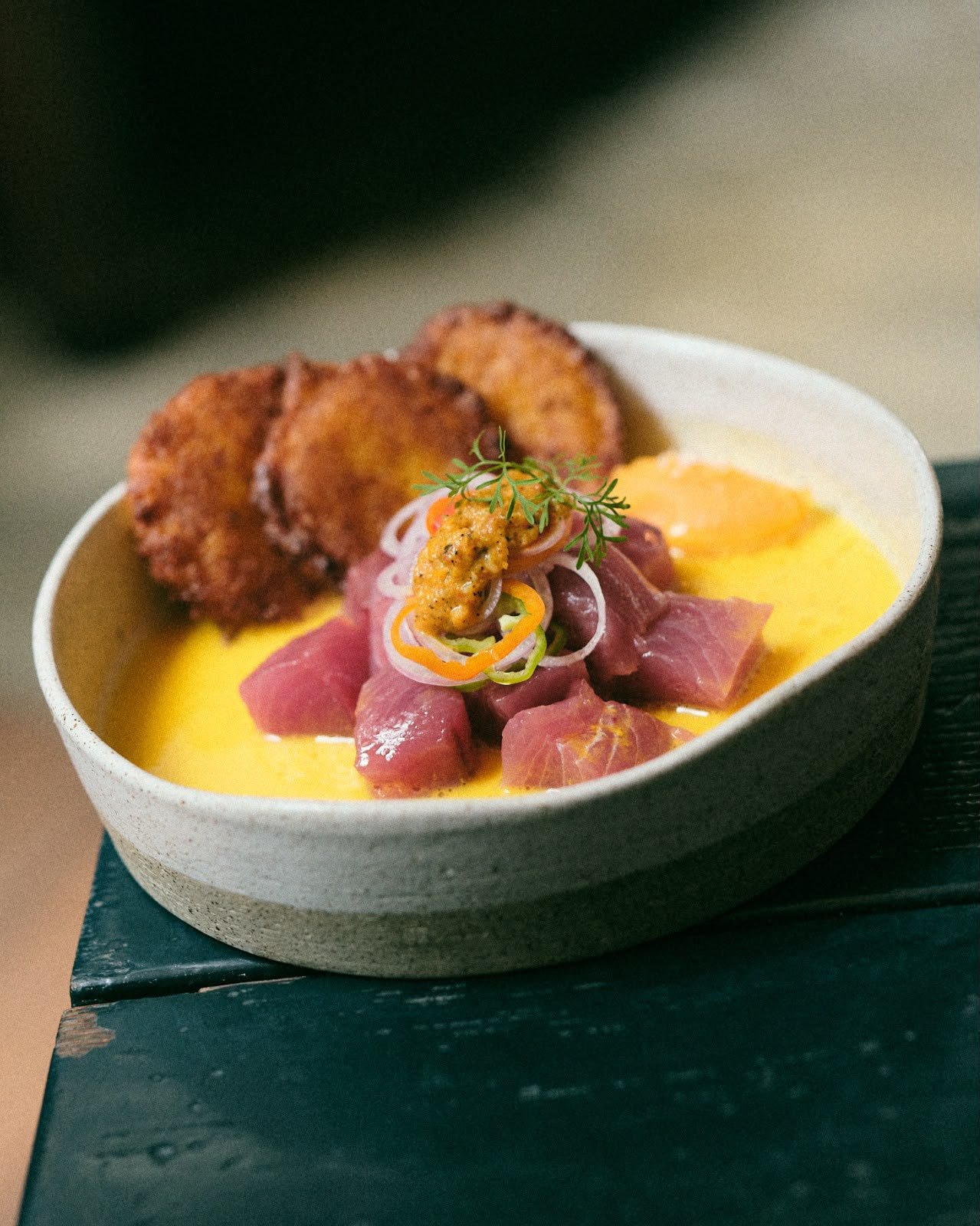
You can’t leave El Mercado without trying our ceviches in all their different versions, all prepared by our incredible ceviche master, “Pichón.”
About Your City!
Peru
- If Anthony Bourdain or a chef came to your city, what would be the perfect tour itinerary from breakfast to dinner?
We’d start the day with a great coffee at Punto Café.
For breakfast and pastries, we’d visit Pan de la Chola or Panadería Cultivo.
For brunch, I’d take them to Demo.
Lunch would definitely include El Mercado Restaurante, Canta Rana in Barranco, and La Perlita.
For dinner, I’d recommend Rafael, Siete, and Clon & Mérito.
For cocktails and wine, we’d finish the evening at Lady Bee and Cordial.
And if they were staying in Lima, I’d recommend Miraflores for its peaceful atmosphere, with Belmond Miraflores Park as an excellent place to stay.

Support our project by buying our merch!

86 HOTK Unisex t-shirt
$30.00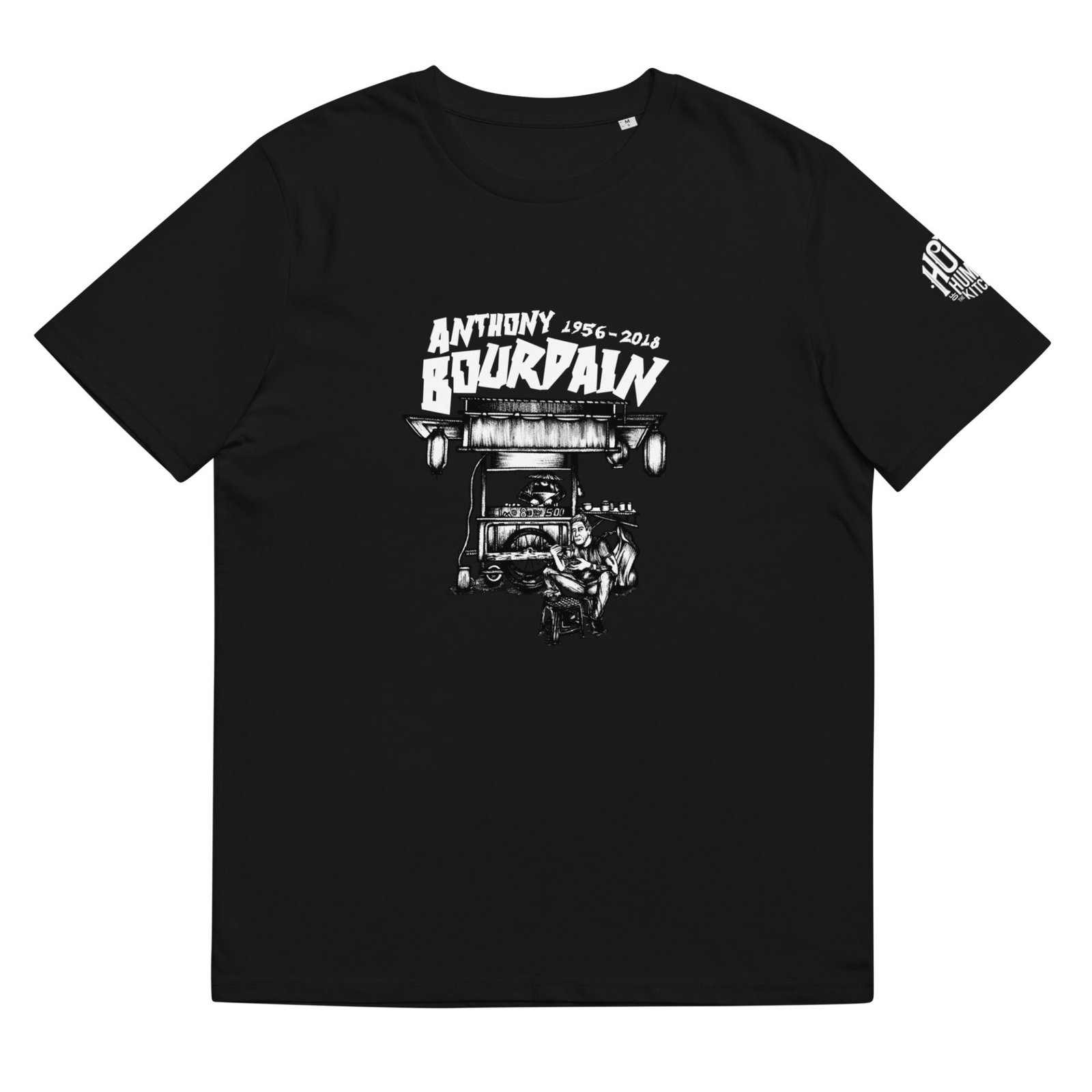
Anthony Bourdain T-Shirt
$35.00
Mise HOTK Unisex t-shirt
$30.00