Success Looks Different Now
Awards matter, but helping young chefs grow has become the achievement that means the most.
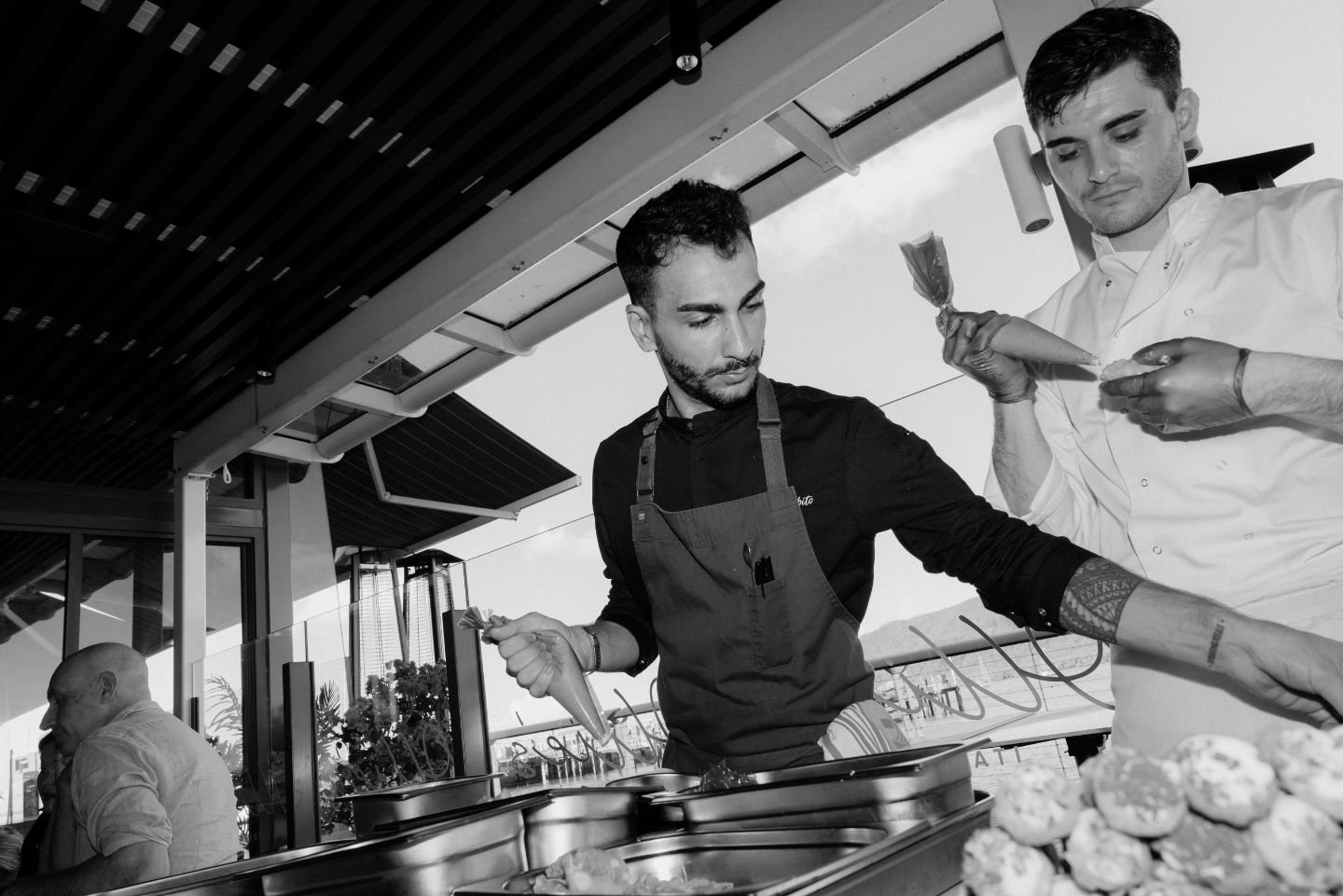
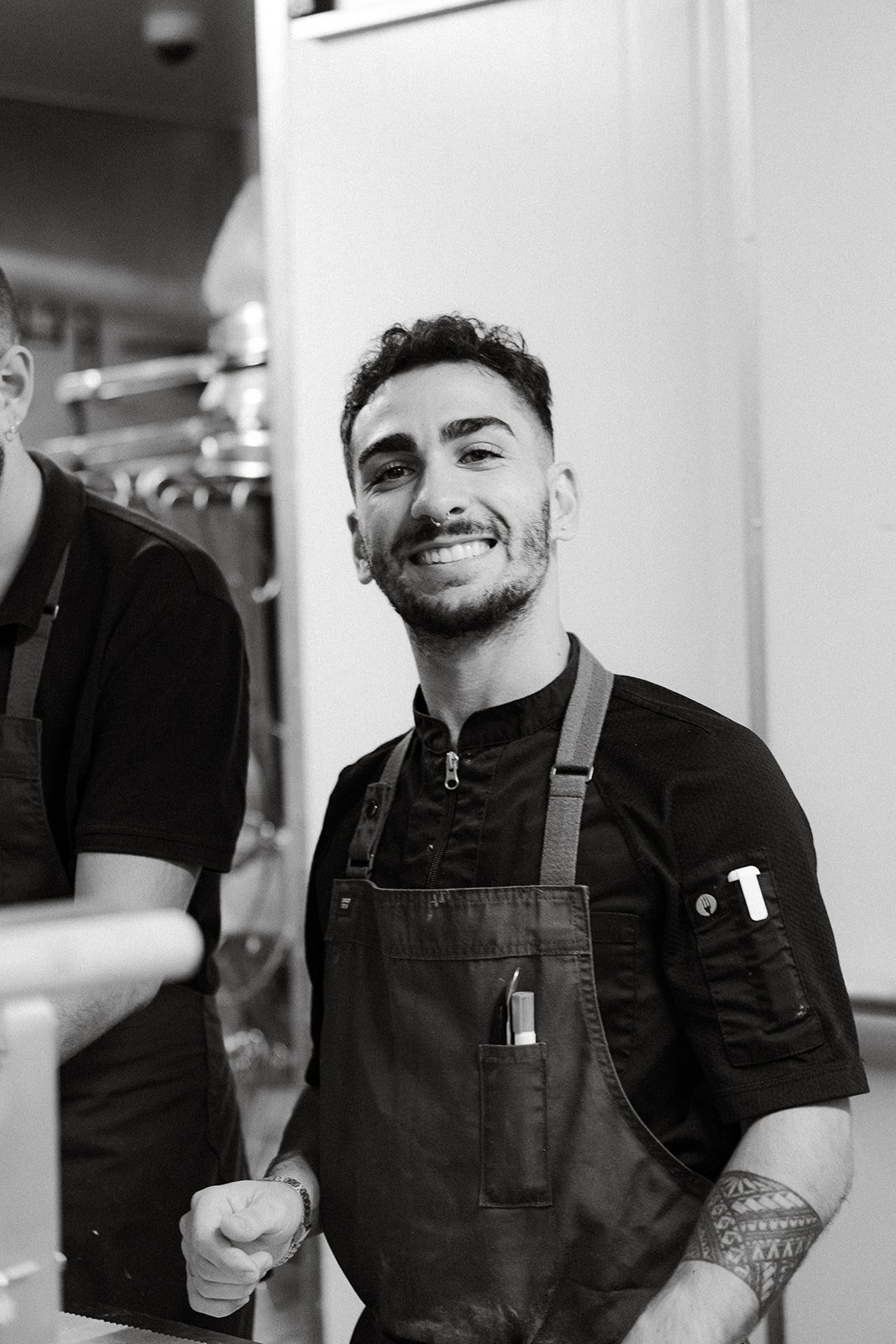
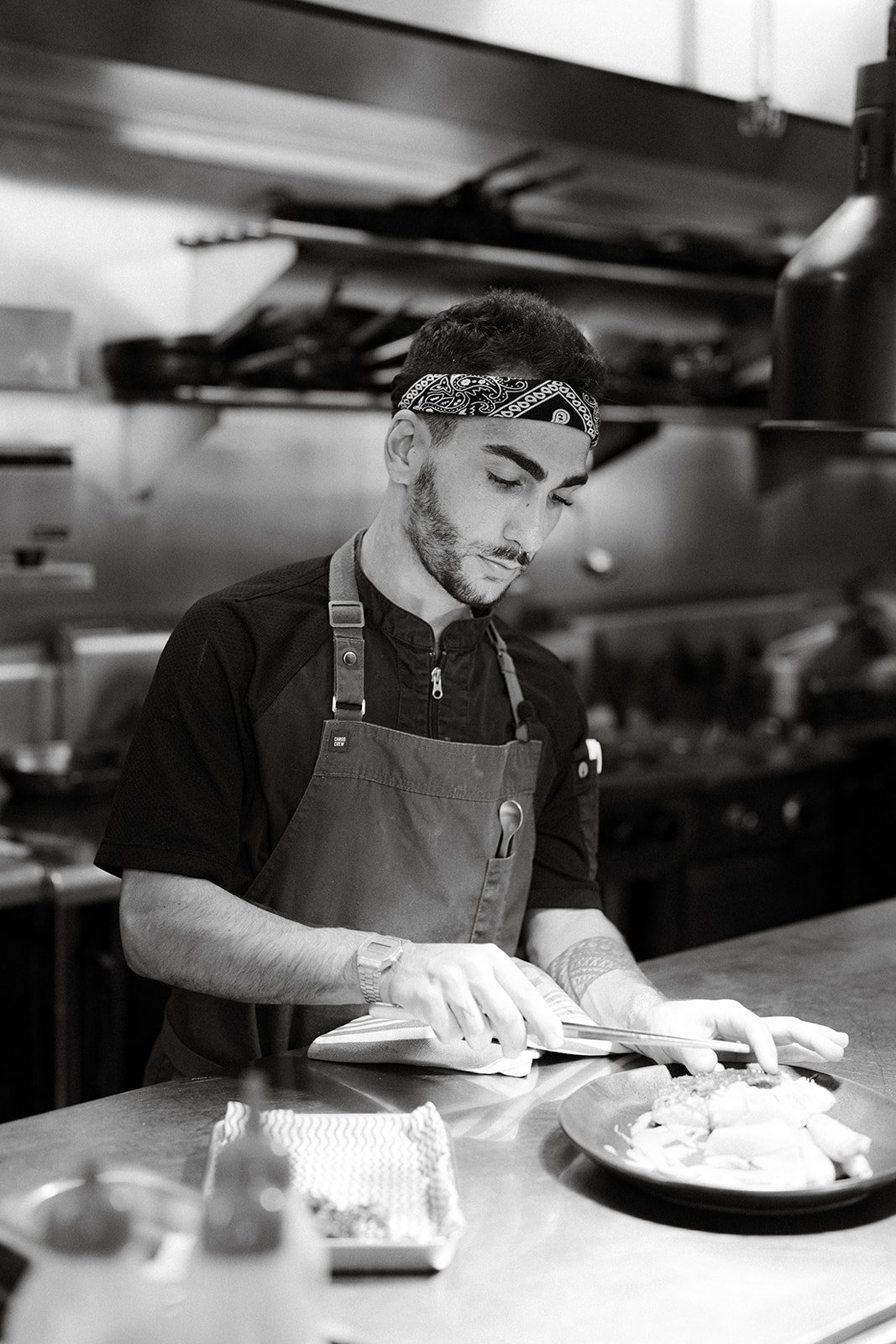
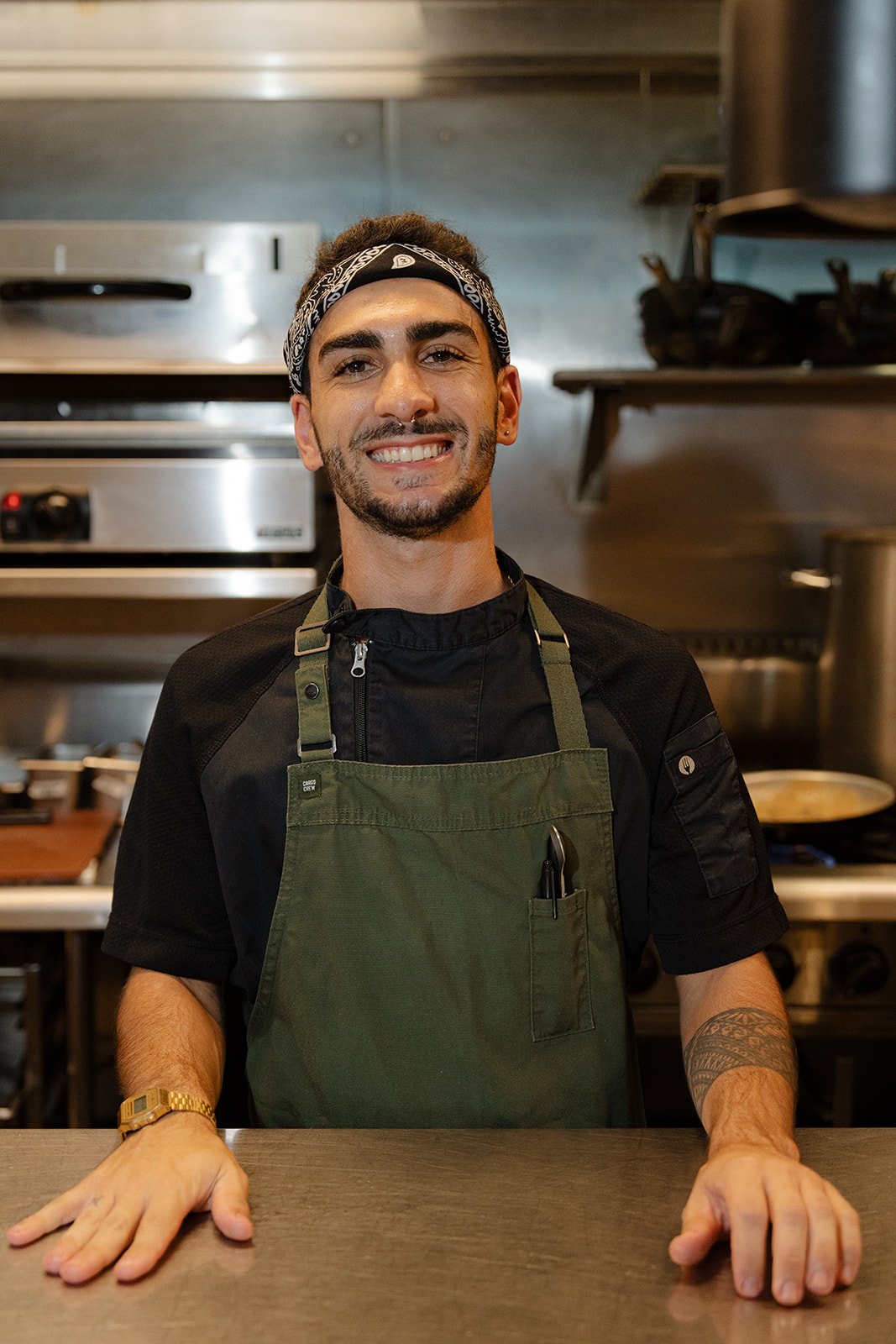
Giuseppe Morabito
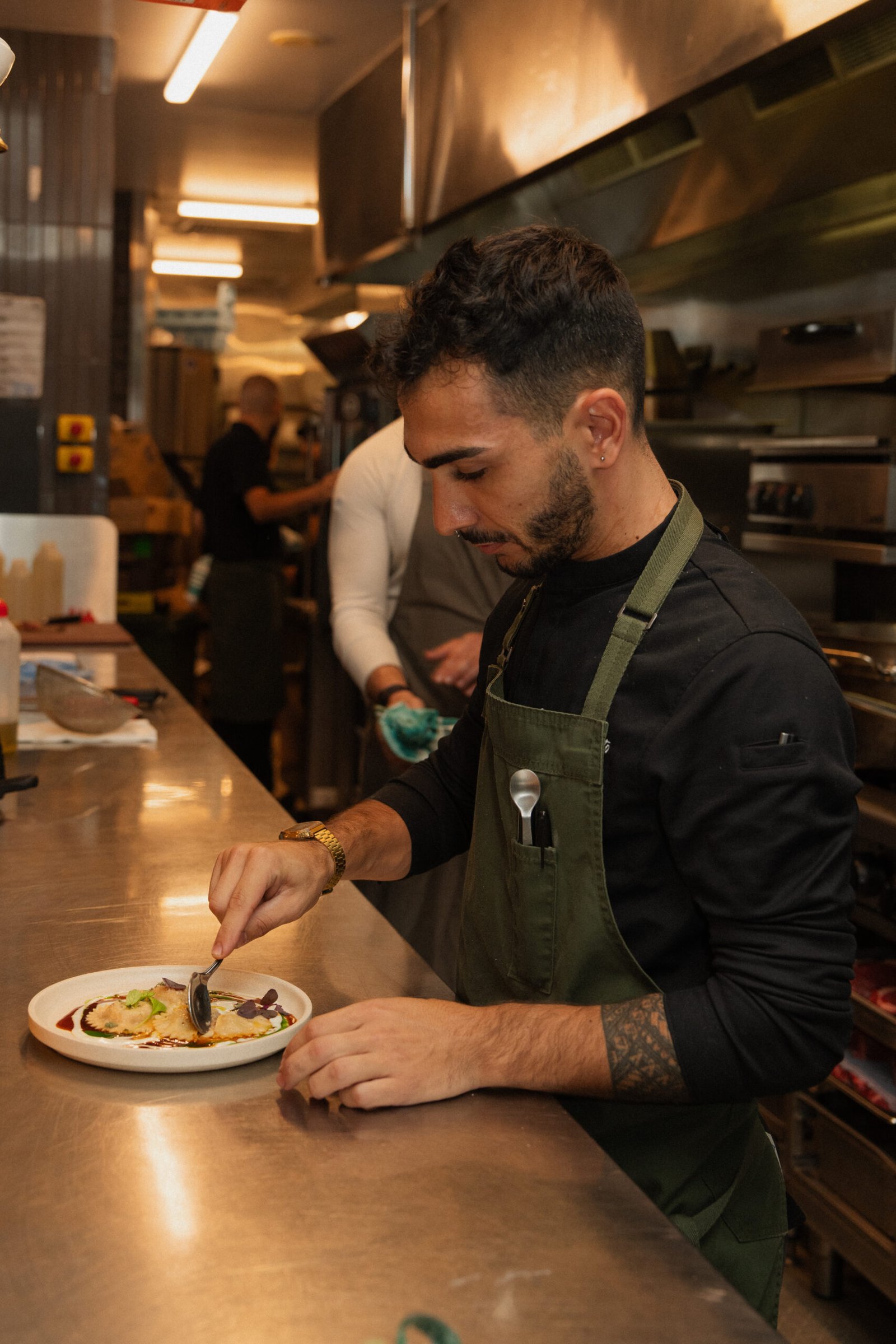
Giuseppe Morabito’s story began in Reggio Calabria, in the south of Italy, where food wasn’t something extraordinary—it was simply a way of life. Surrounded by homemade salumi, preserved vegetables, fresh eggs, citrus trees, and long family meals, he grew up learning that great food begins with respect for ingredients, tradition, and the people who gather around the table.
Although he didn’t dream of becoming a chef as a child, the kitchens of his uncle’s trattoria quietly shaped his future. Over the years, his journey took him far beyond Italy, building a career across Germany, Australia, and New Zealand. Each move challenged him to start over, adapt to new cultures, and discover that growth often comes from embracing the unfamiliar.
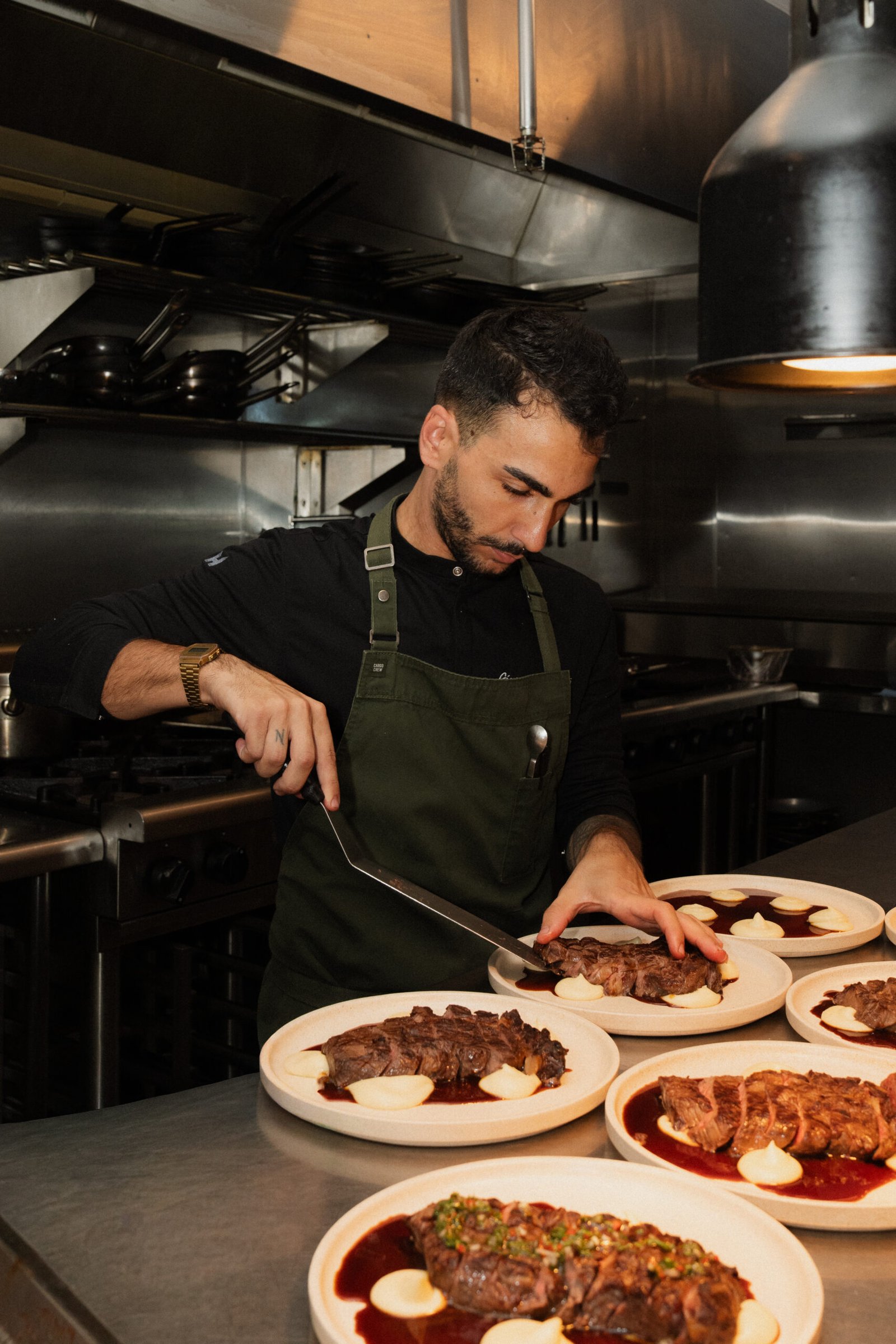
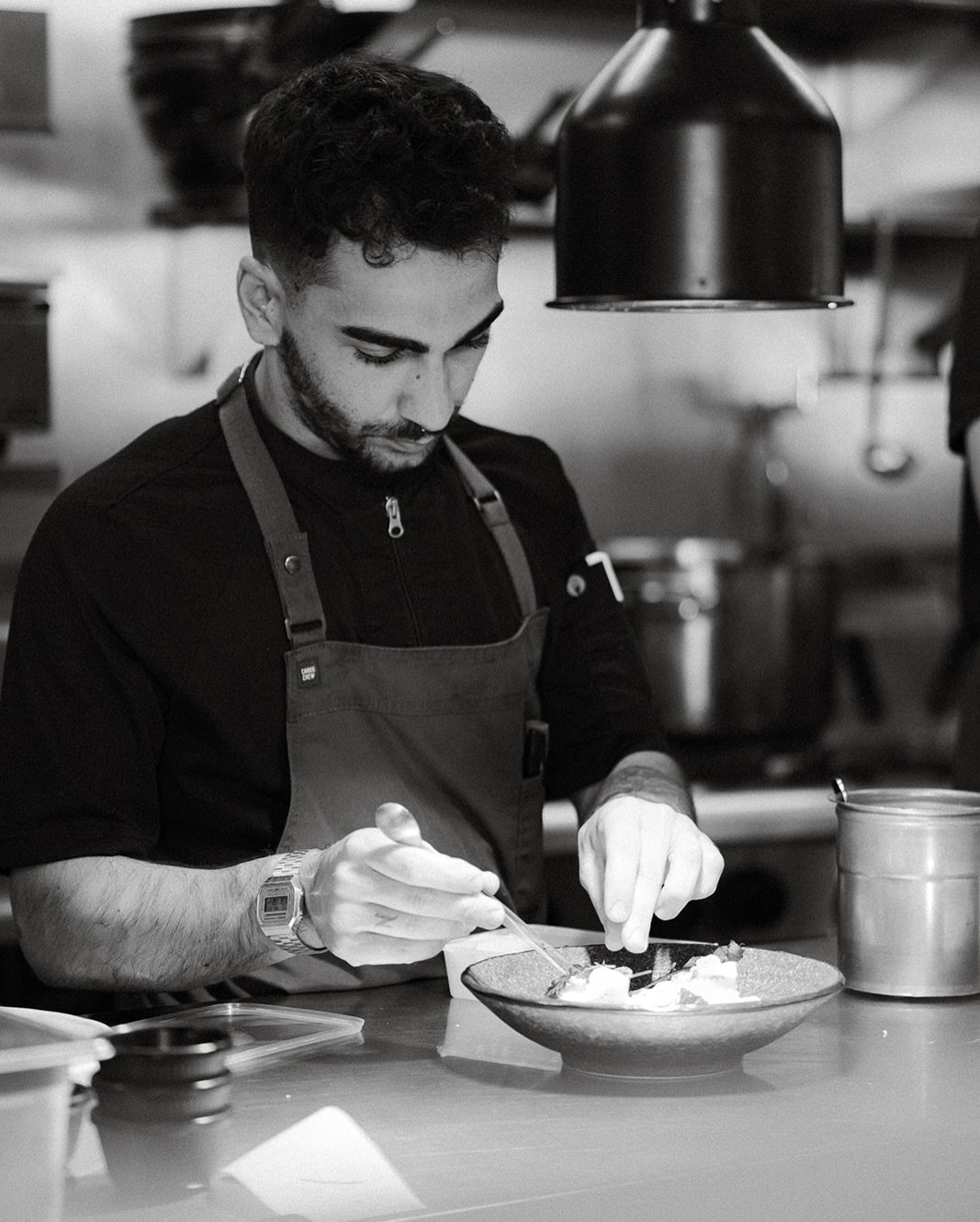
Today, Giuseppe combines his Italian roots with the knowledge gained from years of working around the world. His philosophy is built on purpose, simplicity, and respect, not only for every ingredient on the plate, but also for every person in the kitchen. For him, great leadership is measured as much by the people you help grow as by the dishes you create.
In this conversation, Giuseppe reflects on the experiences that shaped his career, the lessons learned from constantly starting over, and why curiosity, humility, and respect remain the most important ingredients in every kitchen.
Share your Journey
- Looking back at your childhood, was there a specific moment or memory that sparked your interest in food or cooking?
The truth is, I didn’t grow up dreaming of becoming a chef.
I grew up in Reggio Calabria, where food was simply part of everyday life. My father made his own salumi, my mother spent days preserving vegetables in oil and vinegar, and our garden was full of oranges and lemons. We collected fresh eggs from our chickens, and when I was very young, fresh milk often came directly from local farmers.
During school holidays, I would often spend time in my uncle’s trattoria. At first, I was just helping out and spending time around the restaurant, but I became fascinated by the smells coming from the kitchen—the slowly simmering ragù, fresh bread, homemade pasta, and the energy of a busy service.
At the time, none of it felt unusual. It wasn’t until I left Italy and started living and working in different countries that I realized how special those experiences were. Looking back, I don’t think my passion for cooking came from a single moment. It grew naturally from the environment I was surrounded by and the people who taught me to respect food from an early age.
- Did you have another career or job before becoming a chef? How did those experiences influence your decision to pursue cooking?
I never really had another career, but I also wasn’t one of those kids who grew up knowing they wanted to be a chef.
During school holidays, I used to help in my uncle’s trattoria in Reggio Calabria. Some days I washed dishes, some days I helped in the kitchen, and sometimes I simply did whatever needed to be done. At that age, I wasn’t thinking about building a career—I was just helping out.
What I remember most was discovering how much work happened behind the scenes. Guests would arrive, enjoy their meal, and leave, but I could see everything that went into creating that experience: the preparation, the organization, the long hours, and the commitment from everyone involved.
Looking back, I think those experiences planted the seed. I didn’t realize it at the time, but I was slowly finding where I belonged.
- Did you formally study culinary arts, or are you self-taught? How has your learning journey shaped your approach to cooking?
I attended culinary school in Italy, which gave me a solid foundation, but most of my education happened in professional kitchens. Over the years, I’ve worked in different countries, cultures, and restaurants, and every experience has taught me something different.
The biggest lesson I’ve learned is that there’s always more to discover. Every chef, every kitchen, and every place offers a different perspective. Traveling and working abroad taught me to stay curious, keep an open mind, and never assume there’s only one right way of doing things.
That mindset continues to shape both my cooking and my career today.
- When did you first step into a restaurant kitchen? What was that experience like, and how did it shape your journey as a chef?
When I first stepped into a restaurant kitchen, what struck me most wasn’t the pressure or the pace—it was the food itself.
The smell of ragù slowly cooking, fresh bread coming out of the oven, pasta being prepared, and ingredients moving through the kitchen all day long.
As a young kid, that world felt completely different from anything else. There was always something happening, something cooking, something to taste. I became fascinated by the aromas, the ingredients, and the transformation that happened every single day.
Looking back, I think that experience shaped my journey because it made me realize that food could create emotions and memories long before it ever reached the table. Even today, some of my strongest memories are connected to those smells and flavors from my earliest days in the kitchen.
- What were some of the early challenges or obstacles you faced when you started in the kitchen, and how did you overcome them?
One of the biggest challenges wasn’t learning how to cook. It was learning how to start over.
I left home at a young age and throughout my career I’ve worked in different countries, cultures, and kitchens. Every time I moved, I had to prove myself again. It didn’t matter what I had done before or where I had worked. I was the new guy, and I had to earn people’s trust from the beginning.
At times it was frustrating, but it taught me resilience and humility. It forced me to adapt, listen more, and keep learning. Looking back, those experiences helped shape who I am far more than any recipe or technique ever could. They taught me that growth usually happens when you’re uncomfortable.
- What keeps you inspired and how has that inspiration driven you throughout your professional journey? Especially during tough times in the kitchen?
What keeps me inspired is knowing there’s always something more to learn. The more experience I gain, the more I realize how much I still don’t know.
Throughout my career, I’ve worked in different countries, kitchens, and cultures, and every experience has changed the way I see food and hospitality. Every time I thought I had things figured out, I discovered another challenge waiting for me.
During difficult periods, that mindset helped me keep moving forward. Instead of focusing on setbacks, I tried to focus on what they could teach me. Some of the biggest lessons in my career came from mistakes, failures, and uncomfortable situations.
Looking back, those moments often taught me more than the successes ever did.
- Can you recall a moment in the kitchen that marked you forever? Maybe it was an interaction with a mentor, a fellow cook, someone you fed, or a situation that challenged you in a way that shaped who you are today?
One moment that has always stayed with me happened shortly after I moved to Germany. I had just started working in a new kitchen under an Italian chef. One day, I arrived at work without shaving, thinking it wasn’t a big deal.
The chef took one look at me and told me to go home, shave, and come back before continuing my shift.
At the time, I was embarrassed and probably a little annoyed. But looking back, I realize it was never about the beard. It was about standards. It was his way of teaching me that professionalism is built on small details, and that if you want to work at a high level, you can’t choose which standards matter and which don’t.
I’ve never forgotten that lesson. It taught me that excellence isn’t only about cooking well—it’s about discipline, consistency, and respect for the profession every single day.
- As a chef, how would you describe your philosophy in the kitchen, and how does it guide your approach to cooking and leadership?
My philosophy is simple: every ingredient should have a purpose.
I don’t like adding elements to a dish just because they’re fashionable or visually appealing. I believe good cooking is about balance, flavour, texture, and knowing when to stop rather than when to add more.
The same principle applies to leadership. I don’t believe people should come to work afraid of their chef. Respect lasts much longer than fear. I want the people I work with to feel motivated, challenged, and proud of what they do. A kitchen will always be demanding, but I believe people perform at their best when they enjoy coming to work, keep learning, and feel part of something bigger than themselves.
For me, building a strong team is just as important as creating a great dish.
- Can you share a time when cooking or the camaraderie in the kitchen helped you through a tough period in your life? What made that experience meaningful?
Moving overseas was exciting, but it could also be lonely. Every time I arrived in a new country, I had to build a life from scratch. The kitchen became my anchor.
No matter where I was, kitchens had a familiar rhythm. They gave me structure, purpose, and a community. Some of my closest friendships were built during those years. During difficult periods, being part of a team working toward the same goal reminded me that I wasn’t alone.
- Reflecting on your career, what achievements or milestones are you most proud of, and what do they mean to you?
I’m proud of building a career that has taken me from a small city in southern Italy to professional kitchens across Europe, Australia, and New Zealand.
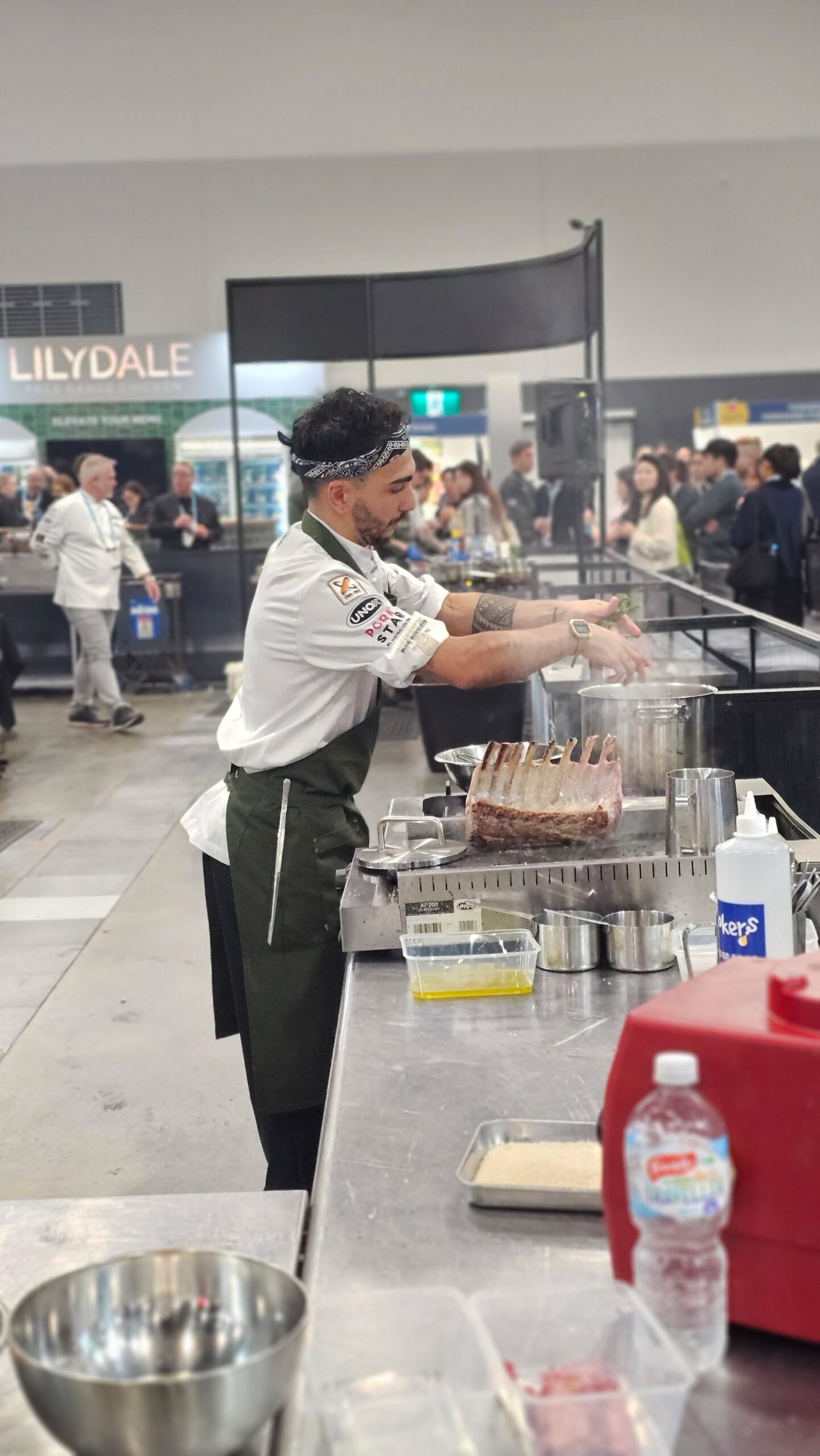
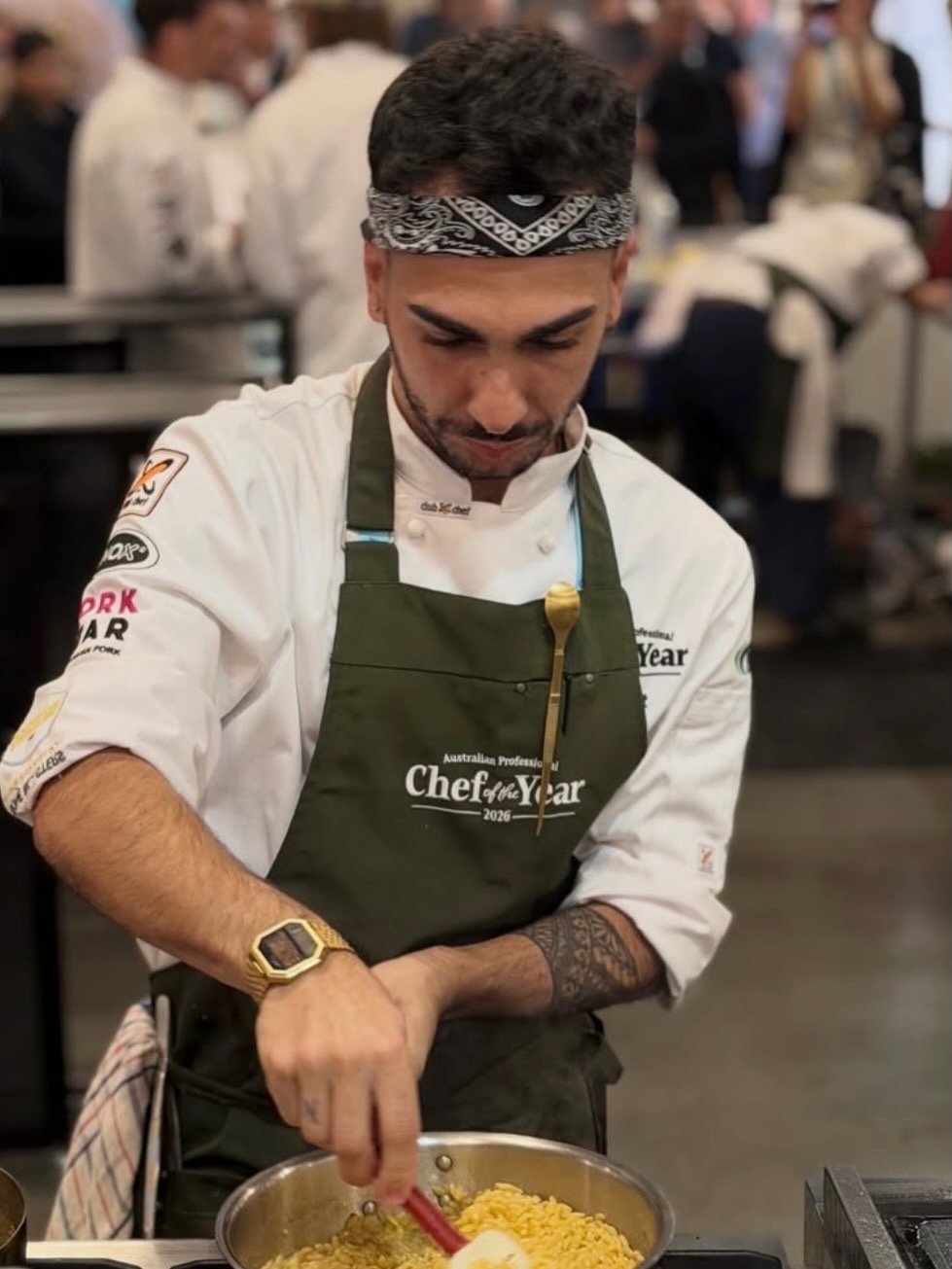
Becoming a Head Chef and reaching the final of Australian Professional Chef of the Year are achievements I’m very proud of, but what they really represent is years of hard work, sacrifice, and continuous learning.
More than any title or competition, I’m proud of the people I’ve worked with and helped develop throughout my career. Seeing others grow is one of the most rewarding parts of this profession.
- What aspects of restaurant culture do you love, and what parts do you find frustrating or problematic? Are there any changes you’re actively working toward or things you hope they change in the industry? Share the reasons behind them and how they align with your vision for a better culinary world?
What I love most about restaurant culture is the sense of belonging. Kitchens bring together people from different backgrounds and create a unique bond through shared experiences, challenges, and goals.
What frustrates me is the belief that success must come at the expense of wellbeing. Long hours and hard work will always be part of hospitality, but I don’t believe burnout should be celebrated. Some of the best chefs I’ve worked with were calm, organised, and respectful.
I hope the industry continues moving toward healthier workplaces where high standards and personal wellbeing can exist together. Developing people is just as important as developing dishes.
- What are your hopes for the future of the restaurant and food and beverage industry? What changes would you like to see, and how are you contributing to that change?
I hope the industry continues becoming a place where young people can build long and rewarding careers. Hospitality has given me incredible opportunities, but attracting and retaining talented people remains one of its biggest challenges.
I’d like to see more focus on mentorship, education, sustainability, and creating positive work environments. As a chef, I try to contribute by sharing knowledge, supporting younger cooks, and creating kitchens where people can learn, grow, and enjoy what they do.
- If there’s anything we didn’t ask or if you feel we’re missing something about your personal and kitchen story, please share it here.
If there’s one thing that defines my journey, it’s probably my willingness to start over. From Calabria to Germany, Australia, and New Zealand, I’ve never been afraid to leave my comfort zone and challenge myself. Every move taught me something different—not only about food, but also about people and myself.
The further I’ve travelled, the more I’ve appreciated where I come from. Today, I cook with influences from many places, but my roots remain at the centre of everything I do. I think that’s something that will always stay with me.
Secret Sauce
- What’s the most unexpected ingredient you’ve ever worked with, and how did it change your perspective on cooking?
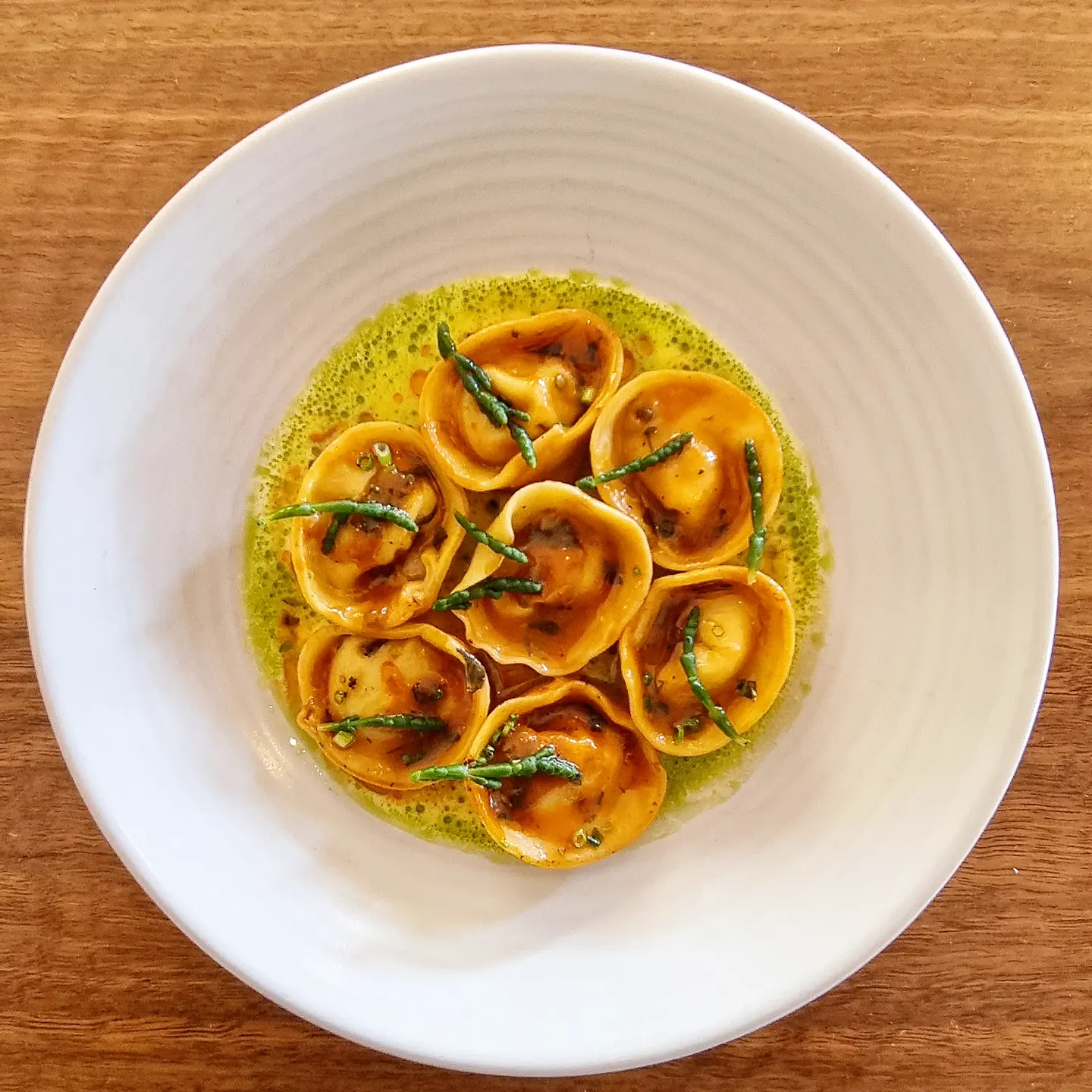
Moving to Australia introduced me to ingredients I had never encountered before, particularly karkalla, saltbush, and crocodile fat. Coming from southern Italy, where my cooking was deeply rooted in Mediterranean flavours, these ingredients completely challenged the way I thought about food.
What fascinated me was how strongly they reflected the landscape they came from. Karkalla brought freshness and natural salinity, saltbush added a unique savoury character, and crocodile fat offered a completely different way of thinking about richness and flavour.
Working with native Australian ingredients taught me the importance of understanding the environment you’re cooking in. It reminded me that great cooking isn’t about forcing your own traditions onto a place, but about learning from the ingredients and culture around you.
- What’s your “guilty pleasure” meal?
A Mortadella sandwich on fresh bread with a cold beer.
- A food trend that you hate and why?
Gold leaf.
I’ve never understood the point of putting something on a plate that adds no flavour, texture, or real value to the dish.
- What’s the craziest shift you’ve ever worked in the kitchen?
Head Chef at Ollie’s, with a full restaurant, functions running at the same time, and unexpected challenges appearing every hour.
5. What happened, and how did you manage to get through it?
You stop focusing on the whole service and concentrate on the next task in front of you. Good communication and a strong team solve most problems.
- What tips would you give to other cooks and chefs to help them navigate their culinary careers and find peace amid the chaos of the kitchen?
Don’t rush your career. Learn as much as you can, travel if you have the opportunity, ask questions, and stay humble. Some of the best lessons come from the people around you.
One thing I was taught early on is that you have to steal the trade with your eyes. Pay attention, observe, and learn from everyone around you. Not every lesson comes from a chef explaining something to you. Sometimes the most valuable lessons come from watching how experienced people work, organise themselves, solve problems, and carry themselves under pressure.
Most importantly, stay curious. The day you think you know everything is probably the day you stop growing.
- What’s an underrated ingredient and why?
Lemon.
It can completely transform a dish and often makes the difference between something good and something memorable.
8. What’s a must-try dish from your kitchen or the one you’re proudest to have prepared?
That’s always a difficult question because it changes constantly.
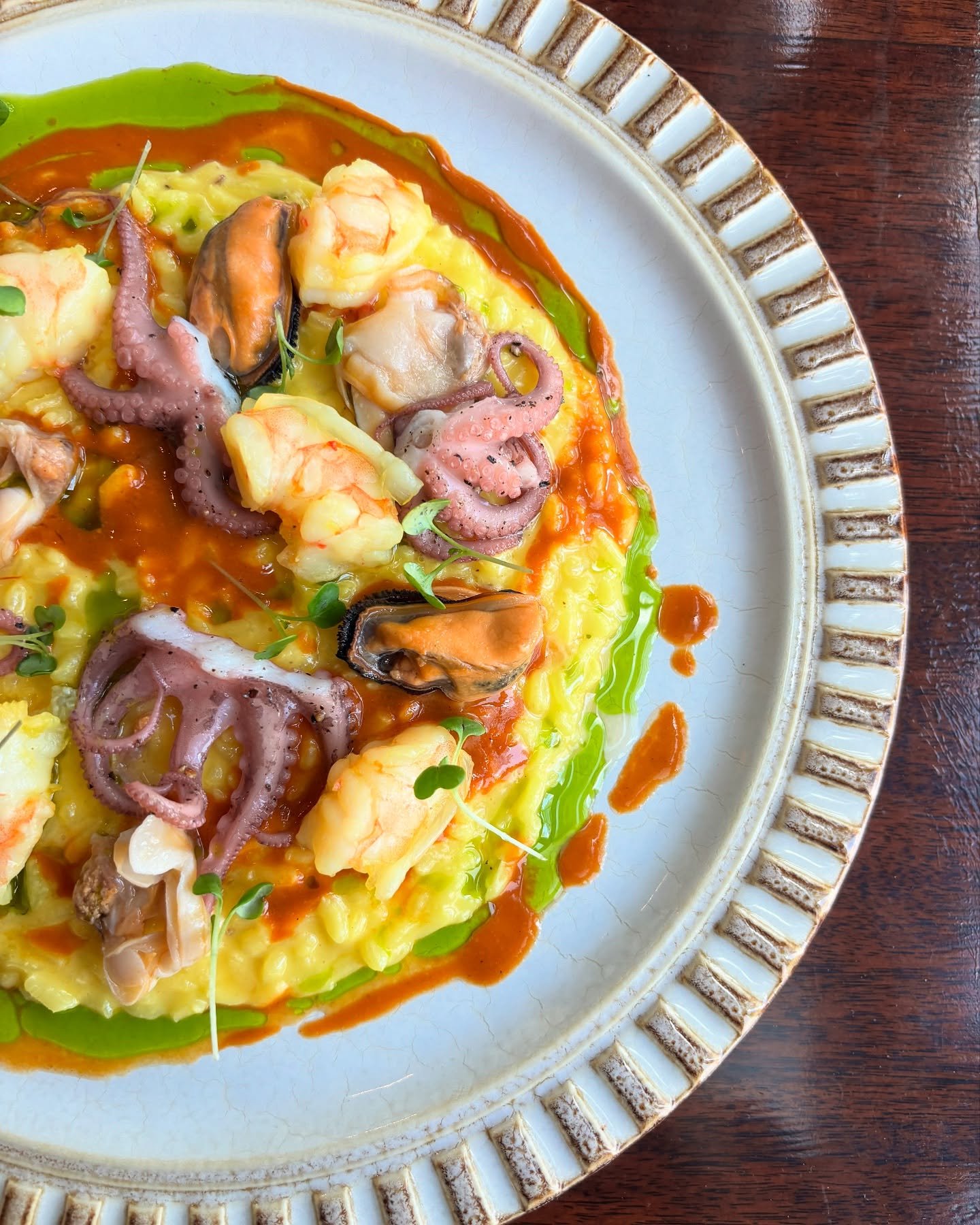
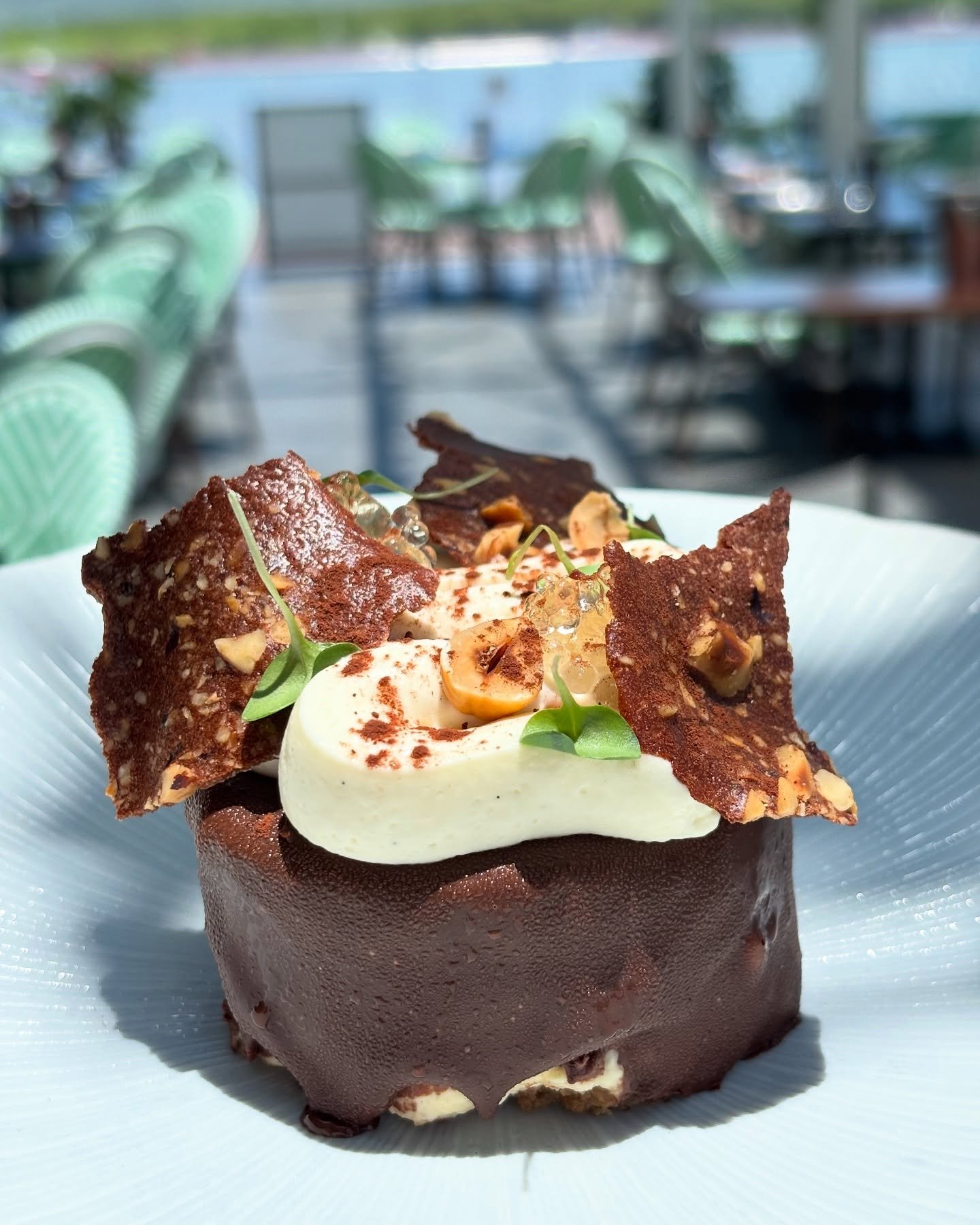
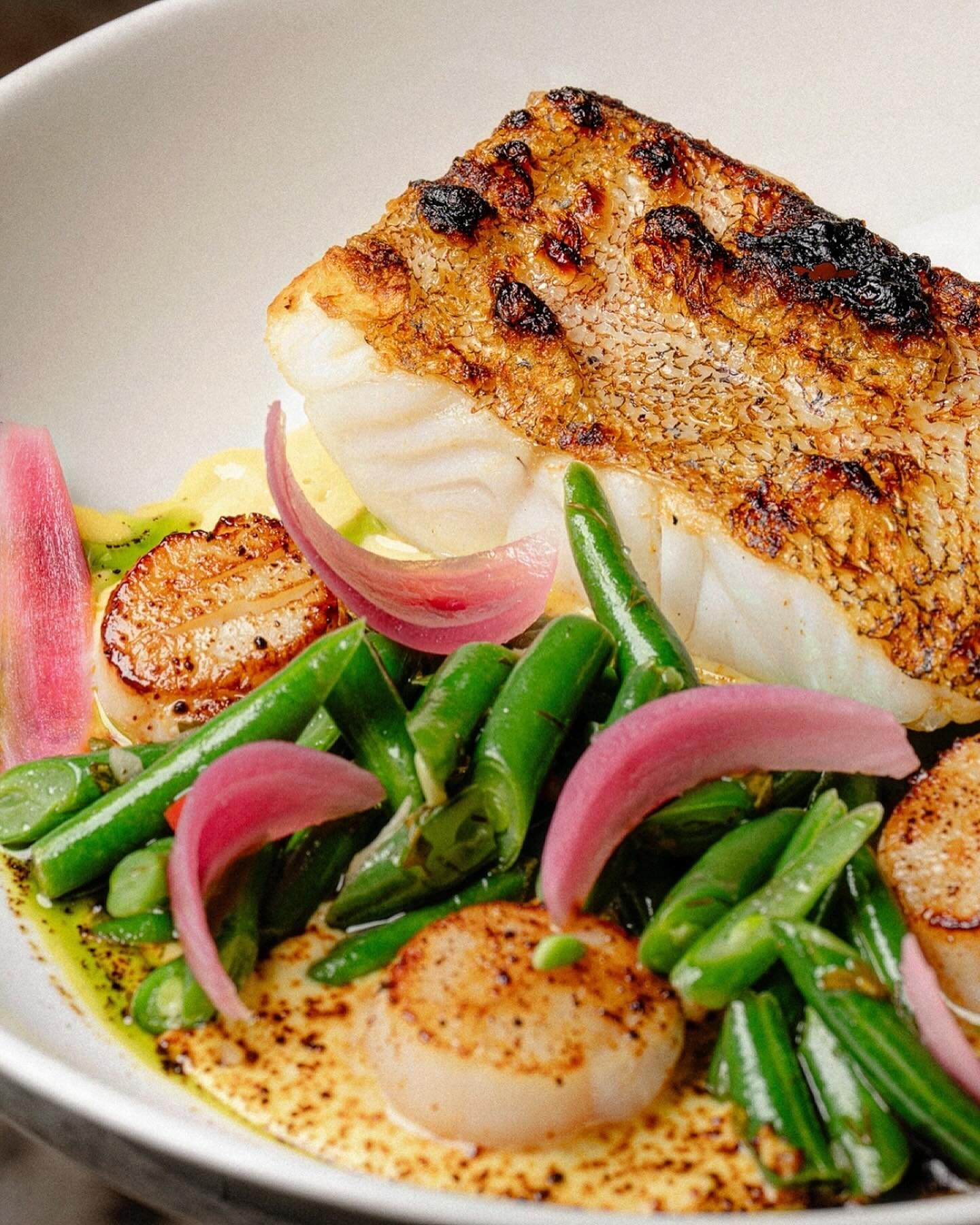
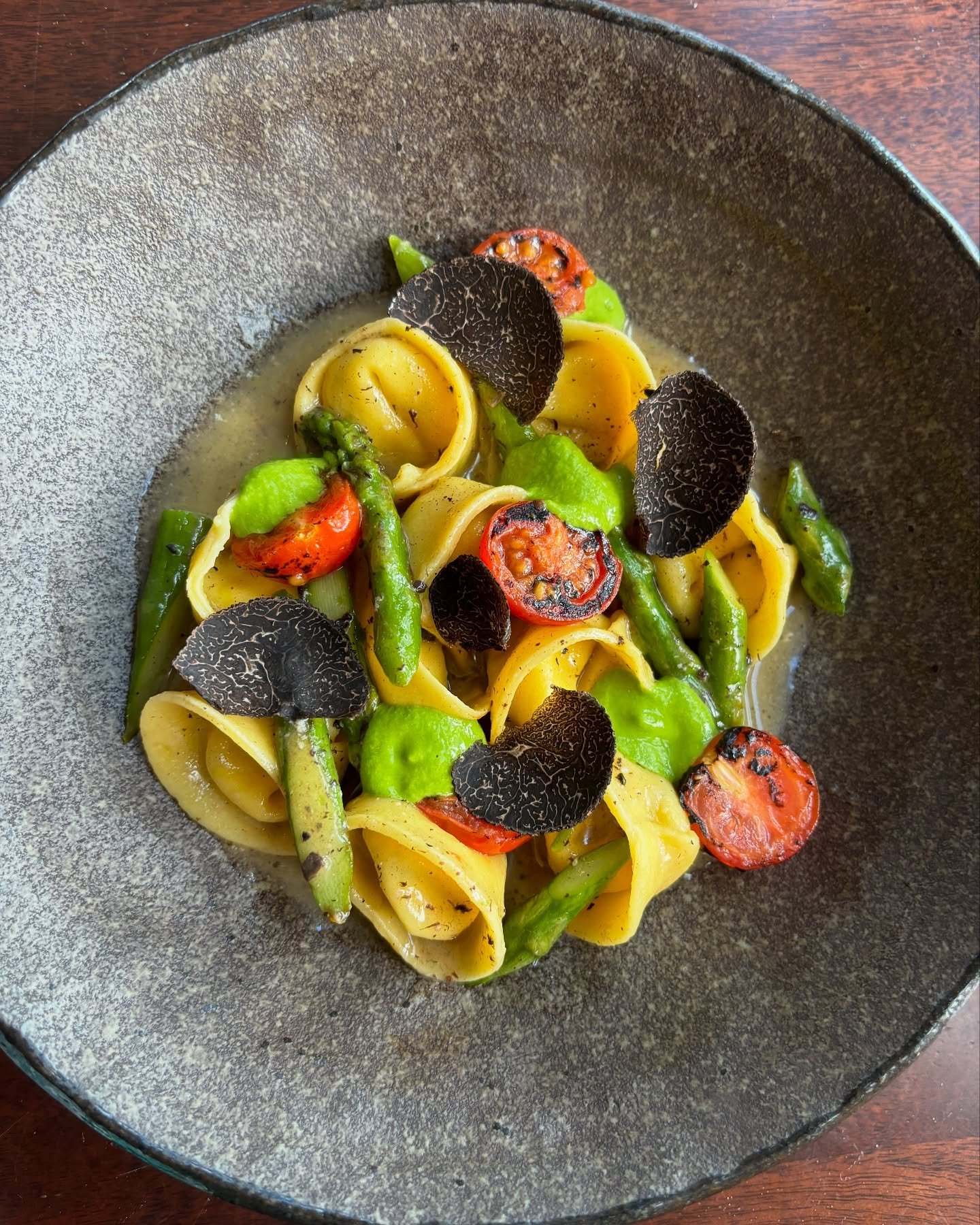
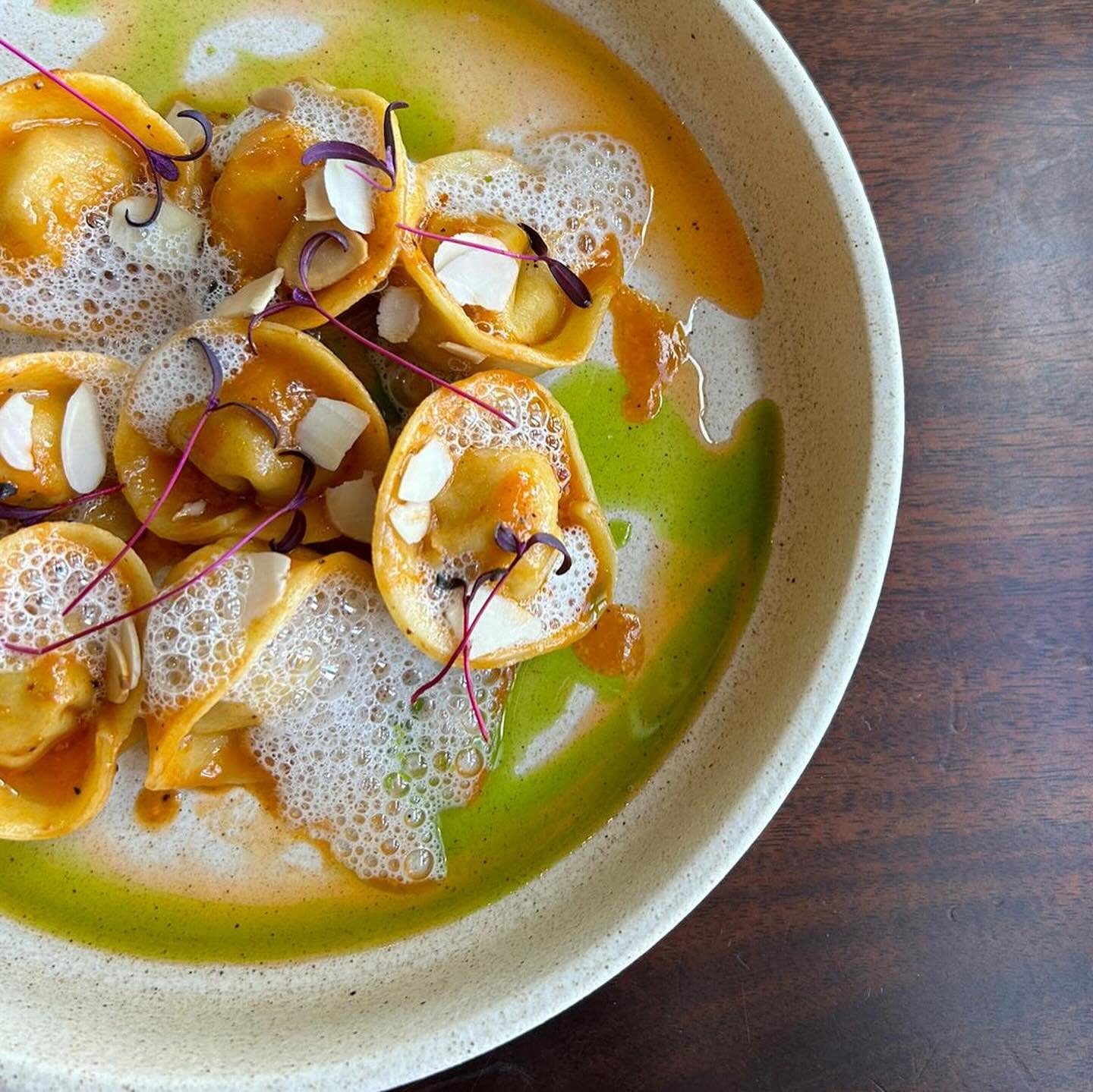
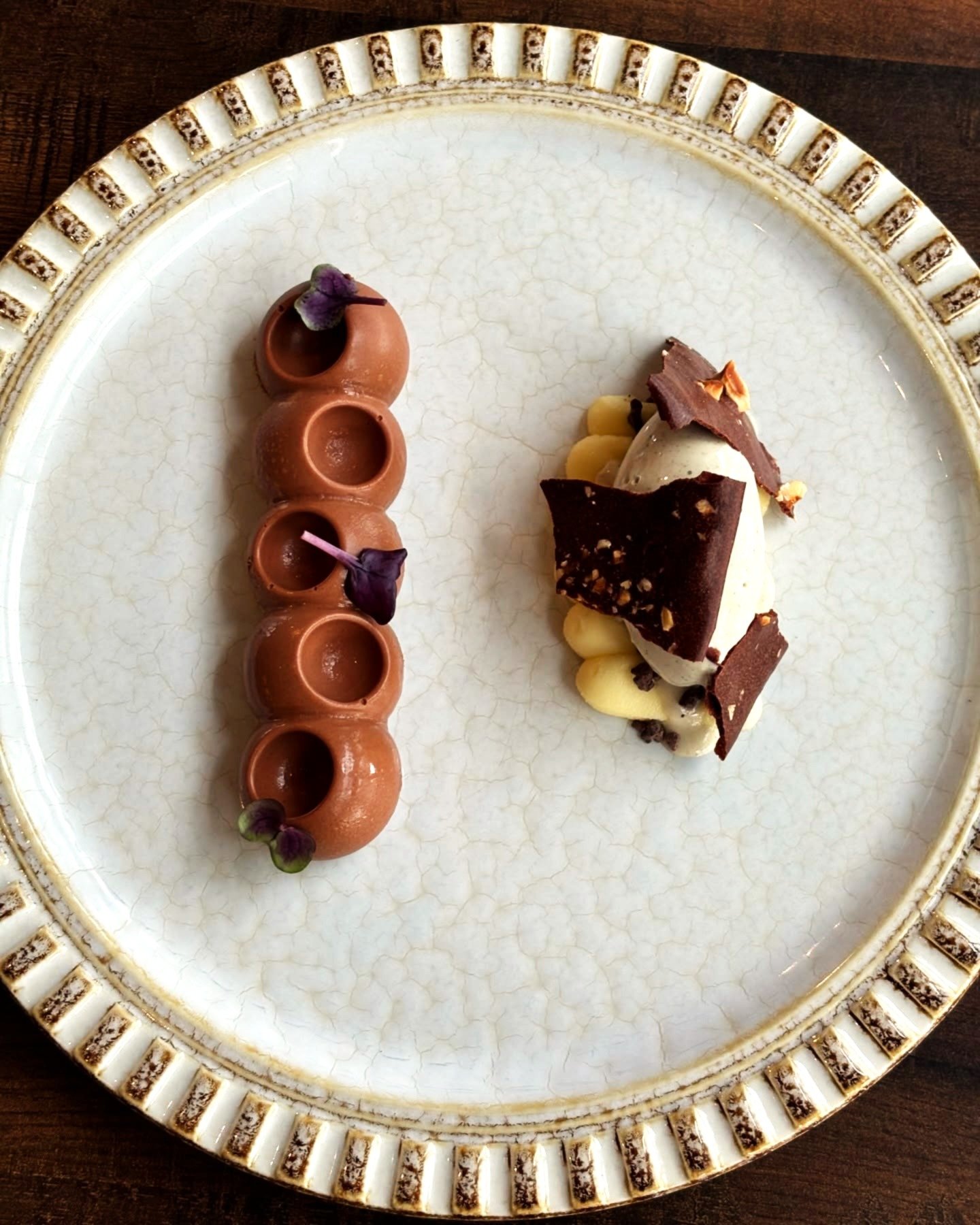
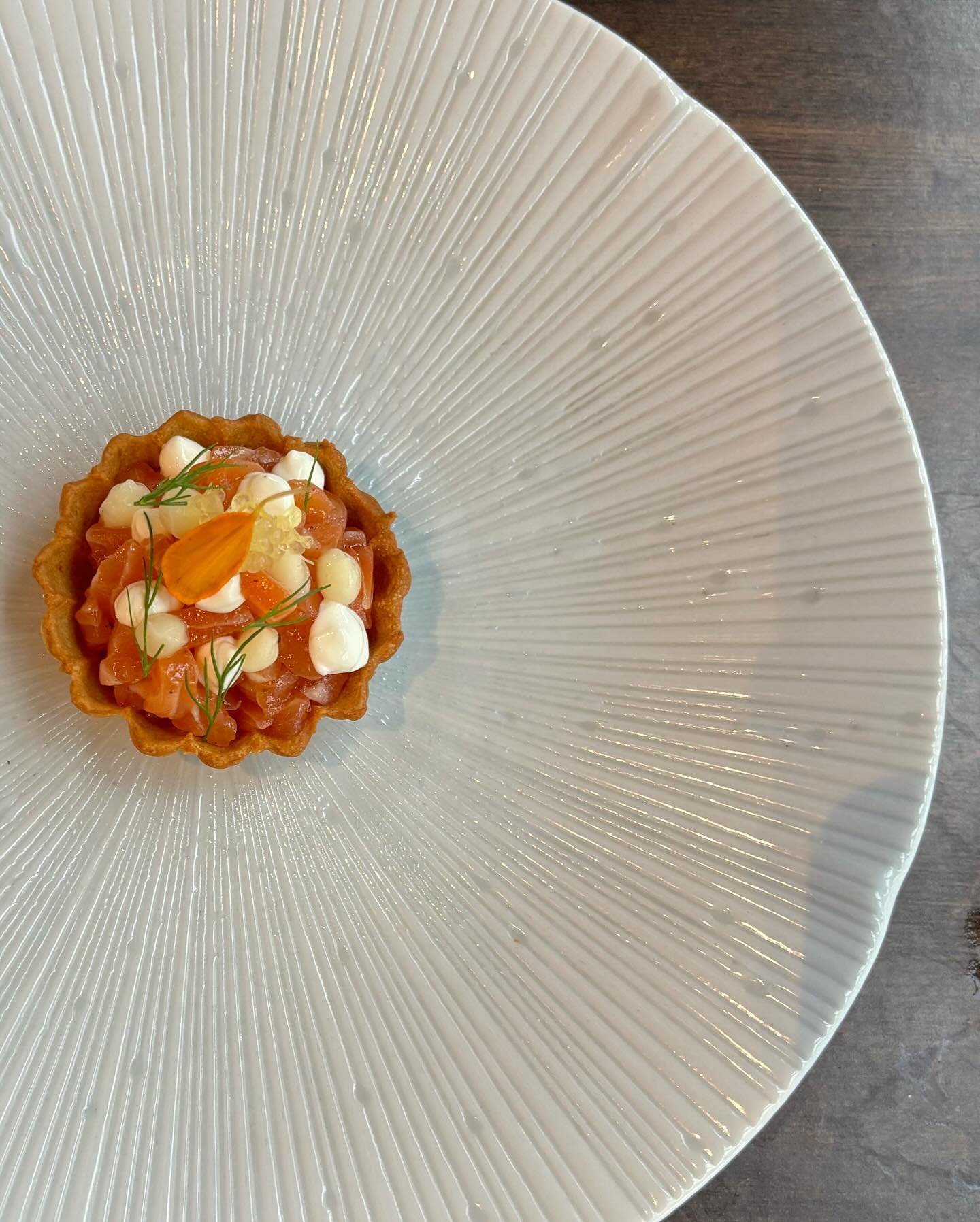
But I’m particularly proud of dishes that combine my Italian background with Australian ingredients and produce.
About Your City!
Reggio, Calabria
- If Anthony Bourdain or a chef came to your city, what would be the perfect tour itinerary from breakfast to dinner?
I would take him to Reggio Calabria.
We’d start the day with an espresso and breakfast overlooking the Strait of Messina, then visit the local fish market to experience the morning catch.
Lunch would be simple: swordfish, seasonal vegetables, and local wine.
In the afternoon, we’d walk through the historic centre, visit local producers, and stop for gelato by the waterfront.
Dinner would be a long table shared with friends and family, featuring homemade pasta, salumi, local cheeses, seafood, and plenty of stories.
Calabria is best understood through its people, and food is usually the excuse that brings everyone together.

Support our project by buying our merch!

86 HOTK Unisex t-shirt
$30.00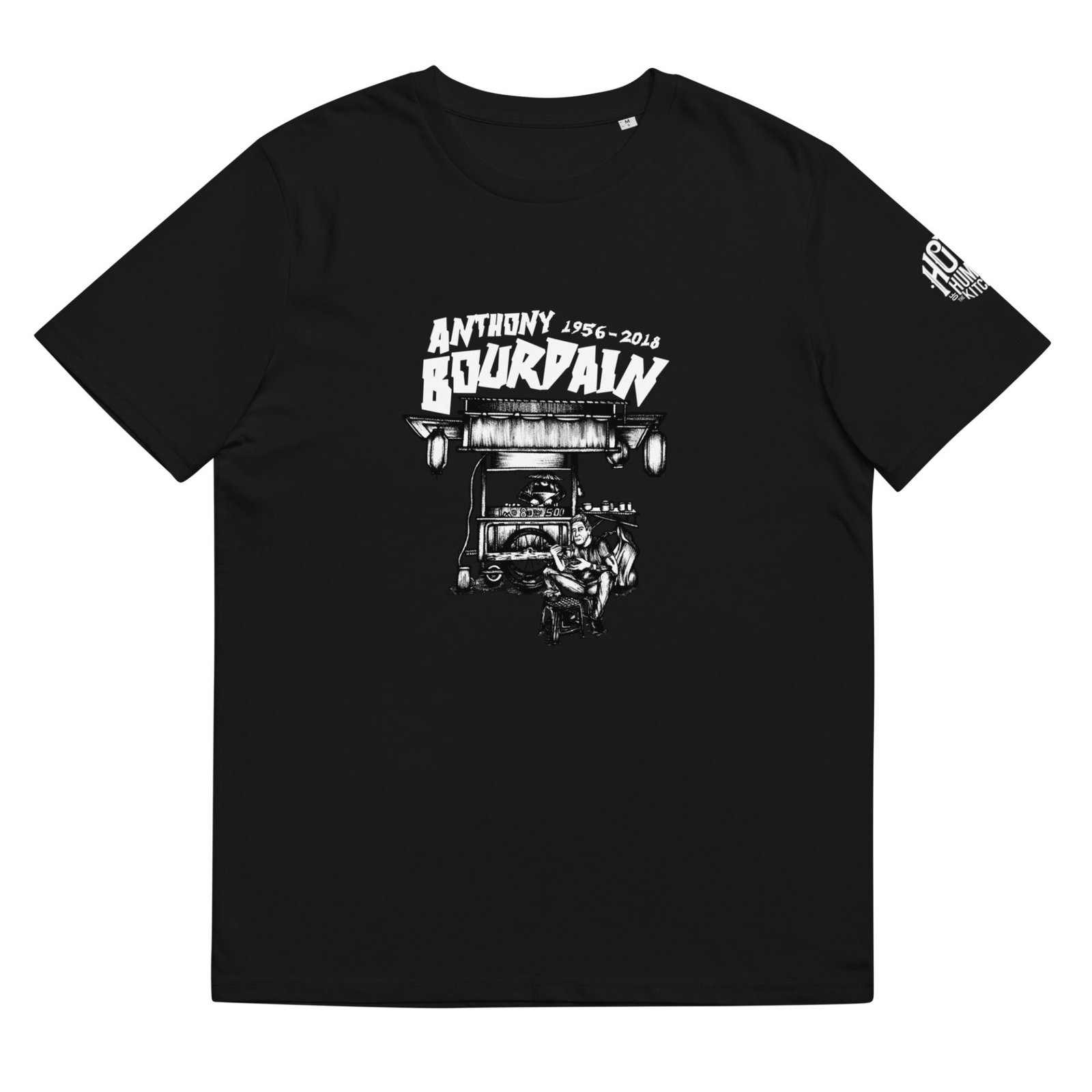
Anthony Bourdain T-Shirt
$35.00
Mise HOTK Unisex t-shirt
$30.00