A Different Kind of Brigade
Respect creates stronger teams than fear ever could, both inside and beyond the kitchen.
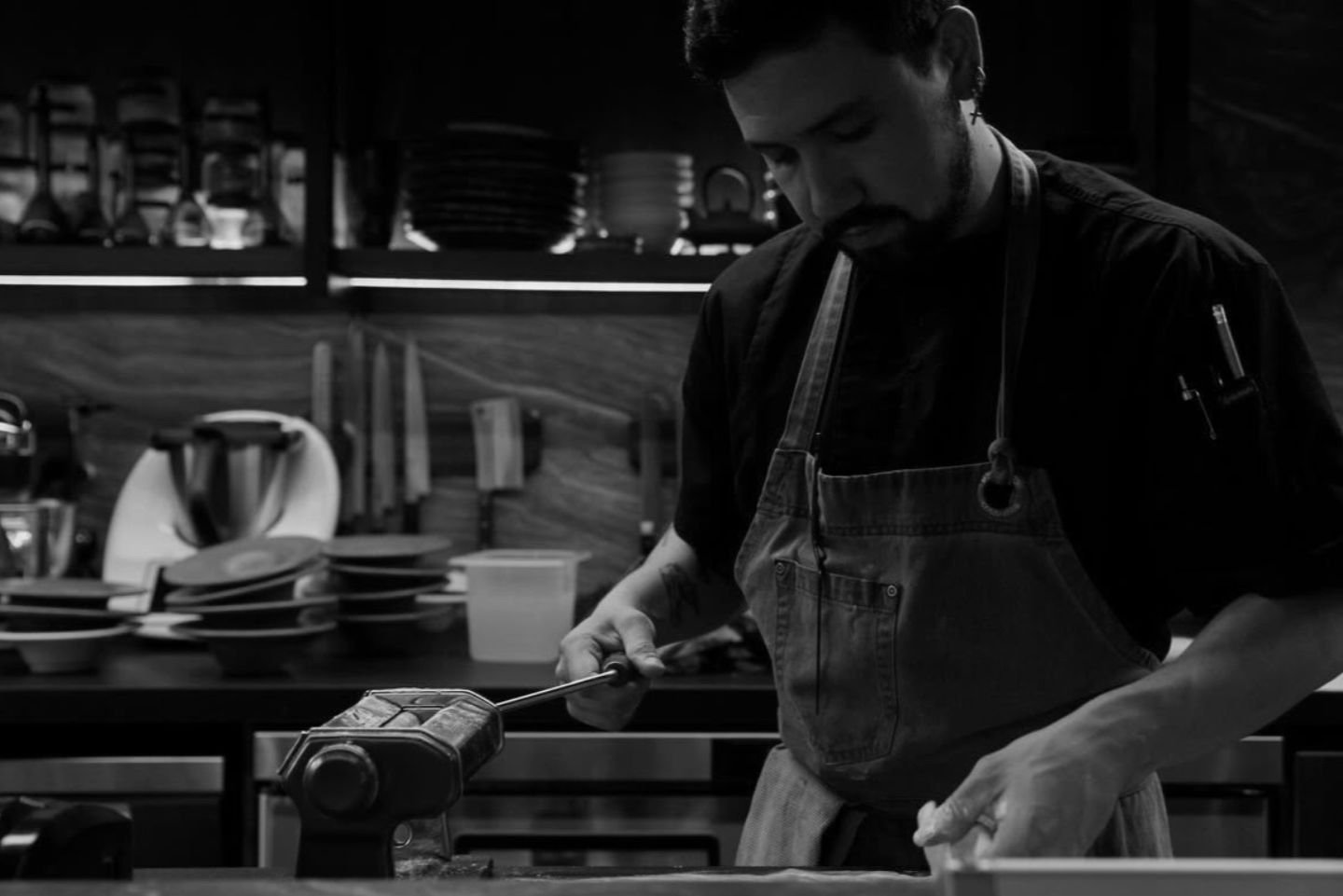
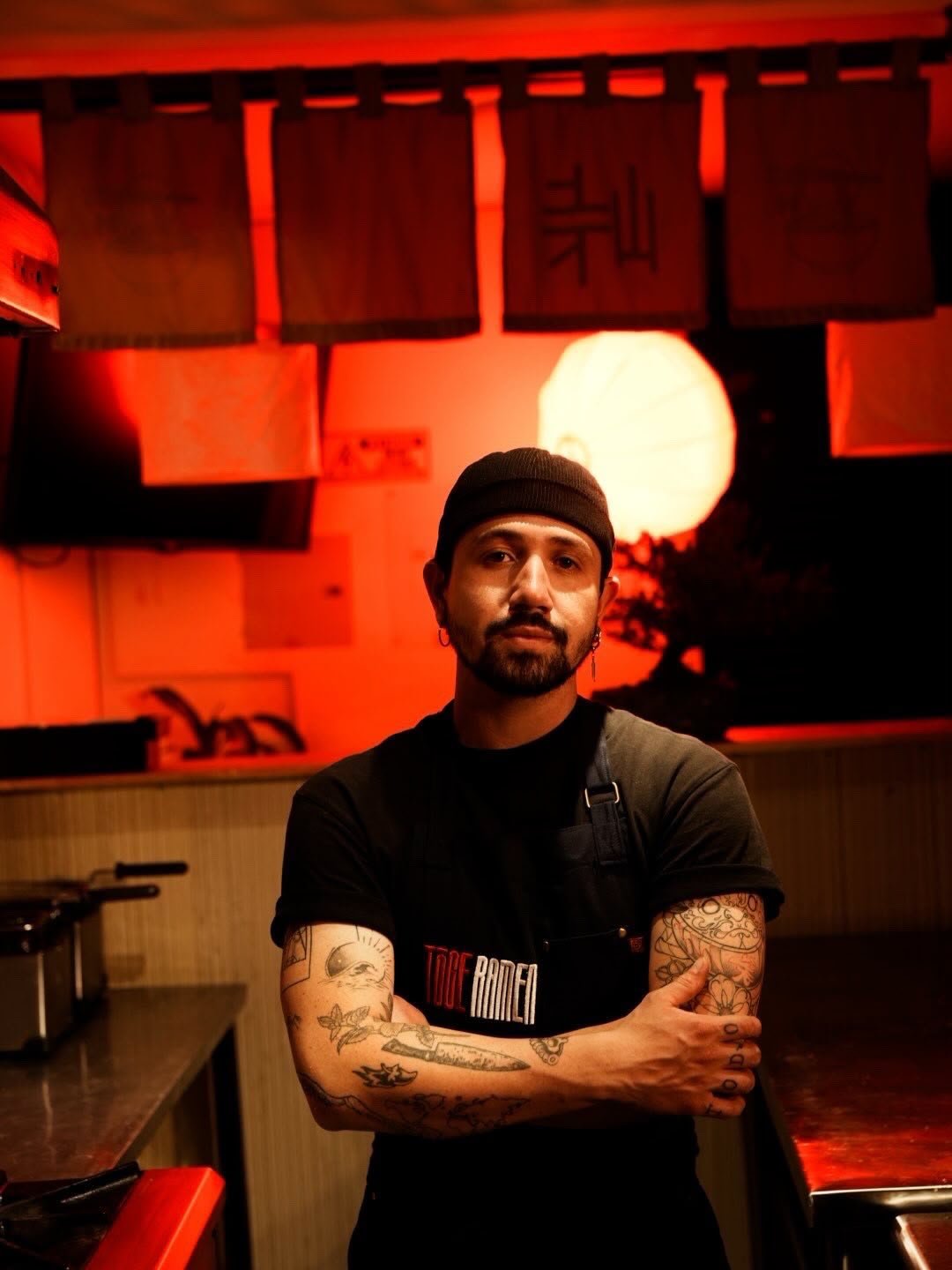
Juan Camilo Diaz Velez
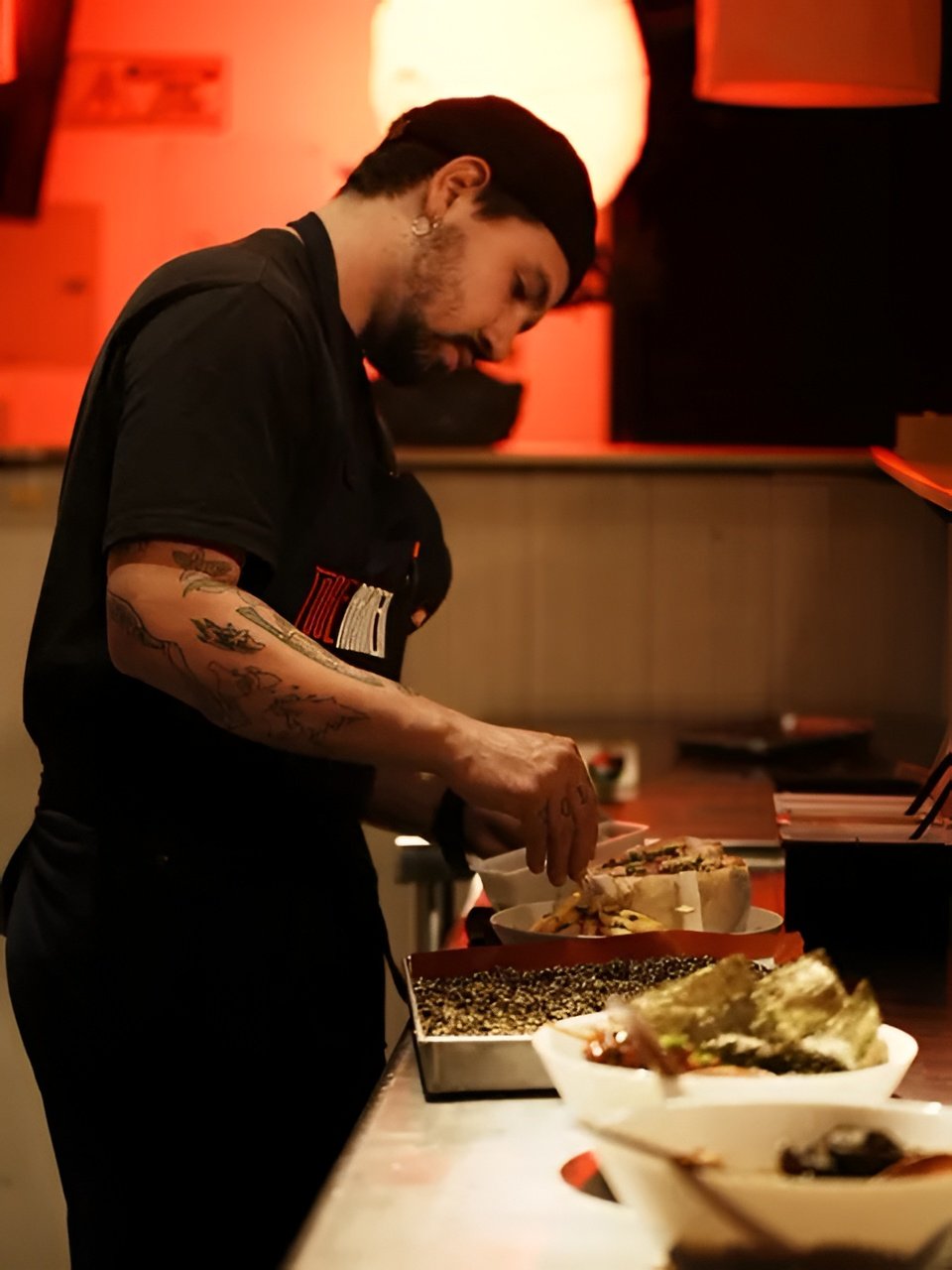
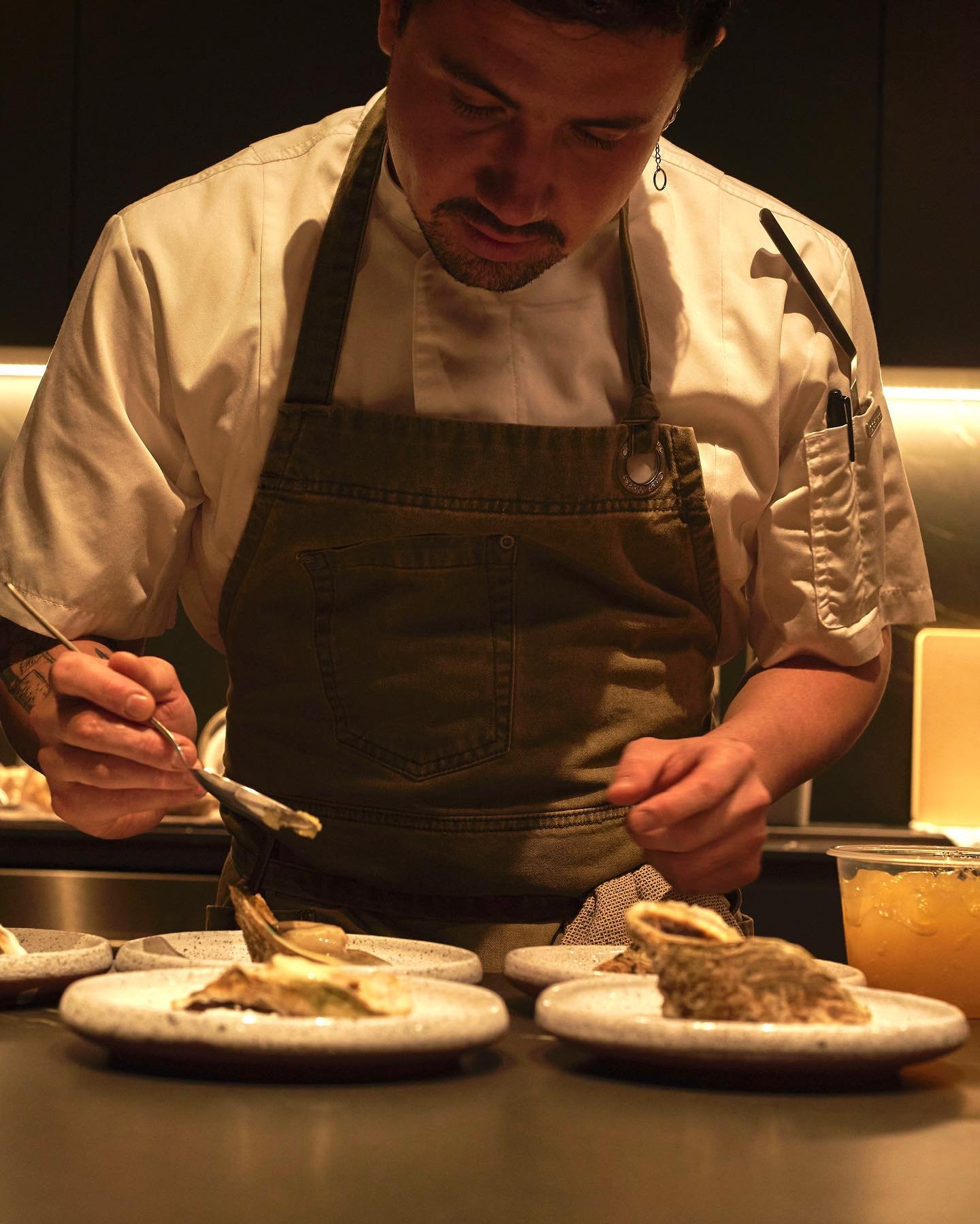
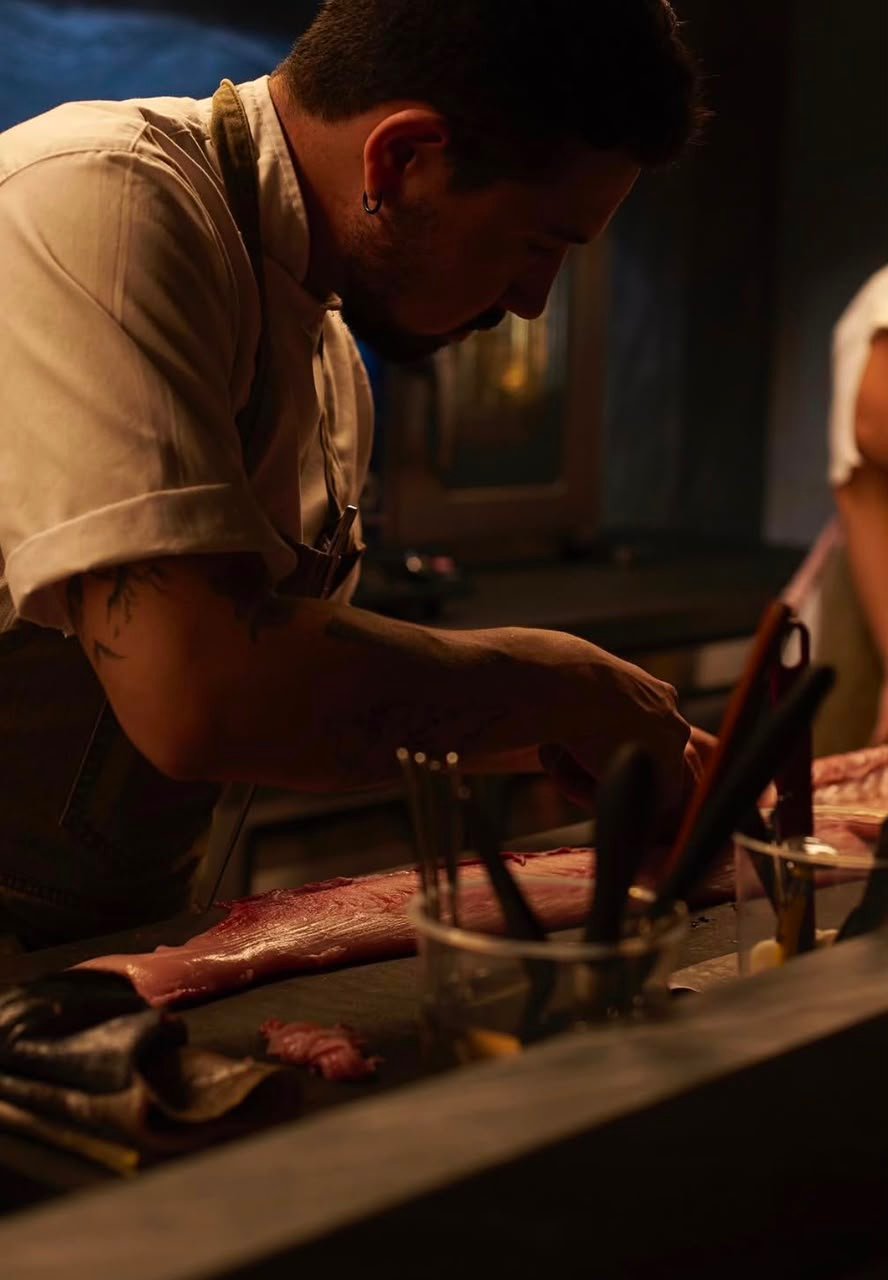
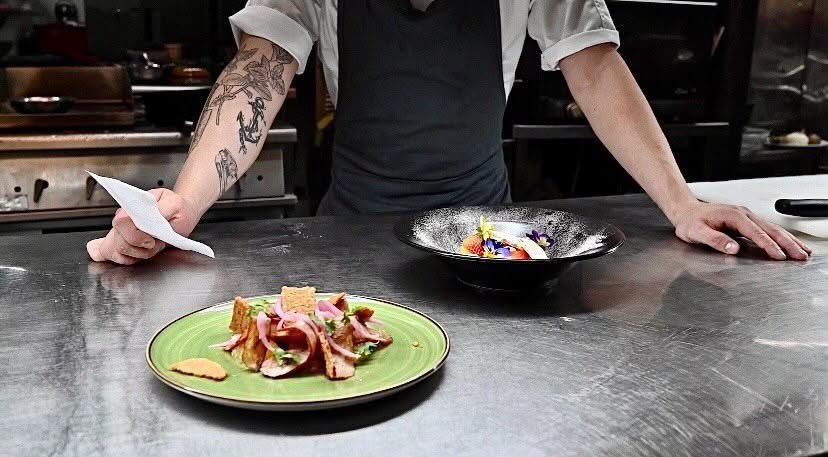
Juan Camilo Díaz Vélez’s story began in Colombia, where the kitchen was never just a place to cook; it was where his family gathered, celebrated, and expressed love. Surrounded by parents, siblings, and grandparents who cherished sharing meals, he discovered at an early age that food had the power to bring people together. At just twelve years old, he asked for an oven as a birthday gift, determined to create something different from the traditional dishes served at family gatherings.
Before becoming a chef, Juan Camilo studied statistics, but he soon realized that if he was going to sacrifice weekends, holidays, and countless hours for a career, it had to be one that truly made him happy. That decision led him into professional kitchens at just fifteen years old, where hard work, discipline, and an unwavering determination quickly earned him leadership roles at an age when most cooks were only beginning their journey.
Today, his philosophy extends far beyond technique. After years leading teams in Colombia and the United States, Juan Camilo believes great kitchens are built on respect, mentorship, and balance, not fear. Passion, humility, and genuine care for people have become the values that guide both his cooking and his leadership, proving that great food starts with great people.
In this conversation, Juan Camilo reflects on the moments that shaped his career, the lessons he learned through leadership, and why creating better kitchens begins with treating every cook as a person first.
Share your Journey
- Looking back at your childhood, was there a specific moment or memory that sparked your interest in food or cooking?
My entire family has always loved cooking, not professionally, but as a space for gathering, enjoying one another’s company, and, above all, expressing love. From my grandmothers to my parents and siblings, food was always at the center of our family life.
When I was just 12 years old, I asked for an oven as a birthday present because I wanted to cook something different from what everyone in my family usually prepared for our family meals. Looking back, I think that was the moment I realized cooking could become much more than a hobby.
- Did you have another career or job before becoming a chef? How did those experiences influence your decision to pursue cooking?
Before entering the culinary world, I was studying statistics. It was a very demanding career, and at one point I realized that if I was going to spend the rest of my life doing one thing, and sacrificing birthdays, sleepless nights, holidays, and special occasions. It had to be something that truly made me happy, no matter what.
- Did you formally study culinary arts, or are you self-taught? How has your learning journey shaped your approach to cooking?
I began by studying to become a kitchen assistant at SENA because it was a free program that didn’t take long to complete, giving me the chance to find out whether cooking was truly my calling.
From the very first day, I knew it was. I started working while I was still studying, and as soon as I finished that program, I immediately continued my education to earn my professional degree in gastronomy.
- When did you first step into a restaurant kitchen? What was that experience like, and how did it shape your journey as a chef?
My first experience was in the kitchen of an oil company located outside the city. It was an incredibly demanding environment. We were a team of seven cooks preparing meals for approximately 30 to 40 people every day.
At first, it was overwhelming, but I decided to work harder than anyone else. I arrived earlier, stayed later, and constantly took on extra hours. That commitment eventually led me to become the head chef in that same kitchen, proving to myself that dedication always pays off.
- What were some of the early challenges or obstacles you faced when you started in the kitchen, and how did you overcome them?
I was very young in a world surrounded by people who were much older and had far more experience than I did. I was only 16 years old, and because I began leading kitchens at such a young age, I had to develop character quickly.
I became more disciplined, more serious, and worked every day to improve so that people would understand why I had earned the responsibility of leading the team.
- What keeps you inspired, and how has that inspiration driven you throughout your professional journey, especially during tough times in the kitchen?
I find inspiration by going out to eat and trying every kind of food imaginable, from street food to Michelin-starred and World’s 50 Best restaurants.
I believe chefs need to have a very intimate connection with food if they truly want to understand it beyond what the eye can see. That curiosity, without pretension, is what continues to inspire me and keeps me learning every day.
- Can you recall a moment in the kitchen that marked you forever? Maybe it was an interaction with a mentor, a fellow cook, someone you fed, or a situation that challenged you in a way that shaped who you are today?
When I was managing a restaurant in my early twenties, I had a group of interns. At the time, I thought they were too slow and believed it wasn’t worth spending so much energy teaching them.
One day, I had a discussion with the restaurant manager, and he told me something that completely changed my perspective. He said they weren’t failing to improve because of them, they weren’t improving because of me. My job wasn’t just to send food out of the kitchen. My responsibility was to guide every person there and help them become better every day.
- As a chef, how would you describe your philosophy in the kitchen, and how does it guide your approach to cooking and leadership?
First of all, I believe the culture of fear and yelling in professional kitchens has to come to an end. The new generations are more emotionally aware, and everyone deserves to be treated with dignity and respect.
Second, we’re all human beings with lives outside the kitchen. Finding a healthy balance between work and personal life is essential.
Inside the kitchen, however, I believe the two most important qualities are conviction and dedication. If you have those two things, you can learn any technique and achieve anything you set your mind to.
- Can you share a time when cooking or the camaraderie in the kitchen helped you through a tough period in your life? What made that experience meaningful?
When I arrived in the United States, I struggled to fit into the culture. Eventually, I met a group of Colombian chefs, and we began spending most of our time together, both inside and outside the restaurant.
They became much more than coworkers. They made that period one of the happiest times of my life and reminded me how powerful friendship and community can be in this profession.
- Reflecting on your career, what achievements or milestones are you most proud of, and what do they mean to you?
When I was 21 years old, I was nominated as Best New Chef in Colombia. I didn’t win, but simply being recognized at such a young age and having so many people paying attention to my work motivated me tremendously to keep pushing myself and working even harder.
That nomination reminded me that dedication and perseverance are always worth it, and it fueled my desire to continue growing and reaching new goals throughout my career.
- What aspects of restaurant culture do you love, and what parts do you find frustrating or problematic? Are there any changes you’re actively working toward or things you hope change in the industry? Share the reasons behind them and how they align with your vision for a better culinary world.
This answer actually applies to both.
We spend so much time inside kitchens and restaurants. We share our days with the same people far more than we do with our friends, families, or partners. Because of that, those people can become your new family—or, if the environment isn’t healthy, they can also become the reason you lose your emotional stability.
I truly hope the culinary industry continues becoming a more dignified profession, where cooks are seen as people rather than machines. I want kitchens where we can have a better quality of life, where our personal lives are respected.
- What are your hopes for the future of the restaurant and food & beverage industry? What changes would you like to see, and how are you contributing to that change?
My hope is that the people working in restaurants are genuinely happy and can pass that joy on to our guests. We are part of a service industry, and that should always be our greatest priority.
I also hope that those who choose cooking as their profession truly become passionate about it and always give their very best, helping take this industry even further.
- If there’s anything we didn’t ask or if you feel we’re missing something about your personal and kitchen story, please share it here.
I’m 27 years old, and I’ve been working professionally in kitchens since I was 15. I became the head chef of my first kitchen at 16, and by the time I was 20, I had already worked in some of the best restaurants in Colombia.
Those experiences only fueled my desire to keep improving, learning, and pushing myself to reach even greater goals.
Secret Sauce
- What’s the most unexpected ingredient you’ve ever worked with, and how did it change your perspective on cooking?
Koji.
Once I immersed myself in Asian cuisine and discovered how a single fungus could produce everything from beverages to natural meat tenderizers while creating incredible amounts of umami almost like magic, it completely blew my mind.
- What’s your “guilty pleasure” meal?
Fried rice with eggs and cheese.
- A food trend that you hate and why?
Truffle burgers or burgers topped with gold.
I believe a burger should be an easy, accessible meal that anyone can enjoy anytime. Instead, people often use ingredients like truffles or edible gold simply to justify charging outrageous prices for something that doesn’t need them.
- What’s the craziest shift you’ve ever worked in the kitchen?
The busiest shift I ever worked was on Mother’s Day, when we served more than 6,000 guests during a single lunch service.
The longest shift was during an event for a multinational company, where we spent more than 48 hours without going home to sleep.
5. What happened, and how did you manage to get through it?
Honestly, with a lot of energy drinks, and the determination to make sure every single service came out perfectly.
- What tips would you give to other cooks and chefs to help them navigate their culinary careers and find peace amid the chaos of the kitchen?
Stop chasing recognition and money.
If you find a kitchen or a restaurant whose values and ideals align with your own, and where you’re genuinely happy, success will come on its own.
- What’s an underrated ingredient and why?
Fish cheeks, or the fish collar.
In many kitchens, they’re simply thrown into stock with the head or discarded because each fish only has two small pieces. But they’re incredibly tender, beautifully textured, and have the perfect balance of fat. They’re one of the most overlooked cuts of the fish.
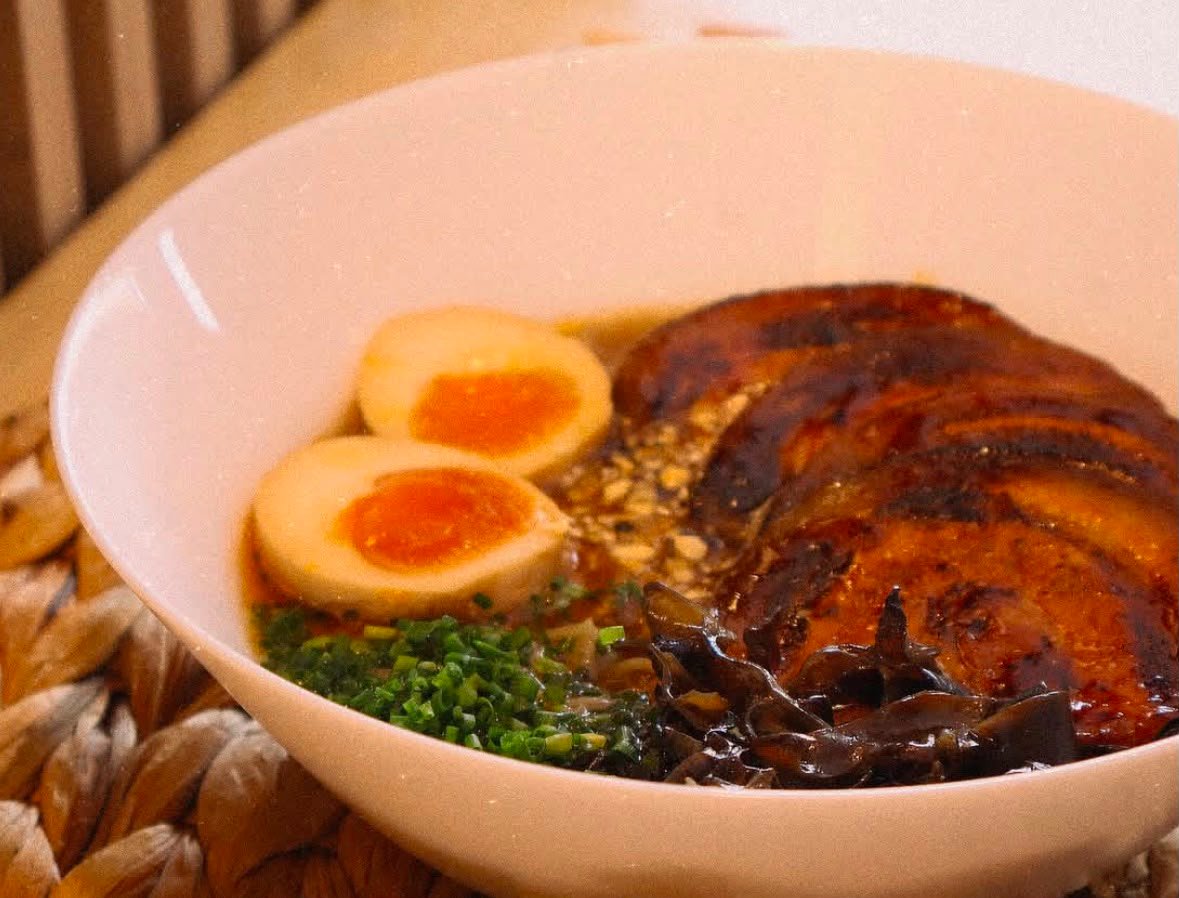
8. What’s a must-try dish from your kitchen or the one you’re proudest to have prepared?
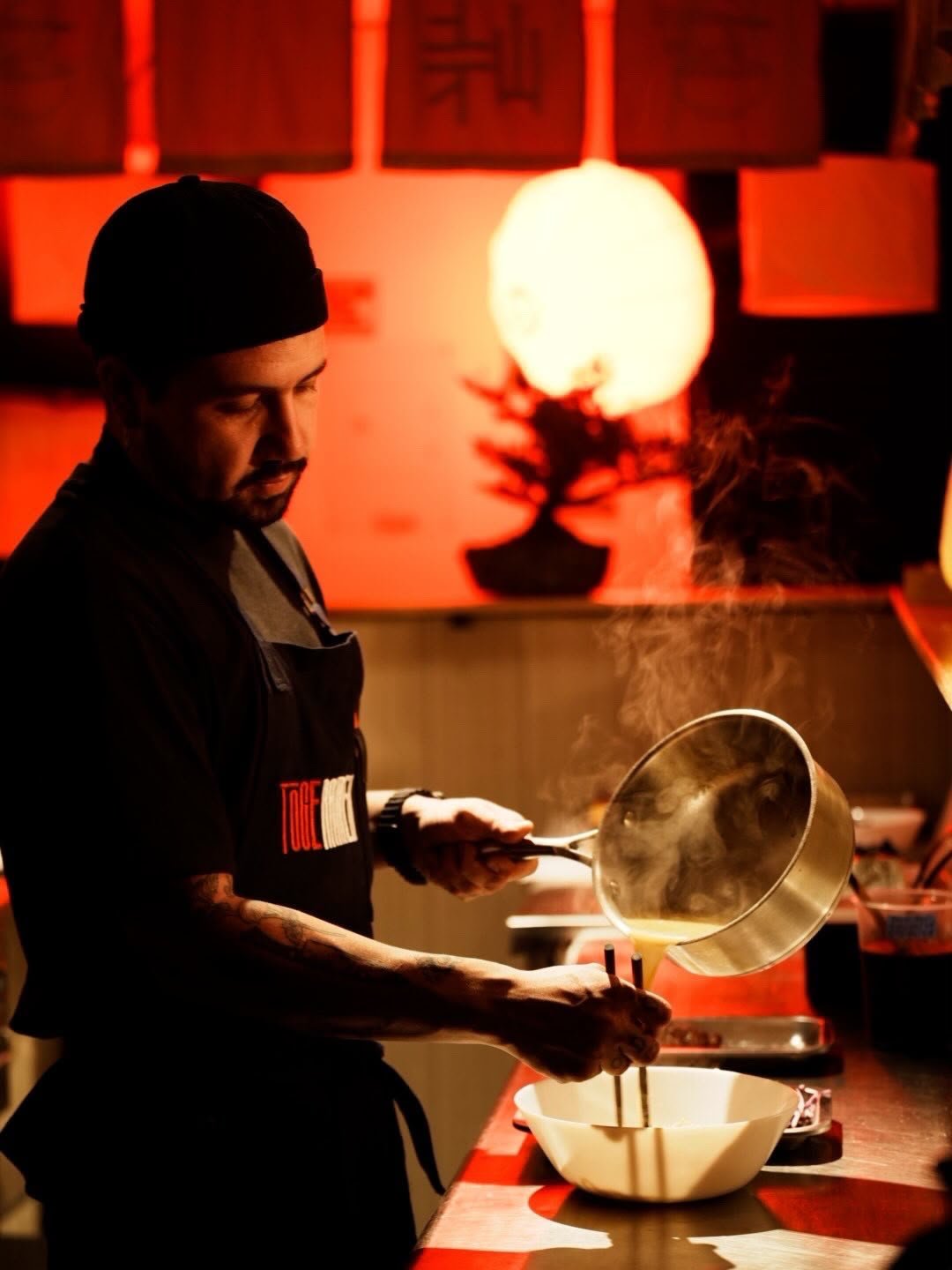
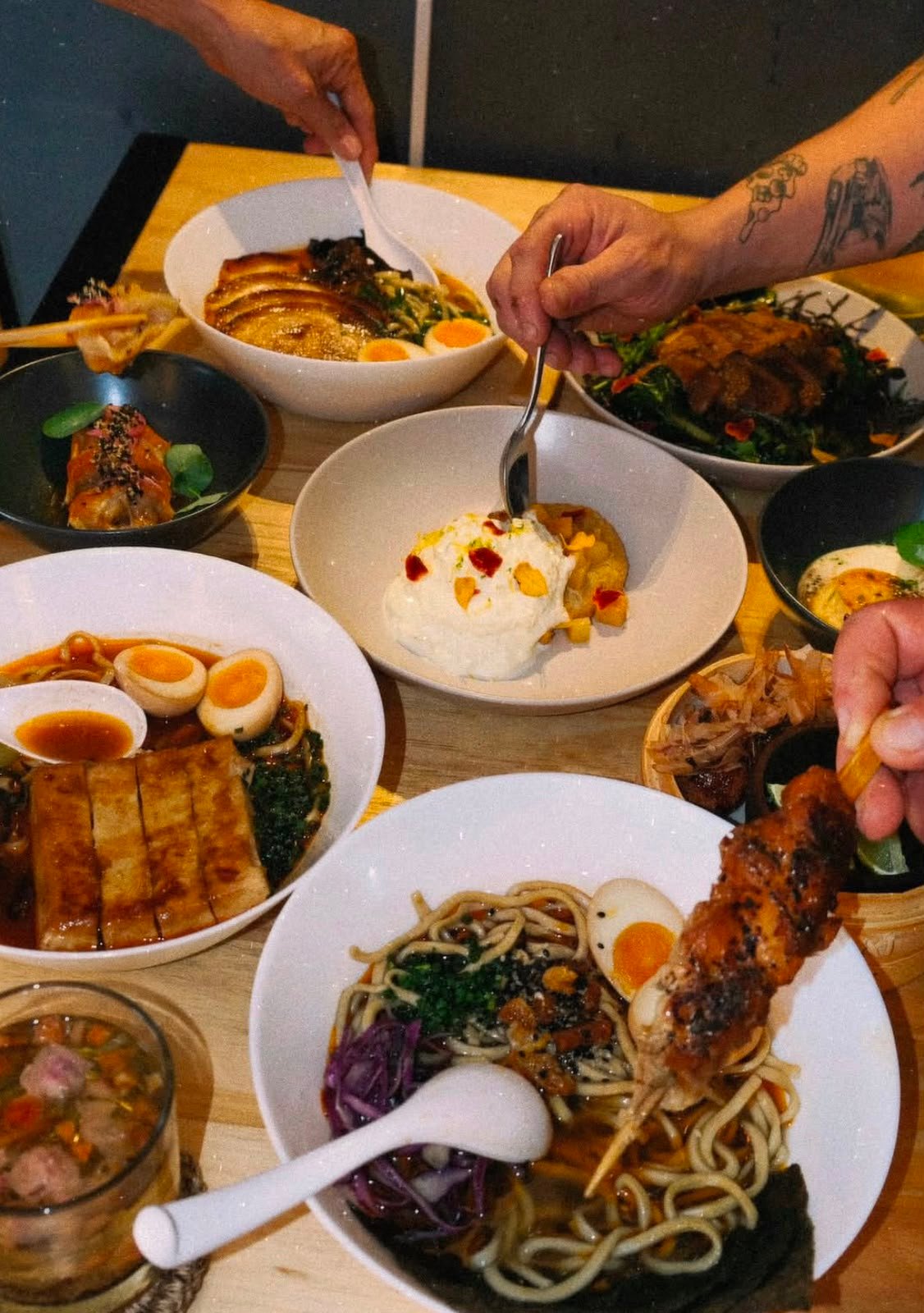
Tonkotsu ramen.
About Your City!
Bogotá, Colombia
- If Anthony Bourdain or a chef came to your city, what would be the perfect tour itinerary from breakfast to dinner?
I’d start the day at La Puerta Falsa with a traditional Bogotá breakfast.
For lunch, I’d take him to Plaza La Perseverancia to try some of the incredible dishes from Colombia’s Caribbean region.
Later in the afternoon, we’d stop at Jardín Tragos y Pasteles for coffee and dessert.
For dinner, we’d go to Chato, Chef Álvaro Clavijo’s restaurant, currently considered one of the best restaurants in Latin America.
Finally, we’d end the night with cocktails at Decadente, an intimate bar with a very personal atmosphere.

Support our project by buying our merch!

86 HOTK Unisex t-shirt
$30.00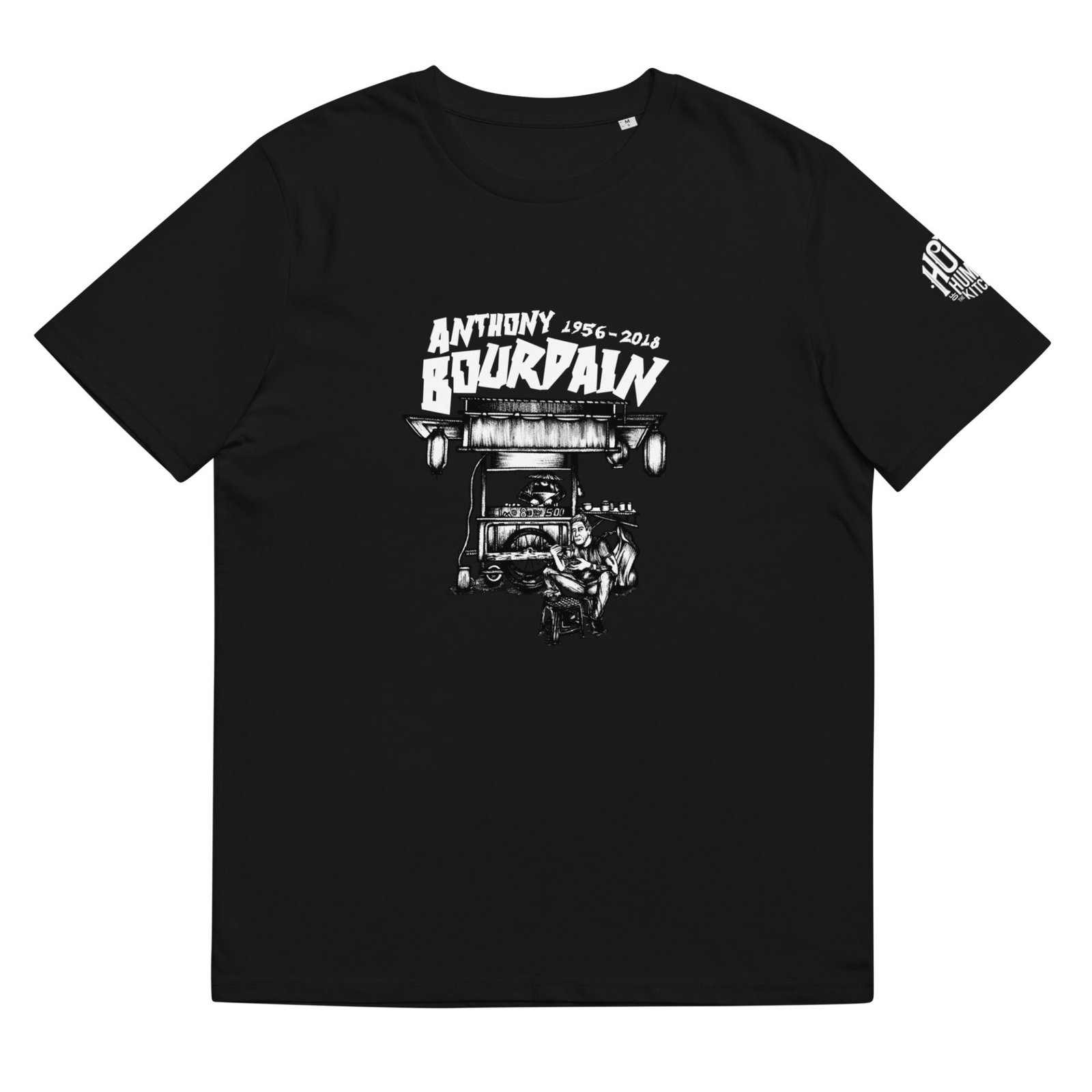
Anthony Bourdain T-Shirt
$35.00
Mise HOTK Unisex t-shirt
$30.00