The Meal That Wasn’t for Guests
A simple staff lunch revealed the true meaning of responsibility and leadership.
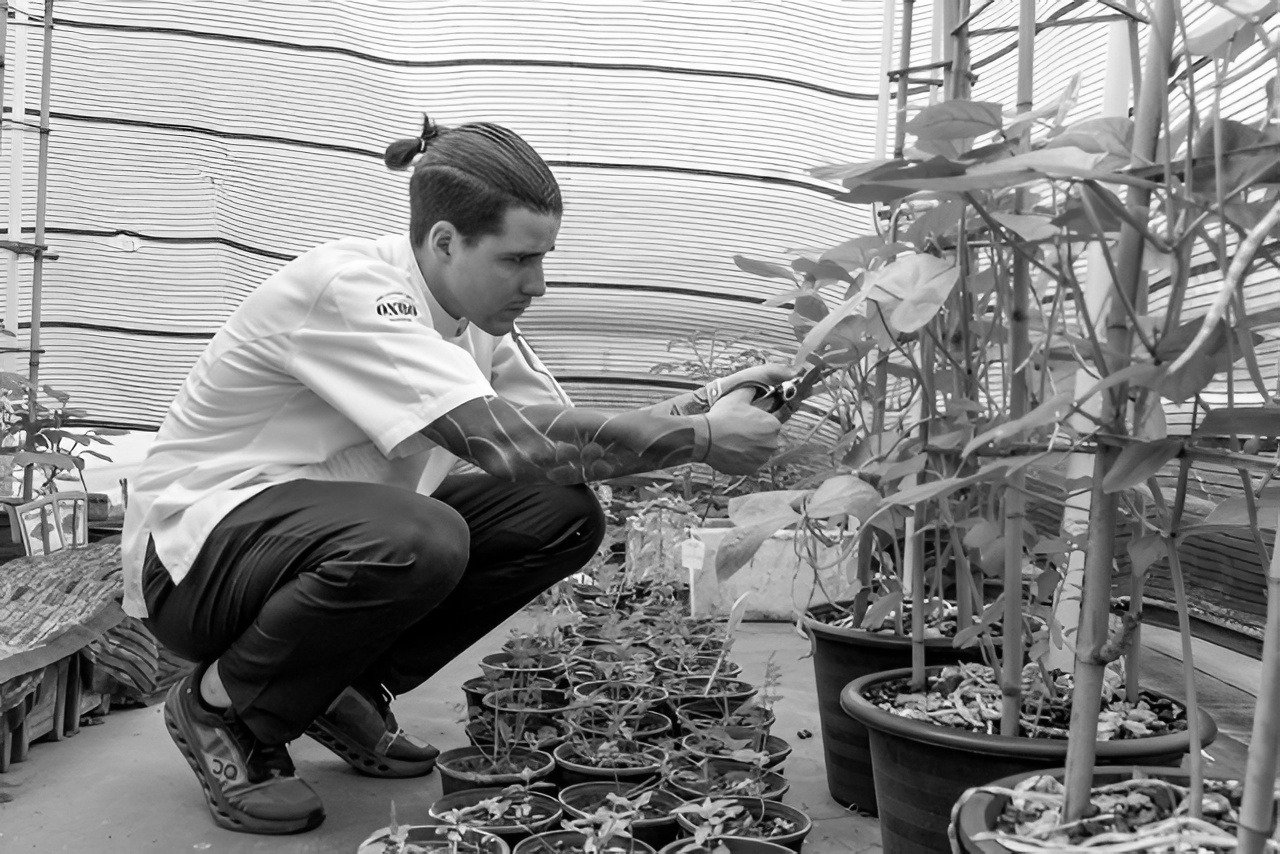
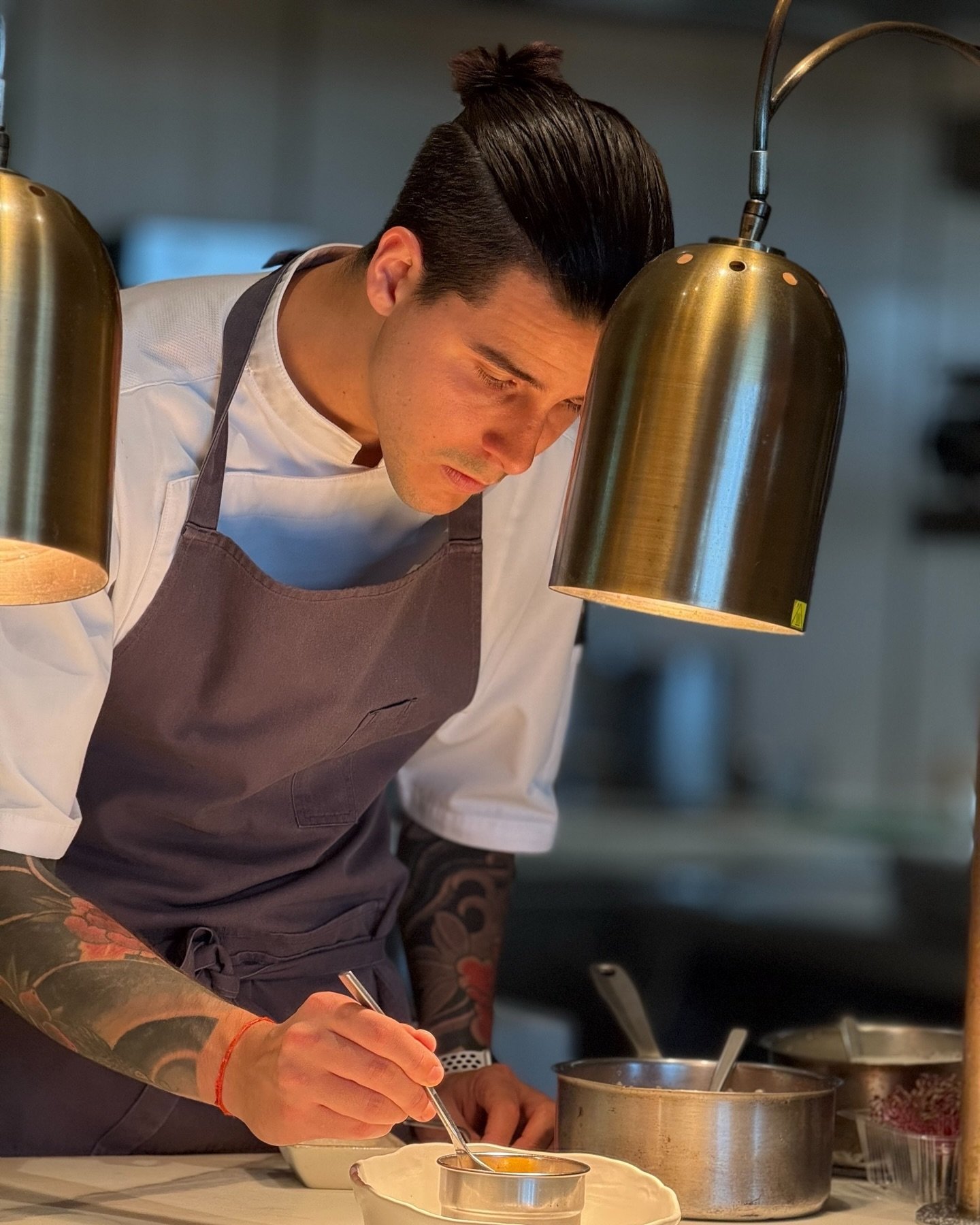
Oliver Afonso Gonzalez
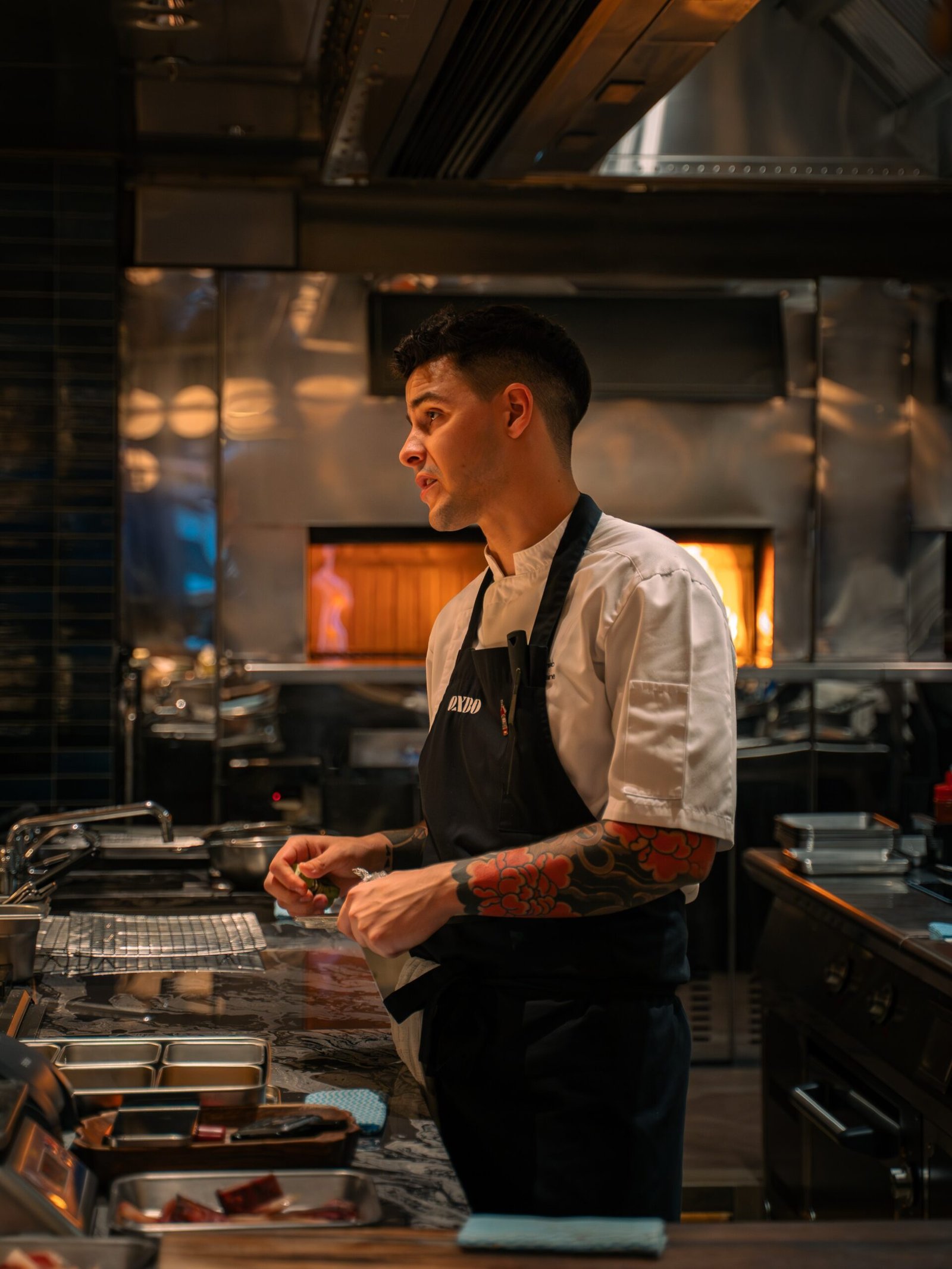
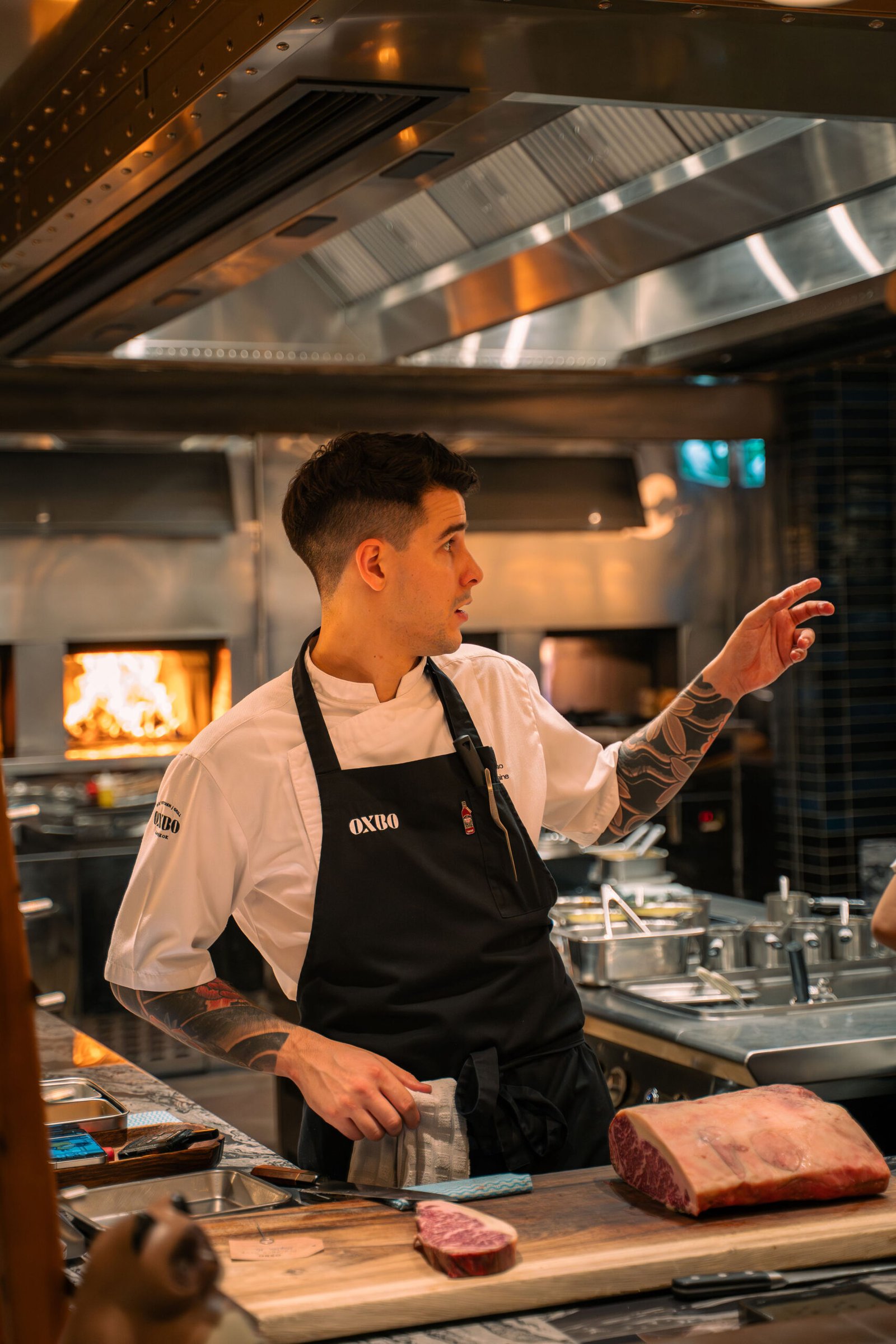
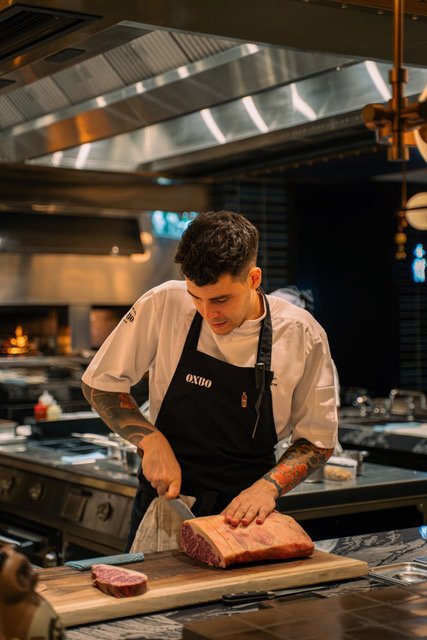
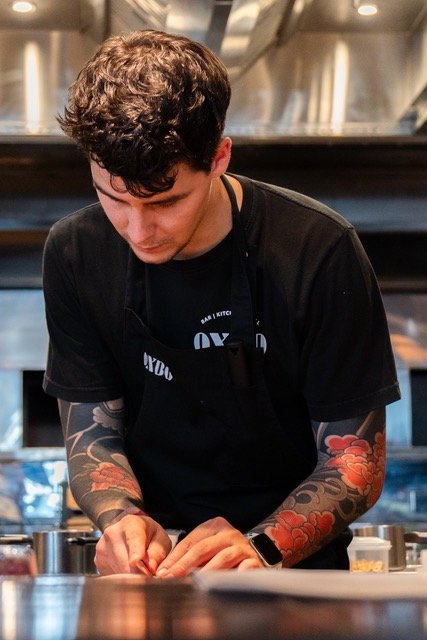
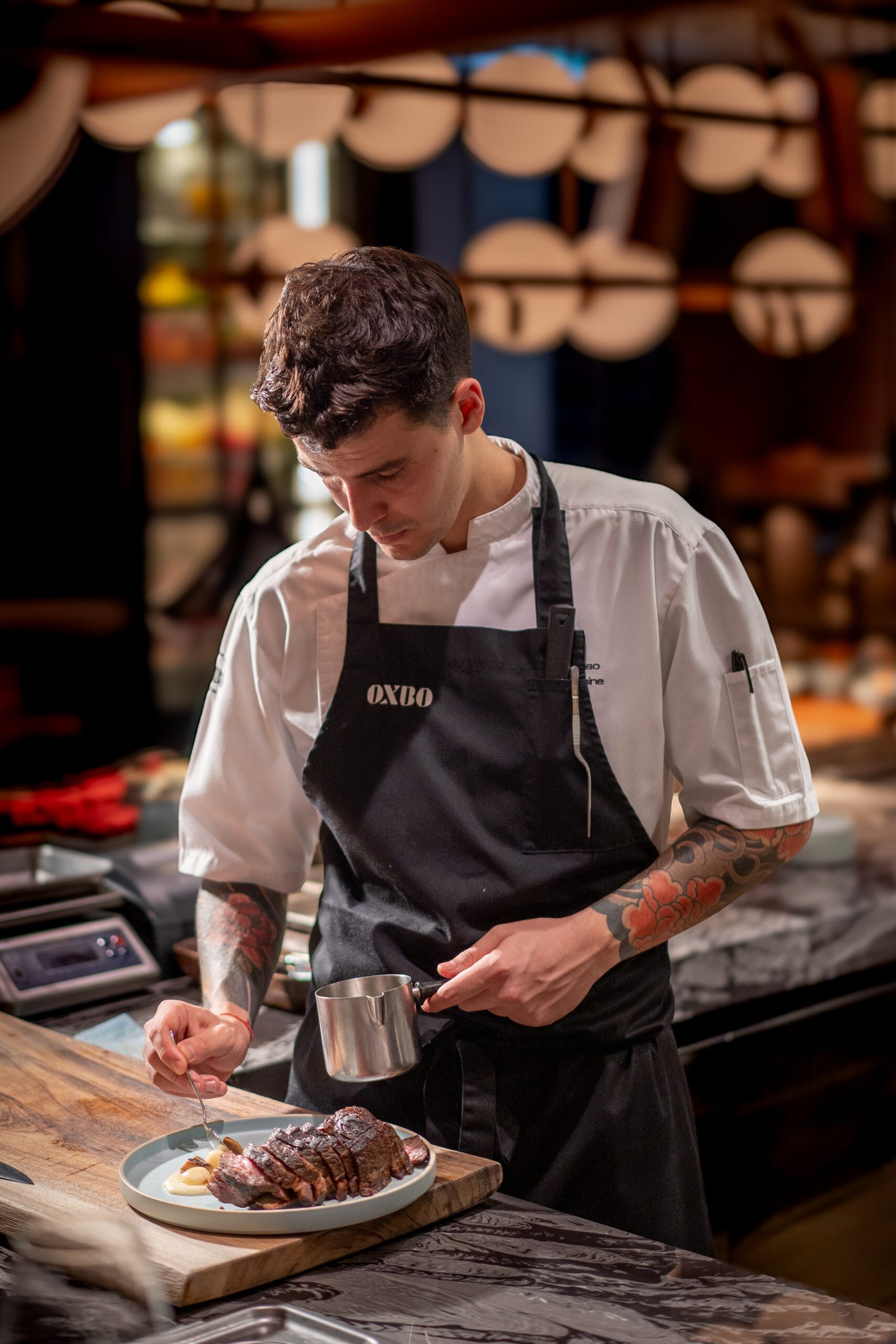
Born in Venezuela and raised in Spain, Chef Oliver Afonso González discovered his passion for food at an early age, inspired by family meals and a memorable afternoon cooking alongside his grandmother. That curiosity soon evolved into a professional calling, leading him to study culinary arts while simultaneously learning the realities of restaurant life through hands-on experience in professional kitchens.
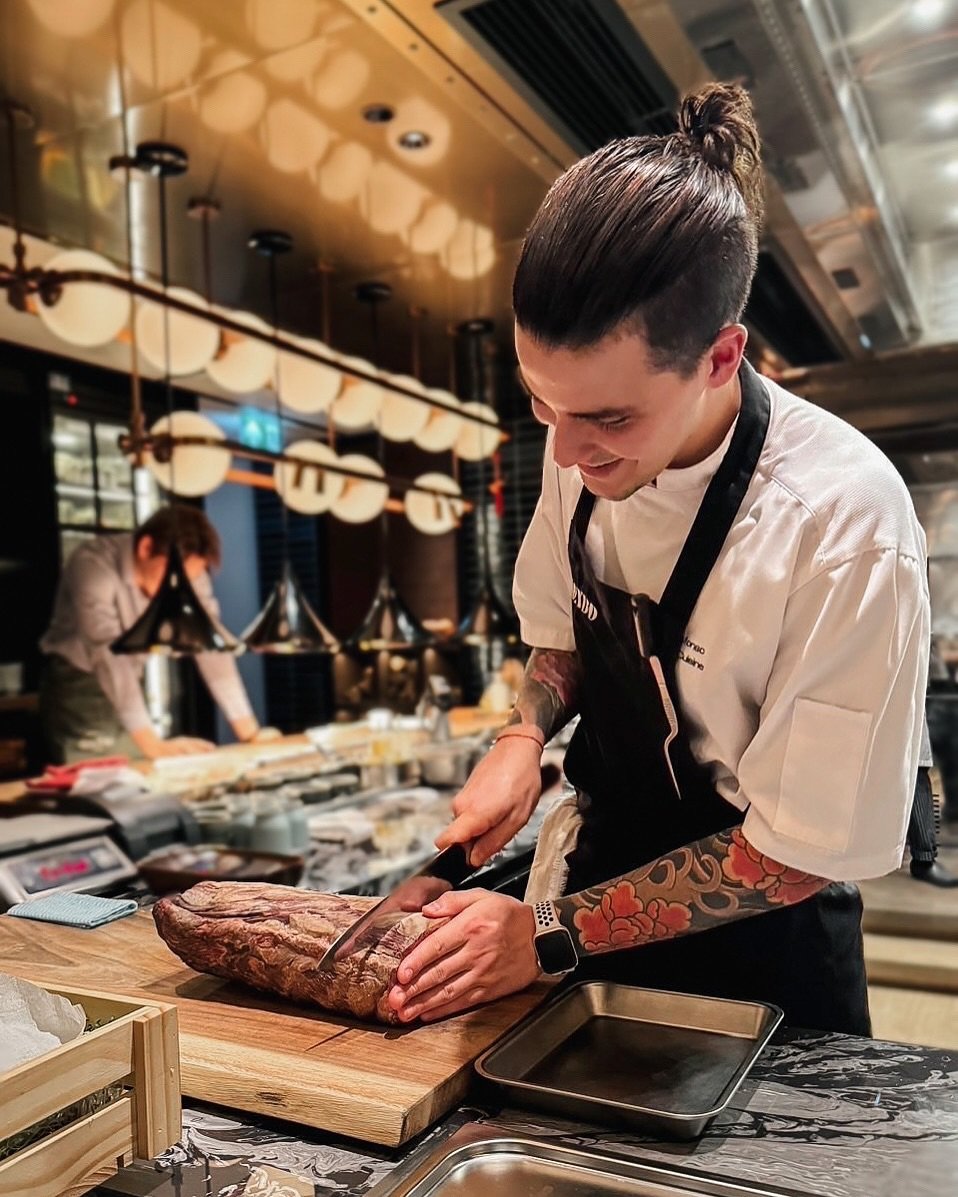
His journey has taken him from Michelin-starred kitchens in Barcelona to the vibrant culinary landscape of Bangkok, where he now leads the team at OXBO Bangkok. Along the way, Oliver has embraced different cultures, techniques, and philosophies, blending Spanish roots, Japanese precision, and Southeast Asian influences into a cooking style built on respect for ingredients, honest flavors, and meaningful hospitality.
For Oliver, cooking goes far beyond technique. It’s about creating memories, building strong teams, and constantly learning through travel, curiosity, and human connection. Whether mentoring young chefs, sourcing local ingredients, or sharing a meal after a demanding service, he believes the true heart of hospitality lies in the people who make it possible.
In this conversation, Oliver reflects on the lessons that shaped his career, the people who inspired him, the realities of kitchen life, and the philosophy that continues to guide him every day as both a chef and a leader.
Share your Journey
- Looking back at your childhood, was there a specific moment or memory that sparked your interest in food or cooking?
Well, thanks to my family, I’ve always loved food and trying new things since I was a child. But when it comes to cooking, there was one moment that really stayed with me. I was around 16 years old, helping my grandmother in the kitchen for the first time. To be honest, she was the one doing the cooking while I was just trying to help her, but I truly enjoyed that moment with her.
- Did you have another career or job before becoming a chef? How did those experiences influence your decision to pursue cooking?
No, I didn’t really have another career before becoming a chef. While I was studying culinary arts, I was already working part-time in restaurants.
Honestly, being in a real kitchen while I was still studying made me fall even more in love with cooking. It was intense and tiring at times, but I enjoyed the atmosphere, the teamwork, and the feeling of service. I loved how every day was different and how there was always something to learn.
- Did you formally study culinary arts, or are you self-taught? How has your learning journey shaped your approach to cooking?
I formally studied culinary arts, but I think a big part of my learning also came from working in real kitchens at the same time. School gave me the technical foundation and helped me understand the basics properly, but the restaurant environment taught me the reality of the industry.
Working during my studies shaped the way I approach cooking today. It taught me discipline, consistency, teamwork, and how important it is to stay calm under pressure. At the same time, it also made me understand that cooking is not only about technique, but about creating an experience and making people feel something through food.
- When did you first step into a restaurant kitchen? What was that experience like, and how did it shape your journey as a chef?
When I first stepped into a restaurant kitchen as a part-time employee, I was honestly just eager to learn. I was nervous and excited at the same time because I didn’t know much yet, but I wanted to help with anything I could.
Later on, after finishing my culinary studies and stepping into a professional kitchen full-time, even with a bit of experience already, I still felt completely overwhelmed. There were so many emotions happening at once: pressure, excitement, stress, adrenaline, and everything moved so fast.
I was around 19 years old when I started working as a commis chef at Koy Shunka, a one-Michelin-star Japanese restaurant in Barcelona. Imagine a young kid entering that kind of environment for the first time—the silence, the discipline, the strict systems, the level of focus, and the respect in the kitchen. It was intense, but those moments shaped me deeply.
I think that experience taught me not only how to cook, but also how to observe, stay humble, respect the craft, and constantly push myself to improve. Looking back now, those early experiences truly shaped me both as a chef and as a person.
- What were some of the early challenges or obstacles you faced when you started in the kitchen, and how did you overcome them?
One of the biggest challenges for me was understanding that every kitchen has its own world, its own rules, systems, timing, and way of doing things. You have to learn how to adapt quickly and understand which piece of the puzzle you are within the team.
I doubted myself many times. In the beginning, I had very little experience and honestly felt like a small fish surrounded by sharks. Everyone around me seemed faster, more skilled, and more confident. The head chef was intimidating at times, but at the same time, it pushed me to work harder and learn more every single day.
Over time, I understood that growth in this industry comes with patience, consistency, and humility. Those early challenges helped shape my mentality and taught me the importance of discipline, respect, and never becoming too comfortable.
- What keeps you inspired and how has that inspiration driven you throughout your professional journey? Especially during tough times in the kitchen?
What keeps me inspired the most is traveling, discovering new places, and always looking for new restaurants and food to try. I think every trip, every city, and every meal teaches you something different.
Living in Bangkok also plays a big part in that inspiration. It’s a city full of energy and an incredible food culture, where you can find inspiration everywhere—from street food stalls to Michelin-starred restaurants.
I’ve always been curious when it comes to food. I enjoy tasting new flavors, understanding different cultures through their cuisine, and seeing how other chefs and restaurants express themselves. For me, inspiration comes from those experiences and memories you collect along the way.
The chefs I’ve worked with throughout my journey have also inspired me greatly, each in their own way. Some taught me discipline, others creativity, resilience, or simply how to keep pushing forward. Even during moments when things felt like they were falling apart, those experiences and the people around me gave me the motivation to keep cooking and believing in the path I chose.
- Can you recall a moment in the kitchen that marked you forever? Maybe it was an interaction with a mentor, a fellow cook, someone you fed, or a situation that challenged you in a way that shaped who you are today?
I remember one moment from my first professional kitchen that honestly stayed with me forever.
At that time, I really wanted to learn how to fillet fish properly. I was young and hungry to learn, so I spent the whole day focused on finishing my mise en place and running around trying to get everything done as quickly as possible, just so I could have the opportunity to practice filleting fish.
But that same day, I was also responsible for cooking the staff meal. I got so caught up trying to do everything else and helping around that I completely lost track of my main responsibility. In the end, I didn’t manage to cook for the team.
I remember feeling terrible about it. I felt ashamed because, to me, it was a big failure. But my head chef taught me something that day that stayed with me far more than learning how to fillet a fish. He made me understand the importance of cooking for the team and the value behind it. Feeding the staff wasn’t just another task; it was about respect, responsibility, and taking care of the people working beside you every day.
Looking back now, that lesson shaped me immensely, both as a chef and as a person.
- As a chef, how would you describe your philosophy in the kitchen, and how does it guide your approach to cooking and leadership?
My cooking philosophy is actually quite simple. I believe in respecting the ingredients, respecting the people around you, and cooking food that people truly enjoy eating.
Growing up in Spain, working in Japanese kitchens, and later moving to Thailand allowed me to experience very different food cultures and ways of thinking about food. Every place, every chef, and every kitchen taught me something, and I think my cooking today is naturally a mix of all those experiences.
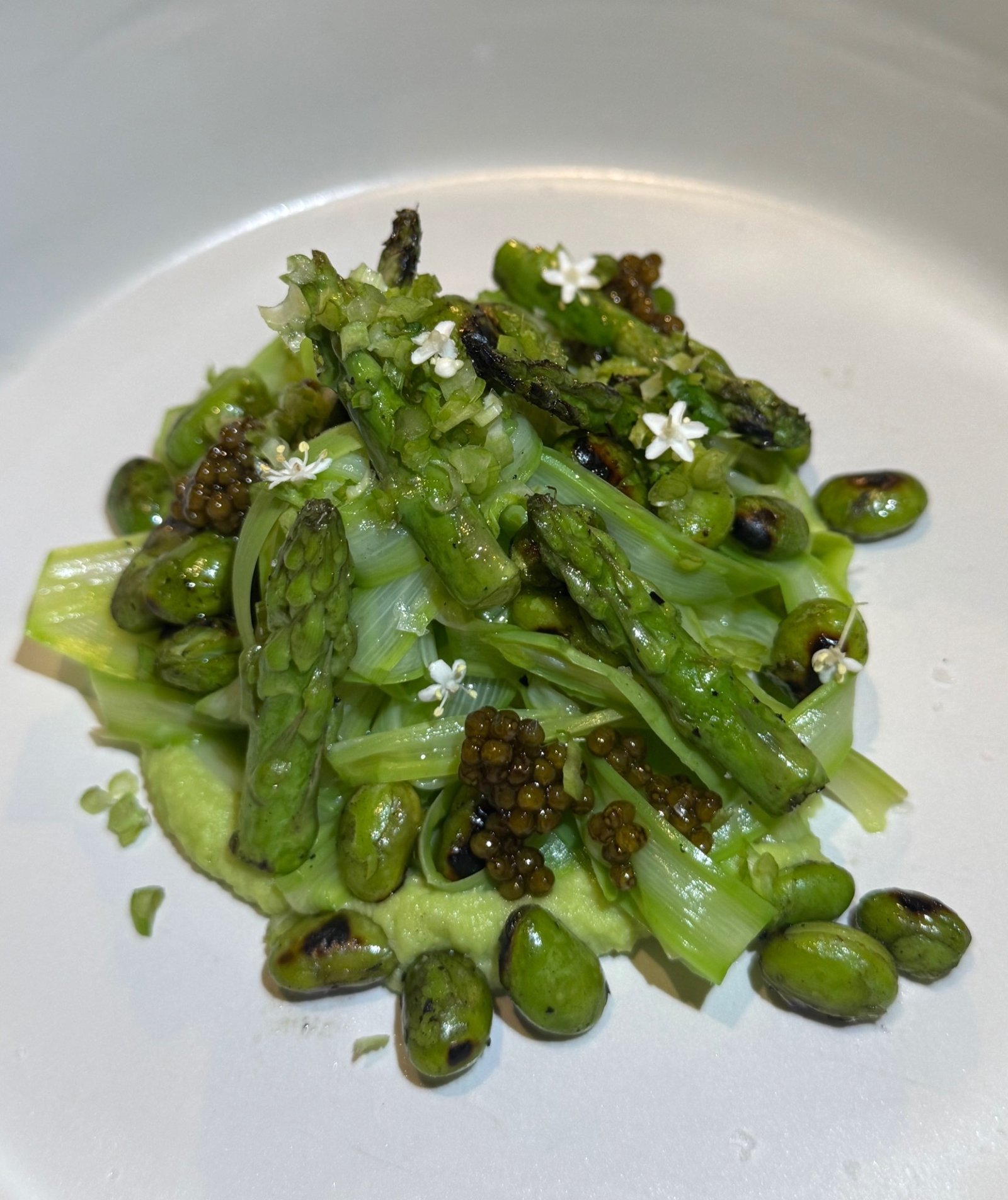
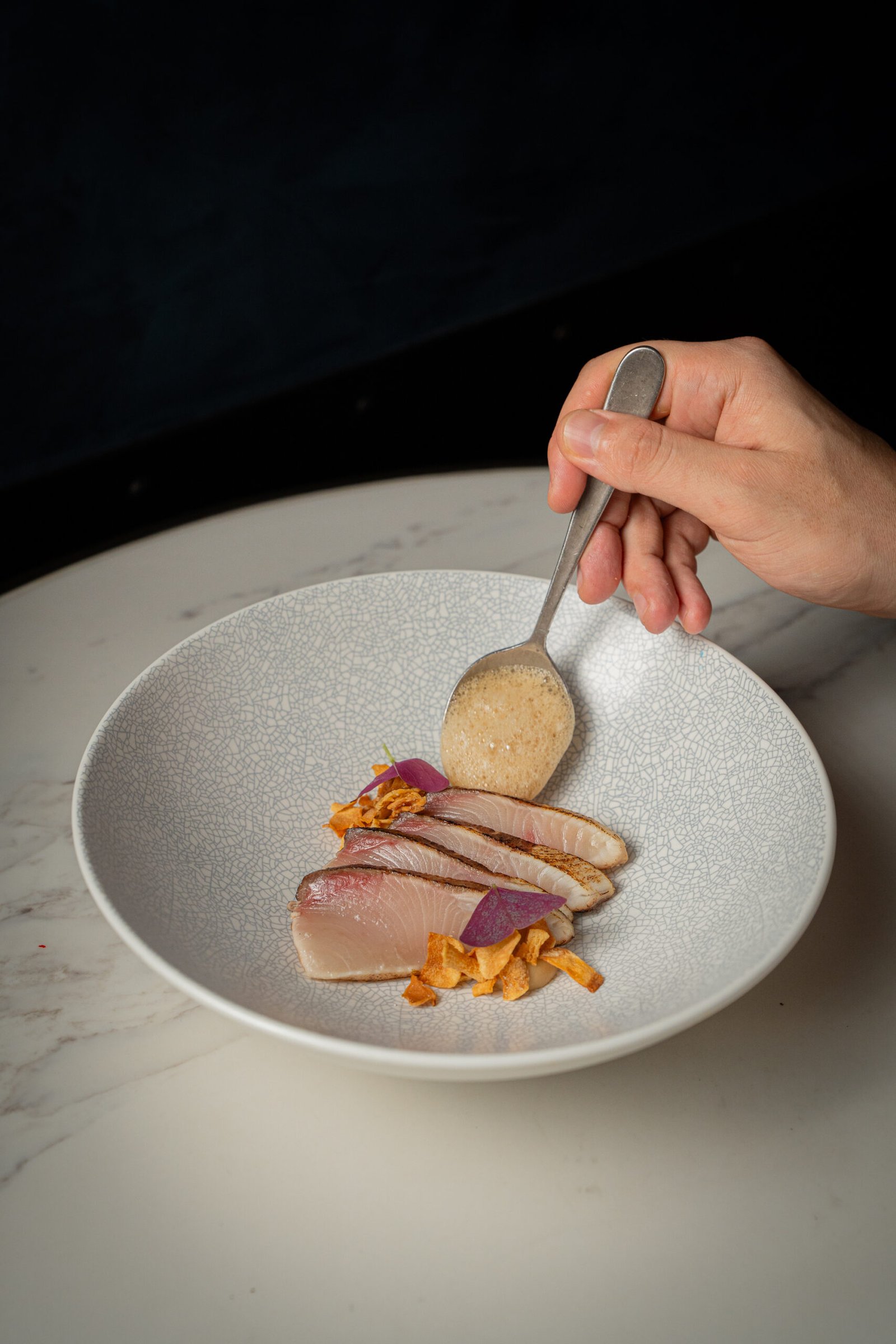
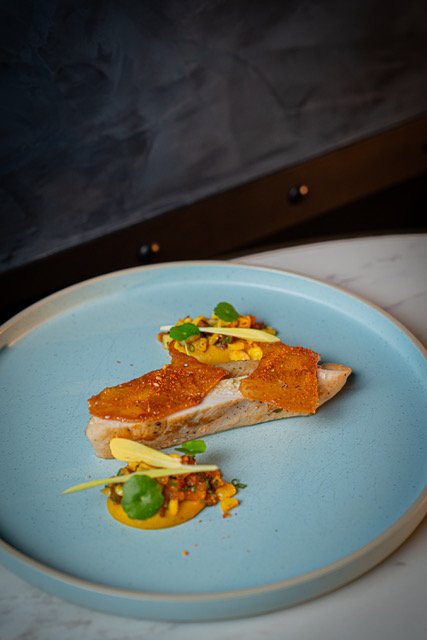
I’m not someone who likes to overcomplicate dishes just to make them look impressive. For me, it always starts with great ingredients and understanding how to get the best out of them. Sometimes the simplest dishes are the ones people remember the most.
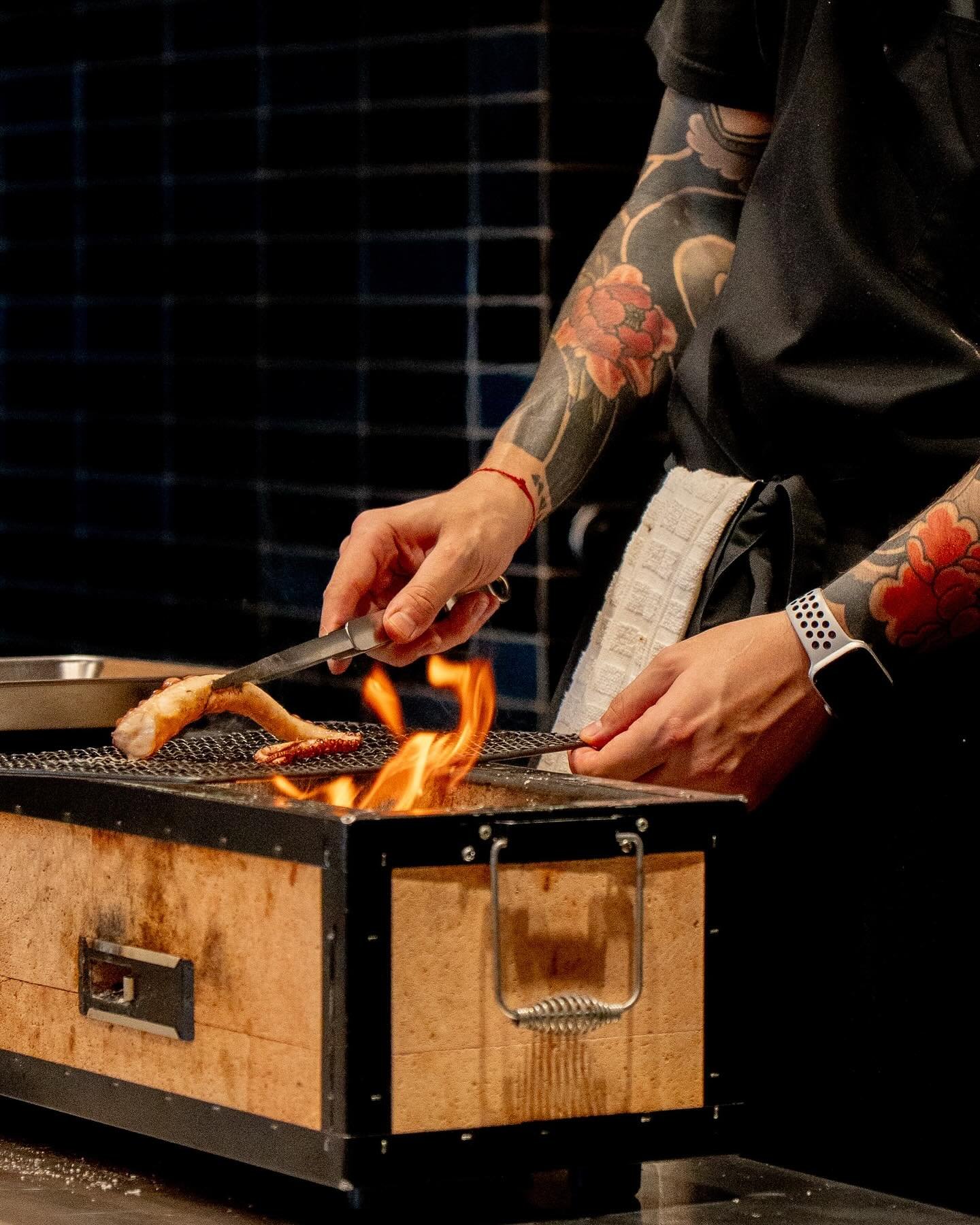
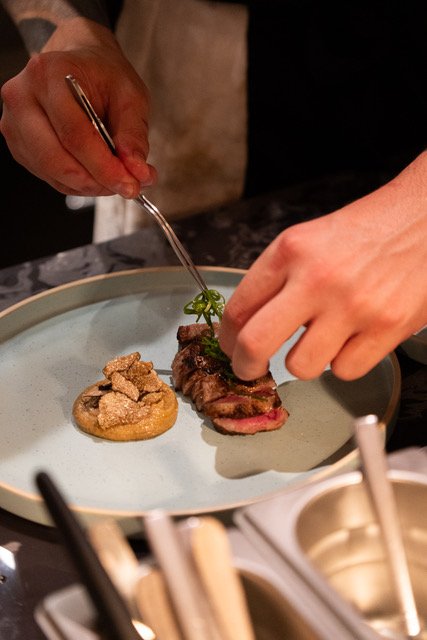
More than anything, I want my food to make people feel something. Of course, I want guests to enjoy the flavors and remember the dishes, but I also want them to remember the feeling around the experience. Maybe it’s a dish inspired by my travels, a perfectly grilled steak, or simply a flavor that brings back a memory from home—those are the things I love creating through food.
At the end of the day, cooking, for me, is about connection, emotion, and sharing something honest with people.
- Can you share a time when cooking or the camaraderie in the kitchen helped you through a tough period in your life? What made that experience meaningful?
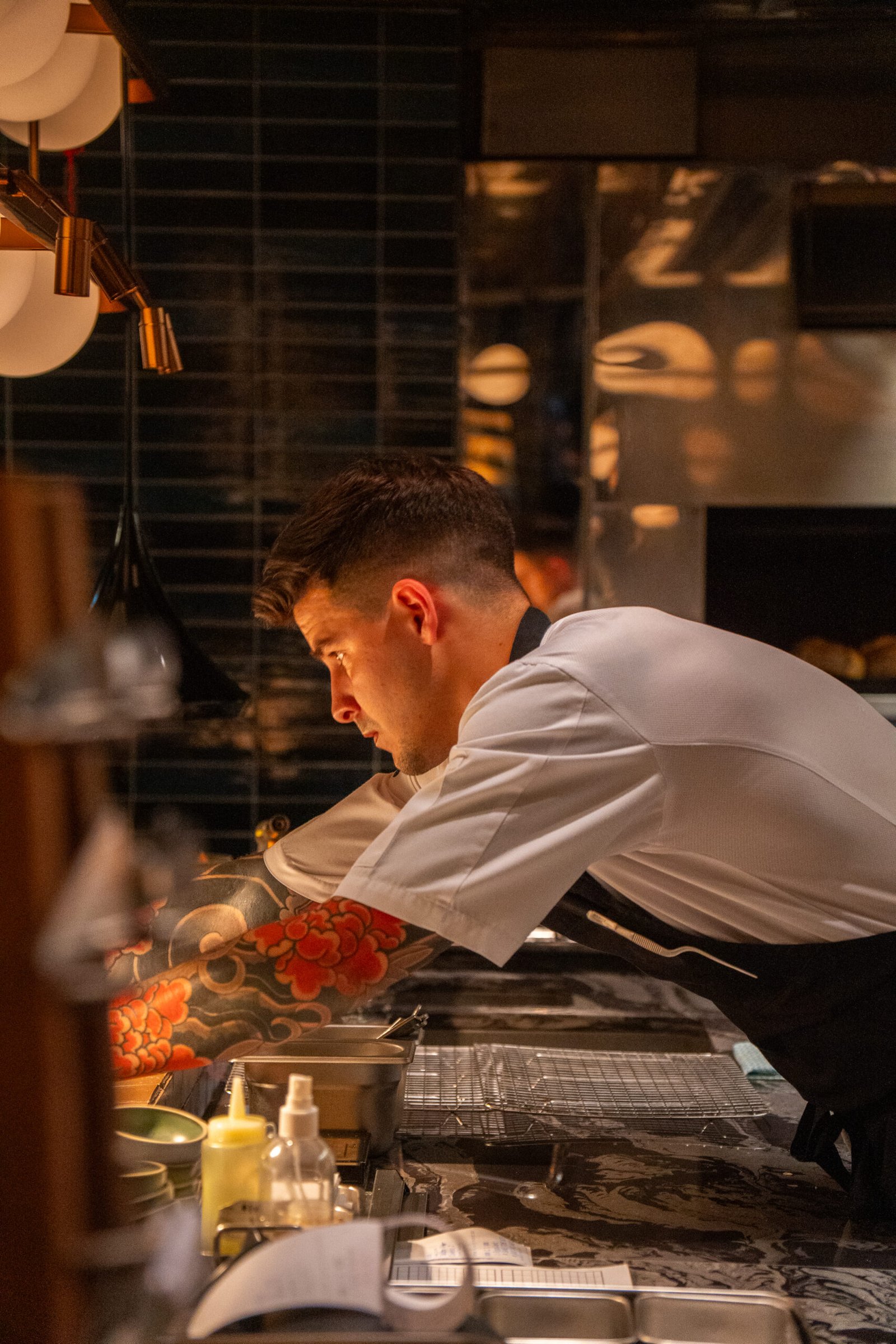
I don’t know if this is politically correct, but one of the best feelings for me is honestly sitting down with the team after a rough service, opening a beer, talking about basketball, music, life… and just laughing together as if nothing had happened.
Sometimes service can be chaos. Things go wrong, tensions run high, people argue, and everyone is stressed and exhausted. In those moments, it can feel like the world is falling apart inside the kitchen. But then service ends, everybody sits together, and somehow everything resets.
I think those moments are a huge part of kitchen life and something people outside the industry don’t always see. Behind all the pressure and intensity, there’s also a strong sense of connection and camaraderie. Going through difficult services together creates bonds that are hard to explain unless you’ve lived it yourself.
- Reflecting on your career, what achievements or milestones are you most proud of, and what do they mean to you?
I don’t really measure achievements only through awards or titles. Of course, being able to work in Michelin-starred restaurants, moving across different countries, and becoming Head Chef at OXBO Bangkok are things I’m very proud of.
But honestly, the things that mean the most to me are usually the small moments people don’t really see. Building a strong team, watching young chefs grow, earning the trust of the people around you, or seeing guests return because they genuinely enjoyed the experience, those things feel very rewarding to me.
Moving from Spain to Thailand was also a major milestone in my journey. It pushed me far outside my comfort zone, both personally and professionally, and helped me grow a lot not only as a chef but also as a person.
And of course, receiving awards feels amazing too. It’s always nice to see your hard work recognized. But the funny thing about this industry is that the next day you’re back in the kitchen as if nothing happened. Service starts, the pressure returns, and you still have to perform, stay consistent, and keep improving every single day. That’s something I learned very early in my career: you can never become too comfortable.
At the end of the day, I think my greatest achievement is simply being able to do what I love, continue learning, and share that passion with the people around me every day.
- What aspects of restaurant culture do you love, and what parts do you find frustrating or problematic? Are there any changes you’re actively working toward or things you hope they change in the industry? Share the reasons behind them and how they align with your vision for a better culinary world?
What I love most about restaurant culture is the sense of connection and teamwork that comes with it. There’s something special about going through intense services together, dealing with pressure as a team, and then sitting down afterward to share food, a beer, and conversations like a small family.
I think people outside the industry don’t always see those moments, but for me, they’re one of the most beautiful parts of kitchen life. Especially living in Bangkok, with my family far away in Spain, the team and friends I have here have truly become another family to me. When you spend so many hours together, going through stressful and emotional moments almost every day, those relationships become incredibly strong.
At the same time, there are definitely parts of the industry that can be frustrating. Kitchens can sometimes become toxic environments where pressure, stress, and ego take over. Long hours, poor work-life balance, and unhealthy ways of communicating were normalized in professional kitchens for many years.
I believe that mentality needs to continue changing with the new generation entering the industry. Of course, performance and results will always matter, but I also believe people are the heart of everything we do. Without the team behind it, none of this is possible. That’s why I believe it’s important to build kitchens where people feel respected, motivated, and able to grow while still maintaining high standards and discipline every day.
- What are your hopes for the future of the restaurant and food and beverage industry? What changes would you like to see, and how are you contributing to that change?
My hope for the future of the restaurant and food & beverage industry is to see kitchens become healthier and more human environments. I think pressure and discipline will always be part of this profession, but respect, balance, and good communication should be part of it as well.
I’d also love to see more support for local producers, greater respect for ingredients, and a more conscious way of running restaurants. At OXBO, one of our main pillars is sourcing ingredients locally whenever possible. That has allowed me to build close relationships with producers, better understand their work, and contribute, in a small way, to sustainability and the local community.
In my own way, I try to contribute through the way I lead my team every day. Creating a positive environment in the kitchen is very important to me because, at the end of the day, without the people behind it, none of this works.
- If there’s anything we didn’t ask or if you feel we’re missing something about your personal and kitchen story, please share it here.
I’ve been lucky enough to travel and work in different places throughout my journey, and honestly, I would recommend it to any young chef who wants to grow. Traveling and experiencing different kitchens, cultures, and ways of thinking can teach you so much, both professionally and personally.
I moved to Thailand when I was 24 years old and had the opportunity to work in several well-known restaurants. That experience completely opened my mind. It allowed me to discover new cultures, ingredients, techniques, and ways of understanding hospitality that I probably would never have experienced if I had stayed in the same place.
I truly believe that stepping outside your comfort zone is one of the best things a chef can do. It helps you grow, adapt, and understand food from a much broader perspective.
Photo credits to @teenshotmedia 📸
Secret Sauce
- What’s the most unexpected ingredient you’ve ever worked with, and how did it change your perspective on cooking?
One of the most unexpected ingredients I’ve ever worked with was sea cucumber. It was one of the first luxury ingredients I ever cooked with while I was still a junior chef at my first job.
At first, I honestly didn’t really understand it. It was completely new to me, both in texture and preparation, and I remember being surprised by how delicate and complex it actually was. But when it’s cooked properly, it becomes an incredible delicacy.
That experience taught me a very important lesson early in my career. Sometimes the role of the chef is not to overcomplicate things, but simply to understand the ingredient, respect it, and allow it to shine on its own. I think that moment shaped much of the way I approach cooking today.
- What’s your “guilty pleasure” meal?
Beef chili cheese fries with loads of cheese and a nice beer.
- A food trend that you hate and why?
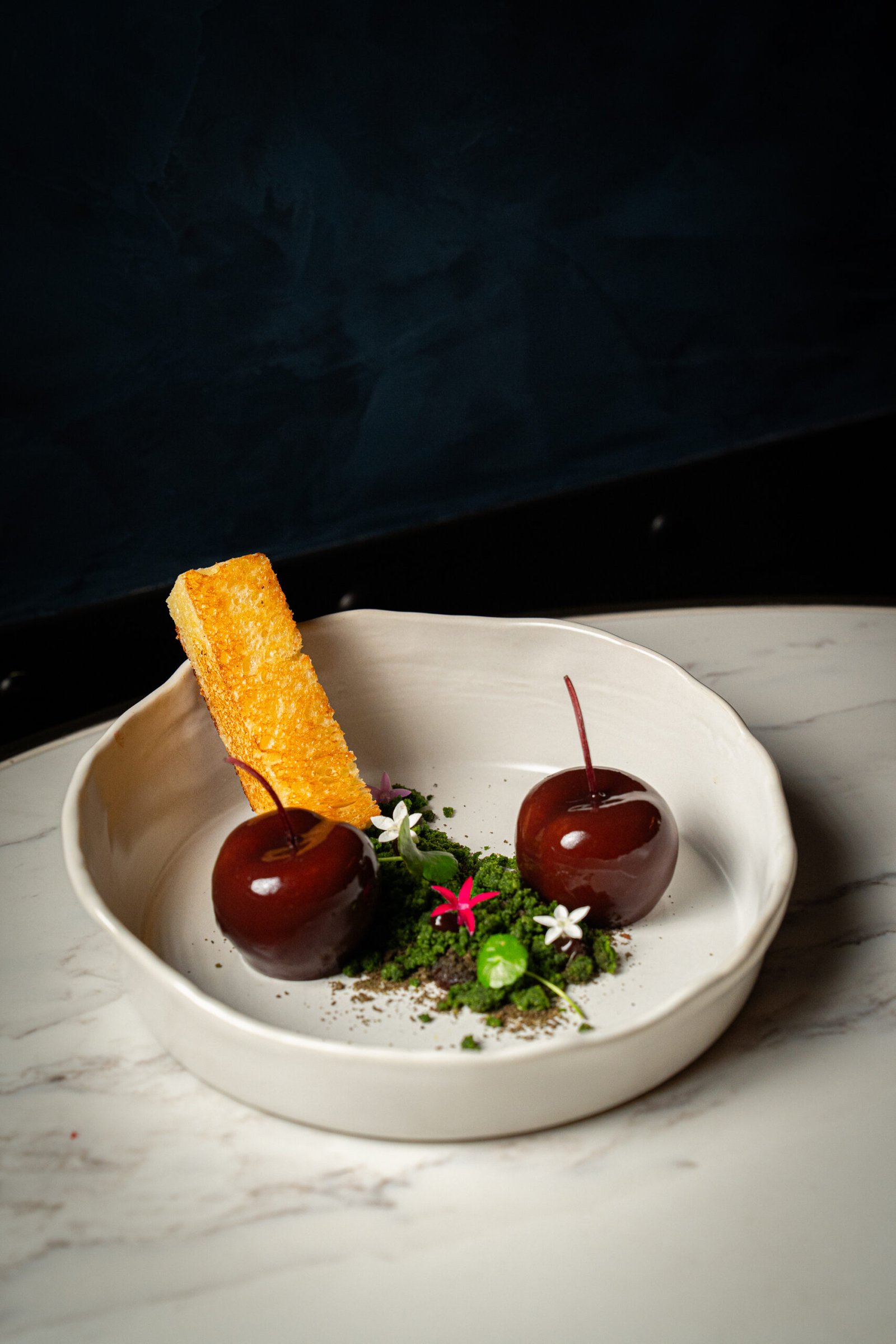
Honestly, one trend I’ve never really liked is overcomplicated food. Sometimes there’s just too much happening on the plate, and it feels like people forget that food is supposed to be enjoyed, not overanalyzed.
For me, some of the best dishes are actually the simplest ones. If you have a beautiful ingredient and cook it properly, you don’t need to do too much to it. I’ve always preferred food that feels honest and natural rather than dishes filled with unnecessary elements just to look impressive.
At the end of the day, people usually remember how the food made them feel, not how many components were on the plate.
- What’s the craziest shift you’ve ever worked in the kitchen?
Honestly, there have been many crazy shifts over the last ten years. From surviving services with almost no sleep and massive hangovers when I was younger to pushing through 16-hour shifts during special events, festivals, and busy seasons.
5. What happened, and how did you manage to get through it?
As usual in kitchen life, there’s always something unexpected happening: being understaffed, dealing with last-minute problems, equipment failures, or crazy rushes.
I honestly got through many of those moments with a lot of caffeine and energy drinks, somehow trying to unlock the 25th hour of the day. There were times during those long shifts when I was so tired that I started feeling delirious, almost like I could see sounds and hear colors.
But somehow, you keep going because that’s the reality of kitchen life sometimes. You adapt, push through service, laugh about it with the team afterward, and come back the next day ready to do it all over again.
- What tips would you give to other cooks and chefs to help them navigate their culinary careers and find peace amid the chaos of the kitchen?
One thing I would say to young cooks and chefs is to be patient with yourselves. This industry can be beautiful, but it’s also incredibly intense, and everyone grows at their own pace. Don’t rush to become the best overnight or chase titles too much. Focus on learning, staying consistent, and improving little by little every day.
I’d also say: travel if you can, work in different kitchens, experience different cultures, stay curious, and eat as many new things as possible. Some of the biggest lessons in my career came from stepping outside my comfort zone and placing myself in completely new environments.
And honestly, learn to enjoy the small moments too. Kitchens will always have chaos, pressure, stress, long hours, and difficult services. But they also have friendship, laughter, late-night staff meals, beers after service, music, and moments that become memories for life.
At the end of the day, I think finding peace in this industry comes from remembering why you started cooking in the first place and surrounding yourself with good people who make even the hardest services worthwhile.
- What’s an underrated ingredient and why?
I think Jerusalem artichoke is a very underrated ingredient. It’s not the prettiest product, and a lot of people overlook it, but it has so much personality. I really enjoy its earthy flavor and natural sweetness.
Something as simple as roasting it properly can make it absolutely amazing. It’s one of those ingredients that reminds me that great cooking doesn’t always require luxury products or complicated techniques.
8. What’s a must-try dish from your kitchen or the one you’re proudest to have prepared?
If I had to recommend one dish at OXBO Bangkok, it would be the pork belly. It’s probably one of the dishes that best represents our style of cooking.
We slow-cook the pork belly with black pepper, then finish it on the grill to give it a smoky flavor and crispy texture. It’s served with chicharrón and pickled onions to create the perfect balance.
About Your City!
Bangkok
- If Anthony Bourdain or a chef came to your city, what would be the perfect tour itinerary from breakfast to dinner?
For breakfast, or maybe brunch, I would take them to Larder. After that, we’d head to Saew Noodle in Sukhumvit 49 for lunch, a small local noodle shop that I really enjoy.
Later in the afternoon, we’d grab a coffee at Local Boys Coffee before finishing the day with dinner at Charmgang.
I think that’s one of the best things about Bangkok: you can spend the entire day eating at places that are completely different in style, yet every stop has its own personality and character. It’s a city where every meal tells a different story, and that’s exactly what makes it so exciting.

Support our project by buying our merch!

86 HOTK Unisex t-shirt
$30.00
Anthony Bourdain T-Shirt
$35.00
Mise HOTK Unisex t-shirt
$30.00