Respect Is The Real Skill
Ingredients, teammates, and guests deserve the same attention.
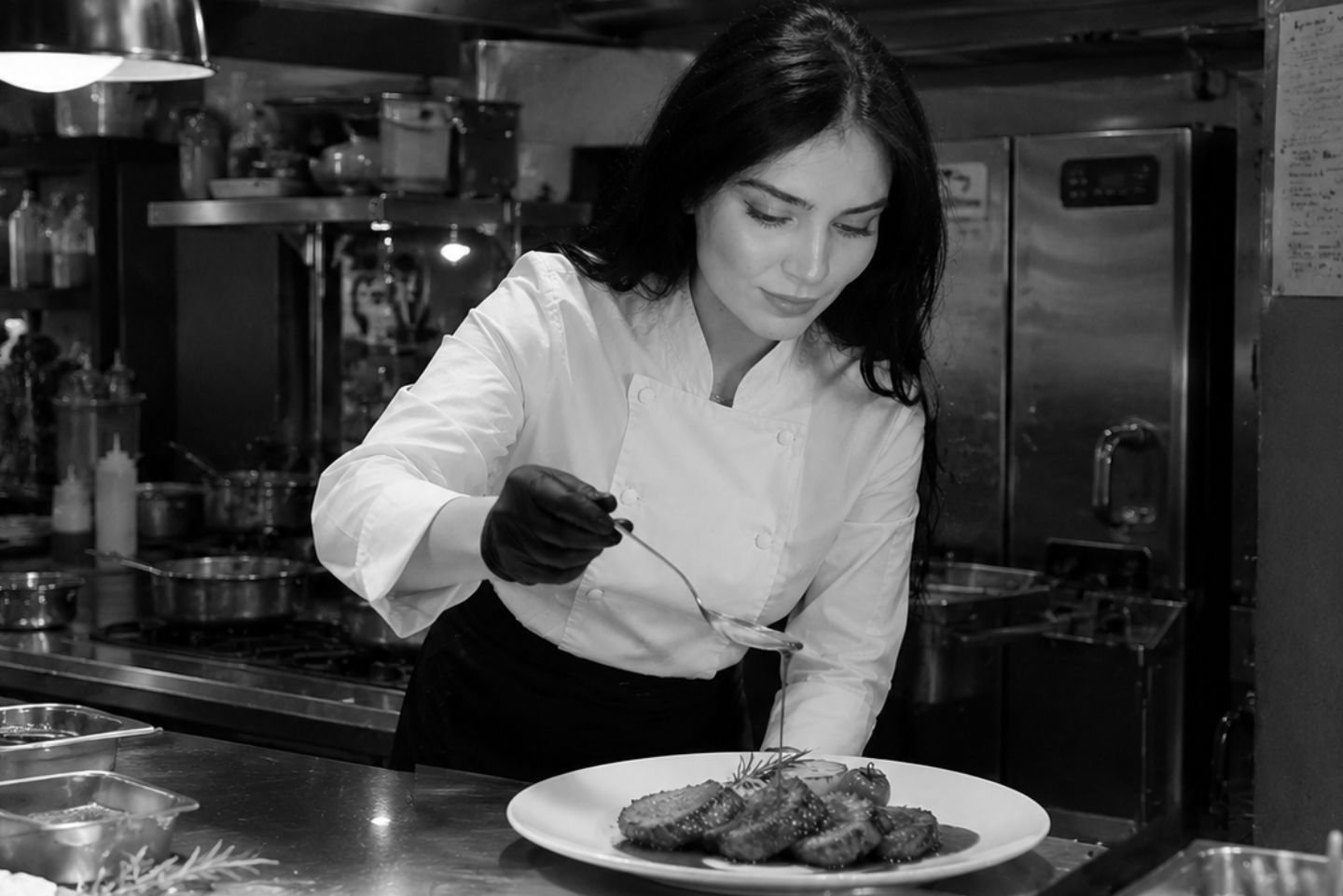
Sibel
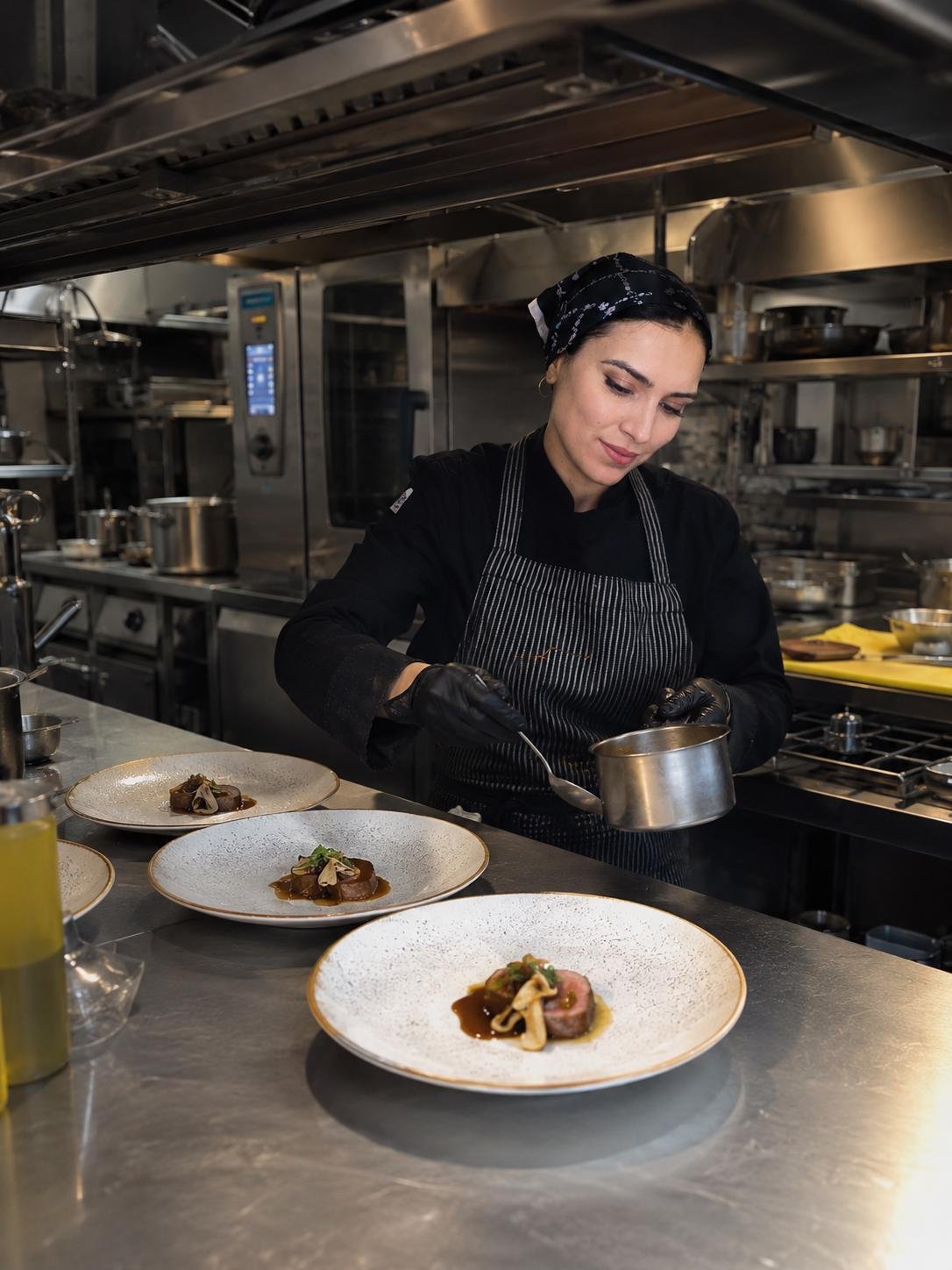
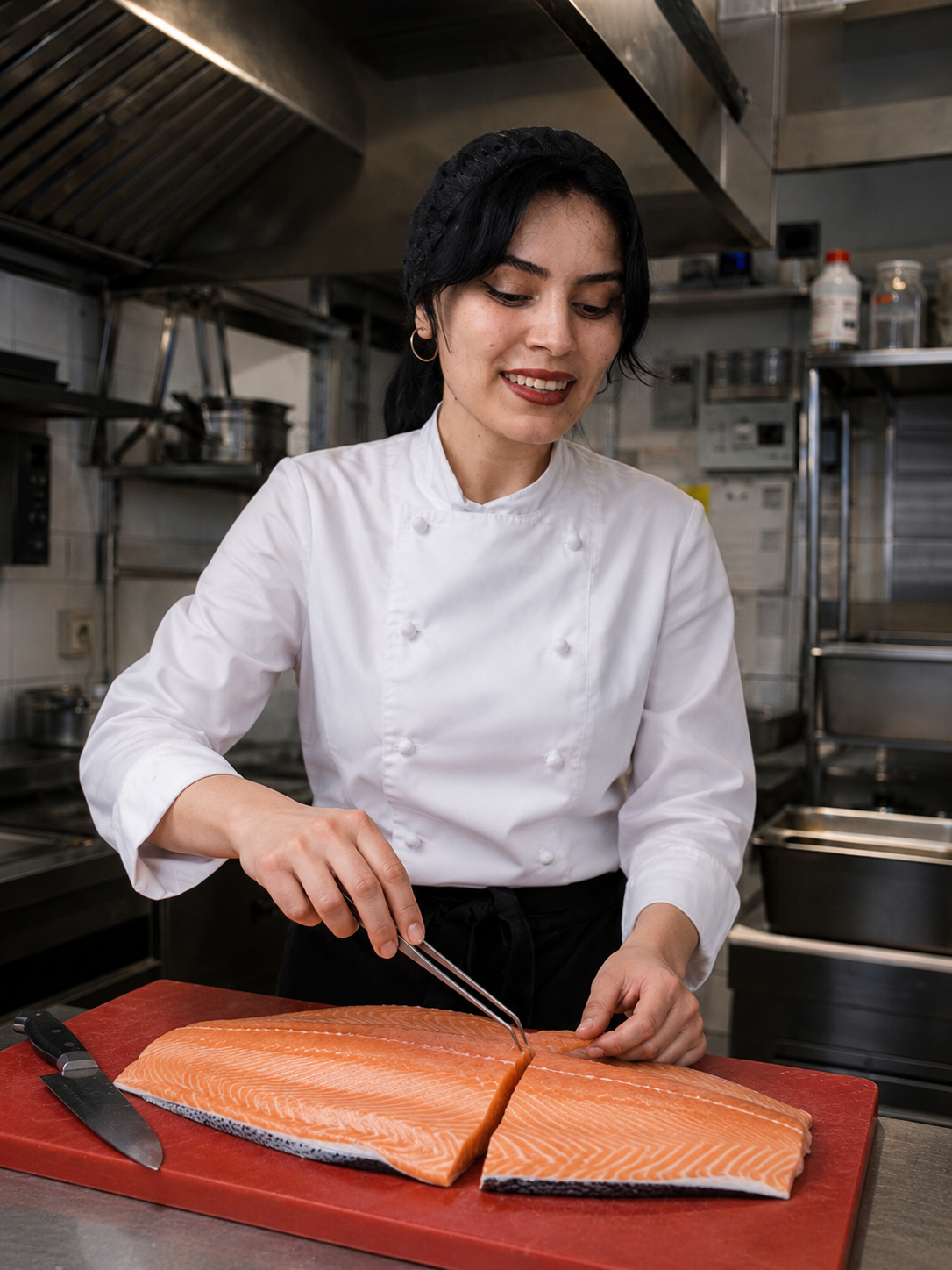
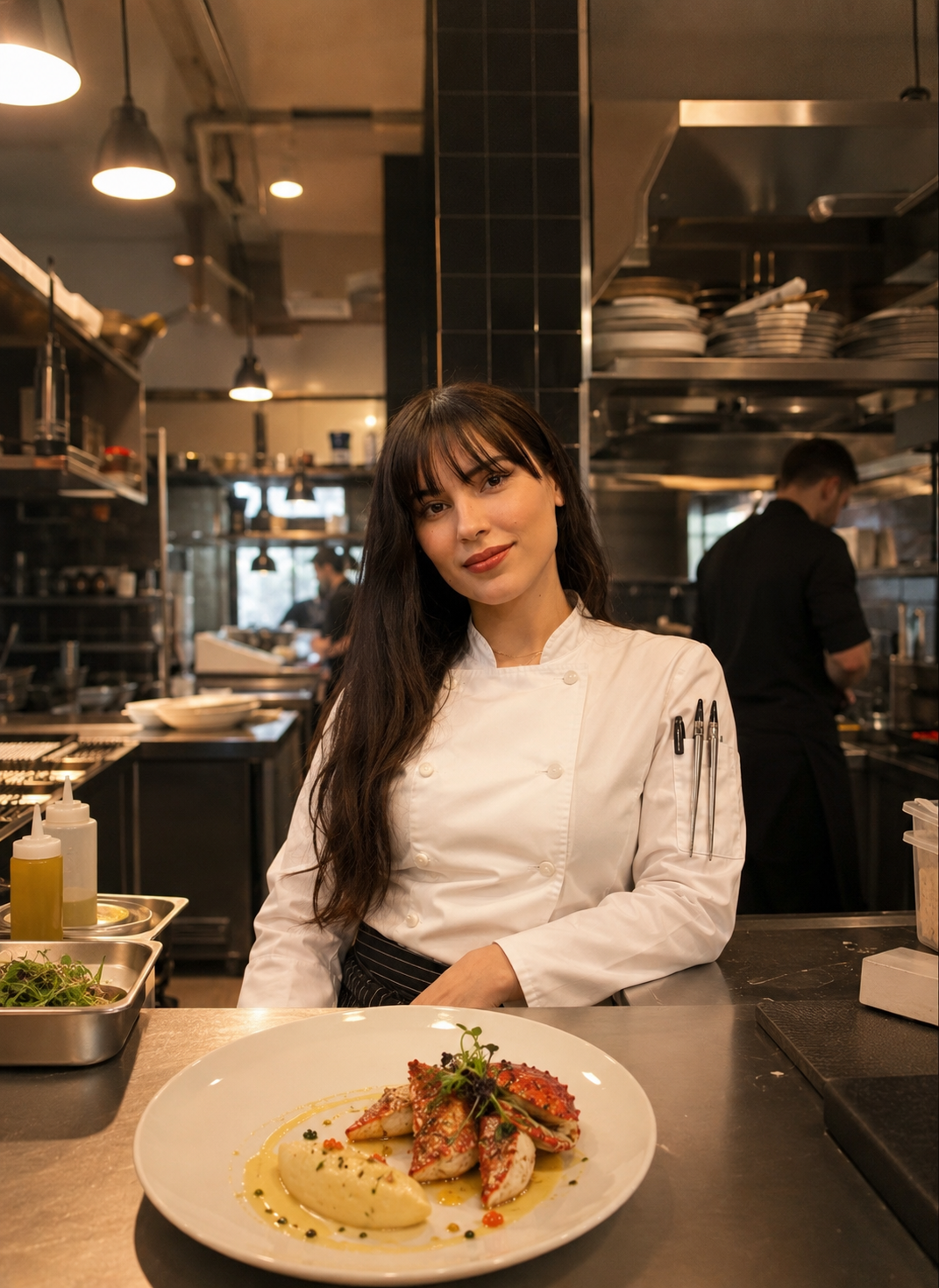
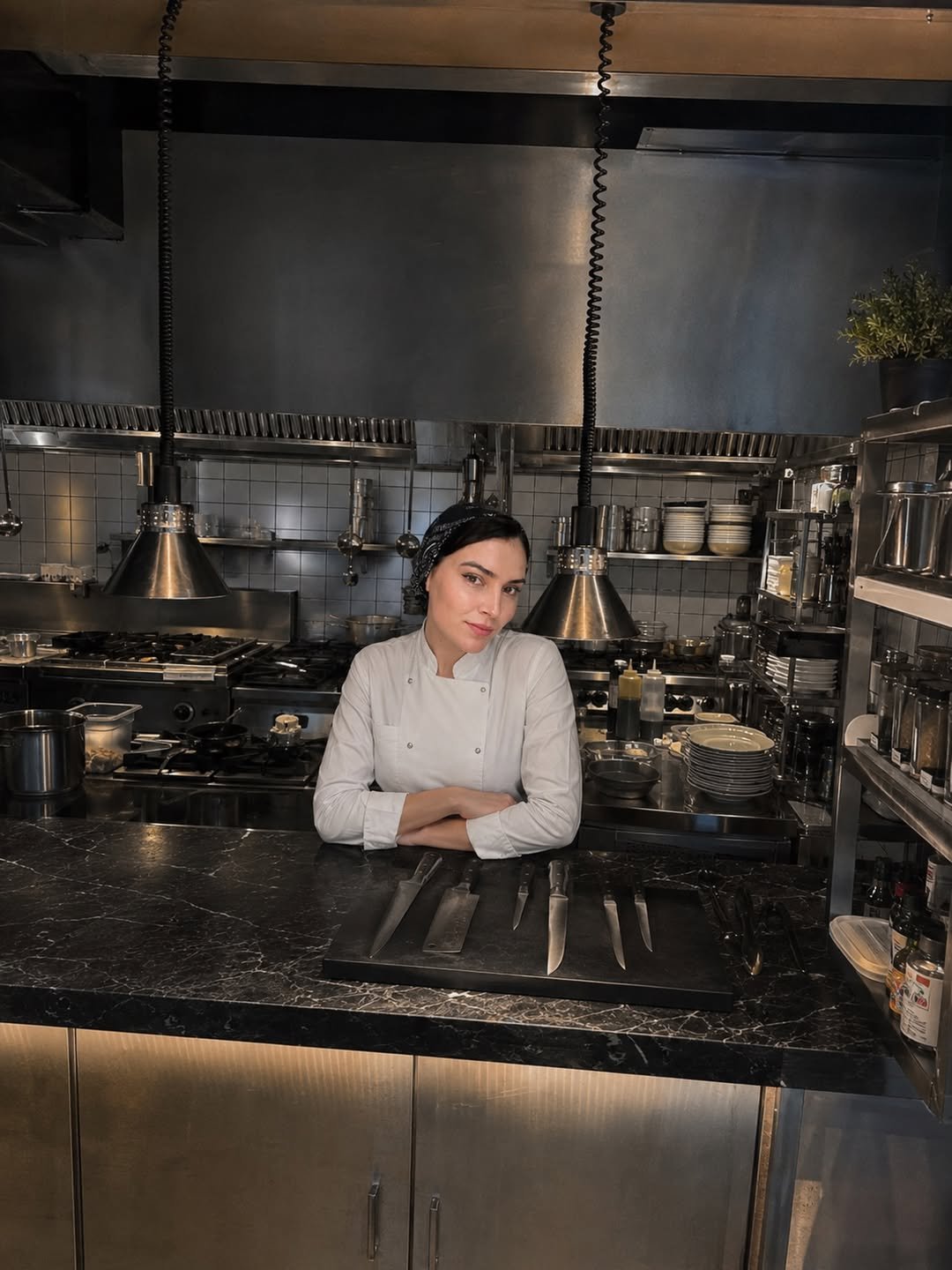
For Chef Sibel, cooking began long before professional kitchens, culinary trends, or career ambitions. As a child, she often prepared meals for herself and her younger sibling while her parents were at work. What started as a simple responsibility gradually evolved into a lifelong passion rooted in curiosity, creativity, and care for others.
Over the past six years, that passion has grown into a professional culinary journey shaped by hands-on experience, continuous learning, and a desire to explore the world through food. From mastering the demands of busy kitchens to discovering international cuisines and techniques, Sibel has embraced every opportunity to grow both personally and professionally.
Beyond the kitchen, she is fascinated by technology, innovation, and the ways modern tools can enhance creativity. Combining culinary arts with a forward-thinking mindset, she believes that learning never stops and that the future of gastronomy belongs to those who remain curious, adaptable, and open to new ideas.
In this conversation, Sibel reflects on her early beginnings in the kitchen, the lessons learned through professional cooking, the importance of teamwork and resilience, and how curiosity, technology, and creativity continue to shape her culinary journey.
Share your Journey
- Looking back at your childhood, was there a specific moment or memory that sparked your interest in food or cooking?
Looking back at my childhood, my passion for cooking started at a very young age. While my parents were at work, I often prepared meals for my younger sibling and myself. I was still in primary school when I first began spending time in the kitchen, learning through curiosity and practice. What started as a responsibility soon became a passion.
Over the years, that passion grew into a professional career. Today, I have six years of experience working in professional kitchens, constantly learning new techniques and cuisines. I am also fascinated by technology and artificial intelligence, and I enjoy combining creativity, culinary arts, and innovation. My goal is to continue learning about international cuisines, different food cultures, and modern culinary techniques while sharing my journey with people around the world. For me, cooking is more than a profession—it is a lifelong journey of learning, creativity, and connection.
- Did you have another career or job before becoming a chef? How did those experiences influence your decision to pursue cooking?
Before becoming a chef, I did not have another long-term career. Cooking became a part of my life at a very young age. While my parents were working, I often prepared meals for my younger sibling and myself. What started as a responsibility gradually turned into a passion.
As I grew older, I realized that cooking allowed me to express creativity, care for others, and continuously learn new skills. This early experience influenced my decision to pursue a professional culinary career. Today, after six years of working in professional kitchens, I continue to grow as a chef while exploring international cuisines, new techniques, and innovative technologies that inspire my culinary journey.
- Did you formally study culinary arts, or are you self-taught? How has your learning journey shaped your approach to cooking?
I learned most of my culinary skills through hands-on experience in professional kitchens. Over the past six years, I have worked in different kitchen environments, learning from chefs, daily service, and continuous practice.
I believe that learning never stops in this profession. In addition to traditional culinary techniques, I also use technology and artificial intelligence as tools to explore new ideas, improve creativity, and expand my knowledge of international cuisines. This combination of experience, curiosity, and innovation has shaped my approach to cooking.
- When did you first step into a restaurant kitchen? What was that experience like, and how did it shape your journey as a chef?
I first stepped into a professional restaurant kitchen at a young age, and I immediately realized how different it was from cooking at home. The fast pace, teamwork, discipline, and pressure of service were both challenging and exciting.
Every day taught me something new, from knife skills to communication and time management. That first experience showed me that cooking was more than a hobby—it was the career I wanted to dedicate myself to. It became the foundation of my journey as a chef.
- What were some of the early challenges or obstacles you faced when you started in the kitchen, and how did you overcome them?
One of the biggest challenges when I started working in professional kitchens was adapting to the fast pace and pressure of service. Long hours, standing for extended periods, and managing multiple tasks at once were difficult at first.
As a young cook, I also had to build confidence and prove myself through hard work and consistency. I overcame these challenges by staying patient, learning from experienced chefs, practicing every day, and never giving up when mistakes happened. Over time, those challenges helped me become more disciplined, resilient, and passionate about my profession.
- What keeps you inspired and how has that inspiration driven you throughout your professional journey? Especially during tough times in the kitchen?
What inspires me most is the idea that there is always something new to learn in the culinary world. Different cultures, ingredients, techniques, and traditions motivate me to keep improving myself.
I am also inspired by the happiness that good food can bring to people. During difficult times in the kitchen, I remind myself why I started this journey: my passion for cooking and my desire to grow as a chef. In recent years, I have also become interested in technology and artificial intelligence, which help me explore new creative ideas and broaden my perspective on gastronomy.
- Can you recall a moment in the kitchen that marked you forever? Maybe it was an interaction with a mentor, a fellow cook, someone you fed, or a situation that challenged you in a way that shaped who you are today?
One of the moments that marked me forever was realizing that I could successfully handle a busy service under pressure. Early in my career, I often felt nervous and overwhelmed during intense service hours.
However, after working through difficult shifts, coordinating with my team, and seeing satisfied guests enjoy the food we prepared, I gained confidence in myself. That experience taught me the importance of teamwork, discipline, and staying calm under pressure. It shaped me not only as a chef but also as a person.
- As a chef, how would you describe your philosophy in the kitchen, and how does it guide your approach to cooking and leadership?
My philosophy in the kitchen is based on respect, discipline, continuous learning, and teamwork. I believe great food starts with respecting ingredients, the people you work with, and the guests you serve.
I try to lead by example, staying calm under pressure and supporting my team during busy services. I also believe that no matter how much experience a chef has, there is always something new to learn. This mindset helps me grow both as a cook and as a leader.
- Can you share a time when cooking or the camaraderie in the kitchen helped you through a tough period in your life? What made that experience meaningful?
There have been difficult periods in my life when I felt exhausted both physically and emotionally. During those times, the kitchen became more than a workplace; it became a place where I could focus, learn, and keep moving forward.
The support of my teammates, the shared challenges during service, and the satisfaction of creating something meaningful helped me stay motivated. Cooking taught me resilience and reminded me that even during difficult moments, growth is possible through dedication and teamwork.
- Reflecting on your career, what achievements or milestones are you most proud of, and what do they mean to you?
One of the achievements I am most proud of is turning a childhood passion into a professional career. Starting to cook at a young age and later building six years of experience in professional kitchens has been an important journey for me.
I am proud of the skills I have developed, the challenges I have overcome, and the trust I have earned from chefs and colleagues. These milestones remind me that dedication, patience, and hard work can transform a simple passion into a meaningful career.
- What aspects of restaurant culture do you love, and what parts do you find frustrating or problematic? Are there any changes you’re actively working toward or things you hope they change in the industry? Share the reasons behind them and how they align with your vision for a better culinary world?
What I love most about restaurant culture is the teamwork, creativity, and passion that bring people together. A successful service requires trust, communication, and dedication from everyone in the kitchen. I also love how food connects different cultures and creates memorable experiences for guests.
One of the challenges in the industry is the long working hours and the physical and mental pressure that many kitchen professionals face. While these demands are often part of the profession, I believe the industry should continue working toward better work-life balance, more opportunities for professional development, and stronger support for mental well-being.
As a chef, I try to contribute by promoting teamwork, respect, and continuous learning. My vision for a better culinary world is one where chefs can develop their careers while maintaining their health, creativity, and passion for cooking.
- What are your hopes for the future of the restaurant and food and beverage industry? What changes would you like to see, and how are you contributing to that change?
My hope for the future of the food and beverage industry is to see a balance between tradition and innovation. I believe technology, sustainability, and global knowledge-sharing will play an important role in shaping the next generation of culinary professionals. I would also like to see more opportunities for young chefs to learn, grow, and explore international cuisines.
I am contributing to this change by continuously improving my skills, learning about different food cultures, and embracing new technologies, including artificial intelligence, as tools to support creativity, education, and professional development. I believe the future of gastronomy belongs to chefs who are open to learning, adapting, and sharing knowledge with others.
- If there’s anything we didn’t ask or if you feel we’re missing something about your personal and kitchen story, please share it here.
One important part of my story is that I have never stopped being curious. My journey began with simple meals prepared for my family, but over time it grew into a lifelong passion. Beyond working in professional kitchens, I am interested in storytelling, technology, and creativity.
I enjoy sharing my culinary journey through social media and exploring how modern tools, including artificial intelligence, can inspire new ideas in gastronomy. I believe that being a chef today means being both a lifelong student and a creator—always open to learning from different cultures, people, and experiences.
Secret Sauce
- What’s the most unexpected ingredient you’ve ever worked with, and how did it change your perspective on cooking?
One of the most unexpected ingredients I have worked with was octopus. At first, it seemed difficult and intimidating because of its unique texture and preparation process.
Learning how to handle it properly taught me patience, precision, and respect for ingredients. It changed my perspective by showing me that great cooking often begins outside of your comfort zone and that every ingredient has its own story and potential.
- What’s your “guilty pleasure” meal?
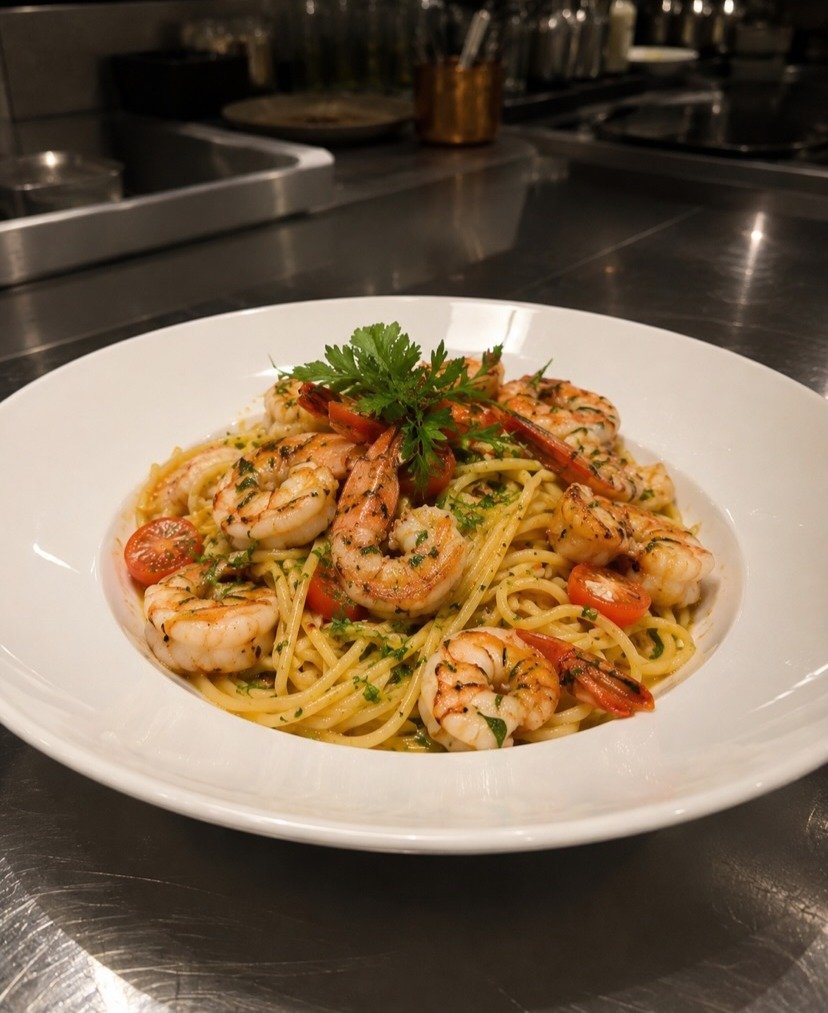
My guilty pleasure meal is a simple homemade pasta with plenty of Parmesan cheese and freshly baked bread.
- A food trend that you hate and why?
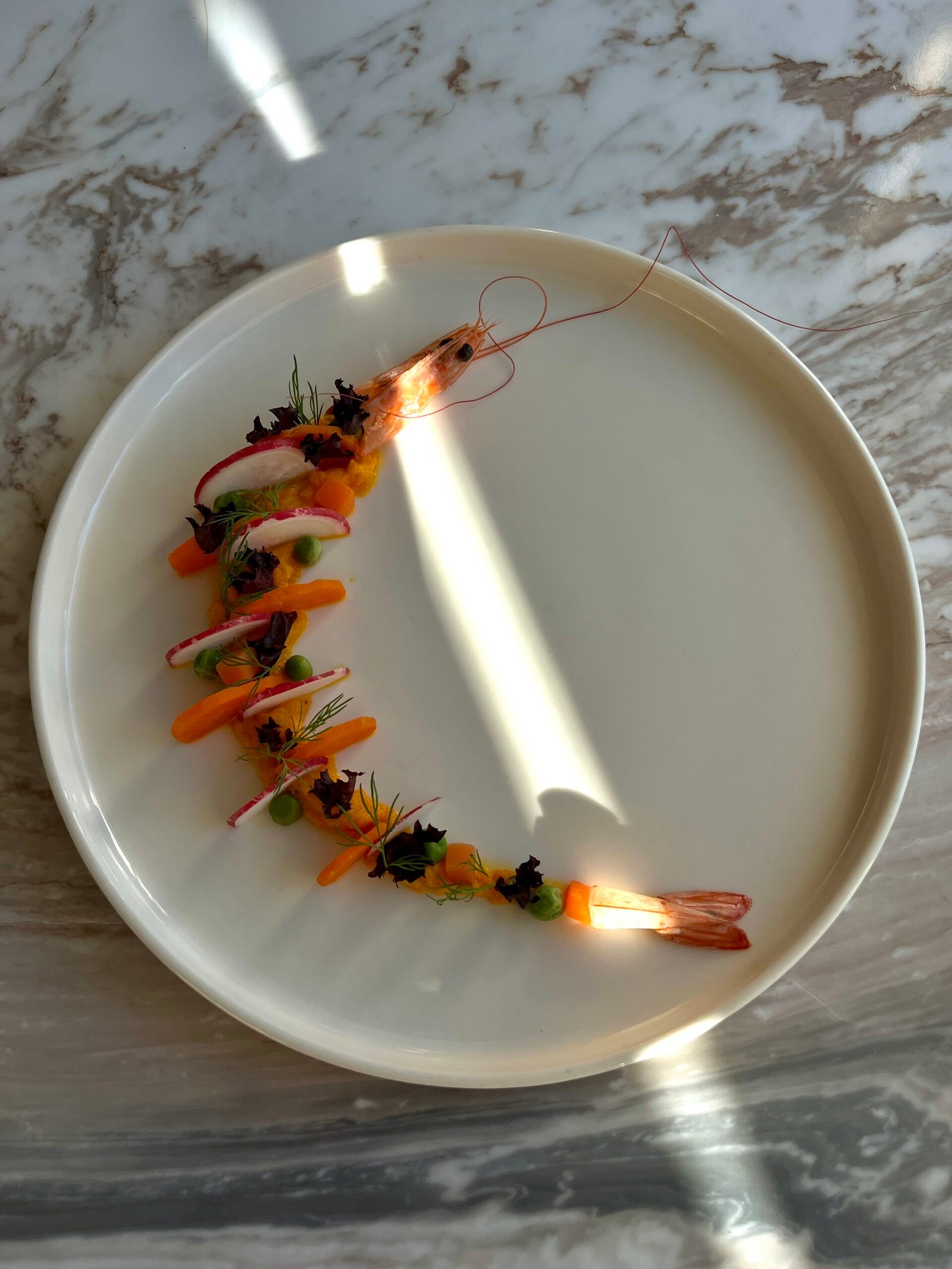
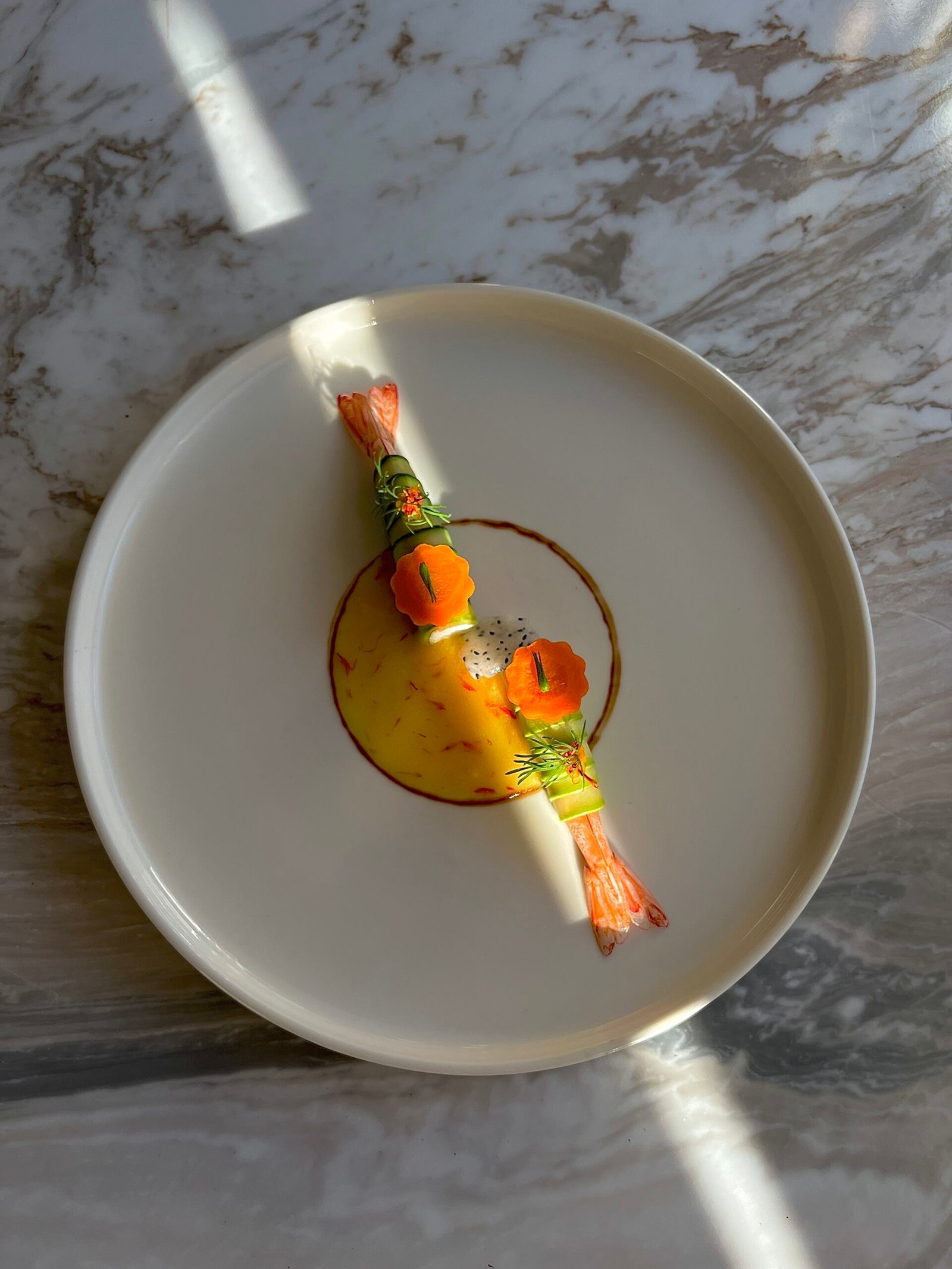
One food trend I dislike is when presentation becomes more important than flavor. While creativity and visual appeal are important, I believe food should always taste as good as it looks.
Sometimes, trends focus too much on creating social media content rather than delivering a memorable dining experience. For me, the balance between appearance, technique, and flavor is what makes great food truly meaningful.
- What’s the craziest shift you’ve ever worked in the kitchen?
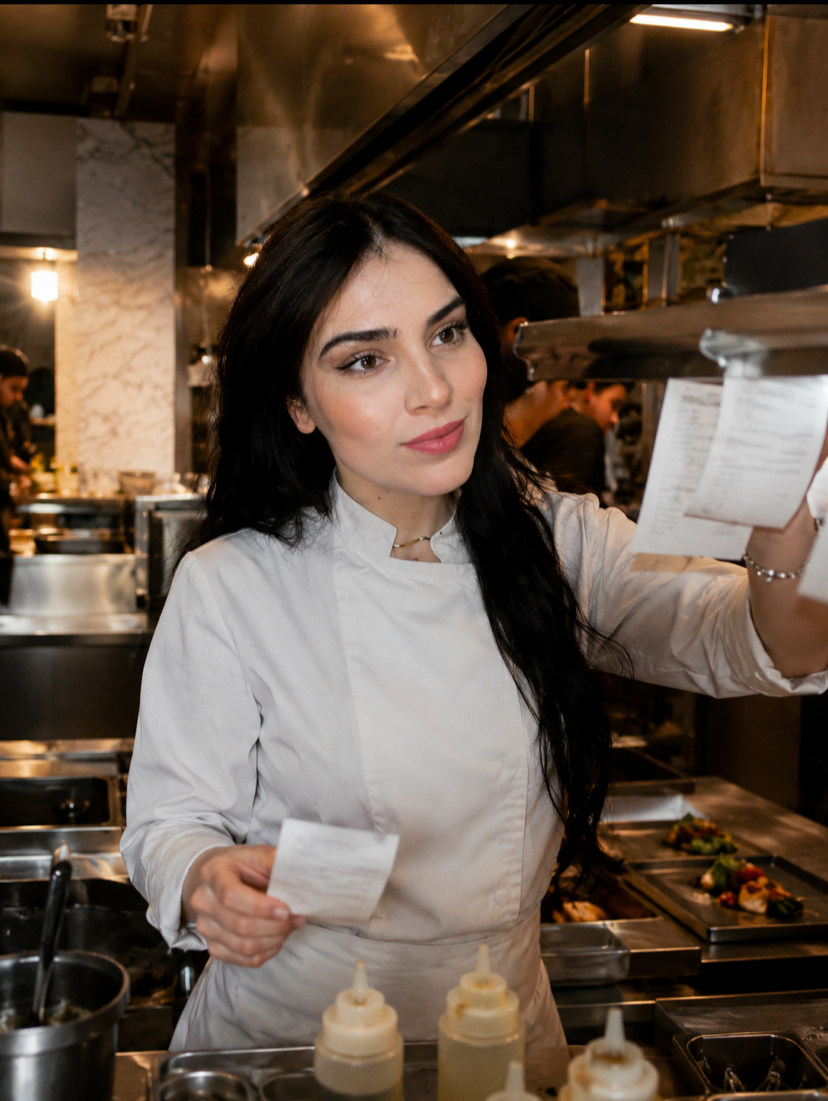
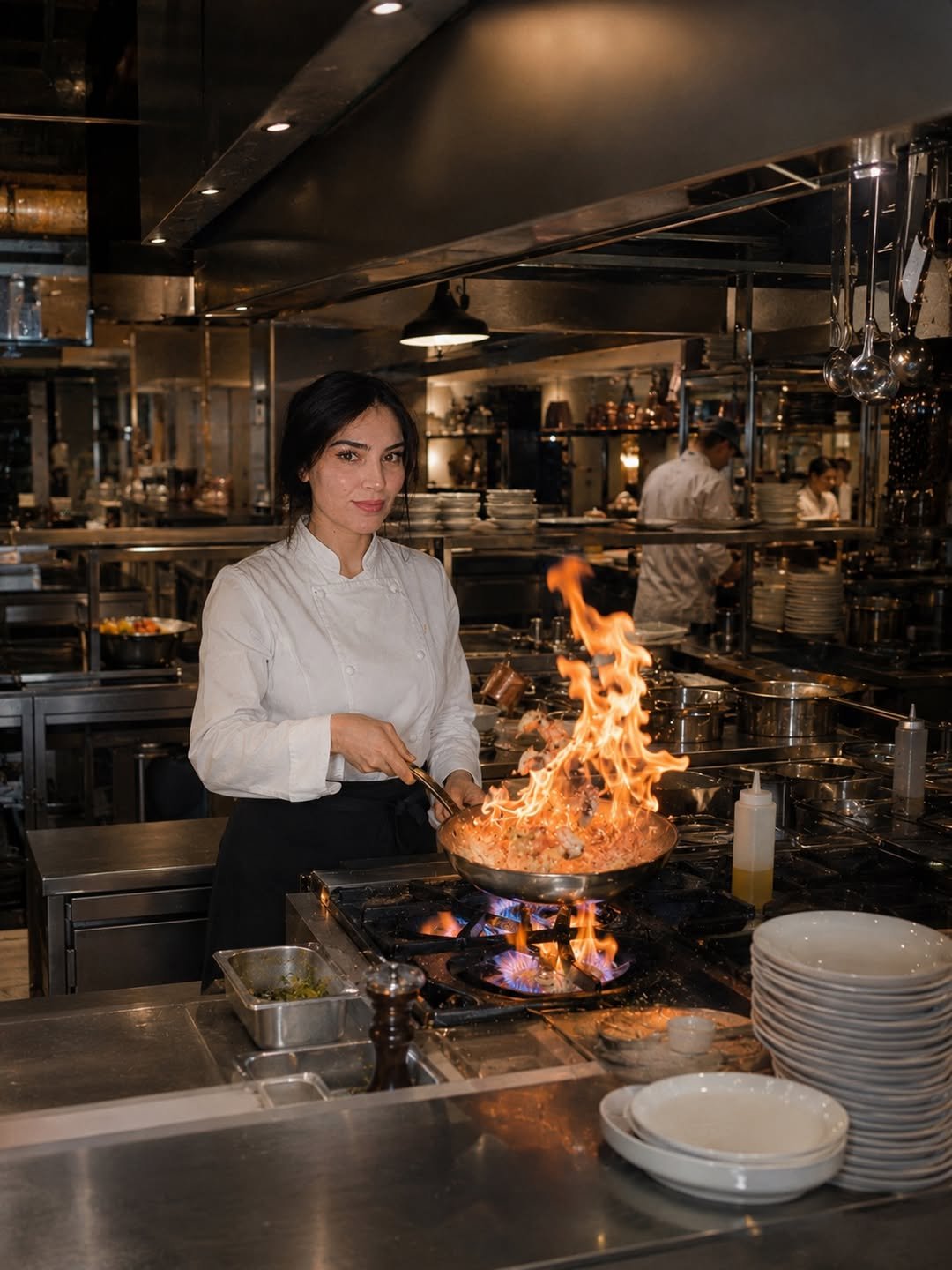
One of the craziest shifts I ever worked was during an extremely busy service when orders kept coming in nonstop for hours. The kitchen was under intense pressure, every station was operating at full speed, and there was no time to slow down. Despite the chaos, everyone stayed focused and supported one another. It was exhausting, but also one of the most rewarding experiences of my career because it showed me how much can be achieved through teamwork, discipline, and determination.
5. What happened, and how did you manage to get through it?
The service became increasingly busy, and the number of orders exceeded our expectations. There were moments when it felt overwhelming, but I focused on staying calm, communicating clearly with my teammates, and prioritizing tasks. Instead of thinking about the pressure, I concentrated on one order at a time. By trusting the team and maintaining discipline, we successfully completed the service. That experience taught me that staying calm under pressure is one of the most important skills a chef can develop.
- What tips would you give to other cooks and chefs to help them navigate their culinary careers and find peace amid the chaos of the kitchen?
My advice to other cooks and chefs is to be patient with themselves and never stop learning. The kitchen can be stressful and demanding, but every challenge is an opportunity to grow. Focus on discipline, teamwork, and consistency rather than perfection. Respect your colleagues, take care of your physical and mental health, and remember why you started cooking in the first place. Success in the culinary world is not only about talent; it is also about resilience, passion, and the willingness to keep moving forward.
- What’s an underrated ingredient and why?
I believe onions are one of the most underrated ingredients in cooking. They are simple and inexpensive, yet they form the foundation of countless dishes around the world. Depending on how they are prepared, onions can add sweetness, depth, richness, or complexity. They remind me that great cooking is often about understanding and respecting simple ingredients rather than relying solely on expensive products.
8. What’s a must-try dish from your kitchen or the one you’re proudest to have prepared?
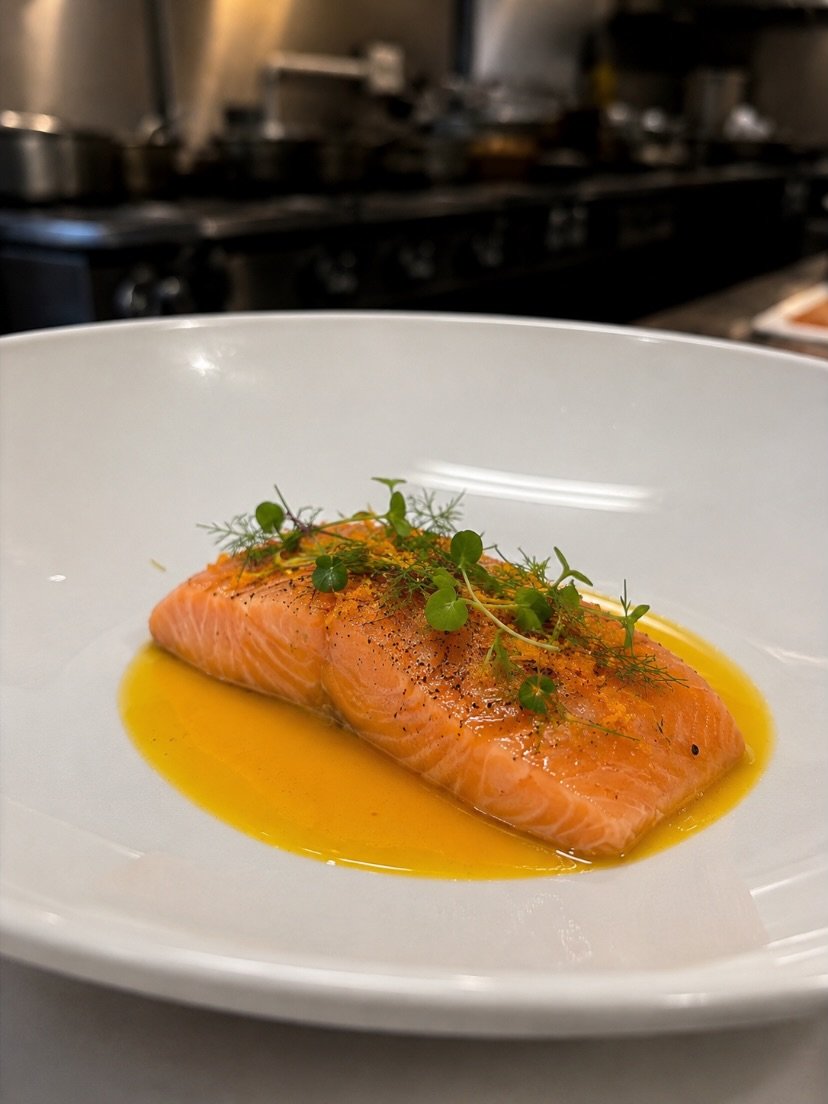
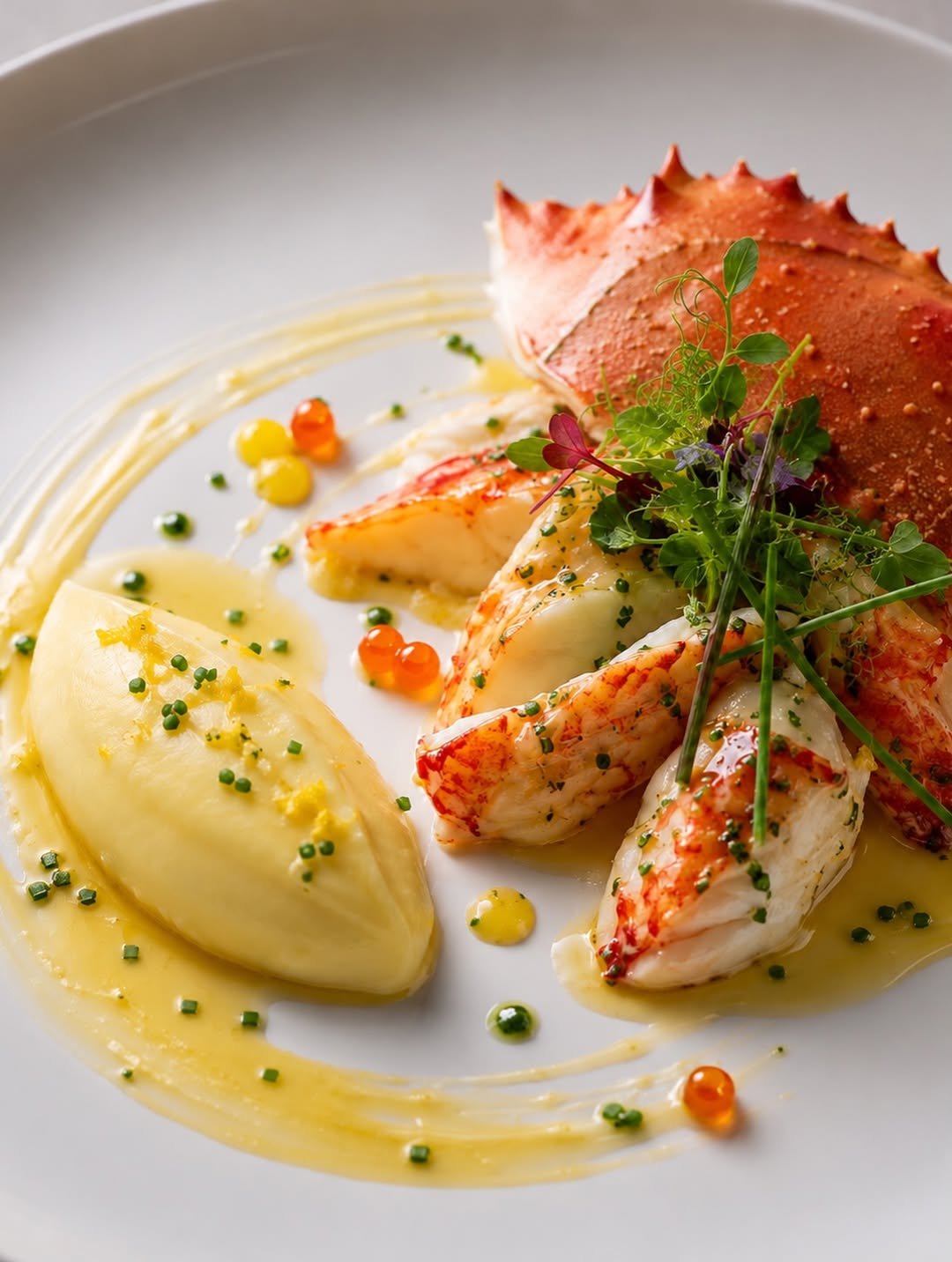
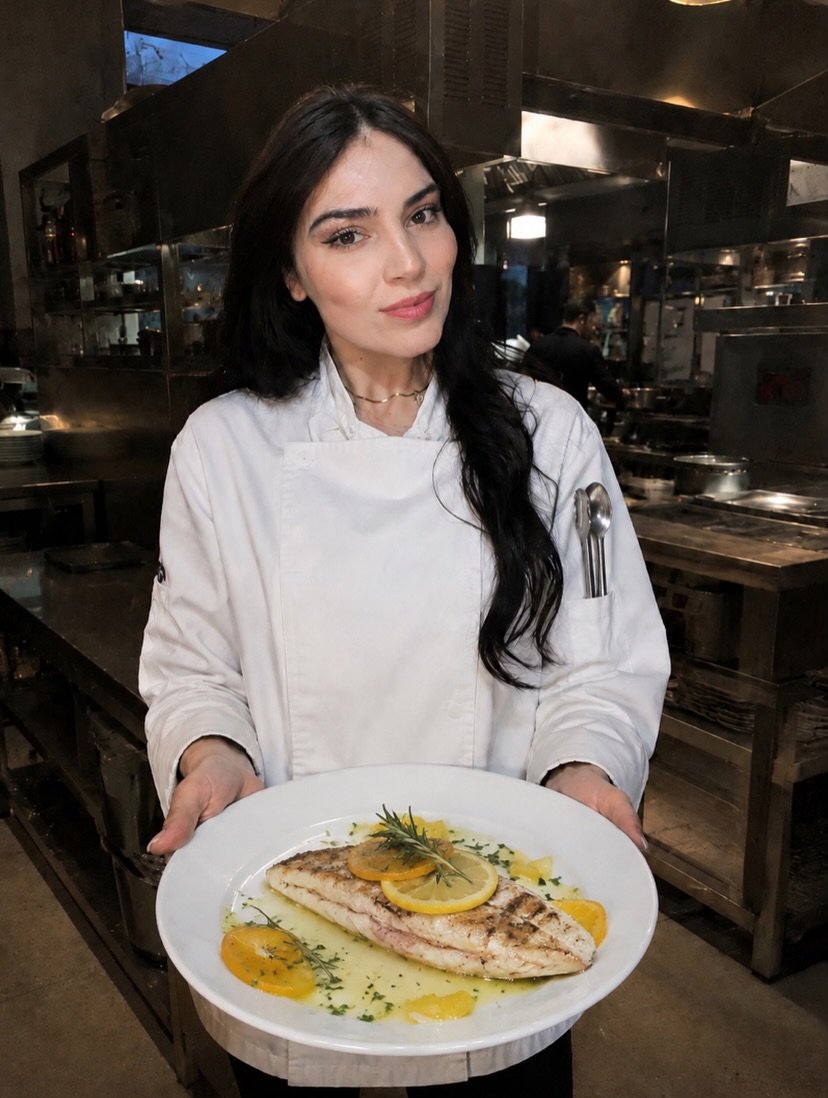
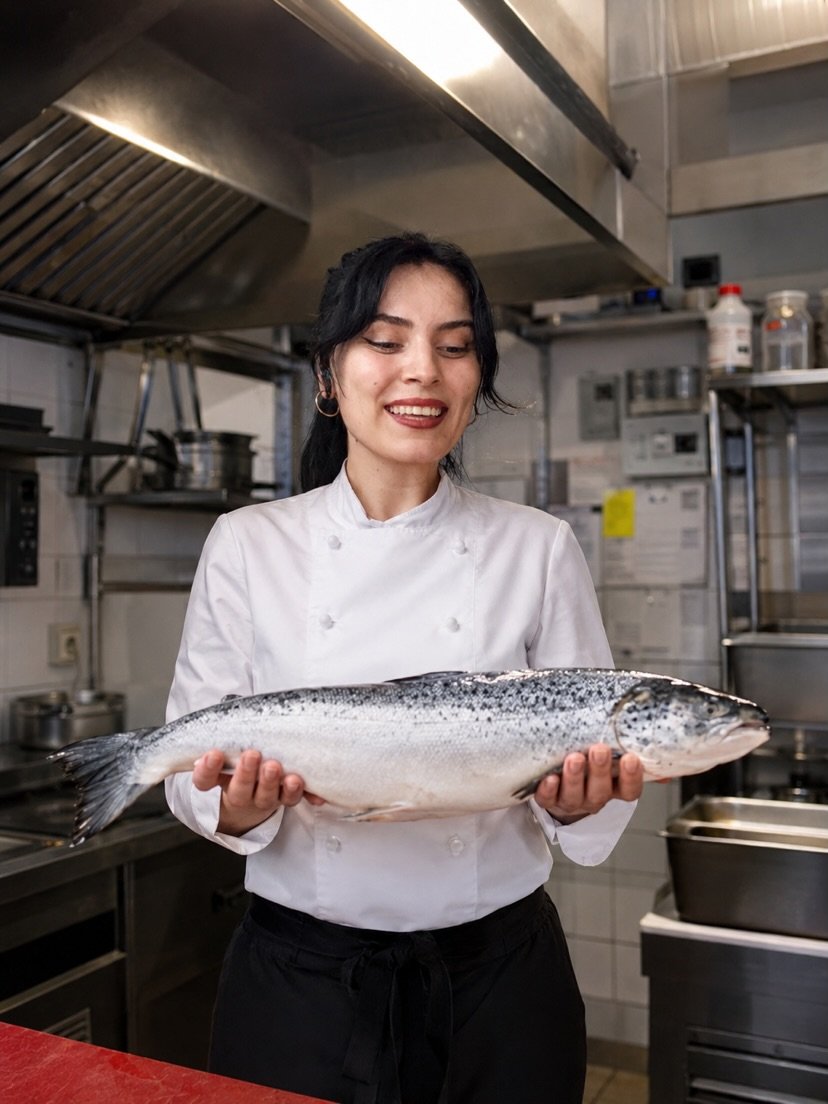
One of the dishes I am most proud of is a perfectly cooked salmon served with a fresh citrus-based sauce and carefully selected seasonal ingredients. I enjoy preparing seafood because it requires precision, respect for the ingredient, and attention to detail. This dish represents my cooking style: simple, elegant, balanced, and focused on highlighting the natural flavors of the ingredients rather than overwhelming them.
About Your City!
Istanbul, Turkey
- If Anthony Bourdain or a chef came to your city, what would be the perfect tour itinerary from breakfast to dinner?
If Anthony Bourdain visited Istanbul, I would start the day with a traditional Turkish breakfast overlooking the Bosphorus, featuring fresh bread, cheeses, olives, tomatoes, honey, and tea. After breakfast, I would take him through the historic streets of Eminönü and the Spice Bazaar to experience the aromas and flavors that define the city.
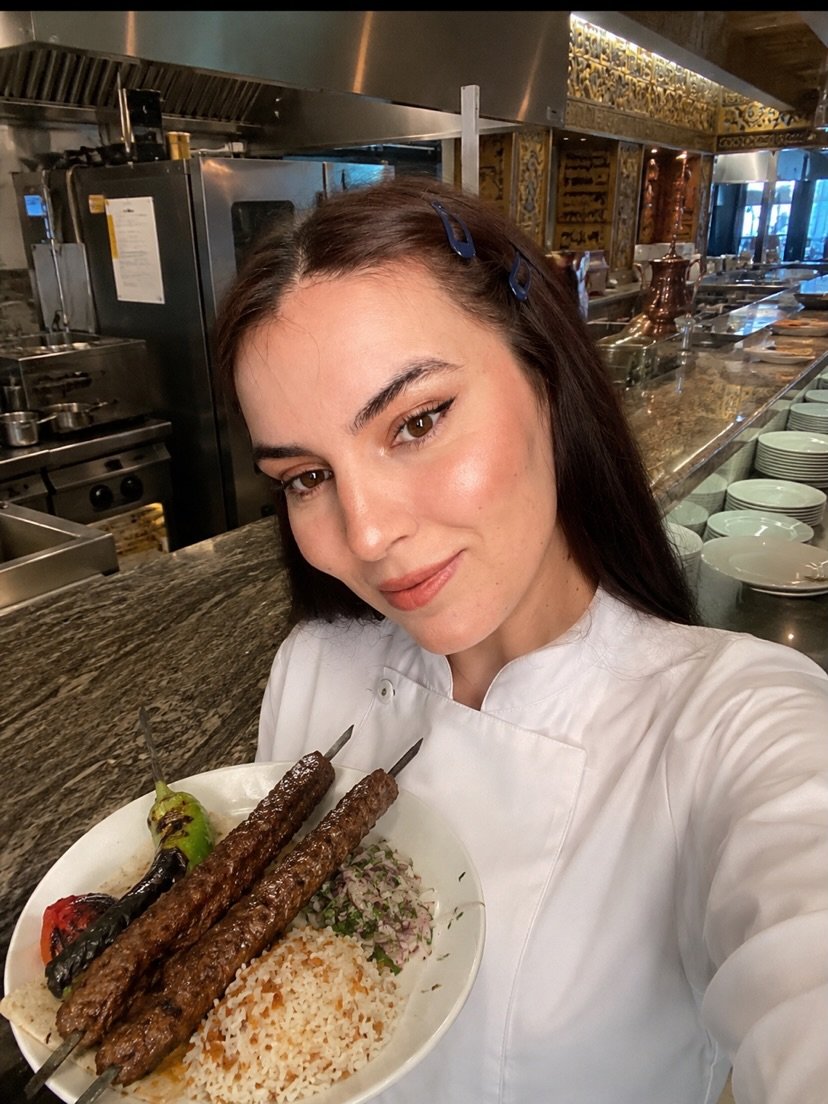
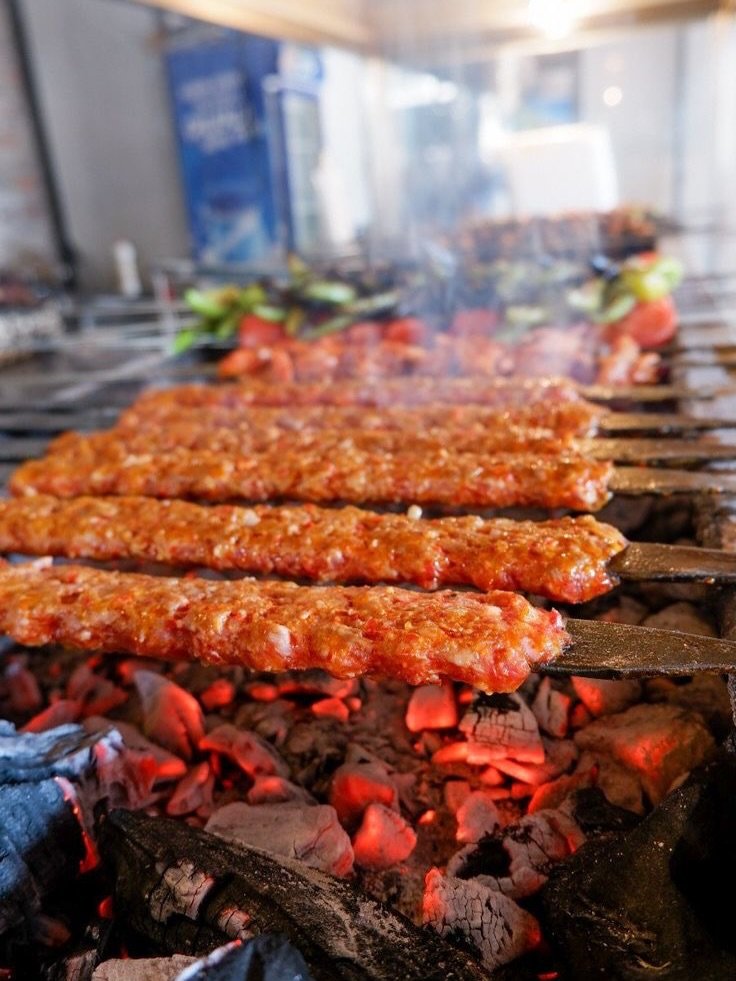
For lunch, I would introduce him to authentic Turkish kebabs and grilled meats, followed by a walk through Karaköy and Galata, where Istanbul’s history and modern culture meet. In the afternoon, we would stop for Turkish coffee and traditional desserts.
For dinner, I would choose a restaurant that combines Turkish culinary traditions with modern gastronomy. The day would end with a view of the Bosphorus, highlighting how Istanbul connects cultures, histories, and flavors from around the world.

Support our project by buying our merch!

86 HOTK Unisex t-shirt
$30.00
Anthony Bourdain T-Shirt
$35.00
Mise HOTK Unisex t-shirt
$30.00