The Beauty of Restraint
Respecting great ingredients means knowing when simplicity says enough.
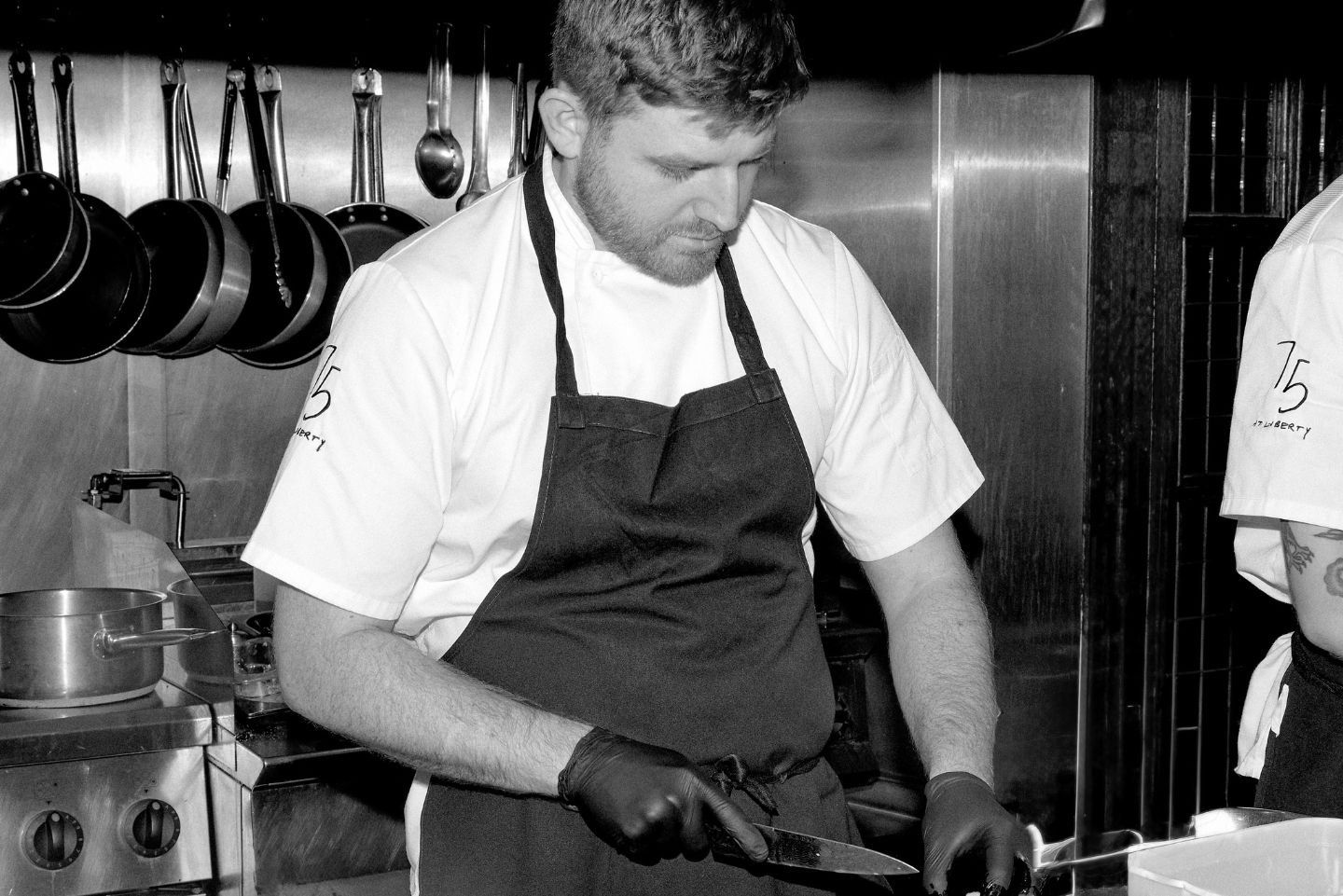
Joe Holness
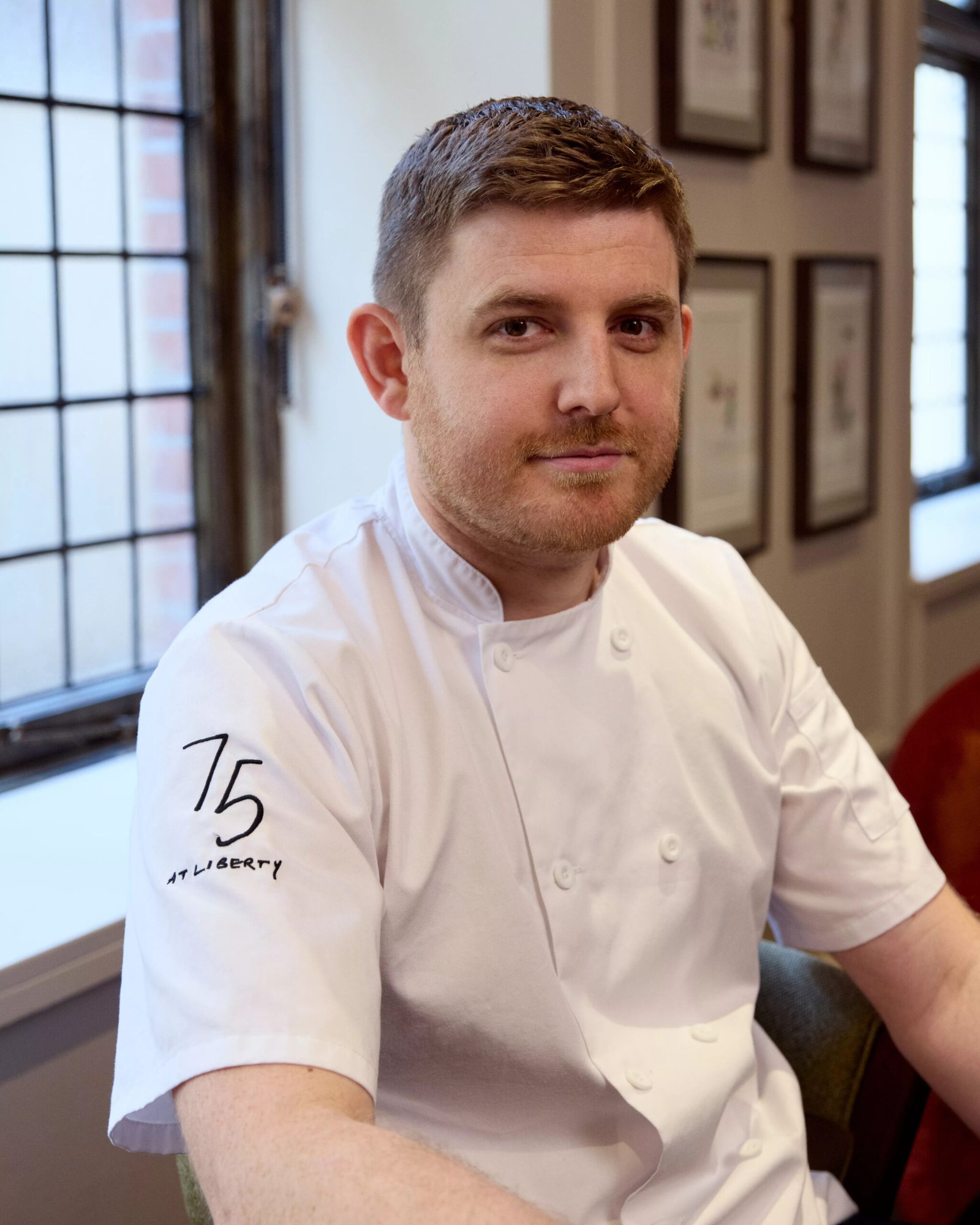
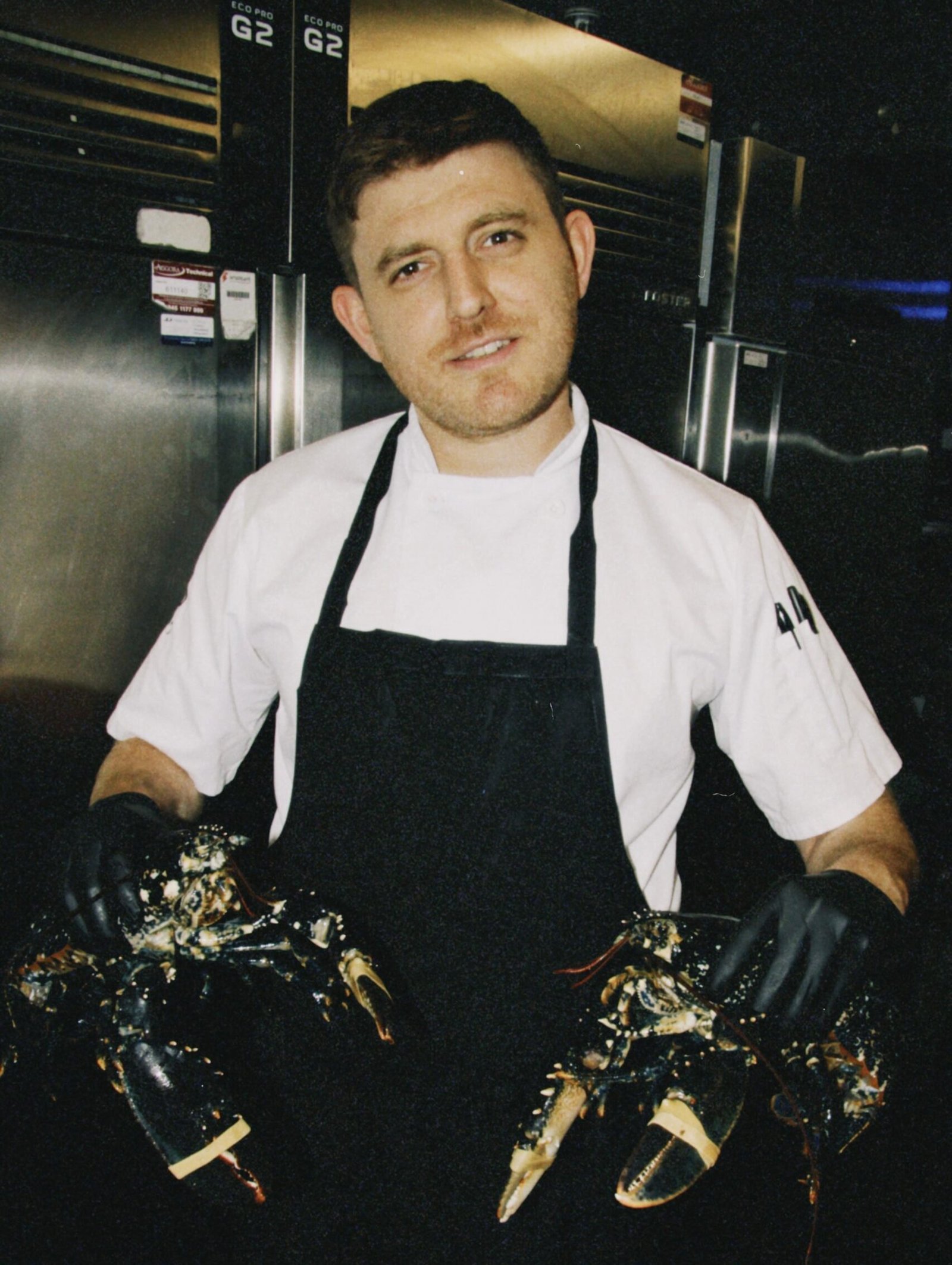
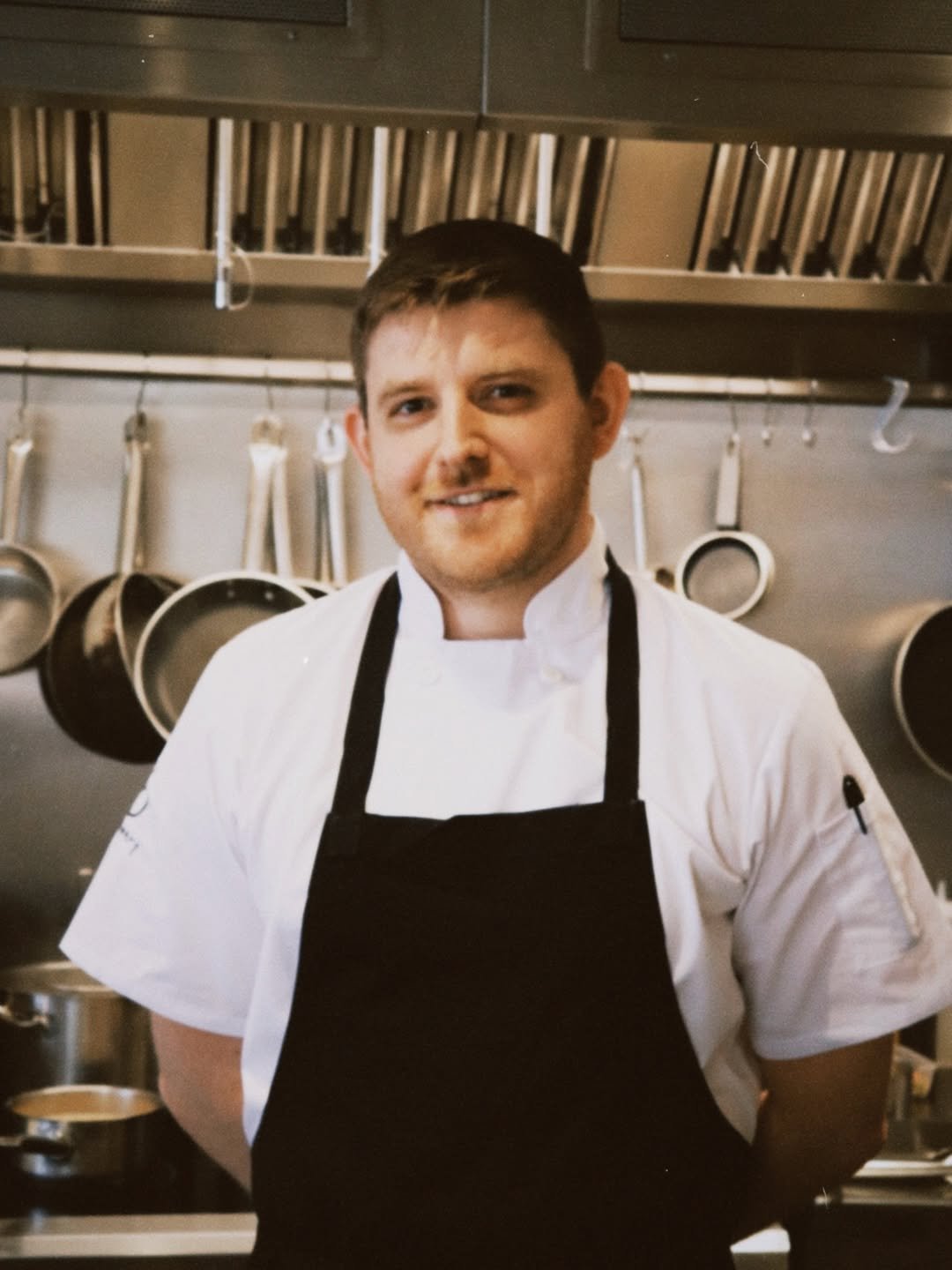
Joe Holness grew up in Whitstable, a coastal town where great ingredients were simply a part of everyday life. Surrounded by fresh seafood, local produce, family BBQs, Sunday roasts, and conversations about food through his butcher uncle, he developed an appreciation for ingredients long before he realized cooking would become his career.
His journey into hospitality began at sixteen, when he walked into a local Italian restaurant with a CV and was offered a job on the spot. What started as a kitchen porter role quickly became something much bigger. The pace, pressure, camaraderie, and energy of professional kitchens gave him a sense of purpose that has stayed with him ever since.
Over the years, Joe built his career through experience rather than formal culinary education, learning from talented chefs, demanding kitchens, and the challenges that come with pursuing excellence. From fine dining restaurants to Michelin-starred teams and now leading his own brigade as Head Chef at 75 at Liberty, his path has been shaped by resilience, curiosity, and a deep respect for great produce.
In this conversation, Joe reflects on the lessons that shaped him, the mentors and kitchens that influenced his career, his philosophy of simplicity and respect, and the dream that continues to drive him: creating something of his own, rooted in the place he calls home.
Share your Journey
- Looking back at your childhood, was there a specific moment or memory that sparked your interest in food or cooking?
I started in kitchens part-time as a kitchen porter when I was a teenager.
Looking back now, I think food was always around me long before that.
Growing up in Whitstable meant being surrounded by good produce without really realizing it at the time. Fish straight from the sea, fruit and vegetables grown locally, and summers built around BBQs in the garden.
My parents always cooked properly. Dinner felt important in our house. Sunday roasts were more of a ritual than a meal, and my Nan’s apple pie was the sort of thing everyone somehow always found room for, no matter how full they were.
My uncle was a butcher, so conversations about food, ingredients, and where things came from were normal to me from a young age.
I don’t think I fell into hospitality by accident.
The kitchen porter job was simply the first moment I realized I loved the atmosphere of kitchens as much as the food itself. The noise, the pressure, the camaraderie, and the feeling that everyone was working toward the same thing.
Years later, that feeling still hasn’t left.
- Did you have another career or job before becoming a chef? How did those experiences influence your decision to pursue cooking?
Not really.
Like a lot of people when they’re young, I wasn’t completely sure what I wanted to do. I applied for different jobs and apprenticeships and explored a few options, but nothing ever felt quite right.
The one constant was that I always seemed to find myself back in hospitality. Whether it was working in my uncle’s butcher shop or later in restaurants, food was always there in the background.
Looking back now, I think I was searching for a career while already working in it. I just hadn’t realized it yet.
Once I committed to becoming a chef, I never really looked back.
- Did you formally study culinary arts, or are you self-taught? How has your learning journey shaped your approach to cooking?
I’ve never really liked the phrase “self-taught” because no chef truly learns on their own. I didn’t go to culinary school, but I’ve been lucky enough to work alongside many talented people over the years who have taught me a huge amount.
Most of what I’ve learned has come from working in kitchens, watching the people around me, making mistakes, asking questions, and repeating things over and over until they became second nature.
I think learning that way has made me naturally curious. I’ve always wanted to understand why things work, not just follow instructions.
Working in different kitchens also showed me that there’s no single “right” way to cook. You pick up little things from everywhere. Sometimes it’s a technique, sometimes it’s organization, and sometimes it’s simply the way someone treats ingredients or runs a service.
My approach to cooking now is probably shaped as much by the environment I grew up in as by the kitchens I’ve worked in. I’m drawn to food that feels generous, seasonal, and rooted in something familiar, while still being refined and considered.
I still feel like I’m learning all the time, which is part of what keeps cooking interesting to me.
- When did you first step into a restaurant kitchen? What was that experience like, and how did it shape your journey as a chef?
I was 16 when I first started working in a professional kitchen. Before that, I’d been a Saturday boy in my uncle’s butcher shop, cleaning equipment, scrubbing fridges, and doing all the jobs nobody else wanted to do. But even then, I knew I wanted to be around food in some way.
One day, I walked into a local Italian restaurant with a CV in my hand and asked if they had any jobs available. They said, “Can you start tomorrow?”
Suddenly, I was thrown into a fast-paced, busy kitchen that felt completely different from anything I’d experienced before. At first, it was intimidating. The chefs seemed like larger-than-life characters who moved with confidence and speed while I was simply trying to keep up.
One of my jobs was working the pizza oven, putting pizzas in and turning them throughout service. I loved it straight away. There was something addictive about the rhythm of it all: The heat, the noise, the pressure, and the atmosphere of the kitchen during a busy service.
Looking back now, that was probably the moment I realized this was what I wanted to do, even before I fully knew it.
- What were some of the early challenges or obstacles you faced when you started in the kitchen, and how did you overcome them?
I think one of the biggest challenges I faced early on was when I joined my first fine dining kitchen as a commis chef at 20 years old.
It was a classical French restaurant with a lot of accolades and, at the time, probably the best restaurant in the area. The standards were incredibly high, and the hours were unlike anything I’d experienced before. Suddenly, I was working long days, barely seeing friends or family, completely immersed in kitchen life.
I think not having a traditional culinary school background made it even harder in the beginning. There were gaps in my knowledge, and I felt that pretty quickly. The sous chef and head chef pushed me hard every single day and, honestly, for the first six months I thought about walking out constantly.
But there was also a part of me that was determined to prove that I could do it. I didn’t want to give up.
Then one day, something just clicked. Service flowed, everything felt calmer, and for the first time I was told I’d done a good job. It sounds small, but at the time it felt like a huge moment for me.
I ended up staying there for three years, and looking back now, a lot of the resilience and standards I carry with me today were built during that period.
- What keeps you inspired and how has that inspiration driven you throughout your professional journey? Especially during tough times in the kitchen?
What has always kept me going is having a clear picture in my head of where I want to end up.
For as long as I can remember, I’ve had this idea of one day having my own restaurant back in Whitstable, close to where I grew up. Somewhere that reflects my roots, the produce, the sea, the kind of food I grew up around, and a relaxed, down-to-earth atmosphere.
That idea has probably carried me through many of the tougher moments in kitchens over the years. The long hours, difficult services, pressure, and sacrifices feel easier to process when you feel like you’re building toward your own future.
I think everyone in hospitality has moments when they question whether it’s worth it. But I’ve always believed the difficult periods are part of the journey. Every kitchen, every chef, and every experience teaches you something, even when it doesn’t feel like it at the time.
I still feel incredibly driven by the idea of creating something of my own one day, something that feels personal and honest to where I came from.
- Can you recall a moment in the kitchen that marked you forever? Maybe it was an interaction with a mentor, a fellow cook, someone you fed, or a situation that challenged you in a way that shaped who you are today?
At 17, I was working as a kitchen porter with no idea what I wanted to do. I was speaking to the head chef about my future, and he told me, “It’s more about the journey than the destination.”
That really stuck with me.
Kitchens can be intense, and it’s easy to focus on the next role or where you think you should be. But over time, I’ve learned to enjoy the process more—the long services, the mistakes, the pressure, the people, and the small wins along the way.
- As a chef, how would you describe your philosophy in the kitchen, and how does it guide your approach to cooking and leadership?
I’d describe my kitchen philosophy as “less is more” and treating everything with respect.
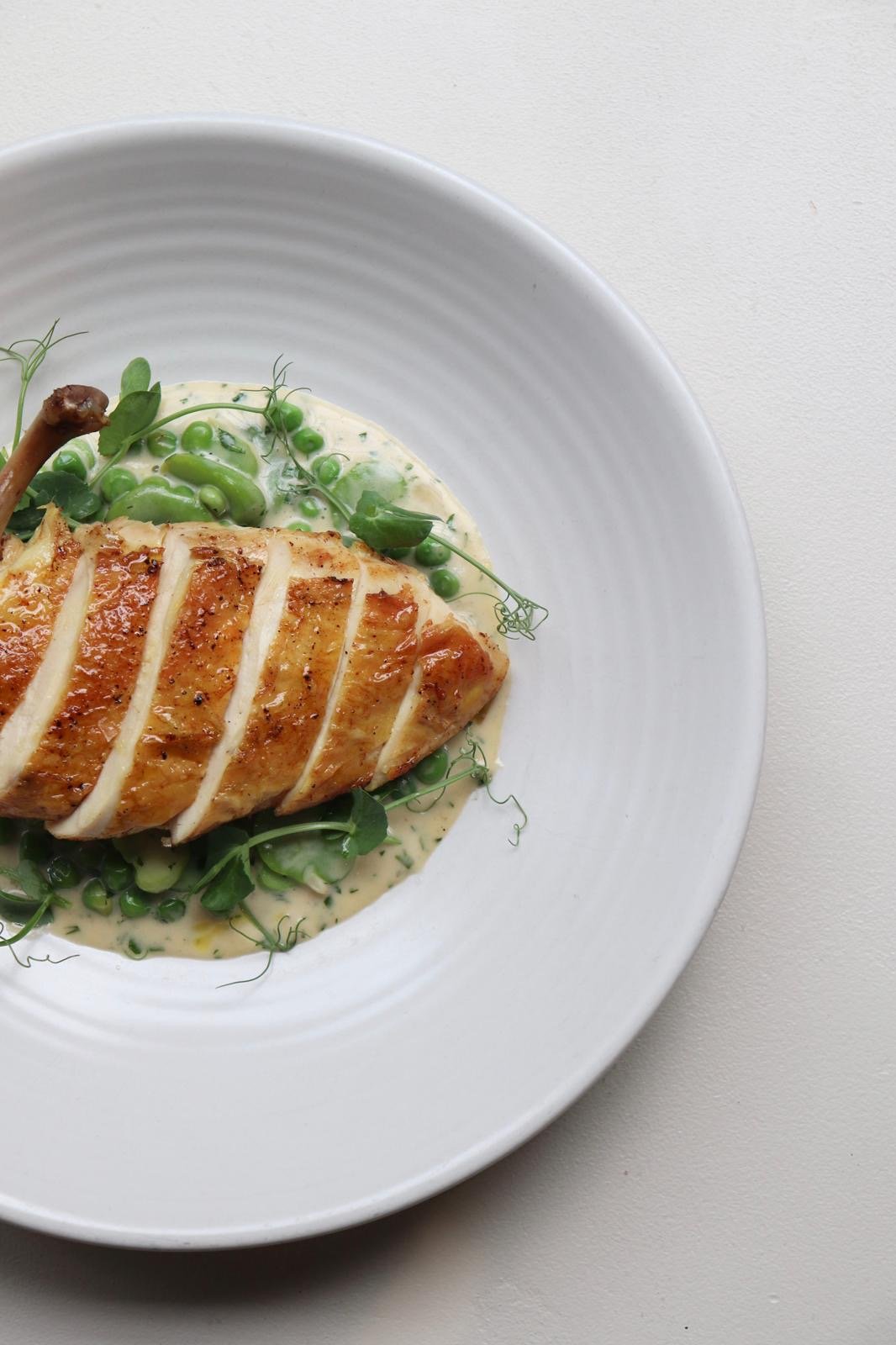
With great produce, there’s no need to overcomplicate things. I try to let ingredients speak for themselves and know when to stop adding more.
Respect is also essential—for the ingredients, the suppliers and farmers, and the team around you.
I’ve learned that good leadership isn’t about fear or shouting. The best kitchens maintain high standards while still making people feel supported and valued.
Discipline and attention to detail still matter to me, but so does creating an environment where people can learn and enjoy what they do.
- Can you share a time when cooking or the camaraderie in the kitchen helped you through a tough period in your life? What made that experience meaningful?
There have been tough periods in my life when the kitchen gave me structure and purpose when I needed it most.
No matter what’s happening outside of work, you still have to turn up and get through service together. That creates a strong sense of camaraderie, and a big part of that for me was never wanting to let the other chefs down.
Some of my closest friendships have come from kitchens because you go through so much together every day. Over time, the kitchen became more than just a workplace to me.
- Reflecting on your career, what achievements or milestones are you most proud of, and what do they mean to you?
Being part of three opening teams has probably been some of the most rewarding experiences of my career. One of those restaurants went on to achieve two Michelin stars within two years, and being part of a team all pushing toward the same goal was incredibly special.
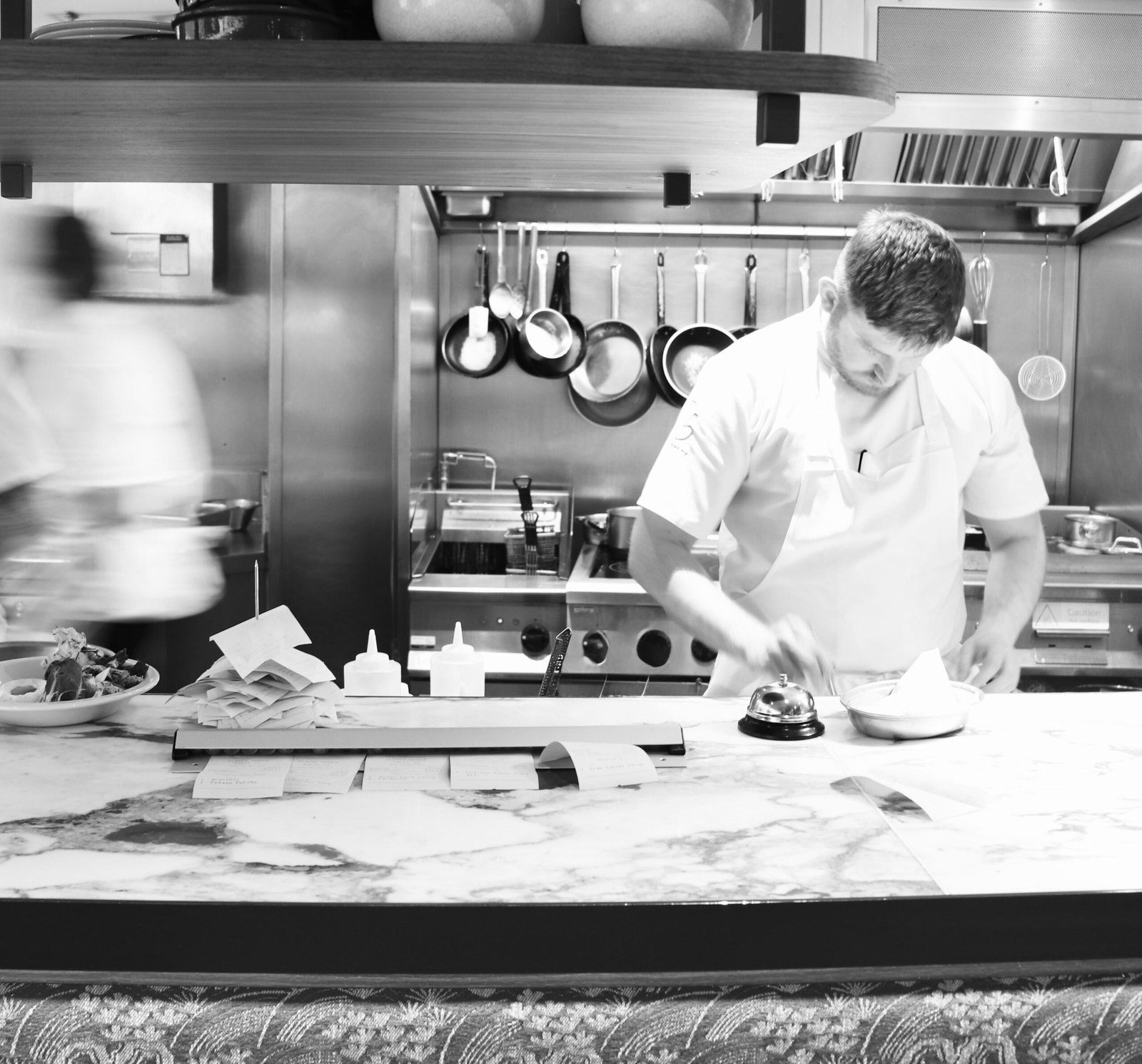
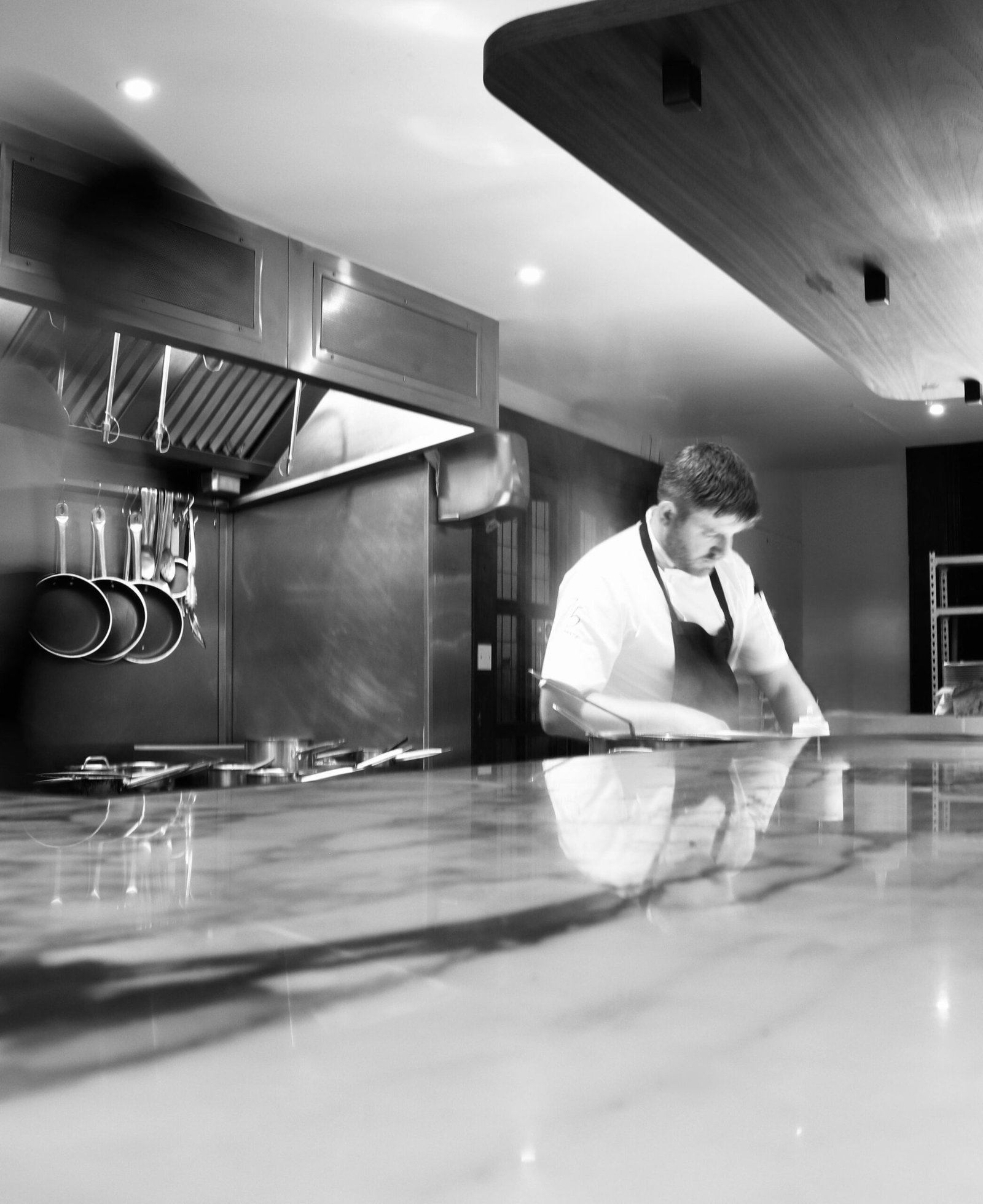
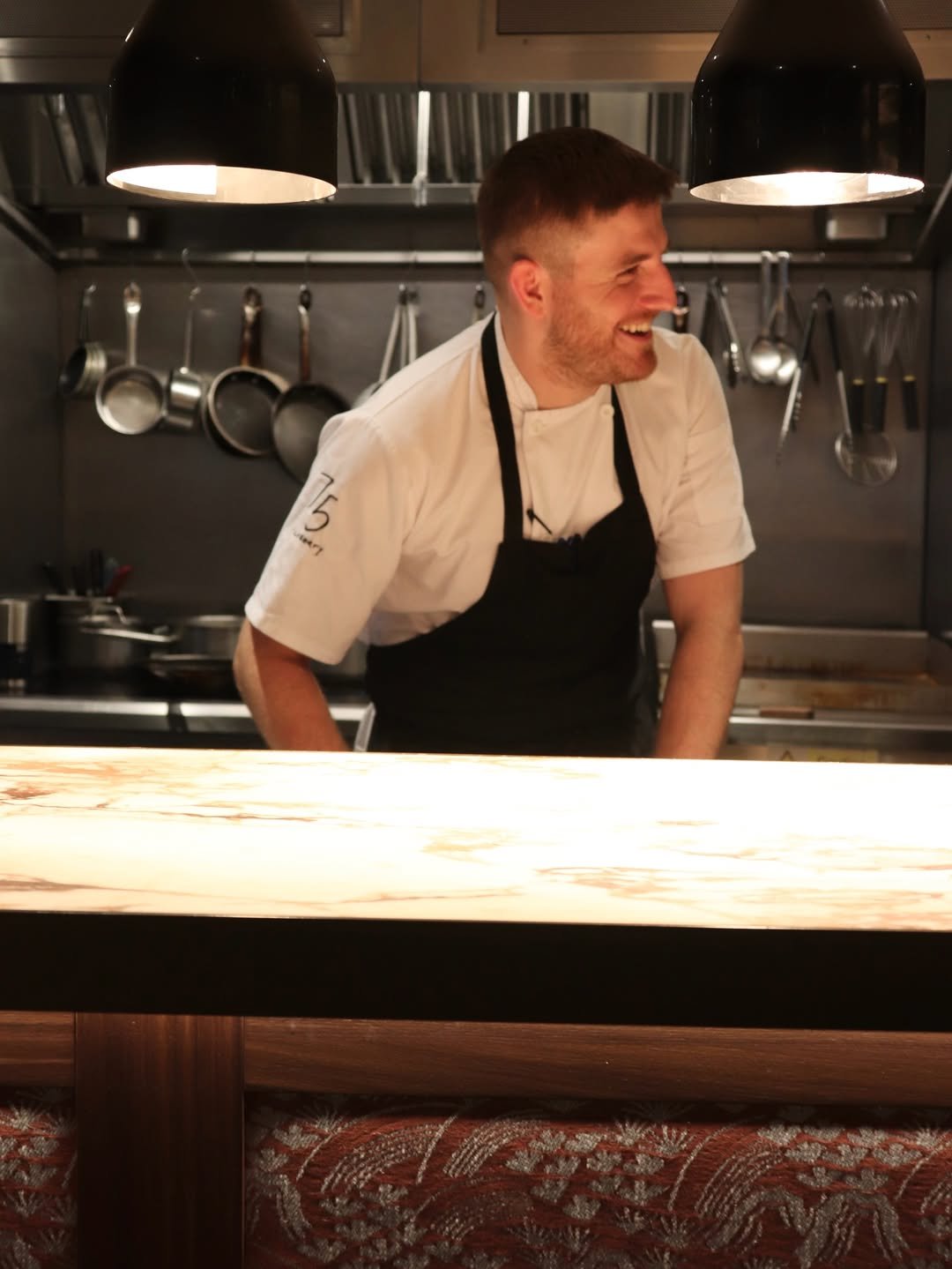
Now, as Head Chef at 75 at Liberty, one of the best parts of the job is teaching younger chefs and watching them improve over time. I see a lot of myself in them sometimes.
I also work in an open kitchen, so hearing guests tell us in person that they loved the food never really gets old. After all the pressure and hard work that goes into service, those moments make it all worthwhile.
- What aspects of restaurant culture do you love, and what parts do you find frustrating or problematic? Are there any changes you’re actively working toward or things you hope they change in the industry? Share the reasons behind them and how they align with your vision for a better culinary world?
I love how every restaurant can feel completely different, with its own identity, atmosphere, and style of cooking, but at the heart of it all, the fundamentals are still the same. It’s always about people gathering around a table to share food and spend time together.
That’s what I’ve always loved about hospitality, alongside the creativity that comes with it. No two days are ever really the same, and there’s always room to learn, improve, and create something new.
I think social media can be a great tool for the industry, but it can also make it easy for people to copy each other instead of finding their own style or ideas. Some of the best restaurants feel personal and unique, and I think that’s important to protect.
And after all these years in kitchens, one thing still hasn’t changed… I still hate working Sundays.
- What are your hopes for the future of the restaurant and food and beverage industry? What changes would you like to see, and how are you contributing to that change?
I hope great food becomes more accessible to everyone in the future. One thing I’ve always struggled with in this industry is the idea that chefs spend their lives cooking incredible food that often only a certain number of people can afford, while many of us working in hospitality wouldn’t even be able to afford to eat there ourselves regularly.
I don’t think amazing food and genuine hospitality should feel exclusive. Some of the best meals I’ve ever had weren’t necessarily the most expensive; they were simply thoughtful, honest, and made people feel looked after.
At the end of the day, good food has always been about bringing people together, and I think everyone should be able to experience that.
Photo credits to @xlucywilson
Secret Sauce
- What’s the most unexpected ingredient you’ve ever worked with, and how did it change your perspective on cooking?
When I worked at Fera, we used a lot of foraged ingredients. Once I learned what they were, I started seeing them everywhere whenever I went back to Whitstable, and it really opened my eyes.
- What’s your “guilty pleasure” meal?
A full English breakfast.
- A food trend that you hate and why?
Sous vide steaks.
- What’s the craziest shift you’ve ever worked in the kitchen?
I cooked for a president once.
5. What happened, and how did you manage to get through it?
They had four security guards in the kitchen watching every chef preparing the food. It was a pretty odd service.
- What tips would you give to other cooks and chefs to help them navigate their culinary careers and find peace amid the chaos of the kitchen?
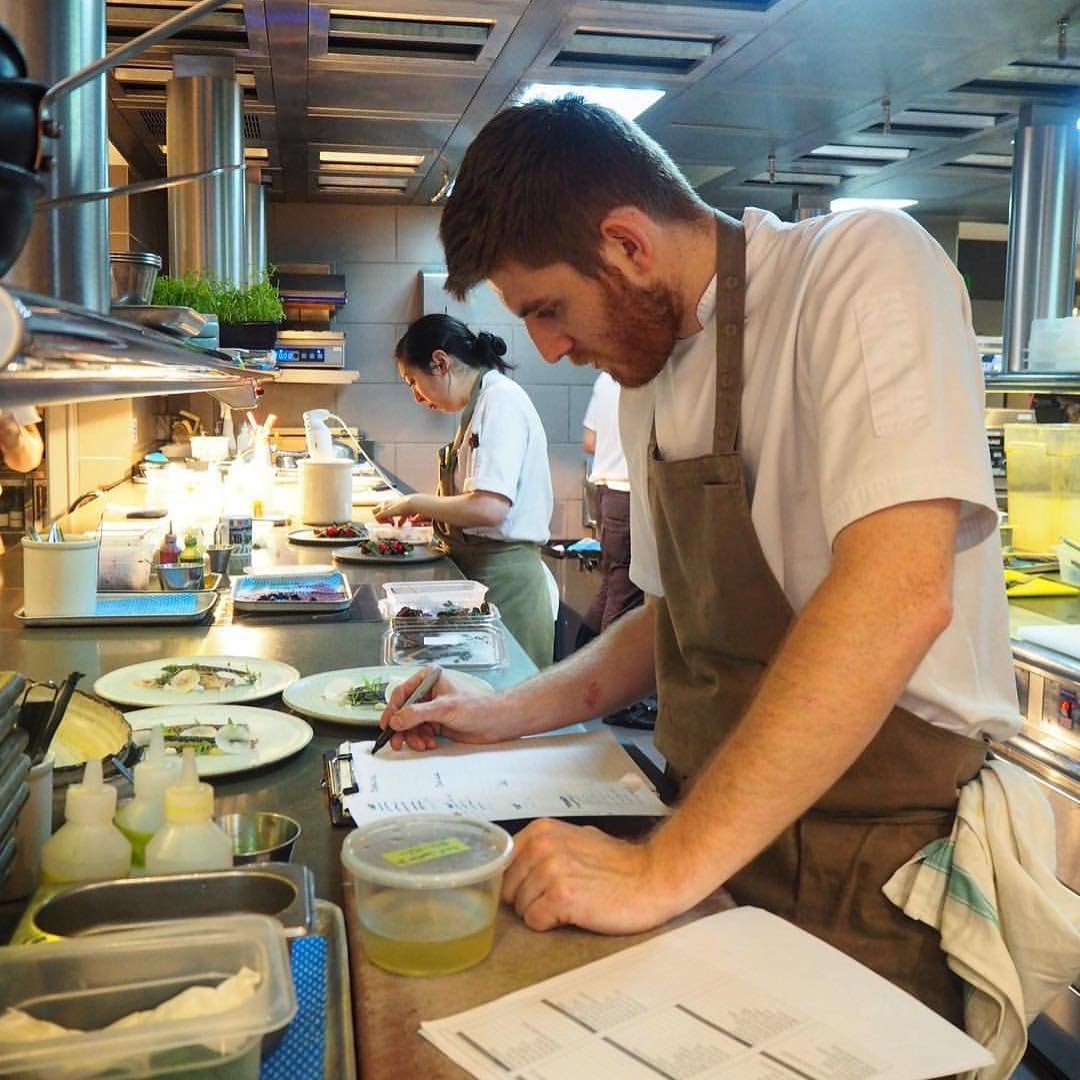
Don’t take things too personally or too seriously. Write everything down.
- What’s an underrated ingredient and why?
Samphire. It’s delicious and grows freely along the coast in Whitstable.
8. What’s a must-try dish from your kitchen or the one you’re proudest to have prepared?
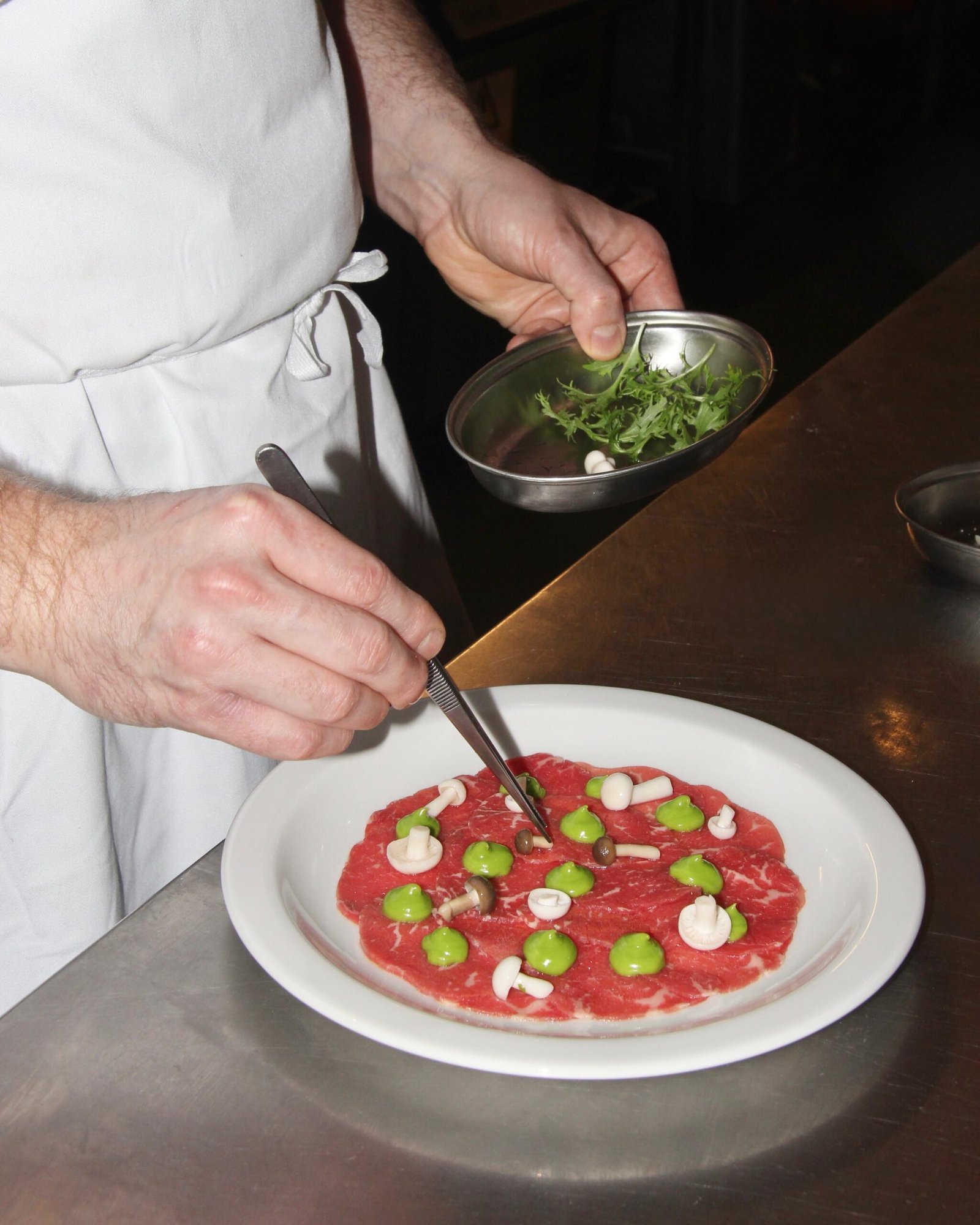
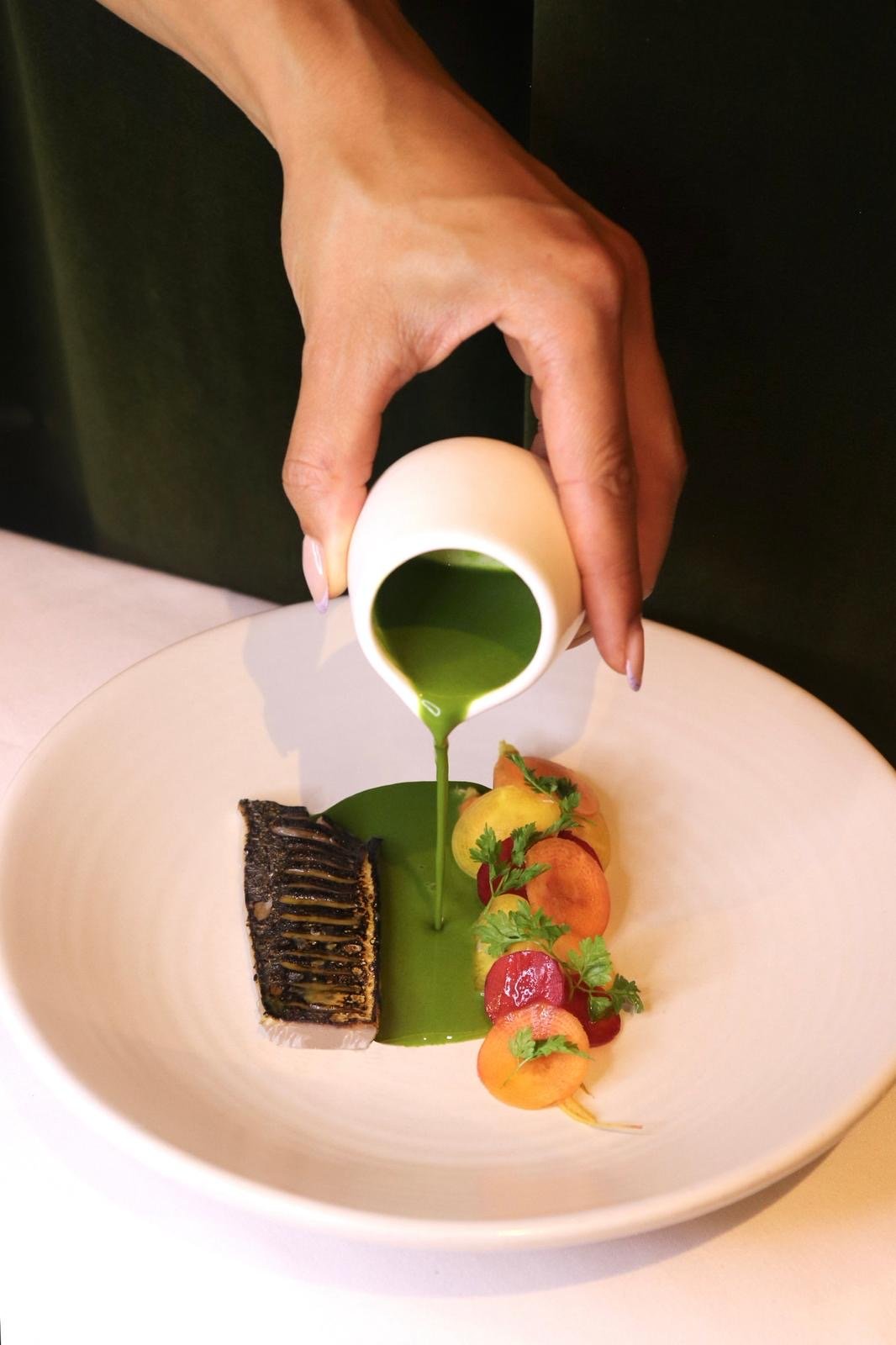
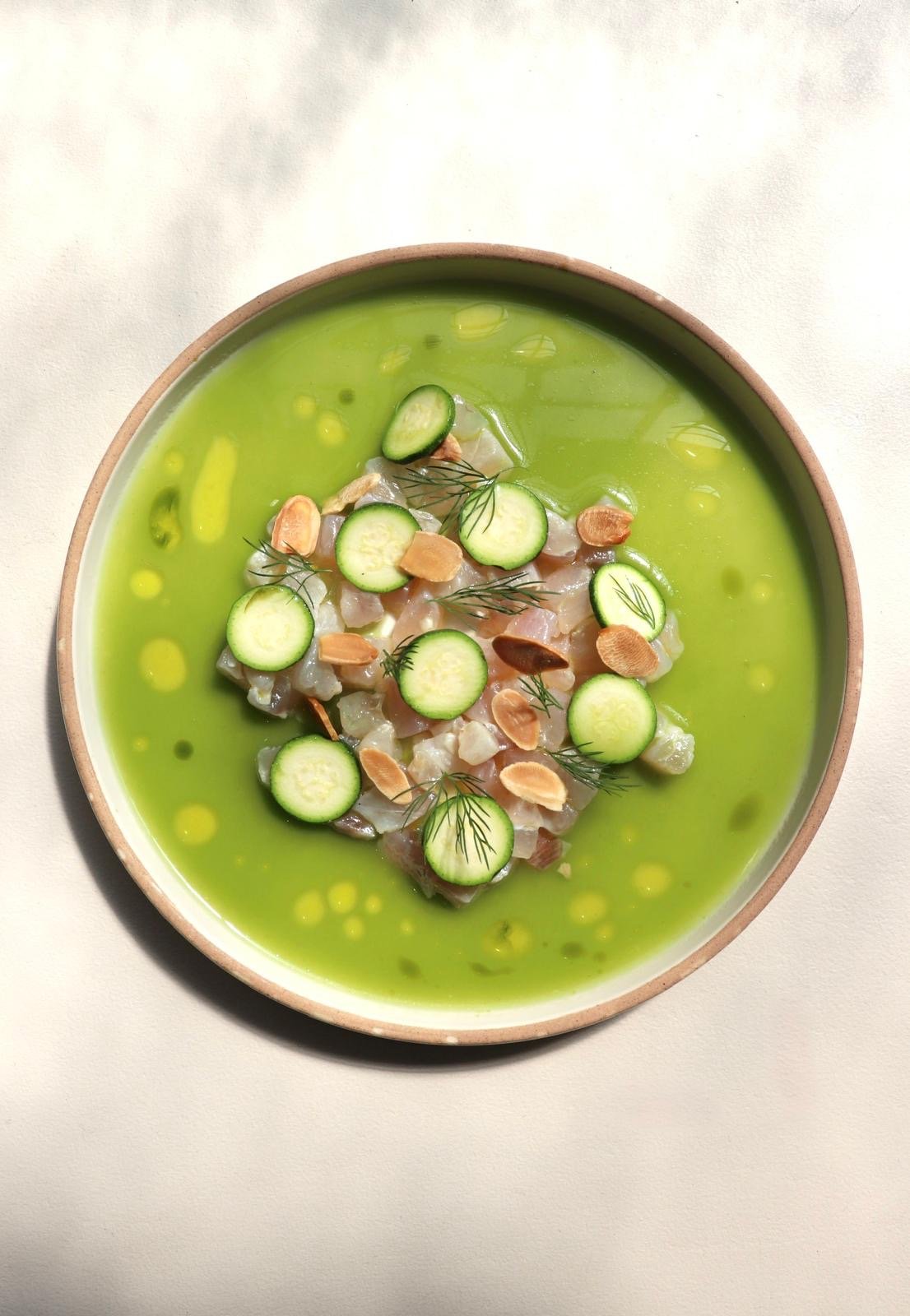
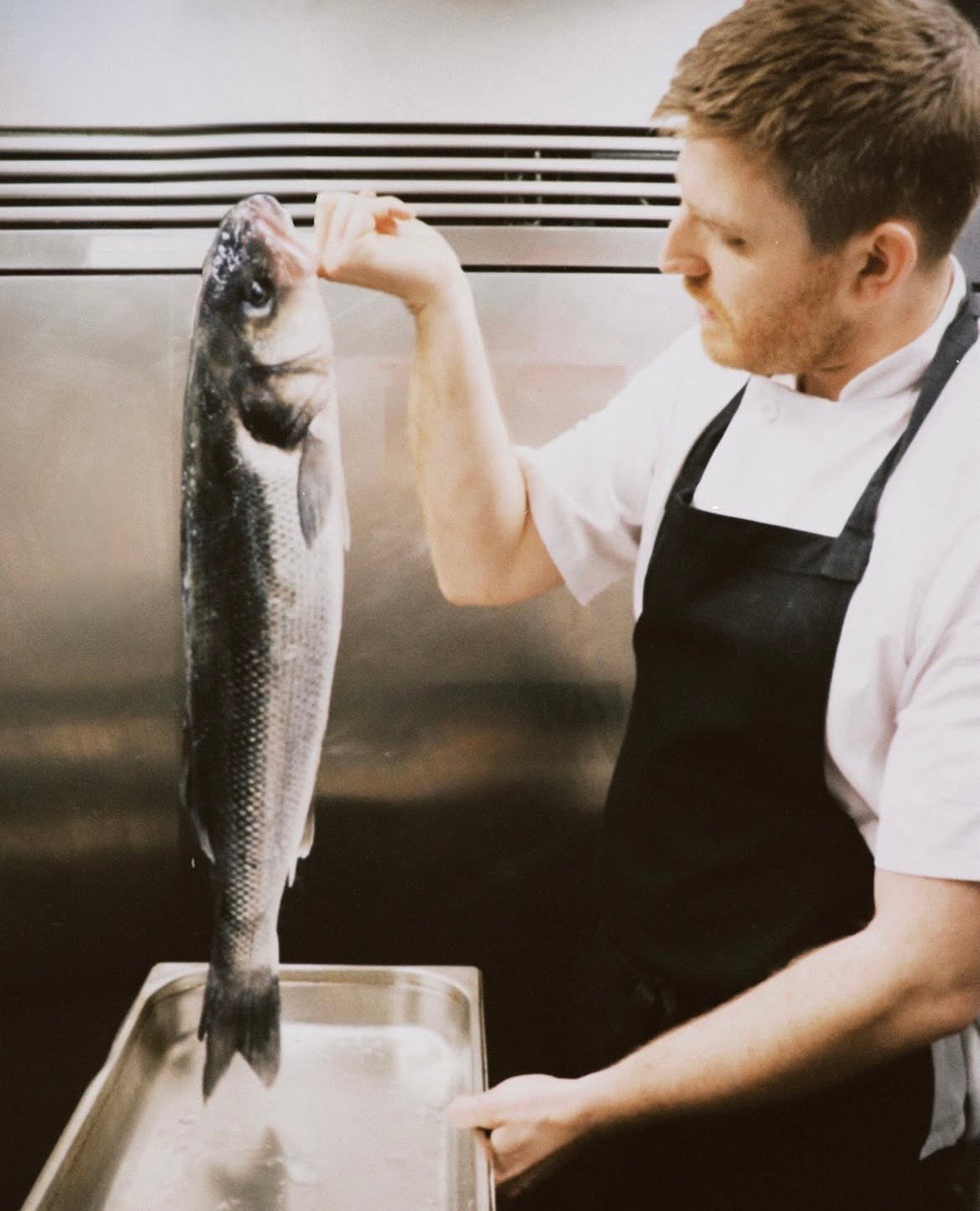
Sea bass and apple marigold crudo.
About Your City!
Camberwell, London
- If Anthony Bourdain or a chef came to your city, what would be the perfect tour itinerary from breakfast to dinner?
We would start the day at the Beach Café in Whitstable and have a full English breakfast. After that, we’d walk along the beach to Wheeler’s Oyster Bar, eat a dozen oysters, and then go for a swim in the sea.
Later, we’d walk down to the Old Neptune Pub, enjoy a few pints of Guinness, and watch the sunset on the beach.
Perfect.

Support our project by buying our merch!

86 HOTK Unisex t-shirt
$30.00
Anthony Bourdain T-Shirt
$35.00
Mise HOTK Unisex t-shirt
$30.00