Where Bread Became a Beginning
A grandmother's bakery quietly introduced him to the rhythms that would define his entire career.
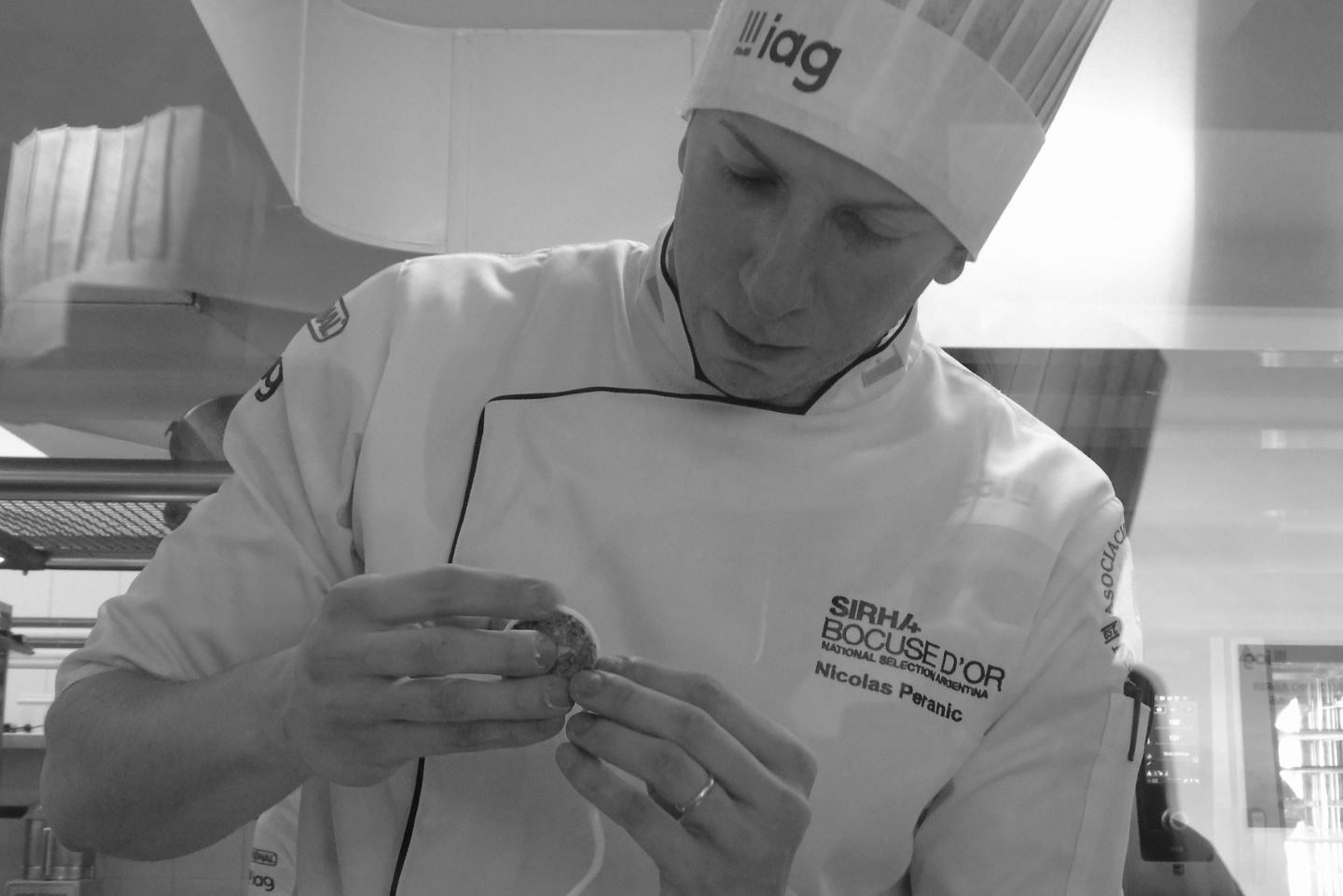
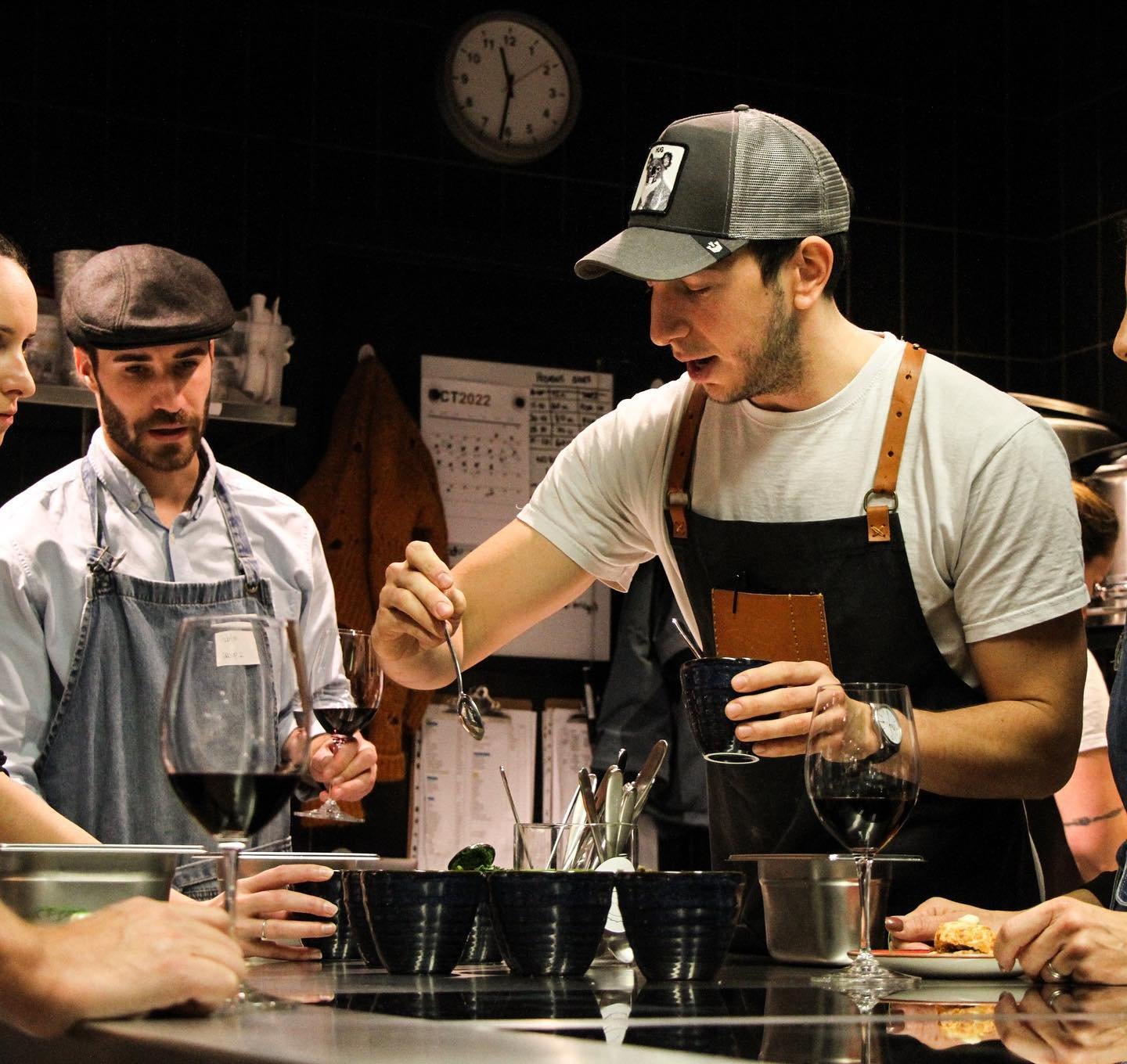
Nicolas Peranic Landaburu
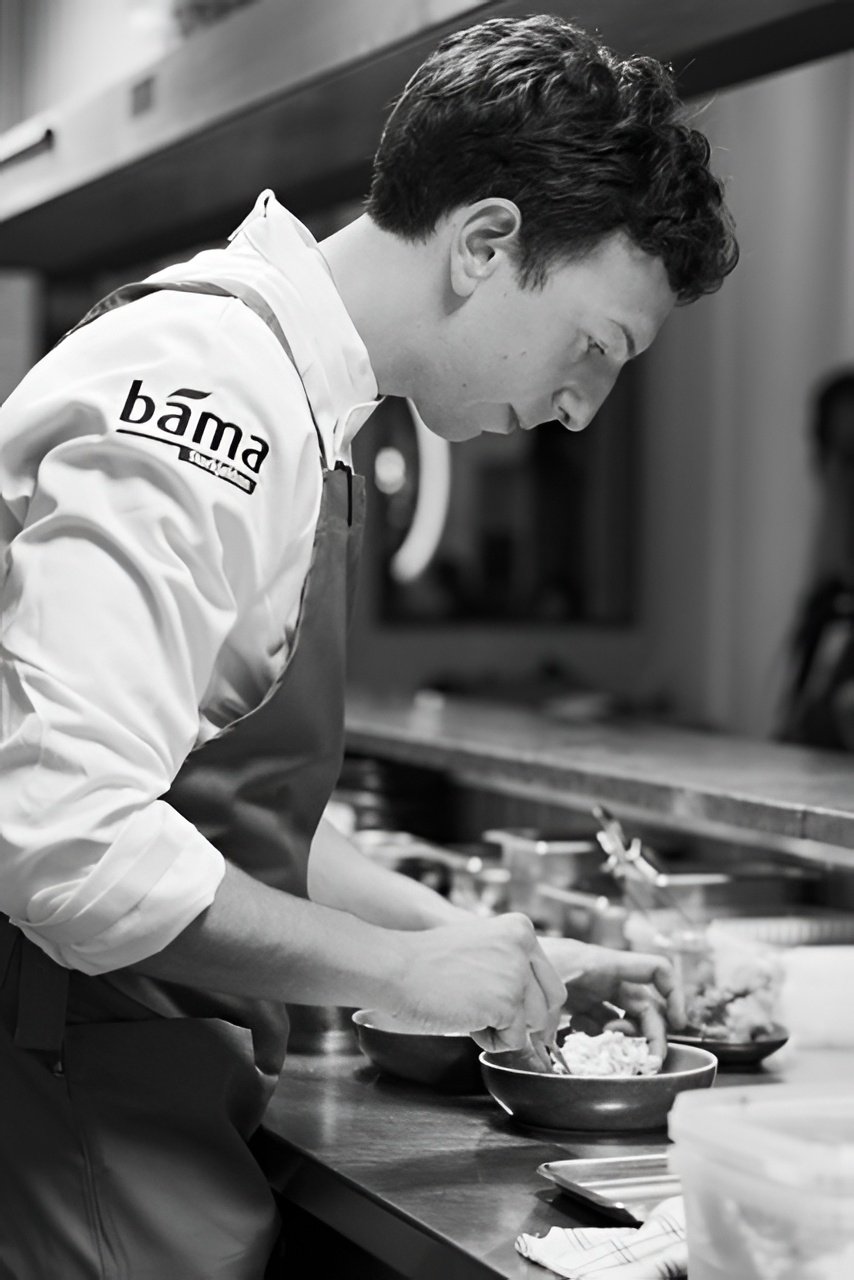
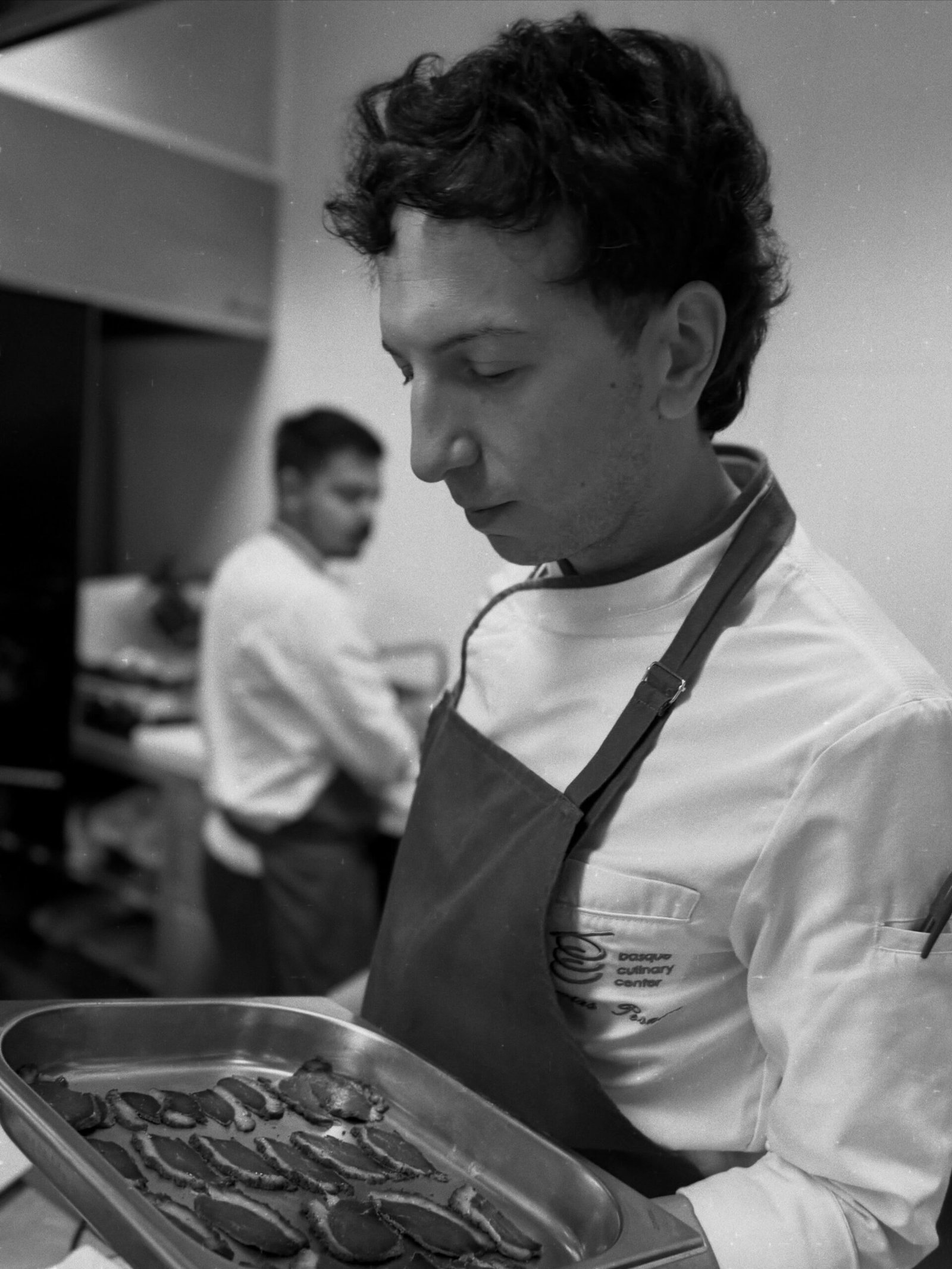
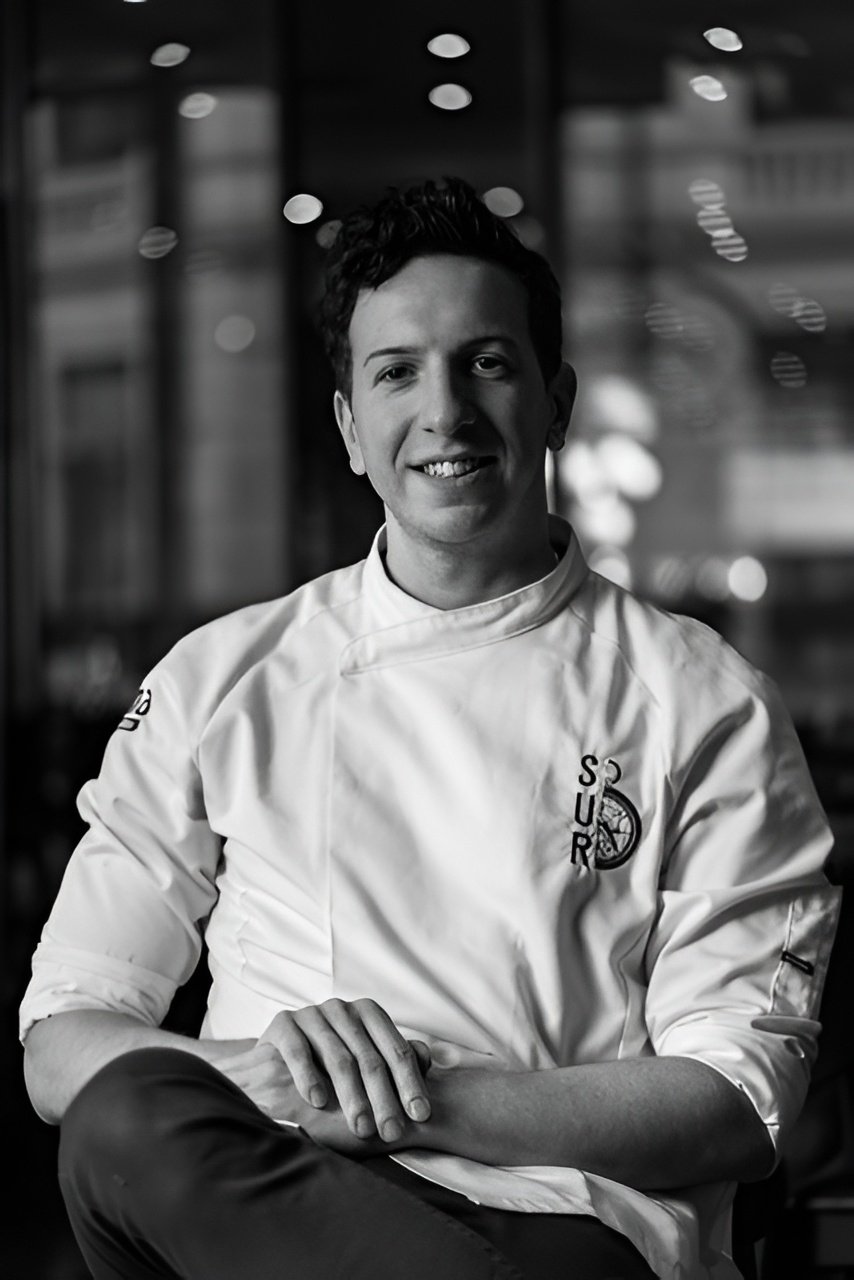
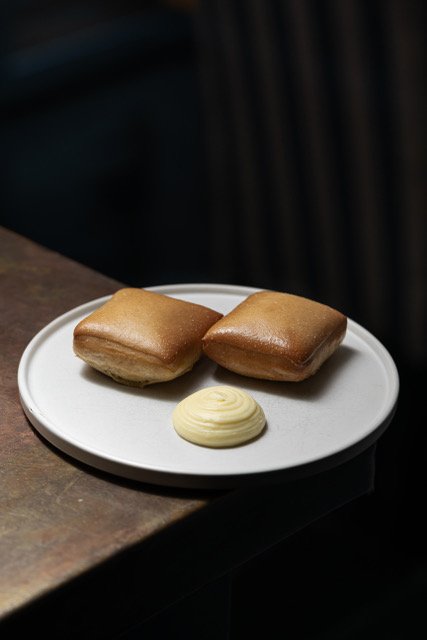
Argentinian chef Nicolás Peranic Landaburu discovered his love for cooking long before he understood it could become a career. Some of his earliest memories take him back to his grandmother’s small bakery in Buenos Aires, where, standing on a wooden step, he baked tiny loaves of bread and pizzas beside her. What began as childhood play slowly became the foundation of a lifelong passion.
Although he dreamed of becoming a chef from an early age, Nicolás’s relationship with the profession wasn’t always easy. Self-doubt, the pressure of professional kitchens, and moments when he questioned whether he truly belonged became part of his journey. But with every service, every lesson, and every challenge, he gradually found confidence—not only in his cooking, but also in himself.
Today, after years of learning, traveling, and opening his own restaurant alongside his wife, Nicolás believes that great leadership begins with empathy. His approach to hospitality is rooted in people first, proving that while restaurants are built through technique and discipline, they’re sustained by trust, respect, and the relationships formed along the way.
In this conversation, Nicolás reflects on the childhood memories that first sparked his passion for food, the lessons that shaped his career, the importance of leading with empathy, and why he believes the future of hospitality must always put people before ego.
Share your Journey
- Looking back at your childhood, was there a specific moment or memory that sparked your interest in food or cooking?
I remember that when I was a boy, my grandmother had a small bakery behind her house where she baked and sold bread to the neighbors. There, at just a few years old, I took my first steps in the kitchen. She would set up a separate station for me where, standing on a step stool to reach the table, I would bake my own bread and pizzas.
- Did you have another career or job before becoming a chef? How did those experiences influence your decision to pursue cooking?
Ever since I finished high school, I knew I wanted to be a chef. Before that, to earn some money, I helped a cousin at his catering company, but I worked in the dining room, not the kitchen. That’s when I realized that my favorite part wasn’t setting up the dining room, but the food itself.
- Did you formally study culinary arts, or are you self-taught? How has your learning journey shaped your approach to cooking?
I began studying culinary arts at 18 at the Argentine Institute of Gastronomy. That’s where I took my first steps, but I never stopped learning—not only in restaurants, but also through books. I’ve always been a self-taught, avid reader and a very curious person, which has led me to continually study on my own.
- When did you first step into a restaurant kitchen? What was that experience like, and how did it shape your journey as a chef?
My first time working in a restaurant was relatively difficult. I believed I would never be good enough to be like the others on the team or those I admired. My first experience was as an intern at a pasta restaurant in Buenos Aires. The recipes were simple, but the service was extremely busy. Everything seemed very chaotic, but over time I learned to love that chaos.
- What were some of the early challenges or obstacles you faced when you started in the kitchen, and how did you overcome them?
The hardest part was that I had no prior professional cooking experience before I started studying. I felt completely lost in the kitchen; I didn’t really understand what it was all about. I was also an insecure young man and didn’t know if this was truly what I wanted to dedicate my life to. My interest in cooking began while I was studying, but my true love for the profession developed slowly and gradually.
- What keeps you inspired and how has that inspiration driven you throughout your professional journey? Especially during tough times in the kitchen?
At one point in my career, I thought about leaving the profession. I felt like it would hold me back forever. But every time I had a bad day, I would tell myself, “Give it one more day.” Over the years, experience gave me confidence, and then everything changed.
- Can you recall a moment in the kitchen that marked you forever? Maybe it was an interaction with a mentor, a fellow cook, someone you fed, or a situation that challenged you in a way that shaped who you are today?
The moment that changed my life was when I traveled abroad for the first time for an internship. One of my lifelong dreams was to see the world and experience different cultures and cuisines. That’s why, when I traveled to Mexico at 21, I felt like this profession had made one of my dreams come true.
- As a chef, how would you describe your philosophy in the kitchen, and how does it guide your approach to cooking and leadership?
For me, leadership is about nurturing both individual and collective dreams. Meeting different chefs has taught me how I want—and don’t want—to lead. I always try to put myself in other people’s shoes, understand their struggles, their problems, and what causes them pain, so I can help them grow.
- Can you share a time when cooking or the camaraderie in the kitchen helped you through a tough period in your life? What made that experience meaningful?
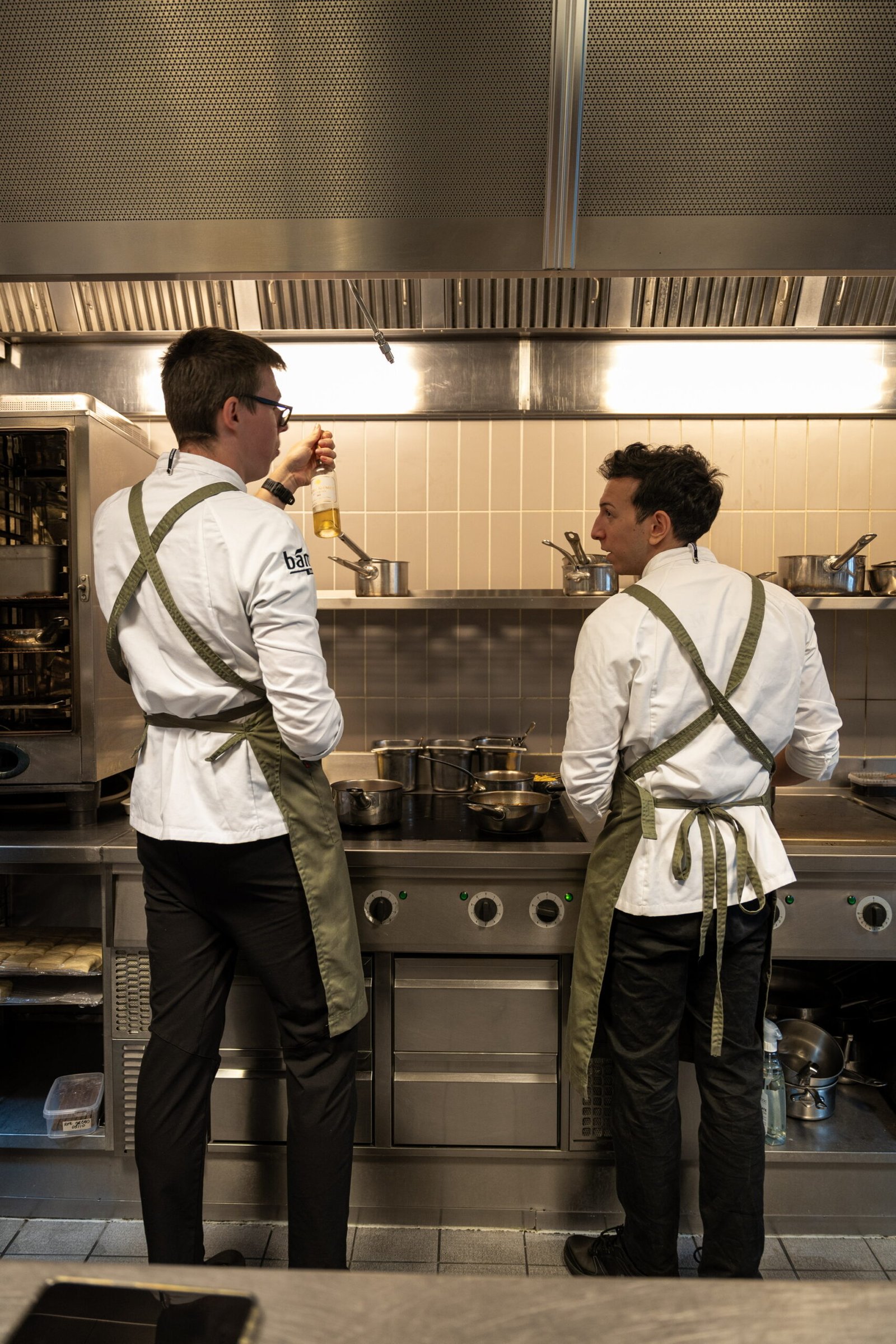
The kitchen gave me some of the best friends I have today. Sharing a drink after service always helped ease the stress and make even the toughest shifts more enjoyable. I wouldn’t be the chef I am today if it weren’t for the people I’ve worked with. That’s the greatest asset a restaurant can have.
- Reflecting on your career, what achievements or milestones are you most proud of, and what do they mean to you?
The day my wife and I opened our restaurant was one of the most rewarding moments of my career. I felt that, after years of waiting, I was finally fulfilling one of my dreams. It made me realize that all the effort and the entire journey had been worth it.
- What aspects of restaurant culture do you love, and what parts do you find frustrating or problematic? Are there any changes you’re actively working toward or things you hope they change in the industry? Share the reasons behind them and how they align with your vision for a better culinary world?
I personally feel that this profession, like so many others, has great things and some not-so-great ones. We also have to learn to differentiate between the different branches of this profession.
On the positive side, people are the most important part of it. The friendships you build on a personal level are incredible. Furthermore, feeding people is something incredibly beautiful and symbolic. Great moments and stories are written around restaurant tables, and being able to be part of that story is wonderful.
On the other hand, in gastronomy, we’ve forgotten about human evolution and continue to operate under systems of exploitation. As I said at the beginning, we have to know how to differentiate. Working at the highest level comes at a price, just like in any other profession.
- What are your hopes for the future of the restaurant and food and beverage industry? What changes would you like to see, and how are you contributing to that change?
I truly hope that in the near future, with the new generations, we will put aside personal egos and begin to prioritize people over our own dreams. As a former restaurant owner, I believe we must understand that our team deserves a normal life just like everyone else.
- If there’s anything we didn’t ask or if you feel we’re missing something about your personal and kitchen story, please share it here.
The industry is changing, and we have to be part of that change.
Secret Sauce
- What’s the most unexpected ingredient you’ve ever worked with, and how did it change your perspective on cooking?
Personally, I enjoy working with seafood products that are not very common in countries like mine, Argentina.
- What’s your “guilty pleasure” meal?
Tiramisu and pizza.
- A food trend that you hate and why?
Pistachio everywhere.
- What’s the craziest shift you’ve ever worked in the kitchen?
An 18-hour shift, sleeping on the restaurant floor just to wake up again at 7:00 a.m. Never again.
5. What happened, and how did you manage to get through it?
We were extremely busy during the high season.
- What tips would you give to other cooks and chefs to help them navigate their culinary careers and find peace amid the chaos of the kitchen?
Learn to manage your emotions. Don’t absorb absolutely everything—especially the negative things—because it can become incredibly frustrating.
- What’s an underrated ingredient and why?
Chicken. It’s an incredible ingredient if you become friends with it.
8. What’s a must-try dish from your kitchen or the one you’re proudest to have prepared?
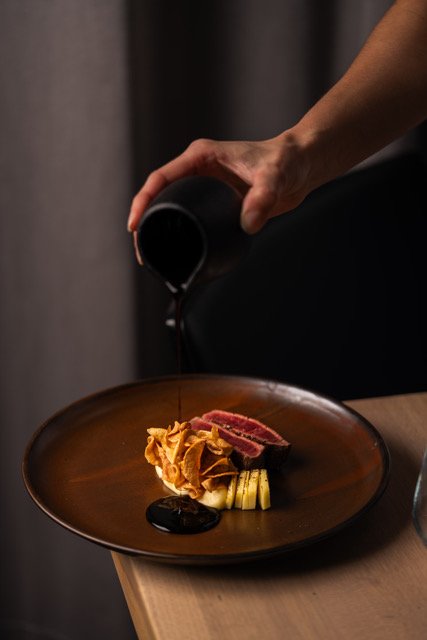
Rabbit terrine with pistachio, celeriac, and Dijon mustard purée.
About Your City!
Buenos Aires, Argentina
- If Anthony Bourdain or a chef came to your city, what would be the perfect tour itinerary from breakfast to dinner?
I would start with breakfast at Betular for coffee and pastries. Then I’d head to Elena at the Four Seasons for lunch. In the evening, I’d have dinner at Trescha and finish the day with ice cream at El Preferido.

Support our project by buying our merch!

86 HOTK Unisex t-shirt
$30.00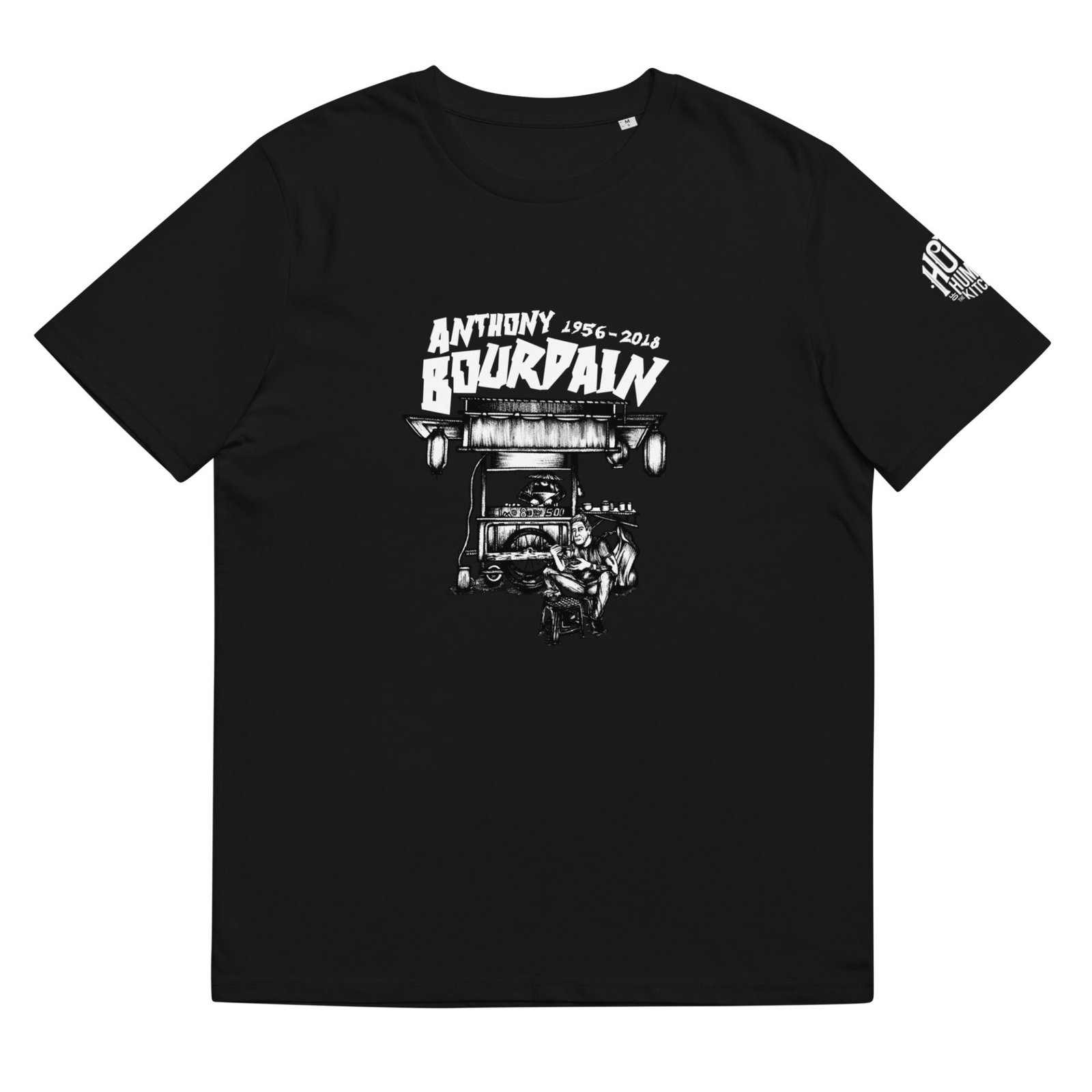
Anthony Bourdain T-Shirt
$35.00
Mise HOTK Unisex t-shirt
$30.00