More Than One Creative Language
Dance taught expression before pastry became her creative voice.
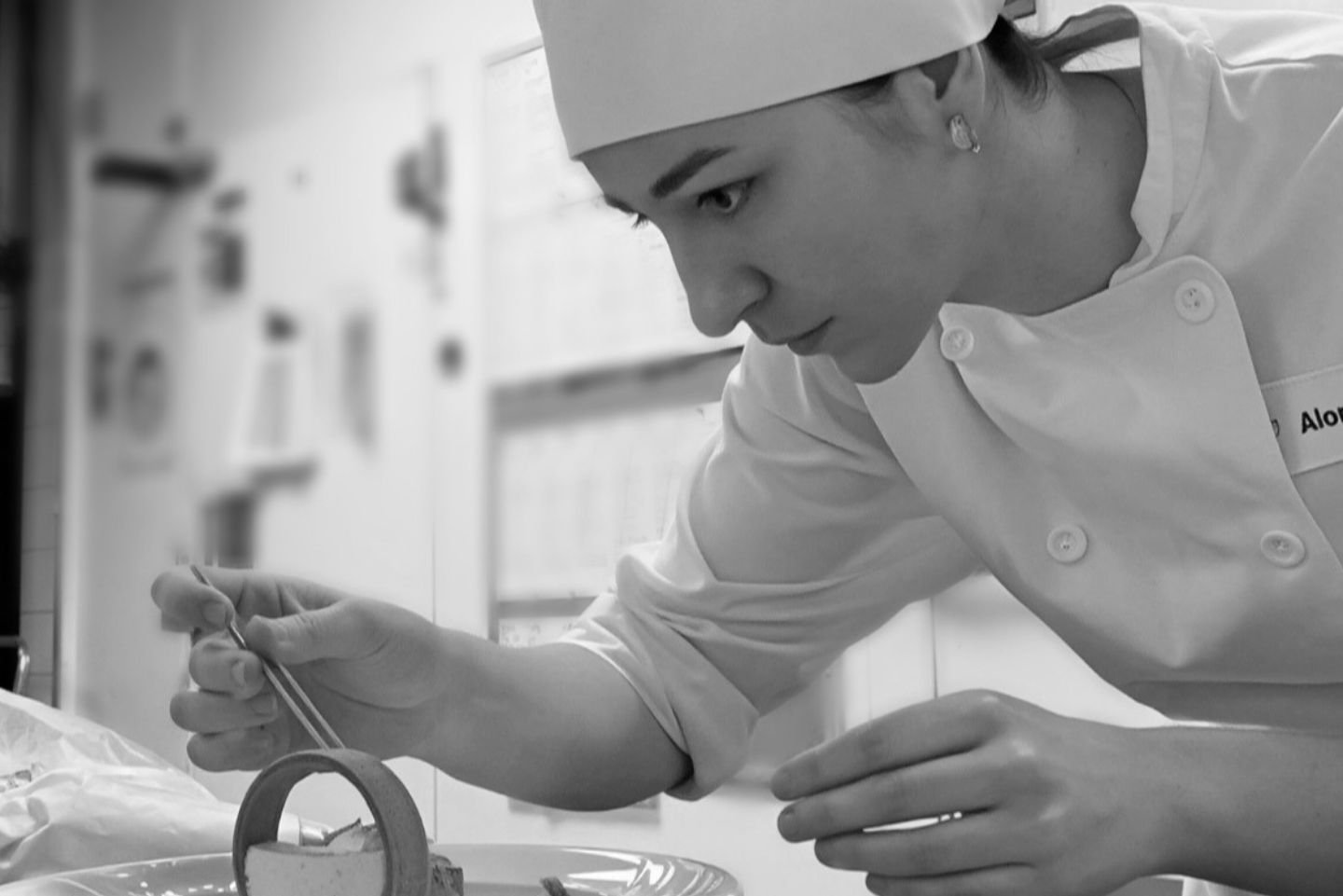
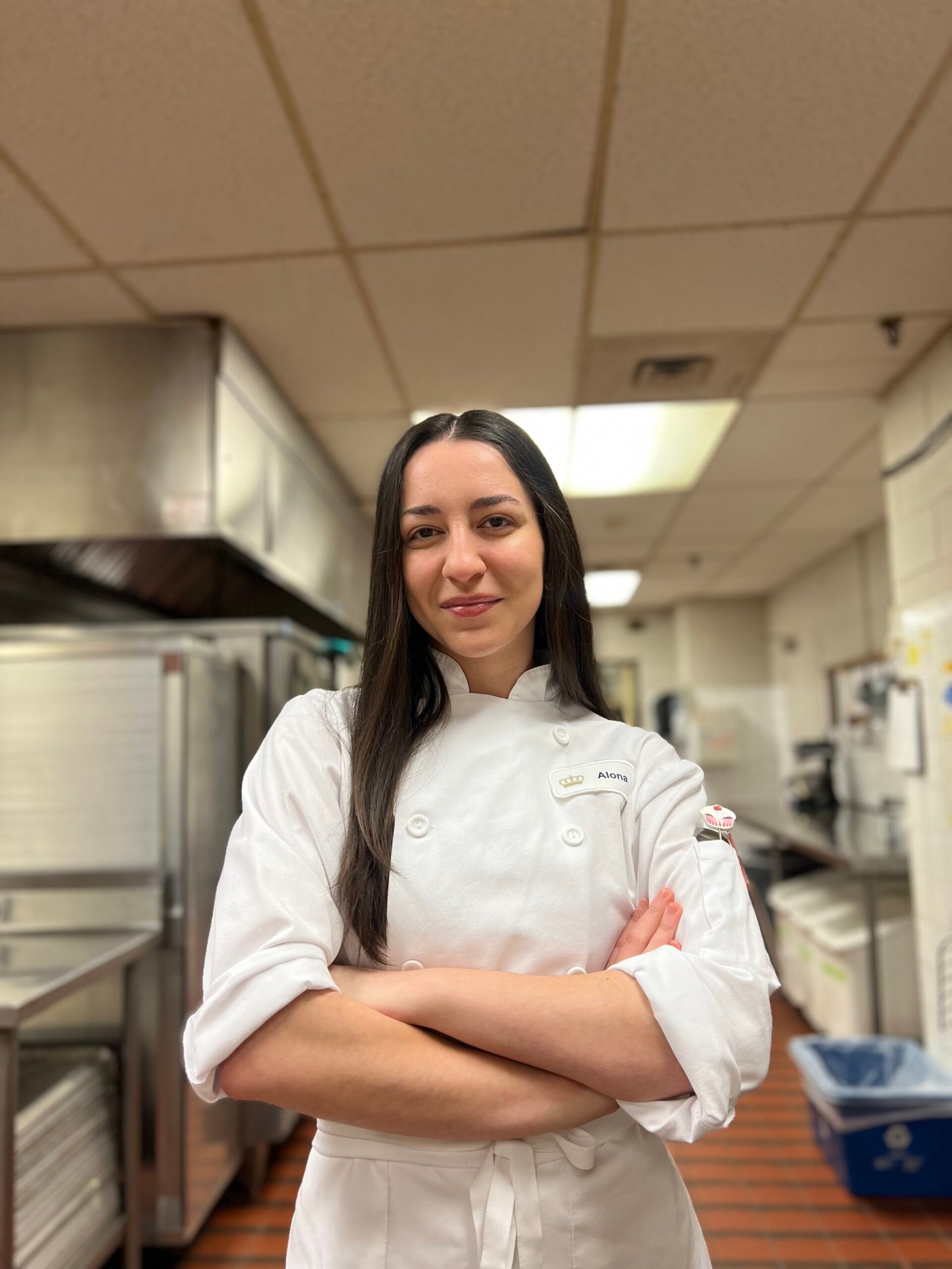
Alona Grygorian
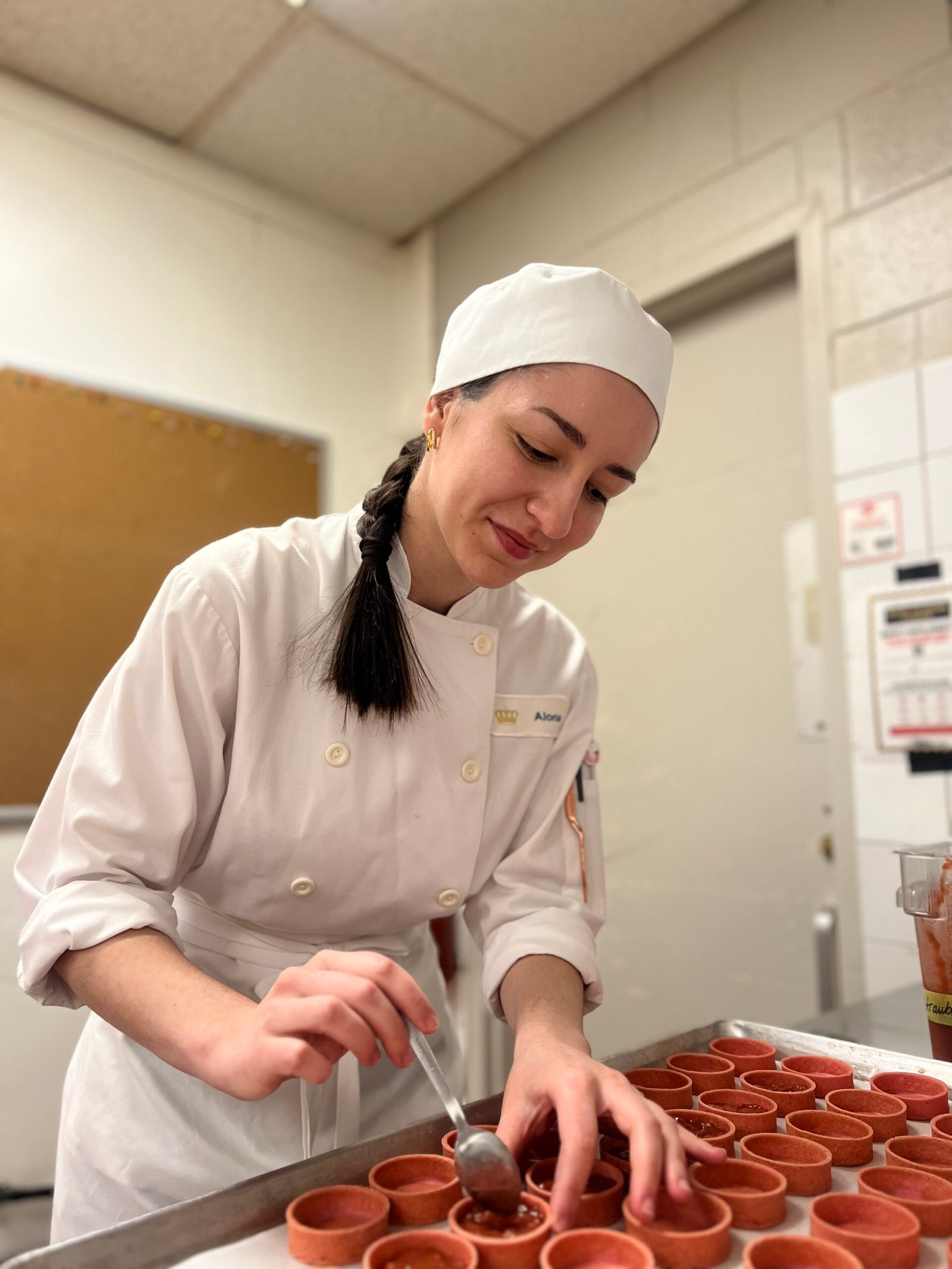
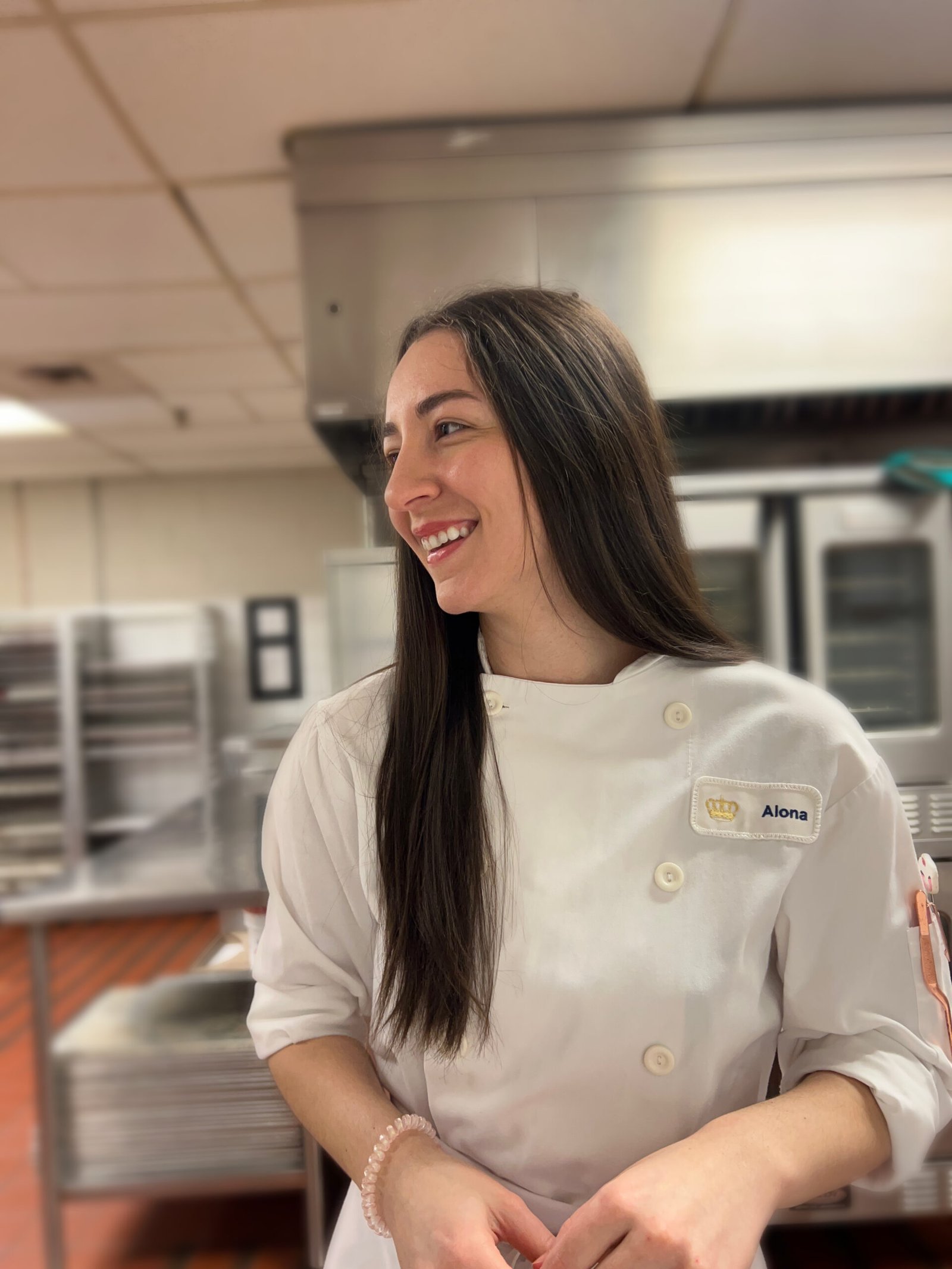
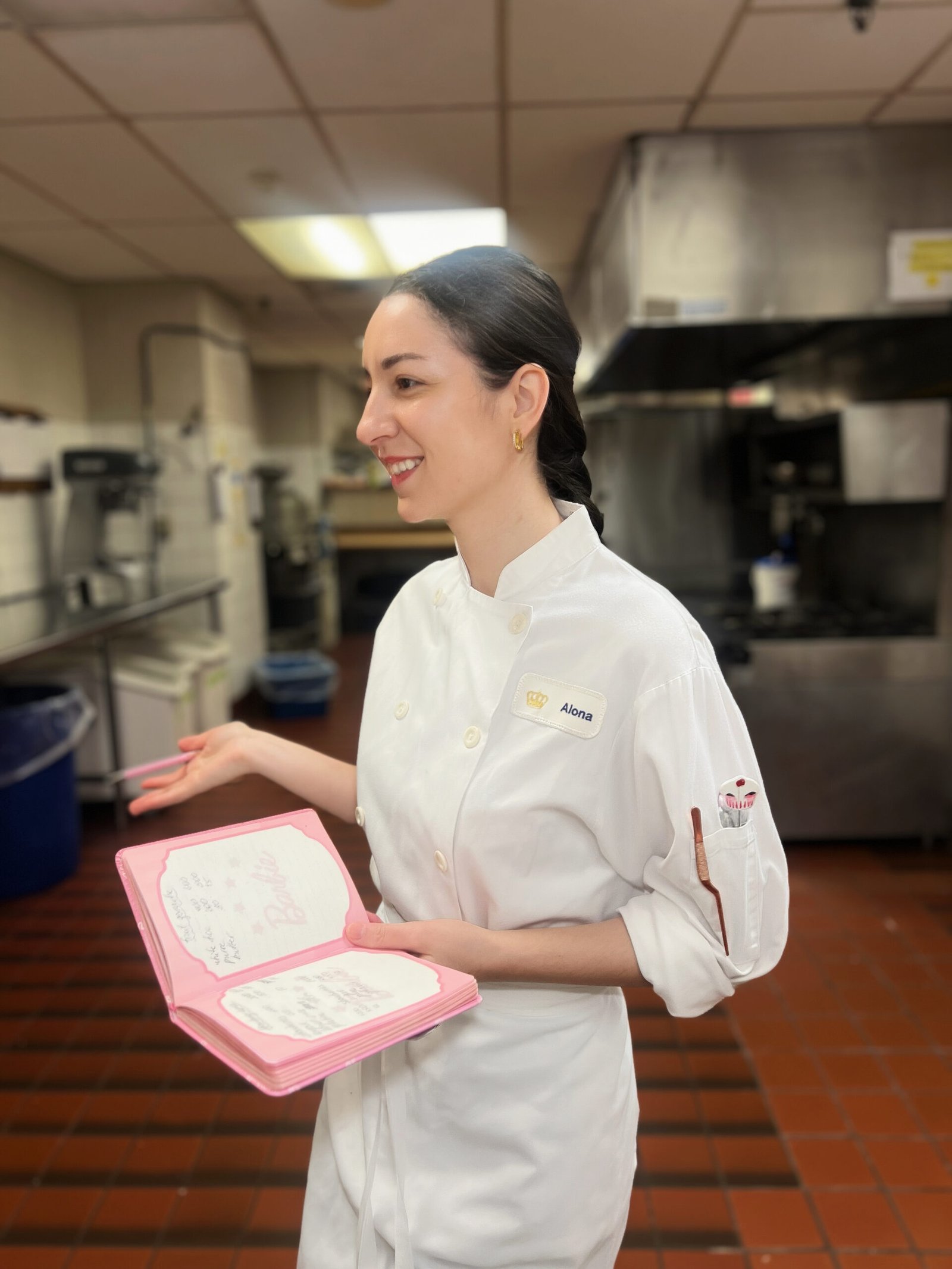
Alona Grygorian’s journey into pastry began long before culinary school or professional kitchens. Growing up between family traditions, homemade meals, and afternoons spent learning from her grandmother, she discovered early on that food had the power to bring people together, create memories, and make even ordinary moments feel meaningful.
Before stepping fully into the culinary world, Alona explored other forms of expression through dance and teaching. Those experiences helped shape the creativity, discipline, and emotional awareness that now define her work as a pastry chef. Whether through movement or dessert, she has always been drawn to creating experiences that connect with people on a deeper level.
From her early days in Ukraine to professional kitchens in Toronto, her path has been shaped by resilience, mentorship, and a commitment to continuous growth. Along the way, she learned that great pastry is not only about technique or presentation—it is about flavor, emotion, and the people who share it.
In this conversation, she reflects on family traditions, mentorship, kitchen culture, creativity, and the values that continue to shape her journey as a pastry chef and future leader in the industry.
Share your Journey
- Looking back at your childhood, was there a specific moment or memory that sparked your interest in food or cooking?
Growing up, my love for food was deeply connected to traditions, family, and the warm atmosphere of my home. When I was around 12 years old, my grandma began sharing her knowledge with me in the kitchen. She was never a professional cook, but she was the heart of our family’s cooking traditions, and everyone learned from her in one way or another.
I remember how she could pause even the busiest day just to bring us together for lunch, creating a moment where everything felt slower and more connected. It wasn’t just about the food itself, but the feeling it created: Togetherness, tradition, love, and shared stories at the table.
That’s when I realized how powerful food can be. That spark has stayed with me ever since.
- Did you have another career or job before becoming a chef? How did those experiences influence your decision to pursue cooking?
Before becoming a pastry chef, I worked as a dance teacher and a server. I still feel deeply connected to dance and sports, and both experiences have shaped who I am today.
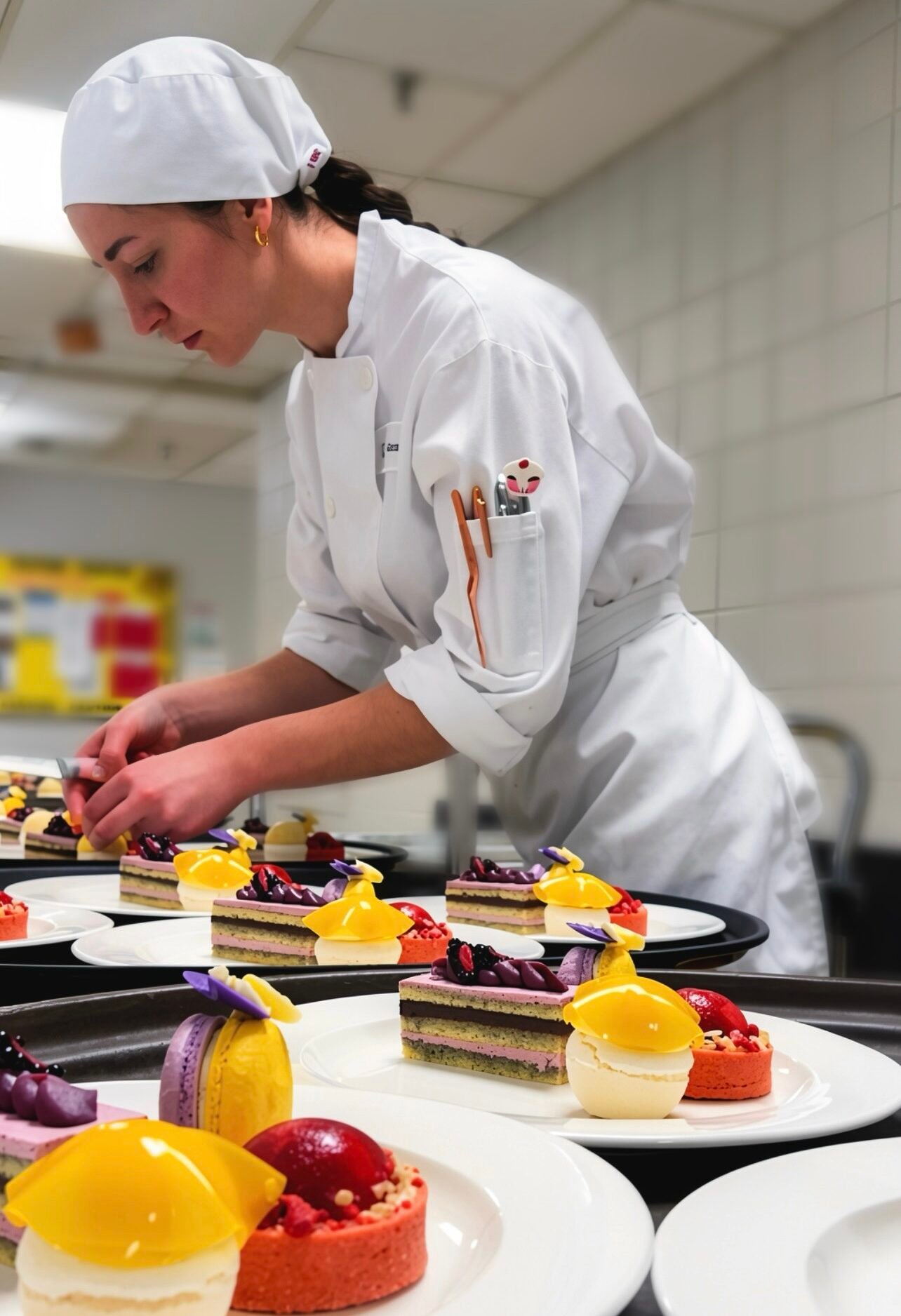
Teaching dance helped me understand expression, emotion, and discipline, while working as a waitress taught me patience and attention to detail. For me, dance and pastry are very similar, both are forms of art that allow you to express emotion without words.
- Did you formally study culinary arts, or are you self-taught? How has your learning journey shaped your approach to cooking?
I went to culinary school, where I studied Culinary Management and Pastry Arts. This experience helped me understand the kitchen as a whole much better and gave me a strong foundation in all areas of cuisine.
During that time, I realized that my true passion has always been pastry rather than cooking. I still remember my first professor, who supported me through many struggles and helped me truly understand how a professional kitchen operates.
- When did you first step into a restaurant kitchen? What was that experience like, and how did it shape your journey as a chef?
I had worked in a kitchen as a helper back home in Ukraine, but my first restaurant experience in Toronto, while I was still in college, was completely different.
I worked as a kitchen helper in a Michelin-recommended restaurant, and it was one of the most overwhelming periods of my life. Unfortunately, the team was not very welcoming, but that experience taught me how important it is to find the right people in a kitchen.
Even though it was stressful, it shaped me deeply and taught me how to work under pressure and grow through challenges.
- What were some of the early challenges or obstacles you faced when you started in the kitchen, and how did you overcome them?
One of the biggest challenges I faced early in my kitchen journey was adapting to the fast pace and pressure of a professional environment, especially after moving from Ukraine to Canada.
Working in a demanding kitchen while still being a student was emotionally and physically exhausting at times. I also struggled with finding confidence in myself and adjusting to different team dynamics.
Over time, I learned that growth comes with patience, resilience, and consistency. Those experiences taught me to stay calm under pressure, trust my abilities, and keep learning from every challenge.
- What keeps you inspired and how has that inspiration driven you throughout your professional journey? Especially during tough times in the kitchen?
What keeps me inspired is the emotional connection that food creates between people. I have always been drawn to the warmth, traditions, and memories that can be shared through a single dessert or meal.
People also inspire me deeply. I love watching others grow, create, and follow their passions. Especially at a time when social media can make everything feel fast and superficial, I think it’s important to stay grounded and surround yourself with a supportive community.
During difficult moments in the kitchen, that sense of connection, creativity, and purpose has always helped me stay motivated and continue growing.
- Can you recall a moment in the kitchen that marked you forever? Maybe it was an interaction with a mentor, a fellow cook, someone you fed, or a situation that challenged you in a way that shaped who you are today?
One of the most defining moments in my kitchen journey happened during college with one of my professors. She was the only instructor who truly recreated a real kitchen atmosphere.
Her classes didn’t feel like school at all—they felt like an actual professional kitchen, with all the pressure, speed, and intensity that comes with it.
It was hard, exhausting, and at times overwhelming. The pace pushed many of us far beyond our comfort zones. Some students broke down crying, and others realized that this career path wasn’t for them and chose to leave. It was a tough but honest introduction to the reality of kitchen life.
By the end, only those who genuinely wanted to be part of that chaotic, demanding environment remained. I was one of them. That experience shaped me deeply and confirmed my commitment to this path more than anything else ever had.
- As a chef, how would you describe your philosophy in the kitchen, and how does it guide your approach to cooking and leadership?
My philosophy in the kitchen is centered around passion, respect, and connection. For me, food will always be a way to connect people, share stories, and make others feel loved and comforted.
I believe food is much more than something we eat—it carries emotions, memories, and traditions. Because of my own experiences in professional kitchens, I also value kindness, teamwork, and creating a supportive environment where people can grow together.
In both cooking and leadership, I try to stay creative, grounded, and always connected to the meaning behind what we create.
- Can you share a time when cooking or the camaraderie in the kitchen helped you through a tough period in your life? What made that experience meaningful?
Cooking has helped me through many difficult periods in my life. There were moments when everything felt overwhelming, but being in the kitchen gave me purpose and helped me stay focused.
One of the most meaningful parts of that journey was the people I met along the way. I met one of my best friends in the kitchen, and she was always there for me during the hardest moments.
That experience showed me that kitchens are not only places of pressure and hard work, but also places where strong friendships, support, and community can grow.
- Reflecting on your career, what achievements or milestones are you most proud of, and what do they mean to you?
Reflecting on my career, I’m proud of how quickly I was able to grow through different stages in the kitchen. From my early beginnings in Ukraine to studying culinary arts and moving into professional kitchens in Toronto, each step brought new challenges and learning experiences.
I’ve completed many courses along the way, which not only strengthened my skills but also inspired me to eventually create my own courses in the future, sharing the experience and knowledge I’ve gained.
More than anything, I’m proud that I stayed committed to pastry throughout my journey and continued growing without losing my passion for it.
- What aspects of restaurant culture do you love, and what parts do you find frustrating or problematic? Are there any changes you’re actively working toward or things you hope they change in the industry? Share the reasons behind them and how they align with your vision for a better culinary world?
What I love most about restaurant culture is the energy, creativity, and teamwork that come from working in a fast-paced environment. When a kitchen is healthy and supportive, it feels like everyone is working toward the same goal, and that unity is very powerful. I also value the discipline, high standards, and constant opportunities to learn and grow.
At the same time, I have experienced how challenging and sometimes toxic the culture can be in certain kitchens. Poor communication, lack of support, and high-pressure environments without respect can affect confidence and passion. These experiences made me realize how important mental health, respect, and leadership are in a kitchen.
I am actively working toward becoming a pastry chef who helps create a healthier environment where people feel valued and supported. I also hope to teach and guide others with love and care, sharing my experience in a way that helps them grow with confidence.
- What are your hopes for the future of the restaurant and food and beverage industry? What changes would you like to see, and how are you contributing to that change?
In the future, I hope the restaurant and food and beverage industry becomes more balanced, respectful, and sustainable for the people who work in it. I would love to see kitchens where communication, teamwork, and mental health are valued just as much as speed and technical skill.
I also hope food itself continues to be treated with more intention and respect, focusing on quality, tradition, and the emotions it brings to people, rather than simply following trends or operating under pressure.
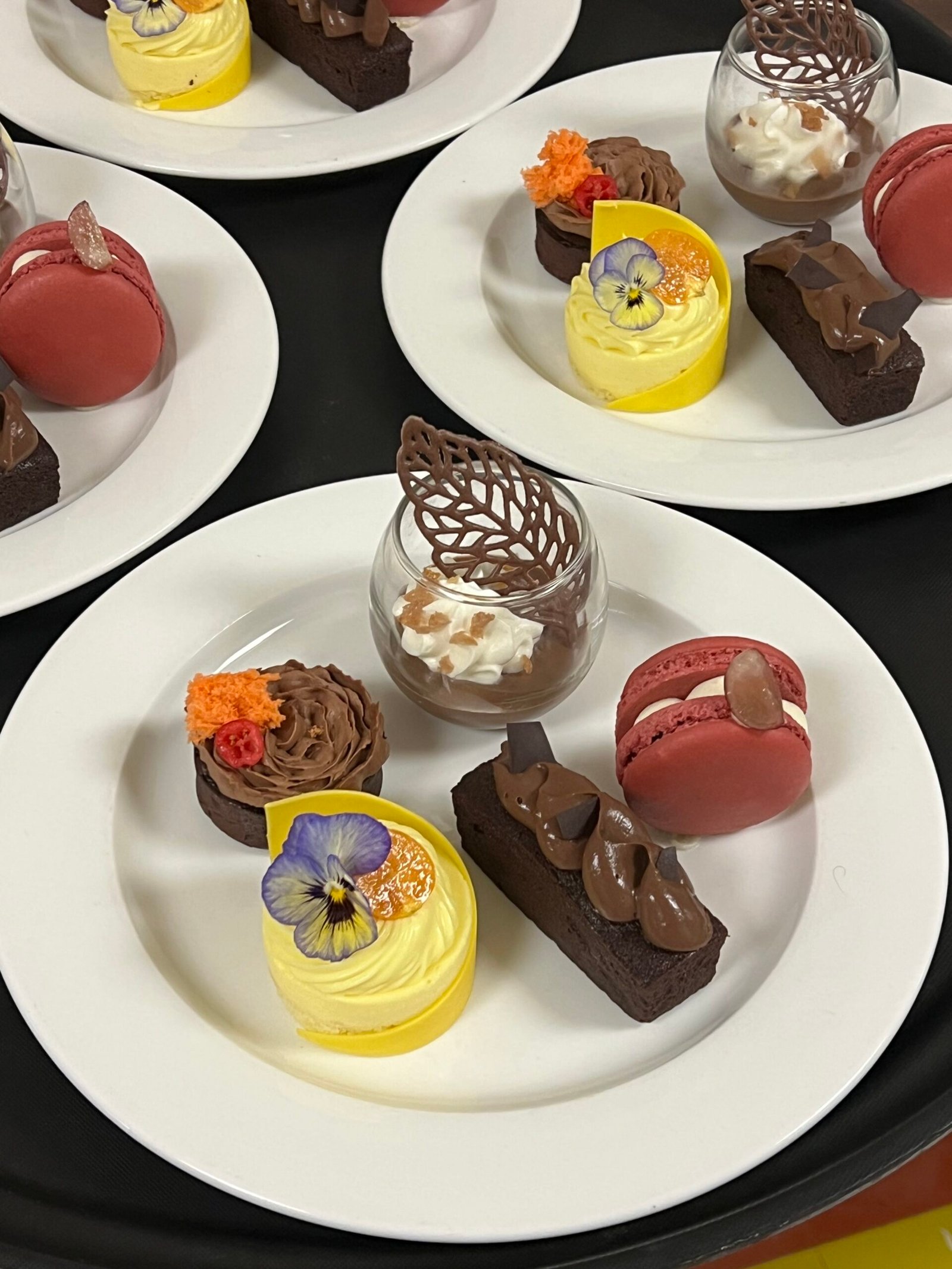
Personally, I try to contribute to that change by being mindful of how I work with others and by supporting a positive environment wherever I am. As a pastry chef, I want to bring more care and creativity into dessert work, focusing on details, emotion, and storytelling through pastry.
- If there’s anything we didn’t ask or if you feel we’re missing something about your personal and kitchen story, please share it here.
One thing I’ve learned in my journey is how important balance is in everything we create in the kitchen. While technique and presentation matter, they should never come before flavor and emotion. One of my mentors taught me that we sometimes become so focused on making desserts look beautiful that we forget how important taste is.
This became very real for me when I visited a high-end dessert shop. The desserts looked absolutely stunning—like works of art. I was amazed just looking at them. But when I tasted them, I felt disappointed. The flavors didn’t match the beauty, and it completely changed the experience for me.
That moment reinforced my mentor’s lesson and shaped how I approach pastry today: no matter how beautiful a dessert is, it must always deliver on flavor and emotion first.
Photo Credits
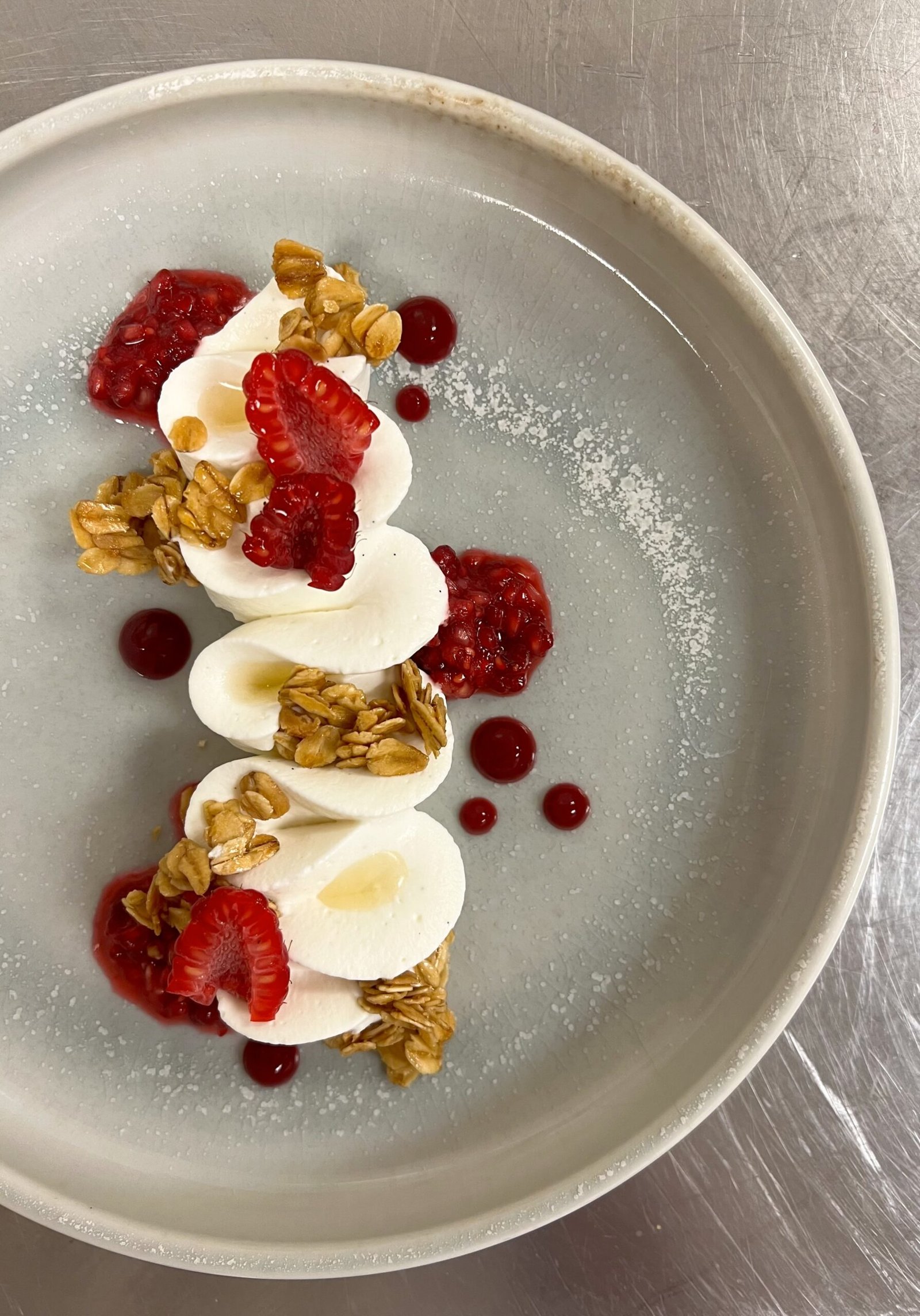
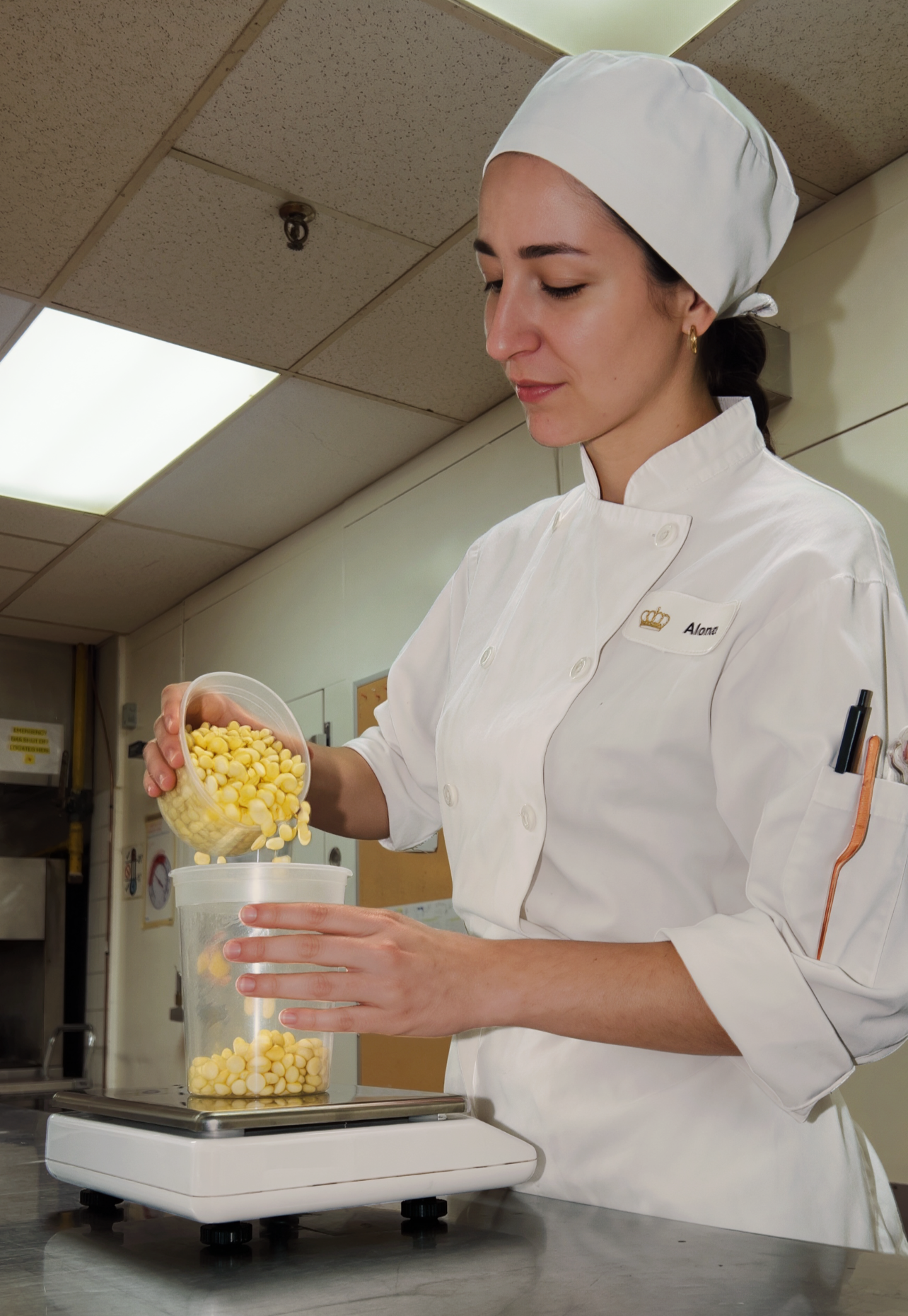
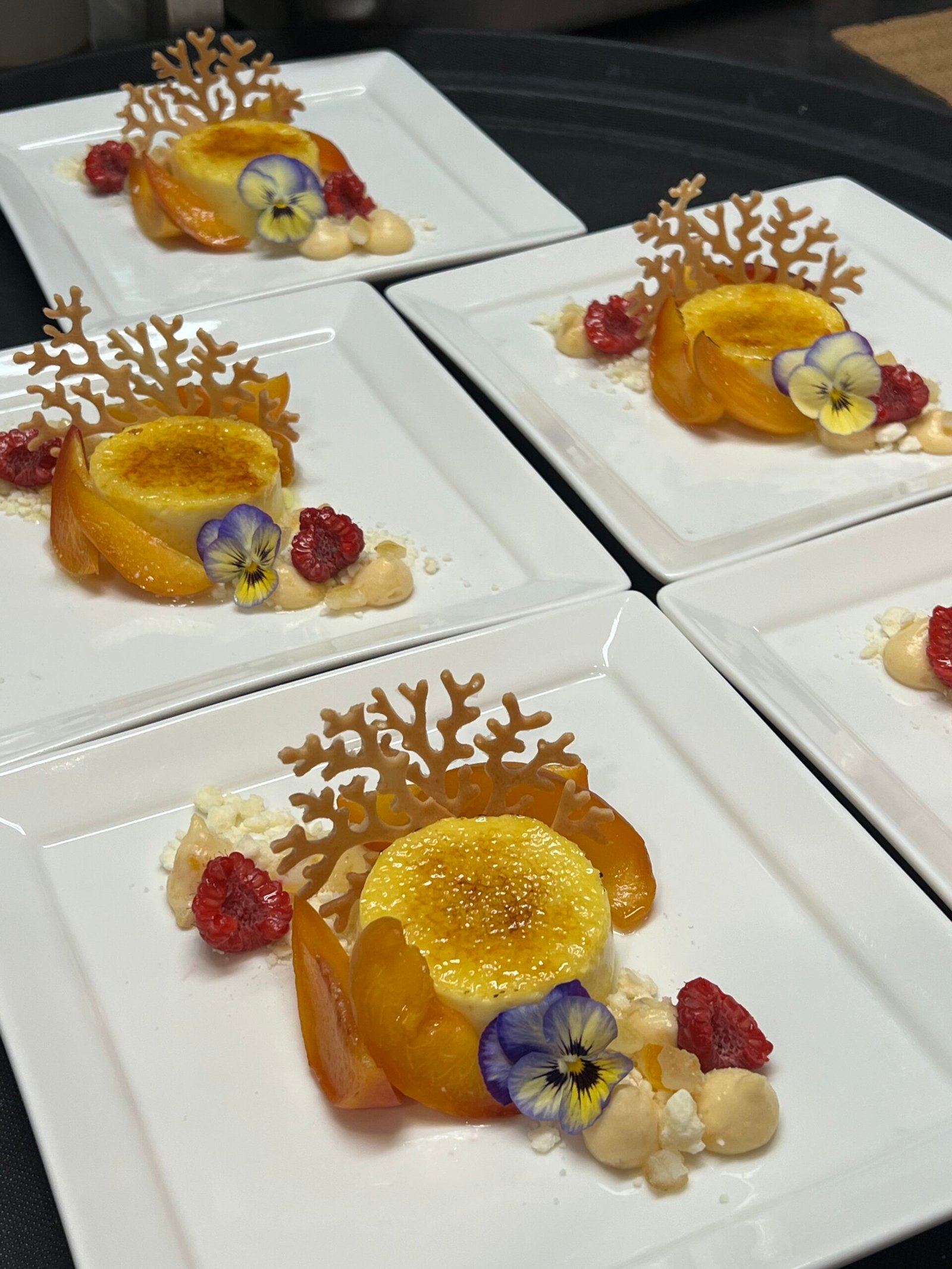
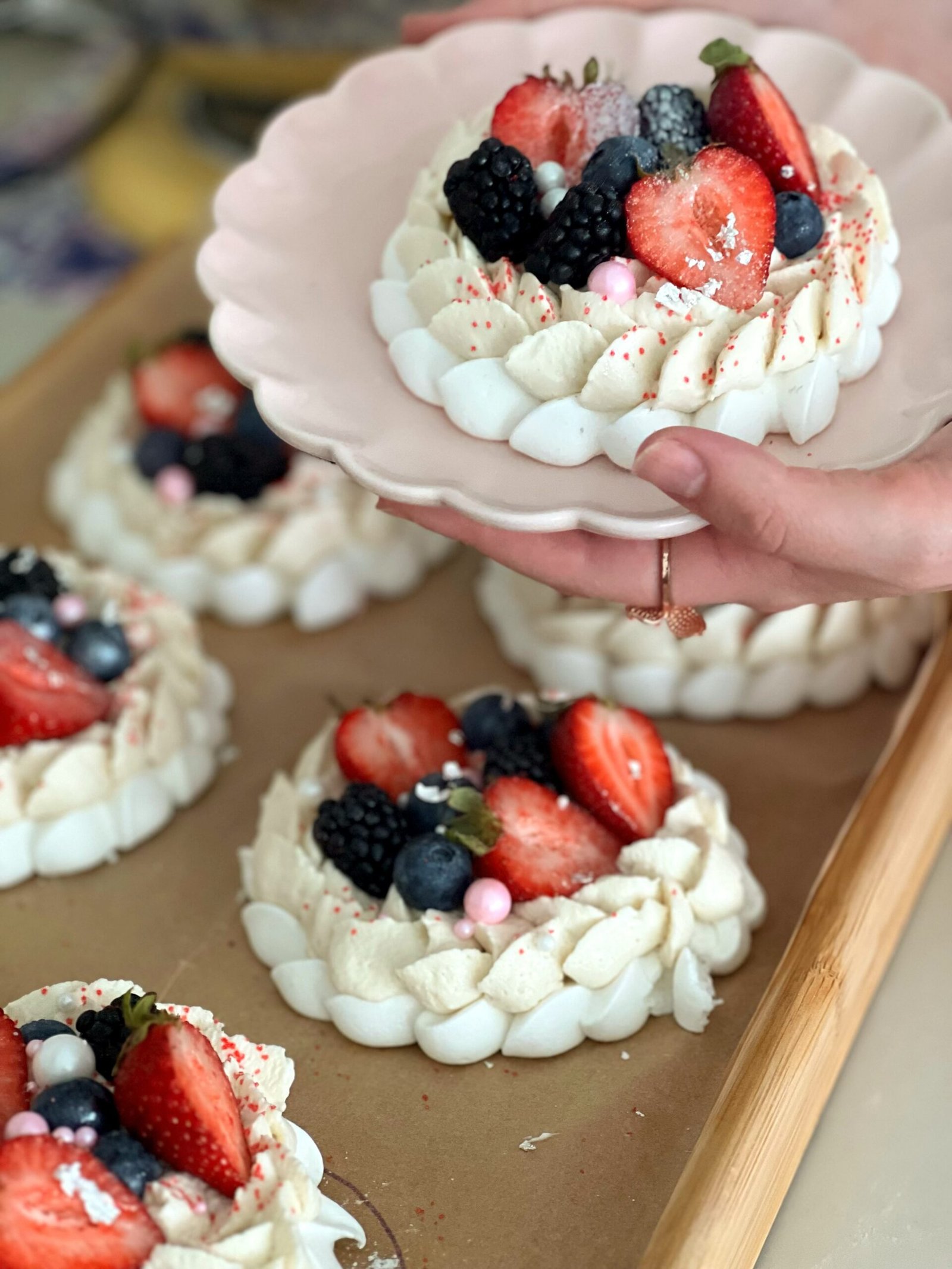
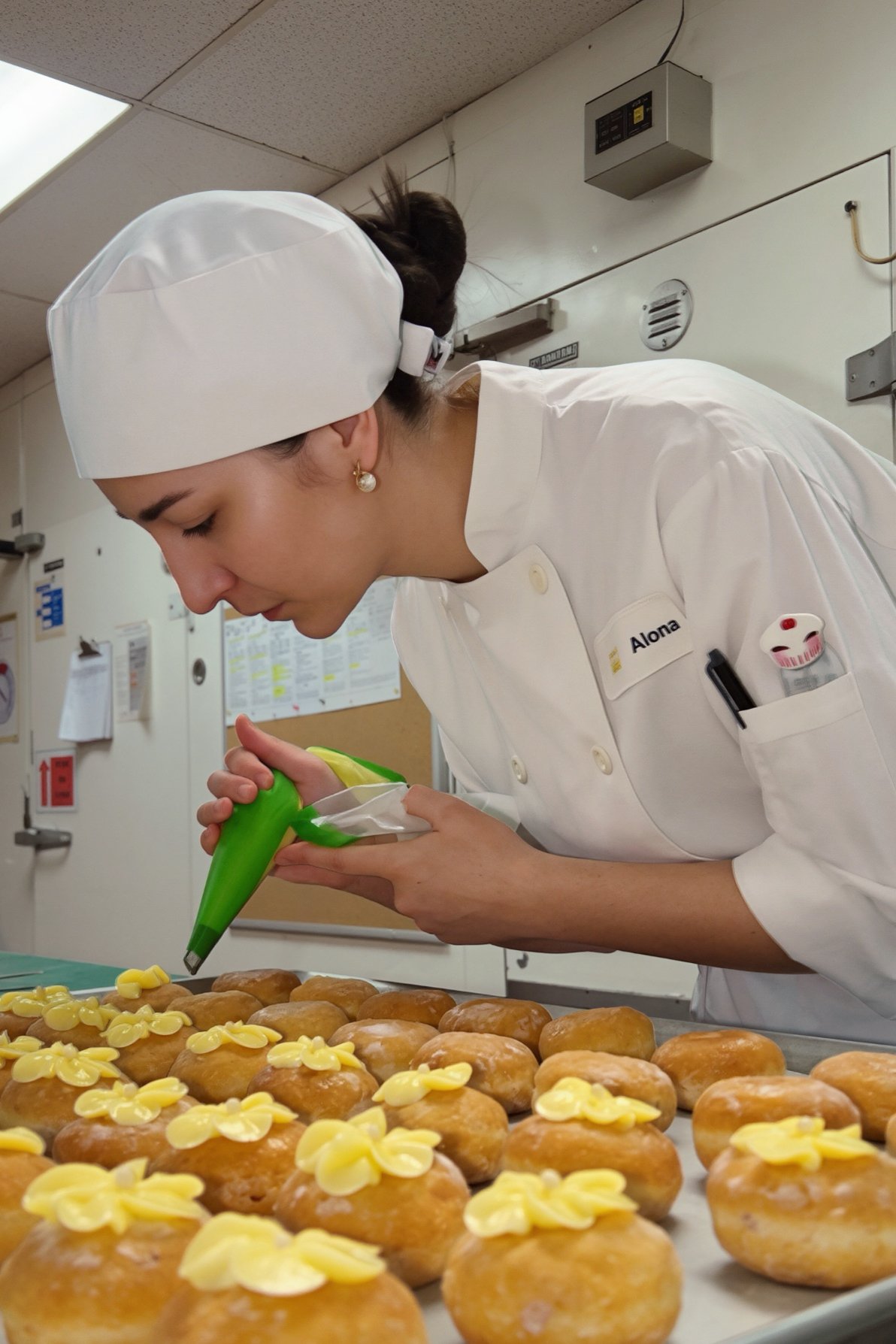
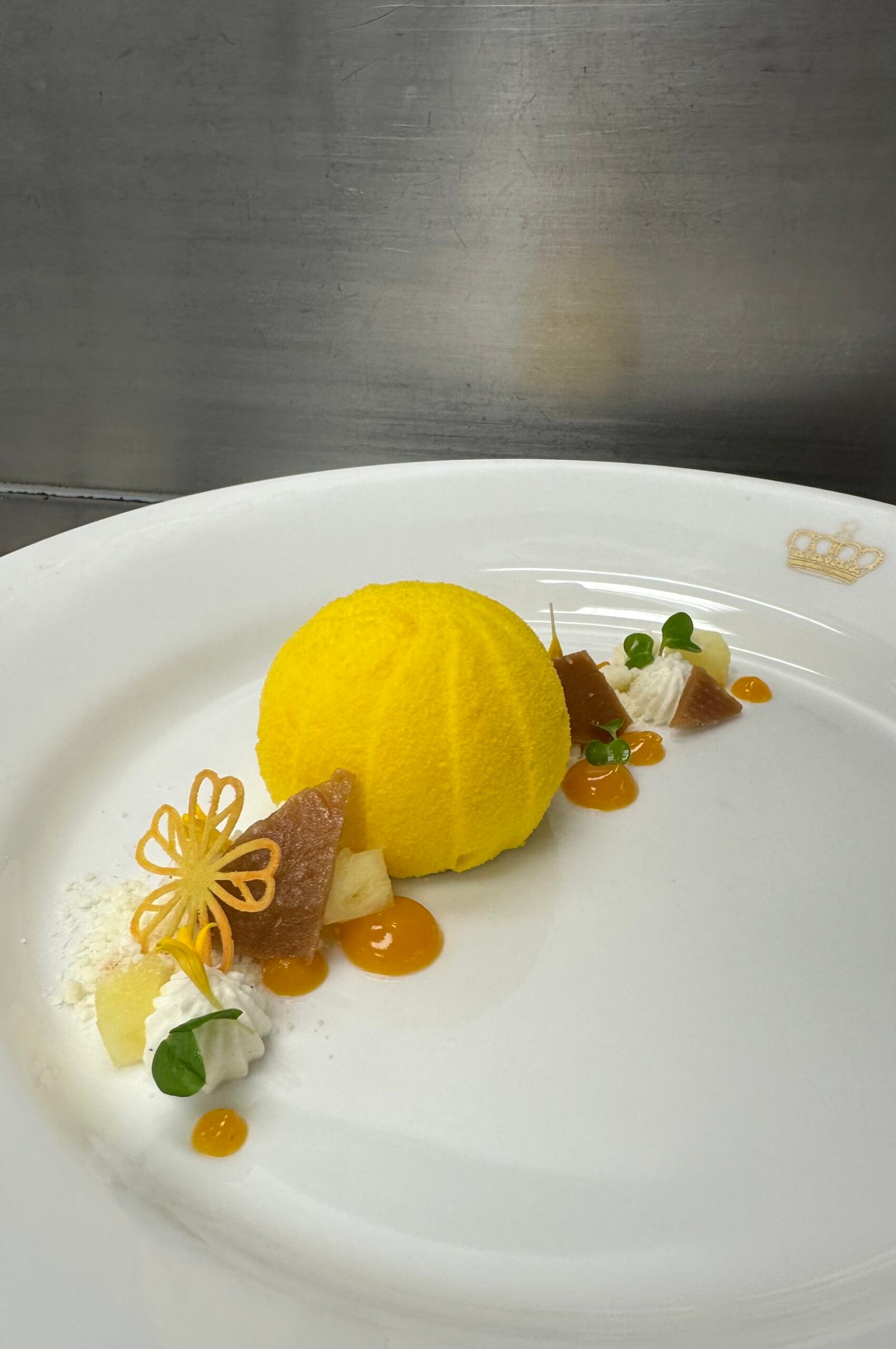
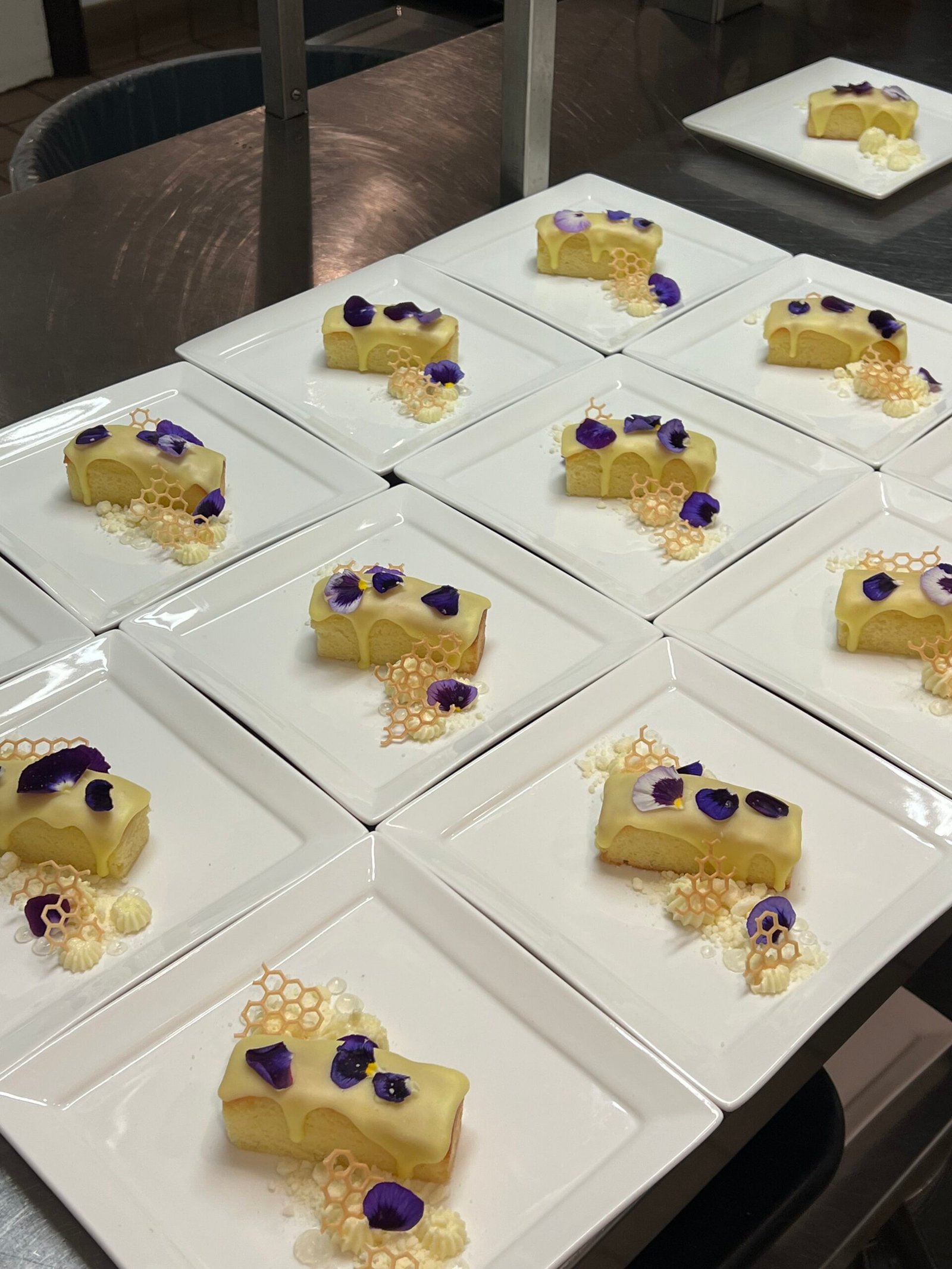
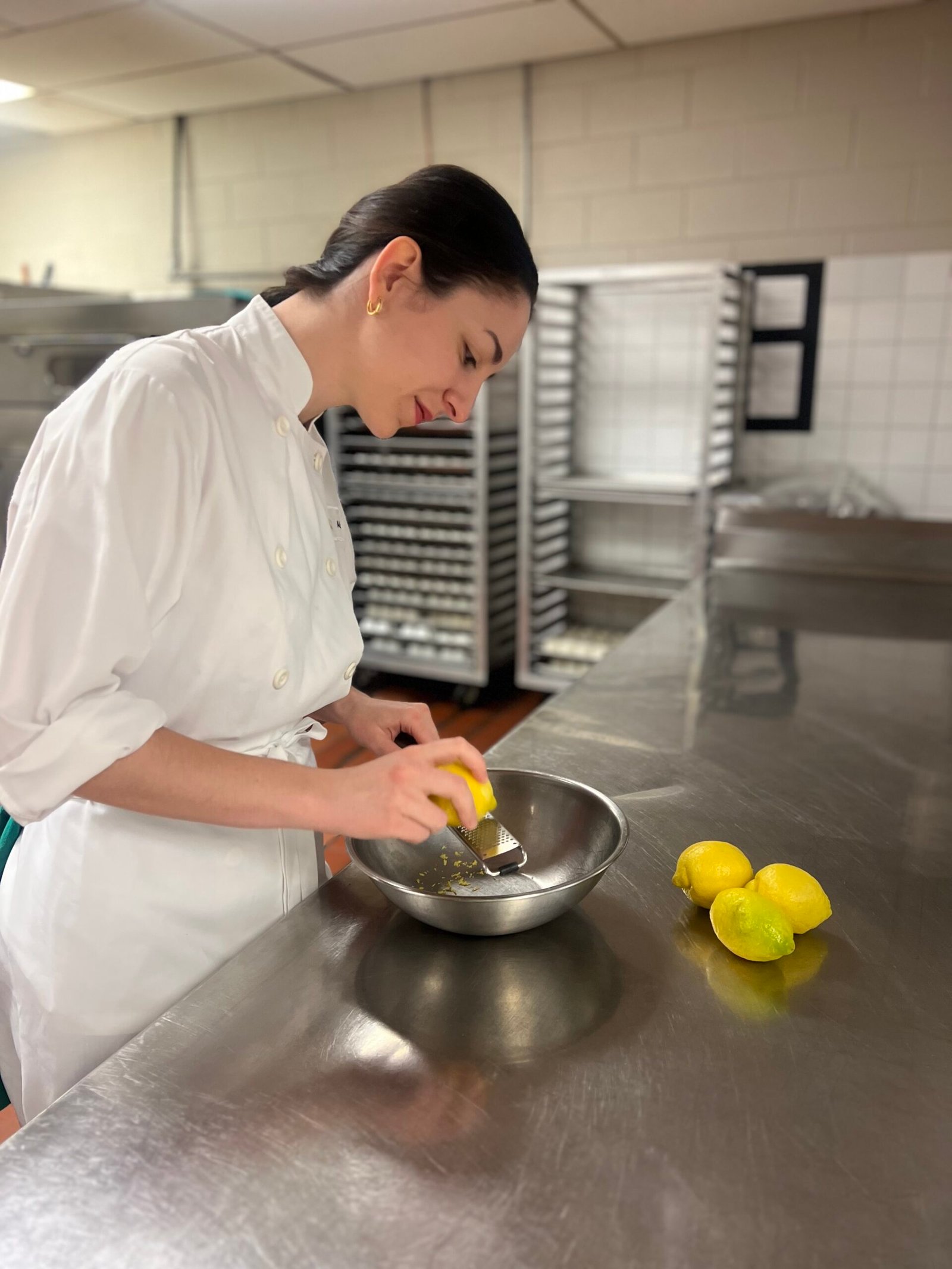
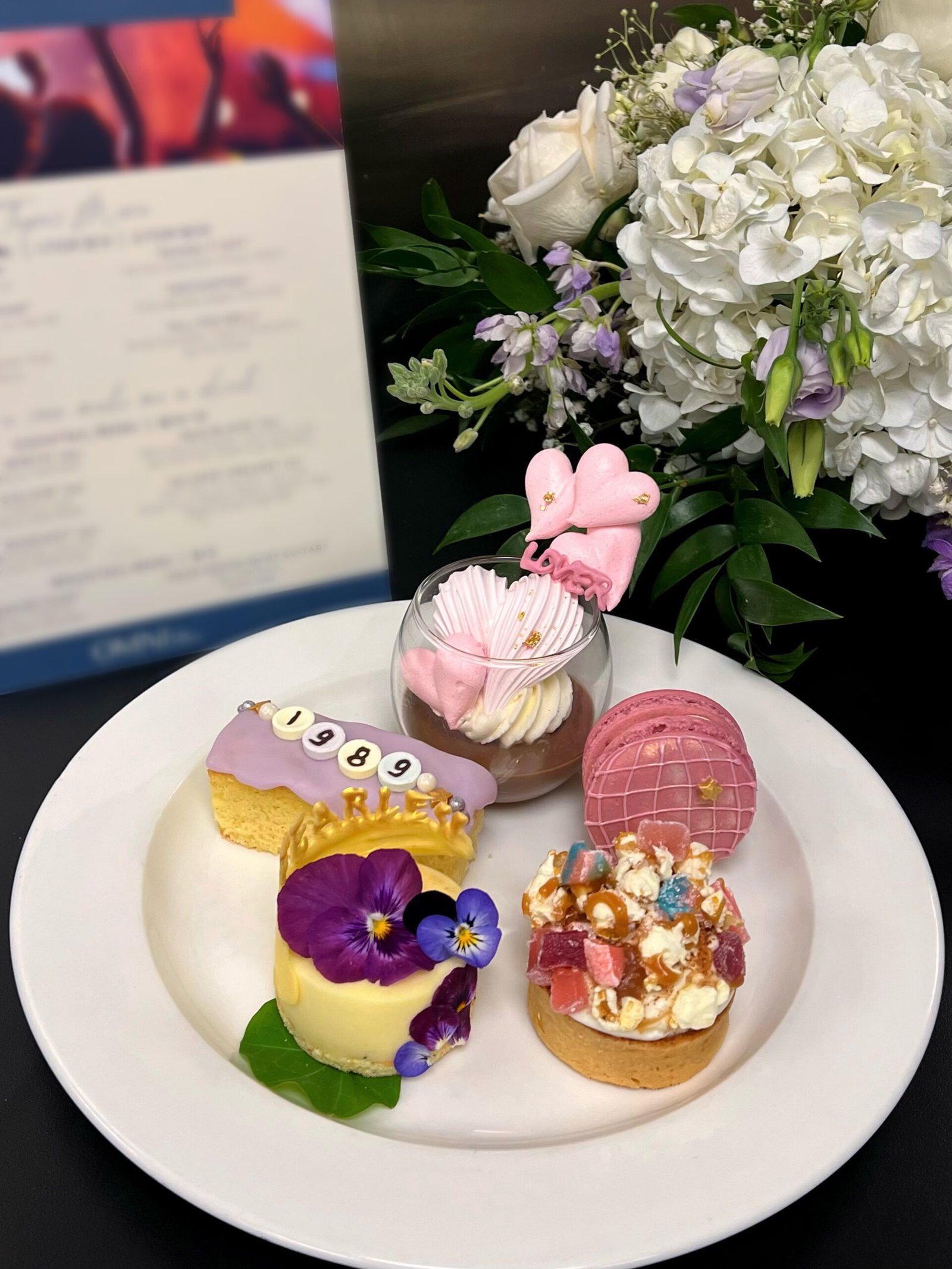
Kitchen photography by @samantha_heino_. Selected dessert photography by @alex__can__.
Secret Sauce
- What’s the most unexpected ingredient you’ve ever worked with, and how did it change your perspective on cooking?
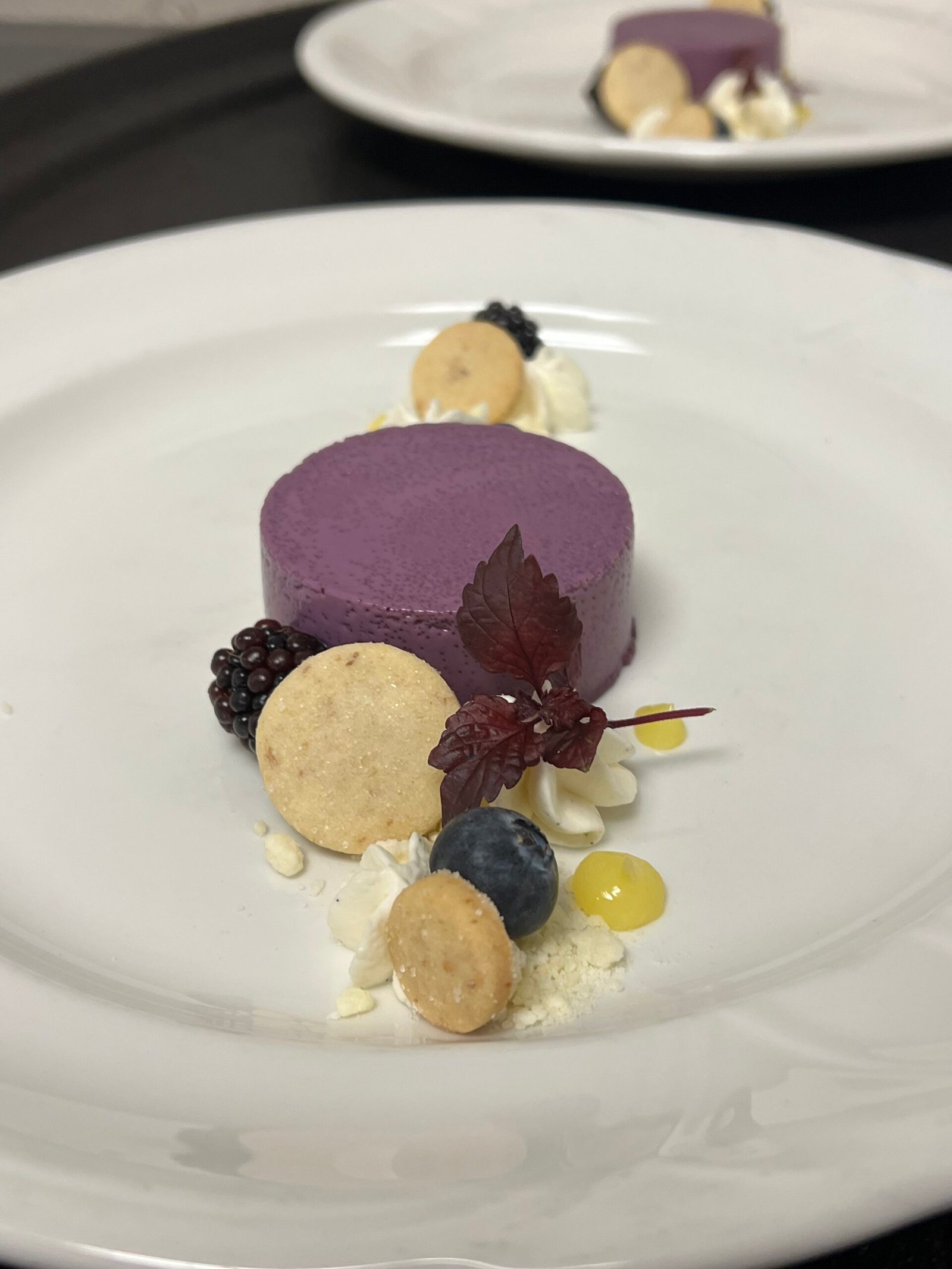
One of the most unexpected ingredients I’ve worked with was herbs in pastry. At first, I never thought of using them in desserts, but they completely changed my perspective. I learned that herbs can add freshness, depth, and a surprising balance that elevates sweetness in a new way.
For example, I discovered how sweet woodruff can bring a soft, almost vanilla-like aroma, and how shiso (perilla) adds a fresh, slightly minty, citrusy note that completely transforms a dessert.
Another surprising ingredient was chili. Introducing heat into desserts challenged my usual approach, but it taught me that pastry is about contrast and emotion, not just sweetness. It opened my mind to bolder, more creative flavor combinations.
- What’s your “guilty pleasure” meal?
My guilty pleasure meals are pizza with pears and blue cheese, Armenian dolma (my grandmother is Armenian, so it always reminds me of home and family), and chocolate fudge cake.
For me, these dishes are pure comfort: Simple, nostalgic, and full of emotion and memories.
- A food trend that you hate and why?
One food trend I don’t enjoy is when desserts are created primarily for visuals and social media, without focusing on flavor.
Presentation is important, but taste and balance should always come first. For me, the best food is the kind that connects with people both visually and emotionally through flavor.
- What’s the craziest shift you’ve ever worked in the kitchen?
It was a day back home when I was working as a pastry kitchen helper, and I was the only person in the pastry kitchen because it was expected to be a slow shift.
But everything changed quickly. The restaurant became extremely busy, and we didn’t have enough prep, so I had to handle everything on my own under pressure. On top of that, a wedding cake was delivered and the driver dropped it, so I had to almost rebuild it while still managing service.
It turned into a 16-hour shift that was incredibly intense and overwhelming.
5. What happened, and how did you manage to get through it?
I got through it by focusing step by step, not thinking about how much work was left, but simply concentrating on what needed to be done at that moment.
Even though I wasn’t ready for that level of pressure at the time, it taught me resilience, focus, and how to stay calm in the middle of chaos.
- What tips would you give to other cooks and chefs to help them navigate their culinary careers and find peace amid the chaos of the kitchen?
My advice to other cooks and chefs is to stay grounded and take things step by step, especially during busy or stressful moments. Focus only on what needs to be done right now, and don’t let the entire situation overwhelm you.
Also, find a supportive team and environment, it makes a huge difference. For me, peace in the chaos comes from focus, teamwork, and remembering why I started cooking in the first place.
At the same time, chefs should always continue growing and developing, no matter how experienced they are. There is always room for growth, learning, and refinement in this craft, and staying open to that is what keeps you moving forward.
- What’s an underrated ingredient and why?
An underrated ingredient for me is salt in desserts. It balances sweetness and makes flavors more complex.
I especially love how it works with chocolate, it enhances the richness and brings out its depth. It’s simple, but incredibly powerful in pastry.
8. What’s a must-try dish from your kitchen or the one you’re proudest to have prepared?
A must-try from our kitchen is our matcha desserts.
Every year, we create different matcha items for our afternoon tea menu. I mention them because not many people, including myself at first, are naturally big fans of matcha. Yet the desserts we prepare always become guest favorites.
Even people who don’t usually enjoy matcha end up loving the balance and flavor combinations. Pairings such as mango, strawberry, white chocolate, and citrus show just how versatile it can be.
There are so many possibilities, and every time it continues to surprise people.
About Your City!
Toronto, Canada
- If Anthony Bourdain or a chef came to your city, what would be the perfect tour itinerary from breakfast to dinner?
If Anthony Bourdain came to Toronto, I would start the morning at Kitten and the Bear for fresh scones, house-made jam, and coffee. Then I would head to St. Lawrence Market to explore the city’s mix of local and global food culture.
In the afternoon, I would include a traditional afternoon tea at the Omni King Edward Hotel, offering a calm and historic pause in the middle of the day, complete with classic service and an old-world atmosphere.
For dinner, I would choose Canoe, not only for its refined Canadian cuisine, but also for its beautiful views of the city and Lake Ontario, showcasing Toronto at its best.

Support our project by buying our merch!

86 HOTK Unisex t-shirt
$30.00
Anthony Bourdain T-Shirt
$35.00
Mise HOTK Unisex t-shirt
$30.00