Chef Monica Sahmkow
When a Plate Becomes an Act of Solidarity.
Monica Sahmkow
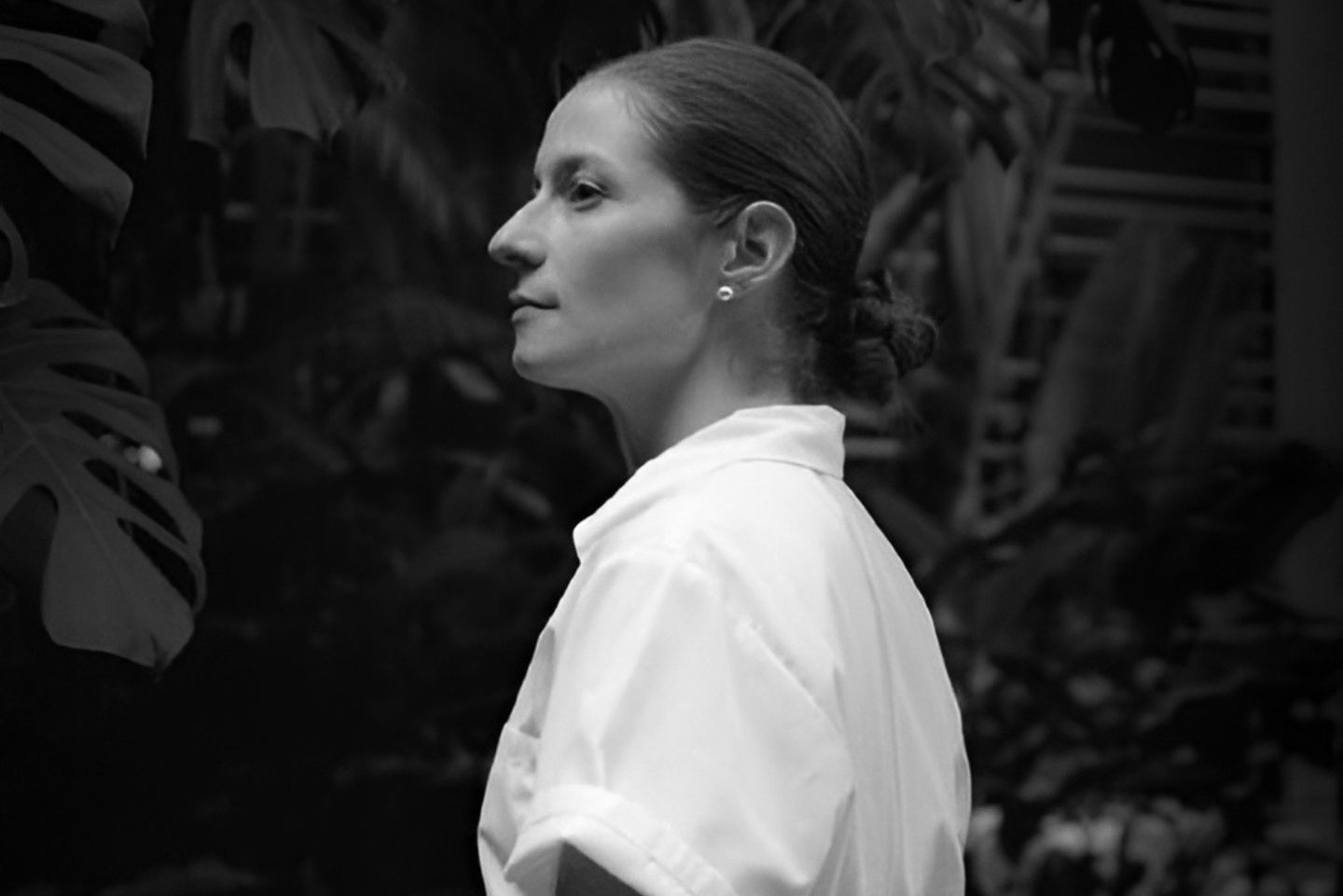
For Chef Monica Sahmkow, food has always been about more than what happens inside a restaurant. As the chef of Bocú, she leads a team of cooks and front-of-house professionals, while also serving as Director of the Gastronomy Academy at Universidad Católica Andrés Bello (UCAB). When the earthquake struck Venezuela, those two worlds came together in an effort to support people affected by the disaster.
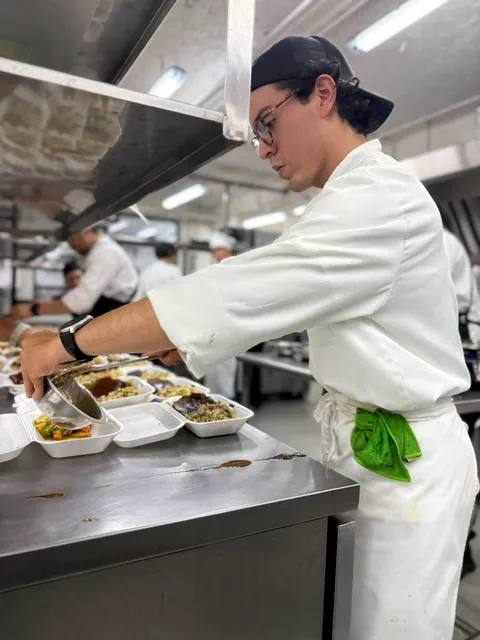
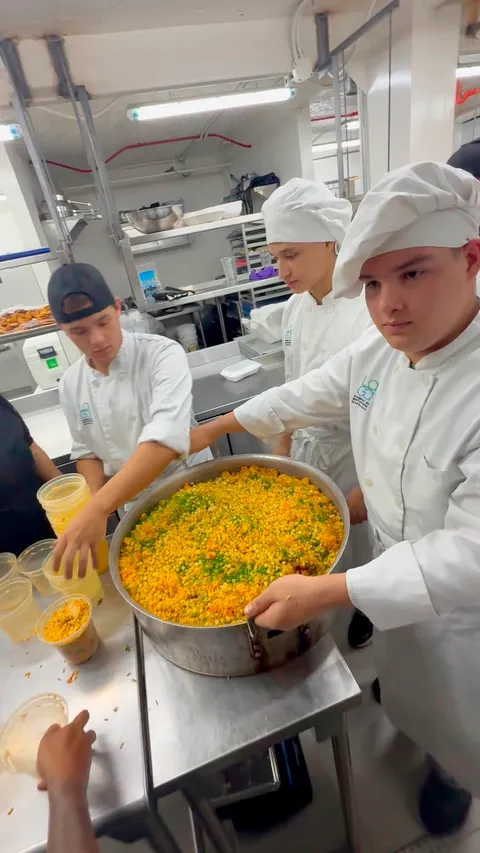
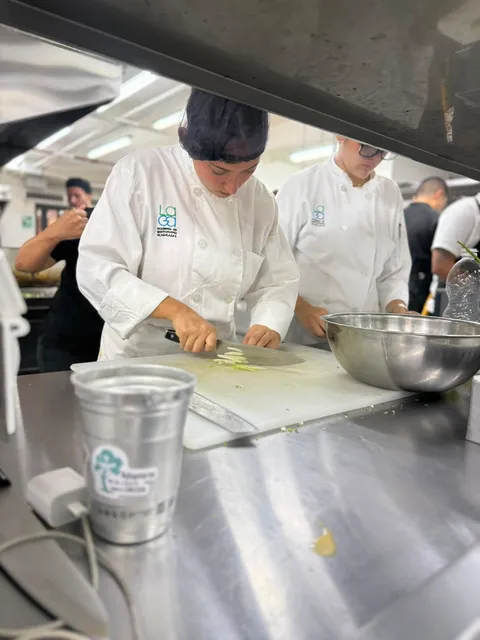
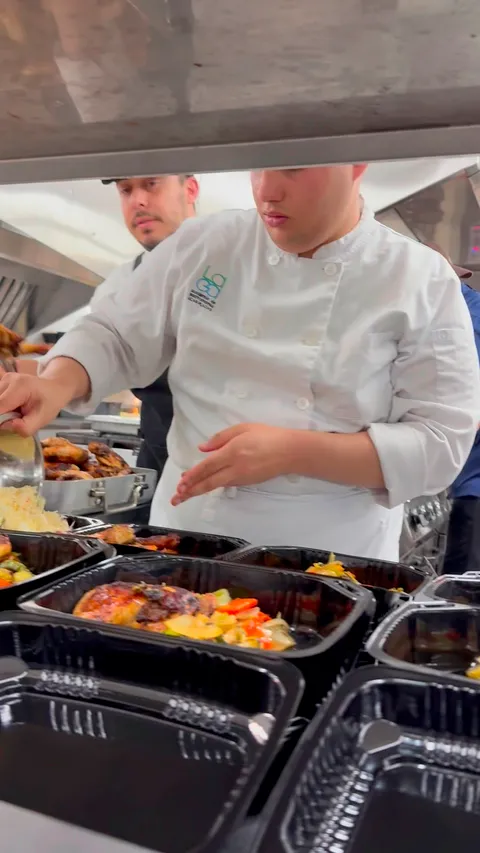
Because of the restaurant kitchen’s limited capacity and space, Monica and her students joined forces with Caracas Catering, one of Venezuela’s leading catering companies, to prepare and distribute food for victims. Many of the photographs documenting this work were taken with her students—young hospitality professionals who became part of a response that showed how quickly a kitchen can become a place of community, care, and action.
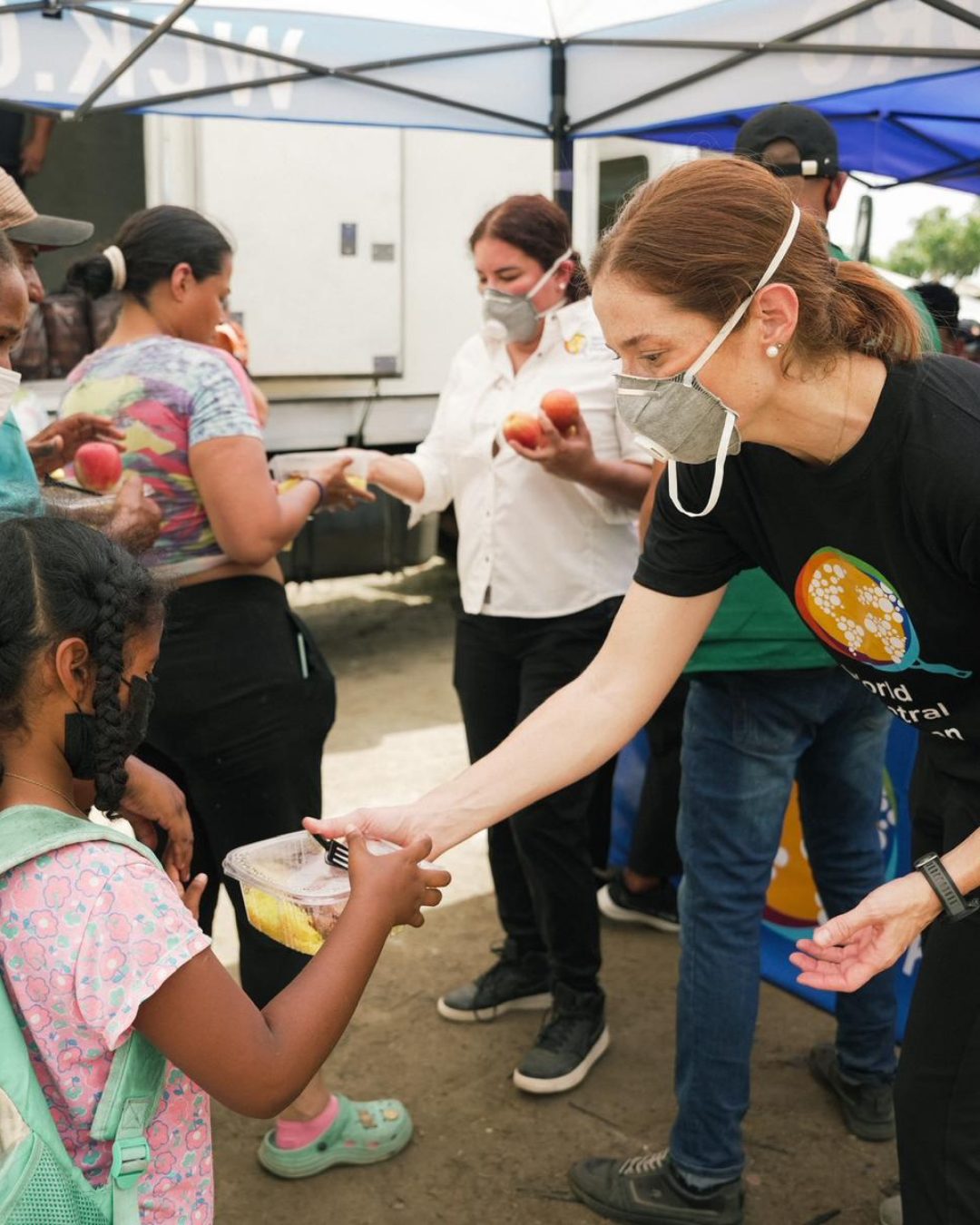
Monica also had the opportunity to work alongside the team at World Central Kitchen, an experience that she describes as a major learning opportunity. Through that work, she witnessed firsthand the power of a hot meal, the importance of acting quickly, and the need to support the local economy in affected communities, all while making sure that emergency response is carried out in the most dignified and humane way possible.
In this conversation with Humans of the Kitchen, Monica reflects on vulnerability, solidarity, and the role hospitality can play when communities are facing disaster.
- How has it been for you to live through this situation, and how are you helping through the kitchen?
I think that for all Venezuelans, experiencing the earthquake was a situation of great vulnerability and fear. But in my particular case, I was extremely lucky because none of my family members or anyone from my teams, either at the restaurant or at the gastronomy academy, were harmed. I also suffered no material damage, so I have a lot to be grateful for.
- What do you think we can do as chefs and as a hospitality community to support people after a disaster?
We often talk about the term social gastronomy as something somewhat separate from restaurant kitchens and chefs, more closely connected to community work.
I believe that what we have experienced in Venezuela during this month and a half after the earthquake is an example of the power gastronomy has to connect and mobilize a community, even after major disasters. A plate of food addresses the immediate urgency a victim has to eat at that moment, but it also gives them something more. By helping victims with a hot meal, you are giving them a little peace and comfort—even if only temporarily—through the flavours and preparations they have eaten throughout their lives.
I had the opportunity to work alongside the World Central Kitchen team, and this was a great learning experience for me. I was able to understand the power of a hot meal, the need to act quickly, and how important it is to support the commercial activity of affected areas. And all of this must be done in the most dignified and humane way possible, because being in a state of emergency should never mean losing your dignity.
- For those outside Venezuela who want to help, what initiatives, organizations, or donation links would you recommend?
The situation remains extremely complex, and the reconstruction process is only just beginning, so any help is very welcome. I recommend supporting the following organizations:
- Fe y Alegría: donaciones@feyalegria.edu.ve
- Jesuitas en Venezuela: donate@unidosenlamision.org — Emergency2026
- Dividendo Voluntario para la Comunidad: administración@dividendovoluntario.org
- World Central Kitchen
- Beyond the Kitchen
About Your City!
Caracas, Venezuela
Monica’s story is a reminder that hospitality does not stop at the restaurant door. In moments of crisis, chefs, cooks, students, restaurants, catering companies, and communities can become part of something much bigger: helping people feel cared for when they need it most.
As earthquakes and other disasters continue to affect communities across Venezuela, Colombia, Peru, and beyond, solidarity matters. Whether through a donation, volunteering, sharing trusted resources, or simply helping amplify organizations doing the work on the ground, we can all contribute to rebuilding with dignity, humanity, and care.

Support our project by buying our merch!

86 HOTK Unisex t-shirt
$30.00
Anthony Bourdain T-Shirt
$35.00
Mise HOTK Unisex t-shirt
$30.00