Discipline Isn’t the Opposite of Creativity
Structure creates the freedom needed for innovation.
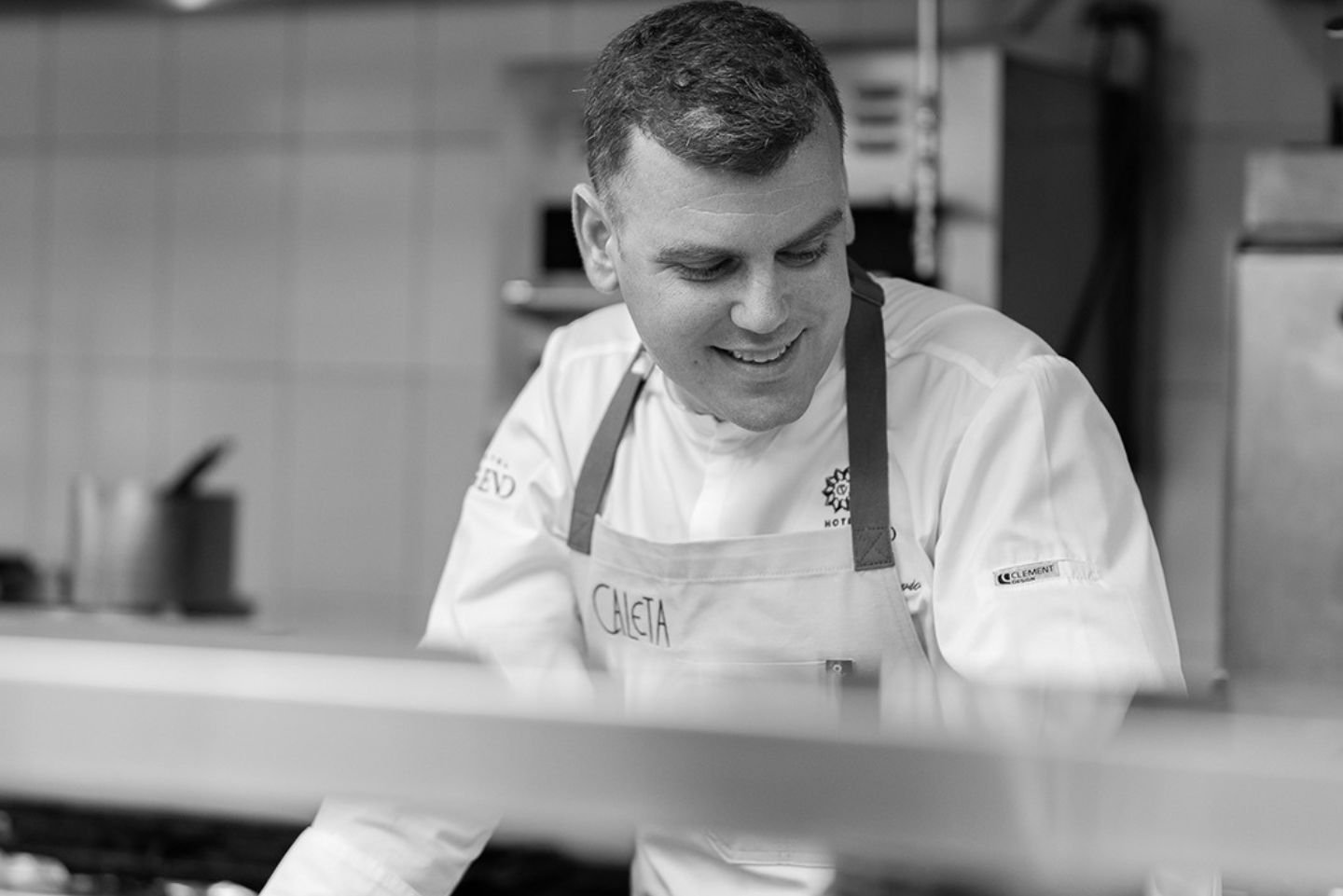
Lorenzo Di Gravio
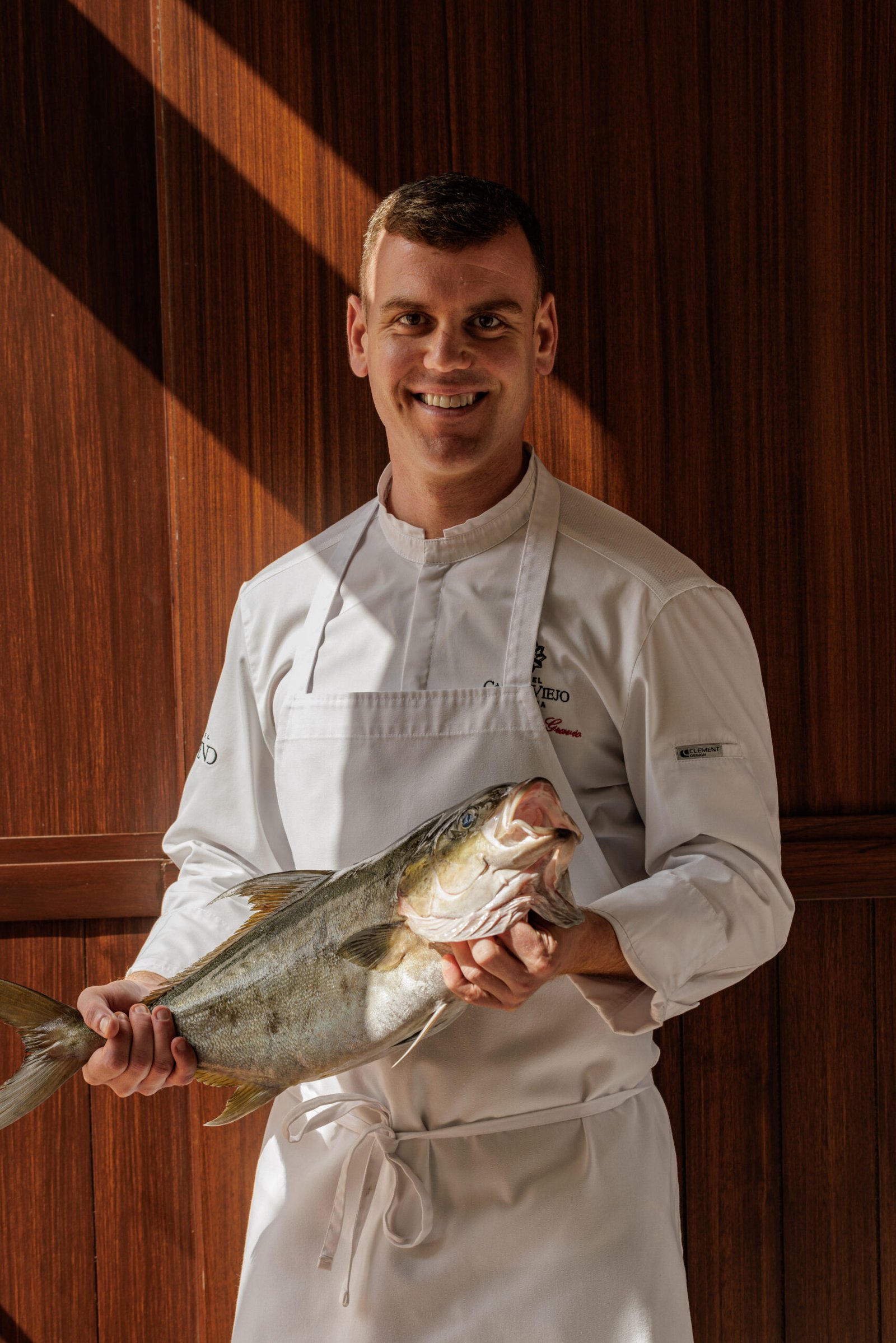
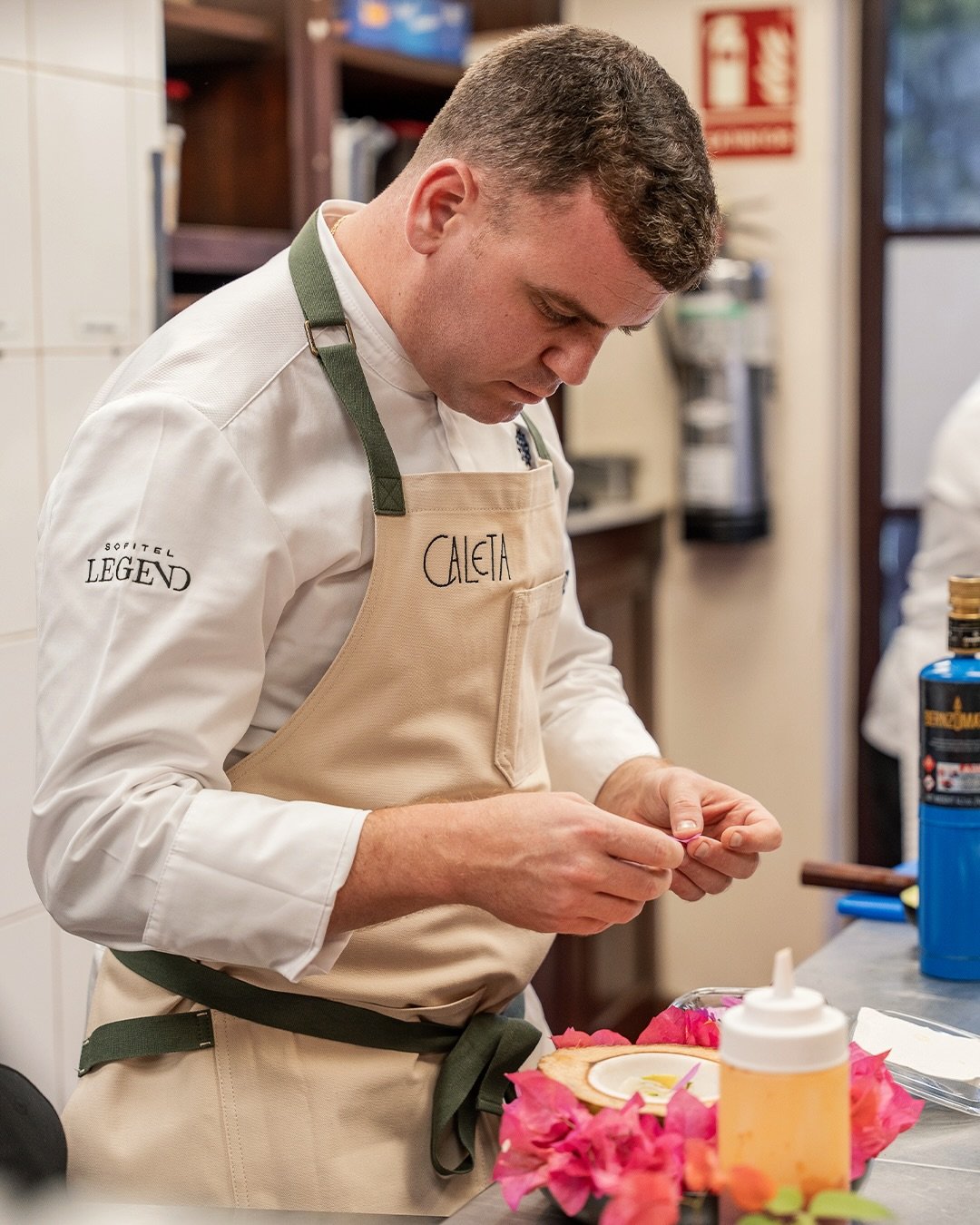
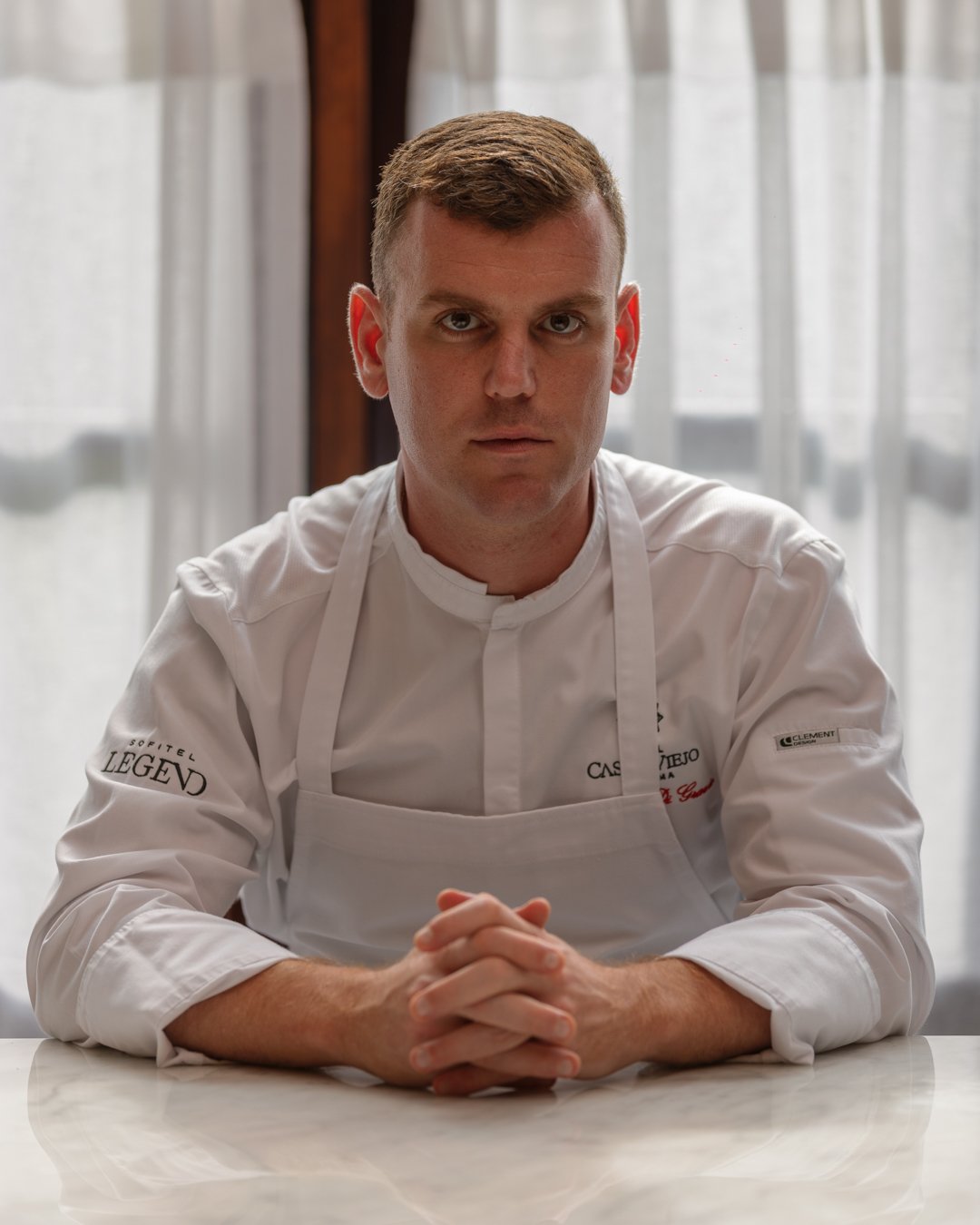
Born in Italy and shaped by experiences that range from military service to Michelin-starred kitchens, Chef Lorenzo Di Gravio has built his career through discipline, curiosity, and an unwavering commitment to growth. What began with childhood afternoons baking traditional cakes alongside his mother and grandmother eventually evolved into a lifelong pursuit of gastronomy.
His journey has taken him from the kitchens of Capri to some of the most respected culinary environments in the world. Along the way, he learned that excellence is not only about technical skill, but also about organization, teamwork, and the ability to adapt under pressure. Mentorship, hard work, and a relentless drive to improve have become defining elements of his professional identity.
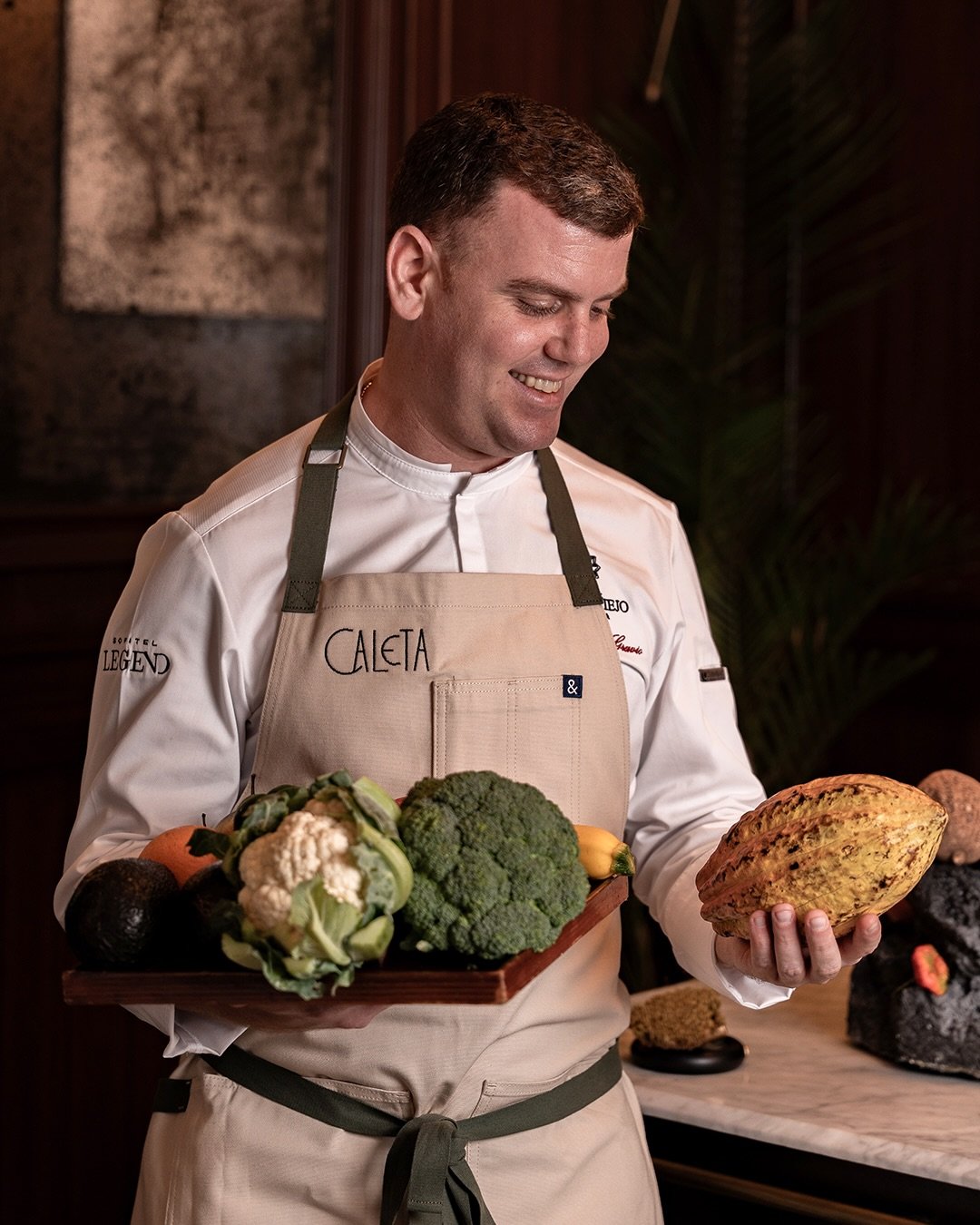
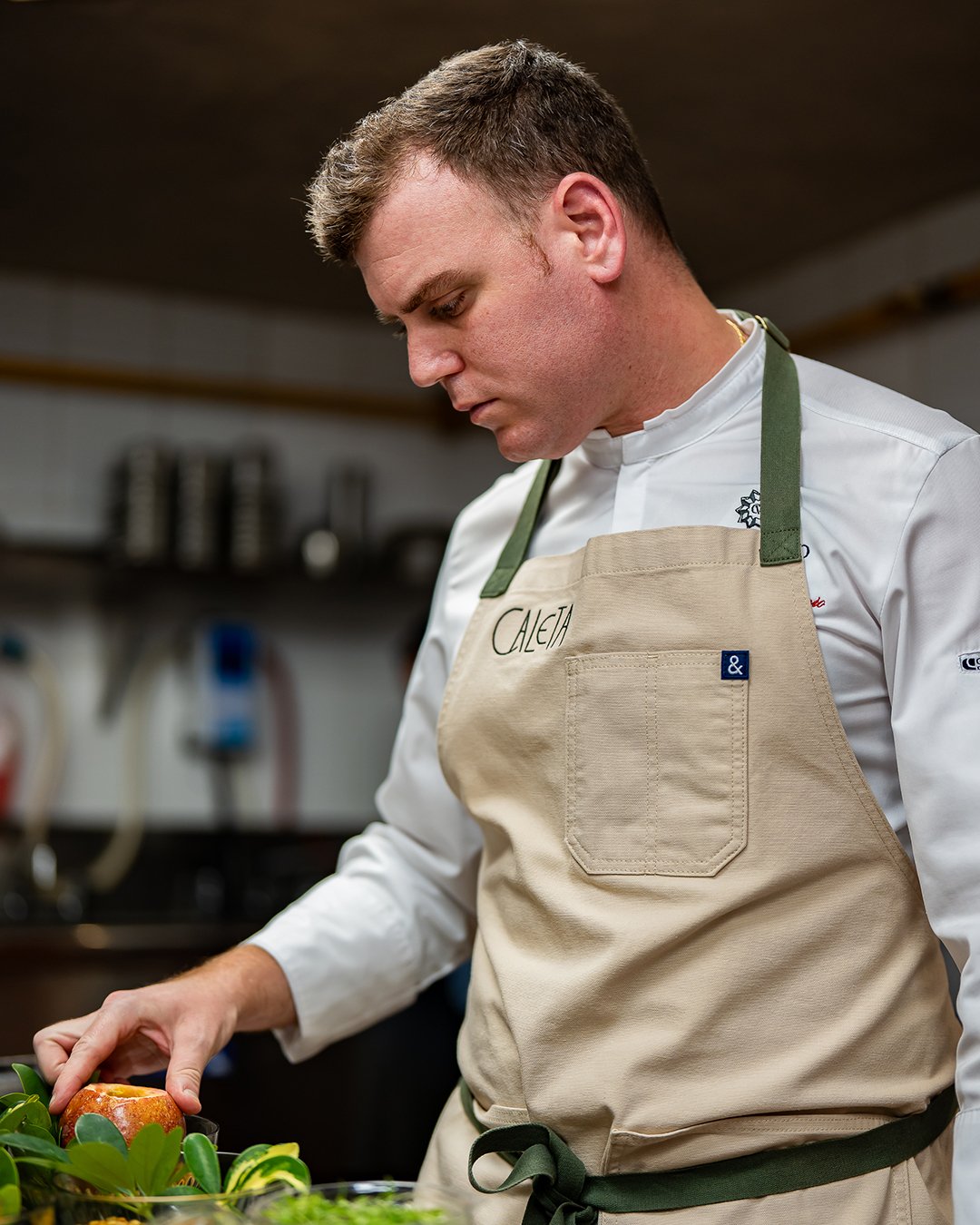
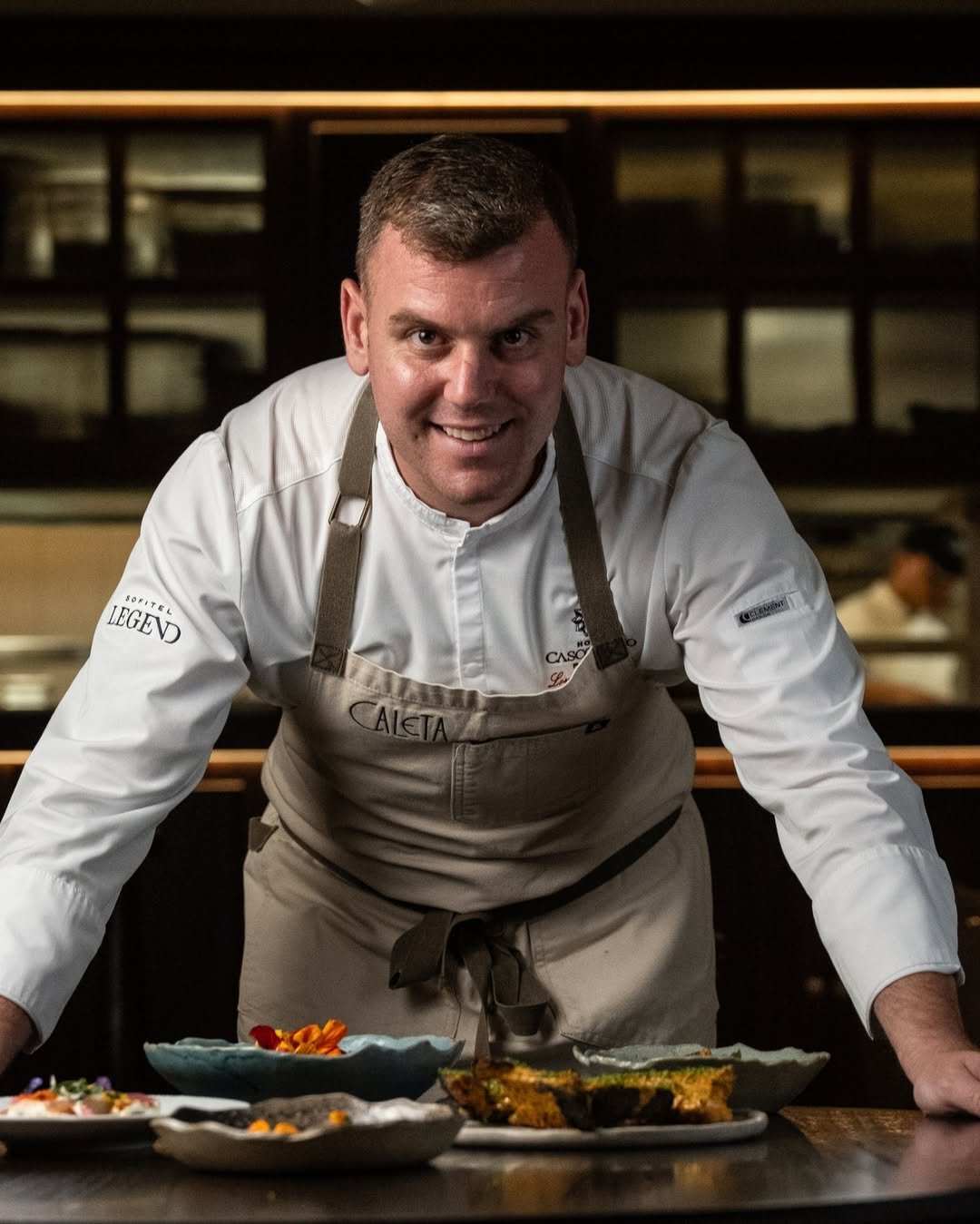
Today, as Executive Chef at Sofitel Legend Casco Viejo Panama, Lorenzo combines Italian culinary roots with the vibrant flavors and traditions of Latin America. His philosophy—what he calls “disciplined art”—balances creativity, precision, and deep respect for ingredients, people, and culture.
In this conversation, he reflects on military discipline, Michelin-starred kitchens, mentorship, leadership, restaurant culture, and the values that continue to shape his approach to cooking and life.
Share your Journey
- Looking back at your childhood, was there a specific moment or memory that sparked your interest in food or cooking?
I was a very energetic child, and to keep me occupied, my mother and grandmother would often invite me into the kitchen to help bake traditional cakes. Those early experiences sparked a lifelong curiosity about food and laid the foundation for my passion for gastronomy.
- Did you have another career or job before becoming a chef? How did those experiences influence your decision to pursue cooking?
I served in the Italian Army for four years, and after two years I joined the Paratroopers. This experience had a profound impact on my personal development, teaching me discipline, resilience, and the ability to push beyond my perceived limits.
It shaped the mindset I carry with me today: a strong commitment to discipline, focus, and continuous self-improvement, always striving to become better every day.
- Did you formally study culinary arts, or are you self-taught? How has your learning journey shaped your approach to cooking?
I attended a scientific high school, and only after my experience in the military did I decide to pursue a career in gastronomy.
I completed two private culinary courses, which provided me with the fundamental knowledge needed to enter the industry. However, I strongly believe that true growth comes from hands-on experience and hard work.
Continuous learning, staying informed, and reading are essential, but it is through daily practice that skills are truly developed and refined.
- When did you first step into a restaurant kitchen? What was that experience like, and how did it shape your journey as a chef?
My first experience in a professional kitchen was at a seafood trattoria. I still remember my very first day.
It was a great experience and an important stepping stone in my career. It allowed me to take my first steps in the industry, understand the pace and dynamics of a professional kitchen, and gain valuable hands-on experience.
- What were some of the early challenges or obstacles you faced when you started in the kitchen, and how did you overcome them?
My first major challenge came at Il Riccio, a Michelin-starred restaurant in Capri. I was working as a commis chef in charge of the pasta station, where everything was prepared à la minute and the volume of covers was very high.
At the beginning, it was incredibly demanding to keep track of 15 pasta boilers and 6 timers entirely from memory.
After a few weeks, however, I developed an alphanumeric organization system that allowed me to manage the station much more efficiently. It completely changed the way I worked—and, quite amusingly, nearly fifteen years later, that system is still being used today.
That experience taught me an important lesson: when faced with a challenge, organization and creativity can be just as valuable as technical skills.
- What keeps you inspired and how has that inspiration driven you throughout your professional journey? Especially during tough times in the kitchen?
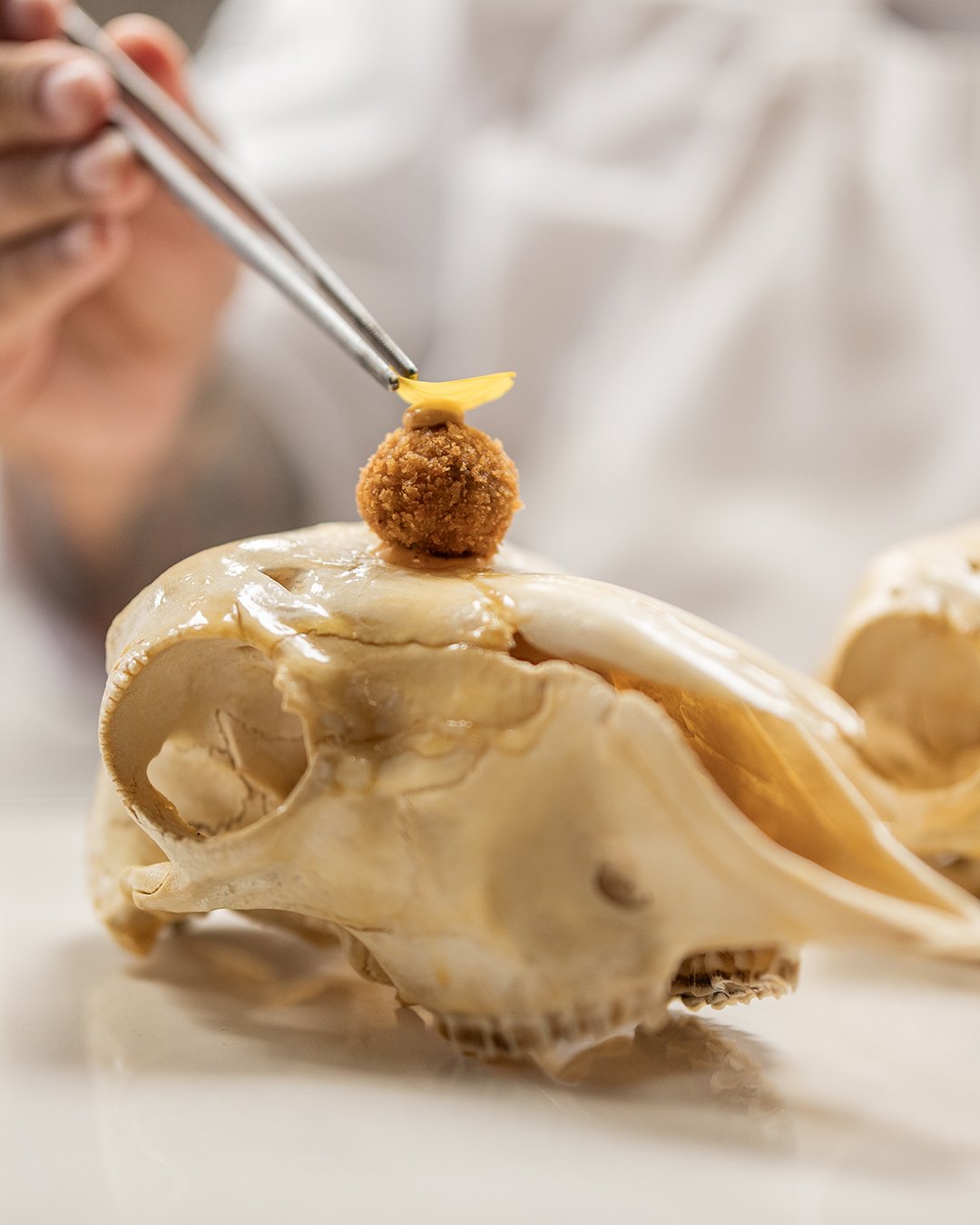
Art and history are, today, a fundamental part of my approach to cuisine. I greatly enjoy visiting museums, especially those dedicated to history and natural sciences, as they are a constant source of inspiration.
They always help me broaden my perspective, encourage me to keep studying, and push me to create more diverse and meaningful dining experiences.
- Can you recall a moment in the kitchen that marked you forever? Maybe it was an interaction with a mentor, a fellow cook, someone you fed, or a situation that challenged you in a way that shaped who you are today?
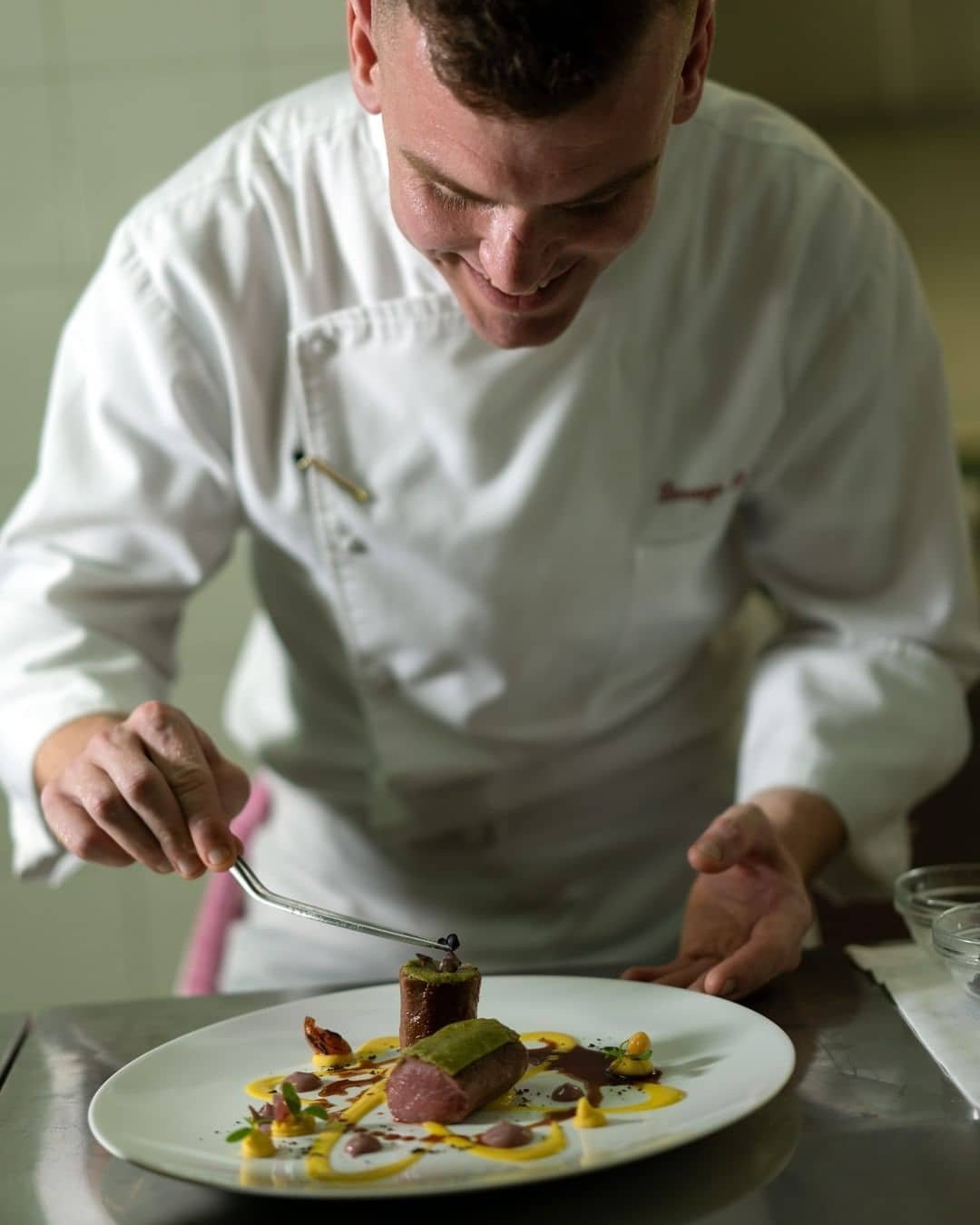
My mentor, Andrea Migliaccio, with whom I worked for almost seven years, had a profound influence on my professional growth. As Culinary Director at Jumeirah in Capri, he shaped me through his strong discipline and exacting standards.
From him, I learned the importance of immaculate plating, deep respect for the product, absolute order and cleanliness in the kitchen, and the value of focus and silence during service. He is a highly charismatic figure with a strong human presence, and his way of working left a lasting impact on me both professionally and personally.
I still remember an episode during ILTM Cannes when we were under tremendous pressure with production and struggling to keep up. In that moment, Andrea stepped in and worked alongside me, personally filleting fish and preparing tartares. We even turned it into a challenge, betting on who would produce more by the end of the service.
It was a defining moment for me. Beyond the pressure and intensity, it taught me something essential: you always help, regardless of your role or position. In a kitchen, what matters most is the team and the willingness to step in wherever needed.
- As a chef, how would you describe your philosophy in the kitchen, and how does it guide your approach to cooking and leadership?
I call my philosophy “disciplined art.”
It is the constant pursuit of artistic innovation in plating and presentation, while maintaining a meticulous respect for the product and upholding the highest standards of discipline in both the kitchen and the dining room.
For me, creativity and precision are not opposites, but two elements that must coexist in perfect balance.
I strongly believe that discipline is the foundation for achieving, maintaining, and continuously improving results.
- Can you share a time when cooking or the camaraderie in the kitchen helped you through a tough period in your life? What made that experience meaningful?
A few years ago, after coming out of a nine-year relationship, I went through a very challenging personal period.
During that time, the kitchen played a fundamental role in helping me move forward. The intense rhythms and demanding days gave me focus and structure, allowing me to channel my energy into something constructive.
Being constantly surrounded by a team, working in an environment I am passionate about, and staying fully engaged in my craft helped me overcome that moment and look ahead with clarity and purpose.
- Reflecting on your career, what achievements or milestones are you most proud of, and what do they mean to you?
Earning a Michelin star in Italy and being included in Latin America’s 50 Best Restaurants are two immense milestones in my career.
They represent two completely different worlds, with distinct cultures, ingredients, and culinary identities.
If I had to choose, I would say that being part of the 50 Best list is perhaps my greatest achievement to date because it represents openness and acceptance. It reflects the fact that, as a foreign chef, I was first welcomed into a different culinary culture and then recognized within it at a high level.
- What aspects of restaurant culture do you love, and what parts do you find frustrating or problematic? Are there any changes you’re actively working toward or things you hope they change in the industry? Share the reasons behind them and how they align with your vision for a better culinary world?
The most beautiful aspects of the restaurant industry are its conviviality and sense of sharing—the ability to build a strong community within the gastronomic world, and the opportunity to travel, discover new cultures, ingredients, and flavors.
For me, cooking is above all an act of sharing.
At the same time, there are darker aspects of the industry that I strongly reject, such as labor exploitation, unpaid overtime, and the lack of proper meals provided for staff.
I have personally experienced these situations, and today, in my role as Executive Chef at Sofitel Legend Casco Viejo Panama, I actively fight to protect and improve the rights of Food & Beverage employees.
We ensure that all overtime is paid, provide proper lunch and dinner options for staff, share tips equally between the kitchen and service teams (50/50), and maintain a strong proportion of properly contracted trainees.
Today, people often say that young professionals no longer want to join this industry, but I strongly believe that everything depends on the working environment and the opportunities that are offered to them.
- What are your hopes for the future of the restaurant and food and beverage industry? What changes would you like to see, and how are you contributing to that change?
As I mentioned earlier, I remain very optimistic.
The restaurant world is a wonderful industry—sometimes demanding and intense—but when it is truly driven by passion, it can transform your life and contribute greatly to personal growth.
Today, it is much easier to travel and stay connected with family, and this profession can offer the opportunity to explore the world and experience different cultures firsthand.
We should never forget that historically, across all cultures, the first encounters between people often took place around food and drink. Food has always been a symbol of sharing and unity.
For this reason, I see a very bright future for gastronomy. Ultimately, everything depends on how the profession is practiced and the values behind it.
- If there’s anything we didn’t ask or if you feel we’re missing something about your personal and kitchen story, please share it here.
Dream it, achieve it, dance… repeat.
Photo credits
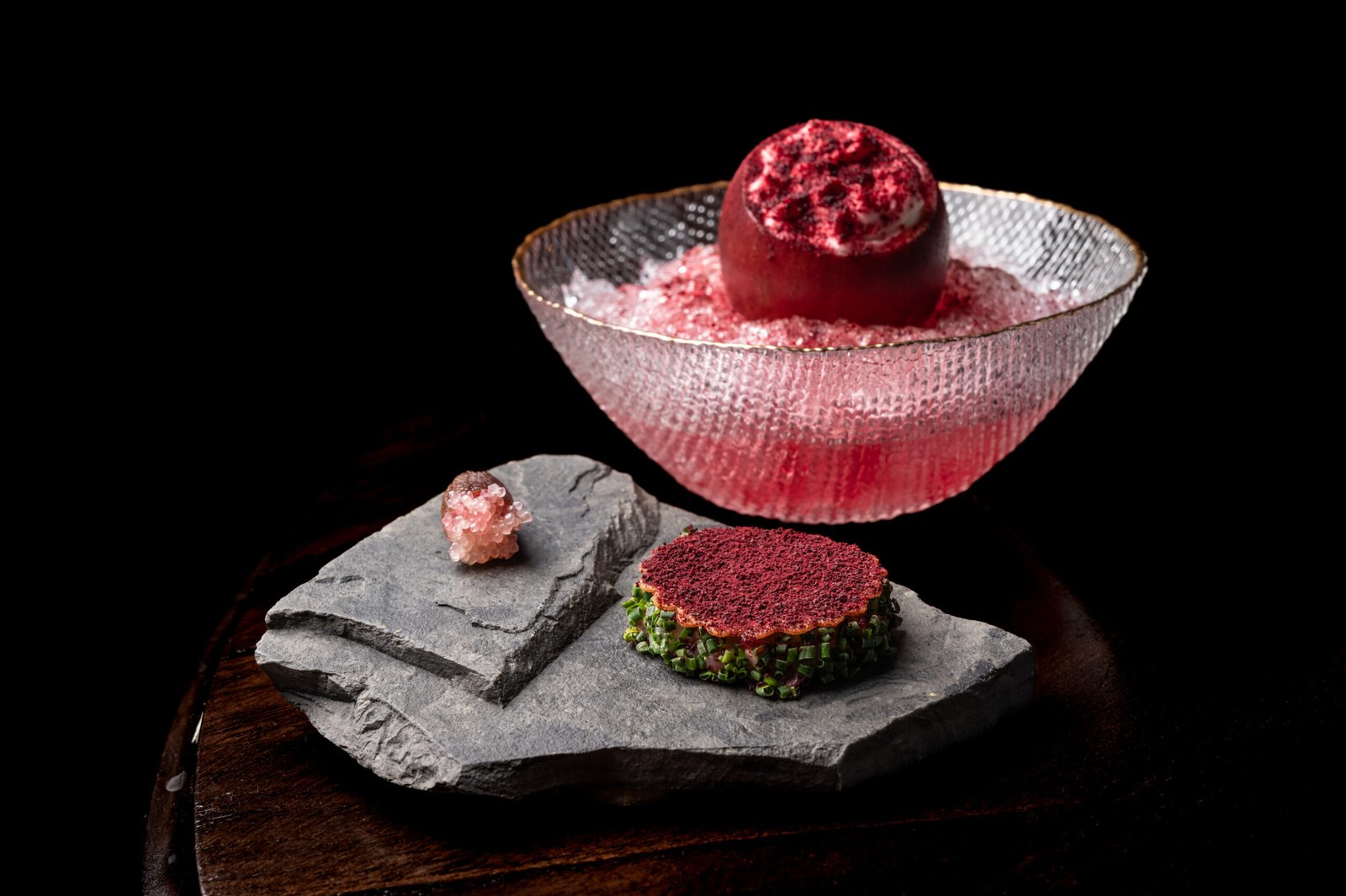
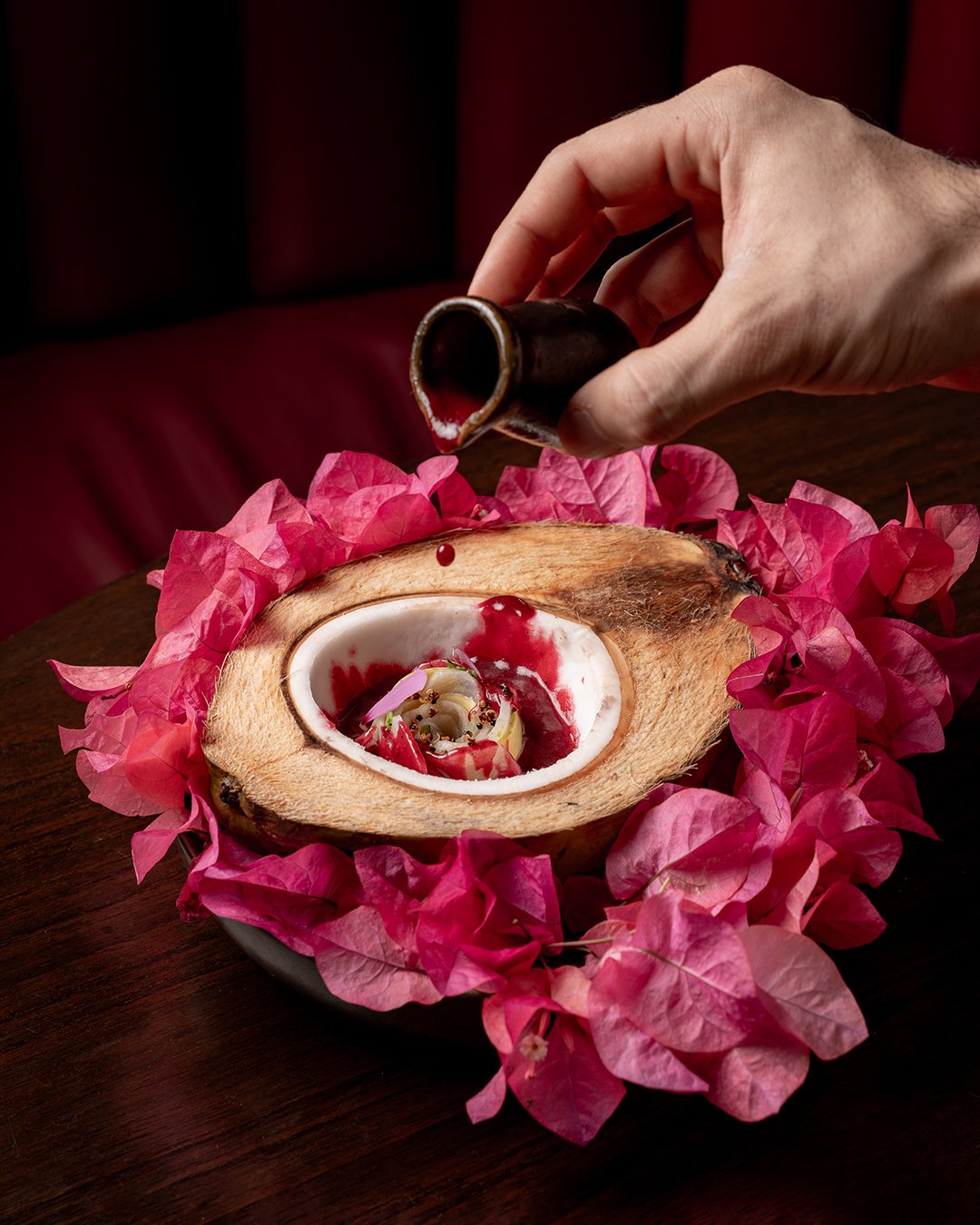
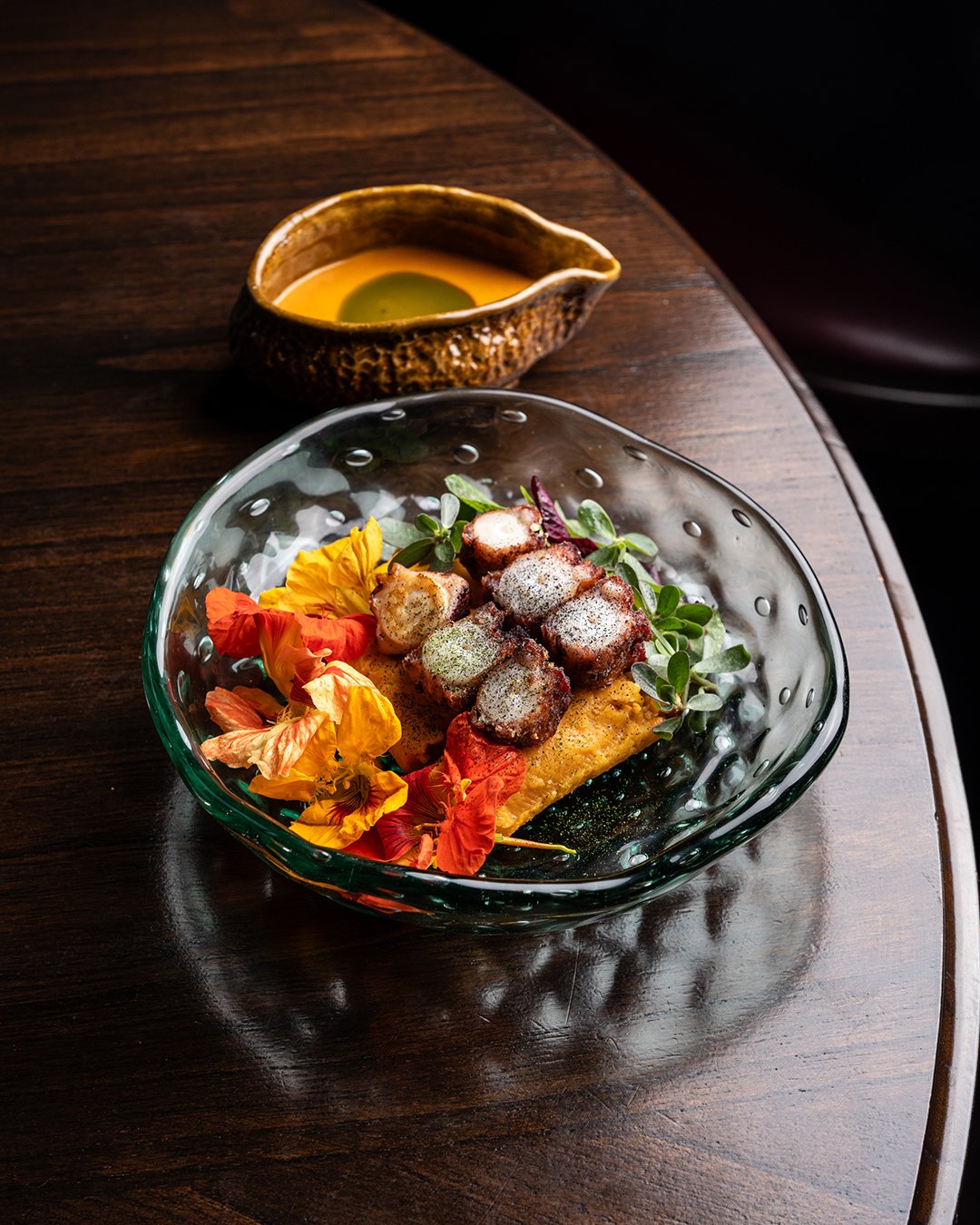
Dish photography by @gonzalopicon.
Portraits by @foodlust.studio.
Secret Sauce
- What’s the most unexpected ingredient you’ve ever worked with, and how did it change your perspective on cooking?
Aji Chombo is something I absolutely love. It’s an extremely spicy chili from Panama, but what makes it special is its aromatic profile, which I find incredibly appealing both in food and drinks.
It’s versatile, bold, and full of character—I genuinely love it.
- What’s your “guilty pleasure” meal?
Pizza.
- A food trend that you hate and why?
Matcha. Everyone wants it, but when you serve it without added sugar, it often doesn’t appeal to the same people.
- What’s the craziest shift you’ve ever worked in the kitchen?
6:00 a.m. – 1:00 a.m.
5. What happened, and how did you manage to get through it?
I don’t have issues with working hours, and no one imposes them on me.
If I need to work 18 hours, I do it without any problem. Sometimes the days are very long, sometimes they are shorter—it depends on the rhythm of the service and the needs of the moment.
- What tips would you give to other cooks and chefs to help them navigate their culinary careers and find peace amid the chaos of the kitchen?
We must always remember who we work for: the guests. They should leave the restaurant satisfied and happy.
In many high-level kitchens, there is often an excessive focus on details that 99.9% of guests will never notice.
The key is to be intelligent enough to understand when to push for perfection and when to step back in order to maintain a healthy internal and external balance.
- What’s an underrated ingredient and why?
I don’t believe there are such things as “underrated ingredients.”
8. What’s a must-try dish from your kitchen or the one you’re proudest to have prepared?
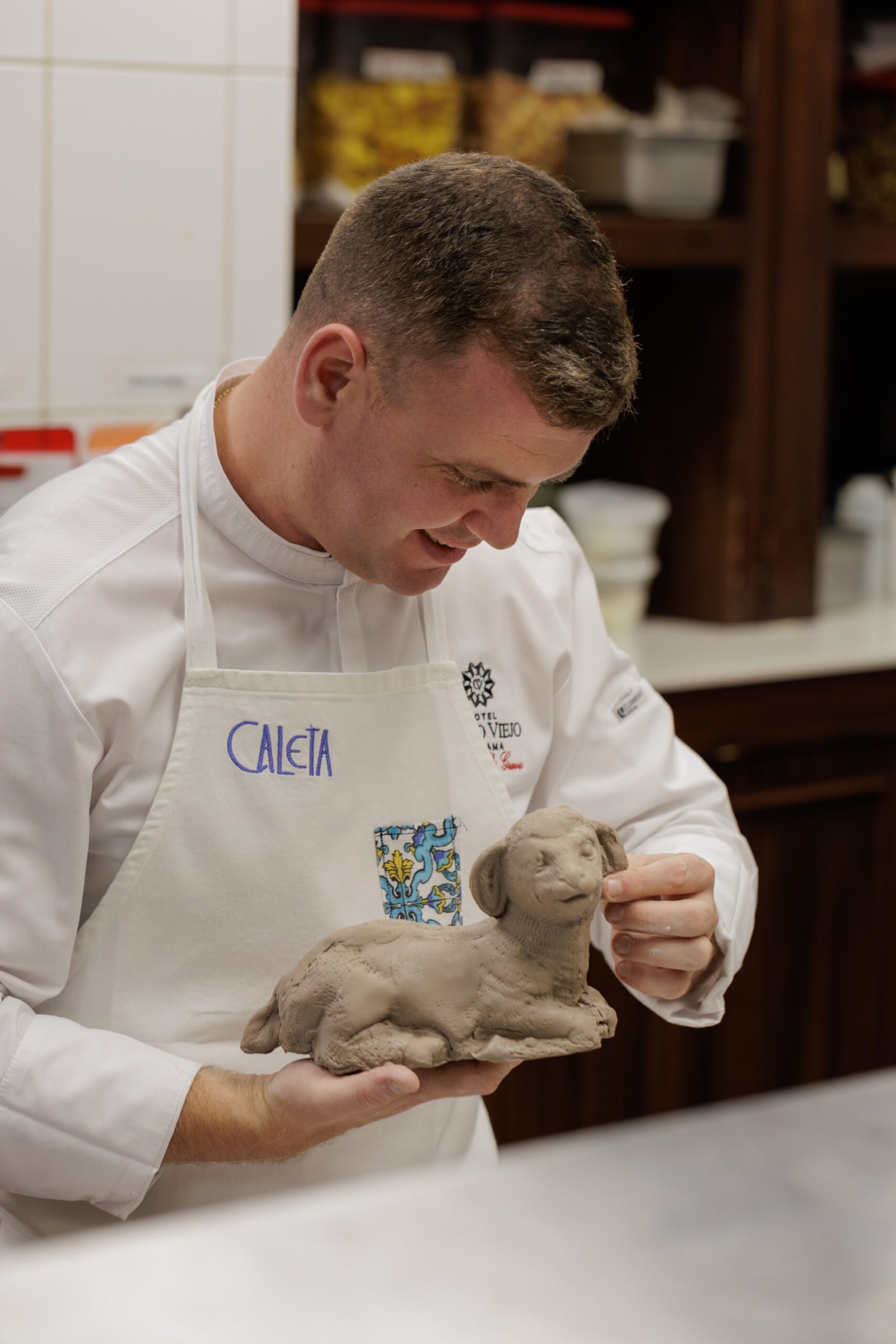
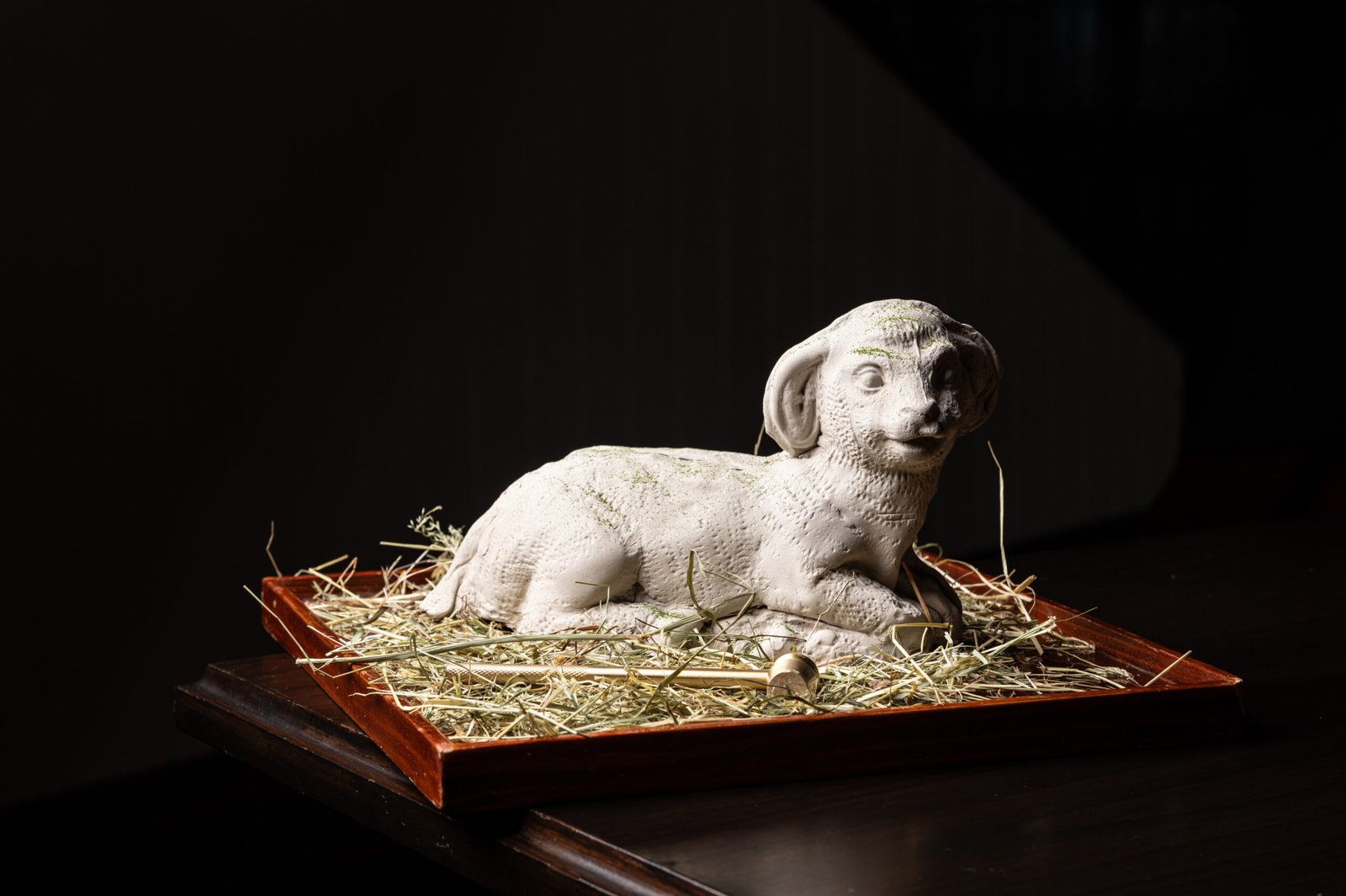
Clay-Baked Corvina: a dish that brings together art, history, and product.
Inspired by salt-crusted fish techniques, this creation reinterprets ancestral cooking methods through a more artistic form, using clay as a natural vessel.
The corvina fillet is wrapped in bijao leaves, enhancing its aroma and protecting its natural juiciness during cooking.
The concept is rooted in two ancient traditions: the earliest clay ovens and the use of bijao leaves for cooking and wrapping.
The result is a dish that blends heritage techniques with a modern artistic presentation, where history and creativity come together on the plate.
About Your City!
Panama City
- If Anthony Bourdain or a chef came to your city, what would be the perfect tour itinerary from breakfast to dinner?
I am originally from Rome, Italy, but I have been living and working in Panama for the past four years, so I will speak about Panama.
Breakfast in the Chinese Quarter reflects the strong Chinese influence on the country, especially during festive occasions, when traditional Chinese-style breakfasts are widely enjoyed.
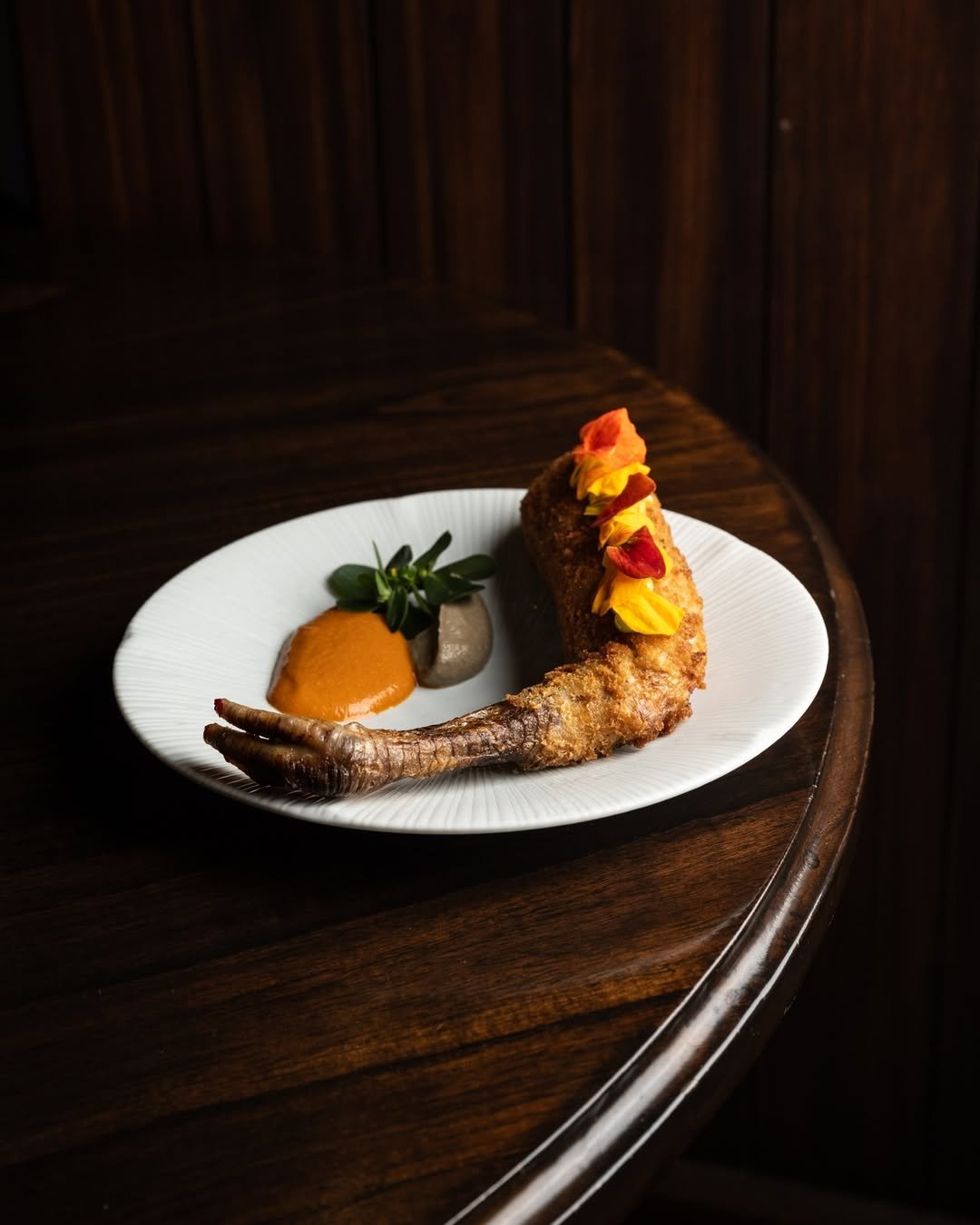
For lunch, a must is Fonda Lo Que Hay, where you can’t miss the tuna tostada and the fried chicken—simple, honest, and full of flavor.
For dinner, I like to go to Ricominciare to reconnect with Italy, enjoying what I consider the best pizza in the city, along with a great selection of cured meats—my weakness.
To end the night, I head to a collectivo-style spot, enjoying a couple of cocktails while listening to good music on vinyl—the perfect way to close the day.

Support our project by buying our merch!

86 HOTK Unisex t-shirt
$30.00
Anthony Bourdain T-Shirt
$35.00
Mise HOTK Unisex t-shirt
$30.00