The Service He Never Forgot
One intense service changed how he understood teamwork, hospitality, and emotional connection.
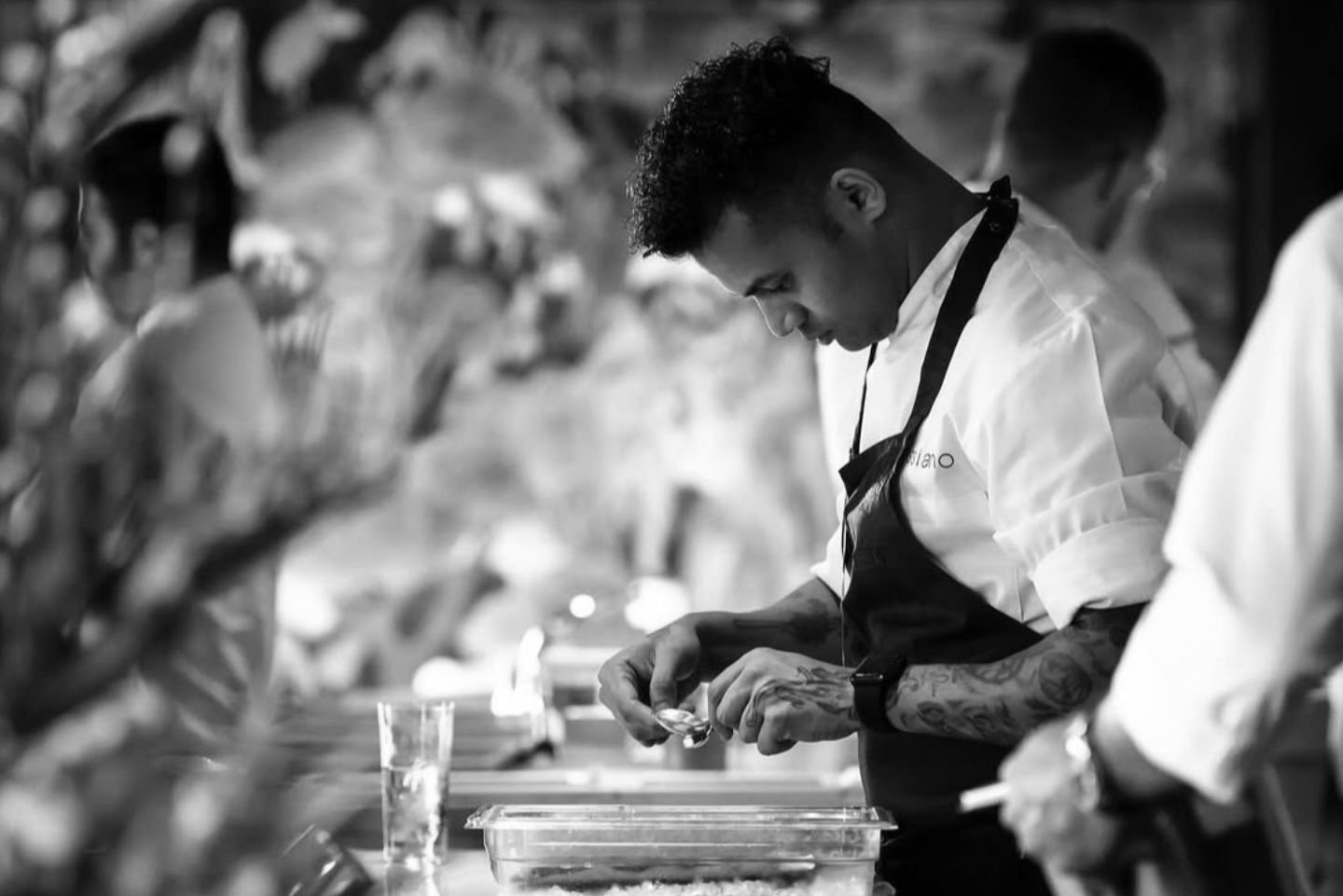
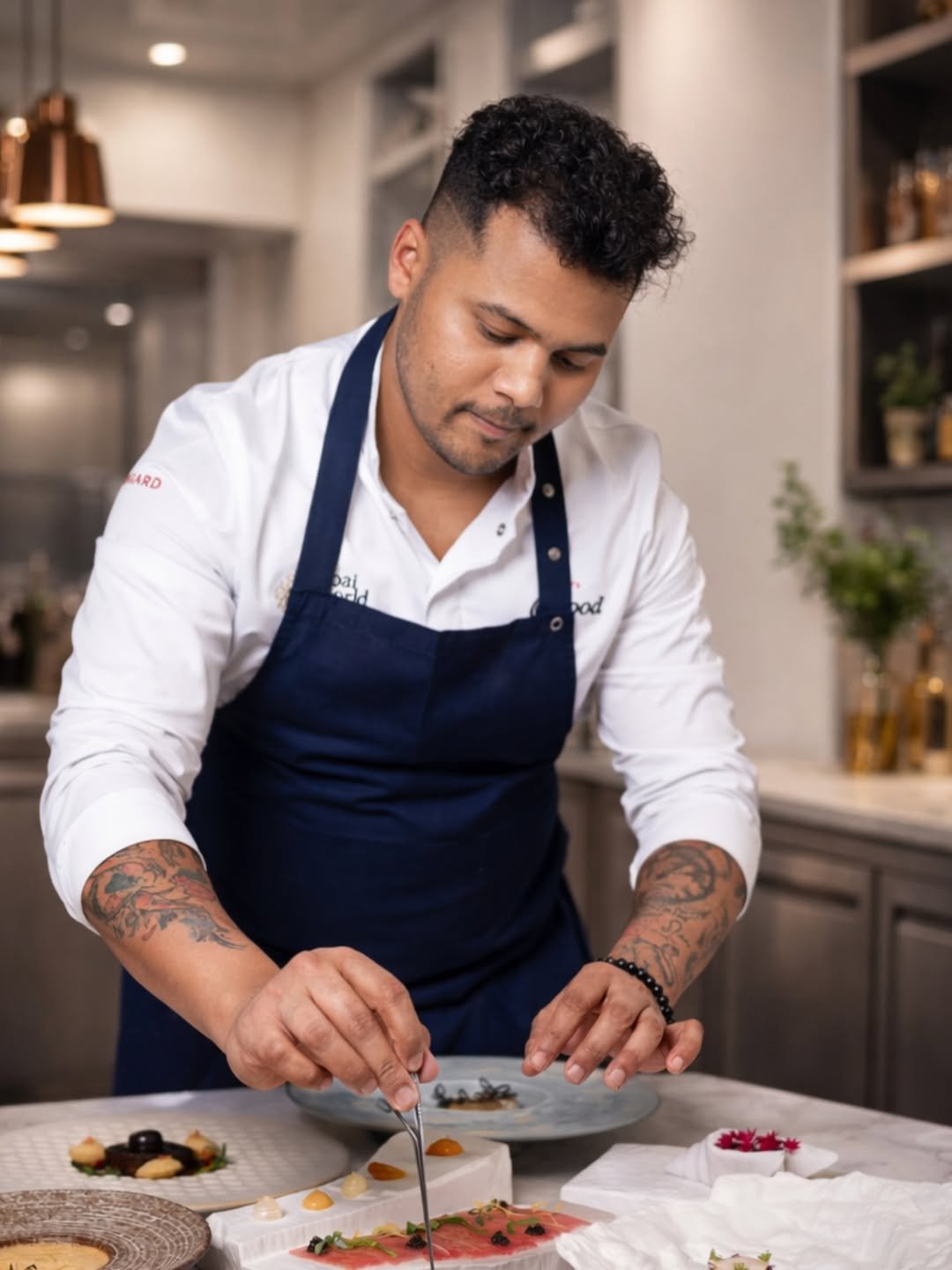
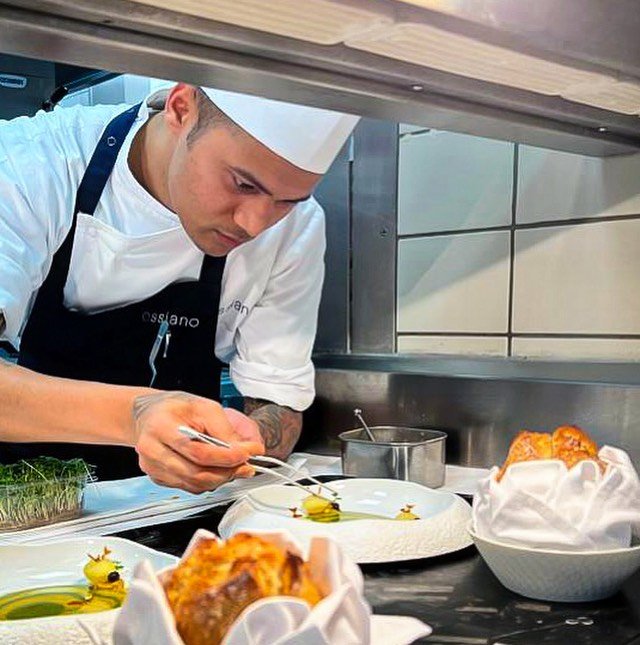
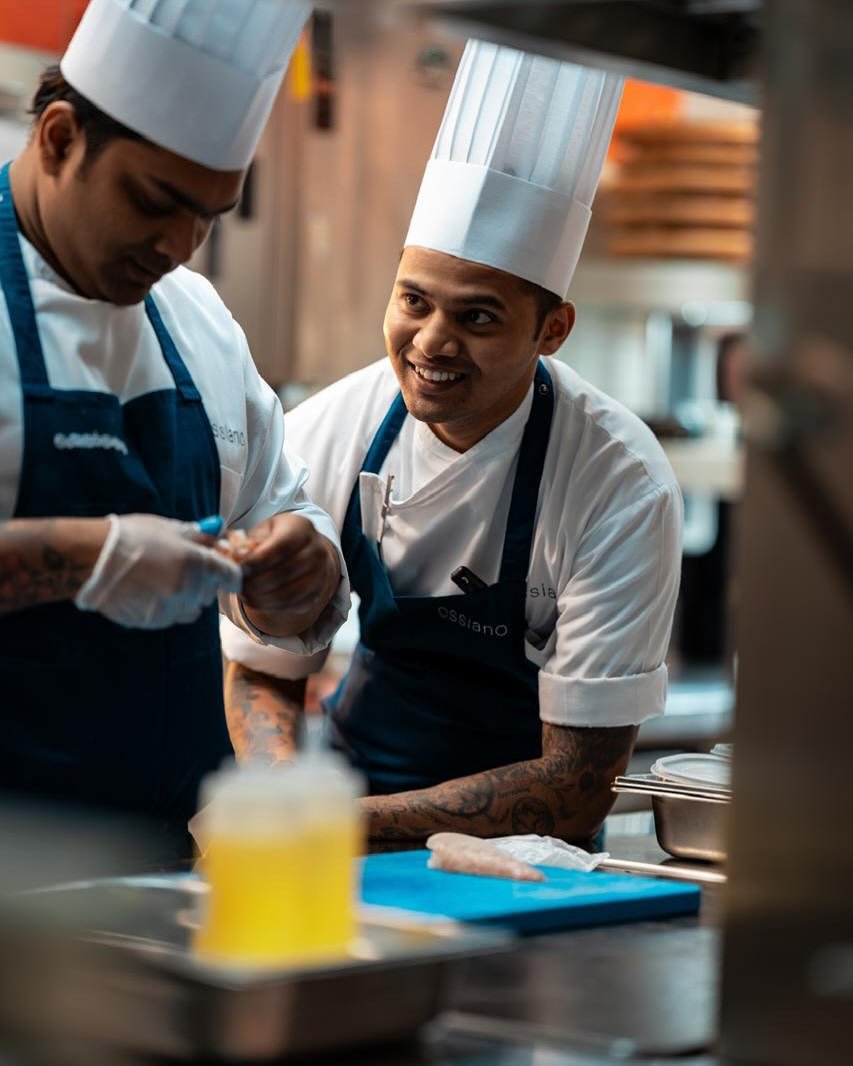
Ashish Ashok Manvi
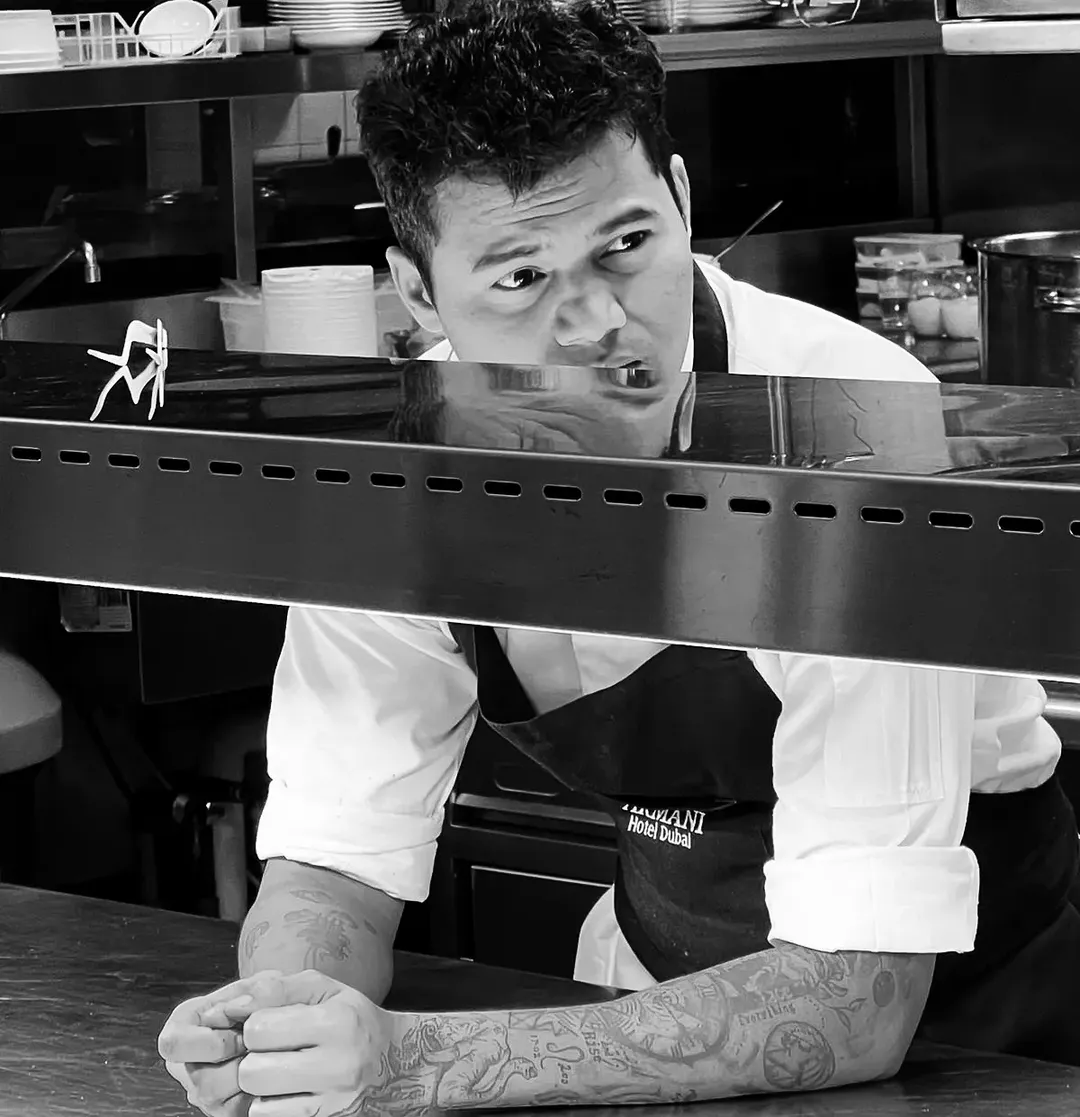
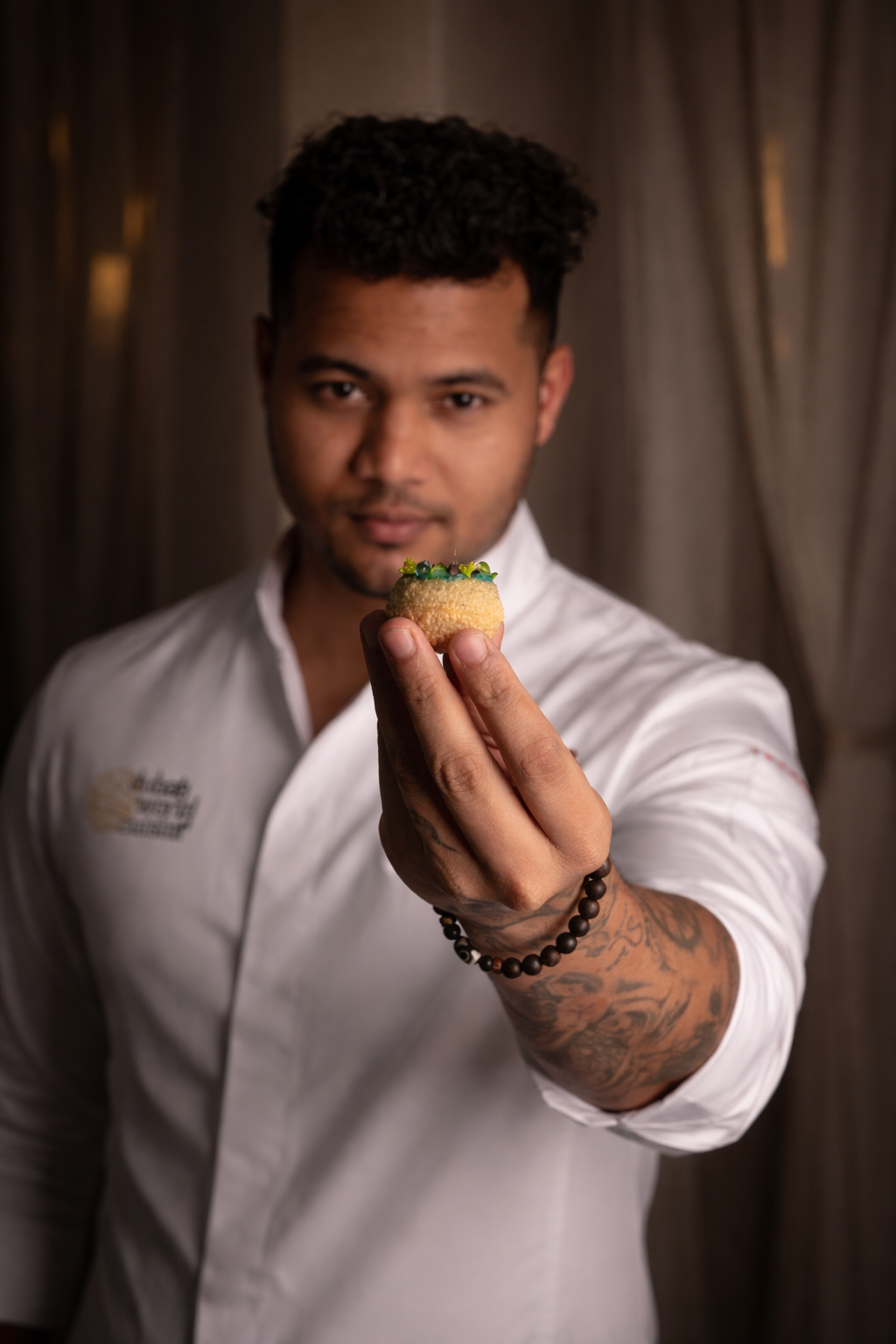
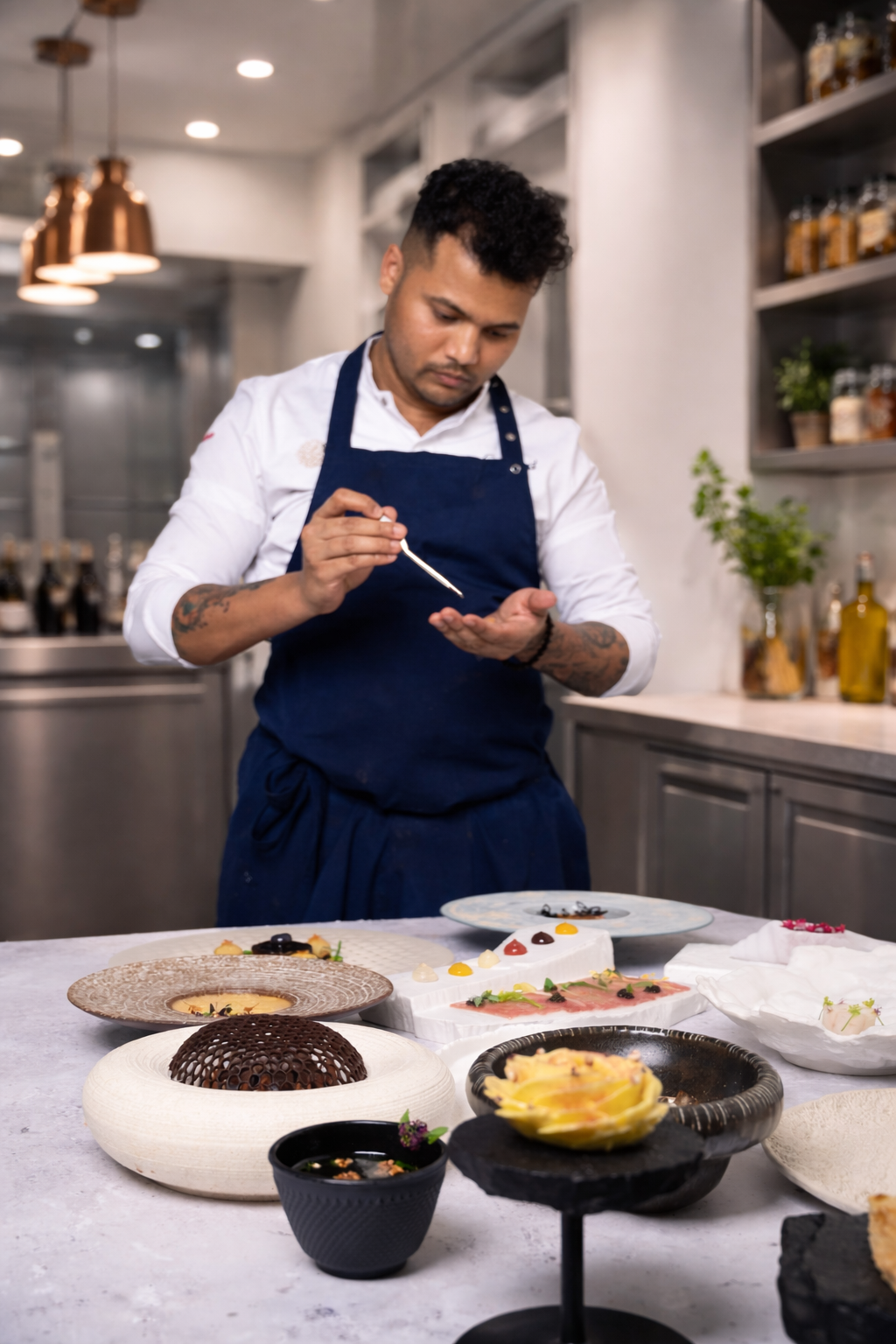
For Ashish Ashok Manvi, the kitchen became more than a workplace very early on. It became the place where he learned discipline and resilience, and discovered who he wanted to become.
What started as a fascination during family gatherings slowly turned into a lifelong pursuit shaped by pressure, long hours, and constant learning. Professional kitchens challenged him physically and mentally, but they also gave him purpose, a space where creativity, teamwork, and hospitality could coexist.
Over the years, those experiences shaped not only the way he cooks, but the way he leads. Today, Ashish believes great kitchens are built on more than skill alone. They require respect, mentorship, and people willing to grow together through difficult moments.
In this conversation, he reflects on leadership, kitchen culture, and the responsibility that comes with creating meaningful experiences through food.
Share your Journey
- Looking back at your childhood, was there a specific moment or memory that sparked your interest in food or cooking?
Growing up, I was always fascinated by the energy of the kitchen during family gatherings and festivals. Watching meals being prepared with passion deeply inspired me. I loved helping with small tasks and seeing how food brought people together. That childhood experience sparked my passion for cooking, creativity, and hospitality.
- Did you have another career or job before becoming a chef? How did those experiences influence your decision to pursue cooking?
Before becoming a chef, I explored different small jobs that taught me discipline, responsibility, and the importance of hard work. However, none of them gave me the same excitement and satisfaction as cooking. Being in the kitchen made me feel creative and alive. Those experiences helped me realize that my true passion was hospitality and creating memorable experiences through food.
- Did you formally study culinary arts, or are you self-taught? How has your learning journey shaped your approach to cooking?
I formally studied culinary arts, but most of my real learning came from working in professional kitchens and learning from experienced chefs. Every kitchen taught me something different: discipline, teamwork, creativity, and attention to detail. My journey shaped me into a chef who respects both traditional techniques and modern innovation, while always focusing on creating memorable dining experiences.
- When did you first step into a restaurant kitchen? What was that experience like, and how did it shape your journey as a chef?
I first stepped into a professional restaurant kitchen at a young age, and it completely changed my perspective on food and hospitality. The environment was fast, intense, and full of energy, but I loved every moment of it. Watching chefs work with precision and passion inspired me deeply. That experience taught me discipline, teamwork, and consistency, shaping the foundation of my journey as a chef.
- What were some of the early challenges or obstacles you faced when you started in the kitchen, and how did you overcome them?
One of the biggest challenges I faced early in my career was adapting to the pressure and long working hours of professional kitchens. The environment was physically and mentally demanding, and mistakes were not easily accepted. I overcame these challenges by staying disciplined, learning from senior chefs, practicing every day, and never giving up. Those difficult moments made me stronger, more focused, and helped shape my work ethic and passion for excellence.
- What keeps you inspired and how has that inspiration driven you throughout your professional journey? Especially during tough times in the kitchen?
What keeps me inspired is the ability to create emotions and memories through food. Seeing guests enjoy my dishes and watching my team grow motivates me every day. During tough times in the kitchen, I remind myself why I started this journey: my passion for creativity, hospitality, and continuous learning. Challenges have taught me resilience, patience, and the importance of staying focused under pressure while always striving to improve myself and my craft.
- Can you recall a moment in the kitchen that marked you forever? Maybe it was an interaction with a mentor, a fellow cook, someone you fed, or a situation that challenged you in a way that shaped who you are today?
One moment that marked me forever was during a very busy service when everything felt overwhelming and intense. I was under pressure, but one of my mentors told me to stay calm and trust my training. After service, a guest personally thanked the kitchen for creating a memorable dining experience. That moment made me realize that cooking is not only about food, it is also about emotions, teamwork, discipline, and creating unforgettable memories for people.
- As a chef, how would you describe your philosophy in the kitchen, and how does it guide your approach to cooking and leadership?
My philosophy in the kitchen is based on discipline, consistency, creativity, and respect for both the ingredients and the team. I believe great food comes from passion, attention to detail, and strong teamwork. As a leader, I focus on creating an environment where people can learn, grow, and push themselves to improve every day. I always encourage my team to stay humble, work hard, and never stop learning, because cooking is a journey of continuous evolution and self-expression.
- Can you share a time when cooking or the camaraderie in the kitchen helped you through a tough period in your life? What made that experience meaningful?
There was a period in my life when I was under a lot of personal and professional pressure, and the kitchen became my second home. The support, teamwork, and camaraderie in the kitchen helped me stay focused and motivated. Cooking gave me purpose and allowed me to express myself creatively during difficult times. What made the experience meaningful was realizing that a strong kitchen team is like a family, pushing each other, supporting each other, and growing together through challenges.
- Reflecting on your career, what achievements or milestones are you most proud of, and what do they mean to you?
One of the achievements I am most proud of is growing from a young cook into a chef, leading teams, and creating memorable dining experiences. Working in high-pressure professional kitchens taught me discipline, leadership, and creativity. I am also proud to mentor younger chefs and help them grow in their careers. For me, these milestones represent years of hard work, sacrifice, passion, and continuous learning.
- What aspects of restaurant culture do you love, and what parts do you find frustrating or problematic? Are there any changes you’re actively working toward or things you hope they change in the industry? Share the reasons behind them and how they align with your vision for a better culinary world?
What I love most about restaurant culture is the passion, teamwork, creativity, and energy that bring people together every day. A kitchen is a place where individuals from diverse backgrounds work toward a common goal, creating memorable experiences for guests. I also love the discipline and constant learning the industry instills. Every service is an opportunity to improve, innovate, and grow both personally and professionally.
At the same time, I believe the industry still faces challenges such as long working hours, stress, lack of work-life balance, and sometimes unhealthy kitchen environments. These pressures can affect both mental and physical well-being. I believe strong leadership, respect, communication, and proper mentorship are essential to creating healthier kitchens where people feel motivated and valued.
I am actively working toward building a kitchen culture based on teamwork, discipline, creativity, and mutual respect. I want younger chefs to feel inspired rather than afraid, and to understand that growth comes from learning, consistency, and passion. My vision for a better culinary world is an industry where excellence and humanity coexist, where chefs can create incredible food while supporting and uplifting one another.
- What are your hopes for the future of the restaurant and food and beverage industry? What changes would you like to see, and how are you contributing to that change?
My hope for the future of the food and beverage industry is to see kitchens become more creative, sustainable, and supportive for the people working in them. I would like to see a stronger focus on mentorship, mental well-being, work-life balance, and respect within kitchen culture, while still maintaining high standards and excellence.
I also believe the future of dining will continue to combine tradition with innovation, with chefs respecting ingredients, reducing waste, and creating meaningful experiences rather than simply following trends. As a chef, I try to contribute by mentoring younger team members, encouraging teamwork, and constantly pushing creativity in my menus and concepts. I want to inspire others to see cooking not only as a job, but as a craft that can connect people, cultures, and emotions.
- If there’s anything we didn’t ask or if you feel we’re missing something about your personal and kitchen story, please share it here.
For me, cooking has never been just a profession. It has become a way of life. The kitchen taught me discipline, resilience, patience, and the importance of teamwork. Every challenge, long service, success, and failure helped shape who I am today, both personally and professionally.
What continues to motivate me is the opportunity to create experiences and emotions through food while inspiring younger chefs to grow with confidence and passion. I believe great kitchens are built not only on skill, but also on respect, leadership, and the ability to support one another. My journey is still evolving, and I look forward to continuing to learn, create, and contribute to the culinary world with honesty, creativity, and dedication.
Photo credits to @shresth_maloo
Secret Sauce
- What’s the most unexpected ingredient you’ve ever worked with, and how did it change your perspective on cooking?
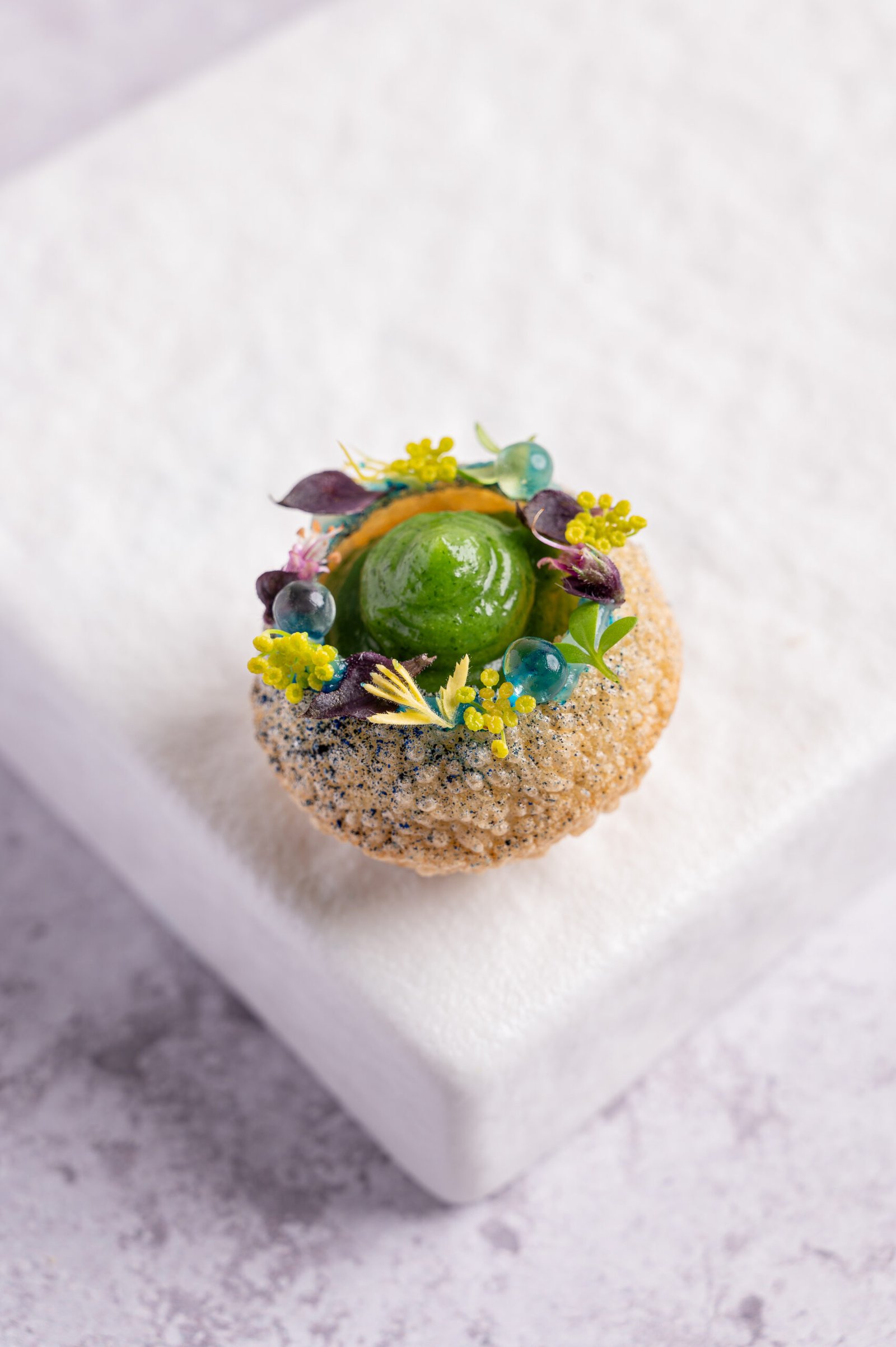
One of the most unexpected ingredients I’ve worked with was plankton. It completely changed my perspective on cooking by showing me how a single ingredient can capture the essence of the ocean in such an intense and unique way. Working with unusual ingredients taught me to think beyond traditional boundaries, explore creativity without fear, and understand that great cooking is often about curiosity, experimentation, and storytelling through flavor.
- What’s your “guilty pleasure” meal?
My guilty pleasure meal is a simple late-night comfort meal. Spicy instant noodles with a perfectly fried egg, extra chili, and sometimes a cold soft drink on the side. After long hours in the kitchen creating refined dishes, it’s the kind of simple, nostalgic food that feels satisfying, comforting, and honest.
- A food trend that you hate and why?
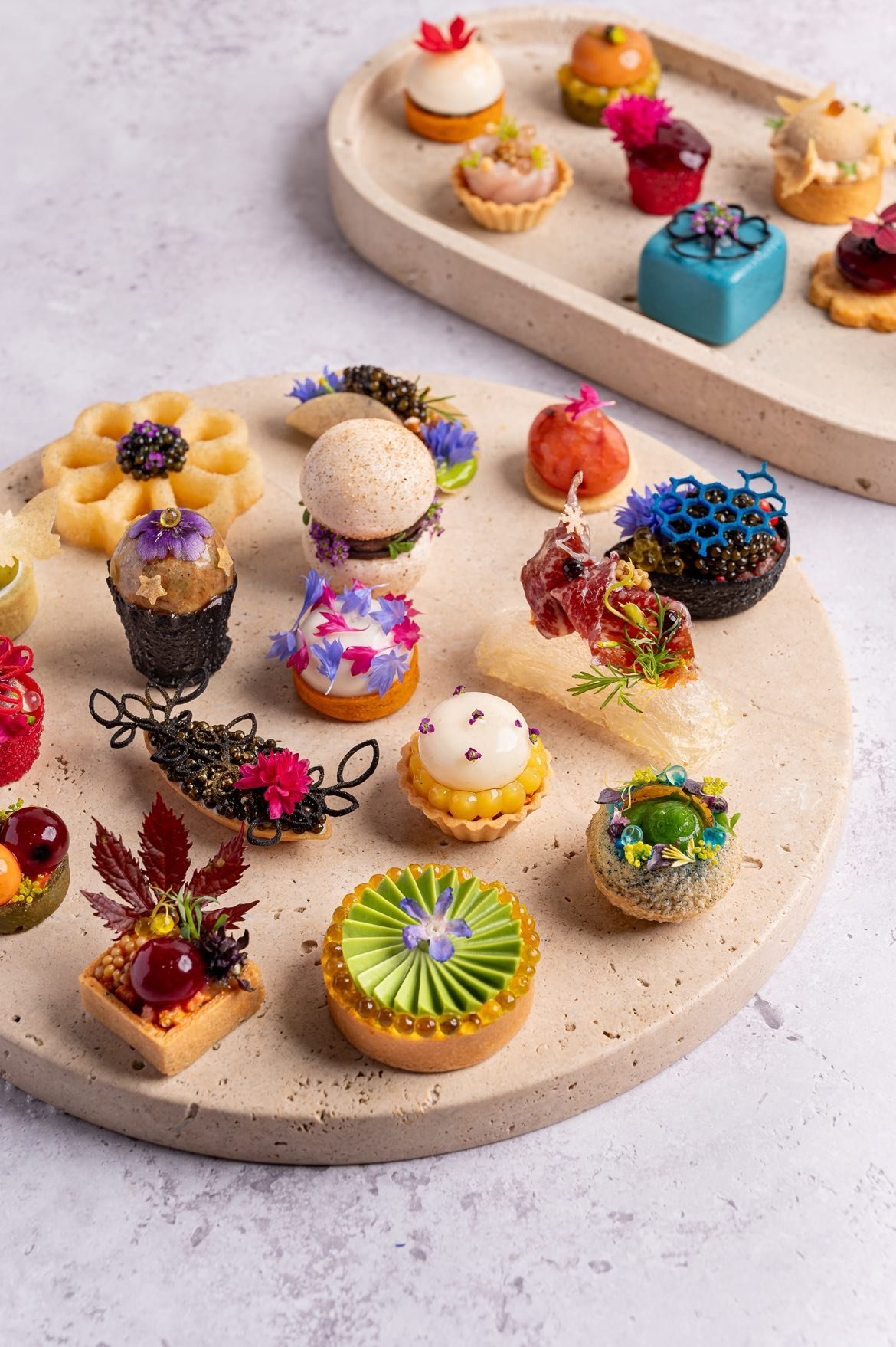
One food trend I dislike is when dishes prioritize appearance and social media attention over flavor and technique. Sometimes food becomes overly complicated or covered in unnecessary elements just to look dramatic. For me, great cooking should always balance creativity with taste, quality ingredients, and a genuine dining experience. Presentation is important, but flavor and emotion should always come first.
- What’s the craziest shift you’ve ever worked in the kitchen?
18 to 20 hrs with pressure in a Michelin-star restaurant.
5. What happened, and how did you manage to get through it?
I made it happen.
- What tips would you give to other cooks and chefs to help them navigate their culinary careers and find peace amid the chaos of the kitchen?
My advice to other cooks and chefs is to stay patient, disciplined, and always willing to learn. The kitchen can be stressful and chaotic, but growth comes from consistency and resilience. Never let pressure take away your passion for cooking. Learn from every mistake, respect your team, and take care of both your mental and physical health.
It’s also important to remember that success does not happen overnight. Focus on mastering the basics, staying humble, and building strong relationships with the people around you. Finding peace in the kitchen comes from preparation, teamwork, and learning how to stay calm under pressure. Most importantly, never forget why you started cooking in the first place. Passion and purpose will always keep you moving forward.
- What’s an underrated ingredient and why?
One underrated ingredient, in my opinion, is vinegar. Many people see it as something simple, but it has the power to completely transform a dish by balancing richness, enhancing flavors, and adding depth and freshness. Different types of vinegar can create very different emotions in food. It taught me that sometimes the smallest and simplest ingredients can make the biggest impact in cooking.
8. What’s a must-try dish from your kitchen or the one you’re proudest to have prepared?
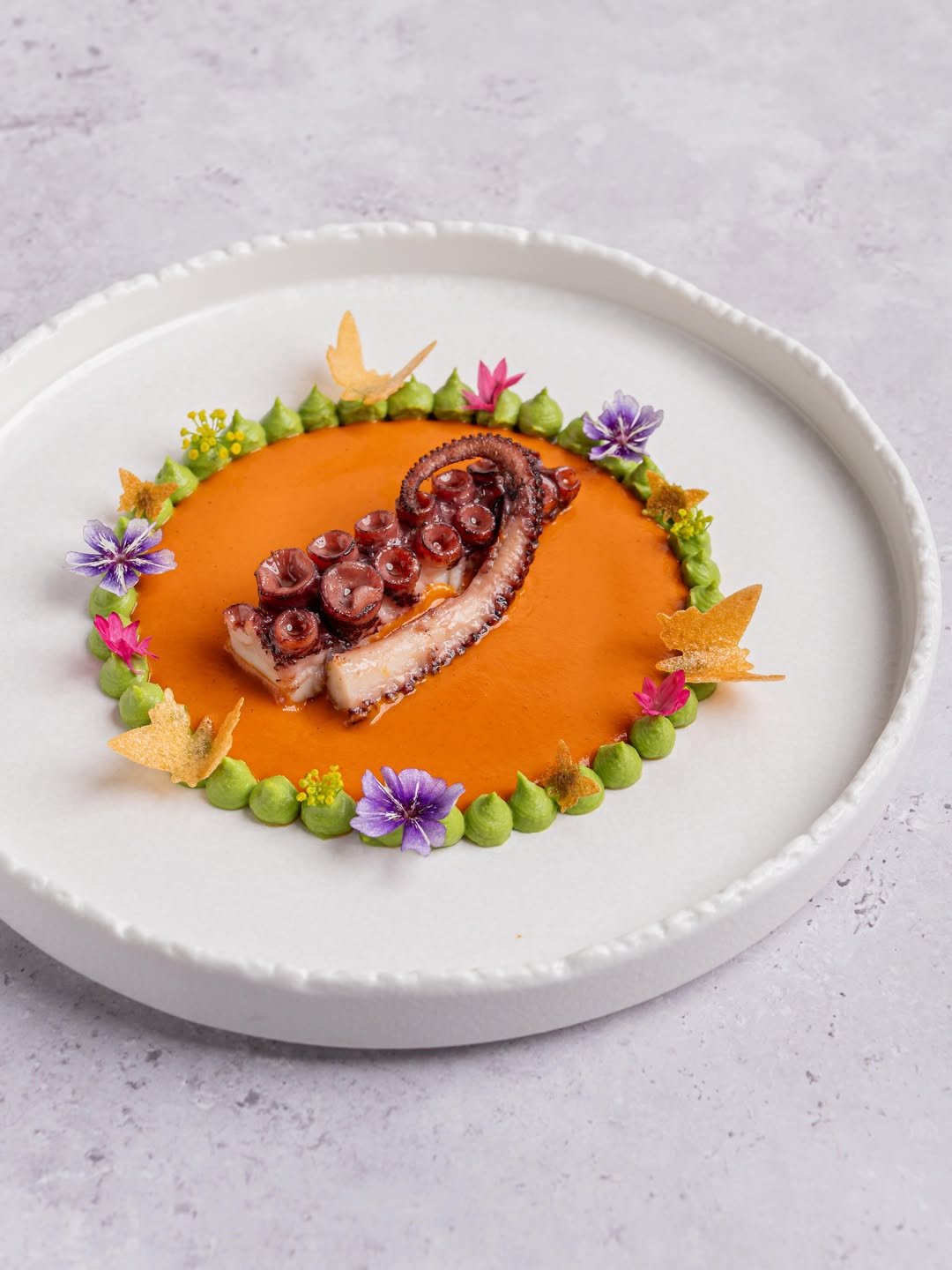
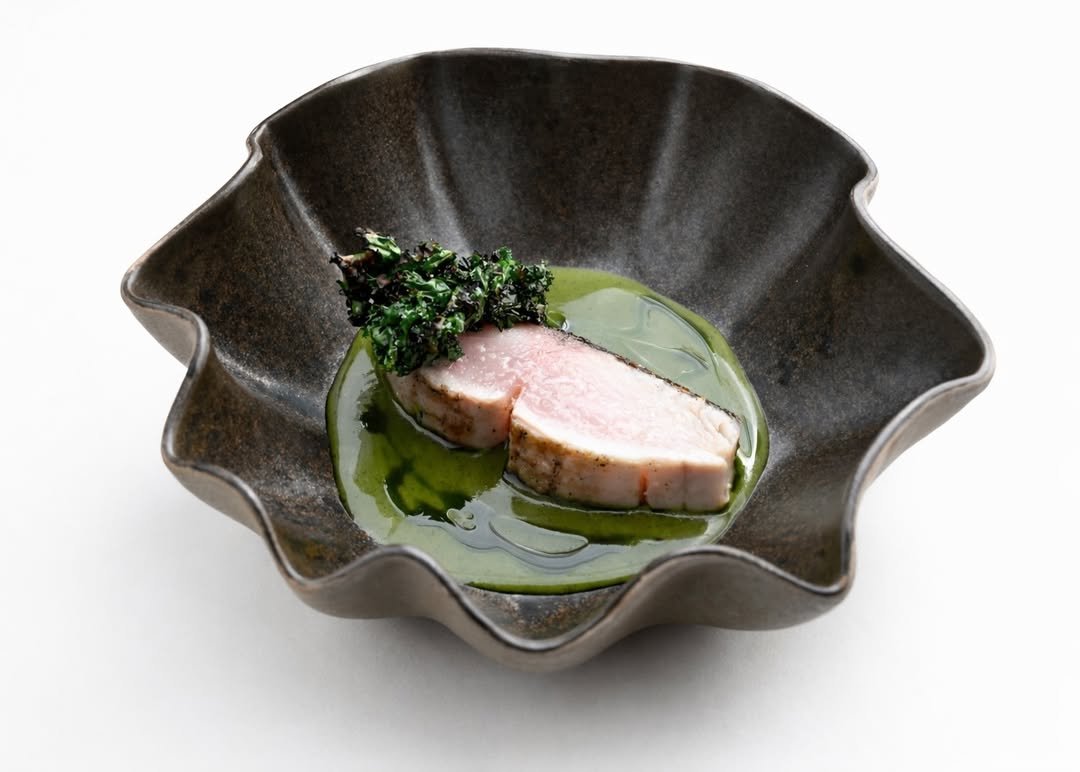
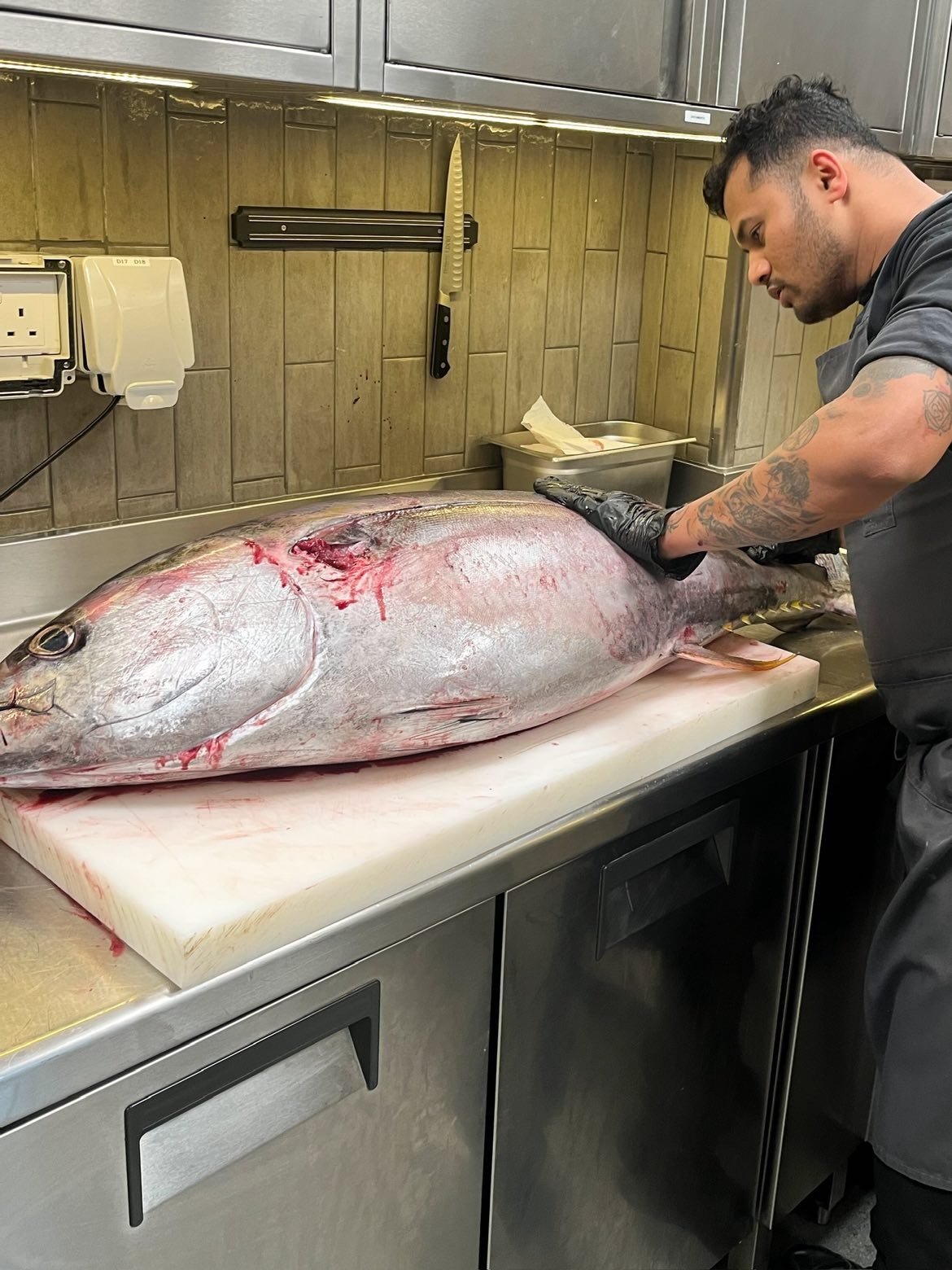
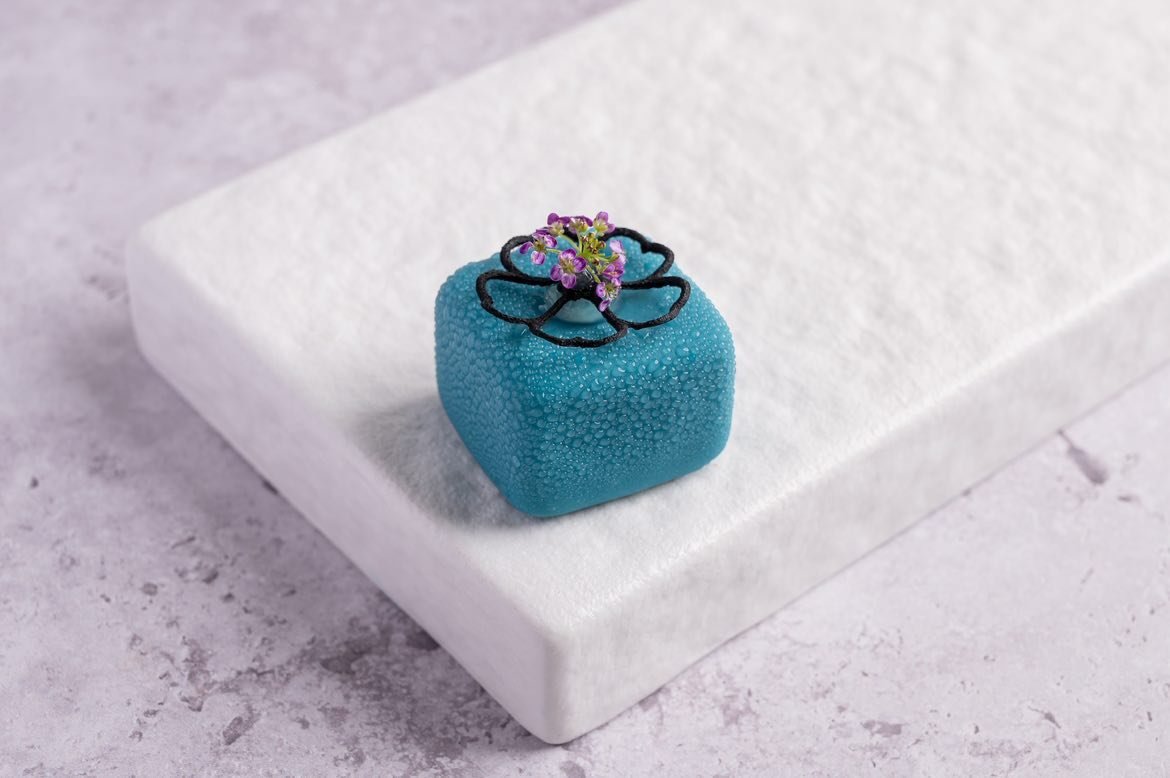
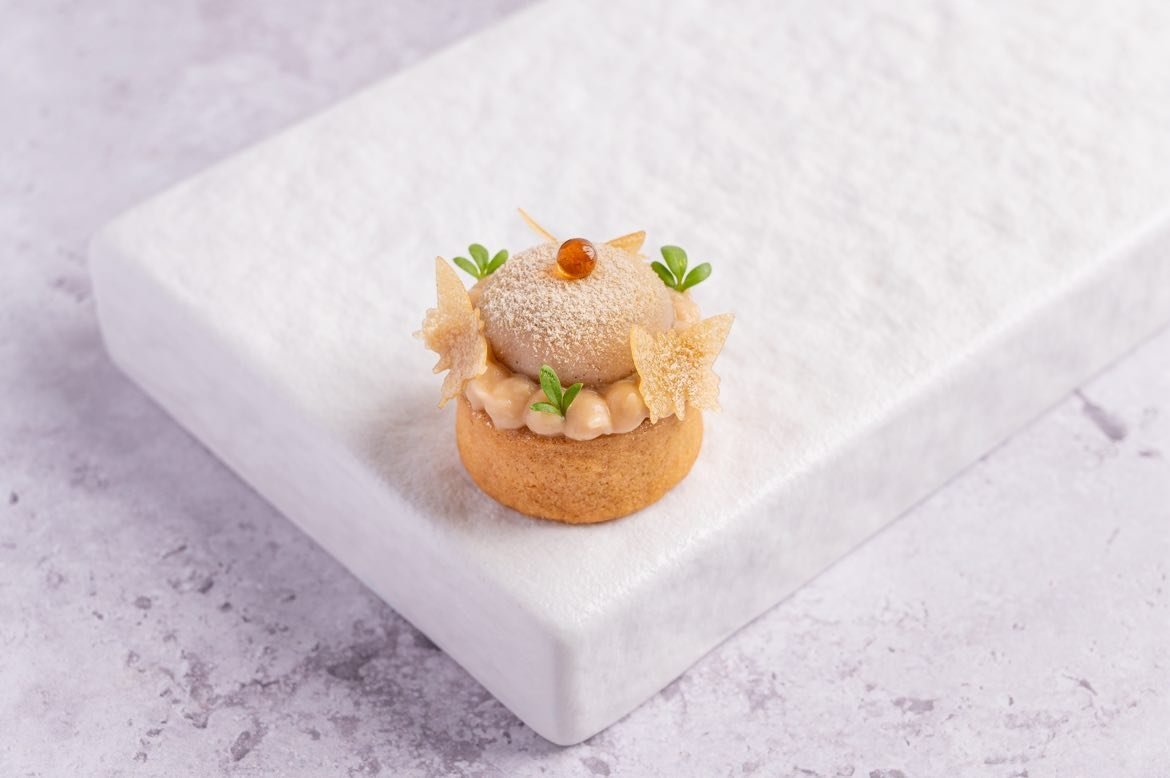
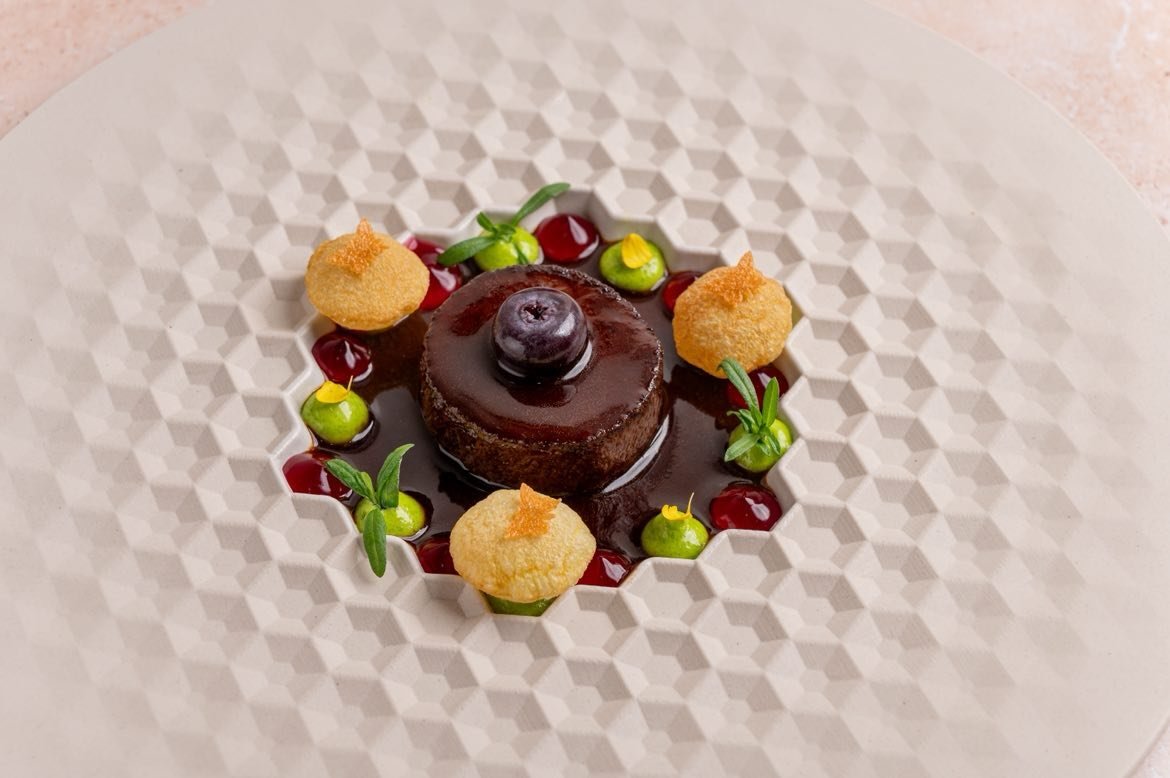
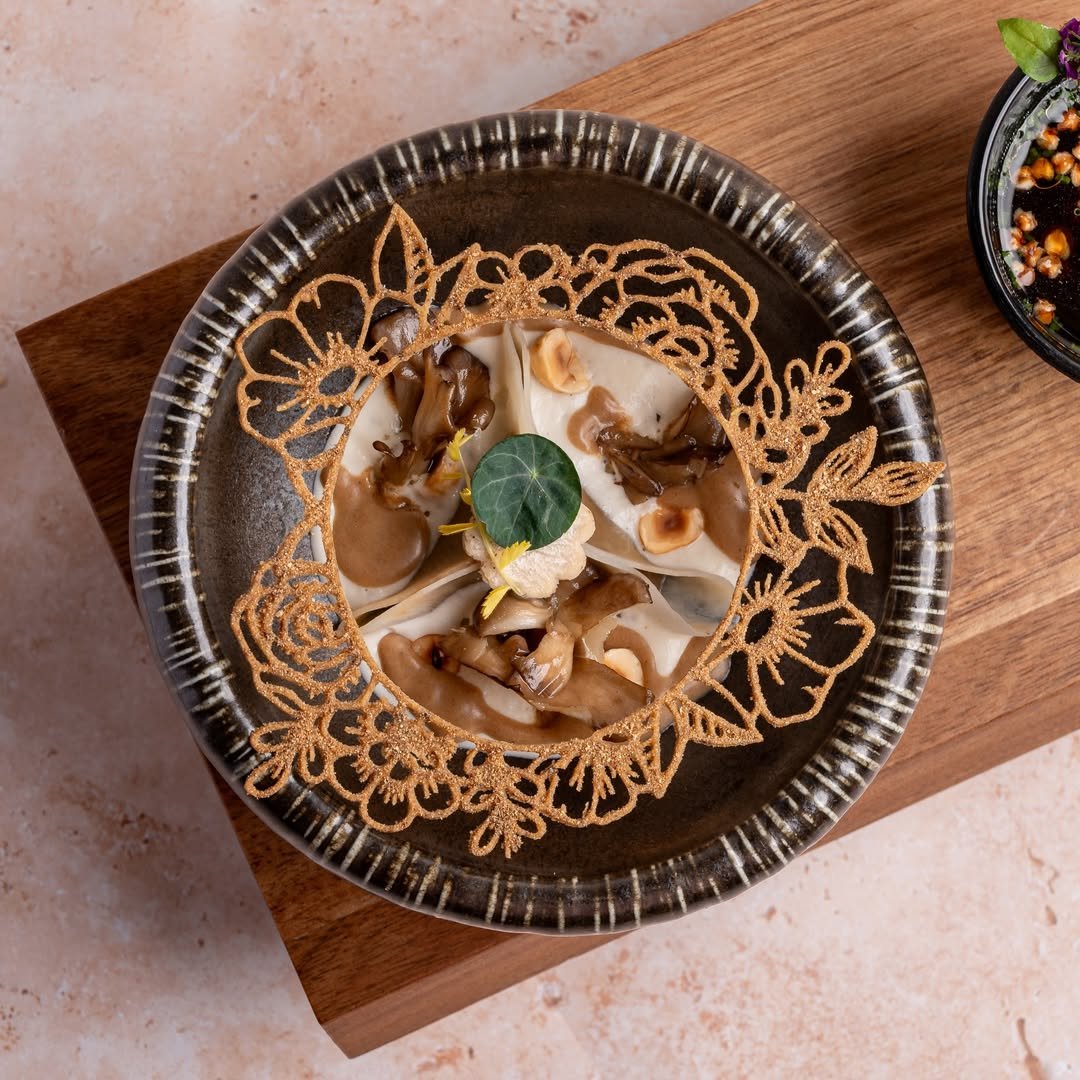
One of the dishes I’m most proud of is my Otoro with a fruit-puree texture. It represents my style of cooking, elegant, balanced, and focused on both flavor and visual storytelling. The dish combines freshness, acidity, texture, and delicate presentation to create an emotional experience for the guest, which is something I always aim for in my cooking.
About Your City!
Dubai
- If Anthony Bourdain or a chef came to your city, what would be the perfect tour itinerary from breakfast to dinner?
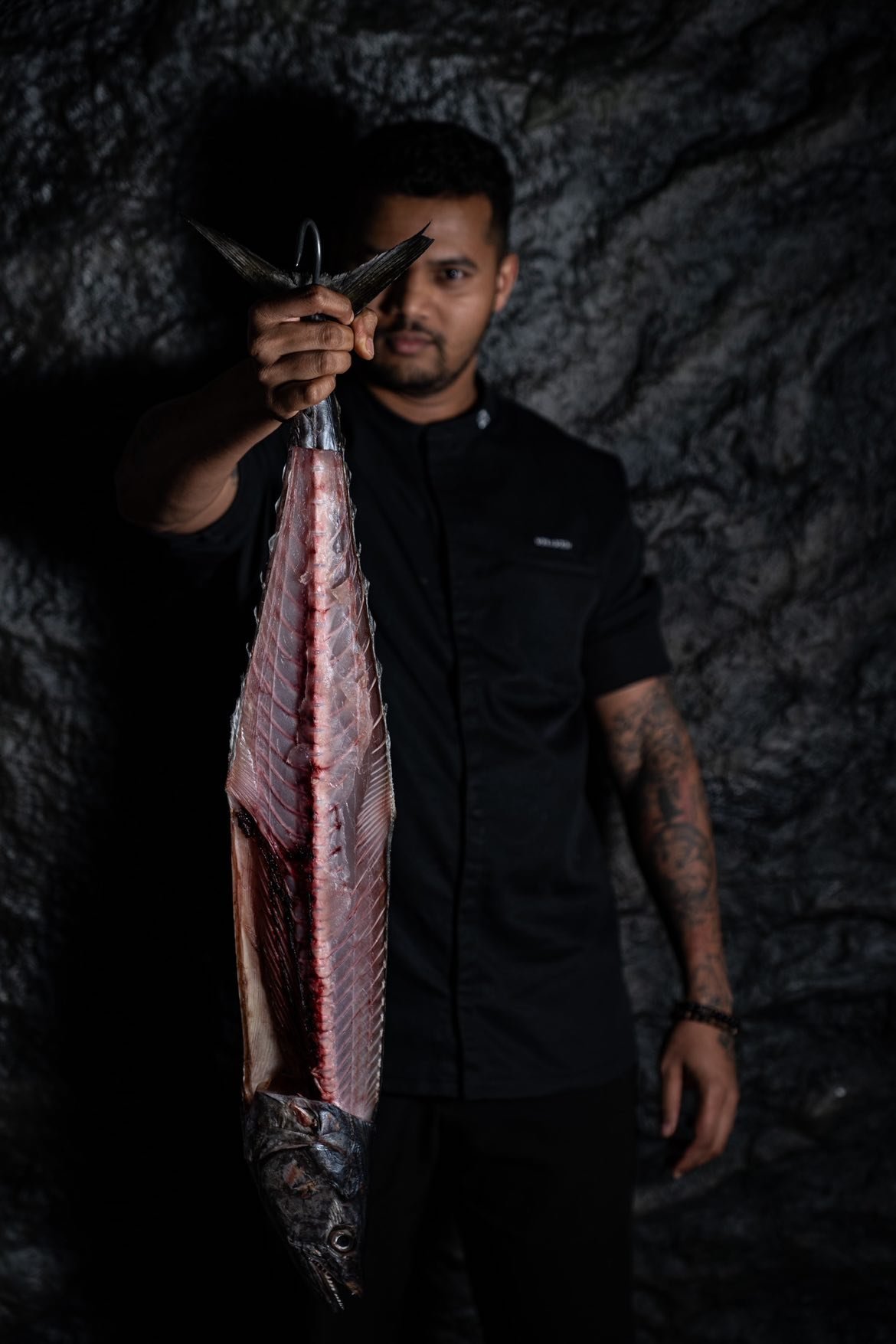
If Anthony Bourdain visited Dubai, I would take him on a journey that showcases both the city’s luxury and its soul. We would start the morning with a traditional Emirati breakfast and karak tea in old Dubai, then walk through the spice and fish markets to experience the city’s real energy. Lunch would be simple street food, shawarma, grilled meats, and Indian snacks from hidden local spots in Deira or Satwa.
In the evening, I would introduce him to Dubai’s modern culinary side with a fine-dining tasting experience that blends cultures, techniques, and storytelling. The night would end with conversations over tea by the beach or in the desert, because Dubai is not only about luxury; it is a city built from many cultures, people, and stories coming together through food.

Support our project by buying our merch!

86 HOTK Unisex t-shirt
$30.00
Anthony Bourdain T-Shirt
$35.00
Mise HOTK Unisex t-shirt
$30.00