Far from home, not alone
While worrying about her family in Ukraine, her Paris kitchen became a second family.
Mariia Khrystych
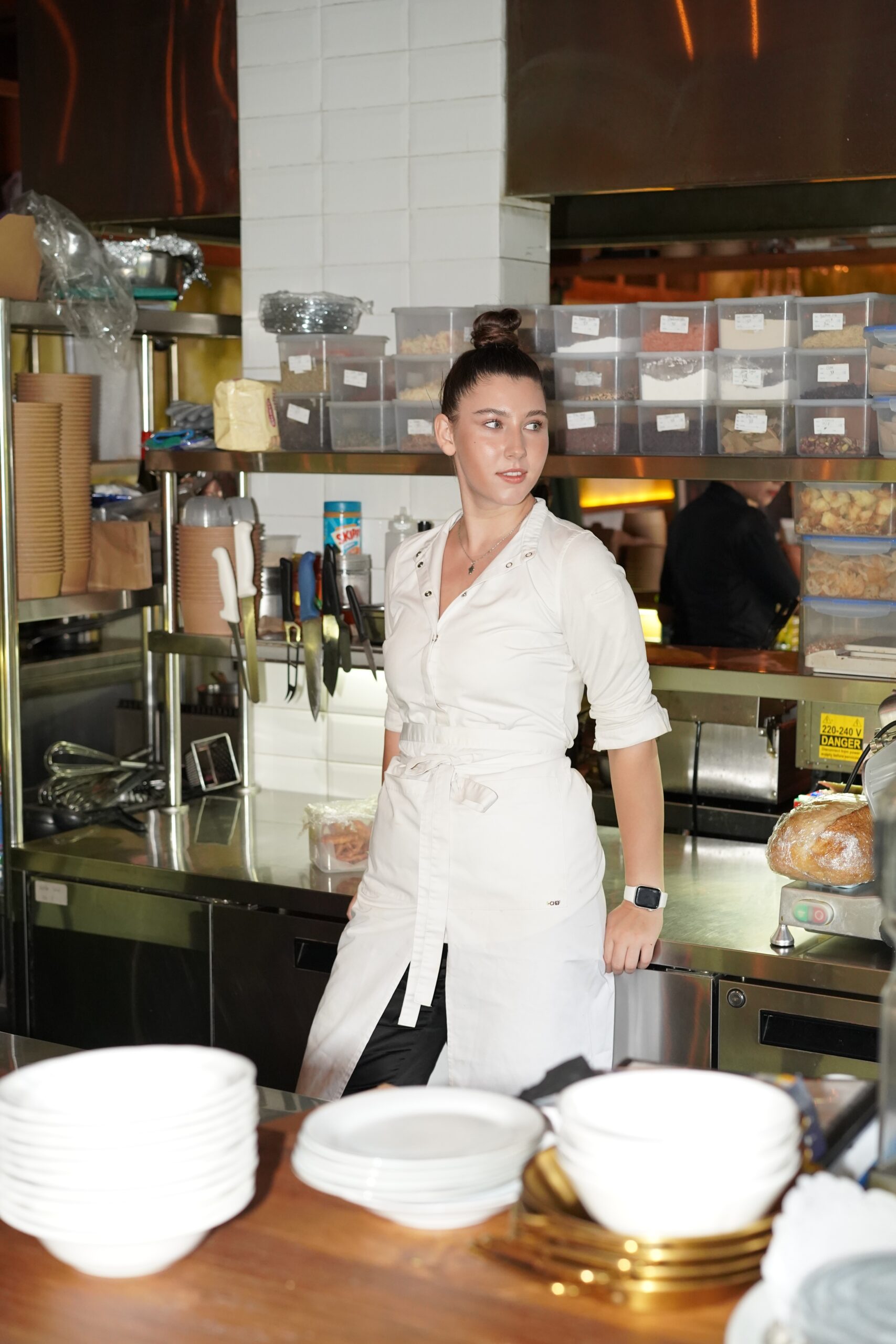
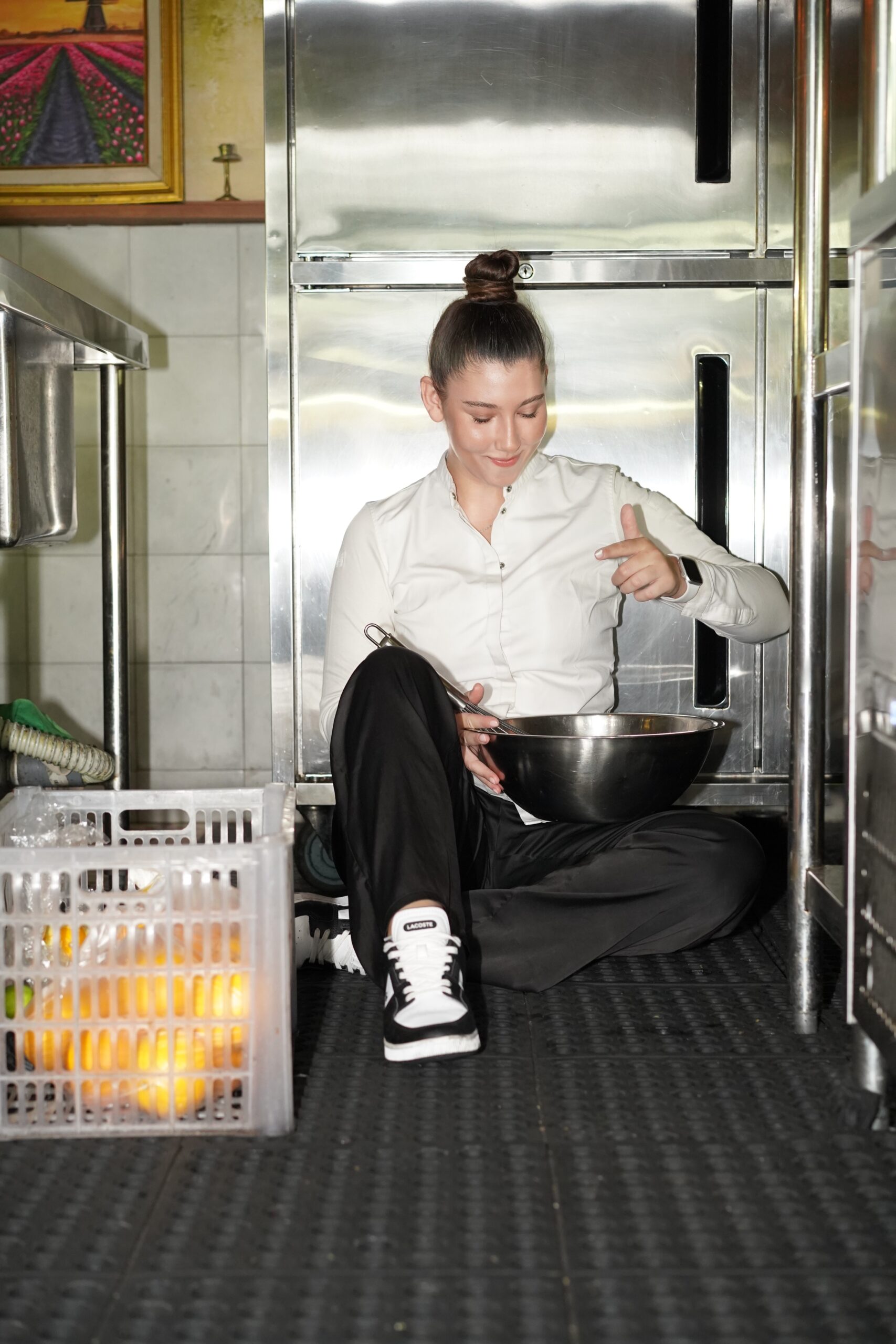
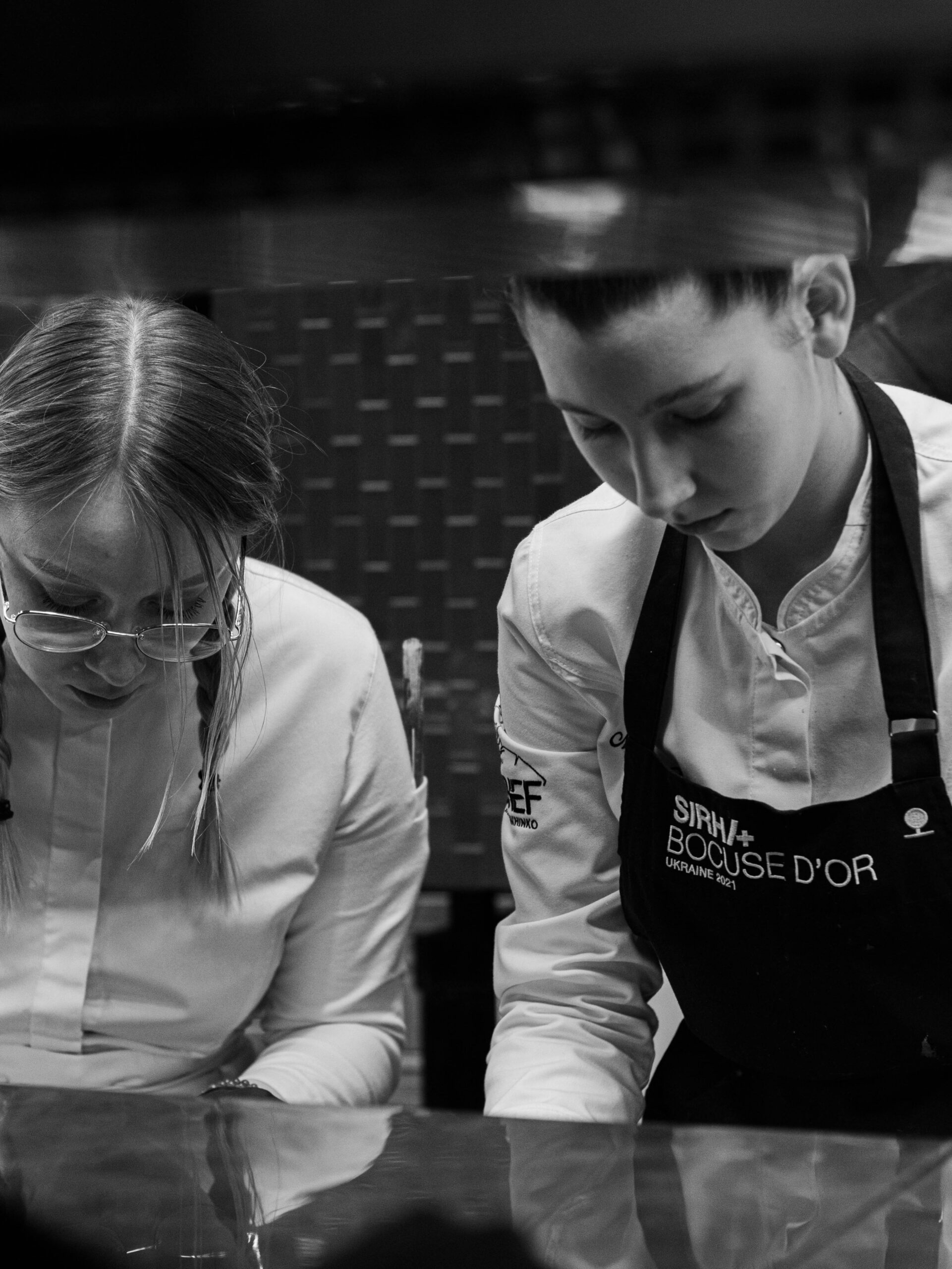
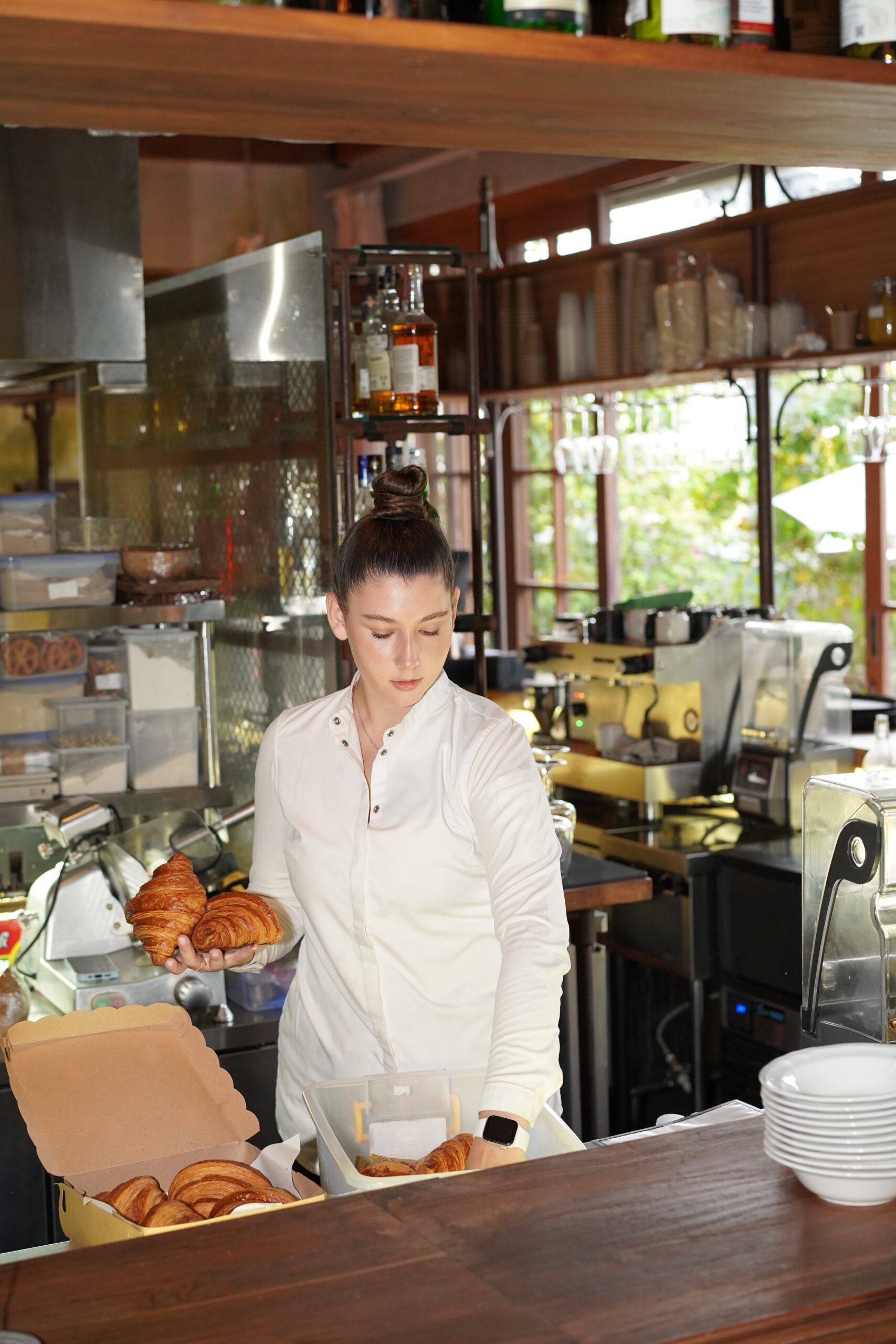
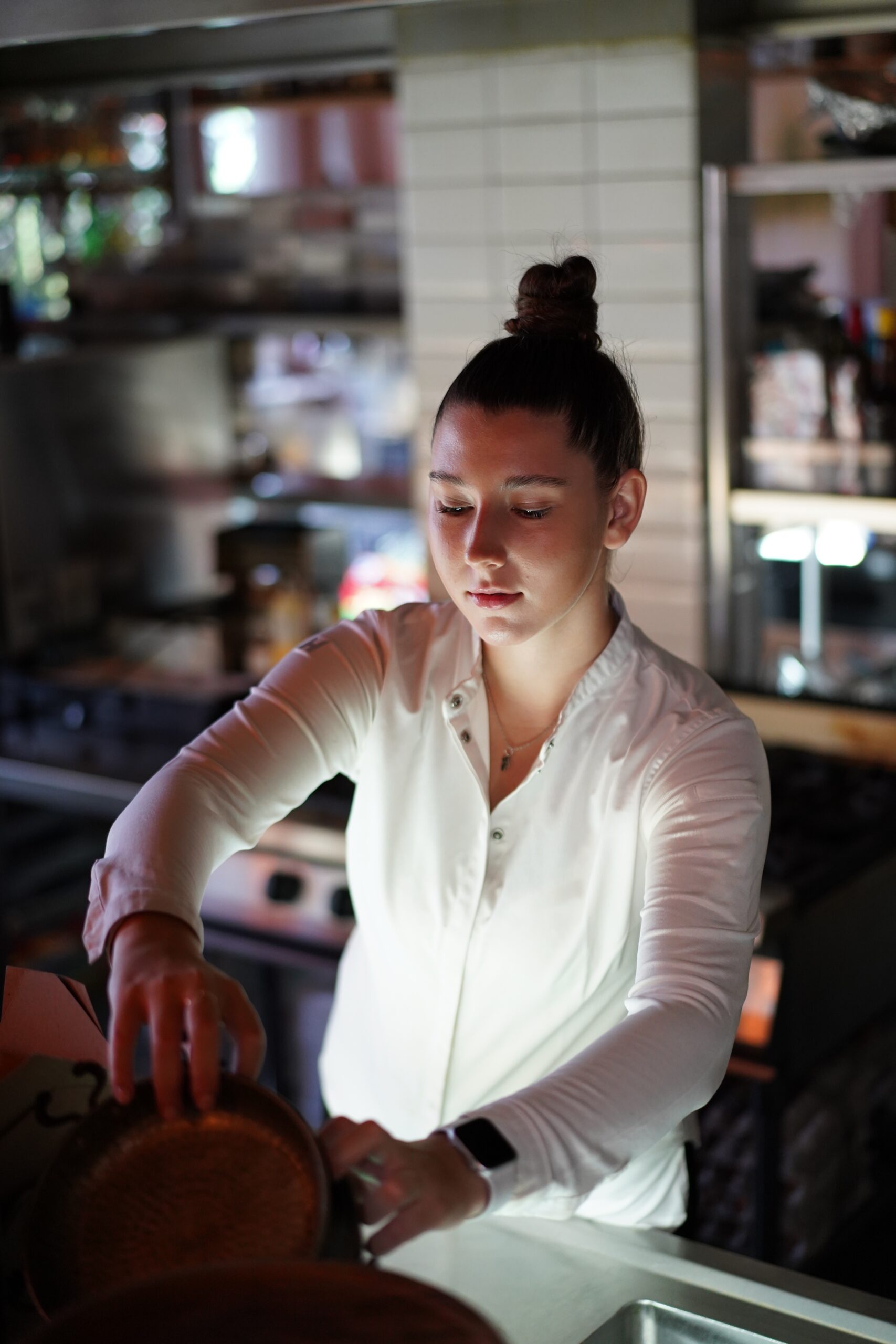
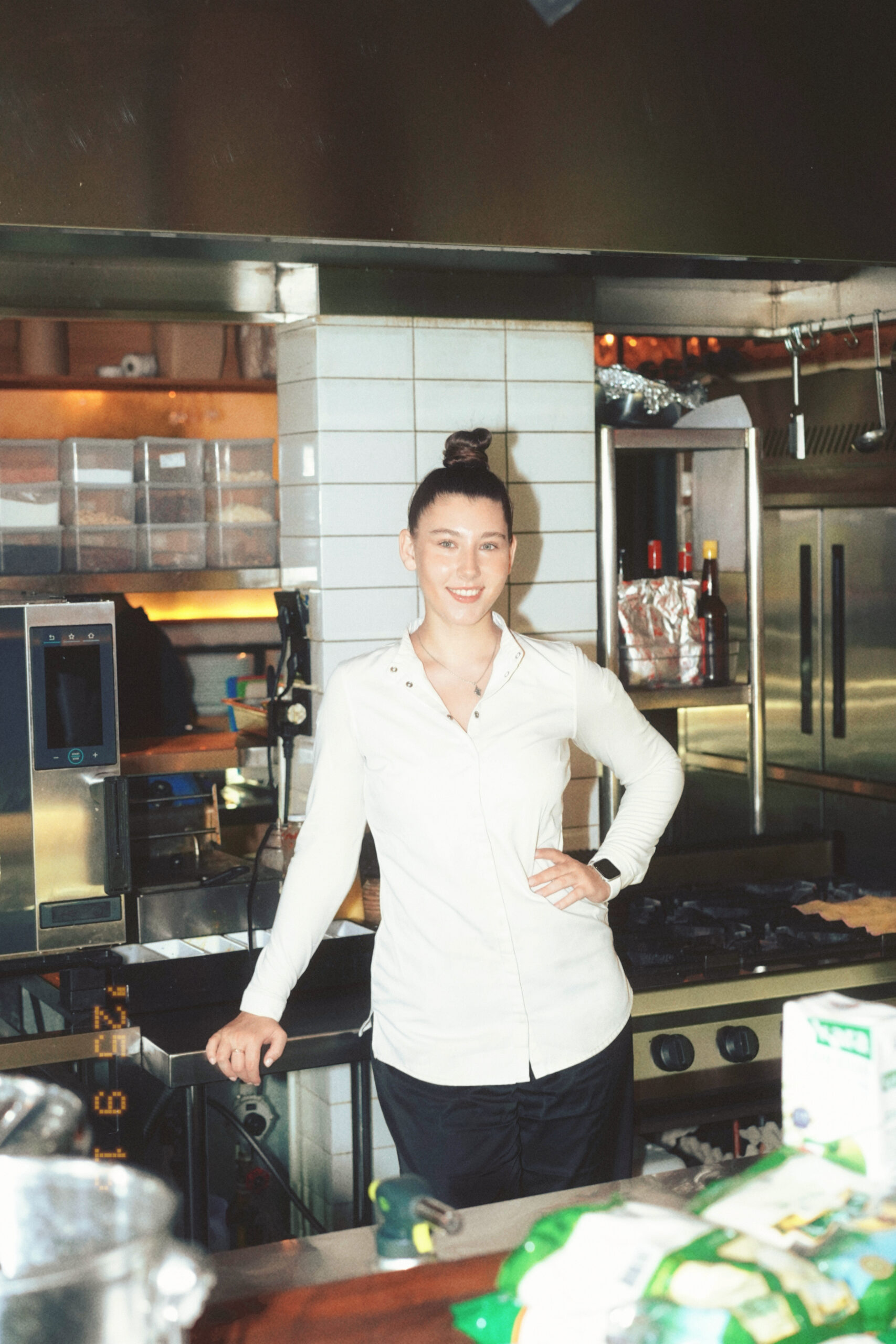
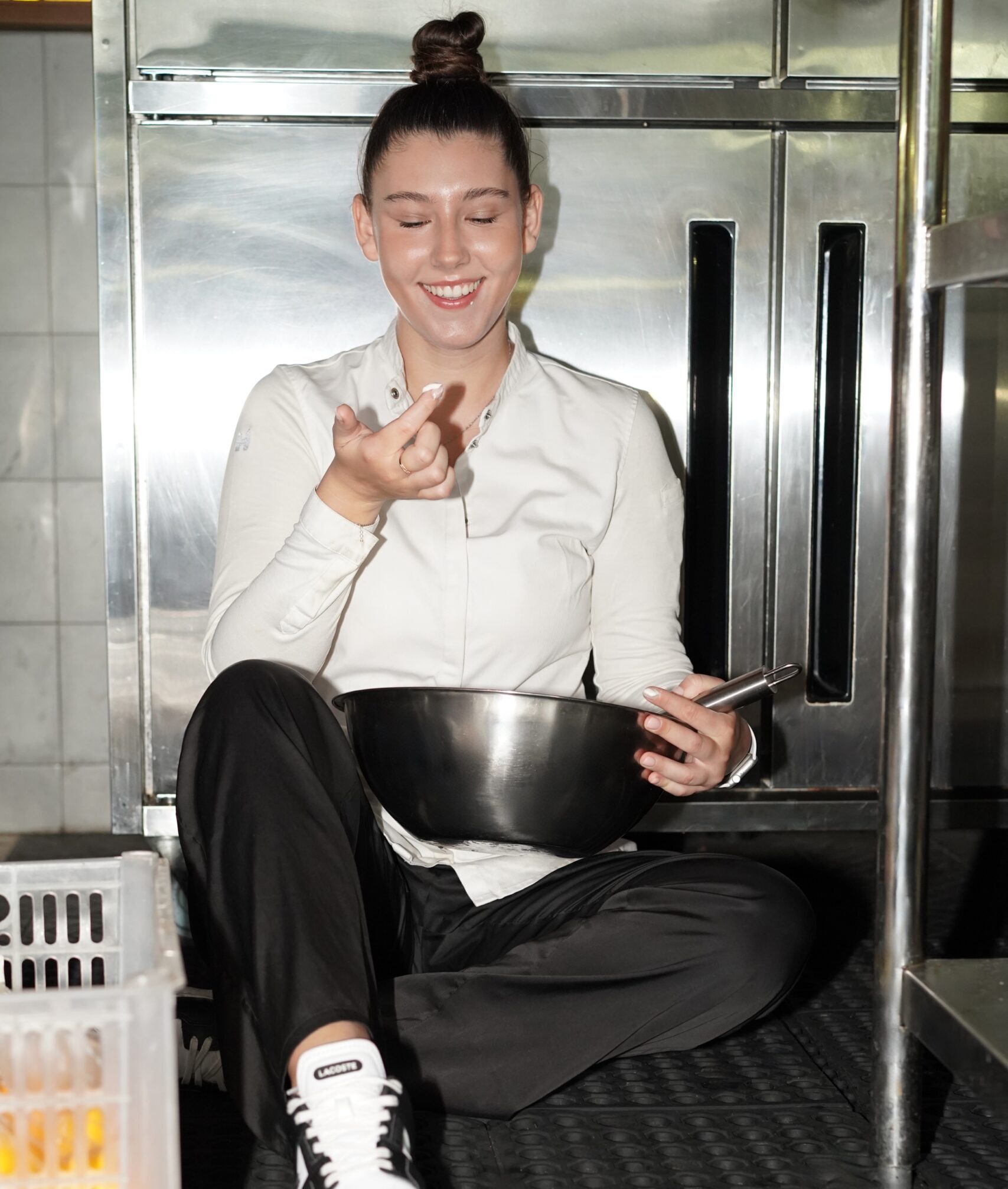
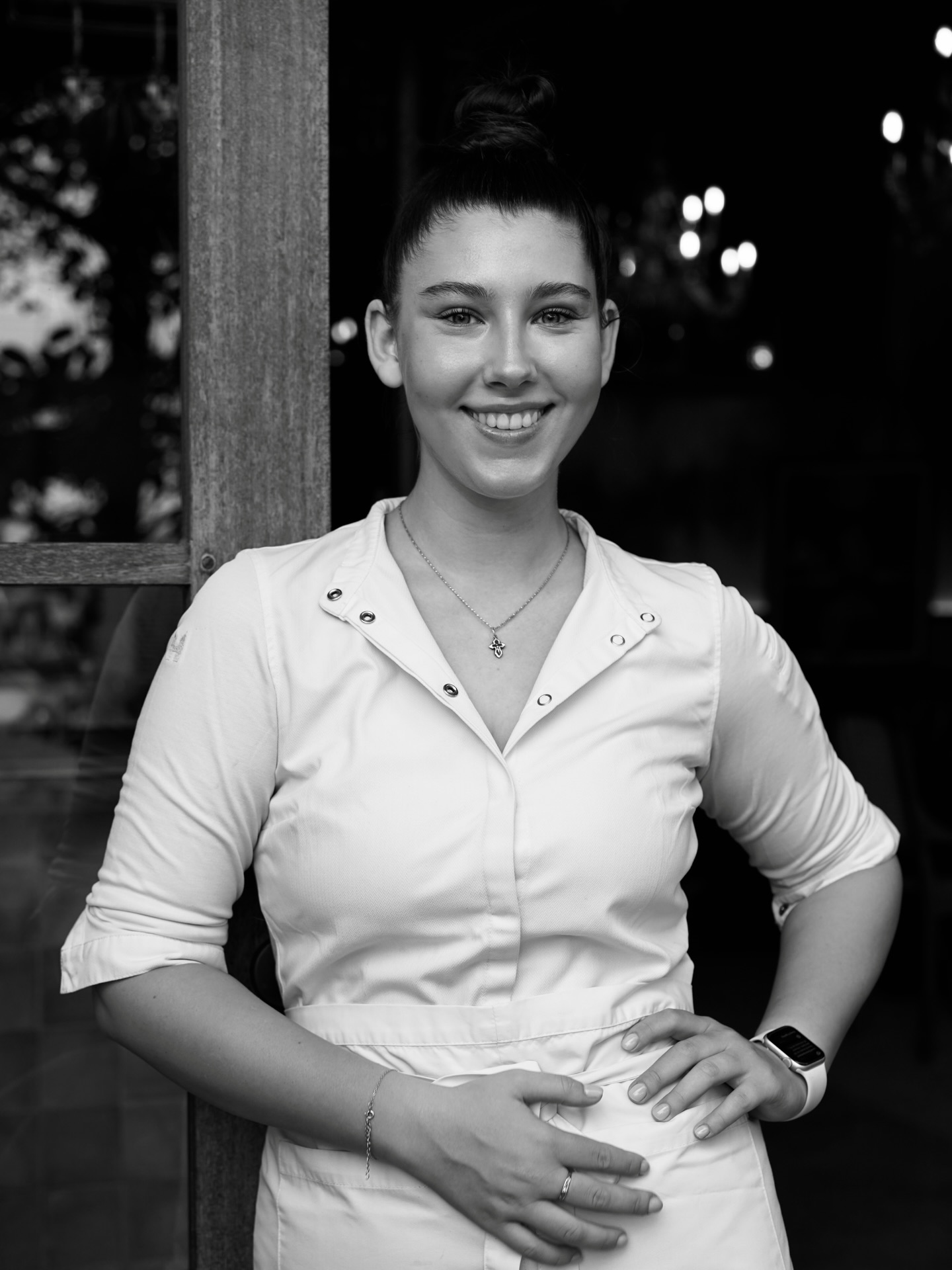
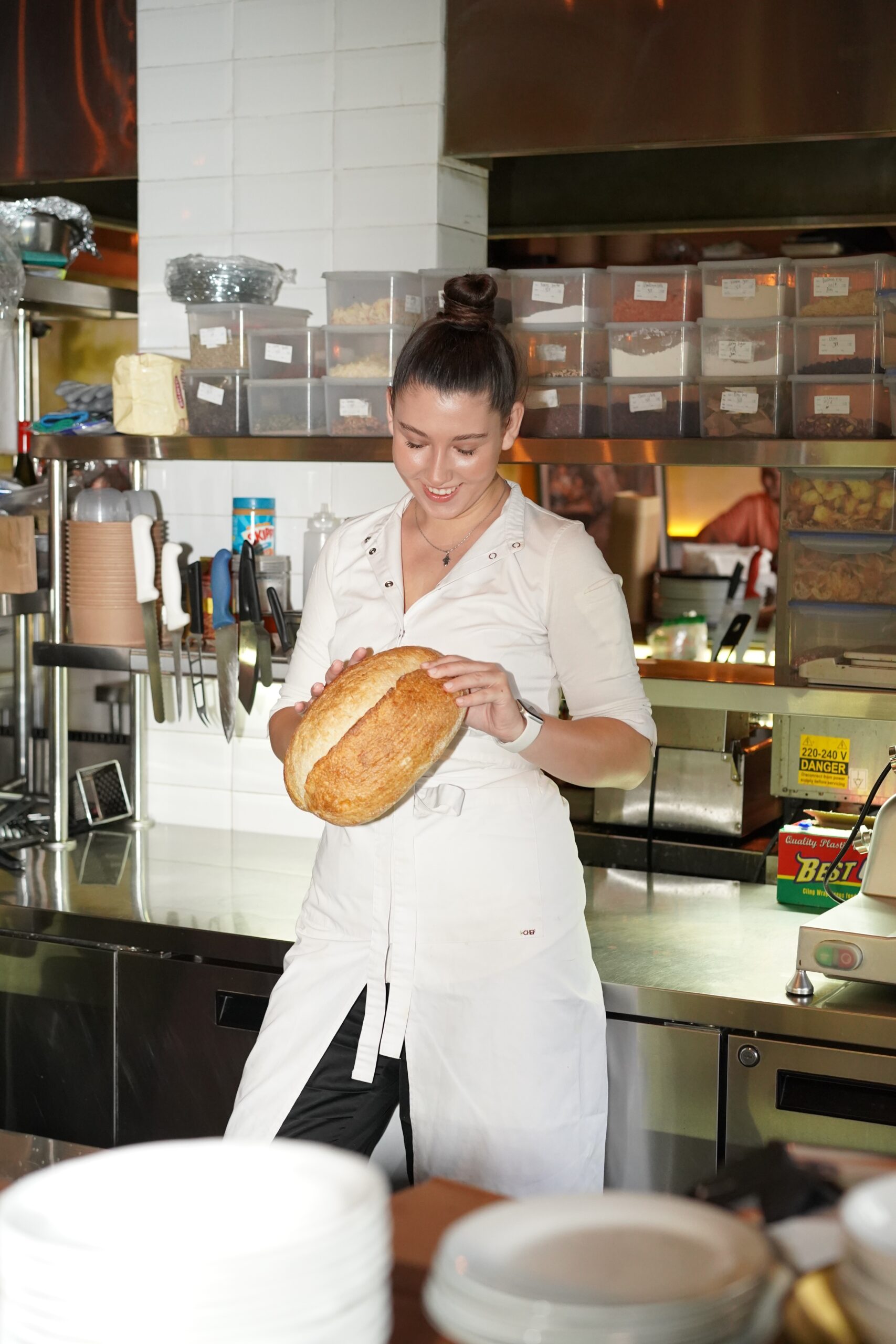
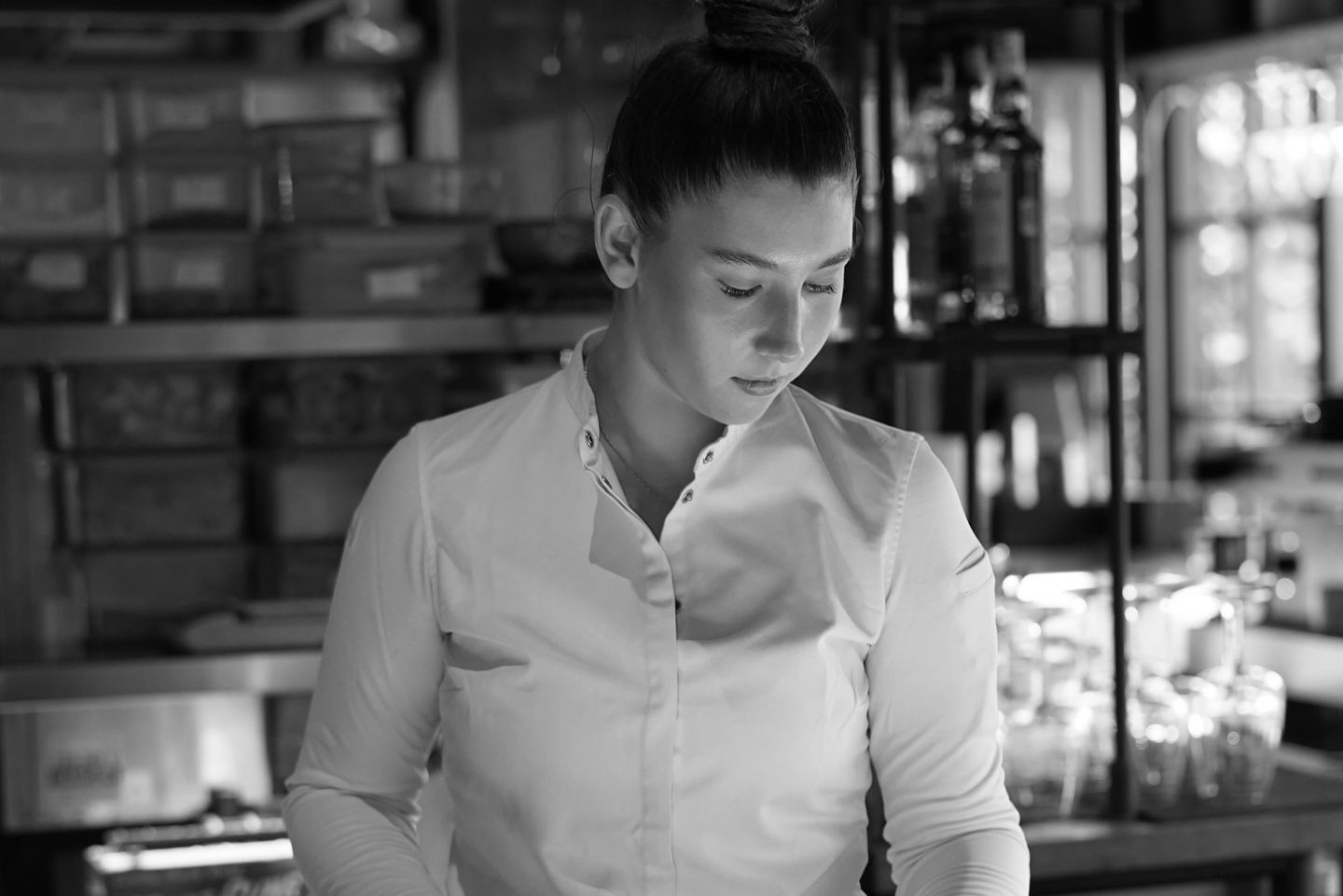
Mariia Khrystych knew from childhood that she wanted to become a chef. Growing up in a family where food was always important, she spent hours playing with toy kitchens before turning that early fascination into a serious commitment. She began her culinary education at fifteen and spent nearly nine years studying, training, and working to build the skills that would shape her career.
One of the defining steps in her journey came when she moved to Paris on her own and earned a place in a Michelin-starred kitchen, despite not speaking French. She soon became responsible for the hot section, proving to herself that dedication and a willingness to learn could open doors she had once only dreamed of. But her journey also brought difficult moments, from the physical demands of professional kitchens to living abroad while worrying about her family in Ukraine during the war.
For Mariia, the kitchen has always been more than a workplace. It has been a place to grow, find support, and build connections that last beyond service. Today, as opportunities take her around the world, she leads by example and believes that knowledge should be shared, young cooks should be inspired, and Ukrainian chefs deserve greater recognition.
In this conversation with Humans of the Kitchen, Mariia reflects on the people, challenges, and experiences that shaped her, and why she believes in passing what she has learned on to the next generation.
Share your Journey
- Looking back at your childhood, was there a specific moment or memory that sparked your interest in food or cooking?
Yes, absolutely. Even though no one in my family was a professional chef, everyone loved cooking, and good food was always an important part of our home. Since I was a child, my favorite “toys” were toy kitchens, dishes, and food. I could spend hours pretending to cook and serve meals instead of playing with dolls. As I grew older, that childhood curiosity turned into a real passion. I watched every cooking show I could find, followed interviews with famous chefs, and dreamed about working in a professional kitchen one day. Looking back now, I realize cooking has always been a part of who I am.
- Did you have another career or job before becoming a chef? How did those experiences influence your decision to pursue cooking?
No, I didn’t. Cooking has been my only career, and it has been my dream for as long as I can remember. I started working in professional kitchens when I was fifteen, while also studying culinary arts in Ukraine. My education lasted more than eight years, all the way to earning a master’s degree. Every stage of my adult life has been dedicated to learning, improving, and growing as a chef. I have never imagined myself doing anything else because the kitchen has always felt like the place where I truly belong. It has shaped not only my career but also my personality, discipline, and way of thinking.
- Did you formally study culinary arts, or are you self-taught? How has your learning journey shaped your approach to cooking?
I am definitely not self-taught. I started my culinary education when I was fifteen, right after finishing secondary school. I first attended culinary college to become a chef, then continued studying pastry, later transferred to another college, completed my bachelor’s degree, and finally earned a master’s degree in culinary arts. In total, my education lasted almost nine years.
At the same time, I always believed that education doesn’t end in the classroom. I started working in professional kitchens at a young age and spent nearly every day off attending chef summits, masterclasses, internships, and training sessions with some of the best chefs in Ukraine. Combining formal education with hands-on experience taught me that there is always something new to learn, and that mindset still guides me every day.
- When did you first step into a restaurant kitchen? What was that experience like, and how did it shape your journey as a chef?
I stepped into my first professional kitchen when I was around sixteen years old, and from the very beginning, I knew I had found the right place for me. I always aimed to work with the best chefs and in the best restaurants and hotels I could find. Sometimes I was even willing to work for free because gaining experience and learning from great professionals meant far more to me than earning money.
I was curious about everything. I wanted to understand every station in the kitchen—from cold appetizers and hot dishes to pastry. Every new challenge was exciting, and I never wanted to stop learning. Looking back, I feel incredibly grateful for those early experiences because they built the foundation of the chef I am today. They taught me discipline, respect for the profession, and the importance of constantly pushing myself to improve.
- What were some of the early challenges or obstacles you faced when you started in the kitchen, and how did you overcome them?
Honestly, I was very lucky with the chefs, managers, and teams I worked with throughout my career. Unlike many women in the industry, I never experienced sexism or felt that I had to prove myself because of my gender. I was always treated with respect, and I tried to give the same respect back to everyone around me.
The biggest challenge was the physical side of the profession. There were periods when I worked up to twenty hours a day, seven days a week, with almost no time to recover. Eventually, my body started reminding me that even passion has its limits, and I experienced health issues because of the workload. Learning to take better care of myself became just as important as becoming a better chef.
Despite the exhaustion, I never lost my love for the kitchen. Mentally, I was always excited to go to work because cooking has never stopped inspiring me.
- What keeps you inspired and how has that inspiration driven you throughout your professional journey? Especially during tough times in the kitchen?
Inspiration is everywhere if you stay curious. I find it in people, in travel, in nature, and, of course, in food itself. Meeting talented chefs, listening to their stories, and seeing the different paths they have taken reminds me that every chef has a unique journey. It motivates me to keep building my own.
I also find inspiration in beautiful ingredients and the idea that something simple can be transformed into something unforgettable. Traveling and eating in different restaurants constantly open my mind to new techniques, flavors, and cultures.
Most importantly, I am inspired by my team. A chef is never successful alone. The best kitchens are built on trust, respect, and people who support each other every day. Even during difficult moments, that sense of teamwork and the opportunity to keep learning have always given me the motivation to move forward.
- Can you recall a moment in the kitchen that marked you forever? Maybe it was an interaction with a mentor, a fellow cook, someone you fed, or a situation that challenged you in a way that shaped who you are today?
It is difficult to choose just one moment because every kitchen I have worked in and every chef I have met has shaped me in some way. I still remember advice, encouragement, and lessons from my mentors, and I carry them with me every day.
If I had to choose one milestone, it would be the day I started working in a Michelin-starred restaurant in Paris. Coming from Ukraine, it had always been my dream to work abroad at that level. Even without speaking French, the chef believed in me and gave me the opportunity. Not long after, I was promoted to the hot section and trusted to run it on my own. That experience gave me confidence and proved that hard work, dedication, and a willingness to learn can open doors that once seemed impossible.
At the same time, I will never forget working through COVID and later during the war in Ukraine. Those experiences taught me resilience, adaptability, and gratitude. Every day in the kitchen has left its mark on me.
- As a chef, how would you describe your philosophy in the kitchen, and how does it guide your approach to cooking and leadership?
For me, leadership is about leading by example. I don’t believe a chef has the right to demand something from the team if they are not willing to do it themselves. Respect is earned through actions, not through a title.
Trust is at the heart of every successful kitchen. My team needs to trust me just as much as I trust them because we cannot succeed without each other. I try to understand every person individually. Sometimes I joke with them, sometimes I am strict, and sometimes I push them to do better, but I always want them to know that I appreciate their work.
I never want people to follow me out of fear. I want them to feel motivated, supported, and proud of what we create together. Cooking is not just about feeding people, it is about creating emotions and memories. That is the mindset I try to share with every member of my team.
- Can you share a time when cooking or the camaraderie in the kitchen helped you through a tough period in your life? What made that experience meaningful?
The kitchen has been part of my life since I was a teenager, so almost every important moment in my life has happened alongside it. My happiest memories, biggest achievements, fears, and most difficult periods have all happened while I was working in kitchens. Cooking has always been my safe place. Whenever I am at work, I become completely focused on creating something beautiful, and for a while, everything else disappears.
The hardest period of my life was moving abroad alone while my family remained in Ukraine, especially after the war began. Every day, I worried about their safety while trying to build a new life in another country. During that time, my Michelin-starred kitchen became my second family. My chef and colleagues supported me in every possible way and showed incredible kindness toward both me and Ukraine.
Even now, years later, whenever I return to Paris, they still ask me to visit them. That reminds me that the strongest part of this profession is not only the food we create but also the people we meet along the way.
- Reflecting on your career, what achievements or milestones are you most proud of, and what do they mean to you?
Honestly, I am proud of every stage of my journey because each achievement opened the door to the next one. As a teenager, I was proud to win culinary competitions in Ukraine. Later, I was proud to work in some of the country’s best restaurants. Then I achieved another dream by moving to Paris completely on my own and earning a position in a Michelin-starred restaurant without speaking French. Being trusted to lead the hot section there remains one of the most meaningful moments of my career.
Today, however, my greatest achievement is something different. I no longer spend my time searching for opportunities: opportunities find me. I receive invitations to join projects in different parts of the world, from Europe and Asia to the United States. That tells me that years of hard work, dedication, and continuous learning have earned the trust of people in this industry. Having the freedom to choose projects that truly inspire me is something I value more than any title.
- What aspects of restaurant culture do you love, and what parts do you find frustrating or problematic? Are there any changes you’re actively working toward or things you hope they change in the industry? Share the reasons behind them and how they align with your vision for a better culinary world?
What I love most about restaurant culture is that no two days are ever the same. Every service is different, every team is different, and there is always something new to learn. The kitchen brings together people from different cultures, backgrounds, and experiences, all working toward the same goal. That energy is something I truly love.
At the same time, I think one of the biggest challenges our industry faces today is finding motivated people. I see this not only in one country but all over the world. Today’s chefs and cooks often have healthier schedules, regular days off, and much better working conditions than previous generations, yet many still lack the curiosity and passion to keep learning and growing.
When I was younger, I accepted every opportunity I could find. I attended unpaid internships, worked long hours, and spent my free time at culinary summits, masterclasses, and training sessions simply because I wanted to learn from the best. That mindset shaped my career, and I believe we need to inspire more young chefs to see this profession not just as a job but as a lifelong craft.
I also hope we continue raising the status of our profession. Being a chef is not just about cooking: it is about creativity, leadership, culture, and creating unforgettable experiences for people. I especially hope the world continues to discover Ukrainian chefs and Ukrainian hospitality. There is so much talent in my country, and I believe it deserves far more international recognition.
- What are your hopes for the future of the restaurant and food and beverage industry? What changes would you like to see, and how are you contributing to that change?
I am still young—I’m only twenty-four—and I know I still have a lot to learn. Every day I continue learning from chefs around the world, and I hope I never lose that curiosity.
I am still young—I’m only twenty-four—and I know I still have a lot to learn. Every day, I continue learning from chefs around the world, and I hope I never lose that curiosity.
What I try to pass on to my own team is that being a chef is something to be proud of. I want young cooks to see this profession differently than it was often seen in the past. A chef is not simply someone who spends endless hours in the kitchen with no personal life. This profession can open doors to the world. It allows you to travel, meet incredible people, experience different cultures, and build a meaningful career while still having balance in your life.
Most importantly, I believe chefs create emotions. We transform simple ingredients into memories that people share with family and friends. That is a privilege and a responsibility. I hope the future of our industry is one where chefs are respected not only for their technical skills but also for the positive impact they have on people and on culture. If I can help inspire even a few young cooks to believe in this profession and keep learning, I will feel that I have contributed to a better future for our industry.
- If there’s anything we didn’t ask or if you feel we’re missing something about your personal and kitchen story, please share it here.
If there is one more thing I would like people to know about me, it is that I truly believe knowledge should be shared. That is one of the reasons I started creating content about life in professional kitchens. I want people to see what being a chef really looks like—the hard work, the discipline, the creativity, and the incredible opportunities this profession can offer. If even one young person decides to follow their dream because they watched my journey, then everything I share is worth it. I believe the more we inspire each other, the stronger our culinary community becomes.
Secret Sauce
- What’s the most unexpected ingredient you’ve ever worked with, and how did it change your perspective on cooking?
I don’t think there is one “most unexpected” ingredient. I’ve had the opportunity to work with many unique products throughout my career, but what has changed my perspective the most is realizing that extraordinary dishes don’t necessarily come from extraordinary ingredients.
The real challenge is taking something simple and familiar and transforming it into something memorable. Anyone can impress with a rare ingredient, but it takes creativity, technique, and respect for the product to make everyday ingredients tell a completely new story. That’s the part of cooking I find most exciting.
- What’s your “guilty pleasure” meal?
My guilty pleasure? Definitely McDonald’s after a 16-hour shift. It’s funny because people expect Michelin chefs to eat elegant fine dining meals all the time, but the reality is often the opposite. After spending the whole day cooking complex dishes, all you want is a burger, fries, and maybe a Coke. Sometimes the simplest comfort food tastes like the greatest luxury after service.
- A food trend that you hate and why?
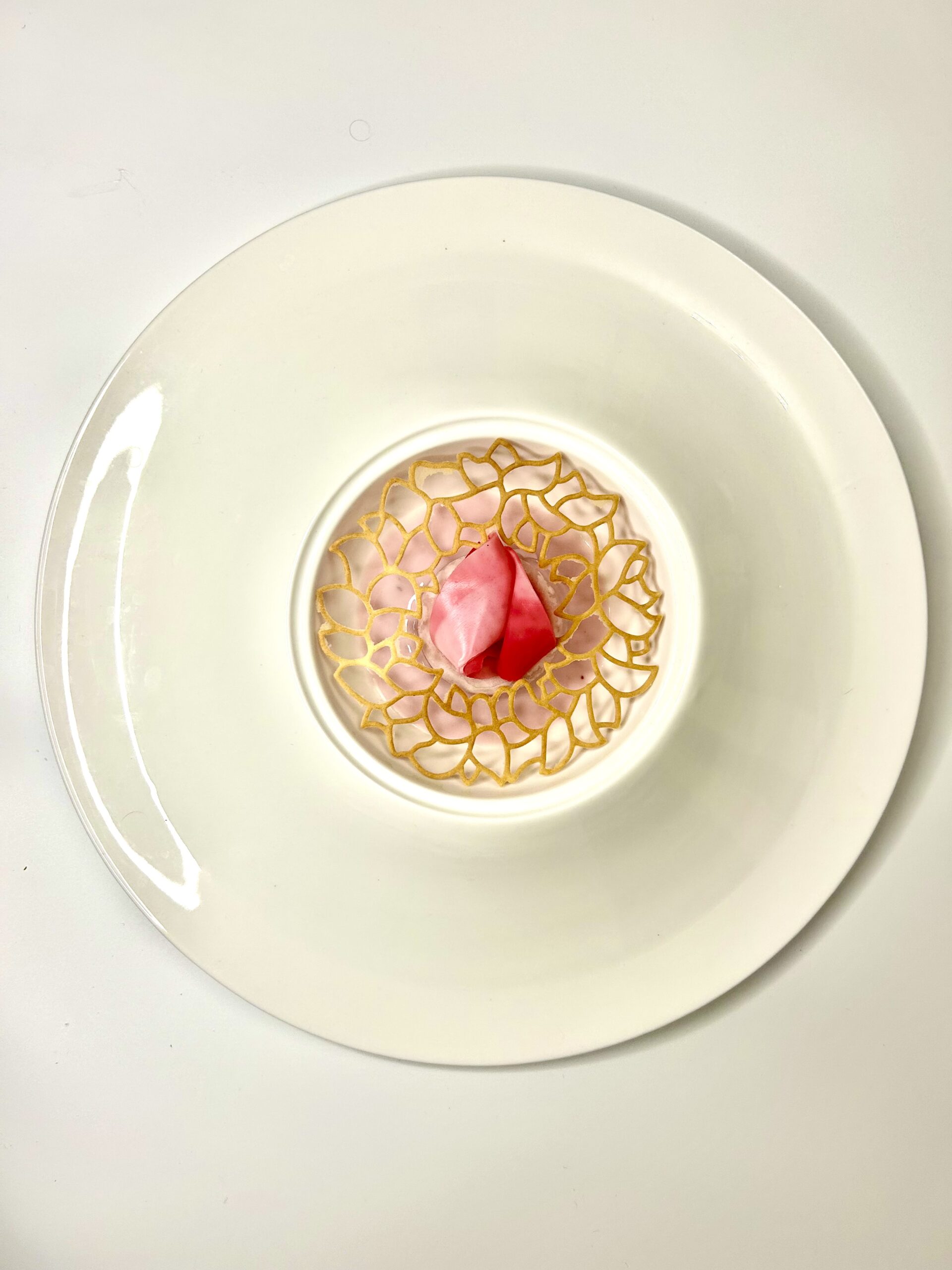
I don’t think I hate any food trend because every trend teaches us something. However, I don’t like it when appearance becomes more important than flavor. Social media has made some dishes incredibly beautiful but not always enjoyable to eat. For me, great food should always start with taste. If a dish looks amazing but doesn’t create a memorable flavor, then it has missed its purpose.
- What’s the craziest shift you’ve ever worked in the kitchen?
One of the craziest shifts I ever worked lasted almost twenty hours. It wasn’t just one busy service—it was an entire day of preparation, lunch, dinner, cleaning, and getting ready for the next day. By the end, everyone was exhausted, but somehow the team kept laughing, supporting each other, and pushing through. Looking back, I don’t think I could or should work like that forever, but those experiences taught me resilience and showed me what a strong team can achieve together.
5. What happened, and how did you manage to get through it?
Looking back, I definitely didn’t get through it alone. My teammates made all the difference. One of my funniest memories is that we always had a refrigerator full of Snickers bars and Coca-Cola. We barely had time to eat proper meals, so chocolate and Coke became our fuel during those endless days.
It usually happened when we were developing a new seasonal menu. After finishing a normal sixteen-hour shift, we would stay through the night testing new dishes, adjusting recipes, tasting everything, and preparing for the next menu launch. Then, after maybe forty minutes of sleep on a chair or somewhere in the restaurant, we would start another full workday.
Looking back now, it sounds crazy, and I wouldn’t recommend that lifestyle forever. But we were young, passionate, and completely obsessed with what we were creating. We laughed, supported each other, celebrated every successful dish, and somehow always found the energy to keep going. Those moments taught me that the strongest ingredient in any kitchen isn’t found in the fridge, it’s the people standing beside you.
- What tips would you give to other cooks and chefs to help them navigate their culinary careers and find peace amid the chaos of the kitchen?
Stay curious and never think you know everything. The best chefs I have met are also the ones who never stop learning. Don’t choose your first job because it pays the most: choose it because it will teach you the most. Find mentors, ask questions, travel whenever you can, and don’t be afraid to start from the bottom. Most importantly, take care of your health. I learned that passion alone isn’t enough.
To build a long career, you need balance, good people around you, and a genuine love for what you do. If you truly enjoy the journey, success will follow.
- What’s an underrated ingredient and why?
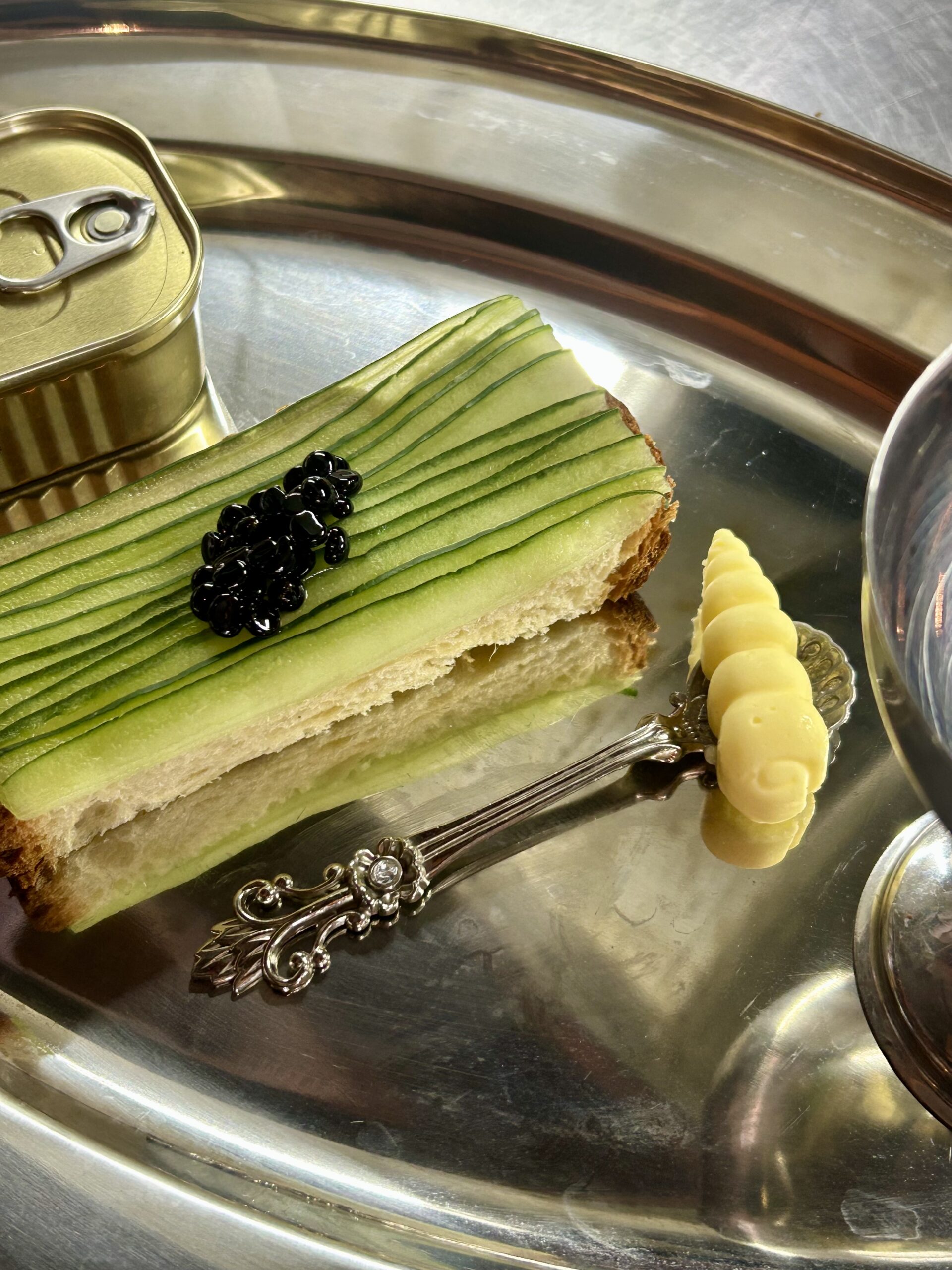
Butter. It sounds simple, but I think good butter is one of the most underrated ingredients in the kitchen. It has the power to transform a dish by adding richness, aroma, and balance without stealing the spotlight. After working in France, I gained an even deeper appreciation for how such a simple ingredient, when used with care and respect, can completely change the final result. The same is true for ingredients like salt or garlic—sometimes the simplest things make the biggest difference.
8. What’s a must-try dish from your kitchen or the one you’re proudest to have prepared?
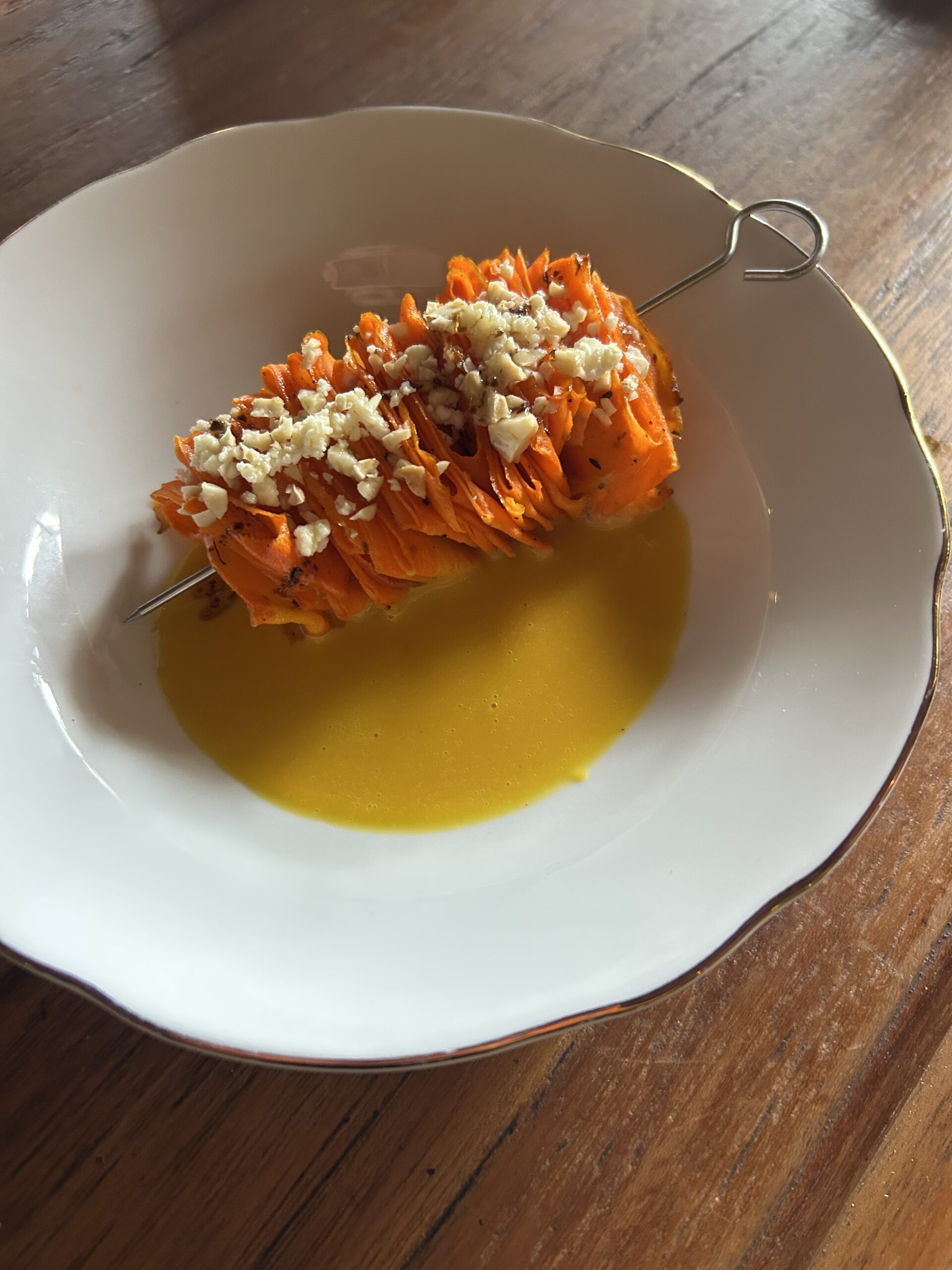
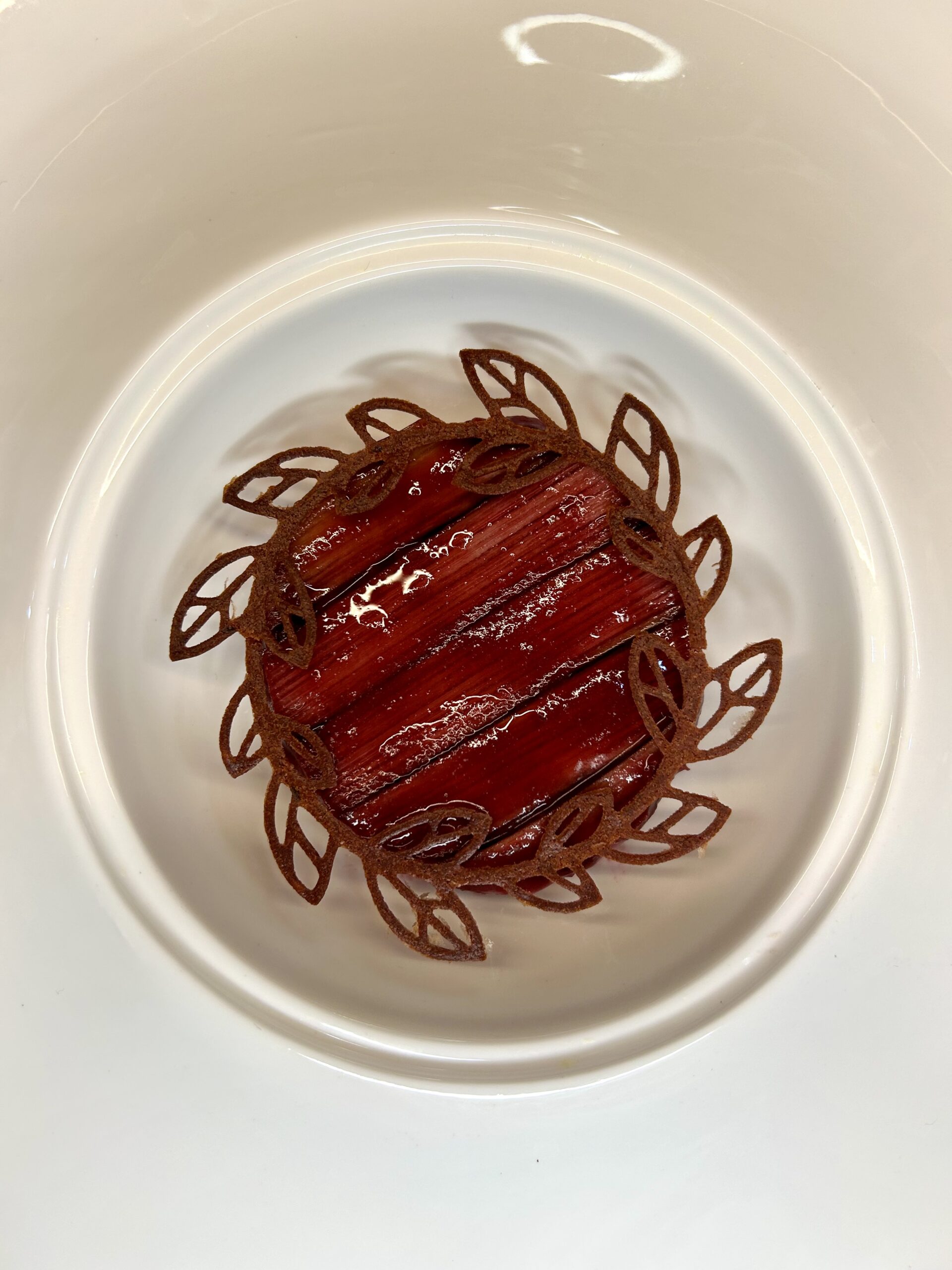
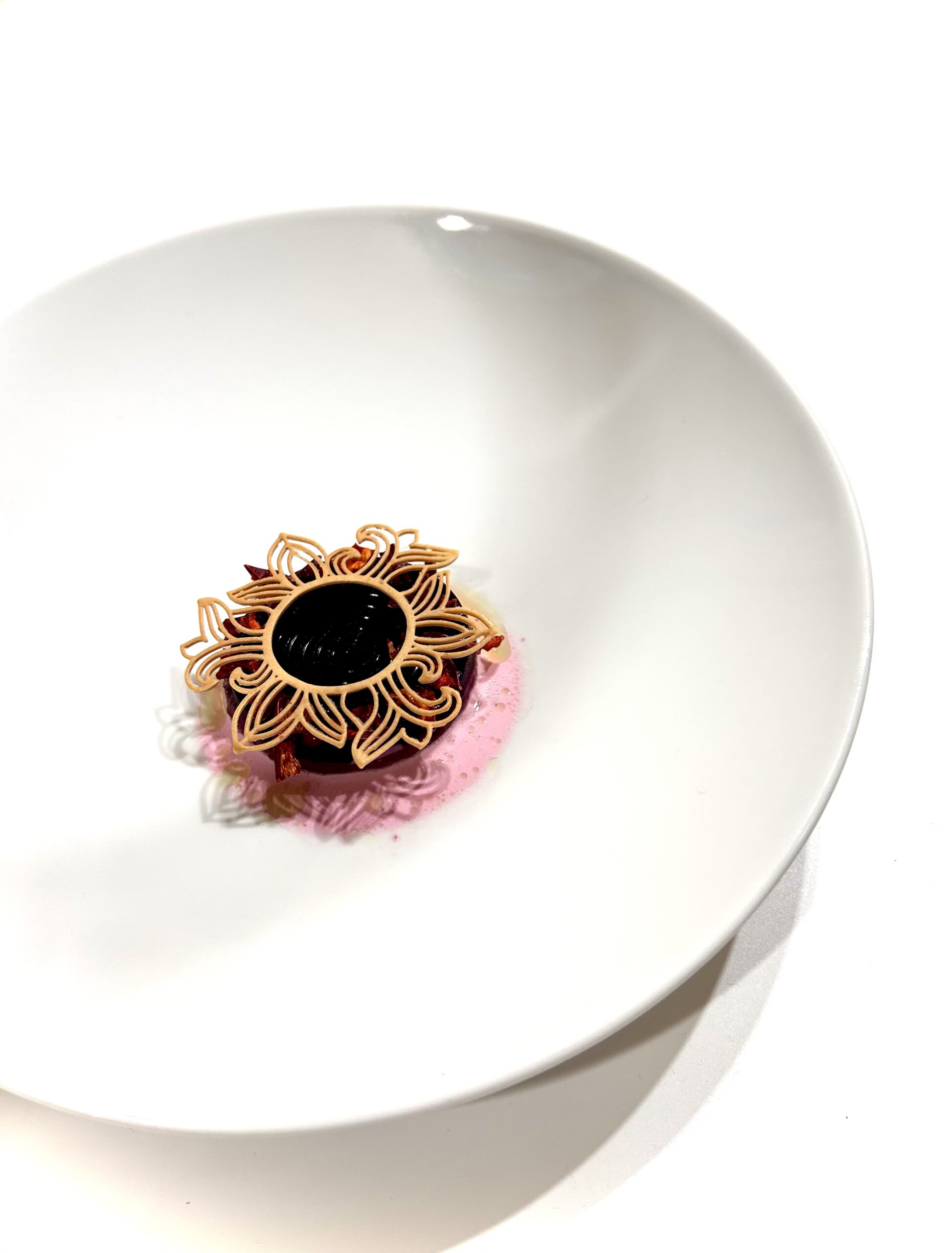
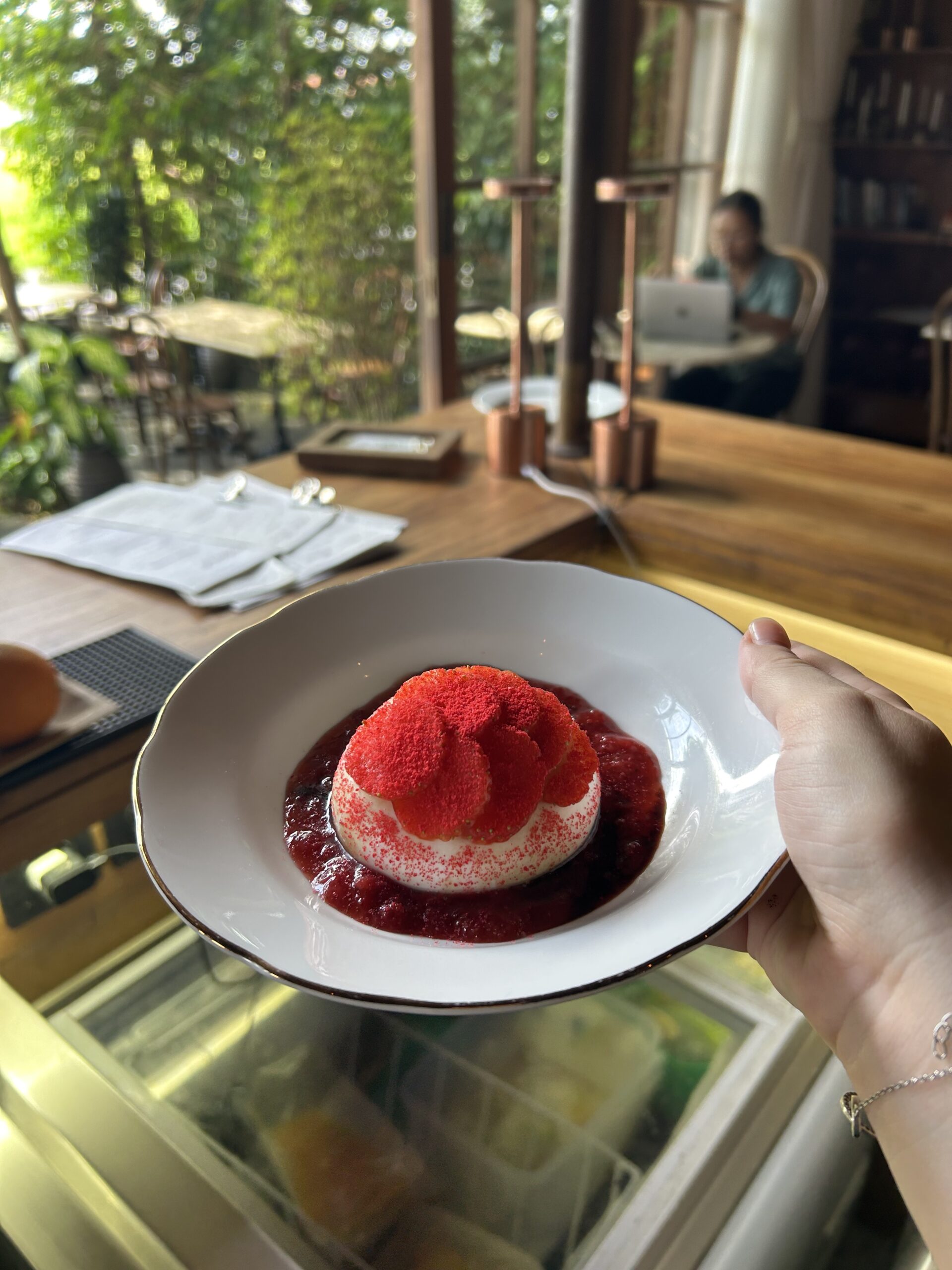
It’s difficult to choose just one dish because every restaurant and every project has taught me something different. The dishes I am proudest of are not necessarily the most complex ones. They are the ones that bring people back to their childhood, remind them of home, or make them smile after the very first bite. I believe the best food creates emotions and memories, not just beautiful plates. My philosophy has always been to respect simple ingredients and let them speak for themselves while adding technique, creativity, and care. When someone tells me, “This tastes like my childhood,” I know I’ve done my job as a chef.
About Your City!
Ukraine
- If Anthony Bourdain or a chef came to your city, what would be the perfect tour itinerary from breakfast to dinner?
If Anthony Bourdain came to Ukraine, I honestly wouldn’t worry about planning the perfect restaurant itinerary because almost any city would offer an incredible culinary experience. I’ve traveled and worked in many countries, and I truly believe Ukraine has one of the highest standards of food and hospitality. We would spend the day exploring local markets, bakeries, family-owned restaurants, and modern Ukrainian kitchens that celebrate our traditions in new ways.
More than anything, I would want him to meet Ukrainian chefs and hear their stories. The food is exceptional, but it’s the resilience, passion, and warmth of the people behind it that make Ukrainian hospitality so unforgettable.

Support our project by buying our merch!

86 HOTK Unisex t-shirt
$30.00
Anthony Bourdain T-Shirt
$35.00
Mise HOTK Unisex t-shirt
$30.00