What remains after the awards
Professional milestones matter, but the people who grow through his guidance define a lasting legacy.
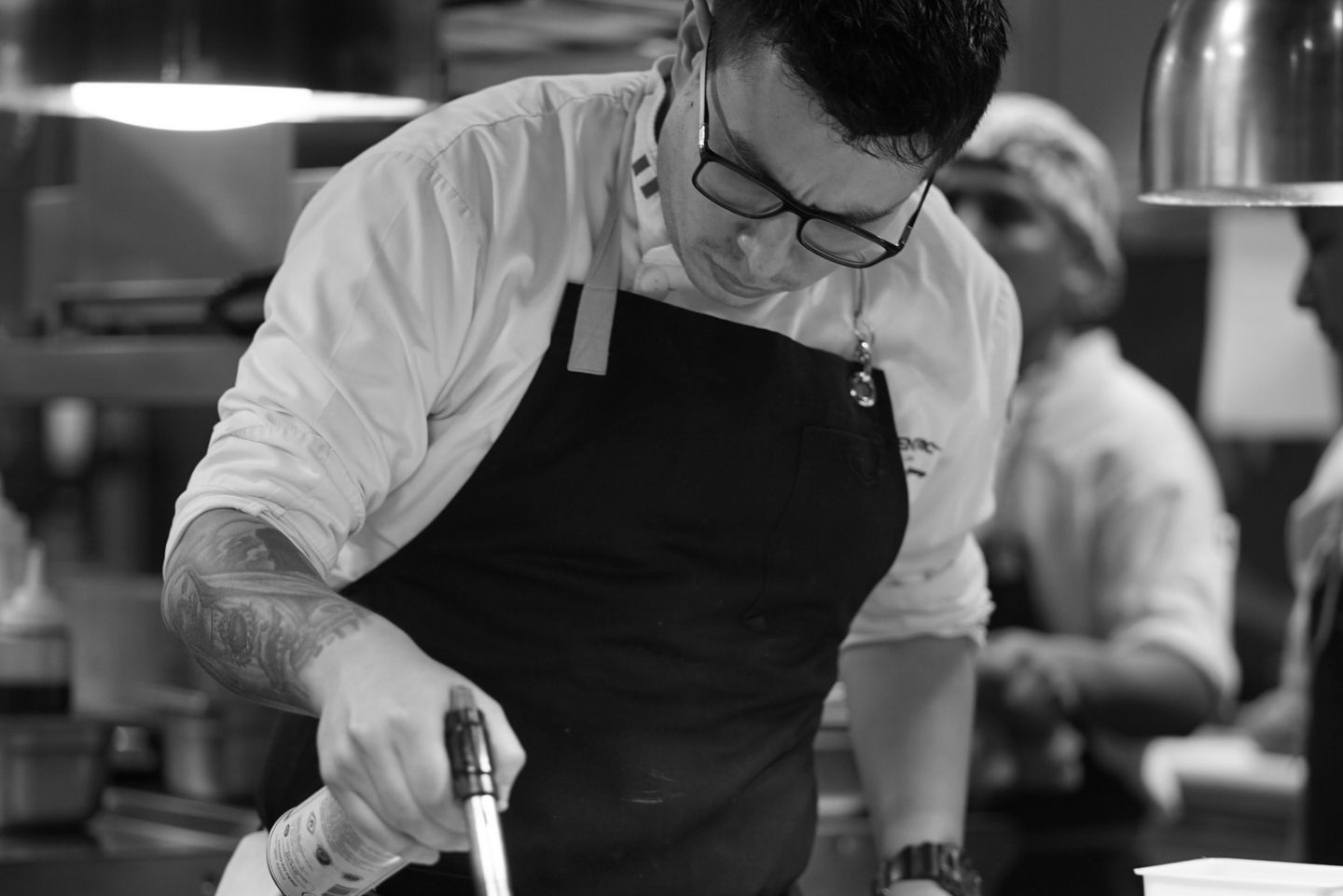
Vladimir Rojas Company
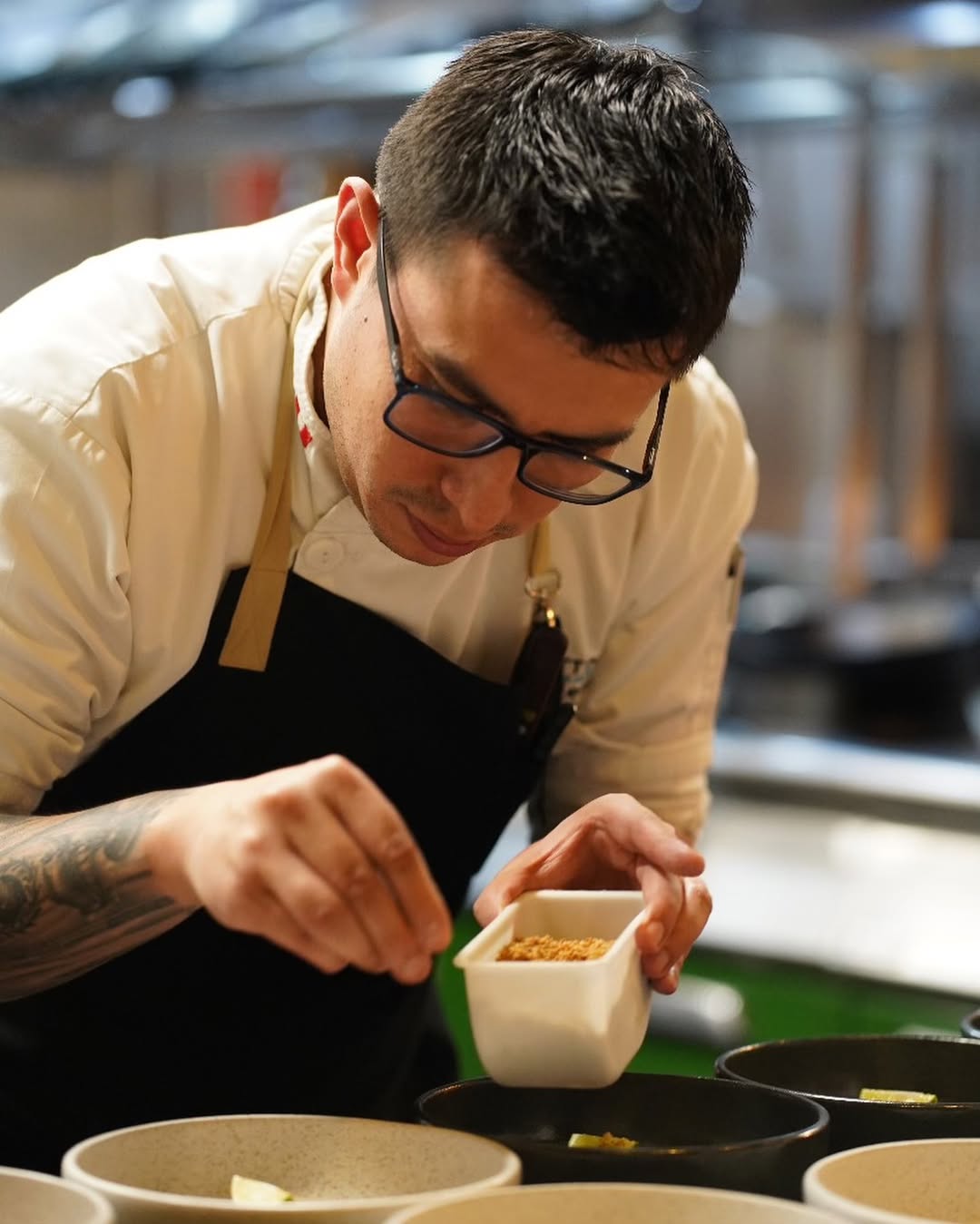
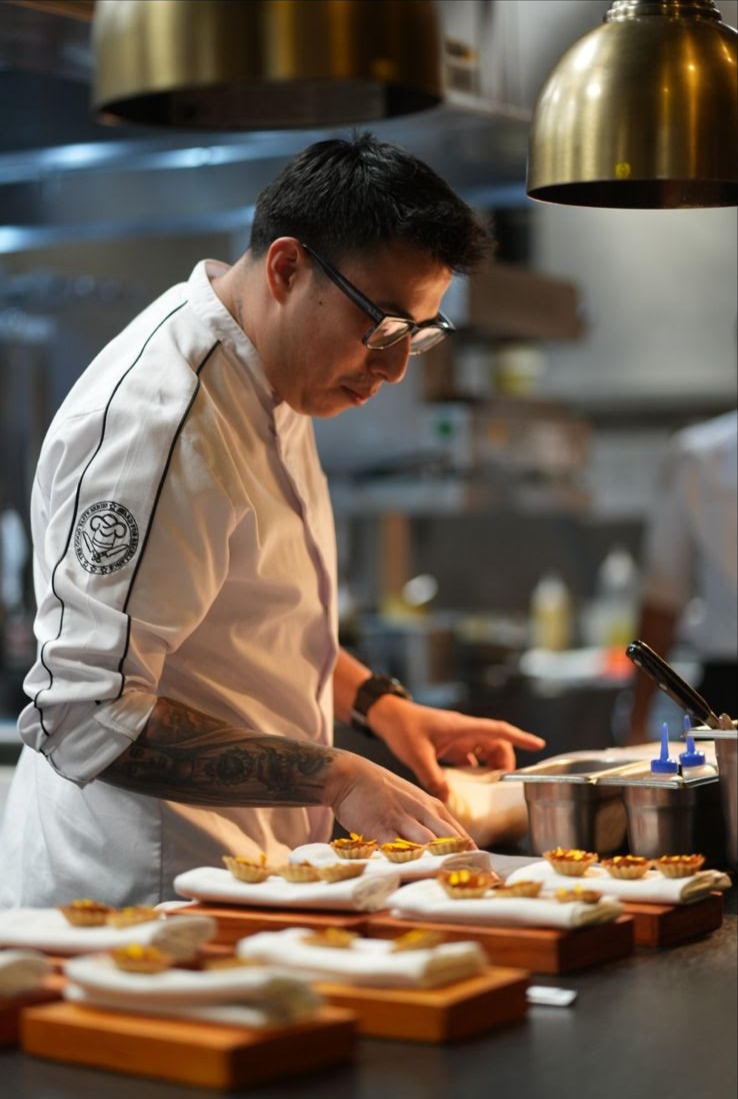
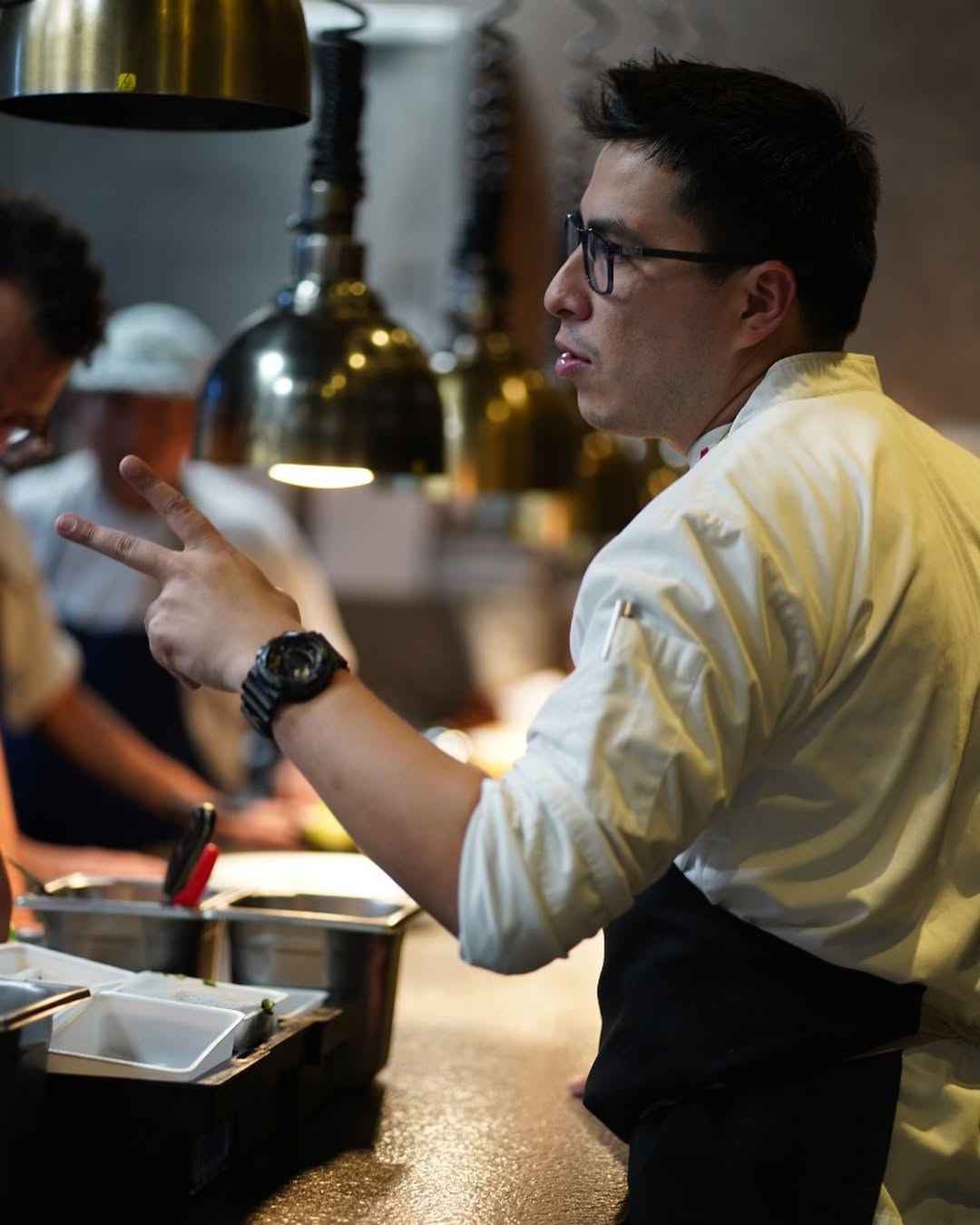
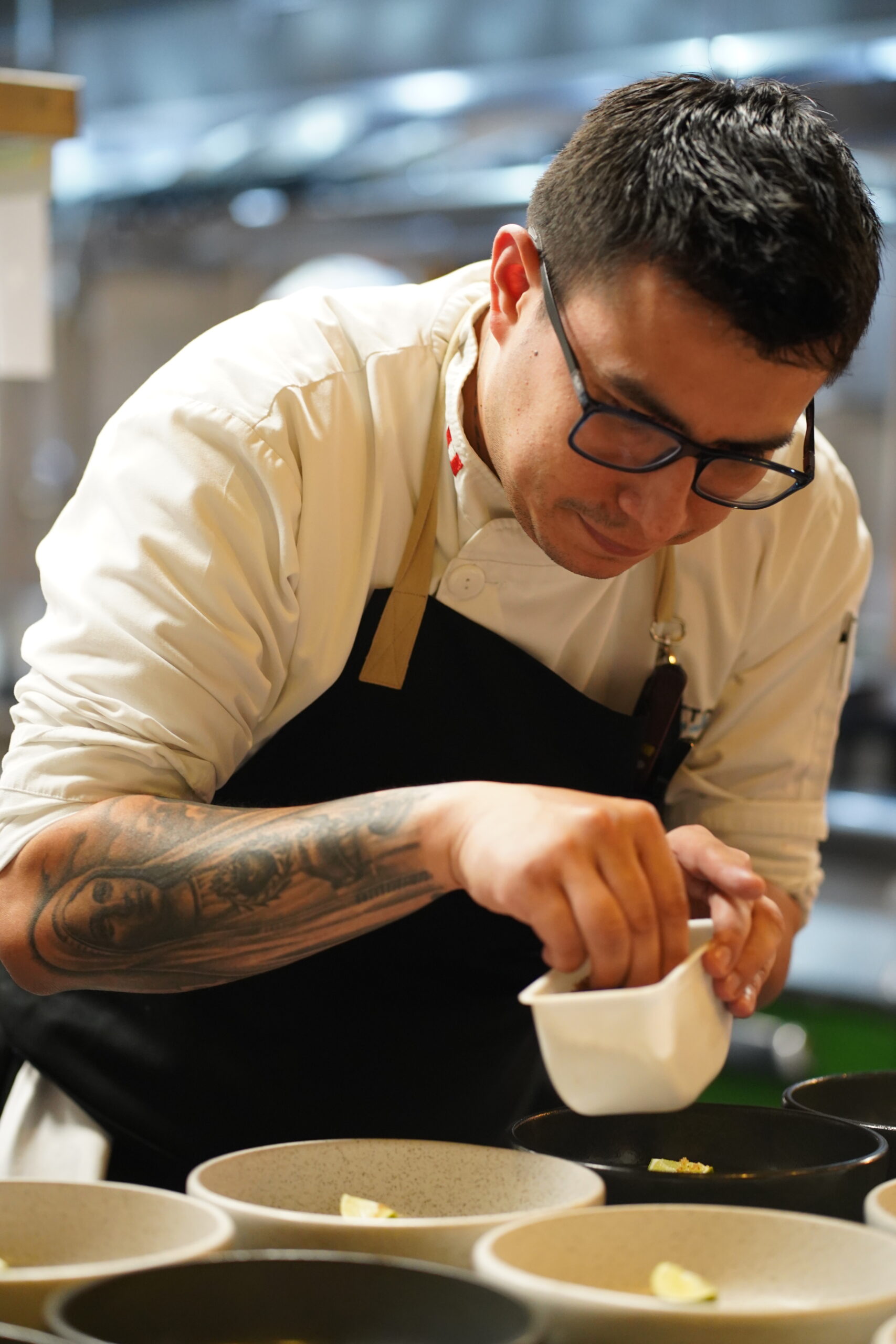
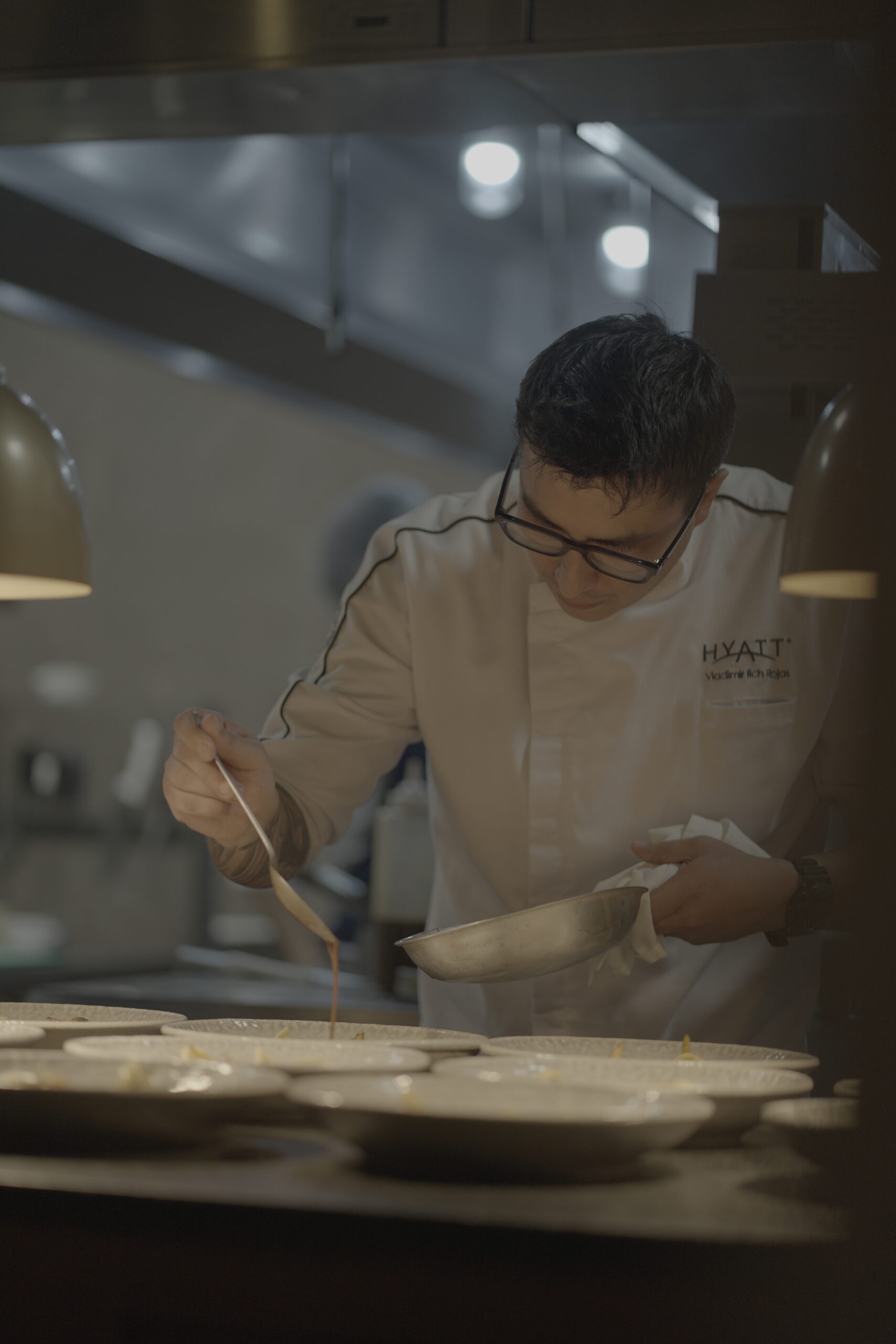
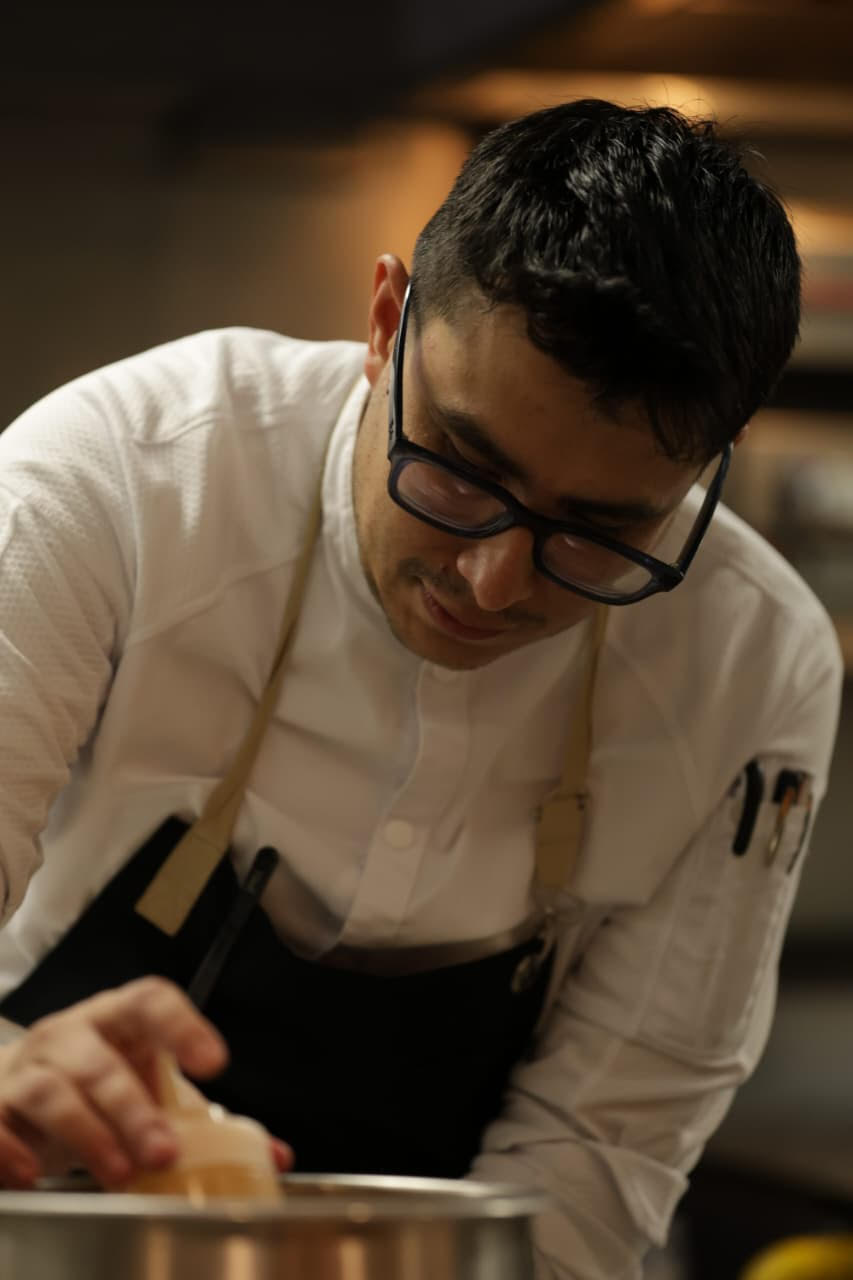
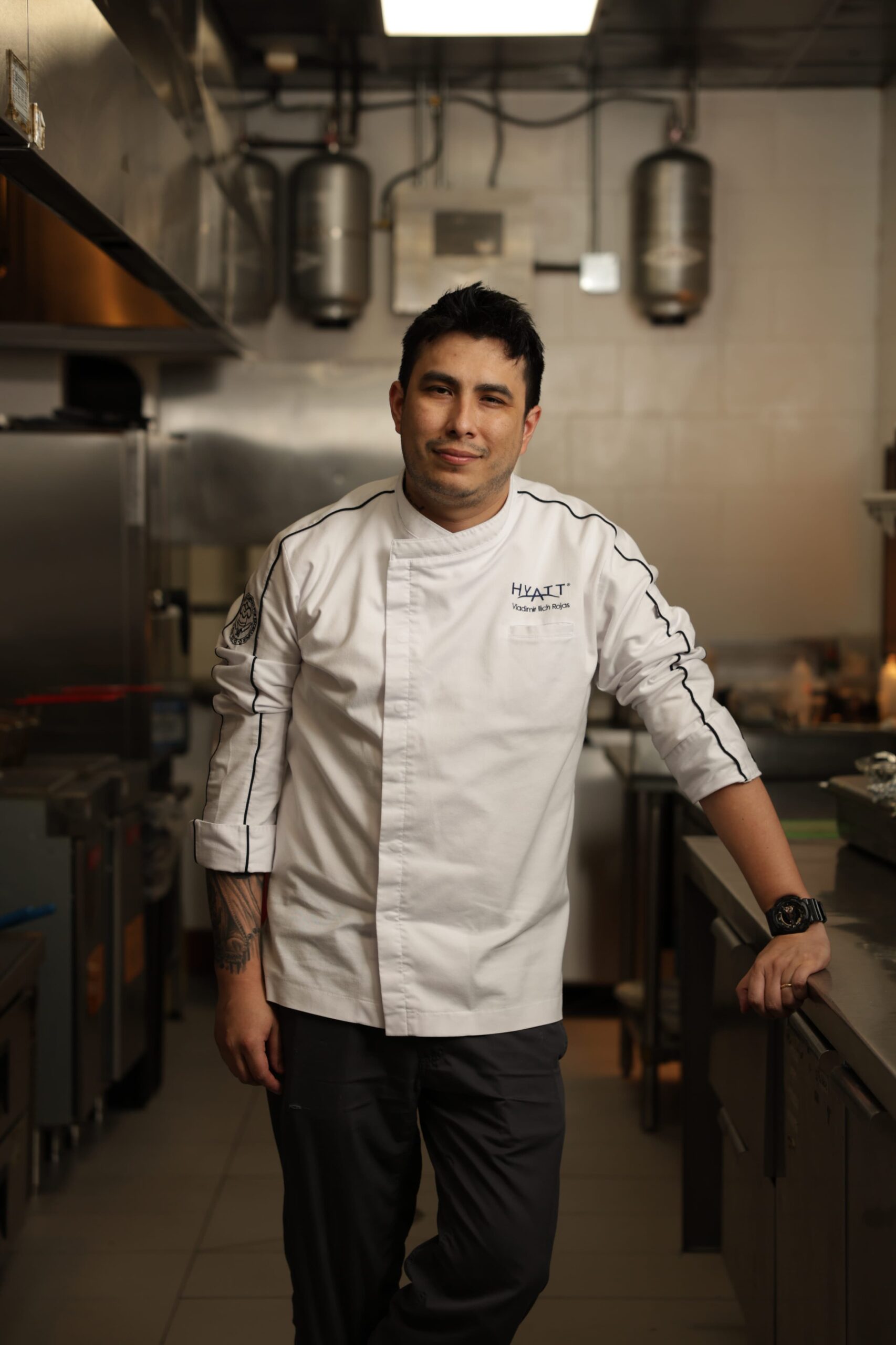
Vladimir Rojas Company’s connection to food began with the sea. Growing up with a grandfather who was an artisanal fisherman, he was surrounded by fresh fish and seafood, while his grandmother transformed them into traditional dishes. Watching her cook sparked an early passion that eventually became a clear goal: to become a chef.
His culinary path began professionally at 18, when he entered a Japanese restaurant kitchen and discovered the discipline, consistency, and respect for ingredients that would shape his career. From learning to professionally cut 100 kilograms of fish to working through the challenges of high-level kitchens, Vladimir built his approach through observation, experience, and a commitment to keep learning.
Today, his philosophy is grounded in discipline, resilience, sound judgment, and respect for the product, while his vision extends beyond the kitchen. Through collaborations, gastronomic pop-ups, competitions, and international projects, he believes chefs need to keep evolving while also understanding the business behind gastronomy. For him, the most meaningful achievement is not an award, but the legacy left in the people he has helped grow.
In this conversation with Humans of the Kitchen, Vladimir reflects on his journey, his philosophy, and the lessons that continue to shape his work.
Share your Journey
- Looking back at your childhood, was there a specific moment or memory that sparked your interest in food or cooking?
My grandfather was an artisanal fisherman who regularly brought home fresh fish and seafood. My grandmother would prepare them in different traditional dishes, and watching her cook inspired my passion for food. Those experiences sparked my interest in cooking from an early age.
- Did you have another career or job before becoming a chef? How did those experiences influence your decision to pursue cooking?
No, I always wanted to become a chef. However, I started working as a waiter to gain experience and better understand the hospitality industry. That role allowed me to learn about service, teamwork, and restaurant operations, strengthening my passion for pursuing a career in the culinary world.
- Did you formally study culinary arts, or are you self-taught? How has your learning journey shaped your approach to cooking?
I formally studied Culinary Arts, which gave me a strong foundation in cooking techniques, food safety, and kitchen management. Combined with hands-on experience, my education helped shape a disciplined and professional approach to cooking while encouraging continuous learning and creativity.
- When did you first step into a restaurant kitchen? What was that experience like, and how did it shape your journey as a chef?
I first entered a restaurant kitchen when I was 18 years old and started working in a Japanese restaurant. From that moment, I learned the value of hard work, consistency, discipline, and determination to do things the right way. Japanese culture taught me to respect ingredients and maintain discipline in my daily work, lessons that continue to guide me throughout my career as a chef.
- What were some of the early challenges or obstacles you faced when you started in the kitchen, and how did you overcome them?
One of the biggest challenges in the kitchen was learning how to cut 100 kg of fish professionally and with great care. How did I overcome it? By watching other, more experienced people do it from start to finish. For me, it’s important to observe, listen, and keep learning.
- What keeps you inspired and how has that inspiration driven you throughout your professional journey? Especially during tough times in the kitchen?
Every day I wake up trying to be the best, and to do that, you have to stay motivated every day, inspired by your family, by what you want to become as a person and a professional. I believe that as a chef, what inspires me most is trying to contribute to the culinary world and the people involved in this industry.
- Can you recall a moment in the kitchen that marked you forever? Maybe it was an interaction with a mentor, a fellow cook, someone you fed, or a situation that challenged you in a way that shaped who you are today?
Yes, I was once told a phrase that has stayed with me for life: Sometimes the path is not linear, but every step, every mistake, and every small victory have a story in the past.
- As a chef, how would you describe your philosophy in the kitchen, and how does it guide your approach to cooking and leadership?
My philosophy is based on discipline, consistency, resilience, sound judgment, and respect for the product. My leadership is defined by having effective and decisive communication with the team, listening to them, and always being able to help in any way I can.
- Can you share a time when cooking or the camaraderie in the kitchen helped you through a tough period in your life? What made that experience meaningful?
I think it’s important to remember that every restaurant service is different, and you can arrive in a good or bad mood, and that’s normal. But the most important thing is that you have a great time during that service, and sometimes that changes your mood.
- Reflecting on your career, what achievements or milestones are you most proud of, and what do they mean to you?
Beyond competitions, dinners with different chefs, participating in the openings of important projects, and awards, the most important milestone is the legacy you leave in each person, whether personally or professionally, and that you’ve been able to contribute to their growth.
For me, that’s what it’s all about.
- What aspects of restaurant culture do you love, and what parts do you find frustrating or problematic? Are there any changes you’re actively working toward or things you hope they change in the industry? Share the reasons behind them and how they align with your vision for a better culinary world?
I believe a chef needs to be in the flow, to create, to evolve, to travel, to understand, to develop, and to value.
I feel that sometimes restaurants or companies fall into a rut, and for some chefs, this ends up distancing them from their true philosophy.
That’s why I think it’s always important to hold takeovers or gastronomic pop-ups with other chefs; this helps break the monotony that cooking can sometimes become.
- What are your hopes for the future of the restaurant and food and beverage industry? What changes would you like to see, and how are you contributing to that change?
I believe in the development of new trends, in the development of new ideas, in the development of gastronomy and art.
But to keep moving forward, we have to learn that this is also a business, and we must learn that the business is about profitability. For that, we must be prepared to do more than just create a beautiful and tasty dish.
For this, one has to prepare beyond simply cooking; it’s about learning the management and administration aspects. This is the most fundamental part of this field because if one doesn’t know how to manage these aspects, the business can end up failing.
- If there’s anything we didn’t ask or if you feel we’re missing something about your personal and kitchen story, please share it here.
Selected as the only chef from the Latin American region to participate in a global Hyatt event in 2023.
Participant in the 2019 GoodTasteSeries Regional Finals.
Collaborations with the 50 Best Chefs list and the Michelin Guide.
📸 Photo credits to
@foodlust.studio & @contentlima
Secret Sauce
- What’s the most unexpected ingredient you’ve ever worked with, and how did it change your perspective on cooking?
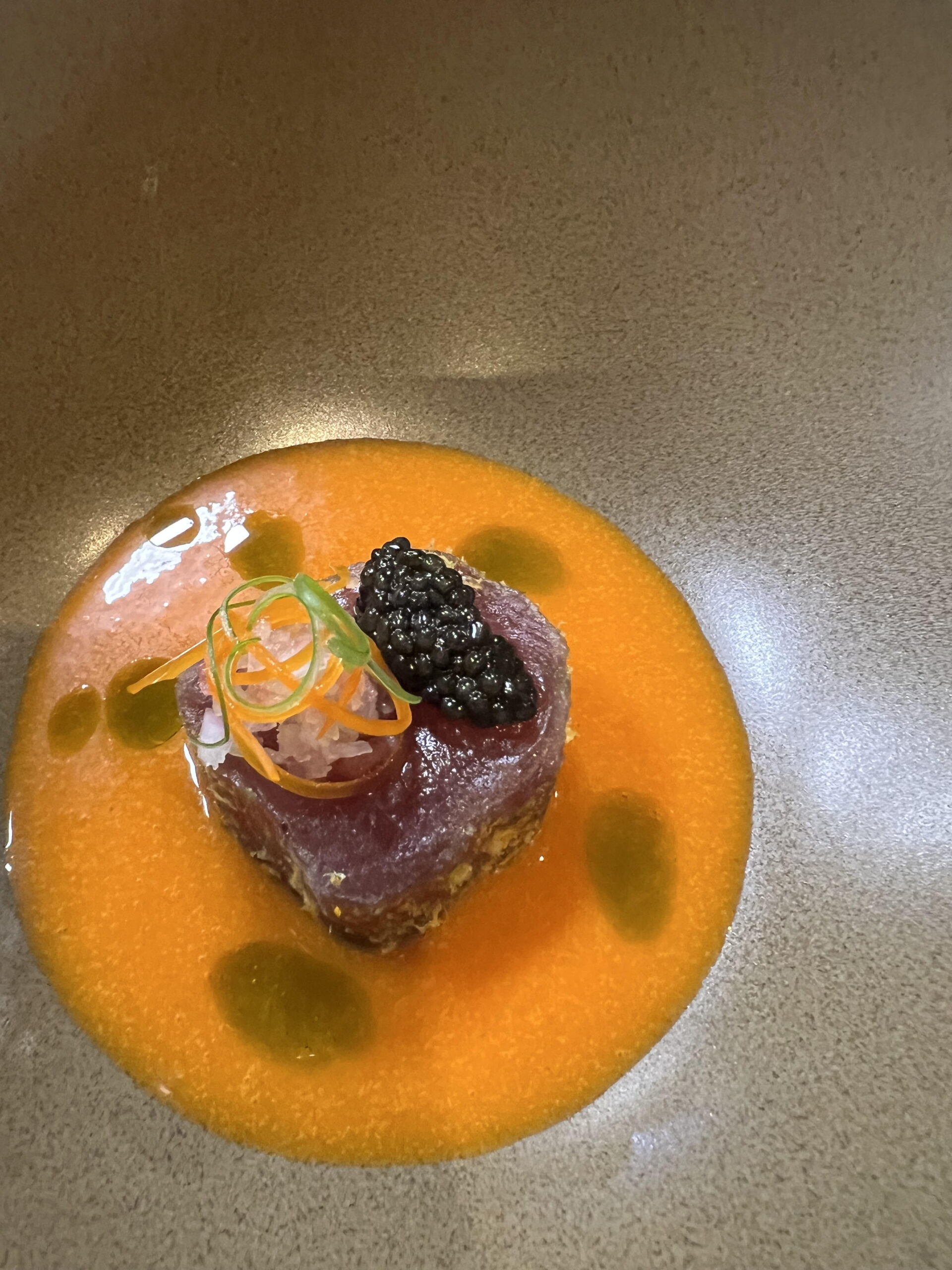
One of the most unexpected ingredients I’ve ever encountered is ALMAS caviar. I wouldn’t say it changed my perspective, but I can say I’ll never forget the flavor.
- What’s your “guilty pleasure” meal?
Salchipapa.
- A food trend that you hate and why?
I don’t have one; everyone is free to choose the path they want to follow. I believe there’s something or someone for everyone.
- What’s the craziest shift you’ve ever worked in the kitchen?
I once worked 17 hours in a single day. That day, the restaurant was packed with customers.
5. What happened, and how did you manage to get through it?
The next day, we did a checklist of all our productions. We held a meeting with the whole team to find out what we could improve and move forward with the other days.
- What tips would you give to other cooks and chefs to help them navigate their culinary careers and find peace amid the chaos of the kitchen?
Have patience, discipline, respect, and resilience.
It’s important to know how to listen, observe, and respect others so they can share their knowledge with you, and you can learn from them. That’s the most important thing.
- What’s an underrated ingredient and why?
Truffle oil. Why it’s overrated: It provides an intense flavor, but it’s almost always artificial. The vast majority of these oils are made with a base of olive or seed oil to which a chemical compound synthesized in a laboratory is added to mimic the aroma of truffles.
8. What’s a must-try dish from your kitchen or the one you’re proudest to have prepared?
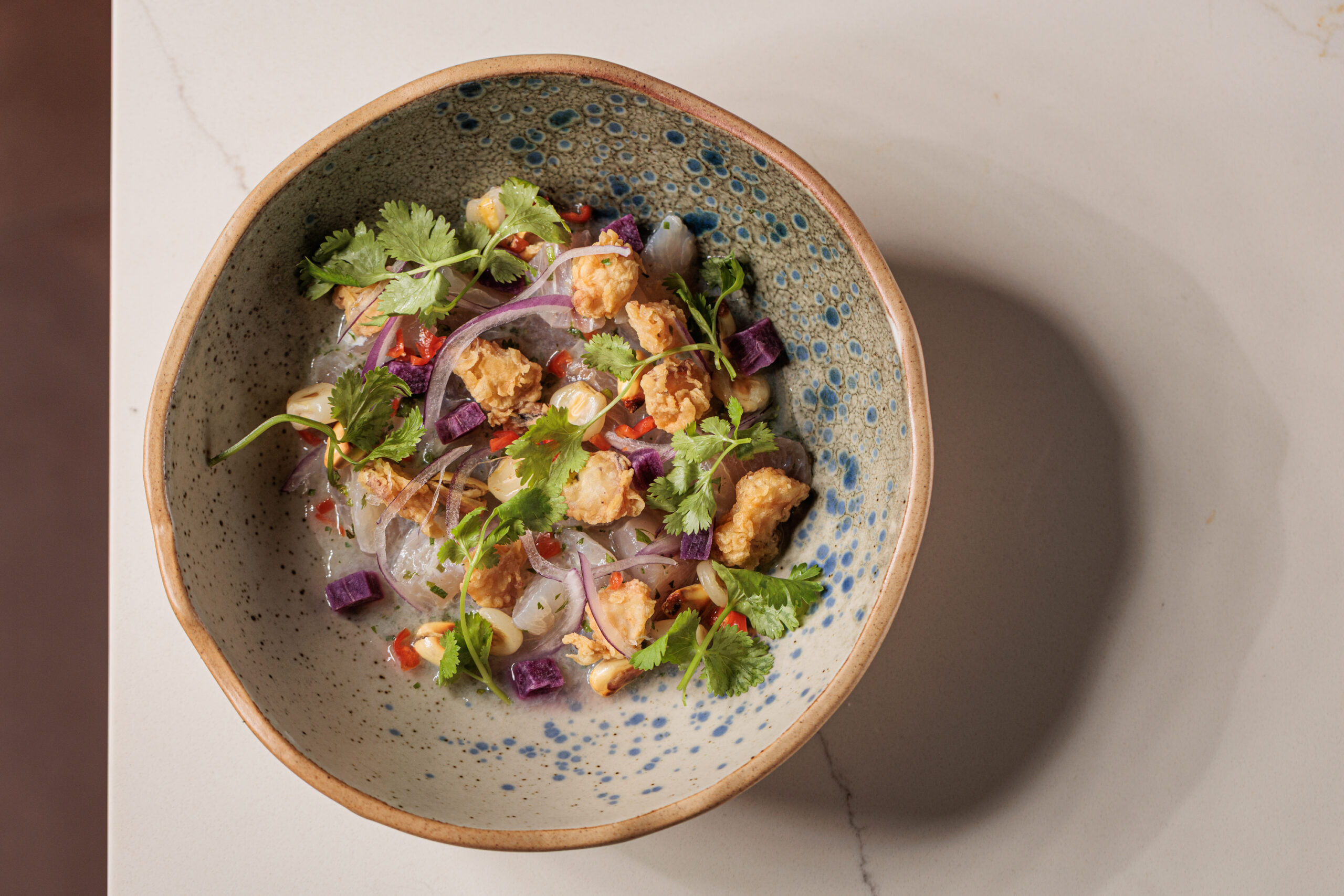
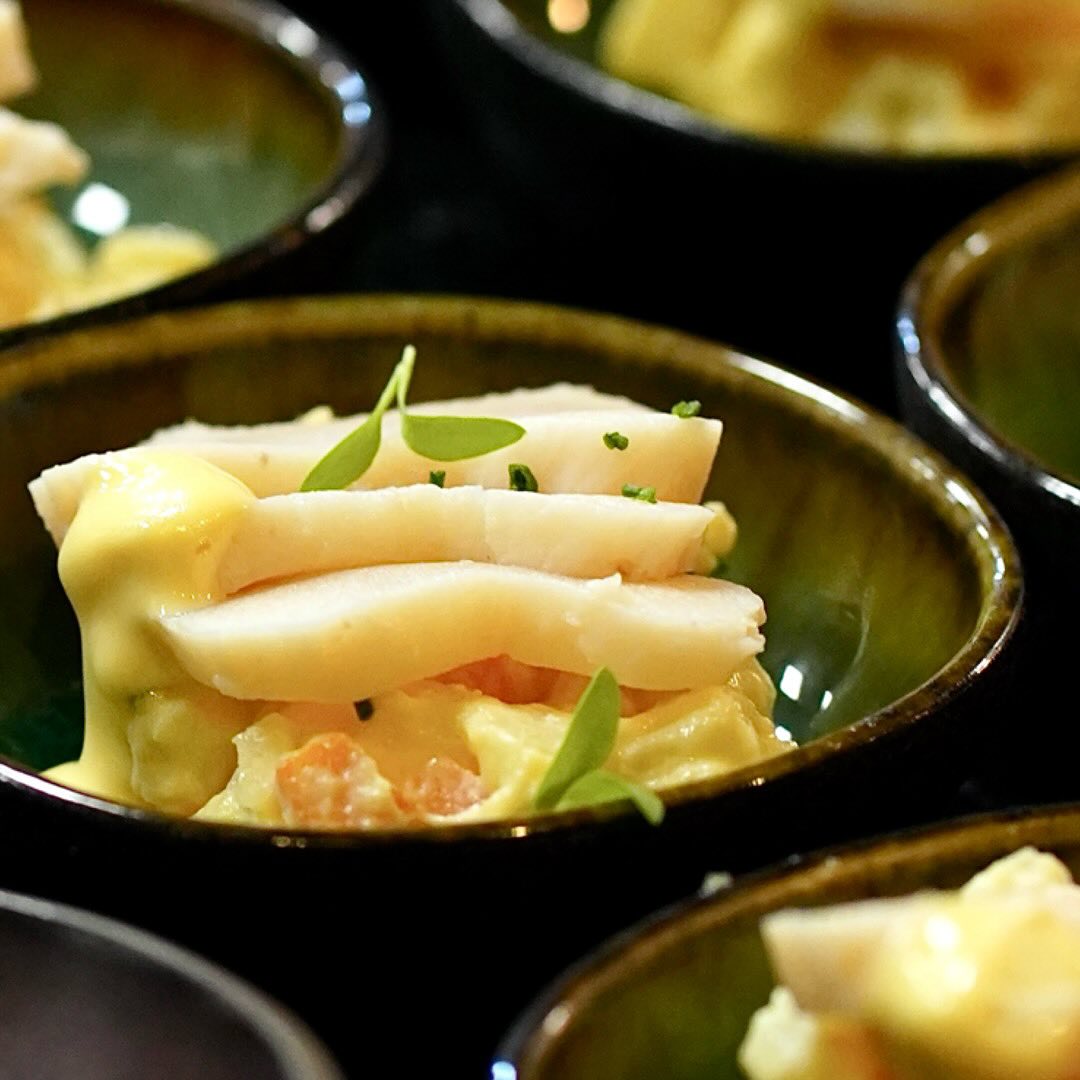
Ceviche is one of the most complete dishes. It has spicy, sweet, salty, and sour flavors. It’s a complete meal.
About Your City!
Lima, Peru
- If Anthony Bourdain or a chef came to your city, what would be the perfect tour itinerary from breakfast to dinner?
In Lima:
For breakfast, you have two options:
Eat a pork crackling sandwich at the Callao Market, or a fish sandwich at the Chorrillos port next to the fishermen.
Have lunch at a traditional Peruvian restaurant on a street in Surquillo (Lima’s gastronomic district). There’s a wide variety, from ceviche restaurants to traditional eateries.
And in the evening, go for a drink at a bar in downtown Lima that serves the best pisco sour.

Support our project by buying our merch!

86 HOTK Unisex t-shirt
$30.00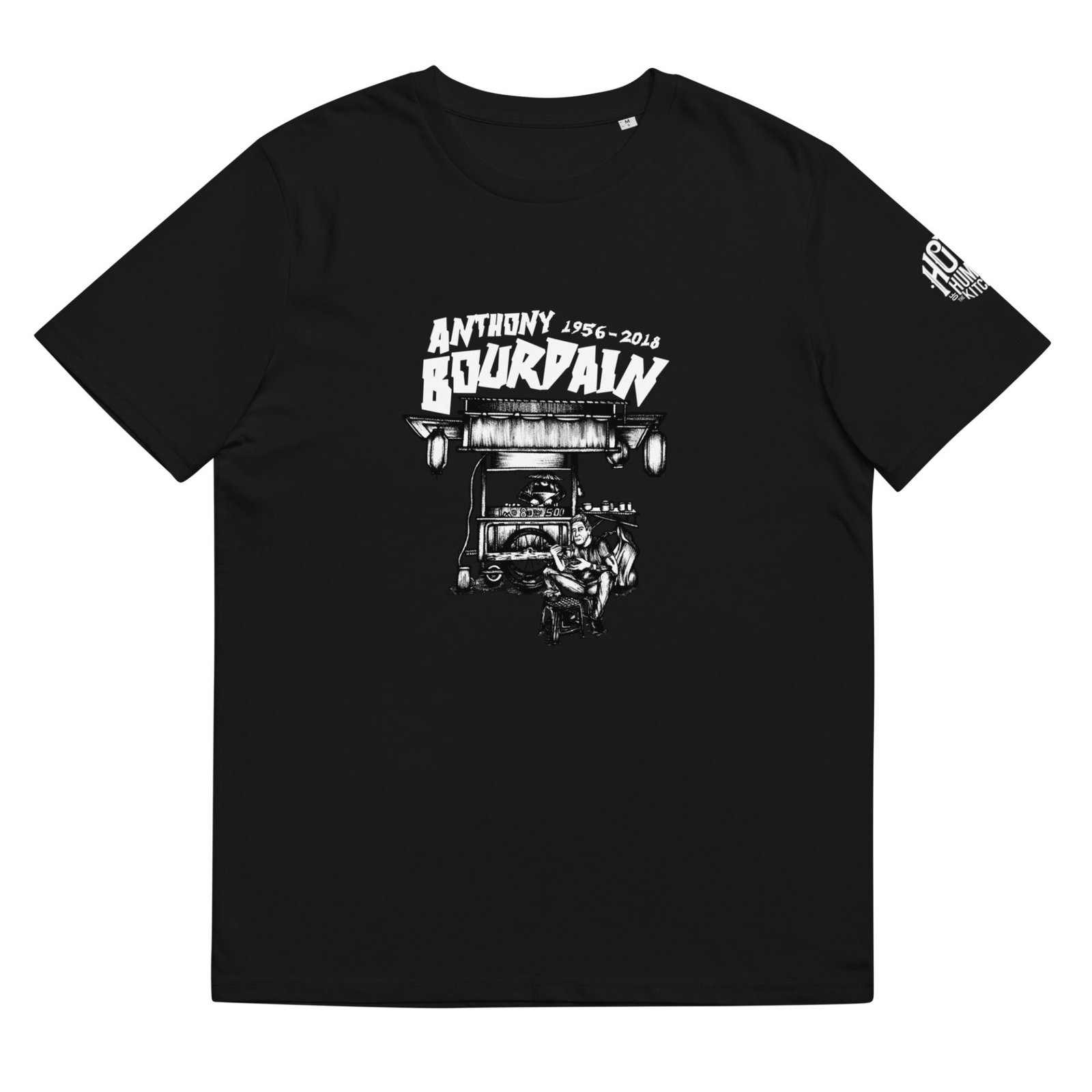
Anthony Bourdain T-Shirt
$35.00
Mise HOTK Unisex t-shirt
$30.00