Finding inspiration beyond dining
Nostalgia, casual meets, and street food continue to bring new energy to the kitchen.
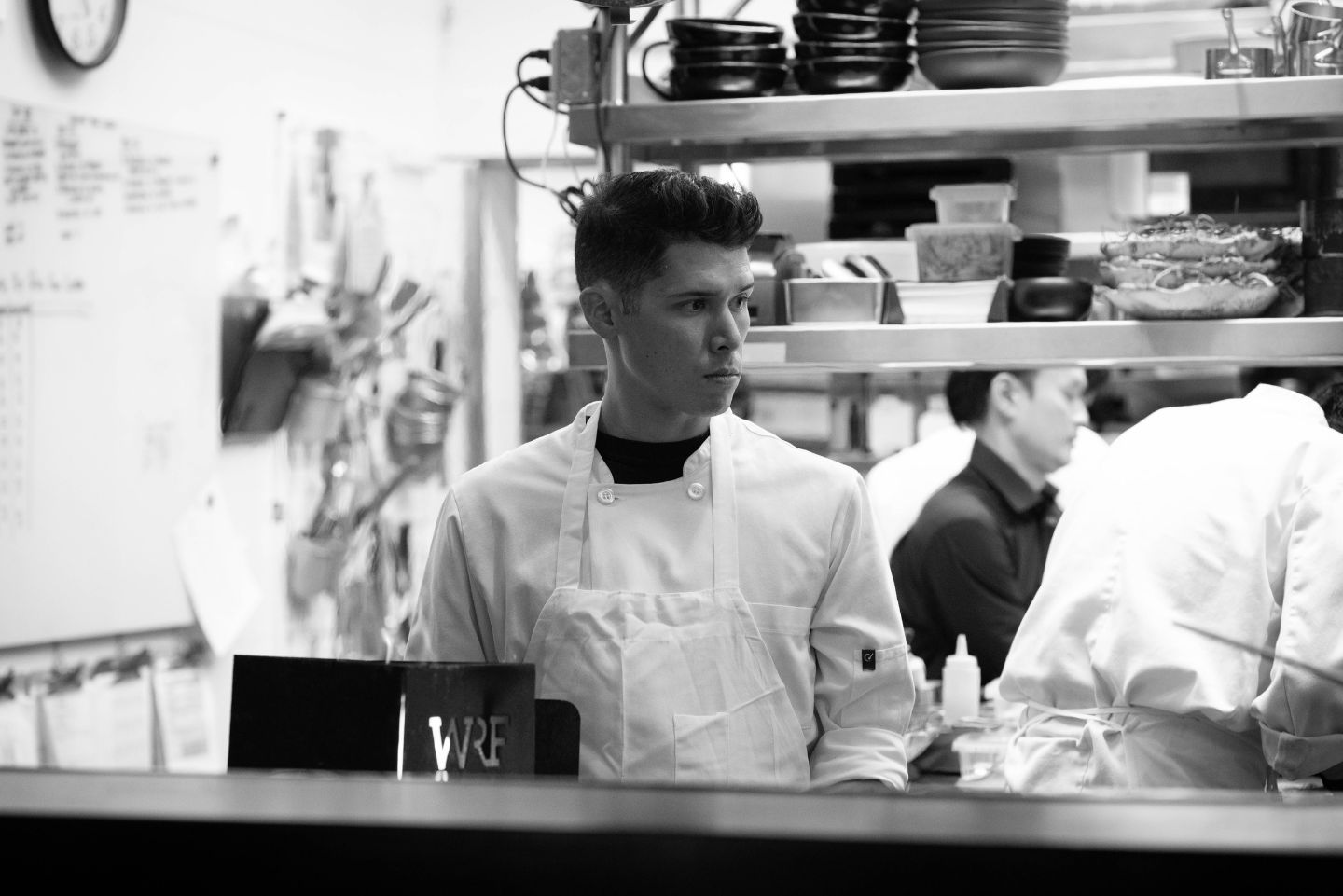
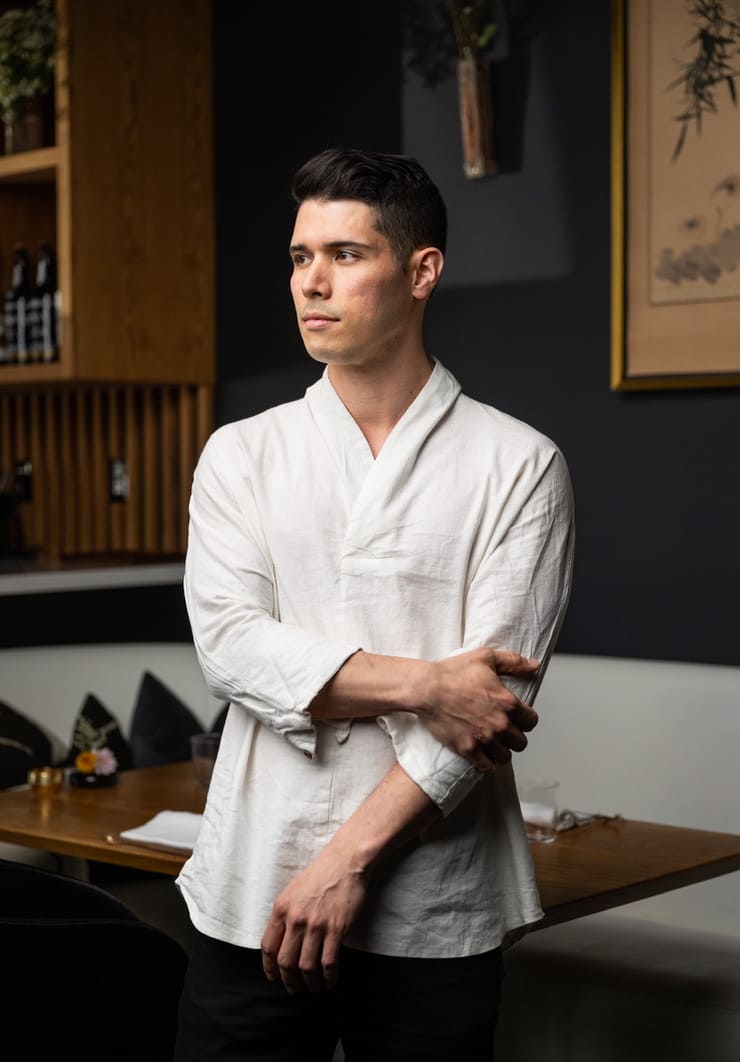
David Yoshimura
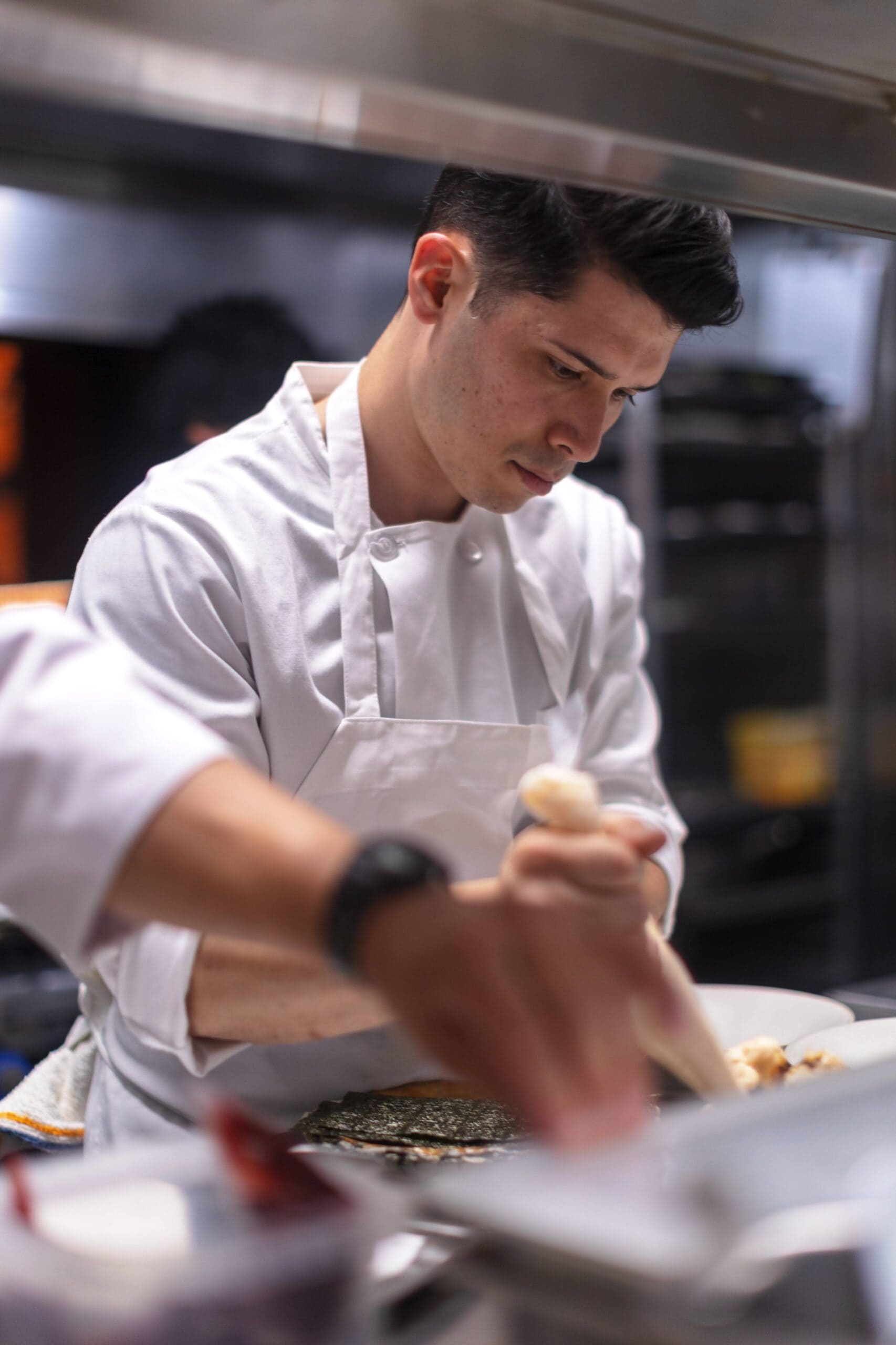
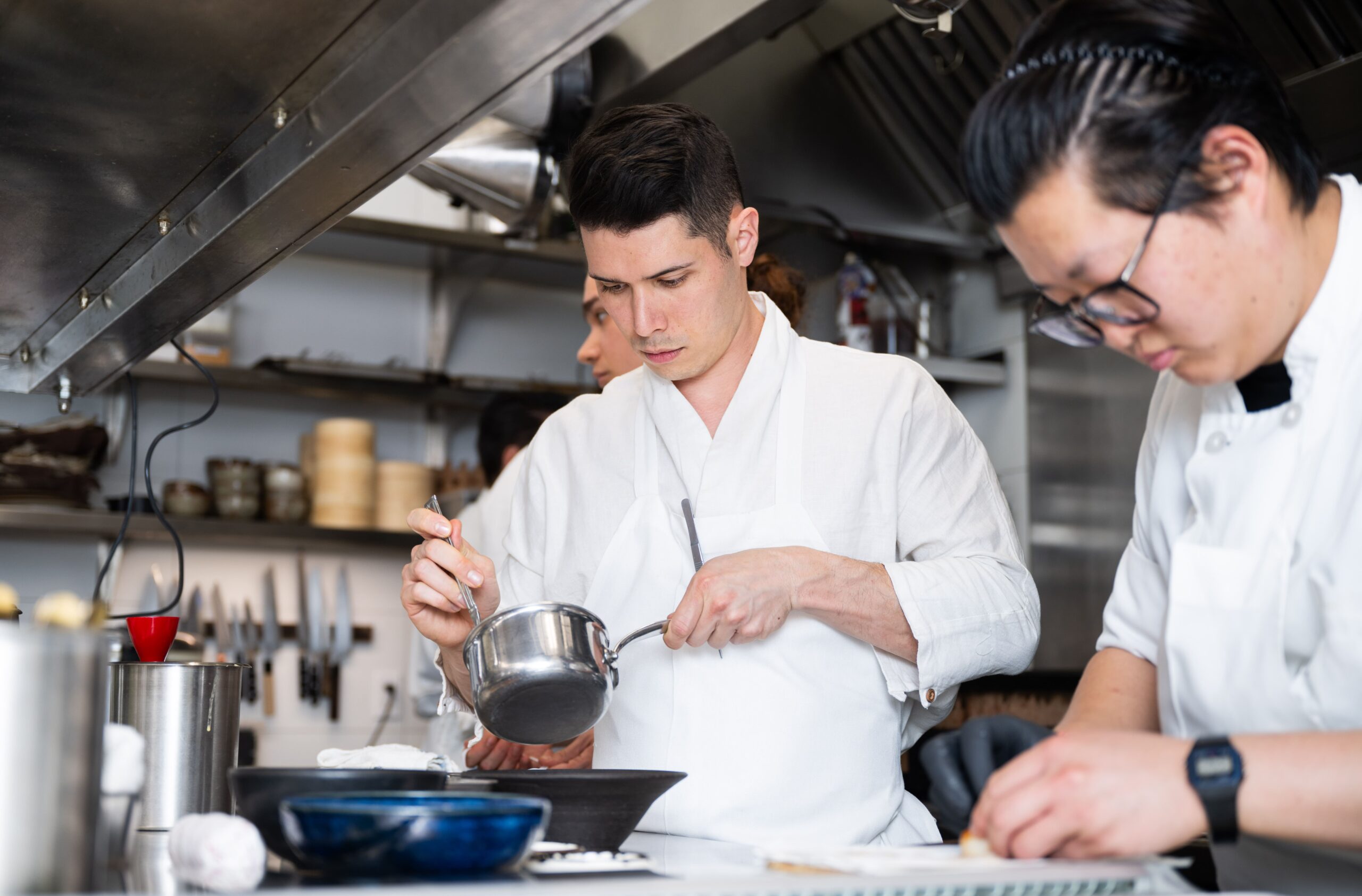
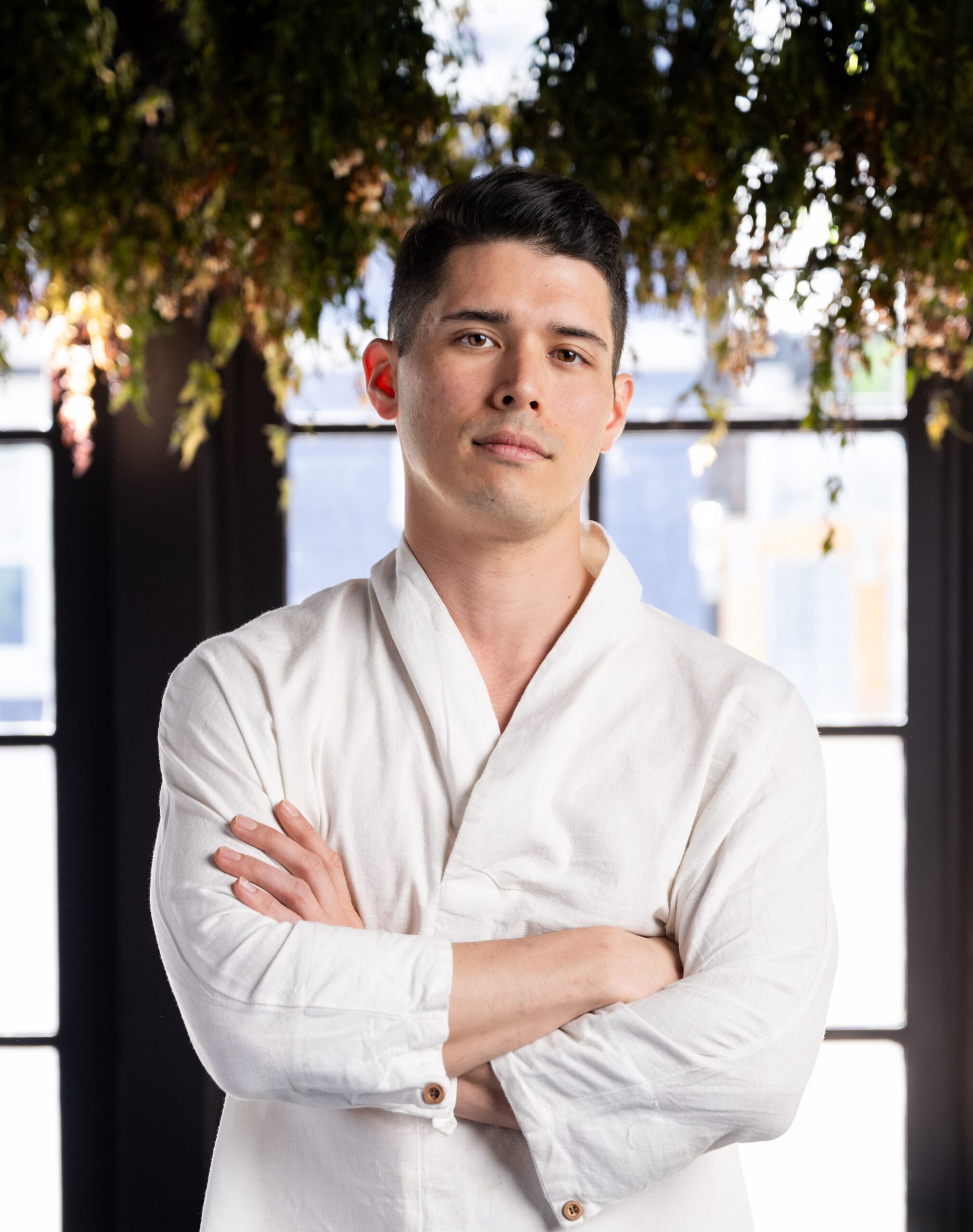
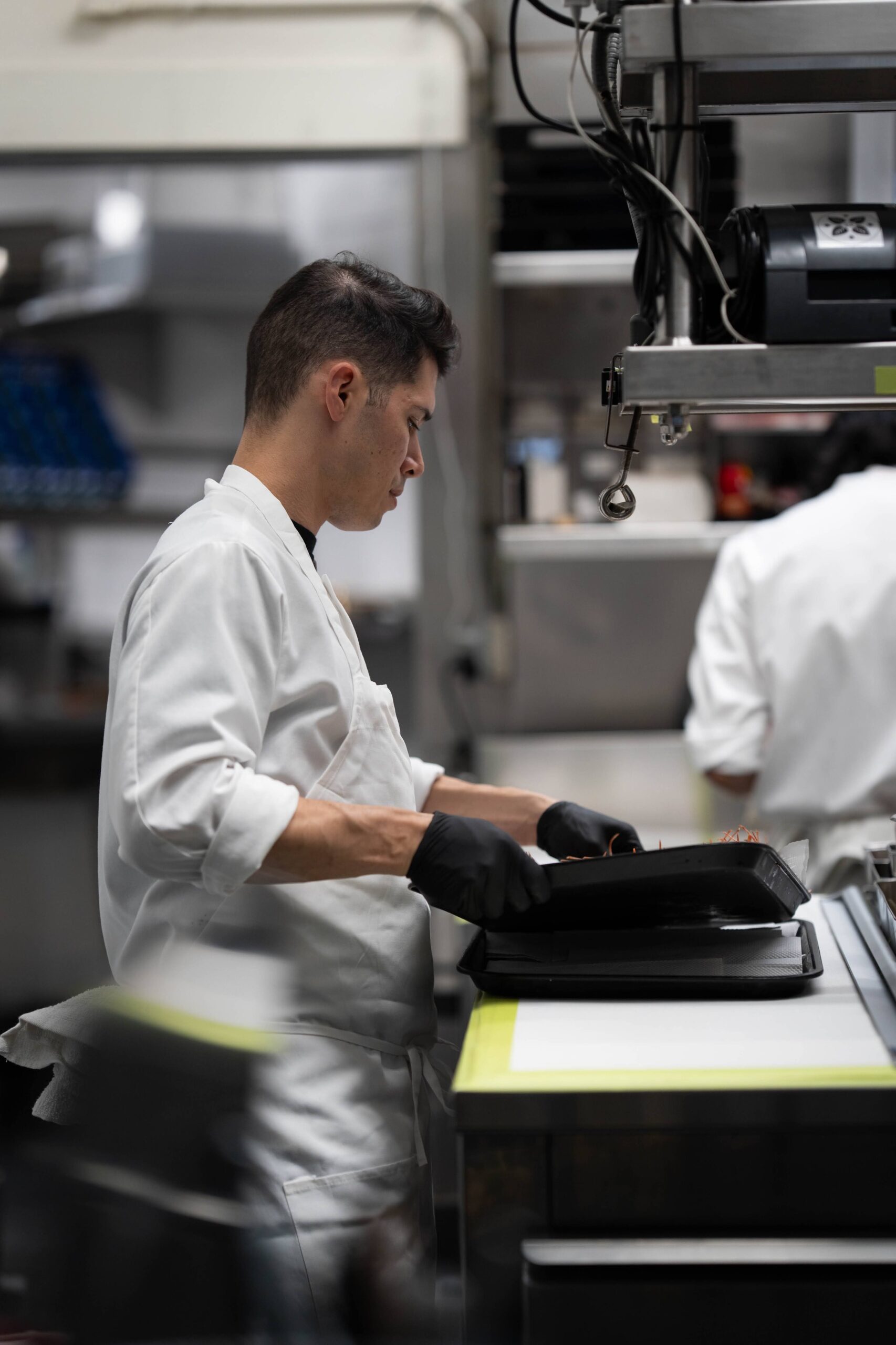
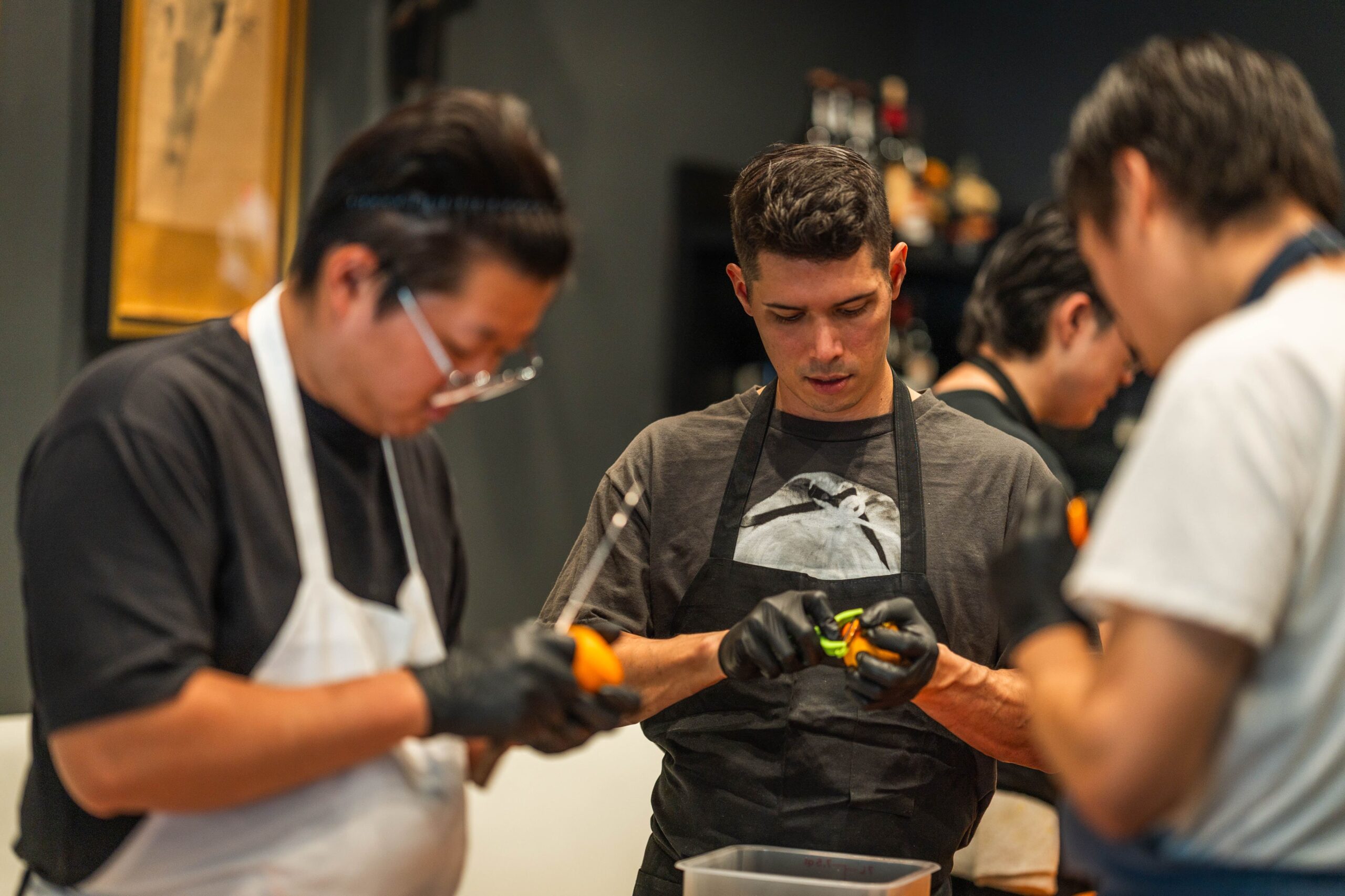
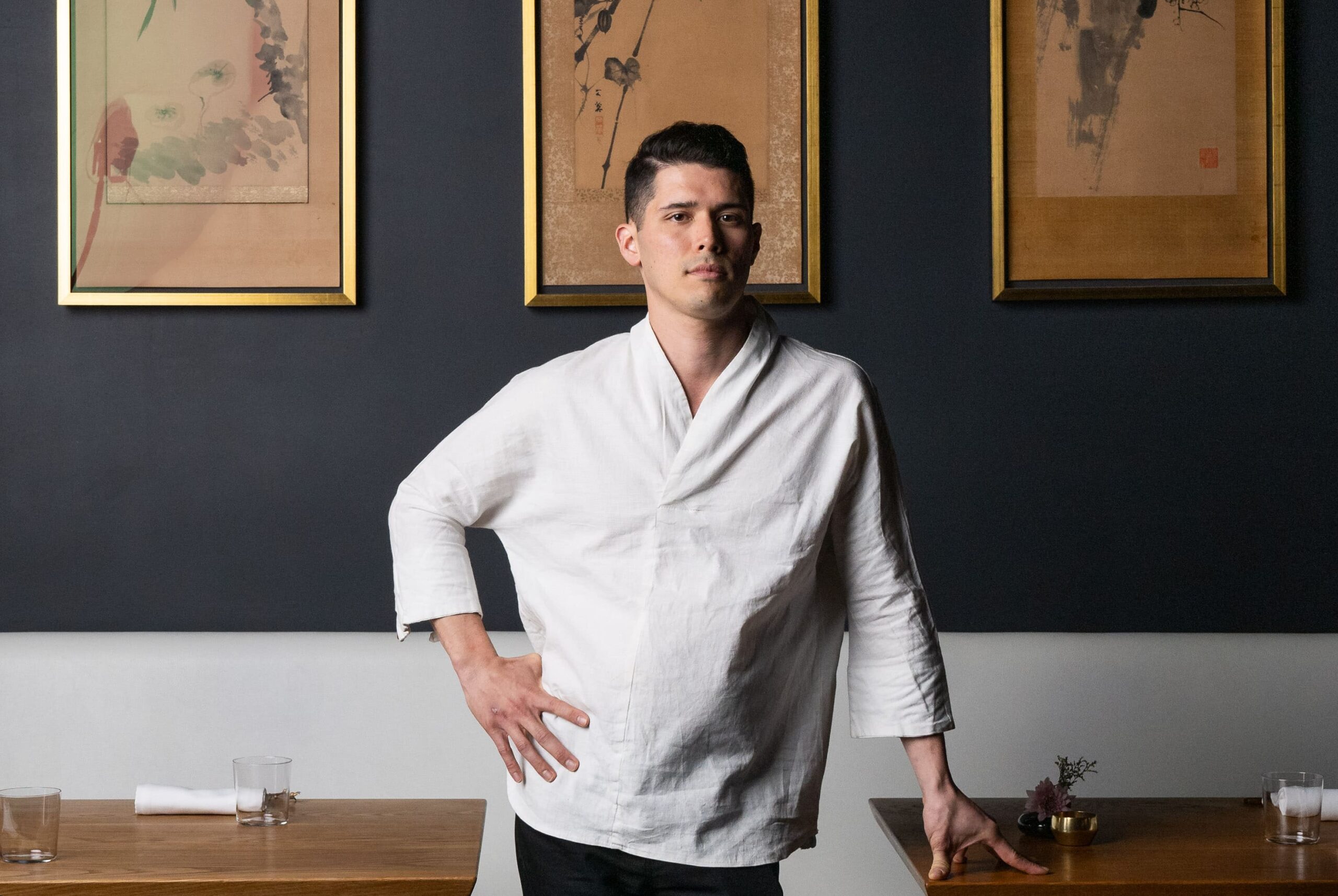
David Yoshimura’s relationship with food began at home, where meals became both a reward and a source of curiosity. Encouraged by his mother’s cooking, he began experimenting in the kitchen at a young age, trying to recreate dishes he had seen on television. By 15, he was already working in restaurants, starting as a dishwasher and gradually discovering that cooking was more than just a job: it was something he wanted to dedicate his life to.
After studying at the Culinary Institute of America and spending time in Houston’s hospitality program, David quickly learned that education was only the beginning. A humbling experience in a busy Houston steakhouse pushed him to seek deeper hands-on experience, eventually leading him to Tokyo, where he worked at Nihon Ryori Ryugin. From there, years of demanding kitchens, mentors, and relentless perseverance shaped his approach to cooking and taught him the value of experience, grit, and continuous learning.
Today, David’s cooking is grounded in balance, seasonality, and umami, with the goal of bringing out the best in every ingredient. Opening his own restaurant and earning a Michelin star in its first year marked a major milestone, but for David, success has only reinforced how much there is still to learn. His focus now extends beyond the plate, from building meaningful industry relationships to creating a more sustainable restaurant through local sourcing and reducing food waste.
In this conversation with Humans of the Kitchen, David reflects on his journey, the lessons that shaped him, and his vision for a more sustainable hospitality industry.
Share your Journey
- Looking back at your childhood, was there a specific moment or memory that sparked your interest in food or cooking?
I always enjoyed food growing up. My mother would cleverly cook certain dishes if I performed well in school or achieved a goal. If I got straight A’s, we could have a steak dinner at Outback, that sort of thing. The incentives turned into a real interest, and my curiosity for food grew. Eventually, I realized I could start making my own food, so I began to experiment in the kitchen at a young age, trying to replicate dishes I had seen on T.V.
- Did you have another career or job before becoming a chef? How did those experiences influence your decision to pursue cooking?
I’ve only worked in restaurants my entire life. In fact, my first job was as a dishwasher when I was 15. Working in restaurants at a young age deepened my interest in cooking. Eventually, my interests at work overflowed into my personal life, and I found myself trying out recipes at home, trying to feed my friends.
- Did you formally study culinary arts, or are you self-taught? How has your learning journey shaped your approach to cooking?
I attended the Culinary Institute of America in Hyde Park and graduated with an associate degree. After I graduated, I returned to Houston and attended the University of Houston’s Hospitality program. My education at CIA provided a strong basis in French and other cuisines, while my short time at U of H gave me a general look at hospitality systems. Both were able to open some doors for me and provide a base of knowledge, but later it made me realize that education is nothing without experience.
- When did you first step into a restaurant kitchen? What was that experience like, and how did it shape your journey as a chef?
When I attended college in Houston, I worked at a turn-and-burn steakhouse and quickly realized my culinary degree from CIA meant nothing without intense hands-on experience. The experience was extremely humbling and made me realize I needed to dive deeper into cooking. So I dropped out of U of H and flew to Tokyo, Japan, to work at the most acclaimed restaurant at that time, Nihon Ryori Ryugin. I was completely out of my depth, but I learned an extreme amount in a short amount of time.
- What were some of the early challenges or obstacles you faced when you started in the kitchen, and how did you overcome them?
Similar to other young cooks, I struggled with an eye for high-level detail and working efficiently. It took years of relentless berating from my superiors to instill valuable lessons that remain with me to this day. Honestly, I overcame them through grit and tenacity. Throughout my career, I’ve had many chefs tell me I would not make it.
- What keeps you inspired and how has that inspiration driven you throughout your professional journey? Especially during tough times in the kitchen?
When I’m at home with loved ones, cooking a nostalgic dish keeps me engaged and helps me work through things. It’s usually when I’m cooking with relaxed ease that my best food comes out. Also, dining out at all restaurants, casual or fine dining, keeps me inspired. I could be eating Korean BBQ in L.A. or street food in Asia, and these experiences will reignite my love for food.
- Can you recall a moment in the kitchen that marked you forever? Maybe it was an interaction with a mentor, a fellow cook, someone you fed, or a situation that challenged you in a way that shaped who you are today?
There was one sous chef in New York who challenged me immensely when I was a young chef. There wasn’t one interaction, but rather a sum total of my experience working with him. It was equally the most challenging and rewarding time of my life. I learned an incredible amount of cooking knowledge in a short amount of time.
- As a chef, how would you describe your philosophy in the kitchen, and how does it guide your approach to cooking and leadership?
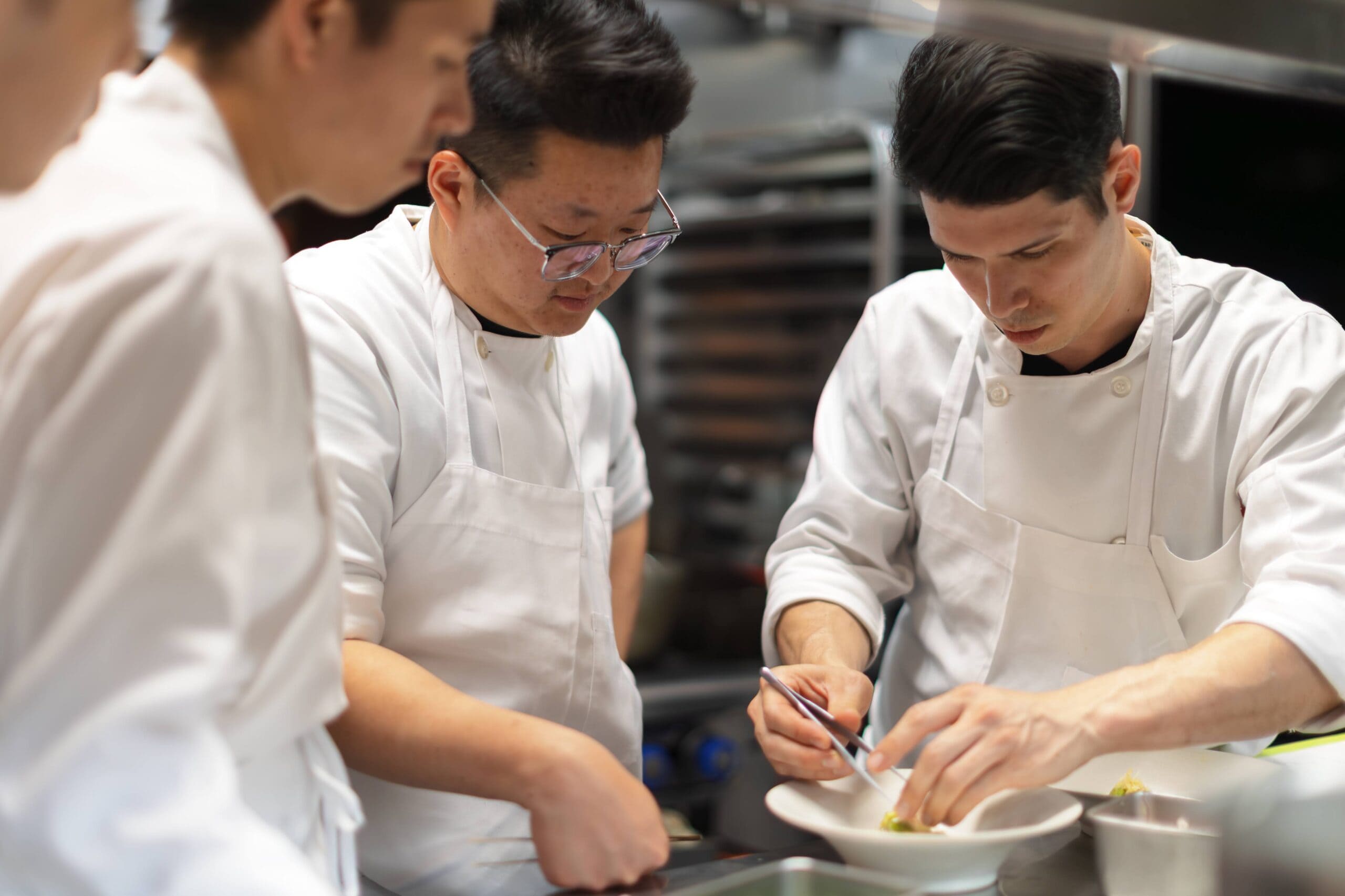
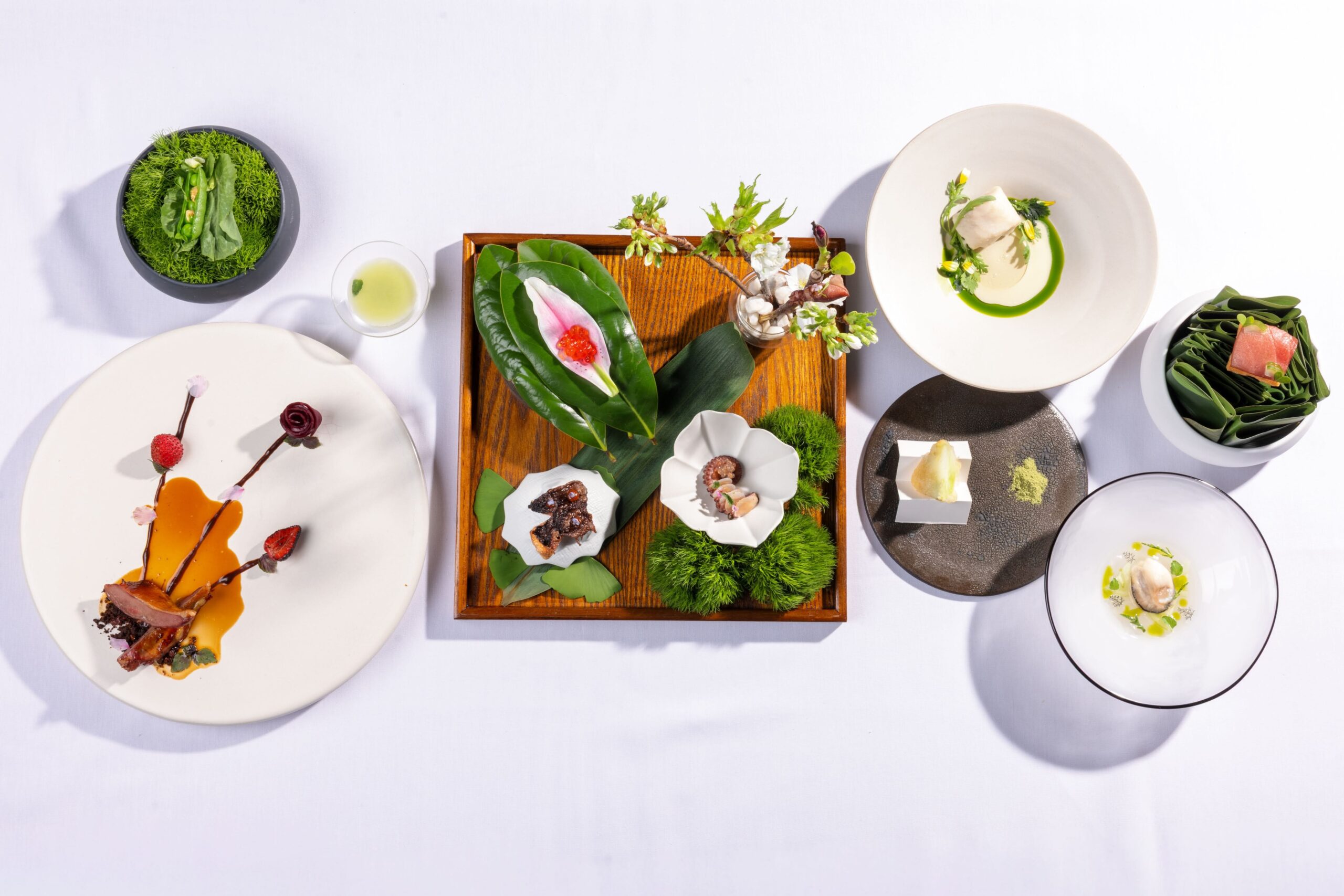
A lot of my cooking style revolves around balance, seasonality, and umami. I try to draw out the best flavor from each ingredient while still maintaining a balance of flavor for the overall dish. I hope my leadership style can be perceived as balanced, with an emphasis on focus as well.
- Can you share a time when cooking or the camaraderie in the kitchen helped you through a tough period in your life? What made that experience meaningful?
Cooking has always been present in my life, and my relationship with cooking ebbs and flows, similar to a relationship with a life partner. When I was younger, sometimes I was in love with cooking; other times, I would disdain it. Eventually, I learned that regardless of my feelings towards cooking, it was always there, and I eventually accepted cooking as a part of my life. At this point, I can use cooking as an outlet for my personal feelings and push my tough periods of life out through my craft.
- Reflecting on your career, what achievements or milestones are you most proud of, and what do they mean to you?
Opening my restaurant and achieving a Michelin star within the first year was a huge milestone for me. The same year, I received the Young Chef Award, which was a nice cherry on top. This was a very nice milestone for me, but reflecting on it makes me humbled. Once you achieve any degree of success, you realize there are many more talented professionals around you, and there is still so much to learn.
- What aspects of restaurant culture do you love, and what parts do you find frustrating or problematic? Are there any changes you’re actively working toward or things you hope they change in the industry? Share the reasons behind them and how they align with your vision for a better culinary world?
I enjoy the relationships and connections made through restaurants. The longer one stays in the industry, the more acquainted you eventually become with so many interesting people. These relationships are precious, and I’ve found that all industry people lean on each other for support.
Food waste is one of the most frustrating parts of this industry. We’ve been actively working towards a greener, more sustainable restaurant each year. I hope in the future more green initiatives will become commonplace in all restaurants.
- What are your hopes for the future of the restaurant and food and beverage industry? What changes would you like to see, and how are you contributing to that change?
I hope the future of hospitality looks inward towards a more sustainable path. Working with the farms that surround each restaurant is the first step, while taking steps to eliminate food waste is the next. At Nisei, we source as much local product as possible and practice sustainable cooking. It benefits the local community and reduces food costs; it’s a win-win scenario if we put in the effort.
Photo credits:
Jason Leung @Xninjason &
Adahlia Cole @hungryhungryhooker
Secret Sauce
- What’s the most unexpected ingredient you’ve ever worked with, and how did it change your perspective on cooking?
Nagaiimo is a fun ingredient to work with, Japanese mountain yam. It’s a long, tubular starch that, when peeled or grated, becomes a viscous slime. It’s delicious on soba, rice, or incorporated into okonomiyaki. Most Americans hate slimy vegetables, while in Japan, the texture is enjoyed in various ways. Each culture has their preferences, but depending on how you utilize the ingredient, you can find a medium that works for everyone.
- What’s your “guilty pleasure” meal?
Ribeye steak, Caesar salad, and a dry martini.
- A food trend that you hate and why?
Plating on people’s hands. It’s just unhygienic.
- What’s the craziest shift you’ve ever worked in the kitchen?
I once got into a bike accident the night before and chipped my tooth, but the next day we had an event serving 400 people. I was the point person as the Chef de Cuisine. This was for the James Beard Gala in San Francisco.
5. What happened, and how did you manage to get through it?
I woke up, Gorilla Glued my tooth in place, and went to work. Painfully, I pushed through the entire event with a lot of adrenaline and painkillers. My body was so physically exhausted that I’ve never slept better in my life. And I found a great dentist the next day.
- What tips would you give to other cooks and chefs to help them navigate their culinary careers and find peace amid the chaos of the kitchen?
During chaotic moments in the kitchen, keep a calm mind. Become solution-oriented rather than problem-focused. Turn on a positive attitude and execute to the best of your ability.
- What’s an underrated ingredient and why?
Rice. It is one of the most versatile ingredients, and every culture appreciates it.
8. What’s a must-try dish from your kitchen or the one you’re proudest to have prepared?
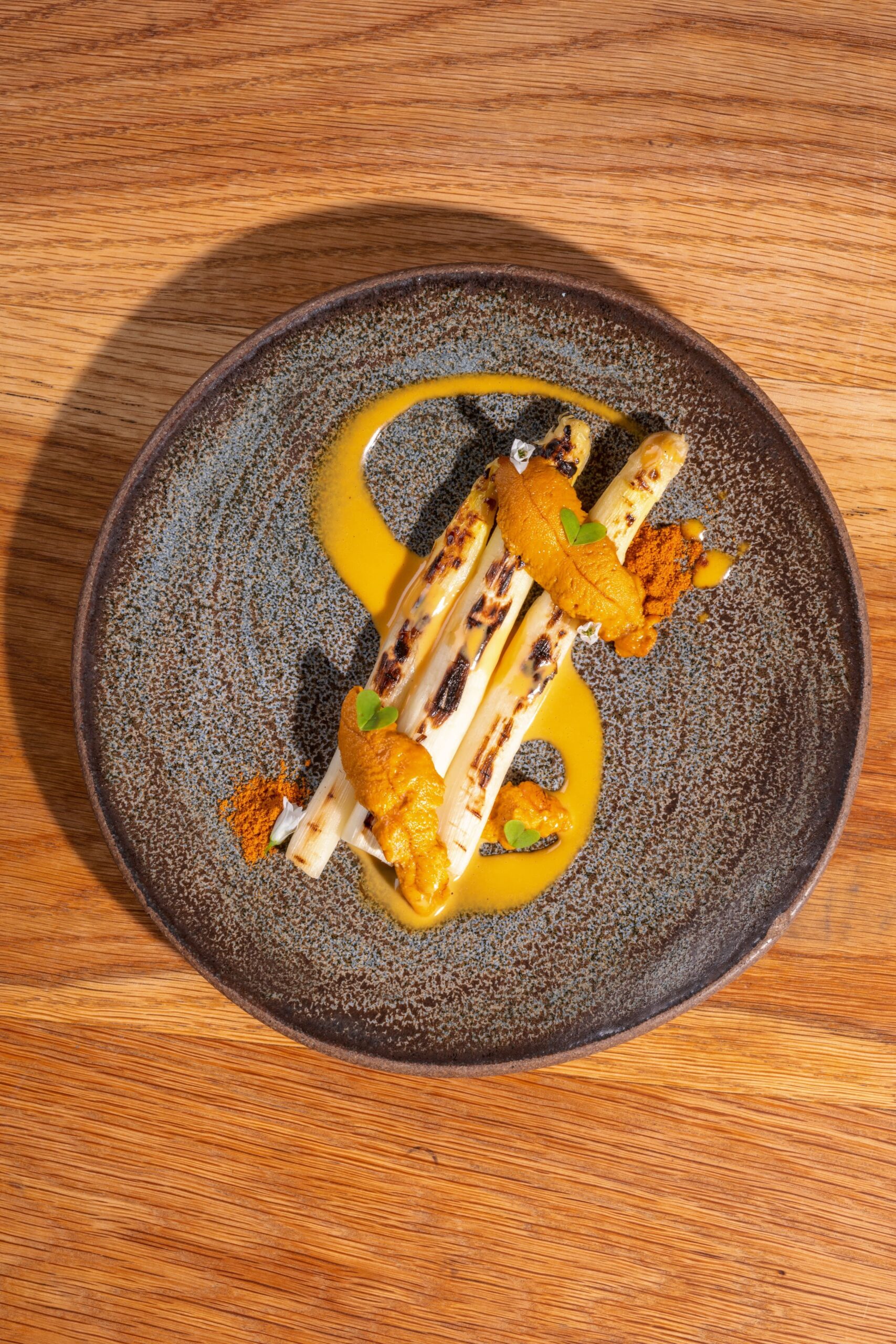
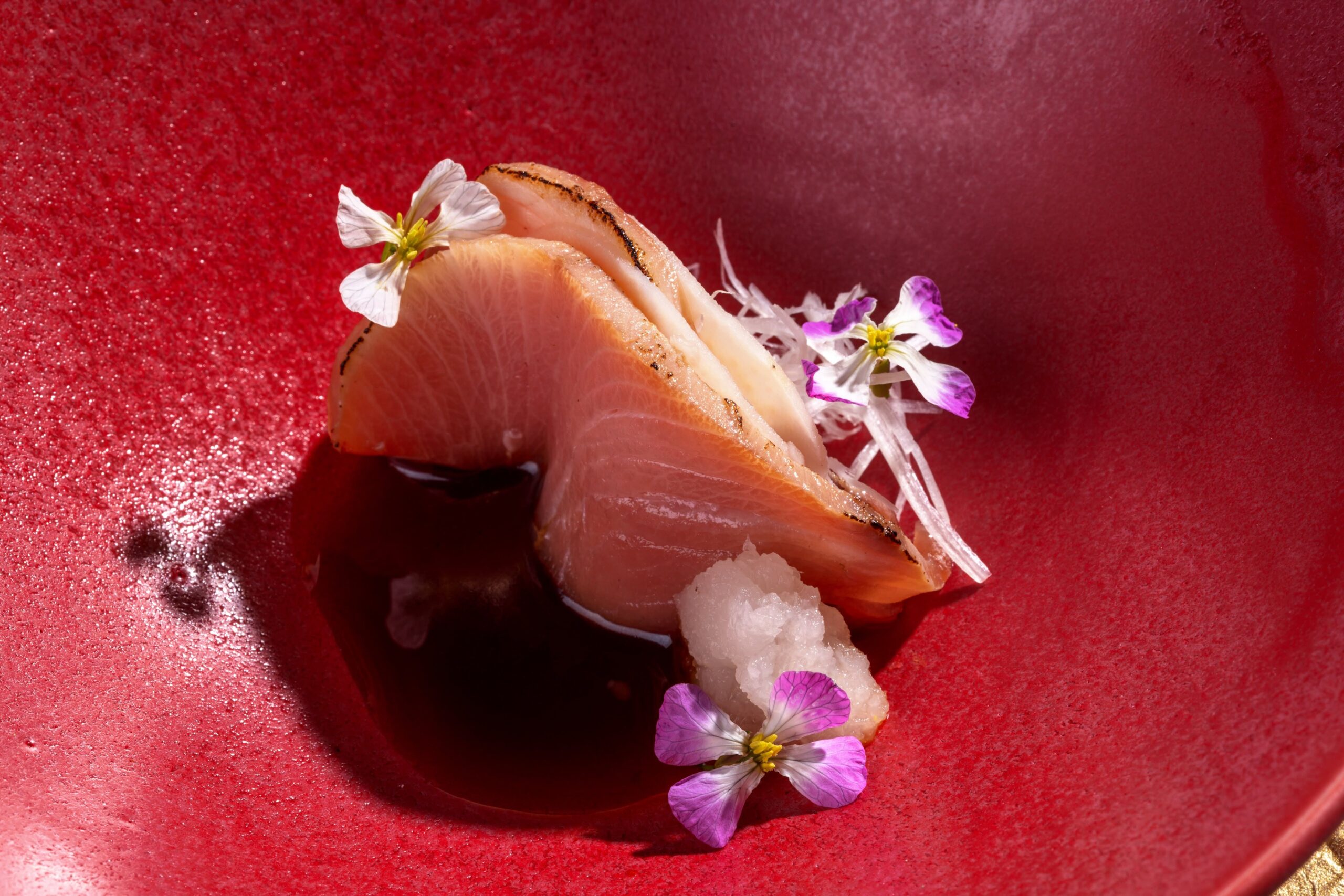
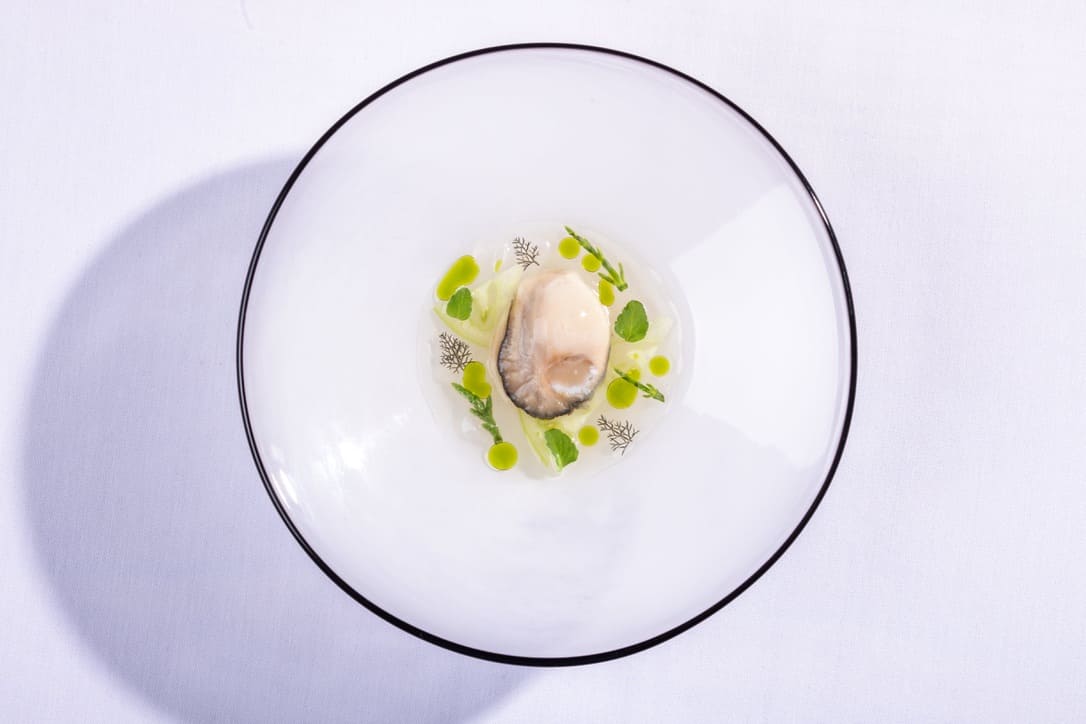
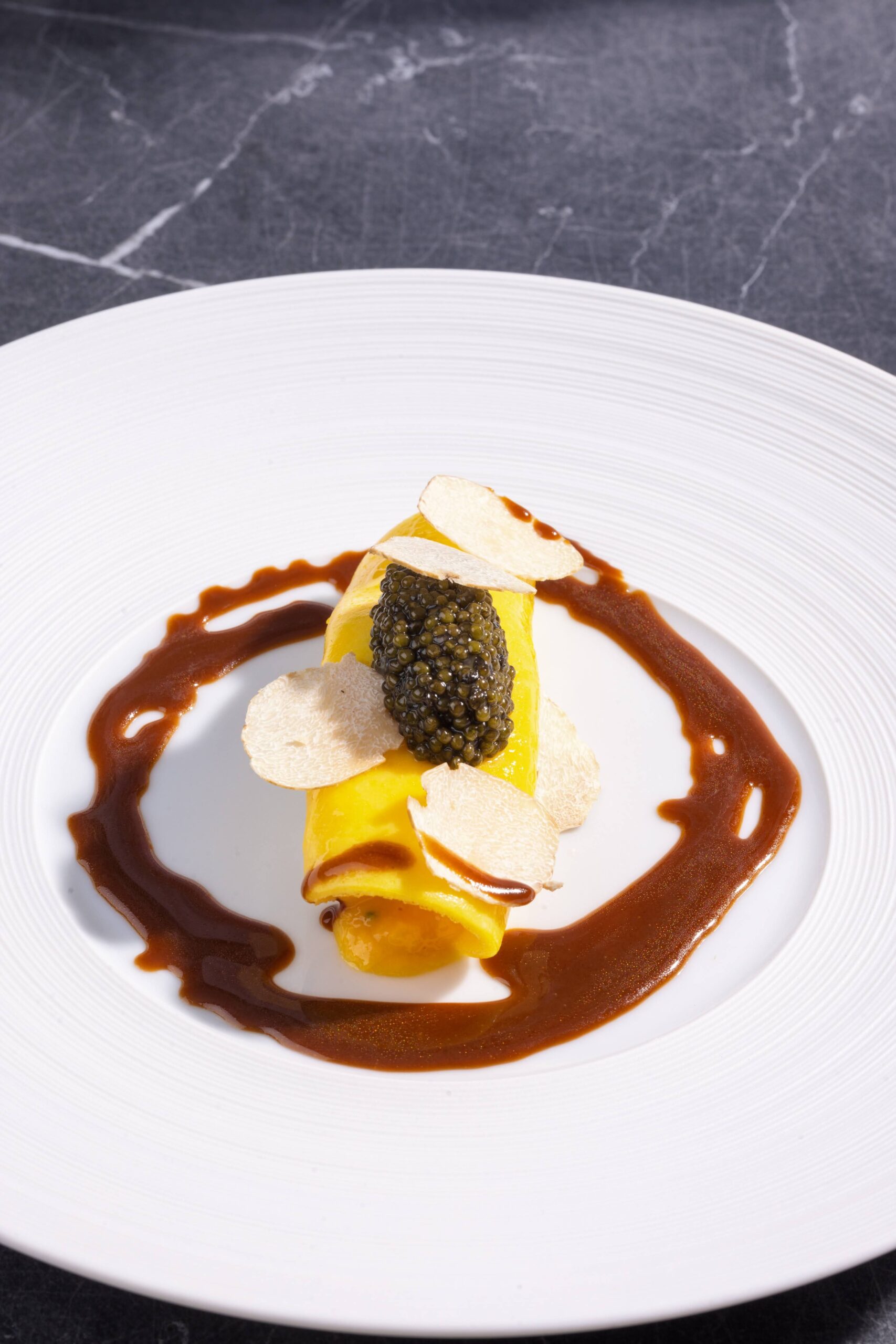
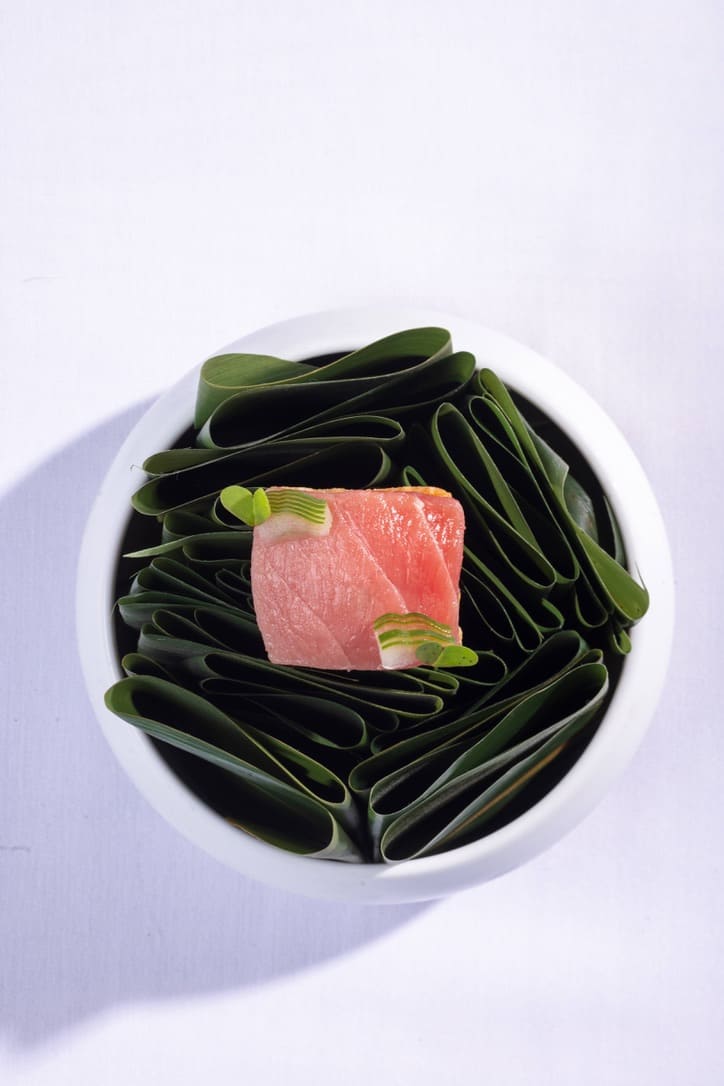
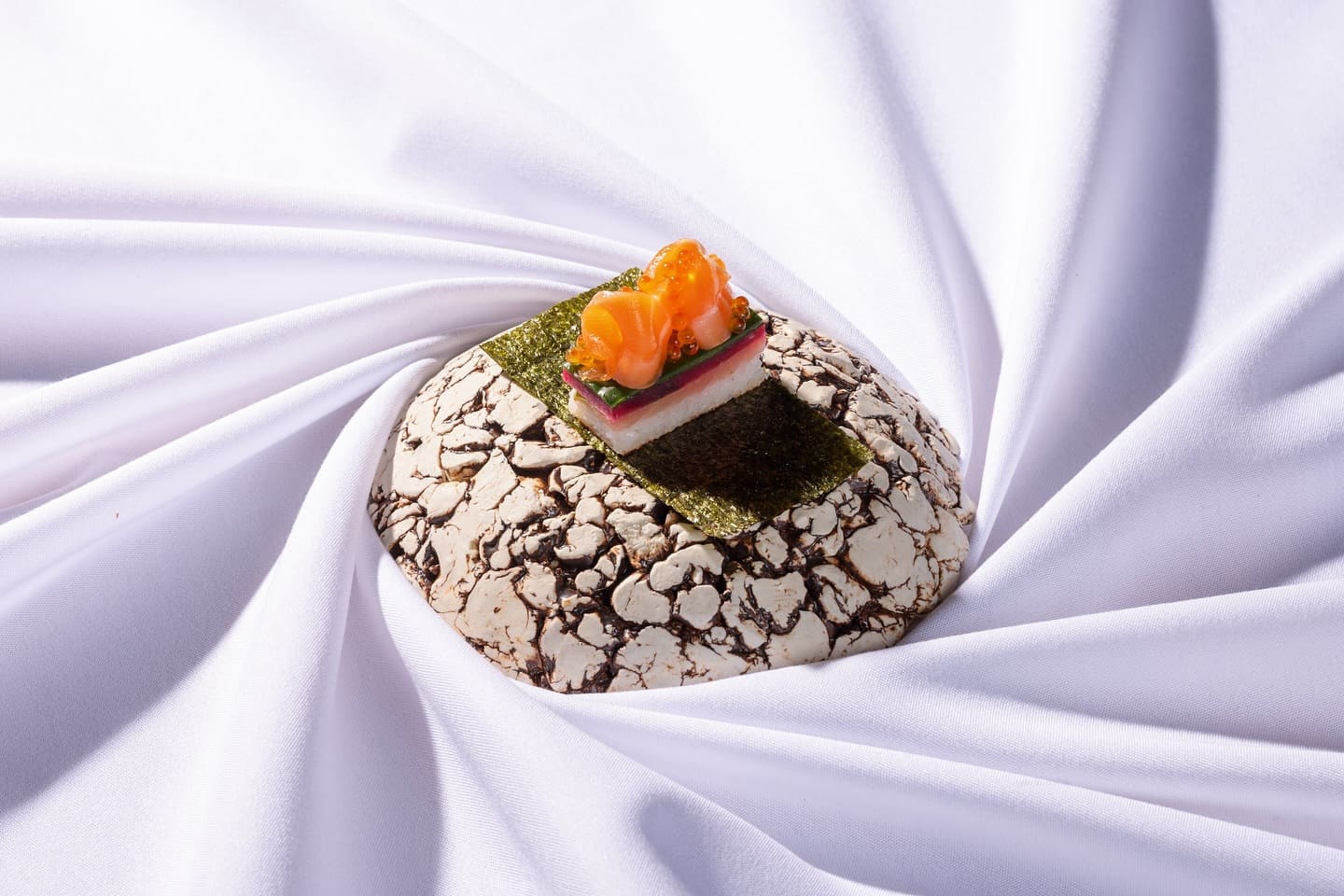
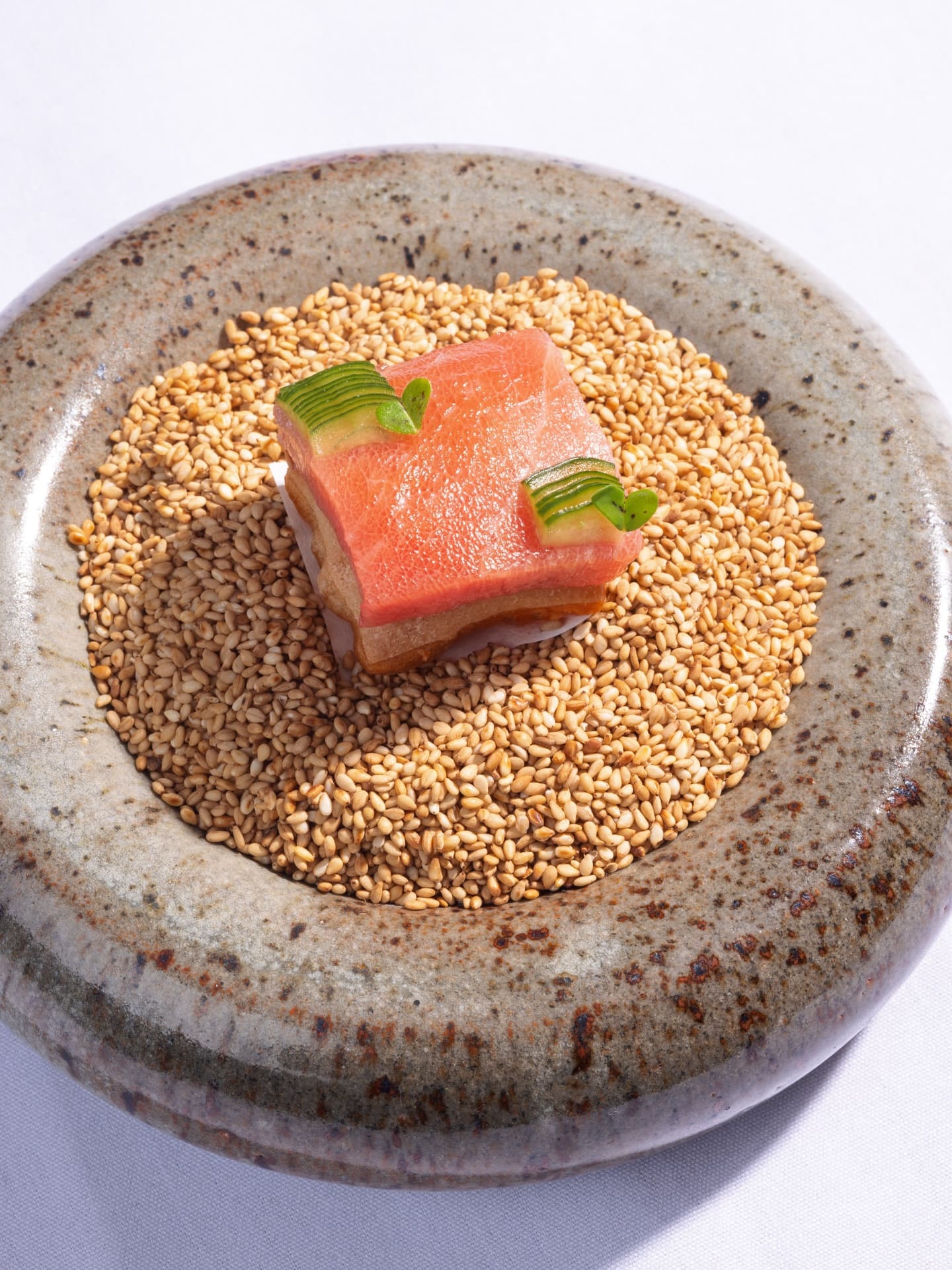
Uni, nori ice cream, konbu tsukudani, candied almonds, and almond milk sea foam.
About Your City!
San Francisco, California
- If Anthony Bourdain or a chef came to your city, what would be the perfect tour itinerary from breakfast to dinner?
Begin with breakfast at Swan Oyster Depot.
Next, Irish coffee at Buena Vista.
Walk to the Ferry Building Farmers’ Market for a tour.
Lunch in Chinatown—Hon’s Wonton, or somehow convince Four Kings to open for lunch for us.
Day drink at Zeitgeist.
Dinner at Californios or House of Prime Rib.
Late-night drinks at Bar Iris.
Neighborhood for them to stay in: Japantown.

Support our project by buying our merch!

86 HOTK Unisex t-shirt
$30.00
Anthony Bourdain T-Shirt
$35.00
Mise HOTK Unisex t-shirt
$30.00