Building Kitchens That Last
Better hospitality begins with stronger teams, healthier workplaces, and leaders who value people as much as food.
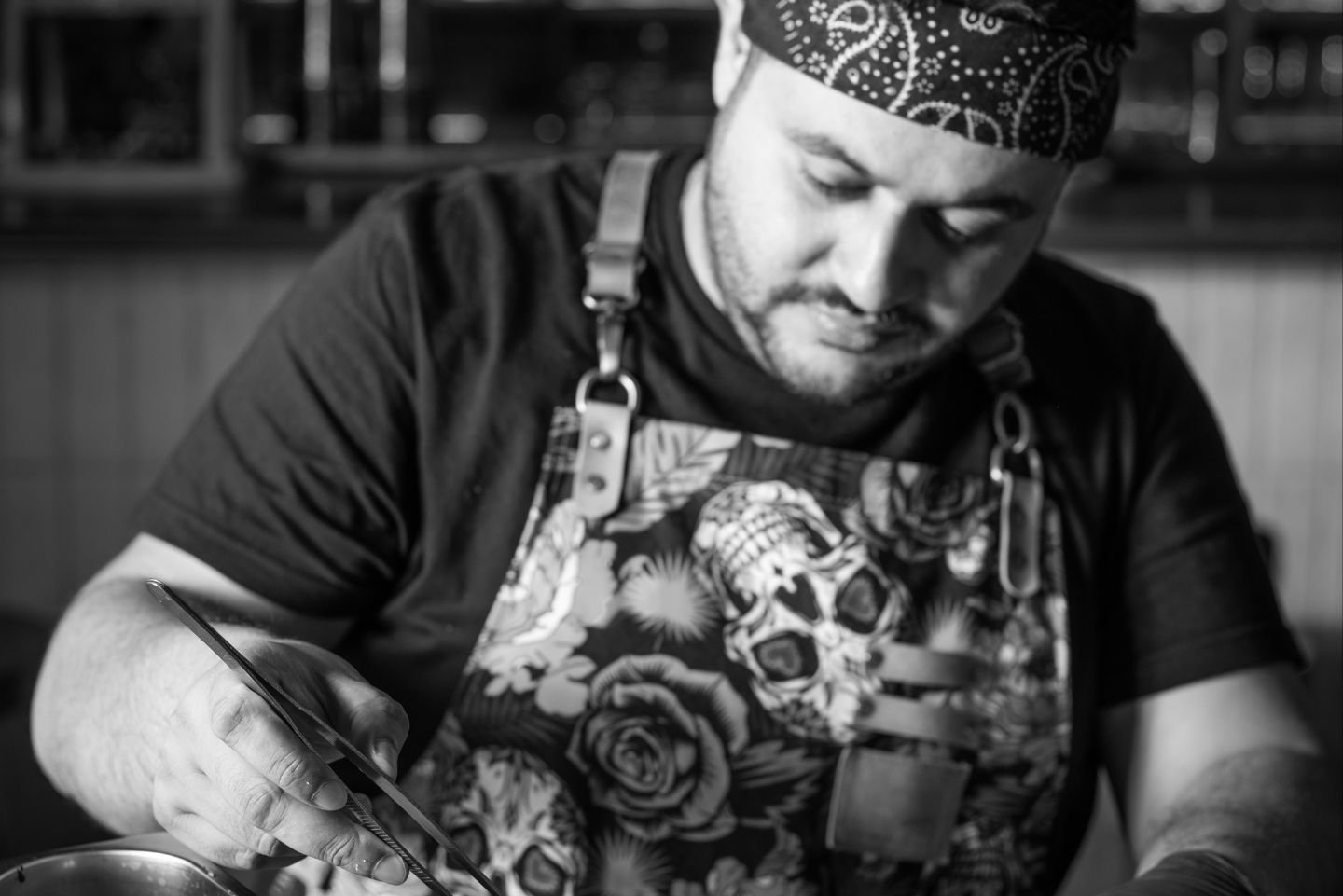
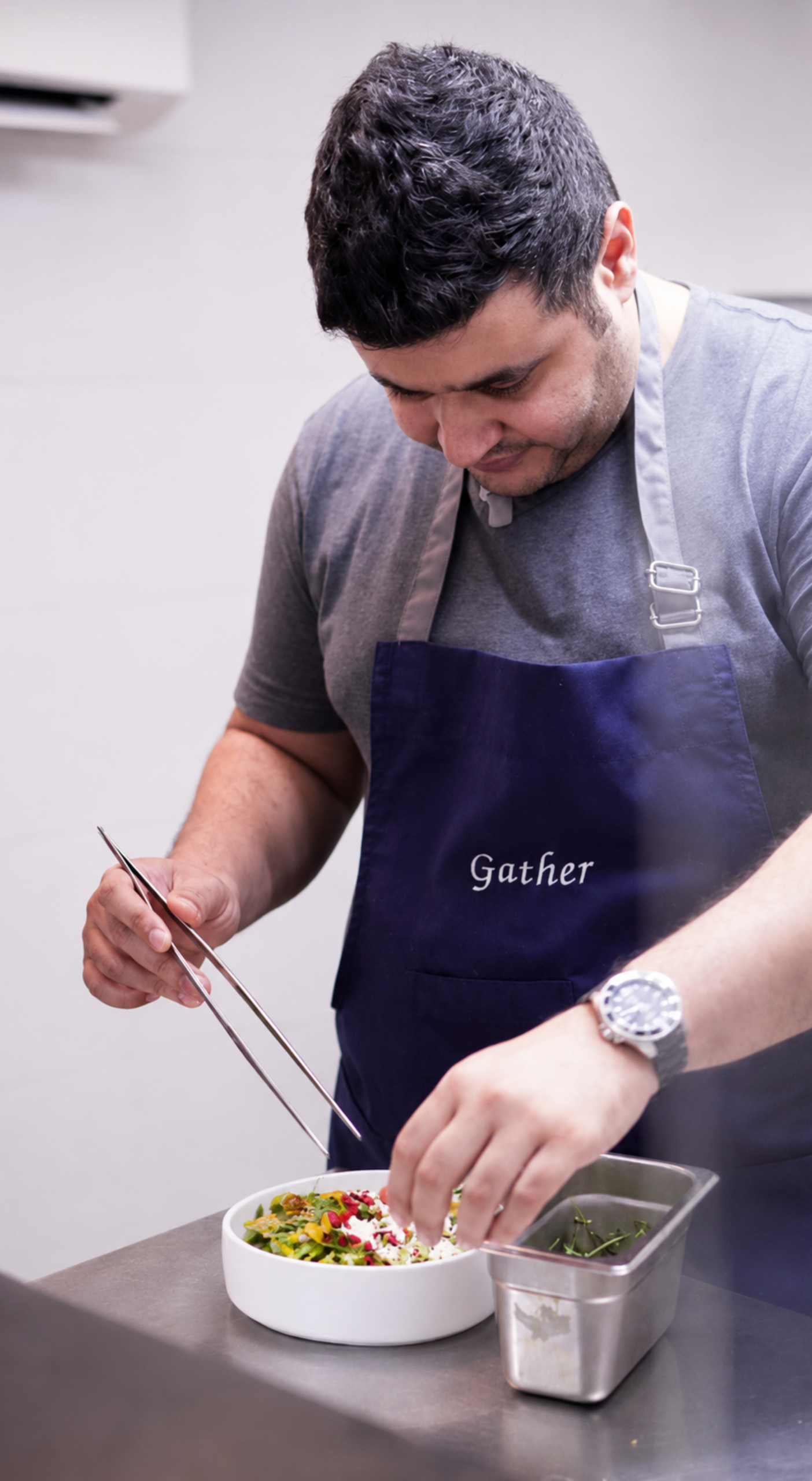
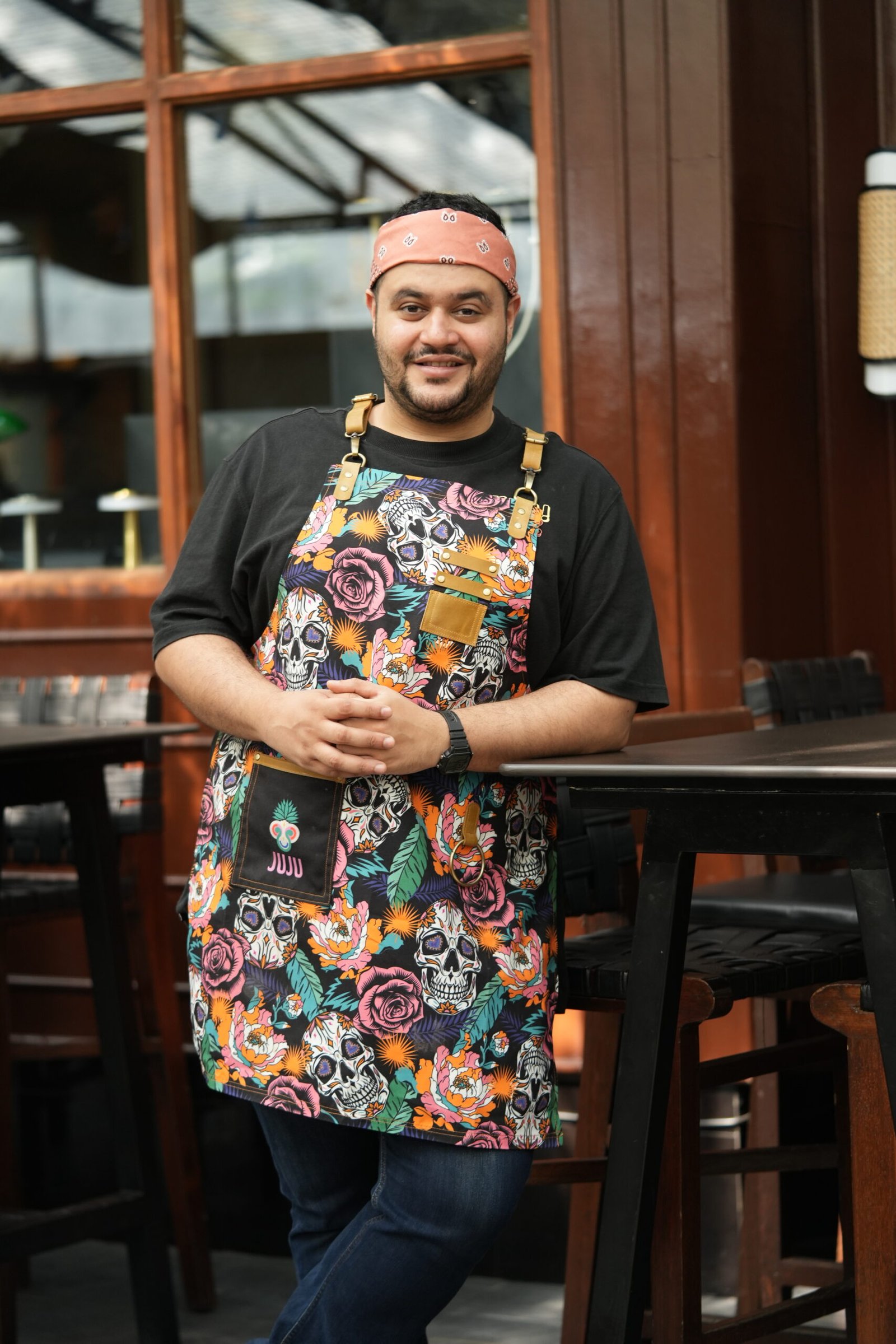
Hanoze Shroff - Chef Partner - Together Hospitality
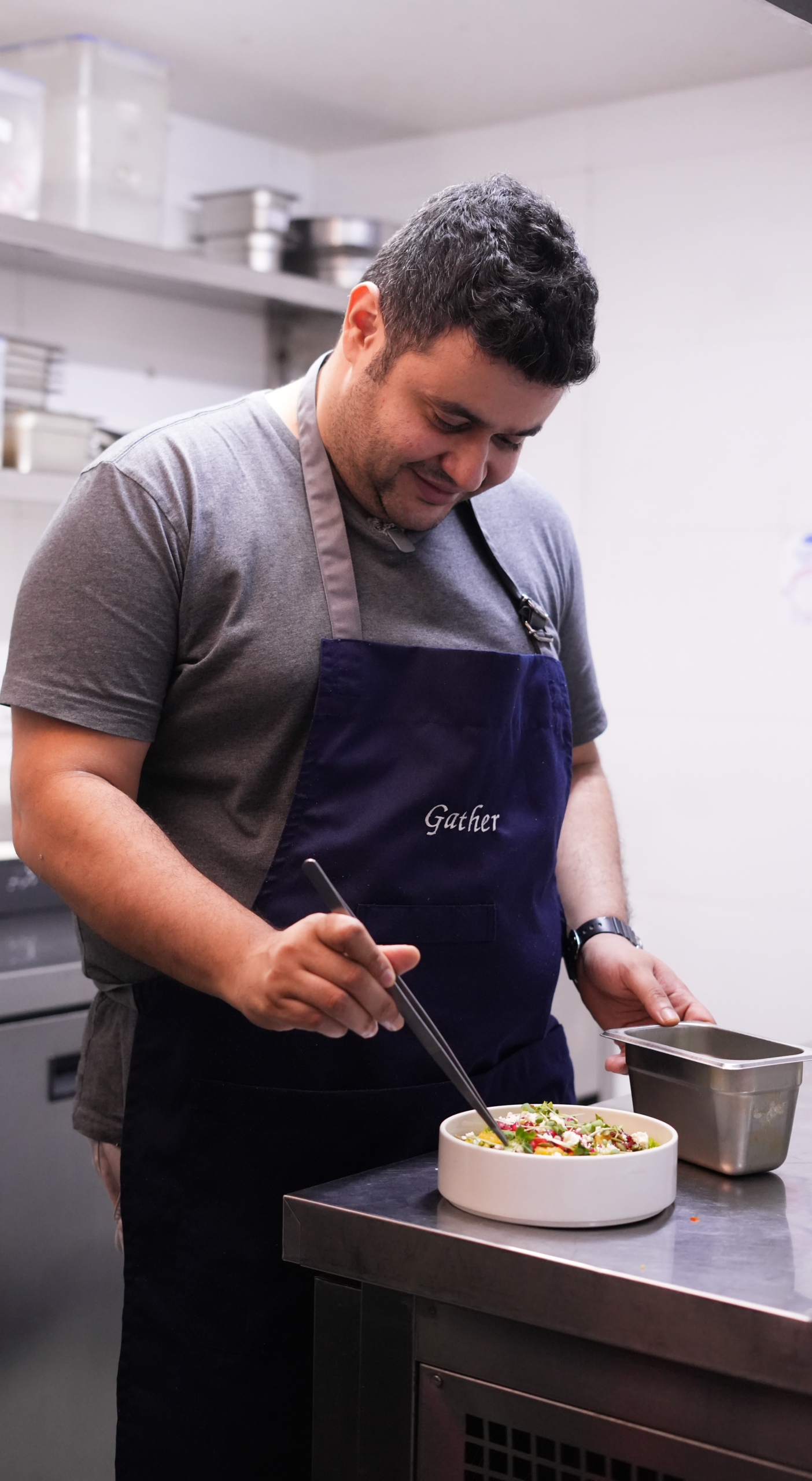
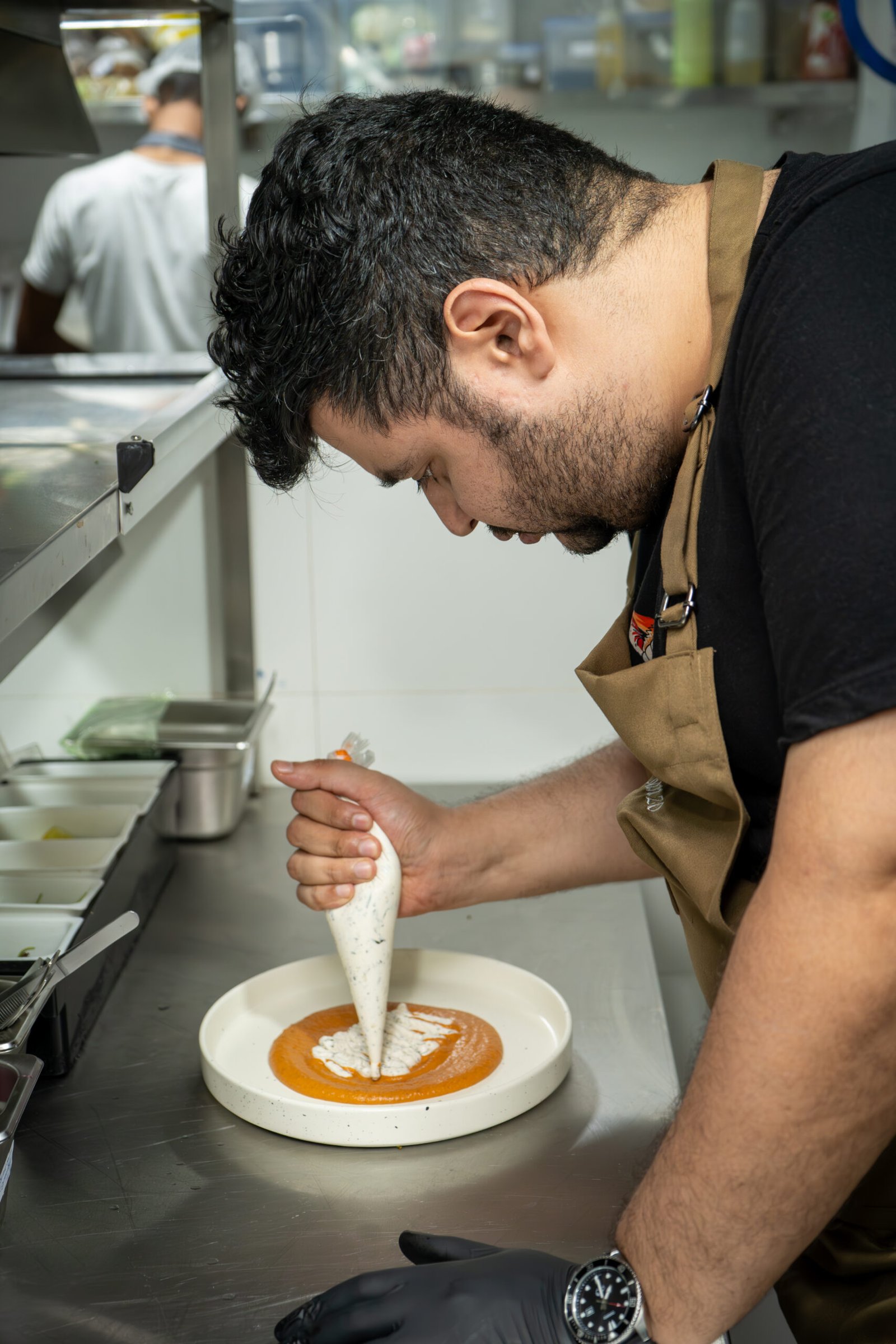
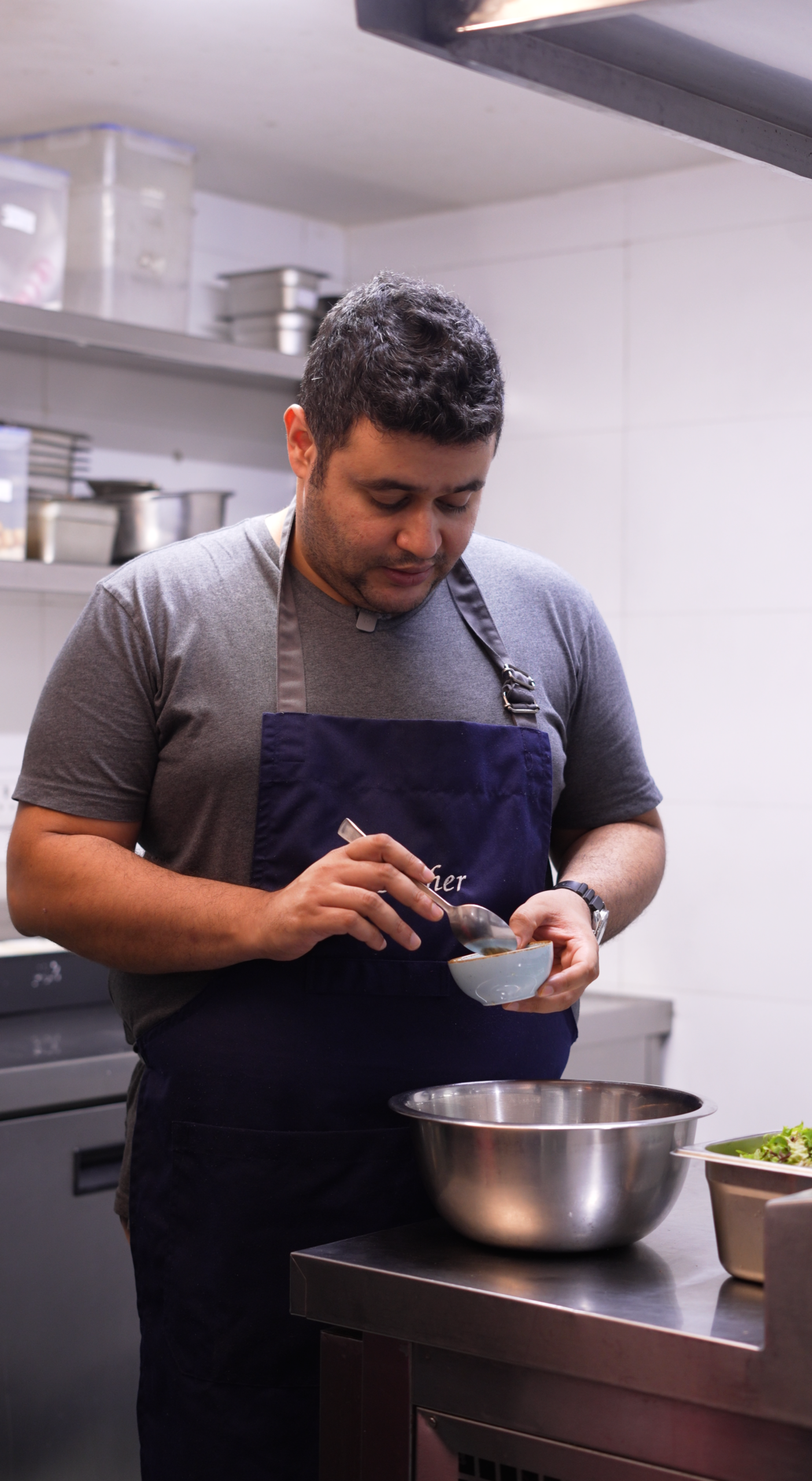
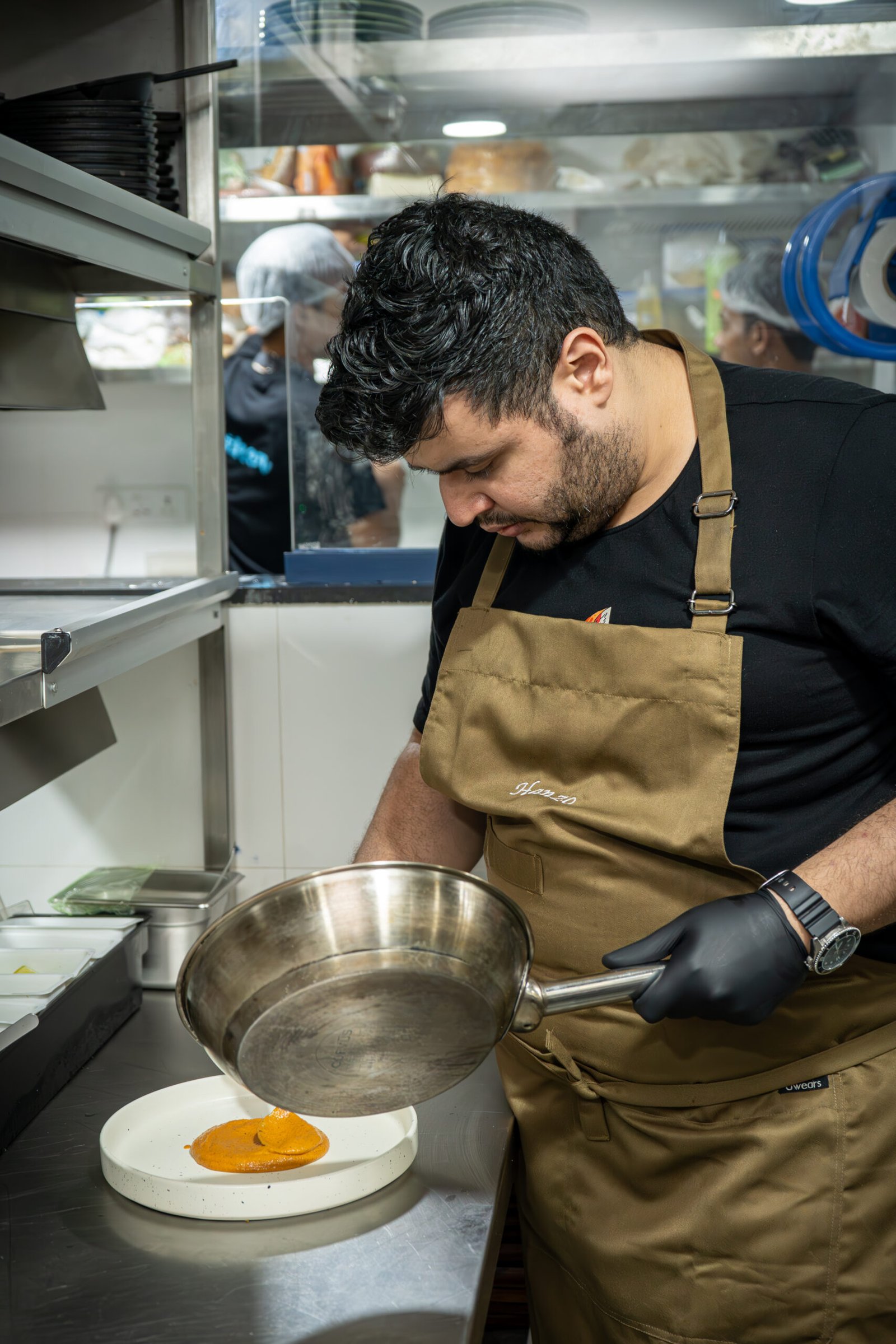
Born and raised in Mumbai, India, Hanoze Shroff discovered his passion for food long before stepping into a professional kitchen. Growing up in a Parsi family where meals brought everyone together, he became fascinated not just by eating, but by watching cooks at work and understanding how the same dish could tell completely different stories depending on who prepared it. That early curiosity eventually became the foundation of a career built on craftsmanship, culture, and hospitality.
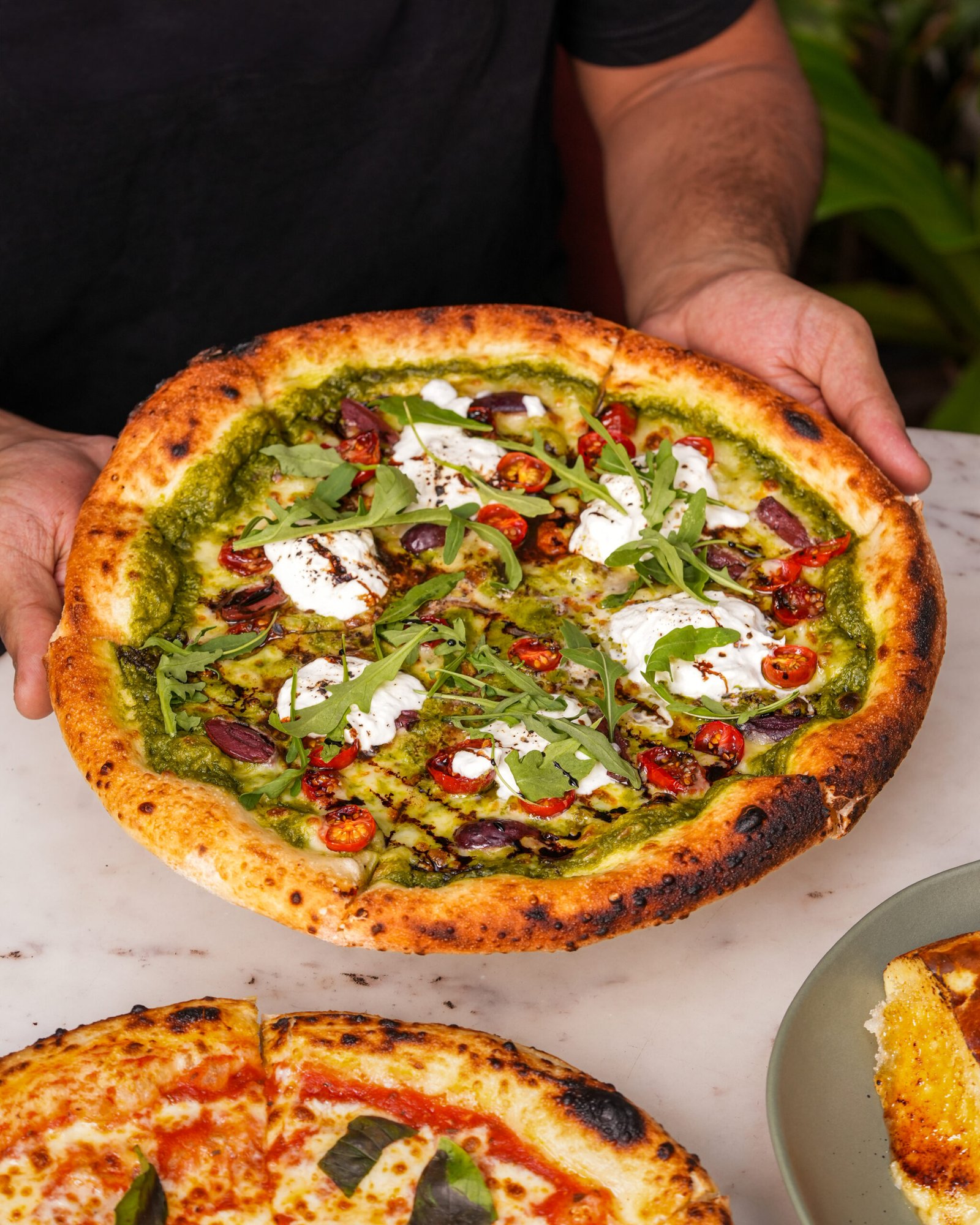
After formally training at the Institute of Hotel Management, Aurangabad, and the Oberoi Centre of Learning and Development, Hanoze developed a reputation for combining technical precision with thoughtful creativity. Over the years, he has helped shape multiple restaurant concepts—including Gather, Juju, Izipizi, Elephant & Co., and Cobbler & Crew, while evolving from Executive Chef to Chef Partner, expanding his role from leading kitchens to building restaurant brands and mentoring future leaders.
Throughout his journey, Hanoze has remained committed to an approach that values intention over spectacle. His philosophy is rooted in respecting ingredients, telling meaningful stories through food, and creating kitchen cultures where discipline, mentorship, and long-term growth matter just as much as the dishes themselves.
In this conversation, Hanoze reflects on the lessons that shaped his career, the realities of professional kitchens, the importance of building strong teams, and why great restaurants are ultimately built around people as much as food.
Share your Journey
- Looking back at your childhood, was there a specific moment or memory that sparked your interest in food or cooking?
I grew up in a Parsi family where food was at the centre of every gathering. While everyone looked forward to eating, I found myself more interested in watching the cooks at work. I was fascinated by how the same dish could taste completely different in different homes. Travel and eating out also became an important part of my life from an early age, and somewhere along the way, I realised that food wasn’t just something I enjoyed—it was the business I wanted to be in.
- Did you have another career or job before becoming a chef? How did those experiences influence your decision to pursue cooking?
No. Cooking has been the only career I’ve seriously pursued. I went straight from school to the Institute of Hotel Management in Aurangabad, so there was never a backup plan. It was a decision I made early and never really questioned. My formal hospitality education gave me discipline, structure, and an understanding of service long before I entered a professional kitchen.
- Did you formally study culinary arts, or are you self-taught? How has your learning journey shaped your approach to cooking?
I trained at the Institute of Hotel Management, Aurangabad, and later at the Oberoi Centre of Learning and Development, where I developed a strong foundation in both classical and contemporary cooking. Oberoi’s approach to precision and discipline has stayed with me throughout my career. That said, formal education is only the beginning. The real learning happened in professional kitchens, across different cities, cuisines, and teams. Every kitchen teaches you something new, and every experience forces you to rethink what you already know.
- When did you first step into a restaurant kitchen? What was that experience like, and how did it shape your journey as a chef?
My first professional kitchen experience was with Amadeus at the NCPA, followed by the Oberoi Group in Mumbai. Walking into a live kitchen after training was a reality check. The pace, the pressure, and the standards were unlike anything I’d experienced before. It taught me early on that consistency matters just as much as creativity, and that precision isn’t optional in a professional kitchen.
- What were some of the early challenges or obstacles you faced when you started in the kitchen, and how did you overcome them?
One of the biggest challenges was learning to work faster without compromising on quality. The long hours and physical demands of the job took time to adjust to, as did learning to accept criticism without taking it personally.
Another important lesson was understanding the difference between perfection during training and consistency during live service. Over time, I realised that respect in a professional kitchen isn’t earned through talent alone, but through reliability and showing up every day with the same commitment.
- What keeps you inspired and how has that inspiration driven you throughout your professional journey? Especially during tough times in the kitchen?
What keeps me inspired is the belief that food is never just food. It’s memory, culture, and storytelling on a plate. During the toughest services, it’s easy to get caught up in tickets and timing, but I always try to bring my focus back to the ingredient in front of me and the person who’s going to eat it. Respect for ingredients and a commitment to flavour-driven cooking, rather than cooking for spectacle, are what have carried me through the most demanding phases of this profession.
- Can you recall a moment in the kitchen that marked you forever? Maybe it was an interaction with a mentor, a fellow cook, someone you fed, or a situation that challenged you in a way that shaped who you are today?
One thing that has stayed with me is how much I’ve enjoyed working with chefs who were better, faster, and more engaged than I was. Being surrounded by people who challenged me pushed me to improve constantly. I’d much rather be in a kitchen where I’m learning every day than one where I’m already the best.
- As a chef, how would you describe your philosophy in the kitchen, and how does it guide your approach to cooking and leadership?
My philosophy is rooted in three things: respect for the ingredient, storytelling through the plate, and a genuine commitment to flavour over spectacle. As a leader, that translates into never asking a young cook to cut a corner I wouldn’t accept myself, and making sure every dish we send out has a reason for existing beyond looking good on a menu. Whether I’m developing menus across brands like Juju, Gather, or Elephant & Co., that same thread of intention runs through all of them.
- Can you share a time when cooking or the camaraderie in the kitchen helped you through a tough period in your life? What made that experience meaningful?
Restaurant life comes with its share of exhausting phases. During difficult services, I’ve learned that the best approach is to stay focused on the task at hand rather than become overwhelmed by the pressure. More importantly, I’ve realised that kitchens succeed because of people. Strong teams make even the toughest periods manageable, and the camaraderie that develops during those moments stays with you long after the service is over.
- Reflecting on your career, what achievements or milestones are you most proud of, and what do they mean to you?
Becoming Chef Partner, rather than remaining solely an Executive Chef, has been one of the biggest milestones in my career. I’m also proud of building multiple restaurant concepts, including Gather, Juju, and Izipizi, while contributing to Elephant & Co. and Cobbler & Crew.
Equally rewarding has been mentoring young chefs who have gone on to become leaders themselves.
More than anything else, I’m proud of building teams and creating restaurants that guests choose to come back to.
- What aspects of restaurant culture do you love, and what parts do you find frustrating or problematic? Are there any changes you’re actively working toward or things you hope they change in the industry? Share the reasons behind them and how they align with your vision for a better culinary world?
One of the most rewarding parts of this industry is mentoring young cooks and helping them grow. I believe discipline is essential, but it doesn’t have to come through fear.
I’d like to see better work-life balance without compromising professional standards, greater investment in training, and better respect and compensation for blue-collar hospitality professionals. Ultimately, I believe kitchens should produce future leaders, not just good chefs.
- What are your hopes for the future of the restaurant and food and beverage industry? What changes would you like to see, and how are you contributing to that change?
I’d like to see Indian dining move further away from borrowed formats and become more confident in expressing our own regional food traditions. At the same time, I believe there’s room for thoughtful cross-cultural concepts, provided they’re approached with genuine respect rather than as a novelty. That’s the thinking behind Izipizi, where Southeast Asian street food is explored with authenticity and intent.
From a business perspective, I hope the industry places greater emphasis on sustainable sourcing and fair working conditions. Through my work across Together Hospitality’s brands, I try to build concepts with clear identities while creating kitchen cultures where people feel supported, challenged, and encouraged to build long-term careers.
Secret Sauce
- What’s the most unexpected ingredient you’ve ever worked with, and how did it change your perspective on cooking?
Koji, seaweed powders, and goat’s butter.
- What’s your “guilty pleasure” meal?
A simple Irani café breakfast—bun maska, akuri, and chai.
- A food trend that you hate and why?
Overcomplicated presentations and over-handled food.
- What’s the craziest shift you’ve ever worked in the kitchen?
Staging at a three-Michelin-star restaurant in Rome, Italy. Every day was a challenge because no one spoke English.
5. What happened, and how did you manage to get through it?
I stayed organised, trusted the team, and worked harder than everyone else.
- What tips would you give to other cooks and chefs to help them navigate their culinary careers and find peace amid the chaos of the kitchen?
Taste everything, stay humble, and learn from everyone.
- What’s an underrated ingredient and why?
Raw milk.
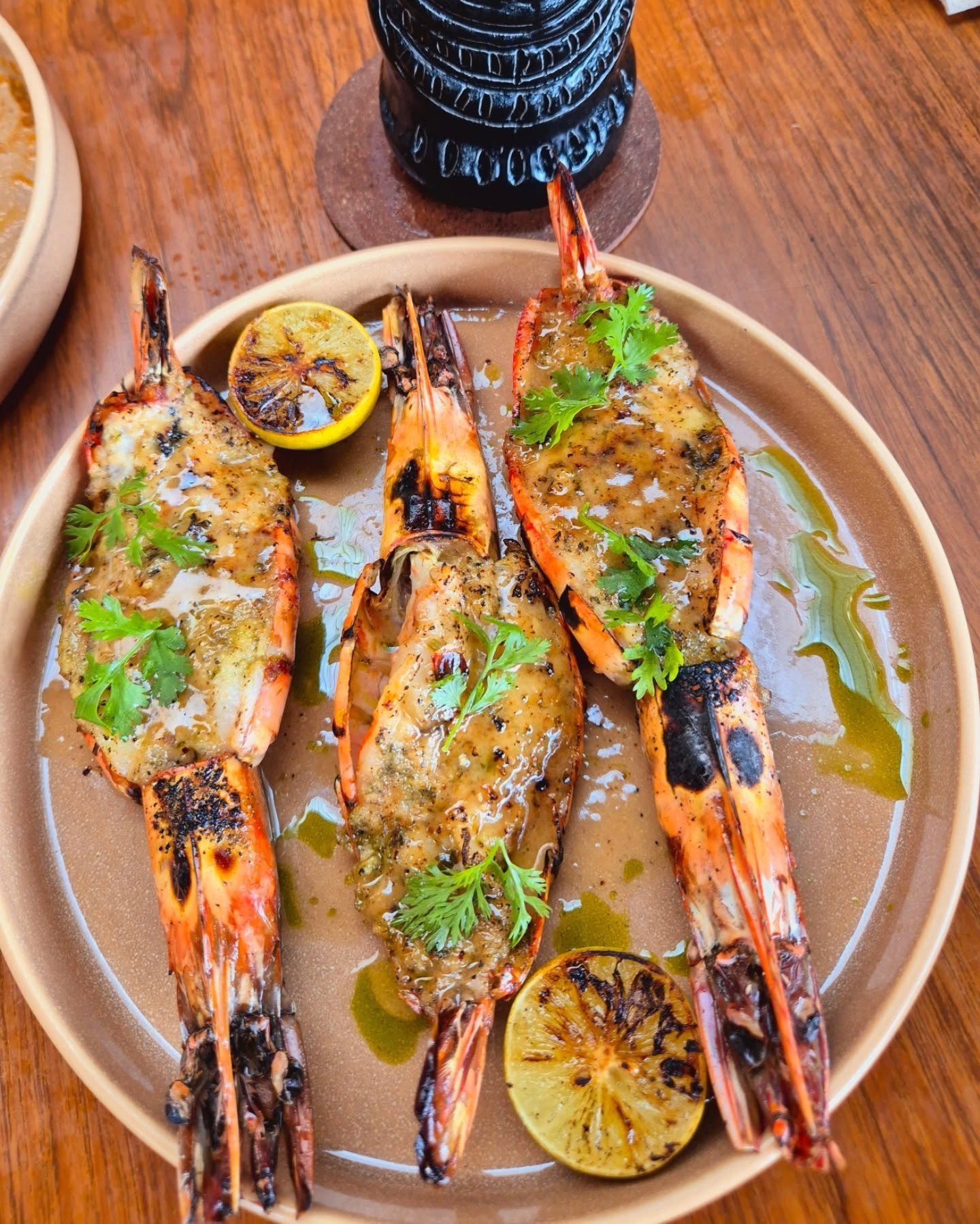
8. What’s a must-try dish from your kitchen or the one you’re proudest to have prepared?
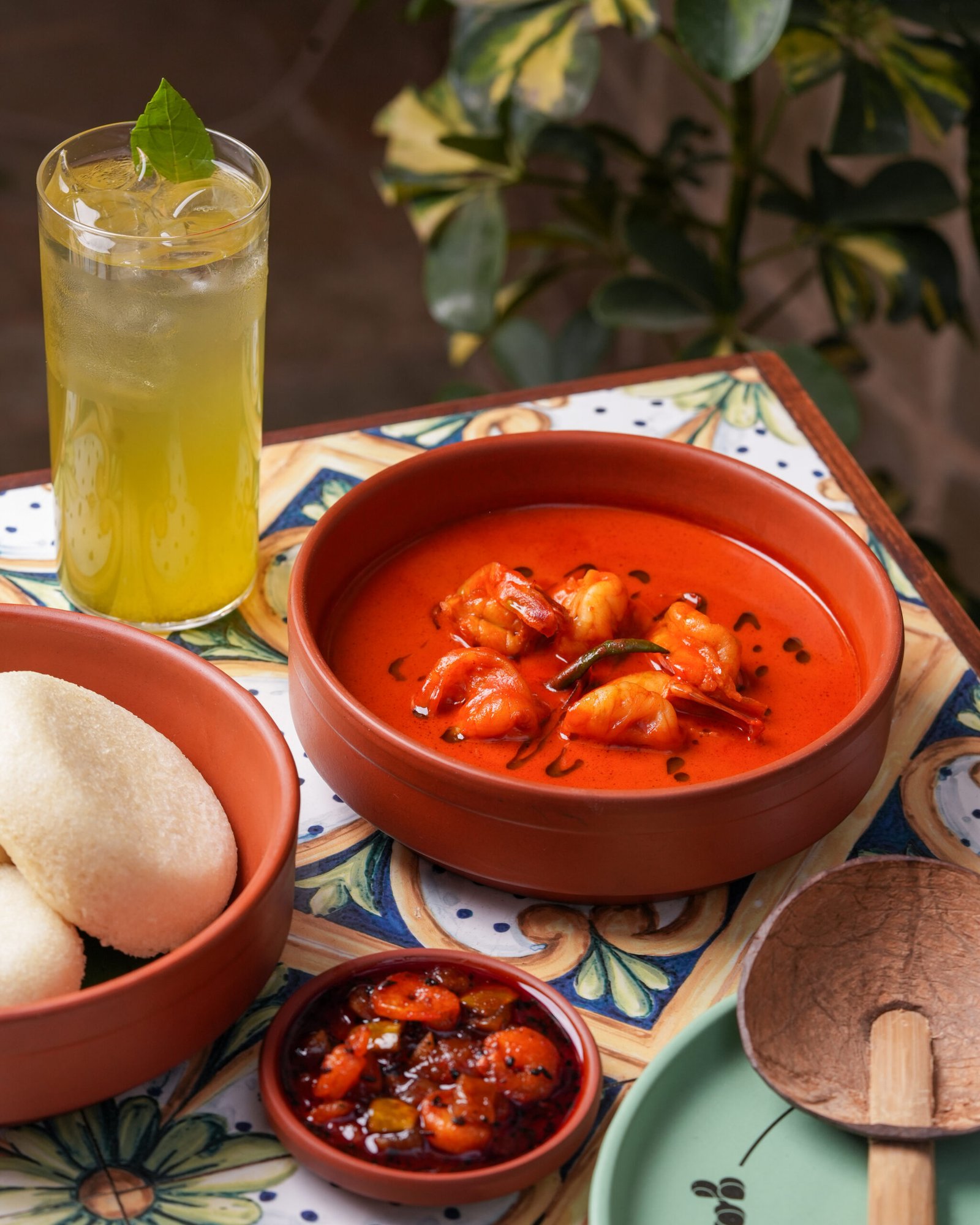
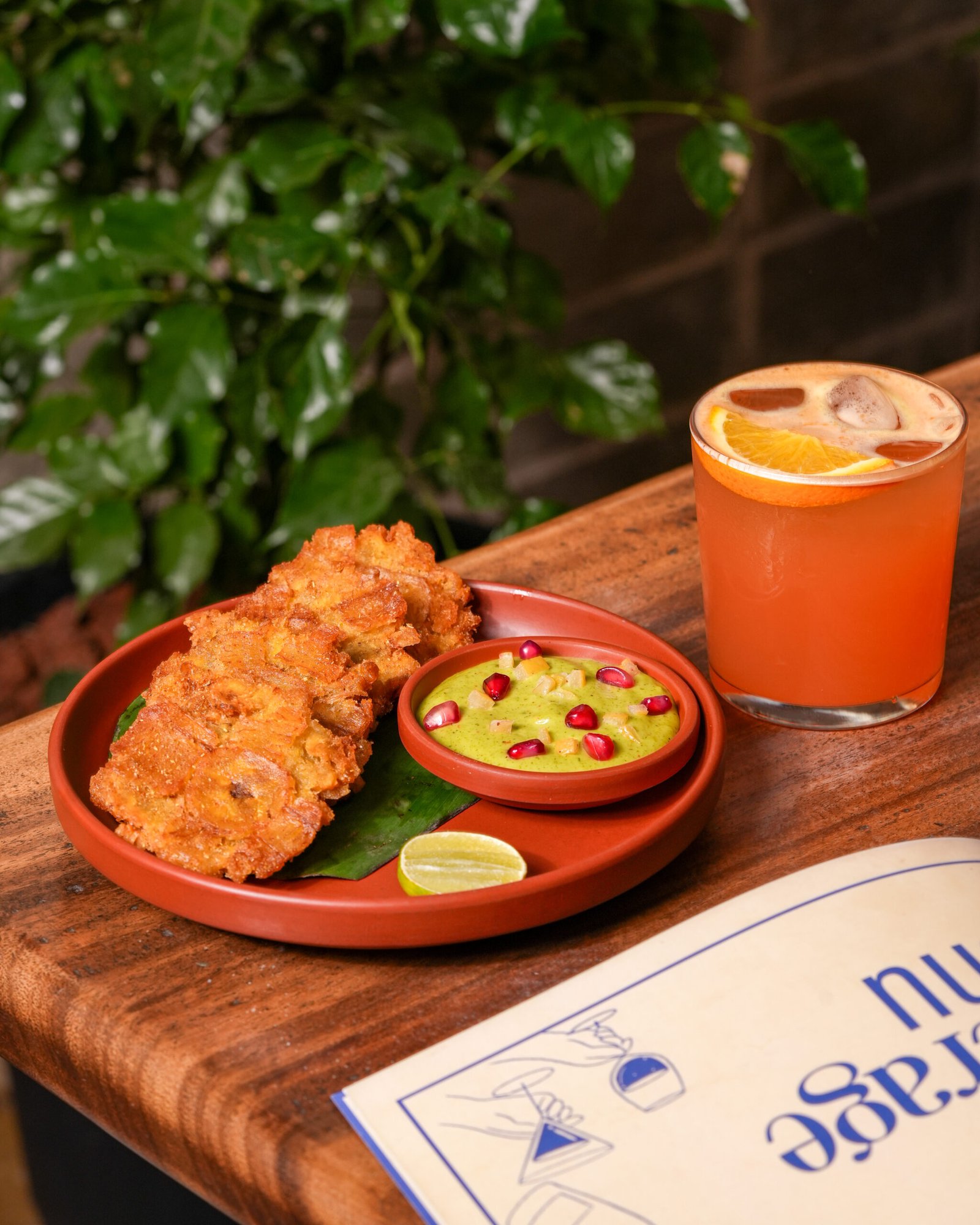
The Jakiya Kulcha at Gather. It’s ingenious.
About Your City!
Pune, India
- If Anthony Bourdain or a chef came to your city, what would be the perfect tour itinerary from breakfast to dinner?
- Breakfast at Vohuman Café.
- A walk through Mandai Market.
- Dinner at Gather.
- Late-night cocktails at Cobbler & Crew.

Support our project by buying our merch!

86 HOTK Unisex t-shirt
$30.00
Anthony Bourdain T-Shirt
$35.00
Mise HOTK Unisex t-shirt
$30.00