Success Meant Protecting What Matters Most
She built her career carefully, refusing to sacrifice family for professional ambition alone.
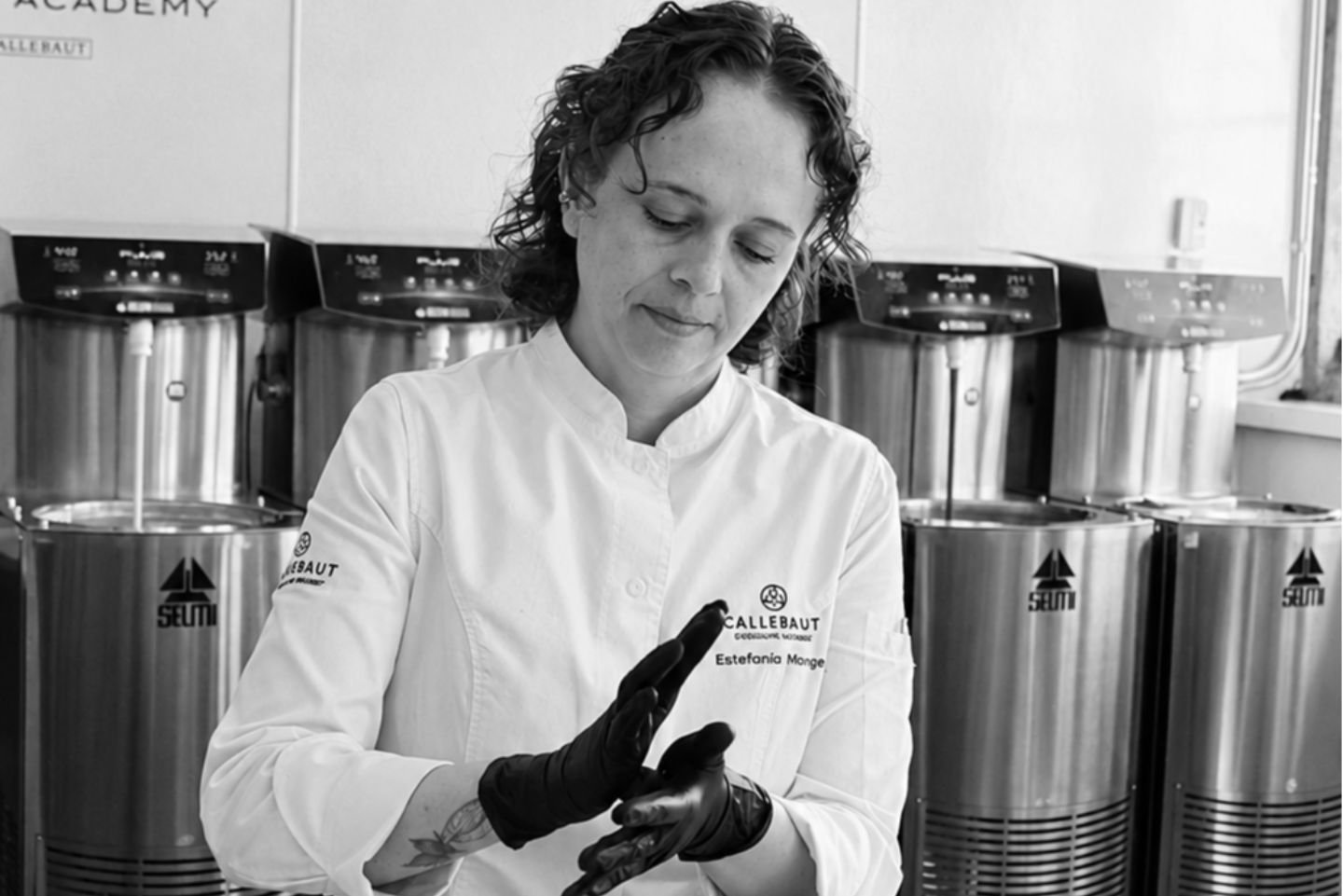
Estefanía Monge Rameix
For Estefanía Monge Rameix, chocolate has always meant more than sweetness. It carries memories of her grandmother’s kitchen, birthday cakes, hidden chocolates, and the feeling of being surrounded by family.
What began as a childhood fascination slowly turned into a lifelong pursuit shaped by curiosity, discipline, and an endless desire to understand the craft more deeply. Over the years, pastry and chocolate became her way of expressing emotion, sharing experiences, and connecting with people beyond the plate.
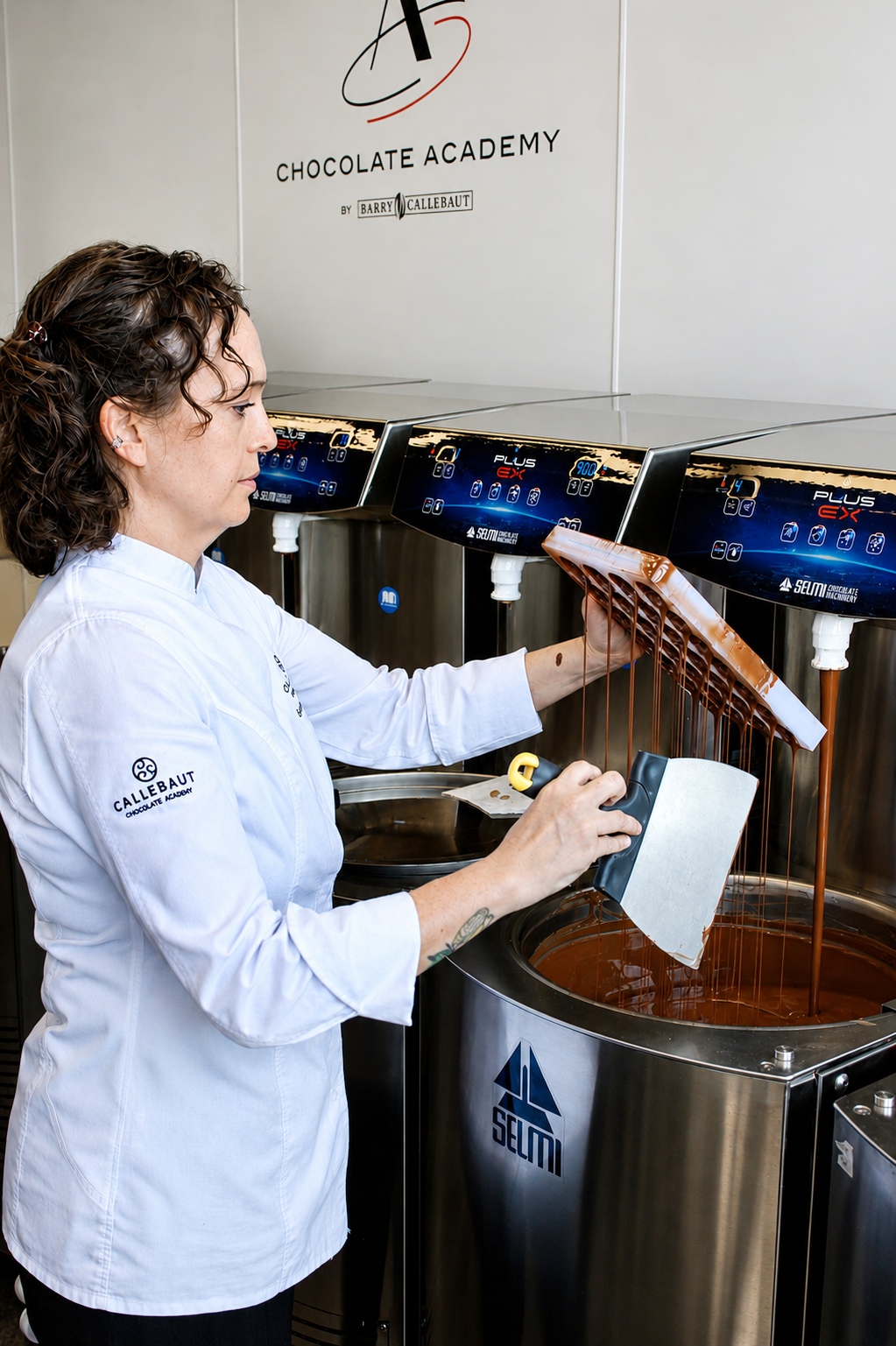
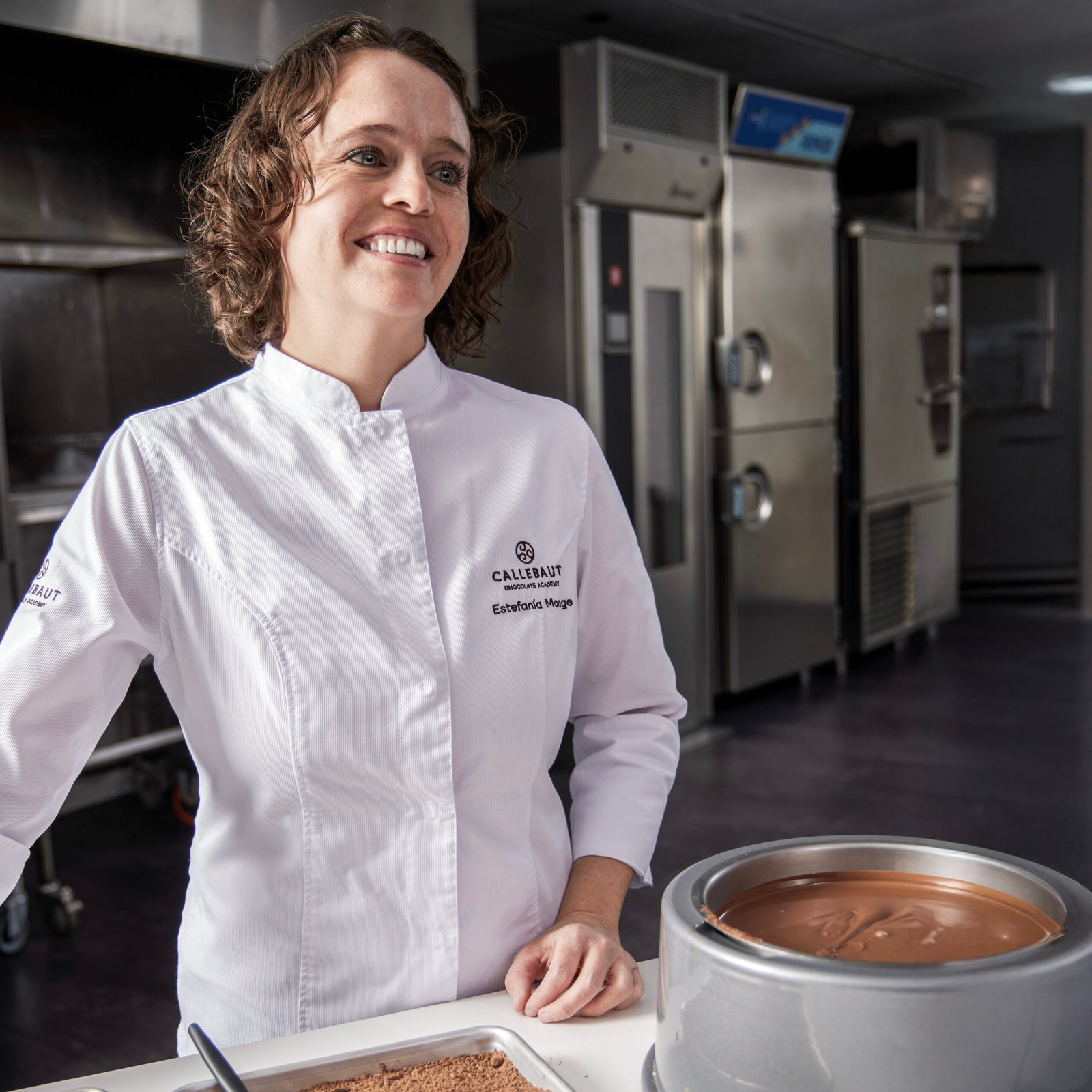
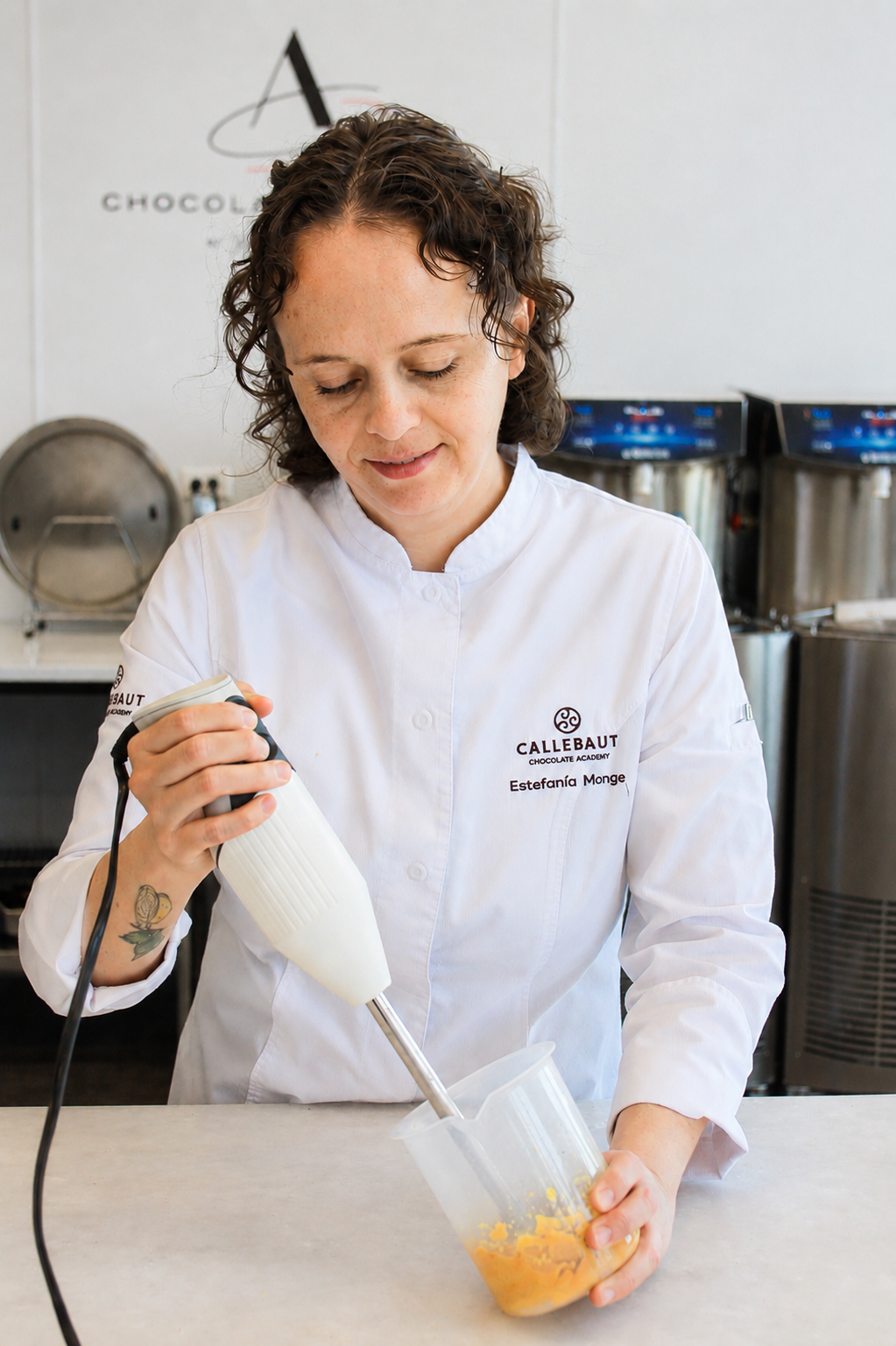
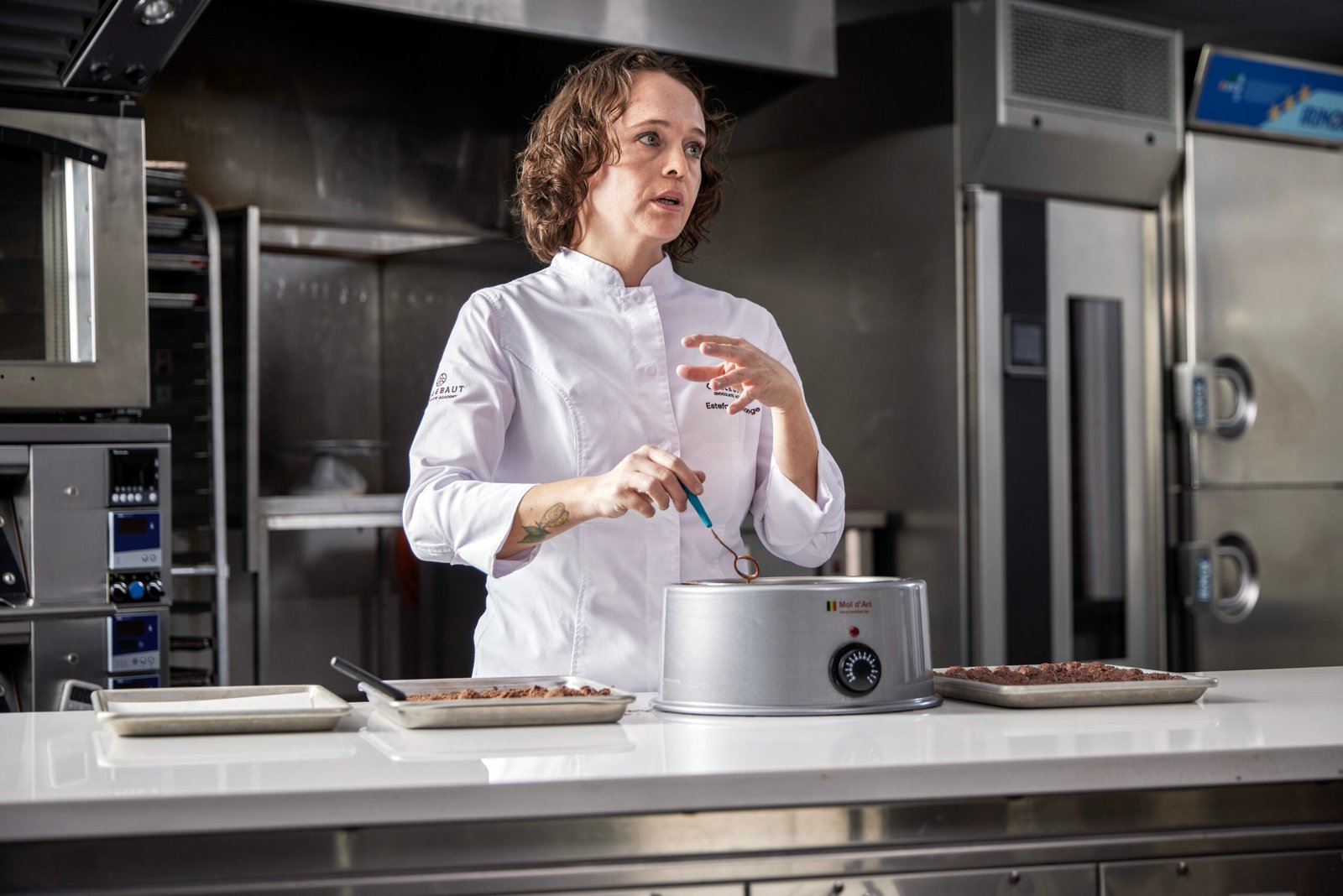
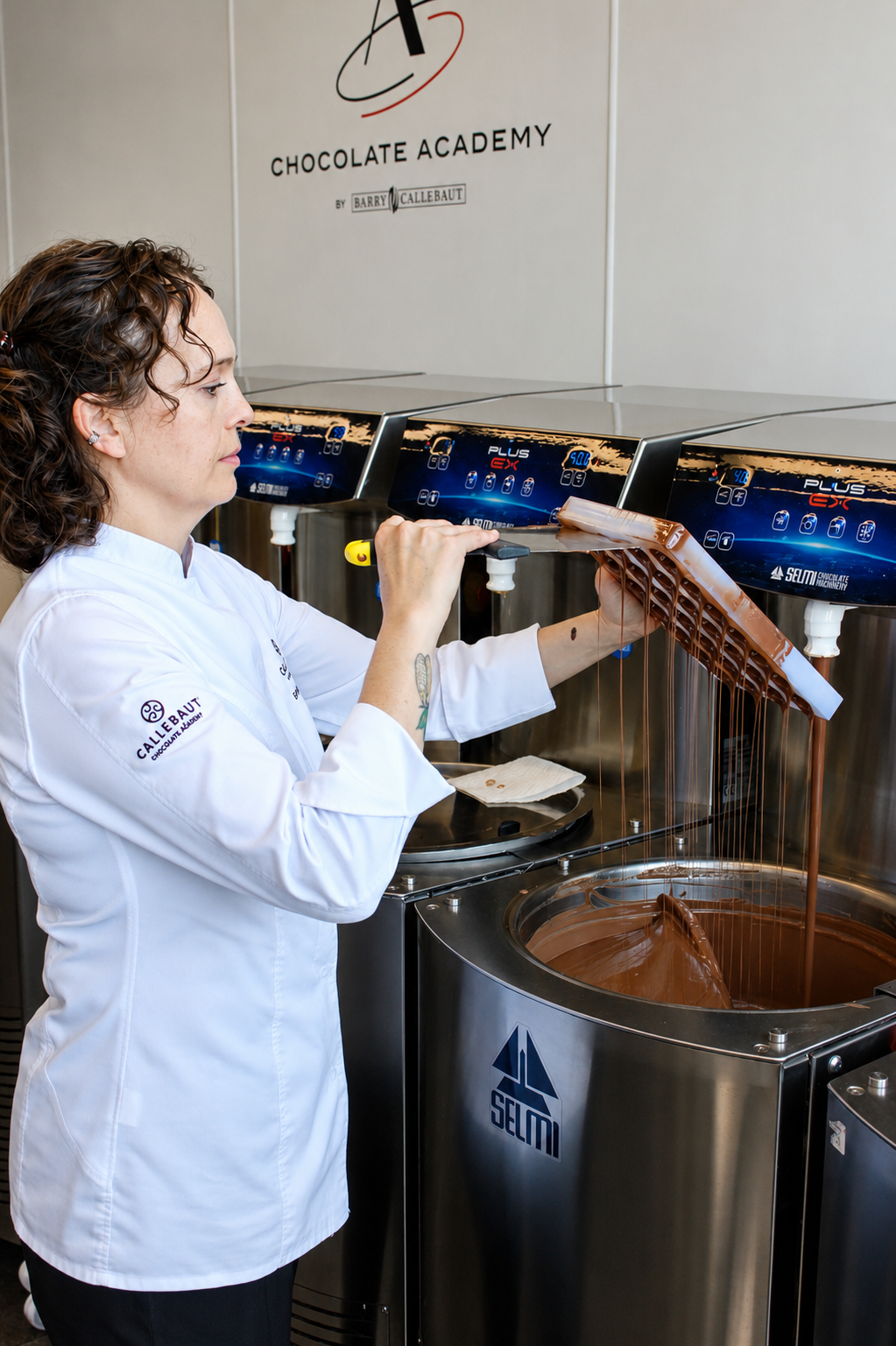
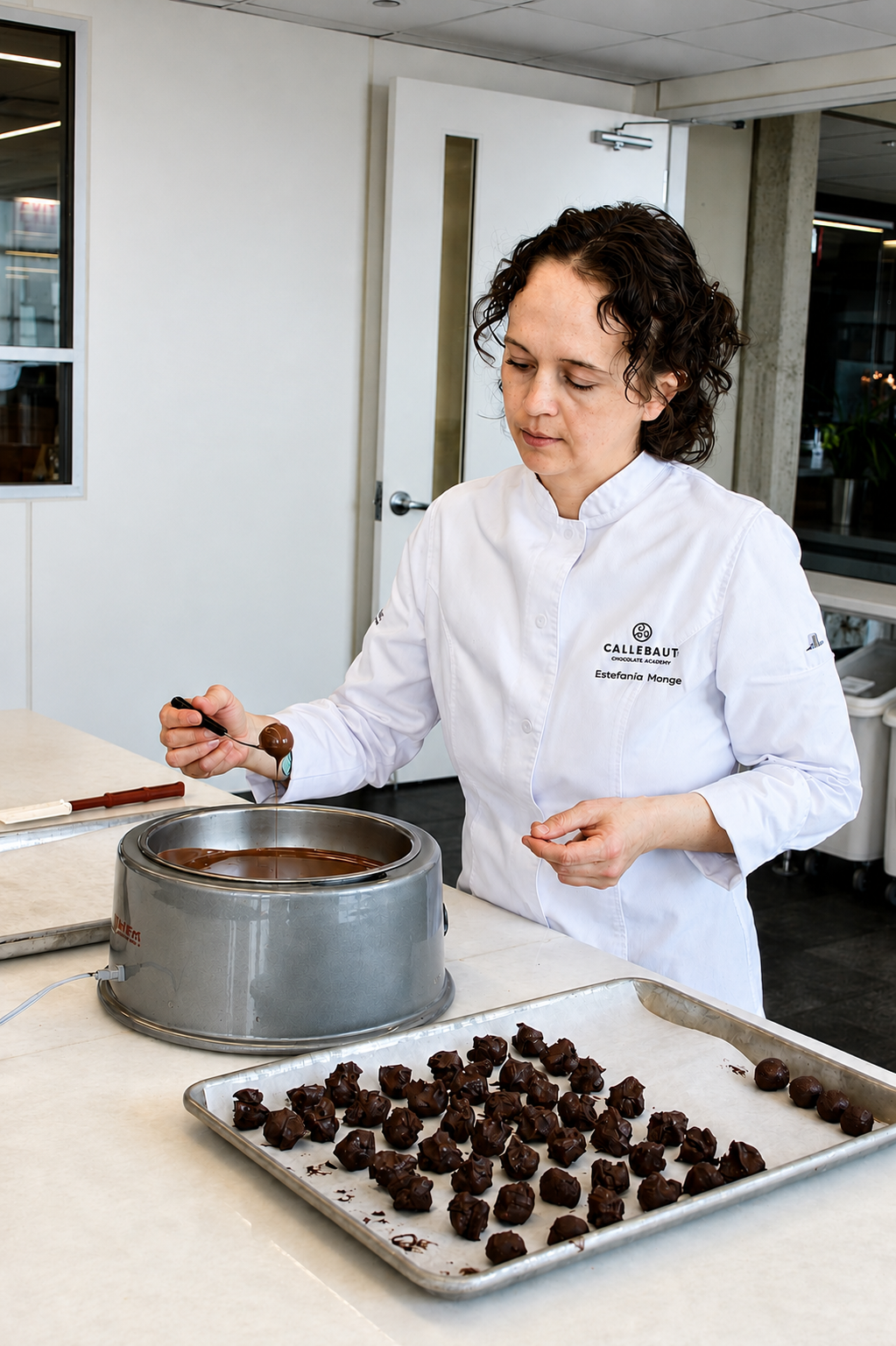
Her journey has also been one of persistence, balancing family, professional growth, and the challenges of building a career as both a woman and an immigrant in the culinary world. Today, as an Academy Chef at the Callebaut Chocolate Academy, Estefanía continues to create with the same passion that first drew her into the kitchen years ago.
In this conversation, she reflects on self-belief, craftsmanship, and the power of creating something that people can truly feel.
Share your Journey
- Looking back at your childhood, was there a specific moment or memory that sparked your interest in food or cooking?
My love for pastry, and especially for chocolate, began with my grandmother, Ivette. As a child, I would always make chocolate cakes with her for birthdays, and secretly sneak chocolates from her hidden stash. On the other hand, my love for gastronomy started at a very young age with my mom, Paty, who makes the best food in the world.
- Did you have another career or job before becoming a chef? How did those experiences influence your decision to pursue cooking?
I do not have another career. I have always been in the field of pastry and chocolate arts.
- Did you formally study culinary arts, or are you self-taught? How has your learning journey shaped your approach to cooking?
I have a Bachelor’s degree in Food & Beverage Administration and Culinary Arts. I have taken several courses and specialized training in pastry and chocolate making. Much of what I have learned has come through self-teaching, research, study, and practice. Throughout my journey in the culinary world, a great deal of self-learning and curiosity has led me to focus on understanding techniques and ingredients, awakening in me a deep passion for creating and perfecting them.
- When did you first step into a restaurant kitchen? What was that experience like, and how did it shape your journey as a chef?
My first step in the kitchen was at 17 years old. I did an internship in a seafood restaurant. That was the first time that I used a Chef jacket, and in that very moment, I knew this was meant for me. I fell in love with it. Honestly, I don’t know exactly how my love for cooking began, since at the restaurant I mostly spent my time cleaning seafood, and if I was lucky, chopping some vegetables. But it was later on, when I started studying at university and stepped into a professional pastry kitchen for the very first time, that I realized pastry and chocolate were truly meant for me, and that there was nothing else I wanted to do with my life.
- What were some of the early challenges or obstacles you faced when you started in the kitchen, and how did you overcome them?
One of the challenges I faced when I started working in a kitchen was balancing time between work and my family. I love my family; they are the most important thing in my life, just as I love my profession. In general, working hours in our field are demanding, with long shifts. But from the beginning of my professional career, I focused on finding jobs where I could achieve balance, and I have managed to do so so far. I have been able to grow professionally while also enjoying time with my family.
- What keeps you inspired and how has that inspiration driven you throughout your professional journey? Especially during tough times in the kitchen?
What keeps me inspired is learning something new every day, putting it into practice, and understanding its logic and essence in order to refine the technique. Through this, I aim to create products that inspire and convey my passion. I am passionate about creating and sharing; it is what drives me every day. Every time I create a product, I like to keep in mind that I will be sharing an experience, not just a product.
- Can you recall a moment in the kitchen that marked you forever? Maybe it was an interaction with a mentor, a fellow cook, someone you fed, or a situation that challenged you in a way that shaped who you are today?
In 2017, I took a course at the Callebaut Chocolate Academy Chicago, a Chocolate Confections masterclass with Ramon Morató. It was the best course I have ever taken. I was able to understand chocolate confections much more clearly and broadly. From that moment on, a world of possibilities opened up before me. Also, I fell in love with the Academy. Now, due to circumstances and because I’m focusing on what I want, I’m working there as an Academy Chef. Always believe in yourself, focus on what you want, and persist.
- As a chef, how would you describe your philosophy in the kitchen, and how does it guide your approach to cooking and leadership?
My philosophy in the kitchen has always been based on learning and understanding techniques and ingredients to create products that share an experience and convey my passion for cooking. I enjoy setting challenges and goals for myself. A fundamental pillar in every kitchen where I have worked has always been respect and teamwork; without these, it would be impossible to speak of leadership.
- Can you share a time when cooking or the camaraderie in the kitchen helped you through a tough period in your life? What made that experience meaningful?
I worked as an instructor at Universidad de las Américas in Ecuador for ten years. At one point, I had the opportunity to participate in the national selections for the Coupe du Monde de la Pâtisserie; it was a huge challenge for me, and I was very excited to take part. I received tremendous support from my supervisors, colleagues, and students.
At that time, my children were still young, and I did not have much time to train. On the other hand, my mother’s husband, who was like a second father to me, became very ill and passed away shortly after the competition. All of the support and care I received at work created a strong bond that remains alive to this day.
- Reflecting on your career, what achievements or milestones are you most proud of, and what do they mean to you?
One of the achievements I am most proud of is having worked as an instructor at Universidad de las Américas in Ecuador for ten years, where I was able to share knowledge and so many enriching experiences with students and colleagues. Another achievement I take pride in is having represented my country at the international trade fair FITUR in Madrid, Spain, as a chocolatier.
Currently, working as an Academy Chef at Barry Callebaut makes me proud and reminds me to always believe in myself and keep moving forward.
- What aspects of restaurant culture do you love, and what parts do you find frustrating or problematic? Are there any changes you’re actively working toward or things you hope they change in the industry? Share the reasons behind them and how they align with your vision for a better culinary world?
What I find wonderful is how cooking allows you to connect with people and share experiences. To me, cooking, pastry-making, and chocolate-making are forms of expression, a way to create art and build bonds that bring communities and families together. They are culture and tradition; they go beyond simply feeding people. They are about telling a story through what you create in the kitchen. All of this is what I value most about the world of gastronomy.
What I find unpleasant and unacceptable in the culinary world is the attempt to normalize abuse and disrespect from people in positions of authority, as if it were simply “part of the job.” I say this because I have experienced these situations myself on several occasions, and it becomes even more difficult when you are a woman or an immigrant. The only way for this to change is to take action, speak up, set boundaries, and, above all, value who you are and believe in yourself. Love and respect are the foundation of everything.
- What are your hopes for the future of the restaurant and food and beverage industry? What changes would you like to see, and how are you contributing to that change?
My hope for the not-so-distant future of the food and beverage industry is to see a more conscious and equitable culinary world. One that provides greater support and fair treatment for farmers. Specifically in the world of chocolate, my wish is for cocoa farmers to enjoy a dignified quality of life and for child labor on cocoa farms to be completely eliminated.
- If there’s anything we didn’t ask or if you feel we’re missing something about your personal and kitchen story, please share it here.
I’m a Pastry Chef and Chocolatier.
Photo credits:
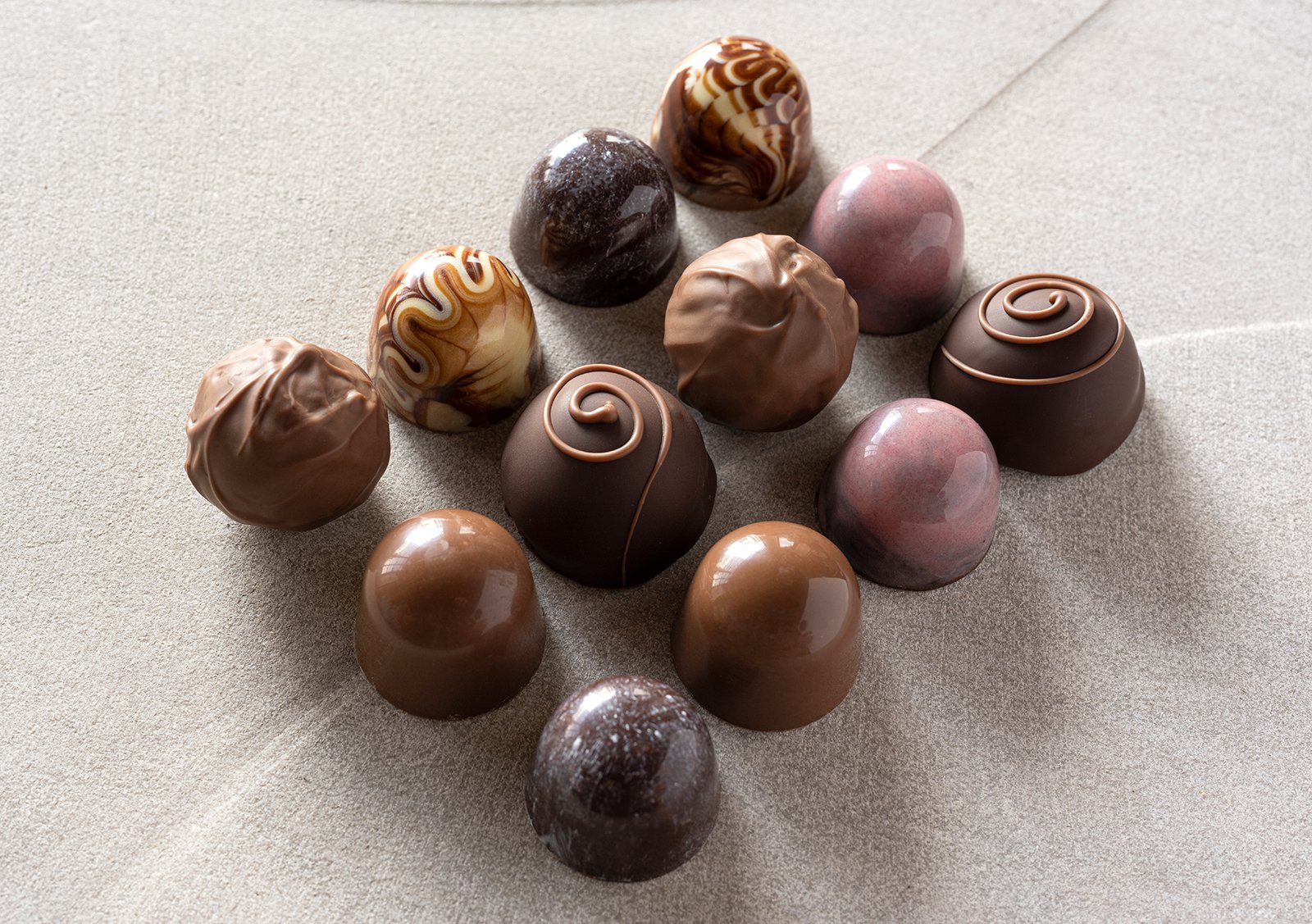
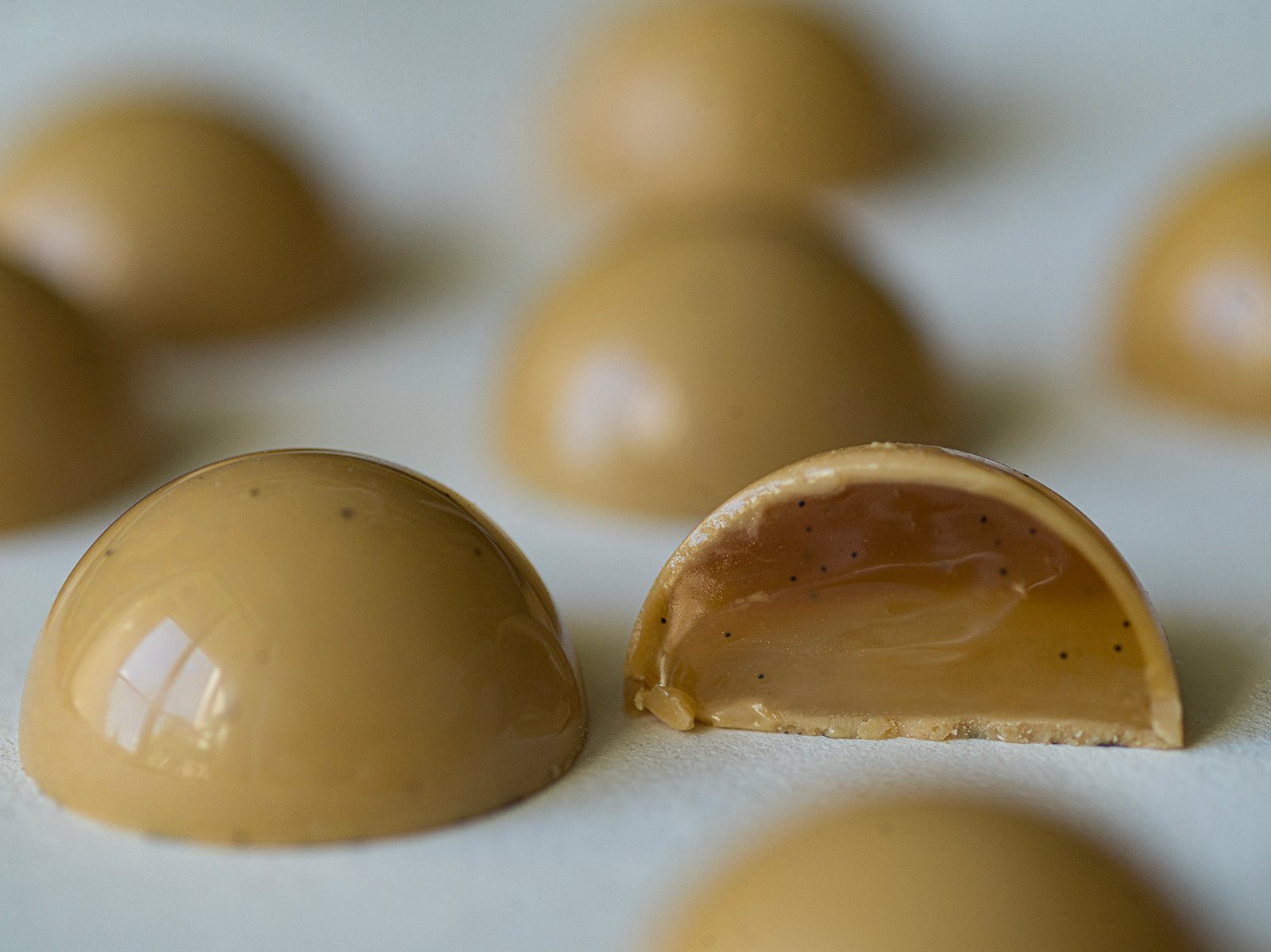
Product photography by @juan.ortiz.photography
Headshots by @paulstrabbing
Secret Sauce
- What’s the most unexpected ingredient you’ve ever worked with, and how did it change your perspective on cooking?
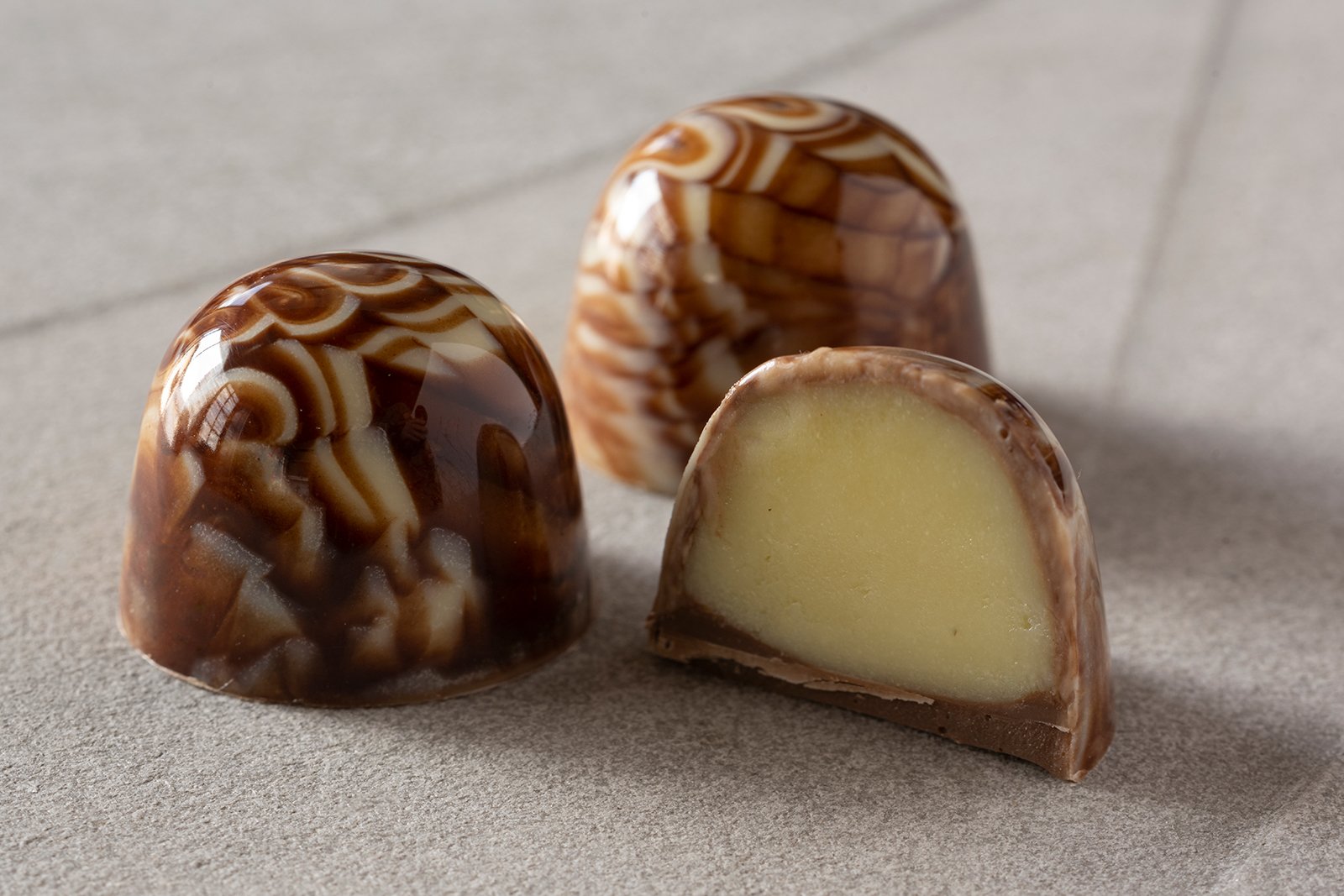
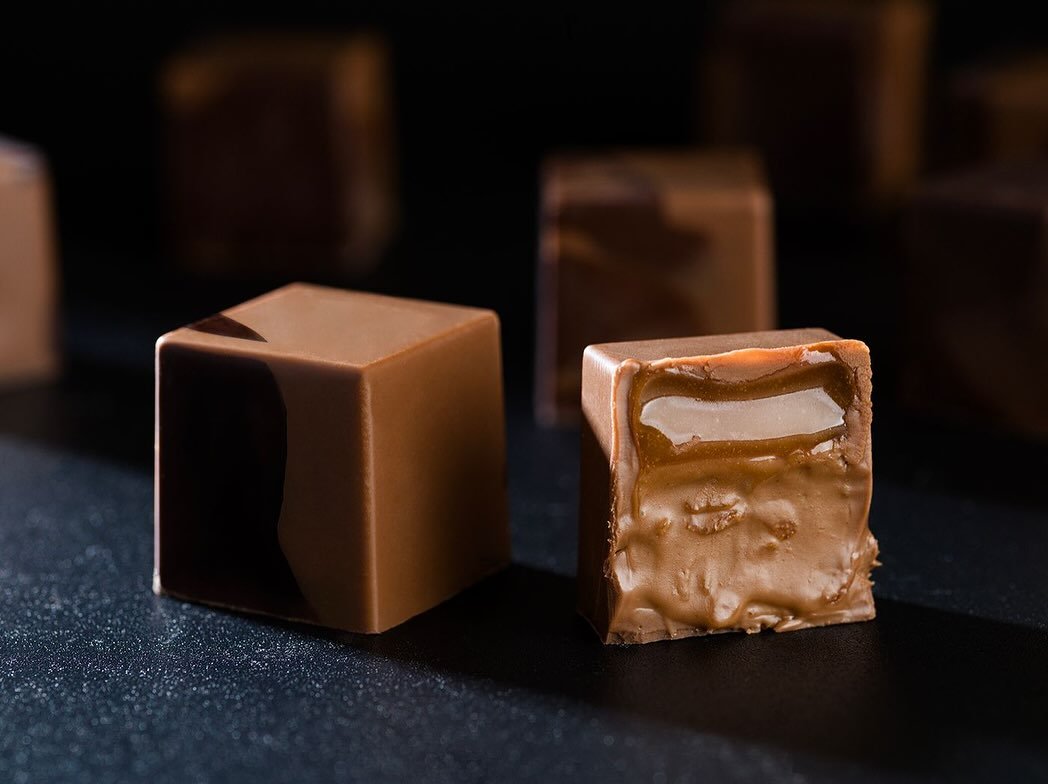
I don’t have a specific unexpected ingredient, but sometimes I enjoy using ingredients that we would normally think belong only in savory cooking. I have used several ingredients from Ecuadorian cuisine to make bonbons, including chifles (green plantain chips), roasted corn, chili peppers, lupins, quinoa, and cheese. I am always seeking to achieve harmony between flavors and textures, while also telling a story.
- What’s your “guilty pleasure” meal?
Creps, chocolate sauce, and strawberries with coffee ice cream. Also, an extra cheesy “empanada de verde”, a traditional Ecuadorian empanada made with plantain.
- A food trend that you hate and why?
Pastries, cookies, or ice creams with candy bars, cream, and more toppings on top. Those are sugar bombs without sense.
- What’s the craziest shift you’ve ever worked in the kitchen?
The craziest and most fun kitchen I have ever worked in was in the Galápagos, Ecuador. I did an internship at a hotel; without a doubt, it was one of the best experiences I have ever had in a kitchen.
5. What happened, and how did you manage to get through it?
I learned a lot about cooking, but I could say that I learned even more about life. I worked day and night shifts. On my days off, I had the opportunity to join the guests on island tours. I met people from many different countries and made good friends.
- What tips would you give to other cooks and chefs to help them navigate their culinary careers and find peace amid the chaos of the kitchen?
My advice would be to focus on what you truly enjoy doing, what makes you happy, and to believe in yourself while remaining persistent. Always seek to learn more and put that knowledge into practice. Share what you have learned, and strive to create a respectful, team-oriented work environment.
Do not neglect your well-being, your physical and mental health, or your family. All of these things are also very important, if not the most important.
- What’s an underrated ingredient and why?
Besides being the raw material for chocolate, cacao can also be used in other forms, such as pulp, nibs, and husk. A type of pectin can also be obtained from the cacao pod.
8. What’s a must-try dish from your kitchen or the one you’re proudest to have prepared?
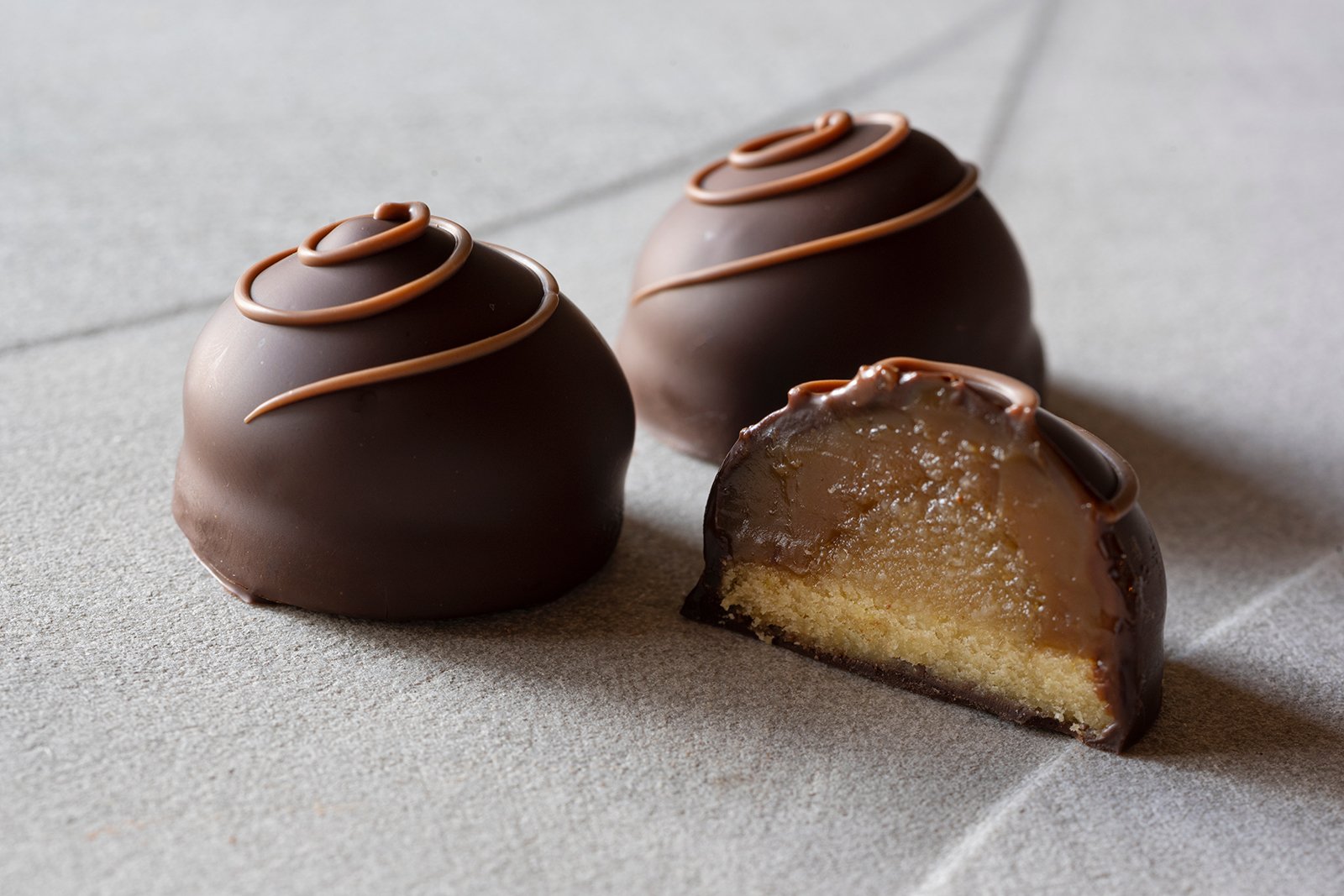
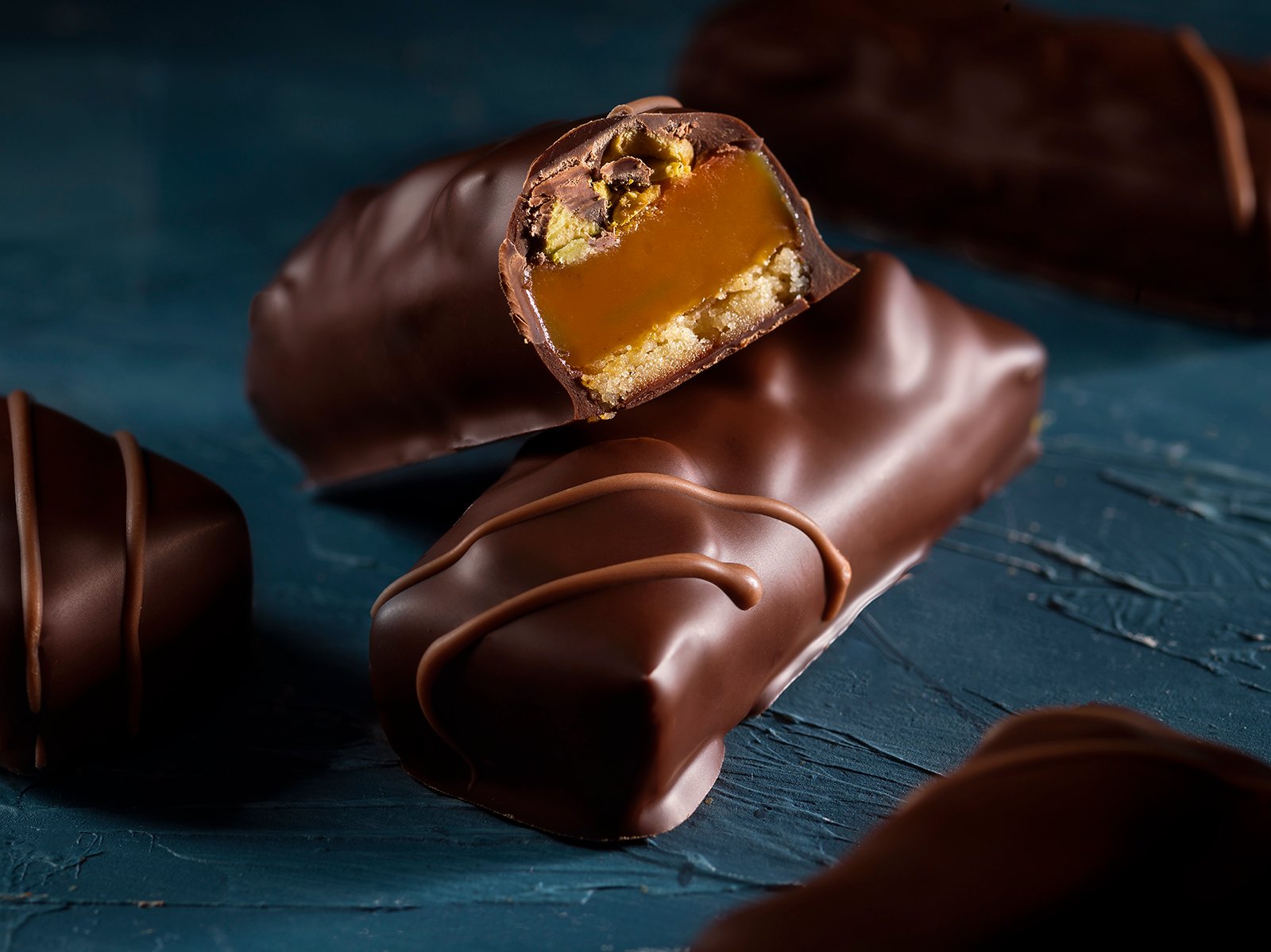
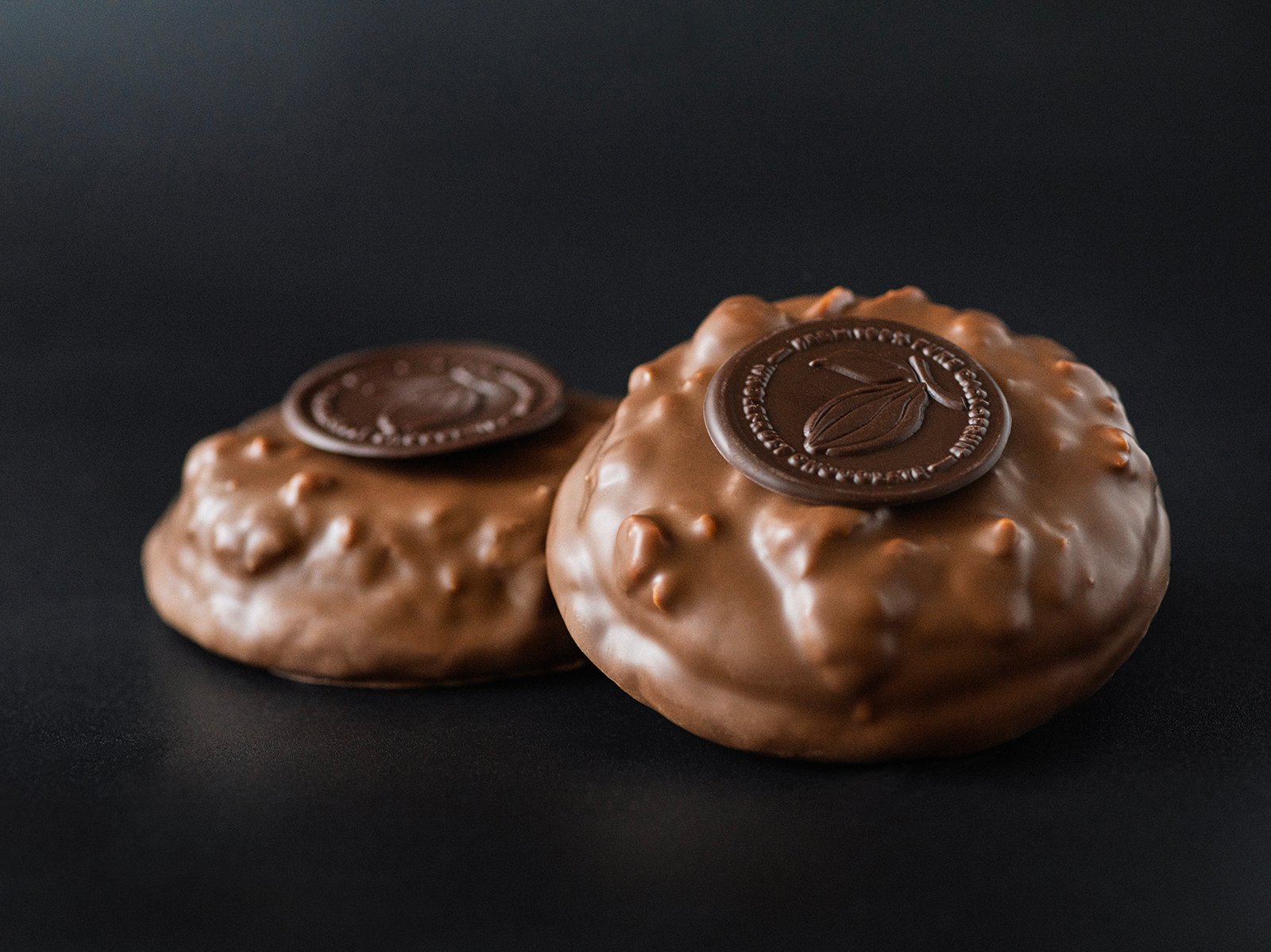
When I had my business in Ecuador, I used to prepare alfajores, filled with dulce de leche, and coated with dark chocolate. Without a doubt, those were amazing! Also, a chocolate bar made with vanilla salted toffee, caramelized pistachios, and vanilla sable.
About Your City!
Quito, Ecuador
- If Anthony Bourdain or a chef came to your city, what would be the perfect tour itinerary from breakfast to dinner?
My hometown is Quito, but I’m going to focus on Ecuador and its rich gastronomy. For breakfast, we go to the Coast region for a delicious bolón de verde filled with cheese and chicharrón, accompanied by coffee and peanut chili sauce. For lunch, we head to the Andean region to enjoy a locro de papa, a delicious potato soup served with roasted corn and avocado, along with cooked corn on the cob with cheese. For dinner, a fish ceviche served with patacones.

Support our project by buying our merch!

86 HOTK Unisex t-shirt
$30.00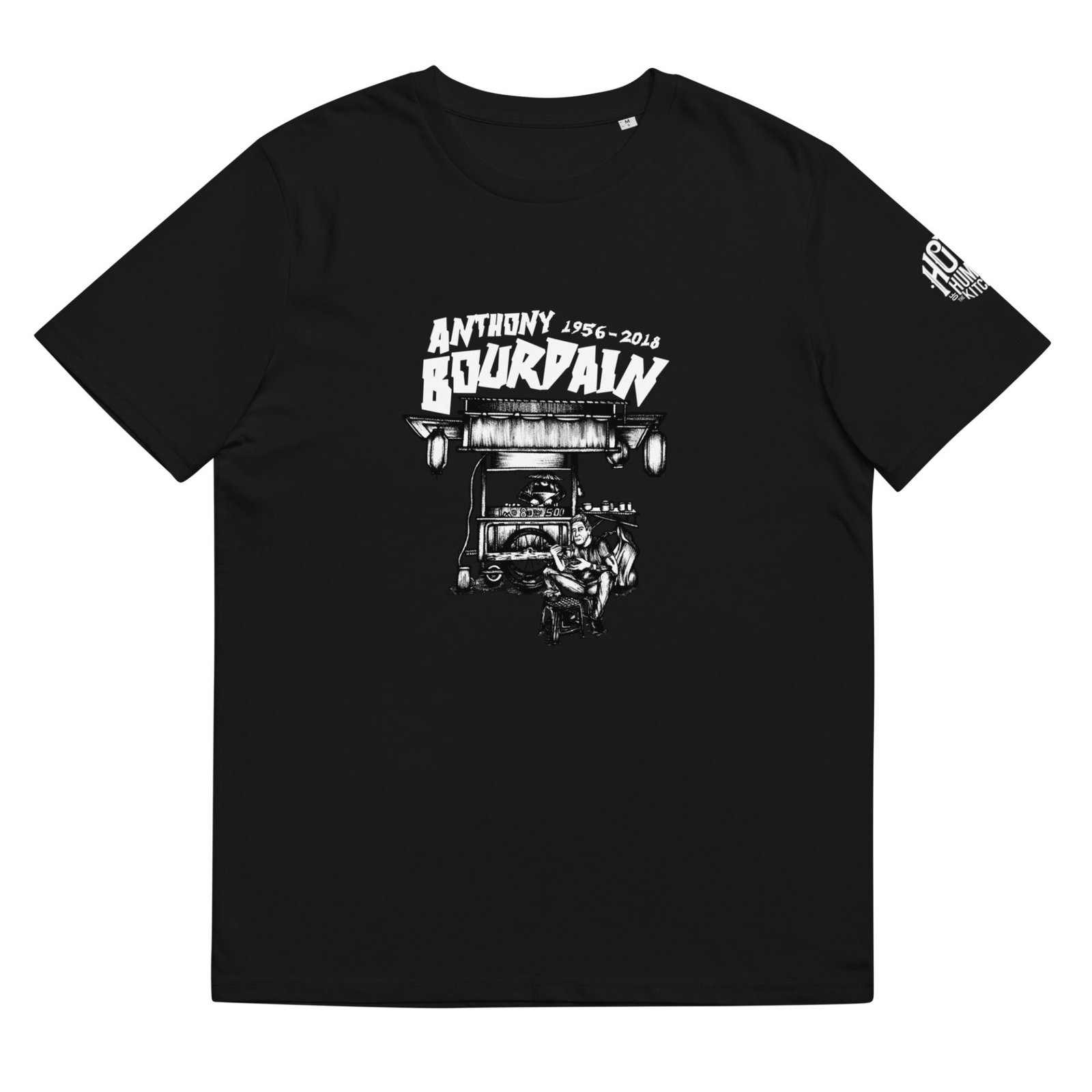
Anthony Bourdain T-Shirt
$35.00
Mise HOTK Unisex t-shirt
$30.00