Fish Markets & Family Tables
A Nikkei childhood shaped by fish, family rituals, and his grandmother’s cooking.
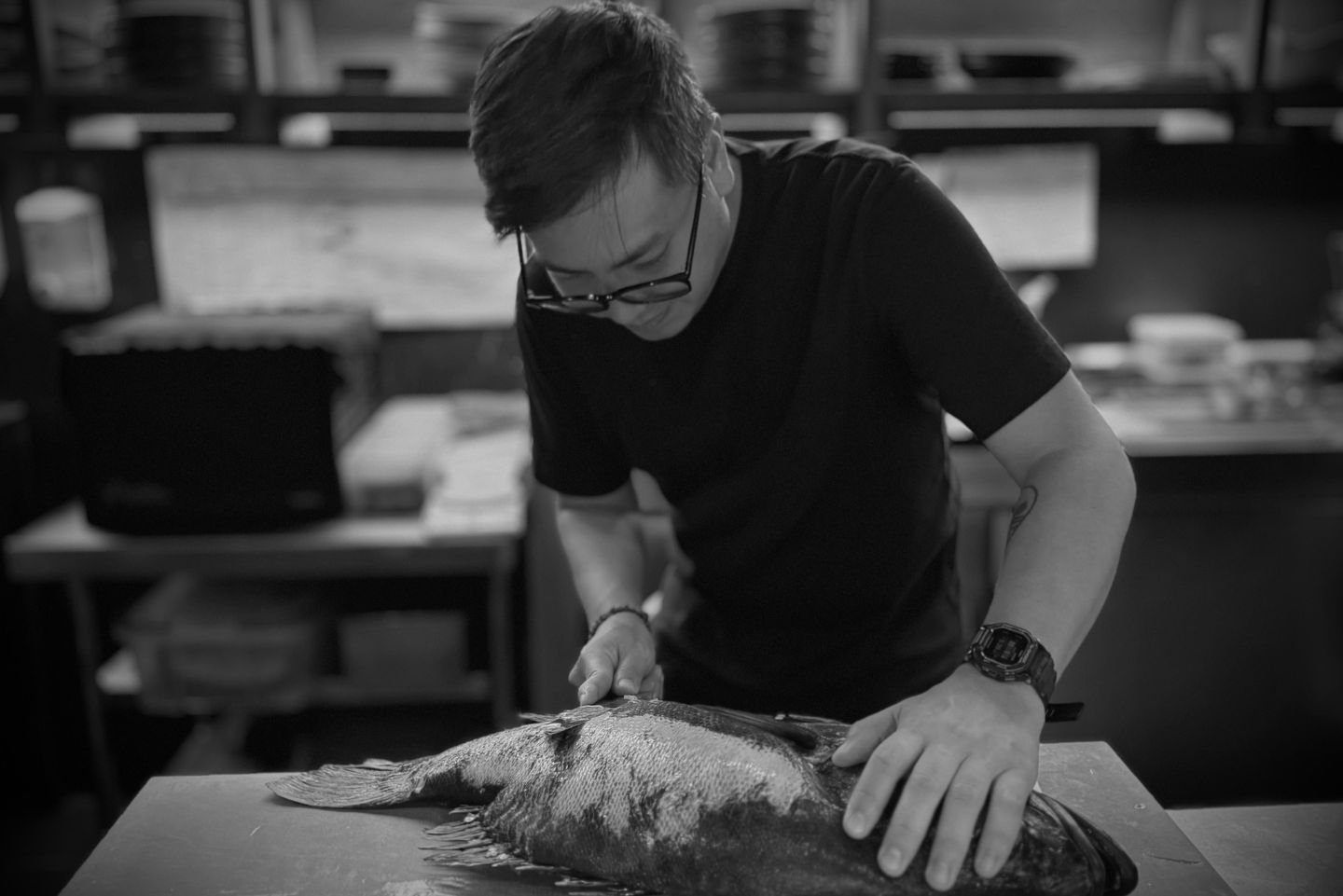
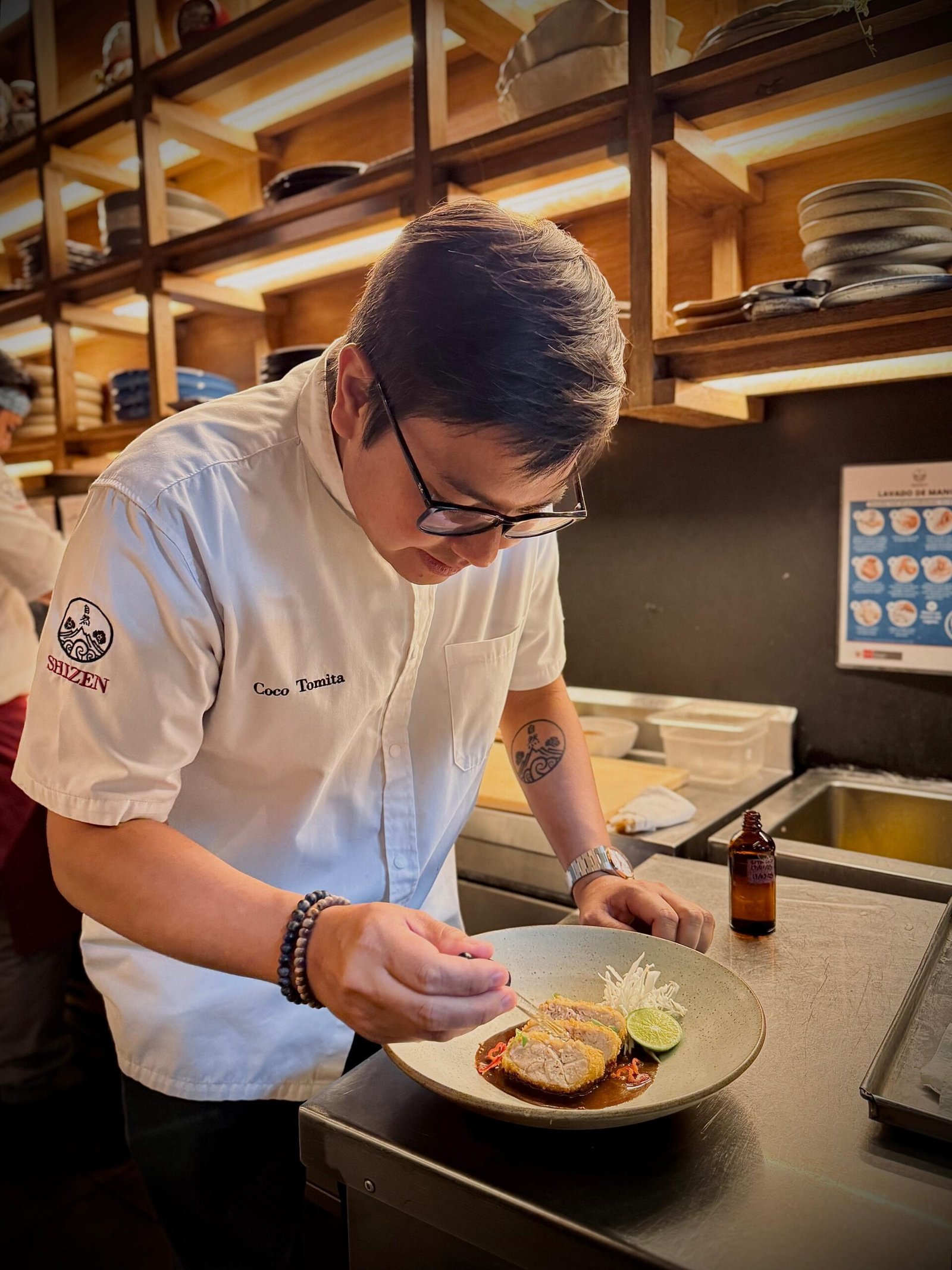
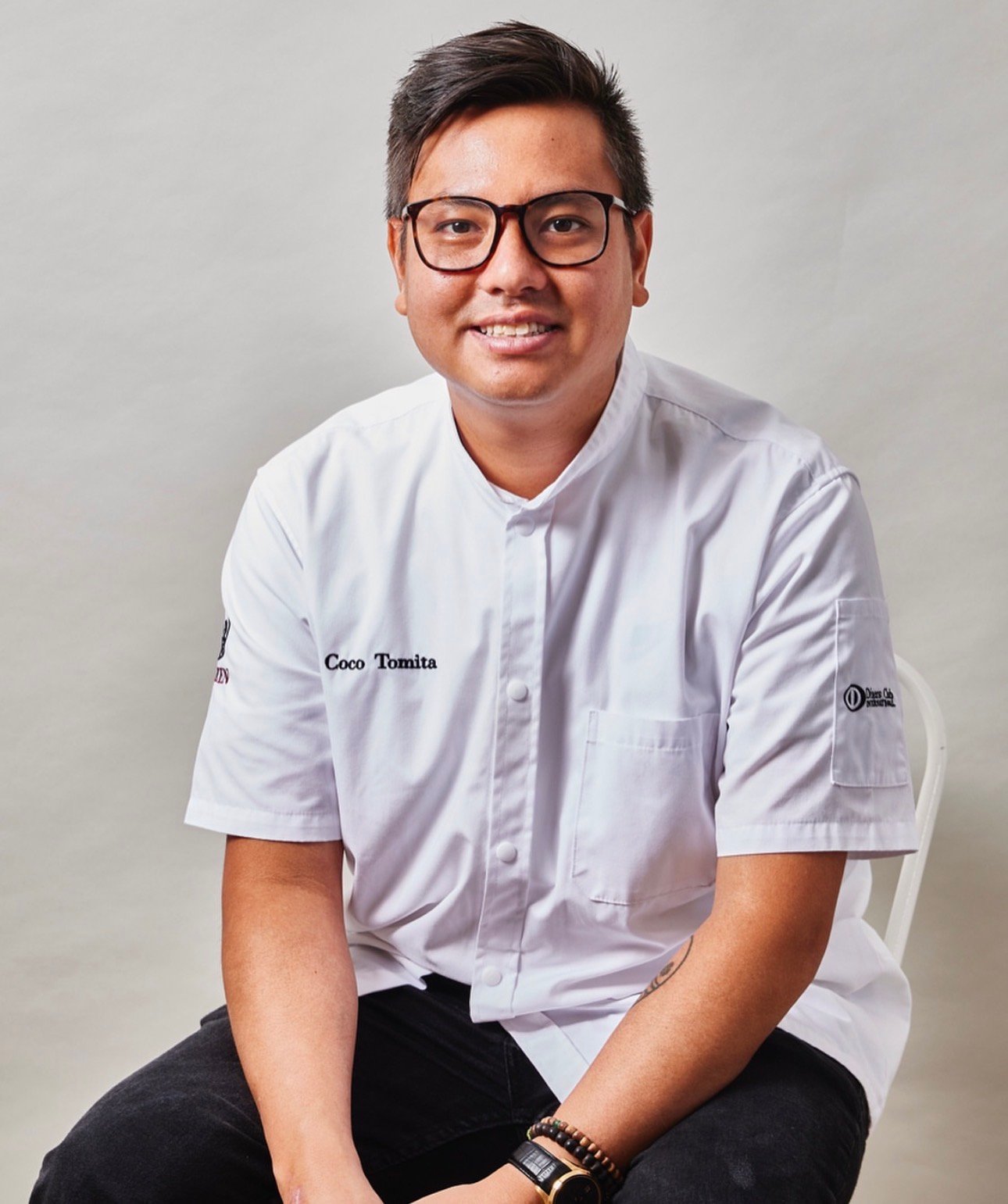
Jorge (Coco) Tomita Nagamine
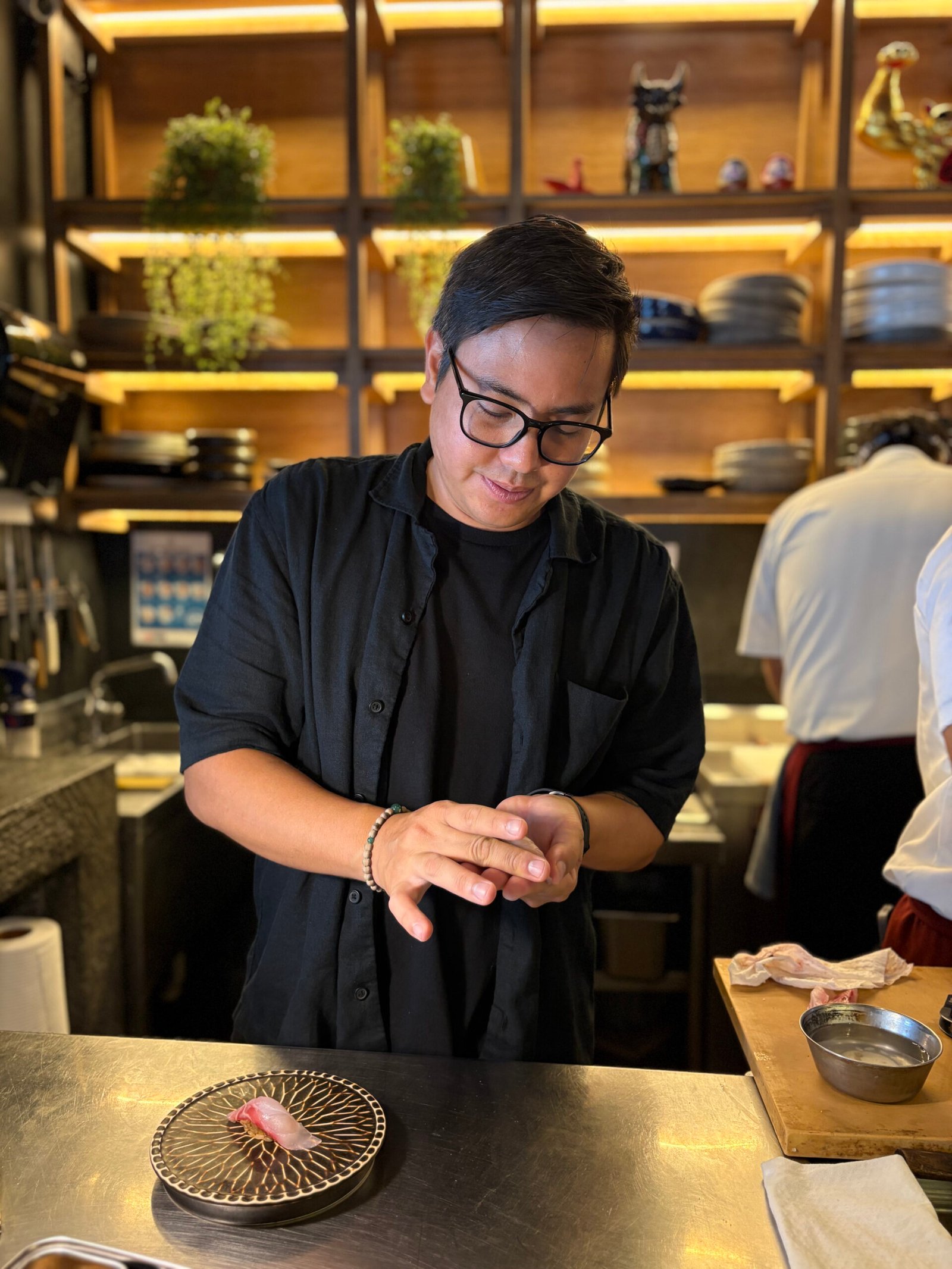
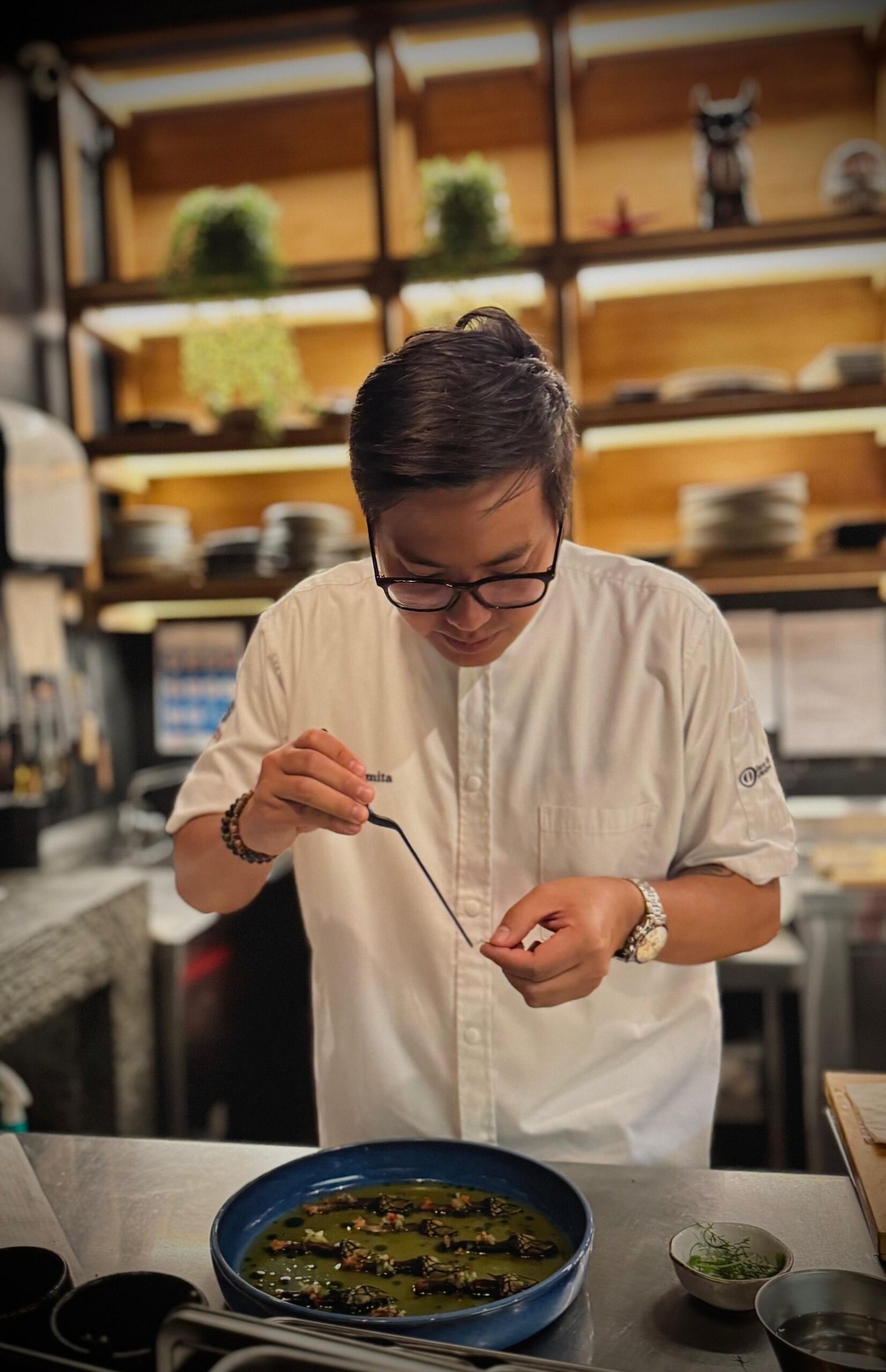
For Jorge Tomita Nagamine, cooking was never separate from family. It was built into the rhythm of the house, fish markets with his grandmother, Nikkei dishes shared around crowded tables, and the understanding that food could bring people together long before he ever stepped into a professional kitchen.
He found his way into restaurants almost by accident, but once he did, something clicked. The intensity, the discipline, the camaraderie, it all felt familiar in a different way. Over the years, that path evolved into a deeper exploration of Nikkei cuisine, as a style of cooking and as a living identity shaped by migration, memory, technique, and product.
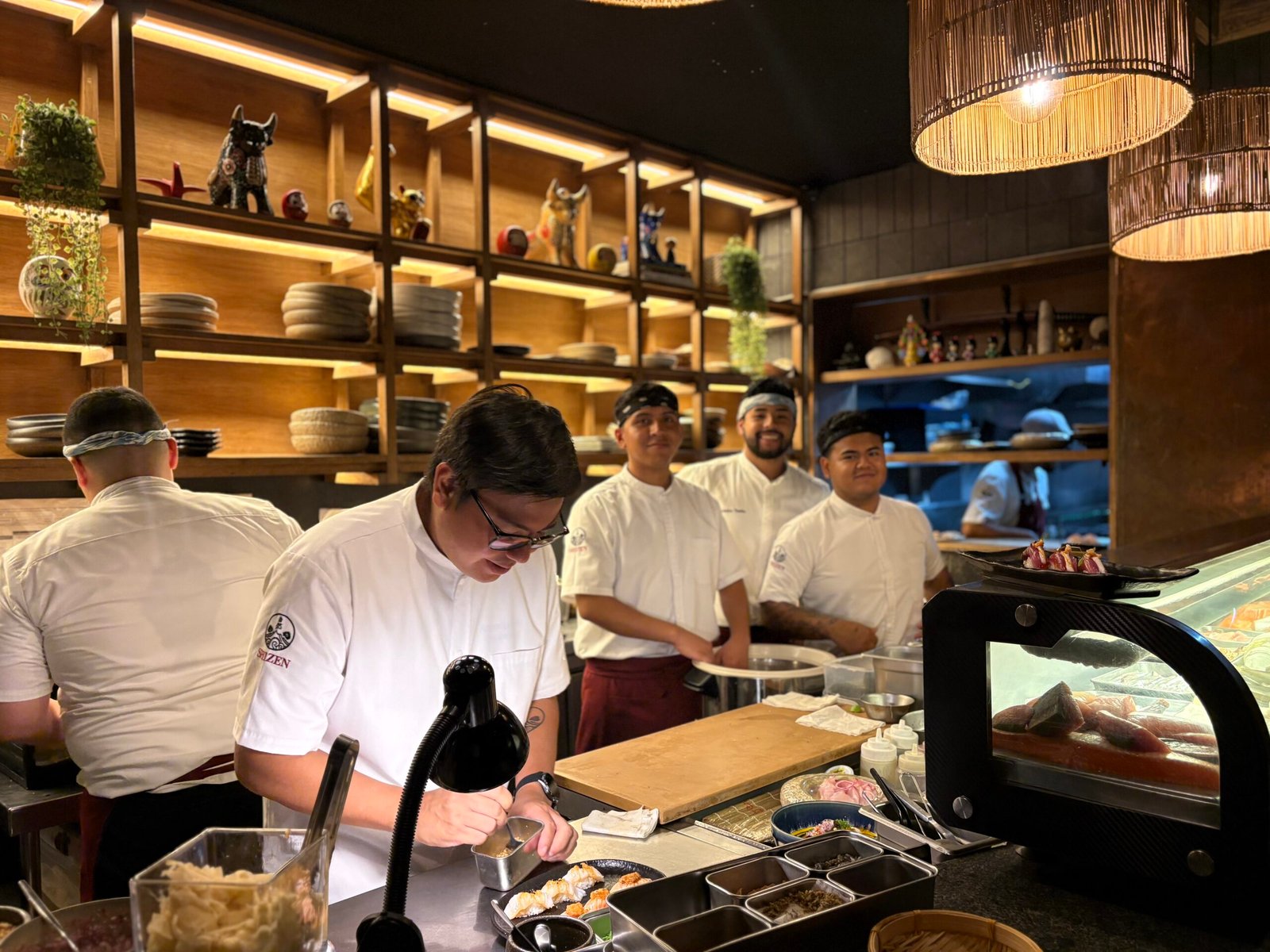
Today, through Shizen Peru, Jorge and his partners continue to build a cuisine rooted in their Piuran Nikkei perspective, one that respects both tradition and evolution, from artisanal fishing practices to contemporary techniques.
In this conversation, he reflects on teamwork, mistakes, identity, and a kitchen culture that values both people and purpose.
Share your Journey
- Looking back at your childhood, was there a specific moment or memory that sparked your interest in food or cooking?
My family is a traditional Nikkei family. My earliest memories are in the kitchen, watching my grandmother prepare both Peruvian Criolla and Japanese dishes at home. She was ahead of her time, always curious, always experimenting with new ingredients within traditional recipes. She cooked with a kind of care you can only feel when food is honest and made with love.
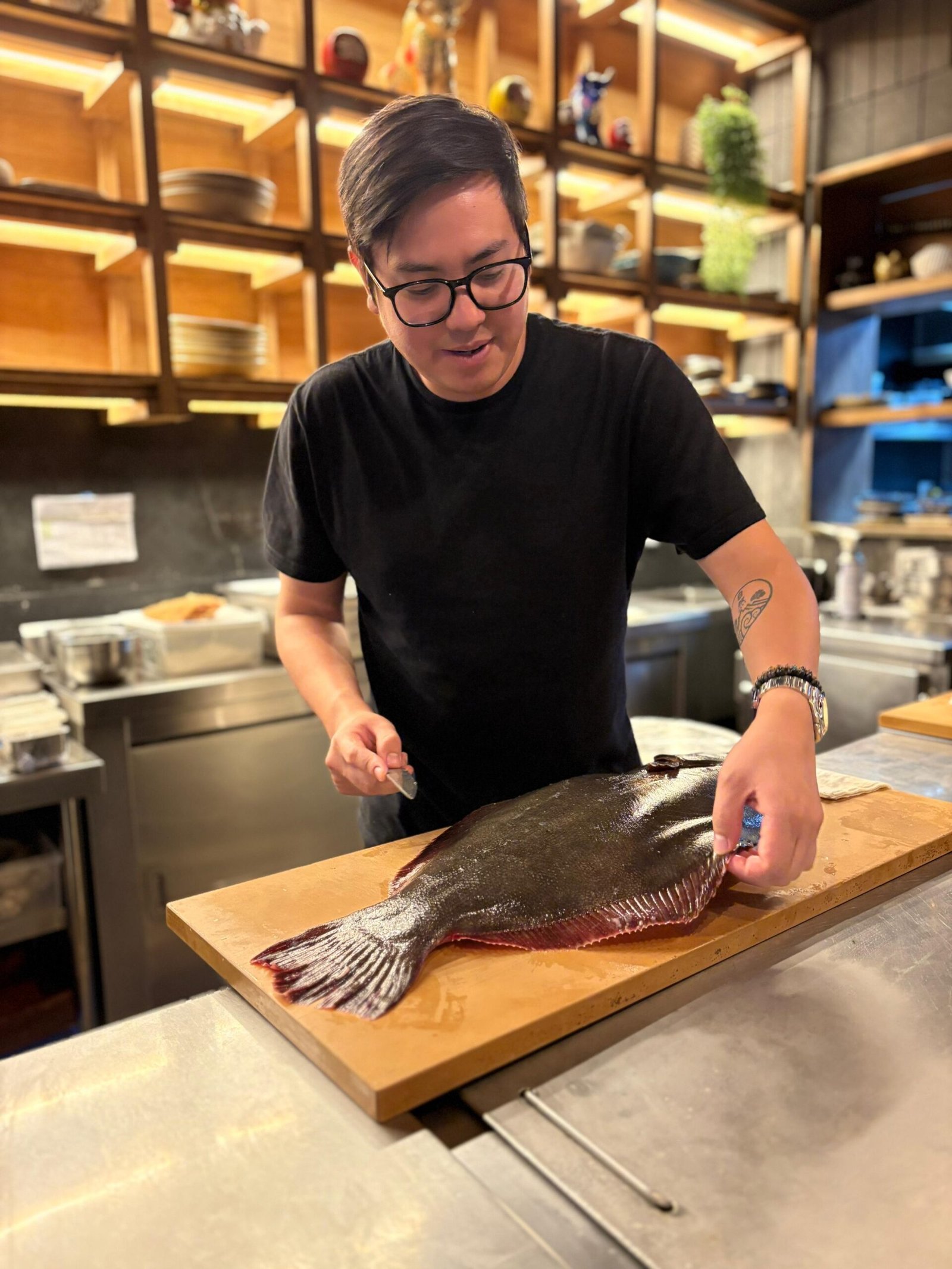
As a child, I understood something that still stays with me today: fish bring people together. I remember going to the market with her; whenever we started at the fish section, I knew it would be a special day, filled with food, friends, and family around the table.
I believe that’s where it all began. That way of cooking, of understanding the product, and of connecting with others. That’s why I continue on that same path today, always closely tied to fish and to fishing.
- Did you have another career or job before becoming a chef? How did those experiences influence your decision to pursue cooking?
When I finished school, I didn’t know what I wanted to study or where I was headed. I tried a few courses in different fields, but nothing really clicked. There came a point where I had to make a decision, and I started working in a Nikkei restaurant. That’s where everything changed. I connected with cooking.
Today, after 17 years, I’m still on that path: dedicated to Nikkei cuisine from Peru, exploring its culture, its identity, and everything it represents.
- Did you formally study culinary arts, or are you self-taught? How has your learning journey shaped your approach to cooking?
I didn’t study cooking formally. At that time, Nikkei cuisine didn’t really have a school; you learned by cooking, by being in the places where things were happening. We were fortunate to experience a moment when Nikkei cuisine was still shaping its identity and to witness its evolution from within, from the kitchen. And that’s how we’ve continued to this day. And over time, we complemented that path by studying restaurant management.
- When did you first step into a restaurant kitchen? What was that experience like, and how did it shape your journey as a chef?
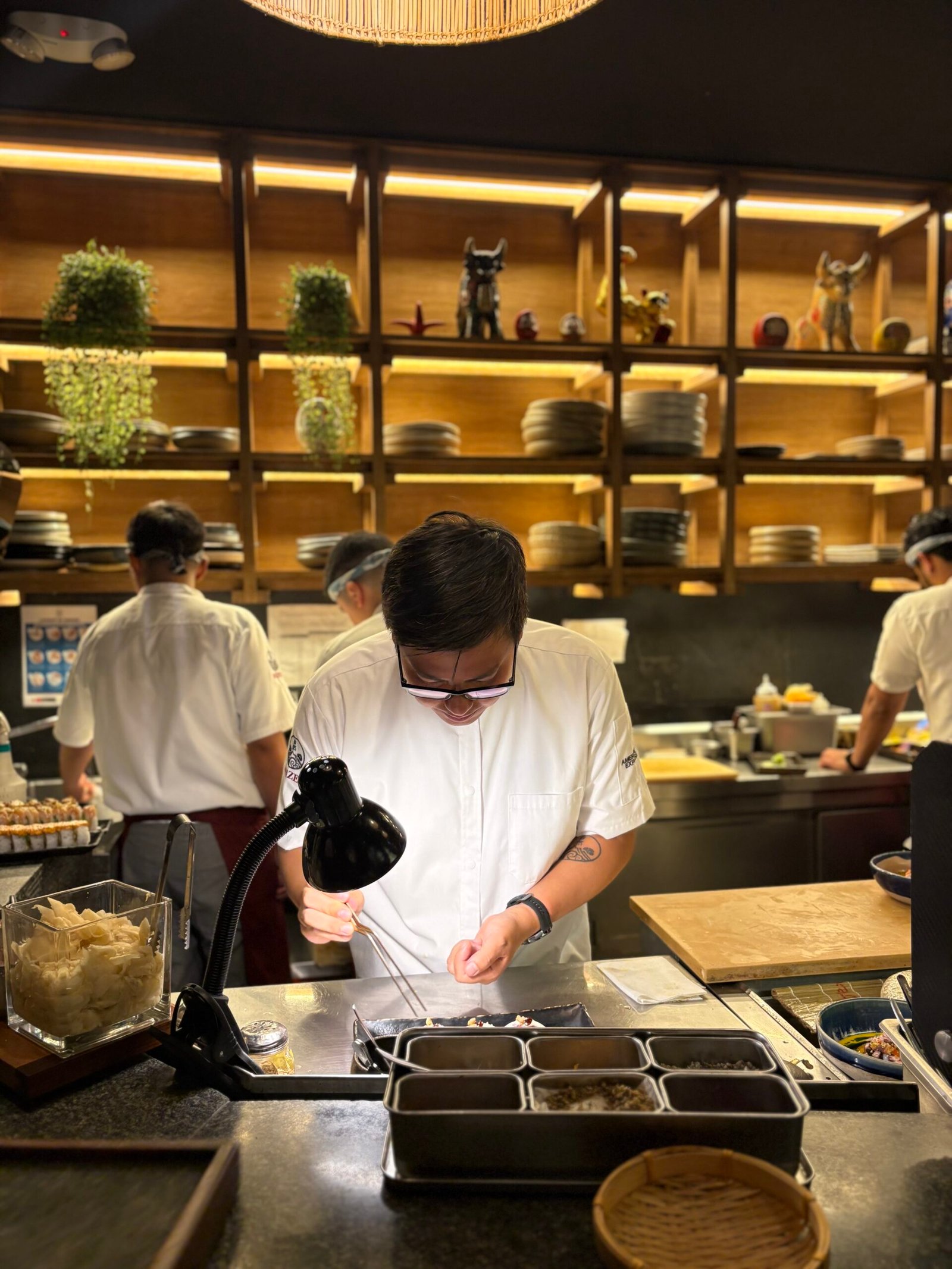
The first time I stepped into a restaurant was something I had never experienced before. The rush, the discipline, and the way ingredients were handled were a lot to take in in a very short time, but I loved it. At that time, I was also surrounded by great chefs who guided me and offered advice, especially as someone who had just finished school and had no experience at all. They instilled in me a sense of camaraderie, discipline, and curiosity.
- What were some of the early challenges or obstacles you faced when you started in the kitchen, and how did you overcome them?
At first, what struck me the most was the pressure of the kitchen. Everything moves fast, and you can’t take anything personally. You always have to anticipate what might happen in your station and with your responsibilities. It’s about understanding how the kitchen works and recognizing that everyone is part of a team that must move in sync for the service to come together. I was fortunate to have great cooks by my side who helped me understand this, through their example and character.
- What keeps you inspired and how has that inspiration driven you throughout your professional journey? Especially during tough times in the kitchen?
Today, what inspires our cuisine is the synergy and shared vision I share with my partners, our understanding of Nikkei cuisine.
Shizen is a Peruvian Nikkei restaurant with a strong Piuran identity (Piura is a region in northern Peru). What drives us is interpreting cuisine through who we are, through both Peruvian and Japanese culture, and through that fusion that began over 120 years ago and has become its own identity today.
We are inspired by understanding how Nikkei cuisine has evolved. Its history and its products, and how we express it today through our own Piuran Nikkei perspective. From the way we work with ingredients, from artisanal fishing all the way to the restaurant, to the techniques we’ve learned, from traditional to contemporary, everything comes together.
That dialogue is what defines Shizen and our team.
- Can you recall a moment in the kitchen that marked you forever? Maybe it was an interaction with a mentor, a fellow cook, someone you fed, or a situation that challenged you in a way that shaped who you are today?
A memory that always comes back to me is my first experience in the kitchen. I was in charge of the sushi rice. I remember that day, the restaurant was packed from the start, and we had a strong rush. When it was time to cook the rice, I got distracted and forgot to add water to the rice cooker. Big mistake. At some point, the kitchen was full of smoke, and when someone asked what happened, that’s when I realized what I had done. I thought that was going to be my last day working there. But when the chef came over, the first thing he asked me was, “What solution are you going to give me?” After we talked, he told me something I’ve never forgotten: “You can make mistakes, but remember that every time you do, you have the chance to do it better.”
- As a chef, how would you describe your philosophy in the kitchen, and how does it guide your approach to cooking and leadership?
Teamwork, respect for the work of every area, and open dialogue in the restaurant, so each team stays aligned. Everyone is an important piece, and each person brings something valuable. Everyone should be aligned with our culinary philosophy and the goals, be creative, disciplined, and responsible
Our philosophy is to understand each ingredient from its origin, from the producer, learning about its ecosystem and its flavors. We bring that knowledge together with the culture of our Piuran Nikkei cuisine, shaping how we cook and think.
- Can you share a time when cooking or the camaraderie in the kitchen helped you through a tough period in your life? What made that experience meaningful?
Another moment I carry with me was during a tough personal situation. It started to show in my day-to-day. I couldn’t perform, and I felt overwhelmed to the point of thinking about quitting. That’s when I truly understood the meaning of camaraderie in the kitchen. My teammates would talk to me, give me advice, and after a hard day, we’d grab a couple of beers or order some Chinese food and just talk things through after service.
I hold those memories close. Every now and then, they really help.
- Reflecting on your career, what achievements or milestones are you most proud of, and what do they mean to you?
Opening the restaurant 8 years ago alongside Mayra and Renato, and learning along the way through both successes and mistakes.
You start as a cook, but you have to learn how to become a businessperson too. Not everything is as romantic as it seems. We are continuously evolving our concept from our identity, culture, and traditions. Building and leading a team that shares our vision of cuisine. And always contributing from our side, carrying the Peruvian flag.
- What aspects of restaurant culture do you love, and what parts do you find frustrating or problematic? Are there any changes you’re actively working toward or things you hope they change in the industry? Share the reasons behind them and how they align with your vision for a better culinary world?
What I love most about restaurant culture is the sense of camaraderie and shared purpose. The kitchen becomes a space where people from different backgrounds come together under pressure, learning from each other and growing as a team. I also value the deep respect for the product, understanding where it comes from and the ecosystem behind it, and the responsibility we have as cooks to honor it.
At the same time, there are aspects that can be frustrating. The industry can sometimes romanticize sacrifice, long hours, and burnout, as if they were necessary to succeed. I believe that needs to change. We should build environments where discipline and excellence coexist with respect for people’s well-being.
We actively work toward that balance. We try to lead by example, building a team that shares our vision, creating a culture of learning, and evolving our cuisine in line with our identity, culture, and traditions. We also focus on responsible sourcing, working closely with artisanal fishermen and respecting seasonality.
For me, a better culinary world is one where sustainability, respect for the product, and respect for people go hand in hand. Where cooking is not only about technique or creativity, but also about awareness, responsibility, and purpose.
- What are your hopes for the future of the restaurant and food and beverage industry? What changes would you like to see, and how are you contributing to that change?
My hope for the future of the restaurant and food & beverage industry is to see a deeper connection between what we cook, where it comes from, and the people behind it. I believe the industry is moving toward greater awareness of sustainability, responsible sourcing, and the true value of product and technique, and I hope that continues to grow.
I focus on identity, culture, and long-term vision. Also, a healthier work culture where excellence doesn’t come at the cost of people’s well-being, and where teams can grow in a more balanced and respectful environment.
On our side, we contribute to this by working closely with artisanal fishermen, respecting the product, and applying techniques that elevate it without losing its origin. We also focus on building a team that shares our vision and understands that cooking is not just about the plate, but about the entire chain behind it.
Secret Sauce
- What’s the most unexpected ingredient you’ve ever worked with, and how did it change your perspective on cooking?
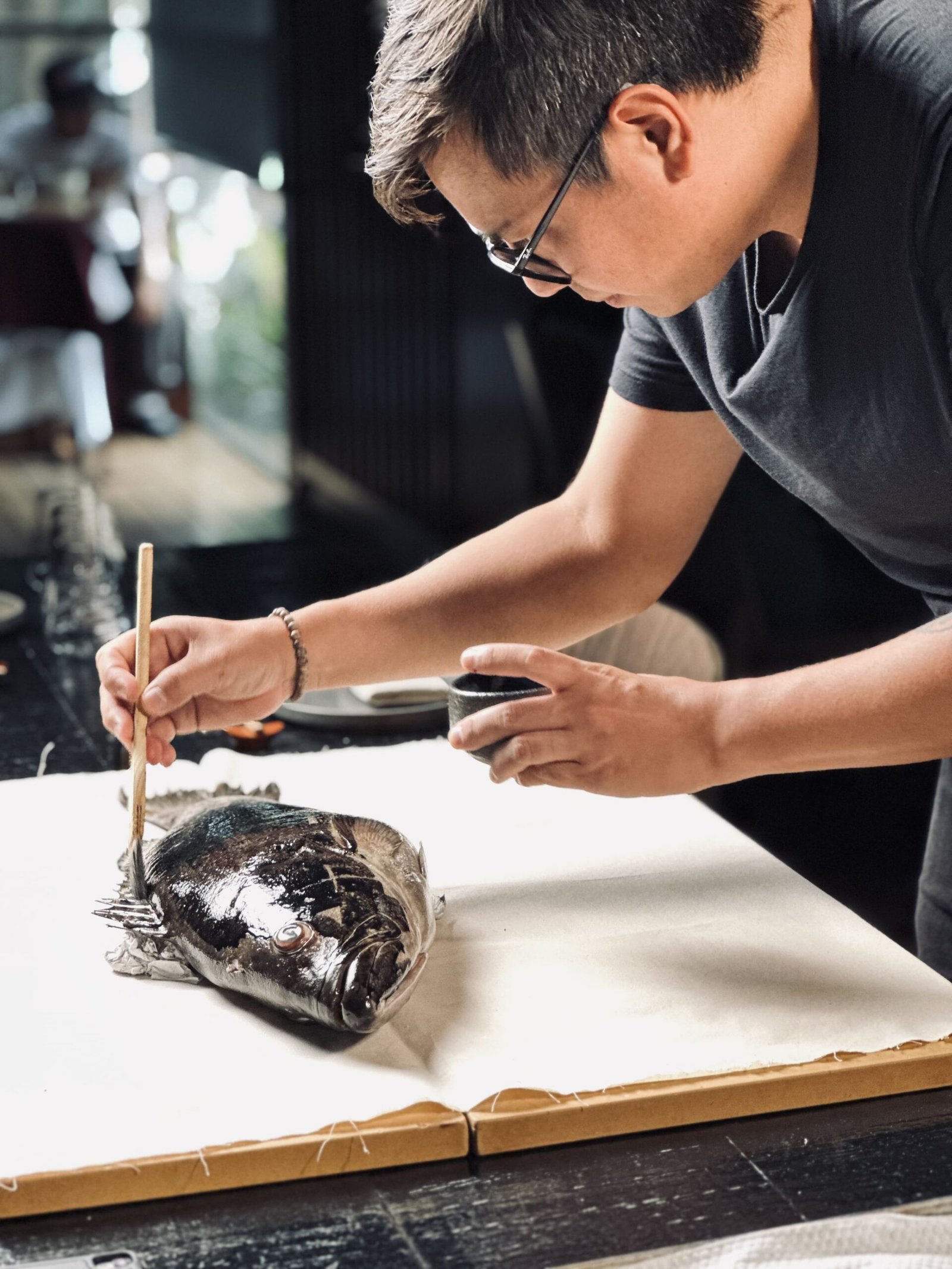
Discovering new fish species and marine products, and understanding how to work with them. Seeing the difference when you truly understand the product, the importance of the cold chain, how a species is properly handled, and how all of that translates into quality and sustainability.
- What’s your “guilty pleasure” meal?
Burgers with fries dipped in KFC mashed potatoes. Oven-roasted chicken with mashed potatoes and rice.
- A food trend that you hate and why?
Sushi pizza.
- What’s the craziest shift you’ve ever worked in the kitchen?
One day, we had an important guest chef and had prepared a tasting menu. At first, everything felt calm and under control, but suddenly, the team informed us of table reassignments and guest changes, and on top of that, the ordering system went down.
Everything turned into chaos.
5. What happened, and how did you manage to get through it?
We had to take a big breath, maintain calm, and reset everything. We went table by table, subtly asking each guest which course they were on, and manually rewrote the entire service. And somehow, we pushed the service through. We made it, but it was definitely a struggle.
- What tips would you give to other cooks and chefs to help them navigate their culinary careers and find peace amid the chaos of the kitchen?
First, always be patient and humble. Don’t focus too much on the end goal. Focus on the process. It’s in the day-to-day where you build the next steps.
From personal experience, I’d say health comes first. Without it, you can’t do anything. Finding a balance between work, personal life, and exercise is key.
And don’t take things personally. Learn from everyone and from everything!
- What’s an underrated ingredient and why?
Here in Lima, I’d say mackerel or jack mackerel. When handled and worked properly, they’re truly top-tier ingredients.
8. What’s a must-try dish from your kitchen or the one you’re proudest to have prepared?
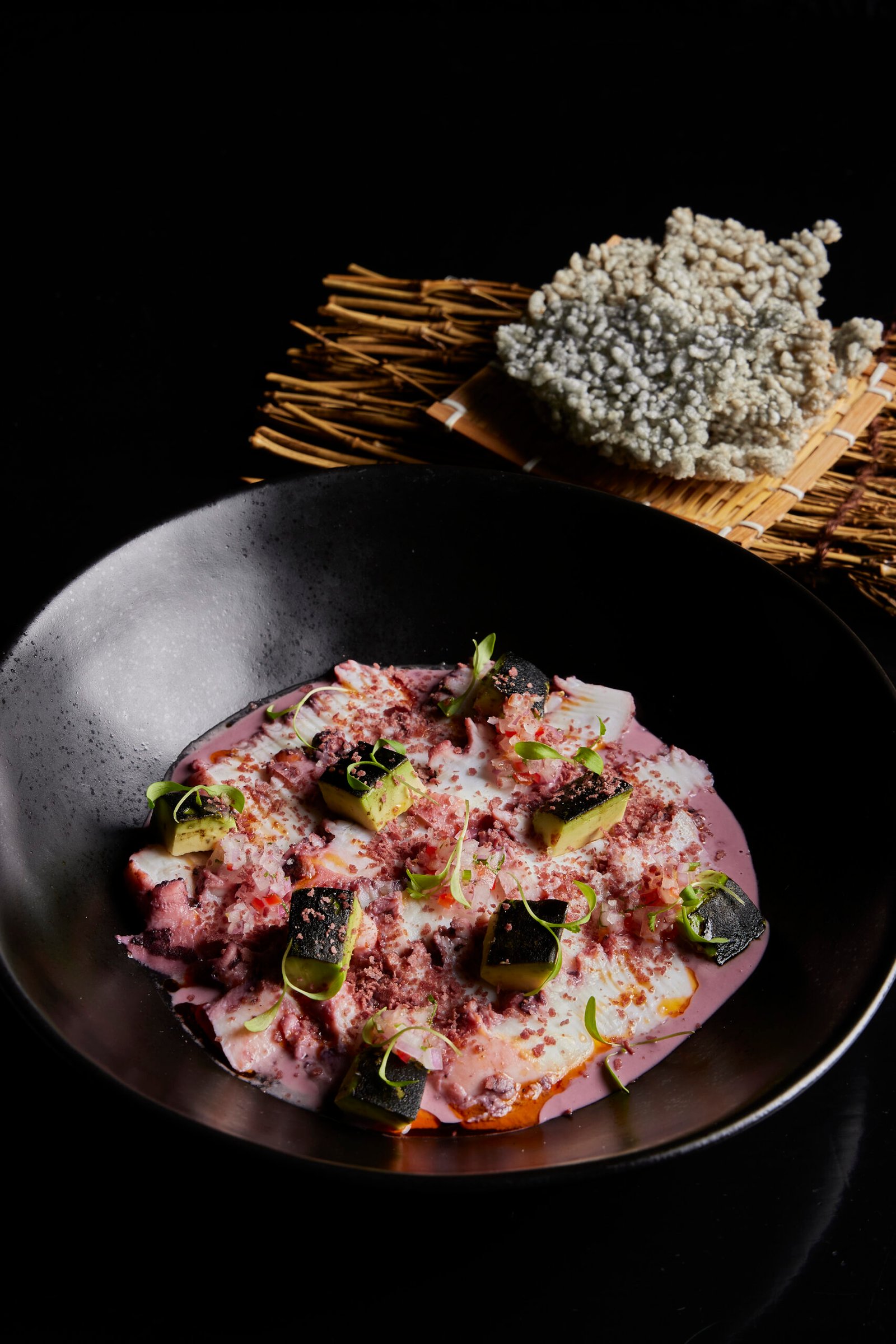
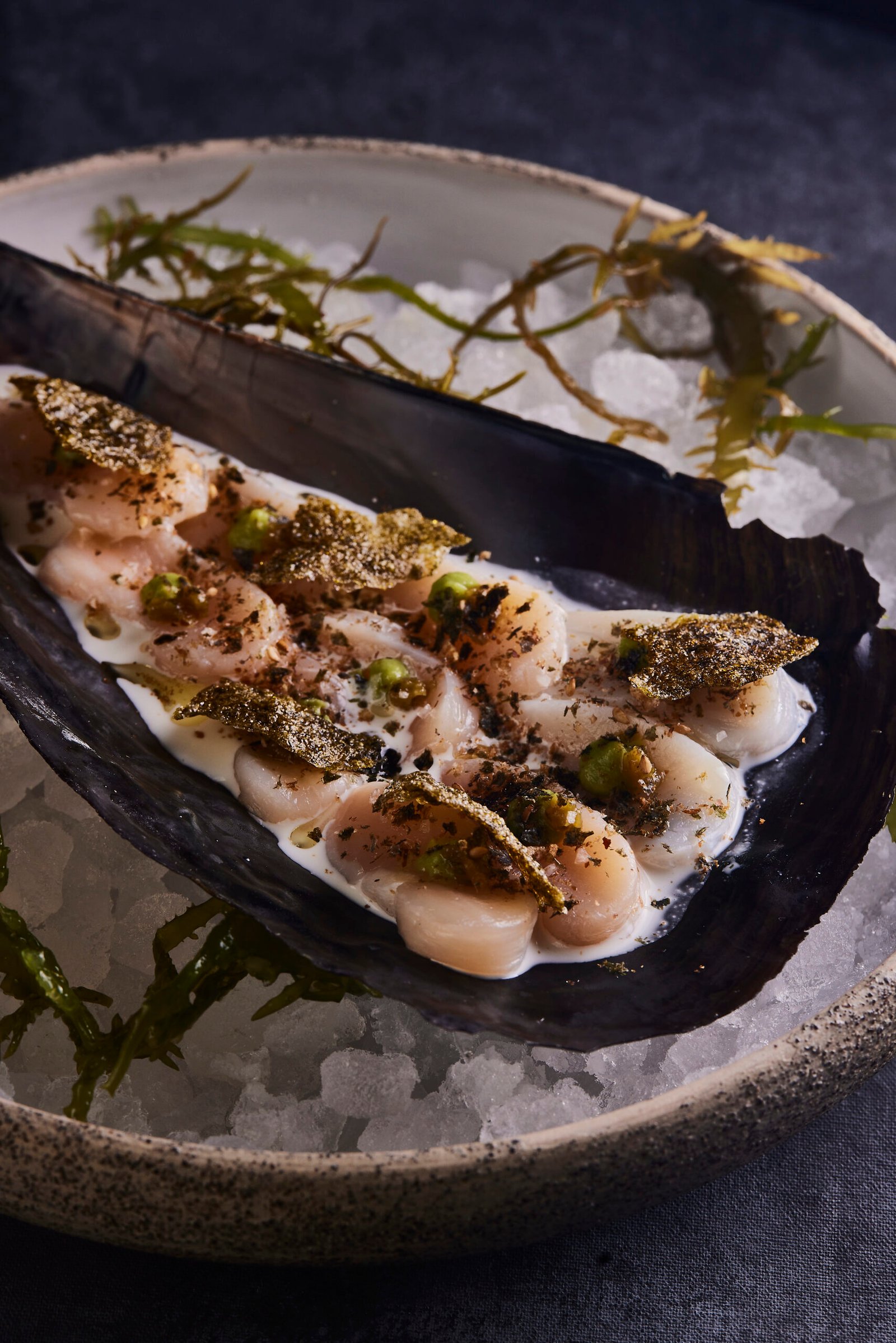
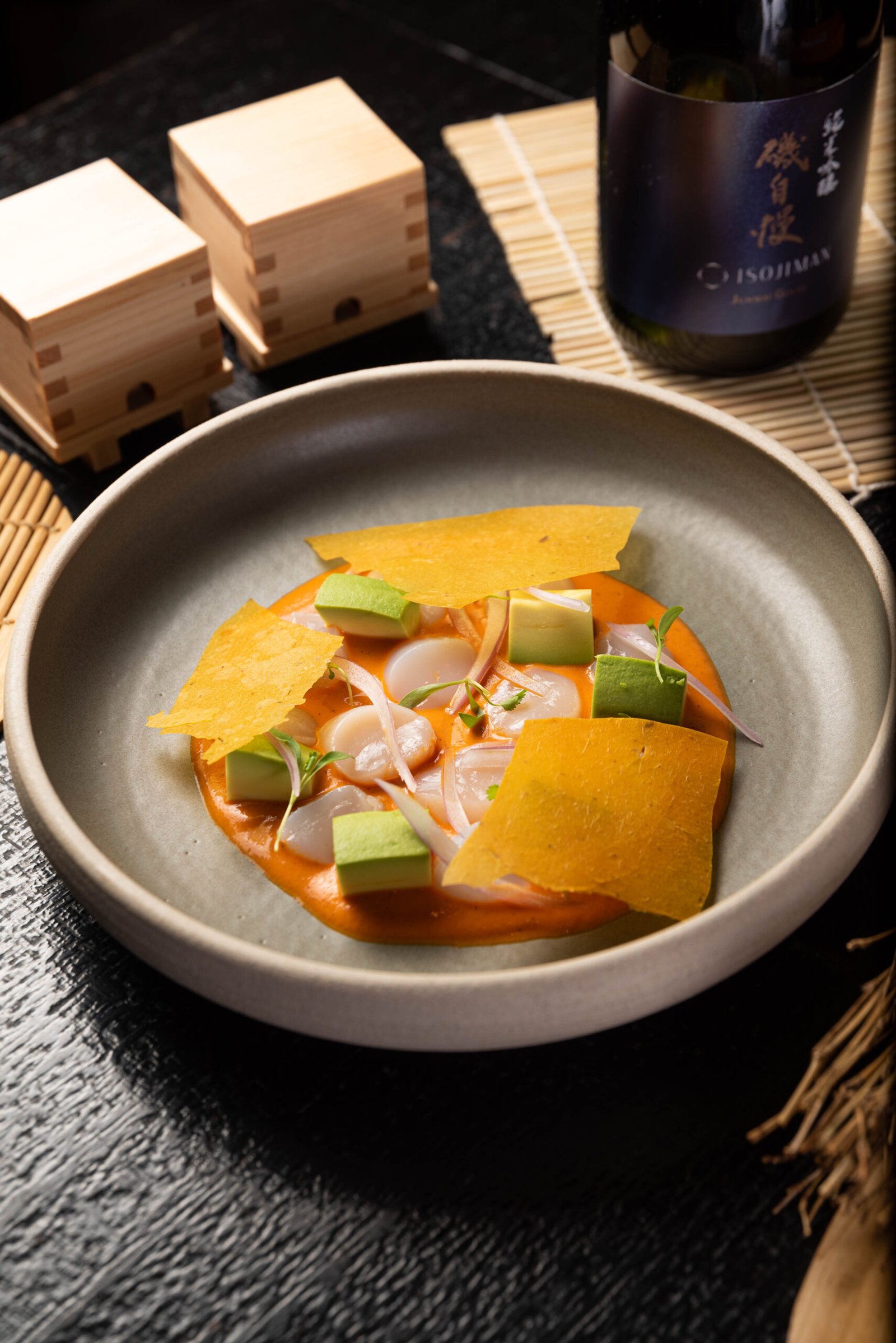
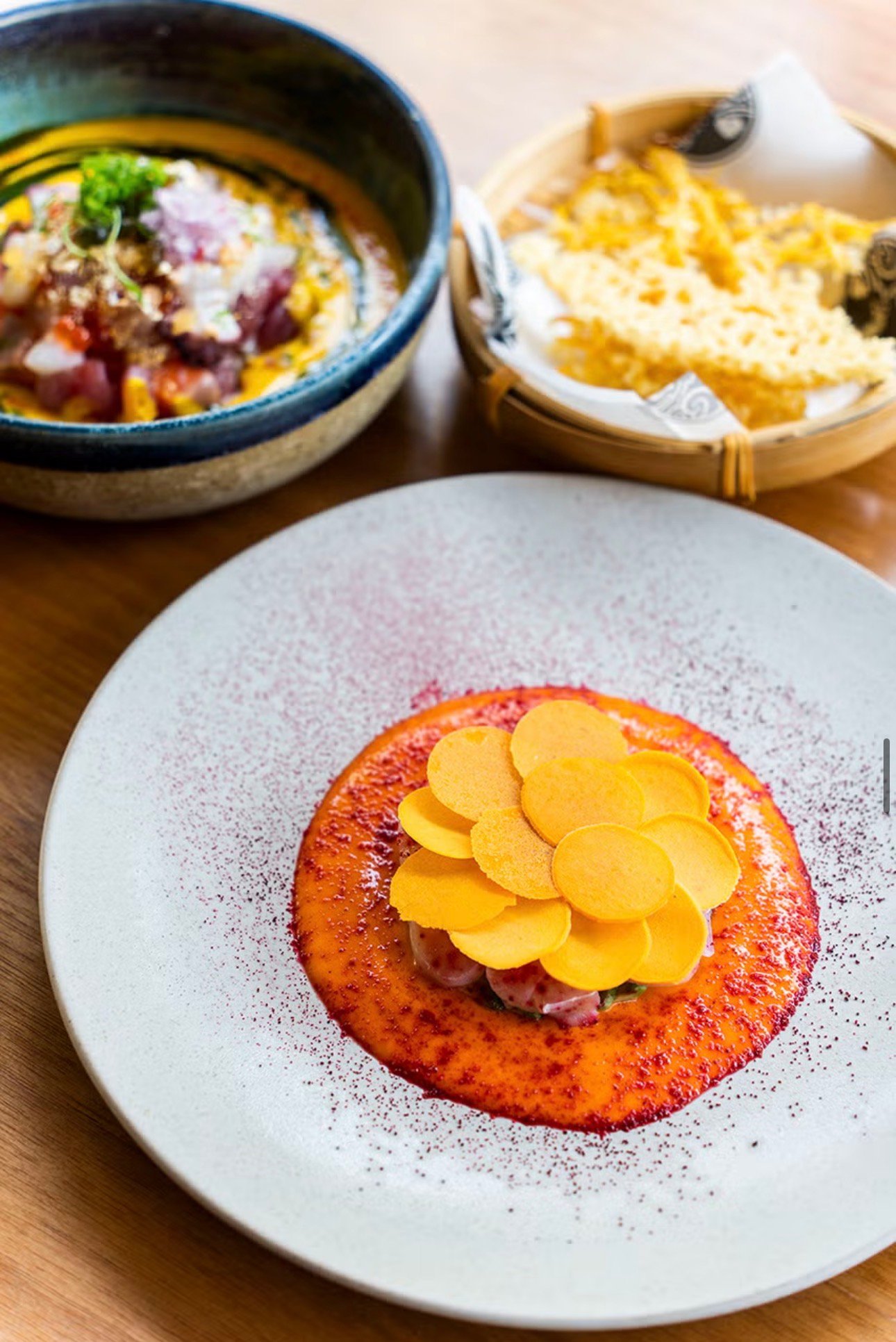
Scallop & Rocoto Tiradito: Casma scallops over a base of avocado, smoked rocoto leche de tigre, sweet potato cracker, and beetroot powder.
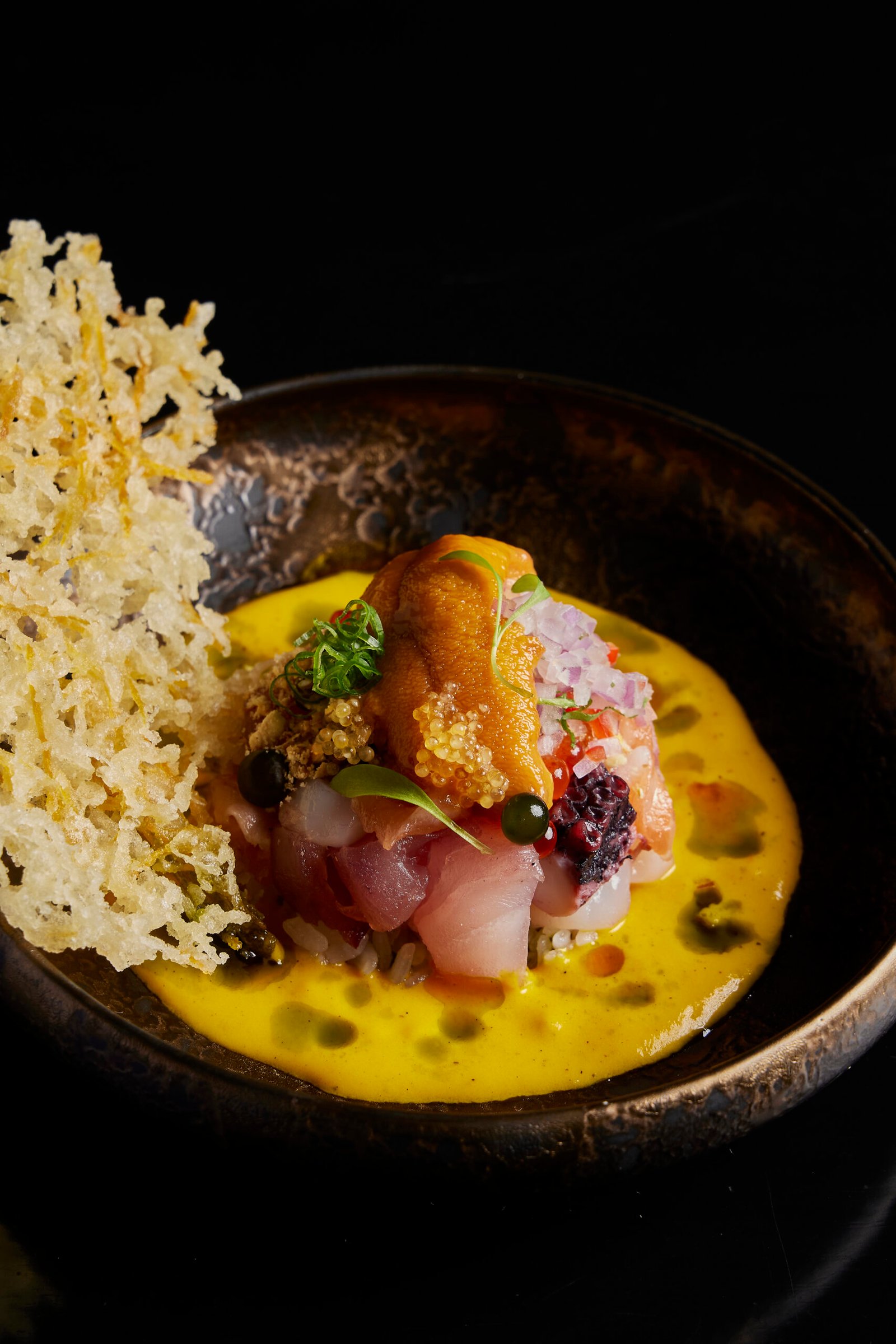
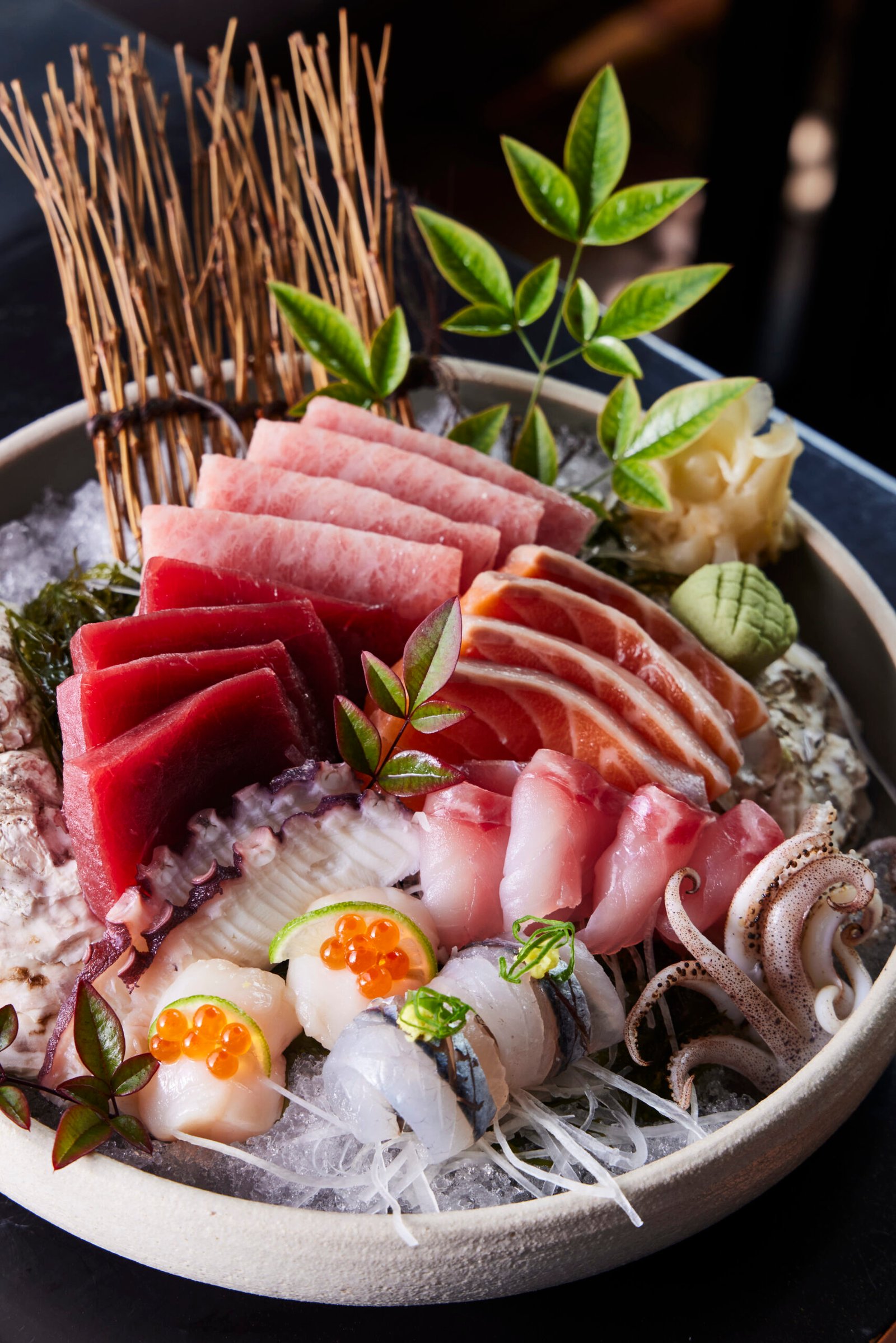
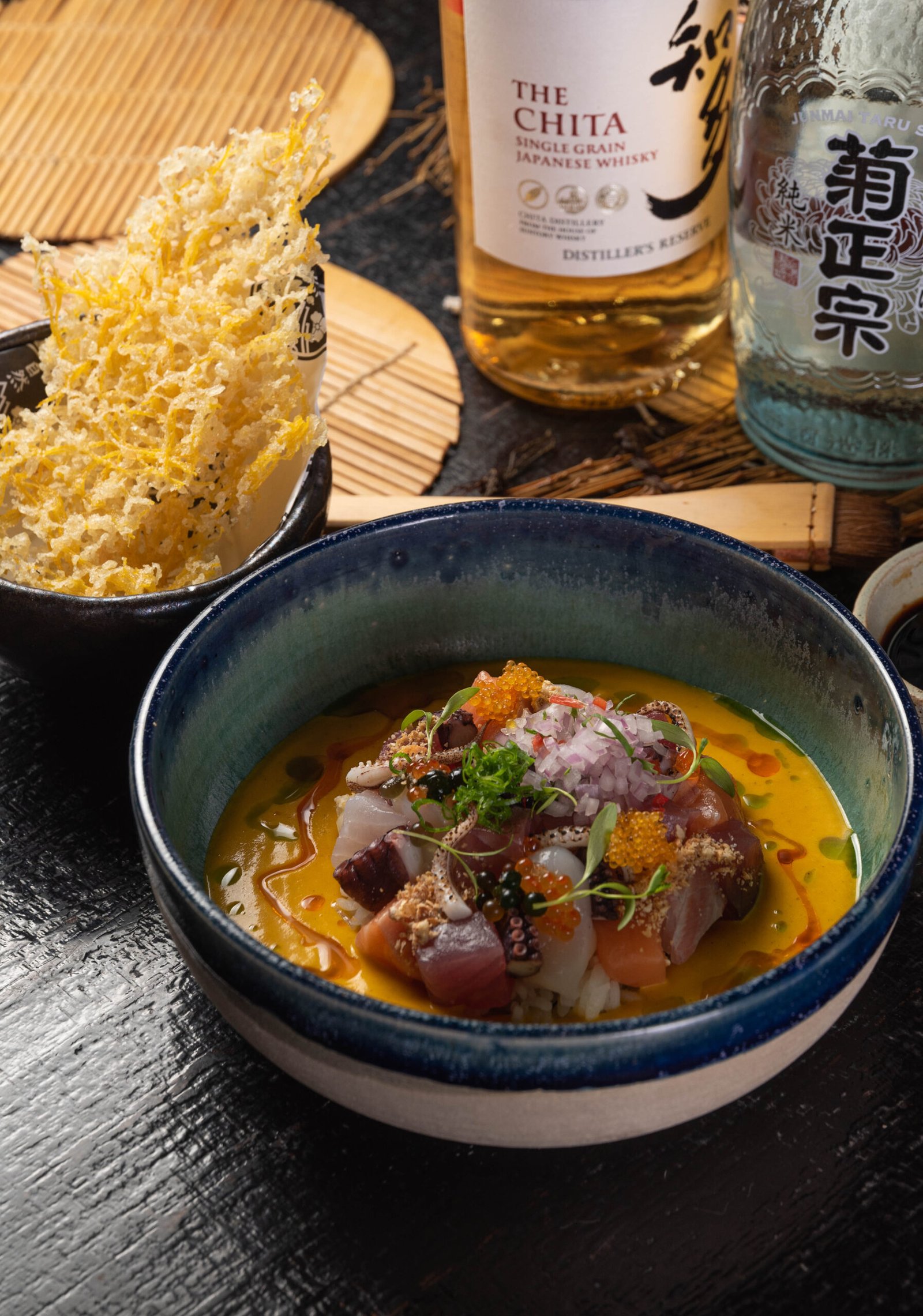
Chirashi: Sushi rice base topped with assorted fish and seafood cuts, smoked yellow chili leche de tigre, cilantro oil, laiyu, and sweet potato tempura.
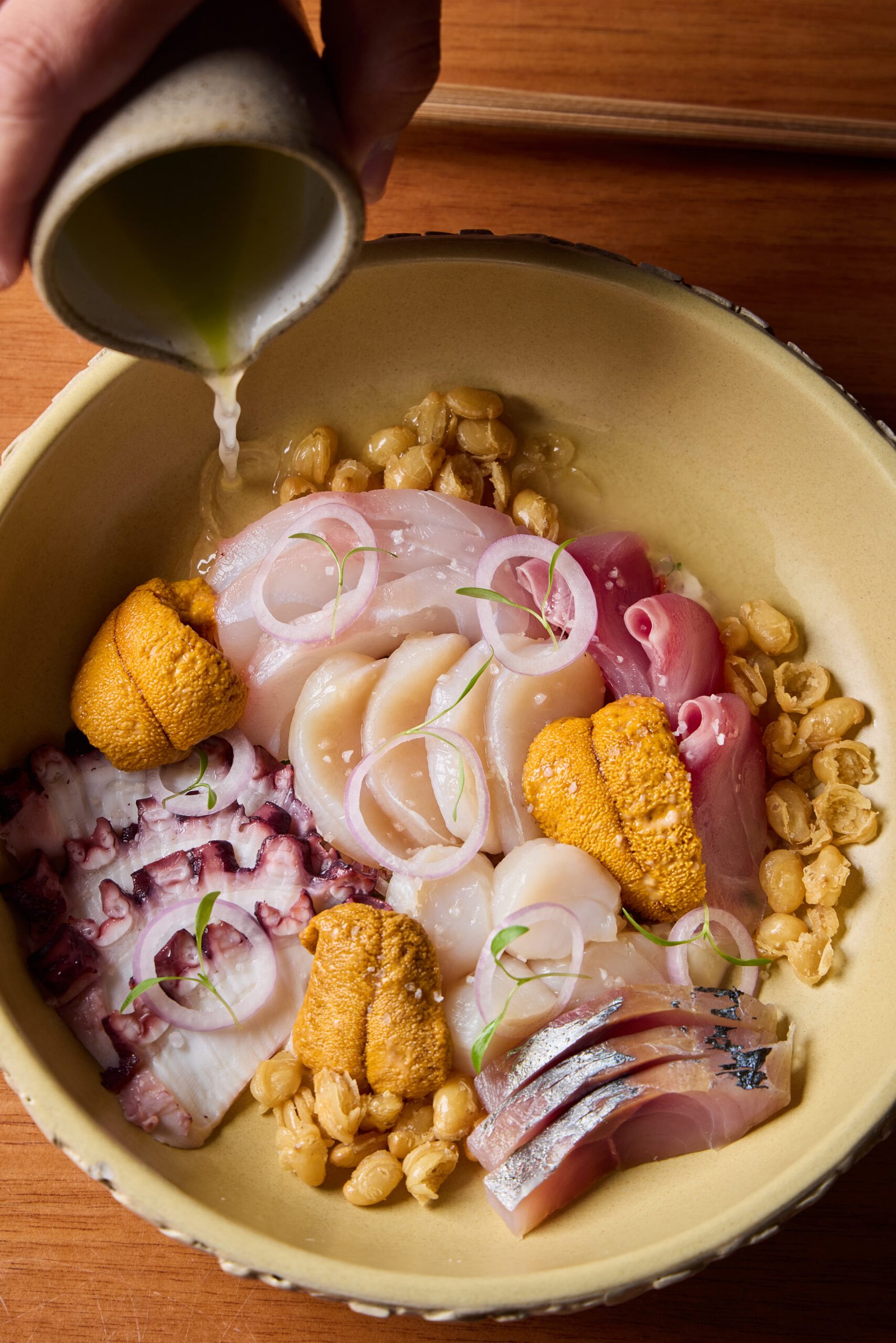
Totoyo: Catch of the day with zarandaja textures and purée, cilantro oil, dashi-based leche de tigre, and chalaquita.
Ninniku: Tuna/bonito, garlic emulsion, ponzu gel, crispy shari, and laiyu oil.
Yakiniku: Wagyu skirt steak with “sea foie” (sukudani), truffle oil, and Maras salt.
Nikumono: Low-temperature cooked beef cheek, northern Nikkei seasoning, served with squash purée, loche squash chips, and green rice with batayaki.
Sudado: Crispy catch of the day (Matsukasa-yaki), mashed yuca, northern-style sudado broth, and gohan rice.
About Your City!
Lima, Peru
- If Anthony Bourdain or a chef came to your city, what would be the perfect tour itinerary from breakfast to dinner?
I’d take them to eat at the Jesús María market. That’s where I grew up enjoying great ceviche. I’d also take them to my aunt Nancy’s chifa so they can try Peruvian Chinese food. And I’d bring them to Shizen to experience the flavors of northern Nikkei cuisine. Honestly, I’d take them to as many restaurants as possible.

Support our project by buying our merch!

86 HOTK Unisex t-shirt
$30.00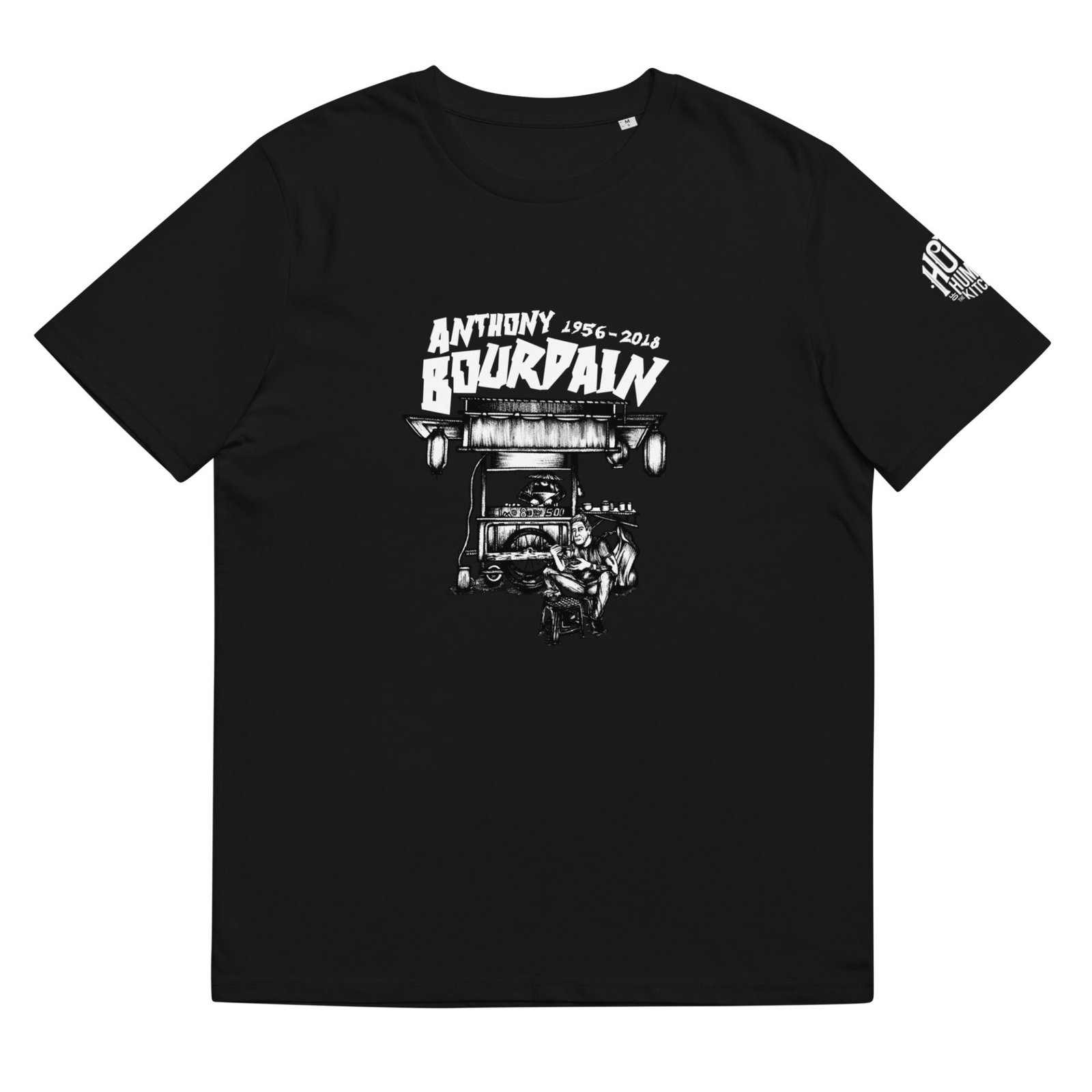
Anthony Bourdain T-Shirt
$35.00
Mise HOTK Unisex t-shirt
$30.00