Carrying Home Across Borders
Cooking abroad while staying deeply connected to the flavors and spirit of origin.
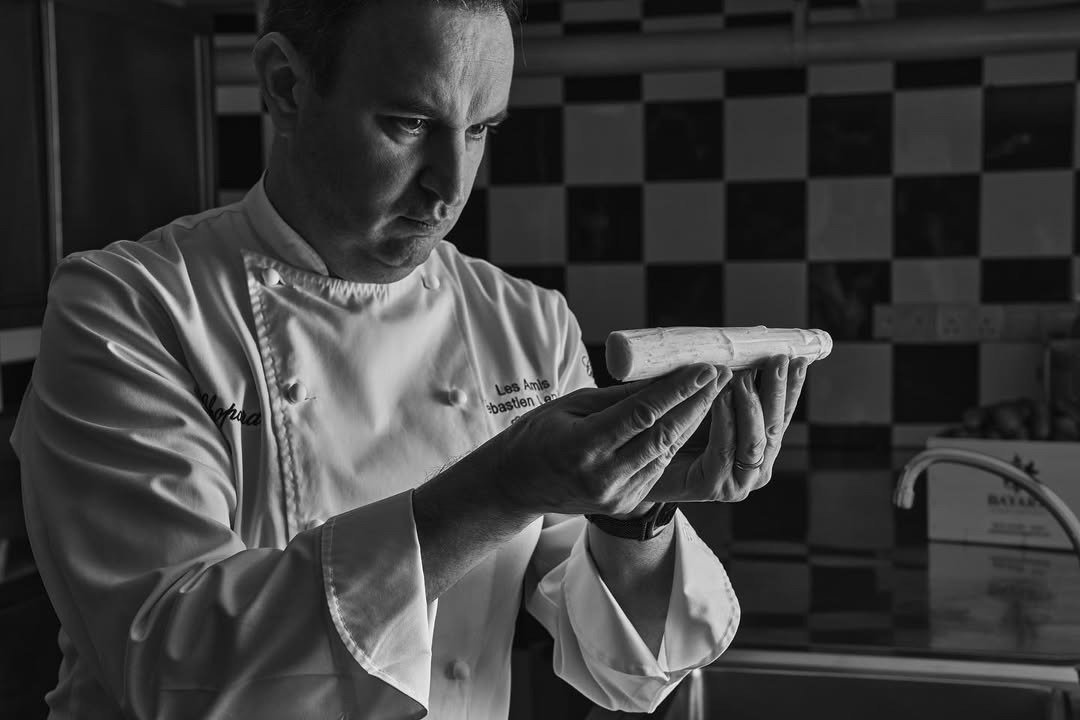
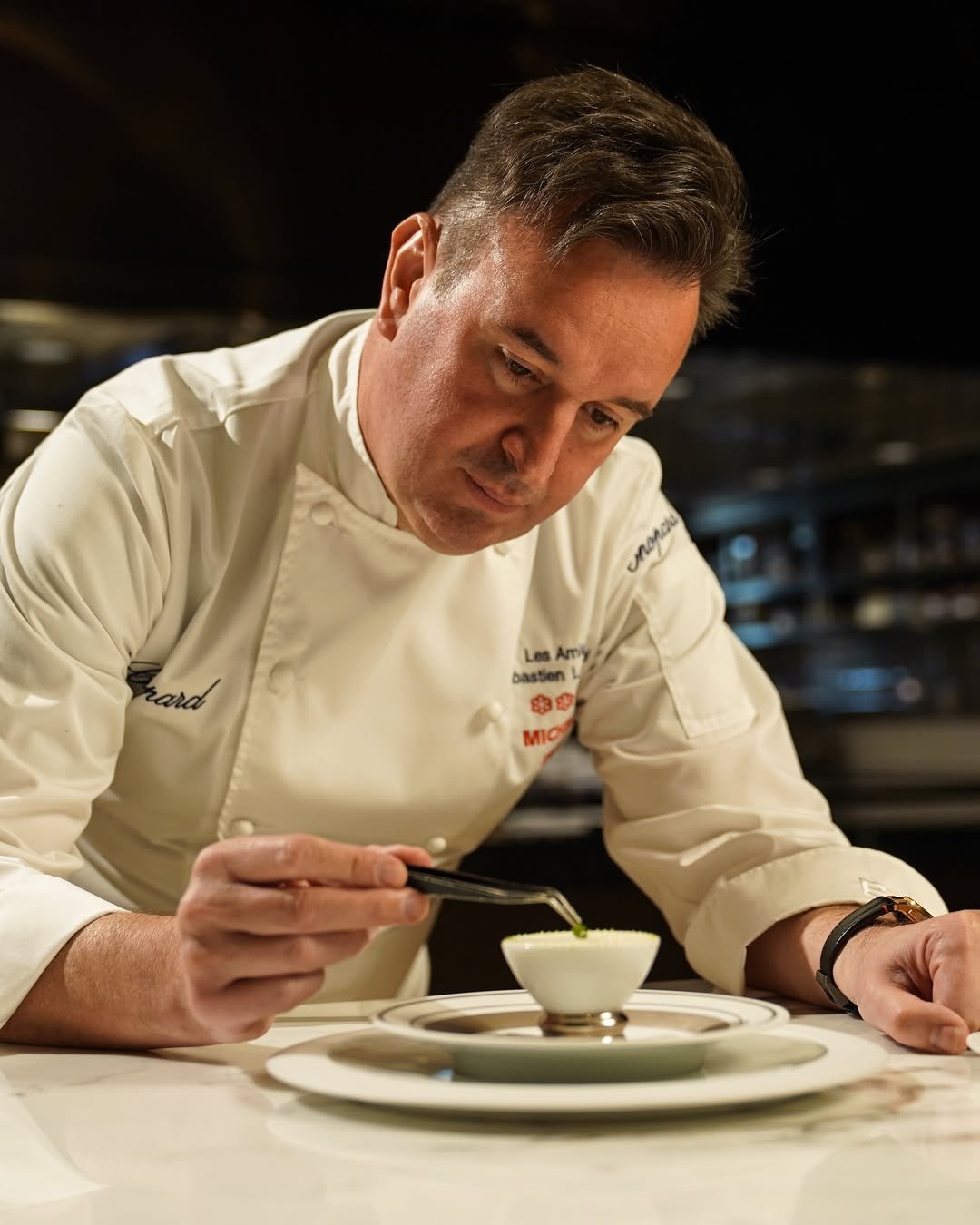
Sebastian Lepinoy
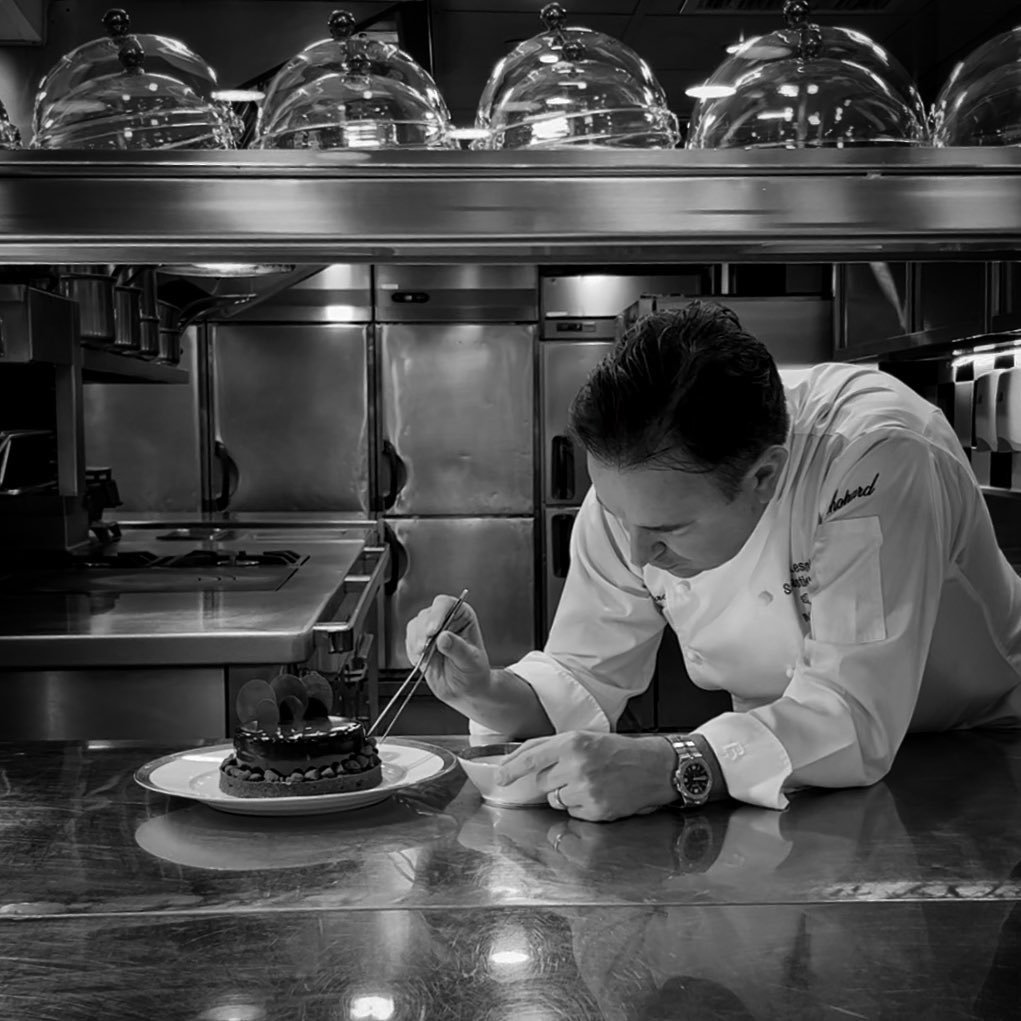
I still remember exactly when my interest in cooking began. My two older brothers were studying at a culinary boarding school, and when they returned, they always cooked for the family. I was very young then, but those moments stayed with me. I would watch them in the kitchen, fascinated. What caught my attention most were the sweets, soufflés, cakes, and desserts. At that age, loving food is really where it all begins, and what I loved most were those sweet creations.
Cooking became my path very early. I started working in kitchens at the age of fifteen. The only time I stepped away from the kitchen was when I was twenty and completed my National Service in France. At that time, it was compulsory for young men to serve. It was the only professional experience I had outside of cooking. When I returned to the kitchen afterward, it made something very clear to me. This was exactly where I belonged.
I went through the traditional French culinary education system, which was very structured. I spent two weeks working in a restaurant kitchen and one week in school. It was a very good balance because you were not protected from the realities of the job. From the very beginning, you learn the fundamentals like peeling vegetables, washing potatoes, washing plates, understanding discipline, and the spirit of the kitchen. At the same time, the school provided a sense of stability and structure for someone so young. It kept you grounded while you learned the profession.
I remember my first experiences in the kitchen as exciting and fun. There were always other apprentices starting at the same time, so we quickly became friends. It felt very different from school. Suddenly, you were learning something practical, something real, and you were even earning money. What you quickly understand is that a restaurant kitchen runs entirely on teamwork. Starting so young teaches you responsibility very early, and you mature fast in that environment.
In the beginning, the challenges were not immediate. In kitchens, you progress step by step according to your level. Some people learn quickly, others take more time, but everyone is constantly improving. If something is difficult, you try once, twice, and eventually you understand. Then you move on to the next task. That is the rhythm of the kitchen.
The bigger challenges came later, when I began working overseas. Language was the main difficulty. French is my native language, and my English was very basic. In the kitchen, communication is actually quite natural because so much of it is visual. But as a chef, your job extends far beyond the kitchen. Speaking with guests was manageable because people understood that French was my first language. The real challenge was communicating with departments like marketing or finance, where you must express complex ideas clearly. Over time, with experience and practice, that became easier.
My inspiration has always been constant. It does not come only from the kitchen itself, but from the entire restaurant experience. I often find inspiration when I travel, especially when I return to France. I visit restaurants, observe how they approach their craft, and see what they might be doing differently or better. Those moments always bring new ideas.
For me, going back to your roots is essential. As a French chef working overseas, it is important that I remain connected to where I come from. My identity must be clear. Only then can I offer guests an experience that is truly authentic and representative of French gastronomy.
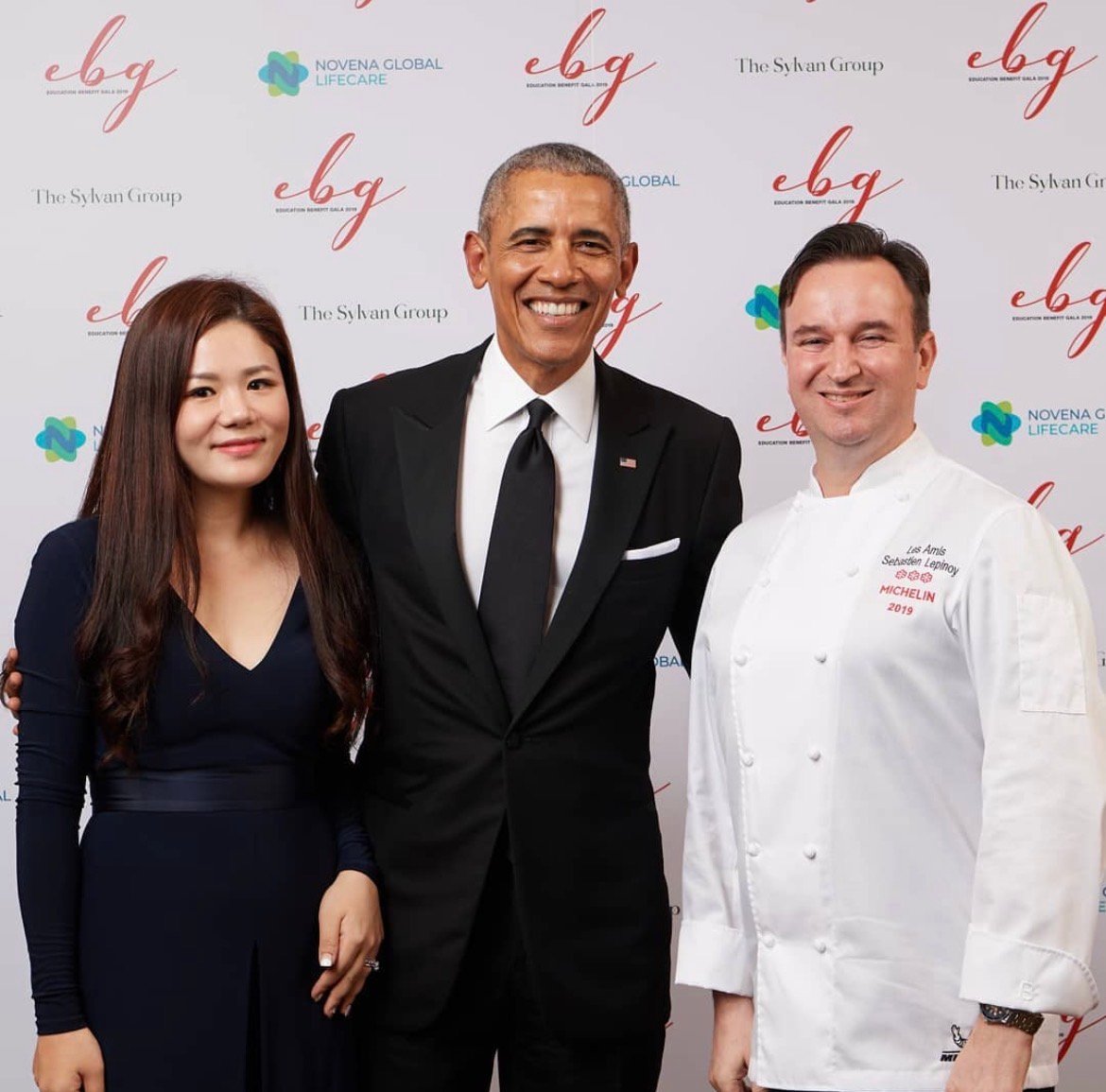
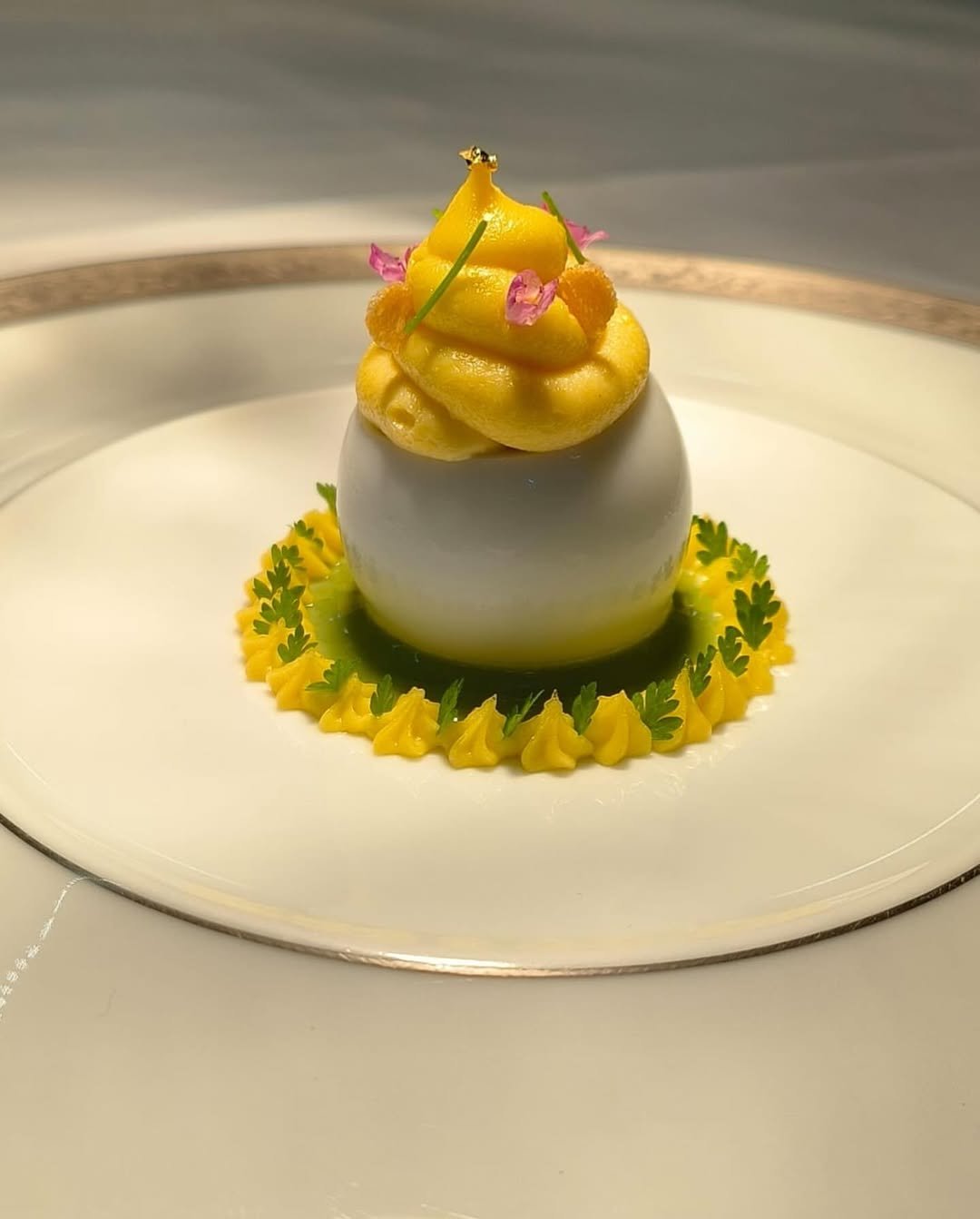
There have been several moments in my career that have left a strong impression on me. One was when I had the opportunity to cook for President Barack Obama during a charity event in Singapore. I was asked to prepare one of my signature dishes, Challans duck. The challenge was that the dinner did not take place in my own restaurant. Cooking in an unfamiliar hotel kitchen always adds complexity. You must adapt quickly to new equipment, a new team, and a different environment. When you are cooking for someone of that stature, every detail matters.
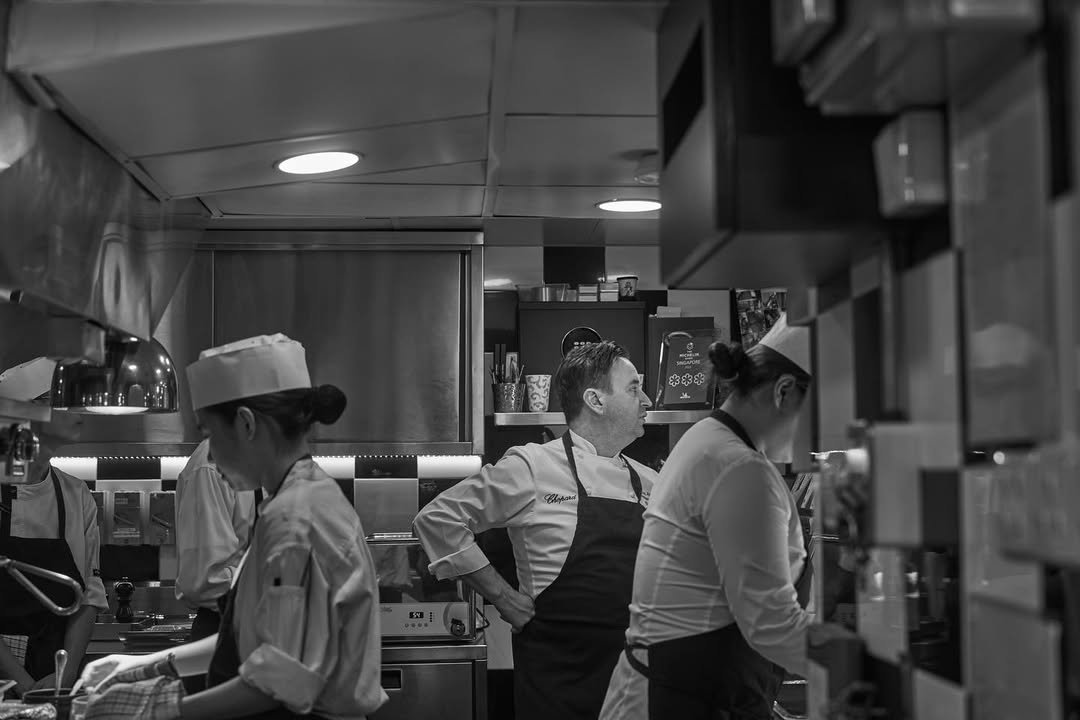
Another moment happened earlier in Hong Kong, when I accepted the challenge of cooking for 600 guests with only two of my assistants. It was quite audacious to attempt something like that with such a small team. We were working in an unfamiliar kitchen alongside staff we had never met before. The pressure was intense, but the service was successful. Experiences like that test your discipline, preparation, and trust in your team.
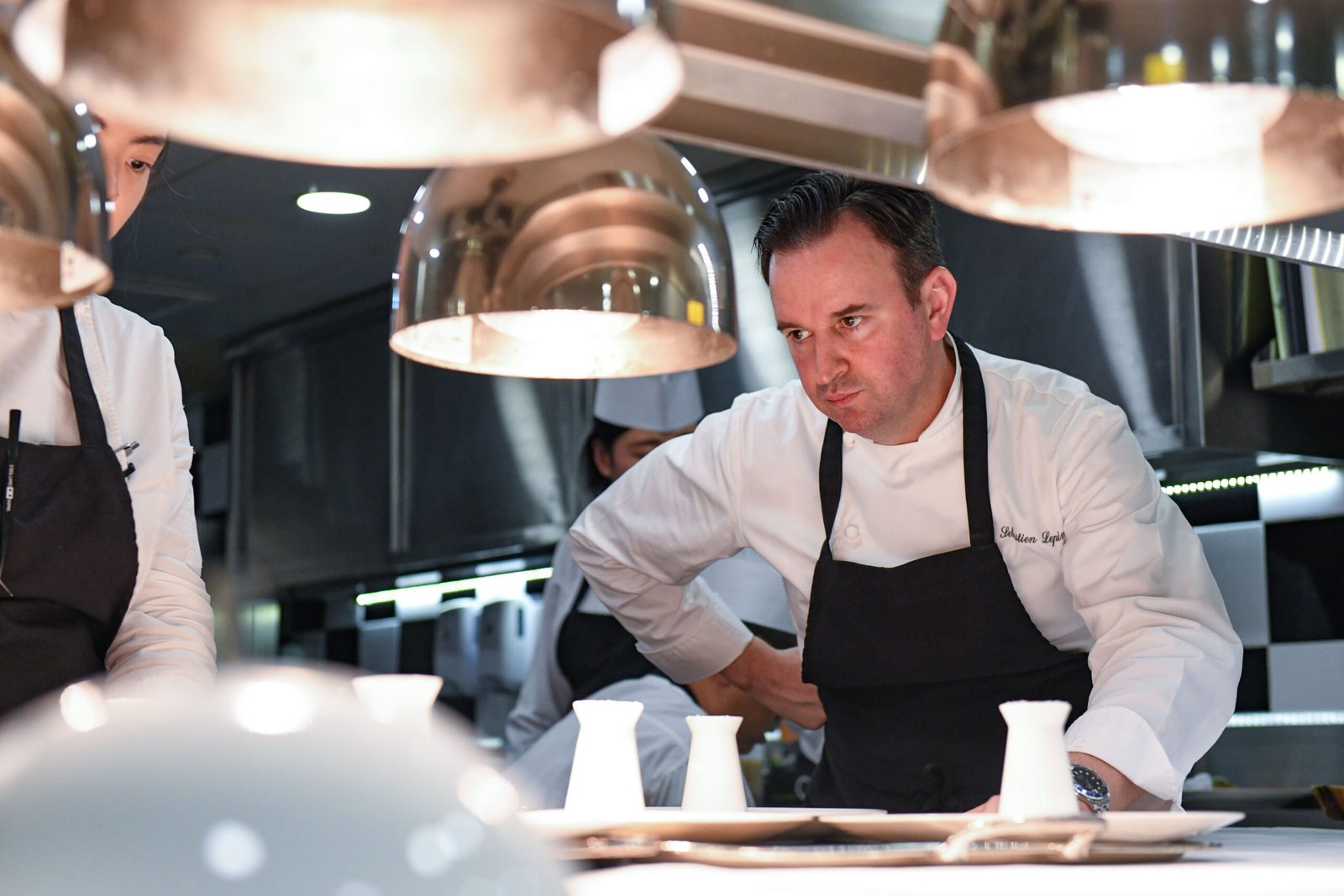
My philosophy is very clear. I want to deliver a truly French restaurant experience. It is not only about the food but also about the overall atmosphere and how we welcome our guests. Around ninety percent of the ingredients we use come directly from France. This allows us to remain faithful to the flavors and traditions of French gastronomy.
This philosophy is also guided by what we call l’Art de la Table à la Française, the French tradition of hospitality and dining. It is about elegance, precision, and creating a complete experience around the table. When guests dine with us, I want them to feel as though they have spent an evening in France.
During the COVID period, the restaurant was closed for normal dining service, and we shifted entirely to takeaway. At the time, it was uncertain and very different from the life we were used to. But looking back, it became one of the most joyful periods in the kitchen. The team was small, and the atmosphere was relaxed in a different way. We would play music while we worked, and the pace was very different from that of our usual fine-dining service.
That time created a strong sense of camaraderie within the team. We learned a lot about resilience and how to endure difficult moments together.
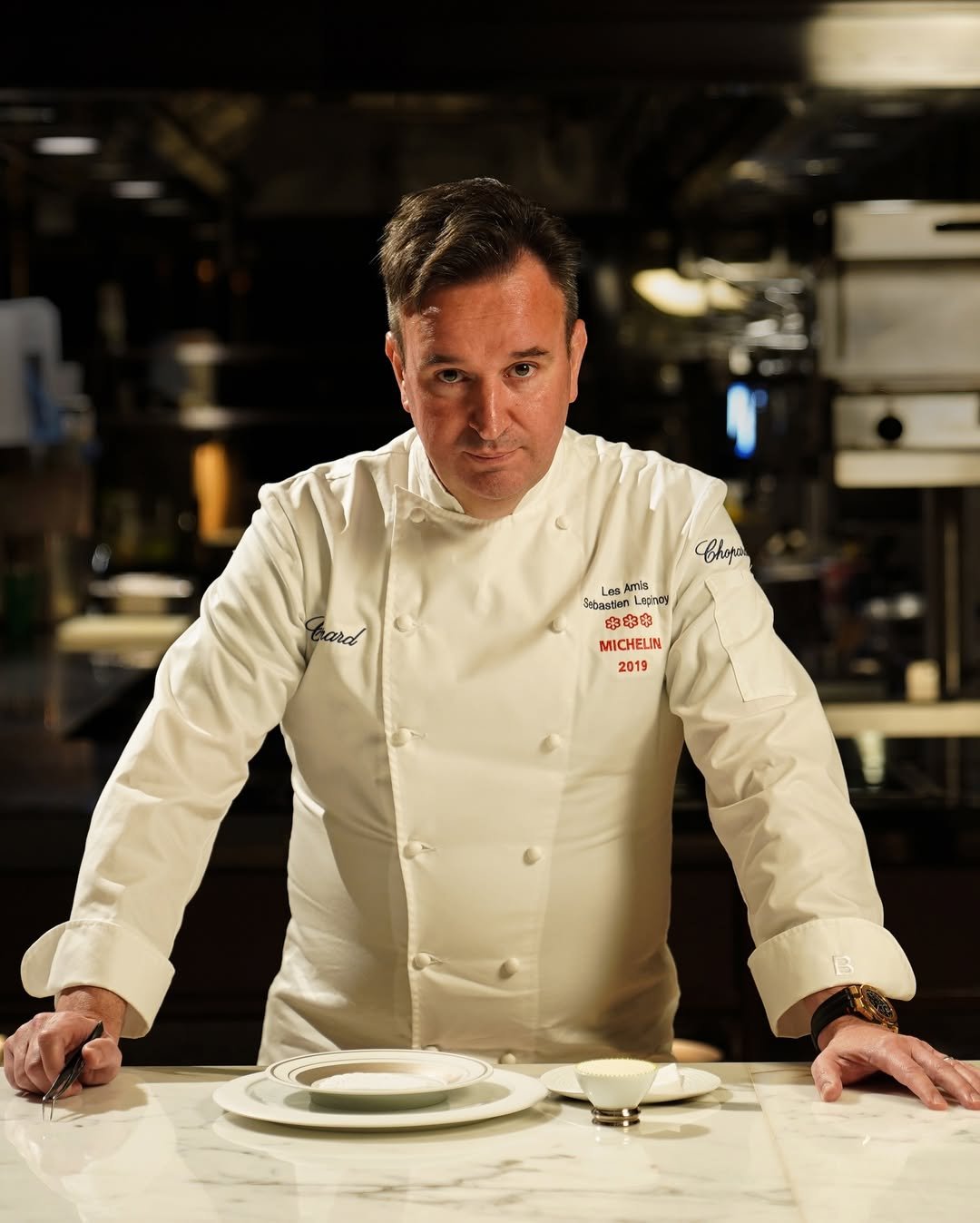
One of the proudest milestones in my career came in 2019, when Les Amis was awarded three Michelin stars for my cuisine. It was a transformative moment for the restaurant. Les Amis was already well known in the region, but this recognition placed us firmly on the global fine dining stage. In the same year, we also received the Forbes Five-Star rating, which affirmed the level of hospitality we aim to deliver.
Personally, achieving three Michelin stars is something every chef hopes to experience at least once. It represents years of dedication, discipline, and teamwork from the entire restaurant.
One of the things I love most about this profession is the human connection. Through cooking, you meet many interesting people and have the opportunity to bring joy to your guests. Creating those moments of happiness through food is something truly unique.
At the same time, restaurants are built around people, and that can also be the emotional side of the job. In a place like Les Amis, we attract very talented individuals. It is rewarding to watch them grow and develop their confidence. But as their careers progress, many move on to new opportunities. While we are happy for their success, it is always difficult to say goodbye to colleagues with whom you have shared so many intense moments in the kitchen.
Looking toward the future, I believe one of the most important contributions I can make is mentorship. When I was a young chef, I had the opportunity to learn under incredible mentors in several three-Michelin-starred restaurants. Those experiences shaped my discipline, my mindset, and my understanding of the profession.
Because of that, I believe it is essential to pass that knowledge forward. In the kitchen, we have a responsibility to guide the next generation, teach them the fundamentals, and help them grow not only as chefs, but as people. The future of gastronomy depends on mentorship and the willingness to share what we have learned.
Photos 6, 8, & 12 credits to @alineacollective
Photos 2 & 4 credits to @nievephotos
The rest of the photos were taken in house or from chef’s personal collection.
Secret Sauce
- What’s the most unexpected ingredient you’ve ever worked with, and how did it change your perspective on cooking?
Mango. This was not something I had much exposure to while in France. After moving to Asia, it was a completely new flavour that opened up a different perspective for me.
- What’s your “guilty pleasure” meal?
A Nutella crepe with my daughter.
- A food trend that you hate and why?
Dubai chocolate, it’s just not good.
- What’s the craziest shift you’ve ever worked in the kitchen?
One of the craziest shifts I experienced was while working as a guest chef in a Riyadh kitchen. We were preparing for a large banquet service with an unfamiliar team when the ice cream machine stopped working.
5. What happened, and how did you manage to get through it?
We tried again and again to get the ice cream right, but nothing was successful. With service approaching quickly, we had to think of another solution. In the end, we arranged for the ice cream to be made elsewhere in the hotel and brought it over in time for the banquet. It was stressful, but situations like this remind you that in the kitchen, you must stay calm and find solutions quickly.
- What tips would you give to other cooks and chefs to help them navigate their culinary careers and find peace amid the chaos of the kitchen?
Stay focused and confident.
- What’s an underrated ingredient and why?
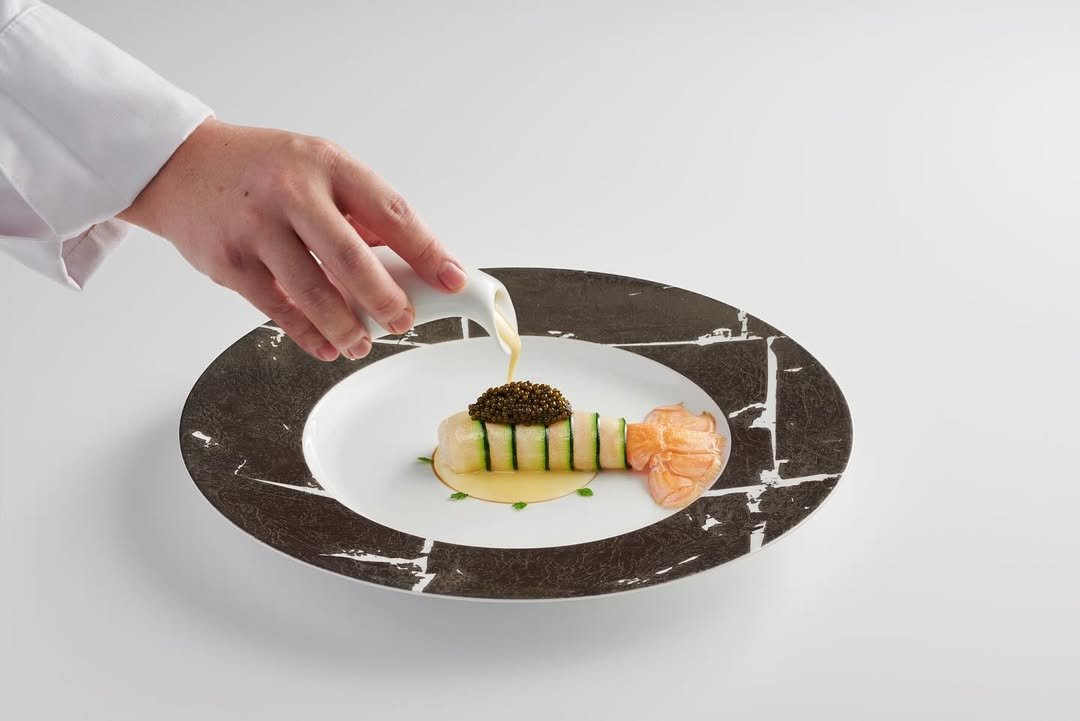
Salmon is such a simple fish, found everywhere in the world. Yet with the right ingredients and the highest-quality salmon, perfectly cooked, Les Amis can elevate it into a well-rounded dish that even those who usually dislike salmon can enjoy.
8. What’s a must-try dish from your kitchen or the one you’re proudest to have prepared?
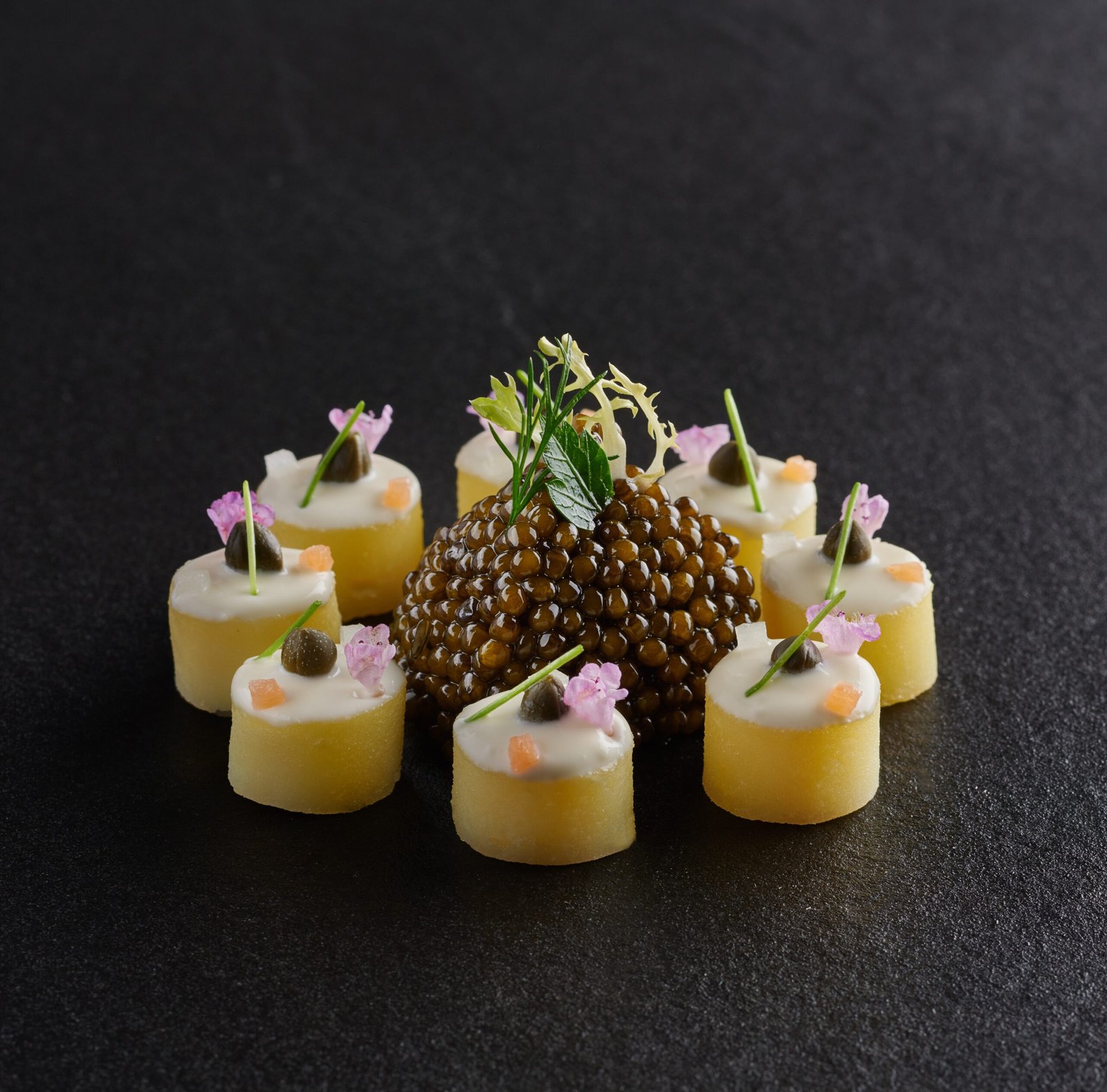
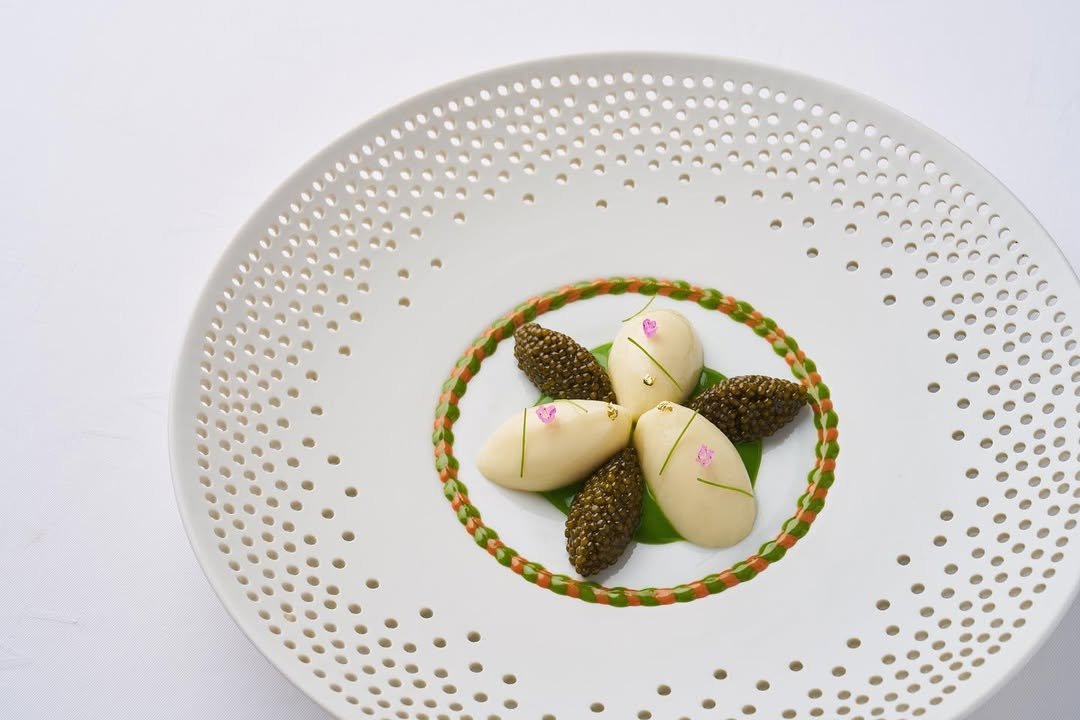
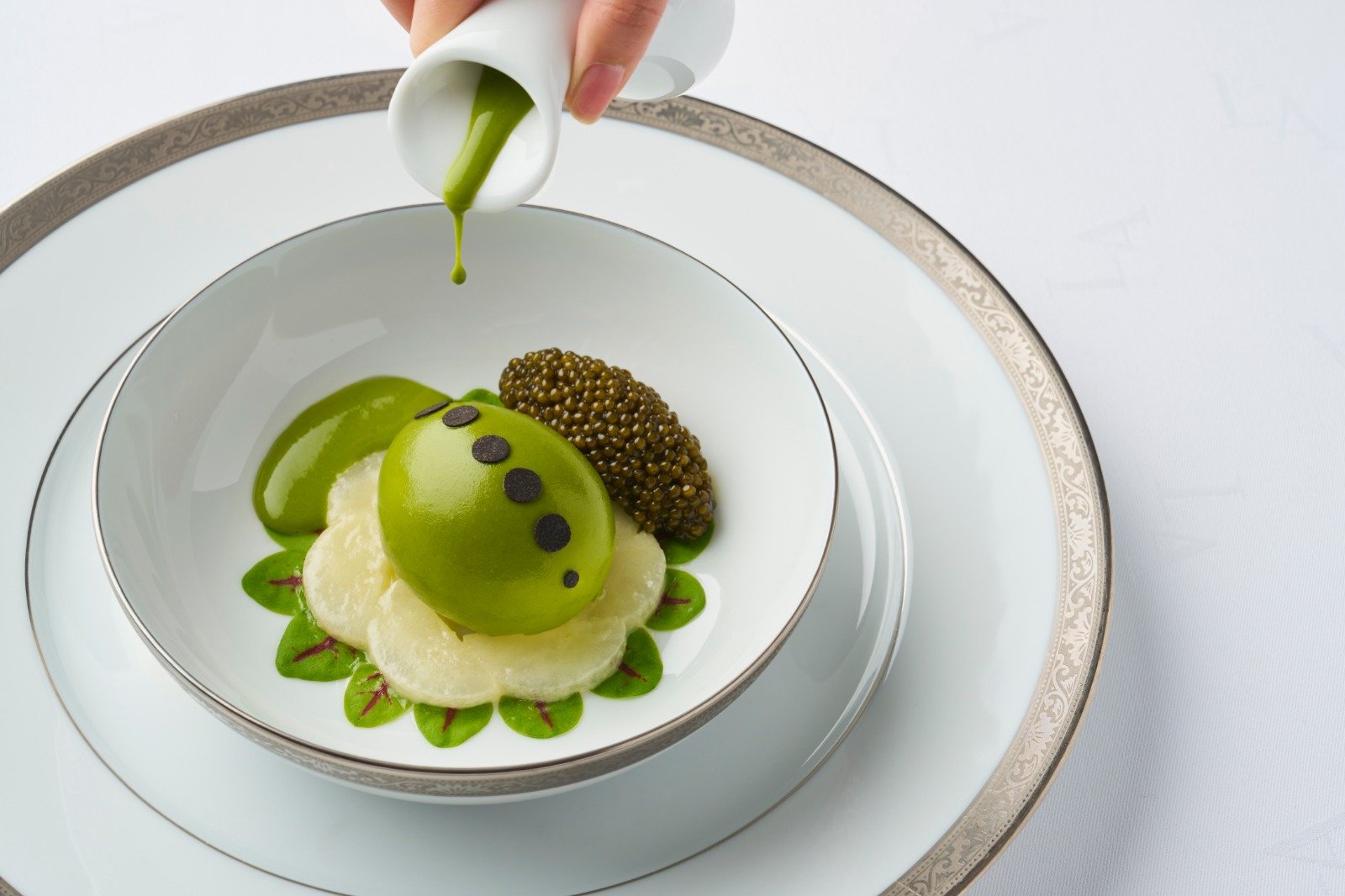
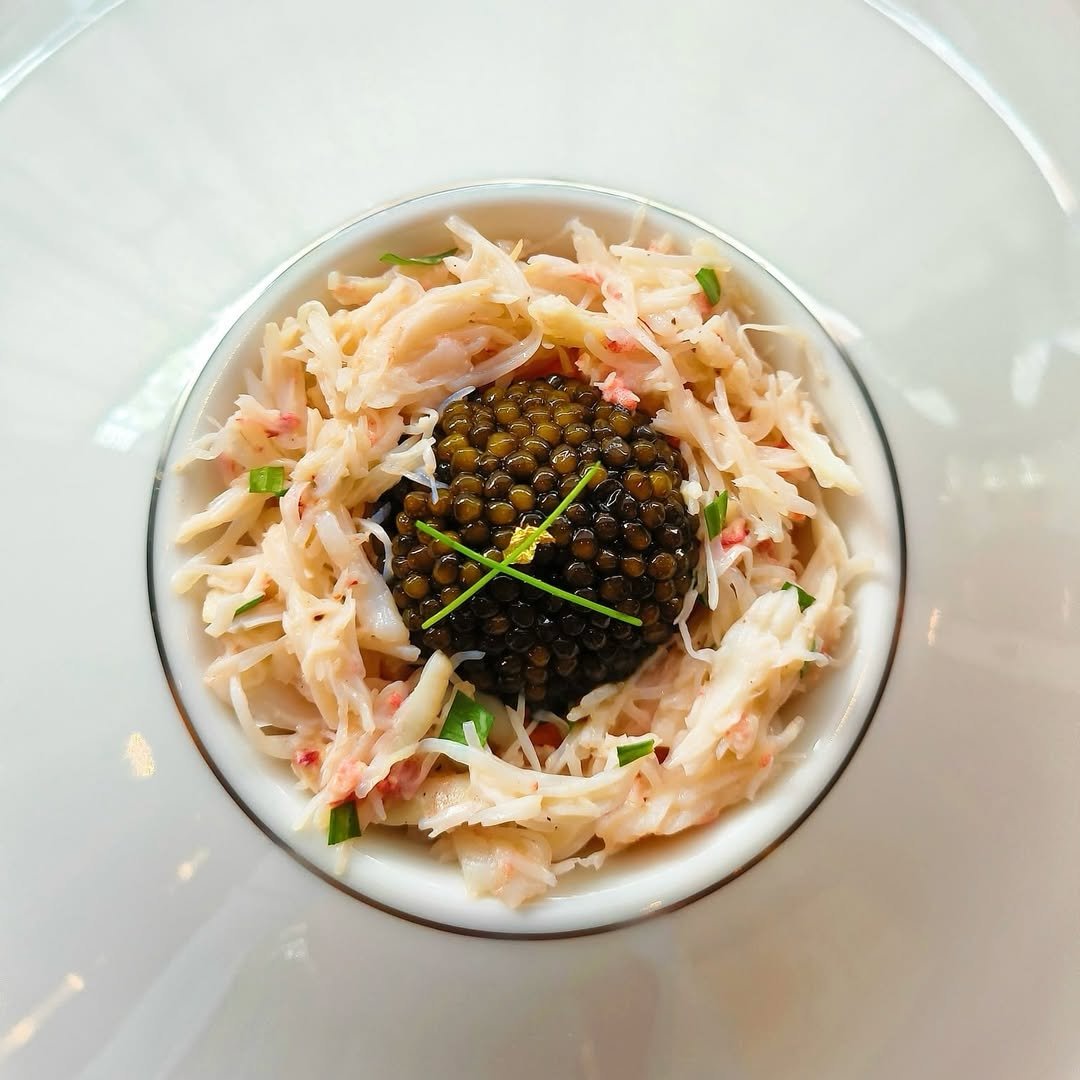
Les Amis’ potato salad. In its current form, it is the result of more than a decade of refinement, shaped through countless small edits to bring it to its most elevated expression. A perfect balance of potato and caviar, measured to the exact gram each time.
About Your City!
Angers, France
- If Anthony Bourdain or a chef came to your city, what would be the perfect tour itinerary from breakfast to dinner?
I am from the Loire Valley region, so the day would begin with breakfast in the vineyards. We would start with rillons, a Loire Valley specialty of slow-cooked pork belly, rich and deeply flavorful.
For lunch, we would enjoy rognons de veau à la Bauge, a rich, savoury dish that is truly a highlight of French cuisine.
In the afternoon, as the French do, we would pause for a sweet break with a pâté aux prunes. And of course, lots of Cointreau.

Support our project by buying our merch!

86 HOTK Unisex t-shirt
$30.00
Anthony Bourdain T-Shirt
$35.00
Mise HOTK Unisex t-shirt
$30.00