Intensity Without Ego
High standards don’t have to come at the cost of respect and humanity.
Dan Kennedy
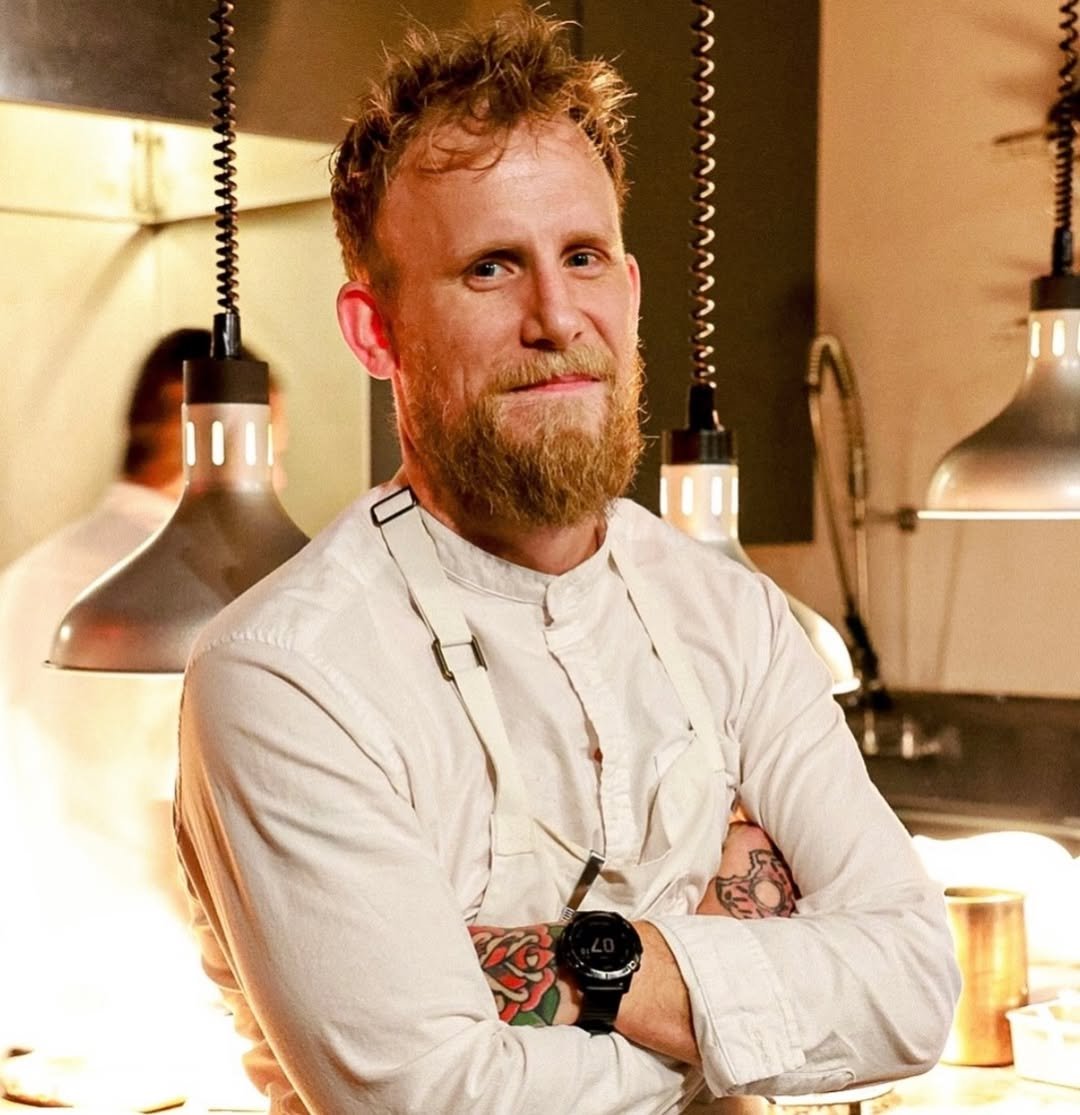
I didn’t grow up dreaming about cooking. In fact, I hated it as a kid. Cooking felt like a chore, especially knowing the dishes were waiting for you afterward. There wasn’t some childhood moment where everything suddenly clicked. That came much later. I dropped out of college and needed to figure out what I was going to do with my life. Cooking ended up being the path that found me.
Before that, I spent a short time working construction in Philadelphia and almost joined a union. That experience didn’t make me want to cook specifically, but it did show me something about myself. I realized I preferred working with my hands. I liked trade work, being physical, building something real with your effort. The idea of sitting behind a desk in a nine-to-five job never felt right to me.
I almost went to culinary school, but I didn’t want to take on debt for something I believed I could learn on the job. So early in my career, I sent my resume to every good restaurant I could find and hoped someone would give me a chance. I was lucky enough to work with chefs who were willing to teach me from the ground up. Learning outside of school shaped the way I think about food. Instead of memorizing classic combinations from a book, I developed a mindset of experimentation and curiosity.
My first kitchen job was overwhelming. It wasn’t even a place doing anything particularly groundbreaking. But I remember one moment very clearly. We had to go next door to borrow cheese from another restaurant we shared an alley with. That restaurant was Le Bec Fin in Philadelphia. When I stepped inside that kitchen, everything changed. I saw cooks sweating on the line, moving with intensity, pushing themselves in a way I had never seen before. Watching that energy, I remember thinking I wanted to cook in restaurants like that. I wanted to be one of those badass line cooks.
The beginning was brutal. I knew absolutely nothing, and everyone around me knew it too. Chefs and cooks looked at me like I was a burden, which I honestly was. I would go home every day, tearing myself apart, convinced I wasn’t good enough and thinking about quitting. But I’m stubborn. Maybe even a little bone-headed. I wanted to prove to everyone, including myself, that I could do it. So I just kept showing up, taking it day by day, learning from every mistake.
What keeps me inspired is the craft itself. There is always something to learn, something to refine. But there is also something deeply satisfying about locking in and executing at a high level every single day. When burnout creeps in, I don’t step away from the kitchen. I go deeper into it. I prep with the team, focus on the food, and try to learn something new.
One moment that stayed with me happened when I was working at my uncle’s barbecue restaurant. It was a busy dinner service, and the kitchen was open, so guests could watch everything happening. I noticed a guy standing there staring at me while I worked through the rush. I kept my head down and pushed through service. When his order finally came up, he stopped before leaving and asked how long I had been cooking. At that point, it had only been about two years. He told me he was a chef and that the way I moved in the kitchen felt natural, that I should keep going. I never got his name, but that moment stuck with me. It gave me a level of confidence I didn’t have yet.
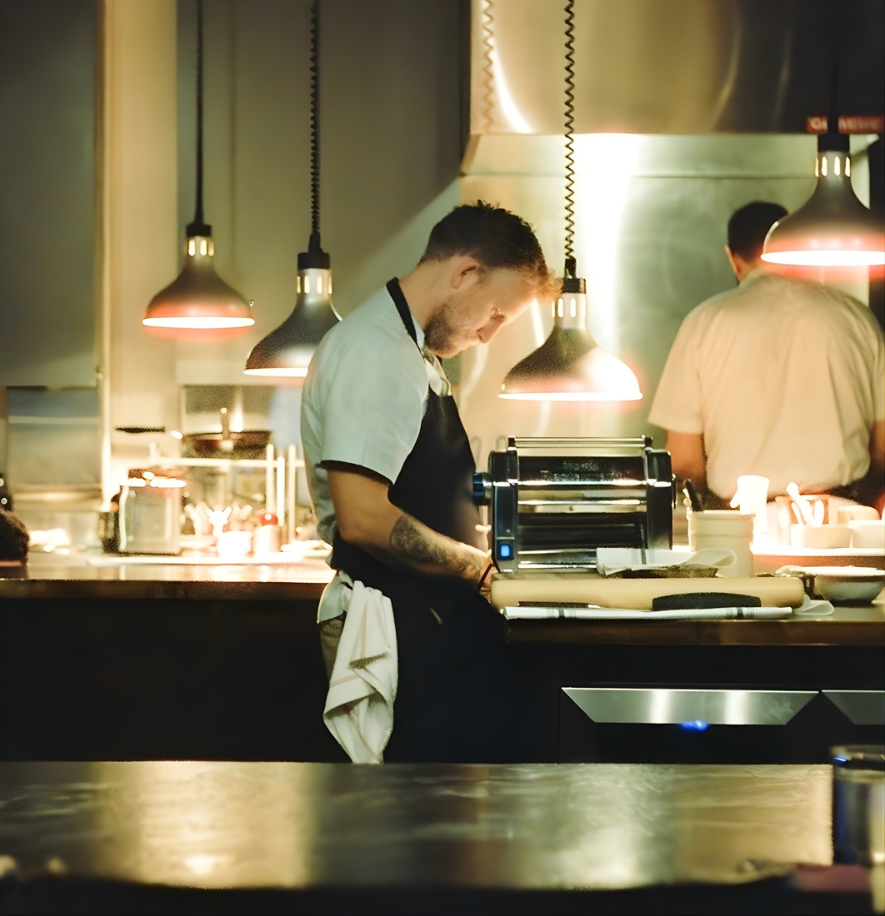
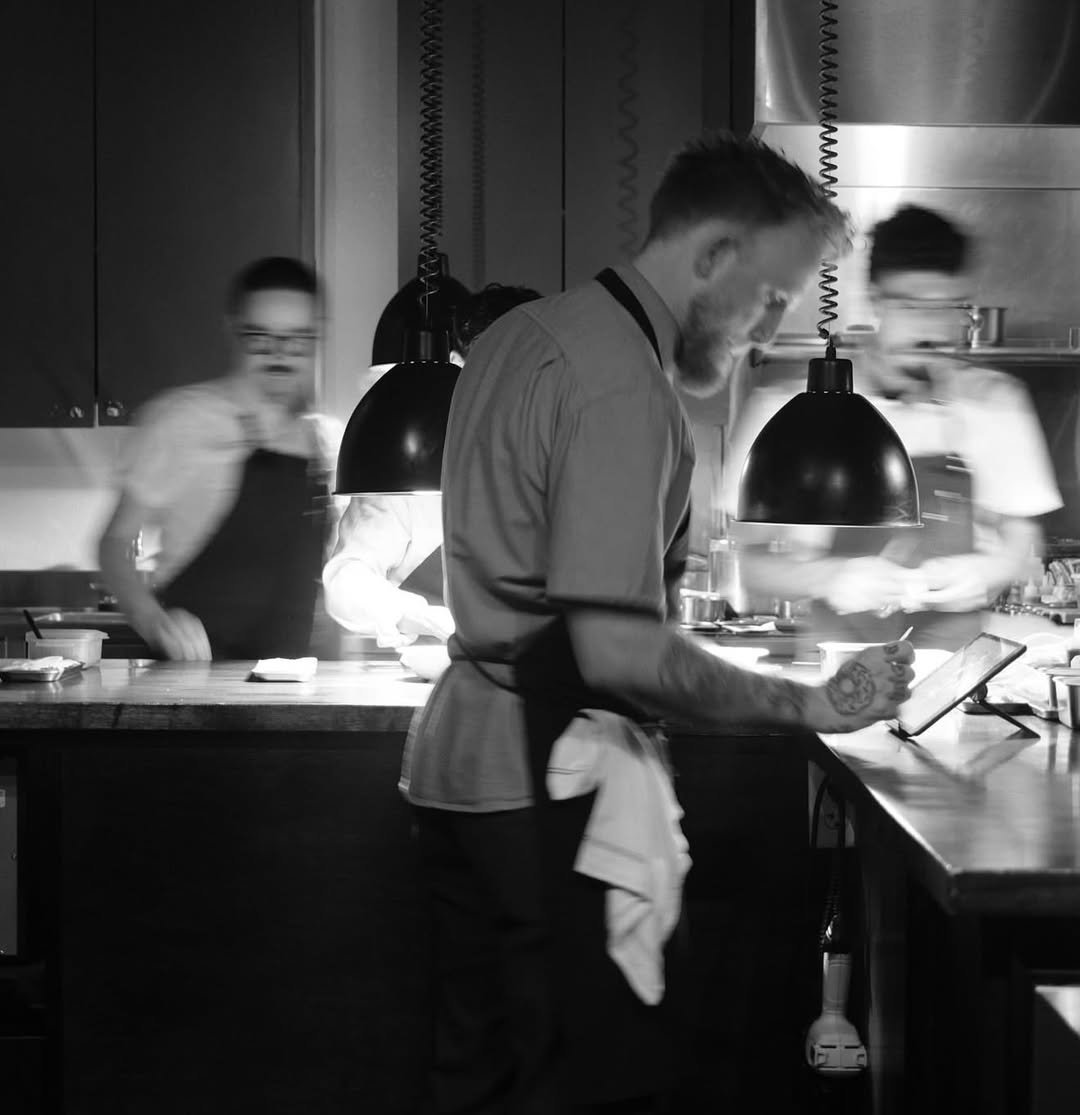
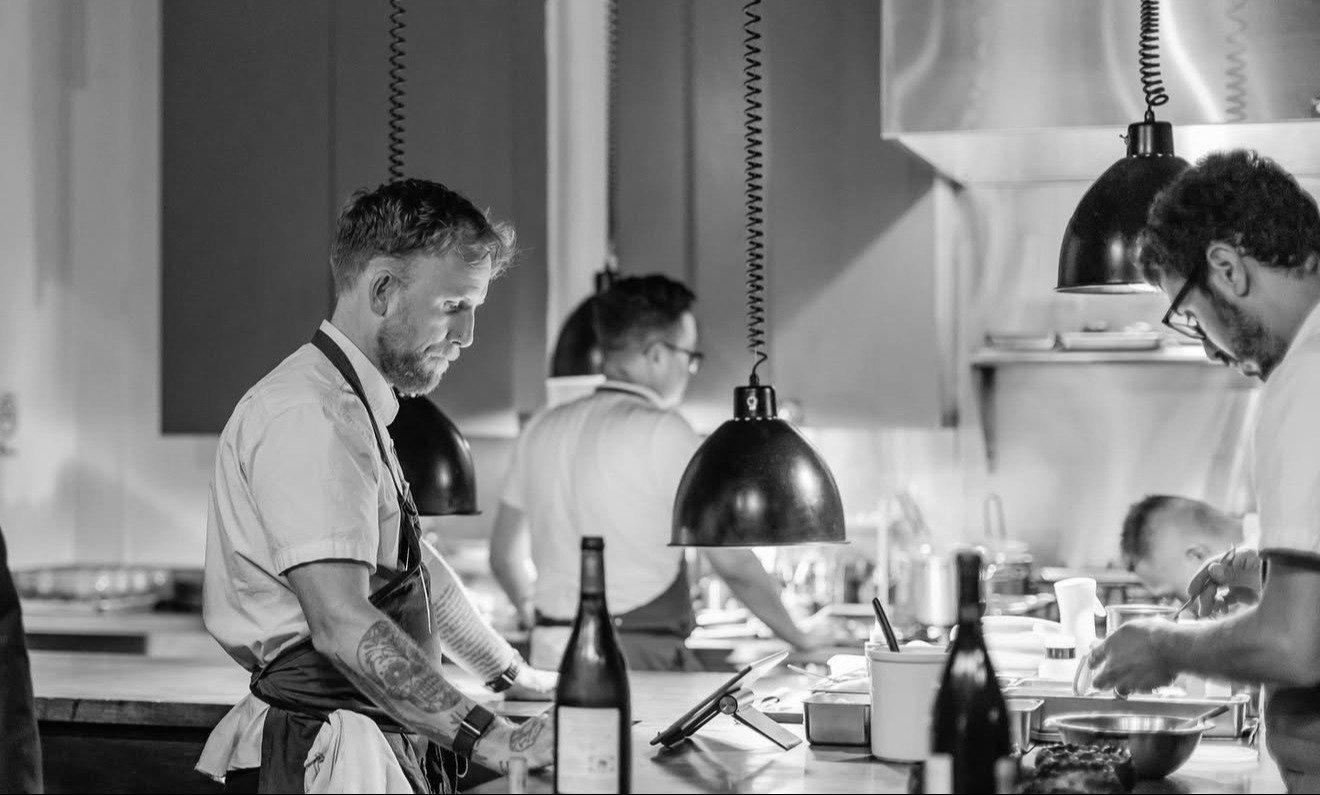
My philosophy in the kitchen today is built around respect and intention. Respect starts at the door. It shows in how we treat each other, how we handle ingredients, how we take care of our equipment, and how we serve our guests. I run an intense kitchen because I believe in focus and discipline. But I’ve also learned some hard lessons along the way.
There was a time when I was not a good leader. I ran kitchens that were toxic, full of yelling and frustration. Over time, I realized that intensity and respect can exist together. You can hold high standards without treating people as disposable. Now I try to lead with that balance in mind. There are still moments when I get frustrated or have to correct someone, but how you handle those moments matters.
One of the best parts of this industry is the people. Kitchens have always been a place for those who don’t quite fit anywhere else. I like to call it the island of misfit toys. I’ve worked with people from every background imaginable, from all over the world. That diversity and shared struggle create strong bonds. Some of the best friendships in my life were built during long services and late nights after work.
What still frustrates me is that toxic kitchens persist. I understand the pressure that comes with chasing excellence, especially in high-level restaurants. But that pressure doesn’t justify treating people as less than human. The industry has to evolve past that.
The biggest achievement in my career isn’t a title or an award. It’s when someone I’ve worked with reaches out and tells me they learned something from me, or that they would go into battle with me again in the kitchen. Legacy in this profession isn’t just about the food you cook. It’s about the people you influence along the way.
Looking forward, I hope the industry becomes more authentic. Right now, there’s a lot of chasing trends and social media moments. Restaurants are trying to create something flashy instead of something real. I want to see more chefs cooking the food they actually care about. Playing the music they like. Building spaces they would want to spend time in. We need more identity in this industry. Less imitation. More people simply being themselves.
Secret Sauce
- What’s the most unexpected ingredient you’ve ever worked with, and how did it change your perspective on cooking?
I wouldn’t say any specific ingredient, but rather the flavor of bitterness. I think people are scared of making a component bitter and always think it’s unpalatable. It is a great flavor builder as long as you balance it properly.
- What’s your “guilty pleasure” meal?
Andy’s Frozen Custard.
- A food trend that you hate and why?
Caviar and truffles on everything just because. I find truffles overrated, but I really do love caviar. The issue is when people use it just because it’s trendy or for things like caviar bumps. Don’t put it on a dish just because it’s trendy, only use it if it actually improves the dish and makes sense.
- What’s the craziest shift you’ve ever worked in the kitchen?
So many. I once went into work at 6 AM to prep a completely vegan tasting menu for VIP guests and worked until midnight. I’ve also had to do the 8 AM brunch into dinner service and work until midnight on Saturday and Sunday.
The worst was by far a Mother’s Day brunch at a restaurant where the chef wanted to do a tasting menu. He unfortunately had a heart attack a week before and was in the hospital, and his sous chef was in way over his head, and we were a bunch of unguided cooks. It was a disaster, and we had to turn away almost every guest who had a reservation that day.
5. What happened, and how did you manage to get through it?
We didn’t get through. We all hung our heads in shame for screwing it up so badly. It was just too many plates going out to too many covers with no plan in place.
- What tips would you give to other cooks and chefs to help them navigate their culinary careers and find peace amid the chaos of the kitchen?
You’d better love this career and realize it doesn’t love you back. I have seen great cooks chewed up and spit out by it. Always remember why you started doing it, and never forget to fall in love with the craft, not the awards, accolades, or fame you can achieve.
- What’s an underrated ingredient and why?
Fermented chilies. They are the best, and I use them all the time. Depending on the chili, you can adjust the heat in what you are making, but the addition of salinity and that funky/sour flavor it brings just always makes me happy.
8. What’s a must-try dish from your kitchen or the one you’re proudest to have prepared?
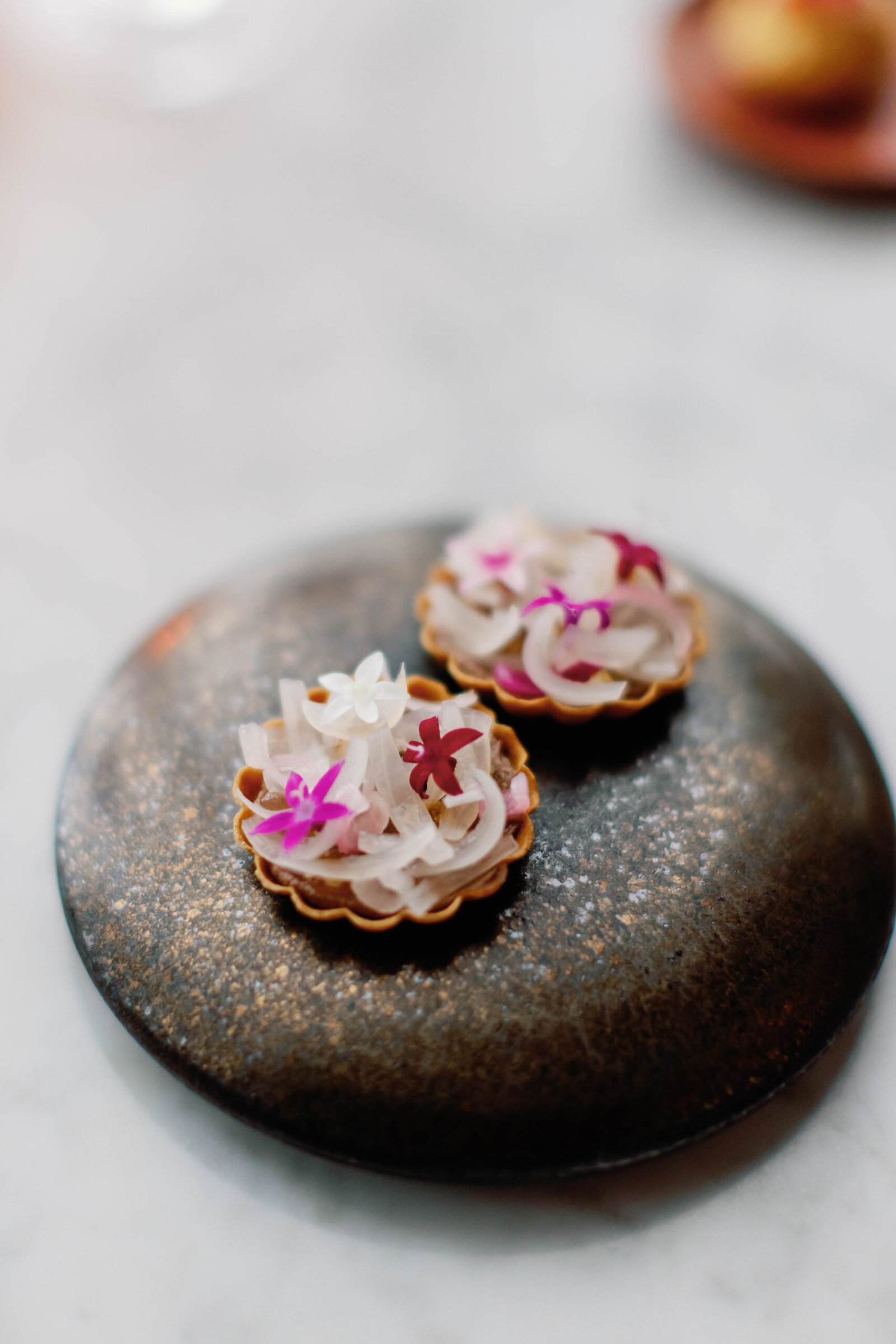
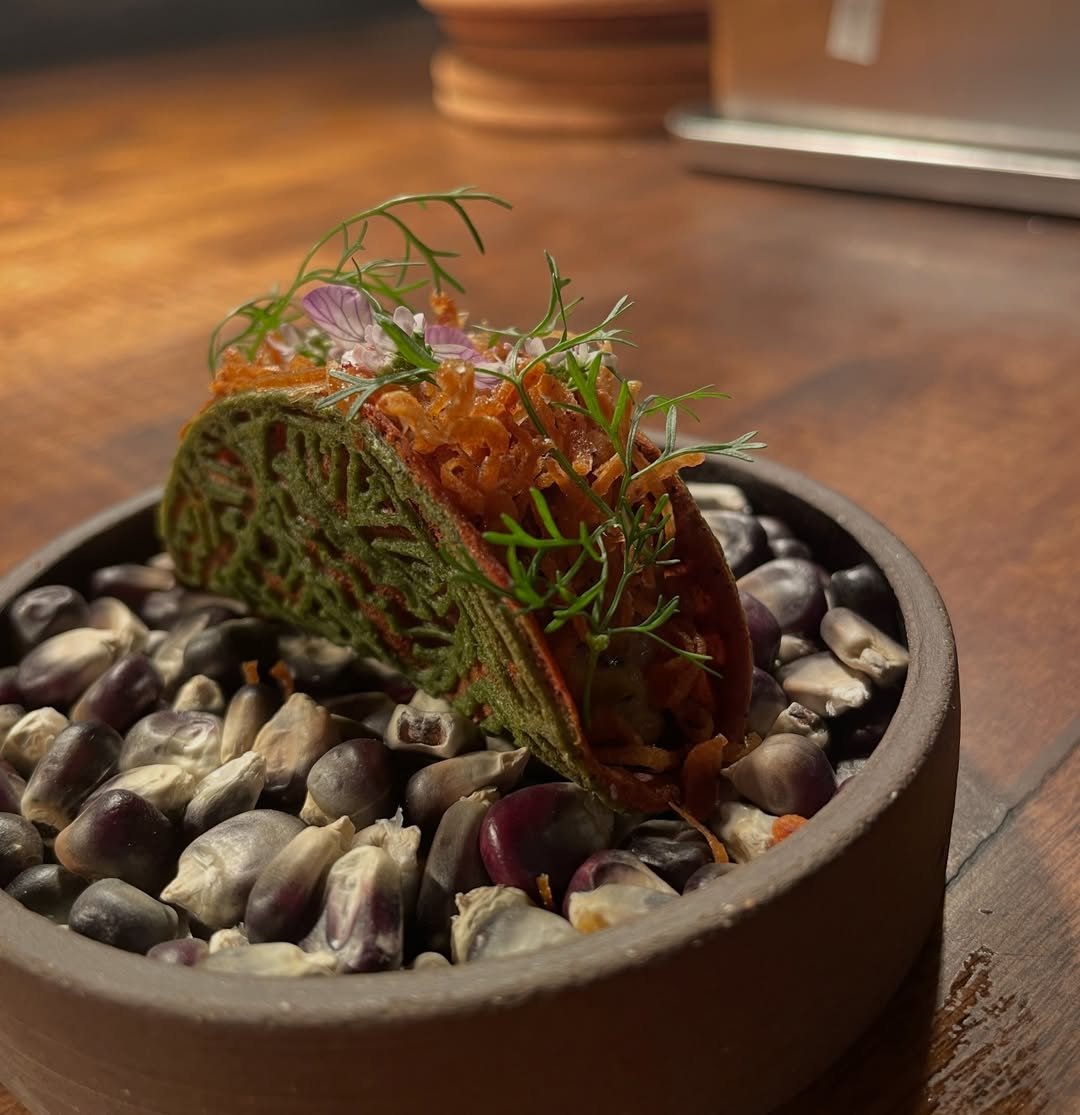
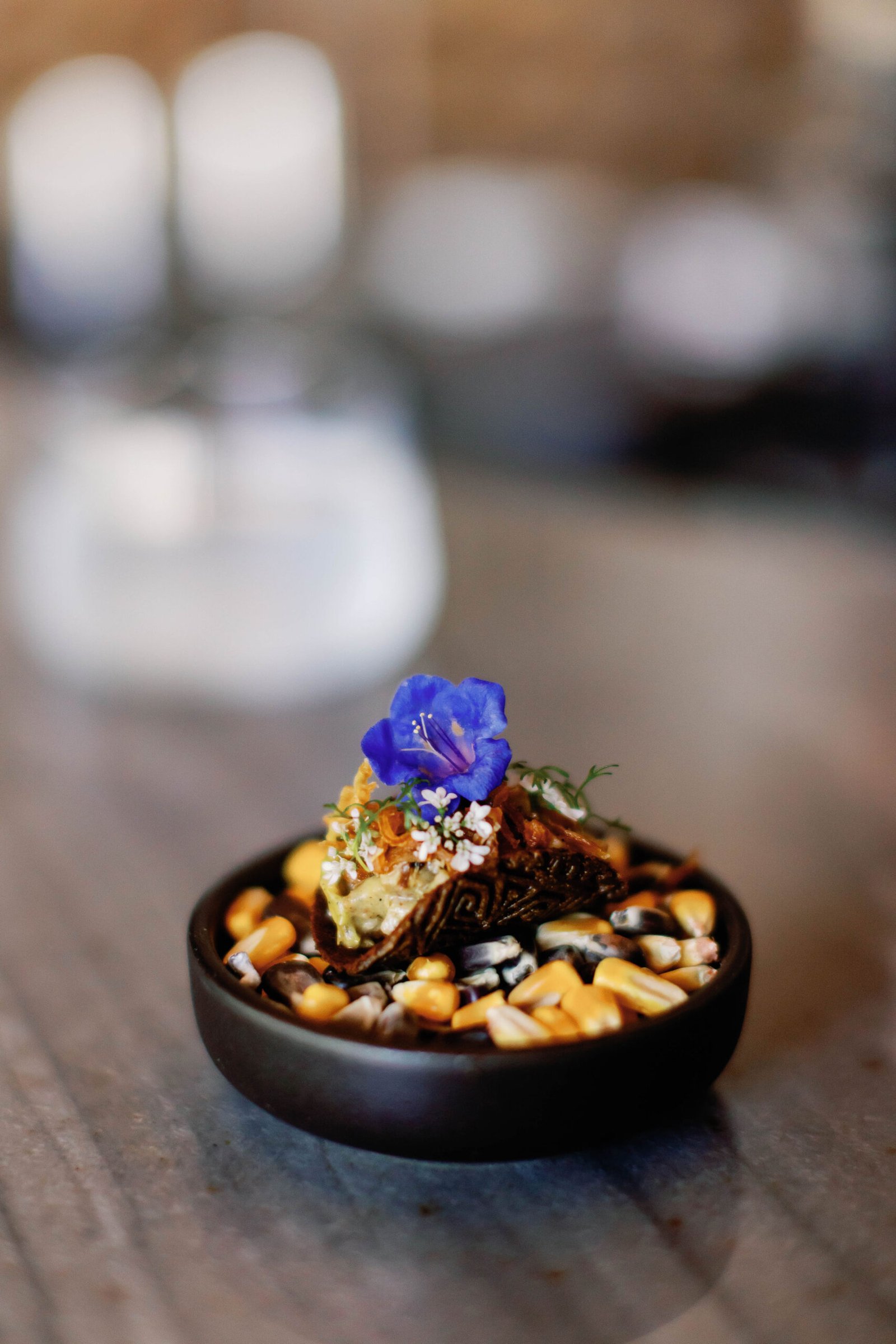
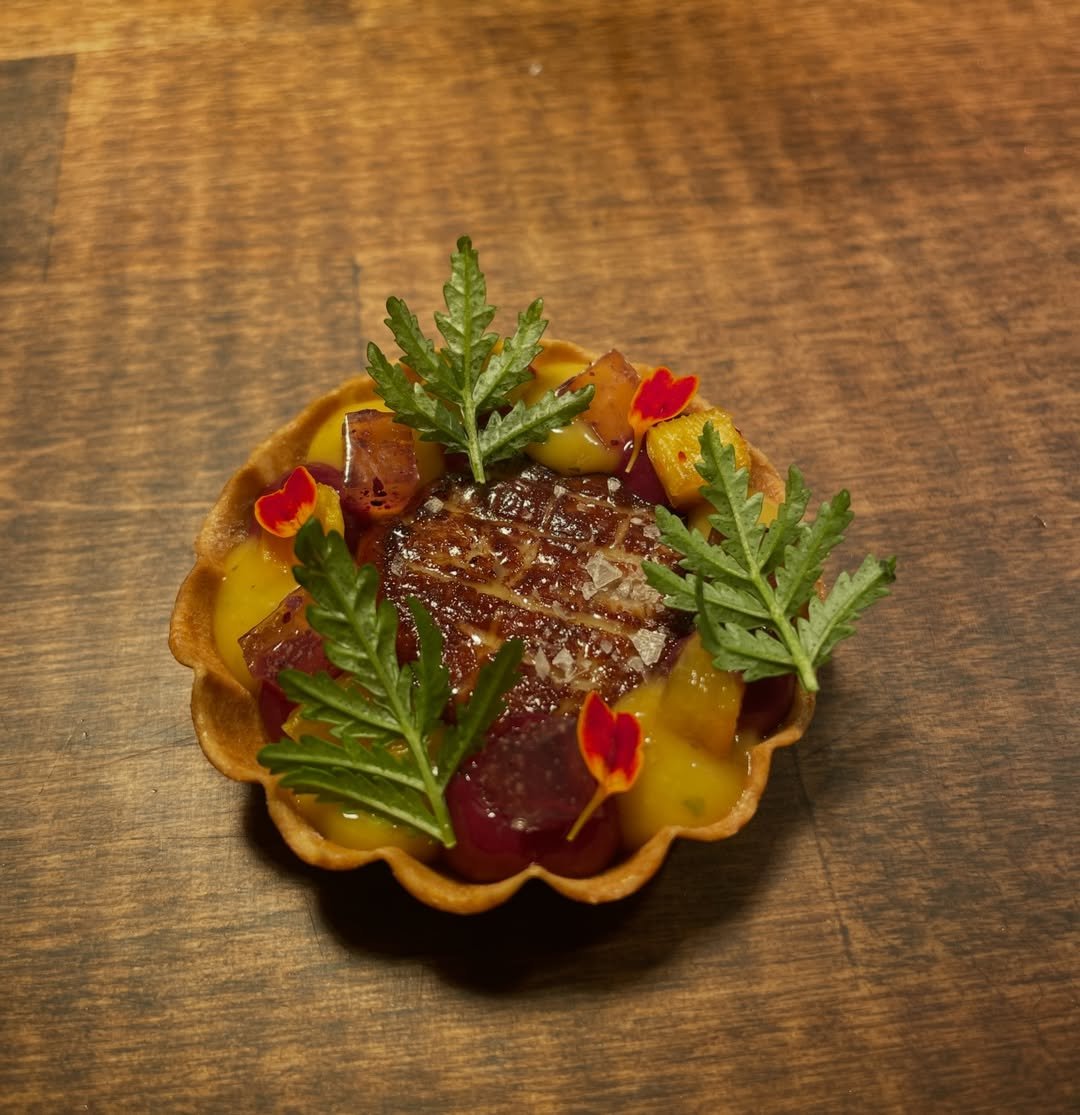
The proudest thing on my menu is the taco canapés that I make. The shell is a tuille made from cilantro and dry chili, filled with grilled pork tossed in salsa verde and grilled pineapple aioli, and topped with brown butter-fried shallot. It encapsulates my cooking perfectly. It’s aesthetically beautiful and packs massive flavor by combining techniques and flavors from different cultures.
About Your City!
Austin, TX
- If Anthony Bourdain or a chef came to your city, what would be the perfect tour itinerary from breakfast to dinner?
I would start with breakfast at Epicerie for a coffee and a few breakfast pastries. I would do a small breakfast because I gotta do BBQ in Austin. So many to choose from, but I am a big fan of La Barbecue.
If you want to be an absolute glutton, grab some tacos from Cuantos. Before dinner, head over to a bar called Paper Cut. I don’t drink, but they make fantastic mocktails.
Dinner for me has to be at Canje, my absolute favorite restaurant in the city. The flavors, spices, and heat level they cook with are right up my alley.

Support our project by buying our merch!

86 HOTK Unisex t-shirt
$30.00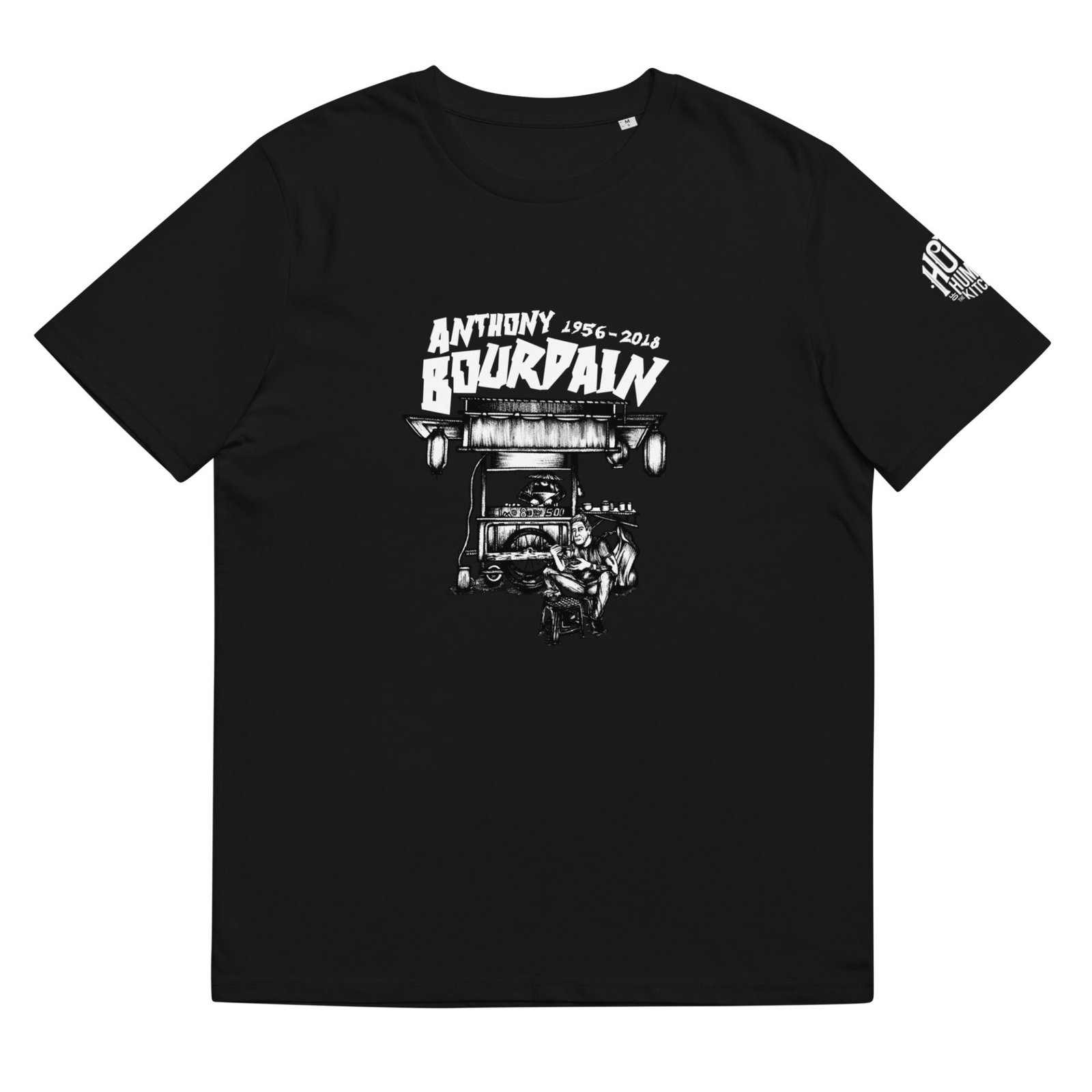
Anthony Bourdain T-Shirt
$35.00
Mise HOTK Unisex t-shirt
$30.00