Rebuilding From Ashes
Losing everything led to a more meaningful beginning.
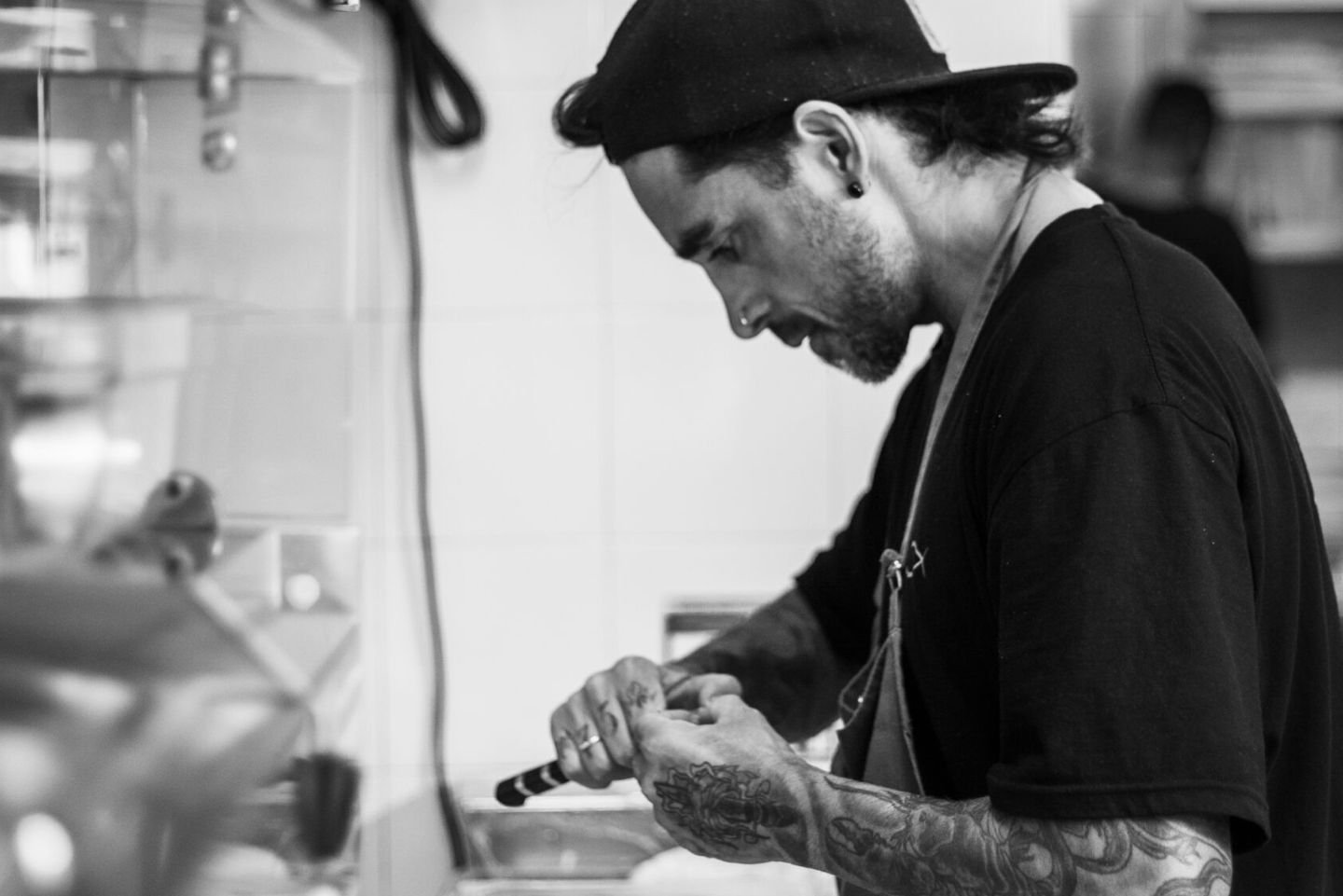
Lucas Gaston Escobar
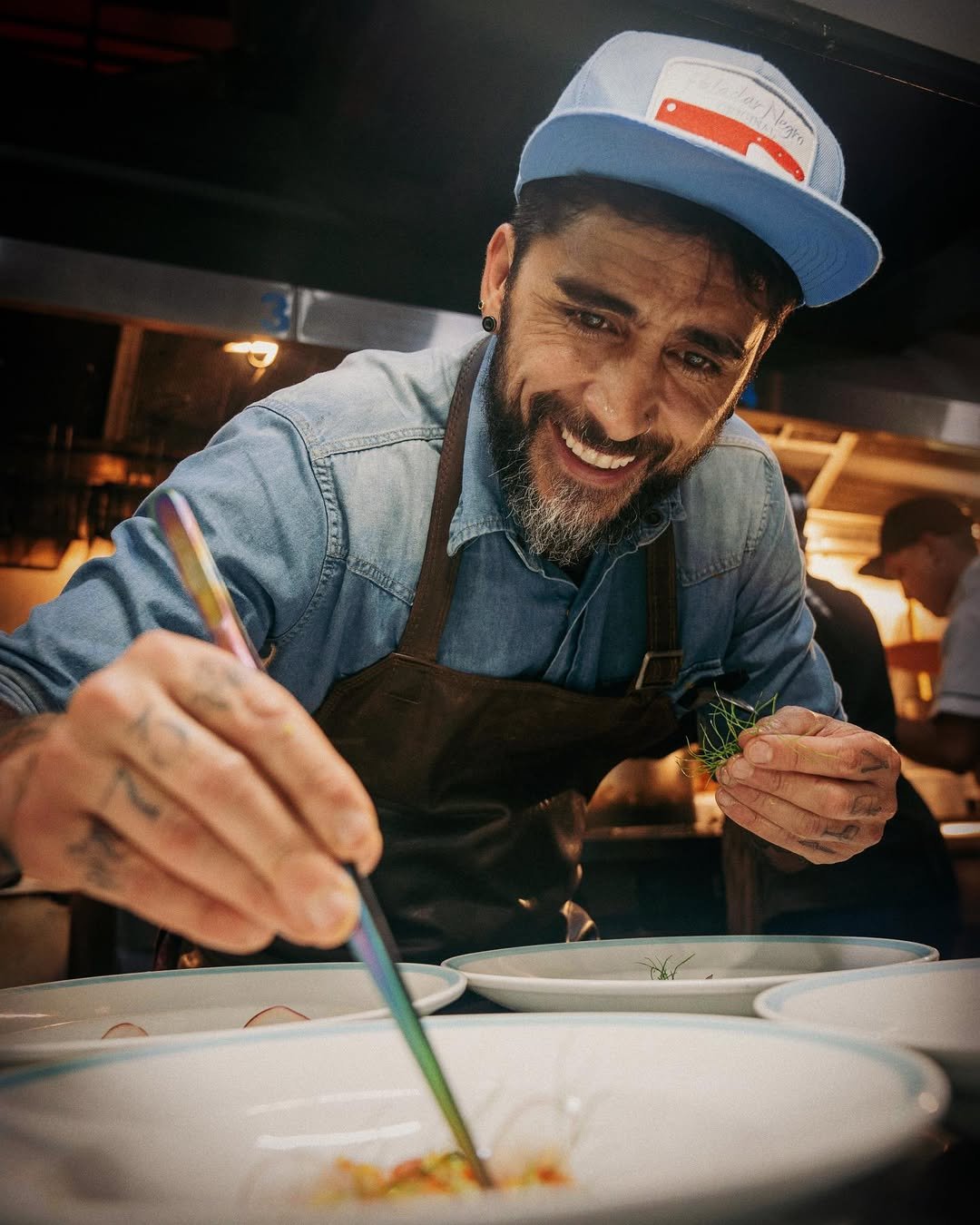
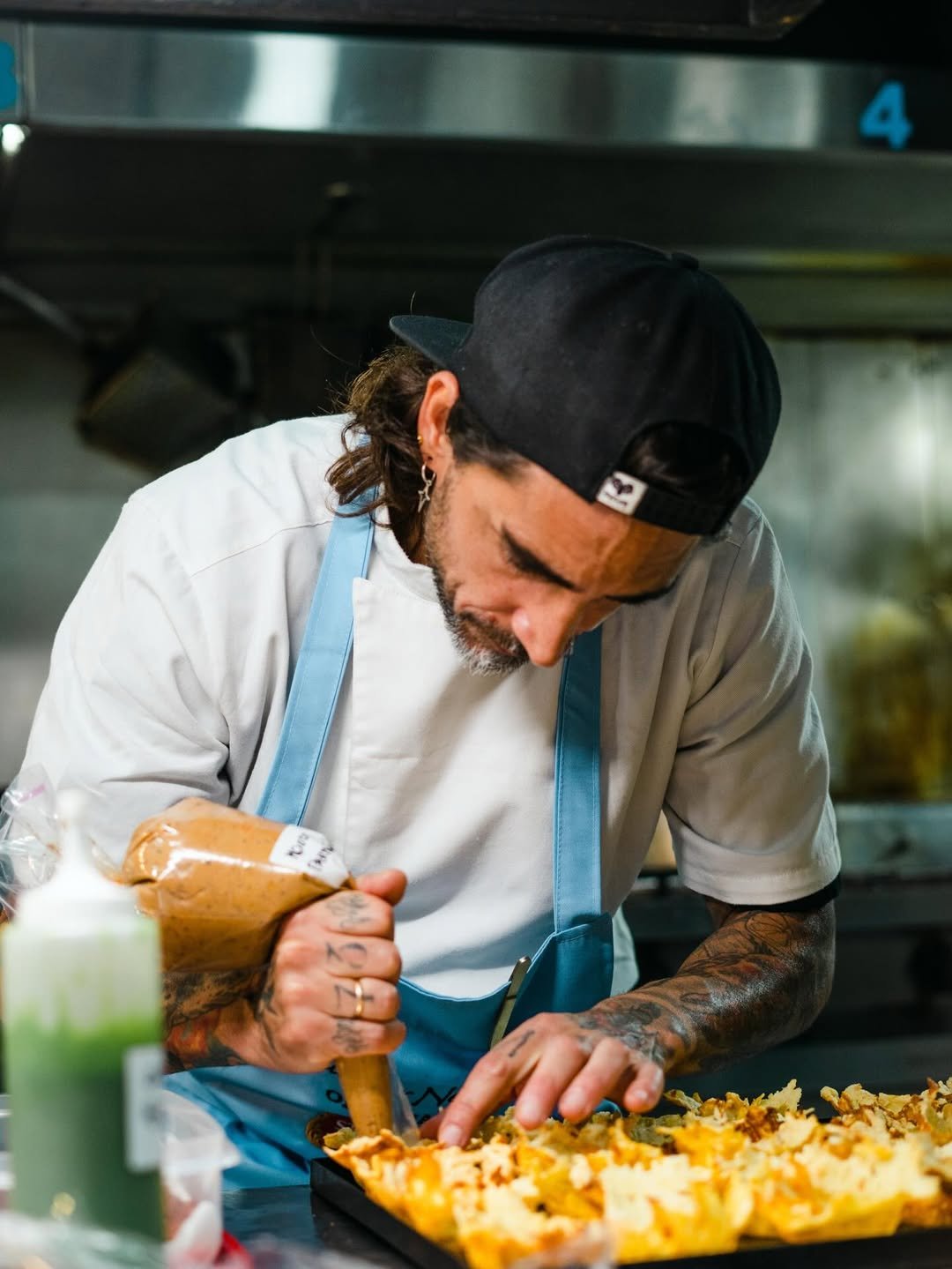
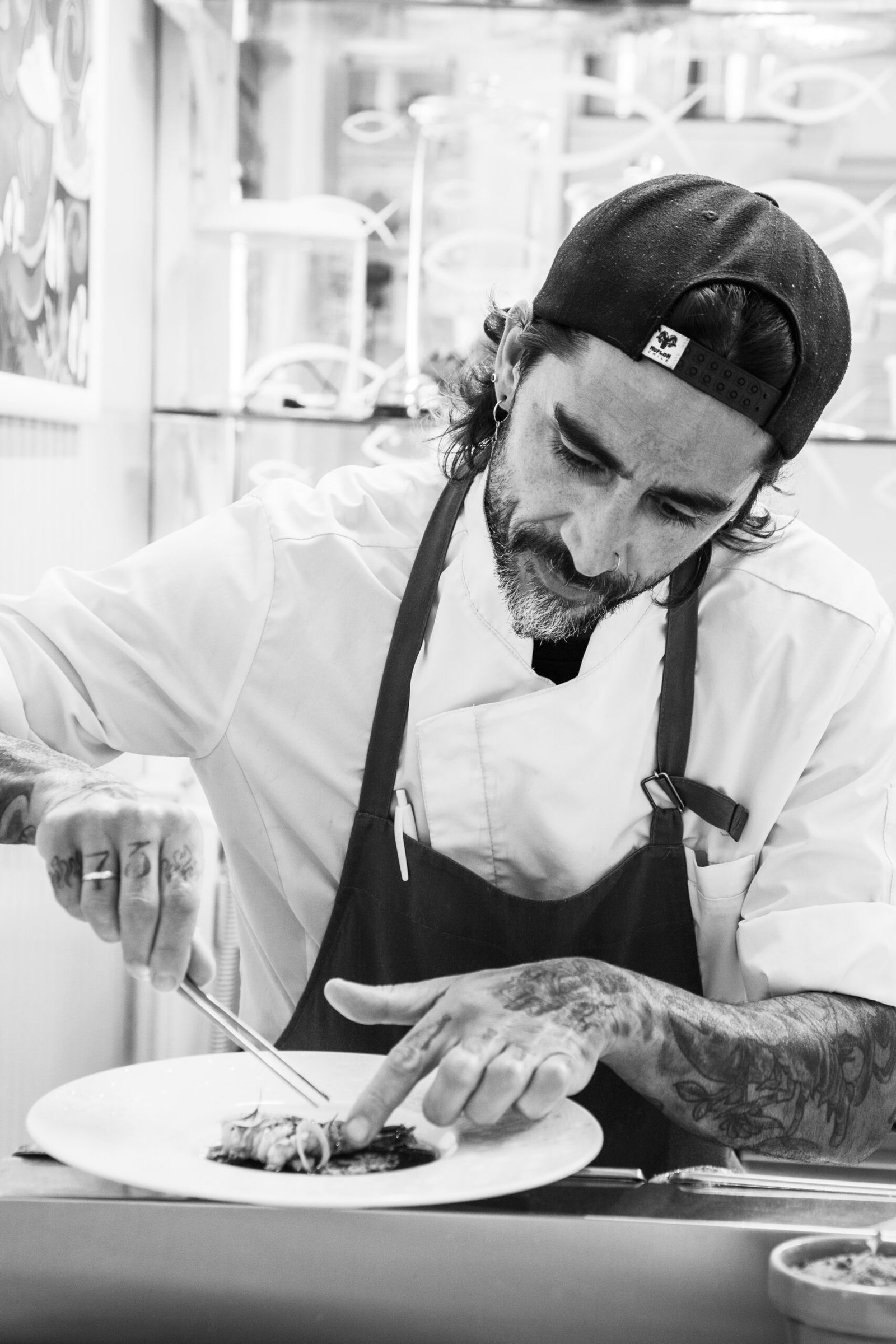
Lucas Gastón Escobar’s story begins in Concordia, Entre Ríos – Argentina, where he was born and raised in the home of his maternal grandparents, descendants of Italian and German immigrants. Growing up in their small hotel and restaurant, he was immersed in the world of hospitality from an early age, watching his Nonna prepare everything from homemade breads and pasta to preserves, cheeses, and desserts. It was there, surrounded by tradition, family, and the aromas of a working kitchen, that his love for cooking first took root.
Over the last two decades, Lucas has built a culinary career deeply rooted in fire cooking, ancestral techniques, and respect for both ingredients and producers. From opening his own restaurants in Argentina to teaching, traveling across Latin America, and eventually relocating to Italy with his family, his journey has been guided by curiosity, conviction, and an unwavering commitment to authenticity.
His philosophy is grounded in patience, balance, and connection—to nature, to tradition, and to the people who gather around the table. Through wood-fired cooking and a deep respect for craftsmanship, Lucas continues to explore what it means to cook with honesty, purpose, and soul.
In this conversation, Lucas reflects on the lessons learned from a lifetime around the fire, the importance of balance in the culinary profession, the challenges facing modern hospitality, and the values that continue to guide his journey today.
Share your Journey
- Looking back at your childhood, was there a specific moment or memory that sparked your interest in food or cooking?
I was born, raised, and grew up in Concordia, Entre Ríos – Argentina, in the home of my maternal grandparents, descendants of Italian and German immigrants: Celia Lidia Lea Kirschenbilder (my Nonna, my Iaia) and Dante Antonio Carmassi (my Nonno, my Tata).
They owned a small residential hotel with nine rooms and a small restaurant where they provided hospitality services for tourists, travelers, and small groups visiting the city. My Nonna was entirely responsible for the kitchen, where she prepared everything from antipasti to dolci. She made breakfasts, appetizers, preserves, fermented foods, yogurt, cheese, ice cream, bread, homemade pasta, jams, and countless other delicious homemade creations.
It was there where I fell in love with food, where I learned, and where I took my first steps as a kitchen helper.
- Did you have another career or job before becoming a chef? How did those experiences influence your decision to pursue cooking?
When I finished high school at 17, I began studying gastronomy at an institute that offered programs in culinary arts, hospitality, and tourism in Santa Fe, where I was living at the time.
While studying professional cooking and baking, I also worked for a travel agency for financial reasons. Through that job, I traveled as a coordinator to different countries throughout the Americas, including the United States, Brazil, and Uruguay.
Those experiences gave me valuable knowledge and allowed me to understand hospitality from a broader perspective. They provided tools, ideas, and inspiration that would later help me build what eventually became my first restaurant.
- Did you formally study culinary arts, or are you self-taught? How has your learning journey shaped your approach to cooking?
I formally studied culinary arts and completed my education at Gato Dumas Culinary School in Rosario, Santa Fe. However, my earliest experiences in cooking were largely self-taught, guided by a great friend, mentor, and brother of the fire, Chef Javier Mates.
I believe it is essential to have a strong foundation in cooking techniques, methods of preparation, discipline, organization, and respect within a kitchen brigade. But I also believe that real-life experiences are just as important—working in real kitchens, under real pressure, in every season of the year.
Real gastronomy is not what we often see on social media or television. It is far more intense, demanding, and authentic. It is in those moments that you discover whether this profession truly belongs to you.
Personally, I believe that cooking chooses us, not the other way around. That is how my career began—without illusions or shortcuts—and how I developed this lifestyle and philosophy that I embrace with love, respect, honesty, and passion.
- When did you first step into a restaurant kitchen? What was that experience like, and how did it shape your journey as a chef?
The first time I stepped into a professional kitchen was right in the middle of service, during the busiest and most chaotic moment imaginable. Every table was occupied, and the restaurant was operating at full capacity.
For me, it was absolute madness—and absolutely beautiful.
There was a whirlwind of emotions: excitement, nervousness, adrenaline, and fascination. The shouting, the clatter of pans, the flames, the heat, the sounds of food cooking, the aromas floating through the air, the service bell ringing, and the printer constantly spitting out orders all created a spectacle unlike anything I had ever experienced.
That day awakened something powerful inside me. I felt an immediate connection to the kitchen and knew without a doubt that this was what I wanted to do for the rest of my life.
Even now, more than 20 years later, I still feel those same nerves and emotions before every service, whether it’s at a restaurant, a catering event, or a special gathering. Those feelings continue to make me fall in love with this profession every single day.
- What were some of the early challenges or obstacles you faced when you started in the kitchen, and how did you overcome them?
As I said before, I believe the kitchen chooses you. It tests your potential, your resilience, your ability to learn, grow, teach, share, and care for the craft.
Every day, it challenges you physically, emotionally, mentally, and spiritually to see how much you truly love what you do and how long you can sustain yourself in this profession.
I also believe that one of the most important keys to longevity in this industry is finding balance in life. Making time for yourself, your health, your mind, your family, your friends, and your spiritual well-being is essential.
Extremes are never healthy.
Balance.
Write down your goals.
Clear goals lead to meaningful achievements.
- What keeps you inspired and how has that inspiration driven you throughout your professional journey? Especially during tough times in the kitchen?
What inspires me is knowing that after all these years in kitchens, all the travel, the cultures I’ve experienced, and the friendships I’ve built, there is still so much left to learn, develop, offer, and share.
During difficult times, what has always sustained me—and continues to sustain me—is my conviction, my enthusiasm, and above all, my faith. I have always believed that behind every challenge, no matter how small or large, there is an equal reward waiting in the form of happiness and growth.
Most importantly, the greatest source of strength in my life has always been my beautiful family, who have supported me unconditionally from day one.
- Can you recall a moment in the kitchen that marked you forever? Maybe it was an interaction with a mentor, a fellow cook, someone you fed, or a situation that challenged you in a way that shaped who you are today?
Honestly, there have been countless moments throughout these years. Some were wonderful, while others were incredibly difficult.
Each experience has helped shape my path, my character, and my resilience. They have reinforced my values, strengthened my essence, and clarified my vision for both my professional and personal life.
There is no single defining moment because every experience contributes to your growth. Together, they provide the lessons and tools that I now use to advocate for a more balanced, respectful, and fair culinary industry.
- As a chef, how would you describe your philosophy in the kitchen, and how does it guide your approach to cooking and leadership?
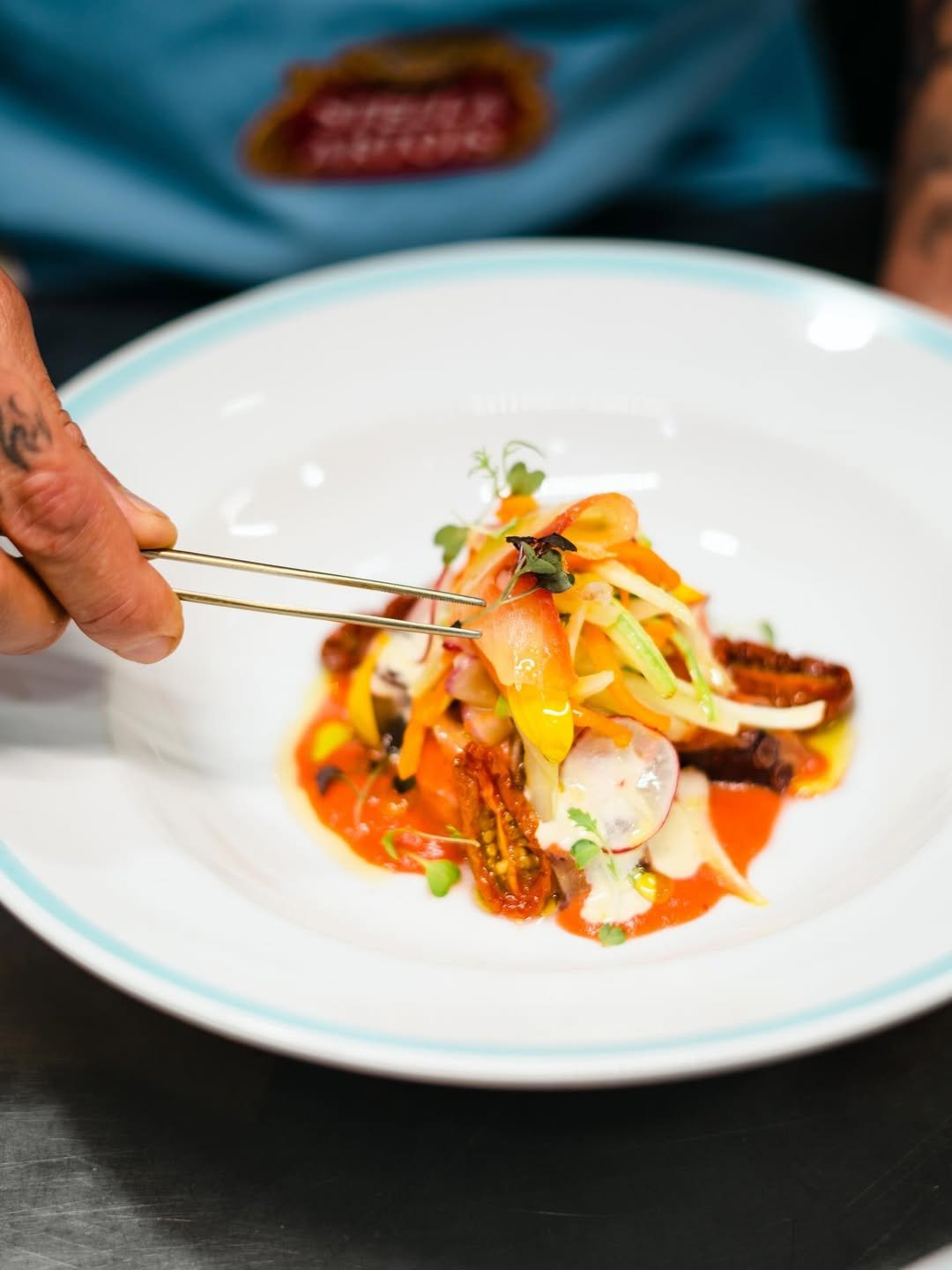
My cooking is built on strong values, authenticity, honesty, and respect. It is deeply connected to my roots, my origins, traditional techniques, and the products themselves.
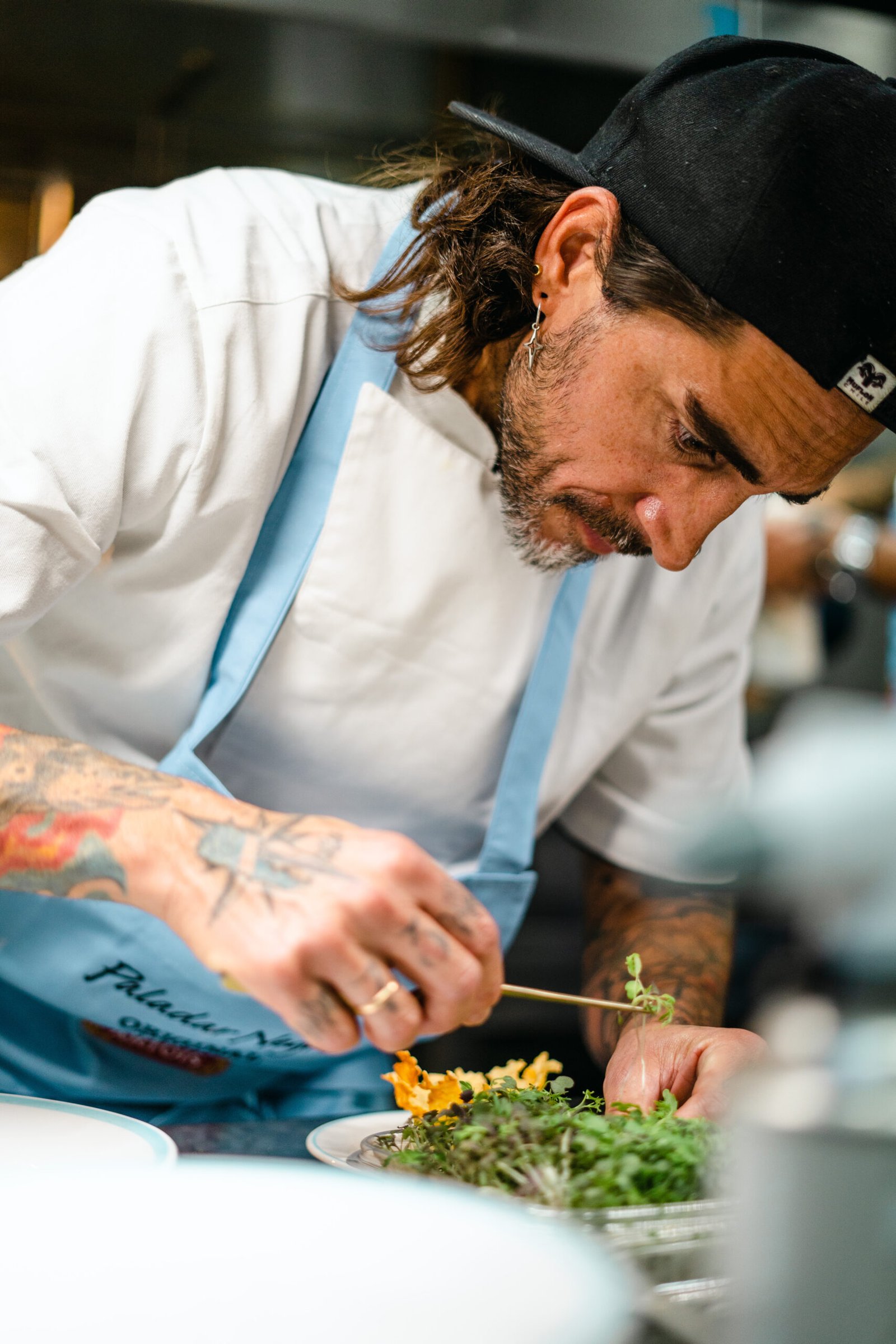
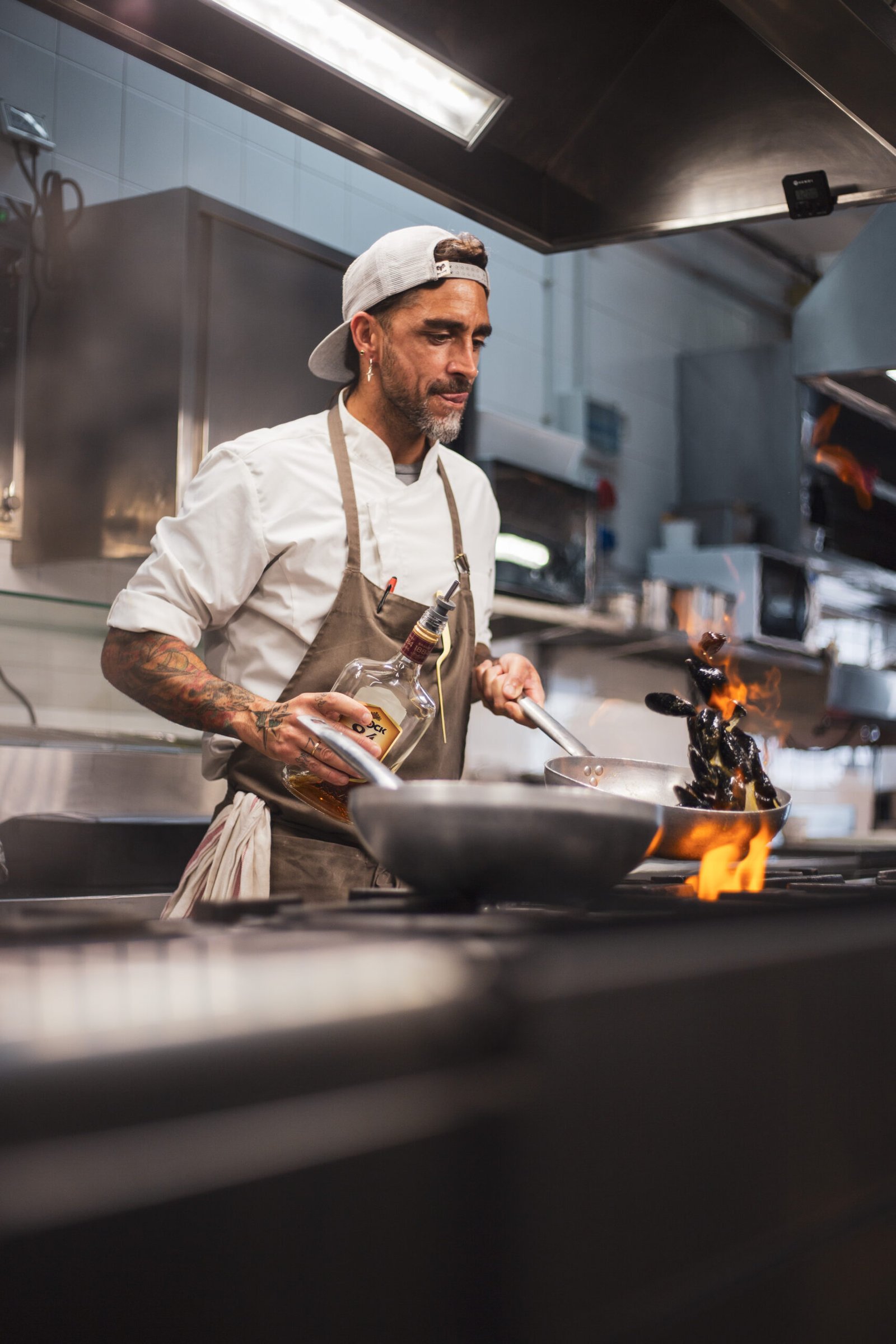
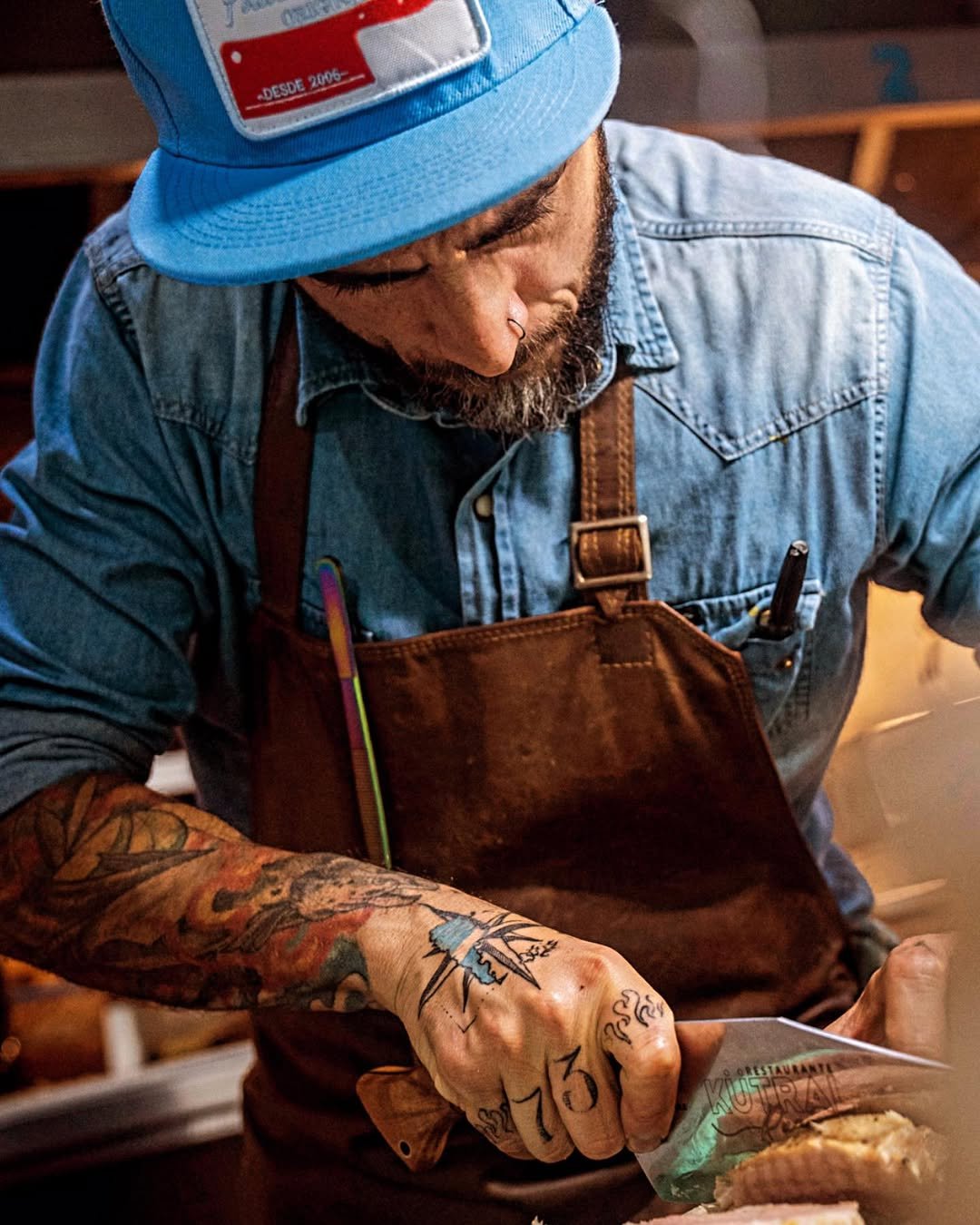
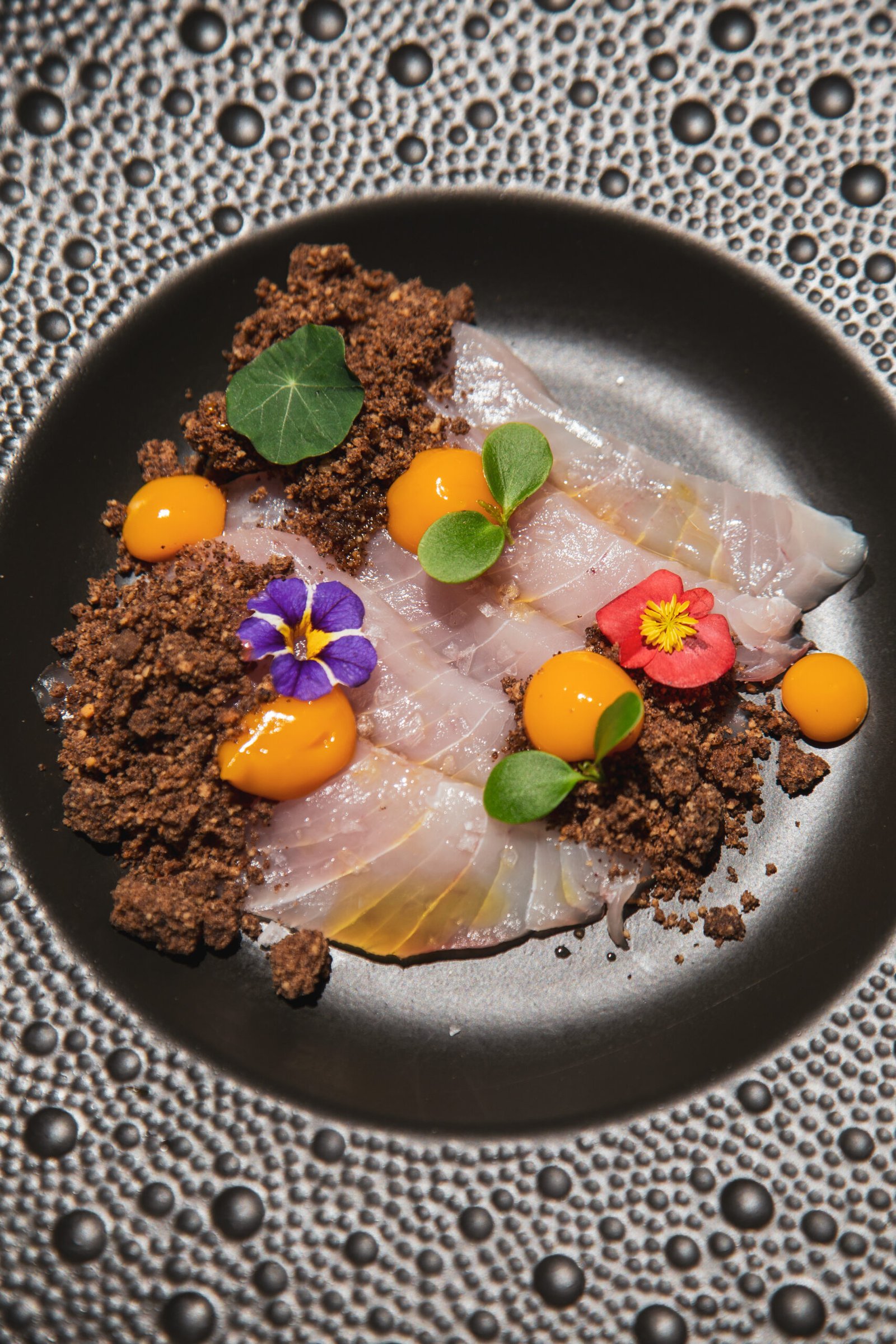
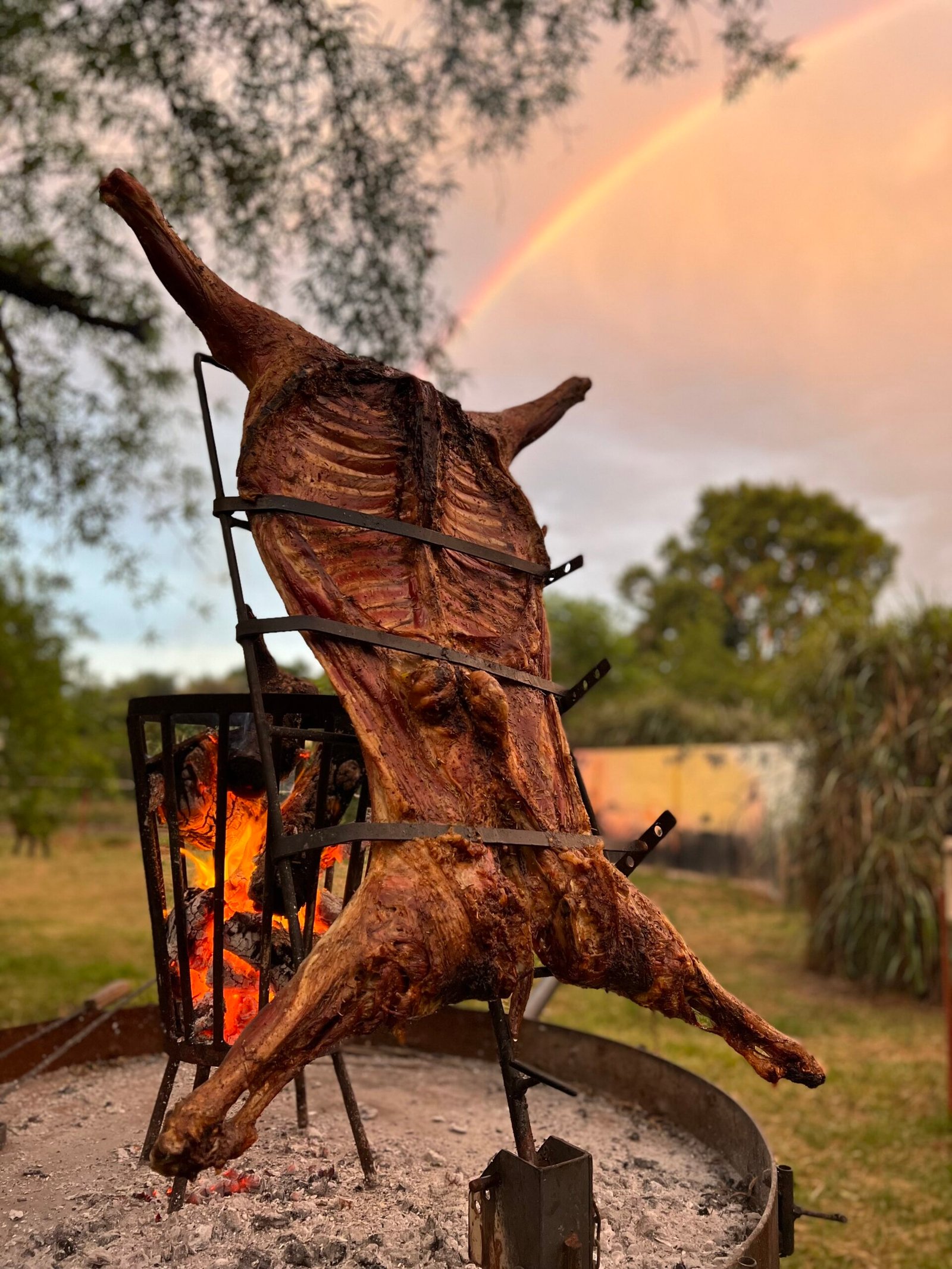
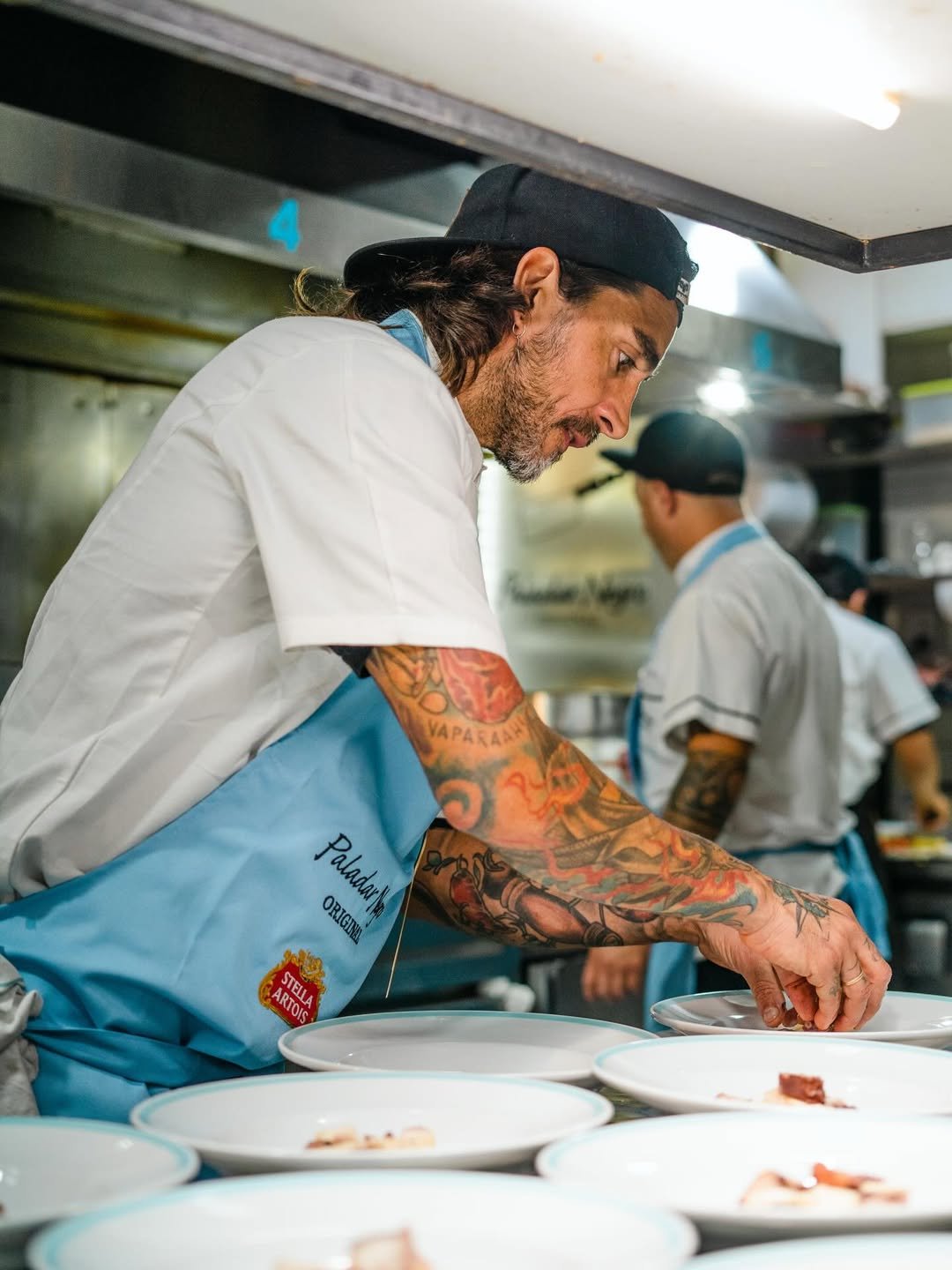
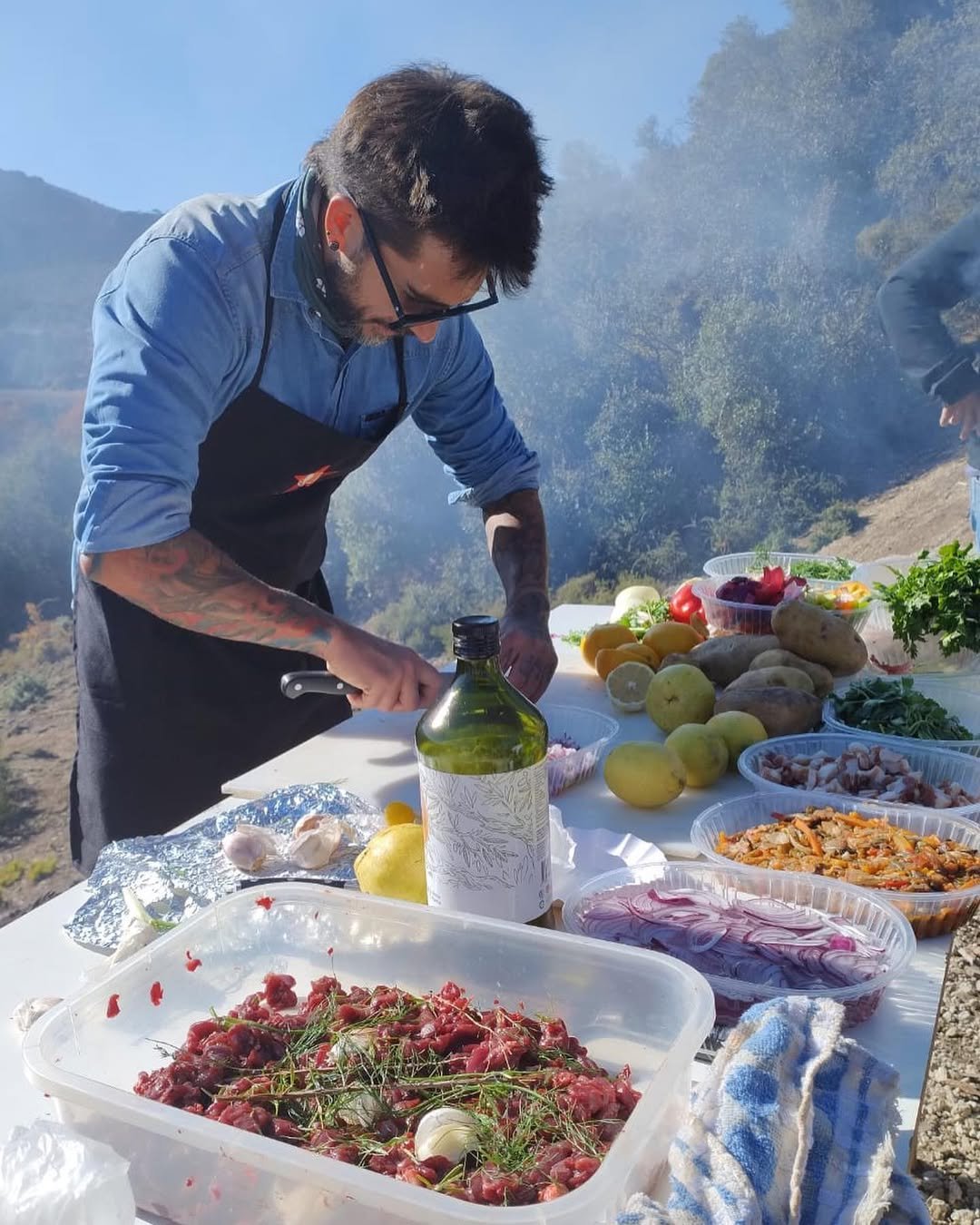
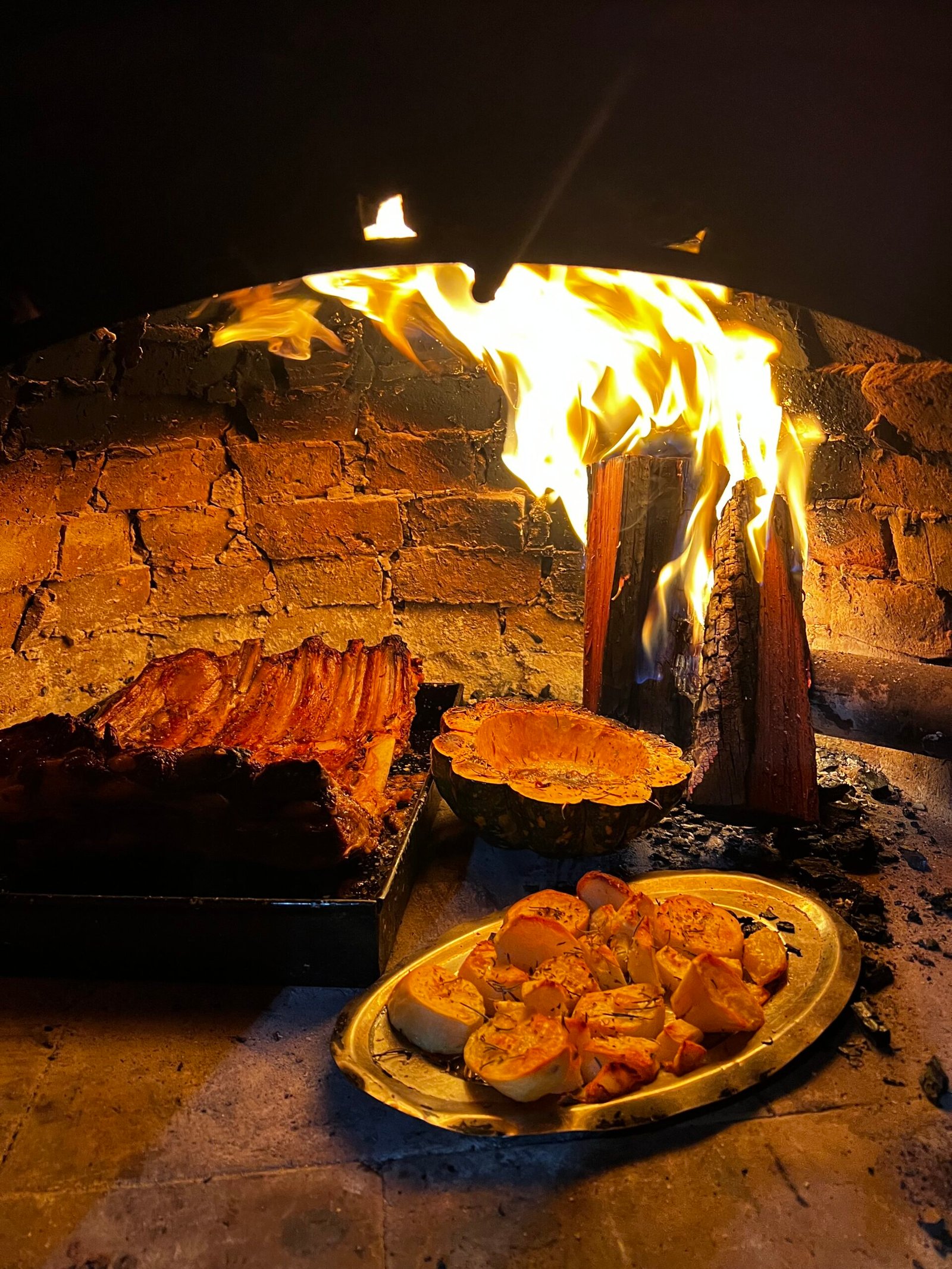
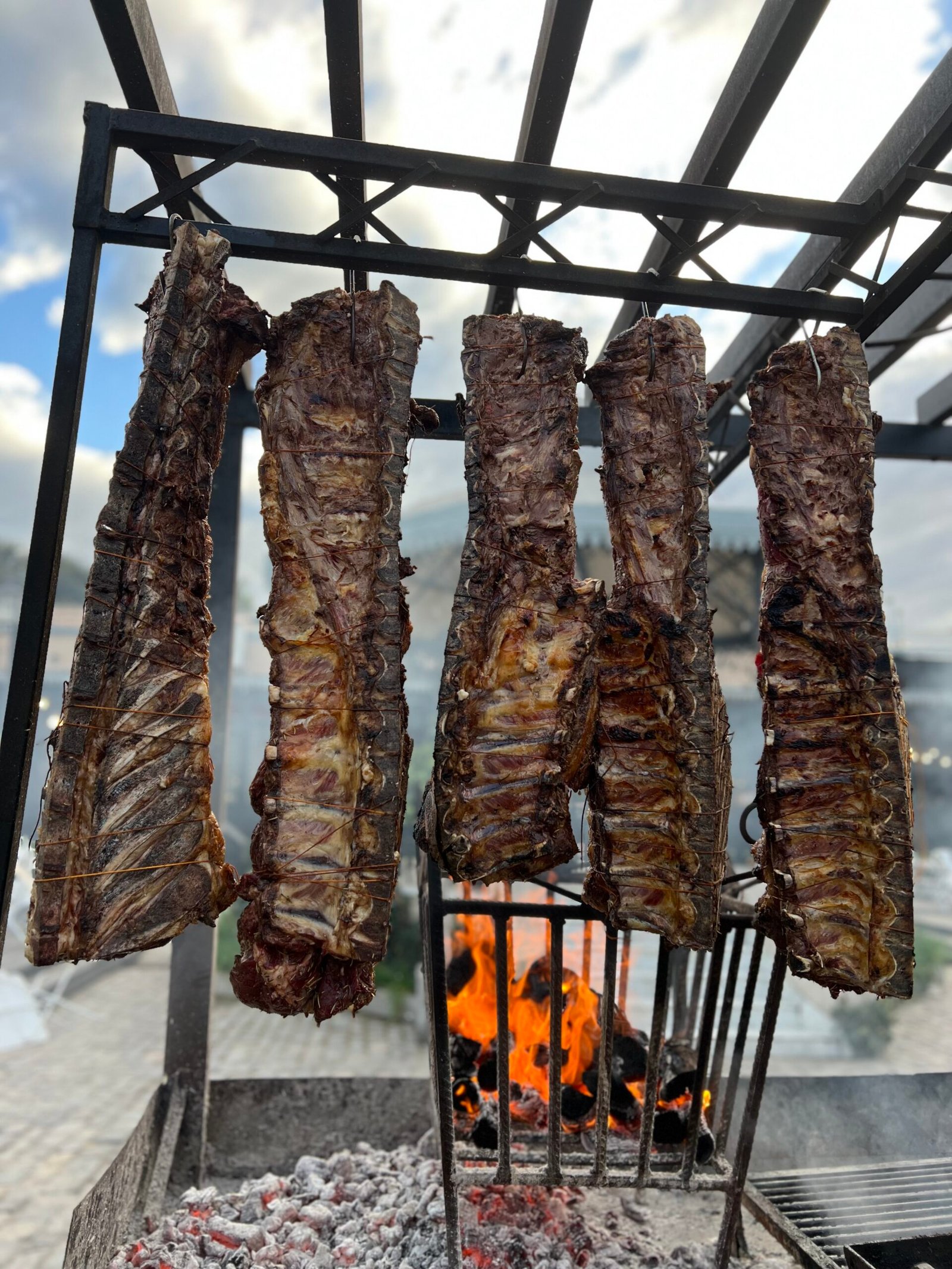
I have a profound respect for ancestral cooking methods, particularly wood and charcoal fire cooking. Through these techniques, I prepare everything from wild and traditional meats to fish, fruits, vegetables, bread, fermented products, and preserves.
I define my cooking as a cuisine of patience, love, and respect—not only for the ingredients but also for the producers who play a vital role in creating a more sustainable and balanced food system.
Throughout my career, I have explored many modern techniques and technologies, but my vision has always remained clear and non-negotiable: every cook should, at some point, reconnect with the essence of cooking through fire.
Cooking with wood teaches patience. It teaches us to engage all of our senses. It offers unforgettable moments and reconnects us with something deeply human. It awakens the same feeling we had as children when throwing sticks onto a fire—only now with much more flavor and meaning.
- Can you share a time when cooking or the camaraderie in the kitchen helped you through a tough period in your life? What made that experience meaningful?
I experienced both.
One of the most difficult periods of my life was during and after the pandemic. Like many people, I found myself alone with uncertainty, questions, and doubt. The situation forced me to close my restaurant and start over from scratch.
At the same time, it was during that period that true friends, colleagues, and family members stood by me. Their support inspired me to reinvent myself and create Refugio del Asador, a space where I could share wood-fired culinary experiences with family and friends.
That camaraderie brought everything back into focus.
Cooking gives my life meaning. It provides balance and supports everything around me. It allows me to be with my family, live where I want, and continue pursuing both present and future projects. Cooking is what makes this incredible journey called life worth living.
- Reflecting on your career, what achievements or milestones are you most proud of, and what do they mean to you?
Personally, I’m someone who believes that achieving meaningful things and feeling truly proud of what you’ve accomplished is a journey that is never built alone.
First, you have to be smart enough to surround yourself with positive people—people who genuinely and sincerely feel happy when good things happen to you, when your dreams, projects, and aspirations begin to take shape. People who don’t steal your time, and for whom you remain deeply grateful when they choose to share theirs with you.
Second, I believe it’s a long road if you truly want to create real, meaningful, and lasting change that improves what happens around you. At the beginning, it will be difficult, turbulent, and painful. In the middle, things will slowly start falling into place. And in the end, it becomes something beautiful.
Surrounded by the right people, with strong conviction and enthusiasm, anything can be achieved. Everything arrives when it’s meant to arrive.
For those who believe, everything is possible.
When I think about milestones, I remember opening my first restaurant, Fratello Panini Café, in 2011. It allowed me to bring my entire family back together in the same city—my mother, father, and siblings—and we shared many wonderful years together.
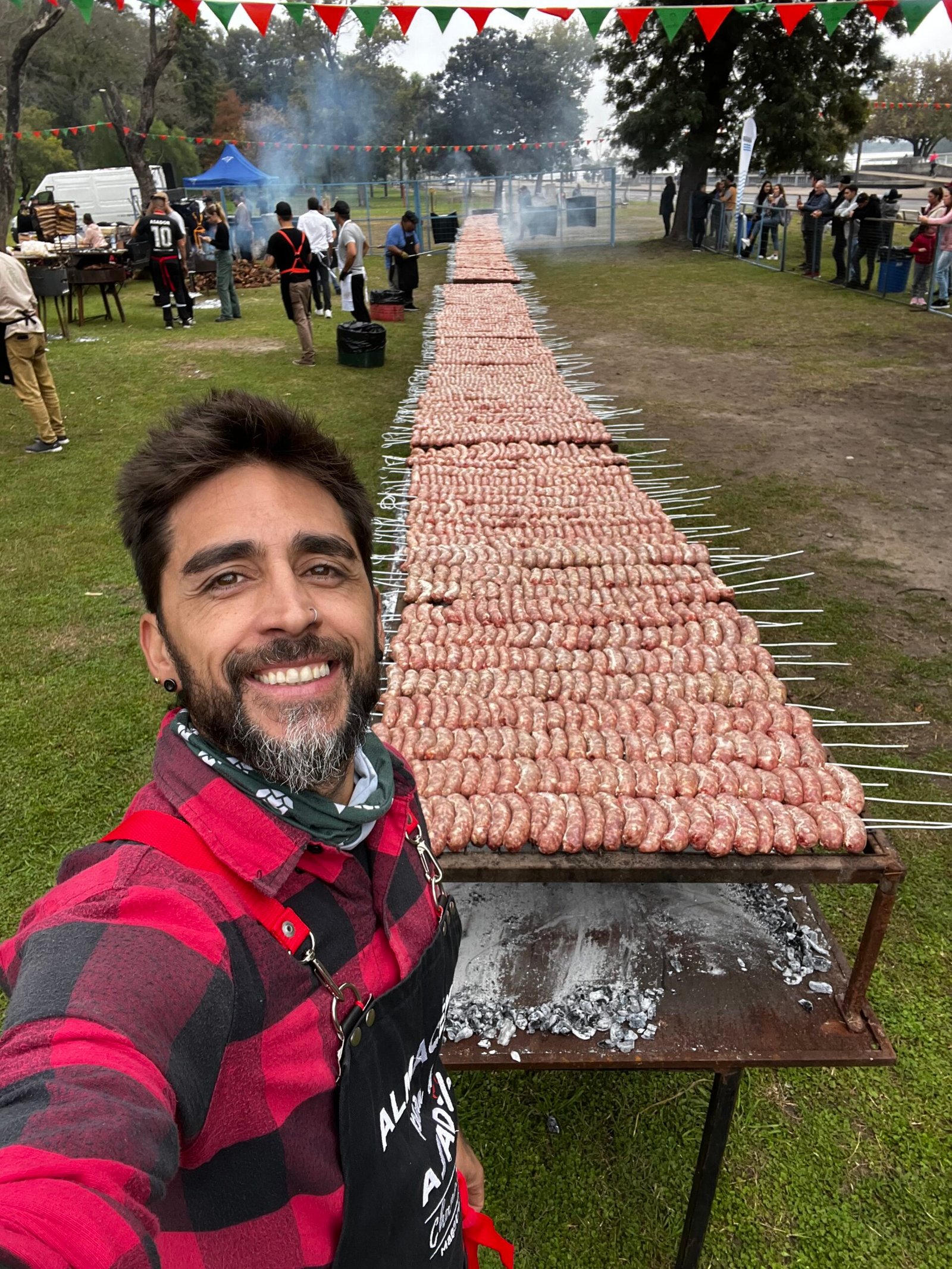
In 2016, we opened our second restaurant, Fratello al Natural, where I was able to develop an ancestral fire-based cuisine and create large banquets that eventually took me across much of Latin America and throughout my beautiful country, sharing knowledge through culinary workshops, competitions, classes, and television programs.
At the end of 2023, together with my family—Luisi, Juanita, and León—I made the decision that it was time to keep growing and bring our next project to life. Once again, it meant breaking through limiting structures and fears, stepping outside our comfort zone. That was when I first moved alone to Italy in search of what I’m fortunate enough to enjoy today alongside them—my family.
Now, I have the opportunity to share my values, roots, and essence in different kitchens while continuing to learn, improve, and grow—not only as a professional, but even more importantly, as a person.
- What aspects of restaurant culture do you love, and what parts do you find frustrating or problematic? Are there any changes you’re actively working toward or things you hope they change in the industry? Share the reasons behind them and how they align with your vision for a better culinary world?
I believe this is one of the most sensitive and important issues still affecting gastronomy around the world.
What I enjoy most is the cultural exchange that happens inside kitchens. The ability to blend and fuse different culinary traditions through techniques, knowledge, products, and stories creates experiences that no longer belong to just one place.
These traveling souls—people who leave their homelands and carry their traditions with them—allow guests who walk into a Michelin-starred restaurant or a humble home where food is prepared with respect, honesty, and love to reconnect with a place where they were once truly happy.
A single bite can awaken emotional memories. It can bring back the sounds of a grandmother’s kitchen, the warmth of a family home, gatherings with friends, childhood neighborhoods, schools, clubs, cities, and entire countries. Food has the power to reconnect us with what is essential.
As for the less beautiful side of our industry—and this includes everything from Michelin-starred restaurants to the simplest neighborhood diner—I believe we are still fighting against outdated structures.
Long working hours without proper rest, low wages, gender violence, verbal, psychological, and physical abuse, racism, lack of empathy, and difficult working conditions continue to exist.
In many kitchens, and I say this from personal experience and with great sadness, people are still subjected to forms of exploitation that take advantage of vulnerability, loneliness, and the dedication of hardworking professionals. Experience and years of commitment are often undervalued or dismissed.
That is why I have spent years actively working and speaking out against these situations. Without fear, I continue to denounce these practices so that such abuses do not continue. I hope to contribute, even in a small way, to a healthier future for our profession.
I also encourage anyone experiencing or witnessing these situations not to normalize them, but to raise their voices with respect and dignity so that conditions continue improving—from the dishwasher to the last link in the chain.
Because behind every position, every title, and every uniform, we are all people.
- What are your hopes for the future of the restaurant and food and beverage industry? What changes would you like to see, and how are you contributing to that change?
I’m a positive person who enjoys building and creating, and I firmly believe that everything can always be improved.
Over the last few years, global gastronomy and consumer culture have experienced extraordinary growth and visibility. The industry has become increasingly globalized, offering a wider variety of culinary options than ever before. However, this growth has also increased the demand for products and resources on a massive scale.
What still concerns me is that even in 2026, despite all the advances in technology, innovation, and infrastructure, we continue to misuse resources.
We generate enormous amounts of organic and non-organic waste, and we continue to waste drinking water through unnecessary consumption. Water is one of the most valuable resources we have, and we know it is becoming increasingly scarce.
I believe the best way to address these challenges is through education. We need to train the people working directly within the industry, establish responsible consumption practices, monitor resource usage, and optimize how we use ingredients while minimizing waste.
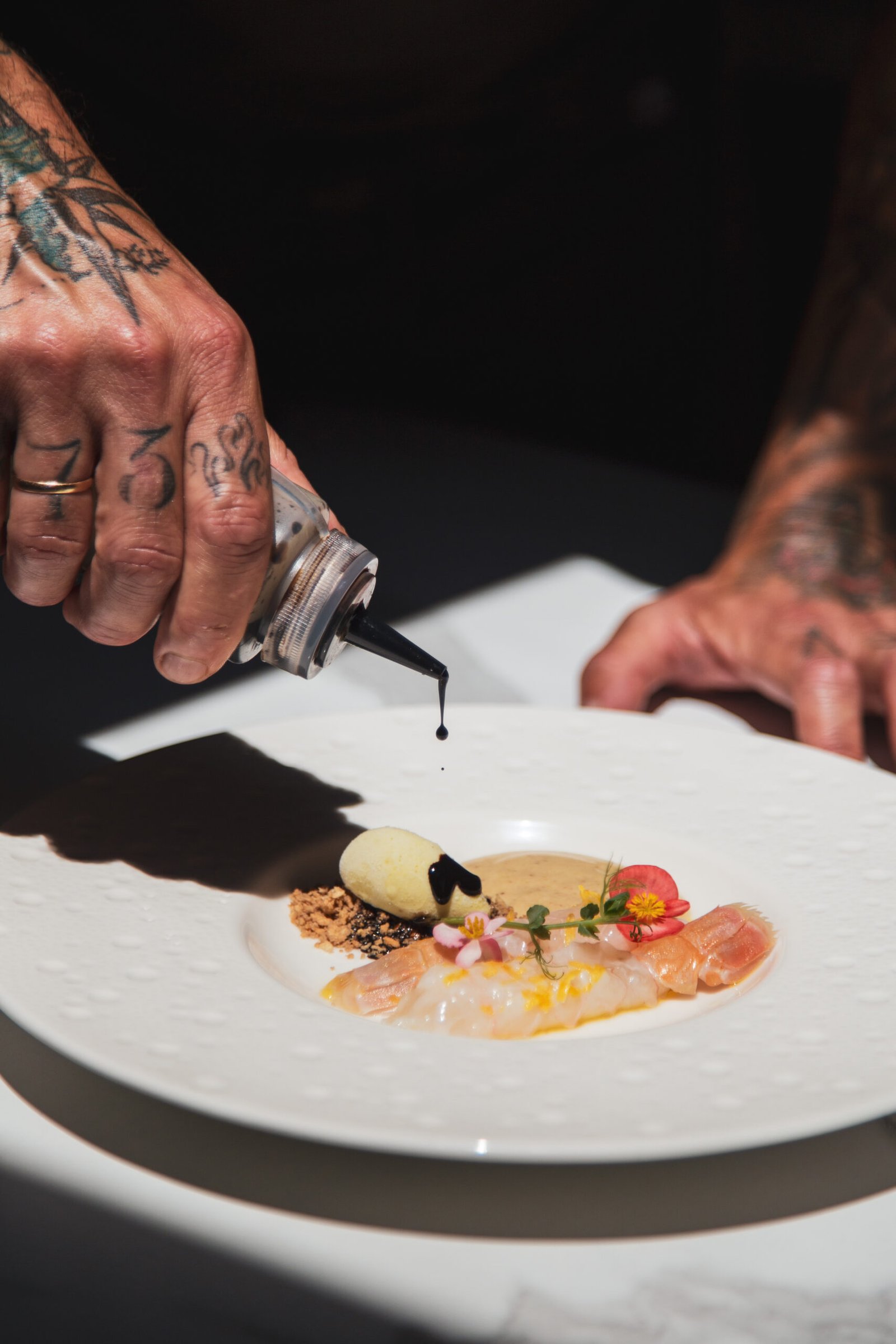
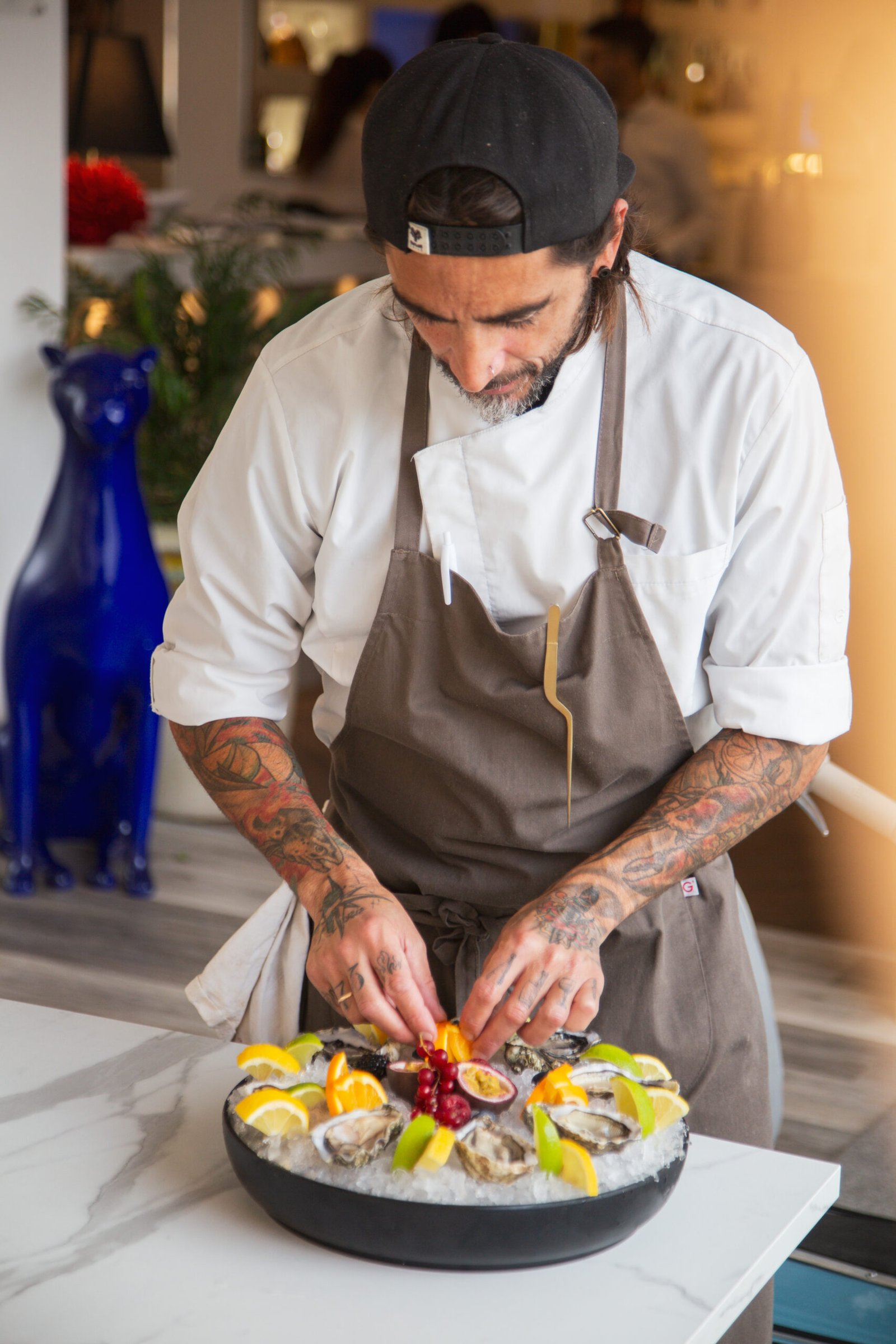
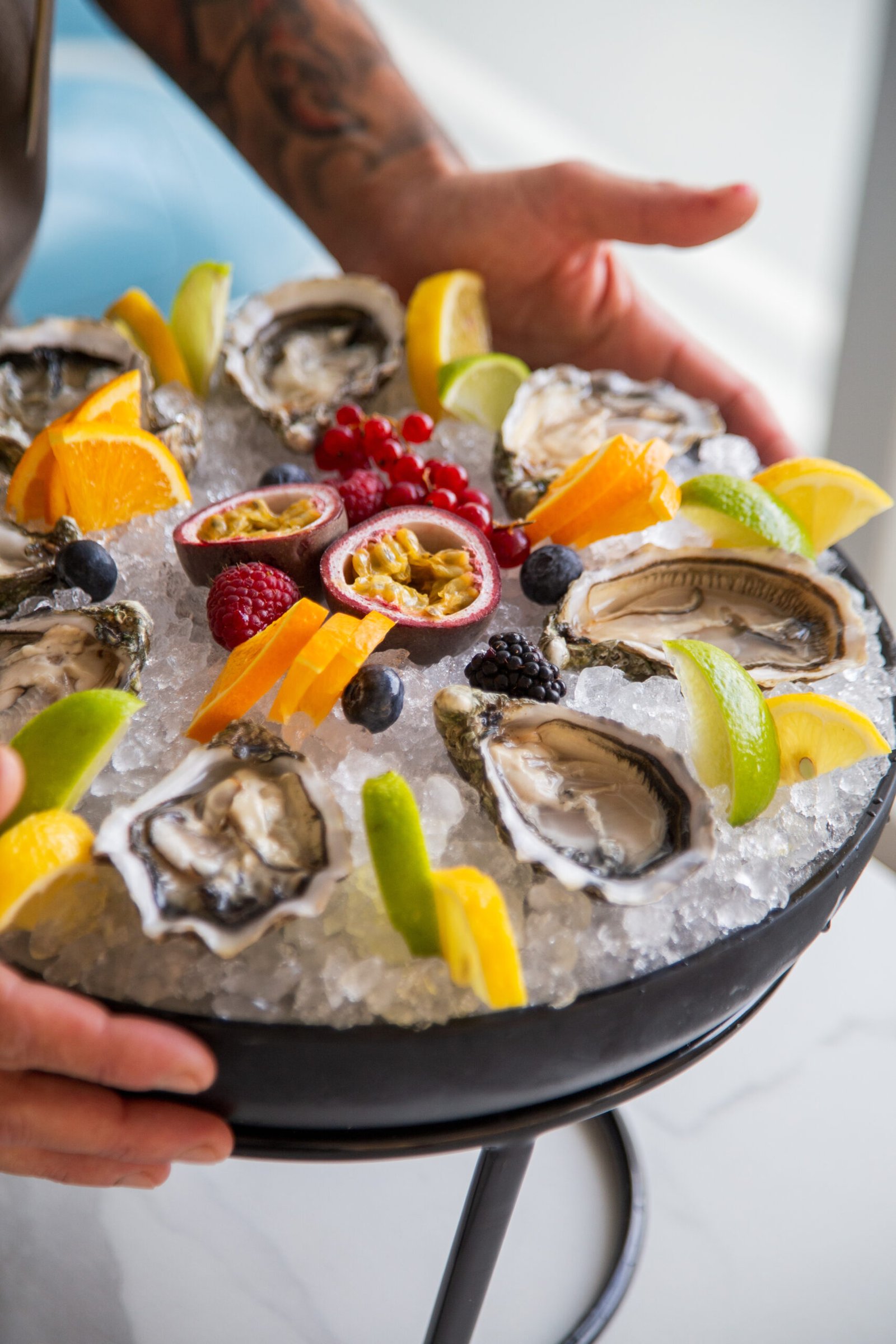
📸 Photography by @giovanno_
— Giovanni Bianchi
Secret Sauce
- What’s the most unexpected ingredient you’ve ever worked with, and how did it change your perspective on cooking?
The most unexpected ingredient I’ve worked with is the Nalca leaf—a giant green leaf that can grow large enough to cover a person. It grows in southern Argentina, in Patagonia, and is used to cover food in an ancestral cooking technique called Curanto.
During the underground cooking process, the leaf releases its properties into the food, creating unique flavors.
- What’s your “guilty pleasure” meal?
Anything that contains sugar.
- A food trend that you hate and why?
Honestly, when there’s something I don’t like, I don’t even waste energy thinking about it.
- What’s the craziest shift you’ve ever worked in the kitchen?
At my first restaurant in Argentina, I spent two full 24-hour days cooking.
I worked both lunch and dinner services, and when service ended, I stayed alone throughout the afternoon and all night cooking pig’s trotters because I was saving money for a trip I had dreamed about for a very long time—a trip to London and France.
It was the journey where, for the first time, I crossed the Atlantic Ocean and discovered the Old Continent.
5. What happened, and how did you manage to get through it?
When you are pursuing your dreams with enthusiasm and conviction, nothing can stop you.
- What tips would you give to other cooks and chefs to help them navigate their culinary careers and find peace amid the chaos of the kitchen?
I would share this:
When we understand that the most valuable thing we have in life is not material, we are one step closer to happiness and peace.
We can spend thousands and thousands of hours working, accumulating money, awards, applause, social media likes, and surrounding ourselves with “important” people, all while trading away the most valuable thing we possess—and often without realizing how quickly it disappears.
That thing is TIME.
“Time teaches us to value life, and life teaches us to value time.”
Enjoy the process. Appreciate every day of your life. Surround yourself with people who value your time, and don’t give it away to those who don’t deserve it.
Cook with love, honesty, and care. Don’t rush the process. Every stage teaches us something and tells us when we’re ready for the next step.
Respect and hierarchy are earned over time. They cannot be bought or imposed.
One day, when you least expect it, someone will call you Chef, and you’ll feel comfortable hearing that word. On that day, you’ll realize it was all worth it.
And it will become a beautiful responsibility that you’ll carry for the rest of your life.
- What’s an underrated ingredient and why?
I don’t believe there are underrated ingredients.
There are simply ingredients.
8. What’s a must-try dish from your kitchen or the one you’re proudest to have prepared?
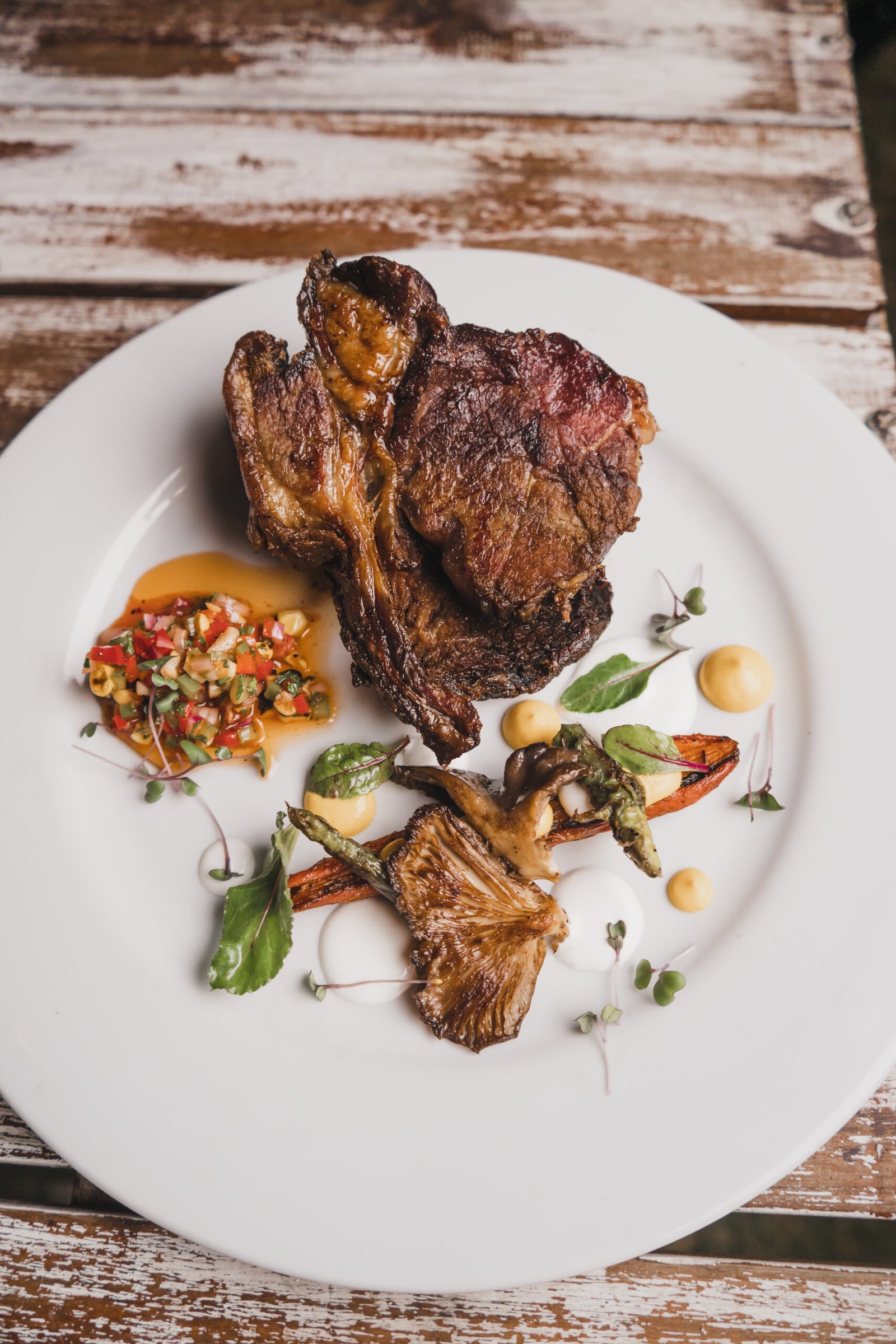
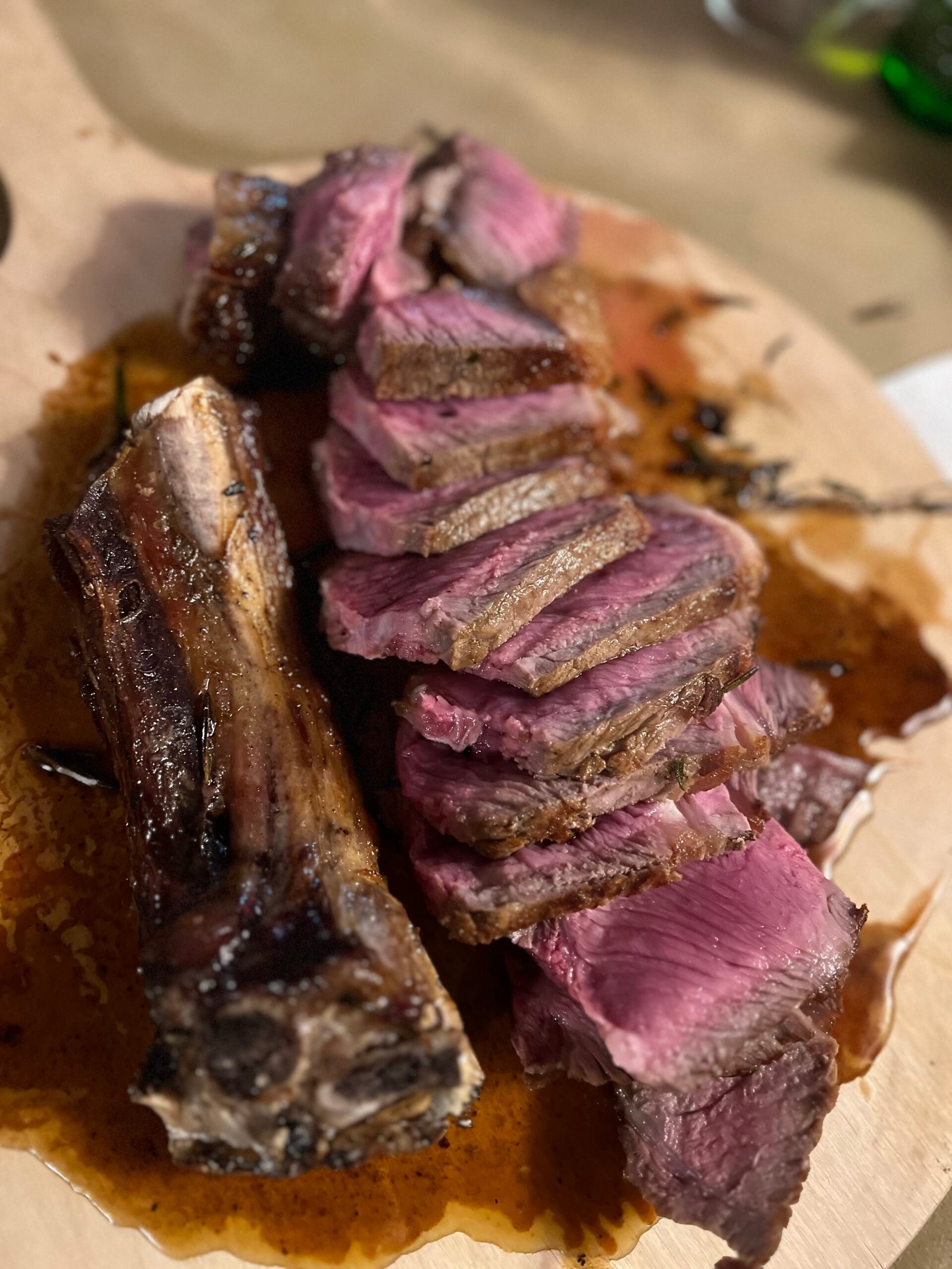
Slow-cooked beef ribs and flank steak cooked “a la estaca” for eight hours over Aromito and Ñandubay wood—native woods from my province.
About Your City!
Concordia - Entre Rios - Argentina
- If Anthony Bourdain or a chef came to your city, what would be the perfect tour itinerary from breakfast to dinner?
If Anthony were still alive and came to visit me, that would have been another dream come true.
So let’s make it happen.
We would start early, around 5:30 in the morning, with a good round of traditional bitter mate and, most likely, a coffee for Anthony. We’d enjoy homemade breads for toast, medialunas de grasa, butter, honey, dulce de leche, homemade jams, scrambled farm eggs, and local cheeses.
After breakfast, we’d head to the river, where a boat would already be waiting for us. We’d spend the entire morning exploring different fishing spots and waterways.
Around midday, we’d stop on an island, light a fire, and enjoy a proper Argentine feast: grilled meat, fried fish, fish empanadas, and, as tradition demands, a few good glasses of wine.
Later in the afternoon, we’d return to the city and visit some local bars owned by friends, enjoying cocktails made with regional ingredients such as fresh citrus fruits.
I’d also take him to see the largest brewery complex in South America, located right in the city.
To finish the evening, we’d head to a beer garden and enjoy traditional local dishes paired with a few ice-cold lisos—the classic 250 ml glasses of beer that are part of Santa Fe’s culture.
We’d end the night walking along the waterfront, visiting the iconic Suspension Bridge, and stopping by the Colón Stadium.

Support our project by buying our merch!

86 HOTK Unisex t-shirt
$30.00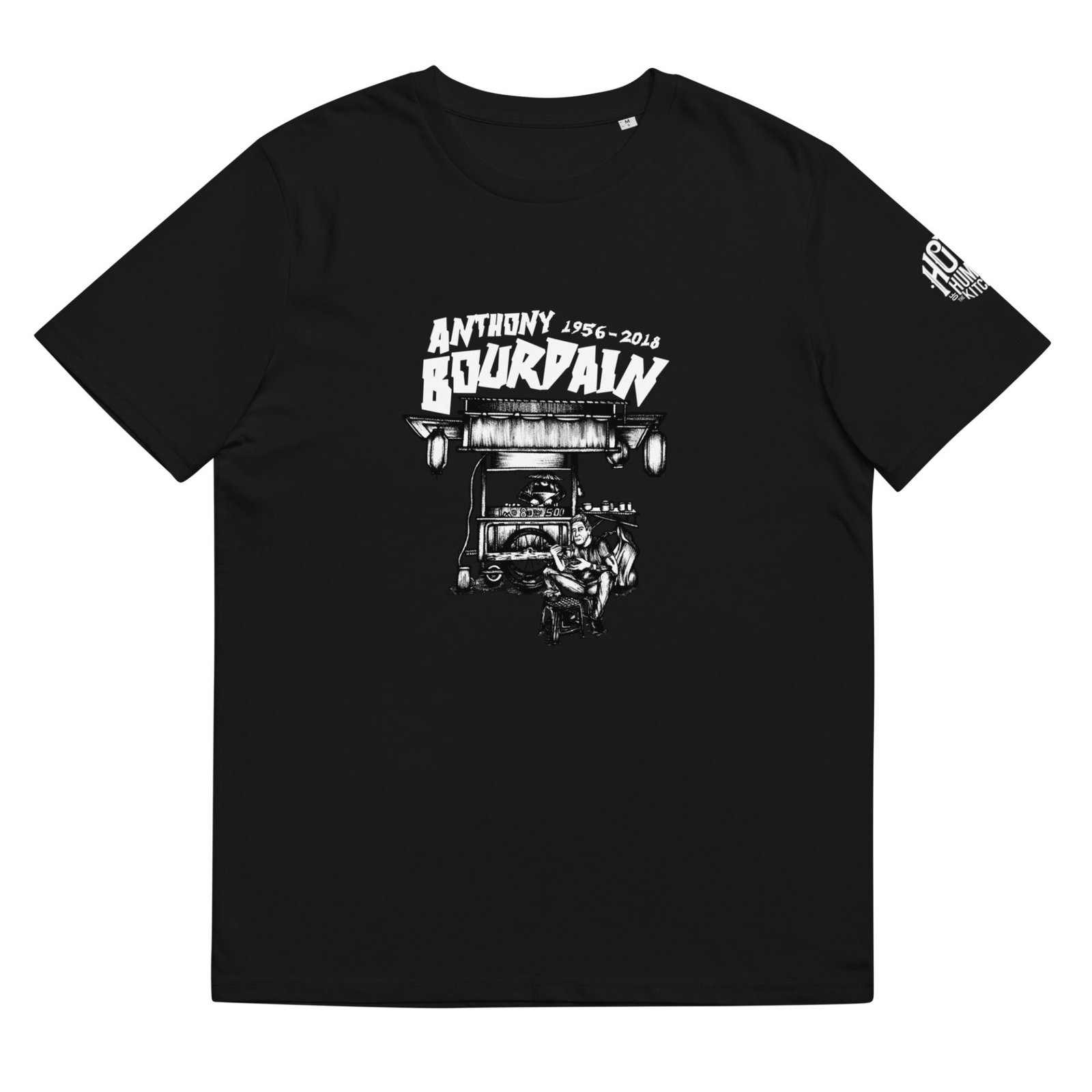
Anthony Bourdain T-Shirt
$35.00
Mise HOTK Unisex t-shirt
$30.00