Trust The Timing, Even When It Hurts
Every rejection and setback eventually pushed him closer to the life he imagined.
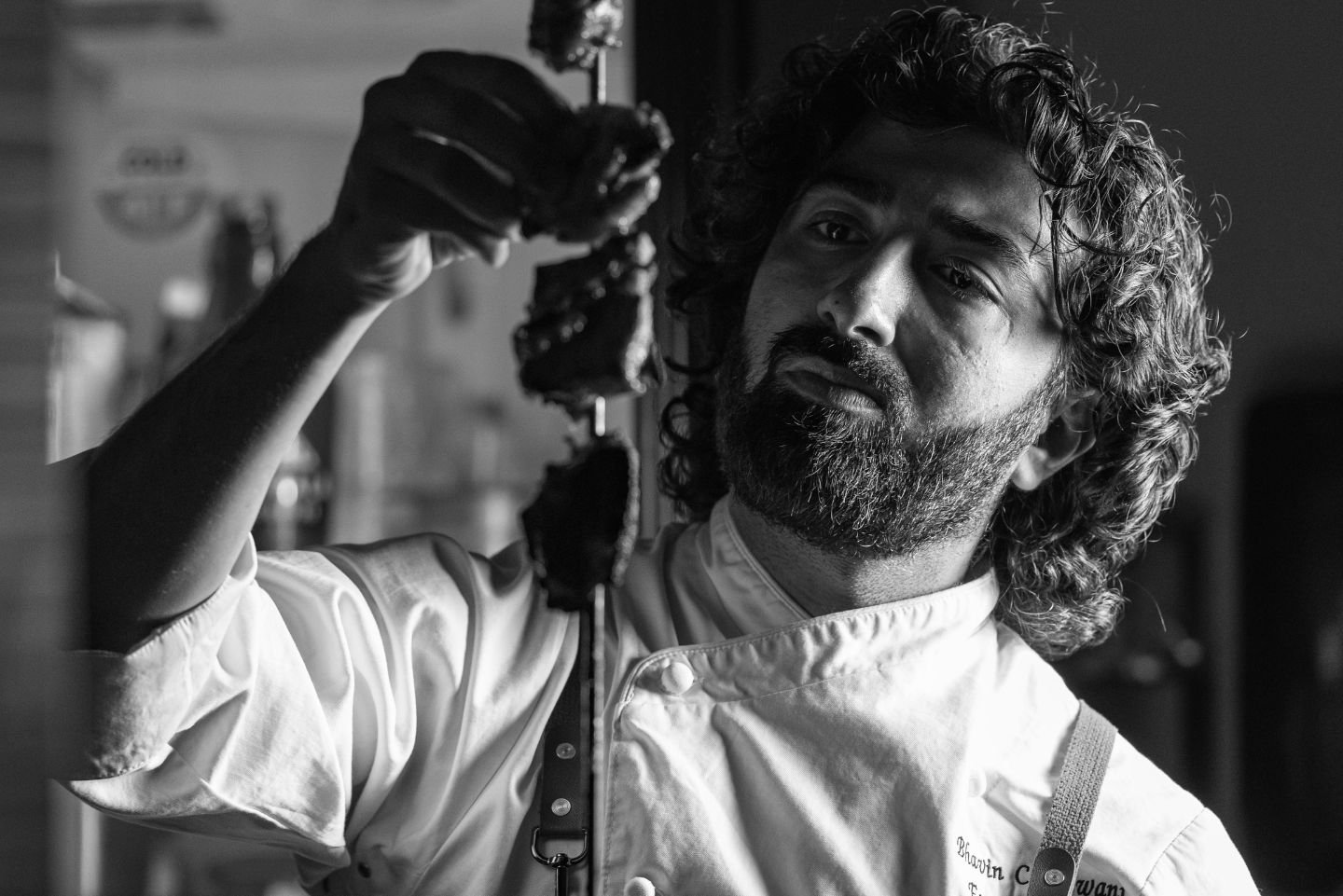
Bhavin Chhatwani
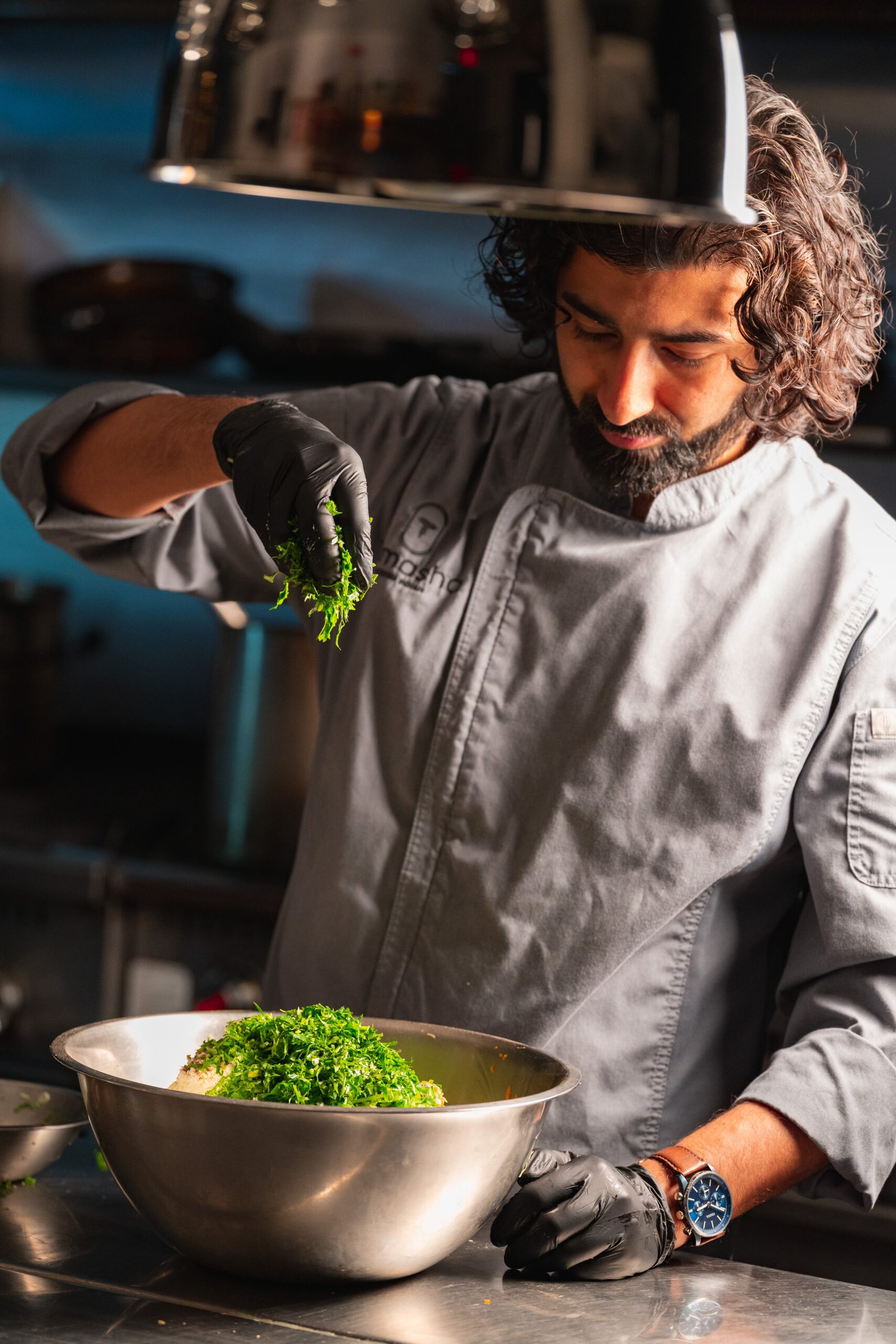
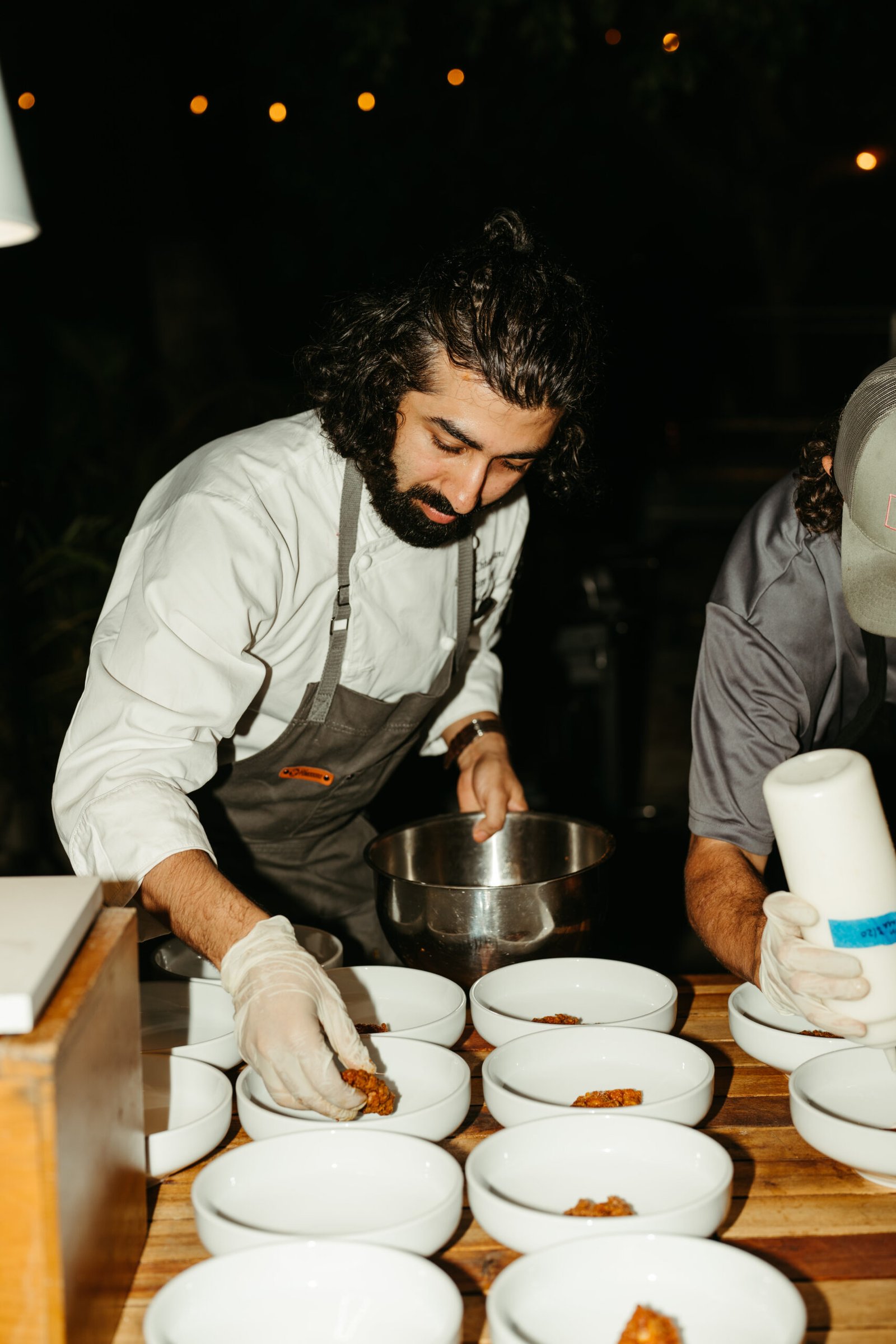
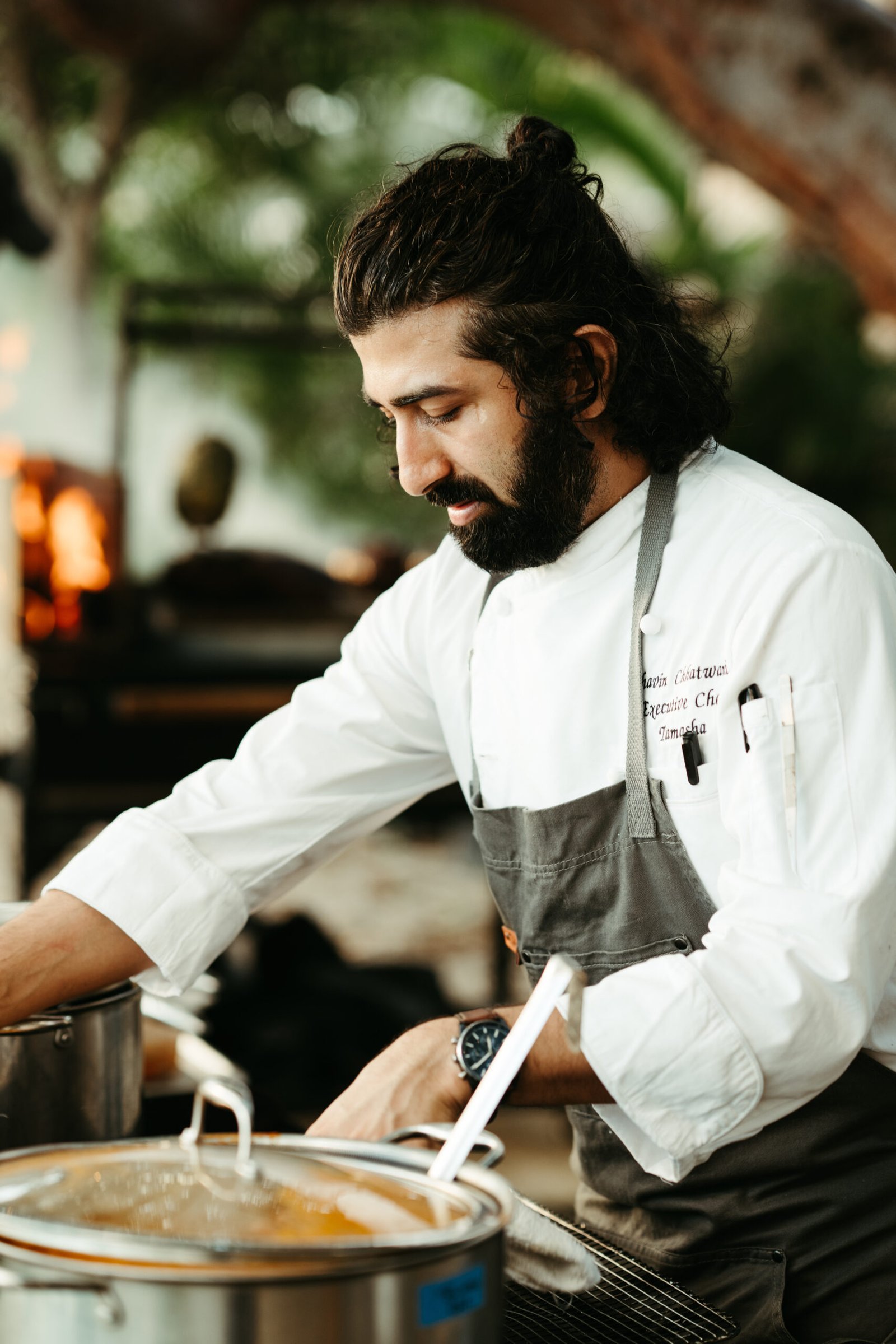
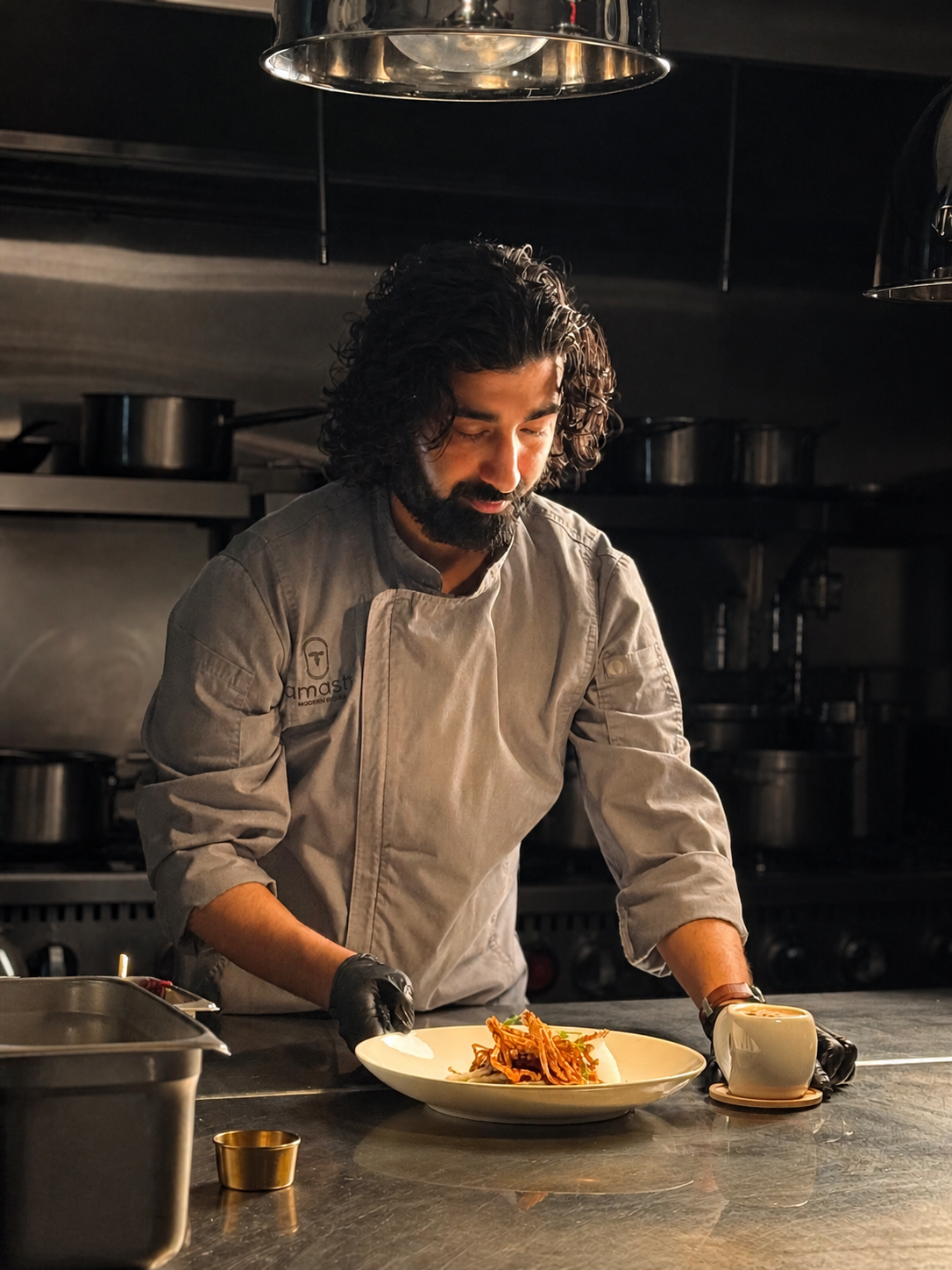
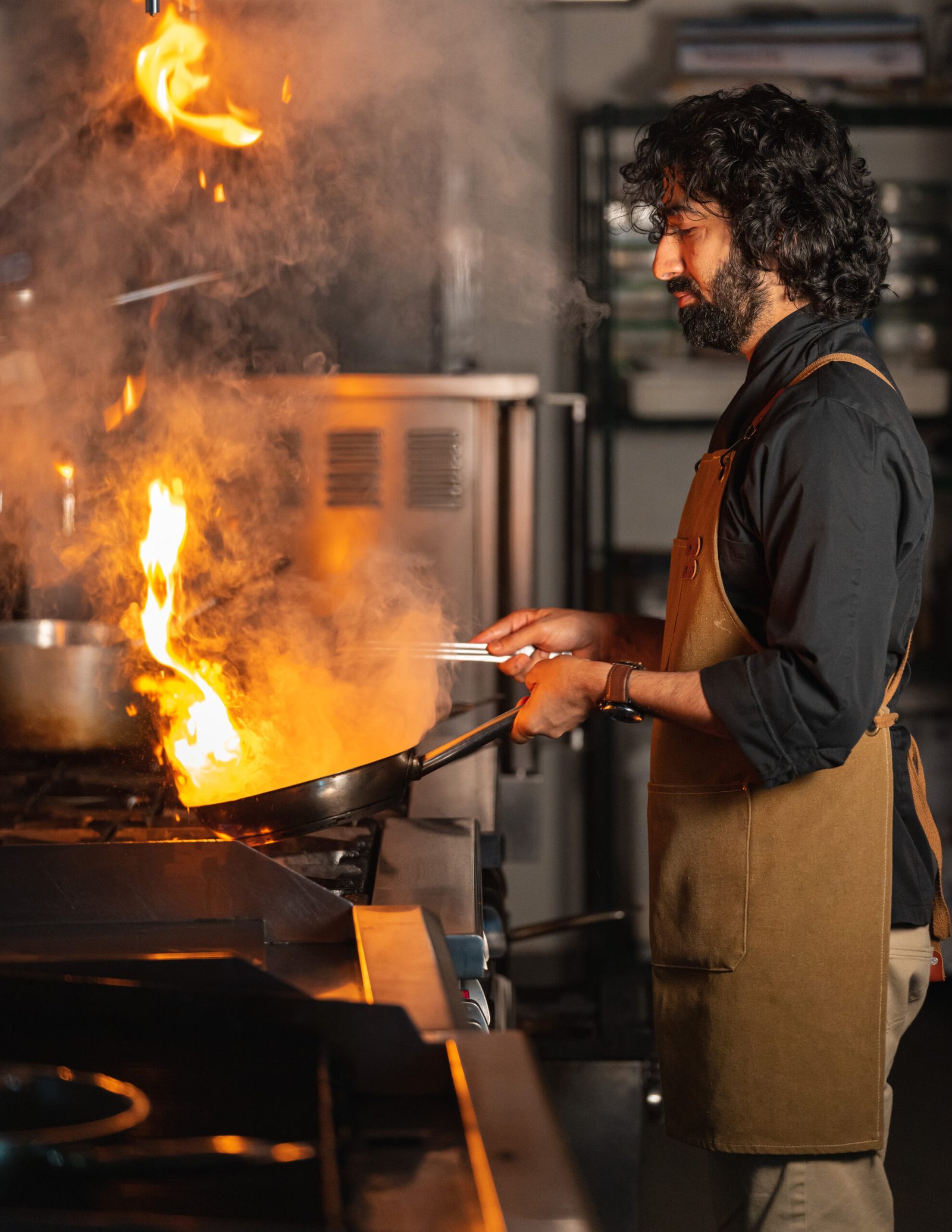
Bhavin Chhatwani has been chasing kitchens for as long as he can remember. Sneaking looks into restaurant backrooms as a child, standing on stools to cook before he was tall enough to reach the stove, completely captivated by the people creating something out of heat, movement, and instinct.
For him, food was never just about eating. It was longing, curiosity, identity, and eventually, purpose. From growing up in India to rebuilding his life and career in the United States, his path has been shaped by persistence, sacrifice, and an almost relentless belief in what cooking could become. Every setback, from rejection to immigration challenges to uncertainty of the pandemic, pushed him closer to building his own culinary legacy.
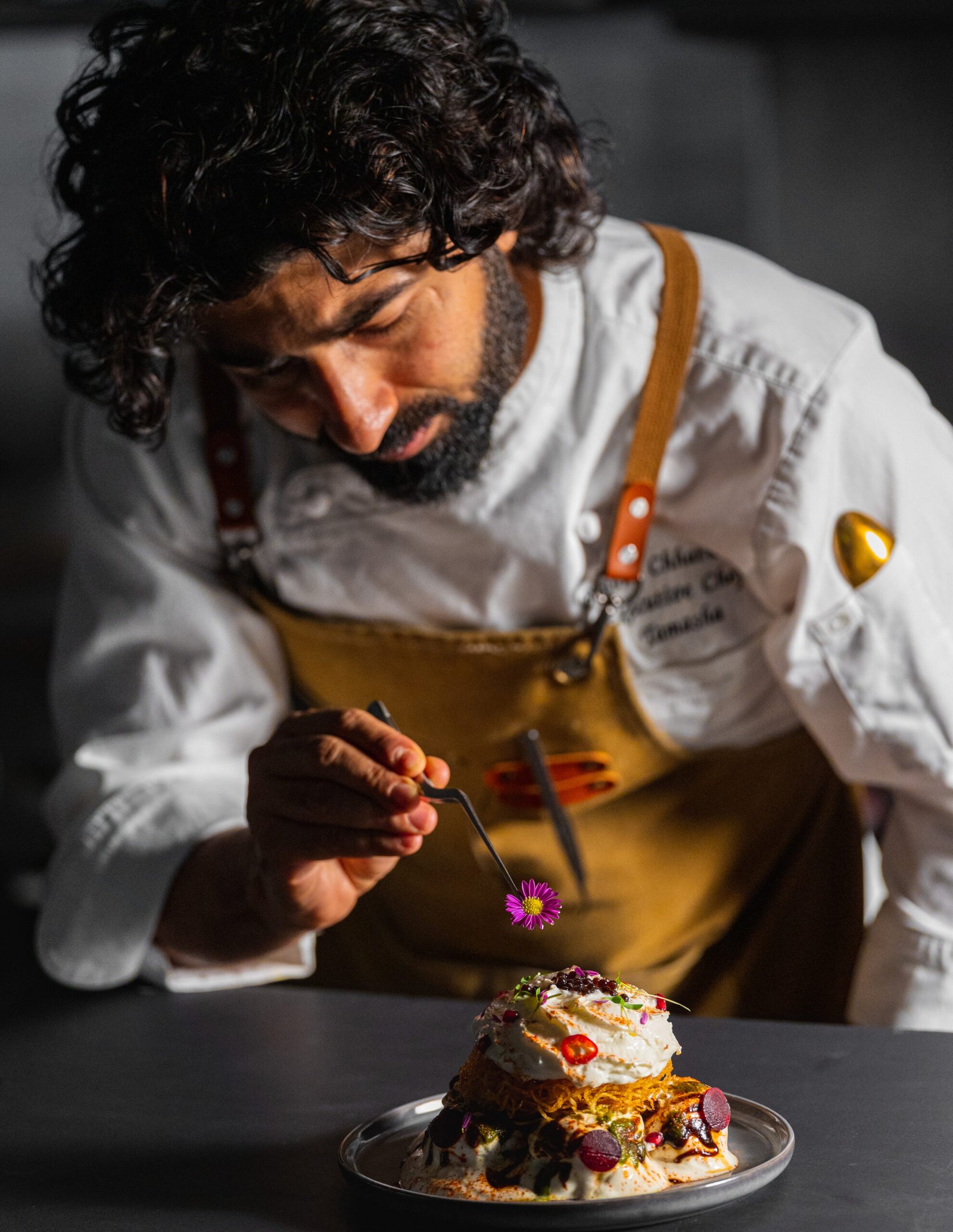
Today through his work at @Tamashanc, Bhavin is redefining what Indian cuisine can look and feel like in America, rooted in memory, driven by intention, and unafraid to evolve.
In this conversation, he reflects on ambition, family, reinvention, and the kind of kitchen culture he hopes to leave behind for the next generation.
Share your Journey
- Looking back at your childhood, was there a specific moment or memory that sparked your interest in food or cooking?
My earliest food memory is standing on a stool in our kitchen, too small to reach the stove without it, mixing whatever I could find on the shelves while my parents were out. I must have been seven or eight. I didn’t know what I was making. I just knew I had to make something.
Growing up, I was asthmatic, and so many foods were off-limits for me as a child. I watched other kids eat freely while I sat on the sidelines. My mother would tell people I had incredible willpower, but honestly, it wasn’t willpower; it was longing. The moment I recovered and could eat without restriction, something inside me just broke open.
I also used to sneak into restaurant kitchens and stand outside food stalls watching vendors work. I was completely transfixed, not just by the food, but by the act of creating it. Who were these people? How did they know what to do? I wanted to be one of them. My sister was my biggest cheerleader from the very beginning. Whatever small thing I made, she celebrated it like I had cooked a feast. She made me believe I had magic in my hands. That belief stuck with me and, honestly, it still does.
- Did you have another career or job before becoming a chef? How did those experiences influence your decision to pursue cooking?
Cooking was always the plan, but convincing my family took some negotiation. My father ran a small hotel and understood firsthand how grueling the hospitality world could be: long hours, physical demands, modest pay. Like most Indian parents, they wanted something more comfortable for their son. Engineering, an MBA, a white-collar path. I was stubborn. I told them that even if I did an MBA and landed a good job, I would spend my life unhappy, always wondering “what if.” That honesty and perhaps my stubbornness eventually convinced them. They supported me, knowing I was not someone who would let go of something I truly believed in. Food had always been central to my life. I grew up in a home where conversations revolved around meals, what we ate, what we would cook next, and where we would go to eat. That constant engagement built a natural fascination. At the same time, watching my father run his business gave me a different perspective. I saw hospitality not just as cooking, but as a balance of people, operations, and resilience.
My grandfather’s journey, migrating during the Partition of 1947 and rebuilding life from nothing, also stayed with me. It instilled a mindset of perseverance: no matter how difficult things get, you can always start again.
There was never really another career, only food. But those early experiences shaped how I approach it today. They taught me that being a chef is not just about cooking well; it’s about building something sustainable, leading people, and having the courage to choose passion over comfort. That decision continues to define how I work with conviction, even when the path is uncertain.
- Did you formally study culinary arts, or are you self-taught? How has your learning journey shaped your approach to cooking?
I formally studied culinary arts and hotel management for four years, and I graduated as a top performer in my class, something that surprised even me, because I was known growing up as the most notorious kid among all my cousins, not exactly a model student. But when my parents trusted me enough to send me to one of the best culinary schools in the country, the fees my father stretched to afford that trust changed me completely. I became obsessed. Dedicated. I wanted to honor what they sacrificed.
That foundation gave me classical technique, kitchen discipline, and an understanding of hospitality as a craft rather than just a job. But the real education came after graduation. Being selected as one of eight students nationwide for the Taj Hotels Management Trainee program, out of thousands, and then learning inside some of the world’s finest hotel kitchens, that’s where theory became instinct.
Formal education gave me the vocabulary. The kitchens gave me the language. And living in different countries, cooking with ingredients I had only read about in textbooks, learning from chefs who thought completely differently from my training, that gave me the voice. I’m still learning every single day. The moment you think you’ve arrived is the moment you stop growing.
- When did you first step into a restaurant kitchen? What was that experience like, and how did it shape your journey as a chef?
Before I ever stepped in officially, I was sneaking in. As a child, I would find ways to peer into restaurant kitchens, the heat, the noise, the organized chaos, the speed. It felt like the most alive place in the world to me.
My first real professional kitchen experience came during my culinary school internship at Taj Hotels & later the same year, another internship with The Oberoi Hotels, both of which are among the most prestigious hospitality groups in the world. I remember walking in and feeling both completely at home and completely humbled. I thought I knew things. The kitchen reminded me immediately of how much I didn’t know.
The hierarchy, the pace, the precision, everything required a level of focus that sharpened me fast. You learn in a professional kitchen that there is no room for ego. The dish either works or it doesn’t. The guest either feels something or they don’t. That first experience set the tone for everything that came after. It taught me that talent is just the entry ticket. What matters is how hard you’re willing to work once you’re inside. It was a craft that demanded everything from you.
- What were some of the early challenges or obstacles you faced when you started in the kitchen, and how did you overcome them?
The early challenges were layered. First, convincing my family. Then proving myself in environments where thousands of students were competing for a handful of spots. Then arriving in the United States, a completely different food culture, a different kitchen culture, a different pace of life, and having to rebuild my reputation from zero.
At Taj Campton Place, nobody knew who I was. In India, I had made a name for myself. I had led the kitchen at Taj Falaknuma Palace at twenty-four. I had cooked for heads of state, dignitaries, and celebrated figures at a restaurant that was counted among the best in the country. None of that traveled with me across the ocean. I was the new guy, and I had to earn my place all over again, working twice as hard, proving myself twice as thoroughly. That was humbling. And honestly, it was the best thing that could have happened to me. It stripped away any complacency I might have carried.
Then COVID hit and dismantled everything overnight. Being asked to leave the country I had dreamed of living in since childhood, watching a career I had built so carefully, suddenly go quiet, that was the hardest stretch. But I kept cooking. Kept learning. Kept showing up. My belief is simple: if you stay ready, the opportunity will find you. And it did.
I met my partner Mike Kathrani at a time when I was searching for something more meaningful creatively. We shared an ambition to build a restaurant that could serve some of the finest Indian food in the country, but for me, it was always about doing it in away that felt honest to my own perspective. I wanted to redefine Indian cuisine through my own lens — rooted in tradition and memory, yet unrestricted by expectation or convention. That vision eventually became Tamasha. From the beginning, the response grew organically, the kind that happens when the food resonates beyond the plate. Today, we are proud to be creating one of the most distinctive Indian dining experiences in the country, and every challenge along the way became part of the foundation that made it possible.
- What keeps you inspired and how has that inspiration driven you throughout your professional journey? Especially during tough times in the kitchen?
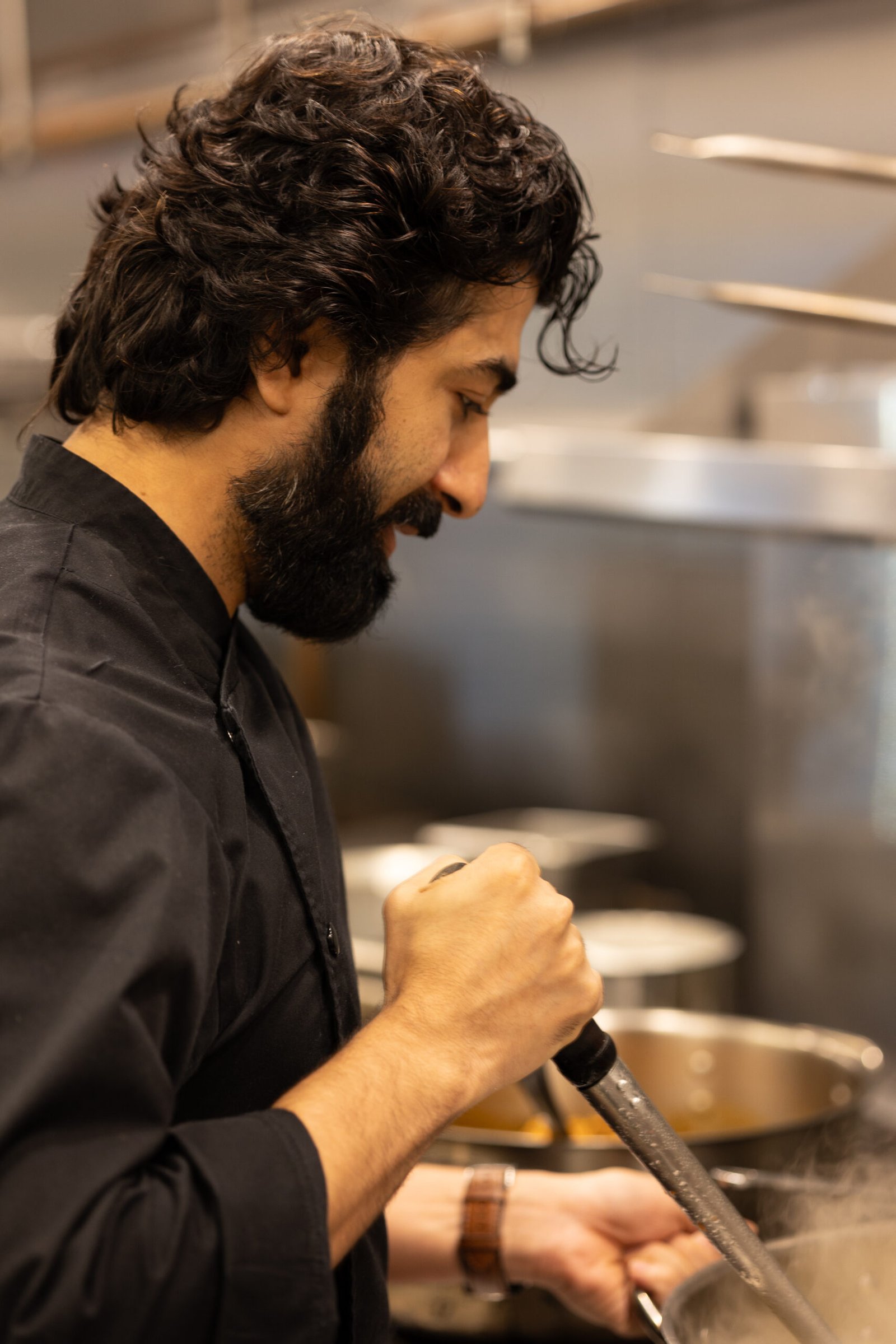
The food itself. There has never been a single day in my career when I woke up and didn’t want to cook. Even during the darkest stretch, the pandemic, the uncertainty, the disappointments, my mind never stopped working on flavors, combinations, ideas. That restlessness is what tells me I’m in the right profession.
But beyond the food, it’s the people. The moment a guest experiences something unexpected, the way their face changes, that is irreplaceable. You cannot manufacture that reaction. You either moved someone or you didn’t. Chasing that feeling is what gets me through difficult days.
I also draw inspiration from the ingredients themselves. When I first walked through the Ferry Plaza Farmers Market in San Francisco, I felt like Alice in Wonderland. I had never seen that abundance of quality and diversity before. New ingredients still do that to me. A beautiful piece of produce, a mushroom I haven’t worked with, a spice used in a way I hadn’t considered, these things light me up the same way they did when I was a child on that stool in my parents’ kitchen. The curiosity never went away. I hope it never does.
What surprises people is that the numbers fascinate me just as much. The books, the accounts, the cost structures, the business of running an operation, I find genuine joy in that side of it, too. A restaurant is a living financial organism, and understanding it deeply makes you a better chef, not a more distracted one. It keeps me invested in the whole picture, not just what happens on the plate.
And then there is the science. Understanding why a dish works, the chemistry, the technique, the physics of heat and texture, feeds the same curiosity that sent me into my parents’ kitchen as a child. Every new dish I create is also an experiment. Many of them are born from my travels, from a memory of a flavor encountered in a market in India, a technique observed in a kitchen in California, a combination that arrived fully formed somewhere over the Atlantic. My journeys live in my food. That is the most honest way I know to describe what keeps me going: the food, the people, the ingredients, the numbers, the science, and the stories I am still trying to tell.
- Can you recall a moment in the kitchen that marked you forever? Maybe it was an interaction with a mentor, a fellow cook, someone you fed, or a situation that challenged you in a way that shaped who you are today?
One moment I return to often is when I first interviewed for an internship at Taj Campton Place in San Francisco, the only two-Michelin-star Indian restaurant in the world at the time. I didn’t get it. I was devastated in the way only a young cook full of ambition can be devastated. It felt like a door had closed on the one place I wanted most to be.
Five years later, I walked back through that same door, not as an intern, but as Senior Sous Chef. The kitchen I once couldn’t enter as a student, I was now leading as one of its senior cooks. That night, I took my parents to the temple to share the news. My mother cried. My father, who had run a small hotel his whole life and stretched every resource to send me to culinary school, had tears running down his face. That moment with your parents is the one that stays with me most. That full circle taught me something I have carried ever since: whatever happens, happens for a reason. God always has a better plan. You just have to be patient enough to let it reveal itself.
I have lived this more than once. When the pandemic forced me out of San Francisco and back to India, I was heartbroken. A year later, a call came from The Pierre in New York — the call I had been waiting for. The group was preparing to reopen its restaurants after the pandemic closures, and the role felt like a defining next step in my journey. But through circumstances entirely beyond my control, it was pulled back before it could begin. Corporate leadership had decided they needed me elsewhere. Not a rejection, but a redirection I had no say in. Disappointment on top of disappointment. But that detour led me to Raleigh, to a blank page, to creative freedom, and to the opportunity to shape my own culinary identity. Looking back now, I could not have designed a better outcome myself.
Then the Michelin Guide invitation arrived. October 13th, 2:35 in the afternoon. I must have read that email a hundred times. It wasn’t just recognition; it felt like validation of years of struggle, risk, and belief. Sharing that moment with my team, watching people who had believed in this from the very beginning cry together, that was even more powerful than the listing itself. If things are not going your way, trust the timing. Something better is always being arranged. Every single time, what came next was bigger than what I thought I had lost.
- As a chef, how would you describe your philosophy in the kitchen, and how does it guide your approach to cooking and leadership?
I carry one idea into everything I cook and everything I build: what is authentic today was modern once, and what is modern today may become authentic tomorrow. That philosophy frees me from the trap of thinking that honoring tradition means freezing it. Tradition is alive. It moves. My job is to understand it deeply enough to move with it.
In the kitchen, I demand two things from myself and from my team: flavor and intention. Every element on a plate must earn its place. If it isn’t adding something, it shouldn’t be there. There is no decoration for decoration’s sake.
As a leader, I try to build kitchens where people are not just skilled but safe, emotionally, professionally, and creatively. The old model of kitchen culture, ruled by fear and ego, produces technically capable cooks and broken human beings. I am not interested in that legacy. I want people to leave my kitchen better than when they arrived, as cooks and as people. That means investing in their growth not just behind the stove, but in how they think, how they lead, how they carry themselves through life. I’ve built a small library in the restaurant where the team can slow down, read, and learn. It has become something everyone looks forward to. For me, the team is family, and I mean that without sentiment. I mean it in the way that matters: I am responsible for them, and I take that seriously.
And above everything, I want the food to feel like it came from somewhere real. From a specific place, a specific memory, a specific person. Guests can taste the difference between food that is crafted and food that is prepared. I cook to connect, not to impress.
- Can you share a time when cooking or the camaraderie in the kitchen helped you through a tough period in your life? What made that experience meaningful?
The pandemic broke something in me that I didn’t expect. I had arrived in the United States, living what felt like a dream working in a Michelin kitchen in San Francisco, finally in the country I had promised myself I would reach one day. Then one afternoon, the executive chef gathered us, asked us to empty the walk-ins and take whatever we wanted home, and that was it. I cried that night. Genuinely cried.
When I was asked to return to India and was posted to Chennai to lead the opening of a new hotel, I threw myself completely into the work. Not because I was over the grief of what had been taken, but because the kitchen is the one place where I have always known exactly who I am. The creativity, the problem-solving, the ritual of it, building something new from scratch, training a team, designing a concept, it gave me purpose when everything else felt uncertain.
Every night, I dreamed of getting a call back to the US. And I kept cooking. That combination of hope and discipline, channeled entirely through the work, carried me through. Food didn’t just give me a career. It kept me whole
- Reflecting on your career, what achievements or milestones are you most proud of, and what do they mean to you?
The milestones that matter most to me are not the ones I expected. Yes, the James Beard semifinalist recognition, the Michelin listing, the Esquire Best New Restaurants, these are extraordinary, and I don’t take them lightly. But the milestone I think about most is my father’s face at my graduation ceremony, jumping in his seat when I walked up to receive my merit award. He had stretched every resource he had to send me to that school. Seeing his pride that day, that is the achievement I measured everything else against.
Relocating to Raleigh to open Tamasha with Mike is another one. Everyone told me it was the wrong city. No Michelin. No precedent. We opened anyway, and within three days, we were booked out for four months. People called it a marketing gimmick because nothing like it had ever happened there before. That felt meaningful not because of the bookings, but because it proved that if you build something with genuine craft and intention, people will find it, wherever you are.
And then the email from Michelin inviting us to the inaugural American South ceremony. I read it over a hundred times. What that represented was not just recognition. It was validation of an idea: that an immigrant chef, in a secondary market, cooking food rooted in his heritage, could sit at the table with the best in the country. That still moves me.
- What aspects of restaurant culture do you love, and what parts do you find frustrating or problematic? Are there any changes you’re actively working toward or things you hope they change in the industry? Share the reasons behind them and how they align with your vision for a better culinary world?
I love the urgency of a service. The way a kitchen team moves when everything is clicking — it is the closest thing I know to a symphony. I love that this industry is one of the few places in the world where your background, your accent, and your education level matter far less than what you can do with your hands and your mind. It is a meritocracy at its best.
But at its worst, the industry has protected a culture of fear, burnout, and ego that has cost us generations of talented people. The macho kitchen, the shouting, the hazing, and the glorification of suffering were never a sign of excellence. It was a sign of poor leadership. Some of the most technically brilliant cooks I have known left this industry before they reached their potential because the environment was unsustainable. That is a failure of culture, not of the individual.
I am actively building something different. My kitchen is not soft. We hold high standards, we work hard, and we demand focus. But we do not humiliate people. We mentor. We explain. We recognize. I want cooks to leave my kitchen with more than skills; I want them to leave with dignity and a blueprint for leading.
I also believe the industry must take immigration more seriously. So much of the innovation, the labor, the flavor identity of American dining is built on immigrant hands. It is time the structures acknowledged and protected that reality, not just celebrated it in award speeches.
- What are your hopes for the future of the restaurant and food and beverage industry? What changes would you like to see, and how are you contributing to that change?
I hope the industry moves toward a model where creativity and sustainability are not treated as opposing forces. Where seasonal, regional cooking is the default, not a premium. Where immigrant cuisine is understood as American cuisine, because it always has been.
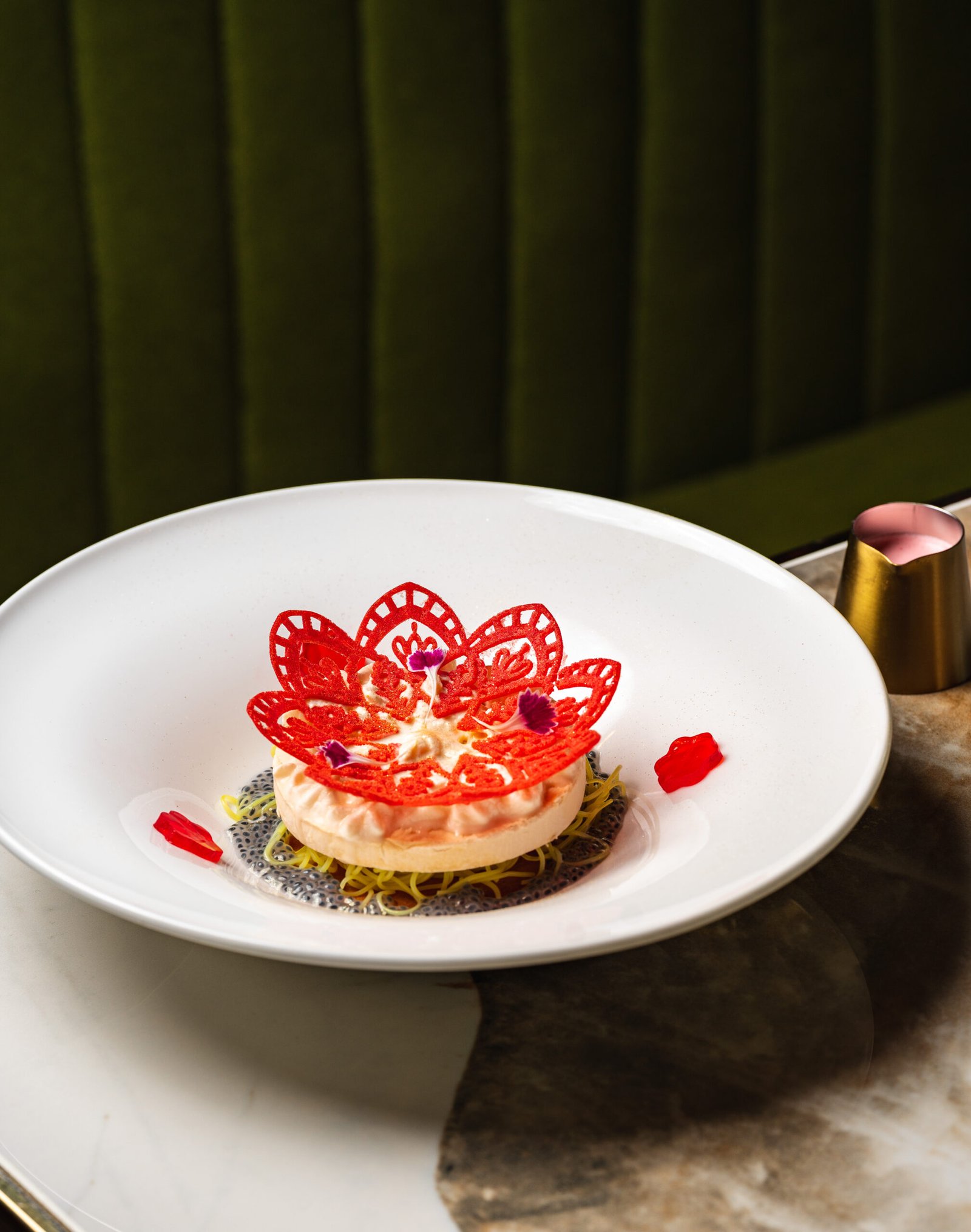
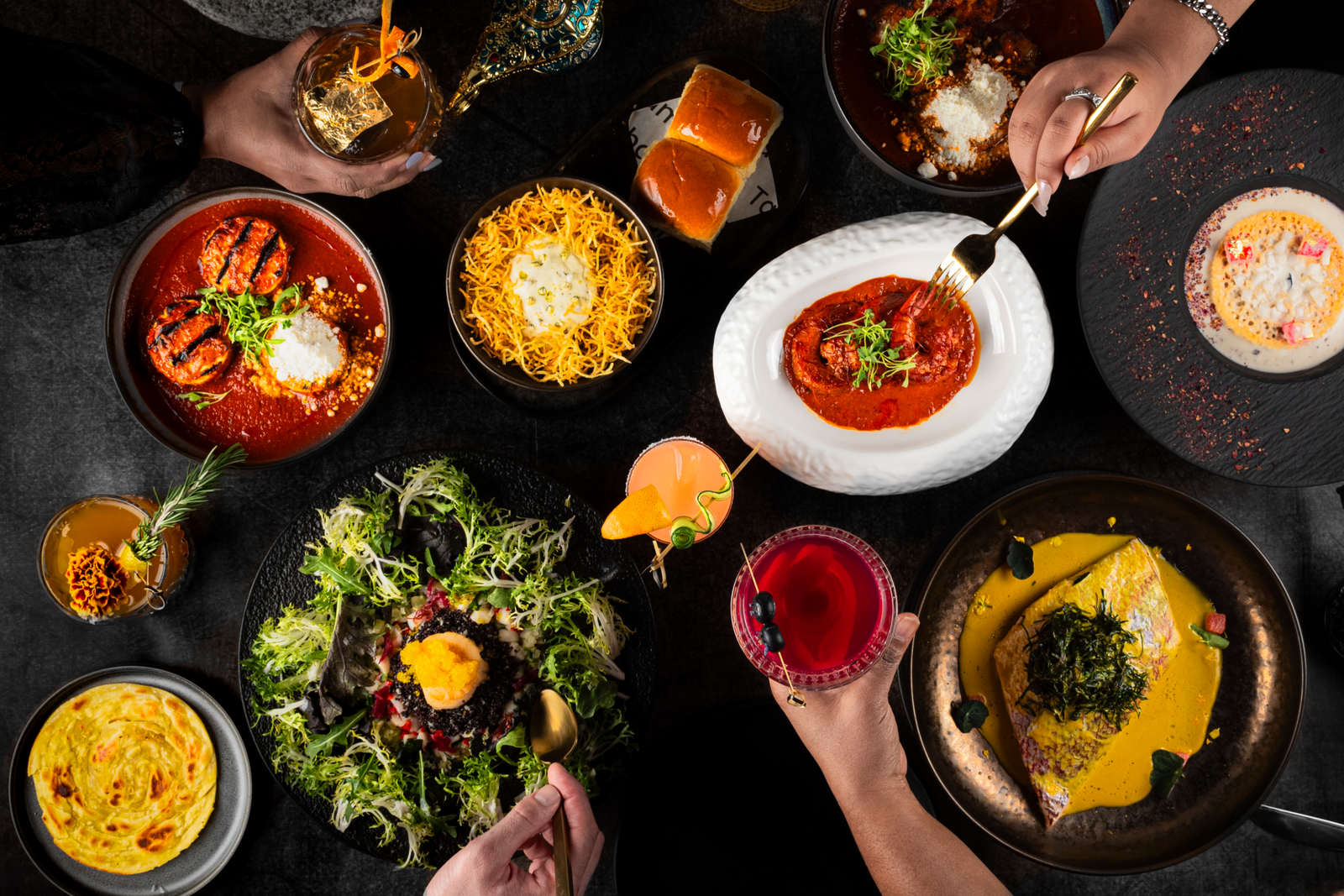
My contribution is the restaurant itself. Every plate we send out is an argument for what Indian cuisine can be in America: complex, evolved, rooted, and contemporary all at once. Every young cook I hire and develop is an investment in a different kind of kitchen culture. And every time I speak about this work, in interviews like this one, at industry events, in conversations with people who are just starting out, I am trying to give someone permission to take the less obvious path, to trust their gut feeling, to bet on themselves even when the logic says not to.
I made it to Raleigh, North Carolina, with a dream. Michelin followed. That is not a coincidence; it is a message. Keep building something real. Everything else will follow.
- If there’s anything we didn’t ask or if you feel we’re missing something about your personal and kitchen story, please share it here.
I want to say something to the young person reading this who is standing at a crossroads, being told by the people they love to take the safer road.
My parents didn’t want me to be a chef. My father had lived the hospitality life, the hours, the sacrifice, the thin margins. He wanted better for me. But they gave in, and they gave everything to back that decision. That trust changed me. It made me take my work more seriously than I would have if I had fought my way there alone.
If you have someone who believes in you, honor that belief by becoming extraordinary. And if you don’t have anyone in your corner right now, if you are the first person in your family to try this, if nobody around you understands why you want this, let me tell you: this industry rewards people who are willing to be uncomfortable. Who travels, who learns, who fails publicly and keeps going.
I arrived in the United States not as an engineer, but as a chef. People were surprised. Some were skeptical. A few were inspired. I hope the story of what came after gives more people permission to trust their feelings over what they are expected to say.
Photo credits 📸
Photos 1, 2, 3, 4, 6, 7, 8, 9, 10, 12, 13 & 15 by @prannarang
Photos 5 & 11 by @sarahbswan
Photo 16 by @harshasipani
Secret Sauce
- What’s the most unexpected ingredient you’ve ever worked with, and how did it change your perspective on cooking?
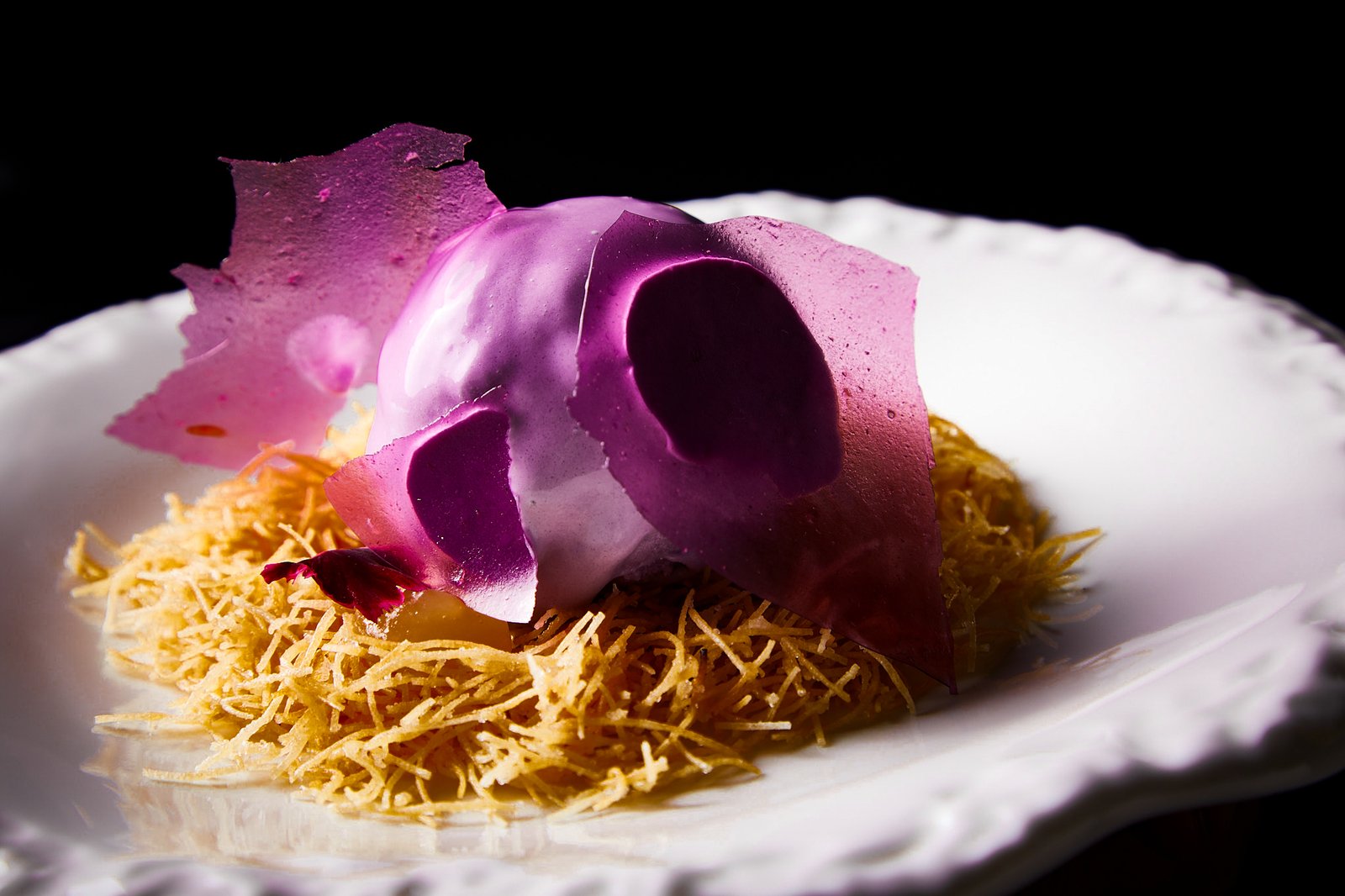
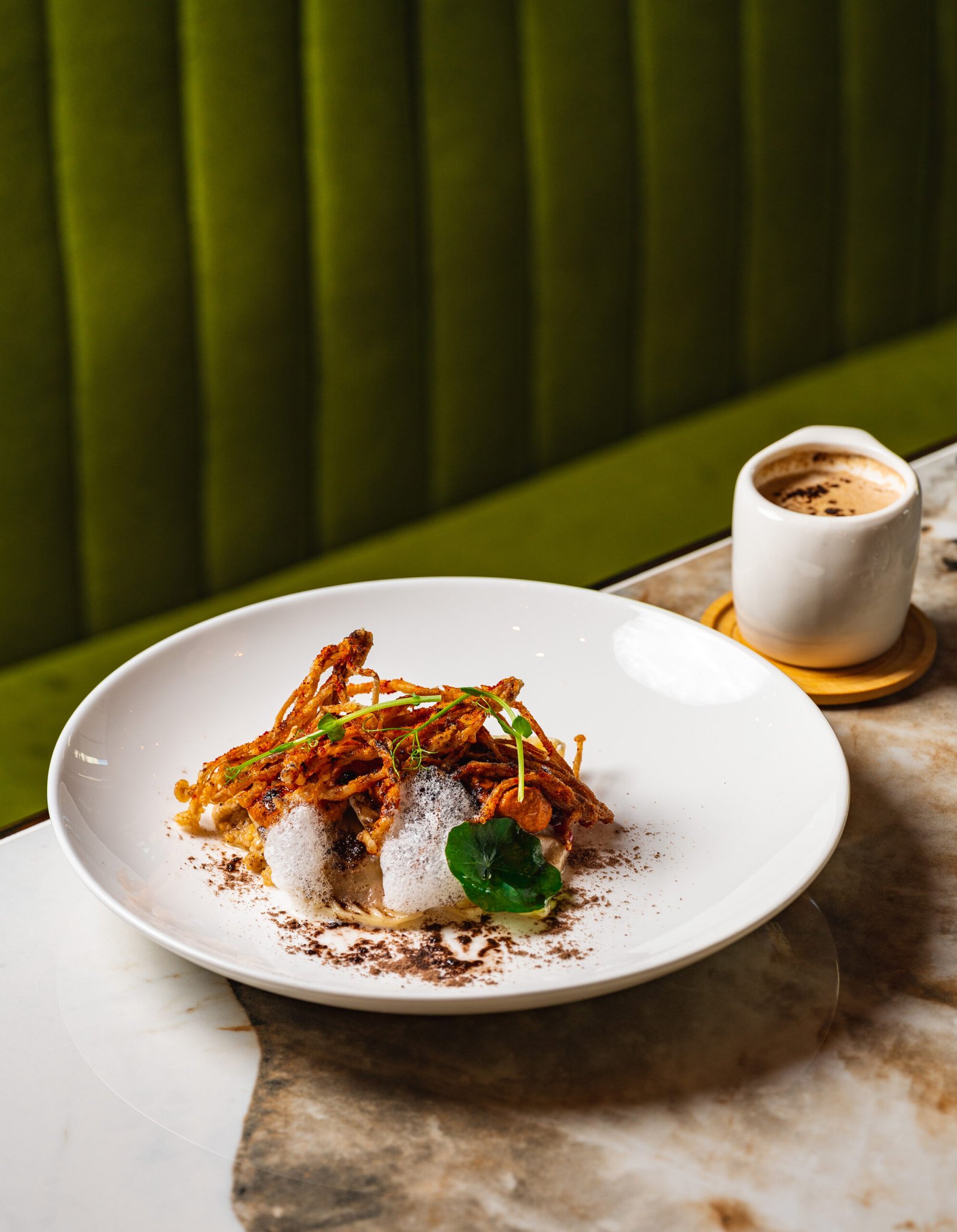
I’ve always been drawn to mushrooms. They’re an ingredient I keep returning to in different phases of my cooking. Working with varieties like Lion’s Mane, king oyster, oyster mushrooms, wood ear, portobello, porcini, enoki, and cremini, I’ve seen how mushrooms can continuously evolve in my kitchen. Each one has its own personality, distinct textures, moisture levels, and unique ways of absorbing flavor. Like Lion’s Mane, its texture is almost transformative, delicate yet meaty, and it pushed me to think beyond traditional applications. Instead of treating ingredients for what they are known for, I began exploring what they could become. That shift in thinking expanded across my cooking. It led me to use ingredients in unconventional ways, playing with texture, building depth, and creating dishes that challenge expectations, such as turning something as familiar as purple sweet potato into gelato. My obsession with ingredients keeps evolving, but mushrooms taught me one important thing: creativity isn’t about adding more, it’s about seeing more.
- What’s your “guilty pleasure” meal?
A simple bowl of dal chawal, lentils and rice, cooked the way my mother makes it. Nothing refined about it. No technique, no plating. Just the comfort of something that tastes like home and childhood and being taken care of. I have eaten at some extraordinary restaurants, worked in Michelin kitchens, and crafted dishes that took weeks to develop, and still, on a tired night, nothing touches a bowl of dal chawal with a little ghee on top.
- A food trend that you hate and why?
Overcomplicated plating with no soul and taste.
- What’s the craziest shift you’ve ever worked in the kitchen?
There have been many brutal shifts over the years, but one stands above them all.
In November 2017, I was part of the team cooking for the 8th Global Entrepreneurship Summit in Hyderabad, a joint event co-hosted by India and the United States, themed “Women First, Prosperity for All,” attended by Ivanka Trump, Prime Minister Modi, and over 2,500 dignitaries from across the world. The scale alone was staggering. But the complexity of executing food at that level of security and protocol was something no culinary school prepares you for.
Every single ingredient, every dish, every element on every plate had to pass through multiple rounds of laboratory testing before it was cleared to reach the table. Nothing moved without clearance. The margin for error was not just culinary, it was diplomatic. You are not simply cooking for guests. You are cooking for heads of state, security details, and a global media spotlight. The weight of that responsibility is something you feel in your chest, not just your feet.
I did not go home for three days. We slept in hotel bunkers in whatever hours the schedule allowed, two hours here, three hours there, and were expected to be fully present and fully sharp the moment we were called back. There was no winding down, no switching off. You stayed ready because the operation demanded it at every hour.
5. What happened, and how did you manage to get through it?
What got me through it was the team. In moments like that, individual skill matters less than collective trust. You have to know that the person next to you is as locked in as you are, that no one is cutting corners, that everyone understands the stakes. Our team had that. We communicated constantly, covered each other without being asked, and kept the standard held high from the first service to the last. Feeling something I can only describe as quiet pride. Not loud, not celebratory, just the deep satisfaction of knowing we had executed something extraordinary under extraordinary pressure, and nobody in that banquet hall had any idea how much was happening behind the scenes to make it look effortless.
- What tips would you give to other cooks and chefs to help them navigate their culinary careers and find peace amid the chaos of the kitchen?
Stay curious longer than feels comfortable. Most young cooks want to move up quickly, and ambition is good, but there is knowledge in every station, every kitchen, every culture that you cannot rush. I have cooked in palaces, Michelin kitchens, and five-star hotels across India and the US, and every single environment taught me something I could not have learned anywhere else.
Find mentors, but also be willing to learn from people below you in the hierarchy. Some of the best lessons I have received came from cooks with far fewer years of experience who saw something I had stopped noticing.
And take care of yourself. The glorification of exhaustion in this industry is not a strength; it is a warning sign. You cannot create from nothing. Rest, eat well, stay connected to why you started. The chaos of the kitchen is manageable when your inner life is grounded.
- What’s an underrated ingredient and why?
Asafoetida (hing), tiny amount, massive impact, & Kokum. It is a coastal Indian souring agent, tart, fruity, deeply complex, that does things to a dish that tamarind and lime simply cannot replicate. It has a natural affinity with seafood and coconut-based curries, and it carries a cooling quality that makes it completely unique.
8. What’s a must-try dish from your kitchen or the one you’re proudest to have prepared?
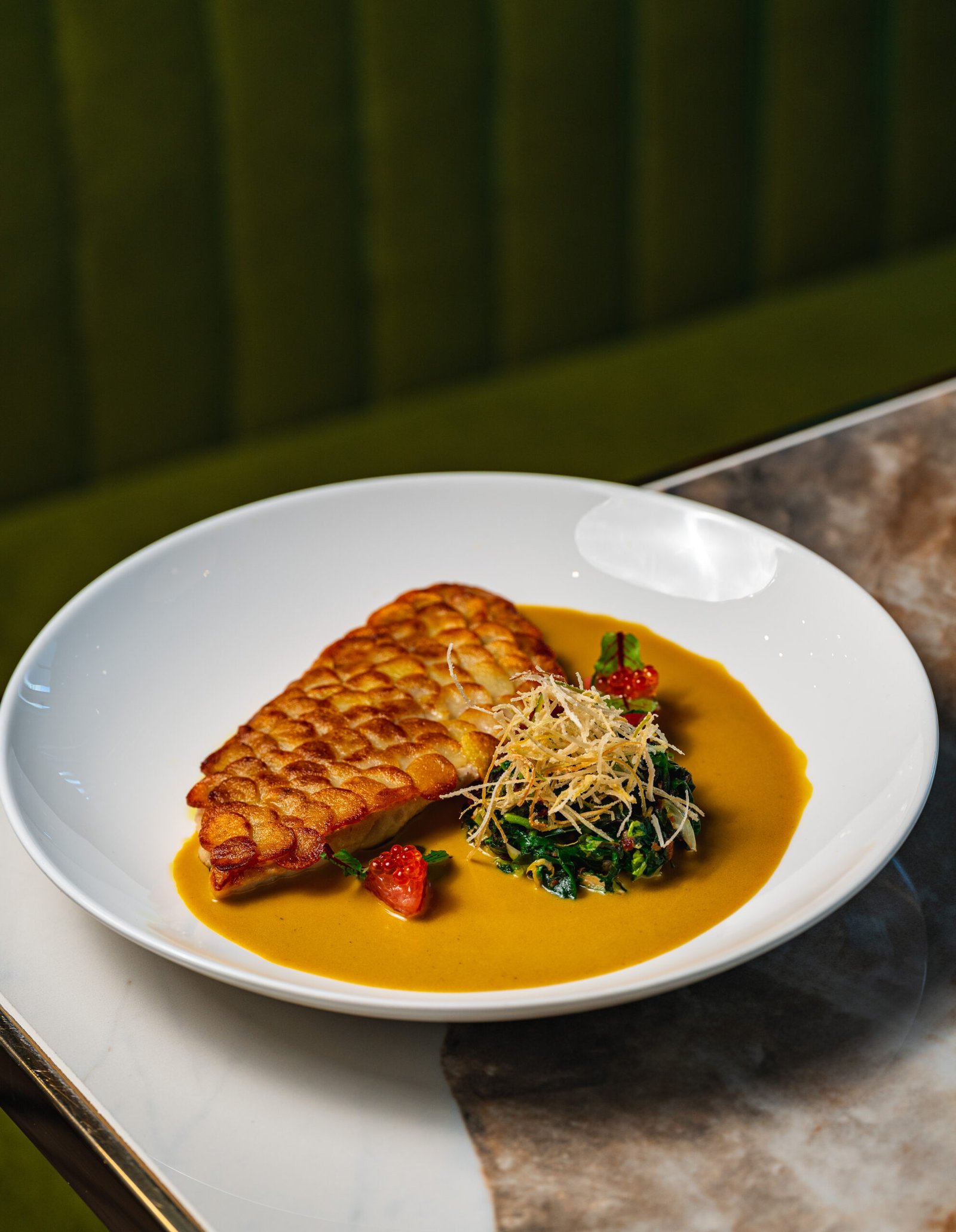
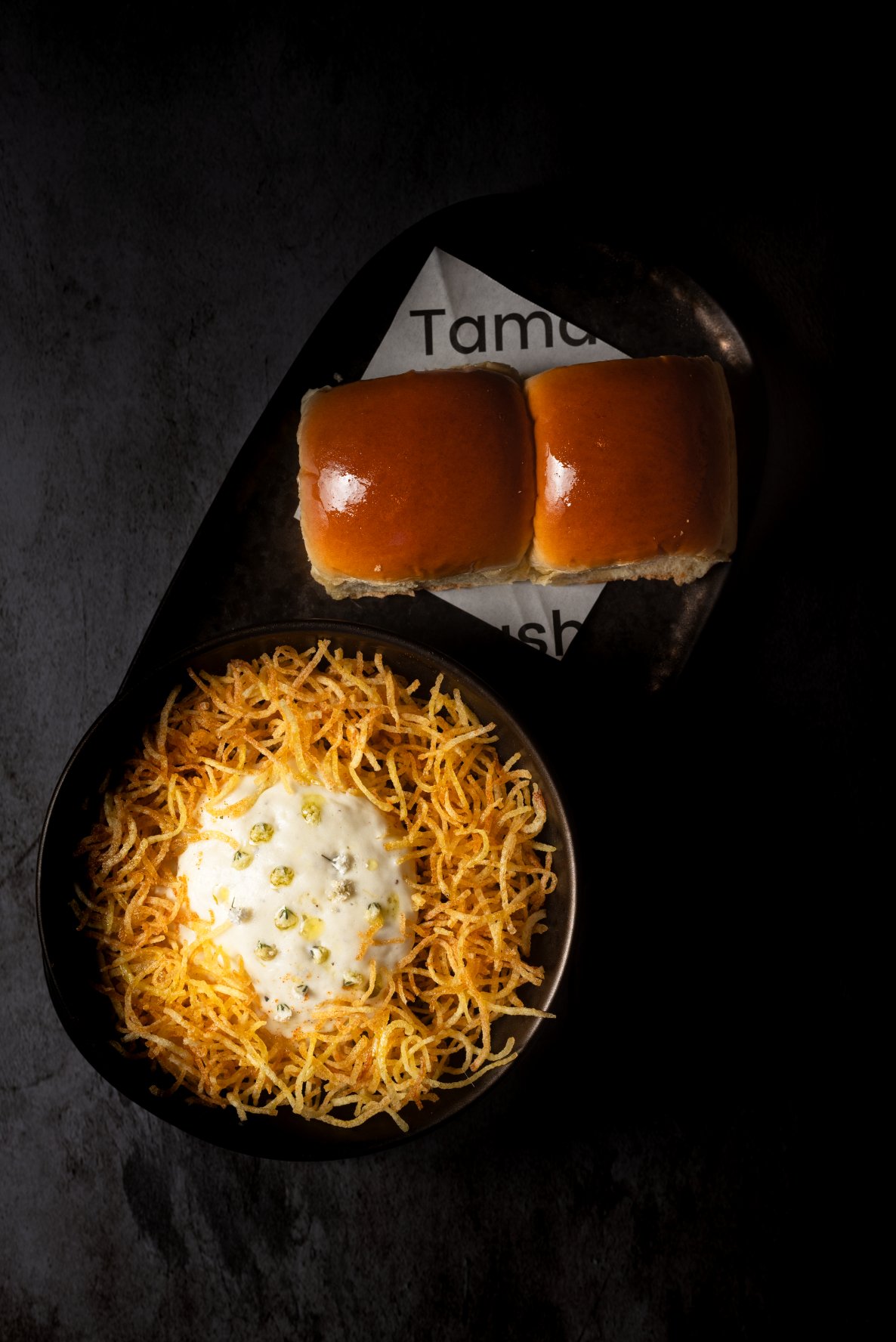
Asking me about my proudest dish is like asking a parent to name their favorite child. The answer keeps changing, and it should. Some days it’s the kheema kaleji. It’s a dish my father cooked at home, humble and deeply personal, spiced minced meat with liver, the kind of food that never appears on fine dining menus but carries more memory and meaning than almost anything I know.
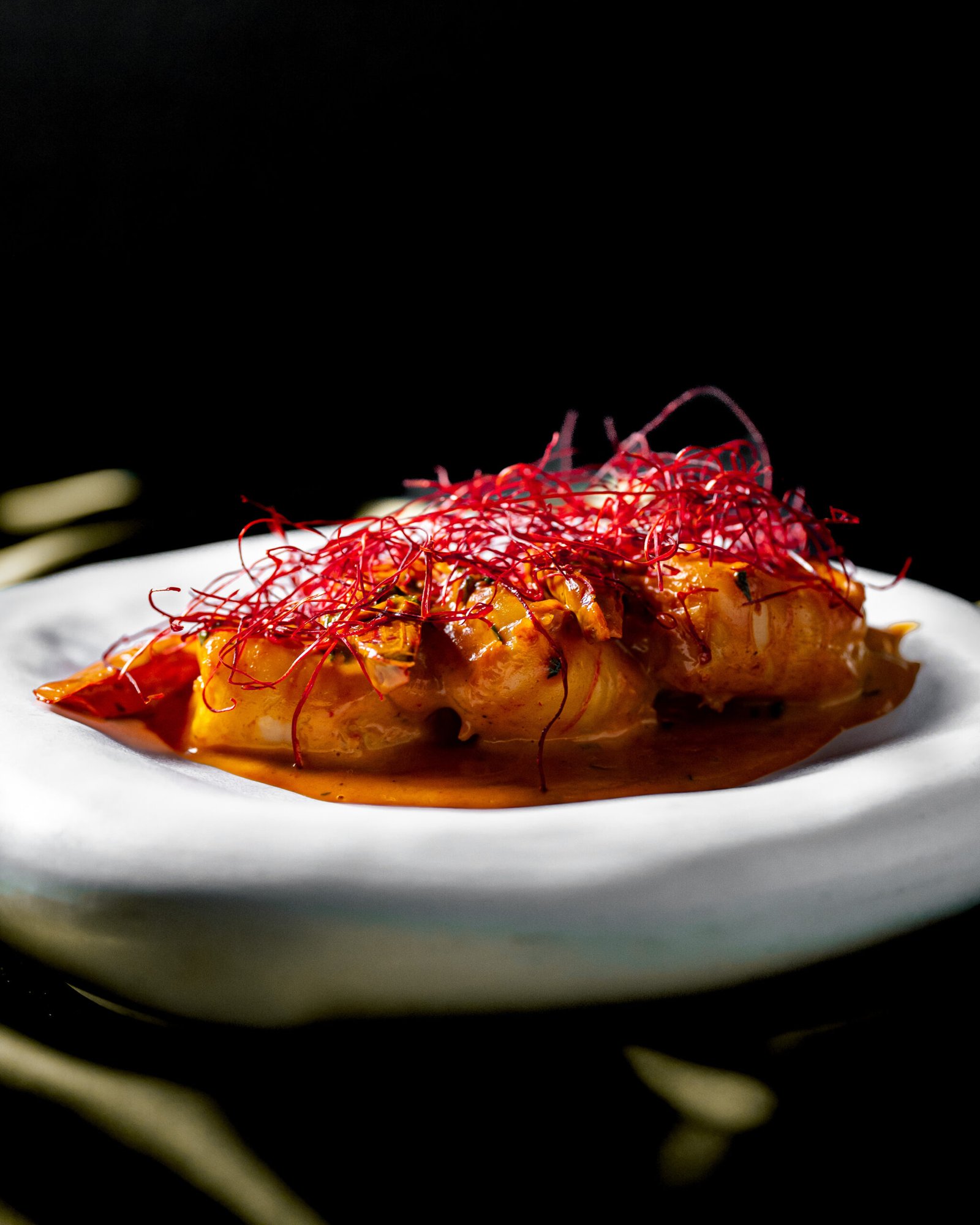
Then there is the Byadgi chili shrimp, which has a story that still makes me smile. It came to me in a dream. I was living in South India at the time, completely immersed in the region’s food culture, and somewhere between sleeping and waking, this dish arrived fully formed. Byadgi is a variety of chili grown in the Haveri district of Karnataka, mild in heat but extraordinary in color and depth, one of India’s most underappreciated ingredients. I woke up and went straight to the kitchen. That dish is a tribute to the chili, to the region, to the farmers who grow it.
And then there is the pork belly. Three days to reach the plate. Three days of layering, resting, building, and time doing work that no amount of technique can shortcut. When a guest learns how long it takes, something shifts in their experience. It stops being a dish and becomes a commitment.
That is what I want every plate to feel like: something that took time, thought, and a piece of a story worth telling.
About Your City!
Hometown: Udaipur. Home: Raleigh.
- If Anthony Bourdain or a chef came to your city, what would be the perfect tour itinerary from breakfast to dinner?
If Anthony Bourdain came to visit me, I would take him on a journey through two cities that made me who I am. One is where I was born and raised. The other is where I chose to plant my roots. Together, they tell the complete story of my food.
In Udaipur, dawn at the ghats along Lake Pichola as the city wakes. Temple bells, woodsmoke, and thick cutting chai from a vendor who has stood at the same spot for decades. A mirchi vada, green chili fritter, hot and sharp, eaten standing up, watching the light hit the water. This is where the real Udaipur lives. Not in the palace hotels but in lakes.
Mid-morning, we walk the old city lanes near Jagdish Temple for dal baati churma, wheat balls baked over wood fire, drowned in ghee, served with lentils. Rustic, generous, completely honest about the desert landscape it comes from. Lunch is a proper Rajasthani thali, gatte ki sabzi, ker sangri, dishes built from sparse ingredients cooked with patience into something that feels abundant. Rajasthani cuisine is a masterclass in constraint. Bourdain would have loved that. As the sun sets over the Aravalli hills, we find a rooftop above Lake Pichola. Laal maas, fiery red mutton curry cooked with mathania chilies that grow only in this region, with fresh bajra roti and a cold beer. No rush. That city lives in me, no matter how far I have traveled.
Bourdain loved cities in the middle of becoming something. Raleigh is exactly that. We start at the State Farmers Market, where local growers offer seasonal produce, and a Southern biscuit pulled apart by hand that is a spiritual experience in itself. Lunch is Eastern North Carolina barbecue, whole hog, vinegar-based, slow-smoked. This is not Texas barbecue. It is something older and more tied to a specific stretch of land. Bourdain would have recognized it immediately as food that only exists because generations of people refused to change it. And then dinner. We come to my restaurant. I want to cook for him, to show what happens when everything I carried from years of cooking across India, California, and the American South, lands on a single plate. The Carolinian-Indian cuisine.

Support our project by buying our merch!

86 HOTK Unisex t-shirt
$30.00
Anthony Bourdain T-Shirt
$35.00
Mise HOTK Unisex t-shirt
$30.00