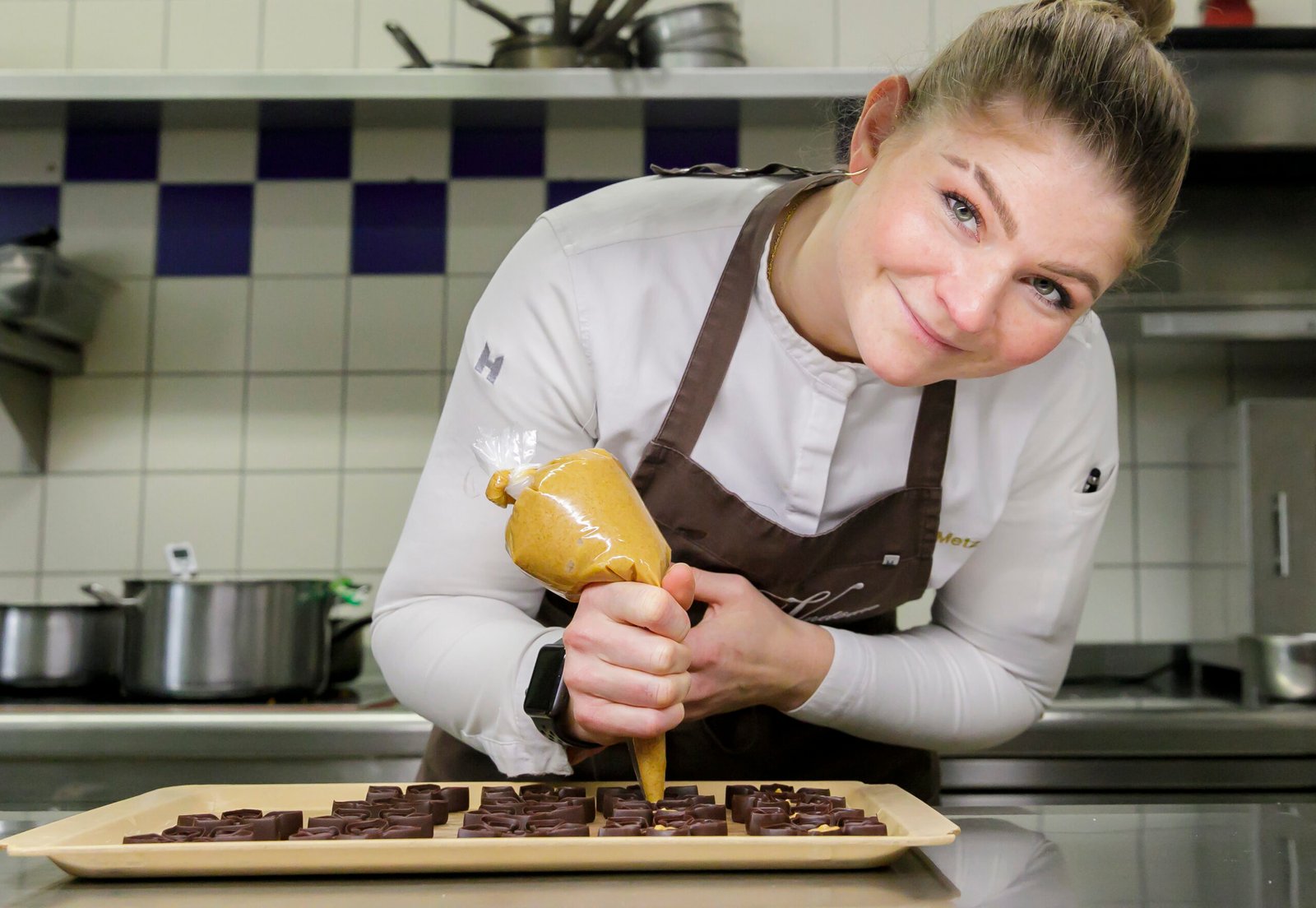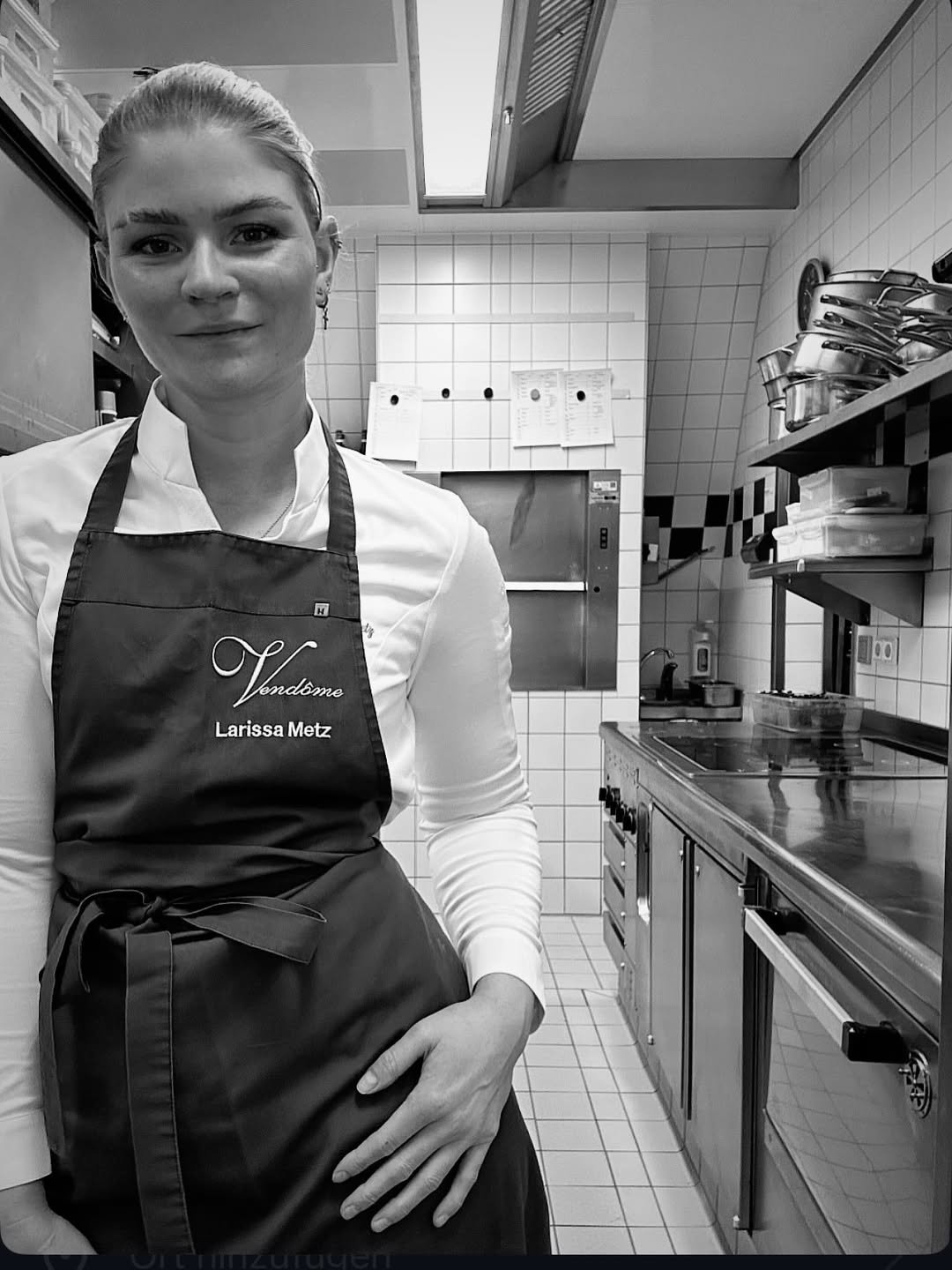
Larissa Metz
Journey from Traditional Colombian and Jewish Kitchens to Inspiring Future Chefs
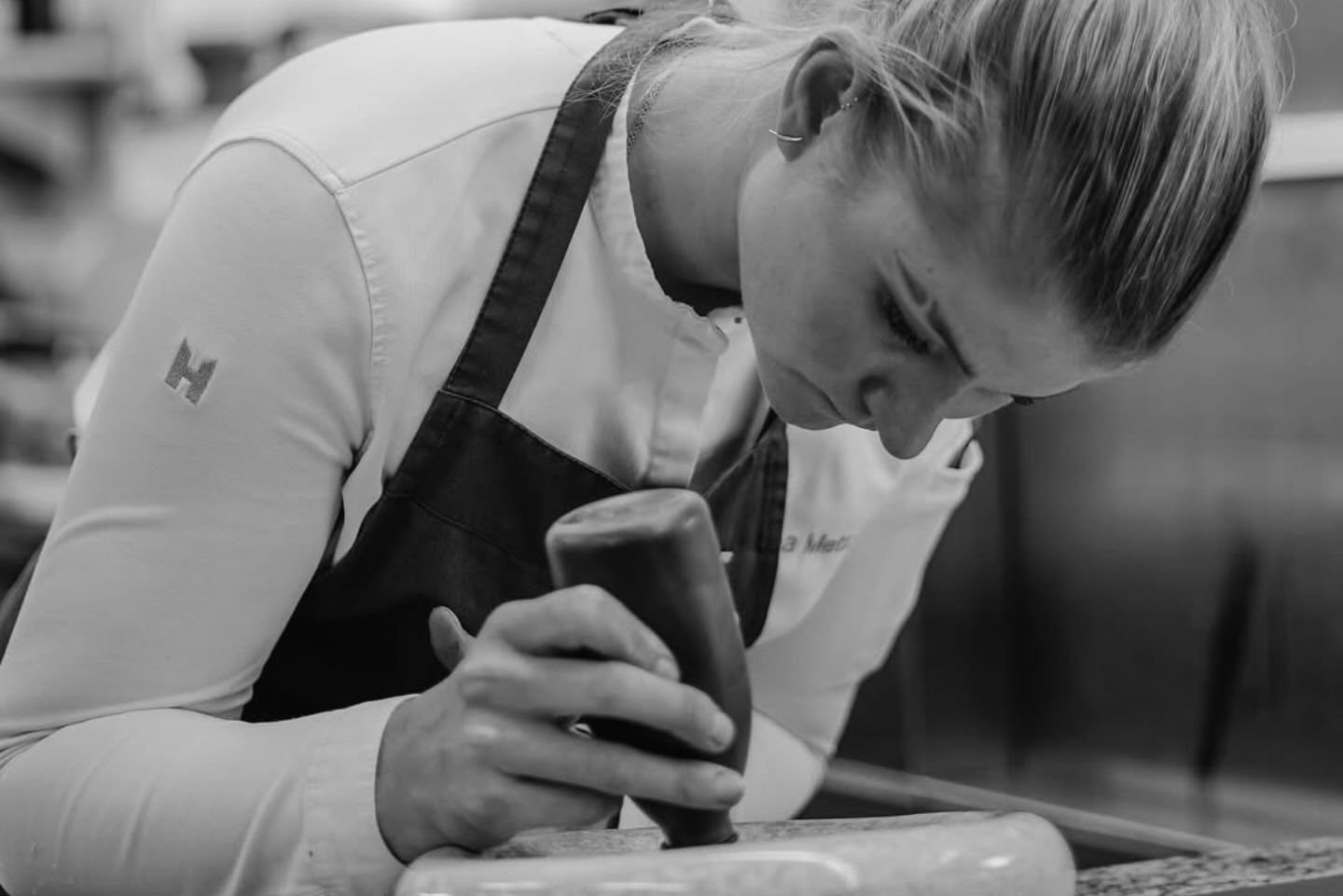
Larissa Metz
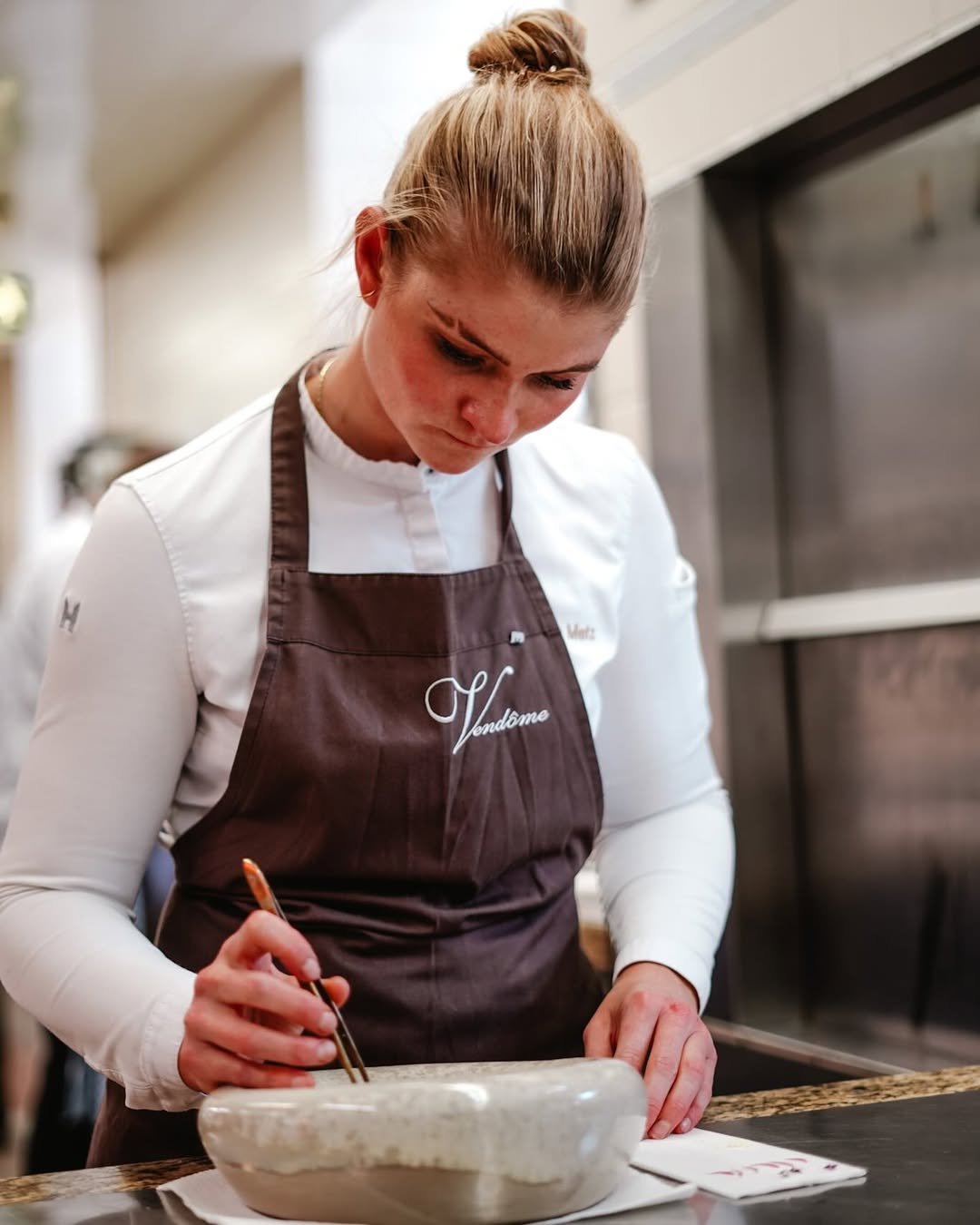
Larissa Metz’s work is built on precision. Not just in technique, but in the way she approaches growth, quietly, consistently, without needing to prove it to anyone but herself.
She started in pastry at a young age, shaped by traditional training and a deep respect for craftsmanship. Over time, that foundation carried her into fine dining, where discipline, patience, and attention to detail became essential. Recognition came along the way, but so did doubt, criticism, and the kind of pressure that tests how much you trust your own path.
What stayed constant was her focus: to keep learning, to keep creating, and to build something meaningful through her work.
In this conversation, Larissa reflects on resilience, craftsmanship, and the balance between high standards and a healthy kitchen culture.
Share your Journey
- Looking back at your childhood, was there a specific moment or memory that sparked your interest in food or cooking?
I used to enjoy cooking with my mom. The first dish I ever cooked on my own was spaghetti with tomato sauce. I also loved baking as a child. The best part for me back then was being able to sneak a taste of the batter and enjoy every moment in the kitchen.
- Did you have another career or job before becoming a chef? How did those experiences influence your decision to pursue cooking?
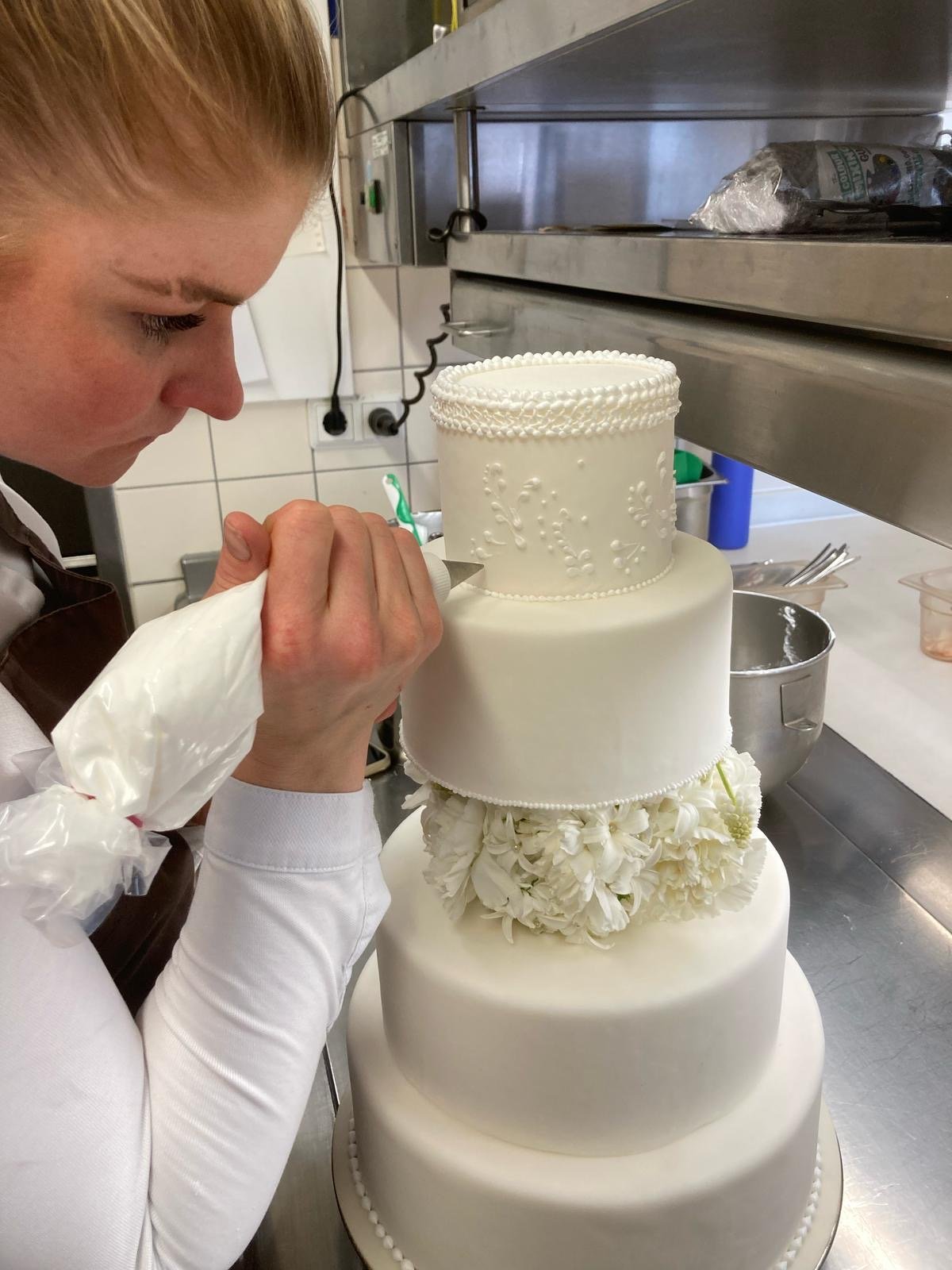
No, I started my apprenticeship as a pastry chef right after graduating from high school. After three years of training and one additional year as a journeyman, I completed my master craftsman certification. Following another season in a pastry shop, I moved into the hotel industry, where I experienced a completely different way of working and new structures. I really enjoyed it, and that’s how I earned my first position as Head Pastry Chef.
- Did you formally study culinary arts, or are you self-taught? How has your learning journey shaped your approach to cooking?
I completed a formal apprenticeship as a pastry chef. In Germany, there is no specific training program exclusively for pâtissiers. You either train as a pastry chef or as a cook, and then acquire the necessary pâtisserie skills through practical experience.
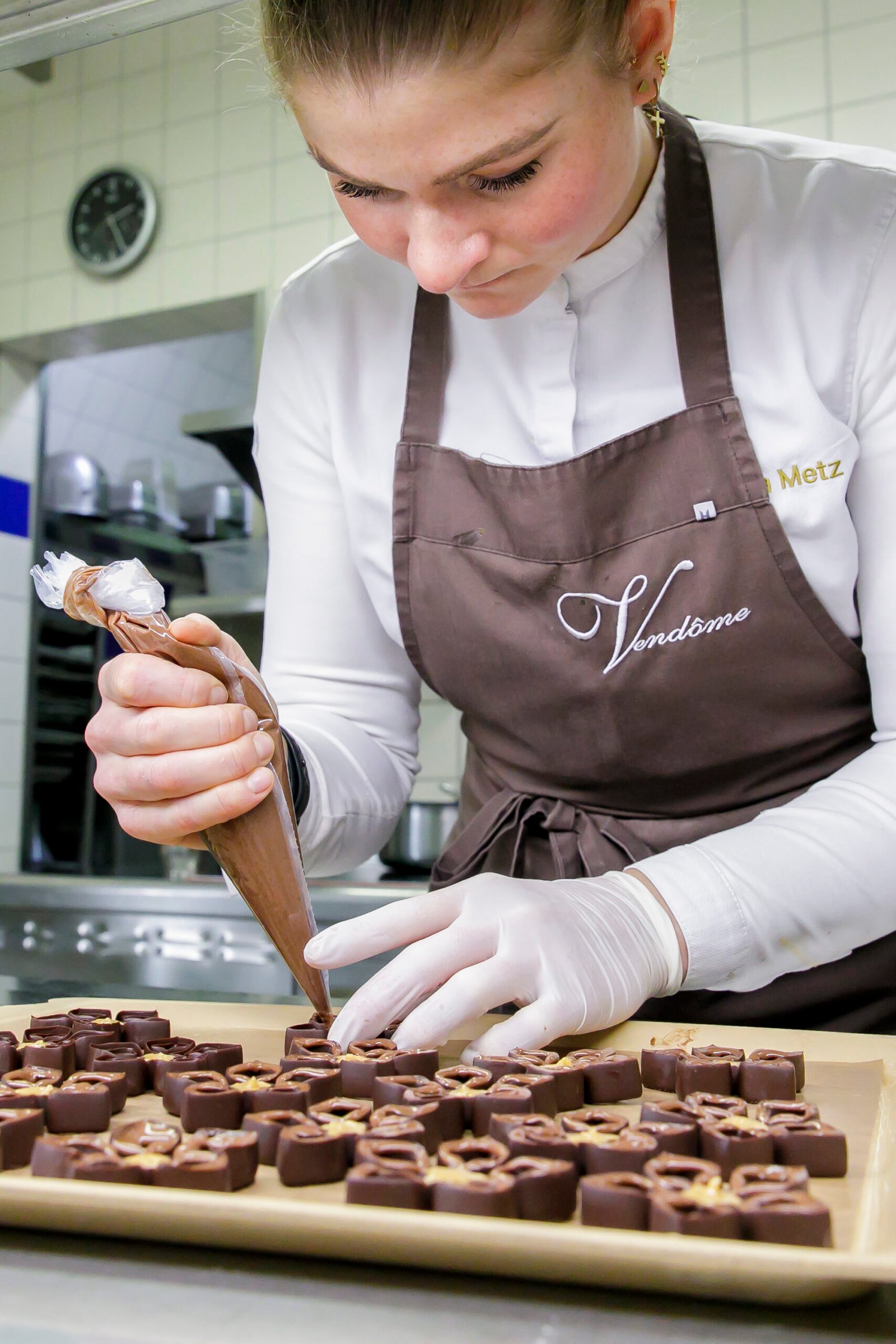
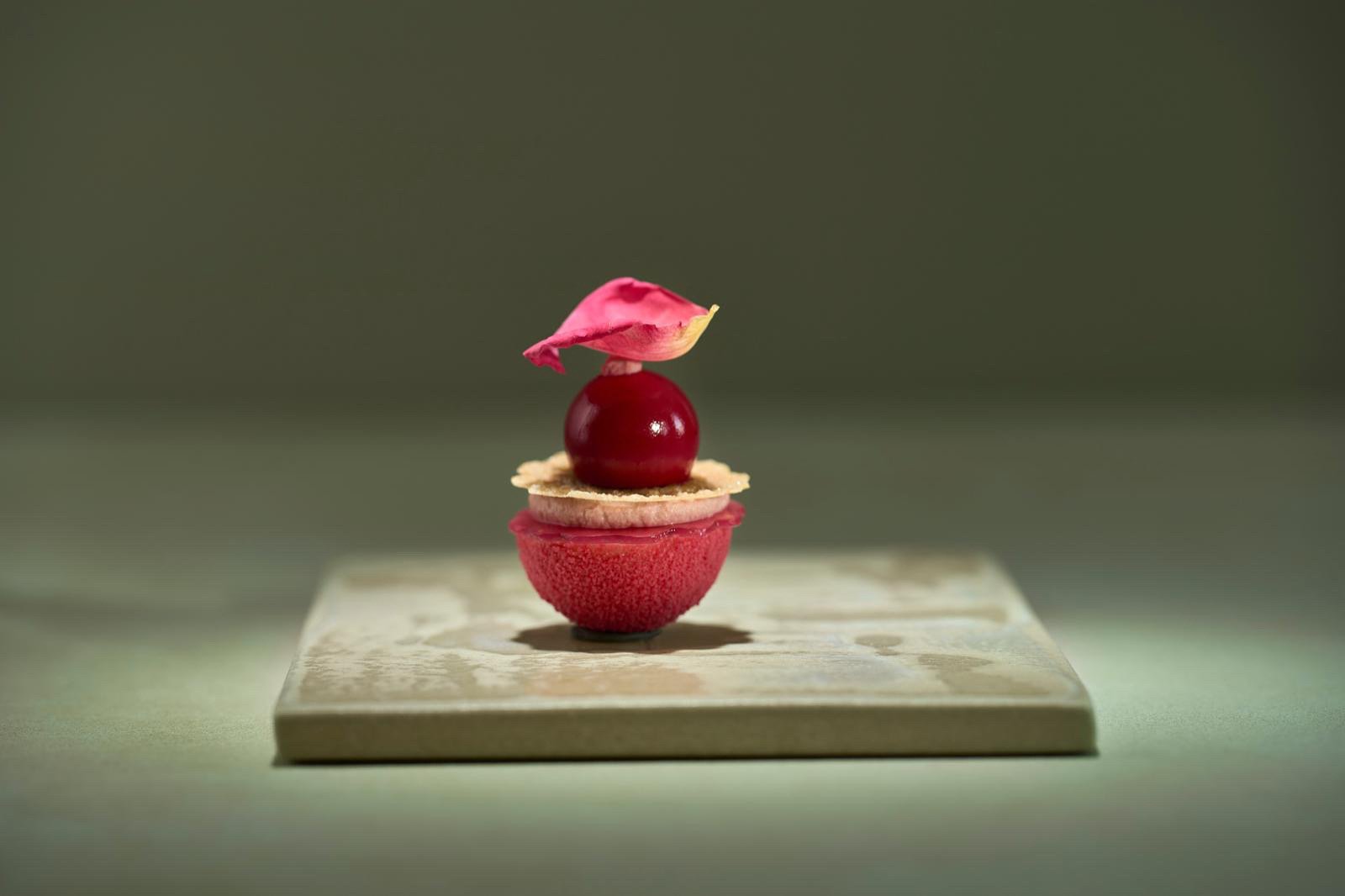
My apprenticeship had a strong influence on me. I trained in a very traditional pastry shop, which is why my approach is always rooted in classical craftsmanship. Craftsmanship is extremely important in my work and forms the foundation of all my desserts and petits fours.
- When did you first step into a restaurant kitchen? What was that experience like, and how did it shape your journey as a chef?
After my first position as Head Pastry Chef in a hotel, I wanted to focus more on plated desserts. I was aiming to work with greater precision and create perfectly composed plates. Therefore, after my role at a hotel with an extensive product range, I decided in 2020 to join an up-and-coming fine-dining restaurant. In 2021, we earned a Michelin star together with the team.
In 2022, I received my first award as “Pastry Chef of the Year,” which also led to my meeting Joachim Wissler, a renowned German chef. He asked if I would like to work with him, and that’s how I ended up at Restaurant Vendôme.
- What were some of the early challenges or obstacles you faced when you started in the kitchen, and how did you overcome them?
Some of the earliest challenges I faced when I started in the kitchen were the fast pace, long hours, and high expectations. It was a completely new environment for me, and I had to quickly learn to stay focused and organized under pressure. In the beginning, it wasn’t always easy to keep up or to meet the standards I set for myself.
Another challenge was building confidence in my own skills. Especially in a professional kitchen, where everything has to be precise, I sometimes doubted myself. I overcame this by staying consistent, practicing every day, and learning from more experienced chefs around me. I also learned to accept mistakes as part of the process and used them to improve.
Over time, discipline, patience, and a strong work ethic helped me grow. I became more confident, more efficient, and developed my own style while still respecting the fundamentals of the craft.
- What keeps you inspired and how has that inspiration driven you throughout your professional journey? Especially during tough times in the kitchen?
I always go through the world with open eyes, that’s the best way to stay inspired. Whether it’s nature or new techniques that others are using, you can always turn them into your own ideas and creations. Even when times in the kitchen are especially tough, staying inspired makes those challenges feel only half as difficult.
- Can you recall a moment in the kitchen that marked you forever? Maybe it was an interaction with a mentor, a fellow cook, someone you fed, or a situation that challenged you in a way that shaped who you are today?
Unfortunately, there have been far too many of these moments—both positive and negative. But I have also grown from the negative ones. After receiving my first award, I experienced a lot of hostility, even within my own workplace. People said things like, “I didn’t deserve it,” or, “Without the head chef and his restaurant, I would never have achieved it.”
Of course, that affected me at first, but today I am certain that I would have succeeded regardless of who I worked with or where I was. I would have followed my path either way, because I’m not driven by recognition, but by the desire to create. I want to build and develop something meaningful, and that is what matters most to me. From that, something genuinely good emerges, something that others can clearly see and appreciate.
- As a chef, how would you describe your philosophy in the kitchen, and how does it guide your approach to cooking and leadership?
It is very important to me to create a harmonious working environment in the kitchen. I want the people who work with me to take something meaningful with them, not just techniques or recipes, but also a mindset: to stay curious, keep their eyes open, and think in new ways.
Of course, in a restaurant like this, things are naturally strict; everything has to be right, everything has to be perfect. But even so, that standard can be built on mutual respect and a positive team dynamic.
- Can you share a time when cooking or the camaraderie in the kitchen helped you through a tough period in your life? What made that experience meaningful?
There was a time early in my career when things felt especially intense. The pressure in the kitchen was high, expectations were even higher, and I was still trying to prove myself. There were moments when I doubted whether I was good enough to keep up.
What really carried me through was the sense of camaraderie in the kitchen. Even though the environment was demanding, there were colleagues who supported me, pushed me, and stood next to me during long services. You share the same pressure, the same exhaustion, but also the same small victories. That creates a very strong bond.
One moment I remember clearly was after a particularly tough service. Everything that could go wrong seemed to go wrong, but instead of blaming each other, we came together, stayed focused, and pushed through as a team. Afterward, there was this quiet sense of pride that we had made it through together.
That experience was meaningful because it showed me that cooking is never just about the food. It’s about the people behind it, the trust you build, and the resilience you develop together. Those moments stay with you and shape how you lead and work with others later on.
- Reflecting on your career, what achievements or milestones are you most proud of, and what do they mean to you?
The biggest milestone for me is being able to work in this restaurant. Here, I’m given every opportunity to realize my potential and do what I truly love, which motivates me daily and helps me grow both professionally and personally in a supportive and inspiring environment.
- What aspects of restaurant culture do you love, and what parts do you find frustrating or problematic? Are there any changes you’re actively working toward or things you hope they change in the industry? Share the reasons behind them and how they align with your vision for a better culinary world?
What I love about the current restaurant culture is that many people are once again appreciating good food and paying attention to high-quality ingredients. What I appreciate less is that many small restaurants are trying to move toward fine dining, only to end up charging a lot of money for something that is not really fine dining. I would prefer there to be many small restaurants that place great value on good craftsmanship and high-quality products, and that do not try to compete in the fine-dining sector but instead focus on the essentials.
- What are your hopes for the future of the restaurant and food and beverage industry? What changes would you like to see, and how are you contributing to that change?
My hopes for the future of the restaurant and food & beverage industry are that it becomes more honest, more sustainable, and more focused on real craftsmanship again. I would like to see a shift away from trends and status-driven concepts toward places that truly respect ingredients, producers, and the people who cook and serve the food.
One change I would love to see is a clearer distinction between different types of restaurants, so that “fine dining” is not used as a marketing label, but actually reflects precision, creativity, and depth. At the same time, I hope small, independent restaurants feel encouraged to stay authentic rather than pressured to imitate high-end concepts just to survive or to attract attention.
Secret Sauce
- What’s the most unexpected ingredient you’ve ever worked with, and how did it change your perspective on cooking?
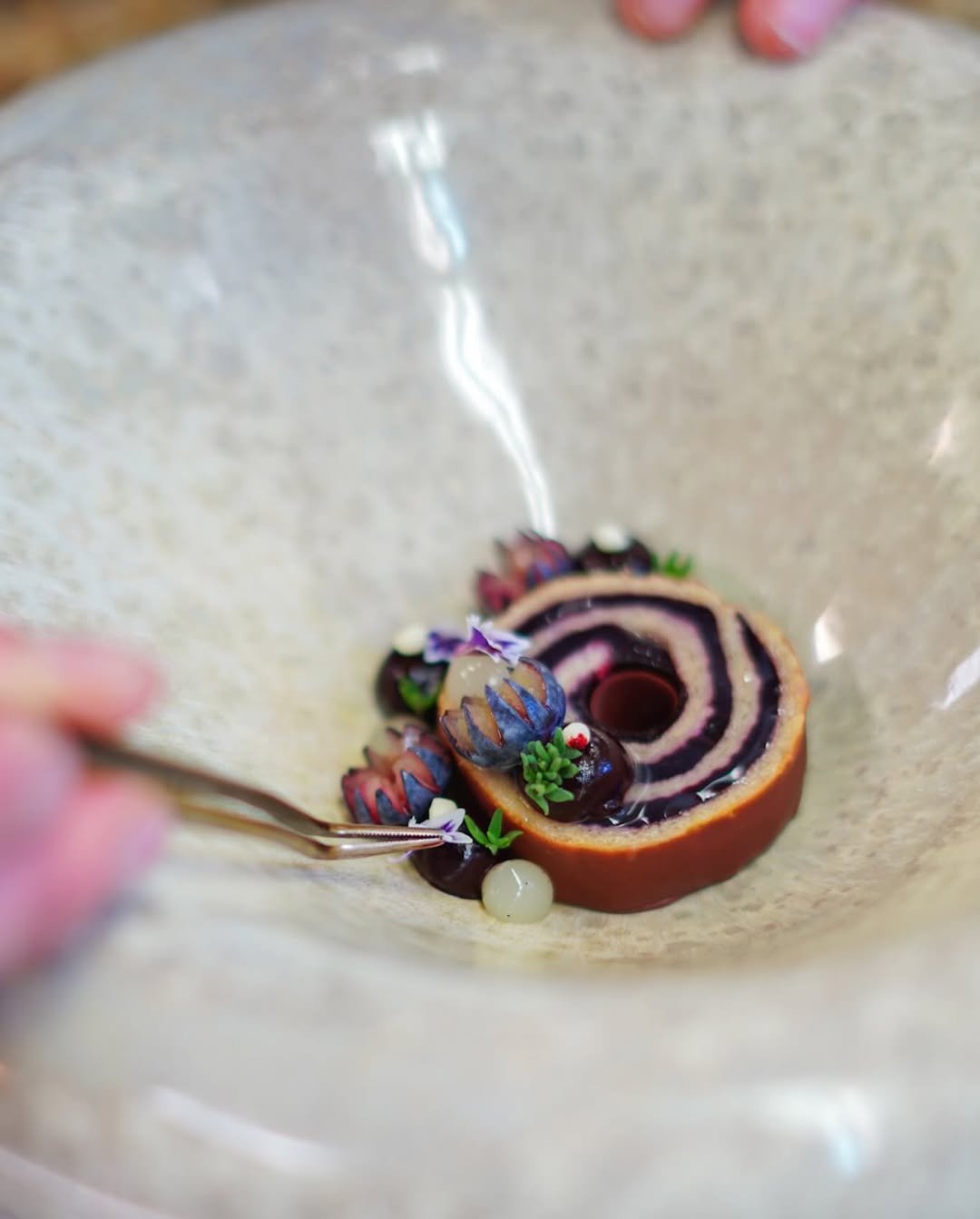
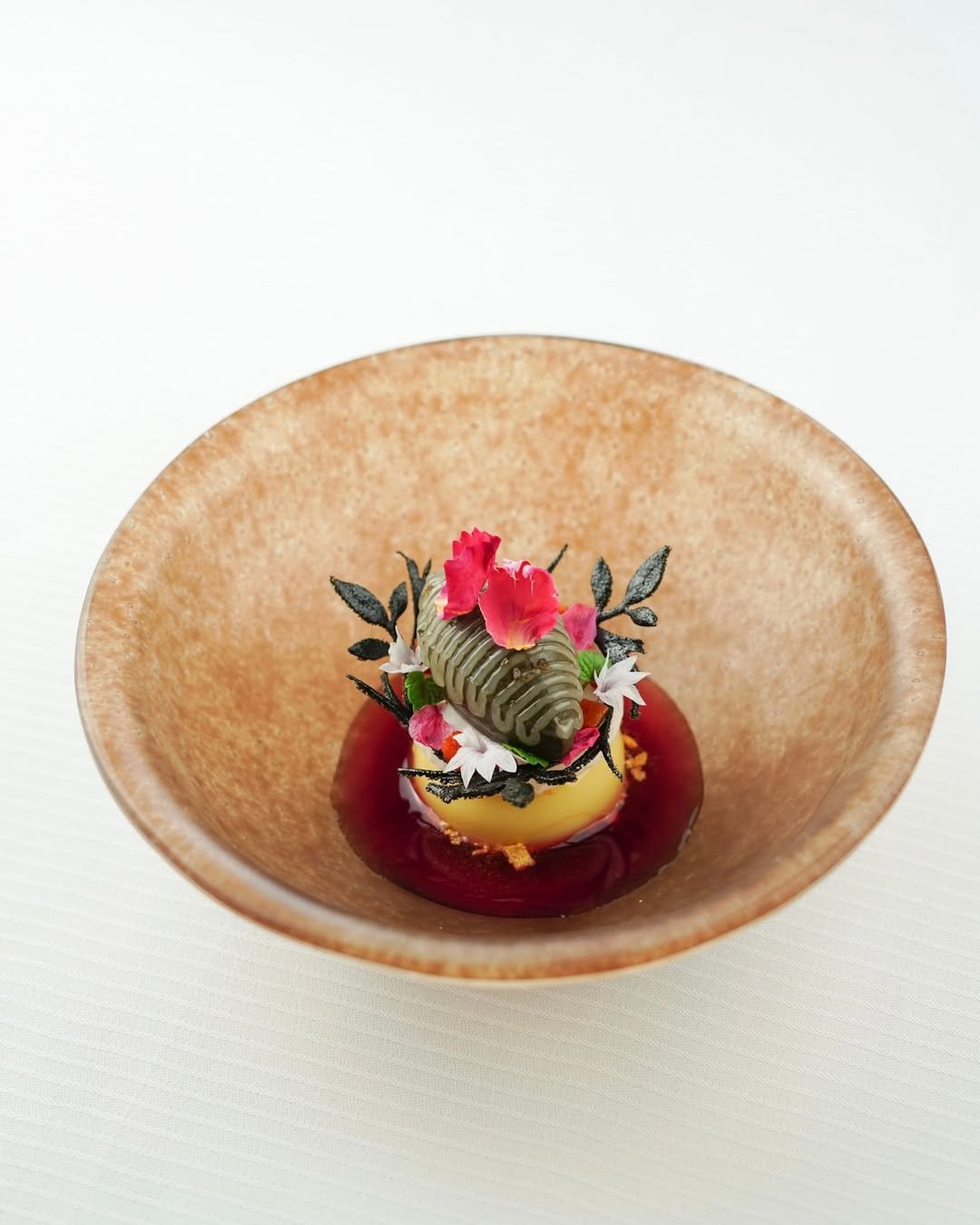
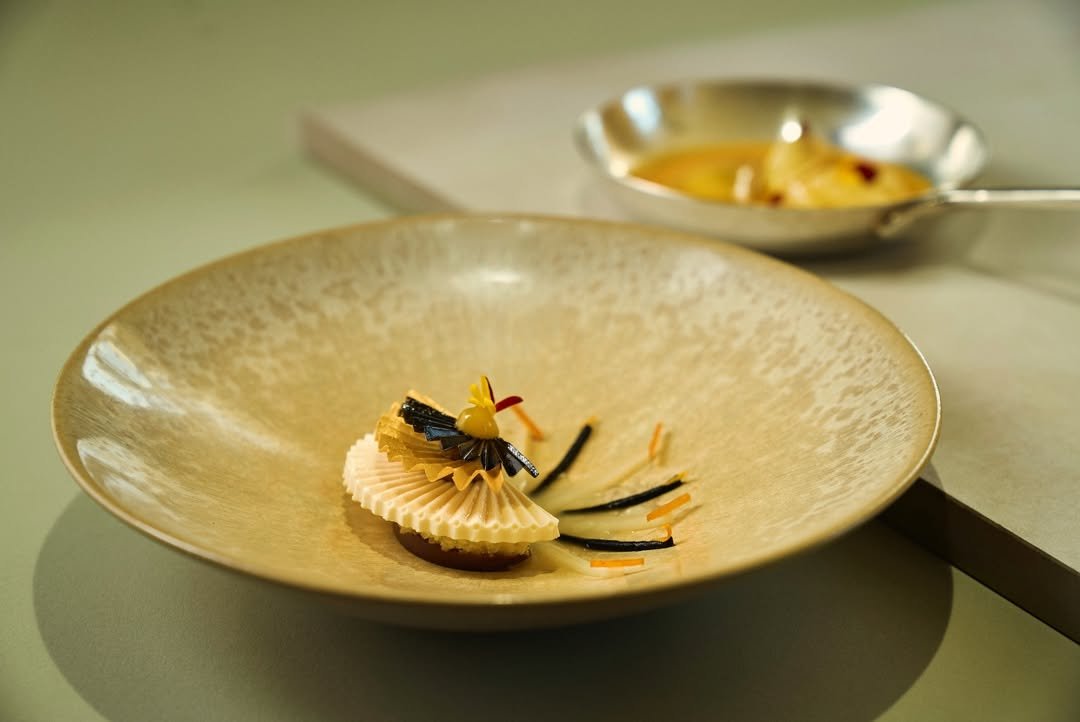
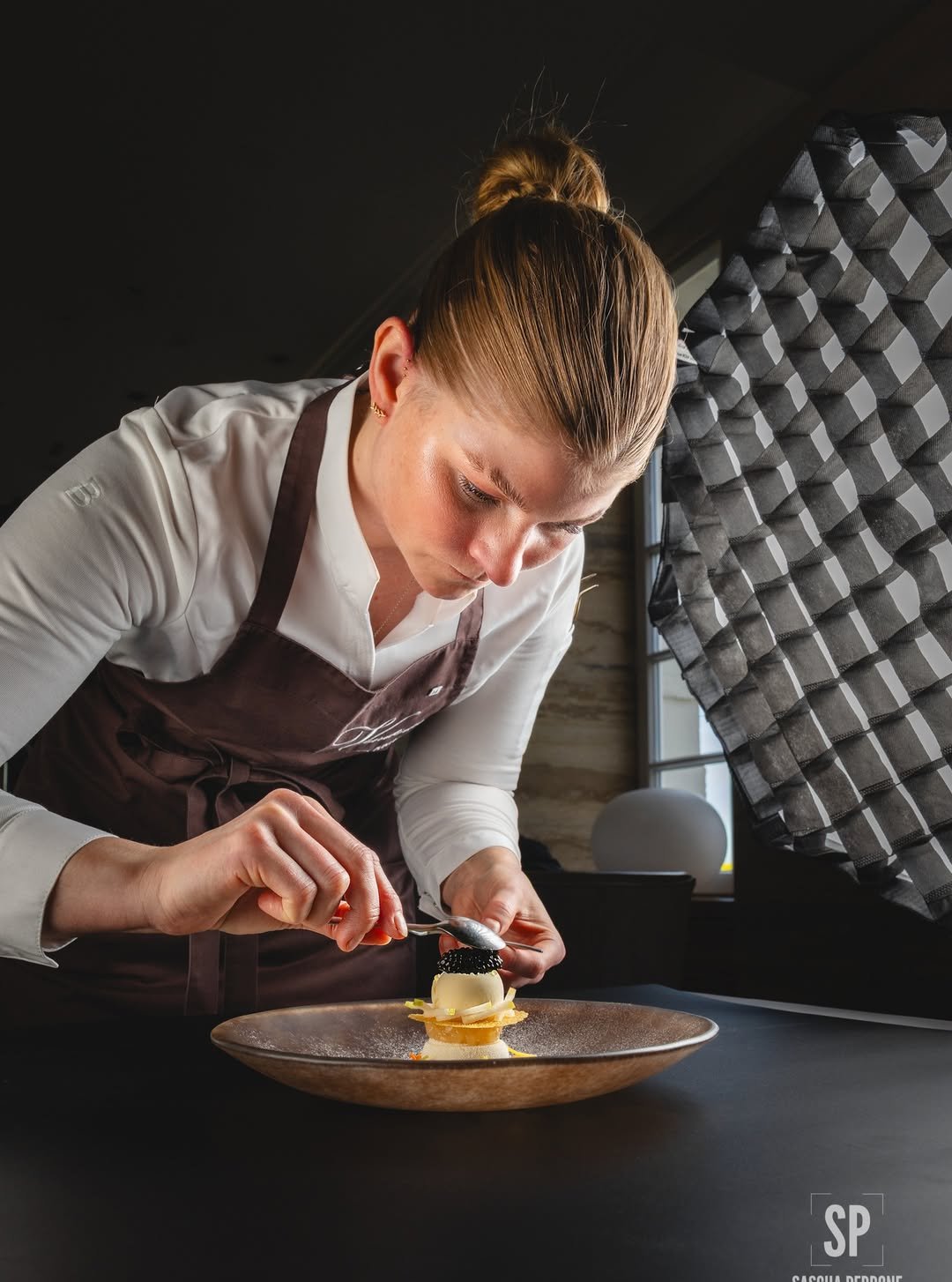
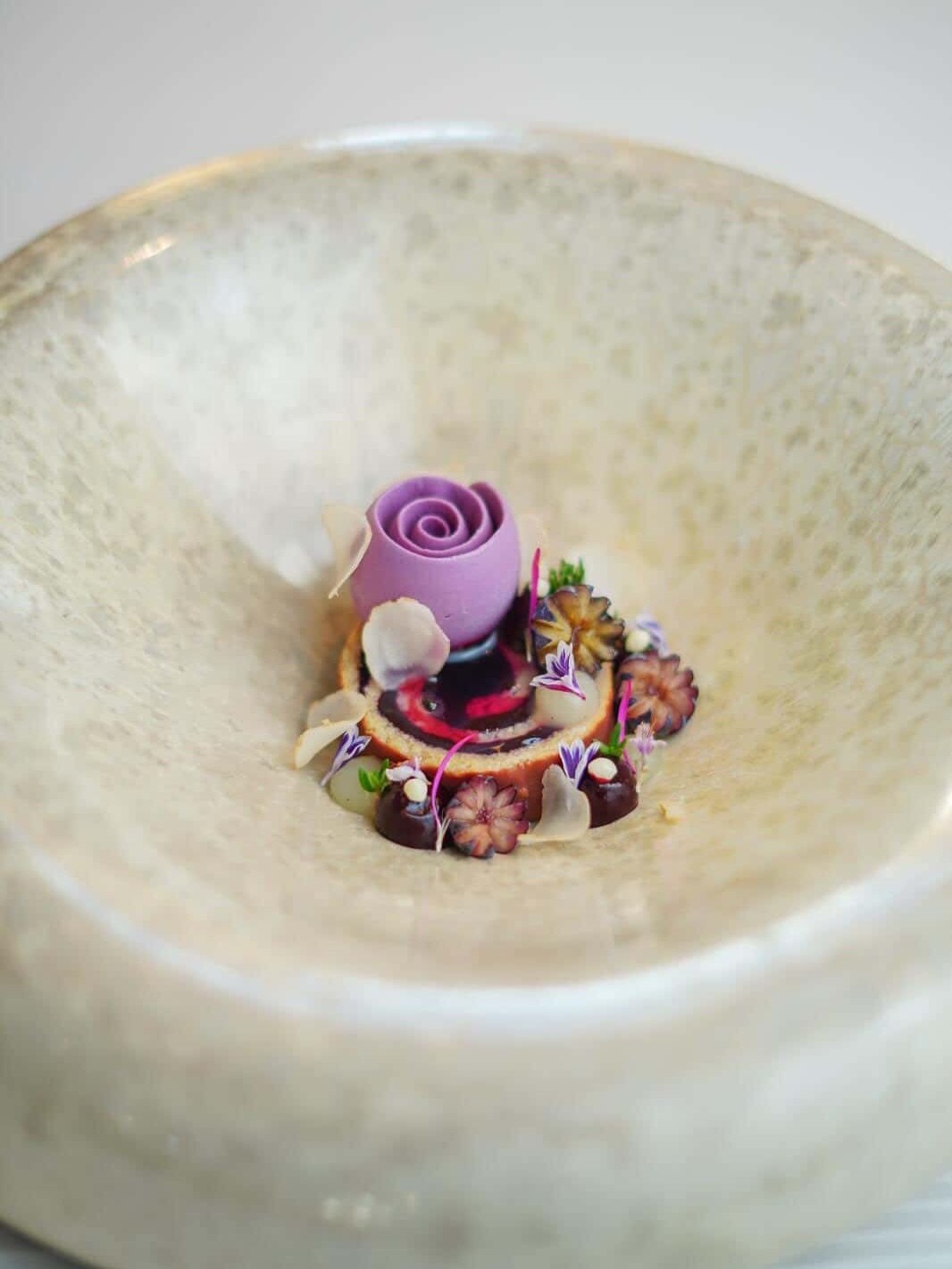
For patisserie, caviar was the most unusual ingredient I have used so far to create a dessert. I combined it with a beurre blanc and bergamot ice cream, and paired it with a Williams Christ pear and a jasmine blossom infusion. This dessert showed me that even unusual ingredients can be incorporated, as long as they are used properly.
- What’s your “guilty pleasure” meal?
A late-night pizza.
- A food trend that you hate and why?
Combine everything with Asian products and season to taste. I sometimes feel that chefs make it easier on themselves by using ready-made fermented products to make the food seem a bit more special.
- What’s the craziest shift you’ve ever worked in the kitchen?
The craziest shift in the kitchen was when I had to cook a gala dinner for a one- to two-star level event for 200 people.
5. What happened, and how did you manage to get through it?
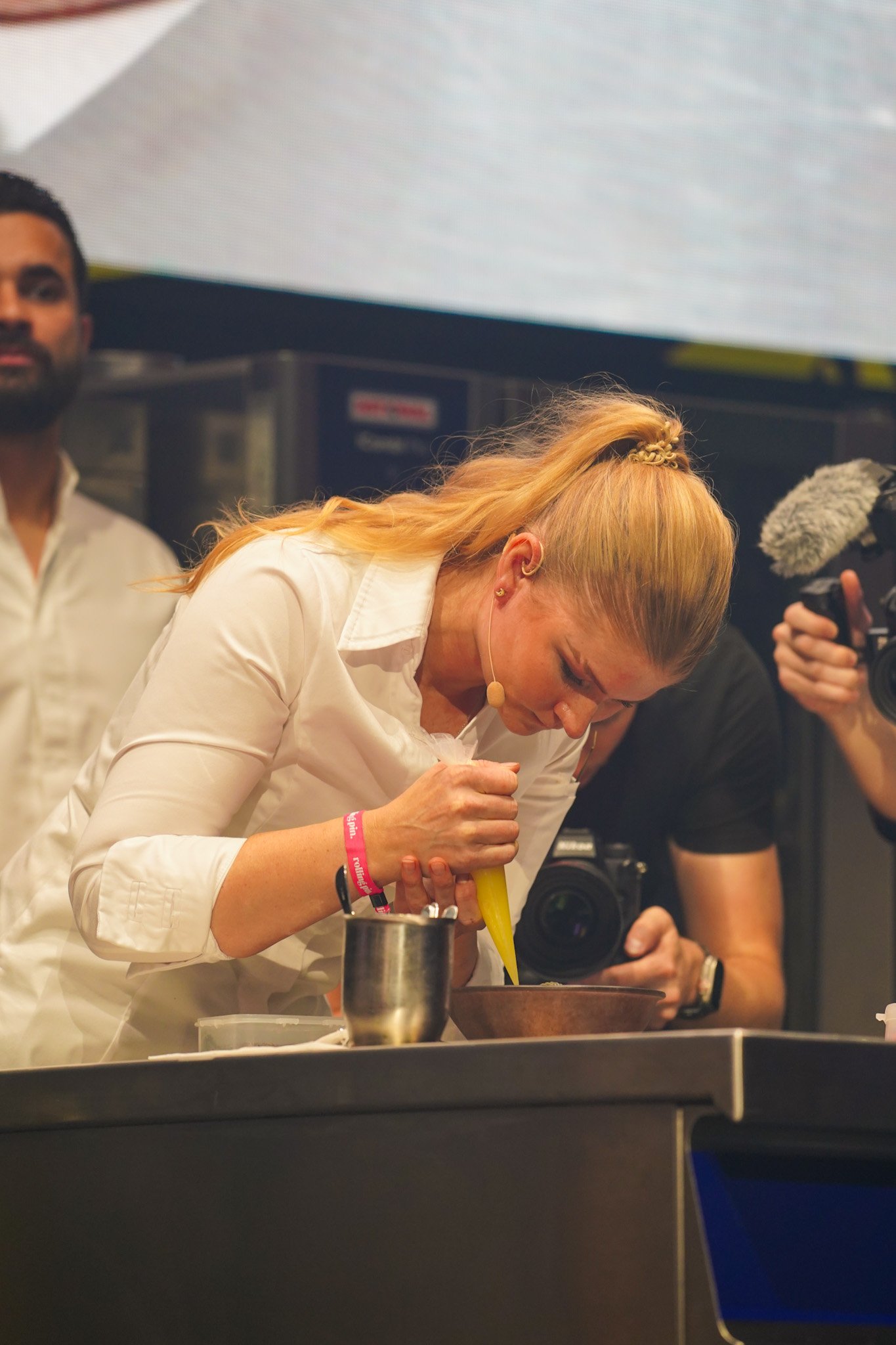
I was named “Favorite of the Year” by the FAZ newspaper, for which a gala was held with all the other awarded chefs. For this gala, we had to plate 200 desserts, which we would normally prepare for 30 guests in a restaurant. It was, of course, very intense, but with a good team and solid preparation, I was able to handle it well.
- What tips would you give to other cooks and chefs to help them navigate their culinary careers and find peace amid the chaos of the kitchen?
You always have to stay focused and remain on your own path. You need to know what you want and take one step at a time, not trying to achieve too much at once, but instead setting priorities.
- What’s an underrated ingredient and why?
In patisserie, balsamic vinegar, such as PX vinegar, is often very underestimated, as it adds a lot of depth and a subtle umami note to various creams or ice creams, and can give a dish that certain something.
8. What’s a must-try dish from your kitchen or the one you’re proudest to have prepared?
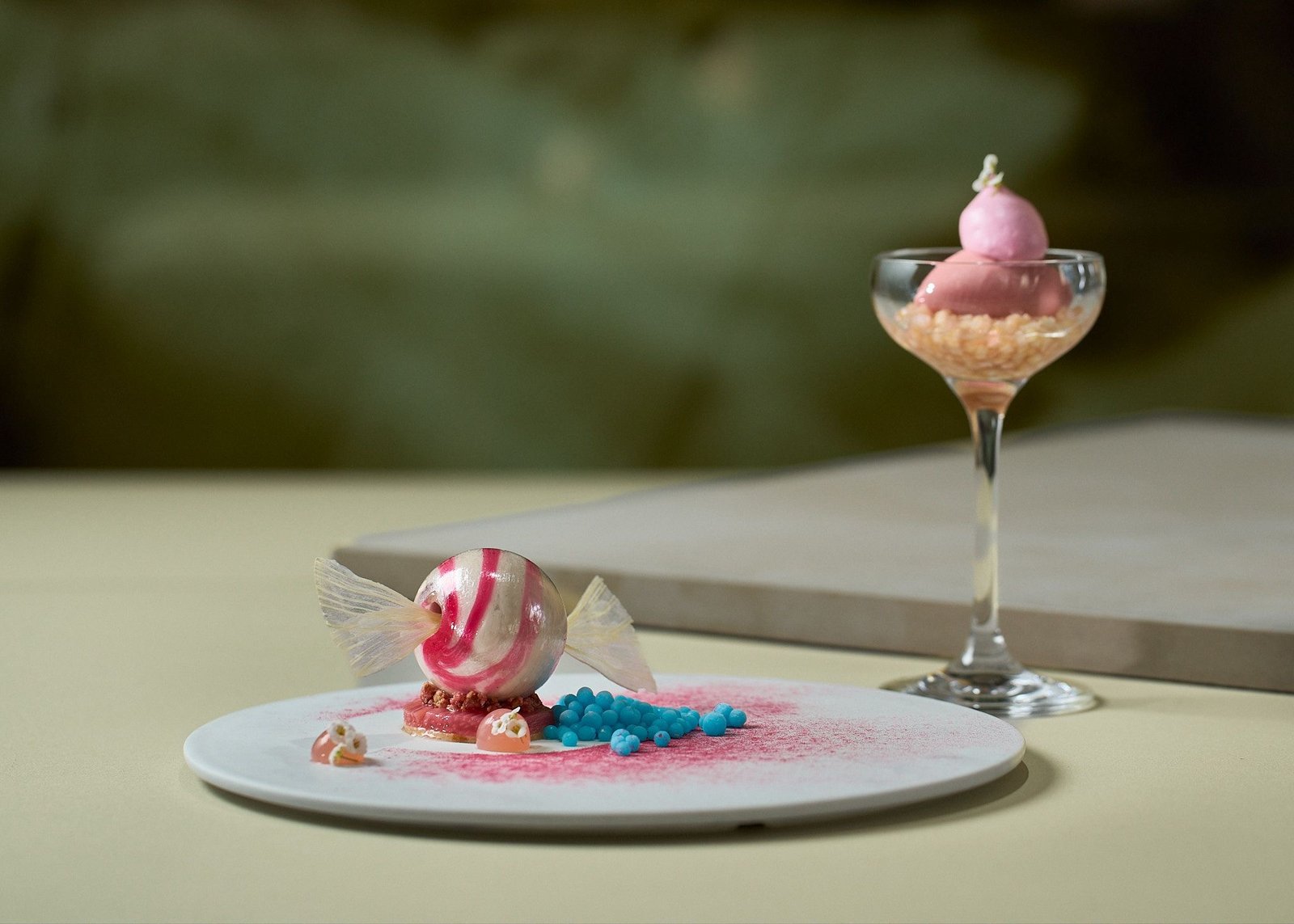
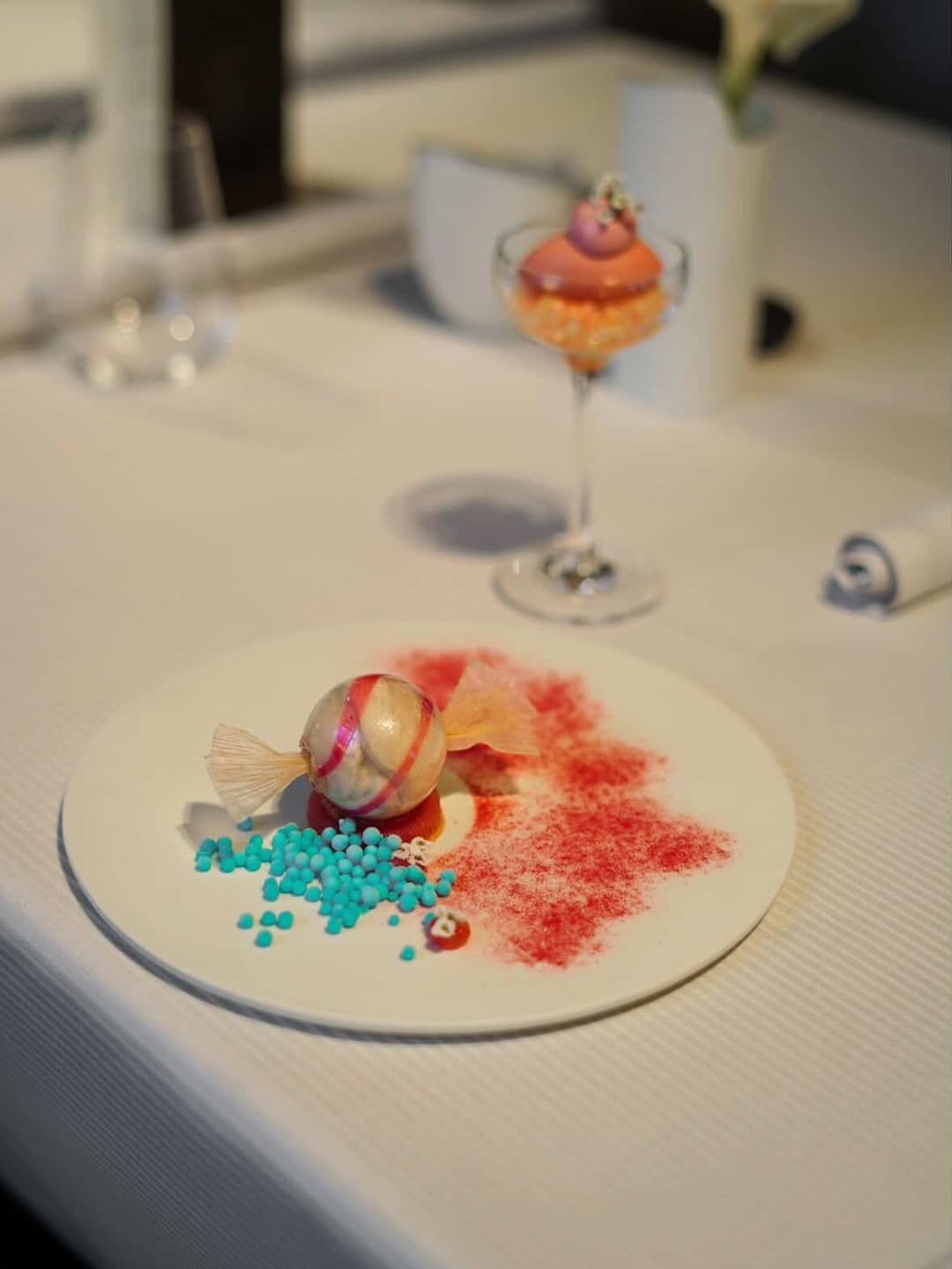
At the moment, I am very proud of the dessert that will be added to the next menu: Spaghetti Eis. This is a classic ice cream creation in German ice cream cafés, where vanilla ice cream is shaped like spaghetti and served on a plate with strawberries, frozen cream, and white chocolate.
I am also creating a version of Spaghetti Eis. Instead of vanilla ice cream, there will be a Parmesan ice cream with wild strawberries, oregano, and frozen cream. It is definitely something I would highly recommend trying.
About Your City!
Bergisch Gladbach, Germany
- If Anthony Bourdain or a chef came to your city, what would be the perfect tour itinerary from breakfast to dinner?
Start the day with breakfast at Neobiota, enjoying a calm and creative atmosphere to ease into the morning. Afterward, stop by Schmelz und Bohne for a refreshing ice cream, a perfect sweet break during the day.
In the afternoon, take a ride on the Cologne cable car and enjoy the view over the Rhine. Later, have a cold Kölsch at the Gaffel Brauhaus to experience a true taste of Cologne culture.
For a small bite, head to Hennes Weinbar and enjoy a relaxed snack paired with a good glass of wine. In the evening, start with an aperitif at Seiberts, before finishing the day with an exceptional dinner at Vendôme, rounding off a perfect culinary journey through the city.

Support our project by buying our merch!

86 HOTK Unisex t-shirt
$30.00
Anthony Bourdain T-Shirt
$35.00
Mise HOTK Unisex t-shirt
$30.00