Food Was Never a Choice It Was Home
For Monique, family kitchens shaped everything long before professional ones.
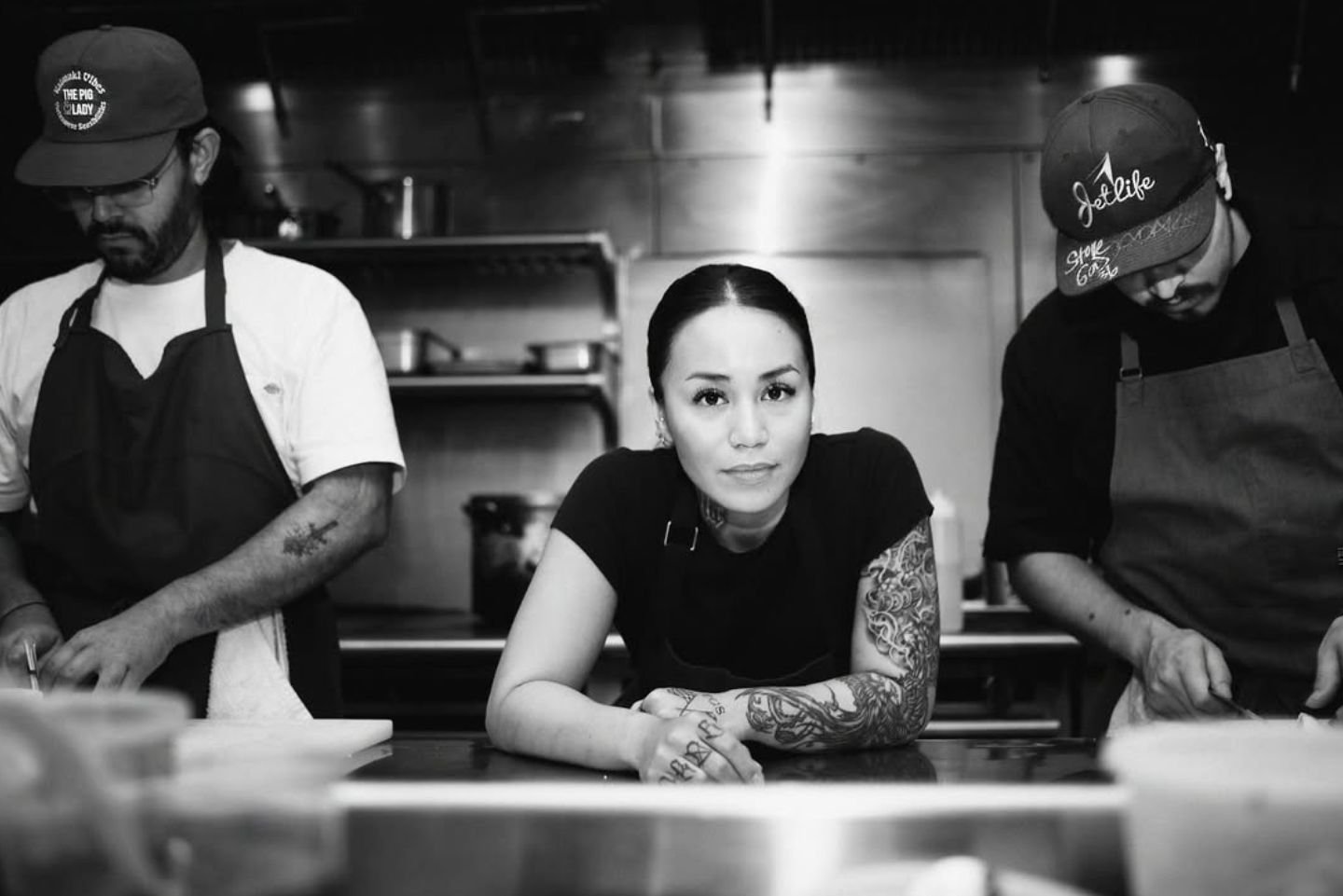
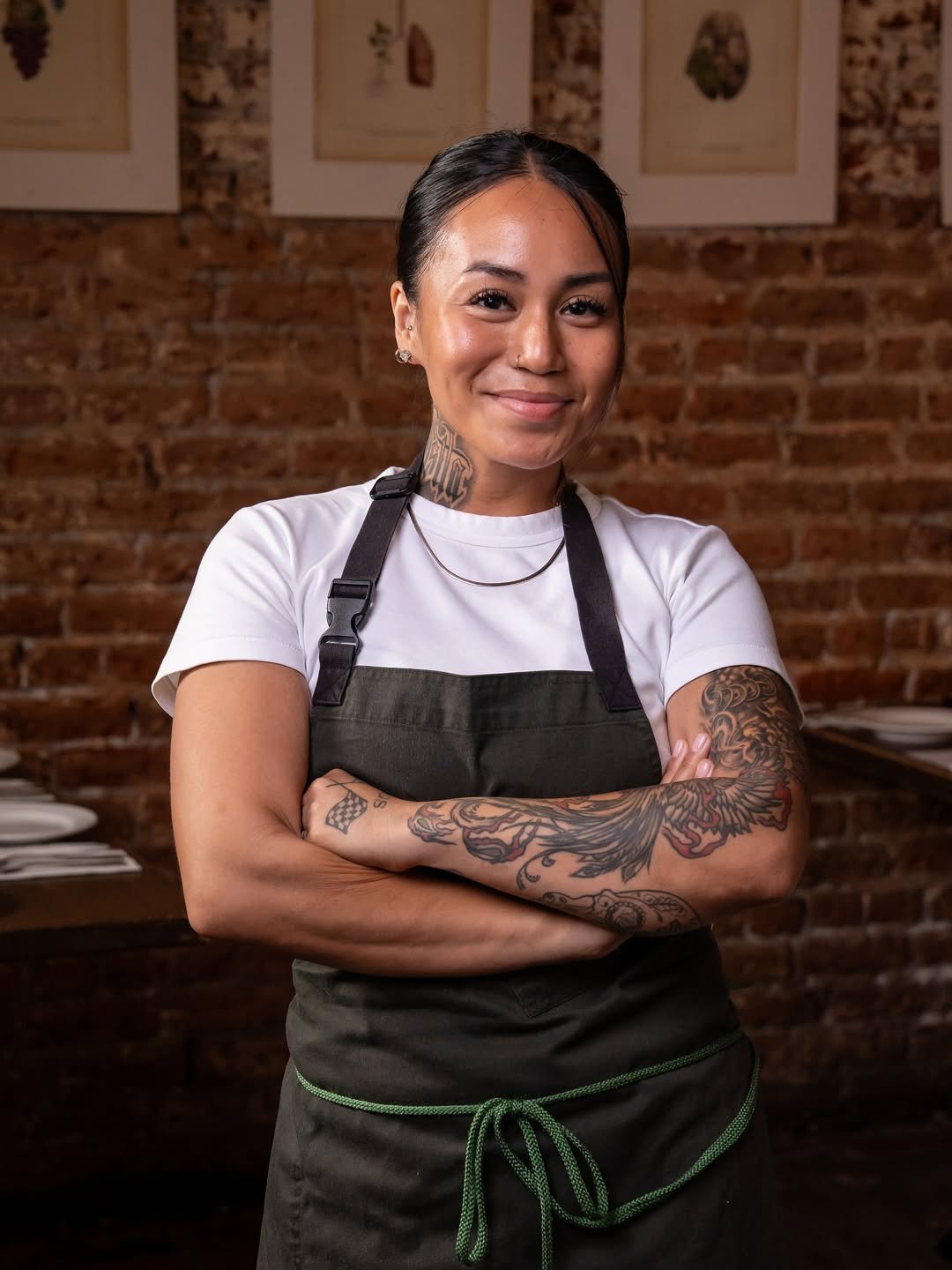
Monique Cadavona
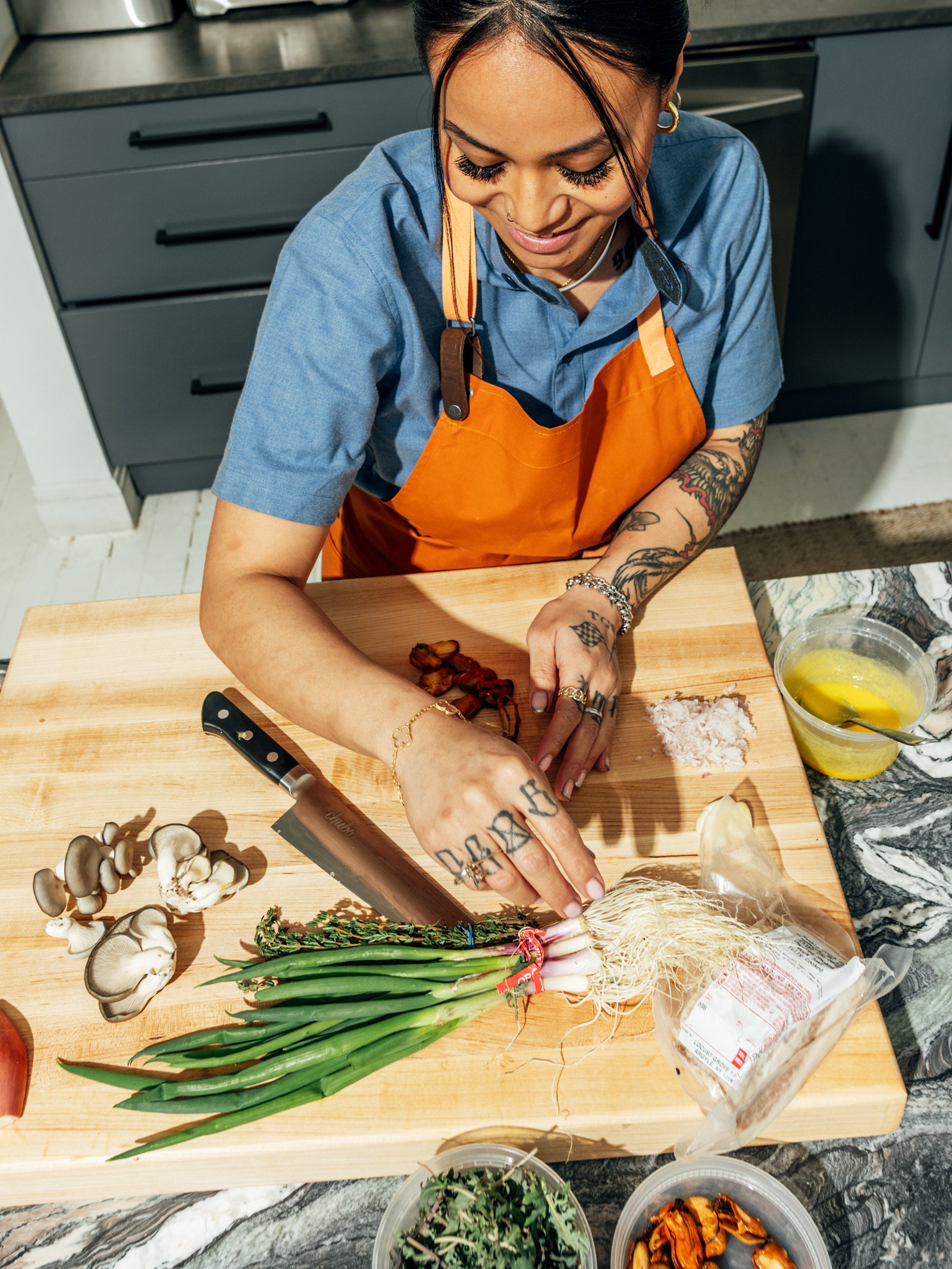
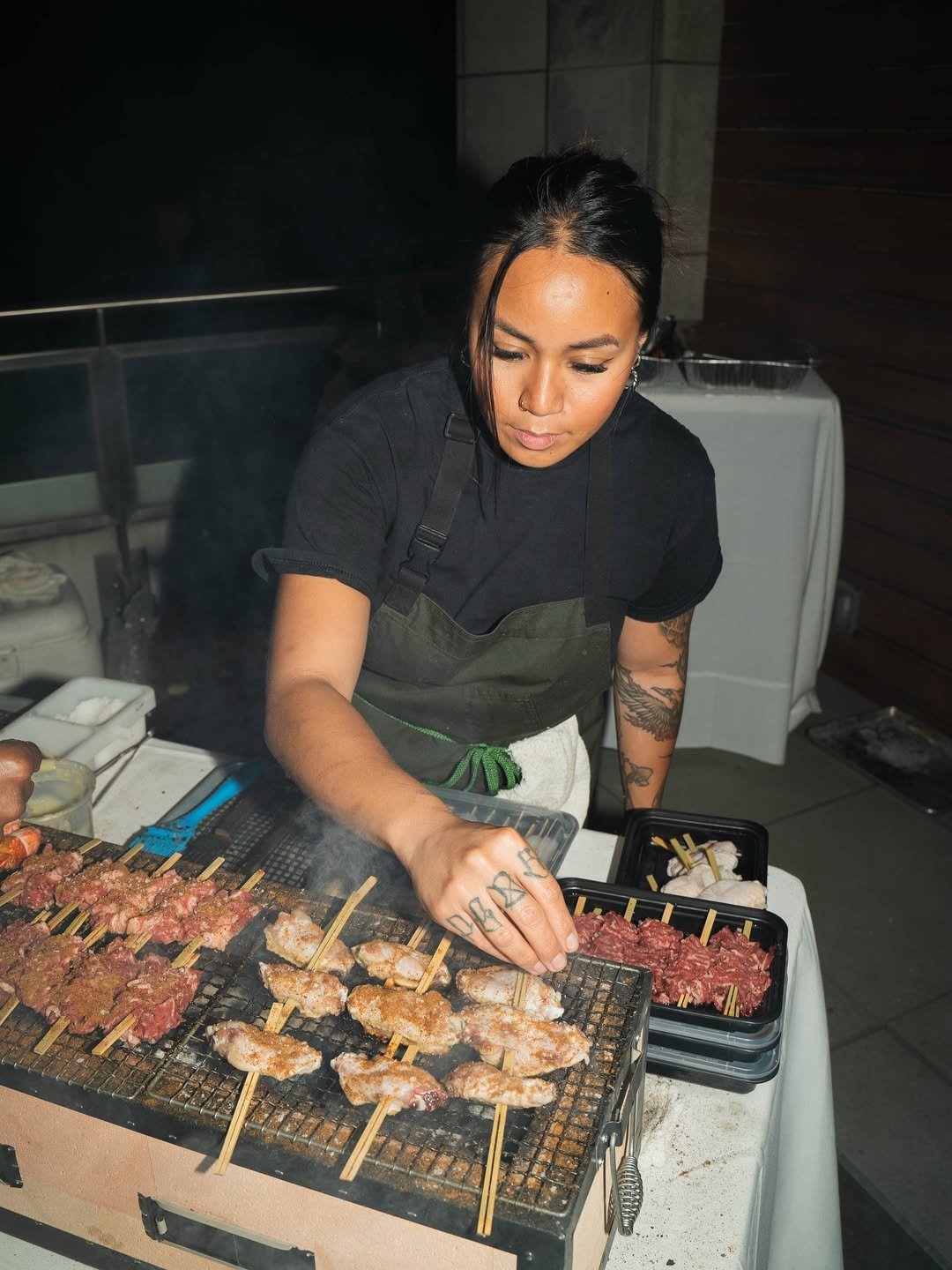
I don’t remember a moment when food wasn’t part of my life. It was always there. My mom ran a small dessert business on the side, and so did all of her sisters, each with their own specialty. My dad was a cook. My grandpa managed kitchens. Hospitality was woven into my family, into our routines, into how we showed care. I learned how to cook early, but more than that, I learned how to feed people. I found excitement in cooking for my family and pure joy in eating.
I never had another career. My first real job was at Cinnabon when I was fifteen, mostly because I wanted a break from helping my mom on weekends. After that, I never left restaurants. I couldn’t imagine doing anything else. I just wanted to be around food all the time.
I started culinary school, but I dropped out while working at Pig & The Lady. What I was learning in school didn’t compare to what I was learning in kitchens. My journey has never been about collecting skills just for the sake of collecting them. From the beginning, it was about soul and care in food. Connecting with it. Listening to it. Understanding that the best food doesn’t come from technique alone, but from a place inside you. You can feel when food is made with intention and when it’s just cooked to be cooked.
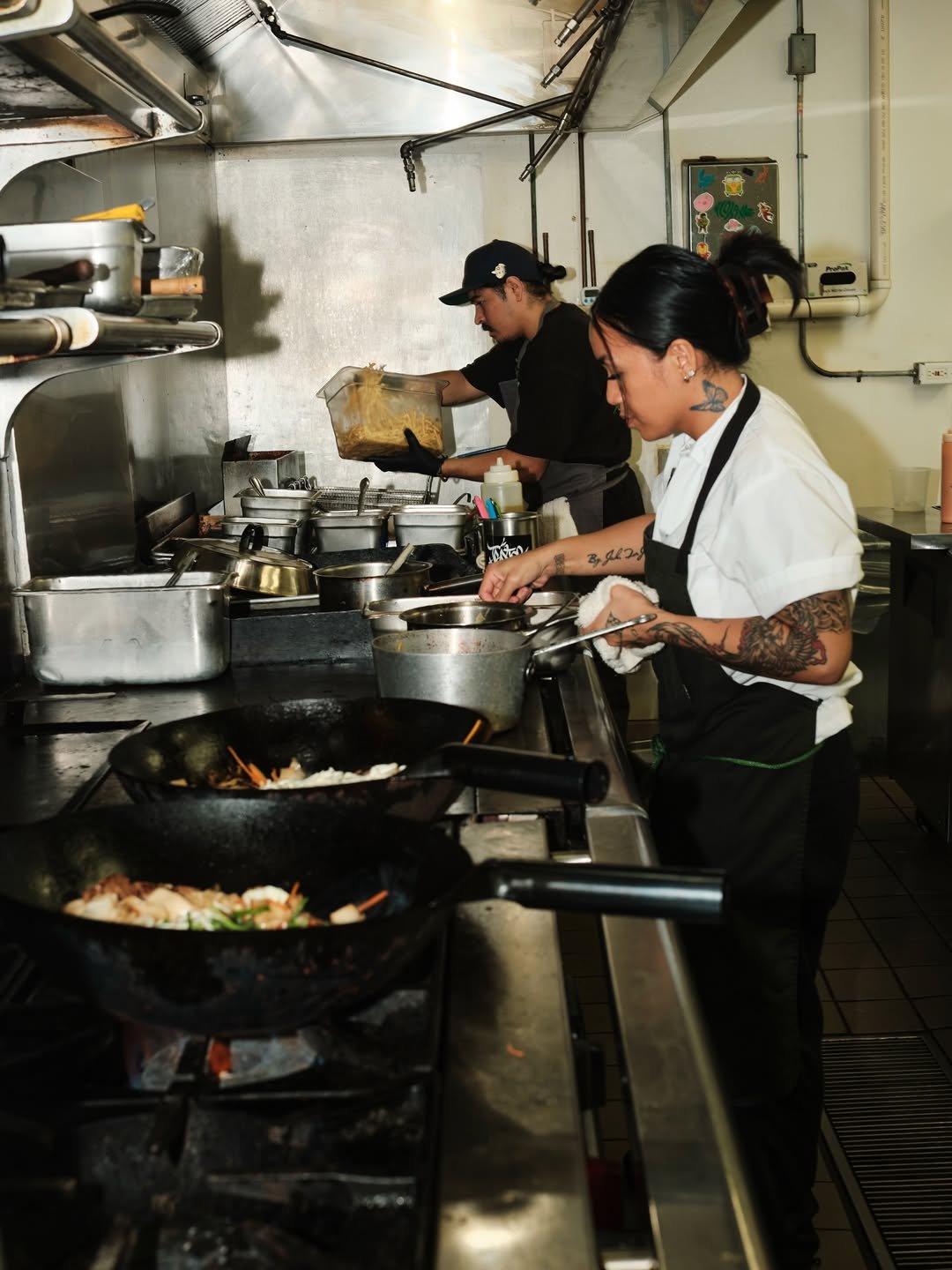
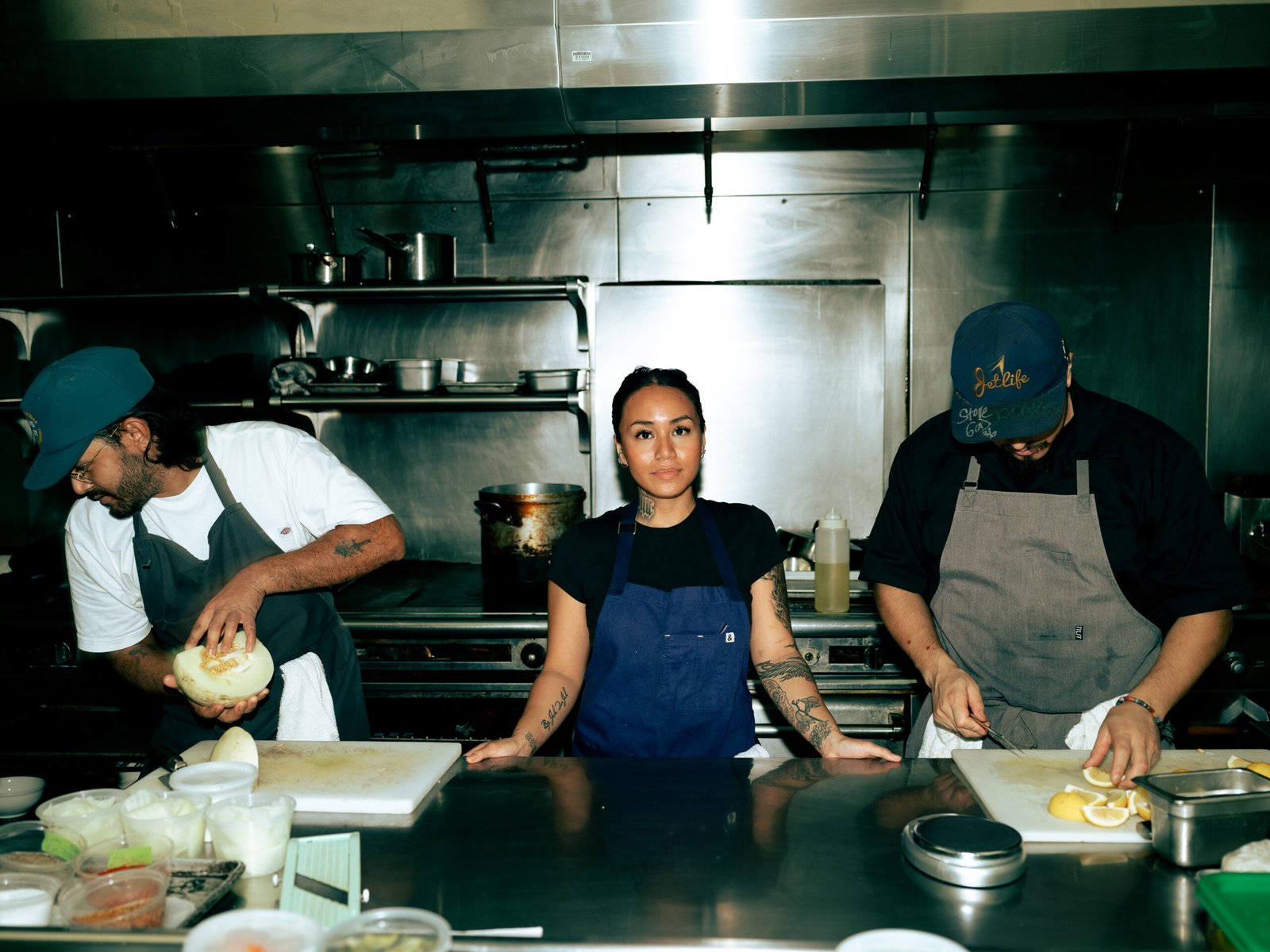
I worked at Zippy’s early on, but my real kitchen education started at Nobu when I was seventeen. I was the youngest one there and completely eager to learn. It was structured and fast, but it was the perfect place for me at that time. I learned how to butcher, prep, work a station, and communicate under pressure. I learned about standards, cleanliness, organization, and attention to detail. That kitchen set the bar for how I still approach my work today.
The early years were brutal. I worked 15- to 16-hour days, 5 or 6 days a week. I was young and didn’t know how to protect myself from burnout. I got yelled at constantly, and I messed up a lot. Every day felt like dying to myself just to show up again the next morning with a fresh mind. I questioned whether I was good enough, whether I was cut out for this. Swallowing pride was the hardest part, especially when the mistakes kept coming. What saved me was that we all went through it together. The whole team was in it. We worked ourselves to exhaustion, but somehow still ended the night smiling, having a beer, laughing. Alone, I had to learn how to quiet my mind, breathe, and reset. That process taught me how to face myself, recognize where I was falling short, and push for better. Those lessons stayed with me far beyond the kitchen.
What keeps me inspired is my love for food and how it affects people. I’ve watched guests cry in dining rooms because a dish reminded them of someone they’ve lost. That kind of reaction never gets old. Knowing that something I make can make someone feel cared for, loved, held from the inside, that’s everything to me. When things get hard, I silence everything else and just cook. That’s what my old sous chef used to whisper to me when I was on the edge during service. Just keep cooking. Sometimes that’s the only way through.
I’ve had moments in kitchens that shaped me forever. I’ve been told I’d never make it. That I wouldn’t survive New York. I’ve been sworn at, called names, and had plates thrown at me. I went through hell. What came out of that is calm confidence and thick skin. I know who I am now. I know what I can do.
My philosophy is food done well and with care. I’m not trying to reinvent anything. I want to preserve culture. I want to make food that means something. I care about techniques that are overlooked or forgotten. I tell the people I work with that the food is simple, so do it right. Take care of it. You don’t have to do too much for food to be incredible.
There was a time when my life was falling apart, and cooking was the only thing holding me together. It was the only thing that made sense. The only thing I didn’t lose. The only thing that loved me back. Cooking saved me. I’ve been through a lot on my own, and without my career, I don’t know where I would be today.
Coming back home to Hawaii and finding my voice as a chef is what I’m most proud of. For years, I cooked based on opportunities, on curiosity, on survival. Now I feel purpose. Something bigger than my own story. Something rooted in where I come from.
What I love about this industry is that we all know it’s hard, and we do it together. What hurts is when people don’t care as much as you do. I don’t think the industry needs to be reinvented; it’s always changing anyway. What I am actively working toward is sharing Filipino food honestly. More Filipino chefs are stepping forward, and I want to do my part. Not dressing it up, not turning it into something it’s not, but showing its true heritage. It doesn’t need to be fine dining to be powerful. It just needs to be real.
I hope cooks and chefs are paid more someday for the labor and care they put into this work. I don’t know how that will happen. I’m still trying to figure it out myself. But I know this much: I’ll keep cooking, because it’s who I am, and because I still believe in what food can do.
Photo credits to @blake.abes, @lorena__gheorghe, @arturoolmos & @moxiemediahi.
Secret Sauce
- What’s the most unexpected ingredient you’ve ever worked with, and how did it change your perspective on cooking?
Probably pig intestines. You can really just eat anything at this point, as long as it’s treated properly.
- What’s your “guilty pleasure” meal?
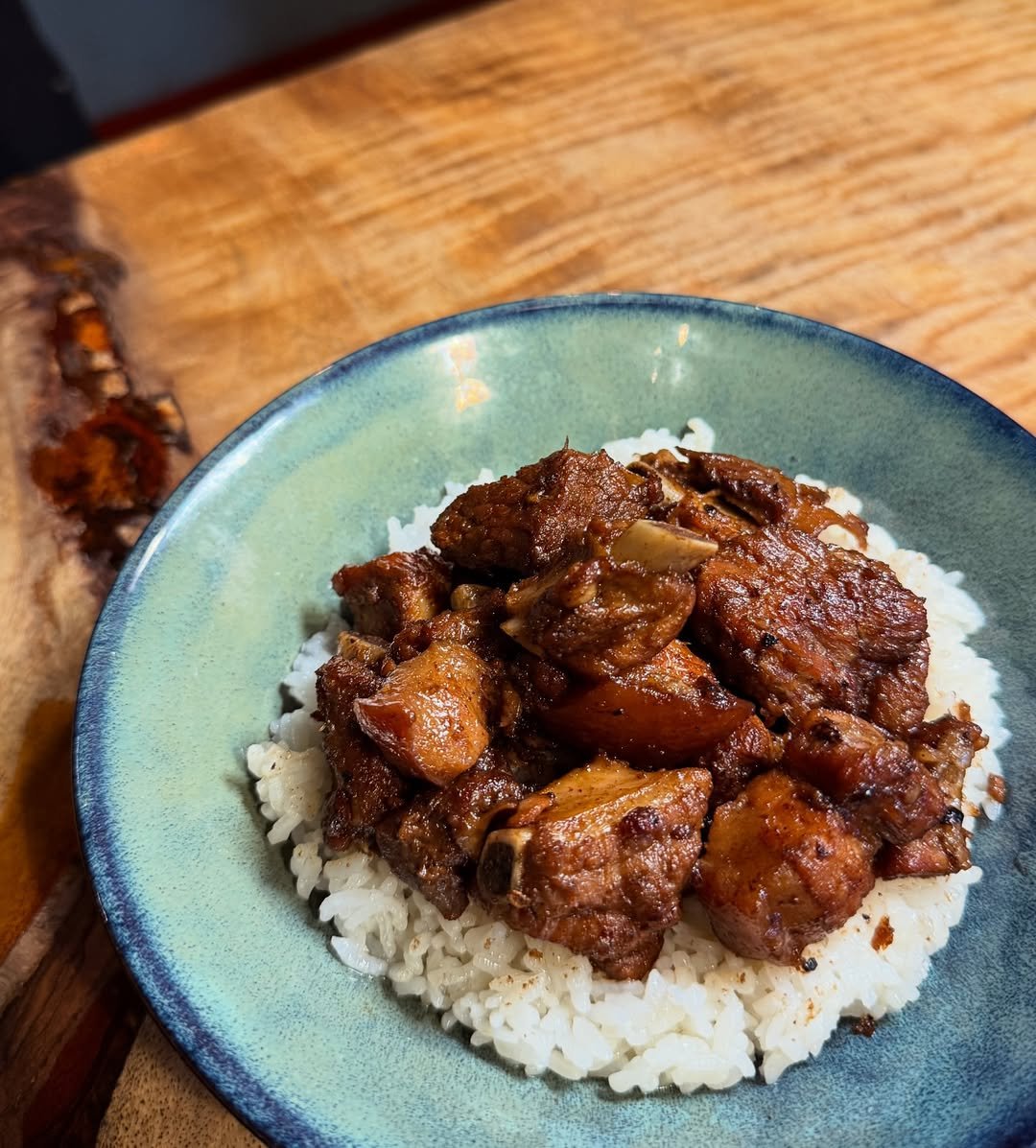
Fried pork chops.
- A food trend that you hate and why?
Ube. Not everything needs ube, and Filipinos don’t put ube in everything.
- What’s the craziest shift you’ve ever worked in the kitchen?
One day, when I worked those long hours, I overslept and came in two hours late. I had to stay to deep clean the entire kitchen alone, and no one was allowed to speak to me the whole day.
5. What happened, and how did you manage to get through it?
I just did it. Tired and all. Best believe, I was never that late again.
- What tips would you give to other cooks and chefs to help them navigate their culinary careers and find peace amid the chaos of the kitchen?
As you navigate your career, go where you feel called. Somewhere that challenges you and teaches you in the best way that you learn. Keep cooking. The learning never stops. Even when you’re good, there’s a long way to go. And also finding peace. Please get to know yourself beyond food and your career. Create a life separate from that. Cry if you need to. Sit in silence if you have to. Find it within.
- What’s an underrated ingredient and why?
Cilantro, specifically the STEMS. So much flavor. People most times just throw it away and only use leaves.
8. What’s a must-try dish from your kitchen or the one you’re proudest to have prepared?
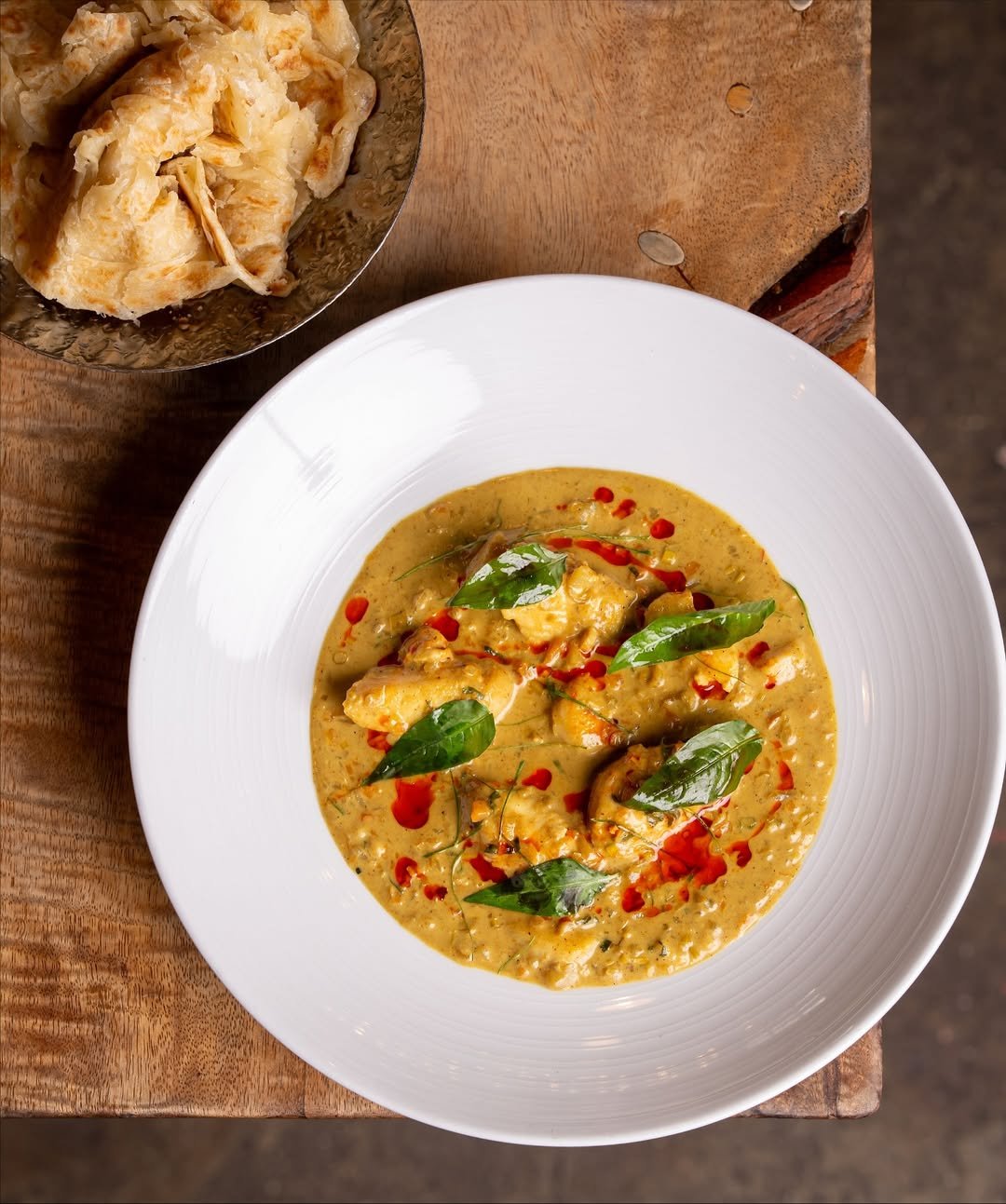
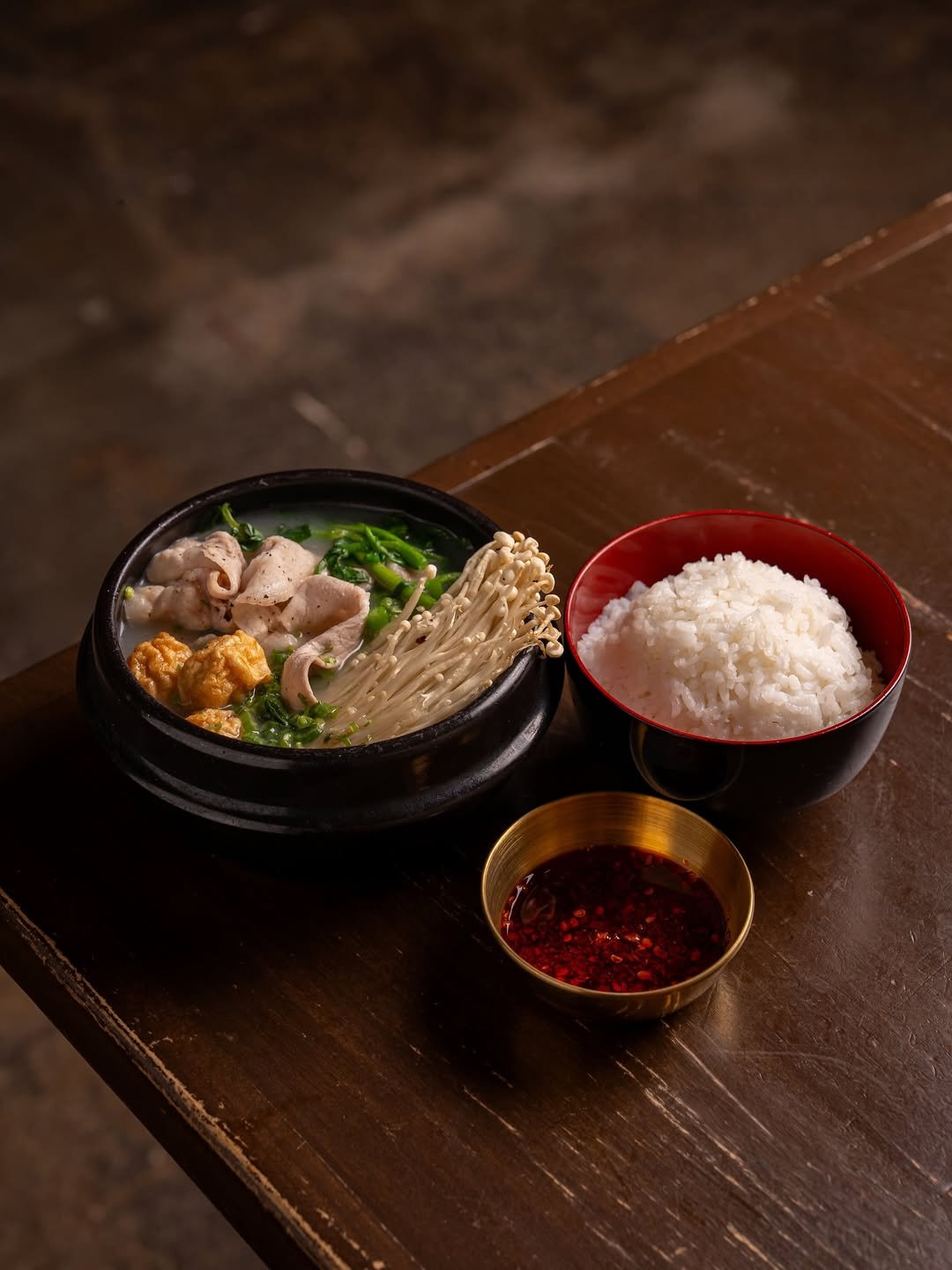
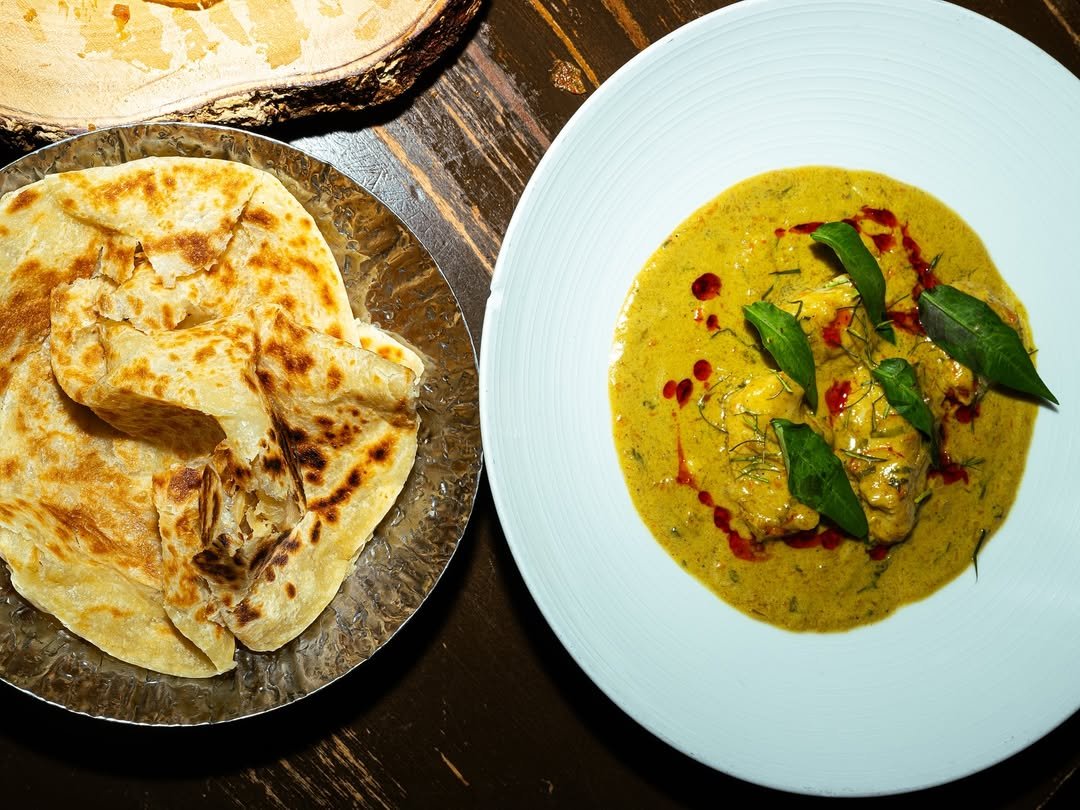
Curry or soup. I have had an obsession with curries and soups since I was 19. It never left.
About Your City!
Hawaii
- If Anthony Bourdain or a chef came to your city, what would be the perfect tour itinerary from breakfast to dinner?
For breakfast, get a Spanish roll from Nanding’s, then slide down to Zippy’s or McDonald’s for a breakfast bento with Portuguese sausage, eggs, and rice, and coffee at Lion Coffee. For a snack, Andy’s for a sandwich & Onigiri Onibe. For Lunch, Tanioka’s for poke and fried chicken. And for dinner, Kyung’s for meat jun mandoo combo with seafood stew.

Support our project by buying our merch!

86 HOTK Unisex t-shirt
$30.00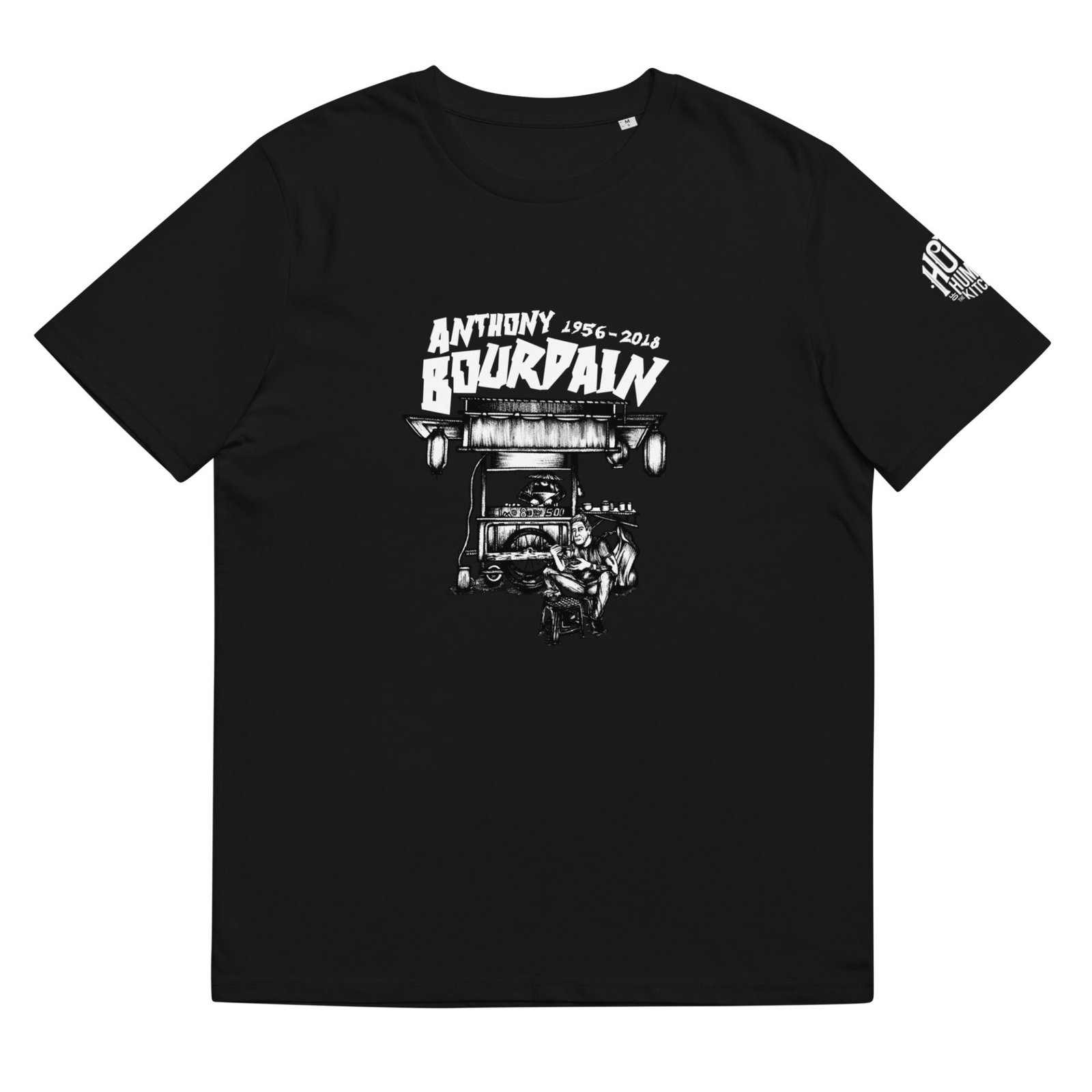
Anthony Bourdain T-Shirt
$35.00
Mise HOTK Unisex t-shirt
$30.00