Learning What Not to Become
Early exposure to unhealthy kitchen culture redefined the standards for leading a team.
Vardaan Marwah
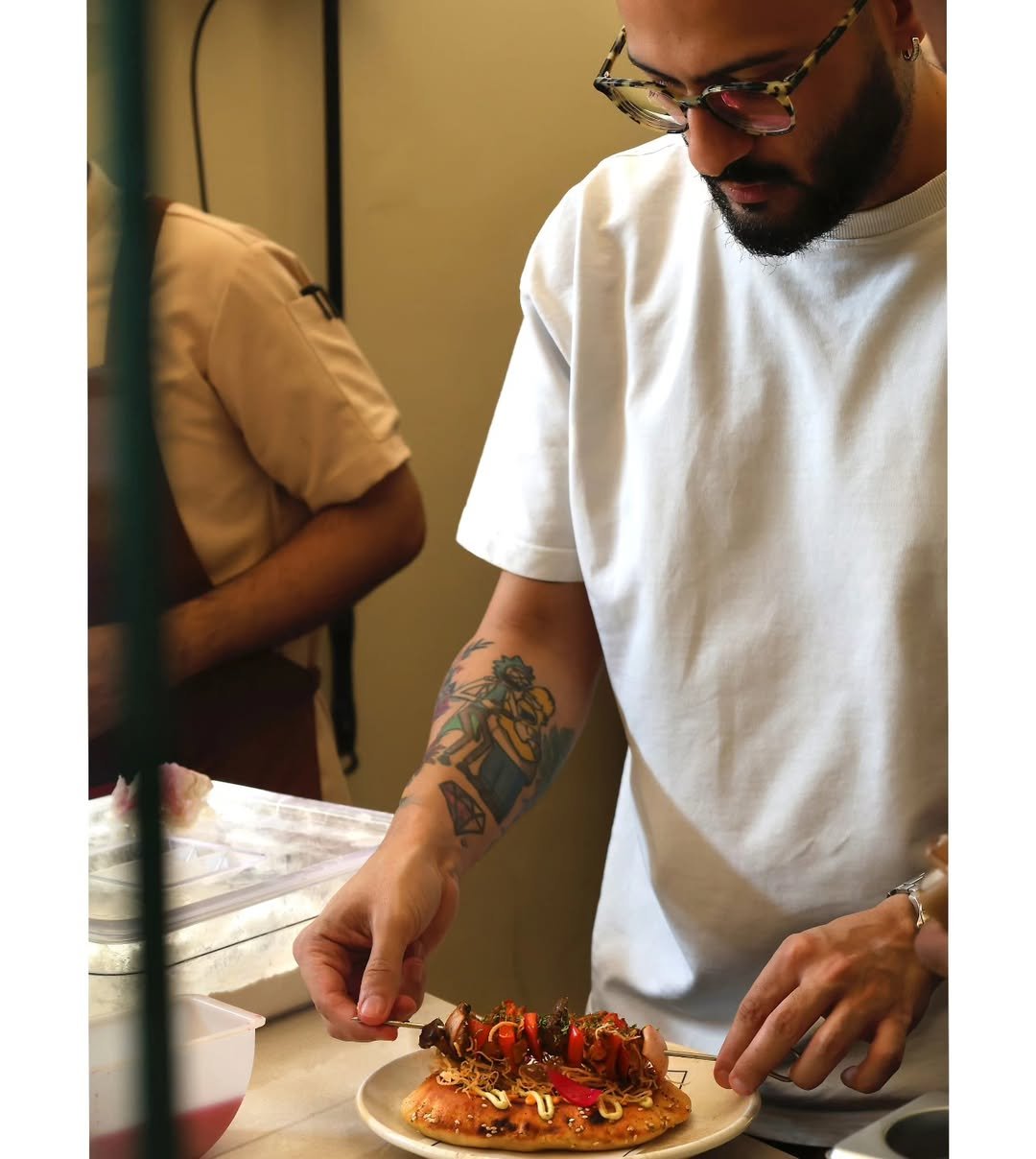
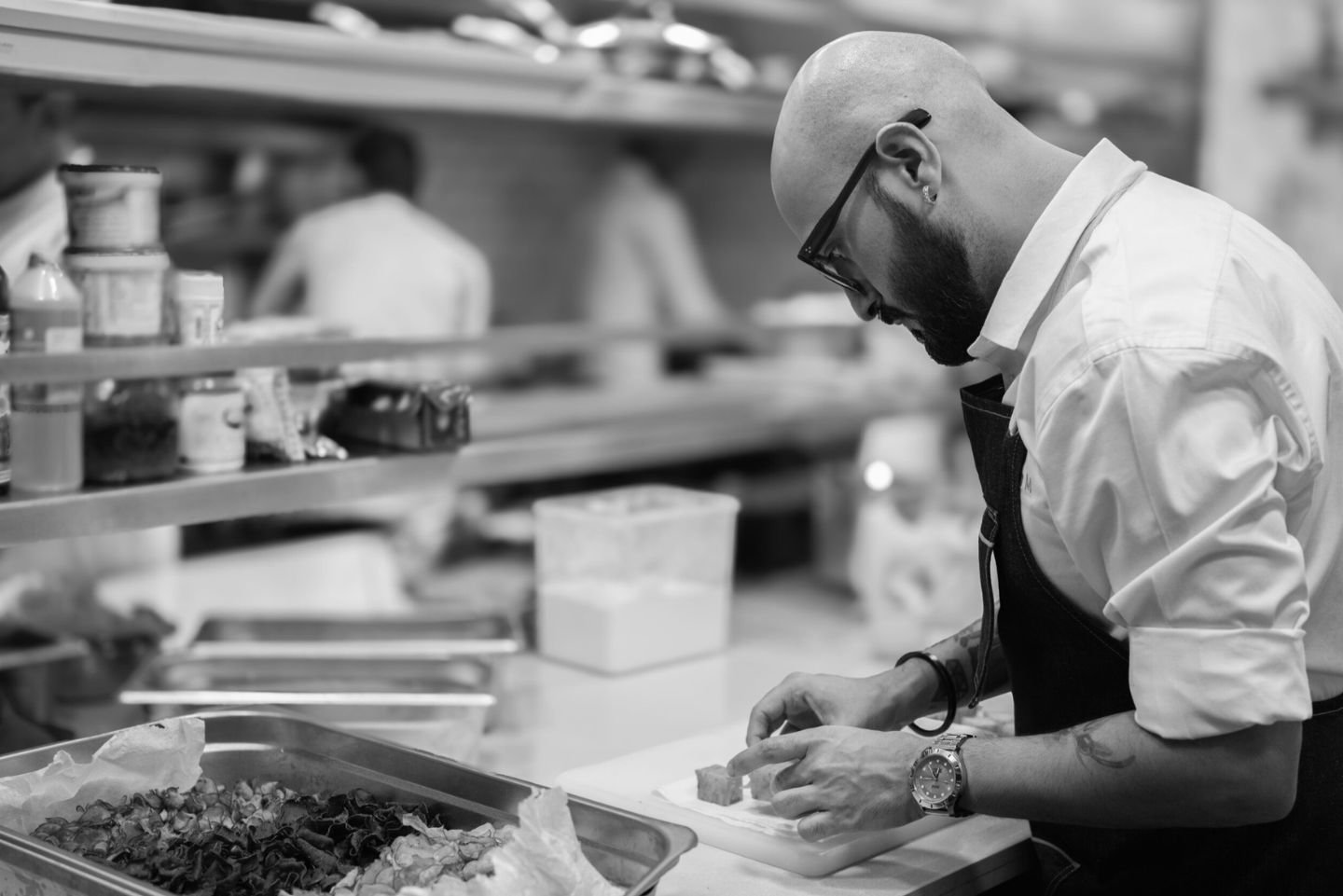
For Vardaan Marwah, hospitality didn’t start in a professional kitchen. It started at home.
Growing up in a North Indian household filled with guests, food, and constant movement, cooking was always part of the rhythm of life. What began as curiosity, watching, asking questions, and being around it slowly turned into something more intentional, shaped by experience, learning on the job, and building something of his own from the ground up.
Today, Vardaan’s work reflects that same energy, rooted in connection, growth, and the creation of spaces where both food and people can evolve. From running multiple kitchens to mentoring his team, his journey is less about titles and more about building something that feels alive, for himself and for the people around him.
In this conversation, Vardaan talks about the path that shaped him and the kind of kitchens he’s trying to build now.
Share your Journey
- Looking back at your childhood, was there a specific moment or memory that sparked your interest in food or cooking?
I come from a North Indian family where both my paternal and maternal grandmothers fed large families. Their kitchens were always filled with the aroma of spices. I just wanted to be around them, watching what they did and how they did it. Always asking questions like, “How was this seared?” or “Why was this done in a certain manner?” The love my parents and grandparents had for hosting people shaped me deeply. Our house always had at least 10 guests coming at least thrice a week. We would all cook, host, and throw parties together. Somewhere along the way, I felt hospitality was always a part of me. In India, there’s a saying, “Atithi Devo Bhava,” which translates to “Guest is God,” and we treated them in a similar man
- Did you have another career or job before becoming a chef? How did those experiences influence your decision to pursue cooking?
I studied Commerce and Accounts at Delhi University. During my time in academics, there were many restaurants and cafes around campus that we frequented, but none of them gave us a reason to come back. Hence, I’d always go back to my kitchen and cook for my friends, and they would always push me to do something of my own. Somewhere, that sowed the idea of becoming a chef.
- Did you formally study culinary arts, or are you self-taught? How has your learning journey shaped your approach to cooking?
No, I am a self-taught Chef. But when I decided to pursue cooking, I started running a home kitchen, which became an instant success. I felt I needed a course to hone my skills, which led me to pursue a diploma from the International Institute of Culinary Arts, where I started in the patisserie and baking department. The skills I learned as a pastry chef, along with my teachers’ tips and tricks, I still use in my kitchens. A lot of my food is inspired by the techniques pastry chefs use.
- When did you first step into a restaurant kitchen? What was that experience like, and how did it shape your journey as a chef?
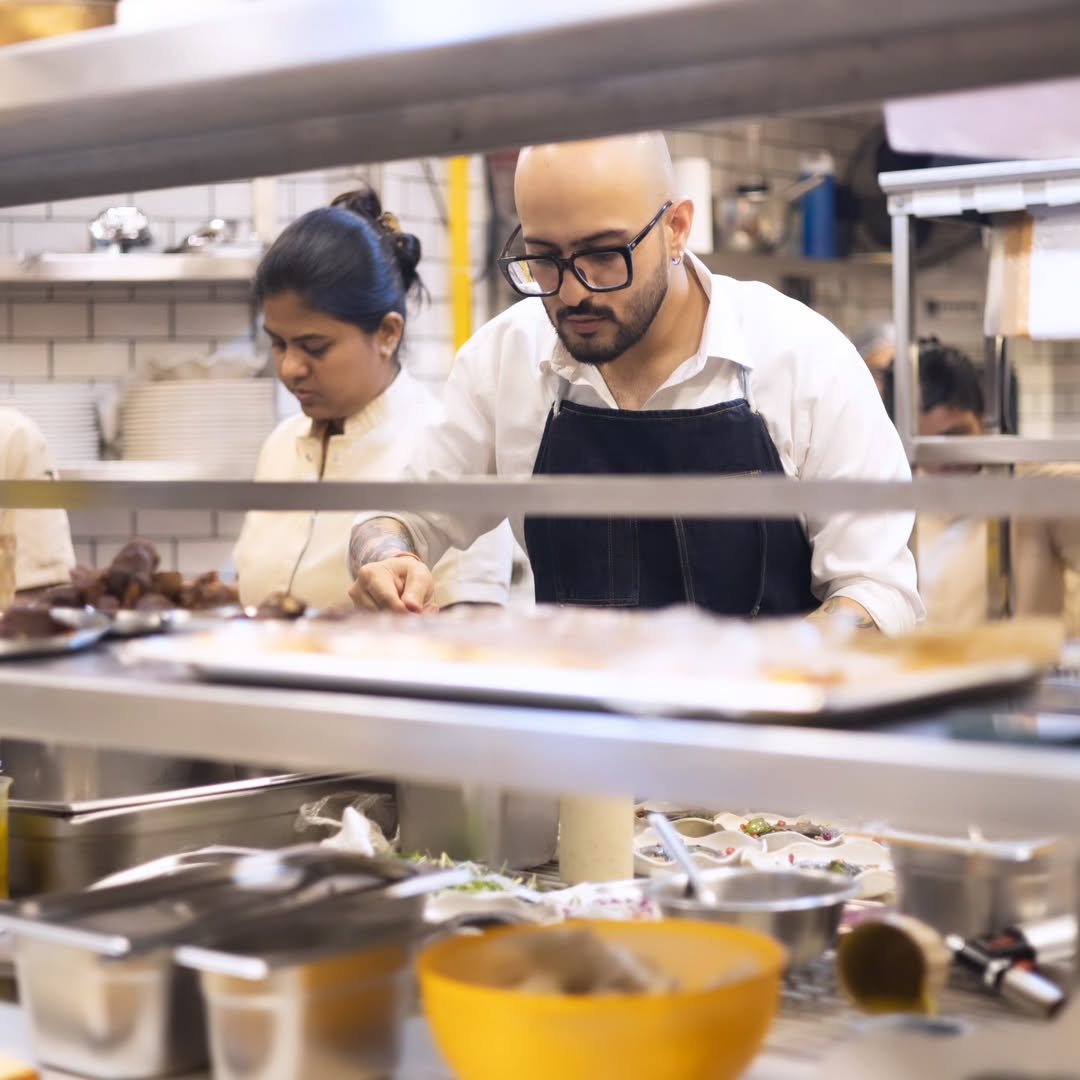
In 2018, I interned with a restaurant in a 5-star hotel, where I got exposed to how professional kitchens are run. There was a very toxic environment where chefs in leadership positions misused their positions. I was out for 6 months, but one key takeaway was to never disrespect my juniors and to focus on culture-building in all my future kitchens.
- What were some of the early challenges or obstacles you faced when you started in the kitchen, and how did you overcome them?
As someone who did not pursue a degree in the culinary field, I found the learning curve steep, but the curious cat inside me just wanted to learn and grow. I kept shifting between departments to broaden my horizons and understand how each one works, which has helped me run multiple kitchens today.
- What keeps you inspired and how has that inspiration driven you throughout your professional journey? Especially during tough times in the kitchen?
What keeps me inspired is everything around me: the flavors I ate as a kid, my surroundings, and the people who have helped shape me into the man I am today. As an Indian, living in this incredibly diverse country fuels my fire like nothing else. Every 50 kilometers, the religion, language, traditions, and food change drastically; it’s the most inspiring place on earth for any chef. You get to explore endless variety, which has driven me through my entire professional journey, especially during the toughest times in the kitchen when exhaustion hits, and tempers flare. Those roots pull me back, reminding me why I cook with passion.
- Can you recall a moment in the kitchen that marked you forever? Maybe it was an interaction with a mentor, a fellow cook, someone you fed, or a situation that challenged you in a way that shaped who you are today?
One moment that marked me forever happened in a bustling kitchen here in India, a country teeming with people from every walk of life. So many come from humble backgrounds; they lack the money or the exposure to travel, to eat global dishes, or even to grasp what fine dining means. Many end up as chefs out of sheer necessity, yet that inner passion still burns bright.
There was this young kitchen steward on my team, just 19 years old. He washed dishes day in and day out, but his eyes were always glued to what the chefs were doing. One day, I pulled him aside for a chat, and my eyes welled up with tears when he shared, “I’ve never eaten anything outside my home food, so it makes me so curious about what you all do here. I want to learn it someday.” That hit me hard; it showed how a lack of education can steal dreams and opportunities from someone so eager.
I took it upon myself to teach him everything, step by step. It’s been four years now, and he’s grown into a confident commis chef in one of my kitchens at Farro, masterfully handling the flatbread section. Moments like these remind me why I lead with heart in hospitality.
- As a chef, how would you describe your philosophy in the kitchen, and how does it guide your approach to cooking and leadership?
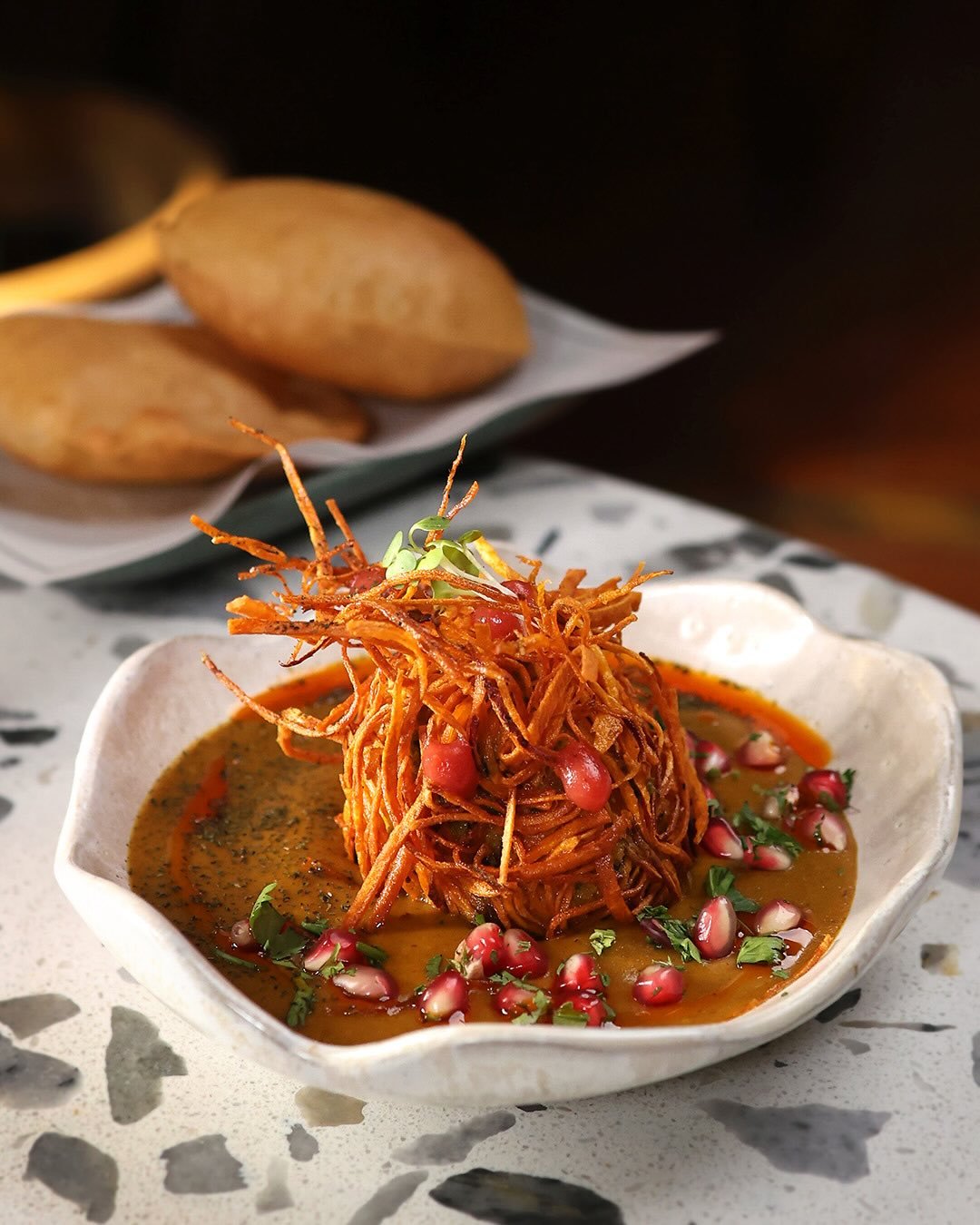
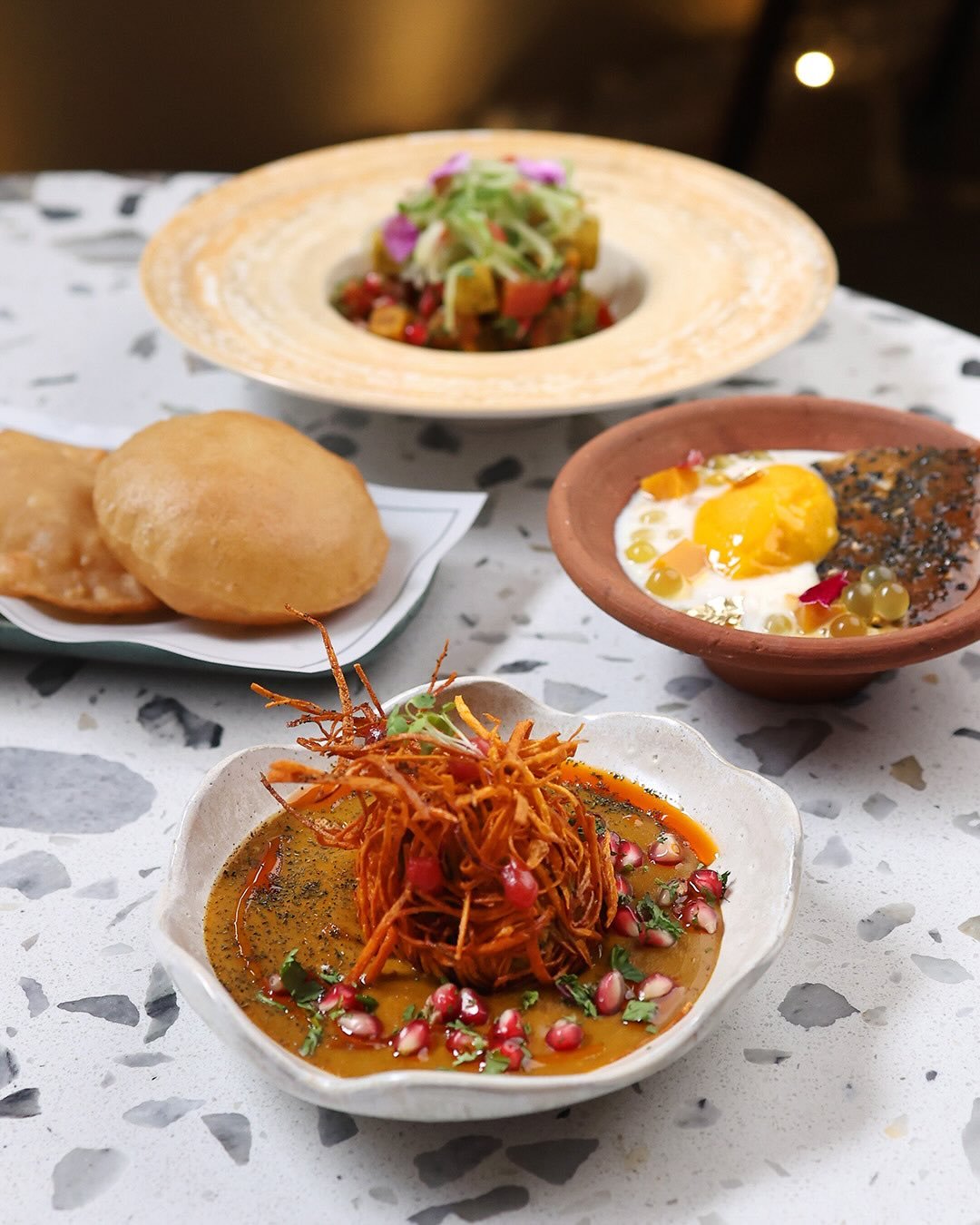
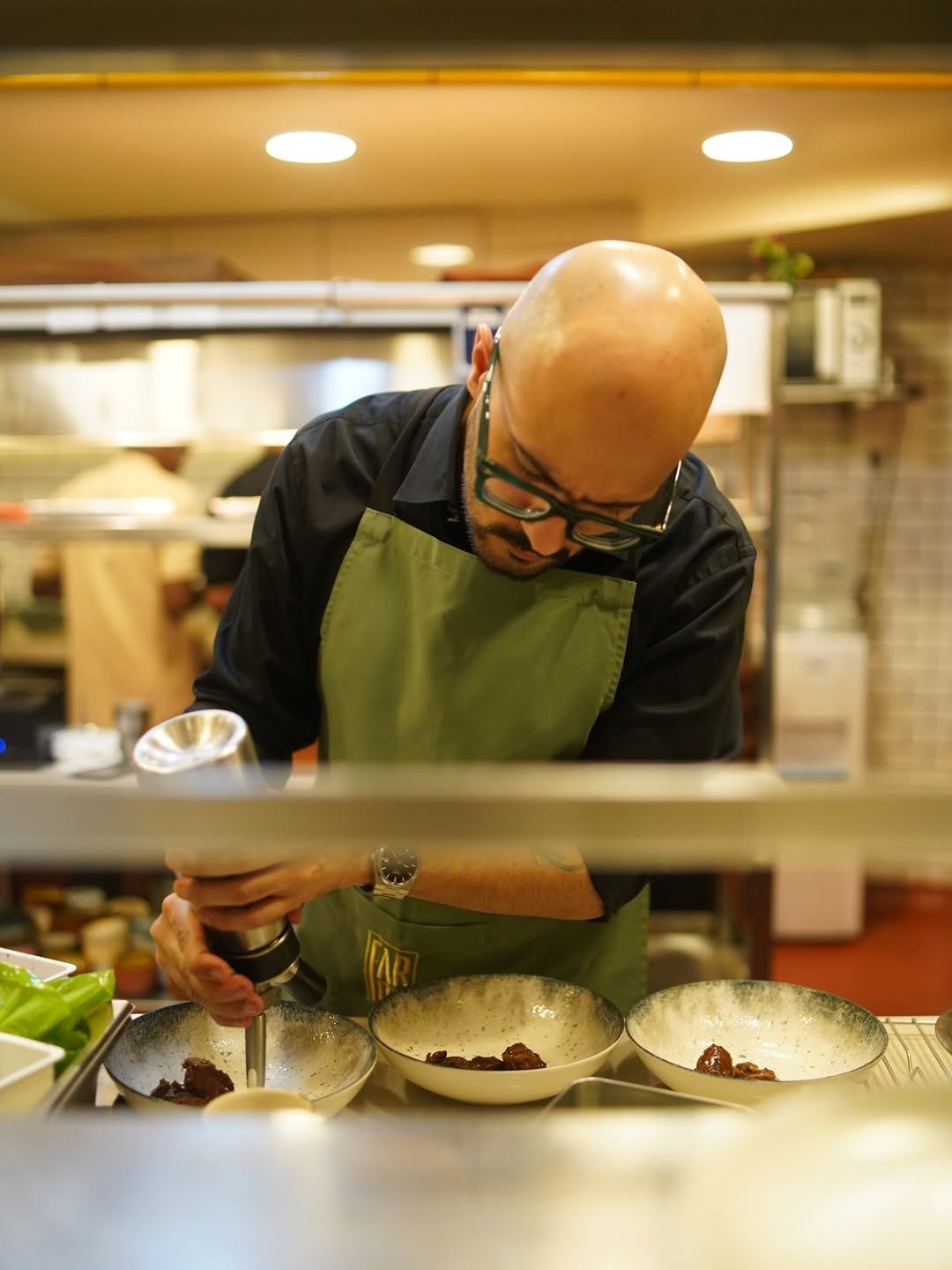
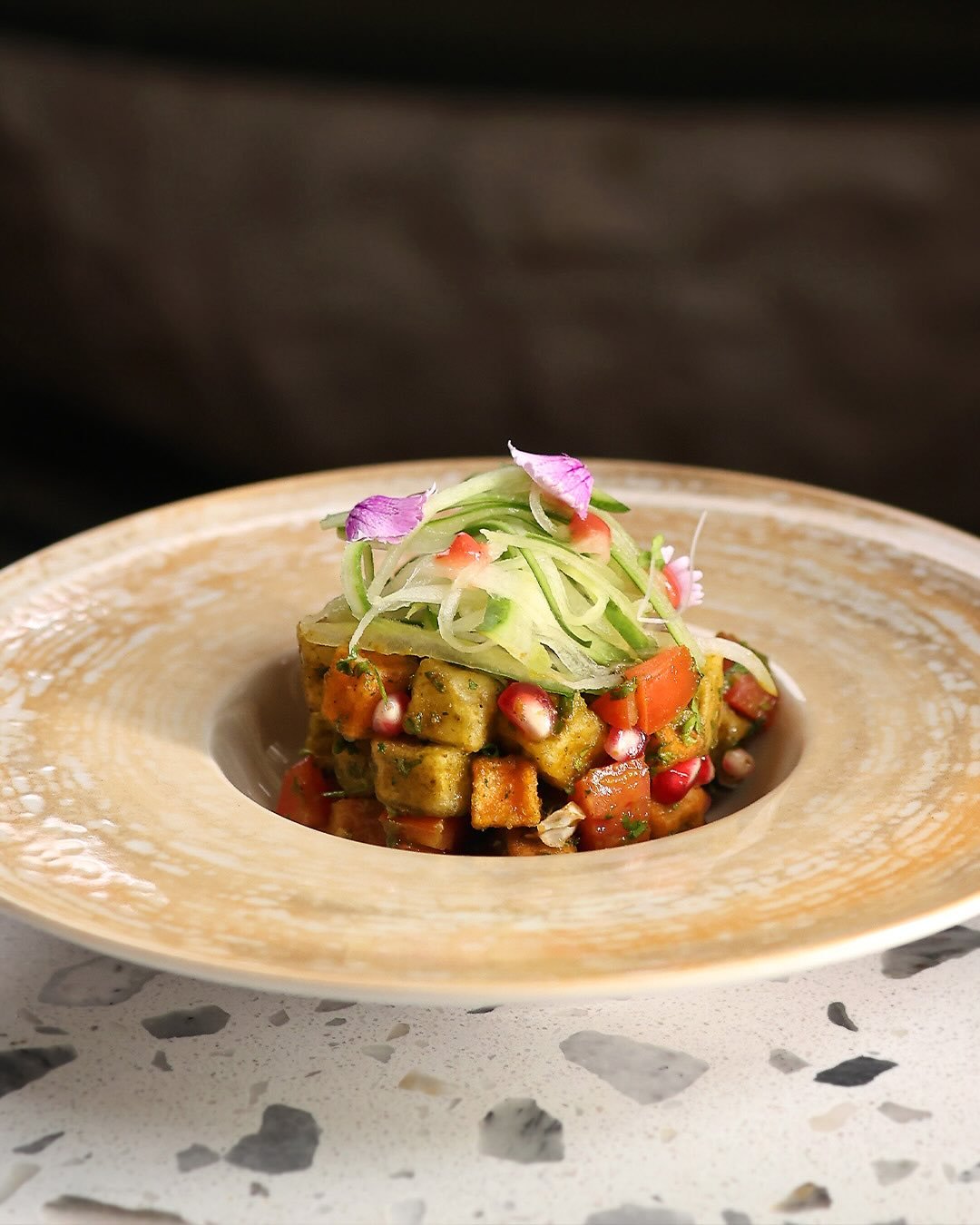
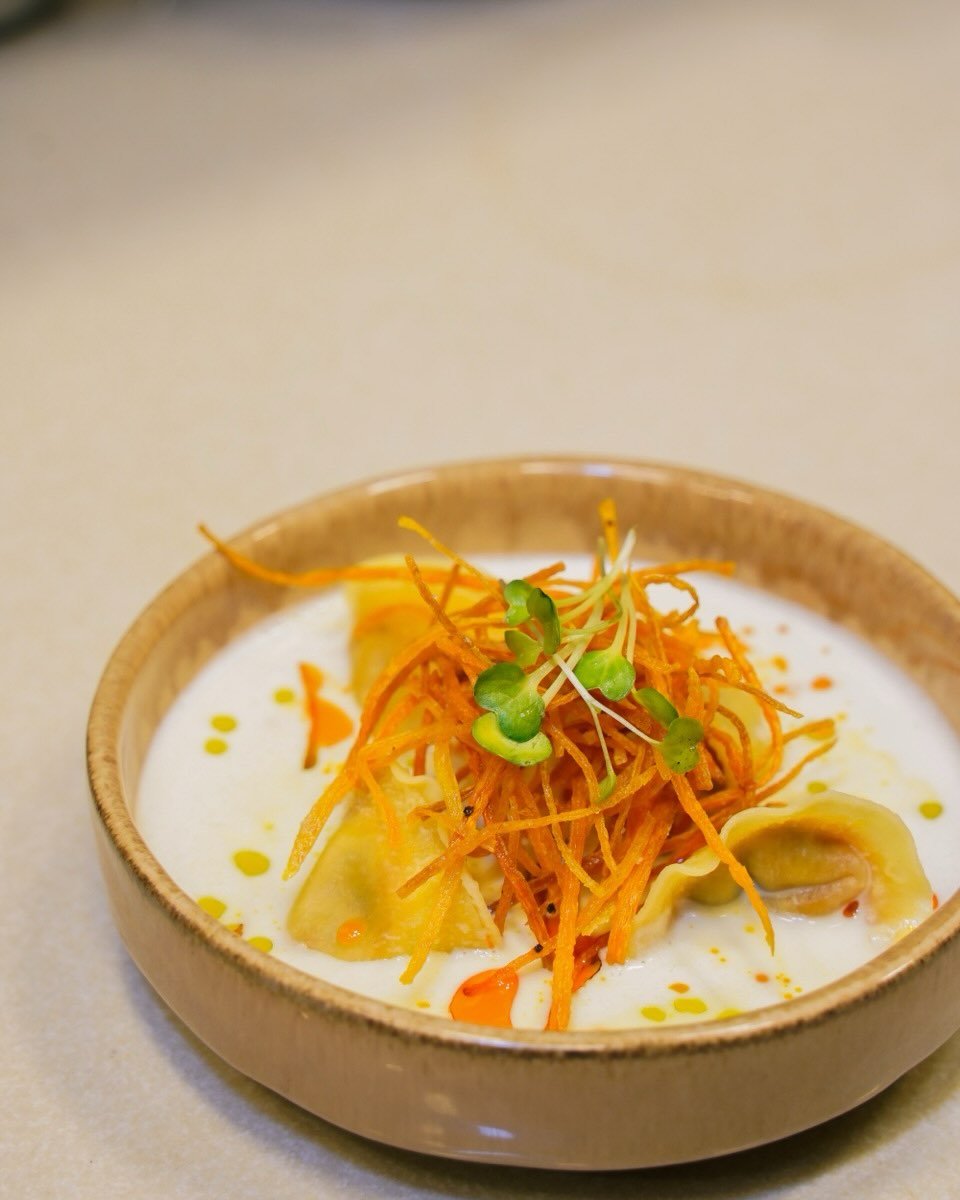
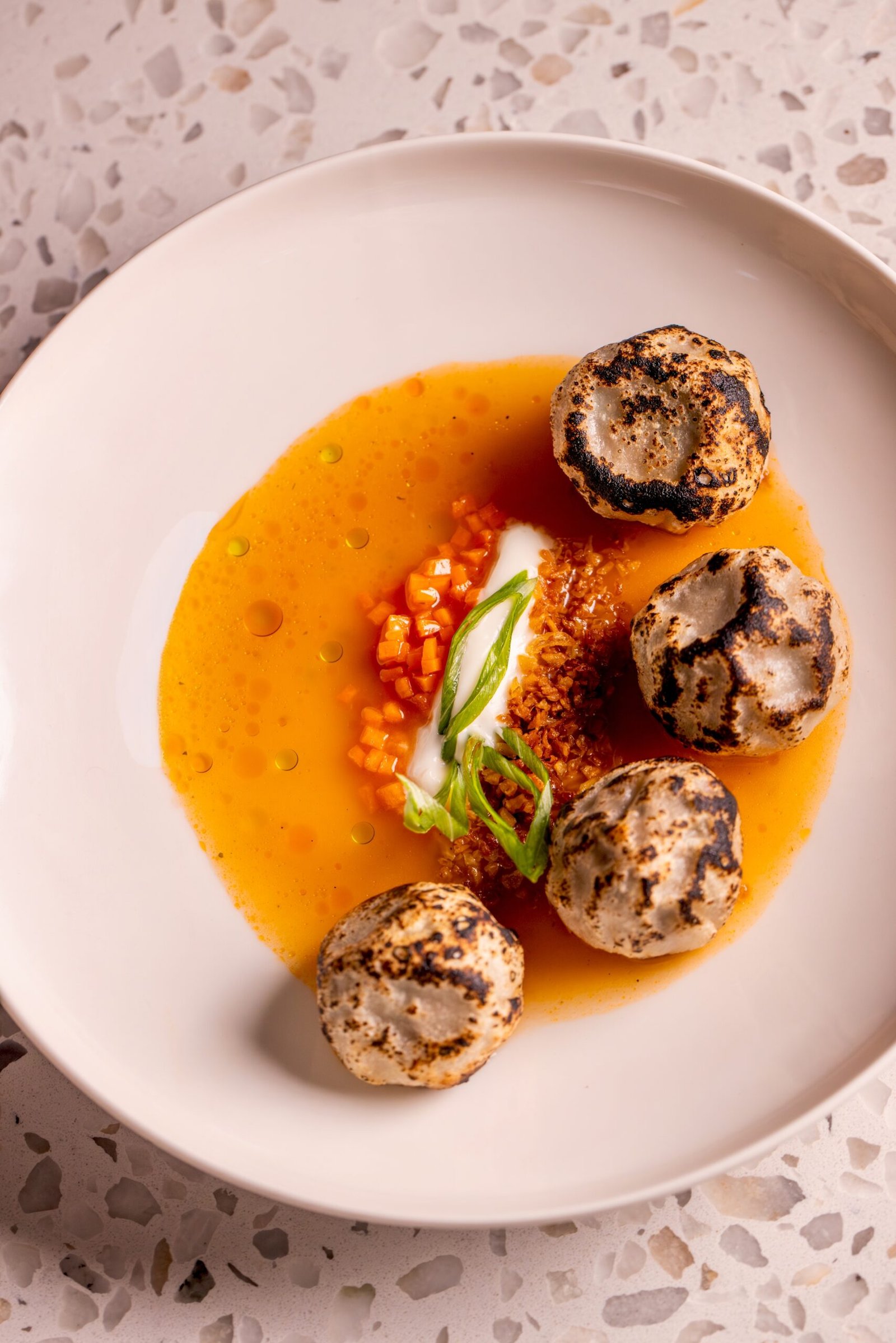
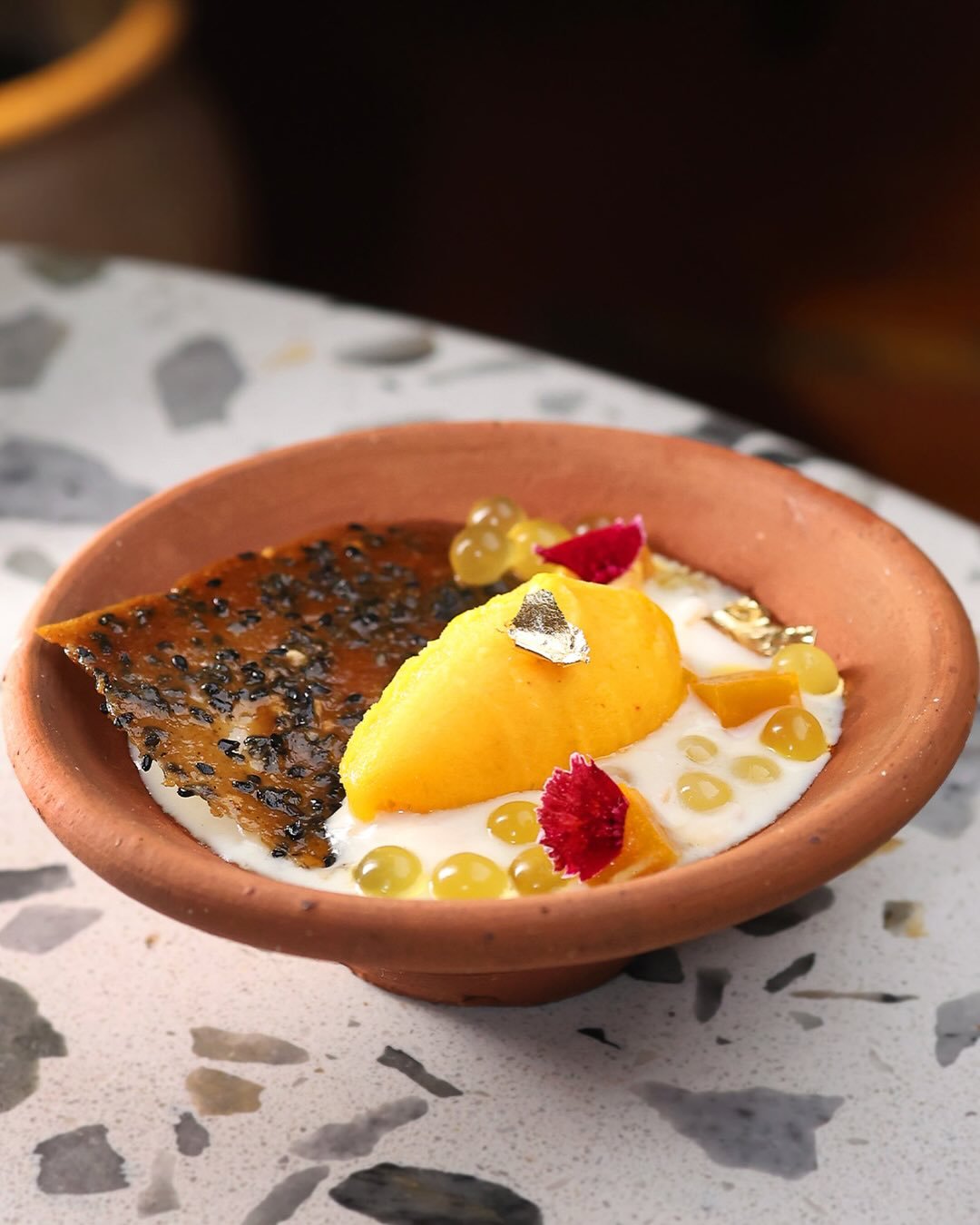
My philosophy in the kitchen revolves around storytelling through food, rooted in exploration, growth, and genuine connection. I run five restaurants, each with its own distinct theme and cuisine. Farro, my true passion project, traces the journey of the ancient grain farro, mirroring its roots and my own life path. This lets our menu evolve freely, giving me space to experiment boldly with flavors, techniques, and fusions that surprise and delight.
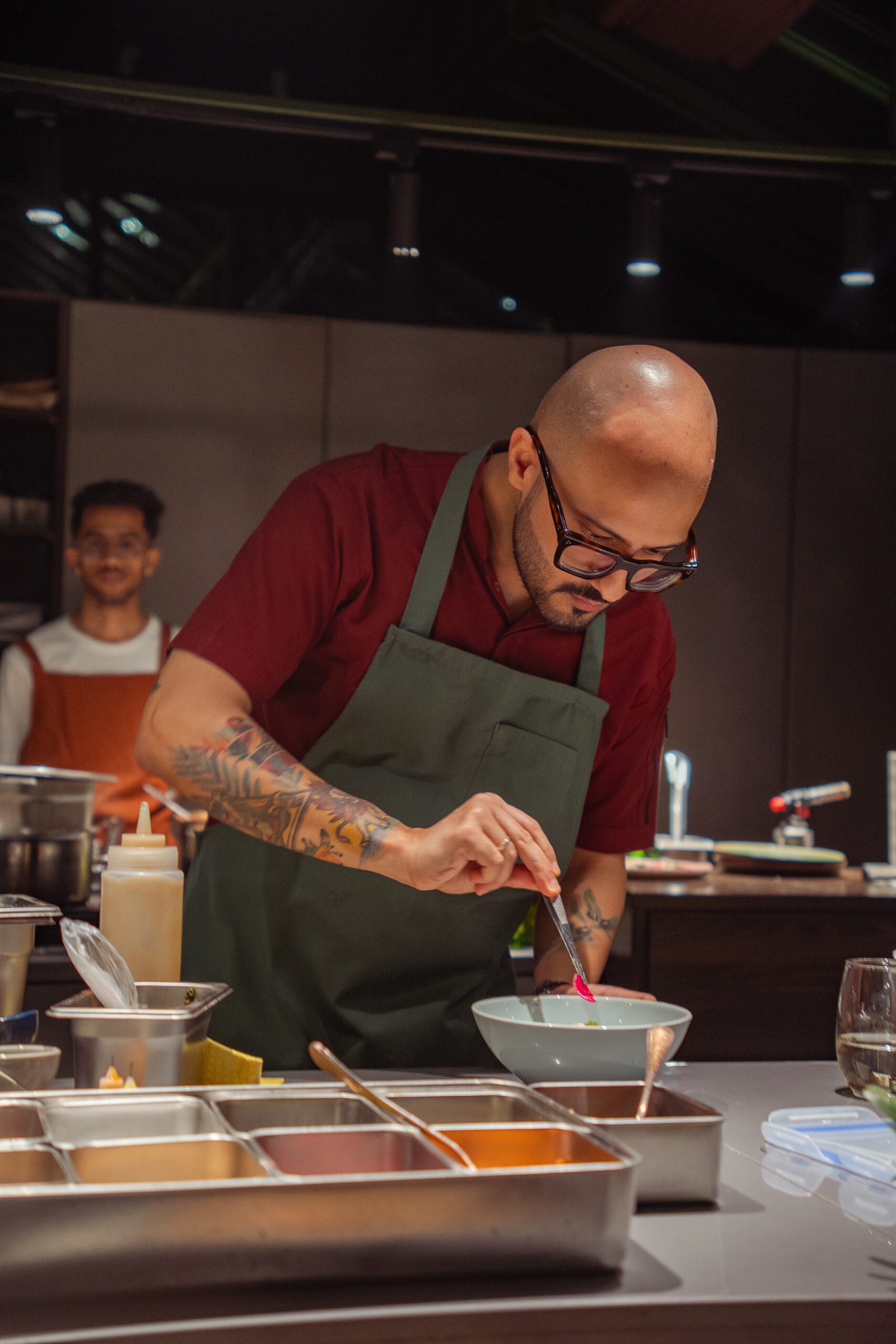
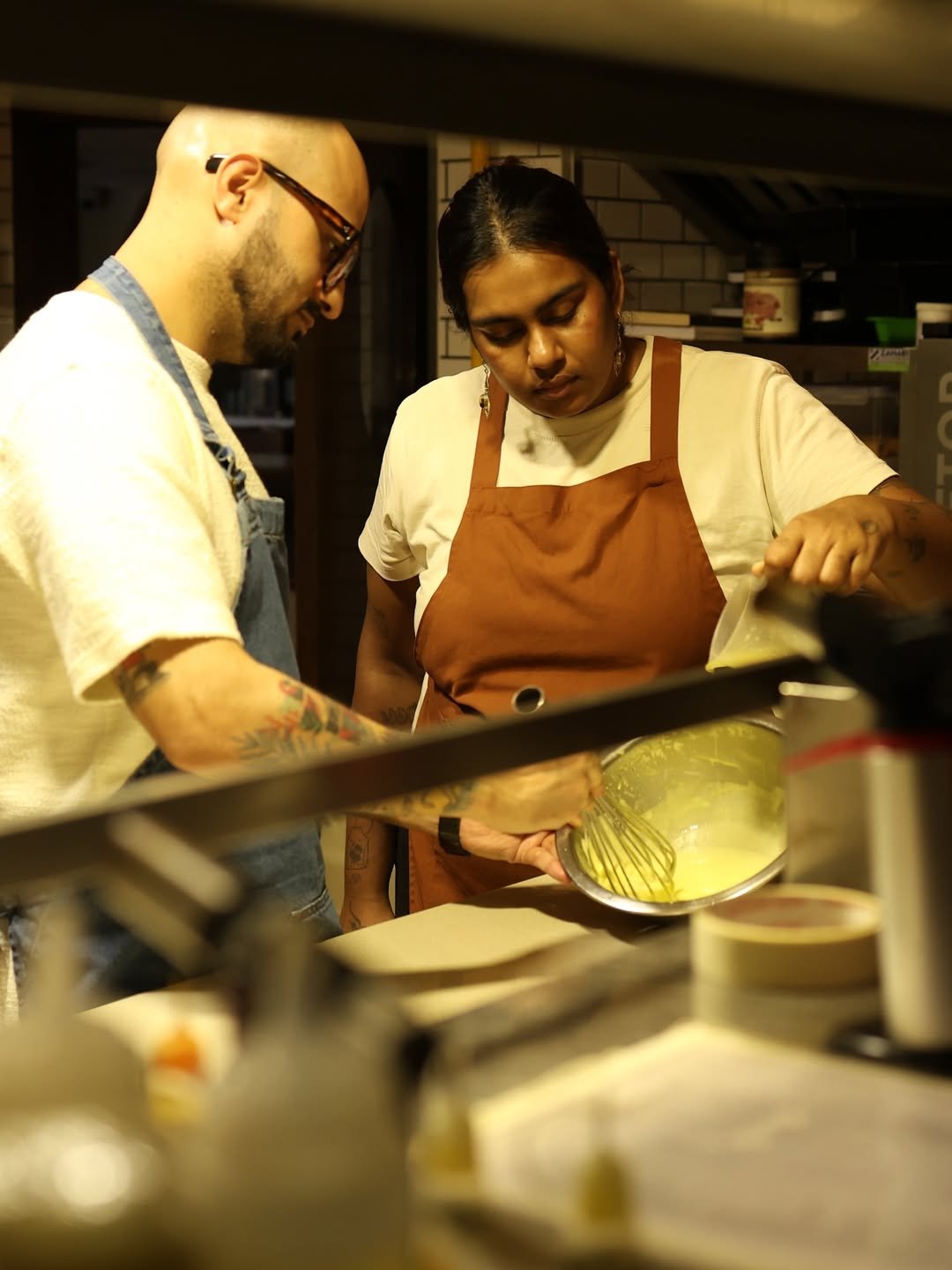
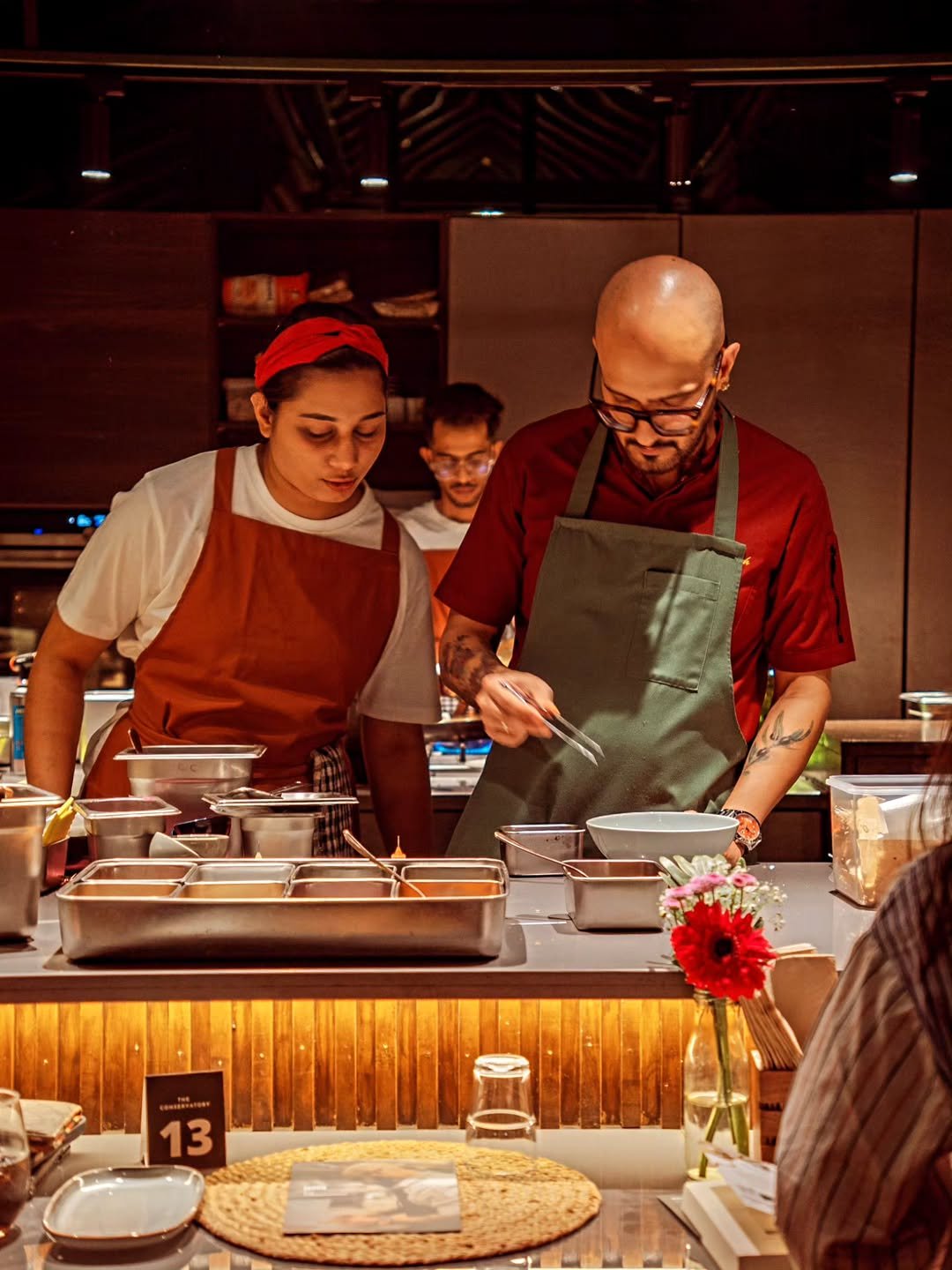
What guides my leadership is simple: I grow alongside my team. Uplifting chefs, nurturing their talents, and celebrating our shared wins matter most to me. It’s not just about plates; it’s about building people who pour their hearts into every shift, creating hospitality that feels like family.
- Can you share a time when cooking or the camaraderie in the kitchen helped you through a tough period in your life? What made that experience meaningful?
During the brutal 2020 lockdowns, my restaurant in Delhi shut down completely. Our team was gripped by fear; many left for their villages, but one of them stayed back. Together, we started Glaze Factory, my home-run kitchen, and ran delivery operations from my home. One night, a team member opened up about his family’s money troubles. We sent out care packages made at the Glaze Factory. That teamwork changed everything. We turned it into a successful delivery model, helped a few people however we could, and got me through the toughest days. It proved cooking, and our bond keeps us connected, no matter what.
- Reflecting on your career, what achievements or milestones are you most proud of, and what do they mean to you?
Winning the TV show Chef vs Fridge, the Rising Star Chef of the Year 2025 award, and all those honors for Farro feel great; they’re real feathers in my cap. But what truly fills my heart is seeing people from all walks of life grow alongside me. I’ve had team members stick with me for over 6 years now, and I’ve watched them level up both personally and professionally. My mentor drilled this into me: your biggest achievement is the growth of the people who helped get you here. It keeps me grounded every day.
- What aspects of restaurant culture do you love, and what parts do you find frustrating or problematic? Are there any changes you’re actively working toward or things you hope they change in the industry? Share the reasons behind them and how they align with your vision for a better culinary world?
What I love most about restaurant culture is meeting new people, whether as team members or guests; it keeps things exciting and full of energy. Building connections over a shared meal, watching a shy steward turn into a confident Commis as I did with that kid at Farro, that’s the magic.
But it’s frustrating too. No two people think alike, and getting a diverse team on the same page for vision, standards, or even basic hustle during peak hours is the biggest challenge in any kitchen. In Pune, experimental spots like Farro were rare until we came along. We’re changing how the city sees food, from grain journeys to fusion twists. It’s been tough pushing boundaries in a traditional market, but incredibly rewarding as we learn tons and innovate daily.
Long, grueling hours that burn people out, uneven pay for back-of-house heroes, and too much focus on trends over sustainability. I’m actively fixing this: hands-on training for growth, fair wages tied to loyalty, sourcing local Maharashtra grains to cut waste, and work-life balance like no shifts past midnight unless it’s a big event. My vision? A culinary world where hospitality lifts everyone, teams thrive, guests feel the story in every bite, and Pune becomes a food innovation hub. It’s all about people-first progress.
- What are your hopes for the future of the restaurant and food and beverage industry? What changes would you like to see, and how are you contributing to that change?
My big hope for the restaurant and F&B industry, especially here in Pune, is a cultural shift where more people step out of their comfort zones. Folks should embrace trying bold, experimental concepts instead of sticking to the familiar.
We’re making it happen at Farro with new menus and a fresh tasting menu every month. It draws in crowds, sparks curiosity, and gets them hooked on innovative dining.
I’m also mentoring young talent through hands-on workshops and pushing sustainable sourcing to build a stronger, more adventurous food scene. Pune’s ready to lead India’s next wave.
- If there’s anything we didn’t ask or if you feel we’re missing something about your personal and kitchen story, please share it here.
I’m a collector at heart, Pokémon cards, colorful sneakers, all that vibrant stuff fuels my creativity. I love hosting friends at home, grilling up experiments over drinks. I’m an emotional guy; my plates carry those personal stories, from family aromas to tough lessons learned. It’s what makes my food feel alive. Also, I love cats!
Secret Sauce
- What’s the most unexpected ingredient you’ve ever worked with, and how did it change your perspective on cooking?
The most unexpected ingredient that blew my mind was farro, that ancient grain I first encountered years ago. It wasn’t on every Indian menu, but diving into its journey, from rugged hills to versatile flavors, changed everything. I studied its roots obsessively and opened my passion project restaurant, Farro, around it. Now, it reminds me cooking is about stories and adaptability, pushing me to fuse it with local spices in wild ways.
- What’s your “guilty pleasure” meal?
Opening a bag of Flamin’ Hot Cheetos right after work.
- A food trend that you hate and why?
Putting Matcha in anything and everything. It should be treated only as a beverage ingredient!
- What’s the craziest shift you’ve ever worked in the kitchen?
20+ hour shifts during the pre-opening of one of my restaurants, where I was the Executive Pastry Chef.
5. What happened, and how did you manage to get through it?
Management postponed the launch date, and we had only one day to prep and get the restaurant ready. We were there all day and got barely 2 hours to take a nap. The excitement and the adrenaline helped. Also, it was my first pre-opening at a leadership level.
6. What tips would you give to other cooks and chefs to help them navigate their culinary careers and find peace amid the chaos of the kitchen?
Never say no to new things. Always keep learning and upskilling. Be yourself, fuel your cooking through the happy faces of your customers.
- What’s an underrated ingredient and why?
Jackfruit. It has a nice meaty texture and can be used as a meat alternative in almost any scenario.
8. What’s a must-try dish from your kitchen or the one you’re proudest to have prepared?
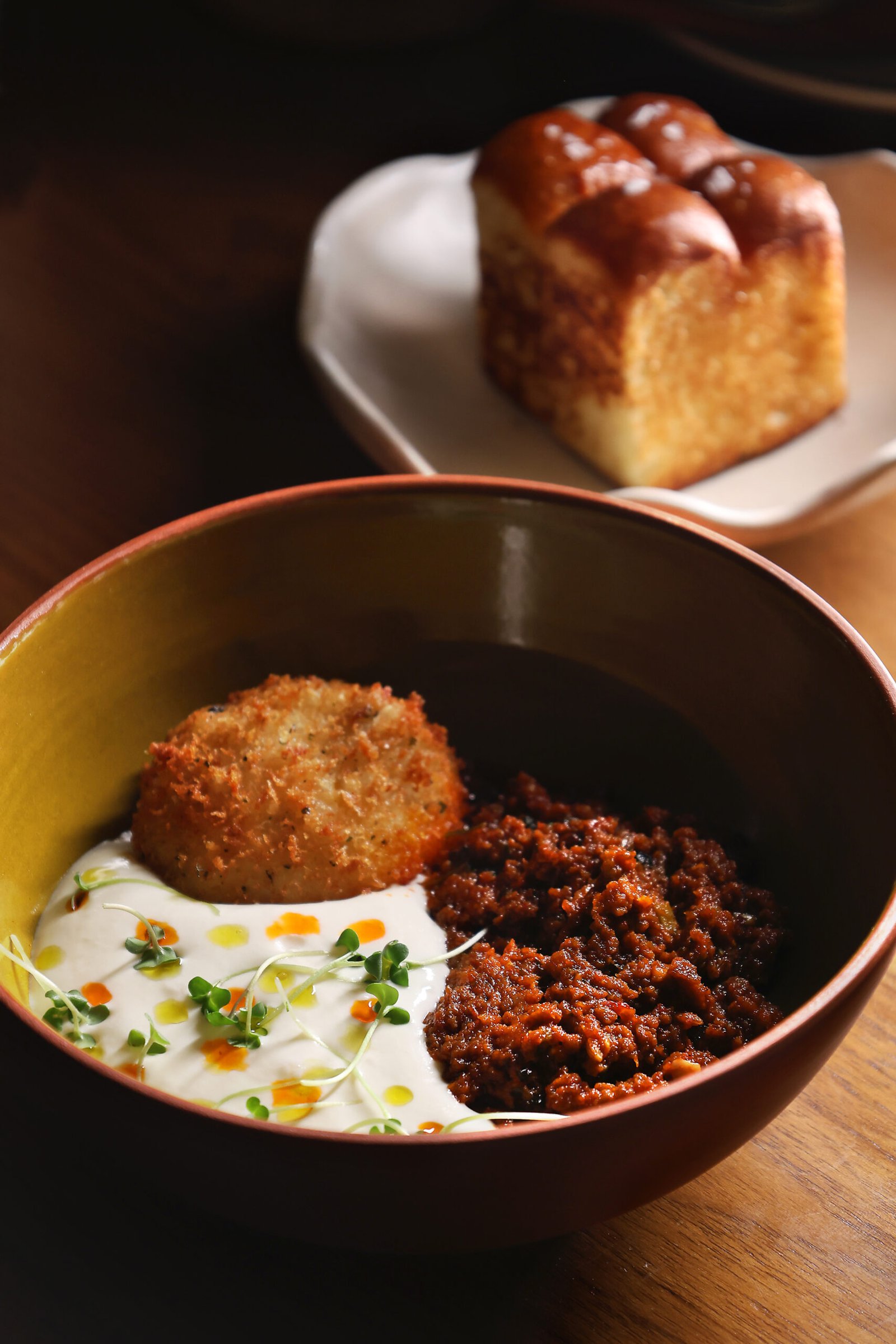
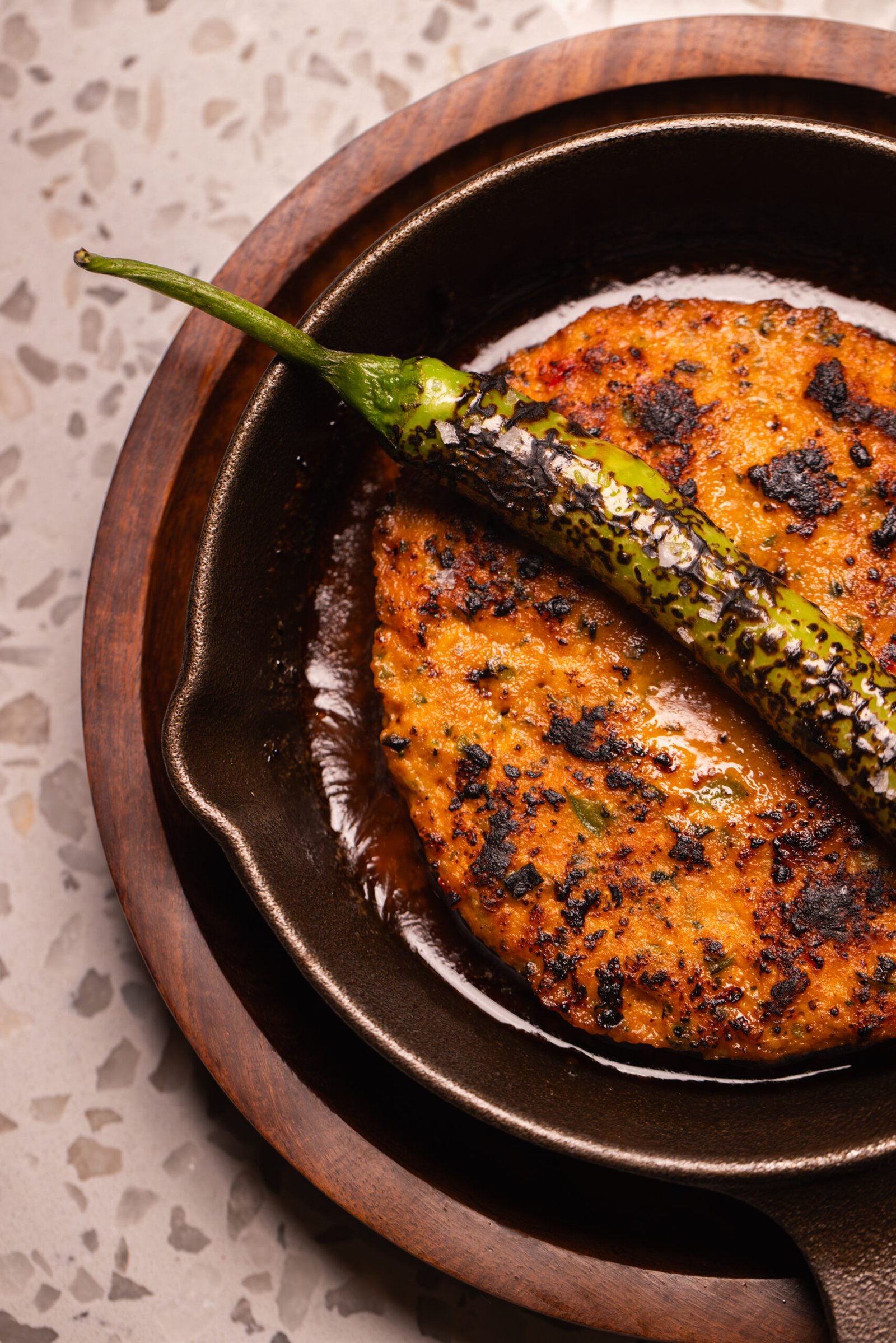
One dish I’m really proud of at Farro is Nani’s Keema Pao, my ode to my grandmother’s classic mutton mince. I elevate her recipe with fluffy brioche pao, a silky parmesan mousse, and a crunchy poached egg on top. It’s comfort food with a modern twist, every bite brings back her kitchen aromas while surprising guests.
About Your City!
Pune, India
- If Anthony Bourdain or a chef came to your city, what would be the perfect tour itinerary from breakfast to dinner?
- Breakfast: Paranthe Wali Gali, Chandni Chowk, hot stuffed parathas that will win over anyone’s heart.
- Snacks: Gol Gappas at Bengali Sweet Shop, tangy bursts of joy.
- Lunch: Street chaat in Karol Bagh, pure Delhi hugs in every bite.
- Evening: Smoky kebabs at Jama Masjid, its soul-warming magic.
- Dinner: My paternal Grandmother’s spinach-meat curry that can make anyone feel what heaven would be like.
- Dessert: Kulfi Falooda in Karol Bagh at Roshan di Kulfi for bringing out the child in you.

Support our project by buying our merch!

86 HOTK Unisex t-shirt
$30.00
Anthony Bourdain T-Shirt
$35.00
Mise HOTK Unisex t-shirt
$30.00