
Are You On It?
Before we show dive into the list, let’s back up for a second and ask:
How the fuck did we get here?
The restaurant industry is finally confronting problems it ignored for decades.
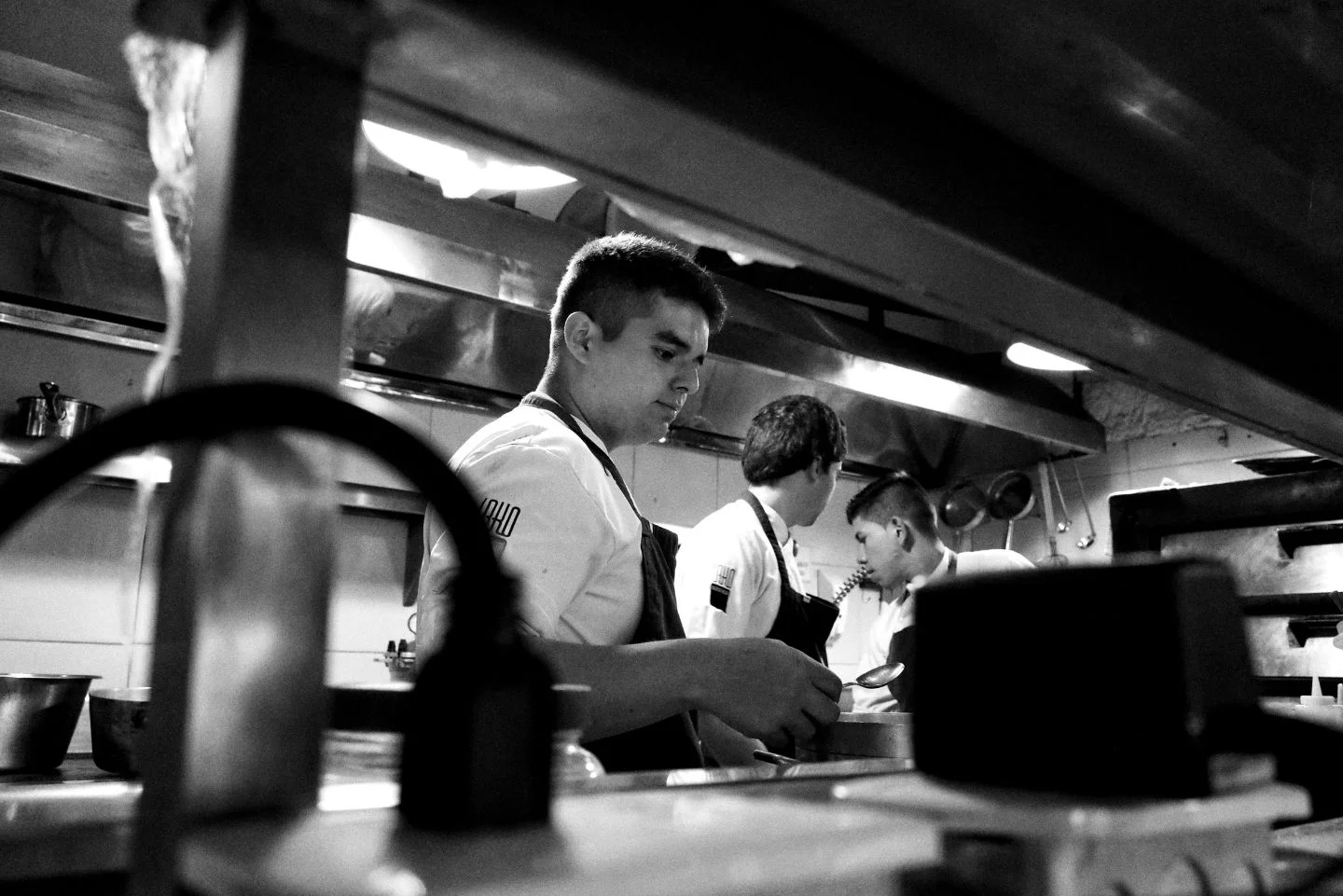
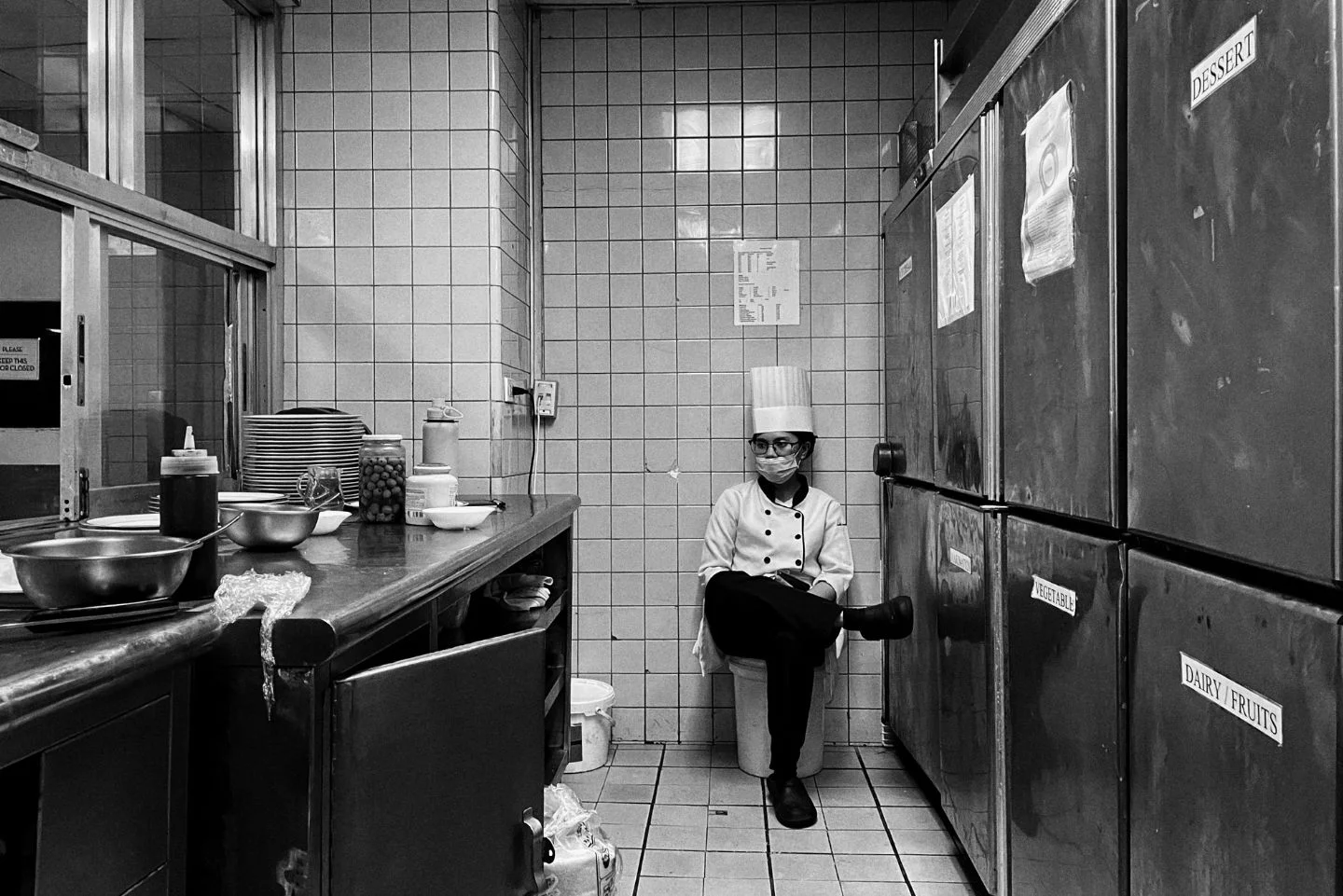
Cooks are speaking openly about burnout, addiction, abusive leadership and toxic kitchen culture. Stories that once circulated quietly after service are now public conversations. Workers who for years were expected to accept silence as part of the job are questioning the culture they inherited and have replicated intentionally or not.
That shift is necessary. For a long time, many of the hardest realities of restaurant work were hidden behind the romance of the kitchen.
Something complicated is happening inside that reckoning.
In many corners of the conversation, the language used to condemn toxic kitchens has begun to resemble the culture people say they want to leave behind. Comment sections are filled with insults, and with social media fueling complex situations into public trials, criticism often arrives not as dialogue, but as humiliation.
Ego plays a big part as well..
In a digital environment driven by attention, the exposure of wrongdoing can quickly become a form of currency. Posts that shame, mock or dismantle others travel faster than careful conversations. Memes replace nuance. The person who breaks the story, delivers the harshest criticism or crafts the most viral takedown can gain recognition and influence overnight, discarding critical dialogue in lieu of finger pointing
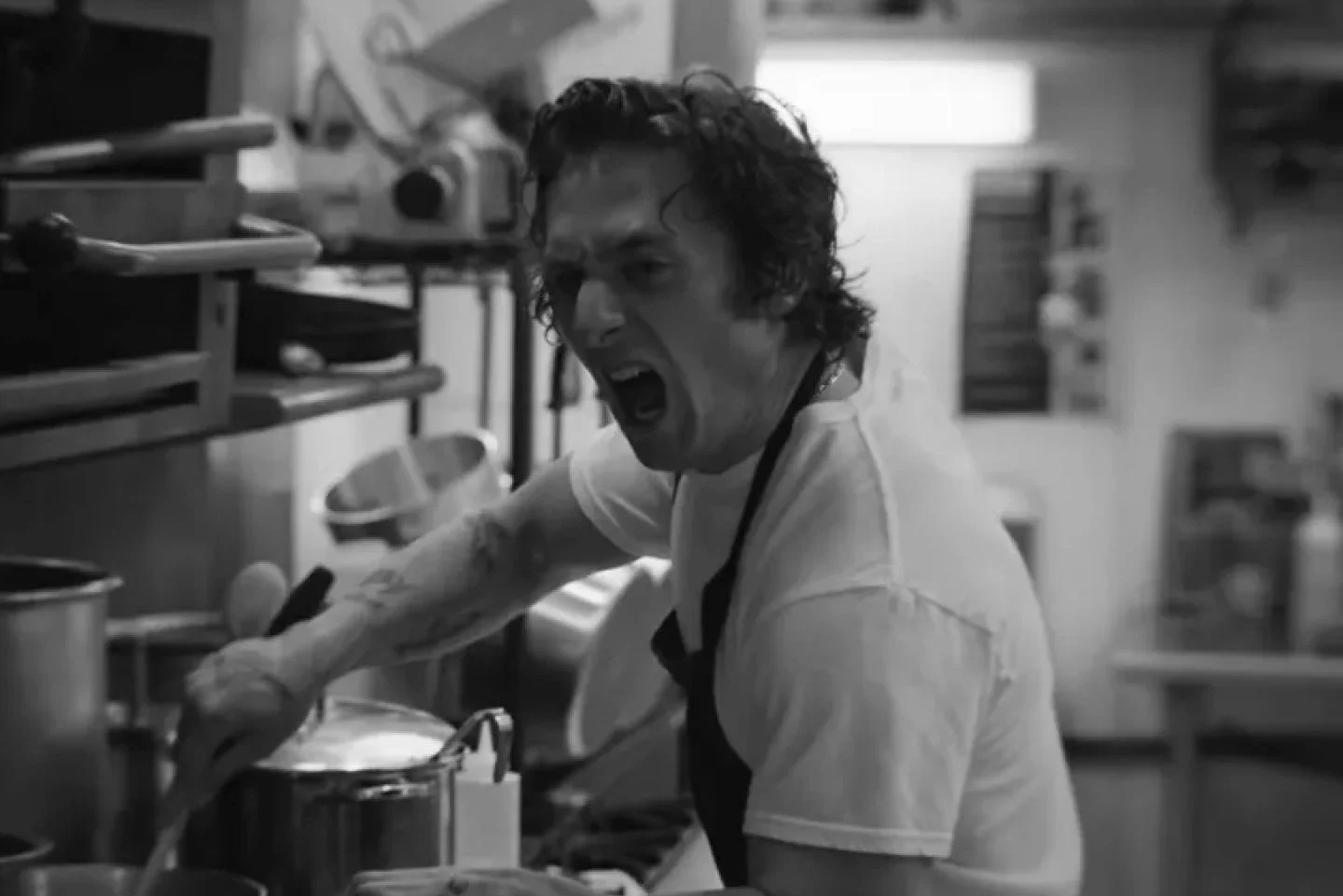
For years, cooks were humiliated on the line.Now humiliation sometimes unfolds online,rewarded with likes, shares and applause.
Speaking loudly about injustice can be necessary. In many cases, public pressure has been the only way workers could challenge powerful institutions. Without that pressure, many of the current conversations about kitchen culture might never have happened.
But if the goal is to move away from a culture of humiliation, domination and silence, the way the industry talks about change may matter as much as the change itself.
Understanding how kitchen culture developed in the first place helps explain why the present moment feels so complex.
Professional kitchens did not begin as places of creativity or celebrity. Their origins were tied to systems of labor and hierarchy rooted in servitude and slavery.
Long before modern restaurants existed, large kitchens in aristocratic households and royal courts were staffed by enslaved people and servants who cooked for those in power while holding little power themselves. Highly skilled cooks prepared elaborate meals but remained part of rigid social orders built on obedience and repetition.
Cooking as a profession began as labor.
In the late nineteenth century, the French chef Auguste Escoffier reorganized restaurant kitchens into what became known as the brigade system — a structure inspired by military discipline. Each station had a defined role, authority flowed downward and efficiency depended on strict hierarchy and repetition.
The brigade system brought order and professionalism to kitchens around the world. But it also reinforced a culture where obedience, endurance and repetition became central to the identity of the cook.
Within that structure another tradition developed: the stage.
Staging — working temporarily in a restaurant kitchen to gain experience — became one of the most common pathways into the profession. Young cooks traveled across cities and continents to spend time inside celebrated restaurants, hoping to learn techniques and absorb knowledge from chefs whose reputations had spread internationally.
In theory, staging offered education.
In practice, it often meant unpaid labor.
Many stagiaires spent long days performing narrow repetitive tasks: picking herbs, cleaning vegetables or plating the same garnish hundreds of times. The work placed them close to excellence, but not always close to understanding the full ecosystem of a restaurant.
Instead of learning how a kitchen truly functions — sourcing ingredients, building menus, managing teams, balancing costs and sustaining a business — many cooks learned a single motion repeated endlessly.
The system served the efficiency of the kitchen. It did not always serve the education of the cook.
Yet for decades the arrangement was rarely questioned.
For much of the twentieth century, access to the highest levels of culinary craft was limited. A relatively small number of restaurants in cities like Paris, Lyon, Tokyo or Copenhagen defined the global standard of fine dining. Techniques developed inside those kitchens circulated slowly and were often passed directly from mentor to apprentice.
Traveling across the world to spend time inside one of those restaurants was sometimes the only way to encounter that level of craft.
In that context, sacrifice was framed as opportunity.
At the same time, another force began shaping kitchen culture: recognition.
When the Michelin guide introduced its star system in the early twentieth century, restaurants began to be measured against one another in new ways. Over time, Michelin stars became the most powerful symbol of prestige in fine dining.
Later, international competitions like the Bocuse d’Or and global rankings such as The World’s 50 Best Restaurants intensified the competitive nature of the profession.
Cooking was no longer only a craft. It became a global contest.
Kitchens began chasing perfection not only for the guest at the table, but also for inspectors, judges and rankings that could elevate a restaurant’s reputation overnight.
That pursuit pushed culinary creativity to extraordinary heights. Chefs experimented with science, fermentation, technique and precision in ways that expanded what food could be. Restaurants became laboratories where beauty, innovation and artistry defined the plate.
But between the lines of that pursuit, something else was often lost: human sustainability.
Many restaurants demanded levels of labor, precision and intensity that were difficult to sustain within the economic realities of running a restaurant. The pursuit of perfection often required more hours, more bodies and more sacrifice than the business itself could realistically support.
Around that pressure, a subculture formed.
Drugs, alcohol, cigarettes and erratic eating habits became normalized in many kitchens. Dealing with stress through self-destruction was often romanticized as part of the profession. The image of the obsessive, exhausted cook became part of the mythology of the industry.
The plate grew more beautiful.
The work behind it often became harder to sustain.
Today the culinary world looks very different.
Techniques once confined to a handful of elite kitchens circulate widely through culinary schools, books, digital media and a far more interconnected restaurant industry. Restaurants practicing sophisticated techniques can now be found in cities and neighborhoods that once had little access to that tradition.
What was once rare has become far more accessible.
As that accessibility has grown, the assumptions that once justified unpaid stages and extreme sacrifice are increasingly being questioned.
One of the most visible moments in that debate came when the influential Copenhagen restaurant Noma announced it would close in its current form after growing criticism of the unpaid intern model that had supported parts of its kitchen.
Moments like the reckoning around Noma may have been necessary to force the industry to confront practices that had long been normalized. In many ways, those conversations marked an important turning point.
But as the debate spreads across social media and public platforms, the tone of the conversation has also shifted. The exposure of problems has increasingly become part of an ecosystem driven by attention — where outrage travels faster than reflection, and where criticism can quickly turn into memes, insults and public shaming rewarded with likes, follows and applause.
The question the industry now faces is not whether these conversations should happen. They should.
The question is whether the culture emerging around them is building something healthier — or simply creating a new form of toxicity.
Anyone who has spent enough years inside kitchens understands an uncomfortable truth: many people in the industry have, at some point, participated in the culture they now criticize. Many cooks worked under leaders who bullied them. Some later found themselves repeating behaviors they once resented.
The culture reproduced itself because that was how the system functioned.
If the same microscope were placed on every kitchen that has existed over the past forty years, the industry might discover that the difference between those being exposed today and many others is not moral purity.
It is visibility.
That does not excuse harm. But it complicates the story.
In many ways, confronting kitchen culture has also required a process of unlearning.
Seven years ago, when we started Humans of the Kitchen, we did it because we believed something in the industry needed to change. We wanted to create a space where the voices of cooks and restaurant workers — often invisible outside the kitchen — could be seen and heard.
But even with that intention, our understanding of what toxicity truly meant was still limited.
Like many people who grew up inside professional kitchens, we were shaped by the same culture we were beginning to question. Some of the humor we shared early on reflected the language of that environment — sarcasm, hard jokes about the new cook, and at times even the glorification of chefs and behaviors that were part of the old kitchen mythology.
It took time for us to recognize how deeply those patterns were embedded.
Unlearning them was not immediate. It was gradual.
Over the past few years, we have changed the way we approach the work. The storytelling evolved. The tone shifted. Even the visual identity of the project changed as we tried to move away from glorifying parts of kitchen culture that, in reality, were harming the people inside it.
Some of the content that once generated easy laughs or more attention was left behind. It may not always bring the same number of likes or viral moments, but it reflects a conscious decision not to amplify the behaviors the industry is now trying to leave behind.
That shift has been part of the same process the restaurant world is experiencing today: learning to see the culture more clearly.
Breaking a generational culture sometimes resembles confronting difficult patterns within a family. It requires honesty about what went wrong, but also the recognition that the people who carried those traditions were part of the same story that produced the craft itself.
The restaurant industry is clearly evolving.
Long-standing assumptions about leadership, labor and professionalism are being reevaluated. The myths that once defined kitchen life — the screaming chef, the glorification of suffering, the idea that greatness must come at the expense of well-being — are losing their hold.
But if the industry truly hopes to change, the way the conversation unfolds will matter as much as the issues themselves.
Accountability is necessary. Transparency is necessary.
Yet replacing one culture of humiliation with another will not build healthier kitchens.
Transforming an industry built over centuries requires new models of leadership, mentorship and sustainability. It requires criticism that exposes problems without reproducing the same patterns of domination and shame that shaped the culture in the first place.
The future of kitchens may depend not only on what the industry chooses to reject, but on how it chooses to rebuild.