There Was Never a Backup Plan
Commitment first, confidence later. What the kitchen taught him carried far beyond its walls.
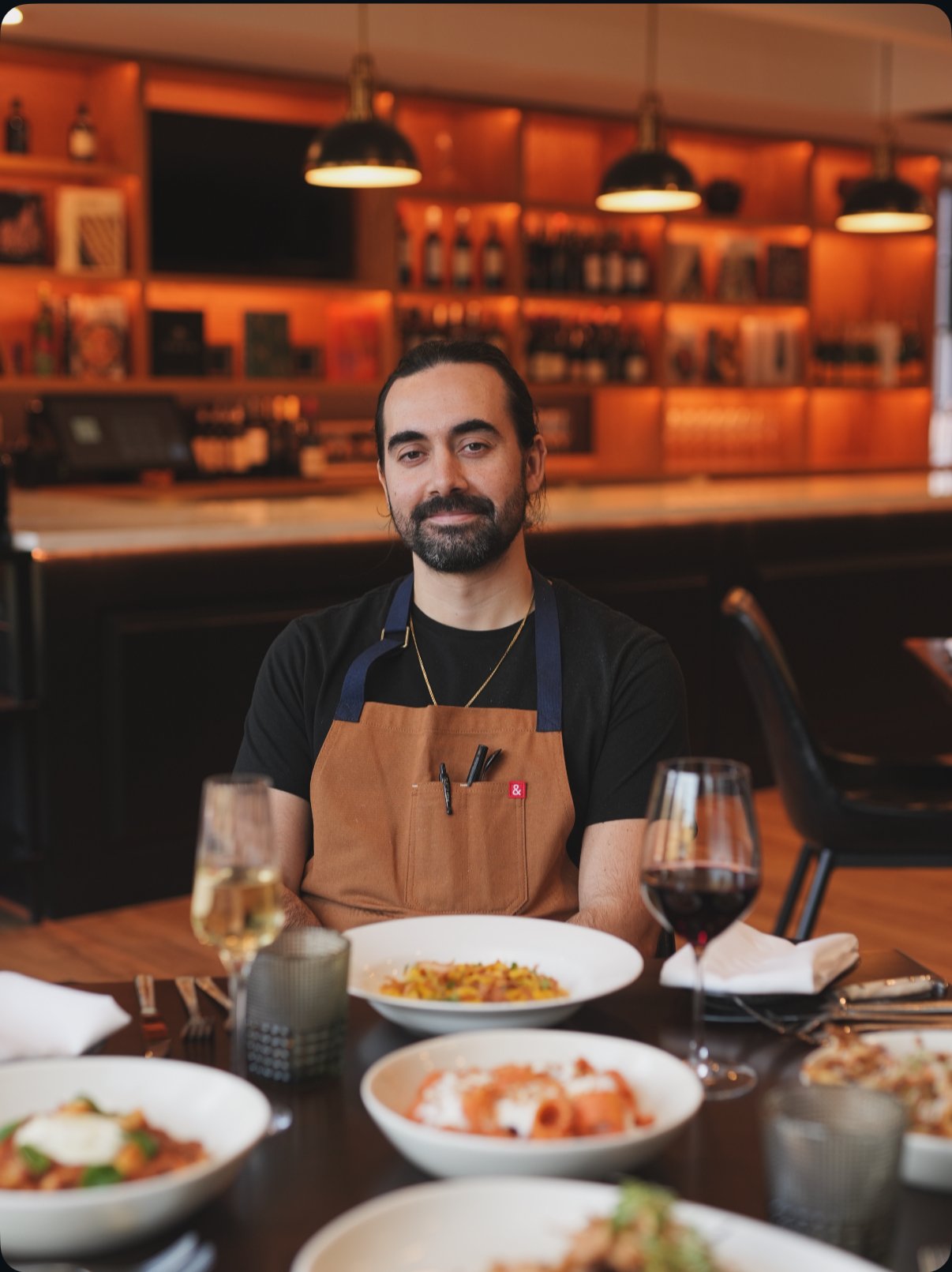
Chris Barrette
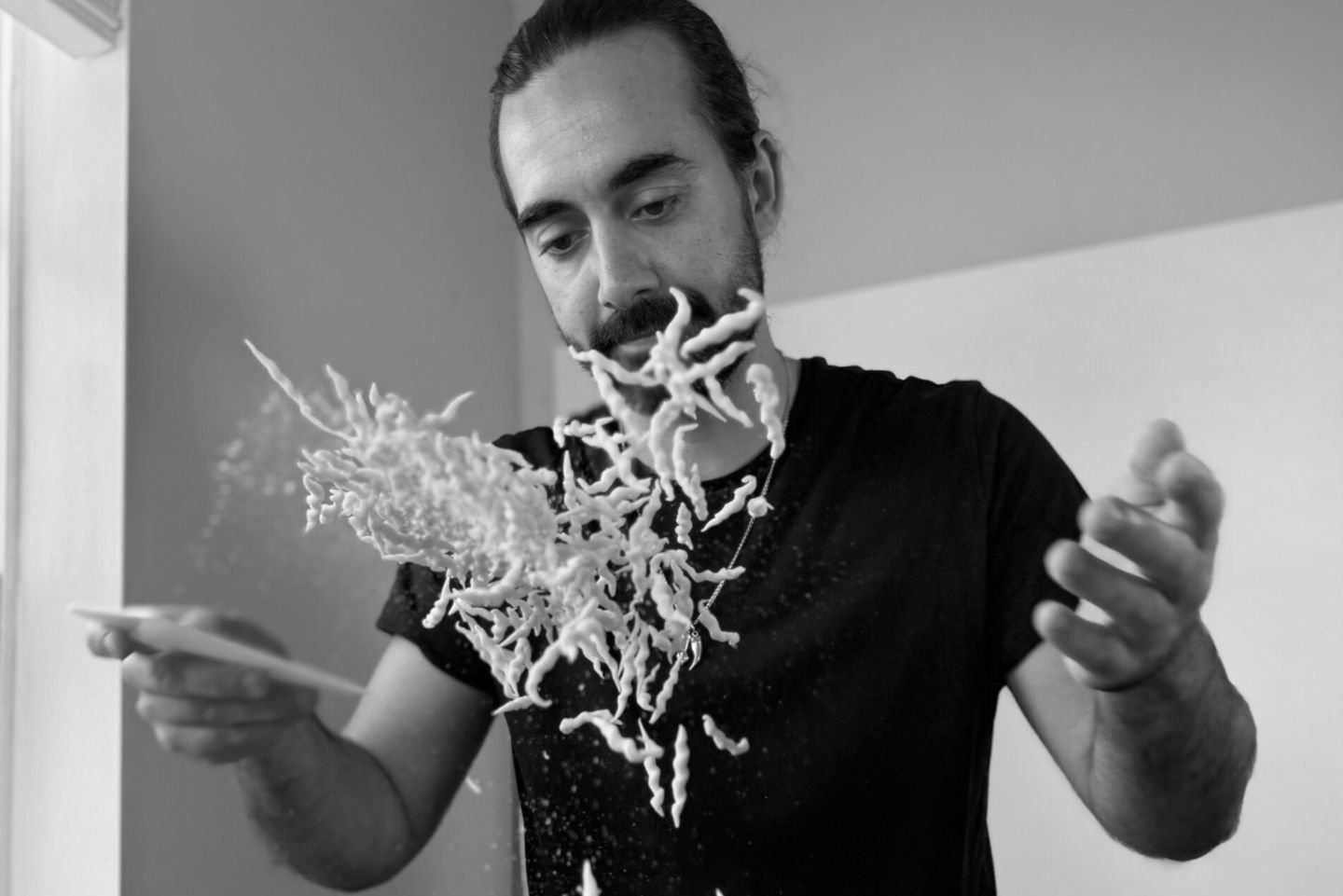
Food has been at the center of my life for as long as I can remember. My Portuguese mother made meals that brought comfort to everyone at the table, and my grandmother would cook for our big family gatherings with so much love that you could feel it in every bite. Watching her feed so many people with so much love left a lasting impression on me and really sparked my interest in cooking.
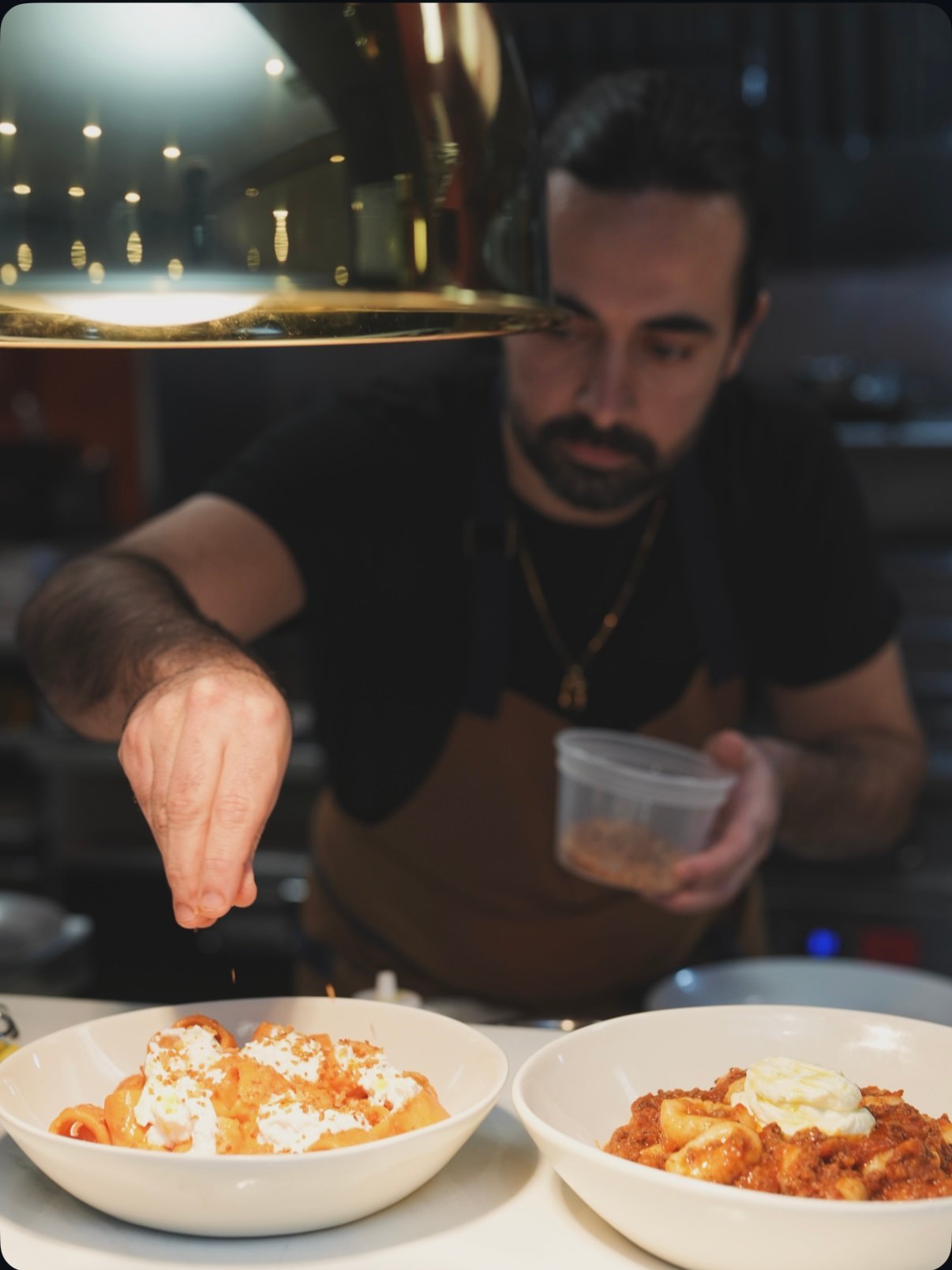
I never had another career before cooking. I may have looked at other options, but food, and especially pasta, always had my heart. I didn’t go to culinary school. I learned through experience, trial, and many late nights in the kitchen. That kind of self-taught journey makes you bold. You experiment more, make mistakes, and figure things out your own way. It pushed me to stay curious and never settle for good enough.
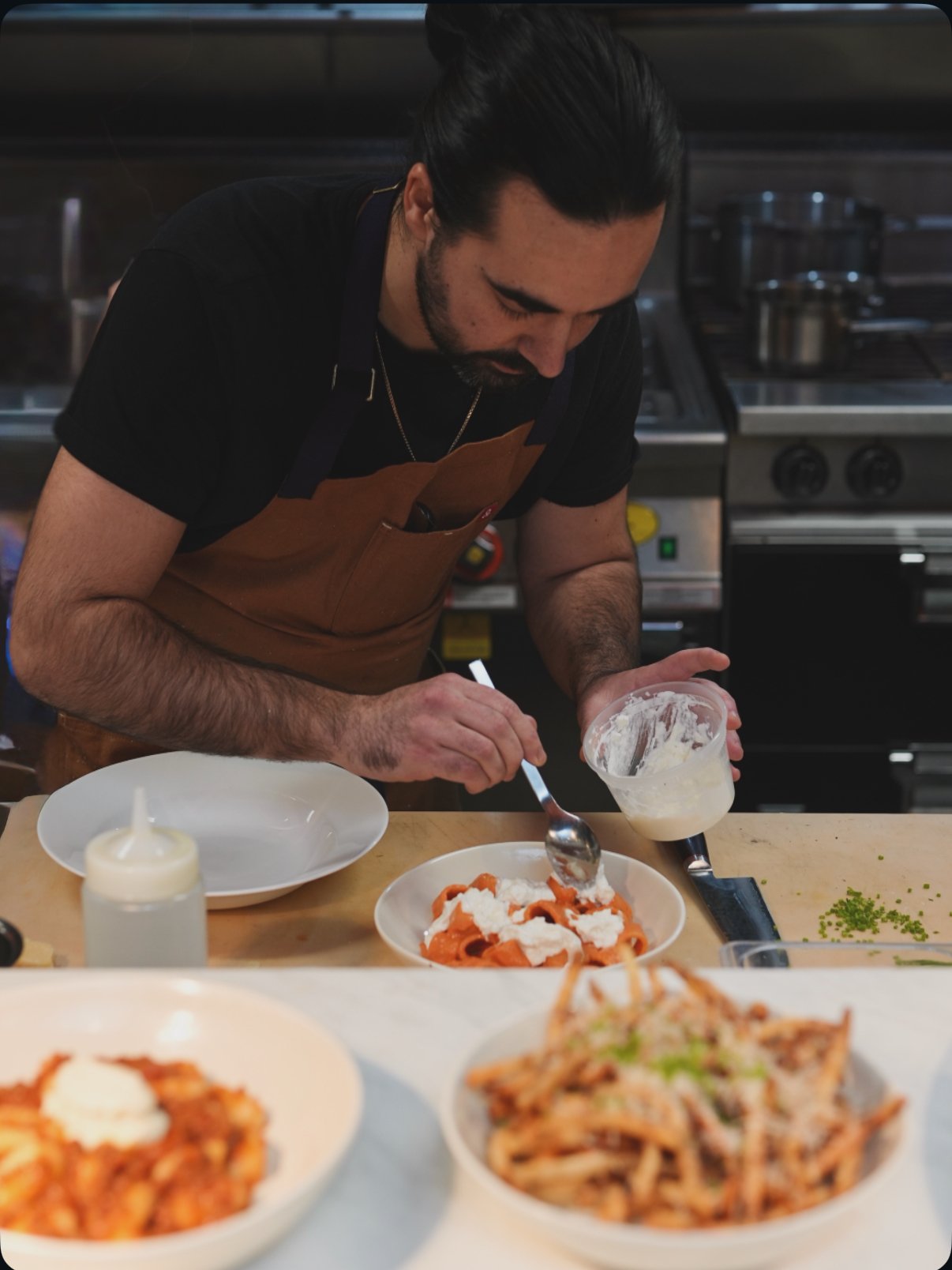
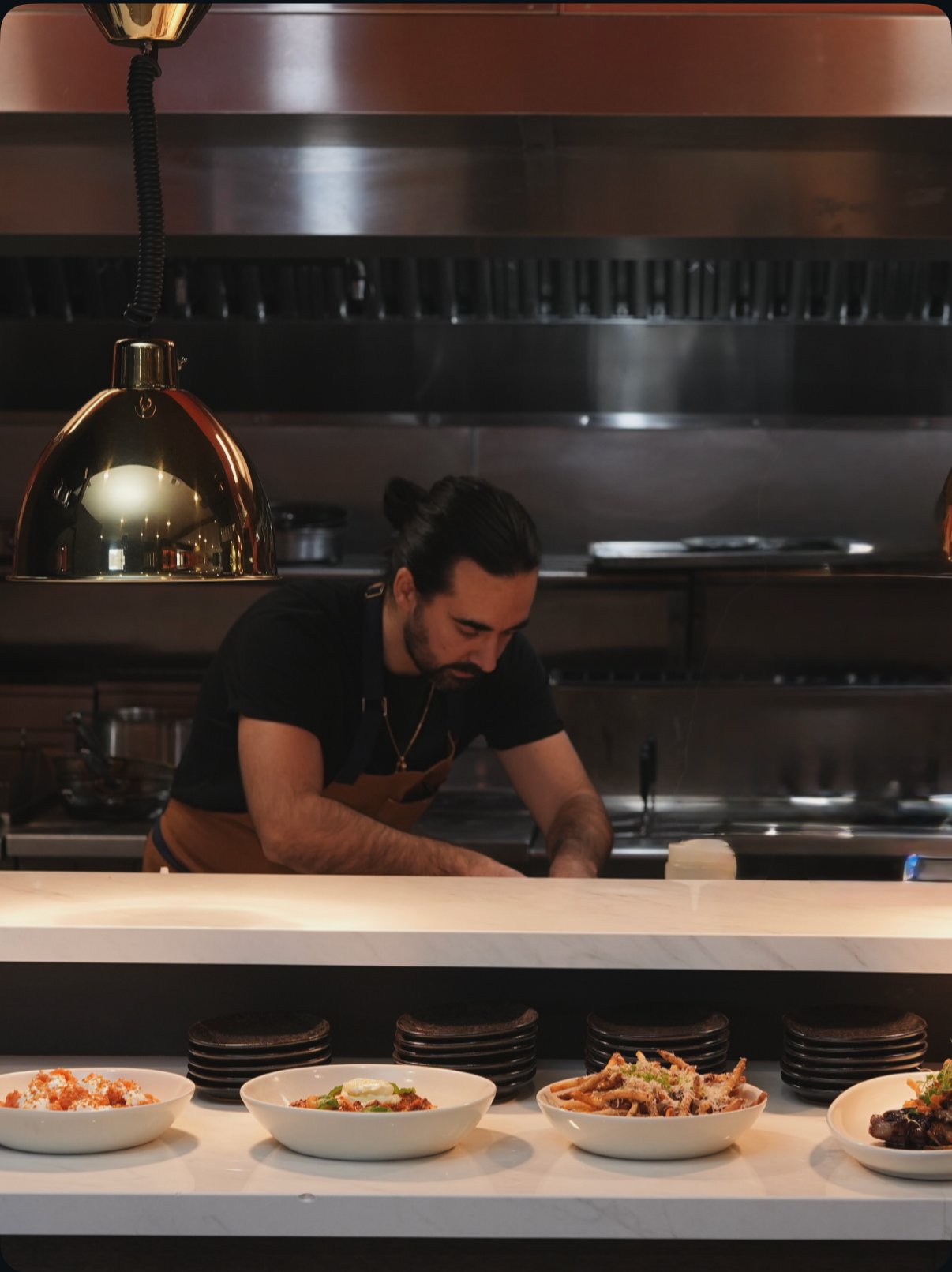
The first time I stepped into a real kitchen, everything changed. I had worked in chain and fast food restaurants before, but this was different. It was a team of cooks who cared and created daily specials, shared meals, and thrived in the rhythm of service. It felt inspired, alive, and real. I knew from that moment that I wanted to stay in kitchens like that, where creativity and teamwork meant everything.
At first, confidence was my biggest obstacle. I was afraid to ask questions, worried about making mistakes, and I carried the insecurity of not having gone to culinary school. That began to shift when I was offered my first sous-chef position. For the first time, someone trusted me to lead. It gave me the confidence to trust myself, and that’s when my career really took off.
What inspires me most is the chance to create moments of happiness for other people. I love the idea that something I cook might make someone smile, dance a little in their seat, or pull out their phone to take a picture. That small connection is what keeps me going on the hardest nights.
There’s one moment I’ll never forget. I showed up to work sick for a tough brunch shift, determined not to leave my team short. The head chef pulled me aside, asked why I hadn’t called out, and when I told him I needed the money, he told me to go home. He paid me anyway and covered my station himself. That simple act of kindness taught me more about leadership than any title ever could.
My philosophy in the kitchen comes from a lifelong drive to improve. I played soccer year-round as a kid, and that competitive spirit never left me. There’s always a way to refine, to push, to evolve. That mindset keeps creativity alive and prevents complacency. It’s what gives a kitchen its pulse.
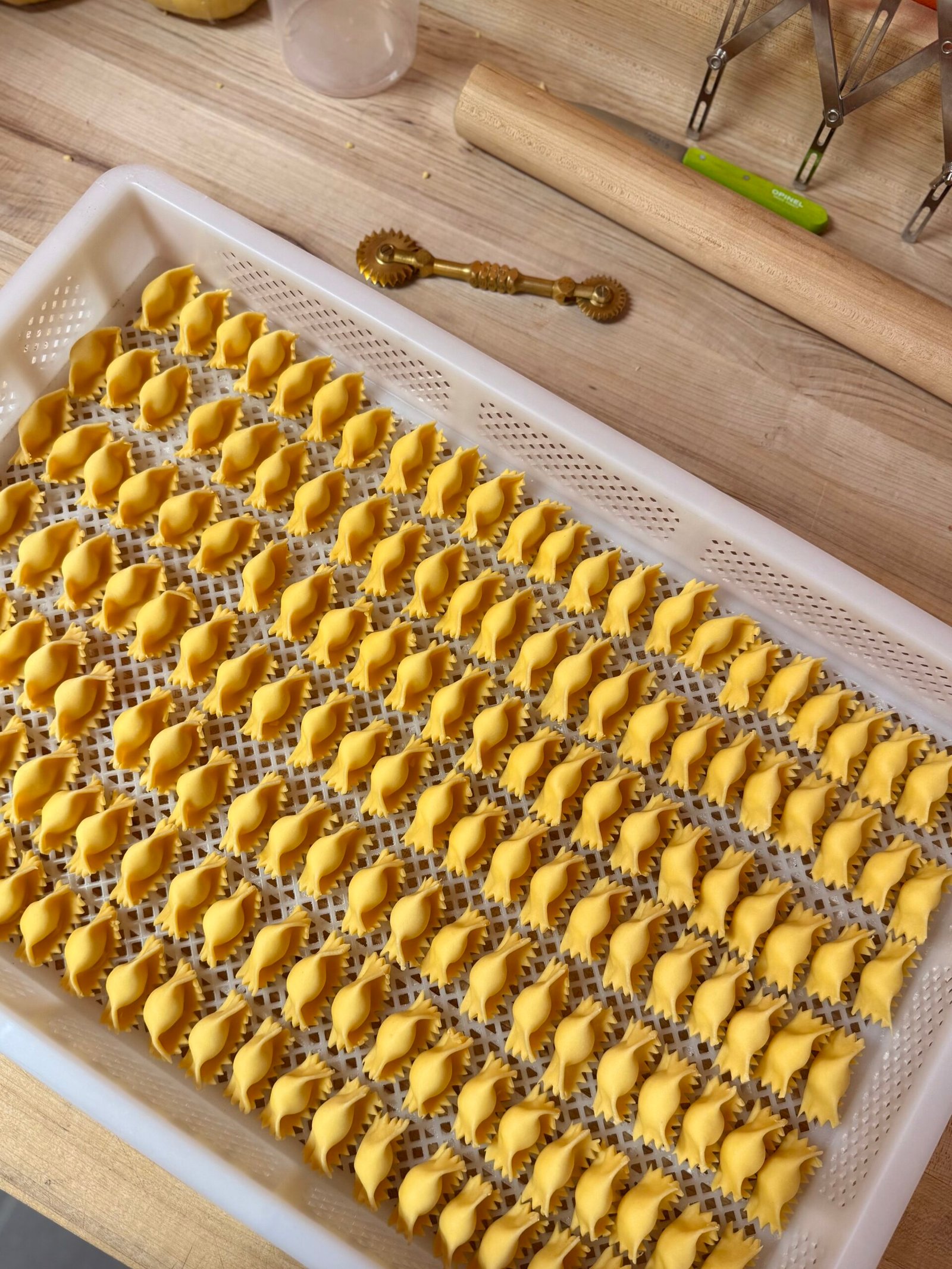
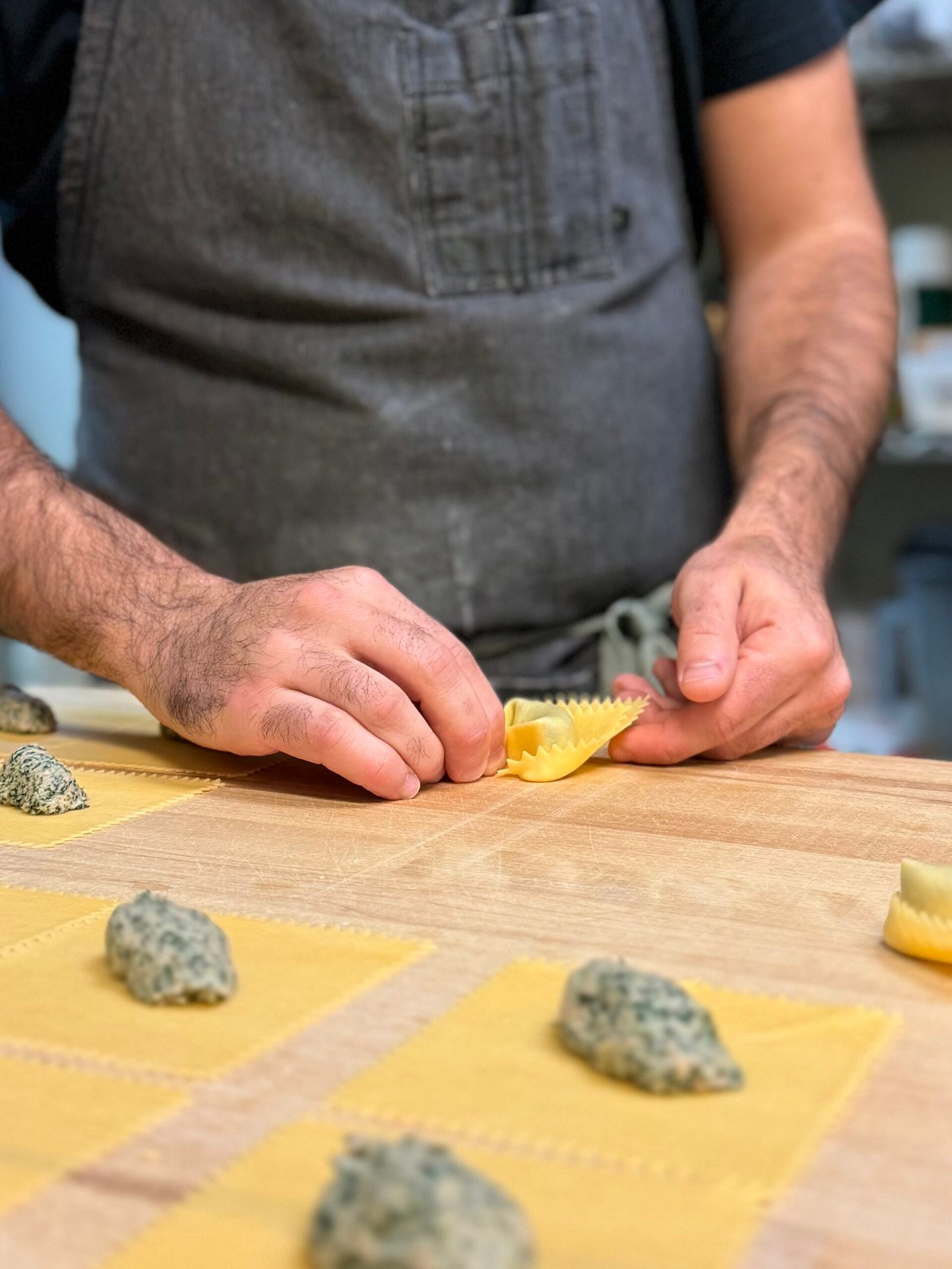
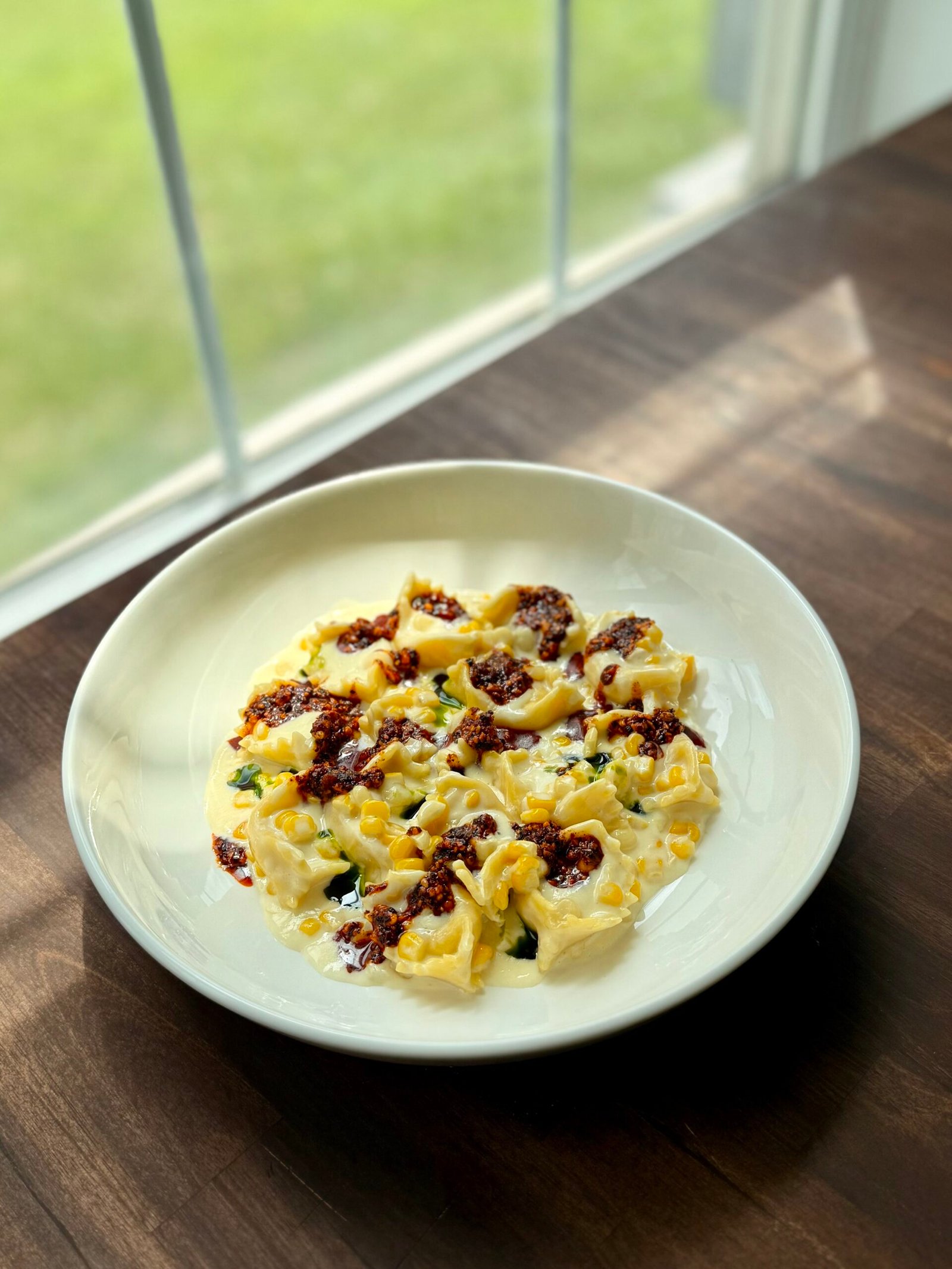
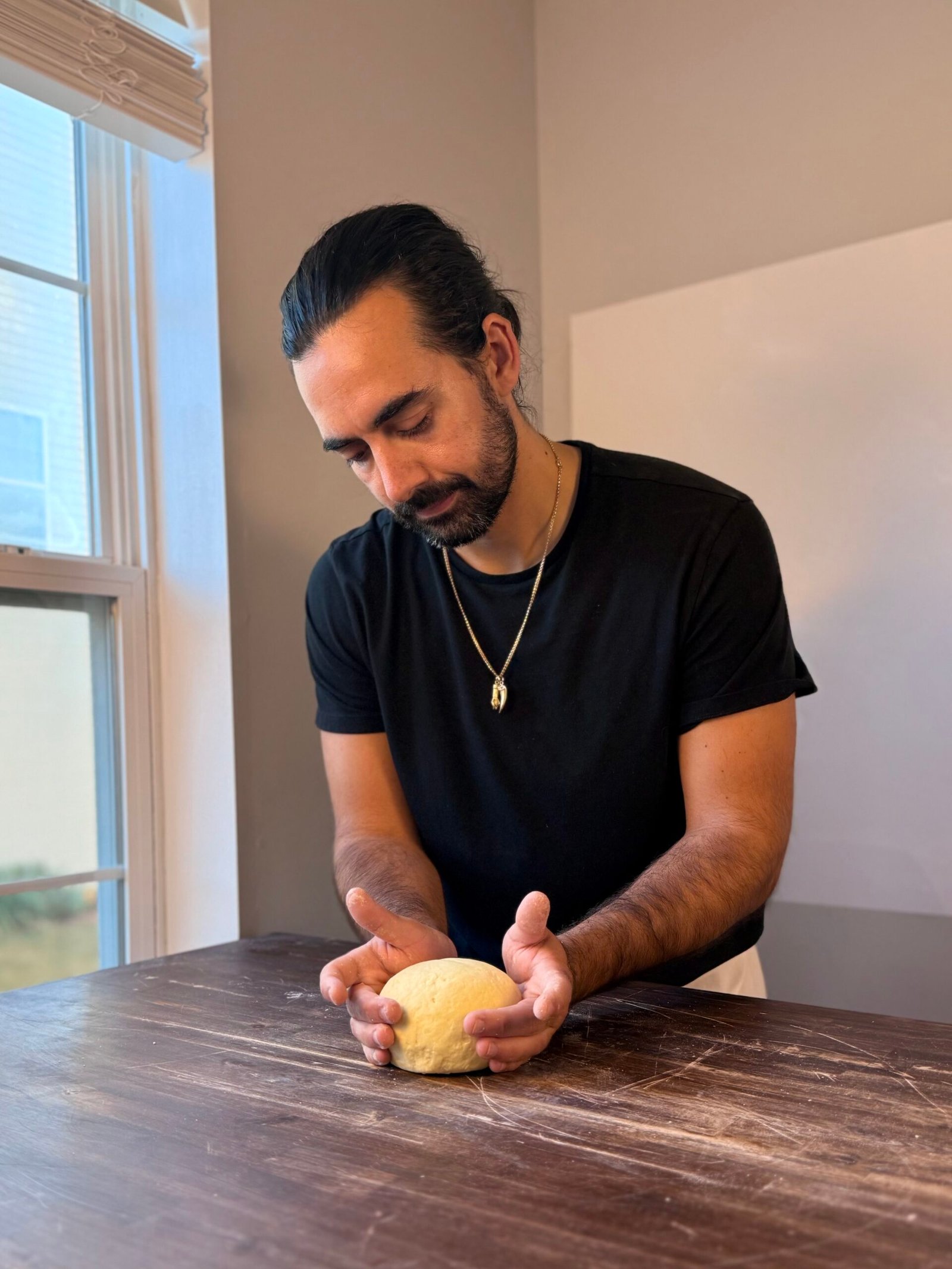
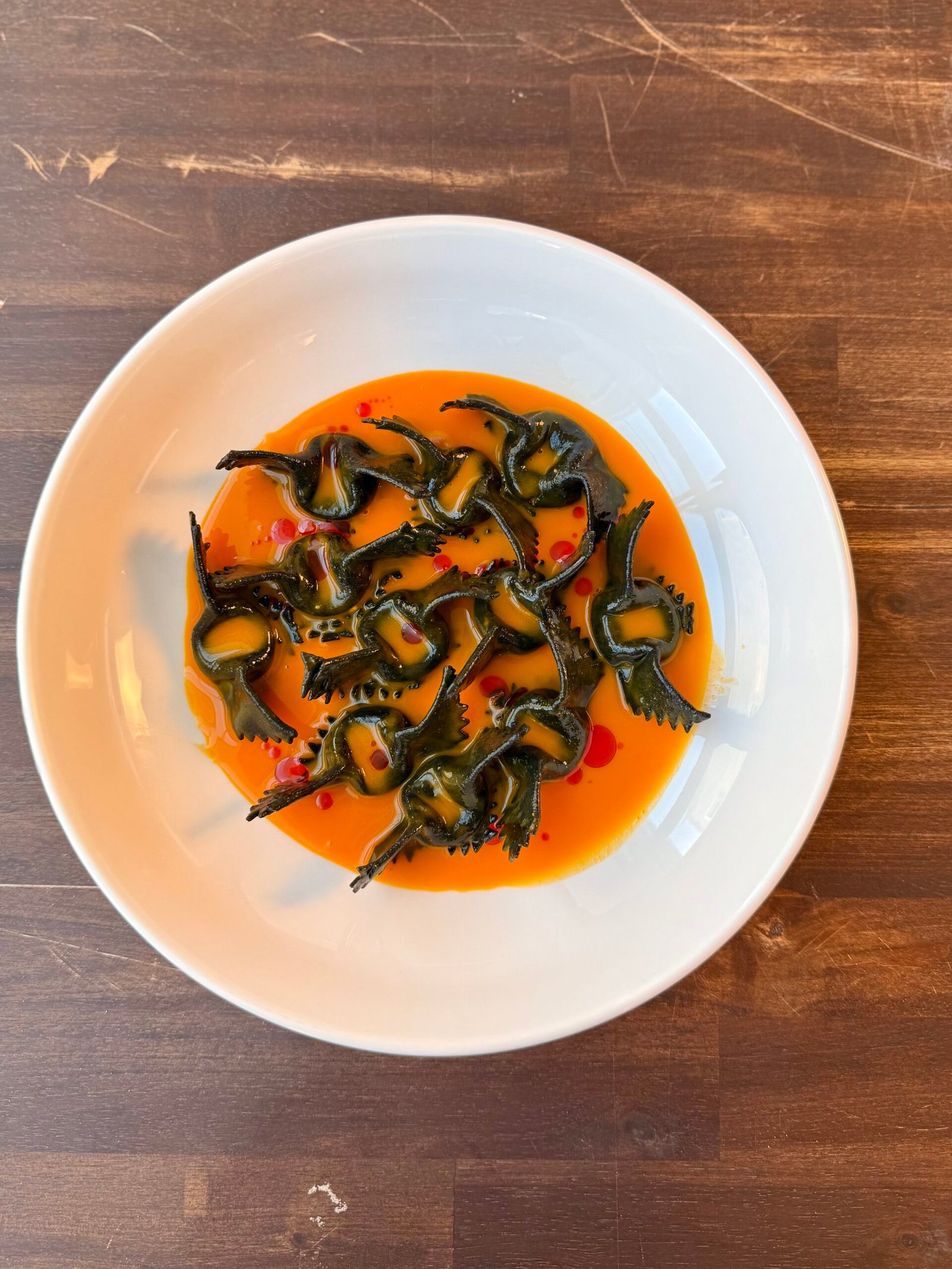
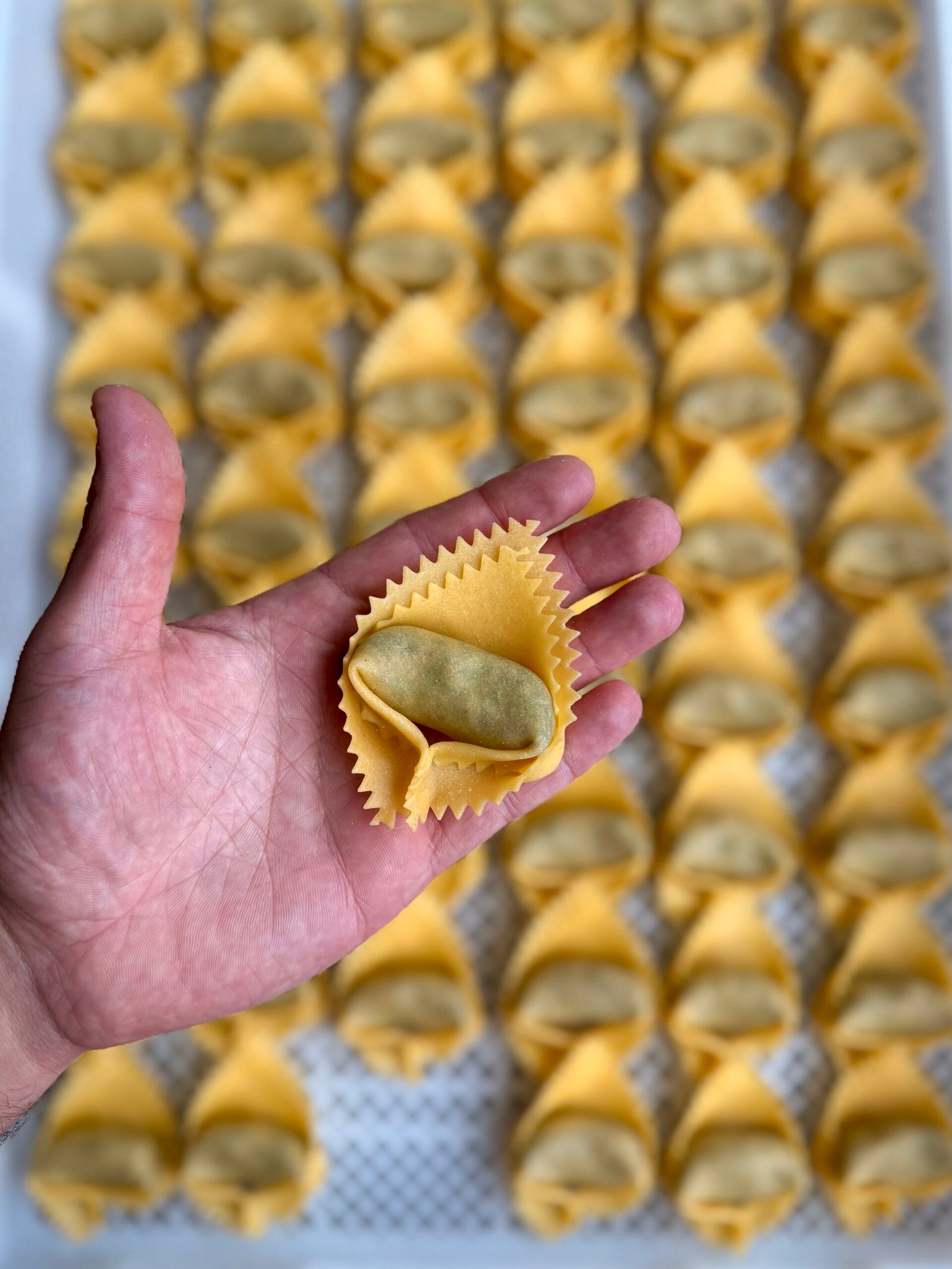
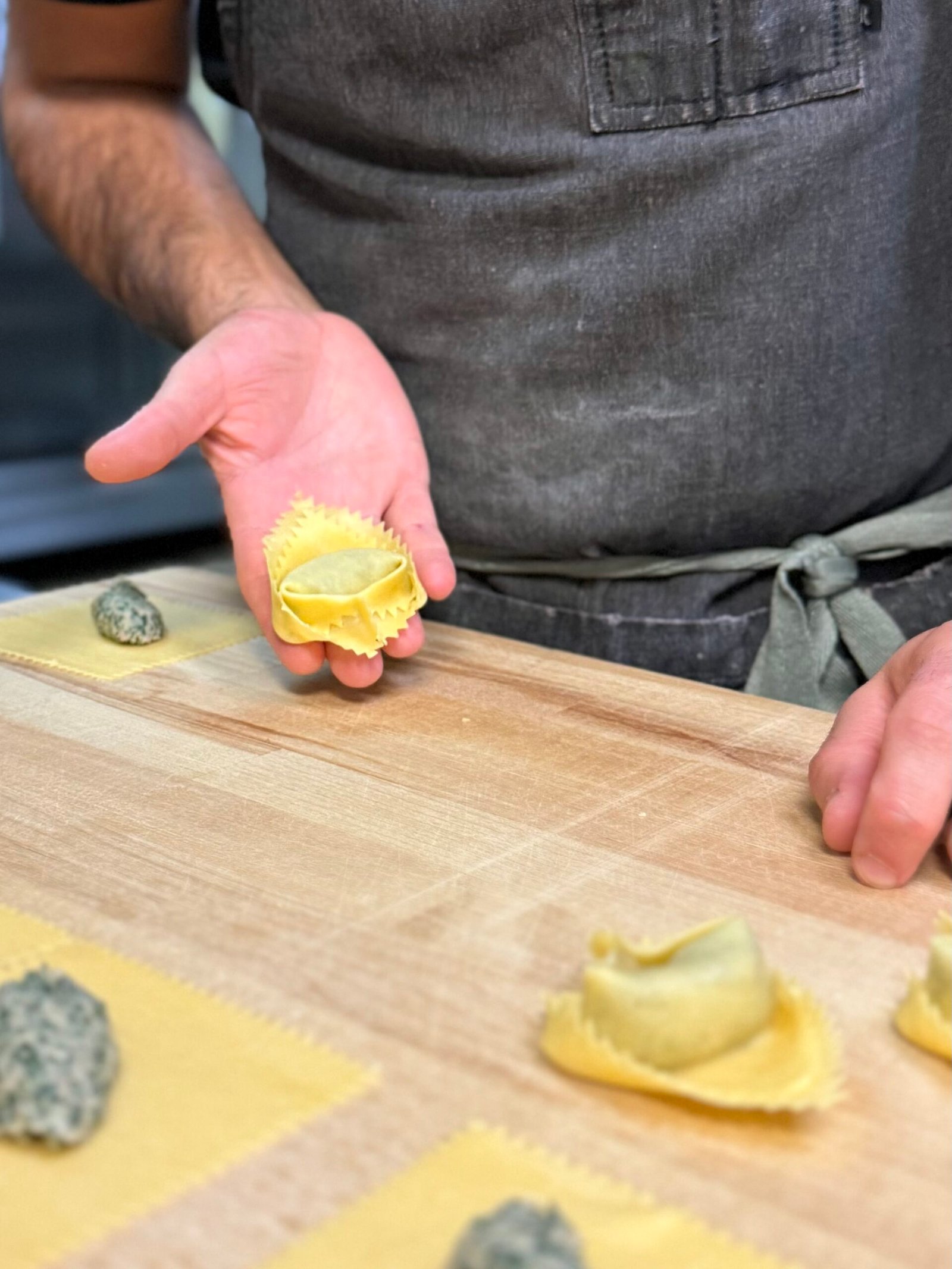
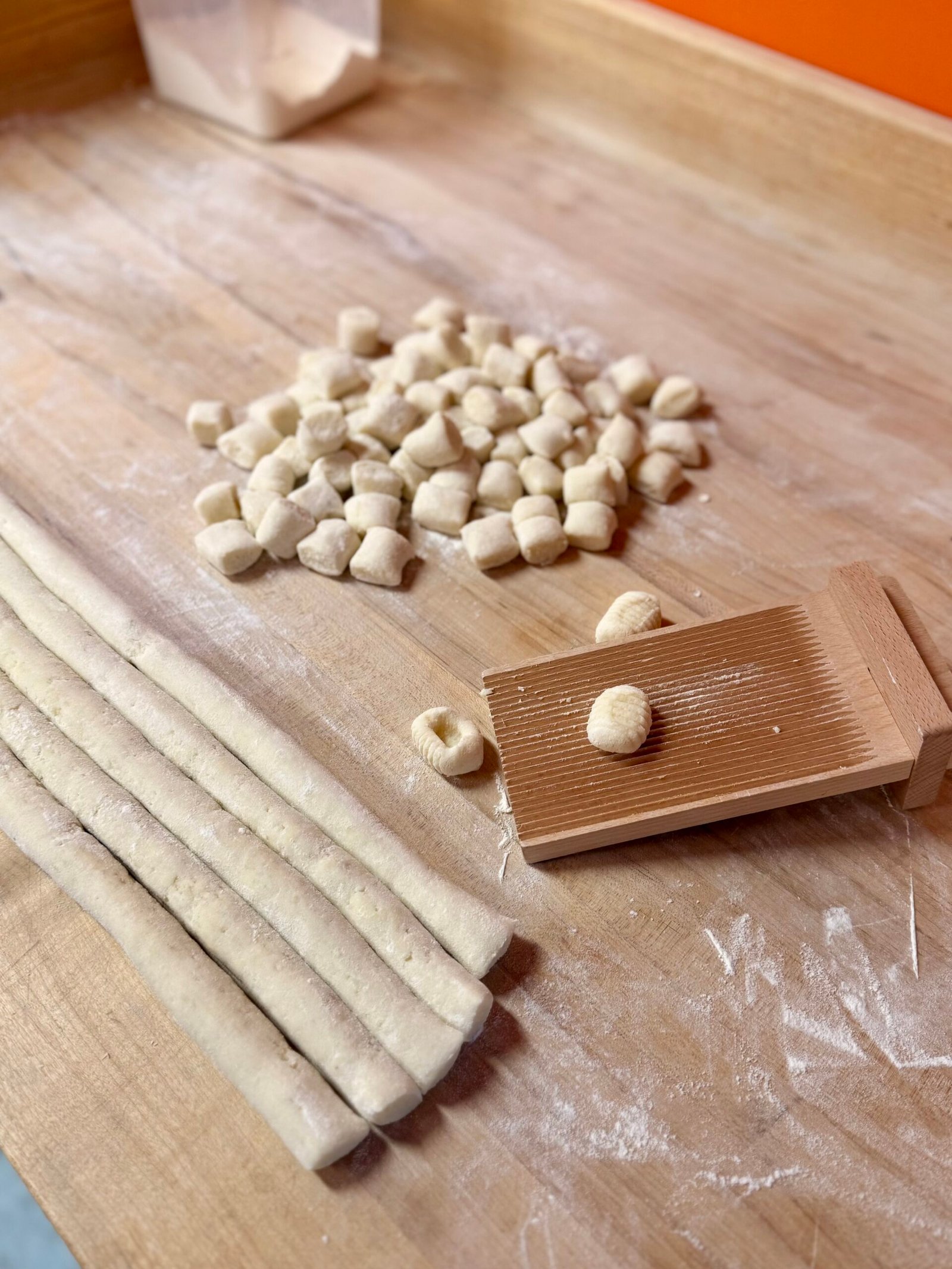
My pasta journey started as a simple experiment at home and turned into an obsession. I was fascinated by how a few ingredients could become so many shapes, each with its own personality. Some were so difficult that I practiced them over and over again, just like soccer drills when I was a kid. That mix of repetition, patience, and discovery still fuels me today.
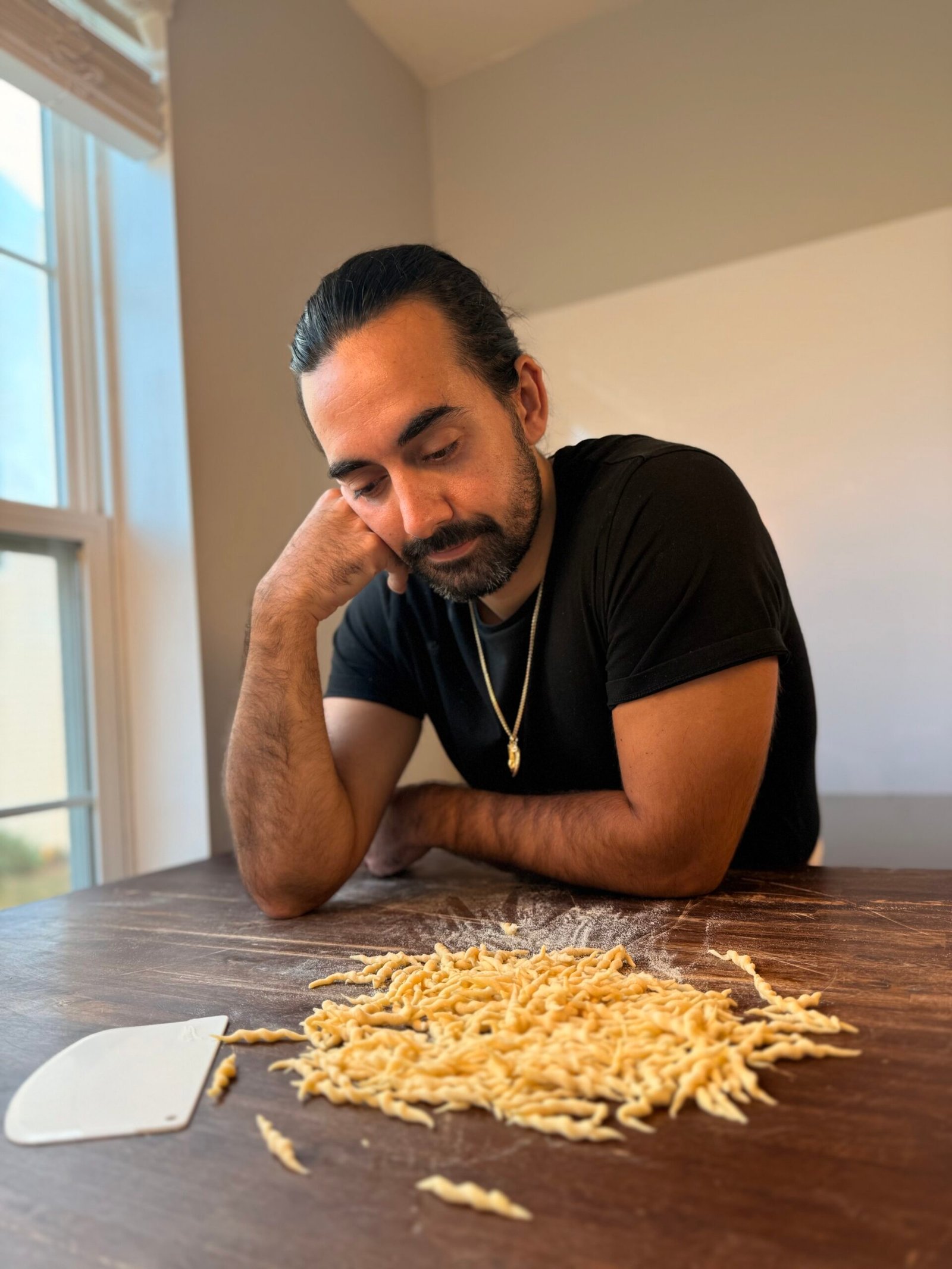
Not too long ago, I was going through a lonely period in my life, and making pasta at night became my therapy. Rolling, folding, and shaping gave me something to focus on, something to get better at. The repetition was grounding. Sharing that pasta with a friend and seeing them smile reminded me that food is healing. It has the power to bring people back to themselves.
One of the proudest moments in my career was getting a referral to work at Albi in Washington, D.C. At the time, the restaurant hadn’t earned a Michelin star yet, but the following year, it did. Being part of that team was incredible. The energy, the food, and the talent in that kitchen pushed me to level up. To go from working in a chain restaurant to contributing to a Michelin-starred kitchen in just a few years is something I’ll always carry with pride.
What I love most about this industry is teamwork. That rhythm you find when everyone’s moving together, heads down, singing along, joking, and pushing out dish after dish. But there’s a side I hope continues to change. Ego can creep into kitchens, and when it does, it blocks growth. Knowledge should be shared, not guarded. I believe that the next generation of chefs deserves mentorship, openness, and opportunity. If someone practices harder or pushes further than I do, they deserve to be better. That’s how we move this craft forward.
I want the future of restaurants to be about honest, seasonal, and simple food. Dishes that make sense. There’s too much noise in the industry right now, too much pressure to chase trends or make food for clicks. What excites me most is cooking that’s grounded in good ingredients and genuine intention. That’s the kind of food I want to keep making.
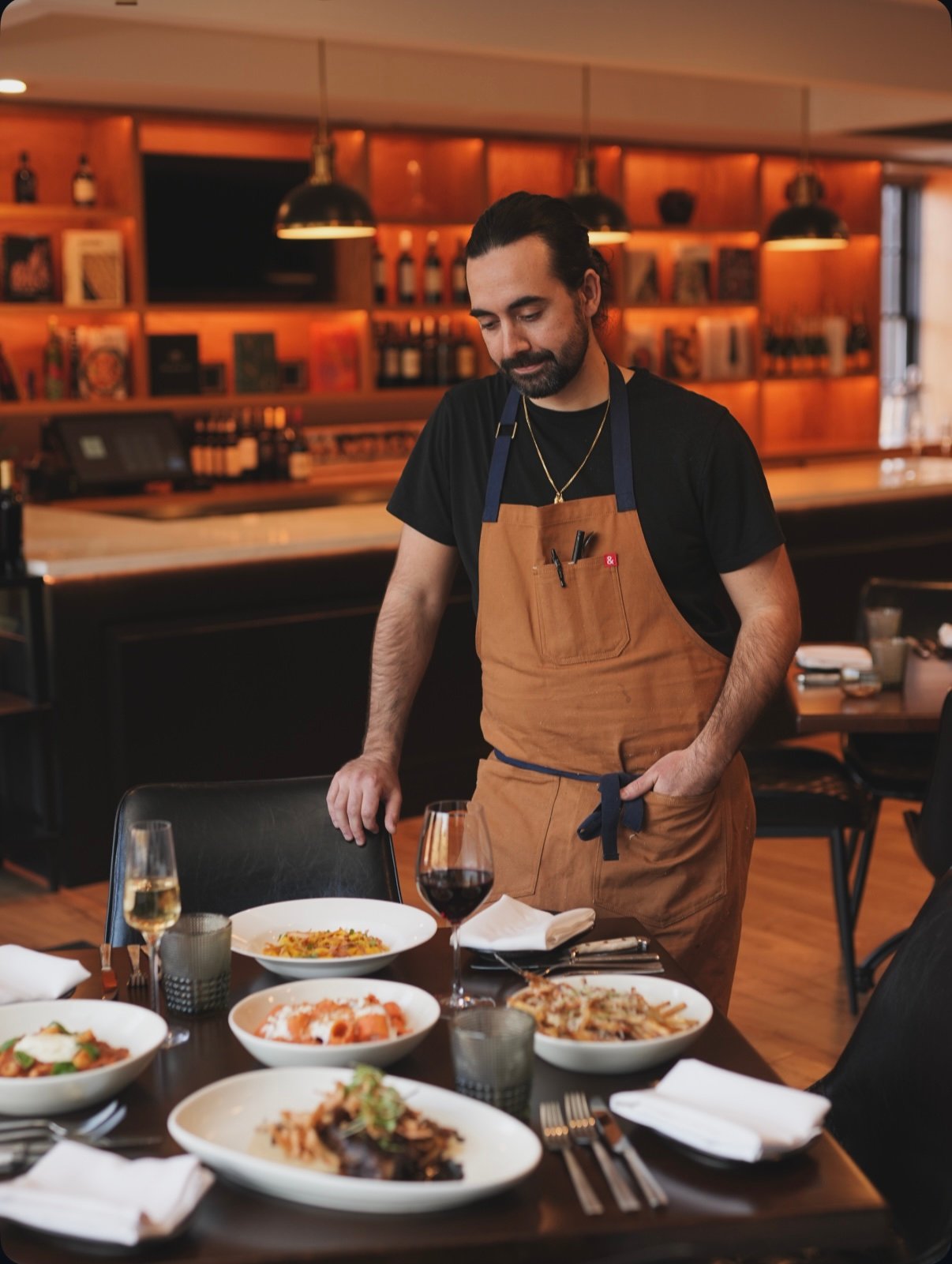
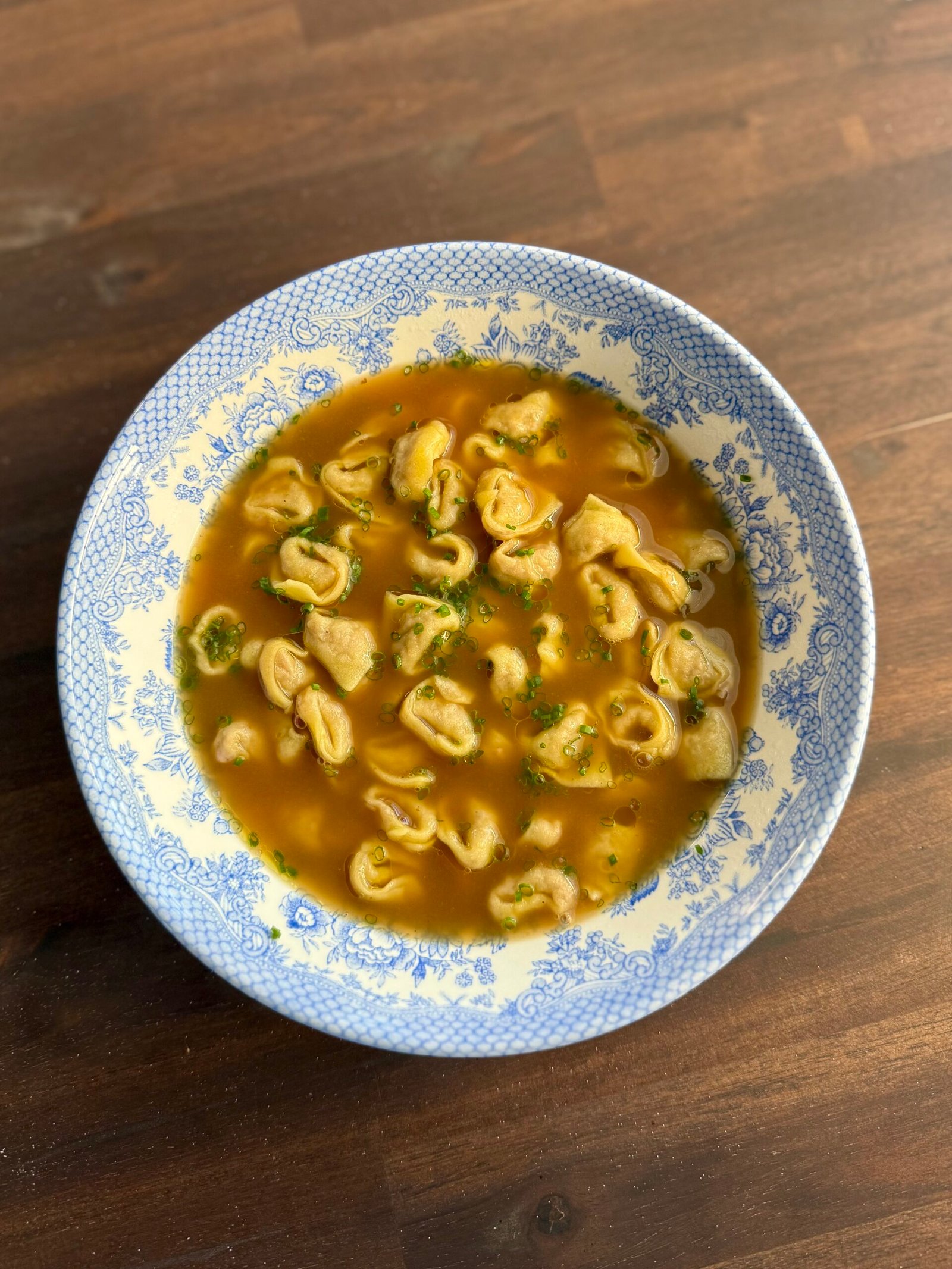
Some of the photos featured in this story were taken by @praya1.
Secret Sauce
- What’s the most unexpected ingredient you’ve ever worked with, and how did it change your perspective on cooking?
Kombu or dried kelp. I was first introduced to this ingredient at the sushi bar I worked at, watching a chef make dashi or adding a sheet to our sushi rice. It soon became a pantry staple in my household – adding it to soups, broths, and even tomato sauce. What it taught me is that cooking, cultures, and ingredients shouldn’t have boundaries. The most exciting flavors come when you’re willing to experiment and let an unexpected ingredient change the way you see food.
- What’s your “guilty pleasure” meal?
People might be surprised by this, but I’d have to say box Mac and Cheese. Why would a pasta maker buy mediocre dried pasta and a powdered sauce? Well, pure nostalgia, that’s why. Sometimes food isn’t about refinement or technique, it’s about comfort and memory.
- A food trend that you hate and why?
I absolutely hate when people on the internet make these absurdly large dishes with a million ingredients that you know will just be thrown away. I’m looking at you, two bricks of cream cheese. Not only is it just a massive food waste, but the views just push people to make more of those kinds of videos.
- What’s the craziest shift you’ve ever worked in the kitchen?
While working at a chain restaurant, I was asked to travel to another location that was short-staffed, with a slight pay bump as an incentive. A little nervous but confident in my skills, I agreed. About 45 minutes into the shift, the only other cook decided to take a three-hour cigarette break, leaving me completely alone on the line.
5. What happened, and how did you manage to get through it?
The GM had to jump in during the dinner rush, but they weren’t very familiar with the setup. The place ran on conveyor belt ovens, and in the chaos, they ended up overcrowding one of them. At one point, I looked over to see the belt literally chewing up a hot plate of ribs and destroying itself. We had to 86 some items on that station, but we kept our heads down, pushed through, and somehow made it out alive.
- What tips would you give to other cooks and chefs to help them navigate their culinary careers and find peace amid the chaos of the kitchen?
I’d have to say drop your ego, and stop putting chefs on a pedestal. Everyone has to start from somewhere, and there’s no right way to achieve success. Ask all the questions, work hard, listen closely, pay attention to everyone, and always do your best. If you can leave the kitchen knowing you gave it your all and learned something, that’s where real peace and satisfaction come from.
- What’s an underrated ingredient and why?
Sumac. I first came across this spice at the Palestinian restaurant where I worked, and it’s been one of my favorites ever since. The lemony, bright flavor it adds to salads, roasted vegetables, grilled meats, and more is fantastic. I don’t see it utilized too much in other kitchens, but it will definitely always be in my spice rack.
8. What’s a must-try dish from your kitchen or the one you’re proudest to have prepared?
This one’s easy, my take on the classic Portuguese soup, Caldo Verde, reimagined as a pasta dish. I make a rich, deep green sauce with kale and roasted garlic, then serve it with pillowy potato gnocchi, crispy chouriço, and a silky pecorino fonduta. It’s nostalgic and comforting, yet elevated in a way that remains true to its roots. Most importantly, it’s something I think my grandma would sit down and smile at.
About Your City!
Winchester, Virginia
- If Anthony Bourdain or a chef came to your city, what would be the perfect tour itinerary from breakfast to dinner?
If they were coming to Winchester? Let’s hope it’s on a Sunday, and I’d start with brunch at Village Square (my first real kitchen). Endless mimosas and a pre-fixed menu for a very reasonable price. For lunch, go to Chopstick Cafe for some homemade Asian Cuisine. Then I’d cap the night off at Union Jacks (our British pub) for a pint and some appetizers.

Support our project by buying our merch!

86 HOTK Unisex t-shirt
$30.00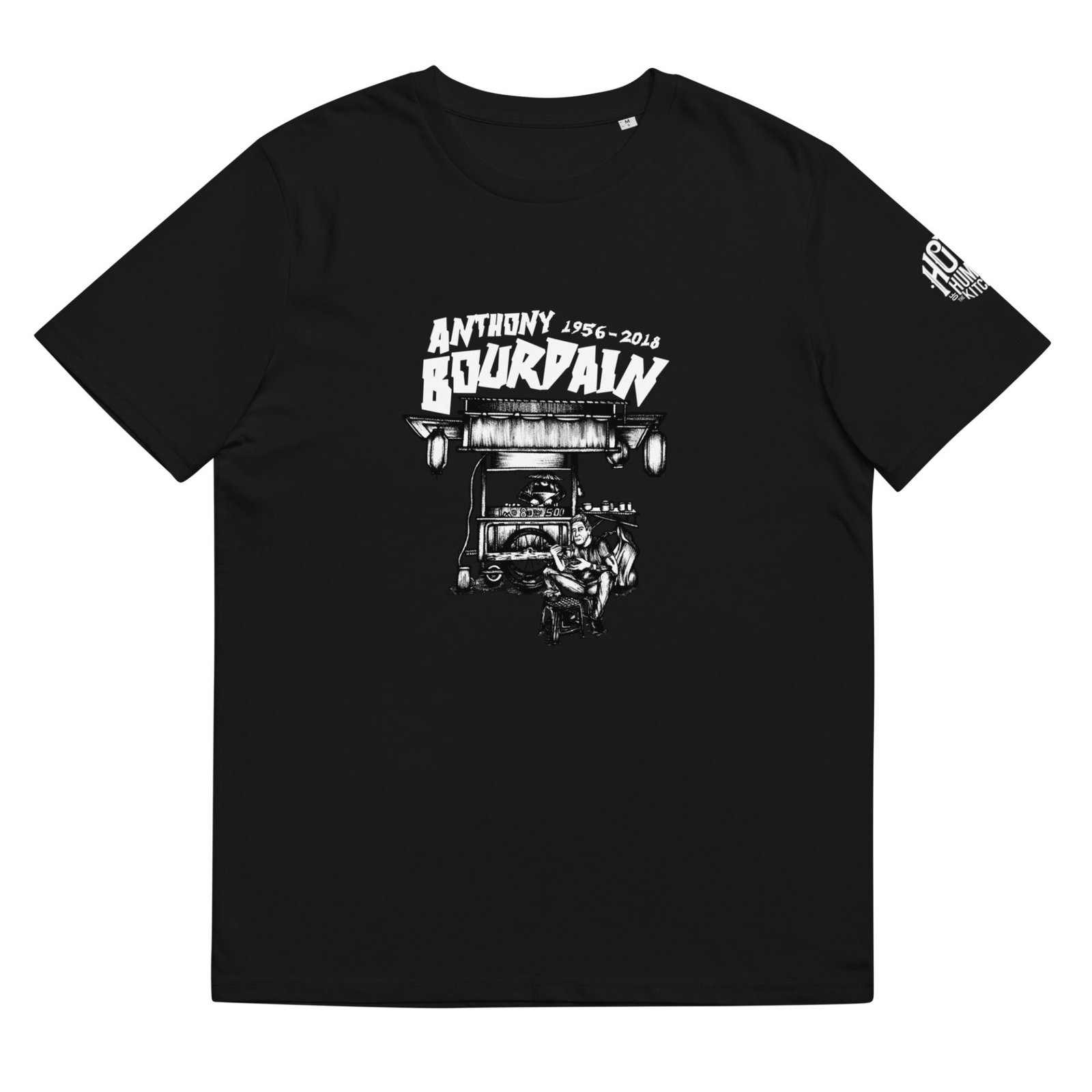
Anthony Bourdain T-Shirt
$35.00
Mise HOTK Unisex t-shirt
$30.00