The Archaeology of Flavor
From firehouse tables to ancient ruins, the kitchen was always home.
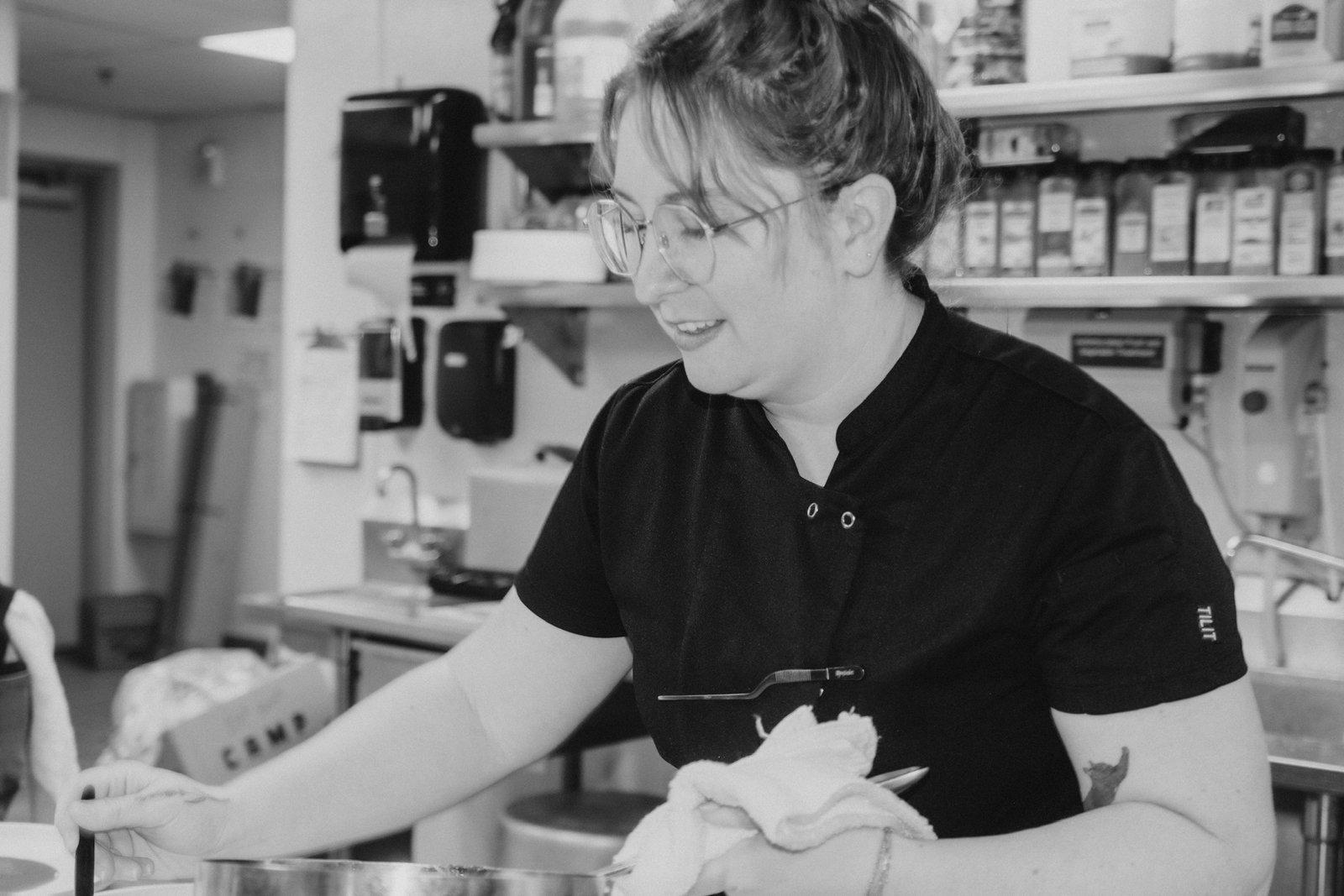
Corie Greenberg
I grew up in a firehouse without realizing it. Both of my parents were firefighters, and the department was the center of our lives. Food mattered there in a way I didn’t fully understand until much later. It was recovery, ritual, community. Recipes were passed around like secrets, specific to stations and shifts, and somehow they always made their way home. I learned early that food wasn’t just fuel. It was how people came together, how they rested, how they took care of each other after hard days.
For a long time, I thought I’d end up somewhere else entirely. Museums, maybe. After high school, while working as a hostess, I went to Florida State University to study Classical Archaeology and History. During college, I joined an archaeological dig in Chianti, Italy, at a pre-Roman site called Cetamura. It was one of those experiences that quietly changes everything. The heart of that dig wasn’t the trenches or the artifacts. It was the kitchen. Our cook was an Italian nonna, and we rotated through kitchen chores with her. I barely spoke Italian.
On my first day, she was talking animatedly, pointing at a bowl, and I just smiled and nodded, completely lost. She shoved the bowl toward my face until I inhaled deeply. White truffles. I had never tasted them before. That night’s meal unfolded course after course, and everything happened around that table. Planning, laughing, drinking too much wine, and figuring out how to get more wine without our professor noticing. Looking back, that tiny cucina was the center of everything.
When I came back to the States, I started working at a small vegetarian and vegan café. That’s when things really opened up. By my senior year, I was applying to culinary school and taking hospitality classes as electives, quietly letting go of the museum path I thought I was supposed to follow.
My first real kitchen wasn’t glamorous. Technically, it was PF Chang’s, where I was too scared to yell “corner” and knocked over a tray of food and a food runner in one move. But the kitchen that changed me was my stage at Blue Hill at Stone Barns. Until then, kitchens had felt almost homey. Folk music playing, small burners, familiar rhythms. Walking into Blue Hill was intimidating in a way I still feel in my chest when I think about it. I spent most of the shift upstairs in pastry, picking grapes. Mountains of them. Later, I was asked to observe service.
The energy of that line was overwhelming. I poked holes in cranberries so they wouldn’t explode while cooking and stood there absorbing everything. I didn’t just want that internship. I needed it. It was fifteen weeks that completely reshaped me. The first month was brutal, then something clicked. The intensity, the expectations, the people, especially the people, changed how I move through kitchens and life. Even now, voices from that time still guide me.
The hardest part of this career hasn’t been the workload. It’s been boundaries. Kitchens have a way of consuming everything. Your time, your identity, your sense of self. For a long time, work was the whole picture. I’m still learning how to let it be important without letting it be everything.
What keeps me inspired is the people around me. Collaboration is everything. When creativity is built into a kitchen’s foundation, inspiration doesn’t dry up easily. And when it does, I talk it out. Ingredients, old dishes, ideas half-formed. Pastry feels a lot like ballet to me. There are no new steps, just new combinations. You work within limits, and the challenge is finding new ways to bend them.
There was a chef from my internship who lives in my head to this day. She corrected me constantly, but always with purpose. “Put that down and use both hands.” I still hear it every time I plate. “Just put it in your mouth and eat it. It’s your job.” That one changed how I approach food entirely. Tasting is part of the work. Always has been.
My philosophy is that you are never not a dishwasher. Leadership means being in it, not above it. If you’re willing to jump into the dish pit, help prep pierogis, clean a table that isn’t yours, people notice. Respect grows from shared work. When you serve your team, they give everything back.
I’ve seen what a real kitchen community looks like. I worked at a restaurant where a pipe burst, flooding the dining room. Everyone was laid off instantly. Management reached out across the city to place every single person somewhere else until repairs were done. I don’t know another industry where that happens.
Success used to mean reviews, awards, and recognition. Now it looks a lot more like it did at the beginning. Making a family meal dessert that people actually fight over. Feeling useful and feeling part of something.
Kitchens are beautiful because they’re communities. They’re also difficult because they demand so much. But something is shifting. Younger cooks are setting boundaries we forgot were possible. Four-day work weeks. No unpaid prep. No fifteen-hour shifts to prove worth. It’s overdue. Balanced teams are better teams.
If I ever open my own space, it will be built on collaboration. Food, art, flowers, fashion, philanthropy, all of it intersecting. Kitchens are already communities. Opening them up and sharing that energy feels like the right direction.
I love this industry deeply, even when it disappoints me. Kitchens are where I belong. They’re flawed, complicated, human spaces. And despite everything, that sense of shared purpose is what keeps me here.
Photo credits:
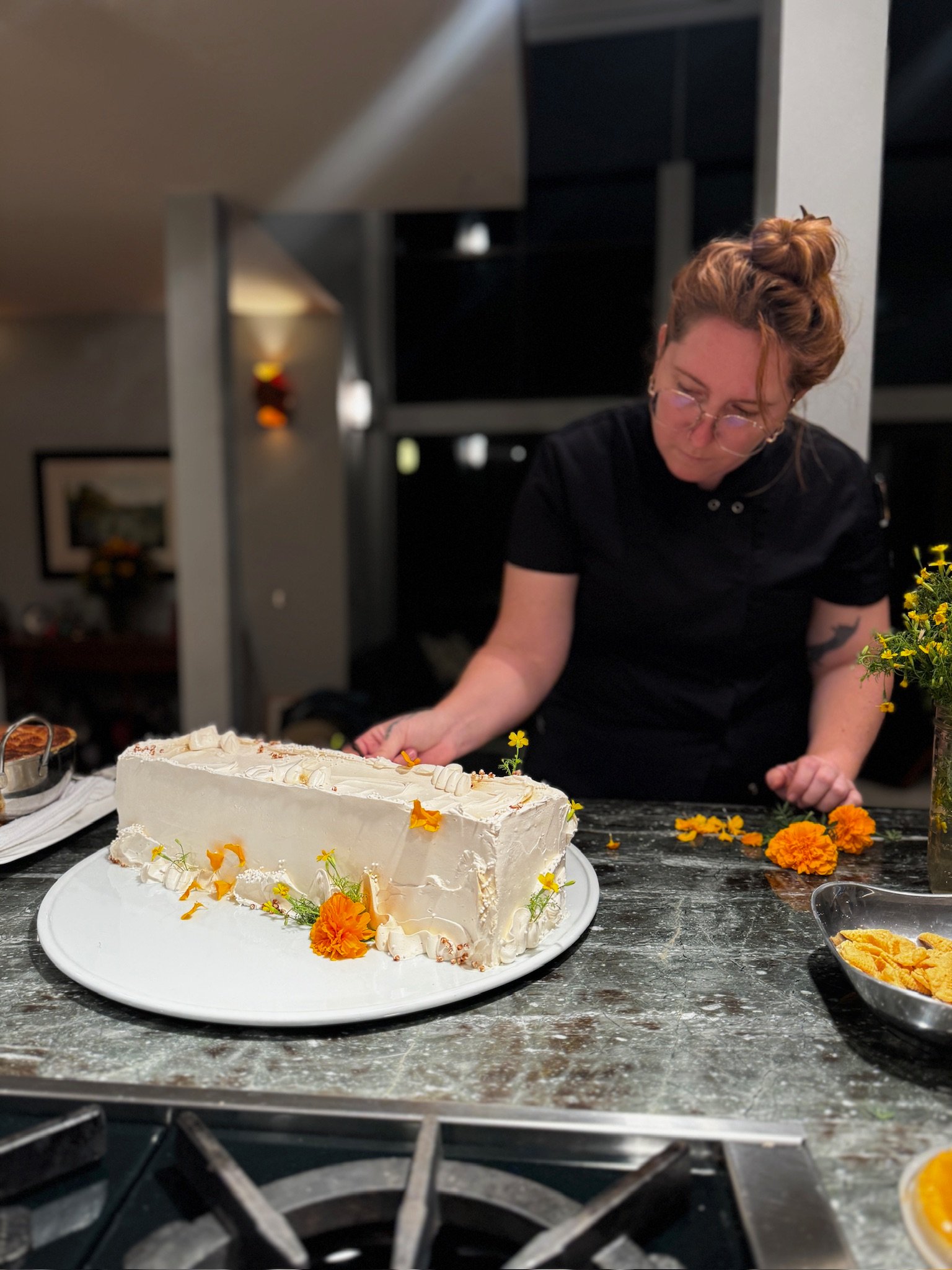
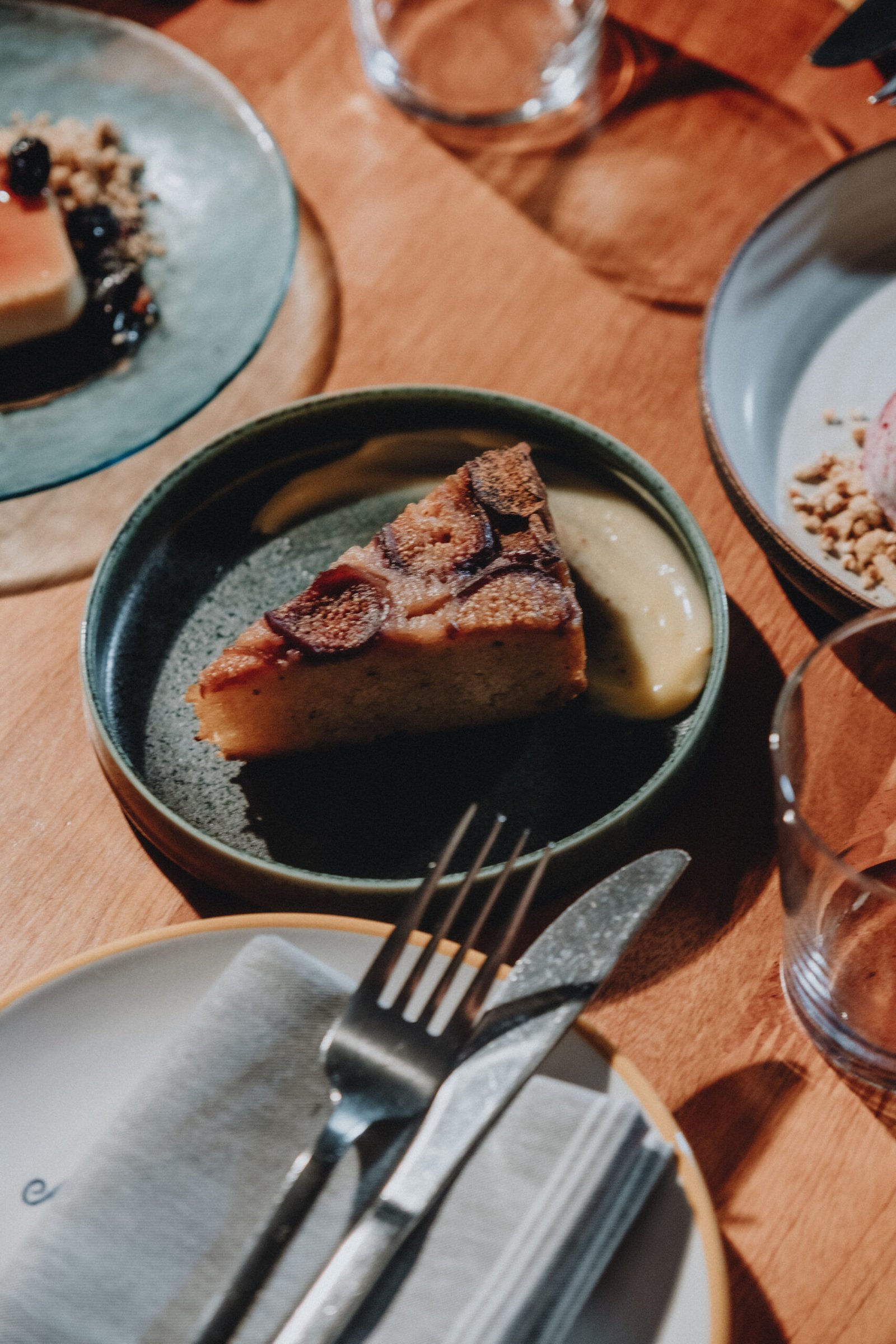
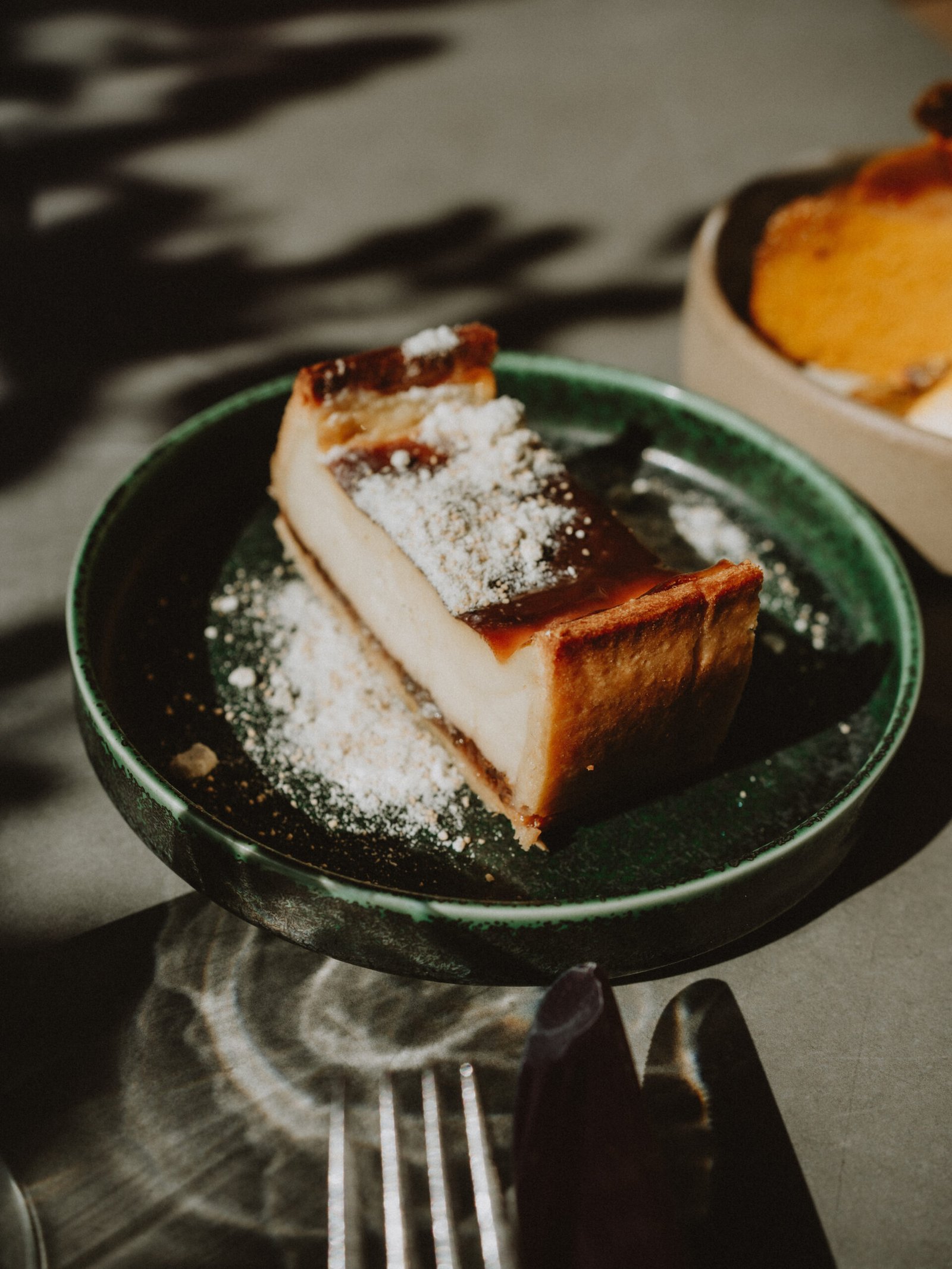
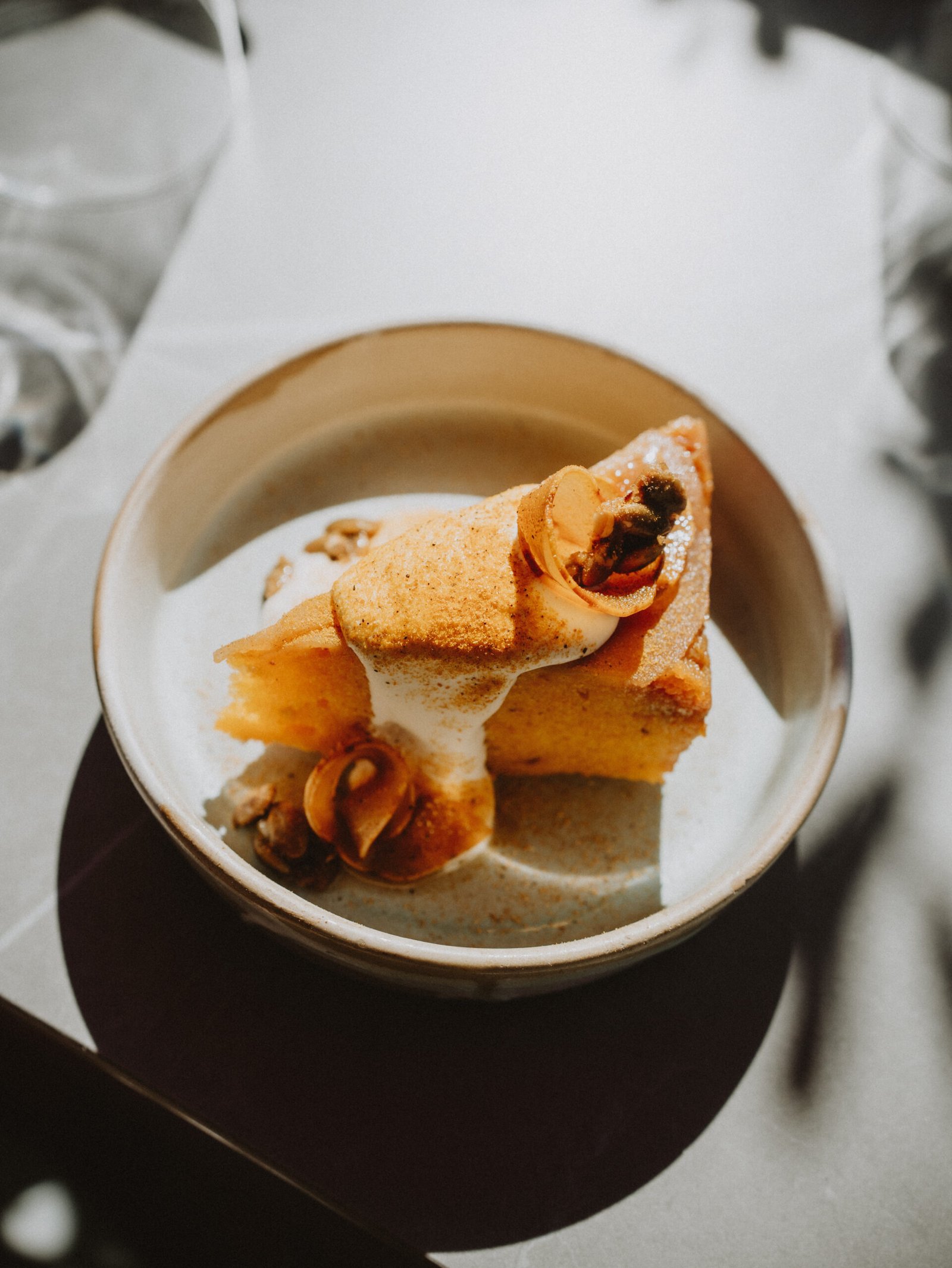
Cake portrait: Bethany (@d3ath_pr00f).
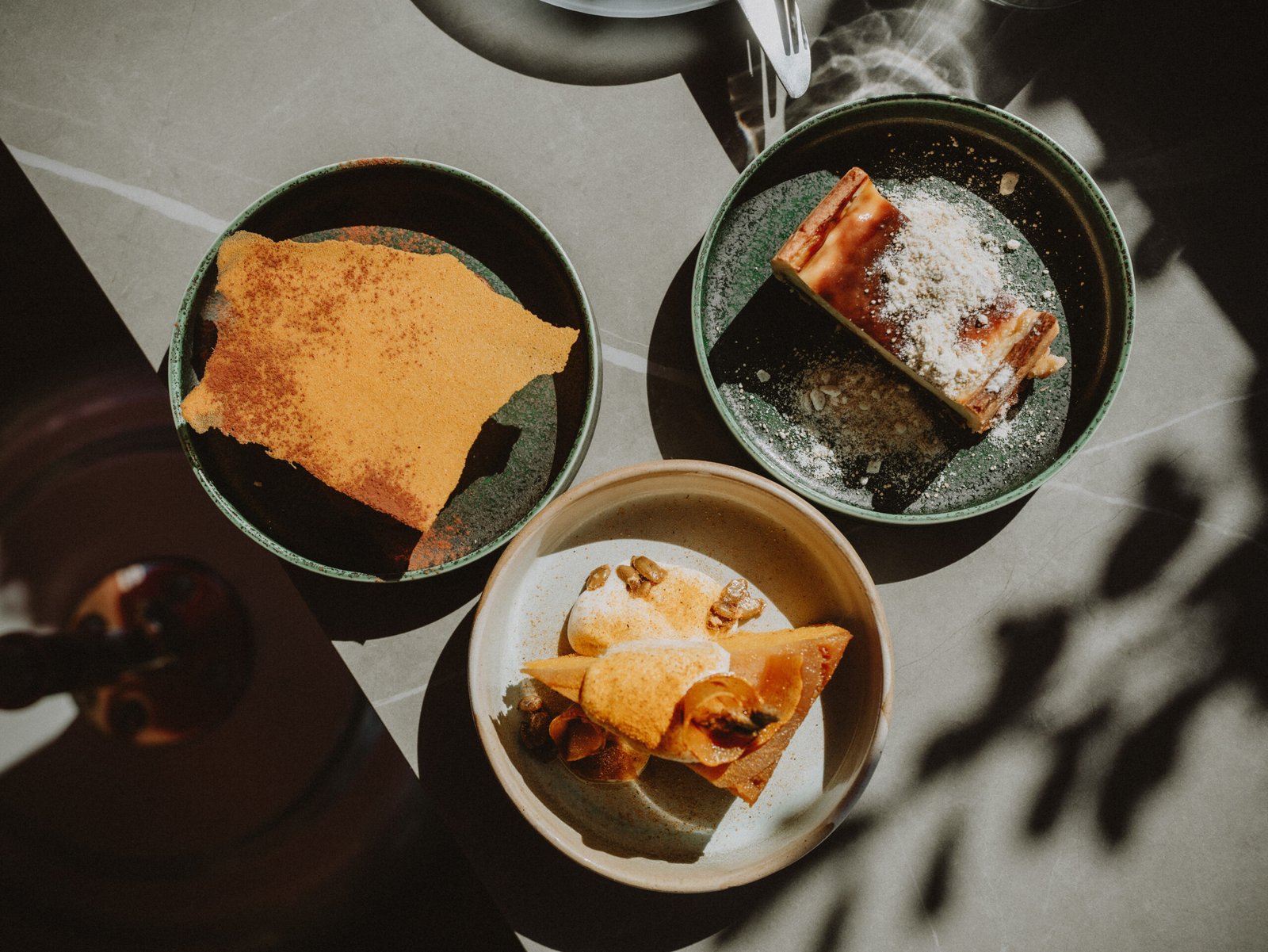
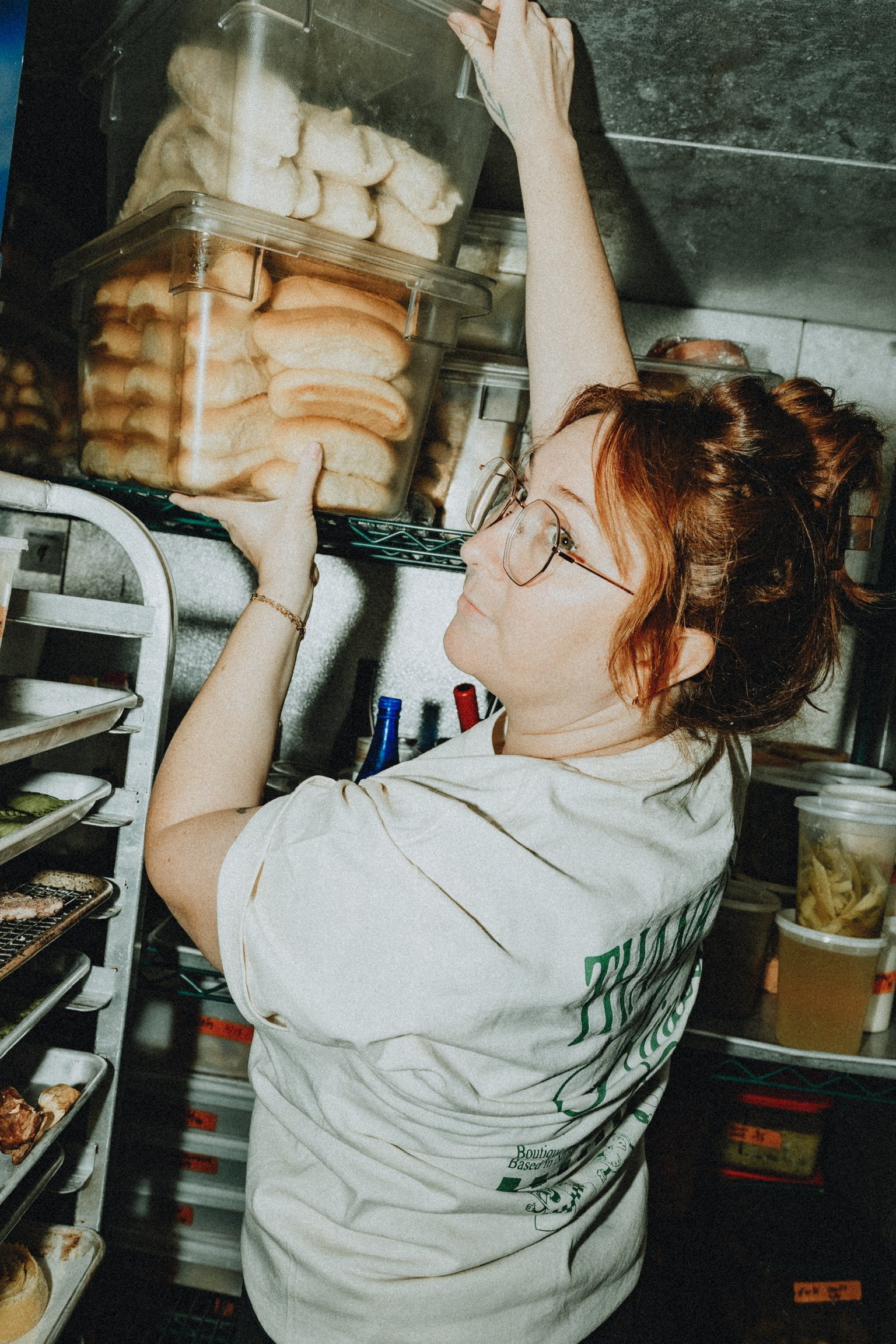
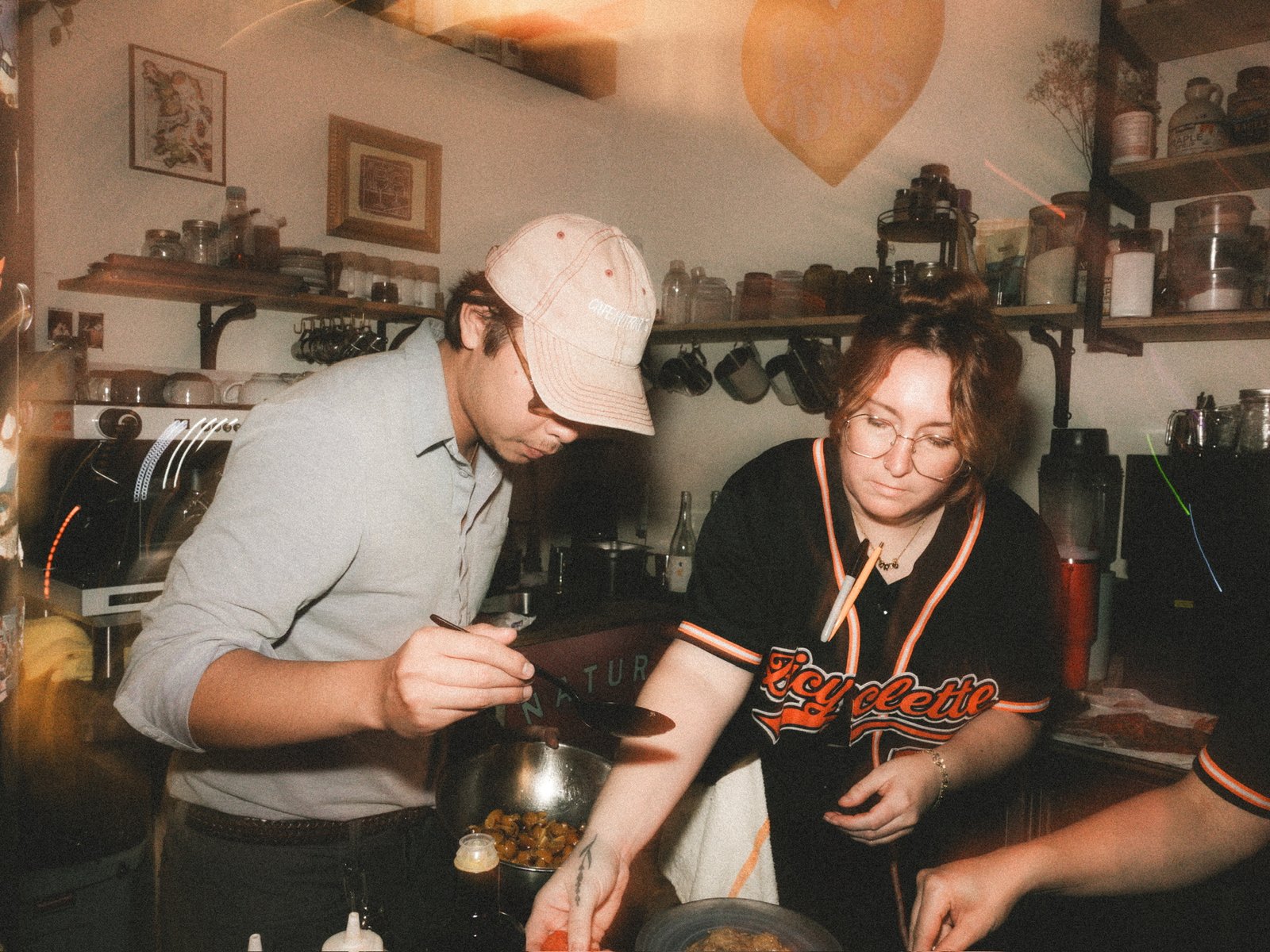
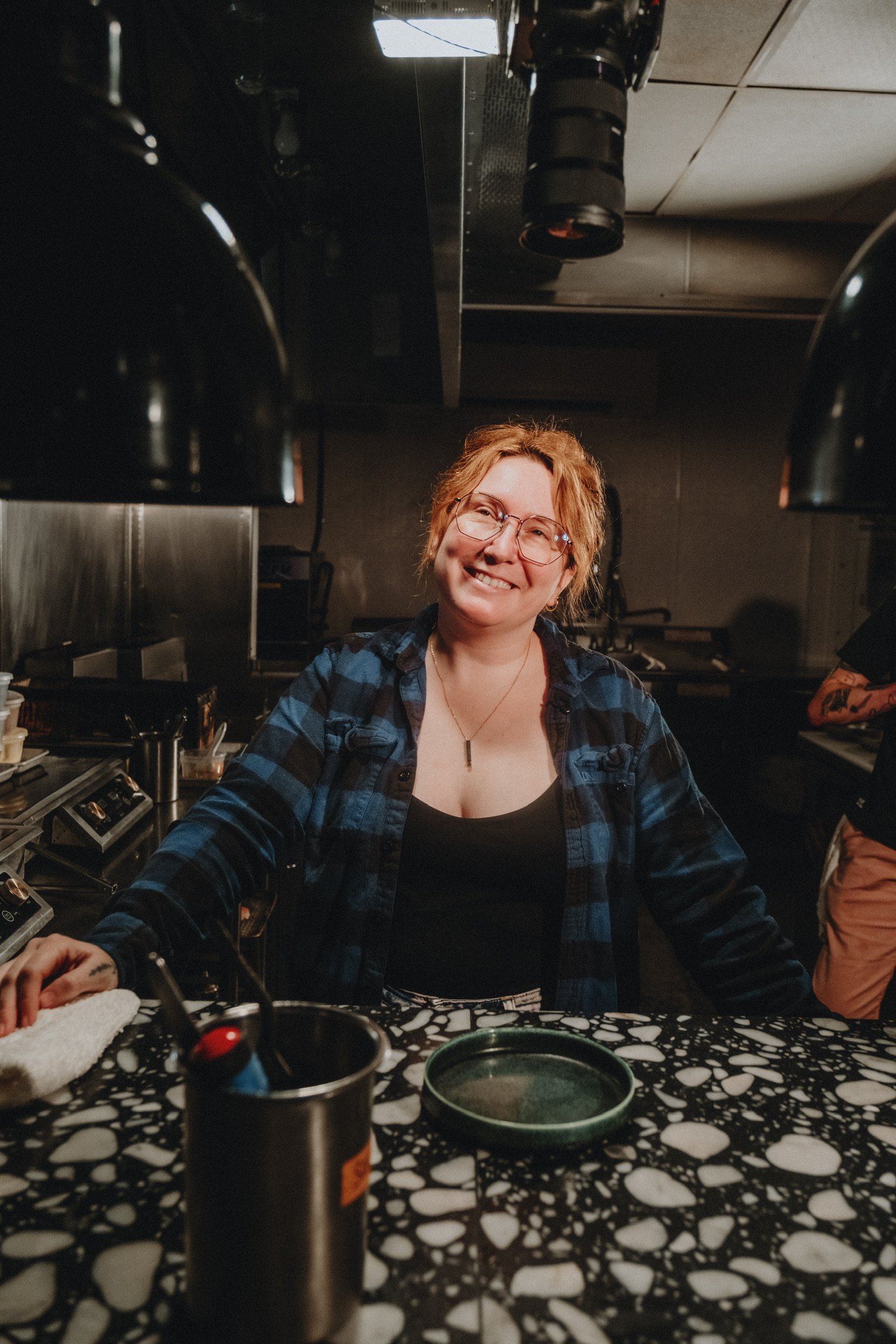
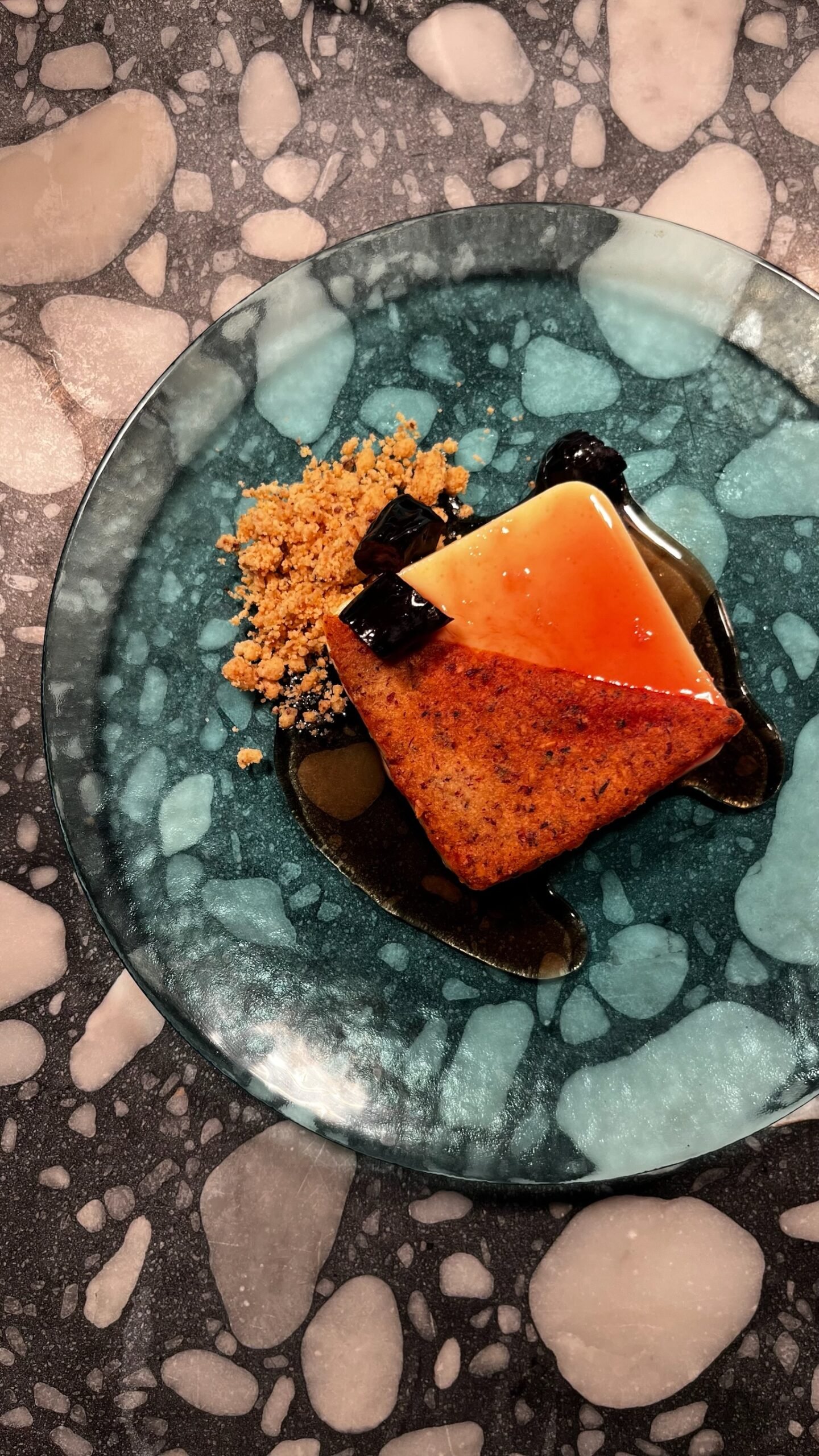
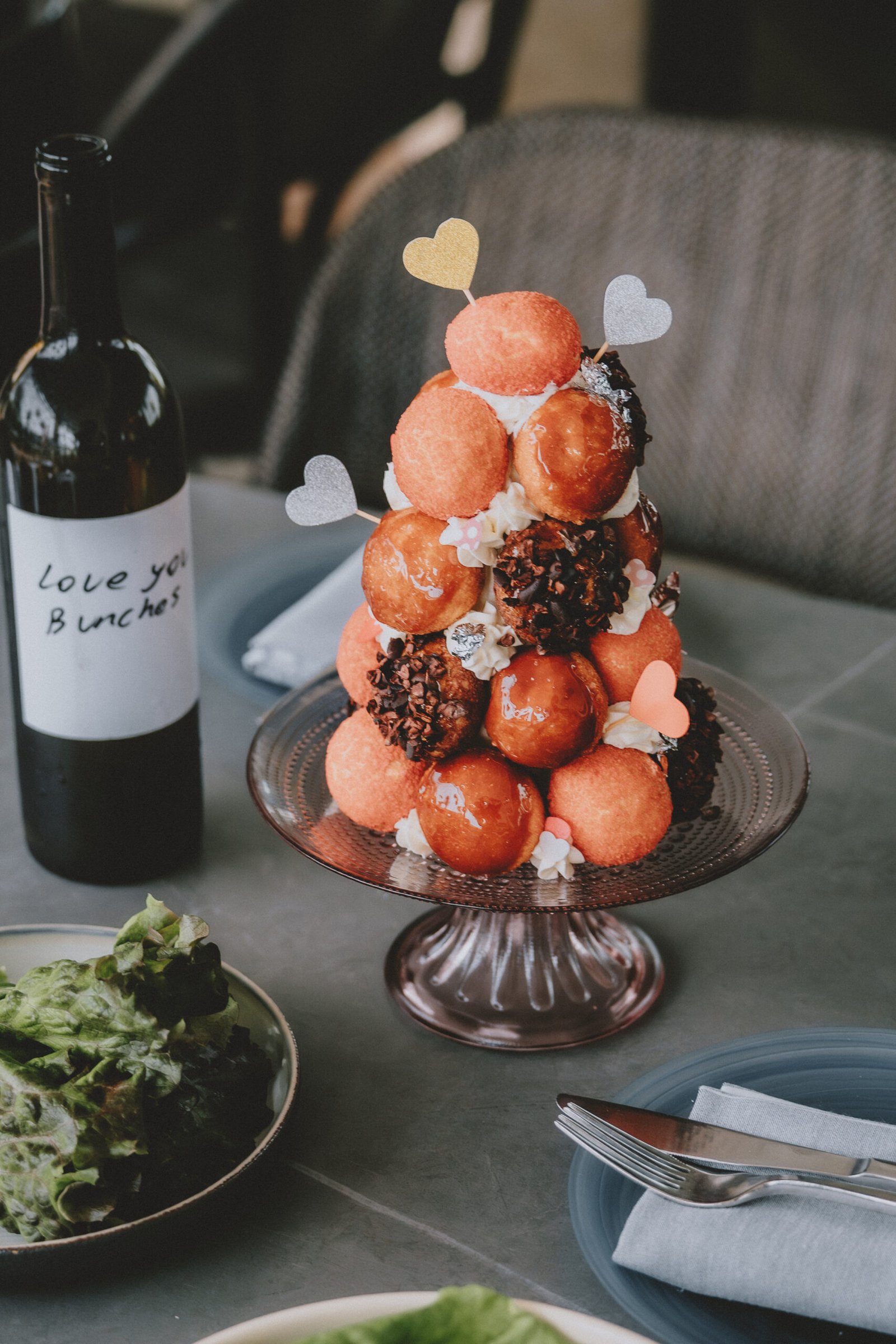
All other images: Carlos ( @directedbymijo).
Secret Sauce
- What’s the most unexpected ingredient you’ve ever worked with, and how did it change your perspective on cooking?
Wild Angelica. It was one of the first foraged ingredients I worked with under Rebecca Eichenbaum at Agern. It introduced me to a world of produce that wasn’t on my radar. I worked with the same forager throughout my time in NYC. It pushes you to use something thats hyper local, hyperseasonal, and sustainable.
- What’s your “guilty pleasure” meal?
Late night Diner. Corned beef hash (from a can only), scrambled eggs, toast & a Mexican Coke.
- A food trend that you hate and why?
I think we’ve moved past it, but super glutenous desserts like a milkshake topped with cotton candy, M&M’s, chocolate sauce, whipped cream, and gold… like, why? More isn’t always more. Except on those hyper-decorated cakes with all the piping, keep those COMING.
- What’s the craziest shift you’ve ever worked in the kitchen?
Some time in early 2018, Upper West Side, NYC.
5. What happened, and how did you manage to get through it?
In my first Exec Pastry Chef job, I was working crazy hours. First in, last out, 7 days a week type of thing. I had one cook; it was a tasting-menu restaurant: palate cleanser, pre-dessert, dessert, plus 4 à la carte desserts and 6 petit fours. Anyway, I had one cook and finally got a day off. So I was out in Central Park enjoying my day when I got a phone call from work (which I obviously ignored), then I got two more, and finally answered. My cook was throwing up all over the private dining room, and I had to come in. I can’t really tell you how I got through it, the night was really a blur with lots of help from a Sous chef, or two and the garde manger team, probably.
- What tips would you give to other cooks and chefs to help them navigate their culinary careers and find peace amid the chaos of the kitchen?
I think the best advice is some I don’t exactly follow, but am trying to implement.. create boundaries and stick to them. The precious time you have after work, or before work, or your day off: do not text, call, or read the e-mail. Everything can wait until your next shift. The kitchen is a community, rely on them to make the right call during your absence. Protect your time outside of work; it’s sacred.
- What’s an underrated ingredient and why?
This is particular to pastry: salt. Salt everything – every component, every sub-recipe, the final dish. It highlights the flavors you’re marrying together & keeps the palate from sugar fatigue.
8. What’s a must-try dish from your kitchen or the one you’re proudest to have prepared?
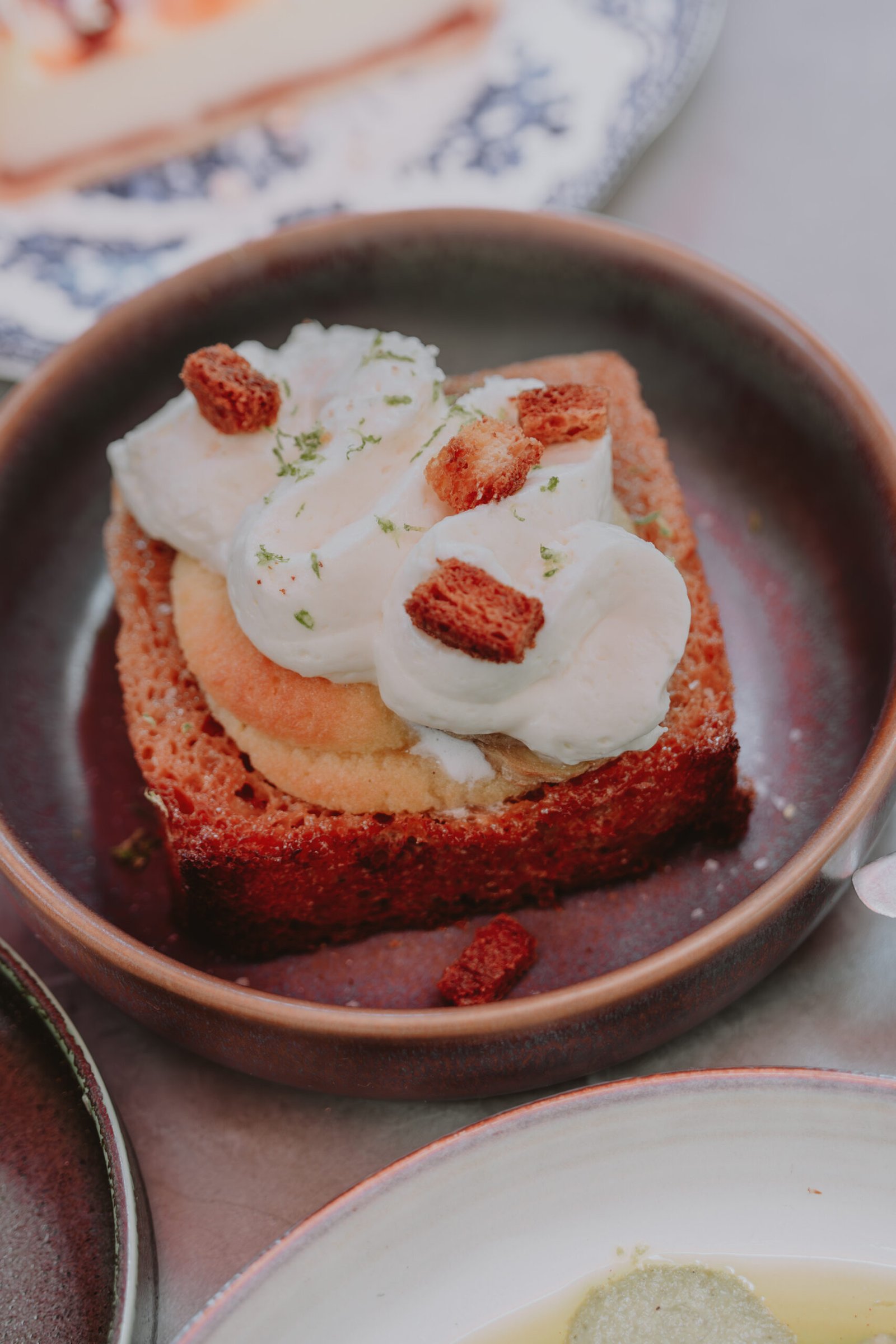
Must try: Banoffee Bostock at Bicyclette Cookshop (developed for a pop up with my friends at Winner a few years ago) – it’s the best breakfast for dessert – house brioche soaked in toffee syrup, coconut frangipane, ripe bananas, served warm & finished with cold lime whipped cream, brioche croutons and, of course, flaky sea salt.
Most proud: Oatmeal Cream Pie for Thank You, Kindly Cookshop. I ate more Little Debbie Oatmeal Creme Pies as a teen than is healthy…like way more. Somehow, I topped it? I’m not the one to openly brag, but this cookie is it.
About Your City!
Naples, Florida
- If Anthony Bourdain or a chef came to your city, what would be the perfect tour itinerary from breakfast to dinner?
So they’d have to come early February to Naples, it’s peak season, so hotels are more expensive and Airbnbs are scarce… but it’s also the Everglades Seafood Festival.
Have a gas station breakfast – grab a cheap cup of coffee (if you’re into that) and a dirty sandwich, get in the car and drive 2 hours south on US 41 to Everglades City.
Get there early because parking is always limited. Spend the day going through the festival, eating local seafood from multiple vendors, drinking some locally brewed beer, and listening to live music.
When you’re done, head back north to Naples, grab a bottle of wine (and maybe a snack) from Nat Nat (Natural Wine Bar). Grab to-go cups, and park it at the beach for a South Florida Sunset.
End your day at North Naples Country Club – a local dive with great bar food. Stay and close it down, find your way home.

Support our project by buying our merch!

86 HOTK Unisex t-shirt
$30.00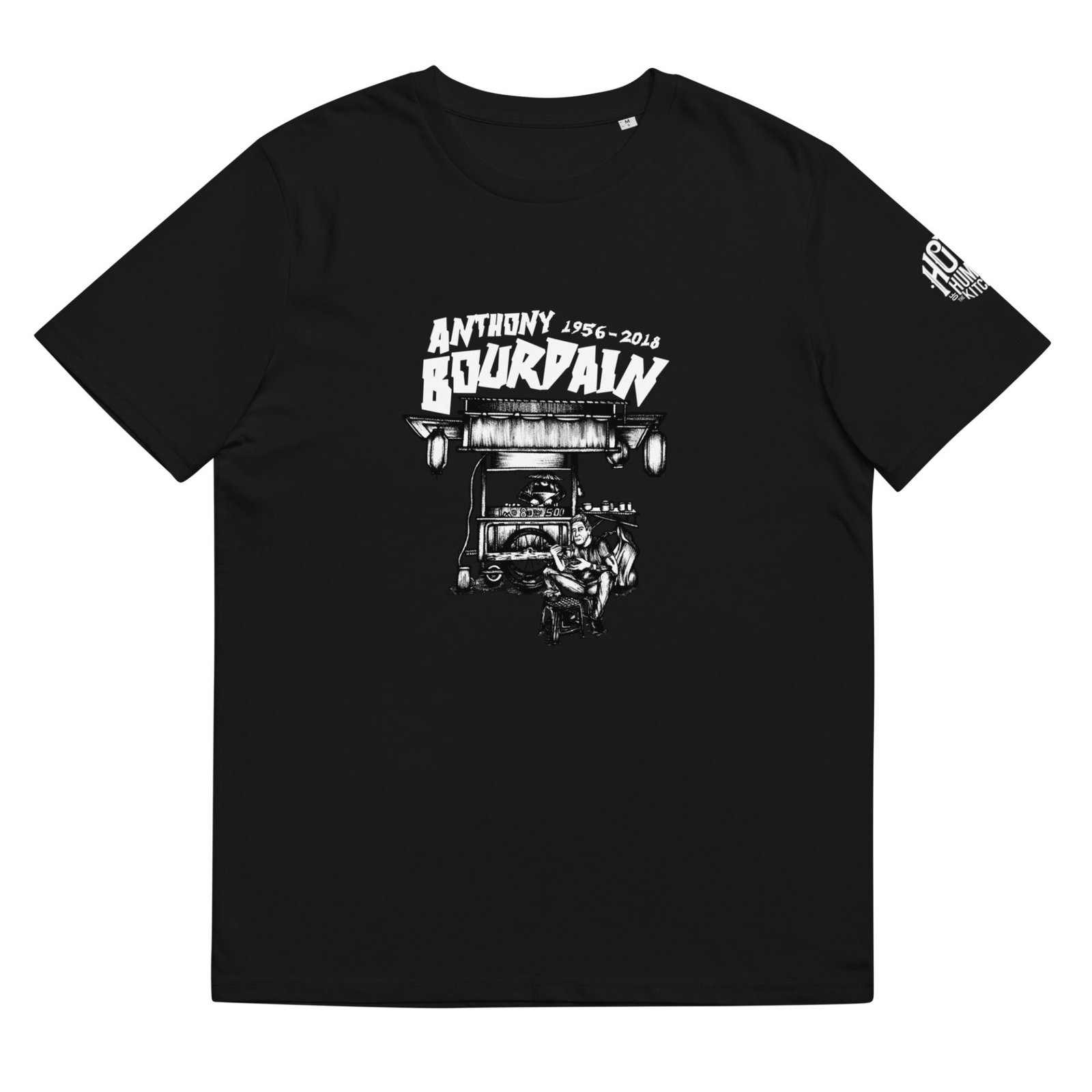
Anthony Bourdain T-Shirt
$35.00
Mise HOTK Unisex t-shirt
$30.00