New Post Templatea
Journey from Traditional Colombian and Jewish Kitchens to Inspiring Future Chefs
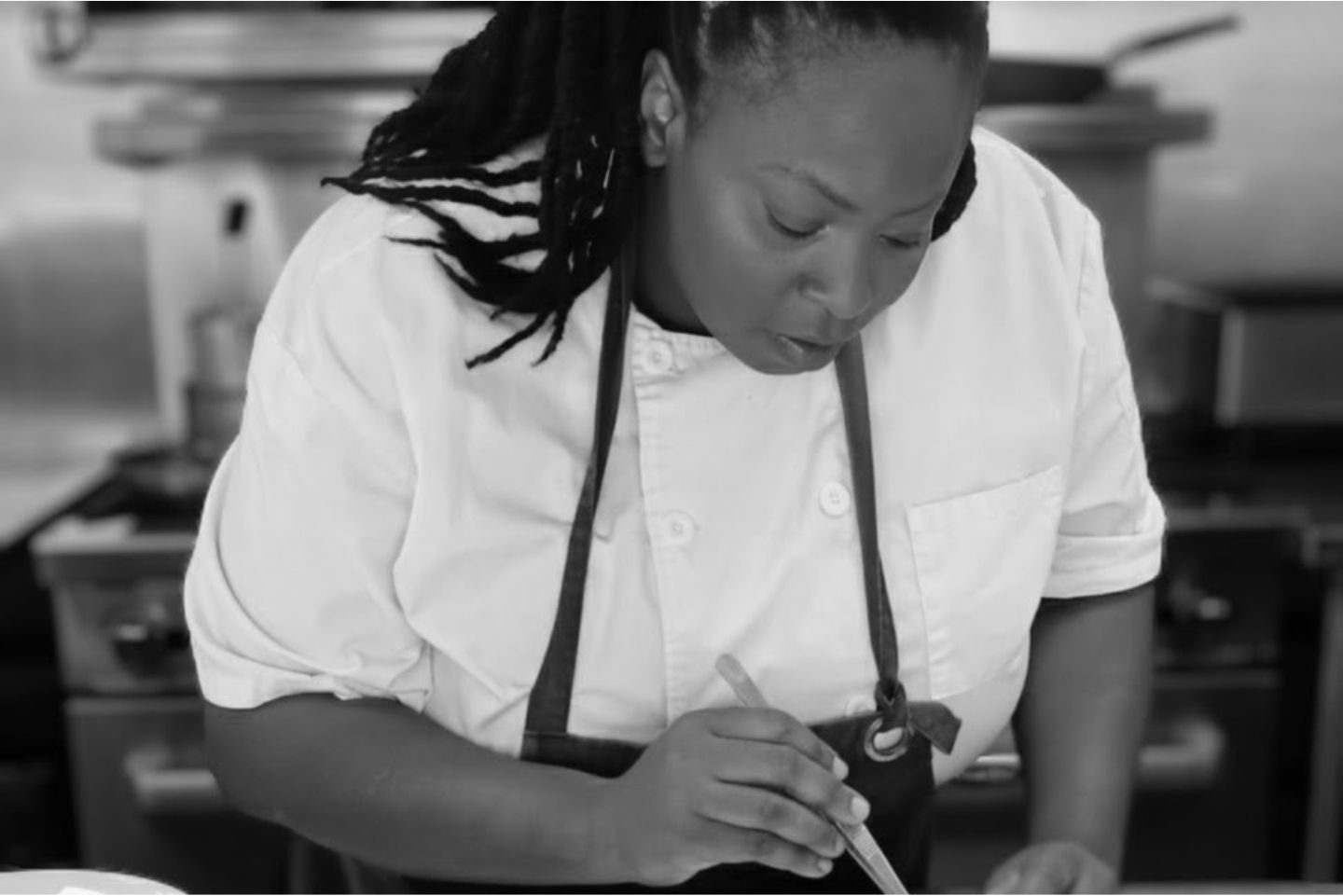
Meagan Lea Stout
Growing up in a “food desert” as one of nine children, I experienced food as both scarce and sacred. Despite this scarcity, food held a central place in our household and shaped our understanding of the world. We didn’t travel much, but we journeyed through food. Martin Yan, Jacques Pépin, and PBS were our windows to the culinary world. My mom would immerse herself in the cooking shows of Emeril and Julia Child, and suddenly our small kitchen felt connected to everywhere. One weekend, we would enjoy Peking duck; another, we would explore Moroccan cuisine, savor Vietnamese dishes, or chicken Kyiv, all prepared in our tiny kitchen in inner-city Houston, TX.
That’s where I learned empathy, culture, and connection. Food could take you somewhere, even if you never left home. I didn’t realize how much that meant until I left. I went off to study engineering, thinking I needed to find something else. But I missed it. I missed those weekends, that feeling, that sense of discovery. That’s when it hit me that I could create that anywhere, I could build that feeling again.
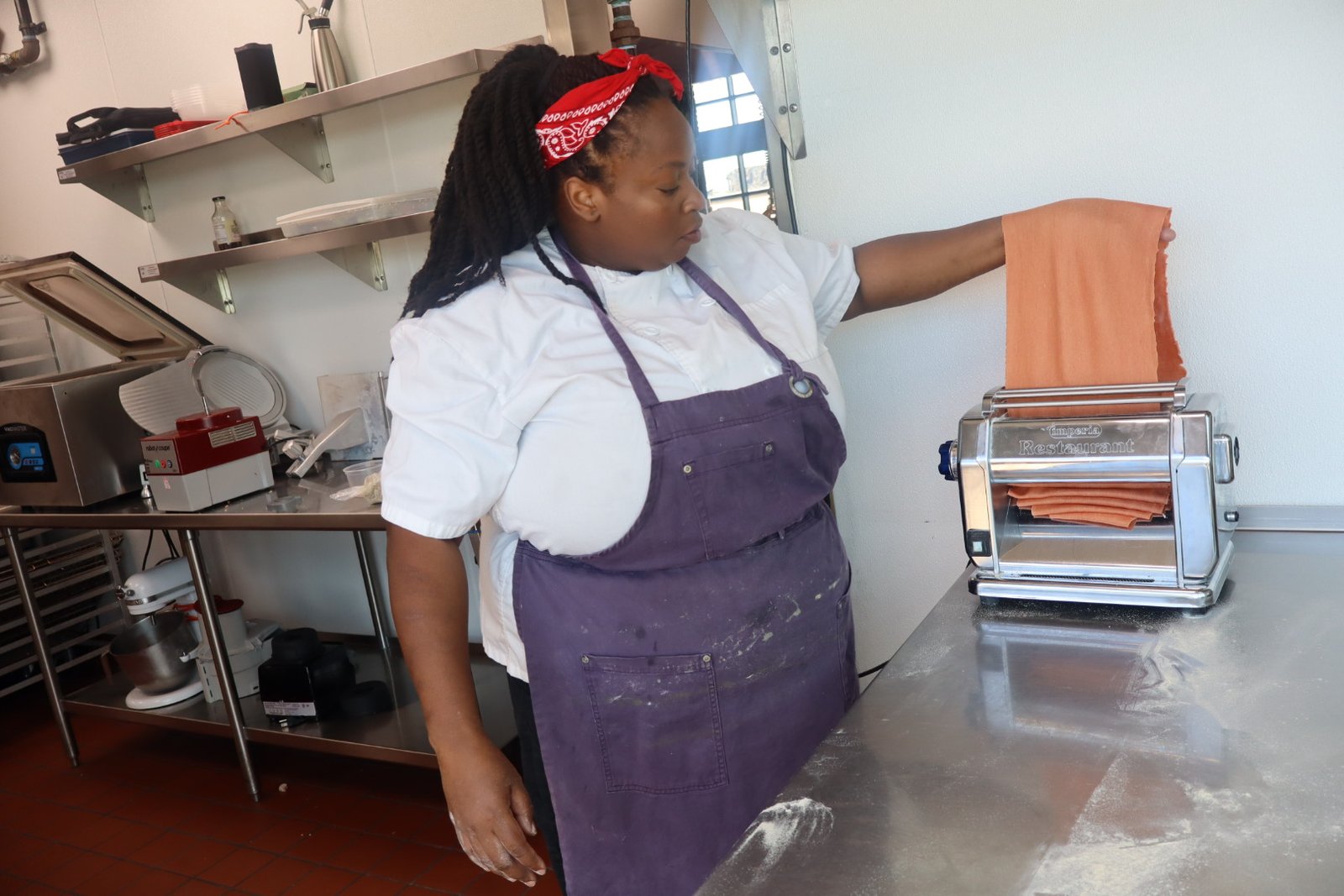
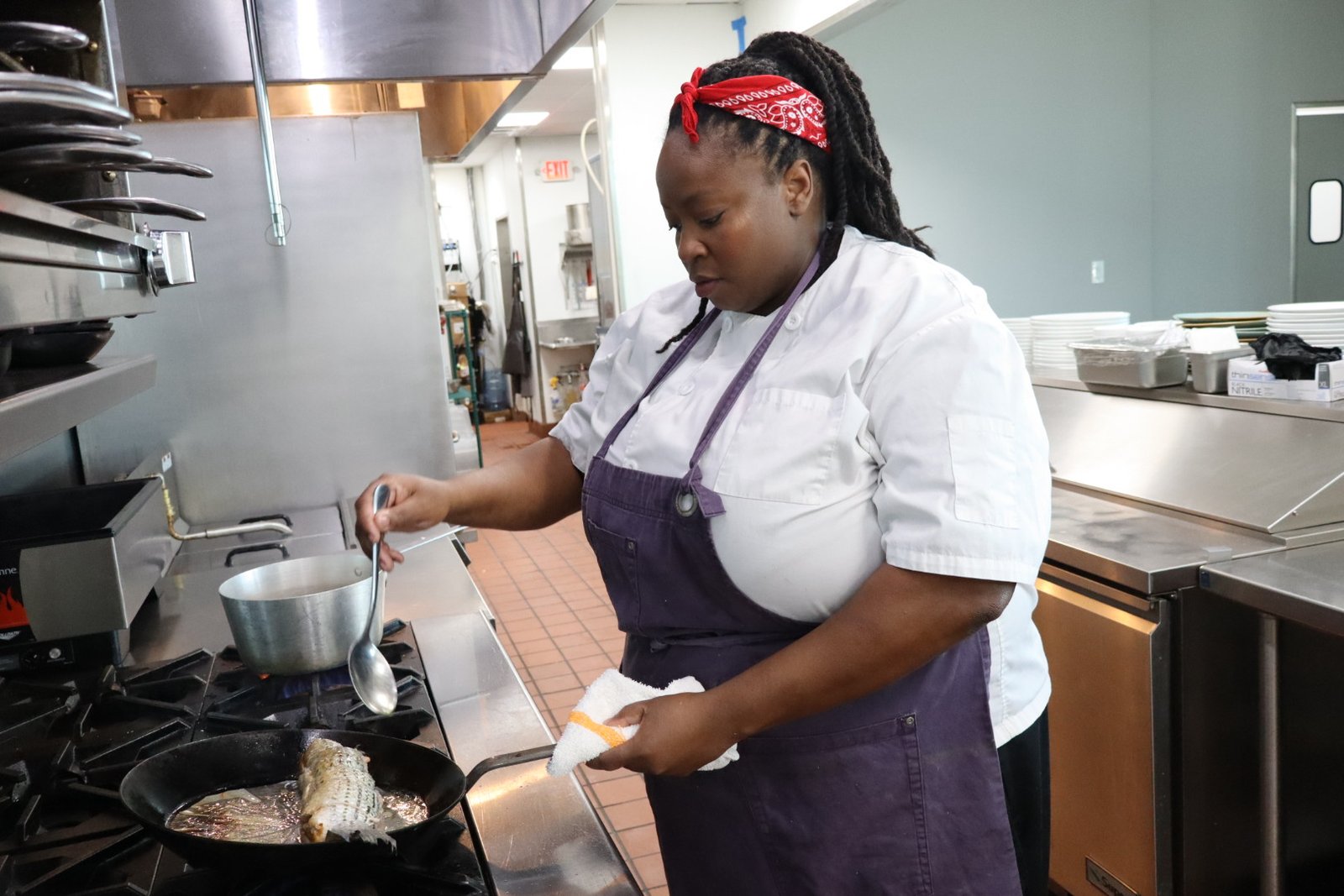
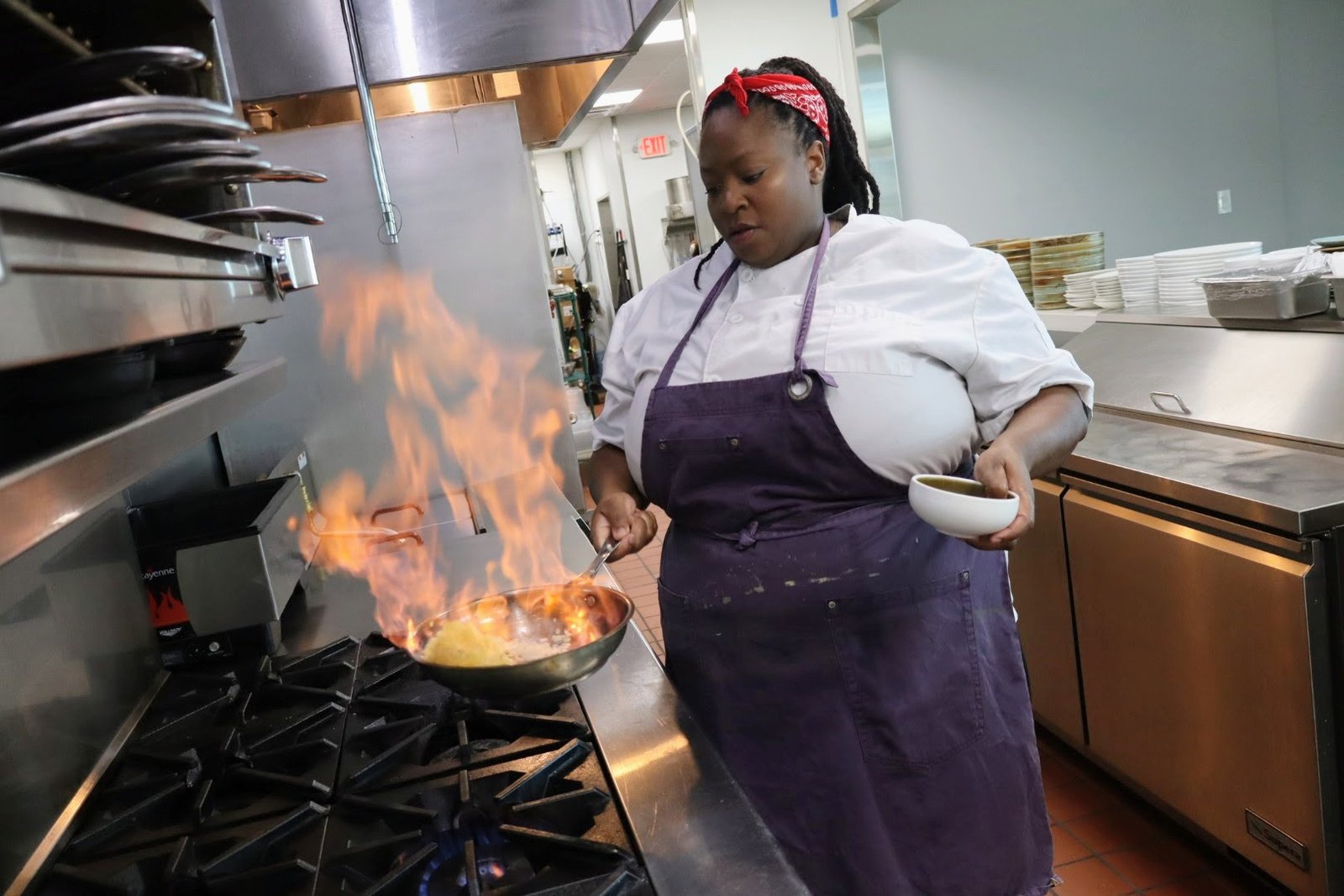
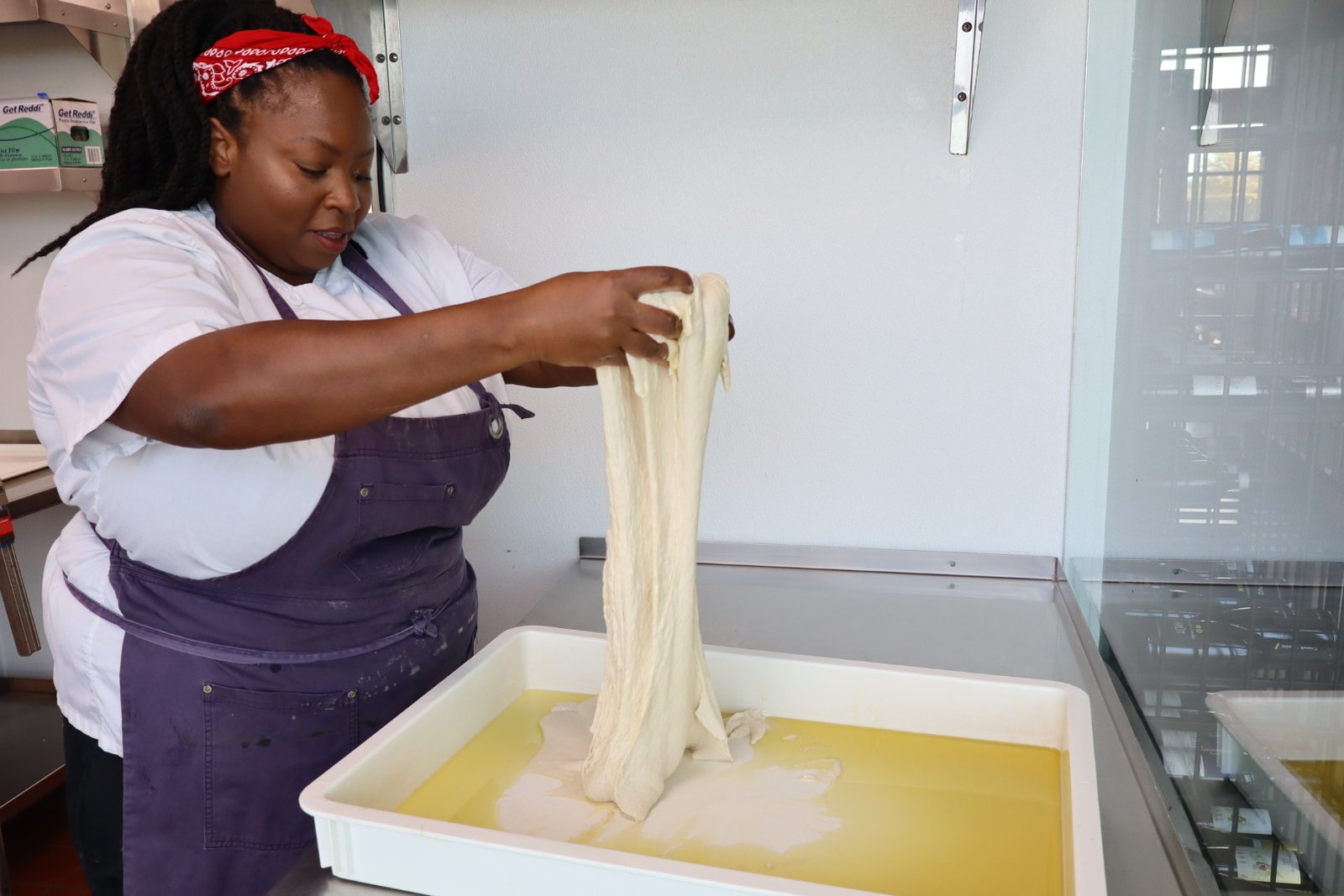
I’ve been cooking since I was 16, and 20 years later, I still haven’t left. I did some culinary school, but honestly, I learned the most in kitchens. High-level kitchens, Michelin-starred kitchens. That’s where you’re pushed, where you either grow or you don’t survive. The first time I stepped into a real restaurant kitchen, the French Room in Dallas, I remember thinking this is it. It felt like meeting my soulmate. And once you feel that, you don’t stop. You chase it. You want to understand it, get closer to it, become better for it.
Kitchens aren’t made for everyone, or at least that’s what people will try to tell you. I’ve had to fight through a lot, being a Black woman, being bold, being outspoken. I’ve dealt with bullying, racism, sexism, even assault, and then watching systems try to protect that behavior instead of people like me. But none of that broke me. It sharpened me. It made me steadier in who I am and made me want to open doors for people who look like me and have been told they don’t belong here. Because they do.
My passion for this is loud. Sometimes it’s honestly annoying. I’ve missed holidays, birthdays, time with my kid and my partner, and time for myself. There are moments I think about everything I’ve given up. But that need to cook, to learn, to evolve, it never goes away. I think I was just born this way.
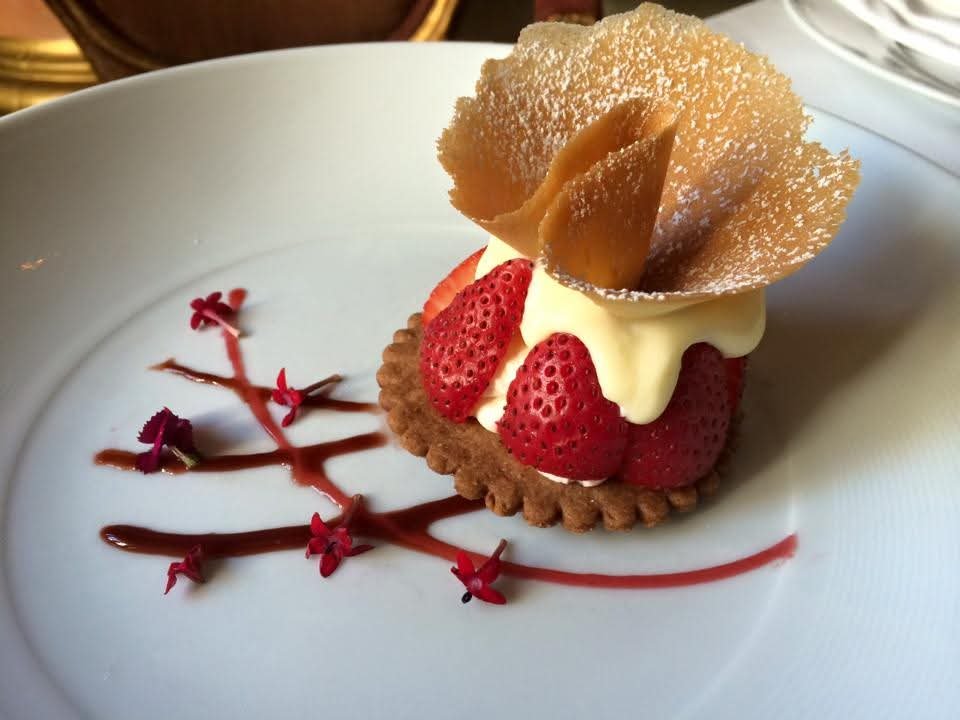
You learn a lot through failure in this industry. I still remember the first time I got to put a dish on a menu. I was a pastry cook and made this rose macaron with a strawberry. I messed it up. I overcooked it, didn’t let it mature. The first plate went out and came right back. Trashed in seconds. I laugh about it now, but I will never mess up a macaron again.
There was a moment in a Michelin-starred kitchen when I was leading a station and got completely crushed during brunch. Tickets flying, not set up enough, chef on me nonstop. It got in my head, and I started to doubt myself. We had a quick second to step away for water, and my team just pulled me in, hugged me, and told me I was a badass. That was the fuel I needed to keep going.
That’s what kitchens can be at their best. Not just pressure, but people holding you up when you feel like you’re about to break. At the end of the day, this is a craft, but it’s also a community. I always ask my cooks if they are really in this or just visiting. When you are truly in it, when you care about the craft and the people, excellence follows.
Empathy is everything to me. We don’t talk about that enough in this industry. Kitchens have long been built on fear, ego, and exhaustion. But I don’t believe great food needs broken people behind it. You can have standards, you can have discipline, and still have humanity. That’s the kind of kitchen I want to build.
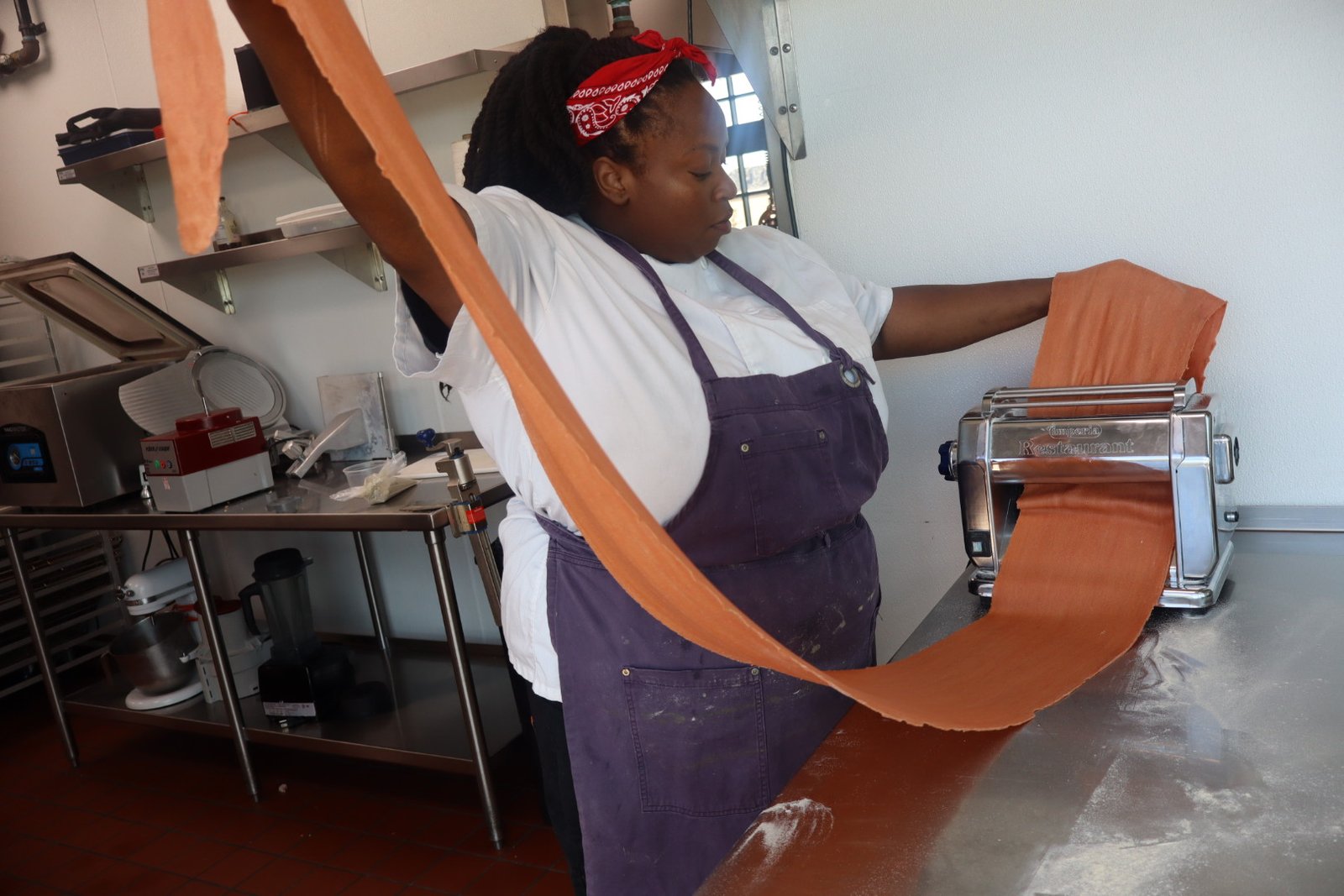
I’ve had moments I’m proud of, being named Rising Chef, becoming a sous chef in a Michelin-starred kitchen, and receiving a James Beard Fellowship. Those things matter. But what really stays with me is teaching. Seeing a cook who’s hungry to learn and being able to pour into them, that’s everything. That’s how this keeps going.
What I love most about restaurant culture is the sense of craft and shared purpose. A kitchen can feel like a small world built around discipline, creativity, and trust. There is something beautiful about a group of people from different backgrounds moving in rhythm toward the same goal, feeding others.
Restaurants are also one of the few places where culture, memory, and identity show up on a plate. I love the constant learning, the humility ingredients demand, and the way food can connect people who might otherwise never meet.
But at the same time, parts of the industry can be deeply frustrating. It needs less gatekeeping, less elitism, and less glorifying burnout. There are so many people doing incredible work behind the scenes who don’t get seen because they don’t know the right people. That has to shift.
Food is about connection, about culture, about people. And if we forget that, then we’ve already lost what made it matter in the first place.
Secret Sauce
- What’s the most unexpected ingredient you’ve ever worked with, and how did it change your perspective on cooking?
Bottarga. It’s cured fish roe. It opened up the world of traditional preservation techniques like curing, drying, and fermenting.
- What’s your “guilty pleasure” meal?
Smoked Chicken Wings.
- A food trend that you hate and why?
Trends exist for a reason. I don’t hate any of them if people love them.
- What’s the craziest shift you’ve ever worked in the kitchen?
Any mother’s day brunch.
5. What happened, and how did you manage to get through it?
Over caffeinated, pumped up my team, and didn’t stop flipping eggs until the doors closed.
- What tips would you give to other cooks and chefs to help them navigate their culinary careers and find peace amid the chaos of the kitchen?
Get a “glam team” that includes a therapist, a primary care physician, a nutritionist, and a group of grounded people who uplift you. Find those first before thinking about buddies.
- What’s an underrated ingredient and why?
Nigella seeds.
8. What’s a must-try dish from your kitchen or the one you’re proudest to have prepared?
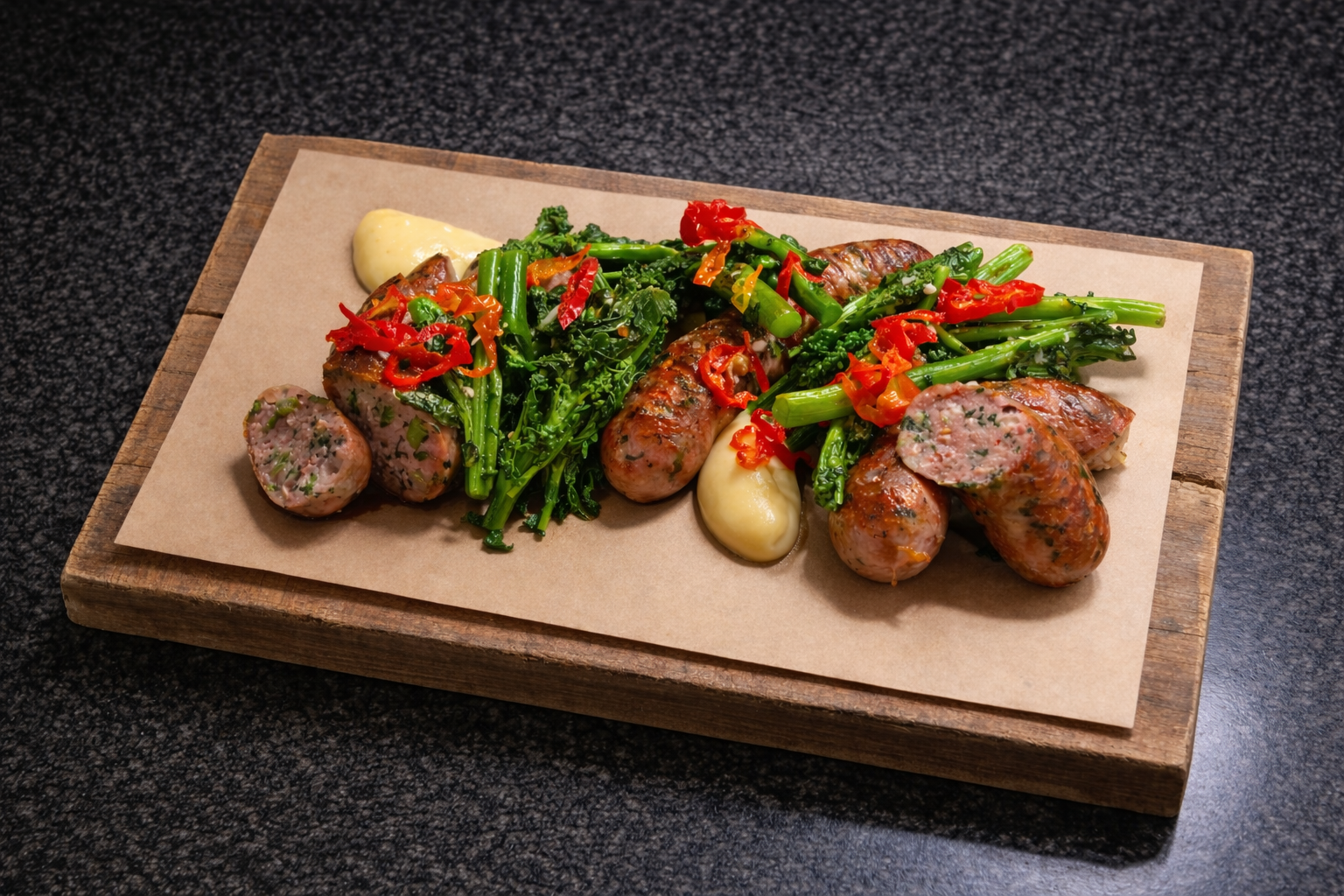
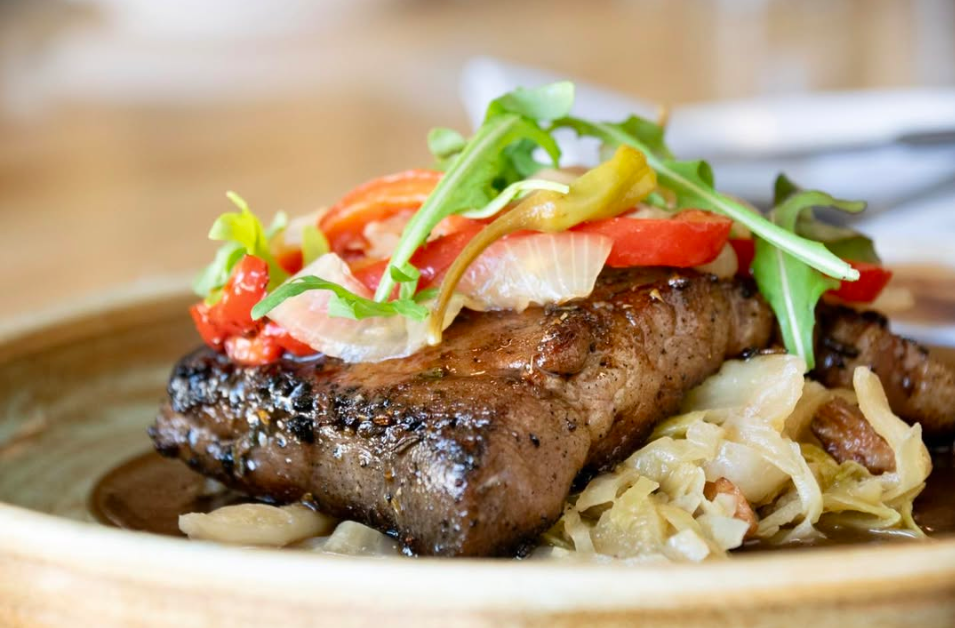
Anything I make with pork shoulder.
About Your City!
Arlington, TX
- If Anthony Bourdain or a chef came to your city, what would be the perfect tour itinerary from breakfast to dinner?
In the DFW Starship bagels while you wait in line at Goldee’s BBQ IN Kennedelle. The Modern Museum of Art in Fort Worth. Dinner at Radici in Grand Prairie, a nightcap at Midnight Rambler at the Houle Hotel. Visit glow on the Dark Park in Farmers Branch with a little one.

Support our project by buying our merch!

86 HOTK Unisex t-shirt
$30.00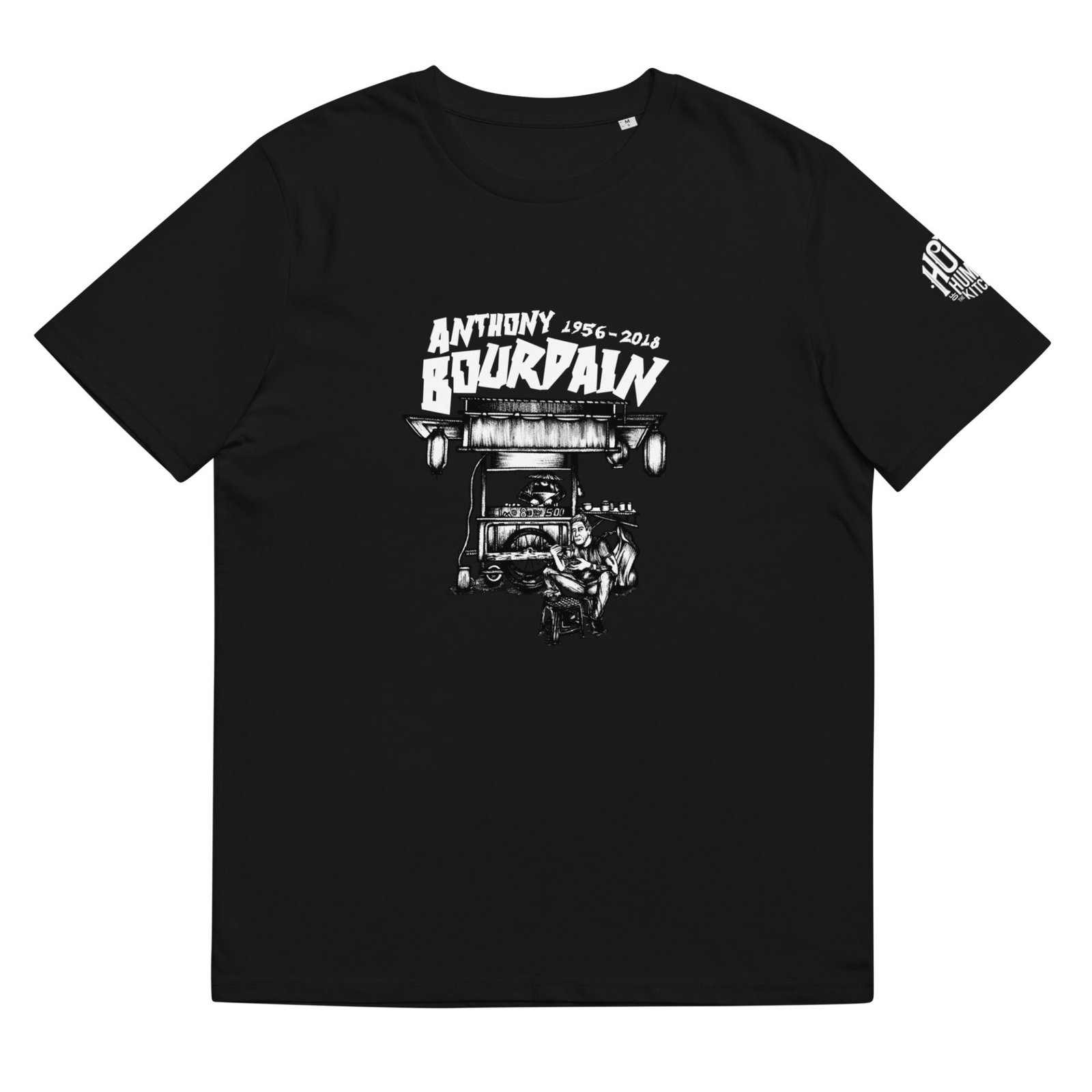
Anthony Bourdain T-Shirt
$35.00
Mise HOTK Unisex t-shirt
$30.00