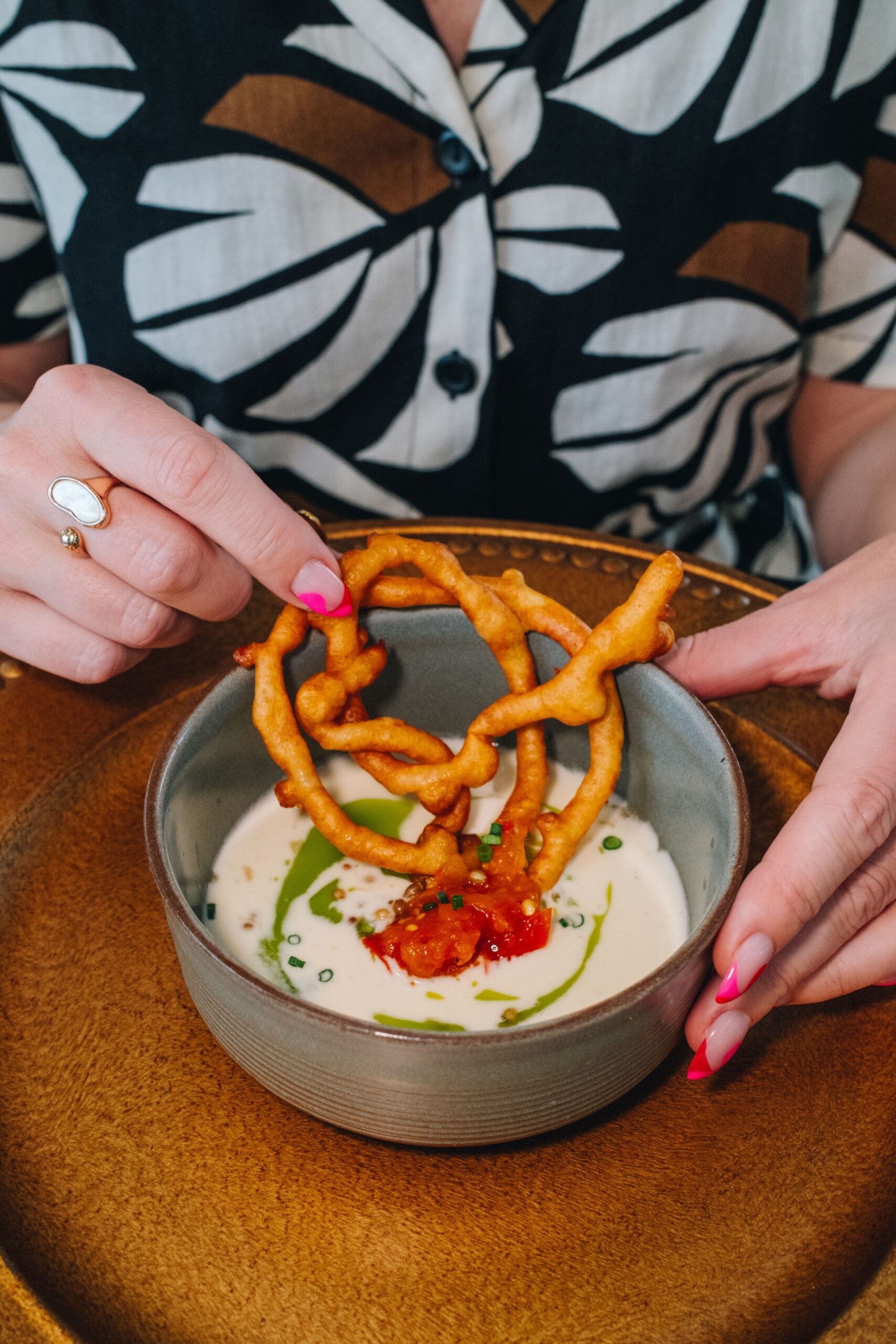
A dumpling soup that shifted it all.
The quiet comfort that survived addiction, chaos, and every version of who she used to be.
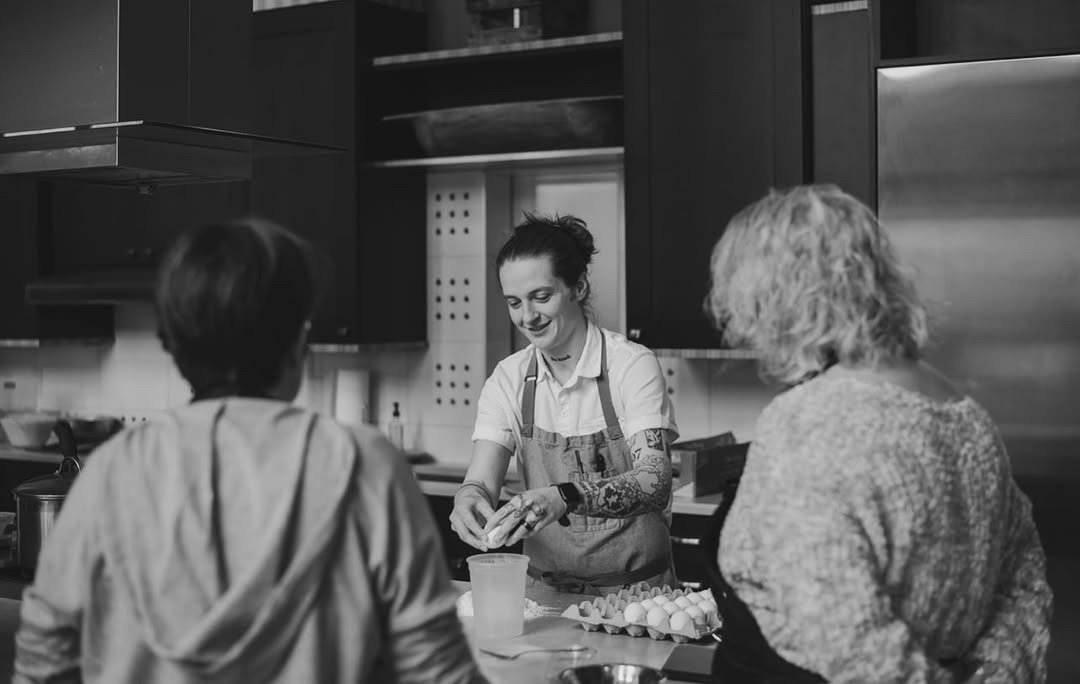
Blake Larson
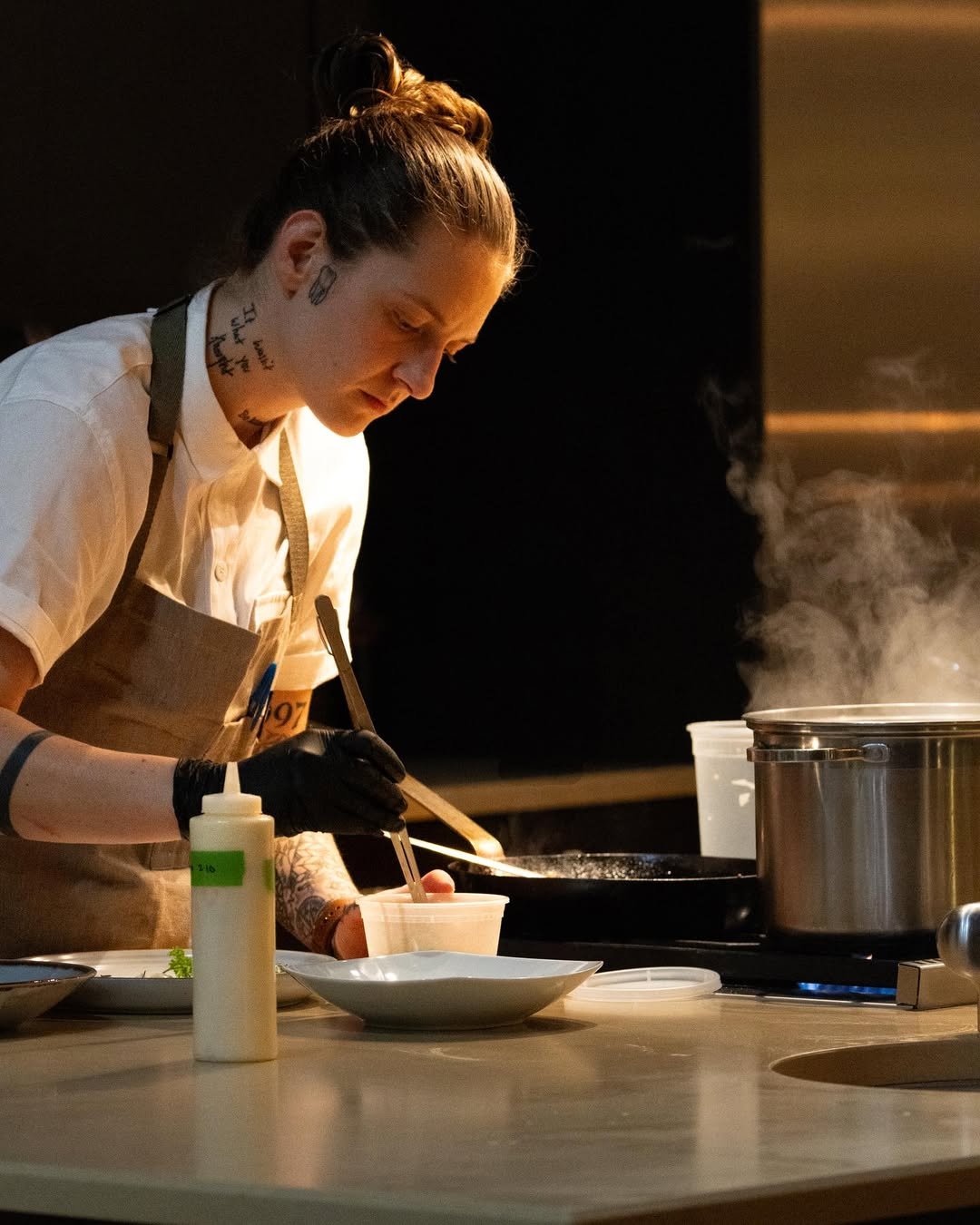
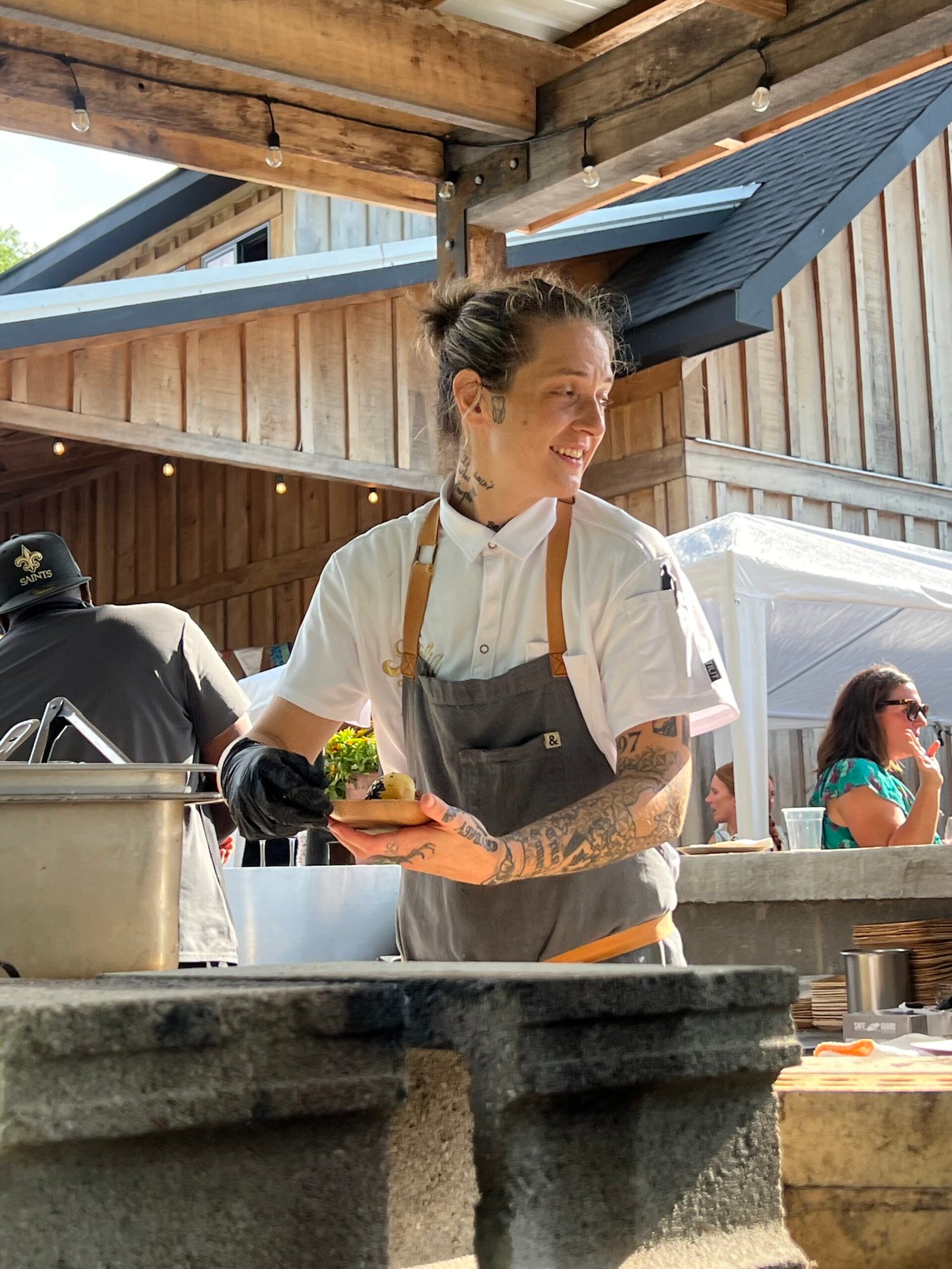
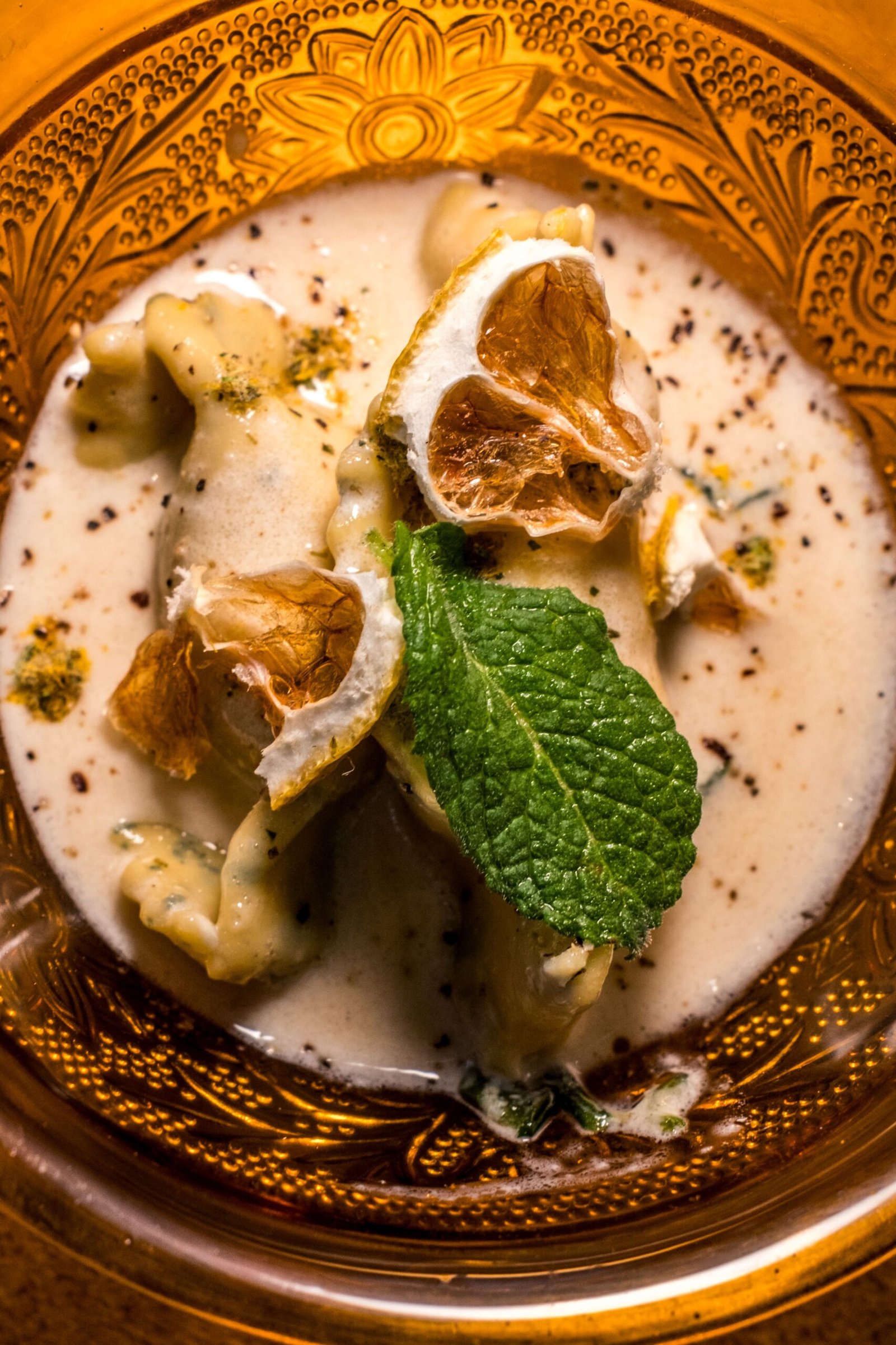
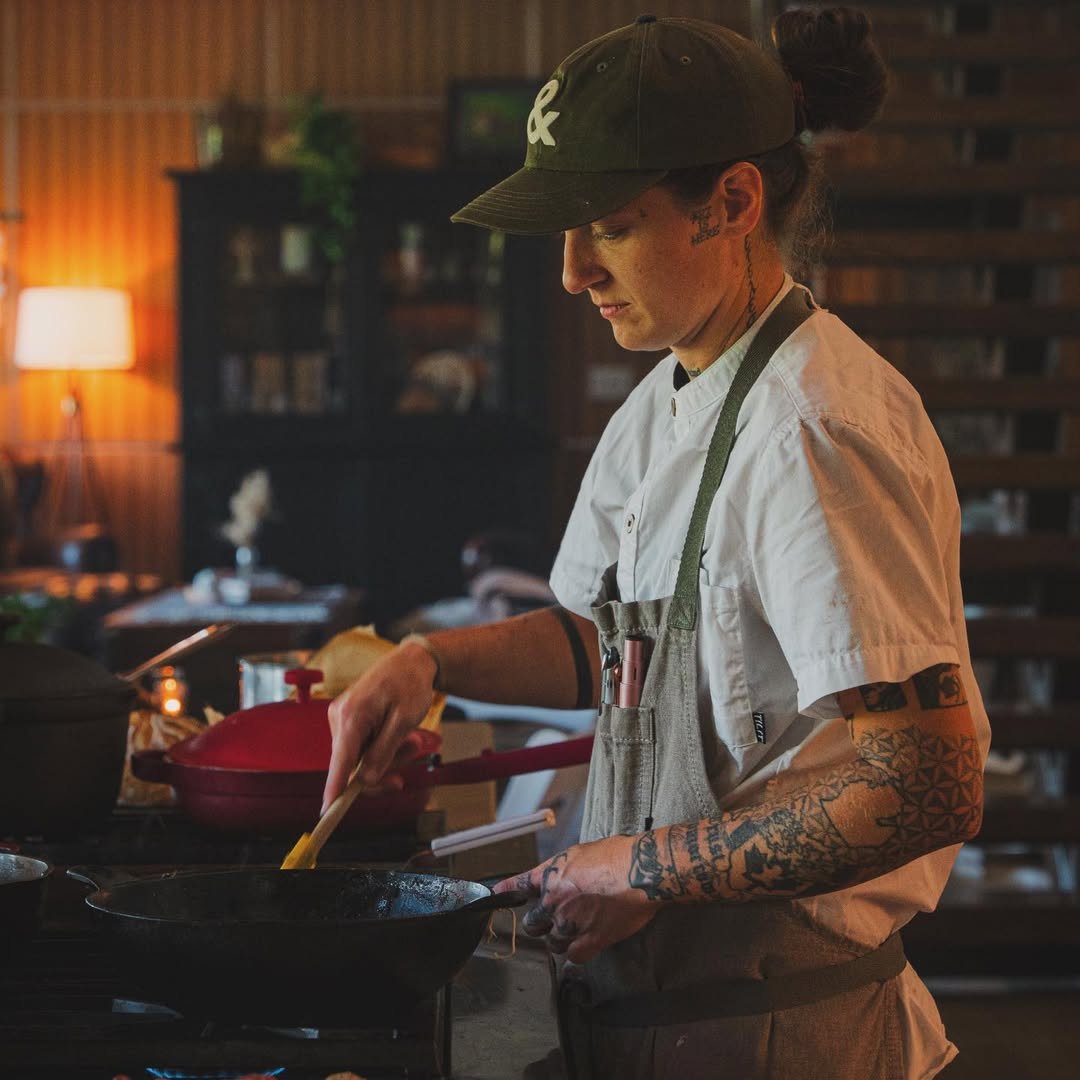
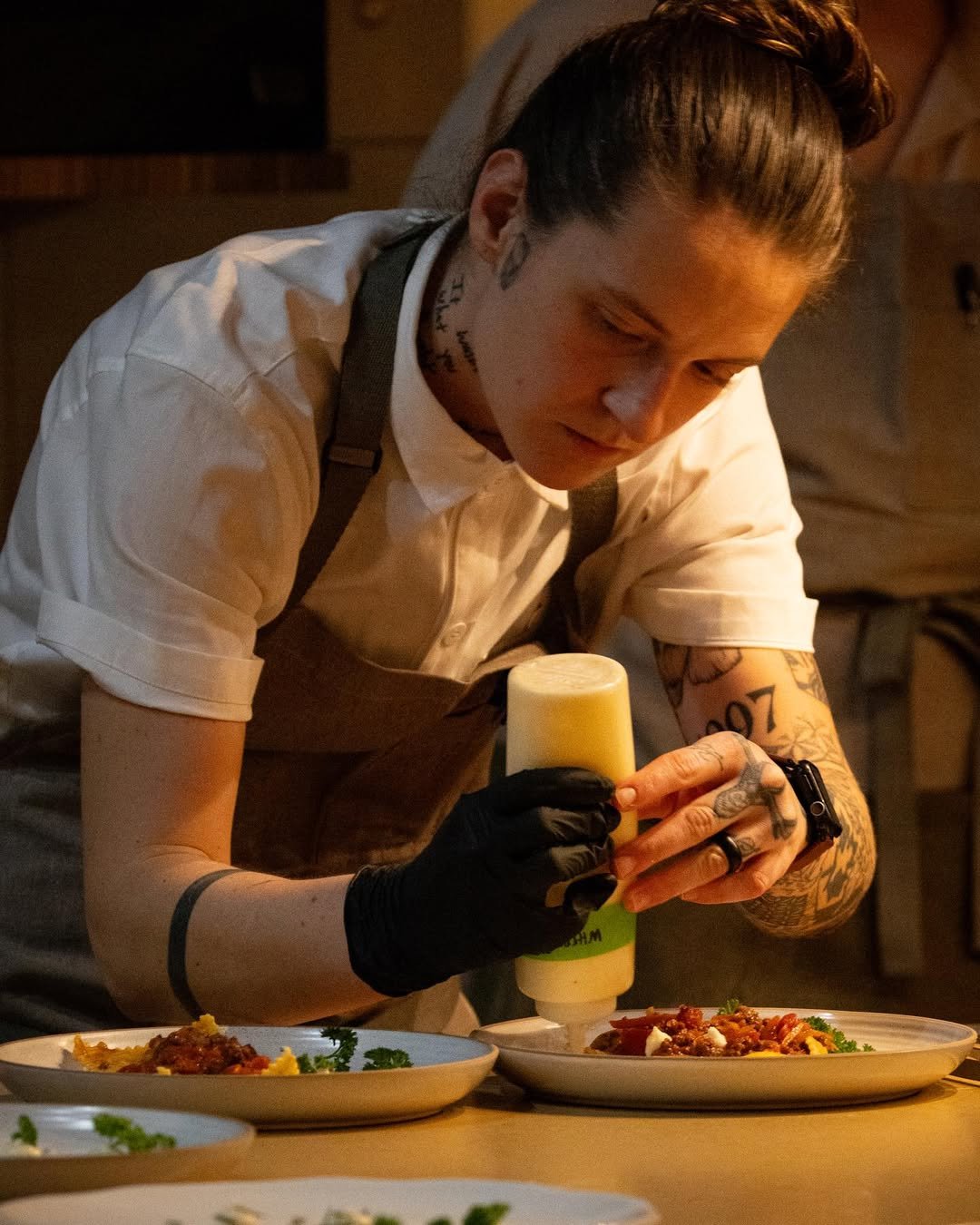
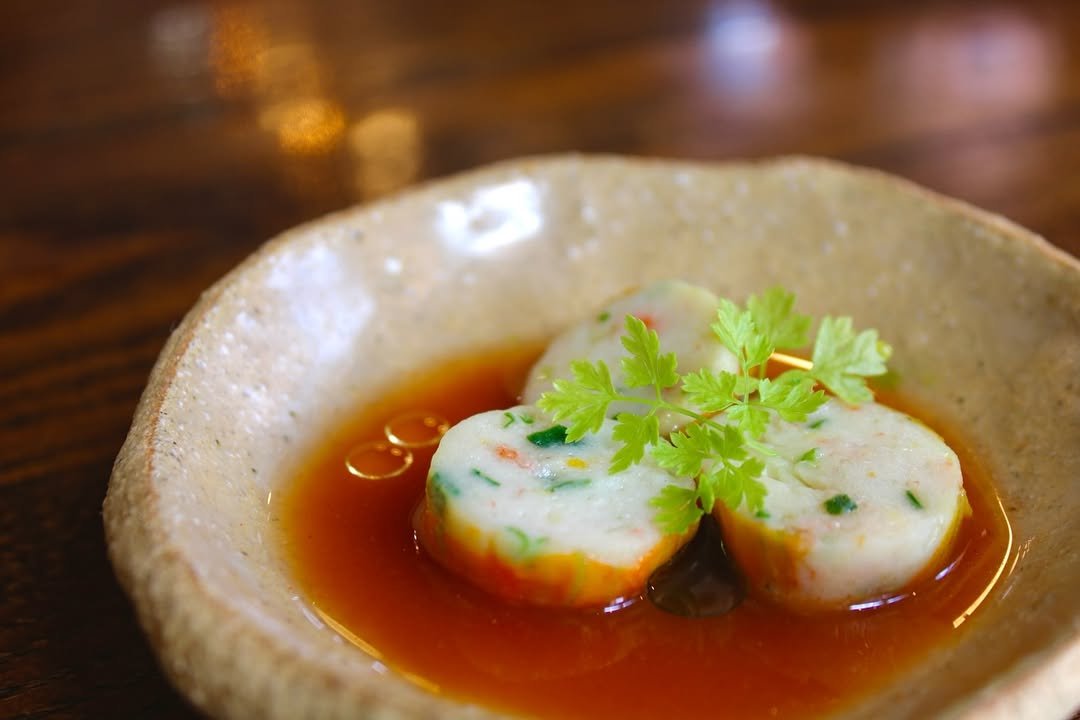
I didn’t grow up with many food memories. The kitchen found me when I needed it most, after a long time spent running from myself. However, it wasn’t the food that drew me in. It was the camaraderie, the sense of belonging. But if I had to pick one memory, it would be the potato and dumpling soup my nanny always had on the stove when I came to visit. It tasted like safety, like love, like home.
Before I became a chef, I was a musician. I spent years fighting addiction, trying to find a rhythm that didn’t destroy me. During my recovery, I was living in Canada with my band, needing a reason to stay. I enrolled in culinary school to keep my work visa and took a job at a gastropub to stay busy. The kitchen was sober, the first one I had ever seen like that. The guys there became my best friends. They taught me what it meant to show up, for them, for myself, even when I had nothing left to give. When my visa expired, I had to make a choice. Music had been everything to me, but the life that came with it was breaking me. So I went back home to North Carolina and started over.
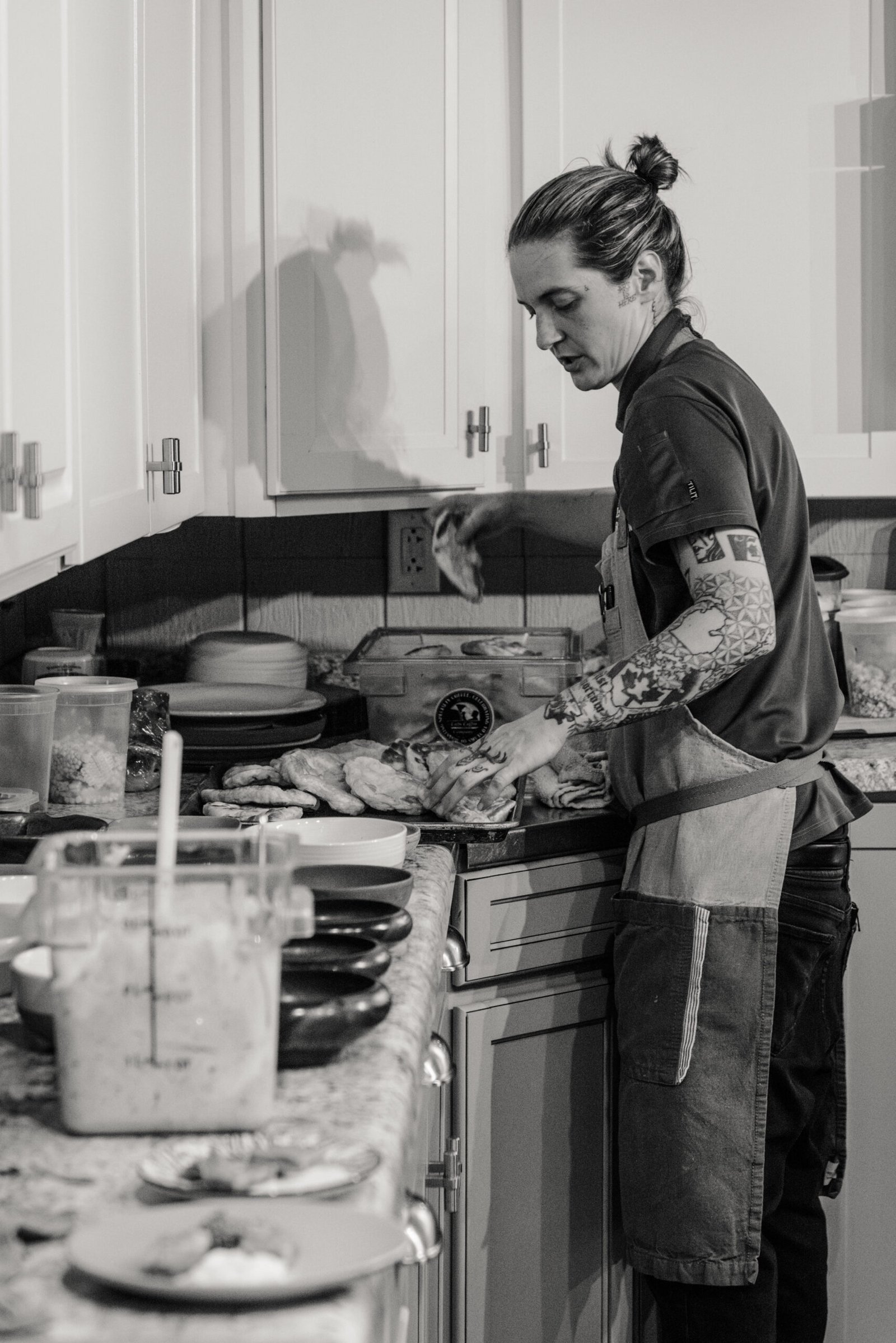
Culinary school in Ontario taught me consistency more than cooking, and honestly, consistency was what I needed most at the time. But my real education came afterward, when I fell, failed, burned out, and built it all back again.
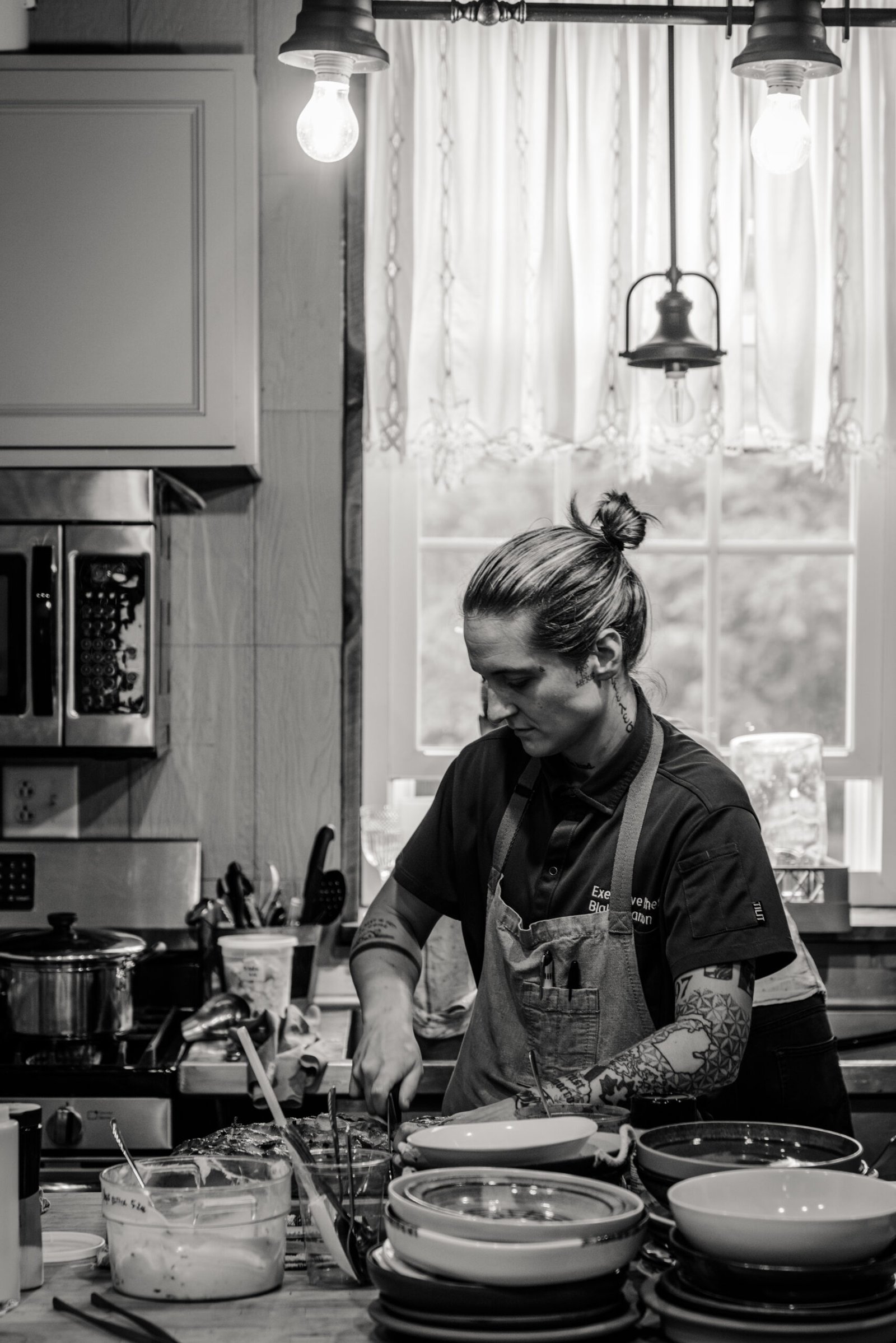
At twenty-three, I became an executive chef. I was young, loud, and full of ego. I thought becoming meant shrinking myself to fit the mold. Later, I thought leading meant yelling to be heard. Both were wrong. I learned the hard way that respect isn’t demanded. It’s earned, and it starts with how you treat yourself.
Being a woman in this industry made it even harder. I’ve dealt with harassment, condescension, and the exhausting balance of being “strong” without being labeled “difficult.” I used to think I had to endure it to succeed. Now I know I can simply leave, build my own table, and invite people who understand what respect means. Birds of a feather flock together, and my flock fights for the right things.
Cooking taught me how to begin again. It gave me the strength to kill the version of myself I hated without dying in the process. I’ve made a thousand mistakes, but I’ve also learned to alchemize them, to turn every mess into something meaningful. When I thought no one was watching, people were. And now, when young chefs tell me my story inspires them, I realize that survival was never just for me.
There was a moment that changed everything. I was working myself into the ground, running a kitchen that didn’t value me. My sous chef called one day to say he was really sick and needed time off. Without thinking, I asked, “But who’s going to cover your shift?” The words hit me like a punch. I hung up and sobbed. That was the moment I realized I’d lost myself, and I quit the same week.
My philosophy now is that food is love, and love is effort. Cooking began with our mothers and grandmothers, who used what little they had to feed their families. We’ve become a society of want, forgetting the power of need. We waste food while people starve, exploit farms for convenience, and break cooks until they burn out. I won’t be part of that. Every ingredient, every person, every plate matters. I’ll give it everything I’ve got, because the kitchen is supposed to nourish, not destroy.
The camaraderie of my first kitchen saved my life. I had lost my best friend at sixteen, fell into addiction, and didn’t know how to belong anywhere. Then I walked into that kitchen in Ontario and found my people. They made me laugh again. They reminded me what it meant to show up, not just for work but for life. Later, when I led my own team in Asheville, I tried to give them what I once found. Belonging, friendship, purpose. It wasn’t always perfect, but it was honest.
My proudest moment came when my wife and I launched our food project in rural Ohio —a bakery and dining concept in the middle of nowhere. People laughed at us, said we’d never make it. But we built it from scratch, got our baked goods into eighteen locations, launched a food truck, sold out every service, and brought a community together. Two queer women opened a restaurant in a place that didn’t welcome our kind, and we were shown so much love. Our mission was simple: every menu ended with “love u.” And we meant it.
This industry has always been a haven for misfits, but it’s broken too. We can’t keep thriving on the pain of the people who give it life. The kitchen has to become a place of healing again, of honesty, care, and humanity.
I hope we start cooking from love again. I hope we remember the women who came before us. I want to create spaces where everyone, especially women, can lead, make, and be safe. I want us to stop chasing perfection and start chasing purpose. Food can save us, but only if we let it.
Photo credits to @dcsmith13, @catieviox, @explore.Cincinnati & @josiewickerhamphotography
Secret Sauce
- What’s the most unexpected ingredient you’ve ever worked with, and how did it change your perspective on cooking?
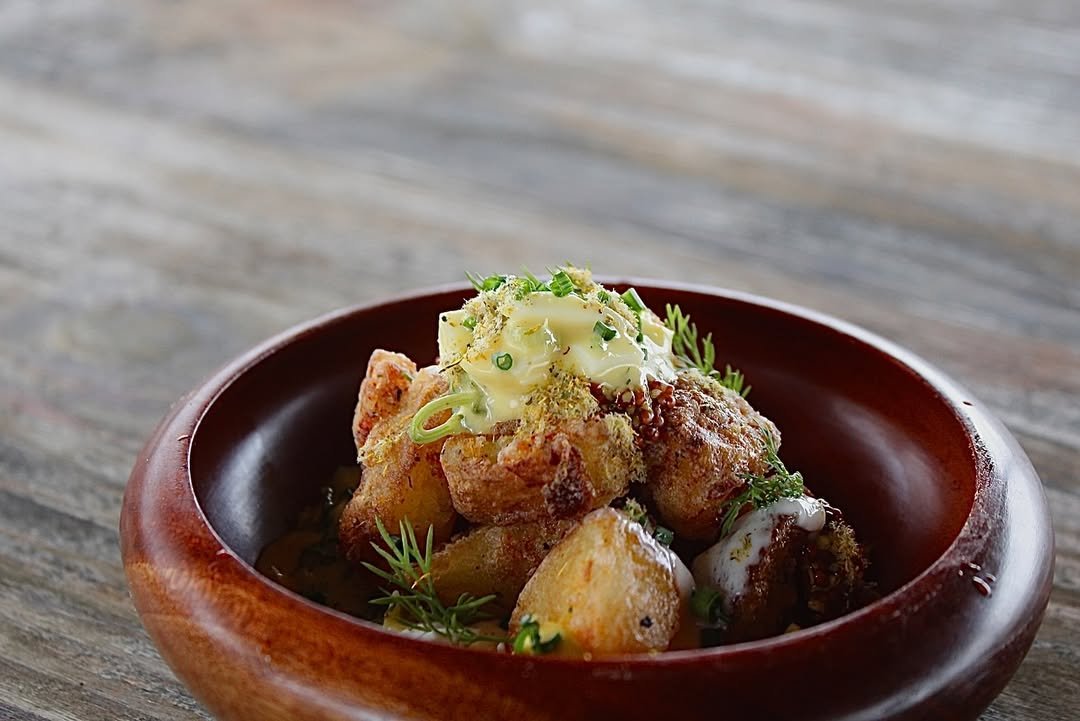
I recently fermented some figs with vanilla for a month or so, and made a fig jam with cold brew. I’m not one for crazy imported ingredients; I work on an organic farm and try to utilize every part of the produce as best as I can. The joy for me is in what I can do with something most may consider boring.
- What’s your “guilty pleasure” meal?
I am a sucker for Uber Eats. So after a long push in the kitchen, I order red Thai curry with tofu to my door and don’t leave my couch. It’s a magical experience.
- A food trend that you hate and why?
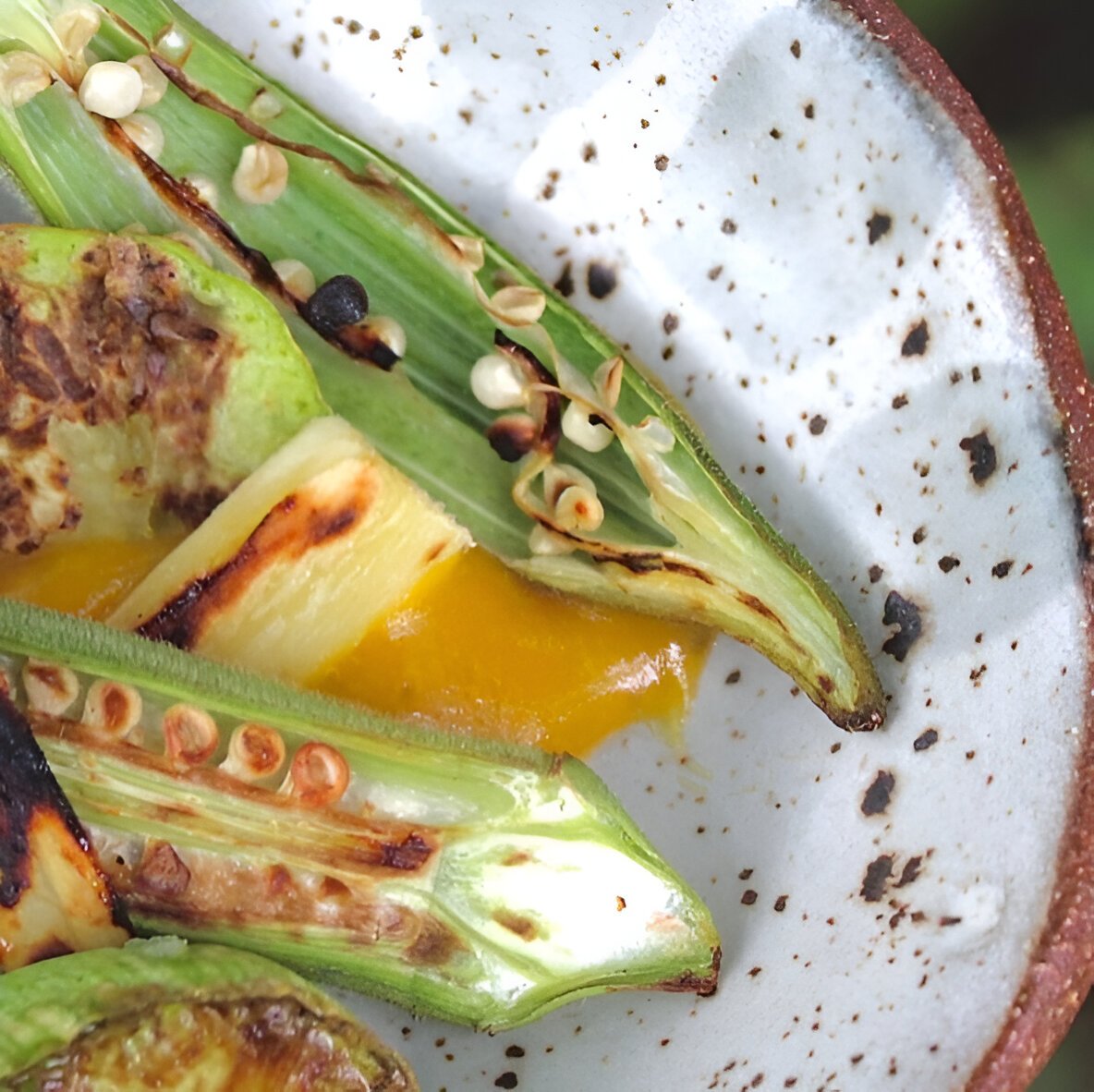
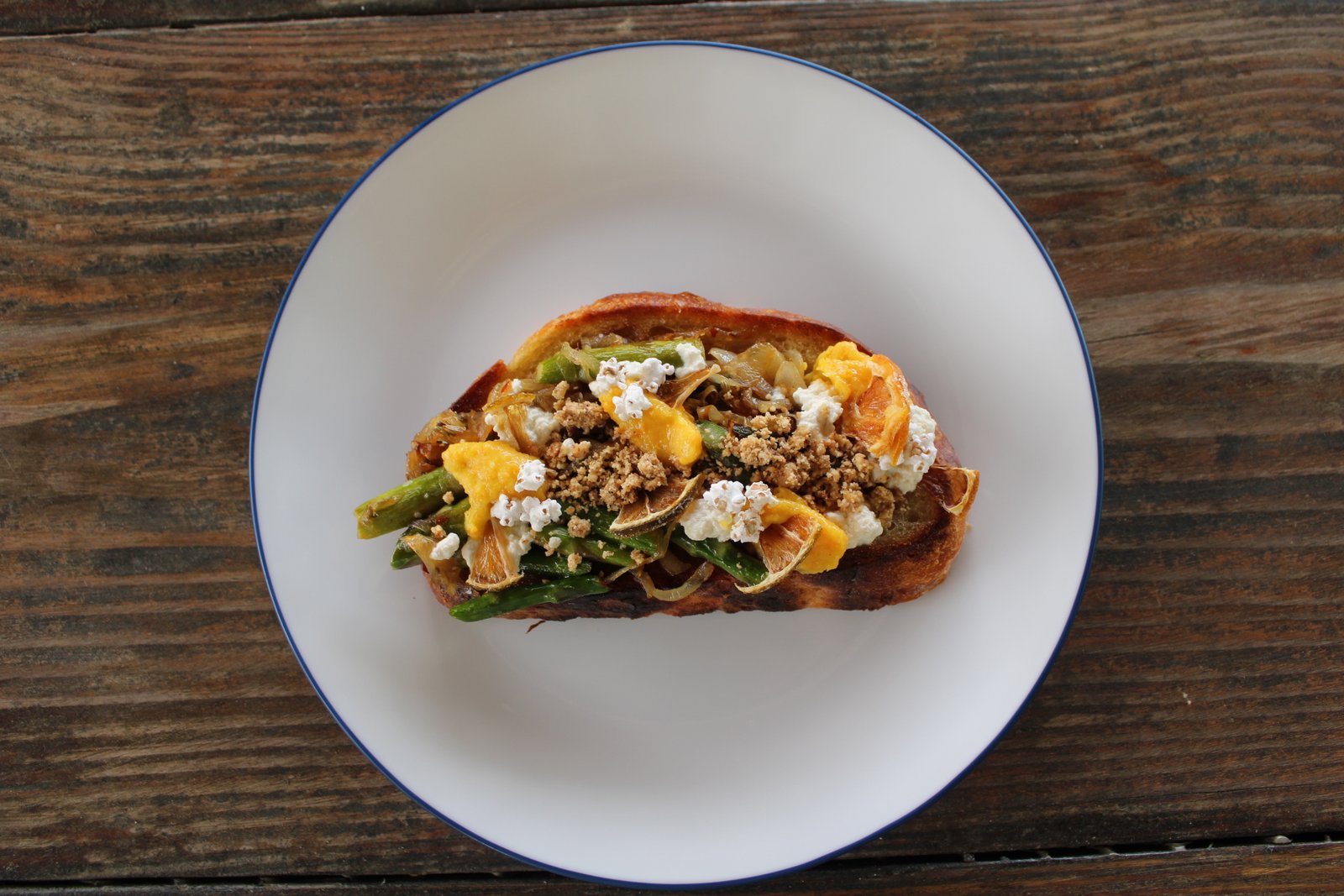
Chefs who lean too heavily on meat. It’s easy to make something taste good with beef. That’s not skill, that’s comfort. Show me what you can do with vegetables. That’s where true creativity and technique come through.
- What’s the craziest shift you’ve ever worked in the kitchen?
One time, at this terrible company I worked for, the kitchen literally caught on fire. The oven they gave me was broken, the fire department was on my line, and they still wouldn’t let us close. My sous chef was in the alley throwing up, everyone was working through the smoke, and my boss just told me to move the guests upstairs like it was no big deal.
5. What happened, and how did you manage to get through it?
I told the boys they could leave and that I’d handle it, but they stayed. They said they wouldn’t leave until the captain did. We pushed through and finished the shift. The next day, when the boss tried to make us open again, one of my cooks threatened to file a lawsuit. That’s how we finally got the day off.
6. What tips would you give to other cooks and chefs to help them navigate their culinary careers and find peace amid the chaos of the kitchen?
Honor yourself in every way; no one else will. Trust your gut, and do your best every single day. If it isn’t for you, it isn’t for you. But if it is, be a trailblazer.
7. What’s an underrated ingredient and why?
Love. Most chefs use their trauma and wounds to reach the top. You can get the star, the James Beard, the accolades, but if you’re still empty at the end of the day, what the hell was it all for?
8. What’s a must-try dish from your kitchen or the one you’re proudest to have prepared?
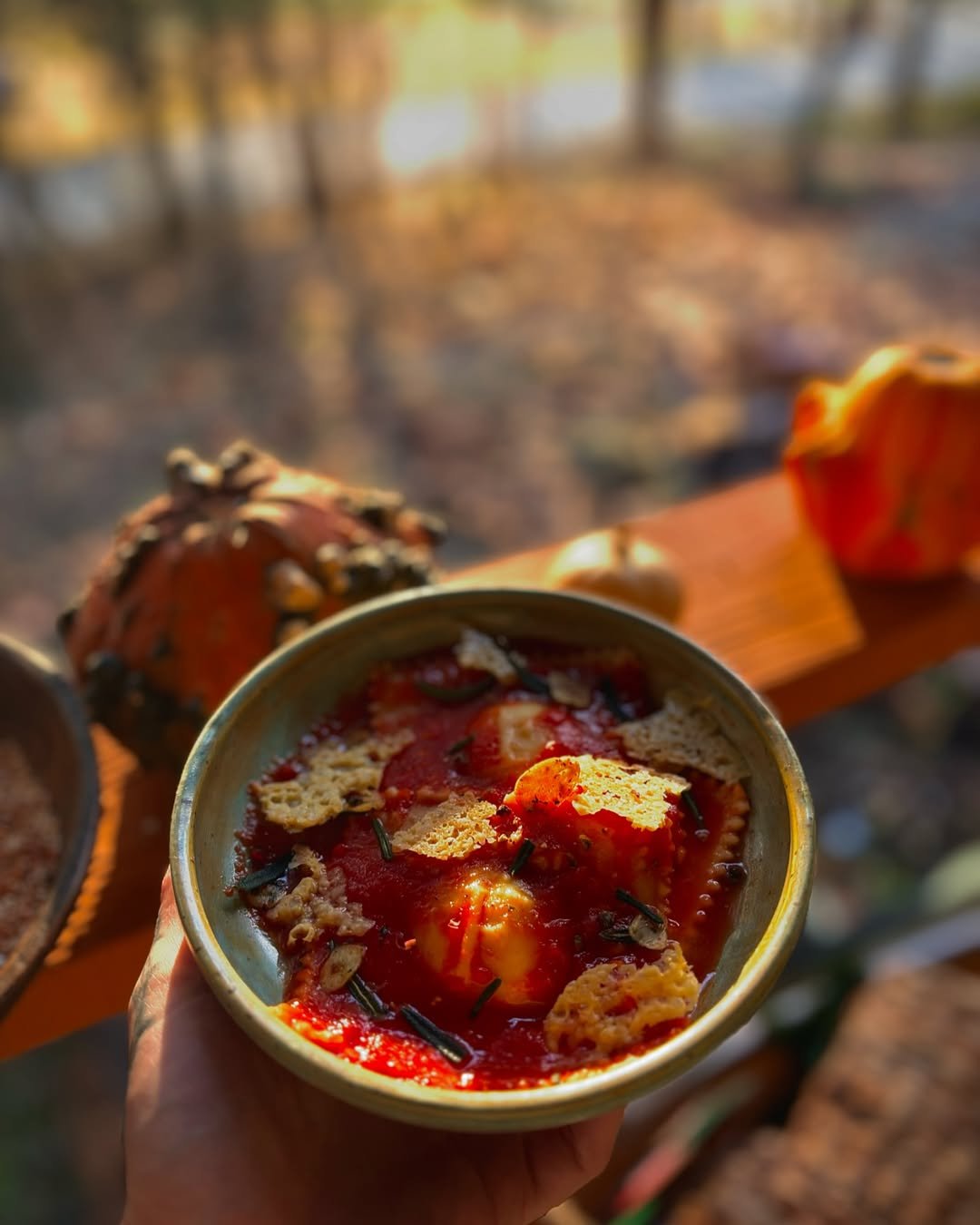
My squash cream, merengue, and puffed sorghum granola dessert.
About Your City!
Cincinnati, Ohio
- If Anthony Bourdain or a chef came to your city, what would be the perfect tour itinerary from breakfast to dinner?
We’d grab breakfast at North South Baking Co. for some pastries. For lunch, Alveo, for the best place for sandwiches around. And for dinner, Pepp and Delores.

Support our project by buying our merch!

86 HOTK Unisex t-shirt
$30.00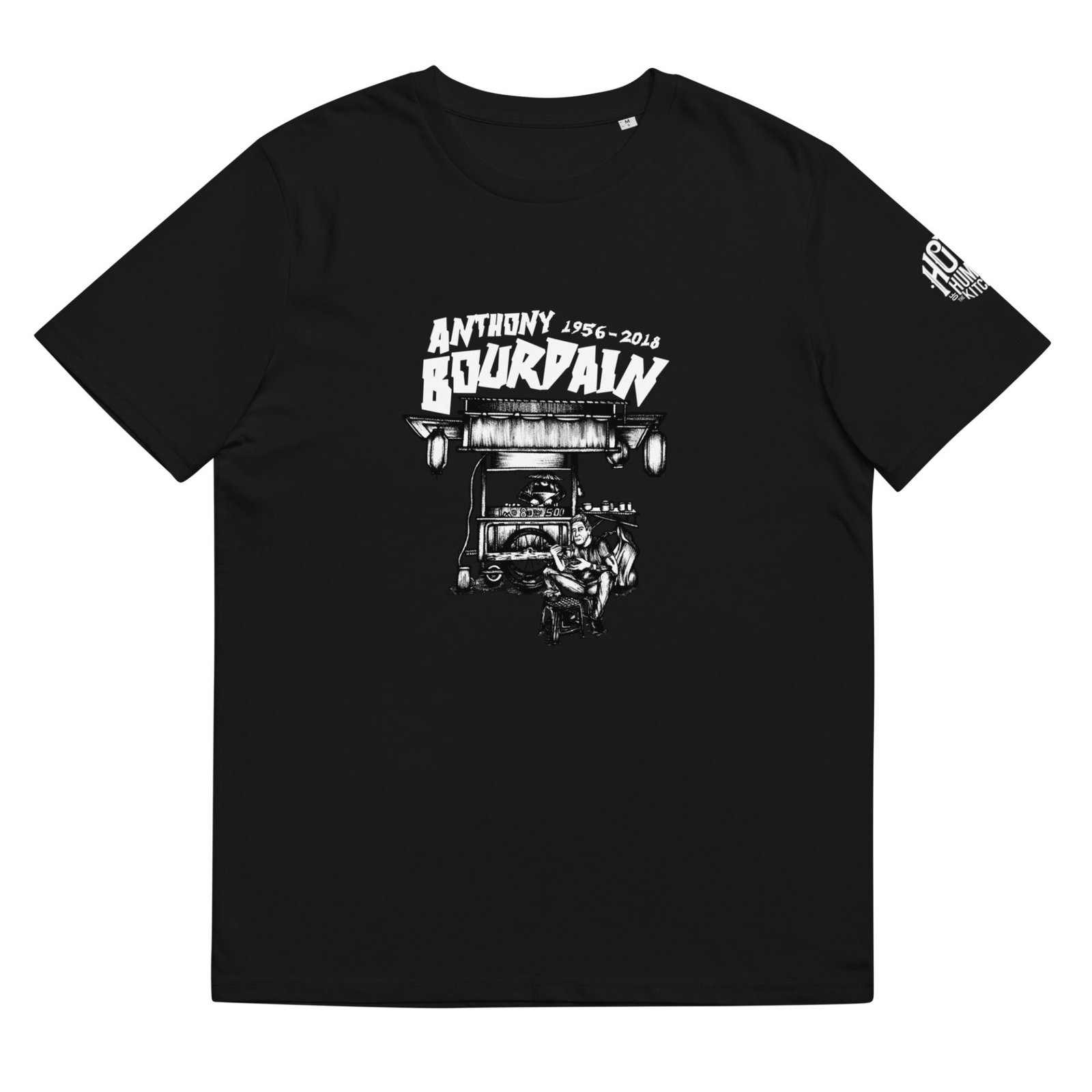
Anthony Bourdain T-Shirt
$35.00
Mise HOTK Unisex t-shirt
$30.00