The Difference Between Cooking and Leading
Earning the title was easy, understanding how to lead took time and intention.
Doug Settle
For a long time, cooking wasn’t something to love. It was simply what was there.
There’s a version of this industry that rarely gets talked about, the one where you show up every day without passion, without clarity, just doing the work because it’s the only path in front of you. That was the reality for years. No childhood dream, no defining moment growing up, no romantic pull toward the kitchen. Just repetition, long hours, and learning how to keep going.
Everything shifted not because of a place, but because of a person. A chef who cared, not only about the food, but about the people behind it. That kind of environment felt different. It made the work feel different.
For the first time, cooking wasn’t just about getting through a shift, it became something that could actually matter. It sparked a realization that changed everything: there was something real here. Something that could be built on. The idea that this craft could support people, contribute to sustainable agriculture, and genuinely make someone happy through a meal gave the work a new kind of meaning. That moment didn’t just change direction, it defined it. Since then, the goal has been clear: Be that person for someone else.
The foundation, however, was built in much less romantic places. The first kitchens were fast food spots, where the food itself was simple, but the standards were not. Cleanliness and organization were taken to extremes—baseboards scrubbed with toothbrushes, dumpsters bleached weekly. At the time, it felt excessive, but those habits became permanent. No matter the kitchen, those standards stayed. Keeping a station cleaner, sharper, more intentional than expected became a quiet way to stand out. Not through words, but through consistency.
By the time culinary school entered the picture, there were already years of experience behind it. Speed, awareness, and the rhythm of service were already there, shaped by real-world pressure. That made the experience different. Instead of focusing on fundamentals, there was space to understand nuance, to pay attention to detail, to absorb more from the people teaching. That’s where the connection to food deepened: Not just in execution, but in understanding.
Like most paths in this industry, the challenges weren’t unique. They were shared realities. Moving from a small environment into a much larger one and realizing how much more there is to learn. The physical and mental strain. The unhealthy coping mechanisms that too often become normalized. The feeling of constantly trying to keep up. There’s something grounding in that, though. Knowing that these struggles are not isolated. That others have faced them and found a way through. Progress came from accepting that and continuing anyway.
One moment, though, forced a deeper shift. After finishing culinary school and stepping into a sous chef role, there was a desire to prove something: To show readiness, to lead. But leadership revealed itself in a different way.
Running the pass during a busy service felt controlled until it wasn’t. A returning mentor didn’t hold back in pointing out what was missing. The truth was clear: it wasn’t a failure of skill, it was a failure of leadership. That distinction changed everything. Cooking and leading are not the same. One is technical, the other requires intention, awareness, and responsibility. From that point on, leadership became something to study and refine, just like the craft itself.
What continues to drive the work forward is a constant search for something new. Not just new ingredients, but new ways of understanding them: How they’re grown, raised, sourced, and the impact behind them. New people, new mentors, new environments, new stories connected to food. There is always something to learn, something to improve, something to see differently. The answer to what is most exciting to cook has never really changed: something new.
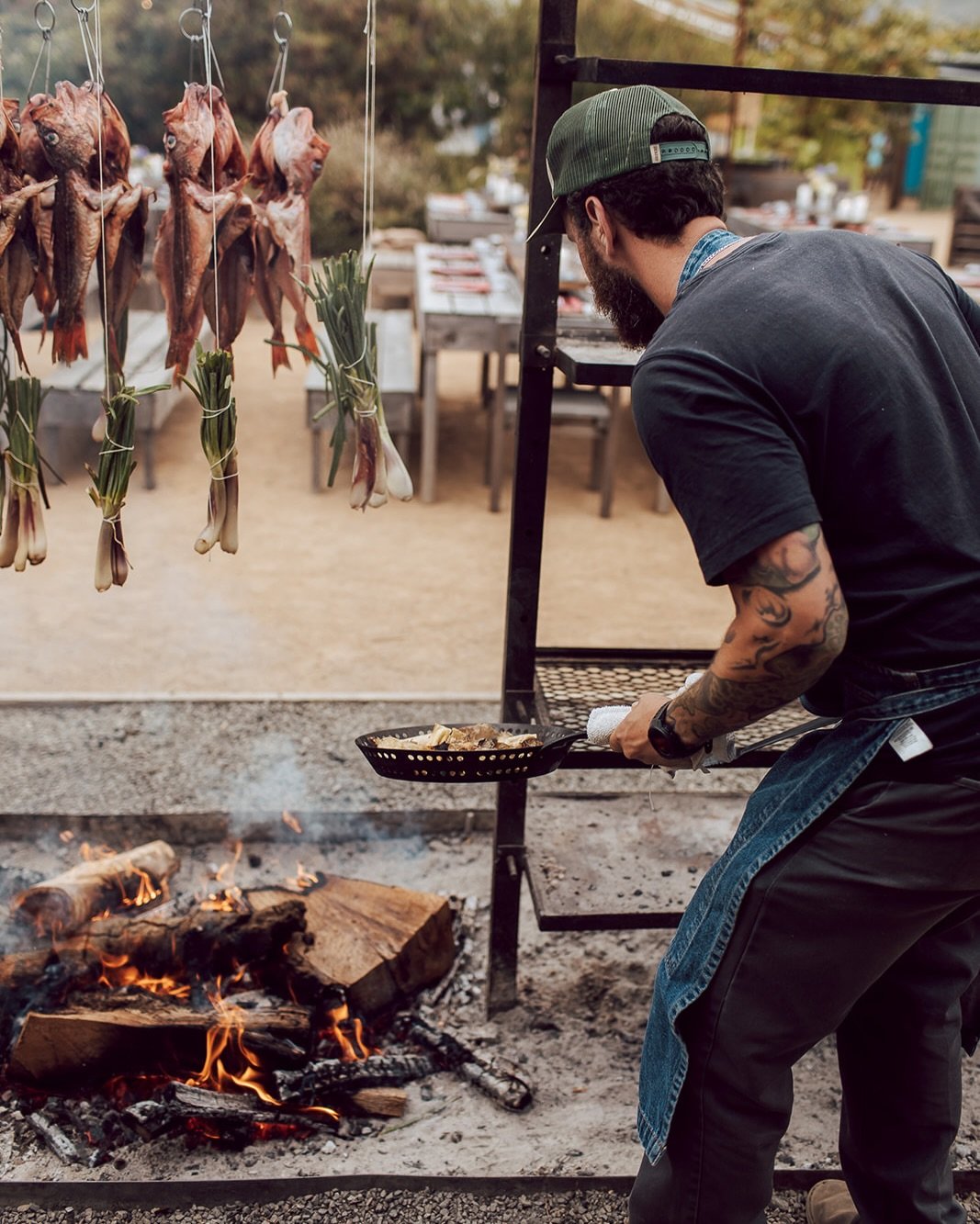
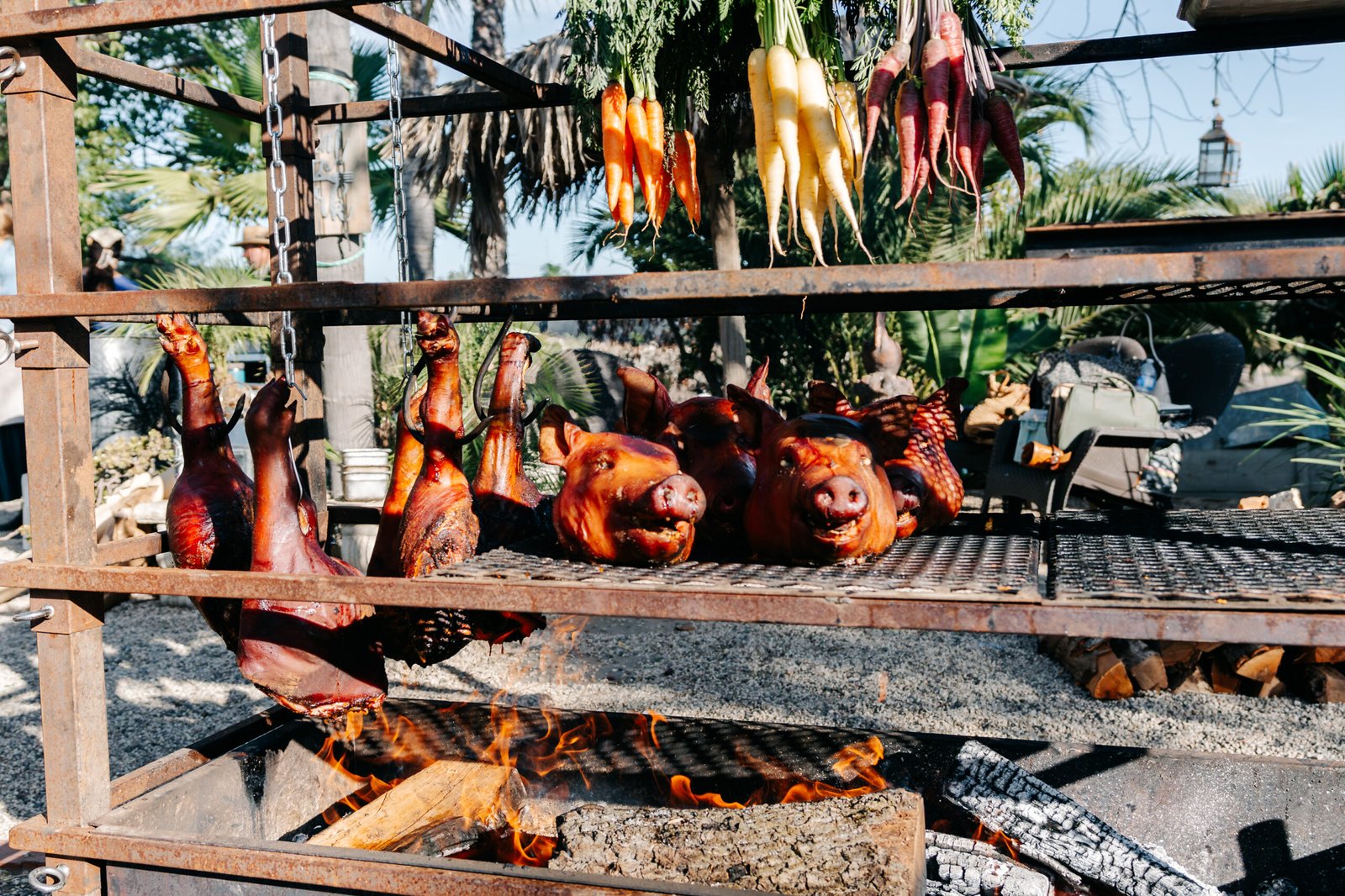
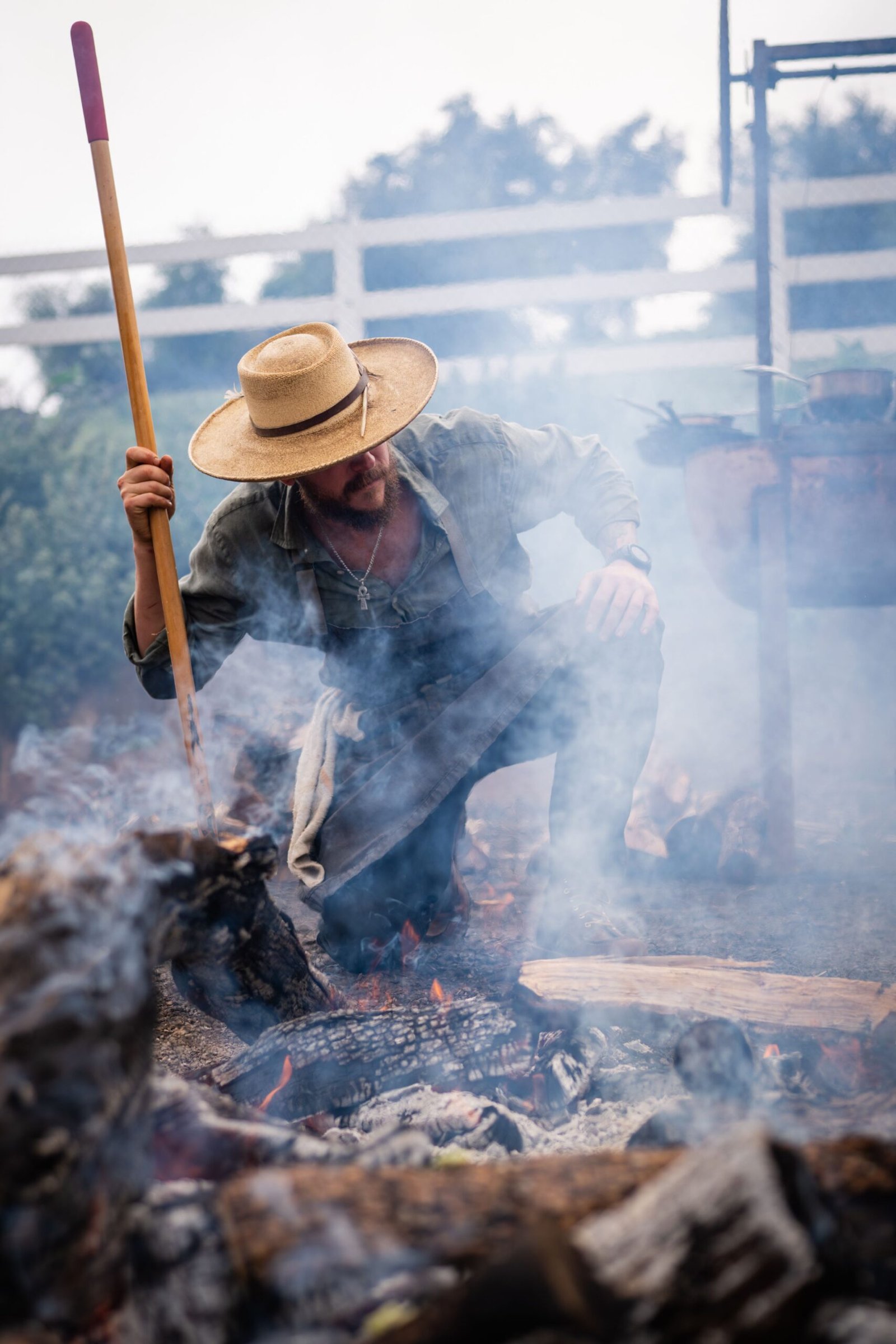
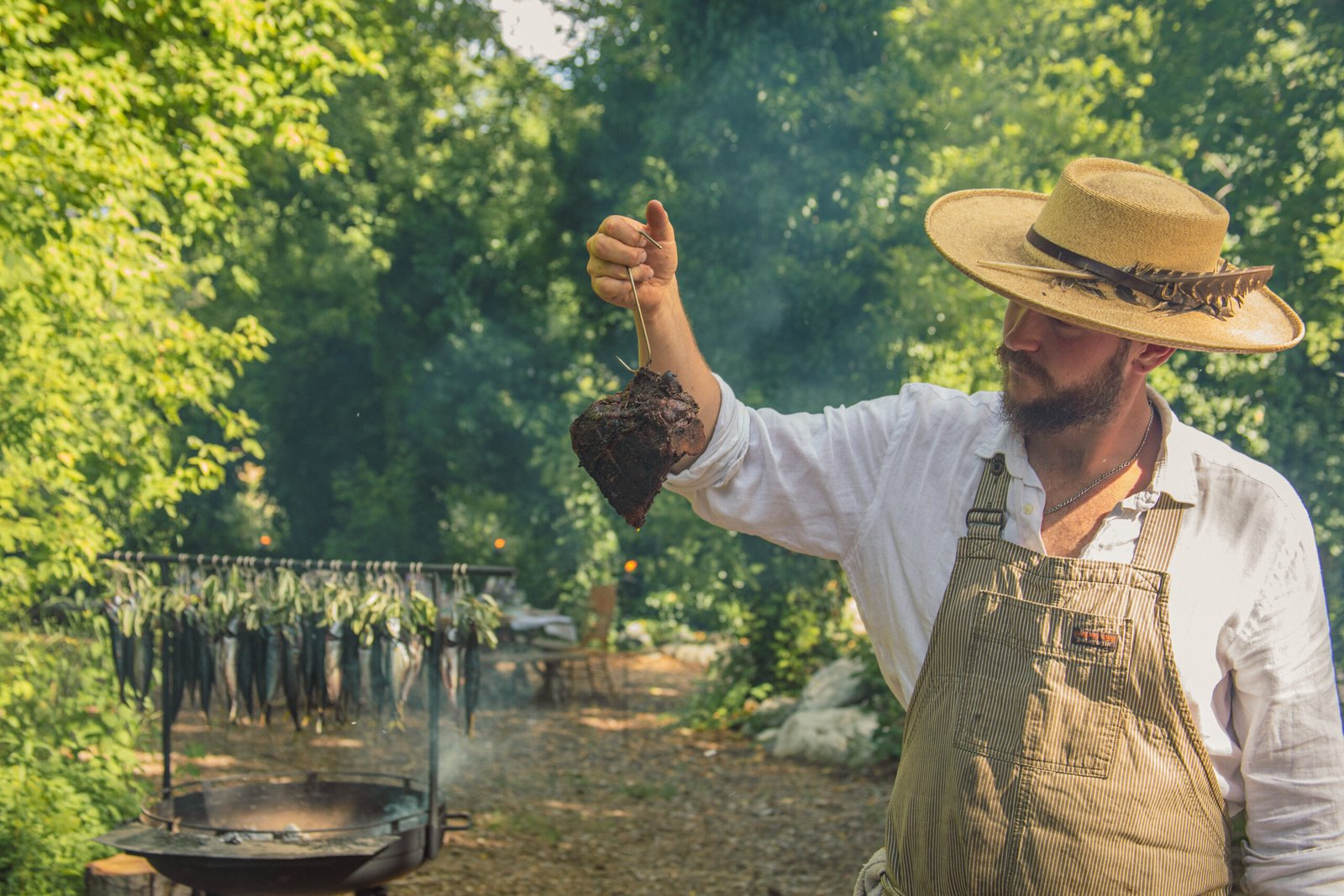
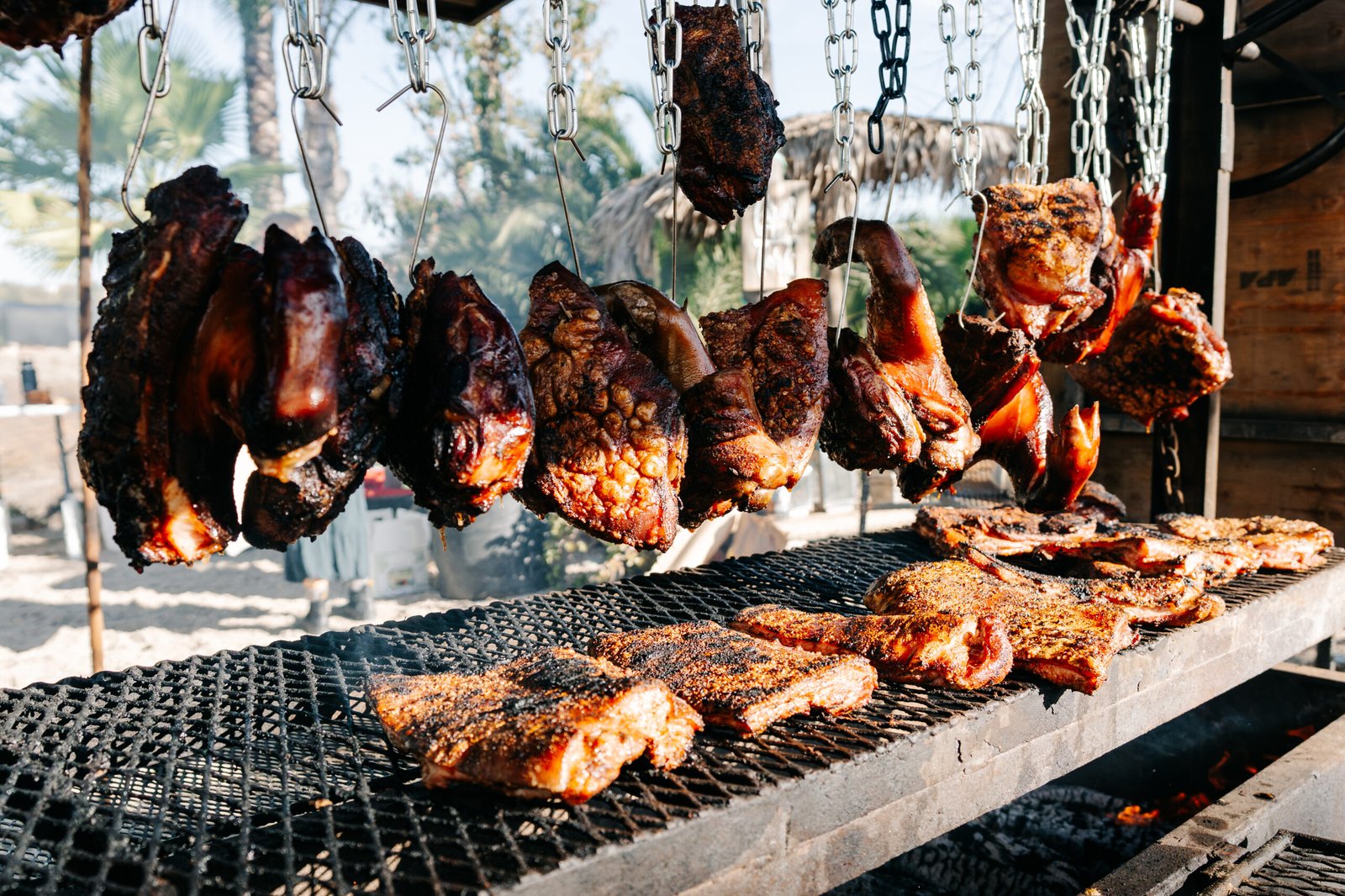
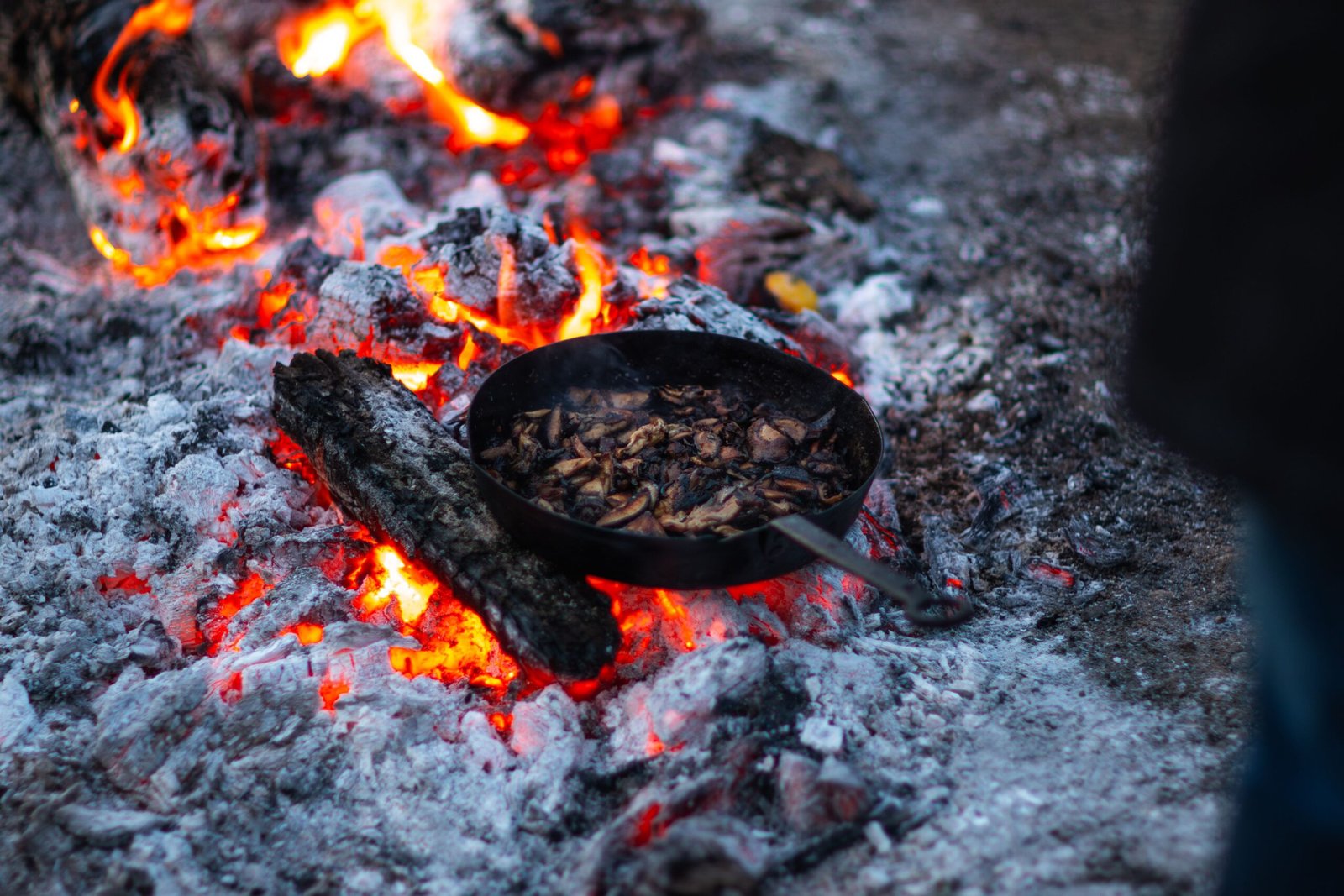
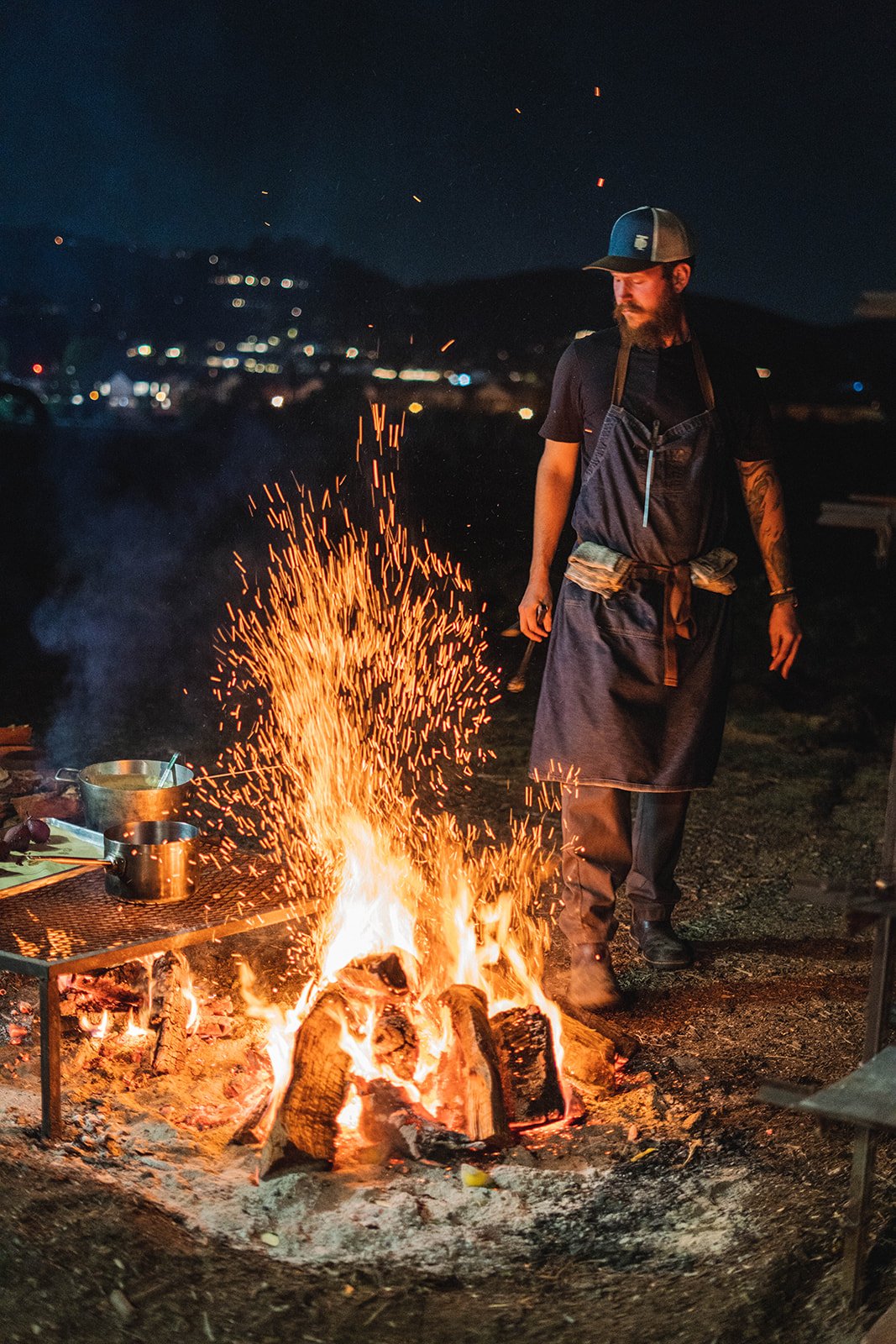
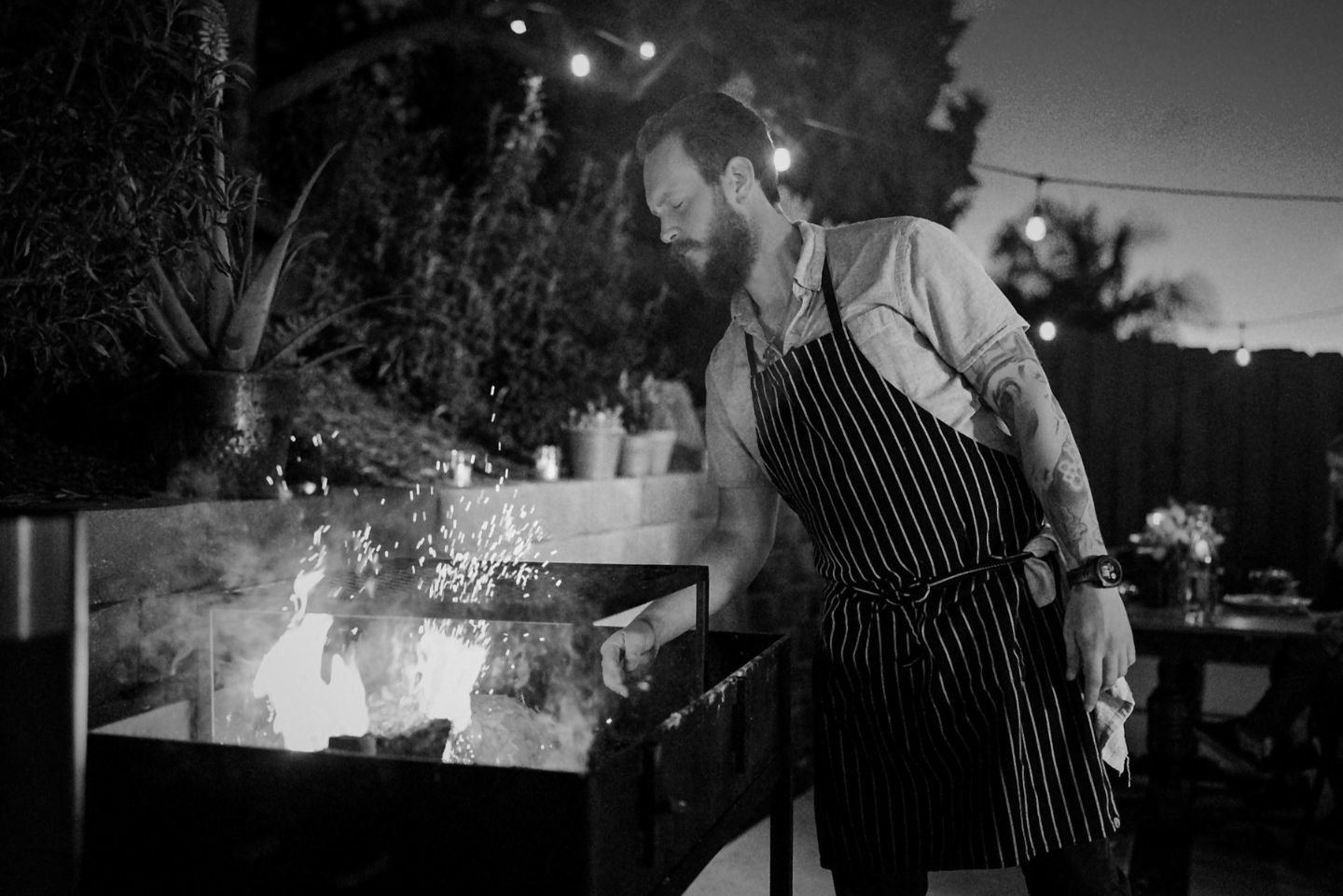
At the center of it all is a simple idea: Fire. Not just as a cooking method, but as a way to understand the work. Fire is unpredictable, but it can be guided. It requires balance. If it burns too aggressively, it consumes everything too quickly. If it fades, everything stops. But when it’s steady—strong, controlled, consistent, it creates something people can feel. That same idea applies to leadership. The energy brought into a kitchen shapes everything around it. People notice it, respond to it, and carry it forward.
The disruption of COVID brought a different kind of challenge. Time away from the kitchen created distance not just from the work, but from identity. When so much of life is tied to being a chef, stepping away forces a confrontation with who you are without it. Returning to the kitchen, even briefly, brought clarity. It reinforced both sides of that reality: The need to be more than the job, and the understanding of how deeply the work still matters. What stood out most during that time wasn’t just the cooking, but the people. A team dynamic that felt closer to a sports team than a kitchen: Everyone pushing toward the same goal, without leaving anyone behind. That kind of camaraderie stays with you.
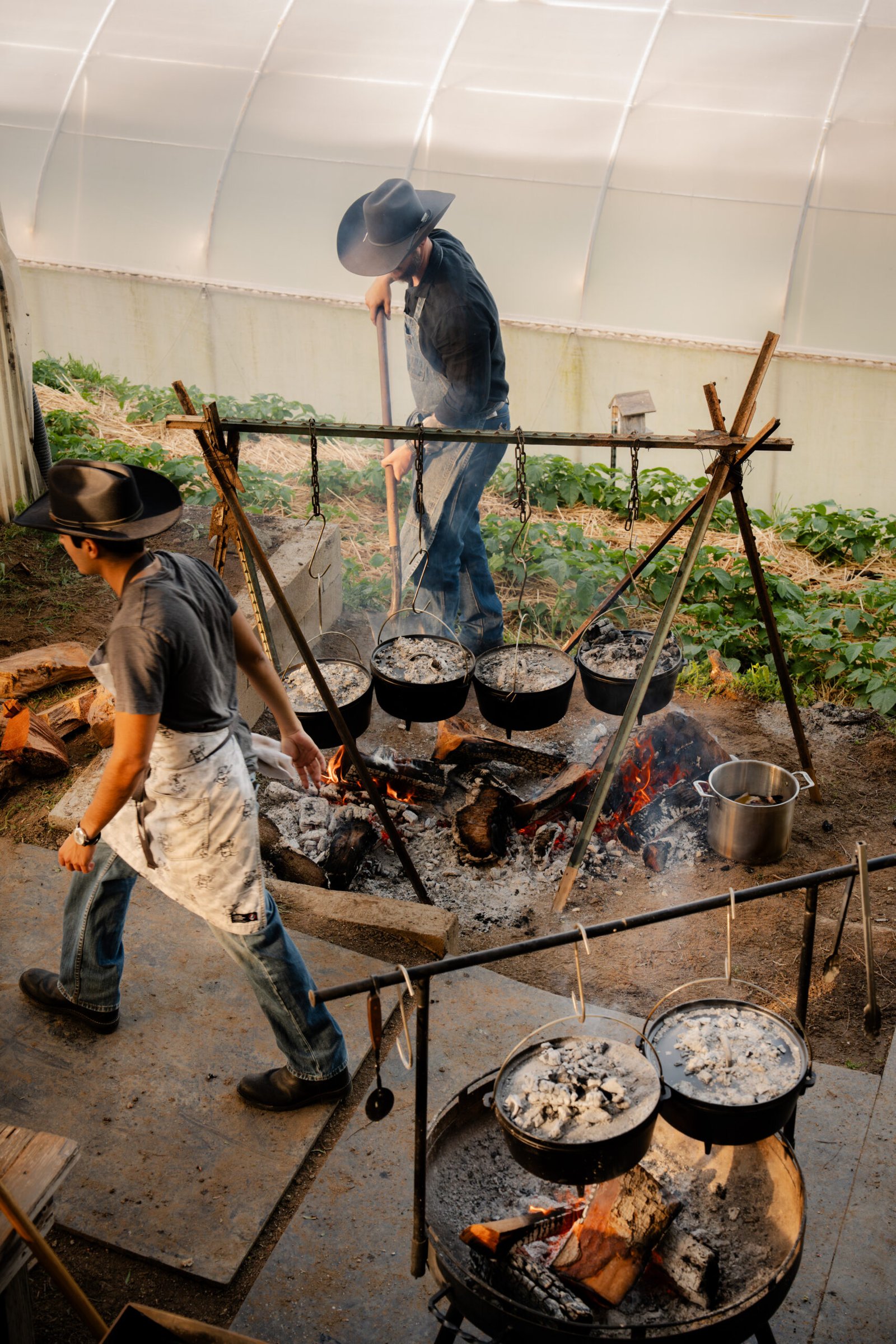
The biggest shift came in stepping away from traditional kitchens altogether. Moving into farm work, building something independently, and redefining what cooking could look like. Now, the work happens over fire, outside, traveling, sourcing ingredients with intention. It’s a different pace, a different environment, but rooted in the same values. No pretension, no excess, just honest food, meaningful experiences, and a direct connection to the source.
Sustainability, in that context, isn’t a trend or a concept. It’s a way of living. It’s choosing to support local producers, understanding where ingredients come from, and building relationships with the people behind them. It’s about reducing distance between land and plate, between producer and cook. Not because it’s fashionable, but because it makes sense.
For a long time, the industry was driven by the idea of importing the best from somewhere else. The rarest ingredients, the most prestigious sources. But that mindset is shifting. The question now feels more grounded, more honest: what makes a place unique? What grows there? What stories exist there?
Because in the end, that’s what lasts. Not who had access to the most exclusive products, but who understood their surroundings and chose to cook from them.
Secret Sauce
- What’s the most unexpected ingredient you’ve ever worked with, and how did it change your perspective on cooking?
The most unique ingredient I’ve ever come across is fire. I know, I know, I’ve played up the fire thing enough. But I really think that if you learn to use and trust open flames enough, they can truly be the best ingredient in any dish. The right amount of smoke, more or less char, sometimes even a little burnt! It can take something incredibly simple and add so many layers of complexity.
- What’s your “guilty pleasure” meal?
California burrito. Everytime. I don’t eat them as much as I did when I was a line cook, staying out until 2 am. But they’re nostalgic about cutting my teeth in the Gaslamp of San Diego years ago. You can’t find a burrito like this anywhere else in the world.
- A food trend that you hate and why?
Chef’s Blend microgreens. If the ingredient doesn’t intentionally add something to the dish, get it out of there. Micros for the sake of something pretty on a dish, without a second thought, drive me nuts.
- What’s the craziest shift you’ve ever worked in the kitchen?
It was New Year’s Eve in that same kitchen where my mentor chewed me out for not acting like a leader. It wasn’t too long after that, actually. We had way overbooked for whatever reason and were obviously running a special prefix menu, so everything was new to the line cooks. I was on expo and had never seen so many tickets in my life. The rail was full, the ticket chain was on the ground, and they just kept coming. The whole restaurant was backed up, the hosts were being yelled at, and apparently, it was up to me to dig us out. Crazy night.
5. What happened, and how did you manage to get through it?
The team was one of the strongest I’ve ever worked with, so even though I wasn’t the best expo yet, that group of gnarly pirates dug deep, and we all pulled it out. We’ve all been there.
6. What tips would you give to other cooks and chefs to help them navigate their culinary careers and find peace amid the chaos of the kitchen?
Exercise your body. You’ll find health through that journey. Not just physically being stronger, but you’ll start focusing on your diet, your joints, longevity, etc. I found that physical exercise also clears the clutter and stress from the mind. Exercise before your shifts, kids.
7. What’s an underrated ingredient and why?
Cabbage is one of the most underrated ingredients to me. It’s really cheap and so versatile to cook with. Sear or roast wedges of it, slice and caramelize it, braise it. Cabbage can be very flavorful and surprisingly sweet when treated right!
8. What’s a must-try dish from your kitchen or the one you’re proudest to have prepared?
Finding a must-have dish of ours because we rarely cook the same menu items. We recycle ingredients, sauces, and experiences, but it’s not often that an entire dish will be repeated. I’d say one that comes up pretty often is our grilled-and-chilled oyster table.
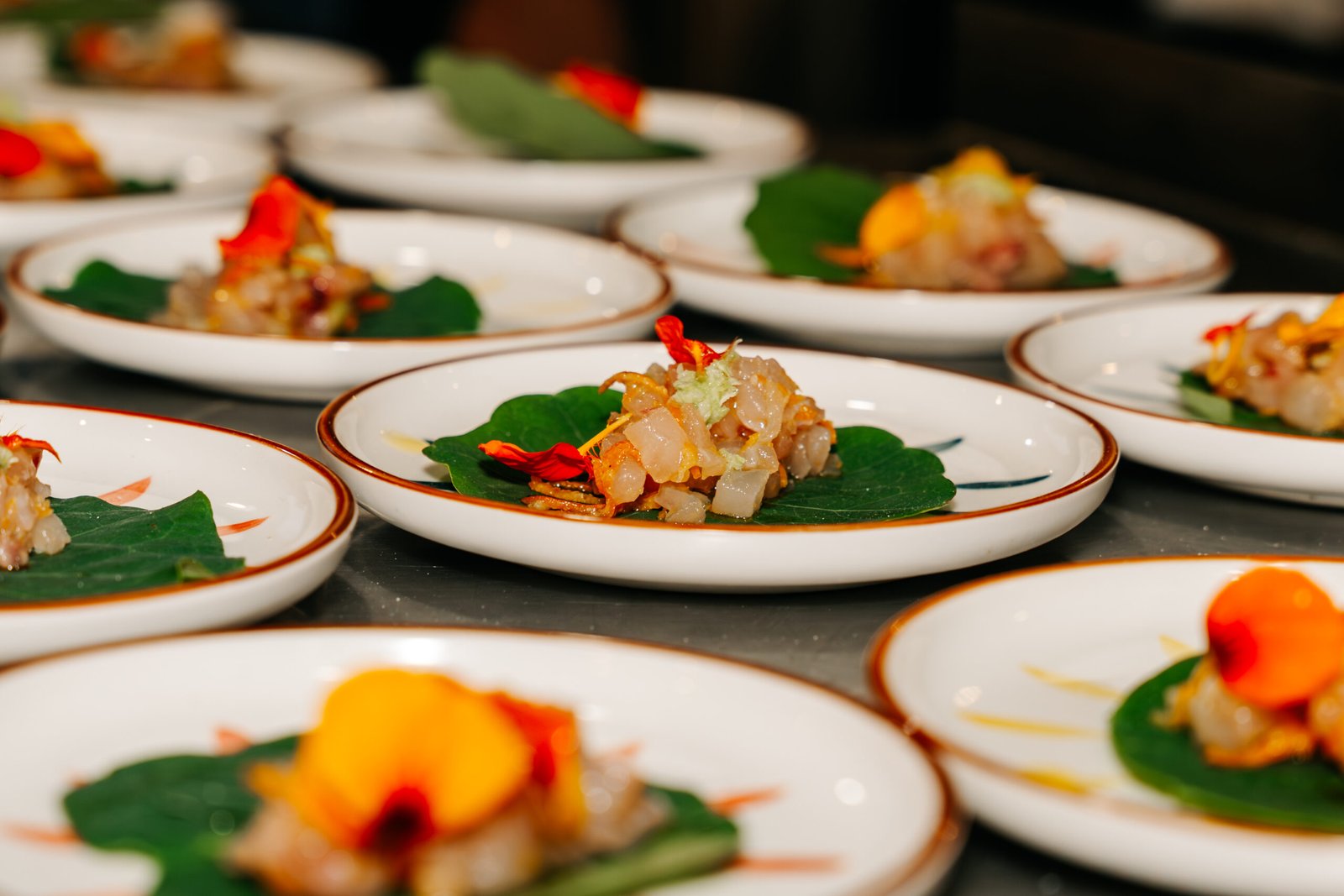
This is something we pull out for happy hour, passed/stationed apps. We basically have some chefs pulling oysters fresh off the grill with a pickled compound butter and garnishing the chilled ones with a seasonal mignonette right in front of guests. They land on a large table filled with foliage, herbs, leaves, flowers, etc from whatever venue we’re at, nestled between the foliage to hold them up. It creates a fun, very organic-looking way to serve the oysters.
About Your City!
San Diego, CA
- If Anthony Bourdain or a chef came to your city, what would be the perfect tour itinerary from breakfast to dinner?
San Diego definitely has a lot to experience, and it’s pretty spread out. I’m partial to North County these days, but I’ll try to get you across the whole city.
I’d start with a pour-over coffee at Steady State in Carlsbad, there’s a few places that serve their coffee, but you can’t beat getting it straight from the source. Their pour-overs are life-changing. For breakfast, walk 10 yards down the street and hit Wildland. They have some great bread baked in-house. It’s run by a multi-Michelin-starred group, but this concept is no fuss, casual all-day food.
Next, we’re going to head south to North Park for lunch. There’s nobody doing what the boss at Bica is doing. It’s an awesome little cafe where you can get that second coffee, but you’ll want to indulge in anything from the kitchen. They focus on tartines, fish plates, and sandwiches using sustainable catches such as sardines and anchovies. Really unbelievable.
Dinner is a hard choice. There are several awesome chefs doing incredible work around. You could head back up to Oceanside for Pizza at Allmine, or near Balboa and hit Hillcrest for Cellar Hand. Callie in the East Village is always a win! But if you had to choose one, I’d say you’d want to grab sushi in Oceanside from Wrench and Rodent. Davin has been a San Diego legend and a leader in sustainability for the better part of two decades, and it’d be a shame to miss his passion.

Support our project by buying our merch!

86 HOTK Unisex t-shirt
$30.00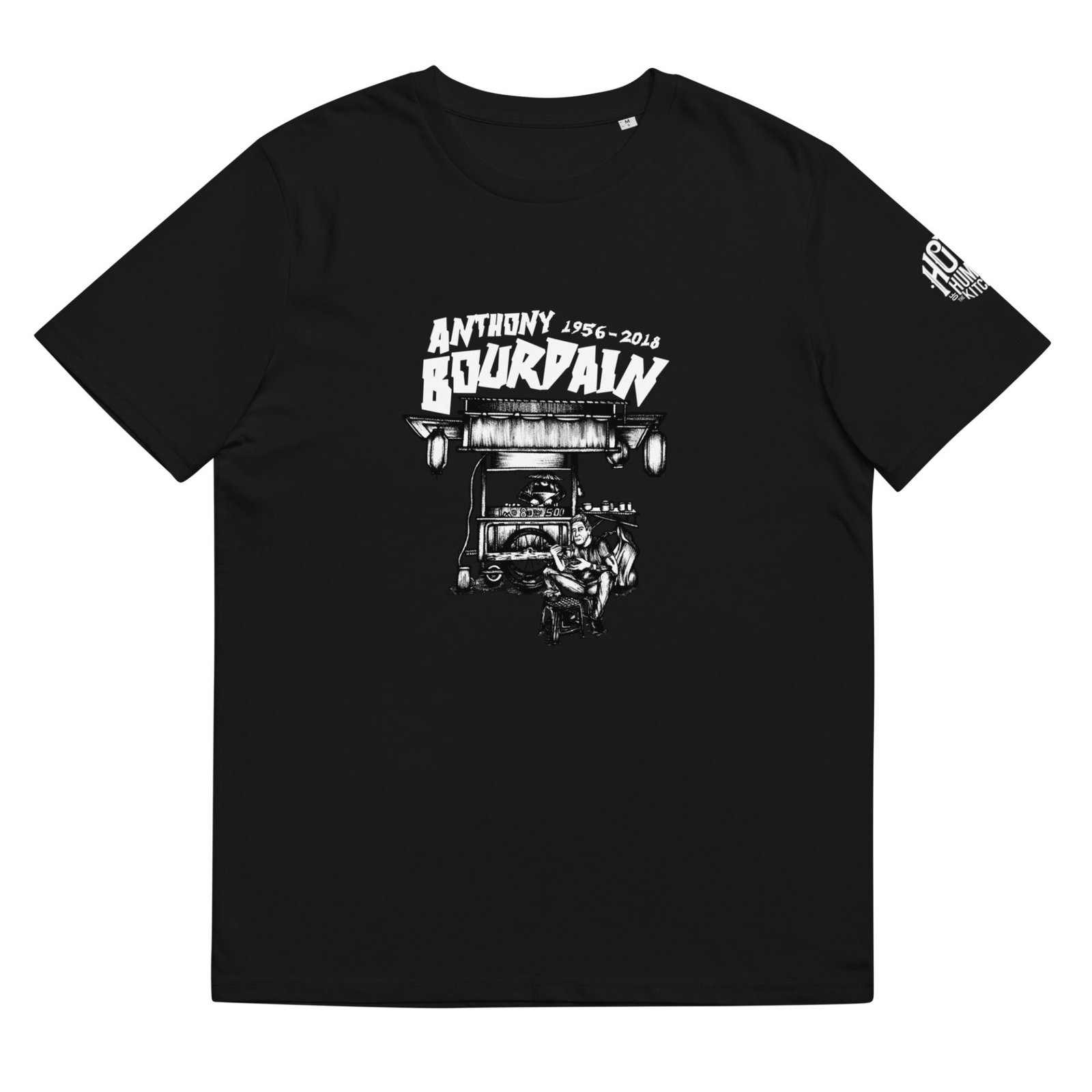
Anthony Bourdain T-Shirt
$35.00
Mise HOTK Unisex t-shirt
$30.00