Leaving Without Losing Home
Migration reshaped life but never identity or flavor.
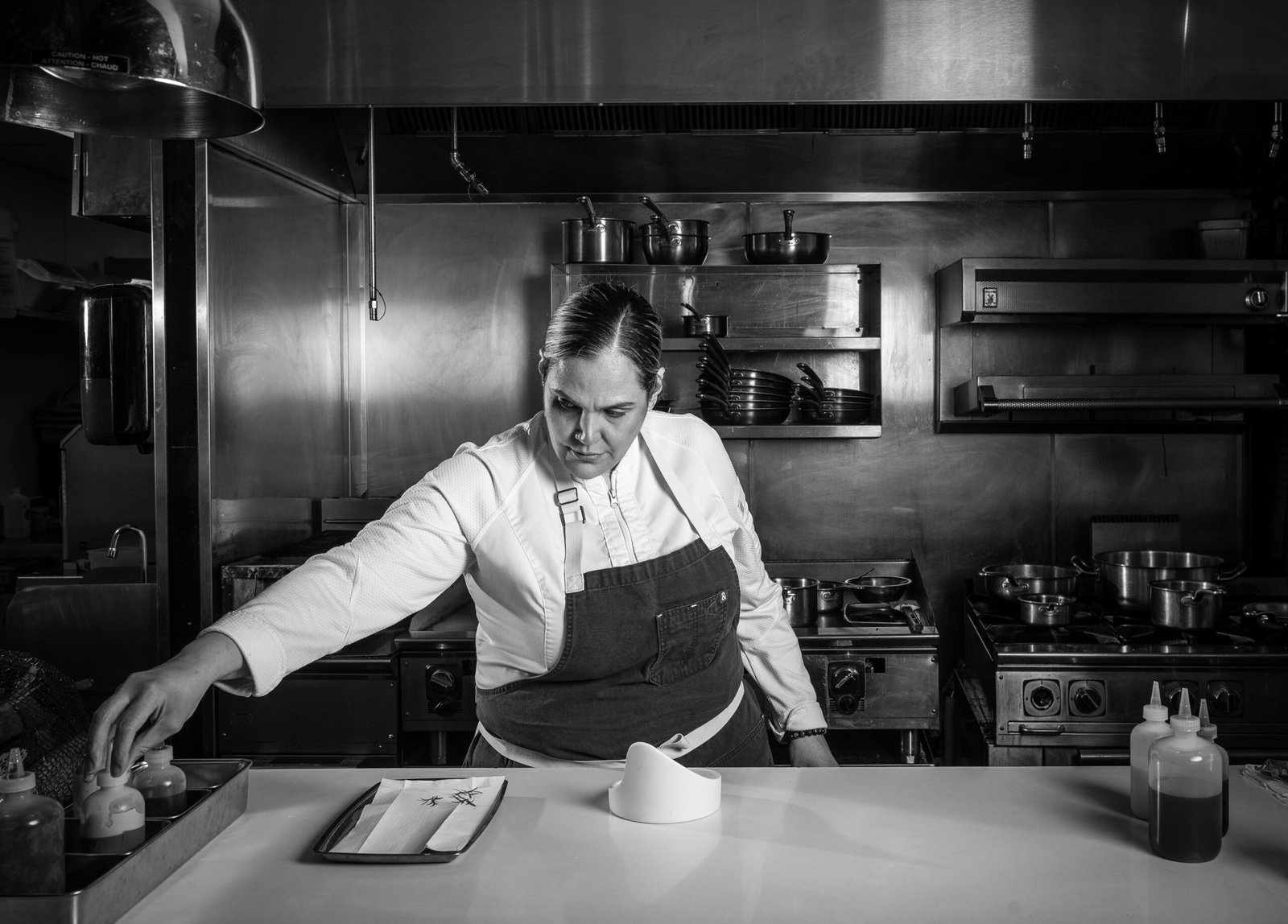
Tatiana Mora
Food was always the language of care in my life. I grew up watching the women in my family cook without recipes, tasting with their eyes closed, seasoning by feel rather than by measurement. Meals weren’t rushed or transactional. They were rituals. A simple dish could bring people together, soften difficult conversations, and create a sense of safety. Very early on, I understood that food was more than nourishment. It was memory, culture, and love. That understanding stayed with me and quietly shaped everything that came after.
Before fully committing to the kitchen, I explored other paths that taught me discipline, responsibility, and how to work with people. Those experiences helped me understand structure and leadership outside of food, but they also made something very clear: I needed a life rooted in creativity and service. Cooking was the place where those two worlds met. It taught me how to communicate without words, lead with empathy, and hold space for others.
I was formally trained in culinary arts, but the kitchens I’ve worked in are my true schools. I began my career at the Hotel Escuela de Venezuela and later worked at Disney’s Polynesian Resort. Seeking deeper technical training, I moved to Catalonia, where kitchens like El Bulli and Gaig taught me discipline and absolute respect for ingredients.
From there, my journey expanded across Latin America and the Caribbean. I worked professionally in Mexico and Barbados, experiences that sharpened my technical foundation and broadened my perspective. The rest of my travels — through Argentina, Peru, Chile, and Colombia — were dedicated to culinary exploration. I immersed myself in markets, spoke with producers, cooked alongside locals, and observed traditions firsthand. Each place deepened my understanding of culture, intuition, and adaptability in a different way.
Eventually, I returned to Venezuela to open my first projects, Paprika and Yantar. Those years were intense and formative. They were built on hard work, recognition, and a deep belief in what Venezuelan cuisine could be. At the same time, the country was changing. Between 2012 and 2014, insecurity, political instability, and motherhood shifted my priorities. In 2015, we decided to leave Venezuela in search of safety for our children. That choice reshaped my life, but it never separated me from who I am or where I come from.
The first time I stepped into a professional kitchen, I was struck by the intensity. The heat, the speed, the hierarchy. It was both intimidating and exhilarating. That environment taught me humility and resilience. It showed me that talent alone is never enough. Consistency, teamwork, and presence matter just as much.
Like many cooks, I spent my early years exhausted, self-doubting, and under pressure to prove myself. Kitchens can be unforgiving spaces. I learned to survive by staying curious, asking questions, and slowly trusting my own voice. Persistence became my strongest skill. I learned that growth doesn’t come from rushing, but from showing up every day and doing the work with intention.
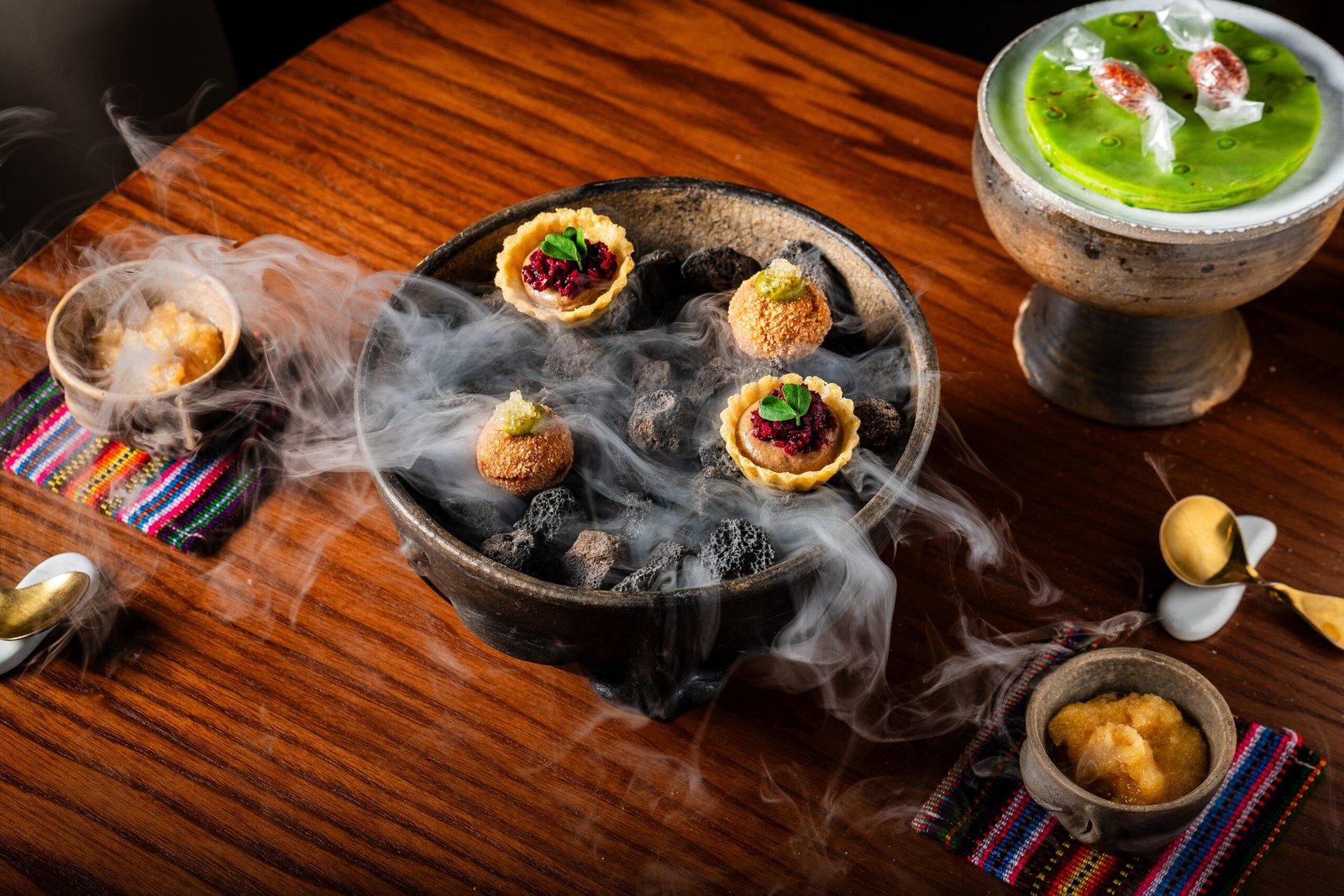
What keeps me inspired is nature, ancestral knowledge, and the possibility of creating spaces of care through food. During difficult moments, I return to why I cook in the first place: connection, healing, and culture. Inspiration has always been my anchor when the kitchen feels overwhelming.
One defining moment was cooking for someone who shared that a dish brought them back to their childhood. It was a powerful reminder that food carries memory and emotion. That experience reinforced my responsibility as a chef and deepened my commitment to cooking with intention.
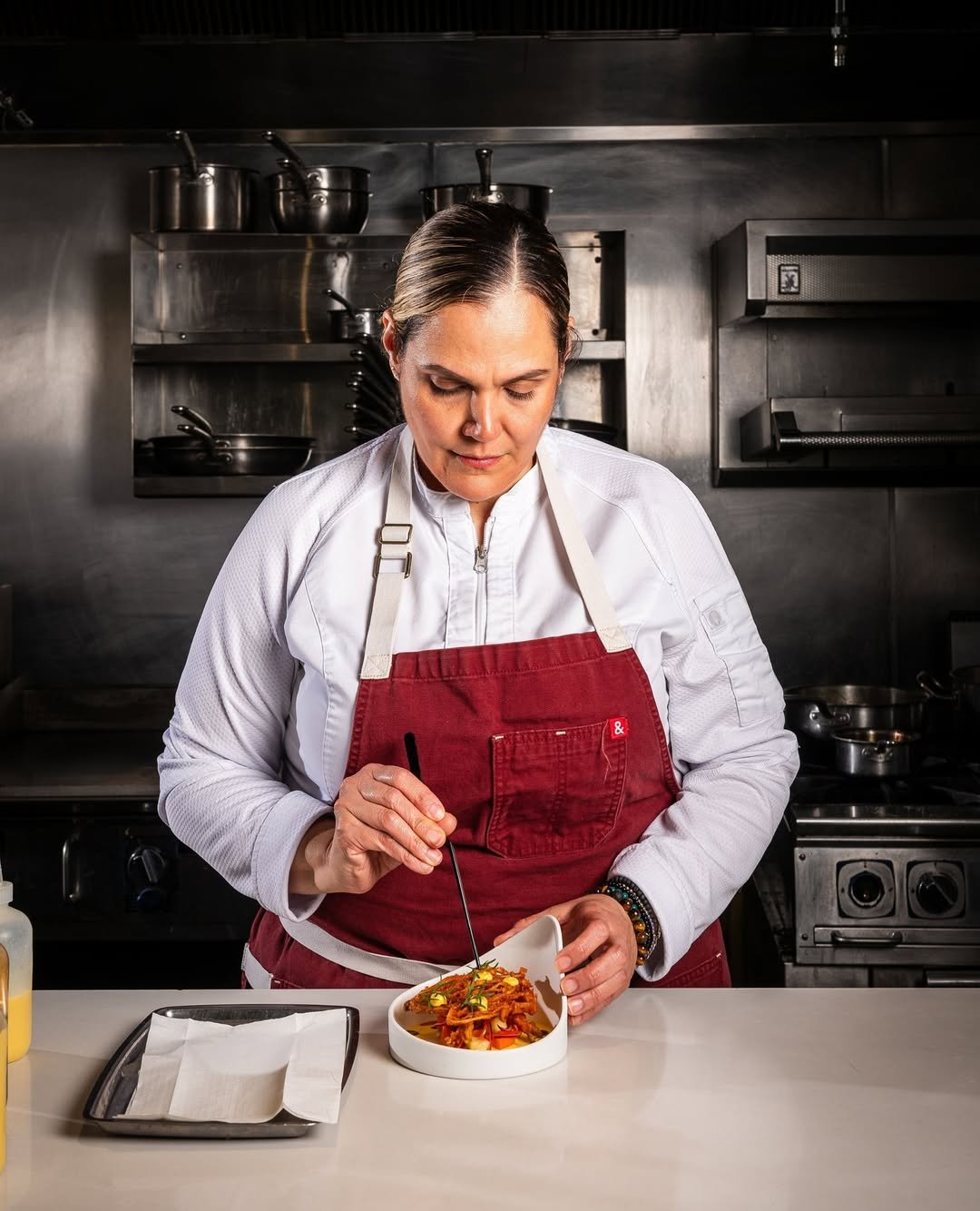
My philosophy in the kitchen is rooted in respect. Respect for ingredients, for people, and for process. I lead with empathy and clarity, believing that food made with purpose carries a different kind of energy. Creating an environment where people feel seen and valued is just as important as what ends up on the plate.
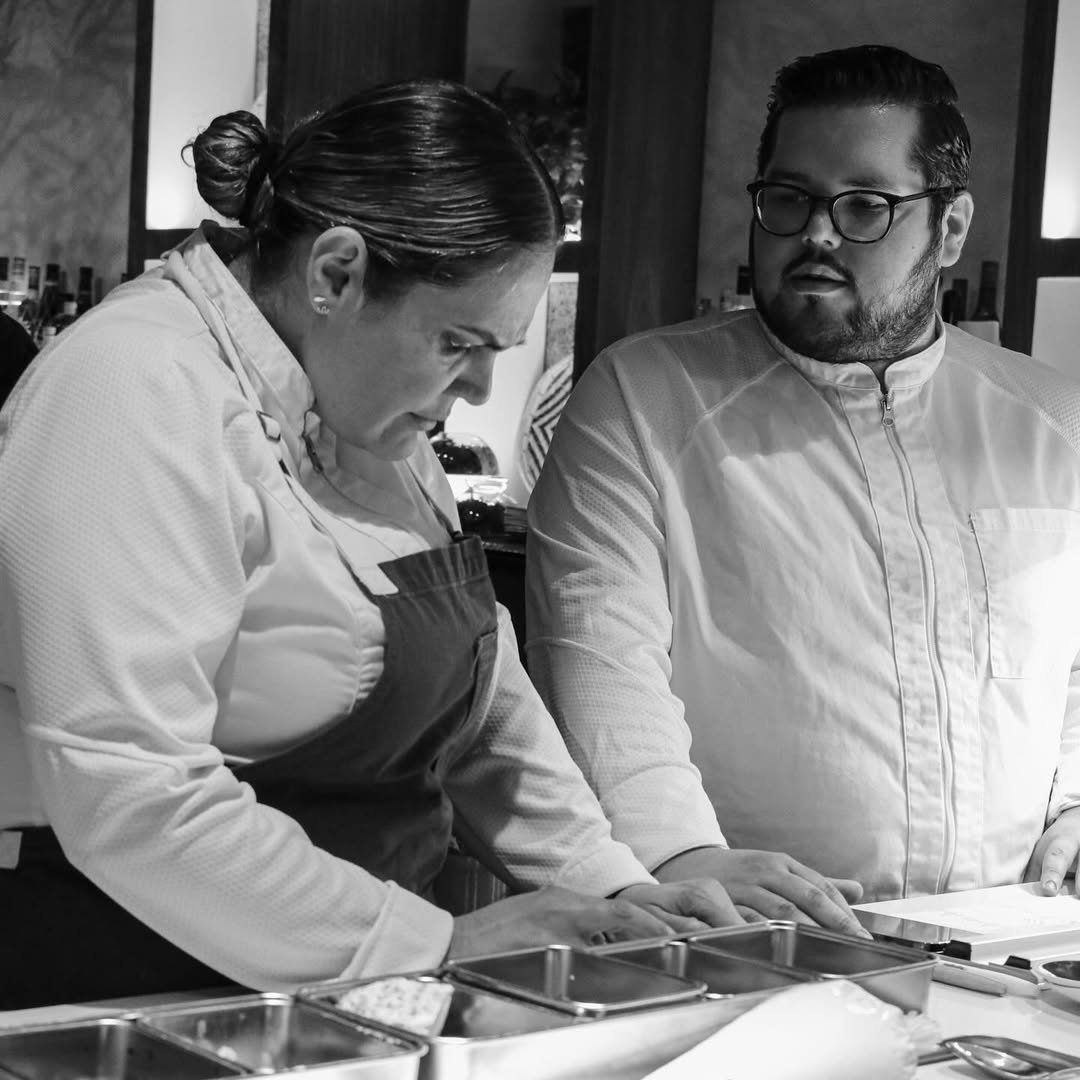
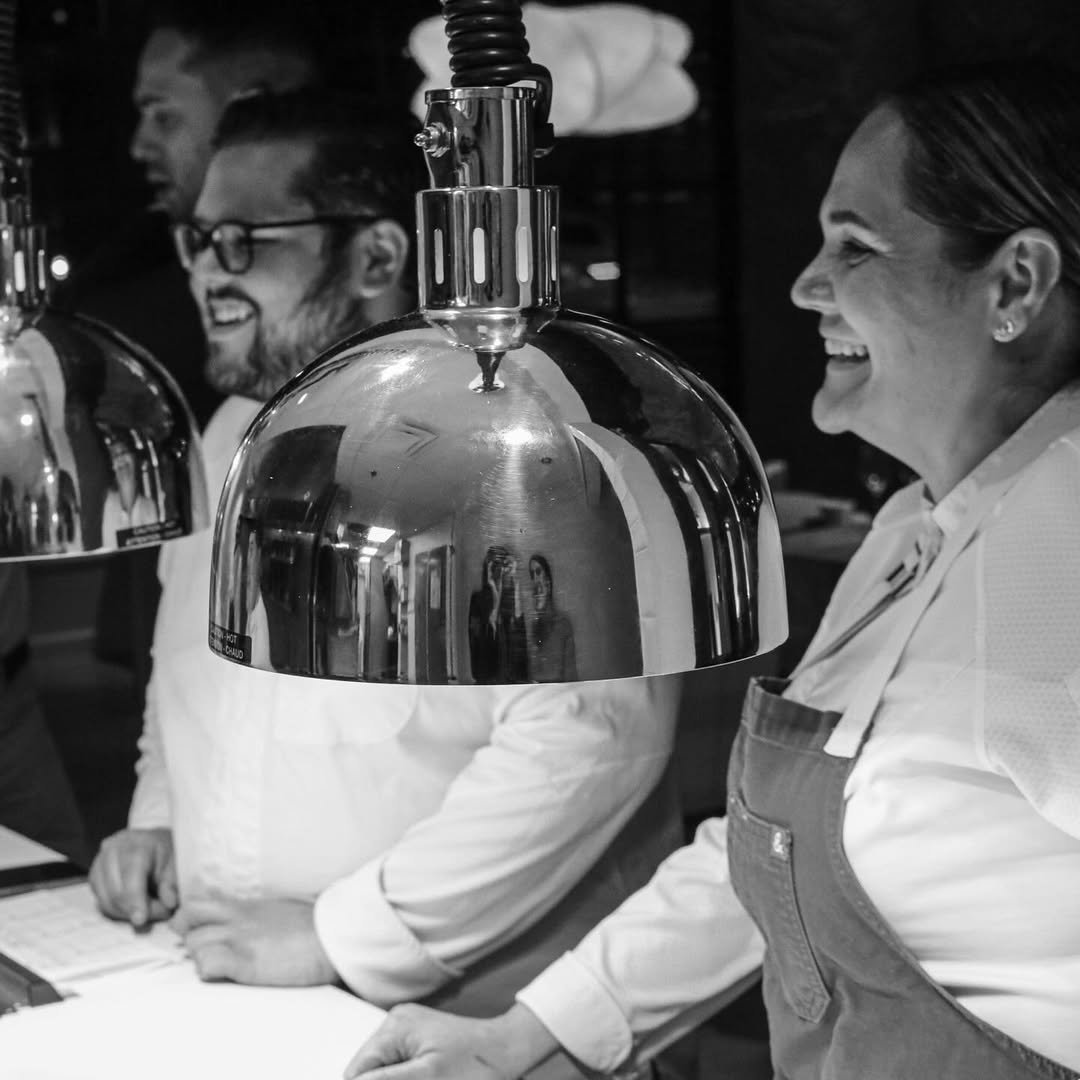
There were moments in my life when the kitchen became my refuge. Shared meals after long shifts, quiet understanding between cooks, and collective effort helped me through personal challenges. That solidarity made the work meaningful and reminded me that, at their best, kitchens are families.
I’m proud to have built spaces that reflect my values. Places where food, culture, and wellness intersect. Each project represents growth, courage, and staying true to my vision, even when it wasn’t the easiest path.
I love the creativity and sense of family that restaurant culture can offer. I also know its darker side. Burnout, imbalance, and systems that ignore mental and emotional well-being have been normalized for too long. Excellence has often been confused with suffering. I believe a kitchen loses its soul when it forgets the humanity of the people who sustain it.
At MITA, my business partner and I are actively working to change that. We are building a more conscious kitchen rooted in empathy, clear communication, and respect for natural cycles. Sustainability starts with people. Leadership, for me, is about care for the team, the ingredients, and the energy we bring into the act of cooking. Cooking can be an act of healing when it’s done with presence and harmony.
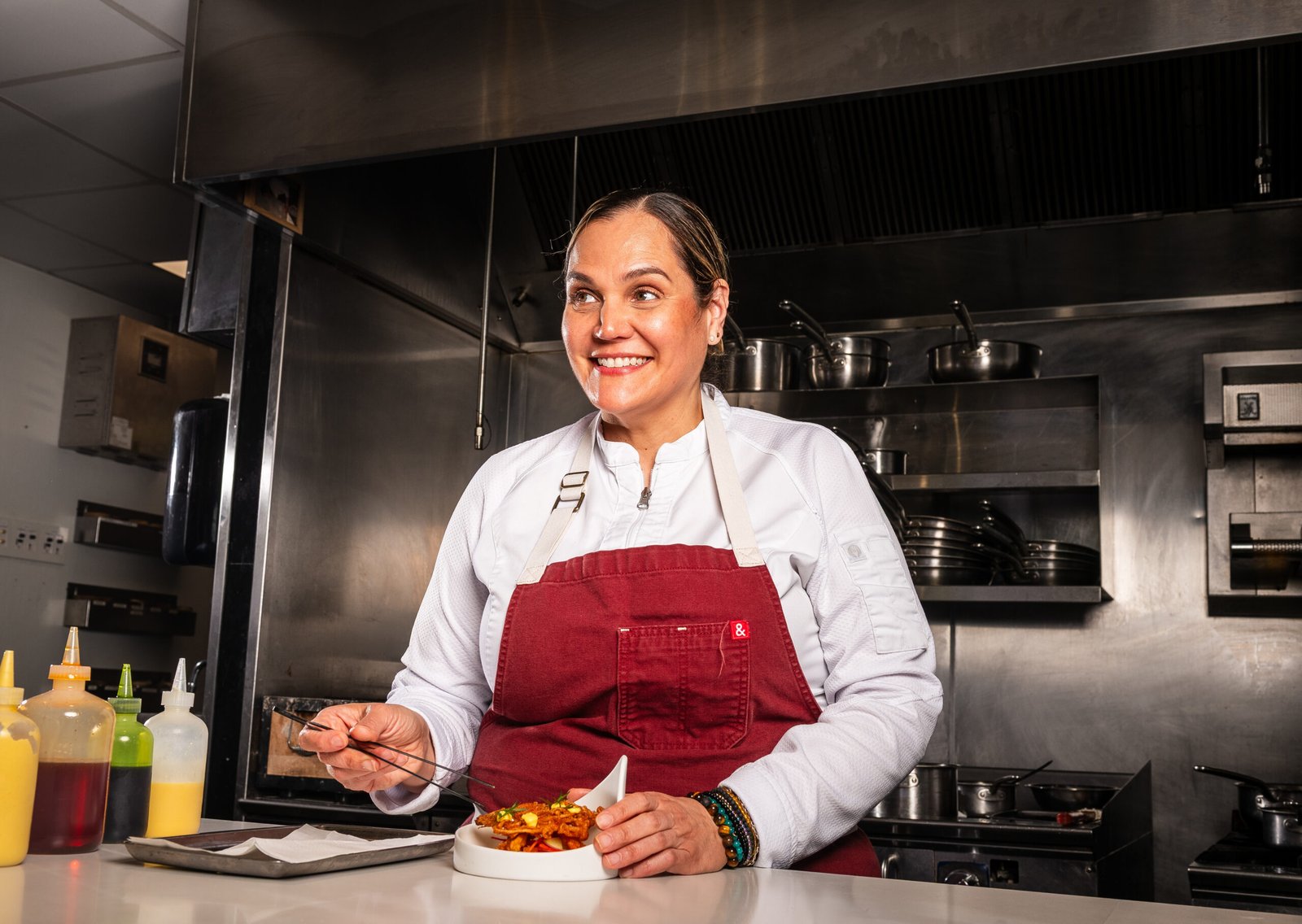
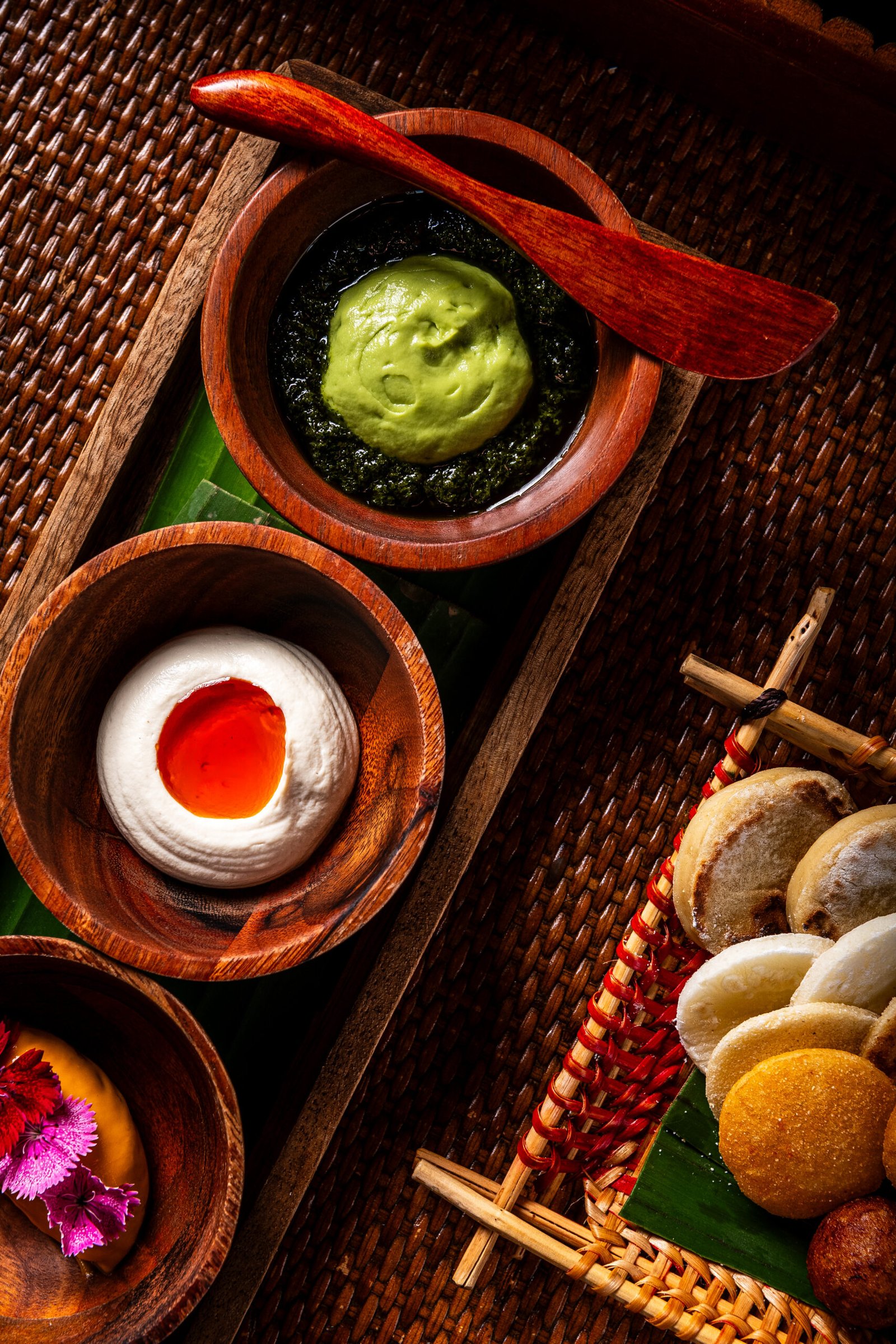
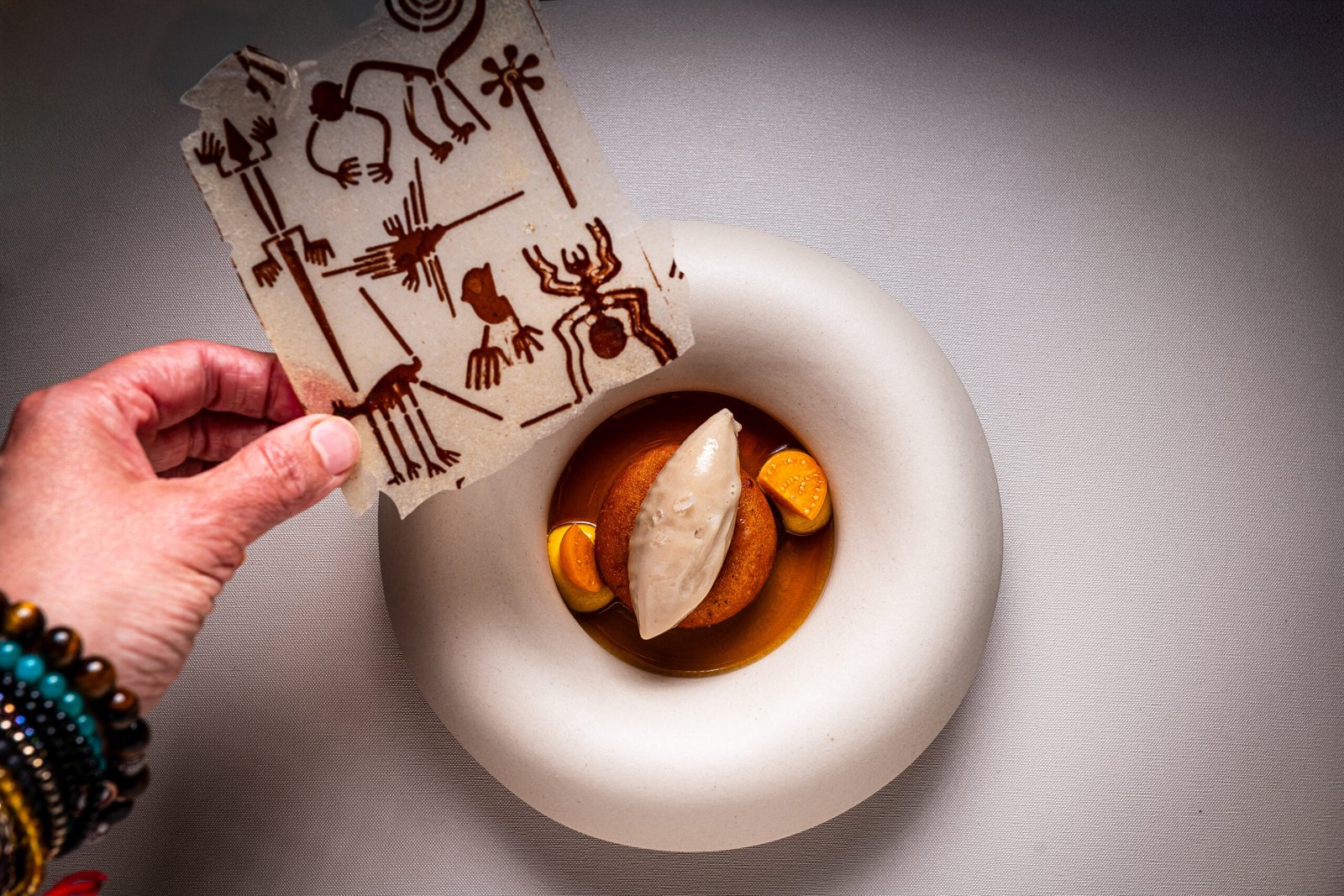
Venezuela shaped me. It taught me resilience. I want my country to believe in itself again and for its cuisine to be recognized for its ancestral wisdom. Being the first Venezuelan woman to earn a Michelin star is not just my achievement; it belongs to the entire MITA team. It reminds me that dreams come true when they’re guided by purpose and faith.
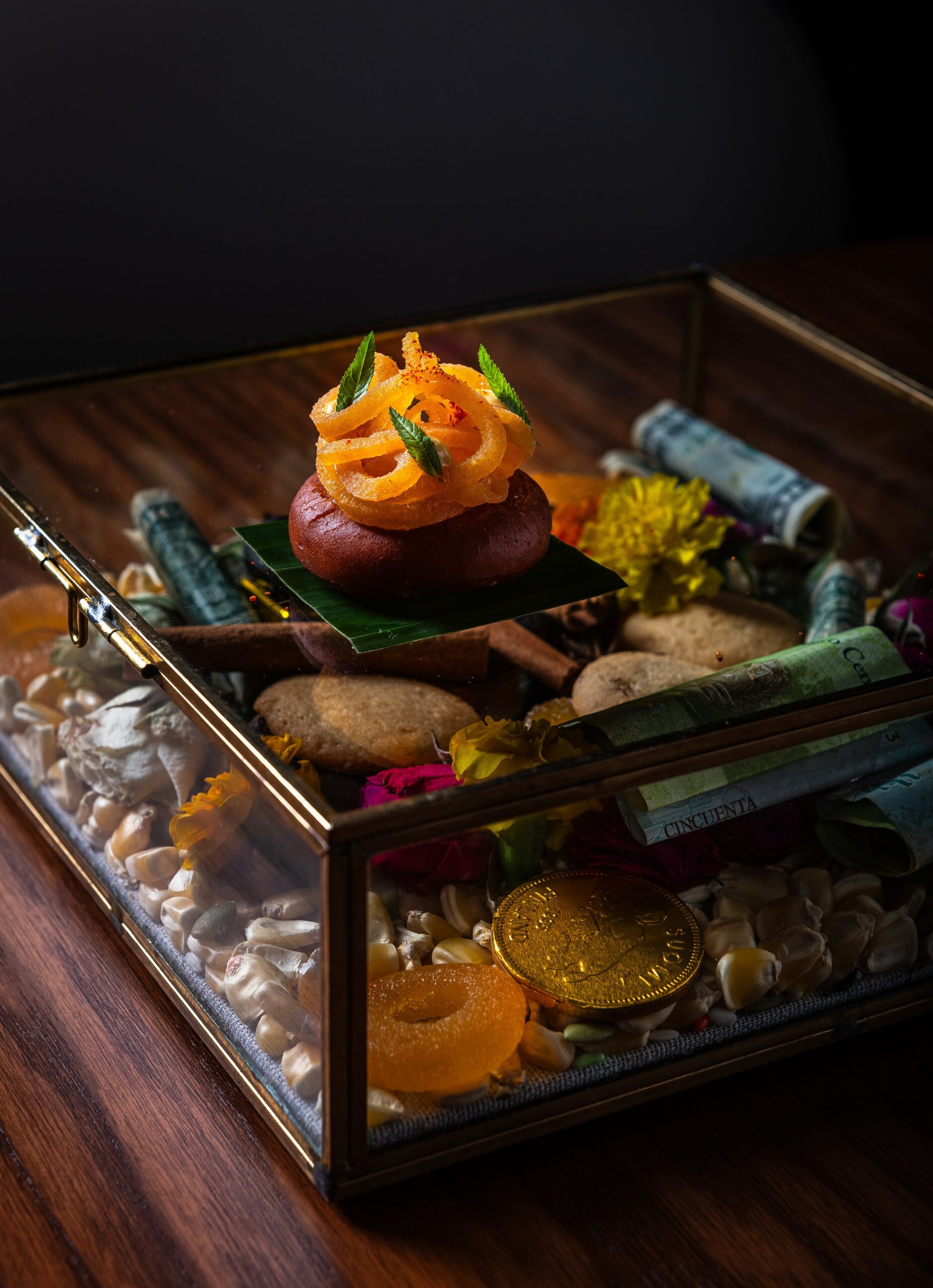
Food is still my language. Cooking is still my way of caring. And every dish is still a bridge — between past and present, memory and possibility, spirit and nourishment.
Photo credits to @reylopezphoto_
Secret Sauce
- What’s the most unexpected ingredient you’ve ever worked with, and how did it change your perspective on cooking?
Fermented vegetables. They taught me patience and transformation.
- What’s your “guilty pleasure” meal?
Simple rice and beans.
- A food trend that you hate and why?
Anything wasteful or purely performative.
- What’s the craziest shift you’ve ever worked in the kitchen?
A nonstop service with minimal staff.
5. What happened, and how did you manage to get through it?
Teamwork, focus, and breathing.
6. What tips would you give to other cooks and chefs to help them navigate their culinary careers and find peace amid the chaos of the kitchen?
Protect your mental health and stay curious.
7. What’s an underrated ingredient and why?
Cabbage—versatile, nourishing, ancestral.
8. What’s a must-try dish from your kitchen or the one you’re proudest to have prepared?
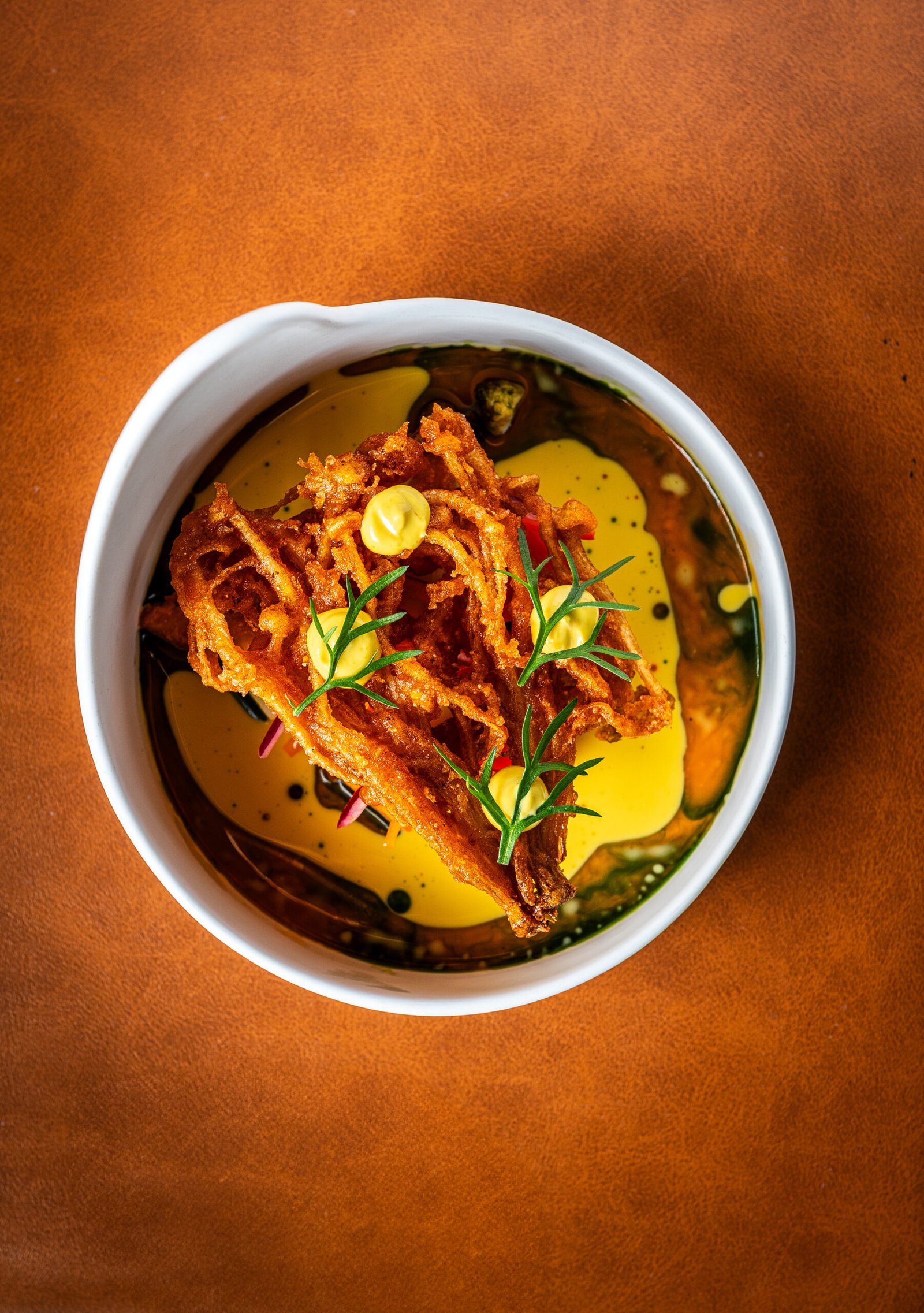
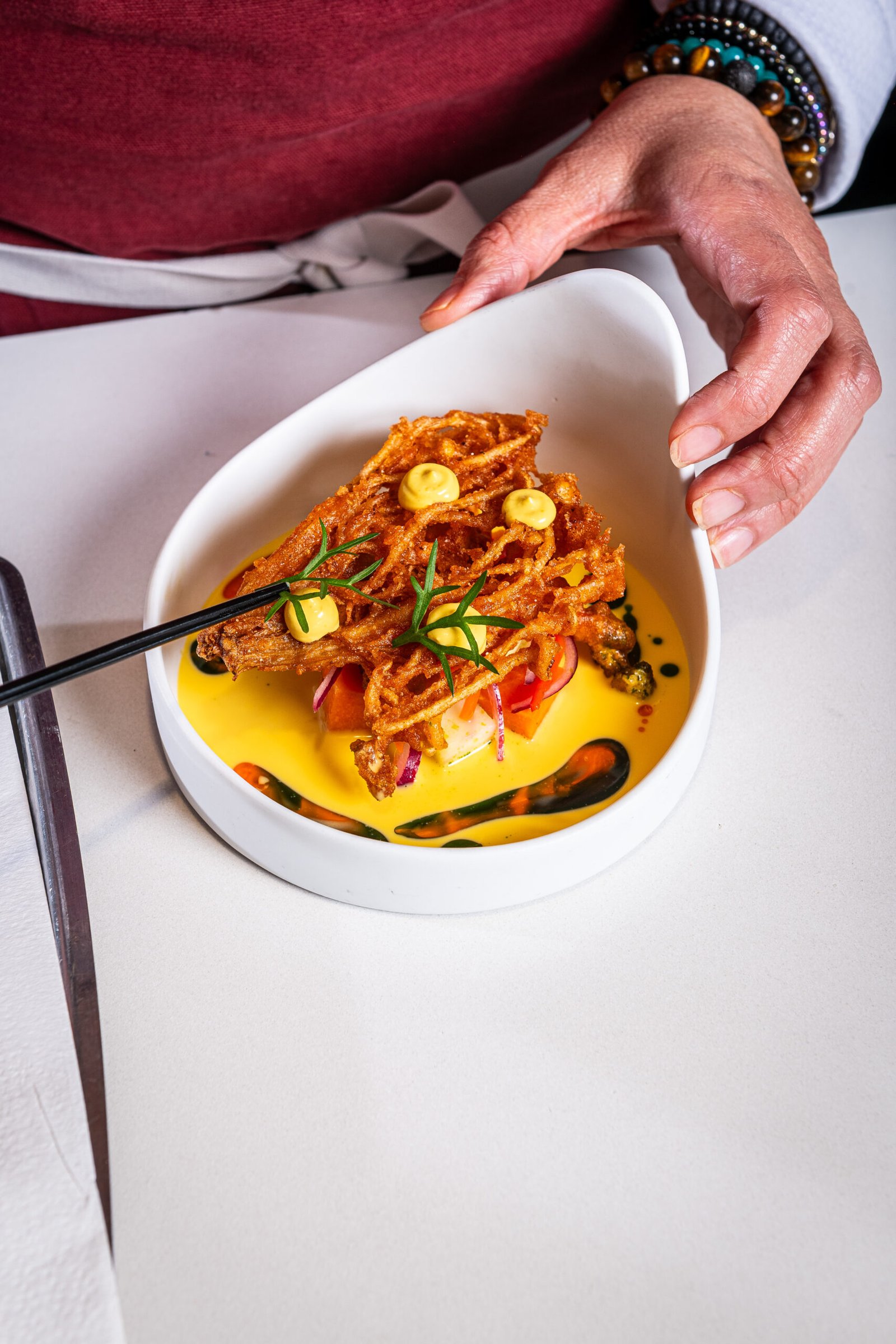
A seasonal, vegetable-forward plate rooted in Latin American flavors.
About Your City!
Washington, D.C., USA
- If Anthony Bourdain or a chef came to your city, what would be the perfect tour itinerary from breakfast to dinner?
In Washington, D.C., I’d start with breakfast at a local café, explore farmers markets, visit a neighborhood taquería for lunch, and end with a thoughtful dinner highlighting seasonal, produce-driven cuisine. Culture, history, and food would guide every stop

Support our project by buying our merch!

86 HOTK Unisex t-shirt
$30.00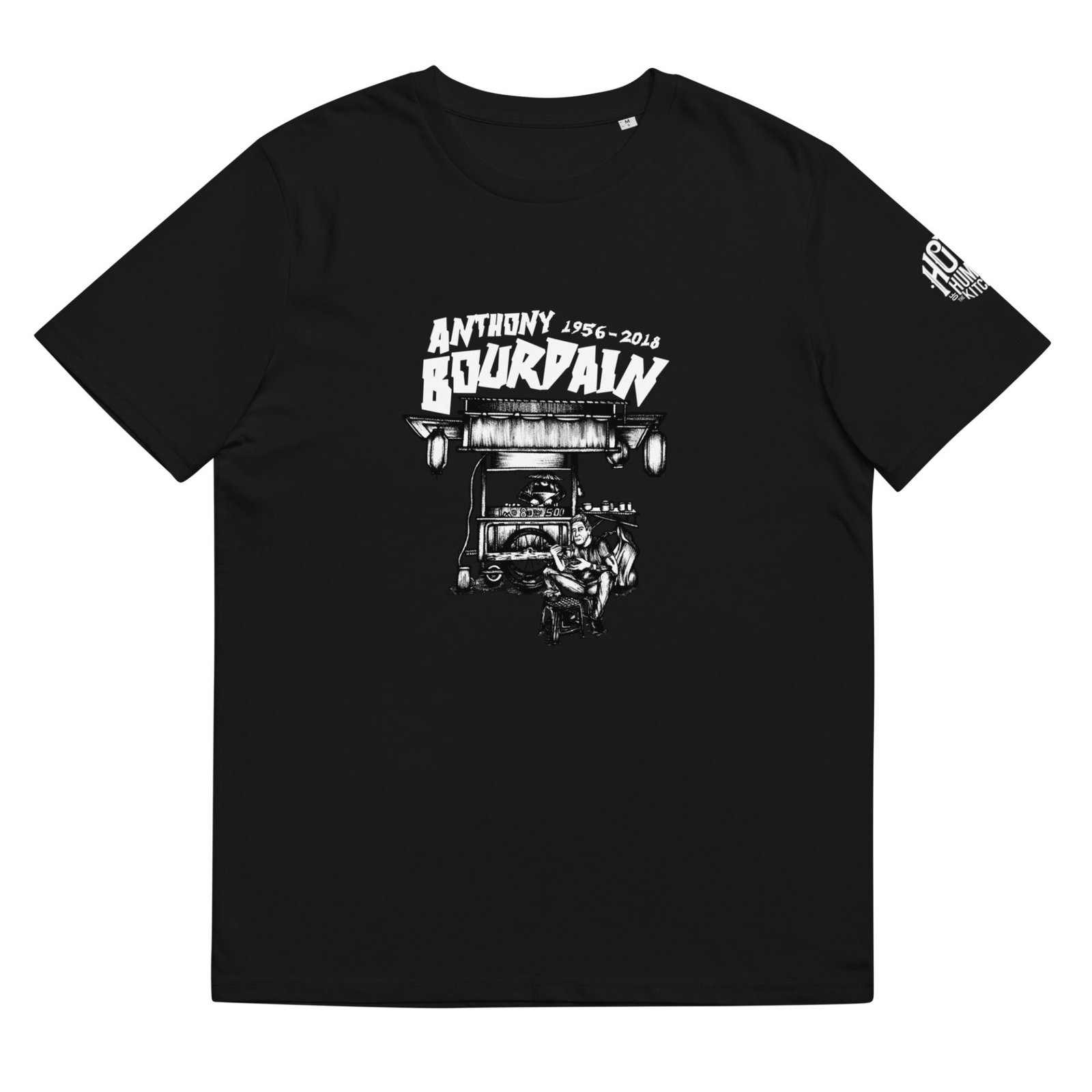
Anthony Bourdain T-Shirt
$35.00
Mise HOTK Unisex t-shirt
$30.00